Skip to content

Thought Behind Things · Apr 13, 2022 · 58:38

The coworking space that started with a sublet

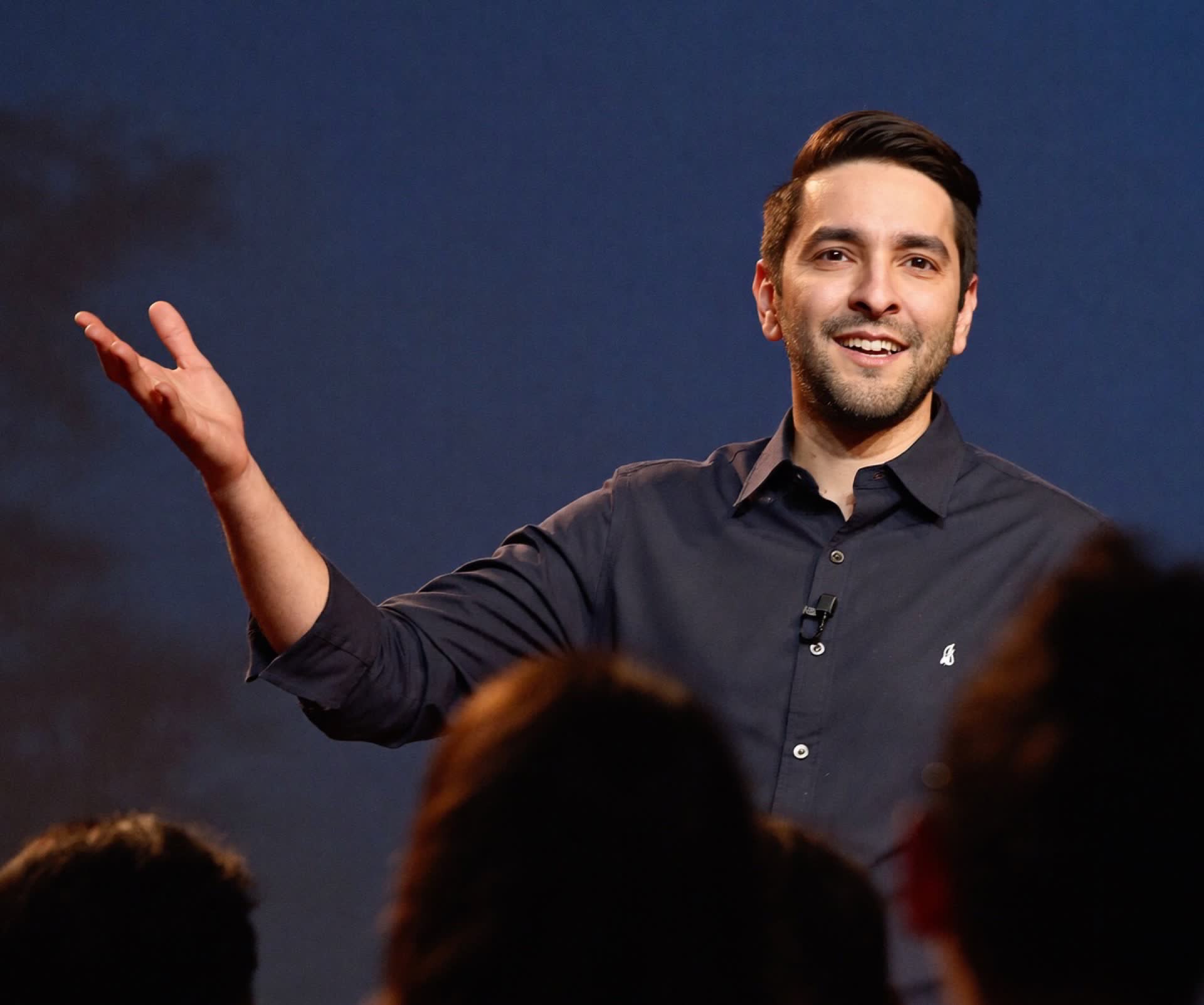
Saad Riaz didn't set out to build Pakistan's first flexible coworking network. He just needed somewhere to put five people. Eight years and ten locations later, the accident has a name: Kickstart.

with Saad Riaz

9 min read

A shared office, not a coworking space

The episode opens with Muzamil introducing Saad Riaz as someone who traveled from Lahore to Islamabad specifically to oversee the opening of Kickstart’s newest location — the tenth in the network. Before getting into the business, Muzamil asks the simplest possible question: what is Kickstart?

“Basically Kickstart ek shared managed space hai,” Saad explains. “Isko aam taur par log coworking space kehte hain.” But the origin, he is quick to clarify, had nothing to do with the global coworking movement. His co-founder Hassan was running a small EdTech startup and needed a place to seat five or six people after graduating. The two of them went looking for a space, found one, and decided to share the cost. “Yeh humne nahin socha tha ke yeh coworking space hai — humein yeh bhi nahin maloom tha ke isko duniya mein coworking space kehte hain.”

At the time of recording, Kickstart was approaching five hundred active members across Lahore and the newly opened Islamabad facility.

From Jud to Government College Lahore

Saad was born in a village called Jud, roughly forty to forty-five kilometres outside Chakwal city in Punjab’s Potohar region. He describes the area plainly: two primary schools, a basic health unit seven or eight kilometres away, and a career landscape dominated by government jobs and the military. Agriculture was limited because the plateau geography made canal irrigation impossible. “Gaon ki mere khayal mein success stories jo reh gayi thi — specially Potohar ke gaon ki — woh yeh success story hua hai jo gaon se chala gaya.”

He completed primary school locally, then moved to a private school in the nearest town for middle and high school. Metric done, he left for Lahore and Government College — a move he now considers the most important of his life, more so than his subsequent university years.

“Woh jo barriers hain, mental barriers, woh pehli baar apne liye break hona shuru hue,” he tells Muzamil. Arriving from a small town, he expected to feel outclassed. A few months in, he realised he was as capable as anyone. But the shift was not only about confidence. In the college library, he picked up the Urdu novel Raja Gidh, large sections of which are set in Government College itself. It was the first time he had consumed any media — a book, a film, anything — in which the physical spaces he actually inhabited appeared. “Ek choti jagah se jab aap aa rahe hote hain toh aapka na koi media mein representation hai.” That absence of representation, and its sudden reversal, left a mark he still carries.

LUMS, economics, and a 2.47 CGPA

From Government College, Saad applied to LUMS on the strength of a notice board brochure and some guidance from a cousin. He got in. The economics major he had been advised to pursue turned out to be a poor fit — “board par ek banda aata hai aur equations likhta jaata hai aur aise aise sign banata jaata hai ke main toh kuch classes samajh raha tha ke drawing ki class ho rahi hai.” His economics grades were consistently poor.

LUMS’s credit structure saved him. With only forty-five to fifty credit hours required in the major out of a hundred and thirty total, he filled the rest with marketing, business, and whatever else made sense. He also started an event management company with a few friends during his university years. By graduation, his CGPA was 2.47 — a number he shares without embarrassment.

The sublet that taught him the subscription model

After graduating, Saad needed somewhere to live. He and Hassan were looking for a portion to rent near LUMS when a senior advised them to take a full house instead and sublet the half they didn’t need — landlords, the logic went, were less likely to harass tenants who occupied an entire property.

Hassan took the full house. When it came time to sublet the other portion, the incoming tenants made an unusual request: rather than pay a security deposit upfront, could they pay slightly higher monthly rent instead? “Yeh jo ek transaction thi, isse jo subscription model ki khoobsurti hai na, woh hum par yahan ho gayi.” The insight — that people will pay more per month to avoid a large upfront payment — stayed with both of them. Muzamil notes that this maps directly onto a liquidity problem that is structural in Pakistan: monthly cash flow is manageable, but lump-sum capital demands are not.

Jug-aad branding and the first Kickstart space

The residential experiment translated quickly into an office idea. Hassan was running his EdTech startup out of the same house and needed a proper workspace for his small team. The two of them found a floor in DHA Lahore, negotiated deferred rent from a brigadier they called “Waheed uncle” — “agar Waheed sahab sun rahe hain toh unka bahut bada contribution tha” — and furnished it with the cheapest tables they could find.

They had no money for branding. Saad called a friend who made intricate paper models of Lamborghinis and guns as a hobby. The friend came over, walked to a stationery shop, bought spray paint, styrofoam, and poster paint, and hand-stencilled the Kickstart name in black and yellow on the office wall. “Is tarah se bahut doston ke saath milkar humne us space ko jugaad ke upar live kar diya.”

The space held roughly thirty-five to forty people. They did not yet know the term “coworking space.” They learned it a few months in, after googling whether anyone else was doing something similar.

Community as the real product

The early members of that first DHA space included people who would go on to build recognisable companies. Saad mentions one early member who later founded Remote Base, a company that places Pakistani software engineers with Silicon Valley firms. Another was trying to build an anonymous social network alone.

What Saad took from watching these early members was something more durable than a business model. The space was basic — “bahut kum log hain jo kahenge ke yaar yeh ek achi space hai” — but people kept coming back. “Woh space se zyada logon ke liye aa rahe hain.” The lesson embedded itself in Kickstart’s culture: customer service and genuine care for members mattered more than the quality of the furniture.

Muzamil draws out the broader point — that freelancers in Pakistan frequently describe burnout from working alone, and that coworking spaces address a human need that goes beyond a desk and a Wi-Fi password. Saad agrees, and notes that while the value proposition has evolved significantly since 2016 — large corporates now use Kickstart spaces — the original insight still holds for anyone just starting out.

Scaling on space equity, not company equity

Later in the discussion, Saad walks through how Kickstart moved from two small shared halls to the Gulberg location — a three-floor independent building that could seat close to two hundred people and, crucially, included private offices for the first time. Private offices changed everything. Teams began taking them immediately, and Saad describes it as a genuine turning point for the business.

The expansion required capital they did not have. Rather than give away equity in Kickstart itself, they structured the fundraise around individual spaces: investors received equity in a specific location, not in the parent company. “Bajaay iske ke hum company ki equity dein, hum space ki equity de dete hain.” It was a model they arrived at through conversations with advisors and friends, and it allowed them to grow without permanently diluting the business.

Muzamil presses on the financial modelling behind each new location. Saad recalls that the Gulberg fundraise was the first time they built a proper projection — cost per square foot to set up, operational expenditure per month, expected revenue per seat. He also recalls, with some irony, that LUMS had required exactly this kind of model as a course project in his intro to finance class. He had let a group member do it and paid no attention. “Agar yeh us waqt banate toh shayad aaj — lekin khair, jab zaroorat padi toh maine dekha.”

What COVID confirmed

The COVID lockdowns of March 2020 emptied every Kickstart location within weeks. Saad describes the three to four months that followed as the hardest the business had faced. “Woh jo fixed cost kitna bada risk hoti hai business ke liye, woh humne wahan par li.” But no location closed, and no expense defaulted. The model held.

What COVID also did was accelerate a shift in how corporates think about office space. Saad traces the arc: companies in the eighties and nineties bought buildings outright; then they moved to long-term leases; now, as technology disrupts industries faster than lease cycles, the logic of agility has become impossible to ignore. “Jitni agility ho utni zyada behtar hai.” The pay-as-you-grow model — which Muzamil frames as the same logic behind Amazon Web Services and subscription software — is now the direction the entire market is moving.

Thirty years from now

By the end of the conversation, Muzamil asks Saad the question he puts to every guest: how does he see Pakistan thirty years from now, when the country turns a hundred and Saad himself will be at the peak of his influence?

Saad’s answer is grounded rather than rhetorical. “Meri apni conviction yeh hai ke bahut si khoobsurat cheezein is waqt ho rahi hain. Young log jinhe technology ke access mila hai aur woh usse apne apne dimaag laga kar bahut amazing cheezein kar rahe hain.” He is not waiting for a political saviour. His argument is that the trajectory is positive regardless of governmental intervention — that the variables he can observe, the ones driven by young people with access to technology and the willingness to use it, point upward on their own.

Muzamil closes by noting that Saad’s own story — from Jud to Chakwal to Government College to LUMS to building a ten-location business — is itself evidence for that argument.

Full transcript
Muzamil

सामने साबतीना स्वरात welcome back to another episode of Thought Denting. मैंने साथ मौजूद है एक बहुत ही ख़ास मेहमान who is here all the way from लोहौर. Actually, he's from चक्वाल but he's been in Lahore for a while now, and recently they've expanded to Islamabad, and he's here, to look after that facility as well. And he was kind enough to to come over and, share the thought process and journey behind what he's doing. He's the cofounder of, Kickstart, which is essentially a coworking space and a managed office. सात्रियाs, sir thank you so much for being part of the show. Thank you for having me मज़मिल. It's a pleasure to be here. ज़बरदस्त, am going to start the conversation with. First of all, before we could go into depth, मुझे यह बताएं, what is Kickstart and, you know, what are you guys doing with it?

Guest

Basically kickstart एक shared managed, space है. इसको आम तौर पर लोग co working space कहते हैं. Right. पांच छह साल पहले, शुरू जब यह हुआ था तो यह एक, one of my co founders जो एक अपनी company चला रहा था. चार पांच लोगों के लिए उसको अपने लिए एक office की ज़रूरत थी. Right. और यह वह वक़्त है जब हम university से graduate हो रहे थे और वह ढूंढ रहा था, आगे पीछे जा रहा था कि what's the ideal space जो उसको मिल जाए जिसमें वह उसके पांच छह लोग बैठ जाएं. Mhmm. और उस इस idea से, हमने एक space ली, जिसको बस हमने सोचा था कि वो अच्छा एक shared office बना देंगे. Right. यह हमने नहीं सोचा था कि यह co working space है या हमें यह भी नहीं मालूम था कि इसको दुनिया में co working space कहते हैं.

Muzamil

और हम अपने expenses share कर सकते हैं. Right. इस तरह से यह शुरू हुआ और At this point अगर मैं आपसे पूछूं कि कितनी कितने लोग अभी actual में बैठे हुए हैं और I mean जो आपका पूरा footprint है लाहौर, इस्लाहाबाद अभी दो शहरों में?

Guest

कोई पौने पांच सौ, पांच सौ लोग उससे काम करेंगे अभी जब वह अपनी full capacity बजाएगी. अभी कुछ ऐसा पहले ही वह open हुई है जिसके लिए यहां आया इस्लामाबाद भी. ज़बरदस्त, very exciting साथ भाई मैं start करूंगा now थोड़ा सा पीछे ले जाकर.

Muzamil

आप कहां पर पैदा हुए हैं और कहां पर आपने अपनी early life का नाम को जारी? मैं चकवाल में पैदा हुआ.

Guest

यह एक south of इस्लामाबाद एक district है, छोटा सा district है. Right. इसी पुठवार region में ही आता है. Right. और लोग जो हैं वह वहां पर या वह Middle East में जाकर gulf में काम कर रहे होते हैं. Right. या एक military बड़ा sought after career है. Right. Military में काफी लोग जाते हैं और उसकी वह history भी है British era से क्योंकि Britishers यह समझते थे कि यह martial race है. Right. जो कि है भी इतनी north में है कि इनके कद्कार्थ और वह भी बड़े हैं. Right. और इतनी south है कि ्तूनों जितनी rebellion भी नहीं है यह उनका stereotype और उनकी profiling थी और यह एक बड़ा sort after वहां career है और बाकी लोग बस, ज़्यादातर लोग jobs करते हैं. Agriculture इतना reliance नहीं है. इस तरह के Makes sense.

Muzamil

यह जो, I mean, did you live in a city or a town or a like what was the setting like? क्योंकि चकवाल तो एक पूरा district है. उसके अंदर क्या कोई छोटे गांव हैं या कोई शहर है? किस तरह से है?

Guest

तो हमारा एक गांव था कोई like forty, forty five kilometers far from the city. चिक्वाल city. तो वहां पर मैं पैदा हुआ. मेरे माँ बाप माँ काफी generation से उनके पिछले पिछले वहाँ रह रहे थे

Muzamil

house as well. Yeah, am the youngest in your house. ज़बरदस्त. And and you are from a business family or an agriculture family? What is the family? सब लोग government jobs करते थे. मेरे

Guest

बहन भाई, well then सब common job से

Muzamil

मुझसे लिख रहे हैं. Right और parents, जो बहन भाई हैं आपके, parents आपके वहीं थे obviously. What what's the gown called? It's called जूड़. जूड़. जूड़. Yes. अच्छा. और जो बहन भाई थे वह भी eventually पढ़कर वापस उधर ही आए या वह फिर शहरों में रहकर? शहरों में रहकर. शहरों में रहकर. रहकर. मुझे यह पता कि यह जो गांव हैं, what's the what's the गांव environment like? You know, I mean कितनी population थी, किस तरह का था, infrastructure कैसा था? वैसे तो generally I feel like चक्वाल generally infrastructure में बेहतर होगा because वह ज़रा direct motorway की वजह से एक एक sort of main इलाक़ाई में आता है. जिस तरह बहुत सारे और peripheries में छोटे शहर या गांव होते हैं जो कि unfortunately disconnected रहते हैं from infrastructure.

Guest

तो what was it like for you? I think, जब हम इसे compare करेंगे सिंध के या बलूचिस्तान के और Punjab के गांव normally थोड़े बेचे लेकिन फिर भी मैं समझता हूं कि जो बाद में जब मैंने Central Punjab देखा या और इलाके देखे Punjab के तो यह इतना ज़्यादा develop नहीं है. हां, roads, infrastructure, connectivity वह तो है. लेकिन मैं समझता हूं कि जो agriculture नहीं है, नेहरे नहीं है क्योंकि it's a plateau तो नेहरे तो नहीं चल सकती उसमें से. तो वह जो factor है उसने इसको सबके अगले पिछलों को भी जानते हैं. Right. तो इस तरह का environment था जो government infrastructure था गांव में वह बस एक primary school था लड़कियों का और एक primary school था लड़कों का. That's it. उसके अलावा जो अगर आपने कोई जो basic health unit है उसके लिए जाना है तो आपको सात आठ kilometer travel करके जो करीबी town है जो union council है का headquarter है वहां पर उस town में जाना है. Bank shank की जो branches हैं वह भी वहां हैं. ये थोड़े जो बेहतर school हैं वह भी वहां हैं. जो private school आपके

Muzamil

इन छोटे लाखों में भी होते हैं वह वहां पर हैं. Right. तो आपने for example अपना primary तो आपने वहीं से किया जो local school था. Middle school और high school कहां से किया? वह मैंने जो करीबी town था वहां पर एक private school था जहां में गया. वह छोटा सा मतलब was it a proper big house style private school या was it like a नहीं नहीं नहीं नहीं नहीं. I think far from it. अच्छा. हां. Did you like the education there? यार हां, मतलब मैं यह समझता हूं कि मतलब looking back at it, तो मैं यह समझता हूं कि जिस

Guest

माहौल में हम रह रहे थे उसके हिसाब से फिर भी ऐसे teachers या ऐसे लोग थे जो कि at least आपको help कर रहे हैं कि एक step आगे आपको पहुंचा दें. जहां से आपको ऐसे आपके लिए थोड़ी सी और opportunities खुल जाए. तो उनका क्या होता था कि वह उस ज़माने में आपको पढ़ा कर essentially

Muzamil

आपको निकालकर लाहौल, श्लाहाबाद, वह उस

Guest

चीज़ को build कर रहे होते थे कि you have to go there and you have to grow from there. Idea यही होता था. गों की मेरे ख्याल में success stories जो रह गई थी ना यह specially पुठवार के गों की. वह यह success story हुआ है जो गों से चला गया. Right. गों के अंदर बड़ी कम success stories हैं क्योंकि वहां पर opportunity बहुत rare है, बहुत कम है. Right.

Muzamil

Makes sense. तो middle school आपने जैसे किया, private school से.

Guest

उसके बाद फिर आपका जो FSC, metric FSC होता है, वह आपने कहां से किया? Metric तक मैंने मैं वहीं रहा. ठीक है. और उसके बाद FSC के लिए मैं, लाहौर चला गया. अच्छा, लाहौर That was government college लाहौर गया. Oh, interesting. और वह वह जो time है, I think मैं मैं अपनी ज़िंदगी पर वह पीछे देखूं तो वह मेरी ज़िंदगी में एक fundamental inflection point जिस पर मेरे लिए चीज़ें बदल बदल गईं और जब मैं कहता हूं मेरे लिए बदल गईं, मेरा mindset जिन तरीकों से government college ने बदला, वह काफी amazing था और अभी भी मैं देखूं तो मैं अपने university के experience से ज़्यादा fundamental अपनी life में उन दो सालों को देखता हूं. Right. जो मैं वहां से निकलकर government college गया. तो तो क्या था? What was it, in government college that really changed you? यार, एक mindset wise अगर मैं याद करूं ना तो, जब मैं गांव से जा रहा था तो मेरे भाई जो one of them जो कि लोहौर में था तो e new के government college कैसा है और कहां कासे लोग आए हो? तो he told me कि यार वहां पर पूरे Punjab से, अच्छे लोग, ज़ेहीन लोग आए होंगे और क्योंकि वह merit भी उसका काफ़ी high होता था. उसने कहा कि तुम देखो तुम्हारे इतने अच्छे लोग होंगे, अच्छी company होगी. तो मैं थोड़ा और specially जब आप एक छोटी जगह से बड़ी जगह जा रहे होते हो ना तो psychology यह होती है कि वह थोड़ी थोड़ा डर होता है, ठीक है? और जो बड़ी जगह होती है उनका एक imperial influence होता है आपकी ज़िंदगी में, ठीक है? Right. और किसी भी आप ज़िंदगी की context में इसको देखें तो उसका एक imperial influence होता है जो मेरे zen पर भी था. Library थी और उसमें बड़ा किताबों का collection भी बहुत बड़ा था. अच्छा. तो वहां पर जब मैं वक़्त गुज़ार रहा था और ज़िंदगी चल रही थी तो ऐसा ऐसा मुझे यह अंदाज़ा हुआ कुछ महीने गुज़रने के बाद कि यार नहीं ठीक आया मैं as good as anyone जो के और जगहों से आऊंगा या जिन्होंने लोहौर से भी education ली है. तो वह जो barriers हैं, mental barriers वह पहली बार अपने लिए break होना शुरू होगा, ok? तो वह एक जो mindset का change था वह मेरे ख्याल में वहां से मेरे साथ आज़ भी रहा कि मैं अगर किसी भी जगह जा रहा हूं तो मुझे हां. Confidence है एक साथ. वह confidence आ जाता है कि यार अच्छा ठीक है. कुछ भी ऐसा नहीं है जो इतना बड़ा हो. एक यह बहुत बड़ी बड़ी तब्दीली थी जो मैंने देखी. दूसरी चीज़ जो मैं देखता कि मुझे याद है मैं government college जब library में जाता था तो वहां पर मैंने कुछ fiction पढ़ना शुरू कर दिया Novels shovels के शुभ. तो एक कुर्दू novel में पढ़ रहा था राजा गिद. अच्छा. जो कि majorly set था उसके scenes government college में. Right. तो, बड़ा interesting experience. मेरी ज़िंदगी मुझे लगा कि पहली बार मैंने कोई, चीज़ जो मैं पढ़ रहा हूं या जो media में consume कर रहा हूं, उसमें वह जगह हैं जो मैं जिनमें मैं ख़ुद मौजूद हूं. वरना एक छोटी जगह से जब आप आ रहे होते हैं तो आपका ना कोई media में representation है, ना मैंने ज़िंदगी में कोई किताब पढ़ी थी जिसमें मेरे गांव का नाम जूड़ है. मुझे

Guest 2

नज़र आया ठीक है या मैंने TV screen पर शायद कभी अपने गांव या उस माहौल को नहीं देखा. Right. तो sense of belonging एक होती है ना आपकी? सब belonging होती है और एक validation भी होती है कि जिन

Guest

जगहों को आप inhabit कर रहे हो वह कितनी idly known है या किस तरह से देखी जाती हैं. आप अगर इस तरह के एक जगह से आ रहे होते हो ना तो आपका तो कोई like अपना identity और वह उसका तो कोई तस्ववर ही नहीं होता. तो like एक अजीब सा confidence जिसने मेरे अंदर यह भी डाला कि अच्छा मैं अब ऐसी space inhabit कर रहा हूं जहां जहां वाले जहां पर मौजूद लोग वह narratives build कर रहे हैं. Right. ना कि सिर्फ़ दूर बैठे. Consume कर रहे हैं. Consume कर रहे हैं. Right right right. तो like वह भी एक मतलब

Muzamil

काफ़ी major चीज़ थी mindset wise. Right, very interesting. उसके बाद फिर आपने जो अपनी university थी वह आपने lumps से किया I believe. Right? And lumps is generally known for कि भाई वहां पर तो बड़े eleventh के private school बच्चे आऐंगे. आप engineering में भी नहीं गए, engineering वाले चलो फिर भी थोड़ा सा you know, FSC वाले हैं but, you know, you you you went for economics. Tell me a little bit about that. Government college में होते हुए क्या वजह थी कि आपने lumps को choose किया? And then how did you manage to get in and were able to compete? Because obviously you were from a smaller town. नए नए आप लोहौराएं हैं, लोहौरा के आपने FSC किया है. Conventionally, everybody would say कि this is a this is a profile which will be difficult to get in. I'm not sure, but that's what the market says. And so how are you able to break that? यार,

Guest

मेरा यह ख्याल है कि यह इतना इस इस साथ तक दुरुस्त नहीं है. मतलब इसमें हां, बिल्कुल मुश्किलात आपको हो सकती हैं but मेरे जो दो साल law और मैं government college में गुज़ारे थे, उन्होंने मुझे but उस career service office में कोई एक brochure लगा हुआ था दरवाज़े पर या notice board पर जिसमें यह था कि यहां के admissions open हो रहे हैं. तो मैंने किसी से बात की अपने घर में. मेरा एक cousin था who is based in law and at that time वहां काम कर रहा था. मौजूद था जहां से मुझे एक थोड़ी सी guidance मिल गई. बाकी मुझे जहां तक याद पड़ता है कि जो test होता था तो government college के जो experience था उसके बाद मुझे कोई इतना ज़्यादा मैंने कोई उसके लिए counseling नहीं ली, कुछ नहीं किया बस मैंने किताबें ली और मुझे जो अपने cousin के दोस्त ने बोला कि बस यह लेकर go through कर ले.

Guest 2

तो you'll be good. बस मैंने वह कर लिया और बस मैं उन्हें test में फिर हो गया आपका And were you a were you a good student?

Guest

I think हां जो चक्वाल के context में तो बहुत अच्छा था. अच्छा. हां, समझा है वाह ऐसा है.

Muzamil

नहीं तो lumps के admission का क्या scene होता है? Test पर based होता है या test plus grades?

Guest

Test plus grades होते हैं लेकिन हमारा जब second year का exam हो रहा था उससे पहले वह offer आ जाती थी. अच्छा. तो मुझे, नहीं sorry exam से पहले नहीं result से पहले. Exam आपने शायद दे दिया होता था और वह Conditional होता होगा क्या? Conditional होता था but वह जो FSC वाली उसकी बनती थी ना वह बड़ी favor में होती थी. अच्छा अच्छा. FSC वाले student के. तो FSC में आज ही होते थे कहकर ना बस pass करके हो ना.

Muzamil

Test pass किए तो you are through. Right right right. And आपने उसके अलावा किसी और university apply किया था या बस आपसे किया था? Of that?

Guest

यार, lumps का भी काफ़ी मज़ेदार experience था. जब मैं वहां गया तो वह दो साल पिछले गुज़ाने को काफ़ी healthy mindset में था और ज़िंदगी में. Lumps में आपने dorms में रहे या अपने moms में? अच्छा, dorms में रहे. Yes. वह भी बहुत मज़ेदारिक scenes था. Right right right. तो जब मैं वहां गया तो पहला साल था. आप जब जाते हो university में alarms में तो आप एक school join करते हो. Social sciences का हो गया, engineering का हो गया या फलाना गया और पहले साल के बाद core courses पढ़ने के बाद आपके पास option है कि कौन सा major मैंने choose करना है. Right. तो मैं वहां गया तो social science school में गया. तो वहां पर हर कोई कह रहा था कि यार बस कोशिश करनी है कि economics major मिल जाए. जब पहले साल के end पर आपने शायद अपनी preferences देनी होती हैं कि कौन सा ही है वह ख़ुद allot कर दो तो मुझे economics major मिल गया. अच्छा दूसरा साल आया तो दूसरे साल में economics के वह courses आने लग गए जिसमें आप बस board पर एक बंदा आता है और equations लिखता जाता है और ऐसे ऐसे sign बनाता जाता है कि मैं तो कुछ classes समझ रहा है drawing की class हो रही है. चीज़ें वन रहा रहे हैं लोग आकर और पर समझ गया. कुछ समझ गया.

Guest 2

तो दूसरे

Guest

साल से यह थोड़ा होने लग गया और economics के जो मेरे grade हैं वह consistently बहुत बुरे आने लग गए. उस paper मैंने क्या किया कि लेकिन अच्छी बात लाम्स की यह थी कि आपके पास आपने major करना है ना तो कोई आपको पैंतालीस, पचास, पचपन credit hours करने होते थे उस core subject के. बाकी आपके पास बहुत बड़ी range होती थी कि अगर आपको degree करने के लिए एक सौ तीस या एक सौ पैंतीस credit hours करने हैं तो आपने half से भी कम major के करने हैं. Marketing, businessman. जो बस समझ में आया, वह पढ़ना शुरू कर दिया. Interestingly तीसरे साल तक मुझे पता चला कि यह जो बाकी चीज़ें हैं ना, यह मुझे थोड़ी सी ज़्यादा entice लेकिन कर फिर भी ना मैं पूरा time यह समझता था कि शायद मैं बुरा हूं तो मुझे economics समझ नहीं आती. लेकिन खैर इस thought process के साथ मैं चलता गया. चार साल काफ़ी अच्छे गुज़रे. उसके साथ मैंने कुछ extracurricular activities. एक event management company मैंने university के दिनों में बना ली जो events थी जाकर दो तीन लोग मिल गए साथ. एक अच्छी team वन गई. वह मैं करता रहा. बाकी social life अपनी और जुलामs में आपकी जितनी सारी activities होती हैं उनमें काफ़ी काफ़ी involvement थी. काफ़ी मैं कहूंगा कि enriched experience था. सही बहुत कुछ चार साल के अंदर graduating

Muzamil

CGPA आपका क्या था? If I were to, if you could share that with the audience. It's 247. 247, अच्छा.

Guest

आपसे ज़िंदगी ख़ैर उसके बाद आपने business direct start कर दिया ना आपने jobs के लिए apply किया था उसके बाद? यार जब मैं graduate हुआ तो अब family तो मेरी कहीं और रहती थी दोगों में मैं अकेला रह रहा था. तो अब job मैंने देखना शुरू कर दी क्योंकि मैंने bills तो pay करने थे और उस वक्त मैंने यह सोचा नहीं था कि मैंने एक business start as such मतलब करना बस

Guest 2

go with the flow policy भी. हां हां. पर समझ आ गया तो business कर लेंगे, नहीं समझ आए तो नौकरी कर लेंगे. चलो ज़िंदगी लेकर चले जाएंगे. More or less पहले भी मतलब आगे आगे यहां तक तो लगता था कि कुछ कर लेंगे. हाँ. तो

Guest

जब मैं graduate हुआ तो एक experience था उस वक़्त जो बड़ा fundamental साबित हुआ business start करने के लिए. वह यह था कि अब हमें रहने को जगह चाहिए थी. Dom से तो हम निकल गए. चार साल पूरे हो गए. अब जब हम अपने लिए जगह ढूंढ रहे थे तो वहां lumps के क़रीब ही हम जो घर है वहां पर हम देख रहे थे कि वह portion rent कर लें. मैं और मेरा जो cofounder है partner है kick start में हसन. हम दोनों वह जगह ढूंढ रहे थे. तो जब हम जगह ढूंढ रहे थे हमें किसी ने seniors ने बताया कि यार यह तुम अगर एक घर में एक portion rent करके रहोगे ना तो जो young souls तुम लोगों इस वक़्त नीचे वाला बंदा तंग होगा और वह तुम्हें निकाल देगा. तो ऐसे करो कि एक घर पूरा लो, उसको sublet कर दो. अच्छा अच्छा अच्छा. आधे में तुम रह लो और आधा तुम sublet तो कर मेरे martial हसन उसने यह किया plan और उसने जो है जाकर घर पूरा rent कर लिया instead of a portion जो कि हम दोनों को चाहिए था. सही है. अब जब उसने वह पूरा portion एक ले लिया, घर ले लिया तो अब दूसरा parts portion ground वाला या दूसरा जिसमें हम नहीं रह रहे थे वह sublet करना था. हां. यह उस sublet करने की बारी आई तो हमने वह university के इसी group में ad लगा दिया कि यार, यह हमारे पास जगह है यह. तो उससे कोई लोग आए university के उन्होंने कहा अच्छा ठीक है हम यह कर लेते हैं. तो हमने जब वह घर rent किया था तो जैसे आप एक कोई भी property rent करते हैं तो उसका आपको एक security deposit देना है जो मालिकान है उसको. तो हमने दे दिया था. जो अगले लोग आए उन्होंने कहा देखो तुम लोग हमें जानते हो तुम लोग हमसे वह security deposit ना लो बल्कि थोड़ा सा rent ज़्यादा ले लो. Monthly expense कम हो जाएगा but हमें हमें ज़्यादा payment नहीं करनी पड़ेगी. तो यह जो एक transaction थी इससे

Guest 2

जो subscription model की खूबसूरती है ना वह हम पर यहां हो गई है. सही है. हमें यह समझ आई कि अच्छा यह बात हमारे साथ रह गई. Even though subscription model दुनिया पर वैसे हुआ है. हर चीज़ अब आप subscribe

Muzamil

करते हैं. But वही है कि उसका पाकिस्तानी context आपको शायद वहां पर नज़र आया कि you know like and and that's a very normal thing like Pakistan में कि six months का advance दें या आप three months की security दें, यह करें वह करें and it's actually the liquidity that's a bigger issue. Month on month आपके पास cash आ रहा होता है but जब आप liquid liquid capital आप एकदम से इतना सारा मांगे तो वह मसला करता है and so अगर आप कोई और model निकाल सकें which you were able to and you were able to and यह भी बड़ा interesting है. I didn't I didn't know and didn't think कि Pakistan में particularly domestic के अंदर subletting is a thing. Is that generally market में follow हो रही है या आप उन्हें एक sort of नया bottle लगाएं? अंदर खाते यह कर लिया था. अच्छा. That's not widely acceptable. रह रहे हैं. हां हां हां हां क्योंकि otherwise पर वह suddenly people start becoming even तो पूरी दुनिया में इस होता है कि आप एक third party को दे देते हैं वह property manage करते हैं. मतलब मैं आपको ऐसा बता रहा ना कि जो जो reason why I said manage spaces, बाहर जितना बड़ी बड़ा स्तना होता है कि आप घर ले रहे हैं. घर लेकर आप चले भी जाएं ना तो पीछे देरा people जो किराए पर चढ़ाएंगे, साफ़ सुथरा करेंगे, उसके problems आऐंगे वह भी fix so so residential में uh-uh it's interesting that you started with residential even though I think even till date

Guest

residential के अंदर it's a much tougher nut to crack user acceptability के अंदर. And अच्छा हमने इसको as a business तो नहीं लिया था. हमारे पास तो एक बंदा आया. हमने वैसे ही उसको sublet करना था. एक अपने purpose agenda था हमारा कि घर में कोई हमें तंग ना करें जिधर हम रह रहे हैं. हां. और वह agenda बस हम follow कर रहे थे और उसमें बस एक बंदा आया हमने यह कर दिया. उससे उसको हमने कभी भी as a business नहीं देखा. Right. But वह एक,

Muzamil

Thought आ गई ना उसे. Thought आ गई वहां से. And so how did you convert that into something? अच्छा खैर anyways, let's go with the story. So आपने यह space ले ली and आपने यह sublet भी कर दिया.

Guest

हां. Gigs पकड़ लेता था तो वह करके मैं अपने bills pay कर रहा था और बाकी बस हमने उस यह घर लिया और नीचे लोग आ गए. अच्छा, उस वक़्त ज़िंदगी का थी एक change आ रहा था बहुत बड़ा. अब ज़िंदगी में वह मोड़ आ गया कि अब ख़ुद कुछ करने और यह एक ऐसी चीज़ है कोई भी बंदा या बंदी जो graduate हो रहा है, हो रही है वह उसके उसके लिए यह moment काफ़ी fundamental होता है, important होता है और इसमें बड़े डर से भी आ जाते हैं कि अच्छा अब क्या होगा? तो वह भी एक मज़ेदार vibe थी घर की कि वह जो time था change का उससे cope करने के लिए भी उस वह जो घर पर हमने छोटी सी community बना ली थी उसकी काफी value थी. Right. और वह उस तरह से भी मज़ेदार फिर एक logistics के point of view से भी. अब घर में हम ऊपर दो लोग रह रहे हैं, नीचे तीन चार लोग रह रहे हैं. तो घर में सारी resources भी shared हैं. एक housekeeper हमने रखा है जो आकर हमारी laundry कर देता है, याव कर देता है. एक बंदा जो है वह internet और बिजली का bill दे देता महीने के end पर. एक है जो rent पर कर देता तो काम भी divide हुए हुए हैं. तो एक,

Muzamil

living organism था घर. Right. I think I have been to a house like this. Lumps के थे वह. Do you remember those guys? यह travel वाली है आपकी बड़ी मशहूर lumps की एक startup है. Find adventure. Find adventure वाले. I believe वह लोग भी कहीं आस पास ही रह रहे थे. Lumps के बिल्कुल आगे. हम लोग we went to record a song this one this one time और उधर भी चार पांच, मेरे एक दोस्त का दोस्त था रह रहा था वह भी lumps से graduate हुआ हुआ था उधर उधर ही lumps के find my adventure वाले boys भी रह रहे थे. So I can imagine the vibe के it's like a it's it's it's a very particular it's not as frat boy as the the dorms but they're very close.

Guest

Right और यह सारे professionals थे जो रह रहे थे, आ रहे थे या वह कह रहे थे कि सब graduate कर चुके हुए थे. सब graduate कर रहे थे, सब कुछ काम काम ही कर रहे थे ज़िंदगी में. तो like वह जो घर का वह पूरा एक experience था उस उसको ही हमने देखा और जो मेरा partner है हसन. हां. वह उस वक़्त एक EdTech startup,

Muzamil

चलाने की कोशिश रहा था. ठीक है, चलाने की कोशिश बड़ा interesting और हुआ

Guest

उसके पास ना पांच छह लोग थे. ठीक है. और उसमें से कुछ दो तीन interns थे जो भी भी senior year में शायद पढ़ रहे थे university में. तो उसका agenda यह था कि यार university के क़रीब ही एक जगह ढूंढी जाएं जहां पर अच्छा यार कुछ ऐसा करते हैं कि यह जिस तरह से हमने घर पर किया है कि एक पूरा लेकर इसको sublet कर दिया है. ऐसे एक office बनाते हैं पूरा और उसको इसी तरह की छोटी teams में divide कर लेते हैं. Right. तो यह जो घर वाला सारा experience था उसको हमने कहा चलो office में translate करें. अच्छा, जब यह हो रहा था तो मैं अपनी job hunt पर लगा हुआ था क्योंकि मैं freelancing पर मुझे कोई खास नज़र नहीं आ रहा था कि लंबार सही मुझे चला सकती है एक आधे minute में. ग़ैर ज़्यादा कुछ सोचे. उनका कि हम kick start कर रहे हैं. Company तो let's call it kick start. Right. उसका नाम रखा और उस word document पर जो thoughts थी वह उसने लिखना शुरू कर दी और वह एक page उसने बना लिया कि हम यह यह करते हैं office में यह चीज़ें हम लाते हैं और इतने हमें पैसेज दर्कार होंगे उसके लिए और यह चार services internet हम उसमें लगा लेंगे, एक pantry हम उसमें छोटी सी बना लेते हैं, एक meeting room बना लेते हैं लेकिन उसका सवाल यह था वह थोड़ा ना risk worse था. तो उसने कहा कि इसको validate कैसे करना है शायद? मैं और हसन यह कार्य होते हैं ना तुम्हारा risk appetite थोड़ा ज़्यादा रहा है हमेशा. उसको थोड़ा सा risk appetite कम था. Right. तो उसने कहा validate कैसे करना है? उस तरह के उसने सवाल पूछे जो कि बड़े relevant सवाल हैं और वह बड़ा relevant personality type है. तो फिर वैसे ना थोड़ा सा cautiously optimistic रखता है कि यार ठीक है हो जाएगा but let's figure out कि इसकी चीज़ें सारी पूरी हैं कि नहीं. पूरी हैं कि नहीं? तो वही उसने day one पर किया और हम इनका कि अच्छा ठीक है validate करने के कुछ करते हैं. तो हसन ने probably यह figure out किया कि यार इसको उसके बाद आपने उसको design किस तरह से किया? अच्छा अगर शायद लोग कहते ना कि पंद्रह हज़ार या बीस हज़ार तुम्हारे पास इतने पैसे ही ना होते कि शुक्र है कि लोगों ने कम ज़रा basic requirement नहीं थी office के साथ. Right. तो हमने यह सोचा कि जब वह लोगों ने requirements नहीं तो हमने कहा अच्छा अब हमने यह बनाना कैसे हमारे पास कुछ पैसे नहीं थे. तो मैंने अपनी अम्मी को call की. मैंने कहा क्या आप मुझे कोई लाख Space का rent जो था ना उसके लिए हमारे पास पैसे नहीं थे और उसका obviously security deposit और advance और यह और सारी चीज़ें थी. तो हमने एक जगह ढूंढी और वह एक uncle थे मुझे उनका नाम याद नहीं उनका नाम था वेहीद. ठीक है. वह एक brigadier साहब थे. ठीक है. तो uncle को हम मिले, uncle को हमने कहा कि हम अभी भी young लोग हैं, graduate किए हैं. हम अपना office खोल रहे हैं. Uncle के साथ हमने एक rent negotiate किया. Uncle was very kind enough कि भाई तुम मुझे rent बाद में दे देना. तो अगर वेहित साहब sun रहे हैं तो उनका बहुत बड़ा

Guest 2

contribution था कि मेरे पास पैसे नहीं थे. Right. और अगर वेहित साहब को शायद पता होता है कि इनके पास मिल.

Muzamil

तो कभी ना देते हैं.

Guest

But मेहित साहब ने trust किया और हमने वह floor उनसे ले लिया और हमारा plan क्या था कि furniture वगैरह और कुछ चीज़ें हम लेते हैं. AC हमने कहा थोड़ी अरसे में लगाएंगे जब गर्मियां आऐंगे लौर का फरवरी है तो फरवरी लौर का फरवरी है. दो तीन महीने का पैसा दिए थे. हां. उनसे हमने जाकर, जो सस्ता तरीन furniture और मिल सकता था, वह हमने ले लिया. ठीक है. और वह हमने लाकर रखा. कोई पैंतीस से चालीस लोगों की जगह वन गई. अच्छा. एक meeting room table रख ली अंदर. Pantry में बुनियादी चीज़ें हमने ख़रीदकर रख ली. हां. और बस हमने announce कर दिया कि वह अच्छा यह एक shared office space है. हां. इसमें आप आ जाएं. अच्छा उसमें branding करने की भी पैसे नहीं थे. तो एक दोस्त था मेरा. वह बहुत अच्छा university मुझे याद है कि मैंने उसका कुछ बचपन का काम देखा था. वह paper art बहुत अच्छा करता था. सही है. तो मुझे याद है उसने एक Lamborghini का एक certain model था जो उसे पसंद था. उसने उसका exact replica बनाया card पर printing करता था और उन pieces को जोड़कर वह इस चीज़ का model बना लेता था जो उसकी favorite बंदूकें थी उसके भी model उसने बनाया वैसे. तो आप उसको बोलें कि यह mic जो है card बना दे तो वह, थोड़ा सा इसको conceptualize करके चीज़ें print करके card cardboard से paper से. यह पूरा बना देगा. यह बना देगा तुमने उसको call की. उनका यार सस्ती branding करनी है. उसने कहा कि अच्छा ठीक है मैं आता हूं मैं आया. मैंने कहा चलो stationary shop चले stationary shop गए तो उसको जो नज़र आ रहा था ना कोई poster paint नज़र आया, कोई styrofoam sheet नज़र आई, कोई spray paint उठाया. तो उसने तीन चार हज़ार की चीज़ें नहीं उसने कहा चलो office अब. तो चीज़ें उठाकर हमने एक दो दो और दोस्तों को बोलाया office आ गए. वह ले लिया था और उसको यह लग रहा था कि यार ठीक है नहीं एक shade office है तुम black और yellow उसने उस वक्त कुछ सोचा था. उसने black spray paint किया उसके ऊपर stencils है ना letters काटे kick start के और उसको yellow poster paint करके उसने वह उस black spray paint wall पर paste कर दिए. तो इस तरह से बहुत दोस्तों के साथ मिलकर हमने उस space को जुगाड़ के ऊपर. जुगाड़ के ऊपर live कर दिया. Very interesting. मुझे थोड़ा सा यह बताएं पहले तो कि जब आप यह कर रहे थे, did you have an understanding of shared spaces and co working spaces? Have you heard had you heard of such a thing in Pakistan before? नहीं. दुनिया में भी हैं, यह भी नहीं मालूम था. सिर्फ़ idea यह था कि एक shared office बना लें. जब हम यह कर रहे थे, इसके beach में हमने थोड़ा देखना शुरू किया कि यार यह shared office कोई और भी चला रहा है या नहीं. तो हमें यह मालूम पड़ा कि दुनिया में इस चीज़ को कहते हैं coworking space. ठीक है. फिर हमने इसका नाम रख दिया कि एक start co उसके नीचे डाल दिया coworking space. जब हमें यह मालूम पड़ा जो दो तीन महीने में पहले कुछ लोग आ गए जिनके साथ बात हुई थी लेकिन फिर एक ऐसा time आया कि अब हम पैसों की ज़रूरत है और अब वह पैसे सिर्फ़ तभी आ सकते हैं कि अगर कोई client आए. अगर वह ना आए तो कोई chance नहीं है.

Muzamil

या? Monthly. Monthly आ रहे थे. लोग monthly आ रहे थे. सही है. और

Guest

entrepreneurs थे, नई नई companyयां खोल रहे थे. दो लोग उसमें आए early दिनों में ही. कासे मोर्तला. कासे मोर्तला आजकल एक company चला रहे हैं जिसका called remote base. Ah, right right right, interesting. वह लोग software engineers यहां से भेजते हैं Silicon Valley companyयों को. Mhmm. तो back in the day वह अलग अलग उस space में आए थे और एक जो है वह उस एक anonymous social network बनाने की कोशिश कर रहा था, अकेला था. तीन लोग हो गए, इसके चार लोग हो गए. तो ये earliest लोग थे kick start में जो आए. तो उनसे हमारी भी दोस्ती हो गई और एक जो मज़ेदार चीज़ जो आज जो kick start की personality है, जो brand है उसमें value आ गई, customer service की और लोगों का थोड़ा ख़याल रखने की, वह उसको मैं अगर recall करता हूं ना तो शुरू की जो space थी ज़मील वह बहुत basic थी. ठीक है. बहुत कम लोग हैं जो कहेंगे कि यार यह एक अच्छी space है. हां. ठीक है? तो उसमें लेकिन जो लोग आए थे उनको अगर हम कोई role play कर सकें उनको address करने में. तो वह हमारी psyche में ही यह रह गया कि यार जो आपके पास लोग आ रहे हैं वह space से ज़्यादा लोगों के लिए आ रहे हैं. अच्छा. और

Muzamil

वह northern areas के साथ मिलकर चले गए. Essentially co working space के साथ साथ community development and community का concept जो है वह उसके साथ sort of बुनसिले हो गया and I think we've seen that happen with a lot of co working spaces के की एक बड़ी utility होती है कि there's a social experience that a lot of freelancers are missing in Pakistan these days. Like I talk to a lot of them and वह यही कहते हैं कि यार हम कर तो रहे हैं लेकिन burn out हो जाते हैं अपने desk पर बैठे बैठे अकेले बस करे करे कर करके. तो co working spaces में at least यह होता है कि there's a human side of things as well that you can experience. बिल्कुल और यह बहुत बड़ा value proposition है specially उन लोगों के लिए जो सिर्फ़ अभी start कर रहे हैं. Even though co working कभी जो value proposition है वह काफ़ी evolve कर गए हैं. From that time,

Guest

January दो हज़ार सोलह से आज, February दो हज़ार, March दो हज़ार बाइस में जब हम बैठे हैं, यह बहुत evolve कर गए हैं. अब बड़ी बड़ी companyयां जो बड़े बड़े नाम हैं globally वह operate कर रही हैं वह हमारी spaces use कर रही हैं. लेकिन अभी भी आज के दिन भी जो remote worker हैं या जो freelancer हैं या एक entrepreneur है जो अभी बस start कर रहे हैं उसके लिए immense value, जो coworking spaces में उसे मिल जाती है और वह हमने उन दिनों में उस छोटी सी community में यह realize किया था इन लोगों को देखते हुए कि यार ठीक है हमने तो इसको conceptualize शुरू में किया है एक office के लिए. अपने office का मस्लाल करने के लिए but यह बहुत बहुत बड़ी opportunity है, बहुत बड़ा impact है जो यहां पर इस mall के through हो सकता है. Right, makes sense.

Muzamil

This first space was in DHA.

Guest

वह अभी तक है या वह छोड़ चुके हैं पर? वह हमने wind up कर दी थी दो हज़ार एक दो साल बाद. It was too small. And दो साल तक आप उसी space में थे. उस पर आपने expand out नहीं किया था? हमने एक और छोटी सी space खोल ली थी Georgetown area में जो आज भी चल रही है. ठीक है. उससे थोड़ी सी learnings ली हमने और पांच छह महीने बाद हमने Upgraded एक worker. Upgraded एक और space खोल दी. वह कितने wrong की थी? उसमें कोई साठ या सत्तर लोग थे. वह भी छोटी सी space थी और उसके बाद हमने यह realize किया यह अच्छा यह दोनों spaces जो थी यह सिर्फ़ shared spaces थी. Right. एक hall में आप जाते हो और co working space है और बस उसमें freelancers, entrepreneurs और remote workers वह बैठे हुए हैं. एक एक दो दो तीन तीन लोग हैं, चार चार लोगों की team है max. इससे बड़ी नहीं थी. इस time में हमें realize हुआ कि यार

Muzamil

नहीं कर सकता.

Guest

तो वहां से हमें वह knowledge भी आता गया कि यार अच्छा अब यह और required है. तो हमने एक, और बड़ी space खोली गुल्बर्ग में. जो उन दोनों से significantly बड़ी थी उसमें कुछ पौने दो सौ दो सौ लोगों की जगह थी. उसमें हमने पहली बार private offices बनाए और वह private offices teams ने आकर लेना शुरू कर दिए और वह एक काफ़ी kick start के लिए turning point था. वह कितनी बड़ी space थी? वह पौने दो सौ दो सौ लोगों के लिए थी. और मतलब

Muzamil

single floor था, multiple floors थे? तीन floors थे उसमें. अच्छा.

Guest

Building किस तरह की थी? वह एक independent building थी, office commercial building गुल्बर्ग में. ठीक है. तो गुल्बर्ग अगर आपको लाहौर के dynamics लाहौर के एक center चला ले रहे बिल्कुल. जहां हर तरफ़ से लोग आ सकते हैं. Right. नहीं तो जब आप इसमें I'm I'm curious,

Muzamil

गुल्बर्ग में आप तीन stories ले रहे हैं. That must be sort of anxiety inducing. Start में तो बंदा कर लेते ना यार. जवान आदमी है, DHC uncle वही थे, uncle वही थे. Word कैसे ना भी हो? हाथ मारी जाएंगे uncle भाई, sorry यार, you know, ग़लती हो गई. But this is big big business, right? And you're talking about infrastructure that's costly, where you're like आपने दो तीन साल लगाकर आपने finally एक model बनाया है, उससे आपने savings निकाली हैं, profitability होगी, कोई profit या revenue generate हो गया होगा. अब आप उस revenue को फेंकने लगें and so it could work. हो सकता है early success मिल गई हो. Maybe god was kind once, you know, will he be kind again? And so उस time पर were you were you worried about कि यार हम expand out करें? क्योंकि a lot of times in Pakistan I would say और historically in Pakistan because it's a very recent phenomena कि scale का concept आना शुरू है, right? A of times people will be like यार एक अच्छी चीज़ चल रही है. तो चलने दो. चलने दो. Why would you, you know, break that thing? क्या ज़रूरत है? पैसे निकालो, गाड़ी ख़रीदो, घर लो, easy scene है. साठ सत्तर बंदे के ऊपर एक coworking space चल रही है. अब तो पूरी ज़िंदगी यही चलेगी. बेटा भी आकर इसी को चलाएगा. तो तो what was that thought that compelled you to release, begin to scale and say कि if I can do this once, I can do it, million times over?

Guest

यार, जब हम लोगों की बातें sun रहे थे, जो calls calls आती थी हमें. Mhmm. मैं यह समझता हूं कि हमारा आज तक का जो भी approach रही है वह बड़ी market driven रही है. वह जो हमारा calls का और customer query का data होता है, वह majorly drive कर रहा होता है कि हमने आगे किधर जाना है. Right. या मेरा इतना budget है या मुझे office में यह यह चाहिए. Mhmm. वह data है जहां से हम अपना design draw कर रहे हैं आज तक. तो उस वक़्त भी यही था. वह जो लोगों का, वह तो लोगों ने गुलभक जाना है office में. Right.

Muzamil

It wasn't a guess. It was basically at least on some level it was driven by data where you were able to identify कि यार, ज़्यादातर लोग गुलभर्ग के पास जाना चाहते हैं, ज़्यादातर लोग और इतने लोग हमें अगर हम x price point पर रखें तो हम दो ढाई सौ बंदा target कर सकते हैं and so that's how you you began to understand the space. बिल्कुल, अब उसके लिए पैसे जो चाहिए थे वह इतने चाहिए थे क्योंकि अब हम एक, proper co working project देख रहे थे. अब हमने एक साल के अंदर यह समझ लिया था कि दुनिया में भी यह industry है. फिर हमने उसको देखा भी

Guest

तो उसके लिए पैसे भी ज़्यादा चाहिए थे और इतने पैसे हमने नहीं बनाए थे कि हम वह ख़ुद finance कर सकें. तो फिर वहां पर एक question यह भी आया कि अच्छा अब finance कैसे करना है? Fundraise कहां से करना है? Right. तो यह वह time है यह दो हज़ार सत्रह की बात है. हम एक company का significant chunk एक बंदे को दे देंगे और at the end of the day एक space बनाएंगे. तो हमने एक वहां पर model figure out किया. अपने दोस्तों से बात करते हुए और जिन लोगों से हम advice ले सकते थे उनसे लेकर. वह model यह था कि अच्छा बजाय इसके कि हम Company की equity दें हम space Space की की equity दे देते हैं. Right. तो इस model के तहत हमने fundraising कर ली. कुछ हमने लोगों को ढूंढ रहा है जिनको थोड़ा बहुत trust था कि अच्छा यह लड़के यह कुछ ना कुछ चला लेंगे. तो उनसे हमने वह fund raise किया और उस fund raising से हमने वह building खड़ी की लेकिन उसमें obviously जब हम पहली fund raising कर रहे थे तो यह ज़रूरी था कि हम ख़ुद भी एक significant chunk of capital डाल रहे हैं. तो वह जितनी saving उस वक़्त तक business ने की थी वह सारी तो जानी ही है.

Guest 2

Right. तो कहते नहीं हम भी डाल रहे हैं और यह पैसे हैं. Right. तो फिर हमने इस model पर चलना

Guest

शुरू कर दिया और यह काफ़ी अच्छी approach थी उस वक़्त जो हमने अपना ही खैर अब आकर हम इससे भी काफी evolve कर गए हैं. So, so, so that from गुलबग was his third.

Muzamil

Third के बाद I believe इस्लामाबाद वाली को अगर निकाल दें तो तकरीबन आपके छह और spaces थे. इस्लामाबाद वाली अभी है tenth. Tenth है ना?

Guest

यह ऐसे ही चलता है जो कोई भी successful operator है वह

Muzamil

close to full occupancy होगा. अच्छा. इसमें कोई margin होता है आपके पास कि, let's say 60% plus जो है वह cost कर रहा है, फिर 80% plus जो है वह profitable है, फिर 90% plus जो है वह good है. क्योंकि दन्यान में कहीं ना कहीं तो hit पड़ेगी. कभी ना कभी तो पड़ सकता है. यार इस महीने जो है वह 93% पर आ गया.

Guest

कितना margin होता है आपके पास? अगर आपने, अपनी जो location choose की है, किस building में आप कह रहे हो, जो आपने उसके

Muzamil

know, probably one of the best ways to go about this is, particularly when you're looking at scale is the the sort of an actuarial model behind it, right? कि, where you can you can really put enough variables in the model and begin to see कि यार अच्छा मुझे viable है कि नहीं. You know एक तो वह होता है ना कि एक एक वह जो property dealer साहब है उनकी अपनी सांस इतनी कमाल की है कि उसको देख रहा है उसने यह हाथों footage किया और वह आ गया. But एक equation भी वन सकती है कि मुझे space मिल रही है वह इतने square foot footage की है. उसके ऊपर मेरा cost का let's say कि जी मेरी उसके ऊपर उसको setup करने के लिए मेरे पास let's say डेढ़ सौ डेढ़ 150 rupees per square foot के हिसाब से मेरी उसकी cost off वह आ जाएगी. उसके ऊपर मैं अगर जाकर कहता हूं कि ठीक है मेरी O and M की cost जो 50 rupees per square foot है और you know जो market demand है वह XYZ है क्योंकि location ऐसी है तो उसके हिसाब से मेरे पास एक three years का projection आ जाएगा and I'm able to do that. So do you have such a model where you can I mean क्योंकि मैं कहूंगा इस तरह की company के लिए that model is the real value? You know, it's not necessarily कितनी locations हैं, कितनी नहीं हैं. Locations बढ़ भी सकती locations कम भी हो सकती हैं. As long as the model is there, model can, you know, weather through tough and easy times.

Guest

So what does that look like for you guys? बिल्कुल. जब वह तीसरी space ही हम खोल रहे थे और उसके लिए हम fund raise कर रहे थे तो वहां पर हमने पहली बार इसको बहुत detail से model किया. हमें कई सारी inputs डाली और उस वक़्त मुझे याद आया कि लम्ब्ज मैंने एक course लिया था intro to finance. Right. उसका जो course project होता था वह यही एक business model बनाना था. उस financial model बनाना होता था और उसकी पांच या दस साल पर projection करनी थी. Right. तो उस वक़्त और by the way, even lumps की education में जो एक बहुत बड़ा मसला था जो मुझे इस वक़्त realize हुआ कि जब हम वहां पर बहुत सी चीज़ें पढ़ रहे थे ना जिसमें हमें कुछ context दिया गया होता तो बहुत interesting हो सकती थी. हां. लेकिन वह बगैर context के पढ़ाई जाते पढ़ा दी जाती थी. हां. तो यह भी उन courses में से एक था जिसमें हम class के freshman थे या दूसरे साल sophomore year में थे. पहले दूसरा साल था university का कुछ ख़ास आता पता तो था नहीं कि finance क्या है, इसका क्या function है, इसका क्या इस्तेमाल है ज़िंदगी में, कारोबार में. तो जब हम वह course पढ़ रहे थे तो मैंने वह जो group बनता है ना group project, तो मैंने कोई काम नहीं किया और तो किसी और ने वह model बना दिया था. तो उस वक़्त यह अंदाज़ा हुआ कि यार यह model कितना ma'am था. अगर यह उस वक़्त बनाते तो शायद आज लेकिन ख़ैर जब ज़रूरत पड़ी तो मैंने देखा कि अच्छा एक पुनियादी चीज़ें क्या हैं model करने के लिए एक business को. मैंने वह inputs देखी हैं एक rough सा model बनाया और जब मैंने उस बंदे को भेजा ना जिसको जिससे वैसे पहली बार बनाया हो.

Guest 2

तो उसने यह कहा कि अच्छा है, ठीक है लेकिन लग रहा है पहली बार.

Guest

तो वह हमने उसमें पहली बार यह चीज़ें figure out की. Right. कि अच्छा इतना ख़र्चा आएगा per square foot और उसके अंदर इतने लोग आऐंगे जो हम design करेंगे इतना ख़र्चा करके और वह जो लोग आऐंगे वह पर बंदा हमें इतने पैसे देगा और इतना हमारा उसको monthly operational expenditure जो चलाने का ख़र्चा है building को वह होगा और पहली बार हमने उसका बुनियादी ढांचा वहां पर बना लिया और from that day onwards अब तक दसवीं location तक हम बहुत से model बनाते आए हैं और उसमें एक interesting development जो हमने COVID के time पर की. Mhmm. जब COVID आया तो, एक बार March के अंदर, March दो हज़ार बीस के अंदर तो सब लोग घर को चले गए. जब lockdown लगा तो यह काफ़ी मुश्किल time था किसी भी ऐसे business के लिए जिसका एक जिसको एक space चाहिए to operate, जैसे restaurant है या कोई भी जगह लोगों ने जाना है तो चलना है. तो वह हमारे सारे लोग भी चले, घर जाना शुरू हो गए. तो वह तीन से चार महीने बड़े tough थे और जो यह realization थी कि fixed cost कितना बड़ा risk होती है business के लिए वह हमने वहां पर ली. वह डर जो है और वह feeling जो है वह हमने उन दो तीन महीनों से ली. But लेकिन model की strength कभी हमें वहां से idea हुआ कि हमारी कोई space COVID में बंद नहीं हुई या किसी भी अपने expense पर उसने default नहीं किया. Right. वह इस काबिल रही फिर भी लोगों के जाने के बाद भी कि वह अपना अपनी चीज़ें चला सकें. लेकिन वहां पर जो एक realization हुई हमने दो चीज़ें हुई. एक तरफ तो यह हुआ कि लोगों की जो जो customer है, जो office user है, companies हैं, उन्होंने यह realize किया कि यार इतने बड़े fixed expenses पालने की ज़रूरत नहीं है. Back in eighties, nineties जब लौरकराची इस्लामाबाद में companyयां आती थी तो वह अपनी buildings buy कर लेती थीं. फिर एक वक़्त आया कि उन्होंने buildings buy करना छोड़ दी और rent पर आ गया. Rent करना शुरू कर दी और वह माना उसका खर्चा देते थे, rent देते थे. फिर एक time आया कि आइश्ता आइश्ता change इतना rapid होता गया, technology इतनी तेज़ी से चीज़ों को disrupt करती गई कि आपको मालूम नहीं है कि कब आपका जो आज कामयाब करोबार है वह कल बंद पड़ा हो. Right. तो जब यह tides आई तो उसमें यह realization आती गई कि जितनी agility हो उतनी ज़्यादा बेहतर है, जितने आप agile हो. आपको opportunity मिली, आपने scale up कर दिया, आपको.

Muzamil

वही वाली बात है ना what what generally it's called is pay as you grow वाली बात है कि वही Amazon ने भी essentially with cloud computing and all of those हैं. Subscription model वाली बात है essentially. We're at the one hour mark and I know that we had to I mean, मैंने बहुत ज़्यादा कुछ आप ख़ाबों करना था but I hope that you're still in श्लाहाबाद at least or traveling. I will bring you in as well again as well but साथ भाई, I'm gonna ask you a question generally मैं सारे questions से पूछता हूं. Coming from चक्वाल to लाहौर then graduating from लाम्ज़ essentially building your own opportunity. Like a lot of times हम यह कहते हैं कि नहीं मुल्के हालात ऐसे हैं, अच्छा जी हम हम ही पनोती हैं, हमारी जानक किस्मत ख़राब है, हमारे time पर सबसे बुरी economy है, यह है, वह है, government की है मसले and होते हैं मसले absolutely. But you were able to build opportunity out of nowhere based on just this idea. And in that context, I'd like to understand how do you see, Pakistan thirty years from now? जब आप अपनी ज़िंदगी में भी अपने peak पर होंगे, you know, late fifties, sixties, generally the peak of your power. And then also, Pakistan would have been a 100 years old by then. So how do you see Pakistan thirty years from now? I think,

Guest

दो तीन दिन पहले ही मैं किसी से conversation कह रहा था कि कोई मेरे से हम यह बात कर रहे थे कि अच्छा यह इमरान खान भी आप Pakistan को बदल देंगे या कोई और बदल देगा. तो मैं, यही उन्हें बोल रहा था. मेरी अपनी conviction यह है कि बहुत सी ख़ूबसूरत चीज़ें इस वक़्त हो रही हैं. Young लोग जिन्हें technology के access मिला है और वह उससे अपने अपने दिमाग़ लड़ाकर बहुत amazing चीज़ें कर रहे हैं और मैं यह समझता हूं कि regardless कि यहां पर governmental intervention क्या होती है? वह बहुत अच्छे level की हो जाती है या बिल्कुल नहीं होती? Trajectory तो काफ़ी positive है. और मैं यह समझता हूं कि मतलब regardless of जो सारे आपके exogenous Third party, हां variables जो हैं. उनको छोड़कर भी मतलब इतनी अच्छी चीज़ें हो रही हैं इस वक़्त कि

Muzamil

overall outlook तो हमें बहुत positive दिखता है अभी से. चलिए, sounds exciting and I hope that's true as well. साधवेक, thank you so much for coming in and for sharing all the insight and I wish you all the very best. I I shall, inshallah, visit the space soon as well. Yeah, definitely, guys. We'd love to check it out and, you know, we'd love to have you over again just to sort of have a very part two of this conversation and go into further details.

Guest

Would love to come again.

Muzamil

And for all of you guys, thank you so much for watching. अगर आपके episode पसंद आई हो, अपने दोस्तों यार यहां से ज़रूर share करेगा. साथ की कोई बातों से agreement हो या disagreement हो हमें comment section में बताएं और यह भी बताएं कि if you'd like to see another conversation, what do you think we should talk about? इसी के साथ साथ हमने TV Shorts का channel start कर दिया है for short format clips जिन लोगों को इतना long format content समझ नहीं आता. So you can subscribe to that channel. We put in different clips on the the best performing clips on different episodes over there as well, you can check that out. But anyways, this was Sayyid Muzamila Sanzedi. You were watching Thought Behind Things. Thank you so much for watching, and I'll see you the next one.