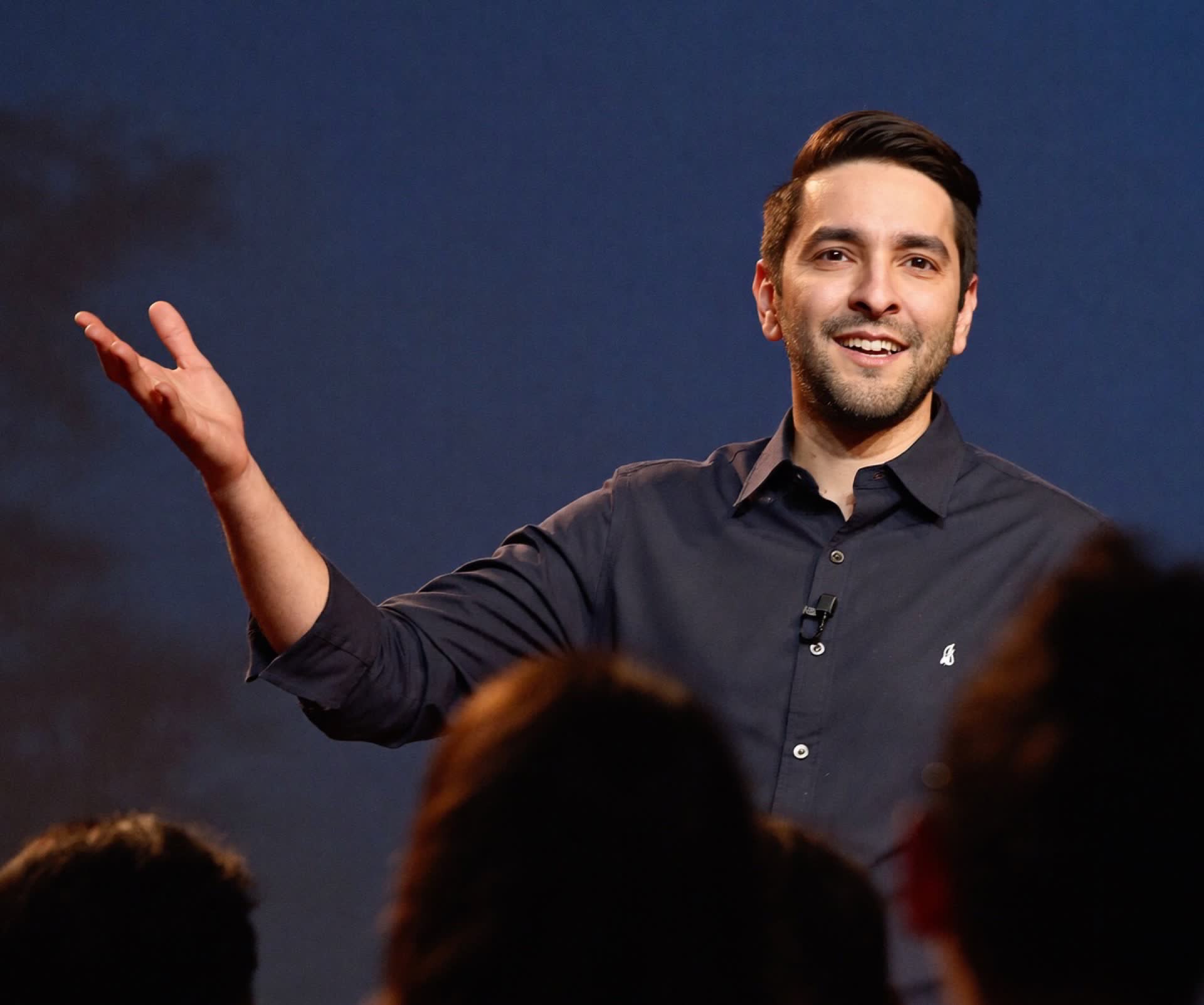
Thought Behind Things · May 16, 2026 · 45:55
Pakistan's first giga factory bets on a new kind of rider
EVEE CEO Saad Farrukh on why he refuses to compete with the Honda CD 70, what 50,000 scooters on Pakistani roads have taught him about batteries and after-sales, and why a 250,000-unit giga factory in Karachi is a pitch to Chinese component makers as much as it is to consumers.
with Saad Farrukh
9 min read
A billion-dollar fuel bill and the case for two wheels
The episode opens with Muzamil framing the conversation in macro terms. Pakistan imported $2.1 billion of fuel in April alone — the same physical volume as a few months earlier, but at twice the cost, with the Iran war driving global oil prices. Forty percent of that fuel, he notes, citing Profit magazine, goes into motorcycles. “We have spent $800,000,000 just on bikes’ fuel in April,” he says, and points out what that does to foreign reserves, the trade deficit, and pressure on the dollar.
The wedge he is interested in is two-wheelers. Solar still costs twenty to twenty-five lakh rupees. The cheapest car starts at fifty lakh. But a scooter, he argues, is the price point at which the mass market can actually move. To talk through whether that shift is starting to happen, he brings on Saad Farrukh, CEO of EVEE — the largest scooter producer in Pakistan, fifty thousand units sold over three years, and the operator of what Muzamil calls Pakistan’s first giga factory, a 250,000-unit annual-capacity plant just inaugurated in Karachi.
”We are not here to compete with the Honda CD 70”
Muzamil opens with the comparison every Pakistani buyer makes — Honda CD 70 versus an EVEE scooter, five years of fuel costs included. Profit’s numbers say a 35 km daily commute saves between 38,000 and 65,000 rupees over five years; 60 km saves over 123,000; 100 km is impractical because charging times and range collapse the use case.
Saad refuses the framing. “My real pitch is not to compete with the gasoline bike but to create a new market,” he says. The market he wants is the rider who was never going to buy a petrol bike in the first place — women, young students, people dependent on public transport or family for mobility. “Agar gasoline bike is selling two million a year,” he tells Muzamil, “we want to create an additional market of two million people.”
He is also blunt about range. The honest use case for an electric scooter today, he argues, is a daily commute that is roughly half the manufacturer’s claimed range. “Jo log sau kilometre chalate hain, as per today we talk, I don’t think electric bikes mein Pakistan mein bhi there is a good nice product.” Anything that does exist costs six lakh, which he says is the wrong price for that segment. A fair comparison, in his telling, is a sub-50-kilometre commute — at which point the math works.
The savings argument, then the experience argument
Saad still walks Muzamil through the numbers, because savings cannot be ignored. A Gen Z Pro at 2,40,000 rupees against a CD 70 at 1,60,000 starts at a 40,000-rupee premium. Over three years of a 40 km daily commute, he argues, the Honda buyer adds roughly 1,50,000 rupees of fuel and maintenance per year. By year three, the petrol bike costs the rider around six lakh in total cost of ownership; the EVEE scooter, even with a one-lakh battery swap thrown in, lands closer to four. “It’s like almost a 50% change in the product.”
Muzamil pushes back on the elephant in the spreadsheet — electricity. Saad concedes the point but argues the order of magnitude does not change. A scooter charge consumes roughly two units, around 80 to 100 rupees. EVEE’s own data across fifty thousand riders suggests the average consumer charges three times a week, putting monthly electricity cost at three to four thousand rupees. Even with batteries, electricity, and maintenance all folded in, “the saving part is gonna stay there.”
But the more interesting argument, and the one Saad keeps returning to, is experience. “Aaj manual gaadi nahin chalti mere se, kisi se nahin chalti. Aaj bhi hum kick maarte hain bike start karne ke liye,” he says. There is no kick start. There is no two-week fuel-price scramble. There is no standing in petrol lines. The 500 rupees a day you do not notice — until you do not have to spend it.
Quality, resale, and the Nokia-versus-iPhone analogy
Muzamil raises the conservative Pakistani consumer head-on. We were brand-loyal to Sony when Samsung and LG arrived. We obsess over resale value. YouTube and Reddit are full of mixed reviews of electric two-wheelers, complaints about plastic finish, and skepticism about parts availability.
Saad reaches for a phones analogy. “Nokia ko sir jitna marzi zameen par phenke, deemar mein maare, kuch nahin hota phone ko, but iPhone ko hum nahin girne dete.” The petrol bike, he is saying, is the indestructible feature phone — a twenty-five-year-old ecosystem with mechanics in every corner of Balochistan and front mudguards that cost five hundred rupees instead of fifteen hundred. “I don’t think we will be able to compete with them on that aspect” for the next three to five years, he admits.
EVEE’s defense is to own after-sales itself. Because the local ecosystem for electric two-wheelers does not yet exist, “jo hamari bikes hain woh humne hi theek karni hai bhale woh Pakistan ke kisi bhi kone mein hai.” He does not pretend this is frictionless. “Flaws honge, hote rahenge, we’ll improve.”
Why EVEE sells both graphene and lithium — and refuses to pick one
Muzamil presses on batteries. Graphene, he notes, is regarded globally as obsolete; lithium-ion is the gold standard and the world is already pushing past it. Why is EVEE shipping graphene at all?
Saad’s answer is that the battery is a consumer choice, not a manufacturer decision. “We don’t want to tell the customer which battery they should buy.” Every EVEE model is available in both. Lithium carries a three-year flat warranty; graphene carries eighteen months and degrades on a curve. If a rider’s daily commute is fifteen or twenty kilometres and they buy a 60-kilometre graphene pack, they are covered for two to two-and-a-half years before the degradation matters. If they buy the same pack and ride fifty kilometres a day, “woh decision lete pe ghalat ho gaya.”
The defense of graphene is also a defense of the Chinese market’s read on this question. EVEE started by importing scooters as samples in 2020, spent two to three years on R&D, and watched what 50 million annual buyers in China were actually choosing. Eighty percent of that market, he says, runs on graphene and lead acid. “Exactly jo China ke andar aaj consumer khareed rahe wahi batteries yahan par consumers ko mil rahi hain.” The next battery chemistry — sodium, water, whatever scales — EVEE will sell that too.
He saves his sharpest line for the social-media skeptics. “I’m sure 99% of them unhone kabhi scooter electric khareeda bhi nahin hoga, chalaya bhi nahin hoga.”
The assembler’s defense, and the long road to localisation
Muzamil asks the question that always comes up about a Chinese-partnered assembler: where are the parts actually made? Saad does not hedge. “I’m an assembler and I want to be an assembler.” Today, roughly fifteen percent of the scooter — some metal parts, shocks, plastic parts made from China-supplied moulds at local vendors — is localised.
The honest part of his answer is about cost. EVEE’s first localisation project was tyres, in 2023. A Chinese tyre cost the company fifteen hundred rupees. The first locally produced tyre cost three thousand — double — because GST applied locally but not on the import. His Chinese partners told him not to do it. He did it anyway. Three years later, a Chinese tyre lands around 1,900–2,000 rupees with cost inflation; the local tyre is at 1,600. “That’s the advantage but uske liye ek do saal ki journey humne kaati hai.”
He believes every component will eventually be Pakistani — motor, battery, controller, BMS. “There is no second thought to this.” His estimate is three years for the technical components, by which point he expects the local industry to be producing a million units a year and unit costs to start crossing under petrol-bike economics.
The giga factory as a pitch to Chinese suppliers
Halfway through the conversation it becomes clear what the 250,000-unit factory is actually for. It is not just capacity for EVEE. It is the number Saad needs to walk into a meeting with a Chinese battery or motor manufacturer and have them take Pakistan seriously.
“Hum jab bhi unse pehle baat yeh karte the ke aaye Pakistan mein milkar kuch factory lagate hain, woh inko simple hota tha aap ke yahan capacity nahin hai, kitna bana lenge hum, kitna ko bech lenge.” The factory, the inauguration, and the visiting delegation of Chinese component makers — batteries, motors, controllers, chargers, brakes — are the proof of demand. The pitch he is now making, he tells Muzamil, is direct: “Agar aap localize karne mein humari madad nahin karoge toh hum kar lenge. And it’s a best chance you have. If you want to secure Pakistan, you come and make a factory over here.”
He references Honda’s own trajectory — four to five lakh bikes a year, then two million, over ten to twenty years of vendor development. EVEE wants the same arc, compressed.
The policy ask: don’t change it
Muzamil closes with taxation. The current regime, Saad explains, is clean. CBUs carry a 50% custom duty plus sales tax — effectively unfeasible to import. Local assemblers pay 1% sales tax versus 18% on other vehicles. Custom duties on electrical components are close to zero. “I think the policy ki jo design hui hui hai that’s very good.”
What worries him is not the next budget, but the one after that. “Aapko maloom hai ke hamare yahan mulk mein zara utar charhao kaafi hote hain, policies change ho jaati hain aur poori industry jo hai woh mushkil mein aa jaati hai.” The single biggest gift the government can give the industry, in his view, is to leave the policy alone. He says the senior leadership in the relevant ministry seems serious about EV promotion — there is even a PAVE scheme — but the discipline that matters is continuity.
Muzamil agrees with the framing he had floated earlier in the conversation. He thinks of electric two-wheelers less like cars and more like mobile phones — a category where Pakistan built a real local assembly industry on the back of consistent policy, and where access to transport is now arguably a national-security question, the same way access to information became one.
By the end of the conversation, the shape of Saad’s argument is clear. The savings are real, but they are not the pitch. The Honda comparison is the wrong comparison. The factory is a pitch to suppliers as much as to consumers. The battery debate is a consumer choice, not a manufacturer position. And the single policy ask is the boring one: don’t change the rules.
“Someone has to do it,” Muzamil says as he wraps. The bet EVEE is making is that someone, at giga-factory scale, is now them.
Full transcript
रानुल ख़बदी ना आज रात channel पर वापस आने का बहुत बहुत शुक्रिया. एक और thought behind things podcast के साथ आपकी ख़ित्मत मैं हाज़िर हूं. आप लोगों पता है मैं joke की तरह पीछे पड़ा हुआ हूं कि जी आपने solar लगवाना है और new electric vehicles या new energy vehicles जो आ रही हैं ख़ासकर जो bikes हैं, scooters हैं, गाड़ियां हैं वह आपने लेनी है ताकि आप अपनी ज़िंदगी के अंदर sovereign हो both in energy and in transportation. इसके ऊपर जाहिर है के जो economy है उसने अब इस चीज़ को बड़ा practically viable भी बना दिया हुआ है and उसके ऊपर I understand lot of people have concerns and and reservations as well. जाहिर है कि already हालात इतने tight हैं कि लोगों के पास इतने पैसे नहीं हैं to invest in in a lot of this. Solar तो बीस पच्चीस लाख रुपए का लगता है. फिर अगर हम गाड़ियों की भी बात करें तो वह, you know, पचास, साठ, सत्तर लाख रुपए के ऊपर जो cheapest possible भी वह वहां से शुरू होती है. Bikes I feel like is a segment जिसके ऊपर easily customer can hop on to at least a large amount of people can get on to the bikes. अगर मैं इसके numbers की बात करूं इस Pakistan ने April के अंदर $2,100,000,000 का fuel import किया है. The same amount of fuel जो हमने उससे पहले दो तीन महीने पहले जो हम कर रहे थे वह amount same थी लेकिन जो cost थी वह half थी. So we are spending a billion dollar extra because the extra cost जो कि इस वक़्त Iran war की वजह से, you know, oil prices पर लगी हुई है. मज़दार बात यह है profit magazine इस चीज़ को cite करता है कि 40% of all fuel that you import actually goes into bikes across Pakistan. यानी कि $800,000,000 हमने सिर्फ़ bikes के fuels के ऊपर लगाया है पिछले April के महीने के अंदर and that's a huge, that's a staggering amount considering हमारा the state of our foreign reserves, considering the fact कि you know, हमारी हमेशा एक deficit का मसला रहता है और already यह मसला हो गया कि sir trade deficit हमारा बहुत ज़्यादा बढ़ गया है और dollar के ऊपर pressure पड़ना शुरू हो गया. Overall economy के ऊपर pressure पड़ना शुरू हो गया. So this shift towards new energy vehicles एक तो यह है कि उससे ना सिर्फ़ हमें individually potentially फ़ायदा हो सकता है, cost saving हो सकती है. हम जो है ना यह constantly जो fuel prices हैं उसके problem से बाहर निकल सकते हैं. But overall as a society, as an economy, as a country हमारी national security के लिए भी बड़ा important है कि ना सिर्फ़ हम जो है वह अपनी imported fuel से wean off करें but also one way or the other हम अपने local electric grid जिसके अंदर demand काफ़ी कम हो गई है जिसकी वजह से inefficiencies भी बढ़ती हैं उसकी तरफ़ वापस आए. तो even if you can't afford solar right now, there is a case to be made कि आप electric bikes, electric scooters, electric cars के ऊपर आएं और आप अपने grid से जो आप पैसे आप लगाते ही हैं वैसे भी fuel के ऊपर, वह पैसा आप अपने बिजली के bill में दें जो कि arguably is much less still than what you pay at the the fuel station और जो time आपका जाया होता है जो उसमें बचता है वह अलग है. जो maintenance cost है वह अलग है. But इसी के ऊपर conversation करने के लिए I wanted to get someone from the industry. थोड़ी से पहले मैंने solar के ऊपर बात की. उसके ऊपर we got someone from the industry just to understand कि solar की side के ऊपर, demand side कैसी है, economics कैसी है? आज मैंने सोचा कि electric scooters को देखा जाए. The the gentleman that I have brought in today पहले भी मैंने उनको बुलाया था आज से दो तीन महीने पहले. उस time के ऊपर जाहिर यह इतनी कोई sexy conversation नहीं थी. तो you know people लोगों ने सुनी भी सारा कुछ लेकिन जिस तरीके से solar पांच साल पहले कोई lift नहीं करा रहा था उसी तरीके से electric cars और vehicles को आज से छह महीने पहले तक भी lift नहीं करवा रहे थे. It was largely a novelty. अब चूंकि उसकी एक practical and economic viability develop हो गई है तो I think more people are interested which is why we called in today साद फरुख who is the CEO of EV scooters. They are the largest producers of scooters in Pakistan पिछले तीन साल में इन्होंने पचास हज़ार units पूरे Pakistan में बेचे हैं और साथ ही आज की तारीख़ में उन्होंने अपनी नई जो giga factory है Pakistan की पहली giga factory उन्होंने ना सिर्फ़ announce की है बल्कि inaugurate भी की है. They brought in a bunch of, you know, foreign investors in from China जो कि potentially आगे localization में भी help करेंगे और ढाई लाख scooters जो मुझे बताया जा रहा है number है of annual capacity इन्होंने deploy किए हैं. यहां पर पचास हज़ार कराची men की है. तो total they're looking at 300,000 scooters to be built in Pakistan and sold in Pakistan. This is just one player. There's obviously a huge industry that is taking shape in two wheeler electric vehicle segment. अगर आपने detail देखनी है, सात भाई की अपनी journey देखनी है, company कैसे बनी, क्यों बनी, किस तरह से और बहुत phenomenal journey है considering कि कहां से यह लोग शुरू हुए और किस तरह से करके इन्होंने एक इतना बड़ा plant लगा लिया है. यहां पर कहीं पर मैं उसको लगा दूंगा so you can check that out. आज I'm gonna get straight to the point. I wanna get a sense of कि considering the the the fuel price increase, considering the fact कि इस वक़्त बहुत ज़्यादा महंगा हो गया है, लोगों के लिए transport करना, अपने schools जाना, colleges जाना. तो are we seeing an increase in the demand side? And साथ ही जो overall state of the industry अगर साथ आप मुझे थोड़ा सा उसके बारे में बता सकें, what's really going on in the EV space right now considering the market dynamics that have sort of shifted?
So, मोगमिल, जिस से आपने introduction में बात की regarding the number of vehicles on the roads of the country, it's almost 30,000,000 तीन करोड़ के क़रीब गाड़ियां motorcycle, लिक्षे मिलाकर total vehicles on road जिसके अंदर लगभग लगभग ढाई करोड़ सिर्फ़ और सिर्फ़ bikes हैं. So it's a huge number and we are heavily dependent on the imports of fuels for for these vehicles जो कि सालान आती हैं. हर साल तकरीबन बीस लाख के क़रीब हमारे यहां नई motorcycle भी बनती है जो कि इस number को add on करती चली जाती है. जब हमने company start की थी तीन साल पहले तो बहुत ज़्यादा ambitious थे कि कुछ बड़ा मसला हल करना है. बहुत छोटा मसला था कि लग रहा था उस वक्त कि क्या महीने के fuel cost कितनी को बच जाएगी लोगों की, पांच हज़ार बच जाएगी, सात हज़ार बच जाएगी, maintenance इतनी होएगी. But let's bring something new to the table तो हम independent mobility side पर चलेंगे. उन लोगों को, को को engage करने के लिए कि जो पहले pedal थे मतलब public transport use करते थे या friend and family use करते थे. तो हम उनके मसले का हल चाहते थे. वह तमाम लोग जो bike ले ही नहीं रहे थे जिसके अंदर अब अब ख़वातीन आती हैं, जिसके अंदर young बच्चे हैं. But recently जब हमने देखा कि यह petrol की prices hike like past couple of months due to a lot of reasons. So हमने देखा उसके अंदर कि जो हमारी target market है वह तो एकदम से double down हो गई है. Like, were targeting the people, only the people who are dependent on their mobility needs. But now we have a new set of consumer which is there for the for the saving as well because this product at the end of the day brings you saving without any denial. पिछले दो माल की अगर हम बात करें तो लगभग अगर पूरी industry की बात करूं मैं, जो कि सिर्फ़ two wheels electric vehicles बना रहे थे, पूरी industry का size लगभग पंद्रह से सोलह हज़ार units का था month on month का. अगर मैं January और February की बात करूं, but अगर मैं March और April की बात करूं तो यह number तकरीबन 25 to 30,000 के beach में चला गया month on month, which is like almost double down number. So we have we have seen a quite a huge demand in past couple of months specially वह लोग जो 20%, 40%, 50% they were ready to buy a electric scooter but they were just reluctant to buy one for any such reason तो वह तो जैसे बिल्कुल ही अगर hitting the right spot at the right time तो, they just उनका decision तो बहुत उनको आसानी हुई, decision बनाने में. But overall I would say कि, it's it's a need of an hour. Not only considering कि मुझे कुछ पैसे बचाने हैं but be considering about the future of the country and and your own too because it gives you a lot of easiness.
जब दुनिया में AI आए, हर इंसान जो है वह एक website बनाकर, e mailएं भेजकर एक business start कर रहा है और उसको लगता है कि वह सब कुछ कर सकता है. Unfortunately, उसका नुकसान यह है कि जो customers हैं उनके पास हज़ारों emails आ रही हैं और जब वह online देखते हैं तो उनको पता ही नहीं लगता कि यार कौन सा बंदा genuine है और कौन सा बंदा randomly बड़े बड़े claims कर रहा है और यही वजह है कि अब increasingly important हो गया है कि लोग authentic human personal brands बनाएं ताकि they are able to stand out and people can actually trust them with their business, allowing them to use their full potential and gather maximum opportunities. अब ज़्यादातर लोगों को मैं Pakistan में या बाहर भी देखता हूं तो वह randomly marketing करते रहते और उन्होंने आज तक कभी underlying brand strategy के बारे में सोचा ही नहीं है. जिसकी वजह से वह thousands of dollars अपनी marketing मज़ाया करते हैं और hundreds of thousands of dollars का business choose करते हैं और यही वजह है कि पिछले पांच साल से पांच सौ से ज़्यादा different thought leaders, professionals, startup founders और business leaders को उनकी personal branding में help किया जिससे they were able to generate over $50,000,000 in value. अब अगर आप एक mid to senior career professional हैं या आप कोई business start कर रहे हैं या कोई startup founder हैं या generally आप एक thought leader हैं, I would definitely urge you to check out my personal branding consultancy. Link मैं नीचे डाल रहा हूं. Initially मैंने 75% discounted rate के ऊपर introductory offer रखी हुई है for the first few customers. तो अगर आप sign up करते हैं तो you'll be able to get on a call with me. हम detail में आपके business को, आपके professional career को और overall आपके जो goals and aspirations हैं उनको समझेंगे. Multiple calls में मैं आपके साथ बैठूंगा और आपके पूरे systems design करके आपको दूंगा ताकि आप एक sustainable तरीके से अपने personal brand को grow कर सकें और long term के ऊपर उससे maximum value generate कर सकें. If you wanna check it out, link मैं नीचे डाल रहा हूं और अगर आपके इसके बारे में कोई reservations हैं या सवाल आते तो मेरी LinkedIn की profile नीचे description में है. You can message me anytime and I'll be happy to help you and guide you. But ख़ैर यह हो गया छोटा सा एक ad. आइए वहां पर चलते हैं video की तरफ़. मैं थोड़े से जो जो एक average consumer जो है ना उसकी जो generic सवाल आदत होते हैं. मैं I I I like to pose them to you and I'd love for your response on that. सबसे पहला तो आपने savings की बात की. We did see an article by by the profit magazine yesterday जो उनके numbers हैं वह मैं बता देता हूं. Honda CD 70 से उन्होंने compare किया price of the bike plus the cost of fuel on top of that. उन्होंने कहा अगर आपका daily commute 35 kilometers है तो over the next five years EV Gen Z Pro and EV Gen Z इन दोनों का उन्होंने comparison किया. उन्होंने जी over five years you will be saving 65,000 for the Pro and 38,000 for the Gen z. अगर आपका 60 kilometers का daily का commute है तो over the next five years आप 187,000 बचाएंगे और with the pro and with the gen z 123,000 बचाएंगे. और फिर उन्होंने 100 kilometers किया जिसके ऊपर उन्होंने कहा कि 381,000 on gen z pro and then gen z के साथ 259,000. However, comments उनके यह थे कि 35 kilometers if for a low usage, your savings are not just enough to justify a shift. On the other hand, 60 kilometers के ऊपर उन्हें का decent savings है, लेकिन trade off over freedom that a CD 70 would offer is still a question mark. And then last उन्होंने 100 kilometers के ऊपर कहा, it's not practical because limited range and high charging times. Obviously, अगर आप सौ kilometers कर रहे हैं तो जाहिर है कि कहीं ना कहीं आपने charge करना है, charge time बहुत ज़्यादा लगता है तो आप realistically practically शायद उसको कहीं ना सकें. What are your numbers in terms of the the savings that you're you're seeing potentially right now? My understanding is that these guys did not include the cost of battery. And and I understand that follow up question on batteries, and we'll get into that. But run me through the numbers that you guys are seeing right now. Sir, again, यह head to head comparison versus a Honda bike and electric scooter मुझे बहुत ज़्यादा I'm not a big fan of it because
over here, my my real my real pitch is not to compete with the gasoline bike but to create a new market. A market of the people previously who had been dependent on their mobility needs. Like, we want to get rid of them. अगर gasoline bike एक साल की बीस लाख बेकरी है, we want to create an additional market of two two million people. तो हमारी जो main pitch है that is to find the new consumer and enable them for their mobility needs. आज हम किसी खातून को अगर bike देते हैं तो उसके लिए किसी घर में काम करना, किसी office में काम करना, इतना आसान हो गया कि उनकी daily commute की वजह से जो पहले dependency थी. So that's the first part कि we don't want to sell our product because of the that बचत वाला element. But ok, जब हम electric vehicle लेते तो बचत की बात तो होएगी. ऐसा हो नहीं सकता कि उसको हम ignore करते हैं. अब मैं expect करूं कि इसी scooter से मैं daily के 60 kilometer जो मैंने claim किया वही everyday चलाऊंगा. That is not the right way to probably do it because inefficiencies हर जगह होंगी. किसी दिन आपका 100% charge complete नहीं हुआ. वह हो सकता है से 80% हो. उस दिन आप क्या करेंगे? किसी दिन वह वापसी में कि extra जाना पड़ गया. A lot of things can happen. तो जो भी usually company claims करती हैं, उसका half of the size आपका commute time होना चाहिए, then it's a good ideal purchase I would say. That's my thinking to it. जो लोग सौ kilometer चलाते हैं, as per today we talk, I don't think electric bikes में Pakistan में भी there is a good nice product over here जो 100 kilometer की mileage को sufficiently proper तरीके से fulfill करें. अगर है, छह लाख का आएगा मेरे पास यह. छह लाख सही price नहीं उसके लिए तो इसलिए मैं उसको right product fit कहता नहीं हूं. अगर इस तरह का product मैं कुछ ढाई लाख लाख में लेकर आऊंगा then it will make sense. But today we don't have one. Any of industry person don't have one. तो I don't even want to compare a 100 kilometer one with a Honda CT 70. So today I think a good, good comparison of a product will be a less than a 50 kilometer commute for electric bike or a scooter compared to any of the others. So अगर हम उसके अंदर जाते हैं let's suppose अब एक साहब हैं उन्होंने मेरा Gen Z scooter ख़रीद दिया. Let's suppose let's suppose लीप बैठकर वाला ख़रीद दिया जिसकी price है दो लाख रुपए और उसके against जो 70 cc है वह है एक लाख साठ हज़ार रुपए की. So day one उसको 40,000 premium देना पड़ गया. मान लेते हैं इनका दिन का forty, forty five kilometer का commute था यानी दिन का कोई एक आध litre petrol लगता है तो तीन एक सौ रुपए, तो चार सौ रुपए का इनका fuel consume होता है. महीने का तकरीबन बारह तेरह हज़ार रुपए का इनका fuel है एक साल का मिलाल है. तो डेढ़ एक लाख रुपए का 150,000 उनका expenditure हो रहा है. जब साल का end होता है, तो उनकी जो 150,000 की bike थी, उसके अंदर 150,000 add हो गया. तो वह तीन लाख का bike वन गया उनका और इससे वह तकरीबन 40 kilometer का commute करें every day. अब दूसरी तरफ उन्होंने मेरा Gen Z Pro खरीद दिया जिसकी इस वक्त retail price 2 lakh 40,000 है. अब मेरा समझदे इतने कहीं रहा because उसके अंदर कोई additional cost आपकी नहीं हुई. उसकी तीन साल की battery की मैं warranty दे रहा हूं. ठीक है? अब जब दूसरा साल ख़त्म हो गया तो Honda bike के अंदर आपने one fifty thousand का और petrol maintenance ख़रीदी तो वह साढ़े चार लाख का हो गया in total. मैं फिर भी दो लाख चालीदार हम assume करते हैं कि आज ही उसकी warranty change हो जाएगी और battery change करानी पड़ेगी आपको खराब हो गई है. आप change कराते हैं बहुत महंगी battery मिलेगी एक लाख रुपए की मिल जाएगी. वह two forty का product three fifty, three forty का आपको पड़ गया. उसके अंदर let's suppose आपने 60,000 extra भी आपके लग गए चार लाख का हो गया. तो अब आज तीन साल बाद आप इधर चार लाख पर खड़े हैं और उधर Honda bike पर आप छह लाख पर खड़े हैं. Sorry, you are saying Honda again again, just a bike gasoline bike.
हां
हो रही है. So चार लाख का product EVs के अंदर और the six लाख का product down the line three years. So like, it's like almost a 50%
change in the product. इसमें obviously आपने जो चीज़ जो चीज़ miss की है वह यह की है कि you did not add the cost of electricity. So, we're let's assume this is the best case scenario where we're assuming that maybe I already have solar in my house and I probably are you you using free electricity जो उसमें मेरे पास excess में पड़ी हुई है. जो कि again मेरे पास I spoke to the DSG group तो वह यह बता रहे थे कि जिन लोगों घरों में solar लगा हुआ है they are actually wasting 40% of their electricity and vast majority of those people don't have net metering. So they are basically wasting that electricity. तो हम best के scenario का यह number है जो कि बहुत अच्छा number है आपका. Because technically speaking वह number जो है ना वह आपका आपको almost कह रहा है कि जी 50% मैं extra saving directly आपको दे रहा हूं. ज़ाहिर है जी, इसके अंदर अगर मैं वापडा की बिजली डालता हूं तो then that becomes a bit costly because there is a already हमें पता है electricity is very expensive.
Arguably, even that electricity is cheaper than what your cost, what what the fuel costs you right now. But then कहीं ना कहीं शायद वह फिर eventually overall cost भी छह, साढ़े छह पर ही land कर जाए. Would that be a correct assessment? No, that's not the right number. Obviously, solar पर जब हम उसको करेंगे तो वह तो obviously बिल्कुल ही zero cost पर चला जाएगा. But even if we charge it on on electricity एक residential के ऊपर करते हैं तो हमारे एक scooter को charge होने के लिए लगभग दो unit consume होते हैं. इसका मतलब है लगभग 80 rupees charge हो रहे हैं, 100 rupees कर लें for bike. Everyday भी charge करें तो महीने के आपके it it costs around $66,000 rupees का क़रीब आता है $67,000. तो सालाना भी कर लें तो $6,070,000 से ऊपर I don't think इसकी जाएगा और यह मैं worst case scenario लगा रहा हूं जहां पर आप उसको रोज़ charge करें but in any case you will not be charging it at home हमारे. So right now I have more than 50,000 consumers on the road of the country. अगर हम एक simple data analysis करते हैं तो हमारे average consumer जो है वह हफ़्ते में तीन बार charge करता है. So जब तीन बार charge करते इसका मतलब मतलब महीने का जो electricity का expense है that comes to around 3,004. So, जो saving वाला part है that is gonna stay there. Like, वह उसको discard नहीं करते. उसके अंदर आप electricity डाल दें. उसके अंदर आप batteries की changing भी डाल दें. Like, just put everything in it, maintenance भी डालें. Even then, the saving part is gonna stay there. But again, that's not the real pitch of EVs. If anywhere we go globally and see why the EV does, it brings more value. सिर्फ़, चाराने में कितनी आसान है. आप कोई गेड़ नहीं लगाने पड़ रहे हैं. Sir, आज manual गाड़ी नहीं चलती मेरे से, किसी से नहीं चलती. आज भी हम kick मारते हैं bike start करने के लिए. Like, it it brings a lot of things. It just, it's not just the the one part के, it's only the saving. And plus, one more thing. So when you know ना कि you have to pay 50,000 upfront for something, it will hurt you once. When you know you have to pay 500 every day now, Like, that's a very very very different thing. मतलब and plus आजकल तो आपको मालूम है कि हर पंद्रह दिन बाद price पड़ती है. You have to stand in lines and all those stuff and it's it's it's a very different thing. It's it's as a as an experience, it's even not that nice.
No, that makes sense. इसके ऊपर ना मैंने जो अपना personally Pakistan में जो TV के ऊपर देखा, there's a lot of mixed opinions and understandably so because हमारी market जो वह बड़ी conservative है generally. हमारे TVs जब Samsung और LG गाना शुरू हुए थे तो हम Sony से आगे नहीं जा रहे थे क्योंकि हम brand conscious हो जाते हैं, हमें होता है risky version होती है, resale value की हमें बहुत ज़्यादा पदार होती है. At least जो newer generation है it is now moving away from it. But historically that's how we've sort of, you know, made our consumer decisions. जहां पर आपकी I completely agree. It's a it's a more modern technology and there is a lot of upside to it. YouTube के ऊपर जब आप इसको search करते हैं तो बहुत सारे इसके ऊपर आपको critique मिलता है for example लोगों का कि जो quality है in terms of what you're getting from electric like regular bikes because again these are much much bigger conglomerates and these are With electric bikes, even electric cars अभी तो वह जायकों का बड़ा आजकल scandal चल रहा है. The quality of craftsmanship and the quality of product उसमें बहुत सारे लोगों के सवाल आते हैं. In terms of the overall finish काफ़ी दफ़ा जो है जिस तरीके से वह market में आ रही है. फिर काफ़ी लोग even मैं EV का search कर रहा था. Very interesting. Reddit के ऊपर I actually did a quick search before we started this conversation. तो I will give you that. You have, I I would say, 90% very very good reviews of your customers. And so that's a that's a great thing to have. But then there were people who who spoke about कि, you know, quality x y z. And then कुछ लोगों ने बोला मतलब parts की availability नहीं होगी because, you know, these are newer products. We don't know availability होगी, नहीं होगी. बहुत सारी और companies के for example, V Electra की motorbikes हैं. उसको लोगों ने कहा कि यार वह बड़ा जो जो उसका core architecture है वह आपकी पुरानी bikes का बना हुआ है. तो उसको replacement लेना आसान है. How do you deal with those aspects? Because consumer is not just buying for the practical product. They're also looking at, you know, at some point they're looking at resale. At some point they're looking at कि यार मुझे इसमें maintenance के ऊपर कितनी cost लग रही है? At some point they're also looking at कि यार पाकिस्तानी खड़्डों वाली roading जो है उसके ऊपर यह अगर यह थोड़ा सा भी खड़्डा आया और वह टूटाट के side पर हो गई और plastic लगी है उसके ऊपर, तो obviously that puts them off. Novelty careers great but मेरे लिए जो excitement है वह यह नहीं कि upper middle class DHA के जो हैं, घर हैं, उनके बच्चे जो हैं वह एक scooter ले लेंगे. मेरे लिए excitement यह है कि mass market जब इसके ऊपर आएगी and that's happened across Far East Asia as you've rightfully alluded to. I think that's when you really begin to see a monumental shift as well. And that's when you'll begin to see that number, जो ढाई लाख वाला आपकी factory का है, to really kick out. Right? How do you see these aspects?
So मोदमल जब भी हम किसी restaurant में खाना खाते हैं बाहर जाकर और खाना अच्छा होता है, up to standard होता है. सुबह से हम अपने अंदर ख़ुश होते हैं और वहां से निकल पड़ते हैं because that's what we're here for. But किसी दिन अगर उसने खाना छा नहीं बनाया ना तो फिर तो डांट पड़ेगी, comment मिलेगा, feedback मिलेगा. शायद Google review भी लिखेंगे कि आज इसका खाना मज़ेगा नहीं. That's what how as the human behavior we work and that's what we have experienced in in our company as well. Honestly मैं, मेरे साथ जो मेरे partners हैं, we are all, we are all learning with this business. It's it's not that कि पीछे से हमारी को बहुत ज़्यादा legacy रहिए. We we are all learning over here and we have learned that there are set of people. Most of the people who buy their scooter, वह अपने scooter को बहुत ऐतिहार से चलाते हैं, अच्छे से चलाते हैं. बहुत दफ़ा हम at mistake होते हैं. We we do cater them. बहुत दफ़ा कई दफ़ा product में मसाल होते हैं. But a lot of time we have seen some people who who just want to take advantage of us as well. From day one we we we work with full honesty and we don't want to compromise on the things, on integrity and many other things. Talking about the product quality sir जिस तरह phones की अपने शुरू में example दी, Nokia. उसको हमने भी बहुत चढ़ाया है script 33, 22 and other models. उसको sir जितना मर्ज़ी ज़मीन पर फेंके, दीमार में मारे, कुछ नहीं होता phone को, but iPhone को हम नहीं गिरने देते हैं. So because we are paid for it and it's not कि iPhone बुरा है और Nokia अच्छा था. It's because उसके अपने advantages थे, इसके अपने advantages हैं. It's not even right to compare them with each other. So that's what EVs, scooters and and the fuel bikes are as well. जो bikes हैं, they are more durable. There's no denial कि पिछले पच्चीस साल से हमारे पूरे Pakistan की roadओं पर चल रही हैं. आप भले सवात के कोने में हैं या बलूचिस्तान में हैं या कहीं पर भी आपको parts मिलेंगे, mechanics मिलेंगे and वह उसके advantages हैं. We cannot even compete with them. I think even next three years, five years, I don't think we will be able to compete with them on that aspect. हमारा front मंडगाड़ शायद पंद्रह सौ रुपए का होगा, उनका शायद पांच सौ रुपए का होगा मतलब फ़र्क़ है. And that that that is like that. But at the same time, we bring our own set of advantages where we want to stay ahead. And I think again, just from start, don't want to compete with them in any of the scenario. We want to have different set of consumers. जिन्होंने वह bike लेनी नहीं थी. Let's target them. Let's target the new people, the new consumer and bring them into the portfolio. So, yes, both have their advantages, disadvantages. But we want to be focused on what we are doing and, be very readily over here. बाकी sir इसके जो parts हैं, we provide after sales service across the country. We have a great passionate team for this but at the same time बहुत से ऐसे लोग होते होंगे जिनको हम properly नहीं भी नहीं भी provide कर सकते होंगे. We do learn, we do improve. It will take time जब हमारा ecosystem develop हो जाएगा locally because अभी जो gasoline bikes हैं, वह companies की ज़िम्मेदारी इतनी नहीं होती है उनको ठीक करना because ecosystem पूरी country में available है. But जो हमारी bikes हैं वह हमने ही ठीक करनी है भले वह दुनिया, Pakistan के किसी भी कोने में है. We do, we do take pride in doing that too. It's not that that's a complaint but it's a commitment and we are are we are doing that and we are able to do that. But again, flaws होंगे, होते रहेंगे, we'll improve And in the next passage of time, we'll we'll add more people, more team, more experience to us. And we'll become better about it.
Mhmm. मुझे यह बताएं कि let's talk about battery. I saw that you guys, a lot of your batteries that you're using in your scooters are graphene batteries. जो globally gold standard हो चुका है, वह lithium ion हो चुका है. Electric vehicles कभी वही बात हो रही है. In fact, अब तो और innovation की बात हो रही है because lithium ion in itself is constrained by the supply of of lithium itself that's that's available. Right? Graphene is is comparatively a very very sort of obsolete technology in many ways. Run me through that principle decision. I saw that Gen z itself जो जो pro and वह है इसमें pricing difference principally battery का ही है. ज़ाहिर आपने इसको test भी किया होगा. आपने उसकी कोई economic modeling भी की होगी और उसकी basis के ऊपर आपने define किया होगा कि कौन सी battery लगानी चाहिए. जो number one complaint अगर मैं YouTube के ऊपर जाता हूं not on EV but generally across the across the market That seemingly does not वह जो time waste है आपका हो रहा है. वह आपको इतना नहीं ख़ल रहा लेकिन somehow battery replacement is the problem. Understand please तो customer है, customer की requirement होती है. Why did you make this decision कि यार मेरी जो primary batteries हैं वह graphene होंगी, not lithium? And within the same products was could you easily replace these batteries? Could you sort of put it together and decide कि यार मेरी market में यह इस तरह की चीज़ होनी चाहिए?
तो social media के ऊपर comments लिखे होंगे कि बहुत ख़राब batteries हैं, scooters नहीं लेने, electric को यह हो जाएगा. I'm sure 99% of them उन्होंने कभी scooter के electric ख़रीदा भी नहीं होगा, चलाया भी नहीं होगा. बस वह एक उन्होंने एक Hypothesis बनाए हुए हैं और उसको उन्हें prove करना कि हमारा Hypothesis ठीक है. And this all same thing happened with solar and everything and सब कुछ आराम हो जाता है. We, we as a company, we are a, we are company which produces and sells electric scooters. That's it. We don't we don't want to tell the customer which battery they should buy. This is not my choice. We believe this is a customer's choice. हम उनको हमारे तमाम models आज उनको lithium और graphene दोनों में मिलते हैं. आऐंदा आने वाले वक्तों में जो भी technology scooters को run करेगी, वह पानी करेगा, वह हवा करेगी, sodium करेगा, जो भी technology पर काम हो रहा है, हम वह use करेंगे और हम consumer को provide कर देंगे. उसकी cost होगी, उसकी limitations होंगी, उसकी advantages होंगे. हम चाहते हैं consumer decide करें कि उन्होंने scooter के साथ कौन सी battery लेनी है. यह model again हमने China से सीखा. China के अंदर जब मैंने first time start किया था back in 2023, initially I had no idea about electric scooters too much. So we just bought some scooters and just tested them out and tried them out. मैंने two twenty twenty में actually start किया था scooters मंगवाने sampling के तौर पर. दो तीन साल सिर्फ़ R and D होती रही थी. So उस वक़्त China में when you go to, if you travel to China, वहां पर 50,000,000 की market है each year. पांच करोड़ electric scooters बिकते हैं. उसमें से 80% is graphene और lead acid So अब हमारा जो portfolio वन चुका है हमारे लगभग आठ models हैं. सभी graphene और साथ ही साथ lithium में भी मिलते हैं. अब lithium की तीन साल की warranty है, graphene की अठारह मां की warranty है. It dilutes over time. But अगर आपका commute मिसाल के तौर पर पंद्रह kilometer या बीस kilometer का है और आपने ले लिया है 60 kilometer वाला pack, तो इसका मतलब है कि आपके दो ढाई साल covered हैं. But again, अगर आपने choice वह की थी कि आपका daily commute 50 kilometer था और आपने 60 kilometer वाला pack ले लिया तो फिर वह decision लेते पर ग़लत हो गया. This is what again we have experience over the period of time. जबकि lithium के अंदर चूंकि तीन साल की warranty उसमें depleting नहीं होती है, वह एक ही दफ़ा cut off हो जाता है. So इसलिए उसके अंदर यह वाली चीज़ नहीं थी but उसके लिए आप day one premium pay कर देते हैं. अब आज की अगर बात करें तो आज भी हमारे पास जब दोनों options मौजूद हैं उसके बावजूद ज़्यादातर लोग graphene ही लेना चाहते हैं because उसकी price advantage है. But हमारी तरफ़ से as a company, as a our distributors, even अगर हमारी marketing campaigns होंगी, we never push any one technology more than the other. That makes sense. And one more thing I'll add over here. So बहुत दफा हमने देखा है कि दुनिया के अंदर एक model चल रहा होता है और Pakistan में हम उसे दस साल पुराना model चला रहे होते हैं. तो यह भी मैं इसमें add कर दूं कि जो graphene batteries हों, चाहे lithium batteries हैं. Exactly जो China के अंदर आज consumer खरीद रहे वही batteries यहां पर consumerओं को, consumers को यहां मिल रही हैं. And again this is not कोई मैं बहुत कोई extra advantage नहीं दे रहा, industry भी यही कह रही है. So, ऐसे नहीं है कि हमको बहुत फ़र्क़ कर रहे सभी यही कर रहे हैं. So, जो भी यहां पर काम कर रहे हैं, they are going very good batteries from the top suppliers, at least top five जो काम कर रहे हैं Pakistan में. So, it's a same thing जो वहां वन रही है.
मुझे यह बताएं कि जो इस वक़्त आपकी जो bikes वन रही हैं या scooters जो वन रहे हैं, वह my understanding is all of that 100% is exclusively being assembled. None of those parts are localized in any any way.
तो I'm an assembler and I want to be an assembler. We are very focused toward our work that we are an assemblers and marketer of the electric scooters. Yet we want to develop the ecosystem both in China and in Pakistan whatever we can. आज जब हम बात रहे हैं, मेरे पंद्रह percent scooters के अंदर parts पाकिस्तानी लग रहे हैं. इसके अंदर कुछ metal parts मैं localize कर चुका हूं, shocks localize कर चुका हूं. मेरे कुछ plastic parts हैं, उसकी molds हमने China से मंगवाकर यहाँ vendors को दी हुई हैं, हम वह localize कर चुके हुए हैं. Is what we have done in our three years of journey.
Does that make a difference in the pricing long term? Do you think कि आज? What I'm trying to understand is, look, there's there's this delta between these these electric bikes and your conventional bikes. आज आप यह कहते हैं कि यार I'm going I want to carve out a separate space and I understand that because right now for any innovative technology, the cost difference will always exist where, you know, उसकी कारण ही है, सारा कुछ है. उसने economy of scale को hit करते हुए उसका time लगना है. But eventually because this is the future of technology, you do expect एक जमाने में जब Nokia नया नया नया iPhone नया नया आया था तो बड़े urban upper middle class and above iPhones लेते थे और smartphones का वह होता था. आज आपके top to bottom working class तक जो है वह एक smartphone ले रहा है touch base, right? You know, क्या phones are gone? So it's a it's an inevitability that this technology will eventually sort of supersede everything else. The question then comes in, k r, how do you eventually go to a point where the cost is either the same or even potentially less than whatever the sort of I internal combustion engine, vehicles are there? Do you see that happening, a? B, do you think it will be driven by localization, or do you think it might be driven by because it is a, it's coming from China. It's no no longer coming from Japan or other countries. The China being China with with what they've done with solar, and solar was the same. You're absolutely correct. I remember twenty fifteen sixteen में we were doing a a business review of कि solar का business कैसा है? Customer से बात ही exactly same. मैं चूना है drama है. I mean, अमीरों के शश्क हैं. आज people bend over backwards to get solar, right? And the reason again वह यह हुआ कि the economic, the moment the economics hit, it was, it became a no brainer. So, with electric, I'd love to know कि do you expect कि यार अच्छा हम at least let's say certain amount, certain components इसके localize जब कर देंगे तब हम price advantage पर आना शुरू हो जाएंगे या do you expect कि पीछे से China से over time क्योंकि आपका चार साल का तो number आपके पास होगा कि any चीज़, any products की price चार साल पहले कैसी थी, आज कैसी है? तो are we seeing some sort of a price decrease over time? And and and will we potentially surpass your conventional ice vehicles?
Definitely मुज़मिल with the passage of time, according to scale hit करेंगी, Capacity बढ़ेगी, quantity बढ़ेगी, सब चीज़ें बेहतर होंगी. Eventually, scooter के तमाम components Pakistan में बनने हैं. इसके ऊपर कोई doubt नहीं है. भले उसकी motor है, भले उसकी battery है, भले उसका controller है, BMS है. You name the part वह Pakistan ने बनना है. There is no second thought to this. The first time मैंने localization start की थी, again, we we are ahead in the localization sector as well among the industry and हमने twenty twenty three में tyres localize किए थे. That was the first part to localize in the scooters. Interestingly tyre China से हमें उस cost कर रहा था वह पंद्रह सौ रुपए का और जब हमने Pakistan से लेना शुरू किया तो लगभग तीन हज़ार रुपए की cost आ गई. तो that was a very weird thing to know because यहां पर GST उसमें add हो गया था, imports पर GST नहीं था, taxes का कुछ मामला थे तो. हमारी team ने भी हमें कहा, मेरे साथ Chinese partners हैं और उन्होंने भी कहा कि भाई localize करने का फ़ायदा क्या है? यह तो मतलब cost double down करने वाली बात है. Let's just import from China and I was very firm at that point कि let's just do it today and let's see after a year when we have scale. आज अलग अलग sugar है, वह जो China का tyre है वह cost बढ़ने के बाद, कुछ fats वगैरह बढ़ने के बाद, आज कुछ सक्रिबन उन्नीस सौ दो हज़ार का cost करता है. Localized tyre इस वक्त सोलह सौ रुपए का है. So, मतलब that's the advantage but उसके लिए एक दो साल की journey हमने काटी है. उसके लिए दो साल के लिए हमने उन tyre वाले vendors के साथ बार बार बैठे हैं. उनको explain किया है where we are heading. उनको उनकी मेहरबानी उनको समझ भी आई है and they have increased their capacity. So that's this example of one's part. Now when we talk about all the scooter and all the components, definitely again in the opening of our factory we have a we have a big delegation of Chinese people who are the component manufacturers. हम जब भी उनसे पहले बात यह करते थे कि आए Pakistan में मिलकर कुछ factory लगाते हैं या कुछ बनाएं, component बनाते हैं, वह इनको simple होता था आपके यहां capacity नहीं है, कितना बना लेंगे हम, कितना को बेच लेंगे. So this is what we are showing them कि ढाई लाख capacity का तो plant लग गया है. This is what we are showing to the Chinese that this is the growth rate of the industry in our country and it's not only me who's making these numbers, it's my other colleagues that were in the same industry because market size increase हो रहा है. So Honda and other other another players who would make the gasoline bikes, वह पहले कुछ चार पांच लाख bikes बनाते थे साल की, फिर दो million की बनाते थे. So over the period of ten twenty years अगर आपने localization करनी है, vendors develop करनी है, it takes years to do that. But now even the technical components like motor, battery वगैरह, I don't think it will take more than three years time इन तमाम चीज़ों को यहां बनने में and probably in three years time I do see our industry hitting the number of million in here and I do see cost coming down too.
Interesting. Axis के आपने बात की अभी. आपने कहा कि यार Pakistan में GST था यह सारा कुछ था. अभी recently अली ख़ज़र साहब is a he, you know, covers finance for for business insider I believe. उन्होंने यह बताया है कि government की जो नई budget आ रहे हैं, उसके अंदर certain changes आ रही हैं in terms of the taxation on new energy vehicles, plug in hybrids, hybrids, so on. I'm curious whether as an industry you guys have heard of potential proposals regarding bikes and scooters as well? And इस वक़्त taxation किधर ख़रीबी है और इसके अंदर मैं हवाला दूंगा. मैं ना जो यह electric bike वाली है ना जो you're absolutely right it's a new category of of industry because मैं इस वक़्त electric bikes and scooters को ज़्यादा mobile phone के क़रीब देखता हूं rather than गाड़ियों के क़रीब देखता हूं. In the way that the manufacturing and the components and the overall infrastructure supply chain works, उस context में we have an example of how mobile phone assembly was promoted and we've built an incredibly huge industry. And that has allowed for, even in the worst of times with all these sort of, you know, dollar issues and this and that, we were still able to sustain our mobile. And because in my opinion mobile phones for example is a is a national security problem now. Access to information is a national security problem now. So similarly access to transportation in today's day and age आपकी दुनिया नहीं चल सकती, ज़िंदगी नहीं चल सकती. तो उसके अंदर बड़ा important बड़ा closely देखना पड़ेगा कि government incentivize किस तरह से कर रही है, localize किस तरह से कर रही है. And so I am curious इस वक़्त जो government की regime है both for CBUs के पास भी buyer से मंगवाओ, Government की regime क्या है आज for local manufacturers and assemblers? और अगले budget में आप क्या expect कर रहे हैं?
Government की policy जी बहुत clear है. It auto policy 2021 का part था. EV policy in the two wheel segment as well. It's very clear CBO के ऊपर शुरू से 50% custom duty है, sales tax है, बहुत सी चीज़ें हैं. Feasible ही नहीं है CBO मंगवाना किसी के लिए भी. The only option is to make a factory, make a plan and, import the securities and work over here. तो उसके ऊपर तो clear policy है. Taxation इसके ऊपर 1% sales tax है as compared to 18% on other vehicles. Custom duties भी electrical components पर are close to zero. So I think the policy की जो जो design हुई हुई है that's very good. But what we all as an industry need is a continuation of the policy. आपको मालूम है कि हमारे यहां मुल्क में जरा उतार चढ़ाव काफी होते हैं, policies change जाती हैं और पूरी industry जो है वह मुश्किल में आ जाती है but I really hope कि ऐसा ना हो और continuation रहे. Right now what I see among the people from the government side is well, मुझे लगता है continuity रहेगी. बहुत ज़्यादा change budget में भी मैं expect नहीं कर रहा. But because the government is very serious specially at the high level government is like मतलब very ambitious कि EVs Pakistan के roadओं पर चाहिए मतलब. I don't know मेरा तो ऐसे बहुत attraction नहीं रहा होगा historically but at least what I'm seeing in the top leadership of the country, of the department, of the industry ministry where we work in, they're very clear. They're very clear that they want to incentivize the industry बल्कि government की PAVE scheme है and, for the for the promotion of, electric scooters. They are very they're very passionate about that too. So I think, from the government side, I'm very, very positive. But, yes, I do want them to continue the policy without any change.
मुझे यह बताएं कि पहला तो जो आपकी factory में आपने mention किया Chinese आ रहे हैं बहुत सारे. मैंने मैंने सुना है कि काफी सारी different उनके आ रहे हैं. तो आपके अपने partners भी हैं. So tell me a bit about your partners and and because my understanding is originally you just started off as you. And then over time as you showed them the demand side of things तो तो the Chinese manufacturers have have partnered with you and and are hoping to scale that. And then I as I understand there are also suppliers who are coming in. Tell me a bit about यह क्या हो रहा है like जो अभी आपकी launch हो रही है. किस तरह के लोग आ रहे हैं? What are they interested in? And what do they understand? And उनका opinion क्या है इस पाकिस्तानी market के बारे में?
23 में मैंने company start की थी on my own. उस वक़्त Chinese partner साथ नहीं थे but I was keep pitching them. Eventually 24 में उन्होंने मेरे साथ partner किया था. It was a very strategic partnership because they were used to be working in a, in a company जो latest scooters ही बनाती है तो उनका बहुत experience था, बहुत ज़्यादा पैसे उन्होंने invest नहीं किए थे उस वक़्त भी. But the strategical advantage they brought in was like amazing I think. Without them EV would not had been EV, very simple. So that's awesome. They are here now for the opening of our Gigafactory where we are upscaling the capacity. So here we have two set of Chinese partner with us. One जो हमारे scooter suppliers हैं जिनसे हम existingly काम कर रहे हैं, obviously they are with us. But on the same side we have invited quite a few people जो कि component manufacturers हैं जिसके अंदर battery बनाने वाली factories हैं, motor बनाने वाली factory है, controller, charger, brakes, you name it. मतलब जितने components बनते हैं सब हैं. And this is our pitch with Chinese now कि अगर आप localize करने में हमारी मदद नहीं करोगे तो हम कर लेंगे and it's a best chance you have. If you want to secure Pakistan, you come and make a factory over here of your component which you are making. And if you talk about capacity, this is the capacity. You talk about future, this is the future of the country in terms of electric vehicles, in terms of electric scooters. So this is a great opportunity. And we have shown you the growth in past three years. You can see our orders and not only us again, the industry as industries and it's it's growing very well. In next couple of years, you don't come here to invest in our country, make these components locally in our country. Somebody else will do. You're gonna lose the market. So it's right right now is the perfect time to initiate this. So we, as EV, want to develop an ecosystem of electric scooters within our country where one day we can take a pride, at least for my company, that we've actually made this in Pakistan.
That makes sense. साथ भाई, it's a phenomenal thing that you're doing. And, I think मैंने start में भी यह बात बोली थी. I think it's the need of the hour. Someone has to do it. I understand issues होते हैं जब भी आप एक नई technology की तरफ़ आते हैं और एक नई चीज़ को build कर रहे होते हैं. But your story has been absolutely amazing considering, you know, where you guys started, what you guys are doing right now. I'm excited to see जो आपकी gigafactory है, वह किस तरफ़ जाती है? And particularly the idea कि even during all of this growth, आप actually Chinese partners को लेकर आ रहे and you're hoping for this sort of local investment and localization. So that's great to hear. I wish you all the very best for the new factory, and I hope कि, you know, this investment that you're doing actually works out for, not just for you but for Pakistan in the long run as well. यहां पर मैं इस video ख़त्म करता हूं जो मेरा target रहा है forty five minutes के अंदर अंदर वाला, hopefully finally आज वह reach हो गया है. So I'm gonna wrap this up. Thank you so much for coming in and sharing all that insight. And for all of you guys, let me know in the comment section below, are you, do you drive a bike? Are you interested in buying an EV? What stops you from getting an electric scooter or electric bike? What's the major concern right now for you that stops you from that? And overall feedback अगर आपने EV की bike use की है या scooter use किया है या आपने कोई और electric bike या scooter use किया है, उसके upsides क्या थे, या downsides क्या थे? I would love to get a sense of कि consumer side के ऊपर आपका feeling और vibe क्या है? But अंदर ऐसे यहां पर मैं इसको ख़त्म करता हूं. This was सिमर्थ्य में लहसुन ज़ैदी. You are watching Thought Behind Things. Thank you so much for watching and I'll see you in the next one.
More from Thought Behind Things
Jun 30, 2026
Simon Dixon: the US empire is being wound down by design
with Simon Dixon
Simon Dixon argues the American empire isn't collapsing — transnational capital is deliberately unwinding it, and Pakistan's military has become its leverage in the transition.
Listen →
52:45 Jun 9, 2026
How Asad Mehmood landed Mattermost from Pakistan before A levels
with Asad Mehmood
Asad Mehmood walked into Mattermost before he had A levels, crossed two million dollars on Upwork, and now runs a design agency from Pakistan. He sat with Muzamil to lay out the framework underneath it: become undeniably good, then become visible, then sell outcomes.
Listen →
59:04 Jun 5, 2026
A 22-year-old Pakistani's road map to space by 2050
with Hassan Mossin
Hassan Mossin, a 22-year-old Pakistani astrophysicist training with the International Institute for Astronautical Sciences, walks Muzamil through the next twenty-five years of space — commercial stations by 2030, a lunar base by 2032, and why the bottleneck isn't food or oxygen, it's energy.
Listen →Never miss what's next.
The dispatch - new writing and conversations, straight to your inbox.
First name, last name, email - in your inbox weekly. No spam.