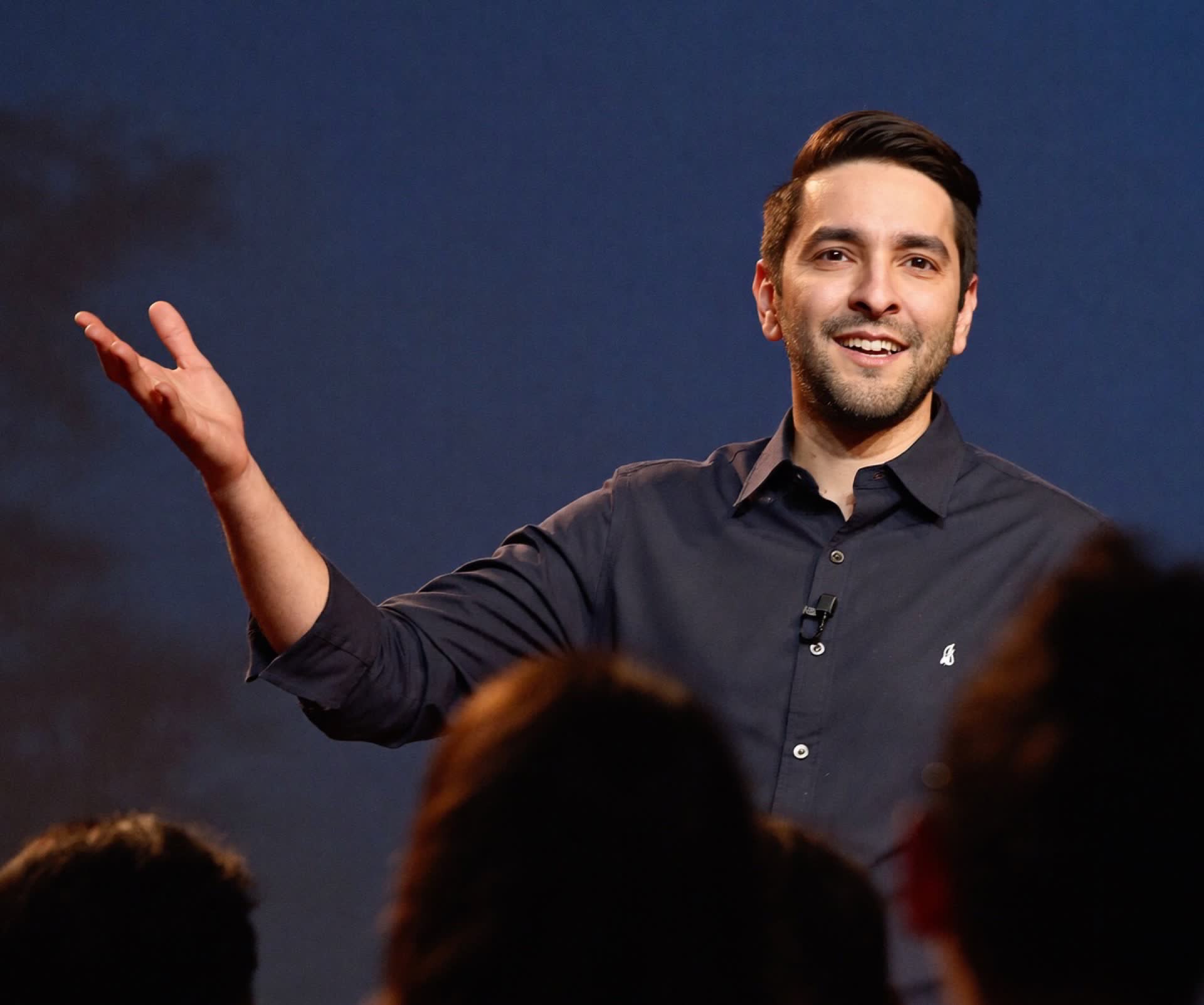
Thought Behind Things · Oct 9, 2024 · 1:21:34
Pakistan's identity is not a product of our organic history
Shershah Khan returns to Thought Behind Things to argue that the modern Pakistani identity was imposed on us, that the 1950s constitutional debate was the country's most productive intellectual moment, and that the country's real problem is the organising power of the modern state itself.
with Shershah Khan
12 min read
A returning guest and the weight of being recognised
The episode opens with Muzamil welcoming Shershah Khan back to Thought Behind Things, and admitting on air that when people ask him to name his favourite past guests, Shershah is one he always cites. The first conversation between them — an exchange on social analysis — went viral and pulled Shershah out of his preferred anonymity. He had been writing on Twitter under a pseudonym precisely because he did not want his identity attached to his thinking. The podcast changed that.
He is direct about the cost. “Social media actually scares me,” he tells Muzamil. Once his identity was attached to his arguments, he says, he could no longer behave like an anonymous account or a troll. The exposure forced a different posture, more careful, more responsible — and, he admits, more freighted. Muzamil names the trade-off in his own register: “With great power comes great responsibility, unfortunately.” It sets the tone for what follows. This is not a conversation about easy answers.
The principal question — can Pakistan have a modern identity at all
Muzamil sets up the principal question by describing a recent trip to Balochistan. He saw districts that looked like the stone age, then crossed a small stretch toward the Iranian border and found infrastructure and order on the other side, in a country under sanctions. The contrast left him asking why a nation-state can fracture so easily. His answer, going in, is that Pakistan has no modern identity coherent enough to hold it together. He wants to know whether one is possible, whether it has to be Muslim or Islamic, and what it could look like.
Shershah’s answer is structural rather than rhetorical. The modern identity, he says, is the citizen-identity of the centralised nation-state, and it is a Western development. It emerged in Europe from roughly the twelfth century onward as religious denominations weakened and secularised identities took their place. It became a finished political form in England, France and Germany, and was then exported through colonialism as a ready-made template. “The identity we are trying to adopt,” he says, “is not a product of our organic history. It is something that has unfortunately been forcefully imposed on us.” That sentence becomes the spine of the rest of the conversation.
Lines drawn through people who have nothing in common
From there the discussion moves to the lines themselves. Muzamil points out the obvious — Baloch populations split across Iran and Pakistan, Tajiks and Uzbeks across Central Asia, Nigerian tribes cut into three by colonial-era borders. Shershah extends the argument inward. Peshawar and the Pashtun belt, he notes, have more in common culturally, linguistically and historically with Bukhara and Herat than with Bengal. Muzamil pushes the example further: Punjab is linguistically and culturally closer to the Indian side of north India than to Khyber Pakhtunkhwa, and Sindh sits closer to Rajasthan than to its own north.
The conclusion they arrive at together is uncomfortable but clear. The borders were not drawn along any organic seam. They were imposed, and then a population that had no shared political history was instructed to negotiate a single identity within them. “You have forced a boundary on them,” Shershah says, “and then told them, now you must decide everything among yourselves.” Of course the arguments scatter. The question Pakistan keeps asking — what is our identity — is downstream of a more basic question it refuses to ask: why was this the unit at all.
The 1950s — the constitutional debate Pakistan lost
The most striking historical claim in the conversation is about the 1950s. Shershah argues that the first fifteen years of Pakistan’s existence were the country’s most intellectually productive period. The constitutional debates of that decade involved Muslim modernists, traditional ulama, scholars who sat between the two camps, and non-Muslims — and they argued seriously with each other. “If you went back and read what they were arguing for,” he says, “the sort of things they were arguing for are unimaginable today. We have travelled very far from that constructive phase.”
He places Jinnah inside this picture too, and not as the figure most Pakistanis are taught. Jinnah, he says, was a Muslim modernist, not a secularist — a distinction the rest of the conversation depends on. And Jinnah did not want the partition that Pakistan eventually got. “Jinnah was not in favour of the Pakistan that exists today. He did not want Punjab divided.” Muzamil adds his own frustration to this: Pakistan has reduced its founding to a single face, and forgotten the dozens of others — including Sir Syed Ahmad Khan and Shah Waliullah — who shaped the intellectual ground the country stood on.
Muslim modernism is not secularism
Shershah takes time here to draw a careful line. Muslim modernism, he says, begins with Sir Syed Ahmad Khan, and arguably begins with him for the entire Muslim world. Its central claim is that the Quranic spirit had been forgotten by Muslims and that this is why the community had fallen behind. Sir Syed wrote in the aftermath of 1857, when Muslims had been politically subjugated and economically devastated, and his project was to negotiate with the British imperial order rather than to break from it — to synthesise the Quran with the Western sciences arriving through British India.
The crucial qualification is the one most public discussion misses. “Muslim modernists explicitly said we are not in favour of secularism,” Shershah notes. He cites Fazlur Rahman, the foremost Pakistani Muslim modernist, who died in 1988, and the Moroccan scholar Al-Jabri — both of whom argued in print that secularism was not tenable in the Muslim world. Muslim modernism is a project of internal renewal that takes the Quran’s universal ethical principles — social justice, equality — as its anchor and treats the inherited legal tradition with more critical distance than the traditional ulama would accept. It is not atheism. It is not Western liberalism. It is something the Pakistani public sphere has largely forgotten how to discuss.
How the modernist–ulama dialogue collapsed
Shershah then traces the breakdown. In the early modernist period the gap between modernists and traditional ulama was narrow — they often shared teachers, they argued in the same vocabulary. By the post-colonial decades the division had hardened. Fazlur Rahman became closely associated with the Ayub Khan government, which used him to provide Quranic arguments for state policies — including media bans — that the ulama, particularly Maulana Maududi, considered both heretical and politically suspect. Once a modernist thinker became state-aligned, the rest of his work was tarred by that alignment.
The result, Shershah argues, is that Pakistan never had the sustained dialogue between modernist and traditional Islam that its constitutional moment briefly opened. Dictatorships interrupted the conversation repeatedly. “The thought process never developed,” he says. “And in the early years where the dialogue did happen, it could not be maintained.” By the time Zia ul Haq’s period closed, the camps had moved so far apart that reconciliation was no longer a serious project. Muzamil adds his own sharper framing: what survives is not philosophy at all but politics. “The actual fundamental philosophy is over. Now it is largely political camps and power groups.”
The contradiction at the centre of the Islamic-state argument
Muzamil takes the floor for an extended passage here, and the argument he makes is worth sitting with. If the religious clergy genuinely wants an Islamic state, he says, it will have to surrender its current independent power. Pakistan’s religious infrastructure — the mosques, the seminaries, the networks — operates independently of the state. An actual top-down Islamic state would, by definition, regulate that infrastructure and dramatically reduce its autonomy. You cannot, he argues, want an Islamic state and also want to keep all your existing leverage outside the state’s reach. “You can’t have a bit of both — we want an Islamic state that is top-down Islamic, but only when I personally am the one at the top making the decisions.”
He goes further: in a properly constituted Islamic state the multiplicity of definitions would have to collapse into one. No sects. No competing local interpretations. From Khyber to Karachi, each district has its own working definition of what Islam is and what Pakistan is, and the system is run on the resulting confusion. A genuine Islamic state, he argues, would be ruthless toward exactly the clergy that is loudest in calling for it. The argument exposes a contradiction the political-religious right in Pakistan has not honestly faced.
The real problem is the organising power of the modern state
Shershah’s response reframes the entire conflict. The problem Muzamil is naming, he says, is not really a problem with people holding different opinions. It is a problem with the organising power of the modern state. Pre-modern sultanates contained enormous internal diversity — different sects, different schools of jurisprudence, different communities all living next to each other — because the sultanate barely tried to regulate ordinary life. People practised their religion and their culture as they had inherited it.
The modern state is different in kind. “You have a centralised entity that is trying to regulate literally every movement of your life,” he says. Surveillance, mandatory education, economic productivity, a single legal framework — all of it converges on the demand that the people inside the border negotiate one identity. Disagreement was tolerable when there was no state apparatus insisting on consensus. The modern state cannot tolerate it, and so the arguments scatter to the extremes. “If we removed the centralising organising power of the modern state from the equation and let people live on a more horizontal plane,” he says, “I think you would find this much more acceptable.” The conflict is not between traditions. It is between traditions and the state form trying to flatten them.
Why other Muslim countries seem more at peace
Muzamil pushes on a contrast that bothers him. Indonesia, Malaysia, the Middle East, Central Asia — none of them seem trapped in the kind of identity crisis Pakistan is permanently inside. He recounts his own visit to Saudi Arabia, where the cultural framework struck him not as oppressive but as deliberately simple: men in white, women in black, both empowered, both moving through their day without sexualising the public square. He read it as a society that had a coherent starting point and was building from there.
He extends the same charity to Afghanistan. He is careful here — both of them note that this is the kind of observation that can be misread — but his point is structural rather than ideological. “Afghanistan has one starting point,” he says, “and they are solving that problem based on logic.” The Taliban era, in his framing, may carry enormous local costs, but the country at least has a unified frame within which to work. Pakistan has twenty-five crore people arguing from incompatible starting points, and so it cannot accelerate in any direction. Shershah agrees that Afghanistan is more culturally homogenous than Pakistan, and that the Durand Line, drawn through what was historically one cultural space, is a clean example of the imposition they have been describing.
Can Pakistan still host the hard conversations
Toward the end Muzamil asks whether Pakistan can still host the difficult conversations — not the blasphemy questions, which he sets aside, but the broader set of questions about identity, modernity and coexistence that the country once debated openly. Shershah’s answer is honest and bleak. “On the tough questions, unfortunately, the answer is no. And as much as I hate to say it, it makes me sad.” He notes that even within his own close circle of friends — people who read history and discuss these questions privately — there are subjects they cannot put on Twitter or YouTube, and which they cannot organise public sessions around.
He adds that Pakistan today feels more politically fractured than it has in his memory. Non-political entities controlling things, religious actors pushing in particular directions, an inability to host sustained intellectual debate in public — these have combined to produce what he calls a fractured state. Muzamil partly disagrees: he argues Pakistan has been politically fractured since independence, run not by its political class but by a bureaucracy that inherited British administrative power and never had to face the people it administered. For ordinary Pakistanis, he says, very little structurally changed at partition — the same officer, the same landlord, the same system, only without a white face at the top.
The third republic and the inevitability of consensus
By the end of the conversation Muzamil offers his most optimistic frame. He recounts a discussion with a former chief economist of the Planning Commission who described Pakistan as moving into its third republic. The first ran from 1947 to 1971 and ended when half the country broke away. The second ran from the 1973 constitution through to roughly 2023, sustained by a settled set of stakeholders. The third, he argues, is being born now — because the masses, with private media and the internet, have become a stakeholder in their own right and have begun to dream of a different country.
His final argument is that the consensus Shershah keeps pointing to is not something Pakistan needs to manufacture through discussion. It is something the new political reality will eventually force. “The consensus is an inevitability,” he says. The old Pakistan is not coming back. A new one is being demanded. The smart move, he tells listeners, is not to chase any single political party’s version of that new country, but to recognise that the underlying redesign — of what stakeholders want, of what they will tolerate, of what they expect a state to be for — is already underway. Whether that redesign produces the modern Muslim Pakistani identity the episode set out to define is a question neither host nor guest will answer. The honest position, by the end of the conversation, is that the question itself is now finally open.
Full transcript
नमस्कार दिनों कुजरात. Welcome back to another episode of Thought Behind Things. आज हमारे साथ मौजूद हैं एक बहुत ही ख़ास मेहमान. आप सबके भरपूर इस्तार के ऊपर पहले भी एक दफ़ाई आए थे. उस वक़्त हमने you know randomly बुलाया था. हमने सोचा था देखते हैं कि यह एक अगर हम इस tangent पर निकलें तो conversation गिधर जाती है. He was super smart. It's it's actually a fact by the way कि when people ask me who are your top three, four favorite, you know, pod podcasts or guests? This guest particularly I always always name. I always tell people यार कोई और देखो यार देखो, यह ज़रूर देखना. It's amazing and for a for a lot of many different reasons. But this particular season, जैसा कि मैंने आपको पहले बताया था, I was most interested in economics, geopolitics and then Islamic philosophy and obviously the intersectionality of all of these three जो कि modern day में exist करती हैं and for that आज हमने बुलाया है शेर शाह साहब को who's been here before as well. शेर शाह, thank you so much for being part of the show. Thank you so much for inviting me, मुज़मिल. It's a real. It's an honor to be back. Thank you. I'm glad. पहले तो मुझे बताएं how are you? How how has things been? पिछले एक डेढ़ साल हो गया मेरा ख़ैला since we last spoke? Yeah,
I mean उस time से मेरी life बहुत change हो गई है. I think thanks to the podcast that I recorded. अभी तो शायद बहुत ज़्यादा like university में लोग आते हैं मतलब मुझे कहते हैं कि I have seen your podcast
और social analysis भी. I think that was the first one that get that that got that viral क्योंकि उसके बाद तो आपका multiple platforms पर गए हैं but एकदम से इतने ज़्यादा audience वह पहली दफाई and it's very interesting for a lot of people बड़ा यह tricky होता है.
Than what I've already become? Yeah, I mean मैं यह कहूंगा कि social media is actually I mean it actually scares me. मुझे बहुत डराता है वह और मैं Twitter पर जब था and from there you मतलब sent me the tweet के Let's True podcast और वहां पर मैं anonymous था because means I did not I did not want to reveal my identity. लेकिन एक तो यह हुआ कि मेरी identity जब reveal हो गई तो I felt responsibility कि यार अब मुझे ज़्यादा responsible तरीके से बात करनी चाहिए. I cannot be anonymous account a troll on Twitter. तो I think so I would say कि social media my presence there it actually freaks me out. Yeah. With
great power comes great responsibility unfortunately. Let's start the conversation. I wanna just overall primarily जो आज का मेरा focus area है वह यह है कि Pakistan जब मैं Pakistan को देखता हूं in a lot of way then recently I went to बलूचिस्तान as well और कुछ वहां पर इलाके ऐसे हैं जो कि आपको literally आप जब stone age के बारे में सोचते हैं तो आपको stone age की ही याद दिलाते हैं और it's very interesting because border के वह बिल्कुल pass हैं, Iran के border के. तो आप सोचते हो generally आपको जो higher ups हैं वह यह, you know, देते हैं कि यार यह देखो actually ना यह इतना दूर है, इतना rugged है, इतना desert जैसा इलाका है. तो यहां पर invest करना बड़ा मुश्किल है. But then there is a line of the border and border की line की दो kilometer उस तरफ़ जब आप Iranी एक छोटे शहर को देखते हैं जो कि sanction शुद्धा एक मुल्क है और आप वहां पर infrastructure देखते हैं और सफाई देखते हैं तो आप combined blow हो जाता है. And so you clearly realize कि यह मसला हमारा है. And so, you know, Pakistan unfortunately we we we talk about economics, we talk about a lot of different things. But increasingly आजकल मेरे जो program पर guests आ रहे हैं, वह बात करते हैं कि, you know, we need a new social contract. People wise, जो Pakistan की political economy है, उसमें बड़े chaotic situation है और लोग जो हैं वह नाला हो चुके हैं और उसकी वजह से हमें certain, emergence of, you know, chaotic instability नज़र आ रही है जिसमें KP के अंदर, बलूचिस्तान के And that got me thinking कि you know Pakistan या कोई भी nation state कैसे इतने आसानी से टूट सकती है जब वह एक कोई identity होती है ना उसकी. कोई कोई something that pulls them together and when I look at Pakistan unfortunately I don't see them. I don't see a modern पाकिस्तानी identity. It's very confusing. Sometimes we're looking at thousand years ago. Sometimes we're looking at our own region. And I believe कि जब तक आप उस nation state की, अगर आपने यह मान लिया कि वह nation state exist करती है और उसमें अगर आप nationalistic या patriotic sentiment लेकर आना चाहते हैं तो उसकी कोई ना कोई modern identity exist करनी चाहिए. So that was the principal question and I what I wanna identify today is can Pakistan have a have a modern Islamic or Muslim identity or whether that has to be Islamic or Muslim or whether that can be not Islamic or Muslim at all? And and and what could that identity potentially look like? So I just wanna start with just this basic question कि modern identity अगर हम बात करें कि एक modern identity बहुत सारी different countries की होती है, what is modern identity जो कि potentially पिछले सौ साल में emerge की है, you know, as as nation states have emerged as well?
Yeah, I think अच्छा इसका बहुत ही लंबा answer हो सकता है और इसमें बहुत से सब topics हैं जिसको हम explore कर सकते हैं over time. लेकिन for now I'll say this कि modern identity आज के ज़माने में यह है कि चूंकि nation states अभी वन गई हैं तो being a citizen is very important, right? So, you you must belong to a state and you must be a citizen of one state या two. तो लेकिन अगर हम इस modern जो अभी ज़माना है modern epoch इसे अगर पहले जाएं तो उसमें ना citizenship था, ना इस तरह का you know वह वह एक एक centralized state थी जो सबको control करती थी वगैरह. तो ना ही उस तरह के strict borders थी. तो दुनिया तो अभी यह जो shift आया है यह identities में या social communal organization में in the form of the modern state. यह असल में हुआ west में. So, England में, France में. I think यह अगर हम यह history देखें तो 1,200 के बाद यह sorry 1,100 के बाद यह development शुरू हुई कि जिसमें religious जो denominations थी वह कमज़ोर होने लगी और जब church के power कमज़ोर होने लगी तो secularized identities और secularized type of divisions शुरू हो गई. तो यही वह दौड़ता इसको explore करेंगे लेकिन तो यही वह दौड़ता है जिसमें nation city merge हुई तो England, France, and Germany वगैरह और फिर वहां से colonialism का जो venture शुरू हुआ in Africa, in The Americas and here in Asia as well. फिर यहां पर वह जो छह सौ साल सौ साल से जो एक process चल रहा था organic West में, वह जब final product अब पहुंचा तो colonial era में वह यहां पर ready made तरीके से यहां पर impose हुआ. तो अब nation state या national identity या nationalism as a form of, you know, social या communal organization, वह west में comfortable है लेकिन like you said very rightly कि Pakistan में we feel a little uncomfortable with मतलब पाकिस्तानी identity या nationalism और उसकी तो एक religious विचौहाद है. मतलब religious argument भी mobilize हो है. Religious side से बहुत सी arguments लोग कर सकते हैं कि nationalism is antithetical to Islam वगैरह. लेकिन दूसरी अगर purely secular lens से भी देखें तो Pakistan की identity की history मतलब that is like a black box. We we we don't know how to deal with this. Right. तो yeah, so तो the point like I would the the main point here is कि जिस identity को हम अपनाने की कोशिश कर रहे हैं, this is not a product of our organic history. It is something that we unfortunately have been forcefully imposed on us. Right. Makes sense. बोल कर सकते हैं. Thank you. Before we get into that, you mentioned colonization
particularly के, you know, western powers आईं. जैसा कि Pakistan तो है लेकिन Middle East में भी यह बड़े मसले हैं कि यार आपके let's say Iran है तो Iran में उनकी जो Eastern side है वहां पर बलोचि exist करते हैं. Afghanistan में ऊपर कहीं ताजिक हैं, कहीं उज्बिक हैं. So ethnic identities फ़र्क़ हैं, national identities फ़र्क़ हैं and so there are a lot of these different identities and they haven't वह reconciliation नहीं हो पा रही, right? You know, even Africa के अंदर मैं I was speaking to a few Africans recently और मुझे यही बता रहे थे कि वह जो random Nigeria है for example, उसमें तीन different tribes हैं लेकिन आधे tribes जो हैं, एक tribe ऐसा जो नीचे की तरफ है वह आधा Nigeria में है, आधा किसी और country में है, तीसरा किसी और country में है. And so, randomly broke people across random arbitrary lines and that created a lot of confusion. What I want to understand is, again that principle question कि एक original cardinal sin को solve करने के लिए कि मतलब वह sin हो गया या तो आप जाकर उस sin को fix करो you got one types of मुस्लिम scholars जो कि कह रहे हैं कि यार banking तो reality है, debt reality है तो how do we reframe it? And then there is another emerging side जो यह कह रही है कि नहीं, we need to begin to think about. I'm not saying reject banking as it is. You have to live in the world. We have to start thinking about a post banking world that is closer to the core ideology of what Islam actually talked about. So I wanna understand, are we I mean, when we get into the idea of पाकिस्तानी identity, is is is having an identity in this current framework even practical, if that makes sense? अगर आप अपना एक digital personal brand बनाना चाहते हैं तो मैं अपनी digital media master class launch कर रहा हूं. जहां पर मैं आपको digital media और influencer marketing के fundamentals सिखाऊंगा in a two month long live boot camp where I will be summarizing fourteen years of my experience in the field. If you're interested, you can sign up with your email on the link down below. See you there. Yeah, so I think
इसका जवाब यह हो सकता जवाब तो इसका यह है कि identity वन सकती है. मतलब we can have a पाकिस्तानी identity that is comfortable in the modern world. But at the same time, मतलब modern world में भी fit आती है और लेकिन यह जो identity है यह it does not betray the tradition. It does not you know betray the identities that we have on a commune level. अब वह identity क्या होगी? मतलब अगर आप मुझसे पूछें Pakistan की identity क्या होगी या क्या होनी चाहिए? तो I I इस पर discussion होनी चाहिए dialogue और दूसरा है कि अगर हम history को थोड़ा देखें तो history can prove to be very instructive. History से हम बहुत कुछ सीख सकते हैं अपनी तारीख़ के बारे में. तो Pakistan का जो term था था. तो उनके mind में Pakistan some something that you know encapsulated many मुस्लिम lands. ठीक है? लेकिन अब term वही इस्तेमाल हो रहा था लेकिन बाद में फिर यह वह Pakistan बना जो आज का है. 71 से पहले जो East East वह भी है. तो एक तो यह है कि I had a conversation with professor वलिद्या तो वह कहते हैं कि पिशावर को अगर हम देखें या पश्तून जो belt है. अगर culturally देखें या linguistically या historical अगर हम देखें तो यह जो खिता है it has more similarity with you know the North Western Region. तो for example बुखारा या Afghanistan हैरात वगैरह. और अगर हम similarities compare करें यह पश्तून side की with suppose बांग्लादेश तो you will find less similarities. Not that there's a मतलब anything wrong with you know being similar to बांग्लादेश but just saying कि culturally historical अगर हम देखें तो this was never part of मतलब one set मतलब यह कोई एक state या एक empire का हिस्सा हिस्सा नहीं था वह strong crew. Right. Culturally अगर हम देखें तो it has similarities to other rations. And यहां पर आपने
let's say, पख़्तून and बंगाल को compare किया ना? मैं तो even probably यह कहूंगा कि there's less similarity between let's Punjab and KP than there is with Punjab and, let's say, Indian side of Northern India का जो पूरा का पूरा है linguistically, culturally. फिर आप सिंध को compare करते हैं और सिंध ज़्यादा connect करता है राजस्थान area से than actually अपने north से, right? So again वह जो lines हैं उसने बहुत confusion draw कर दी where अब वही वाली बात है कि या तो अगर आप इन lines को connect करके रखते हैं and I don't wanna go into that sensitive type of woke यार you know what the world is going to change in a long enough timeline जिसमें शायद, you know, balconization all across हो जिसमें जो है ना completely redrawing of lines हो. But at the very least अगर आप यह मानते हैं कि चलिए ठीक है यही nation states है और अब दाकयामत यही nation states रहेंगी. तो फिर आपको radically redesign करना पड़ेगा. एक proper एक project है of reeducation जैसे Chinese करते हैं, where, you know, you have to bring them to one center point that they can agree to. Yeah.
So हां. उस पर हां I think, तो इसको अगर मैं extend करूं तो Pakistan जब बना तो ठीक है मतलब जिस तरह भी था. अच्छा जिन्हा was not in favor of जो Pakistan आज का है जो divide हो चुका partition हो चुकी है. जिन्हा did not like this by the way. उसने यह reject किया था. He did not, he did not वह नहीं चाहते कि Punjab divide हो. Right. That is something that is very controversial. लेकिन the point is कि ठीक है Pakistan वन गया और अब यह boundaries वन गई हैं, right? Afghanistan से separate है, right? उस इस इस side पर India है. तो fifties का जो decade था, fifties का जो decade था that was actually very productive. इस पर बहुत सी debates हुई. पाकिस्तानी के constitution पर, उसमें modernist भी थे, religious side भी थी और ऐसे scholars भी थे who were like in between like not totally from the traditional side camp या not totally fully modernist और मैं मुस्लिम modernist की बात कर रहा हूं which is different than secularism. तो जिन्ना को भी अगर देखें he was a मुस्लिम modernist, he was not a secularist. अब यह एक point है जिस पर debate हो सकती है and I mean I can I can debate on this? But the point is कि fifties के ticket में बहुत सी debates हुई constitution पर और identity पर. लेकिन I think वह जो dialogue था इस early years में जिसमें सारे थे मतलब literally सारे मतलब फ़िक्र के लोग इस पर debate कर रहे थे. वह debate maintain नहीं हो पाया. मतलब I think partly because of dictatorships जो बहुत बार आई तो उसमें वह वह thought process develop नहीं हो पाया कि अभी ठीक है ना तो इस जो Pakistan का region है, ना इसकी कोई collective history है that goes back you know some centuries और ना ही फिर इसमें you know जो early years है उसमें sustained तरीके से कोई debate हो पाई इस पर. तो I think this is what we are lacking which is why in the beginning मैंने यह कहा कि हमें dialogue की ज़रूरत है. अभी तो चीज़ें बहुत बदल चुकी हैं. मतलब अगर आप fifties में जो constitution पर debates हुई थी इसमें non Muslims भी थे. The sort of things that they were arguing for are like unimaginable. Right? हम बहुत दूर चले गए हैं उस क्या करें हम fruitful
phase में जिसमें Constructive phase में. हां. Exactly. We we we argue a lot about अभी आपने पहले भी कहा controversial कि जिन्हा secular थे या you know Islamic थे या क्या था? I want to also tailor there are other nodes as well. Unfortunately, Pakistan में यह भी मसला हुआ ना कि बस हमने जिन्ना ही बना दिया. जिन्ना was Pakistan and Pakistan was जिन्ना and then बाकी कोई था ही नहीं. हालांकि बहुत सारे different nodes थे. जिन्हा was the face but a lot of other people actually उस ideology का participant थे. Have you studied sir सय्यद अहमद खान and शाह वलील्लाह particularly? Yeah, I have read their history और कुछ हद तक उनकी philosophy भी. I'm I'm curious what are your thoughts on that? Because my understanding is not in a nationalistic lens but in terms of modern Islamic thought. यह दोनों के दोनों modernist थे in terms of how they view the identity. क्योंकि उस time के ऊपर तो identity nationalistic थी ही नहीं. एक एक India था और उसमें जो यह इस region के लोग थे उनको आपने एक identity देनी थी that that was a sub identity to the primary identity of being Indian. Right? So, उस उस उस उस framework में what was the thought process of let's say sir सयोयदामुद खान and शावली उल्लाह? जिनका जो my understanding is they were around the same timeline present in
अच्छा, इसमें I think तीन points हैं. पहला तो यह है कि शावली उल्लाह was hundred years almost like a hundred years before. Ok. और we cannot categorize him as a modernist. I think he was a thorough going traditionalist. दूसरा है कि अगर हम अब बात हो रही है Muslim modernism की. एक तो पहला point है कि the two are different. दूसरा point यह है कि अगर हम Muslim Modernism जिसकी शुरुआत होती है सरसेद अहमद खान से, I think are you बलि पूरे Muslim world में Islamic Modernism की शुरुआत सरस्तेश शुरू होती है. अब यहां पर हम pause करेंगे और Muslim Modernism को ज़्यादा समझेंगे ताकि idea clear हो because a lot of people think this is like atheism या secularism. तो right from the beginning it's not secularism. अगर आप Muslim Modernist literature को देखें तो वह explicitly कहते हैं कि we don't be oppose secularism और इसके लिए you can read फ़ज़ूर रहमान. वह मुलाना साहब नहीं, वह फ़ज़ूर रहमान was a Muslim modernist who died I think in 1988. वह Pakistan के I think the foremost Muslim modernist thinker और उनका he openly said and this is not exclusive to पाकिस्तानी Muslim modernist. I think हां Morocco में एक scholar गुज़रे हैं Muslim modernist. जाबरी उनका नाम है मतलब he is like the encyclopedia of history और वह भी he openly said कि secularism is not tenable here in the मुस्लिम world और उन्हें बाकी इस पर किताबें लिखी हैं arguments present की. तो the point is कि they were not in favor of atheism या secularism लेकिन सिर्फ़सैद के बाद या उनसे ही start होता है. वह उनका argument यह था कि कुरान जो है कुरानिक spirit वह मुसलमान उसे मतलब भूल गए हैं और यही वजह है कि हम अभी ज़बालकश्कार हो गए हैं. Because सरसेद उस era में थे जब 1857 की जो जंग एजारी थी वह that was squashed and then मुस्लिमs were entirely मतलब politically subjugated. तो सरसेद उस point पर थे कि Muslims were being मतलब literally devastated on every scale, every level. Economic भी political भी militarily भी. तो अब वह चाह रहे थे कि British जो empire वन गई है, right? जिसको दारुल इस्लाम समझती है. Even उल्लामा इसको दारुल इस्लाम समझती है. British India जो थी, अब यह British colonial rule वन गई है तो इसको हम negotiate किस तरह करें? तो वह चाहते थे कि मुसलमानों की जो सवालों के जो हालात हैं उनको तरह बेहतर करें. तो उसके लिए उन्होंने यह कहा कि यार यह जो western sciences आ रही हैं वहां से, यह British import कर रहे हैं. तो इसको इसको हमें यह तो intellectual challenge है. इसको हमें negotiate करना है और कुरान और science को हमें you know वह synthesize करना है. बाकी उनका main argument यह था कि कुरान में जो ethical principles हैं universal ethical principles जैसे कि social justice, equality वगैरह वगैरह. यह this is something that we should argue for और बाकी वह legal जो tradition तेरह सौ साल से चलती आ रही थी वह उसको उसको इतना नहीं मानते थे. हादीज़ की भी वह ज़्यादा critical थे. बस वह कुरान पर focus करते थे क्योंकि कुरान is something that we should, you know, study very well. अब early modernism और late modernism भी फ़र्क़ है. Late modernism nineteen thirties के बाद जो बनता है और it takes a radical turn after the the the independence. तो early modernism अगर हम देखें तो early modernism उल्लामा scholarly class जो थी वह ज़्यादा closely aligned हैं मतलब उनके अक्सर एक ही teacher हैं, right? तो ससैद अहमद सरसैतिया भी यह प्रस्कदा कि British आ गए हैं and they are going to be here for like I don't know how how long. ठीक. अब early modernism के principles क्या हैं कि इस्लाम जो है इस्लाम modernity के साथ जितिदीयत के साथ develop हो. लेकिन उसके लिए they had to attack the legal tradition जो हैनफी फेक और शाजु या हदीश tradition जो शुर्स चलती आ रही थी. अब early modernism जो है you will find a lot of मतलब back and forth between उल्लामा उतना radical division नहीं है. लेकिन post colonial era में जब Pakistan बना उसमें जैसे ही यह साल गुजरते जा रहे हैं उल्लामा और modernism के दरमियान division ज़्यादा हो रही है और बहुत सख़्त हो रही हैं. तो उसी example है कि फ़ज़लूर रहमान जुदेव वह I mean he had to leave Pakistan I think in the sixties क्योंकि उन्होंने एक किताब लिखी थी लेकिन मैंने जो पढ़ा है it was not because he wrote a book that was very you know offensive to the traditional understanding. वह असल में वह आयुब खान की government के साथ closely align हो गए थे. तो अब आयुब खान was not a fan of the उल्लामा. He really them. अब आयुब खान अगर media को ban भी करा है ना तो वह फ़ज़ूर रहमान के through ban करें. फ़ज़ूर रहमान बकायदा कुरान से arguments present करा है कि media को ban करना चाहिए फलाही you know com की फलाही के लिए वगैरह. तो that was something that दीवला मारूली hated कि एक यह humorous है, right? A heretic है. दूसरा यह कि state sponsored है. तो वह spot line पर थे तो उनकी कितार भी spot line पर थी and that was why the traditional उल्लामा revolted very हाशिल. तो बाद में जो scene बनता है post colonial state में तो modernism और उल्लामा में यह conflict ज़्यादा होते हैं और इस conflict की वजह से Pakistan की identity अगर हम बात करें तो उस पर इतना constructive debate नहीं हो पाया क्योंकि इसमें politics इतना शामिल हो गया था कि मतलब it was all just you know speaking over each other. लेकिन early modernism और उल्लामा इसमें बहुत सी you know एक एक एक productive phase था जिसमें बहुत कुछ हो सकता था. लेकिन अगर आप forties के बाद भी तारीख देखें 19 से लेकर 47 तक बहुत ही chaotic है, बहुत ज़्यादा chaotic है. लोगों को पता ही नहीं था कि Pakistan की boundary क्या होगी and this is something that we can explore a little लेकिन किसी को clearly अंदाज़ा नहीं था कि Pakistan की boundary क्या होगी? और identity constitution पर तो बात वह तो बात की बात है. So, is like a little background of of Muslim modernism
and traditional side. Makes sense. In this particular conversation, I want to focus on the मुस्लिम modernism. I don't, I mean, this identity is like इसको पर पूरी conference करवा सकता इंसान और सुबह से रात तक बात कर सकता So, there are so many facets and I want to focus on the मुस्लिम identity part of it. एक तो मुझे यह बताइएगा कि जो आपने कहा कि right after partition you had modernists. In fact, they actually, had a lot of power as well up until sixties, right? वह directly state से बड़ा close थे और वह I don't know क्यों आप उसको भुट्टों वाली side जो है वह क्या करेगी? मैंने भुट्टों को ज़्यादा study नहीं किया कि वह secular था या वह क्या था लेकिन यह कि we know that he made OIC, we know that he was, you know, working around it it it sort of Muslim, wider Muslim identity And then simultaneously, he had direct clashes with the उल्लेमा, and then there were a lot of that happened during his time as well. And so, you know, while Ayoub was an authoritarian leader who imposed a a modernist view of Islam and then used that definition to do a lot of his politics, पूरी जी flip हुई with सेहाल हक and he then went the other way. Right? What I'm trying to understand here is कि इस तमाम चीज़ के दरमियान में यह चीज़ isolation में नहीं हो रही थी. Like, Pakistan की natural evolution नहीं थी. इसके अंदर एक pan islamism का concept था. इसमें एकदम से जो है ना there was a lot of money that a lot of the Middle Eastern countries were getting. They had a lot of their own politics happening between let's say Iran and Saudi and so, you know, from from from let's say eighties till early two thousands. We saw a lot of that patronage जिसको मैं कहूंगा. चाहे वह आप funding की शक्ल में कहें, चाहे आप वह कहें कि, you know, they were able to build the North Star and then a lot of our यहां पर brand ambassadors थे जो कि उस North Star को market में बेच रहे थे. आज की reality बड़ी फ़र्क़ है. आज, you know, you've got the Middle East that is aggressively modernizing itself in the right or wrong way. I'm not gonna argue that. But वह patronage in a lot of ways seems to be coming to an end. And similarly, even Iran की side के ऊपर अगर आप recent उसमें देखें तो even their new president is a is a modernist. They they've been taking, giving a lot of concessions compared to the historical understanding of कि Iran कैसा है और Iran क्या करता है. तो वह आहिस्ता आहिस्ता वह भी कहीं ना कहीं it seems like कि जो उनकी fundamentalist view of how the society should be run वह थोड़ा evolve होता हुआ नज़रार and so that patronage seemingly is now reducing and इस backdrop के साथ I want to understand potentially कि यह जो battle है between modernists and fundamentalist and again यहां पर मैं secularist and जो ज़्यादा debate होती है ना secular और Islamic Again, agreement और disagreement के ऊपर कोई argument नहीं कर रहा but I just want to at least आप वह conversation तो कर सकते हो ना कि if रामदीव साहब has a different opinion, at the end of the day he should be able to sit here and have that debate on television so that all of us simple beings can see the logic between both arguments. But, unfortunately, we're not in that space. Is backdrop, पर, what are your thoughts on, the the current state of Pakistan's I don't know what what to call it but क्या currently do you see कि अच्छा यार सिर्फ़ बस वह एक traditional view ही है या एक modern side भी emerge कर रही है या वह space potentially आने वाले वक़्त में आती हुई आपको नज़र आ रही है with the lack of patronage. Are your thoughts?
Yeah, अच्छा as far as the future is concerned, तो I think उस पर तो हम सिर्फ़ अंदाज़ा लगा सकते हैं कि क्या होगा but we do not have a concrete answer. लेकिन I think अगर हम Pakistan Pakistan की जो, like I said, Pakistan के जो early decade like the first fifteen years बहुत ही instructive है. उस पर आपको जो Pakistan उज़ज़माने का था you will be shocked और तो जैसे कि आपने कहा rightly so कि मुस्लिम modernist जो थे वह dominant थे politically मुस्लिम league leadership करता रहा going modernist. दूसरा एक है जब constitution की जब debates भी हो रही थी early तो like I said कि even though वह modernist है लेकिन वह traditional side के साथ मतलब वह एक एक मुकाल में हो रहा था. एक एक वह dialogue कर रहे थे. तो nineteen fifties में एक scholar का group बनाते हैं और उनको बोलते हैं उसमें मुलाम मोहम्मद शफ़ीद आते हैं दिव्बन के बड़े scholar हैं. उनको बोलते हैं कि आप हमारे लिए लेकिन वह बात और है कि modern state का जो apparatus है और constitution है उसमें जो जो पूरी वह एक extensive knowledge है वह obviously उस तरह से आम आम में इतनी saturate नहीं हुई थी कि उसको समझ पाए. आज आज हम समझ रहे हैं. आज हम बताइए कि modern state का पूरा framework क्या है वगैरह? तो that was like 50 almost seventy eight years ago. तो early early जो years हैं उन पर भी यह debates चल रही हैं. Modernist politically dominant हैं और sixty seventies तक ही वह रहते हैं dominant और traditional उल्लामा जो है they have the support of the people मतलब the common people और एक argument हम यह कह सकते हैं कि political side ज्योति वह इतने receptive नहीं थे towards मतलब अगर आप in the grand scheme of things कुछ points पर वह ज़्यादा receptive हैं लेकिन अक्सर वह इतने receptive नहीं थे to accommodate the opinion of the globe. तो फिर यह early conflict हम हम देखते हैं लेकिन बाद में जब detail जब बुट्टों का time आता है और बाद में सब्ज़ियावलों के बाद तो बिल्कुल वह is like a no way to go back. अब तो हम उतना दूर चले जाते हैं कि reconciliation का वह नहीं होता.
अब जहां तक future का तालुक है तो that is something that you know we can only just you know. What I want to tell you future पर अगर हम ना भी कैसा रहेंगे हम अगर उस ज्या उल हक से लेकर modern time तक current time तक देखें उसमें evolution जो we we we saw that ज्या उल हक्ष time उस पर लोग बहुत ज़्यादा कहते हैं कि यार हम बहुत far right पर चले गए, right? Religiously. उसके बाद फिर then we had मुशहरफ़ as well. We had we've been flip flopping and ping ponging on different sides. जो मेरा मसला आ रहा है ना वह यह आ रहा है कि there is no real understanding. So it's not driven by logic. All of this evolution is no longer driven by logic. जिसको आप academically जाकर देखें और कहें कि अच्छा यार यह यह side यह कह रही है, यह side यह कह रही है, दिन्यान का रास्ता यह है. It's वह इतना बंट गए हैं जो हमारी पहले last time भी conversation हुई थी कि the actual fundamental फलसफा जो है वह खत्म हो चुका है और अब largely politics रह गई. Right? It's a lot of political camps and power groups जो कि कह रहे कि यार अब छोटी सी मिसाल उसमें यह है कि अगर तो religious clergy कहता है कि यार Islamic state होनी चाहिए है और और और state secular नहीं हो सकती तो फिर religious clergy has to let go of the right to be functioning independently. क्योंकि Pakistan में our religious structure is purely independent. Right? So, from the mosque to the seminary to this and that. फिर आप क्या करेंगे? आप वह right पूरा के ऊपर उठाएंगे और वह उठाकर state को देंगे और फिर state उसको regulate करेगी. Right? और जब state उसको regulate करेगी तो आप अपनी power को radically reduce करेंगे. So, you can't have a bit of both कि we want an Islamic state that is top down Islamic but we'll only have it when I personally am the one who's at the top and making all the decisions. Right? You have to if your argument is that the Islam that the state and all facets of it are Islamic and you've also agreed to, let's say, a because you don't have an agreement on ख़लीफ़ ख़लाफ़त के ख़लाफ़त का mechanism क्या होगा? So the agreement इसकी democracy पर ही होगी. So then let go of that power. Let the government then regulate. The government will decide कि जो nodes हैं वह किस तरह से change होंगे. Government जो है वह एक central singular identity define करेगी कि भई हमारे हमारे इस्लाम एक इस्लाम हो सकता है. उसमें sects नहीं हो सकते. उसमें different definitions नहीं हो सकती. So it becomes very middle eastern in a lot of ways and it becomes very ruthless in a lot of ways for a lot of the religious clergy itself. And so मेरे लिए बड़ी confusion है ना कि अरे यह तो ok let's have it let's have an Islamic state. Personally I'm I'm all all for an Islamic state. मेरे हिसाब से a purely Islamic state as it should be will have a lot less problems जो कि इस वक्त एक democratized version में exist कर रही हैं where everybody comes up and decides कि नहीं यह यह definition है. मतलब ख़बर से कराची तक हर शहर, हर कस्बे, हर जिले की एक अपनी definition है of what Islam is, of what Pakistan is, of what society is and वह उसके हिसाब से जाना चल रहा होता है. Right.
Yeah, I think इसमें मुज़मिल I think अगर आप इसको सोचित, अगर इस पर सोचित तो I think you you have a problem with the with the organizing power of the modern state. I I don't think you have necessarily a problem with people having different opinions on a particular topic. It's just modern state की जो organizing power है मतलब सुल्तनत में sex थी right मुख्तले flow थे बल्कि normal सुल्तनत भी रह रहे थे. लेकिन उसमें यह था कि the सुल्तनत had barely anything to do. जो लोग जिस तरह रह रहे या वह अपनी ज़िंदगी को इस तरह मतलब जी रहे हैं, culture की तरह से practice कर रहे हैं. लेकिन modern state में यह है कि आपके पास एक centralized state है, एक एक entity है जो आपके literally अगर आप सोचे तो आपकी ज़िंदगी के हर एक movement को वह regulate करने की कोशिश कर रही है. Right? वह surveillance है, आपको एक खास अंदाज़ में train करना है तो उसके लिए education है, right? You have to be economically productive वगैरह. तो I think अगर हम यह इस equation से अगर हम modern state की organizing power को हटा दें और लोगों को बोलें कि यार एक एक एक decentralized तरीके से you know power को हम decentralize करें और एक horizontal plane पर मतलब लोग रहेंगे. I think you'll find that मतलब more acceptable. मसला मसला तब आता है जब modern state की entity होती है और उसको उसको आपने boundary दी है और आपने यह logic बनाया हुआ है कि बस इस खिते के के मतलब within the boundary जो लोग रह रहे हैं उनको they must negotiate everything even though they are culturally, historically different. They have nothing in common. You have forced a boundary on them और उस पर आपने you know lease छोड़ दी कि बस आप आपस में decide करें, negotiate करें और अपने लिए कानून बनाए. So obviously you will see मतलब far flung arguments कोई उस side पर जाएगा, कोई उस side पर जाएगा. तो I think modern modern state का जो imposition है यह यह इस यह modern modern state का जो logic है of यह organizing power वगैरह और जिस तरह से लोगों को वह एक स्थिति में बंद करके उन पर उनको बाकायदा यह logic impose करते हैं कि आपने अब अपने अपने ideas को negotiate करना है और एक एक एक एक nation बननी है. तो I think that is where the problem is. अब historically अगर हम देखें तो जो dural line बना हुआ है, right? अगर आप 18, nineteen hundreds, eighteen sixties, seventies में देखें तो you will see कि कोई इस तरह का कोई border नहीं है. मतलब जो अभी आपने पहले भी बात की कि we we are fortunate to this this power tree. तो यहां से पिशावर में जो scholars हैं they have influence over the king of बुखारा by the way. Clearly वह उनके बकायदे student बना हुए हैं and so like this is like eighteen eighteen hundreds वगैरह. तो again culturally लोग different हैं linguist historically उनका कोई तालुक नहीं है. हां एक commonality है मज़हब की which is fine but again मसल is not the only you know factor which constitutes your identity. Identity में तो बहुत सी चीज़ें आती हैं. Right? तो आपने वह modern state के logic में आपने अब उस खित्ते में बंद करके लोगों पर यह impose कर दिया है कि बस आपने अब you know, वह करने को share करना है. तो I think this is where the problem is. तो I think अगर यह ऐसा flavor वन जाए politically जो कि इतना imposing ना हो, इतना centralizing ना हो, तो I think we would not have these sort of problems that
Do you think then again इसमें जो यह वाला problem statement आपने बताया again इस पर भी हमें conflict नज़र आ रहा है. Duran line के ऊपर Afghanistan से constantly आता रहता है कि जी वह clear stance नहीं लेते. वह modern lines को नहीं मान रहे और उसके अंदर politically या geopolitically बड़ा एक मसला आता रहता है. जो problem statement है वह तो population की है, right? So अभी जिस तरह अभी जो पिछले दिनों मसले आए गए यार passport के ऊपर लोगों ने lineएं ban लगा दिए, trade के ऊपर barriers लगा दिए, अफ़गानियों को उठाया उठाकर आपने निकाल दिया for god alone knows what reason. Europe को देखकर मुझे personally नज़र आता है क्योंकि उन्होंने पहले वह एक time था जब उन्होंने constantly अपने आप को expand करने की कोशिश की कि यार वह एक मतलब वह लड़ते रहे ना. For the longest time they were kept on fighting अच्छा डेढ़ पैया कोई काम नहीं करता. ठीक है? अपने मुल्क manage नहीं हो रहे. हालात manage नहीं हो रहे लेकिन बस यह खाब है कि मैं सब control कर लूंगा in an arbitrary line. It doesn't make a lot of sense, right? Eventually, Europe evolved out of it and they were like कि भाई छोटे छोटे छोटे मुल्क बना लो doesn't really matter. But at the end of the day, वह आपका या आपका region है. आप उसको again, in a lot of ways European Union के lens में आप देखें तो उन्होंने democratize कर दिया. उन्होंने कहा यार आपका छोटा सा region है. आप उसके around अपनी language अपनी चीज़ों को regulate करो और लेकिन आप खोल दो. तो दूसरा भी आकर आपके पास रखता आप भी दूसरे के पास जा सकते and it becomes a lot more, I don't know the right word for it but वह there's a lot of peace in that society suddenly and this happened after massive massive wars in the in in in Europe. True. So मैं आज के जब मैं देखता हूं तो मुझे again मैं जो मैं आपने बिल्कुल correct बात की जो मैं भी यही कह रहा हूं कि हमारी जो arguments हैं ना उनके principal statements ही गलत हैं. KP को Afghanistan का हिस्सा होना चाहिए, Pakistan का हिस्सा होना चाहिए, who cares? What what what matters is कि actual में do the people with those regions have freedom to be able to live the way that they have lived for thousands of years irrespective of who's there. Right? Like, I don't really care कि the person मैं अगर पाक्तानी system को देखूं, आम आदमी के लिए British and modern पाक्तानी state rule में कोई difference नहीं है. वही अवसर है. वही system है. पहले भी वही अवसर होता था बस यह पता होता था कि उस अवसर के ऊपर भी एक गोरा बैठा हुआ है. वरना अवसर वही होता था, ज़मींदार वही होता था. Right? So, the the you आपने उलझाया हुआ है random debates के ऊपर whereas the core fundamental problem you're not talking about. And so coming bring it bringing it back to the the the the Islamic debate or the modern जो Pakistan में आजकल आता है. देखिए मेरा question इसको थोड़ा सा इस तरह से देख लें कि you get out of Pakistan, you go to Indonesia, you go to Malaysia, you go to the Middle East even, you go to Central Asia. वह conflict नहीं नज़र आ रहा मुसलमानों का जो कि पाकिस्तानी special आसमान से magically उतरे में मुसलमान हैं जिनका कोई एक एक एक अजीब depression के मरीज़ुए में. And so I'm trying to understand कि एक तो nation state wise modern वह है ना, but why have a lot of other मुस्लिमs been able to be at peace with their मुस्लिम identity while also reconciling that with their cultural identity and their national identity and are able to live without the constant ख़प off कि क्या सही क्या ग़लत नहीं है, ऐसा होना चाहिए, नहीं हुआ, ऐसा होना चाहिए. They've they've at least on some level have been able to Yeah. Come to a conclusion.
What are your thoughts on that? Yeah, I mean अगर हम Afghanistan में भी देखें तो compared to Pakistan I personally think I want to know your opinion. Afghanistan has मतलब वह compatibility है उनकी जो identity बनी हुई है. I think I don't वहां में तो इस तरह conflict नहीं होती जिस तरह Pakistan में यह पूरी debates चल रही हैं. तो अब यह यह तो मतलब international से चलो दूर है. अब Afghanistan में भी मेरे नज़दीक तो वह ज़्यादा मतलब उन पर ज़्यादा यह इतनी होती ठीक है, यहां पर मैं controversial finance लेने लगा हूं. इसके ऊपर शायद clip
और चीज़ों को figure out करना है उन्होंने और वह शायद probably figure out करेंगे within their own core framework. वह एक core बनाया हुआ और उससे वह exercise आगे जाने की कोशिश कर रहे हैं. लेकिन exactly entirely based on your point कि मेरा exactly यही point है because they have one singular starting point and they're solving that problem based on logic. So, उसमें दरमियान में they might be have a few lost generations. But once they're able to find their footing, they will accelerate so fast कि आप देखते रह जाएंगे क्योंकि आप सब एक दूसरे से लड़ रहे हैं कि नहीं नहीं यह नहीं नहीं वह पच्चीस करोड़ की आवाम जो है वह जो liberal है वह कहता है सब conservative है. जो conservative कहता है वह कहता सब फराश हो गए हैं and so you don't really have one problem statement that you're all वह बहुत ज़्यादा peaceful at least जो जो जो oil rich states हैं जो आपकी सारी GCC जिसको आप कहते हैं, right? और अब वह जा रहा है और वह जाकर अपनी अपने framework के हिसाब से ऐसा हिस्सा open up हो रहा है Saudi ख़वाबतीन तो बेचारी oppressed थी. Sir उनकी game ही अलग थी. ठीक है? उनको they knew वह उन्होंने अपना पूरा अपना confidence अपना framework पूरा का पूरा बनाया हुआ था. उनके पास मुझे जो चीज़ नज़र आई कि वहां पर it was not like कि उनकी ख़वातीन oppressed हैं और उनको उन्होंने अपने बुर्के में डाला हुआ है. मुझे यह चीज़ नज़र आई कि उन्होंने simplicity, like, for me the जो जो चीज़ नज़र आई ना, वह यह नहीं नज़र आई कि Pakistan में हम देखते हैं कि ख़वातीन को कपड़े इस वजह से पहनाने हैं क्योंकि rapes होंगे या sexual violence होगा. For me the entire thing was around simplicity. It was less sexualization and more about peace building in the society where I saw the men to be incomplete white with their heads covered and the women to be in complete black with their heads covered. While both of them are super empowered, both of them are driving their cars, doing their work, nobody is bothering anybody. And so Afghanistan मुझे same चीज़ नज़र आ रही है कि जिसमें they they have a starting point. To us it seems like देखो तरह कितने conservative बेवकूफ लोग हैं. But because they are all connected to one problem to solve, I feel like they'll accelerate much faster. That's just my idea. Comment section में मुझे अपने visit करना ही कर दें. दस साल बाद आप भी होंगे, मैं भी हूंगा. We'll see. अगर हो सकता मैं कर दूं very honestly. It's just an analysis and opinion but that's what I think. चलिए, this is like the first step to start a conversation. तो अभी आपने बहुत important point. I I don't think, I don't think people will attack you for this. I think general population में तो Afghanistan is considered to be like मतलब
क्या अच्छा होगा कि तालिबान वापस आ गए? नहीं, लेकिन अगर आप इसको जब ऊपरी ऊपरी है ना? So With the exception of that one
I'm just saying it works, it may work for them. And because it will work for them and they're all aligned and unified around that vision, they might be able to develop faster. I'm not arguing for a system or against a system. मेरी total argument यह है कि we have to discuss and bring everybody to the same table at the end of the day. जो भी करना है यार, कर लें decide एक दफ़ा. Open impose कर देंगे यार यह standard है. निज़ाम इस standard पर चलेगा. नीचे वाले लोग अब आपस में discussion करें और जैसे जैसे वह majority opinion form करेंगे हम उसको evolve करके उस तरफ़ ले जाएंगे. Yeah. But if if I could frame your what you've just said in, like, one sentence वह यह होगा कि हमें consensus चाहिए.
मतलब identity पर और वह तभी हंसी के लिए जब debates करेंगे. सही open discussion हुए इस पर. I think Afghanistan की जो example है मेरे नज़दीक वह culturally भी ज़्यादा मतलब intelligent मतलब वह जो खित्ता है Afghanistan का. Culturally भी it's very it's always Homogenous. हां, exactly. Homogenous is the word. इतनी stark difference language का वह है but
पश्तू and दरीद are both I Persian I don't know much about that. जितना मेरी understanding है they do have like north में उनके पिताजिक and उस्बेक and वह सारे आ जाते हैं. West की side के ऊपर भी थोड़ा सा छोटा. I'm not sure. You can probably educate me on this कि are those very small populations या वह diversity उनकी भी है लेकिन they have some sort of a unification across language or culture or something. Yeah, I mean, like I said कि Doctor इज़्याद ने मुझे कहा कि पिशावर तारीख़ को अगर हम देखें तो वह historically,
culturally बुखारा से ज़्यादा related है, ज़्यादा तारीख़ है. यहां पर जो scholars थे उनके students थे जो बुखारा के बादशर्जु थे. अमीर हैदर. तो अब वहां निसाल में अगर बात करें तो वह तो cities हैं. वह तो इतने करीब हैं कि और you're right कि north and इलाके में बाज़ारे शरीफ और बाकी जो शहर हैं वहां पर शिया और religiously speaking शिया और ethnically जो Central Asian जो population है वह रहती है. South में फिर पश्चिम आते हैं जिरालाबाद और बाकी गंदाहर. तालिबान के जो पांच शुरा हैं, पांच शुरा उसमें जो सबसे powerful या dominant शुरा कहले हैं वह कंधार का है जहां से मुल्ला उम्र निकले. तो लेकिन बाकी ethnicity भी है. तो मेरा point यह था कि मतलब वह negotiate कर सकते हैं इन जोड़ी जोड़ी differences को. तो I think अच्छा अगर ठीक है यह KP का जो इलाका है historically इस तरह कोई border तो नहीं था. यह तो एक ही तस्वोर किया जाता था. तो अब KP बस एक KP अब वह हिस्सा नहीं है. बाकी तो I think वह जो space है उनका degree वह negotiable है. मतलब Pakistan का Pakistan की तरह situation नहीं है. Where you've literally taken, you know, chunks of land, you know, and the need for it. From all across and put them Yeah, तो इसमें I think consensus वाली बात कि उसके लिए debates discussion होनी चाहिए. In today's day and age,
do you think कि we have an environment for consensus? Again, barring the political instability that is happening right now, इस वजह तो consensus का मज़ाक ही नहीं है. But assuming कि वह polarization जो इस वक़्त बिल्कुल extreme पर हुई भी है. एक दो साल गुज़रते हैं, थोड़ा सा let's say things simmer down and and and and we relax a bit. क्योंकि एक तो political side है. Political side से हटकर आपके पास एक sort of religious side भी है and जो religious conversations होती हैं या हो रही हैं, उसके अंदर do you think there is an increasing space to have tough conversations? And, again, when I say tough conversations, I know के, you know, the first thought that comes to people's mind is blasphemy and a a few. These are very these are these are very important, but a few areas. The actual differences are in a lot of other areas जिसमें वह इतना aggressive, differences opinion या इतना aggressive वह नहीं निकलता aggression, right? So, चलिए मैं कहता हूं कि maybe we're not ready to have the blasphemy conversation, assuming. Are we ready to have other conversations where we're at least open to the idea कि different
level of modernity के ऊपर लोग exist कर सकते हैं spectrum में और वह coexist कर सकते हैं आराम से. हां, I think on on a broad scale हां discussions हो रही हैं वगैरह लेकिन job देखा tough questions तो tough questions पर तो unfortunately the answer is no and as much as I hate to say it or it makes me sad लेकिन उस तरह की discussion तो बिल्कुल भी नहीं है. Even you cannot even share this with अगर आपको कोई group भी है दोस्तों का तो मुझे लगता वहां पर भी अब यह I'm not even talking about blasphemy law. मेरे जो जो जो close circle जिसको मैं जानता हूं and and we मतलब हम इन चीज़ों पर कभारे में बात करते हैं और हम हमें पता है कि यह बहुत सी ऐसी चीज़ें जो हम पढ़ते हैं तारीश में वगैरह जिनको बोल नहीं सकते, Twitter पर share नहीं कर सकते. यह उससे यह कह कर लेती और मैं समझता कि आरंथिका Twitter is a is a nice space actually. So we're not confined this to Twitter. YouTube social media in general या public में अगर हम देखें. Public में अगर आपको दोस्तों ठीक है लेकिन इस तरह का आप कोई session organize नहीं कर सकते उन topics पर जिनका मैं नाम नहीं लेना चाहता लेकिन तो yes the answer is no when it comes to the tough questions लेकिन हां generally बात हो रही है for example क्या उल्लामा की generally support है Pakistan? मुझे बड़े बड़े उल्लामा है मुझे तक की उस समय हिसाब वगैरह. तो हां you you will see a lot of soft side coming from the religious side और बाकी अगर parties लेकिन I think politically इस point में I think हम बहुत ही politically fractured हो गए हैं बहुत ज़्यादा politically बल्कि state मेरे नज़दीक and I want European as well. From what I have observed I think politically हमारे मुल्क बहुत ही कमज़ोर हो गया मैं politically बात कर रहा हूं. अभी I think यह non political entities like controlling things और दूसरा यह कि religious जो side है वह जो एक एक मतलब push कर रही है. I think that is also contributing to this fractured state. बाकी I think कुछ साल पहले अगर हम जाएं तो I remember कि मेरे दिल में या दिमाग़ में इस तरह की वह emergency नहीं थी Pakistan को देकर कि अभी तो especially right now अभी तो अजीब से लग रहा है. I I don't feel तो मेरा जो opinion बड़ा फ़र्क़ है again.
It evolved. I think आपने कहा ना कि पाक़िस्तानी political side बड़ी fractured हो गई है. मेरा ज़्यादी ख़ैली है कि पाक़िस्तानी political side तो हमेशा से fractured थी. I think from independence fractured थी. लोग उसको कहेंगे military की बात करेंगे, किसी दारे की बात करेंगे. मैं कहूंगा कि it's it was largely a bureaucratic controlled country. And the reason why it was bureaucratic controlled country was because bureaucracy was the power जिस जो कि British को respond करती थी and so like I said nothing changed essentially. Right? You had a system and a structure जिसमें पहले एक bureaucracy होती थी जो कि local ज़मींदार, local वह, local उसको control उनको पढ़ा लिखा करते. उनको invest करते तो शायद वह फ़र्क़ होते. आपने उनको अलग क्या हुआ था because you didn't have to see the cringe, quote unquote. So in my opinion, I I I people say say that we are living in the most negative time. I think we're living in the most positive time because पिछले दिनों मैंने I had this conversation with this gentleman who was the chief economist of the planning commission, a couple of years ago and he spoke of a very interesting concept. He said we're now at the cusp of the third republic Pakistan की. And he took it took it from the French वह के जिस तरीके से उनकी multiple republics आजकल. I believe fifth republic चल रही इस time पर. And so he said the First Republic Of Pakistan was 1947 to 1971. That was the primary Pakistan. उसी को अपना एक constitution बनाओ, उसकी company evolution हुई और फिर एक point आया 1971 में. जब half of that sort of broke down or at least one fifth of it broke away. And so we had to reimagine what Pakistan meant. And so 1973 में based on the debate and discussions we then reimagined and we created a constitution. From 1973 till 2023 he said we were in the second republic and that republic had its own life. हर republic एक life होती है. उसका एक मकसद होता है, उसका And then what happened in the in the in the early two thousands and and and particularly in 2013 where the internet and access to private media came in and so the masses started to dream. And now that the masses have started to dream, there is a stakeholder which is the masses that have now come in and said, look, listen, we need to redefine our structure. Like, I I'm not happy with the cycle. I also want a car and I also wanted this and I also wanted that. And so, you know, you can talk about the individual actors. OG, इमरान खान बड़ा बुरा है, फाईज़ अमीत बुरा है, यह बुरा है, वह बुरा है, इनको हटा दो सब set हो जाएगा. नहीं, यह these people are smart enough to know the changing world and so they're just placing themselves in the right place. The fact is there is an underlying redesign of the needs and wants and aspirations of the stakeholders. And so the only outcome to this entire problem statement जो for me, it's not we need consensus and discussion so that we can solve it. For me, the consensus is an inevitability. It's something that has that has to happen in its eventuality once the people realize that अच्छा यार जो हमारा निज़ाम वह पुराना Pakistan वापस नहीं आ रहा. हमें एक नया Pakistan चाहिए. क्या वह होगा? क्या वह PTI की definition होगी? Probably not. The smarter thing would be कि यार इतना ना पुराने Pakistan के पीछे भागो कि नया Pakistan purely PTI वाला मिल जाए. The smarter thing would be to acknowledge that एक नया Pakistan आना है and so let's start to have the conversation of what concessions we have to build And that, in my opinion, is not just a political problem statement. It is happening all across. It is going to be happening in the religious domain as well. It is going to happen it's going to be happening in the cultural and social domain as well, and it's definitely happening in the economic domain domain as well. That's generally my thought.
Mhmm. Yeah. अच्छा, this is, like, a one eighty degree turn. मैं तो बहुत ही cynical तरीके सोच रहा था Pakistan के बारे, but I think hearing from you now मैं वह hope दुबारा you know तिलमागी है कि लेकिन I think with regards to पाकिस्तानी identity उस पर तो possibility के ग़लतबारे में तो possibility तो है मतलब it's not something beyond our grasp लेकिन now listening to you and what you have just said, now I feel like there there are मतलब possible तो है लेकिन उसकी probability भी है कि इस पर वह एक एक हम एक उस point पर आ जाएंगे very soon के हम सब करेंगे. I think अभी लोग आ भी रहे हैं. I think a lot of people now thinking a lot about जो fundamental religious questions हैं. मतलब relationship between the religion and the state, religion and the identity of Pakistan. तो इस पर मतलब अभी मैंने जो देखा है at least universities में जब मैं जाता हूं इस्लाम बात वगैरह या online भी तो I think अभी यह एक वह debate का point वन गया है Pakistan. तो I think अक्सर लोग history को फिर देखते हैं कि अच्छा history में किस तरह था? What did जिना think वगैरह? I think you're absolutely right कि अब वह गया. वह you can never bring past. Right. Time एक linearly move करता है. तो
so what's इसमें एक बड़ा एक interesting आपको add करता हूं. Ma'am बहुत ज़्यादा I'm obsessed with Indonesia. I think there are insane amounts of similarities between our countries and the way that we've been governed and the evolution that we've had. आजकल आपको पता है अभी पिछले दिनों blasphemy की problems आईं दो तीन और उसके ऊपर काफ़ी शोर भी मचा. We're also seeing a rise in sexual violence. We're we're seeing a rise of, instability and a lot of these sort of movements as well. अच्छा लोग Pakistan को देखते हैं again जो particularly जो पढ़ा लिखा तबका है चाहे वह modern मुस्लिम का हो, चाहे वह secular वाले individual का हो, चाहे वह जिस ideology का हो. वह देखकर कहते हैं कि यार देखो हम किधर तबाही की तरफ़ जा रहे हैं? और वह जाहिर है वह cross दुनिया देखते हैं. यह blasphemy वाला particularly problem is a very unique problem to Pakistan. It seems for a lot of people that it is exclusively unique to Pakistan. In 1998, or you people can go and Google and verify this as well. Indonesia went through a massive financial crisis, and, you know, they had a thirty year running military government. Their structure of how their, economy worked was also fairly similar similar to Pakistan. Were lot of corruption, huge population. So between '97 to '98, there are financial crisis similar to the one that we've experienced in Pakistan today, which is generally driven by a global phenomenon. Right? So globally interest rates बढ़े जिसकी वजह से बहुत सारी countries जो कि already inefficient थी वह stress में आ गई. श्रीलंका, Pakistan, Congo, so on and so forth और आपको उसकी वजह से conflict संदर आए. Indonesia में भी यही हुआ. 9798 के दरमियान में riots हुई, और आज जो Indonesia is a is a growing emerging market बड़ा उसका वह कहते कि जी top trend GDPs में जाएगी और सारा कुछ और आज Indonesia सारे जो particularly modernist हैं या secularist हैं वह जाते हैं Problem क्या थी? Political. उसका outcome क्या निकला? Religious. Why? Because जहां पर space नहीं होती ना और space नहीं दी जाती तो वह outcome कहीं ना कहीं किसी और तरीके से निकलता है. तो फिर आप एक ऐसा card invoke करते हैं अपने sentiment को निकालने के लिए जो card generally argue करना मुश्किल होता है उस society के अंदर. Right? So so you see the aggression happening in many different. Again, I'm not arguing for any of that. It's criminal. It's terrible, you don't take the law into your own hands. But just as a जितना criminal psychologist सोचते ना वह भी समझते तो हैं, humanize तो करते हैं यार, हो क्यों रहा है? It's very important to understand that the problems that you're looking at in Pakistan are largely economic, are largely because because of an unequal distribution of wealth that has run its final course because the stakeholders are now have have different demands and aspirations. As soon as you solved that core like आप जाएं और जाकर पिछले तीस साल है मुझे बताएं कि कौन सी peace building की, कौन सी reeducation की, कौन सी reimagination of इस्लाम किया Indonesia ने? आज ब्लास्मी का मसला नहीं है. What changed? Right? Why do we sit in Pakistan and wait for the United States Institute of Peace to come and create deradicalization campaigns when they have absolutely no experience? Every time they've tried to deradicalize a society, they've radicalized it even more. Why can't we go to Muslim societies and see कि at some point, a lot of these societies had had problems of extremism or or or or, you know, not properly defined definitions of what they, what religion meant to them. And eventually they evolved out of it into something a lot more logical. How did that happen? And you'll find more often than not that with the right economics because economics is an is economics जो है ना basically आप यह नहीं कह सकते कि country की economics बहुत अच्छी है लेकिन उनके जो है ना उनकी trust ख़त्म है, उनका जो है ना वह distribution बहुत ज़्यादा है. Economics is an outcome of the society beginning to trust each other and working in tandem with each other to be more efficient. And when you're able to do that, the rest solves itself automatically because economics provides an incentive structure. It provides an incentive structure for me कि यार अगर मैं पठान हूं या मैं एक पंजाबी हूं और मैं alternate ethnic race के ख़िलाफ़ racist हूं but suddenly मुझे एक business opportunity मिलेगी ना तो मैं उसको लूंगा और जब मैं उसको लूंगा तो मैं उससे interact करूंगा और जब मैं उससे interact करूंगा तो मुझे realization होगी कि यह तो मेरे भाई जैसे. And so rather than waiting for them to stop hating each other first, provide the economic incentive and you'll find the hate to simmer away automatically. That's my understanding of it.
Yeah, very interesting. अच्छा, मुझे नहीं पता था international के बारे में. It almost like अजीब लगता है. You know, when you said that कि वहां पर भी lynchings होती थी. हां. Even लगा अगर blasphemy जो है that जो colonial era में जो जिस तरह से बनी वगैरह और इसकी जो बेर iteration हुई बात में तो that may be particular टुपाके साथ लेकिन अगर हम lynch mob lynching को देखें तो mob lynching is अगर US में देखें तो nineteen fifty, sixty, seventies, eighties में यह हो रही थी. वह जब Pakistan में जब incident सुए तो I actually looked into it कि मतलब यह mob lynching कैसे शुरू हुई? क्या हुआ? तो जब मैं global history में गया तो पढ़ाई आई learned लेकिन मैंने वह share नहीं किया because that was already a tough topic. अच्छा one thing मुज़मीन one thing that I wanted to share with regards to कि अगर मतलब यह basically वह first first नहीं लेकिन एक step होगा Pakistan की identity course पर debate discussion में एक एक मतलब step होगा ताकि यह debate start हो जाए. तो one thing I will share is कि मुस्लिम civilization जो गुज़री है twelve hundred years की जो उसकी अपनी तारीख़ गुज़री जिसमें वह एक एक dollar position भी थी. तो इसकी अगर हम शुरू में ही देखें मतलब अगर हम so now we are in eighth century right? तो early early year से. ओमैयदा वगैरह teacher. तो यह वह दौर्त अगर हम मुस्लिम empires को देखें तो you will find them very open minded. मतलब बाकी tradition से, बाकी civilization से सीखना, consciously यह करें. अगर मैं इसे example लेता हूं, seventh century तक six fifty, six seventy यह first 80 से लेकर six seventy eighty तक बाकी जो civilizations हैं वहां पर scientific productivity नहीं हुई. तो Byzantine side पर है, Persian Empire side पर है. Scientific productivity नहीं हुई और इस दौर के जो मुस्लिम जो political elites हैं और जो scholars हैं वह बकायदा उन छोटे छोटे जो जो pockets अभी रहते हैं जहां पर कुछ literary you know जो tradition चल रही है वहां पर वह उनको बोल रहे हैं कि आप जो philosophy के texts हैं Plato के Aristotle के बाकी यह आप हमारे लिए Arabic में translate करें. अब यह बहुत ही important है. मैं इसको मतलब I cannot emphasize this enough कि पहली बात कि who told the Arabs कि Aristotle, Plato को सीखना या उसको पढ़ना is beneficial या Indian numerical system को पढ़ना is beneficial. तो यह हम eighth century की बात कर रहे हैं और इस मुसलमान मुस्लिम history को अगर देखें तो they they are very open minded. They want to expand their boundaries of knowledge. फिर वह philosophy में हो वगैरह और तारीख़िम भी अगर हम देखें तो बहुत सी ऐसी चीज़ें हैं जो मुसलमानों ने incorporate की अपने tradition में. तो उसकी best example है Greek philosophy या Greek logic. तो you you see यह सारा Indian American system, Persian जो political system है that is that also influences the मुस्लिम civilization. लेकिन the point is कि throughout history we see an open mindedness, an openness to learn from other civilizations at Christians. तो अब सवाल अक्सर जो लोग मुझसे करते हैं कि अगर past में हमने इस तरह किया तो modern world में हम क्यों नहीं कर सकते? मतलब why can't we just adopt या at least have a discussion with something like liberalism या circularism? तो उसके I think primary वजह यह है कि एक तो वह जो जमाना था बारह साल का उसमें आप politically dominant position पर थे. Militarily आप dominant थे politically, economically, well functioning, intellectually भी आपको एक वह feeling of superiority थी. तो उसमें that is a totally different dynamic. एक यह है कि आपको आप पर कोई हमला करें और आपका मतलब जो घर बाहर है वह तोड़े और आपका जो पूरा way of life है उसको भी खत्म करें. फिर आप एक system में post करें which something that happened in colonialism. There's a difference between conquest and colonialism और उसमें scholarly research हो चुका है. जो British, French और Dutch ने यहां पर किया या Africa में किया, that was coloniality, that that was colonialism जो कि बहुत ही different है conquest से. Conquest तो हज़ारों साल से चलती आ रही है, लेकिन colonialism on particular European colonialism was very particular और इसके जो consequences हैं वह भी बहुत ही particular थे. तो इसके एक example अगर मैं दूं मुसलमानों ने अगर ठीक है लो बाकी empire पर हमला भी किया, वहां के मंदिरें भी थोड़ी थोड़ी वगैरह churches को भी you know destroy किया. यह मुसलमान ने किया. There's no question about it. लेकिन मुसलमानों ने कभी किसी community को legally colonize नहीं किया. कभी वहां उनका जो legal cultural system था उसको truly dismantle नहीं किया. जिस तरह से यहां पर शरीरा courts तबाह हो गए थे या हिंदू जो अपना culture था उनका उसको systematically, you know, illegal declare करना और उसको root out करना वह मुसलमान ने अपनी history में नहीं किया. And this is just one difference between the मुस्लिम conquest and European colonialism. तो इसमें एक बहुत अच्छा article है. It's by Robert Hoyland. मैंने last podcast में इसका reference दिया कि I think the the the title is कि were the early Arab Arab conquest the same? Were the early Arab conquest colonialist? That that was the question mark. तो उसमें वह यह difference बताते हैं. तो the point is not to present an apologetic, you know, history of मुस्लिमs. I think we should be, you know, brave enough to accept कि हां मुसलमानों ने तोड़ पोड़ भी की, तबाबी किया और massacres भी किए on massive scales लेकिन legal colonization जो है legal तो सिर्फ़ एक aspect है. Cultural, cultural वह सारी सारी चीज़ें वह नहीं की. Exact वह नहीं की. तो अच्छा the point that I want to bring home is कि modern world में अब modernity का जो पूरा package है जिसमें modern state है, citizenship है, liberalism, liberal human rights है, capitalism है या फिर socialism वगैरह जो भी है, modernity में जो कोई जो पूरा package है वह colonialism के अहम् हैं यहां पर impose हुआ and this is one of the this is the reason कि हम इसके साथ यह जो modernity का package है इसके साथ हम उस तरह का वह dialogue नहीं कर पा रहे जो कि पहले ज़माने में Greek tradition के साथ हमारा dialogue हुआ था. That because वह वह एक एक violent तरीके से यहां पर impose हुआ था, right? मुस्बत हुआ था. तो अभी मतलब यह boundaries वन गई हैं हमारी. बहुत expensive किस्म का वह है ना कि constantly वह यह होता religious side से जो जितनी भी reaction आई वह anti anti x, anti liberalism, anti socialism, anti this, anti that. क्योंकि उसकी एक violent history. तो कभी हमें मौका मिला नहीं कि इसको हम अब देखिए दो रिवायत अगर हो, ठीक है? दो आपके पास दो tradition हैं. इस्लाम है और suppose liberalism है. अगर यह violent वह वह contact ना होता तो हम theoretically यह possible होता कि यह दो रिवायत आपस में एक दूसरे को dialogically engage करें किसी एक point पर. तो suppose justice एक एक question है. तो justice के topic पर इस्लाम या उसमें एक particular theology और liberalism. यह दोनों justice के question पर एक दूसरे के साथ मतलब debate करेंगे. तो हर एक problem statement पर दोनों tradition answer देंगे. फिर हम meta analysis करेंगे कि अच्छा आख़िर में मतलब at the end of the day which tradition has a stronger position? क्या liberalism में मतलब क्या कुछ points पर liberalism कमज़ोर है उसके पास answers नहीं हैं जो Islamic tradition provide कर सकता है या is there something that Islamic tradition can learn from liberalism? अब मैं यह एक example दे रहा हूं. Right? तो वह वह तो दो रिवायत के दरमियान dialogue हो सकता है. यह possible है. लेकिन you have to understand the dynamics कि वह dynamics क्या है? वह context क्या है? उसको. अब मैं last point यह कहूं कि modernity जदीदियत इसमें हमें एक distinction करनी होगी which most people don't make. एक होता है the spirit of modernity. रूहे जदीदियत, right? Arabic में रूह लहदाता और दूसरा है the fact of modernity. अब spirit of modernity universal है सारी कोई भी community हो वह उसको access कर सकती है. यह human possession है. Humanity का यह possession है. तो मुस्लिम जब dominant थे मुसलमान तो उन्होंने भी modernity को actualize किया and उसके boss ही मतलब example दे सकता हूं मद्रासाह, scientific development है वगैरह. तो spirit of modernity universal है every community can access it. तो in this way there is no conflict between Islam and modernity, the spirit of modernity. Right. लेकिन इसमें the fact of modernity, मतिया the application of modernity. यह local है जिस modernity के साथ जब हम कहते हैं ना कि Islam is against modernity या यह यह argument से हम कहते हैं तो इसमें हम western modernity की बात करें जो कि एक application यह local है, यह west में actualize हुई है and we are supposed to negotiate a particular application of modernity and that is where the problem is. I think fine.
We need modernity it has to be more indigenous essentially.
Exactly, you've, you've summarized well कि हमें जिस तरह से past में modernities बाकी societies ने भी modernity को actualize किया, हमें spirit of modernity को actualize कर लें अपने अंका से. लेकिन किसी दूसरे application को हमें अगर हम पर forcefully impose हो जाए तो यहां पर वह मसला बनता है. यहां पर यहां पर वह जो equal थोड़ा
dialogue होता है वह सही तरह से नहीं हो पाता. So this is my two cent on on top. Makes sense. We're gonna wrap this up. I wanna ask you one question though. You said something very interesting towards the end and before I actually go there मैं यहां पर in the spirit of continuing this conversation I would like to challenge, not challenge, I always challenge क्योंकि Instagram के ऊपर, internet के ऊपर challenges. Think I wanna challenge eon podcast boys, जुनेदा क्रम and, you know, pro पाकिस्तानी. How how does it work podcast कि वह पाकिस्तान की modern identity के ऊपर कोई dialogue करें और I hope कि वह इस को मैं वैसे सबको individually भेजूंगा भाई कि भाई यह मैंने आपको challenge किया है चलेगा करें. Just so that एक dialogue start हो. Maybe we can use the platforms that we have to actually start having this conversation. Different people can have different opinions and then, you know, the viewer can benefit from from that. I But also wanna understand you said something very interesting कि, you know, you bring in multiple sets of speakers and you take meta, topics. Right? So problem statement यह होती है कि जी हम topic ही उठाते कि ख़वाती इनके dress, conservative, liberal, लड़ो आपस में, right? Rather than saying, harassment against women, how do we stop it? How do you propose to stop it? How do you propose to stop it? Right? So, both want to stop it rather than creating a topic which is जिसमें दोनों का conflict है, आप ऐसा करेंगे जिसमें दोनों के agreement है, उनके ways फ़र्क़ होंगे. But then so while you were saying that I was thinking I was like एक बड़ा मज़े का model है. Digital के ऊपर अब मैं finally यह कर भी सकता हूं. Then suddenly I was like यार मैं बुलाऊंगा किसको? Like who is it? Do you do we have enough speakers around different areas जिसमें expertise हो, जिसमें people can argue based on very specific? क्योंकि you got a lot of internet famous people जो पूरी दुनिया में ऐसा तो हो रहा ना कि you got you get a bunch of internet famous people with different sites and it's just a views extravaganza, right? कि and and modern day में बड़े merge किए हैं. चाहे वह liberal side पर हो, चाहे वह conservative side पर हो, वह वह influencers हैं but if you really sit down and think about the academic background, वह questionable है, right? कि वह वह वह बात जो कर रहे हैं is it rooted in in in in data and in logic and in, you know, research. And so, do you think कि we're we're at a point where we do have or or or rather इसको मैं इतना से plan करता हूं सवाल को. Do you think one of the reasons why we lack dialogue is because हमारे पास इस वक़्त इतने thought leaders ही emerge नहीं किए हुए इस space के अंदर जो कि confidently क्योंकि confidence का या knowledge का एक तक़ाज़ा यह भी होता है कि जितना मेरे हिसाब से ना वह Dunning Kruger effect है कि the reason why everybody is so crazy is because they have a little bit of a knowledge of a certain thing and so they're they're too too confident and too emotional about it whereas जो truly wisdomous बंदा होता है ना का जो वह है वह आप उससे कोई सवाल confusing से पूछें तो वह दब जाएगा आपके ऊपर. It's a lot of it's a lot of it is his own insecurity of not knowing, having enough knowledge. In that context, do you think we we right now the reason why dialogue doesn't exist is because we don't have enough people who have the knowledge of their own sort of whatever they champion?
हां, मेरे नज़दीक तो यही है कि I think अब मेरा ख़ुद अपना project यह है कि मैं Pakistan में professor हलक और professor ताहा अब्दुर रहमान इन दोनों की philosophies को यहां पर introduce करवाना चाहता हूं. अभी मैंने जो modernity पर वह distinction बताई spirit and fact क्या application of modernity. This is this actually goes back to तहाब दुर्हमा जो अभी भी ज़िंदा है. He is I think one of the foremost Muslim thinkers alive. तो मैं चाहता हूं कि Pakistan में उनकी philosophy आम हो जिस तरह से अच्छे हैं वह originally? He is from Morocco. Right. मैंने जो जाबरी का नाम लिया वह Moroccan modernist जो थे. यह उनके junior थे. यह एक ही university में थे. तो it's very interesting कि he has taken a different turn. लेकिन अभी वह एक एक change आया है you know मुस्लिम world में वह thinking का change आया है. थोड़ा सा मुझे बताएंगे what's his philosophy and what is he? तो तो basically वह modernity को reform करना चाह रहे हैं कि west modern modern world में जो problems हम देख रहे हैं, right? तो वह कहते हैं कि the the fundamental problem is कि lack of ethics. अगर हम nature को अगर हम treat रहे हैं तो we see lack of ethics. मैं मैं मेरे पास now that I've mentioned nature मेरे पास यह बहुत interesting किताब है it's called the uninhabitable earth. Right और मतलब this is a very scary read. इसमें it almost seems like by by 2,100 planet this planet earth would not be very stable. तो nature कुछ इस तरह से हमने और यह by the way यह nature की तबाही जो हम देख रहे हैं climate change वगैरह this is one of one of the consequence of western modernity. Right. जो कि बहुत prevalent है. West में या उनकी philosophy enlightenment era में philosophers ने जिस तरह से nature को अनुशान किया कि यह तो बस this is like a utility that has to be exploited और इसको exploit कर सकते हैं. आज के जमाने में हम उसको natural resources कहते हैं by the way which in other words is the destruction of nature. Right. तो we are moving towards almost like an apocalypse in in the truest sense. तो खैर तहाब दुर्मल की philosophy के nature अगर मैं एक example दूं तो हम उसको अगर deal करते हैं तो ethics is missing. तो उनका एक quote है कि there is no humanity without ethics. यह उनका मतलब tagline है. तो उन्होंने बहुत किताबें लिखी हैं. I mean recently he has been publishing a lot of books. तो मैं चाहता हूं कि उनकी वह वह philosophy आ जाए यहां पर ताकि हम मुसलमान पाकिस्तानीस, हर मुस्लिम modernity को articulate कर पाएं और that will be a good contribution to
the kind of discussion that we had on पाकिस्तानी modernity. Makes a lot of sense. शेर शाह, thank you so much for coming in. It's always enlightening talking to you. Most importantly, generally ना मैं podcast का जो flavor बनाना चाहता हूं, वह मैं conversational बनाना चाहता हूं. So, you for engaging with me as well.
On at least when it come importantly when it comes to the the point of Pakistan. Right. तो and it all it always nice to talk to you. Likewise. This is the reason कि a lot of people know me तो
I'm happy. Thank you so much. Thank you. Thank you so much शेर शाह. And for all of you guys, thank you so much for watching. अगर आपको यह episode पसंद आई हो, अपने दोस्तों के साथ ज़रूर share करिएगा. नीचे comment section में मुझे आकर बताएं. What are your thoughts on a lot of the controversial things that we've spoken about? They're just opinions. At least weak सा आदमी हूं. मैं जताना वह नहीं करता कि यार आग की खातिर मैं निकल जाऊंगा. So, please engage nicely. But anyways, I'd love to hear your thoughts. This was सेव मज़हमिलासन जैदी. You are watching Thought Behind Things. Thank you so much for watching and I'll see you in the next one.
More from Thought Behind Things
Jun 30, 2026
Simon Dixon: the US empire is being wound down by design
with Simon Dixon
Simon Dixon argues the American empire isn't collapsing — transnational capital is deliberately unwinding it, and Pakistan's military has become its leverage in the transition.
Listen →
52:45 Jun 9, 2026
How Asad Mehmood landed Mattermost from Pakistan before A levels
with Asad Mehmood
Asad Mehmood walked into Mattermost before he had A levels, crossed two million dollars on Upwork, and now runs a design agency from Pakistan. He sat with Muzamil to lay out the framework underneath it: become undeniably good, then become visible, then sell outcomes.
Listen →
59:04 Jun 5, 2026
A 22-year-old Pakistani's road map to space by 2050
with Hassan Mossin
Hassan Mossin, a 22-year-old Pakistani astrophysicist training with the International Institute for Astronautical Sciences, walks Muzamil through the next twenty-five years of space — commercial stations by 2030, a lunar base by 2032, and why the bottleneck isn't food or oxygen, it's energy.
Listen →Never miss what's next.
The dispatch - new writing and conversations, straight to your inbox.
First name, last name, email - in your inbox weekly. No spam.