Thought Behind Things · Dec 13, 2021 · 1:01:16
Pakistan's insurance penetration is less than 1% of GDP
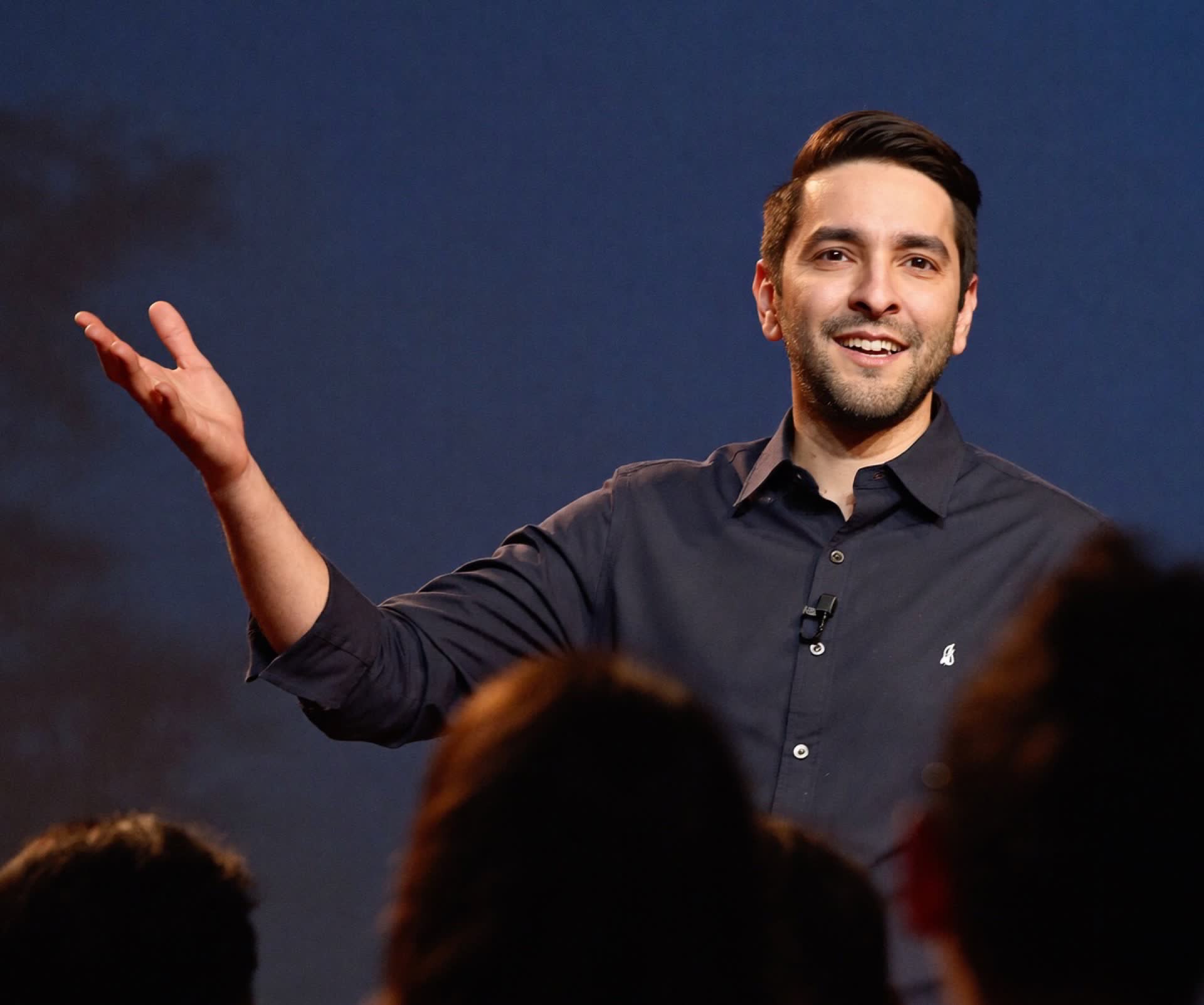
Siftain Jiwani and Hunain Kabaria, the CEO and CTO of Smart Choice, walk through how Pakistan's insurance value chain is broken — from claims and OPD coverage to product design — and what they are building to fix it.
with Siftain Jiwani and Hunain Kabaria
11 min read
A founder who bought the domain three years before launching
The episode opens with Muzamil introducing two guests at once — Siftain Jiwani, the CEO of Smart Choice, and Hunain Kabaria, the CTO — and noting up front that he has personally used the platform, that the episode is not sponsored, and that he has been watching Siftain’s work for roughly four years. The tone is set early: this is not a pitch, it is a conversation between people who have actually transacted.
Siftain’s path to insurance is unusually long. He studied at Adamjee Science College in Karachi, started software engineering at FAST, dropped out after a year of calculus he had not signed up for, transferred from Wolverhampton to Manchester in the UK, and finished a sandwich degree in business information technology. Along the way he ran for and won the students’ union president position, the first Pakistani international student to do so. He returned to Pakistan in 2008 and joined TPS, a Pakistani fintech, where he stayed for roughly seven years selling digital banking products into West Africa and the Middle East — including trips to Burkina Faso, Cameroon, Congo, Djibouti, and Côte d’Ivoire.
The Smart Choice idea, he tells Muzamil, came from his time in England, where aggregators existed for everything: gas, electricity, credit cards, car loans, insurance. He bought the domain in 2012. He did not launch until 2015, after 3G and 4G licences finally pushed broadband penetration to the point where comparison platforms could plausibly work. The MVP was a broadband comparison tool — not insurance.
Hunain’s route back: Vistaprint, INSEAD, and three startups that did not work
Hunain’s story runs in parallel. Saint Patrick’s in Karachi, then Worcester Polytechnic Institute outside Boston, then five years at Vistaprint as a software engineer in the manufacturing software division. He left engineering for an MBA at INSEAD’s Fontainebleau campus, where the incoming GMAT bar is over 700 and the cohort spans ages 26 to 36.
After INSEAD, he tried a Singapore-based HR tech startup with two batchmates. It did not work. He moved back to Karachi and tried a grocery delivery startup with high school friends. That did not work either. By the end of 2018, he and Siftain were working out of the same Karachi co-working space — Workhall — when Siftain raised a round from Oman Technology Fund and started looking for a CTO. The conversation that followed leaned on Hunain’s exposure to the Obamacare debate during his US years, which had taught him to read health insurance policy closely. He joined in 2019.
Why insurance, and why nothing else
Muzamil presses on the vertical choice. Smart Choice did not begin as an insurance platform — it began as a financial product comparison platform. By 2017, the team was trying to cover credit cards, car loans, mutual funds, banking products, and insurance simultaneously, with three people and a single junior developer.
“In 2019 when we looked at it, we decided let’s just focus on one product,” Siftain says. The reason for picking insurance over the others is specific: it was the only product where Smart Choice could own the full customer experience. For credit cards, car loans, and mutual funds, the aggregator is forced to hand the customer off to a bank. For insurance, it does not have to.
That choice forced a second realisation. Once they sat inside the insurance value chain, they could see how broken it was — distribution, claims, product design, the way policies were sold, the reasons people refused to buy them. Hunain puts the product gap bluntly: when Smart Choice launched its retail health insurance vertical, only Jubilee Insurance and TPL Life offered any retail product at all. Everything else was corporate-only. Smart Choice had to push the two providers to build a one-million-rupee individual health plan from scratch.
The accidental SME line
The SME health insurance business, which is now one of the larger lines, was a mistake. Hunain tells the story to Muzamil directly: once the first two retail health products went live, the call centre started getting incoming queries from businesses asking about employee coverage. The person handling those calls had no insurance background. He closed the first lead in three weeks.
“We did that and then from that experiment we learned, oh, SMEs is a play where we want to go,” Hunain says. Smart Choice now covers more than 250 SMEs and roughly 10,000 to 12,000 lives. Plans can be customised down to companies as small as five employees — there is no 50-employee floor.
Muzamil uses his own history as the test case. He describes leaving an MNC with full coverage, joining a Pakistani software house that offered a salary uplift in lieu of insurance, and discovering that at the price points available to him as an individual, the coverage was effectively a joke. “I was being scared by the level of coverage that I was being offered,” he says. The SME plans Smart Choice now sells are explicitly designed to close that gap, with the trade-off being entirely on the price-point axis: more coverage costs more premium, and that is the whole equation.
Why OPD cannot be made cashless
Siftain is direct about the limits of the product. OPD — the everyday outpatient visit for a fever or a consultation — is generally not covered by health insurance in Pakistan. It is only covered in two specific windows: thirty days before a hospitalisation event, and fifteen to thirty days after discharge, depending on the provider. A standalone GP visit is not covered.
The reason is structural. “Doctors are not registered, clinics are not registered. Everything is happening in a certain grey zone,” Siftain says. Insurance companies cannot underwrite cashless OPD against unregistered providers because the fraud exposure is too large. And the premium customers are willing to pay does not support it. He frames the maths plainly: at a price point of 5,000 to 7,000 rupees per head per year, OPD coverage is not economically possible. At 25,000 rupees per head per year, it would be — but mass market customers in Pakistan are not paying 25,000 rupees per head per year for health insurance.
The implication is that a meaningful improvement in OPD coverage is downstream of formalising the provider side, not upstream of a clever aggregator product.
Mutual funds, crypto, and where Smart Choice is not going next
Muzamil pushes on whether Smart Choice will extend back into the broader financial product comparison space — specifically mutual funds, brokers, and investment platforms. He cites the obvious context: a freelancer and IT-export boom that has parked dollars in young hands, an FBR rate hike, and a generation now visibly interested in markets and crypto.
Siftain is measured. He acknowledges the demand and notes that Pakistan is, by one count, the third-largest crypto market globally — well ahead of the roughly 250,000 registered stock exchange investors. But he is clear that Smart Choice will not chase that demand yet. “There are a lot of problems that we have to solve in insurance,” he says. The missing piece across all of those products, in his reading, is not a comparison tool. It is content — actual education about what each product does and why a person might want it. Without that, an aggregator is just a faster path to a confused decision.
The Islamic question and the buy-now-pay-later experiment
Muzamil raises the objection he has heard most often: that insurance itself is un-Islamic. Siftain, who came to insurance from outside the industry and has no family history in it, separates the methodology from the concept. The concept — a pool where everyone contributes and the person who suffers a loss draws from the pool — is, in his words, a beautiful one. The Islamic concern is with how that pool is structured and invested, and there is a Shariah-compliant version of it.
The more interesting product innovation he points to is on the payment side. Smart Choice is working with insurance companies on instalment-based premiums — buy-now-pay-later applied to insurance itself — and on usage-based car insurance from Salaam Takaful, which prices the premium against kilometres actually driven. “You’re going to exclusively launch that product on our platform in the coming days,” Siftain tells Muzamil. Hunain extends the same logic to a US-style customisation model: make, model, year, value, ZIP code, annual mileage, driver age. The Pakistani market currently flattens all of that into one rate.
What the claims data actually looks like
Hunain spends a long passage on the claims process, which is the part of insurance that the customer only sees once and remembers forever. The structural issue, he explains, is that Pakistani insurance companies report aggregate claim numbers to the Insurance Association of Pakistan — total premium booked, total claims paid — but do not break out which line of business the claims came from. There is no public data on whether health claims are being paid at 50% or 120%.
Smart Choice fought for two years to get two providers to release the claim data for Smart Choice customers specifically. The numbers surprised the team. One provider sits at a 120% claim ratio on Smart Choice retail health policies — meaning for every 100 rupees of premium booked, that provider has paid out 120 rupees in claims. Another sits at 80%. Smart Choice has published both publicly on its site and is pushing the rest of the industry to follow.
The day-to-day claim work is more granular. Most rejections, Siftain explains, come back labelled “documentation incomplete” without specifying which document is missing. The real service Smart Choice provides is translating that response — telling the customer which doctor’s note, which final bill, which lab report the insurer actually wants — and then escalating the case if a pre-existing-condition rejection looks unfair. Hunain personally leads claims handling despite being the CTO.
Distribution, scale, and the funding picture
Pakistan’s total insurance premium pool, Siftain notes, is roughly $2 billion. The UAE, with ten million people, runs $8 billion. Oman, with three to four million, runs $1.1 to $1.2 billion. Penetration in Pakistan is under 1% of GDP. India sits at 4-5%. The US at 12-13%.
The distribution channel explains most of the gap. If a Pakistani consumer wants car insurance today, Siftain says, their first move is to ask a friend, who refers them to “seth seth seth” — a chain of informal agents. There is no neutral comparison surface. The traditional channel works for the insurance companies that have already reached their current penetration, which is why they are slow to change it.
On Smart Choice’s own funding, Siftain confirms backing from Oman Technology Fund and SOSV — the same fund behind Dastgyr and Pricena — and places the company at seed stage, not yet Series A. The next round is being lined up, with international investors more interested in the broader fintech space than in insurance specifically, largely because most Pakistani fintech products have not yet rolled out publicly at scale.
Credit, consumption, and the Pakistan of 2050
The closing stretch turns philosophical. Muzamil walks through his own father’s lesson — credit card limit is a wall, never cross it, pay the bill on time — and the way that conditioning made him refuse to take car loans for years. Hunain pushes back gently. Credit for productivity, in his framing, is defensible: a laptop that raises your income, an asset that builds equity. Credit for consumption — high-fashion clothes on instalments — is not. The instrument is the same; the use case is what matters.
Muzamil closes with the question he asks most guests: thirty years from now, at 64 and 66, what does the Pakistan they are building toward look like? Hunain wants a more aware Pakistan, where the youth questions what it is taught rather than accepting it, and where the economy has moved past 20,000-rupee jobs into higher-dollar export services. Siftain wants a more tolerant Pakistan where people can sit and disagree without taking it personally, and where the instinct to blame the country for everything has been replaced by an instinct to look for opportunities inside it. “This country has huge opportunities,” he says. “We become that society where we hold each other’s hands and we can take each other forward.”
Full transcript
Doctor Cavalino, gracias. Welcome back to another episode of TalkNine. Thank maestro. जुन्दू बहुत ही ख़ास mehman जिनकी मैं journey follow कर रहा हूं roughly for the past four years, and, they're doing some very interesting work. Recently, मैंने ख़ुद भी इनकी service इस्तेमाल की just to ensure, that they're actually delivering on the promise that they're making on their marketing material as well. And it actually worked just to make sure. क्योंकि कभी भाई लोग बोलते हैं this is not a sponsored episode. हम startups के साथ जितनी भी episodes करते हम ख़ुद. We look for startups that are doing good work and we call them in. We have with us today सिप्तान जीवानी who is the CEO of Smart Choice and हुनैन कबारिया who is the CTO of Smart Choice. Sir, thank you so much for being part of the show. Glad to be here, glad to be here. Thank you. पहले मैं start करूंगा with सिप्तान. थोड़ा सा मुझे बताइएगा from high school till today. What's your journey been like and why'd you end up doing a start up?
Okay. So I went to, school in Karachi, called Almurtuza School. Did my metric phone there. -अच्छा. Metric दो हज़ार में किया and then when I went to do, inter from आदमजी Science College. Right. आदमजी से करने के बाद I went to FAST University to do software engineering because वह एक उस वक़्त काफ़ी ज़्यादा hype थी कि जो ना tech scene है और software में कुछ करना चाहिए. So, I went to Fast University. भेज़ colony? जी बिल्कुल, भेज़ colony के थोड़ा सा ही आगे. अच्छा. So point में जाते थे हम. वहां जाते थे and used to not study but play volleyball. Right. Because, जो सबसे जो interesting बात पता चली वहां जाकर कि software बाद में पढ़ाते हैं, पहले calculus पढ़ाते हैं. तो मैं समझा जबरा पढ़ाते हैं. तो मैं समझा कि internet में ख़त्म हो जाएगी यह calculus और integration. But यह वहां पर भी चल रही थी calculus one, calculus two. So I was not able to keep up with the GPA and my father also asked me कि why don't you go abroad for studies? So I went to England, to Manchester, dropped out of FASH University after a year. And then when I went to England, to Manchester well, initially I went to University of Wolverhampton because मैंने enter किया था. Right. Foundation year of sorts. तो foundation को avoid करने के लिए University of Wolverhampton was accepting my application. Oh, right. So, what happened कि and the consultant जो था उसने बोला कि वह इस university में चले जाओ and this is not an good university but चले जाओ इसमें. So, I just got there and it was about twenty minutes away from Birmingham. Right. और वह बहुत ही ज़्यादा जो है, कह सकते हैं कि बहुत ही small town था and very, you know, out of the odd बिल्कुल ही था. So, lived there, वहां पर एक साल पढ़ाई की and during that time I had a few friends who were in Manchester. Right. So I asked them कि तुम कौन सी university में हो से? They asked me, they told me कि ऐसी university में हो so I got to the admission office, asked for a transfer, sent them all my transcripts and everything and they accepted. So I went to Manchester. Manchester is obviously a bigger city, more student friendly city. And and and which program were you in? So, was in business information technology. Did my bachelor's and it was a sandwich course. So, England में sandwich course. Visually degree तीन साल की होती है. तो यह वाली चार साल की थी. इसमें दो साल के बाद you have to do a work placement. Right. So, that was another experience. I went to do work placement in a remote town out of Sheffield which is called Wombell.
शायद आपको मिलेगा भी नहीं mapping. You you go, you went to the weirdest day places in The UK, right? So, and and I
still survived. Right. So then I I I did my, you know, placement there and I was, like, very lucky to find it because अगर वह placement नहीं ढूंढता तो I would have to do a convert my sandwich course to a normal degree course जो कि मुझे करना नहीं था, मुझे वहां पर experience भी लेना था. So I did that and I was doing website marketing strategist. That's that's what I was hired for and I Interesting. And I knew web development and at that time I was doing a lot of these things. So फिर final year किया and then during the final year, you know, I actually ran for the students union president position. अच्छा. So which was a sabbatical, which is a paid position. So I ran for it and I won. So I won the election. I was the first पाकिस्तानी first international student to become a students union president. Wow. So, and, the entire team was, all white people and I was the only they see there, leading the entire team. It was an amazing journey that one year I, you know, was interacting with students, with vice chancellors and a lot of policy making. Right. So so yeah, and then I came back to Pakistan. 2008, moved back to Pakistan, and, I wanted to work for a young company. I didn't want to join MNC or something like that. A lot of people were saying, hey, why don't you do that? But I decided to, go on and, work for a fintech company, called TPS. So I worked there as, in the business development side. And, started looking after a number of years, looking after Pakistan and West Africa market, which is a French speaking country. So that is another ex weird experience. So I went to, one of the third third poorest country in the world, called Burkina Faso. I I don't think I have heard of I have heard of it. So I went to Cameroon, Congo, Burkina Faso. You actually went there as well? Yeah yeah, because we had resellers there. So we were actually working with banks. We would pitch the products. And we were we had a reseller there, which was What was that experience like? It was an amazing place. Continue to be in, I didn't know the language. And it was completely different altogether. The food was completely weird there the the time I got there and मुझे याद है वहां देसी खाना हमने एक देखा order किया तो that was about $25. Yeah, and things are very expensive there. You can't go leave your hotel room. So there is a meeting time. Just go for the meeting, you come back and Security का issue? Yeah, Cameroon was, so, Jibuti भी गया हूं. मैं I want to, Ivory coach जिसे court diva भी गया थे. Right. So I went to a lot of these weird places. Again, another, expedition. So, I did that and then I decided to start, my startup smart choice. So Which two thousand year was that? So 2015, I, decided to start that. You had a fairly long stint with the TPS, like six, seven years. Yeah yeah, and and I was pretty, you know, didn't want to quit and didn't want to quit. I had a lot of offers, here and there, but, I I think that company is doing some amazing work. A lot of people haven't heard of them, but they have changed the landscape of digital banking in Pakistan. So so, yeah, so I did work there. And is that a पाकिस्तानी company? Yes, a पाकिस्तानी company. जब मैंने join किया था they were I was the ninetieth employee, nine zero. And when I left, it was two hundred and fiftieth employee. 250 employees Yes, were पाकिस्तानी companies selling product in Africa. Africa, Middle East, you know European countries, Pakistan में तो they have made a name of themselves and so-so yeah, that was was the reason because I wanted to be associated with a पाक्सानी company, something who is making a difference and really, you know, payments में आपको नहीं समझ में आता, आपको लगता है ये सब बाहर की companies हैं जो कि कर रही है पाक्सानी हम तो बहुत primitive type हैं. Yeah yeah, so but it's an amazing and right now that company has about 600 employees. अच्छा. Mashallah. So they're doing some amazing work, very cool. Very cool. We're going to come back to smart choice but, you know, होनैन,
थोड़ा सा let me know. Sure. What's your journey has been there? I graduate, did my schooling from Saint Patrick's High School in Karachi. Did my O levels and A levels, graduated from my A levels in 2006. Then I went to The US to a university called WPI, Worcester Polytechnic Institute in a small town outside of Boston, with six universities, the most strasiest town in America you can find.
तो और वहां पर राजान, Boston was like this hub of intellectual
discourse. I went, yes, it is. It definitely is. If you're living in Boston, I was living about 40 miles outside of Boston और जब मैं वहां पहली दफ़ा land किया था और मैं van कराकर जा रहा था, मेरे साथ छह सात गोरे बैठे थे. उन्होंने पुछा how does it feel? Where are you from? मैंने कहा Pakistan. मैंने कहा how does this feel from Pakistan? How does this feel different from Pakistan? मैंने कहा this looks exactly like Pakistan. वह भी हंस रहे थे. तो it was a hardcore engineering school. Did my degree in electrical and computer engineering from there and graduated in 2010. Right. Worked for this company called Whisper Print. तब फिर मैं Boston move हुआ थोड़े पैसों से कमाए तो Boston में apartment व apartment afford कर सकते थे. Right. तो वहां move हुआ. Worked for five years as a software engineer, working in the manufacturing software division which prints business cards. They're known for in the printing business, big name in the printing business. उसके बाद किसी तरह घर आना था और decide समझ में यह आ गया था कि engineering won't, isn't the end goal. So was looking to do an MBA. Then I came across NCID क्योंकि, Vistaprint का CEO था. He was a NCID graduate. So that's what I got to know about कि यार यह भी एक चीज़ है. Did my research and then got into NCERT in 2015,
in the Fontainebleau campus and graduated from there in 2016. How difficult is it to get into an NCERT program?
यार, you need a very high GMAT. You need 700 plus in the GMAT. You need international work experience and you need to you need to have worked with international clients. अब आप यहां पर Unilever, PNG, कहीं भी आप यहां locally काम कर रहे हैं. आप international clients के साथ उनको दिखा सकते हैं कि मैंने काम किया है, किसी German के साथ काम किया है, किसी Korean के साथ, किसी Chinese के साथ. They'll be more than willing to look into you and and look at your experience and give you a chance at coming in. Right. The, and their age bracket of incoming students is pretty big. So you need three to four years of experience, and you people in my batch were from anywhere from 26 to 36 years of age. Right. तो, one year did NCI at MBA. Amazing experience and then उसके बाद had to charter my way to come back to Pakistan. किसी तरह सोचना था कि यार Pakistan किस तरह वापस आ सकते हैं क्योंकि single son problem वही देशियों का जो होता है family है यह वापस आना किसी तरह. तो did a couple of startups. एक Singapore में startup किया, दो गोरों के साथ. I wish who were my NCID batchmates in HR tech, didn't work out. Came back to, was working out of Pakistan trying to build a tech team for them, didn't work out. फिर एक grocery delivery startup किया in कराची with some high school friends, didn't work out. यह कौन से साल में थे? यह दो हज़ार सत्रह और अठारह की बात कर रहा हूं मैं. दो हज़ार सत्रह. दुख होता है, दुख होता है अभी आजकल? दुख नहीं होता. Learning learning. यार मेरे लिए Air lift and you know food panda and panda mark. Not maybe bad timing. It's all about timing for startups. It's all about being there at the right place at the right time. Right. तो और मेरे लिए तो यह था मुझे तो startups इसलिए यहां आकर करने थे, यहां आकर experience करने थे. मैंने Pakistan में कभी काम नहीं किया था. Them. तो दो हज़ार सत्रह में grocery delivery startup try किया, नहीं चला. दो हज़ार अठारह के end में me and सिप्तेन were working at out of same co working space called Workhall in कराची. वहां हम सिप्तेन ने सिप्तेन had just raised funding from Oman Technology Fund for Smart Choice. He was looking for a CTO और फिर हमारी मुलाकात हुई, हमारी बात हुई कि यार क्या इन्होंने इसमें पुछा interested है नहीं है नहीं है. दो तीन लंबे लंबे email exchange हुए was क्योंकि मैं America में था तो मैं Obamacare के era में था. Obama की पूरी president थी from 2008 to 2016. I had seen the whole thing और उसमें सबसे बड़ा जो conversation and America was always about health insurance. कि यार Obama care, Obama care, Obama care, उसकी पूरी presidency पर जो है ना थप्पा मार दिया था. उसके obviously pros and cons health insurance discussions यह वह काफ़ी discussions में involve था, reading काफ़ी की थी. तो जब सिर्फ़ 10 idea था Pakistan वापस आया तो health insurance नाम की कोई आज़ नहीं थी. So then we joined forces in 2019. Since then have been together for the last two two and a half years now. Yeah. Right.
मुझे थोड़ा सा यह बताएं कि, in terms of just smart choice, right? Like, let's let's get right into it. कितने साल हो गए हैं अभी इसको? As a running, consumer facing कितने ऐसे ऐसे exist करता है? So 2015
में launch किया था. Was part of the I actually was part of the first batch of Nest IO incubator. So at that time we launched it but was more of an MVP at that time. So, yeah, it's been, you know, six six years already is going on. And how do you see the growth? So we evolved quite a lot over a period of time. We, we actually did not start with insurance. Did not even start with banking. Really? Yeah. So so 2015, the reason I actually did this, I think that's that's another thing that, you know, you must know कि I actually started this, I actually bought the domain in 2012. अच्छा. So, even before, you know, even starting it. So I've been I've been planning to do it. And the reason I wanted to it because, when I was in England, there was a concept of aggregators for everything. So, you want to get, you know, gas लेनी है, electricity लेनी है. And there was, like, distributors. You can buy electricity, power generation and all that. Credit cards, car loans, insurance and everything. So when I moved back to Pakistan in 2008, I initially wanted to do that at that time. But जब मैंने देखा तो मैंने बोला यार यहां तो मेरा एक network नहीं है. I don't know people here. Secondly, the penetration of internet is not there. So even if I want to take this out, there is no one who's gonna really look at it. So the so so that was the real concept to actually make it a financial product comparison platform. Okay. So, not just an insurance aggregator. And initially, so, दो हज़ार चौदह में अगर आपको याद हो तो 3G, 4G launch हुआ था. First time उसका license issue हुआ and that was the time when really things started to really scale in terms of penetration and adoption of internet and everyone was having, oh, मेरे पास तेज internet चल रहा है. Oh, dial up नहीं है या वह slow cable वाला internet नहीं है, बंद नहीं हो गया. यह तेरे को mobile पर चल रहा है. So, at that time we decided to to launch an MVP and launch with broadband comparison platform क्योंकि स्वागत internet was really kicking up, let's just start with the broadband comparison. So, that is how we started and the vision was to get into financial product comparison. So, दो हज़ार पंद्रह में वह किया, दो हज़ार सोलह में then we decided to and I had a very small team, तीन लोग थे हम लोग. And I was at the same time also doing consultancy work as well. It was not this, like, 100% dedicated but about 70 to this, 30% to that. So 2016 we, very small team, a very raw developer. हमने बोला चलो यार इसमें insurance भी डालते हैं, चलो इसमें banking भी डालते हैं. So 2017 तक we evolved into a financial product comparison platform.
So When you say financial product, all do you mean? So,
anything which is a financial product, be it a banking product like a credit card, a car loan, car insurance, be it, mutual funds. So we wanted to get into all sorts of things. And is that all available right now? I've seen the insurance part. Yeah. So everything is not there because in 2019 when Hunan joined, so 2017 we were doing that. 2018 we were doing trying to do everything. 2019 when we looked at it, we decided कि यार, let's just focus on one product. We we we have certain bandwidth, we have certain resources and let's just scale that and let's just solve this. And the reason why we picked insurance out of all the products was the reason because we could actually control the entire customer experience. Right. Which other products did not allow us because for everything else we had to rely on a bank for credit card, for car loans, for mutual funds. And this thing that's that's how we decided to stick with insurance and then when उन्होंने join, उस भी हम कर रहे थे. And that's that's really when we strive to focus, and that's when we really scaled, from that point onwards.
And right now, it's insurance. Are there any plans for for for more product to be sort of integrated? So when we got into insurance,
and we really strive to focusing, we decide we we we really figured out that this entire value chain is broken. Everything is broken from, you know, distribution to claims to, the way the way it is sold, the way it is explained, the way it is, the the reason why people don't buy it. The reason The products themselves
are are so either outdated or are not meeting the norms today. मतलब product हम जब हमने जब शुरू किया था retail retail health insurance जिसको हम बोलते हैं जिसका मतलब है कि एक insurance जो है health insurance की अगर मैं बात करूं, retail health insurance का मतलब कि एक आम आदमी सड़क पर चलते हुए कोई health insurance चाहिए उसकी company उसको नहीं देती. ठीक है? जब हमने join किया था सिर्फ़ Jubilee Insurance और TPL Life एक company वह देते थे insurance. बस उस कर जाएंगे वक्त हमने उनको समझा समझा के बोल बोल के जो है वह million rupees का product बनाएं. अच्छा. ठीक है? तो product की बात आ जाती है उसमें. अच्छा so so यानी
कि it was a two way street in terms of when you were working with these people. You were giving feedback as well कि, you listen, like, people are interested in this sort of product. Why don't you? So, because we have so much data point. We are talking to so many customers. So many customers are coming to us and saying, yeah, this is not enough for me. So we have to solve that problem. Right? We can't just sit and say, sir यही है, लेना तो लेओ ना. हां. तो we are here to solve the problem. And so that is when we realize यार, we need to actually, we can even create new products. Why don't we actually give that feedback to the insurance company? And insurance companies were were were were really kind enough to listen to us, to talk to us. Initially they were very reluctant कि अरे कौन है बच्चा? Someone on the street who is trying to digitize insurance and, you know, really they think that they can, you know, make a disruption. So initially, they're not, but there were very good people in the insurance industry, who are ready to listen, talk to us. So that feedback really helped evolve the product over a period of time. Well, how's the how's the uptake of health insurance on your platform versus, for example, car insurance or other products? So, yeah, on health insurance, we we we actually work in two segments. So we we we target the individual customers. So anyone who is a freelancer, has his own business or someone who wants to get insurance from him himself or his parents, he can get that insurance done from our platform and the uptake is really good. And the other side that we do is SMEs. So, businesses and enterprises who wants to get their employee health covered. Right. And we also started doing that late in, you know, 2019, 2020. Early, just before COVID we started getting into that. And that has really, माश्ला taken off. And now we have more than 250, SMEs. Yeah,
more than That are getting annually from some Yeah, more than 10,000,
12,000 lives which are already insured through us. और यह SME was a total mistake. That is a that is a fun story that we share with our investors also कि यह हम इसके अंदर कैसे घुसे? हमने health insurance शुरू करना है, जैसे ही हमने health insurance के दो तीन product लगाए, दो product लगाए, Jubilee और TPL Life के traffic आना शुरू हुआ, call center पर लोगों ने पूछना शुरू किया गई क्या है, क्या नहीं है? Calls आना शुरू हो गई कि यार इनकी health insurance दो and this the person that we had had never worked in insurance. कोई कोई वह नहीं था experience ही नहीं था insurance industry का. उस बंदे ने he closed it within he the first lead first lead he closed within three weeks और हम समझते हैं कि corporate को तो बेचने में शायद तीन चार महीने लगते होंगे time लगता है. हां. तो we did that और फिर उस experiment से हमने सीखा कि oh अच्छा SMEs is is is a is a play where we want to go. Interesting.
मुझे थोड़ा सा यह बताएं. Health insurance में I'm very now, suddenly interested. Because I was looking at car and travel, and I've used travel from your platform before as well. I've, recently, explored the car thing. Health insurance, I remember, this is 2019. I'm so surprised that I've been across your platform multiple times in my life. Wow. In in 2019, I remember I just switched jobs. I was working in this new, you know, software house कह ले उसको. Medium sized, successful software house and I, उससे पहले I was working at Teradata. Was like a, you know, MNC, company है, full coverage. चींक मारें, किसी के सामने की बिल्ली के भी पेड़ ख़राब हो जाता वह चीज़ cover हो जाता है. सही बात है. से महंगे अस्पताल में ही होगा, insurance अब cover करेगी. सही. So I started looking around for and these guys were like, listen, like insurance is an Islamic so we don't do that and we're gonna have that conversation later on as But they they were like, you know, just give us a number, and we're gonna give you we're gonna adjust that amount in your, your salary, and then you can buy whatever insurance you want. We're not gonna buy it for you. So I was like, okay. Sure. And I started looking around, and I remember mostly जिस level की coverage मुझे डरा डरा दे रहा था उस level की coverage का मज़ाक ही नहीं था. मतलब यह था कि यार छह, साढ़े छह हज़ार रुपए में आपको जो है ना बस वह, कोई something like इसी तरह कुछ था कि पांच लाख की ऐसी है. Inpatient वाली थी और imitation का कोई था नहीं और, मतलब आधी चीज़ें थीं, आधी चीज़ें नहीं. You always feel like कि यार जब मुझे ख़ुद अपने cash को handle करना पड़ा है, why can't it be smooth? Like, lot of MNCs where you just have, an employee card. You go in there, you get whatever you need, and you're out, and everything's taken care of. Yeah. Is is is a product like that now in the market where I can whatever money that they want, I'll pay it. But at least the experience should be a plug and play. Go in, have a card and just get it done.
So, yes, for SMEs, you can customize the plan to your needs. Like, whatever budget you have, even as company as small as five employees can get coverage. You don't need to be a 50 employee company to do that. So absolutely there is coverage as well, but the price point is according to the coverage that you're looking for. But price,
that's fine. Yeah. But coverage आ गई. क्योंकि यही आता कि options ही मिलते What the हैं. Kind of coverage that you're talking about so that we can explore more on that. मैं मैं ऐसा की coverage करूंगा. Are talking about maternity? Are you talking about I think he's talking about OPD. You're talking about OPD? OPD. Ok. ठीक है. Plus, अगर मैं if I'm खुदाना खासा कुछ होता hospitalize होते हैं, that coverage. Yeah. I'm talking about maternity. Yeah. ठीक है, definitely. Yeah. Essentially, think of it like कि यार एक average 25 year old, 27 year old, gotten married. Yeah. उस वक़्त से लेकर उसके चालीस साल की उम्र तक उसको कौन सी major medical need मिली है absolutely. क्योंकि उसमें जो major बीमारियां ना जो force majeure वाली जो cancer है वो सारी सारी that's a conversation that's separate. We're talking about healthy individuals who are just basically making sure कि कदमियान में कोई accidental उसके ऊपर वो poverty मिला जाए सारे.
नहीं, actual में this देखो there are there are two types. So, the SMEs can customize the plan to their needs. Like, they can have multiple type of limits. मुज़मिल को कुछ और limit दे रहे हैं और मुज़मिल के साथ जो एक junior resource है कुछ और limit देनी है. Right. यह और सोचो और coverage देनी है. So that can be customized to the corporate level on the SMEs level and there is no limitation to that as long as there is a price point. We recently got someone coverage for I think 2.5 or 3,000,000 की hospital की limit. So because they actually returned from back from US. Right. और उसने बोला यार यह क्या cover है? Oh, यार यह dollar बताओ कितना बनता है? हमने उसको बताया यार यह पांच हज़ार रुपए यह बनते हैं तीस dollar. बोला यह तीस dollar क्या होते हैं? बोला यह महीने के देने हैं? Either you are an SME or you are individual health insurance. OPDs are not covered. OPD is only covered in two cases. One is that before you get hospitalized तो जो hospitalization हैं तीस दिन के पहले के ख़र्चे वो सारे coverage हो जाएंगे. OPD हो, test हो, lab test हो, all those medicines can be covered in certain plants. Right. And after discharge thirty days तक के जो भी खर्चे है fifteen to thirty days कुछ companies का 15 है, कुछ companies का 30 है उस दिन के सारे ख़र्चे OPDs के वह भी covered है. As long as your OPDs leading towards hospitalization. If you're just going for a normal बुखार वाला, आप doctor के पास आ रहे consultancy, that is not covered by insurance because see, look at the premium size. Your premium is so, you know, small. You're looking at 6,000 rupees, 7,000 rupees per head. Right. अब आप US में चले गए. Then I don't know if you can share more about that. US में, US में बाहर globally अगर आपने health insurance ली हो इस्तेमाल, वहां co pay का system होता है.
इसलिए insurance companies have failed to implement or haven't been able to implement
health insurance across OPD and make OPD cashless और वह समझ में आते हैं कि यार cash का काम है, fraud बहुत ज़्यादा है तो नहीं कर सकते. Doctors are not registered, clinics are not registered. It's like everything is like under the, know, you know, everything is happening in a certain grey zone. So, वह चीज़ को कैसे formalize करें? So, insurance companies are stuck with that. And the premiums, people are not ready to pay, you know, you are not ready to pay 25,000 rupees premium per head. Like, I am talking about the public. Per month or per year? Even per year आप छोटे per month. Per year भी आप किसी को बोले पच्चीस हज़ार रुपए एक बंदे की insurance करवा लो. Mass market नहीं आएगी. Mass market नहीं So you you need to look at the price point as well that where you can. So generally price point is 6,000 per year? Thousand, depending on the ethical health का जो cover है depends on the age. So generally younger age में premium कम होता है as you age increases your premium increases. So simple mathematics है, risk calculation है. कोई इसमें वह नहीं है कि यार मर्ज़ी है कि मैं क्या rate रख रहा हूं और वह कर रख Everything रहा starts is
at 5,000 rupees per person per year. It starts at this low point where you can at least opt into a plan and start your health insurance. And goes to what? Those up to जितना चाहिए. Those up to जितना चाहिए customized plan in in SMEs.
Right. अच्छा, ठीक है यह तो health insurance की बात हो गई. Insurance I know that you're looking into, one of the things that I'm personally very interested in and you mentioned तो मैं उसमें, you know, I just wanna poke you on that. Mutual funds का आपने बोला. You know, a lot of, recently market थोड़ी सी I would say कि गरम हो रही है इस particular space. Yeah. Mutual funds, stocks, and investment products overall, which where you you're you're seeing millennials essentially now getting very interested in. I I feel like maybe it's a Robin Hood effect, maybe it's god alone knows what, but pop culture Maybe it's cryptocurrency sort of trickling now into But but but there's definitely a huge requirement. I had someone in at at the show as well, Sarmaya wrote DK, and, you know, those guys are doing a good job at, aggregating a lot of this financial data. Do you guys have plan on doing the same in, you know, particularly? क्योंकि मैं eso ahí से, मैं बस complete कर लूं but मैं इस वजह से particularly कह रहा हूं because there is no real simplified because you guys have a very good simplified UI. Yeah. Right? There's no simplified space where I can just go in and say कि यार मैं for example कौन सी securities company या broker company क्योंकि apps तो सबकी हैं screen securities की भी है, catered वालों की है. कौन सी वाली में ले सकता हूं? Mutual funds जो हैं वह पिछले जितने अड़से में यह आए हैं या even वह plans आ गए हैं यार अब तो I don't know there's these plans जो आप दस साल का आप ख़रीद लें और फिर उसके बंदर वह आता रहता है system पता नहीं क्या होता है. So so investment के time दे रहे हैं products and and and I know that a lot of young people now have particularly there's this Imran Khan effect where the dollar has gone Yeah. Crashed. And now the freelancers and IT tech players are suddenly sitting on a pile of cash not knowing what to do, they're buying Audis. But Audi have So, so they have to park their money somewhere, right? And and FBR recently raised the rates off. वह तब आप मेरे down में land में जी ले सकते हैं. तो do you think you're gonna get into that?
I think, there are a lot of problems that we have to solve in insurance. Right. And, I think this space is definitely very interesting, this mutual funds thing. I think, there are a few people I think they are already working on these things. There's a lot of demand for it. I think but the main I think the most important thing which is missing piece in everything is there there has to be a lot of good content out there so people understand first what it really does and what it really means and how you get into it. Why do you want to get into it? Because I think that's people are getting see crypto, हम crypto की बात करते हैं. So, see everything everyone is now getting into crypto. Nobody मतलब stock exchange का total investment investor में कह थे ढाई लाख है शायद Pakistan के अंदर और शायद crypto में से ज़्यादा है मेरे ख़लते हैं. Crypto में Pakistan is a third largest. Third largest. ठीक है So so so the point is that people are adopting because for whatever reason the market doesn't sleep. It's operating twenty four hours. ईद नहीं देख रहा, Christmas नहीं देख रहा. It's the वकार्जका effect. I don't know. But I I follow वकार्जका but I got into crypto about six months back and and it's really addictive at some time, Yeah. So, but I I got into for learning. I didn't get in for for, you know, I don't think I'll make own ad money. But people are looking at that from the, those people who follow वकाजा का would would would think like that.
Sort of pivot back to the the company that I was working at and वहां पर वह यह था कि, you this this is this is the first time I heard about it and that's where I started sort of exploring. But there's a mindset which says कि insurance is un Islamic. Yeah.
What are your thoughts on that? See देखिए, primarily if you understand the, you have to first understand what is insurance, the concept of insurance. I am I am not an insurance background. मैंने कभी insurance में काम नहीं किया. मेरे भाई, बाप, किसी ने यानी family में कोई नहीं था जो कि insurance में था. वरना usually people get into this segment or this industry because Right. अच्छा, अब उसकी जो methodology है, जिस तरह से insurance operate करता है. Yes, there is a different Islamic, Islam has a different school of thought on that. Yes, there has to be. You can do this and you can do it in a certain way. And there is a शरिया compliant कि एक वक़्त fund बनाना है, उस वक़्त fund के अंदर सब pool in. Because if you look at the concept of insurance, it's such a beautiful concept. Everyone pools in. Yeah. And if किसी एक के साथ कुछ हो जाता है तो वो पैसे निकालता है, अपना काम कराता है.
That particular concept discussion. And he was like, know, I don't understand. Like, why should I pay money if I'm not getting it? Right? I was like, why do you pay taxes when you're not going to public schools? You know? So like, technically speaking, you're not gonna have schools, you're not gonna have public hospitals because आप technically जो tax दे रहे हैं, वह that's also in a way working like an insurance. Absolutely. Everybody pulls in and then the people who need whatever it is,
understand. So yeah we are, we are now experimenting that on that by, by actually going on installment kind of a. Buy now pay later sort of situation. Kind of a thing, yes. Yeah yeah yeah. And that is what because US and everywhere else in the world you don't pay the premium entire upfront. At least innovative thought है कि वह pay as you drive कर लेकर आ रही है concept. So you pay, for the premium as much as you drive. Really? Yeah, it's a great concept, and it goes by miles. So number of kilometres that you've driven, your premium is calculated based on that. Interesting. And you're going to exclusively launch that product on our platform in the coming days. Who's the who's the brand? Salam Takaful. It's it's out there, and it's and I think it's it's it's a it's a great thing towards something amazing. I don't think it's the this is the best product out there. यह ऐसा नहीं है कि this is our ideal but at least insurance companies, there are certain out there, insurance companies who are thinking to, you know, come up with new products for innovative. Yeah, understand that the millennials मैंने बोला यार क्यों sir? कैसा ख़रीदा हुआ यार? वह buy now pay later. मैंने बोला अरे देखो ना मतलब ज़रूरत नहीं बोला ज़रूरत नहीं ऐसे ही कभी मतलब ठीक है. So I think this is how we we we think that we can really, you know, this is the way forward for insurance as well. And this blends into customized products. जैसे,
off the shelf product हमारे किसी को बेचने की कोशिश करते हैं which is not fit for their need. So customizing products is a big need of the industry. Car insurance की सिर्फ़ तैन्य जैसे बात करी US में आप car insurance लेने जाएं तो it's उसमें तीन चीज़ें लगती हैं. आपकी गाड़ी का make, model, year और value तो लगती है जो यहां पर भी लगती है. आपका ZIP code आप कहां रहते हैं और आप कितने miles per year drive करते हैं. That affects your insurance का rate. And the age and
the age of the tremor. Years
you have driven your car as well. Yes, basically देखे रहे वह बहुत crazy data पर उठा लेगा. वह कह रहे कि यार how likely are you to actually basically smash your car and so they're going to put a sort of attacks on you to make sure you are अगर बजाज के क्या burden बने बाकी पूरे pool के ऊपर. Exactly exactly. So you pay the high premium that someone who's a good driver won't have to pay that high अब
Pakistan में आप अगर साल के दस हज़ार kilometer चलाते हैं और मैं साल के तीस हज़ार kilometer चलाता हूं तो why should you pay the same premium as I do, right? Doesn't make sense. तो this is something that again we are trying with the insurance companies to to ask them. If not then we'll do something on our own. Yeah, we are asking them कि यार आप कुछ करें इसके बारे में कुछ करें, customer के बारे में सोचें क्योंकि अब सब educated हैं. सबको सब everyone can do this math on their fingers. तो
we're trying very hard and let's see. This is a very interesting thing that you've just said. Do you need a license for insurance in Pakistan?
Is that a thing? Insurance to open insurance company? Oh, to open insurance company. Definitely. Obviously, it's SSP regulated. It's a financial product. Right. So, yeah, you need a license. And they recently launched a sandbox as well for, so where you can actually launch a complete digital insurance company as well. But that's a sandbox, and then you graduate from sandbox to the real world. So there is a SECP is doing some, you know, at least at least there are good steps that they have taken in the right direction. How fast or how smooth they are, that's that's the second thing. But, yes At least they're going for that. Yeah. And the paid up capital requirement is really not that high. जो बाकी fintech products, products में उन्होंने दो सौ million और तीन सौ million लगा दिया, उस तरह से नहीं है इसके अंदर. And do think you're going to look at that vertical integration maybe at some point? Yes, it could possibly happen because obviously we need to move fast. We are moving the right direction. There's a lot of incoming जुना data is telling us, the customer demand is telling us. And if insurance companies are not ready to do that, then we'll have to get our hands on such kind of a license and get into that space as well. Why not? Why stop ourselves? Because in the last sixty years, insurance companies haven't changed much. So, you know, what's gonna change in the next ten years? You know, we can partner up. And the thing is, to be honest, if I if I, you know, tell you my own experience,
I I was quite comfortable as long as I was working, like, through you guys. And then suddenly when the insurance company was there, now I'm really sort of like, अरे यार, real. एक एक vibe है ना उनका? क्या? क्या? क्या? क्या? क्या? वह होता यार अच्छा, कुछ गाड़ी को कुछ हो गया. फिर क्या paperwork? And क्या? And and and they haven't been able to upgrade that user experience to make it appeal to a to a millennial, somehow. And and and so I feel like अगर वह three sixty degree company like yours is which is much more agile, which is much more sort of, you know, flat in terms of how they function. वह अगर करें तो I feel like there's even within the user side, वह बहुत quickly,
Actually, देखिए, the the the real challenge is the way insurance is distributed today or the distribution channel of insurance exist today. So, अगर मैं आपसे पूछूं आज आप गाड़ी की insurance के लिए आप क्या करेंगे? Just first thing on your mind. थोड़े smartwatch exist नहीं करता. What will be first thing that you'll do?
Hush, talk to someone. I don't know, like, soul brothers.
और वहां पर आपको क्या मिलेंगे? सेठा सेठा सेठा सेठा
सेठा सेठा सेठा
बोले यार यह क्या मतलब? Who is the best one? I don't know what I'm getting into. So so, that is the problem. Right now these, even in these insurance companies are working through a very traditional channel which is working for them to to to where they have achieved. ज़्यादा को पहुंच गए उससे आज Pakistan की insurance penetration is less than 1% of GDP. India is standing at 4%, 5%. US तो छोड़ रहा जब बारह percent, तेरह percent के ऊपर बैठा हुआ है. हमारा total market size है दो billion dollar का. Insurance का premium दो billion dollar का है. UAE दस million लोग रहते हैं. आपको पता है वहां का premium size कितना है? Total market का? $8,000,000,000. 10,000,000 population. Oman, three to 4,000,000 people population. उसका जो पूरा premium है it is about $1.11200000000 dollars. आप वह देखें ना अभी recently, there was this fire in Karachi. Karachi. जो कि social media पर आया था कि पूरे पूरे businesses ख़त्म हो गए, तबाह हो गए, यह हो गए, वह हो गए. Again, there was a I mean, insurance could have covered that. And you know how much that? We don't deal in property insurance, but obviously, we work with SMEs. So, SMEs sometimes comes to us कि यार, तू health करा रहा है यार. Can you can you also offer us property insurance, like, for our office and all that? तो कभी कभी we help them or we put them in the right direction कि यार these are the, you know, right people you can talk to. Imagine this एक million, दस million की अगर आपकी property है उसमें आपका अगर inventory वग़ैरह पड़ा हुआ है, उसका premium मेरे ख़याल से लाख रुपए से ज़्यादा करनी है साल का. मेरे ख़याल से. I'm not an expert in property. मैं I don't want to claim that. अरे वही होगा ना, 1%, 2% होगा. Exactly. It's just so and I'm saying I'm I'm actually putting up a exaggeration limit in this. Yeah. I think this will be below, much below that. Yeah. ठीक है ना? So, this is amazing that people actually have no idea because इस insurance का जो distribution है वह सारा का सारा जो ना either you want to get a car insurance. Right. तो आप नई गाड़ी लेंगे तो dealership भी आपको मिल जाएगी. हां. उसके अलावा आपको agents मिल जाएंगे online व online. यह पता नहीं पहले कैसे काम करते
you know, hit. What's what's the process? What do I do?
So if you are insured through smart choice, then you are in the right hands. Sir, यह जो है ना आप ही से हो रहे हैं. No. We we what what we they can Then do I call Smart Choice? Do I call my insurance company? So, yeah. So what you do is that you get in touch with us. Okay. You let us know what the process what what happened. Right? We would walk you through the entire process because we already have your details. You just have to tell us your, I think your phone number is already on our screen so we already know who the, who's calling. And then we would actually know कि इस मुज़मिल जैदी, मुज़मिल जैदी की यह वाली गाड़ी लग गई है. ठीक है, भाई XY insurance company की जिस्ती they will start the process and then they will the first what they do is they do a car inspection because to assess the claim कि damage कितना हुआ है. Right. And then based on that उसका जो damage है उसका repair work किसी workshop है. अब आप बोले अब मुझे three S dealership पर जाना है. So, you can take the car to the three S dealership and we will assist you with that. You can take to this nearest. Or you can say, oh, no no, I I I prefer this three S dealership. So, you can take there or So, you can do three S is basically those workshops where you can actually जहां पर sales, service, support, everything is is there. So Toyota का है, Suzuki का है, जहां पर पूरी आपको end to end जो authorized dealerships होती authorized जहां पर sales and service, spare parts, सब कुछ मिलते हैं वहां पर. So, आपको पता है कि भला यह after market नहीं बेच रहा है या यह बिल्कुल genuine, you know, parts हैं. So, if you if you you take there अब उसमें अगर अगर कोई part replace होना है तो उसमें एक depreciation लगती है. And depreciation is calculated based on the year of your car manufactured. So if it's if it's a 2020 car, then you have a you have to pay a depreciation of 10 to 20%, and then it goes on and it increases every year. So so that's how, the claim process work, and so you can get in touch with us, we will take you through the entire process. And that's our unique service which which we offer and free of cost. So throughout the year, if they have any issue, you can just, get in touch with us, maybe, like, with the through the process. Can can you share a number of the amount of like, what's the percentage of claims out of the total product sold?
I can give you that for health insurance. We बड़ी मुश्किलों से हमने health insurance के claims का data अब insurance company से लिया, aggregate किया. Claims का एक बहुत बड़ा मसला है Pakistan में कि health insurance ये जो सारी insurance company हैं ये claims का data share करती हैं. But ये overall claim because they're all publicly listed so they have to release their numbers और एक insurance association of Pakistan है उसको ये numbers release करते हैं. ये अपना total premium booked और total claims given book दिखाते हैं. यह नहीं दिखाते कि गाड़ी का इतना premium book हुआ, इतना claim दिया, health का इतना premium book हुआ, इतना claim दिया. ठीक है, यह बड़ा मसला था. तो because of my passion for health insurance जैसे मैंने पहले बताया लड़ लड़कर मैंने health दो company अभी हमारे दो companies ने have shared the claim data for our customers. Smart Choice ने जितनी health insurance बेची इन retail की मैं बात कर रहा हूं corporate में तो बड़ा आसान है corporate में तो मसला नहीं है. आप अगर आप retail customer आ रहे हैं आप पांच companyयां देखते बोले भाई बेहतर कौन सी है? तो हमने differentiation create करने के लिए retail अपने जो customers हैं insurance company बोला भाई हमने जो आपको पिछले दो तीन साल में customer दिए हैं उनका तो claim data आप share करें ना. तो उन्होंने share किया and we were very surprised by the numbers. We were thinking कि retail health insurance में numbers इतने high होंगे नहीं. So one insurance company is at 120% claim ratio. जिसका मतलब यह है कि अगर Smart Choice ने सौ रुपए उस insurance company को premium दिया है, उसके अंदर से उसने एक सौ बीस रुपए अब तक claim दिया है. अच्छा. और एक और insurance company standing at 80% कि जिसी ने हमने सौ रुपए premium उनको book करके दिया है तो they have, people have booked through our platform. उस company ने अस्सी रुपए claim में लोगों को दिया है. So these are, these two numbers came after a lot of fights and we are, we are pushing other insurance companies to also release their numbers and make this a practice. Right. कि यार यार आप रोज़ के रोज़ आप महीने का महीने share करो या quarterly share करो put at least health insurance का तो now we've publicly put on our website कि यार इस provider का यह claim ratio चल रहा है, इस provider का यह claim ratio चल रहा for our customers. Right. So we're we're part And claims में जो health claims में जो सबसे बड़ा issue है वह यह है कि there are lot of
technicalities to getting the claim, approved as well. And because in health में होता क्या है कि आपको जो ना ज़्यादातर जो rejections आती हैं claims की, वह एक ही reason होती है जो insurance कमी दे देती है. यह पहले से बीमारी है आपको. Pre existing condition जिसे Pakistan में जो ना बहुत common है कि यार यह आपकी पहले से बीमारी है तो आप यह cover नहीं होगी insurance के अंदर and that's where a lot of people जो ना really feel यार यह मैंने insurance कराई थी. मैं तो तीन साल से renew करा रहा था and then suddenly happened. So what we we we actually fight the case on your behalf with the insurance company as well. Fight the case मतलब कि we we gather all the data and we take it to the insurance company that this is, the case. So we have a case handler, the claims team who would actually assist the customer with that. And we've been अलहम्दुर अल्लाह मतलब I think I think हुनैन has been like on the, you know, leading that on front. He's a tech guy, CTO लेकिन वह claims में बोलता है मैं करवाकर बोल हूं. तो I think नकल दस लाख, बारह लाख की तो I think claims हमने अपने हाथ से insurance and insurance companies understand होता क्या है कि जब claims की जब बारी आती है तो insurance companies usually what happens is that on the claims tax they do not give you a proper reason of decline and what they say is documentation incomplete है. Documentation क्या incomplete है? यह तो बताओ कौन सी report missing है? कौन सा doctors का note missing है? कौन सा form missing है? कुछ तो बताओ कि so that we can. So then we are the ones who would decipher that language for the end customer. Right. यार let's let let me translate that for you. So then we would explain कसम साहिए चार documents दो. Doctor से यह वाला note चाहिए, यह hospital का final bill आना चाहिए, original bill तभी insurance company claim process करेगी इसलिए reject कर रही है. So and then what happens तो हमने कोई वो ऐसा नहीं है कि insurance company जो हमने बोला यार यह claim देना ही देना है तो वह insurance को दे देते थे. ऐसा कुछ नहीं है.
Would say, fairly a fairly successful startup at this point in time. I understand. Are you on what level of funding are you at this point in time? So we've,
we've raised money from institutions like, OTF, Oman Technology Fund. We we we are, we've raised it from SOSV, which is, the second largest or second fastest at least USVC. They have invested in a lot of पाकिस्तानी other startups as well like Dastagi, Price OA. And आप series A में चल रहे श्रेया? नहीं नहीं नहीं नहीं. We we're not there yet. So we are, we are at seat stage right now. And, so, yeah, we we've raised enough money to actually get to that initial market fit, product fit, you know, stage
and we will we are now entering the growth stage, the scale stage. And publicly available कोई है कि ticket कितना data की last जो आपकी funding हुई थी, वह किस size की हुई थी?
नहीं, we have not disclosed that. उस पर Google करेंगे तो कुछ मिल जाएगा. लेकिन प्राणी मिलेगी शायद. हां, उन्हीं मिलेगी वह. Right. And are we looking at funding around in the future? Inshallah, inshallah that's coming. A lot of international investors are really keen to looking at fintech space. Insurance के बारे में obviously they have a lot of questions because obviously उनको यह नज़र तो आ रहा कि fintech में जो ना there are new wallets और यह नया pay and सादा pay and all these are coming up. But उनकी भी असल में बहुत ज़्यादा success नहीं भी है if you look. Success मतलब यह है कि they have not really rolled out publicly. Yeah. So जब तक वह publicly roll out नहीं करते उसकी वजह से investors are update कि यार यह कब तक चीज़ें जो ना नज़र आएगी. And and but it's it's in it's in the right direction. International investors, US investors are really really keen on this market. अच्छा. So, yeah, we are are on you know Do you think digitization will change? We'll we'll we'll we'll support the,
you know, what what you guys are doing, insurance market, primarily because I feel like, hey, I'm I'm I was looking at this very successful cell phone selling company from Telemart. Mhmm mhmm. Yeah. And you know वह कर देते हैं कि जी आप product ख़रीदने जी, चालीस चालीस रुपए add कर दें तो screen protection insurance of sort sweat कर देते and stuff like that. एक तो यह बड़ी level, higher level things है ना but now there are like these innovative things which are just sort of upselling you insurance on the go. Yeah yeah, I see. Do you think कि इस तरह की चीज़ें नहीं पाएंगी and when you have to sort of make your payments digitally and and वह cash वाला system and Yeah. Know, come out. क्योंकि even मैं इस तरह देख रहा था. For the longest time people said Pakistan as a market is very credit of us. Right? So, you and that's how our parents have raised us as well कि बेटा पैसे जोड़ो, पैर खरीदो. My father was a banker for the longest time. He gave me a credit card when I was like in fifth grade. But उन्होंने उस वक्त से एक चीज़ बताई थी कि यार यह limit है. इस limit से ऊपर नहीं जाना. नहीं जाना. और कुछ भी कर लो bank को पैसा नहीं देना. ठीक है. अच्छा वह चीज़ दिमाग में बैठ गई कि एक credit card दुनिया इधर की उधर हो जाए. मैं credit card का मैंने जी bill अपना time पर देना ही देना है. फिर इसी तरीके से you know कभी भी loans की समझ नहीं आई. For the longest time I waited to get a new car but I was just like यार bank से नहीं निकलवानी. Save the money up and-and और उसका नुकसान भी एक तरह से यह होता था कि every you know three months I would wait कि finally I'll get a new car and then the dollar would go haywire and the price will go haywire and you know you keep on it's felt like you're chasing the sort of vote till you sort of outgrow it. Mhmm. But with digital products like for example उन्होंने किया किया उन्होंने काम यहां से पकड़ने के बजाय trade तरीके से पकड़िए. So, KistPay is a great example of that, right? Like, essentially And people are going nuts with किस पर? Yeah. They're doing a remarkable job. You know, उसका जब launch हुआ था तो was still very skeptical कि अच्छा Pakistan में people करेंगे नहीं करेंगे but people are doing it. And now this whole buy now pay later thing is actually becoming a very very very real thing. Was talking to startup अभी, if you've heard of it. अभी finance, And and and they're doing a very interesting product जिसको अंदर वह कह रहे हैं जी आप जो job कर रहे हैं आप उसके पैसे पहले निकालने महीने से किस तरह Yeah yeah. A lot of times अब यह आना शुरू हो गया हुआ है कि you access to capital basically वह आना शुरू हो गया है. And I think a major part of that is because of the way that it is introduced. The first time it is being introduced to the individual, it's not a big bank coming and saying, you know, interest के ऊपर आकर आप यह लें. It's which is something that you've grown to not Yeah.
Yeah. And I think it will definitely help us because देखिए सबसे बड़ा चक्री है कि जो financial awareness है ना, products की awareness, that is the biggest challenge for us for whatever be it credit, be it lending, be it for anything else. So so mutual funds की ले ले बात, stocks की ले ले and everything. So I think this will because insurance का जो सबसे बड़ा जो जो factor है ना जिसकी वजह से दुनिया भर में insurance का uptake बढ़ता है वह है disposable income. Right. So and I think this would allow people to have more, you know, money at the hand, at the upfront. Right. Rather than thinking कि यार यह जमा होंगे, फलाना होंगे, तो मुझे करना है. I think people would start and we've we've we've actually partnered with Kespe as well, to to offer the similar thing on health insurance as well. So you can actually buy health insurance for your family on an installment plan for four months. And by the way, doing my own promotion, but Abi Finance is also our client for employees health insurance. चलिए, I cannot be the boss. I'll ask you all the experiences.
But अच्छा ज़बरदस्त. So,
Just like to add on that thing. Loan bank से credit card का bill time पर देकर loan नहीं लेना. Bank से इसमें कोई बुरी बात नहीं है. यह एक अच्छी बात है. That's financial discipline. I know, know. That is you need to have that in your life.
वह तो 100% agree है. हां. मैं ऐसे यह कह रहा हूं कि वह उससे एक एक एक sense दिमाग में यह आ गई कि credit in itself inherently all forms of credit is bad, right? And you'd spend all your life chasing the house of your dream and then you'd generally get it at 60 and then you'd basically die and give it to your kids. They would fight over it for dusty guys.
मेरा ऐसा अगर आप US में चले जाएं तो what they're doing is कि they're saying कि ok, we'll buy the house right now. Yeah. Live a more comfortable life. While we're more comfortable, we're more able to work better and then earn more and then able to sort of You're you're building an asset. So loan के अंदर it's a this is a personal opinion. Don't I don't know. अगर आप loan पर high fashion कपड़े लेते हैं, सही है? That's a that's that's probably I won't agree with that. लेकिन अगर आप loan पर एक laptop लेते हैं जिससे आप अपनी income increase करते हैं, that's something That's an investment, that is something that the society should appreciate if it's not doing it today. But it should appreciate कि एक चीज़ ली है जिससे productivity बढ़ रही है, income का ज़रिया बढ़ रहा तो उसके लिए loan मेरी नज़र में. Hi, I think this is a very interesting way that you've put it. हां. Consumption के बजाय productivity के ऊपर focus करके अगर credit lines वहां निकाली जाएं तो वहां पर definitely ज़्यादा utility हो Makes
a lot of sense guys. I'm going to wrap this up but I'm going to ask one question that I ask nearly everyone. I want each of you to answer it. How old are you guys if that's public news? 36, 34. 34. 36. Thirty years from now, you're gonna be 66 and 64, you know, at the peak of your power, hopefully. And, you know, Pakistan will be at, you know, hundred and three. How do you see knowing what you know now? Particularly because both of you have had this weird thing which where you came back to Pakistan after graduating from NCAD and and and from The UK, consciously, and, you know, a decision that I I would believe, you know, you you wanted to make. Obviously, कुछ तो देखा होगा, कुछ सोचा होगा and उसमें धैर्या किस crisis भी थे, failure भी थे. But more recently I feel like it's a huge success what you guys have been able to achieve in Pakistan and and I'm I'm I'm just waiting कि यह आगे जाकर किस किस हद तक जाता है. What do you how do you see the Pakistan of 2050 knowing what you know now, and and and extrapolating that? And then you're gonna go first.
Difficult question. But I see a much more aware Pakistan जहां youth में awareness बहुत ज़्यादा होगी और ग़लत और सही की distinction लोग, सिर्फ़ sun के नहीं कर रहे होंगे but उसको question करेंगे लोग कि यार आप जो मुझे सिखा रहे हो, it'll be everything will be a discussion between two parties. It won't be कि एक जगह से बस आवाज़ आ रही है और सिर्फ़ वही करना है. I hope for that and I think we're on the part too कि वह हो जाएगा कि people will question everything that is taught to them, be it religion, be it politics, be it business, be it whatever. तो that is Critical thinking generally, believe. Critical thinking will increase because of the awareness levels that have increased. We as an economy I hope, and I and I can see that कि, एक service level economy होगी और we will be generating exports which will be of much higher dollar value than just doing simple manufacturing. Right. और I hope के and I pray कि हम यह बीस हज़ार, पच्चीस हज़ार वाली नौकरियां ख़त्म कर चुके होंगे और हमारे लोग जो हैं वह एक higher dollar value पर काम कर रहे होंगे. At least एक middle income country तक पहुंच चुके होंगे. Exactly.
That's that's what I hope and I think. What do you what do you think सत्यम?
I hope कि जो है वह Pakistan is a is a more tolerant, country. You know, among whoever whatever race, whatever religion we are from, I think we can we can sit down and talk openly about things and not, you know, be take toothings too personally. Right. Because usually Pakistan में एक जो challenge है कि when you sit down and you have a discussion, you know, people start to Failing attack a lot. हां, कि यार यह मेरी तो मेरे लिए बात कर रहा है, यह मुझ पर निशाना बना रहा मुझे. Why, no, we're just having a discussion and you don't have to take it personally. And I think जो youth है वह जो, जो लोग पीछे रह गए, उस उस thought process को वह उसको साथ लेकर आऐंगे. जो बहुत आगे निकल गए उनको वह follow नहीं करेंगे. जो बिल्कुल extremes पर चले गए तो वह तो left and right जो जहां पर है वह तो मेरे आ रहे थे थोड़ा सा बताता है. And and I think the last and the most important thing for this nation to progress is stop blaming things. Please on everything कि यार, because मैं और हुनैन आदमी both moved back to Pakistan. We could have blamed, मोमार से बैठे बैठे blame करते रहते यार कुछ नहीं है, वापस फलाना है ढिमकाना है. And I think, this country has huge opportunities. It's just and and and not look for fame but look for opportunities that can, you know, we can help each other rather than looking कि यार किसी तरह से मुझे कुछ दो ज़्यादा मिल जाए. I think we we become that society where we held, hold each other's hands and we can take each other forward. So, yeah, inshallah.
And and and that was a beautiful thought. I hope that we can make that happen. Guys, you so much for coming in. This was a very very insightful session and I'm, you know, I'm glad that you guys were able to make this trip. I know you guys were in Islamabad. Hope, कल जा रहे हम बात? जी जी, कल. You know, support the channel. We accept anything from 1 rupee to as much as you like. It's the thought that counts. You can check out these guys' platform. It's called Smart Choice. If you're looking for insurance, health key, गाड़ियों की. Travel की, Travel की, bike की, किसी किसी की की. You know, it's a it's a great place to look at. उसके अलावा we started a new podcast called The Pakistan Pivot where we talk about different, you know, talk to different policymakers, government officials, basically, you know, trying to understand what's going on in Pakistan and why different decisions are being made so you can check check there out. The link is down below. But, anyways, this was Sayul Mazamel Asun Zedi. You were watching Thought Behind Things. Thank you so much for watching, I'll see you the next one.
More from Thought Behind Things
Jun 30, 2026
Simon Dixon: the US empire is being wound down by design
with Simon Dixon
Simon Dixon argues the American empire isn't collapsing — transnational capital is deliberately unwinding it, and Pakistan's military has become its leverage in the transition.
Listen →
52:45 Jun 9, 2026
How Asad Mehmood landed Mattermost from Pakistan before A levels
with Asad Mehmood
Asad Mehmood walked into Mattermost before he had A levels, crossed two million dollars on Upwork, and now runs a design agency from Pakistan. He sat with Muzamil to lay out the framework underneath it: become undeniably good, then become visible, then sell outcomes.
Listen →
59:04 Jun 5, 2026
A 22-year-old Pakistani's road map to space by 2050
with Hassan Mossin
Hassan Mossin, a 22-year-old Pakistani astrophysicist training with the International Institute for Astronautical Sciences, walks Muzamil through the next twenty-five years of space — commercial stations by 2030, a lunar base by 2032, and why the bottleneck isn't food or oxygen, it's energy.
Listen →Never miss what's next.
The dispatch - new writing and conversations, straight to your inbox.
First name, last name, email - in your inbox weekly. No spam.