Skip to content

Thought Behind Things · Jan 19, 2022 · 1:07:35

Pakistan's IT problem is disconnection, not potential

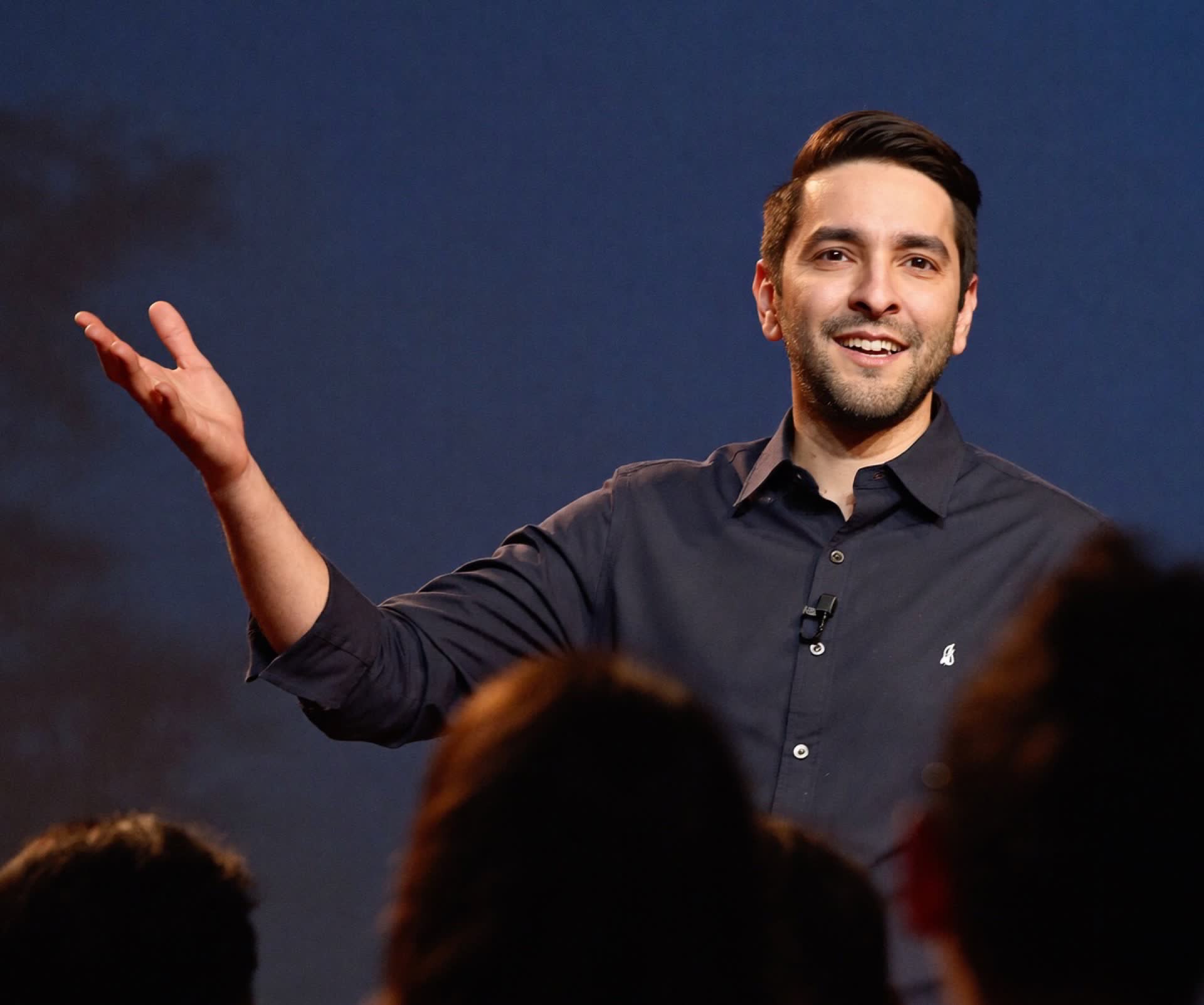
Mashroor Hussain, founder of CXO Global Forum and Dynamic Folio, sits with Muzamil to dissect why Pakistan's IT exports keep missing their targets — the institutional disconnection at the top, the talent pipeline that does not exist at the bottom, and the self-centric mindset that stops good ideas from scaling.

with Mashroor Hussain

11 min read

From DOS terminals to a fifty-person services firm

The episode opens with Muzamil introducing Mashroor Hussain as the founder of CXO Global Forum — a Pakistan-originated platform representing C-level executives across the country — and of Dynamic Folio, an IT services firm working with both local and international clients. Mashroor’s own path into technology is the kind of origin story that is now structurally impossible to repeat.

He started at Saint Mary’s School, moved to a government school in class six, and picked up a part-time warehouse job at a pharma distribution company while still in his teens. The warehouse turned into a stint inside the company’s IT department, which is where he first sat in front of a computer. The year was 1992. There was no Google. The machines were XT computers running DOS. He learned dBase by opening PRG files, reading them, and reverse-engineering what each line did. “Six months mein I have started learning software,” he tells Muzamil. From there came inventory systems, a move into graphics when Windows arrived, then e-marketing in 2003 with a client base that grew to two or three hundred companies.

He stayed in jobs until 2013, then started his own firm out of a single room in Shahbaz Commercial with four thousand rupees. The firm now sits at around twenty-five to twenty-six people, down from thirty-six before COVID, with a fifty-fifty split between local and international clients. A detail Mashroor offers casually, and that Muzamil flags as remarkable, is that he has never met ninety percent of his customers in person. The entire relationship — kick-off, scoping, billing — runs over Zoom.

Why working with local clients is harder than working with foreign ones

A standard complaint inside Pakistan’s IT industry is that local work is not worth the headache. Muzamil puts it directly: most operators tell him they want nothing to do with the domestic market. Mashroor’s reading is more careful, and the carefulness matters.

The local payment cycle is not the real issue, he argues. The real issue is scope. “Local customer jo hota hai woh aapko bara hi non-tangible aur is tarah ka aapko scope deta hai,” he says. The client does not know that one casual sentence in a brief can unfold into weeks of work. They are not technical enough to write a scope document, and when something is delivered, they come back with “yeh toh hamari understanding thi” — even though it was never written down. Feedback loops slip by months. By the time the client comes back with comments, the framework has already shipped a new version.

International clients carry their own friction — ninety-day payment windows after a job completion certificate — but the scope is written and the expectations are stable. Mashroor’s firm does not work through Upwork or Fiverr. The pipeline is direct, through an online portfolio. He has never been to a trade show. The client list is deliberately small.

CXO Global Forum and the case for a Pakistan-originated platform

Muzamil moves the conversation to CXO Global Forum, which Mashroor founded in January 2019. The idea grew out of an earlier observation that Pakistan’s tech community had grassroots-level gaps that no existing body was filling. Mashroor’s framing is striking: most forums that operate in Pakistan are international bodies that have arrived here and set up shop. CXO Global Forum is one of the few that originated in Pakistan and is now attracting overseas Pakistanis and global companies — Google, Facebook, Oracle — to engage with the local market in the reverse direction.

The membership now sits close to five hundred C-level executives, drawn from both Pakistan and abroad. The intent is not networking. “Network toh bohat saaray log kar rahay hain aur yeh aisi cheez hai jo bohat hi common hai,” Mashroor says. The intent is a knowledge-sharing platform — a recognition that the GDP is shifting from a normal economy to a knowledge economy, and that Pakistan has no institute where someone can go and learn the next paradigm. The only realistic option is to learn from each other. The Forum runs events, publications, conferences, and white papers, with each conference focused on a single industry’s three-sixty-degree landscape.

When Muzamil cites Imran Khan’s recent broadcast comparing Pakistan’s IT exports to India’s hundred-and-fifty-billion-dollar number, Mashroor is direct about the gap. “Pandrah bees saal ka yeh gap hai woh ab hamein bohat rapidly cover karna hai.” The potential is real. The window is not infinite.

The eighty-seven percent that nobody is willing to talk about

Muzamil pushes Mashroor onto the question he says nobody in the industry will answer cleanly: where is the talent going to come from? The official narrative gives a ten-billion-dollar IT export target. Backtrack that number and it implies hundreds of thousands of new resources entering the job market every year. The reality, Muzamil says, is that eighty-seven percent of graduates are essentially unhirable. There is no process that takes an entry-level candidate, upskills them, and integrates them into a serving company.

Mashroor’s answer begins with a critique of how Pakistan talks about itself. “Hum apni jo problems hain, jo hamari kamiyan hain, unko hum us tarah highlight nahi kartay aur jab hum highlight nahi kartay toh us se hum seekhtay bhi nahi hain.” The constant repetition of “sixty percent youth” is, in his reading, a substitute for actually doing something for that sixty percent. There is no stakeholder platform. That is why young people drift toward TikTok and YouTube monetisation — because at least those platforms tell them what to do next.

His structural diagnosis is sharper. The problem is not academia, not government, not industry in isolation. It is the disconnection between them. “Idaaron ka aapas mein disconnection.” Regulatory authorities, government bodies, ministries, private sector, corporate sector — none of them are wired to talk to each other. Until that wiring is built, the bandwagon will keep moving without anything underneath it.

Ease of doing business is the actual policy lever

Mashroor returns to this point repeatedly across the conversation, and it is the thread that ties his diagnosis together. The ordinary entrepreneur — a child in Khairpur, Nawabshah, Sargodha — cannot start a business because the basic mechanics do not work. There is no payment gateway. Compliance is opaque. Registering a company is hard. Opening a bank account is harder. Muzamil shares his own experience: a legitimately registered business waiting close to two months for an account, no IBAN on the welcome letter, and a branch that refuses to engage because the account is digital. “Mera dil kara tha main chhod doon, khatm karoon aagay toh.”

The point Mashroor draws out is that this is the actual policy lever. E-government initiatives, cosmetic announcements, top-down decisions — none of them touch the binding constraint. The binding constraint is whether the woman weaving textiles in a village can put her product on an e-commerce platform, get paid, and reinvest. It is why Pakistan’s e-commerce sector is stuck on cash-on-delivery with a return rate north of thirty-seven percent. It is why Payoneer, which serves a chunk of the freelancer base, still does not offer a merchant account — and what that single missing product is costing Sialkot’s online exporters.

The fix, in Mashroor’s view, does not require importing a philosopher. The stakeholders already know what the pain points are. They need to be in the same room as the people who can act on them.

The Special Technology Zone Authority as a credible bright spot

Muzamil and Mashroor agree on one recent intervention that is moving the right direction: the Special Technology Zone Authority. Mashroor positions himself as one of its most active advocates and invites IT companies to engage with it directly. The ten-year tax break for IT companies is the headline, but the deeper attraction is the single-window ecosystem — one place where the regulatory, infrastructural, and operational pieces are bundled together rather than scattered across ten institutions that do not speak to each other.

He gives credit by name to Amir Hashmi for the energy invested in setting it up, acknowledges P@SHA’s earlier role, and frames the STZA as the kind of structural intervention the sector has been waiting for. The pattern matters: when a single body is empowered to remove friction across regulators, the ordinary operator benefits more than they would from any number of declarations.

Why P@SHA and the older associations have not moved the needle

Muzamil raises the obvious counter — Pakistan has had P@SHA as an industry association for nearly two decades, with a structure that should, in theory, allow the industry to vote in leadership capable of representing it to government. Somehow, the industry has been unable to convert that structure into outcomes. He notes that recent leadership has begun to make more noise, that the IT policy under earlier leadership did move forward, and that the current chairman has been speaking publicly about liaising with the government.

Mashroor’s reply does not single out any association. He returns to the disconnection point. Each body uses different vocabulary for the same concepts. The regulator names data structures one way; the IT operator names them another. The bridge between them does not exist as a function. Without that bridge, every well-intentioned conversation rebuilds shared vocabulary from scratch and dissipates before it produces a policy outcome.

The CXO Academy idea and the self-centric problem

When Muzamil pushes for what the private sector can do in the absence of government action, Mashroor sketches an initiative his team has been planning: a CXO Academy. The model is straightforward. The Forum’s members are CIOs, CTOs, and heads of IT with twenty-five to thirty-five years of accumulated experience. Each one gives two hours a week, remotely, over Zoom, to teach the next cohort. Enrolment is structured. The curriculum tracks what the industry actually needs — line-level coding standards, frameworks, wireframes — rather than what is convenient to teach.

What stops a model like this from materialising at scale, in Mashroor’s reading, is not technical. It is cultural. “Hamare yahan yeh bara ek rujhaan hai ke hum self-centric bohat zyada hain.” Pakistan produces excellent individual teachers and trainers. What it has not produced is a train-the-trainer institutional design. Capacity stays bound to twenty-four hours in one person’s day. The brand stays bound to one person’s name. When that person stops, the work stops. The long-term cost is borne by the country.

He extends the same critique to entrepreneurship. The question “what is in it for me” — the short-term personal benefit — has crowded out the institutional question. Edhi Sahab built an institution. Pakistan needs more of those, and they will not appear unless the founders are willing to transfer power onto the people who come next.

Freelancing is labour. Pakistan needs Salim Ghauris.

The last substantive thread of the conversation is the most pointed. Muzamil notes that the freelancing market in Pakistan looks healthy on the surface — grassroots-level participation, dollar inflows, success stories — but his concern is not what is happening today. It is what happens in five years. Amazon FBA can be automated. Content writing can be automated. Most graphic design can be automated. A child who has been told to learn a single freelancing skill and is not upskilling is a child whose income is on a timer.

Mashroor agrees, and his framing is sharper than Muzamil’s. “Aap jitna labour banayengay na, freelancer ek labour work hai.” There are roughly two hundred unicorns in the world. A large share of them are Israeli. Nineteen or so are Indian. None are Pakistani. The question is not why the freelancing market has not grown faster. The question is why Pakistan has not produced an Elon Musk-scale company.

Muzamil pushes back gently — not against the ambition, but against the framing. China’s rise took thirty years. The narrative around made-in-China was once an insult. Today Apple acknowledges that Chinese capability is no longer about cost. Pakistan’s universities, he says, kept telling students to be Elon Musk and Bill Gates, and the students walked into NIC and tried to build SpaceX in an environment that could not support a payment gateway. “Hamein Saleem Ghauri chahiye.” Pakistan needs the founder who builds the railway, not the founder who shoots for Mars in year one.

Mashroor accepts the reframing and lays out the technology bets he is watching. Augmented reality. Virtual reality. Artificial intelligence — particularly automated systems, which he expects to compress the freelancing market faster than the freelancing market expects. Blockchain, which he describes as a “vacant market” in Pakistan. The mindset shift he wants to see at the bottom is the same one he wants at the top: an institutional orientation that asks what is being built for the country, not just what is being captured for the self.

By the end of the conversation, the diagnosis is stable. The potential is real. The disconnection between institutions is the binding constraint. Ease of doing business is the policy lever. The talent pipeline is the gap nobody is willing to staff. The mindset shift — from self-centric to institutional — is what determines whether any of it compounds. Muzamil thanks Mashroor for the time, and Mashroor leaves an open invitation: anyone willing to step into the talent-pipeline problem will find the Forum’s door open.

Full transcript
Muzamil

Welcome back to another episode of Tarbinar and Things. I'd like myself to thank Botika as me man, who is the founder of CXO Global, which is an organization जो कि पूरे Pakistan में, जो C level executives हैं इनको represent करती है और उसी के साथ साथ he's the founder of Dynamic Folio as well, which is one of the leading IT, and tech firm in Pakistan जो कि I believe they do a lot of services local and international clients के लिए. We're gonna have a detailed conversation regarding the IT industry, and you know कि इसमें चलकर रहा है, future prospects क्या हैं, what are the challenges, what are the opportunities? Sir, मशवरूर साहब हमारे साथ मौजूद हैं. Thank you so much for being part of the show. Thank you so much for inviting. कमल साहब, मैं start करूंगा just to sort of get an understanding of कि how did you get into the entire IT side of things? Like, growing up, you know, थोड़ा सा मुझे education का तरह बताएं कि कहां से शुरू हुए, कहां से आए और किस तरीके से, you know, according to this? So I have started from, the Saint Mary school. उसमें primary education मेरी वहीं से हुई. फिर, गुलशन Cambridge school पर,

Guest

I guess class six में we have moved to a सरकारी school. वह बिल्कुल ही एक different change थी. वह साल भर तो pick करने में लग गया. And then I've started, my, part time job with, you know, other other things. So, metric मैंने सख़्र से किया. From बागया तलिशा जो सरकारी school है, वहां से किया. उसके साथ साथ फिर मैं काम भी करता रहा. फिर एक, company थी, एक pharma company थी, distribution. उनकी मैं warehouse में काम करता था और वहां से फिर उनके IT department में जाकर तो थोड़ा बहुत computer भी सीख गए. Right. और वहां से फिर उनकी invoicing और फिर मैं software में involve होना शुरू हुआ तो six months में I have started learning software. उस वक़्त Google वगैरह था नहीं जिससे हम यह कौन साल की बात हो रही है? I think यह '92 था I guess. अच्छा, very early years of हां, very very early years of उस वक़्त तो वह XT computers आते थे तो DOS space हुआ वह DBase पर. तो वह PRG files को open करना database you know space होते होते तो I have started knowing the program तो फिर मैंने ख़ुद से समझकर फिर ख़ुद से design करना शुरू किया तो वह फिर मैं software development में adapt. Work a lot of companies जहां पर मैंने inventory के systems बनाए, फिर background मेरा उसमें था and eventually जब Windows आया तो Windows के बाद फिर मैं थोड़ा सा graphics में भी involve हुआ तो एक, एक different mindset के साथ कीजिए. एक coding भी आती है और ऊपर से फिर वह graphic designing भी आती है. So I've been working in many organization. उसमें यह है कि मैं फिर communication भी सीखा और international correspondence भी मैं सीखा. फिर साथ साथ में क्योंकि, my designing का था तो as a creative head भी रहा फिर different organizations में. तो एक अच्छा exposure मुझे मिलता रहा पर two thousand three four में जो है मैंने e marketing start की. So I've worked with more than two three hundred companies जिसमें big companies भी हैं तो उनकी हम email marketing करते थे. Local पाकिस्तानी बेच दिया था एक अच्छे पैसों के ऊपर फिर. तो वह journey चलता रहा and then till 2013 तक मैं job करता रहा. फिर उसके बाद मैंने अपनी छोटी सी company start की शेबाज़ commercial में. छोटा सा एक कमरा था, चार हज़ार रुपए थे. तो वह जिनको

Muzamil

Internationally हमने काम किया. So e retailing से जब मुरा दिया गया basically p o POS softwares या e नहीं.

Guest

वह होता ही है कि जो medical reps होते हैं वह doctors के पास जब जाते हैं तो वह पहले एक printed literature लेकर जाते थे. वह उनको जब, pharma companies ने tablets provide की हैं specially iPads तो वह iPad जो है वह कभी भी third party tool को नहीं लेता है. वह आपको iOS build बनानी पड़ती है. तो वह फिर हम उसमें हम expert थे. हमने वह बनाया वह फिर doctors को जाकर वह पूरी presentation देते थे. A lot of हां, तो वह lethal combination है क्योंकि वह क्योंकि aesthetics बहुत strong रहे. I've been working with major companies. मैंने billboards भी design किए हैं, print ads पर भी काम किया है. Right. तो वह aesthetics बहुत strong थे जिसकी वजह से मुझे फ़ायदा ही रहा हमेशा की जी. Right. वह हम इस तरह की बेहतरीन campaigns design कर सकते हैं because हमें पता है colors की क्या language है and fonts की क्या language है. Mhmm. वह उसका बड़ा एक अच्छा combination बना. फिर जब business में आए तो वह और ही ज़्यादा फ़ायदा हो गया क्योंकि technically फिर हमारी जो होती थी customer के साथ तो वह बड़ा, you know, kick off meeting होती थी क्योंकि उनके पास उनके जितने भी issues होते थे वह सारे उधर ही हल हो जाते थे. इधर वह financial हो या technical हो. तो वह there and then एक ही meeting में सारे solve हो जाते थे. Right और Pakistan में आप generally काम करें या बाहर वाली clients का काम करें? Mix है दोनों. हमारा fifty fifty है. अच्छा. और fortunately यह बताएं मैं यह भी add कर दूं कि 90% customer से मैं आज तक मिला भी नहीं हूं. अच्छा. हां, तो हम काम कर रहे हैं उनके साथ. तो वह भी एक बड़ा एक हमारा वह है. Interesting. Virtual world इतनी ज़्यादा strong हो चुकी है कि हम जो है वह इतना मसला इतनी huge billing होती है हमारी words के बावजूद भी. हमारी interaction जो है वह सारी आज तक virtual ही है Zooms के ऊपर और इस तरह की meetings के ऊपर ही होती है. The power of Yeah, IT and digital का यही फ़ायदा है.

Muzamil

A lot of people in Pakistan, IT industry वाले जो हैं particularly वह कहते कि यार Pakistan में काम नहीं करना. बड़ा सर का दर्द है. आपने start Pakistan से किया but you eventually started working with people outside of Pakistan but you kept the Pakistan winning a life. Why? Because बड़ा मुश्किल होता है यहां पर तो कहते हैं कि जी हर, किसी को समझाना IT services सिर्फ़ लेकर आना, फिर payment के cycles, फिर tax, फिर यह, फिर वह. बाहर से simple dollar आ रहा है. बहुत अगर मसला भी है तो park कर लेंगे बाहर और बस, you know, थोड़ा थोड़ा मंगवा लेंगे तो. कभी आपके दिमाग़ में ऐसा नहीं आ कि Pakistan, market के बजाय में international fully exclusively international रह गया तो. Again I think वह mindset का difference है.

Guest

Locally, उनको भी obviously customers को भी challenge होते हैं, payments वाकई delayed होती हैं. But I guess अगर आपका cycle ठीक चल रहा है तो और आप serve ठीक कर रहे हैं. Mhmm. और दूसरा हमारा जो जो इससे भी बड़ा local issue है ना वह है हमारा scope नहीं clear होता. Mhmm. Local customer जो होता है वह आपको बड़ा ही non tangible और इस तरह की आपको scope देता है. अच्छा उसको यह भी नहीं पता होता कि जो आज मैं यह बात कर रहा हूं तो इसके अंदर in detail और बहुत सारी चीज़ें निकल सकती हैं जिसको वह वह यह hypothetically समझता है कि अच्छा मैंने कि वह अब इतने वह technical नहीं होते हैं इसलिए उनके लिए वह scope document देना जो है वह उसको करना. फिर sometimes वह कहते हैं अच्छा नहीं यह तो हमारी understanding थी ना यह तो चले लिखा हुआ नहीं है but होना तो हो तो. देते हैं कि आप इसको ज़रा check करके हमारा feedback दें, वह months के ऊपर delay हो जाता है. तो वह होता है यह कि sometimes उस app की भी जो है ना वह नया version update आ चुका होता है जब तक कि वह हमें वह feedback देते हैं कि जी मुझे इसके अंदर क्या changes करानी है? तो यह मेरे ख़ाल में यह ज़्यादा बड़े challenges हैं instead of payments का तो payments तो आप obviously आ ही जाती हैं जल्दी यावती है. तो international clients में भी यही होता है कि वह ninety days के बाद payments करते हैं जब आप उनको project deliver कर दें और आपको वह job completion certificate दें. जब अगर आप big companies के साथ काम करते हैं तो उनका payment method भी ऐसा ही होता तो JCC के बाद job completion certificate के बाद ninety days के बाद आपको payment मिलेगा. और आप generally are you guys working through Upwork और इस तरह के platforms या direct relationship manager? हमारे direct portfolio पर है. अभी तक हम किसी use पर upwork या fiber के ऊपर. यह direct app को reach out करते हैं through online portfolio? जी बिल्कुल. Have you ever gone to trade shows या इस तरह की चीज़ें किया? नहीं, कभी नहीं. कभी नहीं यहां. हमारा हमने असल में बहुत certain number of customers रखा, बहुत ज़्यादा उस पर नहीं गए.

Muzamil

Accept कर लेते हैं इस तरह के projects को. तो वह भी And then in, you know, so you've been doing that for seven years and and that's grown to how many people now?

Guest

Before COVID हमारे पास कोई 36 लोग थे. अब तकरीबन 25,

Muzamil

26 के करीबन. And उसी के साथ साथ आपने CXF Global start किया. So tell me a little bit little bit about that, you know, उसकी क्या story है? यह भी, uh-uh काफ़ी

Guest

एक long journey है because I've realized कि, Pakistan की जो IT और tech community है, उसमें काफ़ी grassroot level पर काफ़ी जो है वह, gap है जिसमें काम करना ज़रूरी है. तो उस वक़्त फिर मैंने एक tech community start की. Right. So at times, मुझे realize हुआ कि, national level के ऊपर, इस तरह की forums की बहुत ज़्यादा ज़रूरत है. जिस तरह के एक world economic forum है. Mhmm. इस तरह की forums जो हैं वह इस तरह के, Pakistan जैसे merging मुल्क मुल्क से start होनी चाहिए and I think this is the first kind of, forum जो कि, Pakistan से originate हुई है. जो कि reverse यह होता ही है ना कि बाहर की forums होती हैं और वह Pakistan में आकर काम करती है. तो यह originate Pakistan की है और हम actually attract करते हैं overseas पाक्स्तानीs and big organizations को like Google, Facebook और इस Oracle और इस तरह की बहुत सारी companies को कि वह Pakistan में की market को explore करें. Right. तो उसमें हमें बहुत huge एक traction मिली और उसमें जो C level लोग हैं, CXओं का मतलब है कि CEO, CIOs and CFOs तो X is a variable. तो वह लोग हमें जो है वह, league को जो है वह join करते रहे. अब तकरीबन हम लोग almost 500 members को touch करने वाले हैं. Right. All big companies. And all from Pakistan and abroad But as exclusively पाकिस्तानी? Exclusively not पाकिस्तानी. इसमें गोरे भी हैं. But यह है कि as I mentioned कि हम बहुत अभी recently start किए हमने. January 2019 में हमने start किया था. अच्छा. और इस time के अंदर इतना बड़ा number आना और अब और भी international लोग जो हैं वह देख रहे हैं इसकी तरफ़. तो हम आस्था आस्था इसको actually हम ख़ुद भी learn कर रहे हैं और इसको grow भी कर रहे बस दोनों से. Plan क्या है इसका? मतलब what what is it like a network जिसके अंदर people can just sort of get to know each other या are they looking are you looking to have conferences? What's the plan for my business? हां, हम conferences भी कर रहे हैं. देखिए network तो बहुत सारे लोग कर रहे हैं और यह एक ऐसी चीज़ है जो कि बहुत ही common है. हां. मेरा यह plan था कि हम, एक knowledge sharing platform build करें. So, knowledge economy आपको भी पता है कि एक knowledge pool होना और उसकी जो value है कि हम GDP जो है वह एक normal economy से shift होकर, knowledge economy की तरफ़ जा रही है. तो मुझे उसकी value का अंदाज़ा हो गया था कि हमारे पास क्योंकि ऐसे कोई institutes हैं नहीं जहां पर जाकर मैं next paradigm को जाकर learn कर सकूं. शायद मैं थोड़ी सी मुश्किल English बोल रहा हूं but terms मुश्किल बोल रहा हूं. उसमें यह है कि, जो next movements होती हैं ना IT sector में तो हमें वह समझना जो है उसके लिए हमारे पास कोई इदारा नहीं है जहां पर जाकर मैं सीख सकूं. तो हम एक दूसरे से ही सीख सकते हैं. तो उसके लिए हमारा सबसे पहला initiative move यही था कि हम सब एक page के ऊपर आ जाएं. Right. तो वह लोग जब आते गए तो फिर हमने एक दूसरे से सीखना शुरू किया और then you know हम लोग जो है update होते रहे और फिर इसी तरह, एक knowledge sharing platform जो है वह build होता रहा. उसके इर्द गित ऐसा ही obviously होता है कि हम events कराते हैं, meetups कराते हैं, फिर हमारी publication है, हमारी conferences हो रही हैं. Conferences में भी हमारा यह होता है कि हम industry representation को ज़्यादा focus कर रहे हैं तो three sixty degree उस industry को हम explore करते हैं. उसके फिर हम जो है वह, documentation करते हैं, white papers बनाते हैं. अब हम थोड़ा सा landscaping जो है उसमें कि कौन से कौन से sector में कौन कौन सी companies including startups या individuals हैं, वह कौन कौन काम कर रहे तो उसको हम थोड़ा सा सारे numbers बढ़ रहे हैं तो आप उसको segment कर सकते basically. जी, project करते हैं और showcase करते हैं वहां पर. Idea यही था कि internationally, pool को हमने touch करना है. Knowledge में obviously हम लोग बहुत पीछे हैं. आज आपने वह शायद तकरीर भी जो broad cast हुई है इमरान खान साहब की जैसे में उन्होंने compare किया है हमारी GDP को, IT exports को कि India जो है वह एक सौ पचास अरब dollar पर खड़ी है और हम लोग जो हैं वह numbers जो हैं वह बहुत बहुत low हैं. तो उसके पीछे यह है कि पंद्रह बीस साल का यह जो gap है वह अब हमें जो है बहुत rapidly cover करना है. Potential बहुत है और इसको अगर हमने timely tap कर लिया all all the time तो हमारा निकल गया मगर अभी भी हमारे पास थोड़ा सा time है कि अगर हमने इसको focus होकर इसके ऊपर आ गए तो,

Muzamil

इसमें जो है huge potential है. Right. इसमें ना probably I'm because पिछले particularly पिछले दस बारह episodes का ना मैंने तीन चार different लोगों से बात की जिसमें potential की तो बड़ी अच्छी बात है. सही है. I'm gonna move towards the the more of a जिसे मैं आपका experience tap करना चाहूंगा. सही है. देखिए इसमें there are definitely Pakistan है बहुत potential है. IT जो आपके पाशा वाले हैं वह बड़ा हंसू के सामने दस हज़ार रुपए dollar का number भी देते हैं अगले दस साल में. दस हज़ार रुपए तो हम पिछले कमज़ कम दस साल से सुनते हुए भी आ रहे हैं. पहली चीज़ मैं यह करूंगा and this is very interesting from your experience as well. You don't have a degree but you were able to sort of get into the space. Pakistan में सबसे बड़ा problem ही है कि talent नहीं वन पा रहा, right? And I've I've talked to a couple of people about it and it seems like nobody really has an answer to that. कहने के पास जी universityयां कुछ कर लें या वह कुछ कर लें या कुछ. Everybody is just like कि यार वह कर लें. Project ले आऊंगा मैं, काम ले आऊंगा मैं, client आ जाएगा लेकिन supply side के ऊपर जो आपके पास talent ही नहीं है जो आपके 87% सारा unemployable बैठा हुआ है. जब उस बच्चे को वह process ही कोई नहीं आपने बनाया जिसमें onboard करके, upscale करके आप उसको integrate किया जा सके. तो दस अरब dollar को जब आप backtrack करेंगे, तो that's hundreds of thousands of potential new resources that need to be inducted into the job market. So my first question to you is, how do you see the talent problem being solved? What is what do you think is potentially the solution for it?

Guest

बहुत ही, ऐसा question है जो मैं expect कर रहा था कि आप करोगे मुझसे. एक होता है कि आपने fancy, मुझसे जवाब सुनना है. So fancy तो मैं आपको यही बोलूंगा कि जी potential है और बड़ा वह है. So reality is entirely different. उसमें यह होता है कि आपको, अगर मैं अपनी जाति analysis करूंगा ना तो obviously मैं अपनी, जो critical analysis है मैं definitely उसके ऊपर ज़्यादा मैं focus करूंगा कि मुझ में कमियां क्या हैं so that मैं उसको cover कर सकूं. हमें एक जो सबसे बड़ा issue है वह यह है कि हम अपनी जो problems हैं, जो हमारी कमियां हैं उनको हम उस तरह highlight नहीं करते और जब हम highlight नहीं करते तो उससे हम सीखते भी नहीं हैं. Right. अगर हम यह सारा दिन यह बात करते रहें कि जी we have lot of potential, हमारी youth है, 60% youth है. तो उस 60% youth के लिए हमने किया कुछ भी नहीं है. कोई stakeholder platform नहीं है. इसीलिए वो TikTok की तरफ़ जा रहे हैं या वो you know YouTube की तरफ़ जा रहे and you know monetization. So एक तो यह है कि industry की representation नहीं है. जब मैंने उसको शुरू में कहा ना कि एक gap है IT sector के अंदर जो grass root level पर वह अभी भी है. उसकी वजह यह है कि उसको कोई represent करने वाला नहीं है. वह ऐसा ही होता है कि कोई भी घर से आज ही plan करता है कि ठीक है जी, मैं आज x y z opinion के साथ मैं market के अंदर कूदता हूं और मैं masses को attract करता हूं कि जी dollar कैसे बनते हैं? और masses पीछे पढ़ने शुरू हो जाते हैं कि जी यह मुझे बताएगा कि dollar कैसे बनते हैं. तो हमारे पास इसके अलावा और कोई industry representation नहीं है कि इस masses को हमने, training कहां से देनी है, उनकी capacity building कहां से करनी है और उनको फिर हम blame करते हैं कि जी academia का कोई role नहीं है, हमारे IT sector का कोई role नहीं है और हमारे x y z किसी का भी कोई जो है वह role नहीं है. Top management side पर मैं यह देख रहा हूं कि सबसे बड़ा जो primarily problem है यह देख रहा हूं वह है हमारा इदारों का आपस में disconnect होना. इदार एक दूसरे से बात नहीं करते. तो सबसे पहली जो मैं यह ज़रूरत समझता हूं Pakistan के अंदर वह यह है कि इदारों को उसमें regulatory authorities भी आ जाती हैं और सरकारी इदारें भी आ जाते हैं और ministries भी आ जाती हैं. इनको आपस में और private sector के साथ, corporate sector के साथ connect होने की ज़रूरत है. Right. यह यह need है. यह नहीं करेंगे तो again हम bandwagon जो है वह move कर जाएंगे. अगर एक आम बच्चा Pakistan में business start करने की कोशिश करता है, वह कहता है कि जी मैं x y z services अपनी website के ऊपर आज लगाता हूं और मैं बेचता हूं इसको कहीं पर भी. तो वह limited हो जाता है regional कि मैं अपने आस पड़ोस में ही उस चीज़ को बेच सकता हूं. इधर वह e commerce हो या कोई भी services हो. उसकी वजह यह कि हमारे पास payment gateway नहीं है. उसकी वजह यह है कि उसको बहुत से ज़्यादा compliances की तरफ़ जाना पड़ेगा. तो पहला initial चीज़ आती है कि ease of doing business. जब तक आप इस आम आदमी की pain point को नहीं समझेंगे और इसको address करने के लिए आपको industry representation चाहिए. Right. जो कि translate करे जाकर with all the सरकारी इदाराs and the regulatory authorities और जो ministries हैं, उसको यह बताए कि भाई असल problem क्या है? Otherwise अगर आप यह ऊपर बैठकर decisions करेंगे जी फलां e government हो जाए या यह हो जाए. यह I think यह बाद के cosmetic issues हैं. हमारा issue है इस वक़्त आम आदमी को एक आम बच्चे को empower करना कि वह खारियां में बैठा है, नवाप्षा में बैठा है. उसको बड़े शहर में move नहीं करना. किसी बड़ी opportunity को take करने के लिए वह वहीं पर बैठकर अपना business कर सकता है. Right. तो हमें इसको empower करना है. तो उसके लिए आसान हल यह है कि वह अपनी company easily register सके. तो इस तरह की चीज़ें जो हैं वह I think,

Muzamil

हमारी industry में address करने की सिर्फ़ ज़रूरत है. मैं यह समझता हूं. Do you think particularly अगर मैं IT industry की बात करूं? IT industry seemingly had a good system in terms of getting the association. They've been had they've had an association for almost two decades now, and I feel like, technically, the pros the structure was there for the industry to be able to vote in, leadership that can represent them with the government. Somehow they've been largely unable to do that for for foremost part. At least last दो तीन साल ऐसे हैं जिसमें थोड़ा सा ज़रा शोर मचना शुरू हुआ. सुनने में आया, I believe, बुर्कान, की जो बुर्कान से ही दंबोल अच्छा काम करना है. Actually, leadership जो थी उसमें तो he had, you know, he negotiated with them as well और he got, you know, IT policy भी I think उनके time पर आई थी. Recently brother is now the, I believe, the chairman, of भाषा. जी. तो उनकी अभी हमारी तक़रीबन दो तीन episodes पहले उनसे बात हुई तो he is the, he is, उन्होंने तो बड़ा detail ने बताया कि we've been talking a lot about, like, we're lysining with the government a lot now. Do you think there is a requirement for separate structures? या क्या पाशा का structure is not powerful enough या क्या वजह है कि government को अभी तक कोई चीज़ें नहीं समझ आ पा रही हैं जो कि industry के pain points हैं. As a matter of fact, was talking to a freelancer yesterday. बड़ा interesting model है उनका उन्होंने freelancing से start कर उन्होंने आपको तकरीबन चालीस पचास freelancers को अपने अंदर करके तो वह गोरे के साथ digital पर काम हो रहा है, you cannot charge GST, this is not like करियाने की दुकान भी चल रही है यहां so so so, what would you say? What's the solution for for this sort of understanding जो कि शायद governments को नहीं है और उनको दिलवानी चाहिए? Again, मैं वही उसी point पर दुबारा आऊंगा.

Guest

इन इदारों का आपस में disconnection. किसी को उस category का पता ही नहीं है कि वहां पर actually हो क्या रहा है. हम एक दूसरे की terms को नहीं समझते. अगर किसी, IT sector में हम data या different इस तरह की जो, हम terms होती हैं उसको हम कुछ और कहते हैं. सरकारी side पर उन terms को कुछ और किया जाता है तो हमें हमारा वह जो disconnection है I think उसको bridge करने की ज़रूरत है. तमाम इदारे बहुत अच्छा काम कर रहे हैं. मुझे जो problem सबसे बड़ी नज़ार आ रही है वह disconnection है. Right. Number two, हमें global exposure से सीखना चाहिए और उसको implement कर देना चाहिए. एक आम आदमी को अगर हम empower करने की तरफ़ ज़्यादा focus करें. देखो हमने at at the end of the time क्या करना है? हमने यही करना है कि IT export को बढ़ाना है. हमारे Pakistan से बाहर से पैसा आएगा तो ही हम nurture करेंगे otherwise आप और मैं एक ज़्यादा ज़रूरत है कि जब तक यह payment gateway का मामला हल नहीं होगा, हमारा एक आम बच्चा Pakistan से बाहर business करके वहां से पैसा Pakistan में land नहीं करेगा. उसके लिए हमें policy making की तरफ़ obviously जाना है, उसकी तरफ़ हमें जो है वह frameworks के ऊपर काम करना है. जो problem है वह यही है कि हमने आंखें बंद की हुई हैं और हम यह कह रहे हैं कि बहुत ज़्यादा potential है और असल problems को, pinpoints को हम address नहीं कर रहे हैं और इसी वजह से जो है वह हमारे आज तक

Muzamil

Legitimate business से ऐसे भी registered से हमने सारी चीज़ें information दे दी. Last week जब वह uh-uh account खुला है तो मुझे एक WhatsApp पर एक text आ कर यह आपका number है छोटा number. I ban मुझे नहीं समझ आई पता नहीं क्या scene है. एक मुझे letter आया उस पर भी I ban नहीं है. Branch जाऊं branch तो आप जा नहीं सकते digital banking के कामान कैसे मान लो यार? It's such an infuriating experience.

Guest

मेरा दिल करा था मैं छोड़ दूं, ख़त्म करूं आगे तो. तो मुझे बताया ना कि एक आम entrepreneur को हम बात तो करते हैं बड़ी तो हम entrepreneur को कैसे empower करेंगे? मैं अब हक़ीक़तन यह बात करता हूं कि Pakistan में major जो मुझे अफ़सोस होता है वह यह है कि जान पहचान.com है. Mhmm. ठीक है? एक आम आदमी की कोई अच्छा दूसरा group दूसरे से बात नहीं करेगा. Major जो, दूसरा मैं एक issue देख रहा हूं वह यह है कि हमारे, top side पर जो है ना वह, egoistic issues बहुत ज़्यादा हैं. मैं उससे बात नहीं करता. मेरे इससे यह है, मेरा उससे वह इदारों में भी यह चीज़ जो है वह नज़र आई है. तो अगर हमें nation as a nation हमें build होना है ना तो हमें कुछ चीज़ें जो हैं, उसको हमें छोड़ना पड़ेगा और यह एक reality है जिसको हमें face करना है. देखिए अगर मैं यह कहूं कि जी what is in it for me? वह एक उसने हसन निसार ने बड़ी अच्छी एक बात की थी. मैंने तो कुछ चीज़ों को उनकी ग़राब बांध ली है. With other countries और हमारे long term पर हमें कितने हम हमेशा यह देखते हैं कि जी हमारा short term benefit क्या है? मुझे क्या मिल रहा है? उसमें मुल्क को कितना नुकसान पहुंच रहा है? कोई नहीं इस तरफ़ सोचता. I'm sorry to say but बहुत कम अगर ऐसे लोग हैं जो सोचते हैं cosmetic बातें आप जितनी भी कर लें ठीक है जी ऐसा हो रहा है. यही वह वजह है कि आज भी हम उसी circle में खड़े हुए हैं. अब थोड़ी सी changes मुझे नज़र आनी शुरू हुई हैं upper level पर और willingness भी नज़र आई है.

Muzamil

तो I'm I'm hopeful कि इंशालाह slow and steady but कर लेंगे हम लोग इंशाला. इसमें कुछ challenges इस तरह के आते हैं जो कि generally मैं market में जब सुनता हूं तो बड़े standardized challenges हैं. PayPal का आपने ज़िक्र किया? It's just something that we've been hearing about for at least two to three years Freelancers का एक बहुत major ही एक pain point था. Eventually Payoneer and couple of other press came in and they saw the gap and उन्होंने कहा यार चलो दिम्यान में आ जाते हैं और दो fees वग़ैरह लेते हैं तो hit पड़ती है आपको. But PayPal का you know, I restart with the government according to their तो, you know, narrative वही कह रहे कि जी हमारा तो मसला ही कोई नहीं है, PayPal invest ही नहीं करना चाहता हमने उनसे multiple meetings की हैं. अब इस क़िस्म की situation में what can I mean, what what what can we do at this point in time? Right? So फिर आप क्या solution potentially निकाल सकते हैं? Because you're absolutely right. We need to be connected to the world. And FATF and वह, I feel like वह cop out lazy and excuses हैं ना कि यार वह FATF हो गया. उसके भी mechanisms हैं. आप बना सकते हैं आप उन्हें. बिल्कुल कर सकते हैं. रोशन digital आपने बना दिया. आप रोशन digital freelancers क्यों नहीं बना सकते क्या आपका वह जैना किसी तरीके से? You know, you can get connected to the world and उस तरह से. But what about areas like these? Pakistan unfortunately is not a very competitive market in terms of business as And a lot of these international players are not coming in because उनको यही होता है कि यार यहां पर आऐंगे, एक cup, the cost of business is too high. PayPal for example I was looking at I believe, I'm not sure which market but one of one of the very big markets recently उन्होंने अपने आप को वहां से Do you think we can create some service of our own for example जो कि at least यहां से इस पूरी mechanism को बाहर ले जाए और बाहर जाकर PayPal से connect करते where PayPal does not have to set up the infrastructure in Pakistan and still is able to move that money, you know, for example.

Guest

नहीं, देखिए banks तो कर रहे हैं. Again मैं कह रहा हूं disconnection है. मैंने जब इसमें involve हुआ तो ऐसे बहुत सारे fintechs आए हैं जो ये services, जो ये solutions दे रहे हैं. Again हमारे कुछ जो, जो pain points हैं, I don't know आप KYC, के बारे में कितना जानते हैं या KYCC के बारे में कितना जानते हैं? हमारे कुछ जो यह वाले areas हैं जिसमें ease of doing business again मैं उसको underline कह रहा हूं कि कारोबार करने के लिए आसानी जो है ना वह हमारे एक आम आदमी के लिए नहीं है. आपने अभी थोड़ी देर पहले कहा कि bank account खुलने खुलने में दो सवा दो महीने या पौने दो महीने आपको लगे हैं. आप again यह कह रहा ना आप एक बड़े शहर में बैठे हैं. Payment gateway जो है वह आपको empower करता है. Payoneer unfortunately merchant account नहीं देता. Right. Free lancer एक बहुत मैं समझता हूं एक certain although एक emerging industry है but एक certain chunk है आप सिर्फ़ सियाल कोट industry को ज़रा आप merchant account देना कि वह अपना जो है वह online e commerce के ऊपर आ जाएं और अपनी चीज़ें online बेचें. वह आप कितना triplify कर जाएंगे अपनी GDP को. Right. वह empower कर जाएगा एक गांव में बैठी हुई देहात के अंदर जो ख़तून है जो कि वह कुछ भी बुन रही होती है उसको वह e commerce पर लाने की अहल हो जाएगी because कोई उसमें कोई भी आकर उसमें उसको अभी तक वह struggle कर रहे हैं. अब क्यों हम COD पर खड़े हुए हैं? क्यों हमारा return rate 37% से भी ऊपर चला गया है? तो यह challenges हैं जो कि हमें इन issues से हमें निकलना पड़ेगा और यह तभी होगा. किसी बाहर के किसी philosopher को हमें बुलाना पड़ेगा. Right. यह internally मिल जाएगा आपको क्योंकि वह pain points के जो stakeholders हैं वह आपके साथ बैठेंगे वह आपको बताएंगे यह मेरे पास हल है. असल यह है कि उनको यह पता नहीं है कि actual problem क्या है? आप थोड़ा सा अंशाला हम लोग अपनी involvement भी इसी में करें because x e x o k हमारा यही है कि हम इन चीज़ों के अंदर involve करके. अगले जो आगे जो हमारी batches आ रहे हैं, businesses के अंदर उनके लिए थोड़ा सा conducive environment जो है वह हम develop कर सकें. Drop हो रहा होता है तो उसमें भी आपको जो है ना वह 23, 27% tax की hit पड़ रही होती है. तो यह यह सारी चीज़ें हैं. Have you have you seen the recent STCA वाला जो इन्होंने system start किया हुआ हां मेरी आज भी जो है उनके they are doing amazing work. तो जो जो एक ordinance pass हुआ है और आज हम I think STGA के सबसे बड़ा advocate जो है वह मैं हूं और मैं IT companies को invite करता हूं कि यह एक बहुत बड़ा आपके पास जो है ना वह बहुत बड़ी opportunity है जिसको आपको avail करना चाहिए. Mhmm mhmm. और एक बहुत बड़ी facility जो है वह I think IT sector को मिल रही है कि दस साल का आपको tax जो है वह Tax break भी है. एक single जगह पर आपको सारा कुछ और पूरा ecosystem आपको मिल रहा है. तो hats off, आमिर साहब ने जो मशाला इसमें अपनी energy और efforts put की हैं जिसमें I'm sure के पाशा का भी initially role है और इस तरह के बहुत सारे दारे हैं. तो, मुझे यह एक बहुत बड़ा future नज़र आ रहा है, special technology zone authority का. अलम्दोलला मुझे यह ख़ुशी है कि जमा होती है इधर मैं भी उसका एक part हूं. मैं सबसे बड़ा advocate हूं उनका मैं सब लोगों को बोलता रहता हूं. So as we have an access to, most of the IT companies in Pakistan. तो इस वजह से हमारी यह ज़िम्मेदारी बनती है, मुल्क की तरफ़ के. हम जो हैं वह, किसी तरह एक अच्छा role जो है वह play कर सकें for the ecosystem. Right.

Muzamil

यह तो आपकी probably जो government वाली आपने चीज़ें बताई हैं दारों की और वह मेरे अपना experience भी ऐसा रहा है and and वाली age का भी एक तखाज़ा है कि जैसे when you have 60 plus, चलो 55 plus at the top seats, तो it's difficult for them to understand that the world is really sort of changed and you don't you don't necessarily, I mean, you definitely need the tyre tyre factory and the tile factory and the cloth factory. But you don't they don't understand कि यार सर्गोधा का बच्चा या, you know, पिंडाधन खान का बच्चा जो है वह एक tablet या एक computer use करके भी हर बैठे वैसे कमा सकते बिल्कुल. So, you know, for them it's not that much of a priority. And and I feel like it undoubtedly, you know, that there there needs to be more work there. I'm gonna bring you back to my original question though. And this is now pertaining to the private sector, rights के governments ने ये चीज़ें provide करनी इधर doing business provide करना है, infrastructure provide करना है. Definitely उसमें you know payment, energy, internet, bandwidth, ये तमाम चीज़ें जो हैं वो उनके उस पर आ जाती हैं. Talent भी अगर हम India की मिसाल हैं तो IIT is definitely a highly public funded. I mean, remarkable remarkable feat that they have done and I think that has really sort of pushed their industry forward. But then वही वाली बात है कि मैं कहता हूं कि आज मैं इसको इस तरह ले लें. Government से तो हमारी वह रहेगी hope but Pakistan है. You know, one can only hope but it's a fool's hope वाली बात है. But हम यह भी तो नहीं कर सकते कि हम बस wait करते ना कि government कुछ करे वरना हमने पैसा ही नहीं कमाना, दो ढाई साल के अंदर. Systems जो है उसने market ख़ाली कर दी है इस time पर. मैं अगर इस लाहाबाद की बात करूं तो कोई ऐसा कोई talented resource है नहीं जो कि वह तोड़कर ना ले जा सके हो. बाकी वाली companyयां रोने वाली भी हुई है इस time के ऊपर because now they have to deal with all of these newcomers जिसके पास वह है ही नहीं inside. Again मैं repeat करूंगा जी 87% आपका सारा जी non, hirable है essentially. दो तीन साल पहले जब IT industry की बात थी तो मैं फिर भी समझ रहा था. क्यों? क्योंकि आपने एक import led economy बनाई भी थी. आपने essentially IT industry के पैसे से पूरे Pakistan की imports subsidize हो रही थी. Free fall पर जाएगा आपके पास हर महीने डेढ़ बाद जो है ना एक दिना में वह आ जाता है particularly export led जितनी भी है. तो मुझे अब लगता है कि IT industry का एक थोड़ा सा ज़्यादा role होना चाहिए. हमें तकरीबन कोई पांच से दस लाख बच्चा चाहिए है IT industry के अंदर. High levels in role है from advanced analytics to graphic design. You know, मैंने कहा कि basic entry level है, content writing. जिसको भी मैं IT industry में डालूंगा, IT services industry में डालूंगा. वह बच्चा कौन develop करेगा अगले दस साल? And I think nobody has an answer for that. Like, high level पर तो एक हमें एक फलसा मिल जाएगा. But really, I mean, how are we gonna get it? ठीक है, हम wait करते रहें. Agree.

Guest

I wish कि मैं octopus होता और मेरे ज़्यादा हाथ होते और हम इसको करते. ऐसी इतनी gap है ना कि मैं अगर आज हम बैठेंगे और इस पर हम बात करेंगे ना तो I completely agree इस तरफ़ काम करने की बहुत ज़्यादा ज़रूरत है. हम push तो कर रहे हैं कि इस इन इन areas को देखा जाए and I certainly agree agree कि इस वक़्त जो है वह, private sector को और corporate sector को बहुत शिद्दत से यह problem है कि उनके पास technical resources और उनके काफ़ी issues I think इधर जो है वह बहुत सारे इधारों को जो, जो current technology है उसकी trainings के लिए I think एक बहुत बड़ा gap है जहां पर काम किया जा सकता है और अभी भी मुझे नहीं लगता कि कोई भी इस वक़्त ऐसा इधारा है. मां सेवाय aptech एक है जो कर रहा है. मुझे नहीं पता कि उनका वह, जो वह level है वह कितना high है कि वह corporate sector उनको, engage कर सके, वह कितनी current technologies को पढ़ा रहे हैं. But यह है कि यह एक काफ़ी need of Doctor है और इस वक़्क़ बहुत ज़्यादा ज़रूरत है and I do agree कि हमें Python वाले side पर या जो mainstay है या इस तरफ़ जो है हमें लाखों में लोगों की ज़रूरत है. I completely agree with you. Freelancing की भी एक cap है. मतलब एक certain industry है ना उससे ज़्यादा तो आप ऐसा ना हो कि वह, demand जो है वह कम हो जाए और आपकी supply इतनी ज़्यादा हो जाए तो फिर वह, नील पटेल ने वह बात की थी ना कि हमारे blogs अब इतने हो जाएंगे क्या per blog जो है वह तीन user जो है वह आपके पास रह जाता है. तो हमारे पास एक इतनी ज़्यादा चीज़ भी ना ना हो जाए कि हम जो है वह access कर जाएं और फिर उसको उस तरह manage भी ना कर सकें. तो हमें बहुत I think इन इन तमाम areas को specially मैंने जब आपको कहा कि youth हम हम हर बार यह कहते कि 55, 60% हमारी youth हैं. तो हमें इस तरफ़ भी जो है वह,

Muzamil

address करने की ज़रूरत है but इधर कोई भी नहीं है अभी. कोई आपका solution for potential दिमाग़ में आता है for for this? कोई मतलब vocational training from the private sector? Because मैं मैं government को इस वजह से नहीं देखता. Government ने try किया जी यह prime president's AI initiative

Guest

little to no real Again वह disconnected था ना. देखो अगर आप सिर्फ़ supplier पर काम करेंगे demand का आपको idea ही नहीं है. था जिसकी वजह से वह sustain नहीं कर पाया. But हम लोग future में साल भर पहले हमने बोला plan किया था कि हम CXO Academy एक बनाएंगे और CXO Academy में भी हमारे यहां Pakistan में यह बड़ा एक I don't know लोग मुझसे नाराज़ ना हो जाए. हमारे यहां यह बड़ा एक रुझान है कि हम self centric बहुत ज़्यादा हैं. तो अगर मैं for for instance institutional सोच की तरफ़ अगर मैं आऊं तो मुझे शायद ही कोई ऐसा उससे क्या होता है कि हमें long term पर नुक़सान होता है Pakistan के लिए. तो हमें हमें बहुत अच्छे teachers मिले, हमें बहुत अच्छे ऐसे trainers मिले. But वह self centric approach की वजह से हुआ यह कि ज़हर है आपके पास चौबीस घंटे. आपके पास limited capacity है. कितने बच्चों को आप पढ़ा लेंगे? तो हमने हमने उसका वह train the trainer वाला model नहीं design किया. उसको हमने institute में नहीं convert किया. हम एक ही trainer पर हम रहे और हमने कहा कि नहीं जी यह इस तरह ना हो जाए, उस तरह ना हो जाए. वह limited approach की वजह से again मैं उसी point पर आ रहा हूं जहां पर हम यह कह रहे थे कि हमने Pakistan के लिए कभी भी नहीं सोचा, हम हमेशा अपने लिए सोचते हैं. Although उसका short term तो आपको benefit होता है और वह नज़र आता है कि जी आपने Pakistan के लिए बहुत बड़ी कोई milestone achieve कर लिया but वह जब translate नहीं होता institutional mindset की तरफ़ आप ज़्यादा बड़े वन जाते हो और वह जो नाम होता है वह इतना सा कहीं वह explore करने पर पता चलता है कि इस नाम को कहीं वह represent कर रहे हैं. उससे क्या होता है कि वह आप जो जो आपने develop करना होता है ना वह आप वह चीज़ आप develop नहीं कर सकते और उस ecosystem का part नहीं वन सकते because वह होता ही self centricness के ऊपर है. वह एक lacking मुझे नज़र आती है and I wish कि कहीं पर इस चीज़ को मेरी बात सुनकर अगर किसी पर असर आ जाता है तो हमें ज़रूरत है. तो CXO Academy जब मैंने plan किया था तो हमने यही किया था कि हमारे जो CXO के members हैं, अगर कोई CIO है एक बड़े इधारे का तो उसके पास तीस पैंतीस साल का एक IT का तज़रबा है, CTO के पास तज़रबा है, head of IT के पास तज़रबा है. तो क्यों ना इसके तज़रबे को हम translate करके असल जो हमारी industry की जो requirement है वह अपने week के दो घंटे दे और उन बच्चों को पढ़ाए remotely Zoom के ऊपर और उसका हम proper enrollment process बनाएं और इंशाला मैं इसको address करूंगा. मेरे ज़ेहन में बिल्कुल है but हमारे पास इधारे में करने के लिए इतना कुछ है और मैं हमेशा इस चीज़ पर believe करता हूं कि आगे आने वालों को आप इतना empower कर दें, उन पर power आप transfer कर दें so that आपकी capacity मैं पच्चीस घंटे नहीं रख सकता हूं. Mhmm. तो हमें हम जब तक यह power shift नहीं करेंगे दूसरे के ऊपर तब He has actually that kind of pain जहां पर वह यह बात करता कि हमारी capacity building होनी चाहिए. हमारा freelancers nurture होना चाहिए. हमारे पास जो है वह IT sector में जो है वह हमें coders and developers और इस sector में हमें बहुत ज़्यादा ज़रूरत है और specially उस standard की क्योंकि हमारे पास वह एक standard की भी lacking है. तो वह global standard है जहां पर जो है हमें उस line level का code करना है, जहां पर हमें frameworks के ऊपर काम करना है, wireframes के ऊपर काम करना है. तो, I think future में शायद अगर कोई और ना कर सका, अगर कोई ऐसा, मैं again यह request करूंगा किसी को भी कि अगर वह आकर इसमें initiate करना चाहता है, we are always open for everyone.

Muzamil

We are always open. Where do you think the IT industry is going to go in the coming years? I mean, अज़हिर आपका तज़रबार तकरीबन सात साल का तो direct core का है. उससे पहले भी आपका IT में ही रहा है. आने वाले वक़्तों में what are the different areas and industries जो आपको लगता है कि जिसको पता था demand side पर आएगा और क्योंकि Pakistan में again freelancer की मैं बात पहले की तो मुझे generally यह लगता है कि freelancing वाले at least एक चीज़ अच्छी यह हुई कि grassroot के ऊपर I was jobless and now I'm doing all of this. My concern is not what's happening today. My concern is what will happen five years from now. And five years from now it could very well be कि freelancing market Pakistan में जी दस हज़ार dollar cross कर गई. And it could very well be कि freelancing market nose dive कर गई. Not because freelancing की तरफ़ रुझान दुनिया का ख़त्म हो गया but rather because हमारे बच्चों को बस एक किसी ने आकर कुछ से कहा दिया और उसके बाद उन्होंने upskill नहीं किया. Amazon FBA शायद अभी चल रहा है. Amazon FBA automate हो जाए थोड़ा से बाद. आपका जो है जी content writing है, automate हो सकती है. Graphic designing है, automate हो सकती है for most part. Most of the the freelancing जो primarily Pakistan में हो रही है, that is low value stuff that can be automated for for for, in a lot of different ways. उस बच्चे को, वह बच्चा ripe है. मतलब मैं एक आम बच्चे को गली से उठाकर कहूं कि यार भाई तू आप Python सीख ले. It's sort of difficult, right? एक बच्चा है जो graphic design already कर रहा है, उसको Python सिखाना comparatively बहुत चीज़ है. वहां पर जो जो जो और मुझे यह भी पता है पिछले दिनों I had a industry leader from the freelancing side, and he was very aggressively talking about कि भैया freelancing will be dead in three years unless you upscale and upgrade yourself. जी बिल्कुल.

Guest

पूरी दुनिया में इस वक़्त एक, number I guess मैं अगर ग़लत हूं, मुझे जहां तक अंदाज़ा है तकरीबन 200 plus unicorns हैं. जिसमें से एक बहुत बड़ा number जो है वह, Israel का है. तकरीबन उन्नीस मेरे ख़ाल में India के हैं. क्या वजह है कि अभी तक Pakistan में कोई unicorn नहीं निकला? मेरा pain point यह है. देखिए आप जितना labor बनाएंगे ना freelancer एक labor work है. जो कि एक earn कर रहा है और अच्छा कमा रहा है मुझे इससे कोई अतराज़ नहीं है. But हम कब Elon Musk बनाएंगे Pakistan में? हम कब actual entrepreneurs बना सकेंगे Pakistan में जो कि आप आपको पता है Elon Musk की worth क्या है? Mhmm. So पूरे Pakistan किसी best possible दो. I mean, I feel like Pakistan,

Muzamil

देखिए एक evolutionary process होता ना. I feel like यह भी it sounds like a नारा to me, right? I'll tell you why. China आज globally Jack Ma भी हो गया, सारा कुछ हो गया. दुनिया को फ़ता करने निकला हुआ है. अपने नए vision में. तीस साल लगे उनको. Made in China एक जमाने में एक चीज़ होती थी बुरी. जी बिल्कुल. Made in China तो बुरी है, made in Japan है तो अच्छी है. आज made in China जो है वह Apple वाले कहते हैं कि जी China is not just cheap anymore. China has capabilities which a lot of other countries don't. Took them thirty years, forty years one would say. मुझे यह भी ज़रूर लगता मैं ऐसे कहूंगा because I graduated from university maybe within the last decade and and मुझे याद है हमारी ना university में यह बात आकर बहुत आकर जाती थी कि हमने Elon Musk बनाना है, Bill Gates बनाना है. बच्चा बेचारा graduate करता था, बच्चा बेचारा सीधा जाता था NIC. NIC जाकर वह सर मारता रहता था Elon Musk की कहानी sun sun कर. उसको यह पता नहीं था कि यार जिस environment में वह है, वहां पर it's not conducive for him to be an Elon Musk, right? Maybe do do we really need an Elon Musk in Pakistan right now? Or do we need maybe, I don't know, someone जो कि, I mean, do we need a a Rothschild जो कि railway बना रहा है बैठा भाई? Know, it's like it's हमें सलीम गौरी चाहिए. सलीम गौरी चाहिए, बिल्कुल. ठीक है?

Guest

आपको इस तरफ़ आना है कि हमने आज planning करेंगे तो तीस साल में हम unicorn generate करेंगे ना? Right. Planning कौन करेगा? यह हम नहीं करना है और हमने address किसको करना है? यह mindset हमने generate करना है. हमें यह निकालना है कि जी रात बैठकर जो है वह आप short time में आप dollars कैसे बना सकते हैं? Floor time पर यह हुआ था. इस myth से हमें निकालना है. Right. हमारा इस वक़्त जो youth है वह clueless है वह बस वह उसको चार पांच social media sensations नज़र आती हैं बस वह कभी एक को follow करता है कभी दूसरे को उसको पता ही नहीं है कि मुझे करना क्या है. तो वहां पर I guess हमें ना कि सिर्फ़ उस बच्चे को इस तरफ़ लगाएं कि ठीक है जी अभी इस वक़्त अपनी problem यह हल कर लो कि ठीक है यह कर लो. How about कि वह बहुत कुछ कर सकता था. तो उस चीज़ को उसने explore ही नहीं किया. वह comfort zone में आ गया कि ठीक है जी, मैं तो ज़बरदस्त दबा दिन इधर आ गया. दूसरा हमारा, जो बड़ा pain point है मैंने अभी तक जितने भी major लोगों से देखा है. हमें जब पैसा चाहिए होता है ना तो हमें यही नहीं idea कि हम पैसा कमाना क्यों चाहते हैं? पैसा कमाकर हम यह कहते हैं कि जी हम हमें luxury चाहिए. यह जो mindset है ना इसको भी हमें थोड़ा सा समझना चाहिए. So contributing towards your nation is कि हम job कितनी हैं, हम impact कितना generate कर रहे हैं? हम यह कितना काम की है? हमने हम इस इसमें कितना वह rise कर पाएंगे? So यह इस entrepreneur mindset की भी बहुत ज़्यादा अशद ज़रूरत है जिसको I think एक बहुत mass level पर penetrate करने की ज़रूरत है. दोनों चीज़ें हमें balance करके चलनी हैं. तो हमें वह entrepreneurs भी generate करने हैं. उसके लिए हमें environment भी develop करना है. Freelancer obviously एक stage आएगी जहां पर आपको पता है सब चीज़ें automation की तरफ़ जा रही हैं. AI इतनी speed से आ रहा है कि automized system है. Mhmm. Pakistan में obviously future जो है मैं कुछ technologies का जिसमें augmented reality का मैं देख रहा हूं virtual reality का future है. Artificial intelligence में काफ़ी ज़्यादा future है जिसमें हमें systems जो है develop करने की ज़रूरत है. Blockchain क्योंकि हम बिल्कुल vacant market हैं उसमें काफ़ी एक है रुझान. Mindset जहां तक उसकी बात है कि बच्चों में अब मैंने देखा था पता नहीं कौन से उसमें class four, So these are the things, जिसमें हमें I think मिलकर again मैं यह कहूंगा कि हमें अपने personal benefits को obviously यह मैं नहीं कह रहा कि नहीं देखना चाहिए but सिर्फ़ personal benefits को नहीं देखना चाहिए. हमें longer run पर institutional mindset के साथ आना चाहिए कि मैं इसको एक इधारा बनाऊं. अब्दुस्तार इधि साहब ने एक इधारा बनाया जो दुनिया की सबसे बड़ी ambulance service बनी. तो हम इधारे की सोच से आऐंगे तो बंदा तो फिर भी obviously इतना noble वन जाता है कि वह, you हो जाता है. हमने जितने भी अभी तक देखे Doctor अमजत साकेब हैं उन्होंने एक इधारा बनाया और वह इधारे की तरफ़ हमें जो है वह जाना है, उससे impact generate होता है. तो हम सबको हम हम हम में इतनी capability है. हमारे पास अब निकालने आऐंगे तो आपको ऐसे बहुत सारे लोग मिलेंगे जिनमें यह capability है. तो थोड़ा हमें और दूसरा जो आपने government की बात की हम wait नहीं कर रहे हैं. हमारी जो है वह यह कि I think number of people and, corporate sector should push, start pushing government कि जी अब आपने यह करना है. Mhmm. तो वह pushing करें वह भी अब ऐसे बहुत सारे dynamic लोग आ गए हैं government में जो कि sun रहे हैं, जो कि forward looking हैं, जो चीज़ों को बड़ा quickly करते हैं, adapt करते हैं. I think it's a big change जो कि मैं यह देख रहा हूं. तो हमें instead of, you know, बैठकर different जगहों पर, जो है वह हां, मतलब है यहां complain करने से है कि आप push करें. अब दुर्ज़दार दाहुल साहब commerce minister लगते हैं, right? So उनका एक experience है, businessman है. पता है उनको कि क्या है तो commerce ministry समझ भी आती है.

Muzamil

IT minister आपका हमेशा वह लगता है जो ना आप चुंगे में आपने देनी होती है ना CET या उन्हें politics खेलनी होती है तो आप कहते कि यार चलो ठीक है आपका एक minister हम यह लगा देते हैं. वह बेचारा पहले उसकी ministry में ही I mean, to to me that just shows the the absolute lack of seriousness. चाहे वह, I mean, ख़ालिम मग़ूल साहब हैं, I believe. I am sure he, no doubt on him. बहुत अच्छा काम कर रहे होंगे सारा कुछ लेकिन What you're absolutely right. Change एक तरह से आ रहा है, mentality के अंदर आ रहा है. But वह push, do you think कि private sector से वह push है government के जी, private से ही आएगा. Otherwise,

Guest

नहीं आएगा, वैसे नहीं आएगा. और I think ऐसे बहुत सारे individuals हैं जिनको मैंने देखा है कि वह ministry के साथ जो हैं वह involve हुए हैं. हमारे जो member IT हैं जो नए दिमाग, he is very capable person. उनको understanding है. अभी वह data protection का जो bill गया हुआ है तो उनकी काफ़ी ज़्यादा contribution है. Plus जो इस वक़्त P सेब के जो MD आए हैं, he is very energetic. मैं मैं देखकर हैरान होता हूं कि हमारे private sector के ऊपर इतना fast pace पर काम करने वाला आदमी नहीं है. And I am amazed to see कि उनके पास वह level of understanding है जहां पर हम जिन चीज़ों की बात कर रहे होते हैं वह उसको deploy कर रहे हैं. तो उसमें ख़ुशी होती है कि ठीक है at least you know कुछ capable लोग हैं जो कर रहे हैं काम. उसकी वजह से होता यह है कि दूसरे जो incapable लोग होते हैं तो उनको भी pressure आता है कि ठीक है जी अब मुझे भी, you know, हमारी भी कुछ ज़िम्मेदारियां हैं. I think it's just a matter of understanding. तो वह pick करना इतना कोई बड़ा मसला नहीं होता और मैं अब यह देख रहा हूं कि बहुत सारे लोग जो हैं वह, contribute कर रहे हैं despite of, you know, उनकी अपनी IT companies हैं. उसमें से time निकालकर भी जो हैं. मेरे ऐसे बहुत सारे दोस्त हैं जो कि involve हो रहे हैं और they are, you know, spending a lot of time with ministries कि जी ठीक है, आप push करें और हमें ये चीज़ें बनानी की बहुत ज़्यादा ज़रूरत है. As I mentioned कि हम already चीज़ों में बहुत पीछे हैं. Mhmm. और इससे मैं completely agree करता हूं कि IT से ही हमारा जो है वह एक GDP control हो सकता है और इसमें हम बहुत सारी चीज़ों में, IT exports में और इन चीज़ों में जो है वह हम लोग exponential growth के chances हैं हमारे बहुत ज़्यादा हैं. आपने एक point के ऊपर अभी थोड़ी देर पहले वह freelancers का कहा कि mindset and institutionalization

Muzamil

के ऊपर. अभी again वह जो freelancers साहब आए थे तो मैंने उनको alternate site throw किया था आपको. मैं alternate site throw करता हूं. Freelancers कहते हैं जी, देखिए मैं नौकरी लेने जाऊंगा. मुझे लाख रुपया मिल जाएगा, डेढ़ लाख रुपया मिल जाएगा. मैं जब पांच हज़ार dollar कमा सकता हूं, Compete with us in terms of कि अगर हम पांच हज़ार कमा रहे हैं तो आप हमें कहेंगे चलिए तीन हज़ार दे दें, चार हज़ार दे दें. अगर वह नहीं है और उनका कहना यह है कि most of the freelancers that I talk to है. IT वालों से मैं बात करता हूं, IT वाले कहते हैं कि sir, freelancing is a fad. It will eventually break down. अच्छा हमने यह भी देखा कि India में by the way. वहां पर freelancing is a big deal sure but उनका पैसा सारा tata consulting और you know like these big company दस दस हज़ार क्या एक एक लाख employees तक हैं. तो 100% scale is only scale तभी आता है. Elon Musk का style जिसने आपने बोला कि you know unicorns बनेंगे सारा कुछ होगा. But freelancers का कहना यह है कि यार यह दुनिया जो थी ना जिसमें एक एक ऊपर की एक leadership थी वह control करती थी फिर वह तरह खाएं देती थी और वह जो है जी, वह तो था वह दुनिया बदल गई और अब democratize हो गया और अब जी हर बंदा freelance. वह तो कहते जी हर बंदा ही freelancer बनेगा. बेशक वह छोटी से हर बंदा ना बने. उसने अगर AI का काम भी करना है तो वह, freelancing निकल ले. तो how do you see that problem coming? देखिए, पहले यह होता था कि जब

Guest

freelancing का कोई project लगता था ना तो उस पर दस पंद्रह bids होती थीं. अब ज़रा number of bids तो check करें आप. तो competition का level इतना high हो गया है कि आपको आपको उसके लिए fight करनी पड़ती है. Freelancer अगर बहुत easy रहकर पांच हज़ार dollar कमा भी रहना तो उसमें sustainability नहीं है. आप यह कह ही नहीं सकते कि साल बाद भी वह पांच हज़ार dollar कमा रहा होगा या छह हज़ार dollar कमा रहा होगा. इस alert को वह हम लोग समझ लें तो अच्छा है because future में jobs की, जो paradigm है वह भी change होनी है. Demand भी change होनी है. अब तो, content side पर जो है वह auto content generators आ गए हैं. उसमें AI की involvement बहुत ज़्यादा हो गई है. यह तो हम लोग जो हमारे जैसे मुल्क हैं उसमें वह चीज़ें जो हैं अब आपको यह भी पता है कि voice overs जो हैं वह automate हो गए हैं. Human element बहुत कम हो गया है. उसके अंदर इतनी variations आ गई हैं. तो इस चीज़ को भी हमें जो है वह address करना जो है वह top level पर ज़रूरत है कि freelancing को भी हमने landscape को भी तो समझना है ना कि यार एक demand की भी तो एक limit होती है. एक hospital है वहां पर, जो patient है वह जाकर medical store से दवाइयां लेते हैं. तो अगर एक hospital के सामने दस medical store हैं और अगर आप उसके सामने पांचवा medical stores बना दें तो obviously वह फिर demand and supply का जो level है वह obviously reduce down हो जाएगा, competition level बढ़ जाएगी. फिर आप इसी भी competition करेंगे कि जी मैं ज़्यादा discount देता हूं तो फिर वह profit margin margins आपके इतने कम हो जाते हैं. तो obviously आपका जो rate पर आ रहा है वह आपका reduce down होगा फिर आपका और challenges आऐंगे. Similarly हमारा जो ticket size है Pakistan का अभी भी वह उतना बड़ा नहीं है जितना कि India का है. तो हमें इसको भी एक understand करना चाहिए कि, कितने को freelancers हैं जो कि लाख dollar से ऊपर, बना पा रहे हैं. Obviously यह भी इस तरह के भी बहुत सारे challenges हैं. I completely agree के पीछे जैसे tata consulting वाला मामला कह रहे हैं. Previously मैंने एक NACH Delhi पर के ऊपर एक वह देखा था एक India का एक बच्चा था जो कि jobless था और वह problem में था और उसने अपने गांव में ही उसने देखा कि हमारा एक hotel है वहां पर capacity जो है वह, खाली रहते हैं कमरे तो उसने कहा कि क्यों ना मैं इस पर उसको कहूं कि यार मैं तुम्हारी marketing करता हूं और I'll take a commission और वह unicorn बना वह बच्चा. तो अगर वह jobless रहा तो जाकर उसको वह opportunity समझ आई कि तब उसका दिमाग़ काम किए. क्योंकि जब आप problem में होते हो तो तब आपको तब आप hunt करते हो for different opportunities और उसी में से ही क्योंकि आपका passion होता है and turn into a big business. Mhmm. हमें मैं मैं साथ साथ में इस चीज़ को भी nurture करने की मैं बात कर रहा हूं कि उन बच्चों को हमें इस तरफ़ लाने की भी ज़रूरत है जिनके पास वह एक fresh mindset है और वह problems को different अंदाज़ में देखते हैं तो मैं youngsters को obviously मैं क्योंकि ख़ुद एक entrepreneur हूं तो मेरा focus यह रहता है कि entrepreneur jobs generate करता है. वह दूसरे लोगों को jobs देता है और हमारे यहां इसी चीज़ की जो है वह ज़रूरत है कि हमें jobs generate करनी है और entrepreneurs generate करते हैं जो कि scale करके,

Muzamil

इस economy में contribute करें तो उसकी भी बहुत ज़्यादा ज़रूरत है. क्रमण साहब, I'm gonna wrap this up over at the one hour mark but, एक चीज़ मैं generally फुर्ग़न से पूछता हूं अमित शाह, all of my guests. You know, Right? And so twenty eight years from now, twenty fifty, how do you see Pakistan knowing what you know now, seeing everything that's happening around you? What's the image that comes to your mind?

Guest

मैं बहुत ही एक, grown मुल्क देख रहा हूं क्योंकि अब जो, बच्चे आ रहे हैं उनसे मुझे बहुत ज़्यादा expectation है और अगर हमने उनको इस वक़्त जो है जिसकी तरफ़ हमारी पूरी कोशिश है कि हम उनको एक conducive environment जो है अपनी ग़लतियों से सीखकर एक grown country होंगे और specially in IT sector. एक होती है IT की adaptability. हम हमारे पास IT आती है, हम उसको adapt करते और हम बड़े ख़ुश हो जाते हैं कि जी हां हमारे पास तो इतने you know इतना बड़ा number है. उसका number भी हमारा अच्छा एक grow कर रहा है कि हमारी जो, जो हम 4G technologies और inchallah 5G में भी जाएंगे तो उसका जो number growth number है वह अच्छा बहुत अच्छा है यहां पर. तो internet side पर हम लोग one of the top country हैं जो कि जो growth growth की तरफ़ जा रहे हैं. But हमें अपनी technologies भी बनानी है. तो वह otherwise हम लोग एक वह adaptive country रहेंगे और हमें विशेषी में रहेंगे कि जी तब तक हम अपनी product नहीं develop कर पाएंगे. तब तक हम अपना गरीम जैसे products हमें design करनी है. तब हमें BYKEA जैसे product और BYKEA जैसे models design करने हैं. तो यह अंदर से जब तक नहीं निकलेंगे तो,

Muzamil

audio platforms वाले, like, subscribe करोड़े दबाएंगे. आने वाले पर source का आपको notification मिलेगी. ZP से JazzCash यहां पर आ रहा होगा. You can support the channel if you'd like. We accept anything from 1 rupee to as much as you'd like. It's the thought that counts. But anyways, this was Sayyid Muzam el Hazen Zedi. You are watching Thought Behind Things. Thank you so much for watching, and I'll see you in the next one.