Thought Behind Things · May 9, 2022 · 57:46
The man who invented Pashto rap
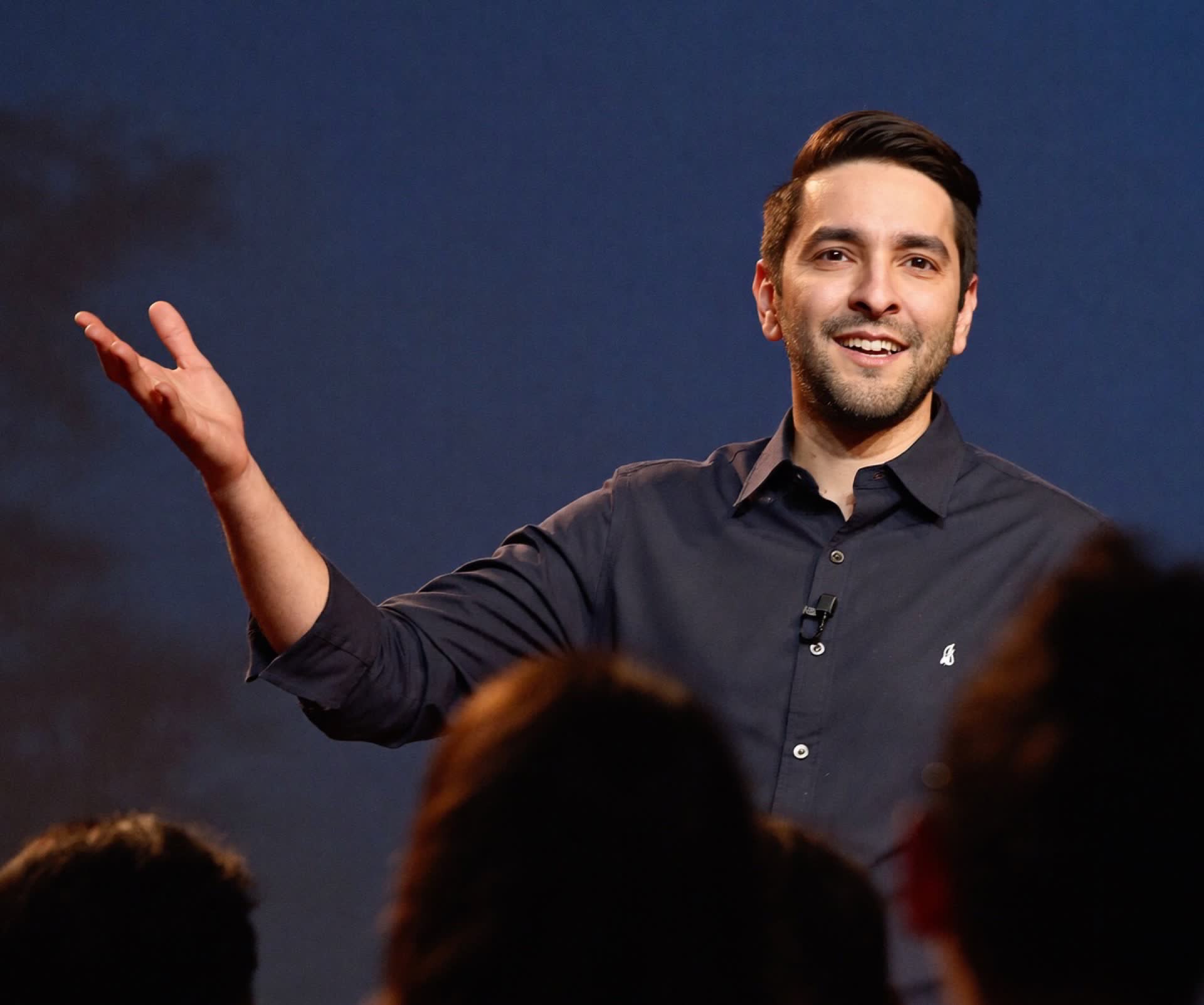
Mustafa Kamal Khan of Fortitude traces how he and two schoolmates created Pashto rap from scratch — no reference, no template — and why KP's resistance to change is the very reason the genre should have exploded there first.
with Mustafa Kamal Khan
9 min read
Born in Peshawar, raised across KP
The episode opens with Muzamil introducing Mustafa Kamal Khan as a financial analyst who is also a rapper from Khyber Pakhtunkhwa — a combination, Muzamil notes, he has not encountered before on the show. Mustafa traces his early life quickly: born in Peshawar, originally from Tordher in Swabi district, but never actually settled there. His father worked in the irrigation department and was posted frequently across the north — Swat, Kalam, the surrounding hill areas — so Mustafa spent his childhood moving between Army Public School campuses before the family eventually returned to Peshawar. He completed his FSC from PF (Pakistan Air Force) College, then moved to Bahria University Islamabad in 2009 for a BBA.
That move from Peshawar to Islamabad was, by his own account, the first major inflection point in his life. He expected a culture shock but found that his Peshawar upbringing had already prepared him more than people assumed. “They used to tell me, Mustafa tum Peshawar se ho, tumhare action mein woh kyun nahin hai?” — the implication being that he should have seemed more provincial. He didn’t. Peshawar, he explains, is not the monolithic Pashtun city outsiders imagine. Its older families speak Hindko, not Pashto, and the city has always been more cosmopolitan than its media image suggests.
How Fortitude started — and why it started in Pashto
Fortitude began as a school friendship. Shumail Alam Khan started producing beats in 2007 after downloading music software — Orchard, Reverbnation, the early tools of that era. His brother Shahkar was the rapper. Mustafa came in through a different door: he played piano, and began contributing melodic ideas to what the brothers were already building. The three of them cycled through several band names before settling on Fortitude.
The early material was entirely in English. That was the default for the small rap scene that existed in Pakistan at the time — a scene heavily influenced by East Coast and West Coast American hip-hop, Eminem in particular. The pivot to Pashto was Mustafa’s idea, floated around 2008 or 2009, and it was not immediately welcomed. “My brothers, they told me, Mustafa thoda sa na cheesy hai, hai na? Pashtoon mein kaun karega.” The concern was that Pashto rap would not be taken seriously.
What changed their minds was an accidental proof of concept. Mustafa and Shahkar were on the phone, killing time, and started trading rhymes in Pashto without planning to. “We didn’t realize ke humne almost koi kuch aath nau bars likh liye hain, bol diye humne.” If it could happen that naturally in conversation, it could be made into a song.
The first video, the first crowd, and 10,000 views that felt like a million
Fortitude shot their first music video in Margalla Hills with a small camera and a portable speaker. The recording method was entirely live — the beat played through the speaker, they rapped over it, and the camera captured everything in one take. Back home, they layered the audio slightly and uploaded it. The result was, as Mustafa puts it, “very live and not live” — an ambiguous quality that somehow worked.
The song spread through Peshawar faster than they anticipated. When they were invited to perform at Nishtar Hall — the largest concert venue in Peshawar — they were placed just before the headline act, the worst slot in any lineup because the crowd is already chanting for the main event. What happened instead was the moment Mustafa identifies as the turning point. Mid-performance, he paused at a gap in the lyrics, and the entire packed hall filled it in. “Poora crowd bolta hai more more. That’s when I realized ke accha, thing has — it’s gone out of hands. Matlab everyone knows this song.”
Ten thousand YouTube views, at that time and in that community, was not a small number. “That 10,000 views were way — that was like a million now.” Every view was coming from within the Pashto-speaking world, which meant the penetration within that community was total.
Why KP should have produced rap — and why it didn’t
Later in the discussion, Muzamil makes an argument that Mustafa finds worth engaging with seriously. Muzamil points out that KP — devastated by the war on terror, carrying deep collective grievances, with more than enough reason for anger — should, by the logic of how rap has emerged everywhere else in the world, have been the natural home of the genre in Pakistan. African Americans built hip-hop out of subjugation. Karachi’s rap scene grew out of Lyari and the lower-income frustration of a city that had been through enormous violence. KP had all of those ingredients.
Mustafa’s answer is layered. The first problem is cultural conservatism. “Puktoons culturally, their attitude is scar — they’re very resistant to change.” Anyone who deviated from the established folk tradition was not accepted. The folk tradition itself, he notes, has no aggression in it. “It’s all sweet — roses, gulab, shal — woh us sense mein woh cheez wahin par rahi jaati hai.” The music that was safe was the music that stayed soft.
The second problem is linguistic. Pashto grammar is genuinely difficult to rap in. Urdu is flexible, full of borrowings, easy to play with rhythmically. Pashto is rigid. “It took us, like, four, five years to actually get a grasp on Pashto rap because we created it. We were the first ones who actually made that rhyme and, you know, fast bolna hai, tez bolna hai.” There was no template to follow, no existing body of Pashto rap to learn from. They were writing the bible as they went.
The Islamabad-versus-Karachi question
Muzamil raises a pattern he has noticed across industries, not just music: Islamabad tends to pioneer new formats but fails to scale them, while Karachi takes the same raw material and brings it to mass audiences. Mustafa agrees and extends the analysis.
Islamabad’s rap scene in 2009 and 2010 was actually the most active in Pakistan. The concerts were there, the early artists were there, and some of them were reaching international collaborations. But the content was, as Mustafa puts it, “thoda wannabeesh” — aspirational in a way that was disconnected from the majority of Pakistani listeners. Karachi’s artists solved a different problem. “They brought it to a local level — matlab ek riksha wala bhi sunega, woh bhi relate kar sakta tha us feel ke saath.” A rickshaw driver could hear it and feel something. That is the difference between a scene and a movement.
Muzamil frames it as a structural issue: Islamabad’s creative class grows up on Western media, localises it innovatively, gets early traction in a specific bubble, and then stalls. Karachi takes the same influence and Bollywood-ises it, TikTok-ises it, brings it down to street level. Both men agree that in a country like Pakistan, you have to start from the bottom of the income and cultural pyramid and work upward, because the top will accept almost anything eventually.
Leaving at the wrong moment — and the gap that followed
In 2015, Mustafa moved to Australia, initially to complete a master’s degree. The timing was, by his own assessment, the worst possible moment to leave. “2012 was a point where we were actually spreading out everywhere.” Fortitude had performed in Faisalabad and Multan — cities with no obvious Pashto-speaking concentration — and found audiences who knew their verses. The momentum was real.
When he left, it stopped. “Once you vanish from music industry for like a year or so, you’re gone.” The generation that had grown up with Fortitude moved on — marriages, jobs, the ordinary passage of life. A new generation of rappers filled the space. When Mustafa returned after graduating in 2017, the artists who had been following Fortitude had themselves become well known. He describes calling his bandmates and saying it was time to get back in. “Dus saal ko ab halal karne” — ten years of struggle needed to be made to count.
The Peshawar Zalmi project and what it proved
The clearest evidence that Pashto rap had arrived came through an unexpected channel: a PSL franchise. Peshawar Zalmi’s management reached out to Fortitude wanting something new for their campaign — specifically, Pashto rap. The brief came with a two-day deadline. Mustafa was in his office in Australia when the call came. He rang his bandmates in Peshawar and Islamabad, and they built the entire track remotely.
His instinct was to resist the pressure to do it in Urdu. “Let’s give it, put it completely in Pashto taake hum aaram se relate kar sakein, log sun sakein, samajh sakein.” He also pushed back against the references to international brands that the team was sending over. “Let’s bring some originality to it. Let’s put rabab in it.” The track was recorded across two cities in two days, sent to the Zalmi team, and the response was immediate. “They were blown away.”
What the Zalmi collaboration did, in Mustafa’s reading, was give Pashto rap national legitimacy through institutional weight. “Unhone apna brand ka weight lagakar Pashto ko national acceptance di.” The fear — that a fully Pashto-language anthem for a national franchise was too risky — turned out to be unfounded. Reactions came in from India. People who had never engaged with Pashto culture were asking what they were hearing.
Finance, Australia, and the thirty-year question
By the end of the conversation, Muzamil asks Mustafa about his parallel life as a financial analyst in Canberra — a city he describes as almost identical to Islamabad in layout, designed by the same architects, with the same valley geography and the same government-town energy. He started with Apple after completing his master’s, moved into banking, and is now focused on the home lending and investment side of a bank, a sector that has been booming in Australia for several years. He is also watching the shift toward digital and mobile banking and positioning himself to move into that space.
He admits, with some amusement, that he spent his university years running from accounting. “I hated accounting. Guts.” The rote-learning approach at Bahria made the subject feel mechanical rather than logical. It was only in Australia, where the course load was lighter and the teaching more conceptual, that finance started to make sense to him.
Muzamil closes with his standard question: where does Pakistan end up in thirty years? Mustafa’s answer is cautiously optimistic. “On a human level, people are changing now. Unka mindset change ho raha hai.” He points to Peshawar specifically — having just driven there with friends — as evidence that the gap between KP and the rest of urban Pakistan is closing faster than outsiders realise. “There’s no difference between Peshawar and Lahore. It’s completely advanced.” Whether that trajectory holds, he says, depends on which political forces shape the next decade. But the direction, for now, feels right.
Full transcript
अस्लामिल है नावादिनाज़ रात. Welcome back to another episode of Thought Behind Things. आज हमारे साथ मौजूद एक बहुत ही ख़ास मेहमान who is a financial analyst and also a rapper from KP. And I haven't had the pleasure of talking to someone from that side in this particular industry. So very exciting to have him here with us today. Mustafa Kamaal, I believe Fortitude is what she'll generally go by. So thank you so much for being part of the show. Thank you, thank you. Forty two is basically my Crew? Band? Band's name, yes. Band's name. Rap bands?
How did that work? It started as, I would say, it started as a crew initially. We there are three three there there are three of us. तो we started in the same school and, एक ही eighth में brought up one, तो, there's three members. One is Shakar. Mhmm. Then there's Shumaile. Shumaile Alam Khan. Shakar and Shumaile are brothers. Right. And then there's me, an outsider who clicked in with them. And, one is basically producing music. The other one started with the rapping game and, I was essentially not part of it initially, but then I was fond of playing piano a lot. Right. तो उसके वजह से मैंने कहा चलो I'll key in my, you know, tunes from my side and then they'll do their own part. तो we started off as a crew. Right right right. They were, but generally at that point bands were the thing. Yeah yeah, absolutely. It's early two thousands, right? So Yes yes yes, very good. EP and COR and RO and URI. Yeah yeah. Absolutely.
So, मुस्तामार, I'm gonna start this off with just sort of understanding थोड़ा सा, कि आप पैदा कहां पर हुए और early life के बारे मुझे थोड़ा सा बताएं.
तो, I'm I'm born पिशावर, born and raised in पिशावर. Originally हम सबाबी, गांव से, but never lived there. अच्छा. तो, पिशावर में I think I was brought स्वाबी में कौन से गांव से? स्वाभी से मैं हूं तोडेर से. अच्छा. तोडेर से, हां. The small town. And उसके बाद my dad was being posted a lot because he was in the irrigation department. तो स्वाद, कालाम, all of that northern areas. Right. तो I kept on hopping here and there, but I studied in, APS basically. Right. तो APS and then वही
Like, certain standard जो वहां APS वाला होता है, वह maintain हां, तो कराता
started off there and then finally when he, when he was close to retiring, we just moved to पिशावर back, to our And main high school भी APS से ही किया था आपने? High school मैंने APF से किया था. When once I came back to पिशावर, I moved from different schools to दो तीन hops किए मैंने and then I moved to PF. Right. From sixth grade till college.
और यह जो आपने PF में किया था FSC या FSC? FSC. FSC. Federal board, हां. Because मेरी ना वह बहुत कारे बड़े लोग आते हैं कहते कि यार आप eleventh वालों में उबलाते रहते sir. I always make it a point कि another tick on the FSC there. FSC दिखाई. And so you went to बेहरी after that. Yes. What year was this?
This was 2009.
Right. क्या पढ़ने के लिए? Business, PPA. Maybe, standard. Standard. Okay. Thought क्या आती है उसकी? Thought
तो बिल्कुल ही, I would say, the last thing left in the option list है ना? तो, because my father was an engineer, he wanted me to move into the same direction, civil engineer. Mhmm. And I got my admission in commsarts initially और Engineering? Engineering में, हां. Right. But then, initially I got my admission in NAST, computer engineering. Sorry, you're you're a smart chap. But then that was in the last list ना? Okay. Computer engineering. तो pairs are, like, that's not gonna work. And now if I had done that Yeah. I would would have been in a different position right now. But, you know, times change and, fields change. तो then I moved to commsats. मैंने अब admission किया and then मेरे एक दोस्त की phone आ गई. अलाह उसको बक्षे. उसने कहा मुस्तफ़र तुम्हारा admission हो गया है BBM में, बहरिया में. हां. तो आज वह नया शहर है, है ना? Afterwards में क्या करोगे commsats में? हां. And उसने कहा ठीक है, पहुंचा मैं और पिशावर से इस्लाम बाद. That was my main, I think the first big switch in my life. Right. I mean, from पिशावर and being all over KP,
then going to अहमदाबाद for, I mean, मैं थोड़े से gay हूं मेरे ख़लीफ़ तो आ गया होगा. Few weeks. And then coming to पहरिया का baby is very different. The culture is different. There's a ton of A levels there and वह भी श्राह आबादी को. Sat, sat, sat. हां, so how was that?
Was It good, it was interesting. Very, I think, eye opening. Right. Especially because I was moving for the first time out of my house. Right. That's a different thing itself और परिस्लामबाद was a big seat city for us because हम आते थे. मतलब now I realize कि now it's just one and a half hour away. Yeah. और हम शाम को जा सकते हैं, वापस आ सकते हैं. बाकी मैं पिछले तीन दिनों से यही कर रहा हूं, right? काम के लिए आ रहा मैं जा रहा हूं. Right. But उस वक़्त यह था क्या है? We used to plan a trip. Right. ठीक है ना? Family के साथ आते थे यहां पर and then when I moved here I was like, it's a different ball game. यहां पर तो it's ten years ahead, ठीक है ना? Right. तो, got to learn a lot of things. University में एक नया वह culture shock भी थोड़ा मुझे था. हां, मतलब how long did it take for you to assimilate into that culture? यार, अच्छा, it took me, like, one semester I would say. Not too much because back in पिशावर हमारा जो mental mindset था we were quite up to date with things over there. तो हमारी जो community थी वह थी तो we were quite up to Already आप काफ़ी हद तक burger polish के साथ ही आए थे. आए थे. से बात चुके थे. तो when we came here तो, they couldn't see spot a difference. Right. They used to tell me, मस्तफ़ा तुम पर shower से हो, तुम्हारे action में वह क्यों नहीं है? वह वह करेगा, हम तो बैठेगा
partition से वह रह रहे and ethnically भी they are उर्दू speaking as well. Yes. तो शावर itself
is obviously has been taken over by पठानs and पुख्तुनs but initially it was owned by Sikhs and, you know, local people speak हिनको. Right. पिशोर, that was the main thing. They call it पिशोर, not पेशावर. Right. And then now we call it पेखावर,
है ना? तो अब वह basically पख्तून, वह आ गया उसके नाथों से.
लेकिन यहां कि जब आप पुराने शहर जाते हो तो you won't find anyone के there पुरानी सारी families जो हैं वह, they'll be speaking in हिंद को and proper ठेट असी तूसी वह वाला scene ना? अच्छा. Interesting
interesting. So you, at what point did you start producing music?
We, I would say, as a group, we we changed our band's name a couple of times initially. कभी STM कभी क्या, कभी क्या? But, श्रमाइल was the main guy. He's still producing for us. He started it back from 2007. अच्छा. That was the first time I think when he downloaded the software. Right. उस वक़्त, Orchard था. हां. Reverbnation था और इस तरह की कुछ MySpace used to be a big thing. Mhmm. तो we used to, हां, तो we cracks download करके and then we used to experiment on it. तो that was way back. I think, two on seven was the time के when he produced produced his first beat.
Right. And then we just followed through after that and Yeah, but run me through a little bit about how it happened. Because उस वक़्त आप होंगे I believe what? FSE? Maybe metric? Metric, metric. तो what, I mean, what sort of music did you listen to? Did you stumble upon this thing कि ठीक है, beats लगाकर उसके ऊपर rap भी किया जा सकता है या generally music बनाई जा सकती है या कोई था कि यार I I you you're listening to or or are exposed to a certain type of music and you're like, listen, like, I wanna make something like this in Pakistan as well. What was it like?
I think, उस वक़्त तो main हमारी obviously वही जो western cult था full. तो, वही East Coast West Coast से, सारी influence आती थी. गुपाक, Biggie, that whole group, Compton. उन्हीं को संते थे हम. But हम थोड़े से funky side को ज़्यादा संते थे too. उस वक़्त था, Changi was another one, और Nelly. Mhmm. We used to listen to them a lot. Or, I think inspiration, when he's saying Eminem was the main I think Shakar and Shamal particularly loved Eminem. Right. Or, I I just followed what they were because they were very up to date with what the scene was in, In the West. In the West. And this was, these were your schoolmates? Yes. Yes. My class was since when I moved to PF. So I met them in PF. Right.
So 2007, you start producing music. उस time पर उस दायरे के early on must have been just, like, random Random जो समझ आया, उठाकर डाल दिया. At what point would you say you were you you got to a professional level where you would probably produce something that you'd want a wider audience to listen to as well?
I would say, we one thing that we decided on was because हमने शुरू ही ऐसे किया कि शुमाइल wanted कि he should learn and produce the beat himself from scratch. तो we never used to think कि यार हमने copy करना है कुछ. We kept on writing everything from scratch. तो but it was all in English. So, was, think, the turning point was when we moved from English to पश्तो. That was the main thing. Because, English में हर मतलब वैसे तो बहुत कम rappers कर रहे थे. Pakistan में rap rap scene में बहुत कम थे. यह हमें पता था कि Pakistan में बहुत कम कर रहे हैं. कुछ थे and then we found them and then we collabed and stuff early on. But
तो है ना कि उसकी market भी उस तरह से नहीं है ना because English में तो
हमने 2,008, nine में, I gave it a thought. I told my boys कि हम शुरू करते हैं, पश्चितों में भी कर सकते हैं. But at that point that idea was very fresh because पश्चितों में पहली बात चीज़ें इस तरह की होती नहीं हैं. Mhmm. अभी भी बहुत मुश्किल से हो रही हैं. लेकिन, my my my brothers they they told me कि यार, मस्तफ़ाहब थोड़ा सा ना cheesy है, है ना? फस्तों में कौन करेगा, right? But in the end क्या हुआ कि when we when I came here then I wanted because यहां पर भी वही scene था कि पश्त English and English चल रहा था. कुछ rappers लाहौर में थे जो कि वह भी English में ही कर रहे थे. Mhmm. तो I thought कि यार let's let's give it a different touch because, हमने कुछ conversations की थी was very funny. मैं और शाकार phone पर बातें करे थे. Mhmm. कबशुल लगा रहे थे और beach में मैंने कुछ sentence बोला, उसका rhyme उसने बनाया, फिर मैंने बनाया, फिर उसने बनाया and we we didn't realize कि हमने almost कोई कुछ आठ नौ bars लिख लिए हैं, बोल दिए हमने. We kept remembering it but we couldn't remember it कि हमने क्या लिखा था. But I was like, if this is possible, let's just give it a try. Right. And those boys stayed in पिशावर for university? हां, initially. When I moved here, I think second semester में शाकार came in. He moved to Comsats. He is now an architect. अच्छा. तो he follow architecture. शमाइल was there because he got admission in UET for, engineering. So he's an integral engineer. यह, UET techseller? Peshwar. Peshwar. अच्छा सुशी was there? हां, he was there. He settled there. Us two boys came here. By that time, I had realized the potential of rap and stuff for, you know, this पश्तू पश्तू rap thing in Pakistan. तो मैं शाघा हुआ कि let's let's work on it more and more. Right. तो, we we started shooting our first music video in मारगरा Hills. Mhmm. और वही बेहरिया में I had a friend वजाह तैमित खान. Now he's वजाहत अहमद खान, I know him. Yes. अच्छा. X productions. Yeah yeah yeah absolutely absolutely. Shout to वजाहत. Yeah.
So that was his first project. अच्छा अच्छा अच्छा अच्छा अच्छा बर्दस्त. तो बहरिया में यह बड़ा good scheme था यार आप लोगों का कि you had like a ton of folks
that was pretty cool. हां. नहीं, barrier में that I think मैं hub में आ चुका था. हां. जहां से talent निकल रहा था उस वक़्त और उस वक़्त talent I think वह discovery mode में था. Student music society से जाती थी बातें and लोग मतलब you'll see a lot of people in big platforms right now. Yeah. That have Ex बैठियां essentially.
Tell me about पश्तों music, पश्तों rap particularly. पश्तों music तो बड़ी reverse है और, you know, and and एक चीज़ मैंने बड़ी interesting discover की थी कि उर्दू के बाद actually पंजाबी भी उतनी cult नहीं है जितनी ज़्यादा पछता है. So, I remember, I was in, I just graduated or maybe I graduated a couple of years. गुलपढ़ा came to Koch studio and I I don't remember her exact song but it blew up and it was a big deal and अच्छा मुझे पता नहीं था और मुझे याद उस season में गुलपढ़ा भी आई थी और sir
there
is Zarसांगा? Zarसांग. This old woman who is who is apparently a legend. Legend, yes. So I had a friend from DI Khan and and when he found out about the fact के गुल्पणा and Zarसांग are in coke studio, he his mind was blown. He was like, oh my god, like ये लोग तो बहुत बड़े ले जाए. मैंने कहा भाई मैं कभी सुनाई नहीं है. मैंने randomly में गया, मैंने Facebook पर डाला तो मुझे याद गुलपाणा had like 1,400,000 followers and nobody in the mainstream knew और वो पछतो गाती थी और उनकी एक बहुत बड़ी followers. They have an entire ecosystem within themselves and and and and पश्तों is huge. Mhmm. और वह mainstream Pakistan को पता भी नहीं लगता. Mhmm. So वह तो है but rap के case में अगर मैं आज का पूछूं तो what is the ecosystem look like?
I think, if you if you talk about पश्तुराप, it's still the same. Mhmm. It it hasn't changed much. Though we अच्छा, initially depends on the time and then it depends on what we did to it and it all those factors come in. But initially when we started पश्तिला, हमारा हमारा aim, that was an experiment, ठीक है? But what happened was हमने जब वह भक्तुनकोर हमने video बनाई, that was a live video तो we didn't record that part because I was kept on convincing my team कि यार इसको record करते हैं, वह करते हैं. Because उससे पहले we used to record things on laptop. Laptop का जो mic है shower में. तो the thought of studio,
didn't come up. अच्छा, so when you say live, you mean कि बस वह एक camera और rolling पर है और उस पर आप साथ जो है बस वह rap कर रहे हैं और वह live बस वह एक single काट कर वह camera ही record कर रहा है सब कुछ. और वही उसकी audio है, वही गाना है और that's it. वही है. अच्छा. तो क्या हुआ कि we
put on the camera, छोटा सा speaker था हमारे पास और उस पर हम song लगाकर sun रहे थे. Beat लगा ली और हमने rap करना शुरू कर दिया. हां. शागर था, मैं था. Tar was also there in the video. तो हम सब वहां पर उस video में थे और record होकर घर आकर हमने कहा एक live video नहीं बनती. रात दिन हम गाड़ी में बैठकर camera करें तो एक location पर जाकर खड़े होकर कर लेंगे. है ना? और उस वक़्त क्योंकि उस वक़्त कुछ और songs आए हुए थे कराराराशा, पश्तों में वह सब पहाड़ों पर ही चल रहे थे. Vibe थी उस time. Vibe. तो record करके जब घर आए तो we just added that vocals हमने ले लिए live के. पीछे हमने थोड़ा सा music तेज कर लिया, एक और track डाल दिया. It sounded live and not live and it was a very big confusion. But we talked about, local issues के, हमारी youth कहां जा रही है और यह वह ना. तो then we we kept on performing. Universities में perform करें, कभी काल करें. And it was becoming a big thing because we got contacted by a agency पिशावर में. Like, youth agency something, पिशावर youth agency. And they they had a concert in निश्तर Hall. निश्तर Hall is, like, the main big biggest, I think, concert hall in पिशावर. तो we went there और वहां पर call आया हुआ था, सोच आया हुआ था. They're big names, ठीक है ना? And then we got invited in that. तो हमारा वही opening में जो आते हैं list में ना हम आते हैं.
But हुआ यह कि जब opening कर रहे थे तो we were like the the the last artist. Right before the big one. That's difficult to be in because that's where the crowd is chanting call call call and you know like fuck off the stage. तो
उसमें उसमें हमने जैसे ही stage पर आए तो the whole like it was jam packed. हां. And मेरे उसमें कुछ lines हैं, मैं कुछ बोल रहा था. उसके beach में मैं बोलता हूं कि मोरे मोरे अम्मी अम्मी, है ना? Right. वह जो gap था जब वह मोरे मोरे आता है तो we just like हम wrap कर रहे हैं stage पर लगे हुए और जैसे ही वह बोला तो मैं चुप हो गया एक second के लिए और पूरा crowd बोलता है मोरे मोरे. That's when I realized कि अच्छा thing has, it's gone out of hands मतलब everyone knows this song. Right. Everyone has seen that video because उस वक़्त जब वह 10,000 views तक पहुंच गया, that was a big thing. That 10,000 views were way That was everything, right? Yeah. Yeah, that was like a million now. Yeah yeah yeah. Because in that 10,000 everyone in पिशावर knew us. Right. लेकिन we couldn't walk out like normal people. It was a very targeted followers ना क्योंकि happy पछत हो तो it's not like कि आपको वह views कहीं sense से आ रहे हैं. वह आ ही आपको उस area से आ रहे हैं. तो, even at a point कि वहां से I'm not sure कि रोज़न था या call था कि उनका main artist पीछे आया और they were like यह क्या हो, यह क्या हो रहा है? Mhmm. है ना? यह कौन है? जिनके पूरे rap या पूरा song पता है उनको. लेकिन rap was still not acceptable at that point.
लेकिन अच्छा. When you say acceptable, what does that mean? मतलब Is there like a, is there like a stigmatized to rap? Yes.
And and and I would say कि and it's been like that now as well. In in KP side, मतलब puktoons culturally और their attitude is scar, they're they're very resistant to change. Mhmm. Since beginning. Mhmm. So even if you see, मतलब now if you see बलोची artists doing things in big platforms या सिंधि, will see acceptance there because they'll keep on promoting them and supporting them or chanting there, you know, नेहा या सब. But Mhmm. That was a big thing and that's still a big thing right now especially in terms of like expect accepting rap. Mhmm.
What about the youth लोग?
The youth is, I think that's Are they changing? Now
Because थोड़ा सा इसी चीज़ पर चला गया because this is an interesting tangent. I'm I'm generally, I go in a different way. But this time, I'm just gonna jump right into it. Rap के अंदर हमने एक तो यह चीज़ देखी है कि, आपने KP क्या और यार पश्चितों rap की बात यह बड़ा interesting है because मैंने सोचा ही नहीं था कभी इसके बारे में और मैं जब भी लोगों से rappers multiple times platform पर आए हैं and I have spoken to them तो मैं हमेशा maximum मैंने north out में divide किया. मैंने कहा कि यार पंजाबी में हम why are we looking, listening to let's say AP Delon or stuff like that. We've never really seen a mainstream पंजाबी rapper. Like, we've seen Bohemia के बाद obviously. We've seen कि ठीक है, rappers हैं sporadically here and there. But एक जो young stunners level acceptance आ गई है ना वह चीज़ अभी तक हमें नहीं नज़र आई up north के artist में. South में क्या है कि south के अंदर, कराची के अंदर there is a particular vibe and and they were able to build on that vibe. So again वह what I've understood is कि rap is all about vibe. So if you don't have the vibe, you know talent valent बात की बात है. वह यह नहीं है कि आते मसलम की आवाज़ इतनी ख़ूबसूरत है कि यार I don't really care कि वह दिखता कैसा होता है. But अच्छा दिखता है but दिखता है कैसा वह किस तरह? गाने भी मैं हो जाऊंगा. Mhmm mhmm. Rap is really all about the the vibe and the, the the feeling of the artist and the aggression that the artist brings to the table. And a large part of that was coming from Karachi and and and the damage that had been caused in city and वो लयारी underground and and and, you know, like, this lower middle income feel कि, oh, you know, हमारे साथ तो बड़ी ज्ञाति हुई और हमें straight out of the hood, now we're here type of a feeling. And and I understand that. That work that resonates with your aggressive, working class folk जो यह कह रहा है कि यार हमारे साथ ज्ञाति हुई है. हमें बेहतर opportunities नहीं दी गई and which is why, you know, I'm angry and and through this wrap I'm taking my anger out. And we've seen that happen all all over the West as well where African Americans were the first or or or predominantly were running this entire thing because they had been subjugated in certain woke. अगर मैं कहूं कि कराची को देखने के देखने के बाद अगर मुझे कोई region Pakistan का मिलेगा जहां पर मुझे rap उभरती हुई नज़र आनी चाहिए है वह KPA. Mhmm. You know, devastated from the war or terror. Yeah. They have absolutely enough reason to be, to be angry, to be frustrated. And I would think कि वह rap को use करके there's a there's an incredible art form that they can use to get their message across and really talk about a lot of things that they're, you know, upset over. Particularly slightly controversial but, you know, we've seen KP के अंदर there have been movements recently जिसमें बहुत ज़्यादा वह you know बात करते हैं कि हमारे साथ जाती हुई, यह हुआ, वह हुआ and globally जब इस तरह की movements आती हैं, इस तरह की resentments आती हैं, art has played a huge role in, in propagating those, right? Sorry, मैं बहुत बड़ा बयान दिया मैंने. But अब मैं context build कर रहा था and I'm going to come to the question. Why do you think that hasn't been able to convert into actual? So I get it. There is a in terms of within the consumer, there is, a lack of acceptability. Mhmm. तो पश्तों speaking में तो lack of acceptability है but maybe पश्तों backed उर्दू speaking वाले लोग भी कमा कम वह पश्तों feel सामने ला सकते थे. You know, there is a lot of तो एक चीज़ तो थी ना at the end of the day. So there was that aggression and वह नज़र नहीं आई. तो why do you think that never happened?
I think, okay, a lot of people obviously started travelling to KP in the last few years because of some Australian or some American tourist taking that bed cave. She went there and took a picture on the boat in अठाबाद Lake and things changed. It just took one, white girl to go there and change things and now the whole Pakistan is going to north. ठीक है ना? तो यह एक चीज़ बड़ी वह है कि लोग बाहर से जब कोई आ जाता है ना, people follow that a lot. Right. Even, the artist that are very big here have made their name outside Pakistan, probably in India और And then they've come back and now they're big. Right. For us, I think the way it worked was कि we got famous, we got we got our name outside पिशावर first. Right. And then it started going back into पिशावर because we kept on getting concerts and shows and acceptance from Islamabad, पिंडी, and then it went to लाहौर. And then in fact इस level पर पहुंच गया के back in November, 02/1112, we kept on doing concerts in फ़ैसलाबाद and मुल्तान on पछतुर And
when I used to go there, people remembered our verses and songs and everything. That's interesting because I wouldn't think that there's a lot of Pashtal speaking population in Peshaban.
In Festlaba. In Festlaba. Yeah. But when I went there, like, there were, like, billboards and I couldn't, मतलब it was a shock to me initially ना कि ok, a good shock. But, I think हमारा movement वहीं से शुरू हुआ कि now we have to spread it even more. Right. Shower में on the other hand वही bubble के अंदर फ़ंसे में, the people over there were a lot like वह अभी भी उस phase में कि वह जो the the guide of music that गुल्पाणा does और the folk because she has been safe because she has kept that folk thing alive. Right. And the the typical पश्तो, thing. Anyone who has changed has not been accepted. So, and the thing is that that folk kind of thing doesn't have aggression. Right. That's all about It's all sweet and Sweet, roses, गुलाब, shall, you know, large रपेखा वार्ता कमी store मतलब तो तो काली कमीज लेकर आओ, गुलाब लेकर आओ, फ़ूल. तो वह उस sense में वह चीज़ वहीं पर रही जाती है. No, and I think they've been through so much that they didn't want to even, क्या था कि cry upon it by listening to sad songs and stuff, है ना? Yeah. तो nobody kept it a a focus. Rap genre itself helps you express a lot more things Yeah. Than a a folk singer would do in पश्चितो. And the rap, the grammar in पश्चितो is very hard. Right. So उर्दू is very detailed, there's a lot of mix, and they can play with words. But with पश्ता it was very hard. तो I think it it took us, like, I think four, five years to actually get a grasp on पश्ता रा because we created it. Mhmm. We we were the first ones who actually made that rhyme and, you know, fast बोलना है, तेज़ बोलना है, sense it shouldn't make sense and stuff. तो it was quite hard. And, कोई कोई, you didn't have anything to follow essentially? There was no reference of how pastura and the rap. Now we have the bible of pastura. From there onwards, now things are changing. We started to, we decided क्या है अब? Now we need to talk about पुख्तूनs, our culture. That was initial thought but it took some time और अभी अब यह है कि, I think from the last three, four years we have started to actually genuinely play with words in a way कि हम proper thoughtful चीज़ें निकाल सकते हैं. At that point we were still in that वह एक fun party zone. We wanted to show the the fun side of पश्तो rap and stuff. Right. लेकिन अब it's different. Things have changed. What do you guys talk about now? मतलब our our topics vary but, मेरा तो आजकल focus यही होता है कि as a थोड़ा, generalized situation of विशावर, Pakistan, us as पाकिस्तानी human beings, मैं portray करूं, ठीक है? Because एक stereotypical mindset वन चुका है Pakistan के north side के बारे में. Mhmm. और इसको change करने का हमारा aim शाकाश उमार and me, we like this is this has been our aim since two Right. Thousand ठीक है ना? To change this whole thing because we were again, people would still think that we have that accents and stuff and like that. But the communities that we have brought up in in Peshawar, while I was staying there, while I'm, मतलब, talking to people every now and then, I have never seen anyone in that accident. Right. तो for us it was never like that. विशाल was up like up to the mark with everything जो कि बड़े शहर और भी थे, ठीक है ना? तो मतलब मैं एक time आ गया कि when I went to कराची to meet my friends over there, everyone was like मुस्तफ़ा तुम्हारा जो outfit है You don't look like from your home birth पिशावर essentially. I'm like, यह तो normal सी चीज़ है मतलब आओ कभी. कभी चक्कर लगाओ पूर्षावर, तुम लोगों change नज़र ही नहीं आएगा. It's the same thing. लेकिन media ने जो एक image बनाया हुआ है, तो media has changed a lot of things for us, है ना? Right. Whatever they used to show and that divide stayed in Pakistan. So you already have that divide कि people don't visit Pakistan, but then we're not visiting each other within the Pakistan. Yeah. That's true. That was very strange for us. Yeah. I think media, though, definitely has done a done a job there. But,
to be very honest, as an as an Islamabad, I mean, I was essentially not born but bred in Islamabad '94 till late. Before 2013, I didn't know much about, KP, at all. And, I don't know if that that was at the at the cost of becoming slightly political here. But I don't know if that was because of PTI के जो जो PTI वाले थे, upper, middle, urban, जिन्होंने देखा कि यार उनकी government वहां पर आ गई होती है started taking interest in पिशाबर. But before that it was always the only news that ever came out was terrorism and you know religious fundamentalism. Two very separate things. Terrorism in itself is a separate thing and then religious fundamentalism के वहां तो बड़े conservative से लोग होते हैं. बड़ा tribal से setup होता है. You know and and and for most part mainstream Pakistan में आपको यही सुनने को मिलता था. Maximum आप थोड़ा सा down south चले जाए, कराची चले जाए तो वहां पर certain businesses थे जो अच्छा जी KP के अंदर पहाड़ी है रखते हैं nature है और हां और दबाव है exactly. That's the extent right and to be honest अब ये है कि KP in itself थोड़ा सा समझ आना शुरू हुआ है तो GB के साथ exactly यही हो रही है कि GB में पहाड़िए हैं वहां आप जाते हैं बर्फ देखते हैं enjoy करते हैं मैं recently spoke to someone from गिलगद बल्तिस्तान and they were like dude like we have entire communities like we have an entire world there. Exactly exactly. And you know, like we wanna talk talk about so much more than just water and hills and so on and so forth. Was bored of that. बिल्कुल. But unfortunately we don't. And so this is very interesting, जो आपने बोला कि there's a lot of that a lot of that culture beyond the clash and gulf and the war that needs to be introduced to the to the rest of Pakistan. And, unfortunately, we haven't been introduced to it. You're I know that you're in Australia now. How does that work in terms of your, musical journey?
It has played a big part in That's it. Affecting things for us. Mhmm. But again, when I graduated here तो I got a job locally in an IT company और but the thing is कि my my parents always wanted कि यार मैं एक यह masters वाला जो step है वह कर लूं. And I don't know why people do that here because वहां पर एक और concept है जो कि सही concept है. When when you study from when you do masters after bachelor's, you don't do masters straight away. You, can you understand what you're And dealing history and and that's it. And then after, like, a couple of four, five years, then you do something so that, like, you you can actually understand, k, what's the next step after that? Yeah. But, over here it's, like, okay. You know? Because, the economy is so harsh here that you can't land on a job straight away. So then वह बस tick mark लगाने के लिए ही होगा. That's another excuse. Yeah. You need to have three more degrees after that so that you're on the on a bigger, Yeah. You know, the position कि people can actually prefer you. तो उस चक्कर में हालांकि I got the job straight away after like two three months after my graduation. But they that was not acceptable to our parents. तो they're like, most of us need to go outside and, you know, get some exposure और वह पढ़ो and then suddenly my the person who hired me, he's like, ok, हम promotion, if you want a promotion down in the next one or two years, we can only promote you if you have a master's degree. And I was like, okay. I'll come back with a master's degree and then I'll be promoted. That was, I think, the initial thought of me jumping out of Pakistan and, moving to Australia. Right. But then things changed because I was actually running from accounting. I hated accounting. Wait. Yes. Yes.
So you're a financial analyst. Yes. And you hate accounting. Yes. I hated accounting. Guts.
And because of the experience in my learning here Right. Barrier. Right. It was a big thing here and they made it harder for us to understand because I was a yes or no person. Mhmm. But they were no. No yes no. You have to follow the scripts of the book. Right. ठीक है ना? रट्टा system. हां. Right? कि yes या no नहीं. ठीक है? Logic Logic था, logic ज़्यादा नहीं करनी. ठीक है ना? जो हमने पढ़ाया वही करना and that that blocked my vision and view of ok, how things work and वह. हालांकि it is an interesting field, a dry field but it is interesting. Right. The whole country has run through it. ठीक है? Right. But then I was, in the meantime, I started marketing. मैंने marketing में BBA कर लिया और, I got my admission in marketing back there. तो and then, once I moved there, one of my friends told me, कि Mustafa, if you want to do this, मतलब I got accounting, finance, but, you there's more exposure, and there's a lot of fields here. There's a big demand. तो I have shifted to finance and then it was not that difficult. अच्छा. For us, I think पाकिस्तानीs, we we're used to doing six units a semester. Right. Internationally, they just do four. Right? तो it was already a piece of cake when I didn't have to do two extra units a semester. तो it went well. तो after that, I think once I got inclined into that culture, I wanted to stay there because I got very good opportunities there. I started with Apple. Right. And, I worked through it. That broadened my whole view of the world even more. Mhmm. And then I was like, okay. I'll just, I think, pursue this career more. Right. And, yeah, it's it's been good so far.
Right now, you're a financial analyst? Yes. What does that entail? What do you what is a financial analyst?
So my I'm doing financial analysis, but at the same time, I'm doing a bit of, I'm looking after lending and investments and home investments as well Right. For a bank, for the same bank. So, we're just, I think, particularly right now, I'm looking after, like, the home investment, that that side, lending side more because that's booming right now. So since the last, I think, two, three years, property, anything close to property is going up in Australia. So that I wanted to shift my field slowly and slowly and try to get used, like, because that's big right now. Banks are closing, outlets are closing, and everyone is going digital now. So, and there's this new void that people had to fill for mobile banking and mobile financial advice and like that. So now I'm moving to that sector. That's interesting. With your fintech and all of that, essentially.
What what part of Australia are you at? I'm in the capital, Canberra. Canberra. How is that?
इस्लामाबाद. अच्छा? Exactly like इस्लामाबाद. शुरू में तो I I got a bit of a shock किया है. मैं पहुंचा तो when I landed 2015, मुझे लगा शायद धोखा हो रहा है मेरे साथ. Plane घूमकर वापस ही मुझे, वहीं पर लेकर आ गई है. Because the architects that worked to build that and design that city were the same architects who worked for इस्लामाबाद. अच्छा. तो instead of 7th Avenue that that is called, what's it called, Anzac Parade Avenue. Mhmm. And उस तरफ़ पर war memorial है जहां पर वहां पर Parliament House है और इस तरफ़ पर F 10 की side से कुछ और suburbs शुरू हो जाते हैं. It's very very similar and then there's मारगरा Hills, it's also a valley beach में. तो but our our like I think our valley is much more beautiful than that. They've got very short hills. Right right right. तो यहां पर तो you've got majestic mountains at the back.
Deservedest. थोड़ा सा मैं वापस लेकर आऊंगा towards rap. And and and obviously now that you're so far away from your core team who's basically producing some of that music, how does that work? Are you still producing while you're in Australia? Or do you take some time off, come to Pakistan, record and then go back?
Initially when I went there, there was a obviously, there was a big gap, which हमारा rhythm चल रहा था till 2012 when we were, like, in one of the big leagues. That stopped straight away because, obviously, management operations change okay. And then I had to study there. So I devoted my whole time to that. That two years were gone. Ground he lost. And I think that void was being filled up here in Pakistan by rappers here. Right. And वह जो initially groundwork कुछ groups ने यहां पर किया था, वह कुछ और लोग लेकर ऐसा ऐसा जा रहे थे but we we vanished. And then once you vanish from music industry for like a year or so, you're gone. Mhmm mhmm mhmm. Especially in a fast pace like this. तो वह जो generations हम आई थी, उनकी भी फिर शादियां हो गईं, उनकी भी फिर universities और वह वह phase में चले गए. नई generation को पता ही नहीं था कि यह कौन है. Right? तो वही gap आ गया that affected us a lot. But then after I think when I graduated 2017, I came back and, like, the rappers who are following us now had become very big. Right. And I met them and I was like, ok मुस्तफ़ा time to get back into the game और क्योंकि अब अब हमारे दस साल हो चुके हैं, right? मैं struggle के. तो दस साल को अब हलाल करने. तो I called my boss and I was like let's let's get back into the game and you know scene में वापस आते हैं, rap शुरू करते हैं. We kept on producing stuff, audio audios and stuff तो mostly SoundCloud पर था but things change so much here मतलब I think you you would have much more idea यहां पर. Spotify came in or Yeah. I mean, post COVID has just, it's just blown up.
We had a had a sort of dry patch where just Coke studio existed and Uh-huh. You know, that was the epitome of musical success. But then COVID happened, and then Insta and YouTube and Hassan Raheems of the world. And they make music, put it up, and it's blowing up. Right? So, I think we're at a very interesting time in Pakistan when it comes to music and वह एक fan base proper मैं rap की अगर बात करूं तो पूरी पूरी communities हैं जहां पर जी वह discuss हो रहा है कि वह उसकी beef क्या चल रही है? और इसमें क्या है? और इसकी talent कैसा है? And it's it's I think it's a it's getting fairly mature now at this point in time. How do you see the difference between some of the different regions जहां पर different rap हो रहा जैसे हमने पहले बात की KP के अंदर जाहिर है कि आपने कहा कि लोगों का वह particularly जो पश्तु speaking है उनका एक change से resistance है which is why they're not accepting उस तरह से अभी. But then we see कि राजी के अंदर बहुत ज़्यादा app उठा. लोहौर में somehow I see that missing. पिंडी में बड़ा अच्छा rapper निकल रहा है. How do you see the entire landscape and industry?
I think जान सकता है अगर मैं थोड़ा पीछे जाकर अगर देखूं, rap उठा इस्लामबाद से था. अच्छा. A lot. मतलब it started because the, ok, I'm talking about 2009. Right. 08/1112. The only rappers we knew were from इस्लामाबाद.
Mhmm.
The only rappers that made it biggie. मतलब there were a few rappers who actually went to Hollywood and did collabse Mhmm. And came back. Mhmm. वह level बहुत तेजी से भी जा रहा था. And, I think, yeah, 2012, 2013 में we saw, I think groups from, Karachi doing it. Yeah. And then a few groups from Lahore doing it like that. But initially, I think the the hub for hip hop and rap scene was here because every single concert was happening for rap. यहां पर openings में rap का एक यहां पर culture ज़्यादा था. हालांकि you won't expect that from here because they're all I would say burgers यहीं पर थे सारे. ठीक है? उन्होंने हासिल देखा ही नहीं था, ठीक है? But यहां पर एक अलग किस्म का एक rap के topics थे,
थोड़े wannabeesh किस्म की चीज़ें थी यहां अच्छा यह चीज़ मैंने generally sorry मैं आपकी बात कह रहा हूं but यह चीज़ मैंने across across industries देखी है. Even अगर मैं social media मेरा तालुख़ social media के you know content side से है. Was the first one. उस्मान खालिद भट्ट and you know कुछ ख़ास बनाता होता था और पूरा Pakistan देखा था. कुछ ख़ास, yes. Somehow इस्लामाबाद is always at the forefront of innovation. They just don't know how to mainstream it and they are so disconnected from the masses कि वो क्या करते कि वो गोरे से चीज़ दो minute, अच्छा स्लाहाबादी एक तो उसकी जो growing up inspiration होती है वो बहुत ज़्यादा western media होता है. So वो western media sun रहे होते हैं, देख रहे होते हैं और उससे वो inspiration लेकर उसको localize करने की कोशिश करते हैं and so because it's innovative it generally tends to in a very particular group of people it tends to really blow up and and and get that early traction. Mhmm. But then, I mean, I've seen way too many artists, musicians, singers, creators in Islamabad in their mid thirties who are now you know mid thirties they are coming back and they are saying कि you know हमने वो start किया था और अब देखो जरा you know ये बच्चे थे from कराची कहां से कहां निकल गए? And this is across industries and and I find it आपने वो बड़ी अच्छी बात बोली कि You know and and कराची वाला जो था वह भी शायद Metallica सुनता होगा लेकिन उसने जाकर उसको really Bollywood eyes किया और वह TikTok पर लेकर गया और उसने उसको उठाकर उस He पर कर I was coming to that कि मतलब
जो चीज़ कराची में लोगों ने की उसका यह था कि they brought it to a local level, local level कि मतलब एक रिक्शा वाला भी सुनेगा वह भी relate कर सकेगा उस हासिल के साथ. तो obviously that's the that's that's the mindset of what उन artists का कि जिन्होंने यह सोचा कि and they they thought the right way. I think that in a country like Pakistan because obviously it's a third world country. Yeah. You need to start from the lows first and then go at the highs because the highs will accept it anyway. Yeah. ठीक है? तो, things I think picked up from there कि कराची and then कराची and लाहौर they're so massive and so heavily populated and the other thing is कि वहां पर जो general हवाम है, they're mature. They've matured enough. They've accepted all sorts of things and diversity and, you know, so they can accept those things. तो it वहां पर यह भी एक factor है कि चल जाती हैं चीज़ें because वहां पर एक तो percentage बहुत है लोगों की और फिर literate लोगों की और वह सारा वहीं पर. Mhmm. यहां पर इस site पर यहां पर वैसे वैसे ही बहुत एक disconnect था you're you're right और फिर KP site पर यह था कि people haven't matured in that. Right. In that genre. हां. पश्तों का rap या R B. I think they have to slowly and slowly move to R and B first. उसके बाद फिर वह beat को समझेंगे and then the thing is कि अभी मुझे लगता है कि things have changed a lot. I can see a lot of new rappers coming in from Peshwar. Right. Who are totally doing it in पश्तो.
Could you name a few that you find, have a lot of potential?
I don't know the particular names, but I know कि there are groups. There are groups playing up. In fact, I'm doing, like, a meet and greet kind of a thing, in a couple of days where I'm expecting those people would turn up. Right. Because, like, they have been looking to, like, they've they've looking they've been looking up to us. Right. Just like bohemia kind of a thing. Right. Right. We're sort of like the bohemias of first or ab. Right. तो they're trying to follow that thing but I'm I'm in मतलब I'm very intrigued and I'm excited to see कि क्या चीज़ें निकलती हैं. हां. Down in the next couple of years but because I wanted this to happen and the problem is when when we got the chance to do something like movement शुरू करें, उस वक़्त मैंने कल गया Pakistan से. Mhmm mhmm. That was the main time because 2012 was a point के we were actually spreading out everywhere. Right. But then when I left, तो there was a halt in the whole process और अब अब अच्छी बात यह because वह लोग अब हमारे पुराने songs सुनते हैं या वह, जो और सारे rappers हैं वह एक industry तो वन गई है ना अब. तो now everyone is getting interested in this new genre. Yeah. Yeah. तो it's a good it's a good time for them to bring up pastura up, and then that will make the whole industry for us, local industry up there, and it'll be accepted. Yeah. Do you think with, with with with national brands like Peshwar Zalmi for example,
we're going to see more of KP being nationalized as well. Because or or or vice versa. Do you think कि KP के अंदर फिर वह finally change much required change आएगा because वह हो ही रहा है कि individuals building that change is always frowned upon कि क्या कर रहे बच्चे पागल हो गए हैं. You know but but चाबित अफरीदी really driving that change with a lot of pop and Yeah. Know, स्तिथा की चीज़ certainly becomes the new normal. Yeah. Do you think these brands do actually end up doing good for in terms of pop culture and innovation? Do you think they've, so for example, you're from KP. How how much of an impact do you think that has made in, helping that community evolve?
A lot. अच्छा. A lot I would say. And every sort of thing pretty much. I think जावेद भाई has done miracles with his जल्मी franchise. Right. Overall I think वही perception पहली बात तो change हो गई. Mhmm. कि ok. These guys and he has invested heavily like when he was doing a project with us, that was our first branded project with, पिशाल जाल्मी. Yeah. And that made, waves in the industry, especially That was the first season one. Right? The first season? That was, season twenty twenty का season. Twenty twenty का season था? Three or four, I think. Three, which season है this? Seven? Seven. हां, तो इस बार I think five. Five? Five, yeah. Right. So, but the thing is that made waves and that changed a lot of things for us and वह पूरी view बदल गई. मुझे दूर से लोग phones कर phone कर रहे थे कि यार मुस्तफ़ाह यह क्या किया है? हां हां. Hip hop का hardware के beach में से cameras आ रहे हैं. हां. और घोड़े you know horse riding हो रही है. अचानक से rappers आ जाते हैं वह full on पश्चों में rap करते हैं. यह क्या हो रहा है? हां. यह कब पेशावर, यह यह कौन सा पेशावर है? Yeah. And I think one of the, one of the great things that he has done and he has done it continuously
barring this year. This year भी I mean he didn't work with सैनिका अंदरानी as well. But I think one of the things that he's really worked on is he's gotten talent पत्थर उठाकर you know really crutch crutch के जाकर talent ढूंढा. बिल्कुल. और उसको mainstream किया. I remember even last year अब्दुल्ला सिद्दीकी who eventually came on Forbes 40 under 40 or 30 under 30 and then now he was on Koch Street as well. Most people in Pakistan discovered him from Peshawaras अल्मी. Yep. And वही वाली बात है कि I think he has that art of or or has a stellar team that can really find out मतलब what was it like for you guys? Who who reached out to you? How how did they find you to actually go and represent Zalmi in that way? I think,
locally, like, the general public knows, and the journal artist that the whole community knew. They they knew. Right. They know us because it's been fifteen, sixteen years now. But वही बात है कि there was no requirement for rap in brands and stuff. हां हां. तो when there was a requirement, people wanted, ok, to he he he said कि let's bring something new. Yeah. The whole, I think his management had a big role as well because they wanted पश्तो rap in it first उसने कहा कि उन्होंने obvious time में call किया उन्होंने कहा मैं इस्तेफ़ा आप लोग rap shop करते हो पछतों में, rap shop देखिए ना करते हो और क्या चीज़ कर सकोगे? You know? यह हमने last time हमने किया है, call नहीं किया है. माहिरा खान, जुनेद and the whole team did their part and this time we wanted to try something new. You guys are new boys and, you know, we would love to have your taste in it. तो we came up with the whole thing and अब Pakistan में generally यह होता है कि जब cheese चाहते हैं वह लोग उनको दो दिन में चाहिए. लेकिन जब cheese करनी है तो takes months and months, है ना? Yeah. तो देशहर के मुस्तफ़ा we want something in two days. Now I was in Australia और मैं office में था, मैंने boys को phone किया, मैंने कहा यह scene है और कुछ स्पष्टों में करना है. But it's it's our time to shine. हां. Let's make it big. Let's make make something that we wanted to make, है ना? And they kept on giving us references of international brands and वह. मैंने कहा कि नहीं नहीं. Let's bring some originality to it. Let's put रबाब in it, beach heat और let's again वह था कि उर्दू में करना है. Right. तो I think the team was very supportive because when we told them कि let's just not do it in उर्दू at all. हां. Let's give it, put put it completely in पश्तों ताकि हम आराम से relate कर सकें, लोग sun सकें, समझ सकें और वहां से भी एक आएगी तो एक यहां से तो वैसी acceptance होगी. हां. तो हमने बनाया I think दो दिन के अंदर हमने webser has done marvels what he is doing right now. उसने दो दिन में किसी के दबाव वाले को बुलाया, उसने record करवाया पिशावर में, he made the whole beat और हमने record करके भेज दिया and they were blown away. And you guys produced it all by yourself? Yes, everything from scratch. They wanted us to come to Pakistan and record whole thing and Where where is the, remainder of your team? They're in पिशावर. They're in पिशावर. श्वाकार is in इस्लामबाद. हां. शुमल is in पिशावर. तो, but I recorded my bit there. They recorded it here. रातों रात हमने बनाया दो दिन में मैं sample भेजा इनको and they were like, they had some other samples as well. They're like side picker इनको. But that's again जावेद भाई and the whole team के they want to, हां. They took initiative के let's give it a try because a lot of people fear to accept. बड़ी basic सी चीज़ है ना? ये अब्दु में क्यों करते अब्दु में करें national acceptance हुआ. हां. उन्होंने
अपना brand का weight लगाकर पछतों को national acceptance दी rather than the other wear off. You know. तो उन्होंने जब वह चीज़ मेरा
सबसे बड़ा fear यह था कि यार ok यह लोग अब यह ना बोल दें कि it's risky. Yeah. They took that risk and they they were quite afraid. जब launch हुआ they were calling me, they were calling चिहत्तर मुस्तफ़ाद चल जाए बस यह, चल. मैंने कहा चल जाएगा, चल जाएगा. मैंने कहा यह एक ऐसी चीज़ है कि It's fresh, it's new. Yeah. अब वह ऐसा हो गया कि India मतलब every single वह reactions आ रहे हैं, मतलब दौड़े दौड़े लोग आ रहे हैं कि यार यह क्या चीज़ है? तो
think. Did the music video? The music video I remember was very cool as well. हसन दावर.
Crazy, crazy guy. Very talented, very young.
I think he is actively there now. वो तो सारे उसके सारे वही कर रहे हैं. I think after that project. Yeah, they were like they were sold.
Yes, sold done. ज़बरदस्त.
मुस्तों में aware of the fifty minute mark I try to wrap it up around in an hour. I'm just gonna ask you one last question that I generally ask all of my guests and you've been in I mean you've you've been in Pakistan, पिशावर, इस्लामाबाद. You've roamed around as well performing different cities. उसके बाद आप Australia चले गए ज़हर हैं कि वहां पर भी आपने देखा कि वहां का culture कैसा है overall. Knowing what you know now, seeing what you've seen over the over your time in Pakistan and Australia, how would you see Pakistan thirty years from now in 2050?
I would say it is progressing on a different pace right now. Mhmm. And
Do you believe that? कि pace has changed? Yes. अच्छा. I think
on a human level people are changing now. उनका mindset change हो रहा है. They're accepting a lot of things now. Obviously एक एक एक वह एक मुलाकाल तो है. हां. और एक other political side है लेकिन youth itself is very aware. Right. And I think social media is playing a positive role somehow in that as well. They they are self, they are taking their own initiatives. Mhmm. Start ups खुल रही हैं यह चीज़ें. यह तो मैं bias से देख रहा हूं. Mhmm. Bias से. क्योंकि यहां पर बैठकर समझ नहीं आती. Each मतलब मैं हर साल चक्कर लगाता हूं projects की चीज़ों के लिए and each year I come in there's things that There's so much more happening here. Peshawar is, मतलब I'll take, I'll start from Peshawar. Peshawar has changed tremendously from the I think if you go to Peshawar now Mhmm. There's no difference between Peshawar and लाहौर. It's completely advanced. अच्छा. Because मैं अपने दोस्तों को लेकर जा रहा था यह इस इस इसी trip में मैंने कहा क्या पिशावर जाते हैं. हम रास्ते में drive कर रहे हैं. मैंने कहा कि अब यह मैं airport slammed हुआ हूं हम दोस्त सारे जा रहे हैं पिशावर गाड़ी में. They're they're they're they have evolved a lot from the last, I think, in the last decade. Right. And I would see if it picks up like that, keeping in mind कि what political party comes in, how they tend things. मतलब if it if it keeps on
Evolving the way that I
think if it stays on the same track slowly and slowly,
I can see Pakistan on a different level, more connected to the world. In a positive way? In a positive way. I hope that that that happened, and I hope it's it's true. Mustafa, thank you so much for coming in. This was very, very insightful, and, you're you have this incredible soft soft spoken personality that really calms the other person down. I don't know if it's reflected on camera, but I mean, यहां पर ना मैं बड़े एक सकून में. I better हूं because the way that you, speak, it's it's it's it's very beautiful. I'd like to appreciate that. But thank you so much for coming and sharing all the insight. Thank you so much. And for all of you guys thank you so much for watching.
More from Thought Behind Things
Jun 30, 2026
Simon Dixon: the US empire is being wound down by design
with Simon Dixon
Simon Dixon argues the American empire isn't collapsing — transnational capital is deliberately unwinding it, and Pakistan's military has become its leverage in the transition.
Listen →
52:45 Jun 9, 2026
How Asad Mehmood landed Mattermost from Pakistan before A levels
with Asad Mehmood
Asad Mehmood walked into Mattermost before he had A levels, crossed two million dollars on Upwork, and now runs a design agency from Pakistan. He sat with Muzamil to lay out the framework underneath it: become undeniably good, then become visible, then sell outcomes.
Listen →
59:04 Jun 5, 2026
A 22-year-old Pakistani's road map to space by 2050
with Hassan Mossin
Hassan Mossin, a 22-year-old Pakistani astrophysicist training with the International Institute for Astronautical Sciences, walks Muzamil through the next twenty-five years of space — commercial stations by 2030, a lunar base by 2032, and why the bottleneck isn't food or oxygen, it's energy.
Listen →Never miss what's next.
The dispatch - new writing and conversations, straight to your inbox.
First name, last name, email - in your inbox weekly. No spam.