Skip to content

Thought Behind Things · Mar 28, 2022 · 57:00

Pakistan's rap scene has peaked commercially, not creatively

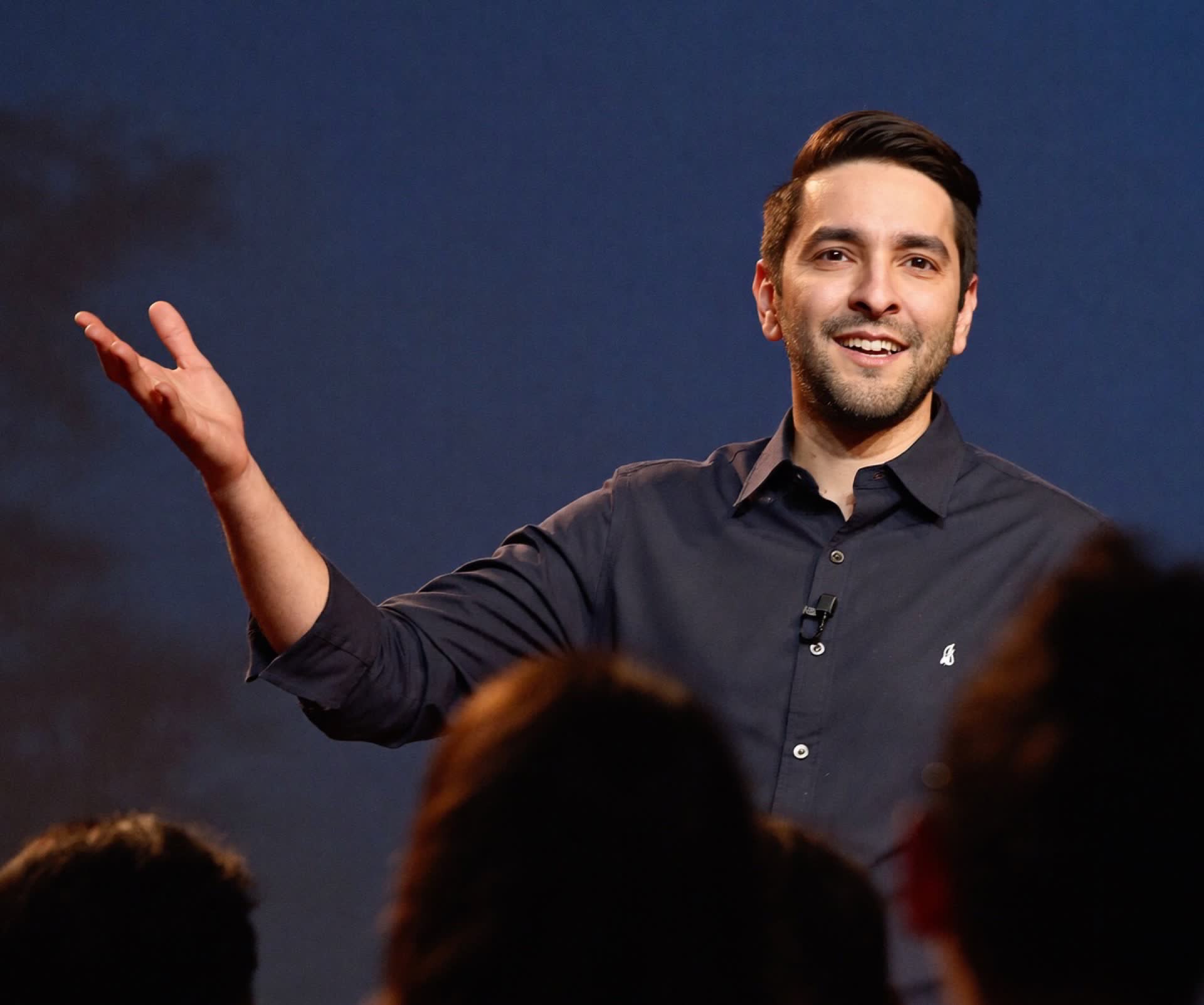
At 18, Umair Tahir is already one of Pakistan's most in-demand music producers. In this conversation, he traces how he taught himself production through YouTube tutorials, why hip hop emerged from Karachi's streets, and what's still missing from Pakistan's music industry.

with Umair Tahir

8 min read

From a downloaded DAW to Young Stunners

The episode opens with Muzamil introducing Umair Tahir as someone he had been trying to get on the show for four or five months — a guest who, at just 18, had already produced for Young Stunners, Hasan Raheem, and Anurag Khalid. The first thing Muzamil wants to understand is simple: how does it feel to be this mainstream this young?

Umair’s answer is disarmingly honest. “Fate hai yeh,” he says — it’s fate. He had no idea this is where he would end up.

The origin story is unglamorous in the best way. Around 2012 or 2013, when Umair was roughly eight or nine years old, he came across a local Karachi artist called Vias. Something about that music made him want to make music himself. He downloaded a studio software — with some difficulty — and started experimenting. For years he made electronic and house music. Then, around 2018 or 2019, he switched to hip hop.

When Muzamil asks how he actually learned the craft — courses, documentaries, a mentor — Umair is straightforward: “Maine as such koi course nahi kiya. YouTube par tutorials dekhta tha bahut aur bas experiment kar karke sara scene.” No formal training. Just YouTube and repetition.

What a music producer actually does

Because Pakistan’s music industry has only recently begun to understand the producer’s role, Muzamil asks Umair to explain it plainly. Umair obliges. A singer’s role is visible. A guitarist’s role is visible. A producer’s role has historically been invisible — but that is changing. He points to Talal Qureshi appearing on Coke Studio as a standalone credit, not just a background figure, as a sign of that shift.

In practical terms, Umair describes the workflow: an artist writes lyrics to a tempo, Umair builds the beat, the artist records over it and sends it back. The beat is the foundation everything else is built on.

Young Stunners, he clarifies, is not a duo — it is a trio. There are two rappers and a main producer, Mehr, who has been with them from the beginning. Umair collaborates with them but is not their primary producer. He describes Mehr and the Young Stunners as a significant part of his own musical education: “Mera aadha music unse seekha hai. Meri inspiration hi hui hai.”

The commercial peak and the label gap

Muzamil pushes on where the rap industry is headed. Umair’s read is precise: it has peaked commercially. Hip hop is now on Pepsi, on Coke, on every major brand. But the infrastructure that would take it further — record labels — is still missing.

“Mere hisaab se peak hua hai commercially bahut peak hua hai. Magar yeh hai ke ab bas thode labels wagera hi kami hain.” Outside Pakistan, labels sign artists and give them a sustainable income. Here, that system does not exist. Investors put money elsewhere. Brands fill the gap, but brands come with constraints — they can demand edits, they can sensor content, and they carry their own equity that limits what an artist can say.

Muzamil raises the producer’s position specifically. A front-facing artist can at least get concert bookings. What does a producer get? Umair acknowledges the situation is complicated — there are lump-sum arrangements, and sometimes producers perform as well — but the royalty and revenue infrastructure that exists in mature markets simply is not there yet.

Why hip hop came from Karachi and Rawalpindi

Muzamil asks about the geography of Pakistan’s rap scene. Umair’s answer is rooted in the nature of the genre itself. Proper rap, he says, comes most strongly from Karachi, and from Rawalpindi and Islamabad — with Pindi producing more than Islamabad proper.

The reason is straightforward: “Hip hop jo matlab bilkul raw cheez hai streets and culture sara. To matlab jo Karachi mein banda ek hood mein reh raha hai, uske paas story hai kuch rap karne ki.” Karachi has a large educated population living in a tough environment, doing odd jobs, navigating a city that does not always reward education with comfort. That tension produces stories. Those stories produce rap.

Pindi has a similar street-level vibe compared to Islamabad, which is why more comes from there. Muzamil notes that Punjab has more than half of Pakistan’s population but has not produced mainstream Punjabi hip hop at scale. Umair points to Shamoon Ismail as an exception — someone who raps properly, in Punjabi, and who Umair places in his personal top five or six. He recommends the album Scars and Screws, specifically the title track and a collaboration with Talanjum, as examples of hardcore rap that most listeners may have missed.

COVID, Instagram, and the discovery wave

Muzamil asks how COVID changed things. Umair’s view is that it accelerated an emergence. Before COVID, the music industry had a status quo — the same people cycling through the same spaces. Post-COVID, new artists appeared almost daily.

The mechanism was simple: schools, colleges, and universities shut down. People had time. They explored their creative selves, posted videos, and some of those videos found audiences. Umair names Shae Gill — the artist behind Pasoori — as an Instagram find. Anurag Khalid is another. “Is tarah ke bahut saare artists jo hain woh suddenly discover hue hain aur woh kar gaye hain.”

The downside was that live shows disappeared entirely during the core COVID period. Music was being made but had nowhere to be performed. Umair notes this as the one real cost — the inspiration that comes from moving around, from being in rooms with people, was briefly cut off.

Social commentary, the underground, and what brands won’t allow

Later in the discussion, Muzamil raises something he says he has been waiting for: hip hop as social commentary. Globally, the genre emerged partly as a vehicle for suppressed voices. In Pakistan, he is not hearing that. He points to Faris Shafi’s “Awaam” as a rare example — a genuinely bold piece of work that named untouchable institutions and religious clergy at a time when that was a significant risk.

Umair’s response draws a clear line between underground and commercial. “Underground ke andar aap jitna aap commercial ko gaana kar rahe ho to usme aap har cheez baat nahi kar sakte matlab ke brand kahega, sensor kar do.” The social commentary exists — Young Stunners and others have done it — but it lives in the underground, and the underground, almost by definition, stays underground.

Muzamil presses further: is it that artists are not yet big enough brands to take that risk? Umair does not fully disagree. The commercial machinery — brands, Coke Studio, Pepsi — brings reach but also brings limits. A label like Sony Music, he notes, would tell an artist to make their art and let the label worry about monetising it. That freedom does not exist in Pakistan’s current setup.

On Coke Studio specifically, Umair’s assessment is that the recent season was genuinely disruptive — different from what the platform usually does, and better for it. But as a vehicle for building new artists from scratch, he is sceptical. “Mere saath yeh Coke Studio par zyaadatar wahi ja rahe hain matlab jab paise built hue hain.” It amplifies artists who are already built. It does not manufacture them.

Generation gap and what still frustrates an 18-year-old

Muzamil asks Umair directly how he feels as an 18-year-old in Pakistan today — not as a music producer, but as a person. The question is framed carefully: Muzamil acknowledges that some of the frustrations his own generation had at 18 — the inability to express themselves, the lack of space, the suffocating silence — have been partially resolved for Umair’s generation.

Umair agrees, but only partially. “Yaar abhi ke hisaab se to sahi hai. Kyunki pehle bahut matlab rukawat hoti jis tarah aap abhi baat kar rahe the… to yeh farq aaya ke matlab aapko apni liye khada hona aa gaya matlab is generation ko.” The ability to stand up for what you want is new. But the underlying frustrations — the gap between what is visible and what is rewarded, the limited pathways for people without connections — have not disappeared.

When Muzamil asks what specifically frustrates him, Umair circles back to visibility. He has seen many singers get opportunities. He has not seen producers get the same recognition. The infrastructure that would make that possible — labels, royalties, a performance economy with real ticket sizes — is still missing.

International audiences and thirty years from now

By the end of the conversation, Muzamil asks Umair to look ahead — thirty years, to when he will be around 48. How does he see Pakistan?

“Behtar hi hoga. Umeed to yahi hai.” Better. He believes it. And in music specifically, he points to something already happening: Pakistani artists are drawing international audiences not just from the diaspora but from India, Bangladesh, and beyond. He mentions that Talanjum shared Spotify statistics showing more listeners from India than from Pakistan. “Wahan inke sacha fans hain India se, Pakistan se.”

International collaborations, Umair says, are already in process — he declines to name them, but confirms they exist. Not with the biggest global names yet, but the process has started. “It’s a start. International charge hoga scene.”

Muzamil wraps up by noting that Umair started at thirteen and is already here at eighteen. The arithmetic of what comes next is, on its own, a reason to pay attention.

Full transcript
Muzamil

धन्यवाद, दिनोस्त रात. Welcome back to another episode of Third Man Things. आज मैं साथ मौजूद हूं एक बहुत ही ख़ास है मैं ma'am. Someone who I invited maybe four or five months ago. जी. इस बेचने क़राची तो वह सलाह बाद आना. बड़ा occasional होता है, rare होता He comes after concerts and stuff तो it's very quicker as well. But he's a he's a musical prodigy. I know if you'd like to call himself that as well. But he's just 18 years old. He's been doing music since 13. He's worked with some of the biggest brand names in Pakistan particularly आपने यह सुना होगा. Young stunners के जो गाने हैं असली है, Why Not Miri Jaan, Arzu from Huzzan Raheem, another rising superstar and then अनुराग ख़ालिद का Lost and a couple of other songs as well. उमैर ताहिर, उमैर music के नाम से जाने जाते हैं sir. Thank you so much for being part of the show. Thank you for having me. उमैर पहले तो मैं conversation start करूंगा. Just trying to understand कि I mean, you just stay 18. जी. How does it feel to really be so mainstream at this age?

Guest

Fate है यह. मुझे मतलब पहले नहीं पता कि message में यह होऊंगा. अच्छा. तो

Muzamil

Right right right right. जी. अच्छा चलो start करते हैं ज़रा पहले से. और education वगैरह कहां से लिया आपने? Juking कराची में सारी. अच्छा. हम कौन से schools किस मतलब? Hotel Fox School था. ठीक है. और college में गया था Delhi College. ठीक है. उसके बाद are you pursuing university? नहीं, फ़िलहाल तो मैं break में हूं. अच्छा. क्या plan है? अगर करोगे तो music में करोगे या

Guest

could be anything? अभी वैसे कोई मेरा कोई ख़ास plan नहीं है. मगर अगर हुआ तो शायद मैं film making करूं. अच्छा, interesting.

Muzamil

Music at what point did you start music or rather, किस point के ऊपर आपको हुआ कि यार इस चीज़ के साथ खेलते हैं? ज़ाहिर है कि Pakistan में generally कोई चीज़ properly तो होती नहीं है तो आप you stumble upon something. So what was the story like? Like, आपने discover क्या किया था? Did you listen to songs? जैसे आपने सोचा कि let's start playing around with it. क्या हुआ? What what happened?

Guest

मैंने तो music सुनना शुरू किया था पहले मतलब दो हज़ार बारह तेरह की बाद. तो मैंने इनको मैंने Vias को देखकर music करना शुरू किया था. तो इनका कुछ गाना था rice पर कोई बहुत burger ही कराची. Right. तो वह सुना मैंने.

Muzamil

तो फिर दो हज़ार बारह तो that was when you were eight nine years old. Mhmm, शायद. Right.

Guest

तो मैंने वह software type बस studio download कर लिया मयूर से बड़ी मुश्किलों से. तो किया वह उस पर बस फिर. लगा रहा लगा रहा लगा रहा. नहीं तो how how old were you जब आप जब से आप computer use कर रहे हैं? मैं बहुत ज़्यादा ही छोटा था शायद. Start में किसके समय काम कर रहे थे उसके ऊपर? Start में मैं यह electronic करता था बिल्कुल ना मतलब बहुत old school house वग़ैरह बनाता था. Right. तो फिर बनाता था, फिर बनता था. तो उसके बाद दो हज़ार कब की बात है? दो हज़ार अठारह उन्नीस की बात है. मैंने hip hop पर switch कर दिया था. अच्छा. How do you differentiate between house and hip hop? House मतलब house आता है electronic का genre है. Hip hop बिल्कुल ही मतलब कि अलग rap वग़ैरह में आ जाता है. ठीक है. Musically how is it different? Beats वगैरह में या you know beats per minute type या speak house के अंदर यह होता है मतलब normal जब आप hip hop beat में आते हैं उसमें यह होता कि मतलब artist के लिए जगह होती है. ठीक है. तो house वगैरह

Muzamil

and then when you switch to hip hop, क्या अब आ जाती है? What was the thought process? अच्छा. हर चीज़ में inspiration, junctioners. Interesting. At what point did you get in touch with them? Did you know them पहले से?

Guest

मैं सुनो आगे तरंचों का वर्ष भी आ गया. दूने कहा होगा यह भी क्या होगा?

Muzamil

नहीं so, generally what's so, थोड़ा सा मैं expand करूंगा conversation को. What would you call yourself? You're a music producer? जी, music producer. Music producer का role क्या होता है?

Guest

Music producer का role समझानी में है. मतलब so for an average layman,

Muzamil

singer का role हमारे सामने है, guitarist का हमारे सामने है. Pakistan में music producer को अभी recently finally समझ आना शुरू है कि athlete music producer का role है. तलाल को रैश यह अब separately आता है अगर cook studio पर आ रहा है तो यह नहीं है कि जी पीछे no it's right there. अगर मैं really पूछूं कि जो जो जो role है एक गाने की production के अंदर

Guest

तो वह इस tempo पर लिख लेते हैं वहां से हम beat बनाते तो उस पर वह record करके भेज देते हैं. ठीक है और beat my understanding is beat is is the most basic

Muzamil

ज़ाहिर्य के एक basic raw चीज़ है. उसके ऊपर ज़ाहिर्य गाने वग़ैरह बनते हैं. इस इसके इनके अलावा you work with other artists as well? असर रहीम and जी. How did that happen?

Guest

Son को मैं काफ़ी पहले से जानता जब उसका ऐसे क्या सहया था. Right. यह बहुत आसीन.

Muzamil

Young के जो हैं वह,

Guest

do they have multiple producers? Young shunners का जो main producer है वह वो मेहर भाई जो के. उनका नाम जो मेहर है. Right right right right right. तो वह मतलब यह trio है junctioners duo नहीं है. अच्छा. तो वह एक producer है, दो rappers हैं. तो यह उनके main है मगर हम भी सारी बातें साथ काम है. हां क्योंकि मैंने देखिए काफ़ी सारे गाने आपके इस तरह आते हैं कि उमर ex जोखे sort of. वह कितने से से कर रहे हैं music में? उमर भाई तो जी हां, वह तो दो हज़ार आठ नौ से music कर रहे हैं. मतलब उन्होंने सारे शुरू से burger क्राची लेकर मतलब, YS मतलब तीनों की शुरू से लेकर आए अभी तक हैं. अच्छा. And have

Muzamil

you learned, you know मतलब मैं आधा music उनसे सीखा है. अच्छा. मतलब मेरी inspiration ही हुई है. जब आपने अपनी music बनाना शुरू की थी. ज़ाहिर एक तो चीज़ होती है ना कि यार मैंने software खोला मैंने बस beats के साथ खेलना शुरू कर दिया but ज़ाहिर है कि उसमें young stunner is one of the the artist but I mean तो वह science कहां से सीखी आपने? Did you did like watch documentaries, take a course, या it was more of a trial and error? मैंने as such कोई course नहीं किया. YouTube पर tutorials देखता था बहुत और बस experiment कर करके सारा scene. How do you see the rap industry in Pakistan at this point in time? Because Rap industry

Guest

जो दो साल पहले थी वह अब जो है ना वह बहुत ज़मीन असमान का फ़र्क है. अब मतलब बहुत rap fit हो गया martial scenes का. तो अच्छा scene है अब मतलब कि हर brands भी कर रहे हैं, commercial भी हो गया rap और underground भी है. पहले सब नहीं था दो तीन साल पहले. और आपको क्या लगता है यह किधर जाएगा? From

Muzamil

here on because अब वह peak तो पैर गया. Peep तो कर गया. Pepsi पर चला गया, Coke पर चला गया. Pakistan में generally क्योंकि हर brand या hip hop bar है. And Pakistan is very driven by music is driven by brands, right? It's not like कीजिए आपने एक label क्या sign up किया हुआ है? आप जी आप concerts वगैरह चल रहे हैं but not on that level. तो where do you see this going? क्या peak

Guest

कर गया है? क्या आगे कुछ और नई चीज़ आएगी या do you think किसी से evolution निकलेगी? What do think? मेरे हिसाब से peak हुआ है commercially बहुत peak हुआ है. मगर यह है कि अब बस थोड़े labels वग़ैरह ही कमी हैं. जिस तरह बाहर कोई artist को sign कर लेते हैं labels तो मतलब artist कमा पाता है. यह बड़ा एक होता है. तो यह है कि बस अभी है अभी time थोड़ा है मगर अभी भी मतलब rap का scene बिल्कुल माश्ला fit है. Right. जी.

Muzamil

मैं एक बार periodic producers की बात करूं. Mhmm. क्योंकि ज़ाहिर है कि जो जो core artist है जो कि basically front के ऊपर है, उसको तो फिर भी यह ना कि एक concerts मिल गया. Was looking at आसिम अज़र. Mhmm. He signed up with but जो पीछे producer है, right? Producers को किसी किस्म कोई royalty, किसी किस्म कोई वह चीज़ होती है? या is it a लाम साम एक दवा को गाना किया जी गाना आया, गाने के ऊपर आपने कहा जी ठीक situations भी हो जाती हैं. They're also performing as well in in a way. I was looking at यह आपका I believe असली है था या कौन सा था? जिसका आपने एक अपना, sort of remix भी निकाला हुआ था. I was looking at on your Instagram as well. YS या are you going with, Hassan on other foods? नहीं, अभी सिर्फ़ YS. सिर्फ़ YS. Do you think you're going to branch yourself out from hip hop as well? Because you did ARZU and you did, अनुराल very different sort of genre and very और वह जा रहे उसकी अपनी पूरी science है. Mhmm. तो was that random कि यार ठीक है, why not let's collaborate with हसन? या did you think कि यार ठीक है, मैं hip up में तो I've Mhmm. Clearly, I mean, I've worked with bias. Mhmm mhmm. आगे जो भी आएगा, it's it's an easy sell. Mhmm. Right? Because most advanced level पर आपने perform कर लिया But then other sorts of genres, are you doing that by design या अभी random है?

Guest

मुझे शौक होता है हर्जी इस try करने का. जिस तरह वैसे अब आप देंगे ना अर्जू की जो beard थी, वह भी थोड़ी hip hop हिस्सी थी. मगर जो अनुराल वाला जो कहां था lost हो गया और यह fast लोग है यह hip hop नहीं थे. Mhmm. यह मतलब electronic side पर थे और जो lost था वह indie type का था vibe. तो यह मैं try करता रहता हूं नई नई चीज़ें मगर hip hop मेरा जो है main focus है. अच्छा focus अभी भी hip hop है.

Muzamil

So, I was speaking to अरसान हसन. He also did Koch studio recently. And, you know, he had a had a fairly sad story because he was like, कि मैंने UC Berkeley apply किया, their school of music. I believe it was UC Berkeley. And he got in and his parents didn't let him go. And ज़ाहिर है कि a lot of people say कि यह तो है कि, you know, आपने जो एक learn करके सीखा वह सारे सारे. But अगर for example, let's say, there's a there's a very famous school in New York. Bollard Bollard. And there's UC Berkeley School of Music as well. ज़ाहिर है वहां पर जाकर आप music को एक बहुत difference तरीके से सीखते हो, right? आप उसकी from orchestras to really fundamental history of music और वह आप अगर for example, you know, if you really want to become Hans Zimmer level legend, do you think you would ever want to expand on that side as well? Really begin to figure out कि यार इसकी scientific क्योंकि science तो है ना music के लिए right देना तुझे. Do you think you'd want to expand on that? चाहे वह through a four year, five year degree program हो या छोटे courses हों, trainings हों उस तरह की? मुझे होता तो है शौक

Guest

मगर यह है कि sadly Pakistan में नहीं है इसका कोई music का मतलब इस तरह की आप कोई schools वगैरह हों. फिर मैं सोचता हूं कि अभी जो चल रहा है वही fit है फिर आप बाहर जाए बंदा फिर वह अलग से study कर रहे मगर आना चाहिए मतलब बंदे को proper science आनी चाहिए music की. मगर वह भी experiment कर करके आपको ख़ुद भी आप सीख सकते हो. सीख सकते हो. Mhmm. Do you think अगर थोड़ा सा if if अभी तो धारे की और it's a very interesting space to be at in the industry. अगर थोड़ा slow down होता है तो you wouldn't you would consider going abroad and studying it. हो सकता है. हो सकता है. आपने university अभी नहीं की? नहीं. आप जाहिर हैं full time यह कर रहे हैं. जी. आपके parents की क्या thought थी इसके बारे में? Parents की शुरू में थोड़ा करते थे मतलब music के उसमें मना नहीं किया मुझे.

Muzamil

ज़बरदस्त. Beyond Vias. जी. क्योंकि मैं rap देखता हूँ तो rap में मुझे नज़र आता है Vias and मुझे नज़र आता है फ़ायदशफी. हर्षिम नवाज़. हर्षिम नवाज़. Beyond I mean how if I were to ask you to rate इन तीन को निकाल दें. Mhmm mhmm. Actually हाशिम को ना निकालें. हाशिम अभी उस तरह से mainstream नहीं हुआ है. So you can keep हाशिम है. फारस और YS को निकाल दें. तो top five में आप और किन artist को देख रहे होंगे कि यार यह these guys are doing interesting work?

Guest

Top five में rap d मैंने एक from Islamabad. हाशिमनावाज़ है और मेरे तीन चार एक boys हैं आपको शायद पता हो. Savage, जानी वग़ैरह. यह लोग शार्य हो गया, उमर हो गया. तला तला भाई का छोटा भाई उमा रंजुम. उमा रंजुम, right? वही बहुत fit कर रहा है. अच्छा. तो मतलब इन लोग का कभी scene है.

Muzamil

आपने तीन बड़े अच्छे नाम लिए हाशिम नवाज़ very different feel है. जब मैं उसको सुनता हूं तो बिल्कुल एक different style आता है. फारिश का एक बहुत different style है. Young stunners का बिल्कुल different style है. But mostly because young stunners were able to really mainstream it. Mhmm mhmm. A lot of the younger artists वह लग रहा है कि you know एक young standard with a different voice. Do you think कि within the rap genre we're going to I mean मुझे याद है. Have you heard This is America? जी, childish and we know. Absolutely absolutely right. Science ही फ़र्क़ है. उनको लगता पता नहीं कुछ और ही है कि it's a performance. It's it's it's a rap but it's also very different performance. तरह से उस तरह से rap अभी हमारा I feel like you know expand नहीं हुआ. आपको कोई recently कोई interesting चीज़ें नज़र आई जिसमें आपको नए artist आए हैं जिन्होंने बड़ी उस उस उस space को further करने की कोशिश की है?

Guest

यह है कि असलियत के बाद से मैंने देखा कि मतलब बहुत artist और मतलब पहले से लोग कर रहे हैं और उसको मतलब hip hop में मतलब वह शायरी लिखता है और उसमें वह sing करके खाता है बिल्कुल क्या है? वह क्या है? What's B o l? B o l j g वह j a n I. B o l जानी music.

Muzamil

तो यह century क्या कर रहा आपने क्या बोला कि यह पहले क्या कर रहा यह hip hop और singing मतलब fuse कर रहा है और मतलब नई चीज़ें और singing भी ख़ुद कर रहा है, hip hop भी ख़ुद कर रहा है. सब कर रहा है. Interesting. Do you think anybody can be a hip hop artist? अभी किसान for example is the most recent example is basically how पीछे heart ने हसन रहीम को रात कराया. उसके ऊपर भी mix reviews थे. People were like कि a lot of people who actively follow हसन were like कि यार I don't know, it would have been better maybe अगर वह अपना core करता क्योंकि उसका core बड़ा strong है. Probably पीछे हट से मेरे से दो सवाल आते होंगे. पहला सवाल यह है कि do you think anyone can rap essentially as long as you train them enough? यार,

Guest

कर सकते हैं. मेरे हिसाब से लोग कर सकते हैं अगर मतलब उनको train किया जाए और

Muzamil

But train किया जा सकता है you think. दूसरा सवाल मेरा पीछे हट से ही होगा कि one of the things that happened was कि हसन की आवाज़ essentially Mhmm. Like it was all over the place, right? In terms of and not in a bad way, not in a bad way. It sort of did an injustice to to हसन's genius. Because I feel like अगर किसी ने for example उसको नहीं पता कि हसन ने गाया तो it was just another voice. In in in my understanding. What are your thoughts on that?

Guest

यह मेरे साथ उसने rap किया है. सही कहेंगे उसका भी नई चीज़ मतलब वह चार है कि try नहीं, rap तो I get it. The voice like वह बहुत, it's

Muzamil

really played around with. Right? Because वह बहुत मोटी हो गई है, भारी हो गई है. वह एक एक एक, that's not हसन's voice. It's like हसन's voice but really treated. As a producer what would your thoughts be on that?

Guest

मेरे साथ तो experiment ही कर रहा है. अपनी मतलब कि वह चार है कि शायद नया sound बनाऊं या मैं ऐसी वह लेकर चलूं. तो वह मतलब नई नई चीज़ try कर रहा जो fit है artist वह हर चीज़ मतलब try कर रही पता नहीं चलता है. यह experiment करते करते आपकी एक new sound बनती है. Right. जो आपको अलग चीज़ बनाती है सबसे. So you you think कि

Muzamil

I mean that's essentially so as long as one is experimenting. हो सकता है कि जो नई चीज़ उसने experiment की है वही उसकी

Guest

Pakistan में. मगर यह है कि hip hop आगे ऊपर आ गया और electronically वहीं रह गया. Why do you think hip hop ऊपर आया? Do you think it had anything to do with the Bollywood experience

Muzamil

of गलीबॉय? That mainstream date. Do you think rap is a boys' club?

Guest

नहीं. Pakistan में है मगर बाहर तो मतलब female artist बहुत हैं और बहुत fit artist हैं.

Muzamil

Pakistan में यह है कि थोड़ी कम है और मतलब Pakistan में mainstream तो बिल्कुल ही नहीं है. Probably युवा B के अलावा कोई भी नहीं है. Underground है, sorry. Underground है. दोनों What would the ratio be? अगर मैं for example YouTube के analytics में जाऊं तो would it be like fifty fifty? Would it be like eighty twenty? Seventy thirty शायद. Seventy thirty तक हो गया? Mhmm. अच्छा pretty sure. शायद ज़्यादा भी हो गया वह. हां और concerts में? I am using this word very liberally and so please let me explain. But there is a level of toxicity in the rap industry. Right? And अभी बहुत सारे लोग ने हमसे कहे oh my god attack field क्या है? मेरा यह मकसद बिल्कुल भी नहीं है. मकसद basically यह है कि बाकी industries they play nice. Right? They go out and they're like ठीक है काम चल रही है वह हम focus कर रहे हैं. Rap के अंदर जब भी जब भी घुसते हैं तो there is a certain level of aggression. अच्छा वह aggression artist में भी है and I've spoken to other folks as well who've been on the podcast and they've said कि you know it's something that's inherently part of the culture and so dispatching. Part of the culture है. वह है सारा सारा. तो artist भी उस तरह का है कि they are always like you know pissing on each other चाहे वह Insta stories में जा रहे हों चाहे वह Twitter पर जा रहे हों चाहे उस तरह से जा रहे हों but also within the fan base there is a huge like there is a vibe to hip hop right? Something like aggression. Cult following मतलब. Cult following है और uh-uh cult चलो I do get it. Cult में आपकी पूरी दुनिया में होती है Probably हां cult travis Scott है उसकी cult following जिस तरह की है तो वह भी आपकी Pakistan ने भी उस तरह की cult following होती है but it's just कि एक average fan की आप profiling करेंगे जो कि let's say हसन रहीम या आते फसलम का होगा या आते मज़र का होगा

Guest

मेरे हिसाब से कि जो इस तरह मतलब hip hop है मतलब बहुत raw है. कुछ भी मतलब आप बात कर दो उसमें जाकर ज़िंदगी में हुआ होता है. तब जो इसके listeners होते ना वही मैंने देखा कि मतलब

Muzamil

what I've also seen is people when they begin to listen to hip hop, it's not just music. Their dressing changes, their styles change, the way that they speak begin to change, the way that they see things begin to change. Why do you think there's such a huge profound impact हां. Do you think उस culture के अंदर there's a lot of home grown elements? या do you think we've we've borrowed a lot of them from here and there because हमारी industry बहुत late आई है तो हमने देखा क्या चाहिए? नहीं नहीं, hip hop तो सारा व्यस्ता है. Right. What are your thoughts on that कि क्या I mean मैं I was reading a thread on Twitter the other day and उसके लिए वह यह बात कर रहा था लड़का. He he recently came across someone जो कि overdoes on ice or something like that and उसके पास ने पूरा वह thread बनाया था कि you know हमारे यहां जो है वह hip hop culture जो है वह जाकर तेरह तेरह साल के बच्चों को drugs के अंदर वह कर रहा है, glamorize कर रहा है उन चीज़ों को and and average kid might not actually look around for that stuff but through these music videos and through these sort of idols जिनको वह देख रहा है जिनकी वह feels ही है कि वह cigarette पी रही है सारे सारे which I mean it's a very interesting debate because technically there is a freedom for these individuals to be able to do what they do. And I find it very interesting because I was probably I was was your age twelve years ago, right? And at the time हम जब for for teenage या early twenties में होते थे तो हमारा एक बड़ा bubbled up culture होता था और हमें बड़ा frustrate, suffocating सा होता था कि हमने जो चीज़ हम करना चाहते हैं वह चुपचुपाकर कर रहे होते थे और बड़े वह और आप यह कि ज़रूरत थोड़ा सा you know like we've been able to be more expressive and got in that space and I think that's a good thing. But उस alternate यह है कि a lot of us really grew up not exposed to a lot of these things and उसमें से बहुत सारे लोगों ने किया. It's not like कि मेरे दिन drugs नहीं होती थी. या alcohol नहीं होती थी या बहुत सारी और चीज़ें हैं. गालियां तो सुबह शाम हर बंदा वैसी दे रहा होता है. Right. लेकिन जो जो जो argument है वही है कि for an average 11 year old शायद वह अठारह सत्रह अठारह साल के उम्र में college जाकर जो expose होता है और अपना mind बनाता है then adult के मुझे यह करना या नहीं करना. But now he is 13 he is looking at these individuals who he considers his idols and he is seeing them do certain things and he rewires his mind to think कि यार देखो ज़रा वो मेरा एक artist जो कि इतना successful है अगर वो रहा वो successful है तो मैं भी successful हो जाऊंगा and that may or may not be true, right? Like that is guy, that is a guy who is lucky who has this you know great art form to back him up as a brand now and so if he is be a part of a culture, maybe आप जो हैं वह एक listener हैं. आपकी ज़िंदगी में आपने जो है जाकर you know BBA करना है या करियाने की दुकानें बैठे हैं और आप अगर सोचा हम चर्चे कर रहे तो आपके साथ काम नहीं चल सकेगा. What do you think about that? Impact on you in ways in any which way? ऐसा सच नहीं कुछ. नहीं, बस music for you it was just exclusively. Just music. ठीक है. अगर मैं इस तरह देखूं कि generally जो hip hop, so अगर मैं आपसे यह पूछूं कि hip hop की distribution, you know, you probably heard, you hear hip hop a lot. You've seen a lot of artists. How would you distribute it? ज़्यादातर किन शहरों से आ रहा है काम? Artist किस शहरों से emerge कर रहे हैं?

Guest

सारे शहरों से हम अगर जो ज़्यादा hip hop है मतलब जब proper rap rap हो रहा है, वह कराची से निकलते हैं. कुछ लौर से भी हैं, इस्लामाबाद से भी हैं, पिंडी से ज़्यादा हैं. इस्लामाबाद से ज़्यादा पिंडियां बहुत हैं. Why do you think कराची से जाते हैं? And

Muzamil

why do you think कि अगर इस्लामाबाद पिंडी है तो पिंडी से जाते हैं?

Guest

वही जो मैंने पहले बात है hip hop जो मतलब बिल्कुल raw चीज़ है streets and English ऐसा culture सारा. तो मतलब जो कराची में बंदा एक रह रह एक मतलब एक hood में रह रह है. उसके पास story है कुछ rap करने की. तब ऐसी बहुत सारे लोग रहते हैं तो बहुत लोग मतलब लोगों को stories हैं हमारे पास यह करने की वह rap है यह. तो इसी वजह से पिंडी मतलब कि इस्लाम वादा पिंडी मतलब compare करेंगे जुहरी वादा पिंडी थोड़ा उस तरह vibe का है. तो इस वजह से पिंडी से ज़्यादा निकल रहा

Muzamil

पंजाबी rap कभी उस तरह से mainstream नहीं हो सका. हालांकि पंजाबी rap बहुत पहले आया था bohemian came in and, you know, there's a huge population there as well. So, कराची I understand कराची has a huge middle class educated population and so it makes sense that और वहां पर यह है कि वह uh-uh social mobility through education north में ज़्यादा है. कराची में यह है कि you find a lot of educated people but it's a tough environment and you'd find people जो कि would be doing odd jobs and this and that. चाहे वह educated होंगे and so यही से stories बन्दी rap निकलते हैं. हां, कि मतलब वह फिर educated class है जो कि आपकी essentially ऐसी jobs का blue collar jobs कर रही है और वह फिर जाहिरा के through wrap हो कर लेती है but then while I agree that is true and it's a huge population as well तो consumption भी बहुत quick होती है. You know, you rap about about your lifestyle in Karachi and suddenly now a lot of other people can resonate with that. Then if you look at the population of Pakistan, it's like half, more than half of it is from Punjab. But somehow we haven't been able to, extract a lot of, पंजाबी hip hop artists. Why do you think that is? Or or rather mainstream then?

Guest

ये मेरे हिसाब से पंजाबी hip hop artist कम है. शमून, Smile, वह बहुत fit. पंजाबे हुए. Rap करता है. नहीं rap आज शमून ने शमूने कह smile है ना? शमून smile, rap बहुत fit rap. अच्छा. मतलब कि मेरे top five, top six में आता है. शमून में rap में भी. कौन सी उसके कोई आए हैं उसके गाने because शमुस्मारी का भी album है रोहालियों के साथ पूरी. क्या नाम था album का? Scars and Screws. हां हां हां. तो उसमें मतलब proper तीन चार गाने rap हैं. Rap rap मतलब उसमें कोई singing नहीं है. Interesting,

Muzamil

interesting. और पंजाबी रह पर सारा. So, for example cold water है. Is that, would you consider that rap? Cold world नहीं, वह थोड़ा

Guest

मेरे हिसाब से RNBC vibe है, singing rap. वह शमून भाई थोड़ा mix करते हैं सारा. मगर जो एक जो एक गाने तीन चार गाने कौन से गाना इसको आप कहोगे hardcore rap because I'd like to listen to that. Hardcore rap, एक इनका गाना है Scars and Screws title track जो है. ठीक है. इनका एक O5-one, O2-one गाना है तलनजुम के साथ. हां. वह भी album में और हो गया और इसी तरह एक रोक ले गाना है, चल गाना है. यह इस तरह से सारे मतलब rap rap हैं बिल्कुल. Right. How do you think COVID has impacted the industry? बहुत ज़्यादा दायर है कि,

Muzamil

एकदम से emergence आई है. उससे पहले तो वही था बस एक class कोई जो लोग थे, status quo था essentially music industry का. वही आते थे यार साथ books studio में गाने बजाते थे, आगे निकल जाते थे. But post COVID it's just like every day there is a new artist. जो अच्छी चीज़ है. जो कि बहुत ज़बरदस्त चीज़ है. You know, Instagram से discoveries हो रही है. I mean, I was looking at what what what's her name? पसूरी वाली जो खातून है. शेघल गिर गिर ने नाम है जो है. हां, शेघल शेघल is a is as per my understanding. I don't know enough but my understanding is she is an Instagram find. अनुराल is an Instagram find. इस तरह के बहुत सारे artists जो हैं वह suddenly discover हुए हैं और वह कर गए हैं. तो why do you think that happened post COVID?

Guest

यह मतलब COVID के अंदर लोगों के पास ज़्यादा ही बात है कुछ करने को धानी, unis वगैरह सब बंद हैं, school colleges वगैरह सब बंद हैं. तो अब लोगों को time भी गुज़ारना था. हां. तो उन्होंने अब यही किया कि अब उन्होंने अपनी artist self explore करना शुरू की अब जिस तरह मतलब बहुत लोग singing करना शुरू हो गए और मतलब random वह singing guitar बजा रहे हैं, sing करके वह लोग videos डाल रहे हैं. अब फ़ायदा ही हुआ था तो अगर artist वगैरह को तो यह है. मगर यह है कि COVID की वजह से

Muzamil

यह थोड़ा मसला हुआ था कि shows वगैरह ख़त्म हो गए थे. हां. बस इतना music वन रहा था मगर music कहीं play नहीं हो रहा था. हां. A lot of artist said कि जो core-core COVID का time था and I'd like your thoughts on that कि आपके साथ यह हुआ था या नहीं हुआ था. Music वन भी रहा था लेकिन music की inspiration ख़त्म हुई भी थी because आपने कमरे में बात करी You have to really move around, So you're 18 years old and जाहिर है क्या आप जो है वह, you're essentially you're working as a professional. It's not कि जो है past time चीज़ चल रही है, चलो ठीक है. How do you see your generation? You're essentially Gen C, Mhmm. Right? And you guys are very different. Mhmm. You guys are much more expressive. You guys are much more real. Mhmm. आपको यह नहीं होता you you you refuse to adhere to कि यार, common norms क्या हैं? Mhmm. You're you're beginning to reject things that you don't understand and and and you're beginning to question things. Mhmm. How do you पहला तो सवाल probably यह होगा कि how do you see your generation? आपको क्या लग रहा है difference आया आपके इर्दित की age group के अंदर जो कि बड़ों में नहीं था?

Guest

Difference बहुत है मतलब कि फर्ज़ करें कोई मुझसे कोई दस साल बंदा बड़ा है. तो वह शायद मेरी उम्र में वह ना करता हो जो मैं अभी इस उम्र में कर रहा हूं. तो यह चीज़ फ़र्क़ आए मतलब जैसी generation बढ़ती जा रही है तो बहुत अच्छा scene हो रहा है मतलब

Muzamil

सब. एक तो professionally हो रहा ना. आपको opportunities ज़्यादा मिल रही हैं. But beyond that personalities में आपको क्या difference नज़र आता है कि यार वह लोग बड़े उस तरह के थे. हम लोग बड़े different हैं. What how what what are your thoughts on that? तब तो तब से और अब में तो बहुत फ़र्क़ है. अच्छे फ़र्क़ भी हैं, बुरे फ़र्क़ भी हैं. What you name a few?

Guest

मतलब कि अब आजकल के जिस तरह मतलब मैं भी उनमें ही आता हूं. किस तरह मैं समझूं आप?

Muzamil

किस तरह समझूं आप? नहीं समझा रहा है चलेगा बढ़िया. बहुत लंबी discussion है sir. मैं flip करता हूं but मैं basically उस discussion में ही घुसना चाह रहा हूं because when when we were younger, मैं आपको बताता हूं context क्या है? Why why am I asking you this? लेकिन जब मैं 18 years old था, तो हमारे पास कोई बात करने वाला नहीं था और जो सब कि तीस साल के, इकत्तीस साल के लोग होते थे वह हमसे कभी पूछते नहीं थे कि bro क्या चल रहा है? You know and the problem is कि अगर generations हम कहते हैं ना अपने अपने अपने से अगली generation को empower करना चाहिए. और उसको हम बड़े प्यारे तरीके से कहते हैं कि अच्छा जी ठीक है हम आपको the older generation has empowered you कि they have provided you the opportunity to be able to work with them and so on and so forth. But really true empowerment is when you begin to understand where the other party is coming from, right? And so I'm really trying to understand those feelings. As an 18 year old in Pakistan today, how do you feel? Because that helps me understand what the next generation is thinking and where their minds are at. And so that's where जब वह समझ आती है तो फिर उसके हिसाब से बंदा अपने आप को भी evolve करते and I think कि हमेशा एक evolutionary process होता है जो हमारे बड़ों ने नहीं किया था उनको यह ताकि हम हैं और तुम evolve करते रहो हम तुमसे ऊपर जाते रहेंगे फिर हम मर जाएंगे and that's when you can then do the same to the younger one. Right? So, I don't agree with that. Think everybody evolves. The younger ones are evolving. We should be evolving as well. We, they should be learning certain things from us. We should be learning certain things from them. Mhmm. So how do you feel? Let's make the question like this. How do you feel as an 18 year old in Pakistan today?

Guest

यार अभी के हिसाब से तो सही है. क्योंकि पहले बहुत मतलब रुकाफ़्त होती जिस तरह आप अभी बात कर रहे थे कि कि मतलब आप करो तो मतलब बच्चा भी मतलब होगा तो वह stand लेता है कि नहीं मुझे करना है. Mhmm. तो यह फ़र्क़ आया कि मतलब आपको अपनी लिए खड़ा होना आ गया मतलब इस generation को कि क्या करना है उसे?

Muzamil

Right. Do you think within that ambit Pakistan में and I am not gonna get into details of it because वह controversial हो जाता है वह हो जाता है but दो चीज़ें ऐसी हैं जो कि that that generally is is difficult to have a conversation on in Pakistan. Its religion and its politics. Right? Because अगर मैं open ended conversation करूं तो वह immediately मैं अपना कोई opinion दूंगा, आप अपना कोई opinion देंगे. अगर हम दोनों पढ़े लिखे हुए तो शायद हम आपस में तो एक debate भी कर लेगा, वह भी कर ले. But जो viewer होगा वो कहेगा कि वो judgments बना लेगा. कि सच्चा हूं मैं ऐसा ये वैसा and आप तो कराची से आपको पता है politics was so bad there. Fake. Religion is the same thing probably even worse. A lot of times दुनिया भर में जब art form evolve करती है and इसके ऊपर मुझे question mark बहुत ज़्यादा आता है कि हमारे यहां art form revolves around love and चले society भी थोड़ी बहुत ही कर लेते यह कर लेते हैं वह कर लेते हैं but पूरी दुनिया में hip hop का एक बहुत major element यह होता था कि जब भी आवाज़ों को suppress किया जाता था तो hip hop came in because it's a very interesting way to to send a message but also not rile up people, right? Because And I have been waiting for hip hop to do that. Probably a good example would be अगर आपने फारिश सफ़ी का आवाम सुना हो. सुना है. Right? That's where he essentially started and that was a fairly that was a ballsy move. Mhmm. Right? At a time when, a volunteer was able to speak. You know, he's talking about, I mean, untouchable institutions. He's talking about, religious clergy जो कि बहुत ज़्यादा aggressively जैसे कहते हैं कि gate keep करती है किसके बारे में किस तरह बात की जाए. I am not seeing a lot of that in in Pakistan these days. Do you think for example आपकी generation जो है you probably feel things as well. You are 18 years old right now. You have a voting right as well. And you probably have opinions कि यार why इस कराची आजकल वह बच्चोरियां हो रही है वहां पर. Why this is insecure? I'm not hearing a lot of social commentary. Mhmm. And and and art form does that and hip hop really does that all over the world. Right? I'm not hearing a lot of social commentary on a lot of things happening in Pakistan which I am really expecting from your generation. Right? Because of the amount of empowerment, the freedom and the वह that you guys have and the fact that you guys are now ready, willing and able to change the or question the norms. Mhmm ज़ाहिर है मैं आपसे यही expecting करूंगा कि आप Twitter पर जाएं और जाकर कोई controversy tweet कर दें. That's just pointless controversy. Nobody wants that mental health का जो फुकतान आएगा उसके पास. But I think through art form I feel like that can be done. Right? And I am not seeing that. I am not seeing कि एक गान आया oh my god उस गाने ने आके जी आके ऐसी चीज़ question की जो कि Pakistan का एक बड़ा वह था लेकिन you know he took a stand on that. Do you think maybe it's because हमारे अभी artist उतने बड़े brands नहीं बने कि वह आके उनके अंदर इतना वह they're able to take that. यह क्या वजह है?

Guest

यह वाला scene वैसे पहले हो चुका है. मतलब पहले जैसे ना यह BYS है इन लोगों ने इस बारे में बात की है social commentary वाली जो आप कह रहे हैं. यह लोग इस बारे में बात कर चुके हैं. अच्छा. क्योंकि जो underground वाला element है वह हमेशा underground ही रहता है फिर.

Muzamil

अच्छा. How do you define underground का element?

Guest

Underground के अंदर आप जितना आप commercial को गाना कर रहे हो तो उसमें आप हर चीज़ बात नहीं कर सकते मतलब कि brand कहेगा, sensor कर दो और आप

Muzamil

फ़र्क़ है. यह फ़र्क़ है. Non but but so,

Guest

YS is not underground anymore, right? जी. YS underground मतलब underground उस तरह से तो नहीं है मतलब music उनका वह वाली vibes ही करना और mainstream भी करना है. Mainstream है उनके music, videos वगैरह सारे के सारे but

Muzamil

He does speak on those things. What frustrates you? What I'm trying to understand is आपकी generation की frustrations क्या हैं? Because हमारी generation की frustrations when we were 18 were probably कि यार, हमें express नहीं करना दिया जाता. हमें जो हम करना चाहते हैं, जो चीज़ें हमारे लिए हम देख रहे हैं, हमें सही लग रही हैं, उसकी हमारे पास space नहीं है, हम चुपचुपाकर कर रहे होते हैं. मेरे scope में जो हमारी frustrations थी वह आपके लिए solve हो चुकी है. Mhmm mhmm. थोड़ी बहुत मगर अभी भी हैं. अभी भी हैं. But but काफ़ी हद तक वही है कि you at least have a have built communities to vent out, right? And and and who adhere to उज़ाहिर है कि जो बड़ा होगा वह तो उज़ाहिर है. I mean वही वाली बात है कि अगर हम smoking and drugs and उसकी बात करें तो बड़ी generation या parents आपके तो कभी भी नहीं belong करेंगे. But but you have that thing where society as a whole आपको judge नहीं कारी. Mhmm. You know, because mainstreaming हो गई है. Separately, what is it that frustrates you?

Guest

मेरे हिसाब से जो आप लोग इसमें था अभी वही है मतलब थोड़ा change हुआ है मगर अभी भी काफ़ी हद तक यही है कि जिस तरह बंदर ऐसे फ़र्ज़ करे कराची में रह रहे हैं. मैंने ज़्यादा singers वगैरह बहुत दिखा स्नाह बहुत से. है पावा को उतना नज़र नहीं आया. Mhmm.

Muzamil

Right. उमैर मुझे यह बताइएगा कि, how did you find the recent Koch studio? What would, how would I call it? Sound game? Disruption. मेरे मेरे हिसाब हिसाब very disruptive in terms of Koch studio generally जिस तरह का होता और इस बार is completely new.

Guest

तो जो मेरे हिसाब से होना चाहिए था जो अच्छा है.

Muzamil

Do you think, do you think Koch Studio is able to build new artists? Do you think the platform is that big now?

Guest

मेरे साथ यह coke studio पर ज़्यादातर वही जा रहे हैं मतलब जब पैसे built हुए हैं. अच्छा,

Muzamil

नया artist नहीं बना उस तरह से बना सकता? नहीं. तो अगर मैं इसे उस question पर आऊं कि नया artist बनाने के ऊपर, दुनिया भर में labor बनाते हैं नए artist. Mhmm. Right? Pakistan में it's all random. Why don't we have labels?

Guest

यह तो मैं भी सवाल ढूंढ रहा हूं इसके labels क्यों नहीं है Pakistan में? वही है ना कि मतलब music अभी भी Pakistan में मैंने बताया था आपको इतना नहीं आया. Hip hop तो मतलब इतना नहीं आया. क्योंकि वह मसले आते हैं religion वगैरह के ही मसले आते हैं तो बहुत मसले हैं. तो इस वजह से religion ना नहीं आया मतलब वह music इतना नहीं आया Pakistan में. तो इस वजह से. उसका business aspect भी उस हिसाब से नहीं है? नहीं है. मतलब लोग नहीं invest करते मतलब कि वह किसी और चीज़ में invest कर देंगे. मगर अब लोग जितना यह brands कर रहे हैं, Pepsi वगैरह सब invest कर रहे हैं तो यह अच्छा

Muzamil

वही इतना आ गया है ना क्योंकि brands जब करते हैं ना तो brands एक certain level of art form को market करते हैं. Sony music है. Sony music का यह कहता भाई तूने गालियां देनी है तूने joke है तेरा art है तू कर मैं उस पर पैसे बनाकर दूंगा तुझे. Mhmm. Right? नहीं यहां यह सब नहीं आया. यहां पर तो वह तो नहीं है और और दो चीज़ें मुझे fundamentally missing लगती हैं हमारी industry में. वह एक तो यह कि label label uh-uh art form control नहीं करता. Mhmm mhmm. करता भी है वह दायरे के public का sentiment लेकर क्या चीज़ ज़्यादा बिकेगी but at least on some level compare to let's say your brand क्योंकि brand की अपनी equity बहुत strong होती है तो वह उसकी वजह से ज़्यादा space आपके पास होती है. दूसरा हमारे यहां जो, performance culture है it's like this like oh जी पांच सौ से पंद्रह सौ के crowd के लिए जाकर बहुत सारे छोटे छोटे छोटे छोटे performance कर दो. You know, हर एक डेढ़ महीने बाद आओ और आकर करो और, you know, एक एक महीने आए, आकर roots में कर दिया, फिर ना बाद में अगले महीने आए, आकर कहीं और कर दिया, अगले महीने आए, कोई open edit कर दिया.

Guest

And so the ticket size is very small. Mhmm mhmm. Right? You go यानी अब यह shows का scene काफ़ी बढ़ गया है. अच्छा. क्योंकि अब जितना माशिल्ला हम लोग, vice वगैरह लोग play करते हैं तो एक मतलब show के month के लोग दस shows ही play कर देंगे और उन दस shows नहीं मतलब कि कई कई पांच हज़ार आवाम की हमने लोहौर में play किए थे rhythm fest शायद.

Muzamil

अंदरा बंदा ही ना है. बंदा ही बंदा हर तरफ़. Have they played in a stadium before?

Guest

नहीं, इन्होंने golf club में play किया. मतलब यह एक पूरा golf ground था वह काफ़ी huge था उसमें play किया है ना. सबसे बड़ा शायद जो गव क्योंकि

Muzamil

I really want to see a पाकिस्तानी musician playing in a stadium which is filled

Guest

because of them not because of let's say PSL. हासिम असर ने शायद किया था इस तरह को एक stadium वाला scene बहुत fit.

Muzamil

और वह उसने crowd कर दिया था. कराची में क्या था? And we haven't been able to do that in Pakistan. Like, we haven't been able to again मैं पिछले दिनों I was watching Travis Scott की documentary and लोग मामा गंदता है. जो scale मैंने पांच छह बार देखी होगा. हां, do you think we'll ever be able to have that scale in Pakistan?

Guest

यार आ भी सकते हैं मगर कुछ कह भी नहीं सकते उनके जहरी बात है वह religion वाले मसले आते हैं. मगर जिस तरह दस साल पहले यह सब नहीं था और वह अब है तो मतलब आप यह भी सोच रहे कि दस साल बाद आ गया और भी बहुत ज़्यादा होगा. बहुत change हुआ है अभी. पहले नहीं था अब हुआ है change अभी. Right.

Muzamil

जय, we're at the fifty three minute mark and normally मैं एक hour में इसको wrap up करता हूं. I'd like to ask you a question जल्दी में सबसे पूछता हूं. You're 18 years old right now and thirty years from now you'll be around 48 maybe. Yes. हां, 48 young. You've grown up in Karachi mostly और आप अभी लोहौज, नाबाद, गुजरावाला वगैरह. उससे इससे पहले were you traveling with family या

Guest

YS के बाद से ज़्यादा आपका travel start हुआ? नहीं, पहले भी travel करता था मतलब अब मैं ज़्यादा थोड़ा हो गया. मतलब पहले अगर मैं साल में एक दो बार करता था तो अब मैं महीने में एक बार तो होता है.

Muzamil

So anyway, so question was, you've grown up in Pakistan. जी. You've seen a fairly large amount of Pakistan through this experience. How do you see Pakistan thirty years from now? Based on how you, आपने देखा जितना चीज़ें evolve हो रही हैं, आपको क्या लगता है तीस साल बाद का Pakistan कैसा होगा? बेहतर ही होगा. उम्मीद तो यही है. अच्छा. उम्मीद है यार do you think कि एक तो होता ना कि बस I hope हो जाए. एक होता है कि यार feeling आ रही है कि बेहतर होगा. What do you think? होगा बेहतर. अच्छा. Inshallah. Music में कैसा होगा? Music में तो होगा Inshallah. उसमें तो है उम्मीद है. Do you think पाकिस्तानी से international जा सकेंगे? And when I say international I mean कि I mean not just expert पाक्स्तानीs but really international audience.

Guest

International audience अभी से है. Right. Non, non पाक्स्तानी. India, बांग्लादेश, US में भी लोग सुनते हैं मतलब जितना भी मुझे तरंजुम बता रहे थे कि इन्होंने अपने Spotify के strats निकाले थे ना तो उसमें Pakistan से ज़्यादा इनको आवाम ना India में सुनती है. अच्छा. मतलब वहां इनके साथा fans हैं India से, Pakistan से. हां. और यहां पर इतने तो India जाकर अगर यह लोग show perform करें तो वहां पर क्या होगा? और मतलब collaborations हैं जिस तरह मैं देख रहा था पिछले दिनों, sorry मैंने आपकी बात कहा थी.

Muzamil

कौन सा था यार वह बीबा marshmallow with some local artist in India. फिर वह था वह Jason Drulough का था वह जलीबीब आई. उस तरह की collaborations आपको लगता है कि हमारे artists कर रहे होंगे international,

Guest

artist के साथ? मेरे हिसाब से तो होंगी. अभी भी एक दो हैं मतलब मैं जाहिरी बात है बता नहीं सकता मगर वह process में हैं दो तीन चीज़ें. अच्छा sir, तो it's already happening now? Already happening.

Muzamil

Right. With with big triple A stars या अभी mid tier stars? बस normal है मतलब कोई ज़्यादा नहीं है कि बहुत huge artist है. मगर फिर भी मतलब cinema It's a start. It's a start. International charge होगा scene. ज़बरदस्त. चलिए, we're at the one hour mark and I'm gonna wrap this up. उमेर, thank you so much for taking the time out and नहीं, आपका शुक्रिया आपने बुलाया. और this was a very very insightful conversation. I think, the fact that you started at thirteen, you're already where you are at eighteen. I'm excited to see क्या आप आज से दस, बीस, पच्चीस, तीस साल बाद कहां जाते हैं. I hope that you can actually, you know, do to the music industry what all of us have hoped, for a very very long time and I hope. Hopefully, वाली बात है कि आपकी generation finally has the opportunity, and the energy as well. So I'm really excited to see where you go from here. Different articles check कर देंसे you can join there as well. Easy pean से जैसे कैसे यहां पर कहीं पर आ रहा होगा. If you'd like to support the channel, we accept anything from one repeat to as much as you'd like. It's the thought that counts. Pakistan पर बेटा हमारी दूसरी podcast है. We talk to different government officials, policymakers, think tankers. Just to try to understand the thought behind some of the policies that they're making, you can check that out as well. हमारा TBD shortcut channel start हुआ है जिसको हम short format content डालते हैं for people who don't like very very long conversations. We take out the most viewed segments and we put them there. You can check out their channel and subscribe to that as well. But anyways, this was सयुमज़ा मिलासंसेदी. You are watching ThoughtBand. Thanks. Thank you so much for watching, and I'll see you the next one.