Thought Behind Things · May 15, 2026 · 1:02:56
Pakistan's startup space has become practically meaningless
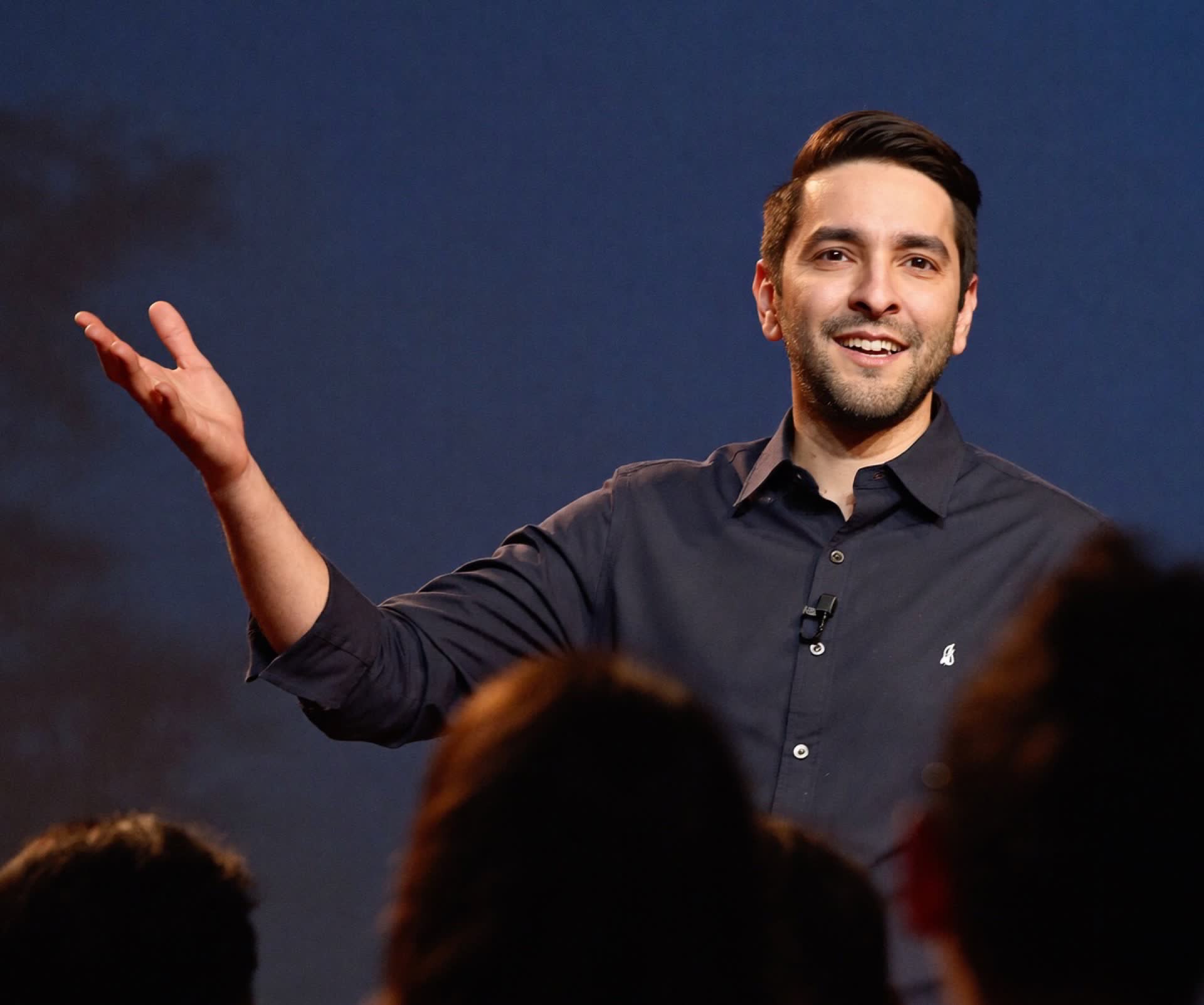
Mutaher Khan, founder of Data Darbar, joins Muzamil to dissect why Pakistan's startup narrative collapsed, what VCs got wrong, why local business journalism never matured, and where AI leaves an emerging-market services economy.
with Mutaher Khan
12 min read
A host who is tired, and an opening confession
The episode opens with Muzamil unusually subdued. He tells the audience directly that he is starting the conversation in a depressing register, and that the reason is personal. He has spent years rooting for Pakistan’s startup ecosystem to mean something — partly out of computer-science loyalty, partly out of the hope that the country might do for services what India did. What he keeps running into instead, he says, is fraud. “I am a little tired,” he tells his guest, before introducing Mutaher Khan, founder and CEO of Data Darbar, a Dawn columnist, and head of the Insight Lab at the Karachi School of Business and Leadership.
Muzamil names the texture of his frustration carefully. Generic businesses in Pakistan are rent-seeking — someone holds a license, someone took a government contact and turned it into a concession, there is no innovation to cover. Services, particularly IT services in Lahore, were supposed to be different. He looked at one company closely. What he saw was social-security-number fraud being justified by a Sharia board. “Yaar, yeh ji chuna hai ki ek parhi likhi cheez thi, woh bhi out hai” — even the educated part of the economy turned out to be a con. So he wants Mutaher in the hot seat to answer a specific question: where is the journalism? Why does the person whose role it is to surface this, not do it?
The state of the economy, the state of the startup
Mutaher answers in two registers. On the headline numbers — the budget, fiscal management, the official story — he says things look more or less under control, oil shock notwithstanding. On main street, “there is blood.” Inflation has not actually fallen, only the rate of change has slowed. Purchasing power is in clear decline. Manufacturing volumes are down even where value looks fine on the back of pricing.
Then he draws the distinction that frames the rest of the conversation. There is the service economy — bigger, less talked about. And there is the startup space — much smaller, much more talked about. The startup space, he says flatly, “practically ab meaningless ho gayi.” That is why Data Darbar, which began covering startups, eventually had to broaden into digital economy and financial services at large. Startups were never large enough as a share of jobs or revenue to justify the airtime they got. What they had was narrative — startups were sexier than service businesses, and funding rounds got press regardless of revenue.
The asymmetry he describes is exact. A company doing real revenue could not get into an international publication. A company with a five- or ten-million-dollar round could. “Regardless of the revenue that you are doing,” he says, “usme koi newsworthiness nahi lagti media ko.”
Why VCs broke the expectations market
Mutaher’s diagnosis of the VC problem is precise and worth quoting. Pakistan, he argues, has spent the last seven or eight years in what may be the longest stretch of macroeconomic turbulence in its history — historically the country has lived in boom-bust cycles, but the gaps between them have collapsed. Booms got shorter; busts got longer. Some of that was external — the Russia-Ukraine grain shock, commodity super-cycles, the Iran war — and some of it was self-inflicted. Either way, no business operating in Pakistan got eight years of breathing room. Layered on top of that absence of oxygen was a VC class whose expectations were, in his word, “outrageous.”
He recounts a conversation about a US-based company raising thirty million dollars. The investor in the room said it was “not that big a number.” Mutaher’s point: when investors in a country whose total forex reserves sit at roughly eight billion dollars are setting thirty-million-dollar rounds as the floor, founders inevitably bend toward those expectations. Pakistan, he says, is an investor market, not a founder market. Five sources of capital decide what scalable looks like, and the deals follow.
Muzamil sharpens this further. He started interacting with the Pakistani VC scene nine or ten years ago, when Plan 9 was the marquee operation. What he saw, in retrospect, was that many of these investors lacked self-awareness. “These were mostly middle management in international companies who cosplayed investors.” Operators with bootstrapped, real-world models — he gives the example of a contractor approaching Plan 9 — were told they were idiots for not chasing the high-risk, high-narrative idea. The result was a cultural lock-in: the same diaspora that already loved doubling money on plot files now had English-speaking suits telling them startup gambling was the upgrade.
The Zameen problem, and the refusal to claim a unicorn
When Muzamil asks why, after all this, no real success story has emerged, Mutaher offers a sharper answer than the question expected. “Part of the problem, Muzamil, is storytelling itself.” He picks a specific example: Zameen, founded in Lahore in 2006, funded around 2011 or 2012, expanded internationally as Emerging Markets Property Group, became a unicorn in 2020. By every reasonable definition, Pakistan’s first.
Muzamil pushes back. The money, he says, was not really about Zameen — it was about high-margin markets the company had moved into after leaving the country behind. Mutaher refuses to concede the point. He argues by analogy: Uber’s later growth came from Europe, the Middle East, South Asia. Nobody says Uber stopped being an American company. Ola’s expansion does not strip its Indian-ness. “Why is it not a Middle East company? Why is it not a Latin American company or Southeast Asian company? We need to be more accepting of the fact that a company doesn’t have to make all its money in Pakistan to be Pakistani.”
The deeper issue, he says, is structural. Data Darbar itself struggles to classify funding rounds — capital arrives via Singapore or Dubai holding companies, because that is simply how the global system runs. If Pakistan only counts capital that landed in Pakistani legal entities, the entire startup space has effectively received zero equity. The choice to look past Zameen, in his telling, is a choice to look past a story Pakistan should be claiming.
The journalism gap, and why it never closed
This is where Mutaher’s argument becomes the most uncomfortable. Pakistani business journalism, he says, has never been attractive as a career. Journalism in Pakistan has historically meant opinion writing — editorials, columns — not reporting. There have been good reporters, he acknowledges, but the reporting muscle has never been deep. Dawn is the paper of record and a policy-stance paper; in-depth reporting exists but is not recurring.
Then comes the financial-incentive layer. “There are media organizations in Pakistan, large media organizations — not startups — that probably pay less than a Unilever peon. And this is not against the peon.” Reporters who have spent fifteen years in the system are not earning a living wage. Naturally, the incentive to chase a startup story dies. Status quo wins: write the column, get the four quotes from the same friends you have known for ten years, file it, go home.
Muzamil layers his own experience on top. He recalls the death of Airlift — a story he believed any half-functional business desk should have eaten. Nobody, he says, even messaged its former employees on LinkedIn for an anonymous comment. He had founders telling him things off-record that no journalist ever surfaced. “The amount of chuna jo aakar mujhe CEO mere muh par lagata tha” — the brazenness of the lies he heard in his own seat — was, in his telling, evidence that the seat the journalist should have occupied was simply empty.
Mutaher adds the last piece. Pakistan’s business reporters are concentrated in print, the web is staffed by desk editors and aggregators rather than reporters, and the pipeline of new business journalists has been thin for over a decade. The same five people carry the load until they get bored.
The two contradictory AI reports
The conversation pivots when Muzamil flags two reports he had read that day. India’s IT stocks are down roughly twenty-five percent and sitting at a three-year low, with the market pricing in an AI hit to the big five outsourcers. On the same day, an IBM report argued that India is prime for the AI revolution and could capture up to five hundred billion dollars annually in IT services value — more than double the current run-rate of the sector. Two opposite signals. He wants Mutaher to read what that means for Pakistan.
Mutaher begins where Pakistan begins: small. The country’s entire IT services industry, a few years ago, was the size of one Indian giant’s fresh-hire intake. That smallness has historically meant incremental growth was not the constraint. Pakistan is now somewhere around four and a half billion dollars in measured IT exports, and Mutaher suspects the real, including-unreported number is closer to nine or ten.
Then he makes his core call. “AI, I think, will get you to eighty percent of any task — pretty much any task. The real value add is in that remaining twenty percent. The question is whether Pakistan’s average engineer can do the twenty percent on top of AI.” Firms that can, will do well. Firms running pure BPO models will struggle. He sees evidence of the first pattern around him: companies he knows, who started recently, struggled with cash flow, and then the AI boom gave them more money than they could spend right now. Not lottery numbers, but enough buffer to start product development for the first time — to do R&D where previously they only sold time.
The micro-agency play and digitally deliverable services
The more interesting bet, Mutaher argues, sits one layer down — in micro-agencies. Pakistan’s freelancing economy has a well-documented valley of death: a freelancer who tries to institutionalize, hire, and turn into an agency tends to fail because hiring costs outrun the revenue ramp. AI flattens that. A six-thousand-dollar-a-month operator can plausibly reach thirty or forty thousand without the same headcount.
He widens the lens further. The relevant category is not IT services — it is digitally deliverable services. Does Pakistan have an accounting skill set? Yes. A legal skill set? Yes. Management consulting? Less so. The structural opportunity is that several of these professions require a human licensing layer that AI cannot legally cross — an audit needs the auditor’s stamp, legal advice needs the lawyer’s standing. Y Combinator, he points out, has been explicitly calling for AI-native service firms. If Pakistani firms can establish footprint and clear the licensing requirements in foreign jurisdictions, the play is significant.
Muzamil agrees and pushes it further. The biggest hit in the next few years, in his read, is the entry-level IT worker — because anyone with even moderate experience can become a manager of agents. He sketches a worked example: a former Pakistani standard lawyer who later worked in fintech could now spin up an outbound agent that cold-calls small and medium businesses globally and offers five-hundred-dollar legal advisory against a market rate of fifty thousand. Same for accounting. The cost gap, against the global SMB ceiling on what is affordable, is the opening.
He closes the AI section with a story from Seattle. He had asked a Pakistani vice president at AWS what was actually happening on the ground. The answer, paraphrased: lifestyle businesses, ten to twelve employees, all of them rockstars, average per-employee revenue of two hundred to two hundred and fifty thousand dollars. With a team in Pakistan, where ten thousand dollars a month is a delighted senior salary, the unit economics become absurd. The fear, Muzamil argues, is masking the opportunity.
What 2050 looks like, and the family-office play
Muzamil closes by asking Mutaher, at thirty, what he actually thinks Pakistan looks like in twenty-four years. Mutaher resists the easy answer. He concedes that information overload makes a Pakistani analyst gloomier than the facts warrant. But he points to a Vietnam analogy — a country whose trajectory bent meaningfully only after 2001 or 2002. “Generally it can take moments to just change your trajectory,” he says. “It might be the most pessimistic way of being optimistic. But there are certain right ingredients.”
Three he calls out. First, Pakistani entrepreneurial culture has genuinely improved — not VC-style culture, but the lifestyle-business kind, where people want to build something that pays for a house, a car, and a holiday. Second, an export orientation is finally entering the conversation. Third, and most concretely, the country’s existing capital pools — family offices, established business groups, the seths — already have the money to go and buy AI companies abroad and position Pakistan in the application layer without building anything from scratch. Post-2023, he argues, those families have realized that the state they used to seek rent from is not reliable enough to keep doing it; they need alternatives. Acquisitions could be that alternative.
Muzamil overlays his own evidence. The Lakhanis have just set up a services company under the Fatima Group; Jazz has announced an export-focused services arm. The same families who used to operate exclusively in generic, rent-seeking businesses are now positioning for export. He reads a report comparing Pakistan’s real exchange rate over the last twenty years to its peers. Asia’s average was 91. China kept theirs at 85 or 86. Pakistan’s twenty-year average was 116 — meaning the rupee has been structurally overvalued for two decades. His hope is that once the Fatima Group lobby and others like it have skin in the export game, the policy conversation will finally bend toward controlled depreciation instead of the three-year cycle of artificial control followed by free-fall.
He ends on a note that recurs in his work and that he names directly. He does not want to antagonize anyone. He does not want to name names while investigations are running. But he believes Pakistan’s culture of censorship and self-censorship does more harm than good. “I have self-censored quite a lot in my life, and I feel like it just ends up doing a lot more harm because the cycle keeps repeating.” Every two years, he says, the same story arrives in a new shell. Mutaher’s reporting, and conversations like this one, are how that cycle gets named out loud.
Full transcript
वह जो है वह fraud में मुलाबास है अब वल्लाह आलम वह actual में है कि नहीं है हमें यह सुनने को मिला. मैं उस वजह से नहीं बोलूंगा because उसके ऊपर जाहिर एक investigation चल रही है और मैं उड़ता तीर लेना नहीं चाहता कि किसी का नाम ले दूं और बाद में वह मेरे सिर पर आएं. तो मैंने जो दहैर्य बातें सुनी उसके बहुल वह fraud भी हुआ बहुत सारी चीज़ें हुई and that really got me first of all it pissed me off and that got me thinking because Pakistan में ना मेरा experience यह रहा है कि generic businesses हमें पता है बहुत rent seeking होते हैं. उसके अंदर कोई ऐसे innovation होती नहीं है. आप उसमें क्या ही cover करें? वह किसी ने ठेका लिया हुआ है. किसी ने government में सलाम दुआ निकाल करके कोई license लिया हुआ है या you know जो generic आपका चलता है. फिर उसके बाद आपके services के businesses हैं. IT services particularly. मैं बड़ा ख़ुश हुआ. मेरा computer science का background है. मुझे हुआ कि यार finally India की तरह हम services को conquer करेंगे. बहुत बड़ी बड़ी companies emerge भी की. एक particular company के साथ मैंने बड़ा closely देखा भी कि वह क्या कर रही है. मतलब तीन चार का किया मैं किसी तरफ़ आपको direct नहीं करना चाहता. लेकिन मुझे पता फिर यह लगा ख़ासकर लौहौर की जो industry है उसके अंदर कि IT services के अंदर तो चूना लग रहा है उसके अंदर तो social social security numbers का fraud चल रहा है. बहुत सारे लोग जो हैं वह क्या कहते हैं शरिया board बनाकर के उसको justify भी कर रहे हैं Having said that मैंने जब यह closely देखा तो मैंने कहा यार यह जीव चुना है कि एक पढ़ी लिखी चीज़ थी वह भी out है. फिर मैं वहां से हट गया. मैंने कहा चलो कहीं और चलते हैं. Finally जो एक you know Problem मुझे उसमें यह हुई कि I mean मेरा जो काम कभी भी historical है. I was never a journalist. I was someone जिसको already जब market में एक hype x चीज़ की तो मैं उसकी story, उसकी thought के पीछे thought behind things निकालने की कोशिश करता था. Nonetheless, अभी जो recent मेरा experience हुआ उसके बाद से मैं तो बड़ा नाला हो गया. सच्ची बात है और आपको पता है जो लोग long term viewers हैं कि मैं personally startups के बारे में एक बड़ा clear opinion रखता हूं कि I personally don't think consumption startups are it for Pakistan, for an economy like Pakistan. We need to build some underlying infrastructure both in terms of industry as well as अगर हम, you know, services वगैरह भी करें तो हम पहले export करके dollar लेकर तो आए. फिर हम खाब देखेंगे यार billion dollar valuation हो जाएगी. जिस मुल्क के पास total forex reserve आज आठ billion पड़ा हुआ है. वह एक billion dollar company बेचकर किसी बाहर वाले को billion dollar देगा भी कैसे? और उसमें और भी बड़े सारे मसाले हैं हमारी हमारी country को. Job creation की ज़रूरत है. Start ups के बड़े मुख्तलिक किस्म के models होते हैं. तो यह चीज़ें not withstanding I was still of the opinion कि चलो ज़्यादा grown ना भी ना भी करें. At least हो तो रहा है एक system create हो रहा है. क्या fraud है पूरा का पूरा? क्या चुना है? क्या दो number है? और खासकर उनसे मैं थोड़ा सा उनको hot seat पर डालकर यह भी समझना चाहूंगा कि भाई हमारा journalist क्या कर रहा है? उसको क्या समझ नहीं है industry की? जो unfortunately उसने किसी भी जो जो market में जो मुझे मेरी seat पर मुझे ऐसी ऐसी वाह वाह बातें पता लगती हैं जो मैं नहीं बता सकता market में आकर क्योंकि मेरा role नहीं है. जिसका role है वह role क्यों नहीं कर पा रहा? इसके लिए आज हमने दावत दिए हैं मुताख़ खान. He is the founder and CEO of Data दरबार which is basically a magazine कहले, startup कहले that covers the technology startup and fintech space. साथ ही he has been an active columnist for Dawn News. He covers business and technology over there and he is heading the Insight Lab at the Karachi School of Business and Leadership. मुताहिर, first of all thank you so much for taking the time out and joining the show and I do apologize कि मैंने थोड़ा सा भी होना बड़े एक depressing तरीके से आज की conversation start की है लेकिन सच्ची बात है. I am a little tired and I hope it does not.
I have been in that space काफ़ी time से.
So I wanna I wanna start off with just trying to give you the spot here and and and let you give me a sense of if you were to identify or explain the state of पाकिस्तानी economy but in the context of businesses, startups, technology firms, services firms, इस वक़्त आप पाकिस्तानों कैसे देख रहे हैं?
अच्छा, very very open question but let me try to answer it in a structured way. Right, पहली चीज़ जो I think economy की in general हम बात करते हैं तो there is part of it is simply managing the government statements, right? जो budget fiscal को manage करना है. तो I think in theory as long as the high street is concerned, I think वहां पर numbers are not that bad. In the sense कि inflation obviously with the oil shock वह थोड़ी खराब हुई है but fiscal side is seems to be under control. Whatever the cost is, वह उसको फ़िलहाल ignore करते हुए. But main street पर obviously there is blood बात. There is no question about it. Inflation कि सिर्फ शरार कम होइए, महंगाई कम नहीं होइए, rate of change कम हुआ है. Obviously, whatever metric that you look at in terms of purchasing power, that shows a very clear decline. Businesses के अंदर भी जो overall volumes हैं, specially manufacturing की side पर या distribution volumes पर कमी है मगर value फिर भी obviously inflationary impact की वजह से थोड़ी सी बेहतर है. अच्छा, this is the economy at large but अगर हम technology businesses के ऊपर आते हैं तो there are two things, right? One is the bigger but less talked about space which is the service economy and the other is much much much smaller but also far more talked about space which is the startup space. So जहां तक service वाली economy है, there is, there is definitely a case of, there is definitely sense of fear because of AI क्योंकि वह model AI ने बहुत हिलाया है Pakistan में शायद फिर भी कम हिलाया हो but globally markets को बहुत धचका लगा है उसकी वजह service economy का knowledge work has been the first line, first casual team in JNAi's right rise. दूसरी चीज़ जो startup वाली space आती है वह practically अब meaningless हो गई. यह मतलब I started रेट अदरबाद to do this and then eventually we had to do digital economy and financial services at large because we, a, we did not think कि startups represented a large enough segment both as a market, both in terms of consumers and business, right? तो हम लोगों ने यह उस time पर भी था even when it was rising. So I mean when we are talking about how do you look at significance, right? I would think about employees, I would think about revenues. In both metrics startups were not that big and have never been big. अब और कम हो गए हैं but कभी भी इतना बड़ा नहीं था. But narrative space के अंदर startups have always been sexier than a service business and that that gets, that gets them the press. Along with that startups have always managed to get funding which also gets the press. So if you try, if you talk to a company and if you are consulting a company on PR और उनको किसी international publication में लगानी होगी, good luck if you, if your company doesn't have any 5,000,000 round or $10,000,000 round, right? Regardless of the revenue that you are doing, उसमें कोई newsworthiness नहीं लगती media को, which is the second part जो you, I don't know if this is what I should get into this right away but or if we will come to it later on but startup space के अंदर दो चीज़ें हो रही थी कि a, growth की expectations जो थी to be very honest Pakistan के पिछले सात आठ साल जो economy के रहे हैं, I think might be the longest stretch of turbulence, right? इतना बड़ा stretch Pakistan में historically boom bust रहा है हमेशा but होता यह था कि boom और bust के beach में gap थोड़ा ज़्यादा होता था. अब boom और bust के beach में gap बहुत कम होना शुरू हो गया है. I mean bust bust लंबा होता गया है, boom छोटा होता गया है और उसकी कुछ वुजुहात obviously हमारी अपनी है, कुछ वुजुहात हमारी अपनी नहीं है. अभी Iran Iran war जो है that's not us, right? Russia से जो wheat वाले मसले हुए थे वह commodity super cycle गई थी. That was not us. But it's not, I mean obviously we have done our fair share of mistakes. इसकी वजह से कोई breathing room नहीं मिला है. अभी तक economy को आठ साल में. जिसकी वजह से startup space में भी if you're, if you're operating any business and if you on top of that you have to manage the expectations of high growth, it becomes incredibly difficult and considering that VC in general has always been outrageous in the expectations के there are cases where I have heard from people in this space during good times, I am not talking about bad times, के एक US based company ने तीस million dollar का round raise किया at some level. I was talking about that and the investor said इतनी कोई, it's not that big a number. तीस million dollar का round अगर हमारी expectations इतनी skewed थी तो obviously that that showed in how startups were viewing themselves as well, right? Investors were setting the expectations, startups were to an extent following them. It was and it is to a large extent in Pakistan unfortunately investor market not a founder market. तो investors जब पांच capital की sources होती हैं और उनके उनके कुछ certain ideas होते हैं about what is scalable and what is not scalable. तो वह आपको फिर deal level पर भी नज़र आना शुरू हो जाता है. And even during your series you have I remember you you spoke to साद from kick start, right? अब those guys have built a business of what fifteen, sixteen property locations in eight years, nine years, I don't know, some things ten years और कोई as such background नहीं था business का, कोई कोई खास funding भी उन्होंने नहीं ली, यानी कि growth funding नहीं ली. उन्होंने property to property investors लिए हैं, but they have managed to scale it very well, right? And they have managed to along with others they have managed to create sort of a new asset class in Pakistan. At least I would say कि commercial real estate की एक asset class evolve होना शुरू हुई है at a, at a smaller scale. But there are areas but वह VC funded business नहीं होती है. तो VC मेरे हिसाब से part of the problem is also VC in general कि their ideas are very strange and their expectations are even stranger which do not add up in Pakistan because आगे की यह चीज़ें hot markets में चलती हैं even if you look at US right now. Zombie valuations बैठी नहीं हैं companies की. Paper में markups दिए हुए हैं, exits नहीं हुए हैं. The only space that is getting funding, I mean 50% plus of all VC funding right now globally is going to AI और उसमें से अस्सी percent is Air North America. That leaves very little capital for anyone else. जब से दुनिया में AI आए, हर इंसान जो है वह एक website बनाकर, e mailएं भेजकर एक business start कर रहा है और उसको लगता है कि वह सब कुछ कर सकता है. Unfortunately उसका नुकसान यह है कि जो customers हैं,
with their business, allowing them to use their full potential and gather maximum opportunities. अब ज़्यादातर लोगों को मैं Pakistan में या बाहर भी देखता हूं तो वह randomly marketing करते रहते हैं और उन्होंने आज तक कभी underlying brand strategy के बारे में सोचा ही नहीं है. जिसकी वजह से वह thousands of dollars अपनी marketing मज़ाया करते हैं और hundreds of thousands of dollars का business choose करते हैं और यही वजह है कि पिछले पांच साल से मैंने पांच सौ से ज़्यादा different thought leaders, professionals, startup founders और business leaders को उनकी personal branding में help किया जिससे they were able to generate over $50,000,000 in value. अब अगर आप एक mid to senior career professional हैं या आप कोई business start कर रहे हैं या कोई startup founder हैं या generally आप एक thought leader हैं, I would definitely urge you to check out my personal branding consultancy. Link मैं नीचे डाल रहा हूं. Initially, मैंने 75% discounted rate के ऊपर introductory offer रखी हुई है for the first few customers. तो अगर आप sign up करते हैं तो you will be able to get on a call with me. हम detail में आपके business को, आपके professional career को और overall आपके जो goals and aspirations उनको समझेंगे. Multiple calls में मैं आपके साथ बैठूंगा और आपके पूरे systems design करके आपको दूंगा ताकि आप एक sustainable तरीके से अपने personal brand को grow कर सकें और long term के ऊपर उससे maximum value generate कर सकें. तो if you wanna check it out, link मैं नीचे डाल रहा हूं और अगर आपके इसके बारे में कोई reservations हैं या सवाल आते हैं तो मेरी LinkedIn की profile नीचे description में है. You can message me anytime and I'll be happy to help you and guide you. But कह रही हो गया छोटा सा एक ad. आइए वापस चलते हैं video की तरफ़. I think उसके अंदर जो एक चीज़ मैं आपने VCs का बड़ा interesting identify किया. मेरा personal experience I started interacting and covering VCs maybe nine ten years ago one way or the other. Very early. So plan nine गालिबंद उस time के ऊपर था और तो a lot of these people would very, एक तो first of all, I mean, these people needed some self awareness as well. These were mostly middle management in international companies who cosplayed investors. They did not have any, you know, they they didn't have any business being investors. They should have been come out open about it कि यार मैं मैंने stocks में पैसा अच्छा बना लिया. मैं और बहुत सारे लोग हैं इन्होंने stock में पैसा अच्छा बनाया है. उनका पैसा लेकर Pakistan आया हूं. I'm doing something good. Popularized in a developed economy and was told by these English speaking suits that he's an idiot for even thinking about a model that actually works and should look at towards gambling into an idea that has high risk, high returns without the the narrative, you know, go off. And so I I do agree with the fact that the VCs were part of the or were a major part of the problem, I would argue. And because of that, I think the narrative that prevailed in Pakistan was this, वह पैसी कौम को आदत है double शास कीमों में जाकर पैसा triple करने की और वह यह एक क़रीब ने आकर जब दिखा दिया कि यार आप थोड़ी सी effort डाल करके millionaire वन सकते हो तो everybody just completely went towards that. But having said that, I'd love to know, I'd love to get a sense of कि ठीक है, VCs were a problem. Why is it that we have consistently and continuously failed on all aspects of any any startup in Pakistan? Like, कोई success story निकलकर ही नहीं आ रही Like, कुछ तो आ जाता है ना? You know, what's you've been covering it. What is your take on that? I think part of the problem मुज़मिल is storytelling
itself, right? Storytelling हम लोग Pakistan मुझे ऐसा लगता है कि at least पिछले कुछ अड़से में has really sucked at storytelling in general and unfortunately I think there is, there is an element of self loathing as well. Let me, let me elaborate on that. Pakistan से एक company थी whether good or not, whether good or not, I mean अच्छा किया, innovative किया, नहीं किया, that's a separate issue, right? But ज़मीन.com दो हज़ार छह के अंदर यह company बनी है लौर से. दो हज़ार उसके बाद उन्होंने कोई ग्यारह बारह में शायद पहली funding raise की है. उस वक्त भी लौर में ही है. पंद्रह वगैरह में यह international गए हैं और उन्होंने emerging market property group बना के middle east में पहुंच गए हैं and then the Brazil बनाया. Like acquired a lot of companies, acquired OLX का part of portfolio. दो हज़ार बीस में they became a unicorn, right? And Pakistan में the conversation
एक तो ज़मीन की अपनी भी हुई है कि ज़मीन never really told the story of being Pakistan's first unicorn. They wanted to dissociate from, from the country. Pakistan Look, look, The the fact is it it wasn't, it wasn't Pakistan's first unicorn. The money was never about ज़मीन. ज़मीन wasn't making any money. The money was coming in from the region that was already developed and that had extremely high margins. And so
the expectation. I'll I'll push back on that. So if अगर हम कहते हैं कि Uber US में आई और US में let's say Uber ने बहुत अच्छा business शुरू में किया और उनकी उसके बाद सारी की सारी growth और subsequent rounds जो आए हैं series B, C, D, E whatever, वह वह Europe से आए, Middle East से आए, South Asia से आए. तो क्या Uber US company नहीं रहेगी? यह Ola जो है expansion के लिए गई, Middle East गई, और मोलिक गई, तो क्या Ola Indian company रहना बंद हो जाएगी? यह सब Pakistan में why why do we want to limit कि पाकिस्तानी company वही है जो कि सारा सारा पैसा Pakistan से बनाती है? That's, that's an, that's a premise that I do not agree with कि अगर एक company ने नौ साल Pakistan में अपने लगाए हैं, they build the entire base from Pakistan. उनका CEO या founder, one of the founders is sitting in लाहौल. Capital की first tranches शुरू में सारी Pakistan पर आऐंगे, right? उसके बावजूद eventually, I mean part of the problem is they wanted to brand themselves a different, in a different way as well. But the connection to Pakistan and the history connected to Pakistan has been very clear. Yes, they are they realized कि ok there are better markets to operate and sure but आप उसको क्या Middle East पर pin down कर सकते हैं क्योंकि ज़मीन की तो या EMPG की तो Indonesia या South East Asia में भी business concerns हैं और Mexico में भी हैं. तो why is it a Middle East company? Why is not, why is it not a Latin American company or South East Asian company, right? So I think we need to be, we need to be more accepting of the sense कि ज़रूरी नहीं है company सारा पैसा Pakistan से लेकर आए. This obsession about country specific revenue I think is a wrong way to think about it. But ज़मीन obviously is one example. There are few examples और उसकी वुजुहाद भी होती है companies खुद भी थोड़ा सा back foot पर रहती हैं and part of that has been the reputational problem unfortunately. दूसरी एक और इसी से related में एक और चीज़ on a very similar note. When we started data दरबार हम लोगों को ना एक यह था कि funding किस मुल्क में classify करनी है. This is, this is a problem that we keep facing right with our reports and if you look at it पहले ही होता था कि वह तो पैसे तो Singapore में आए हैं. ठीक है. पैसे तो Dubai में आए हैं. यार तो अगर holding company structure globally ऐसे चलता है, तो how do I, अवराज को हम उसके headquarters से देखते हैं या उसकी domicile से देख रहे थे, right? इसी तरह के domicile could be very, could be anywhere, right? Companies have shell companies all over the world and that is something you can't really address. Capital कुछ jurisdiction से ही आता है and that is an unfortunate reality. तो अगर हम उसको legal holdco से अगर देखेंगे तो फिर तो Pakistan में आज तक कुछ पैसा ही नहीं आया होगा startups की space में भी. सब loan की सूरत में आया होगा. So, we need to think about it differently. That's one view. The second is कि storytelling general media Pakistan का बहुत business media is a very new phenomenon और business medias actually I would let me even elaborate on that. Economic, economy related media is very new. Business media is still pretty much non existent with the exception of maybe profit. There is hardly any business story और profit भी उसने भी कम कर दिया है. तो there is effectively no source के I remember back in the day there was, they used to be tech juice, right? Tech juice और उसकी वजह यह है कि पाकिस्तानी business media या company specific, people like company specific stories. That is just I mean at least in my view I have seen company में लोगों को कहानियां पढ़नी है, लोगों को हमेशा numbers नहीं पढ़ने और उनको in the grand scheme of things चीज़ें नहीं पढ़नी. उनको पढ़ना है कि यार एक random बंदा है जो कि वह रहता था जांगी road पर और वह जाकर उस उस impact से पढ़कर वह पहुंच गया US और उसने करीम बना ली, right? तो that's the, that's the story angle. स्वाले आसिफ is a very good case in point, right? एक random लड़का कराची का जो कि उन्हीं सड़कों पर घूम रहा था जिन पर मैं घूमता हूं but ended up creating having the largest wealth creation event, largest wealth creation event for a पाकिस्तानी, right? But the problem is कि business story जो है हमारी, unfortunately the media is not strong enough कि वह early pick करें लोगों को and that's a very critical component of it.
Ok, let's I want to talk about this and I think it's not maybe not just a business media problem but a media problem in general and what I mean by that is, as as with most work in Pakistan, it has become inherently sloppy. And, you know, what do I mean by sloppiness is journalism journalism had a meaning at some point. The reason why I never called myself a journalist is because journalism required actually going out, finding a story, researching it, talking to a few people, building a narrative and then churning it out. And this is not a पाक्षतानी phenomenon by the way. It's a global phenomenon where what is what passes off as journalism today is basically finally sitting down on your desk after procrastinating for ten hours. आप तो at this point in time पहले तो थोड़ी सी आप फिर भी website ही देख लेते थे asking ChatGPT, tell me this, tell me that, tell me this. Now weave it into a narrative and now I have an article that can get some clicks, right? So the click economy completely destroyed the incentive structure for people to actually build a story. For example, साढ़े चार अरब dollar, पांच अरब dollar उसने अपनी net worth बना ली है. तो उसके ऊपर फिर भी कहानी आई. चलिए वह भी बड़ी sloppy है. क्या आपने एक बाहर किसी ने कुछ बोला? आपने उसको किया उसकी total journalism? लोगों ने जो अभी तक सौल्या आसिफ की जो story पढ़ी है वह actually meme pages के ऊपर जो picture लगी है ना startup Pakistan के ऊपर सौल्या आसिफ becomes the first billionaire from Pakistan. That is the extent of knowledge that people have. आपने बोला कि सौल्या आसिफ उन गलियों से निकला है. कोई Right? It's it's the fact that our journalism is sitting on your laptop and finding some piece available and then weave it into a narrative that really and I understand I mean I I empathize as well because प्रोह पाक्षतानी से मेरी बात हो रही थी and they said you know every time they did journalism they got like वह पहली फ़ुर्सत में उनके मुंह पर एक defamation आता था. दूसरी फ़ुर्सत में call आती थी कि जानी जो थोड़ा बोलता तुझे ad मिल रहा है वह भी तू लाफिज़ कर दे. तो it ends up becoming this sort of a PR exercise where either you play ball and you, you know, just rub everybody's whatever or you will be banished. First hand then मैंने मैंने उसको जाकर first hand देखा. I was one of the first podcast that really brought in business in in in conversations in Pakistan, right? The amount of चुना जो आकर मुझे CEO मेरे मुंह पर लगाता था और the idea that the there was this concept of कि, you know, आप बस अच्छे अच्छे खेलते जाओ तो वह आ ही जाएगा. And I could, like, over time I could see the public can't, like, they seek it seek through that crap. But you know आप कुछ कर ही नहीं सकती. Your hands are tight. You don't you don't have an economic model. Public doesn't wanna pay for content उस तरह से. Viewership भी नहीं आ रही so it's like a dying lose lose. And so जो जो journalism वाली आपकी बात है I feel like कि storytelling comes much later. It's the it's the hard work on ground that you need to do. Airlift जो मैंने start में बोला airlift मरा था. यार किसी ने उनके employees को LinkedIn में ढूंढकर एक भेजा नहीं. Hello? I am this. I want to get a comment about this anonymous होगा. आप मुझे देरा बताएं अंदर चलकर आ रहा था. जब हर कोई मेरे पास आकर सुबह शाम लोग बातें कर रहे हैं तो why was it that that it wasn't so? I wanna get a sense of you. Mean, I'm sure you're around the profit people and you're around the dawn people. You have that network. What's happening there? Like, what are the reporters doing and what's really going on in the business side of things? Yeah, ऐसे इसमें
एक secular step back करूंगा in fact related to this but I think Pakistan में ना एक business journalism has never been attractive. तुम journalism से आप सोचते हैं and maybe if I were to think back जब मैं university में था तो लगता है ऐसा है कि journalism is more about sharing opinions, right? Pakistan में unfortunately that's and I know people from the previous generation or the generation before that जो journalist होते थे but वह eventually इधारियां लिखते थे सिर्फ. They had never done reporting. Right? तो reporting itself was never that strong. There have been some very good reporters पक्ष, I know a few obviously. But reporting बहुत strong रही नहीं unfortunately specially in business और उसकी तो opinions की side पर आता ना. अगर आप Don की मिसाल लें, Don historically has been two things, right? It it is the newspaper of record. तो जितनी भी archival research हो रही होगी सब वह Don से चल रही होगी and it's it's very important. It it it has a role to play there and that's fine. The second part is Dawn is more known for policy stances. In depth reporting में Dawn के कुछ components हैं जो कि आते हैं कभी कभी special reports होती हैं and so on. वह उसकी value है but it is not as recurring as it should be. It is not in depth on it on a regular basis. सही है? तो जब आपकी eyeballs opinion से आ रही होती हैं then you are trying to optimize for opinions not rather than original reporting. That's one thing. The second part and I think that's a media wide problem across the globe. Pakistan में हाथ से ज़्यादा financial incentive भी होना चाहिए. तो इस वक्त journalist के पास कोई incentive नहीं है to बैठ के there are, there are organizations in Pakistan media organizations, large media organizations, not startups but जो कि probably Unilever के peon से कम salaries देते हैं and this is not against the peon. अपने reporters को, अपने desk को. There are, there are those organizations पंद्रह पंद्रह साल के ऊपर बंदा living wage नहीं बना रहा होता तो obviously फिर उसके लिए zero incentive होता है कि भाड़ में गया startup कि मुझे क्यों करूं? मैं स्वालेहा सिर्फ कौन और फलाना कौन? तो उससे कहता है कि भाई मैं आऊं अपना वक्त काटूं जो तनख्वारिया आए और मैं I I much I might as well do something else or try to do something else.
And specially अगर कोई serious काम आपने करना है तो you have you will be antagonizing certain people and nobody is going to spend their own capital trying to go to the courts and यार इधारा तो आपके पीछे नहीं आएगा दो minute के लिए भी. इधारा
को support करना पड़ेगा उसके अलावा नहीं हो सकता ना, right? I mean अभी I was reading this just yesterday last night New Yorker का एक open AI के ऊपर piece है और वह multi, एक I don't know कोई उन्होंने सौ लोगों से interview किया है. सही है. अगर वह कोई तैंतीस page की कहानी थी. There there are there are stories that I have read. एक subsea cable के ऊपर एक story है. I remember की कोई nineties की मैं पुरानी पढ़ रहा था और उसने कोई चार पांच मुल्क घूम के cover किया. अब journalism में इतना आसान हो गया कि media organization कहती है कि यार पैसे क्यों खर्च करो international के लिए? तो मेरे पास Reuters है, wire से खबर लगाओ और चला दो. ठीक है? There is no sense of being there, adding some fresh flavor और दूसरा यह है कि business की जो reporters reporting itself is not sexy enough and the third is business. Journalism की pipeline बहुत खराब रही है historically. It has improved a little bit, very slightly. तो I think there was roughly dawn के अंदर और उसमें कोई दस, बारह, पंद्रह साल के अंदर एक कोई चार पांच लोगों का lot आता है which carries the entire generation of business reporting on their shoulders and I have seen I have been seeing that for a while और फिर उसके बाद वह bore हो जाते हैं. ज़ाहिर सी बात है part of the problem इसके बहुत सारे मसले हैं financial incentives being the largest one और उसके बाद यह होता है कि beats change नहीं हो रही हैं, status को वन जाता है. तो अब मुझे पता है कि यार मैं बैठकर दो column मिलाऊंगा, दो column मुझे मेरे जो दस साल से दिन दोस्तों को जानता हूं वह चार खबरें देंगे. मैं उसी को लिखूंगा, डाल दूंगा. क्योंकि मैं ज़्यादा मेहनत करूंगा तो especially in print the issue is and historically business reporting जो अभी भी अच्छी बेहतर reporting होती है अरी that has been from the print. Web के ऊपर reporter का तो concept ही नहीं है. Web पर almost non existent होता है. Web के ऊपर desk editor होता है या researcher होता है or something of that sort जो कि दिन भर इसका काम है चार जगह से पढ़ना और उसको synthesize करके कहीं डाल देना. Reporter के लिए होता है कि आपको कीड़ा होता है. आप जाकर घूमते हैं लोगों से, आठ लोगों से बात करते हैं और आपको उसमें से एक काम की चीत मिलती है. And that unfortunately is just not there. That culture is not there.
उसके बाद I would recommend again a lot of people would be listening and and a lot of potentially finance and accounting folks. Job भी तो है कोई नहीं. पैसे आप बना नहीं रहे तो अगर आप फारे बैठे हैं और jobless हैं. I would recommend कि you know मैं cycles को बहुत ज़्यादा closely देखता हूं. I think यह cycle globally शुरू हुआ था in internet age where the bottom of the barrel trash became the most valuable commodity courtesy of pay per click and AdSense and so on. And therefore, you saw a bunch of these sort of Buzzfeed typed new age media platforms emerge and get gain a lot of traction as well, got a lot of funding as well. Everybody said they're the future. But वह again यही था कि they were always servicing the lowest common denominator of intellect because they had to reach out to the maximum amount of people for the maximum viewership. अभी recently, New York Times announced that they have reached 13,000,000 subscriptions, paid subscriptions for their platform. And aggregate revenue for that particular, like, digital subscriptions is $389,000,000. It's phenomenal. They're they're they're the ones with the largest amount of subscriptions across the globe. NetKey पर, I think, the the the newspaper is doing around $750,000,000 plus annual revenue. What this is showing you, this is just the this is you obviously, US defines the direction of where the world can potentially go. I think there is incredible opportunity for people who can create quality content and I do expect then quality content कि यार मुझे airlift की depth मिल जाए ना अगर कहीं पर तो मैं हज़ार रुपया दे दूंगा कि मैं घुस के अंदर वह चीज़ पढ़ लूं. I think Pakistan में भी वह हो सकती है. उसकी appetite definitely exist करती है. Profit magazine I think is is on that track. शायद उनका fund का थोड़ा सा भी problem हो because we're still don't have that muscle. But I think we're going there. So for young people who want to, वह TEGJU'S आया था, I think they was too early for its time and it was also driven by AdSense. अगर कोई आता है और आकर के इस वक़्त उसके बाद स्थिता आता कि वह build करने की zone में हो सकता है I think business magazine that is locked into a subscription as long as it does genuine journalism. Goes in, sneaks in and get some insight from within companies, proper sourcing, this and that. Gemini के ऊपर जाकर देख लें, journalism क्या होता वह आपको चार चीज़ें बता देगा. But I think there's incredible opportunity there. बताइए ना, मैं थोड़ा सा conversation को flip करता हूं. आपने at some point बोला कि I do expect AI to disrupt a lot and you you rightfully mentioned कि a lot of majority of the funding that is going into The US is going into or or globally is going into The US and majority of that funding is going into AI. अभी मैं आज दो बड़ी interesting reports पढ़ता है. And जाहिर आपने साथ ही उसमें यह भी follow up किया कि Pakistan की services को AI से बड़ा impact potentially पड़ सकता है. दो मैंने बड़ी interesting reports पढ़ी. पहला मैंने India की IT stock के बारे में पढ़ाकर जी. Almost 25% stock गिरा है. It is at its three year low and the investor is right now. IT services की मैं बात कर रहा हूं exclusive क्योंकि आगे मैंने कुछ और बात करेंगे. Big five, right? हां. They expect कि इनकी earnings, earnings outlook were bad अभी जो announcements हुई हैं उसके ऊपर and then people expect कि यह कहीं ना कहीं AI से hit लेंगी. साथ मैंने IBM की report पढ़ी also came out today that says कि जी India जो है वह is prime for the AI revolution and potentially has an upside of $500,000,000,000 per annum. अभी इस वक़्त उनकी जो IT services हैं वह around 220, 230 पर खड़ी हैं. जो कि by $203,500,000,000,000 just the IT services sector potentially AI के अंदर value generate कर सकते हैं. Two very contradictory thoughts and I think trying to understand that will offer a lot of insight for people in Pakistan. I know people are very scared. At one point the fear is कि आ रही है तो सब ख़त्म हो जाएगा. तो हम क्या कर रहे हैं? हम हम freelancing कर रहे हैं, हम IT का काम कर रहे हैं. यह तो सब फिर थोड़ी अड़से के लिए. दूसरी तरफ़ आकर पास लोग हैं वह कह रहे कुछ भी नहीं होगा और बस sir नीचे रखो और चला ही जाओ. And therein lies the the the thing in my opinion that people are missing कि if costs go down, the volume of work might increase because now it's affordability allows for कि वह large से शायद medium और medium से small businesses की तरफ़ जाना शुरू हो जाए. How do you see the impact of AI particularly for an emerging economy like Pakistan focused on services?
That's something I have been that's something bothering me for a while now. जब मैं AI capital concentration का देख रहा होता हूं तो obviously the next question is capital concentration तो देख रहा होता हूं. That's my second question. First thing is कि यार ok Pakistan का historically the pathway to growth was always supposed to be this, right? India की example हम देख कहते थे कि यार ok manufacturing में तो हमने कुछ नहीं उखाड़ा which which is somewhat similar to India as well but services के ऊपर उन्होंने एक growth pathway बना लिया था. अब with AI obviously that a lot of assumptions have been shaken. I don't know कि वह गलत साबित हुई है नहीं हुई है that's the prime will prove that. But दो चीज़ें I think India के case में एक size matters, right? And the scale itself matters. India की जितनी big five जो हैं, fresh hirings करती हैं उतनी Pakistan की दो चार साल पहले पूरी industry थी IT की. So, we are looking at a very small base जिसकी वजह से incremental growth लेकर आना in theory अभी तक इतना बड़ा मसला साबित नहीं हुआ है and you see that consistently right अभी हम सवा चार पौने पांच सवा चार साढ़े चार अरब dollar में पहुंच गए हैं. This is again documented जो Pakistan में पैसा गिर रहा है, जो Pakistan में नहीं गिर रहा, जो locally हो रहा है that might be a very different
यह import. I think it's easily to x that.
Exactly exactly. तो हम potentially start our estimates were the same roughly नौ साढ़े नौ billion dollar के आसपास अभी होनी चाहिए. The issue is कि अब इसमें दो areas आते हैं. I do not think it will be immune, हिलेगा and which you've pointed out as well, right? Contract value के लिए. But मैं इर्द गिर जब देख रहा हूं कि expertise फिर भी लोगों को चाहिए और expertise के लिए, the only question is do we have enough people with the right expertise. So what AI does, let's understand what AI does well, right? I think again as AI gets you to 80% of any task, pretty much any task. The, the real value add is in that remaining 20% और क्या Pakistan का एक average engineer वह 20% का काम कर सकता है जो on top of AI होना है? And that is really the question. जो firms वह करेंगे वह अच्छा करेंगे. जिसमें top of the funnel बेहतर होगा भाई. जिसमें अगर आपने pure उसको BPO की तरह चला रहे थे तो I think then the utility is not that high and that's that's one of the things. लेकिन अगर आप overall larger scheme में देखते हैं तो obviously top firms bring in the largest share of revenue as well. तो employment में that might mean something else but exports के अंदर it could, it it may not be as, as big a doomsday scenario as otherwise would have been. That's one thing. तो वहां पर I think एक opportunity है और मैं डेढ़ गिर्द भी देख रहा हूं. I know people जिनके revenues who were struggling with cash flows initially नई company शुरू की थी and then AI boom came in और कि now they are, are I mean they have more money than they can at least spend right now. Not कि कोई insane पैसा है but good good amount of funding उसमें product development भी शुरू कर दिया है. You have buffer to build on top of it to do some R and D वरना यह होता है कि आप जब early stage में company में जो client कहता है आप करना शुरू कर देते हो, वह कचरा हो, आपसे कहेगा भाई data entry करके दे देते हो, मैं कहूंगा data entry sir मैं इसी के लिए यही तो specialty है मेरी, right? तो once once you get some buffer तो आप value add भी कर सकते हो and I think AI उस R and D के अंदर, उस R and D के अंदर AI जो है थोड़ा सा आपको margin दे रहा है, room दे रहा है कि आप खेल सकते हैं because पहले बहुत मुश्किल था. Now for us as well if we want to do some analytics या analytics के लिए कुछ pipelines data की करनी हो तो Claude helps us एक जो चीज़ हम पहले नहीं सोचते थे, जो हम सिर्फ service कर रहे थे, अब now we are also thinking about products, right? In areas where we otherwise would have never considered productizing it and we don't do exports. I mean very rarely do exports to be. तो that's one thing. The second part जो I think AI से काफी इसका narrative भी बड़ा strong रहा है that is micro agencies and I think वह बड़ा interesting play हो सकता है Pakistan के लिए. Pakistan के freelancer वाली economy is very sorted और in fact valley of death startups की दुनिया में जब हम बात कर रहे होते हैं ना कि शुरू करता है यहां पर सारी खत्म होती है. वह freelancers और agencies या software houses की दुनिया में भी बहुत clear होती थी कि एक बंदा है वह freelancing शुरू करता है university में उसमें काम वाम अच्छा होना शुरू हो जाता है तो वह कहता है कि यार अब institutionalize करते हैं, लोग hire करते हैं. वह लोग hire करता है, काम उस तेजी से नहीं आ रहा होता क्या expenses तेजी से बढ़ रहे होते हैं और वह कुछ अड़सी बात बंद करके चला जाता है, scale नहीं कर पाता. But with AI there is a potential to scale that revenue. अगर आप पहले पांच छह हज़ार dollar, हज़ार dollar revenue monthly कर रहे थे, आप शायद उसको तीस चालीस तक लेकर जा सकते हो and we have the volumes on that front and I think that's this, that's the more interesting area but just to add on top of it, यह सिर्फ हम बात कर रहे हैं IT services की. IT services की. Services की दुनिया मेरे हिसाब से it should be digitally deliverable services. Anything that is digitally deliverable is and अगर हम anecdotally भी बात करें तो Pakistan में उसका क्या accountants का skill set मौजूद है? Pakistan में yes. क्या lawyers का skill set मौजूद है? Pakistan में yes. क्या management consultant का maybe not. ठीक है? Right? अब AI की एक अच्छी बात भी यह है कि AI obviously is very generalized. In certain fields specially with regulatory constraints, you cannot automate entirely और आपको human layer चाहिए. तो जो even YC की अगर आप देखें recent call for startups तो वह AI native service firms की बात कर रहे हैं and I think that's that service को बहुत फ़ायदा हो सकता है अगर उसको सही से फ़ायदा उठाएं. Pakistan has a huge huge service economy in terms of share of economy obviously not in terms of global footprint. But lawyer के case में what matters, what could matter more is the legal position of that lawyer rather than just the advice itself, right? Similarly, accountant के auditor का ठपा उसको फिर भी चाहिए. तो as long as firms can establish footprint with and get the relevant licensing requirements, fulfill those relevant licensing requirements in multiple jurisdictions, I think वहां पर बड़ा interesting play बनता है and we are seeing that with for instance, Pakistan में उन्होंने एक अच्छा ख़ासा back office बना दिया है. तो that's that's the second area.
No, absolutely I think वह तो आपने जितना बात की ना कि licensing and all that I think even freelancers के लिए जो जो biggest opportunity मुझे नज़र आती है वह I think एक ना रौनियत the IT वालों के अंदर. कि यार यह बाकी सारे तो बेचारे पाकिस्ताने बैठे रहते हैं. हमारे पास तो pathway है बाहर जाने का, बाहर काम करने का. I think the biggest people taking the hit in the next few years is going to be the IT folks. Because वह सबसे पहले clot आया और उसने सबसे पहले ही जिसको attack किया है ना उसने वह उस fresh IT वाले को किया है. क्योंकि जिसके पास थोड़ा सा भी experience है वह तो manager of agents वन सकता है. अब आपके पास lawyers, accountants, यह सारे के सारे लोगों सारे इसमें licensing की ज़रूरत नहीं है. अगर मैं individually करूंगा, आपको example देता हूं. I know someone who was a hardcore standard lawyer in Pakistan. उन्होंने Pakistan में एक startup उस time पर आई थी किस pay के नाम से ग़ालीबन. उन्होंने उस पर उस startup में as a you know legal financial expert किया. थोड़ा सा अपने आप उन्होंने tweak किया और उन्होंने finance को थोड़ा समझा. Service कर सकता हूं भाई? बड़ी simple सी बात है. आप जाकर के Google पर जाएं एक agent बनाएं. उससे कहें कि यार small and medium businesses को उठाना शुरू करो और दूसरा agent बनाएं. उससे कहें cold call है मारो. उसको कहो कि यार तेरे पास legal lawyer है? नहीं है मैं तुझे पांच सौ dollar में जो है ना service provide करूंगा. मैं तेरे हर किस्म के legal problems जो है ना वह तुझे advise करूंगा उसके ऊपर. वह same service जो है वह पांच पचास हज़ार dollar पर available है, right? So it's a very simple thing. Accounting, how many small businesses have an understanding of accounting? And Right. नहीं है और यह globally मैं बता रहा मैं, Pakistan का नहीं बता रहा. So, it's there are if you think of it like a problem solving person, it's very easy to utilize AI to acquaint yourself with local requirements. It's very easy to use AI to manifold your productivity, and it's very, very easy now with AI to be able to gather that contract और और जानके वह. तो I think वहां पर बहुत ज़्यादा opportunity है and I think मैं Seattle में था तो वहां पर ना मुझे एक किसके थे वह? Microsoft? AWS के. AWS की he was a vice president of, पाकिस्तानी साहब थे vice president of AI, generative AI labs at AWS. उनसे मैंने पुछा, मैंने कहा sir क्या चल रहा है ना? यह Pakistan में तो आवाज़ ही आ रही है क्या सब तबाह हो जाएगा? उन्होंने जो आपने वह बोला ना small micro agencies का. उन्होंने कहा यार मैं जो देख रहा हूं वह यह देख रहा हूं कि जी lifestyle businesses बनेंगे. एक दस से बारह employees ही company होगी सारे rock stars होंगे उसके अंदर और हर employee per employee revenue on average आपको जो number होता ना annual वह per employee revenue होता है दो लाख ढाई लाख dollar.
नहीं पांच हज़ार होता है.
System चल रहा है बेहतरीन. जो है जी बारह दस बारह ना सर दर्दी है, ना कुछ ज़्यादा वह है. And he's like I expect a lot of these to pop up. And if you have a team in Pakistan, oh जी, upside is absolutely crazy because now your आप दस हज़ार dollar भी दे दें वह Pakistan में तो बंदा बैठा बड़ा ख़ुश है और the upside on on that if it's a million dollar revenue per head is crazy, right? And so I think इस वक़्त थोड़ा सा fear का aspect ने ऐसा कर दिया है कि इस वक़्त लोगों को सब लग रहा कि सब तबाह हो जाएगा. I think there's a revolution and disruption. But as एक side of the business is getting destroyed, I think there is a lot of opportunity popping up and that certain exploration that I feel like a lot of people aren't even doing right now.
I agree, I agree. I think यह वाली, so मतलब I think जो अच्छी चीज़ है हम लोग शायद screen AI top of the funnel पर क्या हिलाता है that we'll see but bottom, medium, middle barrel को किस तरीके से basically वह equip कर रहा and I think again we see that अपनी ज़ाती ज़िंदगी में यार there there were things that I could have never imagined doing and not as speedily for sure, right? और AI में and that's just not my story. That's a story of pretty much everyone who's who's tried to run something कि obviously how what does that mean for a fresh kid coming out of undergrad? मुझे नहीं मालूम. I feel lucky enough कि मैंने undergrad. I am only निकली थी. And I had some years of experience under my belt but थोड़ी सी बेचारों की बदकिस्मत यह है कि उनका metric
o level वगैरह जो है यही है. पहले तो इस वक्त निकल रहे हैं ना वह बेचारे पहले COVID के मारे थे. हां. और वह इस time के ऊपर जो है वह एक जंग के बीमारे में है और AI के बीमारे में. मुताहिर यहां पर मैं इसको ख़त्म करता हूं. Thank you so much for taking the time out and sharing all that insight. I wanna get a last sense of a last question from you before we leave. You're 30 years old. You've been covering startups and economy and business in Pakistan. हम एक नाज़ुक मोड़ से गुज़र रहे हैं जैसे कि हम हमेशा से गुज़रते हैं और I I'd be curious to know the sentiment that that you have. एक होता है ना? वह ignore this bliss बड़ी ख़ूबसूरत चीज़ होती है. मेरा podcast करना है यार मुझे मैं बहुत ख़ुश हूं कि अल्लाताला ने मुझे यह opportunity दी. बहुत सारे बड़े ज़हीन लोगों से बात करने की और उसने मुझे बहुत सीखने को भी मिला. लेकिन साथ ही I feel like कि वह इतना कुछ सीख लिया है कि ना अब आपको ना एक एक uneasiness हो जाती है. जब आपको कुछ चीज़ें नज़र आ रही होती हैं जो आप बता भी नहीं सकते लोगों को लेकिन आपको पता है because you're able to understand them. I'm curious as a 30 year old who has a, who has insight on on the macros and the economy and so on, what's your sentiment and feeling about Pakistan? And I don't want to make it about right now, this moment because politics होती है, things are up and down. But if you extrapolate this to the next twenty four years and try to look at twenty fifty का Pakistan, what does that look or feel like to you?
I mean, I I agree with you कि I mean specially overload of information, I mean, Pakistan के case में makes you gloomier than what you otherwise would have been. But there are, there is, there are two things मेरे हिसाब से. A, obviously अगर आप अपना कुछ शुरू कर रहे होते हैं you need to have a certain level of optimism और हर इंसान को शायद अपने area में दिखती है और if you start a business today मैं कहूंगा नहीं यार यह space तो बकवास है and you would think कि यार यह दूसरे की space बेकार है. But अपने case में इसको जब कोई चीज़ शुरू कर रहा होता है उसको एक optimism दिख रही होती है जब ही शुरू करता है, right? Otherwise there is no reason. The second thing जो मुझे लगता है कि and it's it's it might be the most useless view or most useless way of thinking but I mean अगर हम की बात करते हैं. वेतनाम has been one of the biggest success stories of like twenty first century, right? China and वेतनाम both have been two of the वेतनाम obviously at a much smaller scale. दो हज़ार एक दो के बाद उनकी कहानी शुरू हुई है. So my, मेरा नज़रिया यह है कि generally it can take moments to just change your trajectory and I am very hopeful कि वह moment किसी वक्त आ सकता है and then it might not take long. वहां से trajectory बदल लिया. It might be the most pessimistic way of think, of being optimistic. मगर मुझे ऐसा लगता है कि there are, there are some, there are certain right ingredients. एक example से मैं देता हूं कि entrepreneurship का culture in general. I think that's one thing जिसके ऊपर मैं बड़ा bullish हूं कि Pakistan में बदला है. Pakistan में पहले लोगों को and even if, even if it may not be typically it's not a VC business that people want to pursue. People want to do lifestyle businesses. People want to make money right away, right? Not not make billion dollar but like make कि यार घर खरीद लें अपना अच्छी गाड़ी लेने और बाहर थोड़ा घूम घूम कर आ जाएं. That's the kind of money that average पाकिस्तानी looks up to, right? और I think उस area के अंदर I feel के Pakistan में entrepreneurship का culture काफी अच्छा हुआ है. दूसरा area I think Pakistan में जो मुझे लगता है कि पिछले कुछ अड़से में बदला है, वह यह है कि export का थोड़ा सा रुझान export की तरफ आने की कोशिश हुई है. तीसरी चीज़ जो मैं बहुत शिद्दत से देखना चाहूंगा और this this connects back to the AI space as well कि हम अभी सारी वह बातें कर रहे थे कि पाकिस्तानी company क्या जो इसमें घुसना चाह रही है, शुरू करना चाह रही है या existing है, किस तरीके से इसको navigate कर सकती है but there is one very simple way कि Pakistan में capital जहां पर है, जो people who already have the capital can easily go and buy companies and then position Pakistan for this AI age, right? आप you can go and buy literally AI companies और infrastructure में घुस सकते हो, आप उसकी application layer में घुस सकते हो without building everything from scratch and I think that's, that's an area there where Pakistan should be actively looking at क्योंकि सारे सेठों का family offices के पास पैसा पड़ा हुआ है and उनके rent सीखने business I think post 2023 everyone realizes कि the institution that they are taking seeking rent from is not the reliable government, state is not that reliable so they need alternative avenues और उसके लिए उनको शायद companies अगर खरीदें तो I think that would be an area where I think that dramatically change our trajectory.
Like, that makes sense and I think last six months couple of things that I saw was the लखानीs who were, you know, again a huge business group in Pakistan और वह conventional बिल्कुल generic उस तरह के business में थे. अभी recently, they have now set up a फात्मा group के under, they've set up a services company. One of my former managers has is there now heading it. Jazz has announced a service, an export focused services company. So a lot of these big groups are now beginning to realize कि export is the future. मेरे लिए optimism वह इस वजह से होता है because then the फात्मा group and the Jazz and the these of the worlds are the one sitting at the top. अभी मैं आज एक report पढ़ा था जिसमें वह basically they were comparing Pakistan's currency with with a lot of these emerging markets. You mentioned Vietnam and all of these. और पिछले बीस साल में उन्होंने average निकाली जो real exchange rate था वह average Asia का 91 था. China actually kept it up as low as $86.85. Pakistan का पिछले बीस साल का average real exchange rate 116 था. Pakistan दो सौ अस्सी में ही बैठा हुआ है तो you know I feel like कि finally शायद फात्मा group वाले और when the when the lobbyist eventually comes into that requirement तो शायद वही कहते कि भाई खुदा का वास्ता है. You know controlled you know depreciation of currency से कर लो बजाए इसका and that will allow for an export focus versus you know control करो फिर तीन साल बाद एक free fall पर जाओ. So I think yes, you're absolutely right and I hope that that happens. अहिर, thank you so much for coming in and sharing that all that insight. Love the work that you're you're doing and I hope, you know, जो हमारी business के ऊपर पूरी बात हुई है one way of the day. I know the the counting is bad. Like, I can't expect you to say कि यार भाई तू New York Times level journalism करे. But somewhere down the line, one way और देदा, I hope it works out and I hope, you know, you can build something similar on that front. But, yeah, thank you so much for coming in. लेकिन I just feel like कि I'm not trying to antagonize anyone and I don't want to name drop and and and point someone out. But I just just feel like we need to be a bit more honest. At least if not to bring someone down to be to at least learn from mistakes. I feel like मैं आज भी इस बात का ख़ाई लूंगी. यह लोग बुरे तो नहीं थे. मतलब यह VCs बुरे नहीं थे. क्या नाम है? Airlift वाले बुरे नहीं थे. They're just explorers trying to do their job and try to explore and find things out. But अगर उन्होंने कोई ग़लती कर दी तो उसका हमें पता होना शायद ज़रूरी है. I feel like कि Pakistan के अंदर जो culture है ना of censorship and self censorship in many ways, or just trying to act all nice and handy dandy. I feel like that does more harm. मैंने बड़ा सोचा है इसके बारे में. I have self centered quite a lot in my life and I feel like, you know, it just ends up doing a lot more harm because the cycle just keeps on repeating. मुझे होता था कि शायद लोग सीख जाएंगे, things बेहतर हो जाएंगे. हर दो साल बाद आपको नहीं एक बार same ही story मिल रही है. तो उसका फ़ायदा नहीं होता है but nonetheless यहां पर मैं इस episode को खत्म करता हूं. Let me know in the comment section below what are your thoughts on all of this. This was सैमिल अंदर संजय दी. You are watching Thought Behind Thanks. Thank you so much for watching and I'll see you in the next one.
More from Thought Behind Things
Jun 30, 2026
Simon Dixon: the US empire is being wound down by design
with Simon Dixon
Simon Dixon argues the American empire isn't collapsing — transnational capital is deliberately unwinding it, and Pakistan's military has become its leverage in the transition.
Listen →
52:45 Jun 9, 2026
How Asad Mehmood landed Mattermost from Pakistan before A levels
with Asad Mehmood
Asad Mehmood walked into Mattermost before he had A levels, crossed two million dollars on Upwork, and now runs a design agency from Pakistan. He sat with Muzamil to lay out the framework underneath it: become undeniably good, then become visible, then sell outcomes.
Listen →
59:04 Jun 5, 2026
A 22-year-old Pakistani's road map to space by 2050
with Hassan Mossin
Hassan Mossin, a 22-year-old Pakistani astrophysicist training with the International Institute for Astronautical Sciences, walks Muzamil through the next twenty-five years of space — commercial stations by 2030, a lunar base by 2032, and why the bottleneck isn't food or oxygen, it's energy.
Listen →Never miss what's next.
The dispatch - new writing and conversations, straight to your inbox.
First name, last name, email - in your inbox weekly. No spam.