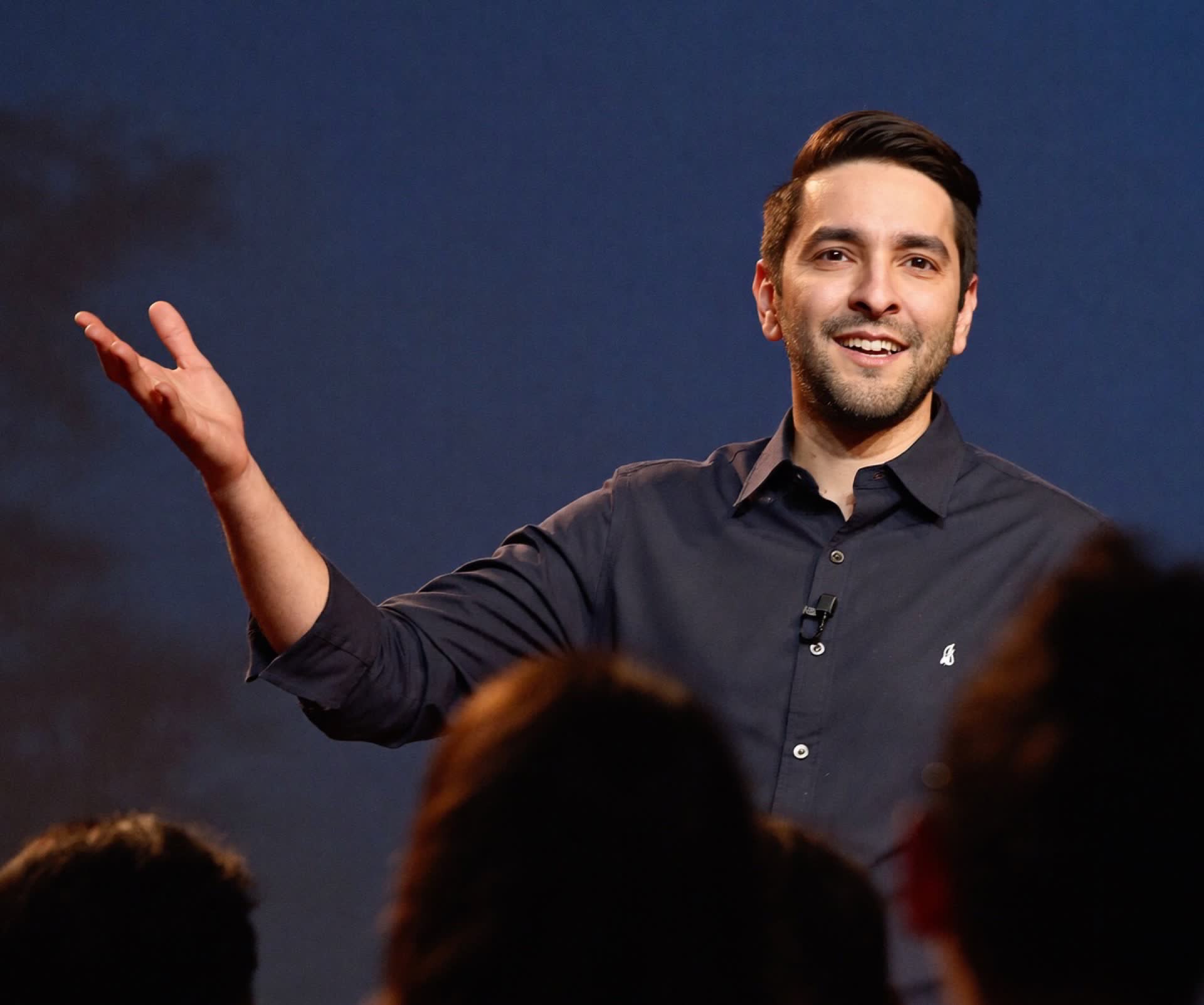
Thought Behind Things · Oct 10, 2025 · 1:42:59
Pakistan's stock market will double, but the onboarding is broken
Ali Farid Khwaja, chairman of KTrade, returns to TBT to explain why Pakistan's stock market is the best-performing in the region, why only 400,000 Pakistanis are invested in it, and why the journey to open a brokerage account still takes a week.
with Ali Farid Khwaja
12 min read
The setup: a market that has tripled, an audience that has not arrived
The episode opens with Muzamil framing the conversation inside the ongoing Endeavor Pakistan series — the search for the country’s fifty most exciting businesses — and arguing that you cannot have that conversation without talking about the stock market. His starting frustration is simple: Pakistan has one of the lowest savings-to-GDP and investment-to-GDP ratios in the region, founders complain constantly that capital is unavailable, and the one regulated avenue for ordinary Pakistanis to put their money into productive businesses is the place almost no one goes.
Ali Farid Khwaja, returning to the show for the second time, corrects one small thing first — he is chairman of KTrade, not CEO; his co-founder Mahmood Bukhari runs the company day-to-day — and then walks Muzamil through what has actually changed since they last spoke. KTrade’s daily traded volume is now five to six million dollars, against a Pakistan Stock Exchange daily volume of around a hundred million. Half of that flow comes from institutional investors — local banks, asset managers, insurance companies, and through KTrade’s partnership with Jefferies, global names. “When BlackRock, Templeton, Schroders, Ashmore invest in Pakistan,” Ali says, “we are one of the brokers which execute those trades.” The other half comes from retail: five to six thousand people use the KTrade app every day, a number that is up ten-fold over three years.
The market itself is doing what almost no other market in the world is doing. Pakistan was the second-best-performing equity market last year at 74%. This year it is up another 50%. And Ali’s call is unambiguous: “We are in the middle of the cycle of the bull run. I think the market will double from here over the next two years.”
Why only 0.2% of Pakistan invests
Muzamil presses the obvious question. If the returns are this good, where are the people? Three years ago the number of direct retail investors stood at around 250,000. Today it has roughly doubled to 400,000. Doubling sounds like growth until you sit it next to the comparators Ali offers: India is at 14–15% of the population, the UK at 24%, the United States at 50%, Saudi Arabia at something close to a third of its citizens. Pakistan is at 0.2%.
Muzamil’s framing of the puzzle is sharp. It is not that Pakistanis are risk-averse. The same people who refuse to open a brokerage account are pouring money into Forex platforms, unregulated crypto schemes and meme coins. “People are not afraid of risk,” Ali agrees. “They are buying meme coins, they are going to Forex platforms. So it’s a shame, and it’s unfortunate.”
The real reason, in his telling, is the customer journey. “Money flows in the path of least resistance, like water,” he says. “If one door is blocked or is difficult to get in, the guy that will flow somewhere else.” Seven years ago you could not open a brokerage account digitally at all — you had to sign forty pieces of paper and give a biometric on a device only available at a broker’s office between nine and five. Digital onboarding was eventually allowed, partly through Ali’s own consulting work with the Asian Development Bank on financial-market reforms, but the regulator inserted a third party in the middle. Brokers cannot directly query NADRA’s Verisys system the way banks, JazzCash and EasyPaisa do. Instead, a separate body called CKO — sitting under the National Clearing Company — handles identity verification at its own pace, then sends the customer an OTP, which the customer must then enter into NCCPL’s own app, which then notifies the broker. “This process can take one week,” Ali says. He hears the complaints daily.
The bureaucracy is trained on debt
Later in the discussion, Muzamil widens the lens. If the problem is known, why has it not been fixed? Ali offers three layers of explanation, and the third is the most interesting.
The first is informational. Most Pakistanis do not invest in stocks, so they have not encountered the friction, so they do not lobby to remove it. The second is administrative. The regulator is not hostile — SECP and Pakistan Stock Exchange both know the problem and want to fix it — but the senior layers of government are buried in committee meetings, and digital literacy at the policy level is genuinely thin. “Government of Pakistan officials still use Gmail, use Hotmail,” Ali notes. “They don’t even have a singular secure email system of their own. So that’s the state we are talking about.”
The third is the one Muzamil leans into. Pakistan’s bureaucracy, Ali argues, has been trained on debt, not equity. The government raises debt. The banks deal in debt. Finance ministers are recruited from banks or the IMF, where debt is the native instrument. “Pakistan, until now, has under-appreciated capital formation,” he says. The result is a country that calls itself Islamic but operates almost entirely on interest-bearing borrowing at every level — and that defaults to IMF programmes instead of building the equity markets that would let entrepreneurs raise risk capital. Muzamil pushes the comparison further by pointing out the asymmetry with crypto: the same government that cannot find the bandwidth to fix brokerage onboarding has been “extremely enthusiastic, extremely energetic, extremely positive” about crypto, despite crypto creating almost no jobs and no real economic activity inside Pakistan.
Saudi Arabia as the contrast case
The conversation turns to KTrade’s expansion into Saudi Arabia, and Ali uses the comparison as a mirror. Saudi’s Tadawul exchange has a daily volume of around two billion dollars — twenty times Pakistan’s — and around seven million retail investors. Saudi’s market is not delivering Pakistan’s returns; it was down last year and is down this year. But its infrastructure for new listings, retail participation, and trading activity is functioning at a different order of magnitude.
Why? Vision 2030, Ali says, is not a slogan. “It’s not like Pakistani plans. It’s very specific. They have annual targets, targets for each area. Their targets explicitly say: we have to do this many IPOs, this much trading activity, this many investors.” When KTrade arrived in Riyadh, the seniority of the people who welcomed them was almost embarrassing — the CEO of the stock exchange, senior officials, all making time for what was, by Saudi standards, a small foreign company. “Versus here you come to do business and they ask, why are you doing this? What is your personal interest? What is your agenda?” Muzamil agrees: in Pakistan, anyone interacting with a system is guilty until proven innocent.
Why founders won’t list — and what listing actually does
A long stretch of the conversation deals with the supply side of the IPO market. KTrade has run five IPOs in the last twelve months — every one of them oversubscribed, several by six times — including Big Bird (a chicken supplier to KFC), an egg exporter, a med-tech company, and the secondary raise for Organic Meat, Pakistan’s largest meat exporter. Pharmaceutical and oil companies are next. By the standards of Pakistan’s market this is encouraging. By the standards of Saudi Arabia’s twenty-five IPOs a year, or India’s volume, it is small.
Muzamil presses on a specific category: consumer-facing growth companies. He uses Cheezious as his example — thirty branches, GT Road dominance, a Gen Z fanbase, the kind of brand a Pakistani investor would actually want to own a share of. Why are these companies not listing? Ali’s answer is honest. KTrade goes to companies like this constantly. He has personally pitched Pakwheels — “Imagine if all your fans who follow your cars buy your shares and become shareholders in your growth” — and has not succeeded. Founders give three kinds of reasons. Some do not want to share ownership. Some have access to bank debt and prefer it. Some are running profitable businesses and do not want a boss, a board or public accountability. “Mera koi boss nahin hai. Main kisi ko accountable nahin hoon. Main khush hoon.” Ali’s view is that this is not optimal. It caps the ceiling. India runs a hundred-thousand-person companies; Pakistan stays at two hundred and fifty.
Muzamil then surfaces the regulatory wall that makes this even harder for the country’s most credible growth stories — its tech startups. SECP’s rules require that a company listing on PSX be a Pakistani entity. But virtually every serious Pakistani startup is structured with a holdco in Singapore, the UK or Dubai. The Singapore holdco cannot list in Karachi. The workaround — listing the Pakistan opco for, say, 20% while the holdco retains 80% — is legally possible, and KTrade is in active conversations with several large startups about exactly this structure. But Ali says the same blocker keeps appearing: international investors at the holdco level tell founders not to do it. “They say: don’t do it. Holdco should own 100%. Raise money at the holdco level. Find international investors there.”
The free corporate-finance offer
The most concrete piece of advice in the conversation comes when Muzamil, unprompted, makes a “shameless plug” on Ali’s behalf. Any Pakistani company doing one, two, or three million dollars of revenue or more, he says, should pick up the phone to KTrade — not necessarily to IPO tomorrow, but to get the foundational structures right for whatever raise comes next, VC or public.
Ali confirms it and goes further. KTrade’s corporate-finance team, headed by Umair Saleh — who Ali says has taken more Pakistani companies public than almost anyone in his cohort — does this work pro bono. The fee only kicks in when a transaction actually closes, whether that is an IPO, a private placement, or a debt raise. He mentions a real-estate company KTrade is currently raising a bond for, and the IT-services health-care AI company they are taking through an IPO process. The pitch he is making to founders is simple: take the call, get the benchmarks, decide later.
The cycle Pakistan has lived twenty-five times
By the end of the conversation, Muzamil pushes Ali toward the macro picture. He wants to know whether the current stability is sustainable, where the risks sit, and whether Pakistan is once again about to celebrate a stability narrative and then quietly cap the dollar, pump real estate, and walk into the next crisis.
Ali does not flinch from the cyclical reading. Pakistan, he says, runs a boom-bust cycle every five years and the pattern is so well-set “we should not be surprised, and I am surprised that people are surprised.” The cycle begins in crisis: reserves gone, inflation high, current account in deficit. Pakistan goes to the IMF, accepts the discipline package — interest rates up, economic activity throttled, imports compressed. Reserves rebuild. Credit ratings improve. Rates come down. The stock market starts going up. Growth returns. Imports rise again. And then the temptation hits: real estate gets cheap money, the dollar gets propped up, and the country tells itself that this time foreign investment will save it. “Hum pachees dafa dekh chuke hain apni Pakistan ki history mein, aur pachees dafa IMF ke paas ja chuke hain.”
Muzamil presses on the dollar specifically. Stability in the rupee always makes him nervous, because historically a 7–8% drift is the honest number and either you let it happen gradually or it bursts. Ali is sympathetic but ultimately bullish on the immediate cycle. The geopolitical position, he argues, is genuinely better than it has been since 2004–2008: the army chief in Washington, the prime minister in Beijing, engagement with Japan, Turkey, Saudi Arabia, and a President Trump whose tweets about Pakistan have been unusually warm. The opportunity is real. The risk, he is honest about, is on the Pakistani side. Saudi investment commitments from the previous cycle — the Karachi Electric deal among them — were never closed because of administrative and bureaucratic issues Pakistan failed to resolve. “The intent from the Saudi side was real. We have not been able to do the reforms.”
His prescription is unfashionably ordinary. The government does not need to perform miracles. It needs KPIs that are not rolling, accountability that does not mean NAB, and the discipline to ask why each previous commitment fell through before announcing the next one. “Ek din hum kehte hain Saudi invest karega. Doosre din hum kehte hain crypto ki wajah se America invest karega. Phir hum kehte hain nahin China invest karega. Aur phir woh cycle return ho jata hai.”
What the conversation actually adds up to
Muzamil closes by surfacing the through-line. The ingredients for retail participation are now in place: a finance-media layer that did not exist three years ago, rising knowledge among ordinary investors, and consumer interest that is plainly being soaked up by less regulated venues. The regulatory wall is the last brittle piece. Move 400,000 investors to four million, then to forty million, and Pakistan finally has the capital-formation engine its bureaucrats have spent decades substituting debt for. Muzamil’s other observation — the one Ali endorses without hesitation — is that founders themselves need financial education. Most of the operators he speaks to do not understand how important their financial foundations are to any future raise, public or private. KTrade, he argues, should be running explicit programming on exactly this.
Ali closes by inviting listeners to download the KTrade app, register at ksbl.com, and live through the painful onboarding anyway. “I have already told you why it’s painful. It’s because of regulatory reasons. But once you have opened your account, it will be easier to invest.” For founders, he points to LinkedIn — his own and his team’s — and to KTrade’s involvement with PSEB, Ignite and Pak Launch as the practical channels. “If they grow then Pakistan’s economy will grow and KTrade will grow. We don’t have any other job. If you win, we win.”
Full transcript
नमस्कार, ख़बतीन अजरात. Welcome back to another episode of Thought Behind Things. जैसा कि आपको मालूम है हमारी आजकल series चल रही है with Endeavor Pakistan where we're trying to identify and look for the top 50 most exciting businesses and startups. उसके अंदर ज़ाहिर है कि हम एक बहुत major industry है जो कि आपकी stock market है. उसके पीछे actually even beyond the stock market जो जो core area of interest मेरा होता है वह investments होती हैं. काफ़ी दफ़ा हम different startup से बात करते हैं, businesses से बात करते हैं. तो वहां के हमेशा यह कहते हैं कि यार access to capital नहीं है, हम grow नहीं कर पाते और generally मेरे experience में जब मैं देखता हूं या फिर, you know, कोई चाय की दुकान खोल लो जो कि निन्यानवे फीसद जितनी भी आप restaurant या चाय की दुकान खोलेंगे, वह हमेशा fail करेंगी. That's like a fact और यह global fact है कि आप यह जिस तरह के restaurants वगैरह खोलते हैं तो majority of the people do not have the experiences and expertise. तो इसी वजह से जब आप बाहर देखते हैं तो certain chains began to emerge जिनके processes अच्छे थे, जिनका systems अच्छे थे and that's when overall people started investing in them और अगर overall companies की भी बात की जाए तो globally, you know, there was an entire system that was in place कि if someone is good at business तो बजाय इसके कि वह जो है ना वह बैठा रहे और वह grow ना कर पा रहा हो and I'm not that good at business but I have some savings. I can give that money to that business and they can use that to grow, and I can get some, share in that company's profits and growths. बड़ी basic सी logical बात है. Unfortunately, Pakistan में हम इस चीज़ को नहीं कर पाते. We have one of the lowest GDP to savings ratio or savings to GDP ratio and one of the lowest investment to GDP ratio in the region and possibly in the world as well. बड़ी अफसोस नाक बात है. जब तक यह नहीं होगा, हम essentially grow नहीं कर सकेंगे. And generally हालांकि हम, you know, Pakistan में जो बहुत सारे नौजवान हैं वह अब different different investment opportunities को ढूंढ रहे हैं. Crypto में invest कर रहे हैं, Forex में invest कर रहे हैं, उसमें scams भी हो रहे हैं, बड़े missile हो रहे हैं. लेकिन जो एक legitimate चीज़ है stock market जिसके अंदर एक legitimate तरीका है investment करने का, I feel like a lot of people do not even understand what it is और अगर वह understand करते भी हैं तो उसमें invest नहीं करते. अगर मैं overall market size की बात करूं तो again according to a research that I was going through तो roughly 10 to 30,000,000 पाकिस्तानी theoretically should be and can be invested into the stock market. At present this number stands at around 250,000 जो last हमारी conversation हुई थी with different guests but let's see उसमें कोई अगर update आई ही नहीं आई. आज हमारे साथ मौजूद हैं someone who's already been on the show before तो अगर इनकी detail, early life, background आपने सीखनी है, समझनी है तो यहां पर कहीं पर उनकी पुरानी episode आ रही होगी. You can go through that but अली फरीद खुआजा who is the founder and CEO of K Trade. Despite the best efforts of governments to move the world apart, entrepreneurs are bringing us closer together as we see innovation literally everywhere. The reason I love it never so much is you realize that you could create something anywhere. Companies can also come, like, you know, from anywhere. It can come from Brazil. It can come from Mexico. It can come from Istanbul.
If you're ambitious, go to Europe, get a job, or to The US. But here, you're mega ambitious. Stay home and build.
This episode of Thought Behind Things is presented in partnership with Endeavor Pakistan. First
of all, thank you so much for taking the time out and being part of the show. It's absolutely my pleasure to be back here and lovely to see you again. Just a small correction I am the chairman of K Trade. My co founder महमूद बुहारी is the CEO and आपने जैसा बिल्कुल दोस्ता कि this is the second time I have been talking to you and last time I thoroughly enjoyed it but more importantly a lot of people watch that podcast.
So so really look forward to having the conversation again now. Amazing amazing. अली भाई मुझे थोड़ा सा पहले तो यह बताएं. Again, quick shout out details about his personal life. यहां पर कहीं पर आ रही होगी episode, can check that out. But इस episode में I wanna just start off with, first of all, getting an understanding of k trade. What do you guys do? What's the scale now since the last time we've spoken? And tell me about your Saudi expansion plans.
Yes. So, it's much bigger than since the last time we spoke. And, and while, as you're right, that there is a massive massive potential for more पाकिस्तानी to directly invest in stock market. The stock market volumes are still quite high because आपने दुर्सगा के लोग directly invest नहीं करते. लोग अपना पैसा banks में रख लेते हैं. कभी insurance companies को दे देते हैं. कभी mutual funds को दे देते हैं. मगर वह companies फिर जाकर stock market में invest कर देती है. So just to give you some numbers daily traded volume on Pakistan stock exchange is around 100,000,000 per day. K Trade's daily traded volume is something like 5 to $6,000,000 per day. So so while it the potential is ops absolutely totally agree that it should it can be twenty thirty times bigger and that's why it's so exciting but it's still sizable enough for for K-Trade to grow. Right. So again some numbers because you asked you know various K-Trade today so जिस तरह half of our trading volumes comes from institutional investors, banks, asset managers, insurance companies even global funds because we are partners of Jeffries जो कि दुनिया का top five investment bank है तो Jeffries के through दुनिया के जो बड़े asset managers है जैसे Blackrock, Templeton, Schroders, Ashmore वो भी जब Pakistan में invest करते हैं तो we are one of the brokers which execute those trades. The remaining 50% comes from retail investors who use KTrade app to invest. So every day around five to 6,000 people use the app to invest in stocks and it's growing and growing strongly. So the number is up like 10 x over the last three years. So so so yeah, good times. And as you rightly said, we also expanded to Saudi Arabia और वहां पर भी we have been working on the Saudi तेदाव world and Saudi market.
Nice. सऊदी का जो है and I'll go deeper into that in in more detail later on as well. But सऊदी का, is it is it the same model? Like, जो जो इनकी stock market है, उसके अंदर, you know brokerage है with an app where people can invest through you या अभी do you have the licenses and all of that to put that in place?
जी तो सऊदी market is similar but larger in terms of trading volume so सऊदी तेदावल just like we have Pakistan stock exchange उनकी stock exchange का नाम है तेदावल. तेदावल में daily traded volume जो है वह around $2,000,000,000 का है Pakistan stock exchange में हमने कहा $100,000,000 का है जबकि its much junior younger market compare to Pakistan. Pakistan में जिस तरह आपने कहा कि retail investors बहुत कम है its roughly around 400,000 right now so it has grown since we spoke last time but in Saudi that's around 7,000,000 so which is which is you know significant portion of the population given the population. That's like what one third of their population. जी so in most markets yeah their population is around 30,000,000 if you exclude overseas people living non-Saudi living over there then their population is 15,000,000 so-so it's significant number of their population. So in India also India में चौदह से पंद्रह percent of the population invest, US में 50% of the population invest, UK में 24% और Pakistan में 0.2 So hence massive massive potential and that's exactly why K trade is exciting for me because there's growth potential in this opportunity and the last two years have been great for पाकिस्तानी stock market. पिछले दो पिछले ढाई सालों में शायद market is up more than two times to more than 200% so it was the second best performing market last year it was up 74% and I think इस साल भी stock market is up 50% and I strongly believe that we are in the middle of the cycle of the up bulls run. So I think the market will double from here over the next two years. So so we are in for good times and and people are coming to the stock market and generally that there is a trend of investment and I noticed that you know if you there are a lot more podcast on the market and when we did our podcast I think that was the first one on on on this topic. Now now I've seen other people. I've seen influencers come into space. I've seen you know there are some celebrities who are doing shows on this. So it's picking up and certainly it's emerging.
Absolutely. I think there's an entire industry now जो पूरी दुनिया में again एक finance की एक industry finance like media side के ऊपर finance की एक space पूरी exist करती है जो कि Pakistan में missing थी and I think that plays a very important part in demand creation. जिसके बाद जाकर के मतलब यह demand होगी तो eventually tools and services can be utilized properly. Tell me a bit about जो आपने कहा कि 400,000 investors इस वक़्त हैं, that's almost nearing to double what we what we heard about three years ago. Why do you think, I mean, that's still growth but it's not great growth. Right? मैं downside में यह बात कह सकता हूं. मैं कह सकता हूं कि, you know, what startups had a had a bad time in 2223. Overall economy had a bad time in 2223. But then over the last two years, we've also seen the the stock market returns have been just mind numbing. Right? And like you mentioned, it's the the best performing stock market in the world and अभी इस साल भी 50% grow कर रही है. Even मैं कल एक chart देख रहा था जिसमें उन्होंने dollarized over the last twenty years निकालाबाद और उन्होंने कहा गया, ठीक है, up and down notwithstanding, you were still getting 9% dollarized returns. That's insane particularly for पाकिस्तानी investors who don't have opportunities anyway. वह तो PKR की returns के ऊपर ही जो है ना वह inflation beat नहीं कर पाते. तो यहां पर dollar को भी उन्होंने hedge किया हुआ है और उसके ऊपर 9% उन्होंने return निकाला है. So for some reason we but with all of that, with all of that data, with all of that understanding prevailing narrative अभी भी यही है कि stock market तो volatile होती है, उसमें तो पैसा डूब जाता है. मैं masses की बात कर रहा हूं. And साथ ही अगर मैं इसमें इसमें add करूं कि while a lot of people might say, you know, लोगों को समझ नहीं है यह नहीं है, वह नहीं है. A lot of these sort of unregulated random platforms that a lot of people online have endorsed as well by the way Mhmm. That are selling, you know, forex or crypto investments. They've spread like wildfire. Yes. So you have, like, thousands and millions of people investing into forex and cryptocurrencies and you know क्या कहलाते हैं? Meme coins effectively. एक तो आप कह देना कि जी productive value है कि नहीं है. एक तो आपको पता है कि यार यह gambling चुना लग रहा है यहां पर but you know people are just like it ठीक है double कर देंगे कोई मसला नहीं है. And that makes me feel like कि you know there is a clear appetite but it's a systemic problem where nobody is able to guide people कि listen, इतने short term returns पर जाओगे तो फिर risk के ऊपर जाना मारी खाओगे, निन्यानवे fees से मार खाएंगे. You know, be an investor. Rather than a trader, be an investor. Make grow your wealth in the longer term. And I feel like that's missing. But what's your opinion about what are some of the challenges that have not allowed for that exponential growth that a lot of people were hoping for.
So you are spot on and completely right that the kind of returns which Pakistan stock market has given should have attracted or should have benefited directly benefited millions of people क्योंकि ऐसे return दुनिया में कहीं नहीं मिलते ना gold में मिलते हैं ना bitcoin में मिलते हैं ना US stocks में मिलते हैं तो they should have been a run they should have everybody हर बधे को चाहिए था कि वो stock में invest कर रहा होता. मैं अगर लोगों को कह रहा हूं कि अभी we are still in the middle of the rally and it will double that mean yearly return to 50%. So why aren't people coming? Specially as you rightly said कि वह बाकी जगह तो जा रहे हैं और तो इसका मतलब यह है कि वह risk से नहीं डर रहे. यह नहीं है कि उनको डर है कि इधर जी हमारा पैसा नहीं से चला जाएगा क्योंकि वह तो meme coins खरीद रहे वह तो forex platform पर जा रहे हैं. So it's it's it's a shame. It's a shame and it's unfortunate और इसका main वजह यह है कि customer experience in opening an account in a brokerage is still not easy. So people get frustrated. Know, people people want people money flows in the path of least resistance is like water. So if one door is blocked or is difficult to get in the guy that will flows to somewhere else. I see that with Ctrade all the time क्योंकि लोग so I'll tell you what's the problem with the customer journey क्योंकि लोग मुझे कहते हैं मुझे कई messages आते हैं कि हम k trade में account खोलना चाहते हैं मगर वह तो एक हफ़्ता हो गया account नहीं खोला आप अपने customer service को improve करें और यह क्या है वह तो so I I hear their frustration I understand and my frustration as well. तो होता क्या है कि Pakistan में they allowed आज से सात साल पहले तो आप digitally broker के साथ account खोल ही नहीं सकते थे. आपको papers में sign करने थे चालीस जगह पर signatures चाहिए थे और उसके बाद आपको एक device पर biometric पर fingerprint देना था वह device जो थी वह सिर्फ़ broker के office से आपको मिल सकती थी या NCCPL के stock exchange के office से मिल सकती थी but only between nine to five and not on Saturday and Sunday. So you know, you had made it horribly difficult for people to open an account and hence उस वक़्त तक number of investors decline कर रहे थे. अभी तो फिर भी हम थोड़ी सी growth की बात कर रहे हैं. So, पहले तो उन्होंने digital onboarding allow की. I had a little bit of contribution in this. I was a consultant for Asian Development Bank for financial market reforms along with other people and this was one of the things which got done. मगर उस पर उन्होंने कहा कि let's say अब आप आप आप के trade पर आते हैं, अब online form fill करते हैं. आप हम आप अपना ID card की picture हमें देते हैं. Now we have to verify that your ID card is yours. Now typically the way banks and JazzCash and EasyPaisa they do it is that they access नादारा system. There's a software called Veresis. They check, they put it over there and they get a notification that यह सही है. यह बड़ी जल्दी हो जाता है तो इसलिए आपका bank account या JazzCash account या EasyPaisa account बड़ी जल्दी खुल जाता है. In the case here they said कि नहीं हम इनको direct access नहीं देंगे. हम एक अलग body बनाएंगे जिसका नाम जो CK होगा, CK O होगा centralized KYC body वह एक अदारा जो national clearing company है उसके under होगा. तो अब क्या हुआ? आपने K Trade download. मैंने आपको कहा कि रम्मल stock market double हो रही है. आपने कहा मैं stocks invest करता हूं. आप K Trade का app download करते हैं, अपना ID card उसमें upload करते हैं. Now you expect your account to be open just like it does in finance and other platforms. मगर उसकी बरक्श हम आपका ID भेजते हैं NCCPL को. NCCPL जब भी उनको time मिलता है वह उसको verify करते हैं. उसके बाद वह आपके phone number पर एक OTP भेजते हैं. Ready to open your account. Now you have to download NCCPL's app. उस app के अंदर वह OTP आप लिखोगे. जब आप लिखोगे OTP डालोगे तो फिर account आपका खुलेगा अब हमें notification आएगी हम आपको कहेंगे आपका account खुल गया. So this process can take one week in the in the now प्रकिस्तानों में मतलब यह है कि they generally with specially with the regulator but generally there is under appreciation of this customer journey of user experience. तो और especially उनको exception handling तो आती नहीं है. तो कहते देखिए जी हमने try किया था वह तो account फ़ौरन खुल गया तीन दिन में. एक तो तीन दिन फ़ौरन नहीं है. वह normal use case में जल्दी खुल जाते हैं. अगर आपकी थोड़ी सी discrepancy आ गई for example आपने रावलपिंडी की जगह RWP लिख दिया अपना address तो फिर पूरा system फ़ंस गया. So so so unfortunately the long way of answering this question and the reason why I've taken a long way long time to answer is because I get so many complaints from people कि यार अब cater में जल्दी के लिए account खोल सकते तो समझाना चाह रहा कि it's not our fault. We have been trying to work on it and I hope कि regulator allows brokers to get direct access to Verisys to नादरा to verify it. Why are you, why have a third party in the middle?
Yeah. So let's let's sort of try to unpack this. And I know that you've been fairly instrumental in having a lot of these conversations over the past couple of years. You've been around and about decision makers who who directly have the say in in in potentially these decisions going in a a or b direction. यह जो आपने बात की है या I'm hearing this from a lot of people. जब भी जो आपके investments के influencers हैं, brokers हैं, investment advisors हैं, they all tell you कि oh my god, stock market is amazing and it's going great and so on and so forth. And then when whenever I ask them to, ok, let's talk about the customer journey because it's we've gone beyond the demand creation of, hey, listen, you need to invest in the stock market. Everybody understands or at least जैसे कहते हैं ना कि early adopter के बाद वाला जो main critical mass आती है, उसमें से एक वह जो डाल चुकी होगी, right? तो वह बाकी बात यही करते हैं कि यार मसला जो है वह इसको regulatory कह लें, इसको processes कह लें, वह सारा कुछ कर लें. What I'm curious about is first, have you tried to have these conversations with the regulator and and and try to convince them कि listen, let's make it easy and more fluent? And b, what do you think is the the the deterrent? Because कोई ना कोई तो उनका rationale होगा ना कि यार हम property जो है उसके ऊपर, you know, cash पर इधर घूम रही है economy. Forex के ऊपर, crypto के ऊपर, dollar बाहर जा रहा है. उस पर कोई देखने वाला नहीं है. तो वहां पर आपकी यानी कि बिल्कुल brain dead investments हो रही हैं and so many people I personally know who are going through financial stress right now who are fairly comfortable but they invested millions without any oversight, Right? But the one place जहां पर it's regulated, there is nuance, there is an understanding and long term के ऊपर worst case scenario का पैसा completely trash नहीं होगा, that has been made extremely difficult. What's the rationale that they come up with कि oh, you know, is it FATF or is it what is it?
Difficult question. Difficult question because I I don't know the answer as well that clearly as you rightly said that अब सबको यह पता है problem कि यह problem क्यों है? अगर सबको पता है तो solve क्यों नहीं कर देते? तो पहली बात यह है कि शायद सबको नहीं पता. शायद हमें पता है क्योंकि हम इसमें बात कर रहे हैं और हमारा business है और हमने जो try करता है उसको पता है. क्योंकि पक्ष अंग्रह लोग invest नहीं करते. जैसे राब ने कहा वह real estate में करते हैं या बाकी जगह करते क्योंकि उन्होंने try ही नहीं किया तो उनको पता ही नहीं है कि मसले क्या हैं. Second so that's point number one. Point number two is I think the regulator is trying. I whenever I have spoken to them I have never heard them say कि नहीं हम नहीं करना चाहते. So so I can logically conclude that they are busy in so many other priorities that they are overwhelmed by those priorities. हो सकता है and you know I have seen government closely so I I know that उनकी administrative work बहुत ज़्यादा होता है फलानी committee की meeting, धंडकानी की meeting तो इस minister से meeting तो उस committee की meeting. So हो सकता है कि वह उसमें इतने busy होकर मगर third you know technology, understanding of technology for regulators, any regulator and by regulator I don't mean SECP. I mean like Pakistan bureaucratic infrastructure. अभी तक उनकी technology की understanding बहुत low है. अगर आप देखें मैं किसी meeting में था वहां पर वह बात कर रहे थे कि government of Pakistan के officials अभी भी Gmail use करते हैं, Hotmail use करते हैं. They don't even have a singular secure email system of their own. So so that's that's the state we are talking about. So I think what has happened is that there's a massive disconnect between the bureaucratic infrastructure of government of Pakistan and the digital level of the people of Pakistan. And it's ironic the the irony or slightly tragedy is when I hear the government of Pakistan saying that we will give the vision for digital Pakistan. Like, don't give us the vision. Just upgrade yourself. You are the only one who needs upgrade. Pakistan or young people in Pakistan are already digital. I don't think they really need an upgrade. Just learn yourself. So I think I think that is a problem but just just finally I I do जो आपने point बोला वह बड़ा important है कि जो आपने शुरू में introduction में बोला है कि capital formation is critical for any economy because जब capital formation होगी तो जब ही entrepreneurs के पास equity capital आएगा, risk capital आएगा to expand their business, to set up their business. अगर ऐसा नहीं होगा जो बक्सा में नहीं हो रहा तो आपकी economy sustainably sustainably grow नहीं कर सकती. आपकी job creation नहीं हो सकती. Unfortunately Pakistan के अंदर we are have been always reliant on debt. So हम equity capital पर नहीं जाते, हम debt capital पर जाते हैं which again is so ironic और rather tragic that हम Islamic उसमें system में एक बात करते हैं और करते सिर्फ debt है at every level. Government भी debt raise करती है, banks भी debt देते हैं नहीं देते government को debt देते हैं और हमारे जो ministers होते हैं वह भी bankओं से आते हैं या IMF से आते हैं या उन bankओं से आते हैं जिन जहां पर काम उनका debt होता है. तो उसका मतलब यह है कि the bureaucratic infrastructure technically is more knowledgeable about the debt market. Technically they typically do not have experience of investments and of equity capital markets. So I think that is the fundamental problem कि Pakistan में अभी तक उन्होंने capital formation को under appreciate किया है. Mhmm.
अभी मैं recently मैंने दो खबरें देखी जो कि मुझे I mean निंदी मैं थोड़ा सा ना I'm a मैं center का बंदा हूं. तो जहां से मैं थोड़ा सा ज़्यादा life में depress होने लगता हूं ना तो I try to see the other side. क्योंकि हमेशा जो है ना वह तमाम shops के ऊपर वह क्या नाम है? वह रास्त का one QR जो है ना वह deploy होना चाहिए और digital payments enable होनी चाहिए और वह मेरी यह बड़ी अच्छी ख़ुशाइन बात थी because आप digital payments की तरफ़ जा रहे हैं, आप उसको enable कर रहे हैं. वह credit card machine वाला जो drama था वह तो हो नहीं पाया because उसकी infrastructure cost थी and people would cut corners. लेकिन अगर आप और उन्होंने बड़े अच्छे तरीके से उसको implement इस तरह से करने की कोशिश की कि he spoken to the secretaries and the commissioners and basically वह government अब उसको enforce करना चाह रही है कि यार the customer should have the opportunity to pay digitally. अब अगर business उसमें जो है ना वह digital से भागना चाहता है और कहता है कि यार मैंने tax नहीं देना, तो यह business का problem है. वह normally यह होता ना वह कहते हैं कि credit card machine काम नहीं कर रही क्योंकि वह cash में करना चाहते हैं. And, you know, recently when I came to सलाहबाद तो I was surprised. My wife took my son to the hospital, one of the best eye hospitals in the city. Everybody knows about it. कोई scene ही नहीं है, credit card लेते हो. बिल्कुल right at the heart of F 6. Parliament House से चार minute, पांच minute दूर. Then she took my cat to the vet, best veterinarian hospital in Islamabad. F seven, F six वह भी इसी तरह उनमें cash, right? And वह largely इसी वजह से because उसके अंदर वह tax evasion है, उसमें दस और चीज़ें हैं. तो उस पर लोग generally आकर यही कहते हैं कि यार वह एक मूरा mafia है. Nobody wants to change tax evasion this or that. But that was a good news in my opinion कि, ok, amidst all of those problems that we've heard about, at least they're willing to go towards that next step. साथ ही फिर हमने सुना कि जी FBR के अंदर there is this उनका वह digitization का कोई department था जो कि बड़े अर्थ से चल रहा था. उन्होंने कहा जी उसको wrap up करें और अब इसको restructure करें. अब यह बड़ी changes हैं. यह इसमें जाहिर है कि जब इतना की changes आती हैं तो आपको बहुत ज़्यादा backlash भी मिलता है, आपको pushback भी मिलता है और and जहां तक digital payments की बात है तो उसके ऊपर हमें पता है कि जो जो traders हैं और जो retail outlets हैं वह historically have been very very have a big lobby जो कि उसको वह करते हैं. But still इन्होंने यह करने की कोशिश. What I'm trying to understand from you is, is it just we we understand the problem? We also potentially understand the solution. But there's no work that's being done there या हम यह कह सकते हैं कि यार at least अब इसकी chatter कहीं ना कहीं जाना शुरू हो गई है और शायद at some point in the future or near future, we'll see कि भाई एकदम से बहुत rapidly इसके ऊपर काम होगा और इसी के साथ tie out करके मैं what I wanna see, what I wanna understand is देखिए bureaucratic hurdles या inefficiencies की वजह से काफ़ी दफ़ा काम नहीं होता है. I understand that. But then काफ़ी दफ़ा ऐसे भी होता है कि there are certain nodes that intentionally stop change because उससे उनकी अपनी inefficient systems जो है ना वह मुताब से रो रहे होते हैं. And so I'm curious कि इस वक़्त government of Pakistan को क्या idea ही नहीं है? वह इसको बिल्कुल हल्का ले रहे हैं या idea है but वह उनकी priority में नहीं है? और क्या आपको लगता है कि आने वाले वक़्त में हम इसकी rapid development देख सकते हैं and this tied with other policies कि जब tax अभी budget आया पिछले दिनों तो उसके अंदर जो आप जब आप stocks में invest करते हैं उसमें हम एक जमाने में सुनते थे कि आपको tax break भी मिलती है. आपको जो है वह potentially मतलब आप tax refund claim कर सकते हैं वग़ैरह वग़ैरह. तो जो capital gains आपका stock का है उसके ऊपर जो taxes लगे हुए हैं versus other ways इस सारे को मद्देना ज़रकते हुए आपने analyze किया हुआ है. Net के ऊपर does stock market investment even make sense compared to the other avenues that you have available in Pakistan?
Yes, so a deep question with like multiple facets to it. तो आपका पहला सवाल था कि government बाकी काफी कुछ sectors में active हो रही है और improvement कर रही है, reforms start करने की कोशिश कर रही है all those में conflicts आ रही हैं. So क्या capital markets में is there any expectation कि वह यहां पर आकर चीज़ों को fix करेगी ताकि यह onboarding की journey improve हो जाए और क्या उनको पता भी है कि ऐसा problem है? तो so governments के various levels होते हैं. जो अगर आप Pakistan SECP देखें which is a government body so I know that they are aware and they are trying to improve things. I also know that Pakistan Stock Exchange is not a government body but and similarly they also know that this is a problem and they are also desire for the market to grow and they are also trying to improve the problem. मगर जो prime minister के level की बात या finance minister के level की बात वह अभी तक I have not seen that kind of engagement which for example we have seen in crypto. Now if you if you see that kind of enthusiasm which is great like they have been extremely enthusiastic, extremely energetic, extremely positive, optimistic. They have made so much positive news that Pakistan is on the headlines of newspapers around crypto globally and that's great. Know, it's it's great for for for for for that particular objective. मगर जब आप crypto में invest करते हो उससे Pakistan को ख़ास फ़ायदा नहीं होता और majority of the case में आपको भी नहीं होता क्योंकि उसमें meme coin you know there are 17,000,000 tokens. So majority of them by definition क्योंकि 17,000,000 है. Majority of them are scams, right? So so मगर despite that the government wants to do this and the government has shown a lot of excitement and enthusiasm. तो अगर वह उसके बारे में दिखा सकते हैं जिसमें Pakistan को कोई ज़्यादा फ़ायदा नहीं हो रहा so surely they should focus more on promoting the companies and which are linked to Pakistan economy and job creation and growth so so उस पर they should focus more. So certainly यह मेरी दुआ है और मेरी तमन्ना है और मेरी desire है और इसलिए मैं आपके इसमें भी podcast में यह request कर रहा हूं so it's all of that. It's my request and my desire and hope that they should focus on it and as you know I am generally more optimistic. I I think that they will focus on it मगर I have not yet seen any catalyst कि हां अगले तीन महीने में वह काफ़ी ज़्यादा focus इसमें करेंगे. अभी तक दो आओं पर ही हूं मैं.
Right. अगर हम थोड़ा सा stock market की बात करें तो एक तरीका एक आज़ार है वह होता है कि there is existing stocks that are listed और उसकी ख़रीदों फ़रोक़ तो हो रही है और उसके अंदर जो है ना वह and, you know, थोड़ी सी अगर आपकी guidance भी हो, जैसा तक मैंने सुना है, उस तक मैंने समझा है मैंने. I've never sort of taken a plunge myself to be able to deeply understand it. But my understanding is कि जो existing companies exist करती हैं उन्होंने एक दफा अपने आप को launch कर दिया, उन्होंने पैसा raise कर लिया. अब वह share market में trade हो रहा है. So it's really money switching hands. And so unless barring an IPO there's the the whatever whatever is happening in the stock market is not really money being invested. It is basically money changing hands based on the perception or the current economic activity of the company. So the growth for that particular company or or or the industry overall is largely just dependent on external variables and economic outlook. And there's not necessarily new capital being provided or being, you know you know, sort of pumped into the industry. पहले तो मुझे बताइएगा कि यह बात दोस्त है या can they continue to raise? And in terms of हमने पिछले एक दो डेढ़ साल में देखा, दो साल में देखा ख़ैर सैंतीस, चालीस हज़ार points से अब इस time के ऊपर एक लाख बीस हज़ार के ऊपर है और something of that sort. तो we we saw like a three x growth, right? Now is that growth entirely a perception thing या उसके अंदर नए IPOs भी हुए हैं, नई companies भी आई हैं, overall investment climate बेहतर हुआ है?
बिल्कुल बेहतर हुआ है. So so so firstly on the first question about secondary trading and primary listing. तो आपने बिल्कुल दोस्त किया कहा कि जब initial list करते हो तो आप पैसा raise करते हो उस पैसे से. Normally आप पैसा इसलिए raise करते हो और क्या आप business को expand कर करोगे? आप investors को बोलते हो कि जिसके यह मेरा business है, यह मेरे plans है, मैं पैसा आप मुझे दे, मैं company में invest करूंगा, आपको पैसा मिल जाता है and you use that capital for growth. Now next step is if you invest that well as a company then your profit should go up, right? Like that's why you raise the money to expand. So when your profits go up, your share price should go up and if the share price goes up then you become more richer and the people who invested in your company become happy and richer. So जब वो happy होते हैं और richer होते हैं तो वो कहते हैं कि ये बहुत अच्छी company थी हमने इनको पैसा दिया. इस company ने growth की, उस growth की वजह से इसके profits बढ़े. हमारा share price की value बढ़ गई है. We like this company. तो फिर that company can always whenever it wants issue more shares and raise more money for the next leg of growth. तो मैं आपको एक मिसाल देता हूं एक meat exporter Pakistan का सबसे बड़ा meat exporting company है जिसका नाम है organic meat. वह उन्होंने IPO किया. IPO से जो उन्होंने पैसा raise किया उनका उन्होंने investors को कहा कि देखिए हम इसे एक नया plant लगाएंगे, capacity capacity को expand करेंगे और फिर हम eventually अपनी export China में start करेंगे और increase करेंगे और वही हुआ उन्होंने setup किया, expand किया, थोड़ा time ज़्यादा लगा मगर उन्होंने China भी export किया और अब वह UAE और बाकी मुमालिक में भी उनकी export बढ़ रही है. उनकी share price went up and recently K trade held their इसको कहते हैं rights issue यानी secondary another secondary raise. तो हमने उनका secondary raise किया and they have raise more money for further expansion. तो normally अगर एक share price नीचे जा रही है तो उसका owner शायद पैसा ना raise करे क्योंकि उसको होगा कि मैंने पहले लोगों से पैसा raise किया मगर मेरी performance अच्छी नहीं गई. मतलब company की performance अच्छी नहीं गई. लोगों ने पैसा नहीं बनाया तो अब उस company के लिए मुश्किल होगा पैसा raise करना. So what I'm saying is that a company can always raise more money but typically companies prefer to raise more money when the stock market is going up. So that links to your second question Because पाकिस्तानी stock market is going up, a lot more companies are coming to the market to list. So over the last twelve months, I think there have been five IPOs and not only just five IPOs, all of those five IPOs have been record subscription. छह छह गुना ज़्यादा अगर किसी ने let's say पांच million raise करने थे तो उसको तीस million dollars की demand आ गई है और उन उन companies की share price भी after the IPO has gone up. इसमें med tech की companies हैं, pharmaceutical companies हैं, egg एक company है जो egg export करती है. एक हमने IPO किया है एक company जो chicken बनाती है big bird उसका IPO K Trade ने किया. So IPOs increase ज़रूर होए हैं मगर of course five looks like a small number and this should be twenty, thirty you know just so the अगर आप देखें मतलब Saudi market देखें तो उसमें पिछले दो तीन सालों से on average 24, 25 IPOs होते हैं. So that's a number in in in Saudi Arabia. India में it's the highest number of IPOs over the last couple of years have been happening in India. So that's a difficult comparison. मगर I hope कि Pakistan में IPOs हों और मेरे ख्याल में होंगे क्योंकि performance is great, investors are coming and and this will continue. So I am very positive and then right now I think this is the best time I have seen in the stock market. You know we had this period in 2004 till 2008 when the economy was recovering and people were investing and IPOs were happening and people were becoming rich by investing in stocks. I think we are in the same time period and I think you will see all of that activity now. Makes sense.
Do you think in terms of the the the companies listing, I mean, you've probably studied different markets. Pakistan में एक company है, let's assume. Cheesies देखी है आपने, restaurant company है? नहीं. Cheesy's के restaurants वगैरह होते हैं, pizzas वगैरह होते हैं. So you go to, I've actually been meaning to speak to their founder. Don't know हो नहीं पाया. I think if I'm not wrong, let me just sort of quickly confirm this as well. So, चीज़िया started in 2012 as, like, this sort of local fast food pizza भी है उनके पास, burgers भी हैं, सारा कुछ है. वह ten and twelve twelve years. Currently उनकी 30 branches हैं, right? और वह cover कर रहे हैं आपका यह GT Road पूरा का पूरा और इसमें वह multiple फ़ैसला बाद और this और that and so they they were smart enough to realize कि भाई there's a huge youth population that is growing in sort of Central And Upper Punjab और जो urban area है उसके अंदर और उसको उन्होंने leverage किया और क्योंकि, you know, उस time के बाद मैंने देखा मेरे office के अंदर और यह जो नए बच्चे थे ना gen z बच्चे जो थे, बीस, इक्कीस, बाइस. यह they were hooked to cheesy and it was like a standard वह. अब मेरे लिए it's a no brainer कि a company like Cheesy's वह grow कर रही है, वह scale कर रही है. Why can I not as an average पाकिस्तानी as a fan of Cheesy's For a company like Cheesy's, वह अगर आज Pakistan में grow कर रही है और वह अपने आप को list करना चाहती है versus a company like Cheesy's जो कि कहती है कि यार अब हम Saudi Arab में expand कर रहे हैं, Saudi Arab में already exist करते हैं और वहां पर हम अपना IPO करना चाहते हैं? Do you think the experience will be similar? Do you think it will be easier in Pakistan and or in Saudi?
Again, difficult question just because, so पहली बात यह है कि a company like this can and should IPO on and raise money for growth and यही यही this is one of the works which we do at K Trade कि हम companies के पास जाते हैं उनसे कहते हैं आपका business बहुत अच्छा है, आप grow कर रहे हैं, your brand is great, people love your brand. Why don't you raise money by listing on the stock market? आपको मैंने एक मिसाल दी Big Bird chicken बनाती है वह KFC को बेचती है हमने उसका IPO किया. अभी एक technology company है वह उसका हम IPO कर रहे हैं. एक oil का बहुत बड़ा brand है हम सब जानते हैं. घर में वह cooking oil वगैरह बनाते हैं. तो उनका हम IPO कर रहे हैं exactly similar conversation which you just explained. तो कुछ को convince कर लेते हैं, कुछ को नहीं कर सकते. A friend of mine वह Park Wheels on he's one of the founders of Park Wheels. मैं ऐसा कह रहा हूं कि why don't you list your company? It's such a great brand and people love your brand. Your massive following. Imagine if all your fans who follow your cards, if they they buy your shares and they will become shareholders in your growth They'll be happy, right? Like you already have such a big community. So so so I have I have not been successful so far. Typically sometimes founders don't want to share their company with others. वह कहते मेरी company है मैंने बनाई है. मैं औरों के साथ क्यों share करूं? मैं तो ख़ुद profit बना रहा हूं. कभी वह कहते हैं हमें तो bank पैसे देने के लिए ready है. तो हम अपना shares क्यों दे जब हम loan ले सकते हैं और हमें loan मिल रहा है. So depending on the stage of a company you see different responses. मगर of course it's my job and to be the champ to ambassador of an stock market and tell people that this is a great way of raising money because इसमें once you raise, आप यह भी कर सकते हो you can do a buyback. So आपने आज growth करनी है, आपने shares issue किए, investor से पैसा लिया, आपकी growth हुई, आपका profit increase हुआ, आपका share price ऊपर गई हुई है. आप कहते हो कि I will now pay a premium and buy the shares back from investors. So it gives you so much flexibility that everybody should do it. Now comparison with Saudi Arabia. Saudi Arabia is not an easy market. It's also highly regulated, culturally similar. So but they are improving and and unlike Pakistan वहां पर फ़र्क यह था कि उसके vision 2030 they have a blue print for growth, clear strategic plan of growth और वह जो vision 2030 है वह पाकिस्तानी plans की तरह नहीं है बड़ा specific है. उसके हर साल के targets हैं, हर area के अंदर targets हैं. तो उनके targets में explicit है कि हमने इतने number of IPOs करने हैं, हमने इतने number of trading activity इतनी करानी है, हमने इतने number of investors को increase करने हैं. तो वह उनकी जो आप पिछला सवाल था ना कि government focus इस चीज़ में कर रही है कि नहीं? तो उनकी काफी focus करती है और उनकी government काफी powerful भी है और उनकी government जब वह कहती है तो उनके लोग उसको fulfill करने के लिए कोशिश भी काफी करते हैं. So I think that they have made it easier for companies to lift but more importantly they facilitate it. तो मेरा experience यही रहा कि मतलब we were a small company expanding to Saudi Arabia मगर जितनी support, encouragement उनकी government से मिलती है it's almost embarrassing कि मैं कभी कभार होता है यार जब हासिबार start रहा था कि हम तो इतनी छोटी company इतने senior लोग इतनी ज़्यादा attention क्यों दे रही हैं कि वहां का stock exchange का CEO is talking and like you know the main guys are talking and saying come and do this and do that. So K trade for example आपका सवाल था कि do you do the same thing in Saudi? No, so no we we primarily do equity research, we support some of their family offices on investments. मगर जो Ktrade app है, जो trading app है, it's used in some Saudi universities for teaching people how to invest in Saudi stocks. तो उसमें जितनी भी support, you know, वो लोग, they used to thank us that, you know, thank you for coming in our country and doing this. So the approach is very welcoming. They are generally very hospitable and generous people. So you see that in their gestures versus यहां पर आप करने आओ तो कहते हैं क्यों करने आ रहे हो? तुम्हारा कोई personal interest होगा. तुम्हारा agenda क्या है? So you know हम थोड़े शकी और थोड़े skeptical और थोड़े criticals याद आए compared to over there.
Right, that makes sense. I think वह बड़ा आपने सही बोला कि for some reason ना मुझे भी यह experience हुआ है कि आप Pakistan में business करने लगते हैं तो आपको हर कोई ऐसे देख रहा होता इसने आप ग़लत काम कर रहे हैं. And then as you go up the ladder, up stock market, this, that anything that is किसी भी system से आपने जब भी interact करना है तो you are वह कहते हैं ना guilt innocent until proven guilty तो you're guilty until proven innocent वाला system होता है कि you know make sure कि आप convince करें दूसरे बंदे को कि भाई for the love of god I'm legit and I'm trying to do a legit thing. But इसके अंदर मुझे यह बताएं कि एक तरफ़ yes obviously the government is not that interested और और rather does not have the focus. साथ ही आपने यह भी बोला कि then there are people जो कि यह भी बड़ा problem है Pakistan में कि हर हर बंदा कहता है कि यार बस मेरी डेढ़ इनकी मस्जिद हो जाए. वह छोटी सी मस्जिद हो लेकिन मेरी ही डेढ़ इनकी मस्जिद हो. And so we don't, we're a low trust society in that aspect and we don't want to share our success even if, in my opinion, success has a ceiling unless shared. क्योंकि it's it's a lot of different people that bring, that come together to push you up. You cannot do it by yourself and I feel like that's one of the reasons why Pakistan has historically failed to scale in certain areas as well. But I also see that changing. I mean, I'm I'm speaking to this time around अभी जो मेरी यह वाली series चल रही है ना, दो हज़ार बाइस में बहुत सारे ऐसे लोग थे जो interesting ideas के साथ आए थे. कुछ कहीं ना कहीं से कुछ लोगों ने investments भी ले ली हुई थी. बहुत सारे ऐसे थे जो कि And sort of last recession के अंदर I feel like a lot of these inefficient models died out and more sustainable models stuck out. Right? And so आज अब जब मैं cover रहा हूं I I think I've done twelve thirteen episodes till now And just some of these guys are just phenomenal. You know, they're they're they have a EBITDA of 25, 30%. They're all profitable. They're doing, like, hundreds of millions of dollars की annual revenue के के लोगों से भी conversation हो चुकी है. Wow. And so now I'm thinking कि ok, so this is happening and a law and everyone I speak to और मैं उनसे यही पूछता कि funding का क्या scene है? अभी तक क्या हुआ है? आगे का क्या देख रहे हैं? और वह यही है कि now these guys have plugged themselves out and they're all all of these legit companies वह दो ढाई साल पहले से वह जाकर कह रही थी कि यार Pakistan में investor तो ढूंढ रहे हैं, investor नहीं मिल रहा. Eventually वह गए और जाकर उन्होंने गोरे को बेच दिया. They're all getting international institutional investors. पाकिस्तानी जो सेठ है वह आज भी उसमें invest नहीं कर रहा और public तो दूर की बात है, right? And so I'm curious कि clearly I'm seeing an appetite of raising money. Bottom line तो यही है ना कि इतने ही percentage दो इतना पैसा उठाओ. ठीक है, आप कह सकते हैं कि यार वह dollar में मिल रहा है तो थोड़ा सा आपको hold को मैं रखकर आप थोड़ी सी valuation को शायद थोड़ा सा आगे पीछे कर लें. यह आपका PKR का पैसा है. But my understanding is कि अगर वह वाली बात तो नहीं रही कि यार मैं अपनी equity देकर मैं पैसा नहीं raise करूंगा. वह वहां पर तक appetite तो है. Why don't we see a lot of these companies? And I I don't know if you've spoken to. Like, आपने इतना बोला कि यार, cooking oil legacy company है. It seems like दिमाग में narrative यह आता है. कि यार अगर मुझे पैसा raise करना है या तो मेरे बीस पच्चीस साल की legacy हूं ना मैं Unilever PNG types हूं तो मैं चला जाऊंगा. लेकिन मैं अगर एक startup हूं या मैं एक modern young company हूं with good healthy financials but startups is, you know, stock market is not the way to go. I need to go and raise a bunch of different rounds and stock market अगर वह maximum भी मैं उनसे पूछता हूं कि listing का क्या scene है? तो वह कहते हैं यार eventual exit होगा ना जब हम billion dollar company होंगे. तब हम जाकर के New York Stock Exchange में अपने आप को list करेंगे type which I feel like, you know, I hope they do be able to do it but seems unrealistic considering the dynamics of Pakistan and पाकिस्तानी market. What are your thoughts on that? Have you spoken to startups, newer age companies, technology companies that are profitable, are raising but don't go the PSX route?
Yes. So again, there are a lot of interesting points which you made. So the and let me go back to the the the the first point which you raised कि हम काफ़ी critical होते और शकी होते हैं. So the first thing is you're totally right मुझे अमिल that I think we have to start by celebrating the entrepreneur, an entrepreneurial spirit. I think entrepreneurs are should be our heroes. They put their money, their time, their effort. Often their sweat, blood, tears in in building something they which creates value to people. If it's a if it survives, that means it's creating value for people. Job creation करते हैं, product बनाते हैं, innovation करते हैं. आज से तीन साल पहले on चौदह August we we we did this video message called tribute to the founding entrepreneurs and business leaders of Pakistan. Know, there were so many stories of people who left their businesses in India, in Punjab, in रंगुण. They moved to Pakistan where there was nothing. They invested here when we had no reserves and literally nothing. And they moved their settled businesses and they moved away from their family then invested here. So people like that, we we we need to celebrate the entrepreneur. We need to recognize their struggles and and understand that they are creating massive value. And अगर जब तक आप वह नहीं करेंगे तो, you know, you will never I think that's the hurdle for Pakistan to really become a a enterprising nation. You know, when they talk about enterprising, that's why all the innovation is in San Francisco because it's enterprise. It it values and celebrates the the entrepreneur. So that's point number one. Point number two, I think it's changing. I totally agree with you that even that's changing. That and the startup ecosystem, the startup culture, the the the cycle which came over there was a reflection of that that people have started to respect the entrepreneur and understand that this is something which is important for innovation and growth of the economy. The third thing is that if I talk about my experience with K Trade, K Trade I've I've only we've only done well because we have been standing on the shoulders of others who have been willing to support us. तो जब हमने पैसे raise किया we got both international investors as well as local investors, families like Seggles and Laxand and Bestway वाले. So a lot of great angel investors like you know the founder of Collabs, Omar Shah, सारदार अहमद दौरानी. So some great great people and also international VCs like ZEN Capital, local VCs ZEN Capital, शुरू, खौफ, TDB. So it was a mixture. Similarly, हमारे जो सारे clients पाकिस्तानी है and you know some of our investors were also our clients. So so I I am I only have gratitude and for for for our investors you know Maple Leaf the Segal family has अगर वह हम invest नहीं करते we we wouldn't have done like the way we have performed and you know we have हमारा EBITA margins are like more than 40% and of course profitable and I just told you that our daily active users has grown up by 10x as in over the last couple of years, right? So massive growth and the the opportunity set is so big that मैं सऊदी को deemphasize करके Pakistan को reemphasize कर रहा हूं क्योंकि सऊदी market will not double over the next two years. सऊदी market has is not up 50% this year. It's actually down and it wasn't up 70% last year. So Pakistan is better much much better than Saudi Arabia, Arabian market पर the differences वहां पर ज़्यादा IPO हो रही है, वहां पर ज़्यादा trading volume है, वहां पर ज़्यादा retail investors है despite कि उनके market पर return इतना ज़्यादा नहीं हो रहा. तो surely Pakistan is a better opportunity market. So so so so so that's why we are focusing on it. And last you're you're coming to your question now that why don't Pakistan startups list and have I spoken to them? So I have spoken to them. We have helped quite a few startups raise money privately not through listing on a stock market I think अगर आप top 20 startups की list बनाए तो probably like 25 to 30% of them k traders help them raise money especially from foreign investors. एक PSX की regulation basically SECP की regulation यह है कि to list on Pakistan stock exchange the company needs to be based in should be a पाकिस्तानी company And as you know, in startups, most of the structure have been structured through a holdco. So a holdco based in Singapore or UK or Dubai cannot list in Pakistan. Only the opco in Pakistan can list on Pakistan stock exchange. So there's an issue on the regulation side. It needs to change. It hasn't changed yet. So that's why that's one of the reasons why companies cannot easily list.
इसका कोई work around नहीं है. So my understanding is कि जी आपने खोल को बनाई Singapore में. आपने PCD seed series a भी आपने raise कर लिया. So now let's say 25% of your company is now owned by investors. Mhmm. And 75 of the company between ESOP and this and that, that वह बाकी exist कर रही है. And that company is actually a 100% owner of the Opco in Pakistan. Right? अगर तो उस 100% में से 10% वह local PSX में list होता है और उसमें से local investors का 10% owner वन जाता है. तो is that is that a legal problem for the for the international investor या is is that an inconvenience? What I'm trying to understand is at the end of the day even for the international investor जिसने x amount invest की और वह एक company चला रहे हैं और उसको वह कर रहे हैं उस वह company जाती है और जाकर पैसा raise करती है technically that's good for them, Right? And उसमें अगर company की value बढ़ रही है, growth आ रही है तो वह technically तो उसमें उनकी भी growth आ रही है. So should, like, what I'm trying to understand is why is that not possible?
It is possible. So आप बिल्कुल सही कह रहे हैं कि अगर hold को इस वक़्त 100% own करती है Opco का तो Opco अपना 20% locally list कर ले तो उसके बाद hold को 80% अगर own करें उस company का और 20% local investors करें so shouldn't that be good for everybody and that's exactly what we say to these companies and so we are in talks with some of the large ones like the obviously large ones I can't name them from because of
NDAs. I understand.
But जो मैंने देखा है एक issue यह आता है कि उनके investors कहते हैं कि यह ना करो, hold को should own 100% और पैसा अगर raise करना तो hold को level पर कर लो, international investor से ढूंढ लो, वहां से ना करो. तो so far what I have seen is that I have not seen मगर आप automatically logically ऐसा देख लेंगे कि let's say अगर एक बड़ी startup है और उनका hold को let's say Singapore में है या UAE में है और उन वह अब Saudi Abi में चले गए हैं, UAE में भी चले गए हैं और Pakistan में उनका एक business भी है. तो हो सकता है कि वह future में अपना Pakistan business Pakistan Stock Exchange में list कर दें और hold को जो है वह बाकी international market में focus करे. So I think you might see that and I think it should happen. I want it to happen. Yes. Again one of those things जो मेरी तमाना भी है, desire भी है और prayer भी है.
Yeah yeah yeah. जो आपकी वह है what you might call it? Technology company का आपने एक तस्करा किया. आपने कहा we're currently helping a technology company potentially get listed just to sort of I understand NDA के वजह से आप शायद नाम ना बता सकते हो. But is it like a services company? Is it like a what sort of company would that be?
Yes, IT services company working on health care, specializing in health care and also in AI. For the international market? For the international market, yes.
So, जो इस तरह की हैं systems का मुझे नहीं पता मैंने उनको ज़्यादा follow नहीं किया but systems हो गई, net sole हो गई, इस तरह की companyयां जो already listed हैं, have they been good for investors?
Amazing for investors. So systems, wow. Thank you for bringing that up. I'm, you made me excited about it so actually so system share price I I I wrote a report on systems in 2000 during COVID times the stock price उस वक्त उसकी जो थी वह पचास रुपए थी. I think it is it's more it's certainly more it's 10 x more higher since then. So amazing performance and what a great company and what an amazing success case study for पाकिस्तानी tech sector. So, Trailblazer and I think that company has inspired many other to explore listing on पाकिस्तानी stock market. I think since then companies like AfterSystems, if you look over the last like three to five years, similarly, there's a company called AirLink. They went public. They make mobile phones and and also consumer electronic products. Xiaomi के phones बनाते हैं Pakistan में. Again, price is up probably 10 x. So so so these kind of performances are attracting other companies to list as well. There's a company called Symmetry, which which went public, did really well. There was another business which was a subsidiary of Avansian. I'm forgetting the name.
And Octopus.
Octopus. Exactly. Thank you. Thank you. Yes. Yes. You're right. You're totally right. So they they have done I don't know how the share price has done, but the the IPO was very successful. And and also before I forget, you should invest. You should open a Cartered account and start investing. I should. I should start with you to convince you to Yeah. Yeah. Yeah. We'll we'll definitely talk after this conversation. I'd I'd be very interested. मुझे यह बताएं.
Just to try to understand the financials of it. If I if if a a tech company, let's say in us, there's a services company. Right? And I want you to just put on a consultant hat for a bit and and and run me through. I'm a dumb guy who just does business and makes money and मैंने शुरू किया आज से दस साल पहले और मैंने freelancing करके शुरू किया. फिर मैं करते कराते skill वग़ैरह मेरे पास थी. मैंने team बना लिया. अब मेरे पास डेढ़ दो सौ लोगों की team है और team जो है वह और मैं कहता हूं कि मैं साल का $10,000,000 जो है ना वह revenue generate कर रहा हूं. ठीक है जी? अब वह revenue जो है ना वह है digital. So वह traceable है, trackable है, tracked पड़ा हुआ है. अब मैं यह कहता हूं और मैंने अब grow कर लिया हुआ है. मेरे पास अब proper clients आ चुके हैं जिसके ऊपर proper वह बड़े size के projects मुझे देते हैं. तो मेरे पास डेढ़ सौ, सौ डेढ़ सौ बंदा काम कर रहा है. और साथ मैं चाहता हूं कि मेरा ना Brussels में और Berlin में और Dubai में client बैठा हुआ है. उन markets को मैं double down करूं तो मैं वहां पर sales के तीन बंदे hire कर लूंगा. ठीक है? अच्छा, अब यह जो या तीन teams बना लूंगा. अब यह जो sales का काम है उसकी cost dollarized है, ठीक है? जो पाकिस्ताने में मैं लोग hire कर रहा हूं उसकी cost PKR में है, ठीक है? जो मुझे technology, logistics, infrastructure की वह है वह भी सारी PKR में. क्या मेरी मेरी यह company जो है मैं बिल्कुल random बंदा हूं, randomly आया हूं. मैंने कभी इतना किया ही नहीं है लेकिन अब मैं business को scale करना चाहता हूं. अब मैं आता हूं कह रहा है भाई मुझे बताएं कि मेरा कोई scene है भी कि नहीं. तो what would you say? How would you analyze me? And and and मेरा जो एक problem statement आएगा कि यार मुझे तो bulk of my investment that I raise needs to go out to pay for the salespeople that exist over there. Right? तो how do I dollarize the investment that I'm raising?
बिल्कुल. So actually, you are the the the case study you have explained. यही case study इस case study में मैंने बहुत ज़्यादा काम किया है in the sense कि मैंने इस तरह की काफी ज़्यादा company से इस तरह की conversation की है क्योंकि this is the the median of पाकिस्तानी IT services sector. Exactly the kind of journey which you explained. तो पहले सबसे पहली चीज़ यह है कि you when you are raising money जब आप पाकियों से पैसे raise कर रहे हो अपनी growth के लिए तो there is also responsibility which comes with that and that's why regulation is important. That you know that means that you are taking the responsibility that now you will have other partners with you. So which means that you need to have start by making audited accounts. Get get an auditor you know if you are making $10,000,000 of revenues आप आराम से $20,000 जो है वह yeah even less spend कर सकते हो in getting an auditor who looks at your books, publish it, verifies कि इतना revenue है, इतना profit है, यह assets हैं, यह liabilities हैं ताकि कोई आपसे पूछे कि हम आपके partner बनना चाहते हैं तो आप कहेंगे जी यह देखिए यह book है यह आप हमारे accounts देखें और हम एक legit company है. So so the starting point is So just just a quick pause here.
Just a quick pause here. It doesn't matter कि आपका past कैसा है? आप आज की तारीख़ में अपने आप को audit करना शुरू कर दें and you should be ready for the future IPO in a year or so or a couple of years? Yes,
I think so.
I think आपके पास So, मतलब मेरा point basically यह है कि काफ़ी लोग यह सोचते हैं इस वजह से नहीं है कि वह कहते हैं यार पता नहीं हम तो इतने निल्ले हैं कि you know क्या होगा? तो they can actually fix up themselves and then they can go towards that path. They must fix themselves because if they want to grow then वह दिल्ले की growth ज़्यादा नहीं होगी. So it's actually good for your business.
The the point I'm saying is that actually if you invest in these kind of corporate governance, good governance It's it's essential for your growth and because we want those businesses to grow so we go to them that we want to help you grow. That's our objective mission statement. It's not कि आप IPO करें. जैसा मैंने आपको बोला हमने कई startups के लिए पैसा raise किया है so they are our clients and उनका IPO नहीं किया. So it's not that I am funneling people क्या IPO ही कर रहे हैं. Our objective is to connect capital with companies. हम वह capital stocks equity कभी करते हैं हम debt भी करते हैं. एक steel company है मोगल steel उनके लिए हमने बहुत ज़्यादा debt capital raise की है और startups के लिए हमने पैसा raise किया है. तो इसलिए I am not conflicted here. तो यहां पर basically यहां पर मैं shamelessly
plug कर सकता हूं. अलीवाई ने मुझे नहीं बोला. But basically मैं shamelessly just to confirm करिएगा. मैं shamelessly plug कर सकता हूं आपको कि अगर कोई ऐसा देखने वाला है जिसका 1,000,000, 2,000,000, $3,000,000 से ज़्यादा का revenue है तो they can get K Trade and as a starter. मैं नहीं कह रहा है IPO कराओ, यह कराओ, वह कराओ. But if you are lost, just get K Trade, sign them up and have them set you up in for growth. के जो अपने structures चाहिए. कल को आपने VC के पास जाना है, कल को आपने IPO करना है, कल को आपने जो भी करना है उसके लिए आपको वह baseline ज़रूर चाहिए होगी and उसके लिए you need someone like K Trade to be able to bring in that institutional knowledge of what all is required. Because, obviously, a lot of these founders are so focused on their own problems. They don't have the time, energy, and to figure
out the benchmarks and make sure everything is cleared up. Is that correct? Yes, absolutely. So even more than, firstly, thank you so much for saying this. Secondly, we do this for free. Like, the stuff which you talked about, so we have a corporate finance team. It's headed by उमर साले. He has more than twenty years experience in doing IPOs. I think one of the leaders of in terms of the number of IPOs in Pakistan stock market in his through his career. Some of the top brands in Pakistan both in tech and outside of tech he he is a person who has taken them public. जो organic meat की मैं बात कर रहा था उन्होंने IPO किया था उसका. तो so so we can guide you in terms of what you need for doing an IPO and we do that all the time. So you can assume that you know आपने जैसा कहा कि आप top 50 companies से बात कर रहे हैं तो I am sure that a lot of them at least 30 of them would probably be already talking to us about such things but we are open to helping people as I said for pro bono this is we charge a fees when we raise money for you. So when you take the next step and say and आप कह सकते हो कि नहीं मैंने stock market में नहीं list करना मैंने private capital raise करना है आप कह सकते मुझे bond अभी एक real estate company है उनके लिए हम debt raise कर रहे हैं. तो so so anything but the first thing is that you should be willing to take the responsibility of getting other investors in. काफी लोग कहते हैं कि हमें नहीं चाहिए. यह हमारे लिए यह business हमारे लिए IT के साथ लोग यह कहते हैं. कहते मेरे सौ दो सौ लोग मेरे लिए काम करते हैं. अभी मेरा कोई boss नहीं है. मैं मैं किसी को accountable नहीं हूं. मेरे पास पैसे आ रहे हैं. मैं ख़ुश हूं. मैं और ज़्यादा नहीं करना चाहता. Growth growth करूंगा तो अपनी organic capital से growth करूंगा. किसी और से वह नहीं करूंगा. मगर I think that's
that's not the optimal. I think वह एक certain point के बाद आप वह ज़्यादा grow कर नहीं सकते. वह वह अब वह मेरी ना उनसे processes कि मेरे start से ही उन्होंने processes बड़े rock solid बनाए हुए थे. And then IPO was the second best thing because, you know, यह छोटी सोच थी कि यार अब सब कुछ अब आपने publicly रखना है, tax proper देना है, यह करना है, वह करना है. क्योंकि मैंने the money that I was able to make because of the foundation is just a whole lot more compared to whatever I will save, right? And so काफ़ी दफ़ा वह हम इस पर सोचते रहते कि नहीं नहीं हम ख़ुद control करेंगे. करेंगे फिर आप दो सौ बंदे पर बैठे रहें. फिर India जो है वह लाख बंदे की company बनाकर बैठा हुआ है और आप जो है ना वह दो ढाई सौ के ऊपर जो है ना बस अपना वह system चलाते रहें. इसमें अगर मुझे आप बताएं and I want your guidance on this as well. I know a lot of friends who are, let's say, doing fashion. एक मेरा बड़ा अच्छा दोस्त है, वह fashion का बड़ा अच्छा काम कर रहा है, बहुत rapidly grow कर रहा है. In fact, I spoke to someone, another gentleman recently. Also, in fashion, fashion is something जो कि globally हमने देखा कि, you know, interdext group है या वह जो दूसरा luxury fashion वाला जो I I'm forgetting the name जिनके वह साहब for brief moment the world's richest man भी थे. Fashion historically is because it वह touch point इतना ज़्यादा होता है कि a lot of ordinary people also connect with that as an investment. अब air link आता है कहता है यार मैं invest कर रहा हूं तो आपको समझाना पड़ता है consumer को कि यार actually ना you know हम हमारी यह factory है इस पर हम आपके Xiaomi, Xiaomi को बनाते हैं. Fashion है ना, let's say खाड़ी है. खाड़ी कहता है कि यार अब खाड़ी गया वह जाकर पर IFC से तोड़कर उसने वह debt ले लिया. अब खाड़ी is a is a is such a loved brand और is such a inherently पाकिस्तानी brand कि I feel like that is going to attract a whole lot more set of investors, retail definitely. Joke versus create a lot more demand for the PSX because you directly connect with the company. You can see it. You can imagine it. Just like Cheesy is for that matter. अब जो यह मेरे उसके friends थे ना fashion वाले, यह मुझे याद आई है boom आया twenty twenty one, 22 का. तो उन्होंने मुझे call किया यार यह यह भी चीज़ें हैं. मैंने सुना है, यह scene चल रहा है. तो मुझे कोई connect कर दो. मैं किसी से बात करूं, यह करूं. अब fashion is a very sort of capital intensive business और आपका बहुत ज़्यादा पैसा जो है ना वह जाकर inventory में पड़ा रहता है. वह आपकी shops के ऊपर लग जाता है growth के अंदर और actual में वह पैसा घूमता रहता है. So the revenues keep on increasing and there is a lot of profit margins there as well but that money keeps on going within the system continuously depending on कि आपने किस point पर उसको अगर निकालना तो कब और कैसे निकालना है? तो तुम private equity के पास जाओगे या अगर हम उसके पास जाओगे तो तुम्हें it makes more sense. Again, correct me if I'm wrong. I am not a finance major. But उसके उसी को मद्देना ज़र रखते हुए मेरी understanding यह थी कि यार someone like him एक certain scale के बाद let's say वह सौ करोड़ का business कर रहा है, उससे उसने cross कर लिया है. He should be going to the PSX because जो PSX का investor है वह साल का 10% growth के में ख़ुश है या 15% growth में वह ख़ुश है. वह यह नहीं चाहता कि तुम double करो हर साल. बिल्कुल. Right? Does that make sense what I said? Completely. What I advised him? 100%.
So so so आपने जो पहली बात की कि बिल्कुल आपने सही कहा कि ऐसी companies जिनके consumers हैं, जो उनके consumer brands जो हैं जब वह IPO करने आते हैं तो उनका multiple फ़ायदा होता है. एक तो उनके जो customers हैं वह उनके shareholders वन जाते हैं. वह एक network reflect होते हैं और लोग उनके अगर कोई hit product आ जाए तो उनकी share price और ऊपर चली जाती है. एक एक toy है लबूबू which is like a global craze right now. Recommend people to Google. He looks like ugly elf But it's a people love it. Young people, kids love it. My daughter loves it. तो उसकी जो company है वह listed है. Pop Mart is a listed company. तो उनका जो product आया तो stock price like went up a lot and a lot of people are buying the stock just because they know about लबूबू. So so सुनो so it's very synergetic. दूसरा आपने यह कहा कि IPO जब इस तरह के होंगे तो stock market में investors भी ज़्यादा आऐंगे. 100% exactly and in fact Pakistan की history में जब सबसे ज़्यादा retail investors में जब growth आई वह जब भी थी जब IPOs हो रहे थे. India में इतने ज़्यादा investors इसीलिए हैं क्योंकि वहां पर IPOs ज़्यादा होते हैं. तो this is a direct way of increasing the number of retail investors. तीसरा आपने सही कहा कि fashion में working capital के लिए you need capital and often जो है वह banks या तो बहुत ज़्यादा cost मांगते या lending ही नहीं करते. तो और आपने बिल्कुल यह भी सही कहा कि VCs जो हैं वह इस तरह के business models को जो 20%, 15% grow करते हैं उसमें normally invest नहीं करते क्योंकि उनका model यह है कि invest in 100 companies और उनमें से एक जो है वह आपको 100 x return दे देगी. तो so so such companies should be perfect for listing on Pakistan stock market. One of the examples for example is Interwood, Interloop, Interloop. They make socks. They are the largest socks manufacturer in in the world, and it has been they raised money for expansion. They raised money for setting up denim, I think, expansion into denim, and it has been a great story on the stock market. So so so there are multiple such case studies and such companies should go public. मंगलमय एक of course you know success of an IPO is not just driven by the supply of companies it's also driven by the demand of investors. तो अगर investors को आपकी company अच्छी लगती है आपका business उनको लगता है कि sustainably grow करेगा उनको अगर लगता है कि आपका product अच्छा है तो they will give you money. Investors are very smart people. They do they do diligence and but there is a lot of money and as the experience of the last few IPOs and Pakistan stock exchange shows कि demand is far right now the demand is far greater. Often एक जो चीज़ मुझे लोगों से आती है वह कहते हैं कि हमें valuation अच्छी नहीं मिलेगी क्योंकि stock market की valuation इतनी अच्छी नहीं है. मगर that's not true और वह वह जो आप कह रहे थे ना कि वह NYC में list कर लेंगे. वह वह यह समझते हैं कि NYC में ज़्यादा अच्छी valuation मिल जाएंगी. That's not true. You know अगर आप systems की जो valuation देखते हो, IT services companies, Liston and London Stock Exchange are trading at the same multiple as system is trading over here which is 15 times current year earnings. So so you know market pays you a fair multiple. That's the whole essence of market कि इसमें इतने ज़्यादा investors हैं कि वह सारे investors collectively गलत ज़्यादा time नहीं हो सकते. आपने अपना death sentence खुद ही लिख लिया है. You have to be very conservative with it. I think people have learned that lesson now and hopefully they will be more mature. I think more than the company that's the VC investors who have learned that lesson क्योंकि उस वक्त यह जो bubble था वह VC investors करवा रहे थे. वह कहते हमसे पहले तुम इस valuation पर ले लो फिर हम आगे जाकर किसी और को higher valuation पर बेचते हैं ना. तो I think उन्होंने भी यह lesson सीख लिया होगा अब तक. I hope so.
Makes sense. मैं थोड़ा सा एक तो wrap up की तरफ़ भी देखे जाऊंगा. I know that you're tired. It's it's it's pretty late. Yes. But I do want to channel some of that that that energy in trying to get an overview right now. I know that you guys create a regular weekly or monthly reports on on what's happening in Pakistan, what the outlook looks like. And to be honest, I've tried to steer clear of जो active analysts होते हैं ना because it is tends to get very political, not because of the analyst themselves but because of the way that people who are listening to this perceive it कि वह कहते हैं कि यार अगर positive बात है तो एक side को support किया जा रहा है, negative बात है तो दूसरी side को support किया जा रहा है. हालांकि analysis in my opinion is not positive or negative. It's just analysis. It's just an overview of where this might take us. And again, मैं इसमें काव्या यह दूंगा कि काफ़ी दफ़ा if you want to, like, काफ़ी दफ़ा growth आती ही growth से पहले हमेशा एक sort of crash आ रहा होता है क्योंकि एक inefficiency को मरना होता है for the efficiency to sort of consolidate and rise. So, it's not always a bad thing. Like, जो एक absolute में हम देखते हैं ना, हम कहते हैं ना dollar महंगा हो रहा है तो dollar काफ़ी दोबार dollar जो है वह आपका fair value में जाता है तो exports बढ़ती हैं तो market normalize होती है. There are lot of these things. But I want to to have that opinion and I know कि Pakistan में ऐसा बड़ा difficult भी हुआ हुआ है बात करना simply because of this polarization and लोग जो हैं वह वह चीज़ों को सही से समझते नहीं हैं. And मेरे मतलब मैंने personally बहुत इसके बारे में करना है. इसी वजह से छोड़ दिया था. What's your experience been, first of all? Because I know that you've been going to TV a lot and you've been sharing your thoughts and you've been creating these reports. तो what has your experience been in terms of talking and self censorship because of this? And then दूसरा यह कि overall जो इस वक़्त मैं sentiment की बात करूं ना तो sentiment तो definitely एक एक यह emerge करना शुरू गया कि ok, we we've reached stability now and you know ठीक है, सब ठीक है, fit है. मेरा जो सिर्फ़ और सिर्फ़ fear होता है वह यह होता है कि जब भी stability का नारा लगता है ना तो उसके फ़ौरन बाद वह Forex के चार articles आते हैं और वह आकर कहते कि जी dollar बहुत overvalued है, इसको सस्ता करना चाहिए है. Real estate के रोहानी अज़बतें आना शुरू हो जाती है कि इससे कितनी industries को फ़ायदा होगा. And so you're you can begin to see certain early trends emerge जिसमें आपको fear यह होता है कि यार यह फिर से pump ना हो जाए. अब अगर आपने stability ले ली है एक दर्द के बाद तो please god let it be a more sustainable growth this time around rather than a more popular you know, make help people double their money, and then the next ten years have, like, negative growth. So what's your outlook? First of all, how is your experience in terms of talking about these things in the public authentically and truthfully? And second, what's your outlook of the पाकिस्तानी economy as it stands today?
Again, very loaded question with lots of sub questions, and we can talk a long time on this but I'll try to be a second. So the first thing is we are in a cyclical recovery. There's that's a very trivial thing to understand. बड़ी सीधी सीधी बात है क्योंकि Pakistan में boom bust cycle बड़े regularly होते हैं, हर पांच साल में होते हैं और इतना set pattern है कि we should nobody should be surprised. I am surprised that people are surprised. So the way a typical cycle looks like is कि पहले हम हम crisis से start अगर कर ले तो हम crisis में होते हैं हमारे reserves खत्म हो चुके होते हैं, inflation बड़ी high होती है और हमारे current account massive deficit पर होते हैं, trade deficit होते हैं और हम जाते IMF को कि IMF आप please हमें support कर दें. IMF कहते हैं ठीक है यह लोग पैसा ले लो. हमारे जो पैसा वह देता है reserves बढ़ जाते हैं. मगर IMF कहते हैं कि इस बार मैं पैसा दे रहा हूं तो आप अपने financial discipline follow करना है. मतलब यह है कि सबसे पहले आपने current account deficit को कम करना है और दूसरा inflation को आपने कम करना है. तो वह कहते हैं कि interest rates आप बढ़ा दो. हमारा current account deficit इसलिए बनता है क्योंकि हमने हमारी economy grow करी होती है उससे पहले और हम growth जब करते हैं तो हम चीज़ें imported चीज़ों पर पैसा खर्च कर लेते हैं. कुछ natural है. For example जब economy grow करी होती है तो उस economy को energy की ज़रूरत होती है. Energy Pakistan में oil जो है और वह हम भाई से import करते हैं. तो जब हम हमारी economy grow करी इसका मतलब हमें ज़्यादा गाड़ियां चला रहे हैं, हम ज़्यादा बिजली चला रहे हैं, हम ज़्यादा economic activity कर रहे हैं. इसका मतलब है कि हमने oil ज़्यादा import करना है. Oil जिसका मतलब है कि हम dollar भाई जा रहे हैं और हमारे reserves कम हो रहे हैं. मगर उसके साथ साथ हम ज़्यादातर, हम Glass जो है वह भी भार से आता है. तो इसलिए imported चीज़ें जब हम growth होती है तो imported चीज़ें बढ़ जाती है. Imported चीज़ें बढ़ती है तो current account deficit पर चला जाता है. इसका मतलब है कि dollar भार ज़्यादा जा रहे हैं, मुल्क उसको slowdown में डाल देते हैं. हम कहते हैं कि रोक दो सारी economic activity. Raise करो interest rate ऐसा कि सारी economic activity कम हो जाए ताकि economic growth slow हो जाए. तो उस साल यह होता है कि interest rate ऊपर चले जाती हैं. जब interest rate ऊपर जाते हैं तो कि हम stable हमारे reserves बढ़ गए हैं. फिर जब यह चीज़ें हो जाती है तो IMF और credit ratings कहती है कि आप लोगों ने economic stability achieve कर रहे हैं. That's very good. तो आपकी credit rating जो पहले credit rating agency कह रही होती है यह country default कर जाएगा वह आपकी credit rating improve कर देती है. तो और stock market जब जब यह होता है तो आपको अब room मिलता है. Government कहती हमने दो साल बड़ी यह पैसा stock market में डालो and business में डालो तो stock market starts to go up which is what's happening in Pakistan. So as long as interest rates go down, stock market goes up. तो उसके बाद आपके जब interest rate नीचे आना शुरू होते हैं तो automatic interest rate जैसे मैंने बोला interest नीचे आने का मतलब यही है कि आप अपनी economic activity को boost कर रहे हो. मतलब आप basically एक accelerator पर पौम डालना शुरू कर रहे हो. तो इस साल for example government expect करिए कि हमारी economy 4.2% से grow करेगी. तो काफी दफा government भी कहती है कि अच्छा यार 4.2 की जगह हम छह percent growth show करके दिखाती हैं. अब तो इतना आसान है interested नीचे कर देंगे growth आ जाएगी. कोई वही कहता है जो आपने कहा कि बड़ा आसान है आप interested नीचे करके यही पैसा जो है यह construction sector पर दे दो, real estate में दे दो. यह सारा पैसा loan दो, लोग loan लेकर घर ही देंगे. घर में वह construction activity होगी तो और ज़्यादा economic growth होगी और उससे फिर वही होता है कि जब ज़्यादा economic growth तो achieve हो जाती है. हमें पच्चीस दफा देख चुके हैं अपनी Pakistan की history में और पच्चीस दफा IMF के पास जा चुके हैं. तो अगर कोई समझता है कि इसमें इसमें political bias है या नहीं है इसमें तो कोई everybody should understand it. हां. Hope मेरी और बाकियों की भी यह है कि इस बार यह ना हो. हर बार हमारी यह hope होती है कि इस बार हम structural growth की तरफ जाएं. हम अपनी manufacturing industry को grow करें, हम अपने exports को grow करें, हम tech sector पर focus करें, हम agriculture को grow करें, हम tax collection करें ताकि government को पैसे से एकदम ख़त्म ना हो जाए. उस taxes से हम development spending करें. So hope यही है, इस बार भी यही है, हर बार भी यही होती है. मैं क्योंकि optimist, I by by design I want to be an optimist. I want to believe that tomorrow will be better than yesterday. So regardless of जो भी government होगी, I would want to believe that they are sincere people, they are nice people, they are good people, they care for Pakistan. They care for me and they would want to do these reforms. So I'm again Right. It's my prayer, it's my desire, it's my hope.
Right. इस वक़्त अगर मैं risks की बात करूं again, let's let's try to take this baseline. They're sincere and they're trying to fix it. Right? So, but, obviously, in your sincerity, you you will take everybody doesn't know everything. And so whether you will take the ultimate decision, you're prone to make making mistakes. And so in that context, do you see any risks right now in the decision making? And again, मैं अगर बहुत basic चीज़ के अंदर वह मिसाल दूं तो I think मेरा जो सबसे बड़ा दुखड़ा रहा है वह dollar के साथ रहा है. कि जब आप कहते हैं finance minister ने multiple times जाकर बोला अभी कि भाई हम now we're going to we're looking for an an export led growth. We're looking for making sure कि यार Pakistan के अंदर जो dollarized काम कर रहा है उसको फ़ायदा हो and इसका करने का बड़ा आसान तरीका है. Government उंगली पकड़ाकर नहीं कर सकती. आप certain तरीके से incentive structure ऐसा create कर दो. ख़ुद से com जो है वह उस तरफ़ move होना शुरू हो जाती है. तो हम इसमें sun रहे थे कि, know, जो dollar आ रहा था उसमें State Bank was buying a lot of dollar and making sure that there is a demand and then उसकी वजह से dollar जो है था वह price out भी normal रहा. लेकिन over the last year पहले तो हमने यह देखा कि जो overall dollar की value रही है वह stable रही है. And so इसमें मुझे नहीं पता पीछे क्या हो रहा but हमेशा जब भी stability आती है ना dollar की price में आपको एक डर लगता है क्योंकि historically actual real world के अंदर वह I think seven या 8% एक है कि आपका devaluation होती ही होती है. So या तो आप वह seven to 8% होने दें. आइश्ता, आइश्ता, आइश्ता. या फिर आप wait करें और फिर burst करें जो कि हमेशा होता है. Right? And so the concern then begins to happen कि क्या इस वक़्त यह dollar और अभी recently इसके ऊपर दो तीन articles भी आए जिस पर people covered this extensively कि ok, we're now beginning to go towards that regime of controlling the dollar and propping it up versus and again this is at a time when oil is relatively stable with a conflict or two खुदाना खास था अगर oil का कुछ मसला आता है तो फिर हम इस उसमें ना फंस जाएं. And then similarly जैसा कि यह है, यह लोग majority of the people will not really be looking here. And so वह हमेशा एक lag effect आता है जिसमें वह जो cycle है लोग उसको समझ नहीं पाते और और चूंकि उस risk की उस time पर कोई बात नहीं कर रहा होता तो फिर वह governments भी कहती कि ठीक है, you know, I mean, if it's not a priority, तो let's let's delay the reforms just a little bit more and just a little bit more, and then it really, you know, things go haywire. Do you think in the current economic policy that we have right now, are there serious risks or medium sized risks? I do understand that there is a there's a series of geopolitical wins that we have begun to struck since the May fight that we had with India and that has provided Pakistan वह अज़ब से ही आई है but that has provided Pakistan with certain leverage where seemingly things are going great for us. But Pakistan का मैं हमेशा वह मिसाल देता हूं कि वह champions trophy थी दो हज़ार सत्रह की India Pakistan के match की जिसमें वह एक ball पर catch drop हुआ, अगले ball पर फिर से out हो गया और वह commentator ने बोला कि Pakistan has its best. One moment down, one moment up. Right? And Pakistan की जो cricket है ना that actually shows you how the country performs as well कि it's a complete hit hit or miss. आप कभी यह कह नहीं सकते कि यार यह team जो है ना जाकर के यह बड़ी अच्छी team है. कभी एक बार बेहतरीन team भी ऐसे perform करेंगे आप कहोगे यह क्या चल रहा है? Because वह सारे up and down वाले system में. And so with Pakistan, you're also very very fearful when you're getting all these news and all the thing. जब high होता है तो बहुत high होता है. जब low होता है तो बहुत ही low होता है. भाई stable दे दो मुझे. You know, at least I can plan long term. So how do you see the risks? And इसमें just last मैं add करूंगा कि we're we're hoping for an export led growth. We tend to expect the government to make it happen कि पत्नी वह कुछ magic करेंगे जादू की झड़ी छड़ी घुमाएंगे. मेरे हिसाब से government का role सिर्फ़ incentive structure होना चाहिए. उसके अलावा government कुछ नहीं कर सकती. Private sector का काम है कि वह किस तरह से निकालती है. But we're also in a time where the entire global environment is shifting and businesses are very conservative and and and very careful. So, you know, with the tariff regime and overall with fears of recession globally, maybe, you know, that for me might be the biggest risk कि suddenly things are changing and things might change. And, you know, हम वैसे ही फंसे में हम मज़ीद ना फंस जाएं. आप इस overall scenario को in a medium term, let's say three to five years timeline, आप इस overall scenario को Pakistan की current economic policy के, you know, हिसाब से कैसे देखते हैं? Again, deep question. So, firstly I आप
overall I am very bullish on Pakistan's economy. I'm आपने cricket की मसल दी कि कि हम एक दिन अच्छा करते हैं, एक ball पर अच्छा खेलते हैं, दूसरे पर out कर बुरा करते हैं. तो हमने बिल्कुल दुर्सत बोला मगर despite all of that we still cheer for Pakistan team and we still pray for them to win so so we don't give up on them and it's always usually source of happiness for for for us. So so it's the same for Pakistan as well that, yes, despite all the challenges and all the issues and all the failures, we we still we are पाकिस्तानी so we still have to support Pakistan. There's no no other option. We cannot give up on ourselves. So so that's my genuine but on even from as an analyst I think the geopolitical point which you mentioned is very positive like I am not that इसलिए मैंने बोला था कि मुझे यह thousand four से 2,008 वाला जो time period था उस उस जब मैंने काम करना start किया था lump से graduate किया और काम करना start किया था मुझे उस it reminds me of that and I feel it's actually even better we have better position geopolitically कि एक तरफ हम आप देखें तो हमारे army chief जो है वह America में होते हैं, हमारा prime minister जो है China में होते हैं, फिर हम Japan जा रहे हैं, हम Turkey के साथ close हैं, Saudi Arabia के साथ close हैं. So I think I think and जो Trump's के tweets हैं so promising. So so I I think this is all great and it's all real and we have seen such things in the past as well. So there's no reason to doubt कि यह कोई anomaly है. हमने इसका कि cycles पहले भी देखें. As a investor, as a entrepreneur, we are trained to look for the cycle and trained to benefit from the cycle. So right now we are in the positive cycle and that's why मैंने आपको बोला कि मेरे ख़याल में stock market double हो जाएगी क्योंकि we are in a positive cycle. We have not seen though that investment materialize. So so I think the the failure is also on our side as well. I I think the intent from the Saudi side was real. मगर we have not been able to do the reforms, fix the things which we were supposed to fix. कुछ Saudi investments थी जो पहली उन्होंने की हुई थी, क्रांची electric की थी, एक दो और थी जिसमें pending issues थे, bureaucratic issues और administrative issues हम उनको resolve नहीं कर सके जबकि हम we thought कि we will be able to do that. So so क्या हम इस opportunity जो हमें मिली है जिसा आपने कहा ग़ैबी मदद हुई है and of course thanks to Pakistan army that they defended Pakistan or air force which defended Pakistan and gave us the victory and put us in a position that हमें everything seems positive. Now it's imperative कि हम इस positive cycle का फ़ायदा उठा सकें. अगर हम फिर वही bureaucratic issues की वजह से और इस issue और उस issue और इस conflict और इस वैसे interest की वजह से नहीं कर सके तो it will be again tragic and a shameful thing. So I hope क्योंकि बार बार यह चीज़ होती है और हम बार बार उसमें करते तो I hope कि next time we won't do that कि मगर इसमें I can only hope on that. मैंने इसलिए सऊदी का example दिया कि it's true कि we have till now not been able to materialize that investment. So अगर मैं run कर रहा होता, मैं नहीं run कर रहा तो मेरा point relevant नहीं है मगर what I am saying is that government should also do introspection. जहां पर उनके failures होते हैं they should evaluate that that you know we thought this should happen. It hasn't happened. Why it hasn't happened? And hold people accountable. Not by accountable I don't mean nab, I just mean that there should be KPIs like in any company that you know this is what your targets were. Have you achieved those targets? If you haven't achieved the targets, why? How can we solve that? And मुझे डर यह लगता कि Pakistan में normally वह KPIs अगर बना भी देते हैं तो we don't hold ourselves accountable for those KPIs. Those are rolling KPIs. एक दिन हम कहते हैं कि Saudi invest कर लेगा. दूसरे दिन हम कहते हैं कि जी crypto की वजह से America invest कर लेगा. फिर हम कहते हैं कि नहीं China invest कर देगा और फिर वह इस cycle return हो जाता है क्योंकि हमारी यह इसी hope हम रहते हैं और उसमें जो है हमारे reserves खत्म हो जाते हैं और जिसाब में कहा कि हम अगला cycle है. हम dollar को stabilize रखते कि फिर ना करें, कोई country आकर invest कर देगा हमारे पास dollar आ जाएंगे और हम नहीं करते reforms. So, so मुझे पता है कि past में क्या हुआ है? I am conscious of that. It's not that I don't know. मगर still when I wake up the next day, I want to believe that, you know, that day would be better than the past.
Makes sense, makes sense. Tomorrow will be better. अली भाई, यहां पर मैं इसको wrap up करूंगा. Thank you so much for taking the time out. I know it was super late. But, you know, I'm glad that we were able to meet and have this conversation. I think जो जो मेरे लिए सबसे ज़्यादा insightful चीज़ थी in this conversation was obviously, K Trade is going phenomenally well and and and all the very best to you guys for your Saudi expansion plans as well. It's always great to see पाक्षतानी companies make their mark in The Middle East considering, I mean, Dubai में दो साल रहा तो you know UAE को बनाने में, UAE को बढ़ाने में बहुत सारे पाकिस्तानियों का हाथ था. लेकिन आज आपको Dubai India का बहुत बड़ा footprint नज़र आता and आपको नज़र आता है कि जहां पर हम अपना आपस में लड़ते रहे वहां पर, you know, other people took that opportunity. Nothing against India, but, you know, we I I see a certain failure as a collective, as a society कि एक ऐसी जगह जहां पर already हमारे पास space थी तो उसको हम capitalize नहीं कर सके. But with Saudi, I'm hearing from a lot of these startups as well As India has has good things happening within itself तो वह लोग अभी उसमें ही busy हैं तो हम at least यह कि we're looking outwards and we're trying to gain on that opportunity. Best of luck on that and Catered का जो जो in terms of consumer side है, I know that you're building the rails and I hope, मेरा तो ख़ैर बहुत ज़्यादा irrespective of whatever outcome outcome I do believe. It's a matter of if, not a matter of when when that sort of critical mass will happen. And वह जो है ना we all the ingredients are there. You have the financial influences. You have the knowledge base that's increasing. You have the interest from the consumer side that's increasing. It's only a matter of time. Regulatory थोड़ी सी fix होगी और वह चार को चालीस और चालीस को चार चालीस million पर ले जाना है इतना hopefully problem नहीं होगा. I think what was most insightful though was the aspect of how because this is a conversation that I'm regularly having with a lot of companies and startups and and I feel like there's not a lot of financial education in Pakistan even for founders. And they're they don't even realize and understand कि finance कितना important है in terms of their foundation and for the future growth. And so I think, first of all, I would love to know अगर if if people want to reach out, do you have, like, a public facing form or something? कि where can they sort of go? And I would personally request कि अगर आप लोग you, I I personally think you guys should definitely, and I don't know if you already do that. I didn't find any, के activities around this for for just for startups and companies on what they need to be doing because I'm talking to a lot of them and they have absolutely no clue कि यार आज उनको क्या करना चाहिए है to ensure कि कल को जब वह raise कर रहे हैं, चाहे वह VC से कर रहे हों या वह IPO से कर रहे हों, तो उनके लिए आसानी हो. I feel like that part k trade can definitely play a good role in in terms of leveraging your experience and teaching the newer breed of these entrepreneurs in in making sure they have the right foundations.
जी, absolutely. So three things. First, thank you. It was a pleasure talking as always. It's exciting, and the questions were great and deep. And secondly I think people जो आपका podcast आपका last time भी जब मेरा आपके साथ podcast किया था तो बहुत लोगों ने सुना था तो I invite people who listen to this podcast to download catered app, go on ksb.com, download the app, register go through the painful process of opening the account. I have already told you why it's painful. It's because of regulatory reasons. But once you have opened your account, will be easier to invest and more thousands of people are investing every day. So it's they've all gone through all of this. बगैर the reason why you should invest is because I think पाकिस्तानी stock market will continue to go up so you'll make great returns on it. Secondly आपने जो lastly जो आपने startups का point किया so I I am quite involved like through podcast and platforms like Park Launch उनका बाज़ार कौन program हो रहा है मानो से mentors precisely for this reason my team at K Trade the corporate finance team, this is their job. They interact with bodies like PSEB, Pakistan Software Export Pure, Ignite and tell companies over there about how to list, etcetera. But if anybody wants to reach out, like, I'm very easily accessible on LinkedIn, so are my colleagues. So please ping me and, happy, more than happy to help. I really want पाकिस्तानी companies to grow. We are champions and ambassadors of those companies and if because if they grow then Pakistan's economy will grow and K-Trade will grow because K-Trade is directly related to Pakistan's economy. We हमारा और कोई job ही नहीं है. अगर बाकी लोग, you know, we have the saying that if you win then we win. So so really praying for other you everybody out there to win.
Makes sense, makes sense. अली भाई, you so much for taking the time out and sharing all that insight. My pleasure, thank you. And for all of you guys, thank you so much for watching. अगर आपको यह episode पसंद आए हो, अपने दोस्तों याना के साथ ज़रूर share करिएगा. Let me know in the comment section below what are your thoughts on the पाकिस्तानी stock market. I've been screaming about it for about over three years now. I am curious अगर आप में से किसी ने मेरे कहने पर stock market में invest किया नहीं किया. आपने पिछले दिनों जो उसका bull run है वह देखा है, उससे फ़ायदा उठाया, नहीं उठाया और आने वाले वक़्त में जो अली भाई ने बोला कि he still expects the stock market to double over I I believe a two year timeline. तो what are your expectations? What are some of the companies that you are excited about? I would love to know in the comment section below. But nonetheless, साथ ही मैंने start में mention नहीं किया, but Endeavor, for those who don't know, it's a it's an interesting, I don't know exactly what to call it, but they're not a VC. They don't give you money. They don't take any equity from you. They're doing phenomenal work for the ecosystem. So if you are a startup founder, if you are part of this ecosystem, check them out. The link is down below. They have lot of interesting events, lots of interesting things happening. And if you have a successful company slash startup, you can definitely apply to their program as well. जो कि उनका endeavor का entrepreneur का track है. But nonetheless, this was a game of Zambia lessons, ज़ैदी. Thank you so much for watching. You were watching Thought Behind Things. Thank you so much for watching, and I'll see you in the next one.
More from Thought Behind Things
Jun 30, 2026
Simon Dixon: the US empire is being wound down by design
with Simon Dixon
Simon Dixon argues the American empire isn't collapsing — transnational capital is deliberately unwinding it, and Pakistan's military has become its leverage in the transition.
Listen →
52:45 Jun 9, 2026
How Asad Mehmood landed Mattermost from Pakistan before A levels
with Asad Mehmood
Asad Mehmood walked into Mattermost before he had A levels, crossed two million dollars on Upwork, and now runs a design agency from Pakistan. He sat with Muzamil to lay out the framework underneath it: become undeniably good, then become visible, then sell outcomes.
Listen →
59:04 Jun 5, 2026
A 22-year-old Pakistani's road map to space by 2050
with Hassan Mossin
Hassan Mossin, a 22-year-old Pakistani astrophysicist training with the International Institute for Astronautical Sciences, walks Muzamil through the next twenty-five years of space — commercial stations by 2030, a lunar base by 2032, and why the bottleneck isn't food or oxygen, it's energy.
Listen →Never miss what's next.
The dispatch - new writing and conversations, straight to your inbox.
First name, last name, email - in your inbox weekly. No spam.