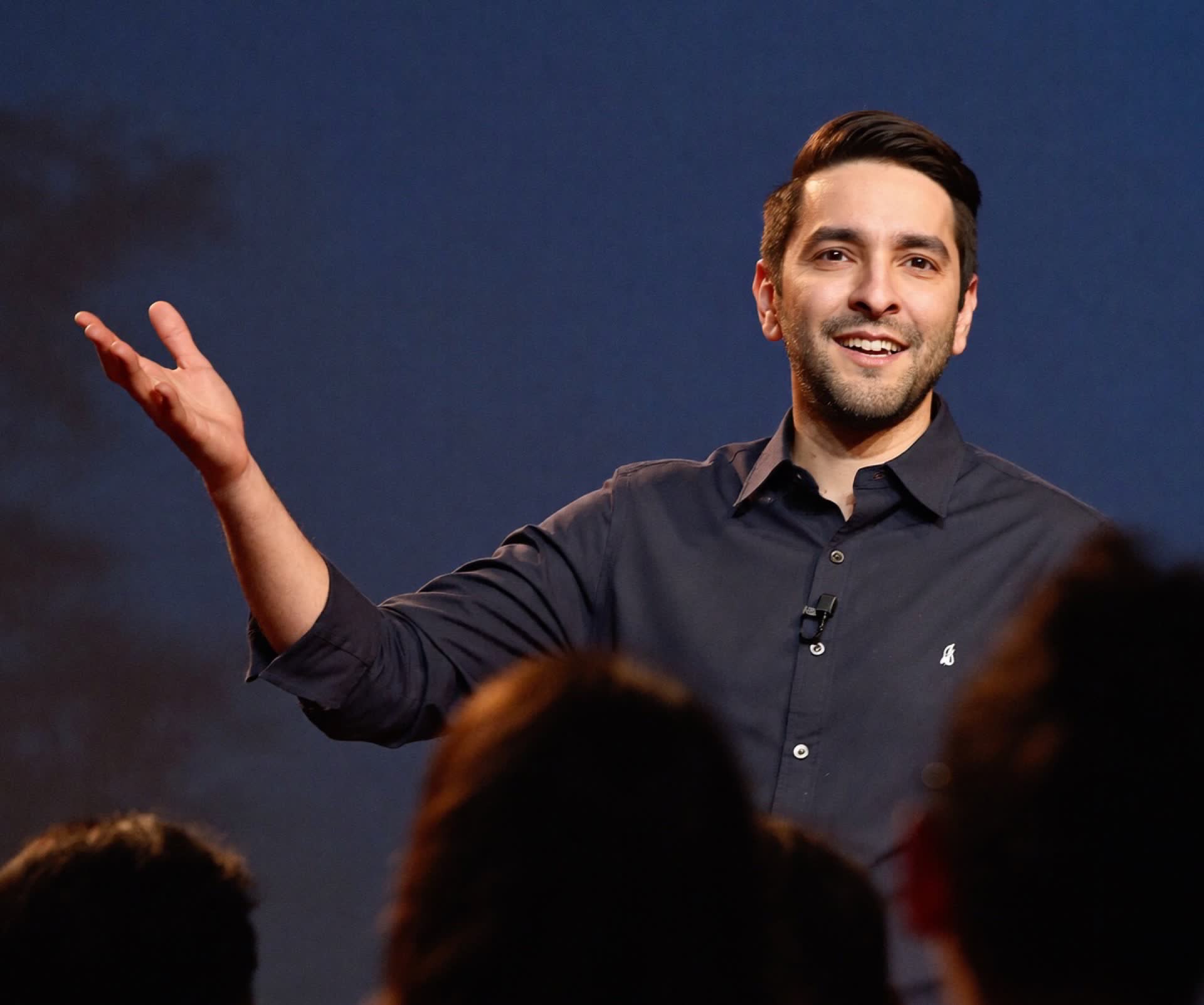
Thought Behind Things · Apr 4, 2022 · 1:18:40
PakWheels wasn't revenue positive until 2022
Suneel Munj built Pakistan's dominant automotive marketplace over nearly two decades without turning a profit — and he's fine with that. A conversation about classified platforms, car inspections, electric vehicles, and what success actually means.
with Suneel Sarfraz Munj
10 min read
From a shared washroom in Lahore to Pakistan’s car internet
The episode opens with Muzamil noting that listeners had been asking for this guest for at least a year. Suneel Sarfraz Munj, Co-Founder and Chairman of PakWheels, carries what Muzamil calls a “cult following” unusual for someone in their forties — built not through a media company but through two decades of talking honestly about cars.
Suneel’s background is grounded and unglamorous. He grew up in Lahore, moving gradually from a small home with a shared washroom to Garden Town to Gulberg as the family’s circumstances improved. He studied economics with a mathematics and computer science component at LUMS, graduating in 2002. Before PakWheels consumed his professional life, he had tried gift-item retail, wholesale and retail of meat, and a utility-store supply contract. None of it held his attention. Cars did.
PakWheels was founded in 2003 by a co-founder who had returned from Dubai, where he had worked in gold trading before commodity prices equalised globally. The site began as a forum — a place where people who were, in Suneel’s words, “paagl wheelers,” genuinely obsessed with cars, could gather and share information. That forum archive, he says, remains a gold mine today.
Why online classifieds were always going to win
The transition from forum to classified platform was not a strategic pivot so much as an obvious observation. Muzamil, who is 42, remembers the ritual: buy the Sunday newspaper, open the three or four pages of car listings, take a highlighter, call numbers, and discover that half the cars were already sold or never existed.
Suneel’s argument is structural. “Inherently, jo online classified hai, they are superior to offline.” A newspaper ad lives for one day. An online listing lives indefinitely. A newspaper ad cannot carry photographs or a detailed description — the seller was limited to shorthand like “army officer ki istemal ki hui” or “lady doctor ki chalai hui.” An online listing can carry two hundred data points. You can save it, share it, compare it. The newspaper cannot do any of that.
“We were the first one in Pakistan to launch online classified,” Suneel says, and that first-mover advantage, he argues, played a pivotal role in everything that followed. The newspaper industry’s giants initially dismissed PakWheels as irrelevant. Within three years, the market had turned completely.
Carmudi arrived, and then it left
Muzamil asks Suneel about the competitive threat that arrived mid-journey. Suneel names Carmudi — a well-funded international entrant that came into the Pakistani market with significant capital and then exited just as quickly. His reading of that episode is instructive.
“Market mein paisa phenko, throw money at the face of the problem and get it solved” — that was the playbook Carmudi brought. It did not work. What worked, Suneel argues, was ground knowledge, sincerity with the customer, and a genuine understanding of pain points. PakWheels had spent years accumulating all three. An external player with a chequebook but no local depth could not replicate that quickly enough.
The lesson he draws is not triumphalist. He notes that when you disrupt an industry, you must be ready to be disrupted yourself. The point is to keep solving the next pain point before someone else does.
The inspection service, and three years to sign one bank
After classifieds, the next pain point PakWheels identified was trust in used-car transactions. Buying a used car in Pakistan carried none of the certainty of buying a new one. You did not know the car’s true condition, its accident history, or its actual market value.
PakWheels built an inspection service. For a fee that varies by vehicle category — hatchback, entry-level sedan, and so on — a PakWheels team visits the seller’s location, inspects the car across more than two hundred points, and delivers a digital report to the buyer. “Agar aap apni gaadi bech rahe honge, aap apni gaadi ke baare mein itna nahi pata hoga jitni detail us report mein aayegi,” Suneel says.
The next step was integrating this with banks. Banks wanted to lend against used cars but had no reliable way to value them. PakWheels had the inspection infrastructure and the market credibility. The fit was obvious — but getting the first bank to sign took Suneel three years of persistent effort. Dubai Islamic Bank was first. Then Alfalah, then MCB, then Bank Islami, Soneri, Standard Chartered. Today, he says, all major banks with used-car financing portfolios work with PakWheels.
The business model throughout remains consistent: PakWheels is not buying or selling cars. “Main bada clear hoon ki we are in business of lead generation,” Suneel says. The platform connects buyers, sellers, insurers, leasers, and parts suppliers. It does not take inventory risk.
Sell It For Me: aligning incentives
Later in the discussion, Muzamil asks about PakWheels’ “Sell It For Me” service — a more active intermediation product where PakWheels manages the sale of a car on behalf of the owner. The business model is simple: the seller gets a discounted inspection, and if the car sells, PakWheels charges one percent of the sale price. On a ten-lakh-rupee car, that is ten thousand rupees.
Suneel’s framing of why this works is about incentive alignment. “Mera aur aapka incentive aligned hai.” PakWheels only earns if the car sells, and it earns more if the car sells for more. There is no conflict of interest. The platform’s motivation is to get the seller the best possible price, as quickly as possible.
He is careful to note that even here, PakWheels is not a dealer. It does not take ownership of the car. It is a managed marketplace, not a trading business.
Thirteen manufacturers, still two lakh cars
A significant portion of the conversation turns to Pakistan’s broader auto industry. Muzamil asks Suneel to trace the impact of the 2016 auto policy and its successor, and to explain why, despite a wave of new entrants, the market has not grown proportionally.
The 2016 policy offered five-year incentives to attract new manufacturers. Thirteen companies entered with CKD production commitments; two more came in as brownfield investments. Every CEO Suneel interviewed at the time said Pakistan had never seen such a favourable auto policy. Then the budget arrived without the promised leasing facilitation, and the financing market that was supposed to absorb new demand evaporated.
The structural problem is stark. When Pakistan had three manufacturers — the “big three” — total annual production was roughly two lakh cars. With thirteen manufacturers now in the market, total production is still roughly two lakh cars. The market has not expanded. Suneel’s explanation is that market size is the binding constraint, not competition. Dollar availability, import costs for components, and consumer purchasing power all cap demand before competition between manufacturers becomes the relevant variable.
He does see a long-term positive: more manufacturers mean more prospective customers for the vendor ecosystem — seat makers, tyre manufacturers, plastic component suppliers. More customers mean more investment in local production capacity. More local production means lower per-unit costs over time. But he is honest that this is a long horizon. “Jab teen company thi tab bhi Pakistan ki auto manufacturing jo total banati thi do lakh gaadiyaan thi, aur terahon do lakh bana rahe hain.”
The on culture, and who benefits from artificial scarcity
Muzamil mentions buying a Hyundai Elantra in November — just before delivery times collapsed — and getting it in twenty-six days. That window closed quickly. The conversation turns to the “on” culture: the premium buyers pay above list price to jump the queue, which at various points reached three to five lakh rupees depending on the model.
Suneel’s analysis is unsentimental. During COVID, manufacturers cut from two production shifts to one. Supply fell. Demand, when the market reopened, was strong — partly because certain segments of the economy, including pharmaceuticals and shipping, had done well. Manufacturers observed that excess demand was maintaining or increasing the resale value of their cars. They had no incentive to restore full production quickly. Artificial scarcity was profitable.
“Yahi manufacturer hai jo unnees mein aapko off dete the, aapko delay diya karte the, aapko perks offer kiya karte the.” The same companies that were discounting and incentivising in 2019 were collecting premiums in 2021 and 2022. Suneel does not excuse this, but he also does not pretend it is irrational from the manufacturer’s perspective.
Electric vehicles: the policy gap and the incumbent problem
By the end of the conversation, Muzamil and Suneel spend time on electric vehicles. The picture Suneel paints is of a policy environment that announces the right things and then fails to implement them consistently. Punjab registers electric vehicles under an equivalent combustion-engine CC classification, with fees running into lakhs. Islamabad’s capital territory charges a few thousand. The inconsistency is not accidental — it reflects the absence of a unified national framework.
The deeper problem is incumbent resistance. Toyota, Honda, and Hyundai have invested heavily in combustion-engine production lines in Pakistan. None of them are electric-ready. “None of them would want electric right now because they are not ready.” If electric vehicles were aggressively incentivised, new players — not the incumbents — would benefit. The incumbents have every reason to slow that transition.
Suneel’s broader point about Pakistan’s energy economics is sharp. Pakistan has excess electricity generation capacity and pays capacity charges regardless of consumption. Every electric vehicle that displaces a petrol car reduces fuel imports and increases domestic electricity consumption — which is exactly what the grid needs. The economics of the transition are favourable for the country. The politics of it, shaped by incumbent manufacturers and inconsistent provincial policies, are not.
What success means after nineteen years
Muzamil closes by asking Suneel about the future — of the auto industry, and of PakWheels itself. Suneel is cautiously optimistic about Pakistan’s young generation. “Jo hamare opinion makers hain, jo hamare bachche aaj ki nayi nasl hai, unko aap chup nahi kara sakte.” The information asymmetry that defined earlier decades — the sense that questions should not be asked, that authority should not be challenged — has broken down. He sees that as structurally positive.
On the auto industry, he expects consolidation. Not all thirteen new entrants will survive the market test. On electric vehicles, he is sceptical of the 2030 global transition timeline. “Mujhe nahi lagta frankly, between you and me.” The technology is still expensive, the infrastructure is not there, and Pakistan’s carbon footprint is low enough that the urgency felt in Europe or the United States does not translate directly.
On PakWheels itself, Suneel is disarmingly honest. The company was not revenue positive until 2022 — the first full year of profitability after nearly two decades of operation. “If success is money, I am not successful at all.” What he counts instead is the recognition: people stopping him to say that PakWheels changed how they bought or sold a car. He is equally direct about startup valuations. Raising a large round at a high valuation is not success. “Aap apni company ki bikri kar rahe hain.” You are selling equity, not building wealth.
The conversation could have run much longer — Muzamil notes they never got to the startup ecosystem at all. What it covered was enough: a rare, unhurried account of what it actually takes to build something real in Pakistan, over a very long time, without shortcuts.
Full transcript
स्वागत है ना sir welcome back to another episode of Thought Bent. Thanks, आज यार मैंने साथ मौजूद है एक बहुत ही ख़ास मेहमान जिनको आप पिछले कम से कम कोई साल से तो मेरे पीछे पड़े हुए थे लोग कि यार इनको बुलाए, इनको बुलाए, इनको बुलाए. Cult following है इनकी sir. बड़े कम ऐसे लोग हैं जिनके forties की age में cult following ऐसी हो social media के ऊपर. तो finally we've been able to get our hands on him. सुनील मंच from Park Wiz. Sir, thank you so much for being part of the show. Sir, thank you very much for inviting. मुझे पहले तो यह बताएं संनील भाई कि how long have you been doing this Park Wheels and all of this? यार Park Wheels was formed back in 2003.
अच्छा. और it's been like अब आप देख लें साढ़े अठारह साल हो गए. यही कर रहे हैं. और BSc किस चीज़ में की? 2002 में की थी. It was economics major, maths और उसके अंदर आप समझ लें CS minor था. ठीक है. और out of my class मुझे यह पता था कि अगर कभी कोई CV बनाएगा और job मिलेगी जब companies आती थी multinational तो उसमें जो life standard भी बेहतर होता गया starting from a home where it was a small home जहा पे चार जो घर है उनका वो share washroom होता था. अच्छा. वहाँ से he moved to Garden Town then he went to गुलबर्ग और उस तरह इस तरह होता था. So I have grown up in लाहौर, studied in लाहौर, mall town mix school है divisional public, DPS. ठीक है. तो वो हमारा school था. उर्दू medium था तब classics तक और classics से आगे english medium था तो फिर हम हो गए english medium हो गया. Then I did my fc from government college amerabian. कर रहे थे या did you join? I वो anybody basically sorry आपकी बात काट रहा हूँ. Anybody साहब ने 2,003 में parkwills बनाया था. ठीक है. वो दुबई से वापस आए थे. पहले वो gold की काम करते थे. फिर gold का rate पूरी दुनिया में equate हो गया तो he came back काम रज़ा के अपने काम थे. I was used to import gift items का मेरा एक store था. दो थे in fact. Then I started into wholesale and retail of meat. Which I think very few people knows माने मेरे utility store के साथ contract था. India से आता था meat. But वो ऐसा ऐसा सारे कामों में ना तो मेरा interest था. Wheelers जो है वो पागल wheelers हैं. So everybody or anybody who was crazy about cars so people would come and discuss about their car. You will post. हमारे जो forum है ना they were like very populated with information और आज भी वो एक gold mine है अगर आप वो गाड़ी के बारे में कुछ ढूंढना हो. और we were the first one in Pakistan to launch online classified. आप तो उस time में है बहुत छोटे हो गए. I am 42. तो मैंने अपनी ज़िंदगी में देखा कि आपको जब अखबार गाड़ी लेनी थी ना आप Sunday को अखबार खोलते थे. Right. They were like 300, 400 pages, जो तीन चार pages थे और तीन चार सौ ad थे आप highlighter लेकर गए होते थे कि जी मैंने उसको call करना है. फिर आप उसको call करते थे वो कहता था जी Biggie है या नहीं उठाई यह वो. Different general limitations थी. But एक उस time पे online classified नहीं थे तो we were first one to launch online classified well before any other website in Pakistan. और उसमें ये कोई मेरा कमाल नहीं था ये पागल से कमाल नहीं था. Inherently जो online classified है they are superior to offline. Let's say आज आप कहते मैंने अखबार खोलनी है और फिर highlight करना फिर करना as a computer पे आपने जाके click करना है shortlist हो जाना है. Life अखबार की एक दिन की है computer की unlimited है. Computer पे आप जो online classified है आप एक click save कर सकते हो, अखबार save नहीं कर सकते. Multiple issues थे plus again जो online है उसमें आप तस्वीरें डाल सकते हैं, description डाल सकते हैं, offline में था मालिक मोल से बाहर जा रहा है. Army officer के इस्तेमाल की हुई है, lady doctor की चिलाई हुई. हाँ. तीन चीज़ें that cannot communicate, they couldn't communicate anything about the car as such. तो वो इसकी वजह से हमारा जो forum थे और हमारा जो online जो था ना सबसे पहले अगर आप कहे first mover advantage that
played a pivotal role in park wheel success. Right. दो हज़ार आठ में forums से start हुआ. आप लोगों ने take over कर लिया?
और इसमें इस time पर Park Wheels revenue positive था या Park Wheels is not revenue positive until end of twenty twenty one.
अच्छा. Yes. Or is it '22 now though? Yes. So we it was the first 2022
is the first year so when we started Park Wheels में जब online classified आए तो few people who were into trade of cars thought कि जी Park Wheel हमें खत्म करने आए. And I clarified कि मैंने उनको हमेशा यह कहता था कि we are here to help you. First of all we have to understand Park Wheels is not in the business of buying and selling of cars. I don't buy cars, I don't sell cars. वावा cars नहीं हैं. Yes, I am not वावा, I am not car first on like 1,400 dealership in Pakistan. They all are in same business of buying and selling cars. We are not. Right. So, we are a classified platform where you can list your car and you can interact directly with the customer. You can be a institute, you can be a individual, you can be a showroom or you can be a dealership. I don't mind. So, मैं बड़ा clear हूं कि we are in business of lead generation. Right. It can be for cars, it can be for insurance companies, it can be for leasing companies, it can be for parts suppliers, it can be for tyre suppliers but we are very clear in our head we are not in business of buying and selling of cars. Made him proud in that sense if money is success. Right. If brand name is success, if self actualization is a con, जिसे success है तो park wheels is a blockbuster. Right. It's a brand which is created in Pakistan. पाकिस्तानियों ने बनाया, कोई copy paste नहीं है, सारी technology built in in house है, आज भी वन रही है और अलहम्दुल्लाह, I मैं humbly इस बात वो करता हूँ कि we have revolutionized the way people buy and sell cars in this country. Right.
दो हज़ार आठ में, classified थे और forums थे, right? जी. थोड़ा सा मुझे run me through the evolution उसके बाद से कि क्या क्या उसके बाद हुआ and you were working full time on Park Wheels. आपका
And we decided कि we are here to revolutionize the way people buy and send cars. उसको करने का बेहतरीन तरीका क्या था कि आप अपने consumer के pain point दिखें. Right. कि consumer को तकलीफ की इस चीज़ में. आपने classified online कर दिए, बड़ी तकलीफ थी लोगों को वह खत्म हो गया. What next? Basically जब हम आए थे तो industry के जो giant से newspaper वह कहते थे यह पागल हैं यह कहां से उठकर आ गए हैं and who would buy cars online. तीन साल में एकदम ऐसा turn हुआ कि दुनिया बदल गई लेकिन अगर जब आप किसी को disrupt करें then you be ready क्योंकि आपको भी disrupt करेगा. यार मेरी memory उम्र के साथ weak हो गई है. कार्मूदी. कार्मूदी वालों का जो आया था. हां जी. वह rocket कितना आया rocket इतना चले गए. हां. तो कार्मूदी जो है वह जब आया. तो उस time पर हमने सोचा कि यार अब पहले यह था कि market में पैसा फेंको, throw money at the face of the problem and get it solved. Right. But I think eventually हमने इतने सालों में यह सीखा है कि एक तो ground knowledge बहुत ज़रूरत है. दूसरा, if you are sincere with your work and you know your customer और आप उसके pain point समझते रहते हो और millions में उसकी जो reach है वह पहुंच गई. तो that was एक उसमें हुआ. फिर ऐसे ऐसे pain point के बाद यह हमने देखा कि यार ठीक है कार्मूदी आया उसी तरह आया उसी तरह चला गया. What next? What are the pain points? के अगर करने में सबसे बड़ा role उसका है. और उसमें what's the cost overrun for that? ये cost उसमें तीन categories हैं. एक hash back. Hash back is a small car अगर आप Suzuki की जितनी देखते हैं जो बगैर डिग्गी वाली गाड़ियाँ हैं. Hash back जो उसकी पच्चीस सौ रुपए cost है. फिर आप सेdan पे आ जाते हैं जो कि entry level सेdan हैं. आपने कहा कि जी मुझे इस गाड़ी की report चाहिए. Consent for seller is needed obviously जिसकी गाड़ी है. हाँ. उसके doorstep पर हमारी team जाएगी. उसको inspect करेगी. आप उसकी payment कर देंगे और आपको digital format में आपके laptop पर, आपके desktop पर आपको एक code आएगा उसको click करेंगे और 200 plus point आपके पास report आ जाएगी and I would show you the report मतलब इतनी detail है कि अगर आप अपनी गाड़ी बेच रहे होंगे आप अपनी गाड़ी के बारे में इतना नहीं पता होगा जिन्हीं detail उस report में आएगी. Right, मुझे एक बात यह बताएं कि आपने अगर inspection कर दी है तो
why not go into the next step where I can where where Parkfield essentially supports me in buying the car as well. So आप कह रहे कि buying and you are a platform that connects buyers and sellers. जी. But अगर for example मैं कहता हूं कि यार why does that platform not just make itself sort of the escrow of sorts? So,
उसी की journey के अंदर मैं आपको बताता कि यह जो point आते तो खैर inspection service शुरू हुई. Right. Inspection service हो गई. उसके बाद अगली point आपके वाला आ गया कि team बड़ी से बड़ी उत्तीजार थी, product भी बड़ी जा रही थी, लोगों की demand भी थी. But again ज़रूरी नहीं कि हर अगले हर दिन उस team की 100% utilization और आपने उसको resource को utilize करना था. Then हमारे दिन में एक idea है कि जो banks हैं ये insurance companies हैं, ये leasing companies जो गाड़ी lease करती हैं, there is a conflict of interest. उसमें भी ये होता था कि मैं अपनी गाड़ी अगर lease करा रहा हूं. It's a used car क्योंकि नई गाड़ी तो Pakistan में मिलती नहीं है. आठ आठ महीने का gap है, on का culture है और banks चाहते थे कि they are they are in business of lending you money. Right. Whether it is in form of cars, mobile phones, जो भी चीज़ है घर है, उन्होंने पैसा आपको देना और अब से पैसा कमाना है. उनके लिए impediment यह थी कि नई गाड़ी मिल नहीं रही थी और वह उनके पास पैसा extra पड़ा हुआ था, excess capital था. तो और impediment to growth in used car यह थी कि experience of buying a used car was not equal to new car. Right. So वहां पर भी एक opportunity में नज़र आई. So we try to make experience of buying a used car equal to a new car. आप नई गाड़ी लेते हैं आपको पता होता कि यार यह showroom में खड़ी है इसकी condition क्या है? फिर हमने bankओं से बात की कि यार आप लोगों का तो यह conflict of interest है तो हम आपको गाड़ी की inspection करके देते हैं, उसकी valuation करके देते हैं and from a company like us हमारे जो एक market में एक हमारी value है, हमारा एक नाम है तो उसके साथ साथ पहला step जो था मुश्किल था induction का किसी एक bank के साथ. उसके लिए I remember मुझे तकरीबन तीन साल लगे. कौन सा था पहला bank? पहला bank जो हू came up with was Dubai Islamic. अच्छा. And then अल्फला, फिर MCB, फिर इस bank इस्लामी, सुनहरी, Standard Chartered, now all the banks जिनकी used car में काफियों के साथ हम लोग काम करते हैं. Very good. So, यह used car वाला जो हमारी inspection service है वह हुआ. Again, I am not in business of buying and selling of any parts. We are just a medium. Right. So, we have integrated like many sellers in Pakistan. Right. उनका online hand हमें और हम यह sure करते हैं कि जो चीज़ों fraud कह रहे कि वह Chinese है तो वह Chinese होगी, original तो original होगी firstly. Right. Secondly,
Parts को हमारी launch किए हुए अब तक़रीबन तक़रीबन दो हज़ार सत्रह के end से अठारह चार साल हो गए. और फिर अठारह से लेकर बाइस के दिन यहां पर आपने अभी recently यह select for me launch किया है. Select for me आया, beach में COVID आ गया. YouTube का कब आपका start हुआ है because that sort saw meteoric rise somewhere three four years ago. यार YouTube was started back in 02/2015.
मेरी बालदा की गाड़ी थी. अच्छा. Corolla उन जमाने Pakistan में बहुत असर से बात करोला की नई shape आई थी. Right. 2014 मैंने उन्होंने लेकर दी गाड़ी हम एक नाम था हमारी जो integrity थी, हमारी core values थी, वही हमने आए तक अपने YouTube पर काइमरिक की हुई है. We don't take dictation from anybody. हमारे जो reviews हैं वह honest होते हैं और again मैं हमेशा कहता हूं time जो है ना वह बड़ी चीज़ होता है वह prove कर देता है. But जो YouTube के आने के बाद से आपकी recognition होती है वह बहुत different है. ज़ाहिर है.
जो आपका यह uh-uh you know buy it for me, sell it for me. जी. इसमें आपका क्या word? What's the
essentially so what's the business model there? Do you take a percentage off of the? हां जी, जो sell it form e में business model यह है कि आप पहले गाड़ी onboard कराते हैं. ठीक है. उस पर inspection होती है but उस पर आपको discounted price मिलती है inspection की. Then अगर आपकी गाड़ी बिक जाती है तो we charge 1% of the sale price.
ठीक है, तो दस लाख की गाड़ी दस हज़ार रुपए charge होगा? जी. और उसमें आप ensure करेंगे जायरे का जितना maximum, क्योंकि उसमें आपने अपना incentivization
directly inbuild कर दिया है. बिल्कुल, तो basically मेरा और आपका incentive aligned. हां. तो और Pakistan में जो online classified है वह बहुत strong है. तो अगर आप आज गाड़ी बेचना चाहते हैं and if you want to get a price आप आप देखिए free market आप किसी भी ले सकते हैं information. आप मैं हमेशा यह कहता हूँ कि आप लें quotation लें लोगों से different company से
the buying and selling of, the cars, right, essentially? आपको अगर मैं आपसे कहूं कि आपने graph plot किया होगा शायद, आपने देखा भी होगा, year on year, month on month, quarter on quarter. Where do you can can you tell me some sort of a correlation या some sort of an analysis on कि भाई दो हज़ार दस से classified आपका start हुआ है दो हज़ार आठ से?
छह में, छह, उसके पांच
बाद से जो आपका अगर मैं plot करूं कि जब अगर मैं basic एक निकालूं अगर आपको यह भी ना पता
तो Pakistan के अंदर देखिए different governments आती ही नहीं और different policies आती रहीं. ठीक है. कभी आपको तीन साल पुरानी गाड़ी allow होती है import करना, कभी पांच साल, कभी दस साल, कभी पंद्रह साल, कभी कोई limit नहीं है. अभी कभी कम हो जाती है ताकि obviously अगर एक industry लग रही है, millions of dollar की investment आ रही है तो उनको कोई protection मिले. ठीक है. तो तेरह companyयां जो greenfield में है और दो brownfield में यानी पंद्रह companyयां उस auto policy के तहत Pakistan में उन्होंने interest show किया. ठीक है, this includes the big three also? तेरह company ऐसी है जिनके अंदर CKD production Pakistan के अंदर है. उन्हीं के पास EBU lineup भी है. ठीक है. But they are in production in Pakistan जो कि बड़ी अच्छी बात है. MG ने कर दिया startup? नहीं. फ़ैसला बाद में उनका वन रहा था ना I believe. MG का plant लाहौर में लग रहा है राविंद्रोड पर. ठीक है. And I have to go and see their facility अभी तक. अभी तक उन्होंने बारह हज़ार गाड़ियां बेची हैं. जो कि सारी made in China है और मेरा हमेशा गंभट से जो सबसे बड़ा Sir तो सौ units नहीं थे सौ units CB उलाएं और उसके पास ही नहीं थे. नहीं वह policy यह कहती थी कि अगर आपने concession लेना है import duty 50% off लेनी है हर वह unit जो आप हर वह model जो आप Pakistan में launch करेंगे example अगर MG की बात करें अगर आप ZS है, काफी गाड़ियां आई, CBU आई. आज भी आ रही हैं Kia के भी दो तीन variants हैं जो CBU ही आते हैं खाली. Hyundai के भी हैं. सबके Toyota के भी हैं. सबका एक CBU units के वह हैं. तो उनको अगर समझ आता है कि यार हम 100% भी duty देकर ला रहे तो मंगा लेते हैं. मेरा point यह है कि जी
ठीक हो गया. So, do you think कि जो big three थे? उसमें आपने कहा कि you know ठीक है उनकी policy नहीं थी. 16 के बाद जो ये गाड़ियां आ रही हैं इन्होंने localize करना शुरू किया.
तो उसमें सालों साल लग जाती है. We are talking here about investment of millions of dollar जिसके अंदर पता नहीं कितने jigs, कितने computers, कितने parts, assembly line यह बहुत लंबा process है और बड़ी high capital investment है. तो उसमें time लगता है. अब जब वो लगाएगा फिर जब शुरू होगा जब वो capital investment कर लेंगे तो फिर वो एक दूसरे के साथ knives में production रोकेंगे नहीं. Production का तो rule ही है कि आप जितने unit ज़्यादा बनाओगे उतना आपकी per unit cost कम आएगी. तो long term में जब ये तेरह के तेरह अपनी full capacity पर operate करेंगे Do you think that will, you know, play an impact? यार मेरे ख्याल से बहुत बड़ा impact होगा. देखिए Pakistan में again जब खाली big three को लोग होते थे तो Pakistan में एक दारा है. Pakistan auto parts manufacturing की position है papaम के नाम से और उसके पैंतीस सौ member ने registered जो कि vendors हैं मुझे issue यह होता है कि सबसे बड़ा जो चीज़ है ना technology transfer होनी चाहिए. अभी तक Pakistan में जो है engine नहीं बनता, कोई gear नहीं बनता. आपको plastic parts मिल जाएंगे, seatऐं जैसा आप कहते हैं मिल जाएंगी. But सही मज़ा तब है कि आप localization बढ़े. वह कैसे बढ़ेगी जब vendor industry बढ़ी होगी. Vendor industry कैसे बढ़ेगी जब competition होगा? Competition कैसे होगा? जब तेरह company है और let's say अगर मैं आज seatऐं बनाता हूं और मेरे पास सिर्फ तीन companyयां थी या मेरे पास तेरह company option है तो मैं ज़्यादा investment करूंगा. और दूसरे आना चाहिए. मेरे ख्याल से again पहले general tire एक इसलिए था because companyयें दो तीन थीं. अब अगर किसी को capital investment करनी है rubber plant के अंदर या tire plant में उसको नज़र आएगा कि यार तेरा तेरा prospective prospective customer हैं जिनके ऊपर मैं bid कर सकता हूं जिनसे मैं यह कहता हूं आप Pakistan में एक research करें जितने renter tyre हैं, renter car हैं. उनकी गाड़ी सबसे ज़्यादा चलती हैं. उनमें हमेशा general tyre होगा. ठीक है. Reason being कि वह tyre Pakistan की सड़कों के लिए asset design किया गया है. उसका वह जो rubber fresh है, तो it will cost you somewhere around sixteen-seventeen thousand per tyre.
Wow, so that's
spare मिलाकर साठ साठ. अस्सी हज़ार रुपए के चार tyre समझे. My god. आने वाले वक्तों में do you think there will be more entrants? Do think market अब saturate होगी है? नहीं market saturate तो नहीं हुई. Entrants नए आने के लिए मुझे यह लगता है कि जो government की policies होती है ना they play a pivotal role. Reason being यह है कि मैं आपको बोलूं कि जी आप मेरे पास आए हैं और मैं आपको यह यह facilities दूंगा. ठीक है? आप आ जाएं और फिर मैं आपको तंग करूं तो अगला जब आपका दोस्त या cousin आ रहा होगा आप हो सकेंगे यार ना यह लालालांदा काम नहीं कर दा. So हमारे यहां जो policies के अंदर inconsistency है ना वह मेरे ख़याल से अब auto manufacturer तो शायद auto policy का जो है समय ले chapter second chapter आ गया. तो उसके अंदर हमने budget 2020 मैं अगली देर आपको pause करूं. जी जी. सोलह और इक्कीस की policy में क्या फ़र्क़ है? पांच साल तक एक policy थी जो सोलह की policy थी वह इक्कीस तक थी पांच साल के incentive थे. But हुआ ये कि आपने incentive दिए हमने भी बड़ा welcome किया. जितने companies के CEO हैं मैंने सबका interview किया सबने कहा जी ऐसी auto policy Pakistan में कभी नहीं आई है सब budget नहीं आया और ये industry friendly है. आपने कहा कि जी हम leasing बड़ा आसान कर देंगे गाड़ी दस लाख ठीक है. एक बंदा जो है total उसका exposure तीस लाख है. उसी ऊपर की वह financing list था. अब उन सब को जिनको आप लोगों ने table में बैठा के उनको मिठाइयां बांटी थी कि हम आपको इतने customer दे रहे हैं जो financing कराएंगे वह सब virus निकल के market.
You know, like like technically speaking my understanding would have been कि, मैंने Elantra ली थी November में. सही है. अच्छा, right before this sort of shit was about to hit the fan. And मुझे twenty six days में delivery हो गई उसकी. जी. उसके बाद और उस पर भी यही हुआ कि जी Tucson और वह सारी की सारी तो were just like crazy. आप पूछें भी ना. अभी recently my friends are looking to buy cars. उसके दरमियान में duties भी बढ़ गई, prices भी बढ़ गई. और वह आपको उसके ऊपर वही एक black market establish हुई भी होगी कि जी तीन लाख, चार लाख, पांच लाख रुपए दो और depending on the car size आप उसके ऊपर, own देकर आगे निकल जाओ. जी. Why have you not been able to
cut down on that? What's the problem there? दो तीन चीज़ें यार. Again मैं हमेशा कहता कि दो it's very easy to blame external factors. मैं भी यहां अच्छा बनने के लिए look good feel good feel factor के लिए मैं कहूंगी जी big three का कमाल है और यह गाड़ियों वाले हैं लोगों का आप किसे पूछेंगे ना? बहुत कम लोग होंगे market के जो एक दो percent जो online काम करते थे या जो pharmaceutical से थे या जिनका shipping line से तारुक था जो businesses ऊपर गए हैं बाकी अगर totality में देखे जो society नीचे गई. वो गाड़ी जो कि 74 lakh rupees की price पे और गाड़ियों पर sportage और two son भरी जा रही है, समझ नहीं आ रही है कि क्या हो रहा है ना ऐसा? उसकी reason यह थी कि उन्होंने देखा कि यार यह तो एकदम blessing disguise है. जब market खुली तो उन्होंने कहा यह जो है ना excess demand जो है इससे value maintain हो रही है. उन्होंने करना क्या शुरू किया? अपनी यह जो shift थी वह तो क्योंकि COVID की वजह से पहले lockdown हुआ तो दो shift पर थे तो एक पर चले गए. जब एक shift पर गए तो production ice-ice-ता आ रही थी तो market में और ऊपर चला जा रहा था. तो वह यह हुआ. But मेरा point फिर यह है कि यही manufacturer है जो उन्नीस में आपको off देते थे या आपको delay दिया करेंगे, आपको perks offer किया करेंगे कि ये ले लो, ये ले लो, insurance ले लो, सारा कुछ ले लो. और आपको ये भी लगता है कि eventually,
on some level localization start होगी because question mark आते मैं यही है can we reduce the dollar value of the components के जहां पर हम let's say पांच अरब की import करते हैं और हम let's say एक लाख गाड़ियां मंगवाते हैं क्या हम पांच अरब में दो लाख गाड़ियां मंगवाकर local वह कर सकते हैं. मेरा ख़याल होगा.
जब तीन company थी तब भी Pakistan की auto manufacturing जो total बनाती थी दो लाख गाड़ियां थी और तेरहवीं दो लाख बना रहे हैं.
तो what? Why?
यह Market size देखिए depend करता है ना. Dollar का problem है? Dollar का problem भी और उनको देखिए realize हो जाएगा. अगर आप एक गाड़ी बना रहे हैं और उसकी ज़्यादा तीज़ चीज़ें import हो रही हैं और dollar महंगा जा रहा है तो there is a level to which people will buy otherwise people will move to old cars. Right. अब आपने investment तो कर ली हुई है आप फ़ंस गए हुए हैं. जब आप दोबारा अपनी food capacity पर जाएंगे तो वह दो से चार, चार से पांच लाख जब unit बनेंगे तो फिर competition भी होगा और on भी ख़त्म होगा. अच्छा, एक इसमें अगर मैं alternate वह करूं. I
don't know कि आपने इतना ज़्यादा regional उसको देखा हुआ है but जहां पर गाड़ियां असमर होती रही हैं, Korea में होती रही हैं, China में होती रही हैं, even Malaysia में हो रही हैं. Cost of production चलेगा automation तो एक side है. But जो human cost of हुआ है वह भी बढ़ रही है, labor cost भी बढ़ रही है आपकी. फिर ये है कि covid के बाद और अब तक चल रही है god loaners कब तक चलेगी flight cost obviously बहुत ज़्यादा बढ़ गया बहुत ज़्यादा six times हो गई. Do you think there is an opportunity here for countries like Pakistan for example के जो हमने cell phones में देखा and I was pleasantly surprised export करोगे उतने unit आपको allow होंगे local बेचने में आप export करते रहो आप बैठ के तो उसमें essentially होगा क्या होगा क्या कि दस हज़ार dollar आपने component मंगवाया आपने उसमें से दो हज़ार dollar जो है जी वह local industry में infuse किया through buying energy, through buying labor, through buying whatever whatever services और फिर आपने वह जाकर बीस हज़ार की बेच दी. तो automatically जो आपने जहां यहां पर दो ढाई हज़ार dollar extra जो आपके पास आ रहा है उसका offset आपने अपनी local consumption के लिए करना है. ऐसे है. और concept यह है कि जी Pakistan में अगर हम auto को हटा भी दे तो mostly हमारी जो policy makers हैं they have just looked at क्या कहते हैं उसे localization को तो वह कह देते हैं वह कहते कि यार import substitution की तो बात कर लें export but actual तो आपकी जो game है long term वह export की है. वह यह है कि यार मैं आज electric की बात कर रहा हूं तो क्या मैं ये बात कर रहा कि मैं local कितनी electric डाल सकता हूं या ये ये बात कर रहा हूं कि मैं एक flourishing electric की ऐसा ecosystem बना दूं कि जब region में electric उठा होगा तो मैं बैठाऊंगा मैं कहूंगा यार मैं छाप छाप के करता हूं चाहे वो engine sweden से आए चाहे उसका body जो है वो China से आए मेरे पास नौजवान बैठा हुआ है. Do you think ये conversation हो रही है auto में and do you think ये possible है? Possible है
होनी चाहिए हो नहीं रही. ठीक है. Reason being सिर्फ़ एक दो player हैं जो कि serious player हैं जो कि export करने का सोच रहे हैं I know of them. ठीक है. मैं नाम नहीं लूंगा भी भी किसी का लेकिन point यह है कि अच्छी चीज़ होना यह चाहिए idly. देखिए Dubai क्या करते हैं? बिल्कुल ऐसे है. आपको भी Facebook post पर और government की communication से लगता होगा कि Pakistan में electric total free है. So, वह मौकरी मैं आपको अभी बता देता हूं. उसकी reality भी बता देता हूं. So, Pakistan में हर सुबह के अंदर electric की लद्दा policy है. अच्छा. So अगर आपने एक electric गाड़ी Punjab में register करानी है वो उसको convert करते हैं equivalent to some engine CC. ठीक है. उसमें लाखों रुपए fees है. आजकल उन्होंने कोई percentage off की भी है ninety seventy. अगर आप capital territory इस्लामबाद में आते हैं तो वो चंद हज़ारों में हो जाती है.
क्योंकि देखिए जो आपके पास player आया हुआ है वह अभी electric में powerful नहीं है. Electric में generally आपको कोई third party दूसरे के सिम्फ players मिलेंगे. Toyota electric को push नहीं गा रही. Honda electric को push नहीं गा रही. वह चाहते हैं कि यार हम gas guzzling engine को ही बेचें इस tank को. आपके पास capacity है. आप produce नहीं करते क्योंकि demand नहीं है. Demand क्यों नहीं है? क्योंकि demand जो है वह आपके demand है नहीं जिसके लिए आप capacity payment दे रहे हैं. सही है. आप electric car लेकर आते हैं आपको तेल ही import करना पड़ा. और आपको जो capacity payment की मदद में पैसा जा रहा है वह आपका consumer demand आएगी आप वहां पर जाकर direct consumer को बेचेंगे आपको subsidy भी नहीं देनी पड़ेगी. सही है. लेकिन so technically अगर मैं government standpoint से देखूं तो there are all the tricks. The only thing the only player जिसको मुझे नज़र आता है कि जो कि आकर शायद blackmail करे या push करे कि यार अभी नहीं यार पांच साल बाद नहीं आठ साल बाद वो मुझे आपको current conventional player नज़र आता Hyundai उठा लें, Honda उठा लें, Toyota उठा लें. None of them would want electric right now because they are not ready. They not electric ready. And the fact is कि आज अगर electric ज़्यादा incentivize हो जाती है तो they will be a lot of other players. Not the ones who have already invested. उनको hit पड़े. Do you think they were the ones जो उन्होंने eventually government को यह push leaders के साथ. वहां पर वह रोक गई.
मैं आपकी बात से agree तब करता अगर दो हज़ार इक्कीस की auto policy और budget में यह चीज़ें announce ना हुई थी. Announce हो गई. ठीक है. आपने कहा जी हम electric के ऊपर यह relaxation देंगे, यह देंगे, सब कुछ announce हो गया. पहली बात तो trajectory again वही आप jump मार रहे थे. हां. आपने अब हमारे मुंह पर देखिए ना समझने की ज़रूरत यह है कि आपने बात की capacity electric की है तो हमारे लोगों की memory है और RAM body छोटी सी है. हां. मुझे याद है पिछली से पिछली government थी तो सर्दियों में आपको घर के ऊपर एक UPS के पीछे दूसरा, दूसरे के पीछे तीसरा और फिर एक वह लगाना पड़ता था generator के आपकी electricity की इतनी मसले थे. फिर अगली जो government आई उन्होंने पूरा काम ही electric पर किया उन्होंने capacity build की. इतना उसका इतना issue नहीं है. आपके लिए economics है. आपके लिए electric is an economics problem. उसमें मैं आपको बताता मैं economics में आपसे जो मेरा जो argument है वह क्या है? Economics तब बनती के देखें यह मेरे लिए इस time पर जिसे अभी हम बात कर रहे ना हमारा carbon footprint बड़ा कम है. हां. आपने खराब की कहीं sanction लगा दिए. हां. इसी तरह अगर आप electric की बात करें तो electric उनके लिए necessity हमारे लिए ऐसी है. Reason being electric एक नई technology है. Electric का जो static variant है वही इतना महंगा है कि आपका आम वाम So, अभी we as a Interestructive नहीं है मेरे बड़े बारे. हम दूसरों को blame करते हैं, अपने आप को सही नहीं करते. Makes sense.
So, we are at the one hour fourteen minute mark and I I mean this is a this is a conversation जिसके infinite हो सकती है. सही सही सही. But I'd like to wrap this up. बिल्कुल बिल्कुल. उस तरह से. एक सवाल मैं generally हर guest से पूछता हूं and I'd like to ask you as well. Know, you've मैं maybe pertaining to auto industry because you've been looking at it for a very very long time. अभी startups में तो हम गए नहीं थे maybe on another day. But थोड़ा सा मुझे यह बताइएगा कि उस सारे को context में रखते हुए. तीस साल के बाद का Pakistan,
आपका analysis क्या है या कैसा होगा? As vis a vis auto industry ख़ाली? Start with the auto industry and maybe just give me an image of what you think कि क्या होना मुझे यह और जो हमारी young generation है ना वह इस dialogue को सुनने को तैयार नहीं कि हमें सब पता है. तो I am very hopeful about the future of our country because जो हमारे opinion makers हैं, जो हमारे बच्चे आज के नई निसला रही है उनको आप चुप नहीं करा सकते. They are very open and vocal about their thoughts and जो एक information asymmetry थी ना हमारे जमानों में कि नहीं जी बताना नहीं है, यह नहीं करना, सवाल नहीं पुछ सकते. हम तो खास तौर पर जब बड़े हुए तो उस जमाने में ज़्यादातर dictatorship होती थी. जाए तो मुझे लगता कि ये जो millennials हैं ना जो इन्होंने एक तरीका जो है वो change हो गया है. अगर auto industry की बात करें मुझे ये लगता है कि अभी जितने players आऐंगे ना तो time test pass करने के बाद इतने रहेंगे नहीं. Right. Certain serious players will live और जो electric का जो हमने लगाता कि जो दो हज़ार तीस में दुनिया में गाड़ी electric हो जाएगी मुझे नहीं लगता frankly between you and me. It will take time. हमारे यहां पर तो देखिए अभी मैं बात यह electric यह करता हूं कि 30% तो market electric ही है, 70% तो ही नहीं. दूसरी बात, how do you define success? If success is money, I am not successful at all. Right. If success is recognition, success is bringing change, success is doing something. It's all about the harmless. आपको intrinsic motivation देती है. Right. And अलहम्दुल्लाह, take proud in this कि pride, मतलब humble ही लेता हूँ कि यार मैं अगर कहीं जाता हूं तो मुझे लोग बताते हैं कि यार आपकी वजह से वाकई पाकवीर ने हमारी ज़िंदगी को बदल दिया. हम यह करते थे वह करते थे. तो उस लाख से startup के लिए growth भी अच्छी है, सब कुछ अच्छा है but be little patient. जो एक evaluation का एक है ना हमारे यहां पर जी इतने million dollar की evaluation ले ली और इतने पैसे इकट्ठे कर ली यह एक cash 20 2 situation है. अगर आप किसी से पैसा raise करें तो आपको बहुत बड़े नवाब नहीं है. आप तो अपनी company की विवेक कर रहे हैं.
More from Thought Behind Things
Jun 30, 2026
Simon Dixon: the US empire is being wound down by design
with Simon Dixon
Simon Dixon argues the American empire isn't collapsing — transnational capital is deliberately unwinding it, and Pakistan's military has become its leverage in the transition.
Listen →
52:45 Jun 9, 2026
How Asad Mehmood landed Mattermost from Pakistan before A levels
with Asad Mehmood
Asad Mehmood walked into Mattermost before he had A levels, crossed two million dollars on Upwork, and now runs a design agency from Pakistan. He sat with Muzamil to lay out the framework underneath it: become undeniably good, then become visible, then sell outcomes.
Listen →
59:04 Jun 5, 2026
A 22-year-old Pakistani's road map to space by 2050
with Hassan Mossin
Hassan Mossin, a 22-year-old Pakistani astrophysicist training with the International Institute for Astronautical Sciences, walks Muzamil through the next twenty-five years of space — commercial stations by 2030, a lunar base by 2032, and why the bottleneck isn't food or oxygen, it's energy.
Listen →Never miss what's next.
The dispatch - new writing and conversations, straight to your inbox.
First name, last name, email - in your inbox weekly. No spam.