Thought Behind Things · Sep 28, 2022
Pakistan's houses are built to be resold, not to be lived in
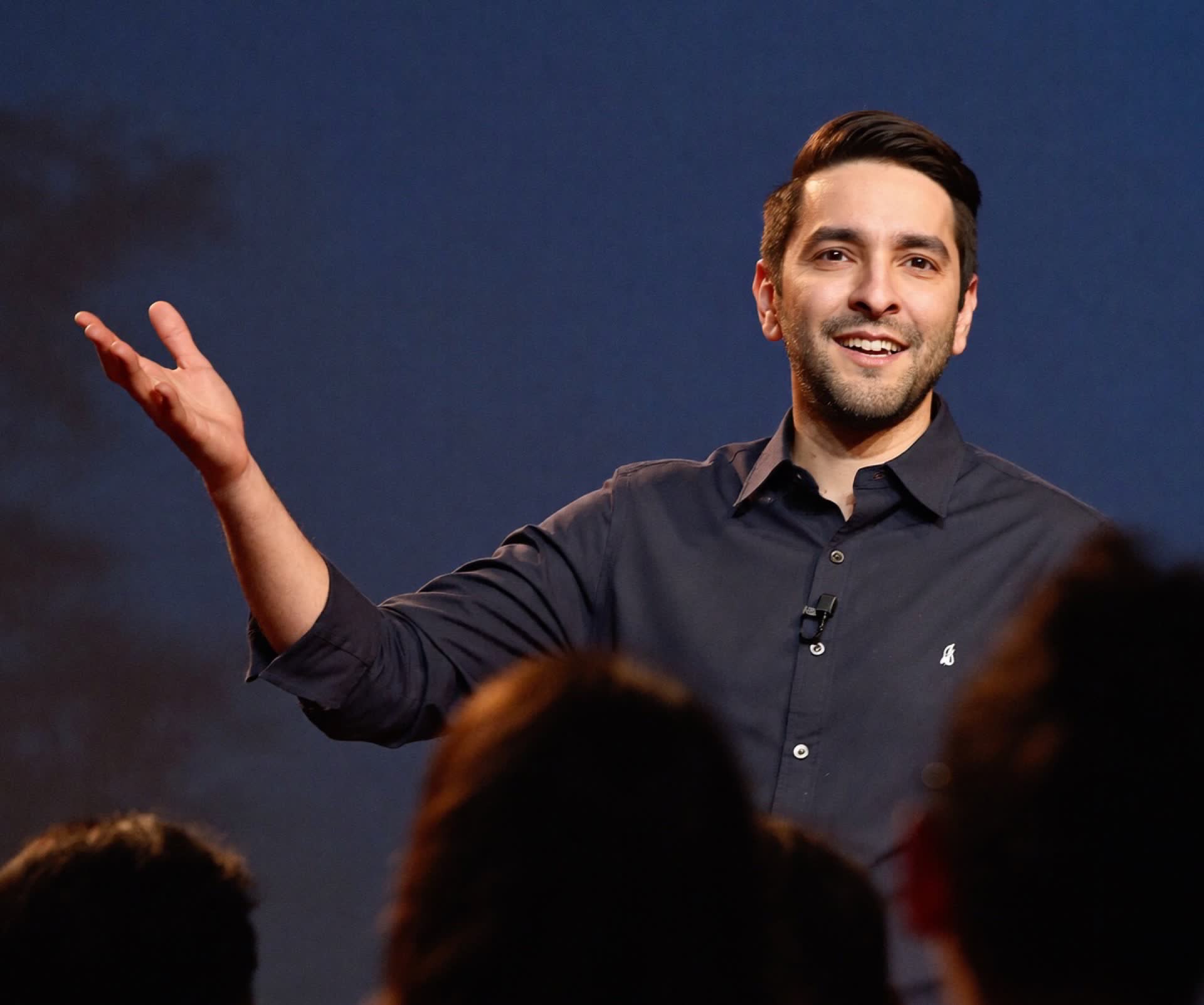
Wahaaj Nauman Qureshi, CEO of Beau Monde Estates, traces his path from bank sales floors to real estate, then dismantles the industry's core dysfunction: a system where developers, dealers, and investors all profit while the end user is left holding a depreciating file.
with Wahaaj Nauman Qureshi
10 min read
From sports head to banker to real estate CEO
The episode opens with Muzamil introducing Wahaaj Nauman Qureshi as a high-school friend — one year his senior at Beaconhouse in Islamabad — whose trajectory into real estate was, in Muzamil’s words, one of the last things he would have predicted. The warmth is genuine, but the conversation moves quickly past nostalgia into substance.
Wahaaj’s early life is a study in restless experimentation. After completing his ACCA qualification, he joined Bank Alfalah in 2014 in a field sales role — a jarring shift for someone from a desk-job-oriented accounting background. “I remember my branch managers forcing me to go out of the office at 09:00, 09:30AM and coming back at 05:00,” he recalls. “I used to go door to door, different offices.” From there he moved into relationship management, then investment banking, spending five years in total before resigning in 2019.
But the banking story is only part of the picture. Before and alongside it, Wahaaj had already run two other ventures: an event management business he started during his A-level gap period — seeded, amusingly, by money he saved negotiating sports kit prices for his school — and a restaurant with his wife that built a loyal following around “crazy shakes” before being put on hold when their daughter was born. A tuition centre partnership, wound down after the APS Peshawar attack made him unwilling to risk students’ safety, rounds out a portrait of someone who has been testing business models since his teens.
Why a banker walked into real estate
Wahaaj’s exit from banking was not impulsive. Three forces converged. First, his banking clients in Islamabad’s Blue Area and F-10 were overwhelmingly real estate people, and watching them, he concluded the industry was “outdated and a lot can be done.” Second, a childhood friend whose family business was real estate had been pushing him for years. Third — and he raises this carefully — daily exposure to 500 to 600 clients from different backgrounds had planted a persistent discomfort with interest-based banking in his mind as a Muslim.
The trigger was a seminar. A real estate developer invited Wahaaj to gather his network for a product pitch. He spent a month preparing his guest list, making calls, motivating people to attend. “Alhamdulillah we had record sales on that event,” he says. That result, combined with the three pressures above, was enough. He resigned with three or four senior banking offers on the table. His family did not speak to him for a month. Someone in the extended family reportedly said that “girls aren’t given in marriage to real estate people.” He took the leap anyway, starting from a 400-to-500-square-foot office.
How the industry actually works — and who gets paid
Muzamil asks Wahaaj to walk through the mechanics of a typical project launch: developer acquires land, markets it, sells through agents, collects money. Who are the stakeholders, and how does the money flow?
Wahaaj identifies three that matter: the developer, the dealer, and the end user. Government is nominally a fourth, but he dismisses it quickly — “unfortunately mostly absent.” The problem, he argues, is structural: “Market mein kya hua — bahut kam aise log the jinhon ne end users par focus kiya. Saari end user se paisa nikla, woh dealer ke through developer ke paas gaya aur developer se wapas dealer ke paas share aa gaya. Jo investments thi woh dump ho gayi end user ki.”
The root cause is what he calls uninformed decision-making. Dealers tell clients “sir ji faltu paise pade hain, chaka lag jaega” — your idle money will double — without ever discussing profitability indices, NPVs, or ROIs. Nobody forecasts. Nobody explains what they are actually buying. The customer parks money in a project that may never deliver, while the developer and dealer have already extracted their margins.
The COVID boom and what it revealed
The 2020 amnesty scheme — which allowed unlimited investment in real estate without source-of-funds scrutiny — coincided with a population that had been locked down for months, burning through savings, and desperate to do something with their money. When markets reopened in July 2020, the combination produced a boom that Wahaaj says ran until April 2022. “It was boom of real estate aur itna bada boom tha jiske andar a lot of people made a lot of money.”
But the boom also exposed the industry’s worst habits at scale. Wahaaj describes a developer in Gujar Khan — a town of fewer than 100,000 people — who signed up 600-plus franchise dealers across the country, collected over 120 billion rupees, and sold more plots than the town’s entire population. The mechanism was simple: each franchise ran its own advertising, each brought in ten or more buyers, and the network effect did the rest. “Gujar Khan yahan se kitne logon ne uthkar Gujar Khan jaana tha?” he asks. Nobody was buying to live there. The money was purely speculative, and the developer collected it all.
The regulatory vacuum at the centre of everything
Muzamil presses on the structural question: why does this keep happening? Wahaaj’s answer is unambiguous — there is no real estate regulatory authority in Pakistan equivalent to what exists in other countries. No licensing, no mandatory feasibility studies submitted to government, no requirement for developers to pledge funds against project delivery the way banks must pledge capital with the State Bank.
“Jis tarah koi bhi bank kholta hai na — mein koi bhi x y z banda ya mein ya aap amoot ke bank nahin khol sakte, uske liye you have to pledge a huge amount of money with the state bank. In case the bank defaults, state bank is liable to pay all the creditors. Isi tarah developers ke saath bhi hona chahiye.” The logic is clean: if a developer had to pledge 70 to 80 percent of a project’s equivalent value with the government before advertising, most of the fly-by-night operators would be filtered out automatically.
The second regulatory gap is advertising. Only approved projects should be allowed to market themselves. Right now, a developer with a tiny sliver of land and no acquisition can run a national campaign, collect billions, and disappear. Wahaaj points to international markets where multiple government departments must approve any real estate marketing activity before it runs — precisely because attractive advertising is the primary vector through which uninformed buyers are captured.
Ghost cities, vanity projects, and the missing middle
Later in the discussion, Muzamil raises what he calls the deeper dysfunction: Pakistan is not building housing for people to live in. It is building housing as a store of value for people who already own homes. “We are selling vanity projects,” he says. Wahaaj agrees without hesitation.
The evidence is visible across Islamabad: buildings completed and sitting empty, societies on the airport’s outskirts with no residents, luxury apartments priced at 40,000 rupees per square foot in Blue Area that no salaried household can afford. A three-crore-rupee investor buys a unit, leaves it vacant, and refuses to rent it at 30,000 rupees a month because the yield is negligible and tenants cause wear. The property never reaches the person it was nominally designed for.
Wahaaj traces this to the way the value chain is structured. By the time land passes from original developer to commercial buyer to apartment developer to end user, the premium has been extracted at every handoff. “Already aapne jo premium hai na woh bahut saare stakeholders mein divide karti hai.” The end user, arriving last, pays the fully loaded price — which in current market conditions often makes no financial sense even as an investment, let alone as a home.
Banking finance as a self-regulation mechanism
Muzamil argues that the financing model is itself broken: individuals, not banks, are funding real estate development, and unregulated individuals will use every means available — “lawful, unlawful means, false hopes, fake commitments, miss-selling” — to get their share. Wahaaj builds on this. When a bank finances a project, the bank conducts due diligence, identifies which plots it will mortgage, and becomes a stakeholder with skin in the game. That process alone filters out bad projects.
The reason developers avoid banks is not just the cost of financing — it is that they do not need to. Individual investors are willing to hand over money on the basis of a marketing event and a payment plan. “Developer ko pata hai ke mujhe bank ki taraf jaane ki zaroorat hi nahin hai. Mere paas woh champ jo hai woh khud se apne paise lagaane ke liye ready hai.” If dealers were properly regulated — licensed, audited, held to competency standards — the easy route would become harder, and the banking route would become relatively more attractive, bringing institutional due diligence back into the chain.
Second-tier cities and the only realistic path to affordable housing
By the end of the conversation, Muzamil asks the direct question: what does affordable housing actually require? Wahaaj’s answer is structural rather than policy-based. City-centre land in Islamabad is simply too expensive. Construction materials have tripled. A developer who sold apartments at 8,000 to 9,000 rupees per square foot when steel was 70,000 rupees per ton cannot deliver at the same price when steel is above 200,000 rupees per ton. The math does not work, and that is why projects stall.
The only lever that can be controlled is land cost, which means moving to suburbs and second-tier cities. Wahaaj points to the Rawat and Sangjani corridor as an example of how infrastructure — signal-free roads, accessibility — can make previously remote areas viable for daily commuting. As that infrastructure extends, second-tier cities become genuine alternatives. Payment plans of three to four years align with the time it takes for those areas to develop enough amenities to be liveable.
He also endorses the model of developers who sell finished apartments rather than plots — citing one example of a developer doing exactly that on the Peshawar Motorway — but notes that this model only works on a level playing field. If an unregulated competitor can undercut on price by collecting money with no pledged funds and no construction obligation, the responsible developer cannot compete commercially. “Agar level playing field lo, har developer ko kaha jae ke aapne apni development ka 30%, 40% jo hai foot developer develop karke end user ko dena” — that single requirement would transform the incentive structure.
Pakistan in 2050: a cautious optimism
Muzamil closes by asking Wahaaj how he sees Pakistan evolving over the next 28 years, given everything he has observed across banking and real estate. Wahaaj’s answer is measured but genuinely optimistic. He points to strategic location, access to warm waters, and — most concretely — a young population that is “standing up for their rights” and demanding a different kind of country. Freelancing, digitalization, and entrepreneurship are creating income pathways that did not exist a decade ago. “Fiber ka concept hi nahin tha. Freelancing ka concept hi nahin tha.”
On his own industry, he is clear that government-level regulation is unlikely in the near term — the people with power to regulate are also the people who benefit most from the current opacity. “Unfortunately agar regulation aa jaegi tab toh kisi ko favor nahin chahiye.” But he describes what his own firm is doing in the meantime: working only with developers whose due diligence is complete, building escrow relationships with banks to protect end-user funds, and refusing to market projects where they cannot stand behind the investment. “Hum apne customer ko kehte hain ke we’ll secure your right.”
It is a firm-level answer to a systemic problem — and Wahaaj knows it. But it is also, he suggests, how industries begin to change when the policymakers won’t.
Full transcript
सारा ख़बतीना साथ welcome back to another episode of thought behind things. आज हमारे साथ मौजूद ने एक बहुत ही ख़ास मेहमान जिनका introduction करने से पहले मैं पहले तो यह बताना चाहूंगा कि this conversation is going to be going to be one of my favourites because I have been meaning to have this conversation not just about this industry but with this particular personality for a very long time. बात हम जो है वह real के बारे में करने लगे हैं. Real estate एक बहुत interesting booming industry है Pakistan में. उसको बहुत criticism ही मिलता है, उसको बहुत support भी मिलती है. अगर आप किसी से पूछें Pakistan में कि यार where would you invest your money? तो 50 to 80% of the people will say कि यार अगर मुझे risk free investment चाहिए तो I'll probably invest in real estate and you know, that's something जो कि I thought कि should be explored. But particularly about this personality, we're friends from high school. He used to be one year senior to me, and इनकी evolution into the real estate space. एक तरीका has been phenomenal in terms of the growth year on year. But also the sort of person that he was, I mean, one of the last people that I would expect to be in this space. It's a बड़ा मज़ेका वह है. I've been after him for a very very long time. कि sir आ जाएं आप, क्या scene है? But he's been very busy. So I'm honored, to have वाहाज रोमांश. Sir, thank you so much for being part of the show. Thank so much मज़ा अमिल for having me on your show. My
believe this is one of the largest digital platforms in today's time और you have brought back whole times ही Yes. यानी those memories are swing by in my head. मुझे याद आ रहा है कि मुझे last time जब हम मिले थे जिसमें appreciate very brief memory कि last time हमारी मुलाकात किस तरह हुई थी और कैसे. तो it's amazing how time flies and how things evolve. तो
thank you so much for hamming me on your show. ज़बरदस्त. वाजवाय, I'm going to start off with trying to understand थोड़ा सा आपकी early life. Where were you born and, you know, early life education वग़ैरह कहां पर ली आपने?
As you know, born and brought up in इस्लामवाद और schooling, my schooling has been truly amazing because of friends like you and people that I know. Beacon House में हमारी schooling रही है. जिस तरह के आधे इस्लाम बात करिए, the people that we know.
ऐसा ही है. ऐसा ही. तो
I did my schooling from Beacon house, primary kindergarten primary, OA levels and उसके बाद फिर I opted for accountancy. Mhmm. I pursued, professional certification called ACCA और फिर वही accountancy के track पर then I moved to banking. I believe you started with Bank Alfalah? Bank Alfalah. I started with Bank Alfalah in the sales department. Right. And, as, alhamdulillah, it was a very good career. I learned a lot. और मेरे mentors marshal hub were industry leaders in banking which helped me a lot और बड़े short period of time में I grew to to very senior positions in a short span of time. Right और उसमें आप देख क्या रहे थे मतलब what aspect of banking were you looking at? I mean, start आपने sales पर किया था? जी मैंने sales से start किया था moving on to relationship management and then investment banking, mutual funds and each इस तरह करके बड़ी diversified field है banking की तो I was lucky enough to explore most of it. सही है और sales में जब आप start कर रहे थे तो उसमें क्या होता है like account opening या credit card या cash It was very tough job honestly coming from the privileged background जिस तरह हम आए थे अब यह पूरी जो हमारी जो mindset था वह totally changed हां यानी मतलब uh-uh mostly people who do chartered ground to see they land in a desk job. Right. Whereas a sales job is more of a field work. इसके अंदर I remember my branch managers forcing me to go out of the office at 09:00, 09:30AM and coming back at 05:00 and I used to go door to door, different offices. वहां पर अपने bank की promote करता था, marketing करता था अपने bank की और bank के लिए different, अच्छे अच्छी relationships win करके लेकर आता था और इसी तरह अपना portfolio enhance करता था. Right and then when you convert that into relationship management, what does that mean? Relationship management is more of like portfolio manager जो अपने clients की investments जो park हुई होती है उनको देखते हैं और different avenues ढूंढते हैं to multiply their investments to you know to earn for the customers and for the bank. Right, so basically पहले आपने customers ढूंढने. जी. फिर जो आपके बड़े customers हो गए हैं उनको आपने grow कराना है? जी, बड़े और छोटे सबको overall portfolio. Right. Success ही इसी चीज़ के अंदर है कि when you treat people equally और आप जब अपने छोटे छोटे accounts को build करके आप उनको एक decent deposits में convert करते हो तो I that is a feeling that you know was wonderful.
Right and then last was your investment banking side. Yes, last was my investment banking side. And so, उसमें क्या होता है primarily?
उसके अंदर यह था कि जिस तरह markets change होते हैं सब markets fall होती हैं. Banking के अंदर दो किस्म के लोग आते हैं. एक लोग आते हैं जो सिर्फ़ अपने पैसे को safely park करना चाहते हैं. They're not interested in any investment. वह बस एक security चाहते कि हमारा पैसा safe हो, एक अच्छे brand के पास parked हो उनकी different lines of credits खोली जाती हैं, उनको fleet finance. It's it's a huge feat. Right. और several वह लोग होते हैं who don't want to waste their time or money. Right. Want to make every second count. तो उसके अंदर वह they want to move their money, they want to make the most out of it. तो उनके लिए फिर investment banking जिसके अंदर different products होते हैं, mutual funds के होते हैं, securities के होते हैं, different investment options होती हैं यानी बहुत कुछ, बहुत कुछ. Right.
And how long were you in banking?
I started my career in banking back in 2014 और मैं I resigned in 2019.
अच्छा, so you were there for a while? Five years? Yes. And why did you resign?
Opportunities अगर banking की बात करूं तो काफ़ी opportunities थी लेकिन I would like to go back take you back. अपनी journey के अंदर जो मैंने what I have learned over the years. Banking के साथ पहले मैंने entrepreneurship की opportunities भी बड़ी explore किए. Right. First opportunity अगर मैं बात करूं, बड़ी interesting story है, बड़ी मजे की story है कि when we were in school, you remember कि हमने वह I I was also the sports head and बिल्कुल. तो it's a very funny story. तो we went to Olympics और हम we were a very reputed school yet हमारे पास kids नहीं थी and it was very embarrassing. तो फिर मैंने owners वापस आकर principal से बात की, फिर owner से बात की. तो उन्होंने कहा यार you have highlighted a very valid point. तो उन्होंने फिर मुझे budget दिया कि कितना budget आपको चाहिए? मैंने budgeting की, मैंने उनको दे दी. मैंने कहा tentatively इतना होगा. मुझे भी नहीं पता था I was just a cat. तो मैंने उनको फिर पाचट करके दिया तो ultimately उन्होंने approve किया फिर मैंने वह सारी cats वगैरह source की source करके दी and I saved him about a good amount of money. तो जब मैं उनके पास गया मैंने कहा यह पैसे बांच गए हैं. तो उन्होंने कहा मैंने तो अपने budget में expense out कर दिए. हां. This is your effort कि तुमने negotiate किया. तुमने achievements ढूंढे. You saved this money. This is yours. ज़बरदस्त. वहां से तो मुझे realize कि यार it is this easy to make money. हां. ठीक है? एक false perception थी लेकिन that motivated me a lot. तो मैंने कहा चलो ठीक है. इनकी
इस कहानी से एक और चीज़ ज़्यादा ही sports head की बात आई. वाहाज used to be the sports head and I used to be in the media. मैं उसको बहुत ज़्यादा देख रहा था मैं उस time से ही media में बड़ा interested था. तो एक दफा I believe Frobbles की team ही आई हुई थी या कोई team आई हुई थी football का match था. मैं नीचे से एक shot ले रहा था school का camera निकलवा के और वहां जो भाई जो है walk करते आए हैं और उन्होंने आगे पूरा पांव camera पर crush करके रखा और वह पूरा camera उधर ही फारिक हो गया and then we spent a fair amount of time trying to get it fixed and and and वह तो वह मुझे एकदम से pop in की. Interesting. So so वहां पर तो I remember like
school के अंदर you did that but then I think उसके बाद क्योंकि I had all the vendors aligned और उसके बाद कुछ एक दो events तो I moved मुझे realize किया मैंने क्योंकि I was done with A levels by that time यानी दो तीन महीने बाद exams आ गए थे फिर छुट्टी हो गई थी तो over summer vacations में you have nothing to do और आप universities में short लटके किधर जाना क्या करना है. तो during that period मैंने realize कि मैंने यार सारे मुझे phone करने से और कोई काम नहीं है जिनसे मैंने kits वगैरह बनवाई थी वह मैंने वह फिर I sort of explored the area. तो मुझे realize हुआ कि event management is pretty easy. तो चलो event management की तरफ़ चलते हैं. तो उसके बाद अपने जो friends के circle में मैंने ज़रा roll out किया कि I'm doing this business. तो मुझे immediately contract contracts आना शुरू हो गए. तो फिर मैंने collaboration एक achievement management company साथ. Used to, you know, give them contracts and everything. तो फिर हम मिलकर काम करते थे. तो I did that for about two to one to two years. During your university? During my university, during my chartered governance. Interesting. तो वह भी मैंने अलहम्दुल इलाहे saved a lot of money और बड़ा enjoy किया उस period के अंदर. That was just my pocket money. उसके अंदर और कुछ करने को था नहीं. लेकिन as soon as I completed my charting emergency तो फिर my father told me कि yes now you have done your charting. तो this is not a suitable business to do. You must step into something you know. More concrete. Concrete. वह स्नाहाबादी हो रहा है ना title और तनख्वाह और नौकरी. क्योंकि मेरा बेटा suited booted जाए. Know इसका एक और है चार accountant you should live up to it. तो मैंने कहा चलो ठीक है वह कर लेते हैं. तो like तो from having a very stable income to starting at a grass root level at a bank and the bank is not a pay master. Yeah yeah. ठीक है? तो you have to work your way up. तो फिर I used to calculate कि यार मेरी monthly spending इतनी है तो I have to sell यह इतनी इतनी cars या इतनी इतनी यही products तो फिर I'll generate commissions और फिर जाकर मेरा यह जो मेरी याद में ख़राब हुई हुई है. यह fulfill हो सकती है. I could fulfill them. उसके बाद this was my first venture, event management. फिर उसके बाद इसी तरह क्योंकि अच्छा banking helped me a lot throughout my career. क्योंकि banking में you meet a lot of new people. ठीक है? मुझे restaurant owners से मुलाग़ात होती थी, मुझे industrialist से मुलाग़ात होती मुझे government officials से मुलाग़ात होती थी. तो different business opportunities आपके table पर रोज़ आती थी. तो इसी तरह I partnered with one of my customer and he was doing this, he was running a tuition center. तो वह यानी he had eight to 10 students मेरे ख्याल से. तो उसने कहा इस समय मुझे investment चाहिए और यह चाहिए और इस तरह के उस time पर I was very you know air levels के बाद भी खेना होते हैं जब हम निकले तो उसके बाद मैं जब AC Institute में गया तो environment was totally different. हां. तो I realized कि यार there is something that we should get back to the society ना. तो I stepped in and I said ok, चलो मैं उनको कुछ जो मेरे strong subjects हैं मैं accounts पढ़ा दूंगा, मैं उनको Mathematics पढ़ा दूंगा और साथ मैं उनको motivational speaker वन जाऊंगा ताकि to make them leaders of tomorrow. तो इस तरह we collaborated and we ended up with two fifty to 300 students अलहम्दुर अल्ला. अच्छा. जी. ज़रूर. तो वह start किया फिर उसके अंदर क्योंकि banking की job भी बहुत tough है तो मैं पूरा time नहीं दे पाता था और जब तो इसे हालांकि we were yielding very good profits. तो फिर कुछ incidents भी इस तरह हुए जिस तरह उन दिनों में unfortunately APS का incident हो गया पेशावर में. तो I realized कि we were just a startup though we had a very good strength लेकिन हम अपने आप को इतना secure नहीं कर सकते थे इस time पर क्योंकि obviously we lacked funding at that time. तो घर से किसी को मैंने involve किया हुआ नहीं था. I was शुरू से कि जो करूंगा, खुद करूंगा, अपने दम पर करूंगा. तो वह वह फिर मैंने I stepped out of it क्योंकि you know risking someone's life is for me I cannot live with that. It's very very difficult for me कि अगर मेरी वजह से खुदाना खास तो मेरी negligence की वजह से किसी को कोई damage पहुंचा है. Right. तो उस incident क्योंकि it was a you know it was a very horrible incident for Pakistan. Yeah. उसकी उसके shock waves हम. और उसके fears बड़े legitimate थे. और legitimate थे और over the years हम बड़े अर्थे तक digest नहीं कर पाए थे क्या? हां. तो उस time पर being exposed to a similar scale you do get double thoughts. Yeah yeah तो उसके बाद I started a restaurant with my wife. तो वह भी एक बड़ा मज़े का venture था. You know, I banking में मेरे बड़े दोस्त से जो बड़े अच्छे restaurants चला रहे थे I got a lot of felt from them. फिर हमारा एक बड़ा unique side या था crazy shakes का. I don't know if you remember. I do remember that. I do remember it very well. That again was अलम्तुल अल्लाह wonderful success. फिर we were expecting a child तो उसके बाद क्योंकि मैं तो bank में होता था तो wife part time वहां पर she was taking care of it. मैं आगे sales में help करती थी बहुत अच्छे लोगों को motivate करता था अच्छा अच्छा order करने में. तो जब तक हम वह कह रहे थे तब तक तो it was very fruitful. लेकिन जैसे ही हम we stepped out of it ना तो फिर things become became difficult तो इसलिए again उसको हमने फिर on hold कर दिया फिर अभी तक सब कुछ पड़ा हुआ है. We plan to अच्छा. Do हम wait करेंगे हमारी जो बेटी है वह बड़ी हो जाए. तो we do it again क्योंकि it was something amazing यानी I love food business. अच्छा. यानी अगर if you talk about my retirement plan it is definitely going to be a restaurant. अच्छा. That you can guess from my size as well. मेरा मैंने जो maximum amount of weight put on किया है after school life वह restaurant के time पर किया है. Right. सारी food testing सब कुछ I used to do it and I used to love it. I am amazing food critic. Right.
तो वह guitar से जाना था food?
More than one year. अच्छा. And when you wrap that up and. We have a very good following on Facebook. We still get calls और अभी भी वह बड़े parents phone करते हमारे बच्चे. वह कह रहे हैं they want that crazy shake. Please आप कब open करें या हमें कोई recipes की बता दें. तो हमने कहा वह hold on, हम करेंगे. We will open it again, इंशाला. Right.
This was 2018?
This was 2000, no, it was 2016.
'16, ठीक है. And then उसके बाद फिर the next venture was then you quitting a job and getting into Real estate. Real estate. And so tell me a little bit about that. What do you do? What do you guys do? How would you define yourself
as as an agency of sorts? What do you do? It's a pretty interesting मूर्ति from being a banker. मैंने I was I was having a अलहम्दुरिल्ला इंसान तो किसी काबिल नहीं होता just prayers और just मैं luck तो Allah has been very kind. Banking में भी I had a sky rocketing career और I was at a very good position लेकिन एक चीज़ मैं भी बड़ी frustrate कर रही थी कि uh-uh जब भी मैं अपना portfolio देखता था, अपने clients को देखता था mostly saw real estate people और जिस market में मैंने काम किया है blue area में, F 10 में और different areas में. तो यहां पर सारे you know real estate is the gang. तो मैं उनको देखता था motivated me कि यार, जिन policies, जिन ideas, जिन चीज़ों की बात हो रही है they still they are actually outdated and a lot can be done, ठीक है? इतना room है लेकिन यह लोग कुछ नहीं गए. तो कह भी रहे थे. बड़ी बड़ी motivation भी थी. I know few people who are doing a wonderful job तो that motivated me कि there's a lot of room in this industry. And I having the right skill set, the background that I'm blessed with, I think that is going to help me pursue a career in this industry.
And when you came out of it, did you start working with someone या आपने कहा कि यार मैं अपना कोई setup बना रहा हूं and what was the initial motivation because or rather the question would be कि did you already have something cooking and you switched or did you quit and then decide कि अच्छा मैं study करूंगा और figure out करूंगा कि मैंने real estate में क्या करना है? My friends played a very important role in this. Now उसके अंदर
banking में you know when you're when you're short on targets you run to the people that you know. तो they always motivated me कि यार the amount of effort and time that you put in banking अगर तुम इसको red shirt में डालो तो, we expect कि it's going to, you're going to do well. तो constantly तो मेरा I'm sure you know him समामार अंधा भाई. Childhood friend, he motivated me a lot. He was, the family business is real estate. तो वह used to always tell me कि यार आज और real estate, we should do this, you should do this, you should do this. मैंने कहा, अच्छा करते हैं, करते हैं, करते हैं, करते हैं. फिर वह एक दिन क्या हुआ कि I met someone real estate giant maybe from a very reputed organization. उनसे बातचीत हुई और उन्होंने कहा कि let's do something together. ठीक है. उन थोड़ी सी I was concerned कि may be conflict of interest ना आ जाए या कुछ इस तरह ना हो जाए. नहीं, it's no conflict of interest. I'm not taking your banking information or anything. बस gather the people that you know, that you trust and let me throw an event. एक more more like a seminar or something और मैं अपना product उसके ऊपर pitch करता हूं and let's see how many people convert. Luckily we throw a very good event और बड़ी nervousness थी, बड़ी tension थी. I did my homework एक month पहले से मैंने I started preparing my guest list, उनको calling करना, उनको motivate करना कि you have to come to the event, it's going to be a nice event or you were aware. Alhamdulillah we had record sales on that event. अच्छा. And अलहम्दुरिल्ला that motivated me a lot कि यार this Potential तो है. हां, potential है और कुछ कर सकते हैं. तो फिर मेरी इस संभावन से बात हुई. मैंने कहा रोक क्या करें? तू क्या at the when I was going to resign मेरे हाथ में उस time तीन चार बहुत अच्छी opportunities थी banking opportunities and at a very senior level. तो my family did not talk to me for one month. They were very upset कि यार वह जो जिसने एक mindset है ना real estate का कि luckily I was married at that time लेकिन मुझे याद है कि कुछ family में कुछ लोगों ने कहा कि शादी भी नहीं होती real estate वालों की. हां. तो मतलब कोई लड़की नहीं देता and all. तो it's going to be very difficult. You banking is a very respectable job and compared to यह महंगा यार ठीक है. तो वह समामा से मेरी बात हुई. At the back of my mind मुझे एक और चीज़ बड़ी pinch कर रही थी for a very long period of time कि बहुत से when you interact, I used to meet around 500 to 600 people daily in banking में. अच्छा. That's a lot of people. Yeah. तो हर कोई different family background, religious background and you know business background से ज़्यादा. तो कुछ लोगों, people motivated me कि यार, come out of this banking system. यह सुधीन हज़ार आम से निकलो. तो being a मुस्लिम है ना कि we live in the modern world but still at the back of the mind कहीं दफा ये चीज़ें hit कर जाती हैं बहुत ज़्यादा. तो एक वह चीज़ भी मुझे pinch कर रही थी. Coupled और वह हुआ क्या कि एक event successful हो गया. Thirdly मेरा दोस्त he was continuously motivating me कि yes you should क्या? मैंने कहा चलो ठीक है I took the brave step, I took the leap of faith. मैंने कहा चलो let's start with a very small office. We had a very small office space, I think 400 to 500 square feet. वहां से भी office में आ गए, बैठकर resign कर दिया. We started off the product with the product जो हमने पहले start किया था. Right. उससे अलहम्दुलिल्लाह we became top performers for that product in that year और उसके बाद हमने कुछ अपनी due diligence की, हमने कुछ और diff products को explore किया and alhamdulillah from then on till today, alhamdulillah we have maintained a very respectable position.
In this space? In this space, yeah. And so you you are essentially a real estate marketing firm?
We were a real estate marketing firm. We still are a real estate marketing firm but we are now we have evolved into a development firm as well. We are doing our own projects, सलाहमद अल्ला. ज़बरदस्त.
थोड़ा सा मैं conversation को so you gave me the journey and how I'd like to sort of bring the conversation towards industry at large. जी. पहले तुम मुझे यह बताएं कि right now when you're when you're but rather tell me a little bit about how the industry works. So एक नया project आता है. Who are the stakeholders of this entire spectrum? कि मैं कहता हूं कि यार मैं एक developer हूं. जी. और मैं जो है वह आकर एक एक society launch कर रहा हूं. Let's call it a mid mill society. Ok. ठीक है, पीछे बड़ा बात होता है जी. And so I am launching it out in this outskirts of Islamabad. Ok. और मैंने अब अब अब how will it work? Normally जिस तरह industry काम कर रही है वह किस तरह से काम करेगा? मैं land acquire करूंगा पहले, फिर market करना शुरू करूंगा, मैं market करूंगा, क्या होगा? And then eventually who is going to be able to sell my products? And in terms of the profit sharing like what's the model what who all essentially make a piece of the pie and इसी के अंदर if you can couple it up with क्योंकि जो कि average understanding है वह यह है कि यार वह fileओं के ऊपर के दोस्त आएगा मेरा यार मैं तुझे छह महीने पैसे double कर दूंगा मुझे पांच लाख बस दे दे
2,019 में PTI government थी I believe और उस time पर the only challenge was to raise money at a government level एक power जिस economy को boost करना and all. उसके लिए ministry scheme भी introduce की गई थी. वह मेरे हाल से ministry scheme was launched in nineteen or '20 I think 20. 20 के start में. 20 के जैसे start ही बस वह start हुई थी साथ ही COVID आ गया बिल्कुल. COVID आ गया था. COVID के अंदर एक बहुत paradigm change आया था real estate industry के अंदर. किस तरह था? पहले real estate was more of PR to PR, you know, person to person, word-about के through, events के through यानी किसी digital platform पर इतना focus नहीं किया गया था. Right. लेकिन COVID आया, ठीक है? COVID के अंदर sustain करना था सबने. तब वहां पर नए ideas को explore किया गया. वहां पर digitalization को बहुत ज़्यादा focus किया गया. That is where companies उन्होंने invest किया अपने social media पर, अपने digital platform से, अपनी websites पर, अपने call centers के ऊपर और वहां से उन्होंने awareness create करना शुरू की to the masses. जब mostly use हमारे जो platforms होते हैं Facebook, Instagram, Twitter या YouTube, ये तीन चार platforms हैं जिसको normally जो general public जो है सबसे ज़्यादा occupied रखते हैं ये सारे platforms. तो ZYRA Realtors ने भी इसी side को target किया और वहां पर massive advertising campaign start की. COVID में क्योंकि थोड़ी बहुत trust नहीं था थोड़ा सा apps के ऊपर पगैर किसी को जाने पैसे transfer नहीं कर सकते और यह वह एक penetration हो गई थी लेकिन actual transaction नहीं हुई थी और साथ से साथ frustration भी built up हो रही थी क्योंकि actually कुछ कर नहीं रहे थे अपने जो जितनी भी savings थी उनको burn कर रहे थे लोग and they were you know just वह in a horrible state के बस किसी तरह कुछ करें. Market open हुई July 2020 में if I remember और उसके साथ ही नए budget के अंदर ministry scheme आ गई थी कि you can invest as much as you like and you won't be accounted for. उसकी वजह से एक तो लोग पहले से ही frustrated थे they wanted to make money और उन्होंने different damages, most of the people they lost their jobs, ठीक है? एक unemployment थी और बहुत एक अजीब सी uncertainty की situation थी. उसके अंदर उस time पर I believe to July 2020 till till April 2022. It was boom of real estate और इतना बड़ा boom था जिसके अंदर a lot of people made a lot of money. इस boom से फ़ायदा कितना उठाया लोगों ने जिस तरह आपने भी बताया? Opportunities इतनी ज़्यादा थी, इतने ज़्यादा लोगों ने transactions की और जब transactions होती हैं जिस तरह आपने भी बात की, real estate industry के अंदर तीन stakeholders I believe सबसे ज़्यादा important है. Number one developer, number two dealer, जो उस developer के सारे और number three end user. ठीक है. एक और है government लेकिन वह mostly unfortunately गायबद्रह जी. जी compromise कर देते हैं. तो यह तीन stakeholders I believe are the most important. क्यों? Market में क्या हुआ बहुत कम ऐसे develop बहुत कम ऐसे लोग थे जिन्होंने end users पर focus किया. सारी end user से पैसा निकला. वह dealer के through developer के पास गया और developer से वापस dealer के पास share आ गया. जो investments थी वह dump हो गई end user की. But again they were projects को अब यह हुआ क्यों? आपके एक uninformed decision ली. Right. इस gap का मैं आपको थोड़ी देर पहले ज़ख़्र कर रहा था कि I realized कि यह बहुत बड़ा gap है जहां पर mostly dealers कहते हैं कि sir जी फ़ालतू पैसे पढ़ने देते छका लग जाएगा. हां. This is a very common term unfortunately. Yeah. Nobody talks about forecasting, nobody talks about PI, profitability index, nobody talks about NPVs, ROIs, यह वह. तो that is the gap that I realized कि यार we need to educate the customer, we need to educate the end user कि उसकी investment कहां park हो रही है और वह क्या returns yield करेगी. तो इस uninformed decision making की वजह से बहुत से लोगों का पैसा ग़लत avenues के अंदर park हो गया. जिसकी वजह से trust भी थोड़ा सा Shake होना शुरू हो Shake होना शुरू हो गया. लेकिन at the same time they were developers जिन्होंने तीनों stakeholders को accommodate किया जिसके अंदर ना सिर्फ developer ने earn किया, traders ने earn किया बल्कि end users ने भी earn किया. जिनकी investment, I remember making investments for one of my customers. Most of 99% of our customers were हम्दुल अल्लाह. जिनकी investments अभी three folds ले चुकी है. Right. क्यों? क्योंकि developer was serious in his job. और उस investment के पीछे proper due diligence हुई हुई थी.
उन्होंने exact finger pointing नहीं की और उन्होंने कहा कि यार government यह कह रही है लेकिन actually दूसरी side जो है उनके पास documents हैं regulatory requirements पूरी होगी हैं लेकिन one thing that they were able to point out was कि acquisition कोई भी नहीं हुई भी. And this is something that we've heard very often in Pakistan कि real estate development, the way that the cycle works is that you build a sort of a brand, equity बनाते हैं. उसके बाद आप जाते और जाए कहते हैं कि यार हम जो है वह initially तुम्हें एक lucky draw एक option दे रहे हैं कि आओ कि तुम कल को मेरे plots ले सकते हो. अच्छा इस theoretically इस सारे में मसला कोई नहीं है. If first of all the customer has an understanding कि यह हो रहा है कि यार मैं एक एक एक semi solid scheme में जा रहा हूं जिसमें शायद कुछ हो शायद ना हो. Second of all acquisition अगर आपने land की की हुई नहीं है तो नहीं पता वो किस तरह evolve करी इसकी छोटी सी मिसाल आती है जब हमने DHA valley वाला system सुना था जब पता लगा जी वो dam की जगह थी और फिर वो खप हो गई और फिर plots move कर रहे हैं and then you know कभी वो society उस तरह से grow ही नहीं कर सकी. And then thirdly again बहुत सारे इस तरह scams हुए हैं जिसमें लोगों ने पैसे इकट्ठे के भागे. जी. You know acquisition चलू बाहर में and then वह भी मसला था कि acquisition आप एक certain time पर कर रहे हो, एक certain thought process के साथ कर रहे हो, market अगर flip कर गई और वह जो जहां पर आपको जो है ना पांच लाख रुपए एकड़ मिल रहा था वह पच्चीस लाख रुपए एकड़ हो गया तो आप तो customer के साथ क्या करोगे? तो फिर आप लोग anxiety में आते हैं भाग जाते हैं. So consumer protection बहुत ज़्यादा जो है missing है इस space के अंदर globally आप जाएं तो वह क्या होगा कि वह stake अपना develop अपना stake डालेगा, ज़मीन ले लेगा. वह कह गया ठीक है ज़मीन मेरे पास है. अब मुझे पैसे दो मैं इसको develop करूंगा और develop करके मैं आपको handover कर दूंगा. तो एक तो uh-uh यह जो cycle है how is your understanding of this cycle and do you agree or disagree or do you think there could be a potentially a better way to go about it?
Have raised a very valid point और यह this is the challenge of current time. सबसे पहले मैं बात करूंगा कि actually होना क्या चाहिए? I इसके इस पूरे model के अंदर सबसे important role government है. सबसे important role regulator है. Unfortunately हमारे पास proper regulator है ही नहीं. Real estate regulatory authority रेहरा something जैसा कि बाहर के मुल्कों में होता है. There is a proper real estate regulatory authority. उसके पूरे act, उसके पूरे bills pass होते हैं and they are properly complied with and proper licensing होती है, proper जिसे कहते हैं audit होता है पूरी यानी क्योंकि this is public money that you are dealing with. Yeah. This comes with a huge responsibility. ठीक है? सिर्फ staff होते हैं जो deal कर रहे होते हैं. सुबह करोड़ रुपए की cash खोलते हैं, शाम को बंद करते हैं. आपका पैसा पालक होता है, safe and sound. पड़ा रहता है. चूके regulated है. Right. अब यहां पर सबसे पहले इस तरह की कोई भी, कोई भी project आए. सबसे पहले उसकी feasibility study government के पास जानी चाहिए. उसकी financial feasibility, commercial feasibility, business feasibility. यहां पर basically even developers के पास business model ही नहीं होता. हां. ठीक है? वह तीन चार strong parties को market से उठाते हैं. उनको कहते यार collect money on our behalf. यह हमारा छोटा यह छोटा सा piece of land है जो कि बहुत compared to the project एक उसका 1% या 2% भी नहीं होता. लेकिन we have the ability कि हम यहां पर अगर if you collect x amount of money for us, हम इसको x times multiply कर सकते हैं उस land को. तो use your I want to buy your brand. I will give you an extra cut. तुम मेरे लिए market से पैसा generate करो और फिर हम मिलकर इसको सारा enjoy करेंगे. तो इसके अंदर सारे stakeholders compromise हो जाते हैं. करना क्या चाहिए कि bank regulator को property, पूरी studies, financial study, business model यह वो जैसा मैंने अभी सारा mention किया feasibility studies देखनी चाहिए. Land का record government के अलावा किसके पास हो सकता है या regulator के पास नहीं हो सकता. Documents provide करेंगे कि basically वह bank किस चीज़ के ऊपर करें. जैसा अगर कोई भी bank खोलता है ना मैं कोई भी x y z बंदा या मैं या आप अमूत के bank नहीं खोल सकते, उसके लिए you have to pledge a huge amount of money with the state bank. In case the bank defaults, state bank is liable to pay all the creditors. ठीक है? कि huge इसी तरह developers के साथ भी होना चाहिए. हां. कुछ they are also dealing with public money. Yeah. उनको भी उस project की equivalent amount या at least 70 to 80% pledge करानी चाहिए with the government. इसे automatically filter out हो जाएगा क्योंकि जिसके पास इतनी ability है कि वह इतनी handsome amount pledge करा रहा तो कल का वह बनाएगा भी pay off भी करेगा, सब कुछ करेगा. Right. Second most important thing is advertising. Advertising के ऊपर regulation होनी चाहिए. Only approved projects should be allowed to advertise. अब मैं एक अपने project के लिए I was, I was looking for international opportunities. मैं वहां पर कुछ media buying करना चाह रहा था. उसके लिए they have such a difficult process. आपको पता नहीं किस किस department से approval चाहिए और तब जाकर आप अपना कोई भी marketing activity वहां पर कर सकते हैं. ठीक है? यानी they they want to protect their people ना. They क्योंकि if if marketing is everything. अगर एक बड़ा attractive सा ad हमें नज़र आता है तो आजकल तो इतने attractive हो गए हैं कि as low as कि हम शायद उतने पैसों का कहीं जाकर deny कर रहे हैं या कुछ you know और वह बंदा कहता है कि चलो यार इतने पैसों की तो मैं I'll play with it. चलो click करके तो smile ना ना किया तो खैर है कोई बात नहीं. Designer पर बाद में कभी ना कभी mature हो ही जाएगा. तो यह market gimmicks जो है यह जी जी जी अब जिस नाम ने जिस project का नाम लिया क्या हुआ उसने marketing की? उसने हमने network बना लिया, ठीक है? उसने franchising model के ऊपर गया. इस्लामाद में गुजरखान इस्लामाद से it's at a decent distance. Yeah. ठीक है जी?
यहां पर छोटा सा शहर है उसमें एक सौ बीस अरब रुपया आपने इकट्ठा कर लिया. Total यह इसका
population is less than 100 lakh. Hundred Hundred
thousand या एक लाख लोगों से That's कम just mind numbing, right? And
plots that he has sold is more than that number. अच्छा. And he has collected, the developer has collected huge amounts of पानी. Everybody knows that और किया गया उसने उसने agreement six to 700 different franchises on board कर ली और उन हर franchise को कहा कि आप अपने अपने platform से आप you collect money for me. वह 600 plus franchises ने advertisements लगाई. एक एक network के पास if you do the math simple math कि एक एक franchise अगर दस दस लोग भी ले आए तो
कहीं you can. छह हज़ार दो direct के सामने हां.
लेकिन अगर उसको marketing की opportunityयां मिलती, गुजरखान यहां से कितने लोगों ने उठकर गुजरखान जाना था? ठीक है? तो you are basically providing a platform to all these people कि वह यह काम करें. हम current दौर में जितने भी regulators हैं हमारे अभी भी बहुत से लोग इस चीज़ को regulate कर सकते हैं, market correction कर सकते हैं, बहुत सा कुछ कर सकते हैं क्योंकि news उन तक available है. हां. हम unfortunately हम क्या करते हैं? हम wait करते हैं हमारे पास news आए
और फिर हम उस news को exploit करें. हां. इससे मसला यह भी तो है ना देखिए अब आपकी economy आपने real estate को इतना बड़ा giant बना लिया हुआ है. जी. बिजली आइए ना गया. ऐसा यह बस plot बिक रहा है. जी. That means कि यार आपका total पांपड़ नाम scheme चल रही है इस time के ऊपर. The rich guy who understands the market, you know, is going to eventually वह crash तो करेगा और वह जो अमीर आदमी है वह पैसा लेकर निकल जाएगा. But similarly मैंने देखा कि जी इनको समझ technically आ भी गई. But then इन्होंने towards the end जाकर उन्होंने कहा जी हम DC rates बढ़ाएंगे. DC rates बढ़ाने की बात आई एक शोर मच गया. पूरा जी सबने ख़ब डालना शुरू करी थी. DC rates is a very good metric to control कि कितना investor का पैसा लग रहा और कितना actual रहने वाले का पैसा लग रहा है. जी. Right? फिर similarly यह नई government आई इन्होंने आकर बोला कि यार हम जो है वह tax लगाएंगे on your additional property. क्या आपके एक घर के बाद अगर दूसरा घर है तो उसके ऊपर हम वो एक rental amount लगा रहे थे yield के हिसाब से जिस पर उन्होंने वो ये घूम घूमा के ना वो 1% of the value वन रही थी sort of और वो भी DC rate के ऊपर वन रही थी तो actual में वो point 5% या point two five again it was a spin जिस तरह से भी वो spin करे but at the end of the day all of that is being done by for the sake of के वो एक certain lobby groups है जो कह रहे हैं कि sir वो ना you know हमने property अपनी move करनी है हमने नामों के change करनी है या acquisitions करनी है जो भी करना है तो आप ऐसा करें अपने इस time में जो है ना यह ज़रा rate गिरा देता कि हमारा जो cost of acquisition है वह कम हो जाएगा बेशक अगले सारे rate ऊपर चला जाएगा. इस तरह के time zone के अंदर तो आप कभी भी you cannot look at what would be the word? Reformation like you can't reform the space. The fact is कि मैं कल उस दिन बात कर रहा था एक और project है you know वो लोग आए with इस्लामाबाद he was talking about how they are looking to acquire some land in blue area. और उन्होंने मुझे basic numbers बताए. उन्होंने कहा यार यह अभी दो साल पहले batting के ऊपर नए new blue area में यह prod गया था और अब जो है जी यह चार पांच canal का plot है आठ आठ हज़ार रुपए का वह बेचने का कह रहे हैं. उसी वक्त बैठे बैठे ना calculator आपको पता developer के पास basic numbers होते हैं. कहता कि तीन लाख square foot का वह है. मैं इसको इस तरह से divide करता हूं. इतने में divide कर कुर्के जहां पर वह average blue area का पचास हज़ार per square foot जा रहा था residential. Developer जो है वह तो कोई पैसे नहीं बना रहा. वह जिसने बस ज़मीन ख़रीद ली उसने ज़मीन के ऊपर वह पैसा double करके आ गया. Like so so actual में जो developer ने productivity बनाई ना उसने jobs create की, उसने cement use किया, उसने सारा कुछ use किया. 50 allied industries हैं real estate. Real estate की. जो developer है, he is not making any money. Yeah. The person making the money is the one जो कि आखिर उसने अपना पैसा काला पैसा डाला, डालकर उस पैसे को double किया. उसको भी दिखाकर embassy में over the next decade अगर आप इसको extrapolate करें based on your youth population and the fact that we are now changing in terms of culture के हम joint family से थोड़ा sort of वह खिलाती है nuclear families के साथ जा रहे 10,000,000 units तो कहीं भी नहीं गए. सही बात है. ऐसी है I totally agree. और आप पिछले चार साल PTI के निकाले नया Pakistan housing में मैं देख रहा था position हूं तीस से पैंतीस हज़ार units बने हैं. जी. तो this we are looking at an impending collapse that nobody is talking Everybody is so busy making money right now. And you just forgot about the displacement जो भी recently जो भी floods की displacement हुई है. जी 33,000,000
people. Absolutely.
तो I mean I just feel like it's a very touchy topic because कुछ लोग होते हैं उनका नाम ले लें तो वह आपको घर से उठाकर भी ले जाते हैं but I am not trying to call anyone an evil person. All I am saying is listen there is a there is a collapse coming. हमने China में यह collapse देखा है. There is a incoming collapse happening. True. When can we have the stakeholders sit together and realize कि listen like we need to nice stop being extractive
because eventually there won't be enough people even willing to pay any money for. And that is true and that is what is happening right now. ठीक है? There are very limited players left in the market. Reason being अब आपने ज़िक्र के साथ ministry scheme से that was to promote overall real estate industry, not just buying selling activity. Yeah. Buying selling and just you are dumping money, right? Yeah. असल productivity उसकी निकलेगी जब वह projects actually deliver होना शुरू होंगे. वहां पर 50 allied industries, आपके cement industries, steel industries यह सारी अभी unfortunately आधी steel industries बांध है. ठीक है? I know lot of people क्योंकि because of my banging experience plus this real estate experience मैंने कभी किसी steel owner को, किसी mill owner को खाली बैठे हुए नहीं देखा. Unfortunately अभी that वजह क्या है कि हमने real estate में तो हम ministry दे दी लेकिन real estate को support करने के लिए जो industries थी उनको वह हमने neglect कर दिया. ठीक है? अगर एक अगर आपकी steel की price जो है वह three to four folds ले लेगी जो developer ने जिस rate पर बेचा होगा उसके लिए feasibility नहीं है. For example एक मैं आपको recent projects की बात बताता हूं कुछ projects that I know and I am aware of. उन्होंने I am talking about the housing societies CDM है तो definitely it's very expensive. Housing societies में normally apartments used to sell for residential apartments used to sell for eight to nine thousand years, 7,000 इस्तागर के. बहुत अच्छा developer है 10,000. उस time पर steel की cost थी वह 70,000 rupees per ton. Right. Today it's above 200,000. ठीक है? वह justify नहीं कर सकता. Justify नहीं कर सकता. उसने पैसा collect किया हुआ है $88,000 rupees के हिसाब से. अभी cost of construction चली गई है excluding the plot price, excluding the marketing expense. खाली cost of construction 5 to 6,000 के ऊपर offer decent construction में B plus की बात कर रहा हूं, A grade construction की भी बात नहीं कर रहा हूं. That is around 5,000 इसके ऊपर plus अब land cost लगाएं plus marketing लगाएं तो यह तो उल्टा that is why they are not making delivering projects, that is why they are not moving into construction, that is why जो वह पैसा उन्होंने collect किए हैं वह उनके overheads में एक soft store है बाद में customer pressure आता they flee away from the country. Right. तो as you say जब तक यह allied industries को support नहीं मिलेगी,
इसके अंदर reform नहीं आ सकता. हां. तो आपने इसमें यह बात बोली कि allied industries को support करेंगे. देखिए एक तो मैं बात मान लेता हूं कि currently एक commodity super cycle चल रहा है, inflation, inflationary pressure local भी है, international भी है. Current account का भी problem है तो rupee का भी मसला चल रहा है. लेकिन even अगर मैं उसको exclude कर लूँ, मैं normal market कर लेता मैं यहाँ से दो हज़ार बाइस से पीछे चला जाता जो जो जो sellers हैं, जो आपके developers या जो marketeers हैं उन्होंने तो पैसा बना लिया. जो actual construction कर रहे थे जो develop उस तरह से कर रहे थे उन्होंने उनको confusion थी. जिसमें मेरा हमने कहा आपने कहा कि you know may be the government needs to provide support to these guys. मसला यह we are a poor country. We are a developing country and every time when we talk about building an industry we always talk about subsidy. We always talk about supporting these industries one way or the other. ठीक है, चलो government ने amnesty scheme की बात की कि यार, वो कारखाने जो कि defunct हैं, वो black money से अगर आप उसको खोल लें तो हम उसको set करें. That's one way. But मुझे ज़्यादा यह लगता है कि in the entire calculation right now the biggest impediment to this entire thing is obviously आपने कहा marketing practices are right now the not the right way. एक मुझे उसमें major area ये नज़र आता है कि financing the way that it's done right now is is is stupid and it's done in a way that doesn't make any sense. उसकी मिसाल क्या है कि
और depreciation
होगा. Depreciation होगी. कहां जी. जब उसको hit पड़ रही है तो वो भी game खेल रहा है. वो कह रहा है यार अच्छा चलो अभी मैंने start में मैंने बहुत ज़्यादा माल बेच दिया. Actual तो मेरे phase one की cost ये थी. तो जो वो regulation लेकर आए, वो लेकर आए कि यार ठीक है हम जो है वो banks को क्या कराते वो जो banks वापस ले लेते हैं, उसके वो law लेकर आए, सारा कुछ हुआ and then हमने for the first time नया Pakistan housing के through एक test run देखा जिसमें up to 1 crore rupees आए.
The problem is इस industry को अभी banking finance नहीं करी, individuals finance करें. Individuals finance करें. Individuals who are not regulated. Absolutely. ठीक है? यानी bank जब financing करता है, bank अपनी proper due diligence करता है. और उनके पास experts है ना? Experts है. क्योंकि इस तरीके से उसको figure out करते हैं. किस तरह figure out करना है? When you, when individuals are doing financing तो वह तो हर तरफ हाथ मारेंगे. वह lawful, unlawful means, false hopes, fake commitments, you know, miss selling, हर medium use करेंगे अपना share of the pie लेने के लिए. Absolutely. Absolutely.
And then जब आपको पैसा दे रहा है bank. जी. तो bank जाकर फिर bank stakeholder ही बढ़ाया ना? जी. अब bank की तरफ developer क्यों opt नहीं करता? क्योंकि bank ऐसा high cost financing. हाँ, नहीं मिलेगी तो यह तो पैसा ले रहा है developer. Developer. मैं यह नहीं कह रहा हूँ. What I am saying is कि bank से financing ना लें. चलिए मैं कहता हूं developer bank के पास ना जाए. मैं यह कहता हूं कि यार developer bank से essentially interest वाली financing ना लें. Customer जो है वह बजाय इसके के real estate company को चार साल पर break करके दे रहा है. Understood understood. वह bank के पास जाए. अच्छा अच्छा bank as a stakeholder सामने आता है ना और bank जब कहता है कि यार जो bank becomes a customer. Technically speaking, bank becomes a customer of the real estate developer. True. And so an average user के पास कोई power नहीं है. नहीं, यहां पर
sorry to cut you लेकिन bank सिर्फ एक medium होता है. Bank का customer वही होता वह end user जो actually
उसके बाद blacklisting शुरू होगी. जी. ठीक है? जब आप जाकर, मैं यह कह रहा हूं कि यार there is a mechanism through which you can self regulate the industry. Absolutely, absolutely. When you give the right stakeholders the right power. True. Inherently banks do become the customer because banks जाकर identify करते हैं कि यार मैं किस plot को mortgage करने के लिए भी ready हूँ कि नहीं. जी. And चूँकि developer को पता है कि यार मुझे bank की तरफ जाने की ज़रूरत ही नहीं है. मेरे पास वह champ जो है वह खुद से अपने पैसे लगाने के लिए ready है. And customer भी जो है वह उसी basis के ऊपर उस पर वह करेगा. तो my thing is कि first of all banking and housing finance needs to be aggressively regulated and fixed the government. Yes. Second I think कि जो आपकी market में real estate के अंदर आपकी जो land
price है जो pump हुई है उस वक्त. अच्छा आपने बड़ी बड़ी important बात की कि bank को regulated होना चाहिए. अच्छा important part जिसके अंदर यह है देखिए सबसे पहले देखते हैं कि नहीं need क्या है? Need यह है developer ने developer को customer चाहिए और customer से क्या चाहिए? Financing चाहिए उसको. ठीक है? अब financing के दो options हैं developer के पास. या तो वह customer के through आ जाए या bank के through आ जाए. ठीक है? अब bank को वह replace कैसे कर सकता है? Bank को replace कर सकता है वह एक marketing firm के through या एक marketeer के through या dealer के through, agent के through whatever. अब उसके पास दो mediums आ गए to generate revenue. One is through the dealer, one is through the bank. Which is the easier process?
Dealer.
There you go. Yeah. So if you regulate the dealer, ठीक है? Make that more difficult. Make that more difficult. Yeah. ठीक है? अभी issue क्या है? Issue यह है कि dealers के ऊपर proper regulation आनी चाहिए. देखना चाहिए कि हर किसी की क्या competence है. हां. एक x y z बंदा उठकर अपने आप को एक board लगा ले, एक courtesy table लगा ले और बोले मैं भी dealer हूं और एक वह बंदा जिसकी proper legal भी है, accounts भी है, जिसके banking channels भी चल रहे हैं, यानी proper एक regulated system है. हां. लेकिन market में दोनों को equally treat किया जा रहा है. हां. That is where the system is wrong. Yeah. ठीक है? अब जिसको जिसने जिसकी कोई inherit यानी मतलब I hope you understand कि जिसके कोई stake ही नहीं है उसके लिए बहुत आसान है missile करना. Regulate कर दें इसको या फिर क्योंकि difficult उसके लिए होगा जो वह काम नहीं आता. जिसको काम आता उसके लिए बहुत आसान होगा. Right. ठीक है? I am doing my business, मैं बड़ा खुश हूंगा, मेरी तमाम क्योंकि I don't have time to deal with all this nonsense. हां. ठीक है? मेरी चीज़ें streamlined हो, I am here to do business, I don't want to waste time. Right. कि मैं court के चेहरी जाऊं, यह करूं etcetera etcetera. I'll invest my time and money के पहले मैं चीज़ें सीधी कर लूं, अपने आप को approved खिरा लूं,
थोड़ा सा मैं इसको tweak करूंगा या change करूंगा conversation एक यह दौड़ लगी हुई है particularly Northern Pakistan के अंदर जिसमें कराची को यह बात बहुत हफ़्ते पहले से बजा गई थी कि हमने लोगों को घरों की छाते देनी है. उन्होंने उसको समझ लिया और समझ के उन्होंने उसके अंदर काम शुरू कर दिया. अभी recently आप आप सुनावाद में होते हैं. Have you seen the capital hills or capital residence? पता है क्या नाम है उसका? यह इधर edem केवल मांगल road पर. देखे आपने? जी जी जी. आप जब enter होते हैं तो you know छोटे बच्चे हर तरफ भाग रहे हैं. Auntyयां walk कर रही हैं. रात को late night भी हो इस तरह से. आपका एक true middle class living श्रीनाबाद में नज़र आई और rent उसका गालेपन कोई साठ हज़ार रुपए था जो कि for a for a 75 लाख रुपए property अगर मैं basic accounting करूं तो सात लाख बीस हज़ार रुपया which means कि on average ROI जो आपका month yearly मिल रहा है अगर मैं उस time और जो community develop हुई है कि सनाबाद में unfortunate अलमिया यह था कि हमारे पास upper middle class living है और lower middle class है और वह lower middle class भी क्या है कि वह जो जुगिया बनी हुई है French colony और यह इधर F 11 और इस तरह उस तरह उधर है जो कि illegal settlements ना तो वो मुझे बड़ा अच्छा model लगा. लेकिन unfortunately हमारे यहां total market का रुझान किस तरफ है? वो एक तरफ है और वो ये है कि या हम अगर बात करेंगे तो हम swathes of land को cutting कर कुर के पांच आठ दस मामला बेच रहे हैं. या हम जा रहे और जाकर luxury high rise बेच रहे मतलब हम actually ना we selling vanity projects. Yes. If I can, there is no better way to You right, you are right, absolutely. There is, nobody is here selling housing for living. We are selling just this sort of a pretty Quality life. A quality life जिसमें जो जो उसका ख़रीदार है वह उसने कभी नहीं लेना. उसका अपने पास दो कराल का घर है और वह सिर्फ़ और सिर्फ़ अपना excess capital वहां park कर रहा है and everybody is going around and like like I mentioned airport के left right societyयां बनी हैं खाली पड़ी हुई हैं. श्राहाबाद में जितनी बड़ी buildings बनी पड़ी हैं खाली पड़ी हुई हैं. ठीक है. And what that means is कि there is, वो ghost cities वाला मेरे दिमाग में आता है कराची China का कि there is a huge disparity being created. True. Between people who require a space to live, चाहे वो ownership में हो, चाहे वो rental पर हो. ज़ाहिर इसी बात है यार जिस बंदे ने तीन करोड़ रुपए का apartment लिया हुआ है, वो जाके वो उसको खाली रख लेगा लेकिन उसको तीस हज़ार रुपए rent पर तो नहीं देगा? क्यों देगा वह? कहेगा यार इसकी तबाई भी मच रही है अंदर लोग रहे और मेरी जो percentage जीगल है वह कुछ है ही नहीं. असल में वही तीन factors important है.
Developer, dealer, end user. इनमें से कोई भी अब इन सब में जो है development ने तो बहुत अच्छी चीज़ बना दी. Dealer ने investor ढूंढ लिया. Investor से वह property transfer नहीं हुई to the end user. जिसके लिए actually वह design की गई थी. जब तक कोई भी product end user centric नहीं होगी
तब तक कोई ghost city वाला concept रहेगा. तो how do you how do you fix that? If I were to ask you affordable housing को आपने सारे बड़े closet देखा है space को. आपके दिमाग में क्या सोच दिमाग में आता है कि यार मैं अगर affordable housing को एक reality convert करना चाहूं? Second tier cities.
We are living in a first tier city. Alpha city जिस तरह से मिस्लामाद है. Top notch यह वह वगैरह. The price is very high. एक middle middle class का बंदा अभी सोच मिल सकता है. It's very expensive. जिस property का आपने ज़िक्र किया उसके भी कुछ problems हैं जिस वजह से it is very affordable. हां. तो अगर affordable living की बात की जाए तो पूरी दुनिया में हिस्सा होता है. There जैसा city centers होते हैं फिर उसके suburbs होते हैं उसकी outsets होती हैं. Outsets में suburbs में second year cities बनाई जाती हैं. Right. Second year cities are basically affordable housing. जिस तरह जिस तेजी से इस्लामाल expand कर रहा है unfortunately हमारे पास वह infrastructure नहीं है which I believe will be a bit supported by this CPEG initiative. Right. कि इसके through हमारी infrastructure development बड़ी fast pace पर हो रही है. हमारी reach हो रही है अपने से भव्ष्य तक बड़ी easily क्योंकि sir accessibility is a major issue. Right. अगर living के साथ it is sorted क्योंकि सबने जहां पर भी जितना भी दूर रह रहे होंगे उन्होंने timely पहुंचना तो है. अपने offices, अपने schools, et cetera et cetera इन सारी चीज़ों पर hospitals. तो अब movement जो होगी है वह main major cities से निकलकर second year cities में जैसा कि different housing societies आएं जो कि आपके इस्लाम बाद के outsets में आपको नज़र आती हैं, very affordable और एक middle class का बंदा बड़ी आराम से उसको afford कर सकता है. उसकी installment plan जो है that is very reasonable. उसकी down payment जो है it is very very accommodating and जो उसके payment plans हैं, क्यों क्यों payment plans, क्यों बड़े payment plans हैं three, four years के ऊपर उसके payment plans हैं क्योंकि वहां three four years तक जब उस जगह की development होगी, जब उस जगह पर actually लोग आबाद होना शुरू होंगे, घर बनना शुरू होंगे और तब तक road infrastructure भी इतना grow कर चुका होगा कि वह actually वहां से accessibility दे रहा होगा, signal free corridors आगे होंगे. जिस तरह के अगर आप यह रवात या सवा वाला area देखें तो एक जमाना था it was horrible. Yeah. अब गुलबर्ग तक काफी एक तक हमने achieve कर लिया signal free होगा. और आगे भी हो जाएगा अभी से आगे भी हो जाएगा definitely. तो अब it is, you know, daily commute वन गया वहां तक. Right. तो with time जिस तरह second tier cities आ रही हैं, I think this is, this will be a problem solver for this living crisis.
You think और?
Vertical housing जितना हमने कहा vertical housing is very crucial लेकिन point यह है कि plot piece of land तो उतना ही महंगाएं जब वह translate होता है actual develop होकर जब end consumer के लिए तैयार होगा Plus जैसा मैंने light industries की बात की कि वह supportive बिल्कुल भी नहीं है. It is so expensive कि जब end user के लिए तैयार होगा वह actually end user के लिए नहीं होगा, industry के लिए होगा. हां, मैं वही कह रहा हूं ना so अगर मैं recent project की बात करूं जो blue area में है, that is selling for about residential accommodation is being sold for 40,000 rupees per square foot. That is That doesn't make sense. That doesn't sense. And चलिए, मैं कहता यार वह prime property है. Right? Like, मैं अगर वह Thailand में क्या नाम है वह जो main उनकी street है.
जिससे वह उनकी train train भी चलती है सारा कुछ है वहां सारी उनकी house दें वह बड़ी वह है. मैं उस दिन. दुबई एक example ले ले ले डेरा है that is affordable living. बार दुबई है. Pain जुमेरा है that is high हां, so my end question is कि देखें एक society वाला जो है ना वह क्या करता है कि वह बहेरे town है ना? जी. वह जब land acquire कर रहा होता तो वह यह नहीं कर रहा होता कि यह residential है और यह commercial है. Exactly. ठीक है? वह land acquire करता है. Acquire करके उसके बाद planning करता है अपनी accounting के लिए वह जाता है और जाकर बहुत सारे different different कर लेते हैं. और फिर जब commercial की बात आती है ना apartment वाला land जो है वह commercial में बेचता है और उसकी price जो है ना वह 5x, 10x priced होती है within the main वह. अच्छा I agree कि on some level price ज़्यादा होगी because वहां पर जो infrastructure आपने बिछाया हुआ होगा वो ज़्यादा होगा. ज़ाहिर आपको pipes पानी के pipes बड़े चाहिए, COH की pipes बड़े चाहिए वगैरह वगैरह. लेकिन अगर वो बजाय इसके कि वो develop जो जो original developer है वो wait करे कि यार अच्छा कोई third party developer आएगा, वो आके मेरे से commercial rate पर acquire करेगा, फिर उसके बाद वो उसके ऊपर एक building plan करेगा, फिर वो उसको बना के बेचेगा. Already आपने जो premium है ना वो बहुत सारे stakeholders में divide करती है. जी. And so by the time the end user comes in. मैं आपको बड़ी छोटी सी मिसाल देता हूं. यह पहले भी real estate के ऊपर हमारी बात हुई थी कि अभी got a property and I regret it now but we got a property somewhere around DHA site के ऊपर और वहां पर वह एक apartment था और वह apartment ऐसा था कि मैं आपको honestly बताऊं कि वह दो bedroom का apartment for $1.15 16,000,000 का है वह on a payment plan. अभी तक शुरू नहीं हुआ तो मुझे लग गया लग गई है मेरी. अच्छा. क्योंकि अब वह जो price चली गई है वह उसके ऊपर but unfortunately वो वो तो जो भी हो गया लेकिन sir सोलह करोड़ रुपए में सोलह million कौन बंदा afford कर सकता है for two bedroom? True. कोई बंदा नहीं कर सकता. आप उसको सत्तर अस्सी लाख रुपए लेकर आओगे तो आप वह बारकर में दस बंदा बैठा हुआ होगा और genuinely वह बैठा होगा जो खरीद सकता है वह जाकर. Exactly. अच्छा इसमें planning की भी ज़रूरत है. For example अगर आप
जिस जिस budget की आप बात कर रहे हो, इसके अंदर भी बहुत ही locations हैं जहां पर आपको बहुत कुछ मिल सकता है. लेकिन हम resort करते हैं again. We go for the easy way out. हम research नहीं करते, हम हम हम बहुत मैंने यह subcontinent में देखा है trust people very easily. ठीक है? हम वह marketing game में एक सौ इन चीज़ों में और cosmetics में आकर बड़ी जल्दी believe कर लेते हैं. हम background check नहीं करते. हम history हम legacy नहीं check करते कि क्या कोई delivered projects हैं, क्या है जैसा अभी आपने बताया कि वह I am sure on paper अभी prices की काफी बढ़ चुकी होगी. हां. जो आपका purchase price होगी और आज की price होगी. हां, वह उस पर हो है. मेरा मसला यह कि मैं purchase price का बंदा ही नहीं हूं. Buy किया हो उस time शायद जो उसके allied products हैं जो उसी उस construction of the building के अंदर involved हैं. अब यहां पर एक जो समझदार developer है उसने सारा फुर्सी किया होता है, उसने inflation को incorporate किया होता है और दो ridiculous increase था inflation के अंदर. हां. एक ऐसी थी which was unaccounted for लेकिन जो या तो बहुत से लोगों ने यह किया कि hold कर दिया कि अभी construction activity, no selling, no construction. तो hold करो अपनी property को, जब market stable हो जाएगी उसे बात करेंगे. ऐसा 80% market में हो रहा अभी. Right. लेकिन जिनके those people who don't want to sit idle, वह कहते हैं यार कुछ ना कुछ करना चाहिए, चलो risk लेते हैं. लेकिन वह risk ऐसा होता है जो गले पड़ जाता है.
But but again वह तो side पर करें. मैं मेरा point यह है कि यार affordable housing के लिए हम क्या करें? हां मसल मैं आपको again देखिए. We have to move to suburbs that there is no other option क्योंकि
city center के cost of land बहुत high होगी. Right. ठीक है plus जो आपके जो materials involved हैं वह भी बड़े high हो गए हैं. तो जब आप इस सब को couple करें तो आपको एक चीज़ है जो आप control कर सकते हैं that is land. Right. ठीक है? तो you have to move to places जहां पर land थोड़ी सी affordable हो. And do you think the developer जो कि society ने develop कर रहा है, can they participate
in the construction? Like, rather than selling plots, why don't they start selling high rise apartments? 18 for example is doing that. Transitionary अपना यह घर है. Status symbol बाकी है. हां, वह यहां से निकलेगा सीधा motor वैसे इधर. वह पिशावर जा रहे उधर and so they are not targeting your इस्लामाबादी sort of वह या status symbol definitely. नहीं irritates नहीं कर रहे basically. हां, but model उनका मुझे interesting लगा. यार एक party है. You just have to deal with them. कोई ये नहीं है कि यार plot बहरिया का construction कामरान developers की जी. You know, one party who can handle all of that. Do you think that's a, that's a model that पाकिस्तानी will begin to emulate? That is a good model provided
उसको competition जो है वह level playing field में मिले. अच्छा what do mean by that? I mean, what I mean by that is 18 बहुत अच्छा काम करें. ठीक है? क्योंकि उसने अपने सारे stakes involve कर ली है अपने project के अंदर. ठीक है? अब इसी imagine उसने अपने जो आपके finance होते हैं, जो आपके funds होते हैं, it has a cost. Right. An opportunity cost. Right. या तो उसको आप अपने, या तो आप market से पैसा collect कर लें या आप अपना पैसा डाल दें. हां. ठीक है? अगर अपना पैसा डालेंगे तो कहीं और invest करके उससे जो returns है वह आप compromise करें. Right. लेकिन जब वह अपने में डाला है तो वह जो returns है वह भी embed हो जाते हैं अपने project के लिए यहीं से निकालने हैं मैंने. 18 जिसने उसने किया कि उसने कहा कि मैं full finished product उसने सारे risk अपने पास ले लिया. उसने कहा यार land की price appreciate होती है कोई बात नहीं. तो materials की price appreciate होती है, कोई बात नहीं. ठीक है, मैं सब कुछ sustain करूंगा और मैं अपने user को, अपने customer को एक end product दूंगा बिल्कुल just ready to move in. Whereas एक यह option है हमारे पास, एक साथ ही उसके parallel एक ऐसा developer आ जाता है, ठीक है? जो बिल्कुल भी regulated नहीं है, जिसके पास अपना पैसा नहीं है, जैसे market से पैसा इकट्ठा करना है, secure करना है, जिसकी और क्योंकि उसका risk involve नहीं है, क्योंकि उसके funds involve नहीं है, उसकी जो pricing है वह बहुत नीचे होगी. Right. तो it does not become commercially feasible.
Right.
यह problem है. अगर level playing field लो, हर developer को कहा जाए कि आपने अपनी development का for example 30%, 40% जो है foot developer develop करके end user को देना and we are going to make sure that your chunk will not be compromised. Your investment will be secured. ठीक है? कोई और आकर इस चीज़ का benefit नहीं ले जाएगा. तो I think there is no harm. हां. एक lawful तरीके से, एक अच्छे तरीके से you have to deal with one person or developer अपना developer किस लिए काम करें? To for their piece of bread. ठीक है? तो अगर वह secure होता तो उसको क्या अभी तो insecurity बहुत है ना? हां. कि मैं यह करूंगा तो कि कहीं दूसरा बंदा इसी से benefit उठाकर ना भाग जाए. Right. क्योंकि market for example अगर इस्लामाबाद की मैं बात कह रहा हूं, तो इस्लामाबाद के पास एक limited amount of funds है. ठीक है? जो project to project different move करते हैं. Unfortunate था कि एक outskirts में एक project में जाकर invest हो गया, सारा पैसा इस्लामवाद का जो था. हां हां. वह इधर ही रहना चाहिए था. क्यों ना? क्योंकि एक बत्ते ने एक ऐसा
loophole create किया जिसको उसने बहुत ज़बरदस्त तरीके से encash किए जी. हां हां, makes sense. I'm gonna move towards the end of this but एक मुझे यह बताइएगा do you think because you're a fresh mind and so I know for a fact that you're able to say all of these as well. Because you understand क्या है मैंने long time खेला मैंने तीस साल मेरी ज़िंदगी पड़ी है अभी working वाली. तो मैंने उसको materialize कराना है. लेकिन ज़ाहिर है के market में बहुत बड़े players हैं जो कि उनकी ages ऐसी हैं कि वही निज़ाम में चल रहे हैं कहते हैं यार यह निज़ाम change नहीं होना चाहिए. Do you think कि यह मैं यह जो सारी बात हुई regulation की जो यह बात हुई है यह आपको लगता है कि fix होगा? Do you think कि there is any chance कि in terms of what you've seen with the policy makers, in terms of what you see with the people that you surrounded yourself with, ताहिर आप उस network में uh-uh उठते बैठते हैं कि वहां पर यह बात हो रही है या for the for the foreseeable future यह ऐसे ही चलेगा till the time के bubble burst and then then we'll figure out कि अच्छा यह अपने आप इसको किस तरह से scrap करना है? Unfortunately,
as a whole अगर आप बात करें तो यह सबसे attractive industry है, ठीक है? इसके it gives everyone a very easy opportunity to make money. Mean by all stakeholders, you know, even the policymakers and everybody, you know, it's very easy. These are the people with, you know, actual liquid money. तो unfortunately अगर regulation आ जाएगी तब तो किसी को को favor नहीं चाहिए. हां हां हां. तब तो सब कुछ by the book होगा.
तो फिर opportunities limited हो जाएगी. For those people. I hope you. I think opportunities हां I think opportunities generally बहुत बढ़ेंगी लेकिन वही वाली बात है कि the people in power unfortunately will have to may do the extra work. Yes. और वह exploit नहीं किया जाएगा. जो errors
या जो incompetences होती हैं उन लोगों की जिनको exploit करके they can earn
earn नहीं मतलब make a lot of money. मैं कह रहा हूं. हां कि but आपने अच्छा avoidance avoidance avoidance avoidance avoidance किया था. वाज भाई we are gonna wrap this up but one question that I ask all of the guests who come in. You know your your real estate या construction generally किसी भी society को एक एक एक core समझा जाता है because जितनी infrastructure development होती है उतनी ज़्यादा कहा जाता है कि यह society developed society है. ज़ाहिर आप उसके अंदर काम कर रहे हैं कि उसके अंदर पैसे का element होता है एक macro के ऊपर picture बंदा देख रहा होता है. आप जब देखते हैं Pakistan को, over the last decade I would say क्योंकि आप investment में उससे पहले रहे हैं फिर आप real estate में आए हैं. How do you see Pakistan knowing how it has evolved over the last ten years? Based on that how do you see Pakistan of twenty fifty, twenty eight years from now? Knowing what you know now, seeing what you've seen, you know, जितना भी ज़ाहिर के turbulence आ रही है, again एक नाज़ुक मोड़ आ गया है, वो सारा कुछ है but how do you see genuinely Pakistan evolving over the next twenty eight years?
I believe Pakistan is a blessed country, ठीक है? हमारी strategic location it holds very significant importance globally. Our access to warm waters plays a very crucial role dramatically, economically. अगर उसको सही terms में use किया जाए. Over the past ten years एक बड़ी एक एक it's it's a generation change I would say. Young people are coming forward और अच्छी बात यह है कि they are standing up for their rights. They want to see a different Pakistan. They एक पुरानी जो approach चल रही थी उसे बहुत different है. They were limited players. अब rule of law को encourage किए जा रहे लेकिन change takes time. It's not easy. Right. ठीक है? कहीं पर भी कोई weakness होती है, कहीं एक unstable environment होती है, it's not full long. ठीक है? It's ultimately उसी correction आनी ही आनी है and अलहम्दुल अलाह विहार we still are very much I believe equipped. We have the largest proportion of यह young people's population यानी वह जो ideal age जिसको कहा जाता है उसकी जो proportion है वह सब ज़्यादा है and these are the people who are the driving force for your economy. Right. हमारे यहां पर entrepreneurship को बहुत promote किया जा रहा which is creating a lot of jobs. I believe digitalization का time है. बहुत बहुत ही ज़्यादा हमें basically earning economy को contribute करने के लिए बहुत ज़्यादा हमारे पास avenues आ गए हैं. Right. अब एक बंदे को कोई, you know, he doesn't have to go miles to achieve something. वह अपने घर पर बैठकर laptop के through भी he can have a decent amount of earning. Right. और उसके through हमारी foreign direct investment improve हो रही है, हमारी industries evolve हो रही है. काफी कुछ हो रहा है. I believe there is if I can do weapon contribute I believe कि हराल अहमदालाह जिस तरह हमने grow किया है over the years and इसी तरह अगर like minded लोग industry के अंदर आए और इस industry के अंदर जितने भी gaps हैं overall different industries के अंदर जो जो gap है उसको address करें. तो there is a long long way to go और इंशाला ताला बहुत बहुत बहुत ज़्यादा potential है और हम बड़ी आसानी से इस चीज़ को achieve कर सकते हैं. Positive चीज़ यह है कि now people are looking for different ways, innovative हो रहे हैं. पुरानी approach को छोड़कर innovation की तरफ जाते हैं. They are finding new ways to grow. Meaning अगर मैं पांच साल, दस साल पहले की बात करूं तो fiber का concept ही नहीं था. Freelancing का concept ही नहीं था. ठीक है? अब आप खुद देख सकते हैं हमारी हर industry जो है वह evolve हो रही है, grow कर रही है. तो इंशालाह there is a lot of hope और everybody should play their part. We are playing our part कि हम अंदर कोशिश कर रहे हैं कि अपनी industry के अंदर जितना contribute किसी we are working to make a regulatory अगर government level पर नहीं हो रहा तो हम individual level पर all the stakeholders at the prominent stakeholders in the industry हम इस industry को regulate करें. हम banking, we are talking to different banks. हम banks के साथ अपना liaison improve कर रहे हैं. हम escrow relationships को beach में डाल रहे हैं to secure the interest of end user. We are in talks with a lot of banks right now कि हम कह रहे हैं कि जो हमारे developed projects हैं, make it easy for the people. Economy support नहीं करी, कोई बात नहीं. Let's let's shake hands, let's find a middle ground और हम let's make it easier for people कि वह अपना burden ज़रा ease out करें. हम अपने part पर जो role अदा कर सकते हैं, we are only working with those projects, those developers who are duly waited, जिनकी due diligence हुई हुई है, जिसके पीछे we can have a strong footing कि यार I'll secure your right. अपने customer को कहते हैं कि we'll secure your right. They're only going into those investments जो god forbid अगर कोई भी किसी भी time पर कोई developer अगर कोई fraud कर जाते हैं चला जाता तो we are in such a stable position कि हम अपने तमाम customers को accommodate कर सकते हैं. Makes sense, makes sense. महाज भाई thank you so much for coming in and sharing all that insight and
you know, I hope के uh-uh it's it's I feel like it's such a huge industry के. I hope के new people and and and and new and innovative ideas can come in and and and solve some of those problems. Definitely.
Thank you so much for coming in. Thank you so much for having me on your show.
And for all of you guys thank you so much for watching. अगर आपको ये episode पसंद आई हो अपने दोस्तों यानों के साथ ज़रूर share करिएगा. YouTube वाले like का बढ़ता माएंगे कितने बड़े की ज़्यादा रोका था but conversation पहुंचेगी. Facebook वाले नीचे दी गई हुई as much as you'd like. It's a thought that counts. But anyways, this was साहिब मज़हब्बिला संजय दी. You are watching Thought Behind Things. Thank you so much for watching, and I'll see you in the next one.
More from Thought Behind Things
Jun 30, 2026
Simon Dixon: the US empire is being wound down by design
with Simon Dixon
Simon Dixon argues the American empire isn't collapsing — transnational capital is deliberately unwinding it, and Pakistan's military has become its leverage in the transition.
Listen →
52:45 Jun 9, 2026
How Asad Mehmood landed Mattermost from Pakistan before A levels
with Asad Mehmood
Asad Mehmood walked into Mattermost before he had A levels, crossed two million dollars on Upwork, and now runs a design agency from Pakistan. He sat with Muzamil to lay out the framework underneath it: become undeniably good, then become visible, then sell outcomes.
Listen →
59:04 Jun 5, 2026
A 22-year-old Pakistani's road map to space by 2050
with Hassan Mossin
Hassan Mossin, a 22-year-old Pakistani astrophysicist training with the International Institute for Astronautical Sciences, walks Muzamil through the next twenty-five years of space — commercial stations by 2030, a lunar base by 2032, and why the bottleneck isn't food or oxygen, it's energy.
Listen →Never miss what's next.
The dispatch - new writing and conversations, straight to your inbox.
First name, last name, email - in your inbox weekly. No spam.