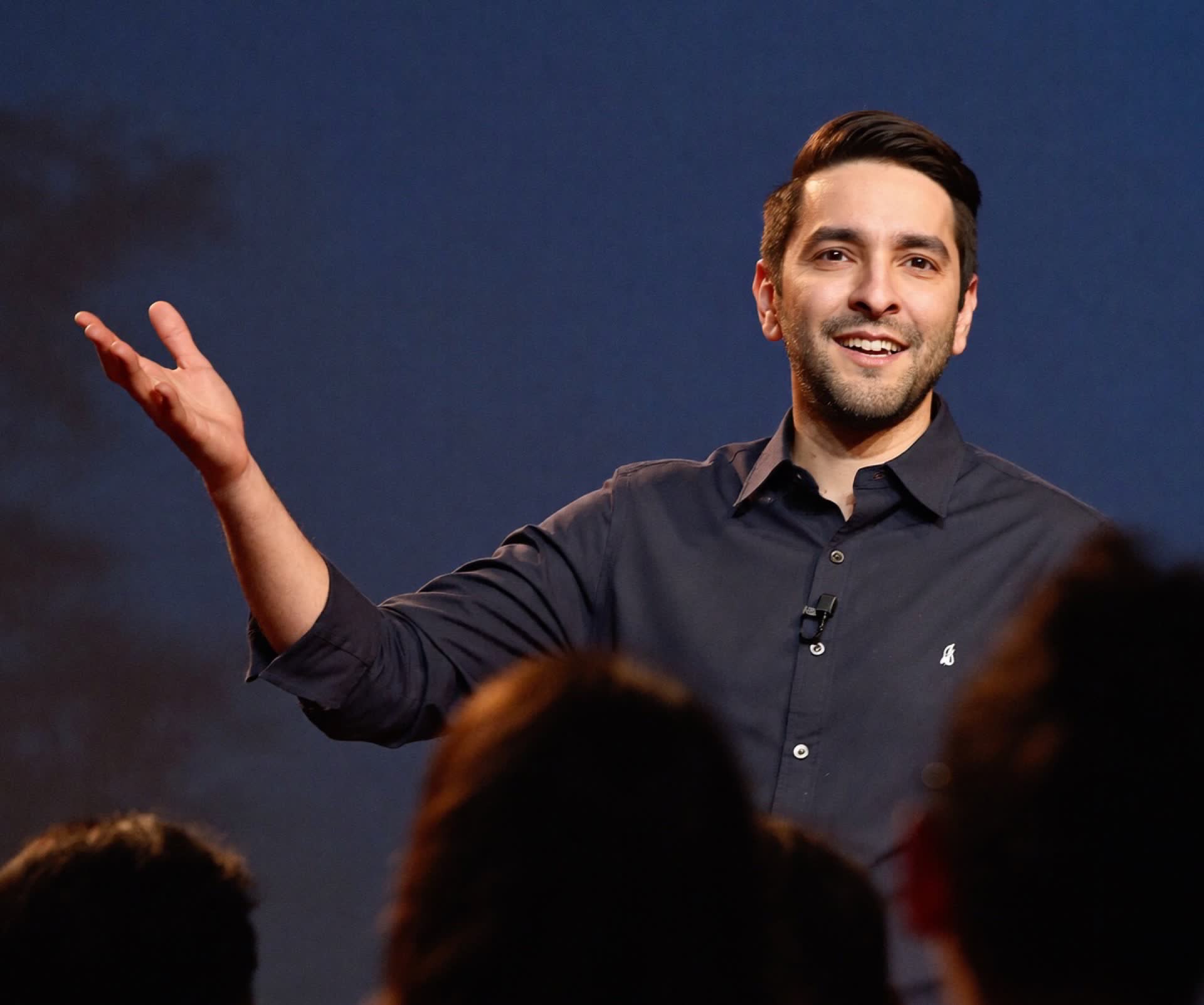
Thought Behind Things · Sep 25, 2024 · 1:12:33
Russia, China, and the world Pakistan keeps misreading
Dr. Muhammad Ali Ehsan, joining from Russia, walks Muzamil through a changing world order — the resurgence of Russia, the long bet of China, the erosion of American moral credibility, and why Pakistan keeps choosing the worst seat at every table.
with Dr. Muhammad Ali Ehsan
11 min read
The world in 2024, read from Tomsk
The episode opens with Muzamil welcoming Dr. Muhammad Ali Ehsan from Russia — a Pakistani academic doing his post-doctorate at Tomsk State University, having previously been at the University of Kazan, whose PhD examined the institutionalisation of civilian control of the military. Muzamil’s framing question is simple and large: how does the guest see the world right now?
Dr. Ehsan’s answer sets the tone for the rest of the conversation. The world, he says, is “more divided than being connected in a way that they could take all the challenges that it is facing as common challenges.” The reason is the rise of new poles. China has bided its time and used the slack to build — including, crucially, a military buildup he expects to be largely complete by 2030, aircraft carriers included. Russia, written off after the Soviet collapse, has been turned around across two decades of Putin’s tenure and now once again insists on having a say. America, accustomed to the unipolar moment, is unused to being told no, and the resulting friction is what the rest of the conversation lives inside.
Why Russia did not stay down
Muzamil pushes Dr. Ehsan on the Russian resurgence. Why now, and why this way? Dr. Ehsan’s account is structural rather than personal. Russia always had the oil and gas; what it lacked was management. Foreign reserves rose, debt fell, and the proof of the turnaround came not in a speech but in Syria, where Russia intervened to sustain a client regime that the United States was on the verge of toppling.
What sealed the Russian posture was NATO expansion. “West has come forward and just come on their doorsteps,” Dr. Ehsan says, “and that is why they agree with Putin in what he is doing and how he is doing.” Western sanctions, he argues, have not produced the unemployment the West expected; they have produced employment inside an enlarged Russian military industry, leaning on Chinese, Iranian, and North Korean support.
His read on Ukraine is unsentimental. “I don’t think Russia has any plans of moving out or threatening Europe as Europe feels and keeps saying. That is something I don’t agree with.” Russia, in his telling, achieved a limited objective and is now in a strong position to dictate the shape of any settlement.
A first American president who did not start a war
Later in the discussion, Muzamil and Dr. Ehsan turn to the American election. Dr. Ehsan offers a line about Trump that is worth quoting in full: “President Trump — his qualities, we know. But as a one-term president, the world recognises this — he is the first American president since the end of the eighties who did not start a new war.”
The observation is not a defence of Trump’s broader politics; Dr. Ehsan is clear-eyed about Trump’s alignment with Israel and the contradictions that carries. The point is narrower and load-bearing for the rest of the analysis: if a second Trump term continues the instinct to internalise rather than externalise, the global system gets a window of breathing space. That window matters more to Pakistan than the personality of the man who creates it.
Imran Khan, the Moscow visit, and the policy flip
Muzamil presses on a Pakistani sore point: the Imran Khan visit to Moscow that coincided with the start of the Ukraine war, and the apparent policy flip that followed. Was the Russia opening a personal initiative or an institutional one? Dr. Ehsan refuses both extremes. “A prime minister does not visit a great power on his own. He has to be on board with the establishment. That conversation had a background. It was more institutional, more national.”
Where Dr. Ehsan does agree with Muzamil is on the diagnosis of Pakistan’s current posture. The country’s binding constraint is energy — electricity and gas — and the obvious supply lines run through Iran and through Russia. The Iran pipeline sits stranded at the border under the shadow of secondary sanctions. The Russian opening, where a deputy prime minister was visiting Pakistan around the time of recording, is alive but moving at a pace that does not match the size of the problem.
Muzamil’s frustration is direct. Pakistan, he says, has managed to alienate Russia, alienate China, antagonise Afghanistan, point a finger at Iran, and still expect the Americans to come in and solve its problems. “How does that make a lot of sense?”
Afghanistan, the Russo-Japanese parallel, and a friendly neighbour misplayed
Dr. Ehsan answers with history. He recounts the Russo-Japanese war of 1904–05, in which a rising Russia, having built the Trans-Siberian railway and reached the Pacific at Vladivostok, was checked by a British-backed Japan that took advantage of Russia’s eastern flank. The analogy he draws is uncomfortable for Islamabad. Pakistan, he says, has its own friendly neighbour with a shared border — Afghanistan under the Taliban — and is repeating the mistake of letting an external power weaponise that neighbour against it.
In the Russo-Japanese case, an American president — Theodore Roosevelt — eventually intervened to end the war. In Pakistan’s case with Afghanistan, Dr. Ehsan is more bleak. “Instead of America intervening to manage this as a problem that is there, I think it wants us to be embroiled in it.” His broader read: the great powers have an interest in Pakistan staying mired in low-grade conflict rather than reaching the stage where it becomes a self-sustaining, self-respecting economy.
Muzamil sharpens the question further. Why are Chinese firms inside Afghanistan negotiating mining and infrastructure contracts while Pakistani businessmen are nowhere to be seen, despite the cultural, religious, and linguistic adjacency? Dr. Ehsan’s answer is that Pakistan keeps reading Afghanistan through a paranoid security lens, with the result that the political engagement that should have followed the Taliban return has been crowded out by the daily news cycle of border incidents and casualties.
BRICS, India, and the cost of one step forward
Muzamil moves the conversation to BRICS, anchored by the summit underway in Kazan as they record, and Pakistan’s reported interest in joining. Dr. Ehsan’s response is the bluntest moment in the conversation. Pakistan, he points out, already shares a platform with India at the Shanghai Cooperation Organisation, and the experience has not been a happy one. “The animosity is quite evident — in the images we see, the statements that come out, and the lack of progress that should be there when you have joined a big organisation.”
BRICS, he argues, would be worse, not better. India is a dominant member and a close defence and strategic partner of Russia. Pakistan, by contrast, is still trying to get close to Russia. “If Pakistan takes one step forward in BRICS, when India starts flexing its diplomatic muscle, we have to take two steps back, because issues are created.” His prescription is not to abandon the ambition but to sequence it: internal political stability first, repaired relationships with neighbours second, and only then meaningful externalisation.
The Central Asia opportunity Pakistanis cannot see
Muzamil makes a case that anchors much of the second half of the conversation. The historical and cultural centre of gravity for the territory now called Pakistan, he argues, is not to its east but to its north and northwest — Afghanistan, Central Asia, and beyond. The economies there are commodity-rich and landlocked. Pakistan, with two coasts and warm-water ports, is the obvious gateway.
Dr. Ehsan, drawing on his time in Kazan and Tomsk meeting students from the former Soviet republics, agrees with the prize but is sober about the obstacles. Language is the first one — Russian is non-negotiable for serious engagement, and Pakistan’s academic system is not producing it at any scale. The second is the same security knot that sits in Afghanistan: connectivity through Afghan territory is a precondition for the rest.
And the third is the structural objection. “Imagine if all this connectivity happens — pipelines from there, four-lane roads going through, railway lines all the way up to Russia. Would we be looking towards the US? Would we be looking towards Europe?” The powers that benefit from Pakistan facing west have an interest in ensuring that the eastern and northern routes do not open. That is not a conspiracy theory; it is, in his telling, how great-power competition works.
The American decline, measured in credibility
Muzamil lays out a long thesis on American stress — $35 trillion of debt, rising inequality, an over-extended military, an industrial base hollowed out by financialisation, and an uncomfortable resemblance to the late-Soviet over-militarised economy. Dr. Ehsan agrees with the trajectory while being careful about the timeline.
His framing is grounded in the history of great powers. “Great powers have always had their good times and then they have declined and perished. Americans — me and you — we cannot put a mark, in the next ten years, twenty years. I cannot do that. But I will surely say it is on its way.” He notes the unsustainability of fighting multiple theatres at once: Ukraine, Gaza, and a potential Taiwan crisis would together exceed what even American resources can absorb. The $300 million per day figure he cites for one war during the Afghanistan campaign sharpens the point.
But the deeper argument is moral, not fiscal. “The most necessary thing as a global hegemon is credibility. Moral credibility has been very eroded for the US.” In the information age, with every image of Gaza available to every African and Latin American audience in real time, the United States has lost the standing of a great power that promotes justice and fairness. Once that standing slips, alliances slip, and the snowball begins.
Russia and China: partners of convenience, not eternity
Muzamil asks the hardest strategic question of the conversation. Russia and China have declared their partnership “unlimited,” but how durable is the alignment, and could a Trump opening to Russia drive a wedge?
Dr. Ehsan’s analysis pulls from the Cold War. He calls Henry Kissinger “the greatest diplomat that the twentieth century produced,” crediting him with three moves: détente with the Soviet Union, the opening to China that pulled it back into the international order, and the Middle East order that held for roughly three decades. The current Russia–China relationship, he argues, is held together by a common adversary. “The biggest common interest is the enmity towards the US.”
He is unwilling to call it permanent. “I would be honest — I don’t think you can say it is a permanent relationship that is binding them together as two powers which will stay like this.” A Trump-led opening to Moscow could, in principle, create space between them. But not anytime soon, and not while Taiwan and Ukraine remain unresolved. Both of those flashpoints sit inside the respective spheres of influence the two powers want America out of.
Trump’s second term as a window, not a fix
By the end of the conversation, Muzamil offers his own reading of Trump as a manifestation of internal American economic stress — a figure backed by industrial capital against finance capital, instinctively hostile to forever wars, willing to threaten NATO funding in a way previous presidents would not. He asks Dr. Ehsan whether a second Trump term would mean enough of an American retreat to give the rest of the world a moment to rearrange itself.
Dr. Ehsan largely agrees. Trump’s first-term doctrine of “America first” played well domestically precisely because it resonated with a public tired of building schools in Afghanistan. He expects the instinct to repeat. He notes the constraint — the American establishment of Pentagon, CIA, Senate, and Congress will push back regardless of who occupies the White House — but he expects Trump to walk back from global commitments more than he expands them.
The implication for Pakistan, left implicit but unmistakable in the way Muzamil and Dr. Ehsan close the conversation, is that the window will not stay open forever. The right move is to use it: to settle the neighbourhood, to open the Russian and Central Asian front, to stop reading every decision through the lens of what Washington will tolerate, and to accept that in an anarchic system the powers that mature are the ones that protect their flanks first and externalise second.
Full transcript
West ने Russia के ऊपर challenges throw up किए. Russia came up with an answer to that. It is managing itself as a power जो कि नहीं जाएगी कि उसको आकर उसके doorsteps पर tongue किया जाए. I don't think so Russia has any plans of moving out or threatening Europe जैसे Europe feel करता है. President Trump की मोदसी तो हमें पता है qualities. First American president जिसने कोई नई war शुरू नहीं की and he mentioned that you know to catch a mouse you know it doesn't have to be black cat or a white cat as long as the cat catches a mouth mouth sits a good.
शाम लोग सबतीनों, आज रात. Welcome back to another episode of thought behind things. आज हमारे साथ मौजूद एक बहुत ही ख़ास मेहमान who is joining us all the way from Russia. वैसे वह आज कल तो स्लामवाद या कराची, if I'm not wrong, वहां पर आए हुए. But he is based out of Russia. He's doing his post doctorate at the University of Tomsk or Tomsk State University. इससे पहले यह था the University of Kazaan. उन्होंने इससे पहले एक PhD की हुई है जो कि एक बहुत ही interesting topic के ऊपर है which is basically institutionalizing civilian control of the military. दुनिया भर में यह कैसे होता है? क्या उसके पीछे thought थी? बड़ा touchy topic है. I would love to know more कि as an academic how did he approach that topic as well? But more importantly एक certain changing world order होता हुआ में नज़र आ रहा है. हम बहुत सारी different ख़बरें sun रहे हैं from all over the world and I would love to dive deeper into that. US की power किस तरह से weaken हो रही है? Russia suddenly हमें rise होता हुआ क्यों नज़र आ रहा है? China की क्या game है वह खामोशी खामोशी, you know, what is China doing right now and how will all of this impact the global South but more importantly Pakistan हमारे साथ मौजूद हैं. मोहम्मद अली एहसान साहब, sir thank you so much for being part of the show.
It's great to join you for the discussion and thank you for inviting me. I just wanna start
the conversation कि अगर मैं आपसे पूछूं quite simply, how do you see the world right now in 2024? A lot has happened recently And so what is your view of the overall, you know, global dynamic, the global world order?
The one I think is more divided than being connected in a way that they could take all the challenges that it is facing as common challenges. And the reason behind it is because of the rise of the the power. China of course has कहते ना उसने time को bite किया और उसके बाद it has managed to progress और the last state of its binding, dying when doing something was related to the buildup of its military which is now it is executed. Twenty thirty तक उसको उसको complete का which means addition of war aircraft carriers. जी. तो एक तो यह चीज़ है कि जो और Russia को आप कहते in terms of its resurgence because Russia तो as a great power exist करता था but it went down and disintegrated. But two decades of Putin's you know in the helm of affairs and he's managed to turn around the Russia and as is a great power. So now it is also started looking at at the problems of the world and having a say. आदत नहीं थी अमरीका को unipolar world के moment में यह कुछ देखने की और सुनने की. अब जब उसको यह देखना और सुनना पड़ रहा है तो issues हमारे सामने हैं. अरे और पढ़ते in form of how. मतलब powers don't like what shuffling in the world. Absolutely अगर आप उनकी statements डालने देते they don't like what is happening in गाज़ा उसके लिए वह America से I am sure they are in in conversation in how. But जब वह आप ऐसा रहे हैं वहां पर तो मैं समझता हूं आपको आप अपना moral ground ही lose कर देते हैं Americans to be able to say something to the Chinese or to say something to the Russians. Because ठीक है आपका है as per your strategic logic आप चाह रहे हैं कि insecurity आप Israel की जो है उसको insecure ना होने दें. But the method that you have employed together with your partner and इलाहाय देह is something that is not liked by these partners. And I think that's just the question is कि geopolitics? तो geopolitics में मैं समझता यही हूं कि इन दोनों को तो मसला है वह दोनों elements geopolitics के हैं. Geography का भी और politics का. जबकि America को geography का कोई मसला नहीं है वह बस with both the oceans on its one and the other side. No power can really make an effort to go and and do what what American in the Net was doing with Russia. Just encroached बिल्कुल उसके boaters के पहुंच गए. Yeah.
Interesting. I was actually I recently visited Russia couple of times and I I was quite surprised to find कि there's a lot of Russian involvement in Africa recently where post colonized Africa still had a lot of remnants of the colonial past, right? चाहे वह, you know, gold extraction में हो, uranium extraction में हो, बड़े hegemonic किस्म के उनके institutionalized financial systems ऐसे बने हुए थे जिसमें वह बना ही extraction के लिए था. And so, thought that Africa was free but वह one of the reasons why it was never able to get out of the mess was कि, you know, legal international order को follow करते हुए systems and banks and foreign companies चाहे वह French हों या British हों या American हों वह आकर continuously, you know, resources extract कर रहे थे. And recently we saw कि, you know, वहां पर French को उन्होंने बाहर निकाला from the uranium mines. Yeah, Niger. और वहां पर region changes. Niger ने regime changes हो रही हैं and, you know, we're we're hearing a lot of Russian involvement either overt or covert, sometimes in the form of Wagner जो कि जा रहे हैं और जाकर उनको वह military space provide कर रहा है in terms of ज़ाहिर factions exist करते हैं हमेशा from different, you know, great powers की support से. But उसमें Wagner is playing a very interesting role. And meanwhile जहां पर वह Russia की वह वाली involvement है, वहां पर China की एक sort of economics की involvement है. जहां पर they're coming in and they're saying, listen, you know, you want development, you want to build yourself, grow yourself, तो we'll come in and we'll help and support you. And so जितने भी African representatives हैं मिला when I was in Russia, I was there for a couple of conferences. Interestingly, everybody was all about Russia and China. Like, it was I I did not expect the amount of, positive sentiment that I found towards Russia and China and the amount of negative and which is a growing negative sentiment towards the collective West, particularly The US. I feel like Pakistan में we often miss that because हम Anglo Saxon world को से निकले हैं, हम अंग्रेज़ी को ही use करते हैं as a tool to get what's happening in the world. Tell me about, you mentioned the role of Russia कि वह वापस उसने rise किया and now it's sort of flexing its muscles and it's it's changing the way the world works. Right? How is that happening? Why is that happening? I mean, you know, Russia is not as big as The US right now. Why is it choosing to flex its muscles now and, you know, trying to flip a lot of the global South? And particularly जो narrative वह लेकर आ रहे हैं जिसमें वह वह बड़ा popular narrative है. You know, we have been treated unequally for far too long. We need to now connect together and and grow as well. Tell me a little bit about that.
देखिए, I think इसका बहुत बड़ा जो पालुक है ना मेरे हिसाब से international systems है. Be on know and believe that international system is anarchic और जब आप कहते हैं anarchic है इसका मतलब there is no superior power to be able to you know control the other powers that are there. ऊपर से कुछ control नहीं कर सके. अगर even आप कहते तो हमें बताएंगे even कितना effective या ineffective. तो उसको जब अपना कि एक system में आप देखते हैं तो जो great powers हैं they always try to maximize their power. यह तो एक history है जो जो काफी अच्छे से चल रही है आप Russia को जब आप Russia ने एक time गुज़ारा जिसमें कि it went down dipped down but when it researched it was always a great oil और gas की बहुत बड़ी industry थी. It only needed some kind of a proper management to be able to recreate what it has managed. It had foreign reserves थे बहुत कम थे बहुत rise कर गए Newton के time में. Debt था बहुत कम हो, बहुत ज़्यादा था बहुत कम हो गया and that's how it it managed to again get itself together and one of the factor that told us कि वाकई कुछ फ़र्क पड़ गए was its involvement in Syria where it went in and एक client state को उसने support किया और वहां पर जो regime जो कि बिल्कुल change होने जा रही थी और उसको America was almost able to topple it. Russia ने sustain किया और अभी military presence हुआ But सिर्फ वह नहीं in terms of how the West together with the Americans जब इन्होंने expansion की NATO की और encroachment शुरू की तो Russia was not ready to accept it and national security के का ऐसा issue है जिसको जो which which is a bus जो बड़ा अच्छे तरीके से you know it buses the wide of the Russians और उनको यह यह बुरा नहीं लगता. They understand कि किस तरीके से West has come forward and just come on their doorsteps and that is why they agree with Putin in what he is doing and how he is doing. I think Russia की research open जो भी west ने Russia के ऊपर challenges throw up किए. तो Russia came up with an answer to that. अगर आप देखें sanctions के related तो अब Russia में जो military industry है instead of unemployment उसके employment के आप देखें तो वह raise हो गया level because there are lot of people getting employed in the way that military industry started working because China से भी support है, Iran से भी है, North Korea से भी है. So it is, it is, it is managing itself as a पाबत जो कि नई जाएगी कि उसको आकर उसके doorsteps पर you know तंग किया जाए और उसको उसको उसको problem create किया. I don't think so the शिया has any plans of moving out or threatening Europe जैसे Europe feel करता है और बार बार कहता है. Then I think is is something which I don't agree with. Because उसके limited objectives है जो उसने achieve कर ली और वह उस पर बैठकर अब अब चाहता है यह अभी Russia is in a great position to be able to come on the negotiating table. आप कहते हैं ना जब job होती है तो आप basically it's the, it's the position on the ground you know they will take the terms that that would be there when you sit on the link. So I think नशहर is in a great position. यह court से cut with an invasion किया basically was the purpose of Ukraine इस purpose से था कि maybe you know when they sit on the negotiating they were and meet you not know कि कैसे होगा? Because very important point is about about president Trump coming in of you know we are looking at maybe a new American president. President Trump की Trump की vote थी तो हमें पता है his qualities but एक as as a president जो first term की quality head होकर world recognize करती है वह यह है कि president काटाल के बाद he is the which is like end of eighties उसके बाद he is the first American president जिसने कोई नई war शुरू नहीं की. Otherwise हर president ने की है. So he would like to you know I think stay with such a reputation. He's been an anti war president but when you look at his the way that he's aligned with with the with the Israelis and उनको जिस तरह से support करते तो वह जो गलत से तो कुछ वह free रहता है but Ukraine के related I think with president Putin he might find a way to to he says that I will land this war in one day that's his statement. I don't know how but able to do that लेकिन he says that maybe we'll find a way. Interesting.
आपने oil and gas का mention किया Russia, you know, के बारे में and Pakistan में जो हम देखते हैं हमारी even internal politics में, so the prime minister, former prime minister इमरान खान had a famous visit to Russia that changed a lot of things for the region as well. उसी time के ऊपर Ukraine war भी announce हुई. उस जो जो trip था उस पर बड़ी बात हो रही थी कि जी Russia से gas potentially हम लेकर आऐंगे Pakistan के अंदर और Russian investment into the sort of North South, you know, gas corridor उसके बारे में बात हो रही थी. एक connectivity की बात हो रही थी Russia के साथ and then suddenly we saw a switch जो कि चलें politics side पर कर लें दो minute के लिए but एक policy की बात होती है, right? So, even a matter of policy वह सारा flip हो गया Pakistan में. जहां पर हम हमारे चालीस साल की एक एक policy थी कि हमने अफगानियों को, you know, strategic depth बनानी है वहां पर. वहां पर finally regime change होगी तो हम अपने you know अपनी उस relationship को इस्तेमाल करेंगे. Majority उनकी population जो है वह यहां से पढ़कर गई है. वह इस culture को समझती है. हम उर्दू में उनसे negotiate करेंगे. You know, बड़े ख़ाब थे हमारी intelligentsia के. And then हम उसको देखते हैं कि जी पिछले दस एक डेढ़ साल के अंदर हमने बड़े rudely अफगानियों को बाहर निकाला. हम constantly poke कर रहे हैं. ज़रूरत से ज़्यादा poke कर रहे हैं. जितना करानी चाहिए अगर आप उस level के ऊपर बैठे हुए, you can be the bigger man and act like a bigger brother and actually get a lot of concessions from a state that is trying to find its foot. Right? वहां पर Chinese, you know, उनके connect होने की कोशिश कर रहे हैं. Russians उनके साथ connect होने की कोशिश कर रहे हैं. वह gateway है to Central Asia and beyond. But वह somehow हमने उनके साथ दोस्ती अपनी ख़त्म करने का इरादा कर लिया. Meanwhile, India के साथ suddenly आवाज़ें आना शुरू कि नहीं जी हमें अब India से दोस्ती करने की requirement है. China को हमने नाराज़ कर दिया. US ambassador को गवादर में ले जाकर, you know, China के ऊपर attacks भी होना शुरू हो गई. हम उनको security भी provide नहीं कर पाए. So, उसके बारे में भी बड़ी आवाज़ें आनी थी. And then Russia वाली conversation तो completely ख़त्म हो गई. Right? And so problem मुझे यह आ रहा है कि जब मैं Pakistan के problems को सोचता हूं और मैं उसके solutions की बात करता हूं तो मेरे दिमाग़ में पहली चीज़ यही आती है oil and gas and energy. भी America से problem नज़र आती है. हमें नज़र आता कि यार China जो है उसकी aging population है तो वह potentially अपनी industry को relocate करके Pakistan में लाकर Africa के लिए जो you know consumer goods उसने बनाने हैं potentially वह Pakistan से बनाकर के with cheap labor वह वहां भेज सकती है and the billions of dollars of revenue in lieu of costs जो Pakistan में आएगा उससे आपकी पूरी economy elevate हो सकती है. लेकिन somehow वह भी नहीं क्योंकि Americans don't like it, right? And while all of these factors are there, हम Pakistan की policy देखते हैं तो वह seemingly ऐसी है कि यार Russia को alienate करो, China को alienate करो, अफगानियों से रढ़ाई करो, Iran को भी जाकर आंखें दिखाओ और somehow expect the Americans to somehow come in and solve our problems. How does that make a lot of sense? I would love to hear your opinion on that. Ok,
थोड़ा सा disagreement एक चीज़ पर. Deputy prime minister of Russia I think कल he was on a visit. तो हम absolutely आपने थोड़ा बड़ा dense एक बिल्कुल ही absolute towels में division कर दिया कि एक तो दूसरे I would go for the middle ground. Right. और उससे पहले जो इमरान खान का visit था जो Mosque, you know it was something उल्का बाह होना उस type में circumstantial in a sense कि जो हो गया and and we should look at it from that point of view because I think एक prime minister जब जाता है visit करता है you know different kind of a block of something. One block and you are now visiting that's that's phenomenon. एक बहुत ही नई चीज़ है. तो उस पर I think everybody is on board before he does that. He has to be on board because you can't suddenly you know एक foreign policy उसमें इतनी बड़ी चीज़ तो एकदम तो दूर आएगी. तो I think मुझे तो मुझे तो लगता है. मेरे खान में उसका एक background था और वह ऐसा नहीं था कि वह कुछ बिल्कुल एक prime minister gap नहीं बनती थी. I don't think so. It was more institutional. It was more national,
it was I I I do look at it from but what's so. But then what's we did see a flip there, right? In terms of क्या
वह pressure आया from you know the other side कि यार हमारी side से जा रहे थे दूसरी side के ऊपर. नहीं हमारे हमारे जो आपने जो सबसे अच्छी बात की वह यह की है कि हमारा issue क्या है? Energy. लेकिन ना industries सारी अगर बैठती हैं हमें बिजली चाहिए हमें gas चाहिए. काम उधर से शुरू होगा और अजीब इत्तेफ़ाक़ें के Iran की जो pipeline है वह हमारे border के ऊपर आकर रुकी हुई है और we might have to go and see you know face something in the international court in terms of what Iran might do in future that's what we are. And obviously जो policy makers हैं and those were the decision makers, they are looking at maybe what help will fall on us in terms of sanctions being imposed on us if we we engage with Iran. So Iran से gas लेते लेते हम किसी और पाबंदियों में ना चले जाए. I don't know because I am not a specialist in that but I think कि यह फ़िक्र बहुत है कि ऐसा ना हो रहा है. But Russia के लिए इतना देखें वह आप बड़ा easily ऐसा कर सकते हैं कि आप दोनों blocks से अपने interests के related deal कर सकते हैं और I think आपको करना चाहिए रवि भी अगर ऐसा Pakistan कर रहा है. अगर deputy prime minister आ रहा we are trying to to cooperate in terms of security के matters में, पेड में, कुछ education में जो जो matters हैं culture जो भी exchanges इसमें अगर हम यह कर रहे हैं तो I think हमें यह देखना है कि sorry हमें यह देखना है कि यह यह मामला बढ़े और अगर step by step approach से बढ़ते हैं कैसे बढ़ते हैं हमें यह front को खोलना है. We need to open up this front और यह जो Afghanistan का मसला है जैसे आप कह रहे कि हम unfriend you know Afghanistan today is unfriendly but it is our neighbor and as long as it is our neighbor हमने उसको unfriendly नहीं होने देना. There was a situation in history where where जब Russia गया towards the Pacific और उसने अपने आप वह East पर expand किया through through draws Siberian railway. You know एक एक पूरा एक railway का system Moscow से वोलोडी वोस्तव तक जो उनका port city है Pacific के ऊपर मतलब the gas was about 9,000 kilometers of it और अगर आप Moscow को कहते हैं the front door of Moscow of Russia तो विराणी वो सब को back door कहते हैं नुष्क. तो यह connectivity जब Russia ने की तो वह उस वक्त का जो super power थी which was the was Britain उसको यह मामला समझ नहीं आया and it allied with with Japan और Japan के साथ उसने एक alliance करके security का encourage Japan to to attack Russia. Russia enrossed the Russo Japanese war nineteen zero four nineteen zero five because Japanese को इतना ज़्यादा support किया ने और उन्होंने यह किया. What I am trying to relate here is हमारे साथ देखिए हमारा भी एक friendly country हमारा neighbor है. जैसे Japan की close prosperity थी Russia के साथ. यह तो हमारे साथ border share करता यह अब आप shared border with the with the अवनीs. तो हमारे साथ जो हमारा original Edmond था India उसने क्या किया? It also encouraged अवनीs और वहां पर रहकर उसने बहुत से consulate के through बहुत कुछ you know the the separatist movement and everything that happened in बलोचिस्ता यह सारा को भी उधर से encourage किया गया and we were also up and you know we had to do something to fight that war. उसकी वजह से skirmishes और आपस की लाराज़ किया और ज़्यादा बढ़वी है in the way that we fought. But there is one thing particular that I want to mention. In the case of Russo Japanese war, the American president interfered, Roosevelt. And he was instrumental in finishing that war. In our case with Afghanistan, our problem with Afghanistan I think is because of Americans. Instead of America intervening to manage this as a problem that is there I think it मुझे लगता है that it wants us to be embroiled in it and continue to you know मुझे लगता है that the whole interest of the powers in the world is for us to continue to widen through and not reach a stage where we can start you know becoming a very dignified and self respecting and and an economy that is such sustaining और खुद से. मुझे यह बहुत लगता है. उसके लिए हमें ज़रूरी है कि हम दोनों powers के साथ, Russia के साथ भी और and when I look at it it's been a decade. एक decade के अंदर जो progress है it has not been there as
much as we we all wanted it to be. अब आगे उसके जो five year plan है और अगला five year plan है उसमें कहां जाता है मामला? I don't know but That's what I think. So दो तीन points जो आपने अभी इसमें mention किया है and I'm very interested to dive deeper into that. आपने कहा कि you know the Indians have had been participating in Afghanistan and and sort of pushing them away from us. Right? That was a different regime. Yeah. And so we we allied with the people fighting that regime in the hopes that now the new regime will come in and they will actually support us. Right? And this new regime when now that it is here, वह बहुत desperately कोशिश कर रही है अपनी आप को इस economic stability देने के लिए. And so, मुझे जो मसला नज़र आता है वह यह नज़र आता है कि Pakistan historically and even till date चूंकि वह एक paranoid security lens से हर चीज़ देखता है तो उसने फिर से इस relationship को एक paranoid security lens से approach किया है versus let's say going to the अफगानs and saying कि listen let's figure out a way to integrate you to the global economy. Let's help you, you know, get your people into jobs, make money. मुझे जो problem आ रही है, वही आ रही है कि then the conversation was very different. जहां पर Afghanistan जो है वह एक नई regime में है, वह contracts बांट रहा है, वहां पर Chinese आ रहे हैं और आकर जो है ना mining के contracts ले रहे हैं, road के contracts ले रहे हैं. तो क्या वजह है कि हमारा मलिक रियाज और मिया मंशाह और, you know, हमारे businessman Afghanistan में क्यों नहीं घुसे हुए? क्या वजह है कि हम जो है वह जाकर के potentially उनके साथ ना सिर्फ़ उनको लेकर बैठे हैं बल्कि पूरे Central Asia को लेकर बैठे हैं कि चैलेन जी, हम आपको connect करते हैं with warm water so that you can trade with Africa and the rest of the world. Right? These are extremely mineral rich and commodity rich countries that are landlocked unfortunately. तो उनको तो एक बड़ा अच्छा gateway मिल सकता है. वहां पर why why have we been unable to, you know, figure this relationship aspect on economic terms which is historically which is something that actually connects people a lot more and a lot faster than, you know, dividing them?
I think from the there are there are two things in this. एक तो आप politically देखें तो the engagement जो कि जिस density से होनी चाहिए थी, जिस regularity से होनी थी I think मुझे लगता है कि वह उस तरीके से. We are talking about the democratic setup here. We are talking about first being able to sort out our issues with our neighbors and then externalizing more. यह जो immediate हमारे neighbors के साथ हमारे issue है हमारी सबसे बड़ी कोशिशें होनी चाहिए. Think when I'm इनको सकेगा with with the regime change that you are saying definitely with तालिबान's coming there taking over I think we should have now felt that it's a friendly regime and everything that we associated with the Indians and how they were utilizing the previous government to do things that they were doing in in Pakistan. We should have considered कि आप शायद हो चाहेग हो. But इस पर अगर आप समझते हैं और मैं समझता हूं कि हमारी इसमें कोई होता ही है तो I think इसके reasons हैं उसके पीछे because we are not looking at things happening on ground और और the the situation of security भी अब आप देख रहे कि gradually वह वह खराब हो रही है और you know every day भी है वहां और soldiers laying down their lives और कुछ ना कुछ चल रहा है. Terrorism is again you know और Pakistan का issue और Pakistan के साथ वह जो है it is gone on the back burner the politics at all the engagement that we were talking about और एकदम security का issue सामने ज़्यादा आ गया कि यह अवन तालिबान जो है the sanctuaries and all that they are operating from the other side of the border. When this starts dominating तो environment वह खराब होती जाती है. I think there is scope the realization is there कि इसको ठीक करना है. I think विजय तो यही समझ है कि आपको externalize करना ही नहीं चाहिए you know जब तक आप अपने घर के अपने मामलात अंदर के पहले वह अपने neighbors के साथ साव रोकना कर. That's the immediate start and then you should externalize and then you should start looking at मेरे बाहर कहां जाता है किधर करना है और क्या नहीं कर? This these are important things because यह हमें हमारे लिए बहुत dangerous scenarios हैं. अच्छे नहीं because you know it's it's a very anarchic world. We never know tomorrow what might handle. You know, events कैसे एकदम shape करते हैं, क्या changes आती हैं. So, you need to make sure कि आपके जो flanks हैं, आपके जो borders हैं, वह वह secure हैं. The regimes that are there are friendly and there are not issues that suddenly would pop up जो आपके लिए बहुत security के शुरू create करें.
Right. इस वक़्त Bricks में क़ज़ान में where you were previously situated, वहां पर एक Bricks submit हो रही है. बड़ा उसके बारे में चर्चा भी हो रहा है. Potentially कहा जा रहा है कि एक नया financial system शायद announce हो at least direction towards a new financial system announce हो. उसमें कहा जाता है कि जी जाहिर यह जो core BRICS है उसके बाद BRICS plus आया तीन तेई countries आई फिर सुनने में आया कि जी 40 other countries are interested in joining. Pakistan ने multiple times कहा कि हम join करेंगे. पहले तो मुझे यह बताएं कि हां what do you know? क्योंकि हम यह उड़ती उड़ाती सुनते हैं. क्या पाकिस्तानी government actively BRICS में घुसना चाह रही है? क्योंकि again BRICS is now increasingly becoming the, you know, east versus west की alliance and at least media उसको ऐसे ही quote कर रही है. And so, वह भी एक एक एक tricky space है कि यार अगर हमने उस पर जाना है तो हम किस तरीके से जाएं कि हम दूसरे को antagonize ना करें. तो पहला तो मुझे यह बताइएगा कि do you think Pakistan is actively pursuing bricks? And दूसरा यह कि क्या Pakistan मतलब what can Pakistan get out of Brics should it become a member of it?
देखिए we are already sharing a platform SEO with with Indians and मैं आपको इसलिए यह पहले बता रहा हूं कि मैंने उसको follow किया मुझे नहीं लगा के उससे हम इतना benefit and the the animosity is quite evident in the way that whenever Pakistan and Indians are there you know in terms of whatever we the images that we see, the statements that have come out and the kind of lack of progress that should be there when we have joined a big organization. नहीं हुआ. अभी तक आपको उधर से नहीं आती. BRICS के भी यतरनाक ही है. India is a very dominating और India is a very close defense and strategic partner of rations. हम तो कोशिश कर रहे हैं निशाख है करीब जाने. वह तो उनके defense और strategic partner हैं. और फिर देखिए BRICS के साथ de dollarization जो है I think that is that is also something जो जो associated है. In terms of how there is there is realization that जो American dominated institutions उनको replace किया जाए with institutions that can be a we more you know look after the interest of the regions and the regional poems. Can extract to no doubt benefit but मेरे लिए एक एक सबसे अहम् चीज़ जो है ना वह Pakistan के relationship within you है. India is losing no time and no effort to continue to project us as a nation and a state which is not credible or should not be trusted. That's their narrative and that's how they are doing. And that's where diplomacy comes in. That's where I think we need to find a way to to bridge this gap how we are going to do because in in this this current world if we do not have better understanding with with the with the with the with the powers of the region. India is a great power. There is no questionable तो हमें हम हम we will continue to slide backwards और जो बाकी powers हैं, देखिए, they'll be more interested to to to listen to what India tells them. To to hear more from them because there's a huge market that India offers them and there is a lot of trade and a lot of things that taking place. Pakistan का if we take one step forward in BRIC when India starts you know flexing its muscle, its diplomatic muscle. तो हम दो step हम फिर अपने पीछे लेने पड़ते हैं because issues create होते हैं. मेरा शाल यह है कि हमारा इस तरफ भी जो है जो मैंने पहले बात की कि internally हमें stability लेकर आनी है, political stability और neighbors के साथ हमें ठीक होना है. फिर things will will will start opening us for us और हमें शायद we start looking towards better future.
Right. What about Central Asia if I were to ask you? Because again मैं अभी recently जब मैं रशा गया तो the conversation I was hearing was very different. Even vis a vis India actually I was very surprised. Brazil की बहुत ज़्यादा representation आई हुई थी and I was speaking to a lot of young political leaders from Brazil जो कि वहां पर आए हुए थे. Surprisingly, I asked them about India and they did not have a very favorable opinion. You know, they said कि a lot of them said कि India is the weakest link in bricks. India is the one holding bricks back. India की जो, you know, increasing dependence and connectivity with the West was looked at, you know, with वह थोड़ा सा ना cynicism के साथ. And so to me, it seemed like a great opportunity to actually create a counter narrative at this point in time. जहां पर India की एक sort of strategic requirement है कि वह west से align करें as a way to counter China. वहां पर जो बहुत सारी और states हैं. South Africa, South African से मेरी मुलाक़ात हुई. They had very similar opinions as well. आप अगर देखें तो South South Africans are very closely aligned, with the narrative of the global South. चाहे वह Palestine के ऊपर हो, चाहे otherwise जो engagements उनकी नहीं हैं. And so, seemingly, it it it's an opportunity for Pakistan. अगर वह जाता है और आज जाकर अपने आप को global South के साथ, ऐसा ऐसा diplomatically align करना शुरू होता है. इसी context के अंदर I was speaking to a lot of people from Central Asia, चाहे वह Tajikistan हो, चाहे वह Uzbekistan हो और वहां पर मैंने realize कि we have a great cultural connectivity. A lot of the people who've actually ruled us जिसको हम history में पढ़ते हैं वह Central Asia से आए में. Again, a as a as a lot of Muslim states, वह एक हमारा religious connectivity भी हमारी उनका exist करती है. And then most importantly, there is a very real economic opportunity. Right? हम constantly east की तरफ़ देखते रहते हैं कि यार India के साथ हम किसी तरह trade खोल देंगे तो सब magic हो जाएगा या China जो है वह अपनी industry relocate कर देगा. But यहां पर right at our doorstep we have a a region जो कि historically पिछले हज़ार साल is all about Central Asia, Afghanistan, Pakistan. It's a lot less if you you study the current पाकिस्तानी जो borders हैं उसकी history पढ़ें तो आपको तमिल नाडु से कोई आता भी नहीं नज़र आएगा. आपको तमिल नाडु की connectivity भी नहीं नज़र आएगी. Same. आपको ज़रूर कहानियों में बार बार पता लगेगा कि, you know, Central Asia के इस शहर से यह philosopher आया तो यह invader आया तो यह आया तो वह आया and so there's a lot of connectivity over there. How do you see the relation? Unfortunately, पाकिस्तानियों को concept ही नहीं है. वह उनको अगर मैं आ जाकर, you know, someone walking on the street, I tell them about about Tajikistan. Like, क्या बात कर रहे हो यार? कौन सी country? तुम मुझे London कब आपको बता देंगे? वह आपको San Francisco का बता देंगे लेकिन वह आपको Tajikistan के बारे में उनको ऐसा जितना idea नहीं है. How do you see the relationship of the Central Asian states potentially जो develop हो सकती हैं with Pakistan?
देखिए मैं मैं when I was Kazan and also in Tom's तो I had this opportunity to meet students जो there are lot of them. Russia को they don't need a visa because farmer republics है. तो उनको बहुत ज़्यादा benefits हैं in terms of how they can you know come there study scholarships and other things. मैंने कुछ देखें एक तो language का बहुत बड़ा barrier है. There are language barriers जो कि हमें हमें I think that's the big thing that stops you from. We're talking about connectivity, we're talking about engagement. Like, बहुत बड़ा barrier आके beach में आ रहा है. Rashivs themselves they you got go and get educated there. अगर आप जब तक एक साल का ऋषिण language course नहीं करेंगे. आप वह पूरा करेंगे उसको pass करेंगे test then they are loyalty too. मेरे ख्याल में एक language करते हैं. दूसरा I think जो जो understanding है वह Pakistan के level पर भी और Russia के level पर. You know from the economic point of view, from the great point of view. यह connectivity के लिए stand countries सारे शामिल, Central Asian states शामिल. No, Afghanistan insecurities को किसी तरीके से manage कर लेना और connect कर देना पूरे उसको and China is a big promoter of such idea and it's not now परे अरसिस्से Russians are also but then again it comes down to the to the great game in terms of how we collect the great game because the the great powers have their interests. आप सोचें imagine करें कि सब connectivity हो जाए, pipelines gas की आ रही हो, यहां से बड़ी four lane roads जो है जा रही हो, railway light जा रही हो throughout up to Russia. ठीक है? तो हम लोगों को would we be looking towards US? Would be looking towards Europe? I think that's the whole point in how things that can happen are not allowed to happen by the powers that don't want them to really. So I think इसमें यह बहुत issue है and Pakistan is in a in a difficult situation in terms of how we have been in the American block for such a long time और अब हम जब कोशिश भी करते हैं या academic world में अमेरिता के लोग को हिस्सा की बात भी करते हैं.
The US right now is under stress? चाहे वह financial stress हो because their own economy seems to be, you know, it's not really playing out in the most beautiful ways. $35,000,000,000,000 of debt. You know, वहां पर within America there are a lot of commentators who are now beginning to say कि यार यह unsustainable है जो postmodern sort of crony capitalism या finance capitalism जो चल रहा है. Similarly, आज के modern day US को मैं देखूं तो मुझे कुछ weird similarities with USSR नज़र आती हैं जिसमें वह एक बहुत बड़ी economy claim तो करते हैं लेकिन वह बहुत सारा पैसा जो है ना वह military industrial complex में लग रहा है और, you know, हमने यह देखा है great power like Russia वह military might में बहुत आ गई थी. उसको आप touch नहीं कर सकते थे with the nuclear arsenal and the, you know, overall strength. लेकिन core economics was the reason why eventually it collapsed, right? Because वह internal cohesion को affect करती है. And we're now beginning to see a lot of that chaos emerge in The US as well where inequality is rising, homelessness is rising, immigration is becoming a problem, polarization उसकी वजह से हो रही है and वह economic cracks नज़र आना शुरू हो गए हैं जिसमें people who've actually been to, let's say, China and The US आकर यह बात करते हैं. वह कहते हैं, US is third world. China is is is they've built for the future. Right? So while China was investing its capital into building its infrastructure and building its society, The US was spending its capital in bombing countries all over the world. And so it it's increasingly to me particularly it seems like चाहे वह लोगों को इस वक़्त आयान नहीं हुआ but यह अगले पांच आठ दस सालों में आयान हो जाएगा कि जो current direction है वह sustainable नहीं है और, you know, the the emperor does not have clothes and you will all see it. Right? In that context, do you see, would you echo the sentiment and would you say that The US is under a lot of stress right now?
और मैं to answer your question के what will become of US. I would like to China के related में I would like to quote देखिए China जब Revolution आया तो there was this you know quite buzz और China was trying to again industrialize और उसके generals में शामिल था. Generals मैंने say not a uniform general was thanksgiving. In terms of how he stood up and supported chairman Mao in creating the China that he was create. But then down the line he realized, you know होता क्या है कि कोई leader की quality ही है जब वह कोई बात करता है Deng Xiaoping was a great leader. Down the line surveyor he mentioned that post ने realize किया कि communism was not really taking them anywhere up. It has to be a witcher of capitalism and communism. You know now अब China है and कुछ ऐसा ही. That he mentioned that you know to catch a mouse you know it doesn't have to be black cat or a white cat. As long as the cat catches a mouse, mouse hits a good cat. What he wanted to say was that, you know, it doesn't have to be communism actually that needs to take us forward. It can be any system. But as long as we are able to raise the standard of life of our people and when when president chairman wau realized that यह कुछ ऐसी बातचीत हो रही है so वह वह great heap forward के time का revolution था. उससे second revolution जेब and मांव ने आया which was cultural revolution. Which was to reinforce his communism and not you know allow people to understand what what Deng Zhao Ping was saying and he put him in the JE notes. But then वह कहते हैं ना life में critical junctures आते हैं. इंसान की life में और states की life में. China की life में जो critical juncture आया वह था 1976 में जब Xiamen Mao की death and the same person was put behind the bars, Tang Zhao Ping you know. Now the world अब अब जो आपके बहुत से facts जो world show करती है ना जिसमें बताती है कि poverty जो है कितनी ज़्यादा कम होगी. उसमें 600,000,000 Chinese जो poverty lines ही ऊपर लाने का जो credit है वह because that person when he came he started creating a China that he created. By giving this example what I was trying to say was that जो critical junctures है चाहे negative और positive हर state की life में और हर power you know चाहे आप roman से शुरू करें. The great powers have always better declined. You can't stay greatness is not eternal. ठीक है? You you this this is I think the philosophy of of the within international relations. Great powers have always had their good times and then they have declined and perished. Americans me and you we can't put a mark up कि भई अगले दस साल में बीस में I I can't do that. But मैं यह ज़रूर कहूंगा it is on its way वह path follow कर रहा है जो decline की तरफ जाता है और वह आपके आपके arguments से मैं निकालता हूं. देखिए इस वक्त दो theater तो है and America was spending $300,000,000 per day when it was fighting a one war. बीस साल लड़ी, trillions of dollars. देखिए America पर सबसे अच्छा तरीका क्या है? मेरे और आपके पास जो नहीं है वह dollar छाप देता है because Donald that is why they want to down our eyes because America is in huge debt but it manages its economy like. तो the part that I am saying is because this great investment military की जो यह कर रहा है and and देखिए जो China is again looking at Ukraine and उधर से हमें दो चीज़ें मिलेंगी. मेरे हिसाब से Putin is not going to back off. He is not man of the material who would be pushed back. He will continue to freeze the line जहां पर वह है, maintain status quo and ask Ukraine to stay neutral. The moment it says that हम neutral रहते हैं it'll sit on the table with it and you know we we might see an end to the war अगर अगर Trump निकाल. But China इसको देख रहा है और China का भी जो Taiwan के साथ मसला है we understand. President Xi is very very confident in the way that he's been saying कि मुझे यह this is a part of Mainland China और हमें नहीं पता कि कब क्या फुल सकते हैं. That's why earlier I was saying कि कौन segments सुबह उठेंगे क्या होगा? We we are not sure. तो अगर एक और theater खुल जाता है America के लिए just imagine already Ukraine में problem है, Gaza में, Middle East में problem चल रहा है और China का भी ऐसा कुछ शुरू है. So there is unsustainable हो जाएगा in terms of managing you know managing one war is difficult. Managing two fronts with would be more difficult but managing three would become impossible. So I think from the unipolar moment जिसमें America was on by itself it opened up a lot of fronts and it it thought that it would you know just be able to create the kind of world liberal international world जो बनाना चाहता through a very militarized foreign policy मैं शायद बना लूंगा नहीं बनी. अरब spring भी आया सारा Middle East में याद पहली क्या कुछ हुआ? And now I think I don't I don't think so US has देखिए सबसे बड़ी ज़रूरी जो चीज़ है as a global hegemon वह credibility. Moral credibility बहुत erode हो गई है US की और जो आप अभी global South की बात कर रहे थे African countries की बात कर रहे थे. People are you know in this information age यह जो जो सारे images हैं हमारे सामने आते हैं and we look at what's happening and who's doing what. America is just lost its its standing is a great great power that that that that promotes justice and fairness. आप अगर यह यह basic चीज़ें हैं जो कि जो कि आपकी credibility को को को ensure करती अगर आपको नहीं करते तो आप you start losing losing support and when you talk about losing support in international relations you are talking about losing losing alliances, you are talking about losing partners, you are talking about you know the disengagement and these are the things that better war for great powers. पूरे continents जो हैं वह अगर देखने लग जाएंगे towards China and and Russia. So that's a very difficult situation for US.
And वह snowball करती है, right? It doesn't really happen all at once. Yeah, correct. It slowly snowballs itself into a bigger, wider change in in in the world order. You mentioned Russia and China towards the end and I wanna understand how do you see this these two, you know, very separate, very powerful countries together? We heard कि last time cold war के time के ऊपर Pakistan was instrumental in bringing China, you know, as as as a friend potentially or at least start building relations with The US. US की जो presidential debate है, उसमें भी बड़ी बात होती है कि जी China को counter करने के लिए Trump साहब कहते कि हमें Russia से दोस्ती करनी है ताकि हम उनको वापस खेच सकें. Between Russia and China, China की बड़ी एक interesting way है of being very quiet with what they're doing, what they're, you know, planning, what they even want. Right? वह बस आपको guess करना पड़ता है. वह आपको guesswork पर ही छोड़ छोड़कर रखते हैं. And so when I try to understand Russia and China, it doesn't it's like वह chest thumping वाली relationship भी नज़र आती है कि we are the best friend and we're going to, you know, support each other into oblivion or towards success. And, you know, again दो इतनी बड़ी powers जब साथ होती है ना तो यह बड़ा एक एक tricky सी situation होती है क्योंकि वह अपने interests में चल तो रहे हैं but at what point do interests become competing? जब हम let's say Africa में चले जाते हैं या आगे भी चले जाते तो at the end of day, bottom of the सबको same ही चाहिए कि यार हमें अच्छे contracts चाहिए, हमें ensure करना है कि हमारी investments हों और long term में हम उससे rewards reap करें. So how do you see The US, sorry, the Russia China relationship and particularly today as well as in the future? Let's assume that that a different world pops up ten, fifteen years from now and, you know, the the the world goes from a unipolar to a multipolar world and regionalization
as you put it वह हो जाती है. तो उसमें आप इनको दोनों को कैसा देख रहे हैं? वह आपने बड़ा अच्छा कहा कि वह जो तकलीफ होती है ना किसी एक great power को जब वह दूसरी दो powers इस तकलीफ से America 1950 में गुज़र छूता है. जब China और Soviet Union they allied and Americans were in deep trouble. NP Cassandra जो है he's you know people have both kinds of views about him. Something that he was a very great tyrant. बहुत से जल्दी और लोग. But I think he was the greatest diplomat that twentieth century produced. उनके तीन काम थे एक उन्होंने दीतान किया. दूसरा China को जैसे आप बता रहे हैं he brought it back and उस enlightened सिन्हें खान्दी act में. एक position दे दी world recognition. देव ज्योतिषा एक Middle East में एक order create किया which which existed and mastered for about thirty years. Currently I think जो Russia और China है they have obviously said that they are their partnership is unlimited. That's the word that we subscribe now to this partnership because that's what they say. Engagement बहुत intense है. I think interest बहुत common है. सबसे जो common interest है वह वह जो enmity है towards towards US. जो आप कुछ कुछ software इस्तेमाल करना चाहते हैं तो I think जो जो उनकी differences हैं या जो उनके problems हैं with US I think दोनों के common हैं. In terms of how like मैंने पहले कहा था कि वह powers जो हैं वह engage करेंगी या compete करेंगी या या आप उन्हें contain करेंगे. So America ने तीनों में से सबसे worst option लेकर दोनों को contain करना चाह रहे हैं. तो वह I think is bringing them much closer because of America is treating both of them and one has researched the other has risen and both I think despite sanctions and other things problems तो create होंगे but they will be able to sustain them and the more they get closer this sustainability will become much you know better और ज़्यादा अच्छे तरीके से हो सके. तो मैं future में इनको जब तक America is trying to reassert itself continue to become a hegemon priority in terms of how pivot Asia Pacific की जो policy है वह again although it is now backfired and it is again been drawn back into Middle East. So it has issues But if we even if it considers that this century twenty first century is Asia century and it needs to be not only physically present जाए but economically and through other mechanisms को करें. अब मैंने कहा कि देखिए हम मैंने खिलाफ बहुत बात की है लेकिन कुछ उनको credit भी हमें देना चाहिए. In terms of how जो global trade है उसको एक secure रखा हुआ है ignore in terms of how हमें लगता है कि बड़े आसानी से चीज़ें move कर रही है. But there is a kind of security जो एक responsibility एक global agent वाले लेता है. जिसकी वजह से सब चीज़ें जन रही होती हैं. I think you should give the credit where it is due. But इन दोनों powers के case में they need their space और उनको लगता है कि जो उनको space मिलना चाहिए और political space भी और in terms of strategic space जो उनका जो sphere of influences हैं उनके अंदर जो आंखें interfere कर रहे हैं. लेकिन South China Sea China कहता है कोई काम नहीं है तुम्हारा उधर आकर मुझे बताना कि क्या है. Although issues हैं वेतनाबीसाहबाद और Singapore and all the other countries that are there but China thinks that that's the gateway to its eastern coastline और अगर उधर उसने allow किया तो उसको issue होंगे. But America, America आकर उसको challenge करना चाहता है and and that's where we have we have similarly Russia को कराते हैं. So मेरा ख्याल यह है कि यह American dominance और American's method of continuing to move out thousands of miles and try and dominate the sphere of influences of of the other great powers. We'll continue to keep keep the contest between them going on and the more it goes on there are more chances of skirmishes and problems and maybe you know unintended consequences of what you like do because wars जो है I think दो बड़े reason है जिसकी वजह से wars होती है. एक fear की वजह से और एक greed की वजह से. Fear जब आप कहते हैं तो you know यह Russia is very afraid and fearful of what might happen if if if latter is right on its doorstep. May be that ok. That's the fear it has और grade की भी जब मैं बात करता हूं तो I think we can associate it with how something might happen in future in in in Arctic because उधर भी बहुत resources पड़े and next jet फटिया उधर और यह दोनों powers का भी बहुत interest है उधर और Asia का सबसे closest route भी है तो वहां से खुल जाए और जैसे climate change आ रही है और you know if the possibility exist that's the shortest चूट that is there towards Asian. ऐसा skittling. तो I think यह दोनों factors हैं जो equal एक एक close लेकर आ रहे और यह I think आप यह नहीं कह सकते. I I would be honest I don't think so that you can say it's a permanent permanent relationship that is binding them together as two powers which will you know stay like
Flipping anytime
soon मतलब. Not not anytime soon. Not until we have the issue of Taiwan going on. Not until we have the issue of the Ukraine going on. Because यह दोनों के sphere of influences के अंदर common interest act जिसको oppose करना है USA.
So as long as these issues are there, they will be connected to them. Right. I want to bring Trump into this equation and I feel like, you know, Trump is increasingly misunderstood by much of the world and also much of Pakistan particularly. My opinion on Trump, I'll explain that a little bit and then maybe I would love to have your opinion on how it might pan out. But US का जो हमने financial system का के हवाला दिया, I I think Trump is a manifestation of of the increasing inequality and the increasing problems within the economics in The US. जिसमें वह यह कह रहा है कि यार, you know, we need to stop spending money on our military. We need to stop spending money on on useless forever wars. And जो तीसरी most important चीज़ जो कि last tenure में हमने देखी, where he sincerely threatened NATO कि यार मैं तुम्हारी funding काट दूंगा. Right? And and that was a lot of people really miss that. वह कहते यार पता नहीं हां, ठीक है, whatever. But it was a very powerful statement in terms of the repercussions it might have. And we also know कि यार Trump is backed by a lot of the sort of industrial capitalists, opposed by a lot of finance capitalists. So finance capitalists जो हैं वह कह रहे कि यार industry हो या ना हो, हमें फ़र्क़ नहीं पड़ता. हम dollar print करेंगे, military hegemony बरकरार रखेंगे, दुनिया भर की industry से माल खरीदते रहेंगे. Industrial capitalist कह रहा है कि यार जब हम कुछ बना ही नहीं रहे तो हम कब तक अपनी एक lack of productivity को long term चला सकेंगे? So we need to retreat a little bit. We need to focus our our capital into The US. We need to build infrastructure. We need to build great companies in The US and उसमें हम AI को leverage करें. हम robotics को leverage करके, human capital को reduce करके हम जो है वह manufacturing वापस America में लेकर आए. But we need to bring productivity back to The US. And so the way that I see Trump and a potential Trump regime is that we're going to see a window of change where when Trump comes in, he is going to go towards it might not look like it, but he will be going towards a retreat potential जिसके अंदर वह inwards focus कर रहा होगा. चाहे वह fiscally हो, चाहे वह even अपनी policy of diplomacy में हो. Right? कि, you know, not very aggressive militarily. Definitely aggressive towards China in terms of competing in business and economics and so on and so forth. But not necessarily as aggressive in militarily. And when such a retreat comes तो वहां पर opportunity then आती है पूरी दुनिया के लिए, breathing space आती है जिसमें they then realign how they see the world, how they see great powers. उस context में if let's say Trump comes in and he says कि भाई, you know, why are we wasting our resources in Ukraine? Let's go. क्योंकि we've we've seen कि previous times जब negotiations की बात हुई है तो The US has been either opposing it or sabotaging it a couple of times as well, right? की जो talks हो रही थी. So maybe we might just see कि यार ठीक है, let's negotiate, let's give Russia what it wants, let's retreat a little bit. In that context, do you see कि उस negotiation में कुछ Trump can negotiate कि यार जो Russia and China की जो एक sort of honeymoon period चल रहा है in the backdrop of a security problem with The US, वह शायद break हो सकता है whether if if potentially Trump tries to negotiate that?
I think that's a very interesting question because जिस तरीके से आपने यह कहाना because Trump is in his last tenure he he was very anti China in terms of how we had issues China के साथ trade के and other issues and and and we we found out के China was not being engaged and what how his policy was more to get in it and that becomes a real great reason for how if Trump extends diplomatically engages Russia. तो there can be issues in how you know China के साथ अगर understanding उस level पर नहीं है तो there can be some some disruptions in terms of how both these partners Russia, China are moving forward. But but for as for his jumps second term देखिए first time around it was the one great different policy that he and was America first. उसके अंदर आप सब कुछ you know you were जो आप mention कर रहे थे कि NATO पूछने आए obsolete कह दिया और इसलिए कह दिया because he thought that के जो contribution Americans की है in terms of you know defense NATO के expenditures पर वह इतनी ज़्यादा है कि वह जो 2% of each country member country that was supposed to get they were not giving it. So he thought why should we take over the you know like he was looking at everything which was externalization से he was getting out internalizing and it was very popular with the Americans because they wanted and they were all the time you know reading all the places कि हम Afghanistan में क्यों school बना रहे हैं? हम उधर क्यों दे दे रहे वह करें. हमारे अपने problems हैं and he became very popular and a populist leader why because he was like it was resonating with the American public that yes America first means that हमारे problems resolve. I think जो जो दूसरा factor आपने ही mention किया है it's about the establishment like I will call it the American establishment. The Pentagon, the CIA, you know the White House, the Senate and the Congress. America election से पहले November में we have the House of Common and Congress के end. That then I think are more important in whether Republicans or Democrats would terminate that slab. Lot of reflection on how Trump if he gets elected तो वह कुछ कर सकेंगे या नहीं कर सकें. But I think again जैसे मैंने Pakistan में कहा कि इमरान खान was more about anti status quo. So Trump again with a very long history of Americans you know we continue to divide American presidents in terms of how they are pro war and anti war and मेरे पहले भी mention किया था that Trump is somebody जिसके first in year में America did not enter it and I he pretty much because he internalizes it wants to stay away from from from commitments जो America को ज़्यादा it it kind of you know squeezes on its its economy और उसको उसको it it starts eating up on it. I think तो so ज़्यादा chances यही है that there will be a repeat of what he said but उसके अंदर जो loss है I think वह वह जो global partnerships आप देख रहे हैं, जो global engagement आप देख रहे हैं, जो पहले भी यानीन वही walked out of the specific and IASUS partnership से निकल गया and he would you know he would not be pretty much interested in in considering America as the policeman of the world. वह वह position उसकी job president Trump की नहीं रही है. How would that now happen and specially when he is claimed that मैं खत्म करा दूंगा Ukraine war को form. I think that मैं especially believe करता हूं कि इनका equation है with with president put and there he might be able to diplomatically you know manage something that the world is looking forward to and मेरा यह भी शायद है कि मेरे से bots इस corners के लिखा भी है, कहा भी है and एक perpetual war was one of the article and I think Emil Khan wrote उसमें उन्होंने बोला कि जो great wars है जो warring nations है एक state आ जाती है जहां पर आप you get exhausted and the only thing that you look forward to is is some kind of way to get out of them. Israel, Israel के बड़े पुकेले circumstances हैं. They are quite different. Israel इससे पहले कभी जो war है वह अपने borders के अंदर नहीं लड़ी. इज़्राई वह always regressed and went out and and you know सेनाई peninsula भी ले लिया उधर से गुलानites भी देनी West Bank on this. It always he is repairing the fact that he is fighting within its borders उर्जासिला and then it's not only हिस्बुला and Lebanon but there is this proxy war Syria भी है उधर से Iran का भी है और होतीस भी है and lot of problem that I think it's like into lot of mess and कुछ उधर से हमें जल्दी जल्दी ठीक होता नज़र नहीं है. Ukraine का है इस we we have some hope कि वह ठीक हो जाएगा but but in Israel I have less hopes के
Makes sense. I wanna wrap this up and I wanna ask you this one question. ठीक है. Wider जब आप देखते हैं ना तो there is a there is this increasing polarization across the world both internationally and domestically. Right? So सिर्फ़ Pakistan पाकिस्तानी Pakistan को देखते हैं वह कहते हैं यार हमारी तो instability है, हमारी you know हम बार बार बात करते हैं political stability आ जाए ना तो सब set हो जाएगा. But it seems like कि this is not just a Pakistan specific problem. You go to The US crazy political instability and polarization. You go to much of Europe and they're all about, you know, East, left wing and right wing and उनका बड़ा aggressive France में recently क्या हुआ? वह हमने सबने देखा, between their political systems as well. And so it, to me it it's increasingly looking like कि the the the population of the world जो कि inequality increasing inequality से तगा चुकी है. But like interesting मैं बार बार उस graph का हवाला देता हूं. But वह मुझे लगता है कि is at the heart and core of what we're seeing right now where $19.71 का जब dollar का gold के साथ pack ख़त्म हुआ ना तो हमारी जो productivity थी दुनिया की वह बढ़ती गई. वह पिछले तीन हज़ार से बढ़ रही थी तो the graph basically plotted productivity with compensation for the average consumer or the average producer. जो employee है so on and so forth. It up until 1971 it was growing together. So जैसे जैसे productivity बढ़ती थी वैसे वैसे compensation बढ़ती थी. जब आपने gold peg ख़त्म किया तो compensation almost plateau and the and the, sorry, productivity kept on growing. Right? So वह जो absorption थी of compensation for that additional productivity वह आपकी चली गई at that very top. जो आपकी again finance capitalist है या industrial capitalist है. The one who owns the shares, the one who owns the वह. And मुझे increasingly यह लग रहा है कि now the world in in in these small pockets everywhere is beginning to revolt against that system और यह हमें history में हमेशा देखा है. Inequality बढ़ती है, हैं. Even next door India जिसमें हम बहुत कहते हैं कि पूर्वाल काम चल रहा है. बांग्लादेश में हमने recently देखा. You know, यह aggression, यह cup, यह problems बढ़ रही हैं. पहला तो I want to understand what do you think is going to be the impact of of of this, you know, increasing chaotic environment and increasing polarization on the world, on the region and then to to Pakistan. क्योंकि बड़ी आजकल ना एक तरफ लोग आकर कहते हैं कि यार यह तो ठीक है होता है, हमेशा होता रहा है, सब set हो जाएगा. But एक तरफ मुझे बहुत scary किस्म की, you know, आवाज़ें आना शुरू हुई हैं. बड़ी recently आना शुरू हुई हैं. बड़े academic circles की तरफ से आना शुरू हुई हैं. Academics से फ़ायदा यह होता है कि वह fear mongering कम लगती है और वह actually serious बात ज़्यादा लगती है. But I am hearing, you know, words like balconization of Pakistan. I am hearing words like, you know, disintegration of Pakistan. That doesn't feel good. You know, as someone who was born in 1990, I did not go through what my father went through with the with the separation of Bangladesh. Right? जो reality shift होती है ना और वह reality में still Pakistan East Pakistan was far away. I think the trauma that we might face if KPK या बलूचिस्तान वह एक अलग country वन जाए वह कुछ सोच भी नहीं सकता. वह एक you know, एक एक ऐसी reality है जो कि कभी किसी ने imagine भी नहीं की और उसके बारे में जब कोई आकर बात करता है तो it's I feel like कि then बड़े लोग serious होकर कहते कि ok, how do we figure this out? How do you see that polarization? Do you see increasing chaos? Do you see increasing reshaping of reality as as, you know, I'd put it? Yeah, do you think कि ठीक है, वह एक जगह पर जा रही है, peak करेगी but वहां पर से, you know, eventually it has to find some sort of balance?
लेकिन there there is an objective reality and there is subjective reality. मैं as an as a person from the academic world, I'd illegal the object. Empirical evidence, homeological reasoning something. When I say that it is raining I should be able to see that it is raining. But when you say that it is it looks beautiful that it drains, it might look beautiful to you but वह जो हो सकता है उसे बड़ी problem हो की जड़ हो जाए, चंद्रीनी है. So that's subjective. हमारी countries के अंदर बहुत ज़्यादा subjective realities हम हम create कर रहे हैं and reality create कैसे होती है? You are a big exponent of that. Know realities are created by sharing information. अब और information जो है वह it creates you know information क्या है? It's basically something that we seek because हम हम सच की तलाश में. वह information जो हमें वह सच दे दे दी है पर सारी सच्चाई जो है वह वह perfect reality. There is no 100% reality of any. आपके सवालों पर मैं यह कहना चाहता हूं देखिए जब से दुनिया बनी there is been a master in slain relationship but evolution का process आया, renaissance आया, enlightenment आई लोगों को समझ आ गई. Master and slame relationship west में जो खत्म हुआ कैसे हुआ? वहां पर भी master है but master वहां पर rule of law है और लोग उसके slave हैं. हमारे यहां पर जो उन्होंने master से जान छुड़ाई, the landlords, the feudal lords and all those you know small little fraction of people continue to impose themselves on them. They continue to exist and वह masters on slave relationship रहता है. दूसरी चीज़ मैं मैं समझता हूं कि rule of law, rule of law, कान पक गए हैं यह sun sun के. मुझे लगता है कि इससे बढ़कर एक और चीज़ है जिसका हम ज़िक्र ही नहीं करते. और वह है pluralism और pluralism क्या है? Pluralism है जो हमारा मसला है आज specifically. Pluralism is is you know how power is best expressed which is best expressed by sharing और आप division and separation of power. And pluralism in terms of sociability or in terms of society is how everything is shared and everything is you know हर एक can can do what he or she wants you know. एक pluralist society what we are society that will be at peace with itself. मैंने मैंने एक this to conceive to add to lastly आपने जब पुछा है. मैं जब वर्षा में था तो टैगनेव is one of a very great writer twentieth century का literature का बड़ा famous writer है वर्षा and father and son is one of his famous famous novel. मुत्ताब novels है नाम. उसमें Brezhnev एक एक character है doctor का. तो मैं I was trying to understand the concept of nihilism. Nihilism basically means nothingness. तो मैं उस पर गया जब देखा तो मुझे इस इस novel का and I started reading it. मैंने को time हुआ I started and then I realized कि उसका जो character था he was a doctor and for him nothingness meant that he would not revolt but he would you know be in a corporate situation with everything with every authority with everything because he would question that so much कि यह क्यों ऐसा और क्यों ऐसा नहीं है. For him nothing was perfect and he would continue to believe in that and people were not comfortable with it. But what the author was trying to highlight was the people that you are more uncomfortable with Are the people which are actually giving you the true lessons because वह शायद खुफ़ज़ादा नहीं है या वह आपको बताना चाह रहे हैं वह क्या ठीक समझते हैं गलत समझते हैं. I think यह भी बहुत बड़ी चीज़ है जो हमें divide कर रही है in terms of how we are unable to do here in our society today in what the West and enlightened society is been able to manage कि हमें भी इन ऐसे लोगों को जो जो बातें करना चाहते हैं जो जो समझते हैं हमारी इच्छा है बुरा क्या है उनको उनकी वस्लाफ जाहिर करनी चाहिए. उनको उनको sun लेना चाहिए. उनको बोल ले देना चाहिए. Rather than putting up puppet shows and promoting people who are you know and and and the youngsters मैं इनसे बहुत interact करता हूं में पढ़ाता हूं. None of them is now interested to listen to them really I am telling you a fact. Not many youngsters align with with what you know we need to understand that मैंने आपसे पहले कहता सबसे खुश इंसान दुनिया में वह जो reasonable है. यह youngsters जो है ना despite this test that they are in they are very reasonable और इनको समझ आती है कि ठीक क्या है गलत क्या है. You can't in today's world promote an agenda और create networks that would, you know, kind of create a story or a storyline that would be conflicting with the reality, which is the actual reality that the that is there. तो तो उससे बहुत problems होंगे. आप जब polarization की बात करते हैं ना ways that we can end this polarization why not? And why should we be polarize? मैं तो यह समझता हूं कि आपको ना हर एक को accommodate करना चाहिए जब pluralistic society में कहता हूं. भाई जिसने हिजाब लेना उसको ले रहे दो यार. तो जो लोग एक liberal environment में रहना चाहते हैं उनको भी आप रहने दें यार है तो लोगों की जो सोच है वह जैसे उनको वह आपकी जब तक ऐसा होगा they don't interfere in your life. We should be able to live together and that you know the ideal thing that I am talking about but then that's how I think we need to find a solution to the promise to wrap this up. Makes sense. Doctor अली, thank you so much for for taking out the time and sharing all that insight.
I am just gonna say कि बड़े कम लोग हैं जो कि tide के against swim कर रहे हैं और वह explore कर रहे हैं अपनी curiosity में कि यार you know what like everybody is saying this one thing. Let me go out and research and try to study कि if the all opposite was true, what would that look like? It's a difficult thing to do. You know, you you hear people say all sorts of stuff but I'm glad that you're doing it and thank you for your service because हमेशा वह बंदा चाहिए होता है जो कि आकर आपको झिंझोड़ सके और कहे listen there is an alternate reality being It was was Grain being on your show and something that I didn't say earlier.
I I didn't know how popular you were with the youngsters and my kid my kids told me that you're somebody who's really doing good shows and I'll wish you all the best and I hope that you continue to do good progress and continue to link up with the youngsters that our great future, the great future of foundation. Thank you so much sir. Thank you so much and thank you for having me.
Thank you and for all of you guys. Thank you so much for watching. अगर आपको यह episode पसंद हो गया तो दोस्तों ने साथ ज़रूर share करिएगा. Let me know in the comment section below what are your thoughts on a lot of things that we discuss today. Russia, China, Central Asia. क्या आपको लगता है कि Pakistan का future is better suited with the West, with the liberal world or do you think कि Pakistan जो है उसको eastward देखना चाहिए है, region की तरफ़ देखना चाहिए है, Middle East की तरफ़ देखना चाहिए है, Central Asia की तरफ़ देखना चाहिए है? I would love to hear your thoughts in the comment section below. But anyways, this was सैयद मुज़ामिल हसन ज़ैदी. You're watching Thought Behind Things. Thank you so much for watching, and I'll see you in the next one.
More from Thought Behind Things
Jun 30, 2026
Simon Dixon: the US empire is being wound down by design
with Simon Dixon
Simon Dixon argues the American empire isn't collapsing — transnational capital is deliberately unwinding it, and Pakistan's military has become its leverage in the transition.
Listen →
52:45 Jun 9, 2026
How Asad Mehmood landed Mattermost from Pakistan before A levels
with Asad Mehmood
Asad Mehmood walked into Mattermost before he had A levels, crossed two million dollars on Upwork, and now runs a design agency from Pakistan. He sat with Muzamil to lay out the framework underneath it: become undeniably good, then become visible, then sell outcomes.
Listen →
59:04 Jun 5, 2026
A 22-year-old Pakistani's road map to space by 2050
with Hassan Mossin
Hassan Mossin, a 22-year-old Pakistani astrophysicist training with the International Institute for Astronautical Sciences, walks Muzamil through the next twenty-five years of space — commercial stations by 2030, a lunar base by 2032, and why the bottleneck isn't food or oxygen, it's energy.
Listen →Never miss what's next.
The dispatch - new writing and conversations, straight to your inbox.
First name, last name, email - in your inbox weekly. No spam.