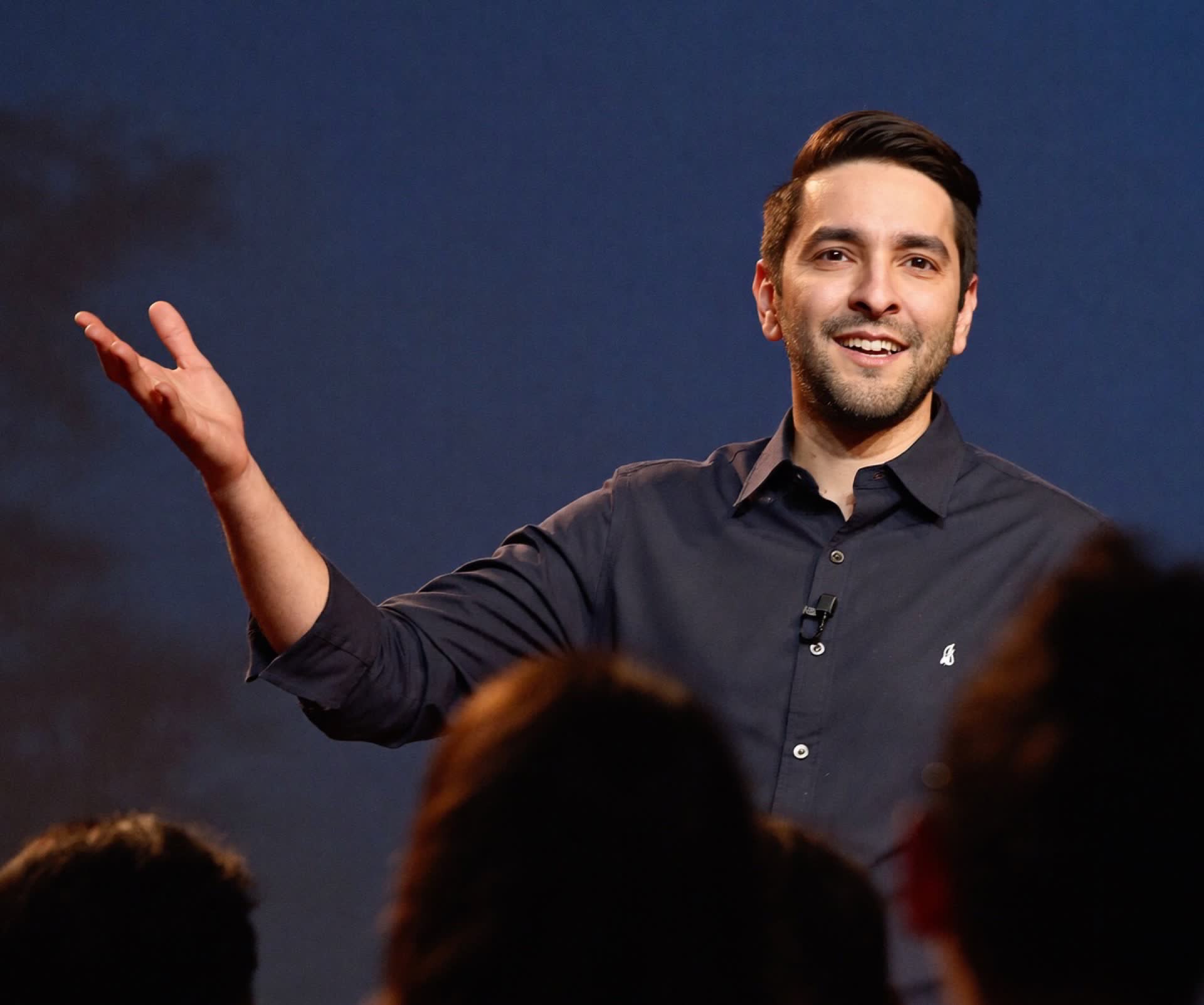
Thought Behind Things · Apr 15, 2022 · 1:20:32
Pakistan has no worthy number two to Systems Limited
Kashif Manzoor — SVP at Systems Limited and former head of Confiz — traces a career that ran from Schlumberger oil fields in Qatar to setting up an offshore center in Beijing, and explains why Pakistan's IT services boom could stall without a credible second player.
with Kashif Manzoor
11 min read
Running away from Cadet College — and being taken back
The episode opens with Muzamil asking Kashif Manzoor where he came from, and the answer is more eventful than most. Born in Multan, Kashif was sent to Cadet College Hasan Abdal in eighth grade after Zia-ul-Haq’s Islamization drive began converting the city’s only good missionary school to Urdu medium. His mother — a master’s graduate in Urdu at a time when women’s education was rare — drew the line at imposition rather than choice. Cadet College was the alternative.
He hated it. In ninth grade, he climbed the wall at night, caught a bus to Rawalpindi, and after roughly eighteen hours arrived home in Multan. The college had already called his parents. His mother’s first reaction was relief; within twenty-four hours, she had changed her mind. He was sent back.
What happened next shaped him more than the escape itself. The college board, in an unusual move, decided to readmit him — a violation of their own rules — on the condition that he now had to make them proud. “I feel that I owe it to everyone now,” Kashif recalls. “I hate this place. I can’t run away. I have no other option.” He became deeply introverted, finished FSC with a board position, and carries what he calls an “ambivalent feeling” about that period to this day. “Even now,” he tells Muzamil, “I’m inherently introvert, caught in an extrovert body.”
The GIK gamble — first batch, no map
After FSC, the conventional path was UET Lahore — but UET’s engineering program took seven years, a deal-breaker for someone already thinking about a PhD in physics. EME College (now NUST) rejected him despite his board ranking, citing an unwritten rule that private seats were reserved for sons of army officers. GIK had just opened.
Kashif and a friend — the same friend who had seen him off over the Cadet College wall — could not even find a bus to GIK. They tracked down the address of SOPREST in Islamabad’s F-8, knocked on the door, and were told to find a white wagon at Faizabad marked “To GIK.” They went, liked what they saw, dropped out of UET, and enrolled as part of GIK’s first-ever batch.
He had intended to study maths and applied physics toward a physics PhD. A B grade in maths in the first semester ended that. On the advice of faculty, he transferred to electronics and computer science. “At that time, we had no idea that computer science is the future,” he says. “It was just a toss of a coin.” He graduated in 1997, finishing third overall and second in computer science — close to, but not quite, the perfect GPA he had set as a target.
The GIK experience itself was formative in a way that had nothing to do with curriculum. One hundred and fifty students, a single canteen, no Uber, no connectivity to civilization — and teachers who had chosen to be there. “We found excitement in the fact that you feel that you are pioneering something,” Kashif tells Muzamil. “The teachers are passionate, the students are passionate, and now suddenly you’ve put them away from civilization and given them the independence to really do whatever they want to do.”
Schlumberger, Qatar, and the first time abroad
Graduating in 1997 into a Pakistan where IT was just beginning to pick up, Kashif’s immediate goal was simple: find the fastest legal route to enough money to self-fund a master’s degree without burdening his parents. Schlumberger, the French oil services company, was recruiting two to four people from Pakistan annually. GIK had become a brand name, and top resumes were being passed directly to companies. He was selected for wireline and testing — the division that lowers sophisticated equipment into drilled wells to determine whether oil is present.
The process began with five days in Dubai and a thousand dollars to decide whether to sign. Some of his cohort spent the money, enjoyed themselves, and declined. Kashif joined. He spent his first month as an operator — cleaning floors, doing manual work — before being sent to training school in Indonesia for four months, then returning to Qatar as an engineer. Three years in total, traveling on a rotation of two and a half months on, two to four weeks off, always returning to Multan.
Beijing in 2003 — setting up an office nobody else wanted
After Schlumberger, Kashif joined Technologics — a company co-founded by two MIT graduates — as director of professional services. Then came an offer nobody senior wanted to take: set up an offshore development center in Beijing. Post-9/11 sentiment had made some of Technologics’ US clients nervous about Pakistan-based delivery, and General Electric, a major customer, was considering a corporate policy against Pakistan-based vendors.
“Because I’ve been taking these ridiculous decisions all my life — Cadet College and then GIK — it’s in my nature to kind of not go where everyone is going,” Kashif explains. He took the role.
Beijing in 2003 was pre-Olympic, pre-mass tourism, and genuinely foreign to Pakistanis. Kashif had done a two-month Chinese language course before leaving. He learned quickly that saying “I don’t know Chinese” in fluent-sounding Mandarin caused more confusion than it solved — native speakers assumed he was mocking them. He switched to saying “I know very little Chinese,” which prompted the response: “No, no, your Chinese is very good, keep speaking.” There was no easy exit.
Hiring was its own puzzle. He tried Microsoft-style analytical interview questions — including the classic “why are manhole covers round?” — before realizing his candidates had no idea what a manhole was. The team he eventually built stayed with Technologics for years.
Oracle Asia Pacific, five years of travel, and the decision to come back
By 2008, Kashif had concluded that Technologics, despite its brilliant founders, was not going to become a billion-dollar Pakistani company. He wanted to understand what scale actually looked like from the inside before trying to contribute to it. He joined Oracle’s Asia Pacific division, working across Singapore, Malaysia, Indonesia, South Korea, Hong Kong, New Zealand, and Australia — based out of Kuala Lumpur but rarely there.
His wife eventually returned to Pakistan with their two children, choosing to live with his mother in Multan. “I did not put any compulsion on her because it’s my mother, my responsibility, not hers,” Kashif says. He stayed in Asia for another three years, his boss allowing him two weeks every quarter to work from Pakistan — unusual well before remote work became normalized.
He completed a master’s at the University of Illinois Urbana-Champaign during a sabbatical from Technologics, achieving the perfect 4.0 GPA he had always wanted, at the cost of most of his time with his family. A PhD was within reach, but his mother’s Parkinsonism was worsening and he was the only son. He came back.
In December 2013, he returned to Pakistan for good, this time with all the loose ends tightened. He joined Confiz — co-founded by a LUMS graduate and his professor — as the person effectively running the business while the CEO, also the co-founder of PakWheels, focused on his entrepreneurial interests. Over eight years, Confiz grew from $1.5 million to $25 million in annual revenue.
Why Systems, and what actually changed after 2018
Later in the discussion, Muzamil walks through what he observed from the outside: a stable but unremarkable Systems Limited up to around 2018, then a sudden acceleration — new buildings, STZA partnerships, a stock price that went vertical, and friends from the Teradata and IBM world all picking up calls from Systems recruiters. What changed?
Kashif’s answer is structural. IT services is a human-intensive business with a direct equation: headcount, billability, rate. COVID shocked every industry, and companies that had deprioritized IT spending suddenly made it their top priority. Demand spiked. Supply — people — cannot be turned on like a tap. Pakistan had a large, pent-up talent pool, improving university quality, and almost no large offshore centers from international companies, partly because of security concerns in earlier years. “It is inexplicable why you aren’t that big in Pakistan,” Kashif says of the global IT majors.
Systems was already listed, which forced management maturity. It had institutional memory going back to 1977, veterans who had survived Y2K and its aftermath, and leadership — including Asif Peer — at exactly the age and experience level to recognize and move on the opportunity. Other companies were run by founder-CEOs for whom this was their first job. “They know how to sell the service,” Kashif observes, “but they get stuck in this sort of local maxima and are unable to go beyond that.”
He is direct about the limits of the current boom: “The party is not gonna last for too long.” The supply-demand imbalance will stabilize, probably within a couple of years. What survives will be companies that focused on excellence rather than piggybacking the wave.
Culture, internal comms, and chewing gum while running
Muzamil raises the tension that Kashif clearly thinks about: rapid growth from roughly a thousand to thirty-five hundred people, late nights, burnout, and the risk of growing faster than the organization can absorb. Kashif’s response draws on a conversation with Kamran Uzair, a co-founder of MineTree and head of engineering in the US: “We have to learn to chew the gum while running.” You do not stop to fix what is broken and then resume growth. You fix it while growing, and that requires a different set of skills.
The deeper problem, he argues, is internal communication. An employee working late nights and quietly looking for another job is not being told the stakes. Kashif lays them out plainly: in IT services, a single person generates roughly $50,000 to $52,000 in annual revenue. A billion-dollar Systems Limited means more than twenty thousand middle-to-upper-middle-class jobs — not five or ten millionaires, but twenty thousand families. India’s four largest IT companies combined generate around $60 billion in revenue and have created roughly a million such jobs. “Our jihad — the reason why we are working day and night — is because we are seeing an opportunity, and we want to capitalize it to grow to that level.”
On values, he is equally direct. Systems’ stated values include integrity, innovation, and dedication. “Why is integrity even a value?” he asks. “It’s a prerequisite.” The real work is articulating values the company actually believes in — curiosity, empathy, a mission that is genuinely audacious — and communicating them to people who are currently just experiencing the grind.
IT services, startups, and the export-first imperative
By the end of the conversation, Muzamil and Kashif have moved into the relationship between IT services growth and the startup boom — over $400 million invested in Pakistani startups in 2021 alone. Kashif is enthusiastic about startups but precise about the mechanism. When a startup scales, it needs professional C-level executives who have done it before. In Pakistan, those executives come from services companies. “Where are the startups going to get those professional C-level executives? In services companies.” He cites the Google playbook — Larry Page and Sergey Brin being told by their board to bring in Eric Schmidt as “adult supervision” — as the standard pattern that Pakistani startups will eventually follow.
On the broader economic question, both agree: consumption-based growth is a dead end. Export-led wealth creation has to come first. “Pehle toh aap bahar se paisa toh lekar aayein Pakistan” — bring the dollars in first, and domestic consumption follows automatically. IT services is one of the clearest paths to doing that at scale.
Pakistan in 2050 — and the one thing that worries him most
Muzamil closes with the question he asks every guest: how do you see Pakistan thirty years from now? Kashif’s answer is careful. “What Pakistan would be thirty years from now would be determined in the next five to seven years.” If Systems reaches half a billion dollars in revenue within that window — and he says targets exist and are being chased — then the trajectory from that point mirrors what India’s IT industry achieved from a similar inflection point onward. The best-case scenario: IT exports that rival Saudi Arabia’s oil revenues, as India has now achieved.
But there is one thing that worries him more than anything else. “If I look at IT services industry, there is no worthy second or third to Systems. That’s not good for us.” A market leader without a credible challenger gets complacent. He references the YouTube CEO making exactly this point: you need a smart number two chasing you to bring the best out of yourself. Pakistan’s other IT services companies, he argues, have become comfortable at $20 to $25 million in annual revenue and are reinvesting in startups rather than their own growth. “If I have to bet on Muzamil or Kashif, and I’m betting on Muzamil, what does this tell you about me?” he says, turning the logic directly on the host. “That’s the problem.”
The hope, he says, is that those companies stop taking the easy way out. One company cannot shoulder the burden of building an industry.
Full transcript
स्वागत स्वागतिनों साथ. Welcome back to another episode of Thought Drient Things. आज हमारे साथ मौजूद है एक बहुत ही ख़ास मेहमान who is again we're in the series जहां पर हमारे भी हैं लोहौर. We're getting our second mobile guest. With us today is काशिव मंसूर who is the senior vice president and the head of service delivery at Systems Limited. Sir, you so much for joining the program. जी अस्लामालिक्रम. Thanks for having me here. थोड़ा सा मुझे थोड़ा as a starter बताइएगा कि कहां पर आप you know where were you born और कहां पर आपने early life अपनी गुज़ारी?
So as I told you earlier I don't I am no Bill Gates so I don't know why people would be very interested in knowing my childhood. But since you brought it up, my parents tell me that I was born in मुल्तान. So obviously I did not know. I have no evidence of judging if there are अरे, there is no birth certificate. उस ज़माने में इतना कुछ certificate तो नहीं थे. But but so born in मुल्तान. I'm the only son. I I have a I have an elder sister. She's a doctor. And then from my birth till grade seven, pretty much in मुल्तान. Right. And then after that, this was the time when, Ziaul Huq was in full vogue, and, certain amount of Islamization and conservatism was being shoved down across the society. And because in मुल्तान we only had one good school, which was a missionary school. So the missionary school was, in the crosshair. So, वह जितना उनका English medium वग़ैरह, it was being converted into उर्दू medium and everything. Even though my mother herself was a masters in उर्दू in the time जब woman education was rare, but she thought कि भई, she she was always a little bit of, adventurous in her life as well. So she thought कि अगर खुद उर्दू medium में पढ़ाऊंगी तो that's my choice. Right. But being forced by the Impose होता है. Impose नहीं होता. So वहां से फिर parents started looking कि what other options are there? Hostel की तो Carrot College हसन अब्दाल वहां पर shortlist किया, exam हुआ तो then I joined Carrot College. किस किस class में? Eighth class से, twelfth class में. How is that? I mean that must have been such some something, right? So so I hated every moment of it because I was the only son. The लाडला वहां पर army का एक वह होता है and to an extent that, in ninth grade I actually ran away. So आप सोचेंगे it was a पठान area. यह ज्याहलक के जमाने की बात है. So वहां से मैं रात को दीवार टापकर अकेला bus पर मैं बैठा और वहां से यह देवू वगैरह motorway तो होती नहीं थी. So I landed up in पिंडी. अच्छा. And I I timed my my, exit such that I'm not missed, right? So it has to be late night वह तकिया और चादर वह छुपा के only one one of my friends knew that that's what I am doing तो वह आया उसने जिसने दुल्हन को रुक्सद करते हैं वह खुदा फिर किया रोना धोना हुआ अल्लाह करे आप पहुंच जाएं. मेरे को cell phone भी नहीं होते थे. Right. So at middle of the night I reached पिंडी और वहां से नियुकान बसें होती थी वह I had to pick that up and obviously I got flagged क्योंकि यह वह जमाना था जब बसों में थोड़ा दिमाक़े भी हो रहे थे. तो I got flagged होने का बेटा आप अकेले, what is happening यह वह? I had to cook up a story कि जी वह parents निकल गए और मैं whatever. So I don't know they figured out or not. So after around eighteen, twenty hours of journey I finally reached my home. मुल्तान. मुल्तान. तो उस वक़्त तक जो Carrot College में पता चल चुका था, so they had called my parents. My parents were freaking out, only son. My mother was कि अब आ जाए, मैं नहीं भेजूंगी, पता नहीं क्या हुआ और and it was all all male, boarding as well so they were kind of it could be scandalous कि क्यों भागा? हां. So, मैं तो home sickness की वजह से भागा था. So, by the time I I reach home finally तो I was received and my mother said कि बेटा बस नहीं जाना कोई मसला नहीं आपको नहीं भेजेंगे. Within twenty four hours they had changed their mind कि नहीं बेटा अब तो आपने उधर ही जाना है and you have to think of it as a challenge and वह जो सारी शिप्रील होती है. Why did change their वह बस वह ठीक है, वह प्यार हो गया कि safe है तो अब उन्होंने कहा कि यार, let's get back into it. Probably. But I think one of the things was that my mother had made an assessment because my my mother comes from खोसा family. Right. My father comes from a from a jerk family. So there were family background mismatch. My mother was very educated. My father, when he married my mother, he was, F. And my mother forced him to complete his law and all of that. He ended up being a great lawyer, but it was lot of my mother. So my mother thought that it is in my genes not to study because none of my चच्चा studied. My mother brought them from village to home. उनको डंडे मारकर पढ़ाया और कोई metric में भाग गया, कोई FMS हुआ. So for her it wasn't as much of a हसन अब्दाल. It was like यह school से भाग गए. Exactly. तो वह उन्होंने जब एक जब प्यार वह प्यार मोहब्बत ख़त्म हो गई तो उनको ख्याल आया कि but what is happening? Yeah. And I was always a good student. Even my cousins who were in लासाल high school उनके साथ भी I was ahead of my class. So ऐसा था नहीं कि मैं पढ़ाई छोड़ देता. But my mother... So from that point, even before then I hated, boarding. Before the after that it was just, you know, always, marking days on the calendar. And from that point onwards, I you have to find refuge. Right? So imagine that in Carrot College nobody had ran away like this. Right. And then if you run away, you're never taken back. That was the rules. But because I was a good student, so when I came back, now the principal and all the board sat down and they said कि अब इसका क्या करना है? And then the board make made a decision कि नहीं, अब इनको हम rehire कर लेते हैं. कोई मस्ता नहीं. So they violated the policies and then वह मुझे कमरे में जाकर उन्होंने बताया कि भाई आपको इसलिए किया है कि we believe that now you have to make us proud, right? So metric का board है, physique का board है, आपने अब top करना. So that kind of had a huge impact कि I feel कि I owe it to everyone now and I hate this place. I can't run a big aid. I have no other option. So that kind of fundamentally changed me. Right. So I became very introvert. And even now, I'm I'm inherently introvert, caught in an extrovert body. Right. So because of being a manager, you have to show a certain amount of extroversion, and I'm hitting every minute of when I'm doing that. So FSC तक, जो है ना, this is the this is this is the history? I'm happy to say that FSC board में position आई and all of that was forgotten. But still to date, I carry That burden Ambivalent feeling, feeling about that.
Interesting. Where'd you go after FSC, हज़ाम अद्वाल? After FSC, And you didn't think of joining the army? I mean, हज़ाम अद्वाल is very the ultimate,
breeding ground for army officers. Right right. So I hated every moment of it. So I could not see myself joining the army और फिर उसके बाद that was the time जो आपने पहले before the talk you asked me. So उस वक़्त IT वग़ैरह कुछ नहीं था. Engineering की there was only UET and, your elder brothers, they would still be younger than me but maybe you would know. तो उस वक़्त UET लाहौर में it would take seven years to complete your engineering. Right. And that was just too long a time. So at that time, what what happened was there was no other place, right? So I was conflicted and my parents had given me full independence कि बेटा joke करना है. एक दफ़ा ज़बरदस्तीकी carrot college joke करना है करो. So I I thought I would do CSS. I thought maybe I will do commerce. उस सुक्त होता यह था कि FSC when you graduate, you have a whole year before UET classes start. अच्छा. So I doubled in all. I I took admission in in government college because I wanted to do CSS and took, you know, double maths, physics and all of that. So even attended few classes. But when UET started, I just ended up joining UET, in electrical engineering. And that was when GIC's, GIC also started off. अच्छा अच्छा, GIC as an institution started Institution started off. So UET classes started in March. Mhmm. G GIK started in around, September. '93? '93. Exactly. So so that's when, then me and few of my friends, they then, gave GIK, exam. And then we, dropped out of UET, and then, we were the first batch of GIK. Which program? So I started off, with there's a program. I know if they still offer it. It's called engineering sciences. Back then, it used to be called maths and applied physics. Okay. So my dream was to be, to do PhD in physics. That's right. And I hated maths. So nobody told me How did how did you reconcile it? Exactly. So, I remember growing up, my mother, she's she's dead now, but, she was showing me a book. It was a thick physics book, and I had written my name, Kashyv Manzur, future PhD physics. Right? So that's how fascinated I was. So I started off first semester, and then I, so my grades were okay, but I I got a B in maths. Right? And the rest were all A's. So I talked to, some really good teachers over there and sought their advice. And then they suggested that, you know, if that's the situation, you should not pursue maths and applied physics. You should transfer. So because I had good GPS, so I could transfer in electronics and computer science. And at that time, we had no idea that computer science is the future. Yeah. Right? So it was just a toss of a coin. I could have landed here or there. I just flipped. And computer science, computer science it is.
थोड़ा सा उससे पहले. I mean, you you're in UET. It's like a legacy school, essentially. Right? And certainly now there's a new institution that's opened up. Sure. I mean, there's this president whose name is attached to it. But there might be some prestige. Right. How did that decision happen? Was it the seven year program versus the four year program या लाहौर से निकलना था? Right. So
during that there's another, thing. I'm not sure if it's appropriate for me to say it here, but I'll still say it and you can cut it. जब वह साल था ना UET का, seven years was always a deal breaker. Right? You have to understand, I'm thinking of doing PhD. And it takes seven years or six years to do PhD, and here I have to spend this much time. So I tried few other institution. At that time, GIK, we did not know it. It is going to open up. So EME was which is now NAST. Right? So EME was the next option. So I applied to EME, and, I was rejected. So I was in FSC Pindi board. I was the top student. So it was like, you know, of course, I would be accepted. So when I was rejected, I found out, and then I I was crying. I was unhappy. And my father said, okay. Calm down. Let me go and talk to EME. So my father father drove. Someone told me to write a very emotional letter. So I typewriter, signed it, and and and adviser said, you don't take the kid because I don't know what's going to happen. He's he's very sensitive. So my father took the letter, went, and there was a colonel over there who was in charge of all of this. And my father said, why would you reject this guy? And he said, well, the reason is because we have certain quotas. Right? If he come as a gentleman catered, then it's fine. But I didn't want to be gentleman catered. Then you have private seats. And private seats, unsaid rule was it is meant for army officer sons who could not get anywhere else. Right. And he said, your son is a UET married, so why do you want to waste someone else? So that was the situation of, you know, lack of meritocracy at that time. So then you're right. GI gave us the other only option four years. And because my parents were, like, you know, had had given me full independence, and now we had to make a decision because, GIC was supposed to be private, more expensive. UIT, hardly any fees. So me and another friend of mine, who incidentally was the same friend who saw me off when I jumped off, the wall. We actually went and said, let's take a look at GIK. Right? Right. So here we are going on a bus, and we could not find a bus that would take us to GIK. It was so unknown. So we, looked up, the address of SOPRIST, which was the organization that was running the fair. We found their address in F 8. We went there, just literally knocked on the door. And, at that time, a lot of GIK's initial administration, they used to sit in separate office, software's office because GIK was still under construction. So over there, we met, some really good people. We explained our problems to them, and, you know, they kind of convinced us, don't worry. This is the place you you need to be and they also guided us how to go to G I K. So they're just said that there's a बिंडी में वह जो एक wagon station है फैज़ाबाद है. फैज़ाबाद है. वहां पर जाएं, फला अड्डे पर जाएं. वह सफ़ाद रंग की wagon होगी जिस पर लिखोगा two GI के. उसमें बैठे and you have to be back before five because Otherwise, वह है. वह structured है. Went there, so the architecture is beautiful. Think it was designed by a French or or Turkish architect. Really beautiful. So we went there. It was just so much hospitality you feel over there. Because, you know, KPK, they're well known for their hospitality. So you feel like you were welcoming, you were welcomed over there. Compare that with UET जहां पर हमने apply किया तो वह जमात के जो होते थे वह लोग तो उन्होंने हमारी degreeयां छुपा ली और फिर पैसे देकर हमने degree ली. So compare that. So, you know, was no brainer for us. Right. And so how was the four years at, GIK computer science? Mean, you were the first batch there. Right. This is a very nascent time. Computer science किसी को पता ही नहीं है. Right.
ज़ाहिर, we're not economically we're not very strong and so getting these super expensive machines जिसका भी future है कि नहीं Right. You know, क्या scene है? Right. So what was it like at the time? Right. So,
I think everyone who joined GIC at that time, क्योंकि standard तो high था, पहला batch था. They were all people who had options elsewhere as well. A lot of them from U U E T dropouts like me, a lot of them had options to go to US, one reason or another, financial or whatever. They chose to be at GIK. So no one was at GIK because that was the only place they could get in. Right. They made some convoluted decisions to be in a place which is so far away from civilization. Yeah. And take a risk. Right? So everyone was extremely unique. And this also goes for teachers also. And they were smart people. They weren't like rejects as well. No. No. No. They were not rejects. They were smart, and, obviously, someone had certain type of smartness more than other. But they were a very unique bunch. And and, you know, at that time, it is very hard for anyone to imagine now what was situation over there back then. Because you had one canteen, and it had limited supplies. If you want to eat something, you have to go, into the bazaar. Right? And it's not like Uber or cream or anything, and you you've got to figure it out. You go over there. They have not seen people from the other side of Pakistan either. Right? So so those were very exciting times. Not for the reasons that, you know, now kids go to lums or fasts or all of that. They find excitement in beautiful buildings and all of that. I think we found excitement in the fact that you feel that you are you are pioneering something. Yeah. Right? And at that age idealism and everything, the teachers that we were getting all were idealistic.
Yeah. Right? Someone that दस, बारह, पंद्रह साल को ज़रूरत ही नहीं तो बस teachers cycle चला रहे होते हैं. हां, exactly. I I feel like वह time होगा जिन्हें the teachers are passionate, the students are passionate and now suddenly you've put them away from civilization. Right. And just give given them the independence to really do whatever they want to do. Right, absolutely.
So that that that was, that was a great experience. And at that time, we were living like kinks because, it was all hostel, and, only one fifty kids. And two hostel or three hostels were built in. So we all had a separate room, attached bath. Right? So it was, like, even better than home in some of those. Right? And no checks and balances. And, so,
everyone had very fond memories of those time. Right. You graduated in '97? '97. And so straight out, what were you doing?
So after '97, what so people who had proper guidance from their elder brothers or or parents or people whose parents were well off, One year before graduation, they had already given GREs, and everyone was was going abroad. Right? So I have, you know, one of the downside of being away from your parents and and and them giving you full independence is that I just simply did not want to burden my parents even with admission fee or anything. Right? So I knew I would eventually go abroad, but I didn't want to ask my father for money. Right? So so I didn't do any GREs because I like, वो तारिक बिंद्याद की तरह कश्तियां जलाना, right? So I said अगर GRE दे दिया तो फिर हो जाएगा, फिर parents बेचारे they'll be guilty, कुछ mean बेचेंगे कुछ करेंगे so दूना देना ही नहीं है. So out of '97, that is the time when IT is picking up, right? So there were so many jobs available And my goal was what is the quickest way, legal and quickest way to to be rich so I can support myself for masters. Right? So at that time, although I had joined a small company, but that was a filler in Lahore. I'm figuring it out. So Schlumberger, it's a French oil company. They would, do interviews, and they would select two to four people from Pakistan every year. So I was lucky that so at that time, because JIK had now become a brand name, so a lot of these companies, they were reaching out to our career office and, asking top resumes, and they would just give us a call and interview. And what was this job? Was it IT, or was it more like a graduate So it was it was so Schlumberger has multiple businesses. So the one which is the more electronics oriented job, that's called wireline and testing. And that's where the real money is. So I was selected in that. So the job was, you know, not so much like we were not digging oils. But once the oil has been dug up, sophisticated equipments have to be lowered in, and then you find out if there's oil or not. And so we were the ones loading the equipment and running the computers, analyzing the data. So you were actually, like, traveling to these sites, and Yes. And that must have been quite an experience. Yeah. At that time, I think we were and remember, I had never been abroad at that time. Right? So the first time I landed so so so when they sign a contract, they actually fly you over to Dubai, and they give you five days and a thousand dollars to make up your mind whether you want to join or not. So they don't want to take you in without you getting a feel of what you're, you know, signing up for. Right. So the first time I landed in in UAE, that was, I realized that, you know, everywhere, dirt is the same. Right? So we were not used to that. So at that time, we signed off, and some of the students were actually, so sure of themselves that they took the thousand dollars, spent partied for five days, and decided not to join. Right? So, I mean, that's that's how they were. But, obviously, we were morally obligated. We we joined that. And after that, what they do is that, they then send you for for one month to work as an operator. Okay. What's an operator? Operator is, like, cleaning floors and all of that. So so once you're an engineer So they really break you down first. Exactly. Exactly. Exactly. So that's they have certain locations. You go over there. So I I, worked in Indonesia. And after one one month, then they send you for a training school. Right? So my first month was in Qatar where I was working as an operator. And then they, they, because my English was good, so they sent me to, the England school, but I could not get visa in time. So then they rerouted me to Indonesia. So I spent around four months in Indonesia in training school, graduated from there, and then went back to Qatar as an engineer. So total, number of years was, three years while I was doing that and and, made good money. And were you able to visit your family back home Tell me the truth. Yes. So so the deal was that every two and a half month, then they give you all expense paid two to four weeks of time off. And you can go anywhere in the world. And I being, you know, mama's boy, I would always come to Pakistan. So so, so, yeah, yeah, they're very well taken care of. And, when I decided to leave that job, it was because the goal was never, you know, working Get comfortable and make money. It was The idea was to go master's. Master's, PhD, whatever. And so immediately after that, did you go for your masters? So immediately after that, being the only son, I thought now first let me get married. Right. Right? So, got married, and, and had a kid and then started preparing. And at that time, I had joined Teclogix because I left Schlumberger, came back, have to join somewhere. And so joined Technologies, and then, they sent me to China. And over there, I took my mother along with me to China. My by then, I had his son as well. So worked there, and then prepared for my GRE and and the whole process. Why China? I mean, that's very very unique.
If you're in the IT space, you would one one would assume. Right. मैंने आज तक कभी किसी से बात नहीं हुई. China में, you know, generally होता है कि जो है मैं North America में clients हैं, Middle East में हैं. This is very new. So tell me a little bit about what that was. Right.
And this is the China of 2003. And this is pre Chinese Olympic. Right? So this is the China where very few people would go. And when we landed in Beijing, we were truly treated as foreigners. Right? So because our eyes and face looked different, and my my, son was very cute and young. So people would actually take selfies, kind of selfies with with him. Right? So it's a different China. It's a very, very good question. So at that time, nine eleven had happened. Right? So there was a lot of negative perception about Pakistan. A lot of Pakistan IT companies had customers in The US, and they were finding it challenging. So the Technologics' customer with General Electric. We're making multimillion, annual revenue. So our sponsors over there suggested that, there's going to be a corporate decision taken. No business with with Pakistan, so you might open an offshore center in China. So that offer to help set up the off, offshore center was made to people much smarter and senior than me, but all of them were very smart. So because this is not that China. Right? So nobody kind of, opted for it. And then so I was, a reluctant third or fourth best choice because, I was fairly young. No experience of setting up offices, and that also in China. Because, I've been taking these ridiculous decisions all my life, you know, Carrot College and then GIK. And then so, it's in my nature to kind of not go where everyone is going. So I just thought it as an opportunity. Right. And what was your role at Technologics when you joined? So at at I was heading the China office. No. Before that. Before that, I was a director of professional services. So pretty much, you know, running projects and and Right. Customers. So now you're in China. And which city did you go into? I was in Beijing. Mhmm. And I had also, learned Chinese for we did a two months course in Pakistan. And, and, again, being a nerd, you know, I I would memorize vocabulary, and I would spend day and night, and I would, you know, practice the accent. So when we landed in China, at that time, very few people spoke English. So you really need to know Chinese to to to move around. And so I I I could move around, you know, had a little bit of vocabulary. And what was funny was that, in Chinese, when you tell someone that, you know, I don't know Chinese. Right? If you say it in Chinese, that never works out well. Right? Because they think you're making fun of them. Right? So and then I would not say that, you know so even now I remember if you say, I don't know Chinese, you say, right? Which means I don't know Chinese. And my Chinese colleague, when I would say this, he said, don't say this. You know? Now he's he's talking to me and saying, this foreigner is making fun of me, because I had practiced the accent so well. So then I started saying, which means I know very little Chinese. Right? And then their response was, oh, no, no, no. Your Chinese is very good. Keep speaking. Right? So there was no easy way out. So learn Chinese. Interesting, though. Have you been practicing since then? Because you're No. Not actually Not really. So that's one thing that we have to understand about almost everything that is Chinese. Everything in China is very logical. Right? Even their language, it's like maths. It flows like maths. So you know the basics. The rest is only adding to your vocabulary. The grammar is very simple. Right? So even now I remember these things because because It's a it's a problem solving mind that you have that just sort of does the same thing with them. Exactly. Very cool.
So you were in Beijing, and now you're hiring Chinese people with very little Chinese. So
an in interesting, incident about hiring. So at that time, you know, we were looking at Microsoft questions. Right? So Microsoft has analytical questions because of language. We were hiring people who could speak English, but, psychologically, we were rejecting individuals just because their English wasn't good, although we knew They were smart. Yeah. They're smart. So how do you how do you interview people? Because my job was mostly personality interviews. Right? And I don't know personality of Chinese people, so I was struggling to find the right mix. And so I looked at Microsoft. I realized that they asked certain questions. And one of the famous question was, why are manhole round? Right? And and there are three, four correct answers to it. One is because you can if you want to take it out, you can roll it. Another one is the round will not fall down. You know, typical question answers. So I said, okay. Here's a here's a good question. So so I started asking those questions. And I didn't realize they don't know what manhole is. Right? So when you say it in English, that y r manhole round, then and you might want to censor it later. Yeah. No. I can't find it. Yeah. You know what I'm talking about. Give me a second then. And and then I then I, so I realized, I shouldn't be asking this question because people are thinking I'm I'm being obnoxious. So so so but we eventually we figured out. We we hired a very good team. A lot of them stuck around with Technologics for many years. Mhmm. How
big was Technology?
Was like, the company to be in. Their cofounders were both MIT graduates. Pakistani? Yeah. Both, Kevan and Salman. They're still around, still running the company. And, at that time, I think, when I eventually left, they were, like, $12,000,000 annual revenue, and I suspect they might be still the same. So the growth hasn't happened the way, you know, at back in those days, it was happening. So in China, the, you know, the main purpose always was to go abroad and and and fund my education. So at that time, I I had done GRE. I scored well, and I I was ready. So I applied, got into really good schools, and, got funding as well. So so at that time, then I said, you know, I, I wanted to take I took two years off, sabbatical from TecLogix, because I believed in the vision. Right? So I never thought that it was ever about me having a comfortable job. Right? You everyone can do that. Right? But I wanted it to be something bigger. And I thought that Technologics, you know, these these really brilliant, idealist people gave up everything in .com era, came back doing country a great favor. And, obviously, I want to, you know, be their mentee and then play my part. Right? So that was always the idea. And and and so once I did my, master's from University of Illinois, Urbana Champaign How was that, by the way? So that was I had two kids by that time. Right? And I was a nerd all along. So in GIK, when I graduated, I wanted, I I'm a very, you know, idiotically focused on grades. Right? So in GIK, I said, okay. I I will I will be the first student. But I didn't realize that everyone else is smart, very very smart as well. So I ended I ended up being the third student overall and second in computer science. So with master's, my goal was to, yes, graduate studies. But I also said, well, I've never had four GPA. Right? All was, like, 3.9 and whatever, and cumulative GPA was obviously not four. I said, okay. I have to get four GPA. So masters ended up being something I could have literally enjoyed to being something which was 50% enjoyment, 50% was just mindless grind Anxiety. Yeah. Because I need four GPA. Yeah. In the end, I ended up with four GPA, and the and the benefit was that I got fellowship and all of that, which was all academically based. But I I did not spend a lot of time with my family. I was spending most of my nights in the library. And, also, remember that I had taken seven years working break. So I was working for seven years, so I was away from academics. And then suddenly, I landed in a in a in a school which was very tough. And now I had to remember what I studied in in undergrad. So part of that was necessity. I had to quickly, like, do double or triple what everyone else was doing. And so first semester was tough, and and, then I did my thesis and all of that. So so at that time, I realized I could also do PhD. But at that time, my mother also, was suffering from Parkinsonism and only son. And, you know, every day I was getting calls from my home, and you're married as well. Right? So there's always this thing that parents with single kid have that, you know, Right? So you have that social pressure. So came back, and then rejoined Technologics.
Right. कितने बजे तक रहे हैं Technologics में? And what did you join, Technologics? Technologics में फिर फिर,
I was, you know, director, professional services, resume there, but then I left after one and a half years. Because at that time, I had the necessary exposure to reach certain conclusion. Because the idea always was que, you know, let's do something big. And very early in my life, I realized I am no entrepreneur. Mhmm. So I needed to be part of a team where I focus on service excellence, and others are focusing on other other areas. So once I had the exposure, I came back, I realized that Technologies had made certain decision, which was evident to me that they're not going to be a $1,000,000,000 Pakistani company. Right? Right. And then I I then I said, well, it's time for me to, get an and and while I was reaching that conclusion, I was also doubting myself. But who am I to reach this conclusion? What data points do I have? I have never worked in a large IT company. I don't even know how it feels. So then I said, okay. Let me make a strategic move to a larger company and get a feeling of how those companies operate, and then come back and then be part of of a group. Even if it is psychologics, I can rejoin, where I would know how scale looks like and then do my part to to scale. Right.
And what year is this now? This is 02/2008. And now you've you've moved to Oracle? So I moved to Oracle,
in Asia Pacific. So I was, I did projects in Singapore, Malaysia, Indonesia, South Korea, Hong Kong, New Zealand, Australia. So Asia Pacific tons of travel. Tons of travel. Tons of travel. So I took my family with me. And because I had made a lot of decisions based on being with my mother. And, again, she's not getting any younger, and her her her situation is deteriorating. So I knew that I have x number of years. Because the last thing I wanted to do or I would recommend anyone to do it is to be with your parents and be bitter about it. Right? So you have to make a decision. And I made a decision that if I make I I'm willing to make career sacrifices up to a limit that does not make me bitter Right. By being by taking care of my parents. So that was the time I realized my mother could last for another few years without me completely being, with her. My my sister was nearby as well. So, sorry. So so that's where, I then, made this decision. I took my wife and my two kids with me, and we were based out of Malaysia, but I was traveling all around. And finally, my my wife said that, you know, we're never here, so why are we here? Because, Malaysia is not a not a not a so we were in Kuala Lumpur, but Not a very conducive place before? The driving was crazy. Right? And, my my wife could drive, but she could not survive in Kuala Lumpur. So, and then, certain other medical situations happened, with the with the wife that we thought that it is best, that she comes back to Pakistan. And because our ancestral house is in Multan, my socialist is in Multan as well. So she chose to come back. And and hats off to her because she chose to be with my mother, whereas she could just be living with with her mother. Houses are close by. And I did not, put any compulsion on her because it it's my mother, my responsibility, not hers. Right. But she made this this call. And so then so she moved back after around two years, and I stayed back for another three years in Oracle traveling. And every three months, my boss was kind enough to give me, like, two weeks to work from Pakistan. And this is way before COVID and work life balance and all all of that. So it wasn't fashionable
to work from. It wasn't easy. It wasn't easy. And, I mean, mean, your kids must be, what, like, eight eight, nine, 10. Right. So my my,
eldest one at that time, was, yeah. So he he was, in grade six. Oh, that must be different. Yeah. And youngest one was had just started in in in KG or or grade one. So I was traveling. My, wife was taking care of my mother and my my kids. And, then once I completed five years, then I said, that is it. Right? So now at that time, I was And what year was this when you finally So that was in, December 2013. Okay. Right? And because I had made two prior attempts to move back to Pakistan, and things didn't work out ideally. So I knew this time, you know, what were the loose ends. So I tightened all the loose ends, and then I came back and I knew that this is going to be for good. And at that time, systems was still a company, but it wasn't clear, where they're heading. Right? I mean, yes, as us have everyone knew in the industry, Asav was very well respected and all of that. But it wasn't clear that they're ever going to be a 1,000,000,000 company,
let alone even have aspirations to be there. Right? It's just a company that's just working, calm चल रहा है, पैसे बना है, चलाते रहो, बुमा दे दे रहो. रहो. हां. Exactly
exactly. So, technologics was never an option. I'd given up hope for on technologics. So then, it's it so I now knew how larger organizations work. Right? Because being an Oracle, I've seen it. So I joined a a smaller company called Confiz. It was cofounded by one lumps graduate and one his professor. And Confiz has had a phenomenal growth as well, by the way. So when I joined, the revenue was around 1,500,000. Right. Right? So and when I left, it was, 25,000,000. Right? And, obviously This is dollars. Right? This is dollar. Right. Right. So this And and how many years is this? So this so I I worked at Confess for almost eight years. Eight years? Right. So That's your biggest probably Like, tenure in any any organization. That's quite a quite quite a lot of growth. Right. And and at that time, we got a you know, luck has to play a part. Right? But then it's team and all those you know, these sound trite and cliched, but this is actually true. Everyone plays a role. Mhmm. And I think, I obviously played a role. But the but the, the CEO of Confizz is also CEO and cofounder of Park Wheels. Right. He's a serial entrepreneur. So he's a products guy, startup guy, entrepreneur guy, and he's running this services business, which was funding his, his His, toys. Exactly. So he was kind enough to let me run the show. And you were essentially heading that division, that entire services division? Yes. Not just the services, then The US and all of it. So so the CEO, I would say, would he was a help, but I would say what you like, over here, what आसिफी does, the CEO over there was maybe doing 20% of that. Right. And that was always understood by me. So the remaining 80%, some I would, foot the, the burden. Some and other gentlemen was there, chief operating officer. Would. And so so that finishes, eight years there, and then I had to,
decide again. So eighty years. So so now it's 2021?
Now it's 2021. Okay. And
so now going back to, you know, you're mid forties plus and you have to now think, you know. And you really have to think. Like, that's why you're like, ok, you know, मैंने कुछ aspirations पहले थी. अब वह एक realignment आती है इस age में हमेशा कि यार मैं चाहता क्या हूं ज़िंदगी के साथ? Exactly. So उसमें
एक तो यह हुआ by that time both my parents had passed away. Right. So the reason to be in Pakistan was not there. Right. And now the reason has to be very mathematical. Right. Right? It's not emotional, it's not parents and what are those reasons? Because we all have had, always have options to go and नीला passport और सब्ज़ passport के अलावा सारे हम मिल सकते हैं and then you have to decide. Yeah. So I did, so so I've never been good at maths but I did maths. So I said, okay. Pakistan IT industry, ma'am, what is it that Pakistan IT industry really needs? And I made a I looked at, across the border how Indian IT industry have grown and all of that. And I I I decided that or I speculated that I think that we need a very large IT services company. We don't have any. Right. Even, Sri Lankan expats have created billion dollar plus. Vietnamese have. And look at their population, look at our Indonesia Exactly. All have. Right? Yeah. So it it is doable. And so I said, okay. Now I can't build that company. Right? Too late. Not an entrepreneur. And I think by 60, I would be done for. Right? So I have another thirteen years. By that time, was 40 seven. And so if by '60 I am contributing in a company that's $1,000,000,000 and you assume a 40% CAGR, then आज क्या उसका revenue होना चाहिए? Right. So they did the math and realized Confizz is not going to be that company. Right? So then where does this leave me? And that's when, Assif Acram, I actually reached out to, systems. There was other things which for confidentiality reason I can't share. But there was a talk. There were talks between between me and Confidence Systems and me and Assif Acram and all. Just really figuring out what the next step be for you. Right. Right. So Asafa Kram, I saw them, although he's older than me, but not by huge margin. Yeah. So but I thought that he has the right exposure experience. And, why don't I look for a mentor in local industry and then see where it goes? At that time there was no intention कि system में आ जाना है, right? I was just looking for a mentor. And later on when I started reading how Silicon Valley works, I realized that a lot of Silicon Valley CEOs and C level executives, they don't can't operate without a mentor. So there are actually paid mentors you can get who are professional at it. And then you have, people like Bill Campbell, the trillion dollar coach. He was coached for Steve Jobs. And although Jeff Bezos does not, acknowledge that, but the rumor is he's he also coached him and continues to do that. So you name any Eric Schmidt, was coached by him. It's not fashionable in Pakistan because there aren't any mentors available. Right? So I was just looking for a mentor to provide me some guidance. Ran into Asiva Kram, started meeting him, found him to be a great mentor. So we would have these,
intellectual back and forth discussions, culture values in Pakistan and all of that. As you know, he had come back for his for his, mother as well. Mean, there's a lot of very a lot of themes, even from as as far back as, you know, going to a convent school, essentially. Right. Right. There are a lot of themes that are Right. Intersection intersect. Right. Right. Yeah. Exactly.
So that's when we started talking. Mhmm. Right? So, it took me one and a half years to assess how serious systems is about their growth. And am I even going to be a good fit culturally and otherwise? And finally, once once I decided that that's that's the way to go, then I had a talk with with my CEO. We worked out a transition plan. It was around six months of transition, made sure that Confizz itself is stable, would not have lot of impact without me, and then, and then made the move. So I joined, systems, back in November 2021.
Right. Okay. So now we're gonna move the conversation a little bit towards systems. Sure. And one of the things that I'm I mean, this is the second conversation that we're having here. We're gonna be having a conversation with ASFP as well. He's, like, the systems, sort of veteran. Right. Right. But the two conversations that I've had are are both essentially relatively recent highs. Right? And so one of the things that I'm seeing is even when I look back at the stock price, there was this sort of stable sort of wheels turning, everything happening and and that was your economy as well. Up until 2018, you know, you had a certain amount of वह dollar control हुआ हुआ था, वह export based services business को वैसे choke करके बैठा हुआ था, बिजली के मसले हैं, security के मसले हैं and lot of those variables had been solved more or less by 2018. The only thing was the unit economics जो कि dollar से fix हो गई थी. Right. And so we are beginning to now see कि systems अब देख रहा है. कह रहा है चलो ठीक है margin आया. वह जो है ना dollar की वजह से आया, किसी वजह से आया but suddenly now we have space for growth and then COVID hits. Right. And suddenly both the stock prices they go sky high and then government की तरफ से policy यह मैं देख रहा हूं as an outsider, right? So government की तरफ से policy आ रही है, सुनने में आ रहा है, STGA आ रहा है, STGA partner करता है, systems की buildings खड़ी हो रही हैं. Right. मैं so I was in terror data back in 2016 and and उस time के ऊपर होता था terror data, IBM. And you know you would flip flop and यहां पर तनख्वाह बढ़ानी है ना तो दो साल इधर IBM चले जाए फिर वापस आ जाए ना. Right. And suddenly 2020 happens and every single friend of mine that I know at in Terrradata or in this space छोटी industry सी होती है हर किसी को आप जानती हैं. He said, everybody, you pick up a call and लगा यार system निकल गया. Right. And I'm scratching my head and saying, what the hell's going on here? Right. But there is something that's happened and it's very recent and and and the vision's really changed. Right. And I correlate that with a lot of what's were a lot of the talking points that I'm hearing from the government as well, which is saying, you know, okay. $50,000,000,000. $15,000,000,000 in, like, whatever amount of years. And, you know, tax reforms, tax breaks, and, you know, all of these things. So tell me a little bit about what's really going on here both within systems in terms of how what changed. Right. And secondly in terms of the ecosystem because it's not just systems now anymore it's a gold rush where every IT company is just talking about कि भाई हमने अब यह बनना और हमने वह बनना. So what's really going on है? Right.
So obviously I I haven't been an insider in system for that long. When you talk to आसिफ प्रीर, you'll get a get a a a better picture of it. But I can talk more in terms of general IT, what happened, and I'm I can speculate the same happened with with systems as well. But in systems, it happened much better and, in a far more lucrative way, than other companies. So if you look at, IT history, right, it's a IT services is a very human intensive, thing. Right? So what exactly is that IT services industry do? We monetize people. Right. Right? That's it. So there's a very direct correlation between the number of people you have and the revenue you can pump out. I mean, there's a headcount, there's billability, and there's just very basic equation. Right? Exactly. Exactly. Absolutely. So selling became easy Mhmm. During COVID. Right? So so if you have the rest of the, of the, variables and the equations already figured out and you're struggling because, abroad, you can't sell more, Then with COVID, what happened was, first of all, everything, every industry was shell shocked. Right? So the first few months, if you look at, even Pakistani companies even keep trucking and and, NBS and others, there was a round of layoffs. Right? System didn't do that. And a lot of other companies did not do that. Because after a few months, then people realized that, you know, you can't close the business. Yeah, your business becomes ecommerce, connectivity, and all of that. And a lot of companies who had deferred or deprioritized spending on IT, suddenly it becomes top of their priority list. Right. So now here you have and and and you can't just, it's not like, well, you turn on the tap and and you match the supply demand deficit. It's people you're talking about. You can't just turn on the on the tap and suddenly start having more people churned out. Right? So so that's why everyone was struggling to find the resources. And here you are in Pakistan, where although you talked about IBM and Teradata, and not to criticize them, I'm sure they have their own realities. But if you look at how long they have been in Pakistan and you compare that with their offshore centers in Vietnam and other countries and look at our population and and quality of our talent. I mean, it is inexplicable Yeah. Why you aren't that big in Pakistan. So Mhmm. Because of security, because of a lot of other things, these large organizations, they want to play it safe. Right? So it was risky to expand in Pakistan. So here you have and and, obviously, now, the h one visas are also choked in and all of that. So here you have pent up amazing talent. University qualities had gone up. Number of graduates had gone up. And suddenly the sales opportunities, you know, they're skyrocketed. So which is the country which is ideally placed to benefit from it? It's Pakistan. And there aren't any companies who have offshore centers here in Pakistan. So system was already bigger at that time. They were enlisted. And once you do an IPO, the maturity of your top management is forced to go up because, otherwise, stock market will hammer you. Right. And then on top of it, you have people like, like Izaa Saab and Arshed who are veteran, who have seen many, ups and downs. I mean, there have been time, y two k happened, and system was, was flushed with money, and then that that stopped. And then you're struggling to meet the, meet the payroll. Right? So they've seen ups and downs. So things were like stars were lined up for systems to do better. They had people like Asaf Pete who were at that age and that exposure where they could see an opportunity, and they were they had the right mentoring through Arsha than Azaz to actually really go aggressive on it. Other IT companies, I think they were less well placed to benefit from it because now that you can cash in a lot of business, suddenly you have an opportunity to scale up. But you don't know how to scale. Right? You look at RB Soft and Confez and all these companies, they're made by founders who are also the CEOs.
That was their for most of them, that's their first job. Yeah. So you don't even know how to scale. I so the the business aspect is just missing over there. Right? Like, they know how to how to sell the service. Right. But they get stuck in this sort of local maxima and are are unable to go beyond that. Have team, team, and we're unable to find that Tata Consulting out of it. Exactly.
That's been missing. और अगर आप, let's compare with with TCS. What you what we were talking about earlier is, so there is this business sense. Right? And those 20 families of Pakistan who are in so many businesses, they have that sense. But they're addicted to, safe businesses. So they will open up an IPP, dollar guaranteed dollar, profit. They'll buy a bank. Mhmm. They'll open up Kia and whatnot. Right? Because they see so so they want immediate benefits, but they have not invested in IT. They have not opened up an IT services company. It is hard. It's just human intensive business. Yeah. So that means that people like, you know, lumps graduates, NGIK, and fast graduates who have the the passion to do something for the country, they are left to open up those businesses. And they have done good enough job, but they don't have that Muscle to screen. Muscle or the experience. Exactly. Yeah. And and that's the problem. And I think system, was ideally placed because they were already at the at the at the place where, like, they had, in their board, they had, our ex, FPR chief, शबरजैदी. That's
that's my There's academic board a there's a there's an institutional memory there as well, right? 1979. That's a long long time Right.
If I remember this correctly. Right. And '77. That's the name of the studio seventy Right.
Right. And and and that's, I mean, हम तो IT को कहते हैं कि nineties में आपने IT, computer science क्यों पढ़ा? You know, there's an IT company that goes far far far back and so they know age आपके ups and downs वाली बात है. Definitely much better placed than a lot of other folks who can who are looking to scale. And also remember one thing,
COVID से पहले जो IT का bubble था, mid nineteen nineties onward. Mhmm. Pakistan IT industry rode that as well. But the impact was hardly noticeable. Right. Now the impact is noticeable. We are making, really, a loud statement at an international level. Why did that happen? Right? If you look at the amount of money poured into IT in '90 from 1995 to 2001, that was far more in dollar terms अगर inflation को कर लें than what was poured in now. So उसमें मेरी speculation यह है कि lot of things have to happen for you to capitalize on an opportunity. The first batch of fast, I think it came out in '95 or '96 and I think आसिफीर might be from that batch, right? उससे पहले तो UETs होते थे ना? Mhmm. Right? So UET में computer science तो होता ही नहीं था, right? Right. So so it's no coincidence और मर्द को तो अकल चालीस साल के बाद आती है. So it's no coincidence that people who graduate in '95 are now in in key positions in a lot of these organization. They have the maturity, the exposure. At the same time, they're not lethargic. They're still young enough to do something. Right. So that is one of the reasons why Pakistan was slightly better placed to capitalize on this. And we are very cognizant of the fact the party is not gonna last for too long. Although it's not going to be like a bubble that will burst, it's not going to be like that because इसके fundamentals ज़रा different है. लेकिन यह जिस तरह से है ना कि there's just so much work and supply demand का एक ऐसा वह हो गया है. This is going to go away soon enough. Right? You Probably in a couple of, yeah, probably in couple of years because the reason is
What what do you what do you think about जो बात है कि यार 5G आएगा is going to add like 1,000,000,000,000 minimum into the global economy and so essentially that's new opportunity. Right. या कोई वाली बात है कि meta world की दुनिया आ रही है and that's going to really sort of create new opportunities within the digital space. While we can say कि ok, BPO चला गया सारा India तो वहां हम और नहीं growth ला सकते या you know, data even AI and वो सारी की सारी उस wave में हम कर लेंगे जितना कर लेंगे. Right. Do you think कि नई space बनना ही रुक जाएगी या do you think कि देखिए उस पर let's differentiate.
Ok. The bubbles जो उस सुखर.com का bubble था जिसको Alan Greenspan कहता था irrational exuberance. Mhmm. That was bubble because it was not based on common sense. Mhmm. Right? So people paying millions of dollars to buy an NFT That's a bubble. That's a That's That's That's not going to last. But at the same time, internet revolution was happening. Right. And then when Steve Jobs introduced smartphones,
right, then that that wasn't a bubble. That's a revolution. So you're essentially saying that change is always going to happen. Maybe the rate of change might just go back to the fundamentals and say, okay, slowly and steadily rather than just this expectation
कि दो साल में पैसा double, you know. Exactly exactly. So metaverse, I I I see that's definitely The future of what That's not a bubble that's yeah. That that that's a lot of technologies have evolved to a point where metaverse is now possible, right? So आप आप अगर distributed ledger technology की बात करें तो blockchain है तो उसमें I think digital currency is one of the use cases. Right. But DAOs जो हैं that's another use case. So those are here to stay and there will be lot of IT services work around them. Right. So I think, so what's going to happen is because there was there was a lot of demand and supply was struggling to catch up, larger organizations and smart organization will never say no to the business. Right? But big so what what you end up doing is you end up kind of using mediocre or below average resources to do that work. So now that this will stabilize, the deficit will stabilize, I think companies that actually focus on excellence, they will win continue to win more business. And those companies that have tried to piggyback this wave, they will be replaced, and that's what we're already seeing. A lot of work that we get in The US are actually, well, cannibalizing is not the right word, but because customer is disillusioned by their existing vendor. Right. And they're looking for a better option. And because of the tremendous talent pool that we have in Pakistan and system being a brand company, lot of talent is attracted. So we are in a in in a better position to provide high quality talent and get business away from, other competitors which are already multibillion dollar companies. Right? Right. So I think, with system that trend will, इंशाला continue to happen. Mhmm. डेढ़ दो साल में जो यह जो irrational exuberance है like everyone is signing up e commerce and अब यह Pakistan में भी देख लें startups हैं. How many companies do delivery? Right? And what is their, what are their niche? Right? So in the end one or two will survive, others will go away. Right. You have seen the cream impact bought by Uber. So जो यह M and A इस तरह की चीज़ें होंगी जिसकी वजह से जो, थोड़ी hype hype create होई भी यह of demand, that will stabilize. And then, companies who truly believe in engineering excellence, I think they will, इंशालाह, have a very good future ahead. Right future. The two questions particularly में इस point पर मेरे द्वाख़ में आते हैं. पहला तो यह है कि,
again, international companies और पाक्षतानी companies उसमें एक थोड़ा सा फ़र्क़ है in terms of processes, in terms of culture. And and and culture को मैं उठाऊंगा क्योंकि इस time पर यह होना शुरू हुआ कि again demand बहुत strong थी. तो supply side क्योंकि चोक हुई भी थी तो आपके पास जहां पर शायद आपको आठ बंदे चाहिए होते वहां पर अभी चार बंदे कर रहे थे and so a lot of companies, a lot of resources from within these companies have this sort of वह कि यार crazy हुआ भाई. रातों को एक एक बजे भी काम कर रहे हैं, बस काम करना है, काम करना है. And so मुझे याद है कि एक जमाना था जब हम सुनते थे कि India में ऐसे होता है. And so understandably so कि वह hustler culture है और वह hustler culture जो है वह growth phase में यही होगा. Startups से भी यही होता है, बड़ी companies से भी यही होता कि जब वह हज़ार से पैंतीस सौ में जा रहे हैं, पांच हज़ार में जा रहे हैं, दस हज़ार में जा रहे हैं तो इस वक्त पूरी top to bottom needs to basically just you know fuel that push. Right right right. But then are we going to जब हम excellence की बात कीजिए, are we going to go towards better processes, better work life balance, better stabilized, sustainable work culture? And and and secondly, you know, मेरा ख़याला दो साल हुए हैं. हज़ार बंदे से पैंतीस सौ बंदे हैं, बेकिए. And so, you think कि there is this worry or or other let let's put it this way, there is this cautious optimism that we're growing fast, absolutely, that's amazing. But यह यह ना हो कि you know like don't bite more than you can swallow. या इतना ज़्यादा grow कर जाएं कि बाद में sustain करना मुश्किल हो जाएगा. Again it is a billability based model and so वही आपने कहा कि अभी बहुत growth है but then suddenly खुदाना खास था जंग हो गई और वह दुनिया में क्या चल रहा आपको तो समझ भी नहीं आ रहा ना कि यार why, guys why. Right right. So, कुछ भी अगर force majeure हो जाता है तो suddenly वह फिर सारा का सारा crumble ना कर जाए. So इस इन दोनों में what do you think?
So I think एक तो I was talking to अर्शा दूसरा group CEO. He was visiting us yesterday. So एक तो वह जो जंग वाली situation I think we are lucky or unlucky in a way that Pakistan की जंग India से ही होगी ना. तो वह भी offshore industry है, भी offshore industry है. तो तो but jokes aside, I think जो आपने शुरू की बात की थी ना culture, this is something that I think at systems we have a lot of work to do. So one of our, head of engineering in in US who was a cofounder of of a multi... Billion dollar company MineTree, Kamran Uzair. I was talking to him and he said कि यार हमें जो करना है, हमें यह करना है, we have to learn to chew the gum while running. Right? What do you mean by that? Now what that means is no nowhere has it ever happened that, let's say, you realize that I'm growing very fast, and I have to fix this. You are not going to stop and fix it and then resume your growth. This is this is stupid. That's what never happened. Right? Right. So you have to figure out that, okay, this is broken. Mhmm. And then you have to prioritize that, okay, this needs to be top of my priority. I need to fix it while still growing and that requires a lot of skills to do it. अच्छा, let me give you a simple example. Let's say you're an employee of systems and वह जो आप हासिल की बात कर रहे थे, you're spending late nights and you're talking your bad mouthing systems to your friend कि यार आते लगती हैं, आपके parents कह रहे हैं किस stupid company में काम कर दिया है. And you're also kind of disengaged, right? And you're looking for job elsewhere. But you're the same guy And if I tell you a few things, then you you you tell me, would you still feel the same to our system? Right? So I tell you that, look, in an IT services company, for a single person, the revenue generation for a single person is 50 to 52,000 US dollars annually. Right. What that means is in a country of if systems become a $1,000,000,000 revenue company, we'll end up generating more than 20,000 jobs. These are middle class jobs, middle to high middle class jobs. And by doing that, we are not creating five or 10 millionaires. We are creating 20,000 middle to upper middle class people. Right? Compare that to India, where India has four large four or five of their largest companies. Their annual revenue combined is, like, $60,000,000,000, and this means they have created 1,000,000 jobs. So our jihad, the reason why we are working day and night and all of that is because we are seeing an opportunity, and we want to capitalize it to grow that to that level. And if today if we grow at a 35%, cumulative annual growth rate, it is going to take us several years to reach there. Mhmm. So now what you are doing here at Systems by working late night or or owning up to your responsibilities is actually creating a huge difference in a country where no one has even dared to create that difference. Since 1947, you look at the the textile mills. Right? What potential they had and where they are right now other than Interloop or one or two groups. Nobody is even thinking of of that. So you get addicted to millions of dollars in your pocket, and you're thinking about, you know, ok, पैसा मिल रहा है, दो million हर साल मुझे आ रहा है, so why should I take pain in creating jobs and aspiring to do what systems is trying to do? Now if you as an employee are given that context, suddenly you start seeing things differently. Mhmm. Suddenly when you are working late night is because while we understand that your work life is imbalanced, we are working on fixing it. Right. Right? But we can't just turn the tap down, fix the imbalance right now because then we've missed opportunity. And this is not something our recipe. This is how the world has grown. Right. I think so. Maybe the problem there is internal comms then. Exactly. Yeah. And and what structure dictates that internal communication? It's your culture and values. Right. Right now, what we are struggling with is that a lot of, a lot of the people, not just in system elsewhere as well, they think of culture and value as a luxury of a company that has peace of mind to now focus on it. And we have seen that cliched, you know, that cliched statement that culture eats a strategy for breakfast. Right? You you look at all the Bay Area companies, all the great leaders, for them, without culture and values, they can't build the company. Right? Now if you look at systems values, it's integrity, innovation, dedication. So we have had lot of internal discussions where we are saying, well, why is integrity even a value? It's a prerequisite. Mhmm. अब किसी बदमाश को तो hire नहीं करना ना? The job that now we have to do is वह जो internal com की अब बात कर रहे हैं कि लोगों को एक तो values को हम वह करें जिसमें हम true believe करते हैं. We believe in curiosity, we believe in empathy, we believe in this mission that we are truly trying to do something which is so crazy
that अब बाइस करोड़ आबादी में से किसी ने आज तक किया ही नहीं है. It's gonna fundamentally change the way that you know. Fundamentally change.
Business is done in Pakistan. और आप यह देखें कि अगर आप यह करने लगे हैं any वह जो वह जो होता है ना कि you get people who know what's round the corner. Pakistan में वह है ही नहीं ना talent, right? Mhmm. Brain drain की वजह से वह तो Google और Facebook और वहां पर बैठे हुए ना. So Pakistan की जो realities हैं वह पाकिस्तानियों को ही पता है और वह पाकिस्तानी वह अभी ख़ुद forties, mid forties में हैं. They haven't scaled anything themselves. So lot of us are struggling and and and learning on the job but still we haven't taken the easy way out which is कि यार पंद्रह million, बाइस million, बीस million से नीचे की company बना लेते हैं, अपने भी पैसे बना लेते हैं बिना. So when when we need what we need to do is tell our people this is what we are doing, right? अगर आप startup से इसको compare करें तो startup का जो metric होता है वह होता है revenue. उन्होंने revenue increase करना है number of employees reduce करना. Right? So if you look at Facebook का क्या है? Facebook का है 1.6 to 1,700,000 per employee. So $107,000,000,000 annual revenue पर they have around seventy, seventy five thousand population. Compare this with with the four Indian companies who have combined of 60,000,000 plus 60,000,000,000 plus money revenue. This means if Facebook का अगर metric use करेंगे तो वह जो $5,060,000,000,000 annual revenue बनाना है वह आपके सिर्फ़ बीस हज़ार लोग बनाएंगे. अभी वह 1,000,000 plus लोग बना रही हैं. Mhmm. So वह जो model है whether it's Airlift, whether it's whatever companies
उनका जो model है they they're They're very concentrate and that's why the VC is looking at it as well कि यार cost ही कोई नहीं जो साठ सत्तर बंदा जो है वह जाकर billion dollar इसका घुमा रहा है. Exactly. तो for the capitalist it's very good but actually if you're talking about creating middle class jobs Right. It generally tends not to do that. वह कहते हैं कि वह job create करते हैं. But they're generally targeting the masses. Sure. But there's not a lot of social mobility in those jobs. Right.
And, also, this they're also doing a service. What is that service? So I don't consider consider making few people filthy rich a service, right? But their service is actually solving a chronic problem in there. And problem, I use it with quotes. Like, Facebook, what problem is Facebook solving? Right? But cream does solve a problem. Right? So airlift does solve a problem. So उनकी जो civic duty है वह है कि we are solving a problem. We are not focusing on creating jobs per se. Jobs get created great, right? But हमारा जो problem solving is ours. So Pakistan needs both. But if I have to pick Mhmm. In a in a population of बाइस करोड़ where 60% of your people are below 30 and a a predominant majority are between, you know, 18 to 30 years of age, how do you feed them? Do you feed them by giving handouts? By becoming, let's say, Bill Gates and then giving handouts and feeding them that way, or do you create jobs for them? Right? So that's why the reason I have picked IT services is is to create jobs and create middle class. Right. Makes sense.
How do you see the difference between what what the IT sector growth that we're looking at and the startup growth that we've seen in 2021? I mean, there's been a there's been a huge boom there as well, over $400,000,000 investment. Right. Even this year now. Some people were saying it's going to slow down. International markets are very, very conservative now. Certainly, you know, obviously, economic situation is very different. Constantly, we're looking at the stock market. Right. Again, commodity price is very, very high. People are really looking at their wallets and really only spending on things that they know are a show short success. But then we saw Bazaar getting 70,000,000 only announced yesterday. So we are hearing those success stories. And just as we're seeing the IT services sector finally beginning to have their sort of hyper growth. Right. And and and the majority, I feel like that we're now seeing the same in the startup space as well. Right right. How do you reconcile with both of them in Pakistan? IT services को तो आपने काफ़ी detail में analysis दे दिया, but startups के बारे में क्या है? I think startup,
I'm very excited about it, right? So, mind my French, I think startup business is very sexy, right? And we do the grind, the monotony and I don't want to repeat, I owe तो पहले ही services पर बात हो गई है. So, one thing that people who are commenting on startups and who are observing startup, one of the thing that they have to realize is अब Airlift raise a lot of money, kind of became a unicorn, first, of its kind in Pakistan. And if you look at the some sectors, the negative publicity or the targeting that they're doing for airlift without actually understanding the globally how it works, right? So the poor guys have been जो एक जिहाद कर रहे हैं I would say, simple नहीं होता है. You're bringing in foreign investor. उनकी पूरी एक team होती है to do due diligence. Right. उन्होंने due diligence करने के बाद Airlift को एक valuation दिया, right? And now if you start criticizing Airlift without actually analyzing and then comparing Airlift with Thanos कि यह हो गया, वह हो गया, without understanding the Thanos history either. Yeah. I mean, shame on you. Right? Mhmm. So right now I think the investors are smart. Mhmm. When investors invest in anything, they know not everything is a sure sure shot. Right? Bay Area में तो you you wear your failure as a badge of honor. Right. Maybe you glamorize it too much. Right? But that's the reality of it. अब Pakistan का चक्कर यह है कि बहुत सारी चीज़ें एकदम से ऊपर आना शुरू हो गई हैं. This is the first time we have the longest, run of legitimate democracy, right? Right. So a lot of things are opening up. Media, young people are growing up. So a lot of things are happening simultaneously. And even some amount of reverse brain brand is also happening, right? Absolutely. So this is just like back in the days जब radio बना था right so जो radio sun रहे होते थे उनको आ गया यार यह लफंगे हैं. Digest पढ़ रहे होते थे यार यह लफंगे हैं. फिर जब TV आया तो फिर वह बोलेगा radio was ready was better right? So हम उस face से गिरुग्से हैं and only problem is वह चीज़ें पहले तीस चालीस साल में होती थी यार वह every year हो रही हैं, right? Facebook is it cool not? Should I be hanging out? Tiktok उस पर मैंने क्या करना और साथ में यह startups भी होना शुरू होगी. So I think as a society we have to understand all of these are adding tremendous value to Pakistan. Right. The last thing we should be doing is pulling each other's legs. Right? Right. So I think startups are are a great thing. They have put Pakistan on the on the international map. Lot of foreign investors are coming, and people like we were discussing Gobi Ventures. Even traditional businesses are now at least investing in those. They're getting a a flavor of, you know, IT, whether it's through startup or IT services. So I think this is this is great, but we need to if you if someone wants to do a long term bet, they need to look what happened in Indonesia, what traditionally happens in in Bay Area, and have realistic expectations.
Yeah. I mean, feel like one of the reasons why so, I'm I'm all about startups and I think it's, it's finally happening. To be very honest, it's been it's been over a decade. Been talking about it with the NICs and the plan nines and so on and so forth. And now we're finally getting the validation कि यार कर सकते हैं और हो सकता My only concern with with startups is not just with startups but it's with the general business sense in this country which is inherently consumption based. Right? And I think one of the things that a lot of a lot of technocratic people have understood over the past three years, whether they whether whether they belong to any side of the island in terms of politics Right. Is that we can't afford to have a consumption based economic strategy anymore. Exactly. Right? It needs to be export based. Right. It needs to be wealth creation. And so, sure, we can do all sorts of consumption based optimization of your, business services and solve those problems. Right. But until and unless we are essentially growing industries like the IT services or the textile or the even अगर गाड़ियां बना रहे हैं तो यह देखें कि यार container बारह हज़ार पांच सौ का हो गया दो ढाई हज़ार से China से तो maybe we can assemble it and send it to the Middle East. Right. Right? So how can we I think every in terms of investors and in terms of overall हमारा push one of the things that I'm I'm really looking forward to see is when the entire hierarchy begins to understand कि यार पहली priority export based हो. Right. और जब export based में wealth creation हो रही है तो ज़ाहिर है उस पैसे ने कहीं तो move करना है. Exactly. And so automatically your remaining हमारा मसला ही है ना हम कहते यार एक दफा consumption based करके वह कर लो automatically वह जगह. It's never that way. It's the other way around. पैसा होगा मैं spend करूंगा. Right. पहले तो आप बाहर से पैसा तो लेकर आएं Pakistan and so that's way, that's why उस context में ही मैंने वह वह किया था कि how do you see because मुझे यह लगता है कि IT services is now essential
for the growth of startups as well. Right. Right. Right. So that's that's a very beautiful analysis. So two points I want to make, on what you said. So first of all, IT services, industry is very essential for startups. And the way I think they're essential is because, when startups scale, right, and there's a term in Bay Area which they use, which is called blitzscaling, which means scaling very fast. Right? And and it's a whole different ballgame. Different playbooks are needed if you want to scale that fast. None of Pakistani startups are are going to go blitz scale, but still. So how do you manage that scale? Like, for example, Airlift. Right? Young people started off. Where are they going to get the top management? Who will they have done the hard work. They have the funding and everything. So where is the brainpower going to come in that will show them how you scale? Right? Right. Obviously, गोरा तो आएगा नहीं. Pakistan में कैसे आएगा? आप देखें कि even people as brilliant as Larry Page and Sergio Brain, Google cofounder, their board told them that you can't scale this anymore. Get Eric Schmidt. So Eric Schmidt came in as an adult supervision. He was very successful. आठ दस बारह साल के बाद, once Larry Page and Sergey were adult enough, he was made the president of the board and they took over. Mhmm. And that's a typical playbook. Except of Amazon and maybe one or two companies, all these startups very soon in their career once they were, once जब उनको validation मिल गई कि this is going to stay, the board brought in a professional CEO and the CEO took them forward. Even, Jeff Bezos is a counter example. Even Jeff Bezos की case में भी, what happened was three, four years into that the board thought that Jeff Bezos is not the right person to be leading. And they sent Bill Campbell, who who who was his coach later on, to go and see. They had hired a chief operating officer, and they said, well, go and see. Maybe this is the guy. That chief operating officer had scaled companies. So Will Campbell went in. He he spent one one week there. He, talked to people. He attended few meetings. He came back, and he told the board that, look, two reasons why Jeff Bezos has to say as CEO. Number one, people are willing to die for him, not for chief operating officer, but that's an emotional reason. Number two, the chief operating officer was the words he used was unnaturally focused on compensation matters, and that's a red flag for me. So they went on with Jeff Bezos, and the rest is history. But majority of the companies have scaled through how where are the startups gonna get those professional c level executives? In services companies. Right right. So that's one way how services companies will fuel the growth for for startup. Now coming to the, the consumer base and, very brilliant analysis.
You're absolutely right. Once dollar comes in, हमारी consumer जिस तरह से हमारी rate of population है consumer का number तो बढ़ता ही जाएगा ना उसको आपर में रोक नहीं सकते. अब उनके पास पैसा नहीं होगा खर्च करने का तो कोई फ़ायदा नहीं है. हां. So export से जब आपका पैसा आएगा I fully agree with you that's how how we feel. वह तो automatic वह तो automated है मतलब कि जिस वक़्त पैसा market में पड़ा हुआ है तो automatically वह तो हर चलता फिरता एक SME बनाएगा और उसको जो है ना उसकी problem एक solve कर रहा होगा. Exactly. चलोगे रहते हैं one hour twenty one minute mark and and and thank you so much for giving us the extra time because हमारा one hour ही commitment थी. I gonna ask you one last question. I had lot more to talk about but this you know this can go on for two hours. This is a question I ask all of the guests and you've been around, you've been to different countries as well. You've had a very interesting experience particularly IT, बड़ी मज़ेगी. Multiple times में कह चुका बड़ी मज़ेगी space है. Exciting times हैं. Finally बहुत exciting times हैं. Right. How do you see Pakistan thirty years from now in 2050? Knowing what you've known now, seeing what you've seen over the years?
I really don't know. Right? So I think few of the things, because there's a lot of if, then elses, and I will only talk about IT services. I believe that what Pakistan would be thirty years from now would be determined in the next five to seven years. Right? Because across the border, we have so much similarities with Indian from cultural point of view and all of that. And and if I dare might say that in terms of the the the fanaticism and the politics and all of that that that BJP is is currently going through, this is something that we went through in nineteen eighties. Right? Then they're done it. We know how it it ends. Right? So there's so many similarities. The prior bird. Know the prior bird. Yeah. So there's so many similarities. If companies like systems, if we are half 1,000,000,000 plus revenue and not valuation, valuation तुम्हारी 600,000,000 पर हो गई थी. अभी थोड़ा stock कम हुआ हुआ इंशाला दुबारा ऊपर जाएगा. So half 1,000,000,000, right, within next few years and we already have targets and we're chasing those targets, then that will be the game changer. And then that will then I could just speculate, you know, from that point onwards what Indian IT industry was from that point onwards thirty years into future. That's where we have the potential of being in. Give me a best case scenario. What's the number we could potentially Best case scenario really is we all hope, we achieve what India just achieved, which is they now have, more IT exports than the oil that, Saudi Arabia exports. Right? Right. We just hope that that that's where we'll end up being. It's unlikely that that would be the case, because there's there are things which are beyond our control. Right. Right now, what worries me the the most for us that we might not reach there is the fact that if I look at IT services industry, there is no worthy second or third two systems. Mhmm. That's not good for us. Yeah. And and that's not good get complacent, right, because you're at the top. Exactly. And and, I was listening to the YouTube, CEO. So when YouTube captured the whole market, so someone was interviewing him and he's and they said that, you know, just like you are going through the journey, he said, okay. Now now you're here, this year, and YouTube has all the market share. So what were you thinking? Behind closer, he said, we were very worried because for the reason that we will get complacent, you need to have a really smart number two chasing you. That's what brings the best out of you. We don't have that in Pakistan, And that's scary for systems. That's scary for our IT industries. We could happen. I think our existing potential competitors, they need to wean all themselves off of, being being happy and content with the $23,000,000 they make every year. They need to invest in their own growth. A lot of these invest investor cofounder, they've done the hard work. Ten, fifteen years, they have been around. They are sustainable sustaining it. They're reinvesting in startups rather than, you know, own growth. Right? So if I have if I have to bet on, Muzambil or Kasif, and I'm betting on Muzambil, what does this tell you about me? Mhmm. That's the problem. So that's why we don't have worthy number two. If we don't have, one company can't shoulder all the burden.
Then this would be the really doomsday scenario for us. And I hope, InshaAllah, it doesn't happen. Makes a lot of sense, sir. Thank you so much for taking the time out and sharing all the insight. And, I mean, it's a phenomenal journey. I do hope inshallah we see systems going where know you guys are headed towards and I also hope कि worthy number two and number three and number 50 बहुत तमाम इस industry में आए. Thank you so much for taking the time out. Thank you very much. If you'd like to support the channel, you can support the channel by giving 1 rupee or as much as you'd like. It's a thought that counts. But anyways, this was Sayyim Zamilah Senzedi. You were watching Thought Behind Things. Thank you so much for watching, I'll see you in the next one.
More from Thought Behind Things
Jun 30, 2026
Simon Dixon: the US empire is being wound down by design
with Simon Dixon
Simon Dixon argues the American empire isn't collapsing — transnational capital is deliberately unwinding it, and Pakistan's military has become its leverage in the transition.
Listen →
52:45 Jun 9, 2026
How Asad Mehmood landed Mattermost from Pakistan before A levels
with Asad Mehmood
Asad Mehmood walked into Mattermost before he had A levels, crossed two million dollars on Upwork, and now runs a design agency from Pakistan. He sat with Muzamil to lay out the framework underneath it: become undeniably good, then become visible, then sell outcomes.
Listen →
59:04 Jun 5, 2026
A 22-year-old Pakistani's road map to space by 2050
with Hassan Mossin
Hassan Mossin, a 22-year-old Pakistani astrophysicist training with the International Institute for Astronautical Sciences, walks Muzamil through the next twenty-five years of space — commercial stations by 2030, a lunar base by 2032, and why the bottleneck isn't food or oxygen, it's energy.
Listen →Never miss what's next.
The dispatch - new writing and conversations, straight to your inbox.
First name, last name, email - in your inbox weekly. No spam.