Thought Behind Things · Nov 28, 2025 · 2:13:27
Six billion dollars a year already runs through Salesflo
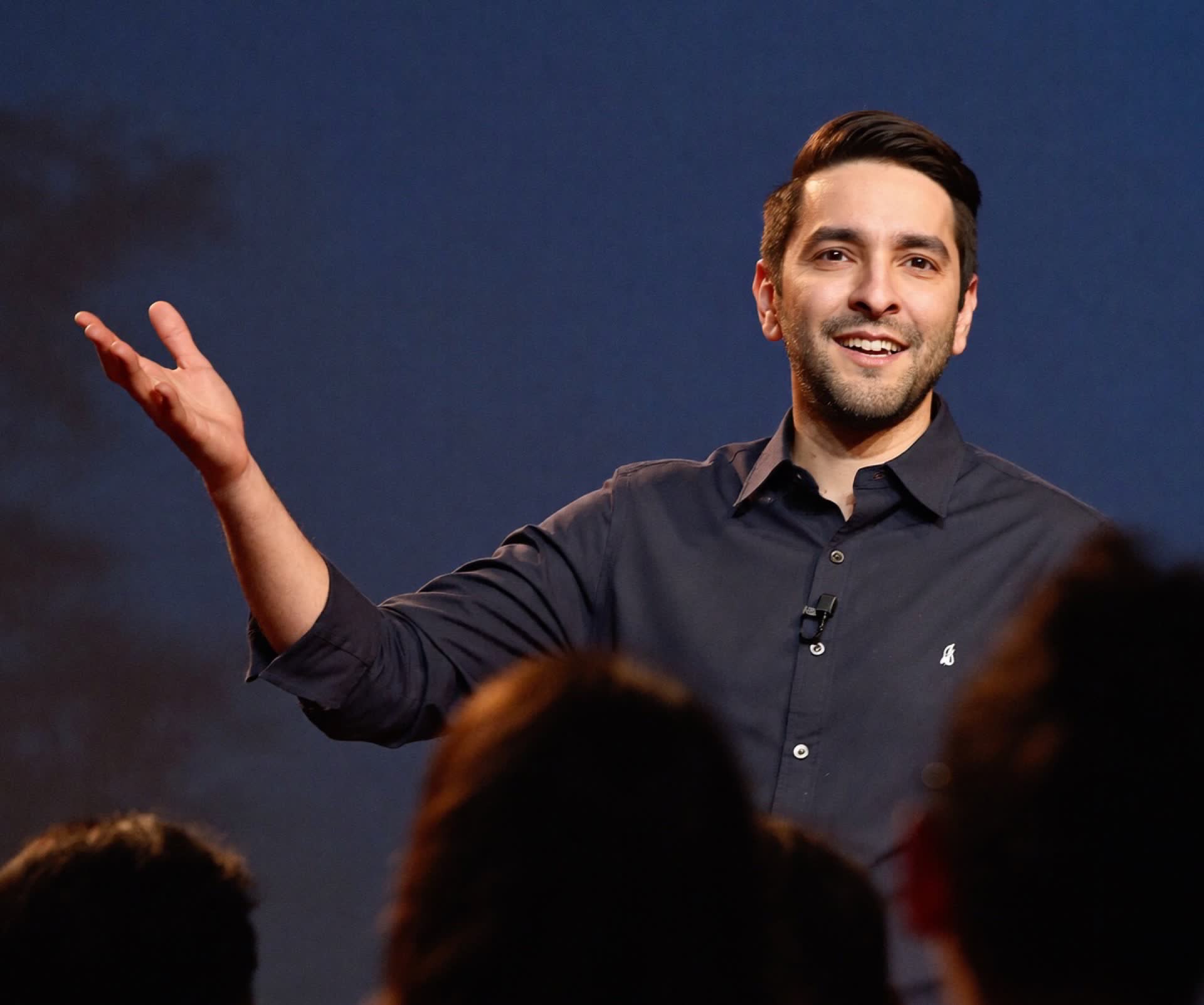
Yasir Suleman Memon, founder of Salesflo, on growing up in Sindh's university towns, eight years inside Unilever, the shutter-shop garage where the company started, the closure of Jugnu, why pricing isn't the moat in enterprise SaaS, and why he is convinced Pakistan can produce a hundred-million-dollar SaaS company.
with Yasir Suleman Memon
15 min read
A guest from a part of Pakistan the host admits he doesn’t know
The episode opens with Muzamil framing the conversation inside the ongoing Endeavor Pakistan series — fifty of the country’s most interesting businesses — and introducing Yasir Suleman Memon, the founder and CEO of Salesflo. He warns the audience that this one is, in the guest’s own words, “a very standard and uncool kind of space” — an enterprise software business that has been quietly compounding for a decade while everyone else chased total addressable markets and venture funding rounds.
Before any of the business is discussed, Muzamil makes an unusual move. He tells Yasir that as a “burger Islamabadi” he has limited exposure to people who grew up in interior Sindh, and that he would like to spend the opening of the conversation just understanding what that childhood was like.
Yasir was born in Hyderabad. He grew up across three towns — Tandojam, where his father was an agriculture professor; Hyderabad, where he went to school; and Jamshoro, where his mother was a librarian at Mehran University. His father, a Fulbright scholar, took a teaching exchange to Texas A&M, which gave Yasir two years in the United States in third and fourth grade. He pushes back gently on the stereotype of Sindh: “Tandojam has a lot of PhDs. It’s like any US town that would have a lot of academics going on.” His parents, both Fulbright scholars, flew back from the US in his mother’s eighth month of pregnancy because, in his telling, “for us, the country comes first.”
Why interior Sindh’s economy never compounded — and why he thinks it still can
Muzamil presses Yasir on a harder question: why hasn’t a Sukkur, a Hyderabad or a Larkana ever built an economic base the way Faisalabad or Sialkot did? Yasir’s answer separates capability from distribution. He argues that Sindh has produced — through his parents’ generation — extremely loyal and technically capable subject-matter experts, but those people sit inside academic cocoons. “They are at the same time not really shrewd, and they don’t know how to really make that into a business or look at the economic side of driving it or even the political side of driving it.”
He layers a second explanation on top: land fragmentation never happened in Sindh the way it did elsewhere. “There is this ultra-rich class which owns a lot of land. And then there are these workers at the very bottom — there’s nothing in between.” Without a middle layer, institutions that should have been independent and impactful stayed small and local. He volunteers a striking concrete example — a public-private partnership to build a nuclear-tunnel treatment facility for mango exports to the US, an initiative that kept getting blocked at the budgetary or political stage. He is careful not to villainise the politics; he simply observes that the institutions never solidified.
But he refuses to be deterministic about it. “You don’t need to depend on the government for everything,” he tells Muzamil. “Private enterprise, and apni madad aap — in Karachi, we have learned that. Gas nahi hai, cylinder laga lo. Bijli nahi hai, solar laga lo. Pani nahi hai, tanker manga lo.” That resilience, in his framing, is what private enterprise is for.
Remote work pulled the talent out — and now AI is pulling some of it back
Muzamil asks the question he has been seeing play out across Punjab: dollarised remote jobs have started repatriating talent to second-tier cities and revolutionising those local economies. Is the same thing happening in Sindh?
Yasir confirms it directly. Salesflo built its first backend engineering centre in Hyderabad. What he watched happen over the years was not what he expected. “We started losing that talent to remote jobs coming in, and Fiverr and other outsourcing platforms that were allowing these people to be sitting in Dadu or Sehwan or Hyderabad or any place and taking on these projects online and then delivering them for those dollar values.” AWS executives who visited his Hyderabad office discovered engineers who had come from Mithi in the Thar desert, from Sehwan, from Dadu — all hired over Zoom during the pandemic without ever having to make the five-hour bus ride to give an interview.
It is in this passage that the title quote of the episode sits. Yasir notes, almost in passing, that “the AI wave is reversing that to some level as well — what Cursor and everything is doing.” The implication is sharp: the freelancing boom that pulled Pakistan’s distributed engineers into the dollar economy is precisely the boom that AI coding tools are now compressing. He doesn’t lean into the prediction the way the YouTube title does, but the observation is unmistakable: the same wave that paid grass-roots engineers in dollars is the one now collapsing into agentic tools, and Pakistan’s freelance commodity-code layer is the layer most exposed.
He balances the prediction with a second observation that is, in his telling, the more important one. The same technology that compresses the bottom of the freelance market is the technology that lets self-taught engineers leap further than they previously could. He describes a recent internal AI-agent competition Salesflo ran across its Hyderabad office. “Did we teach them? No. They went on YouTube. They explored what tools they could use, what they could build, what value they could create.” His read is that technology has decoupled employability from geography in a way Pakistan has barely begun to absorb — and that the people who survive the AI compression are the ones who treat learning as a self-directed loop, not a credential. On the question of grass-roots schooling itself, he is brutal. On a scale of one to ten, he places Pakistan’s current education emergency at “probably one-point-five or two out of ten.” It is, he says, the one place he would start.
The shutter-shop garage where Salesflo actually started
After eight years at Unilever — where Yasir ran key accounts and category functions for businesses up to a hundred and twenty million dollars — he and his co-founder Sharoon both quit on the same day. The original business plan, Yasir admits without flinching, was wrong. “We had a shitty business plan.” They had planned to launch a quick-commerce business. Three months in, it had crashed.
Their wives took charge of the household cashflow and gave them pocket money. The total paid-up capital they put into Salesflo was twenty-four lakh rupees — a twelve-lakh car each. Their first contract came from Faisal Munshi at Hilal Foods: a four-lakh-a-month consulting retainer for six months. Yasir says he still has the first cheque framed. “As soon as that four-lakh contract closed, I looked at Sharoon, Sharoon looked at me, and we said — that’s eight engineers from GIK, LUMS and Zabist at fifty thousand a month. Let’s go.”
Their first office was a shutter shop. “We would open the shutter ourselves every morning, close it ourselves every night, and do the sweeping ourselves.” The first product, Storeviz, was a merchandising-automation tool for FMCG. Within a year they had signed Unilever, Hilal and Coca-Cola. Within two years, annualised revenue was thirty-six million rupees. In 2017, with cash flowing in, they began building what is now Salesflo.
The decision to leave Unilever, Yasir tells Muzamil, was not made on the numbers — the numbers were terrible. “The business plan made absolutely no sense. Absolutely no sense.” Both he and Sharoon had small children at the time; his son was two, Sharoon’s daughter was three. What carried the decision was that both wives were working and both sets of in-laws supported the move without conditions. “Luck and support,” Yasir calls it. He frames the timing the way founders rarely do honestly: not as conviction, but as energy. “I told Aamir — I am thirty, thirty-one years old. I have energy now. I will not have energy tomorrow. So whatever it takes to build a venture, that’s today, not tomorrow.” LUMS, where he had landed on a USAID scholarship after a sequence of cold-mailed rejections and a last-minute intervention by the dean of the business school, had taught him institution-building. Unilever had taught him what an institution actually felt like at scale. The shutter shop was the test of whether either lesson could be applied without a corporate balance sheet underneath it.
What Salesflo actually is, and why a Switzerland office reviews the contract
When Muzamil asks for a plain-English description of the product, Yasir gives one of the cleaner enterprise-SaaS pitches in the episode: “Whatever SAP does for a large conglomerate, we do exactly that for FMCG companies — for their downstream supply chain specifically.” Inventory, ordering, invoicing, sales-force effectiveness. Not optional software; backbone software.
The shape of the sales motion follows from that. When Salesflo closes Nestlé, it is not the Pakistan office that signs. “Nestlé’s Switzerland office was also involved in the deal. They evaluated our security protocols, they evaluated everything. They did a full KYC.” The same is true of Bayer, GSK and Mondelez. Ticket sizes run from seventy or eighty thousand dollars a year on the low end to four hundred thousand dollars on the high end. “Something you can’t be paying on a credit card.”
The business is dollar-denominated end to end. “Whether the revenue comes from anywhere in the world or from Pakistan, it is always dollar-packed. It is not a rupee revenue.” And — a point Yasir is at pains to make — there is no separate consulting line item. Salesflo deploys for free as part of the subscription, because the entire leadership team is composed of FMCG specialists, not software-sellers. “We don’t sell technology — we sell outcomes.”
Six billion dollars a year, and what that number actually means
Midway through the conversation, Yasir gives the number that anchors the rest of it. Pakistan’s GDP is roughly three hundred and seventy billion dollars. Retail and wholesale account for roughly sixty-six billion of that documented base. “Out of that sixty-six billion dollars, six billion dollars a year transacts on Salesflo.” Eleven countries, just over a hundred customers, recurring subscription revenue of three and a half to four million dollars.
He then extrapolates the second-order number. If the FMCG companies on Salesflo represent only twenty percent of any given retailer’s basket, the six billion of transactions actually maps to roughly thirty billion dollars of economic activity touching the platform — close to a tenth of the country’s documented retail base. That data layer is what Salesflo is now turning into a platform play, with industry-wide market-share data that historically only AC Nielsen could produce.
The next bet, he tells Muzamil, is agentic AI woven into the same platform — agents that complement the sales force on demand aggregation, demand creation, and customer support. Muzamil presses him to stay on the present, not the future, and Yasir grants that step one — actionable insights, not just dashboards — is already deployed.
Jugnu: the failure he is most willing to talk about
A subsidiary called Jugnu — a B2B distribution play for retailers, the same problem space Bazaar, Dastgyr and Tajir all attacked — was wound down in 2023. Salesflo itself injected the first two and a half million dollars into it. Total capital raised across the venture, including outside money, was around twelve to thirteen million dollars — the smallest war chest among the comparable players.
Yasir’s post-mortem is unusually clean. The problem was real. The opportunity was big enough. The team was strong. What killed Jugnu was external: “Our foreign investor also backed out and said they would not be investing in Pakistan anymore.” The political turbulence of May 2023 — and a particular foreign LP’s exit from the market — meant the committed follow-on capital simply never arrived. Warehouses were shut. The team was placed elsewhere.
The frame he uses to explain it is the part worth quoting. “Capital is not the first ingredient to solve it. That is very, very clear. It is probably ingredient number three or ingredient number four. First and foremost, you need a great kick-ass team that understands the problem. Then you have to be extremely, extremely ruthless on execution. Only missionaries on the bus, no mercenaries. Eighteen hours a day at the mission. And then capital.” The order matters, he tells Muzamil — getting capital first and team second is how most of the comparable plays got it wrong.
Going global from Pakistan: Saudi, Malaysia, and a pricing premium
Salesflo’s global revenue split today is roughly ninety-ten — ninety percent local, ten percent international — with boots on the ground in three countries. Yasir says they “landed boots on the ground” for the first time in January 2024. Malaysia opened recently; Saudi is the wedge into the Gulf and Africa.
The competitive landscape is regional. Accenture’s Newspage is the global incumbent — many of Salesflo’s largest customers, including Nestlé and FrieslandCampina, were Newspage customers globally before switching. In Saudi, the incumbents are Egyptian and Indian players. Yasir’s take on price is counter-intuitive and worth quoting directly: “In Pakistan, we charge close to five to six times an X player in terms of pricing.” Pricing, in his read, is not the determinant. Customer service is. Outcome delivery is. A complete vision for FMCG — including agentic AI and GIS layers — is. The price line is “a few basis points on their entire P&L.”
He is explicit that to actually scale globally, the company has to stop being Pakistani. “We need Egyptians, Jordanians, Lebanese, Saudis represented in the Gulf. We need Chinese, Indians, everyone on the Malaysia team.” He himself spends about a week in Saudi every month.
Muzamil presses on the capital question that necessarily follows. Salesflo, Yasir reminds him, has been cash-flow positive since inception, with the discipline of “you can only spend what you generate” baked into the company’s bones. But he is also candid that bootstrapping has a cost: “One of the things we learned the hard way is that you also need to learn to raise money on time, and not delay.” The LTV-to-CAC mathematics of an enterprise SaaS deal — eighty to ninety percent gross margins, ticket sizes of two to four hundred thousand dollars a year, a single top-end salesperson cost — are, in his words, “really, really powerful.” Two reasons would justify a raise now: AI investment inside the platform, and sales expansion in the markets where Salesflo has already cracked the repeatable motion. Saudi, he says, is the proof point that the model now repeats.
Why the IPO is non-negotiable, even if it isn’t in Karachi
Towards the end, Muzamil walks Yasir through a long observation about early-2000s Pakistani tech: a generation of software-house founders never let go, never institutionalised, never gave employees real equity that could be liquidated. The complacency, he argues, eventually became the lifestyle company.
Yasir agrees and then sharpens it. “We always used to joke that whatever happens, this company cannot be run by Yaya and Rania” — his daughter and Sharoon’s daughter. “Refounders” is the word he uses for the people who have grown into ownership of large parts of Salesflo from within. He tells a story about a Pakistani acquaintance who, in a meeting with Salesflo’s Saudi GM and COO, congratulated them on “starting their own business” — neither of them is a founder, but both carry the founder mindset so completely that they read that way to outsiders.
The point he then makes is the one the conversation has been driving toward all along. “IPO is not for raising funds. IPO is to convert this into an idara — an institution.” Until employee equity can be publicly traded, he argues, the paper is worthless. “If a person has worked with us for ten years and we can’t make them half a million or a million dollars, we have not done our job.” He is unambiguous on the destination — “we will not be selling out to some XYZ investor” — and confident on the trajectory. At a three-to-four-million-dollar ARR today, with growth of thirty-five to fifty percent annually, he expects Salesflo to be a hundred-million-dollar revenue company within five to six years. The open question is the listing venue — Pakistan’s foreign-remittance restrictions on locally listed companies make NASDAQ or NYSE the more rational endpoint.
”We have to be a set of believers”: closing on 2047
Muzamil closes the way he often does on Endeavor episodes — by asking Yasir to look out to 2050. Yasir corrects him to 2047, Pakistan’s centenary. He has, he reveals, booked the domain flightnumberPK2047.org.
His framing of the future is deliberately anti-extrapolative. “It’s a bit unfair to say extrapolate the current, because the future can never be a representation of just the past.” He cites Singapore and China as twenty-to-thirty-year transformations and refuses the generational pessimism Pakistan tends to default to. “The first thing is that we have to have hope. We cannot be hopeless.”
He acknowledges the joke version of his childhood ambition — make money, win elections, become prime minister, fix Pakistan — and notes that he eventually took the politics out and kept the business. “Even by doing business and creating value, you can create impact.” Tata in India is the example he reaches for; Syed Babar Ali and LUMS are the example he reaches for at home. The power, he tells Muzamil, comes from economic value creation. The variable is intent. “With the right intent, you get Singapore and China. With the wrong intent, you get Somalia or Nigeria.”
By the end of the conversation, the through-line is clear. The shutter-shop in 2015, the four-lakh first cheque, the eight engineers, the six billion dollars now flowing through the platform, the Jugnu closure, the Saudi office, the IPO that isn’t about money — they are all the same argument. Build a real business, in a boring industry, with the right people, in the right order. Capital comes third. Everything else is the work.
Full transcript
नमस्कार, नमस्कार. Welcome back to another episode of ThoughtBand things. जैसा कि आपको पता है हमारी आजकल series चल रही है with Endeavor Pakistan where we're trying to find out and potentially explore 50 of Pakistan's most exciting startups slash businesses. आज की जो हमारी conversation है वह एक बड़ी conventional industry है और जिसमें guest के बकोल ही है, guest के words हैं, मेरे नहीं हैं. बड़ी standard और uncool किस्म की space है लेकिन बहुत बड़ी space है, बहुत you know scalable space है and already पिछले दस साल से I believe यह लोग operate कर रहे हैं way before any of the startups और वह जो system आया था कि जी total addressable market और funding और this और that. तो यह लोग सर नीचे रखकर अपना एक धंधा कर रहे हैं and have been growing very very rapidly as well. हमारे साथ आज मौजूद है यासिर सुलेमान मेमन who is the CEO and founder of SalesFlow. And I'm curious to know more about I mean I saw I I tried to research as much as I could about what these guys do, but मैं business major नहीं हूं. तो थोड़ा सा मुझे complicated लगा. We'd love to know more about that as well. This episode of Thought Behind Things is presented in partnership with Endeavor Pakistan.
Yes, everybody. Thank you so much for taking the time out and joining us today. Thank you for having me. It's really a pleasure, you know, to be part of this podcast.
मैं थोड़ा सा conversation को start करूंगा before we get into sales flow itself. How did it start? उसके बारे में? क्या है? You know, product क्या है? Business क्या है? I wanna first understand you and, really, where were you born? Early life आपने कहां पर गुज़ारी? Education आपने कहां से ली? And what were some of the themes growing up that you feel like have shaped you as the person that you are today?
Thank you for putting up this question. I think it's a very important one, you know, in terms of getting to know the person. It's one of the things I also try to do with, you know, new team members at the join in. So well I was born in Hyderabad, Hyderabad Pakistan and I had a very fun filled you know childhood I had the opportunity to you know live in three you know cities that are close by you know तन्दुजाम which is a agriculture university city. My father was in agriculture as a professor not as a ज़मींदार. Then in Hyderabad where you know I had my schooling most of my schooling I was in Hyderabad and then also I had the opportunity to live in Jamshuruh where my mother was a librarian I also had a very short stint for two years in The US where my father was actually teaching at Texas A and M in Texas. So he went on a teacher exchange program. So got an opportunity very very young in third grade and fourth grade in The US as well.
How interesting. I wanna dive deeper into this and I'll tell you why. The reason is मैं सलाह आबादी हूं, burger सलाह आबादी. हमें सिंध के लोगों से ज़्यादा interact करने का मौक़ा नहीं मिला. अच्छा, कराची में बहुत मिले जिसमें सिंधी हैं लेकिन वह कराची के हैं. But people who've grown in hardcore सिंध, वह generally नहीं मिला and because of that I feel like कि there is a lot of misconception about what's in this like. There is a lot of stereotypes of what's in this like. I I आपके तवस्थों से थोड़ा सा अगर आप mind ना करें तो मैं सिद्ध को समझना चाहूंगा. I'd love to know कि आप मेरे का टंडू जाम and जाम शोरो. So what was that like? I mean, what you said agriculture university town. अब हमने यह US में तो सुना था कि you know college university towns होते हैं. फैसलाबाद, मुल्तान, इन शहरों के अंदर universities फिर भी हैं और overtime develop ज़्यादा हुई हैं. लेकिन इन अपने शहरों की अपनी एक industry है, legacy है. The idea that there is a university and then there is some sort of an economy that sort of gets constructed around that is not something that I'm very aware of up north. So what was the lifestyle there? What was the how was the experience? How was how was, you know, सिंध growing up for you? Well I first of all definitely agree with you कि you know there's a perception and there's a reality and I
also you know when I am you know you know living the life with my friends अक्सर उनको भी कई जो हैं वह myths होती हैं या कई perceptions होते हैं जो कि one you know shares are nothing sharing से वो experiences जो है वो पता चलते हैं. So लेकिन तंडुजाम as a typical university town था which means तंडुजाम की जो recognition है it is because of the agriculture university there and यह कहना ग़लत नहीं होगा कि it is not just, तंडोजाम but you would see that सिंध has these two different faces. No matter which small town you go to, so you know, for example, my father belonged to Hala, which known for its handicrafts. But you would see a lot of professors and academics and top doctors and engineers coming out of that particular city, even though that city never had a university. So there was a lot of emphasis in that generation, in my parents' generation, in my you know elder brother's generation, where they would be that you got to go to the best schools and all of them were actually government schools back then. You'd spend a lot of time in terms of, you know, making sure if, you know, you study on the, like, the top topics and top engineering areas and you don't want want to make it big. Of course, was primarily engineering and, you know, medical which was the predominant use case there. But I know of so many people who actually spent a lot of time behind education and they have actually made a mark in their fields and of course a lot of them actually moved to कराची because हैदराबाद, सख़्र, लारखाना these cities never really were able to build an economic you know impact the way, let's say, within Punjab, you have a lot of other tier two cities which are able to carry some, you know, livelihoods there as well. So for example, I I could not, even imagine that I would be able to have a career in Hyderabad or Sakhar. So moving to Karachi was the only choice over there. So the syndrome there is first of all very different from the perspective that there is a lot of population that focuses on education being you know a primary mode that you have to kind of grow into. The second thing is that there is this myth that you know when I pick Tandujam for example Tandujam has a lot of PhDs. It's like any US town that would have a lot of academics going on. So, yes, we would have our, you know, street cricket and everything, but we also had these, large, you know, football grounds, a huge, you know, let's say, a squash court or, you know, badminton and everything going on there. So within that small, space that we had which was confined which was the university would be like still very big. Would probably be about maybe thousand or 2,000 acres in an open area for the university. The same way that The US universities would be like on a huge campus. And they would have their employee colonies where people would be residing. So we lived in one of those colonies where I saw my parents working hard and trying to give their kind of 2¢ or a little bit to the next generation. So that's something that's really we took that for granted. Of course, we had to travel quite a lot for our education and we also took that for granted that it's okay. Generally, the school distances are one and a half hour away. So every day we would wake up at about 5AM, 05:30AM travel from तन्दोजाम to हैदराबाद because the school was in हैदराबाद. There would be university bus that would take us there and then come back. But we did not see any other side. We used to come to कराची to you know meet our grandparents. My mother's side but that was pretty much it. The world we saw was completely normal. It was a very you know fun filled world. We would have tuitions. We would also have evening cycling. We would have sports. We would have everything. And we grew up in all types of segment of the society. So yes, we had the higher end you know what we would call rich would probably be you know you could classify as middle class for example but we also had all the segments from the perspective that we would have बलोची teachers, we would also have पंजाबी teachers there, would have you know neighbors who are from all provinces of Pakistan and we would live together and we have a lot of fun. And this is the same time by the way where of course there was this MQM and GSN and everything happening but we were not privy to all of that and in that particular town never noticed that there is any such thing going on or maybe me as a kid, at least in my home, that was not a discussion living there. So from there, I mostly was brought up in an academic world. My sisters, my brothers, they were all in mostly in the academic world. They were also teaching in in different universities, in different colleges.
Interesting. You you moved to Jamshore at some point. How did that happen?
So my mother was always based in a job in Jamशोरू. So so she was a librarian for the मेहरान university, which is an engineering university. जामशुर is another you know university town. It happens to have three universities instead of one and it has the मेरान university of engineering. It has the लाकज university of medical health sciences and it also has the सिंध university which is equivalent of let's say कृषि university for the Sindh province. So she would commute from Tandojam to Jamshurou which was roughly at that time because of the road infrastructure was about a two hour commute. So there came a time where we were able to get a place in Jamshurou and then so my father would commute back in in in those times. And eventually, you know, we built a home in जामशोरो. My parents still live in जामशोरो as I'm settled in कराची.
How interesting. I mean, so is he again, please, excuse my my extreme, ignorance. But, you know, your parents have lived in, your your father has done his master's and PhD in The US. Your mother and father both are Fulbright Scholars. He's taught in The US. Texas A and M is one of the best universities there. And so that's extreme first world experience. And then he they choose to stay in Jamfzoro. So is the infrastructure conducive or or comparable, let's say, to to what Karachi has to offer? Probably definitely not what US has to offer. But if you were to compare it to Karachi, is the infrastructure fine?
Well, of course, infrastructure is very like it's a stark contrast to The US for sure but in a lot of ways even maybe to the rest of the country specifically you know Punjab and other areas. So there's there's a stark contrast but I don't think that was a consideration. In fact not only did he or did they come back, my mother was expecting my elder brother and she in her seventh, eighth month said that we have to have the baby in Pakistan. We can't be having the baby in The US. So they flew back in the eighth month to deliver my brother in Pakistan. आजकल मैं भाई बोलता निराम ने क्यों किया था यह? But but but but they said that, you know, for us, the country comes first. For us, Pakistan they they proudly owned Pakistan they said that not only would we settle in Pakistan we want to really be able to come back and share all our experiences we want to share all that we have learnt and they have really given that back to the society, to the community, and they continue to do so. Even today, there's a lot of things that, you know, they do which really inspires me and, you know, pushes me to also be the best version of myself that I can be.
Mhmm. Last couple of questions on सिद्धान. I'm I'm I'm sort of diving into that, but we'll move on to to the right after this. But I'm curious. You mentioned que there's a lot of these other cities like Sucker and and and Jamshoro and Hyderabad were not able to sort of create a economic base beyond कि, you know, government essentially tax का पैसा लगा रही है and universities and so उसकी basis के ऊपर कोई थोड़ी बहुत ही employment है और उसके around एक sort of economy चल रही है. Why do you think that's so first? And and and secondly, जो जो whatever there is still, obviously, there are cities in in in sin and कहीं ना कहीं कुछ ना कुछ तो वह चला रही हैं. तो is that entirely based around agriculture? And my understanding was कि obviously Punjab has a lot of diversity in terms of the water flow and the चाहे वह non naturally हो but वह इतना you know घूम घूमाकर आ रहा जिन्हा अभी है रावी भी है, जेलंबी है कि there is actually the entire sort of GD Road की belt जिसकी वजह से बहुत सारी different settlements हैं. सिंध के अंदर mostly Indus आ रहा और वह Indus जो है वह जाहिर है के Indus के left right तो थोड़ा बहुत कुछ अगर agri है तो वह है. But beyond that there's a lot of desert land and non agriculture or or edible land, if you if you might call it. Right? So how how much agriculture is is there in सिंह? Obviously, considering the climate, considering the water situation. And why do you think, I mean, particularly because यह तो मैं समझ सकता हूं कि कराजी being a port city, पूरे मुल्क का export और import उधर ही उसी ने deal करना था. लेकिन I'm curious कि अगर अगर, you know, textile की export business पूरा फ़ैसला बाद में build हो सकता है तो यह तो क़रीब था. You know, you would have imagined कि यार Hyderabad में वन जाएगा, जामशोरों में वन जाएगा. Is there, like, you know, do you think that there is a reason for why these these cities were never able to grow? And and last tied to this, I just want to wrap it all up and just sort of throw it to you and then you can see how you'd answer it. Do you think now that we're living in a world, even we're seeing a lot of this up north, कि even up north जो है वह एक certain particular मतलब even जो second tier cities हैं आपकी, फ़ैसलाबाद and this and that, वहां पर either you had the upper class or you had the lower middle class because there was a lot of industry there. So, you had a lot of these sort of low paying, large volumes of low paying jobs but middle class के लिए इतनी opportunities ऐसा session नहीं थी. And so you'd you'd see a lot of them move very, very rapidly to लाहौर and इस्लामाबाद and these cities really ballooned. लाहौर now being almost as as populated as कराची. But over the last five years, one major shift that I'm seeing is as we're looking towards more services growth in terms of jobs and particularly as we're looking at more dollarized jobs of, you know, people sitting at their homes and working as a graphic designer, as an accountant, as a software engineer, a lot of these people are now moving back to their sort of core cities and चक्वाल and सियालकोट and फ़ैसलाबाद because family homes वहां पर हैं. Cost of living कम है and generally, you know, it just makes a lot more sense for them to be around family and and and reduce those costs. And so what we're beginning to see is a lot of this जहां जिस शहर के अंदर एक average बच्चा जो है वह graduation के बाद तीस हज़ार रुपए नहीं कमा सकता था. वहां पर वह पांच हज़ार dollar लेकर आ रहा घर और जैसे ही वह पैसा जब trickle down हो रहा है तो वहां की economies literally revolutionize हो रही हैं. Like, that's the word that I will use. Most people don't realize it yet, but they're gonna see this in the next five, seven years because just for that one individual, and there are hundreds of thousands of such individuals. Do you think similar trends are now beginning to show in car in in in sins where you don't need to have brick and mortar infrastructure to to be able to create economic opportunity? You know, as long as you have electricity and Internet, there is economy to be created around, if that makes sense.
Yeah. Absolutely. I think, two parts of your conversation. The first part, you know, being more towards, the general agri dependency and agri economy for sin and little bit around institutional building as I would say so देखिए पहले तो जो अगर मेरे से personally मेरा point of view अगर मैं आपको दूं तो my point of view is that you don't need to have water, you know, in in normal river form to really do great agriculture. We have examples from Japan and from Netherlands in terms of how they've, you know, done wonderful work around agriculture. पानी जितना भी कम है, जितना भी कमाए there has to be a focus around efficiency. So for example, drip irrigation you know one tenth क्या बल्कि शायद 5% of the water needs के ऊपर जो है आपको बहुत efficient farming provide कर सकता है so and then similarly there are lot like a lot of technologies being you know being raised in an agriculture you know academic family I get to have a lot of these conversations with my parents with my siblings all the time. And how we feel that Pakistan can really come out on the top. Just as mango produce or fruit produce, how that can make a huge impact if it's done right. What I was able to pick up is that there are these technocrats that have a lot of this knowledge who are subject matter experts, and there are numerically a huge number of these people out there and were also very, very loyal to the country in terms of the efforts that they want to put in. They are at the same time not really shrewd and they don't know how to really make that into a business or look at the economic side of driving it or even the political side of driving it. So, you know, politically influence कैसे करना इस particular outcome को. So they would, you know, work in that cocoon and saying, know, my focus is around education. I want to make sure that I am able to create lets say a new hybrid variety of rice and you know once we have done that we have tested it the yield is great you know now I will hand it over to the government the department to now tell the farmers that they need to start using this rice grain and hence our yield will go up or you know the the production would be improving and x y z. We have a lot of that but जब हम सिंध and Punjab की बात करते हैं या सिंध and Punjab के अलावा जब Pakistan की बाकियों से बात करते हैं my my belief is that yes we have a lot of great people it's just that the power equation is in a slightly or let's say the people that can actually create the impact or drive the distribution of this or the entire governance of this That is a very separate set of people and they generally either don't have access to it or they don't know how to really influence that particular outcome. और अगर हम सिद्ध की बात करें तो देखिए जो सिद्ध का मसला है वह मसला पूरे Pakistan का भी है but सिद्ध में शायद वह ज़्यादा aggravated है. That is that we did not have any strong institution building in the places that really mattered. सिद्ध में एक और चीज़ भी so my family does not have any land besides the, you know, 400, 500 square feet. सौ square meter का जो घर के लिए जो plot लिया था उस पर जो घर बना हुआ है. उसके अलावा कोई और ज़मीन नहीं है हमारे पास. ठीक है? Although my, you know, parents have, you know, given a lot of consulting to a lot of people in that space. Issue यह है कि जो ज़मीनों की fragmentation होनी चाहिए थी, जितनी distributed होनी चाहिए थी, उतनी distributed नहीं है. What that does is that there is this ultra rich class which, you know, owns a lot of land. And then there are these workers at the very bottom there's nothing in between so of course the people who have a lot of land they're able to you know generate and not that they like to work on those crops and all works sir उसको ठेके पर दे देते हैं ठेके पर फ़सल बनकर आती है and they kind of like earn from that. So if you were to release segments and so you would have a huge segment of this particular like from a value point of view much of the power equation is there and this is also the same जहां पर political control also kind of lies that kind of influences and drives the future of the country or the province you can say. So अपने जो लोग actual में काम कर रहे हैं उनको उनकी reach जो है उनका influence इतना नहीं होता कि वह change ला सके on a large scale for the country, for the, for the province or for the country. But they do their work really well. They continue on with their work. अब economically इसको अगर आप देखें सिंध को, वह weaken इसलिए है कि जो उसके institutions जो strong होने चाहिए थे और जो independent होने चाहिए थे, the ones that should have been able to take those calls, take those decisions, drive those, you know, impactful initiatives. वो उस हिसाब से जब impactful, impact free drive नहीं कर पाते तो वो initiatives वहीं के वहीं छोटे पैमाने पर रह जाते हैं. मेरी काफी इस पर debates होती हैं कि जो आप मुझे बता रहे हैं for example there was a topic around mango export for example कि how Japan requires hot water boiling का process के through mango export it is acceptable for Japan and The US markets require what we call an atomic energy treatment and nuclear tunnel के through आप उसको उगजारते हैं then ताकि pesticides you know and वो सारी जो I don't know जो भी organic matter है वो kill हो सके ताकि वो जा सके and and there was work going on in terms of how such a tunnel can be implemented for the sin province and उसमें public private partnership होगी. Australia will put in a grant and do this and that. So all of those discussions and actions are being worked upon. But when they get, you know, either blocked or let's say वह की चीज़ आगे नहीं बढ़ पाती because of any economic, budgetary or political reasons. तो वह चीज़ें weak में रह जाती है. So not that वह initiative नहीं है, initiative है but जो इदारे जिन्होंने यह सारा कुछ carry out करना है, they are not built as institutes and उस पर फिर political will आती है and I think वहां पर भी मैं ही नहीं कहूंगा कि everyone is bad. कुछ politics में लोग बैठ होंगे जो कि चाह रहे होंगे जो जिनकी political will होगी कि वह करें and कुछ कि नहीं होगी. So it's, it's kind of like a mixed bag. It's the same story for Pakistan but सिद्ध में थोड़ी ज़्यादा aggravated है. However, having said that, I am a really firm believer and you know that that's true for my line of work. Me and my co founder, we both have also always built and believed and built on this particular theory is that you don't need to depend on the government for everything. Private enterprise and अपनी मदद आप हमने कराची में तो बहुत सीखा है. हर चीज़ अपनी मदद आप. Gas नहीं है, cylinder लगा लो, बिजली नहीं है, सोलह लगा लो, पानी नहीं है, टैगर मंगा लो. So same applies to the type of resilience that we have built everywhere in the country and that resilience tells you that, you know, if you want to accomplish something, there should be nothing that should absolutely nothing that should stop you. You can go about and do it. And that is where education from grass root level becomes really really important. That is where exposure becomes very very important. And I have seen first hand in my own family what exposure can actually do. You know, how the future of any society and entire community can change through getting the right exposure, through getting the right education, through getting the right, footprint there. So, मुझे कोई वजह समझ में नहीं आती कि why the पाक्सानी agriculture cannot be Netherlands and cannot be the Japanese vertical farming and क्या कुछ आप नहीं कर सकते? So जो आपने बात की बिल्कुल सही की कि फ़ैसला बाद में textile industry क्यों लग रही है? बाकी जगहों पर क्यों नहीं लग रही? वहां पर मेरा देखिए general जो एक answer है if you look at this the Sindhasa province and the community over there, it is generally not a business oriented market. Trading के अलावा वहां पर you would see very few businesses that start from zero and they go on to scale. The exposure, the lack of exposure what that does is it does not allow you to really think big you can't think about क्या मैं अपनी इसकी chain खोलूंगा मैं इसको chain की मेरी बारह branches होंगी मैं इसको repeatable model में लेकर आऊंगा I don't know if any you know major business school जो कि let's say सिद्ध में वह यह चीज़ preach करता हूं कि तुम्हें कैसे जो है इसको आगे skilling पढ़ना है. Handicrafts बहुत अच्छा handicrafts बनता है सिन्न में you know but it really doesn't get that exposure. तो अगर मेरे से पूछे there is a there is a need for giving a lot of exposure around business building economic value create करने के ऊपर लोगों को exposure देने की ज़रूरत है and उससे थोड़ा सा I think the the culture would change. Generally these are very easy going people, very minimum work, very little effort, masses की बात कर रहा हूं very little work and you know whatever output you can kind of get. So I fully agree with you. That's an unfortunate reality कि लाढ़काना, सख़्र, हैदराबाद even has not, you know, built up to the main stage in terms of you know them being able to create that economic value and जब वह नहीं होती तो उनकी communities में और उनके buying power में हर चीज़ में आपको एक चीज़ नज़र आती है. जब वह that's a vicious circle then. In that vicious circle you just cannot get out without making those interventions.
Mhmm, makes sense. And then the second part of that question and I think I one thing I would definitely agree with you on is मैं अब उस point के ऊपर आ चुका हूं. I think maturity का तक़ाज़ा यह है कि अब आप ना जब एक problem solver जो है ना वह पहले देखता है देखता है यार कहां पर bottle नहीं खा रहा है. फिर वह because of के बजाय in spite of करना शुरू कर देता है. वह कहता है कि, you know what? I don't want to have the conversation of why we can't do this or why we can do this because of the government. I would rather have the conversation कि what can we do in spite of the government? And that's not just a Pakistan thing. That hap that's happening in a lot of emerging markets and developing world because, you know, you don't get the best government all the time. Particularly, you're you are a an emerging market because you did not have the best leadership and you, you know, you you weren't able to develop as fast fast as the rest of the countries. But having said that, governments are not the only way. A lot of times, private enterprise has come in and and and really sort of changed the fate of nations. And so second part of the question where where, you know, a lot of this economy can then organically be driven now in the this new world of of of Internet and technology and and electricity. Do you see that happening in sync? And I don't know the the level of infrastructure again available based on around the availability of high speed Internet and the, you know, how how the quality of it as well कि वह कितना regularly available है. तो run me through कि do you see that change as creating that alternate potential? And इसके tie ज़रूर इसको करिएगा कि what is the state of education then? You've mentioned your own family's sort of experience, and you guys were obviously very hardcore academics from a very early generation. तो वह आप maybe reflect हुआ. But what about the masses? Like, मैं north में यह ज़रूर देख रहा हूं कि जहां पर मेरा तो आपको पता है कि यार it's a it's a one two generation problem. It is going to iron itself out. I'm curious about about the shift in education. Are we still stuck in the sixties, seventies, eighties? या जो नई generation of सिंधीs हैं, particularly in the lower middle income and below categories जो कि obviously they're not as privileged to be able to have the exposure. How are they dealing with with educating their children?
Yeah, so basically again two parts to it and sorry I missed the first one earlier. So you're well this this the digitization and the internet has brought in an impact everywhere on this planet. Think कोई जगह इसकी इसे बची हुई नहीं है and this holds true for हैदराबाद, सख्कर, लौड़काना, दादू you name it every single city has seen that impact and the reason I say this is that while we were building sales flow in fact the first set of team members we hired were in नैदराबाद ठीक है ठीक है ये company affiliation थी और मुझे था कि can we really build a tech center over there and all But हुआ यह कि over the years, not only did we see those evolve, but the type of applicants we would get. Most of the people who would generally graduate from an engineering university there, वह जाकर photocopy machine पर photocopier लग जाते थे और they would go back and do their own business. Something that I saw that changed was that I have seen some of the best programmers that I have met, you know, come from I I myself loved programming in my early days. One of my best friend who is like a die hard programmer he just does that day in day out. He is settled in the Silicon Valley right now. He is one of the best programmers I have ever met. And what we saw was that while ठीक है हमने अपना sales look का backend center जो है वो हैदराबाद build किया but who did we start losing that talent to? We started losing that talent to remote jobs coming in and you know fiber and other outsourcing platforms that were allowing these people to be sitting from like sitting in दादू or सेवन or you know हैदराबाद or any place and taking on these projects online and then delivering them for those dollar values. So, so we have seen that and it's actually actually happening at grass root level everywhere in Pakistan and other developing markets as well and it's also happening in a quite an extensive way in Hyderabad as well and in Sindh as well. Now of course इसका थोड़ा second part यह भी है कि the AI wave is reversing that to some level as well but that's a may be a topic for another day. What what curser and everything is doing so वह वह काम थोड़ा सा काम ज़रूर होगा but yes sinth as a whole was a huge beneficiary and is huge beneficiary for this. In fact, couple of years back we invited, we work very closely with the AWS team and we invited them to our Hyderabad facility where they went and met people and you know they saw कि किस तरह के लोग you know Sales Floor के office में काम करते हैं कहाँ से आए and I think of of the like forty fifty people that they met over there they ask them you know where do you belong and कहाँ से आए क्या करते हैं and you know majority of them did not belong to Hyderabad while they were living in Hyderabad they did not belong to Hyderabad some of them came from मिट्ठी from Islam court which is Thad Desert some of them came from दादू from सेवन from different parts of सिंध For them Hyderabad was an urban center where they had all come to work. But what was surprising and shocking was that these people were if it was not for technology, it was not for internet, they would have never landed those jobs. For them, for example, being able to give an interview from मिठी, sitting in थर, you know, not having to travel those five hours to Hyderabad to give an interview and being able to take an interview during COVID over Zoom and getting a letter there, you know, was part of how, you know, they were able to contribute. And initially they were, you know, actually working remote and working, you know, doing everything over Zoom. But over a couple of years, as the pandemic went away, they moved to Ahabad and were able to contribute there. So, I have seen that technology increases employability but also is the current era is also a lot about self learning. You will be amazed in terms of the type of engineers you could find. Have a lot of artificial intelligence stuff happening. Recently we ran a competition around AI agents you know building an AI agent and we had like a huge participation from our Hyderabad office where everyone coming up with their you know AI agents and did we teach them? No they went on YouTube they they explored in terms of you know what tools can we use? What can we build? And how can we build? What value can we create? So all of that is happening in the entire world. And yes, it's happening in Pakistan. And yes, it's happening in Sindh. It's happening everywhere else. So Sindh is no exception to that when it comes to creating value around the technology space. Now the second part of your question, which is more around how does this really, you know, go into creating value, right? If you can I understand? The second part was,
how is the impact on on education in the newer generation in the lower, middle and below segments?
So I'll be very honest over here. This is one place where since it's gone in a lot, there a huge reverse gear in terms of you know what I saw as a in my childhood and present ideal back then you know we always knew you know growing up in Synth that the Punjab boards are better than the sinth board in education. They were looked up upon and there were certain schools who would follow curriculum from the Islamabad board or from the Punjab board. But at the same time, the teachers we saw were very dedicated, very loyal in terms of the education. But what happens is that when a larger system is kind of faulty on an education level, the net output you get is not really great. And if you ask me what really changed was that people would educate the children mostly just to a level that they could do a basic set of maths and be able to run a दुकान or a business. When I say business, it's generally a smaller business, a cottage business, जहां पर वो छोटे पैमाने पर trading कर सकें and and what I saw was that a lot of and this is something about the masses. What I saw is a lot of people who I would know would go to school, would generally either drop out post college intermediate or at best if they did their bachelor's, they would still go back to the family business and contribute there. And that family business would not be very, very small, but it won't be something big either. Like you wouldn't be opening a gourmet chain or you wouldn't be really opening up supermarket chain. They'd still be just going back and doing the small businesses and making a live lead for themselves. On the other hand, what I saw was that wherever there was an influencer in the family or wherever they had a, let's say, role model in the family, those people would get a lot of motivation to actually go and pursue those areas. So for example, because of my father and you know him doing a PhD, a lot of my, you know, younger cousins everywhere took up that field. Some did did the PhDs, some did their masters and they would go to China for example on a scholarship, get the education from there and then come back and you know start contributing there. My mother was a librarian so I saw a lot of people in my family you know take up the profession as a librarian. So in this grass root level education to sum it up to grassroot level education yes I feel there is a major major reset required over there while small you know primary schools are trying to do the job they are not enough the government's you know education infrastructure is really really weak it's hardly there actually so there's a lot of job to be done on on that particular front but then there are like the TCF's out of there there's a ParkTurk you know you know sequence out there so there are number of other you know, school networks that are actually trying to do that primary level education job. And then you also have universities like, let's say, Lums even, which has a national outreach program, which, you know, takes a lot of intake from, Sindh as well, like other provinces. Then you have Abib University and other Karachi based universities which are also trying to get the talent. But on a scale of let's say one to 10 if you ask me the education emergency, I'd say we are currently sitting at probably 1.52 out of 10 when it comes to education at least. So we are in reverse care. If there is one place you would want to kind of start off is is fix the education job. It will still be a generational job to kind of fix but but you will start getting there you know create some role models. I think this role model thing really works. If you have a role model in every community, people would look up to them and, you know, kind of change track.
No. That makes sense. So so then now I'm curious. Your own journey, you've you've talked about your your, you know, sales flow and how you sort of hired people. And my understanding is you have around a 100, a 130 people,
give or take. Correct. We have a 110 people at the moment. Right.
Run me through कि जामशोरों में जाहिर आप पहले ठंडो जाम में थे and then जामशोरों में थे. University आपने कहां पर की? Masters कहां पर किया? My understanding is you did double masters and then from that to to starting sales flow and and and what was the journey like? What happened there?
So one thing my mother particularly was very, clear on was that while I teach in a university I am in a university I don't want you to get your higher education from जामशुरू. Both my parents and my elder brother who had gone to कराची first as a doctor he really pushed hard that you guys so me and my other brother you guys have to move to Karachi you cannot start your higher education in Jamshoro you need to change this track now And I think that's the first thing that anyone who really wants to, grow and wants to be a kind of uncomfortable and make sure they can make a mark does is that the families push their children to go to Karachi as a first step towards our journey. So that's what my parents said and as I explained earlier that I loved computers because of having a computer early on. I loved programming. I loved hacking as well. I got in trouble a couple of times doing that. But because of that, I would get very, very bad grades during my school. So from a I And actually failed my metric exam. I had a C grade in inter so I could not like land a good university out of nowhere. So while I wanted to be in Karachi where do I get so I applied for fast I said I want to go to the best university I got rejected there and zabis at the time which was I think year number two for zabis at the time and zabis was at its peak you know just it was fast and zabis at the time and when I went to zabez they looked at my grades and they said how on earth do you think you would get into zabez with these grades so they actually loved my computer side of it of my entire journey and they decided to take a bet. I had actually come to Zabest for a short course as well earlier during my summer break. So they took a bet. They said, let's go ahead with this. And I actually got a gold medal in Zabest. I actually had a great GPA 3.8 and practically every semester I would be in the top three. So finally when I got a field that I really loved, when I got a different type of education I thrived there and I really wanted to build a tech startup during that time so I did my Bachelor's I did my Masters and during my Masters which was in the evening I started working for a software house in Karachi but that didn't last more than five six months and I dropped out to start a company with my other friend from Hyderabad and one of the Zebes friends there which was a text messaging company SMS sending company this is back in 2004 so we make this we write some code in java and we said you know the banks should be sending a text message every time a check is cleared or every time there's a deposit or a withdrawal and you know we can we can give these APIs to companies to kind of go out and deploy so well we try to sell to every single bank branch manager but none of the branch managers would buy our product so we were clearly selling it to the wrong people isn't the key decision maker The technology was great. And the three of us, it was myself, Naveed and Suja. So three of us said that, you know, we don't know anything about business. And so we kind of, in about six, seven months, we closed down that particular business it was called Verge SMS back then. It was just in six months that I felt quite humiliated to go back to my parents that I left a job I was getting a paycheck 12,000 rupees at the time and I said I wanted to do my own bit and now I am coming back to you for pocket money because I don't have any money with me so navit went for his further studies to The US, suja went for his PhD to Germany and I didn't know what to do so I felt bad asking for pocket money for my parents so I said well I need to apply for a fulbright and I applied for my fulbright but I just couldn't crack the GRE scores I accidentally like while practicing I ended up in lumps for my MBA. I did want to do business for sure because I really wanted to know whether why couldn't I sell my product you know. But what that startup failure did was that it left a scar that there was a lot of social pressure which like no one was really saying it but there was this social pressure that there is this failure and how do I really go back and tell people that you know I studied this. I did everything and now I can't even create any economic activity for myself and I'm dependent on someone. We still were of a lot of simple means. You know, my my father was in a government job. So he, of course, could not afford to pay fees for lumps. And my dad, my dad categorically told me when I got an admission, he said that, I am sorry you are applying for lums but I think it is time for you to work you need to earn money now you have already done your bachelor's and master's and you have younger siblings that are trying to pay tuition for I cannot afford this I will be very upfront with you so I applied for the lums scholarship they offered me 25% scholarship and I asked my dad he said the answer is the same I really don't have it and if I could I would have never said no to this so I wrote back to lums you know that I can't afford this and they immediately replied with 50% scholarship so this time I didn't take it to my father I just replied back to them you know I won't be coming and then they wrote back again that we have a policy that we can't let you drop out because of funds. We'll extend the scholarship to 75%. But 25% you will have to pay and there is no so I shared it with my brother he said you know I really do know that dad is not really doing well financially at the moment and I'd say let's not push him because if you rule it's and you know that zaid and zami they both are getting into their education they should also have a right to come to Karachi you've done your bit you've gotten two degrees let's just move on so I wrote back to lums that you know I'm sorry that I won't be able to come 75% you extended but I'm really sorry about it so just in that summer I'm still figuring out what to do and I'm applying left right and center there was this competition that came up was by Pakistan Software Export Board PSCB had done a business plan competition for a startup so I applied for that and my brother also applied a couple of friends also applied and somehow I got through in that competition and for that competition they had arranged for a two weeks program in lums for a training during the summer. So the next semester has not started. The MBA has not started and in those two weeks they invited us to lums. We can stay there and you know. So I took a train I went to lums and I stayed on the campus I got like world class education like it was a eye opener for me you know in terms of the level of the quality of education so I had a friend who had already accepted his MBA he was also in that program so I remember when the program like when this PSCB thing ended the entire training program for business plan and startups was ending the last day I went to offer my prayers in the Lums Masjid and while we are coming out we went this gentleman he had a huge beard and turban and my friend said he is a Dean for the Suleiman you know सुलिमान दाव school of business. So he went to him and he said कि hi my name is अंसा and I'll be starting the MBA as well. Was part of this program but the next week I'm gonna be starting the MBA as well and yes this is याद sir he was offered an MBA but he is not taking it up this year so he asked me you know how you how could you miss this so I said well I can't afford it right now he said no that can't be you know we don't leave candidates for financial matters and all So, well he said, I can tell you one thing that if you've rejected the 75% offer, most likely they won't offer you again. But I can check if you can somehow get the acceptance, talk to your parents, whatever you want to do. If you end up with I think a Thursday and the classes were starting on Monday. So if you can somehow arrange for this 25% somehow, we'll figure out something later. There can be some other way to cover it up. But we will need to get that through because the policy won't allow us to take you in without that. So my brother was in that program and he called my dad. He said, dad, you know, it's just 120 ks of down payment you need to do somehow. And I'm in the lumps campus. This is amazing. This is like being in The US, there can't be a better place. I think this is really good for you. So my dad called his friend who was in law he asked him for a loan and I remember that the same day my dad's friend came in he gave me he handed me a envelope of like $120,000 rupees in cash and I went and deposited that in lums and I continued the classes for monday into my MBA. Later on, I was lucky to get a USAID scholarship. I was 100% covered by the scholarship. I didn't have to pay a dime for my entire education there. That was a really important moment for me and kind of shaped me in terms of my next decision. Post my education, not to ever try a startup again. That's the mind that I was actually graduating with because I thought it was so difficult for my parents to educate me and how can I not repay that in terms of at least making them proud that I'm working for a great company? So when I was graduating, I had two offers. I got an offer from Microsoft. They even flew me into Dubai. It was a developer job. I said, I've done my MBA. Don't want to be a developer. The very next offer I got was from Unilever as a management trainee to sell soap, shampoo and tea. So I had killed my thing that I would launch a startup again. So I just took up the Unilever job immediately. It was a huge matter of pride, going to the best FMCG company out there. And it truly was a very, very good decision if you ask me because Unilever proved to be another great institute where I learned so much over the next eight years. I would not only learn a lot, but every time I was thinking about, you know, when I would say, okay, I've gathered enough funds. Can I go and try to think of a startup? I would get a promotion and, you know, kind of kept climbing the ladder, in that particular corporate career. So that was the main education if you were to ask me. That's how I ended up doing two masters and my bachelor's degree and having a six months failed startup behind me to take up the corporate job.
Makes sense. Unilever, my understanding is Unilever has a fairly standard, you know, you start like a graduate trainee or a sales guy and then you slowly make your way up across different departments. कोई आप specialty उठा लेते और उसमें फिर आगे लेकर जाते हैं. Quickly अगर आप बता सकें what were those eight years like at Unilever? And then at what point did you decide कि ok, and my understanding is obviously with two two masters and then a career, eight year career at Unilever, You were now much more settled. You probably were married. You you had maybe had kids. And so now the cost of starting a startup would have risen quite a lot. And and इसको मैं इतना से contextualize करता हूं कि when I graduated, I started a startup or at least I wanted to do a startup and I did a bunch of things and I spent a year doing that and it didn't really work out and so I logically went and got myself a standard corporate. मैं tech का था data analyst majored. तो मैं गया और मुझे जो company मुझे पता थी कि यार मुझे इसमें जाना मैं चुप करके उसमें चला गया और मैंने साठ हज़ार रुपए की नौकरी पकड़ ली. दो साल मैंने उसमें किए that was not my temperament. I was never gonna be good at it. तो मैंने ना अपने भाई को जो मेरा जो ज़रा serious वाले भाई थे जिनको मुझे पता था कि उन्होंने मुझे हमेशा risk हुआ, standard चीज़ बोलनी है. Experiences. शोगल मेले में मैंने बहुत चीज़ें कर ली तो मैंने वहां validation ले ली है. मैं इसे पैसे भी कमा लूंगा. अच्छा, I was half expecting him to say कि listen, you know, what media? Like, that's such a flaky career. What are you talking about? You know, tech is so easy and my entire family is in tech. They've been in tech since '93. They're all in The US, very well settled. तो मुझे पता था उनको pathway का पता है. उनको पता है यार इसको, you know, you don't know what you're talking about. Just pursue that. तो 50,000, 52,000 आता है. अच्छा शादी मेरी हो चुकी थी इस time के ऊपर. तो at least एक certain set of frisk. क्योंकि शादी आपकी जब हो जाती है तब तो आपको बिल्कुल ही and I come from comparatively a privileged family. But वह शादी हो गई ना तो अब घर वालों ने कटा दिया होने कहा भाई अब तू तेरी भीगा में figure out कर अपना ख़र्चा. तो तेरे पास a set of responsibility. But उन्होंने मुझे बोला उन्होंने कहा यार fifty two fifty five को multiply करो बारह से छह साढ़े छह लाख बनता है. And वह एक बड़ा different perspective था because I was constantly thinking कि मैं यह पैसे loose करके जा रहा हूं तो मैं जो है ना, you know, I'm I'm losing everything. I'm wasting all of my time. And the the framework that he made was कि, you know, पैसा तो loose होना है at one point or the other because if you have this कीड़ा, you have this कीड़ा. Right? अब how do you sort of optimize that cost? And then साल बाद अगर वापस आना चुप करके आ जाना छह लाख रुपए, no harm, no foul. But yes, because I was I I did it at comparatively a younger age, straight out of college two years after that तो obviously वह cost mitigated. I'm curious कि out of college then a masters, then another masters, then eight years of a very successful career in a very successful corporate. What does that cost entail? And what is that risk then कि यार अच्छा I'm going to leave all of this and just go on a path that I've I haven't gotten into before. So run me through the the career at Unilever, the transition to the startup, the feelings of the family and your wife particularly particularly कि यार यह क्या कर रहे हैं? अच्छा वाला सिद्धगी set है. क्यों यह direction में जा रहे हैं? Run me through that.
नहीं sir always you know kind of back memory lane जब भी इस बारे में सोचते हैं तो देखिए जो आपने बात की है कीड़ा तो था. कीड़ा जब first time you know, startup launch करनी की कोशिश की तो it was, when it didn't work out, then I owed something to my parents. I owed something to my family, to people. लड़ाई नहीं हुआ. I felt it was about proving myself to them कि I am worthy of, you know, at least getting a good career. And the decision purely was that because I always wanted to go into a tech company when I was graduating. But मैंने कहा क्या सुनो, वह अच्छा नाम है. चलो कुछ नया सीखने को मिलेगा, एक risk है, ले रहे हैं and I genuinely took that risk knowing कि यार लोग मतलब मैं batch से पूछेंगे ना क्या करूं? ज़्यादा इसमें किसी पूछेंगे कि असर ने non tech field में है. तो उनके लिए ऐसा था ऐसा कोई पता ही गुनायक बीरा हो गया कि यह कैसे जा सकता है यह non tech area में. They knew me as the techiest guy in the entire batch कि इससे ज़्यादा कोई techy हो नहीं सकता और यह जाकर साबुन बेचेगा, यह जाकर शैफू बेचेगा. तो वह decision मुश्किल नहीं था लेकिन मुश्किल शिल नहीं था कि during my entire MBA I was telling myself क्या सुनो ये ये decision है ये compromise समझ लो उसको जो भी समझो but ये करना है तो जैसे ही पहली offer आई Unlever की आई accept की आगे बढ़े and मैं Unlever इस mindset से गया था कि जाकर देखते हैं क्या है यार आगे आगे देखा जाएगा at least चलो कुछ ना कुछ पैसे आ रहे होंगे and इसमें एक पैसे का role था and the the salary range was like similar to उस time management trainees को $5,560,000 पर start करते थे back in 2007. तो was a very good package to be honest. Was something क्योंकि and उसके एक साल के अंदर मेरी शादी होगी and वहां पर भी post करने मज़ा आता था कि अच्छा यार चलो बेगम्म कह सकते यार university का management training है. चलो अच्छी बात है कुछ, you know, something to look up to and all. But हुआ क्या कि university में मुझे मज़ान लगा बहुत ज़्यादा मज़ान लगा. I was lucky to be working with some of the most, you know, wonderful people I have ever met. उस time पर retail landscape में बहुत बड़ा change होने जा रहा था. Pakistan में यह modern trade नाम की चीज़ build हो रही थी. उस वक्त कालफोर, metro cash and carry, macro cash and carry ये सब enter हो रहे थे Pakistan में and these FMCG companies were thinking कि सोनम retail landscape कैसे evolve होगा? कैसे ठीक करेंगे and all? तो Unilever ने अपना एक special कुछ units खड़े किए थे. They had like brought in someone from The US उनको move किया था Pakistan के अचाहे retail landscape अपनी evolution start हो रही है special unit कैसे इसको deal करेगा contracts कैसे करना है listing कैसे करनी है and all that. I was to like while सारे departments किए, supply chain भी किया, marketing भी किया, you know, finance भी किया and then I settled into the sales function, which is CD. So basically, जब Unilever आया तो Unilever ने पूरा एक नया unit खड़ा किया जिसमें ये सारा you know there was these new entrants coming into Pakistan you know with Carrefour coming in with Macro coming in Metro Kashingary coming in so retail landscape is now going to evolve the entire landscape is highly fragmented initially and fragmented से it was moving towards consolidated retail के concept build होने वाला था. तो इन level में उस time पर कुछ leadership team भी जो है वह Pakistan से बाहर से लेकर आए थे. US से कुछ leadership team move की थी इन्होंने and I was really lucky to be working with some of the best people you know out there in the industry and I really have had a wonderful time in terms of learning कि यह metro macro की landing कैसे होगी? फिर category management सीखी you know and lot of other things that so show के तीन चार साल तो वो ऐसे गुज़रे के पता नहीं चला कि यह time गुज़र रहा है. Working with a lot of great bosses, with a lot of great peers, with a lot of great people and Unilever really really tested me to my limits in terms of my intellectual capacity, my ability to execute things and had it not been these these eight years, I would not have learnt कि यार सुनो यह institutional building होती क्या है? एक इधाराय को बनाया कैसे जाता है? Leadership किस चीज़ को कहते हैं? Team को कैसे build करते हैं? Team को कैसे आप galvanize करते हो? कैसे build करते हो? तो मुझे वहां पर जो है समझें कि कोई साठ सत्तर million dollar के business को run करने का मौका मिला. I was like wholly solely responsible for साठ सत्तर million dollar का business चलाया. फिर थोड़ा और बड़ा business दिया उन्होंने तो सौ एक सौ बीस million dollar का business भी run किया. पूरी पूरी categories को run किया. And during my last I think two three years I even had an opportunity to meet the global CEO as he was coming to Pakistan. Not only did I get to meet him, I got to travel directly in his private jet. So I was part of the leadership team लाहौर टुक्राची flight में उसको CK private jet में मैं लेकर आया, वहां पर visit कराया, पर उसको अंदर लेकर आया. And my co founder शरण, he was also in Unilever. So, you know, we got to know each other. हमने अच्छा हम लोगों का बहुत time गुजरता था in terms of making presentations in terms of putting down the stories कि अच्छा यार क्या evolve होगा कौन से initiatives लेकर आऐंगे? मैं कभी category side देखता था कभी key account side देखता था शाहरुन channel side देखता था So we we had a fair amount of rotations जो हमने की and we had a lot of opportunity to work together. तो हमारा mind click करता था. But होता क्या था कि we we would always see क्या सुनो यह जो problems Unilever face कर रहा है, यह तो पूरी industry के problems हैं. सिर्फ़ Unilever के problems तो नहीं है. These problems are being faced by also the smaller companies जो कि Unilever जितना हुआ जिनके पास power नहीं है और हम Unilever के लिए solve कर रहे हैं. Now while Unilever was a was a great institute everything but आप यह recognize करेंगे कि कभी भी कोई बड़ी company के साथ काम करेंगे तो we started to realize कि यार यह जो बड़ी companies होती हैं यह हाथी की तरह होती हैं. इनको हिलाने में time लगता है. इनको इनकी agility जो होती है वह नहीं होती जो आपको चाहिए होती है and the bias for action we had like हम कहते ठीक है foreign से करो. इसको एक घंटे में कर लेते हैं, इसको दो घंटे में कर लेते हैं, इसको एक दिन में कर लेते हैं and आपकी सिर्फ एक जो तो अब थोड़ा सा risk लिया जा सकता है but yes, you are absolutely right. I had a son. He was about two years old and शगुन also had a daughter. She was also three years old and we we like just started the family and the all eyes are on UK and now you have to also be a good father and everything. But एक बहुत बहुत बड़ा जो luck का element कहूंगा and support का element कहूंगा. Luck and support इस तरह से कि we were lucky that both her spouses were working. ठीक है? And support के they both said कि you guys are gonna go for it. You have 100% support from it. Go for it. मतलब बता मतलब हमारे parents ने और you know मेरे सोचार ने सबने phone किया कि भाई ख़रीद है यह क्या करा है? यह किस तरफ़ जा रहा है? यह university job कौन छोड़ता है? आज के दौर में मतलब what what are these guys up to? क्या करने जा रहे हैं? And to be honest when we were starting off the business plan made absolutely no sense. मैंने business plan जो है वह अपने मतलब अपने ex boss के साथ share किया मैं कही यह यह स्थान करेंगे, स्थान करेंगे. तो जुनून तो बहुत था लेकिन the business plan was absolutely crap, absolutely crap. हम लोगों ने सोचा था कि हम जाकर launch करेंगे quick commerce जो A lift ने किया. That is what we left the job for exactly and उस time में हमने इसको राम दिया तेज़ man हमने launch भी किया और हमने तीन महीने चलाए भी but उस ज़माने में venture capital का नाम अनुशान नहीं था. We never heard the word venture capital. Like सुना था उसको कहते थे venture capital, wealth check capital but उस ज़बारे में यह होता था कि कहते थे कि this is 2015 now. Twenty fifteen में कहा जाता था कि यार आपने अगर कुछ see the world as well and I really wanted to because मुझे मौका नहीं मिला था. Exposure वह नहीं मिला था. I never got the opportunity to work abroad. Operational visits पर बहुत गया था. Trainings पर बहुत गया था. I traveled the world thanks to Inlever. But मैंने इनको कहा कि देखिए इस वक्त आमिर मैं I am 30 years old. ठीक है? I think thirty, thirty one years का था उस वक्त and मैंने कहा यार आमिर मेरे पास इस वक्त energy है. मेरे पास कल energy नहीं होगी. So आज जो शायद चाहिए किसी venture को build करने के लिए वह आज के अंदर उस दिन में हो सकता है. कल में मेरे पास energy नहीं होगी to really give that. So we both left and the first thing we realized is कि सुनो पैसे कहां से आऐंगे? Because we both came from humble backgrounds. We really didn't have any family money to put in. शरण's parents were also, you know, in government service and all. So हमारे पास like दोनों के पास उस दो गाड़ियां थीं So the total paid up capital we put into the company was about 24 lakh rupees. बारह बारह lakh रुपए की गाड़ी थी and by the way sorry एक चीज़ मैं बड़ी important miss कर गया यहां पर. जिससे मैं बहुत ज़्यादा push किया था ना इसके लिए was my founder, co founder back in the 2004 startup नवीद who is now settled in the valley. कि यार तुम क्या कर रहे नौकरी अब तुम तुम जाया हो रहे हो तुम्हें छोड़ना चाहिए छोड़ना चाहिए. He would keep on his skating so he was one of our third co founder at the time. When he left for the valley he had done the startup and he is doing really well and we still very good friends. But he then left sales flow very early on. In the first year he left he said कि I am moving to the valley and I will take web HR forward तो वह उसको आगे लेकर निकला गया. तो खैर हम तीनों name. What's his full name and what's the startup that he's working for now? नवीद मेमन and he's also from Hyderabad by the way and I see. His startup name is web HR.
Nice.
So then then like we said क्या है अब पैसे जो डाले हैं बस इसी से हमने start करना है. We couldn't pay ourselves and our wives basically took charge of the kitchen. We would get a pocket money luckily. We we we had some you know, cash flow coming in from there. But अब समझ नहीं आ रहा था कि यार यह जो quick commerce वाला काम है तेज़ man, वह तो crash कर गया because we had a shitty business plan. करना क्या है? छोटे वक़्त हमें यह दिल में था कि देखो यार Unilever का आठ साल के experience के बाद ना तो then we knew कि यार जो problems university के थे वह बाकियों के भी हैं and we were lucky to land a consulting assignment and again no VC days, bootstrapping का time है, अपने पैसे डाले हुए हैं. तो the consulting assignment came from हिलाल foods, from फ़ैसल मुंशी. He basically said कि यार, do you guys have immune liver? I trust you guys. तुम लोग कुछ करके ही आए हो सारी बातें. We are launching this new business unit हिलाल care and you know, can you kind of guide us? Care कैसे है? And I still have the first check की copy जो है वह आपने literally frame करके रखी हुई है. The first paycheck that came in चार लाख रुपए का paycheck था and it was a monthly assignment. I remember चार लाख into six months के लिए. And that contract actually made sales flow what it is today because जैसे ही वह चार लाख का contract हुआ मैंने शरण को देखा, शरण ने मैंने कहा देखा देखा this is eight engineers from GIK lums and labist. आठ engineer हम hire कर सकते हैं पचास हज़ार रुपए per piece के हिसाब से and we said ok let's go let's get get on with it. तो it was literally a garage setup, एक shutter shop जो होती है literally actually literally shutter shop हम सुबह को रोज़ आकर shutter खोलते थे. एक जो real estate का जिसमें दफ्तर होता है बिल्कुल उस समय से हमने अपना office बनाया. Table लगाई, कुर्सी लगाई और हमने वहां पर बैठ गए. सुबह shutter भी खुद खोलते थे, बंद भी खुद करते थे और सफाई भी खुद करते थे शुरू में. जाडू पेट जो हुआ करना होता था. So, so at this point in time what was the product that you started to make then? So उस वक्त जो हमने पहला अपना पहला product बनाना शुरू किया it was called store viz and it was a merchandising automation platform for FMCG companies. तो while we were consulting फ़ैसल we also realized कि ये product की need है और वो हिलाल भी लेगा और हमारी तरह से सब और भी companies वो हैं वो लेना show करेंगी. तो जो storage product था within one year we got Unilever to become a customer, we got like हिलाल to become a customer and we add Coca Cola and number of other companies using it because we were always positioning it as a business proposition पर हम बात करते थे हम and outcome की बात करते थे, हम technology की बात नहीं करते थे. We had learned that from our universities, from lums and everything. तो within the first I think two years we took our up, we we took our revenue up to about 36,000,000 के करीब जो है आप annualized revenue पर हम उसको पहुंचा चुके थे and what was happening was that we we saw that there's now cash coming in that can be deployed behind the company building and we would deploy all of that in terms of getting more employees and you know working more on the products that we were doing and we knew that there was this big big opportunity around the space at जो sales flow जो product बना eventually, उस पर invest करने के हमारे पास, you know, capacity बने लगी and 2017 में is when we started to work on what sales flow is today as a product from that particular, you know, cash. What
is it today as a product? And and, you know, you started off with Pakistan and and sort of expanded to a lot of these sort of FMCG and buddy companies with a lot of distribution across Pakistan. But now when you go to the website and you look at, you know, there's a our presence tab, and you can see a global map with your presence all over the globe. So I'm curious कि what's the current product and how do you sort of sell it all over the world?
So the product is बिल्कुल audience की आसानी के लिए, आपके लिए आसानी के लिए. आप समझें कि SAP जो काम करता है for a large conglomerate, हम exactly वह काम करते हैं for FMCG companies उनकी एक specific niche कुछ needs होती हैं जो कि FMCG company की specifically जो उनको belong करती हैं जो कि उसकी downstream supply chain के वाले से हैं जिसमें inventory भी आती है, इसमें ordering भी आती है, इसमें invoicing भी आती है. Sales force की effectiveness को बढ़ाने के ऊपर हम काम करते हैं. So यह जो पूरा automation suite है, यह FMCG की company जब खरीदती है तो वह अपनी पूरी पूरी value chain को इस पर move करती है. It is not a optional thing. It's like और इसको बेचना भी SAP की तरह ही बेचा जाता It's actually an enterprise SaaS platform. So जब अगर आपने Nestle को बेचना है, जब हमने Nestle के साथ deal crack की कि एक contract हुआ तो Nestle के Nestle के case में not only the Pakistan office was involved but the Switzerland office was also involved in the deal. So they evaluated our security protocols, they evaluated everything. एक पूरा पूरा KYC किया उन्होंने. जब similarly हमने BSDOF जो कि German company है उनके साथ deal की या जब हमने GSK के साथ deal की या हमने जब Mondelez के साथ deal की so there are number of multinational companies इन्होंने deal की so their global offices will also get involved in getting that particular ERP
and it's a niche ERP from the perspective that it only makes sense for distribution companies and FMCG companies to deploy it. जिस तरह core banking system होता है for a bank उसी तरह यह पूरी downstream supply chain को automate करता है. Right, है तो यह MNC but इनकी जो deployment हुई है वह सिर्फ Pakistan division या office के लिए हुई है या उनके बाख़िर के भी offices में या दूसरे wings में भी यह चल रहा है. NEC के साथ मुझे बताइएगा कि is there also अगर यह बाहर चल रहा है तो is that part of the sale dollarized or is that also like PKR paid?
So देखिए the good thing about SaaS platforms is या technology platforms is कि चाहे वह revenue दुनिया में कहीं पर भी हो, चाहे Pakistan में हो it is always dollar packed. It is not a rupee revenue, it is a dollar revenue. जैसा अगर Pakistan में Microsoft office लेंगे तो आपको यहां पर भी dollar packed ही sell होगा and हमारी input cost में भी because cloud services हैं काफी चीज़ें जो कि dollar packed होती हैं तो उसकी वजह से dollar packed होता है and यह start तो of course Pakistan से हुआ and there were a lot of we would say friends of sales through that took a bet on us first जिसमें हिलाल foods आता है, डाबर आता है, there are continental biscuits आता है. The number of companies जो कि जिन्होंने कहा कि we trust these guys because the brand was not sales flow. The brand was यासिर and शुरून at the time कि यार इन दोनों लोगों को हम जानते हैं, इन लोगों के ऊपर हम bet ले रहे हैं and इनको देखते हुए अगर if they screw up then it's their reputation on the line and it truly was our reputation at the time. क्या यार अपनी reputation को build करने के लिए, protect करने के लिए हमने कहा कि we will give it everything we've got and हुआ क्या कि Pakistan में we started we launched this particular product in twenty seventeen, twenty sixteen के मेरे में हमने इसको launch किया. By twenty nineteen, twenty twenty by COVID time like most of the large consumer good companies जो हैं, जो early doctor service पर transition हो चुके थे. And we were able to scoop the market globally. इसमें दो तीन बहुत बड़े players हैं. There's a consulting house or a called Accenture. Everyone is aware of Accenture. So Accenture is a global market leader in this particular space. They have a product called Newspage and a lot of our customers were actually Newspage customers in Pakistan as well. So or let's say they were a Newspage customer globally and Accenture doesn't didn't have a presence in Pakistan so they could not get the same level of support they would appoint someone else to kind of cover up for them so that's how we got into let's say Nestle for example Nestle was a global news page customer similarly you know hellion, Freeze Dand Campina was a global news page customer and so on. तो start Pakistan सेवा but because they loved the product, they were willing to open up more markets for us. So Freeze Dand ने multiple markets, हमारे लोग open up कीन and, you know, we had deployments in Myanmar for Nestle, for example, as well. So we saw that it can very easily scale up to a lot of other countries. But of course as an enterprise you know SaaS offering since the ticket size is also relatively big the time to closure is really, you know, takes about minimum of nine months, sometimes it even goes to about one and a half years. It's generally a board level decision or at least the entire MC is involved in that particular decision that, you know, should we really go for it? And the rollout times are also really long. तो उसकी वजह से जो है start Pakistan सेवा but we got clients today we have about 11 countries जहां पर my clients हैं and we have boots on the ground in three countries.
Right. Is there is the model basically कि आप license बेचते हैं for and and is that like an yearly license या is there a subscription? And the deployment is that like consulting services on the side? A lot of companies do that, right? SAP license software का तो है लेकिन जब मैंने जाना है या कि deploy करना and then eventually मैंने उसकी support provide करनी है तो मैं उसमें consulting on the side बेच रहा होता हूं. And a lot of these companies then either directly or indirectly have an entire ecosystem of consultants all over the world. जो कि, you know, once the ecosystem is done, then the consulting game sort of keeps on happening and वह ecosystem जो है वह अपने updates डालता रहता है, but consulting is where the real money is at for a lot of these companies. So how does your model work? And tell me about the scale in terms of some numbers in terms of you you mentioned 11 countries. How many different, let's say, clients are there? What's the revenue like? Headcount आपने already बता दिया 110 people का. So are there any numbers that can help contextualize
the scale that you're operating on right now? No no absolutely I think first of all we are a pure play SaaS company which means that we drive 95% of our revenues through subscription. So it's it's manage I wouldn't call the I wouldn't use the word license prem systems use it on don't have an on prem offering right now. We only have a cloud offering which means that everything is self managed by us. There is no deployment on a customer premises. Of course, there is a lot of data security and lot of things really come in context and that's where our AWS partnerships and everything have really played a big role in that. Number one is that you are subscription based. However, because it's an enterprise deployment, you're spot on in saying that is there any consulting better to it? And how does that really work? So as of right now, we have not really perfected a repeatable partner model and generally what happens is when we start appointing partners then the partners are the one that can charge the consulting on top of it so for example SAP doesn't charge the consulting it's the partners for SAP that charge the consulting So as of right now, we are the are the ones who do the deployment. It's completely our team that does a deployment, but we don't charge separately for a deployment. We don't charge separately for a consulting assignment. We know that we have to deliver an end state, which is success for the business. So we think of it as business KPIs that we want to kind of drive upwards. And remember that most of our team is FMCG specialists. So, you know, myself and शिरून were just some of them, but we also have had co founders added later as well. So we had खुरम and असन who came in as co founders in year four, year five. Were also from you know Freezer and Campina, Unilever and then we've again had more people coming in from Nestle and from you know Philip Morris. So today if you look at our leadership team, most of them are FMCG experts and they don't sell technology. Are basically trying to give outcomes to companies. Outcomes for a better growth, for a better efficiency, for better market share and the technology is just a means to be able to achieve that. So companies generally do take the subscription but our model is evolving from just a subscription to become a platform play. I'll cover that in a little bit detail a little later. But today, if you were to ask me at at present, no, we don't have consulting as a major area today. We have done consulting assignments in the past, but we don't look at consulting to be a very repeatable, scalable business because if he Makes sense. It's not something I can take 200 markets with the same set of people.
No, that makes sense. Is the business today that we see and you actually
before I go to that question, का थोड़ा सा आपने मुझे बताया था numbers wise. जी, so जैसे बताया कि हमने ग्यारह के करीब markets में हमने currently available हैं. That in numeric terms from a customer base point of view is about close to a 100 plus customers and when I say customers, the customers can be really very large. Our ticket sizes can be as large as you know 400 k per year recurring and can be as low as $80.70 k per year recurring. So these are fairly large ticket sizes, something you can't be paying on a credit card, for example. Generally, it does require you to go through a proper cycle. There is a lot of evaluation that goes into it. Since companies are going to be giving that on a recurring basis, so based on that, I'd say we have a very, very good revenue. To be specific in terms of the numbers, we are doing recurring close to about $35,000,004,000,000 dollars at the moment in subscription charges. But on top of that, what is really coming up is about what we call platform revenue as I mentioned. So what starts to happen is that the ecosystem starts to play up as we, you know, have more entrants coming in. So to give an example, when we handle a particular category, now let's take the dairy category, for example. In dairy category for Pakistan, we have Freezland Campina which has a brand called Alpers. We have Nestle which has a brand called Milkpack. We have Dayfresh from Dairyland. We have Noorpur from Fuji Foods and we have Halib and many others as well. It just happens to be all of them are on sales flow. So when all of them are on sales flow, what that means is that every company that is selling out anything to anyone is going through the sales flow system. So we are in a position that if we start working with these companies closely and we can get them on the same table, we can help issue insights like for example market share data for dairy. Something that AC Nielsen is the one supposed to be doing that right? But because we are already a caretaker for the information and we have a very strict control policies around how we manage data and information security being a SOC two, ISO 27,000 so on. So now a lot more can be built on this particular platform in terms of going forward.
That makes sense. Look, so in in terms of the insight, my understanding is obviously you have the sort of ERP or the, you know, sales and distribution management कह लिए और भी बहुत सारे आपके पांच छह आठ different नज़रारे होते हैं. Historically, these these are the backbone of any business. Right? They're the they're the insight that is used by the business to generate any and all insights. आप अभी यह कह रहे कि यार मैं potentially if I can bring people together, you can basically aggregate that and generate industry wide insights. But I'm curious कि individually is insight being generated by the platform today? And what I mean by that is कि it's one thing to say I will aggregate all of your data, and I will show it to you in nice reporting format. But in the age of AI, there is a whole lot more that you can then begin to help them out with and that does not require any sort of data to be going outside of their system. It's a sandbox. उसी के अंदर agentic वह agents भले में हैं, उसी के अंदर वह आपको add on insights दे रहे हैं. So effectively what you begin to do is you're not you're not just like a SaaS that exists to consolidate. You actually help them drive the business insights and help them. उसका मैं next step यह कह सकता हूं कि यार you know what? Like, I'm I'm helping this company based on their own data, help them make better decisions. But now can I begin to create some sort of an engine at the back जो कि Shopify करता है? Right? So Shopify comes in and says that you rank at the top 5% of this your or top 20%, but we can tell you कि आप top five में कैसे आ सकते हो? Because they have the data of all of the other sort of that's the platform play essentially. वहां पर जो problem है वह enterprise का हुई है कि the data sharing where, you know, if if I'm using your software, the reason why I'm paying you insane amounts of money for licenses is that the idea is my data is is super secure. And so then, obviously, you then have to have, at least on an industry level, have people sit down and say, listen, this is the pie. This is what we project the pie can be. Let's do you want to have a buy in on increasing the size of the pie? And that could be a collaborative effort.
And I think that's step two. I'm curious about step one. Is step one happening right now? Absolutely. So I'll just shift gears towards the product hat. So I was consciously keeping it a little bit summarized. And so I'll just dive a little bit deeper into the product side in terms of what sales flow really stands for and it's actually the again this recapturing that we are FMCG experts not selling technology tools, selling you know outcomes for organizations. The positioning is always at how do we really get your business to be super efficient, to be gaining market share, to be gaining distribution, to be gaining all the key indicators to go in the right direction. So that can only happen when you are tapping these niches and creating the right not only insights, I'd say actionable insights but also facilitating the actions for the customer. So how can let's say, you know, all purse for example be getting a more a better distribution, a wider distribution, right? So if you have the product available at more number of retailers, of course, your offtake will be higher. You'll be able to gain market share. And that's where a lot of those insights in terms of route to market planning and all are inbuilt in the platform from a geographical information system, GIA system being able to give you heat maps in terms of where the population density might be much higher or where telecom usage is much higher and you do not have any you know availability in those areas. So mapping out economic opportunities with you know where you might be having your availability. So this was a completely new dimension of you know insights and data that became available to FMCG companies where they started to benefit from that. They could track the the performance of their people. The sales force effectiveness actually went up because not only were they able to track them but they were able to guide them better. The gamification within the platform would tell them that ok this guy is stacking higher on your x y z metric and other guy chasing him and saying you know how can he go top on top of the leaderboard and other people kind of pulling up their performance to match and be able to take that forward. Now all of this was generation one work, gen one work in terms of basic SaaS. As we shift gears into the agentic space, then it is about getting the agents to start complementing the humans in terms of demand aggregation, demand creation, influencing customer support and all that. So we are very very big on our agentic AI, you know, frameworks that are actually being rolled out where we feel that this is genuinely going to be like the industrial revolution, call it four or five, whatever number you want to call it, the number of ways you can kind of present it. But think of it from a from a Pakistan landscape and this is where my Pakistan loyalty and my patriotism really comes back. Pakistan GDP is defined in three major buckets. So the $370,000,000 is of Pakistan's GDP. The first bucket is what we call agriculture. Customers come to sales flow to get an outcome, right? They want to be able to grow their business. They want to try better efficiency. They want to get better market shares. तो जो सारी insights हैं वह उनको platform पर नासिब दी जा रही होती They are not only insights, they are actionable insights and as I was saying earlier that we are going really big on the AI side, agentic AI and that is the fourth, fifth industrial revolution technically and when you add agentic AI on top of this particular layer then outcomes को chase करना it's a completely different ball game now. So getting demand in, getting the entire aggregation of demand, influencing demand, customer support everything comes in and now these agents are actually complementing the efforts of your sales force going out there capturing demand from retailers, demand from your customers, preempting a lot of that and hence it is kind of putting a nitro into these sales force. So that's a big, big thrust that we are building on as we go and that's very much part of the system that we're already offering.
Interesting. We're at the one hour twenty minute mark. तो मैं इसको थोड़ा सा wrap up की तरफ़ लेकर जाऊंगा. मुझे यह बताएं कि where do you where do you see this going over the next five to ten year timeline? So short term तो बता दिया कि now you need to sort of obviously hop on to the agentic side of things and integrate a ton of AI into it. But what's the long term vision here? And I don't necessarily mean around the product side. I I I'm looking at the the business side of things. And the reason why I ask is my understanding is कि यह आपका पूरा का पूरा business वह चौबीस लाख पर खड़ा हुआ है. इसमें आपने मज़ीद पैसा नहीं plug in किया. You basically reinvested a lot of what you've earned and and and sort of scaled from there. Is that correct? So of course we've continued to, you know, reinvest whatever we've earned. That's a primary thrust.
We did raise around in between and I think हमारी story में एक बड़ा important चीज़ हम beach miss कर गए was that we also launched something in between called Jugno. Something a lot of people might That have was a subsidiary of SalesFlow. It was a platform play effort built on top of SalesFlow which did not really get us the desired result or the fruit that we wanted. So failure number two in the startup world पहला आपको बताया दो हज़ार चार पांच में था. Second was a very very painful one जो कि जुगनू का हमने closure किया है 2,023 में and उस पर जिस वक़्त हम जुगनू के लिए raise कर रहे थे तो the first injection actually went from sales flow. दो ढाई million dollars जो है वो sales flow ने जुगनू में inject किए थे और उसके अलावा जुगनू में भी हमने VYD raised about $1,213,000,000 dollars overall
and that venture really didn't. जुगनू my understanding is that that was the बाज़ार equivalent जो कि basically retail site के ऊपर digitalization की तरफ जा रहा था. Absolutely.
So as I mentioned के जब scale की आपने बात की थी one thing I forgot to mention is that the total share transactions that we handle on the platform and the just is going back a little bit. So देखिए Pakistan जो GDP पर हम बात कर रहे थे. So Pakistan का GDP which is roughly $370,000,000, it's broken into three key buckets. Number one is services, number two is agriculture and number three is what they call industry या corporate पर break करते हैं. The biggest chunk in this is retail and wholesale. Right? And अगर मैं इसको एक और तरीके से dissect करूं so retail and wholesale is roughly about close to about 1520% of entire GDP of Pakistan and similarly the small and medium enterprises जो है they are about 40% of the entire chunk. So आज अगर आप Pakistan की GDP के हवाले से देखें $360,000,000 में से कोई $66,000,000 जो है $66,000,000,000 से ही $370,000,000,000 में से $66,000,000,000 is retail and wholesale. इस $66,000,000,000 में से छह अरब dollar sales flow के ऊपर transact होता है. Interesting. ठीक है? So $6,000,000,000 उससे sales flow के ऊपर transact होता है. These customers represent अगर assume करें कि हम उन customers का सिर्फ 20% business करते हैं उनके ऊपर. Let's say एक दुकानदार में सिर्फ़ ख़ायदारी करता है sales flow customer से, sales flow based किसी भी company से. Let's for a moment assume कि it's representing only 20%. That would mean that this $6,000,000,000 is actually representing close to $30,000,000,000 worth of economic contributors, actors. Right. So यह जो तीस अरब dollars के जो contributors हैं to the economy, if we can get these guys to be more productive, we can technically be playing or building a couple of percentage points on the GDP growth of the country. So जुगनू की जो proposition थी वही थी क्या अगर $6,000,000,000 की transactions on the platform हो रही है can we somehow help these contributors which is the manufacturers, the distributors and the retailers क्या हम इनकी जो value worth को बढ़ाने में, grow करने में, assortment बढ़ाने में कोई role play कर सकते कि नहीं कर सकते? And we have been the most well placed for this particular job because as I said कि close to 65% of the total FMCG transactions are happening on जो जो जो भी आपकी documented transactions हैं वह sales flow के ऊपर हो रही है. जिसकी वजह से झुगलों को वहां पर position किया गया था. So that was जो कि funding के question पर मैंने आपको जवाब दिया कि funding क्या sales floor ने कभी raise की है? Sales floor ने बिल्कुल funding raise की है. Systems Limited से हमने raise की थी. It is a public listed company. Those numbers are publicly available on the PSX data portal as well. जब उन्होंने investment sales form में डाली थी. But that funding round was primarily used to fund the जुगनू initiative at the time. I see. And वह चूंकि जी जी. वह कितनी कोई funding थी? So at that time it was $3,200,000.
I see. But that equity eventually they they they got that equity in sales flow, not जुग्नू itself. Correct. So sales flow was the parent company for जुग्नू at the time. I see. Why did जुग्नू fail? And this question, context for this question is there are a couple of these sort of marketplaces that have popped up and are very well publicized. Somehow, don't like to talk about themselves, and so the market has no idea what's going on. Rumors have it that it's not going too well for that particular industry. But I'll let those guys answer for that when if and when they can. I'm curious about your experience. What do you think was the reason why that sort of failed?
So देखिए पहले तो उस particular startup को fail करने से पहले थोड़ा सा taking a step back at the industry first. ठीक है? Does the problem exist जिसको हम solve करने की कोशिश कर रहे हैं सब? जिसमें बाज़ार, retailer, दस्तगीर, जुगनू, they were all having an attempt to solve a particular problem. क्या यह problem real है? Yes, it is a real problem. Yes, the distribution can be significantly improved. There is an entire generational gap in terms of how it is run today and how it can be efficiently run. If you look at the systems that are being run for e commerce investment में जो technological evolution हुई है. So, it is awaiting a change. अब is the opportunity big enough? Does does it really merit to put in so much effort to solve this problem? मैंने आपको numbers दिए हैं, $66,000,000,000 तो सिर्फ़ documented है जो आपके economic survey of Pakistan quote कर रहा है कि 66,000,000,000 की retail and wholesale market है. So, yes, it's a big enough problem to be solved. And if you can make this more efficient, if you can enhance the livelihoods of this, of course, there's a lot of, you know, return that the economy will get. There will be a lot more job creation. There will be a lot more growth. There'll be a lot lot of well-being for the people that that is to come there. Now the question is what will it take to solve this particular problem and do we really have that at at the moment? I sincerely, honestly believe that जो जिस तरीके से solve करने हम चाह रहे थे, जो हम कर रहे थे, it was in the right direction. But there is a certain price that is certain investment that is needed to crack it open, right? There are certain behaviors that have to be undone. There are certain new behaviors that have to be formed. Change management जैसा हम करते हैं तो change management सिर्फ़ लोगों की नहीं होती. चाहे change management पूरी economy की भी होती है. Change management आपके सारे actors की भी होती है. जिसमें manufacturers भी हैं, brands भी हैं, इसमें आपके distributors भी हैं, इसमें आपके retailers भी हैं. We were able to successfully drive a huge change management at the retail level, at the core customer level. There was a lot of change management happening at the distributor level and at the remaining value chain level पर and we जो कि startups की I think reason number two, reason number three में आता है कि यार we run out of funds right? And one may say कि यार सुनो why weren't you more diligent with it? Why weren't you more careful with it? क्यों नहीं इसको solve कर सके and क्या? देखिए first and foremost, money, capital is not the first ingredient to solve it. That that is very very clear. It is probably ingredient number three or ingredient number four. I wouldn't even say it's ingredient number two. First foremost ingredient that you need is a great kick ass team that understands the problem well enough that can pick up the right areas of that value chain to solve. That understands the entire context behind it कि for example इसमें insecurities, securities, defensibility क्या है सारी? Right? Consolidation के फ़ायदे नुकसान क्या हैं? किसको फ़ायदा होगा? किसको नुकसान होगा? So that's number one. Having a great team to be able to solve it, right? And then, you know, just being intellectually strong will not cut it. You have to be extremely extremely ruthless in terms of being, you know, an execution powerhouse. So being having a great plan and सोचना कि जी ऐसे solve होगा, that won't cut it. You need to be completely ruthless, completely mission obsessed. No mercenaries on the, you know, in the bus. Only missionaries in the bus working, you know, twenty four hours. Maybe if चलो twenty four hours नहीं तो at least eighteen hours a day. You got to be at that mission and उसके बाद पैसा आता है. Third, third number पर आपके पास आता कि ठीक है, you need capital as well to be able to go and have a go at it. So हमारे case में मतलब आपने जुगनू का पुछा सवाल, the first two were a tick mark. ठीक है? And झुगुनू raised the least amount of funds in the entire lot. So our our firepower was, you know, we were punching one one is to five I'd say for for the weight we had. सबसे कम fund says किए but you know we we we were able to crack a lot of those problems right and unfortunately जो वाक्या twenty twenty three may में हुआ था जिसमें कुछ political parties के ऊपर नुकसान भी हुआ उनको और वह topple भी हुई and government भी change हुई. During that time our foreign investor also backed out and then said we would not be investing in Pakistan anymore and जो commitment थी उनकी वह fulfill नहीं हुई. जिसके बाद they, you know, reached a particular settlement and said कि we will not be carrying forward with this particular investment. And at that time, you know, being very mindful of the mission we had and the resources we had, We were not in a position that the commitments we had done, the infrastructure we had shut up, the warehouses we had shut up that we had to and unfortunately close down. But we had a we had a one of the best teams that I have ever worked with in my entire life, you know, and then really getting them all placed was another, you know, job.
Makes sense. यासे भाई, यहां पर मैं इसको अब wrap up की तरफ़ लेकर जाता हूं. I'd be curious about,
उसमें what's the split right now? It's about ninety ten right now. 90 local, 10 global.
10 global. Is global recent?
So global we started we landed the boots on the ground for the first time in twenty twenty four Jan. So it's been about close to one and a half to two years.
Were, we
were doing remote, but when you're doing large deal sizes, you want to have a physical presence in the market where you are really scaling up. And we've been able to find the recipe for, you know, how to really scale up, how to make it repeatable. So in case of, for example, you know, working on the consumer goods communities, really making sure that you're talking about the right problem sets over there, having so the community engagement is really, really important, and having the right people to be driving that. So so that's something that we're scaling up now in more markets. We've opened up Malaysia very recently. That's where we are going to be hitting Asia Pacific, and Saudi basically coming for the Gulf and African
markets. Right. Do you have a lot of competition there in your price point?
So generally what we have seen is that pricing is not the determinant in this particular in these deals. In Pakistan for example, we charge close to about five to six times an x player in terms of pricing. So what really, really matters is what are you really delivering end of the day? What is the reason for them to be coming on the platform? And it's generally being able to get a competitive edge, being able to be ruthless in the execution side or being able to get those insights. So everything from you know being a thought leader, having you know agent AKI for example coming in, having GIS platforms coming in, all those things really matter. The completeness of vision around catering to the entire FMCG space matters a lot more than you know the price point. So so in a in a lot of cases you will see for the companies this is like you know a few you know basis points in their entire P and L. What I am trying to understand is
are you competing with the SAPs of the world in the Saudi market or are you or are there similar products available from India, from I don't know Indonesia, Philippines?
Yes, so very relevant question. So generally in this particular segment the competition is from regional players. So number one you have the large houses like Accenture News page which I mentioned but they are not prevalent everywhere. So there is a regional favorite for every market you go in. So for example, for Pakistan, we are the favorite. But if you go to Saudi, you have Egyptian players and Indian players dominating the market at the moment. But we've seen that the way we were able to scoop the Pakistan market, it was basically a customer service challenge. It was a outcome delivery challenge. That same challenge does exist in KSA. Yes, the price points are much higher than they are in Pakistan. So the size of the price is also bigger. But at the same time,
you will have an incumbent player available in every market, and and so does the KSM market. But there is a there's a USP that you believe you you're confident enough that you can utilize, to potentially then tilt the deals in your favor?
Absolutely absolutely. So we we have to make sure that as we move forward, are becoming more of a globalized organization. We need to make sure that the talent we have is not just पाक्सानीs. We need to make sure we have, you know, Egyptians, Jordanians, Lebanese, Saudis and every nationality being represented in the Gulf Region. Similarly, as we in Malaysia, we need to make sure that we have every nationality being represented there. We need to have Chinese, Indians, everyone in a part of a team and they have to be specialists in this particular area. So that's a very important trait we like to build upon that if you are an FMCG specialist, you can really understand the problems better and you can help them solve better as well. Do you think you or one of your co founders, Have they already or would they be then willing to relocate to one of these markets as they as they begin to grow? So first of all, all have to be global citizens. That's number one. That has to be very clear that we cannot be based just in one country. We have to be close to every customer. I for example spend about a week in Saudi every month. So the frequency of spend is very very high. At the same time, as we opening up new markets, we are exploring new markets. We have to understand Africa. So we have to be visiting these countries regularly to understand the dynamics over there. We have a very very capable team deployed in KSA at the moment. It's one of the like the best of the best people being deployed there. And we are very very closely working. It's generally having more like an intercom connection every second third hour. We are like super connected with each other. But yes, wherever whenever it needs us to be relocated, we will be the first ones to be there. And but if you have to really scale, we have to build a lot of leaders at the same time. Because when you're scaling markets, physical scaling, when you're opening up new markets, one person can't do it. You have to make sure you get the right GMs in place at the same time.
And in terms of, obviously, as you're scaling these, you're you're looking at a lot of sales talent in those markets. And that sales talent, particularly when it's sort of industry expert in whatever domain that you're sort of targeting. It's costly, right? जहां पर वहां आपको upside यह है कि आपकी जो development है या आपकी जो tech team है वह Pakistan में तो there is the cost is less. The size of the price price is bigger. But then there is a certain investment that goes into it as well. And and so I'm curious, are you looking at another round in the near future? Because now that you're going towards this aggressive global expansion plan, there will be a lot of money pushed into at least in the key markets. So logical है. आपने Malaysia बोला, आपने Saudi बोला. बिल्कुल logical है. पाकिस्तानी धड़ा धड़ जा रहा है सब Saudi और बड़ा अच्छा results के साथ जा रहा है. Particularly SaaS के अंदर in fact जो season की मेरी start थी वह was a SaaS play in in in medicine like in in health care और मैं सोच भी नहीं सकता था कि किस तरीके से उन्होंने जाकर जिस जो जो जो जो product को पाकिस्तान में वह different काम कर रहे हैं. उन्होंने उसको SaaS में convert करके जितना Saudi में किया और जिस जिस growth is just crazy. Like, it's माशाला से it's a great story for Pakistan. But so so I'm curious कि obviously that requires a lot of cost. Malaysia, Saudi दोनों के दोनों. Africa again is a great place to be at but I would I would say you'd be early. You know, that's something where you'll build that space जो कि दस साल में आपको dividends लाकर देगी. Do you have the capital for that or do you intend to raise that for for that growth?
So, they can, the thing is that whenever you need capital, there are two sources. Either you're it or you're, you know, raising it. So, one thing I forgot to mention earlier is that sales flow being a bootstrapped company, you know, always had a kind of a check that you can only spend what you generate. You can't spend what you haven't generated yet. So for that reason we've been cash flow positive since inception. And what that did was that it built a very strong habit of being super super efficient. But at the same time, one of the things we learned the hard way is that, you know, you also need to learn to raise money on time and not delay. And then if you have a very clear opportunity, we do raise for that. So, yes, we are, open to raises but it's not something we've been aggressively pursuing as of today because yes we have a significant amount of capital available that needs to be deployed and in the winter when the valuations may not be at their best, you want to make sure that you raise the capital at your actual worth rather than you know being in a position where you were made to raise it. So, alamdullah, you know, two things that go in our favor is that, you know, a positive cash flow. That's one. Number two, you having some reserve available that you've always, you know, you've been gathering over a period of time. So you need to be focusing on deploying that. Having said that, the when you look at the LTV to CAC, the lifetime value to a CAC customer acquisition cost for a for a SaaS like sales flow, it makes a lot of sense. The the mathematics is really, really powerful. The unit economics is really powerful because if your deal size is about, let's say, $2.50 k or let's say 200 k, how much would you pay a great, you know, top end sales guy? And remember, SaaS carries the margins of, you know, 80 to 90% gross margin. So which means that if you are adding any incremental revenue, 80% of it flows down to the bottom line. So the maths is pretty simple in this. But yes, we should not shy away from raising any capital and we are working on that very actively. There are two reasons to be raising it. One is for a lot of AI play that we are you know embedding within the platform and second is of course for expanding the sales team. And the good thing is through the Saudi market we have cracked the repeatability. We have cracked the model in terms of how we want to repeat it. So it's something that we're aiming for a slight small to medium term, short to medium term for further capitalize.
Right. And in in terms of long term exit strategy for you guys and not necessarily exit, but the reason why I say this is कि Pakistan में ना जो एक मेरा problem हुआ and I don't wanna say that and I don't mean this in a mean way but tech के अंदर ना जो आपके early two thousands के बहुत सारे players हुए और वह software houses या sort of even niche boutique products वाली side पर side पर भी गए. तो थोड़ा सा ना उनके अंदर वह you know everybody gives a lot of different excuses कि terrorism आ गया और यह मसला हो गया, वह मसला हो गया. तो उन्होंने बड़ी actually insight दी जो कि I think is is spot on where he said कि you know India के अंदर जो बड़ा businessman था ना वह IT के अंदर घुसा था और उसको इससे ग़र्ज़ नहीं था. He was not married to his product. He was married to bottom line. तो उसके लिए वह हर component को एक businessman की तरह देखता था. उसने देखा यार IT का मुझे software engineer चाहिए और उसके headcount को मैं monetize कर रहा हूं. उस time के ऊपर you know BPO का business था और IT का business था. तो उसने कहा कि यार ठीक है if that is my raw material, if the government cannot provide it, I will go and produce enough talent to be able to sell it. Right? And the headcount going to 100,000 was a requirement. Pakistan में जो software engineer था वही businessman बना क्योंकि businessman जो था ना वह IT में कभी गुस्सा ही नहीं. Businessman सीधा गए from license वाले sugar के उससे सीधा jump करके वह startup के अंदर sort of you know घुस गया and nothing against startups and family offices investing in startups but वह थोड़ा सा ना आपको वह होता है कि you know what like the DNA है सच के वह थोड़ा gambling वाला DNA रह गया है कि यार you know बस ऐसा कुछ छक्का लगाएं कि ताकि multiplier आ जाए और मुझे वह hard work ना करना पड़े because the fact is what you're about to do the global expansion that's hard work. Going and, you know, working with customers and making sure कि यार मुझे पहले उनको convince करना है, फिर मुझे उनको quality product देनी है. You know, this but this that business is much more robust than any other startup which which which which is a hit or a miss. But nonetheless आपका वह जो उससे मुझे जो चीज़ समझ आई ना वह यह यह आई कि you know a lot of these software engineers जो कि आपके बैठे बैठे वह दो ढाई सौ तीन सौ बंदे की companyयां मना करके you know उनका उनका exit यही है. वह सोच रहे हैं यार मुझे और क्या चाहिए? मतलब मैं अगर you know पचास साठ लाख रुपया महीने का निकाल रहा हूं तो मुझे Pakistan में तो आपका you know there's not even enough spend available, right? Maximum best restaurants, best hotels, best कपड़े जूते whatever. And you don't see you don't see that hunger for that growth unfortunately. अच्छा, businesses पर मैंने जब इसको समझा तो मैंने businesses को भी देखना शुरू किया. तो again That's where I really began to think about कि यार, you know what? Where do the exits come from? Because the exits then justify the growth and that that justifies the effort. The complacency then can be avoided as long as you have this idea in your mind कि, you know, if I grow the company even if my तनख्वाह remains the same, I can get a bigger payout in the future. Right? अब वह exit के multiple तरीके हैं. एक तरीका यह है कि यार जिसकी वजह से काफ़ी लोग जब मैंने startup से या crazy money that you the founders will have and they'll relax. And we had that sort of an exit with with Cloudways गद्दी technique किया और वह, know, they were able to now they've gone into an entire scale is just phenomenal. Mhmm. दूसरा and often ignored जो exit है वह IPO का है. जो कि Pakistan में पढ़ा लिखा पर for some reason until and unless वह इंतिहास ज़्यादा corporatized नहीं है, वह सोचता ही नहीं है. And that's something जो कि मैं सबसे हमेशा पूछता हूं कि you know, I mean what's why not? Like, you want you have all of this scale that's happening. Why do you have to go to a venture capitalist? Why do you have to go to, you know, this conventional route? Why not share your success with the ordinary पाकिस्तानी? Because the ordinary पाकिस्तानी has absolutely nowhere else to to invest their capital. वह प्लौटों के ऊपर लगा लगा जो है ना gamble कर रहे हैं बैठे वह जुआ खेल रहे हैं. सत्ता लगा हुआ है उसके ऊपर legitimately. वह और वह आम आदमी जो है वह again मैं हमेशा example देता हूं fertilizer में उसको fertilizer नहीं समझ आता वह गांव में है. वह वह शहरी लड़का है उसको पता ही नहीं उस business का. उसको शायद SaaS के business का बेहतर पता हो या उसको और बहुत सारे business का बेहतर पता हो and then a lot of these businesses are also willing and ready to interact with the with the consumer. And so if if if a if a guy is listening to you and he's able to connect the dots and he's able to understand the model, he's much more likely to invest, like, 10,000 rupees in your company. And, you know, if he understands कि यार यह वाक़ई चलेगा तो वह दस हज़ार रुपए invest करके उसको कर सकता है. And that's not necessarily an exit. That's you creating an opportunity for for to be able to basically, you know, liquidate some parts of your ownership and be able to relax a bit a, potentially have your employees relax a bit because Pakistan में ESOP का तो मज़ाकी कोई नहीं है कि वह तो बस कर रहे हैं वह लगे रहे बैठे हुए. And then eventually work harder because now your net worth actually means something. Right? So, anyways, that was the context with which I ask a lot of startups on or or or businesses on on, you know, where do you see this as an exit? The business side of scale over the next ten years, what would your answer be to that?
So I think, first of all, I'd agree to the fact कि there is no bigger threat than complacency as you mentioned and also what I call you know making it a lifestyle company and we were very conscious you know when we were starting तो शुरू ने हमें आपसे discuss करते थे क्या सुनो कुछ भी कर लें इसको lifestyle company नहीं बनने देना because we never started it for the lifestyle. We always started it to prove ourselves a point and to prove and build something for the rest of the world. Something for everyone. हम वापस में मज़ाक करते थे कि यार सुनो कुछ भी हो जाए यह company जो है ना याया और रानिया को run नहीं करने देनी. Which is you know हम हम दोनों के बच्चे जो हैं ये लोग run नहीं करेंगे कुछ भी हो जाए ठीक है? So जो जो refounders का है and I think इसमें जो एक बड़ा important element है कि how have you gone about institutionalizing the organization that's a very important component that lot of that doesn't get discussed because जो यह बहुत सारे successful start जो यह softer houses हैं they're all privately held and held by the same people who started it. There is no sharing in terms of as as employees usually come in तो उनके साथ equity sharing कैसे होती है? आपने ESOP की बात की yes, it is a very very important topic कि उनकी liquidation कैसे होगी? उनको कैसे मौका मिलेगा? क्या यार यह जो काग़ज़ का टुकड़ा है इसको मैं कैसे, पैसों में कैसे तब्दील करूंगा? And that's very important and jokingly एक किसी से मेरी बात हो रही थी on you know why companies should go public versus staying private and हमेशा इसके ऊपर economic reasons यह आते हैं कि if the if the company is really really you know valuable then should stay private if you have a good cash flow What we forget is that ठीक है माना के यार बड़ी बड़ी private companies होंगी you know कारगिल है और हमेश है LVMH है काफी सारी private companies होंगी but end of the day जब तक उस entity को आप public नहीं करेंगे it will not be able to convert into an institute. It has to be an इदारा. एक successful जो हमने सिंध की भी बात की, इदारे के वाले से हमने बाकी भी बात की. तो how can we not convert this into a strong इदारा? मेरी और शुरून की सबसे बड़ी worry होती है as founders वह होती है कि सुनो इसको इदारे में करने के लिए कहां कहां पर कैसे कैसे we have to step back? ठीक है? And जो आपने बात की कि सुनो किसी ना किसी को
And in an in an emerging economy or a developing economy आप लोगों से loyalty नहीं expect कर सकते जब उनका पेट नहीं भरा हुआ. Right? So the only आपने loyalty को incentivize करना है and the only way you can do that is ESOPs with like a four a four year vesting period. So then you say कि भाई अगर तू चार साल लोग रहे हो तो फ़ायदा तो कोई है ना versus जो वह एक साल में आया और आकर पैसा double करके निकल गया. तो it's a very मेरे लिए बड़ी logical step by step थी. But then वह कहते हां हां ठीक है फिर मैं कहता हूं अच्छे तो फिर IPO नहीं IPO नहीं तो उस बच्चे को फ़ायदा क्या है जो आपका वह stock ले रहा है. कोई फ़ायदा नहीं है उसका. So that's where it's it's it's a weird loop and and one of the reasons for that I feel like is a lot of these founders that I'm speaking to they don't understand basic business. वह जो MBA की एक चीज़ होती है ना कि यार आपने वह basically मेरे हिसाब से MBA is just breaking the glass ceiling. That's all it's doing. It's just teaching you how to go beyond a certain scale. Pakistan पूरा वह SME पर ही फंसा हुआ है. वह या तो इस पर फंस जाता है कि यार जैसे ही वह glass ceiling तक पहुंचता है तो वह बड़े सा आपकी death होती है और वह business को पंद्रह टुकड़ों में करके सारे कदम को बांट देते हैं या वह जो है वह complacency में फ़ंस जाता है. And so I feel like a very important component for that has to be IPO simply because the incentive structure to to to to have the team be loyal to you. It's the monetization of that loyalty, which I feel like is the biggest deterrent for growth. And and in the age of AI, it's not gonna be the thousand headcount. It's gonna be 10 extremely valuable headcounts. And if you don't provide those employees with the right long term incentive structures, I feel like, you know, that that's gonna be the competitive edge that's gonna make or break companies.
Absolutely. No, I'm 100% agree with you and जब हम I think fourth, fifth year में थे there was a discussion with someone and एक investment की discussion थी and इस पर हमारी I think debate हो रही थी जो मैं आपको ज़िक्र कर रहा था कि हम कहते कि सुबह IP होना चाहिए. कहते IPO की क्या वजह है? IPO is there for raising funds. तो मैंने कहा कि नहीं IPO is not raising funds. IPO is actually too really इसको इधारे में convert करना because आपकी future management gets taken care of. Number one because now people are emerging from within जो कि लेकर चल रहे हैं and इसी से एक associated वाक्या है जो कि मुझे बड़ी हंसी भी आई थी. मैं एक team member है वह share करा था. तो our GM for सऊदी and our chief operating officer दोनों के दोनों they both are not they are not carrying the title of a founder ठीक है but हुआ क्या कि वो एक meeting पे गए किसी एक पाक्सानी friend से मिलने के लिए जहा पे कुछ बता रहे थे and he was a senior fellow somewhere तो company में काम करते हैं नाम नहीं ले रहा मैं for anonymity but तो उन्होंने इन दोनों को कहा कि यार आप दोनों ने बहुत अच्छा किया कि आप लोगों ने अपना काम start कर लिया. अपना आपने काम कर लिया. यह time से उम्र आप लोगों की बड़ी अच्छी है कि you started your own bed because both of them always represented the company as if it was their company and and जो जो founder mindset है वह उनके अंदर बहुत कुट कुट के reflect होता था. जैसे वक़्त सब्ज़ी की as a entity खुल रही थी तो जो काम हसन ने वहां पर किया जो कि मैं जिया हूं वहां पर, I could not have imagined कि founder के अलावा कोई कोई काम कर सकता है. जिस तरह के उसी निजा की चीज़ें की वहां पर. ठीक है? And you are absolutely spot on कि जब तक हम उनको उनकी investment को उनके shares को हम लोग publicly tradable नहीं करेंगे तो उस काग़ज़ के टुकड़े की कोई worth नहीं है. That's that's a very important topic. Of course इसमें जो कुछ challenges आते हैं जिसमें Pakistan में list करने के certain challenges हैं for example अगर Pakistan की आपकी अगर hold को है तो आप foreign remittances नहीं कर सकते ठीक है? You can't expand as easily and there are certain limitations that you have to kind of figure out how to solve तो future में yes IPO is very very clearly as a very clear destination. Exit में I can tell you one thing very clearly. We are not going to be selling out to XYZ investor coming in and saying क्या सुनो company इतने में ले लो. बात सारी यह है कि the very purpose of launching it was never the monetary benefit for ourselves. It was to build a legacy. It was to build something that can last outlive us and अलम्ला आज इतना confident है. हम confident कि at least as an institution इतने level पर ले आए हैं कि it can for sure outlive us. अगर दोनों के दोनों हम लोग जो है truck के नीचे आकर कल मर गए, I can guarantee you sales team will continue to thrive. In fact, the two years that me and शुरून were out of this company when we were both for in जुगनू. In those years the company grew much faster than it grew, you know, when we were in the company. So there are clearly people who are, you know, heading key areas who are doing a wonderful job at it and are are are making it grow. Now the IPO question is very important and where to do an IPO? उस पर मेरा point of view थोड़ा सा different है because when we look at a company becoming a global conglomerate we are very clear देखिए compounding मैं आपको इधर बोला कहे तीन चार million dollar पर हैं but सवाल यह कि मैंने companies growing by you know 35, 50% let's say अगर grow करती है and let's say where does it end up in ten years? अगर आप compound करें इसको मुझे इस पर बिल्कुल एक you know minute सी भी doubt नहीं है that we will be a $100,000,000 company revenue company ठीक है within the next five to six years ठीक है. $100,000,000 का top end मतलब आपका top line अगर generate हो रहा है in SaaS revenue with 30% gross margin you have a lot more fuel to reinvest right and कोई दो राय नहीं है कि we should be operating in 190 countries. So मेरे VNSI you know The US Nasdaq पर and NYSE पर the type of valuations data bricks let's say getting a $100,000,000,000 की valuation for a $4,000,000,000 revenue पहली बात तो $4,000,000,000 का revenue माशालाह से very good and we see West में so many employees actually being able to in cash get rich Me and शोरुण jokingly discuss करते कि यार, there are certain team members, हमज़ा कमाल and so on जो कि हमारे पास, they have stuck around for the last ten years with us. कहते हैं यार सुनो, अगर एक बंदा हमारे साथ इतना time काम करके अगर, you know, अगर half $1,000,000, million dollar अगर नहीं भरा सकता ना तो फिर we have not done our job right. There is something wrong in terms of what we are doing over there. So this thought actually really does, you know, keep me awake. It keeps us awake at night and we do think about it. पक्षान is it the right market for IP or not? और कोई और market नहीं चाहिए? That is the question. It is not about to go for IP or not. IPO is very clear कि we will go for an IPO.
Makes sense. यासे भाई मैं यहां पर इसको wrap up करता हूं. I think for me the the most interesting part of this conversation is is the you know a lot of younger people when they're looking at startups तो startups को बड़े differently देखते हैं. वह models को बड़े differently देखते हैं. वह again constantly उस पर चलते हैं कि यार मैंने फ़र्क़ वह bottom line ही है ना पहले fund उठाऊंगा, idea सोचूंगा, फिर fund उठाऊंगा, फिर उससे कुछ बना लूंगा और फिर सब magic हो जाएगा. And I think आपके इसमें यह मज़ार बात यह है कि आपने एक generic unit economics positive business जिसको आपने जाकर by the way पहले समझा in a way कि आप Unilever में थे तो आपको उसकी market की समझ आ गई and then आपने उसको build किया. And जिसको समझ आती है उसको इसकी बहुत समझ आएगी. And the reason why I say this is because Pakistan में for some reason we never got on to the the whole SaaS and SaaS products and export based services model जो कि मेरा उसमें बड़ा basic सा opinion है कि आज अगर China जो है वह you know chipsets पर compete कर रहा है और that's the that's the fight that they're they're fighting and and, you know, they're producing the best iPhones in the world and what whatnot. It is because they built the ecosystem जो कि nineties और two thousands के अंदर लोटे बाल्टियां बनाकर उन्होंने किया था. वह at the end of the day core foundation जो थी वह इस चीज़ की थी कि यार हमारा factory worker दुनिया का सबसे productive factory worker है. हमारी supply chain दुनिया की सबसे optimized supply chain है. जिसकी वजह से आज iPhone वाला आकर कहता है कि यार अगर मैं यही iPhone America में बनाने जाऊंगा ना तो मेरी cost 10 x हो जाएगी. मेरे पास कोई option नहीं है, मुझे China में ही बनाना है. And similarly अगर आज India जो है वह unicorns की बातें कर रहा है तो a lot of that has been built on the back of the BPO industry that created the bulk of the talent and the infrastructure required to be able to create the the products and the, you know, whatnot. And so there's a timeline difference. आप you cannot jump the timelines. मैं इसलिए जो बहुत सारे आपके, you know, conventional family businesses हैं जो कि, you know startup startup सारा खेल रहे हैं. बहुत अच्छी बात है आप बिल्कुल खेलें. लेकिन also look at the the the services businesses because at the end of the day the current economy in my opinion you know I I do agree with your numbers कि यह retail market है इसको हम optimize कर सकते हैं यह सारा कुछ कर सकते हैं. In a way shrink हो रही है. Because आप हर साल debt लेते हैं और debt लेकर अपने आप को fund करते हैं. उसकी shrink होने से रोकने का वाहिज ख़ाल एक है. वह यह है कि भैया बाहर जाकर आपने माल बेचना है और आपने dollar Pakistan लेकर आना है. पहले वह होगा, पहले export बढ़ेगी, पहले वह सारा कुछ build होगा तो वह middle class create होगी और middle class consumer class में आएगा और consumer class को आप monetize करेंगे startups के अंदर. Absolutely. So again मैंने you know I'm doing these accounting start में ना मैं sort of एक मजबूरा करके देता जो series की पहली episode थी उसके अंदर मैंने वह जो Med IQ वाले थे उनके numbers मैंने करके दिए तो हमारा एक model मैंने create किया है जो कि जिसके अंदर मैं लोगों के different numbers डालता हूं और उससे मैं project करता हूं कि क्या जाएगा? तो उनकी actually unicorn status जो जो वह थी अगर वह सिर्फ़ Pakistan में business कर रही होती हैं और जो उनका growth rate था जो कि infinite linear नहीं है लेकिन still हमारे model के अंदर वह anywhere between twenty thirty six to twenty thirty eight में था. उनकी सिर्फ़ सऊदी expansion जो पिछले एक साल में हुई है उसके जो नए numbers आए हैं उसकी वजह से उनकी potential unicorn status is 2028. It's an entire six to eight year difference जो कि just because of that international expansion आया है because wallet size ही नहीं है Pakistan में इस वक़्त. And so again there's a lot to learn here. It's an incredible story. I'm glad that you took the time out and and and came to us and shared all that insight. You know, it's probably one of the longest that we've done this season. But but thank you so much. Thank you for sharing. Same with me as well. That was extremely insightful. Yes, sir. Bye. I'm gonna ask you one last question. I asked all of my guests, I'd love to know your your insight on that. Again, I can see you have a certain पाकिस्तानियत in you. You refuse to go out of Pakistan when given the opportunity. जब आपकी वह Unilever की Singapore वाली थी and otherwise as well. अभी भी constantly up at your heart and core, you are a पाकिस्तानी and that's very evident. I'm curious. Based on whatever you've seen in Pakistan and and and Pakistan has gone through its fair share of turbulence in the last couple of years, If you were to extrapolate whatever your understanding of Pakistan is today to the next twenty five years and give me a view of what Pakistan would look like in 2050 without the ifs and buts of if the government does this or if the people do this. But just, like, take whatever you see right now and just sort of extrapolate that to the next twenty five years. What do you think Pakistan looks like twenty five years from now in 2050?
2050 को 2047 कर लें एक साल पूरे जाएंगे हमें. Because 2047 is something that I have discussed with a lot of friends. मैंने यहां तक क्या है booked a domain you know called flight number PK2047DotORG where I said, you know, what can we do for Pakistan to make sure that जो हमारे सौ साल हैं and to be honest thirty years or twenty years are more than enough for a country to be transformed. Not that कि दो generations गुज़रेंगी, शायद generation एक ही गुज़रेगी. But आप यह सोचेंगे कि जो बच्चा आज पैदा होना है और बीस साल बाद अगर वह एक productive workforce में join कर रहा है तो that is good enough. So for the actions we take today and having a great wonderful you know workforce that is going to be contributing with a different mindset and all. तो आप transformation देख सकते हैं. We have seen those transformations happening in Singapore, in China. History में तब आपको बताती है कि transformations जब आप करने जाते हैं तो होती हैं और की जा सकती हैं. देखिए आपने मुझे कहा कि आप current को extrapolate करें. देखिए मेरे ख्याल से it's bit unfair to say कि आप उसको extrapolate करें because the future can never be a representation of just the past. It's unfair to represent it because we as humans as a shuffle मखलू का अता told कि भाई you have to create a future. एक entrepreneur भी जो है पहले imagine करता है future he or she works backwards to create it. तो we have to be a set of believers that you know can imagine that future 2047 को imagine करें. वह peak at two to four seven जो flight number है और उसको imagine करें and we work backwards. And the first thing is that we have to have hope. That's that's the first and foremost. We cannot be hopeless. So if we are carrying hope, तो then we'll say, यार जो मेरी चीज़ imagination जो मेरे ज़हन में आ रही है as a इंसान, I I am capable of achieving it. And there is no reason that we should not be able to achieve it. It will be very very difficult. It will be a long journey. There is a lot of, you know, someone has to make a lot of sacrifices and you need to be, बचपन में मैं सोचता था कि you मैं एक दिन ना जैसे बात हुआ था मैं कहता था कि मैं company बनाऊंगा, company से पैसे कमाऊंगा, पैसे कमाकर मैं election जीतूंगा, election जीतकर primary से बनूंगा, primary से बनकर Pakistan को सीधा करूंगा मैं. But वह politics वाला part तो मैंने फिर निकाल दिया अपने उसमें से but यह ज़रूर सोचा कि यार even by doing business and creating value you can create impact. Tata in India you know is a classic example के गाय created a lot of impact for that country and तो होता ही है कि देखिए power के power के certain sources हैं. You have to understand कुछ शुरूने आपको रखनी पड़ती है कि there are certain sources of power. Somehow, yes, capital and economic value creation is a source of power and then it is just up to the intent. सैयद बाबर अली साहब सब हर कोई उनको look up करते हैं. He has done a lot of philanthropic work and I think lumps as a university उन्होंने बढ़ाई and you know I was lucky to study there. So so बात सारी है कि देखिए power तो आपके पास आ जाती है. Power आप power के sources बहुत सारे होंगे and power is an important thing. कुर्सी जो लोग कहते हैं वह check करेंगे you got to have the right intent and अगर वह power with the right intent अगर आ जाए तो फिर Singapore वन जाता है और China वन जाता है और अगर power with the wrong intent आ जाए तो फिर you know challenge कोई और होता है आपका. So you have to be able to identify people with the right intent who can you know go out and transform and बिल्कुल Pakistan जो है वो नेत्रदर्दी वन सकता है और Singapore भी वन सकता है, China भी वन सकता है but at the same time you know Somalia भी वन सकता है, Nigeria भी वन सकता है. It really depends on all of us as a nation coming together and you know really believing in it and saying we want to do it and then actually acting upon it.
Makes sense. Yeah, सिवाय. Thank you for taking the time out in चेहरीख़. Thank you so much. Thank you for having me. Pleasure, इस्माल और माही. And for all of you guys, let me know in the comment section below. How did you like the conversation? What you understand about the business model, about the overall product that SalesFlow has? You can check out their website to know more about it as well. I'd love to know your thoughts on startups of the sort जो कि आपने ज़्यादा generally सुनी होंगी versus जो थोड़े से boring हैं but ज़्यादा sustainable businesses हैं, product businesses हैं, SaaS businesses हैं. What are your thoughts on that? क्या आपको लगता है कि Pakistan से हम world class SaaS products बना सकते हैं? मुझे definitely लगता है और I think उसके examples भी हैं. मैं हवा में उसका नहीं कह रहा. यासिबाई is one, Cloudways is another. There are a range of such examples जो कि unfortunately, खामोशी खामोशी लोग कर रहे हैं अपना और वह अपना system चला रहे हैं. We don't just know a lot of them in public. But, nonetheless, what are your thoughts on that? Good luck to know in the comment section below. This was the गिमज़ाम lesson, Zeddy. You were watching thought behind things. Thank you so much for watching, and I'll see you in the next one.
More from Thought Behind Things
Jun 30, 2026
Simon Dixon: the US empire is being wound down by design
with Simon Dixon
Simon Dixon argues the American empire isn't collapsing — transnational capital is deliberately unwinding it, and Pakistan's military has become its leverage in the transition.
Listen →
52:45 Jun 9, 2026
How Asad Mehmood landed Mattermost from Pakistan before A levels
with Asad Mehmood
Asad Mehmood walked into Mattermost before he had A levels, crossed two million dollars on Upwork, and now runs a design agency from Pakistan. He sat with Muzamil to lay out the framework underneath it: become undeniably good, then become visible, then sell outcomes.
Listen →
59:04 Jun 5, 2026
A 22-year-old Pakistani's road map to space by 2050
with Hassan Mossin
Hassan Mossin, a 22-year-old Pakistani astrophysicist training with the International Institute for Astronautical Sciences, walks Muzamil through the next twenty-five years of space — commercial stations by 2030, a lunar base by 2032, and why the bottleneck isn't food or oxygen, it's energy.
Listen →Never miss what's next.
The dispatch - new writing and conversations, straight to your inbox.
First name, last name, email - in your inbox weekly. No spam.