Thought Behind Things · May 12, 2026 · 1:05:26
Solar is no longer a novelty in Pakistan — it is a compulsion
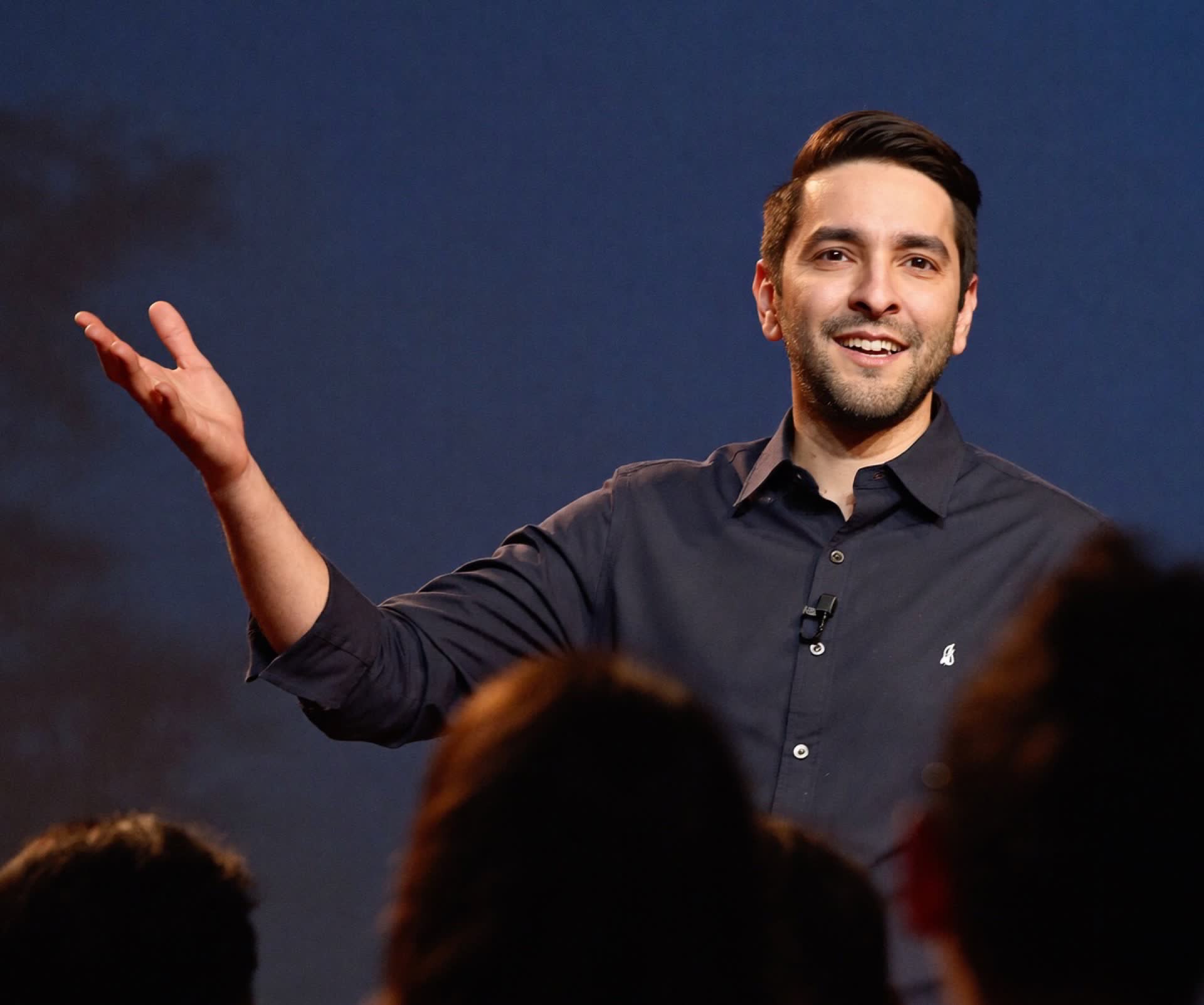
Daniyal Siddiqui, founder and CEO of DS Group, walks through the real economics of solar in Pakistan — why industrial ROIs sit at two and a half years, what the shift from net metering to net billing actually changed, and why 2027 will be the year batteries break open the residential market.
with Daniyal Siddiqui
12 min read
Solar has stopped being a novelty
The episode opens with Muzamil setting up the moment. For three or four years he has been having a version of the solar conversation, but it has always carried what he calls “a novelty factor.” That has now changed. NEPRA has shifted from net metering to net billing, the Iran war has scrambled regional energy economics, and the public interest in solar has finally caught up to the engineering.
To make sense of it, he brings on Daniyal Siddiqui, founder and CEO of DS Group of Companies — one of the country’s largest industrial solar providers, with more than 780 megawatts deployed across industries and over 1,400 residential systems in the field. Daniyal has been in the industry for fifteen years and has watched Pakistani solar move from a fringe pitch to a procurement default.
His framing of the current moment is the cleanest line in the conversation. “Right now if you are an industrial owner, so literally you cannot survive if you don’t have a solar power plant running. You cannot be competitive specially in terms of grid pricing.” Five years ago, solar was competing against gas. Then it was competing against grid electricity. Today, against Pakistan’s current power tariffs, it has no real competitor at all. And uniquely, it is the only line item in the cost stack whose price has gone down while the rupee has fallen and inflation has run.
The 18-gigawatt number, and what is actually deployed
Muzamil raises the figure that has been doing the rounds in international coverage: that Pakistan deployed something in the order of 18 gigawatts of solar last year, and that this is partly what allowed the grid to absorb the shock of the war period. He asks Daniyal whether that number is real.
Daniyal’s answer is more careful than the headlines. The only verifiable number sits with customs authorities, because solar panels were duty-free until July 2025 and large volumes moved through the ports. NEPRA only sees what is registered for net metering or net billing applications. Industrial deployments for self-consumption — which is most of what DSG installs — never touch NEPRA’s books at all.
His read: the headline 18-gigawatt figure is probably inflated, partly because some volume is suspected to have moved on into Afghanistan and elsewhere. But the underlying claim that Pakistan has been through a solar revolution is correct, particularly in industry and residential. He offers an almost surreal illustration. On the recent Eid, the country had a power surplus because industrial load dropped — and the distribution companies, MEPCO and LESCO included, had to call solar customers and ask them to shut their plants down. “Can you just imagine this is happening in Pakistan that there was a surplus power because solar energy was excessive.”
The distribution network, he notes, was simply not built for a bottom-up generation system.
From 35 cents to 12 cents a watt
The conversation then moves into the numbers Muzamil has been trying to get a clean read on. Daniyal walks through the decade.
Pakistani solar started in 2012 and 2013 with 250-watt panels. DSG is currently deploying 750-watt panels across more than 50 megawatts of industrial sites. Panel pricing, always quoted per watt, has collapsed from 35 cents five years ago to 12 cents today, and briefly touched 8 cents. The drivers are a small set of vertically integrated Chinese cell manufacturers, a wave of assemblers competing aggressively, and Pakistan’s status as a high-volume, price-sensitive market.
The levelised cost of a one-megawatt industrial plant — panels, inverters, cables, structures, the lot — has fallen from 150 to 160 million rupees a few years ago to about 75 million today, and bottomed at 55 to 60 million four months earlier. Residential systems sit at around 100 rupees per watt, or roughly a million rupees for a 10-kilowatt installation without batteries.
The ROI math is what makes the case. Depreciated over ten years and including financing costs at current KIBOR, an industrial solar unit lands at around six and a half to seven rupees. Set that against a grid unit which sits near 36 rupees without taxation and considerably more once unrecoverable sales tax is included. The savings work out to a payback period of roughly two and a half years for industry — what Muzamil correctly characterises as a 50% ROI per annum.
Daniyal is direct about it. “There is no better investment than going for a solar power plant.”
The net metering correction nobody wanted to make
Residential economics are different, and the episode spends real time here because this is where the policy shift bites.
Daniyal sketches the history. The original 2016 net metering scheme was, in his words, an invitation — a one-to-one cancellation between what you exported to the grid and what you imported from it. He puts on his “financial hat” and is plain that internationally the model never works that way. In Scotland and the UK, where he has worked, the government buys electricity back at roughly a fourth or a fifth of what it sells it for, because the cost of generation, transmission and distribution sits on the grid side.
Net metering was a starter incentive that was never meant to last in its original form. But, he says, “there was no government which was bold enough or strong enough to take this call.” The correction was repeatedly delayed because cutting the buy-back rate is the textbook unpopular decision.
When NEPRA finally moved to net billing, it set the buy-back at the national average energy rate — roughly 11 to 12 rupees per unit, varying quarterly. Existing seven-year contracts were grandfathered. New installs are on the new terms.
Even at that lower rate, the residential math still works. DSG’s data, pulled from smart boxes paired with Huawei inverters across more than 1,400 systems, shows that on a typical day a household self-consumes around 60% of what it produces and exports 40 to 50% — because the panels are peaking between 10 a.m. and 2 p.m. when most of the family is out of the house. Cancel the self-consumed portion against the full residential tariff, and sell the rest back at 11 and a half rupees, and a battery-less residential system still pays back in about four and a half years. “If anybody was got a house, it becomes no brainer that you should still put on a solar system.”
Why this is a dollarised hedge
Muzamil restates the underlying point in a way that lands. The standard payback model assumes a flat rupee value of electricity and a flat capex number. But both sides are inflating. Pakistani electricity tariffs are effectively dollarised, and the capex itself cannot be procured outside dollar markets. So a one-off solar investment buys what is, in his framing, “a dollarised commodity” that pays out in long-term inflation protection. The real payback is materially faster than the headline number.
Daniyal agrees without qualification.
The battery question, and the 2027 inflection
The bottleneck, both of them concede, is storage. Solar produces for roughly four hours of useful peak, and Pakistan’s distribution network cannot consume the surplus or push it where it needs to go. The grid problem and the off-grid dream both route through batteries.
Daniyal walks through battery economics with the same rigour. Lithium cells are produced by a small handful of Chinese giants — CATL, Narada, EVE. Most of what reaches Pakistan is assembled, not cell-manufactured locally. International CFR pricing for lithium currently sits around $120 per kilowatt-hour. Add Pakistani duty, sales tax, and the quietly raised valuation ruling NEPRA pushed through alongside the net billing announcement, and the landed cost rises further.
His ROI math for batteries: depreciated over ten years, a battery costs around 14 to 15 rupees per unit to utilise as a tool. Add financing, and that becomes 17 to 18 rupees. Couple it with solar at six rupees, and the blended solar-plus-battery unit cost lands at roughly 23 to 24 rupees. Set that against an evening grid unit at 44 to 45 rupees — the delta is 18 rupees, and the combined system pays back in about six to seven years.
That is still good, but it is not the no-brainer industrial solar already is. And critically, it does not yet beat the 11-rupee buy-back rate. Until per-unit battery cost falls below the grid’s buy-back price, the rational system is solar plus net metering plus a modest battery bank for peak hours — not full off-grid.
This is where Daniyal makes his forward call, on the record. “I am calling the 2027 I believe. 2027 would be the revolution year for batteries, for battery packs in Pakistan.” Second-tier Chinese suppliers are already selling 20% below the top names. Sodium-ion is moving from announcement to commercialisation. When pack prices clear the 11-rupee threshold, he says, there is no stopping retail off-grid adoption — and households will have battery containers parked outside the way they have generators today.
The policy critique: announcements without implementation
Muzamil presses on what the government should actually be doing. Daniyal divides the answer into popular policies and unpopular ones, and is willing to defend the unpopular ones on their merits.
The net billing rate cut, he says, was the economically correct move — it brought Pakistan closer to the international model. But six months after the policy was announced, no new net billing meter has actually been installed. DSG has 440 applications sitting with discos for the last five months. “Even 11 rupees ki bijli bhi woh system mein in nahi kar paye.” Either the policy is being implemented or it is not, and what looks like a deliberate signal is mostly an absence of execution capacity.
His clearest recommendation is to privatise the distribution companies. He points to K-Electric, the only semi-private disco in the country, as the cleanest net metering experience DSG has — because it is digitised. The rest of the network is still running on linemen, SDOs and XENs walking meter to meter. Until that infrastructure modernises, more sophisticated market designs cannot land.
On financing, he is equally specific. With the IMF in the room, a subsidised refinancing scheme of the kind State Bank ran in 2017 — when industrial owners could get solar capex at an effective 3% — is off the table. But banks could absolutely treat solar and batteries as a financeable consumer product, leased the way cars are leased. “Lease pe le sake,” he says. “Iss se jo revolution hai woh aur badhega.”
The free-market debate Muzamil pushes
Muzamil presses for a sharper answer on whether Pakistan should move toward a genuinely free electricity market — hour-by-hour pricing, market-driven supply and demand, with the government providing only the base distribution layer. He compares it to how the US grid sets prices in real time and lets households and businesses optimise around them.
Daniyal does not disagree with the destination but pushes back on the timeline. The infrastructure to support real-time pricing does not exist yet. Pakistani meter readers still walk house to house with a mobile phone, photographing meters. Less than 5% of meters are AMI — the smart, GSM-connected meters that would allow real-time data. Without that data layer, the dynamic market Muzamil is describing has nowhere to land. The right sequencing, Daniyal argues, is private-sector investment into smart meters under public-private partnership models, then privatised discos, then the market mechanics on top.
CTBCM — the combined trade bilateral market mechanism, also called wheeling — is the legal scaffolding for this. It allows two private parties to trade electricity through the grid, with the disco repositioned as “supplier of last resort.” It is real, it is partially live, and Daniyal expects it to matter increasingly between 2028 and 2030.
Micro-grids and the SME opening
The final section is the one that should land hardest with the average reader, because it is the one that opens the energy transition up beyond institutional players.
Muzamil cites a Bangladeshi startup that has been quietly taking neighbourhoods off-grid by combining centralised solar deployment, central battery storage, and a neighbourhood-scale micro-grid. He puts a thesis on the table: for the first time in Pakistan’s history, energy is a sector the ordinary retail investor can enter. Where institutional rent-seeking elites used to be the only people who could play, an SME operator can now build a neighbourhood battery business instead of opening a poultry farm.
Daniyal confirms the legal point most listeners will not know. The 18th Amendment moved energy to the provinces, and NEPRA’s existing disco definitions already allow private developers to register as discos. DHA, EME and a private developer in Lahore have all registered. There is no statutory blocker to a colony-scale micro-disco. What is missing is the first proven case study.
“It’s a fabulous idea that privatisation ko karein,” he says, and adds that Chinese financing is already standing by for exactly these deployments. “I assure you that there would be time pretty soon when micro grids would in reality kick in because of the BES or the battery prices coming down.”
By the end of the conversation, Muzamil and Daniyal have made the same case from two angles. Solar is the rational individual decision today. Batteries make it the rational collective decision by 2027. The grid, in either case, becomes a backbone rather than a gatekeeper — and whoever builds the first working micro-grid in a Pakistani neighbourhood is going to set the template the rest of the country copies.
Full transcript
Solar and then investing into sort of these new energy vehicles जो कि आप bikes और गाड़ियों की आ रही है. Of course, that's my opinion. I am not an expert and that's why I thought it would be great to actually talk to an expert and get a sense of the economics of these new energy opportunities, particularly solar. आज हमारे साथ मौजूद धनियाद सेदेखी who is the founder and CEO of DS group of companies. They are the largest solar providers for the industrial sector. They've deployed more than 780 megawatts of solar over the last few years and then have deployed in over 1,400 homes across Pakistan as well.
धनियाल भाई, you so much for taking the time out and joining us. Thank you very much, रुज़मिल and I have been following your podcast as well great stuff that you are doing.
Thank you, thank you sir. मैं थोड़ा सा if I just wanna set up the base आजकल आपको पता है बहुत कुछ बदल रहा है. You know solar is hot finally I have been having this conversation with last three four years and I think वह बड़ी एक novelty factor था but it's finally now in the mainstream in terms of conversation, in terms of the interest from the public as well. But there is a lot happening. नेप्रा का जो है वह realignment हो गई थोड़ी सी net metering से net billing पर चला गया. उसके ऊपर बड़ी controversy हुई. समझ नहीं आया कि सही है, ग़लत है, बहुत सारे opinions थे. फिर जाहिर Iran war की वजह से the energy economics has just gone completely, you know, crazy and therefore a lot of people are now beginning to take interest again in solar for multitude of different reasons. आपसे मैं पूछना चाहूंगा आप industry में बैठे में what is the state of of the solar industry right now in Pakistan?
I think it's at a very interesting stage. You know, solar because I have been in this field for over fifteen years in Pakistan right now. I have seen the start, the mid crisis, then the take off 2019, 20 COVID times and now here it is जहा यह compulsion वन गई है. यानी कि right now if you are an industrial owner, so literally you cannot survive if you don't have a solar power plant running. You cannot be competitive specially in terms of grid pricing जो इस time आपको मिल रही है. So, so you can't survive with that. So, we were competing against gas some four years ago, five years ago. Gas is out. We were then competing against electricity prices for solar की हम बात कर रहे थे लेकिन now when you are looking at the overall industrial sector or overall Pakistan sector जहां energy की prices stand की हुई है I think solar makes the best ROI specially right now and if you actually look at for the last five years despite the fact the dollar reaching where it is right now and despite the fact inflation has gone up the only thing which has the price इसकी decrease हुई है solar energy. That's why which is slightly a good news and overall a bad news that we keep on hearing but I still believe in current state of scenarios or the scenarios where we are going through even the war and the post war scenarios is the most ideal. Then came the war where the, you know, load shedding had to take place, government had to cut out electricity in P cards to compensate what is happening for the electric prices and all. So then the battery came into the picture. So solar and battery are is a combination that people are going to.
Makes sense. I'm gonna throw in a few narratives जो कि online मैंने भी पढ़े and I'd love for you to sort of chime in on that. सबसे पहले तो यह हमने सुना पिछले दिनों बड़ी reports आई particularly war के ऊपर कि यार Pakistan somehow was able to sustain a little bit at least in the short term because of the solarization. बड़े बड़े international outlets ने इसको cover किया and the number that they gave was कि 18 megawatt, some say even 19 mega gigawatts of solar was deployed last year.
How real is that number in your opinion considering Pakistan में जो demand exist करती है? And this is a question which has been asked to me a lot that what is the actual numbers? Government has an actual number because जो आपकी imports हो रही हैं on the port or the customs which is taking place and then there is a number which has been deployed. A very less number gets because for example if you relate it to us, we do industrial power plants. So, we do complete industrialization. So, जब हम industrialization की बात कर रहे हैं, so, there is, it is not needed to be because it's for self consumption. It is not needed to be recorded in terms of NAPRA requirements. But napra sir उस चीज़ को record कर पाता है for the net metering applications or the net billing applications which which comes to them. So, only number to verify in Pakistan is through the customs authority. Pakistan has gone through a solar revolution primarily because you can say one side of it was कि solar energy was duty free or is duty free till now in Pakistan and only it didn't have a sales tax. So, it also went through a lot of solar panels, import went through a lot of, you know, NAP cases and everything taking place because of valuation ruling. But last year when fiscal year started 07/01/2025, government put 10 or 10% sales tax to just make sure that more revenue comes into the number. But 18 gigawatts or if you talk about it, I still believe it's the actual number that stands out is a lot less until we we we at the solar sector do have a believe that a lot of solar panels then go into, you know, Afghanistan or other areas as well. लेकिन अगर आप सिर्फ industrialization की बात करें, so the number is huge. So, industrial owner which is going through, it does have the solar. So, interestingly Pakistan में जो सिर्फ छोटी जब ईद आई, so, so the government had a surplus power of electricity because there was no load. So, interestingly, all customers who are selling back electricity to the grid, MEPCO, Lessco, all others, they had to go to the customers and ask them to shut down their solar power plants. Can you just imagine this is happening in Pakistan कि there was a surplus power because solar energy was excessive. Primarily not overall at the country stage level but again due to the distribution level which is in Pakistan a lot of problems क्योंकि जो आपका distribution network है वह इस तरह से बना हुआ नहीं है कि आप इस solar revolution को पूरी तरह से utilize कर सकें और the government was not ready for it for that this revolution might come in. So to answer your question, yes, Pakistan has seen a solar revolution primarily because of the chinese impact. You know, Chinese throwing in a lot of solar panels at a good price, production taking better and the sales tax didn't reach where it was supposed to reach initially 18%. Right now, there is a lot of talk going on that in the coming budget government may think of further increasing the sales tax from 10% to 18% which is another school of thought which is taking place. So yes, Pakistan has seen a solar revolution particularly in industries and residentials.
जब से दुनिया में AI आए हर इंसान जो है वह एक website बनाकर e mailएं भेजकर एक business start कर रहा है और उसको लगता है कि वह सब कुछ कर सकता है. Unfortunately उसका नुकसान यह है कि जो customers हैं with their business, allowing them to use their full potential and gather maximum opportunities. अब ज़्यादातर लोगों को मैं Pakistan में या बाहर भी देखता हूं तो वह randomly marketing करते रहते और उन्होंने आज तक कभी underlying brand strategy के बारे में सोचा ही नहीं है. जिसकी वजह से वह thousands of dollars अपनी marketing मज़ाया करते हैं और hundreds of thousands of dollars का business choose करते हैं और यही वजह है कि पिछले पांच साल से मैंने पांच सौ से ज़्यादा different thought leaders, professionals, startup founders और business leaders को उनकी personal branding में help किया जिससे they were able to generate over $50,000,000 in value. अब अगर आप एक mid to senior career professional हैं या आप कोई business start कर रहे हैं या कोई startup founder हैं या generally आप एक thought leader हैं, I would definitely urge you to check out my personal branding consultancy. Link मैं नीचे डाल रहा हूं. Initially, मैंने 75% discounted rate के ऊपर introductory offer रखी हुई है for the first few customers. तो अगर आप sign up करते हैं तो you will be able to get on a call with me. हम detail में आपके business को, आपके professional career को और overall आपके जो goals and aspirations उनको समझेंगे. Multiple calls में मैं आपके साथ बैठूंगा और आपके पूरे systems design करके आपको दूंगा ताकि आप एक sustainable तरीके से अपने personal brand को grow कर सकें और long term के ऊपर उससे maximum value generate कर सकें. तो if you wanna check it out, link मैं नीचे डाल रहा हूं और अगर आपके इसके बारे में कोई reservations हैं या सवाल आते तो मेरी LinkedIn की profile नीचे description में है. You can message me anytime and I'll be happy to help you and guide you. But ख़ैर यह हो गया छोटा सा एक ad. आइए वापस चलते हैं video की तरफ़. Ok, अगर अब इसके ऊपर जाहिर है कि जो next question सबसे pertinent आता है वह यही आता है क्योंकि आपने taxation की भी बात की 10%, 18%. A lot of people are saying कि भाई government disincentivize कर रही है ज़हरे. नेप्रा का भी recently जो restructuring आई sort of billing के ऊपर. I wanna before I get deeper into those individual changes, I wanna get a sense of the economics as it stands right now. Because I, as as per my understanding, the panels have gone through a revolution over the last decade as well in terms of the average cost per watt in dollars. Right? So there is a lot of, let's say, innovation efficiency increase and then simultaneously ज़ाहिर है कि हमारी क्योंकि electricity इतनी costly हो गई कि there is a direct business case for us as well. So, run me through the evolution over the last ten years and right now what where does the economics stand for the average consumer industry or otherwise जो कि direct grid से ख़रीद रहा है और वह अगर solar पर shift होता है तो in terms of the ROIs and everything.
Right. So that's very interesting. First all, let's talk about the what the product has, how the solutions have revolutionized over the years. So, solar panel, solar production interestingly in in Pakistan more of a twenty twelve or twenty thirty. Started off a 250 watt panels and where we are right now at 750 watt. For example, we are deploying over 50 megawatts of different industries at a 750 watt solar panel. You can understand the the technology has evolved as well. A lot of, big chinese players have come into this at a big scale, at a massive scale and Pakistan is a big market for them. That's why they look at the पाकिसानी market in a very, in a very aggressive manner as well, so, right now. So secondly, in terms of solar pricing if you look at, so it is always being treated in per watt basis. अगर आप सिर्फ solar panels की बात करें. So, we have been buying solar panels at 35¢ a watt. So right now it stands at 12¢ a watt and it came as low as 8¢ a watt as well. Now 30¢ is like five years ago. You have always have almost can see you know, in in massive decrease in terms of pricing. उसकी primarily reason international lot of players then oversupply in Chinese market. That was an issue. So, a lot of competition was taking place so at solar industrial sector. So, solar was a field in China that lot of chinese players were going in because जो solar manufacturers थे, they were very less are the vertical producers. So, there are cell manufacturers and rest of them are assemblers and and so which I will also relate to your question and you discuss manufacturing in Pakistan. तो वह cells किसी और से लेते हैं या फिर वह they only do the assembling part into it. So that's why the solar panels come in. Then other things that we call levelized cost of setting up a power plant which means includes inverters, cables, structure, the steel, the aluminum and overall if you look at the overall scenario. So the investment into setting up a solar power plant, I have I have seen as high as a 150,000,000, a 160,000,000 a megawatt, Sitting right now at 75,000,000 almost for setting up a NS dollars. Is, is rupees, PKR rupees. It's 75,000,000 पाकिसानी rupee for setting up a one megawatt plant in Pakistan. I will relate into rupees so that people can relate to it, understand it and then it also saw as low as 55 and sixties back in like four months ago. So because there was a massive decrease in price. So this is how it stands. Now, what does it mean if you're looking at a solar power plant in this range? When I talk about industry around 70,000,000, a megawatt and when I talk about residential, so generally, is around 100. So, there is because economies of scale and smaller things without battery solutions came into around 100, you know, rupees per watt or in other words, around 1,000,000 in terms of a 10 kilowatt investment, which is generally a residential system investment relating it to it. So, does a ROI works for it? So, if you, if there used to be the massive boom in Pakistan for an industrial owner came in when State Bank intervened into this whole scenario and they brought in a renewable energy scheme or refinancing scheme back in 2017. We did a lot of projects. We were the largest beneficial in terms of deployment in Pakistan at DSC energy and we did massive solarization. I think solarization saw the highest scale of investment at that time. So, this scheme was working at a state bank putting in a money with 2% and the bank allowed a 4% further on to it. 6% flat, no kibur. So, it was people, industry wide. And this was, I mean this was live during the sixteen, fifteen, 16% interest rate environment as well? Yes, it was. It was misused. I, I will be honest. It was, that always happens. People find out their own scenarios because for, for getting this refinancing scheme, State Bank very later on intervene for some standardization of organizations. कौन कौन सी companies in India deploy कर सकती हैं? But yes, as in Pakistan people find it. So it is in an environment where were fifteen, sixteen percent. So anybody who was looking at a two plus 4% and big industrial tycoons or groups that we did during the tenure was able to, you know, get the negotiated 4% back to half percent or 1%. Getting a solar plant setup at a three percent, it was a massive luxury at that time. So, visionary CEOs did it. I am talking about COVID days 2021, 2022, 2023 we are talking about. Lot of industrialization took place during that particular time in which really changed the overall structure how solarization was done. So then at that time the solar also saw interestingly one of its most decreased prices with that and currently where it stands, it, so how does the solar work is? If you look at a solar power plant, so it gives you twenty five years of guaranteed life which is a mean investment solar panels but generally हम उसको ten years के ऊपर depreciate करते हैं and industrial orders do that. So if you do a 10% depreciation while solar allows you interestingly the first year 90% allowance as well in terms of you can depreciate a solar plant in 90%. पागिस्तानी laws also allowed that within the first year. So anyways अगर मैं इसको ten years पर भी करूं तो one of the solar unit which comes in is produced around 6 and a half rupees including the financing cost, current cariboured financing cost. So अगर साढ़े छः रुपए का आपको एक unit पड़ रहा है या maximum सात रुपए का पड़ रहा है depending upon the financing all you are taking. So, you are actually, you know, netting it off or you are looking at that particular unit against a grid unit which without taxation stands at around 36 rupees and then with taxation because lot of industrial owners in Pakistan do not get tax claimed because their business address and registrations are not done. तो फिर अगर आप उसका compare भी कर लें, so there is a 30 rupees if I am looking at for a day operating units you are looking at. So, the 30 rupees savings give you an ROI or the plant payback period to be around two and a half years or two years realistically if I am talking about. So, there is no better investment than going for a solar power plant. That is why That is like a 50% ROI per annum. Exactly. Our people who did it at those days where state bank refinancing scheme was there and other things were there. There is no better investment as you you said it in the start of the scenarios. For a residential based systems, it's slightly different because residential works in a very different, manner, especially now. So, what has happened into... So so, industrial part was this. We can talk about batteries a little later as well, but let's talk about residential systems. How does a residential system works? So, till if I am not talking about the ward days, ward days से पहले या फिर मैं जनवरी से पहले चला जाऊंगा, the government had a net metering policy. Now, let's let's talk a little bit about net metering because that's a very interesting topic. Lot of people talk upon. Back in 2016 when government started this net metering, so everybody was like कि पता क्या scheme है? चलेगी भी कि नहीं चलेगी. So, you know, I remember we put on the first net meter in मुलताम and people used to come and see कि यह है क्या? यह कैसे लगता है? क्या होता है? I mean नेप्रा की policies में से गुज़रना पड़ा. Lot of things had to go through and then less को के net meter लगे and things went in but then the people were not. So it was only an incentive for the people to be invited to come and install करें solar panels और फिर वो electricity को net off कर दें. So I just want to give a little perspective not being a renewable energy business. अगर मैं एक अपना financial hat put on करूँ. So, how does it work? For example, I work in Scotland and UK. So, there if the government is buying electricity from you that's generally one fourth or one fifth of the price they are selling it to you because they have their own logical, economic, financial reasons कि जी government ने dam लगाए, plants लगाए, Pakistan के तो नाज़र में बात करूँ तो government ने dams बनाए, anti DC को बनाया जिसने government की transmission lines बिछाई. फिर transmission line से lesko को बिजली मिली. Lesko ने distribution के अपने रखे हैं. Distribution से आपके घर बिजली पहुंचाई. So there is a lot of five, six, seven stakeholders involved. They till they get the electricity to you. So issues सिर्फ यह बना के दो हज़ार सोलह और सत्रह में जब यह start किया था तो लोगों को incentive देना था. 1%, 2%, then gradually the number went on. Twenty twenty twenty one में the number went a little more bigger. Then clusters में bigger हो गया. तो अभी भी जो आप बहुत ज़्यादा सुनते हैं जी, बहुत ज़्यादा solarization हो गई है is because of the clusters. If you still look at it for example we do a lot of solar power plants in South Punjab. So in साईवाल, in मुल्तान, in भावलपुर, in DG खान. अभी भी वह cluster पूरी तरह से भरे नहीं है but industries around लाहौर वह a little more afford कर सकते हैं या चीज़ों को देख सकते हैं. I think they are in a much better scenario as compared to the other scheme of the things. So, net metering then became government के लिए एक बड़ा problem होगी क्योंकि then they wanted to go back to the international model which is कि the buying rate is always less than the selling rate but then I will, I will talk straight that there was no government which was bold enough or strong enough to take this, this call because यह एक मुश्किल decision था कि आप एकदम से rate कम करेंगे which will be honest not putting my renewable energy hat on but financial hat on is the right model. They need to decrease the price of buying electricity from a, from a grid but then when they did that for net metering तो आपने फिर बहुत ज़्यादा एहतिजाज भी सुना होगा and people talking about it. So that's how the net metering has gone through and that's how the residential customers are being affected right now.
Right, but again so just to quickly allude to कि जो residential car हुआ है यह आपने industry का बता दिया two two and a years roughly. इस वक़्त post net billing residential customers जो हैं वह ROI क्या expect कर सकते हैं? Average ROI हो, obviously इसमें बहुत सारे factors होंगे जो उसको up and down कर सकते हैं but इन average ROI क्या expect कर सकते हैं? मज़हब, interestingly
from your platform I would also tell you that what has happened in last six months in Pakistan. So when this net metering policy was changed to a net billing policy, so, one of the things that they did was जिसकी कोई logical reason हम भी understand करने की कोशिश करते हैं कि शायद vote bank या whatever government did was कि उन्होंने दो समय divide कर दिया. अनन्यागा जी जिन लोगों के contract सुएं में या energy contracts हैं या चीज़ें मौजूद हैं although नेप्रा के laws allow करते हैं कोई public hearing करें, committee की सबकी सुनें और उसके बाद जो decision देना चाहें वह दे सकते हैं. Like what they did was कि जिन लोगों ने solar plants लगाए हुए थे, उन्होंने कहा कि जब तक आपका contract चल रहा है जो लोगों का सात साल का contract था तो आपके लिए तो पुरानी policy है. लेकिन जो बाकी नए लोग हैं जो आज meter लगाएंगे, so उनके लिए जो है यह net billing होगी which means कि their electricity rates were, would be electricity rate would be by, bought at the national average energy rate which varies around 11 to 12 rupees के दिन में and वो vary करता है depending upon every quarter. So, what happens is when I talk about a typical residential solar power plants so अगर कोई घर पर battery less solution लगाता है, lets not talk about batteries right now because batteries का ROI बिल्कुल change हो जाता है लेकिन अगर मैं बगैर battery लगाता हूँ तो government को मैं battery बना देता हूँ. I means if I have excess electricity so we look at. So we have more than fourteen, fifteen hundred residential systems now right now running. We have a lot of data available. We study that data. We represent Huawei. So Huawei का साथ मिलकर हमने लोगों के consumption patterns भी लगाए हुए हैं. So let me tell you very interesting. So what we did was कि we did not only have inverter जिसके अंदर उसका data आ रहा था कि वह कितनी बिजली बना रहे हैं. हमने उस inverter के साथ एक smart box लगाया which was outside the house of a particular customer and so that we can read his data patterns every five minutes. तो we have this data. So now we are able to access his load patterns as well कि generally लोगों का load pattern क्या है और उसमें solar कहाँ kick in करता है. So solar starts producing at around 6AM in the morning in a typical summer day and closes down at 6PM and gives you peak hours or if you can say the 70% of the electricity in between 10AM and 2PM. Now that's the advantage and the most disadvantage part. That's where the government is also in trouble because then they have to plan for other twenty hours. The four hours जो होते यह peak hours होते हैं. So that's why हमने यह pattern देखा कि residential के अंदर जो लोग हैं जो कि एक typically a house solar system afford कर सकते हैं. Generally the upper class और the upper middle class जो जो आपकी lower middle class है या बिल्कुल जो poverty से नीचे वाला तबका है, उसके लिए तो solar panels generally एक पंखेया light वाला solution होता है जो I think in a lot of happening. I must appreciate Punjab government is doing with a lot of providing solar panels, one fan, one light वाले solar panels to consumers but I am talking about these people who could actually afford this solar power plant. हमने इनका यह trend देखा है कि generally the the we we see a typical pattern in which the house owner is not in the home. So people who are kids तो they are not in the home. हमने generally यह pattern देखा है कि when you put in a solar power plant, so 60% is what you are consuming and still there is a 40 to 50% that you always have an excess in the day because day के अंदर आपकी consumption pattern नहीं है. That's where I see a lot of smart EV people coming in. They are, they are saying कि अपनी गाड़ियों को दिल में charge करने है. I think which is absolutely right approach if if you want to do it. पर लोगों को awareness देने की ज़रूरत है कि we have a lot of customers in our Lahore who have changed EV charging patterns. लेकिन problem again यही है कि solar घर पर लगा हुआ है और गाड़ी ने दिन में चले जाने हैं तो then when, when do it get charged? So, when the, the electricity goes to the grid, let's talk about the 40% of the electricity or the 50% of the electricity is going back to the grid. तो पहले तो आपको इसका unit to unit cancellation मिल जाती थी. So now, it won't be a unit to unit cancellation rather than कि वो rupees के अंदर, साढ़े ग्यारह रुपए के अंदर आपका एक unit लग कर आ जाएगा. So, which of course changes the dynamics altogether but if I am talking about right now how does a residential battery less solution works? I still believe that even if you look at the 11 or 11 and a half rupees or 12 rupee buying back for the 40% of electricity produced, 60 percent को तो मैं अभी भी यही कहूंगा कि आप उसी residential rate पर cancel कर रहे हैं क्योंकि आपने consume कर लिया उस electricity को. So, ROI still stands at almost four and a half years or four years or so for residential customers because वो sales tax का benefit नहीं ले सकते, income tax का benefit नहीं ले सकते. So, that stands at four and a half years but I think if anybody was got a house that's why or, or their own house, it becomes no brainer that you should still put on a solar system. Whatever numbers I have given you right now is in terms of battery less solutions.
Makes sense. So, just to put it simply, we are looking at around twenty percent twenty five twenty to 25% ROI. But then we're we're not adding. This is a flat आपने generic number बताया based on the PKR invested and the current rate of electricity that exists. We haven't taken mind that inflation will come into also. Exactly. So there is like a inflation that's there, there's a dollarization that's there. The both inflation in terms of the CapEx as well as the cost of energy जो दोनों की दोनों चीज़ें dollarized हैं. So, know, जो वह modeling बनती है तो in my opinion वह modeling शायद एक डेढ़ साल मज़ी पीछे आ जाए just because of the fact that you know you've you've आप ऐसे dollar market से ख़रीद नहीं सकते. तो the one way to go about it is कि आप एक ऐसी dollarized commodity ख़रीद लें जो कि आपको long term में inflation है जैसे दे. ठीक है, that makes sense. You mentioned multiple times batteries and I I wanna get to that now. I think that's the most important question mark at this point in time and that's not just a question mark in in in Pakistan. I think globally I've been studying The US. US में आजकल बहुत ज़्यादा Elon Musk being the biggest supporter of it. वह बार बार यह बात हो रही है कि जी US बहुत पीछे रह गया है और you know इन्होंने with with let's say AI data centers and energy requirements बहुत ज़्यादा हो गई हैं and they are beginning to say कि भाई oil is not going to be able to cover it. They need to go towards solar as well. उसके अंदर जो सबसे बड़ा जाहिर है question mark है वह यही है कि भाई this is such an unstable energy supply because बादल आ गए, load different आया. सुबह शाम में load different आया. सारा आपने deploy कर दिया. सुबह के वक़्त और रात को क्या होगा? And पाक्षा में यही conversation है कि यार नेप्रा का सबसे बड़ा problem यह है कि वह चार घंटे का एक load है जिसमें effectively कोई buyer है ही नहीं. तो आप भी बेच रहे हैं लेकिन उसको कोई ख़रीदार है नहीं तो फिर तो वह आए ही हो रही है और government को सारे पैसे देने पड़ने. The only real way अगर long term के ऊपर globally as an industry अगर solar ने prevail करना है that has to be driven by batteries, right? Now historically my understanding is कि lithium ion was very expensive and I wanna add this this aspect. I saw a couple of weeks ago जो जो world's largest battery manufacturer है I believe BYD is number two, number one is
ETLT or something. Cattle या EV cattle. Cattle is number one.
And so they announced कि जी वह sodium ion को commercialize करने लगे हैं और अगले तीन साल के उन्होंने बड़ी एक aggressive किस्म की targeting बताई कि जी वह sodium ion की तरफ़ जाएंगे and once that happens तो एक तरह जो numbers बताए वह absolutely insane हैं कि 10,000 cycles which is 10,000, 15,000 cycles which is like almost 40 तक वह battery चलती है. अगर आप daily का एक charge and discharge करें. The temperature range is absolutely phenomenal. The cost of production they're saying at the peak once it's commercialized is going to be up to one tenth of lithium ion. We we understand lithium is a very rare mineral. Sodium is available everywhere. I mean, can literally take it from the sea. You can take it from so many other sources. And so I wanna get a sense of आपने बोला कि battery की economics आज किधर खड़ी हुई है. And then I do want to put want you to put in your sort of brainstorming hat. Considering you're in the industry, you're talking to a lot of these partners including Huawei and all of those. Realistically, the sort of scientific excitement, where do you see the battery innovation going? Do you think it's gonna follow the same path as the deflation that has happened in solar panel as innovation has kicked in? Or do you think कि you know शायद वह कहीं ना कहीं bottleneck रहेगा?
Very interesting. I think the talk of the town nowadays is batteries. Whether that's for residential system or an industrial owner or however you're looking at it's a battery solutions for right now. I think battery is just a start right in Pakistan and I see अगर आज 2026 can note it down that there will be a time in twenty twenty eight, twenty nine that you would have a container parked in outside your house of lithium or sodium and you are powering yourself so consider it no dream. It's a real thing right now. That's massive as it is. Primarily मैं उसको अब यह कहूंगा because of the chinese influence in Pakistan. So let me tell you how does the economies or the factory line or of this business works for batteries. So there are lithium ion manufacturers. Lets talk about lithium for right now. वो दुनिया में primarily कुछ चार या पांच companies हैं. CATL produces lithium, नाराडा produces it, EV produces it and they produces only cells. They do not, they are not expert for producing complete banks, तो they produce cells. So, यह cell manufacturers हैं and then this, they sell the cells. I mean, यह बेचते हैं अपने इन cells को to the system integrators. So generally those manufacturers are world leading में अगर हम बात करें तो Huawei, Sungro for our field energy, you know sector field if we are talking about a lot of new players and then they also sell it for the to the to the battery market. BYD also produces so, वो खुद भी consume करते हैं और market में भी बेचते हैं. So, that's why, that's where the real thing comes in. When they do that, then they make it a complete package. इनकी assembly lines लगी नहीं है. If you go to Wuxi, Wuhan, China में अगर आप जाएं तो आपको नज़र आएगा कि once a factory which used to produce something else is now producing battery manufacturing. So that's why it is very important to be quality conscious when you are buying electricity because it's pretty pretty much easy in China. आप अगर interestingly chinese को करें because I, my, my whole work is with China and understanding chinese and how the chinese industries work. So, जैसे Pakistan में interestingly I went to a cable manufacturer factory in China. So it was one of the largest exporters of cable to, to the foreign market and when I went there and I have been to new age fast cables and Pakistan cable factories. I thought पाक्सानी factories were bigger. मैं परेशान हुआ थोड़ा समय. मैंने कहा कि how, how come this has happened? And I realized he was producing cable where he was doing only one process. So there were जो चार processes हो रहे वो सारे कहीं ना कहीं से outsource होकर उसके पास आ रहे हैं. So then he is able to produce it and then the economies of scale and the numbers kick in. Pakistan में क्या है कि एक industrial और उनको सारे processes या तो करने की आदत है या trust नहीं है या या overall factor इस तरह का है कि then he has to produce all everything ourselves. So what happens in batteries is now same thing is happening that they are assembling but in batteries a lot of after sales safety mechanism lithium is almost a TNT in terms of if you are looking at for safety procedures it has to go through. So, वो दुनिया में फिर manufacturer हो रहा है and then वो Pakistan के अंदर आता है. So, unlike solar panels, this does have a duty in Pakistan और lately बड़ी खामोशी से government ने इसकी valuation ruling भी बढ़ा दी, इसकी duty भी बढ़ा दी when they went on announcing the net billing. So it is was a silent you know silent way of getting more money. So if if you look at I believe के after the petrol it is has been a massive import of batteries in Pakistan in last three months. हम order place कर रहे हैं. China में मिल नहीं रहा माल. So this is how what is it going through right now in terms of battery. Just a quick thought. China में माल क्यों नहीं मिल रहा? Is there a supply chain issue and because of war or something else? So what is happening is Pakistan के लिए जो कि market है, so there is a massive order. So there is a lead time which is taking place right now in terms of quality suppliers. तो lead time बहुत ज़्यादा है Pakistan में orders हम देने के लिए तैयार है लेकिन China के अंदर नहीं मिल रहा and war situation does have an impact but not as such on the chinese market but primarily because of over demand. There is a lot of demand which is taking place for batteries also. So then an important role plays in for us people like us who are the experts for understanding industrial requirements and हम उस requirement को करते हैं. For example, we just finished off doing a complete battery solution for a textile unit in मुल्तान. अब वह textile unit battery के अंदर बिजली save कर रहे और आपको P cars के अंदर इस्तेमाल कर रहे if you are doing it for a lot of control sheds, example, poultry business के अंदर हम कर रहे हैं. So, we are doing it replacing diesel densets which are doing it. So, this is happening. Now let, मैं इस complicated investment को, solar को, batteries में भी कोई lot of people ask us कि इसका ROI हमें बताएं जी. How does ROI works for batteries? So if I keep a very simple जैसे मैंने पहले एक layman perspective दिया था. I did not include the financial model in terms of inflation and other scenarios but if I put in a battery investment. So अगर आप battery की lithium prices की बात करें so it is currently standing a $120 per kilowatt. So which is roughly an international CFR price. Couple it up with the duty and sales tax and other issues in Pakistan. So it lands slightly higher but what happens is कि अगर मैं इस battery की life को currently जो lithium ion के भी cells है मैं ten years के against depreciate करूँ. My my opinion for that is for industrial owners that I would still say कि हम इसको five years पर करना चाहिए because the kind of heat, the atmosphere, the after sales and other scenarios. But if I still do ten years where the warranty stands for a good battery is nowadays lithium as well. तो इसका जो per unit cost है, वो दो component से आता है. So, need to consider batteries as a, as a empty glass. You need to fill it up with something to use it. तो यह एक tool है basically. Battery को जो utilize करने की cost है for as a tool, it is currently standing with financial model excluded 14 rupees साढ़े चौदह रुपए से पंद्रह रुपए के दरमियान battery को इस्तेमाल करने की per unit cost है. तो मैं अगर इसमें थोड़ी सी financing cost and other factors involve कर लूँ तो 17, 18 के ऊपर यह आपका एक tool use करने की cost वन जाती है. Solar आपके पास छह रुपए का unit आ रहा था. तो you are having an 18 rupees unit of a battery utilization cost. Couple it up with solar and then solar combines in, kicks in. So makes it an average investment. आपको solar और battery का जो unit है वह तकनीबन ताईस रुपए, चौबीस रुपए का पड़ जाता है. Bear in mind कि जो solar है वह आपको battery का पेट भरने के लिए उतनी का same capacity का solar नहीं लगाना है. So if you have a one megawatt hour of battery, you don't need a one megawatt of solar because उसको charging के लिए पूरा दिन मिल जाता है. तो अगर आप solar को couple करने है तो battery की cost को मैं थोड़ा सा reduce भी कर सकता हूँ. Panels की cost को. I can say around about $3.04 rupees मुझे पड़ जाएगा. So $21.22 rupees का unit. Counter it up with a grid unit. जो शाम में P cards के अंदर $44.45 rupees का पड़ जाता है. So, if I do use a delta method यानी कि in between this, if I was choosing to use grid at that time, I was paying $44.45 but I am using my solar and battery bank. I don't want to buy from Wabda at in the evening time. The delta comes around to be 18 years. अगर इसको मैं total ROI पर निकालूँ, so the payback period for this battery and solar jumps up to almost six years, six and a half years or seven years. So, still मैं अगर government के issues की बात करूँ, so, is buying the electricity from you without your investment at 11 and a half rupees but the battery is costing you 16 to 17 rupees per unit in terms of utilization factor. So, while battery looks very, you know, exciting, battery looks very, you should jump onto it. You should get the batteries but I still believe smart users, industrial owners क्योंकि industry के लिए अभी सिर्फ एक megawatt जो है allowed है. So, I think this is something which which makes sense that if you still could have net metering connection and could have enough battery bank to help you out in important hours, I think this makes more of a sense rather than completely going off grid. So this is how a battery systems work in Pakistan.
No, makes sense. So, just to understand in a simpler again इसमें आपने financial modeling नहीं की. आपने उसमें एक flat rate के ऊपर बताया you have an average out of 16 to 18 rupees per unit जो cost of battery है. चूंकि आपने वह एक cost of per unit बता दिया है तो उसमें फिर depreciation and and and या फिर से ख़रीदनी पड़ेगी for whatever तो वह आपने उसमें built in कर दिया essentially. Just to confirm though, then that is the biggest bottleneck in terms of solving the energy problem. And what I mean by that is, अगर आप कह रहे कि government जो है वह ग्यारह रुपए की आपसे वापस ख़रीद रही है तो फिर हमें सिर्फ़ यह देख रहे हैं कि जी बिजली की cost और और rather battery की cost जो है वह at what point can it actually go below 11 rupees? Because then there is a graph that just sort of skyrockets after that because there is a direct economic viability. Is that correct?
Absolutely. I think अगर अगर आप इसको understand करें so the battery prices are coming down. So they they have already seen a 40% decrease within last two years and I would like to come to a bit of sodium technology as well. So generally in Pakistan it's a recipient of technology a little later stage. तो कोई भी अगर नई product, again I would say the, the model in Pakistan is with a, you know, generally FTA and other scenarios के Chinese ही influence matter करता है या relatable है. तो Pakistan की बारी in terms of technology comes after when Europe has used it, Australia, Pan Asia, bit of America and other scenarios. यह सारों के बाद अगर technology की बारी आती है तो वह अपने Pakistan में तब आती है. So, that's, that's sad but that's how it is for right now because वहां की जो buying market है, so same pal solar panels which have been sold here, let's say 12¢, european are able to despite the anti dumping duties and everything are able to buy it at $16.17. So chinese have always the priority for the european market a little more than than the पाकिस्तानी market because of पाकिस्तानी market they believe is a price conscious market that is coming in. अच्छा अब batteries को अगर आप understand कर लें और batteries की cost को और investments को अगर understand कर लें. So anybody who is who is able to understand the dynamics. Is still not bad in terms of what they are offering to the, to the consumers. But if it is implemented properly, अब November से लेकर, it's been now May. So, it's almost six months have passed. The policy was announced in February. Its almost three months passed but there still has not been a single net billing meter installed by government because they are going through some revamp. Multiple issues are coming in. अब इस तरह की policies हैं जो हमें नज़र आता है कि then they are, it is to put people off from the, the, the solar and make them buy the grid. That's why the issues come in but with sodium and lithium technology which is coming in, तो मुझे ऐसा लगता है कि economics और mathematical models और financial models still tell you that while battery is, is, is, is something which is a futuristic thing but इसकी जो prices हैं I understand we already have some Chinese suppliers, second tier Chinese suppliers selling at 7 to 8¢ which is almost 2020% less than what the top manufacturers are selling. So similarly there would be a time and they will be selling at $7.08 the top manufacturers I believe in a year's time. So, I am calling the 2027 I believe. 2027 would be the revolution year for batteries, for battery packs in Pakistan. तब यह price जो है इस 11 rupees से भी कम आ जाएगी. I understand. When it comes down then there is no stopping it from people buying their own batteries and solutions. So, वह जो चार घंटे का solar है, we have already done it at 25 industries. हमने पचार घंटे को अब छह घंटे और आठ घंटे में कर दिए because of this but for giving it an industrial perspective, I think it is also very important to understand कि जो solar के इतने फवाहिर हैं और कुछ नुकसानात भी हैं that it takes your space. So, we have तीन industries going through a lot of, lot of revolution. For example सबसे पहले इन्होंने textile unit था उसे हमने छत पर लगा लिया. यह stage one थी. Stage two में उसने अपने warehouse पर लगा लिया. वह stage two थी. Stage three पर उसने देखा कि मेरे industry के गिर कोई land पड़ा हुआ है. उस पर लगा लिया. Stage four उसने कहा अच्छा मैं इसको HT करता हूँ. मेरी industry से क्या यह कोई दो तीन kilometer की range पर है कि मैं ले आऊं? हमने वह भी काफी सारे plants कर लिए. Now the issue is that if you are looking as an industrial owner and you want to go off grid, where do you put the solar panels to fill in the, those, the batteries? So, the land around industries become important. Then also a very relatable topic is CTBCN, the combined trade bilateral market mechanism which is the wheeling aka wheeling. तो interestingly I believe अभी wheeling भी एक बड़े interesting से stage पर पड़ा हुआ है. इस पर तीन साल तक stay रहा IASCO, Kazakhstan, बाद, high court में. Then उसके बाद. Can you explain that? What does that mean for, for the average user? Okay, so what does that mean is? It is a little futuristic thing. Twenty twenty eight, twenty nine और 30 में government ने एक mechanism बनाया जिसको CTBCM का नाम दिया. एक इधारा बनाया जिसमें हर discourse के नामेंदे डाले, public sector के नाम, नामेंदे डाले. उन्होंने government ने यह कहा कि आप, you got a solar power, इसकी ज़रूरी नहीं है कि solar हो. You got a bagasse, you got a solar, you got something else. Puton is somewhere else and then उन्होंने एक इदारा दरमियान में बनाया है और then you could do trade of electricity privately between two parties through that government इदारा which is CTBCM लेकिन it does have a lot of, a lot of difficult models. For example, you have to let go of Lesco. For example, if I am an industrial owner in Lesco, I would say Lesco now becomes supplier of my last resort. They they call it supplier of last resort and then you buy the electricity with your own company. Maybe it could be that's why a lot of big for example we are doing a lot of projects for निशाह, सिफायद and others. So they are all having their own ESCOs energy supply companies. They will invest somewhere. They will produce electricity. There does not need to be a direct connection of cable. You give it to the government there and you take it there and then you net off and फिर आपको एक rate जो है वो government से agree होता अभी government ने बहुत ही crazy किसी में rate दिया था. उस पर debate चल रही है. But I believe there would be times when this will kick in. Electricity of my own choice. So keep it in mind 2026, 28 आया, 29 आया, 30 आया as energy buyers you need to invest in the future. This will also get real. So that's would be for industrial owners not for residential users.
Makes sense. Couple of questions before we wrap up. First, because you mentioned c t c b c t l. C t b c l. Wheeling. Wheeling. Right? Talk about wheeling. Right? Essentially, what it's doing is it is a controlled controlled opening up of the market and sort of trying to implement some sort of free market principles where a bunch of players can basically participate and start trading. We've heard about the sort of privatization of discourse. पहले बात हो रही थी कि at least इस्तामाबाद को, मुल्तान को, लोहौर को यह जो बड़े discourse थे जो कि जिनमें line losses वगैरह कम थे उनको बेचने की बात हो रही थी. अब वह September तक मामला डर गया है उसके प्रजारे के बहुत ज़्यादा controversy भी हो रही है. हर दफ़ा मुझे नहीं पता उनका कैसा interaction रहा है with with let's say net metering और this और that. Verses a lot of जी जो आपके Northern Pakistan में वह हैं. What I wanna understand from you is if you as a as an industry expert would would make recommendations considering Pakistan's power grid and and infrastructure, what would your recommendation be in terms of whether it should privatized, whether it should be free market, whether वह जो license किया है. हमें पता है कि energy economics बड़ी अजीब रही है. You know, grid की हम बात करते हैं, energy supply की बात करते हैं तो अजीबों गरीब किस्म के contracts हैं उसकी वजह से, you know, one of the most expensive energy in the region है. हमारी उससे पूरी की पूरी electricity का मसला नहीं है. यह हमारी पूरी economy का मसला है जिसकी वजह से uncompetitiveness unfortunately आ गई है और फिर exports hurt होती हैं. तो इस वक़्त उसके solution में अगर हम जब solar को add करते हैं तो उसमें दस नए मसले इकट्ठे खुल जाते हैं कि you know आपने नए contracts लिए हैं उसकी वह आ रही है. मेरे लिए confusing इस वजह से हो रहा था because I feel like there is no real voice in the market that can give you a nuance take on it. एक तरफ नेप्रा जो है वह कह रहा कि जी net billing होगी और और और projects को हम discourage. तो it's a very confusing signaling from the from the government as well. What would your holistic opinion and recommendation be for the government considering the entire energy sector, not just in lieu of solar, but also first overall and then in terms of solar once you have the rails in place and the free market exists for you to be able to play around. That's my opinion at least on the way that I see it. Obviously there are bunch of hurdles around it. What's your thought on it?
मज़हब्मिल, so मैं हमेशा यह कहता हूं कि policies जब बनती हैं so there are popular policies and there are unpopular policies. That I said again कि जब government you know when the government is being run and they run with with with I won't go into the political side of it लेकिन आपको popular decisions करने पड़ते हैं rather than unpopular and best decisions. So unfortunately net metering, billing, ये सारे वो unpopular decisions हैं जो ज़रूरी हैं. मैं अगर आपसे discourse की बात करूँ, I would relate it and I will say honestly k electric which is the only private, semi private organization working in Pakistan. I am giving you because we are the customers of and as well as vendors of K Electric यानी कि हम पूरे Pakistan में net metering करवा रहे हैं और वह हमें discuss की ज़रिए कराना है. We have seen one of the best net metering policies because वहाँ digitalization है. I will be honest about it. If the other discourse you are looking at there is absolutely less digitalization. 10% भी नहीं मैं समझूँगा. So आजकल अगर आप modern नहीं हो रहे in terms of electrical requirements you are so there is a still a concept of linemen, फिर वह SDO, फिर XEN. So there is a modernization which is required. So it is an unpopular, you know, decision that the government needs to come up with privatization of this discourse and see the results of K Electric. अब K Electric बदनाम इसलिए हो जाते हैं because they have to, वह अभी नहीं कहते कि जितना लाहौर का जोहौर है, उतना साड़ा जोहौर है. K Electric is massive. They are, they are doing a big work rather than एक छोटी discourse जिसके पास connections कम हैं in terms of deployment and working. I still believe के जो privatization है for discourse is the method but I still believe realistically यह वह गामिटी कर सकेगी. इस जो जो तगड़े decisions करने के लिए आए जिसको पता हो कि I am here to stay and they will still do it in terms of deployment. Now coming up with my suggestions what needs to be done is जो there is what I see lack in government approach. मैं decision पर criticize नहीं करूँगा. जो decisions होते हैं ऊपर वो, वो शायद से ही decisions हैं. For example, government ने buying back का rate. We don't have to be emotional कि government solar को discourage करिए वो करिए. इन्होंने rate कम कर दिया. So, financial and economical make sense करती है I would say. But जब उसको कर दिया और अगले छे आठ महीने तक उसको implement ही नहीं कर पाए, so then that means कि government does not want you know net billing. Even ग्यारह रुपए की बिजली भी वह system में in नहीं कर पाए. We have 440 applications lying with discourse for the last five months ever since net billing policy was announced and nothing is happening क्योंकि चीज़ें रोक दी हुई हैं. यह चीज़ पर लोगों में discouragement create करती है. So policies अगर announce हो और उस पर कोई road map हो उसको implement करने में. So what happens in, in current scenarios है? इसके जो announcement होती है और उसको realistically बनाने में अगर आप देखेंगे तो social media तो आपको तो road note के चीज़ें देगा लेकिन I am giving you a hands on or very expert opinion on it कि उसको implement कोई नहीं कर पाता. तो implementation या उस तरह से हो नहीं पाती because of realistic problems that the government is facing. So my suggestion is they need to come up on the privatization of discourse. They need to take this hard step. You know, अगर यह कर लेते हैं तो लोगों के लिए बहुत आसानी है और wheeling लोगों को मौका दें. Battery systems की prices internationally कम होंगी. लोग उसको भी buy कर सकेंगे. But I also believe IMF के होते हुए sustainable refinancing scheme तो नहीं हो सकती. लेकिन अगर banks को direct करें कि वो solar और batteries के लिए end customers के लिए भी कोई financing mechanisms announce करें. I am not saying subsidized but I am saying as a product. So we work with a lot of banks. As a product, उसको even cyber financing पर भी लगा के देखें. तो लोगों को यह मौका दें कि वह invest कर सकें. जैसे गाड़ी lease पर लेते हैं. तो वह solar system भी lease पर ले सकें. इससे जो revolution है वह और बढ़ेगा and please the government suggestions are कि जो announcements होती है और जो उसकी implementation होती है there has to be a connectivity between that. May be उसकी वजह government में you know lack of you know अपना vote bank को strong करना popular और unpopular decisions के दरमियान के अंदर हम कहीं confused हैं. So I believe that the government needs to come in for this particular sector.
सही है. So आपने मुझे यह नहीं लेकिन बताया कि यार would you then recommend a more free market approach or do you want a more controlled approach? Then after privatization को तो आपने encourage कर दिया. But जो मैं आपको कह रहा हूं कि एक तो privatization है ना कि यार individually discos को आपने privatize कर दिया. Already energy suppliers आपके privatized हैं. But then there is the market of energy. कितने बजे क्या होगा? वह आज की तारीख़ में for example अगर हम petrol की market को देखें, it's fully privatized but it is inherently regulated by the government and I feel like उसके ऊपर उनको बहुत hit पड़ती है because, you know they get the the brunt of the public even though पीछे से pricing तो पीछे से define हो रही है तो वह pricing बजाय इसके के वह private sector आपस में deal करता है और people would be वह जब भी बढ़ेगी तो वह petrol bomb होगा जो government आगे गिराई, right? So similarly electricity unfortunately become politicized because of this this over regulation. Do you think that that regulation is required at least for the short term? Or do you think we need to in phases go towards a more free market approach for the absolutely
think यह free market होनी चाहिए लेकिन इसमें कुछ थोड़ा सा limitations Pakistan की market को समझिएगा. आपने इसे सुना होगा कि इसको कहते हैं micro grids का concept है. I think what you are relating is a concept of a micro grids. What micro grids means is कि मैं कहता हूँ कि जी एक, एक town है, यह एक शहर है. तो वहाँ पे मैं invite करूँ government कि आप आएं, battery और solar लगाएं और इस, इस particular segment को खुद बिजली बेच दें. यानी कि government does not want to come into it या आप उसे करें. तो micro grids can only come in when it come if it comes with a battery approach which is coming in. So, petrol या उससे थोड़ा सा technically complex matter है because micro
grid के बाद मेरा last सवाल होना था. That's not what I am mentioning. मैं यह बात कर रहा हूं कि देखें it's it's it's not optimized. It's all very random. Like, छह महीने का data लेंगे, उसके ऊपर एक average बना देंगे, उसको डाल देंगे. Act अगर मैं इसको unregulate कर दूं तो मैं purely market dynamic पर define करूंगा कि यार जिस time के ऊपर अगर price, अगर demands बहुत ज़्यादा हो गई है और supply बहुत कम है और मैं US में हूं US के अंदर literally यह होता है. It's literally hour to hour वह define हो रहा होता है based on market dynamics कि यार जब अगर बहुत ज़्यादा demand आती है तो price बहुत ऊपर चली जाती है. But then वह उसी हिसाब से वह बहुत हद तक गिरती भी है. What that does is that allows for ordinary stakeholders to then optimize it themselves. कि यार मैंने अपने आप को regulate करना है किस time पर क्या use करना है? दूसरा मैं फिर selling और buying जो है ना उसके around innovation लेकर आ सकता हूं. Grid at least same रहेगा. The reason why I'm saying this is because अगर आपने इसको regulated रखा और eventually क्योंकि capacity payments हैं और यह और वह है तो economics out होना शुरू हो गई तो demand grid की बिल्कुल गिर जाएगी. Why don't you just provide the base layer जो distribution layer है and let you know free market just transact with each other so that at least you have maximum efficiency driving the entire national grid. That's what I mean. I mean I'm not saying कि yeah.
I totally understand what you're relating. लेकिन इसमें एक बहुत important parameter है. I always see a lot of agencies when they work in Pakistan. For example, USAID ने आज से कोई तीन चार साल पहले से they're they're putting in a lot of money for electricity infrastructure network. What you are saying is a real time impact यानी कि real time pricing हो और working हो तो अभी भी आप एक typical पाकिस्तानी meter जो आपके घर के बाद लगा हुआ है क्योंकि again this all is driven by data. So you need to have data to understand that अभी भी एक typical meter reader आता है उसके हाथ में. अब एक mobile आ गया पहले तो एक register होता था and he still comes for example and he takes a picture of your camera of the meter इसके अंदर उसको units की तीन चार reading कुछ समझ आती हैं तो वह चार पांच reading लेकर चला जाता है. So there is people discourse are now changing of themselves to AMR meters, meters they call it कि जिसके अंदर एक GSM की sim लगी हुई है तो still there is less than 5% that what they are doing is कि वह data आपके पास driven तो जब तक आपके पास real time working नहीं मौजूद है, real time numbers नहीं मौजूद है तो that's why they are doing it. इस तरह से आपको बढ़ाने चाहिए. आपको private sector को लाना चाहिए कि यार तुम A M I meter लगाओ और इसको public private partnership के ऊपर लोगों से return on investment लो. But you are saying looks pretty good on the table और practicality के अंदर यह problem है
निकाल सकूं. So what you're saying is किसी market का जो जो basically bottleneck is is is that infrastructure Infrastructure for
for that. And I
think वह वही है कि first discourse privatize होंगी फिर वह उसमें investment आएगी और फिर वह eventually will we will might go there as well. Last question for you is, you know, again you already alluded to it the micro grids. There's a there's a phenomenal startup in Bangladesh जो कि basically यही कर रही है. और उसे मैं लोगों को बार बार example दे रहा हूं दो हज़ार early two thousand की cable internet की. जो कि जब before the advent of fiber optics and all of this new वह आया था तो basically आपके मोहल्ले के अंदर कोई एक internet backbone लेता था और वह लेकर के घर में जाकर ना वह लाइनें बिछाता अगर आप तो उन्होंने पूरे पूरे neighborhoods को, off grid करना शुरू कर दिया और centrally एक बजाज के कि हर घर में battery pack लगे and again inefficiency हो. जिस तरीके से imagine like a like an industrial unit आपने कहा ना जिना economics of industrial and residential is different. Actually, industrially वन जाता है because you have a central storage of battery. You have solar deployed across the neighborhood and then you have a central micro grid जो कि optimize कर रहा है. चाहे इसको दे दो, इससे ले लो, यह कर लो, वह कर लो and then और आप उसको deploy करके उसके around economic model लगा लें. हमें कोई मसला नहीं हम आज की policy में allow करेंगे. At least that's what he said. I'm curious whether such a policy exists in the rest of the Pakistan as well? Secondly Yeah. Do you see this becoming mainstream in the next two to three years in terms of potential? क्योंकि the reason why I say this is because solar as a standalone is a fascinating sort of technology just because the financial modeling where जो आपकी पुरानी पूरी energy का infrastructure था उसके लिए आपको institutional rent seeking elite चाहिए होते थे. This is for the first time the average democratized retail investor can get in not just आज तो अपनी requirement पूरी कर रहे हैं. कल को वह उसमें घुस सकता और घुसकर वह एक एक business build कर सकता है. मुर्गी खाना खोलने के बजाय यार एक उसे मोहल्ले का ना battery का एक business बना लेते and I see I expect a lot of SMEs to sort of pop up and create this sort of a small and medium business if it's allowed to nurture. What are your thoughts on that?
When 18 amendment I would related to laws came into Pakistan और energy जो है वह एक provincial domain वन गई. यानी कि अगर आप देखें तो आप energy की ministries provincial हैं although discos का एक network मौजूद है. So नैप्रा के अगर आप website पर जाएं तो आपको तमाम distribution discos के अंदर दो private discos भी नज़र आएंगी. So I am relating it. यानी कि law आपका नज़र आएगा एक DHA, EME, लाहौर और एक अजूला developer. They were developers company यानी कि वो अपनी colony launch कर रहे थे. उन्होंने भी अपने आप को disco register कराया. तो Pakistan की definition के अंदर जो discos का concept है, so if I, the law allows me to be a disco if I have a certain parameter. The law आपको allow करता है and the KPK financial minister was absolutely saying it right कि law यह allow करता है कि आप discourse के यह, यह, यह. For example I worked as a consultant for model town लाहौर in reforming their electrical infrastructure. तो हमने mall town में एक elite रहती है और हमने पूरी case study बनाई कि यहाँ पे वो बाबड़ा से बिचली लेते और mall town लाहौर जो है वो देता है तमाम या politicians रहते हैं. What if we make it a disco? We can make it a disco. लेकिन इसमें कोई रुकावट नहीं है कि हम इसको एक बना सकते हैं. तो law allows that. So that's what your concept is कि absolutely Pakistan का law allow करता है कि आप यह micro grids बना सकते हैं. हम micro discos companies का concept भी ला सकते हैं but then again it is an investment और you can say a confidence building मई which is coming in. आप बिल्कुल सही कह रहे हैं जो battery banks लोगों ने लगाए हुए हैं. अभी हम लगा रहे हैं for example दस kilowatt hour, पंद्रह kilowatt hour के. हम industry के अंदर दो और पांच और छह megawatt hour के भी banks लगा रहे हैं. So what if मैं colony के सौ घरों को इकट्ठा करूँ और उनकी electricity supply खुद produce करूँ और या उनको uninterpret supplies दूँ, overworking करूँ. खुशाब शहर में Punjab में यह काम करने की government ने भी Punjab government ने पिछली से पिछली government ने कोशिश की थी कि वह इसको scenarios पर कर सकें. So law allows that and I think it's a fabulous idea that privatization को करें और again आपको, आपको case studies ऐसी बनानी है कि जिसके अंदर लोग उस case studies को study करें, उस model को करें. बेशक आप उसके अंदर सौ करोगा concept लेकर आए. लेकिन try and bring the concept. लेकिन उसके अंदर जो Pakistan की problems हैं, as I said again, while solar looks pretty charming and attractive, solar को space चाहिए. So then to have a available for it. Where that's where the CTBCM comes in. The wheeling concept comes in कि मेरी एक esco company है. मैंने मुलफ्फरगंड में land लेकर वहां पर solarization लगा दी है. Government को मैंने फ़ायदा दे दिया. मैं wheeling charges ले रहा हूँ उनको छह सौ सात रुपए, आठ दस रुपए, fee unit और इधर मैं अपना financial model लेकर battery के अंदर save करके लोगों को uninterrupted supplies दे रहा हूँ. These are some pretty exciting ideas but I think as we say कि there are other problems with us that we are facing that's why commodities not looking at and micro grids is the future. बांग्लादेश में हो सकता है तो Pakistan में भी हो सकता है. Discourse को with your platform you should give a message out that every discourse should be given a mandate कि एक micro grid आप, आप लोगों को incentive दें. जैसे कि आज़ादम सोलह पाक जो भावलपुर का था, government ने पहला सौ megawatt लगाया था. शुभाष्मीर साहब की government ने खुद लोगों को incentive दे देंगे. देखेंगे हम यह कर सकते हैं. फिर बाकी नौ सौ जो लगाया वह लोगों को खुद आकर investments करवाई. So, I think government needs to come in. Set up one particular case study. दिखाएंगे यह देखें कितना अच्छा implemented हो गया है, batteries की prices कम है. I, I can assure you कि chinese companies ऐसी हैं बैठी हुई हैं with financing available with them that they want to come in and set it up. It is just the, just the policy and other factors which come in. So, I assure you that there would be time pretty soon when micro grids would in reality kick in because of the BES or the BETTI prices coming down. At DSG Energy we also believe that we are doing industrial micro grids. तो industrial micro grids को मैं सौघ हरों में कर दूं, revolution लेकर आऊं. I think that that's one for the future.
No, that makes a lot of sense. धनियाल, thank you so much for taking the time out and sharing all that insight. Fascinating space to be in. I feel like with all of the problems in Pakistan, I mean, I feel like, you know, दुनिया तो चलती रहती है and I think this is the most exciting space to be in. So good luck to you and I hope that you can solarize more of Pakistan because we absolutely need it. Thank you so much for taking the time out and sharing all that insight. Thank you very much, And for all of you guys, me know in the comment section below. Do you have solar right now at your home? If you if not, why not? जो ROIs हैं वह आपने already सुने base ROIs आपने सुने उसमें further financial modeling add करें तो further ROIs वन सकते हैं. अगर आप नहीं लगा रहे तो what stops you? I would love to know and understand your thought process. And in terms of अगर आप investment की बात करते हैं I'd also really like to know जो सब viewers हैं जो देख रहे हैं आपके पास कितनी saving इस वक़्त पड़ी हुई है अगर आप मुझे comment section में बता सकते हैं. So, we'd love to know how much savings do you guys have in PKR right now considering the high inflation. एक बड़ी interesting चीज़ धनियाल भाई ने बोली उन्होंने बोला, नेप्रा की website पर जाओ तो I was just right before this conversation I was researching. तो मैं US के अंदर I cannot access any electricity grid website and I'm curious if you're not in the Pakistan from anywhere in the world. Can you guys also check out, try to open it and see if you can access it? मुझे लग रहा है शायद यह cyber attacks की वजह से हुआ हुआ है आजकल दुनिया भर में.
More from Thought Behind Things
Jun 30, 2026
Simon Dixon: the US empire is being wound down by design
with Simon Dixon
Simon Dixon argues the American empire isn't collapsing — transnational capital is deliberately unwinding it, and Pakistan's military has become its leverage in the transition.
Listen →
52:45 Jun 9, 2026
How Asad Mehmood landed Mattermost from Pakistan before A levels
with Asad Mehmood
Asad Mehmood walked into Mattermost before he had A levels, crossed two million dollars on Upwork, and now runs a design agency from Pakistan. He sat with Muzamil to lay out the framework underneath it: become undeniably good, then become visible, then sell outcomes.
Listen →
59:04 Jun 5, 2026
A 22-year-old Pakistani's road map to space by 2050
with Hassan Mossin
Hassan Mossin, a 22-year-old Pakistani astrophysicist training with the International Institute for Astronautical Sciences, walks Muzamil through the next twenty-five years of space — commercial stations by 2030, a lunar base by 2032, and why the bottleneck isn't food or oxygen, it's energy.
Listen →Never miss what's next.
The dispatch - new writing and conversations, straight to your inbox.
First name, last name, email - in your inbox weekly. No spam.