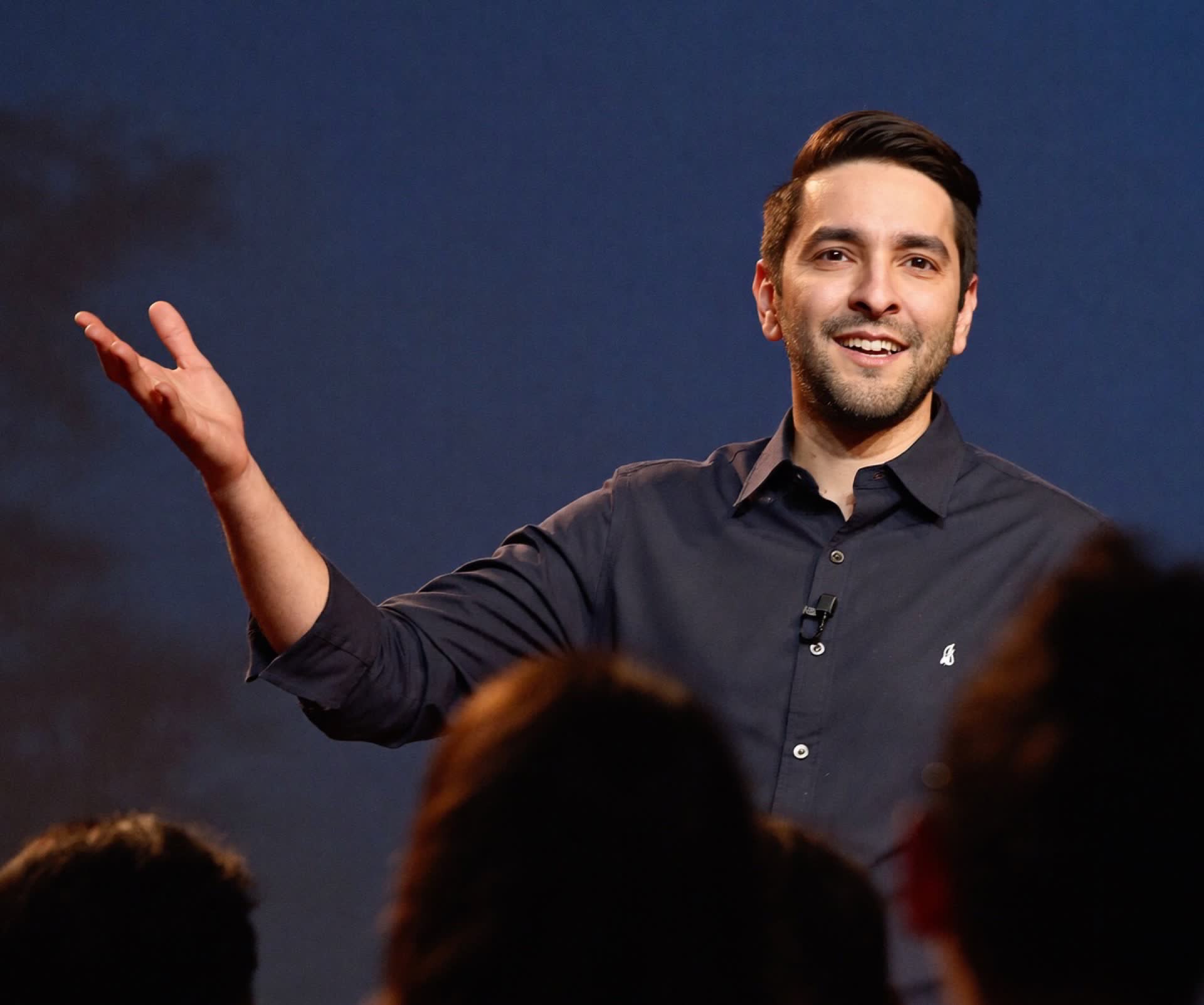
Thought Behind Things · Nov 17, 2023 · 1:25:48
The $10,000 grant and why women are Pakistan's missing half
Visa's Umar Khan and Safepay's Iman Urooj walk Muzamil through Pakistan's slow digital-payments shift, the new She's Next grant for women-led businesses, and the unglamorous case that leaving half the economy on the sidelines is the most expensive mistake the country keeps making.
with Umar Khan & Iman Urooj
10 min read
A watch that pays, and a country still counting cash
Muzamil opens with a confession dressed up as an observation. He has just moved to Dubai, his phone is switched off, and he is paying for groceries with the watch on his wrist. Cash gave way to card, card gave way to the watch, and somewhere in that progression he realised the world had moved further than he had assumed. The thing that surprised him most was learning that the formalisation of payments — a topic he had filed under boring banker talk — sits close to the core of how economies actually develop.
Umar Khan, Visa’s country manager for Pakistan and Afghanistan, takes the cue and lifts it one notch further: you can already pay with a ring. The point is not the gadget. It is that the channels keep multiplying while the underlying job stays the same — moving money from today to tomorrow, from saving to spending to borrowing — and that how easily a country can do that shapes the kind of businesses it can run and the efficiency it can carry.
What follows is less a fintech pitch than a steady argument about a country that keeps being told its cashless future is imminent and keeps experiencing it as not-quite-here.
The dip that wasn’t a dip
The despondency in the room is named early. Muzamil voices the average listener’s frustration: ten years of hearing that wallets will arrive, that cash will die, that the street vendor will scan a QR like in India — and ten years of it not quite landing.
Umar’s correction is precise. Digital payments did not reverse after COVID. The first three quarters of 2023, by State Bank figures he cites, ran past a hundred million point-of-sale transactions, with terminals growing at four to five percent and five new digital banking licences freshly approved. What changed under economic pressure was ticket size, not direction: where ten people once made ten thousand rupees of digital payments, now fifteen people make the same ten thousand. Consumption is squeezed, but acceptance is still climbing.
His framing for measuring it is the most useful thing he says about progress. Compare three months to three months and you see almost nothing. Compare your own daily life pre-COVID to now — the plumber, the food-delivery rider, the corner shop — and the shift is obvious. Most of those people now hold wallets. Six months ago the same rider was still telling him it was hard to pull cash out of an ATM. The transformation is real; it is just slow enough to be invisible at close range.
What “money should be easy” actually means
Asked for a ten-year outlook, Umar refuses the tidy version. He keeps returning to the word “multilayer” — administration, structural economics, literacy and infrastructure all bear on the same problem, and not all of it sits inside anyone’s control. What he will commit to is a sentence: in ten years, money should be easy. Spending, earning, saving, borrowing for a business or for consumption — all of it more efficient, simpler, and cheaper than it is today. The rails are one component of that, not the whole answer.
His favourite illustration is the neighbourhood shop. You WhatsApp the corner store for milk and a Coke Zero, it arrives, you say you’ll pay later, the shopkeeper writes it in his ledger and waits three or four days for his own working capital to come back. Convert that into a payment link or a keyword payment and three things improve at once: the shopkeeper is paid instantly, your experience is cleaner, and the cash that was trapped in his ledger is freed. Several startups, he notes, are already chipping at exactly this from different angles.
On Raast and the promised single QR, he is candid: the State Bank has done remarkable work, Visa has tools that can complement it, and conversations are active. But he points at developed markets to set expectations — in Dubai one person pays by watch, another by ring, another by card, another taps a phone but still enters a PIN out of habit. There is no single payment method anywhere. The needle moves through many instruments at once, not one silver rail.
Iman Urooj and the accident that became a career
Iman Urooj’s route into the conversation is the other half of the story. Born and raised in Karachi, she studied history and economics at NYU, then joined the team setting up its Abu Dhabi campus — one of the first thirteen people on the ground, and, by her own account, the preferred tour guide who sold Harvard and Dartmouth visitors on the idea of a university in the Middle East. That, she realised later, was when she learned she liked selling.
She honed it in a father-daughter food-trading business bridging Latin American and European suppliers with Middle Eastern markets, and sharpened her instincts further at an MIT entrepreneurship bootcamp she still mentors for. The lesson she keeps from it is one she thinks Pakistanis especially need: learn to look at problems as if they were opportunities.
Safepay was almost accidental. During COVID, with her own travel grounded, her father suggested she help two friends who had started a payments company find merchants over the summer. She got sucked in, left the family business, and became COO. Safepay’s job, stripped to one line, is to help Pakistani businesses accept online payments from across the world.
Why women are the economy’s missing half
The conversation’s spine is financial inclusion, and Iman makes the economic case before the moral one. If women joined the economy on equal footing with men, she says, research puts the lift at six percent of global GDP. Inclusion is good for everyone, not a favour to anyone. She meets women entrepreneurs constantly, running real businesses; what they lack is not capability but access, mentoring, and a good network.
Muzamil presses on the specifically Pakistani friction — the constant dependency, the messages he gets from women who want to earn from home but hit a wall at “how do I actually get paid,” the tangle of “this is my husband’s account, that’s another account” that both blocks them and invites abuse of the system. Iman’s answer is the internet as equaliser: you can learn a trade on YouTube, sell from home, and reach the global economy without leaving the house. And the prize she keeps pointing at is the diaspora — a buying base larger than many countries’ whole populations, already purchasing Pakistani apparel and wedding wear from abroad. The best thing the diaspora can do, she says, is buy from Pakistan, and digital payments are what let a home-run brand close that sale.
She has lived the validation loop too. Safepay was the only Pakistani fintech in Visa’s Everywhere Initiative, up against startups from Ethiopia, Georgia and Nigeria — several solving the same problem Safepay solves at home — and it won the audience award and $10,000, a campaign she ran like an election, rallying her global family to vote.
She’s Next, and the $10,000 on the table
The grant in the episode’s title belongs to a Visa program called She’s Next, coming to Pakistan for the first time. Umar lays out the shape of it plainly: a $10,000 financial grant plus a year of mentorship, run in Pakistan with HBL, open to women entrepreneurs from any part of the economy — artisans, e-commerce, fintech, no restriction. The criteria are deliberately simple: a Pakistan resident, a business with at least 25% women ownership operating in Pakistan (it can serve any market), and roughly $5,000 in minimum annual revenue.
That revenue floor is a design choice, not a gate. The program is for businesses that have already broken the first barrier and found product-market fit — closer to an accelerator than an incubator, as Muzamil puts it — and the mentorship blends local operators who understand team-building and leadership with Visa’s global assets, from business-model canvases to customer-engagement playbooks.
Umar grounds it in evidence. A Visa survey behind the program found that 40% of respondents still believe women can’t handle leadership or high-pressure decisions, even as the women in everyone’s daily life — the mothers, the sisters, the doctors — carry loads most men could not. He points to Morocco, where a marketplace called Neole won a $10,000 grant, then a further $20,000 from a Visa Foundation program, and tripled artisans’ returns by giving them market access and basic business skills they had never been taught. The impact, he stresses, shows up downstream: in how those women reinvest in their families and communities.
Partnership, not permission
The episode’s most personal stretch is Muzamil’s own story, offered as proof. His wife started an e-commerce business in 2019 selling printed planners — a product he, a computer-science major, privately doubted. He did one thing: he trusted her, took the operations seat, and let her set the strategy. By 2021 that business had bought the family’s first car, renovated a dead 1980s building floor by floor, and built the very office the podcast is recorded in.
But he pushes past the feel-good version. When his wife’s revenue grew, she was the one who held the fort so he could step back and realign his own work — and his earnings today, he says, are many times his last salary in 2018. The point he hammers for the men listening is that this is not charity dressed as empowerment. It is partnership, and it cuts both ways: men rarely get the space to chase their own path either, and a working partner is what creates it.
Iman lands the same note from her own life. The greatest gift her father gave her, she says, was telling her he never wanted her to depend on anyone — not even him. He rooted for her. “You will never know till you jump,” he told her before Safepay. Her advice to the men watching is to be champions for the women in their lives, and to listen to them, because they carry insight and buying power men simply don’t — roughly 80% of e-commerce traffic, Muzamil notes, is driven by women, and it will be women who understand women best.
The most expensive thing to leave on the table
Umar closes the economic argument with the figure that frames the whole episode. From Myanmar’s tea shops and retail counters staffed almost entirely by women, to Scandinavia where women drive not just the economy but the arts and opinion-making, he has watched what equal participation looks like in practice. Picture, he says, women participating in the global economy on equal footing with men, and the impact runs up to $30 trillion by 2028.
That is the quiet thesis underneath the grant, the rails, and the personal stories. Pakistan is trying to climb from one income tier to the next in a brutal cycle, with petrol past 330 and a global economy bracing for hard years. Iman’s line is the one that stays: you don’t get out of this — you don’t better yourself — if you leave half the economy behind. The case for including women, in this conversation, was never sentimental. It was the cheapest growth available, and the one the country keeps declining to take.
Full transcript
Welcome back to the three hundred eighty third episode of Thought Behind Things आज हमारे साथ दो बहुत ही खास मेहमान मौजूद है one the country manager of Visa the multinational cards payment services company the other the chief operating officer of safe pay जो कि एक startup है that allows for very quick and very seamless payment gateway solutions for your online businesses and e commerce companies. Today we talked about a lot of things from the fintech landscape in Pakistan to why startups are unable to succeed and sustain and grow इसी के साथ साथ we talked about Visa's new She's Next Grant program जो Pakistan में वह launch कर रहे हैं which allows for a substantial grant and mentorship for women led पाकिस्तानी based businesses and startups तो उसके बारे में भी हमने बात की है trust me if you are connected to a startup and or running a small business जो कि female led है that means at least one of the founders is a woman based in Pakistan you should definitely hear this out or if you know someone उनको भी यह भेज दीजिएगा it could be very very useful for them but anyways अगर आप इस channel पर नए हैं तो हमें subscribe करना मत भूलिएगा अगर आप पुराने हैं तो video को like करना मत भूलिएगा अगर आप कोई thoughts हैं तो comment section में मुझे ज़रूर बताएं I would love to hear your thoughts and it really helps me improve the quality of the conversation. अगर आप overseas पाकिस्तानी हैं तो नीचे subscribe की link use करके you can help support the channel and help us remain independent for as long as possible. But anyways here is उमर खान and ईमान रूज on TBT, इस्लामाबाद studio. Over by कैसे है? मैं बिल्कुल ठीक हूं मुझे अम्बीर. आप कैसे हैं? I like शुक्र मुझे यह बताएं कि how is everything? How is life? आजकल के हालात को मद्देनज़र रखते हुए?
Life is alright
there are no complaints there is a lot of promise to it that's the way I look at it. Right. अच्छा मैं आपको बता देता हूं कि conversation करने का मकसद मेरे लिए personally किया था. I have recently moved to Dubai and Pakistan में ना generally बहुत ज़्यादा हम cash cash cash करते रहे और constantly cash होता है. कितनी होती है वह reality होती है. वहां पर जाकर I was fairly surprised कि पहले cash हटा फिर card आया फिर card हटकर अब मेरी घड़ी आ गई है. Right? So I just मेरा phone बंद भी पड़ा हुआ है तो I am just going out to wherever grocery store here and there and वह घड़ी से सारी payment हो रही है. मैंने realize किया है दुनियां तो बहुत आगे जा चुकी है. Study करना शुरू किया तो समझ आई कि in the progression of nations जो economy का एक core element है उसके अंदर formalization of payments is actually a very important aspect जो कि Pakistan में we are just like एक boring सी चीज़ है that bankers talk about you know and I realize कि यह कितनी important inherently important चीज़ है.
What are your thoughts on that? I think before getting into that I suggest try paying through a ring I see that you are a fan so they will can you can now pay through rings. अच्छा really? Yeah yeah so you get it's it is the channels and the mediums are ever evolving and to touch upon the topic of cash so yes I think everybody knows that you know that I know that that and as an economy we have a lot of cash in circulation or moving money generally is not as easy whether you want to move money from today to tomorrow, tomorrow to today which means कि अगर आपने you know कर्जा लेना है, अगर आपने saving करनी है, अगर आपने payments करनी है and all of that has an impact on the kind of businesses you can run, the kind of efficiency you can bring. So but having said that what is interesting you think अगर आप पिछले दो तीन साल की growth देखें and everybody from the state Bank of Pakistan to the ecosystem, partners, companies like ourselves, Visa, everybody has contributed to it and there has been two hundred-three 100% growth in terms of digital payments and if you look at the numbers, the trajectory is still upwards So, Even in the current economic sort of situation. Even in the current economic situation because consumption based economy तो cash तो खर्च हो रहा है economy में. But उसकी conversion to digital जिस growth जो जो speed COVID के period में थी while we may be not at that peak but the trajectory is still upfront. COVID के जो peaks आए थे उसके बाद dip आया या उससे growth कम हुई है लेकिन actually grow ही किए हैं हम COVID-nineteen. उससे बिल्कुल dip नहीं आया हम grow ही किए हैं सिर्फ यह हो रहा है कि कुछ जगहों पर ticket sizes change हो गए हैं. Right. कि पहले दस लोग थे और वह total let's say you know दस हज़ार का digital payment कर रहे थे तो पंद्रह लोग हैं जो कि दस हज़ार की ही digital payment कर रहे हैं. So क्योंकि consumption ज़रा आपकी इस वक्त under pressure है लेकिन जो appreciation और acceptance digital payments है वह grow कर रही है. Makes sense. मैं थोड़ा सा अगर start करूँ. I want to understand where were you born in early life? आपने कहाँ पर गुज़ारी है? I was born and bred in the Middle East. Was there until high school. वह जब पाकिस्तानी embassy school होता है या? Pakistan embassy school. Right. So yes I was at the Pakistan embassy school. How was that? It was very interesting. It was we were able to participate in many things. It had a robust extracurricular system. There was sports, you know, there were scouting programs,
other programs. और ज़्यादा पाकिस्तानी बच्चे होते थे या multiple? नहीं, I think 199.99%
पाकिस्तानी बच्चे थे. Right. And at that time at least they were very active. We would have people like अमजीत इस्लाम जिद कम over, you know people who were there on on deputation from different government offices at the embassy they would come and talk to us talk about what the country is heading towards or going through or what we could do or are the opportunities all in all I think it's a very enriching experience specially also because we were able to we were raised in a very multicultural society there were Saudis but there were also other nationalities that we interacted where we played soccer with and I think that's that's an important experience to have as as children. Think it does help shape your perspective. Makes sense. So high school के बाद where did you go for your यानीवाद? So high school के बाद then let's I find it amusing. I don't know if you would. High school के बाद I actually came back to Pakistan and I was enrolled I was going to a medical school I was enrolled in an MBBS program.
Where?
Well I mean that's it's one of the self finance programs I'll not get into that but so I was going so I spent three months in MBBS and I realized कि यार यह तो this is not what I want to do but then there is a lot of conversation about उनका पहला साल I think उस ज़माने में कहलाता था the head and neck track or something like that which is common for dental, neuro and plastics thought maybe this is something that I want to do so then I switched three months later I realized कि this is also not something that I want to do so then I shifted gears and I jumped ship and then I did a bachelor's in business administration and I went to that track. From where? So there's a college in Lahore. It's called the National College of Business Administration. Right. And so my younger sister then is a doctor and I have two sisters the and one brother and the one who's the youngest she also then you know explored this drag in terms of studying psychology and stuff but she also gave that up and from what I hear because then she went to cordon blue and she's now trying to take a baking as a living. How interesting. Yeah. And
your parents are fine with the kids just going haywire with this.
So I think we they had they had they gave up I think because I remember that conversation I think I will remember it for the rest of my life. When I decided I just packed my bag the medical college was in इस्लामबार and went to थोड़. Right. And I called my mother they used to be in in Saudi at the time my dad was actually travelling and he was in The US. So I told my mother कि यह तो नहीं हो रहा and this is not what I want to do and these these so and so are my reasons. She bought into it fairly quickly then she took on the role of convincing my dad so my dad called and said okay this is what you want to do that's fine but from this point onwards because now you've clearly grown up and you're making your own decisions your decisions and their consequences are your responsibility I will give you advice when you come to me and he's been true to his word.
दुनिया भर में technology बहुत evolve कर चुकी है. अब आप घर बैठे एक mobile phone से पूरी दुनिया में किसी किस्म की भी different assets, stocks या even cryptocurrencies ख़रीद सकते हैं. जहां पर यह technological evolution आए वहां पर भी unfortunately हालात ऐसे हैं कि economy एक ऐसी जगह पर पहुंची हुई है कि बड़े आजकल बुरे हालात हैं, inflation बहुत ज़्यादा बढ़ रही है, savings हमारी deplete हो रही हैं. ज़्यादातर लोग investments करते ही नहीं और जो करते भी हैं वह 90% losses unfortunately बनाते हैं. इसी problem को solve कर रहा है sharmaya dot p k जो कि अपने financial trading platforms पर trainings भी offer करता है और data भी offer करता है जिससे आप पूरी दुनिया की markets ख़ासकर पाक्षतानी markets को आसानी देख सकते हैं. अगर आप लोग अपनी investments और trading में struggle कर रहे हैं तो I would definitely urge you to check out Sharmaya Financials platform. It's a remarkable place जहां पर आपको बहुत interesting you know reports के through data भी मिलता है, investment की advice भी मिलती है और ख़ासकर उनकी trainings जहां पर उनके experts जो हैं वह आपको crypto और stock market और commodities और assets के अंदर trade करके पैसे कमाना सिखाते हैं So check out the platform and check out their trainings. Now back to the podcast. But I think that's very progressive in a way, right? Like he allowed you to take your decisions but also immediately instructed you कि भैया responsibility भी लेनी है. And I think that's where आप responsibility जिसने लेना शुरू कर दें उस दिन I think automatically
you can perform a lot better. Absolutely, I think so I agree because and I also preach and hope that more and more parents which I think now they're doing this this the current generations are doing is to help guide children and you know let them find their way versus dictating a path for them and the second point I think is extremely critical when you make your own decisions at a young age I don't personally I don't think you realize that not all decisions will work if you ask you know some people in my circle they would say even at this age I don't realize but some decisions will work the way you want them others will not but both type of consequences then are yours to bear. Right. But similarly I think into talking about progressive parents because I have two sisters there's a lot of stuff that I have learned in terms of you know resilience of people or women specifically their capacity and their general sort of general kindness or compassion that they can offer and that in many ways has shaped and I think to this day is shaping how I evolved as a person so the women in my life have clearly played a role if you ask them they would say एक देर से सीखा है मैंने but और अभी भी काफी कुछ सीखने की ज़रूरत है but I think these are important experiences that as a young child one can have. Makes sense and and what year did you graduate in? I graduated in 2001.
Right. And so give me a give me a summary of those twenty two years since then.
They've been very interesting. I actually joke in some of my smaller social circles that one day we could produce a produce a web series if nothing else. So in summary, I, you know, went through my education कि doctor नहीं बनना, तो CSP officer नहीं बनना तो and then I landed on track and just by the way this is when call centers were burgeoning in in Pakistan and there used to be a company back then which is called Mobile Inc. It's called Jazz Now. They had decided to expand their call center. Right. And by sheer stroke of luck I went there and I got a job because I needed I wanted extra profit money. Straight out of college or while you were studying? I was actually studying. So I would go to I would go there during the night shifts and go to college in the mornings. By chance little did I know that the telecom and the connectivity business was just entering a growth phase. Right. And we were able to ride that way. We'd learned a lot, made some great friends and also we were able to grow as professionals. That helped me then switch to something called fintech. Right. Which back then was I think known as mobile money or branches banking. EasyPesa was just launching. Two thousand six seven? 02/1978. Right. And I was part of a of of a big or medium sized team which comprised of people much smarter than I am who are responsible for launching EasyPaisa and that sort of put me on track for another growth industry and then I was able to do this in some very interesting places I did this in Pakistan I then did this in Eastern Europe in countries like Montenegro, Serbia, Hungary, Norway from there all the way to Burma, Myanmar and Yangon was very interesting spend some time in Singapore, Thailand so what that did was it did two things एक तो यह कि I was able to see कि this is not the entire reality of the world the way we do things यहां जो opportunities हैं, यहां पर जो challenges हैं, some of them are actually very common. लोग मुझसे पूछते हैं कभी कुछ airports के बारे में, domestic airports के बारे में कि आपने ऐसा airport नहीं देखा? अगर मैं कहता नहीं. आप अगर आपने Yangon के airport नहीं देखा, तभी आपने अभी airport देखने बाकी है and then in 2019 I came back and I spent some time with easy पैसा life coming full circle I went back to Jazz to run their government sales business for jazz cash and then from there to visa so like I said in terms of experiences learning some of friends I made on the way the lessons I keep learning from from the powerhouse that is woman in my life all of that continues but all in all I think I have no complaints. And so currently you're the country manager for visa for Pakistan and Afghanistan.
A lot of people tend to miss visa because वह backbone है और वह हमेशा है आपके card पर और इधर उधर but वह नहीं भी है in a way. Right? So if you are to just sort of give me a short summary of what your role entails and what does visa really do because for an average consumer Pakistan में particularly touch point ही नहीं है. Dubai में तो आप land करते हैं and आपको billboards का नज़र आ रहा है they really advertise as well but यहां पर not a lot of people हों so if you can just sort of share. It's actually very apt to be very honest
a lot of stuff that I have learned since joining visa I even did not know or my perception was different as well so I think कुछ चंद चीज़ें हैं एक तो यह है कि visa the core believes that we want to uplift everyone everywhere by making payments easier, by making money movement easier but essentially to describe visa it's a it's basically a network or a network of networks it is a big network which enables which provides connectivity which enables multiple transactions which gives you and our partners a multi layered fraud control system मैं आपको छोटी सी example देता हूँ I use this example I think it's an interesting way of explaining this जब आप card tap करते हैं swipe करते हैं वो card दो से तीन से चार different मुल्कों के servers पर जाता है, वो दो से तीन से चार financial institutions के system में जाता है. उसमें आपकी basic जिसको हम know your customer या KYC information कहते हैं वो check होती है. Fraud controls लगे हुए होते हैं वह validate होते हैं और उसके बाद आपके account में कितने पैसे हैं उस transaction के लिए available हैं या नहीं है. Same checks उस दुकानदार retailer या merchant पर होते हैं और फिर वह card से payment होती है लेकिन अगर आप अपनी experience की site से देखें या हमारी if I am the consumer आप card tap करते हैं the payments complete. Right. So all of that in the background is where the vision network comes into play. Interesting. I hope I was able to paint a picture. Yeah yeah and we gonna get
in depth further but we have another guest with us today as well. ईमान first of all welcome to the show. Thank you. मुझे थोड़ा सा यह बताएं. Again short summary. Where were you born? Early life कहां पर गुज़ारी? So I was born in कराची, grew up in कराची.
Went to school here. Then I mean no अब we are in इस्लामाबाद. I was born in कराची, grew up in कराची. I went and studied abroad for university.
कहां से पढ़ा आपने? NYU. Right और क्या पढ़ा? And I studied history and economics.
Interesting. And then I graduated NYU and I actually started working in something like a startup. I went to अब्दावी to work in NYU's campus in अब्दाबी when they were setting it up. I was one of the first 13 people on the ground. So there I was there for two years watching them set up this university.
और यह कौन से year था? 2009
I graduated from NYU. I spent two years in अब्दाबी. उसके बाद I traveled for a couple of months then I came back to Pakistan and started working with my father in a food trading business and we were a father daughter business and that's where I really learned how to sell and realize that I like selling. I really enjoy selling. It helped me connect the dots that in NYU Abu Dhabi I did a lot of selling because I was the preferred tour guide for people to take like guests आतिते, Harvard, दार्तमत, all these places से to take them around Abu Dhabi, take them to the, I've been to the Grand Mosque like 40 times, take them but really kind of sell them on the idea of this university in The Middle East and Abu Dhabi as a city and the things it was doing. And I spent quite a few years working in this food trading business that would bridge Latin Americans and Middle Eastern markets.
What is food trading business entail?
So we represented companies from South America, Europe and we would sell their products in the Middle East market. अच्छा and while based out of कराची or? While based out of कराची and Dubai both. Interesting, interesting. And there I really like honed my sales skills, realized I what my values are around selling and then COVID हो गया. So the other thing I did along the way that grew me as an entrepreneur is I I went to this boot camp held by MIT on entrepreneurship and that really changed my perspective. I went back in 2014 and then I started mentoring for them. They asked me to mentor for them. I still coach and mentor for MIT on the side. Made me grow a lot as a person. The most important thing I think it gave me is that it made me look at problems as if there were opportunities. And I think when you're from a country like Pakistan, it really helps to look at problems like their opportunities. And it helped me understand the startup world and, you know, tech startups and all of that. For COVID shore, I wasn't traveling for my own work. So, two of my friends were, one of my family friends and another friend of mine were started Safepay. And my dad said, you know, you are sitting at home stuck. Why don't you, because we were a father daughter company, he said, you should help your friends out for the summer. Help them get customers. You're a good salesperson. I said, alright. So I started helping them out a bit. And I realized I loved it. It was a lot of fun. So I started taking on, you know, getting all the merchants for safe pay. And it kind of I just got sucked in I stepped away from my family business and now I am the COO of Safepay. And what what does Safepay do? In the most simplest way? Simplest way, Safepay helps पाकिस्तानी businesses accept online payments. Right. From across the world or just from from Across the world. अच्छा. Across the world, yeah. Interesting.
Before I move on, I wanna ask both of you because you both have you were born in Saudi. You moved out for work here and there, Myanmar and then Eastern Europe and so on and so forth. Clearly, you weren't bound by going came Mendok, which a lot of us were until we actually went out and realized there is opportunity in the world as well. And then you graduated from NYU. You worked in Abu Dhabi for a bit. You were working in a global business, essentially. And so it would have been fairly easy for you to decide, किलेश, and like, let's let's just relocate somewhere else and find opportunity there. Why are you still in Pakistan, both of you?
रायग. Yeah. Go I think Pakistan is a very unique country. We're the fifth most populous country in the world, and the way you kind of in a lot of areas you get to have a blank slate that you don't in other places and you get to use creativity that you don't necessarily everywhere else. तो फिर आपका दिला आपको कैसे बनाना है? कैसे grow करना है किसी चीज़ को? यहां पर opportunity बहुत ज़्यादा है and potential भी बहुत ज़्यादा है. So अगर आपको काम करना है यहां पर बहुत काम है करने को. उम्र भाई अगर मैं इसी thought को आगे लेकर जाऊं इन्होंने word use किया opportunity and potential.
Generally मैं opportunity को थोड़ा सा down करूंगा because opportunity का मतलब यह है कि एक एक clean slate है opportunity यह आप करें और आपको return मिलेगा it's a difficult market you get a lot of variables it beats you up and you get tired so potential बहुत है but really you really have to be a magician to find the right answer and if you have that answer you can sort of get the returns as well. Notwithstanding the current blip in the timeline but if I were to ask you because अगर मैं pertaining to digital payments बात करूं you were in a lot of markets जिसको आज हम जाते हैं और कहते यार देखो वह भी आगे, वह भी आगे, वह भी आगे, वह भी आगे, but you were there when none of that was happening and you saw that evolution as well. Right? If I were to ask someone के मैं as a Pakistani one, I look at Pakistan today. I'm just like यार Pakistan में दस साल हो गए हैं हम sun ही रहे हैं कुछ हो नहीं रहा right because I don't have any other data to sort of correlate to I don't really know how evolution happens even मैं तो एक impatient आदमी हूं जो कह रहा कि यार दुनिया में हो रहा तो मुझे क्यों नहीं मिल रहा है? आपके case में you came back in 2019 and then you know you उसके दरमियान में you've done three major roles, easy पैसा, jazz, cash and now visa. How do you see the पाकिस्तानी market compared to all of those early stage markets that you work in?
So I think it's I like what you used to blip in a timeline. So एक तो first and foremost that's what I think this is because economies go through different cycles and depending on who you read or who you ask this could be part of that cycle as well. But to answer your question I think दो factors हैं एक तो यह because I've seen multiple markets where a more evolved digital payment landscape looks like and I've been able to learn from that and absorb those lessons and then when I use that lens to look at Pakistan and my and then I'll come to my experience in the last few years So there is absolutely opportunity but not just opportunity that opportunity is also starting to unfold. आप देखें आपके just इस तेईस साल के पहले तीन quarters में state bank के report के मुताबिक payment transactions जो होती हैं जिनको हम post कहते हैं terminals पर वह कि सौ million से ज़्यादा transactions हैं. चार पांच percent growth उन उन terminals में आ रही है. पांच digital banking license अभी दी हैं state bank ने भी उन्हें चार दिन पहले in principle approval मिला है to go ahead and launch. So all of these guys are coming in because they look at they see that opportunity. And if I look back when I came this time around to now, a lot of the other participants of the ecosystem government departments realize कर रहे हैं, traditional बड़े businesses realize कर रहे हैं and they are looking for solutions. What I consider myself is to be very very fortunate because Visa is a global company. They do this in 200 plus countries and there are countries similar to us, their country much more advanced than us and believe it or not their country who is still a few steps behind us. So I have access to all that knowledge base, that product and that investment that can and is being channel into Pakistan. So all things combined I think from a professional career point of view or an impact point of view if I am able to combine these things, if we are able to combine these assets that visa has with and marry them with the opportunity that Pakistan presents तो इसका impact बहुत बड़ा है. आज अगर आप digital payments को tier two cities में उसी उसी rapid speed से ले जाते हैं जितनी जितनी जिस scale पर वह available है tier one में तो suddenly चंद लाख लोगों का फ़ायदा होना शुरू हो जाता है और इस तरह का impact ज़िंदगी में करने के लिए बड़ा कम मौका मिलता है या आप entrepreneurship route जाएं you know या आप और there are other avenues where you do philanthropy and stuff. But this is another one of those opportunities जो कि once in a lifetime opportunity लगती है. How important do you think digital payments? And I mean, so let me switch the conversation a bit.
For an average listener, I know for a fact कि वह इस वक्त ना Pakistan में generally मैंने अपनी podcast से भी देखा है कि the appetite for technical conversations has gone really down because लोगों की ज़िंदगियों में fundamentals कितने मसले आ गए? Right? कि वह कह रहे कि भैया I don't really care digital or non digital, petrol सस्ता करो. But realistically, what does a ten year outlook look like first in terms of digital payments for Pakistan? Second, digital payments overall banked population, digital payments, people being able to carry out their sort of transactions and financial whatever digitally and fluently. Do you think उसका तालक है economy के साथ या यह component है कि economy अच्छी होगी तो यह भी अच्छा होगा but what I am trying to understand is अगर इस base layer को बेहतर किया जाए तो क्या उसके कोई GDP growth के कोई ripple effects हैं या नहीं?
So I think to start my answer absolutely है. Multiple research, multiple आप Bill and Melinda gates को देखें, Institution को देखें, Visa Foundation को देखें, World Bank की कुछ empirical evidence है. So absolutely advantages हैं in the overall growth of the economy. But this is a multi layered sort of solution. अगर जो problem statement आपने define की है उसको हम खोलना शुरू करें तो उसमें administration के मसले भी आऐंगे, उसमें economy के structural challenges भी आऐंगे, उसमें दूसरे सवाल भी आऐंगे but then there are certain things जो कि हमारे circle of influence में है. Thus you asked me and this actually one of my favorite things to do to imagine and see कि what could success look like? What if you know something is able to you are able to achieve something? So in ten years what I envision is that money should be easy. What that means is कि अगर मुझे पैसे खर्च करने हैं, मुझे पैसे कमाने हैं या मुझे पैसे save करने हैं या मुझे अपने business के लिए, consumption के लिए कर्जा लेना है. All of that should be much more efficient and ideally much more simple and at the same time it should cost me less और यह सारा कुछ जो है इसका solution like I said multi layered है but उसमें एक component है यह rails. इन rails भी आप ride कर सकें. अब मैं आपको इसकी छोटी सी help bring all this back to a simple example जो कि मुझे बड़ी पसंद है. हो सकता है आप भी यह करते हो मैं बड़ा commonly करता हूं. आपके गली के, महल्ले के, street के आसपास corner पर एक दुकान है और उसको आप WhatsApp पर कहते हैं भाई दूध, पानी, coke zero यह ज़रा drop कर दे. मैं आने का mood नहीं हो रहा. वह आता है और सब कह रहे यार मैं पैसे कर दे दूंगा. Right. वह लिख लेते अपने खाते में. फिर तीन चार दिन वह wait करता है फिर वह आपको remind कराते हैं या next time आप जाते हैं तो आप उसको payment कर देते हैं. All of this could be converted into and there are some startups out there who are trying to solve this problem and from multiple angles. क्या आप उसे WhatsApp करेंगे? आपका सामान आएगा. वह आपको digital payment का link भेज देगा या there will be other revenues, keyword payments, etc. वहां बैठे बैठे आप payment कर देंगे. उसको भी पैसे फ़ौरन मिल जाएंगे. आपका customer experience भी बेहतर हो जाएगा and then जो उसको तीन दिन इंतज़ार करना पड़ता है अपने working capital में cash वापस लेने के लिए उसको वह भी नहीं करना पड़ेगा. तो एक छोटी सी example है जो आज हो रही है और यह सिलसिला चल रहा है across the country चल रहा है. So and and there are many more examples like this. Right अगर मैं इसमें
ईमान आपसे पूछूं because digital payments की या banked population की जब बात आती है ना तो और यह मेरा साथ भी मसला हुआ recently सिर्फ Pakistan का problem नहीं है. In Dubai किस खाते में चाहिए और जो list of सवाल उसने मुझे दिए थे I was like यार यह तो I mean such a small thing but women getting into the whole financial sort of space it's a global problem but Pakistan में तो बहुत वादे हैं right? आप अपने वाले हिसाब से letter चाहिए या आपके husband से letter चाहिए and therefore उनकी constant dependency बनी हुई होती है जब constant dependency बनी होती है then in lot of ways उनके दिमाग में वो thought ही नहीं बनती कि finance का idea होगा तो फिर finance को बेहतर तरीके से manage भी किया जाएगा. Right? What has your experience been? I know you are not exclusively focused on that. आपके general payments हैं. But what are we doing about women in in in the banking space in Pakistan? Because I have spoken to multiple people on that on the podcast as well. People say we need to do something. We haven't been able to see very clear steps for it. If I were to ask you, what's the फ़ायदा क्या होता है? Because you are in the space and दूसरा are there any tangible steps that you are seeing happening around us in Pakistan to get women on to you know the the financial independence, financial inclusion space? I think
so हमारा वास्तव ज़्यादातर entrepreneurs से होता है because we help businesses accept payments and I think अगर generally if women are able to join the economy on an equal footing with men, research shows that the global GDP would increase by 6%. So for women and men to join the economy equally is actually good for everyone. And I come across women entrepreneurs all the time and the work they're doing is incredible. They are running businesses. I think where they can be helped is that they can be given more access, more mentoring, more support like good a good network and
and then you know they're they're ready to thrive. I think आपने बड़ी interesting बात की because Pakistan में जो currently इस वक्त जो economy की situation हुई थी ना as a I don't know हम क्या कहेंगे developing से middle income की तरफ जाने की कोशिश कर रहे हैं या under develop से developing की तरफ जाने की कोशिश कर रहे हैं but in a lot of ways and we've seen that happen across other markets as well, Middle East में बहुत ज़्यादा even अपने region में left right कि जब इस तरह की situation होती है, economies correct करती हैं अपने आप को तो double income households become a very active thing. Pakistan की cultural implications हैं. A lot of times I know for a fact you know I'm followed by a lot of girls on Instagram. I get a lot of messages saying कि listen मैं कुछ करना चाहती हूं. I want to help my my father, my husband or whoever कि मैं घर के household इनको वह करूं पर मैं बाहर नहीं जा सकती. And मुझे कोई opportunity बताएं, मुझे कोई ऐसी skill बताएं जिससे मैं घर बैठकर काम कर सकूं. Where you are like ok ये तो हो गया but how do I get paid? वो वो ही वाली बात है कि फिर आप क्या करते हैं कि आप काम करते हैं काम करके आखिर में आप कहते यार ये मेरे husband का account है ये ये account है ये वो account है जितनी complication आती है उतना ज़्यादा जो जो paying party है उसके बाद भी opportunity आती है to abuse the system right कि मैं payment देखूंगा क्या करना किसाना करना they don't have the visibility. So in terms of कि अब जो changing time है मुझे लगता है कि एकदम हम एक दमाने बात करते होते थे कि more and more women need to participate. I think that's gonna happen irrespective like it's with the energy bills. Women are already now thinking कि listen like we need to participate in this space and we need to be more empowered in terms of financial matters. Now अब वह step यह आ गया आपने बोला कि mentoring उनको right tools available होना. आपके case में जितना you know you you mentioned कि Safepay allows for taking payments and connecting parts on the global economy but in a simple way effectively वह यह कर रहा है कि यार online मैं अपने card से या किसी उससे जो है payments कर सकता हूं. जी. How many women entrepreneurs are you working with? What has your experience been working with them? And in terms of के a lot of these women that you are working with I don't know आपको कितनी insight है but where are they in terms of के के maturity as entrepreneurs, as as people who you can say कि listen अगर हम इनको mentorship दें अगर हम यह करें तो यह बहुत आराम से scale कर सकते हैं.
I would say I am very impressed when I see जो काम कर रही women and like you said before I will just take you back to what you were saying before कि अब तो like women want to work from home and all of that. The internet is a great equalizer. अब आप घर पर बैठकर you don't need to go formally to school. You can learn how to do so many things on YouTube wherever and you can start participating in the economy and the beauty of the internet and digital payments is. आप घर बैठकर आप global economy join कर सकते हैं which is excellent and Pakistan needs that right now a lot and one of the interesting things we see is एक तो there are women entrepreneurs that who we work with. दूसरा they are transacting with people outside the country actually and that's what digital payments allows them. Because when you say कि ठीक है economic times are tough and all of that, the most important thing digital payments help you do is transact with outside world and the पाकिस्तानी diaspora is actually buying from Pakistan. So many of our brands which are apparel is our strength. Apparel exports really well abroad. शादी के कपड़े this and that. पाकिसानी diaspora is buying from Pakistan. It's the best thing they can do for us is buy from us and they are. And it's like a 12,000,000,000 diaspora. And it is transacting
with us. बहुत ही countries ही total population इतनी है जितना आपका Pakistan ही बाहर बैठा हुआ है तो अगर आप उसी को as a consumer base use करें you can bring in a lot of dollars to People are doing it more and more. More entrepreneurs I talk to the more they are doing it because of their buying power will be strong.
So I think these women are growing. What they need is maybe just a bit more support so they can grow further to kind of scale their own businesses but they are doing great work. Right. I know for a fact that you guys actually went through an initiative as well
early on with Visa. Yeah. What was that? So we participated in the
VEI Visa Everywhere Initiative about two years ago. Was a competition. We were the only पाकिस्तानी fintech in that competition. I represented Safepay and had a lot of mentoring from visa. I think we are about two weeks to prepare for the competition. I had a mentor assigned to me and the best thing about that program was एक तो it helped me get our narrative together because for a startup and a business it's very important to tell their story. Right. And when you get some kind of mentoring and somebody teaches you like how do you pitch? How do you tell someone what you're doing in the smallest way, right? I mean, SafePit dominates my life. I could talk about it for two three hours. Right. But if I want to tell an outside stakeholder in four minutes or three minutes that kind of coaching really helped. Then we participated in this competition. There were startups from Ethiopia, Georgia, Nigeria and then Safepay won the audience award. Fan favorite so we won $10,000.
और यह fintech exclusive था? Fintech exclusive था. So what were some of the other startups like अगर आप compare करें Pakistan में जो आप लोग कर रहे थे and place yourself in competition with a lot of what was happening across the world where did you stand?
I mean everybody was solving a different problem related to FinTech. Know Georgia में वह they were doing something like they would the one in Georgia was doing what we were doing in Pakistan. Right. So there are other countries like us. There are other countries like us. The one in Ethiopia was doing something like there were people doing solving different. So very similar so in that aspect like आपको
मतलब हमारे यहां काम हो रहा है फिर. अभी एक despondency है I try hard to tell people कि यार ठीक है चलो times are tough but we'll be out of it hopefully.
And the problem is अगर हम despondency में रह जाएं sentiment makes a big difference but अगर हम बोलने के नहीं let's all work together because we're a young population हमारे में जान होनी चाहिए. हां. Let's solve work together तो आगे बढ़े ना करना तो भी problems हैं solve करने की. अगर सात काम करेंगे तो फिर आगे बढ़ सकेंगे. Makes a lot It was a very good experience with visa and then we had the thing because it was audience favorite so people voted for us online. Right. And once we recorded it मैं तो election लड़ी I rallied all my family friends around the world I was like you know and but people showed up it was good because it was during COVID helped me feel very close to my global family everybody voted for safe pay The other day I discovered that someone from visa also voted for us but so we won which was a great experience.
Very cool. उम्र अगर मैं आपसे पूछूं, again as a consumer I just feel like कि again, trying to answer the despondency bit. There's a very common narrative which which I've said a few times as well whenever I speak to a sort of fintech person कि हम पिछले दस साल से कि वह सोच रहे हैं, sun रहे हैं कि यार wallets आ जाएंगे. Everybody will be on digital payments, cash ख़त्म हो जाएगा और वह more often than not उसका result यह आता है कि आपके पास एक wallet आ गया पचास wallet है और पचास के पचास wallet जो है वह आपके mobile में credit डाल सकते हैं और वह very basic rudimentary बिजली के bill दे देंगे थोड़ा सा यह कर लेंगे. But by and large वह shift नहीं आया जो कि हमें सुनने को मिलता कि यार India में तो ठेले वाला भी QR इस्तेमाल करता है. अच्छा दो हज़ार उन्नीस बीस में जब मैं बात कर रहा था तो मुझे काफी लोग आकर कहते थे कि यार rails का मस्त आपने early on इसके बारे में बात किया और उन्होंने कहा कि यार infrastructure हम we will only build on top of what is available to us and so early on I was asked to have patience for रास्त that was going to come in and that was going to change everything. रास्त's been there now for almost a year or more than that. And again, for an average consumer, you don't see that shift. फिर दरमियान में रास्त के बाद हमने सुनना शुरू किया गया और one QR आने वाला है और वह यह करेगा कि अभी आपको हर wallet का different different पर्चे लगे हुए हैं which is making a very excruciating experience. तो एक one QR की एक plate लग जाएगी and then everybody can participate in that. वह भी अभी तक हमें उसका impact नहीं नज़र आया. And then thirdly, मुझे याद है कि within the मेरी banking app थी एक दिन मैं गया इधर petrol भरवाने. तो उस पर बड़ा आसान उन्होंने banner लगाया बता कि अगर आप QR से pay करेंगे, card से मैं pay करता हूं लेकिन वह QR connected card से अगर आप pay करेंगे तो आपको हम digitized होंगे तो you know traceable होना शुरू हो जाएंगे, tax की implications आ जाएंगी, दस और मसले आ जाएंगे. How do you see the evolution that we've had over the last fifteen years and particularly for an average consumer like you mentioned कि जी tier two cities में हम चले जाएं. मेरे scope में तभी tier one भी fully cash dependent है. Everybody has a debit card here and there but they don't necessarily use it as part of their daily experience.
Interesting, when you were saying that I was just thinking I actually rarely carry cash now in the bigger cities. It's not that I don't need it. There are times when I need it but now that I think about it. But anyways coming back to your question. I think पहली पहला तरीक तो यह है कि generally to look at things when you look at this situation मैं इसलिए बार बार multilayer कहता हूं. That's true for life as well. सारी चीज़ें आपके control में नहीं हैं. There are environmental factors, there are factors which are macro, global economy and there are factors जो कि आपके circle of influence में है. So और जो आपके control में factors हैं there are changes where you can you know, support or influence. एक तरीका इसको देखने का यह है कि अगर आप सोचें चार या पांच साल पहले या चार साल उससे पहले भी यह बड़ी मुझे अच्छी example लगती है. कौन सोच सकता था कि Pakistan में ख़वातीन एक तरफ मर्ज़रात भी किसी stranger, किसी अजनबी के साथ गाड़ियां बैठकर point a से point b में जाएंगे और आज women are the biggest beneficiaries of this service. Similarly जो आपने कहा wallet की बात की, आपने credentials की बात की, अगर आप numbers देखें ना वह चालीस पचास million इस वक्त credentials market में हैं but उसको बजाय इस तरह देखने के I would request to take a view both for you and the and the listeners कि last time आपके वह वाली interactions के plumber को आप cash देते थे. आपके पास food delivery का rider आ रहा उसको cash pay करते थे. आप कि certain other चीज़ें हैं जिनको आप cash pay करते थे. आज तक़रीबन उन सबके पास wallets हैं अब लेकिन उसमें भी फिर यह है कि इसको अगर आप compare करें, आप पांच साल पहले करें तो आपको shift और और transformation बड़ी clearly नज़र आएगी. अगर आप छह महीने पहले देखें तो वह आज भी आया कहता है कि sir वह पैसे निकलवाने मुश्किल होते हैं मेरे लिए जबकि ATM card है. So दूसरा फिर factor यह है एक आपने infrastructure की बात की absolutely. दूसरा आपने consumer behavior की बात की that I think is shifting. There is a big factor which is around literacy and financial literacy and then again straight bank, our banking partners, other partners of ecosystem हम उसमें कोशिश कर रहे हैं but to conclude all of this to package this in conclusion यह है कि अगर हम देखते हैं ना कि यार तीन दिन पहले, तीन महीने पहले से और अब में कितना फ़र्क़ आया तो फ़र्क़ ज़्यादा नहीं लगता लेकिन आप पांच साल पहले pre COVID, post COVID अपनी ही ज़िंदगी के day to day में देख लें, तो you will see that there are more and more digital payment touch points and I am fairly confident given the initiatives we have planned for the market as an ecosystem not just as visa that this is only going to go upwards. What's the experience been with if I were to ask you? मैंने earlier भी mention किया रास्त and one QR come sun रहे थे. Do you have any insight on that? Yes and I think there is this is there are multiple sort of components to the ecosystem and रास्त is a very important ecosystem play. State Bank has done actually a remarkable job at it और हम actively हमारे सारे partners का काम करते हैं. We have some we have some solutions जो उसको further complement कर सकते हैं. So we are in active conversation with them. So, I think it's going to be अगर आप advance developed markets भी देखें, you you were you referred आपने Dubai के through the for example दी है. तो एक payment method नहीं है कहीं भी. आप घड़ी से अगर pay कर रहे हैं तो कोई अंगूठी से भी pay कर रहा है. Right. कोई आज भी card से pay कर रहा है. I actually personally know someone कि आप, you know, you can just tap your phone but I know someone that they prefer to still use the phone, tap to phone but enter the PIN code every time. Right. And that's just a behavioural difference. Right. I I know three other people who would just tap their phone, उन्होंने code नहीं लगाया हुआ. हां. Similarly, I think Pakistan may be to for this to move forward, for the needle to move multiple चीज़ें हैं जिसमें रास का भी role है, जिसमें wallets का भी role है, जिसमें हमारे credentials या cards का भी role है और देखा visa because like I said initially is a network we have tools and solutions जो कि हम इस पूरे ecosystem के साथ बात कर रहे हैं और काम कर रहे हैं that can help propel this forward. Right and ईमान mentioned about an initiative by visa.
Is that a yearly thing or do you have something that's happening these days? Actually it's very interesting that
that that you bring that up because one of the things you will see जो जो कि हम Pakistan में करने लगे हैं और कर रहे हैं for the first time is the first edition of a program called She's Next. Ok. And She's Next is basically an entrepreneurship program completely focused on women entrepreneurs and from any part of the economy. They could be artisans, they could be you know a business around
e commerce,
they could be a fintech, there is no limitation of that sort and but that program entails is a financial grant which we can get into later and a year long mentorship जैसे कि ईमानदेरी mention किया, there is a year long mentorship supported and provided by visa to enable these businesses and we have many case studies यह इस region में we have been doing this for a few years and this will be the first time we are bringing you to Pakistan. Interesting. What was the experience जो बाकी countries में हुए? Because यह बढ़िया से run हो रहा है. This is the first time Pakistan है. This is the first time in Pakistan. I think the experience has been very interesting. It has been very successful. We have been able to not just see entrepreneurs being successful but उन खवाती ने जो impact create किया है. यह भी आप पहले आप आप जो पहले भी बात कर रहे थे कि हमने visa ने इस program से related इससे पहले एक survey कराया जिसको हम कहते हैं SMB woman digitization small, medium business digitization index for women. तो उसमें बहुत सारी चीज़ें उठ के आती हैं. Yes societal barriers हैं. There are myths that you know women will not be able to handle leadership और stressful situation when it comes to decision making. Actually हम अपने survey को देखें तो चालीस percent respondents का यह ख्याल है then there are other attributes which are just inherent barriers to them but थोड़ा सा अगर आप analogy draw करें if you look around women you know in our daily lives, the mothers, the sisters, the doctors you know that we go to or take our children's or nephews to and you look at their capacity and resilience they are doing things that me and you probably cannot do. It's true for entrepreneurship as well. अब मैं आपको example देता हूं मोरोको में there is a marketplace NEOLE के नाम से जो who won a $10,000 grant from this program and then it went on to get another $20,000 grant from a visa foundation program और ना सिर्फ वह e commerce enable करने में कामयाब रहे हैं बहुत सारे artisans जो कि पहले चीज़ें अपने बनाते थे और उनकी access to market जैसे भी ईमान भी बात करनी थी बड़ी limited थी. वह अपने ही इलाके में या फिर वह किसी middleman पर rely करते रहे तुम शहर ले जाना बेच देना. Suddenly उनका ROI उनकी investment पर उनके काम पर कोई three x बढ़ गया है because अब वह बनाते हैं. जो बनाते हैं उसमें उनको mentorship और training मिली है. उनके जो basic business management skills हैं कि आपने material input कब खरीदना है, कहां से खरीदना है, bulk में खरीदना sync sync as simple as that और फिर market access के बाद marketplace में आए हैं, इस पर आपको digital marketing कैसे करनी है, किसको use करना है and they we see that that improvement in their business is very clearly reflective how they are then investing it back into their communities or their families or their young ones. So that's some of the motivation not just in terms of success stories but in terms of impact we think this program is creating. So I am very actually very excited to bring this program दुबाग़ज़. Interesting अगर मैं इसमें personally अपना experience बताऊं यह बड़ी इन्होंने interesting बात की कि women leadership
and this idea that we have के you know women can't be great leaders मैं personal story share करना चाहूंगा शायद आप उससे connect करें. My wife actually started an e commerce business in 2019. I am a computer science major मेरे लोगों ने भी यही बोला मैं भी confused था उन्होंने मुझे बोला कि यार मैंने planners बना दिए diary, printed diary in the twenty first century और मैंने उस time के ऊपर यही सोचा कि यार मैं पता नहीं ये चलेगी ये नहीं चलेगी I had no idea honestly I did not really think कि ये चलेगी but one thing I did was I trusted her and I said as a leader you define the what you want to do you define the strategy and I'll just help you in any way I can. I'll be your operations guy. Fast forward 2021, हमारी हमने ज़िंदगी में गाड़ी ली एक पहली दफा वह उस business की बदौलत आई वरना मेरी औकात नहीं थी. हमने अपना पूरा घर renovate किया three stories हमने यह office बनाया है इसको renovate किया हमने ऊपर वाले पूरे घर को renovate किया to the extent कि यह जो building थी यह eighties की building थी यह dead थी. Plumbing, electrics, flooring, ceiling सब उस business ने किया Something that I could never have imagined but she knew what she was doing. She had the thought. Could she have done it alone? No, probably not. Because the society had not allowed her to be empowered enough to do it. And so for a lot of us, maybe if the right mentorship is given and maybe if the right support is given you'd be surprised कि बहुत incredible differences make हो सकते हैं, changes आ सकती हैं which is why you know program like she's next is incredibly important But also for a lot of my listeners, I know for a fact that you're a lot of you guys are men. Look around, you know, your wives, your daughters, your sisters, your mothers. See what the thought they have. Like, see if they are interested in doing something and maybe they, you can, like push them, support them to see कि वह किस तरीके से कोई initiative, कोई entrepreneurship, कोई artisanship, कोई e commerce का काम कर सकते हैं. मुझे थोड़ा सा इस program के बारे में बताइएगा. Is it for pre established businesses? Is like it medium sized? या ये fresh ideas वालों के लिए भी हैं? थोड़ा सा background है? How do you apply for it? What happens? मैं तो ये सोच रहा
हूं मुज़मिल that the way the case study that you have described, आपने essentially program का essence capture कर दिया that's the entire idea and that's the entire concept कि अब मैं जिस research की so before getting the answer मैं research की बात कर रहा था so the research tells us के तकरीबन अड़तालीस percent, 48% to for you know 50% women. वह यह करना चाहती हैं financial independence के लिए और वह financial independence जो है जैसे कि आपने कहा has been reinvested into this home and I know that you have young children. The impact that it will have on those young children growing around a mother like that. The employees that you have, I see that you have staff outside, the employees she must have in their business. All of that, that is part of the impact. फिर दूसरी चीज़ हम देखते हैं, हमने इस research से देखी कि बहुत सारी ख़वाती जब businesses start करती हैं, they depend to their personal savings. Up to I think 80% depend to their personal savings but if I will just keep using this example now if we take this example if they have a sports system or somebody that can help them guide कि financial grant आप हमसे ले लें, आप हमसे mentorship ले लें, there are things which you can do more efficiently and we can help them with advocacy. The probability of entrepreneurship is hard but the probability of success just compounds immensely कि अगर आप उनको यह चीज़ें provide कर सकते हैं. So in terms of the criteria, it's a very straightforward criteria. They must be, you know, residence of Pakistan. Business जो है उसमें ख़वातीन की ownership होनी चाहिए. They must be leading it up to 25, at least 25% of the ownership और जो भी उनका इनकी enterprise है, उनका business है, it must operate in Pakistan. It can serve any market but it must operate in Pakistan और एक आखिरी चीज़ यह है कि जो उनका minimum annual revenue है, वह पांच हज़ार dollar के लगभग होना चाहिए and then there are a lot of other details के process क्या है? That's that's the annual revenue. That's the that's the annual revenue. पंद्रह लाख रुपए?
That means महीने के एक लाख
बीस हज़ार रुपए. हां, इससे पहले क्या आप हो सकता है आप यह पूछें उसकी वजह है एक एक एक वह surface है एक flow रखने की. किस program का design इस तरह का है कि जिस तरह अभी ईमान भी आपको बता रही थी कि when she participate in the other program they were already doing safe पर. Right. कि बिल्कुल आप जब idea stage पर हैं, whiteboard stage पर हैं, we have there are other programs for that but यह उनके लिए who have now sort of broken that barrier and now they are out there and they have tested, they have product market fit. अब उस stage से आगे scale करना comes with a separate set of sensors. This is like a more like an accelerator than an incubator essentially. Well the label we like is she's next. Makes sense. And in that light you will also see that we have we can talk about a lot more that there a thing we call She's Next Club Resources. So यह सिर्फ यह नहीं है कि one time event है. They will have access to mentorship for a year long and they will have access to She's Next Club Resources.
And do these people because you said it's a global program, do these people sort of connect to the global participants? So what I am trying to understand is क्या इससे global insight भी आएगी इनके अंदर या यह within Pakistan sandbox में ही चल रहा है? Absolutely global insight भी आएगी जहां पर ज़रूरत होगी. So जो इसमें mentorship है, it is a combination
of because हम Pakistan में यह करने जा रहे हैं with one of our partners with our which is HBL. Right. Habib bank. So, उसमें the mentorship is a combination of very smart people who understand a problem or a nuance around team building or leadership जो कि यहां मौजूद है and assets जो कि Visa globally has made available. Whether it is business model canvas, whether it is you know कि product की आपको customer engagement बढ़ानी है तो कैसे करते हैं, क्या techniques काम करती हैं? So it's a combination of both. Makes lot of sense and for the viewers if you are curious कि Pakistan में ख़वातीन
क्या कर रही हैं? कौन सी success stories हैं? There is another podcast Happy Chirp हमारा ही media house produce करता है. उसको there are a lot of women founders featured there. Girls who literally अपने Instagram से उन्होंने business start किए and they have now stocked in some of the biggest stores in across Pakistan fashion, cosmetics, herbal हर किस्म के business है definitely check it out अगर आपको inspiration stories चाहिए. अगर मैं इसी को switch करूं इमान if I would ask you personally I have struggled a lot to in finding women thought leaders so आज की timeline में जब मैं देखता हूं कि market में leadership में कौन कौन बैठा हुआ है तो बहुत rarely मुझे ख़वातीन मिलती हैं जो कि उस point पर पहुंची हुई. Understandable है? Because ज़ाहिर है जो आज leadership है उन्होंने तीस साल, बीस साल, दस साल पहले शुरू किया तो times फ़र्क़ थे और अब हम finally उस point पर हैं जिस पर हम empower करना शुरू किए हैं. दस साल बाद landscape बहुत फ़र्क़ होगा. But if if I were to ask you what can we do to support women who have high potential women like you had that support through the visa initiative you had that support through the support of your father as well you know who integrated you into the business and essentially mentored you throughout all those years but using your own experience if you were to speak to guys out there and and the role that they can play in in supporting the women around them क्योंकि again मैं बार बार यह बात करूंगा. This is not a nice to have anymore when when the when petrol is priced at 330, scheduled to go even higher. When the economy is going through not just the Pakistani economy, the global economy is going through a cycle where it's gonna be a tough few years. तो फिर वह एक एक एक definitive चीज़ होगी कि यार मेरे दिन के इतने घंटे हैं, can I make them productive? Can I be a part of the economy? Can I support the country and support my own household? It is less about कि मैं वह support करके मैं party करूंगी and more about the fact कि यार आप एक partnership हैं. Make it easier for everyone, right? In terms of the men who are watching, what role can they play in supporting the women around them? I think the best thing men can do is
be champions for the women in their life. I think the greatest gift my father gave me was the idea that he didn't want me to depend on anybody. He told me when I was much younger, I said, I don't even want you to ever have to depend on me. I want you to have your autonomy and be free. It is the greatest gift my dad gave me because he was rooting for me always. Like, before I started working at SAFE, I remembered asking him, like, you know, what if I fail at this? He goes, you will never know till you jump. You have to do it. So I think what you can do is root for the women in your life because they're capable of extraordinary things. They're already doing extraordinary things. You can't hold them back. You have to let them thrive because as it is, when they succeed, they give back to their communities, to their families, and they live, women should be allowed to live lives of meaning. And when women are pursuing something that is their passion, and now because of the Internet, they can do it from so many. You can be a full time mom and work. You can do so many things, you know. And I'm always impressed by the women I see who are doing things. So I think what you could do is just support the women in your life, champion them, encourage them because it's good for you and it's good for everyone. And a lot of times listen to them, right? Yes, listen to them. They can tap into some amazing things like what you said. Your wife tapped into something where you were like why would someone use a planner? By the way I still use like a hard copy thing. Yeah. So because your wife has insights that you don't. Absolutely. And I mean a lot of the brands we work with most of their customers are women. So women have buying power as well.
Not just buying power as well. I mean I was reading a study almost 80% of all e commerce traffic is being driven by women because they are the right, they are the consumers. Yes. And so I have no idea how they think. Know it's going to be women who understand the women
perfectly. And they can really tap into different problems, things, use different resources
and they are very communal in nature. So, they will always uplift their community. बिल्कुल and one of the reasons why I am so passionate about this. Look, again I am trying to speak to the guys out there. यह सिर्फ़ यह नहीं है कि oh women को empower करो, मैंने अपनी बेगम को empower किया तो वह independent हो गई और बड़ा कमाल हो गया. It's it's partnership through and through. मेरा personal experience यह रहा है. मैं दो हज़ार पंद्रह से दो हज़ार सत्रह तक एक नौकरी कर रहा था. मैंने पूरी ज़िंदगी वह नौकरी करनी थी क्योंकि मुझे वह space नहीं मिलनी थी जिसमें मैं जो मेरा role बना हुआ था as as a as a guy जिसने घर चलाना था उस role में मैं एक महीना भी off लेता और bills नहीं जाते. जब मैंने अपनी बेगम को initially support किया and I mean she was the one driving it. I supported her. What that did was कि एक point आया where she was able to drive the revenue and I took some time off to realign what I was doing. If I were to, अगर मैं आज honestly compare करूं ना दो हज़ार अठारह में मेरी आख़िरी महीने की जो salary थी और इस महीने में जो मैंने कमाया है तो मैंने almost ten, fifty, माशालाह से 70 x ज़्यादा कमाए. माशालाह, that's lovely. जी है. मेरी ज़िंदगी में उसका अगर मैं एक बंदे को credit दूंगा तो अपनी बेरंग को दूंगा. क्योंकि उन्होंने मुझे उस time दिया कि यार you know what like listen takes a lot of men don't realize that कि as men we don't have that space as well कि हम जो है ना अपना अपना वह follow कर सकें. It was my wife who was able to say कि listen I'll hold the fort you go and pursue what you want to do and she was able to do that because I was able to support it. It's all connected, it's all a partnership and it's really really important
के now we really begin to think के how can we work to go. आपने बात बोली How do work together? How do we work together? Right? Because times are tough and individually हम नहीं कर सकते. We can't and we won't get out of it if we leave half the economy behind. Absolutely. We will get out of this and or better ourselves when everybody is participating in the economy. 100%.
Overby you have been around many different countries. आपने बाकी दुनिया में देखा है कि women participation in the workforce कैसी है और कितना वह impact लेकर आती है? What are your thoughts on? Yeah, absolutely लेकिन उससे पहले I think जो
to extend on on on what you just explained about two people supporting each other. She is next में what we know is के women are going to do this with or without us but we want to be there to support them because it is also good for business. Right. It is not just a social impact initiative और दूसरी countries yes, Myanmar की बड़ी मुझे मेरी बड़ा fascinating यह था. आप Jingon में जाएं going, you go around the markets. वह भी चाय की बहुत शौकी है हमारी तरफ और शाम छह बजती है और आपको हर जगह और वह चाय बनाते हैं, चीनी नहीं डालते उसमें वह condensed milk डालते हैं. अच्छा. So it takes it to another level. लेकिन आपको हर चाय की जुकान से लेकर mobile shop से लेकर you know organize retail में आपको front office में, front end पर staff जो ज़रा आएगा वह सब ख़वातीन है और it is very interesting and it was very interesting to not just see but also experience के there is absolutely a higher level of customer customer service and efficiency in you know bookkeeping practices etc. वहां से आप इसको लेकर जाएं extend कर दें जो Scandinavia to Norway. Again women are driving the economy, they are also driving other aspects of society such as you know arts, such as show business, such as opinion making and it's very clear evidence अब यह कहता है कि if we assume or if we envision for a minute that equal number of women are participating in the global economy or you know starting from country level to global economy as men तो यह दो हज़ार अट्ठाईस तक कोई up to $30,000,000,000,000 का impact create हो सकता है और वह obviously like हमने पहले भी मैंने कहा और हमने आप आप लोगों ने कुछ examples भी दी कि that impact when women are creating that impact a lot of that is reinvested back into their their families, their communities, their businesses. तो a lot of people benefit from it. Makes sense.
ईमान, थोड़ा सा मैं conversion में flip करूंगा towards safe pay. I want to understand obviously digital payments की हमने बात की. It has been a fairly excruciating experience to integrate payments and I am super excited. Again, मैं अपने e commerce के उसकी बात करूंगा. दो हज़ार उन्नीस में जब यह हो रहा था तो I really wanted to do it. उस time पर बोलता हूं मज़ाक ही कोई नहीं था. एक कादू का कोई player था और वह इतनी बड़ी documentation ले रहा थी कि आप कहते थे कि भाई रहने दे मैं cash on delivery पर ही manage कर लूंगा. But अब I I feel like now things are moving at a much faster pace. Tell me about what you guys are doing? How's how has it panned out? Overall response कैसा रहा है? And you have a very interesting बात कि you can tap into global payments as well. So a lot of people have historically had this problem. Let's say, a software house or services agency, which will payments to pay And they will say, platforms exist, but now they can theoretically take a credit card from anywhere in the world. Is is is that something that's happening? Is that possible? Tell me about safety. So
we we started around 2020, and we're the first fintech from Pakistan to get through go through Bicombinator backed by Stripe. And we are in the pilot have a pilot license with State Bank and PSOPSP. So we're in our scaling period right now. So we're in our scaling period right now. And with this kind of, like, we're onboarding a lot of businesses. We're working with multiple brands in Pakistan. We're also working with small businesses. So what we see is a lot of our businesses are accepting payments from around the world. In fact, a lot of our payments skew a lot more international. We actually accept all kinds of card payments and it makes a big difference for a business when they can go digital. We're trying to be as good about the process as we can be, that onboarding is easy, that it's digital while doing the know your customer process so that it's secure so that when you pay through Safepay, you know that we vetted the business that we're onboarding. Right. As we scale up in the next few months and inशालाह get our commercial license then we will really open the floodgates and onboard all kinds of businesses. Right. And because we want पाकिस्तानीs to join the global economy, we want to empower every business to accept digital payments. Right. And we want to do it through various rails including cards, banks,
wallets, all the हां, यह बड़ा एक next question मेरा यह आने वाला था कि is it just cards या local? अगर मैं इतना local करता हूं तो for example मैं एक services company हूं और मैंने payments accept करनी है. मैं बड़ा honestly बताता हूं आपको. मैं I do one on one mentorships. Yeah. And generally वह बड़ा एक sort of excruciating experience होता है क्योंकि पाकिस्तानी बाहर की services exist करती हैं. जब आप बाहर का करते तो वह फिर basically हो क्या रहा कि वह dollar में convert हो रहा है फिर वह PKR में आ रहा तो वह अगर easy पैसा और bank transfer unfortunately मुझे automate होता नज़र नहीं आता because वह फिर screenshot पर dependent हो जाता है. Now I have to hire someone to manage all of that. Is there a way to create a centralized system where you have a wallet automated? You have this or that or whatever, वह automated होगा, वह real time पर authorize होगा और वह मेरी website को पता लग जाएगा and I can actually give access as well in terms of the process.
So we accept card payments, debit and credit. But we are also right now we are working to accept wallet wallet payments as well. Across all major players? Yes, that's what we are working towards. Interesting and that will be automated like वह wallet से transfer करेंगे वह खुद ही से authorize. या वह जैसे आपकी website में अपनी wallet details डालेंगे and it will go through. I don't have to do anything about it. You don't have to do anything. It will just, it will show up in your merchant dashboard and you will be able to see that the payments been made. Fascinating and So the paying experience will be easy and then the payment acceptance experience
will be easy as well. Right and right now you guys are in the like अभी जो आपका license है it's like a test license or so? It's a pilot license.
What does that entail? It entails like basically once you hit pilot you have certain कि you can onboard these sorts of businesses. We're sticking to e commerce mostly at the moment. Is there a limit to the amount of businesses you can onboard as well? Somewhat. Ok. You know? And then once you then, you know, you kind of get vetted further by the state. There are three big hoops to jump when you're fully licensed. There's in principal approval, there's pilot approval and then there's commercial. So we are in the pilot stage and we are working with State Bank to hit the last stage. Right. So in this stage you vetted extensively by State Bank so that you are given full approval. And in terms of services businesses,
are are they able to onboard right now and if not, will they be able to onboard? Will they will be able to in a few months. Ok and once. Some service businesses we do
service but mostly we are working with e commerce at the moment. And in terms of जब services आता है तो उसमें automatically वह आ जाता है ना कि invoice generation. Yes yes, we are working on launching that product soon. अच्छा, so that will be the best one. Yeah. Awesome awesome. We are launching subscription soon as well. Oh really? That's great for content creators and. Yeah we're gonna be the first fintech in Pakistan to really launch subscriptions. Excellent and that's built around again credit card debit cards only or? Subscriptions you can't do with wallet and stuff but you can with credit and debit cards. Excellent excellent.
And so that means कि just to confirm for for apps and all of those guys they can actually Yes. वह app के पीछे जो है वह Safepay का gateway लगा हुआ है और वह manage Yes. कर रहे
Excellent. We are just about to launch it. Right.
उम्र, tell me about Visa. Again, everybody knows that you guys are the backbone of the financial system. But off camera, we were talking about some of the initiatives that you guys have about the products that you guys have in terms of fraud detection and stuff like that. What all goes through and what all sorts of products do you offer in Pakistan?
So, yeah, so एक तो I think to sort of touch upon your question that you asked अमन, the problem statement that you are defining. So interestingly part of that solution exists today for जहां पर you know you can accept a payment from multiple mechanisms and your website is informed you know but then parts of it like subscription etc don't exist with safe pay is building But coming back, connecting this to a previous point I made around financial literacy, there is still some work on on literacy. So while the product is there is work on the product and they should be done, needs to be done. There's also on awareness and education. And in terms of visa, we have some focus areas, right? Like I said in the beginning, at the core we believe that we must lift everyone everywhere by making payments and money movers easy. And what that means is that there could be multiple mechanisms that it whether it is a card or a watch or or a wallet or an r हम रास्त को RTP कहते real time payment system like रास्त there is a mechanism based on the customer's choice and preference जहां पर वह participate कर सके. So one of the things that I personally think is very interesting और वह हमने भी कुछ partners के साथ launch की है, कुछ के साथ pipeline में है is something we call tap to phone or soft pause. Tier two में जब आप जाते हैं हर दुकानदार को machine लगाने की ज़रूरत नहीं है. कुछ जो हैं वह अपने phone पर card tap करके payment accept कर सकते हैं. While that I think has a lot of potential उसमें और बहुत सारे सवाल आ जाते हैं connectivity, education, et cetera. But जो बात हम पहले कर रहे थे ना कि कुछ चीज़ें हैं जो हमारे control में हैं और कुछ चीज़ें हैं जो sequential हैं कि एक चीज़ ठीक होगी तो दूसरी उन rails पर build होगी. कुछ चीज़ें जो parallel हो सकती हैं. While we are figuring this out things like Taptophone हम market में शुरू कर सकते हैं. Our partners जैसे HBL you know being one of the biggest banks in the country they are very gung ho about this initiative as well. There are partners in She is Next. इसके लिए किसी चीज़ का इंतज़ार करने की ज़रूरत नहीं है. Then similarly in terms of you touched upon fraud control वह बड़ा interesting है because मैं आपको अपनी जो research बता रहा था on you know SMB index, the women entrepreneurs that we spoke to, they were also aware कि जहां पर उनको advocacy और business training और networking की ज़रूरत है, almost 80 to 90% were aware that when they are accepting digital payments or putting businesses online, they need to upscale or improve their awareness around cyber security and what they what can they do which is very encouraging and like I said कि जो हम यह करना चाहते हैं इस program के through कि awareness जब है और वह tools की access चाहते हैं और उनमें capability भी है so we want to enable them by giving them access to those tools or those experts. So and what that does is that helps them not just improve their businesses but also put in place the right level of controls.
You mentioned the tap to phone. Again I remember एक startup था who who is basically doing machines in Pakistan. उनसे मुझे बात हुई थी उन्होंने कहा यार एक major मसला यह रहा है बहुत थोड़ी हैं तो nobody wants to let go of that unfortunately but largely मसला यह है कि the buy in is actually very costly और historically has been very costly कि एक machine जो ख़रीदनी है क्योंकि वह एक certain level of revenue का बार होता है कि यार इतना आप revenue कर रहे हैं तो फिर machine देगी आपको company. Tab to phone essentially could bypass all of that because जो hardware की cost है वह theoretically absorb कर लेगा merchant ख़ुद और वह जो क्योंकि वह phone है so it's not a dedicated device. So he can essentially he's investing on a product जो कि वह daily life में भी कर रहा How seriously are you guys pursuing that and how what's the potential that you see with that?
It is one of our one of our top things to do in Pakistan for the next the next one year, eighteen months, twenty four month period. लेकिन यह जो आपने the way you define this sort of situation or the problem statement यही tier two city में आप देखें if you talk to your biggest marketplaces apparently depending on you know which who you speak to between 40 and maybe ईमान can help sort of collaborate that number, 40 to 60% online shopping tier two city से हो रही है. Tier three से भी हो रही है. So which means कि while एक side पर barriers हैं, दूसरी side पर demand demand exist करती है, customer behavior evolve हो रहा है. तीसरी side पर भी आप देखें so there is there are the connectivity provides the country, the telecom provides the country. They really want to make a push for a for a four g for all sort of an initiative. So connectivity की enablement भी हो रही है and अब हम एक तरीका यह है कि हम इसका इंतज़ार कर सकते हैं. Connectivity आएगी, literacy आएगी, demand आएगी और उसके बाद हम जाएंगे. दूसरा तरीका यह है कि in parallel which is what we're trying to do and you're right कि now with this theoretically with this solution any merchant will not need to invest in a POS device they will be able to use their NFC phone to accept payments and of course they can either dedicate the phone or use it for multiple reasons we will see how that evolves और हम कर ही रहे हैं because वो network हम यह partners के through कर रहे हैं. Partner एक partner उसको अगर कराची की सिंह की अच्छी समझ है and you know. Distribution network है उसका? Yeah, so they are the ones who should be driving this. Another partner जिनको फ़ैसलाबाद की, Punjab की, उस belt की अच्छी समझ है, they are the ones who should be driving that and then we have like I said where you know our partners like like HBL and others who then support us in these initiatives.
I'm gonna ask you, उमर भाई, if you if you could tell me what's next for she's next but what's next for visa and what's the what's the core for you guys this year and moving forward?
I think in the spirit of women celebrating women, women entrepreneurship and the She's Next program I would really like to highlight something which make me very proud to work for a company like Visa. Visa, the CsNext is not the one program in isolation. जैसे मैंने आपको बताया कि इसमें हमारे पास one of the biggest banks in the country is a partner, इसके पीछे research है. When I take a step back and take a broader view of Visa, Visa actually has a very serious commitment towards diversity and inclusion. Whether it is आप Pakistan office में देखें तो हमारी journey of diversity is actually more it's fifty-fifty actually more than 50% in favor of women. यह जो region जिसको हम कहते हैं North Africa, Lewanda and Pakistan इस region में almost 40 five-forty 9% we have women in our teams. आप leadership देखें ना सिर्फ इस region की, सिमिया region की, global. We have 30 to 35% representation of women. फिर there are programs, you know, which support women when they come back to work after after a period of absence. There are active networks of women which have access to tools and resources. So all of this combined this is not something which is one off and like I said, we've we've done this in the region for the last few years been very successful. So I'm very excited केग दफा the ball starts rolling we have this we go out with this program and the winners and everybody will be able to experience this they will have access to a lot of other assets which you know that's ईमान has been able to also
talk about. Makes sense and for all of you guys if you are a woman entrepreneur, if you know a woman entrepreneur, if you have someone in your family we're gonna put a link down below if you guys can share that with us and you know you can check out the campaign, you can check out all the details will be there and I believe you can apply from there as well. You guys have launched a couple of weeks ago and I think थोड़ी सी deadline भी पास है तो make sure कि आप फ़ौरन से उसको देख लें और apply करें. It's an excellent initiative and I hope that you get in and you know, make the most out of it. Iman, I'm gonna ask you one last thing and then we're gonna wrap it up. Safepay का मुझे बताइएगा what's the future for Safepay? How do you see it? I mean, you're you're you said कि it's it's in a test pilot phase right now. But what's the future that you see
for Safepay and overall the industry? And by in pilot phase, we're operating and serving lots of businesses. For the Safepay for the future for Safepay is what we see is our goal is to onboard thousands of Pakistani businesses and help them accept digital payments easily. We build tools so they can do this simply and so that the user experience is good for them while accepting payments and for their customers while they're paying.
Right and do do you think जो यह वाली जो इन्होंने phone tap to go किया है phone वाली, do you think you'll ever because आप digital के component में तो हैं globally हमें देखा कि जो digital payments वाली companies हैं वह इस पर भी आ गई कि eventually इन्होंने enable कर दिया कि ठीक है आप बजाय इसके के आप card की सारी information डालें. You have like a boss as well जो कि digitize हो जी. Do you think you'll ever go there as well? Not in the immediate future but eventually who knows. Right now we're focusing more on online payments. Makes sense. Locally and internationally. Makes sense. Guys, thank you so much for coming in and sharing all that insight. If I ask you one last question that I ask all of my guests, how do you see and both of you have extensive international experience and then with that you choose to work in Pakistan. There's certain level of optimism required for that. I hope you are able to channel that energy in answering this question as well contrary to what I have been hearing from a lot of my recent guests but how do you see Pakistan in twenty seven years knowing what you know now seeing what you have seen and there is a slight caveat there You can't tell me about the 60% youth population, and you also can't tell me if this happens, then this will happen. I want you to take what you see around right now, and then try to extrapolate a very authentic image of what twenty seven years from now Kapakistan will look like over we'll start with you.
So like you said I will not go on the in in the ifs and buts but this I mean just the city that we're recording this from I think it's it's a great city to be in in terms of the environment, the weather and that just that alone sometimes keeps me here but fast forward and I think this will this could be a country where we are able to capitalize on the opportunity which is in front of us in terms of IT exports. We see at least a lot of people talking about it. This could be a country given the natural beauty it has which could also become a tourist or a tourism hub or a destination and this could be a company which is this could be country which is where money movement is easy is digital and is easy and people have access to savings and lending products There's a lot more than the heart desires but I think यह तीन एक चीज़ें हैं where there is Very high potential Very high potential, a lot of conversation and you know urbanization and etc. To conclude this I would say I don't remember who said this but I really like this court where by one of the one of the very successful entrepreneurs is कि as humans we sometimes are not great at predicting short term साल दो साल में क्या होगा sorry we are actually very good कि क्या होगा? But we are not great at predicting कि दस साल बाद क्या होगा या पंद्रह साल बाद क्या होगा? So with that I am very optimistic.
Makes sense. इमर, what are your thoughts?
So, I am the kind of person who when I think twenty seven years from now, I always think that the only constant is change. Because of my travels and because of what I have seen, I've consistently seen change. Now how that change plays out depends entirely on how we behave in the present. And I wouldn't say youth, but what Pakistan has is numbers, a population, right? How this population now behaves is crucial. Does this population leverage the internet to grow? Because it can. Does this population use digital payments to really join the global economy and grow? It can. But I think I see change for this population and I'm optimistic that it will because I see people do it on a daily basis. I'm optimistic that they will use all the tools that they have and progress.
Makes sense. Guys, thank you so much for coming in and sharing all that insight and I look forward to the success stories that she is next is going to bring out. Thank you so much for holding. Thank you मज़हब्मित. Lovely to be here. Thank you so much for having us. And for all of you guys, thank you so much for watching. अगर आपके episode पसंद है तो दोस्तों के साथ ज़रूर share करिएगा. मुझे बताइए in the comment section what are your thoughts on visa, digital payments, economy, women participation in the economy. Have you seen success stories of women entrepreneurs, women in leadership roles? If you have any recommendations, let me know in the comment section below. I'd love to speak to women leaders on the podcast as well and if you wanna again shout out to She is Next check it out the link is down below if you know someone जिसके लिए वह beneficial हो सकता है but anyways YouTube वाले like comment दे दाएंगे जो मर्ज़ी ज़्यादा लोगों को तुम्हारी conversation पहुंचेगी और जो anyways तुम्हारे वाले like तुम्हारे comment को notification मिलेगी. नीचे दी गई हुई link के ऊपर अगर आप click करेंगे तो overseas पाकिस्तानी Stripe की link use करके हमें support कर सकते हैं and help us remain independent for as long as we can but anyways this was Sayul Muzambilah Senzidi you are watching Thought Behind Things thank you so much for watching and I'll see you in the next one
More from Thought Behind Things
Jun 30, 2026
Simon Dixon: the US empire is being wound down by design
with Simon Dixon
Simon Dixon argues the American empire isn't collapsing — transnational capital is deliberately unwinding it, and Pakistan's military has become its leverage in the transition.
Listen →
52:45 Jun 9, 2026
How Asad Mehmood landed Mattermost from Pakistan before A levels
with Asad Mehmood
Asad Mehmood walked into Mattermost before he had A levels, crossed two million dollars on Upwork, and now runs a design agency from Pakistan. He sat with Muzamil to lay out the framework underneath it: become undeniably good, then become visible, then sell outcomes.
Listen →
59:04 Jun 5, 2026
A 22-year-old Pakistani's road map to space by 2050
with Hassan Mossin
Hassan Mossin, a 22-year-old Pakistani astrophysicist training with the International Institute for Astronautical Sciences, walks Muzamil through the next twenty-five years of space — commercial stations by 2030, a lunar base by 2032, and why the bottleneck isn't food or oxygen, it's energy.
Listen →Never miss what's next.
The dispatch - new writing and conversations, straight to your inbox.
First name, last name, email - in your inbox weekly. No spam.