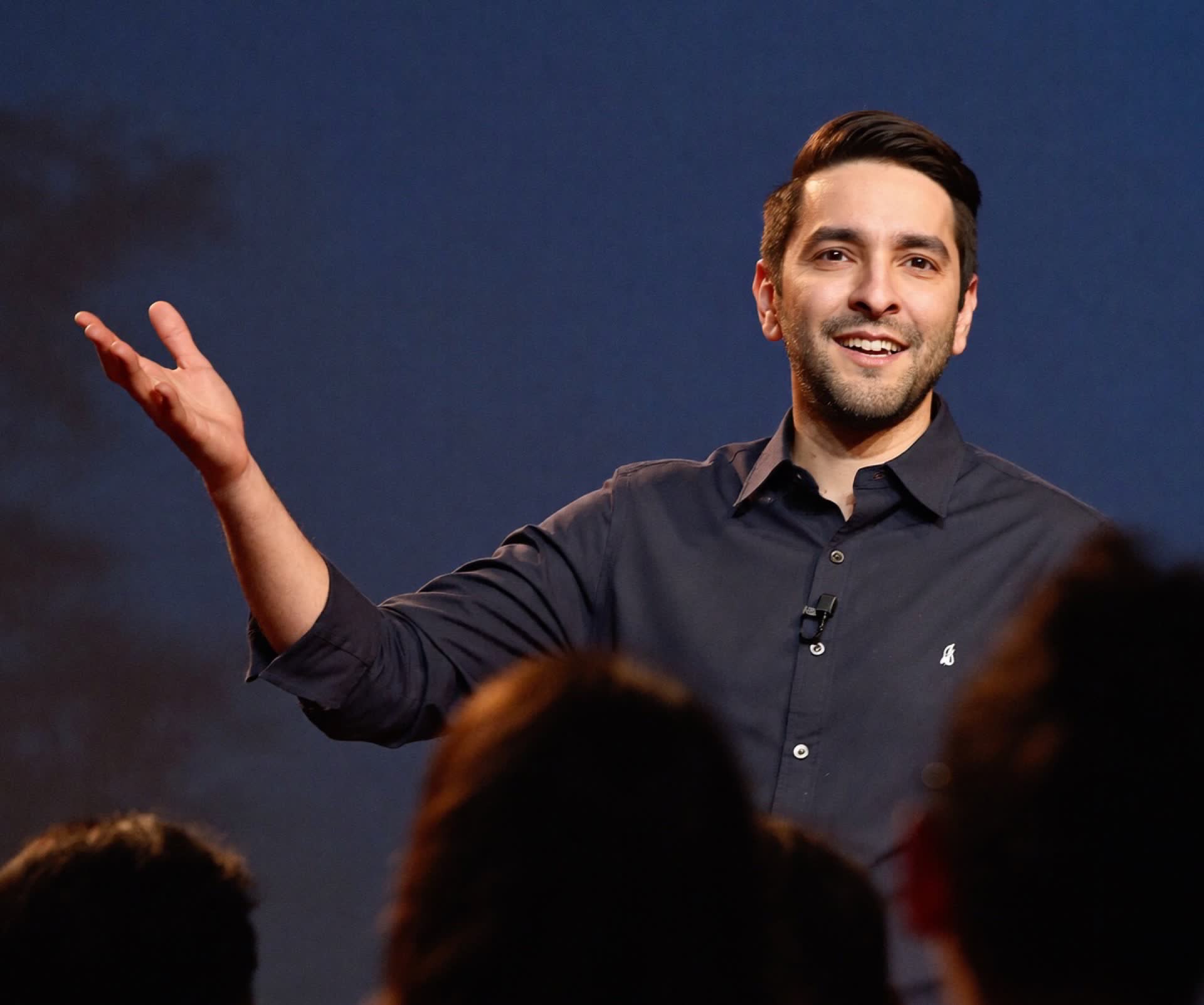
Thought Behind Things · Sep 13, 2023 · 2:04:25
The AI scientist who says fundamental science already ended
Dr. Nasir Ahsan went from a rebellious teenager in Saudi Arabia to the founder of Abyss Solutions, a robotics company whose perception software inspects the world's hardest-to-reach infrastructure. He makes an unfashionable case: most of what we call AI is glorified pattern recognition, and fundamental science largely stopped in the 1950s.
with Dr. Nasir Ahsan
12 min read
A storage unit in Sydney and a one-way move to Houston
The episode opens on Muzamil’s birthday — 13 September — and on a guest he admits surprised him. Dr. Nasir Ahsan founded and runs Abyss Solutions, a robotics company that started in Australia and now operates out of Houston, with offices reaching from Rio de Janeiro to Aberdeen to the Gulf to Islamabad. He has been working on machine learning since 2004, long before most of the world had a name for it, and he has been to places in the ocean, he says, that no other human has reached.
The move from Sydney to Houston is where the real character of the company shows. The obvious assumption — Nasir notes Muzamil making it — is that a technology company belongs in San Francisco, and that any relocation is about optimising around California’s tax laws. That is not the reason. The pull came from the oil and gas sector. By 2018 Abyss had Chevron, Anadarko and BP among its clients, and the commercial gravity was American. “It’s a land of entrepreneurs,” he says. The appeal is not personal — he has no family there, no stake in the country — but the culture lets you “deploy ideas and transform ideas into products and commercialise them very quickly.” He packed in two weeks. Five years later his belongings are still in a Sydney storage unit he has paid for and never emptied.
A 7am introduction and a purchase order two days later
The first oil-and-gas contract is a small story Nasir tells with relish, because it captures how he operates. He was flown to Houston in 2018 to present at a routine conference. He had no entry into the sector yet. So at 7am, before the day got busy, he found the conference organiser and asked plainly for a chance to talk to people at Anadarko — he did not want to fly home having only given a talk. The organiser walked him to a corner and introduced him to Jim Ranney, the director of engineering and technology.
Two days later Ranney assembled his directors around a table and told Nasir to speak. Abyss did a couple of hours of demos and applications from other sectors — its standard move when entering a new market is to show capabilities and ask clients which of their problems it can solve. The room went quiet. Ranney leaned back and asked, “so when are we gonna pay them, boys?” A general manager scratched his head, knocked on the table, and said, “you know what, screw it, let’s do it.” That was the first purchase order. The lesson Nasir draws is about appetite for risk: in that culture, ideas can become products fast, and for an entrepreneur, that is the dream.
A rebel with no purpose, and the teachers who fixed that
The conversation winds back. Nasir was born in Karachi, his mother from the northern areas, the family settled in Quetta, his childhood split four years at a time between Islamabad and Saudi Arabia, where his father — a renowned Pakistani mathematician — taught at King Fahd University of Petroleum and Minerals. Nasir is the eldest, and, by his own account, nothing like his father: where his father is calm, methodical and timely, Nasir is loud, ambitious and drawn to risk. “I was a troublemaker, I was a rebel,” he says. His father gave him space, and used the hard method when needed.
He is unusually candid about how badly the rebellion ran. He left home at 16, did his A levels in Pakistan because his father wanted his children to remain Pakistani, and then, free of supervision at university, “went berserk.” He got into trouble, got locked up in Saudi Arabia, and at one point was beaten by what he describes as a hundred people. That beating was the moment he understood the trajectory was unsustainable. His diagnosis of it — and of a lot of Pakistani youth — is precise: it was not anger, it was a lack of purpose. Energy, he argues, is a blessing and a double-edged sword; the failure is in not recognising, managing and channelling it, and in cultures that try to suppress energy rather than direct it.
The turn came through teachers, whom he treats with near-religious devotion. His first mentor after his father was Dr. Krishna Rao, a travelling computer scientist who cycled around the Saudi heat while everyone else drove — different, and Nasir was always drawn to different. Rao introduced him to AI in its classical, logic-programming form, made him write proofs for hours, and trained him hard. When Nasir wanted to do a research master’s in Australia and needed a proposal, the method was almost comically practical: he typed “AI, machine learning” into Google, pulled a few research papers, lifted the “future work” section, converted it into a proposal, and sent it to Australian universities. That is how he ended up applying machine learning to molecular biology, trying to model the causes of cancer.
From tool-maker to the field — and a torpedo idea
Two years into molecular biology, he hit a wall that defined his career. He felt he was becoming “a tool-maker for biologists” — building models around data and assumptions he did not control, with uncontrolled variables he could not interrogate. He wanted control over his data, his desk and his research problem. He wanted to feel the science, not mine someone else’s spreadsheet.
The pivot to robotics had a second source, and it is the most charged passage of the episode. He met a Pakistan Navy commander, Junaid Hussain, on exchange at the University of New South Wales. The commander told him about the days after 9/11, when, under Musharraf, Pakistan’s navy stood off against the American carriers headed for the invasion of Afghanistan — an ant and an elephant, in Muzamil’s framing. The young, hot-blooded Nasir asked why they hadn’t simply fired. The commander explained the engineering of it: a missile would be intercepted, and even a hit on an aircraft carrier would be absorbed by its internal compartments. That answer planted an idea — that Pakistan needed to work on defensive technology, an autonomous torpedo that could dodge and reach — and it pulled him toward field robotics. He returned to Pakistan against the advice of every friend who had stayed abroad, took a position at NUST working on drones and underwater vehicles, and describes those frustrating, bureaucratic years as some of the most gratifying of his career, because he was building something for his country.
He went on to the Australian Centre for Field Robotics for a PhD, proposing an underwater absolute-positioning device — a kind of GPS for the ocean — built on geomagnetic parameters, the way turtles navigate thousands of kilometres by sensing magnetic field strength and inclination. That PhD, and his Pakistani background, also left him permanently flagged for security clearance, even now, travelling on an Australian passport to the United States.
Why he walked out of academia
After the PhD came a Rio Tinto post-doc on fully autonomous coal mining, and the result he is proudest of. Miners drilling to understand the geology of a seam were sinking 108 exploration holes before they could mine an area. In a single month, Nasir replaced that with an alternative technique that needed six holes — and showed it could go to four. A Rio Tinto manager told him he had just saved them five years of money. Then, when he returned from an ocean-exploration mission, he was handed a termination: the coal programme was being shut down. “Is that how expendable I am?” he asked. That was the moment he understood academia, however prestigious, was “a golden cage.”
His argument against the field is broader than his own firing. Fundamental research, he says, is finishing, killed by the American “publish or perish” model that drives people to easy problems. The old idea of a university professor free to work on whatever they want has, in his telling, disappeared.
‘It’s all just pattern recognition’
This is the spine of the episode and the source of its title. When Muzamil raises the singularity — the popular idea that AI will soon help crack quantum physics and revolutionise innovation — Nasir refuses it. What people see, he insists, is not science. “Science is discovery. Science is mathematics. Science is understanding the nature of things.” What is actually happening is the commercial materialisation of concepts invented decades ago, made viable now by miniaturisation of sensors and processing power and Moore’s law. Neural nets, he points out, were taught as a core concept in the 1950s. In his own field, the fundamental contributions came up “until the fifties,” and most of what followed is recycling — new tyres and a fresh coat of paint on the same car.
The AI of today, he argues, “is nothing more than pattern recognition.” He reduces it to a line: machine learning is figuring out the value of m and c in y = mx + c, then feeding in x to get y. Driving a car needs more, but it is still function-fitting. Human intelligence — creativity, intuition, emotion, ambition — is “way beyond basic logic,” and the reason machines cannot reach it is mathematical, not a matter of hardware or software. “Can you characterise infinity? Can you characterise love?” Mathematics, he says, is a limited language, and your ability to express a concept defines your capability to solve the problem. Asked about Neuralink, his answer is the same: a glorified pattern recogniser. When Muzamil floats the cyborg idea — a hybrid super-species rather than a purely robotic one — Nasir genuinely pauses, says it is a proposition he had not considered, and admits it is worth thinking about.
What Abyss actually builds
The company, founded in 2014, came out of the same lineage — marine robotics, mining, agricultural drones — applied to one thing: AI for robotic perception, planning and decision-making. The vision Nasir preaches is “Intel inside” for field robots. Abyss does not make the drones; it makes the intelligence that goes on them. He is dismissive of what passes for advanced robotics today — Boston Dynamics, in his view, “is just hardware,” machines following dumb waypoints and pre-programmed instructions. What does not yet exist, and what Abyss is built to deliver, is a robot in the field that can notice a damaged pipe, weigh whether to raise an alarm or spray a marker or apply a rust-stopper, and make that decision in real time. The purpose, as he frames it, is to protect and conserve the world’s most precious resources, and to send machines where it is too risky, too remote or too large-scale to send humans.
He chose his co-founders deliberately — his wife Mahina, who handled the early finances, grants and tax work; Masood from Afghanistan; Ibrahim on the technical side — all of Muslim origin, a choice he can only explain as chemistry and a sense of safety. He is frank about the near-death moments: standing in front of a cash-flow sheet with two weeks of runway and thirty or forty people on payroll, while the founders told their non-Muslim colleagues that God would take care of it. “When you’re cornered and you rely on your faith, that’s when you see your strength.”
Pakistan in 2050, with and without Abyss
Muzamil closes with his standard question: extrapolate the last thirty years and tell me where Pakistan is in 2050, no wishful thinking. Nasir answers it twice. Take Abyss out of the picture, and he is blunt: Pakistan is not a conducive environment for development, it does not entice investment or commercialisation, and on current trends it will be no better in 2050 — possibly worse. But the problem, he insists, is fixable fast. The single priority is revenue generation. The country’s most precious asset is 220 million people who can export services; the answer is to train them, build cost-effective outsourcing, stop taxing the only asset there is, and push the healthy consumer market toward a freer market so people have something to spend on. Without opportunity, the best leave, and the brain drain pulls the rest into a vicious cycle.
Put Abyss back in, and the picture changes. Abyss Pakistan is the only subsidiary with a separate mission, and Nasir states it without hedging: “to become so embedded in the future core economic infrastructure of Pakistan through robotics and AI that no decision can be made without our influence.” While India is still chasing IT offshoring, he wants to equip young Pakistanis to make the country an export centre for robotics and AI — and notes that all of Abyss’s global delivery already runs through a building in Islamabad. He is honest that when he first named Pakistan to his board, people laughed and asked why not India.
The funding mechanism is concrete. One percent of revenue — for a company he aims to grow to five billion dollars in a decade or so — routed into two things: governance and education. He wants to become a top investor in Pakistan not for returns but to improve governance through micro-economies and micro-finance, and to fund schools that teach what he thinks Pakistan actually lacks. Not maths and chemistry, which everyone can learn, but integrity, honesty, critical thinking, the value of quality work, and confidence. He does not want to own the outcome or run the schools; he wants to set a system in place that keeps running. What gives him hope, he says, is that the noise among ordinary people is rising — through globalisation, the old ways are changing, and the people who run them know it.
Full transcript
Welcome back to the three hundred sixty fourth episode of Thought Behind Things. Today is the September 13 which coincidently is also my birthday. तो अगर आप यह देख रहे हैं तो मुझे comment section में आकर happy birthday ज़रूर wish करें. इसी के साथ साथ हमारे साथ एक बड़े खास मेहमान मौजूद है doctor नासिर एहसन who is the founder and CEO of Abyss solution. जब वो आए थे I will be very honest I did not expect the conversation to turn the way that it did. What he is doing जो ये company इन्होंने बनाई है it's in Australia but also they have offices in South America, they have offices in America, Middle East, Pakistan all over the world. They are doing some really really cutting edge work in artificial intelligence and machine learning. यह machine learning के ऊपर काम कर रहे थे as far away as 2004 जब दुनिया को इसके बारे में by and large पता भी नहीं था. And he really focuses on AI and ML pertaining to robotics and mining and autonomous vehicles and stuff like that. Some really really cutting edge work. He's been to, you know, दुनिया में ऐसे ऐसे oceans की जगहों पर जहां पर आज तक कोई और इंसान नहीं गया. I'll be very honest. This is one पाकिस्तानी जो कि I was surprised that not a lot of us know about him and जब आप इनकी story भी सुनेंगे और ख़ासकर इनके ideas सुनेंगे तो you would be pleasantly surprised as well. We obviously spoke about his early life, how he evolved into what he did ended up becoming but also उसी के साथ साथ we also try to understand कि जो आजकल दुनिया के अंदर AI और ML और यह हम बहुत सारी चीज़ें sun रहे हैं, बहुत सारी evolution हो रही है, neuralink के साथ क्या हो रहा है, बहुत सारी औचितान क्या हो रहा है, you know state of research इन सारे areas में वह किस जगह पर है. We had a very detailed discussion about that. इसी के chapters भी नीचे available है if you wanna check out any specific topic अगर आप इस channel पर नए हैं तो हमें subscribe ज़रूर करें और अगर आप पुराने हैं तो इस video को like ज़रूर करें because that really helps the algorithm and supports the podcast अगर आपकी कोई खयाल आता तो let us know in the comment section below and read all comments and it really helps me improve the quality of the podcast. But anyways, this is doctor नाज़र ऐसान on TBT go Dubai studio. जी doctor साहब, कैसे हैं आप? अच्छा मेरे को, हम सब ठीक ठाक, बहुत शुक्रिया. मुझे यह बताएं, are you based out of Australia या do you fluctuate between? I used to be based out of Australia but I am currently based out of Houston, Texas. अच्छा interesting. Why did you make that move?
The reason why I moved over there is क्योंकि हमारी company Australia में start हुई थी but the adoption of new technologies or a new technology company तो वह risk taking appetite और नई technologies का appetite America's
America is the land for it. Interesting and one would assume side से बैठकर कि if you are going to America, San Francisco would be the most ideal place. But then recently हम यह भी sun रहे हैं कि San Francisco के tax laws and वह सारा कुछ ऐसा है कि a lot of companies are moving to, you know, Texas and then with Tesla moving there, bunch of other companies moving there. How did that sort of you know इस पूरी equation में वह was that a part? कैसे जी मैं Houston जा रहा हूं तो maybe I need to optimize the way that I set up. No that's a good question हम लोगों का जो pull था वह oil and gas sector से आया था predominantly
so our technology was being applied in the oil and gas sector तो वह Houston से pull आया था it was purely commercial attention revenue सारा उधर से आना शुरू हुआ था तो दो हज़ार अठारह तक हम लोग, I think 2018 was the first time I went regarding the business to The US. दो हज़ार अठारह में तकरीबन एक हफ़्ता April में मैंने गुज़ारा था Houston में. Two weeks with my cofounder in in June and we already had Chevron, Axon and Adarco BPS clients. वह जो traction थी वह देखकर
I mean you can't say no. कर क्या रहे थे? I mean for an average user बिल्कुल non tech guy, non corporate guy what really were you doing for these companies? दुनिया भर में technology बहुत evolve कर चुकी है. अब आप घर बैठे एक mobile phone से पूरी दुनिया में किसी किस्म की भी different assets, stocks या even cryptocurrencies ख़रीद सकते हैं. जहां पर यह technological evolution आए वहां पर भी unfortunately हालात ऐसे हैं कि economy एक ऐसी जगह पर पहुंची हुई है कि बड़े आजकल बुरे हालात हैं, inflation बहुत ज़्यादा बढ़ रही है, savings हमारी deplete हो रही हैं. ज़्यादातर लोग investments करते ही नहीं और जो करते भी हैं वह 90% losses unfortunately बनाते हैं. इसी problem को solve कर रहा है sharmaya.p k जो कि अपने financial trading platform पर trainings भी offer करता है और data भी offer करता है जिससे आप पूरी दुनिया की markets खासकर पाक्षतानी markets को आसानी देख सकते हैं. अगर आप लोग अपनी investments और trading में struggle कर रहे हैं तो I would definitely urge you to check out शर्माया financials platform. It's a remarkable place जहां पर आपको बहुत interesting you know reports के through data भी मिलता है, investment की advice भी मिलती है और ख़ासकर उनकी trainings जहां पर उनके experts जो हैं वह आपको crypto, stock market, commodities और assets के अंदर trade करके पैसे कमाना सिखाते हैं. So check out the platform and check out their trainings. Now back to the podcast. Basically मुझे जब दो हज़ार अठारह में April में बुलाया था it was a it was a it was a interesting start.
हमें बुलाया था एक conference पर present करने के लिए. अभी तक हमारी oil and gas में कोई entry नहीं हुई थी. मेरे दिमाग़ में बहुत पहले से था. एक AI had a picture in my head. I have lots of pictures in my head that drive me in a direction. But 2018 I went to present at a conference. It was 7AM in the morning. It was just a normal regular conference जिस पर Iain Darko ने जिसको host किया था. I went in. I caught the I caught the conference organizer at 7AM before everything started getting busy and I went up to him and I said के well you guys called me all the way from Australia to and you hosted me to come here to speak at your conference. I would really love the opportunity to talk to people at Anadarko and show them what I'm doing. And that's all I just wanna do. Don't wanna go back just giving a presentation. उस उसने मुझे कहा, yeah, why don't you follow me? And he took me to the corner जहां एक बंदा तारे से ही करा था. And apparently he said hey, meet Jim Ranney. He's the director of engineering and technology. And I said, okay sir, I'm here I'm here all the way from Australia. And I just wanted to show you what I what I brought here. And two days later he organized all his directors at Anadarko on the round table and he said get up and speak हमने दो घंटे कोई घंटा date presentation दी मुफ्तलिफ applications बताई जो हम दूसरे sectors में apply कर रहे हैं because we're a novel technology what we typically do is we go when we enter a new market we typically show our capabilities and we are very client oriented in the sense कि what problems can we solve for you with these capabilities? I mean, is new technology. तो वह करने के बाद ना तो कुछ applications वगैरह निकली and then the room went silent and that's when Jim Ranney kicked back and put his feet on the table and he said, oh, I don't know if you put his feet on the table, but he kind of looked like that. And he said, so when are we gonna pay them up, boys? And, I'm looking around, and and everybody's quiet. And then Colin Pickle, who was a general manager offshore, he's scratching his head and, you know, thinking and scratching his head and then knocks on the table and he says, you know what? Screw it. Let's do it. और उधर से हमारा पहला पियो निकला. And it was it was it was that, you know, really risk appetite for risk that attracted me it's a land of entrepreneurs United States has had a long history of मेरी कोई जाती connection नहीं है ना मेरी कोई family है ना मुझे कोई personal interest है in The US लेकिन वह जो जब एक entrepreneur है किस तरह का culture है एक उसका culture देखता है ना it's very very appealing क्योंकि you can deploy ideas and transform ideas into products and commercialize them very quickly. तो for an entrepreneur that's that's the dream, right? तो that's it. I moved there for, you know, मैंने उड़ात उड़ात अपने bag pack किए, बेगम को बताया और we we got our daughter and we had one daughter at that time and and we packed her bags in two weeks we were gone. अभी दो हज़ार अठारह की बात है और अभी तक मेरा सामान storage में पड़ा हुआ है Sydney में. Really? Yes, I'm every year I go there I'm like यार मैंने storage से निकाली है. And now it's it's so old that I think I'm just gonna get rid of it. And I ended up paying five years of storage fees for nothing. Or, and then we moved there. And we didn't know anything. We didn't know anybody. And it was all over from Ground 0 again opening up a new market and being on the front lines. थोड़ा सा if I if I let's sort of loop back a bit. हां जी. Where were you born? आप Australia में ही पैदा हुए थे? नहीं, मेरे मैं कराची में पैदा हुआ था. मेरे वाले साहब कराची के हैं और मेरी वाल्दा जो है वह northern areas की है. Right. But settled in कोएटा. Our family was settled in कोएटा. तो मैं पैदा कराची में हुआ था because my father wanted me to be you know next to his his mother and my grandmother and all that but मेरा ज़्यादातर वक़्त has been spent between we've been living in Islamabad for a very long time तो Islamabad में हमारा घर है और लगे फ़ज़लोकराम से और मेरे वाले साबुद्र आए थे इस्लामबाद in 1971 after finishing his PhD. अच्छा interesting and what was he doing? Was he working for the government at the time? नहीं, he was a university professor. May I come from an academic background, हमारा academic background है. Interesting. उन्होंने किसी से PhD की थी? Mathematics, pure algebra. He's he was actually I'm very proud of my father. He's one of the most renowned mathematicians in Pakistan. अच्छा. Yes.
Wow. Yeah. And education for most part was in Islamabad?
मेरी father जो थे वह it's a funny story क्योंकि we used to move between Saudi Arabia and Pakistan. तो Saudi Arabia में मेरे वाले साहब जो थे. He was working at King Fad University of Petroleum and Minerals I am actually a graduate of Jamaim Alik Fad और हम लोग तीन चार साल Saudi Arabia में होते थे तीन चार साल Islam बाद में because my father is a very patriotic person and he's always carried this very, you know, strong passion to help the youngsters and the people in the country. तो वह तीन चार साल बाहर रहते थे तंग आकर वापस चले जाते थे. Right. फिर Pakistan में limitations की वजह से he would feel that he needs to, you know, go back to Saudi Arabia and then so he would go back to Saudi Arabia and then, you know, we just spent four years here, four years there, four years here. तो we be moving back and forth. तो I've been in Islamabad, like I was born in in Karachi but then we moved to Saudi Arabia, came to Islamabad around '85, '86, stayed there till '92, moved to Saudi Arabia, came back in '97, stayed in Islamabad till '99, moved back for my undergrad in in in '99 and then I left Saudi Arabia in 2004 for good. Right और Saudi में आपने undergrad किस चीज़ में किया? Computer science. अच्छा. Mhmm.
This is '99 when you started. Yes. Right? What what was the thought process there because आज कोई computer science करता बड़े different thought process से करते हैं. उस time पर कोई computer science कर रहा था तो अगर कोई back home खाला से चाहोगे बताए तो कहेंगे are are you sure? What are you even talking about, right? Well, if you want to hear the real story, it's actually quite superficial.
उसमें कोई depth नहीं है. I was sitting with my friend और मैंने कहा तूने कौन सा major choose किया? वह कहता है मैंने यह किया है. मैंने चल मैं भी यही कर रहा हूं and then we got in. I hated computer science for the first couple of years. I hated it. Why? Because it just I just.
I mean I just remember your father was a mathematician,
math being the heart and core of computer science. Yes, is. It is actually computer science and applied is a science is a branch of applied mathematics. Right. तो क्या कहते हैं I just even though my father was a professor I was never a good student. Right. Even though और मेरे father की और मेरी personality भी बहुत मुख्तलिफ है. मेरे father बहुत calm, collected, cool, composed, very methodical, very timely. I'm more, I'm more, what should I say, ambitious in the sense कि risk taking, loud.
Are you the youngest sibling? नहीं, I'm the oldest. You're the oldest? Yes. Interesting. I would never have assumed. Yes. कि someone with the opposite personality of the father is the oldest. Generally elderly, do ever follow a thing? Am the oldest and I was, I wasn't
a very satisfying child for my father either. I was a troublemaker, I was a rebel. Rebel from the get go, I mean, I always like to do things differently and my father was very respectful of that. Mean, he always tried to guide me. Gave you, gave you Yes, gave me direction, gave me my space. That's very important. Gave me my space. Always, also जब ज़रूरत पड़ती थी, he would, he would use the hard heavy method. लेकिन he gave me my space and let me explore. But, क्या कहते हैं? Different I was different to my father. Interesting. Yeah, very different. 2004 you graduated,
right? Yes sir. And you said you left Saudi. Where did you go? Pakistan?
Pakistan आएगा. I, क्योंकि I left home by the way in '97. So when I was at the age of 16. तो that that has had a big influence in my life. तो मेरी family split हो गई थी in the age of 16. Basically मेरे वालेद साहब ने मुझे और मेरी बहन को Pakistan भेज दिया to study and do high school. क्योंकि मेरे वालेद साहब हमेशा चाहते थे पाकिस्तानी Right. तो he sent me to do my high school in Pakistan. तो उस वक़्त से मैं family हमारी split हो गई थी. मैं और मेरी बहन इस्लाम बाद में होते थे and I was like 16 and she was like 14 or something और फिर उसके बाद when I finished high school मेरे वालिद साहब के साथ मैं सोतीरब चला गया मेरी वालदा मेरी बहन के साथ आ गई इस्लाम बादs and 2004 I came back I spent about six months and then I went to Australia to do my masters. Which was in what? Which was in, again, computer science, but I did my master's by research in, applying machine learning into molecular biology. So I worked in molecular biology for a while, trying to come up with techniques on how to model
the causes of cancer. अच्छा, interesting. Yeah. So couple of questions. First, machine learning in 2004.
Mhmm.
हम जैसे सुने, मैं भी computer science major हूं बड़ा late. हां जी. हम जैसे सुने तो machine learning के बारे में सुनना शुरू किया दो हज़ार आठ, दो हज़ार नौ, दो हज़ार दस. What
was happening in the machine learning world back in that day? पहला सवाल and then इसी के साथ follow up के ऊपर why'd you choose to focus yourself in the molecular biology space considering you didn't have a background of biology before that? I have have answers for that like like I said मेरी ज़िंदगी में बहुत कुछ बस हो गया and I don't know how it happened and I'll tell you why. Basically दो हज़ार why I started liking computer science. So I told you initially I hated it. मैंने दो हज़ार दो में या कुछ इस तरह करके internship की थी Comsats के software house में and I literally realized कि यार अगर मैंने यही करना है ना ज़िंदगी भर then I am out. I don't like this area. I am more of a out guy, make it happen guy, execution guy. Action, action मुझे ज़्यादा पसंद है और मैं हमेशा अपना आपसे यही कहता हूं कि अगर मेरी academic family ना होती तो most probably मैं फौज में चला जाता. I would have definitely gone into into the army and done something there and I always wanted to do that. लेकिन क्या कहते हैं दो हज़ार दो में I was very fortunate to get a very very very my first mentor after my father proper mentor doctor कृष्णा राव he actually was traveling around the world He was a renowned computer scientist who decided to stop by the Middle East and see what life is like over there. बहुत ही interesting personality. They used to while everybody had cars in Saudi Arabia, आपको तो पता है इधर Middle East में क्या culture होता है. The guy would have a सुराब cycle. In that heat? Yes. In this heat? Yes, he would have a सुराब cycle. He would come up. बहुत ही देसी आदमी थे. इन तेहाई देसी Self actualization की गलती level पर थे कि कुछ और ही चीज़ थे and that he just inspired me so much क्योंकि he was so different and I was always attracted to different. Different in terms of opportunity, different in terms of people because I could just never be content with what is the norm. ठीक है? तो I started approaching him and पहले दो साल तो मेरा कोई purpose भी नहीं था. पहले डेढ़ साल, दो साल. I wasn't doing very well. I didn't do very well in my high school and I actually studied very hard for A levels. उस सौख मेरे वाले साहब का काफ़ी control भी था. यह करना है, वह करना है, अच्छा पढ़ना है. And then I didn't get good results. Right. And so basically I lost it. I said, why do I need to study? तो and I'm just taking a step back just to kind of give some context here why I got so close to that teacher. तो when I got into university I just literally went berserk. Parnani, Tiga, A levels की वह knowledge थी तो I I had a bit of a step ahead from Saudi's तो I had a couple I had about a year and a year or a little less than a year where I could recycle my knowledge and enjoy without studying and and get away. And I I got into वह जो जवान लड़कों के वह होते हैं पढ़े करना, यह करना, वह करना. I don't know if I am allowed to say any of that. लेकिन वह वह सारी उस तरह की ना वह चीज़ों में. अलाहा कि शुक्रा गुनाह कोई नहीं की उस तरह के लेकिन वह you know the. Yeah.
With the test and all निकालना. Aggression
निकालना and I basically broke out of the shell. Right. Because I reached an age where I was like you know screw it I am not gonna listen to anyone. I am you know everybody has always told me how to do things. बचपन से मुझे बताया गया था कि तुम जिस बाती हो, तुम यह हो, तुम वह हो, इस तरह रहो, इनके साथ रहो, इस तरह करो, यह करो, वह करो और वह चीज़ें जो है ना वह culminated into something that just wasn't fitting in myself and then when I got to an age where I could break out of that I broke out of it and I broke out of it real hard I got into lots of trouble lots of trouble I mean I don't know कितना मुझे कहना चाहिए लेकिन, I mean every everything you can imagine that is, you know, not to the point of कि इज़्ज़त तुम्हारी ख़राब हो गई है. पढ़े करना, lock up में फ़ंस जाना, यह चीज़ें करना. हां, सऊदी. Yes sir, I have been locked up in सऊदी as well and दो, दो, दो, the reason for that was extremely hilarious. I actually bought new glasses and I didn't have insurance and I went and I couldn't see properly properly and I hit a car and मुझे नहीं पता था कि पहले से ही accident हुआ हुआ है. And then they just put me in the lock up. उन्होंने कहा दो सौदियां आ गए, इसी को पर इस आम डाल दो, इसको ठाके बंद कर दो. But anyhow, I got into a lot of trouble and the epitome of it was and this is where like really my mind reached a point where it was going to extremes very quickly and I got to a point where I literally got beaten up by a 100 people. सोलह में निस्मार खाई है और वह वक्त था जब मुझे एहसास हुआ कि you know. Unsustainable
होता ज़्यादा थोड़ा सा. Yeah, you know यह
मैं को खुदा नहीं हूं, ना मैं को बात छू, you know. I might be able to to exert my influence or my aggression but at the end of the day मैं मैं कुछ भी नहीं हूं I lacked purpose. If I were to ask you,
you know, mentioned a lot about sort of anger management issues and rebellion issues. Yes. Were you ever able to sort of pinpoint as to where that was coming from?
I feel like that's a lot of पाकिस्तानी voice. Yeah, have I'll tell you it's lack of purpose. अच्छा. It's lack of purpose. You see channeling your energy, energy is not a bad thing. हमें हमेशा कहा जाता है कि यह पागल है जिस बात यह नहीं that's it's it's an energy energy is a blessing it's it's a double edged sword Allah ने आपको जो भी basic gifts दिए हैं you need to you need to be able to first recognize them then you need to be able to manage them, control them and channel them. हमारे तरबियत में unfortunately मुल्क में उसको बहुत
crude तरीके से लिया जाता है नहीं कोशिश की जाती है कि जैसे कि वो निकले ही ना बजाय से positive outlets
वो बस दब जाए Exactly अब हम लोगों की energy को channel किया जा सकता है into many things right positive but it doesn't happen that way in our countries तो it results in it coming out in the wrong way but it was me who realized at some point I don't know when it was that I need to use it for my own benefit and there was a point in those first two years of my undergrad when I realized that my emotions, my passion, मेरा जज़्बा, मेरी aggression if I, if I can use them and channel them, then I can do unthinkable things. And that's when my journey started to, that's really when my self development journey started. मुझे मेरे वाले साहब की guidance होती थी, but then this is what drew me to the love of having teachers. Until today I worship my teachers. मेरे जो teachers हैं उनको मैं literally मुरीद मुर्शद वाली जो relationship है उसमें रखता हूं. चाहे गोरा हो, चाहे काला हो, चाहे जो भी हो, चाहे पक्षानी हो. I worship them, I adore them and I live to service or please them. तो for me learning became extremely critical because I really realized I had a lot of deficiency so doctor साहब आए थे in my second year or third year and I also lacked purpose purpose is also something that that drives energy in the wrong direction I don't know what happened कुछ personal वह थे, realizations थी, कुछ experiences थे, कुछ दोस्त थे. When I realized that I need to move, when I need to, when I need, मुझे बस पता था कि कुछ करना है. अच्छा और यह purpose is funny it doesn't come by birth or something I mean you could follow the human school of thought and you and you can say now everything is by experience or you could say it's natural well I am not a philosopher so I not going to get into that को. My father used to walk a lot. छह छह घंटे he would walk all the way to Southern sometimes from F10. He would walk to कायद्याज़े university and walk back and he would do most of his research while walking. ठीक है? In his head and think about problems. तो मेरे वाले साहब रात के दस ग्यारह बजे एक दिन आए और पसीने से भरे हुए थे. And he was बहुत सांस उनकी फूली हुई थी और बहुत परेशान थे. तो अम्मी बहुत परेशान हो गई. हम छोटे से बच्चे थे मैं और मेरी बहन, मेरी छोटी बहन और हम उनको देख रहे हैं and his whole shirt was wet पसीने से and he sat down और अम्मी ने उनको पानी लाकर दिया और he got the whole family together और उन्होंने कहा कि बैठो और और फिर उन्होंने वाक्या बताया. उन्होंने कहा मैं गोलरा शरीफ की तरफ से जा रहा था which is which was basically jungle at that time और jungle से now whether these stories are true or not वह एक अलग अलग चीज़ है but it has an impact. Impact तो है हां. तो वह कहते हैं कि एक एक बुज़ुर्ग निकले जंगल से. Completely white. He was gleaming white and he just came out of the jungle और झाड़ियों से निकले और मुझे कहते हैं तुम जावे तो. हां जी. तुम्हारे बेटे का नाम नासिर है. हां. वह एक दिन तुम्हारा नाम रोशन करेगा. And then he went back and then he never saw him again. कभी भी ना तो उस रास्ते पर मिले ना कभी. अब जब आप एक बच्चे हो and you know you hear something like this, you don't know what it means but things like this stick with you और मेरे वालिद साहब ने मुझे इसी तरह हमेशा train की. He never used to talk too much to me but he would, he would feed and inculcate this into me and that you're born for a reason. And so what I needed to do is I needed to identify what that reason is. तो undergrad में वह कुछ process शुरू हुई थी. तो जब मुझे मेरे teacher मिले in the under in undergrad, he kind of gave me some sense of purpose कि यार I I got a direction I can go. He introduced me to AI. Right. He was an AI guy. उस वक्त AI classical थी. We were more into logic programming and he was a theoretician and so on and so forth and I just absolutely adored everything he did I love the way he ate he taught he sat मैं उनके घर जाता था he would make me write proofs for seven hours while he would be doing something else मैं basically fully उनकी tutelage में रहता था and he made me he trained me very well and it's through him that that I got into the field of AI तो जब मैं I'm skipping the long training process and getting to the point कि आपने पुछा AI में क्यों आया हो? I wanted to do masters ambition बहुत था और मैंने उनसे कहा कि sir मैं जाना चाह रहा हूं Australia ठीक है I don't want to go to The US and I don't want to go to Canada because I don't want to do SATs or GMAT or whatever जो भी होगा GRE होता है मुझे I just want to go straight and I want to get into research तो उन्होंने कहा ok and I was looking to write a research proposal to attract a supervisor in Australia तो मैंने उनसे कहा कि मुझे कुछ idea दें. So he said machine learning and AI is a growing hot area. So that's kind of where it started from. मैंने literally जाकर AI type किया Google में. ठीक है? And that's how it all starts. ठीक है? That's how it all starts from baby steps. I completely you you these are such funny ways to do things but that's how it all starts. मैं Google में type किया AI, machine learning और मुझे दो तीन papers मिले. वह मैंने research papers निकाले और research papers में से मैंने future work का section निकाला. वह problem copy की, उसको proposal में convert किया और मैंने Australian universities में भेजना शुरू कर दिया and that's how I got into molecular biology.
मेरी सोच नहीं थी कि यार उस time किया पर foresight. कोई foresight भाई. कोई foresight नहीं sir. कुछ भी नहीं था. But I mean, very logical. आपने जैसे computer scientist ने कहा काम कि कहां तक काम हो चुका है? क्या काम आगे propose हो रहा है? उस काम का मैं कहता हूँ मैं कर लेता हूँ and you were able to break that down. Australia में which university did you go to? I
was fortunate enough to go to under the supervision of Doctor Mike Pain,
University of New South Wales. Right. मुझे अगर पहले तो यह बताएं because इस university को तो मैं पूछूंगा ही. King Fahad University. हां जी. Right? How was that? Because Saudi was not necessarily very renowned for its academic sort of legacy. And and so you've now done your PhD. You've been around the world.
How his how do you compare that? Sir, I'll I'll I'll tell you this. So Kingfath University was a a little little Alice in Wonderland place in the Middle East ठीक है it was set up by the Americans it was set up for Aramco which is as you know the flagship of the Saudi economy and the flagship of the Saudi everything that they've done is through Saudi Aramco. Saudi Aramco now after spending so much time in oil and gas traveling the whole world meeting all the operators Saudi Aramco is truly an impressive beast they are technologically extremely savvy I mean I am telling you their appetite for solving problems their ability to solve problems and the challenges they face at the scale at which they have is unparalleled ठीक है I mean I would I would I would classify them next to I mean आपको मैं बता रहा I am sitting in a room filled with Saudis from Saudi Aramco. It's a world in of itself. It doesn't exist outside Saudi Aramco like that. तो they they are they talk to me at the same way as I would talk to those guys at Anadarko. Risk taking, appetite for innovation. Ticket's a state owned enterprise is a bit slower than Anadarko. That's an understatement. But they are extremely well aware of the science, the fundamentals, the vision, the frameworks to innovate, the framework to solve problems they have it. So Kingfad University was a byproduct of that. It was actually a college designed for Aramco. The Americans as long as they stayed in Mexico which then became Aramco also managed to continue that legacy into KFUPM. तो KFUPM जब मैं बड़ा हो रहा था was filled with foreigners. Right. I knew all different kinds of people, Greeks, Americans, British, blah blah blah. तो it was a very multicultural area उधर जो research का atmosphere था under the excellent leadership of बकरव and बकर, it was phenomenal. They were one of the top 100 universities in the world. They had amazing research coming out of there. They had amazing collaboration and I'll tell you this. मेरे वालेद साहब UPM आए कैसे थे? My father worked very closely with professor अब्दुस्लाम and they used to spend time together in tree estately. This was in the early 70s और professor अब्दुस्लाम के पास एक professor आए थे who used to watch my father in treeist in his institute and he said to him मुझे यह बंदा चाहिए I need to take him back to Saudi Arabia तो professor अब्दुस्लाम मेरे वाले साहब के पास है मैंने कहा जावेद and you know who professor अब्दुस्लाम is Of course of course for everybody else are Nobel laureate I am very honored that my father knew him and spent lots of time with him he basically came to my father और उन्होंने एक बात की उन्होंने कहा जाविद दीन और दुनिया अगर चाहिए, इधर जाओ. And so my father said कि कौन सी जगह है? मैं इधर क्यों जाऊं? I mean मैं तो अभी दंडी से आया हूं. I did my PhD. Can go to Caltech. I've been to Cambridge. I've been to all these other places. Why should I go there? And then my father decided to come there and he absolutely loved it. क्योंकि my father is an introverted solo worker and so these just उनको सिर्फ, you know, they give you that space. Right. तो KFUPM over the years has not been the same ठीक है? But it was it was a very top class university. उसका standard थोड़ा सा गिरना शुरू हो गया था as we as we as we got into the two thousands I think it's starting to pick up again but it's उसकी जो eighties nineties में जो reputation थी was is really top notch So that's the story with KG. And what about your experience in Australia? Because this was the first time now you were in Australia for for your education. Yes. So I did have enough experience of living alone so far क्योंकि मेरे वाले साहब तो मुझे UPM में छोड़कर दो हज़ार एक में चले गए तो so I was living alone in Saudi Arabia. The interesting thing was I had never been to the white man's land. I mean बचपन में अब्बू के साथ थे but that's a separate one not as an independent older guy तो वह मेरे लिए बड़ा interesting था coming from Saudi Arabia which is very closed and very you know this और हमारे यहां मुल्क में बड़ा बड़ा बताते थे oh you know सोने की काने हैं Australia में यह one then when I went to Australia and I was like what the hell is this place छोटी छोटी गाड़ियां पुराने bathroom Excuse me but I mean I was actually surprised कि इधर इधर कोई. यह भी दुनिया के पाकिस्तानियों सेने जाकर यह सोचते हैं. I mean you know I was used to like big roads और GMC's and छोटी छोटी गाड़ियां, छोटी छोटी सड़कें, तंगलियां
and I didn't I didn't really I it took me a while to get used to Australia. And it was like the other end of the world right? Like they need to needed to bring anything and everything from all the way across the ocean. Yeah. But in terms of infrastructure, you went into the early two thousands?
So I went in 2004. '4. Yes.
How was the infrastructure there? Was it comfortable?
It was no mean, they had old old houses. Middle East by and large is luxurious.
Middle East एक दुनिया का ऐसा आपको देता ना. City is not luxurious and most of the world isn't. Yeah, so comfort is different. Luxury is but comfort यह है कि यार मेरी basics मेरी. नहीं नहीं वह तो पूरी थी. सर्दियां गर्मियों में मुझे temperature
200 years old I mean जिस या तो अगर आप fresh construction बनाए तो आपको मिल जाएगी लेकिन मैं रहता था hostels में they didn't really have central air conditioning most of the time I would rent my own apartment I'd have to buy a fan and then when I go to the market before summer fans सारे sell out हो जाते थे and then I will be sitting there तो I mean you you that's the kind of stuff you would have there but Australians are tough. अच्छा how how so? I mean they're used to that like they they हमारे यहां समझा जाता है जितनी luxury हो उतना आप अच्छी ज़िंदगी गुज़ा रहे हैं but actually you should be able to live more like tougher life. You don't need AC's, you don't need fans, you don't need super heaters, just live for that. Yeah. And Australian Australians very good at that. Olympics के medal सारे वह लेकर जाते हैं ना because they are just. बहुत toughcom है. हां. बहुत toughcom है and and you know what eventually you get used to it because it's a different mindset, it's a different lifestyle. You know, you don't सौदी रमें तो हम bathroom भी गाड़ी में जाते थे. I was introduced to the art of walking in Australia and cycling. So, mean you go through, अब मुझे तो कितना हार्सा लगा था bus में बैठने के लिए. अच्छा. हां, I have never travelled in a bus train कैसे होती है? इतने complicated systems तो वह जब पाक्सानी ऐसी जगहों पर जाते हैं उनको यह चीज़ें महसूस होती हैं. Right.
In terms of the education and the research, now you've gotten yourself into a very complicated field and a complicated subject.
How did you sort of go through that? Was it standard, TK चल रहा है, हो रहा है, whatever? Yeah. How did I get into it? तो when I got into molecular so machine learning has been my thing. I've been trying to run away from it all my life लेकिन अल्लाह का पता नहीं करना है इसको देख keep coming back to it molecular biology में जब मैंने दो साल गुज़ारे I mean applying machine learning into molecular biology तो being in machine learning the interesting thing is you get to work with all different sorts of fields तो when I was applying this into molecular biology I kind of got sick of biologists because जो भी mathematical model मैं लेकर आता था to pose a problem like to model a problem there would always be uncontrolled variables and I didn't have control over the data I was collecting and I just felt like I'm more and more becoming a tool maker for biologists मैं एक दिन अपने supervisor के साथ बैठा मैंने कहा that's how I feel. I don't want to be a toolmaker for biologists. I want control over my data. I want control over my desk. I want to control the research problem. I want to feel the research. I don't want to be driven by data collected by somebody else, assumptions by somebody else and just kind of like get you know mind something out of it. I want to understand science and I want to be able to interact with the problem and that's when I decided to get into robotics but there was also another reason and you are gonna edit this right eventually ठीक है and you can decide what to take out and keep in लेकिन just to for the flow of being organic and natural मैंने मुझे एक दोस्त मिले थे Commander साहब. वह जमाना था जब Pakistan में अथाव रेमान साहब ने काफी सारी scholarships वह Right, की HEC कबू माया था? उस वक्त तो मैं नहीं गया था HEC पर उस पर मैं self funding पर गया था. वह मेरा bookie वह थी, वह थी मेरे ऊपर. I I I met a commander over there and that was a turning point in my life commander जुनेद हुसैन very grateful to him for for for meeting me over there and giving me his company वो नेवी से आए थे and he was doing an exchange from नास to university of new southwest. उस वक्त फौज के बड़े लोग आए थे और फौज मेरे लिए एक बहुत मुकद मुकद्दस्त के संगायता रहा था. I mean Pakistan हमारा मुल्क है and you know सोदी भी मुझे कहते थे when I was in Saudi Arabia कि you know you are the beacon of the Muslim world Pakistanis because you have the brains to I mean आपकी army है it's the sixth largest army in the world you have nuclear weapons you can you can bring back that you know वो जो सब एक romanticization है हम लोगों की की bring back the old मुस्लिम glory yeah a lot of people around the world feel like that unfortunately I don't think that perception exist anymore लेकिन it did exist back in the day तो वो मुझे मिले और मैं भी बड़ा वो था की मैंने Pakistan जाकर अपने मुल्की मदद करनी है और यह करना है. यह यह मेरे अबू ने मेरे अंदर inculcate किया हुआ था. तो I met him and he said he said to me कि he was telling me his story about जब nine eleven हुआ था. Nine eleven हुआ था तो Pakistan under मुशहराफ was actually at war with America nobody actually knows this but we were और मुशहराफ ने internally alert कर दिया था हमारी forces को और हमारी जो navy है went out onto the open ocean and was standing in front of the American aircraft carriers carrier which carried the entire army they were going to invade Afghanistan with. तो basically रोज़ इनकी tit for tat होती थी. वह अपनी एक missile fire करते थे तो यह दूसरी तरफ से करते थे nobody knows about this but this was actually happening. It was like an ant and an elephant right? Yes yes yes but we had to defend the country one way or the other मरना तो है यह नामुल के लिए. Right. तो they had to do what they had to do as protocol तो वो when that happened तो यह he was a commander of the weapons. तो I was just उस वक्त तमाम निशान की जंग भी हुई थी, खून भी बहुत गरम था. मैं कहा यार इनको उड़ा के नहीं दिया. कहते हैं यार तुम्हारा दिमाग ख़राब है. तो कैसे उड़ाऊं इनको? मैं कहा अरे एक मारते missile उनको उनके aircraft कह रही होगी ग्राह दिते यह हो जाता वह हो जाता. तो मुझे कहते हैं कि मुझे कहते हैं कि the and and apart from I mean the political side of it which is not what I'm you know into on the technological side of it was what I was really interested in right? तो मैंने उनसे पुछा कि what was stopping you from from firing on them? तो he said कि if we fire a missile it will be intercepted. ठीक है? And even if we do manage to hit them it will be मतलब it's an aircraft carrier it has internal compartments जो buyer damage हुआ होगा ऐसा वो externalize हो जाएगा और internally नई उसका हल जो है reshape होगा internally वो हो जाएगा. So there is no way we can do it. मैंने कहा nuclear tip cruise missile लगा दो उसके ऊपर. मैंने कहा उधर तक पहुंचाएगा कौन? And that's when I first had the idea कि हम लोगों को defensive mechanisms के ऊपर technologically काम करने की ज़रूरत है and this is what drove me towards robotics what I said what if you had an autonomous torpedo or something right that could dodge things and get it over there so that's when I started developing bit of an interest in in in the robotics side of it not that I pursued it after that but I developed an interest और मैं फिर आया Pakistan to pursue this further मुझे बड़े लोगों ने गालियां दी क्योंकि मेरे सारे दोस्त उधर गए थे and everybody loved to पता नहीं पाकिस्तानियों में क्या मसला आया I don't know maybe I am abnormal I am not normal normal पाकिस्तानी नहीं हूं या तो मेरे वाले साहब ने मुझे कुछ और चीज़ें सिखाई थी मेरे वाले साहब ने मुझे यह कहा था कि तुम उधर जा रहे हो invest in your studies Side के कामों में नहीं पढ़ना. Don't do part time work, don't worry about money. अभी मैं तुम्हें इसमें support कर दूंगा. तुम इसके ऊपर focus करो. We're investing in your studies. Make sure you achieve a good quality education. और उन्होंने मुझे यह शुरू से बात की थी. उन्होंने कहा आदमी की जो काबिलियत होती है उसकी बुनियाद पर जो खड़ा होता है वह वाकई में पायदा यह उसकी solid foundation होती है as opposed to a person who stands on हमेशा recognize किया जाएगा. तुम्हारे passport से फ़र्क़ नहीं पड़ेगा and I am an example. हालांकि उनके दिन में मुश्किल था, आसान था, मेरे ज़माने में ज़्यादा मुश्किल हो गया था but his message was very clear तो मैं focus करता था उधर अपनी studies पर everybody else was too busy doing part time jobs क्योंकि उनको guilty feeling होती थी कि हम अपने पैसे इधर लगा रहे हैं and penny wise upon foolish और एक वह mob mentality है. एक ने seven eleven में काम किया तो सौ उधर सारे के सारे उधर ही लग गए. एक security guard गया तो आपको वह यह taxi driver मिलेंगे या तो पाक्सानी या तो security guards मिलेंगे या तो वह. And and and unfortunately if you are coming there and you are gonna spend so much money, you want it to be used in the right way. तो मैं मुझसे जब उधर आगे लोग पूछते थे कि यार हमने degree लेनी है तो मैं उनसे पूछता था क्यों कर रहे हो? यार PR चाहिए. नहीं यार why are you studying? PR चाहिए तो और हज़ार तरीके हैं and that's what many would do then. कोई बार बार वन गया, कोई accounting की degree कर ली. करने आए science की और बस PR लेने के लिए. तो मैं जब Australia छोड़ के गया हूं So when I came back मुझे बड़ी गालियां पड़ी थी. बहुत गालियां पड़ी थी. And you're young, you're 21, 22. At some point you start to, you start to think कि you know why am I doing this? सारे मेरे दोस्त यार तूने बहुत ग़लती की Australia छोड़ दिया, you know, जन्नत छोड़कर इधर आ गया, उधर आ गया. हालांकि उधर कोई जन्नत नहीं है. उधर दस गुना ज़्यादा मेहनत करनी पड़ती है सबको. Pakistan में बहुत facilities मिलती हैं. At least अलहम्द अल्लाह हमें मुझे मिलती हैं so why do I need to मैं मैं I mean not that we are rich or anything लेकिन अलहम्द अल्लाह हमें हर है और respect है और first मतलब we are पाकिस्तानी we are not second or immigrants or this or that. तो when I came back तो there was a point where I got into depression कि यह मैंने क्या कर दिया है? आंखें नस्त में मैं काम करा था which is another funny story. पर मैं नस्त में काम करा था and and people would keep telling me कि कर दिया हुआ तो one point I just flipped and I realized and I said this to one of my friends I said you are for the goals that you have set in your own life you are very successful and I am very unsuccessful But for the goals that I have set in my life, I am very successful or I am on the way to success and you are far from it. So stop telling me what. मेरा और आपकी ज़िंदगी का नज़रिया मुख्तलिप है. Stop telling me what I need to do in life और Pakistan में एक बहुत बड़ी disease है यह. एक बंद देने किया सबने यही करना है. We don't think for ourselves कि हम हम किस तरह contribute कर सकते हैं, हम क्या कर सकते हैं. So when I, when I came back to Pakistan मेरे वाले से and that was another turning point in my life. I left Australia PR नहीं ली. मैंने नहीं लेनी. मैंने आने नहीं है वापस मुझे क्या करना है? अब मेरे ज़िंदगी का मकसद हुआ है so I want to go back and I want to work with the Pakistan army. I want to help them. I want to I want to I want to you know मेरा यह था कि I wanted to start development in defensive technologies क्योंकि हम कोई conquering nation तो है नहीं. We need to be able to protect ourselves to develop leverage. Afghanistan की war ने बड़ा traumatic impact भी किया था because you would see all those kids suffering and dying and killing and और फिर हमारी agencies में हो रही थी चीज़ें it has an effect right? I am not talking politically here I am just talking purely from a humanitarian perspective. In '2 thousands were horrible right like चल रही थी schools में bomb blasts हो रही थी. Exactly it was horrible I mean मैं जब काम पर जा रहा होता था ten minutes before there would be a bomb blast on my way और ten minutes after I have crossed that point एक बम बम फटता था and getting away from what is this और कौन क्या था I mean no need to get into all of that वह मेरा काम नहीं है. मैं affect मतलब it would affect every young guy. तो I wanted to come back मैं आया वापस तो funny thing is मेरे वाले साहब तीन चार दिन में ढाई साल बाद आया वापस. I saw my parents जब उनके बाल सफेद होना शुरू हो गए थे. तो I saw them after me. यह सबसे लंबा period था that I was away from home because I didn't have money to come back. पैसे नहीं थे. तो मैं मैं जब वापस आया तो मैंने कहा यार अब छह महीने टांगे चोरी करके ना मज़े करने मैंने. फिल्में देखेंगे, रात भरिए करेंगे. I was still 23, 23 था. 23 and done with your masters already. 23, twenty three and a half or '24 I can't remember. Something like that. तो मैं वापस आया yes and done with my masters. So when I came back मेरे मेरे मेरे अब्बू ने तीसरे दिन मुझसे पुछा क्या कह रहे हो? मैंने कहा कुछ भी नहीं बैठा हुआ हूं. मैं इतने ढाई साल बाद आया हूं छह महीने मैंने relax करना है आप लोगों के साथ time गुज़ारना है. देखिए 97 से मैं आप लोगों से लेता हूं. So I want to spend some time with you guys और आप लोगों का ख्याल है. मेरे अब book कहते हैं. यह हफ्ते का आखिर आखिरी दिन, जुम्मे तक है तुम्हारे पास. नौकरी ढूंढो वरना लात मारकर सड़क पर निकाल दूंगा. इतनी दिल पर लगी है यह बात लेकिन वह दिन था और आज का दिन था. I never asked money from my father again. Everything else was done on my own. वह मेरे अब्बू ने मुझे अपनी टांगों पर खड़ा कर दिया. Which was a really funny interview क्योंकि मैं अभी गया interview देने नस में full फौजी माहौल. खेड़ियां और चादर और चित्राली टोबी पहन कर. मुझे नहीं पता था कि यार इधर यह यह protocol होता है. Pakistan में मैंने school में ही कुछ अरसा गुज़ारा था. कभी मैंने work environment नहीं देखा and all that other nonsensical stuff that happens in our countries. तो मैं तो देसी माहौल में गया मैंने वह. अच्छा जी ऊपर जा रहा था तो बहुत अल्लाह उनको जन्मदूसीब करे बिगड़ी रख्तर नवाज़ मलिक. A man who gets things done he was the reason why I went there क्योंकि he was a guy who does work ठीक है and a man behind most of the things in Pakistan when it comes to robotics तो वह मुझे ना अब मैंने computer science से mechatronics की तरफ चलांग मार दी this is my first step in that और मैं already PhD का proposal apply करके आ चुका था at Australian Center for Field Robotics. The only reason I would ever go back to Australia is if I would get a research position at the ACFR. तो मेरी बात हो गई थी और Steph Williams who is is the guy I chose for marine robotics क्योंकि I wanted to develop new technology and robotics and all this and I needed to get more practical and out in the field thing. तो वह Steph ने मेरे proposal को भी पसंद किया था and we were processing things. तो मैं जब नस्त आया हूं तो नस्त में मैंने जाकर interview दिया. अल्लाह तालाह उनको जन्नत नसीब करें और खुश रखें I hope he is doing well. Major General अजीब तारिक थे उस वक्त commandant और वह सारे बैठे हुए थे उसमें formation में अपनी brigadier सारे आए हुए थे और वह major general साहब beach में और कहते हैं आज जी presentation दें. मैंने presentation तैयार की है I went through the whole thing that I'm gonna you know मेरा proposal यह है कि I am going to ACFR to do a PhD and I wanna bring this knowledge back to Pakistan and I want to do skills transfer, I want to work on local problems and proposal, UAVs, all that kind of stuff. When I finish my interview तो मेरे general साहब जो है मुझसे कहते हैं very good, very good. Ok, where the hell are you from? You look like you are from वज़ीरिस्तान but you speak like an American. What the hell are you? तो मैंने कहा नहीं नहीं sir मैं मैं इस्लामबाद से हूं, मेरा यह वह है. वालद मेरी frontier side की है. वालद मेरी यह है and this is who I am, this is how I grew up, this is I am. Okay, are you a fundamentalist or an extremist? I am not joking, I serious. तो मैंने उनकी तरफ देखा, मैंने कहा and there are some good people in our armed forces like that. I don't know more recently क्यों मेरी अब उनके साथ नहीं interaction नहीं है लेकिन there were some good people back then. मैं मैंने उनकी तरफ देखा, मैंने कहा sir if you are talking about the American version of fundamentalism, if you are talking about fundamentalism I am a fundamentalist क्योंकि हमारा दीन जो है everything is based on the कलमाह तो if I forget Allah and and I operate in Islam then I am following a meaningless path in life. तो everything is based around Allah. So I am very fundamental in my understanding on that. However extremist, am not an extremist according to the huzhur sa salam की जो definition है मियाना रविक तैयार करो. हां, दूसरे American version में मैं होऊंगा क्योंकि I am pretty pissed off at how things are happening in the world. हमें थोड़े से अपने पैरों पर खड़ा होगी तरह, वह करना चाहिए. Independence हासिल करनी चाहिए, not from an aggressive mindset but from a learning and and and that kind of mindset. तो I he he he starts clapping his hands, excellent, you're hired. I loved it man. I just loved that guy. He was absolutely brilliant और फिर मैंने दो साल नस में गुज़ारे extremely frustrating because of all this bureaucracy and you know late time पर late आ रहे हैं यह वह वह वह but they were some of the most gratifying years of my career. अच्छा how come? Because I was working for my country and I felt like I'm producing something. Matter how small, how big I got to work on things, I got to go and present papers. मैंने अपने papers लिखे थे. I did everything on my own and I went abroad presenting papers and doing things Locally हम लोग AUVs, aerial vehicles के ऊपर काम कर, drones के ऊपर काम कर रहे थे यह वह वह वह and it was so good क्योंकि अपनी फौजियों को अपनी वर्दी में देखकर अपनी you know in our country अपनी AUV को उठा के या drone को उठा के अपने फौजियों के truck में डाल के test करना it was just fun I was just like I am where I need to be and I got very frustrated क्योंकि मेरी जो cultural upbringing है वह normal पाक्षानियों की तरह नहीं है कि I can't take excuse my language but I can't take shit, ठीक है? तो I I excuse my language but but it's it is what it is, ठीक है? And ऊंच नीच मुझ से बर्दाश्त नहीं होती है. I never ever ever and I used to wear those clothes just Pakistan बिल्कुल बिल्कुल जैसे कोई labor class होती है उस तरह के कपड़े I mean are not dirty, clean but but when they see you in शैलार कमी they always think you're a labor and so they would talk to me in that way and they will give me the opportunity to show them that not everybody who wears शैलार कमी is stupid. Yeah. ठीक है? Stop stop. Stopping, yeah. Yes exactly. तो वह वह मैंने anyhow long story short I I enjoyed it a lot. I had a very good time, very good time. But then I got my PhD. You know मेरा visa आ गया था. I was put on security clearance. मेरी security clearances वाले चक्कर शुरू हो गए थे. Once I got into NUST and robotics. अब जब भी बाहर जाऊं ना तो अभी भी मेरा security clearance हो रही है मेरे ऊपर. Even though I have been in The US for five years and I go to renew my visa they put me again on secure because of my PhD. अच्छा. And my background of being a पाक्सानी. But despite all that I have managed. Do you still have a पाक्सानी passport? I have a पाक्सानी passport and I have an Australian passport and my security clearance is happening on my Australian passport for the second time. अच्छा. As an Australian going on an Australian E3 work visa to The United States. So उसके ऊपर भी crack करके उन्होंने कहीं ना कहीं आपको डाल दिया है यह. Sir वह नाम है. या तो मेरे नाम में कुछ है या तो पता नहीं कुछ है. हां हां. या तो कोई बंदा है जो मुझे बिल्कुल नहीं पसंद करता. But you mentioned the the the PhD के, PhD की वजह से डरा why? What was the PhD about? Sir, so I wanted to get away from molecular biology. I wanted to go away get away from the desk. तो वह जो मेरी commander जुनेद के साथ बात हुई थी about, you know, that. तो I wanted to develop something in the underwater side I wanted to get into the it seemed exciting marine out in the field तो मैंने propose किया था that I was gonna build an absolute positioning device like a GPS underwater because you know GPS's don't work underwater and I actually came up with a pretty good damn proposal of using, geomagnetic parameters. You know how turtles migrate from one island in the world to all the way to the other end of of the world? They purely use geomagnetic parameters. Geomagnetic
field strength, inclination angles. नहीं so they are able to I mean are able to localize. Like a sense that they have? हम sound go कर सकते हैं तो. Magnetic field की जो parameters है ना they can sense it.
तो they can sense the geomagnetic field strength and और वह किस angle पर cut कर रही है दुनिया को. आपको पता है ना दुनिया की अपनी एक magnetic field बिल्कुल. होती तो they can sense it and that actually that magnetic field is distributed in quite a unique way because you can uniquely identify a single position around the world. Interesting. तो I wanted to convert that into actually a device. तो my supervisor loved it. But when I went there, दो साल मैंने उसके ऊपर काम भी किया paper भी छापे when I went there उसने कहा I love your proposal it's amazing but why don't you work on what I'm funding? ठीक है what I'm getting you know funding for and I wanted to run away from that because that was more machine learning driven right मैं चाह रहा था मैं ज़्यादा field की तरफ जाऊं तो वह मेरा थोड़ा सा नीचे आ गया हो जज़्बा and I struggled for a couple of years to re identify what problem I'm gonna be working on but finally I got back another thing and third year oh yeh भी बहुत बड़ी कहानी है I don't know if we have time for everything but but there's a lot of very interesting things so I in my third year finally defined my PhD problem In the third year? Yes and this is this is this is something I want to tell everybody right if you're not passionate about something it won't happen.
If you're passionate about something you do always vacancy for you at the top Always vacancy What for the does that mean though? I mean for a lot of people, for a lot of young people they are like यार ये आजकल ना हासिल culture है. मैं passion passion बेचा था बहुत गया है but what is passion? Like how do you even define? वो कहते हैं कि यार what should I do? For me? Find your passion. How do I find my passion? For me
I get passionate when something leads me to my purpose.
So do you think it is what makes you excited? What gets me extremely excited? Originally आपने energies की बात की थी कि stuff that drives your energies rather than stuff that depresses
you. Yes, I'll tell you this. दो हज़ार चार में मेरे supervisor ने मुझसे एक सवाल पुछा. कहता है you're 22 right now. What picture do you see in your head when you're 50? Mike Bain asked me that question. I said, I don't know, man. What the hell? He's asking me such a deep question. He's like, well, he was asking me where do you want to go in life? And and I said, oh, I don't know. I wanna to create a computational model of the cell or I want to create an artificial brain and just say, मैं पता नहीं क्या वह कर लूंगा, यह कर लूंगा, chance उतारे उतार के लिया होऊंगा. I wanted to do something big. Right. मैं चाह रहा था कुछ बड़ा करूं. तो कहता है okay, well if you want to go down that track, let me lay it out for you. This is my field. You're gonna spend ten years doing multiple post docs at almost no salary. Then you might get a chance at a academic position as an assistant professor somewhere and I used to talk about competitive universities and then you're going to spend ten to fifteen years trying to get grant funding to get into associate professorship so that you can manage more students and then finally when you're 50 you might get into or 45 you might get into full professorship or you know average track. I don't remember the exact edges and then maybe after writing a 100 papers you might have like a point 0001% chance of winning a Nobel prize. Maniga, Mike, I I don't know man. That sounds hideous. Too much hard work. I think I need something else. So he said the world is your oyster. You are very young. Go and explore. What do you want to do? तो उसने जब वह सवाल पुछा था ना उसी दौर में मेरी दादी का भी इंतिकाल हुआ था तो I started getting very close to Allah because I was for the first time confronted with the concept of death. I not gonna go into too much detail. Am gonna यह कभी खत्म ही नहीं होगा. But it was a very emotional and spiritual experience for because I couldn't stop because मुझे यह पता है कि मैं जब मुझे ख़बर मिली थी I was in Australia और मेरी दादी ने मुझसे जाने से पहले कहा था बेटा आकर एक दफा मिल लो और मिल लो मुझसे और पता नहीं फिर मौका मिलेगा. दादों दादों कोई tension नहीं है आ जाएंगे आ जाएंगे. You know बचकाना जो सोच होती है आ जाऊंगा मैं आप क्यों figure करिए? मैं अभी Australia जा रहा हूं, मैं बड़ा बड़ा आदमी बनने जा रहा हूं, यह करने जा रहा हूं वह करने whatever whatever right? तो वह बस चार पांच महीने बाद मेरी बहन की message आती है कि वह चली गई हैं and she मैं उनकी गोद में पला बढ़ाता तो I am very close मैं अपनी दादी से बहुत करीब था तो जब वह गई हैं and I was totally alone तो ma'am मुझे याद है मैं आठ घंटे बाद रात हो गई थी and I was sitting on the computer and coding and I was उसी line पर था code कि जो चार बजे आई थी रात रात बारह बज गए थे चार बजे जो आई थी message मेरी बहन की उस वक्त से उस and I actually hadn't moved or done anything. I was so, no inter मुझे पता नहीं लग रहा. तो मैंने कहा ok this is not right let me go back क्योंकि मैं भी आने वाला था मैं तो जहाज़ पकड़कर जाने वाला था मेरे पुणे काम उन्होंने उनको दफना दिया है stool right now. उधर ही रहो और पैसे आए नहीं करो और काम करो और वापस आओ. तो my father is a practical guy. तो I listen to my father. मैं stayed तो जब बारह बजे जब मैं वापस जा रहा था तो एक दोस्त रास्ते में मिला तो उसने मेरी शक्ल देखी. पहले तो उसने कोई भोंगी मारी. ओ यार यह वह वह वह you know पाकिस्तानी friends तो फिर कहता है ओए तुम्हें क्या हो गया? Like he saw my face right? बस उस वक्त मैंने रोना शुरू किया है और मैं चीख चीख के तकरीबन अगले दिन तक रोता रहा हूं and I couldn't stop thinking because I just couldn't accept कि death is something and then I stopped crying the second I realized कि वह गई नहीं है, वह पहुंच गई है. अब मेरी बारी है जाने की and that that changes everything. That changes everything because now अब मौत को आप देख रहे हैं. मौत एक आपका एक एक एक है, मंज़िल है एक आपकी and you need to then be prepared and be ready. तो वह मेरा उस वक्त Perception, perspective होगा. हां, बदलना शुरू हो गया था. तो वह जो है ना youngster type जो है शुगल और यह वह unaware. मैं थोड़ा सा ज़्यादा aware होना शुरू किया कि नहीं नहीं यार मैंने consciously जो काम करना है अल्लाह के लिए करना है. So that was a very big major event in my life. तो I'm trying to link this back to the fact कि जब मैं purpose क्या होता है? If when I was 23, I had a picture in my head and this is my vision in life and that's it and it has never changed since then. My vision in my life is a picture in my head and that's all I have. I'm standing on top of the hills in front of Islamabad, Margala Hills overlooking to the Haripur side. मैंने पाकिस्तानी कपड़े पहने अपने और उस ज़माने में मैं एक सिंधी टोपी पहनता था वह cut वाली. So वह मैंने पहनी हुई है और मैं हरिपुर वाली side पर देख रहा हूं and I'm on the top of the mountain and I'm looking at to the other side. That's my vision. Now that vision means something. मैंने अपने कपड़े पहने हुए means I'm in my country, I'm free. I'm on the top of the mountain means I'm financially free. I'm I'm free in the sense कि वह जो आम बंदे की जो day to day मसलेनी होते हैं I'm above that. And I'm looking to the to the other side, the poorer side which means I'm there above them to help those people, to help the poor people. That hasn't changed what that materializes into किस form or shape में आता है वो अलग अलग काम है but I know that my purpose is to help people and when I started this company in 2014 skipping quick fast tracking all to that point a guy asked me this a guy said why are you doing this? Yeah, हमारी company ने स्वाप्त ना we started getting featured in the media Australian news channels पर Bloomberg का the guy Ashley Vance the guy who actually you know wrote the book on Elon Musk उसके बाद बड़ा time गुज़ारा he did the interview he did the documentary for us on Bloomberg and all that kind of stuff and these guys came over and मुझसे कहता है तो एक बार दिन मुझसे कहा why are you doing this? He was the entrepreneur in residence at the incubator we were at that time our accelerator Moordi Kalstragata which is the national telecom company of Australia they really loved us Australians have supported us like hell I love the Australian community for what they've done and hats off kudos I love it for the small country that Australia is the spirit in the Australians is amazing. So fighters and fighters. But anyway, I like, why are you doing this man? Ben Sands. ठीक है? He ran a crazy company out of San Francisco called Meta which reached, he raised the highest Series B in Silicon Valley, 70,000,000 ठीक है? He ended up in nothing anyway. So he said why are doing this man? America I don't know that's a good question actually. Definitely not the money. क्योंकि मेरी ज़िंदगी का ambition था कि मैं you know बर्फ से भरी हुई बाल्टी के अंदर आम निकाल के ना मैं उसमें खाऊंगा और अमीर भूख साथ रहूंगा यह मेरा I wouldn't give a damn about money. I own nothing and I and even to this day I'm 41 now. I still own only one suitcase with my clothes being 10 years old. ठीक है? वह मुझे बेगम डारती है तो मैं करता हूं. And I I literally own nothing except two horses which I love to death but that's it. Back in Pakistan या बोल Back Right. Back in Pakistan. हां देसी गोड़े हम पाकिसानी लोग हैं. हम जिधर भी रह लें हमारे अंदर खून पाकिसानी है. Right. हमारा जज़्बा भी पाकिस्तानी है, दिल भी पाकिस्तानी है. हम सबको जितनी भी PhD कर लें I am through and through. I love my country. मुझे यह बताइए, you did your PhD in 2010? हां, right? नहीं, I finished it in 2013. I submitted my thesis and then I got my degree in 2014. And what was the final final specialization essentially? Okay, sorry I got carried away. I did a PhD in applying machine learning to marine robotics. So basically, computer science y core थी, but it was a marine robotics PhD. Right. And then out of the School of Aerospace, Mechanical, Mechatronic Engineering. Right. And then 2014, may you started your company, Abyss Solutions I believe. Yes, no I started a post doc immediately after my in mining so I worked with Rio Tinto Center for Mine Automation. ठीक है? अच्छा. I so basically मेरी जो PhD थी it was in making an so we used to survey large areas of the of the ocean and it was a completely disconnected vehicle. Was completely autonomous. अच्छा. Drone flying by itself. यार एक दफा पानी में चली जाए ना machine फिर कोई connection नहीं होती. Right. It was just some acoustic signals. नहीं so this this drone was underwater. Underwater and we would survey 20 kilometer areas you know 20 kilometer distances
और यह और वह. और यह आयस था ऐसा survey करके एक एक एक sort of large
satellite data point के अंदर add कर रही थी जिसके अंदर वह surveyor में? They would collect data and it would come back up. Ok. ठीक है? तो my goal was to make it intelligent enough because sometimes we would be surveying 10 kilometer. You know, being out at sea is expensive. It cost vessel time. वह. तो मेरा मेरा काम यह था कि I need to make the vessel. I need to make the vehicle intelligent enough so that it doesn't come back with 10 terabytes of data which is just sea grass or sand. I want to go, we want to monitor reefs, we wanted to map the the marine habitat. तो हम लोग कोशिश यह करते थे कि इसको intelligent बनाए so that it knows by itself. So real time पर basically useless data purge करेगा और वह सिर्फ useful data को So वह जा रहा होगा वह कहेगा oh I see sand over here. This isn't interesting. My mission is to go and look at more interesting areas. I think मेरे ख्याल में उदर reef होगी so let's go explore that area exploration missions थे यह It ठीक है adaptive
exploration. How much of the ocean has been explored? Because
मुझे बात 70% of our world's surface is covered by water. Yeah. 90% of the oceans are 95% of oceans are unexplored.
मतलब मुझे बड़ा fascinating होता कि हम रेख की बात करते है constantly बैठ कर.
Sir मैं आपको बता रहा हूं और हमें कुछ डेढ़ रुपए का पता ही नहीं है. नहीं कुछ भी नहीं पता है it is lesser people have been to the bottom of the ocean than to the moon. ठीक है and I I've been fortunate enough to do a bit of you know seafaring but क्या कहते हैं I am telling you don't think I'm crazy scientifically there's no proof to negate that there are no krakens in the ocean it is that unexplored do you get it
as someone who's really worked on the oceans do you think there are maybe hundreds potentially thousands of species that we haven't even discovered? Yes, of course. You
haven't even seen 90% of the world's ocean. ठीक है? You haven't even seen it. How do you explain them? मैं आपको बता रहा हूं क्योंकि I was part of one of the expeditions up in the Caribbean हमें basically doctor Bob Ballard हैं उनकी एक vessel होती है called Nautilus ठीक है so it's one of the two exploration vessels in the world doctor Bob Ballard is the guy who found the Titanic I was fortunate enough to sail with his team ठीक है and I sailed to Grenada I got on the vessel और मैंने Caribbean में भी हमने exploration की थी of hydrothermal vents because we're looking for life we are exploring to find life. तो हमने hydrothermal vents के अंदर किए vents होते हैं, methane sieves होती हैं, that's where life typically accumulates around. Right. ठीक है? वरना तो ocean सैरागी तरह है, बिल्कुल खाली. अच्छा. हां. मतलब lifeless, lifeless होता है. तो it it life comes around where oxygen is. तो this is really interesting क्यों मैं उनके साथ जब sail मैंने किया था तो we went off into the Atlantic as well off the coast of Trinidad, Tobago. एक महीने का हमारा mission था and I think I was a first पाकिस्तानी and it was a televised thing और हर उस पर मैं कहता था I am a Pakistan जब वह मेरी shift होती थी ना दो shift होती थी चार चार घंटे की, आठ घंटे की per day shift होती थी. I think मेरी एक सुबह की shift होती थी और एक ग्रात की shift होती थी so I don't remember exactly but there was a twelve hour difference between the two shifts नहीं eight hour difference between the two shifts तो मैं basically हम लोग when we sail down we were chasing methane bubbles हम लोग एक bubble ढूंढते थे at the surface of the of the Atlantic and we tracked those bubbles down to four kilometers ठीक है all the way to the bottom of the ocean using our ROV which is a huge ROV both freaking multi million dollar ROVT Hercules. ROV stands for? Oh sorry excuse me thank you for asking that. ROV is a remotely operated vehicle basically आप समझे आपके इस पूरे कमरे की आधे size के बराबर थी वह. अच्छा it was like a It was like a big machine with arms in it arms ठीक है propellers and it's like a drone underwater drone. But purely like human free. It's purely human free. Surface से real time data transfer होकर आप उसको computer बैठे हुए हैं. Autonomous नहीं है? Autonomous नहीं है tether का. हम control कर रहे हैं. हमारी पूरी एक मतलब वह crew है TV ना bridge पर हमारा पूरा bridge तो ऊपर होता है जहां वह captains वगैरह होते हैं फिर हमारा एक वह control room होता है. Right. तो वह दस हज़ार screen लगी होती है. How interesting though that it's like a video game in real life like. Was it was it really as exciting as I am imagining it? Oh it was extremely exciting क्योंकि हम लोग चार घंटे सिर्फ नीली screen देख रहे हैं. हां. And then all of a sudden four kilometers later, four hours later bang descent complete हुई है या land on the ocean bed ठीक है and then and then you're like looking around here we chased the methane sea bubbles that came from here so there must be some life around here then you're going through these dark caverns काली काली वादियां हैं, अंधेरी अंधेरी, कोई इंसान आज तक उधर नहीं गया है. And then all of a sudden एक आधे पौने घंटे की exploration के बाद या एक घंटे की we turn upon this completely football feast sized jungle.
अच्छा.
Of life. ज़िंदगी ज़िंदगी. क्यों? वहां वह methane seeps थी. तो नीचे से methane निकल रही थी. उसके ऊपर वह microorganisms feed करते थे. उसके ऊपर crustaceans feed करते थे. उसके ऊपर fish feed करती थी. उसके ऊपर turtles feed करते थे. उसके ऊपर crabs feed करते थे. पूरा ecosystem है जैसे. Sharps फिर रही थी. मछलियां होती थी. Tube worms नज़र आती थी. So it's all driven by methane. All around that. All around that. So what happens when the methane stops coming? At some point? Sir life तो die हो जाएगी ना? मतलब basically उधर आपको life मिल रही है क्योंकि there is there is some microorganisms
that are able to digest that. Yeah, but that's why I'm saying methane एक limited supply में कहीं पड़ी हुई है नीचे. हां, मर जाएगी. वह eventually seep कर कर कर कर खत्म हो जाएगी या you know drill होकर उसमें से gas निकाल लेंगे. खत्म हो जाएगी उधर. और फिर life खत्म हो जाएगी. That's it.
Migration तो होती रहती है. Right. अब I am not a marine biologist. Of course. तो मैं उनकी migratory roots और SKU पर ज़्यादा बात नहीं कर सकता. लेकिन मैं आपको यह ज़रूर बताऊंगा कि it was one hell of a sight क्योंकि आज तक, अच्छा मज़े की यह बात है जब मैं pitch deck बना रहा था ना investment के लिए एक तो मैंने कहा यार इसकी तस्वीर लगाओ अपने mission की ना. तो I कहा, मैंने कहा हां मैं Google करता हूं मेरे पास तस्वीरें नहीं है. I couldn't find a single picture online and I'm like oh any. This was also the same crew that rescued the Syrian Turkish fighters that sunk in the Syrian sea जब वह war नहीं हो रही थी. Right. मेरा supervisor was actually leading the excavation mission. Interesting. उनको rescue किया था. I mean this is a very specialized crew. तो हम मेरा जो academic network था this is why I wanted to go to ACAPA was very strong. Right. Very strong. Carnegie Mellon के साथ, Woods Hole और यही सारे लोग हैं जिनको हम company में लेकर आए हैं. That's
why. So tell me about the company. I mean you are doing
molecular biology at one point and you are doing molecular Just before I get into that though. Just before I get into that. I think the important thing is कि अभी मेरा already काफी research का experience हो गया था academic. Undergrad में मैंने PhD level का project किया था masters में भी research हो गई थी मेरी training जो थी बड़ी unique हो रही थी because nobody usually goes through these many rounds of tutelage तो right after my PhD I started my post doc so I took the same technology and applied it to mining तो रियोटिंटो center for mine automation में मैं काम कर रहा था and I was working on a completely autonomous coal mining rig and again purpose आया मेरे supervisor ने मुझे ऐसे pump किया कहता है well you know what we got this problem we can't solve it and if if we can solve it we're gonna save so much you know money so much blah blah blah इतनी goal की पूरी एक तेज़ आया हो रही थी और यह effectively again simplify अगर मैं करूं तो यह concept क्या था कि miners को भेज देते हैं यह explore करते थे ना? ठीक है? Explore करने में geology को समझने की कोशिश करते थे कि हम coal को कृष्टा extract करें और उस exploration में बहुत सारा वह geology उनको समझनी आती थी so they would drill like hundreds of holes before they could figure out how to drill this area. उसमें पूरी coal की या कोयले की पूरी एक तय जो है उज़ाया हो जाती थी. So उन्होंने कहा कि यार अपनी कोई AI लगाओ इसमें ताकि drill जो है यह damage ना करें और पूरी ऊपर की तय हम लोगों को मिल जाए. Mean they are commercial outfits so they wanna make save money, right? In one month they hired me for a two year post hoc. In one month I solved that problem and I brought for that particular जो area थी जिसमें वो drill कर रहे थे they were drilling a 108 exploration holes to get the geology right before they can start drilling the coal out Allah gave Fazlug and I'm saying and this is what happens when you have a purpose and you're driven right in one month I used a completely alternative technique on मैंने I boiled it down to six holes I even showed you can get down to four holes before you get वो जो रियोटिंडो का जो बंदा था वो मुझे अभी नाम नहीं याद है उसका कहता है oh man you just saved us five years of money that we've spent on this damn project that's the amount of money that you've saved us wow it was valuable for them yeah but then when I went on this oh फिर उसके बाद ये ocean exploration mission आया था and then when I came back from it ठीक है I was handed my, my, a termination यानी you're fired अच्छा ठीक है? Because they're closing the coal project oh you're amazing, tomto betrino yeo मेघा come on man I put in my effort I put in my life into this thing and I solve the problem for you and is that how expendable I am? Yeah. तो obviously अब वह बेचारे क्या कहेंगे? हां. And so I quit. I I lost my job and that's I need to get out of academia. But how was so so the post doc is I don't know how to It's post a PhD. PhD के बाद जो research करते हैं ना वह एक research tenure होता है. ठीक है. एक project होता है and they assign it to a post PhD guy. ठीक है उसको post doc कहते हैं. और वो अगर आप complete करें उस time, stipulate time को तो फिर आप कहेंगे कि मेरा post doc हुआ हां had a very successful post doc उसमें मैंने ये ये papers छापे हैं बाला बाला और वो funded projects होते हैं and you work you're working as a as a specialized researcher on a program. You might have students under you, you might have other people you are supervising. So you had gotten into the post doc but you never completed it? नहीं नहीं I completed it. You completed the I completed the problem. उनके पास कोई problem ही नहीं रह गई थी. अब मैं pencil sharpening करा था research में and they decided to close the entire project. Right. नहीं not my project a whole series of projects I was a part of. उन्होंने coal mining को ही छोड़ना था. Right. अब यह इन बाबों के game होते हैं जो हम जैसे इतने जज़्बे वाले engineers जब आते हैं समझते नहीं है पूरी जान लगा that's when I realized कि यार this is a golden freaking cage. मुझे अपनी business शुरू करनी है मैं कुछ ऐसे पहले से भी सोच रहा था. Really want to mention this because. Yeah. Yeah go ahead. नहीं नहीं आप बताएं. I really want to mention this because this is very important क्योंकि I was also starting to get sick of academia.
हां because your father is hardcore academic. You then end up going into academia. PhD तक आपने कर लिया postdoc कर लिया सब. सवाल यह आ रहा है कि यार मैं इतना अरसा मैंने इस जगह पर लगा लिया हुआ है. It's a very scary thought. Right? कि मैं अब यह मैं कह रहा हूं मैं यह छोड़ूंगा और मैं business करूंगा जिसका by the way मुझे growing up family में भी मैंने नहीं देखा experience. मैंने job का experience नहीं देखा मैंने कहा dance हां कर बाप सारी वह बातें कह रहे हैं जो भी मुझे सुनाई गई थी. Right exactly and so you are now saying कि I am going to venture out and somehow I am stupid enough to believe that I can be successful. Right? Yeah and and this is exactly the point right?
What if I don't? Yeah. What happens if I don't? I can't do anything. I'm limited by this this very constrained environment where I will never achieve that level of influence that I need to have to make an impact. That picture in my head. I need to get there. And I can't do that if I stick here, right? तो मैंने already academia को analyze कर लिया था science is is is waning out यह मैं आपको बता रहा हूं I am an expert in the area I have a PhD I've done research science is is dying what do you mean by that research is becoming commercialized fundamental research is finishing और जो fundamental research का जो old school तरीका था कि you open up a university and your professor is free to work on whatever they want it doesn't exist anymore. यह America का जो publish और perish type model है ना it's killing everything. You are driving people to work on easy problems. अब जो science है ना अब जो science है और मैं आपको अपनी field से बता सकता हूं. हमारी जितनी भी fundamental novel scientific contributions थी वह fifties तक आई थी. Everything else you're seeing is recycling. Tyre को निकाला, रंग change किया, एक एक बत्ती लगा दी ऊपर, वापस गाड़ी के अंदर लगा But a lot of people said कि recent times हैं particularly,
कि we're now at at a what's the word that they use? We're at the singularity moment where aided by AI and we're going to solve quantum physics and quantum computing and this is going to just revolutionize the world and Yeah. In terms of innovation, right? So so SC SC innovation आएगी और वह computer aided होगी और हम तो पता नहीं कहानी निकल जाएंगे and you are giving me a very different picture. I I cannot comment on these people nor do I know what background they come from but that sounds like
anybody who actually understands science and has done hardcore research would know that that you know that क्या कहते हैं fundamental science is finishing IT technology और यह जो superficial engineering terms है ना are coming up fundamental science is mathematics discovery opening up new areas fundamental laws of probability ठीक है laws क्या कहते हैं boolean logic was up to war update हो चुका है but you know neural nets इतना नाम बनाया ना neural nets का मैंने was out in the freaking fifties मैं neural net की मतलब वो पढ़ाता था core basic concept तो वो ही है. So effectively what you are saying is कि तो maybe I mean what maybe
we have humanity has answered those fundamental. Is on the cusp. And so where basically what we are saying is कि हमने वह वह basic क्योंकि layer of the foundation has been made. So now we are now going maybe space
की कोई Sir आपको जो अभी नज़र आ रहा है ना is the materialization of those fundamental concepts. Right. Yeah. That's called technology. That's not science. Science is something Science is discovery. Science is mathematics science is physics science is understanding nature of things आप मुझे यह बताएं mathematics is a very limited language right now ठीक है और यह जो मैं बातें कह रहा many people might find it totally absurd but because they wouldn't understand it or they might disagree with me and they're more than welcome to do that I welcome I'm an academic so I welcome debate all the time लेकिन your fundamental innovations in Mathematics मुझे बताएं क्या हुआ है पिछले बीस पच्चीस साल में? Funding किधर जाती है? Funding Mathematician को जाती है या funding जाती है उसको जो क्या कहते हैं किसी ने कोई नई perturbation बना लिए AI की? I mean when was the last और मैं सिर्फ अपनी field के हवाले से बात करूंगा. मैं medical science में बात नहीं करूंगा. New shiny cells shells के ऊपर काम हो रहा है. Sir sir sir और कुछ नहीं हो रहा. मैं सिर्फ अपनी field के हवाले से बात करूंगा. I am not an expert in medical. I'm not an expert in telecom और तो खैर I mean engineering को मैं encompass कर सकता हूं but I cannot speak on the medicine side of things and other areas that I'm not related. I'm a computer scientist and I can tell you कि हमारे ही field में जो fundamental contributions थी came up until the fifties.
Were you following the superconductor drama that was happening a couple of weeks ago?
नहीं I haven't haven't. वह जो एक
Korean research team ने एक super compute superconductor का वह निकाला कि जी वह एक नया superconducting material हमने discover किया है और फिर उसके बाद पूरी दुनिया ने और उन्होंने कहा हम lab environments में उसको बना सकते हैं. हां हां. And then scientist from all over the world started replicating and trying to identify कि यार यह क्या सही है यह गलत है.
It's not the first time it happened out of Korea. I have heard it happen before as well. And then एक Russian
this mean girl who is also a scientist, she was the first one to replicate it and she uploaded that video. फिर eventually long story short पूरा हफ्ता people were just going nuts. Physics, Twitter was going absolutely nuts because the implications were phenomenal. Maglev के ऊपर इसके ऊपर. The idea was कि 100% energy transfer है. It's not कोई energy loss नहीं है. So batteries के ऊपर, Maglev के ऊपर, MRIs के ऊपर, so on and so forth. But then after a couple of weeks of excitement they found out कि it's an iteration of another form of hope. मुझे आपकी बात बता रही मैं after बात a very very long time there was some sort of excitement क्या आपकी बात हूं अब मैं now that I think about it we haven't had earth, shaking, recoveries that would change the very nature of how we Exactly do
exactly exactly. What you are seeing is जो trends अब आपको नज़र आ रहे हैं and I will eventually get to our company as well. जो trends आपको अभी नज़र आ रहे हैं those trends are miniaturization of मतलब iterations of miniaturization of processing power miniaturization of sensors you're able to do more powerful processing on on on on on platforms which are far more accessible basically all of this stuff is becoming more and more accessible that's the change that's happening the layman will consider that as science the scientist does not consider that I'm a scientist I am a through and through academic by background and I can assure you all these things that you're seeing have been invented more than fifty years ago today उसकी commercial viability अब आ रही है commercial viability अभी इसलिए नज़र आ रही है because now the processing power is becoming capable is becoming smaller and over years I mean Moore's law processing power is exponentially you know getting double double double जो भी है over the years ठीक है and and and and you're seeing that और हमारी company का भी यही vision है कि यह sensorization, miniaturization all of this is coming small and small. आपका दस साल पहले मैंने पहली दफा smartphone उठाया था दो हज़ार चौदह में. मेरे पास LG का phone होता था दो हज़ार रुपए का. Radio option भी बाइसोगी नहीं ली. दो हज़ार रुपए का लिया था. I for the first time picked up a smartphone and used it and now look where we are. हर चीज़ उस पर हो रही है. Miniaturization of sensors, three d scanning, सब कुछ हो सकता है इन पर. A couple of control systems already are available imagine if you put this processing power on a drone we're not very far away from a technology standpoint के drones will be or robots will be bringing you your coffee projecting your presentation doing your Skype calls, opening your car door, starting your car. I mean instead of having you know Google home speaker or voice. Do you think a decade from now we'd have robot helpers at home? I don't think you're it's that far away. I think you can have them. Please being an AI guy कोई यह ना कहे कि robots will take over the world because that's not happening now that's where the fundamental science hasn't happened why? Because mathematics doesn't have the power to express that level of or characterize that level of complexity. Mathematics is limited. It needs to grow. There needs to be That's a mathematical problem, not a hardware problem. No. Or a software problem. Yes. It's a mathematical problem. And and and I mean, आप मुझे यह बताएं. Can you define infinity? Can you characterize infinity? Can you characterize love? Can you characterize anger? How do you put that in mathematics? Mathematics is limited. Your your ability to express a concept is going to define your capability to solve problems. Some people would say कि emotions is what emotions
is the biggest weakness of our species. So the next super species that is supposed to rise is the one that sort of rejects emotion and and and basically उनकी supremacy जो है वह logic पर based होगी. And so in that case. यानी वह machineएं होंगी? Machineएं ना essentially. What you're saying is कि emotions is what makes us take stupid decisions for patriotism or anger or love or whatever. Everything that we inherently connect to being human may just be, in a very dystopian sense, just be our biggest weakness. Let me let me let me hopefully shed some light on this
from my experience. Coming from this background and studying AI for a very long time AI जो आजकल की दुनिया में आपको नज़र आ रही है is nothing more than pattern recognition it's just drawing patterns it's more and more advanced ways of drawing patterns that's all it is आपने आपका background I mean you must have studied mathematics and you know what. Yeah yeah I a computer science background. Oh perfect y is equals to mx plus c. Yeah. Ok computer science is about knowing what the value of m is and the value of c is and then आप जो भी x अंदर डालोगे y निकल आएगा. That's that's machine learning. That's it. You need two data points to figure out the value of m and c. ठीक है? Equation of a line. ठीक है? Driving a car needs a lot more. Right. It's but it's all at the end of the day a function function fitting. Right. That's all it is ठीक है? And human intelligence is way beyond basic logic. ठीक है? This is very basic logic, rudimentary logic, patterns recognize करना, classification करना. भले तुम बच्चा पेल पांच साल में कर लेते हैं. Exactly, ठीक है? What real human intelligence comprises of is creativity, intuition, emotions, love, ambition. How do you how do you simulate that? The mathematics doesn't exist to do that right now. Have you followed Neuralink
and what they're doing? Yeah. To some extent. But Do you have a fundamental idea of what Yeah. Yeah. How do you see that as a sort of intersectional
marriage of machine? And Sir, it's again it's a it's a over just kinda glorified
pattern recognizer that's all it is. नहीं so but that's what that's what I'm saying right? You take the so so humans may lack in certain areas and so what you're saying is कि भाई मैं आपके वह जो areas हैं उनमें मैं aid करके so maybe the super species is not purely robotic but maybe the super species is one that that cyborg
या क्या वो खिलाफ Sir गया now you are getting into a very interesting proposition मेरे ख्याल में इस interview के बाद मुझे आपसे दूसरे angle से बात करने की ज़रूरत है. That that is a different thing, ठीक है? I never thought about that. That could be a possibility, I don't know and you know that's actually interesting. हमें दिमाग में आप ideas डालें, मैं अपना वह जो है ना वह बिल्कुल close minded उससे मैं सोच रहा हूं but that is actually a very interesting idea which I will think about. Let's
revert back. Tell you about our best solutions. How did it start? What are you doing now? Again for context give me like a like a elevator pitch what all are you guys doing these days? Who all are you working with? What are the big names? So long story short background जो बता दिया I started the company in 2014
basically we spun off the kind of ideas and research we were working on and the reason why I was telling about marine robotics and mining और उसके बाद मैंने AAVs के साथ aerial drones के साथ agricultural applications के ऊपर भी काम किया है and so basically I come from the background of being able to apply artificial intelligence for perception and robotic robotic perception planning and that's what I've been doing for the last twenty years or so ठीक है and so वो बाबे ही वन गए इस field में but I have been out of touch with the research area for a while but जो मेरी mining की post doc थी जब वह खत्म हुई तो I decided I am going to start a company now here is the second chapter, here is another chapter of my life. बहुत गालियां पड़ी हैं. ना कभी business आती थी, ना कभी कुछ आती थी but I knew what would happen if I didn't do anything. So I took the jump. मेरे वाले साहब परेशान, मेरे घर वाले परेशान, मैं wife, मेरी mummy और wife जो है वह मेरे साथ थे. मेरी wife, my wife is one of the co founders of Abyss Solutions. So when I came back from that trip in in in the on that vessel जो मैं आपको बता रहा था I was so pumped up I was like man we gotta we gotta do things differently तो हम इस तरह करते हैं कि अपनी company start करते हैं तो मैंने अपने co founders को पकड़ा जो potential थे. I had the option of starting this company with my actual colleagues जिन्होंने indications भी दी थी कि let's do it man क्योंकि हमारी हमारा center was like really really special. एक तो वह दुनिया का top centers में से था, ठीक है और उधर top notch लोग आते थे और बंदे भी सारे capable थे और we were actually generating spin offs. Our center is actually very good at commercializing technology क्योंकि हमारी सारी funding industrial थी. तो वह मेरे सारी training ले ली थी कि problem को किस तरह figure out करना है, industry से पैसे कैसे निकलवाने वह सारा मुझे आ गया था. Problem यह था कि capital कोई नहीं था क्योंकि academic थे पैसे कोई नहीं थे. तो मैं मसूद के पास गया मसूद नक्ष्मण जी जो हमारा एक co founder है पहले उसके पास गया मैंने उसको कहा कि so but I decided to choose founders of मुस्लिम origin. Right. ठीक है I wanted to have that. Right. I don't know maybe it was chemistry. Yeah there's a lot of things you don't know why you do them but you just do them. आपके दिमाग में बिठा दो. Natural होता है या वह. Natural होता है. I just felt this would be safer. Where were these people from? मसूद was from Afghanistan. वो Pakistan में रह के गया था दस साल and then he migrated eventually to Australia at the age of 15. Interesting. So he left the country during the war period. Right. I was very very very close with him. हम लोगों ने बहुत यह co founders हमारे बहुत करीब थे अब क्या कहते हैं अब तो मज़ूद नहीं है he went ventured off into some other interest in his life which is natural I mean he can't keep doing things forever फिर एक इब्राहिम था सबसे पहले मैंने अपनी बेगम को convince किया कि मैंने कहा यार बेगम होगी तो चौबीस के बजाय अड़तालीस घंटे होंगे and she will understand and I wanted her to be part of her expertise in terms of she was she is graduate from Pakistan agriculture university पिशावर economics में उसने अपनी की थी और मेरा यह था कि उसने statistics में की थी economics and statistics so she did have a technical background but she took on most of the financial things right early financial tax rebates ये सारी चीज़ें grant applications ये सारी चीज़ें वो करती थी right at some point when operations were very simple उसमें वो help करती थी but that's the kind of side where she's stuck and that was always her thing. मसूद was and me were more on the sales side I was more on the vision side and इब्राहीम was on the technical side. Right. इब्राहीम was one of my co founders who also I approached. तो मैं बसूद के पास पहले गया. मैंने कहा hey man I have this idea. I think the world's gonna change. I think everything is gonna get sensorized and robots are nothing but mobile sensors. It's all about perception and that's where the world is going and if the robot can be smart enough to deal with you in the field or out in the open and do things by itself and have enough intelligence to make adaptive decisions based on the environment and circumstances and your condition it's a smart robot. आजकल के robots में यह नहीं है. Right. नहीं है कहीं भी नहीं है. हां. कहीं भी नहीं है, अभी भी नहीं है. Boston Dynamics. Yeah, that's just hardware. ठीक है? That's just hardware and they're following dumb waypoints executing pre programmed instructions I don't see robots out there that are actually out there in the field saying oh I see a problem in on the pipe मेरा काम तो था कि मैं वह दस अगली चीज़ों को देखूं लेकिन यार यह pipe को सही करना ज़रूरी है. What should I do? Should I go back to the thing or base station or alarm raise करूं or should I just spray paint it or something? यह coating ख़राब हो रही है इसके ऊपर rust stopper लगा दो. You know making that level of sophisticated decision making and planning in real time. क्यों नहीं है यह अभी? Sir अभी तक technology आई नहीं थी उसकी. हम भी हम research कर रहे थे दस साल पहले इस technology के ऊपर और अब processing power आ रही है. So it's just timing की बात है इसलिए. अब और अब हो जाएगी यह आपको लगभग दस साल तक हो जाएगा शायद. पांच दस साल तक हो जाएगा.
आज ताइस ताना शुरू हो जाएगा. Do you think dumb tasks robot like सारे robots पर चले जाएंगे? You know. Basic tasks हमारा तो मकसद ही है हमारी company जो हम से सारे Garbage collection. Exactly. You know stuff that sometimes you look at and you like यार that's a waste of human intellect.
Yes exactly that's what we are here to do. That's exactly the vision of this company कि हम लोगों का तो यह है कि जो offshore platforms हैं for example या mission mars में जो हो रहे हैं exploration they're already unmanned right you can't send wherever you have difficulty sending humans because of risk or because of scale or because of remoteness you need to send in robots to do thing otherwise practically possible नहीं है चीज़ों का run करना. So हमारी company का vision यह है that we want a pie we want हमारा manager भी company setup की I'll get back to the founder story in a second but the vision was जो मैंने idea wasn't as refined back then but the vision was to the the purpose is to protect and conserve the world's most precious resources the vision is to pioneer be the pioneer in autonomous systems यानी जैसे Intel inside नज़र आता है ना आपको हर computer के अंदर, आपको हमारी chip नज़र आएगी हर field robot के अंदर. We don't make drones, we program them to do things. ठीक है? So you're gonna see the the smarts on the robots are gonna be ours. Would you say कि you're the right now
at the so I mean Intel है ना? दस और लोग चिपे मनाते but Intel is really at the Do you think Abbiss solutions right now is at the forefront of your space? Yes,
yes we are and I will give you examples of why we are. Sometimes मुझे खुद यकीन नहीं आता कि ये कैसे हैं? यार हम, मैं Pakistan में मेरी number बारह से चार सौ दस से. मैं बाहर कैसे हैं? मेरा सवाल है सुबह से. मेरा सवाल है ना एक inherent
insecurity. हां. And एक inherent जो हमारे अंदर inculcate की गई है ना कि यार पैदा भी आप Pakistan में हो अच्छा. आप भी time भी Pakistan हो के दार आए. I don't know man. कहां are you at the top of that field like I
don't know. You know one guy put it beautifully. ठीक है? One guy put it beautifully. उसने कहा था ना sir despite your best efforts to screw this company up it's the best one I've seen and we are the one of the only few companies that still survived from our days in the accelerator
Interesting.
It's it's I don't know how लेकिन यह है कि पाकिस्तानी being able to be where the technology is. हम लोग उधर होते नहीं हैं. मेरे center में पाक्सानी बहुत कम थे. ना होने के बराबर थे. पाक्सानी आपको जो है ना typical जगहों पर मिलेंगे. अगर हम लोग इस तरह की जगहों पर होना शुरू हो जाए और हम लोग उधर you know, you know we've lost the ability to dream. I actually feel sometimes जब मैं vision preach करता हूं हम लोग ख्वाब देखना भूल गए. मजबूरी और मुश्किल आते हैं और यह सब कुछ की वजह से हम लोग समझते हैं कि हम कुछ कर नहीं सकते. हम किसी चीज़ के काबिल नहीं है. दो हज़ार, दो सौ साल, चार सौ साल की यह जो गुलामी हमने गुज़ारी है उसकी वजह से हम लोगों के अंदर एक self sufficient खत्म हो गई है, self confidence खत्म हो गया है. But you know वह शिकवा में अलामा इकबाल ने किस तरह बयान किया है. I mean शिकवा is a very, it's a very confusing thing you know. उसको literally ले तो उसका मतलब कुछ और निकलता है. उसको metaphorically देखें तो he is actually asking questions to पाकिस्तानी या to मुस्लिमs कि हम यह करते थे तब मतलब हमने किसने बुझाई है आतिश किदा Iran की? किसने बुझाई है? It was a 5,000 year old Greeks, Romans couldn't defeat the Persians. किसने बुझाई है? हमने. वही सेराई चुओं ने जिस as as put in by by by the Persian emperor कि तुम सेराई चुए हो. तुम कहां से आ गए मेरी? वह मुझे वह धमकियां दे रहे हो और बातें कर रहे हो and we as मुस्लिम हमारे यहां बावजूद दाद ने वह आग बुझाइए. ठीक है, we thought differently. We don't don't think like that anymore. Where is that confidence? Where is that strength? It came from our belief in that one supreme god for which purpose we existed. वह जैसे कहते हैं ना अलामा इकबाल के तपते हुए सहराओं में भी हम लड़ते थे. हर मारे का हैरा में हम लड़ते थे. मतलब मैं exact शेरु शायरी तो मुझे याद नहीं है. लेकिन वह किधर है वह जज़्बा? अब सिर्फ एक वह बुलबुल रह गया जो जिसका वह है तरन्नुम ठीक है और फ़ूल झड़ गए हैं. वह किधर गया है? वह दरात नहीं रही. वह कुछ भी नहीं रहा. वह आए जो थे वह भी चले गए. अब हम किधर है? अब हम कौन है? हम क्या कर रहे हैं? हम क्यों कर रहे हैं? हम लोग वह नहीं है जो हम थे. हम अपने आप को उनसे वापस्था करते हैं लेकिन नहीं है हम वह. हमें यह समझने की ज़रूरत है कि हम उस तरह नहीं सोचते. मैं जब यह बातें पाकिस्तानी youth से करता हूं and I have been doing this for a very long time. I feel it falls on deaf ears. I feel I am fighting, am fighting मैं अपना दीवार से अपना सर पटक रहा हूं क्योंकि उन बेचारों की गलती नहीं है क्योंकि उनके दिमाग में बिठा दिया गया है कि आप कुछ कर नहीं सकते. उनको खुदा के अंदर जो यकीन है उनके दिलों में उस तरह बिठाया नहीं गया है कि जब खुदा साहब, कुरान में आयात लिखी है. हम कुरान को तो समझते नहीं है. सकते. बताओ अल्लाह ने खुद कहा है कि it takes one man to change the entire world or one woman. It is our belief and our अक़ीदा and that's and if we keep अल्लाह in front of us and we and we ग़ौफ़ ए ख़ुदाह हो और उसकी वह तो anything is possible. मुझे अभी भी याद है दो दो हफ्ते के runway रह जाते थे. तीस चालीस हमारे बंदे होते थे. You know दो हफ्ते के पैसे रह गए account में. Oh business जो है पूरी senior management team बैठी हुई है. What the hell are we gonna do? ठीक है and because we were muslims हमारे बाकी तो सारे गोरे थे तो मैं और इब्राहीम और मसूद and महेना we would turn around we would look at the cash flow not again What do we do guys? What do we do? God will take care of it. What? Yeah, I know you don't get it. You'll get it. And eventually कहीं ना कहीं से कुछ ना कुछ हो जाता था. तो you know when you, when you're cornered and you rely on your faith that's when you see your strength.
Makes sense. That's why we're the one hour forty minute mark and I know that you have to go as well. Would love first of all कि अगर आप कर सकें I would love to have a round two जिसमें मैं दादा आपकी thoughts ले सकूं on you know the industry, on innovation happening in this space. There is just इस साल तो it seems like the world is changing. This is one new thing after the other and I really love your insights. If you're ever in town again, I love to have you over you know, if you'd love it.
Sir, I would be honored and if I have knowledge that can be beneficial to the youth of Pakistan, it is my duty and my responsibility to disperse it. तो I would be honored to do it for our country and for the good vision that you have
happening over here. Thank you sir and एक question मैं आख़िर में छोड़कर जाऊंगा जो क्या मैं normally हर guest से पूछता हूं. If you can share your insight on that. You've lived a very interesting life, very unique. In and out of Pakistan at a very different time, eighties, nineties बड़ी थोड़े पाकिस्तानी जो थे वो ऐसे थे. Then you lived in many different cities within Pakistan as well, फिर Australia, फिर US, I am sure travel around, I mean explore, you are the only explorer from Pakistan जिन्होंने oceans की depths भी जाकर देखी हुई हैं. इस सारी knowledge and insight को लेने के बाद अगर मैं आपसे कहूं कि आज के Pakistan को देखें, जो पिछले तीस साल हैं उसको understand करें और जो आपका काम है machine learning and artificial intelligence patterns recognize करके अगर मैं extrapolate करने को कहूं आपको तो आप दो हज़ार पचास का Pakistan कैसे देखते हैं सत्ताईस साल बाद? Without any ifs कि अगर हम यह कर लें तो यह हो जाएगा. Without telling me कि यार हमारी youth population बहुत बड़ी है तो magically कुछ हो जाएगा. Just looking at what you're seeing right now and really extrapolating that and giving me a sense of how you see Pakistan in twenty fifty, twenty seven years from now.
If I take what our company is intending to do outside the picture and look at how things are going, that is a different picture if I put my if I put our company into the picture that is a different picture so let's take the the abyss out of Pakistan for now and let's just look at how it's going sir Pakistan is not a conducive environment at the moment I hope I'm not being too blunt but it's not a conducive environment for development it does not entice investment it does not entice commercialization and growth. It's period. Pakistan needs to seek new, Pakistan के missile बहुत जल्दी हल हो सकते हैं. मेरा जो focus है Pakistan की तरफ वह है revenue generation. ठीक है? ये सियासी partyयां ये वो वो सारी चीज़ें चलती रहेंगी वो हमारी nature से निकालना मुश्किल है. We at least should come together for revenue generation. We cannot keep taxing our people and kill the only asset Pakistan has. We need to understand our most precious asset is is is 220,000,000 people that can export hell loads of services. We need to focus on training them up to create enticing, cost effective, outsourcing, outsouring things. अब यह को मैं पहला बंदा नहीं हूं जो यह कह रहा है. लेकिन I am reminding everybody कि revenue generation is one of the core core fundamental priorities of Pakistan right now. हम लोग जिस तरह इसको ignore कर रहे हैं, हम इसको आग नहीं लगा रहे, हम इसको fuel नहीं दे रहे, हम इसको हम इसको जा हम इसके अंदर जान नहीं डाल रहे. अगर इसको हम यह कर लें revenue generation के अंदर हम बहुत कुछ कर सकते हैं तो from an AI and robotics perspective आपने जैसे कहा है where will Pakistan be in the future I have thoughts on without the abyss picture in Pakistan If we continue like this, I don't think we're going to be very far from where we are today. पाकिस्तानी private market, consumer market is very very healthy. अगर उसके अंदर spending power बढ़ जाए, Pakistan की जो consumer market है is a bull market. अगर अच्छी stock exchange आपके सामने है, you know how it operates, ठीक है? What I am think, what I am telling you is इसको जो है ना हम जितना pump कर सकते हैं और free market की तरफ़ लेकर जाएं. ठीक है? Free market की तरफ़. इसकी वजह से, इसकी वजह से काफ़ी काफ़ी हम लोग बच सकते हैं. हमारे private market के अंदर बहुत potential. Pakistan ज़िंदा दिल कौम है. अगर इनको ख़र्च करने के तरीके दिए जाए ना तो ख़र्च करेंगे. ख़र्च करने के लिए जब कुछ होगा नहीं तो कैसे करेंगे? और opportunities की होंगी नहीं तो brain drain होगा. Brain drain होगा तो जो रह जाएंगे वह Pakistan को vicious cycle में और नीचे देते हुए जाएंगे. मेरी मेरी यह है कि revenue generation नहीं आएगा Pakistan twenty fifty में ऐसा ही होगा बल्कि बदतर होगा.
And then if you were to put absolution into it. That's a different story.
ठीक है? अब जो होगा वह तो अलग ही बेहतर जानता है लेकिन हमने जो नियत की है वह यह है abyss Pakistan's vision. Now abyss Pakistan we have offices all across the world. ठीक है? Right. I didn't tell you the story about this. Seven countries or? We are from Sydney, Houston, Rio, Aberdeen, UAE and now Alhamdulillah, Dharan, Saudi Arabia, Islamabad. Very cool. ठीक है. So I don't know how many that is but you got that right there. तो अब अब and we've come a long long way और यह story मैं आपको अगली दवा बताऊंगा कि अब इस क्या वन गया है despite my best efforts to screw it up लेकिन अल्लाह की जिस चीज़ में शान हो या उसकी बरक़त हो वह चीज़ चलती है. So if a business in the picture हमारा abyss Pakistan is the only subsidiary with a separate vision.
Interesting.
Our vision is to become so embedded in the future core economic infrastructure of Pakistan through robotics and AI that no decision can be made without our influence. It is a very bold and brave statement but I am not saying that is a threat to anyone. ठीक है? I am saying this as a core part of Pakistan's economy that we will build. While India is busy still outs offshoring IT, I and my team intend to equip young पाकिस्तानीs to make build Pakistan for tomorrow to make it an export center for robotics and AI. Interesting. ठीक है and I am working day and night to do that. मैंने जब पहली दवा Pakistan का नाम अपने board के सामने लिया था people started laughing. Oh really? Are you wow? Why don't you go to India? मैंने कहा come on मेरी शक्ल देखो, मैं India जाऊंगा, मैं India जाऊंगा. तो and they are like oh yeah yeah yeah that makes sense. तो Pakistan is a severely underutilized market. Lots of passion, lots of capability. इसमें इस struggle में, इस इस मुश्किल हालात में हम जैसी companies को we look for opportunity बाकी companies छोड़ के जा रही है हम जैसी companies आगे talent attract करती है and then we export their services आपको पता है कि जो भी global operations हमारे चल रहे हैं delivery के they all happen through G10, PTET Building, Islamabad. Interesting.
मुझे यह बताएं Pakistan में and I'm just gonna follow up on that because it's an exciting vision. A lot of people have that vision. I've really focused on on IT services and and and export of services. One of the major problem that we're we've seen facing Pakistan these days is brain drain. जिसकी वजह से जो top tier talent है वह immediately Middle East move कर जाता है या so on and so forth move कर जाता है या freelancing में चला जाता है. जो companies के पास पर रहता है second tier, third tier talent रह जाता है. And so a lot of these companies are stuck in this vicious cycle of training talent, spending time and resources on training talent and then losing talent. Right? And so जो Pakistan का जो जो Tell जो me about it. Essentially जो एक आपका वह था ना कि arbitrage पर आप पैसे कमाते हैं for a lot of IT services company, right? वह arbitrage exist नहीं करता क्योंकि Pakistan में quality का resource आपको जितने पैसे में मिल रहा है उतने में आप offshore में बेच ही नहीं सकते उसको. So आप कहते हैं यार devaluation हो रही है मेरा तो India से ज़्यादा competitive होना चाहिए. Horrible unemployable talent. Yes. Pakistan में total साल का जो है ना मैं आपको एक basic सा number देता हूँ चालीस लाख बच्चा अठारह साल का होता है. ढाई लाख seats exist करती है total high rate की जो कि दो साल के bachelor's diploma included of far off crappy universities included total ढाई लाख seats हैं तो सैंतीस लाख पचास हज़ार बचा तो वैसे ही कहीं सार मारे जाकर ढाई लाख में से पच्चीस हज़ार बच्चा जो है वह IT and IT related services में जा रहा है IT related services का पच्चीस हज़ार बच्चा जो है उसमें पाशक कहता है ठीक है? Mhmm. यह basic से मैंने number निकाल किया पूरी. साढ़े तीन लाख engineer कहां से आएगा? कौन train करेगा? कौन उनको? वह यह जो है ना कि यार तीन महीने का मैं boot camp कराता Python सिखा देता हूं वह engineer नहीं है. जिसको vision का concept होता है कि यार आज मैं पांच सौ dollar ले रहा हूं for a very very bigger vision जिसमें मैं eventually scale करूंगा. आज जो आपके यह quackery quackery है और वह बुरे लोग नहीं हैं वह बेचारे अपना काम कर रहे हैं but वह उनका मसला यह है वह
इसको आप दो चीज़ों में तोड़ दें. This is not gonna be solved by just AI and robotics ठीक है? तो Abyss का जो social corporate responsibility का vision है. I didn't tell you one thing that I was about to tell you but then we switch topics. मुझसे एक दफा एक बंदे ने कहा था and this is gonna explain a lot about what this company is particularly when it comes to the Pakistan aspect मुझसे एक बंदे ने कहा था कि why are you doing this I said I'm not doing it for the money he said if you're not doing it for the money what the hell are you doing this for I said maybe I shouldn't do this. Then he said no no, that's not what I meant. What do you really want to do? तो मैंने उसको कहा कि मैंने अपनी अम्मी से एक दफा कहा था कि अगर मुझे खुदा एक हज़ार हाथ दे दे और एक हज़ार टांगे और दे दे तो मैं एक हज़ार और लोग ही मदद कर सकता हूं. उसने मुझे कहा and then he turned around and I was running this as a part time company at that time. मेरा कोई ambition नहीं था. मुझे company में ना वह तो मेरी upbringing थी. So he turned around and he said the one thing that changed my life, he said, do you know that the biggest charitable foundations in the world are tech companies? And that's when I realized कि social corporate responsibility, 1% of our revenue for a very high growth, high potential company where we aspire to get to 5,000,000,000 in revenue in the next ten years to fifteen years, we can then start bringing in $50,000,000 on an annual basis to Pakistan. Already हमने अपनी channel और ज़क़ात और सत्का हमने donate करना शुरू कर दिया है अच्छा अच्छी ख़ासी रकम already आ रही है ठीक है and there are corporates around the world that are sitting with SCR money but do not have the right frameworks to deploy to countries like Pakistan so they ended up end up giving it to some baseball team in The US or here or there because they need to have the compliance and governance and all those checks मेरा इरादा है through SCR of abyss and SCR of companies to bring an annual amount from a 100 to 500,000,000 on an annual basis to Pakistan dollars not rupees dollars पाकिस्तानी सुनेंगे क्या बड़ी मार आई दुरुदर्की well let's talk in fifteen years again right let's talk in fifteen years again we're already doing it at a small scale now my goal is to become a top investor in Pakistan to invest in micro finance my goal is to invest not to seek returns but to govern governance through micro economies will help improve it चाहे वो फौज का दा रहा हो उसमें invest करें चाहे वो लोगों का ही दा रहा हो but the ability to help run the company properly That is very important. यह एक long term investment है. दूसरी मेरी investment इस social corporate responsibility की needs to go to education. हमारी education जो है लोग समझते हैं education is about math and chemistry and physics. It's not. It's about इखिलाक़ याद. It's about basics. It's about culture. ठीक है? And we should be ashamed of the fact that we do not consider our heritage and our दीन और हमारी जो values हैं उनको हम पढ़ाते नहीं हैं. उसके ऊपर हम बात नहीं करते हैं अलामा इकबाल कौन पढ़ता है अब बच्चा? कौन यह vision समझता है? We need to bring a vision back, a vision that will unite everybody in the country. A vision that will give them hope, power, purpose. This needs to come through education I have no problem मुझे अभी भी मैं खुद पाक्सानी में मिले हैं मैं खुद भी Pakistan से पढ़ा हूं math physics chemistry सबको आ जाती है it's about integrity it's about honesty it's about the value of doing good work it's about the pleasure of and the gratification you get from quality it's about perfection it's about transparency it's about collaboration it's about critical thinking we lack critical thinking and it's about confidence and self esteem and all these things that make a person who they are we as a nation lack this I would like to invest in schools I would like to build schools I'm not gonna run schools I'm not going to design new schools and I'm not going to run the companies either and tell them how to do it I will bring experts I will invite experts from overseas back to Pakistan there will be that initial period where we will have trouble trying to get things off the ground but if it was easy, anybody would do it. My most important thing is I don't own the outcome. I want to set a system in place that can keep running, and I don't want to bring politics into this. I just want the poor people to have a chance और हमारे मुल्क में ग़रीब लोग एक चीज़ मुझे पता है. जो मुल्क में मुझे, मुझे दुनिया में कई और नहीं मिलेगी. एक road बना दे नवाज शरीफ. ठीक है? तो वह गांव वह कुछ भी कर लेगा वह गांव उसके पीछे होगा. I have seen the effect of that. हमने इस तरह काम भी किया है and it's it's a way to to to help people. हम जब लोगों के ऊपर invest करेंगे लोग हमारा साथ नहीं छोड़ेंगे. गंदे लोग होंगे governance के लिए हमें local experts hire करने पड़ेंगे. लेकिन Pakistan बदल रहा है. What gives me hope is एक तो अगर मेरी हमारी नियत साफ़ है तो अल्लाह यह और अल्लाह का काम होगा यह. हमारा काम नहीं है तो यह कर देगा. दूसरी है लोगों में शोर भी बढ़ रहा है. जो अभी हालात आपको Pakistan में नज़र आ रहे हैं. बहुत सारी चीज़ें हैं जो लोगों के अंदर through the globalization आ रही हैं. Old ways are changing. People who run the old ways know they're changing. हम कुछ भी ना करें, शूर आ रहा है लोगों में. ठीक है? They are becoming more and more aware of what they need to have and what they can do than they used to be many years ago. ठीक है? तो in my opinion I think abyss can make a big difference in Pakistan it can help through these two ways governance and education financial governance and education and I think there is one more thing I would like to mention I don't think Pakistan में बहुत सारे लोगों को यह पता है but they should know it हमारी जो oil and gas resources हैं they are at the same level as I am not a geophysicist but I work enough in the oil and gas industry to know at least this much कि जिस समुद्र से सामने से अबू दवि निकाल रहा है, उसके side से सोदिया निकाल रहा है, इस side से हमारे India निकाल रहा है, इस side से हमारे Iran निकाल रहा है और अब India और Iran directional drilling करके हमारे reserve से निकाल रहे हैं. We have enough natural resources so IT exports तो है ही है. Natural resources तो वह enough of क्यों नहीं निकल पा रहा Pakistan का हुआ? Sir वो फिर political बातें हो जाती हैं I not gonna get into that. Last government ने कहा किसी बड़ा तेल है अब तो upgrade होगी upgrade होगी आपका है तेल आपकी confirmed resources है Pakistan is do you know that Pakistan is one of the least explored countries in the world?
वो क्यों नहीं निकल पा रही हैं?
There are many reasons for that and and and let me get to that in a second लेकिन हमारी आपको पता है do you know that we have three more reserves equivalent to the size of sweet gas untapped Untapped. Pakistan has so much natural resources कि अगर हम लोग चाहें तो हम लोग इन resources का benefit निकाल सकते हैं. Pakistan has the capability to do this. जिसने पैसे खाने हो खाता रहे इतने इतनी resources हैं कि खाने वालों को भी मिलता रहेगा. लेकिन जो नहीं खा रहे हैं जिनको कुछ नहीं मिल रहा उनको भी मिलेगा. किसी से किसी को लड़ने की ज़रूरत नहीं है लेकिन जो गरीब है उनको भी मिलेगा. तो का problem है companies को नहीं है. नहीं sir, नहीं sir, नहीं नहीं sir, OGDCL is not a baby organization. OGDCL is a very professional organization. It is probably one of the only organizations apart from the army that operates with discipline. It is a commercial outfit that is purely profitable and it actually produces enough to bail Pakistan out on several occasions. ठीक है? But there are other reasons which I don't want to get into, which I don't have much knowledge of either. Forces that do not encourage
the exploration of these resources. Do you think if those forces were to become partners in that, there is a recent shift in I would love to make them partners. There is a certain I think they should become partners. SIFC that's been popped up and certain ODLs and a lot of these have been moved there and suddenly certain percentage of that is being sold to certain other forces and suddenly now it begins to feel like. सरोज शर्म मुझे ना अकेले. I am not here to pick any fights with anybody. No no I I think it's not a fight I think it's a it's a collaboration. Think I a big proponent of of of the region working together everybody gets a pie and we get some as well. Sir I am gonna wrap this up. But this was this was incredible one of the one of the favorites one that I have done. The पिछली सौ डेढ़ सौ में से personally this was one of the most exciting So you know thank you. My pleasure. For all that insight and I'd love to see you again. My pleasure, my pleasure. And for all of you guys if you liked and enjoyed it अगर आप YouTube पर देख रहे हैं तो please like करेंगे engagement बढ़ गई ज़्यादा लोगों की conversation पहुंचेगी. अगर आप audio platform से sun रहे हैं तो subscribe करें. आने वाले episodes के आपको notification मिलेगी. नीचे comment section है मुझे आकर बताएं what do you think about everything that NASA has talked about particularly academia. दो तीन controversial opinions थे. You know science is dead, technology is rising. Pakistan की investment है. बैसे के बगैर ज़िंदगी का मजाक है. ज़िंदगी का मजाक है absolutely. So, would love to hear your thoughts on on all of this. Let me know in the comment section below. But, anyways, this was Sayyid Muzambel, as in Zedi. You're watching Thought Behind Things. Thank you so much for watching, and I'll see you in the next one.
More from Thought Behind Things
Jun 30, 2026
Simon Dixon: the US empire is being wound down by design
with Simon Dixon
Simon Dixon argues the American empire isn't collapsing — transnational capital is deliberately unwinding it, and Pakistan's military has become its leverage in the transition.
Listen →
52:45 Jun 9, 2026
How Asad Mehmood landed Mattermost from Pakistan before A levels
with Asad Mehmood
Asad Mehmood walked into Mattermost before he had A levels, crossed two million dollars on Upwork, and now runs a design agency from Pakistan. He sat with Muzamil to lay out the framework underneath it: become undeniably good, then become visible, then sell outcomes.
Listen →
59:04 Jun 5, 2026
A 22-year-old Pakistani's road map to space by 2050
with Hassan Mossin
Hassan Mossin, a 22-year-old Pakistani astrophysicist training with the International Institute for Astronautical Sciences, walks Muzamil through the next twenty-five years of space — commercial stations by 2030, a lunar base by 2032, and why the bottleneck isn't food or oxygen, it's energy.
Listen →Never miss what's next.
The dispatch - new writing and conversations, straight to your inbox.
First name, last name, email - in your inbox weekly. No spam.