Thought Behind Things · Apr 1, 2022 · 1:13:09
The COO who keeps coming back to Pakistan
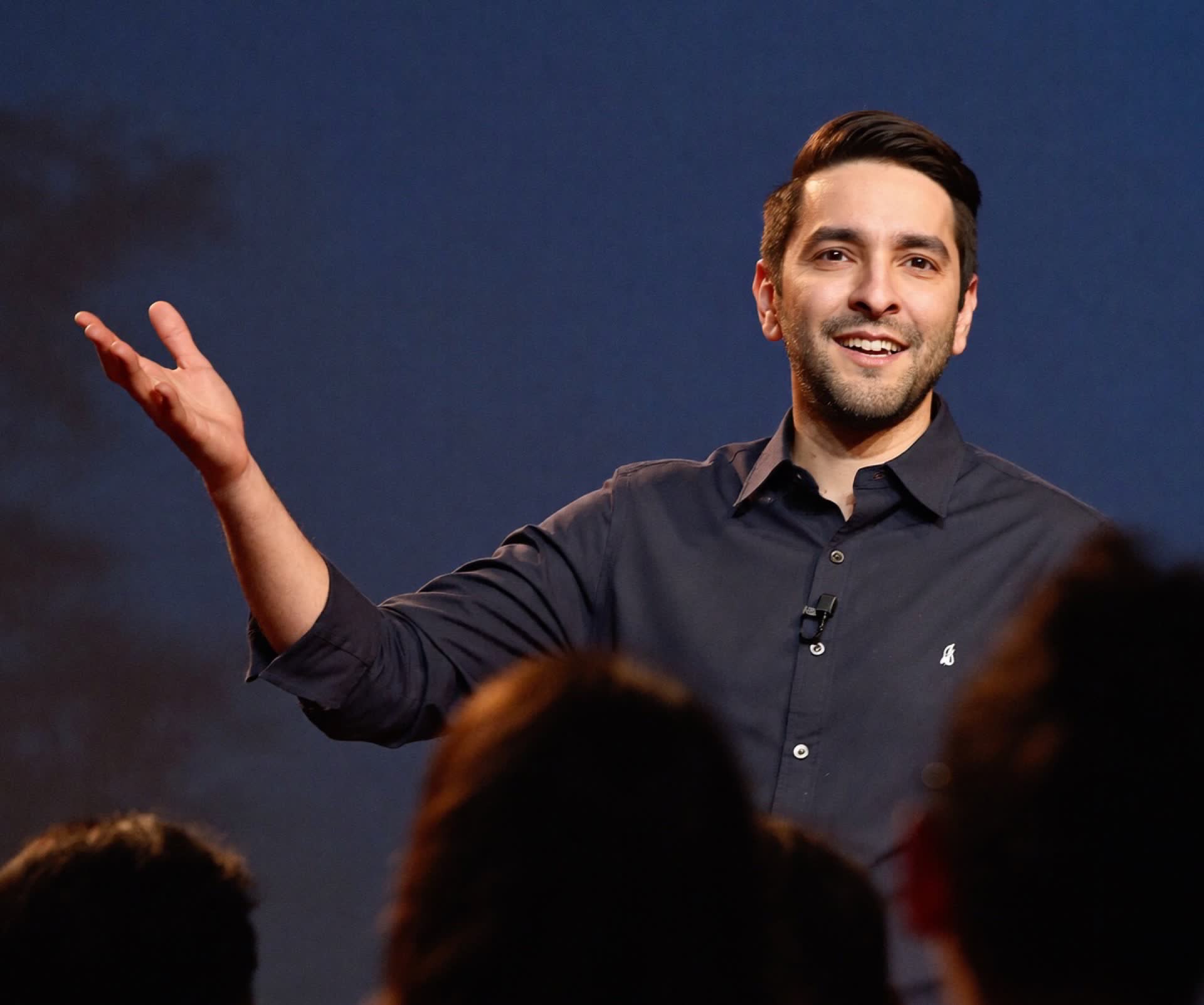
Asif Akram built a career across IBM and PwC spanning the US, Saudi Arabia, Jordan, Dubai, and Islamabad — and kept choosing to come home. Now as COO of Systems Limited, he's trying to build Pakistan's first 25,000-person tech company.
with Asif Akram
11 min read
Born in Lahore, rooted in a family of scholars and doctors
The episode opens with Muzamil welcoming Asif Akram inside Studio 77, Systems Limited’s design studio in Lahore — the first time the show had filmed outside its regular studio setup. The setting matters: it signals something about the guest’s world before a word is spoken.
Asif traces his roots to a family that valued learning across disciplines. His great-grandfather was a mathematician and poet whose name is on a road in Lahore. His maternal grandfather was a heart specialist. His father was a medical doctor. His mother was president of the Lahore chapter of the All Pakistan Women Association. One of his uncles, Dr. Amjad Pervez, is both a PhD and a well-known singer. “So if you know in Lahore there is this Australia Chowk,” Asif says, “that’s my great grandfather — he was famous for mathematics and poetry.”
He attended Saint Anthony’s, a Catholic school on Lawrence Road, from 1978 through metric in 1987. “Very strict,” he recalls. “The memories are very good education, very disciplined.” From there he went to Forman Christian College, where he completed an FSC and then a BSc in maths, stats, and physics — the path of someone who had wanted engineering but hadn’t made the cut at UET.
The visa that nobody expected to come through
During the gap between FSC and BSc, Asif stumbled into a computer science institute that had just opened in Lahore. He took evening courses, developed a fascination with programming, and quietly filed that interest away. Then a friend mentioned that an agency in Lahore had a relationship with a university in Indiana and was issuing I-20 forms for US student visas.
His parents were certain it would come to nothing. He was nearly certain himself. He rode a CD-70 to the American consulate at 2:30 in the morning to be near the front of the queue. The interview lasted five minutes. The officer was filing her nails while she spoke to him. “I remember it like really, really clearly,” Asif says. Then she told him to have a seat and that she would stamp his visa.
He went home. His mother started crying. His father was shocked. Six months later, in August 1991, he landed in the United States for the first time in his life — a nineteen or twenty-year-old with one week between getting the visa and the departure date, heading to Indiana with no real plan.
Funding an education from cafeteria shifts to Seven-Eleven double shifts
The Indiana winter drove him south. After one year, he transferred to the University of Houston, where he completed his computer science degree. The more consequential story, though, is how he paid for it.
From a middle-class family with limited funds, Asif worked in the university cafeteria, then at an Arby’s near campus, then on the McDonald’s breakfast shift — arriving at 4 AM to work the grill before morning classes. He worked at gas stations. He ran for president of the International Student Organization, partly because the role came with in-state tuition fees, which dropped his semester costs from several thousand dollars to around twelve hundred. “It was better than a scholarship,” he says simply.
During his MBA in Management Information Systems — which he pursued because he was drawn to the intersection of business and technology, not because he had a clear plan — he added weekend double shifts at a Seven-Eleven owned by a Pakistani. Saturday morning to night, Sunday morning to night, on top of twenty hours a week at the multicultural center and his evening classes. “Mopping the bathrooms to… you learn that no work is bad work,” he says. “Kaam kaam hai.”
He graduated with a 3.9 GPA and was the valedictorian of his MBA class. His father, visiting Texas for the first time, watched him walk across the stage.
Returning to Pakistan in 1997 with no job and no plan
In June 1997, with no green card, no job offer, and no particular reason he can articulate, Asif packed up, sold his car, and moved back to Lahore. The IT boom was accelerating in the US. Y2K was approaching. “People said, yaar, abhi yahan boom aaya hua hai,” he recalls. He left anyway.
Lahore in 1997 had almost nothing in the way of IT employment. No telcos beyond PTC. Banks and government offices in Karachi. By August he still had no job. Then his mother dropped his CV — with a Shell contact’s card attached — at Abacus, a consulting firm with a relationship with Coopers and Lybrand. He got a call two days later and started in September 1997.
At Abacus, he implemented an ERP system built in FoxPro across thirty to forty organizations in eighteen months — textiles, airlines, pharmaceuticals, Johnson and Johnson. “Business ko samjha, technology to aati thi,” he says. It was his second foundational education, after the US.
When Coopers and Lybrand merged with Price Waterhouse in 1997 to form PricewaterhouseCoopers, Abacus became the consulting arm of PWC Pakistan. A project in Saudi Arabia with STC followed in 1999, and Asif was selected. He got engaged in June, told his future father-in-law he was leaving for Riyadh the following month, and managed the reaction. He got married in October. His wife joined him in Saudi Arabia shortly after.
IBM, Dubai, Islamabad, and the Margalla Towers earthquake
PWC’s consulting division was acquired by IBM in 2002. Asif didn’t switch companies — the company switched around him. He became IBM. He was in Dubai from 2001 to 2005, working on e-government projects with Dubai Municipality under Sheikh Mohammed’s early digital push. He became a team leader, then a project manager.
In 2005, with a second son born and family pulling him back, he moved to Islamabad to join IBM’s Global Business Services division. He rented an apartment on the third floor of the last tower in the Margalla Towers complex — the one facing the hills. He enrolled his son in Beaconhouse. He drove to Lahore nearly every weekend.
On the night of October 7, 2005, he left Islamabad early because he wasn’t feeling well and his sister had arranged an iftar in Lahore. The earthquake hit the next morning. His tower fell. “Allah ta’ala ne us waqt behteri ki,” he says quietly, “that we were not there.”
Muzamil, who grew up in the same sector and used to visit the broken towers as a schoolboy, pauses at this moment in the conversation.
Building IBM’s Global Delivery Center in Lahore — from 11 people to 500
By 2007, Asif had moved IBM’s operations to Lahore, where the company had almost no presence. He built the IBM Global Delivery Center there from scratch. “When I joined IBM consulting, we were eleven people,” he says. Within three years, the team had grown to over 500. He interviewed the first fifty himself. Clients included Jazz, Civil Aviation, Shell, Askari Bank, and PTCL.
In 2010, his mentor Sriram Viswanathan — who would later become CEO of IBM UK — convinced him to return to Dubai as the Middle East, Saudi Arabia, and Pakistan country leader for GBS. He took his two sons, then aged ten and five, out of school and moved again.
By 2015 he was General Manager for Middle East, Africa, and Turkey — eighteen offices, over seventy countries, a team of around 200 people and several hundred million dollars in revenue. IBM promoted him to Vice President. “In IBM world, four hundred and fifty thousand people at that time, there were less than two thousand vice presidents,” he tells Muzamil. “So big deal again.”
He was also elected to IBM’s global transformation team, a group of 300 senior IBMers working on strategy initiatives led by the chairman. “Na khali MIA run kar rahe the, kuch ho raha tha,” he says.
Leaving IBM, losing his father, and finding Systems Limited
In 2017, with his father’s health declining in Dubai, Asif made the decision to return to Lahore again. He came back in January 2018 as IBM’s global sales leader for cloud applications, working from Lahore with a team in Dublin and India. He left IBM entirely in August 2018. His father passed away in October 2018.
“We will figure it out,” he says of the decision to leave without a job lined up. He established a company called Growth Mindset Consulting — a name that reflects what he describes as a lifelong anchor — and took on a few clients. Systems Limited approached him to consult on their Middle East growth. He joined part-time in November 2018, then full-time in 2020 as COO.
“The reason I joined them is this group has a great vision. They’re a hungry group,” he says. “They have a growth mindset but they’re hungry as well. They’re not getting satisfied with what they are — and that was a very intriguing factor.”
From 1,000 people to 3,500 — and the vision for 25,000
Later in the discussion, Muzamil asks Asif to describe what he found when he arrived at Systems and what he has been building. The numbers are striking. When Asif joined, professional services headcount was around 800 to 1,000. Today it is 3,500. Total Pakistan headcount, including the BPO division, is around 5,000. The company has doubled every year for the last three years.
The stated ambition is to become Pakistan’s first 25,000-person technology company — the country’s equivalent of Wipro, HCL, Tata Consultancy, or Accenture. “Pakistan mein bhi ek Accenture type ki company ban sakti hai,” Asif says. “I think systems is the only company that has the footprint and the muscle.”
On processes, he is direct. He describes a spectrum from zero to eighty, where state-owned companies operate at twenty and IBM or Teradata operate at sixty to eighty. “We are somewhere in the middle at forty, fifty, trying to get to that sixty to eighty.” The work has been implementation — clear policies, no exceptions — while staying nimble enough not to slow down the way large global firms sometimes do.
The supply problem that no one can solve alone
By the end of the conversation, Muzamil steers toward the macro. The demand side for Pakistani IT is not the problem. The supply side is. Asif agrees without hesitation.
His argument is structured and specific. For every billion dollars of IT exports, you need roughly 25,000 people working. Pakistan is currently at three to three-and-a-half billion dollars in exports. “You can do the math,” he says. “Am not gonna comment on whether we have twenty-five thousand — we don’t.”
The freelance boom, he argues, will plateau. It happened in India. The economics of a talent war — where companies keep doubling salaries to poach from each other — are not sustainable. What is sustainable is the academy model: companies building internal training institutes that take people from any background, test for problem-solving ability, and train them on tools. “Language to badlti rahegi,” he says. “Tools bazar mein aate hain. FoxPro, COBOL, now Python, Kubernetes — jo bhi aa raha hai. So you get that person and then make sure the brain is there.”
He is equally pointed about where investment is missing. Large Pakistani business conglomerates are entering automobiles, textiles, and manufacturing. Almost none are entering IT services. “Saudi Arabia ki oil export ek sau pandrah billion dollar hai. India ki IT export ek sau pachaas billion dollar hai,” he says. “India’s IT has surpassed Saudi Arabia’s oil because there is no limit to it.” He calls directly on the business community to invest.
On Ukraine, he sees an immediate opportunity. Ukraine exports three to four billion dollars in IT services. That work is now displaced. “Kuch hamare paas bhi aayega,” he says. “Abhi nahi aayega, kuch mahine lagenge. You have to be ahead of the curve.”
His closing answer to Muzamil’s question about Pakistan in 2050 is grounded in the same logic. The demographic split — 63% of the population under thirty — is a gold mine that no other country currently has. The strategic geography matters. But the mindset shift required is to decouple from external dependency. “Kennedy ne kaha tha na — do what you can do, don’t expect what others can do for you. Humein is soch ko decouple karna hai.” Invest in leadership. Invest in people. Walk the talk. Don’t be satisfied.
Full transcript
शान्या कावतीरा स्वात welcome back to another episode of Thought Behind Things. आज जैसा कि आप देख रहे हैं हमारा environment थोड़ा सा change हो गया. This is the first time they were actually moving out of the studio and we were here in लाहौर to talk to someone very very special. Mr. आसिफ अकरम is with us today. He is the chief operating officer of Systems Limited, Pakistan's biggest? Largest. Largest. Largest IT company. I am very very excited to have this conversation. We are in a very interesting time जहां पर IT का boom हो रहा है, बड़े बड़े numbers आ रहे हैं. शौकतरीन साहब कहते हैं पचास अरब dollar आ जाएगा कुछ अरसे में. You know, exports हमारी सारी की सारी आसमान भी चली जाएंगी. हम unlimited गाड़ियां खरीद सकेंगे. And so, I want to understand, you know, at the heart of it, systems is really revolutionizing a lot of what's happening in this industry. Sir, thank you so much for being part of the show. Welcome. सामले का everybody. Thank you for this opportunity and welcome to systems. Thank you very You are in Studio 77. Yes. This is our design studio. It's, it's pretty amazing. I just had a tour and you guys are doing some phenomenal work. Yeah and we are, we are creating
innovation right here and you are sitting at the center of it. So welcome.
आसिफाई, मुझे पहले तो यह बताएं कि I am going to start off with very very basics. कहां पर आप, where did you get, where were you born?
और early life आपने कहां गुज़ारी है? So, born and bred in लाहौर. Right. Right here. I I went to I come from a service man family in the sense that my father was a doctor. My uncles and aunts are engineers and doctors. Know, that that the typical वह जो जो उस ज़माने My की चीज़ें my grandfather, both my grandfather was a professor of chemistry. My maternal grandfather was a heart specialist. My great grandfather was a mathematician and a and a and a poet. अच्छा. So if you know in लोहौर there is this Australia chalk जिस पर क्वाजादिल मोहम्मद रोहड़ है, that's my great grandfather and and he was famous for mathematics and poetry. Interesting. So a lot of people who listen, who have gone to schools at that time had दिल्लs mathematics and दिल्लs algebra and that was my great grandfather. One of my चचाs is a singer as well. He is doctor अमजेत पर्वेस. He is famous for his singing but he is a PhD doctor. अच्छा. And my father was a medical doctor. So I come from that family. बड़ी मज़िंदगी family. You have that sort of art as well? The art as well and then then the science as well in that. And my brother's an engineer and and my sister was teaching. So all of that will come from my my mother was the president for Lahore chapter for All Pakistan Women Association. She's been, in an NGO and a social worker all her life. So born bred in that family. Right. Started off at a Catholic school here, Saint Anthony's. Very famous school in that, in that era. So Saint कौन से साल? I started my schooling in 1978. And I did my, went to the metric about '87 and then so सिनंदी's was a great experience.
अच्छा, from
let's say nursery to metric, all from Saint Athens. All from सिनंदी's and अब वह fathers और nuns वाला ज़माना था. तो not go ahead full boys school. Right. यह Lawrence Road पिलाहौर में है और our principal was father and then all the vice principals and all were brothers. There's a church next to it. So very strict. तो मतलब the memories are very good education, very disciplined. But also जब आप late होते थे तो you would not be allowed to go in. अब तो यह unhurt formula है ना? और great time there. Did my metric in-in-in '87 and then went to FC college, permanent Christian college. Right. And did four years over there. अच्छा. So, FSC plus BSC. So, इतना like नहीं था तो I didn't get into an, my brother got into the engineering university but I did not. Right. So, जो engineering university या उधर नहीं जाता था तो the other option was you do your two year BSc उसको देती थी. Maths, stats, physics में वह BSc कर ली because I was a non biology student. Was a more of an engineering student. Right. Didn't graduating in '91? Graduated then BSc in '91 and then my parents very interestingly said कि यार अब क्यों करोगे क्या? मैंने कहा मुझे भी नहीं पता. Engineering से होकर आए हो, so what you would not get is a four year chartered account. You will get a five year one but आओ article ship start करते हो. So, Ferguson में हो गया and then that didn't feel right to me. I was there. I said let's start and all of that. So, essentially you were doing standardized accounting और साथ साथ पढ़ के जो है वह articles दे रहे थे. अभी शुरू किया था. There is a story, there is a twist to that and then I spoke to a friend one time and he said कि पता है एक यहां पर एक दफ्तर खोला है जहां पर ना वह I twenties दे रहे हैं US की. तो मैंने कहा अच्छा यार यह भी कोई चीज़ होती है, you know, BSc करके और उसमें से निकले हुए थे. So, there was here in, in लाहौर only there was an, there was a like an agency who had a relationship with a university in Indiana, US. कि Afghanistan, Afghanistan War वगैरह का चल चला था. वह चीज़ें ज़्यादा tight थीं उस वक्त visa wise and I remember I spoke to my parents and my parents कि यह क्या है यार? तुम US कैसे हो? मैंने कहा apply करने दिन visa तो लगना ही नहीं है ना? मतलब हां. It's no way कि मैं एक agency से. And so just to understand, यह basically concept यह था कि agency जो है आपको वह I 20 visa लगवा कर देगी. I 20 दे देगी और आपको यहां पर visa लगवाना ना. उन्होंने तो सिर्फ admission दिलवा दिया. Very well connected to You know, middle class family and all of that. मैंने कहा चले apply तो करने थे. उस जमाने में यह होता था कि you would not get an, now तो you go online, apply, appointment और ना ना ना. शिमला पहाड़ी के पीछे American consulate move हुई थी. Right. They used to be somewhere else and then they moved in. It was the first week there. Right. But the norm was that there was a queue that was made. The earlier you went, faster you are faster in the queue. So, I remember CD 70 होती थी हमारे पास. वह गए वहां पर और रात को ढाई बजे जाकर line में लग गए. काग़ज़ात क्या थे? मतलब I 20 थी, घर के काग़ज़ थे, parents का थोड़ा सा bank account set. मैं just 90% sure, बल्कि मेरे parents तो 100% sure थे कि इसका visa नहीं लगा. I am like, shock पूरा कर रहे हैं. Shock पूरा कर ला इसको chartered accountancy कराएंगे. ठीक है ना? So I was going to be destined to be a chartered accountant and Ferguson से chartered accountant करना Nothing better. Nothing better और सबसे बेहतर job मिल जाएगी उसके बाद, you know, better than anyone else. Right. Student line, I remember I was in the first 10 people in the line. वह ढाई बजे कड़े हुए वहां पर, करते करते आठ बजे के करीब उन्होंने वह दरवाज़े खोले, काग़ज़ लिए. नौ बजे अंदर गए and I had an interview about 10:11 o'clock and the lady on the other side looked at my documents and said कि क्यों जा रहे हो? मैंने कहा मैं पढ़ने जा रहा तो वापस आओगे because the problem was will you return or not? Right. It was not about Yes, who you जी. मैंने कहा जा रही है बात अब वापस आऊंगा. क्या होगा? यह यही है और यह मेरे पास आपका family इधर है. And I remember she was filing her nails when she was talking to me. तो I remember it like really really clearly. तो वह nails file हो रहे थे और बातें हो रही थी. Right. She was a, she was probably an American so it was all happening and I have many people there and I said मैं तो nowhere कैसे visa लगेगा कैसे? तो जाऊंगा कैसे? And five minutes interview and she said, ok, have a seat. I will stamp your visa. Like, she Then will call and there. हां, वह होते का दो घंटे बाद आए, आज ही तो उसको कुछ ही वक्त होता है. दो तीन घंटे बाद आपको मिल जाएगा, आप चले जाए. Game out, other people से वह कह रहे मेरा लगा नहीं है, मुझे तो वह कह रहे हैं घर चले जाओ, better universities everything. किस्मत की बात है. अब मैं, मैं उसको घर चला गया. I told my mother, their mother started crying. Father, shocked कि यह हुआ क्या है? वापस गया ग्यारह बारह बजे या whatever in the afternoon second half. तो छह महीने का मुझे उन्होंने ठीक है. Visa लगा दी. So छह महीने का वह यह कह रहे हैं कि आप जाएं जाकर admission लें और उसके बाद आप दोबारा वापस आऐंगे. आप मुल्क से बाहर निकलें और दोबारा उसको visa लगवाएं. Visa लगवाएं. जो भी आपका program होगा चार साल का trial जो भी तो I, I at that time had applied into computer science. I started in this Indiana University computer science. Anyways, this is very interesting. This is '91, '92 maybe. '91. यह August ninety one में मैं गया था. ठीक है. This '91
and you're talking about computer science. Yes. ठीक है. So this this is very fascinating. Why? You're sitting in Pakistan. You've been, you haven't been abroad. Chartered accountant क्या बात करते हैं? I understand. उस वक्त बड़े you know बात यह करते थे सारी सारी. My father was a banker, understanding office. Doctors, engineers, bankers. Computer science तो मुझे याद है my brother did computer science in 1997 and पूरा खाना नहीं कहता पादा ले क्या कर रहे है यार? And that's Pakistan, right? So 91 में तो this would have been like कि what are you talking about computer science? तो वह जो period था ना FSC और BSC के दरमियान, that was a very interesting period because मुझे engineering मेरे भाई को engineering उस UET में मिल गया था. मुझे
किसी भी तरह नहीं मिला था. तो उस दिन friends of getting together तो यहाँ पर एक वह institute खोला था computer science का न्या न्या, ठीक है? Right. और उसके अंदर हमने दाखला ले लिए courses करने के लिए. ठीक है. वहाँ से मेरा थोड़ा सा shock develop हुआ computers का और programming का और, थोड़ा बहुत सीखते थे और वह अच्छा लगने लग गया. BSc कर रहे थे तो उस दिनान भी evening में एक दो courses गए. So I started getting fascinated by this new area. Right. I think थोड़ा सा इसमें यह भी था कि मुझे engineering university में दाखला नहीं मिला था. More software oriented ही आप computer engineering में चले जाएं. अच्छा वह electives के basis के ऊपर आप ऊपर नहीं चले जाएंगे. वह AI वगैरह यह तो चीज़ें हैं ही नहीं ना उस समय Right, right. So that started और कुछ करना था ना differently. अब वह भाई साहब थे engineering university, electrical engineering, cousins वगैरह सारा कुछ हम जरा फ़ंस गए थे थोड़ा. So that's how we we applied, I applied there and then that's how it all started happening and then that's how the degree came through. Reached in August ninety one in The US. ठीक है. Four years program? Four years program. पहुंचे कुछ पता नहीं था. Right. How was it? अब पहुंच गए वहां पर. ठीक है ना? अब तो किसी ना किसी तरह रोरोलाकर सबने कहा and my visa to my travel was a one week only. अच्छा. Because मैं late था हर चीज़ के लिए. I was not an organized अब नहीं. अब तो हम applications बचे भरते हैं, यह वाले ऐसे, वह वाले ऐसे लिखो, कुछ भी नहीं. सीधा बस एक हफ्ता था visa लगा, उसके एक हफ्ते बाद जाना था. अच्छा. आएगा? कब आएगा और she gave me a recipe book पता नहीं क्या करने जा रहा है. तो I reached कराची, वहां पर I have family, my मामू, my खाला, all of them. My मामू was working for Shell. My खाला and खालु are doctors. खालु is in आहखान and then my खाला is the board chairman for Green Star. Right. So they talked and everybody sang कि पता नहीं अब यह कहां जा रहा है? यह जा रहा है बस. So took the faith of, you know, उस leap of faith ली और उसके बाद Yeah. Land किया. I remember my flight was to New York. New York से मैंने South Bend Indiana पहुंचना था which was through a greyhound. Right. सब booking वगैरह हुई हुई थी. I got and they were good, the university was gonna pick me up from there. बिल्कुल नए first time out of Pakistan. Right. Never ever before. Nineteen twenty year old kid. So I remember मेरी flight delay हो गई and all of that. So I couldn't take the greyhound on time. I reached the next morning rather than the evening. Right. Reached, no no, I had to reach in the morning. I reached at night. रात को मैं पहुंचा. Right. अब रात को नौ दस बजे वहां पहुंचा तो कोई आया ही भी नहीं लेने. University address था but university तो बंद होगी. तो वहां एक taxi वाले इसको पकड़ा, उसने कहा उसने कहा, मैंने कहा मैं तो इस चीज़ को कहता है university तो इसको बंद और अभी semester start नहीं हुए थे ना starter. Right. था तो कुछ खा लिया, whatever. मुझे याद है सो गए, जा गए सात बजे. He was very nice man. He came and he picked me up and he took me to the university. अब अभी वह बंद, अभी university तो बंद है तो बनाओ, तो वहां सामान के साथ खड़े हो गए and that's how it all started. Then I got checked into the dome and everything and that's Right. How they And so ninety one to ninety five you are doing computer science. What was computer science का program like at the time? It was, you know, वो वो चीज़ें हम सीख रहे थे जो कि अब exist नहीं करती ना. वो मतलब आपकी बात screen Exactly, exactly. और C और COBOL और FoxPro and Exactly. All of But concepts यही थे सारे problem solving के. उससे base बहुत अच्छी हुई है. अच्छा America का जो program है studies का पहले दो साल आप ज़्यादा focus करते हैं humanities और इन सब चीज़ों पर. आपके computer science के course चल रहे होते हैं लेकिन American history, philosophy, psychology, physiology यह सब आपको पढ़ने पड़ते हैं. सिर्फ base काफी strong वन गई. So I spent about a year in, in Indiana but take मसला हो गया ना और वहां थे हम लोग. तो एक दिन October को उठे तो सारा बाहर white बर्फ ही बर्फ. आह, right. लोहौर से गए. Are you gonna take? तुमने कहा कहां फ़ंस गए यार आकर? उतरे गाड़ी को भी आपको वह उतारना पड़ेगा और, और सर्दी and, and I remember it used to get with the windshield factor minus 20, minus 30 होता था. तो आप class में जा रहे हैं तो आपकी वह आंखें भी यहां बर्फ रही ना यहां यहां है? यह East Coast में है. मतलब it's, it's, it's, it's next to Michigan. So right at the border of Canada. Right, यह सब states उधर ही है. तो फिर किसी दोस्त से बात हुई है बात हुई उन्होंने कहा यार Houston आ जाओ. हमने कहा जी ठंड पर है यार ठंड से निकले हां जी हो जी Houston आ जाओ. So moved to University of Houston after that and actually did my undergrad from there. Right. वहां पर, सारा कुछ हर्षा रेव वगैरह वह सारा कुछ किया, कुछ and then did my and after the undergrad was great degree, बहुत कुछ सीखा, सब कुछ किया. And then I started seeing क्या बागी क्या करना है. So, four years was lot of fun. Three and a half to four years काम किया है. So straight out of college, what what did you decide to do? And and and उस वक्त आपने यह सोचा हुआ था कि मैंने US में ही रहना है? अच्छा कुछ नहीं सोचा हुआ था. मजे की तो बड़ी बात यह थी ना क्योंकि हम तो struggle करके पहुंचे हुए थे ना. तभी तो पता ही नहीं था क्या होना है computer science की degree. इतने कोई बहुत bright student भी नहीं थे. तो GPA भी three point o आया. I still show my degree, my, my marks to my children. They think, you know, ऐसे ही है father is just normal तो. तो उस वक्त यह हुआ कि I got involved with the international students Organization a lot. Right. Like a Pakistan student association? No, international student. International student. There was not enough पाकिस्तानीs there. तो ऐसा नहीं हो सकता है पागल. And in the university there was a multicultural center. So, देखिए, from a middle class family, limited funds. So I had to work near So पहली job university cafeteria में की. ठीक है. तो जहां पर खाते थे वहीं पर फिर बर्तन धोए, वह सब कुछ, you know, all of that. Also worked off campus, उस वक्त allowed था. कुछ twenty hours आप off campus काम कर सकते हो. जिस RBs में रात गुज़ारी थी, वहीं पर भी पहली job की क्योंकि उस औरत को मेरी शक्ल याद थी and she said कि यार यह बेचारा है. So made burgers, McDonald's की breakfast shift की. McDonald's की breakfast shift में कमाली होता है कि वह खुलता पांच पर आपको पहुंचना चार बजे होता है. Grill पर काम. So चार से दस ग्यारह के उसके पास university होती थी. So in the sense I started funding myself. So, so parents gave money for a, for a few a year or so but then I started funding myself. Entirely education plus. Education plus logistics की help आ जाती थी but थोड़ा बहुत funding अपनी तरफ से अच्छी भली होना शुरू हो गई. Right. फिर gas stations पर काम करना, वह सब normal रहा. But समझ यह आए कि यार कोई scholarship चाहिए. पढ़ाई पर तो मिलनी नहीं. Let's be just, you know, मिलेगी लेकिन उतने bright नहीं हैं. Sports seat है इन्हीं तो बहुत ज़्यादा. So I found this kind of a niche वह international student organization थी. उसमें started participating in cultural programs और Pakistan के कोई videos and all of that and there was a multicultural center at the at the university. Right. So I I remember there was a Mexican American who used to head it. उससे बातचीत थी तो उसने कहा तुम इधर भी बीस घंटे job कर लो. ठीक है, fine कर लो. But then through that multicultural center I got very involved with this international student organization. Right. अब back of the mind यह था कि अगर इसका president वन गया ना तो उसके president को scholarship मिल जाती थी. Right. मतलब it is like student union but in a very, very nice and structured Structured way. तो उसके president बनने के लिए आपको काफी मेहनत करनी पड़ती थी, canvassing भी करनी है, वह election होते थे, relationships बनाने. तो in the last year of my degree I became the president of the international student organization. उससे फ़ायदा यह हुआ and I stayed the president three years. अच्छा, after graduating as well? हां, दो साल. उसकी फ़ायदा यह हुआ कि मेरी जो fees थी ना वह in state हो गई. अच्छा. अब state as an international student you are paying about five times to a normal American student inside. जो UK में भी यही होता है, US में भी यही होता है. It was a state university, उससे फ़ायदा हुआ in state. Instead university में पूरे semester की fees थी वह हज़ार dollar रह गई. अच्छा. हज़ार बारह सौ dollar. हां. तो it was better than a scholarship. Right. Because there is not money. हज़ार बारह सौ तो आप किसी ना किसी ना So, बना सकते उससे यह decide किया कि यार साथ ही MBA कर लेते हैं. So, didn't do a masters in computer science. I was very much intrigued with this business and technology का जो Intersectionality. Intersection है. तो I did an MBA in management information system. MIS भी वहां नया था. Right. So किसी ने यह बताया there student counsellor कि यार पूरा computer science है ना हट जाओ. You know, make it a combination. So I did an MBA with in information systems. Because of that scholarship और कोई reason नहीं था. मतलब कोई पता नहीं था. अब तो कहते हैं यार bachelor's करो, फिर दो साल की job करो, फिर marks. फिर specialization sports के हैं के. यहां तो पैस मतलब that was a reality check. Parents could afford it but I said कहां वापस जाऊं फिर मांगू you know let's just get it. Wait while I can. They did they gave me a lot of support maximum but then I said let it let me do. Masters में मैंने क्या किया कि I I I did my GMAT and all of that. Got into same university, MBA मिल गया. Information systems में मैंने MBA में दाखला ले लिया. डेढ़ साल में मैंने करना था, सोचा हुआ था summer semesters लेकर. What I used to do is work at the multi because there was a need. मेरे पास scholarship थी. ISO का president भी मैं था. तो उनके plus I needed to make more money. So there was a seven eleven. Seven eleven is a, is a grocery plus petrol pump chain in Houston. Right. And देसी owner था उसका. तो उसने मैंने कहा यार मैं weekday में तो कर नहीं सकता. हां. उसने लेकर करने भी मैंने कुछ hours है मुझे. उसने कहा ठीक है तुम इसने कहा कुछ Saturday, Sunday को double shift कर लिया करो. Right. और एक shift कितनी लंबी है? आठ घंटे की. ठीक है. तो Saturday सुबह जाते थे, रात को आते थे, Sunday सुबह जाते थे. But वह दोस्त डेढ़ साल वह किया. तो उससे फ़ायदा यह हुआ कि I was able to most of it fund my education. बीस घंटे on campus. So सारा time either I was on campus or I was weekend doing that. So it was a very good time and and and उससे सीखा ही है कि could do anything. Yeah. Mopping the bathrooms to to to सीखा कोई काम वह नहीं है, बुरा नहीं है. मतलब काम काम है. काम काम है, वह करते रहे. Yeah. So I think that became a very big cornerstone from the family background to the education to my parents to my to my whole family, to this is what has shaped A big part of who you are. Big part of who I am. So, graduating MBA in
'97. '97, right? And now you're finally beginning to enter your professional professional life. More like a professional life in a sense आप दह रहे आप seven elevens भी कर रहे थे, वो सारे सारे कर रहे थे but now you had like full time आपने dedicated job करनी है. Did you jump into the IT sector फिर? 97 में तो I feel like boom भी आ रहा था. हां ना. You know BPO move कर रहा है India. There is a lot happening all over the world and so what was the environment like and and and what did you choose? So my parents came to my graduation.
This was May of April, May '97. Right. MBA में मेहनत बहुत की. तो graduation बहुत अच्छी हो गई. Right. 3.9 GPA भी आ गया. I was the one who went up on the stage and dictate. अरे verdictorian. Verdictorian और वह सब कुछ वो वह video मैंने सोचा होगा कि यार क्या भेजा था, क्या भेजा था, क्या बनकर आ गया. So they were very proud. They came and and my mother had visited me a few times but my father came the first time to Texas and Texas is a very good state. वह पाकिस्तानी है basically. मतलब देसी की तरह सारा काम चलता है. So there was a conversation कि आप क्या करोगे? कहा job shop को तो मैं कहा वापस आ जाओ. ठीक है, कह गए वह. So they left and then something I I don't remember an event but I said कि यार छोड़ो यार Pakistan चलते. Now people said कि यार अभी यहां boom आया हुआ है. मतलब this is before 09:11. Right. You know, IT boom, Y2K आ रहा है and all of that. So in June ninety seven I packed up without a green card, without all of that and moved to लोहौर. Now, people still ask me or I also think why it happened. I have no idea why. It just तो गाड़ी थी, वह बेची यह किया, वह किया और pack up करके लोहौर आ गए. अच्छा. And, parents were happy, family was happy but वह सब परेशान थे कि करेगा क्या? हां, because वहां I mean you're, समझिए this is interesting because वहां पर boom आए हुए और यहां कुछ भी नहीं है. कुछ भी नहीं है, zero है. Zero है, हां. तो apply करना शुरू कर पता ही चला कि यार job करनी पड़ेगी तो कराची जाना पड़ेगा. Banks में है IT sector, telcos अभी बने नहीं. PT sale के अलावा कुछ भी नहीं है यहां पर. मतलब कोई telco थी ही नहीं. Government में जो और फिर groups हैं, packages हैं, यह वह लाहौर में तो ज़्यादा कुछ है ही नहीं. So, my मामू was in शैल and he was with, so June में मैं आ गया. अब August हो गया. अब तक नौकरी नहीं मिली. अब सब परेशान हैं कि यार यह पहुंच गया वापस. अब यह इसके पास job नहीं है वापस फिर भाग जाएगा, फिर तो आएगा ही वापस कभी. हां हां. So, came इनका यार एक companyयां पर Abacus. Right. You know, still exists. Abacus Coupa's and Labyrinth के नाम से थी. हमारा उनके साथ contract है as Shell Some Outsourcing. मैं इस्तेम करता हूं कि ना तुम्हारा CV अपना card लगाकर उधर दे देता हूं. But that's all I am gonna do. Right. अच्छा, my mom went and dropped the CV. I get a call next day or two days after saying कि अच्छा आपका CV मिला है, इनका card से ही पर आज सबका लगा हुआ है ऊपर. You know why don't you come for an interview? This is August '97. Right. When they did an interview, Anabakis was a consulting company, IT का काम कर रहे थे and all of that. At that time very few This was a पाकिस्तानी company or like an MSG? जी अभी भी है. They they had a collaboration with Coopers and Labyrinth. Right. Tobacus, Coopers and Labyrinth की वह वह थी. And and so did my interviews and got got through. Right. And started working there in September 9097. That was my start. अच्छा, during my MBA I also did an evening job with, I forgot to mention that with Pennzoil. Pennzoil Houston में oil and gas की company है. तो busy इसलिए थे कि बीस घंटे multicultural में भी कहते थे. Evening MBA था. Day में थोड़ा वह भी job करते थे. Weekend पर वह करते थे. करते कराते काम हो गया सारा का साथ. My god. It was डेढ़ साल बहुत कम सोए लेकिन but exciting exciting but studies खत्म होगी. Right. सोचा कि PhD करेंगे but वह कभी हुआ नहीं. But but वह कर लिया. So it was a the MBA program मैंने evening में फिर shift कर लिया. Day में pencil जाता था, multicultural center था और evening में वह तो उससे काम अच्छा Right. चल And I was there is a oil change store over there called Jiffy Lube. नाम सुना होगा आपने. उनके लिए MIS की reporting वगैरह करना. तो IT से ज़रा लगा हुआ था तो वह काम होगा. और समझ मतलब वह आपका actual समझ आ गया कि अच्छा जी on ground जो काम होगा वह industry में कैसा होगा? फिर Abacus. Abacus में किस किस समय काम था यहां Pakistan में? Abacus के पास एक ERP system था उसको नाम Abacus suite था उसका उसको बदनायदामिन के साथ में आया. तो ERP Foxpro में बना हुआ था. जो उस ज़माने में आपके पास Oracle, SAP वगैरह नहीं इतने होते थे तो आप वह करते थे. आपने Foxpro में करे थे. तो उन्होंने कहा कि तुम आए हो, तुम्हें business और technology दोनों आती है, तुमने MBA किया है. इसको समझो. Right. तो पहले दो तीन महीने उसको समझो उसकी documentation की. अब उन्होंने कहा यार अब तुम इसको implement करने लगे. So, so, so for the first eighteen months I probably implemented 30 to 40 organizations में. अच्छा. उसकी team थी उसके साथ. नहीं, but I mean Pakistan में इतना ज़्यादा मैं उस time पर. वह textiles में there was no limit to it ना कि मतलब अच्छा इस textile में कर लो, फिर airline में, Aerosia में कर लिया, Johnson and Johnson में कर लिया, pharmaceuticals में कर लिया. So we were selling it was a. Essentially जितना भी 80,000 rupees की investment होती थी और उसको करके payroll और general ledger और उससे बहुत सीखा. उससे समझ आया कि business चलता कैसे? Right. And and and that was a very good, again, the second good base. A great great company still exists. So so got a lot of experience from from that, a lot of implementation. Business को समझा, technology तो आती थी, business समझने में आया and I did about 30 to 40 implementations. Since Abacus had this this relationship with Coopers and Library during in '97 Coopers and Library got bought by a company called Pricewaterhouse. Right. So it became Pricewaterhouse Coopers. अच्छा. PricewaterhouseCoopers को Ferguson represent करता था Pakistan में. But उसकी जो consulting थी वह Abacus के पास थी. So it was a audit versus consulting. Right. So Abacus became PricewaterhouseCoopers PWC और उस उस वक्त का work in '99 में there was a project in Saudi Arabia with STC and they were recruiting. PWC UK had that project and they were recruiting from Pakistan as well because it was a sister company. Right. Meanwhile I was doing many projects. वह implementation salary थी. तो वहां पर एक ERP, STC में Oracle का लग रहा था. So the the partner came to Pakistan. He interviewed and he selected four or five of us and कहा कि चलो साधीरे भी आ जाओ. So, that's how the next phase of the journey starts which which is which gets me in touch with Middle East. It's all happening, leaving The US, coming to Pakistan and no idea now तो essentially the the the world is taking you wherever you Yes, are I have been, alhamdulillah very lucky, very, very lucky that I have been moved around, like picked and moved around. Right. A lot of prayers of, of elders with me picked around and moved. And, and so Abacus से आप direct चले गए या PWC? नहीं, Abacus का ही था. PWC नहीं, वहां पर सिर्फ project पर चले गए. Project पर चले गए. ठीक है. इस दौरान parents said अब आए हुए काफी अरसो गए तो शादी करो. That's also an important part of life. तो again arranged marriage. So I got, while I was going to Saudi Arabia right before that I got engaged. Right before that. But at that time I wasn't sure I was going to Saudi Arabia or not. So got engaged in April '99. Right. Okay. Actually, June '99 is is where the engagement happened. And my सऊदी thing started in July. Right. So, हो गई. They said कि अच्छा लड़का लोहौर में है, हां जी, यहीं पर है, सारा कुछ है. सारा महीने बाद. And महीने बाद देखा. So, my, my mother said कि यह तो news तुम्हें खुद ही जाकर break करनी पड़ेगी. We are not, because we will, they will think we have, you know, not been, not been forthcoming. Went and told that story to my, to be father in law at that time and it was not the best of the responses because सऊदी का visa भी मुश्किल था. We are, we are in that time where visas were not that simple to get. यार, पता नहीं तुम. फिर वह family यहीं पर होगी. वह तुम mother हो गया. और सारा कुछ and and all of that. So anyway, somehow manage that and then went to रियाद. अच्छा. How long were you there for? रियाद, I was there for about eighteen months. Right. And this was July '99.
Right. उसके बाद फिर were you moving around essentially?
No, I stayed in रियाद for about eight and and then हुआ यह because we were contracted through PWC UK. क्योंकि रियाज is a city where गोरे ज़्यादा रहना नहीं चाहते थे. So it was a very interesting project. Was three weeks on, one week off. अच्छा. तो three weeks on means seven weeks. Days No no, five days. वह अंग्रेज़ों ने अपनी बड़ी सही one week remote था. So remote का तो concept ही नहीं था but off ही होता था क्या phone पर? Yeah, मतलब there was no Zoom and all of that to do This is only a work that you can हां, visit so तीन हफ्ते के लिए गया और एक हफ्ते वापस आ गया मैं. हां. So, and visited my, my in laws at that time. They were shocked to see me because I just went. Yeah. And then they realized कि यार यह यह क्या job So, got married in October '99. अच्छा. And my wife and joined me right after that. So, we stayed in रियात for another year after after that. Right. So after that, from there PWC के एक और project आया Dubai में. 2001 में I moved to, no, in the middle, sorry, I'm forgetting. I also had an opportunity to go to Jordan. अच्छा. So, in other PWC project, Aramax की एक B2B space थी Aragon के नाम से. Right. So, took my wife and I had a son. My first son was born at that time. It was like few months and we spent about four five months in Jordan and then This is the first time I am hearing someone who has been to Jordan. Aman was brilliant. I remember we landed in March, April, didn't realize कुछ रेहात से सीधा उधर चले गए. Was gonna be so cold. It's a, it's a city. A beautiful city. You know, the Dead Sea right next to you, the Red Sea and then the Petra and all of that. Stayed about four months there. From there came to Dubai. Right. 200-1911 है सात 9.
Dotcom bubble भी फटाई उसी तो साल
आपको वह कुछ चीज़ें impact की हैं? इतनी junior person starting not impacted much. PWC एक global company. अब्जोब के लिए थे. अब्जोब उन्होंने कर लिया. Right. At that time जो जो boom आ रहा था ना वह यह e commerce और B2B और G2B. But.com और yikes.com और government पीकारी थी. So Dubai had announced a program of e government at that time. Dubai being, शेख मुहम्मद being ahead of everybody else. So that's the program we went to and worked with Dubai municipality. Right. And that's the first five years that I spent in In Dubai? In Dubai. That was my first stint. I've had two stints in Dubai and I'll we'll talk about it. That was the first. At that time I was more of a developer, a system analyst. You know, during that time became a team leader and and then I became eventually the project manager for that account. Right.
You eventually moved to IBM?
Yeah. And and so IBM bought PWC in 2002. अच्छा. So that's how we So, ended didn't sort of make that switch. Just again, it was made for you. Yeah. So so 2003 में we became IBM. I became IBM and and that's how we became IBM. You know, nothing there. So so, always wanted to be on a in a large organization. PWC is a very large organization and then came to IBM तो मतलब would have been a global footing
unparallel thing. Unparallel.
And, I was in Dubai till 2005. Again, doing well. कोई मसला नहीं है. फिर कोई, you know, I had my second son at in 2005. So, फिर ख्याल आया कि यार अब क्या करें? चलो वापस Pakistan चलते. Again, family has always been a link to come back. I have always come back for family. IBM से बात किया. IBM Pakistan से बंगाजाबाद I have been Dubai employee. Doing well, government के contracts थे. मतलब lot of public sector work, lot of e government work, good team, good friends, good. So I said कि नहीं यार family के लिए दोबारा मतलब let's just wait. IBM ने कहा लाहौर में तो presence ही नहीं है. कराजी आ जाए, इस्लामवाद आ जाओ. So ended up in इस्लामवाद. अच्छा. This is June 2005. Right. About four five years in Dubai. Back and IBM had a consulting division, GBS, Global Business Services. उसमें काम शुरू किया and did started doing some work and I was moved into मर्गाला Towers in in June 2005.
Moved into मरगला Towers. I just have to So I live in the same sector, right? I am very close. मैं अपने high school में वह टूटे हुए towers पर जाता था. We will very well connect. Wow. Last
tower के 3rd Floor पर apartment rent कर लिया. अच्छा.
Last time I was, is that the tower that fell? भैया fell. Ok. नहीं नहीं, यह नहीं fell किया था. Fourth, यह आखिरी वाला है जो मरगला hills को face कर रहा Right, यह वह था जो कि हां सही है, समझ गया. ठीक है. तो
rent कर लिया. Of course came from Dubai, सामान वगैरह सारा you know सब आया 20 feet container आया, पहुंचा उधर and moved in. Right. Nicely July में move in कर लिया and summer holidays खत्म ही बच्चे बड़े बेटे को school में डाल दिया उधर beacon house में and इस्तामाबाद office हमारा diplomatic Enclave के अंदर होता था. Right. नेते Egyptian embassy and IBM doing started working, contracts आ गए, OGDCL के साथ, NDC के साथ and what the reason I selected इस्लामबाद over कराशी was that every weekend we would go to लौर. Right. And obviously बाहर से आते हैं आप तो थोड़ा सा इस्लामबाद जो है ना वह थोड़ा सा आपके लिए easier. मेरे लिए तो लौर option थी but I think I stayed in इस्लामाबाद I think three years उसमें से ऐसे छह सात weekends होंगे जो हमें लाहौर लाहौर नहीं आए. वहां के hard work. So no social life in इस्लामाबाद. It's pure work. बच्चे school, मैं office, nothing, कोई ज़्यादा नहीं, बस लाहौर आ गए और that was the whole life from 2005 till about end of two thousand seven. And then came this October incident.
Were you in the, were you in the building? So, small
story on that. So, रमज़ान था. रमज़ान था and not feeling well that Friday. It came on Saturday morning. October 8, Saturday morning कोई बात नहीं. I said कि I told my wife let's go, you know, go next day and my sister had kept an इफ्तार. Right. She said कि अभी चलते हैं, parent all खाएं और निकलते हैं. सुबह late उठेंगे बच्चे जाए, it will be a problem. So left at 8PM that night, not there. On, on, on Friday. On Friday, came to लाहौर. Sleeping in लाहौर, suddenly लाहौर में भी झटकाया था, अच्छा बनाया था. I started getting the calls, तुम लोग कहां आओ. उस वक्त नहीं पता चला क्या हुआ. TV में आ रहा था कि एक apartment complex गिर गया but an hour's time I get a call from one of the kind of residents, security whatever saying कि यार आपका तो tower गिर गया. Shocked और उस वक्त फिर मरगला की तस्वीरें आना है सोचे. So very अला तला ने बहुत उस वक्त बेहतरी की कि we were not there. Our tower did not fall when they were. Were you able to move the, the stuff out eventually? Yeah, about two months later वह सब कुछ हो गया था. Throughout this, you know, started thinking कि Dubai से वापस आए हैं, you know, all of that. But my wife has been a great support during this I mean, she's, she married a consultant. Yeah. So, moving around That's a difficult life. Yeah, moving around, you know, from from लाहौर to रिहाज to Jordan to Dubai then to इस्लामाबाद and and she's been a great sport all the way and and, you know, understanding that as a consultant you're doing projects, correct? So you can be anywhere. जहां भी but she said कि नहीं अब आ गए हैं, अब रहते हैं फिर कोई मास्ता I nine, I nine में एक एक rent कर लिया and kind of stayed for about two, two and a half years but that, that was an impact
Yeah, big बड़ा obvious सी बात है कि वह उस पर पड़ता है. और
and then IBM थोड़ा अच्छा हो गया. I started leading GBS. मैंने अपने contingent manager हमारे हमारी उम्मीद है उनको कहा कि you know what, इस तरह करते हैं कि why don't you move me to लोहौर? Doesn't matter where I am. You're getting your work done, so why not? And लोहौर didn't have any presence at all? बहुत छोटा office था. Right. मैंने कहा चलें, now that you've started. 2,007 मैंने वापस लोहौर आ गए. Right. Started IBM was doing very well. So I I built the IBM global delivery center here. Right. Which is one of the big things that I I I did. It still exists. Right. It's about 500 people. When I joined IBM consulting, was 11 people. अच्छा. ग्यारह लोग की team. And so the GDC essentially is dealing with all the projects all over the world. All over the world. Whether they are offshore or whether consultants flyer. Consultant flyer. जैसा कि it's like Teradata GTC same है. यहां पर इसको हम g BGTC कहते तब CIC कहते हैं. Right. So, इस्लामवाद में उसकी बुनियाद रखी hide the first two, three hundred, 400. First 50 people I interviewed everybody myself. Great team, really enjoyed it. Diplomatic enclave के अंदर होते थे. Visas walk करके मिल जाते थे. Switzerland ऐसे चले जाते थे. But then we moved out into f 11. Some very good clients, Jazz हमारा client वन गया, Civil Aviation थी, Shell था, Askari Bank, PTCL, lot of clients that came through and 2,007 में फिर मैं law और move हो गया, continued that journey, used to travel a lot to law and. And essentially what were you guys doing? Was it data management? Was it MIS? Was it cloud? खैर उस time पर आया नहीं होगा. हमारा ज़्यादा काम जो था ना वह systems integration का था. In the sense कि ERP implement हो रहे थे, कुछ development का काम हो रहा होता था, Java का काम हो रहा है, .net का काम हो रहा है, Microsoft technologies में, Oracle ERP, SAP की team बहुत बड़ी बना ली थी. Right. CRM, C band, जो भी consulting और systems integration में होता है. And that team became over 500 people team in three years. We had great growth, absolutely amazing and this became a recognized center for IBM. Right. And during that time I kept growing within the company. Again, right person at the right time. Yeah. चलता रहा. So children going to school perfect हो गया. लाहौर में बैठे हुए हैं, you know, grandparents कभी रिश्तेदारों से भी मिल रहे हैं. So, you know, all of that doing well. And then in 2010, my boss who's an, who's a, who's was with me for a long time in Dubai, श्री राम, an Indian guy and he said कि यार अब तो you've grown. Like you've grown a lot. Don't you come back to Dubai? I'm कही यार आराम से बैठे मैं लोहौर में, everything is good, सब अच्छा है. मुझे कहा नहीं. मैंने कहा फिर छोड़ना पड़ेगा IBM. I started interviewing and then he has been a great mentor. I have had lot of luck. My my original boss निशात काज़मी who stayed with IBM a long time great mentor, हमारी उम्मीद श्रीराम विश्वनाथन who now leads IBM UK. He is a CEO there. All mentors. He somehow convinced me, my wife and everybody is saying कि इसको वापस पूराओ. He will become a partner in IBM which was a very big deal at that time. So two thousand ten July made up. You back, you are back in Dubai. Nothing I did. Two children, the first one about ten years, the second one about five years, school में डाला उठे और वापस दबाई चले गए. So that's how And what was the position there? So I became the Middle East and Saudi and Pakistan country leader for GBS which is the consulting division. Ok. IBM was So suddenly you're now you're looking at, instead of one market, you're looking at multiple markets? Multiple markets, a team of about 200 people, a good couple of $100,000,000 of revenue. Really, you know, And then during this time became an executive in IBM. I became a partner there, in 2010. Right. I think early eleven I became a partner. And essentially what what you were doing there was the sales side of things or? Sales and implementation both both. The team so in the consulting there is no sales separate. You have to do the whole nine yard. It's the only field where you have to walk the talk up. Resales and RK. Resales and RK. सारा कुछ सारी team के साथ करना and all of that. So so did that. Again, my mentors, very kind श्री राम and others, they said, ok, now that you've done it this for two years, they're for two years, now why don't you run operations for us? So became COO for Middle East Africa. Right. So then started running operations for Middle East and Africa. All of it, operations में पूरी delivery देखना, hiring, recruitment, client satisfaction. This this this stayed for about, two, three years. And then they said, श्री राम was moving. So they said, why don't you now run the MIA region? I said, oops. That's Did you ever imagine he'd be doing that? Did you ever? Mean, again, so now I'm thinking about the kid who didn't get into UET. UET. A kid which came from Lahore and Yeah. Did very little. Going and running a full region for IBM, half $1,000,000,000 region of Middle East and Africa, never thought of. As I said, I have had so many prayers, so many mentorship, been at the right and I never strived for it. मतलब ऐसा नहीं था कि यार यह करना है, यह बनना है. बीस घंटे लगाकर बस मैं यही करता था. बस यह. काम करते थे, मेहनत करते थे. Honest work. Honest, वह सब चल रहा है and ज़्यादा like भी नहीं by the way. यह यह prove हुआ हुआ है मेरी studies में कि नहीं है. तो जब नहीं है तो नहीं है. सही है mediocre and I have a theory on that as well. So 2015 I got offered as the general manager for Middle East And Africa. Right. And Turkey. Turkey was part of it. So Middle East Africa covers Pakistan, down to, whole of Middle East, Gulf, Levant, Saudi Arabia, UAE, Bahrain, North, East, Central And South Africa. अच्छा. Including Egypt and Turkey. And that's huge. That's very big. We had 18 offices in this, but the countries are over 70. So got that in 2015 and IBM then promoted me to a to a vice president, which was a big deal. Yeah. In IBM world, four fifty thousand people at that time. Think there were less than 2,000
vice presidents. So big deal again. Yeah. Very big deal. So now I'm very I'm I'm beginning to get very curious here. Yeah. कि कि how did this system switch happen? Because, you know, you're now playing in the global league and this is a very exciting hyper growth time for the global world. And so, what's that decision process like? Ok, I'm going to I'm I'm I'm on a VP level in in
global values race. Probably मैं इधर भी अगर switch करूं तो मैं बहुत सारी जगहों पर बहुत चीज़ें खेल सकता हूं. So इस तरह हुआ यह कि I was part of the global management board of GPS. There are 20 people in it जिसमें Americas का Head, Middle East, Africa का head, Europe का head. I am part of the decision making of the global GBS which is about 200,000 people. It's like Accenture. Right. And then I got also elected into the global transformation team of IBM which is a team of 300 top IBMers who works on strategy initiatives of IBM headed by the chairman herself. Right right. So, as I mean ना खाली मिया run बहुत कर रहे कुछ हो रहा था. और यह वह वाला time है मुझे याद है जिसमें I was at Teradata during this time 1617 and यह transformation was everything. I agree. कि भाई, you know, दुनिया बदलने वाली है, digital आ रहा है. सब कुछ blockchain आ रहा है, IoT आ रहा है, digital आ रहा है. काम तो बहुत interesting था. Large content. Watson आ रहा था block का. Watson, Watson चल रहा था और तो सब बहुत मज़ा आ रहा था मतलब बहुत and of course again family चीज़ें. Father started getting ill in 2015. मेरे साथ ही Dubai में होते थे parents so you know he started getting ill in 2015. 16 में और हो रहे थे, 17 में ज़्यादा बीमार हो रहे थे. He was in his eighties and all of that. So mid two thousand seventeen एक और brainwave चेहरी गया और वापस चलते हैं दोबारा. Father was getting ill, you don't know how long the life is. So very difficult to convince a family. Again, my wife great support, children a great support and that because होता यह है कि जब आप इतने साल रह लेते हैं तो आप तो आना चाहते हैं but the family doesn't want to come. Yeah, particularly the kids, right? Kids, they're मतलब I used to spend a week every quarter Johannesburg, Turkey जा रहे हैं, Saudi जा रहे हैं. My wife said कि यह तुम्हें पर एक curse है कि तुम्हें हर हफ्ते जहाज में बैठना पड़ता. That was the curse that I had to travel but. 01/01/2018 I I landed back in लाहौर and I was the global sales leader for cloud application for them. Looking after what? Europe and North America, working from लाहौर, from my office, single man, the team in Dublin and in and in India. अच्छा. So interesting हो गया. Yeah. फिर से interesting हो गया और sales देखनी थी accounts में और sell करना था. That lasted short because उसमें थोड़ा travel था. Father was getting more else. So I then kind of left IBM in August, September 2018.
ठीक है. With a job in hand or? No, am We
will figure We it will figure it out. Because father IBM would take me back but but father was getting ill. My father unfortunately passed away in October 2018. Right. And it was a very short period from when I left and all that. During this time I said कि अब क्या करें? अपना काम करते हैं. So McKinsey थी ना तो नज़दीन में कहा single man consultant वन जाते हैं. So systems approached me. आसिफ पीर and Azaza में जाने हम Middle East में grow कर रहे why don't you become a consultant with us? Right. That's how the systems journey begins. Is September 2018. Right. So I joined them after my father passed away somewhere in November as a part time consultant. And consulting? Just on growth. Because I have a lot of experience in The Middle East. Consulting with the organization, not as a consultant of the organization. Yeah, consulting with us. So my own company, I have, I established a company called Growth Mindset Consulting because Growth Mindset has been a big anchor all my life that think big, do big. And I had then other, couple of other clients that came through. Right. So during this time, did part time consulting here, did a couple of other clients and, and then started full time with systems in 2020. You know, They've been very kind and they said, why don't you come and do a COO role? So that's how the journey into systems started,
left IBM and and did my own thing and then went it. We're at the fifty one minute mark. Eleven minutes over time in terms of this conversation. But quickly what I'd like to know is, what are what all are you looking at, in systems? And and how do you see the company in terms of, अगर मैं आपसे पूछूं आज as of today, how do you see the company, in terms of, know, you've had a global experience, not just any global experience you've had a global experience of one of the largest essentially definitely IT comrades. It's I mean for a lot of people जो इस industry से मुनसिलिक नहीं है उनको शायद context नहीं होगा but यह एक बड़ा मगर मस्त है IBM. Right? And so उससे उससे आकर systems को देखकर आपको क्या what are you seeing here? So,
I I look after the delivery for systems. The delivery, all the talent that we have reports into my organization. Correct? So what do we do? We are we are project focused, we are client focused, we we we deliver projects. The whole, organization from a delivery perspective reports in, reports into me. So what is the difference, correct? When I started with systems, we we were seeing a boom coming, know. पिछले तीन साल में ही सारा बहुत बड़ा, boomer. I mean, this is the post,
free fraud dollar. Free fraud dollar. Very pro export regime. Exactly.
And the reason I joined them is this group has a great vision. They're they're a hungry group. Right. They have a growth mindset but they're hungry as well. They're they're we're not getting satisfied with what we are and that that was a very intriguing factor. As Ajaz Hassan, chairman, अर्शिद मसूद, the group CEO, RCFP, they're all very positive towards growth. They're very positive towards investment and bringing somebody like me is and convincing me and then having me over has been, you know, great opportunity for me. But they saw the vision in that as And and I think that made a lot of, sense for everybody for me to be here because I had seen scale.
Yeah yeah. So my next question was gonna be about processes. Because one of the major problems that happens is you have these sort of global companies like Tetadata and IBM and and I think one of the biggest, उनकी जो सबसे बड़ी strength है ना वह processes हैं. Talent आप कहीं से उठा के कहीं भी डाल सकते हो. पाकिस्तानी market में तो talent just sort of moves around like a like an open sea, right? पाकिस्तानी companies more often than not lack that those processes that are global in nature. And so how did you find those processes here and and and how have you been improving them over time? So
we we we have as anything I process anything because we are a public listed company so there are What processes in we were missing is a bit of implementation of those processes, correct? Right. It was not like IBM और Teradata गया, global process आ गई अब आप नहीं करना है. Every process had to be implemented. So one of the things we did is we worked together with with the teams here to get that implemented. No exceptions. Right? हर चीज़ की अब एक हमारे पास clear policy and guideline है जो कि missing थी. क्या अभी हम, मैं हमेशा कहता हूं कि यार जो बिल्कुल state company है ना वह zero to 20 पर operate करती है और जो IBM Territory ऐसे पीएं हैं वह 60 to 80 पर operate करती from a process and culture because processes drive culture. We are somewhere in the middle at forty fifty trying to get to that 60 to 80. So we are not a state company. Are a we are a proper employee owned public company and that's what has helped us. So created more processes really not to keep us agile, to keep us because एक नुकसान IBMR traders कहता कि वह slowdown हो जाती है ना. Right. हम slowdown नहीं होना चाहते थे. We wanted to make sure that we are still growing and we are growing fast enough and staying nimble and agile. So had but implementation पर बहुत काम हुआ है. And in terms of footprint, 18 में आपने join किया this is 2022 right now. Almost four years now. How has the footprint footprint of the company grown in terms of headcount or in So, हज़ार लोग थे. हम about 1,000 people, 800, 2,000 in professional services. Today, we are 3,500 people. अच्छा. Correct. The last three years has been every year doubling. So, last year we doubled and our overall, headcount in Pakistan now is about 5,000 people. So we have a BPO division. So we are an IT services and BPO company. We do a lot of systems integration. We are basically a problem solver. We base we solve engineering problems for our customers. We do digital technology transformation for our customers. Our customers are in Pakistan, in Middle East, Dubai, Qatar, Saudi Arabia, all of Europe, Germany, UK, and North America. And now we are expanding. We just opened Saudi Arabia. We're gonna go into Africa. We're gonna, we are expanding into, into rest of Europe. We've opened up UK. So our customers are all over the world. We have hundreds of customers. So we are an engineering company. That's one part. So professional services, system integration, technology engineering, that's what we do. And the second part is we also do a BPO business, which is the business process outsourcing. Thousand people here, a lot of people around the world, and we do that around insurance and mortgage. Right. That's your particular target. So we became came have become from a thousand IT consultants to about 3,500 right now. And the idea was to make this the next Accenture of Pakistan. Right. Next Wipro Tata of Pakistan and that's what we are doing right now. So Wipro Tata Accenture GBS is our model, correct? We want we want to be a systems integrator but very engineering focus, very innovative innovation focus. We have products, we have services and the idea is how do we have the first 25,000
people company in Pakistan, a tech company and that's the idea. And you think that that that growth is not just is I mean it's आपने दो साल grow किया but you're saying 25,000 का vision है. है. Growth अभी consistently
continue करनी है हमने Right. इंशालाह and and the idea is when we stand on a global stage we can say कि यार Pakistan में भी एक Tata, HCL जो which companies हैं, Wipro, HCL, InfoTech, Tata वाली जो सारी जो सब companies हैं Cognizant, Pakistan में भी एक मौजूद है. Right. Pakistan में भी एक Accenture type की company वन सकती है. I think systems is the only company that has footprint and the muscle. That footprint and has the vision. हमने बहुत सारी glass ceilings थोड़ी हैं. Number of employees, stock market की price, stock valuation, the type of work we are doing. You know, we are a very very engineering focus company and and that's the vision that we carry. The reason I am with systems is because we want to be the 25,000 player. Right. And that's exciting. That's exciting to be a part of. That's very exciting. Challenges रहेंगे. There are so many. Supply is a huge challenge. We can talk more about that. So let's talk about challenges now and I again we are at the one hour mark. So मैं थोड़ा सा site पर आऊंगा. मैं macro पर लेकर जाऊंगा आपको. Right?
I think everybody agrees on a few things. Everybody agrees that IT is the future और digital is the future for Pakistan And everybody agrees that अगर मैं systems की बात करूं तो everybody is looking at systems. Systems is going to lead the way. They're not gonna be the only one. They're gonna be at 25,000 and they're gonna जब वह 25,000 भी तो हमारे पास एक पूरा एक समुद्र होगा बहुत सारे oil को उनका. मैं जिस तरह आजकल देख रहा and every person from the IT industry I am speaking to, मुझे सबसे बड़ा जो problem नज़र आ रहा है वह supply side का आ रहा है. बिल्कुल. Right कि getting business is not an issue. 5G आएगा $1,000,000,000,000 economy में वैसे ही add होगा तो demand है, demand बनाने वाली बात है with people like you who have that global experience. Inshallah getting that getting the demand side fulfilled shouldn't be an issue in my understanding. But then आपके पास बंदा,
अब तक हमने क्या सोचा है कि government आएगी और government HEC double कर देगी, graduates triple कर देगी और उसके पास कोई magic होगा और सबसे पहले. Magic होगा और मस्ताहल हो जाएगा. हम AI भी produce कर लेंगे. नहीं होएगा. हां. ठीक है? Let's just चले twenty five thousand seven thirty पर पहुंचेंगे 35. तो यह तो, यह तो हमें कहीं भी नहीं यह तो, यह तो organic है ना? हां. We as IT companies have to take ownership of this. हां. ठीक है? आपके पास ऐसा नहीं है कि आपके पास talent नहीं है. वह talent से इतना Curate हो रहा हो. Curate. वह groom नहीं हो रहा. Groom नहीं हो रहा है. वह नहीं हो रहा. तो हम क्या कर रहे हैं कि at at a given point we have 400 to 500 people getting trained within the company. Right. किस चीज़ पर train हो रहे हैं? वह tools पर भी train हो रहे हैं but वह problem solving skills पर भी train हो रहे हैं. So we almost have like an internal training institute that is running and we have dedicated senior people to make To do that that right. Vision क्या है? हमें एक academy की तरफ जाना है या हमें polytechnic institute की तरफ जाना है as systems. Right. तो हमारा vision है कि हम एक systems engineering academy बना लें. Now that academy is HCL के पास भी है, Wipro के पास भी है. वह क्या करेगी कि वह यह छह छह महीने के Right, so input input the Input पर आप language का बंदा उठा लें, आप philosophy का बंदा उठा लें, आप arts का उसका एक entry test लें. हां. उसको देखेंगे वह किस एक तो पहले बात है वह problem solving कर सकता है क्योंकि देखें language तो बदलती रहेगी. Tools बज़ार मैंने Foxpro या Copal में काम किया हुआ है. अब तो पता नहीं Kubernetes, यह वह. Python and Python and mean man, Java पता नहीं क्या क्या चीज़ आ रही है. So you get that person and then make sure क्योंकि brain तो है ना उन लोगों के पास भी. तो एक तो यह चीज़ होनी है and the more the the tech companies take ownership of it along with government self. Am not saying कि government is not gonna help. They are LPIC. They have many programs.
और उसकी वजह से आपके पास एक एक एक एक huge समंदर of freelancers create हो रहे जो कि skills घुमा रहे हैं. Consulting सिर्फ skill पर नहीं चलती. Consulting soft skills पर चलती है. Consulting communication मेरे साथ सतर features है. आप brand को समझ जाएं आपका आधा काम वही हां आधा काम वही पर.
वो चीज़ जो है do you think कि when you talking about an academy model how important do you think these aspects are as well because this is where you again global footprint पर जाना तो आपने उस इंसान को skill के साथ साथ एक global consultant भी बनाना मैं दो तीन चीज़ें मैं अब मैं freelancers को address कर लेता हूँ. अभी हमारी market freelance की boom कर रही है. ठीक है? वो एक जगह पर जाके रुक जानी है. India में भी यह हुआ है. यह कोई नई चीज़ नहीं है. यह कई जगह bubbles हैं किस किस area में वो burst होने में. COVID, scale रहेगा. अभी का scale रहेगा दस बीस तीस percent बढ़ जाएगा पर वह रुक जाएगा. ठीक है. So that market is not gonna go India में भी गई नहीं है, यहां पर भी नहीं गई है. लेकिन यह यह इसकी इस तरह की growth Right. Sustainable नहीं So that इसको तो हम address कर लेना एक तरफ. Correction तो market global market पर भी आनी है. Right. जो पैसा US Europe को दिया हुआ था government ने वह खत्म हो रहा है ना? मतलब small medium enterprises को कहा कि अब तुम जितना मर्ज़ी invest करो. So your solution is these the tech organizations and the services organizations that you have in Pakistan to grow. Yes, freelance market will stay. Now, talent war. यह भी forever नहीं चल सकती, economics नहीं काम कर सकते. लाख रुपए वाले बंदे को मैं दो लाख पर hire करता हूं, अगला हूं, चार को ले जाता हूं. That's not sustainable again. Yeah. So the model of this training academies is that you create not for yourself but you create for the market. Oh the market है भईया. India में h c l अठारह हज़ार बंदे या बारह हज़ार बंदे, दस हज़ार सौ ऊपर बंदे वो train करता है. कितना होगा वह नहीं हम अभी बात कर सकते हम तीन साढ़े तीन billion export पर बैठे हुए ना. एक billion export के लिए बंदों की base पर पच्चीस हज़ार बंदा काम पर होना चाहिए. यह simple math है. हां. You can do the math. Am not gonna comment on पच्चीस हज़ार की भी आपके पास ऐसा कोई नहीं है. वह नहीं है. मैं comment भी नहीं करूंगा ना. हां. यह organic growth होती जाएगी. लेकिन अगर आप चार पांच साल, तीन से पांच साल यह sustainable कर लें with policies from the government. Right. And investment from business. जो point मैं एक और raise करना चाहता हूँ, business अभी invest नहीं कर रहा. कौन सा बड़ा business conglomerate है जो कि IT में आया हुआ है, बहुत थोड़े. Tata, info tech, HL, ये तो सब businesses के business का conventional businesses है ना? Conventional businesses ने apply किया. So that's another thing we have to look at why it's why aren't the businesses entering. They are entering the automobile industry, they are entering the textile industry, they are entering many other manufacturing जो हमारे मतलब look and जो feel हो जाती है. Why aren't they entering services? That's another point that has to be addressed and I welcome the businesses, the large business people to come and invest in this industry because Saudi Arabia की oil export एक सौ पंद्रह billion dollar है. India की IT export एक सौ पचास billion dollar है. मेरे आपके ज़ेर में Saudi Arabia के oil export is the biggest. You India's IT क्योंकि इसकी limit नहीं है ना. 63% of our population is 30 right now. सारे मतलब we have everything lined up to get there. What we need to do is the right investment, right academies and training. हम नहीं expect कर सकते कि government and HGC सब कुछ change करें. हमें policies बनें. STGA is a great initiative. Many other initiatives that the governments are doing. Government needs to market us, give us this policy and this industry has to run and people have to invest in this industry and that's the way out. We are very positive. There are challenges but we have broken some of the grass ceiling. इतनी बड़ी company बाकसम में कभी नहीं बनी. हमें अब उसको ऊपर लेकर जाना है. Freelancing, talent war एक हद तक चलेगी. But in the next twelve to eighteen months you will see that slowing down. Not decreasing, slowing down. Talent को भी समझ आ जाएगी कि अब हम conventional आप वहां पर hobby तो नहीं कर सकते ना यार. अब हम conventional हो जाएंगे क्योंकि COVID खत्म हो गया ना तो लोग अब brain drain ज़्यादा शुरू हो जाएगा. पहले तो brain drain नहीं हो रहा था ना. मैं Dubai भी नहीं जा रहा था. मैं Europe भी नहीं जा रहा. अब वहां पर लोग जाना ज़्यादा शुरू जाएंगे. So we will come to a pre COVID state of brain drain. हमारा iteration rates बीस percent से ऊपर है इस industry के, वह भी कम हो जाएंगे. सब challenges हैं. मेरा सिर्फ request business community से they have to invest. देखिए अभी Ukraine की opportunity. इस तरह की opportunities आएंगी. What's the, what's the opportunity there? Ukraine भी तीन चार billion dollar export करता है. उस void कौन cover करेगा? वह कौन, वह कहां जाएगा? Poland, Bratislava, यहां वहां जाएगा, कुछ India जाएगा. कुछ हमारे पास भी आएगा. हां. अभी नहीं आएगा, कुछ महीने लगेंगे. पहुंचेगा Right. You have to be ahead of the curve. You have to be looking at where where the money वन जाएगा. You have to. Yeah. The whole world is open. North America की इतनी बड़ी market है. Africa की market है, Europe की है, Asia Pacific है. Why don't we? The problem we have, one of the big opportunities तो बहुत है. हम लोग ना बहुत जल्दी satisfy हो जाते हैं. कि अच्छा यार मैं million dollar profit बना रहा हूं. काम चल रहा है. हां. सुकून है. Right. जो ये companies हैं वो invest नहीं कर रही. Right. Where is this investment in studios? पूरे Pakistan में हमने क्यों सिर्फ digital studio बनाया है? Digital garage क्यों बनाया है? Why are we 3,500? Because there is a vision of the group. Right. And that's what I request that people bring to the table. Right. This is a longer term investment.
Mhmm. But it pays off and it really helps a country. Employment create करना. And it's it's it's it's good middle class employment, right? So it's it's middle class. And and and with a huge social mobility. I mean, you look at your story and it's incredible, Huge
you social mobility. 3,005, 5,000 people in this, in Pakistan, a tech company, the highest exporter, stock market पर we are again 100,000,000,000 plus, several awards. It is possible. I was speaking to a CEO yesterday of another company and they all are saying we're giving your stories as a company. Correct? But those stories have to be followed through. I predict in the next two, three, five years you will find many systems in this, in this We just need government to continue with the policies. देखें, क्या चीज़ चाहिए? आपको consistency चाहिए? India ने क्या किया है? Philippines, Philippines की call center market तीस billion dollar की वन गई है. क्या किया consistency लेकर? That's what we want. I I am always a half class full person because that growth mindset tells us we have to grow. We will have difficulties, everybody will have but यह momentum चलता जाएगा. I will not comment on the 50,000,000,000 or the 100,000,000,000 or अभी तीन से साढ़े तीन billion है. मतलब you are just going to look at what's right in front of you? Exactly. Rather than just अब five भी possible है, six भी possible है but time लगेगा.
Momentum होगा, स्नोम होगा. Momentum होगा. Policies चाहिए. Let's encourage, let's invest with these companies to make these training institutes supply को ठीक. Makes sense. आसिफ भाई, one hour fifteen minute mark. I really want to go longer. Right. But we have another podcast waiting as well. Would love to have this conversation again maybe in the future. एक सवाल मैं तमाम guest से पूछता and I'd like to like your thoughts on this as well. You've been in The US for seven years almost. You've been in Middle East here and there, Africa. Travel भी आपने बड़ा किया हुआ है. दुनिया भी बड़ी देखी हुई है. Somehow आपको Pakistan चाहे वह family हो, चाहे वह culture हो, हमेशा वापस खींचकर ले आया है and now you're here fully invested into this country. How do you see Pakistan, thirty years from now in 2050? Knowing what you know now, having experienced a lot of what you've experienced, how do you see Pakistan thirty years from now? I think our biggest strength is our population.
Yes, people said it's a weakness as well. But जो हमारा demographic इस वक़्त split आ गया ना वह gold mine है. किसी के पास नहीं है ऐसा. Youth है हमारी, that has a huge opportunity. Yes, there are challenges. Yes, there is education. I can, I can list out one? I am not being blind to दोष. I live here. Political, But economic and all यह जो हमारी population है, यह हमें बहुत आगे लेकर जाने वाली है. अल्लाह तालाह ने हमारा खित्ता ऐसा बनाया है कि हम बहुत strategically placed भी हैं. The
world needs us. Yeah. ठीक है मैंने. And the dynamics are also changing in a way that this region is suddenly now becoming very interesting and important. We just have to start becoming selfish.
Right. Invest in the right places. You know, services वापस लांगा. Services is an unlimited growth. Right. One fifty billion versus 115,000,000,000. Yeah. This population is an unlimited
potential. And you people say कि you know, oh, missed the board. I don't agree with that. I think this is Boards कभी नहीं miss की आप
बीस साल पहले miss की थी. थी. आप आज catch कर लें. अब COVID की board तब आई है ना? हां. लेकिन जो सबसे बड़ा हमें यह external factors पर dependency खत्म करनी है. यह मेरा decouple yourself from what the government can do for you. Kennedy ने कहा था ना कि यार do what what you can do for don't expect you know others What to they can do? कोई court है ऐसा. हमें इस इसको decouple करना है. हम crypt तो कर सकते हैं कि यार यह tax relief नहीं मिला और यह नहीं मिला और dollar महंगा हो गया. Yeah, all of that. I mean if you can play the hard mode, easy mode तो वैसे आप play Easy mode आ जाएगा. हां. तो आपको decouple करना है अपने आप को सोच को कि यार मुझे government पर नहीं dependent होना, मुझे आधारों पर नहीं, मुझे extern, मुझे खुद क्या करना है? Create that, invest in leadership, invest in your people, walk the talk, don't be satisfied.
You know, this thing is the big thing, you know. Have the hunger to grow. 100% sir. Thank you so much for this very very insightful session and I hope, इंशालाह, we see the Pakistan that you envisioned for us as well. As much as you'd like. It's a third that counts. But anyways, this is Ayurveda Muzambel Asa Nzadi. You are watching third behind things in Lahore. Thank you so much for watching, and I'll see you in the next one.
More from Thought Behind Things
Jun 30, 2026
Simon Dixon: the US empire is being wound down by design
with Simon Dixon
Simon Dixon argues the American empire isn't collapsing — transnational capital is deliberately unwinding it, and Pakistan's military has become its leverage in the transition.
Listen →
52:45 Jun 9, 2026
How Asad Mehmood landed Mattermost from Pakistan before A levels
with Asad Mehmood
Asad Mehmood walked into Mattermost before he had A levels, crossed two million dollars on Upwork, and now runs a design agency from Pakistan. He sat with Muzamil to lay out the framework underneath it: become undeniably good, then become visible, then sell outcomes.
Listen →
59:04 Jun 5, 2026
A 22-year-old Pakistani's road map to space by 2050
with Hassan Mossin
Hassan Mossin, a 22-year-old Pakistani astrophysicist training with the International Institute for Astronautical Sciences, walks Muzamil through the next twenty-five years of space — commercial stations by 2030, a lunar base by 2032, and why the bottleneck isn't food or oxygen, it's energy.
Listen →Never miss what's next.
The dispatch - new writing and conversations, straight to your inbox.
First name, last name, email - in your inbox weekly. No spam.