Skip to content

Thought Behind Things · Jan 26, 2022 · 1:02:07

The financial burden on Pakistani men nobody wants to discuss

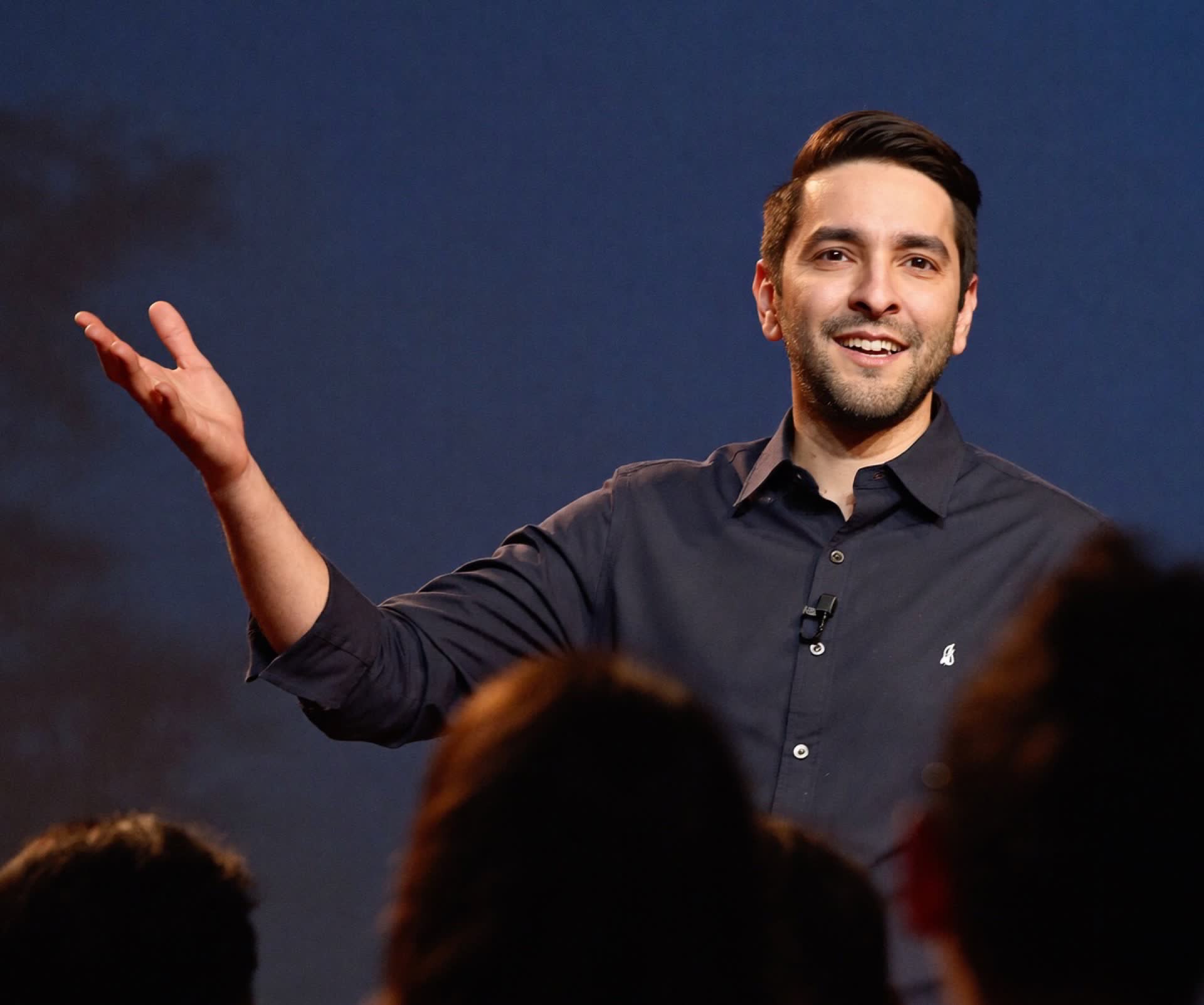
Data engineer Saad Khalid joins Muzamil for a long conversation about why marriage in Pakistan has been made so structurally hard, the silent financial pressure that builds on men long before the wedding, and what an honest reading of revolutions, fascism, and the Pakistani state actually looks like.

with Saad Khalid

12 min read

A data engineer, a Volvo client, and the bit nobody asks about

The episode opens with Muzamil introducing Saad Khalid as a particularly close guest — five years a data engineer at Teradata, currently consulting on Volvo Cars. Saad walks through what data engineering actually is in plain language: the architecture behind the personalised ads people receive on their phones, the location data, the call frequency, the buying patterns, and the brand deals that decide which message lands on which screen at which moment. “Basically we are writing computer codes to process the data and use it in a particular way in which the client wants,” he says.

Muzamil cuts the technical thread short, almost on purpose, and pivots: are you married? Saad is not. He is twenty-nine, approaching thirty, and the answer he gives in the next minute is the actual subject of this episode. It is not a clean no. It is the beginning of a feeling he describes as new — a quiet pressure building in his late twenties that was not there a few years ago.

Why marriage in Pakistan has been made so hard

Muzamil reframes the question with care: it almost seems like we don’t want to get married, but social pressure pushes us toward it. Has marriage in Pakistan been made artificially difficult?

Saad’s answer names the mechanism. Society, he argues, has built marriage into a rigid structure that asks the wrong question first. “The first question is always — how much does the boy earn.” From there, a benchmark stack accumulates: salary, stability, a full house, a settled life. Men feel “unaccomplished” until every box is ticked. The benchmarks rise. And the original idea — two people getting together and building a life together — has been pushed to the side. “You have made the structure too rigid,” Saad says. “That is why this thing has become hard.”

The structural critique sits on top of a cultural one. Mixing between genders has been ostracised. Engineering classes have a forty-to-two ratio, Muzamil notes wryly, which means even a hundred-percent success rate leaves most of the room single. University is hostile to the idea of meeting someone. Workplaces do not solve it either. And the alternative — a halal version of dating that respects everyone’s cultural tick marks — does not exist as a legitimate, recognised path.

Saad widens the lens to media. His generation, he says, was the first internet generation in Pakistan, raised on Gossip Girl and Hollywood romance while living in a society where ninety-nine percent of people still consider dating a bad thing. “Our expectations have become quite bad,” he says, “and finding couples has become very difficult.” The result is a confused middle: Pakistanis cannot openly find their own partner, and they cannot fully trust the arranged route either.

Muzamil shares an observation from his own circle. He has watched friends in relationships that were, by every visible measure, good — strong chemistry, real care, years of investment — fall apart not because of the relationship itself but because the conditions around it made the relationship pointlessly difficult. “Eventually,” Saad agrees, “people get messed up.”

The dead-marriages question

The conversation then turns to the talking point Pakistanis hear most often from leaders and uncles alike: our divorce rate is low, theirs is high, our family system is intact. Saad will not let the framing stand. “People say Pakistan’s divorce rate is very low. Have you ever done an analysis of how many dead marriages there are in Pakistan?” The reason divorce stays rare, he argues, is not the strength of the marriages — it is the cost of leaving. “If you are divorced, you are technically marked for life.” Divorced men and women alike, he says, are spoken about in an odd way. The social penalty does the work that the marriage cannot.

Muzamil adds a religious counterweight he finds odd in the Pakistani discourse. Growing up, he was taught that the Prophet married women who had been divorced — an explicit signal that divorce was not a permanent stain. “Somehow,” he says, “in our discourse that thing has been whitewashed.” He recounts a recent message from a woman who had been writing to him as a kind of dear-diary about a marriage where the other party had stopped responding emotionally entirely — and the question she could not answer was simply why she should remain.

The thing nobody says about being a man

The middle of the conversation is the part the episode is named for. Muzamil holds the floor for an unusually long stretch, and the framing is careful.

Discourse around women, he says, has finally given him context for things he could not previously see — and that has been good. But the equivalent conversation about men has not happened in any honest form. The assumption is that the man is in a “special heaven,” whistling along, while a success metric was quietly installed inside his head from childhood: he is the one who has to provide.

He gets specific with his own life. A partner who could earn freed him, briefly, from the constant background hum of provider-anxiety — and only in the silence after it lifted did he register how loud it had been. “When all the noise was shut down,” he says, “and that freedom came to me — I felt this thing I had no idea was even there.” The financial pressure on Pakistani men, he argues, is not a privilege wrapped in inconvenience. It is a real weight. And the discourse does not make room for it.

Saad picks up the thread without missing a beat. Even when a woman earns, he says, the structure punishes the man: in-laws look down on a husband whose wife earns more. “People will say this is a misogynist concept. But this is the reality. You can disagree with it. And this thing genuinely does burden you.” Many men, he adds, delay marriage entirely on these grounds — not because they do not want a partner, but because they have decided they cannot yet provide at the level the structure demands.

Muzamil adds the move he thinks the discourse keeps missing. The man-of-the-house arrangement is treated as a status quo all men inherently support. It is not. When a man flinches from the responsibilities packaged into masculinity, the response is “oh, he is irresponsible, he is still a child.” That framing, he says, is wrong. There are responsibilities attached to being a man, and a lot of men are honestly saying they are not ready to carry all of them as currently defined.

Saad closes the section with the move he has watched repeatedly poison the conversation: imported framings. A Western movement says straight white men complain even though they have everything. The phrase gets lifted and dropped into Pakistan. A Pakistani man who tries to name his pressure gets told he is privileged and should be quiet. “Everyone’s problems are real for them,” he says. “Awareness is needed — your feelings are also valid.”

Thailand, a beach, and the trap of perform-perform-perform

Before they leave the marriage and burden thread, Saad tells the story that anchors his own version of it. His father was army; he was an army brat; his life was defined for him through FSc. He applied to the army, was medically rejected over a sternum issue, took a gap year without direction, and ended up at FAST in computer science largely because someone told him it was good. He nearly failed out the first year. He nearly left.

He stayed because the swimmer who jumps in has to learn to swim. Three or four years of professional life followed with no break. Then a pre-COVID trip to Thailand — his first international trip — sat him on a beach in front of the sea. “I was sitting there and I thought — there is so much more to life. I cannot sit in this fear every moment.” Muzamil names it: fear of failure. Saad confirms it. The rut he describes — perform, perform, perform — is exactly the rut the earlier conversation had been circling. The Thailand beach is the moment he saw it from outside.

Revolution, fascism, and the trap of rooting for the underdog

The conversation shifts into politics through Saad’s reading habits. He talks about Sidney Sheldon, Harry Potter as the gateway, his father’s staff course books, and then — at length — the French Revolution.

The story he tells is precise. France was a great power in the late 1700s. Ordinary people lived in extreme poverty while clergy and monarchy held the wealth — a structure Saad compares directly to Pakistan’s elites and feudals. The people rose. The revolution succeeded. And then, he says, the revolutionary leaders became fascist. The reign of terror was led by people whose original cause had been just. Robespierre rose, the violence widened, the assembly turned on him, he died, counter-revolutionaries arrived to stop the revolution itself. “After studying it,” Saad says, “you start thinking — maybe revolutions shouldn’t happen.”

Muzamil pulls the thread into Pakistan. The country’s left-leaning discourse asks people to support whoever is currently weak. But what is to say that when those parties get power, they will not become fascist themselves? He extends it globally: the same logic that says abandon America for China assumes China will behave better. “I think China is going to do exactly the same thing,” he says. Saad agrees, and brings up Israel as the cleanest case of a population that suffered terribly and then, in power, became the thing it had escaped. The pattern is consistent enough to be a rule: absolute power corrupts absolutely.

The final move in this section is the one that most clearly distinguishes the episode from the standard online debate. Saad argues that the only difference between far left and far right is street power. In the United States, the far left currently has it; the far right does not. The behaviour, given the opportunity, would be the same.

Pakistan is not fascist — it is weak

Muzamil asks Saad directly: is Pakistan a fascist or authoritarian state? Saad’s answer is firm. No. Freedom of speech in Pakistan exists in a way it does not in Saddam-era Iraq or in North Korea, where a journalist who criticises the government disappears the next day. “Fascist” and “authoritarian,” he says, are not words to be thrown around lightly.

Muzamil sharpens the point with a contradiction he finds in the loudest critics. The same voices call Pakistan authoritarian and complain about law-and-order failures in the same breath. “How can a state have a law-and-order issue when it is apparently authoritative?” An authoritarian state controls its populace; Pakistan visibly does not. Saad gives the on-the-ground version: people physically push police officers here. Try touching a police officer in any Western country.

The diagnosis they converge on is different — and more useful. Pakistan is a weak state. Saad gives the Saudi comparison: Mohammed bin Salman could remove the abaya requirement overnight because the Saudi state has the capacity to make a culturally integral decision stick. Pakistan does not. China locked down forty million people at a time during COVID; in Pakistan, parties continued through every lockdown. “The state’s writ is weak. But authoritarian or fascist — I don’t think so.”

Why development in Pakistan keeps getting strangled

The last substantial section is Muzamil’s argument about why nothing moves. Every development creates a loser. The state cannot tell that loser they are the loser this round. The instant the Supreme Court orders an illegal structure removed from a drain, the noise begins: you are crushing the poor. McDonald’s would have been built illegally on the same logic, he notes, but only the cart vendor’s removal becomes a public outrage. The state retreats. The structure stays.

The human rights minister, he says, tweets condemnations of things she is constitutionally responsible for preventing. The state behaves like a spectator. Court decisions get challenged, criminals get bail, every executive action gets reversed on appeal. “It is like a jungle.” The point is not that Pakistan needs more authoritarianism. The point is that the discourse has confused weak governance with overbearing governance, and the two require opposite fixes.

Saad agrees and adds the political-economy version: feudals have not been broken in seventy years. All income still flows to a handful of hands. The structural reform that would actually move Pakistan forward is the reform no party has been willing or able to execute.

Pakistan in 2050 — evolutionary, if at all

Muzamil closes by asking the question he says he asks every guest: what does Pakistan look like in 2050, when Saad will be around sixty?

Saad’s answer is conditional. The potential is real — global industrial shifts, the rise of China, the moment available to the third world. But it depends on whether Pakistan can fix the issues inside its own system. If the bureaucratic stack and the weakness of state governance remain unchanged, nothing else will move.

Muzamil presses on whether the fix should be evolutionary or an overhaul — a new constitution, a presidential system, a clean break. Saad chooses evolution, and for a reason worth holding onto. New systems do not change underlying mindsets. The faces at the top rotate. The people below continue in the same patterns. “Only the faces change,” he says. The harder, slower work is the one that matters.

By the end of the conversation, the title’s question has been answered without ever being phrased as a slogan. The financial burden on Pakistani men exists because a rigid structure asks one party to carry the entire weight of providing, treats the assumption as a preference, and punishes deviation from either side. Naming that, Saad and Muzamil suggest, is the first piece of work. Everything else — marriage, governance, the country in 2050 — sits on top of it.

Full transcript
Muzamil

नमस्कार नमस्कार welcome back to another episode of thought behind things. आज हमारे साथ मौजूद हैं एक बहुत ही ख़ास मेहमान particularly मेरे लिए

Guest

I'm a data engineer, working for Teradata for the past five years and yeah, that's that's what I've been doing. और Teradata तो I think यह है ना यह it's a data, consulting company, right? Exactly, it's a data management company. Basically जितनी भी corporations हैं उनके हमारे clients होते हैं different. Mhmm mhmm. और उनका जितनी भी data management है, उसकी data consultancy provide करते हैं उसमें से उनको जिस type information चाहिए basically data manage करना होता है आपको. Right. Yes. थोड़ा सा मुझे बताएंगे कि किस

Muzamil

क्योंकि Territory के अपने तो काम नहीं होते, right? They provide consulting to other companies. तो आप किस company में काम कर रहे हैं? मैं Volvo cars सबने नाम सुना होगा. बिल्कुल. The car company. Basically उनको हम लोग consultancy provide कर रहे हैं इस time में. Very good और generally if I were to ask you कि data consulting क्योंकि for a lot of people यह बड़ी नई चीज़ है. ज़ाहिर है कि, यह मतलब यह भी होता है कि data को manage करना होता है तो उसका क्या मतलब है अगर मैं कहूं

Guest

car company को छोड़ देते हैं. हम simple सी example telecom industry की ले लेते हैं उनके phone हर को use कर रहा होता है. तो basically आपको sometimes आपने देखा होगा आपको messages आ रहे होते हैं कि आपकी जो ads आ रही होती हैं different companies के आप कहीं से गुजरती हैं तो आपको उस company का ad आ जाता है. आप let's say ethnic के पाएं से गुज़रने हैं ये जो आपकी girls की clothing वाली shops होती हैं. Right. तो आपको आपने note किया होगा sometimes उसका message आ जाता है. कोई sale लग रही है उसका message आ जाता है. तो basically यह जो सब कुछ हो रहा होता है यह randomly नहीं हो रहा था. इसके पीछे आपका पूरा एक architecture बना होता है data का. आपकी सारी data collection हो रही होती है, companies कर रही होती हैं और basically उसको extract करके उसमें से आपको वह basically personalized ads भेजे जा रहे होते हैं. तो यह सारा process basically start होता है आपकी जिस की calls आपकी frequency है, आपकी जिस तरह की Location का है. Location का data है और उसके बाद जो brands के साथ उनकी deals हुई होती हैं. तो आपको basically, इस process को सारे को streamline करना और आप तक ad किस moment पर पहुंचने और based on your history, based on your buying patterns तो वह basically यह हमारा काम है कि वह जो पूरा structure है कि target, ad target कैसे किया जाए आपको या कौन सा package आपको दिया जाए? तो यह सब कुछ जो है यह सब कुछ basically

Muzamil

हम लोग कर रहे होते Data management में कर रहे होते हैं. और basically we are writing computer codes to process the data and use it in a particular way in which the client wants. Right. अच्छा मैं ज़्यादा detail में इस पर नहीं जाऊंगा. यानी कि शायद लोगों को लगना शुरू हो जाए कि यह data consulting की Yes. और शादी होगी आपकी? शादी नहीं हुई अभी. अच्छा, how do you feel about that?

Guest

पहले तो I did not feel anything. मतलब था कि ठीक है यार अभी बहुत time है, बहुत time अब थोड़ा जो है ना 20 '9, I am about it 30 next year. तो एक एक अजीब सा थोड़ा ना वह बनने लग गया है कि यार अच्छा अब कर लेनी चाहिए और उसके और यह इसलिए आना शुरू हुआ है क्योंकि

Muzamil

मुझे यह बात बड़ी odds ही लगती है कि, you know, it it it almost seems like कि we don't want to get married. But the social pressure essentially pushes you towards it. Do you think शादी बड़ी मुश्किल बना दी गई है जिसकी वजह से लोगों को डर लगता है

Guest

वैसे तो society ने हर चीज़ कोई मुश्किल बना दिया हुआ है. But यह है कि शादी in particular जब भी कोई बंदा करता है तो एक तो pressure काफ़ी ज़्यादा build कर दिए गए हैं. आपका सबसे पहले होता है जी, लड़का कमाता कितना है आपको? इसलिए अभी काफ़ी सारे आपने देखा होगा लोगों की शादियां काफ़ी late हो रही हैं ख़ास रुपए लड़कों की. Mhmm. और उसमें reason यही है कि stability और वह सब कुछ जो है, जब तक नहीं होता तब तक जो है men feel जो है उस तरह से है कि they feel unaccomplished जब तक वह full table ना हो, बहुत अच्छी तनखाना हो, आपका सब कुछ जो है settle ना हो, घर ना हो, you know. Benchmarks बहुत ज़्यादा बढ़ते जा Benchmarks बढ़ते जा रहे हैं आपके और जो actual था कि हां two people will get together, they will build their life together. Yeah. वह चीज़ जो है अब side पर हो गई है. Basically, आपने एक structure बहुत ज़्यादा rigid बना दिया हुआ है. Mhmm. जिसकी वजह से यह चीज़ हां, अब अब मुश्किल रख Yes.

Muzamil

And do you think कि, in your experience, do you think... Age old question है, पाक्षतानी society का particularly, but love marriage versus arranged marriage. What would you put your weight on? Would you find your... Someone yourself? Would you rather find someone yourself, yeah, would you

Guest

rather be like यार parents कोई ढूंढते हैं because I feel like यार I think it depends. आप इस चीज़ को ना बिल्कुल भी generalize नहीं कर सकते. क्योंकि if you find someone nice, there is no wrong in getting married or love marriage हो जाए. कोई कोई उसमें नहीं है. अगर parents कोई अच्छी लड़की ले जाती हैं तो उसमें भी कुछ नहीं है. मतलब it it really depends on the situation के आप किस तरह चल रहे हैं. But I think इसको categorize कर दिया गया है और वह भी एक थोड़ी अजीब सी चीज़ है. हां. अगर usually हम देखें हमारी society का obviously हमेशा से arranged marriage होती थी. एक जमाना था beach में कि love marriage को थोड़ा condescending तरीके से भी देखकर पसंद नहीं किया जाता था. Mhmm. अब कह सकते हैं. वह ख़त्मान वाले भी जाकर बताते थे कि नहीं वह family तो but it really depends on the person. ज़रूरी नहीं है कि love marriage ही हो. Sometimes आपके parents भी अच्छी लड़की अगर ले आते हैं और struggle ही होता है तो. It's not an issue. हां, exactly. It depends on the situation जिसमें आप जाते हैं. You think it's easy to find someone for yourself though? Unless आपके बड़े particular, you know, circumstances ऐसे हों. Even a lot of times आप, you know, college university जाते हैं, university में भी.

Muzamil

Pakistan में तो यह भी है ना कि university में even if you're looking to find someone. And I'm not talking about कि आपके बड़े अजीबू ग़रीब ऐसी चीज़ें कर रहे जो कि हमारे culture में out there हैं. But, you know, वह तय कि जी लड़कड़ के साथ ना बैठें, यह ना करें, वह ना करें. Generally जो जो between gender mixing का concept बिल्कुल ही, ostracize किया जाता है. And then beyond that as well आप engineering के student हैं. तो the ratio generally is like 40 boys and two girls. Two girls. 20 to one का ratio है ना तो उसमें success rate अगर 100% भी हो तो 38 boys essentially are just, single. Single. And then फिर आप, you know, job पर जाते हैं तब भी आपको opportunity नहीं मिलती. अब इसको बेशक आप उसको पहले jokes वग़ैरह में उड़ा लें. But then the fact is कि जहां पर I mean just society के अंदर generally arranged marriages का बड़ा एक vore होना शुरू हो गया कि यार नहीं arranged marriage नहीं. Media ने आपको यह कहा कि you know look for yourself. To be very honest I mean arranged marriage is a very subcontinental thing. It's not necessarily something which is an Islamic thing. तो अगर आपने ख़ुद जाकर find करना है और तरीके से भी करना है, तमीज़ तरीके अच्छे अपने cultural सारे tick marks करके. तो there is no real legitimate way to actually find people. उन्हें हालाल dating का concept नहीं है Pakistan के अंदर. What do you think?

Guest

I think इसमें एक तो हमारी जो society obviously it's very confused now. क्योंकि हम लोग रहे एक बहुत ही conservative society में रहे हैं. लेकिन जो हमारी generation है और हमारे बाद वाली है, I think earth was the first internet generation. जो लोग अभी 20, late twenties में, early thirties में हैं, उन्होंने first time उनको internet मिला, high speed internet और जो access था to, US media, ख़ाल से seasons देखते हुए हम सारे बड़े हुए हैं, gossip girl देख रही होती है एक तरफ़ और दूसरी तरफ़ जो है आपकी एक बहुत ही basically आपका mindset आपकी जो आप media consume कर रहे थे वह shape कर रहा था. Mhmm. But आप राज जहां पर रहे थे वह जगह जो है उधर वह mindset चल नहीं सकता exactly. Right. तो आजकल मतलब अभी भी if a guy and a girl are dating it is considered a bad thing in 99% of your society. शायद बड़े शहरों में थोड़ा बेहतर हो गया. हां. तो exactly यहां पर, अब हम लोग confused हैं. Basically हमें चाहिए वह कि हां अच्छा Hollywood में यह सीनता वह एक fairy tale होती है, love story होती है. हां walk to remember वाला सीखना अच्छा वह ख़ैर काफ़ी sad movie थी. But अभी I cannot think of a movie जो किस तरह थी but नहीं हां, effects there and romantic movies. अबे cute things होती हैं जिसके अंदर जो है ना आपकी बड़ी एक मज़े की story होती है और फिर magical तरीके से आपका scene रहता है exactly. तो हमारी expectation उस तरह set हो गई हुई है. Real life में ऐसा हो जाए तो बहुत अच्छा है but 99.9 पर लोगों को नहीं होता यह. हां. तो I think हमारी expectations अब काफ़ी ख़राब हैं और couples का आप नहीं बहुत मुश्किल है. It's look down upon. आपको अगर कोई पसंद भी है Pakistan में आप नहीं बता सकते अपने parents को जाकर. Easily नहीं बता सकते का और university में तो बिल्कुल भी नहीं बता सकते. हां. वह अब अम्मा बा कहेंगे भाई जाकर पढ़ाई करो तुम किन चक्करों में पढ़े हुए हो. हां हां. तो तो हां कोई legitimate उस तरह तरीका नहीं है कि जी यह normalized चीज़ नहीं है. तो फिर हां eventually, लोग जो हैं they usually,

Muzamil

I don't know, messed up है थोड़े से. Messed up होता है sir. Even growing up I know a lot of my friends who had relationships. Yes. But it was just such a और वह बड़ी अच्छी relationships थी. मेरे इर्दिर थी नज़र आ रहा था यार इन लोग कितने अड़से से सात हैं सारा कुछ है but somehow things were just pointlessly difficult for them. यार किसी को बता नहीं सकते, चुपके से मिलेंगे, यूं करेंगे, वह करेंगे और फिर आख़िर में वो इतनी difficulty की दोनों की chemistry बहुत अच्छी थी सारा कुछ था लेकिन because इतना मुश्किल था कि it didn't work out and then आख़िर में जो ना वो situations got messed up and and and I found that quite odd और फिर मैंने फिर उसके बाद देखा कि जी parents ने जाकर arranged marriage वग़ैरह and that also didn't work out because बिल्कुल ही mindset out हो चुका हुआ था. And again I'm not saying arranged marriages नहीं होनी चाहिए. You know, अगर आपका अगर आपके पास कोई आज तक नहीं आया, कोई वह नहीं you're open genuinely open, to to to meet someone. आप parents लेकर आएं, आप ख़ुद मिलने doesn't really matter. Exactly. But आप किसी के साथ हैं और उसके साथ आप forcefully उसको ख़त्म कराया जाए और फिर arranged marriage की तरफ़ फ़ैका जाए तो that just

Guest

उसमें तो फिर आपके जो है वह those marriages लोग कहते हैं जी कि Pakistan में divorce rate बहुत कम है. आप कभी analysis करेंगे Pakistan में dead marriages कितनी हैं? Mhmm mhmm. तो मतलब बहुत से cases में they do work. हां. और but वही बात है कि love marriages they also work. They also work. Yeah, and it's not a one size fits for all. I I have seen cases के जिसमें लोगों की family में शादी हुई थी and the guy cheated

Muzamil

Yeah, 100%. आपने बड़ी मज़े की बात बोली, divorce rate वाली. And I've been hearing the prime minister keep on repeating this. Divorce, west में देख रहा है divorce rate बहुत ज़्यादा है और family system out है. अच्छा, मुझे बड़ी fascinating रखती है यह बात. Pakistan में the conversation around divorce somehow बड़े high horse से हम आते हैं कि हमारा divorce rate बहुत कम है. Yes. And somehow we've just just sort of अच्छा इस वजह से भी odd लगता है because अगर सिर्फ़ culture की बात की जाए ना. अगर पाकिस्तानियत पर यह बात की जाए कि divorce is somehow a bad thing and यह हमारा culture है. तो चलो फिर यह मान लूंगा. क्योंकि हो सकता है particularly India में यह बहुत बहुत चीज़ थी. India में तो यह concept था कि you know divorce का concept ही नहीं था. Husband और but in fact अगर husband मर जाता था तो बीवी को जला देते थे जाकर और इस तरह की थी. Yes, मतलब सब continent के साथ. मतलब continent का culture था. But इसको religion के साथ भी जोड़ा जाता है कि, you know, हमारी west की values बड़ी ख़राब हैं. अच्छा, that I find quite odd because religiously speaking, growing up we, you know, हमने भी पढ़ी हैं. Prophet married a bunch of people जिनको जो कि, women who were divorced. उन्होंने दिखाया कि यार, there's nothing wrong with that. But somehow हमारे discourse के अंदर वह चीज़, like, ना whitewash कर दी जाती है. And I recently got a DM क्योंकि हमारे जो relationship है वह बड़ी public है. तो उसकी वजह से लोग जो हैं वह somehow you know they they appreciate that as well but they also sometimes message and they अपने बारे में भी वह share करते this this woman message. Mean, she was like, hey, listen. Like, you know, I I see your relationship, and it's very nice. And I'm just I don't know what what to do because and she used me as, like, a dear diary. And she was talking about how she got married, like, जिसमें you know the wife is just not responding to to whatever. Why should this person remain in this marriage? Like,

Guest

why? Exactly. जो divorce rate कम है उसका एक बहुत जो major reason है वह यही है कि आपके लिए society में रहना बहुत मश्किल है. Mhmm. If you are divorced, you are technically marked for life कि हां यार मतलब कोई कोई भी बात करेगा तो एक अजीब तरीके से बात की जाती है divorced मर्दों के बारे में भी, ख़वातीन के बारे में भी. It's generally considered a bad thing.

Muzamil

How do you feel generally? Beyond the शादीवार aspect, how do you feel? Do you think, are you happy? Are you a happy person?

Guest

Yes, I think. It really depends on the mood. But but I think I'm generally majority of the time आपका mood कैसा होता है? I'm generally happy, satisfied. मतलब I think I have a I have a good job. उस तरह से friends हैं, अच्छा social circle है तो तो family is also very supportive.

Muzamil

तो I do feel happy generally. I mean, all of these tick marks are there. So if you're reflective, you're happy. But to be very honest, day to day के अंदर, are you really sort of being like यार, you know, life's good. I mean, I'm having fun. Yeah.

Guest

Are you just like क्या यार? हां, there is always a feeling कि there is something missing. वह शादी के perspective से मैं नहीं कह रहा. But यह होता है कि यार जो बस यही life है. मतलब ठीक है सारे tick marks थे. ठीक है, job भी होगी, university से graduate है और सब कुछ हो गया. But eventually जब आप काम ख़त्म करते हैं उसके बाद बंदा सोचता है obviously कि yes I'm happy but but एक वह जो fulfillment है वह शायद lacking है और उसका reason अभी तक मेरे लिए pinpoint करना जो है थोड़ा थोड़ा मुश्किल है कि

Muzamil

हां, अगर pinpoint हो जाता तो शायद you might be able to fix that. Exactly exactly. I feel like you traveled, to Thailand not long ago. I mean, was pre COVID obviously. Yes. Did that change you as a person?

Guest

I think it did in many ways. एक तो वह मेरा पहला international trip था और उधर जाकर जो है, that was one time I was really happy. Know, मतलब जितने भी मेरे trips हुए हैं, strange vacation trips हुए हैं. जब मैं अपनी life से थोड़ा बाहर निकलकर ऊपर से आप होते ना आप life के रोलों में फ़ंसे होते हैं, फ़ंसे होते हैं और

Muzamil

हां, that that was a very very good trip. Why do you think that that that sort of did that for you? Why did you think, you know, एक दिमाग़ होता है, एक system होता है. Why why was that trip so important?

Guest

I think, अब इसके पीछे थोड़ी लंबी story है. जब से मैं graduate हुआ था एक तो मैं computer science की degree में जब आया था. थोड़ा पीछे जाऊंगा मैं. Mhmm. और basically I came here by an accident. क्योंकि हमेशा से मेरा यह होता था कि जब मैं छोटा था I'm an army brat. Mhmm. तो father army में they retired, he retired from army. तो शुरू से यही था कि जी army में जाने, army में जाने, army में जाने. तो FSA तक तो life मेरी defined थी. पूरी जो है मैं ख़ुद था कि यार ठीक है life चल रही है. तो उसके बाद पर जब army के लिए मैंने apply किया there was an issue medical का हुआ था जिसमें they did not accept me. उसमें chest का कुछ issue था. There was my sternum was a bit cramped, कोई पता नहीं. It has no impact on my usual normal life. Right. But army के लिए उन्होंने स्याचिन अगर भेजना है तो it it can be something जो कि वह थोड़ा extreme conditions के लिए मुश्किल हो सकता है. हां, मुश्किल हो सकता है. If there's a chance. तो, उधर से जब मैं reject हुआ तो उसके बाद फिर फिर यह था कि अच्छा चलो अब gap year लेकर अब next year लेकिन उसके बाद कोई वह नहीं था passion नहीं था कि क्या करना बस अब university life चलानी तो है आगे. Mhmm. तो बस फिर entry test दिए, exam दिए. Next year जो है मेरा एक दो universities में हो गया फिर यह था कि अच्छा चलो एक university में air university में हुआ था mechanical engineering में, case में हुआ था electrical engineering में और fast में हुआ था computer science में और nurse का भी जो है ना result आना था. Mhmm. तो हम बैठे हुए सोच रहे हैं कि जी क्या किया जाए ना? तो बस लोगों से सुना हुआ था कि fast है computer science अच्छा है. तो बस सीधी तरह में चला गया चलो fast का करते हैं ठीक है. तो Java क्या है? और मुझे शुरू में मतलब पहला एक साल मैंने बहुत ज़्यादा struggle किया था. यह मुझे था कि यार I'm not good at this. पहले semester में मैं fail भी हो गया था. Main जो programming course था उसमें और बहुत अरसे तक पहले एक डेढ़ साल तक I was considering leaving fast कि यार यह तो नहीं हो रहा मेरे से अब मैं कुछ और ही करता हूं. Mhmm. तो लेकिन eventually क्योंकि बस अब आ गया था तुम अंदर में कूद गए थे तो तैरना सीखना पड़ा. Professional life में तीन चार साल जो है वह गुज़र गए और कोई उस तरह से break ही नहीं आई life में. एक ना रात में फंस जाते हैं कि बस यार यह करना है, यह करना है, बेहतर करना है अपने आप को. तो जब Thailand का trip था coming back थोड़ी लंबा हो गया. वहां पर जाकर finally जो है ना मैं उस चीज़ से निकला काफ़ी अड़से बाद और मुझे हुआ कि यार life में और भी बहुत कुछ है मतलब मैं बैठा होता था beach पर, आमने सुमंदर होता था और मैं कहता था यार यह मैं reprioritize and live life और मैं हर वक़्त इस डर में नहीं बैठा रह सकता कि

Muzamil

Fear of failure नहीं हो सकता. Fear of failure नहीं हो सकता exactly. यहां पर बड़ी मज़े की बात हो है. और sorry मैं आपको यहां पर काटूंगा but you know you may go on याद रखिएगा. आपने जो यह बात बोली ना कि मैं इस रट में था कि जिस तरह I have to perform perform perform. Exactly. अच्छा I feel like that's not talked about enough. You know we do talk about a lot about, जब हम ख़वादीन की बात करते हैं तो बहुत सारी चीज़ों का हमें context मिलना शुरू हुआ. मुझे personally बहुत सारी चीज़ों का मिला. मुझे नहीं पवधाहिर as a guy I don't know how they feel and it's very good that they've been they've begun to talk about these things over the past few years. And so now I'm able to understand them much better and and I'm able to, you know, थोड़ा सा support much better. Mhmm. But when it comes to men, काफ़ी देर होता है ना कि बस मर्द तो जो एक special जनत में रह रहा है और, you know, उड़ता बजा रहा है and everything is great. I feel like कि that's not necessarily true. I mean, is this thing where for example आपके लिए, मेरे लिए भी exactly यही था कि subconsciously growing up से आज तक एक दिमाग़ में था कि यार एक success का metric बना दिया गया. हमने provide तो हमने ही करना है and that's I feel like that's a very that's terrible for the mental health. Yes. That's terrible for generally भी आप, I don't think that's people can survive. अगर बस वह इसी चीज़ की tension खाते रहें कि what if, what if, what if, what if क्या होगा, क्या होगा? मैं इस तरह से बताता हूं अपने में अगर experience से बताऊं ना? अलहंद उल्ला I had a I had a partner who was able to get me out of it as well but it's अब जब तक वह रहते ना कि ignorance पर आप होते हो आपको पता नहीं तो दूसरी side कैसी है कि मुझे पता भी नहीं था कि यह anxiety कितनी बड़ी anxiety है जब तक this one time and हम ना finally said कि listen like I'm earning and I will take care of things and why don't you just take some time for yourself? And when I first took that time for myself तो initially तो वही था कि oh my god, लो क्या कह रहे हैं, लो क्या कह रहे लो क्या कह रहे बड़ी point आया जब मैंने सबको सारी noise को ख़त्म कर दिया और जब वह मुझे freedom मिली गई है मैं मैं कुछ भी कर सकता हूं. मुझे पैसों की tension ही नहीं खानी और वह मुझे रेला हुए मैंने हमना से बात की मैंने कहा ना you know this is something that I feel that I know that you also feel like you don't even know what that tension is जिसमें आपको यह tension खानी है कि मैंने provide करना है constantly. You know, for a lot of women they they have a lot of other pressures in society. वह शादी का pressure उनका है, उनकी बहुत सारी चीज़ों का है. But financial का pressure जो मर्दों के ऊपर unfortunately build हुआ वह है. Yes. I feel like we don't talk about that enough. Exactly और even बल्कि if a woman is earning तो

Guest

अभी तक जो है यह चीज़ है कि if she's earning more than her husband तो the in laws look down upon that कि यार यह क्या scene है ना? हां. कि why is she with a man who is less accomplished than her? Yeah. तो यह एक बहुत ही चीज़ है और यह मेरे ख़याल से क्योंकि society build इसना से हुई है कि आपको जो है हमेशा you have to be the man of the house. लोग कहते हैं जी यह misogynist concept है, यह है. But this is the reality. ठीक है? You can disagree with it. Yeah. और यह चीज़ वाकई does burden you. Yeah. और आपके ऊपर होता है यह कि यार अच्छा अब शादी हो जाएगी. बहुत से लोग नहीं करते इस से शादी. हां. कि यार अच्छा अभी तो मेरी तुनख़्वाह बहुत कम है. अभी तो I'm not making enough. Will I be able to provide? और ये सारी चीज़ें जो हैं फिर हां obviously यह आपको torture करती है mentally. नहीं absolutely and I think वह जाने वही में सोचे ना strict concept वाली बात की. मुझे लगता है कि जो उसके अंदर जो discourse है उसमें जो चीज़ missing है वह यह है कि it's just assumed

Muzamil

that being the man of the house is a status quo that all men support inherently. Exactly. When it's not necessarily true. A lot of people aren't getting married not just because of the financial burden but वह कहते ना oh अच्छा यह तो इतना irresponsible है या he doesn't really यह तो बच्चा बना हुआ है अभी तक. यार बच्चा बने वाली बात नहीं है. There are responsibilities attached to being a man as well and lot of guys कि where the guy has a certain set of responsibilities that to be very honest a lot of guys are just like यार maybe I am not ready to do all of those responsibilities. Exactly.

Guest

और यार I think इसमें एक और चीज़ है कि हम लोग यह करते हैं कि west में कोई movement चल रही है, कोई चीज़ चल रही है, उसको लाकर ना हम उठाकर वहां से उठाएंगे और exactly यहां पर Pakistan में ना replicate कर देंगे. अब जैसा concept है जी कि straight white men in The US they have everything and they still complain. तो अब अगर कोई बंदा Pakistan में यह बात करते हैं ना कि यार मुझे भी pressure feel होता है तो

Muzamil

basic सा एक comparison draw करता हूं. Very dangerous territories और मैं generally इस तरह ही territories के ऊपर एक disclaimer देता हूं कि भैया opinion है, thought process है. If you disagree come down in the comment section. भाई गरमज़र पर cancel ना करिएगा. But anyways, श्लामा बात को ले लेते हैं. I'm sure different provinces में there are these sort of ethnic prioritization and and and and the alternate. But being an उर्दू speaking in Islamabad, I have grown up और ये concepts ही मेरे पास आए थे जब मैं कराची गया था. उससे पहले मैंने ज़िंदगी में कभी नहीं सोचा कौन पठान, पंजाबी, बलोची, you know, सिंधी, उर्दू speaking whatever ethnicities का religious sectarianism का मैंने इस्लामाबाद में कभी नहीं सुना. Yes sir. During the entire school time पर किसी बच्चे को कभी priorities पर नहीं मिलती थी कि यह पठान है, यह पंजाबी है, इस तरह है. हम काम करते रहे हैं. During work हमें कभी ऐसा नहीं हुआ कि इसके ऊपर किसी किस्म की judgment मिले. The idea that there is some sort of a privilege associated with you being a Punjabi, I feel like, is not necessarily inherently true. Sure. There could be a segment somewhere who are marginalized because of their location or ethnicity at in that particular space. Yes. But in the general society particularly the one that you're around जब आप बात करेंगे तो आप नहीं society की बात करेंगे. आप यह नहीं करेंगे कि यार मैं बात कर रहा हूं लेकिन पिंडदाधन खान में ही हो रहा है. यार पिंडदाधन खान में जो हो रहा है वह उनके मसले हैं and maybe you know these people need those people need to talk about that. तो यह that's that's what I'm saying. Discourse में पहले ही चीज़ों को shut कर दिया जाता है. Yes. कि यार आप अपनी बात ना करो. You know, दूसरी side की बात and and I feel like you can never really come to conclusions or solutions if you begin to censor one side just because,

Guest

I don't know, just because. हां, just because आपका आप assume कर रहे हैं कि they are privileged. Yeah. ठीक है? आपके even Punjab में कितनी गुरबत है. हां. ख़ैर यह थोड़ा उस side पर जा रहा है कि sectarianism,

Muzamil

propensialism, वह I'd like to sort of avoid that but हां, yes. But irrespective. You know, the fact is कि मैं I'll bring it back to as a as a guy. हम उस वाली controversy पर ऐसे ही controversy था अर्जी देस वैसे. Day and age के अंदर, unfortunately. But being a guy, I feel like there needs to be more educated, more nonemotional discourse. You know, okay, what are the problems and what are the... And there needs to be cross gender discourse as well. चार लड़के साफ़ से बैठेंगे हां यार, जानी बड़े मसले हैं यह, वह हैं, घर जाएंगे और वापस वही status quo में चलेंगे. अगर तो status quo change हो रहा which I feel like होना भी पड़ेगा, होना भी चाहिए. होना पड़ेगा, eventually होगा

Guest

उसमें आपने बीस तीस साल काम किया. Eventually जो लोग मतलब अच्छी jobs पर थे, they were able to afford a good house end पर, a life के end पर. They were able to give a comfortable life to their children. Yeah. और इसलिए भी शायद क्योंकि उस जमाने में ख़वा तीनों काम करने की ज़रूरत नहीं थी तो शायद एक यह status quo भी वन गया था उस वजह से भी. लेकिन आजकल की society में अब even if you have a very good job. Yeah. And मैं Pakistan की बात कर रहा हूं US में it's different. Yeah. तो you are only Bare minimum. Bare minimum. Yeah. You are just maintaining your lifestyle. आप कुछ save नहीं कर रहे. आपको यह नहीं करूंगा कि मैं अगर तीस साल नौकरी करूंगा Pakistan में उसके end पर मैं कोई बड़ा सा घर बना लूंगा जिस तरह मेरे आप्पा ने बनाया था. हां. या जिस तरह से जो है किसी ने जो है plot ख़रीद लिया था. वह आजकल Pakistan में करना बड़ा मुश्किल काम है. हां. तो इसलिए eventually I think आपकी जो economics है वह आपको compel करेगी ख़वतीन को work place में आने के लिए Pakistan में और वालों बाकी सारी दुनिया में भी. हां. और basically हां आपकी culture जो है उसको dictate कर रही होती है. Economics भी है आपकी dictate कर रही होती है cultures को. बिल्कुल. तो

Muzamil

उनको फिर जबरदस्ती वह economics उनको force कर देगी कि हां यार ठीक है यह भी काम करें. हां, if you want the I want the goodies that you that entice you. You want the luxury, you want the comfort. Luxury तो चलेगा luxury तो सबके लिए नहीं होता है. Comfort अगर आपको चाहिए basic. If we want to have all of those things then we have to ensure कि as a country हमारी productivity भी उस तरह हो and we can't have good productivity. 50% of your workforce is sitting outside. Exactly. उस तरह से. And then obviously जब ख़वातीन workspace में आएंगी या workplaces में आएंगी तो फिर culture वैसे ही पूरा बदलेगा. बदलेगा, yes. Not just workplaces का but home का कि you know अब आप यह तो नहीं कर सकते कि ख़वातीन काम भी कर रही हैं और अब ख़वातीन जो है वह घर को भी manage कर रही हैं और ख़वातीन जो है वह बच्चे को भी manage कर रही हैं. फिर आपको एक sort of partnership का dynamics बदलने पड़ेंगे and when we're discussing the dynamics of that partnership and I agree जो कुछ जहां पर ख़वातीन आ रही है ना मेरे experience में मैंने यही देखा कि अभी तक यही हो रहा है कि

Guest

को कोई invalidate ना करें आकर कि यार तुम तो इतना privileged हो, तुम किस बात का complain कर रहे हो? हां. भाई हर किसी की problems जो हैं उसके लिए बेशक आपको छोटी लगे किसी के लिए वही problem बहुत बड़ी हो सकती है. बिल्कुल ऐसा ही है. तो यह basically हां इस वाले discourse में यह चीज़ एक है कि अगर कोई बंदा complain करता है तो उसको बस यह किया जाता कि यार look at this privilege का है. यह जो है रोला डाल रहा है कि यह खुश नहीं है और यह है वह है. तो थोड़ा यह हां अच्छा अच्छा अच्छा अच्छा अच्छा awareness होनी चाहिए कि भाई, कि your feelings are also valid. Mhmm. और yes.

Muzamil

100%. थोड़ा सा conversation में बदलूंगा. You know, like to read lot. Yes.

Guest

What's your Yes, used to. But अब थोड़ा मुश्किल होती Generally आप किस तरह की books पढ़ते थे? Basically बचपन से start किया था The Secret Seven, Famous Five, Ann Ard Blighton जो होते थे उनकी books होती थी वहां से. Mhmm. और it was Harry Potter basically. उसका जब मैंने chamber of secrets की मैंने movie देखी और I think I was 11 or 12 at that time. Mhmm. तो मेरा cousin था मेरे साथ बैठा हुआ उसने वह books भी पढ़ता था. तब फिर ख़ैर उसने ना मुझे सारी story समझाई chamber of secrets हम लोग देख रहे थे एक cinema में बैठकर तो मुझे फिर बड़ा interest हो गया. मैंने कहा यार यह तो मज़े की है ना? तो मैंने कहा मैं third movie देखता हूं. Third movie तब release नहीं हुई थी. Right. तो मैंने कहा यार यह तो अब मुझे book पढ़नी पड़ेगी. तो वह मेरी ज़िंदगी की पहली book पढ़ी थी prisoner of f कवान Harry Potter की. Right. तो वह जब पढ़ी तो मुझे actually काफ़ी मज़ा आया. उससे पहले मैं book से भागता था. हुई हैं जितनी views ने राज तक नहीं की हैं, yes. Sidney Sheldon, what what is he write about generally? What did he used to write about? यार, it was basically fiction. Right. Fiction थी और it was basically based around some woman, some powerful woman और उनकी story होती थी life की और interesting काफ़ी ना fictions होती थी उसमें एक बहुत ही एक rich powerful बंदा होता था या बंदी होती थी और thriller होते थे basically it was thriller thriller novels. Right. तो और वह काफ़ी उसमें tragedy भी होती थी. काफ़ी मज़े के dialogues भी होते थे. वह लिखता अच्छा था बहुत. Mhmm. तो उसके अंदर मैं जो है काफ़ी interest हो गया. फिर ऐसा ऐसा जो है मुझे military history की तरफ़ में मुझे काफ़ी मैं documentaries देख तो होता था. आपकी World War two की या सब कुछ. तो मैं अब्बा जान की staff course की books पढ़ रहा था बैठकर के मुझे वह काफ़ी interesting लगती थी. तो फिर ऐसा ऐसा historical novels भी और classic सारे जो हैं Great Expectations, Wuthering Heights. काफ़ी काफ़ी सारी books पढ़ी हुई हैं. Right. Yes.

Muzamil

Historical आपने बोला historical, क्या चुके wars के ऊपर या किसके ऊपर? Wars के ऊपर mostly. Wars

Guest

के ऊपर, yeah. Yes. French revolution से मैं काफ़ी intrigue हुआ था. अच्छा. किसके ऊपर मैंने काफ़ी पढ़ा था यार. What was that? French revolution? What was the concept behind that? French Revolution basically France was a great power, in late eighteen hundred, in late seventeen hundreds. Basically जैसे US की independence हुई थी 1776 के बाद, it emerged as a democracy. Mhmm mhmm. तो Europe में जब French थे they were a military power at the time but उनके लोग जो थे ordinary लोग जो थे वह बहुत गुर्बत में रह रहे थे. Right. तो आपका जो है यह उनकी basically clergy और जो monarchy थी वह लोग उनकी वही situation थी जो आजकल अब Pakistan की elites और feudals का आप देख रहे हैं. Right, partnership एक sort of. Exactly, yes. तो लोग भूखे मर रहे थे और किसी को भी बर्बाद नहीं थी और फिर उसके बाद फिर लोगों में एकदम से हुआ कि यार यह this is not it. हम लोग तो लड़ेंगे उठकर और फिर basically rebellion हुआ आपका. But rebellion led by the people? It was led by the people. Right. और उसकी जो मुझे intriguing चीज़ लगती थी कि वह revolution तो start हुआ as something कि ठीक है it was people rising up for themselves. लेकिन उसके बाद जो उनके leaders थे, जो revolutionaries थे, उनके leaders थे, they basically became fascist. अच्छा. बहुत ज़्यादा. तो ठीक है उन्होंने पहले monarchy को तो हटा दिया कि इन्होंने हमारे सारे पैसे ले ली, clergy को भी हटा दिया, सब कुछ हो गया. But उसके बाद they became so evil कि मतलब आपका कोई बंदा बात कर देता था ना कि revolution के against. Mhmm. तो उसका अगर किसी को पता चलता था वह मार देते थे आकर उनको. आपके जो हैं आपके जो aristocrats थे उनको उनके घर जला रहे हैं, कर रहे हैं, बहुत जुल्म हुआ था. और revolution सुनने में तो लगता है कि यार it's हां ठीक है revolution आएगा. हर कोई बंदा ना revolution जाता है Pakistan में भी but उसमें जो उसका reign of terror था वह we cannot imagine कि उसमें कितना कितना जुल्म हुआ था और वह end पर उनका एक पंदा था Maximilian Rope Pier I think जो basically जो कि end सबसे most powerful revolutionary leader वन गया था. Right. अब वह उसमें इतना जुल्म एक point पर हो गया था कि लोगों ने कहा कि यार यह पागल हो गया है. इसको उसको उन्होंने उनकी जो assembly session हो रहा था उससे निकाला कि भाई यह बंदा पागल हो चुकी है इसको निकालो और फिर बाद में उसने भी मेरे ख़्याला suicide कर ली थी, उसकी death हो गई थी तो इतना दुन्न माने counter revolutionaries आ गए थे आपके. Right. कि भाई revolution को रोको. यह यह this is not what we want. Yeah. तो उसकी वजह से मुझे उसमें काफ़ी interest है ना मेरा वह हुआ था कि यार अच्छा और उसके जो results थे ठीक है आज France it's developed country जो भी है उसकी दुनिया में बहुत ज़्यादा effect हुए थे. आपकी monarchies जो हैं Europe में काफ़ी हुआ था कि democracy आनी चाहिए, rule of the people France ने तकरीबन सारी Europe को invade कर लिया था. उसके बाद Napoleon आया था. और yes exactly तो वह revolutionary France के ऊपर there are many books written तो आप उस पर पढ़े आपको फिर होता है कि यार revolution नहीं होना चाहिए. यह बड़ी interesting आपने बात बोली है. Was actually discussing that with a colleague recently as well. You were talking basically about how, know, in Pakistan,

Muzamil

you always tend to support one, you know, एक होता है कि बेचारे देखो तेरा यह बेचारा weak है, इसको support करो, सारा कुछ करो. But then what is to say और इसमें मैं अगर left wing घोटा हूं, you know, आपके मज़दूर के सान party हो गई, अबामी workers party हो गई, यह सारा कुछ हो गया. What is to say that when these guys come into power, they're not going to be fascist themselves? Like, you know, they because that's the language that they use. यह current government fascist है, elites हैं, यह हैं, वह हैं. How do you ensure that in a transition of power or or rather how do you create a system जिसके अंदर आप essentially एक lead से दूसरे lead की तरफ़ निक्रो. New lead हो सकता है वह लेकिन at the end of the day जिसको भी power मिलती है वह eventually आकर तो they become, fascists और they become like वही पाली बात है इसमें हमें आकर मैं global उसकी बात करूं. हम बहुत ज़्यादा discourse में आजकल बात कर रहे हैं कि America को छोड़ देना चाहिए. America global power है. America को छोड़ें, China की तरफ़ चले जाए. What's to say China is not gonna do the same? I think China is going to do exactly the same thing.

Guest

क्योंकि दुनिया में politics is all about power. Yeah. ठीक है? आपका अभी आपका आजकल कोई बंदा कमज़ोर है. कल को वह power में आएगा वह भी वही करेगा जो बाकी सारे करे हैं. हां. और Chinese का तो मुझे लगता है कि they will be मतलब जितना उनके साथ जुल्म हुआ था in the century of humiliation 1,800 से लेकर या 19 तक. तो they have many scores to settle with the world. उनको तो पूरा मुल्क उनका जो है उनके साथ बहुत ज्ञाति हुई थी. और हर मुल्क ने सारी colonial powers ने आकर they basically उन्होंने they divided China in among themselves और उसके बाद उन्होंने तुदर के लोगों के साथ बहुत बुरा किया था. हां हां. यह historical fact. Yeah. तो Chinese मंस्ते become powerful तो I think they are the, they are not going to be like they are now. मतलब अभी भी उन्होंने थोड़ा बहुत करना शुरू कर दिया but once they achieve a military power उस point पर पहुंच जाएंगे where they can challenge United States or Europe or बाकी सारे मोल्क. They're not gonna play nice. They're not gonna play nice. And we saw that with with with Israel as well, right? Like, they they went through a few really terrible decades but you would expect कि यार अगर किसी का जोल्म हुआ है तो वह बड़ा sort of,

Muzamil

humane होगा. Yes. और जब उनको अपनी country मिल गई और सारा कुछ हो गया तो the way that they are now again वही वाली बात है कि पहले ज़ुल्म जिसके साथ हुआ वह eventually आगे जालिम बनता ही बनता है. It's it's a weird Yes, exactly.

Guest

Way how how how things happen. Exactly और I think जहां तक यह far left की बात है, I think only difference between far left and far right is that the far left does not have street power. Yeah. उनका otherwise they will be the same. जो आपकी extreme far left है और extreme far right है और यह चीज़ आपको US में अभी नज़र भी आने लग गई है. क्योंकि वहां street power लेकर Yes, है वहां वहां पर क्योंकि left wing has the street power. Yeah. और वहां पर आपकी जिस तरह के protest हों या black lives matter में, even though they were for a good cause. Mhmm. लेकिन जिस तरह से irritations हो रही हैं वहां पर antifa और यह सब कुछ जो बातें होती रहती हैं आपकी. तो I think eventually anyone who comes to power और basically वही है ना absolute power corrupts absolutely जो कहते हैं it's it's very true. Mhmm. कि जिसके पास भी absolute power आए कि they eventually go towards fascism और

Muzamil

yes, one man rule. Do you think Pakistan is fascist or authoritarian, at this point in time? बड़ा कहा जाता ना जी Pakistan में तो जी बड़ा वह वह particularly western outlets तो ऐसे कहते police state है पता नहीं क्या है हम तो सांस लेते हैं तो पता नहीं क्या होता है. Do you think we're we're a fascist or an authoritarian state? I don't think so. I don't. Fascist state में आपके authoritarian

Guest

states में जो होता था सादाम हुसैन के Iraq में या आप North Korea में देख लें. Mhmm. कोई journalist जो है government के against बोले. आपको जो है अगले दिन वह बंदा दुबारा नज़र नहीं आता था. But I think Pakistan में freedom of speech definitely है और I don't think it's fascist at all. इनका जो है अभी तक आप आप Italy का अगर देखें ना history. Mhmm. Italy में जो होता था आपके जो लोग आपके जो उनकी party थी Mussolini उसके against थे, that was fascism. हां, उसमें क्या होता था? Tell me about it. आपके यार you cannot speak up against anyone. आपके जो लोग आपके against हैं उधर लोग मार देते थे उनको जाकर. आपका जो है मतलब उधर it was blood चढ़ होता था और extreme nationalist with delusions of grandeur. Right. ठीक है? वह जो लोग हरकतें करते हैं that is basically वह authoritarian state थी. Germany, आरती Germany was an authoritarian state. Right. Pakistan is nowhere near them. हां, ठीक है कुछ चीज़ें ग़लत हैं. Definitely law and order का issue है. Mhmm. Definitely कुछ aspects हैं जिसमें

Muzamil

But that's what I'm Evening, evening आपने मेरी की बात बताईए. Authoritarian

Guest

या fascist ये these are not words to be thrown around lightly. Yeah and authoritarian

Muzamil

comes much later. हमारा तो एक point भी कहा जाता है authoritarian state है, दूसरी point भी कहा जाता है कि law and order का issue है. How can a state have a law and order issue when it's apparently authoritative? So if it's an authoritative state, clearly it has enough rate to be able to control your, your populace, right? Exactly. यहां पर तो हमारा police वाला आपको रोके, आप तो चीना

Guest

थान क्या वैसे उसके ऊपर आते हो कि police वालों को यार लोग यहां पर धक्का मारकर चले आपका आप US police को touch करके देखें. हां, आपके साथ क्या होगा? आपके साथ क्या होगा? आपको आप imagine नहीं कर सकते Western country में किसी में भी. हां. आप if you touch a police officer या जिसका जो armed हो आपको आपको पता भी नहीं चलेगा आपके साथ क्या होगा वह छोड़ती नहीं है आपको. हां. तो I think authoritarianism और law and order maintenance यह दो different चीज़ें और अगर जो है आप आपको इनको differentiate करना पड़ेगा. I think आजकल के आकाश रुपए Twitter पर हम देख लेते हैं जी कि हर वक़्त जी fascist, इमरान खान is fascist या मुशर्रव was fascist या नवाश्री was fascist या या fascist इनमें से कोई भी नहीं था. ठीक है? अब ज्याऊ लहक को थोड़ा बहुत कह सकते हैं कि but, ख़ैर बहुत एक अलग debate है. हां. But basically,

Muzamil

I don't think Pakistan has ever had an authoritarian government throughout its history. And I think हमारी तो लोग बात करते हैं. Oh, you know, हम तो बड़े उसमें रह रहे हैं, खप में रह रहे हैं, हमें तो सकुंड breathing down our neck. मुझे याद है I went to The US and the first time I went to The US it was 2008. Then I went again in '11 और दोनों trips के ऊपर ना मुझे बड़ी मज़ा मज़ा की चीज़ें नहीं पता लगी अच्छा जी पहले तो पता लगा जी fine कितने बड़े टुकते हैं आपको? Yes. आपका साढ़े सात सौ dollar का आपको जी fine टुक जाएगा अगर आपने overspeeding किए. अच्छा लोग कहेंगे जी GDP compare करो. अगर मैं GDP भी compare करूं ना तो on average Americans are earning जो उनका average GDP है which means there are people earning less than that and there are people earning more than that. Its average I believe $45,000

Guest

है. Confirm कर लेते check कर लीजिए. I think it's it has reached above 55 now. US GDP. GDP per capita you're talking about. Yeah yeah. हां,

Muzamil

60,000 आ रहा है policy. 60,000, ठीक है? 60,000 निकाले यहां पांच हज़ार dollar बनता है per month. Per month, yes. ठीक है? पांच हज़ार dollar के हिसाब से मतलब यह होगा कि साढ़े सात सौ dollar आपका जो है ना वह almost one sixth of your salary है. Yes. ठीक है? Pakistan में speeding का fine लगता है दो सौ रुपया. ठीक है? दो सौ रुपया जो है ना आपके जो दिन की दिहाड़ी जो आपने रखी हुई है ना वह है तक़रीबन कोई सत्रह सौ पचास रुपया minimum जो आपने Yes रखी sir. यानी कि वह one eighth है आपकी daily wage की, right? वहां पर आपकी जो आपको fine पड़ रहा है वह one sixth है आपकी monthly income की. One sixth, one seventh तक़रीबन. वजह से मेरी वह ख़राब हो रही है. Sleep disturb हो रही है तो मुझे पता नहीं पांच सौ dollar का fine टुकेगा. घास आपकी अगर जो है वह डेढ़ inch से ऊंची निकल जाए तो आपको पांच सौ dollar का fine टुक जाएगा. अगर आपकी music लगी हुई हो रात के एक certain amount के बाद, Pakistan में तो sir चलेंगे. आप king हैं भाई. आप इसकी मर्दी गास हो गए. जी sir, वह offer on करके आप जिधर मर्दी जाएं. जिधर मर्दी जाएं, आपने रात को ढोलकर रखे

Guest

कोई पूछने वाला नहीं है. आप authoritarian state में होते हैं, आपको लग पड़ा जाता अब यह हरकतें आप जिस तरह रहते हैं ना यहां पर.

Muzamil

यार authoritarian तो बहुत देर की game है. आप अब यह देखें, अभी मैं छोटी सी मिसाल देता हूं. Pakistan में everybody wants Pakistan to look like Europe, right? इसके लिए मुझे बड़ा flak आएगा. But देखिए बड़ी simple सी बात है यह एक मसला यह है जब भी development होती है ना, they will always be a loser. There can never be a development that encompasses all aspects of the society. It just, it's a, it's a utopian idea कि यह हो सकता है यह हो नहीं सकता. Simple सी में साल है prime minister इमरान खान इस वक़्त economic policy है बहुत सारी again मैं इसमें disclaimer दूंगा politics की बात के ऊपर लोग एक show डालते हैं शौकतरीन साहब ने आपका जो producers थे, local producers थे, उनको फ़ायदा हो रहा था. वहां पर job creation हो रही थी, वहां पर उनको you know तरकाएं बढ़ रही थी, सारा कुछ हो रहा था. While that was happening importers तबाह रहे थे, devastate हो रहे और importers की जो companyयां importing वाली companyयां थी उनकी flood है वह उनका है नाला है पता नहीं कौन सा? पता नहीं क्या नाम है उस नाले का. बड़ा मशहूर नाला वह उसके ऊपर वह ना वह बनी हुई है. लोगों ने आकर जी वहां पर घर बना दिए. Supreme Court आया उसने कहा कि जी भाई एक निज़ाम है, एक system है, एक structure है उसके तहत अगर कोई चीज़ illegal है तो उसको illegal को ख़त्म किया जाएगा. उन्होंने जाकर गिराए जाकर गुज़रनाला है पता क्या नाम है उसका? वह गिराने की बात की वह शोरबंध क्या

Guest

क्या करें? आप नहीं कर सकते. It's आप realistic. आप नहीं कर सकते यार क्योंकि आप आप road से आप illegal वह हटाते हो उस पर शोर मच जाते हैं कि यार यह ग़रीबों को हटा रहे हैं. Even though अगर आप McDonald's भी देंगे ना illegal बना होगा और आप डेढ़ी वाले को हटाएंगे.

Muzamil

And जो a lot of people who criticize वह जब ख़ुद power में आऐंगे ना उनको भी पता लगेगा कि they don't have उनके पास state तो एक site पर एक वह है जो site से बैठकर देखती है अच्छा यह हो रहा है. चलो एक tweet कर देते हैं. Yes. वह हमारी human rights minister है वह कहती हैं हर दमा condemn करती है ना. यह मामला है. Very very big condemnation for that. भाई, you are the human rights minister and it's your responsibility for I the should be tweeting this. Yeah and you should be going You should be going after them. Yeah, but वह नहीं है because state आप US वग़ैरह में जाए ना तो वहां पर वह बड़ी simple थी. मैंने कल में मिसाल देखी. Saudi Arab में उन्होंने वह कर दिया ना, मोहम्मद बिन सलमान ने अबाया कर दिया कि यह ख़वातीन का prerogative है. They can decide what they want to do you think that can happen in Pakistan? Do you think the government can decide either either कि अब सब scarf पहनेंगे या either के

Guest

I don't know कुछ भी इस का. It cannot क्योंकि वह implement ही नहीं कर सकते. नहीं कर सकता आप. आप नहीं कर सकते. आपकी state में इतनी strength नहीं है कि वह इस तरह की decision आपकी personal life में implement कर सके. जैसे China है उन्होंने lockdown impose किया था. आपके चालीस चालीस million लोग एक वक़्त पर lockdown में थे. कोई एक बंदा buy नहीं निकलता था. Mhmm. Pakistan में यह हो ही नहीं सकता. मैं lockdown में कहीं आप market में जाएं आप. Party चल रही थी. भाई किधर lockdown है? कौन सा lockdown है? तो I think कि अगर आप यह कह सकते हैं कि इस trade की writ weak है. But authoritarian

Muzamil

या fascist state, I don't think so. मैं वही कह रहा हूं ना authoritarian is like अगर आप Saudi Arab की मिसाल हैं तो वह है कि जिसमें एक ऐसी चीज़ which is so culturally integral to the people आपने वह change किया and nobody's gonna say anything and it's gonna happen. आप Pakistan में कुछ भी करें. It's not just left or right. आप कुछ भी करें ना. जब state कोई चीज़ करने की कोशिश करती है उसके ऊपर इतना शोर मिचता है कि हम हमारा development का सबसे बड़ा जो जो है hindrance to our development है वह है ही इस वजह से because the state has absolutely no right. There is no concept of state कुछ भी कर ले. आज आप decision लेते हैं कल high court में challenge हो जाता है. Courts आ जाते हैं. आप किसी को criminal के ख़िलाफ़ कुछ करें वह जी उनको bail हो जाती है, बाहर हो जाते हैं. It's just like एक जंगल

Guest

वह कहीं right left कर भी नहीं सकते. तो सारी income तो उस बंदे के पास ही आ रही है. आप आप feudals को नहीं ख़त्म कर सके अभी तक इस मक़्क़ से? आपने और क्या करना है? तो यह basically हां I don't think it's in a authoritarian state क्योंकि authoritarian

Muzamil

जो word है, it's it's a very strong word and it should not be thrown around lightly. That's what I think. Okay, makes sense. साथ में थोड़ा सा conversation को change करूंगा. वैसे भी we're at the one hour mark, so we're going to wrap this up. But, you know, this one, last thing that generally I ask all all of my guests as well. You know, you're you're 29 years old right now, and, in thirty years, you should be around 59, 60. That's generally the peak of a of a human being's power, in our current system at least. How do you see Pakistan of 2050?

Guest

I think if we are able to overcome the challenges, especially within the system that we have in Pakistan, within the current system, then then it can be we we have a lot of potential. We can we can do great things, especially with the global changes that are happening, with, industrialization that is happening in the third world, with the rise of China and everything. और I think if if we just need to focus on ourselves, Mhmm. अपनी, जो system के अंदर issues हैं, उनको अगर हम fix कर लें तो then we then we can be an economic power in 2050.

Muzamil

Right.

Guest

But but it is an if if we are able to fix the current system that we have, the flaws in our system तो definitely then then we can be a great thing. But अगर यह नहीं होता fix और यह system ऐसे ही चलता है. Mhmm. Bureaucratic system है, आपकी governance का जो weak governance की हम लोग बात कर रहे थे weak rate of state. तो I think,

Muzamil

nothing will change. But do you think these things can be fixed evolutionarily or do you think there needs to be an overhaul of them? Maybe an entirely new constitution maybe or entirely new, system of governance? कि जी, not just for for the elected representatives but also in terms of कोतना कि एक? I think it needs to be evolutionary,

Guest

क्योंकि आपको आपको basically लोगों का mindset change करना है. तो आप कोई और system भी ले आए हैं. आप बात होती रहती है presidential system आ जाए, आपका जो है martial law आ जाए, लोग बात कर रहे होते हैं या कुछ भी हो जाए. These things will never work क्योंकि आपका जो भी system आते हैं eventually आपके जो नीचे लोग हैं वह उसी system में चल रहे होते हैं. बस ऊपर से आपके बंदे faces, only the faces change. Right. तो yes.

Muzamil

It needs to be evolutionary. It it needs to be evolutionary, yes. Right. साहब, but thank you so much for coming in and and for sharing all the insight. You know, बड़ा late मैंने आपको call किया but, you know, आपने time निकाला. Thank you so much. Thank you so much for having me. It was a pleasure being here and yeah, thank you so much. And all of you guys, thank you so much for watching. अगर आपके episode पसंद आई और अपने दोस्तों हैं, ऐसा ज़रूर share करिएगा. Channel को support कर सकते हैं. We accept anything we wanna repeat to as much as you would like. It's the thought that counts. इसी के साथ साथ में नई podcast start किया. It's called the Pakistan pivot where we talk to different government officials, policy makers just to try to understand, कि exactly, you know, different disagreements जो वह लेते उसके पीछे thought क्या होती है. But anyways, this was सही है मज़ा मेरा संजय दी. You were watching Thought Behind Things. Thank you so much for watching, I'll see you the next one.