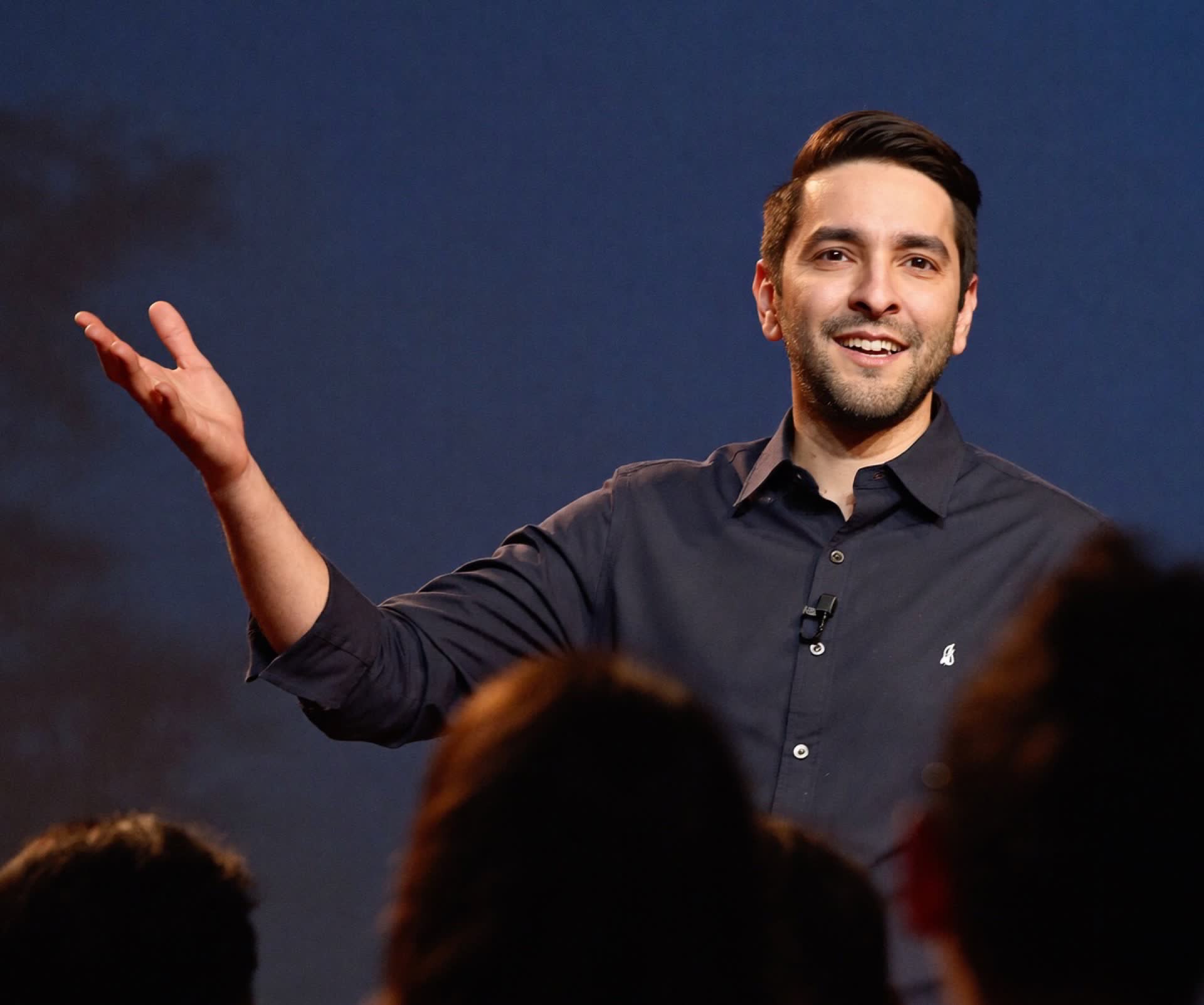
Thought Behind Things · Jan 21, 2022 · 1:11:02
The four-salesperson cloud bet that became AWS
Taimur Rashid joined AWS in 2008 as its fourth salesperson, walked away from a Stanford master's to do it, and spent ten years inside the hyper-growth phase. He talks through cloud's three disruptions, why Pakistan's talent pipeline still has no catcher, and what changes when borders stop deciding who gets hired.
with Taimur Rashid
13 min read
A premed who walked into the dot-com boom
The episode opens with Muzamil welcoming Taimur Rashid all the way from Seattle and listing the names on his résumé — Oracle, AWS, Microsoft, Redis — before asking the obvious question. How does someone end up at the centre of every defining enterprise-software wave of the last twenty years?
Taimur’s answer starts somewhere unexpected. He went to the University of Texas at Austin in 1997 intending to become a doctor. He was a premed, biology major, two years deep into the medical track. Around him, though, the air was full of something else. “There’s a lot of emphasis around computer science. And in fact, tech scene, startup scene, early dot-com boom. There was quite a bit of momentum there.” He took a few computer-science classes, found that he genuinely enjoyed the intellectual shape of it — the mathematics, the ability to create things — and switched majors.
By the time he graduated in 2002, the market had crashed. Startups were fizzling out. He took an internship, moved to California, and joined Siebel Systems — one of the pioneers of CRM software — as a QA engineer manually working through hundreds of pages of test scripts. He knew almost immediately that QA was not where he wanted to stay. The interest was on the business side. So he moved into product management.
What product management actually is
This is the section Muzamil leans into, because he sees a gap in the local picture. “In Pakistan, there’s not a lot of concept of product development. So everybody’s like a developer.” If you do not name the role, you do not build the muscle.
Taimur explains it cleanly. When he was running tests at Siebel, he kept interacting with someone called a product manager and finally asked what the job was. The answer he got was the one he now gives. “It’s a very, very interesting role, all encompassing of technology, business, market fit. You basically look at the market and you understand, what are the customer needs? What are the features to build to address those needs?” Competitive analysis. Buyer identification. Translating a need into a feature. The skill Pakistan tends to skip, in his reading, on its way from “I can code” to “I have a startup.”
From product management he moved into business development and alliances, eventually spending six years across Siebel and Oracle — Oracle having acquired Siebel along the way. The lesson he draws from that arc is that no product gets built on its own. The call-centre product his team was building used historical data to predict whether a customer would churn or what to upsell them next. The machine-learning capability for that came from a partner. Partnerships, he realised, were a way to multiply the reach of a product without building everything in-house. “How do you take the value of a product you’re building and increase that value by partnering with another company that has similar capabilities.”
Leaving Stanford for the fourth sales seat at AWS
The pivot moment comes in 2008. Taimur was planning a master’s at Stanford. He dropped it.
He joined AWS instead as the fourth salesperson on the team. There was no real sales organisation yet. “It was a small developer relations group. One or two services that they had. It’s really a startup within Amazon back then.” His mother, he says, was not pleased about the Stanford decision. He told her he would come back to it. He never did. “I think I earned two MBAs during those ten years.”
Muzamil pushes on the decision itself. In 2008, Amazon was an online DVD seller to most people. Cloud computing was not a category anyone could explain. Walking away from Stanford for that bet was not obviously the right move. How did Taimur talk himself into it?
The answer is one of the cleaner pieces of career reasoning in the conversation. “Eight years with Oracle and a well established company. I feel like I’ve gotten a good baseline foundation, that yaar, I should take some risk now.” His framework was that you build a baseline first — credible employer, real skills, durable resume — and then you spend that capital on a calculated bet. Amazon was unknown as a cloud company but known as a company; the revenue existed even if the category did not. He was not jumping from zero to startup. He was jumping from established to early. And selling a utility-priced cloud service to a startup, he could see immediately, made more economic sense than asking that same startup to put down half a million dollars for an Oracle licence.
The three disruptions of cloud
Taimur’s framing of what AWS actually did is worth quoting in full because it is the cleanest model in the conversation. Cloud, he says, disrupted three things at once.
“The infrastructure model, it disrupted. It gave access which was very expensive, very specialised, to a person who knew how to just do software development.” That is the first layer — the democratisation of compute, storage, and networking through APIs.
“Operation model changed. It completely went from this very difficult rack and stacking servers, buying equipment, buying a colo facility, or even buying a leasing agreement, to immediately getting access to a data center within minutes.” That is the second layer — the elimination of the operational tax that used to gate every new software business.
“And then the business model changed. It went from licensing to utility based pricing model.” That is the third. Pay-as-you-go, pay-as-you-grow. A founder with an idea and a credit card could now spin up a business that previously required a capital raise.
He tells the story of how this worked internally too. Amazon had spent years building data centres for its e-commerce business, and around 2004-2006 the company noticed that every internal group was reinventing the same primitives — storage, databases, servers. The decision to move to a service-oriented architecture was originally an internal scaling problem. Once those services existed, opening them externally became the obvious next step. AWS was formalised as a subsidiary in 2006. By 2009 and 2010, Netflix was running its streaming service on AWS and Facebook social games like Farmville were running on it too. The flywheel had started.
Microsoft, customer success, and the subscription pivot
In 2018, after ten years at AWS, Taimur moved to Microsoft. The reason, he is clear, was Satya Nadella. “Satya was doing this cultural change. When I talked with the leadership team, they said, you have a lot of experience at Amazon. You understand the culture. Why don’t you come and help us with the cultural transformation at Microsoft?”
The brief was customer success — a function Microsoft was building out as it shifted from licensing to subscription and consumption-based pricing. Taimur ran the global team of around two thousand people for three years. His one-line definition of the job is useful for anyone trying to understand modern SaaS economics. “You sell the technology, but then you have to get your customer to use it and implement it.” Muzamil reframes it back to him in plainer terms: if the licence sits on a shelf, no one renews and no one refers, and the next four customers do not come. That is the loop. Taimur agrees.
A year before this conversation he joined Redis as Chief Business Development Officer, leading the function globally with a focus on machine learning and AI. He explains Redis as a twelve-year-old open-source in-memory database, with a commercial offering wrapped around managed services, and a managed cloud product available across AWS, Azure, and Google Cloud.
How a working executive becomes a startup investor
Taimur started investing in startups in 2017. The trigger was a friend — ex-Amazon, who had seen a gap and wanted to build into it. Taimur put money in, then started advising. What he noticed across the founders he met after that was a pattern. “Many of the startup founders, they’re very technical in their understanding. We need to build a product, how do we want to use the technology. But this go-to-market thing was lacking.”
He started speaking at NUST when he visited Pakistan, met more founders, and made more investments — including in Educative, the developer-learning platform founded by two Pakistani brothers that recently raised a twelve-million-dollar Series A, and in Data Science Dojo. Over time deal flow began to form on its own. One founder knew another with an idea. A few investments later, established VCs began routing deals to him.
Muzamil pushes on the early days. How, in 2017, did Taimur decide how much to invest, and how much equity to ask for, when even Pakistan’s local “smart investors” were still demanding fifty-one percent at seed because that was how their family business operated? Taimur’s answer is the most practically useful section in the episode for any Pakistani founder or angel investor. The instrument he kept it simple with is the SAFE — Simple Agreement for Future Equity — standardised by Y Combinator. He walks through how the valuation cap protects both sides. “You may value it too high, you may value it too low. So the cap basically says that the value of the company won’t exceed this at this particular stage.” When a priced round eventually happens, the SAFE converts into equity at that valuation. Until then, neither founder nor investor has to pretend they know what the company is worth.
He notes that Pakistani founders, in his experience, are now using these same templates. The pitch decks look the same. The terms look the same. A few years ago this was not true. The compression of that gap, he thinks, is real.
Seattle Tech Connections and why this trip exists
Taimur is in Pakistan during this conversation as part of Seattle Tech Connections — a group of around twenty Pakistani-Americans in Seattle, working at Amazon, Google, Facebook, or running their own companies like Educative and Data Science Dojo. The group came in summer 2021, met with Special Technology Zones Authority, the Ministry of IT, and the National Incubation Center. He is back in winter for another two-day stretch in Islamabad, a Peshawar leg, and a two-day Lahore programme.
The intent he describes is deliberately unglamorous. “We’re brokering connections, creating partnerships.” Commitments are already in place from Seattle investors who want to take space in a Special Technology Zone — a builder partner on the construction side, software companies as anchor tenants, back-office software development teams as occupants. The model is repeated visits, not a single photo op. “Rather than doing one visit, we’ll do a series of visits.”
The Pakistan macro question and the talent gap
This is the section Muzamil pushes hardest on, because it is where his own conviction sits. Pakistan, he points out, has been pitching the same line for years — sixty percent youth population, English-speaking, fastest-growing consumer market — without acknowledging the next number on the same page. Somewhere between eighty-five and ninety-three percent of Pakistan’s IT and tech graduates are, in his framing, unemployable. He shares the personal version: his brothers graduated from FAST in 1998 to 2001, taught by working industry practitioners. He graduated from the same university in 2015 and found his professors were now academics — kind, qualified, but disconnected from what the industry actually needed. Meanwhile companies are dying for talent and graduates are dying for jobs, and the two cannot find each other.
Taimur’s response is the headline policy idea in this episode. The structural advantage of Pakistan is the people. The work is in upskilling, and the upskilling has to be specialised. “Pakistan has the opportunity that there should be two or three specialty areas which define Pakistan’s talent market. My goal is to actually say that, you know, five, ten years from now, Pakistan produces the most data scientists.”
He describes what he calls the missing catcher. A graduate comes out of a university. Then what? Companies like Remotebase, he says, do this well — they take fresh graduates, give them onboarding and live-project experience, and bridge the gap between academic technical proficiency and tactical readiness. The pattern he cites at scale is the African Leadership Group, which has built structured progressions for university, post-university, and mid-career skilling, then connected them to a talent marketplace where the upskilled engineer can find work. “Upskilling, experience, find jobs. Spin that flywheel.”
His implementation note is honest. Start with twenty-five. Get to two hundred and fifty digitally. Educative is the kind of partner he reaches for here because it is hands-on, interactive, and journey-shaped — you can see the path from beginner to advanced rather than just a course list. Muzamil layers on the cultural-context point, that products built for Western audiences often need to be tweaked for Pakistan before the results land. Taimur agrees and adds the demand-side piece. Skilling without a place to apply the skill is half a system. The graduate needs a contract, a gig, a job at the end of the journey, or the journey will not be taken seriously.
Remote work, Web3, and the end of the border route
The conversation closes on a shift Muzamil sees coming and wants Taimur to validate. Before COVID, the offshore model was always second-best — a backdoor office working on someone else’s vision document, two layers down from the room where the real work happened. After COVID, the acceptability of fully digital, fully distributed work has cleared a path that did not exist before. Pakistani talent at the high end no longer has to settle for being a vendor; they can be hired directly.
Taimur’s framing connects this to something broader. “We are seeing a paradigm shift happening. If you look at big tech, small companies, startups, no one has an answer to it.” He links remote work to Web3 — both, in his reading, are decentralisations of value creation. Web2 was centralised infrastructure and centralised offices. Web3 and remote work are the same instinct expressed in two different layers. “We are in the paradigm shift of infrastructure with blockchain, with crypto, with NFTs, on one hand, and at the same time remote work.”
The practical implication for a Pakistani graduate today is that the old route — masters abroad, OPT year, H-1B lottery, green card — is no longer the only door. “There’s no concept of borders now. You’re not blocked from experience.” A graduate in Karachi or Lahore can build a resume of real work for global companies starting now, so that if and when they want to move physically, they arrive with a far stronger position than the old route would have given them.
The episode closes at the one-hour-eight-minute mark. Taimur, who Muzamil notes has surprised him by quoting Allama Iqbal earlier in the conversation, returns to the same source for his closing image. “For how long will you leave your ship in Ravi and the Nile and Euphrates? Your ship was meant for the oceans, unbound.” The thirty-year picture he sketches for Pakistan is one where the country becomes indispensable to the digital world economy — not as a follower in e-commerce, last-mile logistics, or manufacturing, but as a contributor whose work outlasts the person who did it. “Surplus, just give it back. Don’t keep it. Over time it has a compounding effect.”
Full transcript
Welcome back to another episode of Thought Behind Things. I'll llamar a saat moju. Unaik, body, मेहमान all the way from Seattle in The United States. He is a startup investor and adviser. He is a chief business development officer at at Redis. He was previously in Microsoft and AWS as well. तमुर रशीत साहब हमारे साथ मौजूद sir. अस्सलाम श्लाम ठीक है. बादलुक्सलाम. Thank you. You so much for having me. I'm gonna start this conversation with just sort of trying to understand बड़े बड़े नामे सारे के सारे particularly for Pakistan, you know, Microsoft, AWS. Redis exclusive community को पता है लेकिन जिसको पता है उसको पता है कि, you know, what they're doing. Tell me a little bit about how you ended up in this entire space considering that जो आपकी essentially generation है, उसने तो rise of tech देखा. हम, मतलब जो मैं I'm ten years younger than you are, हमने तो देखा गया tech was always a a a reality. Mhmm. But how did you sort of decide, like, sort of move towards this industry and decide कि यार यह मैंने करना है? Absolutely. Good good question.
I think it'll help to give a little bit of background too because I went to University of Texas at Austin. Right. तो interestingly enough, मेरा जो background था और ख्वाहिश थी कि मैंने medicine में जाना है. अच्छा. हां, तो मैं 1997 में bachelor's मैंने शुरू किया था. तो I started premed, bio major in fact. तो वह for two years में, you know, I did that and really inspired कि मैंने medical field में जाना है. But interestingly enough, usduran, like, there's a lot of emphasis around computer science. And in fact, tech scene, startup scene, early.com, boom. There was quite a bit of momentum there. Though I took a few classes in computer science and I really liked it. I really enjoyed it, the intellectual aspect of mathematics, this ability to go create things. To us Duran then I switched majors and I became a computer science major. Interestingly enough, 2002 में by the time I graduated, the market was actually very, very tricky. I talked about market तो crash कर गई थी उस दिन से Market crash हो गया था. हां, बिल्कुल. Many startups were just kind of fizzing out. Job market in the hotneh था. Mhmm. But I ended up getting an internship, and I moved to California in 2002. Right. Then I got a full time role, Siebel Systems, Kenovse. They built a CRM. They're one of the pioneers in CRM software. Though I started my journey, you know, as a QA engineer, in fact. I do the did these manual tests of Siebel systems, 100 hundreds of pages. We just went through, looking at manual testing. Though I did that, I started my career as a QA engineer. But I knew that I didn't wanna do QA engineering. I I always was interested on the business side Right. And creating things. So eventually, I sort of started progressing from engineering to product management. Two years of product management.
Then I got inspired to do business development partnerships. Important because Pakistan, there's not a lot of concept of product development. So everybody's like a developer. हां, everyone's a developer. You know and and and I feel like यहां पर इसी वजह से वह design aspects और उस site पर हम fail करते हैं in terms of, really sort of trying to understand the product or what we're trying to create, right? So if you can sort of explain what product management essentially means. Exactly. And I didn't even know back then that there was a role called the product manager. Right?
When we were doing these tests, we would look at requirements and, you know, product features And in that, I interacted with a product manager. I'm like, well, what's your role? What do you do? Então, it's a very, very interesting role, all encompassing of technology, business, market fit. You basically look at the market and you understand, what are the customer needs? What are the features to build to address those needs? And how do you look at the market? Jesse competitive analysis करते हैं, what are existing solutions in the market? Though I got exposure to this product management role, was like, yeah, men yébonne. Right? तो I think this is a little bit lacking. And I think a good growth opportunity for, people in Pakistan that are looking to expand beyond software development. Right? Yeah. It is that role where you really understand कि how do you build a business around a product offering? Right. Market demand क्या है? Product features क्या है? Who is the buying customer? Right? Yeah. Who are you selling to eventually? Yeah. So that's the role of the product manager. Right. Right. So so you did that for a couple of years. I did that for a couple of years, and then interestingly, no product is actually built on its own. You think about partnerships. Right. The one product that we were building, real time machine learning product for call centers. Right. Those me, aka, we Early two thousands. Early two thousands. Early two thousands. You'll be decision support systems for call center agents to upsell. Right. कि वह historical data deke what should I sell the customer now? Or are they gonna leave? Wo churn का, churn detection? Usume aaki, we were partnering with a company. And then I learned a little bit about partnerships. And I was like, this is really interesting. Though I didn't know about a business development manager. I'm like, hey, wanna be that. Right? Though, okay, then I transitioned into a business development role. Though my final years in Oracle, by that time Oracle bought Siebel Systems, It was, partnership and alliances. Right. To then I spent about six years over there between Oracle and Siebel Systems. So so expand on that a little bit. Partnership and alliance. I mean, that's you guys have such great interesting roles over there. What does that mean? Really, ultimately, that means how do you take the value of a product you're building Mhmm. And increase that value by partnering with another company that has similar capabilities, but, ideally, things that can complement the solution and make it bigger. Right. The Usumiaki, we had the call center with Siebel system software, but we didn't have the machine learning capabilities that this smaller company had. Right. When you combine technology of machine learning with data residing in a call center system, you can create new value. Right. Right. You look at how do partnerships actually increase the value or allow you to get distribution channel. Right. Then you can complete a solution by partnership integrations. You can do further distribution with their channels. You can actually go to a new buyer. Right? Mhmm. So that's the role of business development and partnerships is to expand the market reach
or differentiate the offering with an integration, for example. Makes sense, makes sense. So you you did that for six years?
Six years के लिए वह किया था, and then 2008 में I... This new kind of wave of cloud computing was about to start. Mhmm. In fact, people didn't even know what cloud computing was. And above all, people didn't know that Amazon was incubating this as a business. Right. To 2008, my wife and I, we moved to Seattle from Silicon Valley. And back then, in the summertime, was sunny Seattle. Little did we know that we were gonna sign ourselves up for rain. To 2008, me I joined AWS as one of the early members of the team. Right. In fact, I was the fourth salesperson to join AWS back in 2008. We didn't even have a sales team. It was Chota Savo developer relations group. One or two services that they had is really a startup within Amazon back then. नहीं, और before AWS, Amazon का core क्या था? Data centers? Amazon का core था retail, online retail. तो उनका ecommerce का business था. अच्छा, so that's... So Amazon essentially started as an ecommerce business? Absolutely,
yes. But that wasn't profitable for for a good while? It took some time. Yeah. They could... The first vertical that they started selling online was books.
ठीक है. तो over time, as they started expanding into new categories. So eventually, one of the leading categories eventually became electronics and music. Right? Right. It was, like, selling DVDs and and those kind of things. So over time, they really expanded their, categories. Mhmm. And they expanded their revenue, obviously. And, you know, Jeff's mindset was growth, right? Growth and just driving more transactions online. During that time, they had to build out data centers. Right. So, unki expertise bangait hi with how to operate data centers at scale. 2006, 2004, 2006 made they noticed que, in order to grow the business, many groups were creating their own storage systems, their own databases, their own servers. The back then they changed to a service oriented architecture to scale the business. That was the only way to scale the business. Otherwise, every group was building their own systems Mhmm. And re-in went in the the wheel, basically. That that was the inception of AWS. Okay? How do you take this shared infrastructure and create it as web services? Mhmm. And then opened the web services to different groups. Right. Though for many years, they actually, used their own product internally. The then AWS got born. Service oriented architectures, access to core infrastructure like compute, networking, storage, databases. At two thousand six may they established AWS as a subsidiary. Mhmm. And it started picking up from there. Two thousand eight may we joined. 2009, two thousand ten may, you had one of the biggest, customers, Netflix, which deployed their entire streaming service on AWS. Right. You had Facebook games. You probably remember Farmville back in the day. One of the big, Playfish. Right? These big gaming social gaming companies. And from there, this flywheel started of startup companies that didn't have access to infrastructure. Very quickly, they could get access through APIs. Mhmm. And it was all utility based pricing model. You had to pay upfront fees, you know, rack and stack a data center. You had an idea? Mhmm. You had a credit card? Off you go. Mhmm. Well, pay as you grow sort of a mortgage. Pay as you go, pay as you grow. If you get bigger and bigger, then eventually you can do a committed contract and get discounts and Right. Right. Right. Right. So now it's 2008. May I join that? For ten years, I basically ran business development, for AWS. If you think about all the new products, all the new markets, all the new strategy, getting into those markets, my team and I, we drove that whole after. Those two run, it was a very, very good experience, q k. Back then, AWS was a very small business, though Jeff was very close to that. Though, alhamdulillah, got interaction with Jeff Bezos, Andy Jassy, who was the CEO of AWS back then, but now he's the CEO of Amazon Right. Broadly.
Right. So दस साल आपने इसके अंदर किया. दस साल. And I think that was probably the most profound experience, of your career because वह जो scale उस उस time पर, scale over होगा, that must be quite interesting and exciting. It was hyper growth phase,
really scaling. In fact, I was planning my, masters, though I dropped out of Stanford during that time to go pursue this Amazon job. I bummed bare naraz hogete, yeah, why are you leaving your master's? I said eventually, me carlunga. लेकिन I think I earned two MBAs during those ten years. Jo experience getting into new markets, आपके अंदर technology, business, operations,
growing teams, leadership, वह सब कुछ था. So, I mean, यह आप दो हज़ार आठ की बात बता रहे हैं. Stanford versus this online DVD seller starting this. So, I mean, वह decision उस time पर किस तरह से था कि, you know, like, अच्छा ठीक है, Stanford का masters. हां. Very prestigious, very sort of, you know, there's a tick mark there. And then there is this, I wouldn't say a startup. Mhmm. But, definitely, it's not like IBM or Microsoft. Exactly. And nobody really knows how this will turn out. Yeah. So what were the thought processes? I feel like I should be doing this right now instead of, talking about That's a really good question. Yeah. But, then,
no one knew how big this was gonna be. Yeah. In fact, I didn't even know. Right? QK leaving a good job at Oracle, going for Amazon, which was a known company, Like, in this new business cloud computing, cloud computing heck yeah to use, right? There was a risk, right? Yeah. Model mera यह था कि, look, at the end of the day, you have to establish yourself with some baseline. तो मैंने जो देखा था कि ok, eight years with Oracle and a well established company. I feel like I've gotten a good baseline foundation, कि यार अब risk लेना चाहिए थोड़ा बहुत, right? Ok, it's a little unknown, but it's not entirely unknown, right? Queuque there was some revenue behind it and all of that. The army era yeh mental model that I wanna go and learn. Mhmm. I wanna put myself in an area where I can create create new value. Right? I knew what I'm selling like a database. Right? It's established market. It's a new market. Right? Though in hindsight, when I look at the decision making process, risk cleaner, right? Learning. And having at least some good fundamentals in place, क्योंकि it was a well established company Amazon was. They were going out of the space, which to me made sense, क्योंकि जब मैं Oracle में था, selling a license to a company that's just starting, that doesn't know how much they're gonna spend, was very difficult. Mhmm. ¿Con? Who who would spend, like, $500,000 on the license for Oracle when they haven't even proved their business model? Yeah. This utility pricing model, SaaS model, it made sense for people that were just starting their businesses. Right. That to me, it made economic sense, k, okay, the economic I mean, that's something that you you could considering your role, you were like, I could sell this. I can relate to. I can relate to. The challenges we faced in trying to sell licensing software were there. Yeah. Yeah. Yeah. So cloud computing, not only made you think it disrupted three fundamental things. The infrastructure model, it disrupted. Mhmm. It gave access which was very expensive, very specialized, to a person who knew how to just do software development. Right. Operation model changed. Right? I mean, it completely went from, you know, this, very difficult rack and stacking servers, buying equipment, buying a colo facility, or even buying a leasing agreement to immediately getting access to a data center within minutes. Right. And then the, the business model changed. It went from licensing, utility to utility based pricing model. Right? Right. But fundamentally, they were disrupting all aspects of, you know, you when you look at value that's been trapped, they unlocked that value through these three ways. Right. And then you switched to Azure. Then I went to Microsoft, because by that time, you know, you had companies like Microsoft, Google realizing this is a big potential. Right? Moving to Microsoft, merely it was more about getting experience with enterprise sales. Microsoft well established in how to, you know, sell to the enterprise. Even though Amazon maybe I mean, they were just kinda growing in in that space. लेकिन digital transformation में emphasis था. लेकिन finally जो the the reason I moved was सत्या was doing this cultural change, ठीक है? तो जब मैंने leadership team के साथ बातचीत किया, वह कहते कि यार, देखो, you have a lot of experience at Amazon. You understand the culture. Why don't you come and help us with the cultural transformation at Microsoft? ठीक है? También que quedau, that's an interesting challenge. Then I joined in 2018 after ten years at at Amazon. Mhmm. También, three three years, Microsoft me, I led their global customer success team. That's all. The customer success was a new function in Microsoft, q k moving from licensing based to subscription based, consumption based selling. Right. This is what Amazon did from day one. Right. So we built the customer success teams over there. Customer success. So what would you how would you define that as a as a role? The customer success takes very different definitions depending on who you ask, but, ultimately, it's about post sales adoption of a technology. Right. You sell the technology, but then you have to get your customer to use it and implement it. Customer success at Microsoft was post sales engagement to adopt the technology,
use it against projects. अच्छा, so I understand. So essentially customer success का मकसद यह है कि यार customer ने अगर आपकी technology ख़रीद ली और उसके बाद use नहीं की तो essentially आपको भी फ़ायदा नहीं हुआ. हां, फ़ायदा नहीं हुआ. Because जब तक उसकी success story market में सामने नहीं आएगी, अगले चार बंदे ने आपको ख़रीदनी है. And so he has to use it. He has to get value from it so that a, he can buy more of your services and then b, other people can buy it. That's it's Exactly. Exactly.
And then they call it the consumption based model. क्योंकि you can sell the license, लेकिन if it's on the shelf, no one's using it. Yeah. You're not getting no benefit of it. Customer success का यह था कि let's work with the customers, understand their projects. Mhmm. Whether migration है, modernization हो, yeah, new projects. Many people started implementing, AI and machine learning. Right. Customer success role to work with the customer, architect and then drive usage of their investment. Right. Team about, dos हज़ार लोग field. Mhmm. I had full responsibility for the overall strategy. Global markets make ऐसे करणाओ. It was a very, very good experience. ¿Sabrá das? ¿Three years in in that role? Three years in that role. And then recently you switched to, Redis? About a year ago, हां. तो initially मेरा यह plan था कि, you know, I've seen, you know, ten years at AWS, three years at Microsoft. On the side, I did startup investing and advising. तो यह plan था कि I'll do more of that. Mhmm. लेकिन interestingly enough, I know the founders of, Redis, तो we, developed a good relationship and a good opportunity to help them. In my role, I lead business development for them globally, with a focus on machine learning and AI.
अच्छा, बराबरदस्त. What's, and मैं अभी इसमें depth पर नहीं जाऊंगा generally, but थोड़ा सा अगर मुझे बता सकेंगे what what what is Regis too and what's the company? हां, what is Redis? Redis is basically an open source,
in memory database. Right. So it's been around in the market for about twelve years. In fact, Redis as a company is the founder. The founder used to be at Redis. They're the caretakers of the open source database. Right. But we also have a commercial offering, just we actually monetize that. Right. Open source database we've basically added operational excellence features around it,
managed services up there. Consulting हो गई और उसका essentially हां. Even while using the database Exactly. तो consulting एक aspect है, but the most aspect is it's a managed database offering in the cloud.
Though, this sense may you're basically paying for managed services, operationally, on the database. So are you paying for essentially the technology services? Technology services. For for, human services. Technology services. Technology services primarily. Sí, ok. Which are basically sort of managed by humans in the back end and and and technology as well too. So Redis Cloud units available on all three clouds, AWS, Microsoft Azure, Google Compute Engine as well too. Sí, ok.
And then separately, you know, you've been you've been a startup investor and adviser. Tell me about that journey. When did that start? Because, वही वाली बात है कि for a lot of people, if they're working at Amazon, they'll be like, ya, mi zindagi चल रही है, चुप करके चलाते रहो. This is what is this extra hobby that I'm trying to pick up? Exactly. Where did that come from and when would when did it sort of start? हां, तो it started in 2017.
Right. मेरा एक दोस्त था ex Amazon. He worked for another company. And then Usmeaki, he saw an opportunity to create something, a gap in the market. Right. तो वह dos था, and then he's we ideated together. In fact, several of us were thinking que we would start the startup. Eventually, though, he ended up starting the startup, and then I invested in that one. Mostly because I believed in his vision and his ability to execute it, so many I invested in it. That was my first experience there. To during that time, I also advised him too. To help him with this journey, product market fit, go to market. ¿Qué se carnao? To then I realized that many of the startup founders, they're very technical in their understanding que हमने product क्या बनाना है and how do we wanna use the technology? लेकिन this go to market thing was lacking. Right. कि how do I go to the customer? How do I find the customer? मैं position कैसे करूं? How should I tell the story of my technology? तो then उसमें आकर then I started connecting with a few founders. Mhmm. In fact, जब मैं Pakistan आता था, I would actually go to NUST University and give a talk. तो then I would meet start up founders there कि यह idea है. तो then I did two more investments in in companies. One company was Educative. Mhmm. जो in fact is, founded by two, Pakistani brothers and they're doing really well right now. Right. Software development learning. Educative, if I understand, if I remember this correctly, it's the one जो क्या आपकी, interviews में support करती है? Interviews में support करती है, हां. Right. Yeah. They can they can help with the onboarding and interview process as well too. I I heard they're doing really really well. They're doing really well. In fact, they had a series A a few months ago. Right. There is 12,000,000 in series A. Very cool. They're really good. Then I started getting exposure to that. There was one company, another company I invested in as well too. Then over time, then the network started forming. Okay. You invest in one startup, they know a friend who has another idea. Right. But then you start getting what they call deal flow. Right. Though over time, then as my network started expanding, I started getting more deal flow. More people came and said I have this idea and all that. तो
I mean, this is very interesting. Sorry ma'am, क्या कर रहा because हां नहीं, नहीं कोई बात नहीं. यह particularly मेरी अभी पिछले, I have a friend. He's in The US. He was just visiting Pakistan. He was like, यार, you know, I'm now beginning to make this excess capital and, you know, आप direct जा रहे थे and you were having these conversations? Yeah. Were you going to, let's say, a VC and saying, listen, like, I have this money that I want you to take, and then figure out qué आप में कितना invest करना. It was mostly direct. It was mostly direct through the network.
Though, in fact, one investment, you know, Kleiner Perkins has invested in them as well. Two, two Sigma Partners. So a few of these ones that got an association with co investing in them. Right. तो अब आ के then now it it it it can formally expand where, you know, as a well established venture capital firm, you know, accelerator, they may look at you and say, can you help bring deals to us? Right.
तो वह's that's happening as well too. And जब आप initially early early stage startups में invest कर रहे होते हैं तो how does that sort of because Pakistan का ना एक बहुत major pain point, जो कि सारा I feel like change हुआ है. हुआ है थोड़ा सा but mostly जो उससे पहले जब investors जो startups थे when they were going to investors तो international investors से देखे नहीं रहे थे कि यार यह भी exist करती अब इस साल के बाद तो now everybody suddenly वही जो numbers पिछले दस साल Samsung रहे थे ना वह अब suddenly numbers realistic हो गए कि, you know, youth है, fastest growing consumer market है, you know, I think number seven पर biggest consumer market in 2030. All of these numbers basically being thrown around now by by serious people. Mhmm. हम तो sun ही रहे थे. But क्योंकि serious people were not involved, तो Pakistan में people would go to, I mean, these guys are serious people also, but not not tech tech oriented. Didn't have the understanding of tech, right? So they'd go to these states, local states. इनकी यह घी की factory है, चावल की factory है और वह कह रहे कि यार आपके पास इतना पैसा है, आप tech में भी invest करें. और उसमें होता वह यही था कि you know वह एक startup, की team है. उन्होंने एक idea सोचा हुआ है. They have no understanding of क्या equity? कितनी? क्या? पैसे कितने मांगने हैं? क्या करना है? So so आपने Pakistan में भी invest किया है believe? हां, Pakistan में भी invest किया. What's the difference that you've seen in terms of the maturity of people making startups in in in in, let's say, California or or, you know, Seattle versus the the teams or the pitches that you found in Pakistan?
Look, I think I see que, com... There's a lot of commonality, I would say, queuque the good thing about this is that there's so much learning that startup founders can get. Templates for investing, जैसे, safe notes for example that show the equity, pitch decks. There's so much now I think uniformity in how Pakistani startups approach investing as well too, as well. Right. जैसे वह pitch करते हैं and all that. So I see a lot of commonality. A few years ago that wasn't the case though. Yeah. क्योंकि it was still being formed. Yeah. I think वह जो करीब mafia के बाद जो है ना उनके लोगों को थोड़ा सा समझ आई कि how what what exactly are the international
investors looking at. And then they came back and they sort of transferred that knowledge to a lot of these smaller startups and वह पर ICICI industry में flow करना शुरू हो गया है. But जब आपने start किया था twenty seventeen में तो how did you come up up with the number कि यार I can invest this amount and maybe I deserve to get x amount of percentage equity in return because again so I'll revert back to the state investor in Pakistan जो कि जाकर कहता है कि यार numbers भी चले हैं बड़ा smart investor होगा तो आएगा कि कह गया numbers निकालो, छह साल ही projections निकालो, यह सारा कुछ करो. But literally हो चुका मेरे साथ हो चुका है कि sir 51% तो हम रखते हैं यह तो हमारा family group का style है. Seed investment में ना 51% तो हम रखेंगे और आप फिर 49% में देख लें आपने क्या करना है. अभी पहली investment है. अभी आगे पता नहीं चार rounds होंगे. चार rounds होंगे. ना ही मेरे साथ बचेगा. Exactly. तो तो what was that thought process with with you guys? कि अच्छा how or how did you sort of define कि this is fair? Because fair obviously is very important. Exactly.
तो it's a journey, it's a journey. क्योंकि मैंने I just started investing तो I kept it very simple in the beginning. और अगर आप देखें like that's how safe notes are structured, क्योंकि वह it's very early days for a startup. यह नहीं पता कि how much is the company valued, कितना ownership होना चाहिए? Mhmm. तो safe notes actually not only help the entrepreneur but they also help the investor too. Tell me a little bit about safe notes. हां, तो safe notes basically, you know, y y c which is y combinator. Right. उनका standard एक उन्होंने safe note बनाया है, for entrepreneurs. Right. तो it's basically a simple agreement for future equity. Right. तो उसमें यह आता है कि it's a standard set of terms, ठीक है? आप यह कहते हैं कि I am raising this much money for my startup. मैं valuation cap करता हूं. Like, I don't know what the value of my company is, but I won't I'll cap it at, just say, 5,000,000, ठीक है? तो उसमें आकर it does protect the investor, but it also protects the entrepreneur too. So what do I mean? Cap cartón, 5 mil. Cap का यह है कि basically whenever you do an investment round, you value the company at a certain amount. ठीक है. ठीक है? तो उसमें आकर then you actually do share distribution. Do you have a capitalization table which shows that this is the value of the company? Let's just say it's valued at 10,000,000. Then you say these are the number of shares. Right. And this is the ownership equity of each individual, each institution. Okay? Like, you might be so early in the business, you don't you don't know the value of your company. Right. You may value it too high, you may value it too low. Right. So the cap basically says that the value of the company won't exceed this at this particular stage. Okay. ठीक है? The उसमें आकर then when you do get to a round where you do value the company, then you can give an accurate measure that the value of the company is based on this, ठीक है? Safe note का यह कि it gives, the right to the investor for future equity once that time comes.
अच्छा, ठीक हो गया कि यार आज मैं आपके उसमें invest कर रहा हूं लेकिन अगर वह इस x amount पर पहुंचेगी तो the first right will be with me to make that further investment या जिस तरह से होगा. हां, ठीक है. तो वह जो भी आप amount invest करते हैं, it basically gets converted into
a share amount. Okay. At the time of actual pricing. Right. ठीक है? तो उसमें यह है कि as long as I agree कि, okay, your valuation cap is sensible to me, it's not too high or not too low, मैं invest कर लूंगा. ठीक है. ठीक है? तो उसमें standard terms पर. One that once that event happens, यह जो ना, the safe note becomes a convertible. Right. It converts into shares, and then you have equity ownership and then Very cool. Uh-huh.
You guys are here in Pakistan for for a for a thing. There I think '25, of of of, Uh-huh. Tell
me a little bit about that. What what what's this trip all about and Yeah, definitely. तो it's called, it's a group of us in Seattle. तो हमारा we park Seattle tech connections. Right. तो summer two thousand twenty one, earlier this year, about 20 of us came from Seattle. Best of us, you know, visiting family, but at the same time we said opportunity And हमारा जो ना group of us in Seattle, we feel very passionate about the opportunity in Pakistan. हम कैसे contribute कर सकते हैं to make it a strong and prosperous Pakistan? तो it represents people in big tech जो अभी Amazon, Google, Facebook में काम कर रहे हैं. It actually represents entrepreneurs that have their own startups. जैसे Educative एक है, Data Science Dojo. It's a leading, data science training platform. Right. And several other startups within the Seattle area. Right. And these are all Pakistanis? Yes, all Pakistanis. All Pakistanis. Excellent. So we decided, okay, let's bring, like, a little, a tech exposure event. To 20 people came, from, Seattle summertime. They met with Special Technology Zones Authority, Ministry of IT, National Incubation Center. तो basically we said, let's start the dialogue and connect the communities. Right. जो भी Pakistan diaspora US में और पाकिस्तानी tech and startup ecosystem either, let's at least create a connection. Mhmm. क्योंकि हमारा जो था we have so much experience in cloud computing, Amazon, Microsoft, Google. How can we bring that experience and mentorship and connection to this community? Event, many good meetings happened. We went back to Seattle. We started bringing more awareness to people. People in Seattle didn't know that, yar, yeh सब कुछ Pakistan में हो रहा है. Mhmm. तो number one, it was a good education for the Seattle community. Right. Secondly, a lot of interest. How can we participate? How can we give back? Mentorship, advising. In fact, some people said कि यार, invest कैसे कर सकते हैं in these good ideas? This what led to, us coming back again wintertime में. About fifteen, twenty of us are here too as well. Two days हमने इस्लाम बाद में गुज़ाने हैं. एक दिन पिशार में था. अभी in fact, as we're speaking, the group is in Lahore for a two day event. तो यह है कि we're brokering connections, creating partnerships. अब there's commitments from people in Seattle कि उन्होंने they want to invest in a special technology zone. Right. As a enterprise zone.
जो construction
वाला element है या जो एक एक construction element है. ठीक है. तो locally there's a builder जिसके साथ we're partnering with. Right. But then the other is के tenants के कौन आ सकता है with their software experience या companies. तो उसमें we've gotten quite a bit of interest already from the Seattle area. Right, कि वहां पर essentially you can find projects,
send
them here and then set up a partnership companies, जोकि basically Set up a बिल्कुल, बिल्कुल. Even back office, you want to set up your back office software development teams, उसी technology Zone में they can, they can reside. Very cool. Peshawar was Peshawar? Did you go there as well? I didn't go to Peshawar unfortunately. लेकिन Peshawar में बराचा था, Atif Khan के साथ met. बराचा dialogue उन्होंने किया था. तो in fact we are gonna publish a report कि जो दो दिन इस्लाम बाद में थे, एक पिशार में two days in लोहौर, कि learnings क्या थीं and then more importantly अब actions हम क्या लेंगे, right? Kyoke there's a set of good actions that we're gonna do. And हमार यह plan है que, rather than doing, like, one visit, we'll do a series of visits. Mhmm. And ham vapis jaque will bring in more people that'll come in
and build on this, ti. Right. It's not like a photo op. हां, it's not a photo. Continuous, Continuous. Connectivity. अच्छा, मुझे यह बताएं कि, you've seen this year's startup fundings and and and valuation. As a matter of fact, कल की report आई है कि air, airlift might just be valued at a billion dollars now with with almost $1,050,000,000 dollars की नई investment वह जी. Raise करें. How do you see the पाक्षतानी market as of right now? I mean, you've been in at the heart of Silicon Valley. Probably at the most exciting time there was, And, you you obviously see how, I mean, how essentially the world's most powerful country के most powerful शहर जो हैं, जब वहां पर innovation drive हो रही होती है, value निकल रही होती है तो उस value से क्या किस तरह दुनिया बदलती है? हां बिल्कुल. I'm not even gonna say कि you know थोड़ी गिर लोग बदलते हैं या countries बदलती हैं. दुनिया पूरी पूरी shift हुई पिछले दस पंद्रह साल के अंदर through digital and all of these things. How do you because अरे यह सवाल का मैं context देता हूं. हां. देखिए context यह है कि जिस जिस इंसान ने दुनिया change होती देखी होती है ना वह बहुत bullish होता है change के ऊपर. Mhmm. और जिसने दुनिया change नहीं होती देखी होती तो वह कहता है कि यार यह सारे बातें हैं, यह मंजन है. Mhmm. Right? All this is just like, you know, people getting photo ops. They're trying to, fool people around and उस तरह से and and and so they're gonna be Pakistan में unfortunately आपको cynicism बहुत ज़्यादा मिलता है. Mhmm. And for good reason because there have been people जिन्होंने अपनी पूरी पूरी ज़िंदगियां गुज़ारी हैं. Mhmm. इस hope में और इस उसमें कि यार उनको लोगों ने बताया कि यार नहीं नहीं, बड़ा गुड़सी ने मैं बता रहा हूं sir. दुनिया बदल जाएगी, दुनिया नहीं बदली. And obviously right now we're at a time जब there is a huge youth population, there is a lot of interest as well locally के people are like and and and we're actually at a very interesting time for the first time where under thirties are in a majority. Right? So, एक power तो obviously आपकी आती है जो पुराने boomers हैं आपके जो कि basically, you know, who are controlling the system and saying कि यह Pakistan है, जो बड़ा अच्छा Pakistan है. But then the newer age people are not just saying कि we want change, but they're also an a sizable majority. Mhmm. To be able to exercise either the right to vote or their collective voices to say कि listen, like, this can't go on. And and we need newer, better, more efficient systems. Mhmm. You know, politically or otherwise, business maybe. But do you think, based on your experience, things are changing or might change?
Based on my observations, I think things are changing. And meetings that we've had, it's very refreshing to see que people are willing to, number one, look at things differently, ठीक? एक sense में it's so important to be vocally self critical. Right. कि देखो यार, I mean, there there are... There's bureaucracy, there's red tape. यार, बड़ा complex system है. I think, जो ना, what I've I've appreciated in my time is just understanding how complex systems are, right? ¿Dike? Well, there's a really good book. I highly encourage people to read it. Zen and the Art of Motorcycle Maintenance. Somebody pruronic book, Those men o autor कहते हैं que, dekho, if, if you have a factory that builds motorcycles and you tear down the factory, if the rationality of building motorcycles still exists, another factor you'll get created. Right. Okay? Or just to be if you if you try and change a government and you destroy a government, if the rationality that built that government still exists, it'll it'll just come back. Yeah. तो इसका यह है कि you have to understand कि systems are very complex, ठीक है? And यह करना चाहिए, you have to identify कि what parts of the system do what. Right. And उसमें change कैसे आना चाहिए? The first important thing is mindset has to change. अगर mindset change now, you can implement any sort of thing. The mindset will bring back the old way. Right. ठीक है? तो what I'm encouraged is mindset is changing. People feel कि यार, we have an opportunity. Why should we let this out of our hands? Mhmm. This is our opportunity. And मैं यह कहता हूं कि यार, this is the most important opportunity not only for leaders in the industry, academia and especially government, but leaders within the, jesse, the youth Right. To take a leadership role. Right. We're sitting on an opportunity of a lifetime to really not only help Pakistan as a country, but we're sure leadership to the world. Mhmm. Mindset is is there. तो I... I'm encouraged by the fact that यार mindset is there, ठीक है? It's not easy, Mhmm. तो उसमें आकर यार वह जो हिम्मत होती है of a nation, we we have many headwinds ahead of us. Government के, regulation के, political instability, जो भी आप कह दें, right? But we have to break through those things, ठीक है? Sometimes लोग कहते यार ma'am bypass कैसे कर सकते हैं with these things? यार मैं कहता हूं कि break through them and वह भी with the right intention, ठीक है? मैं यह भी कहता हूं I look at जैसे one of the biggest inspirations for us as individuals from Pakistan. जो ना अलाम एक बाल के जो vision and thought and philosophy, I think we have to bring that back into our businesses and how we think about starting startups and businesses and all that. उनका बराबर एक था, I won't quote it in Urdu क्योंकि it's a little difficult for me. Le digo, ok, take it. For how long will you leave your ship in Ravi and the Nile and Euphrates, Eugeo Rivers? Your ship was meant for the oceans, unbound. Right? तो this is the opportunity that I think we have to have and mindset. तो mindset यह है कि यार, have the infrastructure, we have the tools, we have the capability. Now let's just partner together and move forward with creating value. मैं देखता हूं कि you either consume the value that other people create. Yeah. या you add more value to something existing or you create new value. Right. मेरा जो aspiration है कि that people realize कि we can create new value. ठीक है? You you shared the example of Airlift, right? In last mile logistics, opportunity in SMB, retailers, e-commerce, fintech. There's so much opportunity. Right? Mhmm. The mindset's there. I'm encouraged by that. Infrastructure's there. I'm encouraged by that. Ya, subsidio bricis, capital is flowing here. Yeah. 325,000,000 of venture capital money just in 2021 alone. Yeah. If that's any indication of what 2022 could be, there's there's access to capital. Now there just has to be people have to learn. Mhmm. Upskilling? Upskilling
So so that was gonna be my next question. And I think, in a lot of sort of these pitch decks, not just about startups, but overall the ecosystem, Probably the biggest thing that we miss is हम पहली line हमारी लिखी होती है जी 60% youth population. अगली line लिखी होती है कि you know like, very educated English speaking this and that, यह वह. पर तीसरी line miss कर जाते हैं कि you know आपके अगर IT और tech के अगर जो graduates निकल रहे हैं, उसमें 93% और 85% unemployable हैं. And I think that is in itself a problem that जो कि solve नहीं हो रहा. हां. इसकी मैं आपको मैं साल इस तरह से देता हूं कि my siblings, my oldest brothers graduated in from Islamabad, fast Islamabad 9099 batch, 2001 batch, '98 batch. So very early days of, you know, IT, tech in Pakistan. उनके time पर जब वह लोग पढ़ा रहे थे तो जो जो जो पढ़ाने वाले थे वह generally industry के लोग थे. वह लोग थे क्योंकि market में तो कोई था ही नहीं, कोई ऐसा तो नहीं था PhDs were flowing here and there and जो गुलाया जा रहा था. तो वह यह था कि यार आपने जब आपने कोई institution start करना तो you went out and you found कि यार यह बंदा इस tech के साथ काम कर रहा है, उसको बुलाया जाए और उसे कहा जाए कि यार please students build करो. Mhmm. Then obviously HEC came in and they created this entire thing about KG minimum masters होना चाहिए, minimum PhD होनी चाहिए, यह है, वह है, उसकी बड़ा regulated mechanism बना दिया. And then I graduated from same university in 2015. Mhmm. And हमारे time तक, and no disrespect to my professors there, they were very nice, but, they were academics. They were through and through academics, and and so there was a huge disconnect between what they were teaching and what was required by the industry. And and FAST being one of the leading institutes as a computer science institute in Pakistan, Even वहां पर, apart from the individuals जिन्होंने ख़ुद से जाकर figure out किया कि ok, हमने क्या करना है. Mhmm. And because fast के पास top talent आ रहा था तो वह कर रहा था, figure out. हां. But for most of these other universities, students are coming in thinking कि यार हम x amount money दे रहे हैं तो और वह इस purely इस mentality से आ रहे कि हम इतना पैसा दे रहे हैं to make sure that we can go into the industry and we can again, simply we can create value for that company. Mhmm. And they graduate and companies tell them que, listen, like, you have absolutely no scale that we can use, and we're it's going to take us at least six months to sort of upscale you. So what what what can we do? And and I Facebook के ऊपर literally IT industry भरी पड़ी है. Mhmm. और मेरे Facebook के ऊपर students और और और young professionals भरे पड़े हैं. You've got jobless professionals looking for jobs, and you've got companies literally dying for for talent. For talent. Right? And and हम last mile की बात कर रहे हैं, हम retail की बात कर रहे हैं, वह कर रहे हैं हम a lot. We're talking about a lot of these startups जो कि पाकिस्तानी market में consumption driven economy के अंदर घुसना चाह रहे हैं. जिसके अंदर हमेशा एक question mark रहेगा because आपके macroeconomic factors जो हैं वह will always be there, right? Because आपके क्या कर रहे account deficit है, आपकी inflation है, आपका यह है, आपका वह है तो economy slowdown की वजह से हमेशा impact पड़ेगा consumption को. Exactly. And while all of that is there, आपके पास दरमियान में बड़ा clear dollar based economy है जिसकी growth आपके सामने है, जिसमें आपको global numbers हैं कि growth कितनी आएगी? And somehow we haven't been able to solve that. And you've got technologist solving, consumption based problems and not seeing a problem right in front of them. Yeah. Right? So so probably my biggest question is, how does Pakistan... Sure, we can talk about, I mean, we can talk about IT services and we can say, you know, STZ, $10,000,000,000 का मतलब यह है अगर आप उसको divide करें कि आपको talent जितना चाहिए, आप वह talent सिर्फ़ देखें तो we are nowhere beginning to build that talent and create Exactly. That Right? And and and so people can say, someone sitting in Seattle can say कि listen, I can create maybe an enterprise like what India has created and and have, like, 50,000 resources. Yeah. Systems इस वक़्त रोल गया with all its experience कि वह चार चार, साढ़े चार हज़ार बंदे पर आया है और उसने पूरी industry ख़ाली कर दिया. Literally और किसी के पास बंदाई को ही नहीं बचा. हां. So how does, how do, I I feel like talking about all of the other things, great. But how how do we build talent? Because that is probably our biggest problem right now. Is it, I mean, अगर आप देखें, I mean, I think the biggest value
जो structural advantage Pakistan का है, is the people. ठीक है? And that's why I think a lot of emphasis has to be placed in upskilling. अच्छा, easier said than done. But, Jonah, emphasis of making sure that that you have a supply of talent and you upskill them in the right categories, ठीक है? एक sense में there's a general upskilling जो होती है. Basic cloud skills upkehale, software development skills. लेकिन I believe कि Pakistan has the opportunity कि there should be two or three specialty areas which define Pakistan's talent market. Mira, like, one of my goals is to actually say that, you know, five, ten years from now, Pakistan produces the most data scientists. So that's a skill. Someone has to make the investment in the upskilling of that. Juju's graduates RM, universities say. Upskill them. Give them experience. You know, that's why एक company है remote based. They do a really good job of this. क्योंकि, you know, academia में वह, they hire कर लेते हैं. Six months के लिए they, or six जो भी onboarding experience वह करते हैं, they give them experience with live projects. Right. They can take that technical proficiency जो उन्होंने, school में ली है and make it more tactical. Right. Make it more experiential. तो यह जो net's very important कि there has to be these catchers. आप graduate कर लें, what's next? What's next? Companies like Remotebase that can open up the door for upskilling, experience. यह जो create करना चाहिए, ठीक है? Once the flywheel gets created and up, you have a good onboarding process, of this, then I think you can start seeing the talent coming up to bear. Right. जो ना, what I... मैं देखता हूं, African leadership group. वह एक है, जो I think by, वह कह रहे थे by 2050 Africa will have the most jobs in the world. अच्छा. African leadership group ने यह किया है कि they created a very structured process. University में क्या skilling होनी चाहिए? University के बाद skilling क्या होनी चाहिए? अच्छा, you're experienced in the industry for few years. What new skills do you need to learn? तो उन्होंने पूरा बनाया हुआ है mechanisms for these audiences. And मैं उन्होंने यह कहा है कि how do we again create jobs? They basically created a concept of a talent marketplace. आप skill कर लें, experience ले लें, now you can put yourself and get a job. Right. Jesse Upwork and a lot of these freelancing things. I look at Jesse updating the freelance economy for Pakistan. Huge market for us. Mhmm. But you need to create the flywheel. Right. Upskilling, experience, find jobs. Spin that flywheel. And यह भी, जो भी, you know, youth जो आ रहे हैं marketplace में, you give them an opportunity. You give them a journey and a direction कि वह किधर हैं and where can they be over the next few years.
Right, जो आपने bone base का बताया, I I'm I'm not aware of the model. But what I'm trying to understand is generally हम upscaling की बात करते हैं, हम talent creation की बात करते हैं. पाक्षा ने try बहुत हुआ है. जी. Baseline से start हुआ है, 2G skills बना. उन्होंने कहा जी WordPress सिखा दो. Basic basic ना? Basic. And I think that was fairly successful. Like, freelancing में अभी आपकी low value के अंदर definitely घुस चुके हैं. बहुत सारा बहुत जैसे sizable number जो है low value में घुस चुका. Question mark probably यह है कि जो low value से ज़्यादा technical side पर लेकर जाने लोगों को, like you said data science site के ऊपर and, you know, AI and all of those things. उसके ऊपर वह president का एक initiative भी आया और उस पर सारे बच्चों ने apply भी किया. हां. We didn't see that sort of converting into anything substantial. And and a lot of times we're we're looking at, teachers, humans saying कि जी, humans आऐंगे वह train करेंगे बच्चों को. That is a bit more that that maybe technology can solve. Maybe it's a gamified learning experience that can really help you step by step, very targeted, step by step. Sort of like Google की certification programs हैं. Mhmm. For पाकिस्तानी that seems very वह ना एक बड़ा वह लगता है एक तो हमेशा हम disconnected होते हैं क्योंकि mostly they're for their servicing individuals जो कि who have the right work visas, this and that, यह वह. तो वह यही होता है कि यार ठीक है अपनी skilling के लिए कोई करना चाहता है. Why don't we have something like that? And particularly for people who are for for for, you know, expert पाकिस्तानीs who are sitting there in the industry. How do you think they can add value to to to the skill aspect of it? Because they're really there really sort of seeing what's happening and what's going to be happening over the next five years. For a lot of people sitting in Pakistan, running backdoor offices, they don't get the vision document. You know, they're they're just told कि यार आज यह चल रहा है, यह करो. Mhmm. और फिर वह उसी पर talent build करते हैं और फिर दो साल बाद पता लगता कि दुनिया तो बदल गई थोड़ी सी and and and now you know, you've sort of made redundant talent. Yeah. How do you think people, people like yourself and people around, you can can support this sort of creation of talent in Pakistan? हां, बिल्कुल. I think there are a few, models to look at. One is
strategic direction होना चाहिए, right? Right. And जो मैं देखता हूं it's a journey. You have to map out the journey. आपने यह बड़ा check आया कि, look, they don't get the vision document. They get the यह बस करना है, करो, right? Yeah. They lose the connection to what is the purpose behind it, right? Yeah. तो जुनाह, I think we have to have purpose in जो भी हम talent build कर रहे हैं, there has to be a proper journey. That's why I love what educative is doing. Educative का यह कि it's it's hands on experience जो जिस्ते भी करना हो course Python में, Java में, जो भी है, online interactive है and there's also a journey कि आपने beginner करना हो. How do you get to more advanced levels, right? Right. जितना भी this can be digitized, you can get to the masses, ठीक है? Initially में though it takes hand holding. Right. जैसे आप कह रहे थे कि data science का initiative, start with creating 25 data scientists, उनके साथ high touch involvement. Then how do you get from 25 to 250? You're gonna have to do digital means. Right. ठीक है? तो उसमें आकर I think they're companies that are trying to solve this problem. उनके साथ partnership हमने करना चाहिए. Then we have to figure out कि how do you land this then in the right locations? Toh that's what many of us are doing right now. Abhi, dekne que dekho software development skills are very important, data science skills are very important. Mhmm. Two companies that we know of in the Seattle area jo is subjects me कर रहे हैं, educative and data science dojo. Right. A mi sewchen que, okay, how do we take that to the next level with bright partnerships Pakistan में? Mhmm. That can we start creating some capacity? Right. Start small. Right. You know, lofty goals but also reasonable starting points Start
with 25, pair 200. You know, build on that. Targeted, learning from your experiences and seeing how you a lot of times यह भी होता है कि a lot of these products that are built for the western audience apply the same to Pakistan and you realize के results बिल्कुल off हैं. So you have to sort of tweak it and make it more culturally contextual. हां, exactly. So वह step by step. और और मैं यह देखता हूं कि देखें, as you find mechanisms for upskilling,
वह एक चीज़ है. But then you have to have a demand channel कि जो मैंने सीखा है, how do I apply it? Right. That's where I think जैसे आप look at companies like Remotebase or Gaper, they actually have contracts with companies in The US for software model work. Right. तो मैं कहता हूं कि educative में किसी को से कहा लो, how to use Python? हां. Then find a connection for them to get a a job, a gig. Right. ठीक है? Upwork get through, you know, remote base get through, job get through. As long as you have that journey and people understand कि this is the journey I have to go through, you've solved a big part of the problem. क्योंकि now you have a vision कि, well, एक project नहीं, या दो साल का project नहीं, it's actually like a multiyear journey. Mhmm. That a student जो भी अभी graduate कर रहा हो, they know that in the next five years this is what I can do. Right. तो that has to be well laid out and then communicated. And वह तो, it it takes a bit of time. But I think there are people जिनका vision and foresight है, tools भी हैं, now it's just a matter of structuring it and execution करना है उस पर. Right.
मुझे एक यह चीज़ बताइएगा कि, यह मेरा अपना sort of understanding है. मैं देख रहा था recently कि जाहिर COVID has made everyone sort of work from home, right? And I've been seeing the IT industry since 2001, two कि किस तरीके से flow कर रही है और Pakistan ने बैठकर हमेशा यह सुनने में मिला कि यार offshore model कोई चीज़ होती है या उसमें कुछ BPO वाले होते हैं, फिर उसमें technical लोग होते हैं. कुछ products and services Pakistan ने बैठकर बना रहे हैं, they have sales offices in The US or wherever. जो value, real value है वह generally सामने create होगी because for a lot of reasons infrastructure, internet was too slow, you know, you couldn't communicate properly उस तरह से. आपका जो है people were just more comfortable with in office experience कि यार हम meet करें, आपस में मिलकर brainstorm कर सकें वह सारा कुछ. COVID में मैंने देखा कि, really sort of everybody was forced to go digital, right? And then you got the whole Zoom experience coming. And then there was a lot of talk of initially, there was a lot of talk of, you know, but, you know, let's figure out how to get back as soon as possible. And, you know, it's not gonna last forever. And then we've slowly started seeing, hey. Company's extended that and extended that and extended that. For a lot of companies, it's it's now like, okay. You can work from home, or if you feel like you can come to the office. Yeah. Then Okay. It's it's become more of a mental health thing than a actual productivity thing. You know, like, come to the office that you can socialize more and and and, you know, have meetings and all of those things. I feel like, and this this is my understanding, could be completely off. But, मेरी understanding यह है कि जो digital के ऊपर काम करने वाला जो essentially experience है, उसकी acceptability आना शुरू हो गई है for a lot of these big big players. And because of that, I see a future where now जब भी आप job देख रहे होते हैं दुनिया भर में तो हमेशा वह लिखा हुआ होता Jesus is based in San Francisco and, we prefer people who have a work visa or a, you know, working उस तरह से. Mhmm. Do you think, over the next decade we'll we'll increasingly see not gigs, not backdoor project based entire things but rather remote jobs see a huge rise because of the again the economic fundamentals that are different, right? क्या आपके पास San Francisco में एक बंदा है, cost of living जो है वह जी पांच लाख dollar से कम का बंदा ही नहीं मिलेगा आपको. बात करते हैं generally. हम बात करते हैं freelancing की gigs, smaller gigs individually. ठीक है यार, यह करवाना है, ठीक है, किसी someone in India Pakistan can do it and and and we move on and we keep our American experience alive and या हम बात करते हैं startups की. Mhmm. कि जिन, you know, like, build startups, get foreign capital but build startups and and which is very very important. Both of both of these are extremely important. हां, बिल्कुल. But I think one area that मुझे लग रहा है कि आने वाले वक़्तों में बड़ा वह होगा और उसके लिए आपको high level talent चाहिए. उसके लिए आपको data scientist चाहिए essentially और उस तरह से talent चाहिए. Exactly. A a literally a fra like, a fraction of what they potentially could earn if they were sitting in in The UK. Mhmm. You know, just because Damian एक middleman है हां. जो कि ज़र्ना उसको manage when they can literally अगर वह online meetings करनी है and all of their meetings are from with with people in The US, why can't they work directly with someone in The US where they can अगर वह उस half salary भी काम करे जो US में मिल रही है तो वह यहां से 10 times ज़्यादा कमा रहा होगा. हां, बिल्कुल. So what do you think about that? I think in general
जो हम देख रहे हैं, we are seeing a paradigm shift happening. Right. देखें? अगर आप big tech को देख लो, small companies, startups, अभी no one has an answer to it, right? Observations हैं, forecast low करें कि hybrid work होना चाहिए, you know, eventually two days in the office, three days remote, you know, three days in the office, home run. I think जो fundamental चीज़ जो हम देख रहे हैं, not only in the work, but अगर आप technology को भी देखो, जैसे look at things we are in the early, early phase of Web3. Web three majoring it's all about decentralized, infrastructure,
ठीक है? Or
more ownership, जैसे आप ख़ुद अपना define कर सकते हैं. I think interestingly enough जो pandemic में work habits जो shifted हो गई हैं और जो web three के जो technology trends, they're actually very very similar. देखें, अगर आप web two में देखें, very centralized थे यार. Big tech, centralized things, centralized offices. Everything meant कि you work in the centralized way, ठीक है? Pandemic ने completely disrupt कर दिया था कि यार the same value you get inside the office आप Zoom पर भी कर सकते हैं, ठीक है? Obviously, there are nuances कि, you know, health related issues. Yeah. You want to meet people and all that. I think you put that aside. लेकिन जो ना paradigm shift, we are in the paradigm shift of infrastructure. Internet kyati zoigi with blockchain, with crypto, with NFTs, yesara, right, on one hand, and at the same time remote work. Mhmm. ठीक है? मेरे sense में I think this is an opportunity to think about, यार, we finally have an opportunity to say, यार, मेरा ज़िंदगी में purpose क्या है? Mhmm. तो that is my first principle, कि मैंने कैसे रहना है? Mhmm. Then I figure out, do I want to do it remotely? Do I want to do it in the office? Do I want to do that? You know, three years ago you couldn't question that. Mhmm. Abnek question kristha. Working remotely was the exception. Yeah. Abjean, the thing is flipped que working in person is the exception now. Que yaar, मैं office में क्यों आऊं? Mhmm. किस चीज़ के लिए? Mhmm. Right? So I think we're still very early. अभी I think the smartest of people don't have the answers, लेकिन it's a time to really just met for myself. मैं कहता हूं कि यार, merely, what are the most important things for me? How do I want to live my life? How do I want to live with my family? And then I bring work into it. Right. Versus the flip था कि यार मैं
काम कम है. मुझे फिर और करना कि family को मैं कैसे rest में resort Exactly.
तो यह जो है ना, now we're, we basically are on a point कि there is no right answer. Mhmm. It is what is the right answer for you? Mhmm. ठीक है? उसमें आ कर दो I think though that upskilling is so important. Mhmm. जिधर भी आप हों, आप in office में हों. आपकी value is based on what you know and what you can produce. Mhmm. ठीक है? नहीं, बस उसमें मैं थोड़ा targeted उसमें ही कहूंगा. I'm I'm talking in the context of, you know, Pakistan and US for example, Pakistan and London for example. Like, these sort of big markets.
Do you think there isn't there's going to be an opportunity? So so, for example, I I believe you're born and bred in The US. Ah. Right? Exactly. You you you know a lot of Pakistanis who graduated from Pakistan and eventually sort of switched went to The US. Early days थे दो हज़ार early group thousands के अंदर opportunities बहुत होती है. Microsoft ख़ुद आकर Pakistan से उठाकर लेकर जाया करता होता था. अब बड़ा मुश्किल है अब यह है कि वह route आपका यह होता है कि यार visas कितने मसले हैं? क्या Pakistan से पहले जाओ? कोई masters program करो फिर आपको वह एक साल की visa की opportunity मिलेगी, नौकरी पकड़ो फिर दसवीं पढ़ो कि यार h one आ जाए, h one आ जाए. हां. फिर h one आ गया तो आप green card, you know. Yes. And this is the same in Europe and so on. Yeah. मैं सिर्फ़ value chain wise देख रहा हूं कि companies don't really care about the visa regime. They care care about value. They care about value, हां. But obviously because of the whole visa regime now they're like कि यार it's such a pain कि मैं बाहर से किसी बंदे को hire करूं. बेशक वह talent बेहतर हो, बेशक वह talent सस्ता हो या जिस जो भी इसकी reason थी I feel like you've optimized all of that. हां, exactly. And so now companies can begin to really seek, yar, अच्छा, can we generate value by hiring people from from somewhere sitting? Like, wherever, not just Pakistan India, mean Africa से आप hire कर लें. As long as they can provide that that value. And so for for example, अगर मैं mindset समझना चाह रहा हूं कि do you think that mindset will shift in, let's say, Seattle or or or, San Francisco? Because if it would Mhmm. Then there will be a mindset shift in Pakistan also where a student from fast will be like, listen. Like, I need to prime myself not for the best job in Pakistan, but for a best job that I can, when I graduate in 2024, to be to be able to apply to The US and and really sort of work at the heart of it. Yeah. Instead of really thinking कि यार, मैं उस heart के दरमियान के तीन stakeholders के बाद एक backdoor office cake उसमें रहूंगा. हां, exactly. Exactly.
Yeah, definitely. I I I think you're spot on. What I believe actually is that there's no concept of borders now. ठीक है? And eventually, maybe, you graduate from a Pakistan university. Eventually, in a few years, you may want to have an opportunity in that. लेकिन you're not blocked from experience. यह सबसे बड़ी चीज़ है that with this whole thing remotely, you're not blocked by the process as much as You used to be. You used to be. Yeah. You can get access immediately, get the experience, build a resume that actually, जब वह वक़्त आ जाएगा for you to move, you are far better off in your experience and in the things you've accomplished than you would have if you had to go the old way or the old route. Yeah. Yeah. Yeah. Yeah. And I think that mindset is already there. Right? I think अगर आप देखें like, the big tech are actually thinking, yeah, this this is a paradigm shift that's not gonna stop. Mhmm. How do we embrace it and work with it? Mhmm. Mhmm. ¿Sí? Well, Jobi Up Kennedy calling it the great resignation. You know, people are leaving their big tech jobs and saying, like, I have control over my own. Think that that shift is happening there. Mhmm. At the same time, I think the shift is happening here as well too. Mhmm. Right? Que now Jobi process था back in the days, अब I don't need to wait for the process. अभी से शुरू कर सकता हूं. Right? Yeah. तो I... It's very exciting, right,
to see that opportunity. Mhmm. Dara Bhai, thank you so much. We're at the one hour eight, eight minute and, I know that you have a meeting to go to as well. Absolutely. Thank you. There's this one last question that I asked a lot of my guests, and and and I know you've been born and bred in Pakistan, but I know Pakistan is very close to you as well. I was fairly surprised at you quoting Alam Aikbal. Most people in Pakistan do do not read his work and quote him, so it's it's it's mean, it was beautiful to see that you were able to sort of, Absolutely. You know, keep connected to that. You've been to Pakistan. I mean, you've probably been to Pakistan multiple times before as well, but, yeah, most recently, you know, you weren't here in the summer, now you're here in in in the winter as well. Knowing what you know now, seeing what you've seen as of right now, how do you see Pakistan of twenty, fifty, thirty years from now?
That's a that's a good question. Right? I think, there are a lot of factors that'll eventually shape what Pakistan can be. Right? Mhmm. Headwinds tailwind. But I really feel que if you look at how Pakistan can be an indispensable contributor to the world economy Mhmm. There there are examples of that today. Up, just the textiles, know, certain industries. Jona, I think our opportunity, if you look at ten, fifteen years from now, is this we become so indispensable in the digital world of what we can contribute, ठीक है? एक sense में. जो भी industries आप कह लें, ecommerce में, last mile logistics में, manufacturing में भी I think, We can not only be sort of a disruptor in these Mhmm. Like, here, we can be an indispensable contributor to it. We are in the fabric of the world economy. Oh, since me I feel like a a bright future there, but I think, more importantly, I think going back to this thing of que the leadership position we can take, yeah, we can show how to do it differently with purpose. यह नहीं है कि you start a social media company and then eventually you get, you know, x million number of subscribers. चलो, आपको पैसे मिल गए, right? You're happy. It's about contributing
beyond us. Right. लेकिन वह इंसानियत के लिए आप क्या कह रहे इंसानियत के लिए. इस region की, इस civilization ने इंसानियत के लिए क्या किया at this point in time. Exactly और मैं यह कहता हूं कि जो भी हम करें,
it should outlast us. Right? ठीक है? जब आप उस time horizon से सोचते हैं कि यार जो भी मैं कर रहा हूं, it has to outlast me, then you think on a completely different horizon. Or going back to the इकबाल thing कि you're unbounded. ठीक है? लेकिन इंसान के लिए कर लो, betterment of people. यह जो livelihood लोगों का करना है. मैं यह कहता हूं कि surplus एक बंदे के पास है. Mhmm. वह surplus just give it back. Don't keep it. Mhmm. Give it back. Oh, they think over time it has a compounding effect. तो बस, you know, we have aspirations and we have time. Yeah. We have to use it to our advantage, right? 100%. Everybody, thank you
More from Thought Behind Things
Jun 30, 2026
Simon Dixon: the US empire is being wound down by design
with Simon Dixon
Simon Dixon argues the American empire isn't collapsing — transnational capital is deliberately unwinding it, and Pakistan's military has become its leverage in the transition.
Listen →
52:45 Jun 9, 2026
How Asad Mehmood landed Mattermost from Pakistan before A levels
with Asad Mehmood
Asad Mehmood walked into Mattermost before he had A levels, crossed two million dollars on Upwork, and now runs a design agency from Pakistan. He sat with Muzamil to lay out the framework underneath it: become undeniably good, then become visible, then sell outcomes.
Listen →
59:04 Jun 5, 2026
A 22-year-old Pakistani's road map to space by 2050
with Hassan Mossin
Hassan Mossin, a 22-year-old Pakistani astrophysicist training with the International Institute for Astronautical Sciences, walks Muzamil through the next twenty-five years of space — commercial stations by 2030, a lunar base by 2032, and why the bottleneck isn't food or oxygen, it's energy.
Listen →Never miss what's next.
The dispatch - new writing and conversations, straight to your inbox.
First name, last name, email - in your inbox weekly. No spam.