Thought Behind Things · Sep 29, 2021 · 54:38
The internet is an ocean. Most Pakistanis are still wading in.
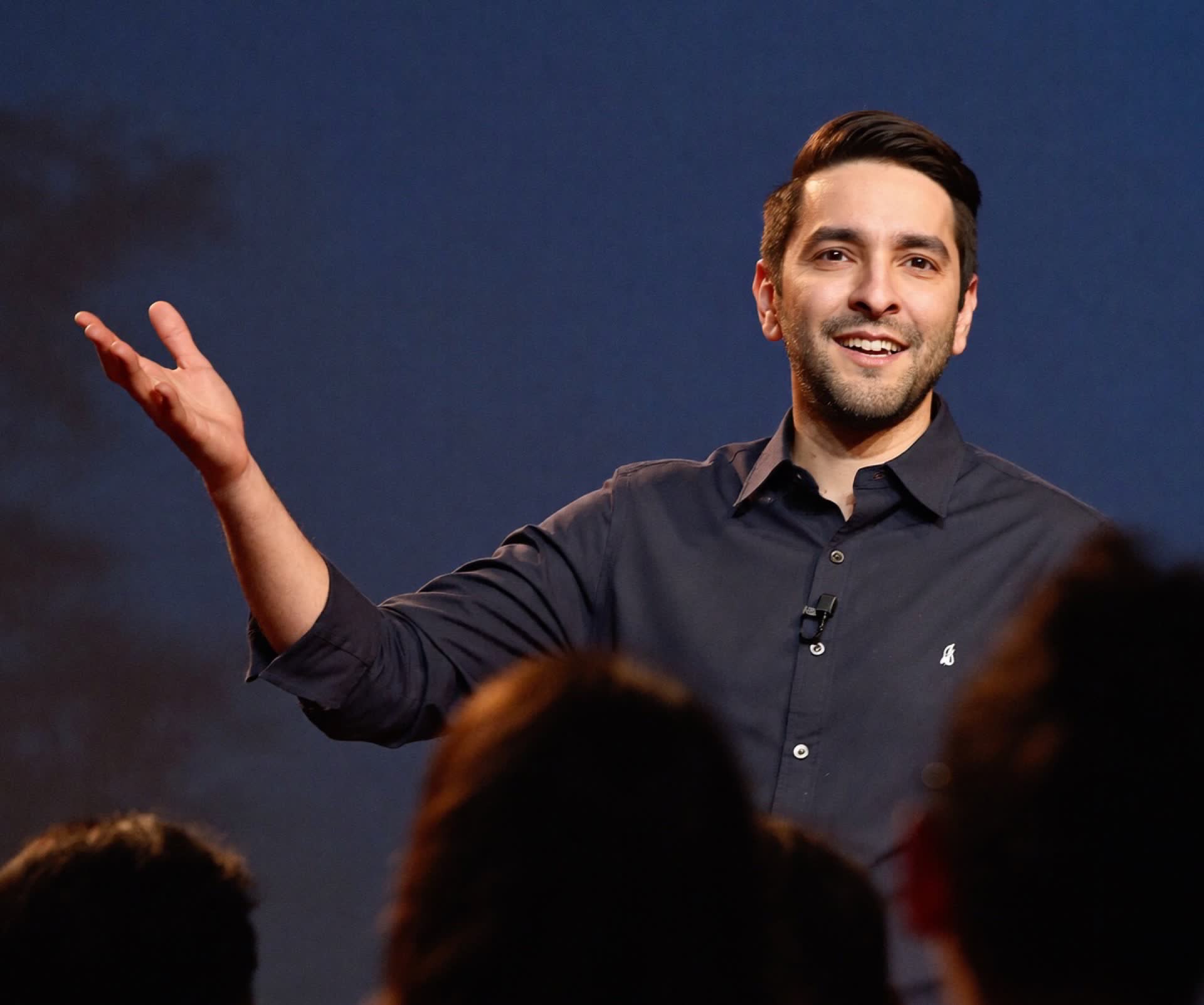
OSINT consultant Zaki Khalid on what open-source intelligence actually is, how to take your information off Google, why dark web myths are mostly noise, and how Pakistan's online discourse will need another decade to grow up.
with Zaki Khalid
10 min read
Divers in an ocean of data
The episode opens with Muzamil introducing Zaki Khalid as part of a field that has only recently begun to surface in Pakistani conversation: OSINT, or open-source intelligence. Zaki, at the time consulting at the Centre for Strategic and Contemporary Research and preparing to launch his own training institute, offers the cleanest possible framing in the opening minutes.
“The internet is basically a vast ocean,” he tells Muzamil. “So you have to dive in it. The more deeper you dive, the more bits and pieces of precious things you can collect. So that’s what we do basically. We are divers.”
He sketches the three layers most people misunderstand. The surface web is what a Google query returns. The deep web is the material that exists publicly but does not surface without targeted searching. The dark web is a different domain entirely, accessed through Tor and its peers. OSINT, he is careful to say, lives almost entirely in the first two. “What we do,” Zaki says, “we just compile them together and we try to make sense of it. That’s when it transforms from information to intelligence.”
The distinction is the load-bearing idea of the conversation. Information is lying around. Intelligence is what you get when someone with discipline and ethics arranges it into a sequence that finally says something.
A childhood in atlases
Muzamil asks how Zaki ended up here, given that this career barely existed in Pakistan a decade ago. The answer is unexpectedly personal. Zaki spent his early years in the UAE, where his father worked in the government’s forestry department, and went to the Sahofat school in a multicultural environment that he credits with sparking his curiosity about the world. He memorised the capitals of every country by the age of eight.
His first real OSINT experiment, in his telling, was finding an aunt in Islamabad whose address he did not know. A now-defunct service called Carl Point hosted a PTCL directory online; Zaki fed in the few details he remembered and walked to her door. “That’s when I realised, ok, you know, this is quite thrilling that I am able to find someone while not actually going there.”
He insists he was self-taught. He read NATO’s late-1990s OSINT manual, which he describes as one of the earliest doctrinal publications in the field, and discovered that the CIA had a dedicated OSINT division. The path from curiosity to career, he tells Muzamil, was almost accidental — “that passion ultimately became a career.”
The ethics line: OSINT is not hacking, and it is not doxxing
Zaki is careful, almost insistent, about where OSINT stops. The first wall is hacking. “Hacking is totally different. It’s a complete breach of privacy. You invade someone’s system or their profile.” OSINT, by contrast, works only with what is already public. If your privacy settings are tight, he tells Muzamil plainly, “I can’t know about you.”
The second wall is doxxing — the practice of publishing what you have found in order to humiliate or expose someone. He treats this as a failure of discipline. “Research is something else and creating noise is something else.” The people in this field, he says, have to “uphold the code of ethics,” and he is candid that he learned the boundaries from mentors over years rather than from a textbook.
This is the moment in the conversation where the field stops sounding like a parlour trick and starts sounding like a profession.
Taking yourself off Google
Muzamil pivots to the question most listeners will have come for: how do ordinary people leak their information, and how do they pull it back? Zaki’s answer is structured.
The leak, almost always, is voluntary. People accept end-user licence agreements without reading them. Their Spotify playlists reveal personality. Their old university admission lists sit indexed in Google for years. From these fragments, Zaki says, a competent OSINT practitioner — or a malicious actor running a phishing campaign — can assemble enough to manipulate a target. He walks through a hypothetical: a phishing email offering exclusive early access to a band whose music you have publicly liked. “I going to click on it. Right. And then all my credentials are gone.”
The recovery, he tells Muzamil, is also structured. First, tighten privacy settings on every active social platform — that is where new exposure is generated. Second, for material that already sits indexed, file a request with Google under the framework most people know as DMCA. “You can send Google a form, and they will ask for identification and they will take it down immediately.” The cached preview that survives a page deletion is, in his telling, the real residual risk.
The advice is unglamorous and correct. Most of Pakistan, he implies, is not even doing the first step.
The dark web is mostly noise
Muzamil asks about the dark web, the part of the internet that draws the most rumour and the least understanding in Pakistan. Zaki’s answer is deflationary by design.
The dark web has no search engine, he explains — that, more than anything, is what separates it from the surface. “You can’t just type Pakistan weapons and you come across dangerous forums.” Access usually requires knowing the exact onion link, which propagates through word of mouth in the deep web. He recounts one example he came across by chance: a Florida-based forum claiming to broker hashish, cocaine and Kalashnikovs from Pakistan’s northern areas. He never bothered to verify it. The point, he tells Muzamil, is that the dark web is “just a purely different underworld” — populated mostly by people who need anonymity because what they are doing is “too inconvenient to do on the regular web.”
He is unwilling to romanticise it and unwilling to fearmonger about it. The rhetorical statements from Pakistani politicians and Twitter commentators about dark web menace, he suggests, are mostly performance.
A million real users in a country of millions
The most analytically interesting stretch of the conversation comes when Muzamil asks how OSINT and online discourse map onto Pakistan’s actual demographics. Zaki cites the numbers he trusts. As of January 2020, Pakistan had no more than two million Twitter users by reputable measures. He estimates, conservatively, that half of those are fake or bots. That leaves roughly a million real accounts driving a national conversation in a country of two hundred million plus.
Facebook is the most-used social platform. YouTube is the country’s true mass medium. “We here,” Zaki says, “people forward YouTube videos which have weird conspiracy theory material on them, and you are like, why are people believing that?” The answer he gives is structural rather than condescending: the people who live on YouTube and Facebook are not the same people who live on Twitter, and the two populations are barely talking to each other.
Muzamil takes this and pushes it further into a frame he has clearly been thinking about. Pakistan’s internet, he argues, divides cleanly into pre-2013 and post-2013 — before and after the arrival of 3G and 4G. Before, the online conversation was an extension of the same small editorial class that had run the country’s newspapers and FM stations for decades. After, the masses arrived. He runs the math: roughly six per cent of Pakistanis since 1947 have completed any university degree, and the country’s mediated public discourse has historically been authored by an even smaller slice of that six per cent. The 2013 rupture, he suggests, was not the collapse of standards. It was the moment the elite was forced to see the rest of the country and reacted, predictably, with horror. “Suddenly your driver comes online, and he gives an alternate opinion. And you say, ya chacha aisa hi hai. And you secretly want chacha to go away so the intellectuals can carry on.”
Zaki agrees with the diagnosis and adds his own marker: the 2011 Abbottabad raid, when a single Pakistani in Abbottabad tweeted in real time about strange helicopters and inadvertently broke a global story before the US president had spoken. That, in Zaki’s reading, was the moment Pakistan’s internet realised it could matter outside its own borders.
Fifth-generation warfare and the cost of public paranoia
Muzamil asks about information warfare — the much-invoked “fifth-generation warfare” that has become a fixture of Pakistani op-ed columns and political talk shows. Zaki’s answer is more sceptical than his audience might expect.
The concept, he explains, originated with US defence thinker Jim Mattis as a young officer and was later largely discarded by the military community as overstated. It was then narrowly redefined in some Western strategic literature in the context of Russia and China. “Type hybrid warfare or fifth generation on Google for the last five or six years. Nine out of ten results you will get are columns, op-eds, tweets written by Pakistanis.” The obsession, he suggests, is disproportionate.
He does not deny that information warfare exists, that adversarial states try to undermine each other, or that the EU DisinfoLab revelations about Indian influence operations were real. His objection is to the public theatre of it. He invokes a German concept he came across, Herrschaftswissen — knowledge that should not be shared with everyone. The handling of strategic threats, he tells Muzamil, belongs to the state organs whose job it is. Pulling all of it into the public square produces paranoia, crowds out conversation about the economy and education, and turns citizens into amateur traitor-hunters. “Not everything should be discussed publicly or deliberated upon so openly.”
When Muzamil presses on whether Pakistan’s state infrastructure is equipped for this fight, Zaki is blunt. The human and technical resources exist. The bureaucracy does not let them through. Colonial-era promotion criteria mean policy-shaping roles are filled by men in their fifties who would never have to do the work themselves. The reform he wants is generational and procedural before it is technological.
A society that cannot be lied to
Muzamil closes with the question he asks every guest. Zaki is thirty-two. By 2050 he will be sixty-two. What does the Pakistan of that era look like?
Zaki resists the question for a moment, then answers it carefully. “If I reach that old age, then I would see that the Pakistan of that time would be comprised of a citizenry that is extremely well informed. They would be sceptical to the bone, and they would not be someone you could bullshit with.” A well-informed society, he argues, can verify on its own and reach its own conclusions, and only such a society can produce policy that is not captured by the insecurities of its policymakers.
Muzamil presses one last time: do Pakistanis today know what is good for the country? Zaki answers as plainly as he has answered anything. “People don’t know what’s good for their own selves.” The civic project, in his framing, starts at the level of how one person speaks to another online. A disagreement framed with a reason instead of an insult. A correction made quietly instead of a pile-on. Morality, he insists, is underrated.
By the end of the conversation, Zaki has done something rare on Pakistani television: he has spent fifty-five minutes on a subject most people associate with paranoia, and has used those minutes to argue for less paranoia, not more. The internet is an ocean. Some people know how to dive. Most are still learning to swim. And the country, he believes, will be fine — in about a decade.
Full transcript
सारे ख़बरदीनों सेहत welcome back to the episode of ThoughtBank. Thanks, आज हमारे साथ मौजूद है एक बहुत ही ख़ास मेहमान जिनको part of this thing called OSENT or Open Source Intelligence जो कि बड़ा popularize हो गया recent times के अंदर particularly Twitter पर जो लोग actively news and information like ढूंढने की कोशिश करते हैं उनको इसके बारे में पता होगा ना यानी asked him कि you know if you could join us and tell us little bit more about this particular field and he was nice enough to actually come in. ज़क़ीद ख़ालिद sir thank you so much for being part the show. Thank you for having me मुज़मिल. ज़क़ीद भाई का मैं थोड़ा सा आपको background बता दूं कि ज़क़ीद is currently working at the center for strategic and contemporary research as a independent consultant and he is also about to open his own institute on
Austin. What's the, what's the, how would you define that? It's basically one of a kind place where we'll give vocational training. हम students को, government officials को और जो media community उनको हम vocational skills सिखाएंगे on fact checking, disinformation, analysis and trying to find out to conduct better research basically. Right. So using vocational skills basically. So it's not academic but it's something to do with hands on training. Makes sense, makes sense and I'd like to know more about it. But just to start off,
थोड़ा सा अगर आप पहले basic एक चीज़ बताएं open source intelligence.
What does that mean? If I can simplify it this way कि open source intelligence is basically the process through which you the internet is basically a vast ocean. So, you have to dive in it. The more deeper you dive, the more bits and pieces of precious things you can collect. So that's what we do basically. We are divers. We dive into the ocean and there are a lot of things that are available online. And you can say that basically the internet is divided into three levels. One is the surface web. Can just Google somebody up. Right. And the second is the deep web in which you have to really focus and, in some depth, visit certain specific links and try to dig deeper. And all of that is obviously public. And then there is a dark web, obviously, that, it is a totally different thing. You have to use different techniques to access that through Tor, etc. So what we do is we basically collect bits and pieces of information that are already publicly visible online, but people don't usually pay attention to them. They're just lying there. Somebody needs to discover So what we do, people like me do, we just
compile them together and we try to make sense of it. That's when it it transforms from information to intelligence. Right. बड़ा interesting है because, you know, this is something that probably didn't exist a few years ago as a as a career, particularly in in a country like Pakistan. मुझे थोड़ा सा बताएंगे कि from high school, where did you do your high school? And from there, how did you sort of evolve into this? Particularly, did you यह आपने पढ़ा था या क्या scene हुआ था? Well,
my childhood years, my primary and initial secondary education was in The UAE. I was quite fortunate because those were some privileged years of my life and it was a multicultural environment. I was in the शोएफात school which is considered one of the top in The UAE and I think that exposure to a lot of different cultures and ethnicities. I had a lot of friends who were including I can say Indians and Canadians and we also had some Palestinians as well. So that really pushed me to learn more about the world and I was always fascinated. My uncle used to bring me these geography maps and atlases of the world. I memorized all the capitals of the world when I was eight. So, you know, it was I always looked at the map and I said, well, can you study a particular country or try to know more about its people while not actually going there? You know, you are just thinking in your mind, I can't visit the world. So, how do I do that? So, it started basically, you know, learning ज़माने में होता था उल्टा vista एक search engine हुआ करता था. Right. फिर orchid था. You know those things fascinated me and then it happened that one day I just wanted to find out कि how can I visit my aunt in इस्लामाद who I don't know where she lives? Right. So, उस जमाने में एक website हुआ करती थी. I know if many people remember it. Carl Point के नाम से. I think those people got, I think they got locked up or something. Carl Soft के नाम से there was a company. तो they had a PTCL directory online. So, what I did was I just put in brief details I remembered of my aunt and I was able to pinpoint her the exact location of her home and I knocked at her door and she was very welcoming and that's when I realised कि ok, you know, this is quite thrilling that I am able to find someone while not actually going there. Right. And same goes for you know doing things on studying subjects you know non living things such as countries or companies etcetera etcetera. So that was some of the tough curiosity. Right. I always felt कि यार मुझे एक तजश्तोस रहता था कि यार मैं यह चीज़ media ने बता दी है. अखबारों में भी आ गई. इससे और मैं क्या मालूम कर सकता हूं? यह तो सती चीज़ें हैं ना. हां. तो that I think that you know that curiosity to dig deeper into things through trial and error you can say. It was not a I can tell you for a fact and I am being modest here कि I didn't get any training from anywhere but I did used to look up a lot of videos. I used to, I used to read a lot of things. Literature होता था online and then I read some doctrinal publications. NATO ने सबसे पहले in fact publish किया था late nineties में कि open source intelligence के ऊपर. अच्छा. Manual and I studied it and I said wow this is this actually exists and I found out कि अच्छा CIA ने एक OCIENT का division बनाया हुआ है. अच्छा. Wow, so that fascinated me and I was like you know this is my sort of thing if they can do it why can't we? बस it just happened that by chance that शुरू में तो ऐसा नहीं हुआ but that passion ultimately became a career and then I am now able to you know consult people on it. Very cool, very cool. आपने non living things का तो particularly बताया but living things का भी इसमें कोई context होता है? Living things का basically जिस तरह I mean human beings होंगे या कोई particular आपने कोई species है आपने कोई वह tracking करनी है. If I can just give you an example कि जिस तरह कुछ particular animals होते हैं या कोई particular humans होते हैं. अगर आपने उनकी tracking करनी है तो उसमें दो categories हैं ना. Either you focus on living entities or non living entities. Right. तो फिर उनको हम उस हिसाब से उनकी profiling करते and we are able to, you know, get to know more about them through knowledge basis जिसको कहते हैं और इस जिम्मे में यह भी कहना चाहूंगा कि इसमें अगर कुछ लोग देख रहे हैं वह जानते हैं कि library और information sciences की भी एक discipline है जो कि दुनिया में उसको लोग समझते हैं कि बस वह पढ़कर ना library में किताब खोल के बैठेंगे. Actually that is the basis of open source intelligence. तो अगर if you are somebody who is knowledgeable or has studied library and information science, there is a pretty good chance you are going to be excellent in Osent as well because it's all about managing data and trying to collect information on Right, right and what what all I mean for example if I were to say कि अगर मैंने किसी बंदे के बारे में कुछ figure out करना है, how would I generally go about it? Well, the first thing obviously is कि
you have to first map their own digital footprint. And this is just to put some sort of disclaimer out there, public available information.
Exactly. I think open source में जो open का word है that is basically, it is equivalent to public. Right. If you have put adequate privacy settings and if you are too conscious about your security, you don't want to have a public profile, then we can't do anything about it. I can't, you know, know about you. But obviously, you know, it's your good luck. Sometimes people don't want to share their information but it ends up online. For example, you know, you want to find out whether somebody studied in a particular place. You can look up कि अच्छा वह Flane Institute की university की admission list upload हुई थी आज से चार साल पहले, वहां पर मुझे पता चलेगा कि he was enrolled in this and this program. Right. So I think अगर आपने उसको paranoia के perspective में देखना it's quite worrisome But on the other end, it helps you because you collect these pieces of information and then you place them in a sequential order. Right. And you try to make sense. Ok, this person studied here. This is what he does and this is what he does, you know, what he has been doing. These are his interests and this and that. Right. And obviously, I think this cannot be emphasized enough कि this has to be done by people who are qualified, responsible and they have to uphold the code of ethics. Right, responsible आपने बड़ा अच्छा word use किया. What what sort of responsibilities
are are there in terms of जब जो बंदा यह कर रहा होता है? Well, I think मुज़मिल सबसे पहले यह है कि
वह sent like hacking क्योंकि hacking is totally different. It's a complete breach of privacy. You invite someone someone's system or their profile, etcetera. You dupe people. Right. Which is I consider it extremely the opposite of what we do. तो doxxing का एक shock हो जाता लोगों को. D o x x I n g. Doxxing एक phenomenon है जिसको कहते हैं कि आप किसी के बारे में कुछ जान जाते and you're like ok मैं फटाफटना social media पर या मैं इधर यह बात फैला दूं कि यह बंदा यह है. Right. और मैं उसकी personal information leak करना शुरू कर दूं because that person whoever it is, they didn't intend Right. To be So, are actually trying to unknowingly humiliate them or expose them to harm. Right. So, I think I learned this personally after a few years. I was fortunate enough to be instructed by some people who in this field who taught me that you have to be mindful of these things and you have to know the boundaries of these things. Right. You have to dox people, you have to create a fuss over everything. Yeah. Research is something else and creating noise is something else. Right, makes sense.
Auscent अब modern day में particularly आपने बोला, आपने institute के लिए बोला कि fake news and a of those things के साथ, you know, it's very connected एक तरह से because internet is now like like you mentioned, it's an ocean of data, right? And you how do you convert that data into knowledge essentially is or rather than information into knowledge is the important part. How important is
do you think, in the modern world for countries like Pakistan, for example? The best thing about OSINT is especially in Pakistan's contest and may I say that that's quite a very interesting question. Nobody has asked this before. Pakistan has a lot of resources and I think the biggest resource which is untapped, the potential which we have is the intellectual acumen that is present in each and every male and female in Pakistan. All of them are capable. You just have to give them the opportunity to show you what they have. And I think that's part of why I believe that the initiative I'm taking forth, it will help me find such people. We also plan to give some sponsorships to deserving people as well. उसमें basically यह है कि Pakistan में OSINT can be used to in a variety of disciplines. The government can use it to fact check disinformation at a state level. Right. You can use OSINT in, for example, in the health sector to find out whether research on a particular strain of COVID, is it available online and who was the person who authored it, what credibility he has, should we consider their advice that is that information source credible or is it fake? Right. So it's not just getting the information, it's also actually finding out the credibility and reliability of the source. Right. तो it can be applied in anything. आप अगर, आप अगर गोर्मे sector में भी हैं ना, आप एक chef भी हैं and you can use oscent to try to dig up information about the history about the particular ingredients you're trying to use. I mean, oocent is universal. You can use it for a variety of things. You just have to try to understand how you should go about things, where you should look at. Right. आपको बस पता होना चाहिए कि मैंने देखना कहां पर है और उसके बाद यह है कि obviously you need to have some level of understanding about multilingual support. I personally know French. I can I have learned some basic Mandarin as well? तो लेकिन Google translate is not a bad thing. Babylon भी हो तो you can you know look up multiple sources, different languages में you can make an idea about how to go about that. Right. तो I think यह चीज़ है कि there are many opportunities and the funny thing is and actually the best thing as well which people don't realize, it's free. Yeah. You don't need to spend a single time except obviously if you are employing somebody you have to you know compensate them and pay them, yeah. And you don't need to spend any technical resources. You don't have to install millions of worth of software and say कि ok अब यह bulk में चीज़ें उठाएं. You can do that manually. You can do that sitting in your balcony. बनियान पहन के आप बैठ के laptop पर वह send कर सकते हैं. तो I think that's the beauty of it. It's accessible if you want to be it to be accessible. Right and you mentioned you know you differentiated the web कि एक regular web है, Google वाला, एक deep web है, एक dark web है.
Deep web आप उसको कहेंगे essentially जो कि Google पर listed नहीं है? It's basically listed in Google but you have to go find
it through a process called targeted keyword searching. उसमें Google में हमारे पास एक facility होती है. I think many people might be familiar with it. उसको कहते हैं dorking. It is a process in which you use particular boolean string operators search करने के लिए. For example, if I want to find out about ज़की खालिद, तो you know, taking myself as an example कि quotation marks में you write my name and then you use certain techniques and you have to as you find some information along the way you add that in the search and then you narrow your search down. Right. तो I think जो लोग digital marketing study करते हैं search engine optimization को जानते हैं. Right. SEO में use keywords जिसकी base पर आप targeted searching करते हैं. Otherwise ज़की खाले तो दुनिया में बहुत सारे हैं. मैं जितना मैं शुरू में जब search करता था अपने बारे में I used to find ज़की खाले जो एक उन्नीस सौ तीस के जमाने में Egypt में एक chemical researcher था. अच्छा. I was like no no no that's obviously not me. तो वह यही होता है कि अगर आपको यह digital marketing की techniques पता है it's quite easy for you. Right and then you mentioned dark web. Pakistan में dark web and in terms of information available in Pakistan, dark web कितना widely available है और कितना widely used है? Well, I can only speak in terms of how much I have seen people. लोग बात बोत करते हैं मतलब there are a flurry of statements by you know variety of politicians या government officials या you can say even people on Twitter making rhetorical statements कि dark web में यह होता है, यह होता है. Dark web in itself is not a sinister thing. Right. It's just a purely different underworld. Right. If I may put it that way. But for that, you can't use your quote and quote conventional swimsuit. You have to use, you have to have a special submersible to dive into that place और उसको हम कहते हैं Tor browser. Right. There are other browsers through which you can access a dark web. उसमें आपको यह नहीं उसमें search engine नहीं है. सबसे बड़ा उसका अलमिया यह है कि dark way में search engine नहीं है. You can't just type क्या जो है ना Pakistan weapons and you come across dangerous forums with that of selling weapons. You have to Know exactly the mostly know exactly the link and that happens through some people are clumsy enough or they intentionally share a few links to these sites online in the deep web. You have to go there and from there sometimes through word-of-mouth through personal networking you find out you have to dig deeper. I think that's not for the people who rely on general searching, it's a very cumbersome process. But do you think there are enough पाकिस्तानीs? I mean, I'm not saying even more. I have actually seen and I can just tell you from what I've seen I saw this dark web website, this forum on the dark web, एक onion link था and it was in Florida. This guy was promising to get the best finest quality hashishan cocaine from our former northern areas. Right. And वह कहते थे कि आपको AK-forty seven भी मिलेंगे. Now, maybe that was an exaggerated claim. I personally never took the, you know, enthusiasm to verify whether it is fake or not. But यही चीज़ होती है कि you are unable to find out who is actually running it. It's very difficult. It's not impossible but it's next to difficult. Right. And and dark web में generally it's
it true कि वहां पर generally आपको illegal activities ही generally होने को बनी है? Is there any utility there as well in terms of
actual legal productive work? The first rule of fight club is don't talk about fight club. Right. तो unfortunately it I I think it won't be a generalization to say कि most of the people who would not want themselves to be identified and are engaged in activities which we would seriously consider to be extremely dangerous and offensive, they are they are lurking around in the dark web. That gives them the anonymity and the, you know, the
space to do about whatever they want without being detected. Right. It's too inconvenient to do regular stuff. You can just do that at the regular web. Exactly. अगर मैं इसको थोड़ा सा वापस regular web की तरफ़ लेकर आऊं, you know, a lot of people are very sloppy with their personal information. They don't necessarily know. What would you tell them कि यार आप लोग अपना जो मतलब what sort of information is out there in the world जो कि people tend to sort of leak
as they maneuver through the web? Okay. So, you see, the first thing is thank you for asking this question and I think this will prove helpful to your audience. I hope. I'm not saying I'm the one who's going to give that useful advice. But here's the thing. If you I can look up by I, I mean the people who are engaged in Oscent, so I'm talking collectively. We can look up a lot about somebody's interests, What they like, what they dislike, what sort of music. I can in fact try to assess a personality. Right. By the type of Spotify playlist which they have. So, in my OSIN training cyber psychology was also an element which I studied. तो उसमें यह होता है कि you are generally able to understand how what sort of mentality this person is and when you try to meet them in real life you are better able to, you know, converse with them and maybe if you want you can if somebody is hostile, if they have a bad intent they can manipulate them. Right. And I think majority cases में यह होता है कि you know people who have bad motives ठीक है वह यह करते हैं कि when they study people तो it is very easy for them to make fake emails जिसको phishing कहते हैं आप वाकिफ होंगे उसे. Right. तो वह फिर ऐसी emails भेज देंगे वह king है कि for example अब ज़कीद है. ज़कीद खालिद already Spotify का subscriber है. ठीक है? But somebody knows कि मैंने एक band को like किया हुआ है because वह मेरा account visible है. तो मैं आपको एक email भेजूंगा कि यह band की एक नई album आ रहा तो you are, you are given exclusive access कि उसको pre launch से पहले आपको करें मैं कहूंगा oh wow I going to click on it. Right. And then all my credentials are gone. So simple process है. आपको लंबा चोड़ा करने की ज़रूरत नहीं है. Google Pay आप उसको Digital Millennium Copyright Act DMCA कहते हैं. You want your footprint removed online. The first thing is simple. You don't want anybody to know about it. Put adequate privacy settings on your social media. Right. And if anything can still be found, know, Google में cache भी होता है. Right. You can still find traces. आप Google को form भेज सकते हैं and they will ask for identification and they will take it down immediately. So, you know, you will make it impossible for us to find out about you. अच्छा, so just आप कह रहे कि search engine level के ऊपर ही जाकर आप cut off करते हैं. Social networks और search engine के ऊपर आप Yes, cut first thing is social networks क्योंकि वह active है. अब search engines में तो obviously होता है कि वह उसके वह page delete भी हो गया लेकिन you can see the preview while you are searching और उसके फिर cache version तो लोग खोल ही लेते हैं. They are still useless क्योंकि अगर cache भी खोल सकते हैं तो I am still able to know things about you. Right. So I think if you are conscious about your security and you don't want you know if you are extra conscious about it, you should be mindful of privacy settings. चाहे वह जो भी platform हो उनके आप guidelines पढ़ा करें और वह फ़ौरन check करके उसको end user license agreement को I agree मत किया करें. Right.
आपने उसका you know you mentioned कि you've been working with the with the public sector as well regarding open source and all of that stuff. पाकिस्तानी context में because again I don't see a lot of data available. Maybe at this point sure, but बहुत leaky और बहुत random data है. Language का भी barrier है, बहुत सारी और चीज़ें हैं. And so, you know, trying to find that out becomes extremely difficult. Again, हमाप जैसा कोई होता है यह जो upper middle class है, उसका generally आपको पता है कि अंग्रेज़ी language में लिखा हुआ है. It's तो दो questions हैं. पहला question तो यह है कि in terms of the masses, how has ausent evolved versus, you know, if you were to, let's say, look at someone who's SCCA b middle class, upper middle class. And then दूसरा सवाल यह है कि पाकिस्तानी context के अंदर when we when we have ausent individuals जो कि यह काम कर रहे हैं, are they generally looking at in inwards or are they looking outwards? Because a lot of times when I've seen people on Twitter, they're generally looking outwards in terms of they're talking about, you know, globally क्या हो रहा है? India के साथ क्या हो रहा है, Afghanistan के साथ क्या हो रहा है? So, how how do you see that?
Very good question and I think those two questions are very interrelated. देखिए सबसे पहले तो आपका जो question है उसका मैं यह कहूंगा कि oocent का Pakistan में देख लें. जो Pakistan के बारे में जो अभी भी जो UN world statistics हैं और जो internet world stats हैं, data reporter है जो कि annual basis पर निकालता है कि किसी country के digital जो है वह कितनी है, उसका footprint कितना है. उसके मुताबिक Pakistan में अभी भी till January 2020, Pakistan had no more than 2,000,000 Twitter users. Now it's reasonable to say कि उन 2,000,000 में से मैं बड़ी reasonably कह सकता हूं कि 50% fake accounts हैं. बहुत सारे bots या trolls होते हैं. So, assuming कि one there are 1,000,000 actually Twitter users और आपकी बात बिल्कुल ठीक है कि it is safe to say, though I wouldn't generalise it that way कि most of them would be people who are sophisticated. क्योंकि मैं तो इस मामले में मैं I am not from the upper middle class but I would say कि I am privileged if I know how to use Twitter properly, ठीक है? And not many people understand it. Right. तो अब लेकिन Facebook is the most accessed medium in Pakistan and according to the data reporter YouTube is the number one platform जो Pakistan में जो normal message हैं you know, वह may not necessarily be that affluent वह use करते हैं. तो सबसे पहले तो हमें यह चीज़ पता चलती है कि जो लोगों का interest है ना वह उस content में जिसमें text कम है और multimedia ज़्यादा है. Right. तो YouTube उनका favorite medium है and that's why we here के जो है ना वह लोग YouTube videos forward करते हैं जिस पर अजीब conspiracy theory material होता and you are like यार why are people believing that? Can't they see that it's people are dissing it on Twitter? Yeah. But they they don't have the understanding of it. And there is a disconnect between the sort of people who are there and replaced sort of people who are there. Exactly और जहां तक आपका दूसरा question है कि inward और outward वाला, I think बहुत सारे लोग मैं जिन लोगों को at least follow करता हूं जो Pakistan based हैं वह ज़्यादातर आपकी बात ठीक है, outward करते हैं क्योंकि they are more interested in what's happening in the region. Inward में हमको पता है कि unfortunately वह कुछ ज़्यादा ही वह याद mostly मैंने देखा है. I don't know why. Inward में सिर्फ politics में interest है. Even Ocean के लोगों को for example you know they are trying to discredit each other. कोई x party का है he is trying to discredit y party. तो उसके बारे में ओसेंद्र से को पुरानी tweet निकाल देंगे कि जो है ना इसने तो तीन साल पहले तो यह कहा था. हां. ठीक है? But उस किस्म का कोई intellectually या productive discourse नहीं है जो हम कह सकते हैं कि it is something that could actually add to the knowledge that is existing. Right. लेकिन कुछ लोग हैं जिस तरह I know a few people जो FBR hack को लेकर they were trying to find out कि you know who were the key people who were managing the data center in FBR जो कराची में based है. Right. तो I think introspection is always a good thing. Right. वह लोगों की तरह वह क्या खिलाते हैं
positive hackers भी जो होते हैं जो कि आपकी
product को hack करते हैं just. White hat hackers हां जी. उसको white hat कहते हैं कि वह ethical hacking होती है. They try to find out your vulnerabilities and then that's also what people in OSINT do and basically my institute will also teach people, इंशालाह we aim to do that कि if somebody हमारी मेरा जो goal है कि आए हम लोग focused हैं social science के students की तरफ. Right. Because अभी तक understanding यह है कि वह sink ऐसा है कि जो है ना you need understanding of programming, you need to know about that. Yeah. We are from a totally social science perspective. The psychology of things, the anthropology involved, the sociology of the society Right. और उस angle से चीज़ों को study करना, countries को study करना, लोगों को study करना, in trying to make sense of that. Right. So I think that is a huge difference which we have. You know, just we are totally different from the technical market. अच्छा, interesting. You mentioned sociology.
You know, if you are, how long have you been using the internet? I got my first access to the internet in
2004 actually. I अच्छा. Was quite a late comer. Yeah. Because the city which we used to live in in The UAE, my father was in the government service over there in the forestry department. We used to live literally in the middle of a desert. अच्छा. And I had a computer since '95. I had Windows '95 and Windows 2,000 with me but we had no internet connection over there. When we moved to Pakistan and that was I think around 2002. तो 2,004 में जाकर I actually got to use the internet and फिर मैंने Orchid से मैंने शुरुआत की. MSN होता था उस ज़माने में, Alta Vista and these search engines तो वहां से मैंने शुरू किया है. Right, so how have you seen the internet evolve over the years?
क्योंकि again अगर आपका वह interest है ना sociology का और psychic का तो आप जिस बंदे का होता फिर वह macro पर सोच रहा होता है कि यार इससे वह क्या हुआ है? दो सवाल हैं. How did you see the internet evolve? And because of the internet, how did you see the society evolve?
As far as the evolution of the internet, I think मुझे याद है कि शुरू में मेरे पास तो कम से कम Google access नहीं थी. I don't know what Google was. लेकिन Google के I have to singularly credit Google as being the thing which actually enabled people to find thousands and thousands of websites which were not which could not be found through Alta Vista or other search engines at that time. अब Google की वजह से यह होता है कि when you type just something what comes to your mind and then it throws up an ocean of results, you start diving into a lot of mediums. वहां से फिर ऐसा ऐसा आप अपना जो journey है वह map करते जाते हैं and I think Google के आने के बाद से वह जो post 09:11 environment था जब Google की वजह से लोग बहुत ज़्यादा Google हालांकि उससे बहुत पहले से exist करता था कि जी वह orchard भी है और वह कुछ I think वह Encarta Encyclopedia का कुछ online version होता था. बिल्कुल. वह होता था तो जो CD में नहीं होता था extra देखने के लिए online जाना पड़ता था. फिर मुझे फिर Wikipedia आ गया और I think Wikipedia को भी credit जाता है कि basic Basic information.
तो I think अगर आपने general knowledge. एक तो वह age थी जिसमें आप film देख के फ़र्क होते नहीं थे और आप Wikipedia से एक article में जाते थे पूरी रात उससे jump jump jump world war पड़ने से लेकर तो पता नहीं. किसी random Africa की country की random जंग पड़कर जो है ना मंदा कह रहा था यह भी हो गया दुनिया के अंदर. Exactly. I think that was quite fascinating. But then when I ask this question I ask this in the context of the connectivity. Right? So, like you mentioned, अभी अगर PTA का stat निकालें जो कि बेटा half cooked सा stat है. I agree. Ninety, ninety five million या 100,000,000 बंदा. अच्छा वह essentially क्या कह रहे हैं वह कह रहे हैं कि data sims कितनी है? Doesn't mean कि वह actively use हो रही हैं. Doesn't mean कि उसके ऊपर double usage नहीं हो रही है. मतलब एक बंदा है अब मेरे पास अगर चार number निकले हुए हैं और सब पर data active है because मैं data इस्तेमाल करता हूं तो वह वह चार individual दिखा रहा है. Right? But मेरे हिसाब से I think a realistic figure in Pakistan would be somewhere around 25, 30,000,000 maybe. And even that is very, very large compared to 2012 to 13 when before 3G, 4G age, right? Because connectivity through line was just abysmal in Pakistan. जो मुझे data आया था कि 2,000,000 broadband users connections थे before the 3G4G time. And 2,000,000 को आप लगा लें, हम उसको extrapolate कर दें by family. आप three से multiply कर लें तो 6,000,000. Four से कर लें four members in the family तो 8,000,000 मंदा versus the thirty, forty million that we have today. And with that वृष्णि हमने देखा कि एक evolution आई internet के ऊपर with the sort of public that sort of started to come on and and the discourse that eventually became on the like got brought out on the internet. How did you find that? Well, it was surprising.
I remember वह cybernet के cards हुआ करते थे. वह 50 rupees वाले scratch करके you had to get online. The dial up was shit. Yeah. Mind you. तो broadband actually. I am I don't exactly remember when broadband came in Pakistan but broadband के बाद से यह हुआ कि people started to realize ok वह their internet connection was stable and they were able to access a lot of websites and they found an interest in staying online क्योंकि that connection was stable so they said ok we need to have an active presence online while engaging with people from across the world और फिर वहां ऐसा ऐसा orchid fade out हो गया and फिर Facebook came. I think I created my first Facebook account in 2007. I am also a late comer. तो वहां से शुरू हुआ and then I think वहां यह जो social media companies in particular है ना especially I would say Facebook is still the most popular social. YouTube तो खैर एक multimedia domain. If you are talking about pure social networking, human to human interaction तो Facebook is still very popular in Pakistan. Right. तो उसके बाद से बस मैंने देखा है कि now people are very interested in going online and being active और वह आपके पास बिल्कुल ठीक है कि some people you know they just use it to say hello hi to their friends. Are not interested in the larger knowledge based aspect of it. Yeah. लेकिन अगर मैं इसको थोड़ा सा zoom out करूं एक larger perspective में. अब ocean के angle से अगर मैं बात करूं. When I read anything on the internet now, अब आपको पता है ocean के लोगों के अंदर यह कीड़ा होता and I can tell you this very, you know, very convincingly. If I read कि something happened for example तालाबान आ गई है और तालाबान का यह बंदा जो है ना वह minister वन गया है. Right. शायद आपने मेरे Twitter पर देखा हो. What I did was हर चीज़ का एक context होता है. Now the beauty of the internet is it since Google has started indexing it so you can go to 1996. Right. कि you have that access to those old records और वहां से एक एक context mapping शुरू कर देते हैं. That's what I do basically कि यह बंदा अभी तो लोग इसके बारे में कह रहे हैं. I try to start from the earliest कि '96 में यह क्या था? 97 में क्या था? करते करते. You start to understand the evolution of a person. Right. कि has he be consistent in his beliefs? Was he always this way? Was he declared a risk earlier on? Well known, now the ex government believes that this person is a risk. Earlier they said than all. तो वह जो एक process है ना वह एक एक broader historical जिसको आप कह लें context होते हैं. By the way, I am currently doing wages in history. तो history मुझे fascinate करती है ना because I believe कि whether it is an object. Right. It is a person. अगर आप उनकी उनको उस proper context में देखेंगे ना historical में, it will make a lot more sense about where they are coming from. Right. That is what people should know कि how these things came about. Yeah. So that they can place it in the proper context. Yeah. And mind you, things getting out of context is what has created a lot of divisions in society. Yeah. मैं इसलिए the the reason why I asked this particular question was
आपने थोड़ी देर पहले भी यह चीज़ mention कि, you know, we talked about masses as well and how to sort of differentiate between different sort of types of people online. मेरे मेरे दिमाग़ में ना पाकिस्तानी internet is divided into two phases. Twenty thirteen को मैं धन्यवाद में रखता हूं. एक उससे पहले का phase है, एक उसके बाद का phase है. Twenty thirteen से पहले का internet cat videos है. वह है, you know, all sorts of humor. वह creativity है वह outrageous creativity है जो कि outrageously appreciate भी होती है. And then twenty thirteen के बाद पहली चीज़ आपको यह नज़र आती है popularity of internet sort of just blows up. But उसी के साथ साथ chaos भी उसी हिसाब से आती है and and मेरे हिसाब से what happened was एक historical आपका context है. एक आपका within that time frame there is a context जो कि different demographics का context है. आपका हुआ यह कि आपका जो जो जो मैंने इसको identify किया वह मैंने यह identify किया और उसको मैं wider media perspective में लेकर आता हूं कि हमारे यहां media हमेशा जो है ना वह controlled रहा है by the drop let's say 1% or 0.1% even क्या अगर आप data basic देखें तो Pakistan में आज तक जो university graduations हैं वो total 6% हैं till nine since 1947 till date and this includes every and any average third class university include करके 6% average. Absolutely, unfortunately. Unfortunately. अब 6% college graduations में से आप अगर पुराने वक्तों का अखबार लेकर आते हैं सबसे पहले अखबार था. Private sector में तो वही था. अखबार में वही particular खानदानों के लोग थे जो कि particular universities गए थे उसपर Mugals. हां बड़े वह थे. वह जो थे वह लिखते थे. ठीक है. फिर उसके बाद radio privatize हुआ थोड़ा सा. Radio भी generally आपको कहते हैं FM eighty ninth और FM 91 तो generally वह english speaking होते थे या बड़े particular लोग हैं. सारे university वाले सारे particular घरों के. तो एक एक class है जो कि knowledge का control रखती थी और it was always one way. Absolutely. So उनका जो experience या exposure होता था वह construct होकर बयान किया जाता था और masses सारी चुप करके उसको सुनती वह उसको बस as it is absorbed करती As it is absorbed. I agree with you. ऊपर top पर वही अखबार वाला बैठा है. वह decide कर रहा है कि कौन सी ख़बर जा रही है, कौन सी ख़बर नहीं जा रही है. Creatorial standards. Exactly. And so again what you've done is you've created a very very small sort of a filter bubble around a particular class who are controlling the information. In 2013, अच्छा उसके बाद internet जब आया ना तो internet के बाद वही class सबसे पहले jump in की. आगे पीछे हम गए हमने जाकर सारा का सारा लोगों से interact किया, सारा कुछ किया. 13 में आपने information खोल दी. आपने कहा जी सब बोल सकते हैं, सब sun सकते हैं. जब ऐसा हुआ तो उन लोगों को हम हमेशा नज़र आ रहे हैं. ठीक है? हमें वह पहली दफा नज़र आना शुरू है. Exactly. और जब हमें पहली दफा नज़र That's quite a profound aspect you have highlighted there. Yeah, जब हमें वह नज़र आना शुरू हुए ना तो suddenly हम तो cross out हो गए. Exactly. कि यह क्या society है इस तख्फरोल्लाह इलज़ीद. Shock and off. Exactly, cringe cringe cringe cringe, internet भी cringe, TikTok भी cringe, सब कुछ cringe. है कि TV cringe हुआ यह कि जब आपके पास वह सारा का सारा आ गया तो उसकी वजह से बजाय इसके कि जो आपकी intellectual class थी वह यह ऐसी चीज़ समझती है और वह कहती है वह differentiate कर पाती है अपने आप को इनकी और suddenly ना आपका driver आता है या आपका security guard आता है और वह आकर एक alternate opinion देता है. More often than what आप पता करेंगे? आप कहेंगे कि जी चाचा ऐसा ही है. ठीक है? और आप ना उसे कहेंगे कि ठीक है किसी तरह यह चाचा चले जाए फिर हम लोग जो हमारी intellectual लोग हैं ना कि यार Pakistan तो तमाम हो गया सब जाहिल है. ऐसे ही है, ऐसे ही है. Right? And that creates a lot of this sort of the discourse that you mentioned earlier कि our discourse is very political and very sort of polarized. I feel like that is because we don't understand the human beings the way that you are saying. आपने बहुत fascinating मैं इसी में add on करूंगा कि
with a slight bit of difference के I would take it two years back from 2013. Right. If you remember that US raid in अबोटाबाद. Right. ठीक है? Sorry उसको Americans Ebottabad कहते हैं Eftabad में. ठीक है? तो आपको याद होगा वह जो साहब थे I am intentionally not taking his name जिन्होंने tweet किया था कि वह helicopter आ गए मुझे कुछ दिखाई दे रहे Twitter पर. हां. He was standing on his roof and he tweeted कि I am seeing some strange helicopters coming और उसके बाद थरथल्ली मच गई Pakistan में for the I think उसके उससे पहले हम लोग क्या करते थे? मैं personally खुद. मैं online जाता था. मैं तो जो भी मेरे interests थे, मैं social media का इतना active खुद भी user नहीं था. मैंने अपनी Twitter profile बहुत late बनाई. Think it was February. उसके बाद से थरथली मज़गी कि यार and people said कि यार उस बंदे ने he was the first person in Pakistan to confirm that they did come. Yeah. Whether or not जो भी उसके मामलात हुए हैं और फिर पाकिस्तानी लोग भी active होना शुरू हो गए ज़्यादा to defend the narrative of Pakistan कि we didn't know he was here या whatever it is. Yeah. I don't know what our state narrative was but I know कि we started getting very defensive online and there was a very exceptional unity going on between पाकिस्तानी trying to defend their country. Right. तो that point was I think जहां पर लोगों को realize हुआ कि यार अगर आप कोई चीज़ put out करें it can have a global impact. अब उन साहब की tweet की वजह से he was a very well intentioned person because he was curious कि यार यह क्या show हो रहा है? अजीब helicopter कोई चीज़ गिरी, आग लगी हुई है, ठीक है? But उसका ऐसा impact हुआ कि देखें कि वह बराबर को बामा की जो late night pressure हुआ था, उससे पहले ही हमें पता चल गया कि कोई foreign activity चल रही है. Right. उसके बाद से लोग active होना शुरू हुए and then I would agree कि 2,013 में जो आपने बात की है कि I think इस 3G4G exactly and especially I think I am not a political person. I don't have any affiliation लेकिन मुझे यह ज़रूर credit देना पड़ेगा to some dismay कि political parties जितनी भी हैं they started getting active. उसकी वजह से लोगों को encouragement मिली. Even जिन ordinary message की आप बात करें कि वह online आए. I have seen a lot of people जो वाकई they are they are not that privileged. मैंने देखा लेकिन वह भी tweets कर रहे होते हैं in favor or against someone. Right. लेकिन बस वह अलमिया यह है मुज़मिल के आपने बात जो की है कि चाहे कोई हम जैसा privileged बंदा करें या unprivileged बंदा, एक वह discourse का कोई purpose होना चाहिए. Purpose होना चाहिए बिल्कुल. अगर वह it is just to create noise. Yeah. और बहस बराए बहस है तो we are not and I think summarizing what you have said from 2013 till here. I think चूंकि we are late comers तो अभी हमें level of maturity online use का हमें नहीं आया. I think it will take us further five to ten years to actually reach that level कि हम अगर online गुफ्तगुह कर रहे हैं तो ना सिर्फ यह के तज़ीब के दारे में लेकिन at least उन topics पर करें जिनसे actually कोई knowledge में कोई improvement होगी. हां. ठीक है ना? मतलब एक constant cycle of fighting and fighting and fighting is not it's very bad for the mental health as well. नहीं, even आप अगर कुछ कर भी रहे हैं कि जी वह फलानी country का जो army chief है ना वह मर गया है वह तो था ही corrupt हो फलानी. ठीक है that's information but how is that adding to my knowledge? I mean you can read that in the paper. Mean media तो एक separate चीज़ है ना. If you are online, do you want to add productively or negatively? And lastly I would say कि आप after this podcast I would encourage you कि आप cyber psychology का एक journal है जो publish होता है Europe से. Right. They publish their issue every month. What's it called? Journal of cyber psychology. Right. उसमें बकायदा PhD and M.Phil level के scholars हैं, people who are far more educated than me. वह research करते हैं कि humans के अंदर एक general tendency है कि online behavior ना it tends to be very exhibitionist.
Right, performative. Different
from what they are in real life क्योंकि we get into this mode when we are online. We are not our actual persona. Right. And some people obviously are true to themselves. I mean, I must say when I start using my Twitter I get a bit like a macho style person, ठीक है? Right. And you in real life you would say यार यह कौन नहीं है? ठीक है? चूचा सार ठीक है. तो I think that's the thing also It's कि वह online what you wanna be. It's like that dream that you know आप जाते हो और आप जाकर जो आप बनना चाहते हो आप वह. That freedom is there. Yeah, that freedom is there.
थोड़ा साला conversation करूंगा. Now I'm going to sort of change the direction of it. We've been hearing a lot about this sort of fifth generation warfare, information warfare. In fact अब तो हर किस्म की warfare आ गया. Just had a conversation a little while ago जो कि probably आपने last जो podcast देखी है, उस पर आया होगा. And he was talking about law, I don't know the word. Lawfare? Lawfare, something of that sort. Legal warfare. Yeah, कि आप किस तरीके से use, you know, courts and, you know, cases for warfare right essentially अच्छा वो तो बड़ा ही मेरे लिए fascinating था information warfare तो हम सुनते भी आ रहे हैं दुनिया भर में but do you think there reality is to the idea कि जी fifth generation warfare हो रही है India की side से हो रहा है sanction Pakistan के hashtags and all of those things What's your opinion on that? Well, sanctioned Pakistan का तो I I went to the रार खोरोज program on Dawn तो you can check it on that. देखिए,
there is each country is trying to undermine its adversary. वह जो भी है. I won't take names और यह चीज़ें होती हैं. Sometimes it is conducted by non state actors. It could be an ordinary person or sometimes it is organized at the highest levels of government. वही चीज़ें चलती रहती हैं. It's a reality. अब एक मैदान है. एक मैदान में football ground है. उस football ground में वह उसका बनने का मकसद football खेलने का लेकर कुछ लोग वहां पर जाकर cricket खेल रहे हैं. अब वह cricket खेल रहे तो उसमें ground का क्या लेना देना Ground तो आप अगर चाहें तो आप अपना कोने में खेल लें. अपनी football जारी रखें. Right. It all depends on how you try to use the internet क्योंकि cyberspace एक domain है. As I said, I believe it is boundless because although it will have some limits, we are still unsure about what its limits are. दुनिया में कहां कहां कितने servers deployed हैं, कहां कहां उसकी actual physical existence है. हम कोई भी नहीं map कर सकता, US भी नहीं कर सकता. Right. तो हमने जब वहां पर अपने आप को हमने अपनी activity conduct करनी है, तो हमें इस चीज़ का नहीं पता होता कि हमने उसको कहां तक उसको फैलाना है या किस हद तक उसको हमने restrict करना है. और I think यह सबसे बड़ा इसका एक अलमिया है. Fifth generation warfare या hybrid warfare का भी एक जो है ना वह चल पड़ा है और यह lawfare देखिए यह चीज़ें हैं. I am not saying they are not there. Yeah. But as you said and I think it cannot be emphasized enough मुज़मिल कि we our cyberspace identities are not that our cyberspace collective as you may say. It is not that mature enough कि हम इन concepts को discussion करें या लोग paranoid ना हों, वह हो जाते हैं. Right. अब हुआ यह है कि आप मैं आपको वसूख से बता रहा हूं because I have conducted research on this and maybe I might write something on this sometime in the future. Fifth generation warfare का concept आया था जब US के जो पुराने defense secretary हैं Trump दौर में Jim Mattis उन्होंने introduce किया था when he was a young officer आज से बहुत साल पहले. Right. वहां से उसकी origin आती है and then they discarded. They said कि यार यह कुछ ज़्यादा exaggerated था. Military community ने कहा कि ना यह है लेकिन इसको ना इन्होंने both narrowly define कर दिया towards Russia. Right. या towards China. Right. उसके बाद वह चीज़ें involve हुई और कहा कि mostly you know it is being, you know used to create paranoia and sort of securitize our discourse. Right. ठीक है? तो उसके बाद मैंने note किया कि आप पिछले पांच छह साल के Google पर आप सिर्फ type करें hybrid warfare या fifth generation. Nine out of 10 link search results you will get are you know columns, op eds, tweets written by पाकिस्तानीs. Right. इस हद तक obsession ठीक है, we know these things happen. We know terrorism is a phenomenon, we know information warfare happens but मौत भी होती हैं, corona भी चल रहा है, सब कुछ चल रहा है. You know, you have to look at things in a proportion. Right. And not, you know, उसको अपने ऊपर dominant नहीं होने देना चाहिए. Right. हैं यह चीज़ें लेकिन यह बहुत अरसे से चल रही हैं और जिस तरह आपने भी बड़ी अच्छी history बताई थी, radio के ज़माने में शुरू हुई थी. Adolf Hitler के वह जो है ना वह. Afghanistan. वह जो Jebel's ने शुरू किया था. फिर वह TV वाले दौर में वह आना शुरू हो गया था. तो यह तो information warfare तो उस वक्त से चल रहा है. Right. लेकिन we need to calm down. Right. So, you think it's not that much of a national security threat as it's being built out. नहीं, I think it is a national security threat. Unquestionably it is. But I think कि German-German language में ना एक term है जिसको कहते हैं erschaftswesen. Right. It's a very interesting word I found randomly online. मतलब ऐसा नहीं है कि मैं I was interested. दो साल पहले I came across this word. It is an old German concept which means knowledge that should not be shared with everyone. Right. I believe कि जो state level के हमारे जो organs responsible हैं, चाहे वह executive से लेकर जो भी institutions हैं, वह यह चीज़ों को करें, handle करें. It's their job to manage these things. Right. But if you try to take all of that discourse into the public, whether or not your intentions are good, it will create a paranoia and people will start to feel that you are always constantly under attack. Right. And not focus productively on you know improving the economy, education Even and this and within your own sort of discourse आप आख़िल में एक दूसरे को point करना शुरू कर दोगे तुम be traitor, तुम be traitor. And not everything, not everything should be discussed publicly or you know, deliberated upon so openly. Makes sense, makes sense. At least for I believe, you know, I include myself के I also don't consider myself to be you know कि हम अभी इस वक़्त इतने mature हैं पाक्स्तानी Twitter आटी जिसको कहते हैं कि हम इन चीज़ों को किसी तरह rational discourse में जाएं. Right.
In terms of, do you think our state, so for example, you know, public discourse में तो नहीं लान चाहिए. Do you think in terms of the state's infrastructure, particularly in the context of the EU disinfo lab, वाली report जो आई थी with what India has been doing in the past sort of decade, do you think our infrastructure has been adequately managed to counter this, you know, within the government ecosystem?
I can tell you that the resources are there, right? Technical, but more importantly, human resources are there. We have a fabulous country of young people, and just the very fact that we have one of the largest young adult population in the world. But again the problem is that you have to bring some innovation and you have to get into a non bureaucratic norm to try to streamline these things and bring that talent forward. You stick to the colonial era policies के जो है ना वह इस criteria को meet करके अगर लोग जो है ना कोई चालीस पचास साल के अगर बाबे नहीं बनते तब तक वह government में नहीं आ सकते और वह उस जो है ना किसी policy making उसमें नहीं आ सकते जो इन चीज़ों को handle करें. And not just people जिनका काम सिर्फ जो है ना policy बनाना है but the doers. Right. People who can do things. अब यहां क्या चल रहा है अभी भी, I am not, I am sorry if this offends anybody. यहां चलते हैं एक सरकारी किसी officer ने, you know, hypothetical उन्होंने letter लिखना है तो वह dictate कर देंगे, clerk जाकर type करके लाएगा. हां. But what if you are a person in a high level grade, sitting in your office and you are actually doing that yourself? Yeah. So, are managing 10, you are not wasting resources by hiring 10 people. You're doing the work of 10 people but you're doing it smartly. Yeah. And not putting that pressure on yourself and you're delivering results. Yeah. So we have that potential but unfortunately until there are some drastic reforms taking place, I don't see anything productive happening at least for the next few years. Particularly in this context or overall? I think जो specific question के related कि अगर हमने जिस तरह EU distant full app को, इस तरह हमने जो state level जो targeting है Pakistan की जो narratives को, उसके लिए we have all the resources. I think you just have to I think one of my initiatives is also कि you know if anybody wants to come and learn about how to fact check या disinformation, you can come and learn. My knowledge is open for everyone to learn. It took me ten eleven years to master those things. I am still learning actually. Yeah. It's a continuous process. You have to update yourself, your tools and techniques each day. सीखें, अपने मुल्की ख़िदमत करें अगर आप चाहते हैं. कितना कोई? What's what what would the charge be for for such a course जो आप करवा रहे हैं? Well, I can't quote a figure right now. But I would say कि it we have I have personally kept three categories. One is obviously for you know people in the public sector that is different. One is for the independent professionals who you know obviously they are in a good place and one is for students और and obviously scholarships का भी हमने किया है. Students के लिए obviously keeping students in mind. If somebody is studying even if they are doing a M.Phil, they are still a student for us. Right. For me at least. तो अगर आप PhD भी कर रहे हैं you are more than welcome आ पाए. I am मुझे अगर किसी में interest दिखाई दे दे ना कि people want to learn, would be more than happy to you know mentor them. Right. And I believe that this is something which should not be limited to myself कि है ना बस वह एक बंदा है था वह दवा करता था कि मैं ही सब कुछ हूं. हां. इल्म जितना बटेगा उतना society के काम आएगा.
Skill है आजकल के ज़माने में और वह अगर जिसके पास नहीं होती तो फिर वह बड़ा मसला हो जाता है. I'd be happy to converse on that later. Challenge ज़बरदस्त. You know, we're we're at the fifty minute mark. Normally, I try to wrap these up by 55, 60. But I'm gonna ask you one last question that I ask everyone anyways. You're 32 years old right now. You're going be 62 in 2050, give or take. If I lived that long. How would you sort of how do you see Pakistan you know, at that time when the older generation has sort of passed away? And you're the older generation. You're the you're the position you're the generation in power.
How do you see the Pakistan of that that era? Well, I would initially say that I can't look that far, but I am judging by how you've asked that question, I am compelled to say that when I if I reach that old age, then I would see that the Pakistan of that time would be comprised of a citizenry that is extremely well informed. They would be skeptical to the bone and they would not be someone you could bullshit with. Right. So and I think that when a society is well informed and not just informed, well informed, Right. They are able to, you know, verify things and reach upon their own conclusions based on logic and rationality. Then that society is able to conduct good policy making that leads towards development and something productive. क्योंकि अभी मेरा तो यही मानना है कि कुछ लोगों को चूंकि कोई political insecurities होती हैं जो policy makers हैं, किसी भी party से हों, ठीक है? कुछ लोगों को insecurities होती हैं या उनके पास knowledge का एक फुक्तान होते हैं and they are not able to properly understand where somebody else is coming from. इसलिए laws भी इस तरह बनाते हैं कि किसी को favor करें, किसी को ना करें. Right. तो I think जब उस वक्त लोग ज़्यादा वह उस वक्त तक क्योंकि अगर हम जैसे लोग already यह काम कर रहे हैं उसे उनका, उनसे पहले भी लोग कर रहे थे तो Pakistan में at least I can reasonably expect and pray कि एक well informed society होगी which will be able to stand up on its own feet and not rely on anybody else to, you know, decide between what is good for our country and what is bad. Right. Do you think the, do you think, do you think our people today know what's good for our country? I think people don't know what's good for their own selves. Right. सबसे बड़ी बात यही है कि we don't know what is good for ourself. I know कि if I am trying to target someone online, I am trying to humiliate them or I not being good to someone. Problem तो वहीं से शुरू होती है. ठीक है? तो अगर हमें पहले यह पता चले कि मेरी society के लिए क्या अच्छा है? मैं अपने neighbour के साथ अच्छा हूं तो आपको पता ही हुआ वह जो हमने morality की चीज़ें पढ़ी हैं I think it's underrated. Morality is underrated. If you are uphold your civic responsibilities as a citizen you start with your own self and you believe कि I can act positively. अब चाहे इस context में online कह लें. Right. Online behavior मेरा ऐसा हो कि people कहें कि यार this is a good शिपाक्स्तानी citizen. Yeah. He has never, he had difference of opinion. He just co tweeted and said यार I don't disagree, I don't agree with you because of this this reason. Instead of saying you stupid person. हां हां. ठीक है? तो I think वहां से वह एक थोड़ा सा शुरू होगा. वह जब change आना शुरू होगा तो ultimately फिर
हो सकता है बिल्कुल national level पर उसका impact हो सकता है. Right, got it. ज़कीत, thank you so very much for coming in for this insightful session. It was my pleasure. I really wanted to understand the Ossient Valley side. Have been following the people. मैं आज ज़रा और भी detail में वह चाह रहा था कि जरा हम Afghanistan को आ रहे हैं, बात करें of the areas that you have been covering recently. But I feel like, know, maybe for another time, maybe have a specific conversation on that because I really wanted to dive into these sort of fundamentals of what this entire industry is and what these things are. I wish you all the very best for the institution. I hope it's, you I'm I'm I'm sure it's going to be amazing. Thank you so much. And, again, we're definitely gonna have a conversation right Facebook quality beauty community join कर सकते नीचे दी गई हुई link के ऊपर जहां पर हम different conversations करते हैं, different feedback भी लेते हैं, guest recommendations भी लेते हैं. So you can join that as well. इसी के साथ साथ easy पैसा JazCash करने पर आ रहा होगा. You can support the channel. We accept anything from one repeat to as much as you'd like to give. It's the thought that counts. But anyways, this was Sayama Zama Raisen Zaidi. You were watching Thought Behind Things. Thank you so much for watching, and I'll see you the next one.
More from Thought Behind Things
Jun 30, 2026
Simon Dixon: the US empire is being wound down by design
with Simon Dixon
Simon Dixon argues the American empire isn't collapsing — transnational capital is deliberately unwinding it, and Pakistan's military has become its leverage in the transition.
Listen →
52:45 Jun 9, 2026
How Asad Mehmood landed Mattermost from Pakistan before A levels
with Asad Mehmood
Asad Mehmood walked into Mattermost before he had A levels, crossed two million dollars on Upwork, and now runs a design agency from Pakistan. He sat with Muzamil to lay out the framework underneath it: become undeniably good, then become visible, then sell outcomes.
Listen →
59:04 Jun 5, 2026
A 22-year-old Pakistani's road map to space by 2050
with Hassan Mossin
Hassan Mossin, a 22-year-old Pakistani astrophysicist training with the International Institute for Astronautical Sciences, walks Muzamil through the next twenty-five years of space — commercial stations by 2030, a lunar base by 2032, and why the bottleneck isn't food or oxygen, it's energy.
Listen →Never miss what's next.
The dispatch - new writing and conversations, straight to your inbox.
First name, last name, email - in your inbox weekly. No spam.