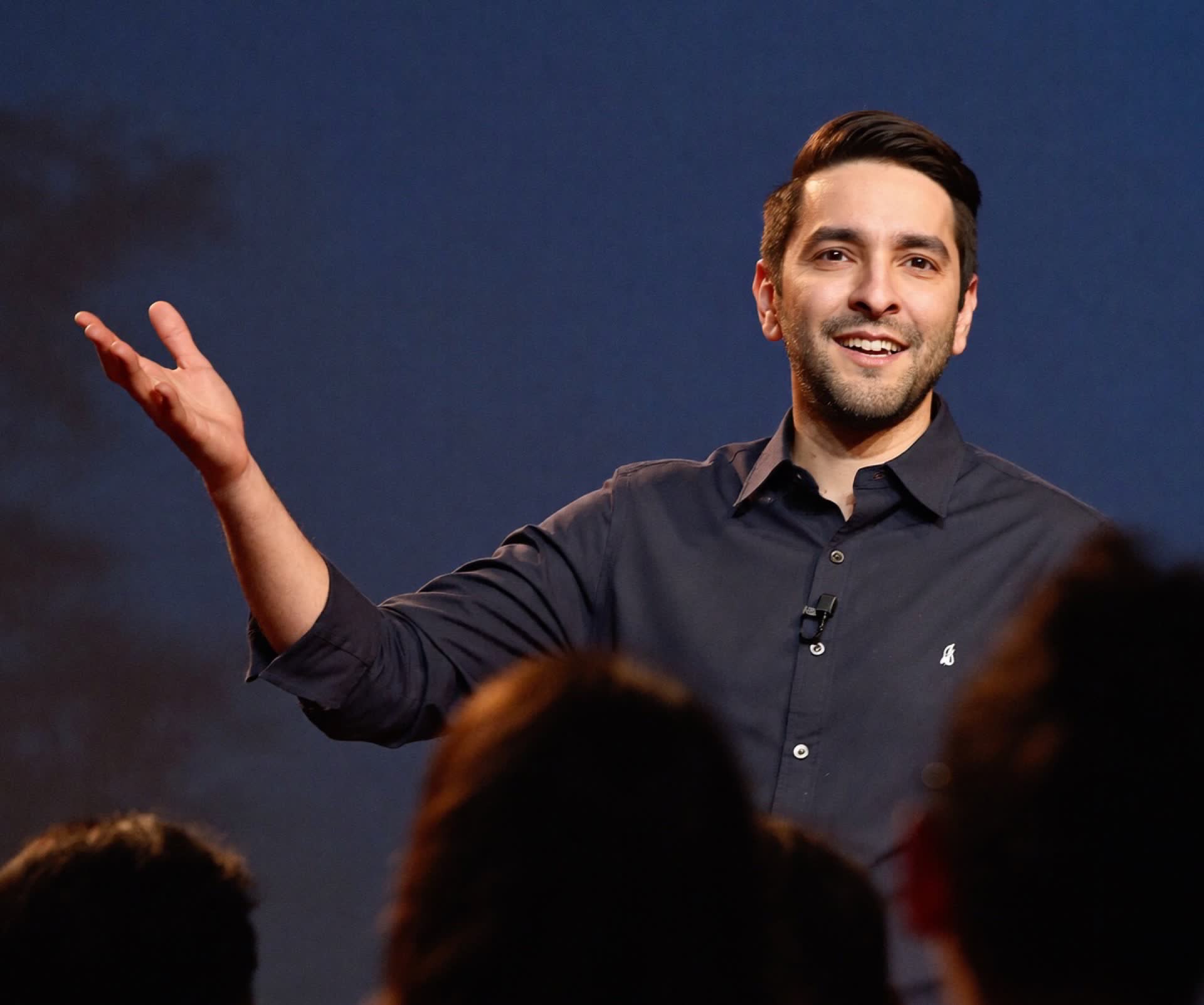
Thought Behind Things · Mar 25, 2022 · 1:06:46
The lock in your throat isn't about English
Noman Abid went from a small town in Sohawa to becoming Pakistan's National Champion of Public Speaking. The real story is what happened in between — an army dream, a red stamp marked 'unfit', and the discovery that communication is a survival skill, not a soft one.
with Noman Abid
10 min read
From Sohawa to a cadet college bunk
The episode opens with Muzamil introducing Noman Abid not as a motivational speaker — a label Noman immediately pushes back on — but as someone with a very specific niche. “I have a very particular niche, communication, on which I deliver trainings and one-on-one executive coachings,” Noman says. The distinction matters to him, and it sets the tone for everything that follows.
Noman was born and raised in Sohawa, a small town on the GT Road between Gujrat and Jhelum. His father’s plan for him was modest: finish matric, come back, run the family shop. His mother had other ideas. She had been married in ninth grade, could not read or write English at the time, and used to walk to a cousin’s house to learn — then come home and teach Noman what she had just picked up. “She is a very, very big inspiration and a huge fan of my work,” he says.
At the end of seventh grade, Noman was sent to Cadet College Kohat. He describes the early months as brutal — cold food, 5 a.m. PT, no comfort of home. But he would not undo it. When Muzamil asks whether he would send his own children to a cadet college, Noman pauses: probably not at that age, he says, but the friction itself was formative.
The army dream and the red stamp
Everything Noman built in those years pointed toward one destination: becoming an army officer. He had no family background in the military. He did not arrive at the ambition through logic. It was, he says, almost absorbed from the environment around him — people kept telling him he would make it, and he believed them so completely that he included it in his daily prayers. “I didn’t know that there is life outside being an army officer. Believe me.”
He cleared the ISSB. He was recommended for the 136 Long Course. Then came the final medical. An ENT specialist put something in his nose, wrote a note, and told him to come back on Friday. When Noman returned to the candidate office and asked for his report, the officer pulled out a small slip — not even a full file. In the middle of it was a large red stamp: Unfit. The reason, he found out later, was hypertension.
“I literally felt that — and they say, you know, the life draining from your legs. I grabbed the bench, I sat down, I took out my phone, I typed one message to my father on WhatsApp, sent it, and switched the phone off.” He rode bus number 22 out of the CMH, staring out the window, with no map for what came next.
The year off and the first book
For roughly four months after the rejection, Noman barely left the house. Then, slowly, he started watching videos online. People kept quoting one book. He bought it — Think and Grow Rich by Napoleon Hill — and it was the first book he had ever read by choice.
The insight that stayed with him was not motivational in the conventional sense. It was structural. “Napoleon Hill spent sixty years of his life researching, meeting all these people, and he extracted a crux and handed it to me — which I could learn in one month.” The same logic applied to Shoe Dog, the memoir by Nike’s founder: a lifetime of building compressed into something readable in weeks. That realization unlocked something. He started reading constantly.
Muzamil reflects on his own year off and makes a broader point: the students who move straight from college into the next phase of life never get the chance to connect with themselves, with society, with the system. “The enlightenment I have seen in people who took a year off — you don’t find that in the ones who went straight through.”
Noman then enrolled at Quaid-i-Azam University, partly because of its reputation as a mini-Pakistan — students from every province, every background, maximum exposure. He arrived to find a cow walking past the admissions bank. He laughs telling it. “If you ask me, Noman, what is the best thing that has happened in your life? I will say: the unfit scene. That was the best thing that happened to me, because I was not meant for that.”
The language problem Pakistan refuses to name
A teacher at QAU saw something in Noman during a presentation and pushed him toward a public speaking competition. That moment opened a door he did not know existed. But before the conversation moves there, Muzamil and Noman spend considerable time on a question that sits underneath all of it: what does language actually do in Pakistan, and who does it exclude?
Noman’s English coming into university was not strong. The conversation about how he improved it is one of the most honest stretches of the episode. His answer: Friends. Not a classroom, not a course. The TV show, watched repeatedly, until the phrases, the timing, the humor, and the expressions became instinctive. “My actual English — all of it — developed through Friends. I tell everyone: watch Friends. Watch it again and again.”
Muzamil pushes further. Input is one thing, he says, but output is what actually builds fluency. Noman agrees. The real barrier, he argues, is not vocabulary. Most people who have passed matric already know enough words to communicate. The problem is a lock — a fear of being judged for a wrong word or a mispronounced phrase. “If you took any matric-level student and dropped them in Europe where they had to speak English, they would do very well. The barrier is in the mind.”
He is also clear-eyed about the structural injustice underneath this. English in Pakistan functions as a filter for perceived intellect, not actual intellect. The elite maintain control over both the English-speaking upper middle class and the Urdu-speaking masses by commanding both languages. Noman’s critique is direct: “CSS is in English. Do it in Urdu and see what talent emerges from this country. You have cut off an entire class by making it English.”
Toastmasters and the standing ovation that changed direction
The competition his teacher pushed him toward led Noman to Toastmasters International — a global non-profit with presence in over 160 countries and, at the time of recording, 45 clubs across Pakistan. He explains the format to Muzamil in detail: a two-hour weekly meeting split between table topics (impromptu speaking on a random subject) and prepared speeches evaluated through a structured feedback model. The philosophy is learning by doing. “You cannot learn to swim by reading a book. You have to jump in the water.”
But the moment that actually committed him to this path happened just after his first competition speech. A competitor in the audience stood up mid-applause and ran after him outside. He told Noman that something in the speech had answered a question that had been troubling him for a long time. “A person like me, who memorized a speech and walked onto a stage — that those words had the power to resolve something in someone’s life, through me.” Noman describes it as a kind of confirmation. “Probably the divine came down to earth and said: this is what I want you to do.”
He went on to become the youngest president of the Islamabad Toastmasters Club, leading a team of older professionals as a student, with no power to hire or fire anyone — only the ability to influence. During COVID, when every other club was shutting down, his club grew from 34 to 60 paid members. Toastmasters International called to ask what was happening.
Building a training business from zero, then Zameen
After graduating, Noman and a partner launched a training initiative called Kindle. Their commitment for the first year: charge nothing. A regional head from a school network saw them deliver a session and offered to bring them on across all campuses in the twin cities. He asked what they would charge. Noman said nothing. The regional head — named Salman — pushed back: “In Pakistan, free service is a free fall. If you don’t charge, people won’t take you seriously.” Noman held the line.
Later, he joined Possibilities as a trainer, then moved into a business development role where he learned how to sell training to CHROs and HR departments. That experience taught him the mechanics of the corporate training market from the inside. He and a co-founder then built Trainers Tribe — described as an Uber for the learning and development industry, a digital marketplace connecting HR departments with trainers. They were incubated at the National Incubation Center and raised seed funding. Then COVID arrived, and organizations shifted to survival mode. Training budgets disappeared overnight.
When Zameen.com — Pakistan’s first tech unicorn — approached him to join as an in-house trainer, Noman initially resisted. He had always worked externally. But the logic of being inside a company that had reached a billion-dollar valuation while expanding to 16 countries was too interesting to pass up. “I want to know what happens behind the table.”
Communication as infrastructure, not a soft skill
Later in the discussion, Muzamil raises what he sees as a systemic gap: Pakistan is building toward a $50 billion IT industry, training millions of technical professionals, but almost entirely ignoring communication. Noman responds with numbers. Fortune 500 companies spend $1.6 billion annually on communication training. Poor communication costs those same organizations $3.1 billion a year in losses. “In Pakistan, probably it is the time that we need to understand that we need to teach people workplace communication — how to communicate what we already know.”
The argument extends to founders. Noman describes watching startups at NIC pitch investors with genuinely strong ideas but no ability to make the investor see what they see. “An investor — what does he invest in? The idea or the person? I think the person. Because the implementation of that idea has to be done by the founder himself. If you can make him see exactly what you see, that is when he will put money on you.”
The same logic applies internally. A company’s employees are its first salespeople. If the founder’s vision never reaches the person at the front desk — the actual point of contact with the outside world — the brand is whatever that person’s communication makes it. “I will judge the company on the basis of that point of contact. I will say: they are just like this.” And the modern employee, Noman adds, will not work hard for a salary alone. “If the employee knew the purpose and the value of his work, I guarantee you he will work twice as hard. It’s not about pay. It’s not about benefits.”
Pakistan in 2050
By the end of the conversation, Muzamil asks Noman the question he puts to every guest: how do you see Pakistan in thirty years? Noman is careful to say he tries to be optimistic, not naive. He points to the growing awareness among young people that technical skills matter, the online revenue Pakistan’s freelancers are generating, and the startup funding that has begun flowing in. His measured hope is not that Pakistan becomes a global leader, but that it creates enough opportunity domestically to slow the brain drain. “Maybe by then we will have created enough paths online, through startups, through investment, that our people won’t have to go out.” He does not promise it. He says it is possible.
Muzamil closes by noting how refreshing it is to see someone young in the training space — a field that has historically required decades of grey hair before anyone took you seriously. Noman thanks him and returns the compliment directly: “In this niche — podcast, social media — the way you are working, it’s really inspiring.”
Full transcript
सारा ख़बती माज़ाद. Welcome back to another episode of Thought Banting. सारा मैं साहब बहुत ही ख़ास मेहमान जो कि मेरेड़से से. आप लोग भी कह रहे थे हमारे भी दिमाग में था but finally we've been able to set it up. नुमान आबेद he's a what would you call yourself नुमान? Public speaker, professional speaker. Professional speaker? मेरे द्वाक़ में motivational speaker आ रहा but I don't say I don't I feel like you don't do that. No no no, it's a different genre. Yeah. I have a very particular niche communication on which I deliver trainings and one on one executive coachings. ज़बरदह ज़बरदह. चलिए sir, thank you so much for being part of this show. Thank you. I'm glad to be here. मैं थोड़ा सा conversation start करूंगा with your journey. You know, high school till date. क्या what all happened? Bored and bread in Islamabad?
नहीं, basically I'm from सोहावा. सोहावा जो है वह नहीं, बीस सोहावा सोहावा. नहीं नहीं, दूसरे वाला सोहावा. यह जेलम की तसीला एक GT Road के ऊपर. गुजरान के बाद आता है. गुजरान, सोहावा, फिरदीना. Right. अंदन झेलम. So, I was born in सोहावा, raised in सोहावा. पांचवीं के बाद, सातवीं में, I went into boarding institution, Credit College, Color, कहार. From a very humble background, my parents both were not very educated. वाले साहब को यही vision था कि इसको metric कराकर एक दुकान खोल देंगे मां भी बैठकर, दुकान चला जाएगा. अच्छा, really? Yeah yeah yeah. So, it was an accident. Oh, wow. My my life was an accident. But my mother was very Adamant कि भाई higher education and No no no, not higher education. She was very concerned किसको मैंने कुछ सिखाना है, इसको बड़ा आदमी बनाना है because she is also, she was in ninth class when she got married. She was very young and I was the first kid. अच्छा. तो मैं सबसे बड़ा हूं. तो I remember she couldn't read and write at that time, especially अंग्रेज़ी. तो she used to go to another cousin जिसको अंग्रेज़ी पढ़नाती थी. तो she used to go there, learn and then come back and then teach me. अच्छा. Yeah, interesting. Yeah, she is a very-very big inspiration and a huge fan of my work. Yeah, that's that's that's that's. मुझे यह बताएं कि what does your father do? My father basically हमारा इस तरह का system है कि rentals हैं, कुछ दुकानें हैं वहां से ही income आती है. And he's been sportsman. A very passionate sportsman throughout his life. तो वाले साहब गक्सर में कहता रहता हूं ना यह करें, यह business करते हैं, वह करते वह कहते हैं यार मैं जो जीना था मैंने जी लिया है. Right. और this is what I like doing. Even if he is अभी 58 but he still plays, volleyball खेलते हैं. अच्छा. बड़े अच्छे level पर खेलते रहे and he still plays and he enjoys it. ज़रूर. Know. And so, metric आपने वहीं से किया? नहीं, metric आपने credit college से किया. Credit college से. मैं eighth से लेकर inter तक, बारहवीं तक credit college में ही पढ़ाऊं. कैसा experience हो? Very tough in the beginning. Actually, I was inspired. आपको याद होगा कि एक वह drama तो था अज़ीज़ बट्टिका. Major अज़ीज़ हो है. Right right right. छह से तंबर को हमेशा था. Yes yes yes yes. Career college भेजा तो it was very difficult in the beginning because, you know, leaving comfort of your house, गरम गरम रोटियाँ छोड़ के, वहाँ पे ठंडी रोटियाँ खाना और सुबह पाँच बजे उठ के morning PT करना. Right. So, it was very tough in the beginning but it was one of the best moments of my life. अच्छा. Yeah, yeah, yeah. Would you send your kids to a cadet, cadet college? Probably not. Probably not. Not at the age of, you know, that young. अच्छा. Because मैं आठवीं में गया था. अगर मैं first year की बात करूं तो शायद first year में दो साल अगर वह रगड़ा खा भी लें उस time पर, तो वह शायद ज़्यादा बेटे रगड़ा होता है यही रगड़ा तो होता है. Yeah, रगड़ा तो शुरू सोचता And
so, straight out of college, how did you decide to because you said कि family did not have any pressures कि भाई बेटा अब जाकर बाहर education करो. उनके scope में तो यह था कि बेटा वापस आ जाए और आकर जो दुकान चलाए. Yeah yeah yeah. So, how did that happen?
So, my father is an amazing guy. He never had any expectations from me. So, he said जो तेरा दिल है ना वह तू कर. You are the oldest son by the way. Yeah yeah yeah. I very curious. Yes. मतलब कि आप देखें कि I am a, I really love the way he brought me up. He never had any expectations कि, you know, मैं तुझे जाता हूँ यह कर या वह कर या पैसे कमा के ला या do anything of that sort. Even मेरे बाकी जो he is the youngest one among his siblings. उनसे जो older हैं वो तो फिर भी थोड़ा बहुत pressure होता था उनकी तरफ से families का कि तुम ये करो, वो करो, पैसे कमाओ. But my father has always given me free support, you know, do whatever you like. So, I wanted to become an army officer and I had a a long romance with being an army officer. You know, when I was a kid, I don't know कि वह कहां से वह बीज एक जो एक छोटा सा shock था, वह passion में convert हो गया. Carrot College में specially क्योंकि वहां पर हर किसी ने कहना शुरू कर दिया. I was very lucky throughout my life. अच्छा. So, people used to call me, you know, शायद तू तो बड़ा lucky है. तू तो कर जाएगा फौज में ना. तो मुझे भी उससे एक हो गया यकीन कि मैं तो कर लूंगा. Even I didn't had any army background. But I was very sure कि I am going to be an army officer and I remember कि वह दुआं में भी एक दवाज होती है ना compulsory. शुरू शुरू हमने रट्टा लगाया था तो दुआं होंगे. याला हज करा दे, उम्रा करा दे और फौजी बना दे. So, पांच छह दुआं में यह दुआं जो इतनी नहीं compulsory थी. मतलब वह इतनी inherent. Yes. वह चीज़ थी कि आपको you did not know any other reality. Exactly. Yeah. I didn't know that there is life outside being an army officer. Believe me. Right. When I अब और जब मैं गया और मैं ISSB recommended one three six long course का. उसके बाद मैं final medical में unfit हुआ. और मैं बड़ा मुझे बड़ा हित्माद था कि मैं हो जाऊंगा. Mhmm. मैं ISSB में भी बड़े हित्माद थे. Psyche analysis भी हो गया हुआ था आपका? सारा कुछ हो गया था. नुमान अब्बुत has been recommended for this long course. तो मुझे बहुत यकीन था कि मैं हो जाऊंगा. तो अब्बु was very, very frightened कि if this does not happen तो यह कुछ करना लेना. ENT specialist. So, went to him and he put something in my nose and he said कि बेटा you are temporarily unfit and I was like unfit.
मैंने कहा यह तो मैंने मतलब what Because are you
unfit की major reasons क्या होती है वह knee knock. Yeah, यहां होता है. या knee knock या elbow का issue होता है या ribs का issue होता है. तो I was I didn't had anything in my mind कि मैं unfit तो मतलब हो ही नहीं सकता. मैं तो तैयारी कह रहा था. मैंने कहा भी ठीक थी. I said भी ठीक थी. Everything was was one on one. Medical specialist. तो medical specialist पे तो मुझे पता था वो reportटें वग़ैरह उन्होंने उनको हमने देनी होती हैं और वो वहाँ से fitness दे देते हैं. तो मेरी reportटें तो सारी clear थी. वो जिसमें So I went to him and, he didn't even see those reports. उसने ना मेरे वह बाजू पर कुछ लगाया और उसको किया और कुछ लिखा अपनी writing में और मुझे कहा कि, यह लो. अब usually क्या होता है या तो वह आपको, fit करते हैं या unfit करते हैं. Right. So this was something very very new for me कि what is he writing? And I was very nervous. मैंने कहा sir, यह क्या है? तो उन्होंने कहा कि buyer मेरे PA से पुछ लो. तो मैंने अब्बू को कहा कि आप आ जाएं. अब्बू आए अब्बू और मैंने मिलकर reports कराई, reports सारी clear. But, I remember it was Friday. तो मुझे कहा गया कि आप Friday को आना, Friday को आपको final पता लग जाएगा. तो मैं तब अकेला आया. Friday को मैं गया candidate office. मैंने कहा जी नुमान आपित PGMN 55, long course one three six. Can I have my report please? So the guy looked at me and said कि हां sure. तो उसने ना वह files में से इतनी सी चिट निकाली. तो मुझे कहता है यह हालांकि वह file होती है usually. हां. तो उस समय चिट थी ना तो मैंने चिट पकड़ी तो उस पर एक बड़ा सा stamp दरमियान में लगा हुआ red color का unfit. तो मेरी तो मतलब वह कहते हैं ना वह टंगों से जान निकल जाना. So I I literally felt that और मुझे आधे सात bench था. मैंने bench पकड़ा मैं bench पर बैठा mobile निकाला. वह वही एक letter अब्बू को type किया WhatsApp पर, send किया और mobile off कर दिया और उसके बाद बाइस number आपको CMH से निकला, बाइस number टोएटे में बैठा windows से. नहीं तो उन्होंने बताया नहीं कि किस reason है. Hypertension. I didn't know at that time कि hypertension क्या होता है. Right. So, बाद में मैंने search किया. और क्या number था आपका? कितना आ रहा था blood pressure? तो तो yeah, so I I sat उसमें वह टोएटे में बैठकर ना मैं ऊपर देख रहा हूं. मैंने कहा यार, मैंने कहा यह तूने मेरे साथ क्या किया? मैंने कहा I was I was not doing anything wrong. Yeah. I was not snatching somebody's right. I was just trying to fulfill जो मेरा एक मेरा ख़ाब है. So, believe me I felt like I I was stranded on a desert and I don't have anywhere to go. कि ना मुझे universityओं का पता है, ना मुझे पता इसके अलावा कोई कोई field होती है, ना मुझे कोई guide करने वाला कि इसके अलावा you know कोई field भी है. You know? Yeah. This is not going to happen. So so I remember कि मैंने फिर ना कहीं पर वह एक एक हदी से कुत्सी है, वह कहीं से सुनी. पता नहीं चार महीने बाद इस incident के. मैं घर से नहीं निकलता था Now tell me, what do you want me to do for the rest of my life? So, this is what probably I think I was meant to do, training, public speaking, and then the journey happened and Right. So, this was the point where I've I found,
my true passion. This is what I want to do. So you took a year off? Yeah, did you go to university straight up after that? Year off. अच्छा, you took year जिसको लोग कहते हैं वह waste year है. One of the best time of my life. I think I took a year off as well and I think that's what shaped me as well. For a lot of people वह क्योंकि उस cycle में चलते रहते हैं ना. पूरी ज़िंदगी बचपन से start होते हैं उसके बाद फिर वह एक मैं तो हर किसी को recommend करता हूं कि यार if you can take a year off after college, that's the best time. ज़िंदगी में आप नहीं ले सकते. आप even university से निकलेंगे ना तो आपको एक दौड़ शुरू हो जाती है. लेकिन जो वह time होता जिसमें आप ना आगे जा सकते हैं, ना पीछे जा सकते हैं और आप अपने साथ connect करते हैं, society के साथ connect करते हैं, निज़ाम के साथ connect करते हैं. जितनी enlightenment मैंने देखी है year off वाले बच्चों में वह आपको जो perfect बच्चे होते हैं ना जो जी college से सीधा चले गए वह उनमें इतनी नहीं होती. But right so so एक साल आपने घर पर गुज़ारा. What did you do during that time? I started reading. अच्छा, interesting. You didn't read before that? No.
I remember मेरे हमारे bunkers होते थे ना Carriage College में तो मेरे नीचे जो सोता था साद कमाल उसका नाम था. तो he used to read a lot. उस इतने मोटे मोटे चश्मे उसने पहने हुए थे और novel पढ़ता था. तो मैं कहता था यार ये videos वगैरह देखना शुरू की, गोरों की videos देखना शुरू की. तो एक किताब बार बार ना लोग quote कर रहे थे, this book has changed my life, this book has changed my life. Think and Grow Rich by Napoleon hit. Right. So, I said कि अगर कोई किताब ज़िंदगी बदल सकती है तो why not? Let's give it a read. तो मैंने ज़िंदगी की पहली किताब वह ख़रीदी and believe me it had changed my, my perspective about a lot of things. अच्छा. Because मैंने देखा कि Napoleon Hill ने अपनी साठ साला ज़िंदगी में इतनी research करके, इतने लोगों से मिलकर उसने एक crux निकालकर मुझे दे दिया जो मैं एक महीने में सीख सकता हूं. कि मतलब कि एक बंदा जिस जैसे Shoe Dog is a book by the owner of Nike. He spent his life building a brand and when he was on his death bed, he wrote a book which you can read in one month. Yeah. Isn't that amazing? So, मेरा एक वह जो paradigm shift होता है ना वह हुआ and I started reading a lot, a lot, lot. Eligible. Eligible for that. Right. So, उसके बाद काज्याज़म के बारे में मैंने सुना था कि it had a lot of exposure कि आप mini Pakistan हैं, different जगहों से लोग आए होते हैं. एक बड़ा exposure होता है, सीखने को बड़ा मिलता है. Pakistan की top की university है. तो मुझे याद है अब देखें आप जो मज़े की story है जब मैं गया admission देने के लिए ना, admission fees जमा कराने के लिए HBL Bank कायदाज़म university के अंदर ही था. अब मैं lumps देखकर आया हुआ था, ठीक है? Lumps के classrooms और lumps का शश्का और उसका सारा structure. जब मैं मुझे याद है मैं वह fees जमा कराने जा रहा था तो आगे से एक गाय गुज़री थी वहीं पर. तो मैंने कहा यार यह क्या है? If you ask me निमान what is the best thing that has happened in your life? You know what I will say? Unfit वाला scene. कि I will, that was the bestest thing that happened to me because I was not meant for that. Yeah, I think a lot of times होता ही है कि
आप रो रहे होते हैं. Four
years के अंदर आपने time graduate किया कैदाज़ा Yes, चार साल. GPA कैसा था? बहुत अच्छा. अच्छा था? So were you a studious type of individual? No I am not. I am a smart student. TTYT. Right. वह मेरे finals चल रहे थे तब. मैं साथ साथ वह certification था. How did you come across?
How did you get into this entire sort of leadership and Trainings. Training वाली situation?
Trainings में यह था कि मेरी एक teacher थी, she saw something
in me. अच्छा.
And मैंने जब एक दफा presentation की मेरी शोक था लेकिन I was a very तो मैंने कहा यार मैंने अंग्रेज़ी सीखनी है कि I don't want to feel insecure. Even though it's a language but Yeah, it's a difficult but particularly
in Pakistan it's a, it's definitely immediately ना through that language you are able to identify a lot of things about the other individual or at least even if it's not right that's how the world works. And मैंने यह भी realize किया it's not just English, right? आपके पास regional languages हैं. Regional languages वाले सारे compete कर रहे होते हैं कि किसी तरीके से उर्दू सीख लें. Yes. It's the जो अगर आप देखें ना elite जो आप उठाएंगे वह हमेशा English और उर्दू दोनों पर command रखता है और जिसकी वजह से वह आपके upper middle को भी control कर लेता है जो English समझती है और masses को भी control कर लेता जो उर्दू समझती है तो language is a very interesting way to particularly in terms of building power के you speak the right language and suddenly people doors start to open for you. Yes yes. मैंने जो समझाया ना कि you need to be very clear in terms of the
perspective about language के this is just a tool for me to communicate my thoughts to the other person. It is not the the statement of my intellect. You know, I should be very clear on this. But unfortunately, it is among society. When you speak in English, people think that you are more knowledgeable, ज़्यादा intellectual बंदा है. हां. तो probably अगर उस उस उस उस उस environment में रहते हुए excel करना है तो तुम्हें यह सीख लो तो बेहतर है तुम्हारे लिए. हां. अपने दिमाग में तुम्हारा. जो कि ग़लत बात है. मतलब I think everybody agrees कि
the reason why we have an elite capture in this country is because the elite keep on using English as a as a metric for intellect. Yeah. Whereas intellect could honestly come from the regional language. मेरा बड़ा तिलाफ है कि CSS अंग्रेज़ी में क्यों होता है? CSS आप उर्दू में करें आप देखें Pakistan में क्या क्या हीरा निकलेगा लेकिन आपने एक पूरी class कटा दी English करके. But having said that unfortunately that's the reality of life and it's always good to learn a language. आपका command ना भी हो, कमा कमा आप इतना basic होकर बोल सकते हैं, समझ सकते हैं तो आपको it always helps you grow your state of influence. मुझे बताएं कि आपने अगर for example how was your english coming into university? Not very good. Not very good. How did you improve upon it? Generally what were the ways? क्योंकि ज़हर यार university जाकर classes लेना भी एक तरीका है but that's generally very difficult. You know like तो आपको खुद अपनी life में certain changes लानी पड़ती हैं spoken English को बेहतर करने के लिए, vocabulary को तो what were your you know, things? Alright. So मेरा जो एक समझ
लें के, मेरा एक जो नज़रिया बना है अंग्रेज़ी को लेकर, वह यह है कि, हम सारों को जो शायद metric पास हैं, उनको इतने अंग्रेज़ी के अलफ़्स आते हैं कि वह अपनी बात को communicate कर सकते हैं. But the problem is that there is a lock in our throat that don't let us speak, fluently because we have a fear that we'll be judged. Believe me अगर किसी इस metric के बच्चे को उठाकर Europe में भेज दो ना उसे कहो कि अंग्रेज़ी में बात करनी है ही हो पाएगा. बिल्कुल. वह बहुत अच्छी करेगा. बिल्कुल ऐसी. और मैं जब Toastmaster community में गया when I started interacting with these international people, I instantly discovered something about my personality that I know how to communicate in English. The only barrier that I have is in my mind. And that barrier is कि probably I'll I'll pick a wrong word or I'll pronounce a wrong word and I'll be judged कि oh my god, you don't know English. But if I see it in that way कि this is my second language. I know हिंदी को, I know उर्दू, I know a little bit of सिंधी and पश्चितों because I've been in Kajayazm University. This is, an extra effort that I am putting to communicate better. So, जितनी भी मुझे आती है उसपे मुझे फख़र होना चाहिए, मुझे खुल के गलती करनी चाहिए. हाँ. So, Toastmaster में जाके और seasons
देके friends. Do you watch friends? Yes, so that's literally how I made my English. अच्छा अच्छा अच्छा. मेरी English and I am an OA level skit by the way. अच्छा अच्छा अच्छा. उसके बावजूद it wasn't my school that built English. मुझे याद है मैं अपना time अगर याद करूं ना. आठवीं जमात में मैं पहले OPF में था तो OPF was this, semi government overseas पाकिस्तानी का था तो my family had moved from Saudi. तो उन्होंने उधर मुझे डाल दिया. वहां पर very good school but English के ऊपर इतना कोई ऐसे focus नहीं था. फिर I went to Head Head Start is a very particular school. वहां पर everybody was speaking in English. I remember the first day I went and I was just like, यार, yes, no. मेरा त्वाह, yes, no, okay वाला यह सब था. I was there for a for a year. I couldn't understand, that that school. And so eventually, I moved to Beacon House. Beacon House generally has built this innate need to speak English but all boys में नहीं होता है. English लड़कियां बहुत आराम से pick कर लेती हैं. लड़कों का थोड़ा बहुत होता है. O levels कभी compete हो गया. मेरी कोई spoken English बहुत कोई कमाल की नहीं थी but हां vocabulary सही हो गई, basic सही हो गई. A levels में हां लड़कियां आना शुरू हुई थी थोड़ी सी English बेहतर हुई. Honest to god even with that school मेरी जो actual English develop हुई है वह सारी सारी हुई है through friends. Friends सबसे ज़्यादा मैं इसको अच्छा मैं सबको यह कहता हूं कि friends देखो भाई. Friends और वह बार बार देख देख देख देख के क्योंकि देखें English तो एक बात है ना? Phrases कौन से कब? किस तरह expression वह सारा का सारा friends से आया. Humor एक बड़ा important element होता है किसी भी language के अंदर और और वो friends को देख करके किस point पर humor flat language कोई भी बोल सकता है. होता है ना जिस तरह वो फ़ैसला बात के पंजाबी आकर जिस तरह पंजाबी करते हैं और लौरी बिल्कुल फ़ायदा है. Yes yes. तो humor बड़ा powerful tool है वह मैंने उससे सीखा फिर overall बाकी languages में आप बाकी TV shows देखते हैं तो आपको फ़ायदा यह होता होता जाता है कि आप कहते यार suits का lawyer इस personality इस तरह बोल रही है. यह वाली personality का यह character इस तरह बोल रहा है तो आपको automatically चीज़ों को पता लगता है फिर आप उसमें अपनी language को evolve करते जाते हैं. तो absolutely I think that's probably number one if I were to say वह यह है. The only issue is that कि वह input तो हो रहा होता output नहीं होता. And output is is is fundamentally important. Like अगर मैं इसमें अपना वो बताऊं and I'd like for you to further expand on that. मुझे याद आया I was in university. First semester था. मैं बीकना उसे आया था. मेरी english was was ok. मेरे साथ बहुत सारे आए हुए थे जो कि different शहरों से आए हुए थे. FSC भी थे, OLABUS भी थे but even outside of इस्लामाबाद आप निकलते तो language थोड़ा सा different होता है उस तरह से. तो मैंने मेरे सारे जो दोस्त नए बने उनसे मैंने through that हमारा यह हो गया कि वह चीज़ हो गई. तो spoken is very very important. What was that in your case?
Very true because see कि हमारा दिमाग़ या हमारी ज़ुबान is not accustomed to speak in English because you see जुबान भी एक खास तरीके से move होती है. होती बिल्कुल. Move भी एक खास तरीके से move होता है. If it is not accustomed to move in that way. Muscle memory नहीं है. Muscle memory नहीं है तो you won't be able to last that for long. अगर आपकी बहुत अंग्रेज़ी अच्छी है और if if you don't get to speak अंग्रेज़ी, so probably you will be going backwards in terms of your fluency and how well you speak. Right. So definitely if you find an environment, conducive environment where people appreciate you and don't make fun of your mistakes, you'll be able to have that muscle memory and be accustomed to speak in English और वह जो lock है वह आपका खुल जाएगा. So देखें हम बचपन में भी अब हमने उर्दू कैसे सीखी थी? मैं लोगों को कहता हूं ना, expression के साथ उस चीज़ को copy करना शुरू किया. हां. और that's how you didn't entered into an academy and learned the grammar of उर्दू. Yeah. But you just, you just saw it and practiced it and आपने वह दिमाग के अंदर वह neural connections build कर लिए. बिल्कुल ऐसे. So friends में भी क्यों मैं इसको आप I am happy that you are another supporter of friends. क्यों? क्योंकि उसमें एक common दोस्त हैं, पांच छह दोस्त हैं जो कि आपस में बिल्कुल एक एक
यार देखो यह मेरी insecurity है. I'm sure तुम्हारी भी है. ठीक है? Let's not pull each other down. Let's try to build each other up and and I think मतलब मेरे case में वह यही था कि sure हम आज तक मज़ाक उड़ाते हैं. हम कोई phrase कोई ग़लत वह कर लेता हूं. Sugar मेरे में उसमें कर देते हैं. But उसके back में हमें पता है कि हम उसको demean नहीं रहे. तो nobody gets insecure and so they keep on trying. जब तक वह conversation नहीं हुई होती तो जब minute एक बंदे के ऊपर मज़ाक उड़ गया ना यार वह पूरी ज़िंदगी कभी नहीं करेगा उस उस crowd के सामने. क्योंकि उसको लगेगा यार यह तो मुझे ना वह समझते हैं, हकीर समझते हैं, यह समझते हैं, समझते हैं. तो think वह communication बड़ी important है. Not just with language, with everything, when it comes to your insecurities.
True. मैं क्योंकि executive coaching भी करता one on one तो मुझे एक बंदे ने कहा कि जिसको बहुत phobia था लोगों के सामने बोलने का, public speaking का. तो मैंने उससे थोड़ा सा understand करने की कोशिश की कि कहां से क्योंकि it was very swear, very swear case. मतलब one of the difficult, most difficult case that I have ever encountered. सो मैंने उससे थोड़ा probe करने की कोशिश की कि where it began. तो उसने मुझे कहा कि मैं जब एक दफा university में मेरी presentation थी तो मैंने presentation दी और मैं beach में भूल गया. जब मैं भूला तो beach में एक बहुत बड़ा laughter आया एक बंदे का, वह मेरा दोस्त ही था. कहता है कि उस laughter के बाद में बिल्कुल I felt paralyzed और मैं कोई loves आगे मैंने बोला ही नहीं मैं stage से नीचे उतर गया such a huge impact on his personality कि वो एक shell के अंदर बंद हो के रह गया. हाँ, and this is going to affect his professional life as well obviously. Yes yes, of course. Professional तो देखें जितना अच्छा मैं technical हूँ, I know I'm an engineer, मुझे technicality का पता है, मैं IT का professional हूं, मुझे IT की सारी game आती है. But unless I cannot communicate it to the other person,
उसका क्या उसका क्या इस्तेमाल है? क्या इस्तेमाल है? बिल्कुल ऐसा है यह. Toastmasters का आपने ज़िक्र किया? Tell me a little bit about that. How did you get introduced to them? और वह होता क्या है? और उसके अंदर exactly कि और अगर for example कोई viewer है जो कि इसके अंदर participate करना चाहता है तो what could they do?
So, how I came to know about Twosmasters was that, जब मैंने university में थोड़ी presentation दी तो ma'am शाहिज़ा शाहिज़ा I want to name her. Ma'am शाहिज़ा was the one who saw something in me and she said कि, you know, why don't you take it as a professional? मैंने कहा मैं इतना अच्छा तो नहीं हूं कि मैं इसको as a professional लूँ. She said, नहीं, you are very good. नस्त में एक competition आ रहा है public speaking championship. So, I want you to participate in that and I'm sure that you are going to win. मैंने कहा, how can you sure? I've never participated in any competition, public speaking के उसके अलावा मैंने कभी competition नहीं participate नहीं किया. उन्होंने कहा नहीं तुम जी जाओगे. तुमने participate ज़रूर करना है. अच्छा. मैंने कहा ठीक है. तो मैं गया नस में, उससे पहले उन्होंने हमें एक topic दिया हुआ था. उस topic के ऊपर हमने present वह जिसके बाद मैंने वाकई मान लिया कि मैं इसको as a profession लेकर जाना चाहता हूं. वह यह था कि अच्छा मुझे I never knew कि speaking is a profession. I never knew you can earn by this profession. I never knew that कि यह भी कोई field है. So I came outside of that hall. एक लड़का था उसने beard रखी हुई अभी वो dentist है मेरे साथ Facebook पे ad भी है. So he said नुमान भाई नुमान भाई. अच्छा मैं मज़ेकी उससे पहले वाली बात बताता हूँ कि जब मैंने speech end की ना stage पे तो सामने जो audience थी वो सारे competitors थे. General audience नहीं थी. So, usually are the very tough audience because they don't laugh at your jokes. Yeah yeah yeah. When you are performing well, are like, oh my god, he is going to win. So, he was the only one. He was a competitor but he stood up and he was giving me standing ovation, tap tap tap. अच्छा. I went right to him and I said, thank you very much means a lot. And I sat on my chair. तो जब ख़त्म हुआ ना तो मैं बाहर आया तो he was running. अनुमान भाई, अनुमान भाई. I looked back and I said कि ok, thank you very much आप खड़े थे. कहते नहीं, thank you. मैंने कहा why? कहता है कि, I was going through something and Through your speech, I found an answer to my question, which was bothering me for so long. मैंने कहा कि what? A person like me जिसने एक speech रटकर आया है stage के ऊपर, उसमें इतनी उस कलफाज़ों में ताकत है कि किसी को उसकी ज़िंदगी में कोई मुश्किल थी वह हाल होगी है. Mhmm. मेरे ज़रिए. So, literally मुझे कहें कि those were the sweetest words I have ever heard from anyone. Probably divine came on on earth and he was telling me that यह है वह जो मैं चाहता हूं कि तू करे. यह मेरी चाहत है. So, मुझे तब यह हुआ था कि मैंने यह काम करना है. So, वह जो speech जो मैंने रट्टी थी ना, वह एक So I went to their club meeting तो वहां पर जो उनका president था तो मुझे याद है tea break थी, networking break होती है beach में पंद्रह minute की ताकि लोग आपस में networking करें. तो I went to him and I said कि can I go for international championships? अभी तो मेरा confidence US में इसका headquarter है, एक सौ साठ या कुछ इतने मोमालिक में इसकी presence है. Pakistan के अंदर we have 45 clubs and every week there is दो घंटे की meeting of each club. वह क्या करते हैं वह मिलते हैं, वह आपको एक बड़ा conducive environment है. आप stage पर जाते हो, you learn by do by doing इनकी philosophy है और because it's like learning how to swim. Know, you cannot learn how to swim by reading a book. You got to jump into the water. You got And to it's basically about public speaking and Yes. Primarily? Yes.
And so the idea is to have in that two hour, apart from the networking time, it's primarily talking,
to the rest of the members. Yes. अच्छा और होता किस तरह है? Is it about topics? Yes. So, होता इस तरह से कि पहले जो chunk है, पहला segment जो है, उसे बोलते हैं table topics. So, what happens in table topics is that we call a random person on the stage and we give him or her the topic and he has to think on his feet and then respond on that topic. Right. ठीक है? तो यह session हो गया table topics का. इसमें एक table topic master होता who runs the whole session. So he'll call random people from the audience. Now, नुमान, you come on the stage. I came on the stage, he'll say your topic is this, this, this. Now I'll have to speak right on the stage. The second segment is prepared speeches where you will have to prepare a speech, through different manuals. इनके बहुत सारे manuals बने में हर speech का different objective होता है. For example, Right. So, they use a sandwich approach where they tell good things about your speech and then little critical and then good things. Right. So, this is how it goes. Very interesting. I already know Pakistan में इस level के ऊपर हो रहा है. Yes. 45 clubs. इस्लामाबाद में कितने हैं? इस्लामाबाद में चार पांच होंगे. Depend करता है because वह तो हिसाब नहीं है कि it's कि कोई कहीं पर present लगनी है या कोई institution है. और generally जो हैं professionals आते हैं? सारे professionals, mostly professionals.
Interesting. So what's the thought behind it? Obviously, you are doing it professionally in terms of as a speaker. But for a lot of other people, वह क्या होता है कि यार ठीक है, I just want to be shock के लिए, hobby के लिए या professional growth के लिए? Why do people generally end up? Professional growth, of course. Because
सीखे just be up field के अंदर, you pick any field. If you want to be promoted or if you want to have a career growth, you got to learn how to communicate. You got to learn how to be participative in meetings, how to present reports in front of senior members. You got to know how to tell other people what you know because probably both beginner level पर, associate level पर आप अपना काम कर रहे हो आपकी वही KPI है. लेकिन जुनियां promote हुए हैं managerial level पर. Now आप पांच बंदों के responsible हो और आप शायद काम नहीं कर रहे हो, आप करवा रहे हो. हां. So, unless you don't know how to communicate, how to, उनको किस तरह से सिखाना है जो मुझे आता है और कैसे उनसे काम लेना है तो you won't be able to grow professionally और दूसरी चीज़ जो जिसके लिए लोग आते हैं वह leadership है. I've been president of Islamabadus Masters Club. I was the youngest president of that club. उससे पहले सारे बड़े बड़े लोग होते थे. तो मेरा तुक्का लगा तो मैंने एक चीज़ सीखा और मेरी team में जितने भी लोग थे they were all older than me और सारे professional लोग थे और उस मैं student था जब मैं Interesting. President तो वह elections होते हैं. Elections के बाद आप president बनते हो. तो basically आठ नौ लोगों की team होती है जो एक club को run करती है और हर हर बंदे का different different role होता है. President उन सारी उस सारी team को for example VP membership उसने membership लेकर आनी है. VPPR उसने सारी PR करनी है. साजने terms उसने सारे ये resources को manage करना है, networking break को manage करना है. So, अब देखें आप कि अगर आप lead आप leadership position पर हैं, आपने club को run करवाना है और आपके नीचे आठ बंदों की team है. ना आप उनको reward कर सकते हैं, ना आप उनको fire कर सकते हैं. लेकिन फिर भी आपने उनको influence करना है कि वह अपने सारे काम करें और club चलता रहे और we grew exponentially, when I was the president. हमें international Toastmaster की तरफ़ से मुझे बुलाया गया था कि corona में when every club is shutting down, why your club is thriving so much? Interesting. So, we reached from 34 to 60 membership. Corona के time में. The membership is paid? Paid, yes. अच्छा हाँ. Even though it's a non profit organization. Right. But
how much is it for? $60
goes to Tostmas International for six months and rest of कुछ ऊपर जो charge करता है वह club करता है अपने expenses के लिए. For example, rental गया या networking break होगी या awards देने हैं, इस तरह की चीज़ें.
Location इनकी definitive होती हैं या random होती हैं? Random होती हैं. Random होती है. चलिए, थोड़ा सा conversation में switch करता हूं. Toastmasters का, I didn't know that. मुझे general idea था but I didn't know कि बड़ा senior. I'd like to maybe join one. Trainings की side पर मुझे बताएं कि eventually you graduated and you आपने वह ज़ाहिर है कि, वह TTYT वाला program किया and, that's where you sort of got into it. But eventually, per my understanding, now you do corporate trainings and you essentially teach people, for for a young person, straight out of college. ज़ाहिर है कि generally जो आपको मिलते हैं लोग वह तो बड़े time लगाया हुआ होता है. Corporate sector वग़ैरह में घूमे फेरे होते हैं तो it's easy to start off. How were you able to build this? I mean, एक एक एक पूरी sales है ना? Sales या marketing तो है क्या आपने जाना है और आपने जाकर किसी पहली कहीं कोई तो पहली company होगी जहां पर आप गए होंगे और जाकर आपने train करना शुरू किया होगा. तो trainings क्या होती हैं और किस तरह शुरू हुई थोड़ा सा उसके बारे में बताइए.
Shock था इस काम का. I was not doing it for money. Eventually I earned a lot of money through this but when I started off I didn't care about कि मुझे पैसे आते हैं या नहीं. मैं आपको मज़े की बातता हूं हम university में थे और हमने एक इधारा शुरू किया Kindle के नाम से. अब मैंने कहा कि we won't charge in this year. पूरा साल हम एक रुपया नहीं charge करेंगे और यह हमारी अलग ताला से commitment है कि हमें इसके बाद बड़ा reward मिलेगा. हमने इस साल charge नहीं करना and god tested us and I'll tell you how. A के दारा the spirit school के अंदर, बराकाऊ campus में we were delivering training. तो मैं training करा रहा था तो luckily north का जो regional head था वह वहाँ पे आया था visit पे. Right. उसने कहीं वो होते हुए देख लिया. So उसने कहा कि यह तो बड़ा ज़बरदस्त काम है. Why don't you join us? Why don't you come on board? और हमारे जितने भी twin cities में हमारे campuses हैं, even जो इनका इनकी college की भी chain है एक superior. Right. Superior the superior same ही है. So उन्होंने कहा कि हम qualities में भी आप coin करते हैं तो कितना आप charge करेंगे? तो अब वह जो दोध थी ना उन्होंने मुझे कहा कि नामान देखो हमें at least इतना तो कर लेना चाहिए कि हमारे expenses meet हो जाएं. मैंने कहा देखो हमने पहले वादा किया था कि हम पैसे नहीं लेंगे और यह हमें test किया जा रहा है. तो हमने कहा कि we won't charge. उसने कहा, उनका नाम सलमान है. उन्होंने कहा कि, नुमान Pakistan में free service is a free fall. If you won't charge for your money, people won't take you seriously. I said no, there is something else. My intent is something I I completely understand what you are saying and I completely agree with you. But what our intent is, that is very different. And probably you understand that. Certification की उन्होंने काम भी किया बाद में. SOL के साथ certification की आई, deliver their signature programs as a trainer. TTT जब किया possibilities तो possibilities मैंने उसके बाद काम भी किया. As a business development officer, I used to sell trainings for them, meet CHROs and HR to उससे मुझे पता लगा कि कैसे HR से मिलना है, कैसे training बेची जाती है and उसके बाद जब national championship हुई उसके बाद मैंने coaching start करना शुरू कर दी. Executives executive clients होते थे मेरे. मैंने coaching का model बनाया proper. अब कैसे taught me how to coach. Now coaching is another skill. Training is very different from coaching. Very-very different. Coaching तो बहुत ज़्यादा sort of user centric है और very Yes, very customized. Very customized, yeah. Very customized and it takes a lot of energy too. Training में कम energy लगती है जितनी coaching में लगती है. So, पहले तो मैं कहता था कैसे used to coach people and मैं कहता था यार आप एक घंटे में क्या क्या करते हो बंदे के साथ? Named Trainers Tribe. So हमने क्या किया? हमने digitalize किया training industry को. We were the pioneers of digitalizing training industry. Just like an Uber of training L and D. Learning and development और training industry. So what we did is कि हमने जो HR था और जो trainers थे हमने उनको एक digital marketplace पे ले आए कि अगर मैं मैं trainer हूँ और मेरी कुछ expertise हैं तो मैं वहाँ पे अपनी profile बनाऊंगा और अगर मैं HR हूँ जिसको trainer चाहिए होता है वो वहाँ पे proposals फेंकेगा. For example मुझे leadership के ऊपर training चाहिए. So जो जो leadership का trainer है उसको वो notification आएगी कि फ़िलहाल हज़द जो हैं HR के वो leadership trainer ढूंढ रहे हैं. So मैं उसके against bid करूंगा. फिर जिसकी भी जो है वो accept होती है वो आपस में वो काम करेंगे. So we got incubated in NIC, National Incubation Center. Mhmm mhmm. NIC ma'am एक साल incubated. हमने कुछ seed funding भी raise की. Then corona happened. Corona happened तो it was a huge setback for us because Training industry essentially got paused at that We were going to organizations कि आप training करो. उन्होंने कहा भाई हम तो layoff कर रहे हैं. Human capital या human development तो बहुत बाद की बात है. We are on a survival mode. Yeah. You know, when you are survival mode, वैसे तो हमारे यहां तो operation सबसे वो जो है वो priority पर होते हैं दारों के लिए. अब यह तो बड़ा ही वो nice to have kind of a department है training का कि चलो हो जाए तो अच्छी बात है, नहीं हो तो ज़रूरत ज़रूरत नहीं है इसकी. हाँ. So, उस time के अंदर तो उन्होंने कहा कि no no no no no, we don't want any training. So, उसमें फिर हमें बड़ा एक किस्म का loss हुआ. उसके बाद ज़मीन has approached me कि you come on board as a trainer. अब मैं क्योंकि startup culture में था तो startup में ज़मीन was something, you know, unicorn. बाहित Pakistan का unicorn and आपको पता होगा कि startup की दुनिया में unicorn is something everybody aspire to be. So, मुझे जब ज़मीन से offer आई तो मैंने कहा पहले तो मैंने सोचा था कि मैं कभी in house काम नहीं करूंगा क्योंकि external trainings में cooperate करा रहा था. उसके अंदर रहते हुए if you have managed to become a unicorn, $1,000,000,000 valuation and expanding to 16 countries, I want to know what happens behind the table. Yeah. So, I want to be part of this and even in stage where they are expanding. Right. तो I joined them as a trainer और अलम्दुला that was a great decision. ज़्यादाश.
We're at the fifty or fifty three minute mark. Normally मैं एक घंटे में ख़त्म कर रहा हूं तो मुझे just a couple of questions that I'd like to ask. Do you provide personal coaching as well? Yes, I do. उसका क्या mechanism है?
Basically, उसमें यह होता है कि दो तरह की coaching होती हैं. एक होता है accelerated coaching program और एक होता है in-depth coaching program. So, it's, coldly related to public speaking and communication, number one. It's not a live coaching. That is another thing. यह public speaking और communication से ही related है. So, happens is कि अगर तो आप accelerated coaching program opt करना चाह रहे हैं, उसकी reason यह हो सकती है कि आप के दिमाग में बड़ा एक clear objective है which you want to achieve. For example, I have a promotion promotional interview coming up and I want you to prepare me for that. Yeah, I have a very crucial meeting. मैंने board के सामने जाकर एक presentation देनी है तो मुझे उस पर coaching चाहिए. कि मेरे साथ मिलकर content पर काम करो, या मेरी body language है everything कि मैं किस तरह से present करूँ इस पूरे idea को. So एक month का जिसमें चार session होते हैं. In depth coaching program is कि I just want to overcome this fear. I feel challenged on my workplace. So उसमें हम बड़ा फिर शुरू में diagnose करेंगे या मिलकर कि what is the So, is how we we both work on that chance because I believe that everybody know how to speak.
Mental barriers हैं जो कि आपने break करना है essentially. नहीं, अब अब क्यों? क्योंकि यह हमारी survival,
survival need है because we live in groups. हां. आप देखेंगे जब इंसान के पास words भी नहीं थे तो वह तब भी communicate और storytelling वह draw करता था कि मैं जंगल में गया हूं और शेर आ गया और मैंने ऐसे मारा उसे और आग लग गया whatsoever. लेकिन अब जहां पर हमारे पास इतने tools हैं communicate करने के. हम podcast कर रहे हैं, हमारे पास अल्फाज़ हैं, languages हैं, हमारे पास presentation tools हैं और what not. अब तो metaverse आ गया. मैं यहाँ बैठ के अपने hologram से इतनी ज़बरदस्त presentation दे सकता हूँ कहीं पर भी. So, do we fear to communicate? Yeah. तो we all know. We just have to bring that natural communication onto the stage or onto the setting where we feel nervousness. So basically when we are nervous, we forget what we already know. I forget what we already know. जैसे So, what is happening is कि वह nervousness takes over and I forget what I already know. So, how to how to, be a better speaker or how to be a natural speaker when I'm under nervousness? Mhmm. So, that is how it it it works. And I think बड़ा important भी है Pakistan,
I mean, soft skills. I'll call these soft soft skills, right? बात हो रही है, IT industry की बहुत बड़ा बात हो रही है, growth की बात हो रही है. I recently heard the government of Pakistan saying कि जी हम by the, over the next decade we want to take it to $50,000,000,000 of an industry. That means 2,000,000 essentially IT professionals आपने create करने हैं. Global industry है. You have to communicate with the global audience. And so, we're working very hard on the skills element of it. Ok, coding सीख लो, यह सीख लो, वह सीख लो. But हम उनके soft skills सिखा ही नहीं रहे उनको. उनको बता ही नहीं रहे कि यार देखिए काम आप जैसा भी कर लें. अगर आप दूसरे की बात समझ नहीं सकते. Mhmm. तब भी आप product सही नहीं बनाएंगे और अगर आप बनाकर product developer में ही बड़े मसाल आते हैं. अगर आप अपनी बातों communicate नहीं कर सकते तो आप कभी भी जाकर उस चीज़ को उस तरह बेच नहीं सकेंगे. And so I feel like कि while we are on that path of of teaching people how to learn this skill and that skill and this and that, We've unfortunately not put in the same amount of effort in, first of all, communication. And second of all, I think with the, with post COVID world, which is further compound हो गई है. Because आप सारे के सारे अपने silos में बैठे हुए हैं, online classes ले रहे हैं. You know, it's very easy to sit down on your phone and just write a text जो कि सब कुछ मत बोल दें लेकिन the minute अपना face दिखाना पड़ जाता है तो suddenly people just don't know what to do and how to do it. And so I think there is an incredible opportunity and an incredible requirement. Yes. For teaching जैसे हमारे यहां तो वही होता है ना कि यार ठीक है यह तो वैर भी लोग university में हम जब engineering वाले होते हैं, computer science वाले type के लोग होते तो उसमें यह होता है English का course तो अच्छा ठीक है, management का course ठीक है. Presentation तो शुभल मेला होता है कि यार presentation आ के चलो यार वह लड़बाज़ी कर लेंगे थोड़ी सी. हालांकि मेरे हिसाब से मैं IT की बात computer science मेरा अपना background है तो miss 70% is your communication skills literally. I agree. 30% is your skills, 70% is how well you can actually sell that skill.
And वह चीज़ unfortunately हम understand ही नहीं करते. Yeah. Even in Fortune 500 companies की research के मुताबिक, $1,600,000,000 is spent annually on communication training. $1,600,000,000 और एक और research के मुताबिक $3,100,000,000 का loss होता है poor communication की वजह से येदारों को. Now, in Pakistan, probably it is the time that we need to understand कि हमें लोगों को communication या workplace communication या how to communicate what we already know, वह सिखाने की ज़रूरत है और यहां पर तो बहुत ज़्यादा ज़रूरत है. क्योंकि probably उस idea कि मेरे दिमाग़ में picture बड़ी clear है. लेकिन मैं जब आप तक क्योंकि communication is subjective. If I ask you to think of a dog,
I don't know,
किस तरह का है? Siberian husky. Siberian husky. Alright. So, अब मैं शायद German shepherd सोच रहा था कि मैं कहूंगा कि think of a German shepherd. So, probably हम दोनों की शायद अभी picture same थोड़ी सी similar होगी. अब age का gap होगा. शायद you are thinking of a puppy, thinking of a grown dog. So, अगर जब तक मैं उसको सही तरह से अगले बंदे तक communicate नहीं करूंगा तो वह फिर अगर मैंने आधी बात communicate किया तो आपके अपने filters हैं. हां. आपके अपने filters हैं जो आपके experiences ने shape किए हुए हैं. आपकी ज़िंदगी के experiences ने shape किए हैं.
एक aspect तो है ना individually person to person communication. Think when it comes to the corporate sector, one of the major areas that is missing is internal comps. Founders के visions दो दो हज़ार बंदे ही company है. आपके founder का vision कैसे पहुंचेगा आपके सारे employees तक? कैसे आप जो है वह क्योंकि your employees are your number one salesman essentially. Yeah. Right? They are the ones who are sitting at a coffee table and telling the world about, you know, what the company really does. And is that वही वाली बात है कि अब जो जो future of companies है, it's all about storytelling. It's not about anything else. It's not about the right product. Anybody can create a product. Yes. But it's the the right problem that you're solving. और सबसे अच्छी बात यह millennial जो worker है, वह तो काम भी नहीं करता. अगर उसको impact ना पता हो ना अपने काम का तो वह तो काम भी नहीं करता. Yeah. तो बड़ा important होता है कि internal communications की team हो जो कि आपके अपनी top leadership से लेकर नीचे तक communicate कर रही हो कि भाई हम कौन हैं? और उसका employee कह रहा है कि यार समझ नहीं आती बस ठीक है कर रहे हैं, पैसा मिल रहा है, ऐसा system चल रहा है वह. Why is he thinking that? If the employee knew the the purpose and the value of his work, I can guarantee you he will work twice as hard. Yes. It's not about his pay, it's not about his benefits. Sure वह भी अच्छी होनी चाहिए but आज जो modern employee है वह पैसे से ज़्यादा
अपनी impact को अपनी उस चीज़ को value करता है और वह चीज़ unfortunately communicate ही नहीं हो रही. अब देखें कि जितने भी बड़े अदारे हैं if you are talking about CEO, you are absolutely right by the way. अब जो CEO है वह point of contact नहीं है company का. ठीक है? अब एक brand है for example if ज़मीन.com it's a brand. Brand has created a perception, perception around people. Now when I enter ज़मीन.com's office, I'll meet a person there. That is a point of contact. If that person does not know how to communicate or how to present this brand which he's presenting actually. So first जो presentation है वह तो वह बंदा खुद है. हां हां. Company की. हां हां. So, I will judge the company on that, on the basis of that point of contact जिससे मैं hands check कर रहा हूं. हां. क्योंकि मैं उस बंदे की मैं कहूंगा यार यह तो हैं ही ऐसे. हां. यह तो हैं ही ऐसे. Whatever that, that interaction that I had with that person. और दूसरी तरफ जो founders की बात है and you are absolutely right क्योंकि NIC में जब हमने काम किया, NIC में हमने बाद में मैंने NIC के साथ भी काम किया, मैंने कुछ sessions वगैरह deliver किए. तो एक चीज़ मैंने जो देखी है कि लोगों के पास बहुत अच्छे ideas हैं. But they don't know how to communicate कि वह idea है क्या? हां. अब एक investor जो है क्या वह idea पर invest करता है या बंदे पर करता है? What do you think?
वह I I think वह बंदे पर करता है to be very honest because उस ID की implementation उस बंदे नहीं करनी है.
जो वह ख़ुद देख रहा है as a founder. Mhmm. This is what I see in the future. Yeah. If you are able to make him see exactly what you see, that is when he will put money on you. Mhmm. ठीक है? जैसे आपने कहा कि अब तो idea कोई भी लेकर आ सकता है. Mhmm. So, founders need to understand कि हमारी story क्या है? हमने आगे क्या बताना है? मैंने अपनी team को क्या बताना है कि what are we? हमारी values क्या हैं? या हमारा vision क्या है? उसका एक जब तक trickle down top management से नीचे blue collar तक नहीं होगा तब तक probably he won't work. वह सिर्फ़ पैसे के लिए काम कर रहा होगा अपनी salary pay role के लिए. उसको नहीं पता कि हमने company को मिलकर यहां पर पहुंचाना है, हमारा हमारा one stop destination बनने का vision है. He he won't understand that. Unless कि उसको वह ऊपर से समझाया गया है, communicate किया गया है. So, yeah, workplace communication is is very important. नहीं नहीं, essential.
नमान भाई, we're, cross the one hour mark. So I'm going to ask you the last question that I asked all of my, guests. Essentially, you're pretty young, and so in thirty years, you will be essentially peaking your, you know, power, in this world. Fifties, sixties, that's generally it. So, growing up in Pakistan, growing up in Sohava, and then eventually, you know, बड़ा आपकी interesting journey रही है. You've been around and about, and, it have evolved over time उस तरह से. How do you see Pakistan, in thirty years, in 2050, based on what you've seen around you?
Right. So I'm, I try to be very optimistic. To answer this question, I think that Pakistan में जो अभी एक एक trend आया है क्योंकि हमारा youths हम बड़ा एक chunk youth का है और youth के अंदर जो एक एक sense आ रहा है कि हमें अपने skill set के ऊपर काम करना है, technical skills ख़ास तौर पर. हमें उनके ऊपर काम करना है. Online हमने बड़ा ज़बरदस्त revenue generate किया अभी पीछे starts भी मैं पढ़ रहा था. Mhmm. तो इसको देखते हुए और जो startup culture एक आ रहा है और बाहर से हमने काफ़ी startups ने funding भी उठाई है और लोगों को पता लगा है कि हमारा जो dynamic है या हमारा जो जो location है उसको देखते हुए, we have a lot of potential to become one of the best in the world. So, probably we won't reach there but, we will create a lot of opportunities that the talent that we have, we'll be able to keep them in our country and not let them go outside and find
Brain brain को रोक सकेंगे या Brain brain probably.
क्योंकि अभी देखिए अभी मेरी economy afford ही नहीं कर सकती. वैसे ही save कर लेगा. So why won't he would like to go outside? I think तब तक शायद हम अपने जो brain drainage को रोक सकें. हम इतनी opportunities online create कर सकें. या startup के through create या investment इतनी attract कर सकें कि हम शायद अपने लोगों के लिए यहां पर कुछ रास्ते बना लें कि वह Yes, man. या कि वह They won't have to go out. रोमानबीर, thank you so much for coming in and sharing all the insight.
You know, I'm excited to see how this space grows. क्योंकि Pakistan में probably पहले थे, इस area में लेकिन वह generally they were very old people and had to really cut corners and and and years and years of experience before they were able to sort of, enter the training space. It's very refreshing to see a young person, be in this space because it brings new ideas and and and really helps,
be more agile. And so so I'd love to see how you evolve over time, and thank you so much for coming in. Thank you very much for having me. I would like to say that I'm a huge admirer of the work that you are doing. And, इस niche के अंदर, podcast या social media या influencer
जो है, उसके अंदर the the way you are working, it's really inspiring. So, thank you so much. Keep up point. You so much. You. For all of you guys, you so much for watching. अगर आप यह episode पसंद आई, अपने दोस्तों यहां से ज़रूर share करेंगे. नुमान पाएं कि किसी बात से agree करते हैं या disagree करते हमें comment section में आकर बताएं. What do you guys think, you know, about all of the things that we have discussed? TBT TBT Shorts का हमने एक नया channel start किया. For people who don't like long format conversation, we put shorter clips over there so you can subscribe to that channel as well. Again, it's appearing somewhere over here, and the link is down definitely down below. But anyways, this was again मज़ा मेरा संजय दी. You were watching Thought Behind Things. Thank you so much for watching, and I'll see you in the next one.
More from Thought Behind Things
Jun 30, 2026
Simon Dixon: the US empire is being wound down by design
with Simon Dixon
Simon Dixon argues the American empire isn't collapsing — transnational capital is deliberately unwinding it, and Pakistan's military has become its leverage in the transition.
Listen →
52:45 Jun 9, 2026
How Asad Mehmood landed Mattermost from Pakistan before A levels
with Asad Mehmood
Asad Mehmood walked into Mattermost before he had A levels, crossed two million dollars on Upwork, and now runs a design agency from Pakistan. He sat with Muzamil to lay out the framework underneath it: become undeniably good, then become visible, then sell outcomes.
Listen →
59:04 Jun 5, 2026
A 22-year-old Pakistani's road map to space by 2050
with Hassan Mossin
Hassan Mossin, a 22-year-old Pakistani astrophysicist training with the International Institute for Astronautical Sciences, walks Muzamil through the next twenty-five years of space — commercial stations by 2030, a lunar base by 2032, and why the bottleneck isn't food or oxygen, it's energy.
Listen →Never miss what's next.
The dispatch - new writing and conversations, straight to your inbox.
First name, last name, email - in your inbox weekly. No spam.