Thought Behind Things · Nov 10, 2023 · 1:19:30
The logistics of getting aid into Gaza and flooded Pakistan
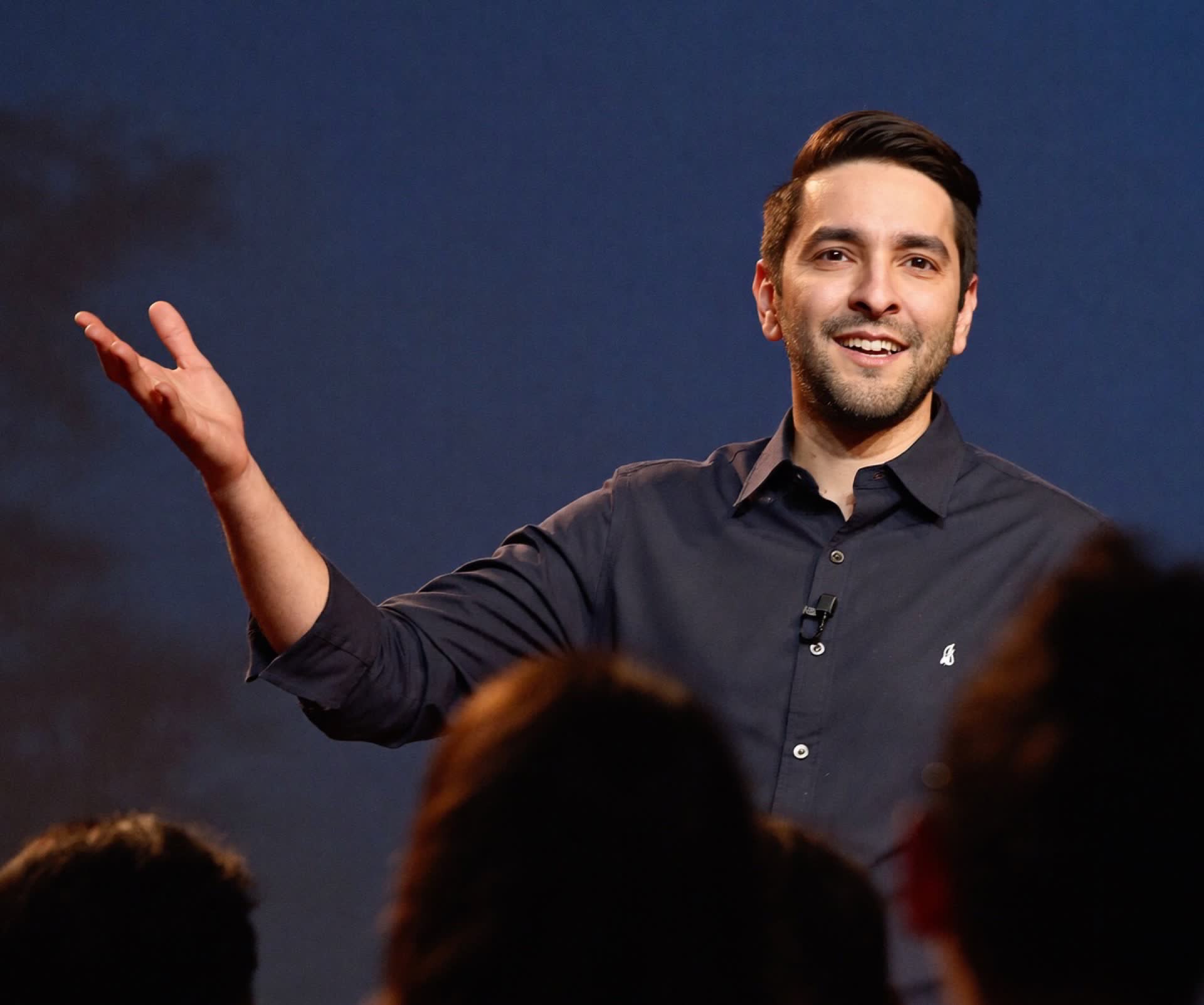
Prof. Dr. Hafiz ur Rehman, president of Al Khidmat Foundation, walks Muzamil through the exact mechanics of moving relief into Gaza while the border stays shut — and the slower, harder work of rehabilitating the 33 million Pakistanis the 2022 floods left behind.
with Hafiz ur Rehman
10 min read
A paralysed teenager and the nurse who decided his career
The conversation opens far from any war zone. Muzamil asks Hafiz ur Rehman where he grew up, and the answer is a village near Talagang, a school teacher’s home, an early move to Wah Cantt. Ordinary, humble. Then, in his metric year, a viral infection that he would only diagnose decades later — as a doctor, looking back — as Guillain-Barré syndrome. It moved from his chest to his limbs. Both legs paralysed. A month in POF Hospital. The expectation, plainly stated to a teenager, that he would spend the rest of his life in a wheelchair.
Two people in that hospital set the course of everything that followed. One was a male nurse named Adalat, who carried him to the washroom, washed his hands and feet, did the work that sat far outside any job description. The other was Dr. Mohammad Kamal, the physician who had referred him, who finished his clinic at four and came back daily to check on a patient he was not related to and owed nothing. In the next room, a rabies patient was dying; Hafiz ur Rehman remembers the animal sounds the disease forces out of a body at the end, and he remembers a doctor downstairs refusing to come up — “let him die, call me when he’s gone and I’ll write the certificate.”
He lay there and made a decision. He would enter the field of health. If he could become a doctor, he would; if not, he would become a nurse like Adalat. He recovered, slower than most, a year lost to weakness. He is still standing on those legs fifty years later. He became a doctor, a specialist, a professor, a principal, and now dean of three colleges. The origin story matters because it explains the register he speaks in for the rest of the episode — service as something owed, not chosen.
Why relief is an obligation, not volunteerism
Before the logistics, Hafiz ur Rehman wants the frame right. Muzamil raises a familiar worry: that Pakistan’s social fabric has frayed, that the talk of ethics and morality he heard as a child in the nineties has thinned out, that religion has been pushed into a corner. The doctor agrees, but locates the cause precisely. Over the last five hundred years, he argues, the strings connecting faith to conduct were cut — a process he traces through a slogan he says emerged in the West, “medicine is medicine, nothing to do with religion.” Sever that string and morality is left to be defined by individual reasoning and consensus, both of which bend. “Human reasoning — how strong can it be?” he asks. “Today some reasons, tomorrow others.” Add pressure groups, he and Muzamil agree, and definitions get pulled left and right toward whoever’s interest is loudest.
His own tradition, he insists, does not push religion into the mosque and the madrassa and a maulvi’s hands. It starts somewhere else entirely: with the idea that all of creation is ayal-ullah, God’s family — Muslim, Christian, anyone. “Your duty is to look after them. That’s where it begins.” So the relief work that the rest of the episode describes is not, in his telling, charity at all. “It’s an obligation.” If your neighbour’s house is on fire and you can bear it, he says, your understanding of religion is broken. That is the lens he then applies to Gaza and to the floods.
How aid actually moves into a sealed Gaza
Muzamil presses on the thing that confused him in the foundation’s marketing: how can relief reach Gaza at all when the border is shut, no money flows in, and aid trucks sit stalled at the Rafah crossing? Hafiz ur Rehman starts by making the listener sit inside the scale. A strip 41 kilometres long, seven to eleven wide. 2.2 million people, more than half of them children — a growing population, not a greying one. By the thirtieth day of the war, 1.5 million of those 2.2 million were homeless, because more than 200,000 buildings had been levelled. Of 35 hospitals, 16 had closed; of 72 medical centres, around 70% had shut, much of it for lack of fuel. Roughly 10,000 killed, around 4,000 of them children, with 25,000 injured.
His answer to “how” is that you do not start when the war starts. Al Khidmat had been working in Gaza since 2019 — roughly PKR 18.5 crore over three years — so its jackets, offices, and partner NGOs were already inside. On day one of the war the foundation committed PKR 10 crore and contacted five organisations it already worked with, chief among them Turkey’s IHH. The mechanism is layered. Partners who already store consumables and food inside Gaza — people who, in his phrase, “have learned how to stay alive” — buy locally and distribute. A second route runs material from Nur Khan airbase toward Al Arish, the airport near Rafah, where Egypt’s Red Crescent receives it, hands it to the Israeli side for inspection at the Gaza boundary, then reloads and sends it back through Rafah to Palestinian hands. A third buys directly in Cairo through the Red Crescent and an Egyptian food body. And behind all of it sits an alternate legal route: Al Khidmat is registered in six other countries, so fundraising in the US and UK can move money where Pakistani dollars cannot.
The human-resource side is its own story. The foundation launched a portal for doctors and paramedics willing to deploy to a field hospital it hopes to build near Gaza, in coordination with Turkey for equipment and the WHO for facilitation. 2,245 people filled it out with full passport data — and 45% of them were women, a figure Hafiz ur Rehman offers as a quiet correction to anyone who assumes Pakistani women won’t go. He notes the experience behind the offer: when the Turkey earthquake hit, the foundation put 47 trained search-and-rescue workers on the ground within hours. In Gaza, 1,200 children are believed buried under rubble with no one to dig them out. By the recording date of 5 November, around PKR 1.5 billion — roughly five to six million dollars — had come in, raised, he admits, without the aggressive campaigning the foundation is capable of.
The flood that displaced an eighth of a nation
The pivot to the 2022 floods is, in a sense, the harder half of the episode, because the cameras have moved on. Hafiz ur Rehman describes driving from Sukkur through Jaffarabad to Sibi with water standing on both sides of the road like a sea — the only way to cross the country north to south was a single ribbon of road, everything to the left and right submerged. Thirty-three million displaced, which both men keep returning to: close to an eighth of the population, out of their homes, on the road.
What the foundation did first was rescue. Volunteers tied charpais together as makeshift rafts and pulled people out of water that was visibly raging beneath them. Then relief: cooked food twice a day, around 60 tent villages, thousands of tents, mobile filtration plants for clean water, and twelve air-conditioned mobile health units kitted with a clinic, ultrasound, and laboratory. Roughly PKR 10 arab went into that rescue-and-relief phase. Muzamil makes the point that an infrastructure crisis at this volume is always a health crisis underneath — standing water breeds dengue and cholera, hygiene collapses, sanitary supplies vanish — and the doctor confirms it was exactly that.
The organisational edge he keeps coming back to is people. Al Khidmat runs on a volunteer leadership layer over a salaried managerial core; in a disaster, 60,000 registered volunteers mobilise, with countless more unregistered. Those volunteers are not only hands. They are the data-collection apparatus — identifying who needs what, where, so the next phase isn’t guesswork.
Rehabilitation that’s targeted instead of charitable
The most useful stretch of the conversation is about what comes after the tents. Hafiz ur Rehman is sharp about the failure mode: Pakistani charity tends to be untargeted and proximate, reaching whoever is nearby and already at “a certain level of survival,” while the genuinely destitute — the out-of-school children, the families in interior Sindh and Balochistan whose hunger has affected their bodies, their minds, and their future productivity — go unreached.
His counter-examples are deliberately small and concrete. One project registered 8,000 smallholder farmers, each with five acres or less, gave them orientation, and sowed wheat across 40,000 acres for PKR 60 crore — putting roughly 80,000 people back on their feet through one harvest rather than one meal. Then a figure surfaced from UNICEF and WHO that reframed the emergency: 650,000 women in flood-affected areas were pregnant and due to deliver within four months, most of them with no home and no hospital. The foundation built a programme it called “safe mother, safe family,” with a target of 50,000 safe deliveries — training lady health workers, running antenatal screening through the mobile units, distributing nutrition and hygiene kits, and introducing safe-birthing kits for women who couldn’t reach a facility. For housing, he is honest about the limits: not big houses, but one room plus a toilet, matched to need rather than idealism.
Looking forward, the foundation has selected 15 union councils — ten in upper Sindh, five in Balochistan — to focus on health and education, echoing the line he attributes to Mahathir: govern by giving the people health and education and let them do the rest. The aim is schools, skills centres, and a shift in conduct visible enough that, as he puts it, you’d actually see Islam in how a place treats its surroundings — not just hear the call to prayer while cans get thrown from a moving car on the motorway.
Trust the youth, and don’t surrender hope
The episode closes on the generational question, and the two of them trade an unusually candid exchange. Muzamil notes that the Pakistan he inherited was built by his elders, so “somewhere, in your time, something went wrong” — and Hafiz ur Rehman accepts the charge without defensiveness. His generation made mistakes and bears responsibility. But two-thirds of the country is now young, a growing nation rather than a greying one, and that population is the variable that decides everything.
His evidence is small and earned. A clean-and-green push in Lahore had university students plant 250,000 saplings in three months, at their own expense — they paid, they came, they planted. A student-organised camp ended with one young organiser standing up and saying only: “Trust your youth, they will amaze you.” The lesson he draws is that the appetite and the talent are already there; what’s missing is direction, and direction is the debt his generation still owes.
The one thing he treats as non-negotiable is hope. Muzamil names the real enemy as despondency — a hopelessness that kills the very capacity to climb out, that has young people asking what the point of twelve hours of effort is and settling for four, dragging their own productivity down into a cycle they can’t escape. Go abroad for growth and exposure, he says, but never because you’re fleeing a country you’ve written off. Hafiz ur Rehman answers in his own register: hope first, then trust — not just in yourself but in the God who made you — and then dreams. You have to lay the foundation of a new dawn by first daring to see it. Asked how he reads Pakistan in 2050, he doesn’t hedge with conditions about government or reform. Decay runs to a point and then reverses. With sixteen, seventeen crore young people, if the right voices reach them, the country becomes a strong nation. Maybe not in his lifetime, he allows — but it gets there.
Full transcript
Welcome back to the three hundred eighty first episode of Thought Behind Things. Today is the 11/10/2023 and आज की बहुत ही important conversation है और खासकर जो global events हैं उसको मदेनज़र रखते हुए आज हमारे साथ मौजूद हैं professor doctor हफ़ीज़ुर रहमान साहब who is the president of अलखिद्मत foundation. अलखिद्मत foundation को इस वक़्त बुलाने का मकसद यह था. आपको पता है कि जो इस वक़्त ग़ज़ा में जंग चल रही है उसकी वजह से बहुत सारे पाकिस्तानी परेशान हैं और बहुत सारे पाकिस्तानी यह सोच रहे हैं कि हम इस वक़्त उनको कैसे help और support कर सकते हैं. I saw कि अलक़िद्मत is the only organization जो कि इस वक़्त directly connected है you know with aid on the ground and in that region and so जब initially इनकी marketing collateral आया था तो मैंने सोचा कि यार वहां पर तो सब कुछ बंद है ऐसा कैसे हो सकता है कि वहां पर इस वक़्त relief work हो रहा हो. The human calamity, the infrastructure calamity but more importantly वहां पर जो structure है जिसके तहत eventually aid पहुंचेगी, क्या क्या चीज़ों की requirement है, क्या क्या steps हैं उस तक पहुंचने के लिए वो सारी चीज़ों में बहुत detail में यहां पर बयान की. इसी के साथ एक और बहुत important area Pakistan में जिसको हमने largely miss किया हुआ है वो last year के flood से जिसमें 33,000,000 पाकिस्तानी that's almost 15% of your population जो है वो affect हुई थी बेगर हुई थी you know displace हुई थी और उसमें भी सबसे बड़ा role जो था वह अलखिद्मत foundation का था and they're still on ground, they have the data and they're on ground, you know, working to rehabilitate that population which incidentally is also one of the poorest in Pakistan. Super insightful. Lots of, you know, interesting understandings of not just development sector or these two areas, you know ग़ज़ा and and and the flood affected Pakistan but we also dive deep into generally the the social fabric of Pakistan, how to rebuild Pakistan in a way that is more sustainable, that is more long term. You know, one of those few episodes जिसमें मुझे personally ना सिर्फ़ सीखने को बहुत कुछ मिला, but I've come out of it a lot more inspired. I hope this does the same for you as well. But anyways, अगर आप channel पर नए हैं तो हमें subscribe करना मत भूलिएगा. अगर channel पर पुराने हैं तो like करना मत भूलिएगा. अगर आपके कोई comments हैं तो नीचे comment section में मुझे आ के बताया है. Listen to all of the comments. It really helps me increase the quality of the conversation. अगर आप overseas पाकिस्तानी हैं and if you'd like to help us remain independent for as long as possible, you can check out the Stripe link below and support the channel. We accept anything that you guys send our way and are gracious for it. Anyways, here is professor doctor Hafizor Rayman on TBT. Aslahabad studio. Doctor याफ़ीज़ कैसे हैं आप? अलकान सुनील. Thank you so much. क्या आप show पर आए? My pleasure. मैं थोड़ा सा conversation start करूंगा trying to understand कि आपने early life कहां पर गुज़ारी और education के बारे में थोड़ा सा बताइएगा.
ज़रूर. मैं तो एक ordinary छोटी सी family school teacher के घर में पैदा हुआ था. एक गांव है तलागंग के पास वहां पर. लेकिन हम जल्दी shift हो गए वाले साहब यहां vacant में आप नाम सुनाओगा. तो मेरा सारा बचपन vacant में गुज़रा है. वहीं पर CM boys high school में मैं पढ़ता रहा हूं metric वहीं से किया और metric में ही actually एक ऐसा incident हुआ जिसकी वजह से UKA के मेरी जो field है वह मुतायन हुई. मुझे viral infection हुआ था और उसके नतीजे में bilateral paralysis दोनों मेरी लातें जो हैं, टांगे जो हैं, वह paralyze हो गई थी और vacant में एक hospital है POF hospital. नाम सुनोगे बड़ा hospital है उसमें मैं दाखिल हुआ था. एक महीना मैं वह admit रहा और बाज़ार यह लगता था कि भाई इसके बाद अब मैं wheel share पर ही होऊंगा, कभी खड़ा नहीं हो सकूंगा. तो यह infection था किस चीज़ का? Viral infection थी, उस वक्त तो diagnose भी नहीं हुआ. Doctor बनने के बाद retrospectively जब मैंने देखा तो यह ज्ञानबारे syndrome एक खास मशहूर तो मैंने खुद diagnose किया कि हां पचास साल पहले मुझे यह हो. और वह किस चीज़ में मतलब effect किस चीज़ को करता है? Cricketer it's very curious कि viral से आप यह टांगें. जी जी. Basically उससे यह सीने के अंदर infection होती है, खांसी और सारी चीज़ें और फिर वो muscles को involve करता है, सीने के muscles को involve करें तो वो बिल्कुल death भी हो सकती है और अगर limbs के muscles को involve करें तो वो foliage हो सकता है उनका. Right. तो तीन चार हफ्ते तो यह खांसी वांसी चलती रही. फिर दोनों limbs involve होगी. मेरी टांगें involve होगी और बिलाखित बिल्कुल paralyze होगी और मैं hospital में admit हो गया. तो बताने का मकसद यह है कि वहां पर एक ऐसी चीज़ देखने में मिली कि मैं दो beds वाले कमरे में दाखिल था और एक male nurse था, अदालत नाम था उसका map भी याद है मुझे. वो मेरी बड़ी care करता था. जो routine की care होनी चाहिए वो भी करता था लेकिन जो उससे हटकर यानी मुझे उठा के washroom लेके जाना, फिर वहाँ से लेकर आना और हत्ता के मेरे पाँव, हाथ धोना, साफ करना, extraordinary तो बड़ा मेरे ज़ेन पे उसका impact था, लेकिन साथ ही एक और event हुआ जिस कमरे में मैं था उसके साथ वाले कमरे में एक rabbit जो rabies का patient था वो था, वो single था वो और उसी वक्त मैंने वो आवाज़ें सुनी कुत्ते बिल्ली की आवाज़ें जो कि मशहूर हैं कि जब वो मरीज़ आखिरी stage पे पहुंचता है तो उसके अंदर से वो आवाज़ें निकलती हैं. Paralysis होता है basically यहाँ का vocal cords वगैरह का वहां से ऐसी आवाज़े निकलती हैं जैसे कि कोई कुत्ता बोल रहा है या बिल्ली बोल रही है, तो वो हम सुनते थे, वो बेचारा terminal उसपे था और एक वक़्त ऐसा आया कि भई लगा कि शायद आज उसकी death हो जाएगी. तो यही जो मेरा stroke था अदालत, इसने मुझे कहा कि मैंने अभी doctor शाह को phone किया है. उनका मैं नाम नहीं लूंगा. उनको phone किया कि भई यह ऊपर patient इस वक्त बहुत serious है, आप आ जाइए. तो उन्होंने कहा मैं नीचे बैठा हूँ let him die. जब fourth हो जाए तो मुझे बताना मैं certificate बना दूंगा. तो वो बेचारा रोता हुआ मेरे पास आया कि doctor साहब मुझे ये कह रहे हैं. आए तो सही उसने तो मरना है कोई बात नहीं. तो हम दोनों थोड़ा सा role ही है, लेकिन मेरे सामने एक दूसरी picture आ गई, एक तरफ अदालत है और एक चीज़. इसके साथ ही जिस doctor ने मुझे refer किया था इस अस्पताल में, doctor मोहम्मद कमाल थे. मशहूर physician थे वहाँ के, उनको देखें कि सिर्फ refer नहीं किया. वहाँ के doctor से बताया कि जी कौन है मेरा, हालांकि मेरा कोई रिश्तेदारी नहीं थी उनके साथ. और उसके बाद अपना clinic खत्म करके चार बजे फिर आते थे मुझे देखने के लिए. यानी और वहाँ मैंने इरादा किया एक और अल्लाह से दुआ मांगी कि मैंने इस field में जाना है health के, doctor बनने की कोशिश करूंगा लेकिन लाज़िम नहीं है ना वन सका कोई बात नहीं. इस तरह अदालत की तरह मैं male nurse वन जाऊंगा. तो एक picture उस छोटे से ज़ेन में बना ली. आप यकीन जानिए कि थोड़ा सा delay तो आया हुआ एक साल मेरा जाया हुआ चूंकि मैं बहुत ज़्यादा weak था और खड़ा होने मुश्किल था लेकिन अल्लाह ताला ने मुझे खड़ा किया. वही टांगे हैं उनसे अब तक उसके साथ पचास साल बाद भी चल रहा हूँ. Doctor भी बना, specialist भी बना और medical field की हर हर चीज़ अल्लाह तालाह ने मुझे दी. मैं teaching hospitals में, teaching college में गया. वहाँ professor बना, principal बना, अब तीन colleges का, dean हूँ. जो highest किसी जगह किसी को मिल सकता है वो मुझे अल्लाह ने दिया. मैं समझता हूँ मेरी वो नियत थी
economy एक ऐसी जगह पर पहुंची हुई है कि बड़े आजकल बुरे हालात हैं, inflation बहुत ज़्यादा बढ़ रही है, savings हमारी deplete हो रही हैं. ज़्यादातर लोग investments करते ही नहीं हैं और जो करते भी हैं वह 90% losses unfortunately बनाते हैं. इसी problem को solve कर रहा है sharmaya.p k जो कि अपने financial trading platforms पर trainings भी offer करता है और data भी offer करता है जिससे आप पूरी दुनिया की markets ख़ासकर पाक्षतानी markets को बात आसानी देख सकते हैं. अगर आप लोग अपनी investments और trading में struggle कर रहे हैं तो I would definitely urge you to check out Sharmaya Financials platform. It's a remarkable place जहां पर आपको बहुत interesting you know reports के through data भी मिलता है, investment की advice भी मिलती है और ख़ासकर उनकी trainings जहां पर उनके experts जो हैं वह आपको crypto और stock market और commodities और assets के अंदर trade करके पैसे कमाना सिखाते हैं. So check out the platform and check out their trainings. Now back to the podcast. आपको यह लगता है कि यह आपने बड़ी interesting बात की towards the end और यह मैं बहुत ज़्यादा जो जो leaders जिनसे मैं बात करता हूं मुझे continuously एक theme मिलती है कि society के अंदर everybody आजकल हर कोई जो है वह पैसे के पीछे भागता है. किसी तरह पैसा कमाने कोशिश करते उसको sense नहीं होती कि पैसा किस तरह कमा सकता हूं किस तरह नहीं कमा सकता है. उसने बस पैसा कमाना होता है. But जो truly लोग successful मेरे सामने आए हैं वह more often than not पैसे के बारे में नहीं सोच रहे थे वह purpose के बारे में सोच रहे होते हैं. Exactly. और जब वह purpose को fully commit करते हैं और उसके अंदर excel करते हैं तो more often than not जितना उन्होंने अपनी life में ख़ाब भी सोचा होता ना कि मैं अगर अच्छा कर लूंगा तो यह मेरी औकात है यह मैं कर लूंगा. उससे many folds ज़्यादा मिलते हैं. आपके लिए भी would you say कि it's similar कि अगर आज आप you were to look back या let's say at 24 year old or 20 year old you would know what you've achieved now तो वह शायद surprised होता कि यार इतना माशाला कर लिया है. मुज़ामाल देखें आपके असल चीज़ आपको क्या है satisfaction इस दुनिया के त्वार से. अगली दुनिया के त्वार से तो आप एक aim करते हैं कि alarm से राजी हो जाए कि वह राजी है तो फिर सब कुछ है. अगर इस दुनिया में अगर कोई चीज़ आपको सबसे बड़ी मिल सकती है कि आप एक contented
और बिल्कुल जिसे कहते हैं ना मुतमीन ज़िंदगी गुज़ार, तो वह हमें मिली है. इस सोच की वजह से मिली है कि risk तो मुताइयां है. उसने आना है. मुझे risk के पीछे नहीं जाना. मुझे बड़े objectives के पीछे जाना है. जो मकसद ए हज़ात है मेरा जिस slee मैं बनाया गया हूं, मेरे रब्ने बनाया है मेरे पास गाड़ियां भी हैं, driver भी हैं और मेरे सारे काम भी चल रहे हैं. लेकिन सब कुछ उस वजह से हुआ कि आपका objective जो है उस पर निगा रखी तो बकी अल्लाह तलाह सब कुछ करता है. Interesting. Do you think कि
growing up मैं जब Pakistan को देखता हूं, मैं 1990 में पैदा हुआ था. I think that's also around the same year जब अलकिद बग भी start हुआ. Exactly. वह third three है. Nineties का Pakistan जो मुझे याद है ना when I was younger तो मुझे बहुत different आवाज़ें आती थी. आप बड़े हो रहे होते हो, आपको मोहश्य से आवाज़ आती है, आपको अपने बड़ों से आवाज़ आती है. हमें बहुत मुख्तलिफ आवाज़ आ रही थी. हम एखिलाक की बात करते थे, हम तमीज़ की बात करते थे, सुनते थे. Morality, ethics यह सुबह शाम यह repeat किया जाता था हमारा युद्गित. आज मैं देखता हूँ तो society has digressed in a way कि flash बहुत ज़्यादा आ गया उस time पर शायद flash इतना नहीं था शायद गाड़ियां इतनी अच्छी नहीं थी cell phones तो थे ही कोई नहीं Simple लोग थे, अच्छे इलाक़े में भी रहेंगे, बड़े घर भी होंगे, अंदर से वही simple चिपके फर्श बड़ा छोटा हर घर में ही होता है. लेकिन इंसानियत का एक element था जो कि हमारी अगर मैं socially बोलूं तो वह language में regurgitate होता था. अगर मैं religiously बोलूं तो religion की conversation largely focus होती थी on humanity, on इखलाक़, on doing good, being good. I feel like कि वह largely अब ग़ायब होना शुरू हो गई है from society. पहला तो मुझे यह बताएं कि do you think is your assessment something similar? Obviously आप different age पे देख रहे थे evolution eighties, nineties and so what's your thought on that is and secondly why do you think की ऐसा हुआ है? इसमें
अगर मुतोरे doctor में बात करूं चूंकि मैं ज़्यादा उस field में रहता हूँ तो मैं history को देखता हूं तो तकरीबन पांच सौ साल पहले एक नारा आया कि medicine is medicine, nothing to do with the relation. Doctor is a doctor, nothing to do with the relation. बड़ा खूबसूरत नारा, अच्छा लगता है हर एक को. लेकिन हुआ क्या? कि वो strings जो कि faith के थे आपके conscious के साथ जो morality को control करते थे वो आपने काट दिया. अब वो नहीं है. अब आप अपनी definitions करते है morality की vest करते है और कहता जी european renaissance जो है सारा उसके अंदर उन्होंने सारी morality की अपनी definitions दी. बड़ी अच्छी चीज़ें है वो लेकिन who will control that? Consensus और आपकी अपनी reasoning. इंसान की reasoning कितनी मज़बूत हो सकती है, आप खुद समझ सकते हैं. कितने घुस के reasons आज कुछ हैं, कल कुछ होंगे. और फिर consensus कि भई चार लोग हमने मिलकर फ़ैसला कर लिए, इसकी भी उनात पर बनते और यह भी आपने idealism की बात की है to be very honest क्योंकि इसमें एक तीसरी चीज़ होती है pressure groups, right? जो कि हमेशा आते और वह आकर
कहीं ना कहीं चीज़ों को left right करते हैं for their own interests तो हमें पता है कि इंसान corruptible being है. जी जी. तो वह corruption somewhere आती ही आती है जब आप
उस उस पर लेकर आते हैं. देखिए बुनियाद अगर यह है कि मैंने अपनी सोच, अपनी reasons और consensus की बुनियाद पर last define करने हैं, morality define करनी है. तो फिर कैसी morality बनती है कि आप bygamy को तो हराम कहते हैं और आप friends सारे और family में और सारी चीज़ें वह मैं उस पर नहीं जाता. उस सब को हालाल कर देते हैं. Right. इसलिए कि आपकी आपने consensus से तय कर ली, parliament भी तय कर देती है. Right. Point. यह TBT, TGPT और सारी चीज़ें ठीक हैं इसलिए क्या आपने consensus से किए? Right. असल वजह क्या हुई कि वह strings जो थे faith के, देखिए मैं इस मुसलमान की नहीं बात कर रहा. Right. खुदा तो christians का भी वही है, योहुद्दियों का भी वही है. अगर वह उनके साथ connected जो हमारी health है ना, जो medicine है, जिस वक्त Jews थे उस वक्त भी उन्होंने connected रखा था. Christian से मैं connected रखा. लेकिन unfortunately पिछले पांच सौ सालों में हमने modernism में आकर हम सबको काट दिया और उसकी बुनियाद पर अब हम बिल्कुल ऐसे ही कटिपतंग की तरह फिरते हैं. तो मैं यह समझता हूं कि यह
religious thought, in religious tradition? क्योंकि religion went through particularly in Pakistan the religious thought actually. Religion तो evolve नहीं करता उस तरीके से but religious thought in Pakistan जो दरमियान में तीस चालीस साल of turbulence आए हैं, globally आए हैं जिसमें religion के साथ एक certain politics attach हो गई और एक east versus west का clash आया जिसकी वजह से एक बड़ी violent image आम आदमी के सामने गई जिसकी वजह से उसने reject करना शुरू कर दिया. Do you think कि हमें within our societies more academic form of religion को वापस उठाना होगा, उसकी discussion start करनी होगी, हमें integrate करने होंगे religion के pillars like I said कि वह religion के pillars humanity वाले, peace वाले, जो support structure वाले pillars हैं वह गायब हैं discourse से largely और वह relegate हो गए हैं to और वह अच्छा इस वजह से लगा because COVID के time पर ना guilt free जब मैं घर पर बैठा हुआ था तो मैंने कोई नई कपड़े नहीं खरीदे. मुझे कहीं randomly travel करने की कोई requirement नहीं थी. मुझे कुछ नया ख़रीदारी करने की ज़रूरत नहीं थी. मैं you know spirituality में वापस जा रहा था. मैं अपने आंख से connect कर रहा था. मैं पौधे उगा रहा था. मैं और मैंने सादगी में मज़ा ढूंढा और जो सही मानों में मज़ा है ना वह सादगी में ही है लेकिन वह आप फिर हमने कहा नहीं यह तो ऐसे ही है फिर हमने उसमें participate किया बड़े हुए तो समझ आती है कि सही खुशी सादगी में थी. वह part of religion मुझे लगता है वह somewhere जो जो religion mixed with culture था जो कि somewhere lost होना शुरू हो गया है. Do you think that's?
यह तो इतना शानदार सवाल किया है इस पर तो बड़ी बात हो सकती है. देखिए मैं तो west की बात की ना वह तो दूसरों के किस्से हैं. Right. खुद हमने क्या किया? हमने अपने मुल्क में religion को मस्जिद के अंदर, मद्रसे के अंदर धकेल दिया. एक मोली साहब के हाथों में दे दिया कि बस यह इनका काम है religion. Religion तो ऐसा नहीं है. Religion तो बड़ी holistic approach है उसकी. Religion तो start यहां से होता है मुज़मिल साहब कि जहां पर अल्लाह कहते हैं कि अल्खल को एयाल उल्लाह कि तमाम की तमाम मखलुक जो है वह अल्लाह का कुंबा है. उसमें मुसलमान भी नहीं, christian भी कुछ भी नहीं. सबके सब मेरे पैदा किए हुए लोग हैं, मेरे कुंबा हैं. आपका फर्ज बनता है कि इनके इनका ख्याल रखें, इनका ध्यान रखें. यहां से शुरू होता है. अब यह जो खासवर भी जिस relief की भी हम बात करते हैं और आगे मज़ीद भी करेंगे, वहां पर भी concept जो मैं चाहता हूं कि लोगों तक पहुंचे, कि यह relief भी हमारी कोई volunteerism नहीं है यह. It's an obligation. चूंकि अल्लाह कह रहा है कि तुमने मेरे मख़लूब का ध्यान रखना और मख़लूब का ध्यान के बारे में भी clarity है उनको कुछ छोटा सा भी उनके ऊपर आग लग रही है और जब कुछ हो रहा हो तो मैं बर्दाश्त करूं उसको, मैं आगे बढ़कर, लेकिन मैं देख रहा हूं कि वह जन्म की तरफ जा रहे हों, लेकिन मुझे परवाह ना हो इसका मतलब मेरा दीन का concept ठीक नहीं है तो खराबियां तो वहां से आती हम बेशमार खुदा वन जाते हैं, बेशमार फिर उन वन जाते हैं. लेकिन अगर सब हम अल्लाह को मांगने वाले हों तो फिर वो खराबियां नहीं होती. तो ये दीन की जो असलफहम है वो बहुत ऊंची है. हमने उसको बहुत मेदूद कर दिया है, चंद ए बादात तक मकसूस कर दिया है. हालांकि सबसे बड़ी यह बादत तो अल्लाह की मकड़ों की खित्मत है और उसके बाद जो सारे norms है हमारे जो अल्लाह उन्हें दिए हमें सिखाए प्यारे नबी ने सिखाए वहीं दिन सच बोलना है, अहमानत, अहमानतदार होना है, किसी खाकर नहीं लेना. पड़ोसी, चालीस पड़ोसी, पड़ोस तक आपने ध्यान करना है कोई भूखा ना सो रहा हो. और फिर लोगों ने देखा कि अनसार ने अपनी आदि आदि जैदादें उनको दे दी, उनको खड़ा किया. तो ये दिन तो यहाँ से शुरू होता है कि भाई मेरा भाई जो है जो मेरे कुंभे का हिस्सा है वो रह कैसे रहे? खा रहा खाना कैसे खा रहा है? उसकी गुज़र औकात कैसे हो रही है? हम बिल्कुल सब कुछ छोड़ के हमें पता ही नहीं होता कि किसी घर में शाम को खाना पका भी नहीं है, पका है कि नहीं पका? और हम बस focus कर रहे हो सिर्फ
कहीं इनको alcohol नज़र आ गई है, कहीं drugs नज़र आ गई है. हमारे लिए हम religion को बस इन major preferies में relegate करते हैं. मैंने कहा, why do you say eso? मैंने कहा, जी मैं travel करके आ रहा हूं. आ रहा हूं, आ रही हूं. दोनों couple था basically. मैंने कहा, multiple times हम washrooms में रुके हैं. आप वहां पर जाएं, आपको सफाई हर बंदा चाहे government fine लगाए या ना लगाए वह इंसान खुद करता कि उनका अल्लाह देख रहा है उसको. बस. और उसने कहा कि यहां पर तो you call yourself a मुस्लिम but you don't even follow this core fundamental and that's true, you will be in northern area, Pakistan के बात सुमार के जो हाल है Pakistan में जो कूड़ा, cricket जितना बड़ा हुआ है तो it's fascinating how we're just so disconnected. Nonetheless, मैं conversation में थोड़ा सा आगे देख जाता हूँ. देखिये आपको बुलाने का मकसद खास जो इस moment में वो ये था. I wanna understand अल्खिद्मत as well. You are probably at this point in time, if not the largest, one of the largest relief organizations in Pakistan. It's not me to say like this. So we are a humble organization. If the people say we are largest, okay, we can accept it. Yes, my my understanding is कि you are one of the largest or the largest and जो जब दो major areas जहां पर हम as a as a society हम देख रहे थे कि अच्छा जी किसको trust किया जाए national and international scale पर एक flood relief में और अभी most recently Palestine और जो गाज़ा के ऊपर जंग चल रही है इस वक़्त उस पर तो अलकिबत का नाम undisputedly आया है and I wanted to understand exactly where you are going the in terms of flood relief and try to understand the structure which you to do so so that you invest and जो donate करना चाहते हैं उनको at least clarity हो और वह सकून हो कि उनका पैसा जो है वह relevant और सही जगहों पर जा रहा है. मैं start करूंगा with Palestine. I saw the marketing collateral Instagram इधर उधर काफ़ी जगहों पर आपने post किया हुआ है. मेरी understanding यह है कि Palestine में at this point in time ग़ज़ा में particularly access नहीं है to any form of relief goods. There is no money flowing into that sort of country कह लें उसको, शहर ही कह लें उसको. And even जो relief trucks पूरी दुनिया से जो इस वक़्त Egypt में रफ़ा crossing में खड़े हुए हैं उनको भी जाने नहीं दिया जा रहा. तो थोड़ा सा मुझे बताइएगा what is your plan with the Palestine relief you know campaign
that you guys are doing right now. Thank you. मुज़माल मेरे ख्याल में Palestine relief के लिए बहुत ज़रूरी होगा कि उस इस वक्त जो scenario है उसको हम समझने की कोशिश करें. मैं खुद अपने आप को उस जगह रखता हूँ, सोचता हूँ और मैं भी चाहूंगा कि हमारे viewers हैं सोचें कि एक इकतालीस kilometer की एक ऐसी पट्टी है और सात से ग्यारह kilometer छोड़ी लंबी total. बाइस लाख अफराद वहां पर ज़िंदगी बसर कर रहे हैं. आधे से ज़्यादा उसमें से बच्चे हैं. Growing population है और graying नहीं, growing population है. उसकी condition इस वक्त यह है आज तीसवां दिन है इस जंग का कि वहां पर उस बाइस में से पंद्रह लाख अपने घरों से बेघर हो चुके हैं. इसलिए कि दो लाख से ज़्यादा buildings तबाह हो चुके हैं, ground हो चुकी हैं. अब बाइस में से पंद्रह लाख जो हैं बेगर हैं इसका मतलब है कि सात लाख के करीब अपने घरों में रह रहे हैं. उन सात लाख ने करीबन पांच लाख को accommodate किया अपने घरों में. तो पीछे दस लाख वो बनते हैं जो टेंटों के अंदर हैं, schoolओं में हैं, hospitals में हैं, churches में, मसाजिद में और सड़कों में हैं. इस scenario में कि जबकि दस हज़ार के लगभग शहीद हो चुके हों, चार हज़ार से जाए तो छोटे मासूम बच्चे हैं, ढाई हज़ार से ज़्यादा ख्वातीन हैं, और ये दस हज़ार शौहदा और पच्चीस हज़ार के लगभग लोग ज़ख़्मी हैं और उन ज़ख़्मियों के इलाज की सूरत हाल अब सूरत यहाल ये है कि उनके पैंतीस अस्पतालों में से सोलह बंद हो चुके हैं और उनके बहत्तर जो medical centers थे उसमें 70% इस वक़्त वो बंद हो चुके हैं. Fuel ना होने की वजह से उनके बहुत बड़ा उसमें काम है. इस scenario में और जबकि बाहर से कोई चीज़ ना आ सकती हो और अंदर से कोई बाहर ना जा सकता हो, आप थोड़े दिन पहले तक exactly ये था. वहां पर काम करने के लिए आपको बहुत बड़ी planning की भी ज़रूरत है और बड़ी दूर रस यानी उसको देखना होगा कि कैसे plan किया जाए. जिस दिन ये सात को वाक्या हुआ उसी दिन हमने meeting की और फोरी तौर पर राती को हमने contact किया, हमारे साथ कुछ international NGOs पहले से काम कर रही थी. हम ग़ज़ा में दो हज़ार उन्नीस से काम रहे थे और वहां पर Turkey की सबसे बड़ी NGO हो जाए I H H E हा हा कहते हैं, उसके साथ हम partner हैं. वो यहां पर हमारे हज़ारों बच्चों की फालत करते हैं यतामा की एक जैसियों के नाम से, एक गाज़ी दैस्तक है, एक उन्सर है. ये पांच NGO से पहले दिन ही हमने राप्ता किया और दस करोड़ रुपए हमने उनसे commit किया कि आप काम शुरू कीजिए और चूंकि हमारे काम वहां पहले ही चल रहा था, पिछले तीन सालों में हमने कोई साढ़े अठारह करोड़ का काम किया था वहां पर. तो हमारे jackets भी वहां पर थी, वहां पर वो सारे वो लोग हुई हैं और वो उनकी offices हैं उन, उन NGOs के, गजा के अंदर. गजा शायद ज़ाह रख के उन्होंने सीखा है कैसे ज़िंदा रहना है. तो वो stores भी रखते हैं चीज़ों का, अपने consumables का भी, अपने food का भी. उसको manipulate करते हुए हमने उन NGOs के जरिए वहीं से चीज़ें खरीद जहां से इसको हम भेजेंगे जो नूरखान airbase है, वहां से उसको dispatch करेंगे. और यह रफ़ा जाएगा? यह जाएगा अल अरीश जो कि airport है रफ़ा के करीब. ठीक है. और वहां से फिर आगे mechanism बड़ा लंबा है. Right. यह सारी चीज़ें हमें समझने की ज़रूरत है. हां क्योंकि इसमें तो there is a certain level of geopolitics there as well. It's not as easy as नहीं के वासा भी वह मैं आपको बताता हूं कि हम तो पूरी तरह in है ना इसमें कि Right. यानी है. हो क्या रहा sir? जी जी. यह जब वहां पहुंचेगा तो वह जो red crescents है वहां की Egypt की वह इसको लेगी. ठीक है. वह लेकर उसने cube में रखे हुए हैं पहले. अठारह हज़ार ton जो है उनके पास पहले से मौजूद है चीज़ें. लेकिन ज़रूरत तो कहीं ज़्यादा है ना इसलिए कोई issue नहीं. वहां से वह जब बारी आती है तो वह पंद्रह truck, बीस truck, तीस truck वहां से चलाते हैं और they goes to the Israeli area. वह जो ग़ज़ा की bag पर है. अच्छा. वहां पर वह सारा unload होता है, check होता है, check होने के बाद दोबारा reload होता है. सही है. फिर ruffle border पर आता है. Ruffle border पर फिर entryयां होती है इन truckओं की और फिर जो Palestinian आ गया third year गजा की, वही हम तैयार करके उनको देंगे. तो यह सामान भी हमारा चला जाएगा. यह दूसरा area था. तीसरा यह है कि खुद वहां पर Cairo के अंदर खरीदारी की जाए और Red crescent के जरिए और वहां की एक और global Egypt food body है, मुझे नाम ज़रा भूल रहा है उसका. उनके साथ Monday को हमारी meeting है. हमारे vice president अब्दुश को सब जा चुके हैं वहां पर. Egypt में? जी जी Egypt में. ठीक है. और कल Monday है, कल उनसे meeting है. हम उनसे कहने जा रहे हैं कि तीन चार million dollar की तो हमें इजाज़त दो कि भी हम transfer करें वहां पर. अगर वह हो जाता है it's ok, लेकिन हमारे पास alternate route भी है. Alternate route, legal routes कि हमारे जो अलखिदमत है छह और मुल्कों में भी registered है. वहां पर भी fund raising हो रही है. Right. US में UK में हां देखा है ना वह वाला वहां चला जाए और यहां पर वह. क्योंकि असल तो मसला यहां पर है ना कि foreign कि सारा structure खत्म, doctor खुद मर गए. अभी ने एक field hospital बनाने की बात की है अपने मिसर में गजा के करीब बाहल. सही है. हमने कुमत बाकिस्तान से कहा कि हमें इजाज़त दीजिए हम एक field hospital वहां पर बनाते और मैंने turkey में कह दिया है कि वो देखें वहां से उसके equipment का और सारी चीज़ों का. अगर हमें इजाज़त मिलती है तो turkey से हम वो field hospital की सारी चीज़ें वहां move करेंगे और human resource यहां पर तैयार है. सही. Human resource इस तरह से तैयार है कि हमने तो हमने एक portal बना के launch किया कि जो doctor और paramedic जाना चाहता है वो इसको fill करें सारी.
Passport number, अपना सब. इस वक्त बाइस सौ पैंतालीस लोगों ने वो form fill करें. With all the data? With all the data. Which is with us. और यह volunteer हुआ क्या? Like these people are volunteer volunteer.
अच्छा यह volunteer ऐसे हैं मेरा experience है कि यह लोग ना सिर्फ खुद जाते हैं बल्कि साथ अपने कोशिश करते हैं सामान और कुछ equipment उनकी अपनी field का वो भी पकड़ लेते हैं उठा लेते हैं साथ. अच्छा इसमें से सबसे अहम् बात यह है कि 45% women हैं. आप Pakistan की society को देखें, लोगों को ऐसा लगता है कि शायद women 45% women doctors and paramedics they are willing to go there. अच्छा वहां हम यह बात कर रहे हैं कि भाई हमें field अस्पताल की मिल जाए. Meanwhile यहां पर जो हमारी WHO के chief हैं यहां पर प्लीथा माईपाला उनसे हमारी अच्छी understanding है. अभी recently हमने एक MOU sign की है Pakistan के अंदर काम करने का. तो फ़ौरन मैंने उनसे बात की कि आप हमें facilitate करें और उनका कहना यह है कि हम यहां direct यहां से नहीं कर सकते. वह जो MRO office है Cairo के अंदर वहां पर हमारे links हैं दोस्त हैं. उनसे हमने बात की है कि हमें बस सिर्फ facilitate करें field hospital बनाएं तो हमारे doctors की एक chain चलेगी और ये हम muscle से चला सकते हैं हज़ारों की तदात में लोग हमारे पास हैं. Meanwhile मैंने पहले ज़िक्र नहीं किया कि दस हज़ार शहीद, जब पच्चीस हज़ार ज़ख़्मी लेकिन बाइस सौ under rebel उस मलबे के नीचे. बारह सौ बच्चे मलबे के नीचे. उनका कोई उठाने वाला नहीं है. हमें एक experience है rescue, search and rescue का, शायद आपने सुना हो कि जब Turkey में ज़ज़ला आया तो वहां की जो NDMA के parallel organization है FAD, FAD, उनकी तरफ से यानी बिल्कुल government की तरफ से आया कि आप फूरी तौर पर search and rescue workers पे जीए. तो हमने चंद घंटों के notice पर 47 search and rescue workers भेजे जो तमामतर equipment लेकर गए और अलखंद उल्लाह वहां पर उन्होंने दो हफ्ते काम किया और बहुत marvellous काम किया उन्होंने देखो कि valid है कि नहीं? अपना equipment जो पहले आप लेकर के वह सारा करो, अपनी सारी चीज़ें तैयार रखो. हम बात कर रहे हैं अगर मौका मिला तो हम आपको भी भेजेंगे. अगर किसी तरह हुआ तो इंशालाह वल्लाह मौका मिलता है कि नहीं मिलता. तो यह multiple layers हैं जिसमें हमें काम करना है और जब भी यह ruffle border खुलेगा और थोड़ी excess ज़्यादा होगी फिर rehabilitation का शुरू होगा किसी school में ऐसा डाल देंगे. तो वो सारी चीज़ें सामने रख के हम कमल
planning कर रहे हैं कि पहले stand. तो इस. Makes sense. इस वक़्त आप लोगों का target क्या है? और if I were to ask you as of today, ये record हो रही है on the November 5. I am assuming this will go out on the November 10. तो dates को देख लीजिएगा कि उसके हिसाब से आप लोगों को जो सुनने वाले उनको समझ आ जाए but as of November 5 आप लोगों का जो Palestine Fund खुला है उस पर क्या किस किस्म की activity रही है और potentially कितना मतलब इकट्ठा हो गया है? क्या targets हैं? कोई मुझे numbers बताएं? जी इसमें असल में हमने complain तो की है लेकिन उतनी aggressive
नहीं की जितनी हम capable है कर लेते हैं. तो जो चीज़ उनकी तरफ से आ रही है तो मुज़मल इस्तेमाल डेढ़ रुपए हमारे पास जमा हो चुके हैं. और अगर हम लोगों को बताएं कि हमें यह items चाहिए तो उनकी तो यह पचास ton दालें भी मेरी तरफ से. तो मैं सर पकड़कर बाद. और उन्होंने किया मतलब यह follow through They have हुआ done it. They have done it. Wow. वहीं था इदिलभ के अंदर भी जज़ला और वह बड़ा मसला था. तो वहां पर, वहां पर diuretic center और वहां पर diagnostic center और pediatric ward और यह सारी चीज़ों का estimate हमने बनाया. यह शुकूर्सा भी वहां पर पहुंचे थे. दस करोड़ का था. तो एक family कहती है यह तो बस मैं कर दूंगी ना. लोग करने के लिए तैयार है.
लोग. So अगर मैं dollarised terms में करूं तो roughly 5 to $6,000,000 worth of donations आपकी इकट्ठी हो गई हैं. But obviously considering the scale of the calamity there is a lot requirement for a much much larger. बिल्कुल ऐसे. And I hope obviously the the the good silver lining for me because it has been a troubling time for most पाकिस्तानीs, most Muslims and most I mean not just Muslims, right? People इस बार तो जैसे यह दुनिया है खट्टी हुई भी है ना वह यह humanity का crisis है और वह एक एक एक sinking feeling थी continuously because helplessness थी. बिल्कुल. तो यहां पर कमज़ कम आपकी बात sun कर मुझे थोड़ा सा इस चीज़ का एहसास हो रहा है कि कमज़ कम कोई silver lining है कि इंशालाह यह जल्द मसला ख़त्म हो तो people all over the world are If you this year, people will come in and rebuild. I think that makes a lot of sense and जो मेरी clarity थी वह by and large आपने पूरी गंदी आपने उसका भी जवाब दे दिया कि जो dollar क्योंकि Pakistan को dollar का crisis भी है जिसको भी कितना sort करना है? Infrastructure wise, logistics wise, politics wise, manubas भी कितना करना है वो भी हो गया. I want to talk about for those who don't know you know वैसे generally अलकानबाज is a very famous name and a very trusted name but for those who don't know most recently Pakistan में floods आए थे and that was a huge जो particularly people who are not part of the central like Southern Punjab and Northern Sindh region and बिलुगुस्तान even उन्होंने सोना तो शायद है ही दर उधर but they don't really understand the scale of what has happened in the floods of 2022. आपने एक बहुत अच्छा holistic picture दी हमें ग़ज़ा के बारे में. If you were to give us the same for for what happened during the floods in 2022 in our own backyard, तो what would that look like? Definitely.
लेकिन मुझे एक minute दे दीजिए. मैं थोड़ा सा ग़ज़ा में add कर दूं. जी. कि पिछले हफ्ते मैं उत्तराजाय Malaysia में था. वहां एक हमारी international body है doctors की जिसमें एक लाख दस हज़ार medics हैं और पचास मुल्कों के वह medics हैं. उसकी conference थी पिछले हफ्ते. सही है. और बाइस मुल्कों के लोग उस वक्त physically मौजू थे बाकी online मौजू. वहां पर भी हमने यह सारे links बनाए हैं. हम उसका part है, अलक़िद्मत उसका एक member है. सही है. तो वह भी एक बड़ा root है जो जिसमें उसमें खुद Palestine की IMS भी उसमें member है. वह Palestine Jerusalem से भी. तो वह भी एक है. दूसरा sentiments की जो बात कर रहे हैं sentiments बहुत आगे चला गया है और वह उसमें religions और चीज़ें हट कर रहे अलखम दुलिल्लाह. इससे खैर बरामद होगी. पचास आठ सौ हम वन जाते हैं भाइयों बहन सारे उल्लात. तो रख लिया. Program के beach में एक खाना करेंगे तो उसकी तरफ से मुझे message आया कि दादा यह मैं नहीं चाहता, इस वक्त ना करें. यह वहां पर बच्चे भूखे हैं और भले हम तो खा रहे हैं लेकिन कोई function ना हो. मैंने कहा done बेटा नहीं करेंगे. This is a 12 year old right? 12 year old. तो यह मैं सिर्फ एक मुसाल दे रहा हूं वरना बहुत अभी हम इन्शालाह आगाई भी इसमें बढ़ाने की कोशिश करेंगे और भी होगा. अब आते हैं सलाब की तरफ. Right. सलाब जैसा कि आप जानते हैं कि unprecedented था यह. इतना बड़ा सलाब पहले Pakistan में इस तरह से नहीं आया कि आपकी तैंतीस million की आबादी जो है ना वह घर से बेखर हो जाए. सड़कों पर आ जाए. उन दिनों पर मैं गया वहां से सख्कर से चला और जाफराबाद में सीराबाद तक सारा सड़क travel किए. यह सड़क ज़रूर चाहिए पता नहीं आप उधर गए हैं कि नहीं.
दोनों sideओं पर समुंदर का समाधा. तो आप Pakistan, basically आप north South cross कर सकते हैं. आप सिंह जा सकते हैं एक सड़क से लेकिन left right सारा जो है वह आपका पानी है. जी पानी.
अलखित्मत ने अलहमदुर इलाह. इसका शायद मैंने आपको पहले बताया हो कि इसकी जो volunteers है ना जो बाहर निकल के खुद अपने तौर पर काम करते हैं उनकी बहुत बड़ी तादाद है. सही है. जो part of this organization है. जो part of this organization. सही है. शायद ज़िक्र मैंने किया हो कि इसकी leadership sorry volunteer है. सही है. उसके बाद फिर managerial slot है वह full timers होते हैं. उसके बाद जो volunteers हैं जो निकल के ऐसे disaster में काम करते हैं उनके तादाद साठ हज़ार तो registered हैं. अच्छा. जो unregistered अपने तौर पर आ जाता है वह लैदाबाद है. Right. तो उसमें अलखमदूर अल्लाह पहले rescue का काम किया. सैकड़ों लोगों की जाने बचाई. आपने वह videos भी चलती हुई देखी होंगी कि सौ याद में बाकायदा वह उन्होंने ना मैयत जो चारपाई होती है उसको लेकर बांध के तो सारा rescue किया और मतलब नीचे से ठाठे मारता हुआ. दरिया जा रहे हैं लेकिन वह बंदे उसको कर रहे हैं. वह सारा हुआ, फिर relief का काम हुआ, लोगों को cooked food मिला और tent, tent, साठ के करीब तो tent villages बनाए थे. हालांकि छोटा 60 और हज़ारों की तादाद में tents लगे. उनके अंदर सुबह शाम उनको cooked food दिया जाता रहा, यह सारी चीज़ें तो होती नहीं और यह तकरीबन दस अदब रुपए से यह काम हुआ था जो कि जिसको rescue and relief का कहते हैं और उसमें पानी, पानी नहीं हुआ उनके पास. तो mobile filtration plant हमारे पास थे कुछ और हमने नहीं लिए वो चलाए. फिर mobile health unit चलाए. बारह mobile health unit ऐसे हैं जो के air conditioned health units हैं. उसके अंदर clinic है, उसके अंदर ultrasound है, laboratory है, laboratory भी है यानी toilet भी है ताकि doctor वगैरह आराम से सारी चीज़ें उनकी चलती रहे. तो वह बारह mobile health units भी वहां पर चलाए. यह सारा कुछ तो होता रहा चलता है. अच्छा इस समय, sorry मैं यहां पर आपका को काट रहा हूं.
जब इस किस्म की situation होती है तो लोग ज़ाहिर infrastructure को largely देख रहे होते हैं कि यार घर चला गया, बेघर हो गए. But जब इस volume पर लोग बेघर होते हैं तो जब पानी खड़ा हुआ है Pakistan में dengue के मसाल अलग हैं, cholera का मसला पहनाना शुरू रहता है गंदे पानी पीने की वजह से ये गोक्य खिलाता है, hygiene के मसले आते हैं खावातीन को sanitary pads, so more often than not infrastructure crisis has a foreign health crisis. You check-in with have in terms of health जो initial wave थी of displacement और उसमें आपने लोगों को tenth देख के खाना देना है उसके बाद health and education क्योंकि complete disruption है ना And यह आप कह रहे one tenth of your entire population. One tenth से भी ज़्यादा one eighth of your entire population. Right? That's crazy. तो
क्या थोड़ा सा give me some जैसे किसी feedback से देखिए बहुत rehab जो जो चीज़ें हमें समझ में आती थी ज़्यादा कि हम सही है. तो हमने एक का कोई humble सा एक project करते हैं. सिर्फ उसकी मुसाल आपको देता हूं. हमने आठ हज़ार वो काश्त्कार registered किए जिनकी पांच एकड़ियां उससे कम ज़मीन थी है और उनको आगाई भी देनी है, इनको पूरी orientation भी देनी है. तो उन आठ हज़ार काष्ट्रकारों को हमने चालीस हज़ार एकड़ पर उन पर बुवाई कराई गंदों की और वो आठ हज़ार families ने बाद में बल्कि इसके बाद हम plan कर रहे हैं कि आगे कभी कुछ सोचें लेकिन यह एक ऐसा event था जो बड़ा खूबसूरत वन गया और luck शुक्र है उस पर. हमारे साठ करोड़ रुपए लगे और आठ हज़ार families जो है ना दोबारा से होगी. आठ आठ को ज़रूरत दे दें तकरीबन दस से. तो अस्सी हज़ार अफरात तो होगे. इसी दौरान health का एक बड़ा issue सामने नज़र आया. हम तो वहां पर clinics कर रहे थे, हमारा MCSC भी थे, field hospitals भी थे, doctor volunteer जा रहे हैं, सब कुछ हो रहा था. लेकिन suddenly हमें figures आई इसकी UNICEF की और इसकी WHO की कि इन सारे सलाह वाले इलाकों में साढ़े छह लाख औरते हैं family way पर. आगे उन्होंने चार महीनों में delivery के morale से गुज़रना है. तो हमें समझ में आया कि इसमें से majority तो वह होगी जिनके घर नहीं है. अस्पताल भी नहीं available तो इनका कुछ करना चाहिए. इसमें हमने WHO के साथ भी राप्ता किया, उनसे भी सारी चीज़ें की, एक advisory council बनाई, एक हमारे बड़े senior लोग उनको involve किया, doctor ज़फर मेश जो कि यहां पर पहले health minister भी रहे उनको भी हमने डाला और सबको. तो एक program बनाया कि अगर कुछ औरतों को हम इसमें बचा लें, तो उसको मैंने नाम दिया कि safe mother, safe family. जिस तरह वहां पर आपने खाद दी तो एक family बच गई. Right. तो यहां यह हमारा target बना कि हम कम से कम कोई 50,000 को तो करें ना. उसके लिए हमने पूरा infrastructure जो है हमारे आठ MCSC, field अस्पताल और बारह mobile health units. इनमें हमने lady health workers को बाकयदा trend किया वहां पर उनकी workshops की और पूरा एक mechanism बनाया अब वो mobile units जाते थे, identify करते थे, उनकी antenatal शुरू करते थे, उनके सारे test करते थे, homeoglobin और बकी सारी. जो उनको supplement चाहिए होते थे nutrition के वो उनको देते थे, उनको hygiene kit देते थे, nutritional kits देते थे और delivery के वक़्त safe birthing kits हमने मुतार्फ कराएं कि अगर कोई स्थाल नहीं जा सकते तो घर के अंदर जगह ऐसी जो बेचारे बिल्कुल जिनका 100% खत्म हो गया, वह कुछ नहीं है उनके पास. हमें जो हमारे workers हैं ना volunteers, वह खाली मदद करने के अलावा यह जो data collection में हमें फ़ायदा देते हैं वह रे रहे होते हैं वहां से.
Infrastructure, particularly housing, जाहिर एक तो ये ज़्यादातर जो लोग थे वो कच्चे मकानात में रह रहे थे, वो कच्चे मकानात largely destroy भी हो गए हुए हैं और this moment, when mobilisation and public sentiment is generally a good opportunity to create something more sustainable for these communities. Have you gotten into that? I know for a fact I saw Hadi Kaqiani a organisation they are working in बलूचिस्तान. They made some very good houses there. In Pakistan, Pakistan has award winning houses which been sustainable material. But it is a very primitive one. They be to use more sustainable and efficient housing for these communities and again the saddest part was that this was some of the most poorest
population of the Right?
यहां पर stunted growth के historically बहुत ज़्यादा मसले रहे हैं, malnutrition के बहुत ज़्यादा मसले रहे हैं. तो it's not like कि they were living in very luxurious environments पहले भी. तो उसका मुझे थोड़ा सा बताएं कि largely क्या have they been left on their own? Not just from अलख़िद मत but generally. देखिए यह last year की बात थी अब तो Pakistan मुझे आगे जा चुका है और मैं सोचता हूं कि यार साढ़े तीन करोड़ लोग जिनके साथ यह हुआ है उनके साथ उनके लिए यह it's a make or break right? उनके लिए उनकी ज़िंदगी का सबसे ज़्यादा बड़ा traumatic incident यही है जिसको as a nation I feel like we haven't taken as seriously as maybe जब हमारा earthquake हुआ था तो अगले दस साल हमने सोचा उसके बारे में but maybe floods weren't as big of a deal
तो वो एक छोटे से ताद्तर पे, एक कोई बक्सा, एक हद कोई चूला, एक हद चार पाई. ये सारा आशाषा जो बचा के बोले हैं. यानी वो पहली ही इंतहाई गुर्बत में और आपको पता है out of school children भी वहीं पे हैं. तैंतीस million आपके out of school children की भी तो वहीं population है जो उन्हीं जगहों पर रह रही है. ऐसी जगहों पर बुलझस्तान की जगह है, सेंध की जगह है या interior जो आपका Punjab का है. तो वह पहले ही एक बड़ी कस्ब भर सी के आलम में रह रहे थे. ऊपर से वो जो कुछ था वो भी चला गया. तो हमने जो अपने तौर पे किया वो ये idealistic नहीं हो सकता था कि अब चूँकि इनके घर तबाह हो गए हैं तो अब इनको बड़ा घर बना के दे दें. तो one room plus एक toilet कि जितनी ज़रूरत है उसके मुकाबले में हमने कितनी दी हो? जो data आपके पास आया है
again I am an I am an optimist always so I try to find कि यार क्या अब हमारे पास opportunity आई है जिससे हम आगे बेहतर चीज़ कर सकते हैं. Data from communities, can't even get come. Chance Largely because communities have a data, lot can't a get a to In this moment, people tend to come themselves and then get themselves registered. Now you a huge data bank. Not just of new born babies, of mothers who sign up, registers. बड़ी दफार ये wider conversation है कि मुझे हमेशा ये होता है कि Pakistan में charity is something that we very actively pursue as a society, as a people. But हमारी charity more often than not is not very targeted. ऐसा नहीं होना चाहिए मतलब I should be paying full price for everything तो हमने कभी targeted ना government level पर किया है और unfortunately charity में भी यही है कि we tend to look for things around us जिसकी वजह से beneficiary more often than not ऐसा होता है जो already एक certain level of survival में रह रहा होता है. जो खास कर रहे हैं लाखों के लोग हैं उनका तो अगर खाना है कि एक बंदा भूखा है मैं उसके अहसास मैं उसको खाना दे दूं तो ये ऐसे इलाके हैं जहां की भूख की वजह से उनके दिमाग पर भी असर पड़ा है, उनके जिस्म पर भी असर पड़ा है और उनके आने वाली productivity पर असर पड़ा है. तो कोई ऐसे mechanisms इसके बाद आपने बनाए हैं या बनाने का सोचा है to sustainably continuously in the long term rehabilitate, in communities that we empower, क्योंकि flood was an eye opener but before the floods as well ये लोगों को बिल्कुल पूरी पूरे Pakistan ने इन लोगों को बिल्कुल neglect किया हुआ है right और ये तीनों ऐसे इलाके थे interior सिंध,
वह इसका नीचे level पर जो volunteers उसके मौजूद हैं, एक structure जो मौजूद है, उसका बड़ा edge है. हम वहां से data collect करते हैं, analyze करते हैं. अब आपने शुरू में एक ज़िक्र किया था कि भाई लोगों ने एक
जो कि उस माल को hoard करना शुरू हो जाते हैं और जो actually दरमियान में जो फ़ंसे में हैं लोग थोड़ा अंदर जाकर उन तक वह माल नहीं पहुंच पाता और एक बड़ा real problem statement था कि how do you ensure कि एक ही बंदे को multiple times, you know, राशन ना मिले और multiple times वह aid ना मिले. तो वह context था for for the viewer as well. इसमें
जा रहा कि सिर्फ यही नहीं कि कुछ लोगों को मिल जाता था बल्कि झगड़े होते थे, लूट मार होती थी और वह मैंने अपनी team को बुला के यही कहा कि ये जो हमारा interior सिंध है specially upper सिंध और उसके बाद पांच इस्लाह जो उसके बलूच्तान के हैं तो पंद्रह इस्लाह हमने select किए हैं. दस सिंध के हैं upper सिंध के महातेर ने nineteen eighty में जब संभालना अपने मुल्क को उसने कहा कि मैं अपनी कोम को सेत और तैलीम दूंगा. बकिया ये कोम खुद करेगी. तो उसी सुलोगों को सामने रखते हुए कि हम इनकी सेत और तैलीम पर धोज हो देते हैं. उनको schoolओं में दाखिल कर लिया जाए और उनको कोई degreeयां मिले. उनकी skill development, skill centers बनाना ताकि वहां से जब वह कुछ निकले, कुछ कर सके. एक useful कोई वहां से तैलीम लेकर आए. कुत्तरबियत भी उनकी कोई सोच में भी फ़र्क आया हो. तो किसी जगह तो इस्लाम नज़र आ रहा हो ना और इस्लाम की वह चीज़ें member और मैराप तो नज़र आते हैं. अज़ानें भी सुनाई देती हैं लेकिन वह चीज़ जो आपने बात की Indonesia वाली कि वह यहां पर आए और सफाई नज़र नहीं आती मैं नहीं फ़ेंक सका. हां. मैंने जेब में डाला कि यार यह यहां तो रोहाज ही नहीं इस तरह का कि गंद फेंका जाए. हमारा क्या हाल है? हमारा motorway पर एक बड़ी गाड़ी चला रहा होता है. उसकी खिड़की खुलती है और उस गढ़ चलती गाड़ी से cans बाहर निकलते हैं और फेंके जाते हैं. तो यह सारी चीज़ें तेलीम और तर्गियत से आएंगी, कौन तभी बनेगी. तो हम बहुत थोड़ी contribution सही लेकिन हम इस line पर यह सारे organization कर रहे हैं. इसमें शायद मैंने पहले भी ज़िक्र किया था कि एक बहुत बड़ा area आपकी youth का है. Right. कि youth इस वक्त अगर हम, youth हमारी 67 youth है, two thirds youth है. अगर इसको कोई हम direction दें ऐसी कि वही land पर सोचे जो मैं इस age पर आकर सोच रहा हूं. Right. तो आप इस मुल्क को कुछ लगा सकते हैं और यह भी मैंने इन्हीं youth से सीखा. एक छोटा सा वाकई है एक और इसी तरह का students camp था. वह organized by students था. हमारे लोग थे उन्होंने कहा ये आप organize करें. तो उन्होंने वो organize किया पांचवे दिन जब खत्म हुआ तो जो organizer student था उसे कहा कि भाई आप जरा अपना तकलीफ कीजिए concluding तो उसने सिर्फ दो जुम्म लेके. कि trust your youth, they will amaze you. आपने हम पर trust किया तो हमने देखिए क्या चीज़ बनाई है? इतना शानदार काम किया. उनको यह जो हमारा youth मुझे नज़र आता है ना अपने लोग भी, इनके अंदर talent है, potential है, इनको direction दें, इन पर इत्तिमात करें तो इंशालाह यह हमारी कोम को बनाएंगे. कैसे लगती है आपको youth Pakistan की at this point in time? मुझे बड़े लोग show पर आते हैं कहते हैं कि यार Pakistan के पास बड़ा एक opportunity है 67%
youth की but वो opportunity आपकी सबसे बड़ी success वन सकती है और वो आपका सबसे बड़ा failure वन सकता है और वो largely dependent है on the on the way that this youth is मतलब इस youth को आप किस तरह से nurture करेंगे? जी बिल्कुल. Right. अब मैं आज आपसे अगर general सवाल पूछूं anecdotally तो आपको अच्छे लोग भी नज़र आऐंगे दुनिया में, बुरे लोग भी नज़र आऐंगे. But जब आप एक बड़ी organization चलाते हैं तो आपको एक ऐसा scope मिलता है. Paraphrase में भी मिलता है, urban, rural, north, south हर जगह पर मिल रहा होता है. आपने वक्त भी गुज़ा रहा है. I am sure आपने eighties का time भी देखा होगा जब वह जो है seventies और eighties particularly जब उस time की youth अपने हिसाब से activism कर रही थी but उसने एक violence को जन्म दिया और student politics के अंदर और इसके अंदर और उसके अंदर और and largely आप उसको जिस तरह से भी कह लें but मैं very honestly हूं आप मेरे साहब की age के हैं. मैं अपने साहब इससे भी यही कहता हूं कि हमारे बड़ों ने हमें तो बड़ा बोला कि यार तुम लोग बड़े out हो गए हैं यह हो गया वह हो गया but हमें जो आज Pakistan मिला वह आप लोगों ने ही दिया है. Exactly. हमने तो हम कोई magically तो इस Pakistan में नहीं आए. हमारे Pakistan की जो ख़राबियां हैं हमें वह system, वह structure, वह morality, वह ethic वह हमारे बड़ों ने देनी थी. So somewhere हमारे बड़ों का जो time था उस time के अंदर something went wrong. बिल्कुल. That you know has has created the outcome that we should see today. Optimism मुझे यह मिलता है कि through the access of information the world has grown now कि maybe अभी उसका outcome नहीं है लेकिन कम से कम because access to information है तो maybe today's youth will be more educated one way or the other to be able to bring their children in a better way. But आपके scope में as you've seen that evolution, how would you identify? आपको क्या नज़र आता है? अगर आप en masse देखें, not sporadically गए यार वह थोड़े से leaders ने emerge किए और उन्होंने अच्छे camps कर लिए और उन्होंने अच्छा यह कर लिया, वह कर लिया but general population अब वह कैसी दिखती है? जी जी. देखिए मुजूम्नल पहले जैसे आपने बात की
कि यह एक strength भी है और एक weakness भी हो सकती और मैं कहता हूं कि हम growing nation हैं, greying nation नहीं हैं. हमारे स्वेद बालों वाले कम होते चले जा रहे हैं और youth आगे आ रही है. इस potential को इस्तेमाल करना ठीक है, हमने तो गलतियां की और हम ज़ायरा की ज़िम्मेदार हैं इसके. लेकिन हम जैसे लोग अगर अब भी तय कर लें, अपने youth को direction दें, उनको empower करें, उनके ऊपर trust करें और उनकी हिम्मत बनाएं तो बहुत कुछ हो सकता है. मैं आपको देख दूं मुसालें देता हूं. बहुत छोटी मुसालें क्योंकि ज़ाहिर के इतने कम वक्त में तो बहुत ज़्यादा बात नहीं की जा सकती. एक हमने initiative लिया कि भई हम clean and green Pakistan. साफ होना चाहिए और subs होना चाहिए. दृक्त लगाते हैं, सिर्फ लाहौर की मिसाल ले लें. हमने universities के तलबा को call किया, बताया. आप देखें कि तकरीबन तीन महीने में university के तलबा ने अपने खर्चे से हमारे program के तहत ढाई लाख पौधे लगाएं. जबकि हम समझते हैं कि यह बहुत थोड़ा है, यह कहीं ज़्यादा है. इसमें हम लाग कुछ खर्च नहीं आया. पैसे भी वह देते हैं, खुद आते हैं, लगाते भी हैं. अच्छा जो भी उनको हम अभी हमने जो एक तैयारा का सामान कहा तो खा जी इसकी packing करनी है क्योंकि उसकी specifications हैं. सैकड़ों के तदाद में भागे आ जाते हैं करने को. इसका मतलब है कि उनके अंदर एक अर्ज है, quest है, direction देने की ज़रूरत है, तो वो direction हम जैसे लोगों को देनी चाहिए जिन्होंने अपना काम तो ठीक से नहीं किया, अब जाते जाते कमज़ कम ऐसा काम कर जाए कि अपनी youth को direction दे जाए और फिर खाली direction नहीं, उनको बताएं कि तुम लोग लेकिन उनको यह तुमात दीजिए. तो इस पर हम लगे हुए हैं. इस पर हम इन्शालाह साथ साथ यह काम भी हम कर रहे हैं. Right, एक मैं question करूंगा and I'm gonna wrap this up as well. Don't want it to be too long but
nations जो है ना वह बनती है खुद इतिमादी पर, वह बनती है hope पर, वह बनती है इस belief पर कि एक बेहतर वक़्त बनाया जा सकता है. जब again मैं I'll I'll tailor back to my I'm still young I can probably qualify for I'm being 30 plus हो गया हूं मैं unfortunately तीन साल में ऊपर हो गया but I'm still you know if I were to, sorry my
की definition भी ठीक होनी चाहिए. हां. जब तक आपकी सोच जवान है आप जाकर मैं भी young हूं. खंद उर्गल. 100%.
बड़े का मैं childhood की बात करूं. जी जी ठीक. तो when I was, when we were children we were dreamers. We would live in Pakistan and we would believe either चाहे आप उसमें idealism कह रहे हैं, चाहे बेवकूफी कह रहे हैं. We would believe that, you know, we are in a great nation on this earth and we will do everything in our power to to to support and build and grow this great nation. As the time passed, मैं यह भी बात मानता हूं, मैं बिल्कुल भी इस बात अकाल नहीं हूं कि हम इस नादानी में रहेंगे हम बहुत अच्छा reality है अलहमद रेला I have been well travelled, have family abroad as well मेरे लिए बड़ा आसान है कि मैं constantly अगर मैं capitalist terms में देखूं तो मैं कहूं यार हम तो बड़ी बार फ़ार गए हैं लेकिन हम again इतने भी बुरे नहीं हैं और अगर मैं कहूं ना कि मसला जो मुझे बहुत बड़ा आना शुरू हो गया है वह यह आना शुरू हो गया है कि there is a certain level of despondency in the youth, A hopelessness, hopelessness एक बड़ी मैं जैसे कहूंगा एक बड़ी गंदी में मारी है क्योंकि hopelessness करती क्या है कि आपको आपके जो जिस missile में आप फ़ंसे हुए ना उससे निकलने की जो सलाहियत है उसको मार देती है मैं कहता हूं जो जो बाहर जा सकते वह जाएं. जाना चाहिए और लोगों को बाहर लेकिन यह सोचकर नहीं कि मैं एक गंदे मुल्क को छोड़कर बाहर जा रहा हूं. जाएं growth के लिए, जाएं exposure के लिए. जो यह पूरी एक inherent sense of hopelessness है, despondency है जिसकी वजह से आपको calm कुछ कोशिश भी करते हुए नज़र नहीं आती. मैं youth से बात करता हूं तो वह जहां पर वह दिन के बारह घंटे मेहनत कर सकती है one way और the other. वह बेरे में हम चार घंटे करती हैं क्या फ़ायदा क्या है? इस मेहनत का फ़ायदा क्या है? वहां पर आपको नज़र आता है कि comp की productivity. यह basic economics में पढ़ाया जाता है कि वहां पर productivity आपकी reduce होती है. Productivity reduce होती है तो आप उस cycle से कभी बाहर नहीं आ सकते जिसमें आप enough wealth create करके अपने आप को develop कर सकें. आपके ख़याल में how do you tackle that problem of of being cognizant of the problem statement? बिल्कुल आंखें बंद ना करें, idealism में ना रहें लेकिन उम्मीद को ना छोड़ें.
असल में आपके अपने सवाल में आपने जवाब भी सारे दे दिए हैं frankly speaking. अगर उसी को मैं देखूं तो सीधी सी बात है कि पहली चीज़ है उम्मीद, फिर है इत्तिमाद और फिर है dream, ख्वाब. ख्वाब जो है वह देखना बड़ा ज़रूरी है. आसमानों पर निगारक, अंजमों, माताब देख, सुबह नौ की बुनियाद रखनी है तो पहले ख्वाब देख. आप अपने नींद में भी सबसे आखिर में क्या देखते हैं? ख्वाब देखते हैं, ख्वाब देखने के बाद ही सुबह होती है वो. तो ये ख्वाब देखना भी इसका एक लाज़मी हिस्सा है अगर आपने बढ़ना है. उम्मीद तो हमारे दीन का पहला जुज़्व है. अगर ये उम्मीद और फिर इत्माद, इत्माद ज़्यादा सिर्फ अपनी जात पर नहीं, आपकी जात के back पर जो आपका rub है आपको पैदा करने वाला उसपे इतनात तभी फिर आपपे आता है आपका और आपके rub का जो तो अल्लख है वो strong हो. आप देखें के दस नव्वी में यानी उसपे सब सलम दस साल गुज़ा रहे है मक्का में उस वक्त ये हालत थी. सौ से कम लोग उनके साथ थे और ज़िंदा रहना मुश्किल था. लेकिन उम्मीद थी, इत्तिमात था. तो फिर क्या वो रस्ते खुले, हिजरात हुई, फिर कहाँ पूरी दुनिया के ऊपर छा गए और ख्वाब, ख्वाब कैसे देखते थे? बकैदा ये जंगे कंधक में खोद रहे हैं और कह रहे हैं कि यह किस तरह का दरबार फता हो गया है फलां इसलिए कि वह आप dream करें. यह जो ख्वाब होते हैं यह असल में आपको सोने नहीं देते उस sense में. तो यही हमें विदार करना है अपने इस रोजवान असल को और सच्ची बात है बाद में कोई पढ़ने के लिए जाएं, सीख के आएं लेकिन अपने आप number one शैरी क्यों नहीं रहना चाहते? मैं सारी दुनिया फिर हूं. यहां जो कुछ भी है मैं number one हूं यहां पर. मैं मालिक हूं इस धरती का on करता हूं और यह धरती भी मुझे on करती है. तो वहां बाहर जाना चाहिए, skills लेनी चाहिए, education लेनी चाहिए, दस बीस साल के बाद का कोई पुर्वाम बनाएं.
इंशालाह ज़िंदगी को देखेंगे कि उन्होंने बनाया हुआ है. चलिए इसी सवाल से अगर मैं आपसे पूछूं and I ask all of my guests this question, I want you to answer this the same as well. आपने पूरी दुनिया भी घूमी है. आपका अपना बड़ा extensive experience रहा. You worked in development for nearly how many years? Sixteen years
within the Only no commitment otherwise
गानी लंबी है. I'm sure. तो तो उसको मदिनाज रखते हुए अगर मैं आपसे पूछूं कि how do you see Pakistan of twenty fifty, twenty seven years from now? और इसमें अगर मैं आपसे यह कहूं already हमने काफी चीज़ों को discuss कर लिया जिसमें हमने अगर मगर काफी कर लिए. You know, अगर हमने जो हम कहते हैं ना कि जी बहुत बड़ी youth population है. क्या क्या चीज़ें आपको नज़र आ रही हैं? सिर्फ़ उसको मद्दे नज़र रखते हुए without any other intervention. मैं नहीं कहता कि अगर government यूं कर ले, अगर लोग ऐसे वन जाएं, अगर वह
एक हद तक खराबी होती है, उसके बाद फिर वहां से वापसी होती है. फिर अल्लाह का नज़ाम भी है कि वह भी और फिर जारा के इतनी बड़ी population है हम चौबीस करोड़ लोग हैं उसके अंदर जो young को देख लें तो सोलह सत्रह करोड़ तो वह है. उन तक सारी आवाज़ें ठीक से पहुंच जाएं तो यह reverse होना है और मुझे बिल्कुल मैं इसमें मतमेन हूं इंशालाह कि हमारी ज़िंदगी में शायद ना हो लेकिन इसने grow करना है, एक strong nation बनना है और बकिया लोगों की calculations भी बाकायदा यही है कि Pakistan ने एक strong nation बनना है. Top twenties में आना है इंशालाह और कोई वजह नहीं है कि. चलिए, makes sense. Doctor हफ़ीज़ और रहमान साहब, thank you so much for coming in.
But more importantly आपने वैसे भी बोला कि volunteer है, ज़रूरी नहीं है volunteer ना भी होता. Just the fact that you spend so much time doing what you do particularly in lieu of al-खिद्मत. Would just want to say thank you so much for your service. Not just your service to every person who's part of this organization and every person who serves humanity. Thank you so much for your service. My player, it was a nice occasion to see you, to meet you.
Thank you very much. And
for all of you guys, thank you so much for watching. अगर आपके episode पसंद आएं, आप दोस्तों यार से ज़्यादा ज़रूर share करिएगा. YouTube वाले like का बड़े दबाएंगे की जो बड़ी ज़्यादा लोगों तक हमारी conversation पहुंचेगी और यह platform वाले subscribe का बड़े दबाएंगे. आने वाले episodes की आपको notification मिलेगी. अगर आप यह कोई comments हैं on any of this, on humanitarian work, on the things that we discussed about Palestine, on you know Pakistan's flood relief, if you're someone from that region listening in, let me know कि क्या हालात है वहां पर one year on? After the floods, relief कैसी रही? Rehabilitation कैसी रही? क्या सूरते हाल है? And how do you see that region now performing and growing in the future? But anyways, this was सैयद मज़हम अलासन. ज़ैदी, you were watching Thought Behind Things. Thank you so much for watching and I'll see you in the next one.
More from Thought Behind Things
Jun 30, 2026
Simon Dixon: the US empire is being wound down by design
with Simon Dixon
Simon Dixon argues the American empire isn't collapsing — transnational capital is deliberately unwinding it, and Pakistan's military has become its leverage in the transition.
Listen →
52:45 Jun 9, 2026
How Asad Mehmood landed Mattermost from Pakistan before A levels
with Asad Mehmood
Asad Mehmood walked into Mattermost before he had A levels, crossed two million dollars on Upwork, and now runs a design agency from Pakistan. He sat with Muzamil to lay out the framework underneath it: become undeniably good, then become visible, then sell outcomes.
Listen →
59:04 Jun 5, 2026
A 22-year-old Pakistani's road map to space by 2050
with Hassan Mossin
Hassan Mossin, a 22-year-old Pakistani astrophysicist training with the International Institute for Astronautical Sciences, walks Muzamil through the next twenty-five years of space — commercial stations by 2030, a lunar base by 2032, and why the bottleneck isn't food or oxygen, it's energy.
Listen →Never miss what's next.
The dispatch - new writing and conversations, straight to your inbox.
First name, last name, email - in your inbox weekly. No spam.