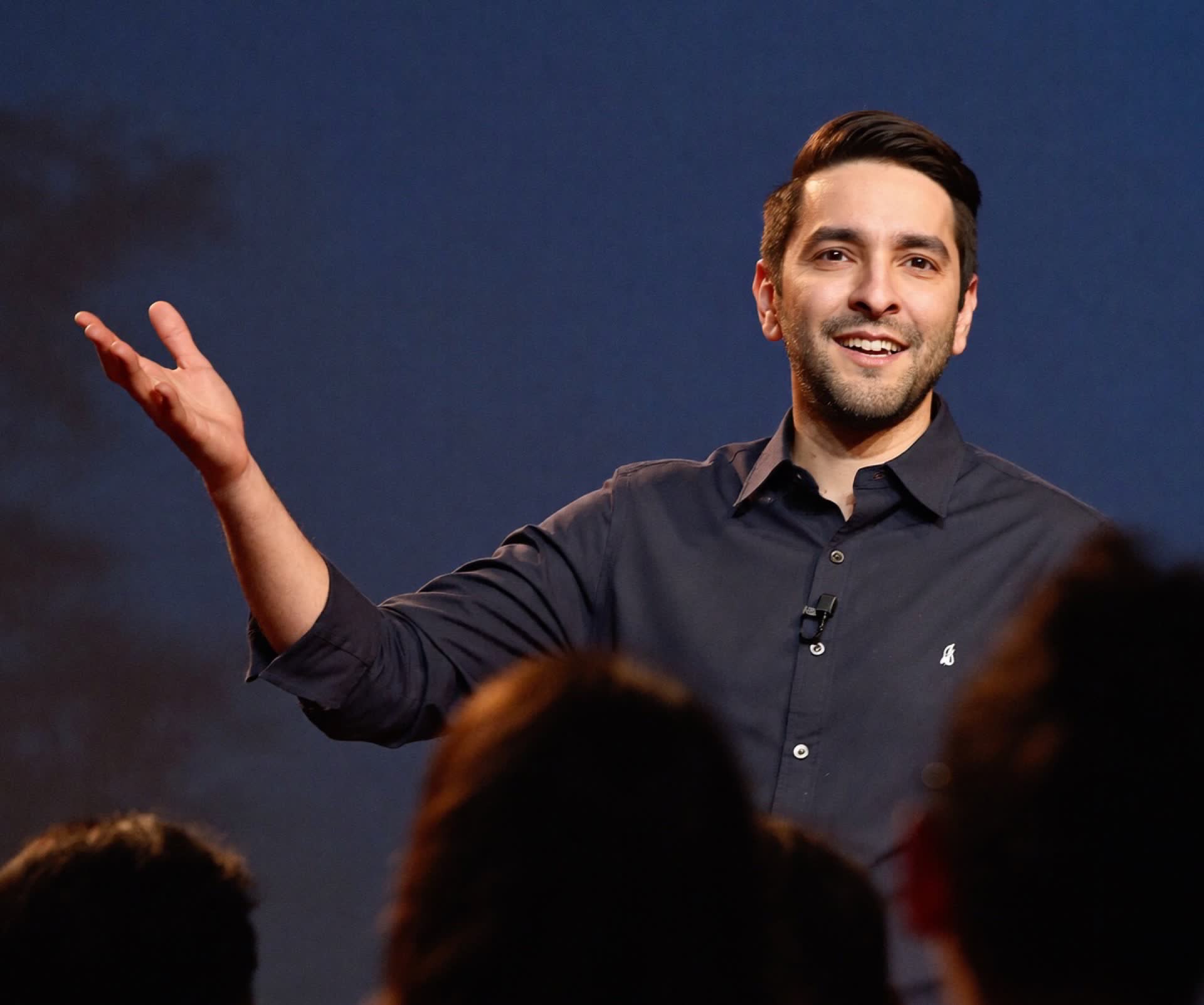
Thought Behind Things · Nov 19, 2021 · 1:17:13
The obvious is the hardest thing to discover in Pakistan's economy
Muzzammil Aslam, spokesperson for the Ministry of Finance, walks through what the rupee, the auto sector, the agriculture base, and Pakistan's habit of protecting the wrong people actually mean — and why the policies that hurt today are the ones that stop a bigger fall in 2023.
with Muzzammil Aslam
12 min read
The market made the economist, not the degree
The episode opens with Muzamil introducing his guest as the spokesperson for the Ministry of Finance and asking him to walk through his own journey — from an economics degree to the chair he now occupies. Muzzammil Aslam’s answer reframes the question. The degree, he says, was just a degree. “I think I became an economist after getting my degree,” he tells Muzamil. Most of his classmates ended up in marketing, teaching, or anywhere but economics, because Pakistan does not have enough economist-shaped jobs to absorb the people it trains.
What made him an economist was the work that followed. For seventeen or eighteen years, his day has started and ended in front of a screen tracking markets. He classifies himself as a market economist — someone who reads what is actually happening in prices and behaviour, then builds a conclusion — as opposed to the textbook economist who collects data, opens a book, and looks for a theory to lay over it. The market, he says, teaches faster than any classroom.
He is sharp about the typical TV economist. “I have a very huge respect for them because they used to be our teachers as well,” he says. “But they are still in the books. They’re not in real life.” His own working principle is that one size does not fit all. A theory that worked in one country at one moment becomes a benchmark, then a religion, and then the wrong answer for the next decade. A good economist, in his telling, needs memory and history more than they need theory.
His first job was at KASB Securities, a joint venture with Merrill Lynch, where his research was co-branded and circulated worldwide, and where he was sent on road shows to London, New York, and Singapore every few months. That early exposure put him on television and in newspapers from the start. By 2018 he had built a YouTube channel — now dormant because of his current role — explaining the economy directly to ordinary Pakistanis without an anchor cutting him off. The whole craft, he says, has been about translating what he sees in markets into the language of a common person.
The obvious is the hardest thing to discover
When Muzamil asks the big question — what is actually going on in Pakistan’s economy — Muzzammil refuses the framing and offers a deeper one. “It is very difficult to discover the obvious,” he says, quoting a line he picked up somewhere and has built his career around. The obvious is taken for granted. Pakistanis assume the economy is always bad, that the dollar must always go up, and that whoever is not currently speaking must be wrong.
His real claim is that “economy” is the wrong unit of analysis. Every policy has a beneficiary and a loser. If a microphone seller doubles his price, he is a beneficiary and the buyer is a loser. The right question is not whether inflation went up but whether more people gained than lost on net. “If there are more beneficiaries,” Muzzammil tells Muzamil, “then obviously on a net basis your country has gained.”
He then applies the test to COVID. A restaurant owner was crushed. A grocery store owner did well. A pharmacy owner did even better. To talk about “the economy” without specifying which side of the ledger you are on is to talk about nothing. The structural changes this government has made, he argues, shift the ratio — more beneficiaries, fewer losers.
Structural change, defined precisely
Muzamil pushes back. The phrase “structural change” has been worn thin, he says — everyone uses it, no one defines it. Muzzammil takes the bait and defines it in one sentence: a policy whose beneficiaries are many and whose losers are few. Move benefits from a few hands to the masses.
He then names the sectors where masses can actually be employed: agriculture, construction, and IT. Pakistan, he reminds Muzamil, has the fifth- or sixth-largest population in the world and the youngest baby-boomer cohort of any major country. Job creation has to happen where many hands can be put to work, not in capital-intensive plants that employ a few hundred people behind a wall of tax incentives.
He uses the Ehsaas Rashan programme as his worked example — a 120-billion-rupee scheme covering twenty million families with a thousand rupees of monthly food support. The thousand rupees is not handed out as cash. It is routed through any of seven hundred thousand kiryana stores that enroll on the platform with an Android phone and a bank account. The shopkeeper scans the customer’s national ID, an OTP confirms the entitlement, the customer collects the goods, the discount lands instantly, and the shopkeeper’s bank account is credited. “Imagine that seven hundred thousand stores get employment,” he says. The government’s own messaging, he complains, focuses on the twenty million families. It should be telling the world about the business model it has just created underneath.
He uses the same lens to defend the focus on agriculture. Pakistan has gone from being short of sugar last year to a surplus this year. It is exporting wheat and maize. It is no longer short on onions and tomatoes. Productivity in food has to grow faster than the population’s two percent — and for the past decade, he says, it grew at point-six-eight percent under the previous government. “Eventually you will be in deficit, not in surplus.” That is the gap he says the current government has finally started to close.
Thirty years of protecting the wrong people
Muzzammil’s sharpest argument lands on the auto sector. For thirty years, he says, Pakistan has handed auto assemblers duty protection on the grounds that the market is too small for them to be competitive without it. The result is that “220 million people suffer because of this policy. Every person has to buy an expensive car just to make sure they get profits.”
His broader principle is that a country should specialise in what it actually does well. New Zealand does not manufacture cars — it focuses on dairy. Bangladesh has overtaken Pakistan in textiles without an auto-assembly base of its own. Pakistan, by contrast, abandoned the things it used to be good at. He gives the example of Bata shoes from his childhood, where the leather and the sole were both made domestically. Today, almost every component is imported. “If you cannot make a car, then why are you stuck on it?” he asks. Let the country that has invested in R&D sell it to you cheap, and put your own people to work in the sectors where you have a real advantage.
He extends the same logic to comparing the PML-N and PPP records. PML-N’s growth numbers were higher, he concedes. But the People’s Party government created 1.2 million more jobs across its term because its policies were tilted toward the labour-absorbing sectors — agriculture and rural employment — rather than capital-intensive plants. Growth and jobs, he insists, are not the same number.
Why “inflation is coming down” doesn’t mean what you think
Later in the discussion, Muzamil presses on the food-inflation question. Muzzammil starts with last year’s comparison — tomatoes down thirty percent, onions down thirty percent, eggs stable, lentils down — and then stops to explain the most important communication gap in Pakistani economics.
When the government says inflation is coming down, the public hears that a hundred-rupee item will become ninety. What the government actually means is that the item that rose from ninety to a hundred last year will only rise to a hundred and five this year. “The rate of change,” he says — what used to grow at ten percent will now grow at five — is what the official number is tracking. The price still goes up. “This is the communication gap between the government, the common man, and the media.”
He then introduces core inflation — the measure that strips out food and energy because those two categories are volatile. By that measure, he claims, this government’s core inflation is broadly in line with PML-N’s. The headline number people feel is being driven by global commodity prices, not by domestic mismanagement.
His policy recommendation follows from his diagnosis. Capping farmer prices to make food cheap in the short term forces farmers out of business and creates the deficit that produces three-times-higher prices the next year. The right answer is to raise incomes, not to suppress prices. “Increase the income levels. Don’t force someone to sell cheap.” He runs through the urea example — notified at 1,800 rupees a bag while the international price is 10,000 — and shows how an 8,000-rupee arbitrage doesn’t reach the farmer at all. It gets smuggled out. The policy is supposed to help the farmer; it ends up depriving him.
The rupee is a shock absorber
Muzamil shifts to the dollar — the question that fills every WhatsApp group. Muzzammil’s answer is to start with PML-N. Within a month of taking over as finance minister, he reminds Muzamil, Miftah Ismail admitted that the rupee was overvalued and depreciated it. A month later he did it again. When pressed, he said his first assessment had been wrong. The caretaker government that followed took the rupee from 115 to 128. Altogether, a 22-percent devaluation — and even after all of that, Pakistan still had to go to the IMF.
The lesson, Muzzammil says, is that a currency is just a shock absorber. He uses the heartbeat-monitor metaphor he reaches for often: a flat line on the screen means the patient is dead. Movement is the sign of life. When information changes — global commodities, current-account balances, exports — the currency moves to absorb the change. Pinning it artificially is what produced Ishaq Dar’s collapse.
He runs through the numbers. PML-N’s last year produced a $19-billion current-account deficit and $30 billion of total damage between borrowing and reserves depletion. “Just imagine if thirty percent of your economy is hit in one year,” he tells Muzamil — using his own COVID weight loss as an analogy. “I came down from ninety to eighty-two kilos and started to look like a skeleton.” A country cannot absorb that without showing it.
His current call on the rupee is calibrated. “It could go to 150 again, and it could go to 190.” If information moves in Pakistan’s favour — exports up, commodities down — the rupee will appreciate. If not, not. The currency in 2019 was at 165, came down to 155, hit 168 in COVID, came back to 153, and is now in the 170s. The right reference point is not the bottom of the cycle. It is the cycle itself.
The political cost of doing the right thing
By the end of the conversation, Muzzammil is making the most uncomfortable argument of the episode. The current government has, he says, deliberately spent its political capital. It raised fuel prices. It tightened on cars and phones. It pushed import duties up to slow consumption. Within three months, the monthly current-account deficit fell by half a billion dollars. This was a choice — not a constraint.
The alternative was the 2018 playbook. Hold the line through to the next election, let the imbalance compound, and hand the next government a default. “If we had waited like Miftah, just to win the election, the situation would have been completely different.” The current tightening, he insists, is done — but agriculture, IT exports, and conventional exports are being explicitly protected through it. “What we are discouraging? Cars. Expensive phones. The iPhone 13 just came out. If you have a 12, run it for another year.”
The deeper point he makes to Muzamil is that today’s relief is tomorrow’s tax. Subsidies have to be borrowed for. Borrowing has to be repaid. The repayment shows up as either future taxes or future inflation — and inflation, he says, is itself a tax the government quietly collects. “It is better to stay within means today rather than keep passing it on to the next generation.”
He is unsparing about how Pakistani public discourse handles this. Policy disagreement is fine. Character assassination is not. He singles out the treatment of Reza Baqir — a Pakistani national, an HSE medallist, with a senior IMF career — being publicly branded an Indian or an IMF stooge. “We have proper humans in this country,” he tells Muzamil, “but human capital doesn’t stay because of this kind of moral corruption. It is more damaging than normal corruption.” He praises Miftah Ismail in the same breath for never going personal even when their policy disagreements are sharp.
By the end of the conversation, Muzamil and Muzzammil are sitting with the most honest version of the trade. The structural reforms in agriculture, in the rashan platform, in IT, in exports, are starting to land. The job is to hold the line through one more painful stretch. If the government does not derail in the way Shaukat Aziz, the PPP, and PML-N each derailed before their final elections, Pakistan will not need to go to the IMF on day one in 2023 for the first time in twenty years. “I can assure you on this.”
Asked where he sees Pakistan in 2050, Muzzammil’s answer is generational rather than fiscal. Every country that has turned around has done so on the back of a generational handover. Pakistan, he says, is on the cusp of one. The voters who picked a party by ethnicity are aging out. The generation now coming up is connected to global information, less tribal in its politics, and harder to fool. “I’m a very positive person,” he tells Muzamil at the close. “If I’ll be alive by 2050, I am sensing a much better, independent Pakistan.”
Full transcript
स्वागत है दिनेश रात. Welcome back to another episode of Third Danger Things. आज क्या है हमारे साथ एक बहुत ही ख़ास मेहमान है जिनको बनाने का मकसद दिया था कि Pakistan में, you know, the economic situation is very up and down. It's very confusing कि exactly हो क्या रहा है? And, you know, who better to explain that than मुज़मिल आज़लम? He's the spokesperson for the Ministry of Finance. Sir, thank you so much for being part of the show. You're welcome. मैं थोड़ा सा conversation start करूंगा. We're gonna talk about Pakistan as well, but I just wanna talk about you first of all. You know, from from graduating, I believe, in economics, till date, what's your journey been like?
I think I became economist after getting my degree. Okay. तो usually लोग जैसे engineer वन जाते हैं तो कहते हैं I'm an engineer. तो मैं I believe कि वह एक degree थी. Right. और if you see lot of economist, जिन्होंने economics में degree की है, वह कभी भी economics से काम नहीं करते. Right. वह कोई marketing में है, कोई कहां है, कोई क्या है? बहुत सारे लोग teacher वन जाते हैं economics की. क्योंकि Pakistan में इतनी economist specific jobs भी नहीं है. Mhmm. चंद banking के धारे होंगे उसमें भी वह इतना apply नहीं करते. तो I think मुझे जो economist बनाया है ना वह मेरी नौकरी ने बनाया है. अच्छा. और वह मेरे काम ने बनाया है. तो for the last seventeen eighteen years, बहुत जैसे कहते हैं die heartedly every day my day start with screen and day ends with screen. Right. Because अगर आपने economics करनी है ना तो you need to know what is going on in the world. Right. And what is markets doing? Markets से अच्छा कोई आपको चीज़ नहीं सिखा सकती. तो मैं अपने आप को usually classified करता हूं कि I'm a I'm a market economist. जो market से sense drive करता है और फिर एक conclusion बनाता है. Right. कि क्या हो रहा है मुल्कुल. Usually जो economist होते हैं, typical economist होते हैं वह जो है laid back, data collect, फिर उसके बाद इधर पढ़ा, उधर पढ़ा, किताब में क्या लिखा है? जो मुझे economics समझ आई है ना, वह मुझे यह समझ आई है कि जो सारी चीज़ें हो रही होती हैं ना हमारी आपकी ज़िंदगी में, उसको club करके और फिर उस पर अंदाज़ा लगाए जाते हैं यह क्यों हुआ? और वह economics है. Right. ठीक है ना? और उस experience को साथ चलाकर future में आपने बचना कैसा है? जो आपके साथ हाथ साथ हो गए वहां शीत और पिद्धू से, उसको use करना है. तो for a good economist you need to have a very good memory and you have to have history behind you, not the theories of your education. Right. तो this is the difference. I value these kind of economist जो बिल्कुल up to date real time पर चीज़ों को देख रहे थे. Surprisingly जो हमारे अक्सर media में जो नज़र आते हैं, I have a very huge respect for them because they used to be our teachers as well. But they are, like, still in the books. Right. They're not into the real life. और फिर इधर उधर से पढ़कर जी, इधर क्या हुआ, उधर क्या हुआ है. देखो one size does not fits all. Mhmm. अभी you you're wearing a very nice top, but it might not fits me. ठीक है ना? तो यह चीज़ economics में बहुत ज़रूरी है. Right. हम क्या करते हैं वह typical एक theory उस जमाने में किसी के लिए fit थी वह. उसी को जो success हो गई तो उसको हमने एक benchmark बना दिया और उसी को जो है ना यह apply कर दो जाए. हां, वह आजकल के बच्चे आज तक engineer वन रहे हैं. हालांकि engineering jobs ख़त्म हो चुकी हैं but वह उस time पर वही part है ना, ठीक है ना? तो this is I'm a very मतलब life से चीज़ें extract करने वाला आदमी. तो this is how and which is why my energy, with this subject is still like the way I had in 02/2004. Right. मेरी वही energy, passion level है. Every day I try to मतलब understand क्योंकि behaviors change ना तो economic is more like a behavior. आज से कुछ ऐसे पहले जो है मेरे और आपके taste कुछ और थे, behavior कुछ और था, choice color की कुछ और थी, ठीक है ना? आज कुछ और है. तो जो behaviors को जो है gauge कर लेगा, वह एक अच्छा जैसे कहते हैं कि economy को आगे
लेकर जाएगा. Right. आपने बोला कि you know you were working with the markets essentially. So you were working in investment banking या you know stocks what?
Luckily luckily when I came back, मैं अपनी किस्मत गोंगा की मेरी अच्छी थी. मुझे जो है किसी bank में job नहीं मिली. अच्छा. वरना एक internal job होती है. Bank में मेरा boss कहता है यह बना दो, वह बना दो. I started with a stock broking company called KASB और वह उस वक़्त Pakistan की foreign affiliated Maryland, you must have heard it. Right. America का. वह उसकी हम co authored करते थे. Maryland और KSB का JV था. जो हमारी research होती थी वह Mary Lynch के bosses देखते थे. Right. और फिर Mary Lynch और KSB के नाम से print होती थी और it gets circulated all over the world और फिर उस research की basis पर we do road shows. Right. London, America, Singapore every three four months. तो this is how started. I got trained under high class world research कि किस तरह चीज़ों को देखा जाता है और initial days से ही जो है ना because of the platform I got the publicity whenever मेरा कोई note निकलता था तो I got media calls, TV अगले दिन अखबार में हम quote हो रहे होते थे and then people call us for the, you know, interviews जो हो रहे होते हैं और अगर कोई चीज़ आ जाती थी अगर currency पर हो तो एकदम वह call कहते थे we need to take your beeper. तो I have been in a media मतलब मेरा एक media exposure जो है वह इतना ज़्यादा है कि अगर मेरे दिन में मैंने दो हज़ार अठारह के अंदर एक अपना एक YouTube channel भी बनाया था जो अभी आजकल passive हो गया है because of my current portfolio. I don't have a time. Right. The point is कि I want to make sure कि जिस तरह मैं चीज़ों को देखता हूं, without interruption I can explain to public. Right. When you go to TV, they have their own set of questions और फिर जब आप बात करते हैं, they just keep you poking. क्या चाहिए बताएं अच्छा आम आदमी को क्या हो रहा है? उसको क्या हो रहा है? इसको क्या हो रहा है? मुल्क का क्या हो रहा है? यह अच्छा finance minister नहीं है, यह अच्छा prime minister नहीं है. They just have their own set of conscious. I don't, मतलब मैं उसको criticize नहीं कर रहा because जो वह उनका बिकता है उन्होंने दिखाना है. तो मुझे हमेशा से feel होता था कि I am मतलब what I want to communicate to the masses, to the young people, वह uninterrupted जाए. Right. और I have been successful in this और दूसरा मैंने जो अपना एक skill set day one से बनाया. When I talk economics, I don't look like I'm talking economics. I make sure कि I'm talking about you so you can understand. Right. अगर वह एक बिल्कुल ही बहुत कम पड़ा हुआ है तो उसको उसकी ज़बान में उसकी daily life से मैं चीज़ें बात करता हूं. तो I usually try to tap, उसके lifestyle से उसकी economics को समझाता हूं. मैं मतलब कहने का मतलब मेरा यह है. And this is my plus point और जिसकी वजह से I get noticed a lot, not only in Pakistan, overseas. I have lot of following from overseas as well as, in the garment circle as well. So people appreciates me because I talk like a common man.
Right. Thorace, if you can sort of explain, and I'm just gonna ask a very very dumb question but what exactly is going on in the in the economy Pakistan में right now?
यार मैंने ना तीन चार चीज़ें ज़िंदगी में ना, बड़ी taglines economics में जो है ना अपनी रख ली हैं और उसी की basis पर मेरी सारी discussion revolve करती है. एक मैंने पढ़ा था कहीं it is very difficult to discover the obvious. यानी कि obvious को discover करना मुश्किल होता है because we just take obvious as a granted thing. यानी कि obvious कि मुझे प्यास लगी तो मैंने पानी पीना. Obviously प्यास लगी तो पानी. But why पानी? Right. That is obvious. अगर जिसने obvious को discover कर लिया वह champion है. Mhmm. ठीक है ना? Usually वह हम लोग obvious को granted ले लेते हैं और जिसे कहते हैं दूसरी चीज़ों को पीछे हम बढ़ जाते हैं. तो economics में आपने question किया कि what is going around? And that is हमने एक obvious ले लिया है उसमें कि जी economy is not going good. That is the obvious, we always talk ना. Right. कभी सुना है कि अच्छी जा रही है मुल्की economy. तो that is the obvious. दूसरा obvious है कि जी dollar हमेशा ऊपर जाएगा, रुपया नीचे जाएगा. Mhmm. तीसरा obvious है कि इस मुल्क में जो है ना हमारे अलावा जो आदमी बात कर रहा था उसके अलावा वह सब कुछ और कहता है. Mhmm. और हालांकि वह अगर अपने आप को देखें तो वह उससे भी बड़ा कुछ और नहीं होता. Right. तो the obvious is कि जब हम economy की बात करते हैं, we usually generalize things. हम कह देते हैं कि जी मुल्क में महंगाई है. अब महंगाई क्या? एक beneficiary भी है और एक उसका मतलब victim भी है. For example, मैं जो हूं यह mike बेचता हूं और मैंने इसकी price double कर दी and you are the buyer of this mic. तो अगर मैंने price double कर दिया तो I am the beneficiary and you are the loser, you have to pay me extra. Right. तो हर चीज़ को जो है ना आपने end में aggregate करना होता है और sum करके देखना होता है कि is there more beneficiaries out of the change or less beneficiaries? If there are more beneficiaries तो वह obviously जो है net basis पर आपके मुल्क में उसका फ़ायदा हो गया. Right. और अगर if there are less beneficiaries or only few are getting the benefit out of it, तो on the aggregate बहुत सारे लोग suffer कर रहे हैं. तो हम economy को जो है ना इस context से नहीं देखते. For example, you are sitting here. आपका अगर restaurant था for example साल पहले, तो COVID की वजह से दबा हो गया. दबा हो गया. लेकिन अगर आपका grocery store था तो आपके मज़े लगे हुए थे. Mhmm. ठीक है ना? और अगर आपने उसको online कर दिया था तो एक अलग मज़े लगे हुए थे. Mhmm. अगर आप pharmacy या pharma business में दे तो और मज़े लग गए थे. Mhmm. ठीक है? तो again we need to see this. इस government ने कुछ structural changes किए हैं
और वह structural changes में there are more beneficiaries than the loser. So so what would you define those structural changes to be? Because a lot of times when I'm, you know, scrolling through Twitter, people take individual, policies and they say कि यार यह चीज़ करने की कोशिश कर रहे हैं, यह नहीं काम कर रही. इस मुल्कुल structural changes की ज़रूरत है और यह बड़ा I feel like this word इतना पिट चुका है यह कि, you know, like, everybody comes in and says we need structural changes. अच्छा, कोई बताएगा नहीं आपको कि वह क्या changes हैं जो करने की ज़रूरत है, but everybody will talk about them. So, if you can just sort of define कि कौन से structural changes हैं जिनमें से शायद कुछ ले लिए हों, कुछ लेने हों आगे जाकर. लेकिन what are those structural changes? अच्छा, पहले तो एक बात करते हैं.
The social media and Internet, at times it's misleading. How? आपका नाम मुज़मिल पूरा साहिल मुज़मिल असन ज़ेद के अंदर. मेरा नाम है मुज़मिल असम. Right. हम दोनों ने एक tweet कर दी कि मैंने लिखा कि my cup is half full और आपने एक tweet कर दी my cup is half empty. Right. ठीक है? और किसी और ने आपकी जो है coordinator उसरा, वह Google कर रही हैं. मुज़मिल दोनों को. Right. अब वह Google में हम दोनों की story आ गई. Right. ठीक है ना? For some reason किसी ने आपकी half empty वाली पड़ी, मेरी half full वाली नहीं पड़ी. Right. तो उसके दिमाग़ में आ गया the cup is half empty. Right. और क्योंकि Google ने number की होती है आपकी मतलब one, two, three वह topic पर बहुत सारे और अगर मैंने कह दिया half full और किसी ने मेरी पढ़ ली तो उसकी expectation उसका ज़हन वैसा वन गया. Right. तो सबसे पहले जो मैं लोगों को कहता हूं कि Google is not Bible. Right. Google is sometimes deceiving also. Wrong information, fake news top headline में आ जाती है. तो पहले तो यह कि आपको उसमें भी जब when you read you have to apply your mind also कि यार यह जो मैं story पढ़ रहा हूं यह bias तो नहीं है. Mhmm. गलत तो नहीं है, ठीक है? यह एक हट के था आपसे जो बात की. यह मेरा perspective है I just want to spread this out. Yeah. Disagree और disagree और agree but मेरे ख्याल में अगर आप लिख दें Pakistan inflation Structural change क्या है? अब आ जाते हैं उसमें. Structural change मैंने बड़ा आसान करके बोला था कि ऐसी policy बनाओ कि जिसके beneficiary ज़्यादा हों और loser कम हो. ठीक है. मतलब from few hand to masses में convert कर दो sir. What is happening in this country is we have a huge population base, sixth या fifth largest population populous country है और हमने for the last seventy years a policy is skewed towards wealthy people. हम नाम ग़रीब ग़रीब ग़रीब यह करते हैं लेकिन actually उस ग़रीब की cover पर जो है हम फ़ायदा किसी और को देते हैं. Right. ठीक है? अब इस government ने कहा कि भाई बहुत सारे लोग बच्चे भी बहुत ज़्यादा हो गए हैं, baby boomer है इस वक़्त Pakistan we are the youngest population. We need to give them some working opportunities. अब वह working job opportunities जो हैं वह कहां आ सकती हैं? जहां पर mass deployment हो सके, agriculture है. Number one. Number two construction है. Number three IT है. Agriculture में you need land plus labor. Right. ठीक है? इस government ने पिछले दो साल से अपना focus जो है agriculture पर कर दिया. उसकी वजह से अब हम जो है from food deficit country we are fastly approaching to food surplus. इस साल हम चीनी माशाल्ला last year हमने import की, surplus में आ गए. हम maze export कर रहे हैं, हम wheat export कर रहे हैं. Last year हम onion में short थे, tomatoes में short थे. Right. So these crops are working, ठीक है ना? फिर इसको आपने connect करना है IT services. आप देख रहे होंगे आजकल startups बाज़ार.com, फलां.com, यह.com. Pakistan में masses suffer करता था due to the middleman. Farmer को पैसे नहीं देता था. ख़ुद होठ कर लेता था और फिर हम और आप जो है पता नहीं किस किस price पर लेते थे. तो this government is working on mechanisms other than administrative measures. Administrative measure क्या होता है कि यहां का DC आ जाए किसी दुकान में छापा मारे और यह price को नीचे कर. वह DC मिल गया उसके साथ तो game is over. Right. तो we have मतलब we we are trying to bring more technology, more geotagging कि क्या हो रहा है, इधर क्या हो रहा है, उधर क्या हो रहा है. उसमें middleman के रोज़, अच्छा यह सारा का सारा opportunity create करती है. एक आपको classic example देता हूं. अभी government ने एक एहसास राशन program launch की है. 120,000,000,000 rupees का. उसमें दो करोड़ families जो हैं monthly एक हज़ार रुपए उनको मिलेगा. अच्छा, यह तो एक side of the story हो गई ना? अब वह एक हज़ार रुपए महीना cash नहीं दे रहे हैं हमारे. अब हम उनको यह कह रहे हैं कि आप किसी भी दुकान में चले जाएं. वहां से आप आटा, घी और दाल. For example आपका 4,000 का bill बनता है तो उसमें से 1,000 वहीं off हो जाएंगे आपके. अब हमने उसको किया किया. हमने उसमें seven lakh करियाना stores. I'm sure you understand करियाना. Right. छोटा बड़ा आपके कमरे से भी छोटा हो. उसको जो है हमने कहा कि आप enroll कर लो हमसे. All he needs is एक Android phone. वह भी कोई सस्ता वाला ले ले. आठ दस हज़ार वाला, बारह हज़ार वाला और एक bank account. फर्ज़ करें कि अगर मैंने जाना है और वह facility avail करनी है और मैं रहता हूं एक far flunk area में दियाती इलाके में उस करियाना store में जाऊंगा मैं. उसको अपना ID card बताऊंगा. वह मेरा ID card डालेगा. उसी वक़्त उसको live basis पर आ जाएगा कि yes he is entitled और इसके wallet में इतने पैसे पड़े हैं. Right. अब मैंने चार हज़ार की चीज़ें ले ली आटा वाटा यह वह करके. Click कर दिया उसी mobile की app पर मैंने tap करना है. उसने मुझे pack करके दे दिया. Meanwhile as a customer मेरा बेशक वही जो देखो थे analog phone छोटे वाले दो तीन चार हज़ार वाले उसमें मुझे OTP आएगी. Right. उस OTP को मैं उस दुकानदार को दे दूंगा और वह OTP डालेगा उसी वक़्त जो है उसको वहां discount आ जाएगा. दुकानदार के bank account में पैसे आ जाएंगे और मुझे जो है वह राशन मिल जाएगा. Right. अब इससे imagine करें कि सात लाख stores get employment. Government इसमें pitch कर रही है अभी तक कि जी दो करोड़ घरानों को हमने facility दी है. मैं यह कहता हूं कि tell the world कि what kind of मतलब great business opportunity you have created. ठीक है ना? एक business model आपने create कर दिया. अब आजकल आप देख रहे होंगे buy now pay later वाले, अभी लो बाद में भर दो, यह वह. यह चीज़ें develop हो रही हैं. This government has encouraged. Venture capital में बहुत पैसा आने लग गया. अच्छा, IT is something where you need more hands along with brains, ठीक है ना? लेकिन ज़्यादा आपको हाथ चाहिए. किसी IT job में you need to have a good communication skill. बातें करने वाली, किसी मतलब वह जो call centers वग़ैरह है वह. किसी में you need a good writing skill जो आप पूरा content लिखते हैं और किसी IT में you need to have this engineering, mathematics mindset जो softwares वगैरह पर काम करते हैं. Right. Remember, we have a huge young population. पढ़ी लिखी, कम पढ़ी लिखी. कम पढ़ी लिखी के लिए agriculture, construction, फिर यह. चौथा हमने जो है boost देना शुरू कर दी exports को. Pakistan में exports policy इस तरह की बनी रहे हैं जो पिछले बीस तीस साल में missing थी. We're going to hit all time high exports already we did last year. इस साल हम all time high almost जो है ना 20% ज़्यादा hit करेंगे this year. उसमें क्या हो रहा है कि you, आप जो है ना you create employment, textile, leather, conventional, non conventional. We are making sure कि more and more people get employed. This is the structural change. जब आप चंद लोगों के लिए policies बनाएंगे ना, बड़े business के लिए तो उसमें मालिक कमाता है. For example एक मैं एक छोटी सी example देता हूं. आपने एक मुल्क में refinery की policy दे दी या power plant की policy दे दी. Tell me how many people needs for one power plant? पचास, सौ, हज़ार maybe. उसने power बनाई तार से पूरे Pakistan को दे रहे हैं. ठीक है ना? There is no employment in between. उसमें आपने you give a huge tax incentive यह वह सारा चीज़ें. मैं यह नहीं कह रहा कि हमें policy नहीं देनी चाहिए. But उसकी जो contribution in job creation है ना वह बड़ी कम होती है Direct indirectly yes power when it comes to you and me we start our business और हम employment देंगे but वह direct contribution उसका बहुत काम होता है. ठीक है ना? और अगर घरों में आ रही है तो कोई employment नहीं दे रहे हमारे घर बिजली चली हमने किसको देनी है. अपने लिए ऐसी पंखा light चलाएंगे, ठीक है ना? तो you need to make a balance. This was missing specially in the PMLN government. उन्होंने क्या किया policy दे दी, auto policy दे दी. Auto policy में भी वह जो है चार पांच आ गए वह शुरू हो गए बस काम काज डाल दिया और पैसे बना लिया उन्होंने. तो Peoples Party की government ने फिर उनकी average growth जो है PMLN से कम थी but they have created 1,200,000 jobs extra. अच्छा. Because they have focused more on दिग्गी's kind of
areas, agriculture, यह वह हल्का. So you're essentially saying कि people's party की economic policy was better than PMLN? No, I'm trying to give you a perspective
कि growth people's party की कम थी PMLN से. Right. But उसने ज़्यादा employment create की. Right. And there were more मतलब और बहुत सारे aspect हैं, you know you know जब आप economy को club करते हैं तो तब total आपका outcome बनता है. Mhmm. मैं एक job का angle बता रहा हूं आपको. Mhmm. तो यह एक structural change था. दूसरा structural change था कि your factors of production उसको use करके आप जो है ना अपने आप को build करें. For example यह जो आपका equipment है, अगर हम यहां इसको बनाना शुरू कर दें तो इसकी हर एक एक चीज़ बाहर से आएगी. जितनी भी ICs हैं, यह वह. अगर आप इधर बैठकर इसको जोड़ें और उनके लिए policy आप दे रहे हैं. अगर आपने future में यह equipment यहां develop नहीं करना तो that is a waste. It's better कि let let's do this job someone who is expert और वह आपको सस्ता दे दें. इसमें classic example है autos की. तीस साल से हमने auto protection दी गई. तीस साल से वह बार बार कहते जी इतना बड़ा मुल्क नहीं है, इतनी गाड़ियां ही बनती यहां पर तो हमें आप जो है ना duty protection दें. 20 to 120,000,000 people suffer because of this policy. हर आदमी को महंगी गाड़ी लेनी पड़ रही है. Just to make sure कि they get profits. आप गाड़ी नहीं बना सकते तो आप क्यों लगे हुए भाई? आपने नई अगर technology ना बांग्लादेश में हमसे अच्छा perform कर रहा है. There is no auto assembler. बहुत सारे अगर आप New Zealand अच्छी country है ना, पैसा बनाती है. They don't have auto manufacturing. They are focusing on their strength. Dairy, यह, वह. आप अपनी strength को भूलकर fashion की तरफ निकल जाते कि यह दुनिया में electric car आ गई तो अब यह इसकी policy दे दो ताकि import होती रही है वह. भाई, जो बना रहा है, जो expert है, जो उसकी R and D में पैसे ख़र्च रहा है वह आपको सस्ती पहुंच जाएगी, आप उसको करने दो. आप अपने काम को करें. तो इसीलिए we are not any more specialized in any business activity. एक जमाने में textile था, उसमें भी हमने, अब आप shoes देख लें यार. बचपन में हम छोटे होते थे बाटा के service के shoes हमें जो मिलते थे, उसका leather भी यहीं का होता था. उसको जो है उसका नीचे का sole भी यहीं बनता था. वह China घुसकर अब उसकी हर चीज़ बाहर से आती है, ठीक है? तो आपने वह काम करना है कि जिससे आप महंगाई को भी कम कर सके और business activity भी generate हो जाए. तो यह छोटी छोटी steps ले रहे हैं, यह baby steps लिए हैं इन्होंने और अलहम्दुल्लाह
वो उसके results आना शुरू हो गया. You talked about, food and agriculture. Yep. You know, we're we're sure. So, again, as मुझे economics कितना नहीं है idea, but I'm going to assume कि inflation is a demand versus supply thing, right? अगर हमारे पास surplus आना शुरू हो गई है, why do we and we are looking at food inflation this year around. It's there. Sure, हम sugar में देख सकते हैं maybe there's some form of hoarding that's happening, But there are other perishable goods जो कि, essentially hoard होना भी चाहें तो नहीं हो सकते. And yet the cost of, all of this material like, so again मैं कहता हूं कि एक dollar led economy है Pakistan में. थोड़ी सी population के लिए है. गाड़ियां महंगे हो रही हैं, iPhones महंगे हो रहे हैं. ठीक है, upper middle class को hit पड़ती है, बर्दाश्त कर लेते हैं. Food is something जो कि अगर आप लोगों को इस इस कौम को अगर आप सस्ता खाना दे दें तो वह survive करते रहते बोलते हैं जी ठीक है, काम चल रहा है. But it it... Things really started to spiral once the food prices started to go haywire. You know, you mentioned changes in that, but I feel like, you know, while we're talking about कि bumper drop आ रहा है और surplus है, maybe part of that was climate, maybe part of that was this or that, anything. I don't know. How do you reconcile with that? कि अगर तो आख़िर में third year के बाद, prices इतनी ज़्यादा out हुई हैं, तो यह पहले इससे पता होना नहीं चाहिए था आपके घर में.
यही तो problem था. आपने अपनी strength को encourage नहीं किया था और you were importing things. Last ten years में आपने agriculture की productivity वहीं पर रखी. आपके मुल्क की population दो percent से बढ़ रही है और अगर आपका average food जो है 1% से grow कर रहा है तो where will you land? Eventually you will be in deficit, not in surplus. और यह जो है you'll surprise to know बार बार PMLN बार बार यह कहता है कि जी हमने पांच percent growth की, साढ़े पांच percent growth की, वह भी आख़िरी साल में. उनसे पूछें what is your crop growth in the past five years? Your crop growth average is point 68%. Population कितने से बड़ी है? दो percent से. Mhmm. So, first of all you need to grow food in line with your population growth. Or it will be better if you grow more than your population growth, then you will have surplus to export. Right. Now I'll tell you something. दो चीज़ें आज मैं सुबह एक TV channel में था, वहां पर भी मैंने बताया था कि जब हम government कहती है महंगाई कम हो रही है तो क्यों हो रही है? यह महंगाई कम हो रही है. आप लोगों के ज़हन में यह होता है कि जब government ने कहा महंगाई कम हो रही है तो आप लोग समझते हैं कि एक चीज़ सौ की मिल रही है वह नब्बे की हो जाएगी, कम हो जाएगी. Government की definition या economics की definition में यह होता है. हम यह कह रहे हैं कि अगर यह सौ की पिछले साल थी अब यह एक सौ पांच की हो जाएगी अगले साल. इस साल सिर्फ़ पांच फीसद बढ़ेगी. Right. पिछले साल यह दस फीसद बढ़ी थी. नब्बे से सौ हो गई थी. Right. तो जब government यह कहती है महंगाई कम हो जाएगी तो लोग यह समझते सौ का नब्बे होने वाला है. Actually the rate of change जो है ना कीमत जो पिछले साल दस फीसद से बढ़ी थी अब हम लोगों से दस से नहीं हम पांच में ले आए हैं. ठीक है ना? तो यह एक पहला जो हम दोनों government का और एक आम आदमी का और एक media का जो communication gap है ना वह यह है. Right. तो वह इमरान खान की तकरीव दिखा देंगे, फलां की तकरीव दिखा देंगे. मेरी कोई बात पकड़कर आपने तो कहा था महंगाई कम होगी. अब वह हम वह बात कर रहे हैं और आप कुछ और समझ रहे हैं. एक यह perception को clear करना है.
If you could explain to that because then अगर मैं एक simple mind से सोचूं तो फिर तो कोई फ़ायदा नहीं हो रहा like कोई भी government आती है और आकर जब यह कहती है कि जी हम महंगाई कम रहे हैं तो अगर तो महंगाई consistently बढ़ रही है तो क्या लोगों को actually कभी फ़ायदा होगा? क्या हमें हमारे लिए real terms में वह महंगाई कम हो रही है?
अच्छा, पहले मैं उस वक़्त, एक बात कर रहा था तो वह भूल ना जाऊं. Right. If you compare from last year आपने कहा food is something if you keep it low तो at least आप अपना political capital lose नहीं करते. People will start like you. The good news is कि last year, अभी हमने कल price monitoring committee की meeting की. Last year से टमाटर तीस percent नीचे, प्याज़ तीस percent नीचे, अंडे stable, मुंह की दाल नीचे है, ठीक है? अब आपने जो बात की ना बड़ी यह भी ज़रूरी यह करना आप लोग के audience में. Inflation एक होती है महंगाई ना जिसे हम कहते हैं महंगाई. Inflation को भी तरीके से देखा जाता है. एक होती है कि जो हम हर चीज़ जो ख़रीदते हैं या जिसको हम pay करते हैं, वह हमारी basket में हम उसकी एक inflation निकाल लेते हैं. Right. और एक inflation होती है उसका नाम है core inflation. Core inflation में हम food और energy को नहीं गिनते. ठीक है. Because यह दो चीज़ें ऐसी हैं जिसकी price fluctuate करती है. टमाटर कभी दो सौ रुपए KG हो जाता है, कभी 50 rupees KG हो जाता. कभी chicken चार सौ रुपए KG हो जाता है, कभी दो सौ रुपए KG हो जाता तभी ईद से पहले सस्ता था, ठीक है? Petrol की भी tendency ऐसी है. International market ऊपर है petrol ऊपर. Market नीचे petrol nation, ठीक है? अगर आप core inflation को देखें तो इस government की core inflation is pretty much in line what p p MLN has done. ठीक है? दूसरी बात मैंने आपको एक बताई थी कि we have a more than 50% population lives on agriculture income. अगर हम उनकी price पर cap लगा देंगे और दूसरी तरफ core inflation मैं बढ़ाता हूं, हर साल पांच छह percent, तो they will be ended up losing और फिर वह क्या करेंगे? वह कारोबार छोड़ देंगे क्योंकि इसमें कारोबार में profit ही नहीं है. Mhmm. तो यहां पर economics आ जाती है कि आपने अपने मुल्क की productivity levels बढ़ाने हैं, ठीक है? अभी यह government आजकल बोलती है कि हम दुनिया का सबसे सस्ता मुल्क हैं और actually में हैं. हमारे मुल्क में आटा जो है पचपन साठ रुपए का है. India में 90 rupees का है. हमारे मुल्क में petrol 145 का है. Mumbai में कल का rate two fifty 8 था. Delhi में two thirty three था. बांग्लादेश में one ninety है. ठीक है? तो जो चीज़ आपकी यहां आपकी मुल्क की gas जो हमारे घरों पर आती है, जो घरों पर आती है मैं वापस से बोलूं. वह दुनिया की सबसे सस्ती तरीक़े है. महीने का जो आपका gas का bill है शाम को चार दोस्त को बुलाकर barbecue कर लें सिर्फ़ उसमें आप आपके जो कोयले जलेंगे ना वह वह पूरे महीने के gas के bill से ज़्यादा है. बिल्कुल ऐसे ही. Just imagine you have been cooking all day और तीन time meals बनती हैं सारा कुछ उसका gas का bill नहीं है. Mhmm. यह जो है यह चीज़ें जो है ना we need to एक तो उसको सही करना है, ठीक है ना? और दूसरा यह है कि जो चीज़ यहां पैदा होती है वह दुनिया के मुकाबले में सस्ती मिलती है. अगर आप if you travel often तो आप दुनिया में जैसे आम यहां पर सौ रुपए kilo आ जाता है जब season आता है, ठीक है ना? तो जिस मुल्क में जो चीज़ पैदा होती है ना उसको price advantage होता है. उसकी price advantage आप सिर्फ़ दो देने चाहिए आपको. एक यह कि वह चीज़ अगर बाहर से आए तो उसका जो कराया लग रहा है वह ख़त्म हो जाए. Mhmm. और अगर उससे आप ज़्यादा कम करेंगे ना तो फिर क्या होगा वह आपके मुल्क में नहीं बिकेगा बाहर बिकेगा. Right. वह बाहर export हो जाएगा और आपको नहीं मिलेगा. अगर एक producer को वही पैसे मिले तो वह encourage होगा उसको produce करने के लिए. तो हमारे जो मुल्क में जो सबसे बड़ा मसला है ना price disparity जिसकी वजह से हमारी production नहीं पड़ी, production base नहीं पड़ी. Unfortunately we don't have people जो इस पर बात करें, ठीक है? और अगर आप farmer को उसकी income नहीं बढ़ेंगे, मैं हमेशा से एक चीज़ को back करता हूं कि increase the income, income levels बढ़ाएं. जबरदस्ती की सस्ता ना दें किसी को चीज़ कि वह जहां से वह मिल रही है सस्ती फिर वह बंद ही हो जाए. बड़ी classic example मुझे किसी ने समझाई कि इस ग्रमिण ने आकर ना दवाइयों के rate बढ़ाए. Mhmm. कोई कह रहा था मुझे एक तीन रुपए की गोली थी वह, उसका rate पांच रुपए कर दिया. TV ने headlines चला दी, छियासठ फ़ीसद increase कर दिया, दवाई की क़ीमत यह वह करके. मैंने भी कहा यार इतनी ज़्यादा बढ़ा दी 66% that is insane. मैंने एक pharmacy company को phone किया. मैंने कहा यार यह तीन रुपए की गोली जो government ने fix rate किया हुआ है, यह तो हम government ने rate fix किया हुआ है तो हम इसको बना ही नहीं रहे because हमें loss है. तो मैंने कहा तो फिर यह लोग गोली कितने की खा रहे हैं? कह रहे हैं 90 rupees की. यह बाहर से आती है. तो मैंने कहा अब आप पांच रुपए की होगी तो अब आप बनाएंगे. कह रहे हैं yes now we will be in profit. तो वह जो लोगों को TV ने message क्या दिया कि छियासठ फ़ीसद बढ़ गई. वह पांच रुपए की गोली मिलती ही नहीं थी. Mhmm. Country में employment भी आ गई, production भी बढ़ गई सारा कुछ. तो everything boils down to price. Right. If you're not going to pay the good price, nobody will work for you or nobody will. There is nothing for granted. Right. Other than government. ठीक है ना? We as a nation must understand this. आप और मैं कौन होते हैं? कहेंगे यह bumper crop आ रही है इसकी क़ीमत आदि कर दें. उसकी क़ीमत आदी करवाकर आपने उस साल तो मज़े कर लिए. लेकिन अगले साल जब वह पैदा नहीं होगी तो three times महंगी ख़रीदने जाएंगे आप. This has been repeatedly happening in Pakistan. We force them to sell cheap, and they curtail their production or they shut down their business or then we eventually buy these things for expensive. Right. More expensive. Right. तो the policy framework जो है ना इसको prices को एक आपको किस तरह आपने करना है globally, internationally, locally. अभी आजकल एक चीज़ हो रही है कि Pakistan में urea बहुत सस्ता है. Government का notified rate है अठारह सौ में. लोग चीखें मार रहे हैं कि हमें चौबीस सौ, ढाई हज़ार की मिल रही है. उसकी वजह यह हुई कि international market में 10,000 पर bag है. यहां पर अठारह सौ का है. अब आपका price differential कितना बड़ा हो गया? 8,000 rupees का. Mhmm. वह 8,000 rupees में hoaders क्या कर रहे हैं? वह जो है farmer तक नहीं पहुंचने दे रहे वह Export कहा रहे हैं? Not export, export भी बहन है, smuggle हो रही है, छुपकर निकल रही है. Right. If you create an arbitrage कहीं पर भी, then you know you will be deprived. अब वही वाली बात आ गई ना कि तीन रुपए की गोली PMLN government ने कहा तीन की गोली है. हमारा rate तो तीन है. अब वह मिल ही नहीं रही तीन की, सौ की ले रहा हूं भाई में. तो आपको price disparity को control करना है और eventually इसका फ़ायदा producer को भी होता है, आम आदमी को भी होता है. लेकिन हम we get politicized और हम इतना pressure डाल देते हैं कि garment के हाथ पैर पूछने लग जाता है. Right. फिर garment wrong decision ले लेती है. अब on paper कहती है जी हमारी तो तीन की गोली है. जब मिल ही नहीं थी तो फिर वह किस काम की? Mhmm. This is why I agree Right. On इसी के अंदर अगर मैं थोड़ा सा flip करूं,
dollar is a major point of contention as well. You know, ever since your your government तो मैं नहीं गांव है. You've just recently become the spokesperson. Since this particular government has come in, you know, we were looking at, I believe, a dollar of a $120.25, I believe, जो बिल्कुल मिफ़्ता smile का last time था. एक सौ पच्चीस तक गया था, एक सौ पच्चीस सौ एक सौ पचहत्तर पर खड़ा हुआ है और बहुत ज़्यादा जिसे कहते हैं कि up and down fluctuation है, one seventy nine पर चला गया, फिर one seventy four पर आ गया. What's going on there and where do you think will it eventually stabilize? I believe, शौक़तरीन साहब का कल या परसों की statement है जिसमें उन्होंने कहा था कि actual जो skip market value है यह real real exchange rate rate जो है वह $167.68 है और market में speculation की वजह से price ज़्यादा है. ज़ाहिर है इसके पीछे एक thought process है क्योंकि जो again यहां पर again एक communication का problem है between what people have an understanding of and what what the government is trying to do. एक aspect उसका major यह है कि उसमें, you know, free market आपने कर दी कि जी market will define the rate of the dollar. Can you explain what's going on with with the dollar pricing and what can we expect कि अब जो यह policy है, वह किस क्या करेगी वह dollar के साथ? ताकि लोगों के कमज़ कमज़ expectation वन जाए उसके हिसाब से फिर वह अपना काम करें.
चलो जी आपने पहले तो मिफ़्ता का नाम लिया ना तो मिफ़्ता से start करते हैं ना भाई. मिफ़्ता smile को जब finance minister हाथ साथी तौर पर बने वह क्योंकि साग डार साहब कुछ emergency हो गई थी वह तुमको जाना पड़ गया for some reason. Within a month he admit कि जी हमारा रुपया overvalue है, we need to depreciate. फिर उसके एक महीने बाद फिर उन्होंने एक और दफ़ा depreciation की. जब दूसरी दफ़ा depreciation की तो वह anchor ने कहा कि आपने जब पहले दफ़ा की थी आपने कहा था currency is fairly valued. उसने कहा जी मेरा assessment ग़लत हो गया था. Right. ठीक है? फिर उसके बाद उसकी garment ख़त्म हो गई और फिर वह चले गए. फिर उसके बाद आई थी एक caretaker garment. इसाकड़ार ने छोड़ा तो एक सौ पांच रुपए में. मिफ़्ता ने छोड़ा एक सौ पंद्रह में. दस रुपए ग्यारह महीने में कम की which is 10%. अभी इस महीने हमारी जो है यह जब से अभी one fifty three से की है 12% गई है हमारी को. हम रूपों में देख रहे हैं percent में नहीं देख रहे हैं. लेकिन वह दस percent एक साथ one go में कर गया, किसी ने कोई चीखे नहीं मारी. फिर caretaker ने 115 से one twenty eight किया within three months of their period. तो altogether हो गए 22%. उसके बावजूद जो है हमें IMF में जाना पड़ा है. उसके बावजूद हमारे पास पैसे नहीं थे. तो the point is currency is just like a shock absorber. अगर information change होती है ना तो it absorbs the shock. मैं इसको आजकल बड़े आसान अल्पास में समझने की कोशिश करता हूं कि अगर आप hospitals में देखें और आपकी वह heartbeat को monitor कर रहे होते हैं, उस monitor को देखा आपने यूं यूं करके चल रहा था और वह इसलिए चल रहा होता है कि आपकी beat flow कर रही होती. एकदम straight line होती है तो क्या होता है? वह क्या indicate करता है कि बंदा भर गया? बंदा भर गया, बिल्कुल. ठीक है? विफ़्ता ने admission किया. अब उसको कितना बड़ा imbalance था, कितनी information change थी. That is something this government took over, ठीक है? अब मुझे एक बात बताएं, डेढ़ साल रह गए election में. डेढ़ दो साल, पौने दो साल. We have all time high reserves. जहां पर PMLN government छोड़कर गई थी, वहां से double है. इस आगदार की policy अगर हम adopt कर लेते हैं और straight line पर रख लेते हैं, हमें कितना अच्छा फ़ायदा हो जाएगा politically. But we are not dishonest actually. अगर यह हम करते हैं तो दो हज़ार तेईस में जो आएगा वह इससे बड़ी D val देखेगा. For instance अगर आपको diabetic शुरू हो गई है और आप इंतज़ार करें कि जब मैं ढाई सौ पर diabetic मिली जाएगी from 01/25, तो मैं medicine शुरू करूंगा तो उस वक़्त तक आपके organs ख़राब हो चुके होंगे. This is what इसाख़दार and निफ़्ता and company have done. इन्होंने कहा यार यह अभी किसी तरह रोकने हैं. Election तो हमने जीती जाना है. Punjab हमारा है, यह वह. फिर इसके बाद आऐंगे एक साठ दस मार देंगे और ख़ुद इनके जो है political leaders ऐसे निक्काल और यह वह बार बार कह रहे हैं कि जी PTI की सबसे बड़ी ग़लती उन्होंने day one पर IMF नहीं लिया. यार, IMF को अगर पता लग जाए कि आपके पल्ले कुछ नहीं है तो वह आपको day one पर कभी पैसे देगा ही नहीं. वह तो आपके हाथ और पैर पहले बांधेगा, ठीक है ना? बोलना बहुत आसान था, ठीक है ना? अब आप यह देखें कि dollar में जो अब आप मुझे जो डर लगता है बार बार कि तरीन साहब की आप लोग सारे quote करना शुरू हो गया है. One sixty six, one sixty seven. इसमें fair बात यह है कि it could go to one fifty again and it could go to one ninety. Because information अगर हमारे favor में change हो गई, तो currency will appreciate. And this is what we saw in the last two years. '19, oh, sorry, 2019 में, June में हमारा exchange rate was $1.65 rupees. यानी कि आज से सवा दो साल पहले. फिर हमारे fundamentals बेहतर हुए, it came down to 155 rupees. फिर आ गया April 2020 में COVID. From $1.55, it gone up to 168 in April 2020. COVID क्या था? हमने early calls ली, early economy को ली. From January it came down to 153. अब हम सारे जो हैं one sixty eight को भी भूल गए. One sixty five को भी भूल गए दो साल पहले. हम सबने दुम पकड़ ली one fifty three की. Do you think कि हम या तो हमारी memory का issue है या तो हम भी थोड़े से जो है ना morally corrupt हैं. ठीक है ना? अब वह one seventy five तक गया last week. फिर one seventy five से one seventy हुआ. अब दो दिन में one seventy three हो गया है. अगर एक दो दिन में IMF program आ जाता है it could come back to one seventy. जैसे मैं बात कर रहा हूं हमारी exports. अगर exports बढ़ती है और international commodity prices नीचे आ जाती हैं. Shock absorber है ना? जब खड्डा आता है तो गाड़ी आपकी नीचे जाती है और जैसे ही खड्डा cross करते हैं आप ऊपर ले आते हैं ताकि आपको झटका ना लगे. Mhmm. ठीक है ना? तो currency को जो अभी हमने flexible currency कर दी है this is a shop absorber. अच्छा यह Pakistan में सिर्फ़ हो रहा है क्या? Japanese yen कितनी बड़ी मुल्क है? चौदह percent गिर गया है चार महीने में उसकी currency. एक साल में pound हम तो बड़े pound और इनके बड़े शौकीन हैं. हर एक को London जाना है, ठीक है ना? एक साल में pound का high low जो है 10% का है. Why we are trying to be hypocrite? अगर आपको नहीं समझ आ रही economics तो बस आप रुपए में बात करें, deal करें. ठीक है ना? और हर आदमी को dollar के पीछे लगा दिए जिसने कभी ज़िंदगी में dollar ख़रीदा ही नहीं. उसको show सुबह शाम उसको सिखा दिए dollar dollar dollar dollar. अगर आप if you've been to US और UK उनको अपनी currency के अलावा उनका क्या exchange rate क्या चल रहा है? उनको पता ही नहीं है. कोई ग़र्ज़ नहीं होता. उनको ग़र्ज़ क्या है? उनको पता है they they are least bothered to know this. So, you and I we make money in rupees. We spend in rupees unless we go to Europe or unless we go to US which usually a big segment of the people they earn here and they spend there. Right. तो वह उनका तो यह propaganda है जैसे land cruiser वाला petrol दस रुपए बढ़ता तो सबसे ज़्यादा चीखे मारना शुरू कर देता है और कहता है दस रुपए क्यों बढ़ा दिया? एक bike वाला एक liter दिलाता है, land cruiser वाला दिन में पच्चीस liter दिलाता है. तो आप वह शोर करके गरीब आदमी मर गया, गरीब आदमी मर गया. उसके आवाज़ जैसे मैंने start में कहा कि गरीब के चक्कर में सारे बड़े फ़ायदे लेते हैं. आवाज़ हिलाए. तो सबसे बड़ा beneficiary तो वह हो जाता है. Why would government reduce for these people? मैं यह गरीब आदमी को offset कर देता हूं. अगर उसका एक liter petrol जो है दस रुपए महंगा हो गया तो I can offset this 10 rupees. उसको मैं direct यह जो अभी subsidy program है वहां से देता हूं. You and I should pay what is the fair value और government का revenue बढ़े. तो हमने बड़ा जिसे कहते हैं ना कि मेशियत को जो है ना खेल बनाकर अपनी wishes पर जो है ना explain करना शुरू कर दिया. Which is why I'm saying कि I'm not a pure economist, I'm not a typical economist. I'm a hardcore market economist who believes in market forces, not in any artificial thing. कोई भी artificial चीज़ से आप you cannot last. Right. For temporary आपके साथ हो जाता है और वह जो है अगर अभी आज government जो है आपको पता है petrol में sales tax zero हो गया. Government ने भी optics बनाने के लिए I am the one उसने बताया कि जी यह government sales tax नहीं ले रही. But अगर यह sales tax zero रखेंगे तो फिर eventually we will borrow. Borrow करके वैसे किसने देने है? Mhmm. आवामने देने फिर उस पर tax लगेगा. Mhmm. या महंगाई होगी. तो ना tax देना आज कल की inflation है and inflation जो है महंगाई भी एक tax होता है. जो government ले रही है. तो we need to understand this कि आज का relief कल का tax है. So it is better to stay within means today rather जो है हम अपनी generation को ही pass करते रहें. परेशानी आ जाएगी. This is very important thing to understand. Right. और कोई sane voice नहीं है यह लोगों को समझाने के लिए. आते हैं अपना मंजन, अपना election, अपनी नौकरी. भाई नसीब में जो है मिल जाएगा लेकिन आप बात तो सही करो यार. आप मतलब right direction तो दो, you can disagree. But आप यहां पर होता क्या है? यहां पर इलज़ामात लगाना शुरू कर देते हैं. वह बेचारा Governor State Bank, पाक्सानी medal holder HSN का, पूरी family Pakistan में. उसको हमें we should be proud Indian कहता है फलां हमारा CEO Google में बैठा भाई. वह एक IMF में high serving post पर वहां से भी वापस आया इधर. कहते IMF का आदमी है, यह योदियों का आदमी है, यह इसका आदमी है. मतलब और just मैंने unfortunately एक economist है हमारे बड़े पुराने हैं, TV पर बहुत आते हैं. उन्होंने तो पता नहीं TV में क्या क्या उस आदमी को बोल दिया. So आप policy से argue करें. किसी की morally destruction ना करें कि इस मुल्क में proper human, इस मुल्क में human capital टिक ही नहीं रहा इस वजह से. तो जो हमारे मुल्क में जो moral corruption है ना it is more damaging than the, normal corruption. बल्कि मैंने यह मिफ़्ता की आपने बात की बड़ी ज़बरदस्त. मिफ़्ता smile जो है Twitter में आजकल active हुए हुए मैंने उनको जवाब भी दिया था. But I have a very, मतलब professionally. I can disagree, I disagree with his policies or I just talk on his policies. No personal thing. हमारे मुल में personal हो जाते हैं लोग. और I appreciate मिफ़्ता यह चीज़ में बड़ा honorable आदमी है. या तो जवाब नहीं देंगे या वह किसी के personal character assassination नहीं करते. Mhmm. मिफ़्ता साहब ने यह की. कल उसके बाद ईसाख़ डार साहब ने एक article Friday Times में लिखा था. उसमें उन्होंने कहा कि मैंने यह article लिखा है दो हज़ार तेरह से दो हज़ार सत्रह तक कि how PMLN is gone. He has deleted 17 से 18 जिसमें मेरे साथ as a finance minister था. तो I tweeted कि अगर मुझे भी आप option देते हैं कि Pakistan की history में अगर कोई एक साल delete करना है तो I would go for 2018. It was more damaging अगर एक war imposed हो जाती है हमारी country में. शायद इतना damage ना होता जितना उसे एक साल में हुआ. Just because of election.
But I thought कि I thought कि because I feel like unanimously everybody agrees कि इस आगदार की जो economic policy थी that was terrible and मफ़्ता century reversed that. So I would have assumed कि that was that that made it at least better than what it was four years between 1310. नहीं, every everything is number ना. Don't मतलब go with the,
general statements. मिफ्ता के last year में $19,000,000,000 का current account deficit था. अब वह इसाक डाल की policies का backlog compile हुआ. जो भी हुआ है जिसके साल में गिरा हम तो वह बात करेंगे ना. ठीक है? उसने damage control नहीं किया. ठीक है ना? यह जितनी उसने currency को depreciate किया that was not enough. Right. वह डर election, सर पर election ना चला था. ठीक है ना? उन्नीस अरब dollar का current account deficit और ग्यारह अरब dollar की reserves depletion. Sorry, ग्यारह अरब dollar की net borrowing dollars में और reserves आपने जो हैं दस अरब dollar से कम कर दिया. तो net net $30,000,000,000 एक साल में जो आपने जो है उड़ा दिया पकड़कर. ठीक है? By the way इनकी government पहली वाहित government है जिसने पांच साल में exports में zero growth की. Peoples Party ने पच्चीस अरब dollar exports छोड़ी दी दो हज़ार तेरह में. They took it to $20,000,000,000 और आख़िरी साल में चौबीस पर छोड़कर गया. उसमें बहाने जी global उसी period में Bangladesh three times कर गया अपनी export. ठीक है ना वह? लेकिन आपको you have to keep them running. ठीक है? अब आप यह बताएं कि तीस अरब dollar का एक साल में damage था. War and terror में जो दो हज़ार इक्कीस, दो हज़ार एक से चल रही है Pakistan में यह जो nine eleven का अभी तक हम कहते हैं सौ रफ़ dollar हमारे जो है हमने इसमें lose किया है. In twenty years आप सौ रफ़ dollar को जो है बर्दाश्त नहीं कर पा रहे और एक साल में अगर आपको $30,000,000,000 से जो है deplete कर दिया जाए तो आपकी क्या हालत होगी? मैं अभी आपका 30% weight reduce कर दूं for some reason. तो आपकी आप शक्ल से apparently कैसे लगेंगे? मुझे हुआ था corona और ज़्यादा से ज़्यादा हो गया था. From 9089 KG I came down to 82%. मैं चर्सी लगने लग गया था. बिल्कुल skeleton हो गया था बिल्कुल ऐसे जैसे कि कोई मतलब ढांचा नहीं होता. Right. दस KG मतलब दस percent मेरा weight गिरा था और मेरी total शक्ल और यह वह अजीब हो गया था मैं. मतलब समझ रहे थे यह बाबा वन के बूढ़ा हो गया यह. Just imagine कि 30%, $30,000,000,000 एकदम आपकी economy को hit पड़ जाए एक साल में. तो आप कहां पहुंच जाएंगे? Right.
थोड़ा सा मैं इसको switch करूंगा conversation को. You know, you've mentioned and I've I've heard a lot of your interviews and you've previously mentioned as well कि we जब आप start में explain कर रहे थे economy को कि क्या था और क्या हो गया? आपने बताया कि यह जो consumption led economy थी और वह जो है उसको हम production led economy की तरफ़ लेकर आ रहे हैं. And ज़ाहिर है कि उसके अंदर hit पड़ेगी. जब आपकी पूरी economy और industry सारी की सारी जो है वह या ज़्यादातर काम जो है वह आपका import वाला हो रहा है. The construction industry. जितना भी recently जो last budget भी आया था, उसके अंदर जो है, taxes को realignment ऐसे हुए कि it seemed like suddenly now we're again going towards consumption led growth. And उसके ऊपर बहुत ज़्यादा critique भी मिला on Twitter as well, in a lot of ways from people जो कि actually, you know, have been supportive of the government's sustainable policies. We're suddenly like कि यार, यह तो आपने, you know, you you backtracked on those policies again. और उसकी वजह से हमने again यह भी देखा कि फिर, current account started to increase. How do you reconcile with that? You know, because right now when I look at, the the current policies, how would you say? Do you do you think que right now we're we're moving towards a growth through consumption? Yeah. Do you think que there were other reasons why we saw, current account increasing, we saw, you know, the inflation rising again and all of that? Okay.
जब मैंने एक बात बोली थी आपको कि assumption जो होता है उस दिन का जैसे शौका साहब ने बोला one sixty six, 167. मैंने आपको क्या कहा कि अगर information change हो जाए तो it could be 150 or it could be one ninety. Right. So the key behind everything is information or reality and the biggest reality of this world is the corona twenty twenty. जो COVID nineteen जिसको बोला जो शार शुरू हुआ, उसमें पूरी दुनिया बंद हो गई. Mhmm. अब पूरी दुनिया बंद हो गई उसको start करने के लिए जो Pakistan ने किया और अलम्दुल्ला we are the number one in the world has been recognized by economist कि जो pre corona से जो normalize हुई है country वह Pakistan हुई है. अब उसके लिए आपको करना क्या था? हमने realize कर लिया था कि we don't have money, right? To मतलब घरों पर नहीं दे सकते जैसे West ने दी. Mhmm. ये लोग काम करेंगे अपना ख़र्चा ख़ुद चलाएं, ठीक है? हमने उसके लिए encourage की कुछ industries जिससे mass employment create हो. Construction is one of them और construction के साथ factors of production भी use होते हैं. आपका cement बिकेगा, यह बिकेगा, वह बिकेगा, plastic बिकेगा, pipes बिकेंगे, plumbing बिकेगी, ये सारी चीज़ें बिकेंगी. तो पहली बात तो यह है कि that was the information change. PMLN के पांच साल में ऐसा कुछ नहीं हुआ और यह just remember this is a hundred year biggest crisis of this century and the last year. It is more devastating than the Spanish flu in 1918, right? एक तो information की बात change हो गई. दूसरा कभी have you मतलब कभी आपने hybrid गाड़ी चलाई है? Hybrid गाड़ी is like a economical car जो मतलब battery पर चलती है और यह वह करके. अच्छा कभी आप hybrid गाड़ी चलाते चलाते जो है ना कोई hilly area पर चढ़े जाए. तो वह आपका hybrid जो है ना वह perform नहीं कर पा रहा होता वह ज़ोर लग रहा होता है. तो then you go to the normal option ताकि आपकी गाड़ी smoothly चले लेकिन उसमें आपका petrol ज़्यादा ख़र्च होना शुरू हो जाता है. अगर if you don't go तो आपकी जो है गाड़ी broke हो जाएगी. Right. Right? This was exactly the policy कि अब वह जो है COVID आ गया, lockdowns हो गए, सबका कारोबार बंद हो गया. किसी के पैसे नहीं, लोगों को तनख्वाह देने के पैसे नहीं, यह नहीं, वह नहीं, कोई incentive नहीं. उस period में government निकली. Employment sensitive industries को एक benefit उठाकर फ़ैका. आई में फ़ुफ़ून किया, construction में दो, agriculture में पैसे फ़ैके, exporters को बिजली सस्ती कर दी. यह कर दिया, वह कर दिया. तो employment sensitive industry जो है उसको आपने cake start दिया. ठीक है. You know the interesting thing? Pakistan ने इस COVID के period में अपना debt to GDP reduce कर दिया.
अच्छा.
ठीक है ना? This is the first time happened. पूरी दुनिया का debt to GDP बढ़ गया because these economies were feeding their people और उसको कह रहे थे आप घर पर रहे, staying home. हमने यह नहीं किया तो उन्होंने क़र्ज़े बहुत ले लिए और उनके दस दस पंद्रह पंद्रह percent से debt to GDP बढ़ा. हमारा debt to GDP two से 3% गिर गया नीचे. Right. हमारी unemployment जो है pre COVID से कम हो गई है. Because we are a normal country. हमारी exports बढ़ गई. तो वह सारी चीज़ें जो हैं हमारे economic indicators को उसने बेहतर किया. अब क्या हुआ कि we were going absolutely fine. दो हज़ार अठारह में जब PMLN गई उन्नीस हज़ार deficit, दो हज़ार इक्कीस में it reduced to $1,800,000,000. From 19 to $1,800,000,000 is a hell of the journey. Right. ठीक है? अब May में पूरी दुनिया खुल गई. Commodity super spike. Again, वह जो corona था सौ साल का जो है सबसे बड़ा crisis था. यह जो है multi decade बड़ा crisis था. Commodity prices कौन आ? खाने पीने की, energy यह वह सारी चीज़ें again now the information has changed again. अब हमें अपने गैर को switch fare करना पड़ा और यही सबसे अच्छी चीज़ यह थी कि we have taken the right decision in on the right time. जो COVID में हमने decisions लिए और अब हमने देखा कि एकदम price slope ऊपर जा रहा है. तो हम we cannot afford to have like अगर हम दिन में दस चाय के cup पी रहे हैं तो अब रोज़ाना दस चाय के cup नहीं पीने नौ कर दो इसको या आठ कर दो. Because information is change and we are not a rich people कि हम दस पर ही चलते रहे और उस दिन में से उधार पकड़ लें, उधर से उधार पकड़ लें. हमने उस information को देखा उसमें हमने dollar को adjust करवाया. गाड़ियों पर duties बढ़वा दीं, financing उसकी रुकवा दी. तो यह हमने policy actions लेना शुरू कर दी. Within three months जो हमारा current account deficit जो यूं जा रहा था, वह हमने half $1,000,000,000 monthly कम कर लिया. अगर हम 2018 की तरह मिफ़्ता साहब की तरह इंतज़ार करते रहते हैं कि चलो election जीत जाएंगे, चलो bleed होता होने दो. तो situation कुछ और हो जाती. तो this is again the information has changed. We are discouraging consumption. Right. And our all policy auction speaks louder than us. जैसे कहते हैं ना action speaks louder than your words और उसमें क्या हुआ? इस government ने अपना political capital lose किया. Because सपने तो यह कह दिया ना हैल ना हैल यह बढ़ा दिया, यह कर दिया, वह कर दिया. Let's be sensible for few days और weeks. उसके बाद हम जो है आप सर्दी में बर्बबारी हो रही है जबरदस्ती आप ice cream अगर गर्मी में चार खाते थे तो आपको ice cream खाए जाओ. ऐसा नहीं हो सकता ना. आप बीमार हो जाओगे ना. तो these policy actions are more lean towards a better future, less painful months or years ahead. अगर अभी हम कहते नहीं यह दो महीने अच्छे गुज़ार हो बस. तो we need to understand this और by the way we are done with the tightening what we need to do. Don't expect us कि हमारी tightening अब उसी तरह होगी. We are done with it. We we have seen कि जो है transmission effect उसका आना शुरू हो गया है. ठीक है. But even in this tightening we are making sure agriculture to stay intact. IT exports to stay intact. Normal export to stay intact. ताकि हमारी जो dollar base income और जो हमारी productivity है वह हट ना हो. Right. What we are discouraging? गाड़ियां ना ले लोग, महंगे phones ना ले थोड़े. चार सब 13 आ गया iPhone. मतलब बारह है तो बारह को एक साल और चला लो थोड़ा सा. This is what our policy is. Mhmm.
ठीक है. Recently I had a conversation with with, with the World Bank economist, at at this platform as well and he looks after the trade desk in Pakistan. उनसे मैंने you know, I try try to understand why our trades, our our, exports have lacked for a very very long time. One of the very interesting things that he mentioned was के, Pakistan जो policy framework चलता आया है वह बड़ा के समका है जिसमें हम करते क्या हैं कि हम, imports के ऊपर बहुत ज़्यादा duties लगाते हैं. यह कहकर के, you know, हमारी local industry protected रहे और हम dollar को control करते हैं. अच्छा, उन साहब का कहना यह था and he gave that with a bunch of examples from all over the world, कि आप dollar को free, like, flexible रखते हैं ताकि market define करें कि dollar की actual value क्या होनी चाहिए और उसकी वजह से automatically competitiveness आपके exports की बढ़ जाती है globally. और उसी के साथ साथ while the competitiveness is increasing, to to ensure that the quality is also increasing, आप imports को आप उनके ऊपर से duties हटा देते हैं और आप imports के ऊपर duties हटाकर आप यह कर रहे होते हैं कि, you know, you you let the local compete with the imported and that's where they get incentivized to increase and create world class products that can be exported. Pakistan में हमने currently यह देखा कि, you know, while आपने वह dollar वाली site तो fix कर दी, but import वाली site, you know, उसके अंदर वह कहा यह जाता है कि, you know, the reason why हम import के ऊपर बहुत ज़्यादा duties लगाते हैं is because tax collection, revenue collection के लिए बहुत कुछ important है. So this question will also get connected to another thing कि जो currently, you know, विद्ध आपने ख़ुद यह मुझे चीज़ mention की किसी इस tax का fuel पर नहीं ले रहे, levy आपने one of the lowest किया हुआ है in decades. Overall जो है वह अगर आप imports के ऊपर इसे भी हटा दें तो government जो है वह पैसे नहीं इकट्ठे कर सकती. तो first question यह है कि imports के ऊपर do you think that's a policy जो कि eventually apply होगी to make markets competitive, जो local markets हैं? And secondly, do you think कि government जो है वह beyond imports? Can they realistically increase their tax collection? Because वो ही है कि even with all of the, you know, वो आए थे अपने, शब्द जैदी साहब आए थे, बेचारों ने बड़ा, करने की कोशिश की, नहीं manage हो सका. Somehow filer वही 3,000,000, 4,000,000 पर maximum बैठा रहता है. Taxes जो हैं वह जितना भी आप कर लें, जैसे या थोड़ा सा कहीं पर किसी को बोलते हैं tax जो तो शोर मचना शुरू हो जाता है तो it it it seems like कि tax collection, in conventional ways और शौकतरियां साहब ने बड़ा बोला भी पिछले दिन उन्होंने कहा कि ma'am simplify करेंगे, हम, GST को, you know, lower कर देंगे और हम जो है ना दूसरी तरीकों से tax collection बढ़ाएंगे. Do you think that's realistically possible?
देखिए बात यह है कि कोई आप gadget ले लें. For example, buyer से ले आए, ठीक है ना? अगर उस gadget के साथ उसकी maintenance की आप expertise नहीं लेकर आऐंगे ना तो at some point that gadget will be useless. जब हम इधर बैठते हैं तो हम कभी कह देते हैं dollar को सस्ता कर दो, कभी महंगा कर दो. We don't agree या we don't discuss with the aftershocks या aftersales. सबसे कामयाब आदमी यह है जो किसी product की पहले after sales देखें और फिर उसके ऊपर purchase करें. वह स्वक़्त तो बड़ी fancy लगती है, ठीक है ना? लेकिन अगर उसकी after sales नहीं है then you will be मतलब stuck, ठीक है? हमारे मुल्क में जितने भी मश्ला मशवरे देने वाले आते हैं वह one side of the story दे देते हैं और उससे कहते हैं फलामुल्क में देखो, फलामुल्क में यह देखो. You need to design a full package और उसके आपने cost and benefit देखना है कि यह चीज़ अगर मैं कम करता हूं तो क्या चीज़ बढ़ जाएगी और फिर अगर cost benefit से ज़्यादा है तो you dump it और अगर benefit cost से ज़्यादा है तो you take it. Pakistan में ऐसी policy कभी किसी ने नहीं बनाई कि जो पूरी cost and benefit को सामने रखकर जो है policy framework को बनाया. अब at in some cases there are so many examples जिसमें दुनिया में currency weak करके उन्होंने बहुत मतलब success achieve की है और किसी किसी मूल्क ने currency strong करके achieve किए. India इसका currency strong करके जो है बेहतर perform कर रहा बांग्लादेश बेहतर perform कर रहा है. China currency weak करके उसने जो है दुनिया में lead किया. Again जो मैं यह कहता हूं कि one size does not fit. So I'll IMF आता है वह एक standard prescription दे देता है. यहां के लोग जो हैं जिसका जिस तरह का experience है वह किसी मुल्क में उसको वह चीज़ अच्छी लगी और वह success story हो गई. वह हम कहते हैं यहां apply कर दो. We need to have मतलब all these information with us और उसके बाद हमें fit करना है कि whether this will fit to us or not. हम वह नहीं करते. हमारा अब doctor ने हम दोनों को medicine दे दिया. ठीक है ना? ऐसा होता है ना आपने देखा होगा? दोनों साथ gym जाएं. दोनों एक ही जैसा weight उठा रहे हो. आपकी body ज़्यादा टोना पूरी है. मेरी body हो ही नहीं रही. I need some other formula to मतलब grow. Yeah. Maybe. तो यह यह important चीज़ है कि we need to understand this. हमारी जो policy में जो disintegration रहता, हमारे जो policy बनाने वाले हैं ना they are not connected with market और market जो है ना policies के साथ नहीं connect. तो वह उल्टे सीधे मशवरे, उल्टी सीधी बातें we need to set a goals बड़े simple हमें exports बढ़ानी है, ठीक है? उसके लिए अगर मुल्क में महंगाई करनी है तो फ़िलहाल अभी हम exports बनाकर bank balance जमा कर लें. जैसे होते हैं ना कि parents होते हैं वह usually हमारे मुकाबले में पैसे कम खर्च करते हैं they discourage. वह कहते हैं यार मैं जो हूं यह बच्चा जब बड़ा होगा तो इसको एक बजाय आज इसकी party कराता रहा हूं. यह बड़ा हो तो इसको मैं जो है एक अच्छा handsome amount दे दूं for business, for education इसके लिए. तो we need to set our priorities कि हमें आज के लिए जीना है या कल के लिए जीना है. इस मुल्क की बदकिस्मती यह है कि हम आज के लिए जीने के लिए कहते हैं जो shortcut है लगा दो बस तो we need to change our thinking as a nation. Japan ने पिछले तीस चालीस साल में कोशिश कर ली हर तरीके से उन्होंने interest rates negative कर दिए यानी कि अगर आप bank में पैसे रखेंगे उल्टा कटेंगे आपके. इसलिए कि वहां के लोग पैसे ख़र्च करें. उनकी public उस habit पर जाती नहीं है. वह कहते हैं no we need to save, we need to save, we need to save. ठीक है ना? तो यह चीज़ें जो हैं हमें change करनी पड़ेंगी और वह चीज़ें जो change करने के लिए ना we need to have these kind of discussions और लोग इसको देखें, समझें. Policymaker भी जो है अगर वह बैठता है ना तो इस pressure से ना बैठे कि यार मेरे ख़िलाफ़ सुबह ख़बर लग जाए. हमारे एक, मैं इस ministry में हूं, नाम नहीं लूंगा, एक bureaucrat है. वह यह कहते हैं कि यार since I'm in this business ना, I don't read newspaper. If I read newspaper I get distracted, I get under pressure और मैं फिर उस pressure में जो है ना, I am just doing my bit. Mhmm. और मुझे जो है मतलब जो मैं समझता हूं कि जिस target पर पहुंचना है उसके लिए रास्ता जो है ना दुश्वार है. छोटी सी चीज़ है I am looking at your very nice studio at the moment. The day you move in तो इसमें आपने बहुत सारी changes की होंगी. During the changes जो है वह और ज़्यादा यह जो है upset हो गई होंगी चीज़ें मतलब आपने पंखे उतार दिए होंगे इसके पता नहीं क्या क्या किया होगा? तो ऐसे लग रहा होगा कि चीज़ें messy हो गई हैं. लेकिन जब final product बना तो चीज़ें बहुत अच्छी हो गई. तो अगर आप कभी कोई घर refurbish करते हैं तो उसकी बहुत सारी चीज़ें पहले dismantle करते हैं और वह अगर refurbish से पहले आप उस घर में रह सकते हैं. लेकिन जब आप उसकी setting शुरू करते हैं तो आप उधर नहीं रह पाते कुछ दिन के लिए और वह और mess हो जाता है. तो लेकिन आपका ultimate goal क्या होता है कि यह दो महीने बाद, यह तीन महीने बाद यह जो है it will look nicer, it will be more livable up to my taste, यह वह etcetera etcetera. तो economics में policy भी ऐसे ही काम करती है. जब आप एक long term policy में जाते हैं तो उस वक़्त बहुत सारी dismantling होती है जिसकी जैसे महंगाई बढ़ती है, शायद बहुत सारे लोग unemployment हो जाती है, यह inefficient को बाहर निकालना होता है. वह जो inefficient होता ना वह चीखना शुरू कर देते हैं. वह तो पुराने अच्छे थे. हमें तो इतना सुख था, यह था, वह था, फलां था, यह था, दिन था. तो यह आपकी transition होती है और unfortunately last twenty years में शरद साहब election से पहले derail हो गए. Peoples party जो है आख़िर डेढ़ साल में derail दो साल में हो गई. PML, NBO की. मैं दुआ कर रहा हूं अभी तक तो यह derail नहीं हुआ है. ठीक है ना? They are still taking a tough calls और मुझे उम्मीद है जितना मैं इस government को अभी अंदर आकर देखा है. They don't have any intention of twenty twenty three elections. और वरना यह इतने सख़्त decision इतने recent past में ना लेते हैं. तो I like it the way they are doing it और अगर इसी तरह हम चलें, तो हम दो हज़ार तेईस में first time after twenty years हमें day first में हमारी जो भी government यह आए या दूसरी आए उसको IMF में नहीं जाना पड़ेगा. I can assure you on this और यहां से अगले डेढ़ साल मैं अपनी government को भी यही बोल रहा हूं कि you just have to go the way you are going. अभी यह global एक pressure है. Other than this you everything you have plus plus plus. हर आने वाले दिन आपको good news देगा bumper crop पर, production पर, income levels increase. All you need to ignore what is people are shouting for. Just अपने आप मंज़िल की तरफ़ देखें और उसके लिए अगर आपको कभी speed slow करनी है, कभी तेज़ करनी है, कभी रुकना है तो आप उसके accordingly चलें. Right. एक speed में चलेंगे ना तो कहीं ना कहीं तो टकल लग जाएगी.
Right. Mister मेरे साहब, thank you so much for for coming in. We're at the one hour fifteen minute mark. मेरे तो honestly अगर दिल करता तो मैं दो ढाई घंटा इसको ले जाता. But I know that you have a flight to catch as well. Know, whenever you're in town next, we'd love to continue the conversation. Thank you so much for all the insight. Thank you so much for... I know that the job that you're doing, it's unpaid. It doesn't, you know, कोई remuneration नहीं है. In fact, flights आप लेते हैं कराती है वह भी I believe that's coming out of your own pocket as well. So thank you for your for the service to the nation as well that you're performing.
And yeah, thank you for One your one point. This country has paid me a lot. जहां आज मैं हूं it's just because of this country. तो यह तो एक nominal से पैसे हैं अगर ख़र्च हो रहे हैं. यह I owe a lot to this country. तो वह कभी भी मैं एहसान नहीं उतार सकता इस country का तो
I'm still thinking I'm entitted. Right. एक सवाल मैं generally सब guests से पूछता हूं. I'd like to to ask you as well. You're 44 years old right now and in Very old now. In twenty twenty fifty you would be probably 74 I believe, 73. I will not be in this worry. I think you would be, इंचाला. I think the the जो जो life expectancy है वह grow करी. Where do you think Pakistan would be thirty years from now? Knowing what you don't know, knowing what irrespective of ठीक है, you know, you're you're with the current government right now but overall एक growth आ जाती है लोगों की understanding में, लोगों की mindsets में. You know, you've been in the space for eighteen years,
economics की, इन सारी चीज़ों में. Based on where we stand today, where do you see Pakistan in thirty years? देखिए पूरी दुनिया में जिस भी country का turnaround हुआ है ना, वह turnaround with the change in generation हुआ है. Right. We are on the cusp of change in generation. आप जैसे बच्चे, आप जैसे लोग, जो बच्चे भी schools में हैं, वह जो है baby boomers जो है हमारी जो एक बहुत young population है. तो वह जो हमारा जो सत्तर साल वाला जो age group है they are going to be in home retire और यह जो है generation lead कर रही है. Right. And I think that is the opportunity and as usual I'm a very positive person. तो यह जो change in generation है ना वह बड़ी smart है मतलब they are more like smartphone की तरह they know how to take decisions. They're good in decisions और थोड़ा सा उनका जो एक bias है ना जैसे हमारी पहले families का होता था कि मैं पंजाबी हूं तो noon league को vote दूंगा, मैं सिंधी हूं तो peoples party को दूंगा, मैं शियों तो इसको दूंगा. We are up मतलब हम एक great notch बेहतर हो गए. हमारी generation जो है ना it's more linked to information now globally. क्या हो रहा है पहले एक जंग अखबार आता था या PTV आता था, यह आता था, वह आता था. तो I think हमारी generation change हो रही है और we can we will see lot of changes और यह generation जो change हो रही है वह political mindset को change करेगी. Right. और this is actually happening. दो हज़ार अठारह के बाद आपने देखा कि अब यह जो पुरानी conventional parties थी they have to change their working style. अब वह social media, clarifications, यह वह तमाम चीज़ें corrupt को पीछे कर रहे हैं. यह आगे लेकर आ रहे हैं. तो यह नई generation की information और उसके thinking style enforce कर रहा है उनको. Otherwise यह ठीक है यह नहीं सीधे उतने थे इन्होंने. तो I'm very positive अगर मैं if I'll be alive, by 70, 2050 तो I can I am sensing a much better independent Pakistan?
Right. चलिए, I hope I hope that's true. I hope we can see that together. Sir, thank you so much for coming in, for all the insight. You're welcome. And essentially try to understand what's going on, with the changing times in Pakistan. So that podcast, you can check out as well. EasyPether JazzCash यहां पर कहीं भी appear हो रहा है. You can support the podcast if you'd like. We accept anything from OneRepute as much as you'd like. It's the thought that counts. Audio platforms वाले subscribe को बड़े तमाएंगे. आने वाले episodes के आपको notification मिलेगी. But anyways, this was सागिद मज़ाम इलासंजेदी. You were watching Thought Behind Things. Thank you so much for watching, I'll see you in the next one.
More from Thought Behind Things
Jun 30, 2026
Simon Dixon: the US empire is being wound down by design
with Simon Dixon
Simon Dixon argues the American empire isn't collapsing — transnational capital is deliberately unwinding it, and Pakistan's military has become its leverage in the transition.
Listen →
52:45 Jun 9, 2026
How Asad Mehmood landed Mattermost from Pakistan before A levels
with Asad Mehmood
Asad Mehmood walked into Mattermost before he had A levels, crossed two million dollars on Upwork, and now runs a design agency from Pakistan. He sat with Muzamil to lay out the framework underneath it: become undeniably good, then become visible, then sell outcomes.
Listen →
59:04 Jun 5, 2026
A 22-year-old Pakistani's road map to space by 2050
with Hassan Mossin
Hassan Mossin, a 22-year-old Pakistani astrophysicist training with the International Institute for Astronautical Sciences, walks Muzamil through the next twenty-five years of space — commercial stations by 2030, a lunar base by 2032, and why the bottleneck isn't food or oxygen, it's energy.
Listen →Never miss what's next.
The dispatch - new writing and conversations, straight to your inbox.
First name, last name, email - in your inbox weekly. No spam.