Thought Behind Things · Jan 28, 2022 · 1:05:17
The state is not a political party, and its digital media shouldn't be either
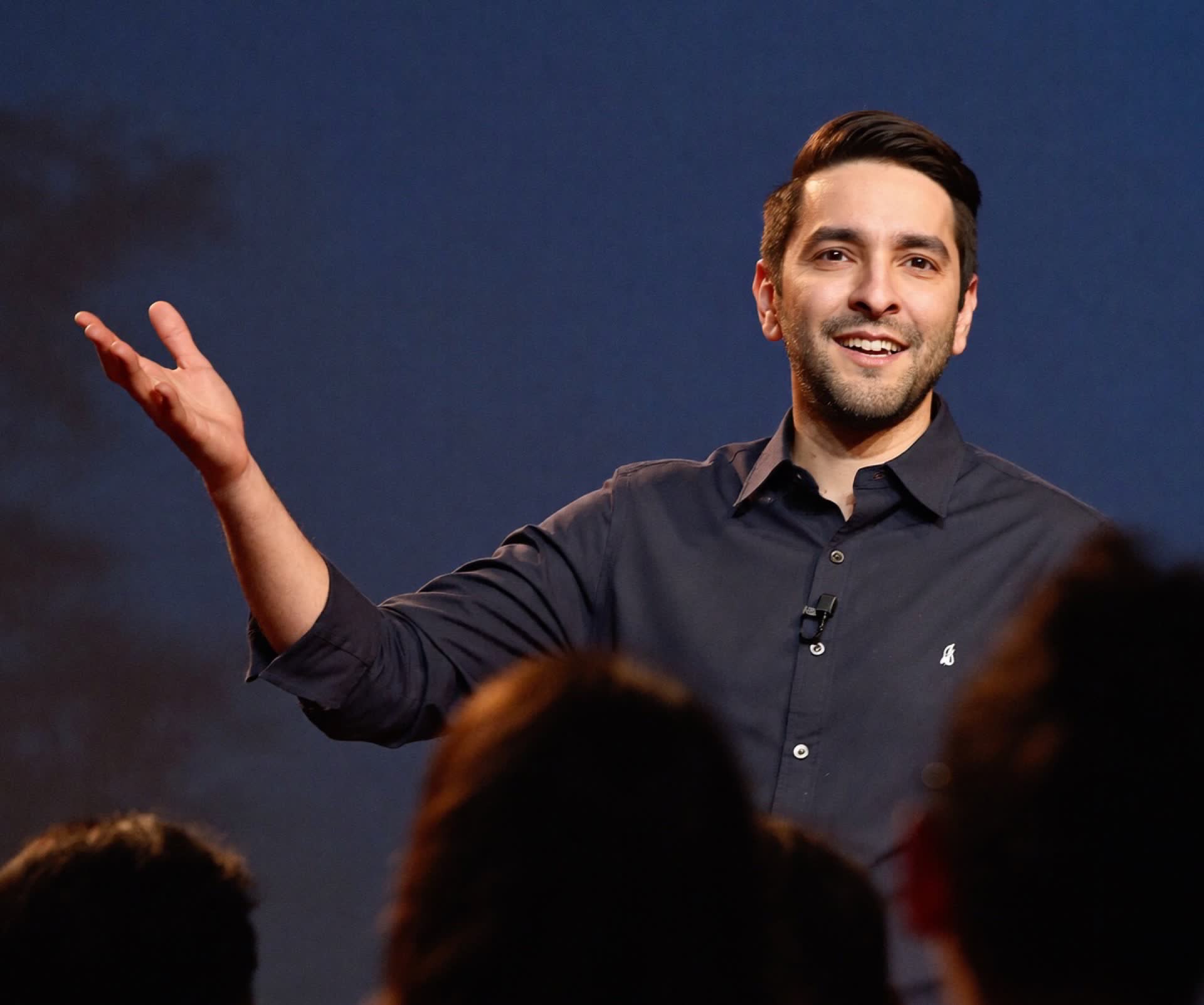
Shahbaz Khan walks through the path from FAST CS to Lall Studios to Ericsson to Teradata to running the government's digital media wing — and why the conflation of state communication with party politics is the most stubborn misunderstanding in Pakistani public life.
with Shahbaz Khan
11 min read
From Pindi schooling to a FAST cultural shock
The episode opens with Muzamil introducing Shahbaz Khan as a close friend and the person with whom he had launched his earlier platform, and noting that the two of them had studied computer science together at FAST. Before the conversation gets near Lall Studios or the Ministry of Information, Shahbaz walks the listener through how he got to that classroom in the first place.
He grew up in Rawalpindi and went through The City School’s Settler Town branch on Murree Road from nursery to O-levels — “a very good school,” in his words, where his entire childhood was spent. A-levels presented a choice of campuses across the twin cities, and FAST after that was a genuine break with the bubble he had known.
Muzamil names the moment directly. “When you come to FAST, you get a cultural shock initially,” he says, framing his own arrival the same way. Shahbaz does not minimise it, but he reframes it as opportunity. “When I came to FAST, I was very happy,” he says, “because I like exploring new things in new places.”
A computer science degree with an extracurricular itch
Shahbaz is clear that the four years at FAST were good ones, and equally clear about why they were never going to be only about computer science. He arrived with what he calls “a bug” — a sense that university was a window to explore, and that something else had to be happening alongside the degree. Sports culture at FAST was strong, the CS faculty was solid, and the campus had football and cricket running at all hours. But the itch was for something he could make.
He traces it back to a first-semester English course where the final assignment was a presentation. He and his group decided to add a visual experience to a topic on code-switching — “where you mix English and Urdu while speaking” — and shot it as a video. It was their first time. The class responded. A physics presentation came next, and by that point the group was comfortable enough on camera to take their shirts off in class for it. Shahbaz lingers on what the experience taught him: that when they got together to make something, the result was good, and that performance and craft were part of the appeal alongside the CS coursework.
Lall Studios and Pakistan’s infotainment gap
Muzamil bridges the FAST years into the work that followed. At the time, Shahbaz ran a page called Lall Studios that had started as a photography page — he had been posting a 500 Days of Lall series of pictures. Then one day, as Muzamil recalls it, Shahbaz came in with a new idea: “We make videos for class. Why not do it for social media?”
The team came together and chose a deliberate position in the feed. “We wanted to value-add for social media consumers in Pakistan,” Shahbaz says, “because at that time you didn’t get that kind of thing. You mostly got entertainment videos.” He places the page inside a specific phase of Pakistani social media — what he calls an evolutionary stage where infotainment did not yet exist as a format. The group’s working principle was direct: positive messaging, hopeful content, informational content, with brand partnerships layering on top.
The Lall Studios chapter ran until 2015, when the group graduated and Shahbaz took a break. He is honest about the reason. “I came from a humble background,” he says. He is the only son in his family, and the household had invested everything in the education of its three children. The constant sense of having to support his family financially meant Lall Studios was not, at that point, a path to sustainable income. He chose to follow what he had actually studied.
Ericsson, Teradata, and a year on a Saudi banking project
The corporate chapter starts at Ericsson. The Swedish networking company was handling the technical side of Telenor’s EasyPaisa application and had been outsourced parts of the operations, and Shahbaz joined the EasyPaisa project as a vendor. He is candid about how he held the work in his head. “I was never that serious about it, to be honest,” he says — not because he underperformed, but because he knew it was a transitional role. He had wanted to move into data.
Teradata gave him that move. He spent three years there, working on the side of the business that takes a client’s data and pulls valuable information out of it to inform strategic decisions. A month or so in, the company sent him to Riyadh for a banking project, where Teradata was the vendor. He went on-and-off across the year — about five months in Saudi Arabia, the rest from Pakistan — and he is clear about what made the experience formative: a multicultural environment with colleagues from India, Lebanon, Jordan, Pakistan, and Saudi Arabia all building a tech project together.
He left Teradata wanting to explore management and adjacent disciplines, having already done the data consultancy piece. And then, in his telling, the exploratory phase ended sharply. “Suddenly a panic situation arrived,” he says. “Now it’s about survival. What do you do?”
A friend, a job posting, a PO box, and two interviews
The answer arrived through a friend who forwarded a job posting from the Ministry of Information for the Digital Media Wing. It was a managerial role: come in, take responsibility for the government’s digital media, grow it, run it. Shahbaz applied.
Muzamil presses on the mechanics, and Shahbaz walks through them. The application had to be sent by post — TCS or courier to a PO box at the ministry, not by email. The first interview involved an hour and a half of waiting and a panel of at least six or seven bureaucrats, including the minister and the cyber secretary. The questions were what you would expect from a state digital media interview: fake news, digital media broadly, the things adjacent to the role. A shortlist followed, then a second interview with more grilling, then a selection.
The first weeks on the job were a guided tour of the ministry’s departments — PTV, the External Publicity Wing, the cyber wings — so that the new hires understood how the ministry actually worked before they were asked to do anything in it. Only after that did the formal work begin: projecting the Government of Pakistan on digital media, strengthening that presence, and building the capacity of the ministries to do this for themselves.
The state is not the party, and the digital media wing is the state’s
This is the section where the conversation sharpens, and it is the section that gives the episode its title. Shahbaz explains that the public misunderstanding he ran into immediately, and repeatedly, was the assumption that joining the Digital Media Wing meant joining the political party in power. “I don’t understand,” he says, of the accusations he received. “When have I ever been a PTI worker? I never even went to the Islamabad dharna.”
Muzamil sits inside the same observation. “The government of Pakistan means the state of Pakistan,” he says. “That means irrespective of whoever is in power, government sustains.”
Shahbaz’s mechanical argument is the one a Pakistani policy reader should keep handy. If the ruling party wanted to push its own messaging, it already had its own social media handles, run by private teams, with reach that exceeded the government’s machinery on digital. “If they wanted to do something,” he says, “they would invest in that — the message is reaching the people anyway. So it doesn’t make sense” to weaponise the state’s channels for partisan purposes.
Muzamil sharpens it one more turn. “This was a way for the state to reach out directly,” he says — and frames the broader move as a win for democracy. The state had always been on conventional TV; it had always issued notifications that media outlets would re-interpret. A direct social channel meant the state could share more information, on its own terms, with the public. Critique of the state, both note, is the job of national media. Capacity-building for state communication is a different job, and Shahbaz had taken that one.
He gives a concrete example. The Ehsaas programme was a state initiative; communicating Ehsaas’s offerings to the public was inside the digital media wing’s remit. Doing that work, Muzamil adds, does not mean the people doing it cannot be privately critical of the state. The two roles are not mutually exclusive.
Restarting Lall Studios and the relaunch that went viral
Three years after stepping away from Lall Studios, Shahbaz came back to it. The middle years had brought repeated thoughts of restarting, but none of the ideas had clicked. He was unwilling to make content for the sake of making content. The pull he kept feeling was the same one that had defined the page the first time: Pakistani social media still lacked digestible informational content. News channels offered fights more than information. Lifestyle and entertainment dominated the rest.
The new series, Kaam ki Baat, took dry topics — economy, education systems, the kinds of subjects people will not sit through for eight minutes — and rendered them in a watchable form. The team set itself a careful threshold. “We targeted that the first video, if it gets 30,000 views, we’ll continue making these videos,” he says. The first video crossed a million.
Shahbaz is honest about how the format has aged on the broader Pakistani feed. Pop-up infotainment creators exist, but they have not gone mainstream. Three or four people are making this kind of content seriously, capping out around 30,000 to 50,000 views per video. The need is real; the supply has not scaled. He is hopeful the gap will close over time.
Turning thirty, marriage, and a son
Muzamil turns the conversation personal. Shahbaz is twenty-nine, turning thirty soon — three decades down, as Muzamil puts it, half a life. The exploratory mode that ran through the FAST years and the corporate years is no longer the operating mode.
He got married in the past year, to a woman he liked enough that he proposed. He is direct that the shift married life produces is not adequately described by the word “change.” “I think change is a small word,” he says. “Married life completely changes. The scope through which you see the world changes — you start seeing the whole world through a different lens.”
A child followed. Shahbaz describes the first moments after birth in plain language — the baby coming out blue and then turning normal, the impossibility of explaining the feeling to anyone who has not had it — and lands on a sentence that earns its weight. “The life before that moment is one life,” he says, “and the life after that moment is another life.” It is also tiring, he adds: nothing in adult life prepares you for someone being that dependent on you. He has heard the sleep returns at two. He is waiting.
Mortality, parents, and the trap of living forever
The closing philosophical stretch is one Shahbaz frames himself. “Most people don’t have a sense of their own mortality,” he says, “and so we live like we are here forever.” The cost is that every setback gets loaded with anxiety it does not deserve. The corrective, in his telling, is to ask: if life ended tomorrow, would you want this day to have been one spent inside that anxiety?
Muzamil pushes back gently, with his parents in mind. They lived a sacrificing life, he says, and he wishes they had invested more in their own experiences. Shahbaz agrees and extends the point through faith: a creation called the best of creation was not made only to spend its life serving, with nothing of its own. “Live a life,” he says, “that when you look back, you say — yes, I lived a good life.”
A hopeful Pakistan and the case for young leadership
By the end of the conversation, Muzamil asks Shahbaz to look at Pakistan. The answer is hopeful, but specific.
Shahbaz says change is coming whether anyone wants it or not. The generational gap people already feel between themselves and their parents will replicate inside bureaucracy, government, the private sector, and businesses. The youth coming through is more equipped with information than any generation before it, because of social media and the internet. The hopeful situation is real. The open question is who provides direction.
Muzamil corrects the word. Not direction — leadership. “Young leadership,” he says, “is needed not just in government but in companies, civil society, startups, businesses, everywhere.” Shahbaz agrees, and Muzamil delivers the line that closes the argument. “Tomorrow’s Pakistan’s vision,” he says, “today’s youth has to give. The previous generation cannot give it, because their total shelf life is — understandably — what it is. You can only imagine as much as your life depends on it.” The vision of the next Pakistan, in other words, has to be carried by the people who will live in it.
The episode ends with Muzamil thanking Shahbaz, noting that the conversation has run differently from most of the sessions on the show, and pointing viewers to a related programme where he speaks to government officials, policy makers, and think-tank academics about the thinking behind major policy decisions.
Full transcript
नमस्कार मेरे साथ मेहमान, मेरे बहुत ही क़रीबी दोस्त और मेरे साथ पिछले जो मेरा platform था उसको शुरू करने वाले साहिब, श्रवास खान. यह Fast University में मेरे साथ जो है इन्होंने computer science पढ़ा था.
तो पिंडी में आपने grow up किया? Schooling कहां से किया आपने? School में बस पिंडी में जब nursery से लेकर मैंने ओलावस्थक the city school है. बड़ा अच्छा school है. वहीं से सारी schooling हुई है. वहीं पर सारा बचपन गुज़ रहा है. यह कौन से वाला यह? पिंडीवाला? यह main settler town branch है Main Murray Road के ऊपर. सही हो गया. तो वहीं से O levels तक वहीं पर सारा कुछ. फिर A levels कहां निकल गए? A levels के लिए मैं मतलब confused था क्योंकि अब O levels के बाद आपने नई जगह जाना होता है. Mostly यही होता है क्योंकि हमारा जो पिंडीवारी branches में O levels तक था. Right. वह तो A levels के लिए अब यही options थी कि या तो इस्लामाबाद वाले city school जाएं या बीकना उस मामला campus चले जाएं या roots चले जाएं. Roots मैंने कभी सोचा नहीं था मैं जाऊंगा. हां. Personally speaking कभी मैं मतलब मुझे इतना उस वक़्त मुझे इतना नहीं था. मैंने इतना मतलब अब मैं क्या आपको? वह generally बिगड़े में बच्चे जाते थे वहां पर.
Know आप root से आ रहे थे. Fast में जब आप आते हैं तो एक cultural shock मिलता है आपको initially. बिल्कुल. You know हम जो इस्नाहाबादी तो चले जो twin cities है वह एक ही बात है और उसमें जो a levels वाला होता वह एक particular bubble में होता है. तो what was what were those four years,
like for you? अच्छा fast में generally speaking तो मेरे चार साल बहुत अच्छे कुछ हैं. लेकिन जब starting में कहते तो जैसे आपने कहा कि cultural shock थोड़ा सा लगा था क्योंकि नई जगहों पर जाकर नई चीज़ों को explore करना मुझे पसंद है. Right. तो जब मैं fast आया तो मैं तो बहुत ही ख़ुश था कि यार यह तो नई जगह पर ही आ गए. हां. मतलब एक नया ही experience है बिल्कुल ही altogether. हां. तो उसमें फिर यह हुआ कि और दोस्तों के अलावा university का experience generally कर सकता हूं. यार university का experience काफ़ी अच्छा था क्योंकि मेरे मैं आया था मैं computer science तो करनी थी लेकिन मैं बहुत ज़्यादा extracurricular activities में involve रहना चाहता था ऐसा student था हर्दफ़ा में sports और ये सारी चीज़ें करना चाहता था. तो फ़ास में एक तो generally sports culture बहुत अच्छा है कि आप हर वक़्त sports चल रही होती थी, football चल रही होती थी, cricket चल रही होती थी, जिसने जो खेलना है वह CS पर भी काफ़ी अच्छा, teachers वग़ैरह काफ़ी अच्छे qualified teachers थे. वह भी सब अच्छा उस तरफ़ से भी अच्छा चल रहा था लेकिन फिर भी वह थी. एक कीड़ा था कि कुछ कुछ और भी होना चाहिए. University है, explore करने का time है, कुछ और भी होना चाहिए. तो मुझे याद है कि जब first semester था fast में तब हमें English का course था और हमें presentation final बनानी थी. English से पहले physics के लिए बनाया थी हमने video. Physics में बाद में आई थी. पहले English की बनाई थी. अच्छा अच्छा. हां, physics पर तो वक़्त हम full comfortable हो गए थे videos में. थी. तो हमने कहा हम अपनी presentation में एक visual experience भी देंगे उस topic के अंदर code switching topic था. अच्छा. हां, code switching यह होती है कि यहां English और उर्दू का mix करके बात करते हैं. तो उसमें हमने पहली दफ़ा videos बनाई थी. एकदम डरकर उर्दू में बोलने लग गए हैं, पहले English में बोल रहा था. इस तरह की ले हम videos. ठीक है लेकिन उस दमाने में लगता बड़े fit concept है यार. हां. Nolan हम ही है अगले. तो उसमें यही लग रहा है. तो class ने काफ़ी appreciate किया और फिर हमने जैसे तुमने बताया कि physics में भी हमने बनाई थी और physics की presentation याद है? हां, वह बड़ी दिक़्क़त है. हमने शर्टें उतारी थी class में. हां, वह वक़्त. तो यह सोच सकता है कि CS, fast CS में एक कुछ पास. हम मिलकर करते हैं तो वह अच्छी चीज़ बनती है. Performance में भी थोड़ा सा एक है एक Performance element है, शौक है, मज़ा आ रहा है करने का. तो उस वक़्त आपका एक page होता था Lall Studios के नाम से. बिल्कुल ऐसे. जो कि primarily उस वक़्त पहले photography page था और आप उस पर five hundred days of laws की pictures लगाते थे and then one day you came कि आपने कहा कि यार यह आलीचन आ रही है. Videos बनाते हैं. हां. हम जैसे classएं बनाते हैं तो why not do it for social media? हां. And then the team got together और हमने फिर value add करना चाहते थे social media consumers के लिए Pakistan में. क्योंकि उस ज़माने में कुछ ऐसा होता नहीं था. आपको ज़्यादातर entertainment videos या मतलब उस वक़्त evolution के हम उस stage पर थे कि आपको infotainment का content उस तरह से मिलता नहीं था. बिल्कुल. तो हम सब ने मिलकर यही सोचा था कि यार अगर हम कुछ कर रहे हैं तो हम एक positive messaging के साथ आएं और कुछ नई चीज़ें बताएं लोगों को और वही हम करते थे, कोशिश करते थे. एक hopeful content बनाते थे, informational content. ज़ाहिर हम हमने content वगैरह बनाया digital create and we partnered with multiple brands of Pakistan और उन सबके साथ भी मिलकर काम किया तो एक बहुत अच्छा exposure मिला upper till twenty '15. '28. के जब हमने law studio से break ले ली. सही है. और वह break क्यों ली? वह break इसलिए थी कि हम graduate करके थे दो हज़ार पंद्रह में fast से और मैं अगर अपना personal ही बताऊं. Core group जो था वह आप कितने लोग थे? Core group वैसे तो Lolls में तो खैर अगर मैं personally देखूं हर किसी की अपनी reasons होंगी वह break लेने के लिए. लेकिन मेरी reason यही थी कि I came from a humble background. अरे यार मैं humble आप. Humble तो नहीं कौन सा मतलब? हम्बल मैं कहीं से नहीं हूं. ठीक है, मैं कह रहा मेरा background number है. City school से आप graduate किए हैं. यार वह इसलिए था मैं बता देता हूं उसका क्योंकि मेरे अम्बा यह नहीं था कि city school was just like that कि उन्होंने पढ़ा दिया. वह यह था कि they invested everything in the children. मतलब दो तीनों बच्चे हैं उन्हीं की education पर सब कुछ invest हो गया. सही है. मतलब उसके अलावा हमारे पास वह नहीं था luxury नहीं थी इस तरह की. Right right right. लेकिन उन्होंने बड़ी मेहनत की और उन्होंने make sure किया कि बच्चों को तालीम जो है वह सबसे बेहतरीन मिलनी चाहिए. ख़ाली मतलब अकेला लड़का भी था मैं. मेरे भाई हैं भी. हां नहीं यह भी बड़ी important है. इकलौता बेटा होना है. हां तो वह एक सारे constant वह होता था कि यार अपने family को संभालना है, family को support करना है financially और वह सारी चीज़ें तो इतनी आपकी opportunities नहीं थी कि आप extra sustainable income उस वक़्त निकाल सकें उससे. तो फिर उसमें यही decision था मेरा तो कि यार let's focus on what you did in the university और उस profession में कुछ किया जाए. Right. और फिर हम उस profession में निकले. Corporate life हमने explore की वहां पर. उसमें किधर गया सबसे पहले? उस पर मेरी सबसे पहली job थी मेरी Ericsson में थी. Ericsson एक Swedish company है networking की. Primarily और भी बहुत कुछ करते हैं. और उन्होंने basically they were handling the technical side of EZPesa application Telenor की. Then उन्होंने outsource किया तो vendor थे उनके. सही. तो Erikson ने hire किया हमें Talon और EasyPaisa project के लिए. ठीक है. तो उसमें हम यानी services का basically काम करते थे operations जो backend operations होते थे उस पूरी application के वह वहां से handle होते थे वह सारी चीज़ें होती थी. Now I always wanted to काम में इतना serious में to be honest मैं इतना serious नहीं लेता था. हां. क्योंकि मुझे पता था कि वह एक transitionary चीज़ है मैंने data की site पर आना है. Right. तो लेकिन काम जितना required था उतना ज़रूर किए. हां. यह नहीं कि मेरे performance में कोई मसला था वह इतना किया. हां लेकिन anxiety नहीं दी थी. लेकिन वह नहीं दी कि यार यह इसमें ही कुछ करना है क्योंकि मुझे पता था इसमें कुछ करना नहीं है. हां. फिर साल बाद TerraData opened up some opportunities और और फिर हमने वहां पर apply किया. Data की site पर आने के लिए and then I got that job और फिर मेरी second job जो थी वह TerraData में थी जहां पर मैंने तीन साल अपनी ज़िंदगी के दिए. Right. और उधर बल्कि आप उसके data के साथ खेलकर कोई valuable information निकालनी है which can help in strategic decision making. तो उसके लिए वह TerraData की services hire करते हैं. Right. Which are the experts of data warehousing और आजकल तो cloud पर भी वह बहुत ज़्यादा आ गए हैं. उस वक़्त पर ज़्यादा focus warehousing पर ही था primarily. Right. तो वहां पर हम गए फिर वहां पर, मेरा ख़याल से मैं एक आध महीने ही Terraetta join किया हुआ होगा तो I went to Saudi Arab. Right. उधर एक bank था जिसका project था basically वही, Terraetta vendor था उनका. तो वहां पर काज़ी शादी दो महीने, दो तीन महीने के बाद मैं उस project पर I went to रियाद. सही. फिर वहां पर हम मेरा और काज़ी भी मेरे साथ था बल्कि वह भी law studios का vendor था. काज़ी और मैं दोनों सऊदिया में हमने बड़ा experience था और काम के हिसाब से भी आपको एक multicultural environment में काम करने को मिलता जहां India से भी लोग आए हुए हैं. हां. Lebanon से भी लोग आए हुए हैं, Jordan से भी लोग आए हुए हैं, Pakistan से भी आए हुए हैं, Saudi भी हैं. तो एक multicultural setup में आप tech में काम कर रहे हैं तो उसका भी बड़ा एक अच्छा experience था और बड़ा कुछ सीखने को वहां से पिला. Right. फिर वह project wrap करके I came back. सही और कितना अरसा वहां पर रहे हैं आप? वहां पर मैं on and off था क्योंकि मैं आता जाता रहता था उसमें. सही. तो वहां पर मैं पांच महीने रहूंगा लेकिन उस project पर मैं पूरा साल था जिसमें से छह महीने में यहीं से सही. काम किया था और पांच महीने वहां पर किया था. Terraetta यह बड़ा अच्छा time था और वह भी I need to explore more things as well. Specially because मैं चाह रहा था कि management और उससे related भी चीज़ों को touch किया जाए और उसके related भी experience दिया जाए, data consultancy तो कर ली थी. तो उस वक़्त फिर मैंने छोड़ा था. सही होगा. और उसके बाद हम हां. वहीं वहीं बाद में थोड़ा time गुज़रा. खैर वह आ गया. अब एकदम से panic situation आ गई है. क्या करना है? यह तो exploratory, वह तो सब गई ना. अब तो survival की बात आ गई है करना क्या? हां. तो उन दिनों fortunately एक मैंने मेरे किसी दोस्त ने मुझे भेजी थी कि यार यह एक job आई हुई है government में. Ministry of information के under digital media wing की एक job है. Managerial job थी और वह यही थी कि आप उधर आएं और उनका digital media संभालें, उसको बढ़ाएं सब सारा कुछ करें. तो I applied for that job और वह फिर सारा process हुआ interviews करना है, got selected तो वहां पर फिर काम हमने शुरू किया. ज़बरदस्त. इस job के बारे में यह digital media bank वाली job है इसके बाद किसी Proof लेकर proof लेकर से ज़्यादा भी एक facts पर base होनी चाहिए. अब वह हम पर ऐसे ऐसे जाम लगे हैं कि because they have joined this digital media wing which by the way is under the Ministry of Information. अगर तो for example prime minister office चला रहा होता ना wing या कोई उससे directly related to PTI एक body होती है वह चला रही होती. जैसे social media team PTI की अपनी है. हां. वह तो अपना उससे related कोई चीज़ होती तो समझ भी आती है PTI. हां हां. अब एक obviously और उसमें यही था कि मुझे समझ नहीं आती कि हम पर भी ऐसे ऐसे education लगाएं कि जी, यह तो जी PTI के workers इन्होंने सारे hire करनी है. अच्छा मुझे नहीं पता हम कब से PTI के? कभी आज तक स्नाहाबाद धरने पूरा पर गए थे और नहीं मुझे यह समझ नहीं आती कि as an individual you have the right to support any party at any particular time. अगर दो हज़ार तेरह में for example if as a पाकिस्तानी I was standing with the narrative of PDF for example as a पाकिस्तानी कि जवान लोग हैं university के. हां. PTI आई उन्होंने कहा जी तुम उन्होंने हम जवानों को एक वह राह दिखाई. हां. कह सकते हैं. हां. कि यार यह तुम्हारे साथ ग़लत हो रहा है और तुम लोग हमारे साथ हो तो हम ठीक है. तो वह मैंने अपनी CV बनाई तैयार की और मैंने वहां पर portfolio पर डाली और फिर मैं wait करने लग गया to get a interview call.
Email की sir? PO box किया था हमने जाकर अगर आपको याद. हां मुझे हां सही कह रहा
इस पर भी हम बात कर सकते हैं इन processes पर भी. लेकिन खैर हमने वह post की जाकर कि ministry of information को आपने TCS या किसी के ज़रिए आपने वह भेजनी है. Right. तो वह हमने application पूरी भेजी और फिर मुझे याद है मुझे call आई थी एकदम तो ख़ैर घंटा डेढ़ उस कमरे में हमने wait किया. जब मेरी बारी आई, घंटे डेढ़ बाद मेरी बारी आ गई. उन्होंने कहा भाई आपका interview होगा. Then I went in for the interview. उस panel में आठ, छह, सात लोग तो थे at least जिसमें ministry of information के minister साहब भी थे, secretary cyber भी थी, DS, JS और भी बहुत से लोग होते हैं relevant जो ministry के होते हैं. तो छह सात लोगों का एक panel था सारे bureaucrats से और उन लोगों ने फिर हमारे interviews किए और उन्होंने वही digital media से related जितने भी सवाल होते हैं, fake news और वो सारी चीज़ें उन्होंने की और फिर उन्होंने कहा ok we'll let you know कि क्या बनता है. ठीक है. फिर वही हम वापस आ गए और हम wait करना शुरू हो गए कि जी क्या फिर luckily call आ गई for the second interview. दो interviews हो गए थे पहला new. फिर उन्होंने shortlist किए लोग. मतलब for example अगर सौ लोगों ने apply किया तो सौ में से उन्होंने बीस या तीस लोग shortlist कर ली. तो उसमें भी नाम आ गया then they called in for the second interview. और second interview भी फिर हुआ उसमें मज़ीद उन्होंने grilling की, candidates की और फिर उसके बाद selection हुई आपकी और फिर हम भी joint फिर शुरू के दिनों में तो उन्होंने सारे ministry के departments हमें visit करवाया जिसमें PTV भी था और external publicity wing और बाकी जितने cyber wing हैं उन सब departments का कि पता चले हमें कि ministry काम कैसे कर रही है, क्या processes हैं. वह कराया और उसके बाद फिर formally, काम शुरू हुआ जो कि आपको बताइए कि वह काम यही है कि government of Pakistan का digital media पर आपने projection करनी है और उनकी digital media पर presence को आपने strengthen करना है, ministries की capacity building करनी है और यह सारी चीज़ें. अच्छा यह बहुत important है because a lot of पाकिस्तानिश do not understand the demarcation. The government of Pakistan means the state of Pakistan. बिल्कुल. That means irrespective of whoever is in power,
government sustains. Yeah. Right? बिल्कुल. This is यह बड़ा क्योंकि उस time भी मुझे याद है when I was there for two two and a half month तक़रीबन आप लोगों साथ. तो लोगों का यही होता था कि जी आप तो PTI की करने चले गए. PTI यार PTI के अपनी social media अलग है. वह एक political party है. उस political party के अपने social media के लोग अलग हैं. This was a government. Government means बल्कि जो PTI के social media handles हैं उनकी reach तो government के channel से बहुत ज़्यादा है. बहुत ज़्यादा है. अगर उन्होंने कुछ करना ही होगा ना
private teams मेरे ख्याल से चलाती हैं तो उनकी reach तो फिर बहुत ज़्यादा है government के machinery से digital media पर. वह तो फिर उस पर invest करेंगे कि message उनका पहुंच भी रहा है लोगों का मज़ीद लोगों का तो it doesn't make sense. It doesn't make sense and and and state
understanding बड़ी simple सी कि state जो है वह conventional TV पर भी बैठी हुई है state जो है वह आज तक वह public के पास उनका कोई message पहुंचाना होता है state ने वह एक notification निकालती है complicated सी फिर वह notification जो है media वाले पढ़ते हैं और वह media वाले पढ़कर उसको जितना भी घुमा देते हैं अच्छा भी घुमा दे. This was a way to for the state to reach out directly. Directly बिल्कुल. Social media to the public and for me this was a win for democracy. Mhmm. कि state जो है वह directly अब ज़्यादा information share करेगी. भाई यह तो ज़ाहिरी सी बात है state जो है वह कहकर केगी जी state critical नहीं होगी. America मुझे दिखा दे हैं आज America को एक department दिखा दे हैं जो अपनी media
के अंदर self critical हो रहा होता है. यह media का काम है. National media बैठना है बाहर critical हो. देखिए state का काम है ना उन्होंने for example एक initiative start किया एहसास program. ठीक है? अब being a state's digital media wing हमारा यह काम for example है कि आपने एहसास के initiatives को लोगों तक पहुंचाना
the just because आप state का message लोगों तक पहुंचा रहे हैं does not mean a that you are not critical of the state, you could be. Mhmm. आप बैठकर कह सकते हैं कि यार I don't agree with with the things that you're doing but that's your job which जो आपने लिया आप
Break ली. फिर अब beach में बहुत दफ़ा ख़याल आया कि यार Law Studios एक अच्छी चीज़ थी why not started again. लेकिन उसमें यही था कि कोई ऐसा idea click नहीं कर रहा था कि हां यार यह चीज़ बनानी चाहिए जिससे कोई फ़ायदा भी होगा, impact भी होगा और हमें भी कुछ होगा कि यार कुछ किया है. मतलब just making content for the sake of making content कभी ना किए है ना उसका दिल जाता है तो वह इसलिए फिर वह शुरू beach में नहीं हुआ. लेकिन quit करने के तीन साल बाद finally एक idea आया जो कि वही था कि फिर से आप भी industry में देखेंगे कि pranks और entertainment videos और बहुत सी चीज़ें चल रही थी लेकिन वही बात है कि informational content फिर भी lack कर रहा था. या तो informational content आपको वह news channel जिसमें हर वक़्त लड़ाई चल रही है, वहां से information कम और वह चीज़ें ज़्यादा मिलती हैं और दूसरी side entertainment based या lifestyle based content ही आ रहा था. तो उसमें भी फिर यही था कि why not start something जो कि informational videos एक digestible तरीके में लोगों को दे. तो वहां से फिर काम की बात की series शुरू हुई थी जिसमें हमने different dry topic जिस तरह के economy है या कोई education मतलब system है जो topics generally लोग इतने आसानी से नहीं देख पाते कि आठ minute मैं क्यों देखूं बैठकर? मतलब उस उस content को फिर थोड़ा सा digestible form में dumb down करके ताकि लोगों को बहुत सी technical चीज़ें हैं अगर मैं computer science graduate हूं देना वह भी एक task था, challenging task था और लेकिन वह बड़ा अच्छा हुआ है क्योंकि हमारा मुझे याद है हम जब बैठे हुए थे पहली episode कर रहे थे पहले. तो हमें तो यही था कि तीन साल से page पर एक post नहीं हुई. तो एक dead page है पर कितना ही लोग देख लेंगे. हां. तो हमने target रखा था कि पहली video तीस हज़ार views अगर हो गए. हां. तो we'll continue making these videos. हां. हमें याद है पहली video यह million cross कर रही है. हां बिल्कुल ऐसे ही. तो वह फ़ट गई थी पहली रात को यह बस नहीं हुए हैं, pop up हुए हैं वह mainstream नहीं हो पा रहे. अच्छा. ठीक है? मतलब वह जो उस तरह के जो जो उस तरह की formatting में लोगों ने और बनानी चीज़ शुरू की है ना उसमें मैंने देखा था वह mainstream नहीं हुए वह बड़ी niche है. छोटे मतलब छोटी niches में अभी वह खेल रहे हैं. अच्छा. कि मतलब 50,000 या 30,000 views या 40,000 views. और बना रहे maximum. हां मतलब लेकिन इस तरह का content तीन चार लोग बना रहे हैं. अच्छा. लेकिन वह जाएगा वह mainstream नहीं हो पाया. साथ साथ यह भी एक need है. तो वह इंचालाह बढ़ेगी वक़्त के साथ साथ Pakistan भी. तो उसके बाद फिर अब आप इस
time पर, you know, what where are you at in your life? How old are you? I am 29. You're 29? Turning 30 very very soon. Yeah. That's all the turning point obviously for any any pass. तीन decades हो गई हैं इस life. तीन decades हो गई हैं. हां. आधी ज़िंदगी आपने गुज़ार ली. हां. तो
कैसी जा रही है sir ज़िंदगी? Sir यही था कि अभी तक तो चढ़ा life थी. हमने भरपूर तरीके से enjoy किया है. उसमें सारी चीज़ें खेला कूदा, explore किया है, इधर उधर निकल गए, दिल नहीं चाह रहा, उधर चले गए, दिल नहीं चाह रहा, इधर चले गए. लेकिन अब पिछले साल एक हमारे साथ एक, पिछले साल नहीं इसी साल. अभी नहीं शायद हो सके कि जब upload होते हो तो यह तो पिछला तो पिछले साल यह हुआ था कि हमें ख़ातून पसंद आ गई. अच्छा. जिससे हमने कहा कि why not इनसे शादी क्यों ना कीजिए? इसके बारे शादी होगी. शादी करने के लिए. तो हमने कहा why not शादी करनी चाहिए? हमने उनसे बात की और हो गया. अच्छा. हमने पहले तो ख़ातून से बात की गई यह proposal. मतलब इस तरह कुछ वन सकता है system. Change होती है. हां, पलट जाती है. Change छोटा word है मेरे ख़याल से. Married life को बिल्कुल change हो जाती है. हां. तो आप जिस scope से आप दुनिया को देखते हैं वह scope एकदम आपका बदल जाता आप एक different नज़र से पूरी दुनिया को देखना शुरू हो जाते हैं उसके बाद. तो अब वह हो गया. तो अब उस उस नई life की हम चीज़ों को समझने की कोशिश कर रहे हैं आजकल. यहां पर हैं हम आजकल
आप जितने भी वह हो suddenly जब बच्चा आता तो automatically I think biologically ऐसा है कि आप बस उसी के जो around घूमना शुरू हो जाते हैं. आपको कुछ और ज़्यादा सोच नहीं आती. होता कैसा ही है वैसे? अगर बच्चा आ जाए आपकी life में तो क्या आपकी life क्या हो जाती है मतलब? छोटी छोटी चीज़ें just with the way that your day turns around when you have a child के. आपके बहुत बुरुश मुश्किल दिन होगा उसकी एक smile ही. बड़ी cliched बातें हैं सब लोग करते हैं but but this is actually true. इसी के साथ साथ I think और मेरे लिए तो वह बड़ा important था कि जो जिस दिन में जो baby आया है और, you know, the first time he cried and the first time I saw him and वह बिल्कुल blue होता है पहले का फिर YC से normal हो रहा होता है. हां. It's a it's a feeling. It's a separate feeling. वह नहीं समझाई जा सकती. वह नहीं समझाई जा सकती और वह ज़िंदगी आपकी उस moment से, उस दिन से भी नहीं. उस moment से पहले की ज़िंदगी एक होती है और उस moment के बाद की ज़िंदगी एक होती है. तो it's a very magical thing. वह बहुत it's a it's tiring. Mhmm. लायर है. It is tiring. I mean, वह जो है ना, मैं आपकी पूरी ज़िंदगी में आपके पास वह कभी moment आया ही नहीं है जिस पर आप के ऊपर कोई इतना dependent है it drains the energy out of you at at times. उस पर मैंने ख़ैर सुना है, मैंने सुना है कि दो साल तक का जब बच्चा दो साल का हो जाता है तो फिर वह आठ आठ घंटे पूरा लंबा सोचा है. तो तब तक का इंतज़ार है. तब तक का इंतज़ार है.
ठीक है? अब इससे एक और वह side है कि फलसिले वाली बातें if you allow अगर आप चाहें तो. Sir, को recommend है आप. अच्छा, उसमें यह है कि मुझे ऐसा लगता है कि ज़्यादातर लोगों को ना अपनी mortality का एहसास नहीं होता. हां. ठीक है? And we live, we live like we are here forever. Yeah. और उसकी वजह से यह होता कि हम हर चीज़ की ऐसे tension लेते हैं मतलब कुछ भी अगर ख़राब हो जाए आपकी life में तो हमें ऐसा लगता है यार shit और अगर उसके बजाय आप यह सोचना शुरू कर दें कि यार मेरी life कभी भी ख़त्म हो सकती है. तो अगर ख़त्म हो गई कल परसों, तो would you want कि आपका ख़रीदिन इस anxiety और इस परेशानियों और इन सारी मसलों में गुज़रे
लेकिन मुझे थोड़ा सा यह लगता मैं अपने parents को भी जब देखता हूं कि यार उनको शायद थोड़ा सा अपने experiences भी invest करना चाहिए था. Like, उन्होंने बहुत बहुत self sacrifice
Sacrificing life गुजारी है ना तो वह मेरा निकालकर अगर अल्लाह ने एक all mighty being है, उसने एक दुनिया बनाई है. उसमें एक उन्होंने कहा जी कि यार श्रफ़ुल मख्लुकात हैं और best of the creation है. तो मेरा निकालकर best of the creation को सिर्फ़ इसलिए बनाया गया है कि वह अपनी पूरी life बस सिर्फ़ मुझे कहते है my father don't you know time solely for life you will remember. तो है my father क्या आप ऐसी ज़िंदगी सोचिए हो ना कि जो आपको पीछे देखकर आपको हो यार हां यार. हां हां. अच्छी ज़िंदगी जी है.
वह ज़रा analyze करें 95% लोग जो है ना वह अपनी जो उन्होंने image आज से दस साल पहली थी ना उनकी कि वह क्या कर रहे होंगे और कैसा कर रहे होंगे? उससे शायद आगे होंगे ऐसे वह आगे. हां, मेरे ख़याल से तो ठीक है. हां. यार बचपन का मुज़म्मिल के पूरे नहीं पता कि उसके पास iPhone होगा. बचपन के वाले आज हमारी हमारी needs बढ़ गई हैं, हमारी University thoughts बढ़ गई के third year में पहली दोनों smartphone लिया था. हां, मुझे याद है. उससे पहले अकबर phone क्योंकि इंसान जो है वह ज़िंदगी वही एक funny है.
पीतल की है, दुनिया पीतल की. दुनिया पीतल की. और baby doll आप सोने की हैं. ठीक है.
तो यह है यह बात आपकी दोस्त है. खुशियां जो हैं वह
बास song लड़ बना. हां. वह यही कहता है कि अपने आप को बहुत ज़्यादा अपने वह भी नहीं करना self critical भी नहीं होना. लेकिन अपने आप को यह भी नहीं करना कि यार मैं तो सबसे fit हूं. मैं तो सबसे fit. मेरे सब fit कोई है ही नहीं. हां. Beach में रहना है, अच्छा अब इसमें Pakistan को कैसा बड़ा आपके technical और tricky सवाल है मेरे ख़याल से यह. हां. क्योंकि exactly बताना कि मैं इस तरह देखता हूं वह थोड़ा मुश्किल है. Feeling यह क्या आ रही है? वो अच्छा होगा या बुरा होगा वो मुझे नहीं पता लेकिन change ज़रूर आएगा. Right. क्योंकि अब जो आप generational gap आप भी अपने अम्मी अब्बू और अपने के beach में हां महसूस करते होंगे तो वो generational gap अब हर चीज़ में आएगा. वह आपकी bureaucracy में भी आएगा, वह आपकी government में भी आएगा, वह आपके private sector में भी आएगा, आपके businesses में भी आएगा, हर जगह आएगा. Right. और जो youth आ रहा है वह equipped बहुत ज़्यादा है information से. Social media की वजह से, internet की वजह से और इन सब चीज़ों की वजह से. तो मेरे ख़याल से बहुत hopeful situation है लेकिन वह direction किसने देनी है? यह बहुत ज़रूरी है कि अगर Pakistan में generally यही होता है कि हमने identify कर देंगे यह लोग हमें direction देंगे. हां. वो change करने की ज़रूरत है. Direction I think नहीं leadership चाहिए. Leadership. नौजवान leadership चाहिए. नौजवान leadership चाहिए ना सिर्फ़ government में बल्कि companies में, civil society में, startups में, businesses में हर जगह क्योंकि वो
कल के Pakistan का vision sir आज का नौजवांधित आज का नौजवांधित है. वह वह नहीं दे सकता जिसकी total shelf life जो है वह बिल्कुल. Seven years का क्योंकि you know it's understandable right? You you can only imagine as much as your life depends on it, right? Depends on it और जो आपने देखा है. जो आपने देखा है और आप देखने चाहते हैं. शिवास भाई, thank you so much for coming in. This is very very लिए. Insightful and you know, it was a slightly different session than we have most of the time. But मैं चाहूंगा कि हम नहीं नहीं. और इस तरह का देखने बहुत शुक्रिया आपने हमें I had a few other questions जो कि मैंने किया नहीं. एक being one मैं एक throw कर देता हूं वैसे. एक show हमारा होता था क्या खुलाता था यार वह? आधी राज show? आधी राज show. हां तो वह तो ख़ैर जहां पर हम different government officials से conversations करते हैं, policy makers से बात करते हैं, think tank academics से unpack करते हैं कि exactly some of the most major policy decisions that are being taken right now by the government. What's the thought behind that? So if you'd like to know more about that, you can check out the link below. But, anyways, this was Sayed Mazamel Asan Zedi. You were watching thought behind things. Thank you so much for watching, I'll see you in the next one.
More from Thought Behind Things
Jun 30, 2026
Simon Dixon: the US empire is being wound down by design
with Simon Dixon
Simon Dixon argues the American empire isn't collapsing — transnational capital is deliberately unwinding it, and Pakistan's military has become its leverage in the transition.
Listen →
52:45 Jun 9, 2026
How Asad Mehmood landed Mattermost from Pakistan before A levels
with Asad Mehmood
Asad Mehmood walked into Mattermost before he had A levels, crossed two million dollars on Upwork, and now runs a design agency from Pakistan. He sat with Muzamil to lay out the framework underneath it: become undeniably good, then become visible, then sell outcomes.
Listen →
59:04 Jun 5, 2026
A 22-year-old Pakistani's road map to space by 2050
with Hassan Mossin
Hassan Mossin, a 22-year-old Pakistani astrophysicist training with the International Institute for Astronautical Sciences, walks Muzamil through the next twenty-five years of space — commercial stations by 2030, a lunar base by 2032, and why the bottleneck isn't food or oxygen, it's energy.
Listen →Never miss what's next.
The dispatch - new writing and conversations, straight to your inbox.
First name, last name, email - in your inbox weekly. No spam.