Thought Behind Things · Oct 15, 2021 · 1:03:38
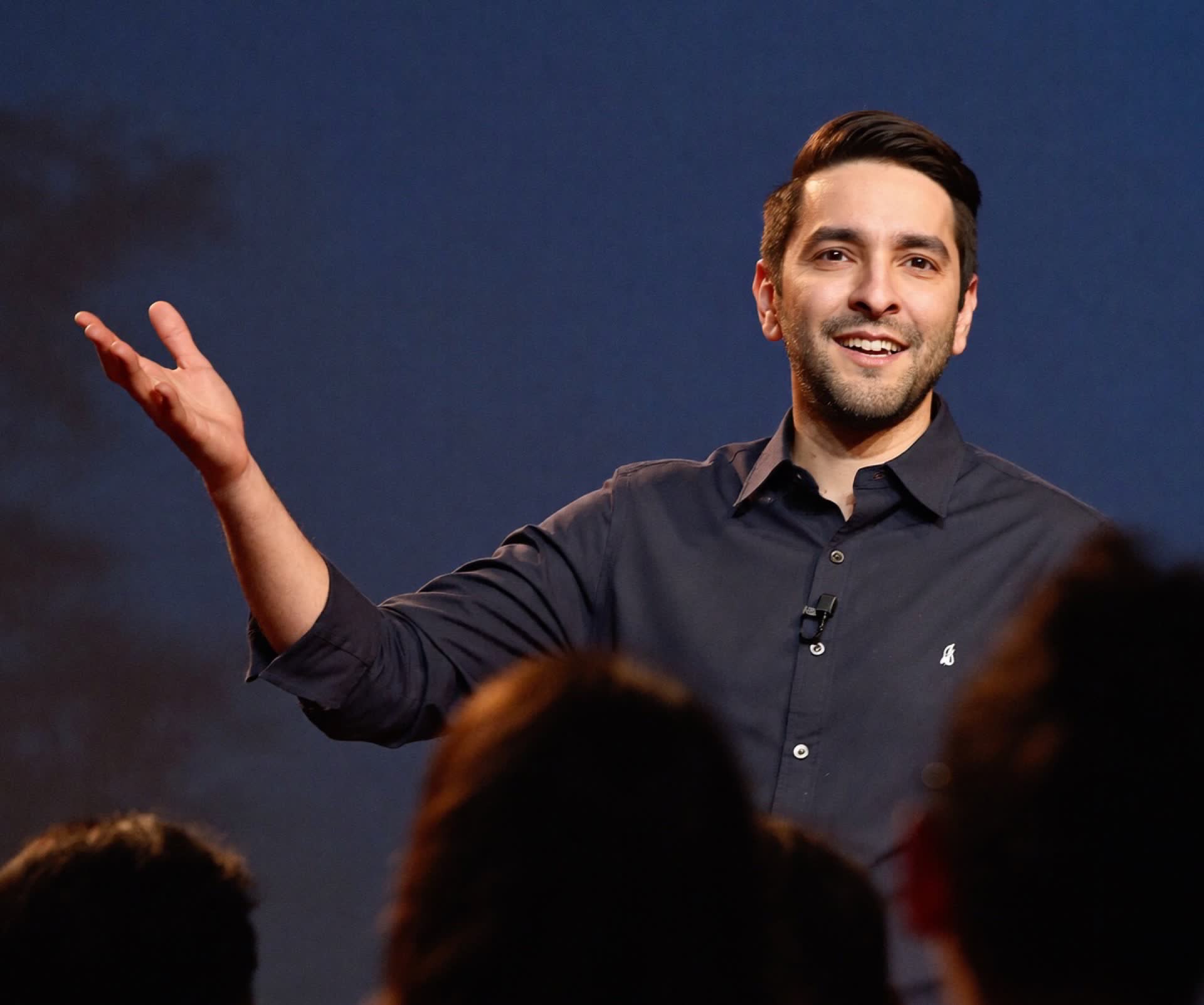
Usman Mukhtar: the actor who still wants to be a filmmaker
Usman Mukhtar on growing up in the Kuch Khaas era, why Pakistani dramas still rotate the same four plots, what shooting a song for thirty-six hours straight does to you, and why he turned down scripts when he had no money in the bank.
with Usman Mukhtar
12 min read
Wanting to be a director, becoming an actor instead
The episode opens with Muzamil welcoming Usman Mukhtar after multiple cancelled attempts to get him on the show — the drama airing at that moment, Hum Kahan Ke Sachay Thay, has him flying back and forth. Muzamil mentions a small straw poll he ran in his own office: the two dramas everyone is watching are Usman’s and Pariza. So this is the first thing to register about the conversation. Usman arrives as one of the most-watched faces on Pakistani television, and the first sentence out of his mouth is that he never wanted to be an actor.
“I’m an actor but dil se I’m a director,” he says. “I wanted to become a filmmaker. I wanted to become a director specifically. But director bante bante actor ban gaya.”
The instinct goes back to boarding school at Lawrence College, Murree. On Sunday town days the students could leave campus until maghrib, and Usman would walk down to a trick shop on Mall Road that sold witch and Frankenstein makeup kits. He would take them home on holidays, put them on, and pull faces into the old steering-handle handycam that someone had at home. “Thank god those tapes are not now available or to be found,” he says. The cricketer dream his grandfather quietly discouraged faded. Filmmaking did not.
His grandfather was a lawyer who stopped practising in 1977 to give free legal advice to people who could not afford it. His father was in business. His uncle was a professor. None of it pointed toward a camera.
The cement bowl, the UPS, and learning the hard way
Usman is generous about how amateur the early attempts were, and Muzamil lets him sit with the detail. Around 2004 or 2005, while doing a Mass Communication degree at Punjab University privately, he and his friends decided to make a short film in a jungle. They could not afford lights, so they bought the cement-mixing bowl bricklayers use, drilled a hole, screwed in a bulb holder and a bulb. They could not afford a generator, so they took a friend’s UPS from his house.
“We didn’t understand at the time that UPS means uninterrupted power supply,” he says. “Hum log to dou teen ghante baad pahunche. Hum logon ne jab plug kiya, voh do minute ke liye jali aur band.” Two minutes of light after a two-hour drive. He calls it the most hectic, irritating, annoying experience, and the one that pushed him to actually learn the craft.
The moment Muzamil keeps returning to is what happened next. By the late 2000s a small Islamabad scene was forming around short films like Spunk Khalid Burt, Soul Search, and Slackistan. The 101 system arrived. Cinema was reviving. And the institution at the centre of it was Kuch Khaas.
What Kuch Khaas, and Poppy Niazi, actually did
Usman is careful with the word he uses for Poppy Niazi, the woman who founded Kuch Khaas. “She was like a mother figure to all of us.” He repeats the credit twice in the same answer, as if he wants the record clean. “If not 100%, 90% of the people who are where they are right now from Islamabad are because of Poppy.”
The argument he is making is not nostalgic. Kuch Khaas, he says, was a centre for arts, culture, and dialogue that gave a platform to anybody who had a creative bone in their body. It told a generation of Islamabad kids — Shahana, Natasha, OB, him — that they were talented, that they could do it, that they should. It also gave them equipment. A Mac Pro to edit on. Decent cameras. Lights.
“I was a nobody,” he says. “I honestly, I was a nobody who just wanted to become somebody.” Kuch Khaas was the thing that bridged the gap between wanting and doing.
From there, the path opened. Usman started taking on drama work. He shot Janaan, then Parchi, doing cinematography on the same projects he was acting in. Parchi was particularly punishing — call times two hours before the actors, eighteen and nineteen-hour days, and one song that ran thirty-six hours non-stop. The whole film was shot in thirty-two or thirty-three days.
Why every Pakistani drama is about cousins
When Muzamil turns the conversation to the state of the drama industry, Usman does not perform diplomacy. He has read four, five, six scripts in the last year, he says, and most of them were about cousin marriages. “Two girls, one guy. Two guys, one girl. Cousin marriages.” He notes the irony that he is currently in a drama with a cousin plot. He is not exempting himself.
The point he wants to make is sharper than the formula complaint. It is about who gets to break it. Producers, he says, will not greenlight experiments. He has pitched ideas. Some are sitting in producers’ inboxes waiting on a maybe. The Islamabad producer, in his telling, says “thoda sa aur kaam karein is par, dekhte hain.” The Karachi producer at least gives you a clean yes or no by the end of the meeting. Both are difficult. Only one wastes less of your time.
When Muzamil pushes on why the audience tolerates the formula, Usman answers it from inside the constraint: “I am part of the industry. I am not the industry. I can’t change everything. But I have a choice. At the end of the day again, I’m an actor. It’s my job. It’s my profession. I have to pay my bills.”
This is the through-line of the whole interview. Usman is unusually clear about the gap between what he would make and what he is paid to make.
Going viral is the new audition
The conversation turns to a related problem: how people now enter the industry. Usman is careful not to insult TikTokers — some of them, he says, are very talented. But the mechanism has changed. “It is not about the talent. It is about aapka naam, aapki shakal, kyunki voh bikega. It’s all about what will sell.”
He gives a name. There is an actor called Fawad Khan — not the famous one, a different Fawad Khan from NAPA, who played a cop in Churails. Usman thinks he is one of the best natural actors working. “I don’t see him anywhere. Kyunki abhi tak uska koi clip viral nahin hua, usne koi TikTok nahin banaya. He’s not a number driver. Voh chup karke apna kaam kar raha.” This is the bit Usman is angriest about. The serious actor without a viral clip cannot get a part. The number-driver without much craft can.
Muzamil presses on whether that cycle can break. Usman is honest: he hopes so, but he is not confident.
Turkish dramas, twelve scenes a day, and being cut mid-take
The technical comparison Usman draws is to the Turkish industry. Ertugrul did not work, he argues, because it was a historical curiosity. It worked because the production was big, the cinematography was good, the scores were original, the grading was deliberate, the choreography was real, and the cameras were not basic.
The Pakistani shoot, by contrast, runs twelve scenes a day. The phone-call scene in The Guilty, the Jake Gyllenhaal film, was shot with the other actors performing live into the receiver every take. On a Pakistani set, Usman says, the AD reads the other line off-camera while sitting next to the camera. “Hello, side par AD baitha hua hai, voh baat kara hua hai ki aapne mere saath bahut bura kiya. Chalein, aapki line.”
The other detail he leans on is being cut mid-performance. “You perform a scene and you feel that this is a good scene. Then the DP dharmiyan mein he’ll cut you. Sorry, dobara karenge.” His response to that is one of the most direct lines in the conversation: “Yaar, respect the artist, respect the actor. Let him perform.”
He is also clear that most Pakistani crew learned on the job rather than at school. A lot of the directors used to be editors. A lot of the cinematographers were assistants to other cinematographers. He is not knocking the path. He is pointing out that the gap with Turkey is not talent. It is process, time, and money.
Item songs and the borrowed problem
Muzamil brings up the recent controversy around an actor who criticised item numbers and was then accused of hypocrisy for having performed in them. Usman names the import directly. “Item songs kahaan se aaye? Hum log apne neighbour country se inspire hote hain in cheezon mein aur voh item songs karenge to hum bhi karte hain.” He is unequivocal about why it is wrong: “Item songs mein sabse bada masla yeh hai ki you objectify women. And kis duniya mein yeh theek lagta hai kisi ko bhi?”
He admits he has done a song he is now uncomfortable with — Below High. He is not interested in defending the genre. He is interested in not normalising it.
The OTT trap
The conversation moves to the question of whether streaming changes anything. Muzamil’s frame is the Indian one: Sacred Games arrived, and the floodgates opened. He cites Mahira Khan and Sherry’s recent short as a moment of disruptive flavour on a national network.
Usman is more pessimistic. Netflix, from what he has heard, is not green-lighting much Pakistani content. Their technical guidelines are strict. Local OTTs — Cee Prime, Vidly, Nashpati Prime — exist but do not have the viewership to move the market. And the local OTTs that the big TV networks would build, he argues, would carry the same problem the networks already have: if they will not experiment on television, they will not experiment on streaming either. “Voh bas YouTube par unko jo ads hote bas they just to get with it, voh zara probably bana lenge OTT, but I don’t think content price kuch change aayega.”
The structural point Muzamil draws out is that the global OTT model worked because incumbents converted their existing networks into streaming. Pakistan does not have that. It has fifty new third-party platforms each holding one drama, asking the viewer to switch. Nobody will.
Islamabad versus Karachi, and being told “maybe”
There is a passage where Usman, an Islamabadi himself, is unusually candid about why disruptive work tends to start in Islamabad and commercialise in Karachi. The Islamabad producer hedges. The Karachi producer decides. Karachi people, he says, are very, very practical. “Hum log jo hain we are procrastinators. We sit, we think, we never really go and do things.”
He is including himself. Muzamil agrees, also as an Islamabadi.
The Anaa effect, and choosing not to do everything
Toward the end, Muzamil asks the question every guest gets in some form: do you feel you have made it? Usman says no. What he says he is happy about is narrower and more interesting. “I’m happy with the fact ki maine har jo script aaya, voh maine nahin kiya. Matlab even in time of need when I just was broke and didn’t have money.”
He is direct about why the maths makes sense to him. His monthly expenses, he says, are around fifty or sixty thousand rupees. He cannot see the point of stockpiling forty lakh in the bank. The work has to give him happiness. He concedes this is impractical. He concedes a family changes the calculation. He does not concede that compromising on the work is the right answer.
The drama that broke him commercially was not Hum Kahan Ke Sachay Thay. It was Anaa. He was pitched it as one of two parallel male leads, opposite Shehzad Sheikh and Hania Aamir, who were the established faces at the time. Usman and Naimal Khawar, the newcomers, were not expected to carry the show. Five episodes in, aunties were stopping him on the road asking for pictures with Altamash. The ending the writers had given Altamash and Eeza was flat. He and the director Shahzad shot a new one seven or eight days before the final episode aired.
Anxiety, Twitter, and being hated by people who do not know you
By the end of the conversation, Usman is talking about the cost of all of it. He has struggled with anxiety for a long time. New people make him awkward. He stays away from public events. He left Twitter because he found it toxic, and then came back because fake accounts in his name were tweeting political content he wanted no association with.
Muzamil draws him into the broader question of why Pakistani audiences dehumanise public figures — why people send him messages saying they want to strangle Aswad with their own hands, his character in Hum Kahan Ke Sachay Thay. Usman’s answer is plain. “When we’re on social media and when we don’t see somebody physically, we don’t really feel ki agla banda bhi insaan hai.” He is not lodging a complaint. He is describing the climate he works in.
The conversation closes with the question Muzamil asks every guest: what does Pakistan look like in 2050? Usman’s answer pivots, characteristically, to filmmaking. He talks about Unreal Engine replacing chroma keys, about the Mandalorian dome, about tracker cars that can be skinned into any vehicle in the world. He thinks AI will eventually do a lot of the acting too. Then he stops himself, looks at the pre-Partition architecture in Karachi he saw recently, and notes the opposite trend: the craftsmanship in buildings was higher a hundred years ago than it is now. “Kisne yeh socha tha ki buildings ab aisi banengi jab us zamaane mein itni khoobsoorat buildings banti thi?”
The implied argument is the one that runs under the whole interview. You cannot predict whether the industry gets better or worse. You can only choose, inside the constraint, what you are willing to make.
Full transcript
सामने मैं तीनों दुराता Welcome back to another episode of third behind things. मैं से देख बहुत ही ख़ास है, मान. खतम ने multiple time setup करने की गोश थी but वह here to fly back and forth. He's, you know, part of a very very famous, probably the the most famous drama at this point in time. That's the drama I wouldn't know. I wouldn't know. I mean, that is. You know, if I I I did a small sort of a quiz in my office where I asked people कौन सा drama चल रहा है? And they said, first of all, this one, and second of all, Pariza. Pariza. I've seen that. What a great drama. So those are two of the top. But anyways, Osman Othar is with us today. Osman, भाई, thank you so much for coming in. How
are you doing?
I'm gonna start off this conversation with trying to understand, you're an actor, full time actor? This is your profession? I'm an actor but दिल से I'm a director. Right. So, filmmaker essentially. Filmmaker. Any component of that, जो आपको पसंद आता है. Is this a career that you always wanted to have or is this something you stumbled upon? Acting is not the career I always wanted to have. I wanted to become a filmmaker. I wanted to become a director specifically.
But वह director बनते बनते actor वन गया. तो वह हां. But I mean that that is an eventuality, right? Yeah, absolutely absolutely. No question about it. Yeah. And and trying
to sort of understand आपकी थोड़ी early life. At what point did you decide कि यार ठीक है, मुझे I want to be, you know, an actor or I want to be a filmmaker?
I was very young. मैं boarding school में था तो मुझे हम्म. Boarding school में कौन सी boarding school में. I was in चुनावामी public school and college मरी गोड़गढ़ी. Right. So, I was there and मैं वहां पर, you know, हम लोगों को Sundays को town days मिला करते थे. Right. तो वह Sundays को यह होता था कि हम लोग सुबह जा सकते थे, report कर सकते थे कि हम जा रहे हैं बाहर, घूम फिर के. शाम को मग़रेब से पहले we had to report back. तो मैं चला जाता था बाहर और माल Road पर I remember there was this trick shop. एक वह कोने में बहुत अच्छे अब तो खैर I went there, अब तो very substandard stuff But उस ज़माने में बहुत अच्छे वह मिलते थे और वहां पर वह makeup kits होती थी वह witch की और Frankenstein की इस तरह की तो वह ख़रीदकर. तो जब हमें छुट्टी होती थी तो हमें घर जाता था तो I used to put them on and there's this old इस तरह का steering type handycam. तो वह उसको लगाकर I used to make weird faces. Thank god those tapes are not now available or to be found. तो I think that's probably where it it it probably came from subconsciously क्योंकि कभी सोचा आज सच नहीं था. I I I really wanted to become a cricketer. My my grandfather thought के, you know, नहीं पढ़ाई पर ध्यान दो. Maybe he thought कि he's not probably that great of a cricketer. Any मतलब ना वहां पर ज़ाया नहीं. But yeah, I mean, never thought कि actor बनूंगा. Do you come from a traditionalist family? Like bureaucracy or business? My grandfather was a lawyer. He he practiced law till '77 '77 में he stopped practicing and he started giving free legal advice to people who cannot afford, you know. Right.
Like, go to Like a legal clinic of sorts. Yeah. So,
he was a lawyer. My father was into business. My papa was a professor.
You know Early to this. हां. And, you know, आपने high school भी अपना घोड़ा गली से ही किया था? नहीं. I came back,
I think in the seventh seventh, eighth grade. Yeah, because I think हमारे उधर strike हो गई थी एक बहुत बड़ी. Right. So, my mother and my grandfather kind of decided to take me out. So, yeah. And then where'd you go? I actually went to बहरिया for a bit and then I went to अहमदार्थ. Right. For college? Went to, yeah-yeah, and then did my Bachelor's in Mass Communication from Punjab.
अच्छा. Yeah. Punjab, Lahore? You know, privately. Privately. And this is what year?
I think 2005, 2004, 2005.
Yeah. और उस time पर आपने, I believe, you know, you started doing plays and you started doing Yeah. A lot that. Yeah. So, I was that like. Because I remember there was a very sort of एक एक underground circuit of plays and art and particularly कामना लेशारी के time पर यह थोड़ा सा उठना चुका था. I actually didn't want I I wasn't really interested in theater. I wanted to make my film, you know. Right.
So, we I had no idea how to make a film. I just kind of saw some पाकिस्तानी movies from the nineties and I thought कि यार मैं इससे बेहतर तो बना ही सकता हूं which was very foolish of me. Right. Because आप देखते हो ना तो आप एकदम से वह confident हो जाते हो. When we tried doing that, I remember हम लोगों ने कहा हमें lights बनानी है. तो lightएं कैसे बनाएं? तो वह जो cement का वह bowl नहीं होता? जिसमें वह cement को mix करते हैं. वह हमने ख़रीदा उसके अंदर सुराक किया. हमने अंदर holder लगाया और bulb लगाए और हम लोग ले गए और हम लोगों ने एक jungle में shoot करनी थी. तो वह हम लोग वह light लेकर गए और साथ हम generator तो afford नहीं कर सकते थे. मेरा एक दोस्त है उसके घर में UPS पड़ा हुआ था. हम UPS लेकर we didn't we didn't understand at the time कि UPS means uninterrupted power supply. Right. तो वह जब निकाल ली उसके बाद वह घंटा देगा आपको. हां. हम लोग को दो तीन घंटे बाद पहुंचे. हम लोगों ने जब plug किया, वह दो minute के लिए जली और बंद. And it was the, it was the most hectic, irritating, annoying experience. Yeah. And that made me go like, oh, I have to learn this. I have to, you know. You know, you felt really helpless क्यों, you know? Because you couldn't afford DPs and, you know, all of that. तो उसके बाद फिर I I started reading up on it. I started experimenting,
all of that. तो yeah. And early on I remember, you know, seeing you and and a bunch of other people within इस्लामाबाद जो दो हज़ार probably I would say आठ से बारह के दरमियान, you know, कुछ ख़ास की कुछ videos आती थी. That was the first time जब हमने देखना शुर्य के इस्लामाबाद से, you know, Spank Khalid Burt and Ali Raman. I remember there was this, जिन्हा super make short film. गोलचक्कर.
नहीं, वह थी,
Soul Search. Soul Search, absolutely. And then, Zlakistan was there. -Yeah. वह एक सौ एक system start हो गया and उसी का simultaneously, you know, the revival of Cinema and all of those were coming out. Yeah. So, what was that like? And and and like to sort of tap into कि उस time आपने क्या सोचा था कि किस तरफ़ जाएगी दुनिया?
या आप किस तरफ़ जाएगी? Definitely not like. I never thought कि हम we'd been, actually I did. I'm I'm I'm a big time believer in the zombie virus and all. I I just feel कि there's so much, there's so many, like, viruses that are there in the permafrost and everything, and, you know, you'd never know. And I never thought कि we'd be in 2020, there'd be, a pandemic, you know? Yeah. So, definitely not this. But I mean, I didn't really think about it. I just I would always wonder कि will I ever उस जमाने में तो acting कभी नहीं था कि will I ever get to make my feature, you know? Right. All of that. तो इस तरह की बहुत सोच आती थी but कुछ assume नहीं किया था कि कैसा होगा. किस्तर जाएगा, explore होगा, industry बनेगी नहीं बनेगी. Mhmm. You know बस. नहीं, उसका तो हम लोगों को idea हो रहा था because I mean at that time you know, ज़िब्बा खाना came out. Right. And really like, you know, I was a big horror movie fan so I was really excited. I remember उसका इस्लाम मतलब में premiere हुआ था so, we went and we saw it and we were really inspired and all of that. Even though it was, you know, it wasn't a horror film. It was like a tribute to all those cult B grade horror movies. तो वह उस तरह की थी. But it was very interesting and then खुदा अकेले came out and then बोल came out. So, yeah, it was I mean, we we we kind of felt कि yes, now good good filmmakers will come and start making movies and everything. Where was that evolution?
जितना, you know, from from, I would say, from कुछ ख़ास to to where you are today, where was that first, what was that first, you know, turn of events, जिसके बाद से आप from from, like, an indie filmmaker or or, like, an indie artist आप एक mainstream who is essentially?
यार, I I feel, you know, before कुछ ख़ास, we were, you know, we were, you know, I was a filmmaker. So many of my friends were actors, theater actors, musicians. But, you know, when कुछ ख़ास opened up, a poppy who created कुछ ख़ास, bless her. She is, I mean, she was like a mother figure to all of us. And she made us all believe, and I honestly feel, if not 100%, 90% of the 90% of the people who are where they are right now from Islamabad are because they're because of poppy. So, I'm just trying to, for the for the audience who's not from Islamabad, क्योंकि वह जो nineties kids हैं, they know कुछ खास, right? Yeah. But what was कुछ खास और क्या था उसके बाद? कुछ खास was a center for arts, culture and dialogue. Right. कुछ खास gave a platform to anybody and everybody who had a creative bone in their body. It made you believe in yourself. कुछ ख़ास made you believe that you... You are special, you can do it, you are talented, and you must do it. It gave everybody a confidence. It gave me confidence. It gave anybody like शाहाना this friend of mine. Yeah. नताशा, OB. We were all there and we like she was like a mother figure to us. We agreed, we disagreed. But she, I honestly till this day give her full credit, of, you know, I was I was a nobody. I honestly, I was a nobody who just wanted to become somebody. And, you know, when you're there, you... She just make... I can't even make you understand how she made all of us feel, que, you know, when your own family doesn't support you, and this woman who just believes in all these kids and she keeps telling you that you're talented, you can do it, gives you jobs, you know, gives you all the equipment that you can play around with. Yeah. You know, हम लोगों ने तो कभी सोचा नहीं था. मैंने कभी नहीं सोचा था कि I'd be heading a production department. Yeah. You know, and I'll have a I'll have a Mac Pro where I'll be editing, you know? I'll have the fancy camera and lights and all of that where I can, you know, properly shoot something.
That was all कुछ ख़ास, you know? So I honestly, I've just I I cannot forget what Poppy did for all of us. It's just, yeah. So so so that's where you think कि आपको वह opportunity मिली जिसकी वजह से it sort of and I feel like उसके बाद, you know, we saw, उस्मान, I think he started. Players तो वह बड़े अरसे से कर रहे थे बाग़, इस्तानबाद में. But, I think Cinderella what was that? He did a drama, yes. It was some
drama called it was shot in Murray. He was on a horse and it had Cinderella. Something to do with Yeah, yeah,
तो he went there and then उसके बाद फिर it was just one drama after the other. Mhmm. Ali Rahman Ali Rahman doing also doing dramas. Dramas, and I I think he's done a couple of films as well. Yeah. You've done a film as well. I've done two. So what was that experience like?
Yeah, I mean, was good. It was interesting. It's just, the the second one that I did was a little difficult for me to shoot. You know, I've had issues creatively, and also it was very hectic because acting and doing the cinematography with the film, was a very rare combination. Right. You know, so it was a very, very hectic experience that, you know, your call time was a couple of hours earlier than the actors. You were generally running low on sleep. Mhmm. And you were just working nonstop. And we were shooting eighteen, nineteen hours a day. You know, we we shot one song, which was thirty six hours nonstop. Thirty six hours nonstop. You were exhausted. How many days does it take to shoot an average That movie with that kind of, you know, और Which movie was this? This was पर्ची. Right. And इस तरह के घंटों में और इतना ज़्यादा उस तरह shoot करना है, it took us thirty two, thirty three days. अच्छा, end to end? End to end, yeah. And and पर she was pretty well received, I would say. Yeah, I mean it was, जनान I think was much better, audience wise as well. It was received, ज़्यादा बेहतर तरीके से. Right. But she was also, I mean, it did well. Yeah.
So coming to the drama industry particularly, you know, you're right now आपका एक बहुत famous drama चल रहा है. And I'd like to explore, I I think, just to start off with, how do you how do you feel about the पाक्ष्टानी drama industry right now? I feel we need to change
stories. We need to experiment with more stories. Some लोग, you know, we we were doing the same stories. Two girls, one guy. Two guys, one girl. You know? Cousin marriages. And I I shouldn't be saying anything because I'm in a drama where, you know, there's cousin. But honestly speaking, last year, read like four five scripts, five five six scripts and, most of them were about cousins. So, that kinda tells you कि हम लोग का formula एक ही है और वही करें. But at the end of the day, you also need to realize you're you're an actor and you need to pay your bills. Right.
I mean, you can have opinions, but at the end of the day, you do do have to be part of the program. Yeah. Right? Yeah. और यह चीज़ बड़ी recently, recently recent past के अंदर. There was a very famous actor जिन्होंने, you know, he he was very actively vocal about the fact कि, you know, film industry अंदर item numbers होते हैं और, you know, I mean, वही वाली बात है कि it's it's it's very confusing कि generally as a society we're very conservative, but then that same conservative audience will go and watch stage, you know, क्या होकलाते हैं? Hypocrisy, basically hypocrisy. हाँ, and so he he was very actively speaking out about it but then there was a lot of critic किया नहीं आप तो, you know, you are part of those item numbers so how can you speak about them? हां, हम लोगों का यह होता है, बिल्कुल होता है कि हम critique करते हैं but I think
who said this, I don't think he has anything to do with the पंजाबी theatre side of things and I also agree that item songs कहां से आए? पहली तो बात हमें यह समय ना. हम लोग अपने neighbour country से inspire होते हैं इन चीज़ों में और वह item songs करेंगे तो हम भी करते हैं. Mhmm. Item songs में सबसे बड़ा मसला यह है कि you objectify women. Right. You know? And किस दुनिया में यह ठीक लगता है किसी को भी? It is, it is wrong और वह करती कि हम लोग और हम लोग दिनाग्रा is viagra. हम लोग वह नहीं, हम लोग वह नहीं सोचते. I I you know, I did I don't know if that was an item song but it was a song called Below High. Right. You know, and I I now just don't agree with it, you know. You... But I I generally don't, agree with the concept of item songs. Right. You know? It's it's it's just you need
don't normalize it. Right. You know? I I personally feel. So, Do you think अगर मैं drama, overall dramas की बात करूं और मैं acting की बात करूं, maybe to some extent film as well but I feel like film अभी Pakistan में इतनी ज़्यादा
explore ही नहीं हुई कि उसके ऊपर comment करना भी Film industry पर? Film industry पर. यार देखिए हमारी film industry अभी तो वन रही थी. COVID आ गया और अब. फिर बैठ गई है. फिर बैठ गई. अब I mean let's see. अब what I have heard is there are a lot of movies that have been made. Just waiting for the cinemas to open so they can
Release movies, yeah. But you're so so we'll get on into the film industry थोड़ा सा later. But, अगर मैं dramas की बात करूं तो, you know, Pakistan में अगर हम acting की भी देखते हैं तो it's it's very sort of flat in a way. Lack of better word. Flat से मुरा आदमी रही है कि it's very standardized. Yeah. And अगर जिस तरह अगर मैं Indian film industry में उठाऊं और उसमें film जैसे सलमान खान जो acting करेगा या वह अक्षय कुमार जो acting करेगा वह एक बड़ी sort of over the top type की होगी. But then you see
essentially you will make any बनाने It's not about, it's not about and I'm not saying TikTokers are not talented. Some of them are very talented. That's that's not what I'm saying. But I feel कि अब आपको अपनी आप break मिलना ज़्यादा आसान हो गया है. अगर आप overnight sensation वन गए हैं. हां. चाहे वह एक viral video है, वह एक viral गाना है, वह एक viral clip है, कोई हरकत की आपने. हां. उससे अगर आप viral हो गए हैं, everybody wants you. Because it's not about the talent. It's about आपका नाम, आपकी शक्ल क्योंकि वह बिकेगा. It's all about what will sell. It is not about the talent. Yeah. And which is unfortunate. But do you think, I mean, at some point one would hope that that cycle would break? Do you think it can You know, you see, I, again I hope. I I I have, I have. I just feel like things are very very weird now. Don't
with, you know, like so sad that. You know, I'll
you because, you know, हमारे, मैं अगर पुराने ड्रामें देखूं जिस तरह, you know, there was तन्हाइयां, धूप किनारे, such a big fan of रात काज़मी साहब, खालदार यासत. You know, we used to have such good content, you know. अब अब यह है कि अब content struggle कर रहा है और अब हम लोग, you know, actors यार. I I personally feel there are such good actors out there. There's a there's a actor called फवाद खान. Not the फवाद खान. I was like, hey. There's another actor called फवाद खान. He's from Napa. Okay. He was also in चुरैल's. Don't know if you saw चुरैल's. He was the cop. Very very good actor, very natural. I don't see him anywhere. क्योंकि अभी तक उसका कोई clip viral नहीं हुआ, उसने कोई TikTok नहीं बनाया. He's not a number driver. वह चुप करके अपना काम कर रहा तो. He's a serious actor. Yeah. But why why? So, that's my problem. अब अगर आप talent के को आप वह करेंगे, sideline करेंगे और आप इस तरह so, I mean, obviously, like, then what can you expect कि किस तरह का content बनेगा? But the but again यार देखो, मैं अपनी opinion दे सकता हूं. मैं जहां तक एक चीज़ को, you know, criticize कर सकता हूं या मैं कह सकता यार यह चीज़ मैं नहीं करूंगा, यह मैं कर सकता हूं. At the end of the day, I am part of the industry. I am not the industry. Right. You know, I can't I can't change everything. But I I mean, I I have I have a choice. But at the end of the day again, I'm an actor. It's my job. It's my profession. I have to pay my bills. Yeah. And I think यह भी ना दोग दोग़ संघ लोग होते हैं. एक एक
एक वह होता है जो कि कहता है कि यार I want to, I'm going to be an activist. I'm going to be, I'm going to reject everything and I'm going to critique it. Mhmm. और एक वह दूसरा बंदा होता जो कहता है कि यार I will be part of the system and I will change the system from within. That,
that is the idea. Mhmm. But let's see. I mean, I mean, I'm I'm hoping, I really and I still अभी भी मैं I keep giving the, you know, the producers. I was talking to some of the producers and I gave them some ideas of interesting content for drama. Like, like, why don't you change it a bit? You know, why don't you make different, you know, dramas on different subjects? Why is it just about family, politics, cousins?
You know, why is just Politics भी I mean, it's family politics. Family politics. Would love to see a Like
a house of cards of Pakistan. Yeah, नहीं नहीं, but just family politics. Family politics, cousins, you know, एक लड़की दूसरे के साथ लड़ रही है, एक लड़का दूसरे के साथ, you know, all of this. Scheming against somebody and all of that. But that is,
that is all that's being made now right now. And the industry says, but then we saw with Urtal something different happened. Right? Like, there was a historical drama, and and then that worked really well with you. Yes. And so one would have hoped can now
one, people would jump onto them. But see, the thing is Turkish dramas are generally very very good. Why? Because they spend a lot of money and they they focus on every little detail. उनके scores original होते हैं, उनकी cinematography बहुत अच्छी होती है. That's, it's properly short. The productions are big, the actors are very professional. Grading उनकी बहुत अच्छी होती है, action, choreography बहुत, you name it. Everything is very properly done. यहां पर हम जब drama करे होते हैं तो हमने एक एक दिन में बारह scene खत्म करने होते हैं. Right. Phone talks करे होते हैं. तो अभी I was, watching, I watched this movie on Netflix called The Guilty. Right. As Jake Gyllenhaal in it. Yeah. It's the the the entire movie has been set. It's be on a nine one one, का जो employee है, he's, attends calls and everything. And it's in the in the nine one one facility. The entire film is inside the nine one one facility. You don't go out. Right. And most of the film is on a phone call. ठीक है? So I was I I was listening to his interview and he's like, oh, you know, it was all the actors were performing live. They would they would call in every time, every shot. हम जब drama करते हैं तो हम hello, side पर AD बैठा होता है, वह बात करा होता है कि आपने मेरे साथ बहुत बुरा किया. चलें, आपकी line. You know, this is how we're shooting the scene. Yeah. जब आप अपने काम को ही सीरे scene लेंगे, जब आप एक अब आप for example एक एक actor actor authenticity उसी तरह आए हैं. मेरे साथ किति दफ़ाई हुआ और बहुत actors के साथ होता है कि you perform a scene and you feel that this is a good scene. Then the DP धर्म्यान में he'll cut you. Sorry, दुबारा करेंगे. यार, respect the artist, respect the actor. Let him perform. Yeah. Don't cut him off. उसके बाद दुबारा कर दीजिएगा. But हम लोगों का process is not very, you know, actor friendly और, you know, वह उस तरीके से Turkish dramas मुझे नहीं पता. मैंने उनका कभी process नहीं देखा but the way I see मैंने ज़्यादा drama तो नहीं देखे, Turkish जो लेकिन जो मैं देखता हूं, it
looks like a lot of effort has been put. How do you think in terms of the the amount of people, who are in the production side of things, right now? Do you think a lot of them have had formal education?
I think most of them have, yes. जो अब dramas में हैं, producers
में लगता है हैं, काफ़ी educated हैं. नहीं, so top tier तो I understand. Director, producer these are top seats, right? So, automatically उस तरह से है. But a lot of
has he studied cinematography? No, no. It's all experimentation. It's all learning from this and that from this or that. किसी के, you know, you were assistant to some, cinematographer. You learned it from him and then you came and you started doing your own thing. Yeah. क्योंकि वह जो जो open space आपको मिलती है जब आपको fundamentals का idea होता आपको पता है. Yeah, there are a lot of, there there are a lot of editors who are now directors because वह editing से शुरू किया and now they're directors. So, इस तरह बहुत होता है and that's also very interesting thing यार कि you you you learn from the experiences. You learn from, you know, just watching somebody. So, that's also very interesting. Yeah. But मुझे लगता है कि, हमारा जो process है, वह बहुत वह है. तो अगर वह Turkish इतनी इतनी इतनी effort डालते हैं एक चीज़ में तो obviously, you know, that shows. Yeah. And, you know, so. Do you think with the with the advent of,
because right now obviously there's also another thing where, and a lot of times जब मैं मैं पाक़िस्तानी drama industry की बात करता हूं with people who are not connected to it. Yeah. या आम आदमी जो है ना particularly SEC, AB, you know, upper, middle and above, वह generally देखते हैं, वह Hollywood देख रहा होता है, वह Bollywood भी बड़ी quality की चीज़ देख लेता है but वह drama बना रहा है, national level का drama बना रहा है तो जाहिर है कि जो SECC, SECD हैं, जो masses हैं, some on some level they are able to connect with that sort of story line and so they are able to jump on that bandwagon and capitalism dictates Yeah. That that will sustain. Mhmm. Right? But, alternatively, what we also know is segmentation maybe Netflix and maybe, you know, these, like, video on demand platforms do have the the right audience in terms of, you know, the the sort of narratives that a lot of the people within the industry want as well. Do you think कि जब यह Netflix और HBO और यह इनमें से कोई एक disruptive एक जिसमें India में भी हुआ था. एक secret game आया था और उसके बाद floodgates opened. So so maybe we might just see one production. Maybe recently देख रहा था I saw this short film that माइरा खान did with, शहरियार. शहरियार, absolutely. And and and and I found that very very intriguing. But उन्होंने, Very interesting short, yes. Disruptive किस्म का एक flavor add किया था उसके अंदर, right? So, so that's great I love the short Yeah, nobody will understand it. It's it's it's not for the masks. Your masks are not going to watch it. Yeah, and so the idea that, you know, we need to have like a national network के ऊपर हमें कोई political drama चाहिए है या कोई हमें कोई disruptive चाहिए है वह नहीं होगा क्योंकि आपके masses अभी तक उस level पर आप अब रहेंगे हैं. लेकिन आपको ऐसा ऐसा आप ला सकते हो. You can mold them. Right. एक experimental drama बना लो. ज़्यादा
इतना भी वह ना बनाओ कि people can't digest it. Put some interesting elements in there, you know? Make something interesting. मैं यह भी नहीं कह रहा कि आपको बहुत ही parallel वह उस तरह की story ले आओ. आप बहुत normal किसी और subject से तो शुरू करें. हां. किसी और subject पर ही drama बना लें apart from this family politics all of that, you know? हां, मतलब you you look at Netflix and what's happening in India,
university
hostels के around drama है. You know, is this you you just need there's so many stories around you यार. I mean, you can make वही है कि वह मसाला नहीं है, उसमें वह नहीं है. So, you can't again, like, I I honestly अभी I've given a very interesting idea to one of the producers and I said, why don't you do something on this? Yeah. And they're like, okay, let us think about it. I hope they make it. I I hope they make it, you know? Because हम लोगों को अब परिज़ात Mhmm. Have so much respect for him. He's such a great actor, such a great performer And he's done such a good job. And परीसाथ is not like your ordinary drama. It's a different story. Yeah. And I'm really really hoping और वह जो हो रहा है, परीसाथ is doing really well and I'm really hoping that it does really well. So that more producers,
वह उनको वह Insantivize होगा वैसे. वह हो कि यार हमें भी कुछ इस तरह का different करना चाहिए, you know? Right. So, थोड़ा सा what I was trying to understand with with again with Netflix or or Amazon Prime or a lot of these platforms is कि यह जो platforms हैं यह ज़्यादा targeted हैं towards your your upper middle income folks obviously जो pay कर रहे हैं उसके Yeah. Why haven't we seen content? क्योंकि मुझे लगता है कि जब वह content आएगा तो वह ज़्यादा, you know, you can explore the narratives that lot of people want to explore in those platforms because वहां पर consumer demand भी exist करती है. But वह हम नहीं होता देख रहे हैं unfortunately. क्या क्या बजाय उसकी?
यार, the thing is I personally feel कि जो Netflix है, उसके बारे में जितना मैंने सुना है, I'm not again, I haven't really approached Netflix, I don't know. But whatever I've heard is that they're not really giving green light to पाकिस्तानी content. That's right. यह यह मैंने सुना है. Fairly easy to get Amazon your content on Amazon Prime. उसका मुझे नहीं समझ आ रही क्यों? Maybe people generally think it's they're they're unapproachable या मुश्किल है या कुछ है, they don't really reach out. So yeah, that's that's और इनकी बहुत strict एक वह guidelines होती हैं कि किस पर आपने how you're supposed to shoot it, how you're supposed to, what is supposed to be the aspect ratio, resolution, all of that. So, I think that's also something कि उस वजह से शायद नहीं हो रहा. और आपके जो local OTTs हैं, उनका problem यह है कि
ज़्यादा viewership नहीं है उनकी. Viewership नहीं है और उसमें तो फिर वही मसला ना कि उस local वाले में again the same audience then sort of gets converted to that. Like, अगर मैं YouTube पर भी जाऊं तो YouTube के ऊपर वही audience है, वही वह है numbers आख़िर में उसी तरह ही reflect करेंगे. Yeah. So that doesn't make sense unless आप Netflix या Amazon या उस site पर z five ने काफ़ी invest करना शुरू किया था and they actually were a little more Yeah.
What you might call it? Explorative in terms of the narratives as well. Z five got banned? Yeah. So, I mean, now they're not coming anymore obviously Yeah. क्योंकि यहां पर audience No, I've heard there there are series May being made for Z five. Right. The irony is कि वह पाकिसानी बना रहे लेकिन पाकिसानी देख नहीं पाएंगे. So, it's, you know, it's interesting. That's why I said we're living in a really weird weird time, man. And जहां पर आप solution ढूंढने लगते हैं, suddenly हां, कोई उसकी problem एक चीज़. Yeah. So, that's that's that's the thing और problem यह है कि हम लोगों को अगर हम लोग एक भी OTT अच्छा यहां पर Pakistan में बना लें जिसकी बहुत सख़्त ज़रूरत है और उसको viewership दे दें. हां. तो वह बहुत अच्छा होगा but problem यह है कि यहां पर कोई एक एक OTT है जिस पर ख़ाली एक specific telco के ही users देख सकते हैं. How will you get viewership? You know, it's it's it's very वह. तो इस वजह से I am hoping कि Pakistan में कोई कोई ऐसा OTT बनाएं. हां. जो
लोग ज़्यादा देखें ज़्यादा viewership होता कि, you know, people can, you know, put their content up. Yeah, and I think so with OTT also, I feel like कि जब तक कि आपका so, I mean Netflix ठीक है, worked because Netflix बहुत पहले आया था उनका DVD rental and उससे वह eventually convert हुआ था. But a lot of, a lot of the other famous or successful OTTs have been out there because, you know, networks already existed and they were able to convert the audience, right? हमारे यहां OTTs जो आ भी रहे हैं, वह third party companies आ रही हैं. They have to get the buy in of the investor. They have to get the buy in of the user, trust everything and वह पचास companyयां आ गई हैं. वह हर company की उसमें एक drama कोई है. Why would anyone switch? Yeah. Is there any news of let's say, TV or any of those people getting into the OTT space? Because I feel like कि यार, I hope
but उधर यही है कि these channels make it. The problem is कि I think उसी तरीके का content फिर
पर वह तो आ जाएगा ना. वह मसला यह है आप जैसे ना हम हैं ना अगर चलें कोई भी ले ले network, ठीक है? XYZ network है. उनके पास एक definitive number of slots हैं. So, वह slot के अंदर जाएंगे वह जाकर एक particular cram de cram crowd उठाएंगे जो उनके लिए cram de cram है क्योंकि उनको पता कि यार these are number drivers. They will never take the risk. OTD का फ़ायदा यह है कि वह अपनों ने अपने हम के तो ने डाल दिए जो इन्होंने डालने.
But जो XYZ channel है वह मेरा नहीं ख्याल experiment करेगा. अगर वह television पर experiment नहीं कर रहा है तो वह I don't think OTT पर. Technology भी करेगा. वह बस YouTube पर उनको जो ads होते बस they just to, just to you know get with it, वह get वह ज़रा probably बना लेंगे OTT, but I don't think content price कुछ change आएगा. अच्छा. I I personally feel. But again, I might be wrong. What about what about web series? So so I'm saying पैसा नहीं exist करता market में. में. Sure.
But what we've seen is YouTube के ऊपर there's a huge, this is crazy demand of of this sort of content, right? And we saw particularly with, अगर मैं बिल्कुल amateur या indie level बात करूं तो we saw people like बेगार films for example जो कि, you know, make funny videos and they decided कि जी हम web series की तरफ़ आऐंगे. तो उन्होंने comic किस्म की, comic relief type की web series बनाईं दस दस बारह बारह पंद्रह पंद्रह minute की and million plus उनके आराम से views आ रहे हैं. Definitely not comparable to 20,000,000 or 30,000,000. They're they're a big But उनका content भी इतना professionally रहेगा. It's funny. But it's not it's not, you know. Yeah. So, उस breath के अंदर अगर professionals आएं और आकर,
you know, disrupt करेंगे जो हो कुछ रहा we have C Prime. Right. We have Vidly. Right. We have Nashpathy Prime, I think. Right. So, we have these channels that are making content. Right. But it's not really picking up. अच्छा. There's so many good shorts like, this short Prince Charming Mhmm. Was a C prime short. Right. And, that kinda got picked up because of Mahira. Yeah. But Even though he was really
nicely directed and we feel like You need to basically अब करना ही होगा कि देखिए, why did Earth Earl picked up? Earth Earl got get got picked up because there was a huge buy in of the government and they kept on pushing it. Also the content. Mean, it's it's, हां. Content sure, but content, देखिए, जब एक दफ़ा like, for example अगर मायरा नहीं होती ना उसमें, मैंने वह मैंने नहीं देखना था. मैंने देख लिया तो मैंने देखकर फिर content को appreciate कि and now I'm going to watch the following content irrespective of whether myra is there or not. Think वह chicken and neck problem है. So you'll need to have sort of the big stars ready and willing to To bring the audience. To bring the audience. Not take that, not ask for that money. Maybe वह साथ इकट्ठे हो गए. यार ठीक है, let's just let's just get the ball rolling first. Yeah. And then the audience suddenly starts to demand this sort of, this kind of stuff and automatically the money goes I guess that's one way to go about it. I hope that happens. Yeah. थोड़ा सा मैं conversation में switch करता हूं. You know, you're from Islamabad and Islamabad में particularly जब हम दो हज़ार दस की बात कर रहे थे we switched ख़ास and everything. Even online content, you know, उस्मान was doing it way way way back when nobody else was doing it. मैंने generally यह देखा है कि इस्लाहाबाद है because we maybe it's it's it's the privilege or it's the सुकून or what it is but disruptive चीज़ें जो है ना वह इस्लाहाबाद में हो रही होती हैं, explorative and disruptive चीज़ें. I mean, even mid summer chaos, I would say, irrespective of whatever bad press it got, it's the fact that these 18 year olds were And people were watching it. They were watching it. They were they were willing to try, right, at the end of the day. But then they really sort of commercialize when things go to कराची, right? Because they know कि यार masses को किस तरह से करना है and there's a huge middle class there. कराची वाला जब buy in लेता है तो तब आपका पैसा roll करता है. Why do you think इस्लामाबाद का बच्चा जो है वह वह mid summer वह बड़ा for a lack of better word and again I am अंश्लामाबादी and I know कि भई मैं अपने आप को भी critique कर रहा हूं. But why are we so toned deaf,
in terms of क्या कहते हमारा focus था, we lose focus I feel. अच्छा. मुझे लगता है कि इस्लामाबाद में अगर आप किसी producer से meeting करने जाएंगे और आप उसके पास बैठेंगे और आप उससे कहेंगे कि जी मैं आपको यह pitch करने आया हूं. हां. और आपको यह मैंने pitch कर दिया तो मैं आपको बताता हूं. मुझे लगता है कि इस्लामाबादी producer बोलेगा अच्छा चले, मैं तो बताता हूं आपको. देखते हैं. थोड़ा सा और काम करें इस पर यह. He'll not, he'll never give you a sure like yes or no. Right. But जब आप कराची में जाएंगे और आप pitch करेंगे किसी को, by the end of the meeting he'll either say yes or no. Right. He'll be like बस मेरे पास time नहीं है. मैं या तो करूंगा या नहीं करूंगा. सिर्फ़ यह भाई कराची कराची people I feel are very very practical. You know, हम लोग जो हैं we are procrastinators. Right. We sit, we think, we never really go and do things. Comfort zone से बाहर नहीं जाता हां, यह मुझे लगता है. Even though I am from Islam but I have grown up. But that's true. I mean, that's true. I mean, be very honest, there are
you know, you've always wanted to be a filmmaker. You're you're in the drama side because obviously drama is Yeah. Is a successful industry. Right now film is not. Where do you see the film industry going in Pakistan? Particularly अब COVID ने तबाह करती है. I, मैं अगर personally देखूं तो मुझे नहीं लगता considering कि पूरी दुनिया में जो रुझान जा रहा है, कि cinema is the future. So with that, I don't know. Everybody keeps saying that to me, but I just, I just can't seem to, you know,
agree to that. I still feel que cinema has a future. I still feel que I think COVID probably will be here for a while. Right. But I feel that, I I personally feel कि treatments आ जाएंगे. And once the treatments are there, और अभी भी जिस तरह, if vaccinated people can go to the cinema Right. Why not? But पर मेरे उसमें मसला ही है ना कि You can never replace the experience of a cinema with an OTT. 100%. तो मुझे लगता है कि जिस तरीके से होता है ना कि on मतलब काफ़ी jobs भी अब AI कर लेगा और यह कर लेगा, But there are certain things जो आप नहीं कर सकते. The experience of a cinema, I don't I
don't get it with an OTT, sir. I don't think So the art value, I 100% agree with you. But then I have again, as an इस्लाहाबादीय, I always wanted the art value. But I have learned the hard way कि commercial value के ऊपर पहले figure out करें कि वह किस्सा हो जाती है. So to sort of see the evolution of अबे अबे जितना मुझे पता है there are, like, eighteen nineteen movies पाकिस्तानी
that are made. They are sitting. Right. To be released. तो अगर इतने producers ने वह filmएं बना ली हैं, तो I feel कि our industry will boom एकदम से. Once the situation slightly gets better, vaccination की वजह से variants आने निकलने थोड़े से कम हो जाएंगे, probably in a year, two years, एक boom आएगा. Right.
So, you're still, like, you're you're putting your cards down on the on the cinema. I am. Maybe I'm I'm I'm just being very impractical or idealistic,
but I I feel like it will probably happen. चलिए,
थोड़ा सा... Again, yeah, sorry film industry में within that space, उसमें आपको evolution कैसी लग रही है? So, we have we did see, you know, कि उसमें सिर्फ़ प्यार मोहब्बत नहीं चल रहा. उसमें there are Different. New and explorative and particularly, you know, even comedy side के ऊपर I was watching Actor in Law for example. Yeah. Very interesting film. हां हां. You know, it actually sort of touched the pulse of I feel movies में भी अभी वह है. वह चीज़ है कि नहीं जी sir यह romantic
rom com चल रही है, rom com बनाएं. लेकिन वह भी इतने पक्के नहीं हैं. हां. भी बहुत जो आपकी बड़ी बात producers वगैरह हैं वह फिर जब कोई अच्छी film आती है तो वह कहते हैं ठीक है, लगा लो. So, I feel कि उसमें इतना नहीं है. तो अभी experiments हो रहे हैं और कुछ अच्छी movies आएंगी. तो I think, you know, लाल कबूतर ने बहुत वह किया कि it was a very, you know, different kind of movie and it did well. Yeah.
तो I think movies मुझे लगता है अब experimental बनेंगी. How much how much does an average drama cost in Pakistan?
Actually, wow, I actually don't know. मैं ग़लत figure बोल जाऊं और मुझे सारे कहे हुए यार इसको तो यह भी नहीं पता. So, don't want to say What would your guess be? $6.07.
करोड़ a piece. I think so. For a drama?
Dramas have a big budget, by the way. Dramas के लिए कितने बज रहे होते Is it the actors? Probably actors and, mostly actors, I think. Actors and locations and stuff. You can, mean, they're not using what what sort of cameras do you does an average drama use? I mean, not not not fancy ones. Not, cinema cameras or film cameras? Some some do. Like, for example, this drama that we're doing I'm shooting now is being shot in an Ari Alexa. अच्छा. Yeah. So That's exciting. हां, that's exciting. So, I mean, some dramas are shot like that but some are shot on very very basic cameras. Z-1s, Z-7s. अच्छा.
And and so, mostly costly है. वह actors की आ रही है. वह costly आ रही है. Because a lot of times में आप देखते हैं कि बहुत basic basic, मतलब एक मैंने drama देखा था very very famous drama. COVID का time था. I don't generally wasn't watching पाकिस्तानी but then a lot of my subscribers were like, know, watch this drama. Sir बहुत basic चल रहा है. एक theme song है पूरे drama में एक तो वही theme song है like कोई. हां, कोई change नहीं हमारे
drama में भी यही है.
Serious moment है, sad moment है and that particular drama head they sort of वह नहीं होता है वह जो instrument होता है.
देखा. The harmonium?
Harmonium, हां double sound वाला harmonium type का होता है. I don't know the name. And it's, you understand the sort of music. It's very sort of clown circus music. And so if someone's dying, same music. If it's a happy moment, same music. And then randomly क्या होगा? वह turn turn.
And एकदम से abruptly And
then seven seconds का pause है, एकदम से trend and you're like, यार यह किसी ने layer miss किया है. इसको edit करता है. Layer miss, what happened?
करोड़ों पर यार लग जाएगा maximum. मैंने rent कर दिया, space कर दी. अब हो सकता है इतना भी लगे. Again मैंने कहा मुझे नहीं पता मैं अपना roughly Estimatic है ना? एक एक मुझे जब लगता है मैंने कभी पुछा नहीं. मुझे नहीं पता. But I think छह, पांच, छह करोड़ लगता होगा. और what about films? यार films का यह है कि,
तीन में भी वन जाती है, आठ में भी वन जाती है, सात में भी वन जाती है. और films का turnaround time generally कितना होता जितना drama का था मतलब thirty three days आपको लगा था last running?
या नहीं, 33 film के लिए लगा था. वह film के लिए था. हां, अच्छा. Dramas लंबे होते हैं. अच्छा, dramas लंबे होते हैं. I mean, for हम कहां के सच्चे थे? We started in March. I think March 1 we started. Right. And I wrapped up on the September 19. अच्छा. But constantly नहीं shoot किया था. हां. परम्याण में breaks थीं, spells थे. Right. But हां, generally अगर आप देखें, generally actors give forty five, fifty days. Right. For a shoot. But obviously आप over से ले जाते हैं उससे. सबसे पहले मैं rap किया हुआ हालांकि drama started airing somewhere around August or maybe. Yeah, so we were still shooting.
अच्छा. And does that, is that again I I don't know if that's public news or not but ऐसे होता है कि audience के response के हिसाब से हम चीज़ों को reshoot कर रहे होंगे या उस time? बहुत rarely होता है. For example, I did this drama called अना और
वह जो drama बना था तो the my character and Nabil's character इज़ा and अल्तमस, वह people didn't know कि वह इतने वह हो जाएंगे. They'll blow up and people would love them and all that. They had no idea. They didn't make an ending for अल्तमस ने इज़ा So, जब इतना ज़्यादा response आया then शहज़ाद भाई, the director and I talked and he's like यार हमें कुछ करना चाहिए because उनकी तो ending बहुत flat है. हां. तो वह तो इतने build up के बाद अगर वह देंगे तो वह तो audience तो बहुत तो फिर we shot the ending, I think seven, eight days before the final episode was supposed to air. अच्छा. And नेमल had gotten married then. Right. We shot the drama before नेमल got married and that ending was shot after, four or five days of Namor getting married. अच्छा. Yeah.
Interesting.
Do you think... If if I were to ask you, do think you've made it in the industry? I don't think so. What would your I don't even know, yar. What Making a difference? Yeah, I don't know. I don't know. I I don't know how you say that. I mean, know I just feel that you're, as an actor, I need to go out there. I need to give it, give give my best every time. I need to do justice to my work. Whatever whatever I'm doing, even if it's a drama, I need to do that. And, you know, I should be, you know, I I should happily say by the end of my career to my kids कि यार compared to what was being made, जितनी हमारे चादर थी उसके अंदर उसको मद्दे नज़र रखते हुए I did quality work, not quantity work. Right. That's
what I feel for me. And do think you've been able to do that at this point in time?
I... Again, I don't know. But I I just... I'm I'm happy with the fact that I haven't done everything, you know? I'm happy with the fact कि मैंने हर जो script आया, वह मैंने नहीं किया. Mhmm. मतलब even in time of need when I just was broke and didn't have money and this is something that everybody tells me कि, you know, how would you manage? And I, मेरी बड़ी उस तरह की सोच है कि यार इतना पैसा लेकर कहां जाना है? You know, क्या ही कर लूंगा मैं? मतलब अगर मैं मेरा ख़र्चा महीने का कोई पचास साठ हज़ार है, ठीक है? Right. मुझे चालीस लाख अपने bank में रखकर क्या करने हैं? अच्छा, यह बहुत मेरी बड़ी impractical सी सोच है. You know, so for me, the work that I do should give me happiness. It should make me want to challenge myself and everything. But that's not how everybody thinks, you तो अब अब मुझे काफ़ी आता है कि यार, you need to, you know, you know, be very serious. We, you know, you need to do more projects, you need to earn money, going to have a family now and all of that. So, that's something that I'm doing but I'm not, I don't want to compromise on work. Right. That's what I feel.
जब यह जो आपका यह, you know, हम कहां के सच्चे थे, did this change... So let's take it in a very simple way. Did did you see a a remarkable
change in the number of Instagram followers that you had? No. I saw remarkable change in Instagram followers in my first drama, not this. It is very strange. The amount of love and respect and, you know, everything that I got when I did Anna, it was just a very very strange thing. That was my first drama. And that was you, you
were the main character?
No, was suppose. So basically, there were two so how I was pitched the script was there are two parallel leads. ठीक है. Two parallel lead female, women and two parallel lead males. Males, right. ठीक है? और बाद में वह, जब because शिज़ाद and हानिया were established actors उस वक़्त हालांकि हानिया and I did our first film together but हानिया जो से do a lot of commercial work. Right. मैं उस वक़्त भागता था drama से. मैंने कहा था कि मैं drama ही नहीं करूंगा, you know? Right. So, फिर वह मेरा पहला drama था and everybody was like, you know, शज़ाद and हानिया are. But we got a lot of love. I mean, as newcomers like who nobody had seen on television before, me and नेमुल got a lot of love and, you know, एकदम से मतलब after five episodes I am being stopped on roads, everybody all the aunties are like, oh, अल्तामेश, we want to take a picture with you. You know, all of that. It was just amazing how much love and respect and all of that I got with Anna. Yeah. So yeah, I mean, that that was How's how's that like?
You know, now that's It's scary. It's scary. Scary. Now, मेरे क्या वह तो like excitement होती होगी. This is new, just happening. Yeah. It's it's also scary.
I'm generally a very-very, I'm-I'm very-very woe with my friends and everybody, my close circle but जब नए लोगों को मैं मिलता very,
I'm Don't ease into it immediately. I'm
very, very awkward and all of that. I I I've struggled with anxiety for a very long time. Right. तो with so much वह ना I get very anxious as well. It's also very scary, you know? So, कि, you know, तो वह थोड़ा सा होता है. It's it's it's it's a little difficult to kind of. तो इस वजह से I kind of try to not, मैं ज़्यादा publicly, you know, events,
awards, all of that. I don't really. I saw that you made your Twitter very recently. You you weren't there as well? Yeah. I was on Twitter पहले
and then I left Twitter because Twitter I feel is very toxic. It is. I feel it's it's too negative. You open, there's one bad news. मैंने कहा यार मैं नहीं, मैं I don't want start my day like this. I, I, I just don't want to, you know. तो मैंने छोड़ दिया, फिर everybody kept saying कि Twitter, Twitter, Twitter and then they were so many fake profiles made from my name. तो वह भी मुझे बहुत anxiety देता है, you know. तो मैं I I just वह एक था page जो they were tweeting really weird things, you know, very political but very तो I didn't and I'm not I'm I don't wanna be associated with anything political. So फिर I made I I made my I made my, Twitter account again. But I'm not very active on Twitter. Facebook, I'm I'm seeing you're not there anymore. Facebook, I'm not. Facebook, I'm not.
But I There was a public page, I think, that got hacked or something. Uh-huh. But there was multiple
attempts of them being hacked and everything.
But Instagram, I'm there. Instagram, you're active, you're you're actively I am. Yeah. You know? Do you do you I mean, does it does the the commentary and there is commentary everywhere. Yeah. On social media, but, know, everybody has it. It has an opinion. And so does the commentary affect you, you know, when... Yeah. Do you stay away from it? To be honest, asking It does. I I think it's not the right question because I feel like it affects everyone. I feel it affects everybody. Yeah. It affects me as well.
And it's it's just... I feel people on social media need to be a little more compassionate. You know, social media I feel generally has become very, you know, बहुत cyberbullying और बहुत trolling शुरू हो गई है. Some, some of it I really enjoy like मेरे बारे में बहुत memes बनती हैं कि I come with any actor they can end up getting married. I really enjoy it. But you know बहुत जगह देखकर मुझे यह भी लगता कि यार इतना इतना ज़्यादा hate with somebody who you don't even know. Yeah. How do you, how does one hate somebody so much who you don't know? Like, with anybody, with any actress, you know? People abusive language, all of that and Really sort of dehumanized,
no? Because I feel like you're when, and and and some of the careers in Pakistan, which includes politicians also, but also actress public figures in Pakistan generally. I remember growing up, I would when you're looking at someone who's so made up because it is Yeah. You're all you are made up in front of the public. You tend to dehumanize them. This seems this seems rather alien because एक आध सादा इंसान जो है, वह आपके सामने है, वह ऐसा होता है. But then we'd watch these documentaries and we'd watch these sort of behind the scenes and and and बाहर की industries, even Indian industry does a lot of work in trying to sort of really humanize their, you know, godlike celebrities. Yeah. आप Taylor Swift की पढ़ते होते हैं, आप उनको hate करते हो, फिर आप एक documentary देखते आप कहते यार ok, I do understand where she's coming from even if I don't agree with her. Pakistan में there's never been an effort to do that. You know, and I feel like it was a public outrage. They can come and shit on anyone, and they can say, oh, you're a public figure. Accept it. I I don't understand that because, for for example, someone like you, you know, you're not necessarily saying, okay. My public figureness is what I'm monetizing. You're not doing, head and shoulders dance on routine on your Instagram feed and making money out of it. Are essentially saying I an actor and that's my, that's the artwork. And so, you can critique my artwork but you don't have to be after my life. Like, am not You can't get personal, yeah. You can't get personal. But हमारे तो लोग personal भी बहुत होते हैं. हां. Which is I feel यार, I don't know why. Again, that's my question. इतना where
does so much hate come from? I don't understand. I feel because when we're on social media and we when we don't see somebody physically, we don't really feel कि अगला बंदा भी इंसान है, and we just on a keyboard start typing, you know, very very offensive and वह stuff. Mhmm. और मज़े की बात यह है कि you you know, most of the people don't even know you Yeah. As a person. Yeah.
It's like very small, I thought you actually lived in the thirteenth century. Why are you But bought
it's again like this, I mean, with with हम कहां के सच्चे थे, a lot of people message me saying कि दिल जाता है, मैं अपने हाथों से तुम्हारा गला दबा दूं, अस्वद. And I'm like, that is my character. But it's interesting how people invest
in it. Like, your friends की एक episode ऐसे वह जो ही की पीछी बात होती है वह दीसद. People are invested in the drama, but,
you know, why would you say something like that to somebody? You know? Yeah. But that is, you know, that is that is that is social media. Yeah. That must have been that must be an interesting I mean,
to actually play that character and then people sort of... यह वाले थे ना हर दफ़ा जब drama आएगा You know, it's very interesting that people keep,
keep saying, all of these, like on Twitter और यह वह. क्या स्वर्ध, my character, who is? Which is true, is judgmental and all of that. He's so judgmental, इतनी आसानी से यह अपनी cousin की बात कैसे मान रही भाई वह तो फिर उसकी cousin है जिसकी वह बात मानता है. आप तो वैसे ही social media पर हर एक को judge करने लग पड़ते हैं और आप बोलने लग पड़ते हैं. I mean, it's hypocrisy, right? Yeah. But it's there and and so इस वजह से मुझे होता है. I mean, कि, you know.
Right. अभी tenth episode आई है, ninth episode? Tenth. Tenth. Tenth. Tenth. Yeah. कितनी episodes in total? I think 26, I Oh, so this is like a long running, like, Yeah, yeah. And and and are we expecting a lot of twists and turns and?
Some, some. Exciting? Some. I don't know. It's up to the audience. It's up to the audience.
उस्मान भाई, this is gonna be a very very different question. We're almost at the fifty eight, fifty nine minute mark and we'll try to wrap it up in an hour. There's gonna be a different question. I ask this to every guest who sits on that seat. आप इसको अपनी style से देख लीजिएगा कैसे आप इसको approach करते हैं. But as a 36 year old, you're you're you're 36? You've turned 36 this year? Yeah. So you're going to be around fifth sixty five, thirty, twenty nine years from now. Yeah. Right? I wanna have a sense of how you feel like Pakistan, you know, will be in 2050 based on, you know, what you've what you've experienced, what you've seen. Maybe overall जितना आप दे सकते हैं, but particularly अगर मैं आपसे पूछूं कि within the media industry, you know, how do you see it evolving over the next twenty nine years? By 2050, what what what does SparkTL look like? I hope the media industry evolves in a good way. Right. We start experimenting.
We give talented people. We give people who deserve to be, where, you know, to be in that place where they deserve to be. You know? They they they're given their fair share of, you know, opportunity. They, you know, if there's a talented actor, he he should be given that platform. He is in platform, yeah.
So, I I hope that I mean, that's the hope though. That's the hope. What how do you see at this point in time based on what you're seeing, आपको क्या लगता है किस तरह जाएगा? मुझे लगता है robots
नौकरियां ले जाएंगे हमारी. असल में. मुझे लगता है because see the thing is there's a, there's this new technology that's come out. It's the AI engine, unreal engine. Not the AI engine, Unreal Engine. Just me while you're you know how the concept of chroma Right. Now it's it's isiasis going to be taken away, and now Unreal Engine is going to be there where you you know, behind you, there's going to be a screen where, through Unreal Engine, you can create environments. So you're sort of just Star Wars, know, recently किया था. Mandalorian सारी उसमें shoot हुई है. In the dome. You know? Right. So, you and you will be lit. The character is going to be lit according to the the the background. Right. So, it is more friendly cost wise. Right. And it is more realistic because chroma पर whenever you key, somewhere you can tell कि यह chroma हां. पिशूट हुआ. It's not really real. The subject and the background don't gel properly. Yeah. So अब वह तो आ गया, you know? There's a there's a there's a there's a little gadget as well. There's a little car Right. That has markers on it Right. For tracking. And वह गाड़ी you can turn that car into any car in the world so you don't even need a car, no? अच्छा. So, yes, these kind of things are happening. So, I feel another twenty nine years, maybe, they'll have actors who can perform as well. You know, AI. You'll probably need a voice or who knows software, but, like, you can Yeah. Create any
Like, filmmaking will be like a, you know, like a basement with 20 people sitting around Yeah. Just just creating a blockbuster movie.
Yeah. But, yeah. That's a that's
a weird prospect to think of, You know, I always,
you know, like I I was that day I was in I was in कराची and I was looking at the architecture पुराना जो कराची में बहुत है वह एक library भी है, बहुत ख़ूबसूरत मैं वह architecture देख रहा था और मैं कह रहा था यार यह कितनी detail है इस architecture में, you know. The buildings, इतनी intricate detail उस जमाने में pre partition यह बनी थी. कभी किसी ने सोचा था कि construction level इस्त्रा का हो जाएगा जो अब है. If you go to E 11, if you see the constructions, if you look at construction कहीं की भी. अब वह कारीगरी है ही नहीं. And this is like eighteen ninety years in the future. You know? तो हमारा तो इस तरह है. हां, you would think कि उस time पर आप सोचते कि यार machine जब आ जाएगी तो कारीगरी तो मैं आपको बाहर मज़े की बात बताऊं. I'm getting my, you know, house वगैरह renovated, because because of certain things. So, you know, my house where I live was built in '73 by my grandfather. Right. You know, so my grandfather built that house और स्वक़्त. और यह इतनी पक्की दीवार है. अब आप देखो यार उस जमाने में कितनी पक्की constructions होती थी और अब, I mean, it's just so मैं वही सोच रहा था कि इस तरह कोई बैठा हो, you know, filmmaker thinking कि यार हम इतने advance हो जाएंगे but हम उससे भी नीचे चले जाएंगे. किसी भी आप किसी भी उसमें industry में यह सोच सकते हो कि you know, किसने यह सोचा था कि buildings अब ऐसी बनेंगी जब उस ज़माने में इतनी खूबसूरत buildings बनती थी, you know. So, it's just, it's just a random thought that came to me कि you know, who knows कि what the future holds, how different filmmaking will be in a good way or a bad way. You know? Yeah. Makes sense. You don't know. Or who you know? You never know about anything. Who knows que दस साल, बीस साल बाद there's a new virus? Because that's also a very interesting thing because I I was, you know, I've been reading up a lot on this that because of the global climate climate change Yeah. The permafrost is melting and there's so many ancient viruses that are there. Yeah. That are now And if we, as a world, are were not ready for a virus like COVID, Imagine these viruses are even stronger, they're more ancient. Nobody COVID coronavirus का तो हमें SARS के through भी पता था. And sixties में गालिबंद, यह पहली दफा डरेआव्त हुआ था. Right. But these are the, these are viruses that we've never really encountered. So, you never know what the future holds, man. I I honestly, it's scary because, you know, again, like you said कि दो हज़ार दस में हमने कभी सोचा. Like I said, I never thought कि we'd be in a pandemic. Yeah. तो you never know now. I mean, anything is possible. Yeah, makes a lot of sense. उस्मान भाई, thank you so much for taking the time out. Thank you so much मुज़मिल. Thank you so much for having me and I'm so sorry for not making it. नहीं नहीं नहीं.
You so much for कि आपने finally वह कर दिया. You know, I had a great time in this conversation. All the insight particularly, I have never had the pleasure of speaking with someone from the drama industry and I know so much more. Thank you. And for all of you guys, thank you so much for watching. Grab your episode पसंद आए. अपने दोस्तों ने हरज़ज़र share करिएगा. YouTube हम different conversations करते हैं, guest recommendations लेते articles share करते हैं so you can join that community. Easy peasha jazz cash कहीं पर आ रहा हो, कभी can support the channel. We accept anything from one, repeat to as much as you'd like. It's the thought that counts. But anyways, this was Sayed Mazamela Sanzedi. You were watching Third Brand Things. Thank you so much for watching, and I'll see you in the next one.
More from Thought Behind Things
Jun 30, 2026
Simon Dixon: the US empire is being wound down by design
with Simon Dixon
Simon Dixon argues the American empire isn't collapsing — transnational capital is deliberately unwinding it, and Pakistan's military has become its leverage in the transition.
Listen →
52:45 Jun 9, 2026
How Asad Mehmood landed Mattermost from Pakistan before A levels
with Asad Mehmood
Asad Mehmood walked into Mattermost before he had A levels, crossed two million dollars on Upwork, and now runs a design agency from Pakistan. He sat with Muzamil to lay out the framework underneath it: become undeniably good, then become visible, then sell outcomes.
Listen →
59:04 Jun 5, 2026
A 22-year-old Pakistani's road map to space by 2050
with Hassan Mossin
Hassan Mossin, a 22-year-old Pakistani astrophysicist training with the International Institute for Astronautical Sciences, walks Muzamil through the next twenty-five years of space — commercial stations by 2030, a lunar base by 2032, and why the bottleneck isn't food or oxygen, it's energy.
Listen →Never miss what's next.
The dispatch - new writing and conversations, straight to your inbox.
First name, last name, email - in your inbox weekly. No spam.