Skip to content

Thought Behind Things · Nov 12, 2021 · 1:10:54

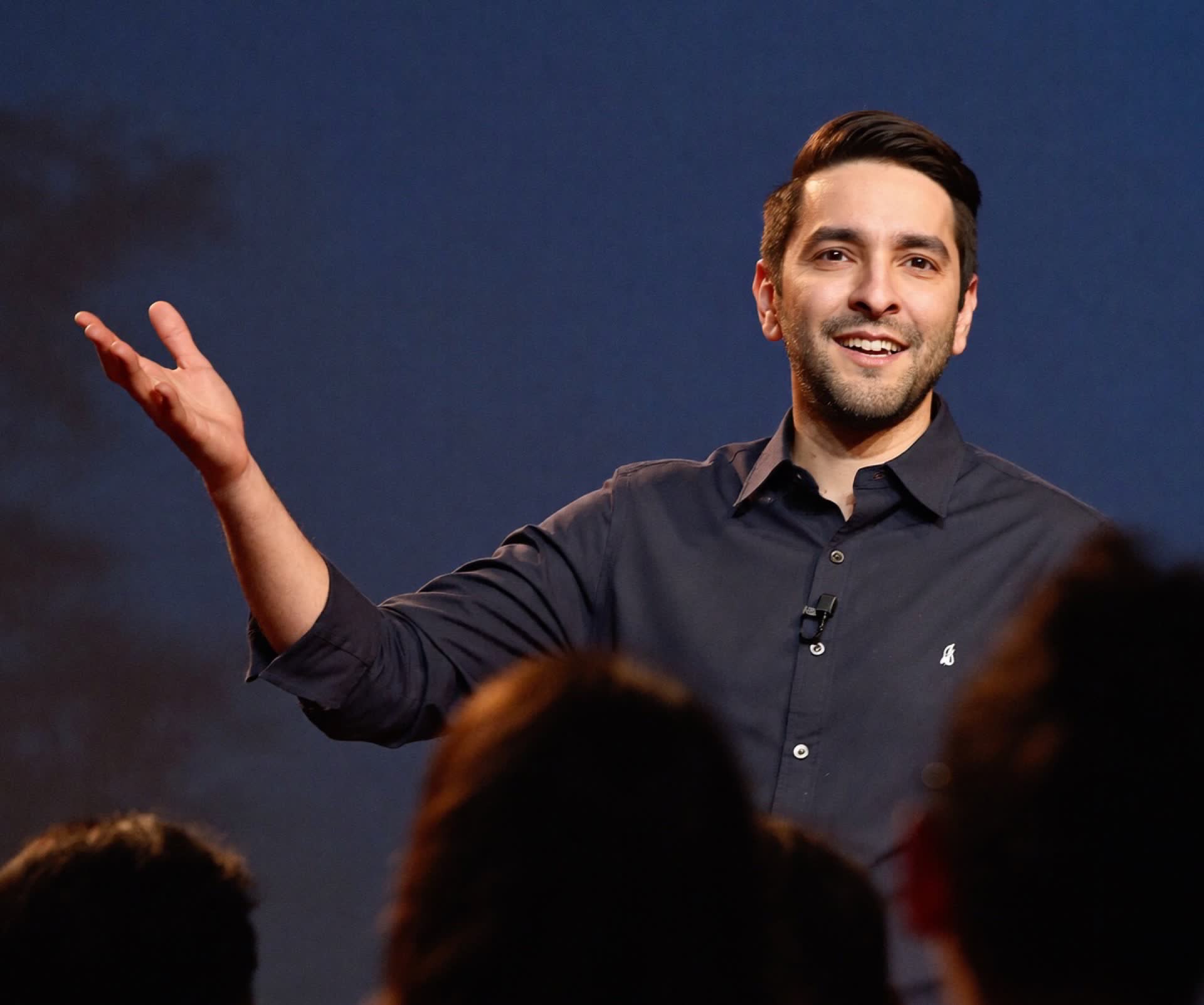
Uzair Jaswal: "If I'm not on stage, where do I belong?"

Uzair Jaswal on the year live music disappeared, how Tere Bin got a second and third life, why the Islamabad underground was special, and what a Pakistani musician actually needs from a label.

with Uzair Jaswal

11 min read

The album, and a year that nearly stopped it

The episode opens with Muzamil welcoming Uzair Jaswal from Islamabad and asking, simply, what the new album is about. Uzair’s answer takes the long way around — because to talk about the record he is finishing, he first has to talk about the year that almost stopped him making it.

His last album, Na Bhulana, came out in 2017. Everything since has been singles, concerts, OSTs, two television dramas, and the steady drift away from the album as a form. “For a musician, it’s very easy to get distracted,” he tells Muzamil. “You take out a single every six months, every three months, every two months — that consistency, that flow — and people say, why do an album, just keep dropping singles.” He had plans for 2020. Doors lined up. Then live shows ended, and the rush ended with them.

Muzamil suggests that, for performers, stage time is closer to an addiction than a job. Uzair does not soften it. “If you’re an artist, if you’re a musician, if you’re performing on stage, that’s the only thing that drives you. If I’m not on stage, where do I belong?” The connection with the audience, he says, is a different energy, a different vibe — and the absence of it broke something. He could not write. He was paranoid in his own head, worried for his family, not going anywhere. He had zero inspiration.

The point he wants to land is mechanical, not sentimental. Inspiration, in his account, is a function of social interaction. “If you meet the people you love, your friends, your loved ones — that’s where it comes from. When you’re closed off in a house, in a room, how are you going to write? How is your heart going to be happy?” Many people told him a long lockdown was a gift for creative people — painters paint, musicians write, cooks cook. It did not work like that for him. It took most of the year to get back into the studio. The album that came out of it is nine songs, and he stopped there because nine felt like a number.

Three years old, full of music

Muzamil pulls the conversation backwards, into Uzair’s childhood in Islamabad, and the unconventionality of choosing music in a Pakistani family. Uzair answers by quoting a nursery school report card his mother still keeps. The principal’s remark was not about academics, which were fine. It said: “Your child is full of music.”

He locates the origin of his career at fourteen, when he opened for EP at a school-organised concert at the National Library — one of the first EP concerts in Islamabad. “At that age the excitement was just to be allowed one song at someone else’s gig,” he says. From there he names the venues that the Islamabad underground actually ran on — CJ’s, the open-air theatre, Paper Microphone, a small cafe in F-6 where he would just sit and sing for the audience. None of it paid. None of it had to.

The micro-economics of that scene are worth quoting directly. Uzair describes booking the upper floor of CJ’s himself, printing fifty-rupee tickets hand-written in pen, photocopying them, and selling them with a couple of friends. He performed at the curtain-raiser of an Islamabad play every night for the twenty-day run. “Whatever opportunity we got, we took it, happily. Because we were excited, we were young, we were just happy to have the chance to sing at all.”

His older brothers — Yasir Jaswal, and Umair Jaswal of Qayaas — were already inside the scene. He grew up at their gigs, often as their unofficial child manager, filming them on a Sony flip camcorder from the side of the stage. Tere Bin, he tells Muzamil, was written when he was still in A-levels.

A Hotmail he had stopped checking

The Coke Studio call came through the most ordinary route possible. Uzair had been emailing the show every year since season two — the same songs, the same letter, a request to be heard. By the third or fourth year, one of those emails reached the right inbox. They wrote back. He did not see the reply, because he had migrated to Gmail and stopped checking Hotmail. Umair, walking into an unrelated meeting at Coke Studio for Qayaas, was told they had emailed his brother and he had not responded.

When the TCS letter eventually arrived, he opened it with a friend present. He cried for ten minutes. “It was like a university acceptance letter, but bigger. At that age it was the validation for everything.” He admits, with some humour, that his university degree was delayed by years as a direct consequence — he was too excited that semester to sit his exams, and the excitement did not subside in time for the next set. He eventually finished an IR degree from the University of London external programme through UCL, switching out of economics because the math after O-levels would not stick. He went to his graduation specifically so his father could be there. The photograph now hangs over his father’s bed.

Tere Bin’s three lives

Muzamil asks the question that has presumably been asked at every interview Uzair has done: how Tere Bin became Tere Bin. Uzair’s answer is unromantic. The song was already big. A Bollywood film team reached out around 2016-17. He insisted he sing it himself if they were going to use it. The film’s distribution machinery did the rest.

The point he wants Muzamil to take away is not about the song. It is about what a big label actually does. “Here, you make the song. You promote it yourself. You push it yourself. You tell your friends to share. Some do, some don’t.” A label, in the Bollywood case, handles the release, the push, the placement. It is what Pakistan does not have, and what every interview circles back to.

He uses Tere Bin only as proof that some melodies survive their year. He still sings it live. The audience, regardless of age group, still sings it back to him.

Why the Pakistani music industry collapsed, and why it is coming back

This is the longest stretch of the conversation, and the most analytical. Muzamil maps out the timeline: a genuinely thriving late-nineties pop industry — Atif Aslam, Noori, EP, RDB, Battle of the Bands — that crashed after 2005 as concerts became unsafe to hold and music channels emptied out. Between 2005 and roughly 2012 there were one-hit wonders but no national-scale discovery. YouTube’s proper arrival in 2012, Bilal Khan’s Bachana, and later Coke Studio kept a thin line of continuity alive. The YouTube ban broke that line again. After 2016, the recovery began.

Uzair agrees with the diagnosis and adds the lived version of it. “When we were in O- and A-levels, there was a certain fear in the air. Things became difficult. People stopped enjoying their lives. It was the same kind of strange time last year was.” The commercial music economy did not collapse because Pakistani musicians stopped being good. It collapsed because the venues stopped working, and the music channels disappeared with the venues.

What is rebuilding it, in his reading, is the artists themselves — not a label, not a platform, not a benefactor. “Last year, every artist who broke through broke through because they were naturally talented and they put in the work themselves. Nobody helped them. They put themselves out there, and nobody can take that away from them.” Spotify and YouTube in Pakistan, he says, have shifted the economics enough that an independent release can find an audience. But he is careful not to overstate it.

The label-shaped hole

Muzamil pushes on the gap that remains. He names a few people running de facto labels — Bilal Maqsood, Xulfi — and points out the structural ceiling. One person can take a few artists a certain distance. After that, the artist has to do everything: the music, the packaging, the artwork, the pre-release, the post-release, the TikTok strategy. He tells a story, without naming the band, about a very successful, very old Pakistani musician whose team reached out asking for help understanding TikTok. Muzamil’s reaction to that was discomfort. “You shouldn’t have to do this. You’re the king. You should be making your music. Someone else’s job is to figure out how to convert that into a Gen Z vibe.”

Uzair completes the thought. “A label is an insurance policy. It says: you’ve extracted a lot, take a year off, we’ll keep you relevant. When you come back, we’ll have the world ready for you.” He worries that without that infrastructure, even the artists having a moment now will hit a ceiling they cannot push through alone.

He does not pretend international labels have arrived. He acknowledges the possibility that the current generation of Pakistani independents will figure something else out — that if they keep getting shows, keep connecting with their fans, keep being relatable, “everything will keep working.” But he agrees with Muzamil’s framing: at some point, the external push is what turns a star into a superstar, and Pakistan does not yet have the people whose job that is.

Islamabad innovates, Karachi commercialises

Muzamil offers a thesis he has tested across industries: Islamabad, because of its standard of living and slower pace, tends to be ahead of its time and good at experimenting; Karachi takes what Islamabad has experimented with and commercialises it at scale. Lahore sits somewhere in between. He notes the pattern across theatre, acting, and music, and observes that Islamabad’s talent often gets stuck — possibly because of an inherent burgerness, possibly because the city’s reference points in the 1990s were Bon Jovi and Metallica rather than Bollywood.

Uzair recognises the debate but argues it is dated. “It used to be a relevant debate. We were far from the industry, distance-wise, when we were sitting in Islamabad. We would never reach out because we didn’t think we needed the opportunity badly enough.” The digital age has neutralised most of that. He says half — more than half — of the actors doing well on television right now are Islamabad people he grew up watching in theatre. Productions now travel to Islamabad to shoot in Murree, Banigala, Chak Shahzad, and the city itself. “It’s not even about Karachi versus Islamabad anymore. It’s about who’s available, who’s around. Out of sight, out of mind — that was the scene. The digital age has made everyone everywhere.”

He calls it nationalisation rather than globalisation. The cities have moved closer to each other. Islamabad, he says, is finally getting the importance it always had in the heads of the people who grew up there.

The album, and what love is doing in it

By the end of the conversation, Muzamil brings him back to the record. The album is a deliberate move away from organic instruments toward electronic production, written and composed without the usual collaborators sitting in. It is about love — the only subject Uzair has consistently written about since the beginning. “If anything, the greatest thing in this world is love. I’m a romantic. At least I like to think I am.” His own heartbreaks, he tells Muzamil, helped him write through it.

He is firm on what the alternative would have produced. “If you’re writing a song and you’re not writing through your experience, the listener won’t connect with it. The essence is — write with a true heart. Pen down what you’re feeling, and make sure it’s relatable.” He talks through Saiyaan Ve, an older song where the chorus turns at the end — Jaan Ve becomes Jaan De — because, in his reading, “if you love someone enough you let them go.” The moments that make the work worth it are when a fan writes to say that exact line landed for them.

Muzamil closes with the same question he asks every guest. Uzair is thirty. In 2050 he will be sixty. How does he see Pakistan then? Uzair answers as an optimist. He wants Pakistan thriving, content, relaxed, tension-free. He is not planning to leave. He intends to spend the rest of his career trying to make his parents and his country proud — and he hopes the same is true of everyone watching.

Full transcript
Muzamil

अस्लाम के ख़बाती नौज़ात welcome back to another episode of ThoughtBank. आज हमारे साथ मौजूद जाएंगे बहुत ही ख़रास मेहमान जो कि हमारे इस्लामाबाद से हैं. Yes. So, you know, I think, thankfully we can have a discussion on that as well. Of course. थोड़ा सा मुझे बताएं, just to sort of start off-start it off. What's the album about? What's going on? यार, so basically,

Guest

the album is about love, and that's what I think needs to be talked about more as well and that's what I talk about mostly as well. मेरी पिछली album आई थी 2,017 में. Right. Called ना भुलाना and, उसके बाद एक लंबा gap हो गया काफ़ी because I started, उसके बाद concerts शुरू हो गए, started acting in the middle on television, started doing OSTs. I know about that. हां, मैंने दो dramas भी किए हैं beach में. Really? हां, we will come back to that. Ok ok. And so मैंने दो dramas भी beach में कर लिए. फिर मैं concerts के साथ busy था. फिर for a musician, it's very easy to get distracted. Specially, regarding, when it comes to an album. Because आप album का नाम सुनकर ना इधर वैसे भी लोग कहते हैं घबरा जाते हैं कि यार album कर रहे हो, क्या ज़रूरत है singles निकालो. तो आप फिर हर छह महीने बाद, तीन महीने बाद, दो महीने बाद consistency जिस तरह की आपकी है जो flow चल रहा है आप गाना निकाल देते हो. But for me I feel like last year played a huge part for me, to be able to in a position where I am today. बड़ा अजीब मुश्किल साल था मेरे लिए. I'm sure हर एक के लिए एक different experience था. But, you know, हर कोई कहता था 2020 is gonna be my year. I'm sure you used to think that as well. Yeah. तो मैंने बहुत सी चीज़ें सोची हुई थीं. बहुत से plans थे, doors lined up थे. तो वह एकदम से सब ख़त्म. I've been performing for more than a decade on stage. तो एकदम से live shows ख़त्म हो गए. Performances,

Muzamil

music videos, concerts. अच्छा, live shows का मैंने सुना है कि जो artist होते it's like an addiction. It's like an it's that that feeling, it's a rush.

Guest

Buzambil, it's like, no... You don't know anything else, na? Like, if you're an artist, if you're a musician, if you're performing on stage, that's the only thing that drives you, right? So I don't... I feel like if I'm not on stage, where do I belong? Right? Right. So you get lost. Yeah. And it's a feeling that you don't want to feel. You connect with the audience in a way that, I mean, वह आप सोच नहीं सकते कि जो feeling है, जो rush है, वह एक different energy होती है, एक different vibe होती है. तो last year इतना मुश्किल था कि मैं music नहीं कर रहा था. बहुत से लोगों ने कहा यार it's a great time for creative people, for artist to just Revert back and हां, there's so much but they're like there's so much time. You should write a whole album and, you know, painters paint कर रहे हैं, musicians यह कर रहे हैं, जो लोग खाना पकाते हैं वह घर से. But you know, I for some reason was so paranoid in my own head and so, in a sort of a way, with the whole thing, you know, the, whatever was happening around us was so, just closed off कि मुझसे उसमें लिखा भी नहीं जा रहा था. I had zero inspiration. I wasn't happy. I was so worried for my family, for my parents. मैं कहीं बाहर नहीं जा रहा था. So I feel like, वह मेरे लिए जो inspiration थी, मैं यही किसी को उस दिन भी बता रहा था कि for me inspiration comes from social interaction. Right. If you meet the people you love, your friends, your loved ones, you're happy, you spend time with your, उसी से आपकी inspiration आती है. आप उसी से चीज़ें gather करते हो, लिखते हो, सोच रहे Energy आती ना? Energy आती है और आप enjoy करते हो और आप उसको फिर अपने लफ्ज़ों में लिखते हो. जब आप closed off हो एक घर में, एक कमरे में तो आप कैसे लिखोगे? कैसे आपका दिल खुश होगा? कैसे आपका दिल भी चाहेगा कुछ करने को? तो मैं बहुत, I feel like I went through a really terrible time. Sorry, मैं इतना इसको sad, depressing कर रहा हूं. But it's But it's true. Went through it. Yeah. So, I think this year I really, gathered myself together. Because of last year, I started pushing myself. I, rediscovered kind of myself, sat down, thought about it a lot, and just went with the flow. Started meeting my friends, started interacting more, started, living in the moment more, which last year has taught most of us. Yeah. And, you know, I started feeling like this is it, this is what I have to do and this is what I do. And if I have to, you know, survive or I have to push through, I have to work on myself, like, in a way that I have to start writing again, I have to start, making music again, start, going back into the studio again. तो बस फिर मैं, I started writing this year. Started working on some new melodies, new music, and when things became a little more easier, it was just थोड़ा दिल भी खुला, दमाग भी खुला, थोड़ा सा I felt like I was a little relieved, started working out again. And I got to a point where I, finished eight to nine songs, and I just felt like nine is a good number. And that's where I stopped. So I ended up here, and now I have nine new songs which are ready to be released very soon. I'm just working on the final touches. There's a lot of things that you have to do as an artist in Pakistan. Right. Yourself as well, apart from making music. Working on the pre and post, you know, production and promotion and artwork. So just getting, you know, And, things lined inshallah, I'm hoping that, before this year ends, the album is gonna be out everywhere on Are all social

Muzamil

there any collaborations,

Guest

that we can expect? None right now. Okay. Not that I didn't want any. I just felt like I just got into the studio myself, and I started recording, started writing, at my own pace. But I feel like now I, am in a position where maybe not this album, but I'm just gonna do some independent, songs. Singles. Singles with, a lot of people. I I love collaborations. I I I worked with a couple of musicians last year as well, before that as well on a single. And I love when people when get together and, you know, put, people can together put their input in and, you know, make a song and make something click, which you maybe can't do it all by yourself. So I would love to, and if someone wants to, collaborate as well, like, someone who's just starting music should, you know, hit me up, and I would love to, collaborate.

Muzamil

As long as, we're on the same wavelength and, you know, we're we're we're thinking on the same kind of, theme that we want for the song or, you know, whatever that we're doing. Sounds good. Yeah. Conversation club पीछे लेकर जाऊं. Yeah. And I wanna have an understanding of, you know, from high school, where did you graduate from and and what was your thought process in terms of what you what you wanna do in your life. Right? Because this is a very unconventional path that you've taken in a in a पाकिस्तानी society. Yeah. कि जी मैंने art form में जाना है, मैंने music में जाना है, मैंने इसको career बनाना है. Yeah. Particularly उस time के ऊपर कहा ही जाता था कि यार ठीक है अभी तो I'll solve fun and games but when you're 30 and you know you're older. Yeah. It it the glamour dies down and all of that, and you have to pay the bills for sustainable. Yeah. Yeah. Yeah. And and and now you're you're basically there where you, you know, you're you're there, you're settled, and and and Alhamdulillah. You have a, alhamdulillah, a good understanding of how all of this works. Yes. And so you've made it, right? Going back there,

Guest

just trying to understand कि उस वक़्त जब आप इस side को देख रहे थे तो यह decision कैसे हुआ? क्या हुआ? What was the process? यार, growing up तो आप सोचते नहीं हो ना ज़्यादा. तो अब तो मैं सोच रहा हूं. अभी आप जब मुझे कहोगे कि, you know, think back and यह वह. लेकिन उस वक़्त to be honest, you know, मैं अभी अभी I was just talking to my mother and मैं उनको बता रहा था मेरा एक छोटा nephew है. Mhmm. वह Canada में रहते हैं तो वह skateboarding सीख रहा है. और मैं बचपन में ना skateboard अपनी गली के ऊपर, हमारी गलियों slope में होती थी. जी. G nine में हम रहते थे. तो यह गली होती थी तो हमारा एक skateboard अब बूने लेकर दी थी and we're six brothers marshal. Cousins भी होते थे. Right. So we used to all take turns on that one skateboard. हम गली के ऊपर skateboard क्यों रखते थे? उस पर खड़े होते थे और सीधा slope में दू नीचे जाते थे, speed breaker भी आता था, users देते fearless. You know, आप सोचते ही नहीं हो. हां. अब वह मुझे आप कहोगे ना कि अभी सिर्फ़ सीधी road पर skateboard करके दिखा दो. मैं आपके सामने दस दफ़ा गिरूंगा और सोचूंगा. Should I get on it or not? Yeah. तो बात यह है कहने की कि उस वक़्त जब जब आप when you're in your teens, you're young, you don't think much, you're fearless, you just wanna go for whatever you're you've dreamt of and तो उस वक़्त I think I started performing. I started doing music at a very early age. Actually मेरा मैंने बहुत ही interviews में भी कहे but I'll say it here as well. When I was three years old, मेरी जो आपको school का report card मिलता है तो when I graduated from my nursery, my mom still has it. वह report card still says और जो principal के अंदर remarks होते हैं, it says they don't talk about my academics which was which I was also good at. But the principal remarks were, your child is full of music. अच्छा. At three years old. Right. Know, तो That's very natural. Yeah. So it was I was I think it was something that was naturally, uh-uh, और वह मेरे, parents की तरफ़ से ही आया होगा. Because वैसे तो मेरे parents अपने professions में और अपनी चीज़ों में बिल्कुल, you know, busy हैं और dedicated हैं. But I feel like जो आवाज़ और जो कान अच्छा होना या सुर होना even though they never sing in front of us but I'm sure वह उन्हीं से मिला है. तो at a very young age, I think 14 का था जब मैंने पहली दफ़ा EP को open किया था. I was studying, मैं आसास में पढ़ता था. अच्छा. And वहीं पर हमारे school के यह जो president वाली body होती है ना सारे elections के बाद मिलकर एक concert कराया, national library में EP का. अच्छा. It was one of those first concerts in इस्लामाबाद EP का and I opened for them. वह उस वक़्त एक excitement होती थी यार कि एक गाना भी मिल जाना है किसी concert पर. तो बजा देंगे. तो I think that's when it started at the age of 14 and फिर उसके बाद फिर you know जितना CJ था, फिर open air theatre था, फिर कितनी underground events थी. हमारे good scene at that time. Very good underground scene. Yeah. And there are lot of bands and young musicians who actually had venues on the weekends. हम weekend पर party नहीं करते थे या यह नहीं सोचते थे. हम कहते थे weekend पर किधर Musicians wicket गोरे की तरह हैं. Mostly CJ में ही होते थे which I miss the most. I even remember a time जब हम CJ में उस दिन बता रहा था कि CJ में there was a time when मैंने CJ का वह ऊपर वाला floor आप book करते थे तो वह मैंने एक CJ में वह ऊपर वाला floor लिया and, वह 50 rupees का ticket बनाया. Pen से लिखा, उसी की photo copies कराई और you know then we sold those tickets with couple of friends and whatever and that's how we used to. फिर बड़ी बड़ा अरसा मैंने paper microphone एक छोटा सा cafe था, F six में. उधर मैंने बैठकर I used to just sit there and sing, you know, like for for the audience. And it was all obviously we were not getting paid, we were not getting like charging anything to any कोई restaurants या customers या किसी से भी हम, वह हम ख़ुशी ख़ुशी हर जगह जाकर opportunity ढूंढते Because you were feeling it. Because we were excited, we were young, we had the, we were just happy that we had the opportunity to sing at that point and be at places where there were people. Yeah. But then मैंने एक play होता था उसके opening में वह curtain खुलने से पहले भी मैं पूरा जो इस्लामाबाद का play का run था वह बीस दिनों का उसमें मैं perform करता था. You know I was like the opening act. तो इस तरह की छोटी छोटी चीज़ें बहुत मैंने की अपने eighth, ninth grade में, O levels में. That's when my first song came out यहीं and then तेरेबिन came out.

Muzamil

तेरेबिन

Guest

that old? Yeah, तेरेबिन is very old. तेरेबिन A levels में जब मैं था, तब आया था. तो उसका कोई redone version बाद में आया था? बस फिर तेरेबिन था, फिर तेरेबिन फिर I did that a few years later in Coke studio, but then a few years later got picked up for another movie in Bollywood. So I mean that was one of those songs which just became Sort of the उद्यायज's violin था. Yeah, mean I I guess there आप बहुत चीज़ें करते हो ज़िंदगी में. कुछ चीज़ें या कुछ melodies या कुछ गाने होते हैं जो connect कर जाते हैं लोग. साथ वह I think it was a lucky song for me that it was just given like उसकी rebirth हुई तीन दफ़ा and I was lucky enough to and I when I still अभी भी मैं concerts पर when I perform it or when I sing it live doesn't matter what age group कितने लोग हैं everyone sings it back to me. It's one of those songs. But coming back to your question, starting at an early age was because opportunities मिली. School में भी, teachers ने बहुत support किया. I had really loving, really supportive teachers. Parents ने बहुत support किया. Obviously I had यासी भाई, उमेर भाई who were also musicians at that point. उमेर भाई still is. यासी भाई अब कम कम करते हैं. But, know, इर्ताश उनका band था, कयास उमेर भाई का था. Back then उमर भई का band का नाम silver smoke होता था. तो हम हर gigs जितने gigs होते थे इस्लामाबाद में, जितने schools में. Like these are for people, for older people इस्लामाबाद के. Are समझ cult following वाले ही brands हैं. यह वहएं जो कि बड़े वह हैं. अच्छा यह वह बोले bands हैं जिनकी और भी

Muzamil

like Islamabad as a city जो है ना वो commercial हो गया है Islamabad was not depicted and the so it had a very वो लोगों ज़मान में रहते थे कि शहर का कोई culture नहीं है यही Islamabad का बड़ा clear culture था. मुझे आज लगता है कि अब Islamabad शायद culture loose कर चुका है because there is a lot of

Guest

early evenings enjoy करते थे. हमारे लिए वही Hotspot, वही Haunted Hill, वही पान Corner, वही Gold Market, you know, that was it. You know? And it was a very shared experience across all इस्लाहाबाद के Bro, I'm because we've grown up at the same time obviously. वही मैं आपसे interview शुरूने से पहले भी कह रहा था कि we haven't hung out enough. But obviously I know everything that you've done professionally and work wise because growing up we've grown up at the same time. Yeah. और आपको पता होता है कि आपके दोस्त, आपके लोग इर्द्गित क्या करें? और इस्लामाबाद was such a small city.

Muzamil

No, I haven't. There is this kid, this crazy kid. उसका पहला गाना है. It's an entire rock song on TRP. ठीक है. I would love to see It was trending on the way that I discovered it. Spotify पर indie पाकिस्तानी playlist. Spotify की जो अपनी playlist है. It's about the TRP role पर रहा था? TRP role पर रहता रहा था. है. F 10 वाला. F 10 वाला sir. Ok. उसमें number three पर वह rank कर रहा था Nice. गाना और फिर मैंने आज इसका video देखा and has a music video as well. Very interesting video. Very cool.

Guest

Yeah, so so that that entire thing was there. Then so इलाबज आपने आसास से किया? हां, आसास से किया. I switched a couple of schools but then and came back to आसास. Growing up I was in this other school, IPS, International Progressive School. तो वह F eight में होता था. I have really fond memories of that place. Sadly, it's not there anymore. But yeah, then I graduated from अहसास. अहसास was also like a tuition center where पूरा इस्लाम बाद आता था. सुबह जिधर भी पढ़ लो, शाम को उधर ही होता था. तो मैं school भी उधर था, tuitions में भी उधर होता था यह levels में. And what year was this? I think 2010. 2009, 2010. And फिर उसके बाद I took a gap year. Didn't have a sense of क्योंकि जब आप artist होते इस पर, अच्छा हर बच्चा I levels के बाद या I levels में थोड़ा confuse होता क्योंकि इतनी universities आप पर और मुल्क चले जाना है चार साल के लिए. तो I think वह मैं इतना confuse हो गया कि मैंने कहा थोड़ा relax करता हूं, सांस लेता हूं और अब music करता रहता हूं. एक साल off लिया my parents were very supportive. उसके बाद फिर I stumbled upon obviously external London की degree जो है, University of London की. Enrolled in that, went to UCI and studied there. And, obviously it helped me in a way because I got one of the... I feel like it's a very prestigious degree. Obviously, it's from University of London. Started with economics, but then ended up doing IR because I'm

Muzamil

really bad with numbers. You're an IR graduate. Yeah. That is so odd. पता है क्यों? I

Guest

will tell you why. मैं बताता क्या? मैं O levels तक math में बहुत अच्छा था. O levels के बाद मेरी math बहुत माठी होगी. अच्छा यह मेरे साथ भी यह पता है. O levels में पढ़े बगैर 97 maths हां. उसके उसके बाद बाद में समझ नहीं आया था. हां, क्या चल रहा Math की समझ नहीं आ रही थी. हां. पता नहीं क्यों? क्योंकि वह practice करना छोड़ दी थी. ज़िंदगी में obviously you started your early, I don't know if your fans or followers know that you had Lol studio at Yeah. That And you know you started making those videos as well. So, हम जब distracted होंगे ना कि हमने वह भी करने हैं और हमने social events भी करने हैं, हम elections भी लड़ने हैं. तो वह I think वह practice math की ख़त्म हो गई. हां. और वह math फिर stressful लगने लग गया. Right. तो वह math मैंने drop किया अपनी university में and मैंने कहा यह मुझसे नहीं हो सकता. फिर economics में micro macro जब आ गए उसमें भी numbers थे. मैं और stress हो गया. मैंने कहा यार यह music भी करो, theatre भी कर रहा था acting इस्लामाद में. तो मैंने कहा यह मुझसे नहीं हो सकता. Switch to, IR and then eventually graduate in IR. To answer your question why? Because, it happened because IR is mostly just about writing. Right. And if anything, I'm I feel like I'm good at writing. मैं किसी भी चीज़ पर लिखवाना शुरू करूं, मैं कुछ लिखता रहूंगा और उसमें यह है कि आप कुछ extra भी लिख दो, चीज़ें आप वो खबरों से भी grasp कर लेते हो फिर अगर आपने थोड़ा बहुत पढ़ लिया हो तो आप गुज़ारा कर लेते हो और अगर आप obviously distinctions लेनी है फिर तो आपने बहुत पढ़ना है. Right. But if you just wanna like you know like like go through it या तो at least आपकी general knowledge भी काम आ जाती है. तो I feel like वह that helped me a lot and obviously I had great teachers who helped me on the last day before exams as well. My principal was awesome. She knew that I was pursuing my career as well. So, she was always like giving me notes and extra पढ़ारी होती थी, notes देती रहती थी. अच्छा very cool है. हां. Pakistan में तो वही होता कि मैं I was doing content and I was working at the World Bank as well. Yeah. और my university was just like कि यार यह सब drama है. Like

Muzamil

so that's pretty cool कि university थी progressive, ठीक है? The principal was actually वह बड़े सारा. क्या यार आप एक career है और आपको. नहीं वह support system बड़ा ज़रूरी है bro because for people

Guest

like us और जब इतने young talented लोग आ रहे हैं जो at an early age they kind of get into what they want to do in life. Yeah. And वह because if you want to like अब दुनिया इतनी मतलब तेज़ चल रही है because at at the age of eighteen twenty you, I mean, you already are kinda like into the kind of work that you wanna do. Yeah. अगर कोई अब तो like people are vloggers and musicians and actors and making stuff online and there's so much digital stuff that you don't even need people. You just need your phone, right? Yeah. And, you know, like, your content needs to be good. तो वह I feel like कि वह लोग नहीं समझते but it's so important कि teachers और principal आपको वह understand करने कि यार यह कर रहा है बच्चा. हां. तो I feel like वह मेरी principal इस तरह बहुत अच्छी थी. वह मुझे notes भेजती थी. मेरी teachers, some of my teachers were my friends as well. So they were really sweet. Last night पर उन्होंने मुझे पढ़ाया exam से पहले. तो I feel like for any, for me to get through the degree was a lot, had a lot to do with my teachers as well. Right. And they really helped me and I couldn't have done it without them. And so you graduated what year? Graduated took a few years. Right. Let's now go there. Took a few extra years because I was doing in Bricks. हुआ यह, I'll tell you. It's really fun. It's really funny. I'll tell you. I started my college. Right. I got into Coke Studio. ठीक है. College That's huge, right? Like, that's that's That's huge. Especially at that time when Yeah. It was Coke studio season five, right? Ah. That was a peaking Yeah. At the time, yeah. And and I got and I was a young kid who had just gone out got out of school. Yeah. And he has been dreaming of doing music, has been, you know, going around with his brothers and every concert and like वह open करने की भी सोच रहा है. उनकी videos बना रहा तो serial है. मेरे पास याद से भी concerts की videos हैं जब मैं जब मैं stage पर camcorder लेकर ना वह Sony का आया वह फिर रहा हूं यूं करके ना वह जब flip वाला होता था हर जगह. मैं बस officially बस stage पर उनका manager बनकर फिरता था छोटा सा. So, you know, उसके लिए एक ऐसी age में यह हो जाना you know to be on coke studio and getting an e-getting an email from them that you've been selected. That's just crazy. You know, it was I I I'll tell you that I shared that moment with a friend and I remember when that letter came, I opened that TCS letter whatever it was.

Muzamil

What is the process? What happened?

Guest

अच्छा, process कोई इतना कोई, I feel like there's no set process for it. I'll tell you what happened. They scouted you. I'll tell you what it was for me. मैं हर साल Coke studio season two से, two के बाद three, four, five, जो भी मेरे गाने थे दो तीन, मैं हर साल एक email I used to directly just send it to रोहिल है याद. अच्छा. And I would write an email to them and Coke studio and I would just be like, I would love an opportunity and you know how उतनी मतलब मसले भी होते होंगे क्या पता नहीं क्या लिख रहा था. हां. If I look at their email now I laugh at it. But मैं उसमें अपने वही गाने डालता था, वही email लिखता था. I was like, I don't want you to pick me whatever जो भी but just give me an opportunity and listen to the music that I'm making. तो I feel like वह दो तीन चार साल मैंने emails दिखी. तीसरे साल I think वह email उनकी नज़रों के सामने से गुज़री. तो जब वह गुज़री I think email तो, I got a callback, and they got in touch with me. They had sent me an email -अच्छा. On my Hotmail. And by that time I had stopped using Hotmail because निया निया Gmail आया था. Right. तो मैंने अपनी email ही नहीं check की यार, ज़िंदगी का सबसे बड़ा moment और मैंने अपनी email ही नहीं check की and उसी साल उमर भाई गौर also, कई आस गौर पर एक अंदर दे चिरखान और लखा. Right. तो when he went for his first meeting, they said we've emailed उज़ज़. I think something like that happened. अब तो याद भी नहीं कि we've emailed him and he hasn't responded. तो मैं पागल हो रहा हूं ना कि कितने email बोलते जब मैं अपना hotmail खोलता हूं, email पड़ी भी ऐसा होने यार. And I'm like, what am I doing? Anyway. So it was, mean, अगर वह मेरे भाई ना गए होते तो. हां, लेकिन फिर वह call आ जाती है कुछ बिकार देती but for me that was I feel like that was so like for a young artist it was so it was could have been a miss you know कि उन्होंने मुझे उन्होंने respond किया मुझे और मैंने फिर उसका reply नहीं किया और मैं मतलब क्योंकि मुझे पता नहीं था. मैं Gmail पर switch कर चुका हूं ना. तो anyway long story short जब वह letter आया फिर वह process यही था bro कि I used to write them, write to them every every year and मैं अपने गाने भेजता रहता था and I think it just went through their, you know, whatever viewing process that they do and they just called me back. They maybe saw कि it's a young kid who's doing music and they liked something. So, तो जब वह पहला जब letter आया was with a friend and I still remember मैं सिर्फ़ यह बताना चाह रहा हूं कि वह कितना emotional moment था कि जब मैंने वह अपना TCS क्या खोला और मैंने letter पढ़ा पहला कि वह जैसे dear हो जैसे स्वार, we are delighted to inform you जिस तरह पूरा university मेरे लिए वह university acceptance letter था, ठीक है? Because at that age That's validation for everything that you were Yeah getting yeah, at that time it was. So वह मुझे एक वह जो मैं मैं इतना emotional था, मैं रोने लग गया. मैं रोने लग गया and I just looked at my friend and was like I've done it. You know? I was like I've done it because I was young and Yeah. तो मैंने कहा I've done it. मैं रोड़ा पांच दस minute बहुत emotional था. उसके बाद obviously मेरे जो producer हैं सरल भाई उनके पास मैं गया. I kind of मेरा छोटा सा medley जो मैंने भेजा फिर उनको दो तीन options चीज़ें भेजी कि मैं यह करना चाहता हूं, यह करना चाहता हूं. Anyway hugged my mom, my dad cried, got emotional. फिर जब वह college वापस जाना था ना तो मेरे exams हो रहे थे. यह मुझे letter आया होगा I think January, February में. Obviously April May में exams होते हैं. मैंने उस साल exams ही नहीं दिए bro. मैं इतना excited था. मतलब मैंने पढ़ा ही नहीं. मैंने कहा भाई अब तो ज़िंदगी वन गई है भाई बच्चे के ही अब क्या पढ़ना है? तो यह मैं बता रहा कि degree delay क्यों हुई? Right. क्योंकि वह excitement, वह जो बचपना वह वह जो वक्त था ना लेकिन I don't I don't regret it because I enjoyed it, right? I mean you only live once, Yeah yeah and I enjoyed it and वह क्या हुआ कि जब वह perform किया, वह किया, recording करके आया, बस ख़ुश था. बस मैंने कहा बस अब पढूंगा आराम से जब पढ़ाऊंगा. But obviously with my father who is very, you used to be very strict about finishing college. तो उनके, you know, वजह से I finished college as well. उनकी बातों की वजह से और उनकी वह उसके डांट की वजह से कि भाई ऐसा कोई scene ही नहीं है कि पढ़ाई ख़त्म हो जाएगी. वह चल रहा है left eye लेकिन पढ़ाई complete करनी है. And but यह हुआ और वह फिर obviously वह degree थोड़ी delay होगी but I got through it. Graduated a couple of years ago, went to the graduation, took my father. Because it was his. For him that was the validation, yeah? So it's very important for me to for him to be there. Right. तो मैं उनको लेकर गया अपने साथ, उनको बिठाया, अपना उनका हाथ पकड़कर बैठा रहा graduation पर. हमने तसीरें खिचाई. Graduate जब किया, मैंने उनकी तरह wave किया. You know, सब पूरी चीज़ें की. फिर picture जब वह ले ली, फिर वापस आकर उनकी कमरे में उनके bed के ऊपर लगा दिया है कि वह रोज़ देखें कि बच्चा करा जाए. Because for them obviously they're very proud of, you know, what their kids are doing and I hope they are and I and I hope that I make them proud every day of my life. But उनके लिए सबसे बड़ी validation यही थी कि, you know, you finish school, you finish college and, know, you have something to fall back on. जितना parents होते हैं, they are very careful about you and they are very caring and वह उनका अपना तरीका होता है. But वह जो delay था वह सी था लेकिन वह हो गया. हो गया. Right

Muzamil

and so, coke shooter happened and if I were to ask you throughout your career Yeah. And and and let's say the career span sixteen years, fourteen fourteen पर आपने बोला है. Yeah yeah yeah yeah. हर इंसान की जो जो generally जो structured jobs वग़ैरह में होते हैं उनका बड़ा standardized होता है. दो साल यह करोगे फिर promotion हो जाएगी, तीन साल यह करोगे promotion हो जाएगी. हमारी field के अंदर it's a lot of definitely hard work, luck अल्ला ताला कि कक्कराम and parents की दुआएं and then Also for some people it's also like आप ख़ुद कितना समझ रहे हो कि आप किधर पहुंच गए? किधर पहुंच गए? Yes, yeah, it's also very relative. But what were, in your opinion, some of the major turning points that that took you to the next level? A lot of times होता क्या है? कि हमने अपने goals बनाए हुए होते हैं क्योंकि हमें जाहिर है कि हम अपने आप को doubt कर रहे होते हैं so like you know, Studio is like for me the the the pinnacle of success. बिल्कुल. But then you reach Koch Studio and and What's next now? What's next now? And so, what were some of those moments where where you sort of blew up, where it became bigger than you'd imagined? I'm I'm assuming definitely Koch Studio was one of them.

Guest

But उसके अलावा what? यार, I feel like वह जो अगर आप वह कह रहे हो ना bucket list kind of a thing कि आप ज़िंदगी में सोचते हो कि यह यह चीज़ें आपने करनी है and what's next? What's the next step? कुछ achieve कर लो तो फिर आप कहते अच्छा अब क्या है? हां. तो वह I feel like there were a couple of times when I felt like अच्छा यह saturation point reach हो गया है. हां. तो मुझसे आगे किधर जाना है? हां. But I feel like for artists, it's always just making more art. Right. I feel like you never reach a point where you think that you want to be at. Meaning कि there's always some, you know, you're you're you're thriving and you're you're always for more. You know, you're always dreaming for more. And for me, I feel like there's so many moments,

Muzamil

that I thought कि अच्छा अब अब क्या करूं which would what you know, क्या मुझे excite करेगा अब और, you know? I think वह excite वाली चीज़ में important है ना कि ठीक है आप, you can like for example you're there, you're doing it, आपकी music आ रही है, आप हर्षित, तीन महीने बाद एक single निकाल रहे काम चल रहा है. But that isn't why a lot of people did what they did. Yeah. They did it because they have fun and it becomes operational. Yeah. कभी कभार. तो आपको फिर सोचना होता है कि यार ok ना I need to really sort of radically reinvent myself or I need to, really sort of go back to the roots. Yeah.

Guest

And and and see कि मैंने कहा हूं. I feel like वह हर artist की ज़िंदगी में या process में या journey में वह different stages पर आता है. यही point. You know, someone who's already gone too commercial would be like, would like to go back to my roots and, know, start doing what I was doing earlier. Someone who's never experimented would be like, oh, I should try this something new, whatever this is and see what flavor this brings to my kind of work. Yeah, shake things up a हां, shake things up. And someone who's been doing the both, you know, both of them like, you know, mix and match कर रहा है. वह अपना भी कर रहा है लेकिन थोड़ा सा लोगों को भी खुश कर रहा और सब कुछ कर रहा तो वह कहेगा यार अच्छा अब मैं इस cycle से कैसे निकलूं और अब कुछ तीसरी चीज़ क्या करूं, you know? तो I feel like वह different stages पर आता है life में. मेरे लिए a lot of those moments have happened but a lot of those moments I feel like I'm yet to experience as well because for me maybe just, you know, for the I think for every musician traveling the world and playing sold out shows, playing stadiums, you know, concerts तो आप play करते हो but एक वह बात होती है playing stadiums, you know. Have you played a stadium? आप कहते हैं नहीं यार अभी तक तो नहीं play किया. You know, playing arenas, getting there और सबसे ज़्यादा वही होता है वह जो rush होता है ना I think for musician वह आप कह रहे हो ना excite क्या करता है? मुझे excite यही करता है जो last year की वजह से जो वह जो मैं बता रहा था कि वह जो एक feeling आ गई थी closed off हो गया था वह यही था कि you आपकी fans के साथ interaction ख़त्म जब हो जाए या वह जो fan और artist की एक stage पर जो coordination है, जो वह interaction है ना, वह I feel like is the most exciting thing कि you get to see मुल्तान गया. तो आप कहते हो कि यार फिर आप एकदम से रुकते हो like wait a minute you know? And आप कहते हो यार you just you're you're you're so grateful for the opportunity you're getting कि आप हर दिन एक nice set of लोगों से दुनिया में मिल रहे हो जो अपनी ज़िंदगियों में busy हैं but वह उस रात आपको सुनने आए में. And आप कितने ज़्यादा लोगों की ज़िंदगी का हिस्सा वन जाते हो just by performing that one night. Yeah and making those memories. That's amazing. Making those memories और I think वही exciting है सबसे कि यह ज़िंदगी तो चलो गुज़री है, it's flying by. Not even going, it's flying by. तो I feel like in this limited amount of time we have, आप इतने लोगों के साथ कुछ उनकी ज़िंदगी में add कर दो, इतना interaction हो जाए, इतने कुछ इतने experiences हो जाए, इतने ज़्यादा लोगों के साथ and that too through your work which is supposed to be work but you're really enjoying that process and communicating and, so many people are relating with you and you're you're connecting with you and you're touching them through your music like you're, you know, you're touching their hearts and, you know, आपकी शायरी, आपकी melodies उनको, उनके पर असर हो रहा उनका और वह जो connect connect है. मैं अभी मैंने एक वह post लगाई, अपने गाने की. Mhmm. वही गाना तेरे बिन. I just did a live version of it and मैंने वैसे ही गाया. तो मैंने कहा if you have a memory with a friend of yours with this song because I know that I have, Do share, right? It's so heartwarming. I'm sure सारे musicians के ऐसे कुछ ना कुछ गाने होते होंगे जो लोगों के साथ ज़्यादा connect करते हैं. But हर एक ने अपनी school life का इतना अच्छा heart तो वह experience फिर जो है वह मैं भी It's a very powerful thing. It's a very powerful thing. And वह जब आप समझ जाओ ना कि यार यह ऐसा कर सकता है एक अच्छी melody. Mhmm. कितने लोगों के लिए कितने अब मेरे लिए कोई एक दो गाने जो मैं सुनता हूं जिसमें for me John Mayer is my person to go to when I'm feeling feel like I'm well. Yeah. जब मैं emotional होता हूं या मैं I'm going through, I listen to his music, right? And मेरे इतने moments में ज़िंदगी में मैं अगर वह एक गाना सुनूं ना it takes me back there. Yeah. I'm sure you know for you कोई गाने होंगे. मेरे लिए ऐसे गाने कि मैं अभी भी match Box 20 का वह unwell सुनता हूं ना तो मुझे दो हज़ार आठ नौ याद आता है. हां. ठीक है ना? मैं अगर life house का कोई गाना सुनता हूं तो मुझे बचपन याद आता है. और बचपन भूला होता है. Music for me like music gateway

Muzamil

to my past essentially because बंदा वैसे नहीं हो सकता कि अच्छा यार क्या था कैसा था but suddenly music आती है और आपको वो सारे moments ज़्यादा रहते आपको वो time आ जाता है. Again वो इस्लामाबाद का we didn't have a lot.

Guest

We had We had enough though. Whatever it was. Was beautiful.

Muzamil

It was beautiful but

Guest

Right. तो मैं obviously वह जिधर जिधर वह हो जाता है मैं जब छोटा सा ना I just like walk with him, go with him because वही लोग थे, वही inspirations थी, वही हमारी aspiration मतलब वही we were people who look up too. छोटे साथ, छोटी छोटी हमारी खुशियों आती थी. छोटे सोटे groups होते थे दोस्तों के. छोटी छोटी जगह होती है, restaurant होती छोटी gatherings होती थी. हर चीज़ quiet सी वह जितना अभी seasons नहीं आते वह थोड़े suburban life. Netflix पर भी वह जो छोटे छोटे गांव होते हैं और वहां पर लोग रह रहे हैं जिस तरह वह. अरे non

Muzamil

capitalist, very sort of moments and memories not about the mother. पता है मैं अगर before

Guest

I die if I whenever whenever I do. मैं कहता मैं अगर आंखें बंद करके एक अपना flashback सोचूंगा ना ज़िंदगी का तो इसमें इस्लामा this city will play a huge part. Like मुझे ज़्यादा याद हैं इस पूरी जगह के experience and the way we've grown up and the way it has played a part in, identifying the paths that we wanna, you know, choose for our lives. For you, for me, I feel like the hills, the the the roads, the silence the the greenery, just the moments, The वह बारिश के बाद हरी Drive, you know. तो वह हमारे growing up, I feel like it has this nostalgic kind of a value for most of us. Yeah. And उसने बड़ा part play किया है in making this whole experience what it is worth it and, मेरे लिए तो यार छोटी छोटी चीज़ें हैं. मतलब मैं कोई पुराने दोस्त भी आते हैं तो कोई मैं कहता हूं चलो मामा's ice cream खा लेते हैं, you know. Like for me still that's what I, you know, would like the most or go to just hot spot or just walk in a park or just, you know, hike up मग़ला hills या फिर मग़ला road पर early morning की drive या वो E seven में जाके you know आप monkeys देख लें या you know वो ये छोटी छोटी चीज़ें जो हमने growing up ये हमें excite करती थी. हां. You know,

Muzamil

थोड़ा सा मुझे I'm gonna I'm gonna switch things. Yeah yeah yeah yeah. You जो आपका तेरे बेना है, I feel like के, you know, definitely, Koch Studio के ऊपर तक पास, it it blew up. But I think it really blew up after the the the movie. Yeah. Right? How did that happen?

Guest

यार, I feel like, उस वक़्त, this was a time when, चीज़ें हो रही थीं. Uh-uh, यहां से talent उधर जा रहा था, मतलब collaborations हो रही थी. Sixteen seventeen की बात है यह थी? हां, 16 की बात है. Two thousand sixteen seventeen की बात है या eighteen sixteen की बात है. तो I think उस वक़्त collaborations हो रही थीं. They were they're all I think पाकिस्तानी artist have always, musicians specially, have always made their mark. आतिफ असलम, मुस्त्वाज़ाहिद, अली अज़्मत मतलब कितने लोगों ने पहले भी किया. तो I think they're always on a लोकड़ and feel like कि उनको जो गाना कोई internet पर चल रहा हो जो दोगों वो already देख रहे होते हैं. तो just they just got in touch with me. They said we like the song. हमें चाहिए. मैंने कहा मैं सिर्फ़ अगर तब दूंगा, अगर मैं ही गा रहूंगा. इस तरह की back and forth चीज़ें हुई and we did that song became obviously it was already big but then it became really big and that you know more bigger audience. उनका infrastructure is the way that they sort of push things around. असल में वह इधर यह होता है ना कि आप गाना बनाते हो. फिर गाना की promotion भी ख़ुद करते हो. Mhmm. फिर उसको push भी ख़ुद करते हो. फिर दोस्तों कहते यार अच्छा share भी कर दो. हां. कोई कर देता है, कोई नहीं करता. ठीक है? तो हमारी at least in the younger days that's how it was till even five years ago. But यह होता है वही वाली बात आपका कि उनका जो जो आप एक गाना निकाल रहे उसकी promotion push and you know putting it out there that really works. But I think a lot of people are doing it here as well. But that works with big labels. That happens when you're with a big label or when your song is being released by a big label. So I feel like that's what we've lacked. You know, बचपन में तो हम देखते थे growing up. वह music channels भी होते थे, The Music, Play. मुझे तो याद है मैं I was telling अनुषे दिया था day कि मैं कितनी दफ़ा call करके गानों की request करता था Dino और अनुषे को. You know, कितनी दफ़ा? मैं just wanted to be hire my voice. मैं अम्मी को कहता था मेरी आवाज़ सुनना phone पर वह मैं और वह landline होती थी उससे call किया and, you know, वह फिर वह हमारा वह पूरा system ही out हो गया. एक दो record labels भी थे जो albums आ रही थी. बिल्कुल. तो अब record label नहीं EMI was huge at the time. हां. आग had, आग had a record label. So many albums came out through that but उसके बाद there was no proper label or a a a big what you may call, you know, like a label ही कहेंगे उसको या company कहेंगे या music platform कहेंगे जो एक album को push कर रहा हो या artist को इस तरह push कर रहा हो. Right. तो I feel like अब जाकर वो चीज़ें वापस थोड़ा आने लगनी हैं also because I feel like, platforms like Spotify and YouTube are now big in Pakistan. Right. आबी गया है, I'm so happy. तो उसकी वजह से I feel like कि लोगों को अब नज़र आ रहा है. At the end of the day obviously it's all about people making money as well. So when they see कि something's clicking, something's going big, फिर they start stepping back into but कोशिश तो लोग कब से करें यार कि intellectual property गानों के rights पर और labels पर और artist को फ़ायदा हो या artist को revenue मिले. थोड़ा सा मुझे बताएं कि हुआ क्या? Because I remember nineties के अंदर we had a thriving industry.

Muzamil

You know, like you said, particularly अगर हम subcontinent की बात करें तो our artists were huge in India as well. Yeah. And as a matter of fact Indian music was generally ठीक है वह. अर्जीत सिंह and वह ज़्यादा वह था playback. हां हां. Playback वाले जो थे वह Pop industry हमारी ज़्यादा थी. Pop industry या उस तरह हां. फिर early February में Battle of the Band भी हुआ, ROEP भी नहीं Yeah. फिर आते वसलम्बी आ हैं. Best time. Best time for music. हमारे जो समय वाले or the other it was coming. Newry, EP, RO like all these guys you know like so many artists. And then nine eleven happens you know terrorism wave आती है. Clown four, five के बाद particularly bombings वगैरह start हो जाती हैं, concerts ख़त्म हो जाती True, true. Suddenly the entire music industry seems like it just doesn't exist anymore. And so from 2005 till I would say 2011, 12 discovery virtually ख़त्म हो जाती है और होता यह है कि one hit wonders आपको इधर उधर थोड़े से मिलते हैं या आपको कुछ bands देसे उधर मिलते हैं but nobody really sort of is able to make their mark on on a national level. दो हज़ार बारह में YouTube properly आता है, बिलाल खान का बचाना आता है and then suddenly now people have hopes कि शायद we might be able to see a revival, non Koch studio revival. So we did see Koch studio did do a very really good job. But other than that there was absolutely nothing. अब फिर YouTube ban हो गया तो फिर तो बिल्कुल ही है. बिल्कुल. फिर, सोलह के बाद हमने देखा आहिस्ता आहिस्ता, यह वापस आना शुरू हुआ है और पिछले दो तीन साल में तो it's just crazy amazing. Amazing. And as a matter of fact यह platform जो commercial platforms है like Vivo है क्या नाम है इसका वह? Velo. Velo Sound Station, Coke and all of these Pepsi का बैठला तो bands है. वह जो कर रहे हैं वह तो कर रहे हैं. उसके अलावा independent music. Independent music बहुत ज़्यादा उठती why do you think all of this happened? Like, यह evolution इस तरीक़े से क्यों है? यार, evolution तो obviously time के साथ चीज़ें बदलती हैं.

Guest

But obviously हालात had to play a huge part in that just like you mentioned. दो हज़ार पांच के बाद, जब हालात ख़राब थे, concerts रुक गए, चीज़ें रुक गई.

Muzamil

Commercial ख़त्म हो गया music. Music channels

Guest

ग़ायब हो गए. I feel like commercial music होना ख़त्म हो गया. I think इतनी uncertainty थी जब हम OA levels OA levels में थे. उस वक़्त इतना एक एक ख़ौफ़ होता था कि वह चीज़ें मुश्किल हो गई थी. तो उस वक़्त obviously people start वह वह मैं कहता था कि people have stopped enjoying their lives. Yeah. Going out, enjoying their lives. वह एक last year जिस तरह का था ना उसी तरह का एक time था. Mhmm. अजीब सा. पर उसके बाद फिर जब वही बात है कि जब YouTube पर ऐसा ऐसा चीज़ें आना शुरू हुई थी YouTube ban हो गया. YouTube के अभी 2,016 के बाद I feel like, जो यह एक comeback हुआ है, वह भी comeback artist I think all the वह credit वही बात है ना goes to the musicians and the people, the artist themselves. जो वह ख़ुद कर रहे हैं, लोग अपने phones भी चीज़ें record करके लगा रहे हैं, वह viral हो रही हैं. गाने ख़ुद ही बना रहे हैं, ख़ुद वही ही effort मैं कह रहा हूं ना COVID के time पर भी last year भी जितना artist breakthrough हुआ है, वह artist हुआ है जो naturally बहुत talented है और जिसने ख़ुद मेहनत किया है. बिल्कुल ऐसा ही है. तो उससे एक वह barrier तो चलो हट गया ना कि we need, we don't need anyone anymore. Yeah. कि अब digital age इस point पर पहुंच चुकी हुई है कि आप कुछ अच्छा कर रहे हो, ख़ुद कर रहे हो और डाल दिए और थोड़ा सा luck भी obviously काम देती है थोड़ा बहुत. तो वह अगर आपके साथ है तो you will get somewhere. Yeah. But I feel like जब हमने music start किया वह सच It was toughest time. Of the hardcore mode पर खेल रहे थे बैठे थे. मुश्किल time था bro. मुश्किल time था दो हज़ार बारह में मुश्किल तेरह में मुश्किल इसलिए था because उससे पहले बहुत अच्छा time ये लोग देख चुके थे. Mhmm. जब आतिफ़ असलम, नूरी, यह EP, यह वाला जो time था ना वन भी में growing up और हम पागल हो रहे थे इनका music सुनकर. Mhmm. That was the best time. Thrive कर रहा था. मुझे याद है एक एक artist के corporates के साथ बीस बीस पच्चीस पच्चीस shows booked थे and they were just making them travel और tour buses बनी हुई थी उनके नामों के साथ. Everything that we dream of and see movies, right? सब हो रहा था. But हमारा time बहुत tough था. It was very hard to, break through, and it was very hard to, really be heard. Underground scene तो बहुत अच्छा था because वह underground था. Mhmm. आपके दोस्त यार आपको जानते थे, schools में लोग जानते थे, इर्द गिर्द के लोग जानते थे, but just to break out on a national level, it was very hard for a young musician to do that. अब बहुत आसान है. Mhmm. अब आसान इसलिए भी है because digitally digital age इतना आगे निकल चुकी है कि जो आपके fans हैं वह connect भी ज़्यादा आपके साथ digital पर ही करते हैं. Mhmm. उस वक़्त एक और cut होता था. हां हां. उससे फिर Facebook पर आ गए. हां. और फिर मुश्किलों से YouTube होता था लेकिन और cut and Facebook were the thing. Yeah. तो अगर आप कुछ कर भी रहे हो तो आप यह नहीं सोचते कि आप गाना Facebook पर या video Facebook पर लगा दोगे. इस तरह नहीं कुछ. आपकी mostly यह होता था कि यार गाना radio पर चल जाए. गाना किसी music channel पर चल जाए. किसी आपके television पर किसी show के beach में चल जाए. तो उस आप सोचते ही नहीं थे ये चीज़ें लेकिन उस वक़्त फिर that's when I started making videos as well. I feel like उसके बाद जो अब time आया है, उसने musicians को, and artist के लिए एक I feel like, उनको facilitate इस तरीके से किया है कि अब you don't think about those extra things. मैं वही आपको बता रहा हूं growing up हमारी ली मुश्किल होता हम सोचते थे यार artist को यह भी करना यह भी करना है, गाना भी बनाना है, promote भी करना है. I feel like अब because everyone's on their phone, they're using their phones, they're making music at home. तो they have the power to just, you know, make something, put it out there. If the world likes it, they like it. Yeah. Process थोड़ा सा एक एक कोई चीज़ों change हो की जा रही है market के अंदर, कोई कुछ नहीं हो रहा है. Which is a good and a bad thing as well. I feel like वह एक CDs का, एक sets fans को दे रहे हैं so that they go back to that cassette player. Right. And अब तो वह vintage हो गया तो वह महंगा भी हो जाएगा. हां वह retro, वह walkman भी नहीं मिलेगा. But when मैं एक walkman होता था, वह सारी family सुनती थी, बारी बारी shift होती थी. You know, तो वह I feel like वह अब आसान उस तरह का सिर्फ़ तो हो गया है but, it's just, it's still sad that there's artist still has to मतलब उसको कोई help करने के लिए उस तरह कोई label नहीं है. Right. मतलब इतना अच्छा music आया है. Last year भी कितना अच्छा music आया उससे पहले भी music बहुत अच्छा है but last year COVID के दौरान बहुत अच्छे artist आए हैं and mostly I think उन्होंने अपने आप को ख़ुद ही discover करवाया है. Mhmm. किसी ने उनको help नहीं की. Mhmm. अपने आप को ख़ुद ही they put themselves out there and, you know, no one can steal their away from them. Yeah. But I still feel like अभी भी वह जो आप कह रहे हो ना एक comeback हो बस इतना comeback नहीं हुआ कि लोगों ने या associations ने या वह जो एक push होता है, एक label होता है, एक rest होती है. वह नहीं है. यह सारा musicians जो भी आ रहे हैं यह ख़ुद

Muzamil

ख़ुद काम करके, ख़ुद मेहनत करके. यह people का काम आप कर लेंगे, ठीक है? Like, निश्रण रहीम है. He started new. Yeah. वह कर रहा है. मानू है. मानू हो गई. यह सारे सारे करेंगे but एक point तक करेंगे. इसके बाद इनकी capability ना इनका यह इनके उससे बाहर जाना शुरू हो जाएगी. क्योंकि एक इंसान की particular सिलाईए होती है. उसके बाद आपको एक label चाहिए जो कि आपको star से superstar बनाएं essentially.

Guest

Do you think those labels exist in Pakistan? Anything of Pakistan? Bro, अभी लेकिन जो चल रहा है I feel like the way the world is going, obviously बाकी international artist तो you're always hating कि इस label के साथ signed है. These guys signed होते आप किसी का भी YouTube पर गाना खोलोगे नीचे लिखा होगा कि this song is released by this label, you know, whatever. Because वह भागते हैं. अच्छा artist नज़र आए. वह कहते हैं यार इसको sign करो. Foreign sign करो. Let's make him big. Let's make our brand bigger. Yeah. You know, with this person. तो इधर I feel like जितना भी सब कर रहे हैं बहुत अच्छा कर रहे हैं and I feel like maybe इसमें भी वह excel करेंगे. You know, if they're releasing their music independently putting it out there as long as they're getting shows, as long as they're connecting with their fans, as long as they're relatable, सब कुछ अच्छा चलेगा. But yeah, you're right in a way. A point comes when you need that certain push from, an external voice well who helps you just curate or just put your stuff out there in a manner that it's internationally recognizable as well. The thing is कि देखिए होता पता है क्या है? होता यह है कि हर इंसान ना

Muzamil

खासकर young artist. Yeah. हर एक across industries. Yeah. Not just for music. It's like a youtuber हो गया. Yeah. You know illustrator हो गया. Yeah. आप जब आऐंगे ना तो आप अपनी ज़िंदगी में अपनी बड़ी मेहनत करेंगे. Before your big break you will put in a lot of hours and generally आप क्या करेंगे कि आप पूरी चीज़ को उस time पर आप. हां अगर कोई drive कम होती है तो फिर आप चाहते हो कि जो लोग यह काम करते हैं वह करें. Innovative आता है फिर दरा plateau करता है फिर वापस आता है फिर plateau करता है. Labels आपको वह insurance policy देती है. वह कहती है कि यार ठीक है तुम आ गए. You extracted a lot out out of it. Now you want to take a break for a year. Take it. Take it. When you come back we will be ready with the world. And we keep you relevant. We will keep you relevant. अब जिस दिन artist चल रहा है ना उस दिन artist king है भाई. किसी को वह सबको scene zone करेगा वह king है. जिस दिन वह artist थोड़ा सा plateau किया अब बुरी industry करिए भाई तूने उसका cliff lining करना देख तू किस तरह करते हैं. हालांकि वो so there is that sort of a thing where now you have to break in again, now you have to do this, that. Label आपको protect करता है. Label कहता you है know you can do you. You figure out your music, you figure out the creativity. होना ऐसी चाहिए मुझे like creative,

Guest

artist creative side देखनी चाहिए उसको. उसको देखना है कि यार मैंने बैठना है, मैंने गाना लिखना है, मैंने melody बनानी है, मैंने इस composition पर काम करना है. That's his job, right? Yeah. What you're talking about is कि someone, a label needs to come and plan the extra things for him. Yeah. Plan the most important thing कि packaging क्या होगी? Album का artwork क्या होगा? Pre post release क्या होगी? TikTok videos के बाद क्या बनेगा? क्या बनेगा? मैं आपको बताऊं recently not done You're right, वह वह नहीं है. Very successful,

Muzamil

very old band in Pakistan. Yeah. Musician Pakistan, You know, their their team reached out and they were like, hey, listen. Like, we want to have an understanding of how we can do a TikTok thing because this young generation is really hard to reach out. I and this is, like, very, very successful and I you

Guest

get it, yeah. तो

Muzamil

और मुझे दुख हुआ थोड़ा सा. I will like sir आपको यह करने की ज़रूरत नहीं है. Like आप king लोगों यार. हां. You should be able to make your music, you should be able to put that out there and then there is someone whose job is to out कि यार, how do I make this and convert this into a gen z Whatever is happening in your current world. Yeah. How do I convert that vibe? But वो करना पड़ है. आखिर नहीं है. है वो करना artist को और वो you know, जब time था, time था, time नहीं है तो अब आपको जो ना you have to sort of keep yourself वह. तो उस उस sense में I did see uh-uh what's what's the name of that? बारी किसके साथ है बुमनाका? बिलाल. बिलाल. Yeah yeah. बिलाल की जुगाने आते हैं उसके पीछे कोई label आता है वह किसका

Guest

उसके platform से दो तीन नए artist भी release हुए हैं and वह effort कर रहा है. But I feel like more people need to step in because there's so much talent, man. चीज़ों की कमी है, talent की कमी नहीं है. लोग बहुत ज़्यादा है and हमने last year में तो मैंने ऐसा ऐसा artist, ऐसा ऐसा talent देखा है कि I'm I'm just like, where were you? You know? Yeah yeah. So, yeah. Interesting.

Muzamil

थोड़ा सा again I'm going to wait at the fifty six minute mark. I want to up a little bit again. Yeah. Do you think as an Islamabad Yeah. It's difficult for us to to be able to go mainstream national? I think and I've seen a lot of people, across different industries. मेरा इसमें जो मेरा hypothesis है वह यह है कि स्लाहाबाद क्योंकि सकून है, क्योंकि standard of living है बेहतर तो स्लाहाबाद innovates and स्लाहाबाद tends to be ahead of its time and is able to really sort of identify कि, you know, is able to play around with different things and and and create something innovative. Yeah. And then Karachi commercializes that. So they they take what what Islamabad has experimented and they Yeah. Perfect it and then they just sort of mass mass produce it. और यह मैंने across the board देखे. है. चाहे आप acting वाले लड़के देख लें जो हमारे लिए, you know, play circuit हमारा बड़ा strong था. Yeah, theater. Theater. वहां से जो है आपका सब सब अब TV पर हैं. Board निकला, सब TV पर हैं. आपके musicians लाहाबाज से बहुत सारे निकले, साथ ही कराची से जो निकले लेकिन कराची वालों का जो scale है वह was very different. लोहार somewhere somewhere in the middle. You got the the the, you know, indie artist types and then you got the commercial type as well. Yeah. But with इस लाहाबादीs across all all talented artists that I have, spoken to or I have had the pleasure of viewing, somehow they get stuck. Maybe it's the inherent burgerness that that because of which, you know, हमारे से mass market connect नहीं कर पाती. Maybe it's the fact that we were too, हमारा जो nineties था वह Bon Jovi और you know Metallica और you know, उस zone में इतना ज़्यादा था कि हम शायद थोड़ा सा शायद हम थोड़ा ज़्यादा Bollywood होते तो, you know, mass market. I don't know. What's your thought on that? यार, to

Guest

be honest, I feel like यह एक debate होती थी. एक time था यह debate होती थी और बड़ी relevant debate होती थी because हम if nothing else हम उस industry से दूर बहुत थे. Right. Distance wise भी. Right. इस्लाम बाद में जब आप बैठे हुए हो तो आप वही जिस राम थे ना मैं एक closed off एक छोटा सा शहर था, थोड़े से लोग थे. तो we would we would never reach out कि हमें यह opportunity really चाहिए भी है. हां. क्योंकि हम उसी में हमारे में भी थे. हम like theater करते तो उसी में ख़ुश भी थे. You know और यह debate होती थी कि यार उधर सवालों को ज़्यादा opportunities मिलती हैं और इधर नहीं मिलती. But I feel like times has changed. Right. Especially यह digital की वजह से भी. आप जिधर भी दुनिया के कोने में बैठे हो, आप अपना काम देखा हो You don't have to meet people for a meeting. I have देखा WhatsApp पर mail की और आप आगे नहीं है. Yeah and also I just feel like because, अब इतना काम इस्लामबाद भी आना शुरू हो गया है. इतने जो बड़े channels हैं या mainstream platforms हैं, they want to actually move away from कराची and लाहौर and come to इस्लामबाद because they've seen that there's so much talent which is untapped. Right. Coming out from इस्लामबाद. And I feel like वह जो हम miss out कर रहे थे वह इसीलिए कर रहे थे because वह जो आप बात कर रहे वह बात ही होती है मुझे पता है क्योंकि अब because I've been working तो मुझे समझ आती है because जब काम आता है ना वह कहते हैं काम जो ढूंढ रहे होते हैं लोग वह कहते हैं यार कौन available है? कौन available है और कौन इधर ही है? बिल्कुल अच्छा. So it's not even mostly like कि क्राची क्या है या इस्लाम है वह it's mostly like who's around. Yeah. And when you're not around, you're missing out. Of sight, out of mind. You're out of sight, out of mind वाला तो scene I think मैं इसको ऐसे देखता हूं अब कि now because of the digital age everyone's everywhere. आप अपना talent showcase कर सकते हो किसी को भी, कहीं पर भी और आप अपना independently अपने आप को push कर सकते हो और people are reaching out more now. People are recognizing इस्लामबाद more now, talent from इस्लामबाद more now. All the actors who are doing so well on television right now are mostly, if not, half of them, more than half of them are from इस्लामबाद. We've seen them growing up doing theater in इस्लामबाद And then they have moved there and now they have moved back and they keep going back and forth. That's what I do as well. So I think वह वही globalization जिस तरह से बात कहते हैं ना तो यह अभी यह country के अंदर भी ऐसी हुई वह harmony वह है कि क्या कहेंगे इसको globalization. Nationalization. मतलब अब अब चीज़ें अब करीब हो गई हैं. मतलब शहर भी करीब हो गए हैं in a way कि अब वह distance वह distance नहीं रहा वह बात वह बात नहीं रहे कि यार कराची वाले artist. This is what we require then we have to get this person there as well. And also वही मैं आपको बता रहा हूं कि the biggest jump is, the biggest development is कि so much work is coming to our city now. Yes. कभी कभी आपको वह सुकून, वह break, वह चीज़ चाहिए. But in a way जो आप कह रहे उसका दूसरा पहलू यह भी है कि कराची वाकई बहुत fast paced है work wise. I have worked there as well. My brother who is a director has also worked there. वह हमेशा मुझे मैं जब music video shoot तो इधर थोड़ा सा हां, थोड़ा सा relaxed काम होता है, थोड़ा सा chilled out है. But I feel like everyone needs that after a little while. So I feel like a mix of that and this which everyone is I think aiming for right now as well. And I feel like a lot of artists have been recognized, a lot of, I think अब recce भी ज़्यादा होती है इस्लामबाद की पहाड़ों में shoot हो रहा है, मरी में shoot हो रहा है. Mhmm. बनीगाला, चक्षज़ाद, इस्लाम की जगहों पर. Just main इस्लामबाद जो आपका city है उसमें इतना shoot हो रहा है. तो I feel like वह एक overall change आया है as an artist, as recruiting artist, as I feel like location for for shoots, for making music, for just being creative. I feel like इस्लाम बात is getting what it deserves now. It's it's getting that, you know, that kind of importance that it always had in our heads. हमें तो हमेशा से पता था कि यह जगह कितनी ख़ास है. लेकिन अब सबको पता चल रहा है. Right. So which is which is nice to see. Yeah, 100%. We're at the one hour four minute mark. I try to sort of wrap it up in in in an hour.

Muzamil

थोड़ा सा मैं वापस लाऊंगा आपको towards your album. Yeah. What are we expecting in terms of the genre, in terms of, you know, the feel of it? यार,

Guest

so basically, album इस साल जब मैंने start किया काम album पर, it was very tough for me to come back from last year and start writing again वैसे ही जिस तरह मैं पहले लिख रहा था. So I really had to sit down and reinvent, rediscover myself. I've moved away from, in this album, I've moved away from the conventional में जब आपके जो organic instruments होते हैं and moved towards electronic music. I've sat down with my producer and worked on these songs. पहली दफ़ा में मतलब मैंने, ज़्यादा चीज़ों में, सबसे ज़्यादा अपने lyrics में या composition में या melodies में बहुत ज़्यादा ध्यान without any help, beam में concentrate करके किया है. बहुत ज़्यादा, सोचा भी है कि इसकी मैंने साथ साथ सोचा कि packaging कैसे करनी है, music videos कैसे करनी है, artwork कैसा करना है जो हम चीज़ें पहले भी discuss कर चुके हैं. But mostly for me, this album was for me music has always been since day one, since when I started writing, it's mostly been about talking about love. Right. And if anything, that's the greatest thing in this world is love, for me especially. You know, I'm I'm a I'm a romantic.

Muzamil

I like to think that I am. How's your ex how's your experience been with love?

Guest

I've had

Muzamil

I've had my Fair share of heartbreaks? Fair share. Data swift level or? Not

Guest

data swift level, bro. But I feel like that's kinda helped me in this process as well a lot. And, you know, I've I've really... For me, writing about love really, kinda brings out, you know, my... What what I'm truly feeling. And that's what I did with this album as well. The अभी मैंने नाम भी रखव है, लेकिन I wouldn't announce the name yet. But, you know, what I was thinking with this album was just to talk about my journey with love. You know, how love like everything else brings the good and the bad. You have those great moments and you have those bad moments and, you tend to remember some and you tend to forget some and some don't let you, you know, like, कुछ बुलाना चाहते हो लेकिन कुछ अपने आप को बुलाना नहीं देते. कुछ वाके आते हैं, मौके ऐसे भी होते हैं. तो वह, sorry, would you Do think there there's there's, there are lyrics in there,

Muzamil

that inherently stem from experiences

Guest

of your life. Do you think there's there's Yeah. I mean, if if you're not writing, whatever that you're doing, any art form, but if if you're writing a song and you're not writing through your experiences, then I feel like the It's hollow. The list the listener wouldn't connect with it. Yeah. And वह अपने experiences के साथ उसको relate नहीं कर सकेगा because जितना मैं और तुम मुझम में, ठीक है ना? अभी हम कितनी बातें कर चुके हैं जो हम relate कर चुके वह मैं सिर्फ़ feel नहीं करता. I'm sure a lot of people growing up have, they've felt the same. They've gone through the same kind of heartbreaks. They've been through the same roller coaster love life, or not, or, you know, they've had the same kind of, you know, memories. So so it's very important कि you write through your experiences and you write through your interactions. Obviously, not exactly how it is, but you just take inspiration from it and you write about it or around it the way you want to. But the essence is कि you write with a true heart. Write whenever you're writing, you whatever you're feeling, you pen that down and you make sure that it's relatable. You don't, you know, मुश्किल यह भी हो रही थी last year just now. You know, I don't like to force, lyrics. Yeah. You know, I don't I don't like to I don't wanna write something which is just there on a paper. It doesn't mean anything to me. I wanna feel something about it. I wanna enjoy it when some, अगर कल को मेरा fan या listener आता है, कहते हैं I love that song. I love when you said that line out, you know? तो I wanna be happy about the fact that यार यह इस बात को connect तो वह जान आ रहे नू जान दे वह बार बार यह होता है. तो वह अगर किसी ने उससे connect किया है तो वह आप यह वह गाना उधर आकर ख़त्म होता कि वह helpless एक feeling है उसकी कि वह पूरी गाने में वह इंसान उसको कह रहा है जान वे कि तू मेरी जान है. लेकिन वह end में जान वेही वाला part जो है वह जान दे वन जाता है because if you love someone enough you let them go kind of a thing, right? Right. And you're just like वह गाता गाया भी मैंने ऐसी है. I took a big sigh. It's a really really old song where he's like, जान मेरी थक गई है, दिल्ली भी मेरा कैदा यह जाड़ा लेनून, जाड़े जाड़ा लेनून, जाड़े जाड़े जाड़े. So basically कि जिसने जाना है उसने जाना है. You know and you can't I mean what's meant to be is meant to be. What's meant to stay in your life will stay in your life. तो वह एक उसके अंदर वैसा essence है. तो कोई अगर connect करके मुझे आगे जपी डालकर कहता है यार वह मैंने वह सुना और मैं रोया या फिर मैं अपने दोस्तों के साथ सुना या फिर that's really brings takes me back to an emotional time. तो वह एक बड़ी heartwarming feeling होती है for an artist. तो I feel like हां personal experiences के through लिखने का मज़ा ही और है. उसकी feel ही और है और उसका connective fans के साथ या listener के साथ कुछ और है जिसकी वह कहते कि what excites you, that excites you, you know? That excites you when someone comes up to you and says that. 100%.

Muzamil

Yeah. Ozer, one last question. I asked this to all the guests. You're in you're, you know, you're 30. You're in Pakistan. It's 2021 right now. In 2050, you'll be 60. And, hopefully, you'll still be in Pakistan. I'll just switch around. How do you see, based on what you know now, how do you see Pakistan? You know, you've grown up in the nineties. We had a fairly good nineties. I I I like Pakistan. It was nice, cute, the and Yeah. February weren't that good. Yeah. You know, even the tens weren't, to be honest, the best. Yeah. But how things have evolved, you've seen it around you. Mhmm. How, in your opinion, will Pakistan be thirty years from now in 2050?

Guest

यार, I'm an optimist. I would love to see and I hope that Pakistan's thriving. And, you know, बचपन में जो हम वही वापस जो कर रहे हैं ना झंडियां और दिए और वह जब उस वक़्त जो हमारे aspirations और चीज़ें होती हैं इतना ख़्वाब होते हैं कि Pakistan ऐसे होगा और I feel like we've achieved all of that and by that time and I hope that we're, happy, more content, chilled out सुकून में और kind of, you know, country by then. Tension free. बस मैं चाहता हूं कि हमारे लोगों को tension ना हो यार, relaxed हो, chilled out हो. सुकून में हो, सुकून जैसे हो, सुकून में हो, खुश हो, हमारे लोग खुश हो. मुल्क हमारा thrive हो और हमें तो इधर ही यहां serve करने के लिए. I'll I I don't think I'm going anywhere. So I'll still be trying my best to make my parents proud, my country proud. And I hope that so are so are you and so is everyone else who's watching this. I represent. Thank you so much, Uzay, for all Thank the

Muzamil

you. Wish you all the very best. I'm looking forward to that album. Estimated timeline अगर पता है. Yeah, this year. Before this year ends. So probably around December. December से पहले पहले हम expect कर रहे हैं. I'll hold you there. आ रही है. और आपको मैं special copy भेज रहा हूं. 100%, 100%. Thank you so much for taking the time out and for sharing all the insight. Wish you all the best for this new album. Thank you. You know if you guys आप ख़ैर अभी तो it's time but do check it out once it's out. Thank you so much for listening. अगर आपके episode पसंद आए हैं तो दोस्तों यार इसे ज़रूर share करिएगा. YouTube वाले like के ऊपर दबाएंगे कि जो मेरे के हुआ है तो हमारी conversation पहुंचेगी. We talk to different policymakers, government officials. Most recently, हमारी जो episode live होगी most likely. It's with Hamad Azar. He's the ministry of he's the minister of energy. We talk about LNG, LNG, gas, all of those things. The link is down below and appearing somewhere as well. So, आप वह भी देख सकते हैं. इसी के साथ साथ Jazz Cash, Easy Pesa यहां पर कभी appear हो रहा है. So, if you'd like to support the channel, we accept anything from one repeat to as much as you'd like. It's a thought that counts. इसी के साथ साथ, उज़ायदा कि कोई बात आपको अच्छी लगी हो, बुरी लगी हो, किसी चीज़ से आप disagree करते हैं, please comment section में आकर में बताएं. Cancel नाकर, Twitter पर जाकर. इसी के साथ साथ जो है, this was again मज़ा मेरे संसदादीप. Thank you so much for watching. You were watching Hot Band Things. Thank you so much for watching, I'll see you the next one.