Thought Behind Things · Aug 9, 2021 · 58:14
What 127 episodes of TBT did to Muzamil Hasan
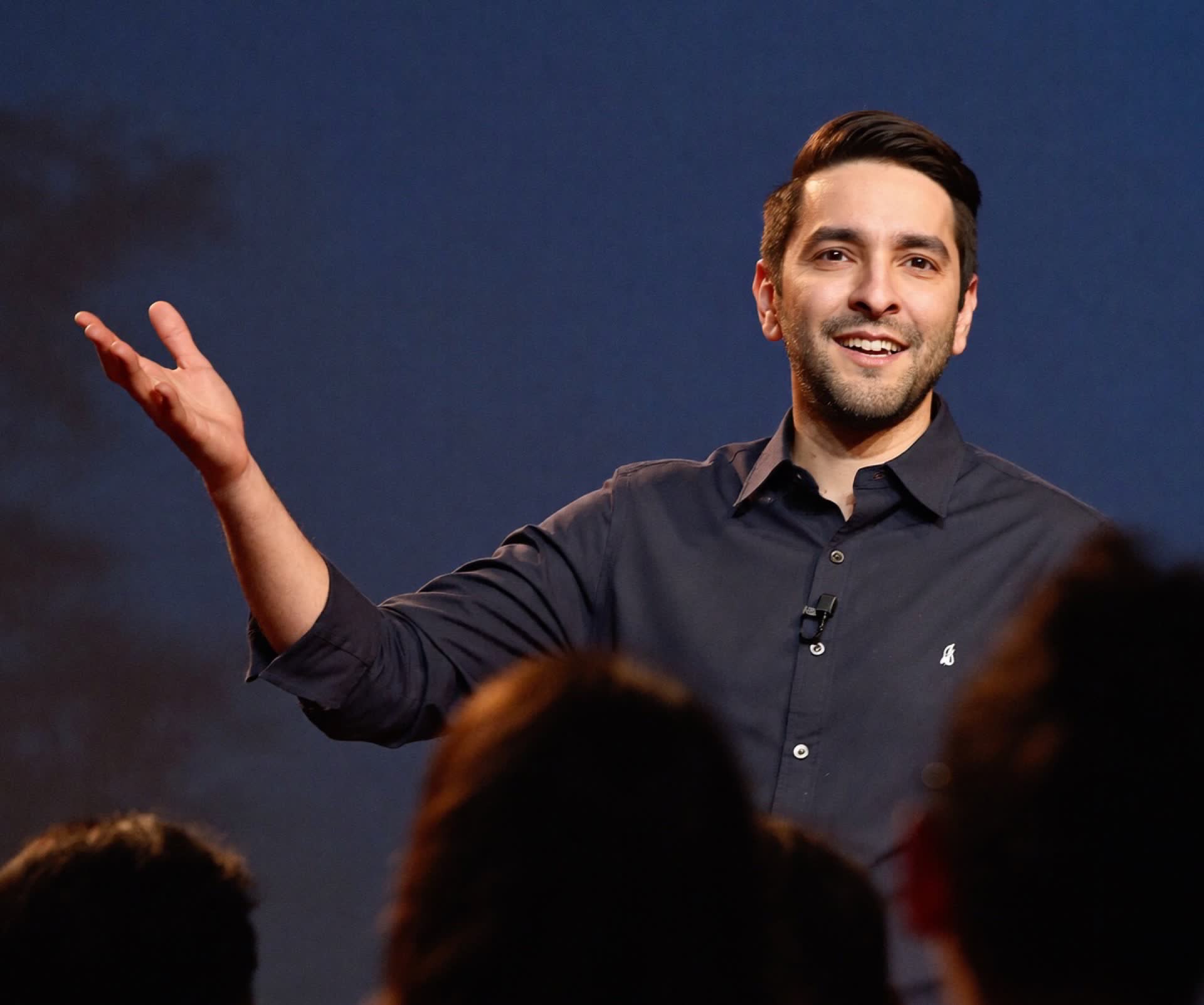
Yusra takes the host seat and turns the microphone around. Muzamil Hasan talks about how Thought Behind Things rebuilt his confidence, why he predicted the podcast boom, how becoming a father reorganised his priorities, and what he wants Pakistan Now to do that Bollywood did for India.
with Yusra
13 min read
The switch — Yusra in the host chair
The episode opens with the chairs flipped. Yusra is in the host seat, Muzamil is across the table, and she names the awkwardness directly: viewers will be wondering what is going on, why she is sitting where he usually sits. The conversation she wants to have is the one a long-running show eventually owes its audience — what 127 episodes of Thought Behind Things have done to the person making them.
Her first question is simple. After this many conversations, how has the show evolved him as a person?
Muzamil’s answer starts in September 2020, when the first episode went out. The version of him who recorded it, he says, was a very different person. He had been on Facebook, then Instagram. He had been at conferences and in consulting rooms. But he had never made mass-market content, and he had never been on YouTube. “My own confidence generally as an individual, as a content creator, was absolutely zero,” he says. “YouTube is a very open-ended platform. All kinds of people are there, all kinds of conversations happen, the comment section can go anywhere — and that scared me.”
Ten months and 127 episodes later, he says, that fear has emptied out. He shares thoughts more easily. He understands the space. And he has become — by his own account, and one that Yusra agrees with — “a much better conversationalist.”
What younger guests do to a 30-year-old’s certainty
The part of the show Muzamil singles out as his favourite is the segment of the catalogue most people would underrate: the 19, 20, and 21-year-old guests. He names the recent episodes on competitive insects, on STGs, and on the guest who came from Afghanistan as some of his recent favourites — serious topics from people who would not, on a résumé, have been the obvious bookings.
The reason he keeps reaching for those conversations is selfish in a useful way. “When I talk to younger people I realise I am becoming more and more disconnected,” he says. “A person stays in their own silo, their own system, and it’s very easy to say, these kids are stupid, what are they doing? It’s very difficult to actually get inside their minds and contextualise — oh, I do the same thing the way they do.” He notes that he, too, once thought in ways a 30-year-old would not have understood. The discipline he is trying to keep is the one that lets him sit across from a 21-year-old without flattening them.
Heroes get made after they die
Yusra pulls him onto the Olympics, which were running at the time of recording. Muzamil’s read is unsentimental. People are watching one match, getting emotional about one athlete, and demanding that the government and sponsors do more. Two weeks later, he says, the same people will stop watching. “Sponsors will not support anyone unless there is public support,” he says. “To support any of these athletes, all you really have to do is go to their Instagram pages and start liking them. You have to start watching their matches.”
The pattern he names is one a guest articulated to him on the show. “In our country,” he says, “heroes are made after they die.” It is the soft, sad story that Pakistani audiences gravitate to — the posthumous tribute rather than the live support. He says he is trying, on the show and outside of it, to do the opposite: to reduce the negative framing of what society did wrong and instead identify what he, as an individual, can change in himself. “I cannot change the world,” he says. “I can change myself. And in changing myself, I might just become a millionaire tomorrow by learning from all these people.”
The audio-first prediction, arriving faster than expected
Yusra reminds him of a prediction he made early on: that within eighteen months, podcasting in Pakistan would start to take off. It has. She asks what was underneath that call, and whether there was a moment in between when he thought it might not work.
His framework is structural. Content moves in waves, like a pendulum. The format swings one way, then back. Pakistan moved from television to long-form, then from long-form to short, then to vines around 2015. The pendulum was due. The variable he specifically banked on was audio. “Audio platforms are going to lift very, very high,” he says. Spotify arriving in Pakistan was a pleasant surprise — he had not expected it — and the moment it landed, the local audience started shifting toward audio-first behaviour, even before Spotify launched podcasts in-market.
The next wave he is watching is smart speakers. Chinese-made audio speakers are already arriving in Pakistan. “You can ask it for the 1992 World Cup and it will play it. I didn’t think that was possible, but it has already started.” Once Urdu-speaking masses move onto smart speakers, he says, the durable advantage will be catalogue depth — whoever has the largest, most diverse Urdu-language back catalogue will own that surface. He sees a parallel opportunity: people reading Urdu books well and putting them on those platforms.
The only stretch where he wavered was the third or fourth month. Growth had stagnated. The conversations stopped being fun for him, and that, he says, is his real signal. The discipline that pulled the show through was uncomplicated: keep shipping. An episode every alternate day. The roadblock cleared.
How to be the person who says smart things
Yusra puts the question many comment threads have asked him: how does he have an intellectual answer for any topic that comes up? Where does that come from?
His answer has two parts. The first is newspapers. He started reading them young — about the city, about his locality — and that habit widened his scope long before he had a strategy for it.
The second is a counter-instinct that he says most people miss. “Most of the time,” he says, “we question the things we disagree with. I always question the things I agree with.” He uses solar panels as the example. People around him kept telling him solar was cheap. So he spent two or three months on it — pulled four companies’ pricing, built his own sheet, updated it annually. The answer he arrived at was specific: with net metering, after the battery drop, the return on investment is roughly three and a half years, leaving twenty-one and a half years of free electricity. That number is the output of a habit, not a hunch.
He follows the same protocol on economic collapse — a subreddit he reads daily — and on international relations, where he runs keyword searches on Pakistan with each major neighbour, and the major non-neighbours whose decisions affect Pakistan. “Googling is an art,” he says. “I barely put more than four keywords on Google for anything. From those four keywords, you get everything.” Most people give up before they get good at it.
Reading people the way you read articles
The same protocol, he tells Yusra, applies to people. He keeps mental files. When he meets someone new, he asks leading questions — where they live, where they studied, what their father does, what their hobbies are, what they want to be. With older people, the questions shift: what job, what views, conservative or liberal, hopeful or not. He is building a map so he can navigate the conversation without stepping on the wrong thing.
The principle underneath it is that “we treat everybody the same way” is a lie people tell themselves. “Every human being is unique,” he says. “Each one has a unique story, and because of that story, in certain areas you have to be sensitive to certain things.” It is also why he calls himself a centrist. Left or right, he says, both camps contain mistakes; the person who has read a little more starts to see that the camp they belong to is not the perfect camp either. He has spent a lot of time replying to angry DMs with calm questions, asking what happened in someone’s life that he had not lived through. People flip more often than the internet suggests they will. The cost of the experiment is patience.
He worries, openly, that the society around him is losing patience. “Kindness is disappearing from society,” he says. The constant feed of frightening news has made parents harder, and the children they raise will be harder still. He notes the macro consolation — bad times create hard men, hard men create good societies — but he is not in a hurry to live through the first half of that sentence.
Becoming a father, and the legacy question
Yusra moves the conversation to Rafael, Muzamil’s son. How did that change him?
Muzamil’s answer arrives in a sentence he has clearly been carrying around. “Before, I was always a very narcissistic person,” he says. “I was always thinking about my role, what I have to do, what I will do, what I can do. The day I had my child, everything is about him now in my mind.” He calls it an immediate realisation. Before Rafael, he says, some part of him assumed he would live forever. Now the question is what he hands down.
The legacy he wants to leave is not measured in his son’s eventual job or salary. It is measured in character — patience, empathy, respect. He credits his own mother for the principle that the person above you in status will demand respect anyway; the discipline is to give respect to the person below you. That, he says, is the value he watches disappearing fastest in the society around him, and the value he most wants Rafael to keep.
He also tells Yusra he made a deliberate decision, prompted by one of his brothers, to be fully involved in the parenting. “Don’t be that guy,” the brother told him, very strictly, around month five or six of the pregnancy. Diapers included. The model of the slightly distant father, Muzamil says, is partly an artefact of his own childhood — his father was 43 when he was born, and by the time Muzamil was 15, his father was 58 and ready to sit in a corner with a cup of tea. He loved his father, but the connectivity that emerged after retirement is the kind he wants to start, not finish, with his own son.
Pakistan Now — and why it is in English first
The last working segment of the conversation is about Pakistan Now, the new platform Muzamil had recently announced. Yusra asks for the vision.
Muzamil starts where his content thesis started: with the audience side. As people consume more content, they begin to weigh their time as an investment. Entertainment value decays with volume — the more you consume, the less it entertains. Informational and infotainment value does not decay the same way. People will start to shift their hours toward content that returns them something — social cloud, money, skills, knowledge.
On the supply side, he has run his own experiments. Kaam Ki Baat at Raw Studios was the short-format, value-with-comedy test that pulled tens of millions of views. Unboxing Pakistan was the long-format test. TBT itself is the hour-long test. From those, he concluded that the full spectrum is alive in Pakistan — short, long, and everything between — and that the audience for each is different but real. He did not want to launch another channel for the sake of it. He wanted to target areas that had never been properly served.
Politics is one of those areas, and his critique of how it gets covered is specific. People will ask the wrong person the wrong question — demand that the president build a road, when road-building is a local body’s job. “Ask the right person the right question,” he says. If you want to talk about the economy, you do not ask a random MNA who will give you a “half cooked, stupid answer.” You ask the minister of finance, commerce, or industries. And you ask them in a way that actually moves the conversation forward — not just “petrol got more expensive, that’s bad,” but what the actual gap was that should be fixed.
He extends the same point to careers. The standard advice — pick a degree with scope — assumes scope is intrinsic. “Scope is not a thing,” he says. “Its scope is essentially what you create. Millionaire artists exist. What is the scope of art?”
The strategic call that has annoyed some of his audience is that Pakistan Now is English-first. His logic is plain. Bollywood exported India by humanising it through content. He cites Russia as a counter-example — a union of states with a diversity he did not know existed, hidden behind vodka jokes — and says that for Pakistan, the lever is amplification outside the country. English is the carrier. Urdu is coming — there is an Urdu division planned — but the first move is the one that lets people outside Pakistan see Pakistan at all. He acknowledges the cost: in Urdu, the reach would already be double or more. He thinks the trade is worth it.
The team he is building reflects the thesis. A history major, an anthropology and sociology major, a security studies major. The platform is exploratory, designed to connect academia with younger audiences through policymakers and academics who can explain things at the altitude young people actually consume at. The reason the pitch keeps reaching for 2050 rather than 2030, he tells Yusra, is that he wants the older generations to have moved on by then. The next picture of Pakistan, he says, has to be defined by the people who are forty-nine percent of the country today — internet-first, educated outside formal school as much as inside it. They are the ones who will decide.
The favourite employee question
Yusra closes with a question from outside the room. Who is his favourite employee?
Muzamil deflects, then answers honestly. “My favourites are the ones who do the work,” he says. Not because they are dependent on the salary, but because they still believe in the platform. The day someone stops believing in the vision, he says, they are wasting their own time and everyone else’s. He uses his own track record as evidence. He left a World Bank contract at 23, with sixty percent of the contract still to run and dollar-denominated pay still landing, because he had decided he was not making the impact the money implied. His boss was confused. Muzamil’s reasoning has not changed since: do the work you believe in, and if you stop believing, leave.
Yusra ends the recording at fifty-four minutes by asking how she did. Muzamil tells her, on tape, that she should host regularly. The practical reason follows: with Pakistan Now ramping up, there will be weeks he is unwell or unavailable, and the show needs someone who can take the chair. The audience, he says, will decide.
Full transcript
चिराग़ आओ वेडन.
Ok. अस्लाम लिकुम ख़वितीनू, हज़रात. Welcome back to another episode of Thought Behind Things. आप सोच रहे होंगे यह क्या हो गया आज? यह क्या वह वहां बैठे हुए हैं? मैं यहां बैठी हूं. तो हम आज कर रहे हैं थोड़ा situation को switch and we are apparently हम इस जो conversation है उसमें ये करेंगे कि जब आपने start किया था and now the podcast is like 127 episodes. Right. तो उसकी journey और उसपे आपकी अपनी personally जो journey evolve हुई है like इस time period में बहुत कुछ change हो गया yourself, अपने projects कर रहे हैं. Right. You have become a dad as well. तो उस तरह की वह जो सारी changes आई हैं क्योंकि हमने start आपसे किया था but the first podcast और आपकी podcast में बहुत difference आ गया हो गया as a person you are. So, वहां से start करेंगे. So, the first question is कि after this many episodes on thought behind things, how do you feel कि इसने आपको as a person कैसे evolve किए? Because आपने बहुत सारी intellectual conversations भी की हैं. बहुत सारी वह conversations ऐसी थी जो कि आपके लिए for the first time थी जो आप तो sun रहे
how did it evolve you as a person? Right. I think, so बड़ा important I think एक theme जो कि लोगों को नहीं पता. जब मेरी पहली podcast हुई थी September 2020 में, right? उस time के ऊपर I was a very different person. मैंने content बड़ा ऐसे ऐसे छोड़ा हुआ था. मैं हेर and देर कर रहा था, Instagram के ऊपर थोड़ा सा कर रहा था. लेकिन यह कि offline I was, you know, meeting people. I was going to conferences. I was doing a lot of these things. Consulting में कर रहा था लेकिन content, mass market content मैंने नहीं किया था. So, मेरा अपना confidence generally as an individual, as a content creator वह बिल्कुल zero था. And उसके अलावा YouTube के ऊपर मैं कभी properly नहीं आया था तो उस वक़्त मुझे YouTube का भी understanding होता है कि यह भी कितनी space है, किस तरह काम करती है. पहले मैं Facebook पर करता रहा था, फिर Instagram कर लिया था. So, वह as an individual, as a content creator अगर बात की जाए तो I was very I was extremely under confident. I was extremely scared कि यह क्योंकि YouTube is a very open ended platform और वहां पर जो है ना आपका हर किस्म के लोग होते हैं, हर किस्म की बातें होती हैं, नीचे comment section किस तरफ़ जाएगा तो मुझे बड़ा डालता. Over the past 127 episodes or rather I would say almost ten months, I think I have become much more confident in terms of the sort of person that I am. Like, I'm बहुत आराम से खून से अपना, I'm able to share my thoughts, I'm able to share my feelings. मुझे थोड़ी समझ भी आ गई है कि actually यह space काम किस तरह से करती है? कौन क्या करता है? कौन नहीं करता? तो थोड़ा सा एक वह understanding बेहतर हुई है. Beyond that obviously you know thought behind things as a platform. It's a very diverse platform and I think I love that about it as well. Particularly जो जो चीज़ मुझे बहुत मज़े की लगती है वही है कि यहां पर बहुत सारे 19, 20, 21 year olds आते हैं जो कि शायद लोगों को नहीं लगता होगा कि वह सबसे interesting चीज़ें होती हैं because people are very much definitely very much interested and some of the most you know मेरी favorite episodes भी रही हैं जिस तरह जो बहुत recently episodes आई हैं मेरी बहुत favorite हैं वह कीड़ों की दुनिया वाली. हां हां. एक वह STG वाली और एक वह पाका मुखान वाली जो भी Afghanistan से guest आए हुए थे तो वह बड़े serious topics थे. But old person. But I do, when I talk to younger people I do realize कि यार I am becoming more and more disconnected because बंदा अपने silo में रहता है, अपने system में रहता है और बंदा धारे कहता कि यार यह बच्चे हैं जजी भर. It's very easy to say कि यह बच्चे हैं Stupid हा कैसे कर रहे हैं? But it's very difficult to sort of go in their in their minds and try to deconstruct them and contextualize कि, oh, I do the thing the way that they do. Yeah. Because at at some point we also thought in certain ways and and 30 year olds wouldn't understand it and we would be very very fascinated with So, that as वह चीज़ मुझे बहुत मज़े की लगती है. उसके beyond that obviously, I think the diversity in terms of data analytics से लेकर MMA वाली बहुत मज़े मज़े की लगी sports के अंदर like अभी Olympics का मसला चल रहा है. Yeah. And I know because of TBT I am able to understand that problem a lot more like बहुत सारे लोग कह रहे कि you know यह जो Olympians हैं इनके साथ यह होना चाहिए government को यह करना चाहिए but the fact is कि you know आज आपने Olympics की एक को देख ली उसका match देख लिया तो आपको suddenly everybody cares about them. Yeah true. But two weeks from now people will stop caring and आप कहते ना government को support करना चाहिए, sponsors को support करना चाहिए. Sponsors will not support anyone unless there is public support. Yeah, true. To support any of these athletes, all you really have to do is, you have to go to their Instagram pages and start liking them. You have to start watching their matches. आप time निकालें, आप देखेंगे Pakistan में, you know, different sports कहां पर दिखाया जा रहा है. आप उसको देखना शुरू करें और advertising का पैसा होता है. हां like वह mountain वाली episode में हुआ था and then with अरसान ऐश as well. अरसान ऐश भी हुआ था, MMA वाली में हुआ था. Yeah, true. Musquash के player आए थे. तो the fact is कि जब वह होता क्या है कि हमारे यहां ना जो मैंने एक चीज़ realize की है कि किसी ने किसी guest ने बोला भी था कि हमारे यहां heroes बनाए जाते हैं मरने के बाद. या वह मरने के बाद बनते हैं या जब so so we love soft stories. Essentially what I have learnt is we love these sad soft stories Maybe I need to fix that. I try more often than not within these conversations as well to reduce the negative understanding of कि society क्या ग़लत करी and rather फ़लसफा समझकर मैं identify करूं कि यार मैंने किस तरह अपने आप को मनोभर करना है. Yeah. And that helps me first of all obviously that makes me a better citizen. एक फलसफे की बात है कि you know what's that makes me a better citizen, that makes me a better human being but beyond that that also makes me a more powerful and a more successful individual. Yeah. Because if I am able to भाई मैं दुनिया को तो नहीं बदल सकता, मैं अपने आप को बदल सकता हूं और मैं उस बदलने में मैं शायद you know I could I could potentially be a millionaire tomorrow just by learning from all of these people. So, so definitely I have learned that a lot of that. I think again हमारी अभी podcast से पहले यही बात हो रही थी कि I have become a much better conversationalist.
Can't even more बड़े राम में किसी भी, किसी से भी, किसी चीज़ के बारे में. Yeah, and I think कि जो आपका viewer और listener भी रहा है ना with throughout this time, तो वो भी अपने अंदर यह identify कर सकता है कि ok with these many conversations with these so many talented and people so उसने अपने अंदर एक change महसूस किया होगा and which is a success. तो हम कह सकते हैं like कि thought behind thing has been a very successful experience. ठीक है? But you get you predicted it कि अठारह महीने में podcast वाली चीज़ जो है वह होने लग जाएगी and you just predicted it. But then you saw it. ठीक है? तो the question is कि जो आपने prediction की हुई थी, इन दोस्त या beach में कोई period आया था जहां आपको लगा था कि ok, this might not work, TBT might not work और अब जो यह prediction होगी आपकी successful तो उसकी success के पीछे जो सारा है, like वह mainly में I think so, जब मैंने originally predict किया था वह मैंने दो तीन चीज़ों की वजह से किया था.
पहला मैंने यह इस basis पर किया था कि content generally waves पर चलता है. Yeah. और हमेशा ऐसे होता है कि वह pendulum की तरह चलता है. So एक तरफ जाता है फिर वापस दूसरी तरफ हमेशा आता है. हम television से हटे थे long format देखकर हटे थे और हम short format की तरफ गए थे और यह अगर मैं दो हज़ार बारह से निकालूं ना दो हज़ार पंद्रह में हम short format से हटकर vines की तरफ आए थे. एक चीज़ particularly जिसके ऊपर मैं bank कर रहा जिसके ऊपर भी explosion तो आनी है वह आपके audio platforms बहुत ज़्यादा उठेंगे. Yeah. Spotify का was a very pleasant surprise. I did not think कि Spotify आ जाएगा but वह आ गया and what that did was कि that pushed पाकिस्तानी towards audio first वह. हालांकि podcast उन्होंने अभी नहीं launch किया. वह eventually launch कर लेंगे. बहुत सारे लोग पूछते भी हैं कि आपकी podcast पर click करें जो Spotify की link है. तो अगर आप Pakistan से access करें तो आपको podcast नहीं मिलेगी तो वह चीज़ आ जाएगी but then that again push people towards that. जो again एक चीज़ मुझे दो हज़ार बाइस में होती नज़र आ रही है वह यह है कि आपके जो audio speakers हैं, जो Chinese audio speakers हैं जो hey Google you know do this or hey Google do that. आप उसे बोले उन्नीस सौ बयानवे का world cup वह nineteen twenty, nineteen ninety two का world cup लगा देगा and I didn't think that was possible but वह already होना शुरू हो गया. Oh, yeah. And so because of that now your उर्दू speaking masses will start to jump on to the audio first, sort of smart speaker platforms और जब वो उसपे आऐंगे ना तो that's where the catalogue will be king कि जिसके पास catalogue पड़ी हुई है जो कि हमसे diverse है, सबसे बड़ी है, सबसे extensive है वो catalogue फिर वहां पर utility use किया है कि यार मेरे पास सिर्फ audio first speaker है मैंने कुछ content consume करना है या तो मैं किताबें कर सकता हूं लेकिन उर्दू की किताबों की तबेंगी नहीं हुई भी. तो एक तो वह भी बड़ी market है people who can take books read them in a nice way and put them up on a platform. तो वहां पर वह audio speakers का बड़ा utility आएगी और उसी के साथ साथ आपकी जो यह podcast है I think audio first के अंदर this is going to have a huge boom. Probably third fourth month में मुझे थोड़ा सा हुआ था because हमारी growth stagnant हो गई थी और मेरा मसला यह है कि मुझे conversation में जब खुद मज़ा नहीं आता ना तो But I think one of the things that one of the great things that we did was कि हमने हमें ना बाकी जो भी हम रहे हैं यह हमने करते रहना we got to make sure that we're taking out an episode every every you know every alternate day. And so वह जो तमिल में थोड़ा सा roadblock आया था वह you know, sort of ख़त्म हो गया. अब at this point अगर मैं देखूं तो I think I, I'm I'm I'm obviously humbled by the fact कि पांचाला से इतना ज़्यादा इसका जो है वो growth भी हुई है. वही आपकी वाली बात के listeners का भी I I I am reading comments on the on the podcast as well as well as the community and वहां पर a lot of people are saying कि you know they've it's it's completely change the way that they view things. It's completely STZF के ऊपर काफ़ी लोगों ने बोला था कि you Pakistan हम बड़े disappoint हुए थे but there is there is hope and I think मेरी हमेशा इस journey में एक चीज़ बड़ी fundamental रही है वह hope रही है. क्या I feel like if if you take hope out of any nation or any you know sort of peoples essentially, You can kill a nation by taking hope out of them because they're gonna stop wanna do they're gonna stop wanting to bring that change or anything or or even make their lives better. And the fact that TBT
without even essentially trying, like, होता ना बड़ा एक emotional तरीका होता है कि आप जाते हो जाकर over the top करके, music डालकर कि hope और, you know, Pakistan का जंडा. Just having conversations and if that brings people hope, I think I I think there's nothing better I could be doing. Yeah yeah. अच्छा, अब मुझे बताएं कि आप इतनी smart बातें कैसे करते हैं? I mean, because right now we listens can say कि मैं बहुत dumb सवाल पुछ रही हूं because I cannot. You आपकी एक ज़िंदगी की journey रही है. आपने उसको उस तरीके से develop किया होगा कि क्या आप करते थे, क्या आप पढ़ते थे. Like, you can have a conversation with anyone. जो कि comment section में आपको लोग कहते ही होंगे कि आप किसी भी topic पर वह intellectual level निकाल लेते हैं, वह philosophy ले आते हैं. तो what is the thought process उसके पीछे? आपने किस तरीके से वह develop किया? Were you always like that? या या फिर आपने यह growing up, यह habit जो है वह,
One बनाई of the things that I did was and I have to said this bunch of times before, you know, I started So newspaper ने मुझे बहुत ज़्यादा मेरा जो जिसे कहते ना scope वह सीख है and actually like I was reading any and everything at the time. Started reading about मुझे city में बड़ा interest होता था मेरे you know locality में क्या हो रहा होता था. And accepting का हमारा यह बड़ा होता है कि हम जब कहते ना कि चीज़ों को accept ना करो question them तो बड़ा है हमें उस sense में आते हैं कि emotional से sense में आते हैं बड़े critical sense में आते हैं कि चीज़ों को question करा करो कि यार आप यूं क्यों कर रहे हैं? वह भी करना चाहिए ठीक है मैं तो एक मेरे लिए हमेशा यह होता है कि positive और negative question question होता है कि why is it happen? Sometimes you're questioning to understand things. Sometimes you're not questioning things to debunk them. You know a lot of times हम जिन चीज़ों से agree करते हैं उनको हम question नहीं करते. Yeah. हम जिन चीज़ों को disagree करते हैं उनसे क्या कहते हैं ओए तूने किस तरह बताई है बात. Exactly. You see it's filled all over social media. You're gonna question the things that you disagree with. And for me I always question the question the things that I agree with. For example solar panels है मैं एक दिन recipe में एक दिन क्या पूरे मैंने दो तीन महीने मैंने इस चीज़ के अंदर अपने साया गया था कि मुझे हुआ कि यार solar panel लोग कहते जी क्यों है? Solar panel सस्ता है. मैंने कहा अच्छा सस्ता है मैंने बैठा मैंने calculation के लगाना शुरू कर दिया यार इतने का panel आएगा इतना ये आएगा इतना unit generate करेगा मैंने चार अच्छा मुझे ये एक thought है मेरे पास कोई background नहीं था. Thought थी तो मैं बैठा हुआ था मैंने चार companyयां Google की solar उसके बाद में मैंने हर साल मैं उसको update कर देता था फिर pricing एक point आया. अब इस वक़्त जो है वो आपका net metering के बाद batteries drop करने के बाद आपका जो बिजली का return on investment है वो सभा तीन साल की है. आगे आपका इक्कीस साल छह महीने जो है आपको free है bill. I have a I have a core interest in economic collapse. I think there is an imminent economic collapse. मैं Reddit का एक सब Reddit है economic collapse के नाम से. Ok. वह मैं हर दिन देखता हूं कि यार आज दुनिया में क्या हुआ ना American fed ने क्या कर दिया? Stock market कितनी चली गई है वह. Crypto currency, am not a big believer of that. तो मैं उसको actively follow कर रहा हूं. तुम international relations के ऊपर, I have these keywords Pakistan, India, Pakistan, China. सारे neighbors plus Pakistan, US, Pakistan, Iran, Pakistan, China. Russia. फिर India के major players and all of the ones जिसका Pakistan से impact होता है. फिर Saudi America global impact है, Turkey, Saudi global impact है. यह keyword search करें पहले पांच, छह, आठ articles पढ़ लें. तो that's one of the way कि मैं मतलब again आपने starter में मुझसे पुछा कि आप smart बातें नहीं करते. मुझे वह मुझे honestly smart बातें नहीं लगती. I don't For me it is. मुझे कहते हैं. लोग कहते बड़ी smart बातें करते हैं मुझे
मैं नहीं लेकिन अब यह आपने बताया ना कि कैसे आप भाई जान से पूछते थे और फिर वह आपको सारे सवालों के जवाब दे देते. तो I can see कि वह difference कहां पर आ रहा है because usually जब हम questions पूछते थे ना तो बड़े तंग आ जाते थे and फिर वह सवाल का वह जवाब देने की वजह वह आगे से हमें बोले कि नहीं तुम छोटे हो तो मैं नहीं पता हो कि यह क्या यह क्या पागल? तुम क्या सवाल पुछ रहे हो यह वह? तो उससे करके I can speak for myself कि उसकी वजह से because I used to question a lot. बहुत मैं why's और what बहुत कहती थी. But जब मुझे कोई questions के जवाब नहीं देता था ना उस तरीके से तो वह habit मेरी बहुत कम हो गई. It came to the point कि मैं self reliant हो गई. तो इसीलिए when कोई भी brief हो रही है, कोई भी कुछ हो रही है and you can ask के कोई सवाल हैं तो I will say नहीं. Because मैं खुद सवाल पूछूंगी उसके खुद ही answer figure out करूंगी. मुझे वह आदत रही ही नहीं है कि मैंने सवाल पूछना कोई मुझे उसका जवाब दे देगा. तो growing up it helps a lot maybe क्योंकि आपको उस तरीके से encourage किया गया तो वह habit वह फिर reading में बदली and then you had this thought. तो यह वैसे normally नहीं होता. हां and I think one of the things that I have also seen is कि
googling things correctly is a skill. Yeah. It's a legitimate skill जो कि बहुत ज़्यादा लोग miss करते हैं कि a lot of times मैं किसी को बोलता हूं कि यार यह चीज़ के बारे में research करके लेकर और वह बहुत ही कोई term सी research आती है और फिर मैं जाता हूं कहता हूं लिखा हुआ क्या है? वह पूरी line लिखी हुई होती है. What will happen when the world will collapse because अब वहां ने start. Googling is an art now. Yeah, some like it's just keywords. I Google. I barely put more than four keywords on Google. हर चीज़ के लिए और उन keywords से ही आपको सब मिल जाता It's just कि आपको पता इतनी दफा आप कर लेते अगर पता लग जाता है कि यार Google का algorithm किस क्या उसके
लिए भी you have to keep doing it ना. Yeah. Because अगर आप एक दफा दो दफा करके give up कर दोगे then you can never build that skill up. Yeah. लेकिन लोग give up कर देते हैं which जो कि मेरी situation में भी हुआ and I know कि वह ग़लत हुआ because it it can be very, वह harmful to me as well because बहुत सारी situation होती हैं जहां पर I cannot figure things out. But
मेरे इससे मज़ा आता है और मैं इसको explore करना चाहता हूं. मुझे exploration है ना कि मुझे like मुझे जो pot जो यह वाली बात है ना मुझे interest था, मुझे मज़ा आता था कि क्योंकि मैंने हर चीज़ like I would if I see something I would note it down in my mind. Yeah. And this is something that I do about people as well like I I make a lot of you know I I make files of people in my mind कि मैं उनसे जब मैं नए लोगों से मिलता हूं तो I ask कि मेरी secret है जबकि मैं podcast ही बता रहा हूं. I generally ask them some leading questions like, you know, what do you do? Where do you live? Where do you where do you go to school? What does your dad do? What are you interested in? What are your hobbies? पढ़ावा क्या है आपने? बड़े होकर क्या बनना है? अगर बच्चा है, अगर कोई बड़ा है तो उनसे मैं पूछूंगा कि अच्छा. आपने job अब कौन सी की? Mhmm. क्या उनके views होंगे? Conservative होंगे? Liberal होंगे? You know, what are they belief systems about Pakistan? Are they hopeful? Are they hopeful? Hopeful? किस तरह की चीज़ों के बारे में वह चलोगे? किस तरह की चीज़ों के बारे में conversation कर सकता हूं? And so that helps a lot in being able to maneuver through people. Oh, yeah. You know कि जो conflicts avoid करना, किस से किस हद तक जाकर आपने,
you know वह eyes भी break हो जाती है and you sort of know कि वह अगले बंदे से मैं किस तरह की conversation कर किस तरह की conversation कर सकता हूं. वह, more often than not people around me tend to
treat everybody in the same way. You know हम कहते हैं हम तो हर इंसान के साथ एक ही तरीके से रवैये से पेश आते हैं but इंसान सब unique हैं, हर इंसान unique है. True. और उसकी एक unique कहानी है और उस unique कहानी की वजह से आपको कौन एक certain areas में आपको उनकी चीज़ों पर sensitive होना होता है. जो the reason I am a big centrist for example is because left or right more often than not. Center में अभी यार difficult मैंने जितना देखा ना center में हमेशा वह होता है वह आए थे Amazon बैर. उन्होंने यह IT tech के ऊपर बात की थी. उन्होंने Kruger's graph या Kruger's curve के बारे में बात की थी. उसमें वह होता ही है कि वह एक graph होता वह यूं जाते हैं वहां पर यूं नीचे आते और फिर ऐसा ऐसा grow करता है उससे थोड़ी सी research से ज़्यादा आगे आते हैं ना तो वो realize करते हैं कि यार अच्छा जिस camp कोई भी camp हो गया जिस camp में मैं belong करता हूँ ना वो perfect camp नहीं है उसके अंदर भी बहुत सारे missile हैं और जिस camp में दूसरे लोग हैं उनके when I am talking to either or I have realized and specially on social media because this bothered me a lot growing up कि हमारे social media पर बहुत polarization है, बहुत खाते हैं बहुत and मुझे होता था यार why are people like this? Particularly on Instagram you know people would send me some sort of like these hateful comments and I would reply with you know DMs आते थे और मैं उनको बड़ा उस तरह reply करता था कि ok but why do you think like that? बड़े तमीज़ से यह, वह इस तरह से और आखिर में जाकर वह eventually लोग flip होते थे और मैंने उसे like help me understand. Yeah. क्या वजह है? क्या मसला आई थी तुम्हारी ज़िंदगी में जो शायद मेरी ज़िंदगी में नहीं आया और मैं यहां पर देखते हैं हम कि यार तुम्हारा जो proposed solution है वह शायद perfect ना हो. But I definitely want to work with you to find a solution for you. Yeah. It's basically like हम कहते हैं कि learn learn learn. It's all about unlearning certain things. Unlearning certain things and understanding also. Yeah. You know, हां, unlearning कह लें and understanding. मतलब मेरे उसमें यह कि I I feel like we're not we're becoming a society that doesn't understand. We're becoming a very harsh society. I was having a conversation with अमना the other day. Mhmm. Kindness जो है ना वह ख़त्म होती जा रही है society के अंदर. Mhmm. हम ख़बरें ख़बरें पढ़ पढ़कर हम you know, these like scary news sun sun कर sun सुनने में बहुत डर लग गया है और हम अपने बच्चों को भी उस मना रहे हैं. हमें होता है कि अपने बच्चों को ठीक है, you know, security बड़ी important है और बच्चों को empower करना है और सारा कुछ करना है but और problem मैं भी अपने बच्चे का यही करूंगा वह आपने इस तरह नहीं करना, आपने उस तरह नहीं करना. But it makes me quite sad that growing up I wasn't the sort of person, I wasn't that person. Yeah. You know, I was the person who would look at people and who would try to see the best in people. And that was the best part about everything. I remember I used to growing up हमारी ना देने मैं अकेला रह गया था भाई वगैरह मेरे सारे चले गए थे तो मैं बहुत ज़्यादा अपने दोस्तों याद दोस्तों के हाथ निकला होता था, इस तरह होता था तो गाड़ी You know, you're going to get so the influx of so much bad news is going to make you a hard person. Yeah. You know, bad times create hard men, hard men create good society's वाली बात है. तो maybe this will be good in the long run for the society. But it's just I wish we were in a better place. Yeah,
I wish too. Okay, so thought behind things तो हो गया. So, यह तो आता रहेगा thought behind things. आप host करते रहेंगे hopefully because आज भी वह लोग नीचे मुझे बोल रहे होंगे कि मैं क्या कर रही हूं यहां पर बैठे रही हूं. So, that. फिर आपकी life में एक और change आया with Rafael. Right. So, how was that transition like? Because I really like your baby. And he also likes me, apparently.
Right. I think, I think it's too soon to give. I mean, change क्या आया? Yeah. यार, change यह आया कि मैंने आप love stories देखते ना filmमों में? तो पहले हम अपने आप को imagine रहे थे. अब आप अपने बच्चे को imagine कर रहे होते हो. High school dramas होते हैं उसे particularly. I think. The never ever वाला scene जो कि आप recently आपने imagine किया. हां, exactly. मैंने सोचा मैंने यह कहा मेरा बच्चा यह ऐसे दिख रहा होगा स्तथुर ला मेरा fire बंदे दिखा रहा तूने नहीं ऐसे दिखा दिखाई. So, मुझे but I I think I I was always a very narcissistic person in a sense that I would always make I would always think about मेरा क्या role है, मैंने क्या करना है, मैं क्या करूंगा? What can I do? What can I do? And the day I had my child, everything is about him now in my mind. Everything is about him in my mind. And it's it almost feels like it it was a realization, immediate realization का मैंने मानना है. उससे पहले मुझे था I'm gonna live forever. और मुझे immediate realization होगी कि I'm going to die eventually. Oh. And this is what I need to work on. And when I say work on it doesn't necessarily mean कि मैं उसको कहूंगा यार वह यह engineering करे और यह करे वह करे but राधुर के what are the values that I basically pass on to him that he will I mean मेरी legacy क्या होगी? मेरी legacy will not be कि वह job क्या कर रहा है या उसके पास पैसा कितना है या वह क्या है? मेरी legacy इस चीज़ में होगी कि वह इकलाकत है वह कैसा है और I think this is something I believe a lot है कि हम बहुत ज़्यादा इस चीज़ के ऊपर ही focus करते रहते कि वो कमा क्या रहा है? वो street smart कितना है? वो यह कितना है? वो वह कितना है? हम basic उन चीज़ों पर नहीं focus करते हैं कि उसके अंदर patience कैसा है? उसके अंदर empathy कितनी है? क्योंकि मैं जब अपना analyze करता हूं अपने parents का तो मुझे मैं अगर तो यह खुला कि मुझे सबसे चीज़ जो values उन्होंने दी वह यही चीज़ दी थी. उन्होंने मुझे empathy दी, उन्होंने मुझे respect दी, कि अपने बड़ों की, अपने छोटों की, अपने ऐसे particularly मेरी अम्मी हमेशा एक चीज़ कहती थी कि जो आपसे ज़्यादा ऊपर है ना जो अमीर है या वह है वह तो respect demand कर लेगा. Mhmm. जो आपके नीचे है आपने उसको बहुत ज़्यादा respect करनी है. आप मतलब वह आपको बनानी पड़ती है. That's a value जो कि आपको inculcate करनी होती है अब मुझे होती नज़र नहीं आ रही unfortunately. So those are the values that I would like कि कि you know my son has and I know कि that will make him stand away. Like crowd से अगर उसने अलग हो रहा है ना ठीक है guitar बजाना सीख लेगा, viral बजाना सीख लेगा, talent वगैरह चीज़ें हो जाती हैं वह भी कर लेंगे. But I think अगर मैं इसको यह सिखा दूं कि यार respect किस तरह करनी है? Patience, understanding, empathy. क्योंकि मुझे और मैं एक और आपको बात बताऊं मुझे लगता है आने वाली दुनिया जो है ना वह तो मेरे यह सोचता रहता हूं कि यार, how do I make him a good human being? Yeah. इखिलाक़तन religiously, ethically, spiritually
इस तरह से किस तरह क्या किया जाए? The, you know, it takes my mind a lot. और यह जो thought आप मतलब अभी सोच रहे हैं and I know every father must think that but जिस तरह से आप अपना relationship profiles के साथ build करें like being involved in everything. Not many fathers do that. I don't know उसका क्या reason होता है? I think वह थोड़ा emotionally उस तरह से अपने आप को express नहीं करना चाह रहे होते तो उस तरह से involve नहीं होते कि उस तरह से. But जो आप build कर रहे हैं, how intentional is this and did you talk about it पहले भी and यह decided था कि ok नहीं मैंने भी इतना ही involve होना है और यह चीज़ कोई नई नहीं है. आप कुछ special नहीं कर रहे हो, यह होता है, यह होना चाहिए जो कि नहीं होता हमारी society में. 100%.
I think, so, इसमें ना बहुत major change एक आया था. Yes, यह देखिए दो चीज़ें हैं. जो आपने बात की ना उसमें दो चीज़ें हैं. एक involvement है बच्चे की बच्चे की परवरिश के अंदर. Yeah. From everything from changing the diaper to मेरे लिए ऐसा नहीं था कि pamper तो मैं कभी भी नहीं हूं. ऐसी बात हो रही है. आस्ता. और I think we were fifth or six month in month into the pregnancy and one of my brother called me and he was like, you know, don't be that guy. Very strictly said, don't be that guy. Make sure that you are actively involved and you participate in all those things because that child is as much as it is हमला's. Yeah. And I so I think that sort of role model जो था मेरे भाई हमेशा से मेरे लिए role model रहे हैं. तो उनकी you know my parents weren't here as well. We were I mean for most part fifth month अभी start हुआ है. अब मेरे parents आए office तो अब तक तो हम अकेले ही manage कर रहे थे. तो वह चीज़ तो थी. जो emotional चीज़ है वह मेरे अंदर, वह तो थी. वह मतलब वह मैंने हम ना से पहले discuss की थी. वह हमारी podcast पर भी I believe पहले एक दिमाग discussion शायद हुई भी है relationships वाले में. Yeah yeah. कि I I was the youngest, in my family and my father was, my father is right now 74. He's going to turn 74 in fifteen days. He's six days old, younger than Pakistan. तो वह जो है वह, जब मेरी पैदाई सौ आप 74 से 31 minus कर लेते तो कितना बनता है? 43. He was 43 when I was born. Ok. And obviously he was middle management banking. For most part till the time he retired he was very much focused on the bank. उनका time जो था ना वह बच्चों के साथ जो पहले बस अवधि में थे, बड़े बच्चों में थे बहुत time उन्होंने spend किया. इधर जाना उधर जाना, swimming करना, सारा कुछ एक एक चीज़ होती है. मेरे time तक वह he was a bit too old specially by the time I got older like I was 10 years old he was 53. I was 15 he was 58 you know. So as a 15 year old, 58 year old father जो है वह ना घूम रहे ना पिर रहे वह बाप राजी से कून कर रहे हैं चाय पी रहे हैं. Yeah. बहुत ज़्यादा लाढ़ करते थे, सारा कुछ करते थे but beyond connectivity उस तरह से नहीं थी कि you know basic basic constant distance था. मैंने तो कहा था अच्छा वाले साहब ऐसे ही होते हैं कि बस वह एक serious figure है और वह. जब वह retire हुए और उन्होंने पूरा पूरा दिन वह घर पर होते थे. Bammy घर पर होते थे. आप कितने साल कितने तक? मैं हो सकता नहीं मैं sixty two two thousand and ten sixty three पर वह retire हुए थे. 2010 I was 20 years old. Ok. That's where I realized कि यार अगर यह काश अगर यह चीज़ पहले हो चुकी होती you know and I am sure बड़े भाइयों के साथ उनकी थी क्योंकि वह था बस मैं high इतना late था और मैं छठा था कि उन्होंने कहा यार अब बस तू psychoso जाए. But I think वह जो, वह चीज़ थी वह I wanted to make sure कि that bond is there with my child as well. Okay. और अब हमलोर इलाह वह चीज़ है कि like even though he takes all the facial features and everything from हमला and people make sure they every time there is a photo, the comment section is failed with कि you know he looks so much like हम ना thank you यार. But, one thing I am proud of is कि वह कहीं में भी होगा, वह किसी के साथ भी होगा, वह चुर चुर कर रहा होगा. मेरी आवाज़ को दूर you know, we we waited and we had a child and we were like, you know, ok fine like this is something that we really really wanted and if we didn't, hadn't thought that अगर कभी कभी कभी बस हो जाती है कि यार यह return policy की तरह है. लेकिन यह कि वह then these are the things that make it good. Yeah.
माशिलाह is really मतलब लोगों के साथ social उस तरह से बहुत ज़्यादा माशिलाह. Ok, so let's move to आपकी life की अब नई वाली जो नई update है जो कि आपने अपने Instagram के through बताई हुई है and then the work with Pakistan now. Right. So and you have said कि यह आपके दस साल का जो सारा process रहा है उसमें आपने जो सीखा, जो नहीं सीखा, जो predict किया, नहीं किया. उसके बाद जाकर you have realized कि this is the sort of thing जो कि यहां पर missing है और होनी चाहिए. Right. So, explain that vision and कि अब Pakistan now क्या and what do you see और यह आप इसको कहां जाते देख रहे आप?
यार, Pakistan now जो है ना वह, infotainment का तो मैंने बारह बहुत दवा बोला but मैं फिर से एक दिवा दोहरा देता हूं कि मुझे लगता है कि इंसान जब बहुत ज़्यादा content consume कर लेता है तो वह अपने पर time को, time consuming content को वह weigh करना शुरू कर देता है as an investment और जब उसको as an investment weigh करता है तो वह automatically देखता है कि मुझे उसे return कितना मिलेगा? तो चाहे या तो वह entertainment value में हो सकता है या वह informational value में हो सकता है. Entertainment value का मसला यह है कि as you consume more and more and more entertainment it becomes less entertaining. Yeah. And so therefore you're going to start to limit your time in terms of entertainment content and you're going to start to increase the infotainment time or informational time ताकि उससे आपको चाहे social cloud मिले, चाहे आपको कोई actual पैसा मिले, कोई skill building हो, चाहे आपकी knowledge में इज़ाफ़ा हो, वह चीज़ आप करोगी. एक human psychology का हिस्सा है. यह मैं बिल्कुल summary बता रहा हूं इसके beach में. Yeah yeah. पूरी theory है. कभी बात करेंगे. But यह चीज़ तो I knew कि that was gonna happen. Ok. Alternatively जो दूसरी चीज़ थी वह यह थी कि मैंने जो कुछ experiments किए थे, पहला being the काम की बात. काम की बात, yes. Raw studios के ऊपर, which were these sort of short format Information like value informational with comedy partnered जिसके ऊपर tens of millions of views आए हुए थे. मैंने smaller pieces किए थे जिस तरह unboxing Pakistan मतलब मैंने larger, longer pieces किए थे like unboxing Pakistan जिस घंटे के episodes मैंने TBT का किया था तो उसका success exam में आया हुआ था. मुझे यह तो समझ आ गई थी कि short format को भी देख रहे कि appetite है और बड़ी audience की है. Long format की भी है, dedicated है but उसका जो SEC हो गया या उसका जो intellect level हो गया जिस audience का वह different है लेकिन वह है. तो एक पूरा spectrum exist करता है और उस spectrum में आप दस चीज़ें कर सकते हैं. Yeah. आपको हर चीज़ हर चीज़ के लिए बनाने की भी ज़रूरत नहीं है. Yeah. Did not want to just create another channel. It's very easy to do that cooking channel, vlogging channel. I think there is space for every one of these right now. I think even cooking channels अभी नए innovative हो सकते हैं. कुछ भी innovation ले आएं, YouTube पर चलना आसान है but that but what I wanted to do was to target areas जो कभी भी tap उस तरह से हुए ही हैं. उसमें I think one of the things that I you know interest नहीं है. That's not true. उनको वो american politics देख रहे हैं बैठे हैं. वो alexandria
cortis को follow कर रहे वो कह रहे वो कमाल बढ़ जाएगा. Like seriously I have seen all law and order shows जो कि US में बनते हैं but यहाँ पे उस तरह से दिखाई नहीं के समझाई नहीं के तो.
पहली बात तो sir president जब वह बने थे तो उन्होंने अपनी seat छोड़ दी थी. दूसरी बात यह अगर seat नहीं भी छोड़ी थी तो यह उनका काम नहीं था road बनाना ना. यह local body का काम है. Right? और यह तमाम partyयां करती है. हर party ने जिधर जिसने जिसको attack करना है ना वो जाकर कर लेगा. ये नाम को समझो सही चीज़ पर criticize करो. You can be critical आप president से ही उनके mandate में रहते हुए बहुत चीज़ों के बारे में critical हो सकते हैं. But आप उस तरीके से आप ask the right person the right question. Yeah true. You know आप आप economy के बारे में पूछना चाहते हैं तो किसी random M and A से आप पूछेंगे वह आपको half cooked stupid जवाब देगा. यह उसका काम नहीं है. वह M and A जो आया है वह economy manage करने नहीं आया. Yeah. Minister of finance जो है वह economy को handle कर रहा बैठा हुआ या minister of commerce कर रहा है या minister of industries कर रहा है आप उन लोगों से यह सवारात पूछें. Yeah. और उनसे properly पूछें कि यानी कि अब यह भी नहीं किया GDP growth rate तो यह तो वह आप actual में घुसे areas define करें उसके हिसाब से आप जाकर पूछें. मसला हमारा यह है कि हमारे यहां जो mainstream media है उसने basic चीज़ें बनाई हैं. Yeah. Petrol महंगा हुआ petrol bomb ही गिरता है. कोई बता रहा आपको कि यार पीछे petrol की pricing क्या क्या नहीं है? कितना tax ऊपर गया? कितना tax नीचे गया? नहीं बताता? Full picture कोई present नहीं Full picture कोई present नहीं करता. उसके हिसाब से आप उसमें दर्द सवाल कर सकते हैं. हो सकता है government ने petrol बढ़ाया गलत बढ़ाया हो. Yeah. But figure out करें ना कि उसमें actually gap किधर था जिसको fix करना चाहिए. बस यह कहना कि petrol बढ़ा दिया बुरा है. हां. That doesn't make any sense whatsoever. Similarly यह तो government की बात हो गई. फिर हम बात करते हैं कि यार opportunities की बात करते हैं. इसकी बात करते हैं कि यार बच्चे में यह यह degree कर लो इसका scope कैसा है? यार scope कुछ नहीं होता है its scope is every its scope is essentially what
You create. You create. Yeah. Right? Like essentially
artists, millionaire artists exist करते हैं. Art का क्या scope है? Yeah, true. ठीक है. आप जिसने बना लिया उसने बना लिया वाली बात है. True. So I think with Pakistan now what I want to do is I want to add the nuance to the conversation. First of all I want to make sure की bollywood ने बहुत ज़्यादा India को export किया and I think मैं यह नहीं कह रहा की बड़ा बुरा किया India को export किया and think for us it was a very big learning opportunity की using content you can humanize yourself. आप Russia को देखते ना Russia में वह clash in Cove vodka के अलावा Russia is actually built a it's like a union of पता नहीं 22 states. Independent states जो कि एक सौ जो कि Russia है और उनकी सारी industry economy prime minister सब अलग अलग है उन states के और उसने इतना diverse culture है सारा कुछ है मुझे पता ही नहीं था. Right? But having said that अगर मुझे इंग्रेज़ी आती है और अगर मैं amplify हो सकता हूं ना तो बजाय इसके कि आप मतलब आपको अगर मेरा content पसंद आ रहा है और आपको लगता है पहली बार तो मैं खैर eventually which part of the vision कि मैं आगे जाकर eventually उर्दू का inshallah we are going to set up an उर्दू division. And we are going to do an उर्दू specific channel as well but बजाय इसके लिए जो अंग्रेज़ी में कर रहा है उसको आप attack कर और उसको amplify करे because आपकी amplification will allow a lot of people from outside of Pakistan to be able to see Pakistan as well and so when we say कि यार nobody talks about Pakistan nobody cares about Pakistan Right? So so that's the vision behind that. I know it hurts a lot of people. It's hurting me as well कि यार उर्दू में नहीं कर रहा लेकिन एक vision है ज़ाहिर या मैंने यार, यह content उर्दू में करते हुए. Could have like अभी जितनी reach है उससे double या या. Definitely, definitely ज़्यादा होती है. But problem statement एक बड़ी clear है. Yeah. और उसको फिर solve करना and I don't know वह हो सकेगी नहीं हो सकेगी but Inshallah होगी because, you know, I see a lot of potential in that and I do wish best of luck for that because I really believe in that. तो यह है Pakistan now का. I think I've मोटा मोटा मैंने बता दिया कि यह है we're obviously exploring. Society के लिए बड़ा बड़ा important है. कुछ हम social sciences वाली shows कर रहे हैं. हमारी team बड़ी interesting है. You know, we have a history major, we have anthropology, sociology major. We have like a security studies major. So we have like a very sort of diverse experts of very different areas. हम चाह रहे हैं वह जो तो जैसे तो जैसे उसकी मैं बात कराता है ना कि सोच वाली जाए चीज़ों के पीछे कि यार यह अगर so I think it's an exploratory platform right now. What we're trying to do is we're trying to connect academia with your, you know, these like young young people and taking what they're interested in and trying to explain that with through the lens of an academic or a policymaker and trying to bridge that gap and put out content that is consumable consumable by the younger audience. Yeah. So that they can have more ownership in the fate of this country. Because to be very honest, if they're they're 49% of this country, they will and they must define the future. Yeah. It can't be the older generations who sort of screwed it up. Yeah. That's why you keep asking कि Pakistan of 2050. 50 कैसा होगा? वह मुझे कि पीछे देना किसी ने बोला, आप आप बहुत आगे निकाल जाते हैं जहां दो हज़ार तीस पहले आए हैं तो उसने कहा यार मैं इसमें से आगे निकलता हूं because I want the older generations to have gone to heaven and to be to to to identify the a picture of an entirely new set of people. Yeah. People who were internet first, people who were educated in a way कि उनको school शायद जाने की ज़रूरत नहीं पड़ी. वह Facebook से भी बहुत चीज़ें सीख रहे हैं. You know a lot of my my driver for example and with Facebook he is telling me about everything and anything that is happening all over the world. Yeah. And he is learning from it. And so I think that that fundamental shift is going to definitely start reflecting in our next generation and I want to be part of that change and that's why Pakistan हो इस तरह. इंशालाह इंशाला.
So, fifty four minutes की तो हो गई है. तो I am done with my questions. So, बाहर से किसी ने सवाल पुछा था कि मैं आपसे पुछ लूं कि आपका favorite employee कौन है?
मेरा favorite employee कौन है? Sir, मेरे कोई favorites नहीं हैं. I think I dislike all of them equally. नहीं I'm just kidding. I think I love all of my employees. I think my favorite कहूंगा but I think the the employees that I like the most are the ones who do the work. That's good. बहुत सारी बात करो. Who do the work not because उनकी तरह house पर dependent हैं but because of the fact that they believe in it. Yeah. जिस दिन वो वो जब miss कर जाएंगे ना जिस दिन they will stop believing in the platform, जिस दिन they will stop believing in the vision. वो अपना भी time ज़्यादा कर रहे होंगे. वो बाकी भी सारों का time ज़्यादा कर रहे होंगे जो लोग actually believe करते हैं क्योंकि और मेरा यह रहा है like I have I always switched jobs or left jobs or left projects if I stop believing in them. Like I can't just go on मैं World Bank में नौकरी कर रहा था sir I was 22 year 23 years old and I was earning a good amount of money because dollars में payment आती थी और मेरा contract अब 40% हुआ था. I still had 60% है ना मेरा contract renew हो जाता and I I went and I told him कि my boss कि यार मैंने नहीं करना ना and he was so confused कि यार इतने लोग होते हैं वह कहते हैं इस तरह से यह करना वह करना है. आप क्यों मुझे कह रहे हो? I have you thought about it यह वह and आप बहुत ही mature हो यूं. मैंने कहा sir मुझे नहीं समझ आ रही like मुझे नहीं समझ आ रही और मुझे इस वजह से समझ नहीं आती थी because I used to go to these again let's not get into the details I just thought कि I didn't I wasn't making a lot of impact. I was I didn't deserve the money. Ok. I thought कि you know what what was going on was I could have done more. With my time. With my time. Yeah. And so I left and I could have. Was a student like मुझे पैसा pocket money बड़ी अच्छी मिल जाती है, अच्छा पैसा मिल जाता है लेकिन यह कि I believe people should pursue things that they believe in and if they stop believing it. I'm not saying कि they could they should always believe in me. Oh, you know, I am the king. They should believe I'm a human being. I have my set of ideas.
People should come work with me if they agree with those ideas. If they don't... नहीं, I do personally agree with it because मुझे भी at the end of the day if I don't feel like I have done something very substantial, उस उस form में कि ok, I made a difference. Even मुझे सिर्फ़ कोई छोटी सी चीज़ करनी है. But if I know that I made a difference in मेरे सात वालों के लिए and in the larger scheme of things, So I will come again because if if I don't, I will quit because मैं छोड़ दूंगी क्योंकि अगर मैं नहीं कर रही कुछ तो कोई फ़ायदा नहीं है उसको कुछ करने का. Growth क्या होगा ना अब एक बार आपकी अपनी growth की तरफ़ हो. Yeah. आप बैठे नाखुश हो रहे होते हैं ना अपने काम से तो under somewhere वह यही चीज़ होती है because they are not enjoying their work. Yeah. तो वह एक point आता है कि वह बस उस चीज़ से वह तंग आ जाते हैं या उनका breaking point आ जाता है. But जब यह every day you take this, like, यह मेरा एक दिन है. मुझे इस दिन enjoy भी करना है और इसमें मुझे maximum maximum उतना capacity देनी कि वह मेरा काम भी हो. And the people around me are also, like, मेरी वजह से किसी और का काम नहीं ख़राब होना चाहिए. ठीक है? If I am having a bad day, it should not reflect on anyone. किसी का काम नहीं रुकना चाहिए because it's all mine in the end. तो वह वाली ownership और, you know, enjoying तो वह बहुत difference create करती है because like I said in my podcast as well कि money is just a byproduct. Financial independence, societies, it's all आपकी growth पर depend करता है. If you feeling कि आप change हुए, आप evolve हुए हो, that's all that matters in the 100%, 100%. I think we are done so. मैंने कैसे किया आज podcast host?
गैर आपने बहुत अच्छा किया. I think, I think आपको regularly करना चाहिए.
But यह तो हमें लोगों से पूछना पड़ेगा ना? Definitely लोगों से I पूछना think,
one of the reasons why Youstra is hosting this as well is because with Pakistan now and certain times मैं बीमार हो जाता हूं कभी, मुझे कोई छुट्टी नहीं मिल पाती. So I wanted के at least there should be someone who can, you know, do some backup. क्योंकि guests aligned होते हैं, कभी बार आप नहीं कर पाते. तो कोई backup पर कर रहे हैं. So, आप लोग बताएं कि युसरा ने कैसा boost किया और if there are areas of improvement तो we want to Yeah yeah, please. If she's not a professional, so, वह बताएं because I'd like कि, you know, she can take the seat sometimes when I'm unavailable.
Okay. So, thank you so much if you are still listening and please subscribe ताकि आपको आने वाली podcast के बारे में पता लगता रहे on audio and on YouTube. Thank you so much for listening.
More from Thought Behind Things
Jun 30, 2026
Simon Dixon: the US empire is being wound down by design
with Simon Dixon
Simon Dixon argues the American empire isn't collapsing — transnational capital is deliberately unwinding it, and Pakistan's military has become its leverage in the transition.
Listen →
52:45 Jun 9, 2026
How Asad Mehmood landed Mattermost from Pakistan before A levels
with Asad Mehmood
Asad Mehmood walked into Mattermost before he had A levels, crossed two million dollars on Upwork, and now runs a design agency from Pakistan. He sat with Muzamil to lay out the framework underneath it: become undeniably good, then become visible, then sell outcomes.
Listen →
59:04 Jun 5, 2026
A 22-year-old Pakistani's road map to space by 2050
with Hassan Mossin
Hassan Mossin, a 22-year-old Pakistani astrophysicist training with the International Institute for Astronautical Sciences, walks Muzamil through the next twenty-five years of space — commercial stations by 2030, a lunar base by 2032, and why the bottleneck isn't food or oxygen, it's energy.
Listen →Never miss what's next.
The dispatch - new writing and conversations, straight to your inbox.
First name, last name, email - in your inbox weekly. No spam.