Skip to content

Thought Behind Things · Sep 6, 2023 · 1:25:46

What AI does to law, and the courts too slow to notice

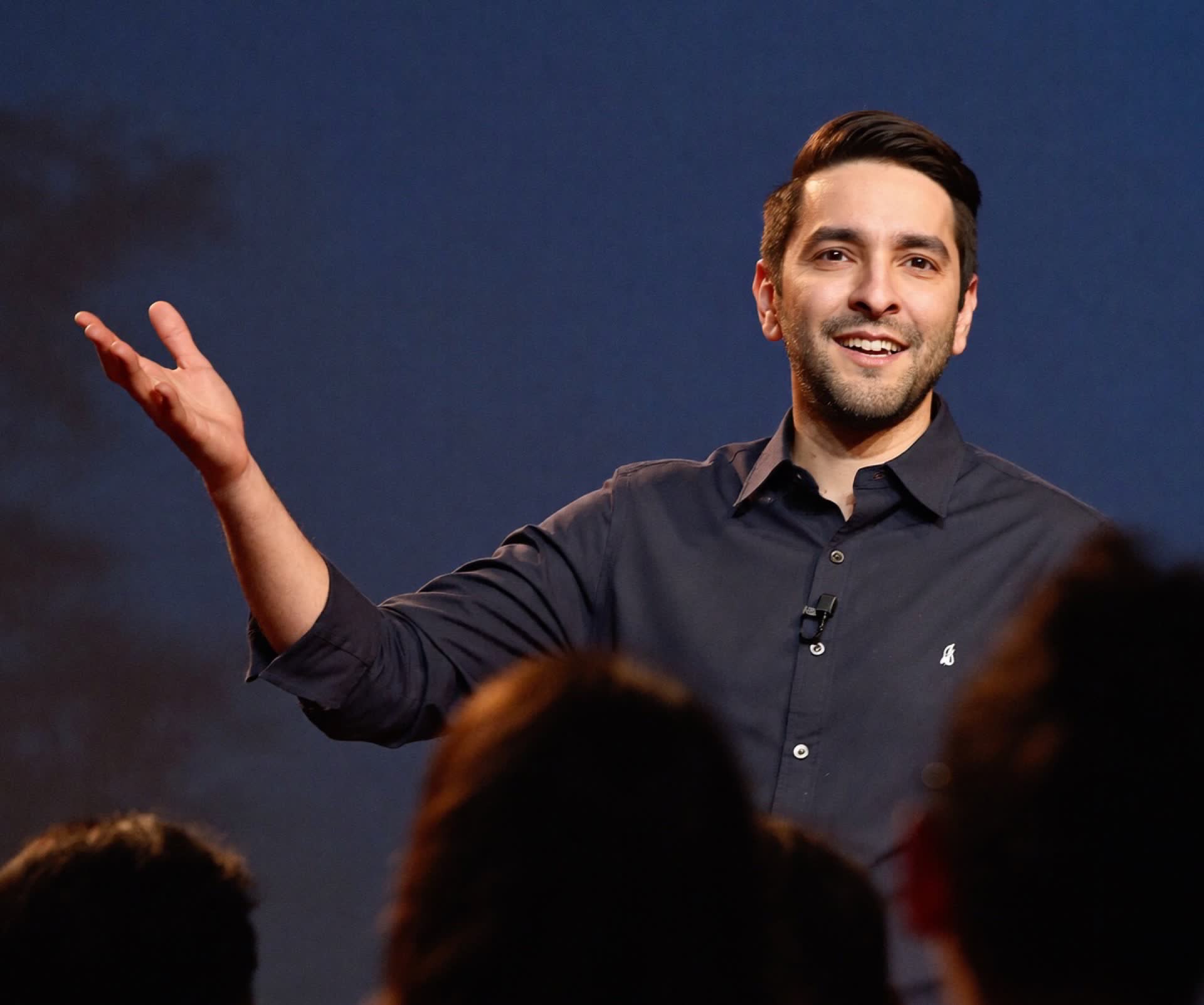
Adam Jabbar wrote a book of 101 ChatGPT prompts for lawyers and watched it sell worldwide. He and Muzamil work through whether AI can clear Pakistan's case backlog, who owns AI-generated content, and why a data-privacy bill written by copy-paste could push the next founder out of the country.

with Adam Jabbar

10 min read

A book of prompts that sold itself

The episode opens on something small that got big quickly. Adam Jabbar, a technology lawyer in Islamabad, spent one evening compiling the ChatGPT prompts he already used in his own practice — “review this contract for me”, “summarize this law for me” — into a list of 101 and published it on Amazon as a Kindle book, ChatGPT for Lawyers. He had self-published two books before, on navigating international privacy laws and the legal implications of AI, and a handful of people had bought each. This time he woke up the next morning to roughly 151 copies sold.

Then US legal-tech blogs picked it up. UK buyers followed. The news travelled back to Pakistan, the Tribune ran a story, and bar councils approached him — he gave them free copies on the principle that education should be free. By the time of the recording it was still moving thirty to forty copies a day. His framing for what the book is stays deliberately plain: a prompt is just language, the way telling a waiter “bring me a glass of water” is a prompt, and a better prompt gets a better output. The book exists to make a lawyer’s day shorter.

Muzamil sets up the larger question with an observation that recurs across the conversation: before generative AI, the consensus was that creative industries would be disrupted last. Instead they were disrupted first. The same surprise, Adam argues, is now reaching law — and it follows a pattern the profession has seen before.

He walks it back a decade. Lawyers used to do case-law research by hand, hunting precedents through libraries that might hold ten thousand books, with junior staff whose whole job was the search. Then a website called Pakistan Law Site put 90% of judicial decisions into a searchable database for a few thousand rupees a month, and that research could be done from a laptop at home. The library staffer’s job quietly disappeared. AI is the next step in the same line. Feed a model enough law — journals, case law, precedent — and it reasons over that material the way the previous tools indexed it, only faster.

Adam is candid about the limits. OpenAI trained heavily on US legal data and lightly on Pakistani material, so accuracy is uneven: he puts legal research at around 80% reliable, with roughly 40% of outputs carrying errors. But the direction is clear. The work that goes first is the work nobody romanticised — research, e-discovery, and the drafts that four associates used to produce. A petition or a legal notice that took a junior most of a day now takes minutes.

Whether a backlog should be solved by removing the humans

Muzamil reframes the problem from a computer scientist’s chair. Pakistan’s justice system has a bottleneck: the world’s fifth-largest population, cases in the thousands, too few judges, outdated civil and criminal procedure codes, and registrar offices with rooms full of files piled to the ceiling. When humans are the constraint, human problems follow — strikes, adjournments, “tareekh pe tareekh”, date after date. If a lawyer takes a simple recovery suit, Adam admits, the honest answer is that there is no mechanism in Pakistan to resolve it in a week.

So Muzamil pushes the model to its edge. Break a trial into inputs, processing and output. A plaintiff files, a defendant answers, a judge writes a decision from inputs and past history. Why not file online, let both sides submit their arguments, and have a system that has “heard” a hundred thousand cases return a judgment in a minute? A hundred years out, he asks, are session-court judges even required?

Adam’s answer is careful. The first move is not AI — it is digitisation. He credits the Peshawar High Court’s stance that filings should be submitted as soft copies, so a digital database of Pakistani cases can exist at all. Only once that data is in can a model learn what cases run, what decisions look like, and help judges triage and expedite. But he draws a firm line on what a judge does: weigh witnesses, facts, the arguments of both parties, and binding Supreme Court precedent into a neutral human decision. AI cannot replace that today, and a unique case it was never trained on is precisely where it would stumble. On the hundred-year question he refuses false certainty — given how fast the last few years moved, it could happen, or it could not. Use it as a tool, he says, and do not over-rely on it.

Bias, ownership, and the question of who is responsible

The conversation turns to the harder problem: regulation. The EU, Adam notes, is the body working aggressively to regulate AI, and the reasons cluster. Bias first. His example is uncomfortable and accurate — a hiring model taught by a prejudiced employer to filter out CVs of a particular race will produce discrimination at scale. Muzamil’s point sharpens it: AI is biased because it is a representation of biased humans, so it will stop being biased only when people do. How you regulate that, Adam admits, is a grey area nobody has solved.

Then liability. They argue it out properly. Adam starts from vicarious liability — Nestlé is responsible if its bottled water is bad, an employer is responsible for an employee’s workplace conduct — so the developer, OpenAI, should be responsible. Muzamil counters with the difference between a product and an intellectual service: a university isn’t liable for what its graduate posts online, you sue the New York Times but not Wikipedia, and Facebook escapes liability by calling its content user-generated. AI models, framed as teachers offering knowledge the user is free to misuse, disclaim everything — and they have. ChatGPT tells you to check legal advice with a licensed lawyer; OpenAI’s terms shed responsibility for what it produces. Push that logic to its end and the user is solely responsible, which Adam concedes is largely where the law lands, helped along by limitation-of-liability clauses nobody reads.

Ownership splits three ways: whoever’s work the model learned from, the platform, and whoever wrote the prompt. The platforms say the prompt-writer owns the output, with a partial license retained for themselves. Adam’s moral instinct points the other way — at the person being replicated. AI music in Atif Aslam’s voice, he argues, is like a fake Louis Vuitton bag: ethically the artist should still own it, even if the terms and conditions say otherwise. Muzamil presses on the boundary. A student inspired by Sadequain doesn’t owe Sadequain royalties; inspiration is how culture works. The two converge on a line: training on publicly available work and being broadly influenced is one thing, but the moment a product uses your name to imitate you, intellectual-property rights are torn up. Adam’s modest ask is that AI-generated content at least credit the source.

A data-privacy law written by copy-paste

The third strand is data privacy, and here Muzamil is honest about being in the grey. He believes regulation is necessary — without a Pakistani entity to hold responsible, crimes go unaddressed, the FIA can’t act, platforms sit in Singapore. He has limited patience for the Asian Internet Coalition’s objection, which he reads as a lobbying stand for very large tech firms threatening to leave rather than build data centres or comply. Build the regulation and they’ll come, he argues.

But the criticism he does agree with is about how the law was made. The Personal Data Protection Bill sat in the Ministry of IT for three or four years while Adam — who advocated for it and sent the ministry notices — watched data breaches, hacking, financial fraud and ATM skimming go unaddressed by any specific law. When the bill finally moved through the federal cabinet, he read the draft and concluded it had been written without thought: no industry input, no input from professionals, what he describes as a control-C, control-V of GDPR and CCPA.

His worry is concrete. Penalties in the millions land on companies like Rozee, PakWheels and Zameen, who are only now learning the rules apply. And the founder he keeps returning to is the graduate launching an e-commerce store with no awareness of how data protection works — who could lose years and a business to a penalty, and whose response on the way out is simple: I don’t want to live here anymore. In Muzamil’s framing, the country tends to get the theory right and the implementation wrong, handing a hard-line law to a bureaucrat who can arbitrarily shut one platform and not another, with data privacy as the cover for much else.

The limits of regulating an open world

The conversation widens to where the internet itself is going. Muzamil tells the story of the dot-com bubble — pumped through the nineties, peaked in early 2001, collapsed, then a roughly twenty-year cycle in which the internet matured into something a whole generation was born into rather than handed. That maturity is why governments worldwide — GDPR, Canada, Australia, and now India and Pakistan — are finally regulating the powerful platforms, with the top companies in the world almost all being tech. As web2 gets regulated and freedom of expression dips, he sees web3 emerging as the alternative: decentralized social media like Mastodon, decentralized video, data owned by users, no central entity to hold liable.

Adam is upfront that he hasn’t studied web3 deeply and is learning like everyone else. On blockchain he sees genuine good — smart contracts that document ownership transfers and transactions far better than the conventional, poorly documented world, which is exactly why traditional banks will resist it loudest. On the harder question — who does a state regulate when liability is distributed across every user — his answer is that states will have to innovate, think out of the box, and write new laws for a global, connected marketplace.

But his sharper point is that not everything can be regulated, and he proves it from recent history. Pakistani freelancers have moved their dollars through Payoneer for years; when the state and FIA made noise about regulating and taxing them, the debate died and the money — hundreds of millions — kept flowing, unregulated. Crypto sits in the same grey, with the State Bank still “working on it” and the FIA freezing accounts on instinct. The real fix, he argues, is fresh, young input: an FIA cyber-crime wing staffed by people who actually understand NFTs, crypto, web3 and the dark web, because the country has barely five or six technology lawyers and almost no one — investigating officers, judges, lawyers — who understands the field. His prescription for every tech and cyber law is the same: make it balanced, not very hard and not very soft, and let an open world live openly, because there is a real demand for freedom right now and you cannot run a democracy like a jail.

Pakistan in 2050, without the ifs and buts

Muzamil closes with the question he puts to most of his Pakistani guests — Pakistan in 2050, twenty-seven years out, the year Adam will reach retirement age — and asks him to skip the standard line about the youth bulge. Adam answers with positive hope and refuses the ifs and buts. He quotes the Quran’s promise that ease follows every hardship, and argues that no country’s hardship lasts a lifetime.

He breaks his own rule about the young population only to make a different point with it: this generation has technology, awareness and exposure their parents and ancestors never had, and the gap in thinking is enormous. Culture has changed, doing business has changed; some things are getting better and some worse, and it will take time. His closing ask is the one that runs through the whole conversation — take fresh input, bring all the stakeholders in, don’t work alone, and let the lawmakers soften and stay flexible. The most useful thing the technology lawyer says about the future is not about the technology at all. It’s that the people writing the rules need to start by listening.

Full transcript
Muzamil

सानवा ख़बदिनाज रात welcome back to the three hundred sixty second episode of Thought Behind Things आज 09/06/2023 है और आज हमारे साथ मौजूद एक बहुत ही ख़ास मेहमान आदम जब्बार who is a lawyer, a law expert he particularly focuses on technology law, startup law and recently wrote a book on using AI in legal practice जो कि पूरी दुनिया में sell हो रही है. आज इस conversation के अंदर we talk about the implications of using AI in legal matters. क्या judges को AI से replace किया जा सकता है? क्या आप जो existing lawyers हैं वह you know ChatGPT और different prompt engineering के through अपने workflow किस तरह आसान कर सकते हैं? आने वाले वक्त में potentially क्या evolution होती हुई नज़र आ रही है. Now that these technologies जो ये you know generative AI technologies जो अब हमारे सामने आ गई हैं इनसे क्या क्या you know evolutionary changes हम expect कर सकते हैं very very fascinating conversation one of the few जो के Pakistan में मिलती हैं जो के थोड़ा सा हमें you know they help us imagine and dream of future particularly that which contains technology. अगर आप इस channel पर नए है तो please do subscribe to our channel for more conversations like this. अगर आप पुराने है तो please like ज़रूर कर दीजिएगा video को आपको नहीं पता ऐसे बहुत फ़ायदा होता है हमें और हमारे algorithm को so please do like the video and if you have any thoughts please do share them in the comment section below. I read all of them and I would love to hear from you to make the quality of conversation and the quality of content better on this platform. But anyways this is Adam Jabbar on thought behind things. अस्लाहाबाद studio.

Guest

आदर्भाई कैसे हैं? How are you? I am good जी, मैं जम्मिल आप सुनाएं. मुझे बताया आपने recently एक book निकाली है चाहे JPD for lawyer. चाहे JPD for lawyer. 101 practical prompts. What's the thought behind that? जी thought कुछ ऐसे है कि I am a lawyer myself and with a focus on technology law. Tech law मुझे fascinate भी करता है, थोड़ा passionate भी हूं. फिर plus मैंने एक recently थोड़ी पढ़ाई भी की थी इसमें. I did a course from Harvard University, she has followers. तो इस field में थोड़ा सा मेरा शौक था data protection के ऊपर भी पीछे तीन चार साल से काम कर रहा हूं. तो AI काफी मुझे fascinate करता था. Right. तो जैसा कि सब लोग यह अब जानते हैं अब तो ChatGPT is something that ऐसा कोई भी नहीं है जिसको इसके बारे में ना बताओ. Basically it's a language model 3.5 आया फिर अब four चल रहा है. इसके बाद भी इसका next update आएगा. यह basically it's made to automate task वगैरह AI इसके ऊपर सारा काम करता है. तो GPT basically for lawyers जो मैंने यह book लिखी है चार GPT for lawyers यह 101 practical prompts हैं कि आप अपनी legal practice में AI को कैसे integrate कर सकते हैं. This is basically a book that makes life of a lawyer easy. एक law firm और एक वकील दोनों की life को यह easy बना देती है. तो prompts इसमें मैंने एक 101 practical prompts इसमें मैंने जो है compile किए थे prompts basically ज़बान होती है. जैसे for example आप एक waiter को कहते हैं कि bring me a glass of water तो that's a prompt AI की ज़बान में. मैं simpler terms में बता रहा हूं. I'll use layman terms so that the audience can understand. तो इसी तरह जो है हमारे legal profession में ChatGPT में भी prompts हैं. आप जितना अच्छा prompt ChatGPT को देंगे वह उतना अच्छा आपको output produce करके देगा. Right. तो legal protrant prompts basically होते हैं जैसे for example review this contract for me और summarize फलाना law for me. These are basically prompts. तो मैंने एक जो है अपने लिए जो इस्तेमाल करता था अपनी legal practice में मैं GPT के prompts मैंने वो सारे 101 की list compile की and I published them in a form of a book. वह book मैंने Amazon पर e book पर form में डाल दी Kindle के ऊपर और पहले भी मैंने दो किताबें लिखी थी. One was how to navigate international privacy laws and one was legal implications of AI. थोड़ा सा background की तरफ जाऊंगा twenty eleven में मेरे father का publishing house भी था. Right. उन्होंने भी मार्शालाह नौ किताबें लिखी हैं. Publish की थी 100 influential पाकिस्तानी. जिसमें मैंने one to one doctor अब्दुल कदीर खान अब्दुल सारी थी सबके interviews conduct किए थे to show a positive image of Pakistan to the world. तो इस book का अभी जो है inspiration वहीं से आई कि पहले भी किताबें लिखें तो इसके ऊपर कुछ करें. I should make a book and I should publish it in the world. मैंने फिर रात को बैठा एक दिन और मैंने सारी list prompt की list बनाई की यह prompt अच्छा ही अच्छा result देता है. तो I published it on Amazon. The next morning I woke up पहले भी दो किताबें लिखी थी दो चार लोगों ने ली होंगी Amazon पर. But when I woke up तो तकरीबन one fifty one copy sale हुई हुई थी. तो I was quite amazed and surprised कि इस पर response अच्छा आ रहा है. फिर जी US में कुछ legal tech उनकी websites हैं, उनके blogs हैं, उन्होंने publish करना शुरू कर दिया इस book के बारे में कि एक वकील ने जी किताब लिखी है और यह बड़ी अच्छी है and इसमें prompts हैं, it makes your life easier as a lawyer. उन्होंने भी खरीदना शुरू कर दी. फिर UK से भी अच्छा response वहां भी लोग ख़रीदना शुरू हो गए. करते करते Pakistan तक ख़बर पहुंच गई. Tribune वालों ने approach किया. उन्होंने एक ख़बर लगा दी. मैंने social media खोला तो देखा जी यहां भी वह ख़बर चल रही है. खैर पर bar councils ने approach किया. खैर मैंने उनको free copies देती मैंने कहा it's education free तो जितनी पहले होता है अच्छा है. तो करते करते marshal लाह काफी अच्छा इसका response आया. आज भी तकरीबन रोज़ की तीस चालीस copies निकल रही हैं इसकी and marshal lights doing very well. Very cool.

Muzamil

I want to start the conversation with just talking about AI in law. Just obviously most recently हमने इसको बस देखा कि अच्छा GPT आ गया है so GPT in itself के अंदर कुछ चीज़ें यहां पर down हो सकती हैं but generally overall if you look at the way that AI is evolving so before the whole GPT revolution, लोग कहते हैं यह थे generally कि creative industries जो हैं they will be the last ones to get disrupted. That's right. और interestingly जब यह start हुआ तो creative was the first one to be Yes sir a producer बिल्कुल. Originally कहा जाता था कि कुछ areas जो कि जो जो जिसमें memory बहुत ज़्यादा use होती है वह बहुत quickly disrupt होंगे. Parallegal,

Guest

legal generally. Very true.

Muzamil

How do you see

Guest

the use of AI in the legal profession? Not just right now but overall आने वाले वक्त के अंदर. देखिए जी मैं थोड़ा सा पीछे जाऊंगा AI से पहले का ज़माना. AI खैर हमें लगता है कि it's a new thing मगर यह बहुत पुरानी चीज़ है 19 '50 से 56 में सबसे ज़्यादा काम हुआ it was the birth of AI. Alan Turing एक developer था जिसने checkers game बनाया था और वह पहला Checkers game था जो independently computer एक human opponent के साथ खेलता था. तो वह भी आप देखें जाए एक AI based model ही था जो करता था. वकालत का profession ऐसा है कि इसमें technology बहुत जल्दी evolve करती है. वही बात है जैसे creators सबसे पहले effect हो रहे इसी तरह वकालत का profession भी unfortunately AI से effect हो रहा है. ऐसा नहीं है कि नहीं हो रहा. जितनी मर्ज़ी justification दे दें effect होता है. तो जो है हमारे legal profession में आज से अब case की उन्होंने जी पहले research करनी है. उसने देखना है relevant laws के apply होते हैं और इसमें जो है case laws क्या होते हैं? Case laws basically precedents होते हैं जो as a reference हमें judges को present करने होते उसके ऊपर decisions आगे base करते हैं legally binding होते हैं वह. तो वह क्या करते थे वह libraries में जाते थे. एक बड़ी सी library होती थी वकीलों की उसमें कोई दस हज़ार किताबें होती थी. उसमें से they had to find out the right book कि इसमें relevant law कहां पर है? They had to find the case law from each and every book. तो research करना एक बहुत ही मुश्किल काम था वकील के लिए. तो आज से आठ दस साल पहले Pakistan में एक website आ गई. उसका नाम था जी Pakistan law site. Pakistan law site ने क्या किया? उसने कहा हम एक database बनाते हैं. PLD publishers के नाम से काफ़ी famous हैं हमारे every lawyer knows about it. उन्होंने website बनाई उन्होंने कहा सारे judicial decisions जो हैं 90% of them बहुत सारे नए भी हैं उसमें उन्होंने upload कर दिए उस database पर. एक case law research website का portal बना दिया. उसकी मुनासिब से fees लगा दिया around 3,000 rupees a month और कहां आप जाए library में जाएं आप case law की research घर बैठकर अपने laptop पर या computer पर कर लें. तो वह जो एक काम था research वाला वह online database ने उसको overcome कर लिया. मुक्तलिफ़ staff जो रखा होता था जो library जाकर देख जाता था वह बेचारा उसका काम ख़त्म हो गया. अब जो हैं आज का जो modern वकील था AI के use से पहले तक वह law side पर जाता था अपना case research करता था. Similarly US में Lexus Nexus के नाम से portal है. अभी एक case next आ रहा है. तो वह चीज़ जो है इस तरह evolve करती रही. Similarly जब ChatGPT आ गया और AI का use आ गया तो जितना data आपने जो है सिखाया हुआ है AI को, AI को भी आप basically इसी तरह करते हैं. उसके database में जितना data देते रहें आप जितनी उसको किताबें पढ़ा पढ़ाते रहें वह उसी तरह human intelligence की तरह अपनी reasoning देता है, thinking देता उसी data को जो आपने सिखाया होता है computer को what you teach him वह उसी के हिसाब से output देता है. तो law की किताबें पढ़ाना शुरू कर दी GPT को. OpenAI ने सबसे ज़्यादा इसके ऊपर काम किया और सबसे ज़्यादा data भी उन्होंने law का दिया, journals पढ़ाए, case laws पढ़ाए, खैर US के ज़्यादा पढ़ाए, Pakistan के कम पढ़ाए, Pakistan का भी data काफी कम आया open AI पर. तो वो करते करते जी ये चीज़ भी overcome हो गई. Legal research जो है 80% काफ़ी accurate है. GPT पर 40% flaws हैं, errors देता है. तो legal research को यह खा गया. तो यह एक technology evolution ऐसी है AI की legal practice में के research का काम सबसे ज़्यादा attack किया उसने सबसे पहले. Second, law firm के automated daily task को यह ख़त्म कर रहा है. For example, आपने चार associates बिठाए हुए law firm में जिनका काम है credit petition draft करना, high court की या कोई legal notice तैयार करना. तो वह जो drafts आपके पहले दिनों में तैयार होते हैं वह चंद्मिटों में हो जाते हैं. Plus आपकी जो e discovery का काम है इसको मैं जो Pakistan law side का है, इसको भी काफ़ी हद तक यह कर लेता है. ग़लत भी करता है मगर सही भी काफ़ी चीज़ें कर देता है. अब जो इसके code interpreters आ गए, नए plugins आ गए, browser चलता है GPT-four से उससे case law research वह भी काम होना शुरू हो गया है उसमें. काफी बेहतर हो गया है model develop कर रहा तो इस तरह जो है AI का use वह वकालत के profession को काफी take up कर रहा अच्छा है. अगर if I were to look at and I have had this conversation before on a podcast

Muzamil

शायान कैसे की थी. Ok. On again उसका एक पूरा segment है on AI. Ok. अगर मैं दो minute के लिए मैं जो अभी हो रहा उसको site पर रखता हूं. Ok. Pakistan जैसी country के अंदर जो मसला चल रहा है stand के ऊपर वही चल रहा है कि cases बहुत ज़्यादा हैं. बहुत ज़्यादा हैं. Problems बहुत ज़्यादा हैं अभी बड़ी मेरा आपको भी मसला हो जाता मैं कहता हूं यार मैं court judge चला जाता हूं. Very good बिल्कुल. और अगर मैं देखूं कि उसमें actually problem statement कहां आ रही है तो यह आ रही है कि there is a there is a huge bottleneck like एक funnel है बहुत cases हैं दिलवियान में जो actually final decision करने बैठे हैं वह judges बहुत थोड़े हैं या lawyers enough नहीं हैं and you know so on and so forth and उसमें further जो problem है वही है कि when you put in humans तो उसमें human problems आ जाती हैं. Lawyer strike पर चले जाते हैं. वह you know एक के बाद एक पेशियां लगाते रहते हैं. तारीख पर तारीख. तारीख पर तारीख right? There is a lot of that जो generally कहा जाता है कि Pakistan में rule of law इंसाफ का problem है. Pakistan में business इस वजह से नहीं आता because उसका उसके assets protected नहीं है. उसको यह यह है कि यार courts में जाकर कुछ होगा नहीं होगा वगैरह. तो तो जब मैं AI को सोचता हूं तो मेरे दिमाग में उस चीज़ की potential एक solution आता है. अब अगर मैं इसके अंदर if I really go put my sort of thinking hat on. I try to break down the model of law या जो legal profession है. That's right. कह रहा हूं for example कि नहीं यार मैंने यह किया है based on this. दूसरा बंदा जो है उसको defend कर रहा है वह उसके ऊपर rule कर रहा एक दरमियान में एक जाज है जो कि actually based on inputs and past history वो एक decision लिख रहा है. अच्छा as a computer scientist ना I can really break this down right कि मेरे पास input आ रही है, मेरे पास processing हो रही है, मेरे पास उसके output आ रही है. अगर मैं AI लाता हूँ तो AI जो है वो तो theoretically एक लाख cases सुने हुए उसने और उसके हिसाब से आपको जवाब दे रहा right so it makes a lot of sense for me to really remove the layer where humans exist in the first place and just automate the entire thing. What stops me for example from filing a case or my lawyer filing a case online on a website sending it to the defendant where they have an option कि यार तुम अपने सारे arguments लिख दो. वो अपने सारे arguments लिखता है they both the minute the both have pressed sent तो एक minute के अंदर मुझे judgement जो है ना वो receive हो जाती है right? So how do you see the long term evolution क्योंकि ये solution value addition में तो है दाये देश की तो मैंने एक ideal case बनाया इसके दस हज़ार मसले हो सकते हैं but how do you see the potential solution that may evolve from something like this considering the fact के again problem statement बड़ी simple है कि मेरे पास humans का problem है मेरे पास enough judges नहीं है मेरे पास enough courtrooms नहीं है मैं AI को use कर सकता हूं to solve that problem How do you see that potentially evolving? This is a very interesting concept

Guest

that you have presented और unfortunately Pakistan की legal profession में सबसे बड़ा मसला यही है and for the general public as well के access to justice is still very difficult. लोगों को इंसाफ मुश्किल से मिलता है, late मिलता है. वजहें बहुत सारी हैं. एक तो है हमारी ovo population. It's the fifth largest population in the world. Cases बहुत ज़्यादा हैं. हज़ारों के हिसाब से cases हैं, judges कम हैं. फिर हमारा जो court के procedures हैं, जैसे हमारा civil को govern करता है, civil procedure code, criminal को करता है, criminal procedure code. वो भी जो mechanism बना हुआ है, I think they are quite outdated. उनको भी amend होना चाहिए. अभी उसके ऊपर भी नई legislation आने चाहिए. तो पुराने कवानी ने सब में एक बड़ा slow सा system बना हुआ है to decide cases unfortunately. कोई एक case आज start करें आपको किसी से पैसे लेने हैं recovery start करें being from the profession as well मैं जो हूं ये ज़्यादा issues that need to be highlighted. मैं जो हूं I'll tell them honestly कि अगर कोई आता है मेरे पास क्या है यह recovery suit करना है और मुझे पैसे चाहिए जी अपने एक हफ़्ते में. That's impossible. कोई है ही नहीं mechanism Pakistan में. वह जाएगा जी एक हफ़्ता तो उसको case लगने में लग जाएगा. But जो है rush इतना होता है time नहीं होता case सुनने का तारीख़ें बढ़ती रहती हैं pile up होते रहते हैं cases और अगर आप court के जो हैं जाएं registrar offices वगैरह देखें तो पूरे पूरे पहाड़ हैं जी cases case files के कम से कम जी दस पंद्रह कमरे भरे हुए होते हैं जो पुराना record पड़ा हुआ है. AI के ज़रिए जी मेरे पास भी किस तरह का एक similar concept मेरे भी दिमाग में आया है and I would like to work on that as well कि सबसे पहले जो हमें करना चाहिए I think पिशावर high court ने इसको stand लिया है कि जो भी आप case file ले रहे हैं और कोई भी submit हो रही है, कोई affidavit हो रहा है, कोई भी काग़ज़ अदालत में अगर submit हो रहा है, that should also be submitted as a soft copy. Digital copy सबसे पहले जमा कराना शुरू करें. अभी सारा hard copy इसके ऊपर काम हो रहा है, paper के ऊपर काम हो रहा है. देखें जी paper की ज़रूरत पड़ती है evidence के लिए. बहुत दफ़ा जी आपका digital evidence चलता भी है, screenshots भी आपके admissible evidence है but at times आपका digital evidence admissible नहीं होता चोर important वाला है उसकी hard copy रख लें मगर सबसे पहले जी soft copies बनाना शुरू करें ताकि जी आपका एक digital database of cases Pakistan में बनना शुरू हो. इसके ऊपर सारी यह डालते stand लें. इसके ऊपर काम हो. Data जब input होगा उसके बाद आपका AI model जो है that comes into play. AI को जी सारे वह case आप जितने Pakistan के हैं आप उसको machine learning में उसको input डालना शुरू कर दें. Once the computer system starts learning कि Pakistan में क्या cases हैं, क्या चल रहे हैं, किस तरह के decisions हैं, that would be a very effective model. वह जब computer सीख जाएगा कि यह cases चल रहे हैं और पुराने cases यह हैं जो आपने मुझे concept बताया वह उसके साथ एक wonderful तरीके से काम कर सकता है. Expedite कर देगा court process को judges के लिए बहुत help हो जाएगी. They could easily see with a click कि इस case में क्या है भाई इसको कितनी जल्दी निपटाया जा सकता है. मेरा इतना workload है जल्दी जल्दी cases के फ़ैसले होना शुरू हो जाएंगे. I am not saying कि judges अपने फ़ैसले AI के ऊपर base करें. They use it as a tool. Do not over rely on it. Do you think in a hundred years even

Muzamil

judges would even be required though? That's that's my question. At least on a on a very sort of grass root level session court judges do you think there is a requirement for them a hundred years from now? जो intellect है ना और यह मैं same चीज़ I I talk to doctors as well. Ok. Process करते हैं right? So doctor का भी यही है कि वह जाता है और जाकर doctor is as good as the amount of cases achieved seen और वह cases आपको क्या बता रहा है basically कि doctor ने दस हज़ार cases किए हैं तो उसका exposure बहुत ज़्यादा strong है तो he can then define कि एक run time में जो case आया है most likely वो क्या होगा based on his experience. Right, कि जितना भी अच्छा doctor हो जाए when you add an AI to it so वो incrementally exponentially ज़्यादा experience होगा अगर same methodology apply की जाए. Right? So इसी तरीके से the way that I see it show हो रहा है मैं कह सकता हूं दस मसले हो सकते हैं may be आप पहले कहें कि यार technology की layer डालें उसके बाद फिर AI को train करें उसके बाद फिर judges जो है वह AI की मदद से काम लें so on and so forth. But in a hundred years like if I were to really imagine where this is going the way that I would understand is lawyers I still think would still be useful not as useful as they are today because वही वाली बात है कि उनकी expertise में 90% काम जो है वह tech कर रही होगी and they'll just be the the interface between. But जो judges हैं उनकी जो जो उसकी मुझे वह समझ नहीं आती कि what is the the the use of them a hundred years from now considering कि जो वह करते हैं मतलब जो उनका काम है वह काम सारा automate हो सकता है.

Guest

देखिए जी आज की बात करें 100 case तो काफ़ी आगे है. जो पिछले तीन चार साल में technology में पूरी दुनिया में development हुई है जितनी evolve की है उससे तो काफ़ी हैरान कुछ चीज़ें हुई हैं. AI is one of the example के जो चीज़ हम समझते थे life में कभी भी नहीं हो सकती, वह होना शुरू हो गई है. तो predicting the future के सौ साल बाद क्या होगा आज से? That is, that could be कि यह हो भी सकता है and यह नहीं भी हो सकता. AI judges की job ले भी सकता है, नहीं भी ले सकता. अगर कोई बहुत effective model वन जाता है, basically what judges do? आपने बोला judges की क्या job होती है? Judges क्या करते हैं जी? वह देखता है accused को कि witnesses क्या कह रहे हैं, prosecution team क्या कह रही है, defense witnesses क्या कह रहे हैं, वह सबको सुनता है फिर उसके बाद जी वह सारा case पूरा पड़ता है, वह facts of the case को consider करता है, वह फिर case laws को देखता है, presidents को देखता है कि इन cases में क्या फ़ैसले हुए हुए थे. वह सब करके एक अपना analysis पूरा करके जब trial complete हो जाता है, normally a trial takes a year or two years or three years to complete. जब वह complete हो जाता है तो district court का या जो session court का judge होता है वह अपना फ़ैसला उसके ऊपर दे देता है based on the statement of the witnesses, based on the facts of the case and based on the arguments of both parties, the prosecution and the जो opponent party. तो वह अपना एक neutral decision देता है कि मुझे यह सही लगता है and plus he gives the decision based on the law, what the law says and what the case law जो भी उस पर दो हज़ार supreme Supreme Court के decisions ज़्यादा legally binding होते हैं. वह देखता है उसमें क्या फ़ैसला हुआ है? वह law क्या कहता है? Vast field है. वह सारी चीज़ों को consider करता तो फिर एक अपना एक फ़ैसला देता है. तो आज की date में अगर देखें तो AIA काम नहीं कर सकता. It it cannot replace humans. It cannot replace human judges. Human capacity और human decision making चाहिए होती है. सौ साल बाद देखें ऐसी कोई चीज़ आ जाए कि वह judges की जगह ले ले and it could do all that things जो a judge would do. वह जी AI इतना समझदार होकर जी वह witnesses को भी पढ़कर समझ जाए. वह सारी चीज़ें समझ गए. मगर अगर कोई unique case आ जाए वह AI में नहीं data input हुआ हुआ है, उसमें उसको मसला होगा. But AI में जो सबसे बड़ा मसला अभी आगे आने वाला है, जिसमें अभी दुनिया में कोई भी काम नहीं कर रहा, European Union is aggressively working on regulating AI. AI को regulate करने की क्यों ज़रूरत है? इसमें चार पांच चीज़ें आती हैं. Number one, ethical considerations. Biased. AI gives biased opinions. अभी भी दे रहा है. For example, थोड़ी सी racist बात है मगर हक़ीकत है. आप आज कोई job advertisement करें Pakistan में या Dubai में और कहें जी मुझे I'll be hiring a British manager फलाना इतनी salary है वह या मैं फलाने को hire करूंगा यह यह salary है यह skills होने चाहिए यह वह. Employer क्या पता है biased nature का हो और वह चाहता हूं मैं इस ख़ास race के बंदे नहीं रखूंगा, मैं इसके नहीं रखूंगा. I won't hire black person, I won't hire this और AI को सिखाया हुआ है कि भाई you would be shortlisting these फलानी race वाले category के लोग and you won't be, you will filter out all those CVs. तो वह जब ad उसने दिया तो वह discrimination discriminatory आपका हो गया सारा काम. तो AI जो है biased काफी है अपने चीज़ों में और इसके ऊपर जो है EU इसी के ऊपर काम कर रहा है कि ऐसे laws हैं कि the AI generated content is not biased. Second, how do you? जी जी. How does one stop that though? I mean the AI

Muzamil

inherently is a representation of humans. Mhmm. Right? So what it's doing is, particularly OpenAI, what it's inherently doing is That's right. It's taking content from people Mhmm. And learning from it. Yeah. So it will be biased because people are are inherently biased and it will it would stop being biased and people are inherently not biased. Right? I mean you could have regulation कि the AI should not be biased.

Guest

How do you ensure that it doesn't? देखिए this is a very grey area and no one knows how to regulate it right now. European Union के parliament में इसकी debate उठी है और इसी के ऊपर अभी बातचीत हो रही है. The discussion mainly relies on this कि कैसे regulate करना है? इसकी biased approach को कैसे ख़त्म करना है? इसकी discriminatory approach को कैसे ख़त्म करना है? AI inaccurate information provide करता है? उसको कैसे regulate करना है? फिर लोगों में एक laziness आ गई है. Over reliance और नई आगे लोग कहते हैं जो ख़ुद काम एक creativity थी वह ख़त्म हो रही है. वकारत के profession में, creators के profession में पहले सब अपने दिमाग से एक चीज़ बनाते थे तो वह creativity ख़त्म हो रही है. उसके ऊपर regulations आ रही हैं. Copyrights का सबसे बड़ा मसला आएगा कि क्या अभी भी सबसे बड़ा मसला है? इसका right answer नहीं देता. मैं अपनी research करता हूं इस पर intellectual property की कि जो AI generated content है who owns it? अगर आप open AI की terms and conditions पढ़े तो वह कहते हैं user generated जो भी user अपने prompt देकर अपना content तैयार कर रहा है, it's owned by the user. But partially it's owned by the open AI as well. उन्होंने बहुत vaguely इसको बताया हुआ है, कोई clearly नहीं बताया हुआ. तो आप कोई content produce कर रहे हैं AI के जरिए and you rather in future you claim it कि नहीं यह तो मैंने लिखा है यह तो AI ने नहीं लिखा. फिर जी वही data किसी और ने सिखाया हो और वह आपको दे दे और आप उसकी ownership ले लें. वह आगे dispute करें कि यह बात तो मैंने कही थी भाई आज से पचास साल पहले. तुमने AI से generate करवाई और तुम कह रहे हो कि मेरे इसके ऊपर intellectual property rights हैं. तो यह बहुत सारे मसले missile हैं that need to be addressed और इसके ऊपर regulations आना ज़रूरी है. Open eye AI या कोई भी AI model है. हम सिर्फ GPT पर नहीं है. हज़ारों अब तो आ गए हैं AI के software आ गए हैं, platforms आ गए हैं. इन सबको clearly state करना चाहिए कि हम जो अपना AI generated content दे रहे हैं, who is responsible for this content? Number one. Right. यह मेरी अपनी percentage की यह regulations होनी चाहिए. Number two, who owns the content? Data तो किसी और ने सिखाया है और लगता तो यही है कि वह अपना आपको एक content दे रहा है मगर जो चीज़ उसको सिखाई हुई है वह उसी को basically produce कर रहा है. बहुत दफा ऐसा होता है दो लोग same prompt हैं तो same result आ जाता है. Right. मगर most of the time होता है different result आता है but बहुत दफा same आ जाता है, contradiction आ जाती है. तो यह चीज़ intellectual property में काफी concern होगी. फिर जी data privacy का बहुत बड़ा मसला आएगा. I always advocate for data protection and data protection पर काम भी कर रहा हूं. अभी कोई regulation नहीं है. सब लोग खुला जो है अपना sensitive data भी I am sure share कर रहे हैं GPT के साथ. लोग अपनी personal बातें भी उससे पुछ रहे होते हैं. उसको as a mental coach भी लेकर चल रहे हैं. लोग उसको as a psychologist भी लेकर चल रहे हैं. आप जो उसको role दे दें, आप बोलते you will act as a lawyer, you will act as a doctor. वह हर चीज़ वन जाता है. फिर आप उसको उसके साथ एक conversation start कर लेते हैं. आप अपना personal data और sensitive information सब देना शुरू कर देते हैं. AI generated content की क्या authenticity है? अब for example मैं जो हूं मुझे नहीं पहले पता था शुरू शुरू में कि AI जो है वह ग़लत case loss produce करता है या वह fictious cases बनाता है. हाल ही में आज से एक महीना पहले US में दो lawyers थे, Manhattan में. उन्होंने जी case file किया America में US judge के सामने और judge साहब ने जब case देखा तो वह basically उन्होंने case ChatGPT से तैयार कराया हुआ था. उन्होंने बताया नहीं judge को. मुझे देखना चाहिए था. तो फिर उन्होंने decision दे दिया US judge ने कि जो भी US में cases आप file होंगे तो every lawyer has to give an affidavit that this is AI generated content and I have supervised it and I have proofret it and I have monitored it. तो उसको $5,000 का fine हो गया. तो एक यह precedent set हो गया है इस बात में कि आप AI generated content बगैर supervision से आगे नहीं दे सकते, बगैर review करें. Right. क्योंकि यह basically area है इसके ऊपर ऐसा ऐसा भी चीज़ें काम हो रहा है. What are your thoughts on this? आपने कुछ सवाल आधा रखे सामने बड़े अच्छे सवाल आते हैं कि जो AI का

Muzamil

content है who is responsible? Who owns it? And how do you deal with the data privacy? Let's start with the who is responsible? What are your thoughts on? देखिए if we take the basic legal principles जो दुनिया में universal legal principles हैं कि who is responsible?

Guest

For example company है आज for example we take Nestle. Nestle की bottle में से पानी अगर खराब निकले तो we will sue Nestle. हम कहेंगे भाई Nestle is responsible. Nestle का employee हमारे साथ कुछ गलत करता है तो हम फिर भी Nestle को blame करेंगे. एक law में हमारा एक principle होता है vicarious liability का. Vicarious liability का principle यह कहता है that even if the employee does any mishap with anyone, limits अपनी personal life के नहीं within the workspace या अपने work काम के दौरान वह कुछ गलत करता है. मैं easy terms में समझाऊंगा. तो the employer is responsible. Right. Company owner वही responsible होता है. Similarly GPT में अगर कोई gun मारता है legally आप इसको देखें मेरे thoughts समझें. दुनिया क्या कह रही है that's separate but I think the developer is responsible.

Muzamil

OpenAI is responsible. यह vicarious principle के library पर. पर अगर मैं for example उसी को करोड़ देखें यह product है. फ़र्क है यह. Service और product में फ़र्क होता है. For example एक university है university जो है वह it's a it's a center of thought and intellect और वह बच्चा जो है वह जाकर social media पर अजीबोंगरी बातें करता है. Last time बस बातें कर देता है जो कि legally सही नहीं है. Do you hold the university responsible? No I will hold that kid responsible. Right so वहां पर वह pie carries law क्यों नहीं होगा? Because अगर again reference between a product and an intellectual service, right? लेकिन that's why.

Guest

That's a different thing. वह भी आपकी बात भी काफी हद तक ठीक है कि basically that is educating the student. भई student आगे जो भी करे, university जो है वह अपनी responsibility को disclaim करती थी कि हमने सिर्फ पढ़ाया है. उसका that this is wrong and हर बंदा अलग होता है different nature का होता है. But आप जब services business में आ जाएं car सौ पर, SaaS products में तो आपकी जो website है उसमें जो content produce होता है. For example, York Times का अपना blog है. अगर वह accurate information दे रहा है या कोई defamatory content post कर रहा है तो we have the right to sue New York Times. Sure, but there is a difference in platforms, right? New York Times comes out and claims a certain responsibility. You

Muzamil

cannot sue Wikipedia. Right. Can sue New York Times, cannot sue Wikipedia. It's the same, it's not as black and white कि platform में एक एक एक UGC so it's very simple Facebook के ऊपर कोई status के ऊपर Facebook का क्यों नहीं responsible कराते हैं because वह यह कहते हैं कि यार you know हमारी liability नहीं है कि user का content generate कराता बिल्कुल सही. Similarly legally then करें निकलना बहुत आसान है. Because वह आप उसको जिस तरह से भी पकड़ेंगे या जिस तरह से भी regulate करेंगे वह start में आपको एक बड़ा सा करेंगे कि भाई यह content जो है it's like again it's like you don't hold the teacher responsible for the sense of the student. Yes that's true that's true. And with the current AI जो चल रही है स्वर्त जो आपकी GPTs है effectively. Large language models हैं. वह तो कह ही रहेंगे जी we are working as a teacher. Right? So we are saying कि हमारी एक depth of knowledge है उस depth of knowledge से हम आपको एक certain चीज़ दे रहे हैं आप उस certain चीज़ के साथ क्या करते हैं? वो आपका prerogative है वो start में आपसे जाकर उस चीज़ की agreement लेकर tick mark लेते हैं. That's right. अब आप उसको गलत तरीके से इस्तेमाल करें तो how do you hold the platform responsible for being the repository of knowledge rather than the individual who

Guest

utilize that knowledge in the wrong way. देखिए अगर आपका यह जो perspective है इसको हम लेकर चले तो फिर तो जी developer is not responsible. फिर जो है वह user ही responsible है कि अगर user generated content की era में या उसके ambit में आ जाता है फिर तो user is solely responsible. SaaS software products यह जितनी हमारी startups वगैरह हैं, I draft terms and conditions myself for US startups तो कुछ भी नहीं है. हां. पर खैर law ने एक certain उनके ऊपर एक supervision रखी होती है कि आप इस boundary से हद तक नहीं निकल सकते. खैर tech startups को हमेशा से बहुत छूट है. इसमें आपके आ जाते हैं limitation of liability के clauses. जिसमें जी वह शुरू में ही लिख देते हैं अपनी जब भी आप website या app download करते हैं और वह शुरू में कह देता है I agree to the terms and conditions and the privacy policy. आप जल्दी से tick करके आगे next कर देते हैं. 99% of the world I am sure वह पढ़ती ही नहीं है. वह बगैर पढ़े terms and मतलब वह terms and condition basically disclaimer होता है जो सारी liabilities से अपनी जान छुड़ा रहा होता है. इसी तरह आप for example open AI की terms and conditions पढ़ लें तो उन्होंने अभी अपनी सारी जान छुड़ाई हुई है कि we are not responsible for any content we produce. आप कोई legal मश्वरा ले लें. ChatGPT से वह पहले आपको मश्वरा दे देगा. नीचे कह देगा कि this is an AI generated content and I am AI model. I cannot give you specific legal advice. You should double check this information with a local licensed lawyer. वह अपनी जान छुड़ा देता है. आप उससे कोई अपनी health care के बारे में सवाल कर लें. वह कह देगा I am not a licensed medical practice practitioner और आप जी अपना खुदा करें, खुद ही यह करें. तो इस सूरत में जो भी models चल रहे हैं और जो सारे softwares भी अपनी और AI models भी अपनी जान छुड़ा रहे हैं जो छुड़ानी भी चाहिए. हम blogs वगैरह भी तो पढ़ते हैं. हम वहां से information लेकर कल को सबको सूख करना शुरू हो जाए कि मैंने यहां पढ़ा था, यहां पढ़ा था, यह तो मेरे साथ गलत हो गया. This is wrong और आपकी बात इसमें 100% ठीक है. I think what what's directly connected to this is your next next question right? Who owns it? So I mean I will hold New York Times responsible

Muzamil

because New York Times owns the content. So they will make money off it and if I take that content and push put it elsewhere they'll also countersume me and say listen this is our content. Yeah that's right. So यहां पर वह responsibility and ownership will then be directly correlated where the platform will have to let go of the ownership to really say कि to get rid of the liabilities. Right? But in your opinion who do you think really owns? इसमें तीन areas आते हैं. पहला वह आता है जिसको जिसको पढ़ के open AI या किसी भी model ने thought बनाई. Right कि content किसे open AI तो चले वह है ना model तो एक है हम mid journey को उठाते हैं. That's right. Right? वहां पर creatives के अंदर बहुत ज़्यादा question mark आता है कि यार यह तो actually जो graphic बनाई गई है या design बनाया गया है यह तो x y z image से निकाल के बनाया गया Right? तो वह जो actual image है उसकी rights हैं या नहीं है. Very true. या वह

Guest

जो mid journey है उसके पास rights हैं क्योंकि उसने वह image design की है. ऐसा ही है. बिल्कुल. या जिसने prompt किया उसकी ownership है. What do you think? देखिए जी मेरा अपना personal opinion लेना perspective ले I think जिसकी चीज़ copy हुई भी उसी का हक है. कल को आज मैं आतिफ असलम की आवाज़ में जैसे AI generated music आ गया है I am sure you are aware of it कि आतिफ की आवाज़ में कोई और गाना आ गया है, रात पति की आवाज़ में कोई और आ गया है. Britney Spears की आवाज़ में मैंने पुसूरी सुना है recently YouTube पर. Right. तो I think that's quite unethical. उनकी एक आवाज़ है, उनकी एक value है अपनी. मेरे personal perspective से देखें I think they still own that content. Basic AI उनकी आवाज़ निकाल रहा है and उनको replicate कर रहा है but वही piracy वाला मसला आ जाता है. जी pirated जैसे हमारे pirated goods हैं, हमारे pirated brands हैं, Louis Vuitton के fake bags आ रहे मैं तो वही कहूंगा जैसे AI आतिव का जो version है वह वैसे ही है. जैसे LV का एक fake bag market में आया हुआ है. तो I think ethically and morally the person जिसका वह replicate किया जा रहा है, he should own that content not the AI. But अगर आप realistically देख लें और practically देखें तो AI में GPT हो गया, mid journey हो गया, डाले जो भी हो गया. They say कि आप जो अपना unique prompt देते हैं और जो content generate हो रहा है that is your content. It's user generated content. We have some partial ownership as well. We are giving you a commercial license to resell it, reuse it whatever you want. जैसे मर्ज़ी आप use करो but you own that content. तो जो चल रहा है उनकी terms and conditions देखें, सारा कुछ देखें. तो वह legally इस बात पर safe है कि हमारा इससे कोई लेना देना नहीं है. यह जी user खुद अपना prompt देता है and user is responsible for everything on for how he uses it. But वह यह morally और ethically देखें I think जिसका हक है जिसने वह data दिया था या जिसकी वह theory थी या जो भी था I think he should still retain ownership. कमस कम जब AI generated content आए नीचे source दे दें कि मैंने जो यह inspiration लिए इस content की यह फलाने बंदे ने यह बात कही थी तो कमस कम credits तो दे उसको at least. That's the question, right? How do you credit when it's not necessarily just a singular

Muzamil

inspiration? More often than not it's actually generally the way that I'm approaching AI these days is I'm trying to see what is really happening in the world without AI. AI is just a reflection of everything that we do as human beings. Very true. It's just artificially repurposes that. So इसकी मैं इस तरह से मैं साल देता हूं. एक बच्चा जब NCA जाता है ना तो उसका teacher उसको art history पढ़ाता है. उसको साधुकैन भी पढ़ाता है. उसको Leonardo Di Vinci भी पढ़ाता है. उसको Renaissance Time paintings भी सिखाता है. Does साधिकांत own those paintings? Or does that painter own those paintings who has been inspired by साधिकांत? When you use the same principle on the on AI, Does the one जिसके काम से work inspire हुआ है do they so so are we saying that now वह thought ownership वाली वह आ गई ना बड़ी equilibrium या वह dystopiancy वह आ गई कि यार you know what like that's right. You know बिल्कुल. So so that's in in my way in in my mind becomes very very complicated very very fast very very dystopian के again आपने बहुत अच्छी counter में साले स्वर्या सेज दी because मैं जब paintings का सोचता हूं या दूसरा सोचना तो बड़ा आसान है but आवाज़ is rather complicated right? आवाज़ में आप कहते हो कि यार मुझे आते हैं फ़सलम की आवाज़ में यह बना दो. Yes. Technically मैं उसमें same principle apply कर सकता हूं मैं कह सकता हूं कि यार वह imitation case में इमरान खानी वो imitation करता है comedian और YouTube पर करता है और उसके पैसे लेता है AdSense से. क्या इमरान खान को पैसे मिलने चाहिए उसके? या आते बस्तम के गाने कोई भी अगर आकर गा रहा है

Guest

Exactly.

Muzamil

So in that aspect like what do you think when you really try to map what we are expecting in the post AI world जो हम जिन चीज़ों की हम कह रहे कि you know what like maybe the the regulation should tilt this way or that way. When you map the same principles in real life. Are we okay with those principles?

Guest

देखिए जी this is a matter of very thought provoking जी very interesting मैं खुद सोचने बैठ गया हूं इसके बारे में. For example, आतिफ़ को ही ले लें. आतिफ़ असलम को उसी की बात चल रही है. कल को आतिफ़ की आवाज़ में जी अरीजीत के गाने गा हो रहे हैं या किसी और singer के गा रहे या कोई American गाना गा हो रहा है. सबसे पहले तो आतिफ़ को ही concern होगा उस aspect से लेकर चलें कि जी आगे free publicity मिल रही है और हमें mimic कर रहे हैं तो that is fine. But perspective दूसरा ले लें कि हमारा हक किधर है? तो उसके ऊपर जी वहां मसला वन जाता है intellectual property ownership का. वहां पर उनका हक मारा जाता है. अगर कोई AI model इतना अच्छा वन गया उनको बिल्कुल purely replicate कर रहा है. कल को एक आतिफ़ कोई दुबारा लूंगा, hologram वन गया आतिफ़ का. हां. और वह किसी concert में जाकर concert perform कर रहा है और पैसे भी उसने सारे कमा लिए लिखा हुआ है जी AI hologram of अतिव असलम. नहीं but that's why I saying देखिए जिस वक्त नाम आ गया ना so for example

Muzamil

कल को let's say एक app आती है और वह बच्चों को computer science सिखा रही है. ठीक है? अब वह app पर आती है अगर वह app अपने आप को market कर रही है कि मुज़ाम लहसुन आपको सिखाएगा. सही है. ठीक है? वह कर क्या रहा है वह मेरी musician को और मेरी audio को इतना content available है उसे test करता और train करके वह उसको embed कर देता है. हां so उसे credits अगर credits जो दिखे है ना that means कि उसने actually credits नहीं दिए उसने मेरा नाम use नहीं Exactly. दिए किया अगर उसने नाम किसी और का इस्तेमाल किया उसने training publicly available

Guest

यानी कि वह कामरान सुलंगी वह sun रही है. वह सारी को मिलासा कोई sun रही बिल्कुल बिल्कुल. तो I probably wouldn't claim money for it. That's right. I was coming to the same point. इसी तरह ही है. अगर वह directly आपका नाम imitate कर रहा है. Right. तो that is a very major concern. Right. वहां तो I think intellectual property rights की धजियां उड़ जाएंगी. हां. But similarly जो आपने सुलंगी वाला example दिया है उस model से चलता है I think that should be a Yes.

Muzamil

Third type of question data privacy and I will expand the conversation because we recently seen new laws coming into Pakistan. We saw similar steps being taken a couple of years ago but that was shot down. Recently थोड़ा सा background because most people will not be following this. So these data privacy laws quote unquote have recently been passed by India as well and Pakistan के अंदर जो है वह आ रहे हैं. जी. The Asian internet coalition and the industry at large has been very aggressively countering that and saying कि यह बहुत detrimental laws हैं. दस हज़ार मसले हो सकते हैं. अच्छा मेरा ऐसा बहुत ही mixed opinion है I will be very honest. पहला opinion मेरा यह है कि I do believe laws are important and they need to be there, regulations are important and they need to be there. जब मैं Asian internet coalition की और यह मैं बड़ा जो मेरी audience है और जो मेरा network है वह थोड़ा सा तंग होगा इसके ऊपर. यह मेरा opinion है. Please मुझे गालियां ना दीजिएगा. Asian internet coalition की जो statement आई थी जब आप जाकर उसके नीचे देखते हैं ना कि वह उस coalition में है कौन? That's right. It's a lobbying firm for very very large tech and enterprises. सबको regulate करती है. और regulate भी उनको represent. Coalition है basically. हां coalition है represent करती और उन्होंने ज़ाहिर आकर यह बोला उन्होंने कहा जी यह कैसी बात है Pakistan के अंदर आप आप कह रहे हैं data सारा Pakistan में जाए, Pakistan में क्यों जाए? हम तो छोड़ जाएंगे. हम तो Pakistan छोड़ देंगे. Facebook and you know Twitter and this and That's right, that's right. अब वह यह कोई moral stand नहीं ले रहे वह. वह एक purely commercial stand ले रहे because they don't want के Pakistan के अंदर उनको पहली बात पैसे लगा के data centers बनाने पड़े. Very true. दूसरी बात यह के they do not want to comply to your laws. Exactly. जिसको आप as a as a citizen of Pakistan आप कह सकते हैं कि you know they should be compliant to our laws. Why are they not compliant to our And in a lot of ways when I see a lot of crimes happening in Pakistan particularly pertaining to cyber crime. A lot of times I am unable to take a lot of steps. मैं even FIA के पास रहता हूं FIA कहता नहीं हो सकता. क्यों? क्योंकि relevant responsibility exist नहीं करती. Facebook या इस तरह के platform Singapore में बैठे हुए हैं Right? Takes a तो वहां तक तो मैं Asian coalition internet coalition की बात से भी agree नहीं करता. जब वह कहते हैं कि जी यह क्या बात है हम तो एक third world country है हमारे यहां data centers क्यों आऐंगे? भाई regulation बनाओगे आ जाएंगे कोई ऐसा material नहीं But उसके counter के ऊपर मैं जो जो overall criticism आ रहा उससे मैं agree largely in principle करता हूं. देखिए laws बहुत quickly आए हैं laws में zero input ली गई है industry की. Very true. Literally zero input ली गई है. कुछ नहीं बताया गया. Absolutely. Unfortunately people should be worried not because of what the internet Asian internet coalition is saying but generally because what we are seeing is we are seeing the legal process going मैं इसको प्यार से अगर मैं बोलूं तो बहुत random up and down हुआ पर एक बहुत grey हुआ है Pakistan बिल्कुल के बिल्कुल. और उस grey justice system के अंदर आपके जब ऐसे laws आ रहे हैं जो कि very hard line तरीके से चीज़ों को regulate कर रहे और completely take over करने की कोशिश कर रहे हैं. In the absence of relevant mechanisms तो potentially यह बढ़िया like I said dystopian या draconian space में जा सकता है. बिल्कुल. And again सबसे पहला question of मार्ग कुछ में यही है कि जी आपने industry से import ही नहीं ली भी. आपको पता ही नहीं है कि वह actually implement किस तरह होंगे आखिर में आप यह laws लेंगे किसी bureaucrat के हाथ में डाल देंगे. बिल्कुल. वह arbitrarily अपनी मर्ज़ी से उठाएगा platform इधर बंद करेगा उधर बंद करेगा यह करेगा. वह जो करना चाहेगा लोगों को उसकी implication नहीं पता कि जिस कि जो इस वक़्त जो आपके data privacy laws आ रहे हैं वह data privacy की आड़ में potentially बहुत कुछ कर सकते हैं. हो सकता है. So what are your thoughts? Again like I said मैं अभी gray में हूं. I am not tilting on one side or the other because they are happening too quickly. They are happening with very little input. They are the right things to happen. They need to happen. They will eventually happen one way or the other. Very cool. But they need to work as with everything in Pakistan के theoretically हम सही करते हैं लेकिन वह the reason why

Guest

implementation is not right. The reason why implementation

Muzamil

सही नहीं हो पाती is because it's done in such a poor way. Very true. तो तो वह

Guest

दरमियान में मैं उसमें पसंद. और यह और thoughts on that? देखिए जी मेरे भी अभी इस पर काफी mixed thoughts हैं और मेरे भी कुछ ऐसे thoughts हैं जो शायद general public को नहीं पसंद आए but I have my own perspectives और मैं अपना इस पर overview दूंगा. Personal data protection bill काफ़ी सालों से पड़ा रहा हमारी ministry of IT के पास उसका draft पड़ा रहा. कोई efforts नहीं हो रही थी कि इसको legislate किया जाए. देखें जी law तो आना चाहिए. वैसे आपने भी कहा ज़रूरी होता है चीज़ों को regulate करना. But law भी ऐसा है तो law भी lawmakers को इस तरह का law बनाना चाहिए that is adaptable and can be implemented to the society. वह सोचकर उसकी अपनी जो legal jurisprudence है उसकी तरह वह सारी चीज़ों को consider करके law एक बनता है. यह जो personal data protection bill है यह पढ़ा रहा तीन चार साल से. मैं खुद चाहता था personal data protection आए and I was advocating for it. मैंने ministry of IT को कई ख़त्लिक है उनको notices दिए कि आप लोग इसके ऊपर काम करें and जी हमारे पास जितना भी data है Pakistan में सब unregulated है. हमारे पास कवानी तो मौजूद थे पहले भी. Prevention of Electronic Crimes Act था 2016 का हमारा जो एक primary legislation है जो cyber cyber locks को हमारे regulate करता है. उसमें काफी सारे offenses cover होते हैं जिसमें आपका जी identity theft आ जाता है आपका जी unauthorized access of data का offense आ जाता है आपकी online deformation उसमें आ जाती है very debatable offense उसमें भी काफी मसले मुसाल है freedom of expression वगैरह सबके साथ वो contradict करता है काफी सारी चीज़ें थी but कोई specific law Pakistan में ऐसा नहीं था जो data protection को target करता है. PTI के भी अपने rules से electronic transaction ordinance था माध्रा दो हज़ार दो का but outdated हो गए थे. दो हज़ार सोलह का जो PK twenty sixteen कहते हैं हम उसको prevention of electronic crimes को इतना बुरा नहीं था. FIA उसमें investigative authority थी और जी हमारी cyber crime के अलग डालते वन गई थी tribunal type special courts वन गई थी वहां पर cases चलते थे. मैंने खुद वहां पर cases काफी contest किए हैं. Online defamation का मेरा case था छोटा सा brief बताऊंगा फिर मैं आगे link up करता हूं अपने topic से. उसमें हमें मसला आया एक फलाना कोई accused था उसने जी किसी को defame किया हुआ था online. I won't name the parties for हुई है. खैर मामला चला गया आगे. फिर cyber crime court में चला गया. IOs होते हैं जो investigate करते हैं और सारी चीज़ों को तैकीक करते हैं. IO जो accused था वह बड़ा समझदार था. उसने सारी चीज़ें delete कर दी थी Facebook पर जब तक case पहुंचा वहां पर. Digital evidence सारा उड़ चुका था. हमारी case files में screenshot थे judge को दिखाने के लिए यह क्या यह सारा कुछ Facebook पर हुआ था इस बंदे को abuse इस तरह online किया गया है. जब IO को बताया गया IO judge साहब ने उसको direction दी कि आप Facebook को contact करें and उनसे कहें हमें यह सारा data retrieve करके देखें. मुझे क्या बताइए screenshots fake हों तो judge साहब कहता है मैं screenshots को देखकर फ़ैसला नहीं कर सकता भाई. तो हमने कहा ठीक है आप राप्ता कर लें. तो फिर जवाब आया Facebook का. Facebook ने जवाब दिया जी हमारा Pakistan के साथ कोई mutual legal assistance treaty signed नहीं है जिसमें हम आपकी law enforcement agency के साथ cooperate करें और data provide करें. तो ख़ैर फिर उसके बाद IO ने अपनी statement दी कि जब यह चीज़ें Facebook पर online थी तो मैं ही became eyewitness. उसने कहा मैंने यह देखी थी, यह exist करती थी और भी witnesses ने उसको आकर confirm किया तो वह screenshot admissible evidence वन गया. तो इस तरह जी basically एक system उस पर हो गया. Now coming back to your topic अब जो है हमारी आ जाते हैं data protection laws के ऊपर दोबारा. Basically मैं एक थोड़ा सा एक base foundation इसके ऊपर build up कर रहा था. हमारे जो data protection laws हैं I already work on drafting privacy policies for EU firms और उनकी tech companies के लिए करता हूं जो जिनको compliance करनी होती है GDPR के साथ अगर वह EU के अंदर ही business operate कर रहे हैं उनके सारे users EU से हैं तो वह उनकी GDPR की compliance होती है that is the general data protection regulation और जो US के users हैं अभी वहां भी ऐसा ऐसा privacy laws आ रहे हैं जो main उनकी अभी legislation सबसे popular चल रही है US की वह CCPA, California की वह. तो जितने California के users हैं उनको CCPA के तहत सारी companies को data protection law की compliance करनी होती है. कोई भी website हो सबको एक privacy policy America में, EU में हर जगह चाहिए. Even UAE का भी अब personality तक laws आ गए. तो वह अगर उसके साथ comply नहीं करते, data को नहीं protect करते user के, उसके मुताबिक जी personal data को misuse करते हैं या share करते हैं without the consent of the user या right नहीं देता user को to to lead the data, to amend the data या children का below the age of 13 America में अगर वह रखते हैं तो उनके ऊपर बहुत hefty penalties लगती हैं. That fines range from like $100,000 to millions and billions of dollars. Recently Facebook को fine पड़ा है. आपके शायद दिल में हो. European Union ने GDPR के under ही उसको पड़ा है $1,500,000,000 का. वही transfer of data के ऊपर dispute था from EU to US. जो Facebook ने अपनी जो है proper compliance नहीं की हुई थी. Similarly Pakistan में भी इसी तरह का कवानी नार है. Personal data protection bill नहीं हो रहा था. मैंने सोचा था मैं एक high court में जाऊंगा इस्लाम बात, litigation file करूंगा under article one ninety nine of the constitution and judge साहब से कहूंगा आप direction दें to the ministry of IT की इसको जल्दी regulate करें. बहुत यहां पर data breaches बहुत हो रही हैं, hacking बहुत हो रही हैं, financial fraud बहुत हो रही हैं, ATM scabbing हो रही है. तो यह basically मेरे ख़याल से सबसे बड़ा आपकी right to privacy की infringement है. जैसे blat and violation of the privacy law. तो ख़ैर मेरे reputation draft करते करते ही खबर आगे जीज के prime minister शिवाह शीव साहब, former prime minister उन्होंने जो है federal cabinet इसको approve कर गई है और यह further national assembly में आ जाएगा for legislation. मैंने draft को पढ़ा सारा देखा and unfortunately मेरा अपना perspective है lawmakers जो है नाराज़ ना हों but मुझे लगा कि यह law बगैर सोचे समझे बनाया गया जैसे आपने भी कहा. No industry input, no input from professionals. यह अगर आप GDPR study करें, CCPA study करें, जितने बाहर की कमानी से मुझे यह control c, control v version लगा है. आप आम public से ले लें, वकीलों से ले लें. जो भी इस profession में है आप जितने stakeholders हैं for example यहां पर बड़ी companies हैं रोज़ी हो गया, Park Wheels हो गया, ज़मीन हो गया जिनके ऊपर fine पढ़ने हैं अभी इन सबको पढ़ने ही पता चल रहा है ना इस law के under. पचास लाख रुपया लेकिन site पर हो जाएंगे. Right? अब आप देखें एक बेचारा यहां से बच्चा एक graduate होता है. वह एक entrepreneurial mindset से चलता कि मैं Pakistan में फलानी चीज़ का e commerce store launch करने लगा हूं. हां. उस बेचारे को इतनी awareness नहीं होती कि कैसे data protection और यह सब चलता है. सबसे पहले तो awareness देना public को. हां. पता है तो सही law आ के आ रहा है. हां. ठीक है जी. खैर हमारी भी as a citizen is a duty to know the law के ignorance of the law is not an excuse. हमारी भी duty बनती है कि we should know the law and we should know our rights. उसकी तो पांच साल बर्बाद हो गए ना और उसका business भी तैयार हो गया. वह क्या करेगा जी जैसे ही jail से पा रहेगा कहेगा I don't want to live here anymore. वह निकला हो है. Either I should leave this country or Yes, this of course. तो यह बहुत एक

Muzamil

I I second your opinion on this. हां, मुझे बताएं what's your full time work generally?

Guest

देखिए full time work I am a practicing lawyer based in इस्लामाबाद और जी वही काम करते हैं हम जो बाकी वकील करते हैं. मेरा ज़्यादा focus है towards corporate law, civil matters. मैं criminal cases को थोड़ा दूर ही रहता हूं. When I started my practice तो I started with corporate law और Dignan Man company यहां पर है. उनके साथ मैंने काम start किया. I was selected by University of London. Company law में थोड़ा अच्छा score आ गया था. Even though I was not a very good student, बस उस subject में थोड़ा shock था. अच्छा लगता था corporate law है. Suits से बड़ा inspired था मैं. Harvey Spector बनना चाहते हैं सारे वकील. तो I was one of them. करते करते tech law fascinate करना शुरू हो गया. शौक भी था इस field में. बचपन में video games बहुत खेले थे तो पता नहीं क्यों shock आ गया है? Still don't understand मेरा क्यों इस तरफ़ inclination है अभी भी. तो मैं tech law की तरफ़ जाना शुरू हो गया. फिर जी Pakistan में devaluation start हो गई due to personal family commitments and business commitments. I could not move abroad. मैं पहले रहा हूं तक़रीबन सात आठ साल Dubai में family उधर थी then we moved back to Pakistan. तो मेरा पहले पहले BBA किया था from Edinburgh business school, Heritage Ward Dubai में उनका campus है. तो शौक law का ही था तो फिर वापस आकर फिर second degree मेरी law थी. I said rather than doing an MBA, it's my passion to pursue the law field तो वकालत ही करते हैं. तो MBA में admission लेने गया था. नष्ट में तो don का expo लगावत था education expo वहां चला गया university of London वाले आए हुए थे. वहां उनके principal से ग़बशब लगी तो कहती है बेटा क्या करते हो? मैंने कहा MBA करने लगा हूं law का शौक था यह वह तो she said कि हम तो आपको graduate entry program दे देते हैं. For legal process outsourcing. These are called LPOs. जैसे हमारे BPOs होते हैं call center का model सब लोग समझते हैं. उसी तरह law firms के भी हैं और Pakistan में यह concept अभी इतना popular नहीं है. कुछ लोग कर रहे हैं चंद लोग. तो मैंने इसके ऊपर काम करना शुरू किया. I started approaching US law firms और I told them कि we'll do your easy work. तो basically जो एक paralegal काम करता है वहां पर या Pakistan में जिसको मुंशी कहते हैं आसान लफ्ज़ों में. तो we'll do that work. हम आपको drafting में भी assist करेंगे, case law में भी search करेंगे. तो I made a company in The US by name of आदम Legal Tech and I started contacting those firms और जी ऐसा ऐसा में काम कि मिलना शुरू हो गया and पैसे भी dollars में आना शुरू गया, but अच्छा लगना शुरू हो गया. Very cool. That started growing from 2015 तो अभी तक चल रहा है फिर startups को पकड़ लिया वहां के अब I have advised more than 1,600 startups in The US and in The EU. उनकी privacy compliance में mainly कराता हूं. Right. This is how it's going. US company Delaware

Muzamil

या did you go through another one? Delaware. I would recommend Delaware for an LLC. Right makes पहले हम बात कर रहे थे you know now that we are looking at the world थोड़ी सी एक picture paint करूं दो हज़ार एक में आया था एक.com bubble. Yeah. बड़ा मशहूर. जिन लोगों को नहीं पता उसका उसकी history यह थी कि nineties के अंदर internet popularize होना शुरू हो गया हुआ था and as with any and everything जो नहीं आती है fresh होती है. Yeah. तो उसमें उसको pump करना शुरू किया बहुत ज़्यादा बहुत और street you know anything that used to be .com would get a lot of funding, would get a lot of उस तरह से growth और यह peak किया February one में जब जाकर लोगों को realization हुई कि यार इसमें बहुत मंजन बेच दिया हुआ है और actually yes था and that is sort of collapsed and then 2001 से लेकर मैं कहूंगा probably twenty twenty one twenty twenty two तक internet as we know it उसने real pace पकड़ी. That's right. और वह जो बीस साल का cycle था उस cycle में internet as we know it has peaked in the sense that आपने initially कहा ना कि generally tech companies को easy रखा गया है. Very true. वह अब finally वह वाला time आ गया जब वह ऐसी reality हो गई है कि एक पूरी generation है जो कि internet as a new novelty नहीं देखती they were born into the internet. Very true. Right and so therefore now countries all over the world are beginning to regulate these very very powerful enterprise top five companies in the world में आप जाएंगे वह survive मेरा खाला Louis Vuitton वाली company के हटा के आपको सारा tech

Guest

companies है. सब tech companies है.

Muzamil

और यह हम देख रहे हैं left right and center you know GDPR या Canada के बड़े sort of aggressive किस्म भी बनाना हुआ है Australia के फिर similar इस तरह के आ रहे थे stuff that you wouldn't expect coming out of the West where they were talking about regulating the news media online वगैरह वगैरह. Right. और similarly अभी जो recently India में हुआ, Pakistan में हुआ and just not just the regulation overall जो दुनिया जिस तरफ जा रही है ना तो what we are seeing now is a dip in the in the concept of freedom of expression, concept of you know वो सारा कुछ nationalistic governments हैं polarization बहुत ज़्यादा है and so the internet the web two point o internet that we knew seems to have run its course and now the governments are beginning to regulate them but for a lot of us who understand the internet in a very different way in my opinion that internet is going to change over the next decade. That's right. Once you know government start playing around with these platforms. Yeah. और वहां पर मुझे अच्छा जहां पर यह हो रहा था ना वहां पर पिछले पांच साल से एक alternate new world emerge हो रहा था in the name of web three point o. That's right. जिसको ज़्यादा popularize किया cryptocurrencies ने और उन सारों ने blockchain and cryptocurrencies ने वह सारे सारे NFTs and और वह pump and dump हुआ जो internet का pump and dump हुआ था. That's right. And then last year I would say कि वह जब finally crash हुआ तो crash होने के बाद people just got out and they like की तो enemy था ही drama and that is when I started getting interested because I was like अच्छा अब value पर काम होगा अब actually drama पर नहीं काम होगा. Exactly. अच्छा वहां जहां पर वह value की बात हो रही थी वहीं पर alternatively मैंने देखा कि दुनिया में क्या हो रहा है? तो जहां पर currencies की बात हो रही है decentralized currencies की बात हो रही है वहां पर मुझे लग रहा है क्या dollar को weaponize किया जा रहा है और एक growing movement है जो कह रही है कि you know what like the central bank currencies and the dollar and all of that we need to be away from that. Very cool. Similarly मैं उसको देख रहा हूं कि within the ambit of internet जब आप कहते हैं कि यार Facebook जो है वह arbitrarily चीज़ों को remove करेगा. जब आप देखते हैं कि पुराना Twitter जो है वह Donald Trump को remove कर देता है. आप उसे agree करें disagree करें मेरा उसे तरोका नहीं है. That's right बिल्कुल. Major से यह है कि यार आप you cannot take the right of speech standard speech. आप arbitrarily speech को hate speech नहीं बना सकते हैं dangerous speech नहीं बना सकते and similar things were happening on YouTube and particularly जो COVID disinformation वाला drama हुआ था पर उसके post के अंदर जब वह counter आया कि अच्छा यार by the way वह disinformation काफी normal information थी और Very totally लेने के true. That's when a lot of people really opened their eyes and they were like you know what the hell like why are these platforms doing what they're doing and so suddenly now today I see a rise of decentralized platforms growing जो web three point zero का concept है कि you know you own your data. Yeah. You that the platform there is no central platform that takes any responsibility. It's actually divided amongst the users. It's an open area. It's an open area and so वहां पर I just feel like के first of all have you studied a lot of what's happening on this front I believe there is a platform called mastodon what's called decentralized social media भी आ चुका हुआ है decentralized video platforms भी आ रहे हैं. Second of all what do you think now with the emergence of this जो जो idealist है जो कह रहा है कि यार you know what like नहीं the internet was the space freedom where I I didn't have to worry about my state laws and this They and are being infringed so I need to maybe go on a platform where I can feel free again. And thirdly in such a case where there is no single entity anymore. Right? So the data is distributed. The technology is such कि the data is there is no data center. Is distributed all over the world. The liability is distributed all over the world. There is no single point जो कि उसको ले रहा है. So then what happens right? Because today there is a Facebook that can say कि आज you know तुम्हारा data किधर पड़ा हुआ था तुम्हारा यही साथ तुम्हारा वह था but then there is a platform built on blockchain that is everything the processing the data and everything is divided all all over the world. That open to all and divided by all. How do then governments begin to regulate that?

Guest

देखिए जी web three point o और यह I have heard about them but I haven't studied those models right. मैं अभी I am सब लोग ही सीख रहे हैं. मैं भी इसके ऊपर सीख ही रहा हूं. Right. पर जहां तक blockchain की बात करें क्योंकि एक certain आप कह लें financial system का कुछ लोग कहते हैं कि यह माफी है. The banking का जो पुराना traditional conventional way है वह नहीं चाहते जी कि blockchain system जो है वह normalize हो जाए in the world क्योंकि लोग traditional banking system से हटकर फिर blockchains को use करेंगे. Blockchain itself is a very good thing. आप उस पर smart contracts बना लें. आपको चीज़ें उसमें बहुत अच्छी document हो जाती हैं. चीज़ें जो हैं transactions भी उसमें बहुत अच्छी document होती हैं. For example, आप किसी को ownership transfer कर रहे हैं तो एक smart contract के through वह जो है बड़े अच्छे तरीके से document हो जाती है. जबकि conventional world को आप देखें पुराने को तो चीज़ें अभी जो हैं properly documented नहीं हैं. तो that is a nice thing. एक अच्छी चीज़ हो रही है. But जहां coming to your point, your question कि जी यह एक open area है. सबका जी blockchain में पूरी दुनिया में यह चीज़ सबको it would be open to all and what would the countries do? What the states उस time में क्या करेंगी? I think my personal opinion is कि वे states अपनी कोई regulations बनाएंगी इसको regulate करने के लिए. They'll come up with new laws. उनको भी थोड़ा सा जी out of the box सोचना पड़ेगा lawmakers को भी कि अब जी the world is not just limited to specific countries but it's an open world now and it's a global marketplace. सारे मुल्क अब जी connected हैं, सारी transactions connected हैं, सब कुछ है. Traditional banks को सबसे ज़्यादा तकलीफ होगी. वही इसके ऊपर सबसे ज़्यादा शोर करेंगे conventional banks को. तो जब चीज़ technology evolve करेगी, regulations तो आनी पड़ेंगी. States को they have to innovate, they have to brainstorm कि यह चीज़ आ गई है and how do we need to regulate it? नहीं वही है ना कि देखिए I agree principally कि regulation की ज़रूरत है it's just that there is no entity that you regulate right? When

Muzamil

the in the absence of such an entity आज आप कह रहे हैं कि regulation हो जाए data privacy की for example You are effectively saying कि there is let's say Facebook as a corporate entity. Right. Needs to adhere to those regulations. Yeah that's right. मुझे पसंद लगता है यह वह वाली है ना कि the government is catching up now the technology is taking that one step further where they are saying कि ok so you guys had a problem with this centralization where we were liable. Yes. Now we are going to take the liability and throw it out to all the all the users on the platform. No one is responsible in that. Nobody is responsible in that right inherently and so वही वाली बात है कि because freedom inherently क्योंकि मुझे personally यह लगता है थोड़ा फ़ल सफ़ा है. मुझे personally यह लगता है कि दुनिया आज जिस तरह से regressive हो रही है आजकल. This is not sustainable. Humanity has grown beyond that point where you can't no longer can control the media, do this, do that and then expect people to behave in a way. In its eventuality, you need to give people a certain set of freedoms. The modern world demands it. Demands it, yes. And so even though the governments are desperately trying to play catch up, I think technology is going to, you know, one way or the other begin to solve whatever loophole that the government found to to come in and regulate it. That's right. And so we are now about to open a new Pandora's box I feel like. बिल्कुल. जहां पर हम अपने old guard को तो regulate कर देंगे. तो masses generally है ना masses are gonna take a while. They generally take a while like it's अगर आपको याद हो you are the same age as I am so early 2000 orkut and then MSN messenger and you know my space and Facebook Yes and all orkut भी था? बड़ी थोड़ी सी दुनिया थी हम थोड़े से लोग होते थे आप Pakistan में किसी को जाकर बोलते थे कि यार internet और cut यह वह तो वह कहते थे भाई क्या अब आप पागलों वाली बातें हैं. पागलों वाली बातें हैं घर. And so now I feel like कि the same is gonna happen but वह एक जो जो जो educated आपकी एक sort of upper middle and above niche है वह सिर्फ निकल जाएगी. Exactly. Masses को हां वह आप for now उस space में रखेंगे जो कि regulate हो जाएगी जो कि थोड़ी सी annoying हो जाएगी वह जैसा camera media में regulated था अगर social media था social media regulate हो जाएगा तो distributed media आ जाएगा. Very true. But that's my thought anyways I would love for you to sort of

Guest

do some research on it because you be an interesting insight of a lawyer. This is a very interesting topic and very grey area right now. I think लोग भी इसके ऊपर सोच ही रहे हैं और सब लोग इस पर evolve कर रहे हैं, brainstorm करेंगे क्या होना चाहिए? मेरा personal opinion यह है कि everything cannot be regulated. आप MSN chat की बात कर लें तो क्या हम chat सापस में कर रहे हैं वह government उसको regulate कर रही है? वहां पर हमारा freedom है हम जो मर्ज़ी किसी के साथ बात करें. Right. Similarly आप एक financial model मैं आपको बता देता हूं. हर चीज़ जैसे regulate नहीं होती I'll come to that कि जितने freelancers Pakistan में काम करते हैं, बाहर भी करते हैं. बाहर जो काम करते हैं मूमन मुक्लिफ platform से उनको payments मिलती हैं PayPal के ज़रिए. ठीक है जी? Pakistan में unfortunately PayPal नहीं आया अभी तक. जो भी concerns हैं क्योंकि long debate क्यों नहीं आया? यहां पर pioneer चलता है. जो काम करता है, जो familiar इन चीज़ों के साथ वह Pioneer के साथ payment पकड़ता है. बहुत सालों से यह system चल रहा है. I think Pioneer को भी आठ नौ साल हो गए होंगे. लोग अपने जो US dollars हैं उसी पर मंगाते हैं even Fiverr, Upwork सब उसी में पैसे डाल देते हैं. लोग withdraw कर लेते हैं. Pakistan के bank account के साथ वह link up हो जाता है. You withdraw it and you get the money. अब आज से दो साल पहले जब खान साहब की क़ुमत थी, तो state bank और FIA ने शोर किया था कि जो freelancers हैं उनकी source of income क्या है? This was not regulated. Bank account अगर freelancer खुलवाने जाते हैं उसको बहुत तकलीफ़ होती है. उसकी source of income को bank जो है consider नहीं करता था जो वह five जबकि अच्छे ख़ासे पैसे कमाते हैं लोग. Mhmm. People earn in dollars and a lot of money तो वह consider ही नहीं होता था. FBR में जब वह अपनी tax filing करता था, बहुत सारी debates होती थी कि यह foreign remittance की उसमें आएगा या क्या आएगा? क्योंकि pioneer क्या करता है? When you press the withdraw button over there and you get the money in Pakistan, तो वह जब आप अपनी bank statement में देखेंगे, तो वह एक local remittance show हो रही होती है. अच्छा. वह आपको होता है ATM से पैसे transfer नहीं जैसे हुए होते हैं. Really? तो उसके ऊपर वह show होता था कि Pakistan में ही किसी ने पैसे deposit कराए हैं. I don't know how their mechanism works, पर ऐसे ही होता था. अच्छा, that's really weird. तो वह जो है सारे freelancers claim करते थे हमें तो पैसा बाढ़ से आया है. हां. अब Fiverr itself is an Israeli company. Right. वह एक और मसला हो गया कि भाई आप तो Israel के साथ कर रहे हो, वह नया मज़ीबत थी. मैंने कहा नहीं इस तरह पैसे आते हैं भाई FBR को समझाया, सबको समझाया. तो फिर एक बड़ा aggressive उस वक्त एक movement चली थी. You must be familiar कि जितने freelancers हैं उनको regulate करो जी. इनके ऊपर tax लगाओ, 30% tax लगाओ. हां. यह तो इतने billion dollars इनके accountओं में आ रहा है, तो यह कैसे regulate होगा? खैर सारी debate चली, सब भूल भाल गए हैं. अभी तक कोई regulation नहीं आई. Pioneer इसी तरह चलते जा रहा है और करोड़ों dollars Pakistan में आ रहे हैं इसके जरिए. तो coming to that point कि हर चीज़ regulate नहीं हो सकती. Similarly blockchain के ऊपर आ जाएं, crypto के ऊपर आ जाएं. Pakistan में crypto अभी तक उसके ऊपर कोई legislation नहीं आए. हमारी कोई ऐसा कानून नहीं आया जो उसको regulate करें या उसको जो है आगे उसको monitor करे या कुछ भी करे. अभी जो है state bank कहता है कि we are still working on this and whether it's legal or illegal it's very grey area. FIA का दिल करता है तो किसी की crypto की transaction को illegal करके bank account freeze भी कर देता है आपकी उसमें money trail भी आप establish कर लें जो basically there is a smart way to do everything in the world और बहुत सारी चीज़ें ऐसी हैं states can't do anything about it. दो साल हो गए pioneer को नहीं regulate कर सके. बल्कि इनको चाहिए था कि pioneer को भी sure करने से अच्छा काम करते हैं कि PayPal को लेकर आते Pakistan में तो states cannot regulate everything. यही blockchain की जो open world है I think it will take time. उनको भी study करेंगे, states करेंगे, lawmakers करेंगे, lawmakers सारे बूढ़े हो गए हैं. उनको तो यह चीज़ें समझ ही नहीं आती to be very honest. अब blockchain web three point o यह बातें बताएं. Unfortunate cyber crime के wing में चले जाए FIA के. Pakistan में नहीं पूरी दुनिया में ऐसे बाबे बैठे हुए हैं. मैं बाबों को blame नहीं कर रहा हूं marshal हां वह भी learned है intellectuals हैं उनका भी बड़ा society में role है. लेकिन fresh input चाहिए ना उनको. Fresh input चाहिए Young lot लेकर आए. FIA के cyber crime wing में young lot बिठाएं. वह बिठाएं जिनको tech का काम आता है. जो NFT को समझता है, जो crypto को समझता है, जो web three point o को समझता है, जो dark web को समझता है. Dark web का बड़ा मसला है Pakistan में. ना IO समझता है, ना judges समझते हैं, ना वकील समझते हैं. वकील भी hardly Pakistan में पांच या छह tech lawyers हैं. अच्छा. है ही नहीं Pakistan में tech law. ना किसी का focus है. लोगों को समझ ही नहीं आती इस field की, they don't get into it. तो भाई हर चीज़ को समझें, हर चीज़ के ऊपर law मत बनाएं, बाकी states को भी यही कहा जाता है. थोड़ा सा भी flexible हो जाए, open world को open तरीके से जीने दें. जैसा आपकी बात थी, there is a demand for freedom right now. There is a demand for freedom of speech. There is a demand for freedom in a lot of things. You cannot regulate every everything. This is not a jail. We also live in a democratic country. हमारा हक है हम जो मर्ज़ी बोले और भी बहुत सारे democratic countries हैं. Even जो जहां dictatorship चलती है वहां भी अभी laws में flexibility है. जहां पर जी बादशाह है वहां भी अच्छे कवानीन हैं. हर जगह किया जा सकता है. अवांक को आसानी दें, ease of doing business को बढ़ाएं. Pakistan की ranking कम है. Focus करें कि ease of borrowing business को ऊपर लें. जितने tech laws हैं, हमारे cyber laws, ऐसे कवानी बनाएं that are balanced. Not very hard and not very soft. Balance होना चाहिए थोड़ी बहुत regulatory है. जैसे AIC की आपने जो उनकी coalition है उन्होंने concerns की. उनके concerns का input लें. अभी भी law national assembly में legislating हुआ. अभी भी time है, we can amend that. उनके input को लें, गोरों को बिठाएं. जी, Mark Zuckerberg का input लें. Facebook के भाई Pakistan में हम यह करने लगे. हम बहुत बड़ा user base है Pakistan.

Muzamil

Different laws हों, सख़्त laws हों, बहुत मुश्किल हो जाता sir. Makes sense. आधार am gonna wrap this up with one hour twenty minute mark but thank you so much for this very very insightful. My pleasure जी thank you for having me. Absolutely and I am gonna ask you one last question I generally ask all of my guests particularly from Pakistan. How do you see Pakistan? You're you're you're at the you're at the perfect age because that that will be the year you'll effectively reach the retirement age as we know it currently. What is that? How do you see Pakistan in twenty fifty, twenty seven years from now? Knowing what you know now you lived in The UAE.

Guest

Yes I have lived in years. Yes.

Muzamil

ज़ाहिर है क्या आपने? I am sure आपने travel आगे भी जा भी किया you were earlier telling me you were in सुधान at some point as well. Yeah. So so how do you see based on all of what you know now seeing what you've seen. Pakistan of 2050 दो तीन चीज़ें मैं smell add करूंगा. I don't wanna hear कि Pakistan में youth population बहुत fit है, बहुत बड़ी है तो

Guest

और I have positive hopes और वह ifs and buts वाली बात नहीं करूंगा. देखिए जी कुरान भी कहता है कि हर मुश्किल के बाद आसानी है. I think Pakistan अभी मुश्किलात में है and मुश्किलात सारी ज़िंदगी नहीं चलती किसी भी मुल्किल ही नहीं चलती. Young lord की आपने कहा थी बात नहीं करनी मगर मैं करूंगा क्योंकि young lord is very bright. हमारे जो पुराने लोग हैं और आज के लोग हैं उन्होंने को technology की, उनको awareness और उनको exposure नहीं था बहुत फ़र्क है. हमारे parents के हमारे जो ancestors की सोच में और आज की सोच में बहुत फ़र्क़ आ गया हमारे मुल्क़ में भी. Culture has changed in Pakistan. Things have changed. Doing business has changed. चीज़ें बेहतर भी हो रही हैं, ख़राब भी हो रही हैं दोनों but it will take time. तो Pakistan में ऐसा ऐसा चीज़ें ठीक होना शुरू जाएंगी. But वही बात है कि fresh input लेना बहुत ज़रूरी है. सारे stakeholders को लें. अकेले कोई काम ना करें. सत्त ना हों, जितने lawmakers हैं थोड़े नरम हो जाए, flexible हो जाए.

Muzamil

The the proposed law as well and share your input on what do you think the potential outcome is इसी के साथ बाकी चीज़ हमने discuss की AI potentially कैसी जा रही है उसमें responsibility किस पर होगी ownership किसकी होगी और data privacy कैसे evolve करेगी within the ambit of law do you think कि AI बहुत revolutionary changes ला सकती है या नहीं ला सकती? Let me know what your thoughts are but anyways this was सईद मज़हम अलासन ज़ैदी you are watching Thought Behind Things thank you so much for watching and I'll see you in the next one.