Thought Behind Things · Mar 21, 2022 · 54:26
What Pakistan actually wants from the OIC conference
Days before the OIC Council of Foreign Ministers convenes in Islamabad, Pakistan's Foreign Office Spokesperson and Permanent Representative to the OIC lay out what is at stake — from Kashmir and Islamophobia to Afghanistan's economic collapse and a rogue Indian missile.
with Asim Iftikhar Ahmad and Rizwan Saeed Sheikh
10 min read
Why Pakistan is hosting this particular OIC conference now
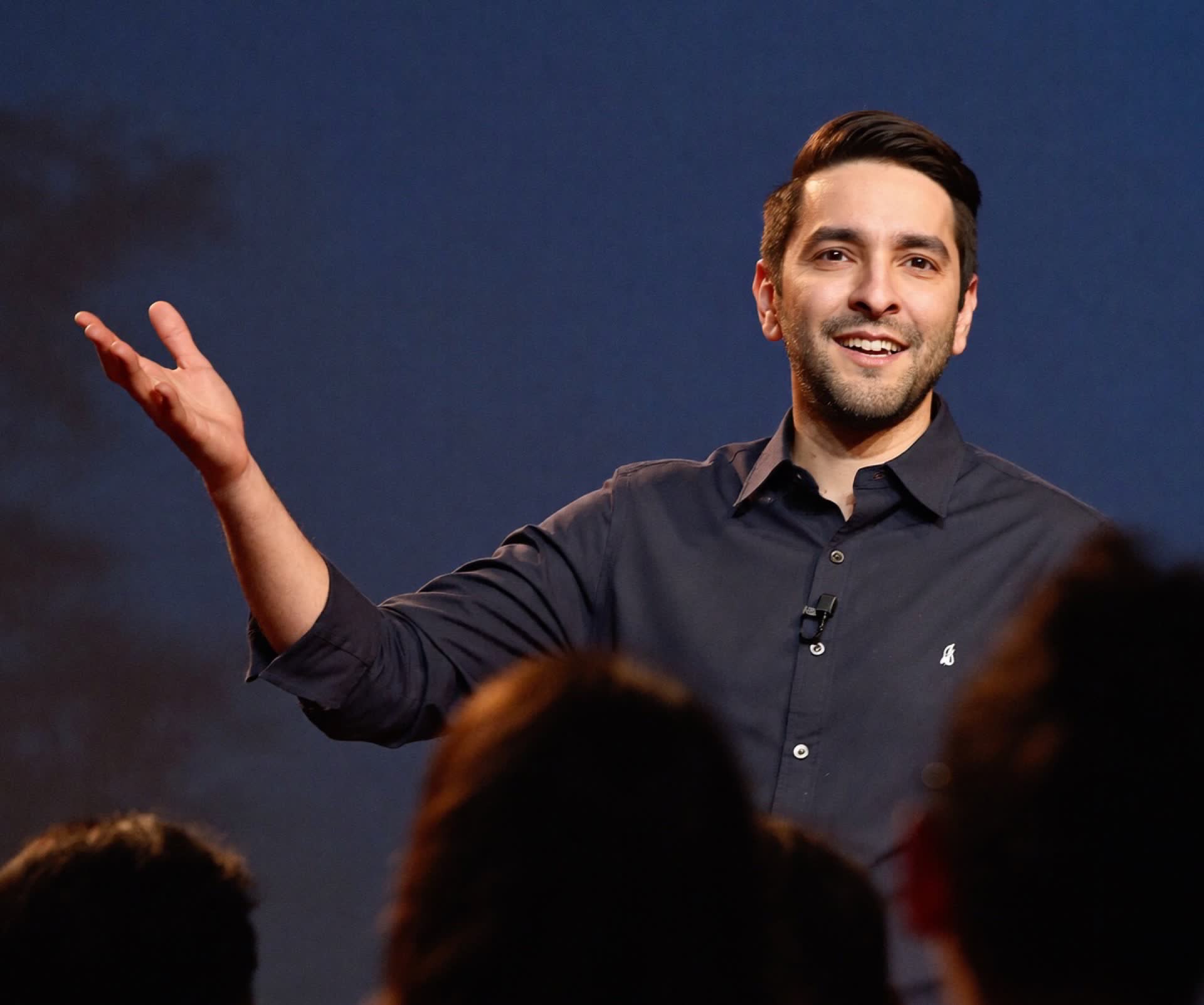
The episode opens with Muzamil framing the stakes: a major OIC Council of Foreign Ministers meeting is days away, held in Islamabad at a moment of significant global turbulence, and Pakistan is the host. He asks his two guests — Asim Iftikhar Ahmad, the Foreign Office Spokesperson, and Rizwan Saeed Sheikh, Pakistan’s Permanent Representative to the OIC — to explain why this conference matters and what is on the agenda.
Asim Iftikhar Ahmad sets the institutional context immediately. The OIC is the second largest international organization in the world after the United Nations, with 57 member states. Pakistan is a founding member and has played, in his words, “a really influential and leading role” throughout the organization’s history. But the timing of this particular session carries additional weight: the dates coincide with March 23, Pakistan Day, and the country is marking 75 years of independence. The visiting foreign ministers and heads of delegation will be guests of honor at the Pakistan Day Parade. “This is a great show of support and solidarity from the Islamic world towards Pakistan,” Asim Iftikhar Ahmad says.
The agenda, he explains, covers Kashmir, Palestine, Afghanistan, Islamophobia, post-COVID economic recovery, and the broader regional situation. More than 45 delegations are attending at ministerial level, alongside observer states, special envoys from major powers including all five permanent members of the UN Security Council, and representatives from the UN, the Arab League, and the African Union.
Kashmir: why OIC’s political weight is irreplaceable
Muzamil asks about the invitation extended to APHC leadership — the true representatives of the Kashmiri people, as both guests describe them — and India’s predictably hostile reaction. Rizwan Saeed Sheikh explains that this is not a new practice; APHC representatives have participated in OIC sessions before, including a summit in Dakar in 2008. The two leaders invited this time, Mirwais Umer Faruk and Musarat Alam Bhatt, are both currently in detention in India on what Rizwan Saeed Sheikh calls “false and fake charges.”
The significance of their absence, he argues, is itself a message to the international community. “It is a clear demonstration for the world to see that not only is the leadership, the true representatives of the Kashmiri people, not being allowed the full scope of their basic human rights — but the international community, international organizations, are not being allowed to talk to them directly.”
Asim Iftikhar Ahmad adds the political logic plainly: “The reason they cannot come anywhere is because they are in detention. And the other thing is that the way they object to the participation of the Kashmiri leadership, the reason that they come up with is totally baseless and flimsy.” India’s claim that Kashmir is an internal matter, he notes, is not accepted by any serious actor in the international community. Kashmir is on the agenda of the UN Security Council. It is a recognized dispute that must be resolved through a plebiscite.
Muzamil then asks Rizwan Saeed Sheikh to address the criticism that the OIC has been silent on Kashmir. The answer is careful and structural. OIC is a political organization, Rizwan Saeed Sheikh says, and only political outcomes should be expected from it. What it provides is the weight of 57 member states consistently reiterating the relevance of UN Security Council resolutions — year after year, session after session, at every tier of the organization. “If Pakistan raises the voice about the rights of the Kashmiri people, it would be construed by international public opinion that it’s natural — we are a party to the dispute. But OIC, being the second largest international organization, puts its entire weight of 57 member states on Pakistan’s political and legal case consistently.” That consistency, he argues, is not symbolic. It is “indispensable.”
Islamophobia: from India’s Hindutva policies to a UN resolution
Later in the discussion, Muzamil raises the rise of Islamophobia within India — the Muskan video, the lynchings, the pattern of state-inspired discrimination — and asks whether the OIC conference is an opportunity to internationalize it. He also notes that Pakistan has been unusually vocal on this issue, including securing the unanimous adoption of a UN General Assembly resolution designating March 15 as the International Day to Combat Islamophobia.
Rizwan Saeed Sheikh confirms that India will be a focus. “India clearly is a red blinking light when it comes to Islamophobia on the world map today.” The actions of the Indian government, he says, are “certainly inspired by the Hindutva ideology” and will be flagged and condemned. OIC, as the natural institutional leader on Islamophobia with most of its members being Muslim-majority states, has both a charter-based and a moral duty to protect Muslim minorities in non-member states.
Asim Iftikhar Ahmad traces the diplomatic arc. The turning point was Prime Minister Imran Khan’s address to the UN General Assembly in 2019, where he focused heavily on Islamophobia alongside Kashmir. That speech reflected, in Asim Iftikhar Ahmad’s words, “the sentiments of not only the Muslims in Pakistan but all over the world.” Pakistan then built on that momentum within the OIC and eventually at the UN, where the resolution passed by consensus. He is careful to frame the resolution not as confrontational but as constructive: “We are not carrying any confrontationist approach. What we are trying to promote and advocate is greater harmony and understanding and interreligious harmony. This is the crux of the resolution.”
Afghanistan: from the December emergency session to a trust fund
Muzamil asks about the extraordinary OIC session on Afghanistan held in December 2021 — also convened in Islamabad, also a Pakistani initiative — and what has happened since. Asim Iftikhar Ahmad describes it as a joint initiative with Saudi Arabia, bringing together not just the Islamic world but the P5, the UN, and international financial institutions. Three main outcomes emerged: the establishment of an OIC Humanitarian Trust Fund for Afghanistan, the appointment of a special envoy on Afghanistan, and a strengthening of OIC’s presence and office in Kabul. The charter signing ceremony for the trust fund, he notes, is scheduled for the following day.
Rizwan Saeed Sheikh adds the institutional reasoning behind a key decision: the trust fund will be run by the Islamic Development Bank, not a political body. The reason is credibility. The Islamic Development Bank carries a AAA rating from all major rating agencies. That credibility matters not just for operationalizing the fund but for attracting other international organizations to use the same platform. “You cannot expect Afghanistan to be restricted to dole-outs from the international community,” he says, echoing the prime minister’s framing from the December session. “You need to revive the economy there.” The effort is designed to be sequenced — humanitarian relief first, then medium-term and long-term development.
The OIC’s special envoy on Afghanistan had arrived in Islamabad the day before the interview, having visited Kabul approximately ten days earlier. His report to member states will inform what mandates are renewed or expanded at the upcoming CFM.
Russia-Ukraine: Pakistan’s principled non-alignment
Muzamil raises the Russia-Ukraine conflict and the pressure Pakistan faced to take sides. Asim Iftikhar Ahmad is measured but clear. Pakistan has excellent relations with both Russia and Ukraine. The prime minister had recently visited Moscow; Ukraine is described as a close partner. Pakistan’s position rests on three pillars: commitment to UN Charter principles — sovereignty, territorial integrity, self-determination, pacific settlement of disputes — applied universally and without double standards; a call for immediate cessation of hostilities and a return to diplomacy; and active outreach to both sides, including the foreign minister speaking to neighboring countries, the European Union, and China.
“We do not want to be part of any bloc politics, and we want to be a partner in peace and not in conflict,” Asim Iftikhar Ahmad says. He also notes that the conflict’s impact on developing countries — through oil prices and food supply chains — is already being felt in Pakistan, and that this was something the prime minister predicted early.
On the OIC dimension, he notes that the Ukraine-Russia conflict is not formally on the OIC agenda, but that individual member states may raise it. Pakistan’s position will be consistent with what it has stated publicly.
The economic gap: 25% of the world’s population, 7-8% of global GDP
One of the sharpest exchanges in the conversation comes when Muzamil asks why the OIC — the second largest international organization in the world, representing roughly a quarter of global population — never seems to talk seriously about economics. Asim Iftikhar Ahmad acknowledges the gap directly: the Islamic world accounts for only about seven to eight percent of global GDP. “We are lagging far behind. The true economic potential of the Islamic world has not been exploited.”
Pakistan intends to use its chairmanship of the OIC Council of Foreign Ministers to push economic cooperation — trade, investment, connectivity — as a priority. The argument is that economic integration will reinforce political unity, not the other way around. Asim Iftikhar Ahmad connects this to Pakistan’s own foreign policy reset: “There is a refocusing from geopolitics to geoeconomics,” with three pillars — regional peace and stability, a friendly neighborhood, and partnerships and connectivity.
Rizwan Saeed Sheikh adds institutional texture. The Islamic Development Bank has already disbursed $65 billion among member states since its establishment. There is a Statistical, Economic and Social Research and Training Centre for Islamic Countries (SESRIC) in Ankara, an Islamic Centre for Trade Development in Morocco, and a Trade Preferential System that has been negotiated but not yet entered into force due to insufficient ratifications. Pakistan’s chairmanship will push for that threshold to be crossed. And beyond the CFM itself, Pakistan will host an OIC-wide trade fair — likely in Lahore — later in the year, bringing all 57 member states together around commerce rather than politics.
A more active foreign office — and a rogue missile
By the end of the conversation, Muzamil asks about the visible shift in Pakistan’s foreign office over recent years — more active, more public-facing, more digitally engaged. Asim Iftikhar Ahmad credits the foreign minister’s hands-on approach, including an internal app called FM Direct through which any officer, from the most senior to the most junior, can send a message directly to the foreign minister and receive a response. Performance indicators for ambassadors now include trade and investment metrics alongside traditional diplomatic measures. The automation of the power of attorney system for overseas Pakistanis is cited as a concrete example of technology improving public service delivery.
Muzamil also raises two security incidents. On the hacking of Pakistani embassy social media accounts, Asim Iftikhar Ahmad says the ministry has reviewed its standard operating procedures, is conducting training sessions for officers managing social media handles abroad, and is consulting technical ministries on better protocols.
On the rogue Indian missile that landed in Pakistani territory — a far graver matter — Asim Iftikhar Ahmad is unambiguous. “This was a grave incident and the severity of this incident needs to be highlighted.” India’s explanation has been called “not sufficient” and “simplistic.” Pakistan has written to the UN Security Council, briefed the P5 and European partners, and the foreign minister has spoken to the UN Secretary-General. Pakistan is demanding a joint investigation and has put forward specific questions it says India must answer. “We are not ready to accept” the Indian response as it stands, he says. The matter will continue to be pursued.
Full transcript
लालिन साबितिना आज़ाद welcome back to another episode of Thought Benting. Thanks मैं संभव जूद हूं. दो बहुत ही ख़ास मेहमान and इनको बुरानी का मकसद यह था कि आने वाले दो एक दिन में OIC की conference हो रही है. बहुत important conference है but इससे बात इस level के ऊपर हो रही है Pakistan में and with the changing scenarios across the world it's very very important कि you know मुस्लिम world जो है वह united एक एक face लेकर सामने आए और वह जो major problems face हो रही हैं मुसलमानों को overall and overall दुनिया भर में उसके solutions के ऊपर, you know, get together and and really figure that out. For this, we have two very very important guests. आसिम एफ़्तखार अहमद साहब who is the foreign office spokesperson for Pakistan and रिजवान सईद शेख साहब who is the permanent representative to the OIC from Pakistan. Sir, thank you so much for being part of the show. Thank you. Thank you. मैं conversation में start करूंगा. Just trying to understand कि why do you think this particular conference जो OIC की अभी हो रही है, Pakistan में? And I believe कि अभी जो recently with you उससे पहले after a very very long time Pakistan is holding such a conference of this level. Why do you think it's important? And and more importantly, agenda में हम क्या देख रहे हैं? Case में क्या चीज़ें discuss होंगी? And also a little bit about के कौन कौन सी countries participate कर रही हैं जो हमें पता है confirm जिनके foreign minister आ रहे हैं. Thank
you Miss अहमद. Thank you for having us. I think, I mean, first of all the importance of OIC itself. It is the second largest international organization in the world after the UN. So it has 57 members. Right. So the significance of OIC, is quite clear. And for Pakistan, more so. Because Pakistan is not only a founding member of OIC, it has, throughout these years, has played, you know, a really influential and leading role, at the OIC. And we have held, OIC summits and, ministerial meetings before. So this particular session is obviously important if you look at, you know, the regional and global, you know, context. Significant developments are taking place in our neighborhood and beyond. And apart from that, you would have noticed that the dates are coinciding with the March 23. You know, the so we are celebrating this year seventy five years of our independence. So I would say it is important from that perspective also. Pakistan throughout these decades has contributed to OIC's, objectives and interests promoting peace and justice within the Islamic world and, you know, advocating OIC's role globally.
Do you think the guests will be participating in the in the parade as well or will be or not? Yes. Okay. So the visiting ministers
and heads of delegations, they will be our guests of honor Right. On twenty third at the Pakistan Day Parade. So, you know, this makes this event all the more historic in that sense. So I think this is a great show of support and solidarity, if you can if you can say, from the Islamic world towards Pakistan. So it is significant in many aspects. And as for agenda, you know, Kashmir, apart from Palestine, these two are, you know The most important ones. Amongst the most significant events, on the agenda of the OIC. So they're going to be discussed at length. Right. And there are going to be important outcomes on both. The OIC members are going to reiterate, I'm sure, their firm support for the right to self determination of the Kashmiri and the Palestinian people. And apart from that, there will be many other things. Afghanistan will be again reviewed. We just had the, ministerial meeting in December. There are other issues like Islamophobia. This is going to be on the agenda. And then on the economic and, social and cultural side, there will be a host of, you know, matters with that will come under discussion. I think, a common, concern for all OAC countries is, you know, the recovery post COVID. So, this is going to be an important thing. And we have other initiatives that we are bringing up at the OIC. And I'm sure, apart from all this, what's happening, currently, in our region and beyond,
that's going to be part of the discussion as well. Right. And who are who all are we expecting to participate?
We we we we Well, in terms of participation, all 57 members, of OIC, they are participating. And we have, significantly high level representation, more than 45 at ministerial level, other high level delegations. And, we have the observer states, and there are six observers at OIC. And then many countries and organizations, they have their special envoys and representatives, towards OIC. They are going to participate. And then there are other institutions, you know, bodies related to OIC and other regional organizations like the UN, the Arab League, ICO, and African Union. So it's going to be, you know, a big show. Right.
थोड़ा सा मुझे बताइएगा. If this is for the first time, any reason answer if if if you take this question. This is the first time that all parties hurry at conference has been invited to the OIC as well as as per my understanding. No. Have they been invited before as well? Yes. And we so we saw, okay, there has been there has been a reaction from, you know, India on this, and and and, you know, obviously, they've they've been pretty vocal about this as well. Why do you think, inviting them is is important? And and, you know, you've already talked about Kashmir being a very important part of the agenda. How how do you think this impacts the overall proceedings of this conference and and and potentially what we can gain out of it?
Well, since, as the spokesperson has already mentioned, Kashmir is amongst the, longest standing items, on the OIC agenda. There has been this tradition at the OIC to invite the true representatives of Kashmiri people, And, they, not only participate in the contact group on जम्मू and कश्मीर that has been constituted by, the council of foreign ministers to directly deal with, the कश्मीर dispute, but they also get to speak at the main plenary to address the conference. And, that tradition has been there for a while, as I said, and it's not the first time, that, APHC representation has been invited to, NOIC, CFM. They have even been invited to summits previously. But, India's reaction is certainly, out of, a guilt that, is there because, they definitely, more than anybody else, in their heart of heart know that they have, unleashed, havoc in terms of, the human rights and humanitarian situation in the Indian illegally occupied, जम्मू and Kashmir. So, expecting from them, that, they would, let the IPHC leadership participate in, in in this OIC conference, is is anybody's guess. So, the fact is that two leaders that have been invited, are under detention. They are incarcerated. It's, Mirwais Umer Faruk who has previously, participated even, one of the OIC in one of the OIC summits that was held in Dakar in Senegal in 2008. And, then there is Musarat Alam Bhatt. So, again, behind the bars, on on falls and fake charges. So, this is a clear, demonstration, for the world to see, that not only that, the leadership, the true representatives of the Kashmiri people, are being, not are not being allowed the full scope of their basic human rights. But, the international, opinion, international community, international organizations are not being allowed to talk to them directly, not to have them, you know, not to let them have their say Right. In in terms of what exactly is the situation in the Indian illegally occupied Jammu and Kashmir, particularly post August 5, two thousand nineteen. So it's it's a clear demonstration, and it is for the whole world to see, the OEC geography to see. And since, as the spokesperson has already mentioned, there'll be special envoys from most of the Western countries like UK, United States, France. I mean, all the p five are represented in one or the other way. Russia is an observer at the OIC. There is Australia, Canada. All the other countries, most of the important countries are represented at this gathering. They would get to see from, for themselves as to what is the situation, with regard to, freedom, the fundamental freedoms. Human rights and humanitarian situation is already in front of their eyes. It is for them now to draw the right conclusions. Right. And, not only that OIC would be making strong pronouncements in this regard, at the Islamabad CFM, the other countries, the special envoys that are participating should also take home with them this message of India, not allowing participation of the two representatives. And then we hope that the international community will take action accordingly. Right. I think what Zahn
was saying, that is precisely the reason Indians, would not let the true representatives of the Kashmiri people to come and attend because they have, you know, a lot to hide. Right. So they would not like the Kashmiri leaders to come to this stage where international presence is there, and, you know, the whole world is watching for them to come and inform, directly from the ground as to what is the situation there. So they cannot come anywhere because they are, in detention. And the other thing is that, you know, the way they object to the participation of the Kashmiri leadership, you know, the the reason that they come up with is is totally baseless and flimsy. You know? The same What's what's the reason that they The same stuff. They they say that Kashmir is an internal matter or, you know, integral part of India. But this is just a conversation at the end of the day, right? And so if you have nothing to hide, you'd have the freedom of speech to No in the entire international community, believes or accepts, India's position that this is an internal matter. It is not. It is a internationally recognized dispute. It is on the agenda of the UN Security Council, and, it is very clearly stated that this is a disputed territory and it has to be resolved by peaceful means, yes, through a plebiscite or a referendum where the people of Kashmir have have to decide, you know, about their future. So, you know, it is very clear why the Indians would not allow,
the Kashmir leadership to appear in such, forums. Right. In terms of, if I take it, make it a little more macro, in terms of, the OIC's role on Kashmir, can you tell me a little bit about the history of what's been going on there? Particularly, because previously we've heard, you know, conversations about the silence of the OIC, so I'd like I'd like a detailed, sort of analysis on that. Right. Let me preface,
the answer to this question, by, emphasizing that OIC is a political organization. Right. And only, political course of action can and should be expected from OIC. OIC is the second largest international organization with 57 member states. And, the significance of OIC's consistent support, the political support that OIC has been offering, to, the Kashmiri people is not only, enhanced, but it's just become paramount since, the 08/05/2019 because increasingly the matter has, evolved, since then as a legal issue, as a legal discourse because India has blatantly violated international law of all sorts. You know, the humanitarian law, international human rights law, Fourth Geneva Convention, all sorts of laws have been violated in the wake of the illegal action and the litany of illegal action since, have been taken by India. So in this, legal discussion, increasingly legal discourse, say for instance if Pakistan, says that, and and, raises the voice about the rights or the case of Kashmiri people, it would be construed by international public opinion that it's natural. We are a party to the disputes, we get to say our peace. And, it would perhaps, if you look at it from an international public opinions perspective, be not that much, you know, strong. Right. But then OIC, being the second largest international organization, puts its entire weight of 57 member states on Pakistan's site, on Pakistan's political legal case consistently year after year, session after session. It really not only means something, it is indispensable to Pakistan's position on the जम्मू and कश्मीर dispute. But because what OIC does is that it keeps reiterating the relevance of the UN Security Council resolutions session after session, you know, meeting after meeting at at all tiers. The CFM summit, even in the sectoral meetings, the relevant aspects of the Kashmir dispute are pointed out by the OIC. And this principal stand of OIC, with particular reference to the relevance of UN resolutions, is precious. Right. And and this is something, that, needs to be promoted. And, with this, CFM, the coming CFM being held in Islamabad and this issue again being, center of attention definitely as as as Pakistan's public opinion, पाक्ष्टानी media, is is looking at it with a great deal of expectation, We hope, and inshallah, we should be successful in perhaps giving OIC's role a more action and result orientation Right. During this meeting, and and that is how we will approach this discussion. And, inshallah, something good will come out of it. Right.
Again, keeping the light on the same issue but sort of, again, making it a bit more macro, we're seeing a rise in Islamophobia within India as well. You know, we've seen we've seen the Muskan video. We've seen a lot of these sort of lynchings that that have been happening. And somehow, it it hasn't been intern internationalized the way that a of other things in across the globe end up being. Particularly when it's right there in front of you, there's a lot of footage available, there's a lot of content there available as well. Obviously, OIC being, you know, this conference of Islamic countries. Do you think this could potentially be a time to internationalize exactly what's going on? Because for a lot of people, they're saying this is this is basically the entry point to a potential genocide that could happen if things go keep on going in the same way. And we've seen that happen across the globe. Previously, when genocides have happened, this is where this this is always a starting point. Right? And so, how important do you think? You know, we've been talking about Islamophobia very strongly. This government has been definitely very vocal about it. Pakistan's foreign office have been very vocal about it. We've seen the the the designation of March 15 as the international, day against Islamophobia as well. Do you think that that will come under discussion in in at this OIC as well? Certainly.
Certainly. It it would come under discussion. And since, India clearly is, a red blinking blinking light, when it comes to Islamophobia on the world map, today, there's going to be a focus as well. And, the actions taken, by the Indian government, and that is certainly inspired by the Hindutva ideology, over the past, at least two years, would be the center of attention, would be flagged, would certainly be taken, note off, by the OIC. And, it is expected that the whole catalog of those actions would not only be condemned and brought to book, but OIC as, again, with 50 member... 57 member states, is going to make very strong pronouncements on rejection of all these, you know, actions and ensuring that the Muslim minority in India is given its due rights because OIC is the natural leader on Islamophobia, With, most of its member states being Muslim majority states, it has, not only a constitutional in terms of its, charter but a moral and political duty to ensure protection of rights of Muslim minorities in nonmember states. There is a whole agenda item. And under that rubric, we hope strong outcomes. And it is also opportune that this meeting is taking place on the heels of this adoption of the UNG, unanimous adoption of the UNG resolution, on, declaring March 15 as, the Combating International Islamophobia Day, internationally. So, again, this is the right time to have this discussion. And not only to have this discussion, an opening has been provided Right. By this resolution. There are other facets and dimensions, including the geographical dimension where India comes into focus on Islamophobia, and, it is, definitely realistic, natural and rightful,
to expect that there would be discussion, there would be outcomes. Right. I think you have to look at the bigger picture also on this. Yes, you're right. And and as Rizwan said, I think the, biggest demonstration, and concern about Islamophobia, that's what we're, you know, right now watching, in what is happening in our eastern, neighbor. And, the... I mean, going beyond that, I think, what we are doing, the effort that Pakistan has undertaken through OIC, and you mentioned the international day to combat islamophobia, the resolution that has been adopted by consensus by the UN General Assembly. And OIC was the real force behind this. So, you know, we we got the OIC together to, bring this case at the international level at the UN in New York, and we were able, you know, to get this successfully. This is not you mean, it needs to be understood that we are not, you know, carrying a any confrontationist, approach. You know? This is something yes, we are trying to create awareness about the dangers of Islamophobia and India is a prime example, you know. But what we are trying to, promote and advocate is, greater harmony and understanding and, you know, interreligious, harmony. This is the crux of, the resolution also that has been adopted at the UN General Assembly. So, you know, this is a positive thing, and this is a a, you know, this is a a positive vibe, that, you know, Pakistan has led, at the Global Forum at the UN. And I think that is why we see that, you know, all regions from Europeans to Africans, Latin Americans, Asians, they they came together. And there was unanimous support from this resolution. Only I think one country was clearly
on the defensive, and that was India, and for obvious reasons because Right. Do you think, with this, you know, because Pakistan was a very key sponsor of this particular resolution, probably my my question will be divided into two parts. Why do you think this was so incredibly incredibly important at this point in time? I do understand there's a global change in term in terms of how, a lot of a lot of things are changing across the globe, and Islamophobia is definitely on the rise. But why do you think it was important for Pakistan to, first of all, actively work on this? And then secondly, do you think such a resolution, I mean, having such a day, could potentially support the cause, not just in India, but, I mean, we're we're seeing that happen across the globe. There's a there's a certain way that Muslims have been treated over the past few decades, and and, obviously, there's growing resentment, within the Muslim world as well because of that. So how important do you think this particular resolution and the this particular day, now that it's it's it's been, passed unanimously at the UN,
has been? You know, the issue has been there, and it it was, kind of exacerbated, in the wake of nine eleven, you know. The discrimination, towards Muslims and even leading to sometimes violence and, you know, exclusion. Lots of, lots of problems, were were cropping up, you know, in Europe, in the West, and but elsewhere as well. And, you know, India is a, you know, prime example, in recent years the way Islamophobia has come up. So it was being discussed also, but not in the manner that, you know, it would really gain the attention of the international community. So this is what, the prime minister has been able to do, especially his address to the UN General Assembly in 2019 where he, you know, he he focused largely. Apart from Kashmir, he focused on Islamophobia. And, you know, he reflected the sentiments of not only the Muslims in Pakistan but all over the world that, you know, we want the international community to understand our feelings towards our beloved holy prophet. And, you know, why why why is it that we want, you know, full respect, that is due? So that was the turning point, and then we built on that, and we were able to, you know, forge consensus in OIC and, at the global level at at the UN. And as I was I was saying earlier, I think the yes. It is a resolution, which talks about Islamophobia. But if when you look at the text of the resolution, it clearly says, you know, we want to promote respect for all faiths and religions. This is very important because if you don't do that, you you you cannot have your objective with regard to Islamophobia. So the objective is to create awareness and to promote dialogue and interfaith and intercultural, intercivilizational harmony. I think this is the positive thing that Pakistan has brought. Right.
I'm gonna move the conversation away from India for a bit and just take it to Afghanistan and just gonna take a step back, go towards, you know, the the the meeting that happened in December, last year. That was exclusively focused on Afghanistan. What was the outcome of that, and, what's happened ever since? And do you think Afghanistan... Or rather, early on, you mentioned that there will be a review, for what was discussed early on. Do you think there's something new that may come up in regards to Afghanistan? Particularly in the context of when when we saw that, the Afghan money, the almost, I think, $1,112,000,000,000 dollars, half of it, you know, essentially was released for, the Afghani people, but the remainder of it continues to stay in the West. And we're also seeing a huge economic crisis. Within Afghanistan, there's, there's essentially no real economy. And there's been a sort of a freeze on inter... On on their, government and their acknowledgment and really what's going to happen in regards to Afghanistan. So so, first of all, just trying to understand what happened in December and what can we expect to come out over the next couple of days? Well, you know, in December
and this was again Pakistan's initiative together with Saudi Arabia to convene this extraordinary special session on Afghanistan and the focus was on two things, the humanitarian crisis and as you also mentioned the economic crisis. And we were able to bring not only the Islamic world together but other, you know, important partners and stakeholders. The P5 countries were there and, you know, the UN was there and the international financial institutions and others. And the outcome was very significant. Two or three main things from the outcome. One was the decision to establish a OIC humanitarian trust fund Right. On Afghanistan and that has, I mean, all the groundwork has been done and tomorrow, is going to be, you know, the the signing ceremony of the charter of this, trust fund. This is Okay. A significant progress. Secondly, a special envoy was appointed on Afghanistan. He is in place and he's been, you know, doing his work, reaching out to OIC and others to see how, OIC can assist, with regard to the humanitarian and economic crisis in, in Afghanistan. And there was another element of strengthening the OIC's presence and office in Afghanistan, and I think there's a lot of progress on that also. I think Rizwan, dealing directly with some of these issues, may like to add maybe something on this. No. Certainly. One
important thing to note perhaps is, and that should be the point of departure in any analysis on this issue, is this OIC is uniquely poised to deal with this issue because of its, you know, positive access that it has in Afghanistan, because it is, certainly identified as an organization of, Muslim majority states. Afghanistan has been founded member a founding member of the organization. So it was in that spirit, that OIC organized that extraordinary, conference in Islamabad. And as, the spokesperson has mentioned that there were key outcomes. For instance, on the Afghan Humanitarian Trust Fund, it has it was a deliberate and a conscious decision at the OEC to let the Islamic Development Bank run, that particular trust fund. And as has been pointed out, the charter signing ceremony is going to take place tomorrow. And, the reason is that Islamic Development Bank has a credibility. It has a triple a rating in terms of all the rating agencies in in the financial arena, And that credibility is important for, not only operationalizing, this trust fund, but carrying the effort because, as the prime minister pointed out in his keynote address at that, OEC extraordinary, CFM session, it is not going to be, only the humanitarian effort, because you cannot expect, you know, Afghanistan to be restricted or the people of Afghanistan to be restricted to, dole outs from international community. You need to revive the economy there. So it is going to be a medium term effort, there's going to be a long term development effort that should be sequenced. It should be so sequenced by OIC. And with the credibility of Islamic Development Bank, it is important to note that it's not just the OIC but other international organizations, including the relevant UN agencies. And that is how the charter has been designed. Once the details come out, you will take a look at it in a very flexible, fashion. That other, international organizations, in areas of humanitarian assistance, food, health, etcetera, could use that platform, that ingress, that unique poise that OIC has, with regard to taking any action in Afghanistan. And, the more important thing, of course, would be for, the OIC member states to, make adequate pledges, to keep, that that fund, running. And it is, a long drawn out effort, certainly. The special envoy would be presenting, report, because it was so mandated in the last paragraph of the resolution, that was adopted in the extraordinary session, and, discussed with the special envoy, yesterday because he already arrived in Islamabad. The report is ready. It is a rather lengthy report, so there is definitely too much to report on. The special envoy was in Kabul about ten days back. So, and he has been consulting some key member states. So that progress would also be, reflected, and, presented to the member states. And then it would be, as you have mentioned, for the member states to determine the future course of action, which mandates are to be renewed, which are to be added to. Certainly, a good outcome, a strong outcome, is on the cards. Right.
आसिम साहब, we we we've been seeing this, you know, 2022 started with a lot of, I mean, with the fundamental shift in how we're seeing what's happening across the globe, particularly in context of the Russian and Ukraine crisis. We're we're almost seeing, you know, the world going back to the Cold War era. And and, by and large, the Muslim world is is, after a very, very long time, disconnected from a major conflict. What do you think is is is going on in the minds of the OIC, when they're looking at this conflict? I know for a fact that Pakistan was, sort of pushed into or or or was being forced to get into, this conflict, you know, and this that became a huge controversy as well. We've seen que, you know, allies are are are or formal allies are beginning to change the way that they used to deal with, you know, their conventional, friends and new friends and foes are being made, created on the go. So just tell me a little bit about, what's the thought process of the OIC in general, in the Muslim countries in general, and Pakistan, in the context of the Ukraine and Russia crisis?
You know, because, as I mentioned in the beginning, this is, an important development, and, obviously, with an OIC meeting taking place, many ministers participating. You can expect that, you know, some of them would like to, refer to this and, you know, bring this, in discussion. Eventually, it is, you know, individual positions of, member state because this issue, per se, is not on the agenda of the OIC, you can expect that views, will be expressed. As far as Pakistan's position is concerned, I think and we have, stated it quite clearly that we always take, positions, which are, you know, which portray and and which would safeguard Pakistan's own national interest. And I think this is true for every country. So so, you know, you have to keep that in mind. Secondly, we have said that and you referred to, you know, the revival of Cold War and and and block politics. We have said repeatedly that we do not want to be, you know, part of any block politics, and we want to be partner in peace and not in conflict. And now now this conflict, I mean, is remote, you know, from here, from us. We have no direct involvement in it. And it is also important to, recall that Pakistan has, excellent relations with both Russia and Ukraine. Both are our friend. The prime minister was recently in in in, in Russia, and Ukraine is a very, close partner of Pakistan as well. So, you know, looking at all of this, our position needs to be understood. You know, it's a it's a delicate issue. That that's why I'm saying it needs to be understood clearly. Because some people have not understood it clearly. I think we have taken an objective position. On the question of principles, you know, the respect for the UN charter, sovereignty and territorial integrity, self determination, pacific settlement of disputes, equal security for all. We have clearly said that, you know, we are committed to that. And and, actually, we have reminded the international community that these principles should be universally upheld and applied. There should be no, you know, discrimination or double standard. Selectivity in the application, and we have seen that, you know, the these principles are selectively applied by many countries. So that is something to be clarified. Secondly, the prime minister said, and I think it has been proven correct, that, you know, conflict is in no one's interest, and it is going to impact, affect the developing countries the most. And we are we are already, you know, experiencing the effects of this conflict in terms of oil prices and food supply chains and many other things. So that is also very clearly stated by Pakistan. And thirdly, I mean, we are calling for, immediate succession of hostilities. We have, been emphasizing right from the beginning that, you know, diplomacy has to step in, and, there has to be dialogue and negotiations. We continue to say that, and, you know, we are encouraging. So we have reached out to both Ukraine and Russia, we have reached out. The foreign minister has spoken to the neighboring countries, Romania, Poland, Hungary. We have spoken to the European Union and and others, the Chinese. And, you know, the purpose is to convey our position. I think we have placed ourselves, in such a manner that we have contacts with both sides, and we are in a position that we we can encourage both sides to, you know, have, constructive dialogue and negotiations. I think in the end, most of the countries are saying that, you know, this has to be resolved through dialogue. So this is what we are encouraging. On the humanitarian side, the situation is very, very serious. Yes. And I think that needs to be acknowledged. And it is for that reason and taking into account, very good relations with Ukraine that Pakistan has also dispatched, humanitarian assistance, for Ukraine. Right.
If I were to sort of look at, look slight towards the East and we see, you know, Pakistan getting into this sort of, economic program, with China, with CPEC. And we're also seeing that in terms of our national policy, we've we've started to talk about economic security in the past couple of years. That's become incredibly important in terms of our own national security. But when whenever we look at the OIC, we never really think economics, and we never really talk economics. And so individually there have been smaller blocks and smaller sort of organizations that do talk about the economic connectivity and even within our own you know whenever we talk about economic security for Pakistan we're looking at Central Asia definitely we're looking at you know maybe connectivity through Iran and Turkey. We're definitely looking at China and then connecting them to, let's say, Africa and The Middle East maybe. But in terms of OIC, this is an incredibly large, like, know, Rizwanza mentioned earlier. The second largest organization in the world. You know, they have almost, one fourth of the global population, an incredibly huge amount of GDP as well. Do you think there is value? And particularly, I'm going to add in the context of the changing dynamics of the global world order. Do you think there is a value for the Muslim countries to begin to have the conversation, of economics, whether be it trade connectivity, you know, whether it be financial, the way the financial systems are dealt with, you know, you earlier mentioned the Islamic Development Bank. What's the what's the conversation in terms of economic security for Pakistan and for all of these other countries that are connected,
through this conference. I think exactly. And, there is value. And I think, this is one area that has been sort of, you can say, has been neglected or, you know, not given the right focus. And, you know, the the true potential, the economic potential of the Islamic world has not been we have not been able to exploit. You've mentioned that, you know, the Islamic world, represents about a quarter of the world population, but in terms of, contribution to global GDP, it is only about seven to 8%. Right. So, you know, we are we are lagging far behind. And, so, very rightly pointed out by you, this is one area in which, there is a lot of potential for cooperation. I think what we think is that if we are able to promote, this, cooperation on the economic front, connectivity, trade, and investment, it will forge even greater political unity and coherence, among the Islamic countries. And so this is something that Pakistan is going to promote during its chairmanship of the council of foreign ministers. As far as Pakistan itself is concerned, you know, we have stated clearly that, you know, we, I mean, there in in our policy, there is a refocusing from geopolitics to geoeconomics. And we are, you know, saying that three key pillars, you know, regional peace and stability, friendly neighborhood, and, partnerships and connectivity. And you mentioned Central Asia, Iran, Turkey, Africa, Middle East, and, you know They're all Muslim countries, you know, so you just, like Look at it. Yeah. With the CPAC and BRI and you know, BRI is not limited to CPAC alone. It's not limited to Pakistan. CPAC is the, you know Flagship project. Flagship project but many, over a 100 countries, around the globe, they are part of BRI. So, you know, there can be a lot more synchronization and synergy between, BRI and similar projects. And I think we we are going to focus, on this economic side. We we have, other things that can complement, you know, like, cooperation in science and technology. I think Pakistan is a leader in that, you know, dimension also in the Islamic world. So we are looking at, reenergizing, discussion within the OIC, in this direction. I think, this is going to be, one significant, contribution that we are looking, to bring to the table at the OIC during the next one year. Right? And and, actually, a singularly significant exponent
of, what Assim has just said is the fact that, as he mentioned, in the beginning, the theme Right. Partnering for unity, justice, and development. Right. So development is key A very key aspect of it. Key element there. But OIC has a broad geographical spread. Maybe not the whole, membership is geographically contiguous. So, normally, economic blocks are, you know, identified or associated, with geographical contiguity. But there are steps in OIC already undergoing programs. Islamic Development Bank, as I mentioned, has already, contributed, since its establishment, to the tune of $65,000,000,000, of, you know, disbursement amongst its member states, AAA rating, its performing institution. There is a statistical economic and research center, social cultural research center in Ankara, seserick it is called. There's an Islamic center for trade development, that is based in Morocco. And, maybe, it would be, good news, news and a good news for your viewers, that it's not just the council of foreign ministers meeting, that Pakistan is hosting this year. Because of our, development focus and the geoeconomic, reset, that we have, just accomplished in our foreign policy, Pakistan is also going to host the OIC trade fair this year Oh, really? In in in, in maybe Lahore, if not Ahmadabad. That remains to be decided. Right. But there's going to be, again, 57, member states, participate expected to participate in an OIC, wide, trade fair, and that would be this opportunity to engage and connect with Africa, Central Asia, all the countries, The Middle East that have been, mentioned. There is also a trade preferential system at the OEC that has been negotiated. And when you negotiate an international covenant or a treaty, there always is a legal requirement, or a threshold of a sufficient number of, signatures and ratifications. So that is awaited, and maybe during the chairmanship of Pakistan, we'll at least give it a go. That trade professional system also comes into play, enters into force. So, the countries signing on to that would be exchanging, trade concessions. And, it is our effort and endeavor that during our chairmanship and beyond, the trade, as आसिम has mentioned, it is insignificant, and the GDP compared to the global GDP is insignificant. We would endeavor to take it further, enhance and expand the scope of this engagement for, everybody's advantage,
in the OIC membership. That makes a lot of sense. One of the questions that has been on my mind, over the past few years has been that we've seen the foreign office, you know, of Pakistan take a very active role compared to being very passive, at least for a for a, you know, an ordinary observer. What do you think has changed, over the last past few years? You know, not just in terms of the the communication that's been coming out, but also in terms of the way that the entire organization has been working across the globe in terms of the Pakistani missions and the Pakistani consulates. There's been a lot of innovation as well. And and my family, I mean, I have brothers in The US. They've been pretty pretty satisfied with some of the changes that have happened over the recent years. Can you tell me a little bit about, what's really changed here? Yes.
Yeah, I think there has been gradual, progress and improvement, in many things. But in recent years, you know, it has happened at a very fast pace. And I think, you must, acknowledge the way the foreign minister, has led this effort and, the overall guidance of the prime minister. On many many aspects, we have seen the results. For example, the foreign minister has given, very keen, attention to aspects such as, public diplomacy, right, in economic diplomacy. So, you know, if you look at the, performance indicators for our ambassadors abroad, you know, the economic indicator, trade investment, and, you know, in these things reaching out to public, use of social media, you know, reaching out to the civil society. All of this has, progressed at a very fast pace and then the foreign minister is very hands on and he is in direct contact with, you know, the junior most from the senior most to the junior most officers. We, you know, there is an app in our internal app FM Direct. Any officer, in the ministry or in missions abroad can send a message, a suggestion or anything directly to the foreign minister and he responds. So, you know, there is this kind of environment. Very agile and very sort of hands on. And so so we have seen the results. You were mentioning, for example, public service delivery, you know, the kind of attention that has been given to पाग्स्तानी community abroad, diaspora, you know, looking at their long standing problems like, you know, attestations, power of tawni. You you recall the prime minister himself inaugurated the automation, of the power of tawni, system. So, you know, we have bring we've brought in a lot of technology, and automation, in the way we, you know, deal, with the, issues, confronting the community. And there has been a direct outreach, you know, through, e kicheris and kulli kicheris and open door policy. Any embassy, you would notice that, the ambassador and the officers are available, you know, all the time. And and and people can walk in. Right. So there is this great, enhancement, you know, visually, to the public. And behind the scenes and also openly, I think, on, major foreign policy issues, there has been a lot of dynamism. I think we have focused on areas that were slightly, you know, out of focus, previously. Africa, for example, Latin America. You know, Vision East Asia policy is being pursued more vigorously. Similarly, Central Asia. So I think on the whole, there is a lot of, dynamism, and I think, we draw a lot of satisfaction
from doing all this. Right. I'm gonna move on to the last two questions, and and I'd like to comment on that. First being the the the, socials of or the social media accounts of a few embassies that have been recently been hacked, and it's it's been happening fairly regularly. And so cyberattacks have been definitely increasing on Pakistani mission accounts across the globe. I I I believe the most recent one was only a few weeks ago. What is the the foreign ministry or the foreign office doing to ensure the security? Because these are very, very sensitive and important assets, right, in the in the postmodern world. And so what is being done to ensure that such things do not happen again?
Yeah. I think we I mean, when this happened once or twice, you know, we, had a look at our SOPs and, you know, the guidance that is there for our, embassies. And, the result is that, yeah, I mean, such attacks maybe will continue to happen, but I think we are more, prepared, now to respond quickly, and, you know, to limit the the Impact of the damage. Yes. So and that we have shown, in the last one or two. But there are other procedures that we are following, and, you know, we are undertaking, you know, training sessions also for our offices who deal with social media handles, abroad. I think there's a lot of improvement, but still, you know, we we keep a tab on this, and we also consult the, you know, our technical ministries on how to do this better.
Right. The last question is is pertaining to a recent incident that happened, you know, in Pakistan where a Rogue missile essentially came from India and landed in Pakistan. For a lot of people, you know, I mean, the way that it happened, lot of people are in shock to think something like this could happen in terms of, first of all, the incident happening in the first place, and then the response that was generated, which seemed quite sloppy considering the fact that these are two nuclear armed countries. And any, misadventure could have resulted in potentially the deaths of millions of people. And it's extremely, extremely serious. But somehow, the international community has not taken it as seriously as it should have been. What do you think is is is the government of Pakistan doing, and particularly the foreign office? And and are are you pursuing that? Or do you think it's I mean, happened? You'd had had a conversation, and now you're moving on?
You know, no. This was, you know, a grave incident. And I think, you know, the severity of this incident, it needs to be, highlighted. This is what we have done. You maybe write in a way that, you know, the kind of, serious response that it warranted from the international community, it's not yet there, and that's why we're not letting it go, you know, in that way. So you would have seen our statements. I I think the kind of response that the Indian side has come up with is not at all satisfactory. It is not sufficient. That's why we're not, you know, ready to accept that. We have clearly, stated that, you know, this needs to be investigated properly and fully. We have proposed that there be a joint investigation or probe. We have, put forward a a number of fundamental questions that I think India needs to answer. I think these answers are required not only by Pakistan but the, you know, by by the international community because, this is something that, as you said, it cannot be taken, lightly. You know, the kind of simplistic explanation that the Indians, have come up with, they're not sufficient. No one is going to believe that. So we are going to, push this. We have briefed and, consulted many countries, already on this, the P5, the Europeans and others. The foreign minister has, spoken to the UN secretary general. We have, written to the UN Security Council, you know, bringing this, matter to their attention. And even the UN Security Council has been asked to that they should demand, from India that they must accept a joint investigation on this, incident. This, is something that, you know, we will continue to, to pursue and highlight.
Right. Sir, you so much, for this, for taking the time out, for sharing all the insight. And I know that the next three days are incredibly important. I hope that, you know, inshallah we should be able to get the outcomes, that we're hoping for. I wish you all the very best, and looking forward to seeing, you know, what comes out of the OIC. Thank you. Thank you. Thank you very much. And for all of you guys, you so much for watching. Happy episode पसंद आया आप इन इन तमाम बातों के बारे में if you have any comments, do let us know in the comment section below. For people on YouTube, if you like the channel, the video is going to get more views. For people on audio platforms, you can subscribe the channel and you'd get notifications for the future episodes. If you like to support the channel, there's an easy path to jazz cash, you know, prompt that's appearing anywhere over here. We accept anything from one repeat to as much as you like. It's a thought that counts. But anyways, this was सय्यद मज़हब्बिलासंद ज़ैदी. You are watching Thought Behind Things. Thank you so much for watching, and I'll see you in the next one.
More from Thought Behind Things
Jun 30, 2026
Simon Dixon: the US empire is being wound down by design
with Simon Dixon
Simon Dixon argues the American empire isn't collapsing — transnational capital is deliberately unwinding it, and Pakistan's military has become its leverage in the transition.
Listen →
52:45 Jun 9, 2026
How Asad Mehmood landed Mattermost from Pakistan before A levels
with Asad Mehmood
Asad Mehmood walked into Mattermost before he had A levels, crossed two million dollars on Upwork, and now runs a design agency from Pakistan. He sat with Muzamil to lay out the framework underneath it: become undeniably good, then become visible, then sell outcomes.
Listen →
59:04 Jun 5, 2026
A 22-year-old Pakistani's road map to space by 2050
with Hassan Mossin
Hassan Mossin, a 22-year-old Pakistani astrophysicist training with the International Institute for Astronautical Sciences, walks Muzamil through the next twenty-five years of space — commercial stations by 2030, a lunar base by 2032, and why the bottleneck isn't food or oxygen, it's energy.
Listen →Never miss what's next.
The dispatch - new writing and conversations, straight to your inbox.
First name, last name, email - in your inbox weekly. No spam.