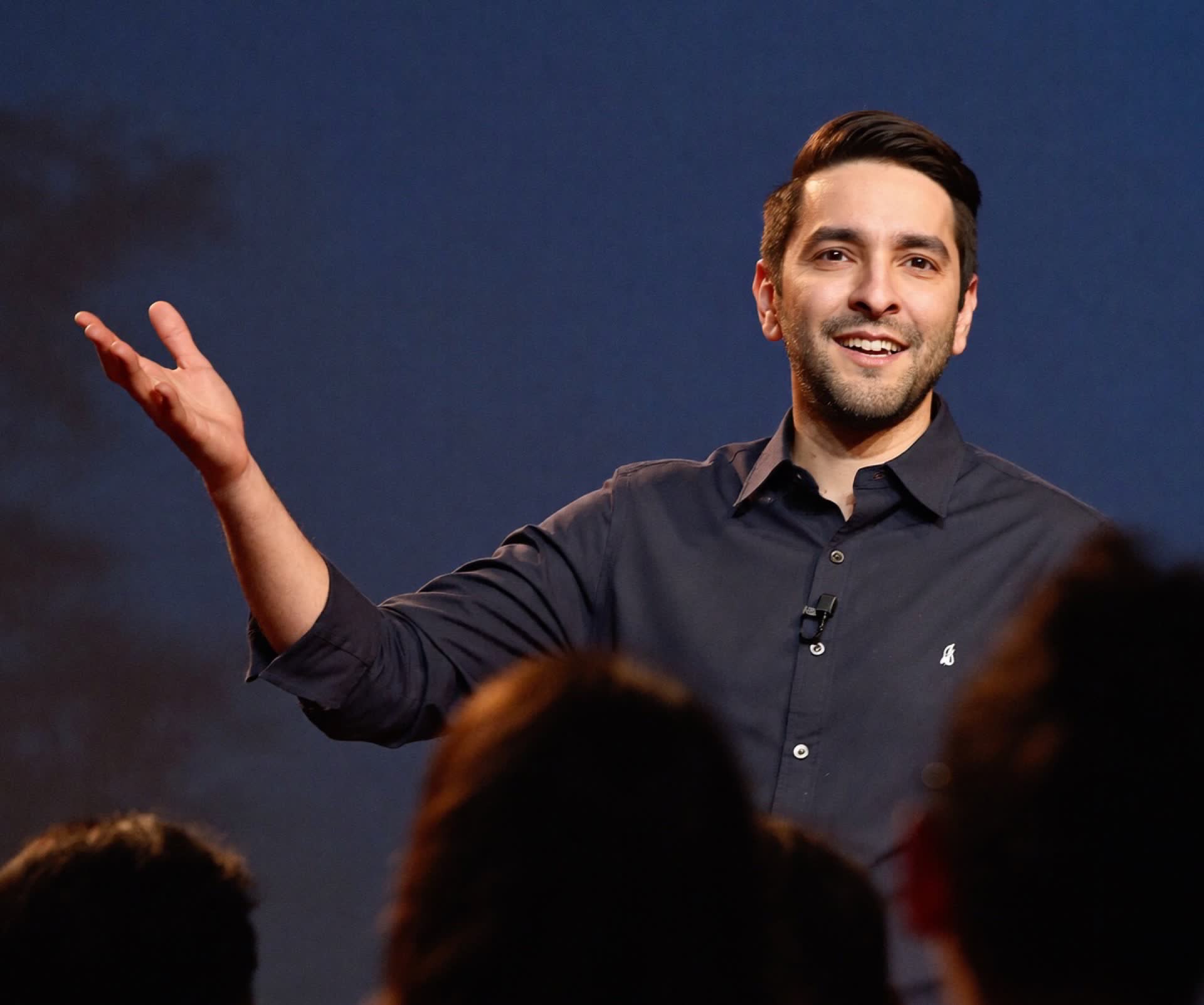
Thought Behind Things · May 27, 2022 · 1:42:38
Who really destroyed Karachi?
Hafiz Naeem ur Rehman, president of Jamaat-e-Islami Karachi, walks through the structural failures behind the city's decline — from a rigged census and gutted transport to water shortages and a feudal mindset that has outlasted the feudal countryside.
with Hafiz Naeem ur Rehman
10 min read
From Hyderabad to NED to Jamaat-e-Islami
The episode opens with Hafiz Naeem ur Rehman tracing a personal arc that is itself a compressed history of the Pakistani middle class. Born in Hyderabad to a family that migrated from India at Partition, he describes a household built on sacrifice and discipline — his father pushed all the children through education, one brother became a doctor, he became a civil engineer from NED University. He later added a Master’s in Islamic History from Karachi University, a credential he notes most people do not know about.
His professional life ran in parallel with his political one. He worked in water treatment — designing, engineering, manufacturing, and commissioning industrial effluent treatment plants and RO systems — through a Lahore-based private limited company. That technical background, as the conversation unfolds, turns out to be directly relevant: he speaks about Karachi’s water crisis not as a politician reaching for talking points but as someone who has built the plants that treat the water.
The death of student politics and what it cost Pakistan
Hafiz Naeem entered student politics in 1988 through Islami Jamiat Talaba (IJT), drawn by the organisation’s energy — book fairs, sports galas, training sessions, a culture of co-curricular engagement. But the broader context he describes is one of deliberate suppression. Student union elections were banned in 1984, and by the time of this conversation in 2022, nearly 38 years had passed without a single union election at any Pakistani university.
“Pakistan mein jo grass root hai — yani samajh lein nursery hai democracy ki — us par koi bhi democratic party kaam nahi karti,” he says. (In Pakistan, the grassroots — the nursery of democracy — is something no democratic party works on.) The reason, he argues, is straightforward: genuine student leadership would produce genuine politicians, and genuine politicians would threaten the electables that every major party depends on.
He was expelled from NED for raising questions about the deteriorating university transport system — a charge sheet that listed “displaying placards” as a punishable offence. The episode is not just an anecdote; it is a template for how the Pakistani state responds to organised civic pressure at every level.
Against this backdrop, he makes a striking claim about IJT: since 1947, the organisation has held annual elections for its central president, provincial presidents, and executive bodies at every level, in every city and town, without a single year’s interruption except during Ayub Khan’s total ban on political activity. “Aisi koi democratic party Pakistan mein exist karti nahi hai,” he says flatly. (No such democratic party exists in Pakistan.)
The feudal mindset that moved to the city
Muzamil raises the question that hangs over every conversation about Pakistan’s structural problems: everyone can identify the disease, but where is the cure? Hafiz Naeem’s answer is more diagnostic than prescriptive, but it is precise.
The feudal system, he argues, has not been replaced by urbanisation — it has been absorbed by it. In rural Sindh, a peasant’s entire life — medical care, legal protection, employment, land access — runs through the local wadero. That dependency is not incidental; it is the architecture of control. But the same architecture has now been reconstructed inside cities, where industrial capital plays the role the landlord once played.
“Yeh feudal mindset poore capitalist mindset ke saath milkar ab shahron ke andar bhi karfarma hai,” he says. (This feudal mindset, combined with the capitalist mindset, is now operating inside cities as well.) Land reform, he notes, is no longer even the right frame: a landlord who once needed thousands of acres now needs a small industrial plot and a supply chain, and from there controls the same system with the same impunity.
Muzamil pushes on whether any political party has a credible answer. Hafiz Naeem is sceptical of cash-transfer programmes — whether Ehsaas or the Benazir Income Support Programme — not because he doubts the intentions behind them but because he sees them as treating symptoms. His preferred frame is infrastructure: if the government had invested subsidy money in IT capacity, in public transport, in functional schools and hospitals, the chains of dependency would have been cut structurally rather than temporarily relieved.
Three levels where democracy does not exist
One of the sharpest arguments in the conversation is Hafiz Naeem’s claim that democracy in Pakistan fails at three simultaneous levels: inside political parties, in student unions, and in local bodies. All three are suppressed for the same reason — any genuine devolution of power threatens the people who currently hold it.
Local body elections, he points out, have historically happened more often under military dictators than under elected governments, because dictators use them to cut political parties down to size while elected parties use their time in power to consolidate upward. The KP local government system, which Jamaat-e-Islami helped design during its alliance with PTI, was a partial exception — but even there, he argues, real authority was left with deputy commissioners rather than transferred to neighbourhood and village councils.
The PPP, which governs Sindh, comes in for sustained criticism. Hafiz Naeem acknowledges the party’s historical sacrifices but is direct: “Unhon ne jamooriyat ko panpne nahi diya — na party ke andar, na local bodies mein, na student union mein.” (They did not let democracy grow — not inside the party, not in local bodies, not in student unions.)
The census fraud and what it means for seats
Later in the discussion, Muzamil and Hafiz Naeem move into the mechanics of how Karachi is politically marginalised, and the census becomes the central exhibit.
The 2017 census was contested. A Council of Common Interest decision required 5% of blocks to be reopened for random checking, with a redo if errors were found. That never happened. When the 2018 elections came, PTI swept 14 National Assembly seats from Karachi on a massive wave — but the underlying delimitation was still based on undercounted population figures.
Hafiz Naeem’s argument is that if Karachi’s population were counted correctly, the city’s National Assembly seats would rise from roughly 44 to 65 out of 130 in Sindh. That shift would make it mathematically possible for a Karachi-based politician to become Chief Minister — which is precisely why, he implies, it has not happened.
He goes further into the voter list data. In the 2018 election, Jamaat-e-Islami analysed specific constituencies block by block. In 21% of enumeration blocks in one NA constituency, the recorded population was lower than the number of registered voters. In other blocks, the voter-to-population ratio reached 70%, 80%, even 90% — far above the 50–55% that is the global norm. Some blocks showed zero population with substantial voter rolls.
“Aisi duniya mein kahan hota hoga?” he asks. (Where in the world does this happen?) His conclusion is that the problem is not administrative sloppiness but deliberate policy: a rule requiring voters to be registered at their permanent address rather than their actual place of residence effectively disenfranchised the millions of internal migrants who have lived in Karachi for decades but whose ID cards list addresses in other provinces.
Water: the arithmetic of a city dying of thirst
Hafiz Naeem’s technical background surfaces most clearly in the water section. Karachi’s current requirement, he says, is approximately 1,650 million gallons per day. Current supply is roughly 550 million gallons per day — a shortfall of more than two-thirds. The Hub River allocation, which should deliver 100 million gallons, is delivering only 60–65 million because reservoir levels have dropped and the pipeline is in disrepair.
The 1991 Indus Waters Accord allocated Karachi 1% of the river’s flow plus 100 million gallons from Hub — a figure set for a city a fraction of its current size, and never revised.
The K-IV project, designed to eventually deliver 650 million gallons per day from Keenjhar Lake, was supposed to be operational by 2020. It is not. The Kotri Barrage to Keenjhar feeder — the upstream infrastructure that K-IV depends on — has received no meaningful investment from either the federal or provincial government.
His proposed solutions are layered. First, mandate RO plants for every high-rise building, using the brackish groundwater that exists under the city but is currently unusable. Second, build effluent treatment plants for industrial users and require water recycling — his own company has installed such systems in 20–25 industries, each recovering four to ten lakh gallons per day, but five planned municipal ETPs have sat in the budget unfunded for a decade. Third, fix the distribution network so that tanker mafias cannot extract rents from a broken system. Fourth, complete K-IV.
Transport: a city that had trams, then lost everything
Karachi had trams in the 1950s and 1960s. It had a circular railway from the 1980s that became, by Hafiz Naeem’s account, Pakistan Railways’ most profitable project. It had the Karachi Transport Corporation running 125 buses from Karachi University alone. All of it is gone.
The circular railway ran until 1999. When it was shut down, MQM held the transport portfolio — in both the provincial and federal governments. When the KTC was wound up, MQM again held the relevant ministry. Hafiz Naeem does not present this as coincidence.
A Japanese JICA-backed project to rehabilitate the circular railway stalled because the Peoples Party government refused to produce a resettlement and rehabilitation plan for families living on the track. He contrasts this with the Lyari Expressway, where — in the same city, in the same era — each affected family was individually surveyed, given a cheque, and relocated to a purpose-built housing society with roads, water, and electricity. “Izzat ke saath muntaqil kiya.” (They were relocated with dignity.) The circular railway rehabilitation required the same process and it was never done.
A later mass transit proposal — an underground and elevated corridor system — was eventually reduced to a project serving 20,000–25,000 people rather than the city’s millions. Muzamil and Hafiz Naeem agree that the scale of ambition consistently shrinks to match the scale of political will, which is very small.
What Jamaat-e-Islami is promising — and what Hafiz Naeem thinks will happen next
By the end of the conversation, Hafiz Naeem makes a direct pledge: if Jamaat-e-Islami’s candidate becomes mayor of Karachi, the party will not complain. It will govern with whatever authority the local body act provides — water, sanitation, solid waste — and demonstrate what competent municipal administration looks like. He points to Nematullah Khan’s tenure as a historical benchmark: 32 colleges built in four years, a solid waste system that worked when petrol theft was stopped, a water supply that reached 74–75% coverage before PPP governance brought it down to 21–22%.
On the broader political moment, he is measured. He does not want to extinguish the hope that PTI’s wave represents, but he is clear-eyed about its limits: “Imran Khan ke paas woh team nahi hai Karachi mein jo Karachi ka masla resolve kare.” (Imran Khan does not have the team in Karachi that can resolve Karachi’s problems.) He predicts a significant political and social vacuum opening up over the next four to five years as people work through their current experience — and he believes that when it opens, a more serious politics becomes possible.
Muzamil closes by asking the city’s young people directly, in the comment section, what they see when they look at Karachi — whether they are hopeless, whether they can identify the problems, and whether they have any solutions. It is a small gesture, but it fits the logic of the whole conversation: the first thing a city needs, before it can fix anything, is people who understand what is actually broken and why.
Full transcript
चाला खावती ना आज रात welcome back to another episode of thought behind things. आज हमारे से मौजूद हैं एक बहुत ही ख़ास मेहमान जिनको बुलाएंगे का मक़सदीयत ख़ासकर Pakistan में सबसे बड़ा शहर तराची. Ignore होना शुरू हो जाए और वापस situation deteriorate करना शुरू दे जिसके लिए हमने सोचा कि जमाते इस्लामी जिनका एक बड़ी history रही है कराची की politics में उनके जो president हैं कराची के उनको दावा दी जाए.
मैं Hyderabad सिन्न में पैदा हुआ. हमारे वाले देन हिंदुस्तान से हिजत करके आए थे जब Pakistan कायम हुआ और हमारी families पूरी की पूरी जो भी हमारे अजीज़ितार थे, बड़े मुश्किलात से गुज़रकर बड़ी यानी कि उस रत में जिसे आप कहते हैं ज़िंदगी गुज़री लेकिन हमारे वाले साहब ने मेहनत की, हम सबको पढ़ाया. हमारे भाई doctor बने, मैं engineer वन गया और साथ साथ जो है वह उन्होंने वैसे जो एक learning process होता है एक घर के अंदर जो सिखाने का सीखने का मामल डांट डबड़ भी गुस्सा भी मारपीट भी थोड़ा बहुत चलता था लेकिन उसके अंदर इतनी मोहब्बत और इतनी intermediate किया और उसके बाद फिर university में मैंने civil engineering की. सही. तो यह मेरा तालीमी career है. इसके बाद वैसे मैंने एक M.A. किया इस्लामic history में. अच्छा. राची university से. जी यह शायद किसी को पता नहीं है. Interesting interesting. जो water treatment से related है. जो पानी को treat करने का पूरा process होता है वह उसके ETP, RO, recycling of water जो कि बड़ी हद तक मैं समझता हूं कि जो कराची में हम चीज़ें देख रहे हैं
और जो यह company है यह basically professional B2B है या यह essentially home?
इसका head office जो है वह लाहौर में है और यह private limited company है और यह water treatment के plants को manufacture करते हैं. Design, engineering, manufacturing, installation, commissioning. बड़े plants के नामान नामान के लिए.
Industries. Industries में करते थे. Politics में आपका जो August था because I was reading up on online and I found out कि you know आपने student politics से start किया था. It's very interesting because Pakistan में most recently तो student politics का रोज़ारा सच exist करता ही नहीं है. अच्छा. तो कब कौन सा साल था जब आप घुसे उसके अंदर और क्यों घुसे actually? Basically यानी 1988
की बात है यह. मैं college में था और वहां पर मैंने इस्लामी जम्मिय तलबा के अपने कुछ दोस्तों को देखा कि वह उसमें काम करते हैं, उनका training sessions होते हैं, वह book fair करते हैं, वह sports gala करते हैं. वह बहुत सारी जो है ना वह co curricular activities महंसा लेते थे और वह ज़रा दबंग भी होते थे. अब आपने कहा ना student politics. Student politics जाहिर है कि उसमें बहुत अहम् बात यह होती है कि भाई कोई union के election हो. अब 1984 से आज कितने साल हो गए? वह सोलह और thirty eight years हो गए हैं. Pakistan में जो grass root है यानी समझ लें nursery है democracy की, उस पर कोई भी democratic party काम नहीं करती और उसका election नहीं कराती और सब डरते हैं कि genuine leadership नौभर का सामने आ जाए. फिर electables का क्या होगा? Genuine रास्ते politics के बंद कर देंगे तो फिर जाहिर है कि उसमें फिर आपने वहां पर जो लिसानी तंजीमों को आगे किया. फिर जो political parties उन्होंने अपने wings बाक़ायदा बनाए. मैं आपको ऐसा एक हैरत की बात बताऊं. अच्छा हुआ आपने मेरी इसका सवाल किया. यह जो इस्लामी जमीय तलबा है ना यह बड़ी अजीब किस्म की party है. यानी 1947 में Pakistan के क्याम के बाद बनी है और आज तक कोई साल ऐसा नहीं है जब उसका central president का इंतखाब ना होता है. अच्छा, हर साल अभी तक? हर साल होता है. सिर्फ एक दो साल जब अयूब खान साहब ने उसको totally ban कर दिया था और वह सब जगह पाबंदी लग गई थी. उसमें भी उन्होंने अपना arrangement कर लिया था. अच्छा. ठीक है? तो कोई एक साल नहीं है कि जब उसका central president, provincial president और हर गांव शहर के president न बनते हो और साथ साथ executive body न बनती हो वह भी मुनता खप्त. तो ऐसी कोई democratic party Pakistan में exist करती नहीं है. लेकिन accountability का निज़ाम है. फिर चूंकि जमातीय इस्लामी की एक अखलाकी है. क्योंकि वो independent है totally अपनी organization में. जमातीय इस्लामी उसको वैसे अखलाकी है morally उनको support करती है.
चीज़ें हैं. But in terms of really politics and giving you the exposure of politics. तो वहां पर क्या होता था? और again यह कराची का वह time है बड़ा turbulent time है और बड़ी हालात जो हैं यहां pend down होते थे. तो अगर मैं globally देखूं student unions को तो student unions में debates का एक answer है. इसी के साथ advocacy का एक बड़ा element है जो कि particularly student unions चाहे वो left हो या right हो वो progressive होते हैं अपने तो time वो अपने बड़ों को challenge करते हैं कि climate change का मसला तो जी चेहरो जी poster पकड़ो पहुंच जाओ. वह चीज़ Pakistan में
उसके किस तरीके से वह चीज़ होती है? वह नहीं हो पाई लेकिन अब जाहिर है कि union का platform नहीं था election नहीं था लेकिन बाकी partyयां तो देखें तकरीबन dissolve हो गई. आपने देखा कि NED university से हमें expel कर दिया गया. अच्छा. क्यों? क्या हमने बात की कि हमारे जो जो हमारा transport का system है, वह क्यों आप उसको ख़राब करते चले जा रहे हैं और हमारी busएं क्यों कम हो रही हैं? और आज भी हम यही बात कहते हैं लेकिन यह तो नहीं है ना कि हमारे rights जो है वह खत्म कर देंगे और आप कहेंगे आपने आवाज़ क्यों उठाई हमारे ऊपर जो जो उन्होंने charge sheet की थी ना उसमें लिखा हुआ था कि display play card जब IJI की हुकूमत थी और जमात इस्लामी IJI से बाहर आ गई थी प्रियणी अर्थों की वजह से कि कि भई क्या है? आप कहते हैं कुछ हैं, करते कुछ हैं और फिर उसके फ़ौरन बाद बेनज़ी साहिबा बल्कि मेरा ख्याल है कि यह government ने कुछ इसके बारे में कुछ apparently legislation की है तो उसके अभी बारे में हमारा जो धरना भी हुआ था ना आपने देखा होगा sitting उसमें भी अगर cheque उसका ताल्लुक नहीं था इससे हमने अपने clause में डाला था कि आप student union बाल करें I mean मुझे लगता है कि दो चीज़ें हैं political parties में. अब आ ही गई है politics पर बात. यह within party जो है वह democracy से भी डरते हैं और students को empower करने से भी डरते हैं और यह local bodies से डरते हैं. तीन चीज़ें बड़ी important हैं. जमूरियत की nursery अगर आप कहेंगे ना. Essentially anything that devolves their power.
वो उस चीज़ को जो है ना वो devolve करेंगे भी तो वो बस एक. उसकी reason है ना sir. देखें अब अगर party के अंदर democracy होगी
Local bodies के election कोई political party नहीं कराना चाहती. आप देख लें street उठा कर देख लें ये ज़्यादातर dictators के ज़माने में हुए हैं. अच्छा उनका अपना problem होता है वो partyयों को cut down कर रहे होते हैं तो उन्हें फिर एक नई चीज़
जो KP में हुए हैं उसका उसके बारे में आपके क्या वह हैं? क्योंकि comparatively जो लोग कहते हैं वही कहते हैं कि KP के अंदर comparatively बेहतर devolution of power हुई है और in terms of क्योंकि
तो उसमें जमात इस्लामी भी part थी और जमात इस्लामी के पास गिज़ारते बल दियात थी. तो हमारे जो यह है नायत उल्लाह साहब यह सब भी यह assembly के member हैं. तो उन्होंने बड़ी मेहनत करके इस पूरे system में अपना पूरा contribution किया था और उसको सब तो उस system में बड़ी हद तक devolution of power थी. लेकिन ये जो system है इसके अंदर एक problem ये है कि बहुत सारी चीज़ों का जो है ना NSR दे दिया गया है districts को. अच्छा. और districts में जो है empower किया हुआ है इनको deputy commissioners को और इनको तो उस तरह का devolution नहीं है जिस तरह का devolution जो है वह एक उसकी spirit है कि आप निचली सत्ता तक इख्तियारात में तपिल करें और जो neighborhood है या village council है Local bodies पर बात हुई. मैंने उनसे ऐसे ही सवाल किया है वह कहीं Europe से आई थी. मैंने कहा आप कभी तस्वूर कर सकते हैं कि आपके यहां जो garbage है, यह कचरा है, वह उसका हथियार मेहर को ना हो कि वह उठा सके और इस तरह होता है कि वह party करती है जो सबसे बड़ी जम्मूरियत की champion है Pakistan Peoples Party. हां हां. सबसे बड़ी जम्मूरियत की बात करते हैं ना और ठीक है हम उनकी देखें उनकी assassination हुई मतलब जो भी सिलसिला हुआ वह अपनी जगह पर हम उसकी उनकी जितने लोगों ने कुर्बानी थी उसकी कदर करते हैं. लेकिन उन्होंने जमूरियत को पनपने नहीं दिया. ना party के अंदर, ना local bodies, minister union में. तीन levels होते हैं. जमूरियत यहां नहीं है तो फिर क्या जमूरियत है? जमूरियत पर काफी बात हुई. अब देखें जमूरियत क्यों नहीं पनपती बात से बात निकल रही है. Feudal system है. Feudal system के होते हुए जमूरियत कैसे चलेगी? क्योंकि आपको अगर experience हुआ हो कभी किसी गोठ में जाएं सिंह के और वहां पर पूछें कि आप यानी आप वहां जाकर अंदाज़ा करेंगे कि 100% नहीं तो 98% या 95% लोग dependent होते हैं अपने बड़े रेख. सही है. वह तो छोटा सा बड़े राय है. और जो गोठ है essentially वह एक चक तस्वूर यही होता है कि यही हमें लड़वा सकता है, यही हमें छुड़वा सकता है, यही हमें लगान दे सकता है. यानी जो मेहनत और जो मज़दूरी मज़ारे करते हैं या किसान करते हैं, हारी जिसे कहते हैं वहां वह colonization act उसके तहत ज़मीनें दी थी. बास को तो इस तरह दी थी घोड़ा दौड़ाव इतनी देर में जितनी देर तक घोड़ा सफर करेगा ज़मीन तुम्हारी. राजवाड़े बना दिए और उससे लोग चंद हज़ार फौज से उन्होंने पूरे बरसगीरों control किया था.
Generally ना मैं and and I feel like कि हर किसी ने तो शायद नहीं but at least intellectual circles में यह बातें everybody knows. It's like a मतलब एक unset truth है कि Pakistan के अंदर जागीदार हैं. Pakistan के अंदर एक status quo है, एक एक elite capture है जो कि consistently निज़ाम को चला रही है और हमारे left right है इसमें कोई ऐसा नहीं है कि यह politicians का मसला है या यह है. हमारे अपने घरों के अंदर जो हमारे servants आते हैं, हमारा उनके साथ रह भैया वह सारा वासारा तो वह एक British style officer और जो आपका दूसरा दर्जा है ना उसमें हमने psychologically उसको आगे लेकर गए हैं. My question primarily would be कि आपके ख़याल में आपके उसमें how do you think this this may be solved? Because चलिए तो यह बात है ना कि problem statement identify करना एक तो आसान भी है. दूसरा यह है कि आप सबको समझ भी आ गई है लेकिन I feel like कि उसका कोई हमारे पास solution नहीं है. हमारे कहते कि यह problem है शायद सब जब जिस दिन समझ जाएं
सबको शुरुवार हैं जिसने इस पर wave नहीं बनाई और यह कहना चाहिए था कि हमारे system को इस mindset से आज़ाद होना चाहिए. देखें यह बहुत important बात आपने की है कि सिर्फ मसला देहातों का नहीं है. यह feudal mindset पूरे capitalist mindset के साथ मिलकर अब शहरों के अंदर भी कार्फरमा है.
हमें ज़मीन की बात की ना हम हमेशा कहते हैं कि ज़मीन land reforms ले आए हैं. अब तो इतना आसान नहीं है. जहां पर India में ज़मीनदार शायद इतना powerful ना हो. वहां पर tata मित्तल उतना ही powerful है. जी. Pakistan में शायद ज़मीनदार को ज़मीन की अब ज़रूरत ही नहीं. वह अब जो है वह industry लगाकर वह बहुत थोड़ी सी ज़मीन के ऊपर जो है वह essentially पूरा system को control करके बैठा हुआ है. तो या तो आप एक again एक social justice system की बात करते हैं. मैं इस वजह से solution की बात कर रहा हूं कि ताकि आपको at least we can begin to identify कि नज़रिया क्या है और where do people stand? So मैं अगर PTI को देखता हूं एक एक at least एक social justice, social democratic system की बात करते हैं वो कहते यार हम एहसास के through जो है वो गरीब आदमी कोई empower करें तो I understand कि यार जहां पर वो जागीरदार जो है वो control ही इस तरह करता है कि तुम्हारा इलाज भी मेरे हज़ार रुपए से होगा या मेरा अपना driver आता है और उसको आके मेरे से पैसे मांग शर्मिंदगी से पैसे मांगने पड़ते अब उसको नहीं मांगने पड़ते हैं. वो जाते अस्पताल से इलाज करवाते हैं and that way there are certain chains that were suddenly cut off. नहीं मैं मैं इसे थोड़ा सा नुक्तानगर दूसरा रखता हूँ. मैं इनकी इस बहस में नहीं पड़ रहा कि उनका एहसास program सही नहीं था या बेनज़ीर income support program इस तरह की p l l axis scheme ये सब ये लोग लाते हैं और उसमें अपने अपने लिहाज से चीज़ें करते हैं किसी की नियत पर भी हम शक नहीं करते.
वह भी और उनसे पहले वाले भी जो laptop दे रहे थे वह laptop देने के बजाय. अगर उस वक्त के हालात के मुताबिक IT के लिए काम करते हैं, IT के दायरे खोलते और उसमें नौजवानों को
मेरे हिसाब से it's an absolute failure. Lots of money involved पूरा stadium कराची का भरा अस्लामाबाद का stadium भरा outcome के ऊपर जाए तो ऐसा नहीं तो वह private sector का काम मेरे हिसाब से होना चाहिए था. देखिए इसमें यह है simple बात यह है कि आप
Australia है, पूरा Europe है, किसी एक जगह भी subways ऐसी नहीं है कि total private हों. Subsidies दी जाती हैं. Transport के बड़े निज़ाम में government subsidies देती हैं. हमें यह पढ़ाया जाता है कि नहीं हमारा काम यह नहीं है. तो change असल वह है कि जब आप infrastructure में change लेकर आऐंगे. जब आप mindset में change लेकर आऐंगे. अगर आप electables को क़ुबूल कर लेते हैं, ठीक है? और यह समझते हैं कि यह हमारी ज़रूरत है basic है. मैंने बात तो वहां से शुरू की थी कि अगर यह IT में हमें आगे बढ़ा रहे होते हैं और government support दे रहे होते और वह subsidies जो हम एहसास program में देते हैं, वह subsidies अगर हम इन तमाम चीज़ों में सारे पैसे calculate करें नहीं address कर सकता. Government को आना पड़ेगा और अपने दारों को ठीक करना पड़ेगा. अगर दस पंद्रह साल पहले सरकार के school बहुत अच्छे होते थे तो वह अच्छे क्यों नहीं है? किसका failure है? उस पर समझ में क्यों नहीं है? मैं आपको एक मिसाल दूं. हमारे यहां पिछले अर्थ से में एक होती थी PMDC, Pakistan medical and dental council. उसको उन्होंने कर दिया PMC Pakistan medical commission. उसमें किया क्या? उसमें किया यह कि जितने private sector के लोग थे, उन सबको nominate कर दिया. उनके interest हैं अपने. वह पच्चीस लाख रुपए, तीस लाख रुपए, चालीस लाख रुपए में doctor बना रहे हैं. ठीक है? वह अपनी मर्ज़ी से policyयां बनाते हैं. पांच साल एक student जो है ना, लड़कियां ज़्यादा हैं जाहिरे. वह पढ़ती हैं. पढ़ने के बाद एक साल house job करती हैं. House job करने के बाद फिर वह जब specialization के लिए जाते हैं तो आप यतीन करें उनके पास इतने पैसे नहीं होते कि वह जो CPSP है उसकी fees सदा कर सकें. Middle class फारिक कर दिया आपने, गरीब लोग खत्म कर दिए. नहीं पढ़ सकते वह, ना engineering पढ़ सकते हैं सरकार में. अब private तो छोड़ दीजिए और फिर आप यह काम करें कि एक private mafia वन जाए और जो सरकारी जामयाद के लोग हैं, universities के आपके vice chancellor से वो इससे बाहर हो जाएं तो उसके नतीजे में तो वो अपने मफादाद का ताहफ़ुस करेंगे. अगर हमारी हुकूमतों के अंदर दवाओं की कीमत में मुझे कल experience हुआ जिन्न अस्पताल की casualty जाने का कराची में. तो मैंने वहां देखा कि हालांकि बहुत improve किया है उसने. लेकिन हज़ारों की तदाद में लोग आ रहे थे, जा रहे थे और doctors भी पूरे नहीं थे. भपके आ रहे थे यानी बदबू के और धारे कितने लोगों का इलाज कर सकेंगे वो. तो आप infrastructure ही कीजिए. आप अपने अस्पतालों पर investment कीजिए. अपने doctors को दीजिए. अब पैसे नहीं होते. पांच साल MBBS करने के बाद मैं आपको जो सही बात है ना मैं बता रहा हूं. तीस हज़ार रुपए में, चालीस हज़ार रुपए में एक लड़की जो है वह job करती है किसी private अस्पताल में. उससे बारह घंटे की duty लेते हैं. कभी चौबीस घंटे की duty लेते हैं. कभी छत्तीस घंटे की direct duty देते हैं. यह क्या जुल्म है यार? और फिर उसके बाद वह specialization करेगी तब जाकर उसको कुछ होगा तो specializing करने के लिए उसको पैसे चाहिए. फिर जगह नहीं है आपके पास. यानी अब कराची शहर के अंदर पीड्स में यानी बच्चों की जो हमारी education होती है इसकी health की, medical की, उससे pass out होने के बाद लड़के और लड़कियों के लिए जगह ही नहीं है कि जहां पर
health के अंदर मेरा slightly different opinion है और you know we have discussed PMC as well with doctor fasilzutan in a lot of detail. नहीं नहीं is it good? मतलब इसमें कोई शुरूआत नहीं कि professionalism is on किया है जो आपने बातें की है उनका भी यही vision है explicitly provincial subject and I think these जो
नहीं sir, मैं आपको बताता हूं. एक rear से था government court यह कहती रही कि federal government जिन अस्पताल को और civil अस्पताल को ले ले. ले लेते?
जितना भी आप इसको disregard कर लें the fact is कि अठारहवीं तर्मी is a thing और इसमें मैं कराची की conversation start इस पर करूंगा कि क्या are we doomed to to just I mean just वह है कि कराची की जो political parties हैं वह एक advocacy group बनकर रह गए हैं ना. Advocacy में होता है यार हम जाएंगे protest करेंगे. Politician का काम protest करना तो नहीं है. Politician का काम बड़ा फ़र्क़ है वह जाएगा जाकर या तो law making करेगा. वह जाएगा जाकर depend करता है कि वह किस नौयत का है but अगर वह for example तो वो politician का क्योंकि जो अभी current structure है उसपे तो हमें पता कि जी P party ही आएगी. वो या तो फिर P party को ही vote कर देकर राजी जमात इस्लामी भी side पर हो जाए PTI भी side पर हो जाए
एहतिजाज करें तो ये लोगों को यानी educate करता है और इस education से आपका एक wave बनती है. Right. तो मैं समझता हूं कि इसको give up नहीं करना चाहिए. अगर ये अठारहवीं तरीमीन की वजह से ये problem है वहां पर तो उसके इतनी dimensions हैं और उसके इतनी repercussions आने का chance होता है. समाजी सतह पर उसकी हस्सासियत इतनी है कि एक बयान जो है वह काफी काम खराब कर सकता है. सही है. ठीक है ना? यह बड़ी हसासियत है इसकी. अच्छा, अब मैं आपसे आता इस बात पर कि federal government का ज़िम्मे है. Pakistan bureau of status तो federal subject है ना? Mhmm. Noon लिख के जमाने में आखिरी मदनशुमारी हुई 2,017 में. उस पर ऐतराज़ हुआ. ऐतराज़ के बाद यह तय पाया council of common interest में कि 5% blocks खोला जाएगा. ठीक है. Preopen करेंगे, random checking करेंगे. गलत होगा तो redo होगी. ठीक है. नहीं हुआ. दो हज़ार अठारह आ गया. इनका खाबाद हो गए. चौदह combi assembly की seatऐं PTI ने जीती किस में से कराची से. एक बहुत ज़बरदस्त किस्म की wave थी और बहुत ज़बरदस्त उनको mandate मिला. वो mandate लेने के बाद बजा तौर से हम सब तबको
यह जो आप इसे cite करते हैं कराची पेय के आबादी ज़्यादा है वह citation based on I mean so what's the what's the reason के वह यह problem होता कि वह यह इसलिए देखेंगे. मतलब what's the reason के लोग यह कह रहे हैं कि कम आबादी हुई है.
एक सवाल है कराची में कि कराची से वज़ीराला क्यों नहीं वन सकता? बहुत अहम् सवाल है. इसलिए नहीं वन सकता कि कराची की अगर आबादी सही गिन ली जाए तो सुबही समली में हमारी चवालीस 44 के बजाय सीधी सीधी 65 seatएं हो जाएंगी. और total कितनी? One thirty.
ठीक है? Hyderabad. आपको सिर्फ Hyderabad मिला है. चक्कर और
भी और फिर मैं आपको बताऊं कि जब इस तरह की चीज़ चलती है तो खुद interior sincere भी शहर है ना भाई जगबाबाद है शिकागपुरे वह भी तो मेरू में खुद बखुद अठारवी तर्मीम का मसला हलोने की तरफ चला जाता है number one. Second मसला पानी का है. अब आप कहेंगे ये तो. So again इसके
ऊपर मैंने just last show आपका कि एक तो आपने ये कहा कि देखिए अगर तो आपने population census की बात क्या है understand that कि उससे आपकी delimitation out हो रही है actually seeds की quantity out हो रही है that I understand. नहीं पूरा psychology
out हो रही है ना अभी जो वो डालते हैं हम ये
लेकिन जहां पर आपके votes की बात आती है तो वह तो आवाम के पास control है, right? कि मेरे पास control है कि मेरा अगर गुजरात का है और मैं पिछले बीस साल से कराची में रह रहा हूं तो मैं उसका system follow करूं और मैं जो है जाकर उसको transfer करवा लूं. Some control over beginning to understand कि यार इस इलाके में कितनी population है और हमने उसके हिसाब से क्या करना है? The actual real implication is built around नादरा ID cards, the address attached to it and the voter lists and वह voter lists जो है वह essentially so इसकी मतलब why can't political parties like political parties यह मैं तो sun रहा कि यार यह तो सिन्ध के साथ हाथ हो गया कराची के साथ. It's easy way to rile people up. नहीं नहीं अब देखें कमज़ कम जमात इस्लामी के case में ये वाली बात नहीं है. मैं आपको बताता हूं.
अभी देखें census कराती है Pakistan bureau of statistics. ठीक है? शिनाख्ती card नादरा का इदारा है और तीसरा इदारा है जो करता है voter list में बनाता है election commission of Pakistan ने. Right. 2018 में जब election हुआ, election हुआ तो voter listओं का हमने फिर ऐसे नहीं छोड़ा हमने एक एक मसलन north आंधाराबाद की एक NA थी two forty five eleven, two forty six. उसको हमने निकाला तो पता ये चला कि 21% blocks, शुमारियाति block होता है ना फिर उसके बाद circle होता है, फिर charge होता है, फिर स्तर books बनती हैं. तो 21% blocks में आबादी कम है, water ज़्यादा है. अच्छा, ठीक है. ऐसा दुनिया में कहाँ होता होगा? इसी तरह से 70%, 80% जहा एक thumb rule तक़रीबन यह कहा जाता है कि 50% to 55% होता है यह. आबादी और voters का तनाश हो. 50 to 55, 60 कर ले अब ज़्यादा से ज़्यादा. लेकिन seventy, eighty, 90 भी हो रहा है. कितने blocks ऐसे थे कि जिसमें आबादी zero और voter बहुत ज़्यादा है. तो अब आप voter list को गलत कहें. आप इसको कहें तो यह government इसमें एक synchronization क्यों नहीं कर सकती आज के दौर में? सवाल तो मेरा यह है ना कि यार क्यों नहीं कर सकते आप? क्या आप जबकि आप नादरा के श्नाक्तिकाट से मदद ले रहे हैं और मदद लेने के बावजूद आप ठीक नहीं कर रहे उसको. अब यह सिर्फ़ मसला आबादी कही नहीं है. इन्होंने policy यह बनाई कि जो मुस्तकिल पते की बुनियाद के ऊपर voter listओं के अंदर जो नाम थे वो उड़ा दिए. आपके vote को मुस्तकिल कर पते पर भेज दिया. अब देखिए Avaam के अंदर कोई ऐसा democracy का और vote डालने का शौर नहीं है कि वह उसके लिए धक्के खाए, वह form लेकर आए और उसको भरे और जमा कराइए. हमने exercise के कोई मुस्तकिल पर करवाना चाहें. तो कितना बड़ा मसला हो जाएगा. नहीं so I totally get it. मैं यह कह हूं कि that's a solution. That's a so this is actually
लिख कर रही होगा. Apart from the fact that population censors will make people feel good about themselves. That's not necessarily a solution to this problem. The real solution to this problem is actually getting the voters from the right constituencies. जो कि तब आपके पास already voter listओं में जब आपको difference नज़र आएगा तो उसकी basis के ऊपर I believe ECP is going to create the delimitation कि यार ठीक है इतने इतने इतने यहां पर हल्का इस हिसाब से बनेगा. सही है.
ठीक हो गया. एक तो यह आपका आपने यह हल्के का population का population का का बता दिया मैंने आपको. अब जाहिर है बहुत सारी चीज़ें ऐसी हैं जिसका तालुक मसलन यह sin में एक बड़ा विफाकी मुलाजमतों का कोटा. लोगों को इतना idea भी नहीं होता. सब जगह है, ठीक है चला चला आ रहा है और उसको हर साल में, हर दस साल के बाद उसमें आईन में तरमीम करके आगे बढ़ाना होता है. Forty sixty के ratio से nineteen seventy three से दस साल का कोटा तय हुआ. उस वक्त की leadership ने कहा कि यार थोड़ा सा हम inters इनको upgrade करेंगे. सबने कहा कि ठीक है मान लेते हैं. अब आबादी 52, 48 हो गई है. शहरी 52, देवी 48. लेकिन quota वही 46 ही चल रहा है number one. Units में इज़ाफ़ा करें, net तीन साढ़े तीन megawatt का इज़ाफ़ा करें और आप चक्कर देते रहें तो फिर इस मुहायदे को cancel होना चाहिए कि नहीं होना चाहिए. जब आपके बारे देखें मैं आपको simple figures दे दूं. Privatize कब हुई थी K K electric? 2,005 में. वह शर्रफ़ साहब और MKM जब थी. के time पर, right. ठीक है? उसके बाद एक company से share दूसरी companyयों को मुन्ताकल हुए PPS party के जमाने में. 2009 और 10 में. अवराज के पास जब गए. अवराज के पास गए और उसमें 50,000,000,000 rupees की जो liabilities थी वह हमारे taxओं के पैसों से ज़रारी साहब ने उनको उनकी अदाखी. नई fresh company ताज़ादम शिकारियों को दे दिया. उनको पता था यही होता है यहां और
सिंध के दूसरा यानी कराची हैदराबाद में दूसरे मरेले में होगा. Right. अभी आप उसकी बात कर रही है local bodies की तो उसके ऊपर थोड़ा सा वह कर लेते कराची का local body act जो है सिंध का उसमें again बात हुई थी कि वैसी मख्तर साहब बड़ा actively कहते रहे I believe वह mayor of कराची थे for the last जो भी उनका cycle What about the local bodies and do you think कि उन्होंने
ठीक है? पहले एक 2,012 में यह ordinance लेकर आए थे act बनाया था. फिर उसके बाद 2,013 में. जो MQM ऐतराज़ करती रही है वह MQM इनके साथ हुकूमत में शामिल थी. ठीक है? और 2,013 का जब act आया है Since solid waste management बनाई इन्होंने कचरा उठाने की company SIN के तहत. तो यह तय हुआ था कि district वाले अगर उनसे करेंगे मुआयदा तो ठीक है वरना फिर district खुद उठाए. तो आप क्यों उठा रहे थे? आपने क्यों मुआयदा किया एक दो जगहों पर? तो यह आपकी responsibility थी. इतने आपके मुलाज़िम हैं, इतनी आपकी गाड़ियां हैं, इतना आपका petrol है. हम वह नहीं पुछ रहे जो आपके पास नहीं है. यह सारा का सारा petrol यह local
government के पास था? हां. जितना था.
Petrol की जो चोरी थी उसको जब रोका था तो drastic change आ गया था बिल्कुल और ज़बरदस्त तरीके से जो है सफ़ाई सुद्राई का निज़ाम बनना शुरू हो गया था तो यह तो गाड़ियां अगर चालीस गाड़ियां है तो तीन चल रही है. PPAs party के साथ कभी noon league के साथ KDA हुआ करता था उसको उन्होंने सिंधु कुमत के तहत ले लिया उसी में फिर बाद में MDA बना दिया मलिली development authority लियारी development authority बना दी जिसके तहत बड़ी बड़ी societyयां बड़ी बड़ी जगहें अच्छा तो जो administrator भी नहीं कहा है लेकिन
उसके बावजूद छोपीस administrator कराची का जो बंदा भी होगा ना papers party का वह ceremony होगा. तो next आप कह रहे हैं कि जो local body election होगी उसमें at least water and sewerage.
74, 75% तक वन जाता था. सही है. People's party ने उसको कम करते करते करते करते वह ले आई 22%, 21% पर. अच्छा. और यह किस वक्त शुरू हुआ काम? 2008 में. जो share है two thousand nineteen ninety nine June का उसके मुताबिक share जो है वह हम नीचे देंगे. तो यह बहुत बड़ी achievement है. PSC award उन्होंने कहा कि मेर के बनने के जो है वह तीस दिन के अंदर अंदर यह time होगा और
वह किस basis पर कह रहे हैं कि जी हम election आगे बढ़े हैं? उनका शायद
उनका कहना यह है कि चूंकि local board वह नहीं बना बल्दियाती act नहीं pass हुआ हालांकि act का इस act का ताल्लुक election से नहीं है.
और मैं मज़ी थोड़ा सा switch करूंगा. Electricity की आपने दहेरे बात की उसमें वह कि electric का वह सारा का सारा है. पानी एक बड़ा major मसला रहा है कराची का और पानी का वह यही है कि जी वह पानी मुझे आता है I was working with the World Bank, water and sanitation program था उनका तो I visit it कराची का जो सबसे बड़ा water plant है जो essentially सारा साफ़ कर रहा होता and it's incredible. Just the scale of it, the scale of operation. ज़ाहिर. तो तो तो what's the थोड़ा सा if you can just summarize it. First of all, what's the what's the actual problem with water? What corruption है? Lack of availability है? कोई बड़ा नया Punjab से कोई town आया है जिसने ले लिया है. सही. क्या ऐसा वह है और दूसरा उसका solution क्या Again solution आई हुआ है आज. बहुत बहुत important.
दो बातें हैं. एक तो कराची के पानी का मसला हो, बिजली का हो, infrastructure का हो, सड़कों का हो. हम contribute लेंगे तकलीफ उस वक्त होती है जब हमें नज़रअंदाज़ करेंगे तो हम कहते यार यह ना करो हमारे साथ. हम तो बहुत खुशी खुशी सारे काम करते हैं. बाकी चीज़ों को भी अब इसी पर ले लें. अब export 54% है हमारी कराची की. पूरे Pakistan की export का 54% कराची करता है. लेकिन आप देखेंगे उसके लिए पानी का issue मैं आपको बताता हूं. पानी का issue यह है कि nineteen ninety one में एक मायदा हुआ पानी की तक़सीम का डरिया है सिनकी. ठीक है. इर्सा के उसकी रौशनी में और वह agreement के अंदर सबका share तय कर दिया गया Punjab, सिंह, बलूचितान और कराची के portable water के लिए, कराची के लिए 1% of the हम लेते हैं और दूसरा पानी सौ million gallon का लेते हैं हम half reverted से. Right, रोज़ेश्तान. यह भी एक बड़ी बात है कि इस वक्त जो चार सौ, पांच सौ million gallon पानी कराची को तरसील का निज़ाम मौजूद है, वह ख़राब हो अपनी जगह, कराची के लिए. अब हमारी जो इस वक़्त requirement है वो है तकरीबन साढ़े सोलह सौ million gallon per day. हमें जो इस वक़्त supply हो रहा है वो साढ़े पांच सौ million gallon per day हो रहा है. जबकि हर reverse से इस वक़्त shortage हो गई है क्योंकि level कम हो गया उनका और line भी खराब है तो हमें 100,000,000 के बजाय तकरीबन 60 to 65,000,000 gallon मिलता है. तो एक तो ये आपकी shortcomings आ गई है number one. One fortunately आज तक की तारीख में नहीं हो सका. सबकी हुकूमतें आईं और चली गईं. दूसरा मराला यह है कि जो K-four मनसुबह है, उसके बारे में यह तय हुआ था कि वह मराला वार होते होते छह सौ पचास million gallon 2,000 अभी हो जाना था. एक month सुबह देखो आपने कहा कि supply
side बढ़ाओ. लेकिन वह supply side तो आकर आपको treatment plan तक देगा. उसके बाद क्या वह infrastructure है वह exist करता क्योंकि मैंने यह भी सुना है कि जी
PTI, PPS party और MQM बैठे उनके mayor थे उनकी वह थी उनकी और यह तय पाया कि यह पानी का मंसूबा सरेनों बनाया जाएगा. उस वक्त विफाटी हुकूमत ने यह कहा खान साहब ने कि भई अब हम यह दायरे विस्त्व कर दिया है, इस्तेफ़ा दिया. खैर, इधर आ रहा है. उसको यह काम करना चाहिए. लेकिन पीछे से पानी मौजूद नहीं है. अब अगर यह K-four वन भी जाता है, यह कहां से कहां तक है? यह एक जो है वह मंसूबा केंजर जील से लेकर यहां तक का है. लेकिन आपको पता है KB feeder है कैसे? कोटरी बिराज से लेकर केंजर जील तक का जो feeder है उसमें तो development ही नहीं हो रही कोई. उसमें तो पैसा कोई नहीं खर्च किया. ना वे फाकू पता है ना सूबा कुछ कर रहा है. और यह पानी जो residential areas में जाने का पानी है वह industry को जा रहा है. अच्छा industry को तो हम नहीं यह कह सकते हैं ना कि इसको पानी मत दो. यार system बनाओ ना. आप RO plant बनाएं. आप ETP है ना effluent treatment plant. Effluent treatment plant के साथ यह आप करें कि recycling करें. मैं जानता हूं मैं इस company में काम करता हूं वह recycling की design engineering and execution करती है. हम इस वक्त तक़रीबन ये समझ लें कि बीस पच्चीस industry के अंदर कहीं चार लाख, कहीं पांच लाख, कहीं दस लाख गैलन को जो effluent treatment plant पांच बनने थे वह पिछले दस साल से budget में पैसे रखे जाते हैं और वह नहीं वन रहे. वह बने फिर recycling बने तो आप बड़ा चंग जो है ना वह industry का residential area से यह बचा सकते हैं. Number एक, tankers के बजाय आप distribution का exam ठीक कर सकते हैं उसके नतीजे में अच्छा खासा जो है वह बचा तो हो सकती है. तीसरा यह है कि आप हर high rise building के लिए तय कर दें कि वह RO plant लगाएगा और RO के जरिए से ज़मीन का पानी जो है वह उस ground में पानी है लेकिन सिर्फ और सिर्फ brackish water है basically. Brackish water है और brackish water होता है जिसका जो नमकिया आप इसको अगर आप lemon उसमें समझ लें उसका level जो है वो कम कम नमकीन होता है लेकिन एक sea water अब जो ये आपने problems define कर दी solutions इसके जो भी होंगे उसके बाद बताएं. बताओ ने एक आरोह है एक high rise building के लिए आप बनाएं plant लगाएं आप जो है recycling of water करें और आप K four months सुबह को बनाएं और उसके पैरे डम लोटी से आप पैंसठ million gallon का पानी लें. हमें तो हम चाह रहे बिल्कुल पता है ना कि कहां कहां से पानी लेंगे. K four demand जो है वह आपकी essentially federal है. Federal है लेकिन वह actually मैं आपको बताऊं जो ईमानदारी की बात है वह basically यह काम था सुबह का.
जो आपका है आपने कहा कि potentially policy off के high raise क्या करेगी policy off के भाई industry क्या करेगी और the policy off या potential investment in RO and and and some sort of a consumer base of कि भाई जो already high paying consumers हैं उनको आप CC ले लें. क्या इसका potential इख्तैयार local body को जा रहा है आपके मुहायदे के तहत? अभी तो कुछ भी नहीं था.
Again वही बात है कि mass transit program होना चाहिए. ठीक है? जिसमें circular कराची वह बदकुश्मत शहर है. जिसमें fifties और sixties में tram चलती थी. उसके बाद seventies में इस पर काम शुरू हुआ और eighties में circular railway चली. यह Pakistan railway का सबसे कामयाब और profitable projects वन गया. यार यही मूल था, यही शहर था. ठीक है? और nineties में हुआ और Pakistan में कराची वह शहर था जहां पर कराची transport corporation थी. सिन्न transport corporation थी, फिर वह कराची transport corporation थी. KTC की बसें चलती थी लाल वाली. और उसकी मिसाल मैं आपको एक दूं कि सिर्फ कराची university से एक सौ पच्चीस जब हमारी यह transport corporation ख़त्म हुई है तो उस वक़्त MQM के वज़ीरे transport थे. ठीक है? सुबह में. जब हमारी circular railway ख़त्म हुई है तो वह हुकूमत का हिस्सा थे. सुबही में भी, खोमी में भी. Japan वालों ने ये कहा कि यार देखें हम नहीं जाएंगे जब तक आप rehabilitation और resettlement plan नहीं बनाएंगे. Peoples party की government इसके लिए तैयार नहीं होती. और वो ये नहीं करते कि एक certain amount रखें resettlement और rehabilitation का. पैसे दिए एक एक घर पहले उसकी evolution हुई, survey हुआ और उसके बाद एक एक family को यानी एक building में चार family थी तो चार families को एक amount दिया गया, checks दिए गए और उनको लियारी में housing society बसा कर दी गई, जिसकी सड़कें बनी, जिसका पानी, जिसकी बिजली. पूरा infrastructure जो है वह बनाने के बाद उनको इज्जत के साथ मुन्तक़िल किया और फिर जो है वह यह लियारी express में वन गया. इसी शहर में हुआ, इसी सदी में हुआ है. कर रही है. उसकी वजह देखें, उसकी वजह वहां के ताज़ेर हैं. वहां के लोग हैं. देखें बहुत accommodating हैं. सब लोग आते हैं ना रहते हैं. दिल बड़ा है आलम तुलिल्ला ये लड़ाने की कोशिशें भी बहुत हुई. होते हैं reason जब आप cosmopolitan city वन जाते हैं. पूरे शहर से पूरे यह आपने कहा कि क्यों नहीं हो सकता तो यह सब settlement settlement हो सकता है और railway की पूरी पटरी आज़ाद हो सकती है. पहले मरेले पर court ने जब बार बार बार बार कहा कि आप इसको circular railway बहाल कर रहे हैं देखें एक सौ चौबीस एक सौ चार routes वो थी trainएं up and down जो चला करती थी Circular Railway 1999 तक चली है और अब हाल ये है कि सिर्फ बंदी हो गया अब अभी उन्होंने शेख रतीश अब ने भी एक गिफ्तिता कर दिया था वैसी ही बस. ये federal का domain है या provincial का domain है? जो है वह international जो जैसे Japan की जायक का company थी ना? International क्या कौन सी company थी? और SNG development center company थी? जी जी जी हां हां हां तो उसके तहत करने की बात की गई है कि लेकिन ultimately फिर क्या हुआ आखिर में बिलाख़िर यह हुआ कि नहीं साहब यहाँ पर इस route के ऊपर under the ground underground और over the ground जो है ना यह बनना था. System बनना था. तीन अठ्ठी तक ऊपर से आना था फिर नीचे चलना था और यह tower तक जाना था. एक corridor बनना था उसके बाद फिर दूसरी corridor तो यह हमारे साथ क्यों करते हैं इस तरह? अब यह जो है सिर्फ मैं आपको calculation बता दूं तो आप कहेंगे कि बीस से पच्चीस हज़ार लोगों को ढोने के लिए यह पूरा infrastructure, इस state of the art, इसका वह था amount of people आप जो है ना यहां से लेकर चलते आप सबका भला होता लेकिन यह काम उन्होंने नहीं किया. तो जब यह इस तरह से होता है तो फिर हमें तकलीफ होती है फिर हम लड़ते हैं फिर हम क्या करें बताएं? तो हम इतिजाज करते हैं Education में 32 colleges ने मथुल्ला खान साहब ने चार साल में बनाए. उसके बाद से एक college भी नहीं बना. दो general universityओं पर पूरा शहर चल रहा है. Drop out है आप सोच नहीं सकते लाखों लोगों का drop out हो रहा इस वक़्त.
Exactly क्या इख्तैयार actually है water and sanitation का आपने बताया? I just want the public to have an understanding. हां, ठीक है. ठीक है, उसके बाद जाकर फिर वह यह यह vote देने के बाद जब अगला आएगा और कहेगा यार यह तो मेरे हाथ में ही नहीं था तो मुझे लगता है वह एक आज आज आपकी podcast के नतीजे में एक बात तो मैं आपसे कराची के लोगों से वाला कर लेता हूं
कि जमात इस्लामी का अगर मेर वन गया अल्लाह ने मोप्पा दिया तो हम रोएंगे नहीं. $277,000,000,000 rupees का education का budget है. जाकार है यह पैसे. अच्छा उसके बाद जो है एक certain amount of education आ रही है. जी health health भी आ रही है. बासी शहीद अस्पताल KISG कराची. देखें आप नेमातुल्ला खान साहब का काम. होना चाहिए इस वक्त यह situation है कि वह जो नालों की मरम्मत का काम है वह यह जो कराची transformation committee बनी plan के साथ वह committee कर रही है. मेरा खाली यही काम एक ऐसा है जो तकरीबन आप उसके पीछे ना दौड़े. आपकी party है जमात इस्लामी और कराची में PTI से ताल्लों रखने वाला बंदा हो, MQM का हो, PPS party का हो. दिल पर हाथ रखे ईमानदारी से यह सोचे कि कराची का मसला इस वक़्त क्या इमरान खान के पास वो team है कराची में जो कराची का मसला resolve करे? यकीन करे खान साहब खुद बहुत परेशान रहे. और इस वक्त भी नहीं है उनके पास कुछ. भाई आप national wave में इस वक्त कही भी बह जा रहे हो. अगर लब्बी बात हर चीज़ में हो जाती है. अगले चार पांच साल में मैं Pakistan में एक बहुत बड़ा political gap भी देख रहा हूं और समाजी gap भी देखता हूं और मेरा ख्याल है कि अब लोग तमामतर चीज़ों को जब experience कर लेंगे तो फिर वह संजीदगी के साथ हमारी youth सही फ़ैसला करने के काबिल हो जाएगी इंशालाह. अभी चलने दें, जैसा चल रहा है. बहुत potential है हमारी youth में. उसको सिर्फ़ utilize करने की ज़रूरत है.
आपने इसकी बात बोली कि पांच साल में आप एक सियासी और समाजी
vacuum देख रहे हैं. उसको थोड़ा सा explain कर देंगे what is happening? मतलब देखिए इस वक्त तो जो चल रहा है ना मैं इसपे ज़्यादा comment नहीं करना चाह रहा हूं. चलने दें इसको. यह भी यानी जाहिर है लोग एक positive तब्दीली के साथ जो है ना एक wave बनी है खान साहब की. मैं इस तब्दीली की जो hope है ना इसको खत्म नहीं करना चाहता हूं. लोग experience से गुज़र रहे हैं. पिछले साढ़े तीन साल भी गुज़र रहे हैं अब तो उनके पास कोई choice भी नहीं है. अब अगर उन्होंने देखे अब वह जिस तरह से चल रहे हैं. अब उसके बाद उन्होंने अगर उन्हीं जागिरदारों, उन्हीं वडेरों,
उन्हीं चीनी mafia और उसी आटा mafia के असर असर आए तो फिर नहीं जाहिर है वह political. फिर यही youth पलटेंगे. Right now political capital जो उनको मिला हुआ है I think PTI के support base के अंदर अगर मैं एक चीज़ देखता हूं at least positive चीज़ देखता हूं यह देखता हूं कि compare to the previous generations वह blindly support नहीं करते वह बहुत U flip करते हैं. अगर वह चीज़ ना हो तो right now people have flipped the insight. पहली दिफ़ा मुझे इतना in depth कराची के मसल की. बहुत शुक्रिया हुआ. I hope कि audience को भी समझ आई हो again. I really hope कि इंशालाह, whatever happens, you know, may may the best people win and may the best people, you know, put in there 100% to stop the issues of the city. Thank you so much for coming in. बहुत शुक्रिया आज इज़ाक़ल है. And for all of you guys, you so much for watching. अगर आपकी episode पसंद आई हो तो दोस्तों यार ऐसा ज़रूर share करिएगा. Karachi वाले particularly, let us know in the comment section below. कि what do you guys think of the problems the city is facing? Karachi के missile? बड़े पुराने हैं, बड़े real हैं. What are your thoughts? Particularly जनोर जवान तबका है. वह किस तरह देख रहा है Karachi को? या वह completely hopeless हो चुका है? क्या उनको मसले नज़र आ रहे और अगर मसला आपको identify करते भी हैं तो potentially उसके solutions अगर आप बता सकें. Would love to know that in the comment section below.
More from Thought Behind Things
Jun 30, 2026
Simon Dixon: the US empire is being wound down by design
with Simon Dixon
Simon Dixon argues the American empire isn't collapsing — transnational capital is deliberately unwinding it, and Pakistan's military has become its leverage in the transition.
Listen →
52:45 Jun 9, 2026
How Asad Mehmood landed Mattermost from Pakistan before A levels
with Asad Mehmood
Asad Mehmood walked into Mattermost before he had A levels, crossed two million dollars on Upwork, and now runs a design agency from Pakistan. He sat with Muzamil to lay out the framework underneath it: become undeniably good, then become visible, then sell outcomes.
Listen →
59:04 Jun 5, 2026
A 22-year-old Pakistani's road map to space by 2050
with Hassan Mossin
Hassan Mossin, a 22-year-old Pakistani astrophysicist training with the International Institute for Astronautical Sciences, walks Muzamil through the next twenty-five years of space — commercial stations by 2030, a lunar base by 2032, and why the bottleneck isn't food or oxygen, it's energy.
Listen →Never miss what's next.
The dispatch - new writing and conversations, straight to your inbox.
First name, last name, email - in your inbox weekly. No spam.