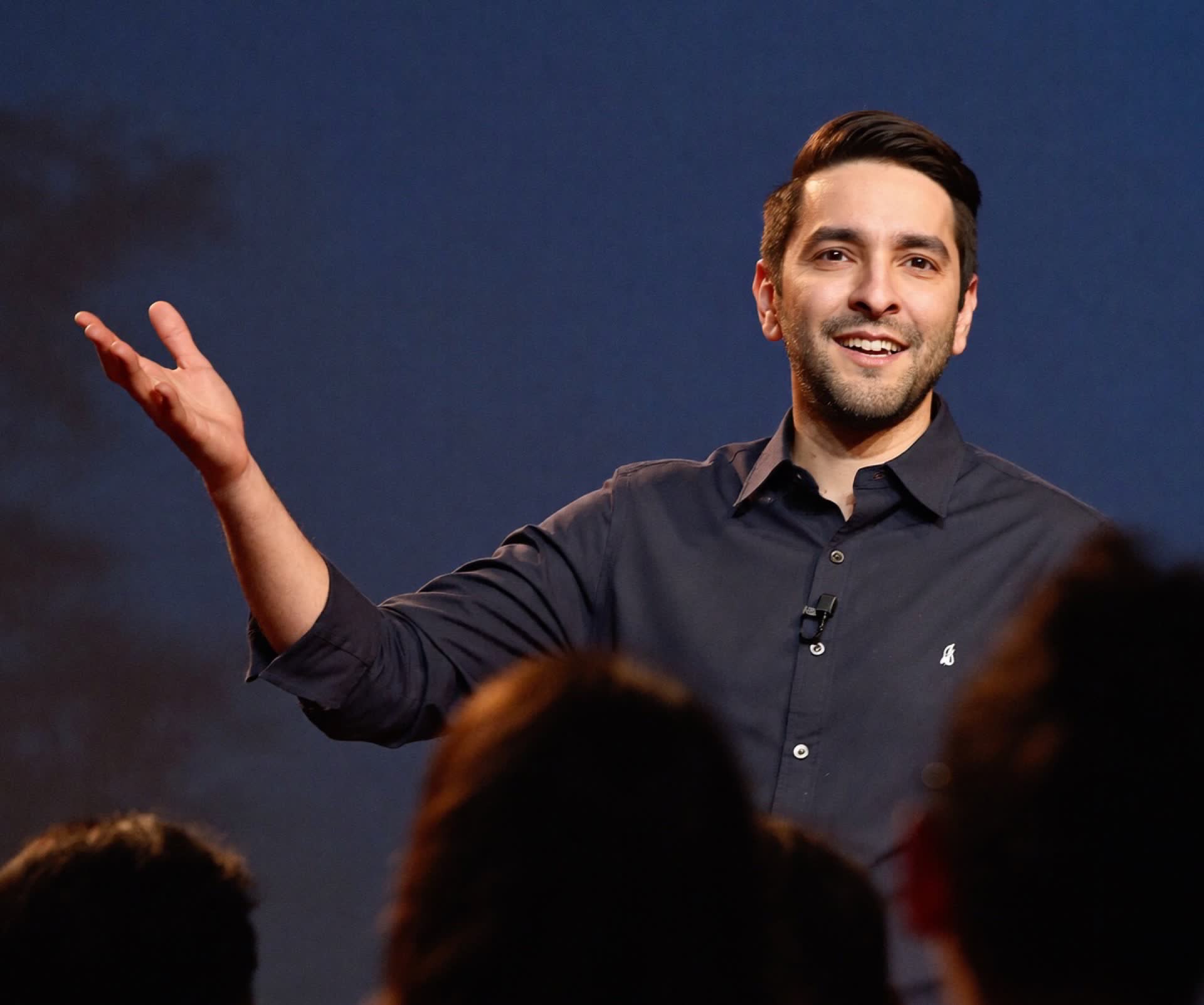
Thought Behind Things · Jan 19, 2024 · 1:38:45
Why a banker of twenty years built a landscaping company and a fashion label
After two decades in investment and hardcore banking, Mohsin Ahsan runs a Dubai-based landscaping and swimming-pool construction business and a Lahore-born fashion label called Nooriya. He explains why he refused the easy path of advisory, why he keeps building for Pakistan from Dubai, and why customer trust is the only moat that matters.
with Mohsin Ahsan
16 min read
A Lahore childhood routed through Lusaka
The episode opens with Muzamil introducing Mohsin Ahsan as a guest with more than twenty years in investment and hardcore banking, now setting up a new bank somewhere in Europe — a thread the conversation does not pull on — and, more interestingly, running two unrelated businesses: a landscaping outfit in the UAE and a fashion brand in Pakistan called Nooriya. The curiosity Muzamil sets up front is simple: how does someone sitting in Dubai fund, run and drive successful businesses for customers in Pakistan?
Before any of that, Mohsin walks through a childhood that is not the standard Karachi-to-Dubai arc. He was born in Lahore and started at Saint Anthony’s there. Around grade three or four, his father — who worked in the hospitality industry, with a diploma from Germany and time at Intercontinental Hotels — was offered a posting in Zambia. The family moved straight from Lahore to Lusaka in the mid-1980s.
Mohsin is unequivocal about what he found. “Africa, even today, I would say it’s one of the most beautiful places,” he tells Muzamil. “If I get the chance, frankly, I’d go today, happily.” The image Pakistanis carry of Africa — unsafe, disconnected, barren — does not match what he lived through. The compound was open. Doors stayed unlocked. The schools were American or British. The expatriate community was small enough that Zambians, Kenyans and Ugandans mixed openly with Pakistani and other foreign families. He went on to spend nearly six years there before returning to Pakistan via Karachi, the second city of light in his story.
The point is not nostalgia. When Muzamil asks about weather, wildlife and the sheer greenery — “I’m imagining the National Geographic phenomenon” — Mohsin uses Zambia’s landlocked geography to make a serious point about how exposure shapes a person. He left Lahore with passable English. He came back fluent, comfortable across half a dozen nationalities, and with friends now scattered from Australia to Canada to London and Dubai. That early dislocation, he implies, is the same muscle he is now using to build businesses across two countries.
Stability, capitalism, and what the older generation actually wanted
Muzamil pulls the conversation into a wider observation. When he asks his parents about their grandparents’ lives, the picture they paint sounds desperately poor by today’s standards — yet everyone in those stories seems happy. Capitalism, he argues, did extraordinary things for development but quietly ostracised anyone who did not “lust after the bigger and better.” A villager farming his own land used to be content. Today the same person is read as backward.
Mohsin is generous with his agreement and then sharpens it. “Our parents grew up under parents who’d lived through the world wars,” he says. “They’d seen dead bodies, they’d seen instability. For them, raising a child who got a job was an achievement. Being a graduate, in those times, was a blessing in disguise.” The valorisation of the stable job was not stupidity; it was a rational response to a world that had just shown itself to be unstable. The next generation, free of that fear, naturally looks at a twenty-year job and asks: how is that a life?
The exchange becomes one of the cleanest framings in the episode. “This is a moving circle,” Mohsin tells Muzamil. “You can’t scrutinise it on a five- or ten-year window. You have to look at it on a hundred-year cycle.” Both speakers land on the same idea: Gen Z is sharper because their exposure is genuinely wider, and the iPhone is no longer the dopamine hit it was on day one. The danger, Mohsin notes, is what they do with the boredom — whether they push deeper into technology and value, or simply consume the next thing.
The riba question, the fixed-percentage trap, and the fund that promised quarterly miracles
A long stretch of the conversation sits with Islamic finance, and it is here that Mohsin’s banking past does the most work.
Muzamil sets up the puzzle he has not been able to resolve. He is a proponent of sharia-compliant finance. He has hosted Asar Zaman on the topic. But he cannot reconcile the popular framing — that a friend who borrows a lakh and returns it four years later, exactly as it was, is somehow Islamic — with the basic economic reality that money loses value every year. If devaluation is nine percent annually, asking for nine percent back is, on the numbers, just preservation. Yet the moment he says it that way, friends call him a riba-monger.
Mohsin’s first move is to gently dispose of the friend. “First of all, the friend who took it for four years — don’t call him a friend,” he tells Muzamil. Then he gets to the actual point. The problem is not interest per se. The problem is the fixed percentage on a passive deposit where the saver has no idea what the underlying asset is doing. “When you don’t know what’s being done with your money, where it’s being invested, what ideology sits behind it, and you’re being paid a fixed monthly amount — that is the piece that drifts towards riba.” Investing alongside a real operating business, where someone is taking risk and you are sharing in the outcome, sits in a different category — even if the operator pays you a steady number out of profits, that is compensation for backing them when no one else would.
He then turns the lens on a far worse problem: the Pakistani public’s appetite for outright fraud disguised as investment. Muzamil walks through a real ad. A “company” promises that five lakh placed with them will return three-and-a-half lakh per quarter — roughly two hundred and eighty percent annualised. People queue up. Yet a brand offering twenty percent through a regulated structure is somehow suspicious. Mohsin’s read is direct: where the percentage feels too clean — twenty percent annual, ten lakh in, one-and-a-half lakh out — the public reads it as fixed and locks up. Where the number is absurd, they suspend the question and chase it. He remembers a fund years ago whose entire brand was built on the promise of trust-us-forever — relatives in the family put money in, two quarters of returns arrived, and by the third quarter the operators were knocking on doors asking for more. “If it’s too good to be true, it’s never. That one factor — that’s the whole thing.”
Muzamil closes the riff on a line that becomes the chapter’s thesis: stop chasing money, chase vision, create value, and the money will follow. Mohsin extends it. “When you have a job, you are one salary away from being poor. The title gives you status. People come up to you a little wider. And then suddenly something shifts at the bottom, and you realise you invested time and effort in the wrong relationships, the wrong projects, the wrong place. One thousand days is a real cycle. If you give a fundamentally good thing that time, it compounds. Definitely.”
Why a banker chose landscaping
The mechanical question Muzamil wants answered is why a finance operator with twenty years on the desk would pick landscaping. The obvious post-banking move is advisory or a brokerage — something Mohsin could do, as he puts it, in his sleep. He refused it for that exact reason.
The landscaping thesis came together from three places. Mohsin’s years in Zambia left him close to nature. Dubai, by contrast, is a city where nature has to be built artificially — a structural value-add rather than mere maintenance. And the hospitality sector, the world his father came from, needs landscaping on every property. He saw a niche where contracts were recurring, learning compounded across hotels and buildings, and profile built itself through the projects on the ground.
He set the business up under a fund called Mafco, and broadened the offer past landscaping to include swimming-pool construction and maintenance. New buildings need pools and grounds at construction; finished buildings need both maintained. The subscription side of the business comes for free once you have built the trust. Embed with a few developers, he tells Muzamil, and you are running. The next step is a digital B2C layer — an app for the consumer side of landscaping, which he believes will be a first in the category — but the current focus is firmly B2B.
Nooriya, and a Lahore family DNA he did not know he was carrying
Inside Mafco’s umbrella sits Nooriya, the Pakistani fashion label. Muzamil is openly intrigued. A hardcore finance person building a fashion brand from Dubai is not the standard playbook.
Mohsin’s path in is partly economic, partly inherited. On trips back to Pakistan he kept noticing that around seventy percent of mall floor space was occupied by fashion brands — a fact that immediately told the banker in him that the margins must support those rents. The retail spaces in Dolman City and Packages Mall are among the most expensive in the country. Combined with population, cotton supply and what he calls the “DNA” of Pakistani dressing — the refusal to show up to an event under-styled, regardless of budget — the underlying market made sense.
The personal piece is older. As a child in Lahore his grandfather used to get army uniforms staged at his factory for one of the GCC countries. Mohsin used to go along. The second generation did not pick the thread up. He did. “Whatever I have done in fashion, what I have always done is that the first two collections I have spearheaded personally,” he tells Muzamil, “not because I’m trying to make a mark, but because I enjoy it.”
Nooriya, now three years old with around 65,000 followers, has worked through almost every segment in the Pakistani fashion stack — prêt, three-piece unstitched, luxury formals — and consciously used each as a learning exercise. “Many brands that only do couture today,” Mohsin observes, “have absolutely limited understanding of how to do unstitched.” The brand is now positioned in bridal and luxury formal, with a UK company set up to take the line into Europe and the diaspora.
Building a Pakistan brand from a Dubai desk
Muzamil presses on the structural question that defines the rest of the episode: how do you actually run a business in Pakistan if you do not live there? He has just met a forty-year Dubai resident who tried to spend six months in Islamabad and gave up — staff turning up in chappals, no global baseline.
Mohsin’s answer rests on three pillars. The first is a co-founder he has known for twenty years, who shares CEO responsibilities on the ground in Pakistan and whose in-laws bring deep operational detail in the sector. The second is in-housing the production: Nooriya’s stitching is in-house, the samples are in-house, and overflow goes only to CMTs the team has worked with for two or three years. The third is presence. “When we started the brand,” Mohsin tells Muzamil, “I made sure that every two months I was there for a month at a time, then back, then there again.” He is open about why this works at all. “You are nobody without a team. If you think you can single-handedly conquer the world, that’s wrong. Even two people — but they have to be very honest and very transparent.”
He is also unsentimental about Pakistan’s unregulated economy. “An unregulated economy has its big plus sides — we forget that. Whatever the problem, there is a way around it. That, in a way, is a blessing in disguise as countrymen.” Where strict, by-the-book economies struggle through events like COVID, he argues, Pakistan’s looser ecosystem gave many people room to keep moving.
Distribution, Laam, and the part most fashion founders ignore
When Muzamil asks about Laam, Mohsin lights up. He describes Laam as one of Nooriya’s most active partners — the relationship runs through their social media company Sucell, which manages Nooriya’s account — and the tie-up has outlasted Nooriya’s exit from prêt. The point he makes through it is structural.
“Everybody thinks it’s the product,” he says. “It’s not always the product. It is your distribution network as well. That is a thing you can never put on the back burner.” Nooriya’s flexibility on production runs — twenty-four pieces, forty-eight, scaling up to four thousand if needed — was built precisely so the distribution side could be supplied at any volume the network demanded.
Muzamil offers his own framing of Laam’s bigger play: that the disruptive idea is not just distribution but an AI-driven insight layer that helps brands without design capability — the small operator who can move fabric but cannot read the next season — figure out what to make. Mohsin agrees with the strategy, but is clear that Nooriya did not use Laam that way. “We continue to focus on our own R and D. All our designs are in-house. None of it is from outside. What we capitalised on is the distribution network that Laam offered.”
He closes the section with an observation that gets to the heart of how the brand actually learns. The traffic numbers are not the signal. The signal is which customer arrives, places an order, and closes it — that is what the system learns from. Day one, he admits, the team did not know that. They assumed word-of-mouth would do the work. It does not, not on its own.
Nisma, and why the modest-wear brand stays in Dubai
The final business thread is the one Mohsin discloses live on the podcast: Nisma, a modest-wear brand launching out of the UAE in a matter of days. Muzamil sets it up with a story from a recent Saudi trip — his wife asked him for an abaya, he fell into a designer rabbit hole, and he discovered an entire aesthetic ecosystem of off-white, off-light-brown, modern-Islamic dressing that was visibly converting young women into hijab.
Nisma is Mohsin’s bet on exactly that current. It combines abayas with fusion pieces — including trench coats, for which he is onboarding a Western designer — targeted at both the GCC market and outbound travellers heading West in summer. The first collection is all in black, all handcrafted, all done in Dubai with Japanese fabric. There is no ready stock; every abaya is stitched to order with a four-to-five-day lead time.
Muzamil pushes the obvious counter. If Nooriya’s whole proposition is that Pakistan gives you margin, why not do Nisma the same way — design in Dubai, sew in Lahore? Mohsin’s answer is the cleanest articulation in the episode of what he actually learned in banking. “The customer is going to be very comfortable when she can pick up the phone in the morning and talk to somebody who is responsible for her dress, and not only that — in the second half of the day, that same person can go and meet her. That builds something which is called trust. Brand is all about trust.” A Pakistan back end cannot service that promise. If a complaint has to be solved the same day, or a replacement the next, that has to be local. Banking taught him one thing, he tells Muzamil — it is all about customer satisfaction. Nooriya is built for the Pakistani customer; Nisma is built, end-to-end, for the GCC one.
Two decades of Pakistan, seen from outside
Muzamil closes by asking Mohsin to look back. He has been in the Gulf for more than twenty years — he arrived around the Y2K bug, though he doubts most people remember it now — and has kept going back to Pakistan throughout. What has actually changed?
Muzamil sets up his own father’s despondency for context: a senior banker who once saw a phone as a luxury and a fridge as an event, who now lives in a country where consumer electronics have finally crossed into mass-market homes. The despondency, his father had told him, ignored the development. Mohsin agrees, but reaches for smaller, more specific examples.
“On my recent trip we had somebody who had to use a wheelchair,” he tells Muzamil, “and even in remote areas we found accessibility. That is a very big factor — places where there wasn’t even a sign of a public toilet before.” He describes a gol-gappa cart in Islamabad where the vendor served on plastic plates, with plastic spoons, wearing gloves. “That is a sight I didn’t think I would see in Pakistan.” He talks about local burger joints out-performing KFC in some neighbourhoods, about Chaman ice cream once being the only name in town and now sitting next to “unlimited” local brands across food and clothing. “The human mind has a habit of stretching the negative and treating the positive as ‘what’s the big deal, it happens everywhere.’ I don’t think that is fair.”
The other half of his answer is honest about what Pakistan has lost. When Muzamil asks why Pakistan has not globalised its economy the way Bangladesh has — fisheries to a hundred-billion-dollar export economy with double the GDP per capita — Mohsin does not blame any one community or any one era. He talks about identity drifting, focus shifting to things that were not industries, and a country that began breaking itself into ever-smaller silos: city, district, caste, village. He acknowledges, when Muzamil pushes back with the point that India contains the same silos and still exports at scale, that vision still exists in Pakistan but does not show, and people no longer talk about it the way they once did. Fear factors, real and imagined, do the rest of the damage.
He ends on the hundred-year cycle he began with. Grandparents who saw war taught their children to take stable jobs. That generation taught Mohsin’s generation to look for more than a job. Gen Z is looking for something else again. The next generation will look for yet another thing. “It’s a slow process. In some countries it’s faster. In ours it’s slow. But we will get there.”
Muzamil wraps the conversation at the one-hour-forty mark, after thanking Mohsin for the disclosure of Nisma and saying he is genuinely curious to see how the modest-fashion bet plays out.
Full transcript
हमारे साथ मौजूद है मोहसिन एहसानज़ब who is has a long experience in the investment banking and hardcore banking space he is opening up a new bank in somewhere in Europe I am not sure we didn't talk about that a lot in this conversation but interestingly जब वह अपनी बीस एक साल banking के career के बाद he opened up two businesses एक इन्होंने UAE के अंदर landscaping business setup किया जिसमें landscaping again के आपने lawns बनाने हैं, grounds बनाने हैं, आपने जो infrastructure होता है जो building के बाहर का होता है वह आपने पूरा setup करना होता है including swimming pools and so on वह उन्होंने एक setup किया और उससे उन्होंने बहुत सारा talent Pakistan से भी बुलाया, बाकिसीयों से भी उन्होंने इकट्ठा किया और दूसरा उन्होंने Pakistan में एक fashion brand launch किया called नूरिया and I was very curious कि how someone who can sit here in Dubai you know fund and run and drive successful businesses for people in Pakistan both जो Pakistan बैठे या overseas पाकिस्तानी हैं so this was a very very insightful conversation and we discussed both of his businesses as well as little bit of his personal life but largely I focus on the businesses and how does one make them successful while sitting out here in Dubai. आप channel पर नए हैं तो हमें subscribe ज़रूर करिएगा अगर आप channel पर पुराने है तो video को like ज़रूर करिएगा. It really helps the algorithm. अगर आपकी हुई thoughts है तो हमें comment section में ज़रूर आ के बताएं and read up all the comments and it really helps me improve the quality of the conversation. अगर आप overseas पाकिस्तानी है तो consider helping us out using the scribe link down below and help us remain independent for as long as possible. Anyways, here is Moses Nasaan on TBT Go Dubai studio. मोहज़ल भाई कैसे हैं? बिल्कुल ठीक, सब्ज़ल. Thank you for taking the time out and doing this. Most welcome. मुझे थोड़ा सा यह बताएं कि just to start off आप पैदा कहां पर हुए हैं और आपने early life अपनी कहां पर उतारी?
यार मैं लोहौर में पैदा हुआ था और early life लोहौर में ही गुज़री. शुरू के कुछ साल.
तो Education वगैरह?
शुरू में Saint Anthony school था लाहौर में तो उधर से start किया था grade one से लेकर grade three या four तक. तो वहीं पर रहे. तो blood जो है वह लाहौर everything. Father job करते थे hospitality industry में. Right. And hospitality industry में फिर उनको chance मिला country से बाहर जाने का. तो उन्होंने वह opportunity ले ली और फिर मैं उनके साथ family सब हम लोग Africa चले गए. एक मुल्क है Zambia. अच्छा. The city is called Lusaka. Right. तो लौर से
हम वहां मोबोगे. सीधा? बिल्कुल. और यह पहला experience था बाहर जाने का या उस वक़्त? पहले कहीं travel कर चुके थे? नहीं मैं तो you know छोटा like तीन,
fourth grade में था तो Eighties? हां exactly 83, 80, 84, 85 में. Right. तो मेरे लिए तो first experience था. कैसा था Africa? Eighties का? Africa यार आज भी मैं यह बोलूंगा कि it's one of the most beautiful places. मैं
मुझे आज भी chance मिले frankly तो मैं आज भी जाऊं. अच्छा. खुशी खुशी मतलब इसमें कोई वह नहीं है. लोग बड़ा वह कहते हैं यार security तो पता नहीं यह problem वह problem है. वह तो बहुत कुछ कहते हैं. क्योंकि प्रशंत राय was speaking to a close friend of mine and he is in the sort of fintech space तो उनको बहुत ज़्यादा आजकल offers आ रही ना क्योंकि Africa में ऐसा ही boom आ रहा है तो उनको बड़ी तीन चार offers आए और वो बार बार बार उनका यह था ना कि वहां की offers जो आती है ना वो expert वाली होती है price point भी बड़ा बेहतरीन होता है वहां compound compound में रहने का भी बड़ा good scene होता है. लेकिन एक दिमाग में आपको media ने बनाया हुआ है या maybe it's a reality as well कि Africa feels like this unsafe place, disconnected from the world पता नहीं हालात कैसे होंगे तो आपका अगर मैं ठीक सा पूछूं because you guys moved for a job right? Your father got a job at I believe one of the hotels? हां, he got a job at intercontinental
hotels in Africa. वह उससे पहले भी intercontinental hotel और में काम करते थे. Right. तो उसकी वजह से same exposure, same group उस वक्त वह Pearl Continental में नहीं बदला था. Right. तो he, there was an opening there and उस वक्त एक बड़ा group था तो he applied and उनका diploma था from Germany hospital में तो he got the chance. That's how he Right. Ended up So how was it? Like how was that experience of living in Africa? येर, अभी आप जो कह रहे हो ना वह बिल्कुल accurate है लेकिन वह हर जगह के लिए accurate होता है. मेरा नहीं ख़याल है कि कोई ऐसी जगह जहां पर आप जाओ तो आपको थोड़ी सी वह you know एक anxiety ना हो या फिर chaos ना हो वह सब होता है लेकिन मैंने Africa उस वक्त देखा था जब शायद बहुत कम लोगों ने Africa की किसी country का उनको नाम भी पता होगा and amazing place. Yes, compound system ही था but दरवाज़ा खुला रहता था, कोई भी आ जाता था, कोई भी चला जाता था. But उधर यह था कि wider audience जो expatriates थे वह एक ही जगह पर रहते थे. तो उसकी वजह से क्या होता था इतनी greenery, इतनी greenery, wild animals और हर चीज़ natural, right? कुछ तो वैसे ही वहां पर वह नहीं था लेकिन peaceful nation, ज़बरदस्त, ठीक है, healthcare शायद उतना नहीं था but schools अच्छे थे because American schools थे या British schools थे.
तो और nationalities में were you able to snack Dubai है ना? It's like a melting pot of the region कह लें of the world कह लें हम तो. क्या आपको Europeans भी मिल रहे हैं, British भी मिल रहे हैं, Americans भी मिल रहे हैं, Asia में तो every nationality under the sun effectively आपका बच्चा अगर school जा रहा है तो वह सिर्फ पाक्स्तानियों से दोस्ती दोस्ती नहीं कर रहा वह हर किस्म के cultures को देख रहा experience कर रहा है. वहां पर आपने कहा कि there was a compound system. So was there like very specific कि अच्छा चलो Pakistan से कुछ लोग आए हुए हैं, India से शायद कुछ लोग आए हुए या multinational था in that context?
दोनों थे. उधर different different countries के भी लोग आए हुए थे. उधर Africa की दूसरी countries से भी Africans थे. तो for example हम Zambia में थे तो कोई Kenya से था, कोई Uganda से था. ठीक है ना? तो it was not only के you know सिर्फ foreigners या different you know एक race ऐसा कुछ नहीं था. Different different countries के लिए होते हैं उधर के खुद के locals भी. You know जिनके अच्छी jobs या you know they had अच्छी बात कह रही थी उस country की. It had been a British colony तो अंग्रेज़ी, English common थी. Communication में आसानी हुई थी. जब मैं लोहौर से गया तो मेरी English ठीक थी बस सब गुज़ारा कर लेकिन लेते वहां पर बहुत development हुई. Right. वह exposure different मुल्कों से किसी किसी country से. अब उनके घर भी जाते थे हम तो खाने भी different, हर चीज़ different. मैंने elephants,
zebras, यह सब मतलब real life में देखे मैं वह ऊपर I think जो National Geographic वाला phenomenon है ना कि Africa को आप देखते हैं तो आपको यह again elephant, zebras ऐसा feel होता है ऐसा बताया जाता है कि यार Africa में तो they are just everywhere they are out in the open. I don't know about today but उस time पर वाकई ऐसा था कि सफ़ारी हैं तो वो वाकई you know there are herds and herds of natural wildlife.
That's being wild as a civilization of its own. बिल्कुल ऐसा था मुझे अभी तक याद है हमारे घर से थोड़ा सा आगे जाकर school था, school से आगे forest था और forest में आप चले जाओ तो you would not बड़े बड़े but छोटे छोटे animals आपको नज़र आ जाते थे. आज भी अगर आप even Pakistan के mountain areas या कहीं और चले जाते हो तो आपको monkeys ये वो सब मिलने लग जाते हैं लेकिन Right. वहां पर ज़्यादा थे. उधर क्या है कि मैंने कहा ना greenery बहुत ही तो बड़ी बड़ी fields में large migration जब होती थी तो Kenya, Zambia इधर बहुत massive inflow आता था तो यह बिल्कुल सही बात है. Open fields में है. अब क्या कर दिया उन्होंने कि वही open fields को उन्होंने थोड़ा सा surround कर दिया है. तारिस्ते
है.
Intervention कम रहे हो. Right. लेकिन था इसे. How is the weather in Africa?
आप कहेगा green है. Green is not generally the the associated image of Africa. It is generally जो जो media में ज़्यादा आता है वह barren lands, Middle East is desert but Africa seems like you know barren lands and कहेत पड़ा हुआ है, खाने का मसला है. So how was the weather and not just temperature but also rain and stuff like that. Sorry मैं video को यहां पर रोक रहा हूं लेकिन एक बहुत important message मैं आपको देना चाह रहा था courtesy of our friends at Samaya Financial और यह message है
पैसे बनते रहें. तो जाओ सरमाया dot p k पर और ये दो courses check out करो. Zambia के लिए I think because वो landlocked country थी तो landlocked country का weather because it's away from the sea तो उसका weather जो है वो हमेशा एक अच्छा रहता था. पूरे साल एक ही किस्म का weather था. You know एक शहर था जैसे एक अफवेह, Marina और Livingston वह थोड़ा सा different था but जो लुसाकत और उसके आसपास की जगह थी वह अच्छी थी बल्कि ऊपर की तरफ copper belt है. तो mining वगैरह भी होती थी. Right, right, right. इस country की थोड़ी सी location शायद Ethiopia से different है या other countries से different है but बड़े कम लोग हैं जो Zambia गए होंगे. अभी भी I don't think बहुत लोगों को उसका पता होगा. ऐसा ही है, ऐसा ही है. So, you were there for a couple of years? जी बिल्कुल I was there for at least four to five years, six years. अच्छा you were there for a few quite a few years. मेरे सारे दोस्त आज भी के हैं. वहां वहां पर क्या होता था कि अगर आप schooling में है ना तो उधर target क्या होता था अच्छा आपने form grades ten, eleven, twelve करना है and then universally आपने London, US या back home आ जाना है. Right. तो वहां के जितने भी दोस्त हैं आज भी बहुत सारे Facebook पर connected हैं.
कुछ Africa में Africa में कोई नहीं रहा. अब तो पूरी दुनिया में आओ spread out है. Australia
से लेकर US, Canada और कुछ लोग London में कुछ लोग Dubai में हैं. एक दो पुरानी family जो Pakistan वगैरह चले गए हुए हैं लेकिन I am still connected. Interesting.
What
grade were you in when you finally decided to come back? So, went there I was in grade four then five, six, seven, eight and I think ninth grade, eighth grade का end of mid of the year you know चार, साढ़े चार, साढ़े बाद that is when I came back and वहां से वापसी हुई another
great city of Pakistan, lively city. We landed in कराची. अच्छा. तो city of lights जैसे कि Interesting. Africa I would assume the city that you were in most likely was a small ish city? Yeah, was it like a mega city जिसमें Pakistan में हमें concept है? South Asia में particularly दिल्ली, डाका, कराची और even लोहौर to some extent has become like a mega city now. It's 12 to अभी जो recent मैंने पढ़ा था तो नहीं चौदह सोलह million की आबाद ही top 20 में तो आ रही है अब.
I am not sure eighties में Africa में was a similar vibe. नहीं nothing like that बिल्कुल population कम थी. लोग अभी भी निकल रहे थे.
Rural urban type situation हो रही थी. बिल्कुल थी और
वहां पर भी struggling life थी. Farmers जो बहुत बड़ी community थी वह farmers थी. वह अपनी day to day living वही काष्कारी करके करते थे और बहुत कम income में उनको survive करना चाहते थे. तो ऐसा नहीं है कि गुरबत नहीं थी बहुत थी. हम अल्लाह कशुक्र है blessed थे तो you know we were able to see a different side. लेकिन उधर के मुल्क के लिए कुछ हालात ऐसे थे. इसमें अगर मैं आपसे पूछूं,
गुरबत का एक बड़ा interesting context है. मैं अपने parents से पूछता हूं ना जबकि उनके उनकी बचपन, उनके जवानी या उनसे पूछता हूं कि उनके grandparents की, उनके parents की क्या life थी? तो वह बड़े खुश खुश बताते हैं कि हमारा बचपन ऐसा था और जब आप उनका बचपन सुनते हैं तो आप अगर आज के context में देखेंगे आप कहेंगे कि यार आप तो बिचारे बहुत ही क़रीब थे. You know लेकिन when you look at their shared experience they loved it. They were so happy with everything that they had and I feel like over time post America winning the battle of narratives with USSR, you know communism versus capitalism. Capitalism ने एक unfortunate चीज़ है, उसने बहुत development की undoubtedly. But एक unfortunate चीज़ यह है कि उसने ना somehow it ostracized those who did not, I would say, for a lack of better word lust after the bigger and better right? जहां पर जो है वह आप हम जाते और हम जाकर देखते हैं कि यार एक गांव है गांव में you know farmer है वह अपनी खेती बाड़ी करते हैं बड़ा खुशी हम कहते हैं पागल आदमी. You know and I find that very fascinating. You know so what are your thoughts on that?
मेरी इस पर observation ना बड़ी मतलब एक difference ही है और you are spot on ऐसा ही था कि आज किसी को देखो जो कहेगी मेरी बहुत अच्छी life गुज़री है और हम compare करें हम कहेंगे पागल है मतलब यह इससे तो हम बहुत अच्छी तरीके से rally हैं. लेकिन एक चीज़ जो मुझे लगता है कि ऐसा हुआ था कि जब हमारे parents बड़े हो रहे थे या they were growing up तो उनके जो parents थे ना वह वह world war के time देश हुए थे. उन्होंने बड़ी instability देखी थी. Dead bodies यह सब देखा था तो उनके लिए उनके बच्चों को बड़ा करके एक job में लग जाना सिर्फ़ यही चीज़ ना एक बहुत बड़ी achievement थी. उन वक़्तों में किसी को graduate हो जाना एक blessing in disguise थी, एक बहुत बड़ी चीज़ थी. तो I think मेरा इसमें view यह है कि So you think it's the, it's the peace and stability that that
जो एक जन जो probably age 70, eighties की generation ने देखी उसकी वजह से अब वह आज कह रहे हैं कि यार you know what bigger and ripple हां. Ripple effect. कि मज़ा तो तब आएगा चलो एक घर में तो रह ही लेते हैं लेकिन
तो इनका होगा यार ये लोग कैसे एक job में बीस बीस साल लगा गए? कैसे? It's not possible, it's not humanly possible. इसको कैसे life कहते हैं? तो I think यह एक, एक, एक moving circle है जो move करता रहेगा with time और इसको आप पांच साल, दस साल पर scrutinize नहीं कर सकते. इसको आपको hundred year के cycle पर properly scrutinize करना है. Makes sense but then that's what I am saying right? Just, just stability का context concept है ना even jobs का और entrepreneurship
का entrepreneurship एक तो business sense में होती है अब एक freelancing का concept आ रहा है मैं business नहीं कर रहा मैं ही हूं अपना boss और मैं ही अपना वाहिद employee हूं और मैं different लोगों के लिए थोड़े थोड़े buckets में काम कर दूंगा. पहले वक्तों में होता था कि जी एक career job लेकिन while this is true यह तो एक एक एक separate चीज़ है. एक element है of money. Right? Where where you're like कि ok I want to build a career. I wanna go to McKenzie for example or I wanna go and build a career because I want to be rich and I want to you know get a good house and a good car and I want to send my my children to a quality private school. Gen z के अंदर मैं एक जो shift देख रहा हूं और एक overall दुनिया में मैं एक shift यह देख रहा हूं कि लोगों को ना अभी एक एक एहसास हो रहा है कि यार money maybe is not the most useful driver. So I'll do things but maybe not for the money. I might do it for impact I might do it for satisfaction I might do it for अगर मेरे सामने opportunity आती है जब मैं आया नहीं आया Dubai तो मुझे left right and center property dealer types की callएं आना शुरू हो गई ना जो पाकिस्तानी उसने कहा यार यह connected है अब मसला यह है कि यार वाकई और मैं नहीं आने आए हूं. मेरे पास foreign investment नहीं है. मेरे दिमाग में यह भी चल रहा है कि यार मेरे family को sustain करना है, मुझे पैसे चाहिए. जिस चीज़ को मैं खुश नहीं हूं. मैं क्यों property यहां बेचूं लूंगी. Right? So somehow what I am seeing is the newer generation they are choosing to pursue value and they are also saying कि you know what like getting the latest iPhone is not giving me the satisfaction that I thought it would give me. वह nature के थोड़ा क़रीब होना शुरू हो गया है. वह कह रहे वह थोड़ा सकून की तरफ़, सकून को तलाश करना शुरू हो गया है. Have you, have you seen a similar transition?
तो सबसे पहली बात Gen Z is very intelligent. इसमें तो कोई debate ही नहीं है. क्यों? उनको जो exposure मिल रहा है वह हमें अपने time पर नहीं मिला आज से बीस पच्चीस साल पहले. कुछ लोग होते हैं उस exposure को सही तरह use नहीं करते लेकिन majority of them are smart और वह सही तरह उसको use कर रहे हैं. हां. तो एक इसका अच्छी चीज़ इसकी क्या है कि आप उसको अपने हिसाब से use करते हैं लेकिन आप जल्दी bore भी होने लगते हैं. हां. तो अब आपको iPhone में वह मज़ा नहीं आ रहा जो आपको शायद पहली दिन होने में आया था. लेकिन दो चीज़ें हो सकती हैं ना यहां पर. अब आप bore हो रहे हैं तो क्या करें? छोड़ ही दें iPhone लेना या फिर मज़ीद कुरे दें. हां. What else? हां. Airport क्या कर सकता हूं मैं और कैसे technology के अंदर जा सकता हूं? तो एक यह चीज़ होगी. उसकी वजह से एक चीज़ जो हर वक्त जिसको मैं advocate करता हूं कि यार एक चीज़ जो है ना वह हमेशा constant रहने वाली है. वह है change. जिस दिन आप यह समझ जाएं कि change is the only constant thing ना तो फिर आप आधे सौरभ. अब उसको आप जितनी जल्दी जैसे जैसे adopt कर लें वह अच्छा है. Real estate की बात की दो लाख बनेंगे लेकिन cycle सोचो. हां. आपने लिया एक transaction दो लाख. जो अगला लेगा ना, हां. वह दो नहीं बनाएगा. हां. Maximum पौना लाख, एक लाख. But जो तीसरा लेगा ना, हां.
उसको थोड़ा break करने में ना लोगों को problem होती है. अच्छा वैसा बड़ी आपने interesting बात की, interest की, inflation की, right? Fiat currency जो है मैं जब Pakistan में लोगों से बात करता हूं ना Pakistan में एक unfortunate अलमिया यह है कि हमारे यहां एक तो लोग economics को नहीं समझ पाए. नारे होते हैं. But इसी के साथ साथ जब हम economics की बात करते हैं तो उसमें Islamic financial system, शरीर compliance, Islamic banking इसके बाद बहुत ज़्यादा बात होती है. जब उस पर लोग बात करते तो पहली बात यह है सूद हराम है. Which is fine, सूद सूद by design हराम है. एक चीज़ मैं नहीं reconcile कर पाया ना आपका experience पहले banking कर रह चुका है, finance कर रह चुका है तो maybe you might be able to help me. और मैं कहता हूं मेरा दोस्त कहता कि यार यह लोग पैसे कहता एक लाख रुपया ले लो. वह चार साल ग़ायब हो जाता है. और वह चार साल बाद कहते हैं कि यार यह लो एक लाख रुपया वापस और इस्लाम तो ऐसा ही था. क्या बात कर रहा है? मैं तो I'm I'm a huge proponent of Islamic finance and शरीर compliance. असर ज़मान साहब के साथ हमने की थी podcast जिसमें हमने depth में इसको discuss किया incredible mind. But when it comes to fiat currency when it comes to hard cash मैं अगर कहता कि यार नौ percent devaluation है तो और अगर मैं अपने दोस्तों कहता कि यार अगर तू नहीं अपने पास रखे ना तो हर साल जब तू मुझे वापस नहीं करेगा 9% बढ़ाकर देना है. तो वह सूद होगा.
Interesting conversation क्योंकि एक तो सबसे पहली बात जो दोस्त चार साल के लिए लेकर चला गया उसको दोस्त नहीं बुलाओ. तो वह तो एक अलग discussion है. लेकिन point यह है कि उसको concepts होते हैं बहुत सारे. एक होता है time value of money. लोग उसको भूल जाते हैं. बस वह यह एक component ले आते हैं mind में कि इसके ऊपर अगर कोई भी fix चीज़ है तो वह हराम हो गई. हां. मेरा उसमें सिर्फ view इतना है कि अगर आप एक basic economics देखते हैं, आप आज एक bag रख लें, पांच सौ रुपए के notes का और उसके अंदर कुछ पैसे हो, उसे आप आज जाकर क्या खरीद सकते हैं? और उस bag को फिर आप touch ना करें
a potential way to क्योंकि interest जब मैं उसको बोलूंगा ना 2%, 3% वह कहेगा यार तुम तो याना काफ़ी रोगे. सूद खोर हो गया. सूद खोर हो गया. क्योंकि the conversation on on devaluation of money. I am trying to drive a point. It's not a conversation on Islamic finance. It's a conversation on the devaluation of money and that most people particularly पाकिस्तानीs उनको नहीं पता. वह अपने संदूकों में पैसा रखते हैं. वह अपने property के plot लेते हैं कहते यार एक करोड़ से सवा करोड़ हो गया sir. Dollar की price कहां से कहां चलेगी? Gold की price कहां से कहां चलेगी?
पानी का काम शुरू किया है और उसमें लगा रहा है और उसका खर्चा हो रहा है उससे वह दो पैसे बना रहा है और वह आपको कहता कि यार मैं इस तरह के आपको returns दे सकता हूं. कोई मैं fix number नहीं बता सकता कोई भी institution है, आगे कहता है कि जी इतना है और यह fix है. Right. अब जिधर आपको कुछ पता नहीं है कि वह पैसा invest की तरह हो रहा है, आपको कोई ideology नहीं है और मैं नहीं कह रहा हूं, मैं कह रहा हूं institution Islamic भी हो सकता है, कोई भी चीज़ हो सकती है. हालांकि Islamic institution clearly बताते हैं कि हम अपना पैसा किस जगह पर invest करें but एक argument से कि कोई भी जगह आप invest करते हो और आपको पता नहीं है वह किधर जा रहा है और उसके बदले आपको monthly fix मिल रहा है. I think वह वाली चीज़ थोड़ा सा as a, as a सूद की तरफ चली जाती है as opposed to investing with somebody on a business जो शायद आप सिर्फ profit loss share ना करें लेकिन फिर भी आपके support में अपना business चलाने के बाद आपको एक certain amount आपके इस point of view को रखे कि आपने उस वक्त उस पर risk लिया जब कोई और नहीं लेना था. That should not be construed as something fix, something of, you know, interest kind. यह मेरा you know, अपना एक individual. यह वैसे बड़ा interesting है. Again, Pakistan में savings account पर लोग नहीं जाते, बहुत सारी और चीज़ों पर नहीं जाते. Again,
question mark है जो लोग इस्लामic finance को बेहतर समझते हैं, comment section में मुझे आगे बताएं कि इसको किस तरह से वह reconcile करेंगे. But जो savings accounts हैं वह effectively क्या कर रहे होते हैं? वह आपको जो inflation होती है बीस percent inflation है अब state bank ने बीस percent rate रखा हुआ है. Savings account ने वह बीस percent protect करिए तो you're not really making any money you're just retaining the value of money in a lot of ways. In a of ways. But Pakistan में you know saving accounts लोग नहीं रखते. Mentorship भी provide करते हम यह भी करते वह भी करते हैं और उसी में नीचे उन्होंने आकर लिखा हुआ कि हम जो है जी PSX में invest करते हैं और हमारे बड़े comfortable rates हैं. हम guarantee नहीं कर रहे हैं लेकिन depending on the market हम आपको और उन्होंने उसमें एक bracket बनाया होता है. अगर आप पांच लाख करेंगे तो expected rate of return per quarter साढ़े तीन लाख रुपए. पांच लाख रुपए expected return rate of return per quarter यानी कि annualized आपका पता नहीं कितने 100% वन रहे हैं. ठीक है? आज अगर मैं आता हूं और मैं आपके आप आकर मुझे कहते ना आप यहां पर बैठे हुए आप कहते हैं यार मेरा landscaping का business है. मेरा business इतना अच्छा जा रहा है. मैं guarantee देता हूं कि यार आप मेरे business में invest करें और मैं आपको 20% guarantee return दूंगा. तो यही audience जाती और जाकर ना करोड़ों रुपया लगाती. इधर तो double से ज़्यादा आ रहा है एक साल में? एक साल. So there is this weird dichotomy also where जहां पर legit है ना वहां पर because the money is 20% so it doesn't sound that appealing तो उसमें चार और mean में निकाल के route कर दो. लेकिन जहां पर पैसा crazy आ रहा है ना वहां पर इस्लाम से इस्लाम थोड़ी दो minute के लिए sideways पहले पैसा double करो. मेरा अपना ज़्यादा ख्याल यह है कि कि
जहां पर ना percentage आ जाती है ना, इतना percent लोग उसको ना perceive कर लेते हैं fixing interest और अगर कोई यह कहे कि हम आपके पैसे से आपको दो तीन लाख रुपए महीना दे दे सकते हैं. हां. और आप actually calculate करें और वह भी fix वन रहा हो लेकिन लोग उसको नहीं cancel करेंगे. I think that is a perception. तो कहीं ना कहीं वह जो percentage का mind है ना यह मेरी, मेरा view है मतलब I could be wrong लेकिन मुझे ऐसा लगता है जिधर आप यह बोलोगे ना उधर public sector जाएगी. आप बोलोगे ना यार दस लाख रुपए लगाओ तो डेढ़ दो लाख रुपए तो मैं दे ही दूंगा. हां हां हां. उस, वह, वह again mind में जो कह रहा था ना, mind पता है किधर चलेगा? अच्छा डेढ़ लाख रुपए? हां हां हां. अच्छा डेढ़ लाख रुपए आऐंगे? बारह percent? Percent तो यार यह fix है. तो यह I think एक यह चीज़ है जो कि थोड़ा सा समझने में लोगों को time लगता है. Make sense. ठीक है? दूसरी चीज़ और interestingly मुझे याद पड़ता है बहुत हस्सा पहले एक company थी अब मैं उसका नाम नहीं लूंगा पर उसका कुछ जो उसका वो था ना. Structure. Structure वो कुछ ऐसा था कि आप पैसा डालें, हम invest करेंगे और उसके बाद आपको देंगे और यही हुआ था कुछ family में लोग थे उन्होंने डाले तो दो quarters आए तीसरे quarter वह हमारे घर पहुंच गए. यार आप भी डाले बहुत अच्छे पैसे आ रहे हैं. हां. ठीक है ना? अब उनका कोई नाम ही कुछ इस तरह का था कि हम पर हमेशा के लिए आप इत्ताबाद करें. You know, the name itself, how is it possible, you know. Yeah. Like rely on us forever, you know, something like that. और बड़ा fancy software and I am talking about ages ago. Right. ठीक है ना? तो इस तरह की चीज़ों को लोगों को समझना कि एक तो जहां पर चीज़ यह है ना, जहां पर it sounds too easy. If it's too good to be true, it's never It's never यही factor है. और यही एक चीज़ है जो लोगों को I think but पता है क्या? Greed is अच्छी बात है लेकिन greed the right way. Greed to learn more, greed to grow more, greed to earn more structurally.
Not greed to fix महीने के दो दो लाख और forgetting कि कैसे कर रहे हैं? Sir, इसीलिए ना मुझे मुझे यह होता greed for so मैंने ना last year I really try to understand money. The core fundamental of money. मैं कहता economics भी ना समझे. पैसे को समझे ना और मैं गया और मैंने जाकर पढ़ाना शुरू किया कि यार early late eighteen hundreds में किस तरीके से पहले contracts आए Contract के पीछे की collateral ख़त्म हो गया और यह contract ख़त्म हो गया. अब फिर eventually वही eventually कि जी contract ख़त्म हो गया, gold back ख़त्म हो गया, cash रह गया, cash रह गया. अब आज की जो population है ना जो दुनिया की वह largely उसको concept भी नहीं पता कि कि actual में हमने कोई काम करना है barter जो था ना वह बड़ा अच्छा system था. वह अच्छा system है. मैं किन्नू बनाऊंगा, अकेले बनाएंगे, हम share करेंगे और set हो जाएगा. अब मसला यह है कि लोगों को यह sense ही नहीं है कि यार मैंने कुछ बनाना है
Value तो होगी value Value creation creation मिलेगा.
हां. वहां पर value, greed की value, knowledge पैलाने की value क्योंकि greed इन सारी चीज़ों में greed is great. पैसे की greed is I feel like is a is where a problem rises.
मेरे हंग में बहुत सारी चीज़ें आ जाती हैं play में. एक चीज़ तो यह है कि लोगों को बचपन से लेकर बड़े होते तक ना एक ही चीज़ सिखाई जाती है. तूने बड़ा होकर पैसा कमाना है. तूने तालीम हासिल करके अच्छी job लेकर पैसा कमाना है. What lacks I feel is कि आज आप अपने किसी बच्चे को बड़ा करते हुए यह बताओ ना कि तुमने बड़े होकर कुछ ऐसा करना है जिसमें value creation हो, jobs हो, कुछ बनाओ, product बनाओ या कोई product को refine करो और उसको you know Pakistan का label दो या कोई label देकर बनाओ. वह जब तक वह वह जो seed है ना वह शुरू से मां बाप डालना नहीं शुरू करेंगे ना. वह और शायद you know हर घर में यही होता है आजकल कि अच्छा college. हां. अच्छा school और purpose क्या है? अच्छी job. अच्छी job. Title job हो, बड़ा आदमी बनो title वाला वह. और क्या है? और पहली चीज़ आप देखो किसी भी जगह पर कोई function होता है तो what does a proud father boast about? मेरा बेटा इतने की नौ सौ जो का कर रहा है. Underlying asset क्या हो गया? ऐसा. हां. As opposed to मेरा बेटा. कितना owner बंद है, कितना specialized है, हां. चीज़ से कुछ सीख गया है और उसकी वजह से तीन और लोगों को सिखा गया हां. ठीक है ना? और यह नहीं है शायद हम भी यह गलतियां करते हैं लेकिन I think यह society as a whole जो है ना उसको change करना होगा. Stop chasing money. Yeah. Chase vision,
create value, money will follow. Yeah, money will follow. Like value again this is not me trying to be a communist and saying money is bad, right? It's just all I am saying is when you follow value the money that that value gets converted to is a lot more sustainable.
मुझे अब मुझे याद नहीं आ रहा किसने यह बात बोली थी एक बड़ी अच्छी बात थी कि जब आप काम job कर रहे होते हैं ना तो you are one salary away from being poor. Yeah. और उस वक्त आपको आप एक अलग zone में, एक अलग zoom में चल रहे होते हैं कि मेरी इतने की job है, मैं ही वह. अच्छा वह job की वजह से status भी आ जाता है. अब अगर आप ऐसे बंदे हो जिसमें बड़े बड़े लोग आपके पास आऐंगे तो आप और वह monies बंदे चौड़े जाएगी, हां. हां, थोड़े और चौड़े होकर चल रहे होंगे कि यार यह है यह लेकिन अचानक कोई चीज़ change होगी ना नीचे से. हां. Then you will realize कि यार मैं, मैंने अपना time, effort, गलत relationships में invest किए या गलत जगह पर या गलत projects पर. हां. अगर वह time और effort किसी ऐसी चीज़ में किया होता जो छोटा सा बड़ा हो चुका हुआ था. हां. शायद वह हो जाता है. इसमें time लगता है. देखो business के cycle होते हैं. One thousand days is a cycle. और वह छोटा business हो, बड़ा business हो, आपको time देना होता है. But जब वह चीज़ एक ऐसी fundamentally अच्छी चीज़ में लग गया ना, वह आपको ज़रूर उसका फ़ायदा देती है. और compounding में देगी definitely. देगी?
इसमें बड़ी अच्छी मसाल है आपने दी वह job वाली ना one, one paycheck away from. वह because I remember when I was doing I started doing media. तो my parents being like all parents वह they were very proud of me. They would read every comment. They would listen to every podcast so on and so forth. But somewhere ना my mother was always worried कि यार यह इतनी media में चला गया है business हम business वाले थे नहीं इस्लाम आधी लोग हैं job पर शायद कोई ज़िंदगी नौकरी करनी तो उनको था कि बेटा नौकरी करते रहो ना सासन मैंने कहा मां मैं super human तो हूं पीछे रख दिया. मैंने कहा तीन साल तक आप tension ना गए. मेरे पास एक धंधा के अंदर फ़ारिक बैठ रहा हूं. तीन साल तक नौकरी लगी है मां. Dad बस मेरी अपनी psychology को उसने बदला और my parents just were like अच्छा अच्छा relax हो गया and I think
वह बड़ी ज़बरदस्त होती हैं. आप start करो या तो initially आपको पता हो कि मैंने entrepreneurship ही करनी है which is great again आपको दो business करोगे, गिरोगे, तीसरे में थोड़ा सीखोगे because जो चीज़ आपको failure सिखाती है ना वह आपको कभी भी success नहीं सिखा सकती और यह मैंने देखा है you know you have to lose in order to win. तो या तो आप यह वाले track पर चले जाओ या फिर आप एक दो तीन jobs करो, exposure experience हासिल करो and then अपने entrepreneurship का होगा. और वह circumstantial भी है ना? बिल्कुल don't have the money to invest तो वह faster than any other you know Generation of strength. Generation and they are doing it. They are capitalizing on people's thoughts, ideas. उनके पैसे पर वह अपना experience लेते हैं. Connect करते हैं, connect करते हैं, connect करते हैं. चार लोग बैठते हैं, company जिस करते हैं. कोई digital media firm बना देता है. कोई कहता है कि हम financial analytic data जो आपको वह कर सकते हैं. You don't need to hire an accountant. हम आपकी पूरी bookkeeping कर लेंगे. हां. कोई कहता है हम, हम, you know, we can do consulting on various other aspects. तो I think they are doing it smartly and probably faster. Absolutely.
Tell me about your own experience. You worked for may be twenty years? So twenty years amongst different banks in Dubai. Financial institutes and banks and stuff like that. Then you decided कि यार नहीं अच्छा I wanna I wanna be an entrepreneur and then you decided to start to very so normally assume असम normally assume यह किया जाएगा कि आप bank से निकल रहे हैं तो आप कोई investment का कोई brokerage खोल लेंगे कुछ left right खोल लेंगे मुझे one of the reasons why I got very intrigued when you know आपकी profile मेरे पास सबसे पहले आई कि you are doing two businesses a hardcore finance guy is doing a fashion brand and is doing a landscaping business these are two very unique, very different, not the sort of person that that you know normally one would assume as the business owner. Tell me about these two brands and the thought behind why after twenty years of doing a job and being fairly successful at it as well You decide कि यार यह नहीं कुछ interesting करना है.
So great question not because कि वह मेरे से तालुक रखता है but actually I know कि कितना बड़ा आपको अपने ऊपर belief system करना पड़ता है to go into something completely different than what you have not touched. वही वाली चीज़ थी जो कि मैं पहले भी discuss कर रहा था. I did not want to chase money. मैं नहीं चाहता था कि ideal easy solution क्या है? Advisory तो आज भी ऐसा नहीं है advisory नहीं होती कोई client call कर लेते हैं you help him out लेकिन उसको कब तक sustain कर सकता था? एक, दो, पांच
और अगर कर भी लेते to be very honest तो वह that's I mean that's that's something जो कि आप सोते हुए भी कर सकते हैं. वह तो आपको आती है ना तो वहां पर संख कर ही ली, right? अब challenge किया है कोई चीज़ different.
अब जहां तक landscaping का तालुक है, वह तो I think a little bit of multiple parts, you know, my time in Africa, close to nature. I think वह कहीं ना कहीं buildup होता गया लेकिन वह ज़्यादा buildup कहां हुआ? In a place like Dubai जहां पर landscaping की बहुत
ज़्यादा ज़रूरत है. जहां पर you really have to artificially
build the nature. Value addition ना? हां. Again, यह नहीं है कि बने बनाए trees को आपने manage करने के काटू हाल कर के साथ कर दिया ठीक है ना? दूसरी चीज़, hospitality sector has grown और हर hotel को landscaping की ज़रूरत पड़ती है. तो मुझे एक niche नज़र आई and मुझे नज़र आया कि इसके अंदर कुछ learning ज़्यादा हो सकती है और आपके साथ जब recurring contracts होते हैं तो effort होती है but आप imagine करो एक आपको exposure मिलना है different different hotels का, buildings का, connectivity, दूसरा आपकी company की profiling, तीसरा you are adding value. तो landscaping I think वहां से मेरे और यह generally B2B ही होता है mostly या
बड़े घरों के, विलास के, उनकी भी होती तो अभी हम B2B पर ही focus कर रहे हैं. Right.
आगे जाकर we will enhance into B2C और उसमें क्या करेंगे हम कि we will add a digital angle to it and I think we will probably be the first ones to bring in an app on a landscaping company ताकि B to C को जरा you know just easily क्योंकि वह number बहुत बड़ा हो जाता ना. बिल्कुल. तो हम that's
one of the things. But in in terms of so what's the what's the product here? जो नई building वन रही है वह landscape करा रही है या कोई building exist करती है वह कहती है कि यार हर साल हमारा system change होना चाहिए या interesting होना चाहिए तो वह भी होता है. So to give you a background the the fund एक मैंने create कर दिया था Mafco के नाम से और उसकी umbrella के नीचे एक चीज़ आई which looks
at landscaping, swimming pool, not only maintenance also construction. तो अगर कोई नई building आ रही है उसके अंदर swimming pool बनेगा बनेगा. ठीक है. उसमें landscaping लगेगी लगेगी. वह hardscape हो गया. Right. तो swimming pool construction हो गया. Then जब वह building वन गई उसकी landscaping को maintain करना, swimming pool को maintenance करना. तो subscription भी आ गई. Subscription भी आ गई. Right. और आपके पास इन्हीं लोगों ने मज़ीद और buildings develop करनी होती है. तो once you embed with few developers, आप चल पड़ते हो. That is one part of Mafco. Right. और I am proud to say कि Mafco के अंदर, you know, considering somebody who is from Pakistan और हमने उसको एक conceptually conceive किया है. Many friends जो कि इधर से belong करते हैं, they came in, they invested with, with us and एक चीज़ हमने create की जो कि नूरिया brand है in Pakistan. Right. And I am proud to say कि बहुत सारे इधर के लोग जो कि कभी Pakistan भी नहीं गए, they believed in the concept because again fashion is something that comes out of Pakistan. लोग वैसे ही generally happy go people है ना, they, they like कपड़े, खाना पीना तो वह चीज़ plus उसके अंदर मेरी अपनी creativity because of the very younger version of me जब हम लाहौर में रहते थे तो my grandfather used to get the army uniform stage for one of the GCC countries here. तो मैं उनके साथ जाता था उन factories में. तो वह कहीं ना कहीं the second generation did not pick it up. Right. Here came me thinking कि मैं करता हूं. तो that was somewhere in the DNA and I believe. Did you have any background in fashion? या did you just plunge right into it? I have not got a very any formal degree in fashion लेकिन I believe कि अगर आप aesthetic skills आपके अच्छे हो, you can identify. For example, नूर्य की कोई भी collection के अंदर I and my partners will have a final input. We look at all the designs. We look at it from what the market is throwing, what the public wants. Probably when I say background I am not saying professional
or educational. मैं इसको flip करता हूं. A very good friend of mine he runs this brand called Monto. He's gotten really popular recently. Because. And मैं I was actually very closely working with him when he was setting it up. तो उस time के ऊपर मुझे वह पूरा मैंने experience किया कि उसके दिमाग पर एक चीज़ टक थी और ये by the way hard core मेमन family you know. जिनको business आता है. जिनको business आता है और वाले साहब head of the मेमन business association भी है और बड़ी पुरानी वो है और इनका you know construction and travel और इन सारों में business Fashion में नहीं है, right? And so he comes to me and he is like कि यार मैंने ना मुझे लखनऊी कुरता वड़ा पसंद है फिर हमने बैठकर पूरा process figure out किया कि अच्छा जी वह CMT unit क्या होता है? यह क्या होता है? वह क्या होता है? Anyways, we took it forward and उसने जो है वह जाकर he like he was so hard stuck on कि यार मुझे क्या बनाना है in the sense कि वह गया उसने जाकर wash and wear का जो supplier होना उसने पहले कभी इसने लगा नहीं बनाया था उसने down to the last thread वह घुस गया अंदर कि कितने percent इसमें polyester होगा, कितने percent cotton होगा, कितना percent ये होगा, उसके colors क्या होंगे? वो करते करते करते करते I saw the transition of a hardcore businessman convert into a fashion you know जिस विषय थे वो expertise starting off with this one thing कि यार मुझे लखनऊ कुर्ता चाहिए. Right? When you were getting into tell me that that story कि कि at some point आप बैठे होंगे आपका एक fund है fund में पैसा आया हुआ है लोगों ने invest करना है किया हुआ है अब आप कह रहे कि यार मैंने कुछ करना है landscaping मैं अच्छे से कर रहा हूं what should I do next and then why does the idea of a fashion label pop up you could be doing 10 different things right?
So, दो तीन चीज़ें एक साथ हुई थी. एक उन दिनों I started travelling to Pakistan a little more than I usually did. तो मैं जब भी malls में जाता था, मुझे नज़र आता था कि 70% of our malls are occupied by fashion brands. तो उससे एक चीज़ तो आपको पता है कि यार इस business में margin है कि वह इतनी बड़ी retail space afford कर सकते हो. Right. Now and these are the most expensive retail spaces. Dolman City malls and packages malls. आपको वह click करते कि कुछ तो है. हां, मार्जिक mall है. अब इसके अंदर जाना है, right? तो एक यह चीज़ park हो गई. Then आप कुछ कपड़े यहां पर बहुत प्यारे प्यारे exhibitions होते हैं. लेकिन आप जब कुछ कपड़े देखते थे और आप उनको feel करते थे या आप उनको समझते थे तो literally think कि यार Pakistan जो कि textile का hub है. हां. और ऐसा नहीं कि सब बुरे कुछ बहुत प्यारे, बहुत अच्छे लेकिन कुछ gap था. Right. And I used to think कि we've got cotton, we are known for textile and we've got the population. खवतीन, we can do a better job और तब मेरी समझ में यह बात आई कि इसीलिए जो existing brands हैं वह यह retail space afford कर सकते हैं because margin combined with population and aesthetic skills because पाकिस्तानी आप देखो उनका dressing, उनका आज भी even with whatever limited budget on events they will not shy away कि हमें अच्छे कपड़े नहीं लेने और ज़रूरी नहीं कि आप brand conscious, अच्छे कपड़े, अच्छे design वह एक चीज़ DNA में है. वह आप किसी भी शहर में चले जाओ, you know. शायद different style follow होगा, कराची में different style होगा, लोहौर में different, इस्लामाबाद में different लेकिन it is still there in our DNA. हां ना percent. ठीक है ना? तो वह मेरे अंदर भी था. फिर combined with business और दूसरी बात, तीसरी बात आपने एक business setup कर लिया था. आपने उसको churn करके देख लिया तो उससे आपको थोड़ा सा यह भी होता कि यार you are not on the wrong direction. वह थोड़ा सा आप over confident भी कह सकते हो.
So that was a combination for me frankly. Tell me the origin story because you have done business in Dubai. You have worked in Dubai? You have done business Yesterday in I met someone who has been here for forty years with small short stints in Australia and The UK and he is doing a business as when he said I went to Islamabad and I stayed there for six months and he was like यार मैं तो मेरी तो बस हो गई you know and I was like why you know professional ethics this and that office में लोग चप्पले पहन करा रहे हैं तो यह है तो वह like basics जो generally global standards होते हैं कोई भी follow नहीं हो रहा so it's very difficult for for someone who's sure he's a पाकिस्तानी but he's an overseas पाकिस्तानी right so you went in and you got into a Pakistan business for Pakistan in Pakistan for Pakistan tell me how you went about it you know did you go and hire a team and create a structure जिसमें आप जो जो जो जो problems थी उनको आपने अपने आप को sort of you know protect कर लिया कि you know there is a team on ground that dealing with the problem and I am
managing that yeah what was happening there? First of all तो you are nobody without a team. तो if you think कि आप single handedly पूरी दुनिया या कोई भी चीज़ फता कर लेंगे वह गलत है. You need भले वह दो लोग हों but you need very honest and transparent people to be with you. तो I think एक तो चीज़ पर मैं वहां blessed हूं. I have got a very good friend of mine who spearheads the day to day operation and everything of the brand. We And he is from there from the start? He is there from the start and he is the CEO of the brand. तो he was here with us in Dubai. So, the story goes twenty years back where we have worked together in various organizations. तो इतनी पुरानी relationship हो plus his in laws are very detail oriented in the, in the similar sector. Right. तो एक वह चीज़ साथ आई. दूसरी चीज़, Pakistan की बहुत सारी issues होते हैं, मुझे मालूम है लेकिन उसके बहुत बड़े pluses भी हैं. Unregulated economy के बड़े फ़ायदे भी होते हैं. तमिल, वह चीज़ हम भूल जाते हैं. Right. You know, आज जो भी बोलो, कुछ ना कुछ करके there is a way around it and शायद वह चीज़ हमारे लिए ना एक blessing in disguise है as countrymen कि अगर आप बहुत strict by the rule चलेंगे ना तो हमारी बहुत सारी public, बहुत सारे लोगों को बहुत सारी चीज़ें face करनी पड़ती है. Doesn't necessarily mean कि आप गलत काम कर रहे वह कर सकते हैं. For example, COVID में अगर बहुत extreme lockdown लग जाता हाँ. तो शायद हमारे बहुत सारे लोग, you know, कुछ countries ने rob किया और फिर suffer भी किया and हमने उस time में थोड़ा सा बेहतर चीज़ों तो it all depends on. So I look at it कि यार ठीक है कुछ problem भी है, कुछ other चीज़ें भी लेकिन there are good things around it. तो it all depends on how you look at it. बाहर रहे हैं आप लेकिन इसका मतलब यह नहीं कि आप अपने आपको इतना, मैं तो अपने आपको नहीं कभी भी इतना disconnect कर सका. I always went back. जब हमने brand को start किया तो I made sure कि हर दो महीने बाद I used to be there. Right. For a period of a month, then come back, then दो तीन महीने बाद. So, वह time investment, formation of the team वह सब team को हमने खुद hire किया. खुद उनको बताया कि हमारी क्या strategy है brand को किधर लेकर जाना है, you know and very happy to say कि जो उसकी stitching सारा कुछ है वह सब in house है? हमारे in house stitches भी हैं. Right. और जो samples और कुछ orders in house करते हैं अगर oversupply हो जाए orders की तो बाहर CMTs के साथ arrangement है तो वह उनको execute करते हैं but these are people जिनके साथ हम दो ढाई तीन साल से काम कर रहे हैं. Right. How old is this brand? Now it's almost three years old. But today we have 65,000
followers. And what sort of how does it work? So एक होता है कि fast fashion type brands होते हैं. Again मैं मंटो की example लूंगा. I don't know, Maybe I'm oversharing some of his details but वह चूंकि एक fast fashion brand है in a way. So खाड़ी हो गया, मंटों हो गया, इस तरह के हो गया कि they basically they'd go to a supplier जो कि fabric बनाता है फिर वह उसको उठाएंगे उसको उठाकर वह you know color करेंगे और set certain set of designs हैं उसको वह उठाकर CMT के पास लेकर जाएंगे उससे कहेंगे यार इस तरह का design करके तुमने final निकालना है जो जाराज़ of the word करते हैं, right? Mass produced and then there are designers that are more towards
higher end उनके अपने लोग बैठे हुए हैं, कटोर होते हैं कभी कभार उस तरह की situations होती हैं. आप लोग किस category में आते हैं? So एक चीज़ हमने समझ ली थी शुरू में कि यार हमने हर चीज़ experience करनी है. Right. I do not shy away from experiencing new things because उससे ही आप सीखोगे. Right. ठीक है ना? And I don't care कि कितनी बड़ी यह छुट्टी है. तो what we decided कि हमने हर segment को try करना है. हमने pret भी launch किया, हमने three piece unstitch भी launch किया and we tested it and we understood कि यह क्या चीज़ है. आज बहुत सारे brands जो सिर्फ couture या high end couture करते हैं ना, they have absolutely limited, they would have limited understanding of how to do unstitch. ठीक है ना? हमने वह भी किया. फिर हमने अपनी pet की collections भी निकाली. फिर slowly slowly हमने अपने आप को luxury formal में लेकर आए. ठीक है ना? इस वक्त नूरिया is positioned for bridal and luxury formal और हम इस चीज़ को लेकर चल रहे हैं लेकिन जो हमारी learning हुई है in the journey उसके लिए हमने क्या किया? We have set up a company in UK और उस product line को हम outside Pakistan लेकर जाएंगे for a wider audience. Right. Who, who are settled in Europe and UK and abroad. And जो आपकी current आपने कहा what
was the term that you used? Wedding and?
Bridal and luxury formulas. Luxury formulas. So that's one design one piece or is that one design multiple sets of pieces? No, it can never be one piece. It will always have a minimum 24, 48 जितनी एक run में ज़रूरत होती है but depend करता है आप पहला run निकालते हैं चौबीस का फिर देखते हैं अगर किसी dress की requirement ज़्यादा है या किसी dress की demand ज़्यादा है then you go for a higher run but it can never be one or two वह बिल्कुल bridal के अंदर applicable होता है जहां पर the bride will come in, you know, give her अपनी measurements and then she chooses the design और उसमें वह plus minus कर सकती है and that is a pure one kind of a dress. Makes sense.
अभी इस वक्त do you have a brick and mortar outlet as well or is it purely sort of online? नहीं, we have an outlet in DHA लाहौर.
Very much there and we are, we intend to cover KLI, कराची लाहौर, इस्लामाबाद and hopefully with that like I just said कि हमने UK के अंदर establish कर ली company and we will go and target one in US, probably two in US. So, that is the plan. वह भी outlets ही होंगे. वह भी outlets ही होंगे. नहीं, वह भी outlets होंगे but we just plan to keep it simple from three to seven outlets globally and then of course you can't negate online because अब बहुत सारे लोग specially post COVID they are very comfortable the online platform. होगा कि for, for European market we will probably do the same thing that we had done earlier in नूरिया जहां पर हमने मीना को cover कर दिया. हां जी और उसके लिए हम you know pret and unstitched launch करेंगे but that will just come exported for the audience abroad.
Unstitched चल जाती है बाहर because वहां पर stitch कौन करेगा फिर वह भी और tailor वगैरह का sisters चलाए. Frankly अभी test करेंगे.
So we will know when we come there. Interesting.
You mentioned earlier before we started rolling that you were getting into a modest fashion and that's a growing for a lot of people in Pakistan जो कि fashion space के अंदर हैं या वो opportunities ढूंढ रहे होते हैं. I actually went to Saudi recently and my wife said you know she's gotten an abaya from there and she really liked so she said get me. I asked her I said क्या चाहिए आपको? She said like get me an abaya. अब मेरा मसला यह है कि shoppers की भी personality होती है. तो as a shopper मुझे ना random कोई चीज़ मैं उठा लूं ना तो मुझे sense नहीं उसकी make करती. मैं अगर Saudi आया हूं it has to be a Saudi thing. फिर मैं rabbit hole में घुस गया. You would be surprised me. और sir उसकी पूरी designers की game है. Game है. और वह जब designers की game में घुसा तो मुझे पता लगा कि sir अच्छा I came back I discussed this with my wife and and and then she told me she said listen there is an entire new generation. You mentioned Gen Z quite a few times and what's happened is when when I was growing up and I'm 33 most of the people were exposed to the West and western culture was getting interesting and famous. Right? So so jeans was famous and and t shirts were famous and they were becoming they were getting a lot of you know popularity within the mass. Modest session is getting a lot of correct. अच्छा अब यह scene है कि you are getting a lot of these girls in हिजाबs and abayas and उन्होंने एक पूरी vibe बना दी है. Off white, off light brown type वो aesthetics होंगी और उन्होंने मुझे Instagram पर दिखाया कि there is an entire aesthetic. Islamic, modern Islamic girl की एक aesthetic है और उसके ऊपर I saw a lot of girls converting now. बहुत सारी लड़कियां हिजाब ले रही हैं. मुझे बड़ा interesting लगा how media can actually be used as a tool हमने तो हमेशा सुना ना कि media से तो फांसद फैलती है. ज़रूरी नहीं है. ज़रूरी नहीं है. आप अगर आपके aspirational influencers वो जो भी करेंगे वो फैलेगा और वो मैंने देखा कि वो हो रहा है and there is a growing demand for this. वो यही है कि आज तक हर category के अंदर जो है वह वह वह optimization आ चुकी है. Modest fashion में आप जाते हैं तो वही घिसे पिटे कराची की ज़ैनब market में काले भाई मिल रहे हैं. So tell me about that. So you touched upon something very interesting और I am on the table here तो मैं आपको disclose करता हूं लेकिन
नोरिया के बारे में मैंने आपको बता दिया. What you don't know and what I am just disclosing now is कि in the next couple of days we are actually launching a modest wear brand in Dubai, in UAE which will have a combination of the abayas that you mentioned along with the fusion combination of trench coats. Right. Something rare, something different to target both the outgoing public which travels in summers to the West and for the population in between all the GCC countries. Are spot on where you are saying कि यह modest fashion और यह चीज़ हमने pick कर ली थी and that's why the brand is called Nisma and it is going to be and this will be purely e commerce and we are going to have orders on the, on the website but the entire stitching and the entire things is done completely in UAE. There is no
-अच्छा interesting. -It's all in UAE. How-how did you, I mean this must be a costly endeavor. It is and we assembled a team. With
the help of नूर्य I was able to get some people who work with me there and we got ourselves a production manager here. She supervises the back end of the thing. Designing again is with me and her and we have come up with a small team और हम हमारी पहली collection ready है which is going to be launching now in the next couple of days with the second collection on the way purely to hit. Do you have any photos that you can show me? I'd love to see because. I'm not gonna put it on the camera. Yeah, not a problem. I can show you. Have something.
Because मैंने क्योंकि recently I got into it तो I was मैं बड़ा intrigue हुआ हूं कि यार यह क्या है? Not a problem. मैं आपको दिखाता हूं I've got something which again
launch नहीं हुआ but it's there, it's the look book of the brand called Nisma और एक second I will show it to you. Yeah, if you see this and if you just scroll down, you might get a idea of what this will look like. The first collection is all in black. अच्छा, interesting. And this is all done in Dubai? This is all and this is all handcrafted. There is nothing machine work here. अच्छा. और यह सिर्फ हाथ का काम है. Interesting. It took us a lot of work to
this makes sense because you know when I was looking at the Abaya collections in in Saudi one of the thing that that जो मेरे top of mind में constantly आ रही थी ना when I would look at the Abayas तो constantly I could see the sort of work that was done is the sort of work that wedding clothes में Pakistan में होता है. होने लग गया है. हां. So, the inherent principle there was कि जो जो multi colored you know, floral this and that वह नहीं होता वहां पर. It's very unified. Unified. Color. And then उसके ऊपर काम होता है. As you must have seen in our collection. Absolutely. So that makes sense कि you've actually leveraged
on Yeah that
yeah yeah and brought it here.
और उसके ऊपर क्यों हम comfortable हैं कि इसमें normal abias then we are going to go into deconstruct abias. फिर उसके अंदर we are going to do with fusion collections which will have color themes around it. Then we have got रमज़ान coming और रमज़ान में this kind of product, ठीक है? हमारा product is not दस हज़ार दिरम का but you will be surprised if I tell you कि कुछ brands छह, सात, आठ हज़ार दिरम से कम या बाया बेचते नहीं है.
And there is that public which only goes and buys those things. Yeah yeah yeah. So. And it's so interesting, right? You buy Chanel for $25,000. There is a Chanel somewhere. Yeah. Here there is nothing like it's.
It's just an अभया.
It's just an abaya. For me it was a fascinating thing to be very honest. अगर कोई और rabbit hole में घुसा जाता है it's a fascinating world of modest fashion. You should definitely check it out. But थोड़ा सा I'd sort of loop out a bit and ask you. Look you were a hardcore finance guy who is now so so how did you probably my my question is जो आपने role अपना अहसुक बनाया did you still create a similar role where you got in experts who could do the the job that they're supposed to do very well and then you can sit at a different role and use your expertise as the numbers guy. क्योंकि काफी time यह भी होता है कि यार लोग आते हैं कहते हैं यार मैं आया हूं मेरा पैसा है मुझे पता है या नहीं पता? सेठ मैं हूं मैं घुस जाऊंगा अंदर. Right? जो आपके दोनों businesses हैं उसमें आपने बोला कि मेरे पास operations के बड़े अच्छे partners and teams हैं जिनको मैंने empower किया कि you know what you do this and and I'll I'll figure out the strategy and the finance. Tell me about your role.
My my expertise would be strategy लेकिन whatever I have done in terms of fashion what I have always done is कि पहली दो collections I have spearheaded personally being involved even so much for design जितना भी मैंने आपको अब आया कि collection दे रहे हैं. इसमें the only designer is I me myself along with my production designer. Not because कि I am trying to make a mark but just because मुझे इस चीज़ में मज़ा आता है. यह यह
chant. I can definitely tell कि यार मुझे लग रहा कि यह अच्छा होगा या यह बुरा होगा. But I can't be the one creating it. Right? So so you go and you empower someone to be able to create it and then you have the decision making and one of the interesting things that I found in investment bankers actually I remember I met this this person I have tried to get him on the podcast maybe in the next season we will get him he is here in Dubai and I you know I ran into him and then he told me he is building smart cities I was like मैं बड़ा intrigue हुआ मुझे smart cities में बड़ा interest है तो मैंने कहा कि I'd love to know more he called me to his office it's called terminus group and he is a CFO there right so purely finance. अच्छा उन्होंने मुझे बिठा के जब पूरा overview दिया ना उन्होंने कि company करती क्या? Sir वो इतने granular level के ऊपर उनको every tiny detail की sense थी. अरे this is like a billion dollar company huge China इधर बड़ी जगह पिखा रही है. But मैंने यह realize किया कि हम हम investment bankers को as finance guys समझते हैं. What the investment bankers have a knack for is to be able to understand the entire supply chain and really get granular with what they what they're getting into. But while they do that they also have this knack of के empowering the relevant people to be able to do what they do best in their roles. Right? Tell me about your experience in the context of what I just said.
So, I am somebody who goes into the detailing of the products. मैंने going into the Abaya brand जो मेरी learning from नूरिया हुई थी उसको मैंने implement किया. नूरिया के अंदर how we had done it is we had gotten designers and ourselves together, तो we did it like a team. But उस वक़्त भी यह होता था कि there were few things I would think यार they can be done better, not because I knew better than them. I just thought कि the color combination would be better. The the design or this silhouette would be better, you know. इस तरह की embroidery इस पर अच्छी लगेगी. अगर डुपट्टा light है तो कमीज़ ऐसी अच्छी लगेगी. Sometimes I would be challenged and they would prove to be right. Sometimes they would sit back, come back to me and say कि नहीं आपका यह वाला collection या यह वाला design ज़्यादा चल पड़ा. तो उससे मुझे यह चीज़ तो समझ में आई कि अगर आप logic and market trend study करें, you can bring something up. उस चीज़ को मैंने implement Avaya brand में detail में किया where I trusted my instinct completely and I did not get in a designer on board and I implemented that and we will see what the market says but I am hopeful कि we are going to have good results. You mentioned colors and design and and previously when we spoke you talked about you work very closely with लाम. Yes I did. लाम में
tell me about that that sort of partnership कह लें उसको या that collaboration कह लें?
जब हम RTW करते थे ready to wear we we had various partnerships and लाम was one of our partners, one of our most active partners and we as a matter of fact उन्हीं की social media company Succell manages our our account and it's an old relationship. उनके साथ हमारा tie up बहुत अच्छा रहा amongst better than all other partners that we had and till date although we are no longer doing RTW or प्रेट, हम उनके साथ indirectly involved हैं, directly involved हैं. You know, they that's a company that has done, you know, wonders for itself and बहुत जल्दी उसने अपना नाम मिलाया. I I know some of the people over there and I have got great regards for them. उन्होंने हमें बहुत support किया in terms of, देखिए जब कोई चीज़ नई fashion की दुनिया में आ रही होती है ना, everybody thinks it's the product, it's the, it's not always the product. It is your distribution network as well. Right. वह चीज़ आप back burner पर कभी नहीं डाल सकते. हमने हर चीज़ इसलिए test की because अगर हमारी fingers burn होती है तो होने को हमें देखना है. आज we are so comfortably place कि मैंने आपको बताया चौबीस का run, अड़तालीस का run. अगर हमें
चार हज़ार का भी run करना पड़ेगा ना, we are very comfortable we know how to manage that. Scale up and down करना बहुत सारा. Scale up and down करना बहुत सारा. लाम का would you say the biggest thing so when I I spoke to you know the लाम CEO and he mentioned distribution definitely both in terms of digital channels as well as the the on ground sort of infrastructure. But he also mentioned this this new thing that they were working on and that was basically a lot of insight generation जो कि basically bottom up है, right? So consumers को समझना, consumers को समझकर AI को utilize करके identify करना and and the way that he explained it was was very fascinating to me. When he said कि there are a lot of people जो के करते क्या हैं? जो मैंने पहले model बताया खाड़ी का model है, मंटो का model है. जो basically design and distribution का model है. Right? क्या आप कहते हैं के factory मेरी जो कपड़ा बना रही है वह अलग, vertically integrate इस्तेला कर रहे कि हम उसी बंदे को empower कर रहे कि यार तुम्हें नहीं पता तुम्हें design नहीं आता कोई मसला नहीं है. ये colors चलेंगे अगले season में. ये वाले designs चलेंगे अगले season में so on and so forth and in principle theoretically that was a very very disruptive and interesting idea. Have you had the experience of getting that insight from लाम and how was that? So
we being a brand we continue to focus on our own R and D. हमने अपनी development की है. All our designs are in house. None of it is from outside. What we did capitalize on is the distribution network that लाम offered. Right. और उनकी एक चीज़ बड़ी commendable थी. They supported us in all the journeys because देखो business में सारी किस्म की journeys आती है and when you are a startup you go through them. लाम was one of the names that supported us in all our journeys and it supports us till date you know. So I personally have a lot of regards for the whole you know setup although I don't know the owners directly but I I know one of them you know we spoke once or twice through a reference but it's one of the companies which definitely stands out not only for me as a brand. Twenty twenty two, twenty twenty में जब मैं पहली बार गया, लाम was a very small name at that time trying to break through and today in 2024 I can tell you it's amongst the big boys. Right. So that's, you know, amazing job done, great work done and you are right. A lot of it is also coming from the fact क्योंकि अभी recent trip में I got the chance to go to their office तो उनके office में ऊपर उनकी digital team बैठी हुई है. नीचे I saw CMTs काम हो रहा है, designing पर research हो रही है. तो I was thinking कि what would a distribution network do with it and you have answered this question for me today. So it makes amazing sense. They are looking at a forward approach. आगे जाकर बहुत सारे लोग आऐंगे कि यार मैंने कुछ करना है. Specially again I say Gen Z because they will come back, they will have an idea, they will not know how to execute it. लाम is greatly positioned to say it can execute that. So I think any business जिसकी forward looking approach होती है ना, disruptive approach होती है. You mentioned AI. Something which we realized, it's just not about the ads. It's actually about which person comes onto your website, places an order, closes it and that's how the system learns it. Sometimes traffic will come and they will go और आप खुश हो जाते है views देख के को इतने लोग आए गए but it really doesn't matter. तो वह भी एक journey है, day one से नहीं पता थी. हमें लगा के word-of-mouth से चलेगी चीज़ें but everything goes hand in hand parallel. So कुछ partners इस journey में हमारे साथ रहे हैं. Right. जो आपका modest fashion brand है you said कि वह Dubai में Why वन रहा
don't you go for कि यार मेरा मेरा Pakistan में team बैठी है. Dubai में मैं design बैठा लूंगा. मुझे global insight चाहिए for example. I wanna get a, you know, European designer on board. I'll bring them into Dubai. But अब तो यानी कि जारा जो है वह Spain में बैठकर पूरी दुनिया से essentially sourcing कर रहा होता है, right? So you already have a sourcing network. Wouldn't it have made more sense to expand that network in लाहौर, which is in लाहौर, right? जी. So वह लाहौर में expand करके क्योंकि margin को all comparatively ज़्यादा होगी considering कि यहां पर cost of business, cost of labor, cost of I would say probably I don't know regulation वह ज़्यादा है. So why did you decide कि यार ठीक है I'll bear that cost but I'll keep this in house in Dubai? For the same reason I just mentioned the forward looking approach.
आज आप जो बात कह रहे हैं हर दूसरा बंदा है जिसके पास वह setup है वह वही करेगा. It's only when you realize कि the customer in the end who are we making it for? The customer. The customer is going to be very comfortable when she is able to pick up the phone in the morning and talk to somebody who is responsible for her dress and not only that second half में that same person can go and meet that client. That builds something which is called trust. Brand is all about trust. जब customer loyalty आपके brand के साथ build होना शुरू होती है, there is nothing that can replace that और वह तभी build होगी जब customer की कोई complaint same day solve होगी या उसकी कोई replacement request next day या उसके बाद वाले दिन में कोई ना कोई उसको adjust कर सकता है. Pakistan में यह setup रख के मैं कभी भी यह customer service नहीं achieve कर सकता. Banking में एक चीज़ समझ आ गई थी. It's all about customer satisfaction. इसीलिए जो चीज़ Pakistan में की उसका focus यह है कि वहां के customers के लिए जो भी focus है, जो चीज़ UK में कर रहे हैं उसके लिए बिल्कुल एक अलग setup किया है ताकि again the customer centric
does not shy away. But that's why I trying to understand. Fashion में customer so either you're doing let's say high end को tour where you where someone is coming in and saying listen I want an x abaya and उस पर मुझे y design चाहिए और वह मुझे जो है turnaround चाहिए चौबीस घंटे का. तो मैं कहता हूं यार मुझे यहां पर वह UK और जहां पर भी उनके हुए हैं तो हर जगह पर एक tailor बैठा हुआ है और वह उसको जो है ना pants को थोड़ा छोटा कर रहे हैं या वह size को थोड़ा up and down कर रहे हैं. Adjust कर रहे हैं. Adjust कर रहे हैं, right? So, इस case में what what sort of customer requirement are you looking at where you need the actual top down setup be So,
मेरी जो target market है वह it is only going to be placing an order and only then the abaya is going to be prepared. Ok. So there is no ready abaya. Only the designs are ready. Right. And there will be a leap time of five to four working days. तो each and every order is going to be stitched, is going to be made from scratch once the customer places the order. Right. That is why I need the setup to be here because in between अगर client को कोई और design किसी और abai का अच्छा लगता है and they want to talk about it, उनके पास वह room हो. Right. And they know what they are getting. So it's, I get it. So it's more luxury. It's more luxury. You saying है luxury.
60 year old साहब जो है वह धागे को क्यों करते हैं और उसकी वह videos आ रही होती है. Right, is that the positioning
that you are looking for? For the positioning of the Abaya brand that is exactly what it is. It's going to be a niche nice kind of setup which is going to cater to all the GCC clientele with a touch of a fusion touch जिस पर abias होंगे and it will be followed with trench coats. Trench coats के लिए I will be onboarding a designer from the West and we are in communication over there. लेकिन to answer your question, very specific to clients' needs, not mass production. To give you an answer in simple words कि अगर पांच या दस दिरम का भी कपड़ा मिल रहा है, we are opting for the best of the best Japanese material to get these abayas. Right, makes sense. We are at the one hour twenty six minute mark. I am gonna wrap this up.
अब वह कितार सा होगी इधर GCC में?
More than twenty years I came here जब Y2K की bug की बात हो रही थी so I don't think people even remember it but yeah more than twenty Beyond the business
जब आपने कहा कि business के लिए I would go every month or two months
उससे पहले were you actively going to Pakistan in and out? Yes, I used to. I have you know कराची is a place, friends, everybody so met them. Between 2014 and 2017 was a time I didn't get the chance to go back a lot लेकिन उसके बाद से और उससे पहले as a matter of fact last month I was all in the Northern side नथिया गली and every other place in Pakistan. As someone who's been out of Pakistan for so long. होते ना जब आप
किसी जगह में के अंदर होते हैं ना तो आपको इतना evolution नज़र नहीं आती. Even to the extent कि मैं कहूंगा कि जब आप का बच्चा उतना होता है या कोई आगे पीछे होता तो आप day to day में आप अपने आप को upgrade करते जा रहे होते हो भाई वाला हाथों कहते हैं oh कितना बड़ा होगा type. You know so basically they are seeing the difference the the jump. How have you found Pakistan and its evolution over the last I would say two decades? यह बड़ा important है कि दो decades because I I I was talking to my father the other day और उन्होंने मुझे बोला कि यार हालात Pakistan के आजकल हैं ऐसे कि थोड़ा सा आपको despondence होती है. तो उन्हें बोला उन्हें कहा यार बेटा ठीक है हालात होंगे, ख़राब होंगे but हमारे time पर मैं बड़ी senior position में था bank में fridge, यह वह. Phone luxury था? Phone luxury था. अब आपके यहां finally consumer electronics mass market घरों में जाना शुरू हुई है. ठीक है वह बड़े घरों में LG होता था, छोटे घरों में dollars जा रहे but पहली दफा इतनी development हुई है कि consumer electronics घरों में जा रही है, cycle वाला bike पर जा रहा है, cell phones आ गए हैं. You know so so he was like, yes your shared experience you've lived in this country all your life you may feel despondent कि यार you know what हम America नहीं वन पा रहे he's been in and out वह America चले गए वापस आए आगे पीछे तो he was like यार it's not that bad and trust me when when I say कि you know बीस साल में बहुत कुछ बेहतर भी हुआ है and that was interesting for me to see a very different perspective अगर मैं आपसे पूछूं क्या आप बाहर से रहते हुए आप constantly वहां जा रहे हैं देख रहे हैं the goods, the bads, the uglies how have you seen the evolution of Pakistan over twenty years? यार honestly I'll tell you something
I have seen a lot of positive things. यह मैं इसलिए नहीं कह रहा हूं because I am sitting here and talking to you about it. यह मैं factually बता रहा हूं. I will give you a very small example. अभी मेरी trip पर we had somebody who had to use a wheelchair and you know even in all the remote areas we still found accessibility. यही एक छोटी सी चीज़ आप इसके ऊपर सोचें ना तो वह भी एक बहुत बड़ा factor है as opposed to a place जहां पर कभी मुझे याद है sign of a public toilet भी नहीं होता था. You know, अब even remote areas, the fact कि अगर आप किसी ऐसे area में जहां आप नहीं भी जानते, यह एक छोटी सी चीज़, you know, the facility for the general public, यह भी improve हो गई है. अगर हम गलत चीज़ों की बात करना शुरू करेंगे तो बहुत है, but in the midst of all that आपको अच्छी चीज़ों को भी याद रखना है. You know, आपकी hygiene अब वह COVID ने सिखाया या किसी ने भी सिखाया. मैंने इस्लामाबाद में गोल गप्पे plastic के plate में वह बंदा gloves के साथ serve कर रहा है और उसका एक normal ठेला था. This was a site which I didn't think I'll see in Pakistan with plastic के spoon. मुझे आज भी याद है वह पुरानी plateएं और वह silver color के spoon और हम सब खा जाते थे उससे, right? हां. But वह भी तो एक change आया है ना. कैसे आया? ठीक है, surrounding कुछ भी हुआ लेकिन ऐसा ऐसा लोग positive चीज़ों की तरफ जा रहे हैं ना. As a human mind हमारी एक आदत होती है ना. वह negativity तो खींच खींचकर लंबा करके खींचना हो जो positive चीज़ें यह कौन सी बड़ी बात है? यह तो हर मुल्क में होता है. I think वह fair नहीं है. I think आपको इस चीज़ को सामने रखना है consider करना है कि positive चीज़ें भी हो रही हैं. महंगाई है बेशक और पिछले दो सालों से बहुत ज़्यादा है. But आज भी आप Pakistan के कुछ शहरों के कुछ area में जाओ तो आप दंग रह जाते हो कि यार local burger joint is doing better than KFC. You know for example और लोगों को मतलब पहले वक्तों में मुझे याद है बस वह चमन ice cream की बात होती थी. अब तो there are unlimited options of local brands which is great, right? Local clothing brands, local food spots, picking up, it's a change, it's happening. तो positive चीज़ें हैं. We hope and pray कि negative fuity बिल्कुल खत्म हो जाए, negative चीज़ें खत्म हो जाए but वह मैंने कहा ना कि change is constant and it will happen. Why do you think Pakistan has been, hasn't been able to
globalize its economy? And by that I mean I don't mean कि the person living in Pakistan is always thinking कि यार Santorus में जारा क्यों नहीं है? Right? What I mean by that is जारा is a is getting जारा in Pakistan will actually be a symptom of you know, you finally getting enough dollars as as as a as an export economy for that matter. चाहे वह export products की हो, चाहे वह services की हो. You go to let's say बांग्लादेश and they've been able to ninety seventy में हम हमसे आज़ाद हुए और पचास साल में उन्होंने जो है जी अपने आप को सौ billion dollars की economy, export economy पर वह ले जा चुके हैं. GDP उनका हमारे से double हो चुका है per capita. सुना है कि जी उस time के ऊपर तो वह करते होते थे उनकी core export थी was some crop. Crops. That they would you know. Fisheries and stuff like that. अब उन्होंने उसको value addition के अंदर जाकर वह दुनिया का हर किस्म का आप यहां पर जाएं किसी brand को उठाएं, tag उठाएं India या बांग्लादेश से आ रहा है. Pakistan unfortunately has been unable to you got the, you got the population, you got the the ठीक है आप कह सकते हैं mass market educated नहीं है लेकिन एक certain segment बहुत अच्छा educated है मतलब world class educated है. Infrastructure wise वह population जो है वह पूरी दुनिया घूम भी रही है उनको exposure भी मिल रहा है but somehow जब हम बात करते हैं everybody can build a business for Pakistan there are a lot of people I speak to who will build a business for Pakistan The minute I tell them, do something where you can do something here. अच्छा, वही बंदा Pakistan से बाहर जाकर बाहर भी बड़ा अच्छा कर लेगा. लेकिन जब उसको Pakistan में करके बाहर करना है ना, वहां पर there is this weird somehow a lag and and could be a myriads of reasons. But what what in your opinion,
you know, has made that situation worse? So, are one of them. We are trying to do it. We we are bringing it, made it in Pakistan, bringing it out of Pakistan. I think बहुत सारे factors at play हैं. कोई एक चीज़ नहीं है. It can't be one particular thing या आप यह कहते हैं कि सिर्फ मतलब education को blame करें या एक community को blame करें या आप यह कहें कि नहीं I think बहुत सारी चीज़ें बहुत different different तरीके से play होती रही हैं. Different different eras. You know eighties का era different, nineties का era different. Then unfortunately we started seeing the deterioration. Globally क्या हुआ? As a country भी हमारा focus कहीं और चला गया. हम अपने own जो हमारी identity loose हो रही थी, हम उसको कहीं बचा रहे थे, कहीं save कर रहे थे. You know, I think फिर वहां से divisions होने लग जाते हैं. You know, city, city से, जिले, जिले से caste, caste से गांव, बहुत सारे micro silos
बनकर mini mini silos भी चीज़ें operate होने Sure, लग जाते so but that's what I am saying. Look, the same silos exist for local business as well, Right? They do. And the same sort of silos exist in India. India is again is a melting pot of ethnicities and cultures and religions and so on and so forth and they have their own fault lines like बड़ा interesting fact है बड़े Indians आते आगे government करते है उनको पाक्षतानी content देखना भी होता है बिर्गालियां भी देनी होती है. But the fact of the matter is you take the data out over the last twenty years and there are a lot more terrorist bombings in the in terrorist attacks in India than in Pakistan. Pakistan obviously the volume and size and scale of that those tax were much higher but India में वही था कि वह हो रहा था उनकी वह you know the Punjab वाली जो उनकी movement है वह भी चल रही है और उनकी और जो Eastern states हैं वहां पर भी एक sort of movements nationalistic movements चल रही हैं. But they are able to sustain all other. अरे ठीक है, हो रहा है. But that's not what defines us. Business is business. Business is working. उसमें regions में आपको यह तक नज़र आता है कि यार अगर IT है तो IT पूरे India में equally नहीं spread out हुआ होगा. ऐसा lock किया गया है? अच्छा sixties or seventies में ऐसा नहीं था. Sixties and seventies में you, your people अच्छा दुनिया इतनी interconnected भी नहीं थी, internet भी नहीं था but your people were global in the in the most highest sense of the world, right? They had the vision to be global. For some reason you are not seeing the same now. I think vision आज भी है लेकिन
वह दिखता नहीं है या लोग उसके बारे में बात नहीं करते हैं. पहले अगर vision होता था ना तो आप as a country operate करते थे और you are right, एक चीज़ fact है. जो चीज़ missing है ना वह यह है कि हम industries के बारे में नहीं सोचते. अब अगर हम लगाने का सोचते हैं तो हम fear factors में ही घूमते रहते हैं. कुछ सही fear factors हैं, कुछ पर से fear factors हैं जो शायद ना भी हों लेकिन लोगों के कहने से वो इतने बड़े वन चुके होते हैं कि आपका दिल भी चारा होता है तो आप कहते हैं नहीं. फिर क्या है एक और trend है by default यही चीज़ आ रही है कि बाहर जाकर कुछ बनेगा, not necessarily. आप अगर अच्छे set of brains मिलकर कुछ छोटा भी start करते हैं ना तो Pakistan में आज भी इतना potential है कि वह कोई भी छोटे, बड़े, उससे बड़े business को support कर सकता है. कुछ countries की example हैं but बहुत सारे ऐसी countries हैं जो दुनिया से अलग हैं silos में लेकिन वह अपना काम चला रही हैं. I think some of the things have been, you know, done in a way where the country itself has felt the brand nobody else. फिर unfortunately एक चीज़ होती है कि perception. जो चीज़ें create हो जाती है और दुनिया एक चीज़ को push करने में लगी होती है call it an agenda, call it whatever, bring whatever back in. That's why I keep going back into Pakistan for some shape or form. We are already in talks with setting up something else in Pakistan, you know. Again in Pakistan for Pakistan and then अगर वह चीज़ बड़ी हुई, we will bring that out of Pakistan. तो हम अपना role play या मैं अपना role play करने की कोशिश कर रहा and I am sure many many much more than me are doing it. But I think कि कुछ वक्त लगेगा. कुछ चीज़ें आइश्ता आइश्ता वह धुंध, वह बादल छटेंगे और उसके बाद ही कुछ clarity आएगी. Hope of 2050 is great for Pakistan. Not because कि सिर्फ population young है या यह चीज़ है. नहीं, I think जैसे मैंने कहा था ना कि एक, एक generational change है. जो change है ना वह hundred years के cycle में दिखेगा. जो हमारे grandfathers के time पर होते हुए जब वह war देख रहे थे तो उन्होंने अपने बच्चों को stable job सिखाई. हम यह देख रहे कि खाली stable job नहीं कुछ multiple चीज़ें करनी चाहिए. Gen Z कुछ और देख रही है. उसके बाद वाली generation कुछ और देखेगी तो it's a slow process. शायद कुछ मुल्कों में थोड़ा तेज़ है. हमारे मुल्क में थोड़ा slow है but we will get there. Makes sense. मोस्तिन भाई I am gonna wrap this up we are at the one hour forty minute mark but thank you so much for coming in and sharing all that insight.
Am excited to see particularly the modest fashion brand that's something that I have been I have gotten fairly interested in recent times and I am curious to see how that goes all the very best of luck. Thank you so much for coming in. Thank you very much for having me. And for all of you guys thank you so much for watching. अगर आपको यह watching Thought Behind Things. Thank you so much for watching and I'll see you in the next one.
More from Thought Behind Things
Jun 30, 2026
Simon Dixon: the US empire is being wound down by design
with Simon Dixon
Simon Dixon argues the American empire isn't collapsing — transnational capital is deliberately unwinding it, and Pakistan's military has become its leverage in the transition.
Listen →
52:45 Jun 9, 2026
How Asad Mehmood landed Mattermost from Pakistan before A levels
with Asad Mehmood
Asad Mehmood walked into Mattermost before he had A levels, crossed two million dollars on Upwork, and now runs a design agency from Pakistan. He sat with Muzamil to lay out the framework underneath it: become undeniably good, then become visible, then sell outcomes.
Listen →
59:04 Jun 5, 2026
A 22-year-old Pakistani's road map to space by 2050
with Hassan Mossin
Hassan Mossin, a 22-year-old Pakistani astrophysicist training with the International Institute for Astronautical Sciences, walks Muzamil through the next twenty-five years of space — commercial stations by 2030, a lunar base by 2032, and why the bottleneck isn't food or oxygen, it's energy.
Listen →Never miss what's next.
The dispatch - new writing and conversations, straight to your inbox.
First name, last name, email - in your inbox weekly. No spam.