Thought Behind Things · Feb 2, 2022 · 1:01:08
Why a psychologist refuses to look at one problem through one lens
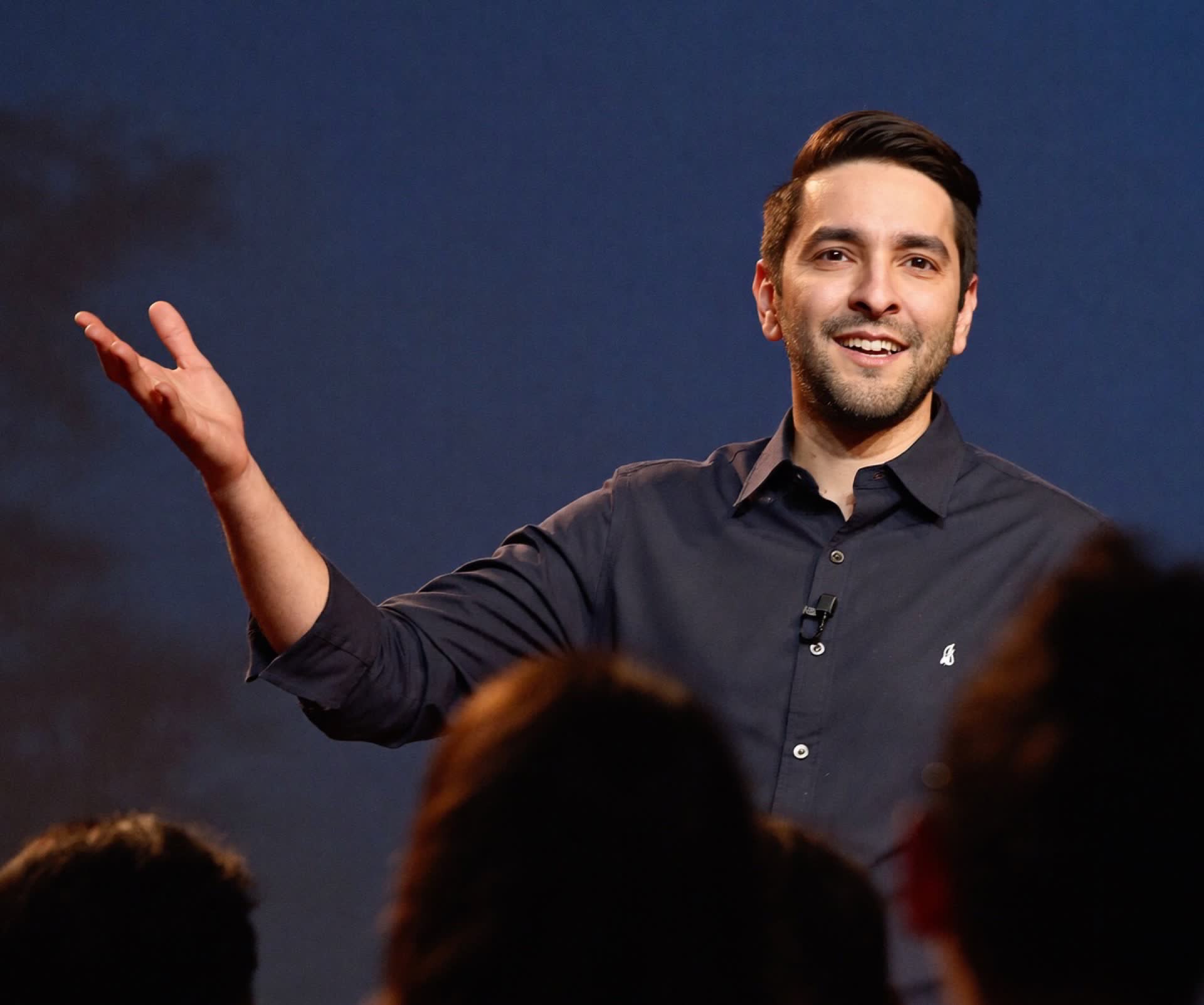
For the 200th episode and Season 2 finale, clinical psychologist Ali returns to the show to talk about building a practice in a field Pakistan barely recognises, the neuromarketing work he is doing inside Icon Seven, why forensic psychology has no home here yet, and the case against black-and-white thinking.
with Ali
12 min read
A return, a milestone, and the shape of the conversation
The episode opens with Muzamil welcoming Ali back to the show after almost a full year away, and noting two things in the same breath: this is the 200th episode of Thought Behind Things, and it is the last one of Season 2. Ali was on the show in the early days, when the operation was small. He is back now to a full team, a built-out office, and a sister channel — Pakistan Cars — that he tells Muzamil he has been watching and enjoying.
The framing is deliberate. Where their earlier conversations had stayed close to psychology as a subject, Muzamil tells Ali he wants to do something different this time: to explore Ali himself — the path, the decisions, the work — rather than the field in the abstract. The 200th episode is, in effect, an interview with someone who has watched the show grow from the inside.
How a pre-engineering student ended up in clinical psychology
Ali’s route into psychology is not a story of a calling identified in childhood. He had taken pre-engineering in matric. Engineering and medicine, as he puts it bluntly, were “not for me.” The turn happened on a bus in 2012, on the way back from Lahore, when a cousin handed him a copy of Will Durant’s The Story of Philosophy. He had no reading habit at that point. He read it because he had nothing else to do. The theories of mind from the ancient Greeks held him in a way nothing in his syllabus had.
A television show — The Mentalist — pushed the interest further. He was less interested in the plot than in the protagonist’s reading of human behaviour. Some personal reasons sat behind the pull as well, which he does not name in detail. At the start of his second year, he stopped engineering.
The decision was not socially easy. “As a male, people look at you and they say, why are you going into psychology?” he tells Muzamil. The field is heavily gendered in Pakistan, and is not seen as a place where a man can make what he calls “a livable income.” Ali’s response, then and now, is the same. He did not care. He convinced his mother, started a bachelor’s in social sciences, majored in psychology, and went on to do an MS in clinical psychology at NUST, graduating in 2019.
A toddler discipline with no regulatory floor
Ali is direct about the state of the profession he has entered. “Psychology is definitely a very underdeveloped discipline in Pakistan,” he says. The few jobs that exist — in the police, the army, the air force, the navy, in government — pay very little. There is no licensing regime worth the name. “By law in Pakistan, unfortunately, nothing is regulated,” he says. A new graduate could, legally, start taking fifty patients a week the day after their viva. The only thing stopping them is their own ethics.
His own start was deliberately constrained. He took clients online at first, under the supervision of a senior clinical psychologist, then rented a room. He still does not practise more than a couple of days a week, because, in his own framing, the competencies are still being built and psychotherapy is emotionally taxing work that should not be done at volume from day one. The first clients came through his Instagram platform, Mental Health with Ali, where he had been writing posts not as marketing but because he thought they might be useful. A few of those posts got shared. The referrals followed.
Later in the discussion, Muzamil presses him on the money question — how comfortable, really, has it turned out to be? Ali is careful. He is happy with where he is. He had a number in his head, the kind of number any unmarried man in Pakistan carries around as a social benchmark, and he is past it. But he is also clear that he did not plan his way there. “I didn’t have a very good idea of how I would get there,” he says. “I worked hard from my side, and then I’ve been very pleasantly surprised in many ways as well.”
The two skills that compounded
Asked to look back and name what worked, Ali names two things. “One is, which I mention everywhere, reading. And the other is the ability to communicate verbally.”
The framing he gives the second one is worth pausing on. “This might be the first time in human history in which the spoken word has as much reach, or more reach, than the written word.” Podcasts, lectures, live sessions, training rooms — these are now the surfaces on which a psychologist becomes findable. He notes that the work he is doing for Icon Seven traces directly back to a podcast he did on this very show, on anchoring, which a friend showed to the company’s founder. That meeting, in turn, led to four months of consulting and counting.
Muzamil draws the chain out for him: the Icon Seven work would not have happened without the podcast; the podcast would not have happened without Muzamil’s own producer, Asad, who found Ali on Instagram, where he was running live videos. Reading and speaking were the inputs. Luck routed them.
Interdisciplinary work, and the one-pixel problem
Towards the end of his master’s, Ali began to find his way into something he did not have a name for at first. He started reading outside psychology — religious history, sociology, anthropology, biology, politics. Friends would tease him about always saying “the field is vast, the field is vast.” But the underlying intuition hardened into a position.
“If you’re looking at it just from psychology, you’re just getting one pixel of the whole image,” he says. “For another pixel to fit in, you have to understand the sociology of it. And then the biology of it. And then the politics of it.” Clinical psychology, he reminds Muzamil, is one of close to a hundred sub-disciplines inside psychology itself. There is marketing psychology, consumer psychology, forensic psychology, health psychology, psychophysics, ergonomics. The discipline is far wider than the one room — the therapist’s office — that most people associate with it.
The word he uses for the practice of holding several lenses at once is integrative complexity. He gave a TEDx talk at the University of Florida on the idea this past year. It is also the through-line that connects almost everything he is now doing outside his clinical practice.
Neuromarketing and the consumer who does not know
One of those things is the work at Icon Seven. The brief, as he describes it, is to use neuromarketing and consumer psychology research to inform branding, focus groups, and experimental method. Neuromarketing itself, he explains, is interdisciplinary by construction: psychology, neuroscience, marketing, and behavioural economics, brought together to understand consumer behaviour through more than one lens at a time.
He walks Muzamil through the toolkit. EEGs that measure brain activity. Pupilometry that measures pupil dilation. He cites a 2011 Hyundai study in which fifteen participants were placed in EEG machines and their brain responses to different parts of a car’s exterior were measured, with the resulting data feeding back into the design itself. Pakistan, he is clear, does not yet have most of this equipment. A pupilometer is on the wishlist because it is cheaper. The work he is doing is closer to “psychologically aware marketing” than to lab-grade neuroscience.
A second example — and one that lands cleanly — concerns scent. Scent, he tells Muzamil, can lift a single customer’s spending in a restaurant by roughly thirteen percent. In 2008, Starbucks stopped selling sandwiches for about six months because the aroma was interfering with the aroma of the coffee; the move, if he remembers the numbers correctly, lifted coffee sales by 300 percent. He also explains menu re-engineering — the “golden triangle” of where the eye lands first, the bias toward the first two items in a section, the way the last item in a section pulls attention back.
The framing he uses to distinguish the field from conventional marketing is the cleanest sentence he says all hour. “Neuromarketing does not assume that the customer knows why they want what they want.” Conventional marketing asks the consumer to explain themselves. Neuromarketing assumes the explanation is unavailable, and tries to read the behaviour directly.
Forensic psychology, and a field that does not yet exist
The other direction Ali has moved into is forensic psychology — psychology in relation to the courts, the police, the prisons, the judiciary. He is careful to clarify that he is not himself a forensic psychologist; his master’s research was in the area, but the specialty itself does not yet exist in Pakistan as a trained field. He and Dr Fawad Kaiser, a forensic psychiatrist, have established an organisation — Kaiser Psyched International — to begin the slow work of building it: mental health training inside prisons, the police, the judiciary, and university psych departments. He estimates it will take at least ten to fifteen years before the field is recognisable.
Muzamil presses him on the legal side. Where does an insanity plea sit in Pakistani law? Ali walks through it carefully. Anyone can make the plea. A board of psychiatrists is then convened to assess whether the person was, in the legal sense, out of touch with reality at the time of the crime. The problem is that Pakistan does not have forensic specialists to sit on those boards; the people who do is typically generalists, or psychiatrists who happen to work in large government institutions. A psychiatrist in an outpatient clinic, he notes, is a very different professional from one trained to assess violence inside a prison. The specialty matters, and the specialty does not yet exist.
Black-and-white thinking and the case against one truth
The conversation’s most pointed turn comes when Ali links integrative complexity to the work being done globally on violent extremism. People who move towards extremist views, he says, tend to show a documented pattern of black-and-white thinking — all-or-nothing reasoning, this is the right person and that is the wrong one, this is the truth and that is the lie. “My truth is the truth, and your truth is just —” Muzamil completes the thought, and Ali agrees.
Black-and-white thinking is not the only driver of violent extremism — Ali is careful to flag the structural factors, the economics, the politics — but at the individual level it is one of the strongest indicators. The intervention, the research suggests, is to build integrative complexity in the person doing the thinking. A useful side effect of doing that, he notes, is that you become much more willing to be wrong. “And I think that that is at the bottom of all learning.”
Muzamil takes the point and pushes it outwards. He has been watching the rise in polarisation inside Pakistan — religious, political, gendered — and is struck by how little of the analysis of it is being done by psychologists, sociologists, or anthropologists. Journalists do it. Economists do it. Computer-science majors do it. The discipline best equipped to understand why people think the way they do is barely in the room. Ali’s response is that the analysis is happening, but in small pockets, often unreported, and often hampered by the fact that the relevant research requires cooperation from state institutions that have very little incentive to engage.
The weirdest people in the world
Ali walks Muzamil through one of his favourite citations. In 2010 the psychologist Joseph Henrich published a paper titled The Weirdest People in the World. WEIRD is an acronym — Western, Educated, Industrialized, Rich, Democratic. The paper’s finding was that roughly eighty percent of psychology’s research base, at the time, came from populations that fit that description. “After that, it was like a slap across the face of social sciences and psychology in particular,” Ali says.
The implication for Pakistan is straightforward. Borrowed studies do not describe a society whose structures, economics, politics, and sociology are different. Indigenous research is not a nice-to-have; it is the only way the discipline becomes useful here. And until researchers have more incentive to do it, and government has more openness to using it, the field will keep guessing. Ali is hopeful but unsentimental about the timeline. Worldwide, psychology is a teenager. In Pakistan, he says, “we’re a toddler right now.”
What he hopes Pakistan looks like in 2050
Muzamil asks the question he now asks every guest. Thirty years from now, late fifties, peak of career — what does Ali hope Pakistan looks like? The answer is small and exact. He hopes policy will be informed by research. Not by public opinion. Not by the views of whoever happens to be drafting the policy. Not by political agenda. He is thinking specifically about public health, where he has seen pockets of innovative, data-driven work — the smart-lockdown response to COVID is the example he gives — and where he believes the country can plausibly improve in the next three decades.
By the end of the conversation, Muzamil thanks Ali, thanks the audience, and signs off the season. The team is taking the show on the road — Lahore, Karachi, Sialkot, Faisalabad — while the Season 3 studio is built. “Build in silence,” in a sense, before the season returns loud. Two hundred episodes in, the show is still doing what it set out to do: pulling careful thinkers into long conversations and giving them the time to follow the argument all the way through.
Full transcript
चौधरी हाबदीका सौ रात welcome back to another episode of ThoughtBandThings. आज हमारे साथ Actually four others भी हैं तो उनका भी मैं नाम यहां पर special mention करना चाहूंगा. अच्छा नहीं वह दूसरे. So, आवेज़, आरव साहब आपकी मेहनत रंग ले आई. अलील याद साहब हमारे साथ finally after almost an entire year मौजूद है. Sir, thank you so much for being back on the show. Thank you for the invite. And, yeah, I guess thank you to the people who signed the petition too. This is a very very very important episode. Also, as you guys can probably see in the number as well, this is our two hundredth episode. This is the last episode of season two. It's been 200 episodes since we started this, and, you know, Ali was there in the start, and Ali is here. After it has grown, so
much. Ali, you know, how does he feel to be back? It's nice. It's it's really interesting to see how everything has grown. क्योंकि मैं जब था तो it was very different. Yeah, very small. हां, तो you have a whole team, a whole office. वहां पर Pakistan और का कुछ चल रहा है which is also great work by the way. Thank you. I was watching the videos. They're really really good. Yeah. Thank Very nice.
So let's start, with the conversation. थोड़ा सा I'm differently करेंगे. Generally, I'm psychology की बात करता है. But really, this time I wanted to sort of explore you as well, and and and try to understand because you are a... Can I call you a psychologist? Yeah.
क्या what's the demarcation by the way? I have an MS in clinical psychology and I practice as a psychotherapist. But I'm I'm a psychologist and a psychotherapist.
Yeah. Yeah. So how does one get into it in terms of, you know, आप high school में थे, कहां से किया और और और क्या thought process था कि उस time के ऊपर you decided कि I feel like I want to do psychology?
So मैंने metric का physique है. Right. And उस time में engineering, medicine, not for me. And what year is this? This is 02/2013, summer summer during that time. And really 2012 के अंदर, मैं लोहर में डेढ़ उस वापस आ रहा था. And my cousin gave me a book उसका नाम था The Story of Philosophy by Will Durant. तब तक मेरा कोई reading का habit नहीं था. बचपन में, teenage में, even, really towards my late teens जाकर मैंने develop करना शुरू किया. And the story philosophy में basically philosophy के एक outline थी, western philosophy in particular. तो I started reading that, on the bus I had nothing else to do and मुझे बहुत interesting लगी. I particularly found, the theories of mind from the ancient Greek philosophers to be very interesting. मैंने कहा, this is interesting. उसके साथ साथ there was a show called The Mentalist. I don't know if Yeah, yeah, What a great show. I mean, storyline ठीक थी लेकिन it was just every episode वह जो चीज़ें कह रहा था, his understanding of human behavior मुझे वह चीज़ इतनी intriguing लगी. And then, you know, for some personal reasons as well, I I just became very attractive towards the field. And, second year के शुरू में super thorazada पर ना शुरू किया. And, obviously, it was a little difficult taking the decision because, well, as a as a male, people look at you and they say तुम psychology में क्यों जा रहे हो? You know, हुआ तीन की feel हो रही है वह, which, I don't understand why that's a bad thing. But मतलब एक तो बहुत gendered field है उस लिहाज से, and then it's not really seen as a place where you can make a livable income and things like that. Yeah, I mean, like, वह होता है scope नहीं उसका apparently.
So, वह चीज़ आपने उस time सोची नहीं थी क्या यह psychology? I didn't care. I
I मुझे यह था कि, you know, you know, I don't really exactly come from very rich background or anything like that. तो मुझे यह था कि this is what I want to do. I don't know कि मैंने आगे कैसे करना है? क्या करना है? रास्ता क्या है? I just know I want to do it. Right. तो I decided that second year के अंदर की तरफ़ and because I was miserable with pre engineering and I just decided कि इसे मेरा interest नहीं है. And eventually I convinced my mother. Started my bachelor's in social sciences, the master's in I was a major in psychology. और कहां से? साबिस्तामाबाद. Right. And then I applied for a master's in clinical psychology at नष्ट. अच्छा, how was your bachelor's in social sciences? Because you went from engineering to this sort of humanities की field ना? Yeah yeah, social sciences was great. मैंने actually बहुत ज़्यादा enjoy किया था. I think bachelor's में the most useful thing I did was pretty much building a habit of self education and, reading. क्योंकि यही चीज़ है जिन्होंने मुझे I I would say, everything that I'm experiencing right now in large part is because I built the habit of reading and writing. उन चीज़ों से मुझे बहुत फ़ायदा हुआ. ज़्यादा से मेरे पास उन चीज़ों का time था. एक freedom ज़्यादा था in terms of exploration.
Mhmm.
Intellectually. उस चीज़ का मुझे बहुत मज़ा आया. But really I would say जो मेरी proper intellectual development हुई है वह नष्ट के अंदर when I started my master's. And you you did you did the master's immediately after graduating या कुछ और साहब ने? Immediately. That was also, मतलब obviously bachelor's scan पर आपको बहुत परेशानी होती होगा और social sciences की degree कर लिया. Ok, now what? I knew I still wanted to do pursue clinical psychology. वह तो मुझे पता था. तो I just, नस्त was the only place I applied to and it it worked out. Luckily अलहम्दलाह. And then नस्त, I mean, I had a very interesting intellectual experience and that just really really shaped and molded me. Yeah? Right. Overall, मतलब नस्त के अंदर जो है आपका
how's the program at नस्त? By the way, master's है या bachelor's B? अब I think bachelor's भी चल रहा I, bachelor's
अभी चल रहा है. So I actually really enjoyed my program at नष्ट, क्योंकि, particularly जो head of department थी उधर at the time, she's the team now, doctor Salma Siddihi. I, you know, she she she was my research supervisor as well. I I learned a lot. Ethics - unknown - बहुत important training PMM because, that's one of the most important areas of any sort of psychotherapeutic practice. तो I I love it but, there will be many people who will tell you that they don't. That's really dependent on, you know, your personal views. आप क्या चाहते आप क्या नहीं चाहते. मेरा experience सिर्फ़ नस्त करा है. Obviously, you know, I haven't done my masters from a bunch of other universities. तो I can just say that I actually really enjoyed my time at नष्ट. अच्छा. Because मुझे I know someone who's who's she's in high school and she's interested in psychology. And she was like, यार मैंने Pakistan से ही नहीं करना. मैं England से ही करूंगी because Pakistan में पता नहीं. You know, बस एक generally for most degrees, it's just like a degree, बस यह पढ़ाओ और आगे जाओ and it's not really sort of तो I think What would you recommend? I mean, I get this question a lot और I the reason that I can't say because I haven't done a bachelor's or a master's from abroad तो. Right. मैं यह भी नहीं कह सकता. It's obviously better क्योंकि हमारा एक colonial mindset भी है ना कि obviously अगर आप भाईजा की degree करोगे तो बेहतर होगी. And if you want to do anything worth having in life, you have to do a degree from abroad. क्योंकि I remember bachelor's के बाद तो एक curator से होती है नहीं यार masters बाहर से बाहर से करना है बाहर से करना है. And if you end up doing it over here, you sort of feel like you're a failure. हां, रह गया यार. हां, वह वह colonial mindset तो अभी भी exist करता है. तो, for me, I I really think कि, of course, university की quality of education matter करती है. But even if you're at the best university or the best quality of education, अगर आपके अंदर ख़ुद एक self education की drive नहीं है, there's not much you can do. 100%. I think that's that's true for any degree. Absolutely.
You know, university आपको कुछ fundamental structures दे सकती है but आपने जो बनना है ना आगे, वह आपके अपने ऊपर है कि आप ना carve out किस तरह से करते हैं? Exactly. That way. So you graduated with a masters in clinical psychology from NUST in 2006.
'19. '19. Yeah, recently. अच्छा. Yeah yeah. And you started working after that? Yeah, under the supervision of a senior clinical psychologist. And yeah, so I'm I'm in my third year of practice and doing a bunch of other things as well that I'm sure we're gonna get into. But yeah. When you immediately graduated, what was the job prospect like? Like, आपने बंदा ढूंढा, उसके साथ का किसी में training कर लूं या क्या? What purpose? नहीं, the way that sort of goes is कि अगर आपने privately practice शुरू करनी है, right after masters, obviously आपके अंदर इतनी competency नहीं होती. अभी भी I'm building so many competencies. You have to start practicing under the supervision of a senior psychologist. Is there, like, something by law or by I mean, by law तो Pakistan unfortunately कुछ भी नहीं. कुछ भी regulated नहीं है. It's an ethical obligation. Right. But, I mean, legally though speaking, you you can start immediately after start taking 50 patients a week or कोई masternia because there's no one to, sort of tell you what that this is right or this is wrong or enforce your practice. तो this is just more of an ethical obligation that I think anyone who takes their work seriously,
has towards the field. Right? Yeah. So you started working with the with the, like, hard work to apply?
No. No. You don't need someone. I I I rented out a space, and, under supervision where we basically... Supervision may otay que you, take different cases that you have and you discuss them with your supervisor. They provide you, direction in various manners. Work here. उसके साथ साथ, I started doing trainings here and there. That really picked up. On trainings, went to a bunch of different places, from Unilever to MERS to PTCL. There are I give, different trainings in relation to mental health at a bunch of different places. And how did that sort of come about? Because you're new in the field. Yeah. You don't know anyone, and suddenly you're like, hey, listen. Like, I'm gonna train you guys in terms of mental health. Did they reach out? Did you begin to? I reached out to a few. A few reached out to me, and then mehjab podcast kooper आया. That was actually really helpful. I didn't expect it at all, queunque, well, I mean, you never expect things like that to happen, right? But I guess के Podcast Cooper, I did 12 episodes with you and people, I guess that seemed to really appeal to some people and they reached out to me कि, you know, you've a a training here, training there. Then I gave a few. I'm I still do those every now and then. It's not something I'm very active in, but every now and then I'll अभी I'm I'm discussing with the with the school right now. So every now and then there's a different project coming up. Sometimes if I have the time, I'll just do that as well. Right. This is very interesting कि आपने
so कितनी दफ़ा आपके दिमाग़ में यह thought आई कि यार इससे पैसे बनाना तो बड़ा मुश्किल काम लग रहा है. You know, you graduated. आपने जब start किया तो पहली चीज़ आपकी you invested essentially because you had to rent a place and you didn't know कि अभी बंदा आएगा भी और क्या नहीं आएगा? Yep. Right? So, were you just like कि यार यह चीज़ मैंने करनी करनी है, मुझे इसमें आनी है. Like, why don't you decide कि काफ़ी मुझे psychologists message करते हैं कि यार नौकरियां नहीं है. You didn't go for a नौकरी. हां और वह सही कहते हैं और जो नौकरियां हैं वह,
they're they're very very low paying. अच्छा. So, you have to innovate a bit. You have to decide कि आपने किस direction में जाना है, how you're going to go out there, put yourself in the market. Look, psychology is definitely a very underdeveloped discipline in Pakistan. You have very limited options. Lot of people वह stability ढूंढते हैं in government jobs, or, you know, in the army, air force, navy because they hire psychologists, police and stuff like that. That's all great. But, I I have a passion for this field, I wanted to truly grow in different directions, branch out in as many places it can go. And, that's currently why I'm doing a bunch of different things that I'm doing, which I'll, get into, with you in a bit. But definitely, oh, खयाल, I had to say. But I think that's just something that I had to push through. I definitely did not know कि हां, it will happen, it will work out. I'm very blessed in that way. मतलब I'm I'm not going to sit here and say कि I did all of this और मेरी इस मेहनत और इस मेहनत सब सब कुछ मिल रहा There was a lot of luck involved. Yeah, luck, मेहनत होती होती है. हां, definitely. Luck and karma and and and vision and वो चीज़ें जो है ना, I feel like God rewards them as well one way or the other. But there's that famous quote that, luck is when opportunity meets hard work. Yeah. So I'm not taking that wrong. But that's what it is. Know, I of course I I did, work hard at it, but I was also very lucky in many ways. For example, you reaching out to me was absolute luck. Yeah.
आसिद, doctor साहब. Yeah yeah yeah. I remember you were here and असत was here and I came in and I was like असत अच्छा क्या scene है? And that was when I found out कि असत पहली थी वह आपसे मिले and I was like यार. Yeah.
Was very nice from you. Represent. थोड़ा सा again मैं थोड़ा सा इस कंध्र जाना हूं because it's very fascinating for me. आपने वह clinic बना ली. आपके पास कोई बंदे थे already? उससे पहले आप कोई लोग ले रहे थे patients? How did they first people through the door? मेरा जो platform है mental health with अली I'm not very active on it anymore छह सात महीनों हो गया but basically अब वहां पर I just sort of started putting up posts not to get business. I because I didn't think, you know, I I didn't know much about growing a page or something like that. But the posts I was putting up seemed to be helpful to, some people that started getting shares and everything. Eventually कुछ लोगों मेरे बारे में पता चला and then I started getting a few clients. I esta, esta. And
So the clients came first and then the rental place. No no no. The rental place came first. Yeah, of course. And that's when you so rental place में आप जा रहे हो ना आप No सारे no, so online शुरू, I started off online. ठीक है. So I didn't have to rent. I was just taking clients online,
under supervision once again because that's very important. But once I started doing that, तो I started developing, you know, through referrals and, people who had worked with me, and they started referring other people. Referral system setup setup. And
then obviously once you had the space and you were doing all of that Yep. For you, that wasn't enough, it seems like. And and Intellectually. Intellectually. Right? So why, a, why was that? And and and, b, then what was the next step? And this is a thing that I have, like, I'm doing now in, x amount of hours in a week. But I need to sort of expand out of it. What was that like? Mhmm. एक तो,
I I don't practice more than just a couple of days a week because, it's not recommended k aap शुरू करते ही you're doing psychotherapy throughout the week. It's it's very emotionally taxing work and it's, difficult and competencies build करनी होती है. So there's a certain amount of patients or clients that you should be taking at the start. But outside of that, I have a... I'm a very curious person intellectually. I like to read about a lot of different things, from religious history to sociology through anthropology to, obviously, psychology main aspect. But about, three years ago towards the end of my masters, I started developing a real interest in interdisciplinary work. Okay. I came across this, For the sake of those who just, you know, shoof, करके गुज़रा है. थोड़ा सा explain. Interdisciplinary work का basically मतलब यह है कि ऐसा research इसमें different disciplines एक साथ काम करें. So psychologists are working with anthropologists, psychologists are working with doctors for research, psychologists are working with marketeers, psychologists are working with criminologists. तो interdisciplinary meaning multiple disciplines coming in together and doing different research work. मैंने super जब और पढ़ना शुरू किया तो I started realizing that, एक second, this feel is far more vast than just psychotherapy and clinical psychology. And over time, मेरे दोस्तों ने मुझे जाकर आना शुरू कर दिया because I I would often say vast feel है, vast feel है. तो वह फिर बैठा होता तुमके साथ तेरे just, they're just say, oh, हां, तुम्हारी feel तो बहुत vast, you know? तो वह तो शुरू हो ही गया. But I actually started developing real interest कि आप चीज़ों को different field के perspectives और lenses से किस तरह देख सकते हो. Because if you're looking at it from Jess's psychology, you're just getting, you know, sort of one pixel of the whole image and another for another pixel to fit in, you have to understand sociology of it. Yeah. And then the biology of it. Yeah. And then the politics of it. Then Like like generally psychology जो आप दिमाग़ में आता है, तो you're just thinking कि यार अच्छा mental health and and and and a very particular segment that is that that may be going through some sort of a mental illness and they're the only ones who have touch point with psychologist but that's not necessarily true. हां, अब clinical psychology is one of maybe close to a 100 sub disciplines of within psychology. You have marketing psychology, you have consumer psychology, you have forensic psychology, you have health psychology, you you have, you even have, there's some really interesting fields, जिसमें ergonomics आ जाती हैं, psychophysics
which is how the human mind interacts with different physical stimuli. तो it's so, it's so vast. I mean, at the end of the it's human mind, right? Like, every aspect of everything that you're dealing with has something to do with psychology in the way that you perceive it essentially. Yeah. उसमें फिर, you know, you started exploring that, I know that you then got interested in a couple of those fields. What were those? And and and why were those two fields more important than the rest? Well, एक तो,
forensic psychology, जिसकी we've even established an organization, KPMI, Kaiser SiteMed International, and hopefully you'll get to speak to Dr. फ़ौबाद Kaiser about that a lot more. That was important because मेरा bachelor's के अंदर यह एक बहुत special interest develop हो गया था, forensic के अंदर. We, Forensic से मराठ क्या? Forensic psychology is essentially, इसकी एक बहुत umbrella definition है because इसके अंदर बहुत कच्चाता है but it's essentially, psychology in relation to the judiciary and the courts and the police and the prisons. इन sectors के अंदर जब psychologist काम करते हैं चाहे वह practice हो या वह research हो तो वह forensic psychology के अंदर आता है. ठीक हो गया. It's a field that doesn't exist in Pakistan.
Criminal psychology and forensic psychology same होगी या तो Slightly different. There there's, slight differences.
But once again, yeh definitions जो हैं, yeh काफ़ी loser vague होती हैं. But there are slight differences. Forensic psychologist might work, for example, on eyewitness testimony and judiciary and courts and stuff like that. Criminal psychologist will work in relation to crime in particular. तो वो थोड़ा सा ज़्यादा नेहरा हो जाता. तो it is different in that way. तो I'm I'm not a forensic psychologist. मेरा area of interest and area of, research at the end of my, masters was forensic psychology. I reached out to doctor फवाद केसर who is a brilliant forensic psychiatrist and a consultant psychiatrist as well. And, Aysta Aysta And he's based out of The UK? He comes and goes between UK and Pakistan. And, he reached out to me earlier this year saying que this is something he wants to do and I was very interested in it. So we established it and the purpose of it is to provide mental health training to prisons, police, judiciary and different psych departments across universities. तो एक दोस्तों बहुत ज़्यादा interest create हुआ, and that's something that we plan on taking further. It's gonna, I I can't imagine, it will take at least ten to fifteen years for that to develop. Forensic psychology develop हो रही है Pakistan में. पिछले two years में आपने कुछ growth देख किया because now you have different diplomas being offered. For forensic psychology, different psychologist and psychiatrist. उसके साथ साथ the other one that, we I started working on more just by chance. So, हमने एक anchoring का episode किया था. Right. Do remember? Right. So, anchoring का जो हमने episode किया तो apparently I I so I have this friend फरह. She works at Icon seven with श्रेयान
who I believe you also spoke to. Yeah, we we just released that episode a few few weeks ago. Yeah. So,
फ़राह and शियान were speaking and फ़राह brought me up and, she showed, I think, maybe that podcast or my profile to शियान. शियान found it very interesting. And शियान set up a meeting. मैं मैंने कहा, सही है. चला जाता हूं. I had no idea what the purpose of the meeting was. Right. It was really interesting. I go and I sit down there और मैं full formula ok गया था and शिहान's a very casual guy. तो I just sat down और मैंने कहा, you know, I don't really know what the purpose of this meeting is. And he says, neither do I. मैंने कहा great, ok so what are we doing? And then हमने कोई डेढ़ दो घंटे we just shot ideas off of the wall and it was a very interesting conversation because श्यान जो है वह एक बहुत open minded बंदा है. He loves tricks. I mean he's probably as curious as you are, right? And that's the Definitely, interesting if not more, I would say. तो he I would तो, you know, we had a really interesting conversation. दो तीन और conversations हुई. And then, eventually, I started consulting for Icon seven. I've been consulting with him for about four months now. And in what space? So, this is where it gets a little, tricky. Essentially, I'm doing I'm using a lot of neuromarketing in consumer psychology research to help in their, pretty much a lot of things, from their branding to focus groups to, establishing, well, experimental methods essentially to optimize the way that they market things. And it's very interesting. Neuromarketing, what does that mean? Neuromarketing भी एक interdisciplinary field है. जिसके अंदर psychology आती है, neuroscience आती है, marketing आती है, behavioral economics आती है. उन वो सारे disciplines when they come together and they try to understand consumer behavior through all of these different disciplines तो वो सब कुछ neuroscience के अंदर आता है. अब for example, neuroscience की बहुत techniques use होती हैं. EEG, electroencephalgram, pupilometry जिसमें आपकी pupil dilation measure की जाती है. EEG में आपकी brain activity measure की जाती है. तो अब for example in 2011 Hyundai, Honda Hyundai. हां. They essentially did the study where I think it had 15 participants, men and women. And उनको उन्होंने EEG के अंदर डाला. They they put the EEG machines on them and they tested just how the brain is responding to focusing on different aspects of the car. And based on that, they decided to change the external design of the car in 2011. Right. So that's that's new that's neuromarketing. Right. You know? So, neuromarketing is also a developing field across the world. तो I'm using we don't have the,
equipment. Obviously,
a pupilometer, we're we're trying to get because that's still cheaper equipment. But, over here, Pakistan, infrastructure to be able to do newer marketing like that. But even just more, psychologically aware marketing, I think that that's something that we've been really trying to develop. And what I love about, Cheyenne and the way that they work in that organization is that they're so open to experimentation.
Mhmm.
Blocks of course हम लोग बहुत face करते हैं क्योंकि Pakistan में जो थोड़ा marketing की जाती है. People are very set in the way they want to do it. मतलब from what I've read so far in your marketing and then the marketing that I see, I mean, course, we have some brilliant marketeers and some brilliant marketing. But lot of it is कि हमारा product, look at it. Yeah. You know, they shove it in your face, which can be very, very irritating to any consumer. तो, basically the work that we're trying to do here is कि हम experimental three going to say using all of these different behavioral insights. We want to do something different. We don't want to be doing the same marketing that everyone else. Like what what makes you turn around and say कि यार यह क्या ad लगा हुआ है या what makes you if you're you're watching a YouTube ad, आप skip ad हमेशा करते हैं but sometimes
in the first three seconds you are distracting अच्छा नहीं एक screen रख देख लेते हैं क्या है पूरा का पूरा. Yeah. And and and वह consumer behavior का direct impact है ना कि वह क्या consumer किस तरह से क्या चीज़ देखना चाह रहा है तो उसके हिसाब से आप उसको रोक सकते हो. Exactly exactly and उसमें इतने different elements आते हैं. अभी today I was just working on,
I was reengineering a menu. मैं मैं समझाता हूं उसका मतलब क्या है. So, reengineering का concept है जिसके अंदर psychology of design and a few other things that are involved in it. For example, there's this thing called the golden triangle. Mhmm. You tend to look at the center of a menu, top right top left eye eye tracking technology they found this thing they call the golden circle. And then people tend to order the first two items on a menu. And then the last item, on a particular section of the menu. Yeh, सिर्फ़ दो चीज़ें. There's tens of more things like this that you can do, to engineer a menu, to nudge people, to, buy certain products more, buy certain products. Life people have done this a lot to try and move people towards healthier eating decisions. Mhmm. You know, again, it's a it's a blooming field. इसमें बहुत कुछ आता And then the design of the restaurant, for example, scent is something that, if I remember the numbers correctly, can increase a single customer's spending by approximately 13%. So, for example, in 2008, Starbucks did this really interesting thing कि उन्होंने 2008 के अंदर, they stopped selling sandwiches for about six months because the aroma of the sandwiches was interfering with the aroma of the coffee. If And I remember this correctly, that increased the sales of the coffee by 300%. अच्छा. So, this is through understanding of human physiology. Yeah. This is not just through understanding कि हमारे ख्याल से हमारे consumers दिए जाते हैं. The main difference between marketing and the concept neuromarketing tries to bring in is, neuromarketing does not assume that the customer knows why they want what they want. Right. एक तो consumer जो है वह आपको बताएगा why they think what they want is what they want. Mhmm. But neuromarketing actually helps you understand why they may be wanting what they want. तो the idea is कि consumers are not sure of why they want what they want and then neuromarketing attempts to tap into that. Right. To optimize marketing. Right right right right. Yeah. Do you think Pakistan में यह और हो रही है? Not to my awareness. I hope होना शुरू हो जाए, would be great. I I I think कि if this takes off, if what we're doing takes off, it there will be more of it over the next few years. I would imagine Pakistan में consumer psych, babelectomics, यह चीज़ें जो हैं, यह आपके minor courses होते हैं universities के अंदर. But there's no, you know, specialized reason. Correct, because implementation
site के ऊपर भी इतना ज़्यादा कम. Not not to my awareness. And
again, we, people don't want to roam out into, areas that have... That they've never walked on before, right? It's like all this, but that's also how you get a feel to develop. Or in सारी चीज़ों के ऊपर, actually, underneath, एक concept है and this is the reason that I like to venture into different areas. इसको कहता है integrative complexity. Mhmm mhmm. मैं ज़्यादा इसको jargon use करूंगा. Basically, idea यह है कि अगर आप एक चीज़ को multiple perspective से देखने की कोशिश करें, चाहे आप different fields के perspective से देख रहे हैं, just various perspectives, तो you can understand any problem in a much much better manner. अगर आप एक economist हैं और आप एक problem को सिर्फ़ economic perspective से देख रहे हैं, your perspective is limited. अगर आप एक psychologist हैं, आप एक problem को सिर्फ़ psychological perspective से देख रहे हैं, it's limited. If you are in biology or you're a doctor and you're only looking at it from a medical perspective, it's limited. For example, vaccines वन गए, right? It's no longer a medical problem to get people to take them. Right. Now that's a psychological question. It's a sociological question. तो आपने various perspectives से देखना है. Integrative, I actually, I was lucky enough to be able to do a TEDx talk this year and What is TEDx Islamic University I believe? TEDx, University of Florida. University of Florida, right. And मैंने इसी चीज़ के बारे में बात की because this is actually something I'm very passionate about and interestingly जब आप your ability to do this, your ability to think in an integrative manner with complexity जब आप black and white से भाई निकलकर grace को explore करनी कोशिश करते and this is something that they're also using to reduce violent extremism. So a lot of the work that they do to Let's expand on this. Like, I'm really interested now. Yeah. So a lot of the people who move towards, extremist views, उनके अंदर you see something that we call black and white thinking, all or nothing. Right. This is a good person, this is a bad person. This is the right thing to do, this is the wrong thing to do. यह सही है, यह ग़लत है. Uh-huh. You know, stuff like that. That's black and white thinking. जिसमें आप किसी चीज़ के nuances, कई grey areas को बिल्कुल Ignore करते ignore करते हैं देख नहीं सकते. My truth is the truth and your truth is just Exactly exactly. So, a lot of people who move towards violent extremism in particular, they lack integrative complexity. यह जो एक psychological constructor. तो what a lot of people will try to do and एक तो there's of course the structural factors that lead to violent extremism, right? The economics of it, the politics of it. All of that is just as important. But कुछ individual level के ऊपर भी variables होते उनमें से एक बहुत strong indicator जो होता है of something that can lead someone towards more violent extremism is black and white thinking. Okay. And the answer to helping someone come out of black and white thinking is to help them build integrative complexity. So there's different studies on this now, que integrative complexity give you a relationship with violent extremism. That is exactly what I am sort of pushing for when I'm going into these different fields and saying कि let's can we please try and look at this from slightly different perspectives? Yeah. You know, and you one of the great things about developing integrated complexity is you become very open to being wrong. And I think that that is at the bottom of all learning. Yeah. Because in order to learn, anything that you want to improve in, you have to be very willing to lose and be wrong and all of those things. And I'll learn a lot of what you've learned really. Yeah.
So we've talked about the the the marketing and sort of consumer behavior side of psychology and that you're working on. But उससे पहले आपने mention किया था forensic, psychology. Right? I feel like कि वह, because क्योंकि consumer psychology in itself is huge but it's generally has a lot to do with buying patterns and and and and generally Pakistan में ना I don't know we have this anti capitalist वह कि जब buying की बात आती है तो it's like, oh my god, उसको थोड़ा सा थोड़ी देखकर side पर रखें. Forensic side के ऊपर, पहले मुझे यह बताएं कि what are all the the all the different areas that that you are interested in and have worked in?
So, the only research I've done, so far has been in the area of prisons. And the areas that we as an organisation now are very interested in are prisons and police and judiciary and then psychiatry and psychology departments in different universities and medical universities. Those are the areas we're interested in right now. And मतलब उसमें what sort of, like, what? Mental health training. So, that would be something that the specialist that we have on board, like, doctor doctor Fajr Fuad or doctor Fuad Kesur, जो कि forensic psychiatrist or forensic clinical psychologist, They're the ones who are essentially going to be providing, different trainings, whether that's to lawyers, to help them understand कि, mental illness जो है वह lock in their system का role play करती है and, you know, dealing with a client that you might have who, is suffering from some sort of mental illness. What sort of role that plays in terms of the law? Prisons के अंदर, mental illness, कि क्या situation है? किस किस्म के issues हैं, that's something I'm more interested in जिसके ऊपर हम research करना चाह रहे हैं over time. Mhmm. And then generally Doctor फवाद and Doctor फ़ज़र hopefully would eventually be also making assessments to see if someone,
their competency to stand trial and things like that. Right. Yeah. So a lot of this is primarily on कि crime commit हो चुका हुआ है और उसके बाद फिर उसका वह हो रहा But I'm also very interested in trying to understand कि Pakistan में mean, crime is increasing. Economics से ज़रूरत होते हैं ख़ाल की वजह से तो एक basic like ऐसे lazy assessment, you know, like हालत ख़राब और उनका crime increase कर रहा है. But overall generally हम जब बात करते हैं, you know, when I talk to my parents and talk about the time that they had back in the days and it just seems like as a society we are, and crime is not just, you know, चोरी, डाका. Crime is all sorts of. It's like sexual crime and it's like, you know, बहुत सारी चीज़ें हमारी society की DK की तरफ़, it seems like जाती हुई नज़र आ रही हैं. And I feel like we're not, we don't have enough smart people really sort of trying to figure out कि why this is happening because a lot of times उसको रोकने के लिए, sure, आप यह कहते कि अरे उससे भी crime है और आप डंडे के ज़ोर पर आप लोगों को जाकर force करोगे but why society के अंदर cracks आ रही है. I think that's the word that I'll use and इसमें मैं context build कर देता हूं. And the reason why मैं बहुत recently बहुत इसमें interested हुआ, Pakistan में polarization overall हमें बढ़ती हुई. Recent time में बहुत ज़्यादा नज़र आ रही है. हम जब बात करते थे, again हम crime इस वजह से use करते थे कि हम violent extremism की बात करते थे. जिसमें हमें होता था कि, you know, terrorist groups हैं और वह जो है वह terrorism commit कर रहे हैं. And so it's very easy to sort of push them in a sort of group and say कि यह तो बुरे लोग हैं, you know. Recently हमने यह देखा है कि groups different जो कि violent नहीं है अभी तक. जो कि seems like they're they're ordinary citizens and and and they're now very aggressively at each other. चाहे वह Twitter पर हो, चाहे वह real life में हो. And that there is a certain level of polarization that's increasing within these groups. And जब हम देखते हैं, जब जाते हैं masses की side के ऊपर और हम देखते बहुत right wing exist करता है. And I've tried to really go on Twitter and try to see कि यार within these circles, what are all of the, what's the, you know, communication and conversation that's been happening? छोटी सी मिसाल इस तरह के there's a there's a religious group जो recently बहुत ज़्यादा protests भी खीं और government को बहुत ज़्यादा रोका भी. उनका एक Telegram page है जो कि ना generally they're censored in most areas तो उनके Telegram open था मैं उस पर गया just to try to see कि यार यह लोग क्या share कर रहे हैं? And it was very fascinating कि government के perspective में you'd look at the left and the left was saying कि you know, left जो है वह तो, government जो है वह तो right के साथ है और वह तो हमारे साथ ज्याति करती है और you know, right इतनी strong है और ऊपर है हमारे से और जो ऊपर बैठा हुआ करी है हमारे से बहुत नीचे and so दोनों sides पे ये चीज़ चल रही है कि it's a sense of alienation at the end of the day which makes which builds the aggression and it builds and and it makes them go towards this sort of extreme side यह आपके लोग हैं, आपकी population है और यह population जो है वह उसको उसमें बहुत सारे educated लोग भी आ गए हैं, उसमें बहुत ज़्यादा यह लोग organize बहुत ज़्यादा हो गए हैं and now they're coming out in the front and they're coming out and putting their narrative forward. And if they believe what they believe and if that if their belief, again, in a black and white, is completely opposed to this alternate Pakistan or reality that we've grown up to see, it's not coming randomly. You know? And so you cannot make it go away randomly. It's years and years of a lot of things happening जिसका हमने analysis ही नहीं किया. हमने अगर analysis किया ना तो या तू कोई journalist कर रहा है या तो computer science major कर रहा है या कोई economist कर रहा है. But उसका actually कोई psychologist नहीं कर रहा है कि यार इन लोगों का दिमाग़ क्या है जिसकी वजह से and and it's not just these guys. It's not just the right. We're also not doing that analysis for the left. We're also not doing that analysis for Pakistan. में gender issues के ऊपर कितना फड्डा चलता है. कभी हमारे पास कोई research study नहीं आई कि यार actually what exactly are they going through which is why they may what makes them so aggressive and I I feel like we've talked about that also, yeah, पहले. So इस side के ऊपर कि why do crimes happen? Or rather not just crimes, why do we see cracks in a society on a purely psychological, sociological, and anthropological, aspect. Do you think कि इसके ऊपर कोई काम हो रहा? So, काम है,
बहुत कम है लेकिन काम है. अच्छा. और जो है वह report भी नहीं किया जाता. अच्छा. और जो है उसमें फिर कुछ में शायद methodological errors हों या फिर, look, for in order for you to be doing research in these areas in particular, right? Like, drivers of religious intolerance in Pakistan for example, आपको बहुत different इदारों के साथ communication की ज़रूरत था और cooperation की ज़रूरत था and that is clearly the challenge because, से इतना incentivize नहीं है ना. I I think in the in the near future if we can just establish different governmental links for researchers to actually go in, not just in think tanks but even in universities and be able to do different research with government, some psychological level or a sociological level or an anthropological level.
जब तक हम research नहीं करेंगे properly तो we're just guessing. Yeah. It's a guessing game and it's anyone's anyone's guess is as good as anyone else's guess. Yeah. Generally वह यही कर रहे होते हैं कि वह western study उठाते हैं वह कहते हैं कि यार because यह study नहीं है कहा तो अगर हम कुछ यहां का data कहते हैं करके कुछ correlate कर सकें तो कर लें. You don't necessarily have a contextualized understanding of your region and your people. That's so important. मैं एक बहुत मज़ी की चीज़ बताऊं. There's this research article that came out in 2010.
उसका नाम था The Weirdest People in the World by J Heinrich. Weird एक acronym है for westernized, educated, industrialized, rich and democratic societies. और उस article ने twenty ten में कहा कि हमारे पास 80% of the research, something around 80% of the research studies or a large majority of the research studies we have in the field of psychology and a lot of social sciences are done in westernized, educated, rich and democratic societies and industrialized. तो उसके बाद that was like a slap across the face of social sciences and psychology in particular. उसके बाद cross cultural assessments होना शुरू हुई, ज़्यादा research बिल्लोना शुरू हुआ and हमें basically समझ में यह आई कि नहीं, यूं नहीं है कि जो चीज़ हमें उधर समझ में आ है, यहां पर भी वैसे ही होगी. It's going to be different. Yeah. Structure's different हैं, economic issues different हैं, political issues different हैं, sociological structure different है society का. We need more indigenous research in almost every area. Yeah. But wait, what तभी होगा when, you know, if if I were to just reduce it when, people have more incentive, in who are researchers to go in these different directions and the government is more open to actually using them. Yeah. And and I do think there's some growth in that area but wait, we're we're we're it's still a long way till we really understand these things from a research perspective. Yeah, obviously that makes sense. अब जब भी industry start हो रही होती है तो slow and straight. और wait, हम लोग अभी भी psychology already एक बहुत young field है. Worldwide, Pakistan में तो it's, you know, I I would say if it's in its teenage worldwide we're we're a toddler right now in Pakistan. हमने इतनी different areas से develop करना है और उसमें बहुत time लगेगा.
Makes sense. Do you think you're, what you're earning between these different projects and and and consulting work? Is it comfortable no? Is it something snap हो गया? ठीक है, you know, didn't expect मैं इतना कमा रहूंगा, मैं कमा लिया, अच्छा हुआ है. Yeah, I'm I'm I'm very happy with that अलहम्मद अल्लाह. And,
again, of course, मैं यह चाहता था कि I wanted to earn a comfortable,
amount, you know, anyone specially being a male in Pakistan that's a pressure that you have more so on. शादी तो नहीं हुई activity? नहीं. Right, so वह भी एक automatic वह होता है कि यार ठीक है मैं अब एक एक amount होती है हमेशा आपके पास कि इतनी amount मेरे पास होनी चाहिए. That's what comfortable means and then I can achieve all of my social and वाली goals. Yeah yeah and of course I had that in mind.
Again, I didn't have a very good idea of how I would get there. Right. मैंने अपनी तरफ़ से मेहनत की and then I've been very pleasantly नाम्दल्लाह in many ways as well. और वक़्त के साथ साथ difficult opportunity. ये things have been happening आगे और भी बहुत होंगे. You know, you you I guess you really don't know where life is going to take you at times. Sometimes it takes you in very interesting directions. Some that are dangerous and difficult, others that are very rewarding. Yeah. So in in that way, I've I've been, I'm
very blessed. Right. Yeah. Do you think and then probably the reason why I asked you about the comfort in earning is, for a lot of people, when they're doing psychology and for a lot of psychology major, the people interested in psychology, they just don't know यार, मैंने इसको मार रहा है. देखिए, industry कोई भी ऐसे नहीं जल सकती, नहीं जल सकती. Money आता है, money is what drives the world. Right? Yeah. Did you have a very clear idea of how you're going to get this comfortable? No. And so what was it if I were to ask you to look back and sort of, in hindsight, really identify कि यार, what were the right things that I did that helped me achieve more comfort than I had actually imagined?
Well, मैं यह नहीं कहूंगा कि, you know, I've I've reached all of my goals yet. I'm I'm still just That's That's right.
It's it's relative, right? Like, इस point के ऊपर आपने शायद सोचा होगा कि यार मैं शायद उधर नहीं पहुंच जाऊंगा, इस दिन मैं पहुंच गया already and हां. So I did something right. Definitely.
I would say कि दो जो मैंने skills build किए हैं that have been tremendously helpful in this entire journey and continue to be. One is जो मैं बार बार हर जगह mention करता हूं, reading. Right. And the other is the ability to communicate verbally.
Right. Because
this might be the first time in human history, जिसमें spoken word का उतना ही reach या ज़्यादा reach है than the written word. Right. Because how how new is this, what you and I are doing in in the grand scheme of human history? Yeah. So I think in an attempt to develop these two skills, because I was reading, and I love to share what I read. I enjoy talking about and having this different discussions about it. And then learning to communicate what I'm reading and all of these different things that I'm learning and continue to learn. यह जो दो minute skills develop, यह, these have been tremendously helpful. Right. And, obviously then there's the other elements where I've been lucky, where these skills have come in handy when I've come into the right opportunity. Yeah. And I think that's right opportunity is very important. Right? Because a lot of people are just asking opportunity
And so I try to deconstruct, थोड़ा सा. You started with आपने कहा यार मैंने standard जो जो चीज़ें आपकी कुछ standard थी और कुछ चीज़ें आपकी unconventional थी. Standard आपका यह था कि आपने कहा किया मैंने practice करनी है. दस दस से standard, yeah. दस से standard. मैंने जी बंदार ढूंढना है. मुझे पता है मैंने यार मेरी mental health में मुझे क्या फ़ायदा है या नुकसान है whatever. I feel like that was great for your demand creation in terms of the clients that you got and in terms of the network that you were able More to so than the clients I would say that,
the other opportunities that came in, they are what allowed me to go in those nonconventional directions, as you said. क्योंकि, for example, श्यान ने वह, podcast देखा, anchoring वाला. Now obviously, see that's where those two things do come in because of course, you know, it's it's luck is one aspect of it. If that
podcast had not been interesting to him, if he had not found it useful, if what I was communicating was useless to him, that meeting would have never happened. Absolutely. Right? So पहली चीज़ देखिए यहां पर यह है ना कि बहुत सारे लोग जो है ना वह यह कहते कि यार मेरे अंदर तो value तो बहुत ज़्यादा. मैं तो king हूं. ठीक है? तो मैं यह assume करता हूं कि आपने अपनी ज़िंदगी में पढ़कर skills develop करके. Now you actually know what you have to do, but you're just unable to find the, like, the opportunity to do Yeah. Right? मैं अगर उस podcast को उठाता हूं, मैं इसको backtrack करता हूं. That podcast would never have happened if I hadn't
spoken. Yeah, across me absolutely.
Would never have come across you if it if you hadn't been in, if you hadn't been in touch with असत. Mhmm. असत would never have found you if you weren't doing these live videos on Instagram. I dropped him a message because I loved his content. तो मैंने कहा कि let's do a live session क्योंकि I think there's a lot of place where places where you and I intersect. Yeah and and he wouldn't have agreed if you did not have a platform. Yeah. And you weren't doing a lot of these things and and icon server में जाकर जाए ना consumer psychology के बारे में भी काम कर रहा हूं. हां, मैं कभी सोच भी नहीं सकता था. That was absolutely unimaginable to me. Something like, you know, something this interesting would be happening. Yeah, and so I feel like a lot of times we're trying really really hard to find a path that will give us an end goal. You know कि मुझे आप, you know, बता दें, अली भाई मुझे यह बता दें कि मैं successful psychologist किस तरह बनूंगा? इसका जवाब नहीं है यार मेरे पास. Yeah,
मैंने ना मतलब मुझे हर दो दिन बाद ऐसा कम से कम ऐसे एक या दो दो messages आते हैं coming in from different students. You and I did a whole podcast on scope. If you remember, मैंने अपने IGTV पर अलग psychology के students के लिए एक पूरा घंटे का IG, आधे पौने घंटे का IGTV live किया था. And they're always the same questions. And, I I think one place where I I've realized over पिछले साल में मुझे एहसास हुआ है, especially, you know, when we were done with the podcast कि I I realized that, psychology students in Pakistan don't really have, a lot of guidance, in their line of work. उनके पास opportunities बहुत कम हैं. तो I guess they found what I was saying and what I was doing to be helpful because they've never seen something like that. Yeah. And, you know, that puts me in an interesting position, of course. But, issue you otah is sometimes tend to idealize me, which which which can get irritating because that even idealizing you dehumanizes you. But, you know, which is why I have to keep reminding a lot of, a lot of these psych students that approach me, I am at the start of my career. I don't have all the answers. I mean, am as curious as you are and I just on a journey to find
myself and by proxy of that help a lot of people अगर वह हो जाता है. Yeah yeah, absolutely
and wait exactly. You you said it perfectly कि I'm on a journey myself. I I don't have the answers. If anything, I would say कि the way a lot of things improves is just by asking better questions that you tend to never find the answers to. But simply, refining a question can be really helpful sometimes. Yeah. Yeah. Do you think you could ever,
and I know you're doing a lot, so I don't know if you have the time. But do you think you can convert a lot of this information of what of your own journey, but not in terms of personalized information, but rather कि यार, like, a guide to psychology, potential opportunities, Pakistan में किया है, वह है in a blog format. Because I feel like that just makes, I feel like a lot of you, what the questions that you're receiving are FAQs at this point in Yeah yeah yeah yeah. And it becomes really messy if it's just on Instagram, right? Like, maybe वह post देख रहे हो लेकिन वह मेरी चार सौ posts के नीचे है तो, you know, scroll कर देना था. कि यह यह major नाम मुझे पता लगें जो कि space में काम कर रही है यह लोग इस space That's में a pretty good idea. I should do that. And so a lot of these people will begin to start contacting. मैं मैं हूं एक बैठा हूं कराची university से ना graduate किया psychology में कहता हूं consumer psychology में काम करना है. शामाबाद move करूंगा और मैं इन लोगों के साथ internship करके किसी that's a starting point for his entire career. Yeah. You know, right? I feel like in this space, the right connections at this point in time, particularly for the curious fellow, is incredibly valuable, incredibly more valuable than right now talking about यार पैसा किस तरह बनाएंगे? How do you create opportunities? How do you create jobs? Because jobs sir बनेंगी जब पहली lot early adopter आएगा और आकर कुछ structures basic create कर जाएगा. जब icon seven एक बड़ा नाम हो जाएगा इंशालाह on on consumer psychology शायद वह पच्चीस बंदा hire कर ले जो कि psychologist हो different projects पर काम रहा हूं. जब forensic science वाले जो हैं वह एक एक एक maths उसकी acceptability होना show हो जाएगी तो शायद they need for trainings and for specific projects, they might need a 100 psychologists. And so now suddenly you have these organizations beyond the public sector जो कि psychologists,
hardcore psychologists को hire कर रहे हैं, उनको opportunities provide कर रहे हैं. That's the plan, right? To to have these spaces beyond the public sector, where you have more freedom for intellectual curiosity and intellectual discovery and exploration. और वह work के साथ साथ यूं ही होगी. You know, for example, if इंशालाह what we're doing right now with Icon seven takes off and it produces good results, It makes a lot of sense that then other marketing firms would also want someone like that onboard. Yeah. It it would be because if that's the next step in in the evolution of their marketing, then of course that's what they want. Then what do you see? Opportunities बदलो ना शुरू होंगी. That way, order to do that, you do have to be willing to take some risk. Absolutely. And, you know, if if you're completely risk aversive, then it's going to be very difficult. क्योंकि फिर आप वही अपने academic cocoon में पैसे रहोगे. तो it is some level of risk with some level of safety. It's it's a very fine line to walk and, it requires it it takes a lot out of you sometimes too, to be honest.
But it's also just such a beautiful journey. Yeah. I mean, a lot of times you're just essentially investing in a future that you Yeah. Dream to create. Right? Like, जब यह कहते हैं कि मैं जी सौ forensic science, forensic psychologists हों जो कि payroll पर हों और जब सौ consumer psychologist हों जो कि payroll पर हों, जिसके भी payroll पर हों, उस point के ऊपर जाहिर है जिस बंदे ने दस साल पहले इसके ऊपर काम शुरू किया, अगर वह particular I feel like forensic psychology में if you'd you'd work with government Yeah. I don't think there's any money there. I think it's mostly research at this point in time. Yeah,
I'm I'm not too sure because, I don't really know what those opportunities. Like, first of all opportunities तो हैं भी कम. हां. जो psychologist एक clinical psychology की degree करके, police या prisons में जा रहे हैं, you know. They're they're doing very, they're doing very specific different work that's also not very accessible to the public.
Now the money is there. Absolutely. So you're also talking about the risk element of it ना? Initially you have to be willing to Take that risk. It's chicken and egg. Like, either you wait for the money to come or you create the money in the first place. Yeah. And opportunities
as well. Initially when someone sort of, looks down at any idea that you find really interesting, you you can't just let that put you down. Unless, of course, it's just a horrible idea. But you have to be very, willing and open to taking constructive criticism. But at the same time, you have to know and understand the value of your own idea and if you truly believe in it, you do have to, work on it. Obviously, struggles बहुत beach में आते हैं, sometimes you succeed, sometimes you... There's so many things I've tried to get, up and running that just, haven't worked out. And then there are things that I've tried that have worked out. Wait. It's, you have to be a little you have to be a little more risky, intellectually when it comes to opportunities like these.
Right. Do you think, you'll you'll stay in Pakistan for the rest of your life? Do you think eventually आपका शायद यहां पर max out हो जाएं you'd like to explore the world? I don't know. I'm not sure. I I would definitely,
I'm planning on applying for a PhD abroad. That's for sure. And then we'll see. I leave that open ended, but it does, seem more likely that I would be here. -अच्छा. -Because, you know, family and everything and, they're they're there, yeah. -Yeah, I mean, you know, have responsibilities and I have family here and familial situation को भी आपने देखना होता है. Mhmm. तो I would definitely like to apply for a PhD but I don't know. I I can't answer that question. I have no idea. Let's see what happens in the next. It's been a crazy journey. Let's see where it goes. 100%. एक सवाल
forensic psychology का. तो मैंने सोचा एकदम दिमाग़ मैंने सोचा आपसे पुछ लूं. पिछले दिनों I was just thinking about, the idea of, you know, you mentioned this earlier as well pertaining to the work that you're doing के, mental health in terms of cases and in terms of criminal justice and वो सारी की सारी चीज़ें हैं. जब violent crime होता है तो उस पर हमने बाहर भी देखा कि, you know, वह हो जाता कि mental illness थी जिसकी वजह से उसने जाकर school में shooting कर दी और so on. किस हद तक हम और legally इसकी क्या Pakistan में क्या इसकी वह है? Where does it stand कि आप यह claim करके आप probably death sentence बचा सकते हो for example? And then beyond that also, मतलब मेरे दिमाग़ में यह thought आई कि यार, isn't every person who is ready to kill someone inherently a mental health patient?
No, not necessarily because, for example, there could be psychopaths who have no sense of remorse, no sense of guilt. And sure, you have an explanation for that, but that doesn't necessarily excuse what they did. What what does make something different is, like, if someone is suffering from psychosis - just want to call hallucinations and delusions and that pushes them to do some sort of a crime. Now, usually, the way that it works is que if someone makes, a plea for, insanity - that's usually the legal terminology they use - तो they have a right to be assessed by usually a board of psychiatrists and इसके अद्विर्थ कुछ regulations हैं. अब होता ही है कि क्योंकि Pakistan में forensic psychiatrist and forensic psychologist नहीं हैं, which is a specialty, right? So usually psychiatrists and psychologists who are either working without that specialty training in that sector or that are well known or are working in big governmental organizations. उनका एक board बना दिया जाता and then they make the assessment. Right. And, you know, of course, has its uses but the preferable method would be that you have specialists in this area who are making that assessment. क्योंकि obviously, specialist training, that's... It's completely different, right? Mhmm. A psychiatrist who works in an outpatient clinic is very different from a psychiatrist who works in a prison, who is trained in dealing with people and violence in particular for example. तो we need more, we need more people with specialties in the country जो कि उन लोगों को ठीक तरह assess करें. Right, so just to confirm,
what you're saying is कि जी जो mental health plea है, वह exclusively उन areas में apply करेगी जिसमें you ended up committing a crime where you did not have control. Like, अगर आप for example sociopath हो या पुस्तानाते कोई mental health issue है या I was just depressed and then I got upset and I killed that Anyone can make a plea. And then it's the job of the board to decide if their plea is accurate or not. If their plea fits
the profile for, insanity legally speaking. तो वह फिर आपके board And and what's the legally speaking? क्या होगी? Like, वह तो यह देखिए, then the psychiatrist and the psychologist will make an assessment कि was this person actually in in out of touch with reality when they committed this crime? Right. We'll then the courts do that information as they please. Right. Makes a lot of sense.
We're on a hit the fifty five, fifty seven minute mark. So I'd like to sort of wrap this up. But one question, I don't know if I asked you back back in that time, but now it's become a fairly regular question, and I ask ask all my guests. How how old are you? If you can share that in public. In my late twenties. Late twenties. Thirty years from now, you'll be in your late fifties, you know, at the peak of your, career and power, hopefully. And so do you think what do you think about Pakistan twenty twenty fifty may, thirty years from now?
Oh, I I I have a hope that, our policies are more research informed.
Right.
I I and he बहुत सुनने में छोटी सी बात है, but this would be huge. Because if we can have policies that are informed by research and Not by public, Not by public opinion, not by, the opinion of the person who is drafting the policies, not by political agenda. Right. And I think we can improve in so many different ways. Particularly, मैं eso public health के लिहाज से सोच रहा हूं. तो that would be my hope. And,
yeah, for Pakistan, that would be my big hope. And and obviously hope is just, like, hope is hope, right? Like, based on your experience. And I know it's challenging. So basic तो बंदा यह कह गया ना यार नहीं होगा इस तरह का. But अगर आप उसको extrapolate करें कि यार अभी यह हो रहा है, इस point पर हम खड़े में, do you think वह चीज़ हो सकती है thirty years from now? Rather, अगर 100% is the perfection तो कितने percent के ऊपर आप शायद practically देखते देख रहे हैं इसको?
I'm optimistic कि, अगर हम जिस direction में अगर अपने particular areas की बात करूं, I'm optimistic that we we can definitely improve in certain areas in public health. I'm definitely optimistic about that. And and and research
oriented and वह सारी सारी चीज़ें do you think we should be able to do that? COVID हुआ. Mhmm. We surprisingly somehow ended up handling
COVID way better than a lot of first world countries. Right. Right? No one expected that. Yeah. No one expected that people would be looking to how Pakistan has implemented smart lockdowns and attempt to do the same thing. Yeah, and a lot of data driven work there as well which is very, मतलब मुझे नहीं लगाता कि यह data data का नाम भी आएगा. Exactly exactly. तो काम हो रहा है. Public health sector के अंदर हरियाल से काफ़ी interesting काम हो रहा है. There's a lot of innovative people who are doing some really great things. So I am hopeful that in the public health sector at least,
we we and the private health sector as well, we can definitely improve. I'm I'm hopeful. Zain. Zawardas Ali, you so much for coming in. This is a very, very special episode for us. It's the 200. This is the last one on this particular set as well. So thank you for taking the time out and and coming and joining us. Thank you very much for having me. And for all of you guys, thank you so much for watching, this particular episode. अगर आपको कोई चीज़ interesting लगी हो या आप उससे agree है, disagree करते हैं, comment section में ज़रूर हमें आकर बताइएगा. This is gonna be the last episode for this particular season. This is a two hundredth episode. We've had a we had a fascinating ride. इस season में we didn't think we would be able to grow as much as we did. So I'd like to take a moment to thank all of you guys, you know, for listening in, for tuning in, for sharing our content as well, for, you know, understanding what we're trying to do. We will be back very, very soon. We're not gonna take a break. But once we're back, we're actually planning on moving out of the studio for a little while and going to लोहौर, कराची, सियारकोर, फैसलाबाद, and a couple of other cities as well to to have conversations with some of the most interesting minds over there as well. I think that's going to be interesting. Meanwhile, हमारा जो season three का studio है, वह design हो रहा है आजकल. मतलब design, होना शुरू हो जाएगा इस episode के बाद. So, you know, we're gonna see you back very, very soon at the studio as well. But anyways, this was Sayyam Muzah Mila Sanzédi. You were watching Todd Behind Things. Thank you so much for watching, and I'll see you in the next one.
More from Thought Behind Things
Jun 30, 2026
Simon Dixon: the US empire is being wound down by design
with Simon Dixon
Simon Dixon argues the American empire isn't collapsing — transnational capital is deliberately unwinding it, and Pakistan's military has become its leverage in the transition.
Listen →
52:45 Jun 9, 2026
How Asad Mehmood landed Mattermost from Pakistan before A levels
with Asad Mehmood
Asad Mehmood walked into Mattermost before he had A levels, crossed two million dollars on Upwork, and now runs a design agency from Pakistan. He sat with Muzamil to lay out the framework underneath it: become undeniably good, then become visible, then sell outcomes.
Listen →
59:04 Jun 5, 2026
A 22-year-old Pakistani's road map to space by 2050
with Hassan Mossin
Hassan Mossin, a 22-year-old Pakistani astrophysicist training with the International Institute for Astronautical Sciences, walks Muzamil through the next twenty-five years of space — commercial stations by 2030, a lunar base by 2032, and why the bottleneck isn't food or oxygen, it's energy.
Listen →Never miss what's next.
The dispatch - new writing and conversations, straight to your inbox.
First name, last name, email - in your inbox weekly. No spam.