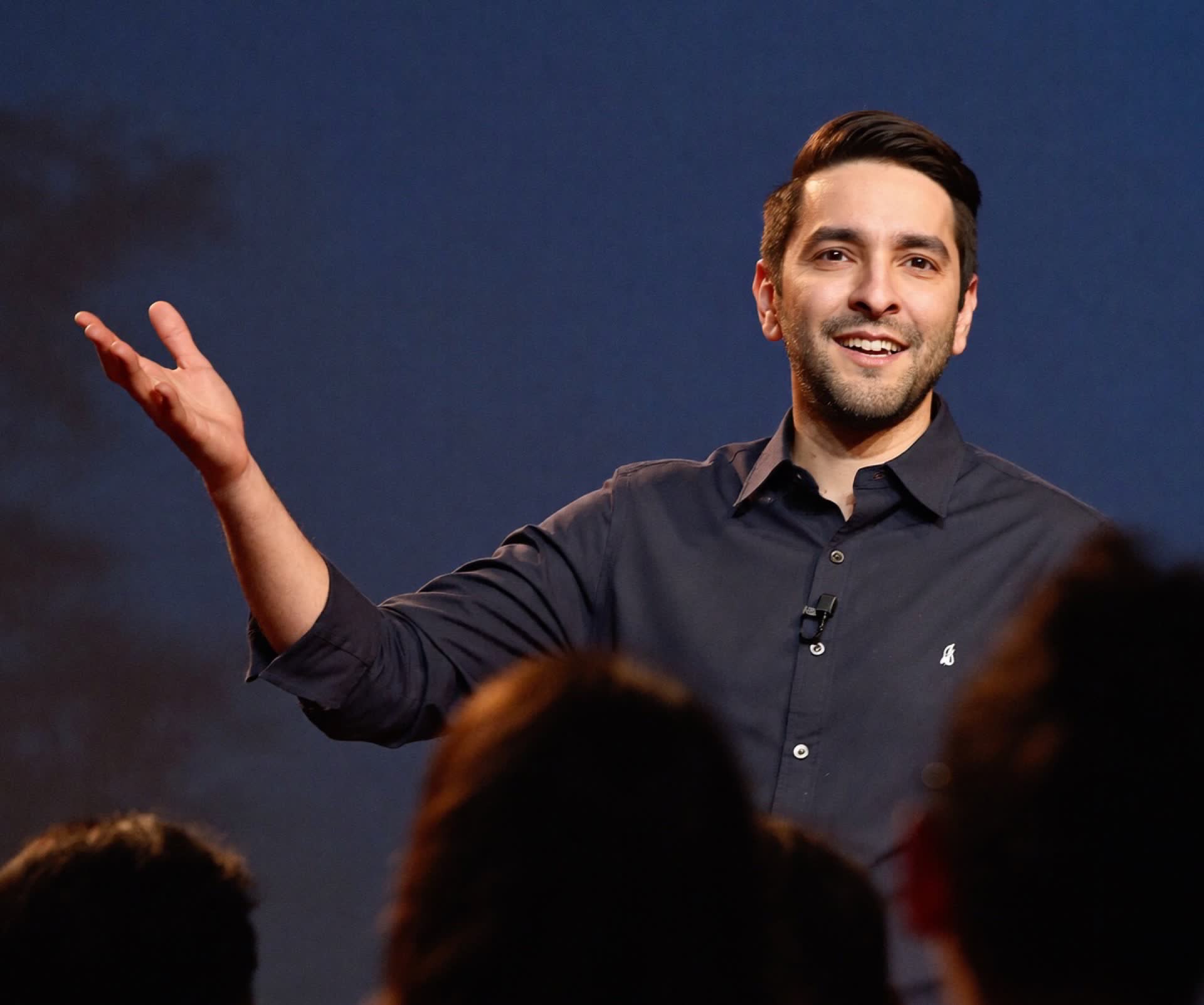
Thought Behind Things · Jul 5, 2023 · 1:22:33
Why AI rewards problem solvers and could bring women back to work
Mahe Zehra Husain runs one of the few woman-led tech firms Muzamil has come across in Pakistan. She argues the age of AI will erase mediocrity and reward ideas, problem solving and storytelling — and that it could finally pull Pakistani women back into the workforce.
with Mahe Zehra Husain
11 min read
The only woman CEO in the room
Muzamil opens by naming the thing that makes this conversation unusual. Mahe Zehra Husain is, as far as he can tell, the only woman CEO he knows of in Pakistan’s tech industry. He frames the sector plainly: IT services in Pakistan is a closed-off boys’ club, hard to break into for anyone, and harder by an order of magnitude for a woman. So this was a conversation he wanted to have.
Husain runs Five Rivers Technologies, a Lahore software house founded in 2003 — almost twenty years old at the time of recording. She joined in 2010 after her master’s, and has been there thirteen years. The firm has done the full range of services work over the years: WordPress, the whole wave of mobile platforms when apps first boomed, e-learning content for a US children’s platform built on the American curriculum. But the part she keeps returning to is AI, machine learning and data science. Her own training is entirely in mathematics, and she is candid that she steers the company toward work the team is actually passionate about rather than taking whatever lands. “We try and look for the right fit for the right person,” she says — because that is what makes the work and the environment dynamic instead of mechanical.
Hire the attitude, not the knowledge
Asked what persona she looks for in a fresh graduate, Husain does not name a university or a stack. She names a temperament: a problem solver, “someone who doesn’t say no.” In interviews she tries to read how a person will respond to a challenge, because nobody knows everything, and the half-life of what you learned in school keeps shrinking. What matters is willingness. “You have to be willing to learn. Every single day.”
She points out that the bottleneck is no longer access. Open YouTube, Coursera, Udemy — there is nothing you cannot learn. The scarce thing is the internal drive, the fire of I can do this, I will do this. That is what she screens for, above all.
Muzamil takes the same point and turns it on the education system. The country talks about $10 billion in IT exports, he says, but divide that by output and you need a million-plus engineers. Pakistan produces roughly 25,000 IT graduates a year, and by his estimate barely 5,000 are employable. Husain does not push back on the numbers. She agrees the real problem sits earlier, and she insists the situation is fixable rather than hopeless.
Homeschooled into problem solving
Her own story is the argument made flesh. All four siblings in her family were homeschooled for part of their lives. She left school in class six, at ten years old, and did not sit another exam until her O levels. Her parents let her choose her own subjects, get her own books, and plan her own timetable. She worked out how fast she had to move to take her O levels early — she sat them around fourteen — and how to study maths versus science. “The skills that I learnt then, the confidence of I can do it,” she says, are what carried her through everything since, from writing books to moving into real estate. “I am a mathematician. You just need to know how to problem solve. You just need to know how to learn yourself.”
That, she argues, is what the system fails to produce. Pakistani students rote-learn well — and she is clear that rote-learning itself takes intelligence — but the intelligence is pointed at the wrong things. Her practical proposal is unglamorous: take a graduate with potential, drop them for three to six months into an environment where they simply have to problem solve, on their own, with no spoon-feeding. They will find things in themselves they did not know were there.
The four-year degree, disrupted
Muzamil widens the question past Pakistan: does the four-year university model survive the age of AI? Husain’s answer is direct. It will be disrupted, and it should be. A curriculum built for thousands of identical students forces every person into the same shape, when everyone is passionate about different things. She wants to combine fields that traditional degrees keep apart — data science with marketing, with water management, with real estate — because real problems do not respect departmental boundaries. During her own master’s she took water-quality courses, convinced Pakistan’s water crisis was a place data science could be useful.
This, she says, is an exciting time to be alive precisely because you can assemble any combination of skills toward a problem you care about. The world is short on solutions and long on problems, environmental and industrial alike, and solving them is now the point of an education.
AI takes care of mediocrity
When Muzamil asks her to step out of the technologist’s seat and look at AI as a consumer, Husain gives the line that anchors the episode: “I think it will take care of mediocrity.” The work where a company “sat a person down to do a machine’s job” is going away. People will have to upskill, redefine themselves, do something they are actually passionate about — and she calls that a good thing, because it forces a person to use their head and be creative instead of becoming a machine themselves.
She is not naive about the costs. As someone passionate about art, she raises the ethics squarely: tools like DALL·E and Midjourney are trained on data humans made, often without consent, and that carries bias and a real grievance from artists whose work was fed in without permission. New technology, she argues, always arrives before the guidelines that govern it, and AI will need the same eventual rules. In her own day-to-day she does not sit in code; she uses ChatGPT as someone to bounce ideas off, to generate ideas, after which human creativity has to take over. The menial busywork disappears — and that, she suggests, might even buy people back some work-life balance.
Muzamil presses on her own industry. The lower-value BPO work, he predicts, will simply be automated away. He sketches a ten-year future where almost nobody codes, where coding is a narrow specialism and product-building becomes conversational — a person describing what they want to an AI and refining it in real time. The Python-and-syntax-error skills of today, he says, are “great party tricks” that mean nothing to anyone. Husain reframes the same future more sharply: “I think it’s the age of ideas.” The people who rise will have the most out-of-the-box ideas and solve the most real pain points — and they will need to tell the story well, because there is always a marketing angle. Ideas, storytelling and problem solving, in conjunction. The machines will handle the nuts and bolts.
How you actually build the soft skills
Husain refuses to leave problem solving and idea generation as abstractions. Asked how an average 21-year-old develops them right now, without waiting for the government to fix education, her answer is concrete: put yourself in different situations. She is blunt about a youth culture that wants overnight success from a few viral videos, when what is needed is hard work and real work environments. She tells a small, damning story — interns who say they will show up Monday at 9am and simply never appear once the offer lands. Any internship, any job that forces a little discipline, teaches the soft skills that grades never do. “Nobody cares” about your CGPA after a point, she says. “They want to know your story.”
And failure is part of the curriculum. Pakistanis, she observes, are a fast nation that does not tolerate failing — yet she has watched people who never failed break the first time they do. “Without failure you don’t learn how to live.” What you learn from failing is something success can never teach you. The only thing a society should insist on, she says, is trying, and trying again, because nothing worth having is easy.
Why women drop out — and what would keep them
The conversation turns to the number that started it. Of Five Rivers’ 200-plus staff, only about 10% are women, which Husain calls sad. Her explanation is structural and unsentimental. Life as a girl in this society is hard in ways most people do not understand. The women she has retained for a decade or more are the ones whose situations were actually heard. The path is built one way: a girl studies, marries, leaves her home, has children — and the industry is not set up to support her through any of it. There are too few women even one rung below the C-suite, so there is nobody these conversations can happen with safely, without being read as weakness.
Muzamil supplies the macro case. Pakistan has roughly half its population female and only about 20% of women in the workforce; lift that toward Bangladesh’s 40% and you add millions of productive, often educated workers. He argues IT, with a genuine supply-side shortage, is exactly where this should be solved — and that blaming “society” is a cop-out when Bangladesh and China built solutions. He keeps returning to one concrete fix: daycares. It fascinates him that IT firms, with their otherwise beautiful cultures, do not provide them. Husain agrees, adds remote work for women who relocate after marriage to cities with no tech firms, and insists the deeper unlock is representation: policies become “words on paper” unless there is a woman in the room to implement them properly.
There is a current that runs under both of them — that AI, being functional in nature, may disrupt men’s work while opening a door for women. Many Pakistani women trained in literature and the arts, historically denied opportunities, could now re-enter the workforce digitally, learning a few accessible tools and putting their creativity and problem solving — honed daily, Husain notes, on the relentless multitasking of running a home — to paid use. She tells her own welcome-to-STEM story: the only A-level student in a Punjab University master’s class of eighty girls and twelve boys, greeted by a professor who told the women they were wasting government money by taking merit seats they would abandon for marriage. From roll number one to thirty, she says, the list was all girls. Her conclusion is firm: a country that leaves half its workforce at home cannot progress.
Relationships, not headcount
On how the business actually runs, Husain describes a model built on trust rather than scale. About 80% of Five Rivers’ work is relationship-based, with clients of six, ten, twelve years. Outsourcing’s core failure, she argues, is disconnect — so clients come to visit, the developers teach them Urdu, they run chilli-eating contests (one visiting American turned out to be a champion, unbeaten on Mexican chillies). That rapport is what makes a client treat the team as an extension of their own, and it is why she fits people to work they care about rather than slotting a games-passionate developer into enterprise software just because the skills match. It scales slowly, she admits, but it is sustainable — twenty years with no real ups and downs, now on a growth trajectory.
She is also pushing the firm beyond services into products — Smart Windows, a Windows workspace manager, is already live, and a Blackberry photo editor the company once built reached number one on its app store. Through Ink Tribe, a publishing collective, she wants to take Pakistani creators — especially women — to the US market via print-on-demand, an income earned “just sitting at home.” And she is expanding into the Middle East, with a UAE company set up this year and a chaotic but worthwhile trip to Saudi Arabia’s LEAP. Muzamil presses the regional thesis hard: everyone defaults to North America, but the founders who win in five years are the ones building relationships in MENA and South Asia now. Husain frames the Gulf’s rise as something to support — the Islamic world moving back toward the knowledge and craft it once led, from algebra to the astrolabe-makers of old Lahore.
Too big to fail
She closes on the question Muzamil asks every guest — Pakistan in 2050, with the hope and the ifs removed. Her answer is unhedged: “I think it’s going to be wonderful.” The population is young and full of optimism, resilient, and rich in underused resources — tourism, IT, real estate, and a smart-farming agricultural sector barely touched. Most of all, she argues, the numbers are simply too big for there to be nothing. The people with money and top degrees can leave; the vast majority are Pakistani, will stay, will raise their children here. Too big to fail, she says — and too many people with too many dreams and too much hope.
Full transcript
सारा ख़विदीरों आज रात welcome back to another episode of thought behind things. आज हमारे साथ माझूद है एक बहुत ही खास मेहमान who is significant for a couple of reasons. First of all मैं generally हमेशा IT industry में I have been very interested and Pakistan का मेरा जाती ख़याल ही है कि future जो है वह IT services, IT products के अंदर है. So उसमें तो मैं conversation वह करता ही हूं जब भी मुझे कोई interesting conversation मिलती है but more importantly this is probably the only woman CEO in the tech industry that I know of. I'm sure she may know of some others as well but she's the only one as far as I could tell and so I thought कि यह मैंने conversation करनी ही करनी है. Pakistan में IT services sector वैसे भी बड़ा closed off है. एक एक sort of boys club है उसके अंदर आपको if you want to break into that it's it's fairly difficult but उसमें ज़ाहिर है कि as a woman तो तो 10x और ज़्यादा मतलब है थे पूरी दुनिया में है Pakistan में तो और भी ज़्यादा है. So with us we have today माहे ज़हरा हुसैन who's the CEO of Five River Technologies. Apart from that as well she's done a bunch of other things they've done. There was startup of sorts called Smart Windows. She was co founder of Cheese, Etcetera. She runs InkTripe and a bunch of other things as well. देहरा, thank you so much for being part the show. Thank you so much for having me here. Am really looking forward to this conversation. मैं थोड़ा सा just start करूँगा. अगर आप मुझे बता सकें Five River technologies के बारे में what's the scale? कितने अरसे से आप लोग operate कर रहे हैं? What is the area that you sort of work in? IT services तो है but it's a wide range right? So किस level पर आप operate करते हैं? किस quality of talent का काम करते give me a summary of it. Okay, so Fiberius Technologies जो है वो लाहौल में based है. Two thousand three से company
शुरू हुई और अब माशाला बीस साल हो गए almost. I joined in around 2010 after my masters. हम हर किस्म का services का काम करते आए हैं over the years. Your, you know, usual WordPress जब mobile apps बहुत ज़्यादा हुई थी तो all the mobile phone platforms. But जो दो तीन चीज़ें हैं that are very close to my heart, एक हम लोगों ने e learning का काम कुछ किया था, which was very very interesting and I feel like उधर बहुत ज़्यादा potential है अभी. E learning what you mean by, by that? So, e learning में we were creating content for US based company. उनका e learning platform था for children. So, they were following the American curriculum maths, science वगैरह के gizmos, gadgets, छोटी games, you know, things that explain concepts. Right. So, मुझे लग रहा था कि वह बहुत ज़्यादा एक interesting चीज़ है और आप हम लोग ज़्यादा जो focus कर रहे हैं in addition to everything else is on AI, machine learning and data science. मेरी अपनी education सारी mathematics में है. So again, that's something that's really close to my heart and I'm sure anyone who knows anything about anything tech knows कि it is the AI. Age 100%. So, उसमें यह है कि हमारा काम interestingly बहुत ज़्यादा होता है because that's again something that we are very passionate about. We want to do things that we are interested in and our people are interested in. So, we try and look for the right fit for the right person instead of saying कि यार यह काम आया है तुम भी कर लो, नहीं तुम कर लो, तुम कर लो. We try and, you know, look for stuff that we are actually passionate about. Because उससे I feel like आपकी ना एक work quality और आपकी जो एक environment होती है ना वह बड़ी dynamic और मज़े की वन जाती है. So, बीस साल हो गए company
को. मुझे company के साथ almost तेरह साल हो गए. ज़बरदस्त. So, tell me about the talent. You mentioned कि, you we have to, we we look for a certain type of talent. Mhmm. The other आपके जो highies होते हैं, वह कौन सी university से आ रहे हैं? What's the sort of, what's the persona of, of essentially a fresh graduate that you are looking for generally?
Problem solver. Someone who doesn't say no. मैं कुछ जो interviews करती हूं उसमें I I try and figure out कि अगर इस इंसान को आप कोई problem देंगे और if you give him a challenge what will his attitude be? Because you see you can never really make sure that you know someone who knows everything. ऐसा तो कोई इंसान ही नहीं है, right? But एक जो आपका attitude होता ना you have to be willing to learn. आजकल तो हर रोज़ you have to be willing to learn. रोज़ नई चीज़ें आ रही हैं जो हमने school में सीखा था, वो पुराना हो गया है. शायद हम apply भी नहीं करते. एक वो जो है ना हमारी willingness कि अच्छा यार यह problem है, मैं इसको solve कर सकता हूँ या मैं इसको solve कर सकती हूँ. That is what I feel makes a person because एक आपकी willingness हो, अब access to knowledge is very very easy. मतलब आप YouTube खोल लें, आप Corsair खोल लें, आप Udemy खोल लें. There's nothing that you cannot learn. तो एक वह जो अंदर की आग होती है ना कि यार मैं I can do this, I will do this.
That is what I look for most of all. Interesting. You talked you talked about early on as well e education and इसमें भी you're talking about problem solving. Personally मुझे लगता है जो हमारा जो education का model है, उसमें problem solving really is third, fourth step पर आती है. अच्छी university सिखाती है lumps, fast, nast, GIK maybe. But इनका aggregate total जो student है वह probably 3% भी industry demand को पूरा नहीं कर रहा. अच्छा हम बात करते हैं $10,000,000,000 of exports की. आप उसको जब divide करते हैं तो आपको तकरीबन million plus engineer चाहिए. आपके total जो साल की पैदावार है वह पच्चीस हज़ार है उसमें सिर्फ़ मेरा ख़ैले पांच हज़ार बीवा मुश्किल. Employable. Employable है. हम, you know, we're just going ahead every year. हम बार बार यह नारे मार रहे हैं कि बड़ा talent है जी, हम बड़ा यूं कर लेंगे, हम बना देंगे, मैं बना दूंगा, वह बना देगा. आपने off camera mention भी किया कि you guys are interested in a campus as well. Yes. And that's a, we'll we'll talk about that in detail as well. But how do you, how do you solve that problem of talent in the new age of AI? पहले तो चलो यार आपने रटा लगाकर आपने बच्चे को कुछ तो कर दिया था तो इतना वह हो गया था कि ठीक है यार इसको Python आती है, इसको कुछ ना कुछ आता है basic, right? And and low value में मैं इसको डालकर तो एक एक machine के दार चलाता रहूंगा. Personally तो I think कि that the future is just in problem solving. It's not in a skill. It is just in problem solving. The tools are subject to change and could change every three months for that matter. And that is something that where मेरे scope में we're not teaching the kids at all. So how do you see the education system right now? अगर मैं focused on IT की बात करूं मैं अभी primary की बात नहीं करता. मैं ही नहीं कहता बच्चे जो है जी वह how do you see the education aspect, the component, the supply side of the industry?
So what I'm going to do is that I'm going to talk about what you said you don't want to talk about, the primary and secondary. Right. We're four siblings and all four of us were homeschooled for a part of our lives. Right. मैंने school class six में छोड़ दिया था. I was 10 years old and the next time that I gave any exam was my O levels. My parents asked me to choose my subjects for my O levels and I was allowed to choose my subjects, go get my books, everything else was up to me. मैंने अपना timetable figure out किया. मैंने figure out किया कि अच्छा भैया अगर मैंने O levels जल्दी देना है which I think I gave it to you जो 14, तो मैंने कितनी speed से क्या चीज़ पढ़नी है? Maths पढ़नी है तो किस तरह पढ़नी है? Science पढ़नी है तो किस तरह पढ़नी है? The skills that I learnt then, the confidence of I can do it. मतलब आज frankly मैं अपने मां बाप को salute करती हूं. अगर मुझे आज कोई दस साल का बच्चा कहना कि मैं घर पर पढ़ लूंगी, I don't know if I would have that confidence in that kid. But वह जो एक base बनी है मेरी, my parents were there. मतलब I knew that if I really needed help with something, they would help. But यह नहीं था कि पहली चीज़ जो आपको मुश्किल लगी, instead of trying to work it out yourself, you just run for help. There was no spoon feeding. There was none of that. And I can't tell you how much that has helped me throughout my life because एक आपको अपनी ability में confidence आ जाता है कि यार ठीक है यह मुश्किल है, but अगर मैं लगी रहूंगी तो मैं कर लूंगी. And I've done so many things in my life from, you know, writing books to now going into real estate. और लोग मुझे पूछते हैं किसी से आपकी education, you know, I am a mathematician. You just need to know how to problem solve. You just need to know how to learn yourself. यह हमारी education system का मसला है कि we don't, kids don't feel passionately about problem solving and they don't learn themselves. एक यह मसला भी है और एक I think यह ऐसी चीज़ है कि आप इसको as a supplemental चीज़ लोगों को सिखा भी सकते हैं. Because एक attitude change है, right? एक confidence building है और एक attitude change है. वहां चला IQs तो हमारे होते हैं. मसला यह हम वह इस्तेमाल नहीं करते in the right things. रट्टे तो हम ज़बरदस्त किस्म के मार लेते हैं. अब रट्टे मारने में भी you need intelligence. It's not easy. मुझे नहीं लोगों के नाम याद रहते. So, take that intelligence and then apply it to the right things. So, I feel like अगर जो आपका चार साल का है और बच्चे में potential है, education पूरी formal completed है, तो तीन से छह महीने की इस तरह की हम अगर trainings devise कर लें जिसमें you just literally put them in an environment where they have to problem solve. Right. Right? They are on their own, they just have to do it. I think they will also find things within themselves that they didn't know existed. So बड़ा fundamental problem है but I feel like hopeless situation भी नहीं है. Right. It can be solved. In terms of brick and mortar,
do you think university can... So थोड़ा सा मैं conversation को switch करता हूं. Pakistan को हटाता हूं. Do you think the four year university education model works in the age of AI? Or do you think education
as we know it may just get disrupted over the next few years? I think education as we know it will get disrupted and should get disrupted. Because I think that four years where you are just learning something according to a curriculum that has been developed and you are supposed to fit into this curriculum that has been developed for thousands of other kids. Yeah. No no. Because every person is passionate about different things. I might want to deep, you know, dive deeper into mathematics or data science. I might want to change things, tailor things according to what I want. Maybe I want to create a product. So I want to learn with my mathematics. I want to learn product design and development and marketing. I mean, there are so many things that I have to learn every day now because I was like, यार यह combination available ही नहीं था. I mean, maybe you're a data scientist who want to solve the the real estate problem, right? Maybe you need a course on real estate which has nothing to do with anything but, you know, it just don't help you. Real estate, water quality. So, जो मैंने अपना masters किया था, I took a few water quality courses because at that time मुझे था कि Pakistan में water resources का बहुत मसला है. So that plugs in really well with data science. But यह जो combination है ना again यह problem solving combinations है ना कि भाई अच्छा आपने क्यों maths सीखी है? या आपने data science क्यों सीखी? आपने computer science की क्यों है? People will not have an answer to that problem. Right. क्योंकि आपने जो भी आप चीज़ करते हो, you are passionate about it if you have an end goal in sight कि अभी मैंने यह मसला हल करना है. और किसी भी मसले को हल करने के लिए you need a variety of skills and you need to break out of the traditional curriculum and the traditional syllabus. And I feel like this is a very exciting time to be alive because आप basically you can put anything together. आप marketing के साथ data science पढ़ें, आप उसके साथ water management पढ़ें, आप उसके साथ कोई चौथी चीज़ पढ़ें और you come up with a solution to a problem because इस वक़्त I feel पूरी दुनिया को ना solutions की ज़रूरत है. क्योंकि problems बहुत ज़्यादा बढ़ गई हैं. चाहे वह environmental concerns हों, चाहे वह manufacturing में efficiencies आप लाना चाह रहे हों, कुछ भी हो, उसमें अब आपको problem solving की ज़रूरत है.
Let's talk about AI for a bit. Mhmm. बहुत confusing सा time है and and and AI को मैं दो areas में देखता हूं. घर एक techy side of AI है, right? So it's, when you think AI, the technologist will think basically the the models will think about the data, the segmentation. I want you to plug yourself out as a technologist, and as a consumer look at AI. Mhmm. उसके ऊपर बड़ी concerns हैं. Some people are just like कि जी तो this is going to lead to human extension. I don't agree with that. I think it's just a tool just like Any other tool? Any other tool and early on because the pace of innovation, it's scaring a lot of people. But then एक side वह कहती है, दूसरी side जो है वह वह कहती है कि जी AI is going to solve all of our problems and it's going to radically increase the pace at which we're going to solve those problems year on year. अच्छा, that part while sounds very fun and optimistic, also scares me a bit because not that it has anything negative attached to it, but on a on a social front, we've as a society, we tend to take innovation then we evolve ourselves, we get used to it. With AI it seems like कि मेरा अपना content की space में हूं and it's interesting people used to say कि AI सब तब disrupt कर देगी, creativity नहीं जाएगी and this is the first space that they started disrupting. But I see that every day I'm like, अच्छा यह एक नया tool है. This is seems like I need to be, I need to build a grasp on it. And then two weeks later there's another updated version. I'm just like यार अच्छा मुझे मैं वह करूं या मैं यह करूं या मैं ना ही करूं I just let it evolve on its own. तो as a starter if I were to ask you how do you see the age of AI and what's going on and how that may affect much of our societies? अगर आपने passive income के बारे में परेशान है खासकर आजकल की economy में जहां पर already cash continuously burn हो रहा है और inflation हमें मार रही है तो I am proud to announce that this video is in partnership with समाया Financials. They are offering two very very cool trainings. Capital market fundamentals जिसमें आप stocks और mutual funds में invest करना सीखेंगे और understand करेंगे कि आखिर एक company के अंदर क्या ऐसे fundamentals होते हैं जिनको आपने देखना होता है to figure out कि वह एक अच्छी company है to invest in. और दूसरी training है technical analysis master class जिसमें आप सीखेंगे कि किस तरीके से हम tradable assets like commodities, forex, stocks, crypto के अंदर थोड़े से पैसे लगाकर बहुत ज़्यादा पैसे बना सकते हैं. Personally यह training मैंने भी ली है and it's absolutely phenomenal. The link to the trainings are in the description below. Check them out and become financially healthy. And now back to the podcast.
I think it will take care of mediocrity because आपकी मेरी अभी भी पहले बात हुई थी कि काफी जो हमारी at least software services में काम होता ना हमें होता है कि हम कोई बंदा बिठा दें और वो machine की इतना काम करता है. अब वो नहीं हो सकता. So, people will have to upskill themselves. People will have to redefine themselves. People will have to do something that they are passionate about. क्योंकि अब उसके बगैर ना दाल निकलेगी और मुझे लगता है कि वह एक अच्छी चीज़ है. क्योंकि जब आप एक इंसान को push कर रहे हैं कि वह अपने आप को बेहतर करे, क्योंकि जो task machine कर सकती है वह machine कर रही है. आप नहीं machine वन रहे हैं. आपको अपना दिमाग़ इस्तेमाल करना है. You have to be creative, right? So, मुझे लगता है यह एक अच्छी चीज़ है, बहुत बहुत अच्छी चीज़ है. Ethics के कुछ problems आ जाते हैं beach में, especially since I am very passionate about art. तो अब जो कुछ डाली और mid journey की तरह tools हैं, उसमें AI और ethics का बहुत मसला एक है जो कि आ रहा है. And वह एक चीज़ सही भी है कि what data is the tool trained on और जो data वह तो इंसानों ने बनाया ना. वह bias का जो element आ रहा आजकल और वह सारा कुछ. वह and also people are saying कि भाई हमारे से इजाज़त तो किसी निनिनिन अली. Right. You are feeding our work into a model and the model is learning from that but nobody asked us, right? So this is not all public domain work. This is new work that things are being, the models are being trained on. Right. मुझे लगता है कि जब भी कोई नई technology आती है ना उसको इंसान को इस्तेमाल करना सीखना भी होता है. उसकी फिर obviously यह ethics की right and wrong की बात होती है और फिर certain आप guidelines in place डालते हो. मुझे लगता है कि obviously with AI also we will have to establish because you can use technology would AI. I agree with AI. I feel like AI, I mean, personally in my everyday life, I don't sit in code everyday. But it's just been another person to bounce ideas off of. Right. I mean, that's what I use ChatGPT for a lot. Just idea generation. Right. Someone to talk to and उसके बाद आपकी human creativity आती है और वह आनी ज़रूरी है. But a lot of the menial small stuff that was just busy work, I think हां वह eliminate हो जाएगा. Right. I think we might even be able to move towards a work life balance, right? But that's another way to look at it. If you're freeing up your time and something is helping you, maybe you use that time for something else, self care, read a book, you know, have fun with family. So, हर चीज़ की positives भी होती हैं. But यह तो ज़रूर है कि I don't think mediocrity will be able to sustain itself.
You talk about mediocrity and I want to focus on your own industry. You've got generally Pakistan में जो और Pakistan में नहीं actually, the biggest sort of headcount companies within the region have been the BPO, the lower value comparatively और मुझे personally यह लगता है वह तो completely devastate हो जाएगा. That's just gonna be automated and that's over. Pakistan में आपको बहुत सारे तरह की boutique agencies और software houses मिलते थे, जो कि थोड़ा specialized काम कर रहे होते थे. अगर मैं लोहौर में भी देखूं तो I think too, Excel I'm not sure that it is getting fairly fast and I was unable to उनकी conversation में. So ऐसा parkways वाली वो जो confess है you know they are also like very focused quality talent. Arby Soft does the same. They don't just scale randomly. वो बड़ा बहुत ज़्यादा quality के ऊपर काम करते हैं अपने talent क्या वो really career problem solvers बना रहे हैं. उस context में if I were to ask you to give me a viewpoint of what you see ten years from now in terms of IT services or tech services. मेरा इसमें personal opinion यह है कि ten years from now I don't see majority of the people coding. I I I feel like कि वह layer ही locked होगी. वह discussion भी नहीं होगी कि coding कोई चीज़ होती है. एक niche होगी very very specialized जो कि actually जाएंगे और जाकर उसके अंदर घुसेंगे. I see it to be completely conversational. So just a person sitting there and deciding जो जो product managers का role होता था ना the tech essentially the tech teams are irrelevant. The project manager was talking to the tech team is just now interfacing with an AI and he's talking about ok so I need a I need a an app let's say mobile app नहीं उस ज़माने में glasses आ चुके हैं glasses app जिसके अंदर यह हो इसमें database में यह हो यही है मुझे चीज़ें चाहिए वह पुण्ग करके जी आपको वह बनाकर दे देगा and then you guide it कि अच्छा नहीं इसमें यह चीज़ कम करो, यह चीज़ ज़्यादा करो, इसकी इस तरह से बढ़ाओ और वह उस interfacing में real time के ऊपर आपका जो है वह create हो रहा होगा. That's the vision of the future that I see in terms of वह and उसके लिए हमारा आज का बंदा जो है वह तो बैठा सिर्फ़ Python सीख रहा है. वह तो कह रहा मुझे मुझे libraries को ऐसे ही कमाल use करना आता और इसको यूं use करना आता और मैं तो जी ऐसी syntax errors दो minute में निकालता हूं जो कि सारा irrelevant. These are great party tricks. They don't mean anything to anyone anymore. How do you see ten years from now अगर आप मैं इसको extrapolate करूं कि जिस जगह पर हम खड़े में हैं, it's exciting, it's scary, it's everything happening all at once but how do you, if you from the industry, can sort of cut the noise and extrapolate what's going on, how do you see it ten years from now? So a lot of people say कि this is the age of,
AI. I think it's the age of ideas. I think idea people are the people who will rise to the top and ideas भी वह जिस तरह हमारी पहले बात हुई है, जो किसी problem को solve करें, जो किसी pain point को solve करें. So, अगर आपको idea generation और problem solving नहीं आती, I would say those are two skills जो आप सीखें. Because अगले दस साल में if I see anybody prospering, it's the person with the most out of the box ideas, the person solving the most problems. Because देखिए, इंसानों की problems कभी नहीं ख़त्म होंगी. कभी को छोएंगी, कभी को छोएंगी, कभी को छोएंगी. So anybody who's solving a problem in a good way and has, pays attention to detail and tells their story well. Because एक marketing का भी angle है. You have to get to the people जिनके लिए आप वह problem solve करें. तो actually it's really funny because हमारी जितनी ज़्यादातर जो history होती है वह यही कहानियों से और काफी जो as children हम lessons भी सीखते हैं, वह कहानियों से ही आते हैं कि भई यह सीख लो, यह सीख लो. तो I feel like ideas and storytelling will be the future in conjunction with problem solving. किस तरह हो रहा है वह machines probably करेंगी. मतलब the actual nuts and bolts of it, right? The human thought is supreme then Yes yes. Creativity, human thought, stories.
Right. You talk about problem solving, idea generation, critical thinking. Essentially these are soft skills. Lot of people say you need to do that. When I really look back and I try to identify, it's fairly difficult for me to pinpoint. And so you said, you know, people should go and learn that. How would you say? What do you think would allow for an average 21 year old, to be able to brush up these skills? Again, one can talk about government
needs to create a better education system. No no, but let's talk about things that everybody can do right now, right? Practical Absolutely. I think put yourself in different situations. मैंने आजकल की youth में एक जो चीज़ देखी है ना, वह यह है कि through tech and a lot of it through this social media thing, people want overnight success. उनको लगता है कि भई हम इतनी videos बनाएंगे और वह हमारी बस चल जाएंगी और बासचीदात से. They need to realize that hard work is very important. They need to realize that putting themselves in actual work situations. I've, मैं आपको बता नहीं सकती. I take some of the internship interviews interviews myself. I don't take the regular interviews myself but I really like meeting the young people and they don't show up. Like they will say कि हाँ हमने internship करनी है, हम Monday को नौ बजे सुबह आ रहे हैं. अच्छा internship accept होने के बाद नहीं show up? जी जी जी जी जी जी जी के लिए they don't show up. अच्छा. They don't show up. The thing is that if you don't have that experience because आप college से बाहर निकले ना, university से बाहर निकले and go anywhere. मैं यह नहीं कह रही कि आपको बड़ा कोई aligned अपना देखें because sometimes यह soft skills you pick up when you are not aligned with what you are learning. Right. In school, right? तो आप कोई भी internship कर लें. अपनी ज़िंदगी में थोड़ा सा discipline and put yourself in a work environment And put yourself in different situations because you will learn something different from each and every situation. I think that is the only way hands on experience on how you can gain these soft skills. But इसके ऊपर ज़्यादा हमारा ज़ोर होता नहीं है. इतना ज़्यादा, right? It's all grades. बस अच्छा grades हो गए, बाकी ठीक है. ज़िंदगी में जब आप बाहर निकलते हैं तो आपकी degree pretty much मतलब उसके बाद perinauphy के बाद कौन पूछता आपसे? हाँ. क्या आपका क्या CGPA था या बड़े आपने मार के मारे? Nobody cares. Yeah. They want to know your story. They want to know अच्छा आपने क्या क्या किया? Right?
How diverse were you in your role? Like are you बिल्कुल by the book? क्योंकि by the book वाले हज़ारों और बच्चे बैठे हुए हैं. How, कितना flavor है आपके अंदर? वह वाली चीज़ें आती हैं. मुझे बताएं, did you think
failure is is a great way to learn these things? Yes. I feel like we're a very, very, very, fast nation. Oh my god, if you don't fail तो फिर तो you don't learn how to live. Without failure you don't learn how to live because कभी ना कभी you will fail and I have seen so many people who are not used to failing, fail and break. यह तो बात ना ना हुई. You have to learn to fail, you have to know how to fail. And what you learn from failure is something that you will never learn from success. Because एक आपके पास comparison भी होता है ना. Someone who's just always been succeeding, they won't even have the amount of happiness that they would have had had they failed first. Not to mention all the other experiences and things that they will learn. So yes, I mean failure को villainize नहीं करना चाहिए. मुझे लगता the only thing that we as a society should focus on is trying. Just keep at it, keep trying because nothing is easy. Nothing in life that is worth having is easy
and you will fail along the way. Yeah. Tell me about your your... You you said कि आप के तकरीबन 200 plus head counter. What's the ratio there? How many girls are there within the company?
Yeah, not that many,
which is very sad. What would be the percentage? I think about हमारी 10% लड़की होती हैं. अच्छा, why do you think that that's happened?
Life as a girl is tough in this society and not a lot of people understand that. A lot of the girls that I have been able to retain over the years, कुछ दस plus साल से मेरे साथ हैं, have been girls जिनकी बात सुनी गई है. So you see our site is built a certain way, right? लड़की पढ़ती है, लिखती है, फिर उसकी शादी होनी होती है. शादी होती है तो वही अपना घर छोड़कर जाती है. अच्छा, अब शादी होगी तो मैं बच्चे पैदा करो. बच्चे भी औरत को ही पैदा करने पड़ते हैं, right? We all know that a lot goes along with that. A lot that has not been talked about but a lot that affects the mental health of a woman, right? They need time and support during those big changes in their lives. Mhmm. Right? Our industry or is is not set up to provide that sort of support. Mhmm. Also, we don't have enough women. आप C suite तो छोड़ दें. Even one below the C suite. जिधर यह जाकर बातें हो सकती हैं without it being a कमज़ोरी. वह लड़कियां रो पड़ी, you know? वह बहुत होता है. वह इसको तो कुछ ना कोई तो रोज़ लेगी या you know she can't do a full days work today. भाई if someone is eight months pregnant or seven months pregnant or six months and they're having a hard pregnancy, yes, they won't be able to. So, a lot of women that is where they drop off, right? शादी और शादी से अगर वो निकल भी आती हैं, if the husband is supportive, the in laws are supportive because there is a, the whole setup has to be supportive, right? It's not just the girl who decides कि मैंने काम करना है. फिर बच्चा
और फिर एक के बाद दूसरा बच्चा अगर हो जाए, तो फिर क्या करें? In terms of the supply side, वहां पर भी I think the, if I remember my university we were at 15% women only. तो automatically वहां पर वह हो जाती हैं, कम हो जाती हैं अगर मैं STEM की बात करूं. फिर उसके बाद उसमें से बहुत सारी straight up they got married and they had no intention of working. So, जो actually workable आती हैं वह बहुत थोड़ी रह जाती हैं. और उसमें प्यारी पूरी the entire industry then competes for that. But alternatively what I saw was the ones who actually came in and graduated were far superior in quality. Yes. Because I think they so I I I found two very interesting things there. First being que they had the stacked up against them, and so they had to fight. So they're stronger? They're stronger, particularly girls in STEM. And the second thing that I realized was a lot of the boys couldn't really care less about what they were doing because they have been taught कि बेटा तूने तो यह पढ़ना है और फिर तेरी नौकरी लग जाएगी और पैसा कमाना है तूने. तो वह बड़े entitled से आते हैं. वह कहते कि यार अच्छा मैंने Like you're earning for a worth that you're giving to us. What is that going to look like? And they might not have an answer for that. For a lot of these girls, they don't, for them money doesn't, is not an object, right? They've been taught that way. And so if they are working, they are generally working for a passion that is beyond money. And I am not saying, I mean, I mean everybody needs to earn money. It's a great thing to have.
But they have other reasons. I am a capitalist.
But core उनका फ़र्क़ है. मैं हमेशा यह बात करता हूं कि पैसा कमाना बहुत आसान काम है. To be very honest, if you're focused on the value chain, making money then money sort of follows, right? अच्छा तो एक तो यह element है. दूसरा element यह है कि Pakistan में you've got sort of 50% of your entire population is woman. You've got around 20% women working from the workforce. You'd bring that up to 40% and automatically 4,000,000 बंदा जो है ना employable बंदा साल आना आता है Pakistan में, इस वक़्त. जिसमें से 2,400,000 because 20% women का ratio है तो 2,400,000 are actively looking for jobs, 1.6 are sitting at home, not adding any productivity. अगर आप उसको बंगलादेश style 40% कर लें तो that's going to, that's चार लाख you know hard working. उसमें बहुत सारी educated लड़कियां हैं. बहुत. And create lot of value. How do you think और और जब मैं IT की बात करता हूं तो IT में तो एक supply side problem है. So the IT industry should be focusing on these women right now. Do you think there are certain that we need to solve that problem as well in a way that we can say it's it's a it's a cop out to say you know this is what happens. This a society is at fault. बांग्लादेश had that problem. China had that problem. They created solutions for it. So, for example, one solution could be you know having a daycare. Like I find it fascinating that IT services companies do not have a daycare. Yeah. IT services already बहुत सारे और problem solve करती है. Culture उनका खूबसूरत होता है. You go to a factory, ask a woman to work there, it's very difficult. Yeah, they can't. You know, you, you bring Funnily them into enough IT companies may be खैर मसला हो जाते हां, मसले हो जाते हैं. बहुत ही मसले हो जाते Everything is very male dominated. A lot of the girls who like stick it out and don't want to leave
is because they feel like they are represented at Five Rivers and they know that they can just go talk about anything. I mean, me and they feel comfortable. तो उसका एक बहुत बड़ा होता है. But yes, I agree with you and like I told you the few people that we have been able to retain women, like, who've been working with us for ten plus years. It has been on a case to case basis because इसके ऊपर फिर आप, you can't just have an HR policy that is equal for men and women because men and women are different. तो वह आपको थोड़ा सा लाना है beach में. You need to give women support where they need support. Right. Because they have certain functions that they have to fulfill in society. बस आप यह भी तो नहीं ना कह सकते कि अब कोई लड़की शादी ना करे या कोई लड़की मां ना बने. That's not gonna happen, right?
Just provide some. Which is why I am saying कि, you know, daycares, like Yeah. The kids could come to work and girls can be again, like Apple is doing it, Google is Yes, doing yes. They did it for a purpose. Daycares or we have had girls who re liquidated to different cities after they got married, एक ही भी मसला होता है. And, know, in that city
there are not any tech companies. So उधर आप फिर remote work दे दें, right? If, if you've seen over time that a resource is doing well and they, you know, use their time well, तो then you trust them and you say कि ठीक है, आप जिधर भी आप उधर से काम करें. So, ये थोड़ी सी चीज़ें हैं, इधर flexibility आनी चाहिए और I think आएगी. But I think most of all जो मसला होता है वह यह होता कि ये policies वन जाती हैं but कोई बात सुनने वाला नहीं होता. We need more women represented in the higher levels of the tech sector. Because एक, like you said ना it's very hard to break into the boys club. Mhmm. Women don't feel comfortable working in a company where the entire C suite or the decision making people are all men. Because men have a different way of thinking, women have a different way of thinking. Yeah. तो अगर आप यह थोड़ा हम बढ़ा देंगे ना, just more women in the C suite or one below the C suite. I feel like यह problem काफ़ी हल हो जाएगी because then those policies won't just be words on paper. You will actually have someone implementing
them the right way. अच्छा, यह मैं जो बात करने लगा हूं उसके ऊपर left शायद मुझे आ के मार रहे हैं but my, it is not me saying it. मैं generally online पढ़ता हूँ. तो आपको blogs मिलेंगे बहुत सारे के different genders have different strengths. Yes. Right? Men are inherently functional, women are emotional and through that emotional they create creativity and they create a lot of वहां पर उनकी strengths हैं. Yeah. Artistry and creativity generally कहते हैं कि it's a feminine trait. अगर मैं अभी वाली conversation और पिछली conversation को mix करूं, do you think a lot of the age of AI is disrupting a lot of men because it's functional in its nature and there is and and and there is actually an incredible opportunity for women now because अच्छा ख़ासकर Pakistan में ना a lot of women what they've done is they've taken soft majors. So they've done literature. शादी करनी है whatever literature पढ़ लो और you know arts पढ़ लो, fine arts. Literature से आप ज़िंदगी के बारे में बहुत कुछ सीख लो. हां, बहुत कुछ सीख जाते हैं, right? तो हमने उनको the the the in laws not allowing her to work or maybe her husband is incredibly supportive. But historically, she didn't have enough opportunities. I think now in the age of AI, a lot of these women can come back to work, learn a few tools, very easy to learn now and utilize a lot of their creativity and a lot of their artistry and in a lot of ways I found women to be better problem solvers than men. Like, they're problem solving on a daily basis कि यार बच्चे का यह और इसका वह और उसका वह. उनको Multitasking and problem solving. All
the time.
How do you feel about that? Because I think that's going to, I think I see a very great opportunity for women to enter the workforce now in a digital environment. It can solve a lot of cultural जो हमारे sort of problems थे, balls थी वह भी break हो जाती हैं. जो जो उनकी strengths थीं, उसके ऊपर भी play हो रहा है.
So they could be a very useful asset in the future. How do you think about, what do you think about that? I definitely agree with you and I think Pakistan or any country for that matter, if you, half your workforce is sitting at home तो फिर आप तरक्की कैसे करेंगे? आप नहीं कर सकते. मैं एक दो चीज़ें from your past conversations, एक आदि आपको कहानी भी सुनाना चाहती हूं and then I also think कि अगर औरतों को मिल रही है तो आदमियों को भी कुछ सीखना चाहिए, right, from that. So, मैंने एक अपना masters जो किया mathematics में पहला वाला, वह मैंने Punjab university में किया. I was the only girl there जो कि A levels करके गई थी. बाकी सब FSC और metric करके गए थे. खैर, that did not win me any friends there, specially among the professors. Right. मैं literally I was treated like in a juba कि यह पता नहीं किधर से आई है. हां हां. उस class में there were 80 girls and there were 12 boys. Right.
And interesting.
Yeah, on the merit system and on the first day of class one of the professors said, आ जाती हैं आप लड़कियां merits की seat पर. लड़कों को आप आने नहीं देती और फिर आपने कर लेनी है शादी. तो यह तो government के सारे पैसे हैं तो यह तो आपने जाया कर दी. नहीं, merit की seat पर आती है तो merit पर आती है ना? नहीं, but government के पैसे जाया करती ना because आपने तो शादी करके घर बैठ जाने है. हाँ, right. तो you won't be adding to the workforce. तो that was our welcome. Right. कि well done girls. तो वो जो yeah, बात for being smart. Even in STEM. हमारे यहां merit पे जो लड़कियां हुआ passionate about what they do. Yeah. मतलब मैं आपको क्या बताऊं कि role number one से लेकर which is the way that they see कि कौन पहले, कौन दूसरा, कौन तीसरा आया था? Role number one से मेरा ख़ैर about 30 तक सिर्फ लड़कियां थीं. उसके बाद कोई लड़का बेचारा एक का दुक्का आया था beach में. हां. So, वह जो आप एक बात कह रहे हैं ना passion की, कि लड़कियां because they don't have to just think about the money, they come with something different. I think वह हमें सबको सिखाना चाहिए. जब आपको यह नहीं पता who you are at your core or what excites you or motivates you or what you are passionate about, if your career is not in line with that ना, you will never be a quality anything. Yeah. Right? चाहे आपको घर बनाने का शौक है, चाहे आपको painting करने का शौक है, चाहे आपको maths का शौक है, चाहे आपको literature का शौक है. जिस चीज़ का आपको शौक है और आप में passion है ना, उससे आप in the age of AI पैसे आप बना लेंगे. Mhmm. So that's another thing that the age of AI is doing, right? It's taking away the कि oh, you must must be a computer scientist to do anything. No, you have to be passionate to make money. Passionate about your idea, passionate about the problem that you are solving, passionate about telling your story because like you said पैसा तो बनाना आसान है. लेकिन यह जो passion है ना, यह जो fire है, यह missing है हमारे लोगों में और जब तक यह नहीं ना आएगी, यह मुल्क नहीं बदलेगा.
Why do you think that's missing?
I think because हमने कभी यह बताया ही नहीं क्या? Who, have you ever asked yourself? I mean, I do this a lot now. Who am I? Mhmm. हम कभी introspective कोई बात करते ही नहीं हैं. भई, who are you? Other than your job description or the company that you work for, the degrees that you... Who are you? What makes you happy? What excites you? Do you like birthdays? Do you like balloons? Do you like a certain author? Do you like to bake? Do you like to garden? Do you like to travel? Do you like photography? एक वो concept नहीं है of getting to know yourself. There are so many people I know they have no hobbies. Hobbies तो Pakistan में मज़ाक ही नहीं है ना? मतलब what do you do? Yeah. बस हम जी पढ़ते हैं. अच्छा पढ़कर फिर क्या करते हो? फिर जी कोई drama देख लेती हूं. मतलब what does that mean? Yeah. Like growing up and, I mean, I salute my father for this. From baking to cross stitch to woodwork to making lamps out of shampoo bottles, I've done it all because it was fun to do and you pick up so many skills along the way. तो वह जो हमारी soft skills वाली एक बात हुई थी ना, वह hobbies से भी आती है.
Because it adds another dimension to you. I remember I got really interested in fish. आपके पीछे भी एक tank है, And बाहर भी tank I, I would spend almost an hour every day tending to my fish. Pakistan में generally pets are not understanding नहीं है. Fish तो more so. Time क्यों waste करें? Time क्यों waste कर कुछ और कर रही थी ना? लोगों ने आकर बोलना मैंने कहा अच्छा तो आप इससे पैसे कमाएंगे? नहीं. आपको YouTube channel बनाएंगे? मैं कहा यार यह मेरे लिए है, like मैं नहीं करूंगा. And they, you know, their expressions were fascinating. They were just looking at me like कि पागल है यह. क्या मतलब यह बस अपने लिए कर रहा है? And you're right that for me that was meditation. Yeah. That was catharsis. That was that taught me so much about patience, about life, about, क्योंकि there's an entire ecosystem that's being built. And it's, this is just one example, right? Like, gardening teaches you so much. Yes. Cooking teaches you so much. Pakistan में unfortunately we don't, we're just like constantly thinking about कि अच्छा यार पैसा कितना कमाना है? बड़ी गाड़ी कितना? जब आप invert नहीं होते ना फिर आप outward फ़ालतू की चीज़ों पर times आया करते हैं. बिल्कुल. कि मेरा
you are going to go and buy maybe the latest lawn का जो भी जोड़ा आया हुआ है. Yeah yeah yeah. Right? And you're gonna just, you need that push. You just need that feeling of a hi, oh, you know. Yeah yeah yeah. तो we are finding it in the wrong things. I mean There is a waiting line. Why are people spending all their money on just eating out? और bookstore आपका पूरा एक होगा शहर में. हां. मेरी patient तो एक दोस्त से बात हो रही थी
and and even in Dubai know, I, I moved very recently, so just a couple of months there. If I were to meet someone, you know, I would I would go laser tag. वह जो एक room होता है जिसमें आपने Escape room? Escape room. You'd find an activity.
Escape rooms are by the way great for problem solving. Absolutely. पूरी com को escape room में डाल दें. हाँ. छह महीने का जो हमारा cost है ना वह escape room after escape room होना चाहिए. होना चाहिए 100%. So you, you find an activity,
you do a picnic, do a this or a that and it's fun. In Pakistan, अच्छा मैं बड़ा I was feeling great and then in Pakistan I realized यहां पर मेरा क्या होता मैं दोस्तों को message करता हूं अच्छा यार क्या scene है free? होगा कहता हां जी free होगा. चलो यार coffee पर चलते हैं. या वह देखा तुमने उसकी तो शादी में यह हो रहा है. हां. या तुमने देखा so you wanna discuss people right? Like वह small minds discussing people. Yeah. Why because you're not busying yourself with something different like आप beach पर चले जाते हो, आप hike पर चले जाते हो, आप hobbies तो I I 10 out of 10 agree that we just we need to have and
and dramas are not a hobby. No, they are not a hobby. Listening to music, I mean listening to music is great, everybody does it but listening to music is not a hobby. Because it's passive ना? You are not doing anything. You are not engaging with anything. You are just consuming content. Yeah. Right? Instead of creating something, you are just consuming and consuming.
Yeah.
So yeah, I think ये बहुत बहुत ज़रूरी चीज़ें हैं और लेकिन हम इनको नहीं दे रहे. We are not giving them the importance that they the importance that they deserve, yes, yes. थोड़ा सा मैं conversation को flip करूंगा.
अगर आप अपने जो जो आपके clients हैं, do you have long term clients or do you look for, are you like so how do you acquire your clients? Is this more of an Upwork thing or a conference thing or a relationship thing? So we have some Upwork clients but very very few.
I would say 80% of our business is relationship based, where we have good relationships with our clients that, you know, go on over years. So मतलब दस साल, बारह साल, छह साल. And again like I told you before that comes over you know with a lot of trust. They trust us, we trust them. They can come visit us, they know कि अगर उनके payroll पर उस्मान और ज़ैनब और you know, हसन है, तो वही हैं और वह यह रहे उस्मान and because we have had people ask because यह भी एक मसला है in the industry. People say something and then, I mean, I have had client, clients ask me on a call कि यह जो this उस्मान that you have given us, it is उस्मान, right? I am like, who else would it be? Yeah. They are like, but you don't know, you know, people say that it's one person but they are like, no, that's not what we do. आप आकर मिल लें. And we have had clients come and visit and create it because you have to create a rapport and a relationship. Outsourcing का जो सबसे बड़ा मसला है वह यही है ना कि there is no relationship. Disconnect बहुत ज़्यादा है. बहुत बड़ा disconnect है. So whether it's, you know, our devs teaching them उर्दू and, you know, having like मिर्ची के contest. We had US client visit us recently. अब turns out he was a मिर्ची champion himself. Really? Yeah. उसने तो उधर मार दिया लोगों को. कहते हैं यह भी कुछ भी नहीं. This is nothing. Because वो Mexican chilies खाते वो. Right, right, right. तो, so you need that because then they are vested. Right. Then they are working with people. Yeah. And वो जो people to people connection है वो बहुत ज़रूरी है because उससे एक trust भी है and then they feel कि हाँ भाई truly they are what they say. Are, they are an extension of our team. They have got our best interest at heart and I think उससे then you build a sustainable business. वो ownership है ना दोनों sides पर? Ownership है, relationship है, sustainability है because then over time they are also pushing कि भाई इन लोगों को अब grow कराओ. Right. Because that's another one of our very major focus areas that our people must grow because जब तक you are not growing, you are not happy. आप एक ही चीज़ रोज़ा के करी जा रहे हो, करी जा रहे हो, there should be some learning, some growth, right? पैसा is one part of your नौकरी but every day you come into work there should, there should be other things. You should be learning, you should be passionate about what you do. So we try and fit people in the right places. Like if we know someone's really passionate about games तो वो कोशिश करेंगे कि यार वो game type काम में जाए. उसको हम enterprise software पे ना लगा दें just because उसकी skills हैं. Because ये खुशी बहुत ज़रूरी है. I feel एक काम पे जब तक आप खुश नहीं हो तो फिर आप, you are not productive enough. And also then you really bring the environment down, just all of it down. Right. So, this is not a very fast scaling model, this relationship based business. But I find it very satisfying. Much more sustainable I would say. Sustainable yes. I mean we have been there for twenty years and there have been really no ups and downs. We have been pretty steady and now we are on a growing trajectory but I find it more satisfying also. Majority of your clients are based out of North America? Yes. How do you see that evolving?
Again, मुझे शौक है तो मैं अपना अंदर नियान में throw करता ही हूं. But my my view of of that is you got America sort of itching towards recession. You've got China ready to overtake America as the world's biggest economy. Middle East... Actually I see three major regions in in Asia. I see Africa as becoming the new Asia as it was in the twentieth century. And Asia के अंदर जो Middle East and North Africa region है, that's a $5,000,000,000,000 economy. Very high GDP, trillion dollar economy. South Asia, when you combine all of it, is also a $5,000,000,000,000 economy. Comparatively low GDP per capita because of a large population but definitely a huge consumer market and requirement there as well. And then you go towards ACR and they have a $5,000,000,000,000 economy. So as a as regions the बड़ी ना एक एक एक एक वह है compatibility है, एक एक coherence है and then so negotiation उस हिसाब से वह हो सकती है. For a lot of people when when I talk to people in the IT services sector, I feel like one of the mistakes that they make and one of the things that Indians saw back in the day was they had the foresight to identify where the world is going. And so I'll talk to a lot of people from the IT services sector and they're like, oh, you know, I don't wanna go to Middle East. मैं but I'll be comfortable in North America में. Because the Middle East is comparatively lower sort of, you know, ARPU अगर आप कह लेंगे यार वहां पर मैं चार हज़ार, पांच हज़ार का भेज देता हूं, यहां पर मैं and I read a report on Saudi and and वहां पर उन्होंने लिखा था कि IT services में top two players are South Korea and India and I just my mind was blown कि you know. Where is Pakistan? Where is Pakistan? Right? And I'm not saying we can compete with India but at least we can take a piece of the pie. Right? Like it's and there's incredible amounts of money being spent there right now. So how do you see that aspect? The focus because वह अब आज भी पूरी जो जो average छोटा लड़का जो agency बना रहा अब थोड़ा सा experience हो गया वह भी बैठकर जी. North America because that's the biggest market. अच्छा वह आज तो खेल लेगा but आज से पांच साल बाद को समझना बड़ा ज़रूरी है because आज जो आप relationships build करेंगे, जो आप focus build करेंगे, वह आपको पांच साल बाद खेल देगा जब वह markets mature हुई हैं. I'm not saying Middle East is the most mature market. But everyone in my opinion needs to have the North America thing but really needs to start sort of toying with the Middle East market and begin to understand how it works. What are your thoughts on that? So earlier this year we established
a setup a tech company in The UAE and उसका goal यही है to expand in the region, Saudi Arabia being one. We went to Saudi Arabia also this year and are looking Did you go on LEAP? Yes, I was there. How was that? How was leap? It was chaotic.
अच्छा, that's
a first. I I, everyone I had talked to, they were like very excited and वह but अच्छा, after leap they were excited. Yeah, why why chaotic? Because it was chaotic. I had meetings, I couldn't find the people, the people couldn't find me. It was Really? Yes. Well, they're not telling you the truth because everyone that I spoke to after deep was like, oh my god, it was so chaotic.
Interesting.
Yeah. Interesting. Yeah, I don't know. It was, I think it was So they brought everybody together but they just, I think वह teething issue है उनका. बिल्कुल है and also I think they had a lot of people. Yeah. They had a lot of very interesting conversations. But I do believe that the organization should have been a bit better because काफी लोग उधर networking के लिए आए हुए थे. Of course. I mean conference anytime. Conference पर यही आप करते हैं mostly. कोई जगह नहीं थी network करने की as such. बहुत ज़्यादा लोग थे. Lounges का कोई सीधी था. बंद कर देते थे entry after a while because they had reached capacity. So you had to be in by say 11AM वरना अंदर ही नहीं जा सकते. अच्छा. So जो इस तरह की कुछ चीज़ें हैं which I am sure that they will improve next year but But रियाद और जद्दा में भी काफी मसले थे. वह मुझे इस बार नहीं बिल्कुल नज़र आए. अच्छा, they fixed that? Yes, yes. You do not have to, I mean, is no police law. Right. Let's put it like that. Right. And I saw a very beautiful exhibition on Islamic art actually and history which was, so they are doing a lot of things for culture and all of it. Yeah. Very, it's such a very surreal. Right? Because It's it's a good thing because it's so historically significant for us that place, right? As Muslims. And now they are bringing these things to the forefront where, you know, you can look at the history, you can look at the artifacts.
You know, you can see the whole story. And a lot of millennials like you and I, we have grown up in the war on terror वाला time where our culture was suppressed and it sort of made you feel like oh you know we are either inferior या यह cool नहीं है and you Middle East rising really makes you happy. Yes it does. Does. Ok, you know, this scale at my culture being representative, this scale Yes, is yes.
So, that was very nice. But, to come back to your question, yes, I think The Middle East is a market that is worth looking at. And, more than that, I think it is something that everyone should support. I mean, we should definitely support. Because if the Islamic world is coming together and going towards progress Yeah. I mean, that's what we used to do, right? Like, that was the dream? That, no. That that was what where we started. आप algebra को देख लें, that was a mathematician. आप लाहौर की अगर history देखें तो there was this family in the old city of लाहौर that used to make the most accurate astrolabes. Really? In the world. Wow. And काफी जो आपको museums वगैरह में नज़र आऐंगे वह उनकी family के ही बनाए हुए हैं. So these are these like little brass computers that used to help you with directions and a few other functions as well. Interesting. So Islam has always been all about knowledge. Yeah. And all about learning and I feel like we need to own that and we need to bring it back. 100%.
What's the company? So effectively sales office वगैरह Dubai से run होगा and then work यहां पर होगा? How does that work? So it will be both things.
अभी sales reps होंगे Dubai, Middle East की अगर कोई opportunities होंगी तो काम इधर होगा but eventually a lot of our partners actually in The US might also require people because they are also doing business, right? With Saudi Arabia and Dubai, etc. So if they need talent on the ground then, like I said, because we are partners and not just, you know, unnamed service providers. Then it becomes, so they will say कि, you know, तुम हमारी team से इधर लोग, इधर से लोग भेज दो that's more economical, that makes more sense. Also region का एक context होता है, culture का context होता है. So that's, it's an easier fit. So all sorts of things can come off this. Makes sense.
How is the current economic situation impacting you guys
and your business model? Funnily enough it has not impacted us because like I said we have relationship based work. We work with larger stable companies. So हमें impact नहीं आया. Like.
और local पाक्स्तानी economic problems? उससे क्या impact आया या क्या opportunity है, क्या challenge है?
Impact यह है कि negativity होती है I think थोड़ी आपकी workforce में because they feel like obviously उनके खर्चे बढ़ें. But we are also very blessed that because we earn in dollars, we are able to, you know. Reflect that in their. In their compensation. So, I mean in that situation I think we are better off than a lot of other industries. Opportunity की जहां तक आप बात करें इस वक्त तो Pakistan में कोई पैसे नहीं डाल रहा. सब लोग भाग रहे हैं but we are developing a real estate project in मरी where we are trying to show that preservation and profit can kind of go hand in hand instead of going to a piece of land and saying कि यह एक canal के ऊपर ना मैं चार बनाऊंगी पांच पांच मर्ले के ताकि बिल्कुल ही ज़मीन को choose कि हम खत्म कर दें. तो उसको थोड़ा ज़्यादा turn it on its head, show that you can build profitable, beautiful communities where you are also taking care of the environment and what because we have beautiful northern areas, we have beautiful mountains and मरी. But जब आप उसके ऊपर कोई अगली architecture खड़ा कर देते हो ना. वह तबाद हो जाता है साथ. तो बर्बाद हो जाता है सारा. किस जगह पर वन रहा है आपका यह? हमारा कुल्डिना के पास near the Murray Forest. So, we have actually gotten a piece of land that is kind of surrounded by preserved land so no one can build there. Right. I hope, I hope, fingers crossed. So, उधर हम we are building. Again, the idea is to pump some money into the economy, create jobs and also show hopefully larger developers that जब आप North जाएं अब बहुत लोग जा रहे हैं, गिलगित जा रहे हैं, इस कर्तू जा रहे हैं, चतराल जा रहे हैं, तो ज़रा please ख्याल से जाएं because वो जगहें बहुत खूबसूरत हैं and वो एक अल्लाह की नेमत है. तो we shouldn't like everything else that we do, we shouldn't be plundered. Right, यह basically बनाकर के we do you plan to sell them or do you plan to make a resort out of it and? So we are planning to sell them and again we are going to try and be a little selective in the selling because we want to create a sense of community. वह जो एक पुराने जमाने का मरीनी आपने, I am sure सुना होगा अपने वाल देन से कि हम जाते थे और इसको भी जानते थे और उसको भी जानते. मतलब, we want educated, पढ़े लिखे, तमीज़दार families and just, you know, to create a sense of community. So let's see how that goes because, we do have a few parties interested in, investing in Pakistan, but they want to first seek what the ROI is. Right. And I think right now Pakistan can use all the investment that we can get especially I think हमारा जो tourism और travel का sector है it's pretty underutilized. We have beautiful beautiful places to share with the world. Right. But again उनको सही तरीके से develop करना है. Makes sense.
Coming back to the IT services side, how do you see startups that are, चलिए Pakistan को छोड़ देते हैं. Overall globally हमने पिछले दस साल गुज़ारे हमारे जो एक average बच्चा निकल रहा था वह article पढ़ता था कि startups का scene है. Startup आती है उसकी billions of dollars की valuation होती है, everybody gets rich. Not saying startups are gonna stop coming in the world. You know, they're always gonna be there. But the model behind those startups is now beginning to change where every startup with a with a funny name gets funded. वह you know uberization of everything is going to get funded वाली चीज़ जो है वह थोड़ी सी switch हो रही है. अब वह कह रहे हैं कि revenue positivity is is a must. People are much more conservative. Pump and dump आती हैं वह novelty वाली वह आजकल AI का वह time चल रहा तो everyone is getting funded as long as they have a dot AI attached to them. But by and large, think there's we're in a different model. And and and people in Pakistan, particularly in the in the sector IT services वाला, they need to understand where that's going. So, what's your experience been like and how do you see overall? अगर मैं global IT या digitals industry की बात करूं तो उसकी evolution आपकी स्थिता देख रही है?
I think startups like you said कभी खत्म तो नहीं होंगे because new ideas are not going to stop and for every new idea there is a new startup, right? And that's what we spoke about. This is the age of ideas. Right. But one thing I will say, in the context of Pakistan, We have every new fresh college grad wanting to start up their own company. उसमें यह मस्ता हो जाता है कि we're not producing problem solvers in the universities and अब ये जो बच्चे हैं, they don't even want like proper job experience or work experience at a company where they can learn some things that could go wrong in their startup. तो इस चीज़ को नज़र में रखना बहुत ज़रूरी है that there are skills other than just being a good salesman and having a high GPA and a good idea. A business takes a lot. It takes perseverance. There are days when you will question why you did what you did. You will cry. You will be frustrated. You will run out of money. So, of throwing yourself into this without any preparation and जैसे अभी मैं तो college से निकला हूँ, मैं तो I am going to have because वह romanticize हो गई है ना एक चीज़. With the age मतलब इतने ज़्यादा जो startups हुए और fund भी हो गए हैं. अब यह भी देखने की बात है कि जितने fund हुए हैं उनमें से exits कितने की हुई हैं? Revenue positive कितने हैं? Because otherwise तो it's just a bubble ना, it's just a story that's sold. So, अपनी skills को एक level पर ले आएं. किसी और business में जाकर यह देख लें कि pitfalls क्या हो सकते हैं? Right? Why make the mistakes that someone else has already made? Right. ताकि आपके chances बेहतर हो जाएं because आगे आपके chances बेहतर होने पड़ेंगे. Not everybody is just throwing money everywhere. Right. तो ये कुछ चीज़ें हैं जो सीखनी है और एक है जो romanticize भी हुआ हुआ है ना this is not a very bad. I have done several startups. It is not a bed of roses. Yeah. At all, at all. I have literally, I have cried. Like, मैं किधर पास केंगू? What have I done with my life? Why did I do this? So It's not for everyone. Is a certain temperament it's that's everyone at all. Also if you go into it with no experience whatsoever. तो वह फिर then it's a different story, right? So I do feel that our youth really needs to work on their skills and not just कि मेरा A आया था और मेरा four point O आया था, but actual skills that you develop in the workplace.
Right. मुझे एक बात बताएं, when I look at local startups, a lot of these have been and I have been very public about this opinion as well. A lot of them have been targeted towards consumption of the local economy. उसके ऊपर पूरा मेरा rationale है कि local economy is draining a lot of capital. And so if you if you, you know, build the graph of it, it's actually doesn't show growth because the pie is so small so you have to increase the pie first. One of the ways obviously to to do that is कि आप export के अंदर जाएं और export के अंदर जब आप जाते हैं तो इसमें hard industry है, soft industry है, hard industry takes time, soft industry more often than not is faster to, you know, put together and so IT services effectively is is a high job creation, high white collar, middle class generating industry that exists. But, obviously, there there's no never just one solution to any problem. Right? And so a certain percentage, the top tier percentage, of quality talent and quality IT folks who've been around for twenty years like yourself, I feel like require, like, need to now go towards startups but for the global market because they have the connectivity, they have the infrastructure or the capital as well. If they have to fly out, if they have to hire, let's say, quality resources in Sweden and Mhmm. And, you know, Dubai or Denmark or whatever, they have the ability to do that. So so two questions. First, are you guys working on products Yes. Targeted towards the international market Yes. In the services industry? Mhmm. What do some of those products look like? What's the vision there? And how are you going about it? And then second I'll ask after as a follow up to this. Ok.
So, we are definitely doing products. We used to do products in the past also जब यह iPhone का, apps का बहुत boom आया था. And in fact, the photo editor that we made for the Blackberry made it to world number one on their app store. तो products का हमें हमेशा से शौक है और अब वह जो शौक है I think it is time to bring it to the world stage because I think Pakistan से products निकालना is something that is very scalable. You are no longer selling, you know, $40 an hour or $30 an hour. You are selling a product, right? And you can sell it again and again and again. हम लोग कुछ productivity apps के ऊपर पहले focus करें. One that's already on the market is Smart Windows, which is a Windows workspace management application. Basically, the way you manage your multiple monitors and workspace, it is all saved in a profile that you can, you know, just open up at any time. You can have a different profile for work, a different work profile for play. If two people are using the same computer, they can each have their profile, etc. So हम उसे start हमने किया है but we have multiple products in the pipeline. Another thing again मुझे पंगे लेने का शौक है. थोड़े थोड़े कभी कभी लेती रहती हूँ. So, I myself as a hobby I create, I draw, I do paper crafting and so for a long time I have been selling my books on Amazon and I just upload the PDF, Amazon does everything else. They do the printing, the distribution, all of it. So we have created a little collective, a publishing collective called Ink Tribe where we are going to try कि पाकिस्तानी जो creators हैं because we have a lot of talent. Talent की तो कोई कमी नहीं है. Specially creative talent और औरतों में like you said कोई कमी नहीं है. So, artists and people who have written fictional stories or self help books and stuff like that, we are going to try to take them to The US market because again this is something where you can create an income. Just sitting at home, आपके ऊपर और कोई आपने एक चीज़ बनाई है and you're just basically sharing it with the world, right? Right. So that's one thing that we're working on, on that side because I do believe that we need more opportunities for women. Mhmm. In Pakistan because again बहुत बड़ी untapped, बहुत ज़्यादा untapped resource है यह. Mhmm. And दूसरी तरफ through five rivers we are launching our own products also. How many, if I, if I were to sort of segment your, your workforce,
how many of them would be tech folks, computer science, software engineering? If you give me a percentage, for example. ज़ाहिर है उसमें बल्कि, in fact, include the management in it as well. How many have a background of tech? And then how many have a background of anything else? Just management or marketing or any of that? So between HR अच्छा, HR function को cut कर दें. Cut कर दूं. बिल्कुल निकाल दो. अच्छा.
So between the two, I think it would be about 70% tech and then 30% support functions in which I would put finance. Right. And I mean finance, admin, marketing.
Ok, what does the marketing do?
Marketing helps with, lead generation. Mhmm. I mean business and mark, sales and marketing, I should probably say. So a lot of lead gen, we're focusing on that. And then also this, new product wing, marketing for the products. Right. Because that's a huge component. I mean, you create something wonderful but then you need to sell it. And marketing में किस तरह के generally लोग हैं? Give me a persona. So, different kinds of people. We have people who are good with content. So social media content, developing, like, tutorials, videos, how is the, you know, software used, creating all the content around that. And then obviously we have, like, SEO people. We have people who do the media buying, ad campaigns, and then we have them for separate. For instance, we have one who just works on Amazon. Right. And then we have people who are for Facebook and Instagram and Google and, yeah, so stuff like that. Do you have, students graduated from Lums working in your company? Yes. We have a lot of, luminoids. Yeah. IT or otherwise? IT. I'm actually married to one who works with me. Yeah.
Recently ना I've spoken to a lot of folks in the startup space and you'd find a lot of lumps kids there. Mhmm. अब पाक्तानी means are very polarized about lumps. You love it or you hate it. Disconnect है ना? बहुत ज़्यादा. You've got एक बहुत specific एक, it has the goods and the bads. The bads are it's too too much of a bubble. You're very disconnected from the Pakistan that we know. The goods is that you are disconnected, so you're able to create an intellectual and a very different space. I feel like the IT industry hasn't utilized that potential. The business overall Pakistan का जो business ecosystem है वह तो करता है, right? PNGs in the uni levels world will take the lumps kids, the management kids and the you know. But और startups ने भी लेना शुरू कर दिया सोचते हैं smartest and lumps का आप जो भी उसको कह रहे हैं they are curated as the smartest kids in Pakistan right now. IBA है, lumps है. I have had my fair share of being in and around IT companies. और उसमें मैंने एक चीज़ यह देखी है कि one of the mistakes that they make is because they see that as tech so they just focus on tech. अच्छा मेरी systems के एक senior leadership से बात हुई podcast पर ही है it's available people can check it out. उन्होंने बड़ी अच्छी बात बोली उन्होंने कहा यार Pakistan में scale करने का एक major वजह challenge है वह marketing है, right? और वह कहते हैं कि जी अब जाकर हमारे पास वह talent बनाए जो पचास पचास साल के senior leadership है जो बाहर Oracle से आई, IBM से आई, इधर से आई, इधर से वह exposure लेकर आई. अब वह जाकर वह structures build कर रही है जिसमें scale build possible है in the first place. बड़ी बात दुरुस्त थी मेरा दिमाग खुला कि यार वाकई, it very Me that is very very very Successful करने के लिए techy को यार हम techy हैं. उसकी weakness होगी sales and marketing and a lot of other things. It's it would be good अगर वह यह चीज़ें कर सकता है. लेकिन आपको अगर यह काम genuinely करवाना है तो you need the the business management talent. Yeah. You need the like more often than not हम क्या करते हैं product management में हम लेकर आते हैं So that marriage I feel like is going to create a very interesting new wave of like मैं all these I am talking to all these lamskirts and they are telling me all about they are passionate, trying to solve those problems you know they are going in forgive me if I mention it but you know trucking startups हैं. आप कभी सुने उनका जिस ecosystem है वह काम कर रहे हैं it's hideous. You know it's a very big problem to solve. I hope they are able to do that. Are incredibly smart minds. But that's going to take the amount of effort that you are putting in and the money that you are putting in the result is- is उसमें बहुत सारी और चीज़ें होनी हैं before that is possible. तो same minds can come in and be working for products for the world. Unfortunately, we are not able to do that, right? So, again comment on that.
इसमें एक बहुत बड़ा मसला यह भी है again, that whole startup thing, everyone wants to do their own thing. So, probably लाम्स के जो बच्चे हैं who are bright and have an idea, they don't want to go work with a company. Right. They will want to create something of their own कि भाई यह तो मैं अपना करूंगा. I think that attitude also has to change because we, I don't know why we feel so insecure. Maybe because it's because companies are also not fair. Instead of, you know, like creating a bigger pie, doing something through collaboration
that उसमें people have a मसला यह ना it's it's black and white. So so the kid is compelled to say कि I'm gonna do my own thing because companies are gonna say कि listen, come do a job for me where you are working as a co founder in a startup environment. Don't get anything out of it, Right? हमारे यहां for example we don't have a shares का concept for most part in most companies. हम वह ownership built in ही नहीं कर रहे उस बंदे की. अच्छा हम करते हैं. So for for me I feel like कि a lot of companies what they do is they like कि अच्छा जी यह company है और इसके नीचे यह product हम बना रहे हैं. मेरे लिए the ideal situation would be यह company है. इसके नीचे एक sandbox environment में एक एक individual product की वह वन रही है and then someone comes in तो आप उसके साथ उसको जो compensation में offer करते के यार तुम्हारा vested interest है four years, five years, six years में, you know, या 2%, 3% whatever and when this product actually becomes something it's going to get spun off and then it could work as a whatever, right? So वो वाले models में दरमियान का रास्ता कहीं ना कहीं feel like कि वो लोग भी कर रहे हैं. So we do have हमारी मैंने आपको real estate development का तो बताया but we also have a venture fund which is Five Rivers Ventures and this is what we do through that.
It's a spin off, it's a separate company but हमारा यह भी है कि you need to be realistic in what you want in return. एक यह मुझे थोड़ा सा problem मैंने face की है कि बाहर for instance अगर कोई someone's putting up all of the money, taking the risk with you, the idea is yours, you get a certain percentage. Right. Right? Because obviously they also have to hedge their bets. So, वह थोड़ी unrealistic हो जाता है कुछ scenarios में where people want too much कि आप पैसे भी डालें, आप यह भी करें, आप वह भी करें और हमें आधा दे दें. इस तरह नहीं होता. So I think वह थोड़ा सा जो है we need to figure out the economics of it and जो world stage पर होता है उसको एक बंदा लेकर आए and like you said over time vest होता है, तो दुनिया में उसके इतने पैसे बहुत ज़्यादा ही safe के संचा नहीं but I think यह definitely हो सकता है. यह definitely हो सकता and I think that startup should work in conjunction with companies because again like I said there is a, there's so much knowledge that you can take from all the people there, right? Yeah. They've tried certain things, failed at them, succeeded at them. What failed, what succeeded? That is the kind of mentorship that a young startup needs. Yeah. तो I think उस environment में करना चाहिए. उसके अलावा में. The smartest people in the room should not be focused on the पाकिस्तानी economy.
Sure some of them may. Fintech is a very important space. Yeah. That should happen right now. But lot of ideas are coming in very sort of tier four areas जो कि जिसके पीछे बहुत सारा काम होना बाकी है before we can actually go there. And I feel like a lot of these need to focus on global markets. The people who do have the experience of global markets are IT services companies and a lot of the the focusing on that market is going to require IT का काम, right? IT solutions, products, absolutely. So I think that's a marriage that is, that's a वह होनी ही है eventually. Problem उसमें यही है कि I can I hear you, I hear you to be very honest like जो मुझे feeler है वह यह है कि you're still a little more tilted towards your side because आप भी डस चुकी हैं चार दफा? उनसे बात होती है तो वह भी डस चुके हैं चार दफा and I think there needs to be a more flex like there needs to be more flexibility. There needs to be more understanding of what's the global standard. And then follow that. And then follow that. And then when I say global standard, you can't follow the American standard. That's a different industry altogether. You have to look at India. You have to look at Indonesia. तो आप तो 50% से भी ज़्यादा मुझसे मांगने आपकी जो sales mentality है. आप क्यों मांगने हैं क्योंकि आपका risk बहुत ज़्यादा इस वक्त इस market में operate करने का, right? There will be a time जब वह 10% पर आएगा. My point is a lot of a lot of us feel like on both ends that we're gonna do one thing and that is gonna be a successful thing.
Never.
Exactly. आपका शायद शायद उस बच्चे का पहला हो जिस पर वह 10% पर कर रहा हो तो investors 90%. शायद आपका एक हो जिसके अंदर जो है ना आप 10% पर करनी है और वह 90% लेकर आओ. The market is going to settle somewhere. I am not saying invest millions of dollars. The fact is beauty of applet says is you know literally एक एक दो दो लाख dollar के ऊपर आप चीज़ें निकाल के तो उसको घुमा सकते I just feel like I wanted to put that thought out for the viewer as well कि we need to look at the startup space differently and and the way that sort of works हम अभी local consumption में नहीं कर सकते. We need to begin to aggressively look at the international market. We're at the one hour twenty minutes space. मैं थोड़ा सा इसको अब wrap up करूंगा. I am gonna ask you one last question that I generally ask all of my guests. You are here, you did your masters from Texas A and M sir. Prestigious. UT Austin. Sorry UT Austin. Prestigious university. आप वापस आऐं, वापस आकर you've invested in Pakistan and you, my understanding is you you you choose to remain Yes. In And thankfully your, a lot of your work is dollar pegged. So at least you're protected for now. How do you see knowing what you know now, seeing everything that you've seen, Pakistan of twenty seven years from now in 2050. Again, जिस तरह से आपकी अपनी evolution हुई है, जिस तरीके से आपने grow किया है, आजकल का एक जाहिर एक एक वह एक element है कि जिसमें एक hopelessness generally है, despondency generally है. And a lot of guests when they answer this question, they say I hope and then they say if this happens. So I want you to take the hope out and I want to take the ifs out and I want you to as a as a problem solver, as a mathematician, just sort of try to extrapolate. What are your thoughts on what it could look like? Could be horrible, could be same as today, could be great. What's your high probability feeling of what it's gonna look like? I think it's going to be wonderful, इंशालाह.
Because हमारी population अगर आप देखें, it's mostly young, right? And youth में एक positive बात होती है कि they are full of optimism, right? Because उनको भी शायद ज़िंदगी नेता हराया नहीं होता, हमारा नहीं होता. तो हमारे पास वह optimism बहुत है. हमारी population में है. We're also very resilient. We've been through a lot and we've pulled through all of it. We also have a lot of resources. अभी मैंने आपसे tourism industry की बात की है. IT sector की हम लोगों ने बात की है, real estate की हम बात कर रहे हैं. अभी हमने manufacturing की और agricultural की तो बात ही नहीं की कि tech agriculture के लिए क्या कर सकता है? There is so much to be done there. मतलब हम तो smart farming करते ही नहीं हैं. तो हम पर एक yields तो पता नहीं किधर लेकर जा सकते हैं जो कि हमें ले जाने की ज़रूरत भी होगी. I think हम बहुत अच्छी जगह होंगे. हम लोग negative नहीं सोच सकते, सोच ही नहीं सकते, option नहीं है. There are too many people's lives because देखिए ना आप top कहीं के भी for instance top lumps के graduates, top fast के graduates, people with money, वो तो कहीं भी जा सकते हैं, कुछ भी कर सकते हैं, right? But आपकी ज़्यादातर population जो है वो Pakistan की ही है, वो पाकिस्तानी ही है और वो Pakistan में ही रहेगी और अपने बच्चे भी इधर ही बड़े करेगी. तो the numbers are just in my opinion अगर आप statistically देखें the numbers are too too big for there not to be something. Too big to fail basically. Too big to fail and also too many people with too many dreams and too much hope. Right.
महेज़ार, thank you so much for coming in and sharing all that insight. I hope that you you you were able to grow even further. I am happy to see a woman in the C Suite. I hope, after starting में NACH mention की थी. Is there anyone else in the I have not met I haven't met anyone yet. चलिए, hope to see more of women coming in and being able to create a better and safer space. I think economics wise, it's a no brainer that we need to do this now. And I think now we're going to begin to see better, hopefully, better opportunities there as well. Thank you so much for coming in. Thank you so much for having me. It was a pleasure. And for all of you guys, thank you so much for watching and आपको यह episode पसंद आई. आप दोस्तों नारे शुरू share करिएगा. YouTube वाले like के बारे दोस्तों में engagement बढ़ेगी. ज़्यादा लोगों को मेरी conversation पहुंचेगी. Complete joblessness? Do you think new jobs will emerge? What are your thoughts? Let me know in the comment section below. इसी के साथ साथ यहां पर कहीं पर easy पैसा जाए, SKY, साधा प्यार हो गए. You'd like to support the channel and we accept anything from 1 rupee to as much as you'd like, It's the thought that counts. इसी के साथ साथ overseas पाकिस्तानीs can also support us now. We have a Stripe link down below where you can help out and use your credit cards or debit cards and whatnot and it works now. So, वह भी हमने setup कर दिया है. But anyways, this was सैयद मज़हबिलासद and जैदी. You're watching ThoughtBearn things. Thank you so much for watching and I'll see you in the next one.
More from Thought Behind Things
Jun 30, 2026
Simon Dixon: the US empire is being wound down by design
with Simon Dixon
Simon Dixon argues the American empire isn't collapsing — transnational capital is deliberately unwinding it, and Pakistan's military has become its leverage in the transition.
Listen →
52:45 Jun 9, 2026
How Asad Mehmood landed Mattermost from Pakistan before A levels
with Asad Mehmood
Asad Mehmood walked into Mattermost before he had A levels, crossed two million dollars on Upwork, and now runs a design agency from Pakistan. He sat with Muzamil to lay out the framework underneath it: become undeniably good, then become visible, then sell outcomes.
Listen →
59:04 Jun 5, 2026
A 22-year-old Pakistani's road map to space by 2050
with Hassan Mossin
Hassan Mossin, a 22-year-old Pakistani astrophysicist training with the International Institute for Astronautical Sciences, walks Muzamil through the next twenty-five years of space — commercial stations by 2030, a lunar base by 2032, and why the bottleneck isn't food or oxygen, it's energy.
Listen →Never miss what's next.
The dispatch - new writing and conversations, straight to your inbox.
First name, last name, email - in your inbox weekly. No spam.