Thought Behind Things · May 26, 2021 · 1:00:11
Why awareness alone will never change behavior
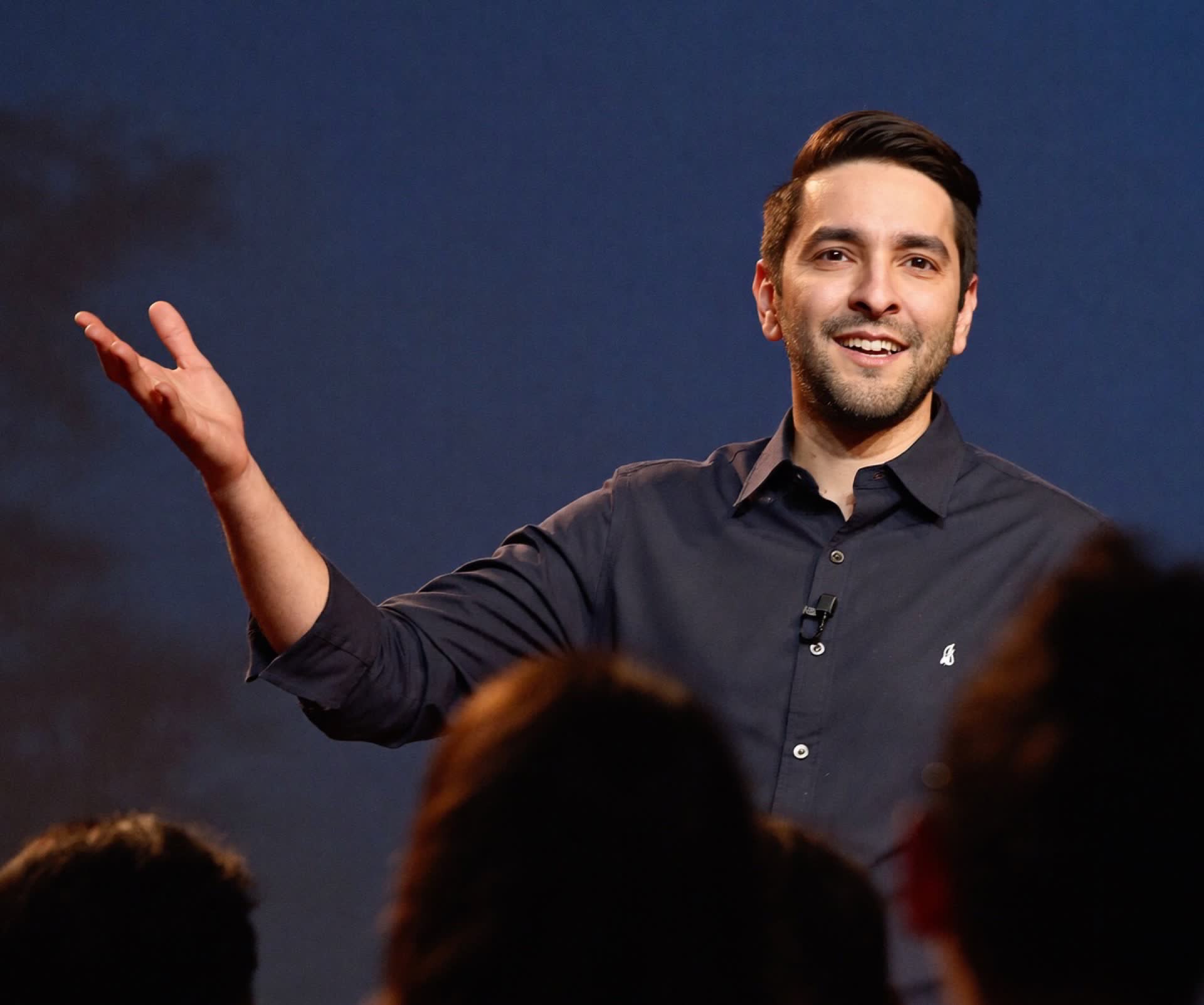
Raheel Waqar built a behavior change agency in Pakistan over 15 years - working on child stunting, clean water, and COVID messaging - and his core argument is simple: designing for the ideal environment is not the same as designing for the real one.
with Raheel Waqar
11 min read
Behavior design is not a buzzword - it is a context problem
The episode opens with Muzamil asking Raheel Waqar to explain what a “behavior design agency” actually is, because even people inside the space often do not understand the term. Raheel’s answer is precise. Every product, every service, is already designed for a behavior to be performed. Apple thinks about the packaging, the way the software loads, the way the box unfolds. The question behavior design asks is: how do you understand human behavior and then design solutions that fit the context in which that behavior actually needs to happen?
The clearest example Raheel gives is handwashing after COVID. “Awareness alone doesn’t change behavior,” he says. “A lot of us know that we should wash our hands but we don’t do it.” The reason people reach for hand sanitizer is not because they received a 30-second message - it is because the bottle is right there. Convenience is the intervention. Context is the design brief.
This is also, Raheel argues, where most development programs fail. They are designed for an ideal environment - a drawing room, a controlled setting - and then they hit the ground and life happens. The context was never accounted for, so the behavior never follows.
From selling Sony Walkmans at 14 to starting a company at 21
Raheel’s path into this work is not linear. He grew up partly in the United States while his father completed a PhD, returned to Pakistan, found the model school system creatively suffocating, and spent his O and A levels deliberately staying out of the top five. “I’d make sure that I was a different pastor,” he says - meaning he was more interested in the real world than the academic one.
At 14, in 1994, he was already reselling Sony Walkmans - the iPod of that era, as he puts it. He made a loss. The lesson he took from it was not about electronics. “Money can never be your objective,” he tells Muzamil. “Money is a by-product of something.” That framing stayed with him.
His father persuaded him to finish a bachelor’s degree with a simple deal: get the degree, then do whatever you want. Raheel enrolled at what is now MDI, largely because the dean at the time - a man named Howard, an entrepreneur who had spent 30 years in England - sat with him for an hour and said things that made sense. Howard’s first or second class included a moment Raheel still remembers: the dean put the textbook aside and told the room that if you want to do business, you have to go out and do it. It will not happen in this classroom.
One year later Raheel had a part-time job. He left without collecting his last paycheck because he felt he had not contributed enough to earn it. By 2001, during his education, he had started his first company - Magnus Multimedia - built around Flash and interactive CDs at a time when saying “I’m a Flash designer” at a party was enough to hold a room.
Storytelling as the first tool: animation enters the development sector
Magnus Multimedia ran for five years, mostly doing corporate production work in Islamabad. The market was limited. Raheel went back to Howard, who told him he was missing a large opportunity: the development sector - NGOs and social organizations - was communicating in what Howard called the dark ages. Print material. Posters. Go approach them.
That conversation was the unplanned entry point into a territory Raheel has now spent 15 years in. The first significant project was a report on child sexual abuse. The report existed. It had facts. Nobody read it. Raheel’s team converted the entire story into a ten-minute animated film and showed it to the same stakeholders. “After 10 minutes these people standing up and saying yeah we can’t imagine this happening, tell us what to do.” That moment, he says, was the point where they realized they had found something.
White Rice Communications was founded in 2006. The name came from a Chinese restaurant. Raheel and his co-founder were trying to figure out what to call the company and ordered white rice, then started adding dishes around it. The metaphor clicked: they wanted to give clients a creative canvas where mixing different elements could transform something ordinary into something extraordinary. “No one’s going to forget it,” Raheel says. He was right - people forget his name, but not the company.
The child stunting project: 26,000 mothers and the aspirational character
By around 2010, Raheel’s team had moved through gamification, design thinking, and content production. They could produce good communication campaigns. But they could not see scalable behavior change at the end. That gap pushed them toward behavioral economics and behavioral science, which was evolving at the time and offered something the earlier work lacked: a science behind why people do what they do.
The clearest illustration of what that shift produced is a 2016 project with UNICEF in Sindh on child stunting. Raheel sets the context carefully. Pakistan’s child stunting rate is 43.7 percent. Eighty to ninety percent of the brain develops by age two. That window - nine months in the womb plus the first two years - is what he calls the first thousand days. After that window closes, the loss is largely irreversible. A child whose brain developed to 60 percent cannot reach 100 percent later. They will grow, but they will not close the gap.
The project worked with 100,000 mothers overall and 26,000 directly. The goal was to get mothers to perform three to five specific behaviors around breastfeeding, nutrition, and hand hygiene. The research used visual tools because literacy was a barrier. Mothers were asked to draw an ideal mother. The drawings opened conversations about aspiration, about what trajectory they imagined for themselves. The community’s aspirational figure turned out to be Madhuri Dixit. So the campaign characters were designed to look like her. The campaign was called Masalima.
One of the most effective moments was a live demonstration. The team would fill a glass with junk food - biscuits, the kind of things children were being fed - and ask: what do you want to drink? Nobody wanted the contaminated glass. “This is what you’re doing with your child,” the facilitators would say. “This is your child’s stomach right now.” Experiential, immediate, visceral.
Eight months after the campaign, the team returned and ran story circles - a qualitative method for understanding what had changed. They ended up talking to 11,000 mothers in story gatherings, which Raheel describes as the largest story-gathering exercise in the world. Ninety percent of participants could attribute some form of behavior change to the campaign.
Facebook is the world’s largest behavior design firm - and that should alarm you
Later in the discussion, Muzamil raises the question of technology and data. The conversation turns sharper here. Raheel’s argument is that data is the future of everything - not as a metaphor, but as a structural reality. “Every company is going to become a software company,” he says, echoing a point about how data will be the underlying asset across industries.
The example he reaches for is Facebook. “The biggest behavior design firm in the world is Facebook,” Raheel says. “They have got 26,000 data points on one person. They know habits that we don’t even know of ourselves.” Facebook knows what you do, when you do it, and can push you toward a particular emotional or political state. That is behavior design at scale, deployed for engagement and polarization.
The question Raheel asks is: what if that same capability were used for good? If you have that level of understanding of human behavior, you could push the right narratives, surface the right issues, and get people into the right conversations. The tool is not the problem. The objective is.
White Rice has already started moving in this direction. During COVID, when field access shut down, the team pivoted entirely to digital. They built WhatsApp community clusters for data sharing. They used social media to reach communities that were otherwise cut off. On the Clean and Green Punjab initiative, when government field operations halted, they rebuilt a digital presence that reached 50,000 people on Facebook within weeks. Frontline workers who had felt invisible suddenly had an audience. In four months, the team reached 2 million people offline and 30 million online with health and hygiene messaging. They are now developing a VR film series to recreate field empathy for decision-makers who can no longer travel to communities.
The Islamabad-Lahore-Karachi problem: clusters, mindsets, and missed connections
Muzamil raises a recurring tension in Pakistani entrepreneurship - the difference in orientation between Islamabad, Lahore, and Karachi. Raheel engages with it seriously rather than dismissing it as a cliché.
Karachi, he says, is solution-oriented and money-minded. People will find a way. But a good shopkeeper does not necessarily make a good systems thinker. Lahore has become a tech ecosystem - technology is the secret sauce there, whether it is food, edtech, or donations. Islamabad, because of its proximity to government and the development sector, is where you go if you want to have those conversations, breathe that air, understand those problems.
The development sector, Raheel argues, has spent 15 years generating data points. Every project, every report, every failed program is a map of problems. “Every problem that you see is an opportunity,” he says. The smarter move is to read that map and build intelligent solutions on top of it - solutions with revenue models, not just grant cycles.
He uses a water nudge project with UNDP as an example of where this breaks down. The goal was to use behavioral science to get Islamabad residents to conserve water. The problem: water in Islamabad is not metered. There is no data. Without data, there is no feedback loop, and without a feedback loop, behavior design cannot function. Data is not optional infrastructure. It is the foundation.
Development funding is drying up - and the private sector has to step in
By the end of the conversation, Raheel makes a structural argument about the future of impact work in Pakistan. Development funding cycles are shrinking. Donor countries are dealing with COVID, shifting political priorities, and debates about minimum basic income. The question being asked in donor capitals is no longer “should we fund a water project in Pakistan” but “should we give our own people vaccines or give Pakistan money for water.”
“If businesses are not designed from day one as a sustainable business, even if it’s an impact business, it’s not going to sustain,” Raheel says. The development sector has proven what is possible. The private sector now needs to pick up those proof-of-concepts and build revenue models around them. That is not a compromise of the mission. It is the only way the mission survives.
Muzamil pushes on the academic side of this - the gap between universities and the real problems that need solving. Raheel’s prescription is specific: in the first semester, bring in top development sector organizations every week to present their actual problems. Make semester projects about solving those problems. Get the Karachi kid and the Islamabad kid working on the same brief. Cross-pollination is not a nice-to-have. It is the mechanism by which good ideas become scalable ones.
Pakistan by 2050: optimism grounded in social capital
Muzamil closes by asking Raheel - born in 1980, with plenty of opportunities to leave - why he stays, and what he sees for Pakistan by 2050.
Raheel’s answer is not sentimental. He points to something specific: Pakistan’s informal charity. Karachi’s street-level giving - undocumented, unregistered, happening at traffic signals - is estimated at two billion rupees. “It shows you that we have a heart,” he says. “We feel for people.” That is a social capital indicator. Many developed countries, he argues, have lost exactly that - the soul, the value systems, the sense of obligation to the person in front of you.
He is also pragmatic about geography. Pakistan sits in an epicenter. China is going to be a dominant global power regardless of what happens elsewhere. His advice to young people is to learn Mandarin. Not as a cultural gesture, but as a strategic one.
The final image he leaves is behavioral. Change does not happen through grand declarations. It happens through incremental steps, the right environment, and sustained inspiration. “You give a vision and then along with that vision you need to give them the right tool sets,” Raheel tells Muzamil. “The right mindset, the tool set of how they would achieve that vision, and then you need to keep inspiring them.” That, in miniature, is the entire argument of the conversation: design for where people actually are, not where you wish they were.
Full transcript
[Music] that he works on is very interesting very new i mean not you know it's been there for 15 years but particularly pakistan when i've been exploring stories um i i haven't found someone who's joking sort of different space um who is the ceo and founder of a white rice is that correct yep um very interesting choice of a name for a company the white rice is basically a behavior design agency or my startup for having me uh and that's a very good question because a lot of people even in the space don't really understand when you combine two words but i think the words really uh signify itself so there's behaviors joe hamari routine habits and things that we do every day and there's the design side of it so if you look at um any product any service it's optimally designed for a behavior to be performed right right so object there's a first behavior you unpack it that's an experience right so when apple designs something it looks at every little detail right so the packaging also matters uh the the way it unfolds the way the software is loaded all of that so in our work what behavior design primarily means is that how do you understand human behavior and design solutions for those behaviors right right and what it really simply goes down to is that let's say after lone cope you want to get them to wash their hands right so one way is that um just a bombard get the awareness messages 20 seconds 30 seconds but we know that awareness alone doesn't change behavior a lot of us know that you have had thunder but we don't do it right how do you get to do that do them to do it is you need to understand their context your behavior and um we might not even wash our hands knowing all of that but yeah sanitizer hand sanitizer mojo the tom immediately shared so it's a lot about convenience a lot about context and that is what is behavior design context level is and that is the dichotomy generally in the in the in development space ideal programs banana for the drawing room or the idle environment but when it kicks the ground and hits the ground the context life happens you say i'm getting yeah yeah yeah yeah yeah and then failures start happening because it's not optimized for the context in which the behavior needs to take place so our entire work is understanding human behavior understanding the context in which the behavior needs to take place and then designing for that space just made then you know we try to get the right environment obviously the nourishing environment in which the behavior can be performed makes a lot of sense right i'm going to get further into that but um you know again for for me this this is very interesting one of the major reasons for that is pakistan because there are certain things as a computer science graduate you know growing up we look at elon musk we look at mark zuckerberg we look at apple um and and east in uh you know in in longer they corrupt hamisha you know you really want to you get inspired by them right and you want to design things the way that they do you want to function the way that they do but hamari society get context okay uh but you know we don't have the time we don't have the money we're not a very high like a you know with any developed economy [Music] you know it's not like you're selling a product for like 40 50 comparative products of america a 50 scale right right you're selling it for less money so do you do does that design really matter does that experience really matter um so a lot of times so you're able to do this you've been you've spent 15 years i'd like to understand uh how did you get into this space right right and and sort of straight out of high school what did you study yeah okay so it's so i've had a very interesting upkeep uh okay then a series of events that had led me here and i just want to very quickly go back in time because my earlier uh brought up was in the u.s so my dad was doing his phd in the us and we were there for four or five years and why i want to bring that up is that i was in school till two or until second grade but that was a very impressionable age and i still believe that a lot of the things that i was exposed to at an earlier age there were you know they were back in my memory right and when i came to pakistan um i you know went into a model school system which actually um which was devastating for me because they you know like but uh creative process suddenly you're in a box right and what sal were were really tough you know in that way and that actually made me shy away from academics so i was literally the rojo getting those kids who would make the top five look good you know so i'd make sure that i was a different pastor so um but having said that then i came back into a regular school system in terms of a private school at my oa levels um but i in the back of my mind i always wanted to venture out of academics as soon as possible enter the real world just almost forget the practical world yeah yeah right and to be very you know the very interesting part is that i literally started my first venture when i was 14 years old uh selling electronics and this was what year this was back in 2000 and in actually 1994 94 it gets yeah right and it was actually an electronics thing it was cd sony walkman that was the ipod of today right and uh literally it was an electronics reselling all that i made a big loss at that time i went very greedy because my entire interest was more pocket money so i could show off and i was a very important lesson at that time and i won't go into detail because one thing i learned by the by that venture was that money can never be your objective money is a by-product of something but there's no limit to money right so i think that very early on lesson i realized yeah i want to do things for experience i want to learn things so kathy karate after my a levels i literally was fed up of education i really wanted to just get out of the country so when i brought up my backpack i was ready to go out um and then my father said you know sat me down and said yeah this is the last chance maybe i have with him to have this real conversation and he said just do your bachelor's get a degree and then do whatever you want and he was smart enough to hook me up because i think you know then we can have another conversation after that so i went into the academic route i did my i started my bachelor's program and the reason i went into this university called um james business school of now it's called mdi right and the reason i went there was that i met this dean at that time who was a entrepreneur himself 30 years in england gosari and we had a one-hour conversation literally sitting like this and he intrigued me because i said yeah this is the person i want to talk to you yeah it was in f6 f63 it was a new school so you though 99 kiba so this is 99 and uh so this it was like a joint program so they offered you a in-person program and then later on you could transfer your credits to the university of southern queensland and australia right on an e-learning basis and that's what i did so i did a around two years of education um physically and then i did the virtual program right that allowed me so this guy that i met his name is howard um he was a guy who you know brought got me thinking yeah there is a world beyond academics right and he was the only reason why literally i decided to go to that college and i still remember in the first second class he literally said who wants to do business and he literally put the book on the side he said if you want to do business you have to go out and do it it won't happen in this classroom and i think that was another thought that got in my mind and one year later i was i joined my first job so basically i started a part-time job lmcr a company right it was called math tech at that time and i did a part-time thing so kuch mein um the internship converted into a part-time thing um they liked having me around maybe i talked too much but then i realized that i had i had no value to contribute and uh i didn't even take my last paycheck because i felt commenting but another good important lesson was that i realized that i can't work in a boxed environment i can't work in a cubicle doing the same thing every day and i was more so my first job was actually a designer so you know it was for web design was a very new thing and all that so i left that and 2001 may i started my first company and again during my education um and this was called magnus multimedia flash was the coolest thing yeah right so if you wanted to start a conversation in a party you would just say i'm a flash designer you know and everyone would want to talk to you and so we started doing interactive cds and multimedia macromedia director and i was like and this person i met he was an mit graduate he started investment banking company in karachi and he came to islama and said i want to develop a i want to start technology company and when it comes to technology because of the bikini but i know a bit of design so maybe you can combine the two and make something out of it i was literally this i had an office beachbody and i had a designer a a designer coral draw was his was his ultimate tool right and a macro media director technical guy on the other side and i was just literally communicating between both of them because they were on different wavelengths and so we started off with that and so i did that i ran that company for five years and we were more into uh corporate side production work that type of stuff animation films evaluated but 2003 may um we were struggling as well because islam admired you had a very limited market you didn't have the corporate sector government t and gst and so i went back i called one day i called harvard the original guy who was our dean and i said however you remember me sydney i don't remember you and i said you know but you were the guy who put me on business and now i'm stuck and i need your help so eventually gives me the time we meet and he said okay how can i help and i said i need advice what to do and he said you're missing out a big opportunity sitting in islamabad which is the development sector which are all these social organizations ngos that are trying to make a difference but they're literally communicating in the dark ages you know it's literally print material posters he said you should approach them and that was the beginning of you know a unplanned you know uh venture into that territory and but so what we did was we said all right how can you tell a better story and i say i would be very proud of saying this that we were the first ones to introduce animation to the development sector animation as a way of storytelling right and uh but that was all very high-end production developed in india and pakistan but we were the first ones project uh child sexual abuse kupata a beautiful report that was published um but no one read it and the government you know and it was literally in pete with i and we converted the entire story those facts into a story and into a small it was like a ten minute animated film and we got the same stakeholders to watch it so many planets so it was that time and i still remember showcasing that and you know literally after 10 minutes these people standing up and saying yeah we can't imagine this happening tell us what to do right and i think that was muhammad the point where we realized here we've hit on to something and so storytelling was basically i would say kimiraj your first passion or or the first love was how do we tell great stories and using mediums like film and animation and all that so did that for five years but we were doing a lot of mix of things and then um different things happened but then i went back to harvard and i said yeah i want to really now this was a joint so we were i was working with with this other person but then i said yeah let's um start i want to start another company but dedicate it on impact so i want to create social change and use design to do that so that's i don't know what will i'll do how can we club this too and then harvard said all right why don't we do it together so we became partners we started white rice in 2006 and the name actually came from a chinese restaurant because we're really trying to figure out he had nam karaki we're literally sitting at a chinese restaurant and we ordered uh and and generally you're very confused when you go to china you know so it's like yeah that's starters so we ordered white rice and then we start ordering things that would complement it right and that's where it clicked because what we wanted to do with our clients is provide them a creative canvas right where they could by mixing different things you could transform something into ordinary to extraordinary right and that's where the name white rice clicked and we also thought no one's going to forget it um you know so seth gordon okay you you need to use words or names that are shockingly different and are visual right and that's where people will never forget it um or a bb you know meet people you be salt pele yeah sal pele you know have interacted they don't forget they might forget my name but they don't forget the company so that's how we started off uh we've been pivoting so everything three four years our journey gets redefined because we're really passionate about solving real problems and we are very too uh we're not agnostic to a particular methodology right hamara maksa and that's what we say we fall in love with problems right we don't like solutions because solutions are you know you're already changing them yeah exactly so if you understand the problem enough you can come up with the right solution so in that pivot we've been doing um we did a lot of gamified things we developed content there's this project we did which was called aflatun this is an international financial learning program okay it's it's in around i think now 40 plus countries we were the first ones to adopt that content and make an animated series out of it any learning series which actually won a pasha award later on and but what i'm really proud of is that that content wasn't for the urban kids it was for kids in drop-in centers across the country right and i'm also very proud of juvenile kids they were given access to a computer and this was the learning program they were given access to and we saw results in terms of reduce crime and reduce fights and all that as a result of being positively engaged so we went through that journey we explored design thinking in between and around 2010 and we thought okay this is a great way of creating empathy with our clients and customers but then the objective was we came up with great communication campaigns products services but we couldn't see that scalable change in the end we wanted to see a million people's lives and we always wanted to focus on behavior but behavior was a very um it was an area that a lot of people didn't delve into and pakistan may now again talk about 2001 3 so uh 2000 sorry 10 11. just maybe this was it was all about basic communication basics that type of stuff but i think those are tera chodame we came across this field of behavioral economics right in behavioral sciences which was evolving at that time and they really and it really pointed out that there is a science behind behaviors so if you can really understand that yeah you're right actually i think them say aptitude tests and all of these things sort of like first analysis personality yes myers-briggs started coming in yeah and you start profiling people on different levels and you also start understanding yeah there are humans operate at a certain level yeah right we have our biases we process information our background our personality influences the choices we make yeah and so does the context so does the environment in that understanding allowed us to then design interventions that were contextually driven so our programs we understand since context and just to give you another example here is we did this project on uh child stunting right and uh just to develop develop that context because i think children is is the space of children is a big passion for me uh because i feel that it's just so underutilized and um we talk about this youth bulge this uh and i think a lot of our viewers come in that youth category but we never talk about how do we set them up for success academics alone will give you nothing it gives you a piece of paper at the end of the day that's just i've spoken to so many people um and and this is like a like a talking point at this point in time you change everything great times but the fact is okay we and even for the youth we've shown them given them hope we don't have an understanding of how to give them a direction exactly um and it's been 10 years since i've been hearing the youth bulge and i've been hearing there is a huge opportunity opportunity for opportunities exactly exactly that that's the milk that's the you hit the deal right because separate problem here okay everything all those programs that geared towards the youth but we really do not understand where do we take them from oh hey we have a flight through to to mars and you need to reach the us so you know it's just of no you use right so that's why programs have to be contextually driven we really need to understand where is the youth coming from and meri nazar may um it really starts in your formative years child stunting till the age of two so that we call it the first thousand days so nine months when they're in their mother's womb till the first two years so it's a window right and this will be very alarming to to know that 80 to 90 percent of your brain develops by the age of two you know that and it's an irreversible loss observable so what that means is that after you cross two there is a certain percentage your brain will grow 10 20 percent but it will not go 50 after that right actually what that means is that so i mean just to sort of understand if the brain has developed only 60 percent so it will go up to 66 percent can't go beyond that exactly exactly exactly and what that means is okay you have a physically able youth right and then they have to compete in all other scales to reach that optimal level and unfortunately the process starts very earlier on and it's very simple it's hygiene and it's to do with nutrition right it's about being them being breastfed at the right time their diet um you know the hand hygiene factors all that which are things that we can control but unfortunately they're not paid attention to right right and that gap lives on for for life disadvantage so what i want so the context i wanted to bring is that we did a project in synth with unicef um which was a child sending project and we were working with a hundred thousand mothers um with and 26 000 mothers directly so the overall impact was that and the entire behavior change camp you know the initiative was how do you get mothers to start performing three three behaviors three to five behaviors and they're very simple behaviors yeah first six months first two years and how do you control their hand hygiene and all that so we did a lot of contextual uh research what year was this this was in 2016. yeah around 16 bill 16 can there yeshua um we so but what was interesting in this is that when we did our research and that's where context came about music insights when we talked about aspirations a lot of times we use visual tools right so because literacy is a problem so what we said to the mothers is that draw out an ideal mother for yourself right so they literally drew kiara you know her hair her clothing and all that and that scouted got us to start into a conversation okay what does that aspirational character look like and what was phenomenal was that yeah okay they dream of a better life what's the trajectory for them what's the path they need to take to to towards that right so that's the type of understanding we created when we talked about aspirational characters and you know what type of things resonate with them those community madhuri was the the hottest thing there right right and we said all right what if we can make our characters look like madhuri so then when they see our communication material they already feel that there's a connection to it and that's exactly what we did so our campaign was called masalima and the other thing about our campaign was that we want to celebrate mothers we wanted to say that what you've done is monumental let's appreciate you for that so we've created these mother clubs where they would come in they would be given awards we did these demos you said we got the emotional demos we would we would show them things live of what it meant so literally a glass of pineapple or a glass and we would put in like uh you know these junk food you know biscuits and all that butch and look this is what it looks like right now what do you want to drink and no one will want to drink the other one right but we said this is what you're doing with your child this is your child's stomach right now yeah so it's experiential cheesy create key and long story short eight months back we went to the community we didn't have the intention but we ended up doing story circles it's a qualitative way of getting understanding what change has happened and we ended up talking to 11 000 mothers so these were in story gatherings and according to what we figured out it is the largest world uh the largest story gathering exercise in the world and ninety percent of them was um were able to attribute some form of behavior change because of the campaign that we were run and after eight months so that's the type of work we do but at the same time that's how important this work is because pakistan may 43.7 percent but they are stunted which means that they might be at a very marginal level marginalized level but it's affecting their physical and mental growth right so that's the type of work we do and we get involved in very very interesting um um you know you you talked about segmentation in terms of human behavior and this is something that's been growing in recent years um particularly uh it's it's interesting because you said harvard uh founded i believe uh you know he said uh was he the one who said i want to make a technology company was there someone else there was someone else that's my first first partner yeah yeah so uh uh do you think you'd you'd be you'd evolve into a technology company in the future and the reason why i say this is um okay you know what generally concept there is either an i.t company or a tech company um or there is a non-tech enterprise and a lot of times abdullah bhararaj iit as a service or id enabled services general okay so when you look at uber for example uber is not a technology company essentially you know it's a ride-hailing platform which is backed by this like underlying technology right right um and and what you particularly said uh that's like sort of like a good way of uh you know a a good just outcome of uh the right segmentation of data the bad outcome would be how facebook is sort of you know segmenting you and identifying your behavior and predicting your behavior and you social media you know why are you taking my personal data but a lot of the data you can actually actively get based on voluntary surrendering of that right right and based on that you can actually tweak that uh so a lot of times what we do is we create these like magnanimous projects uh based on tk whatever whatever insight we've gathered and we decide okay listen this is what we understand and this is what we're gonna do and now we're to spend like let's say 10 million dollars on this right right and and the world has become a bit more agile so what they're saying is okay listen we're gonna we're not gonna spend ten months uh learning we're gonna spend three months learning sure we're gonna spend first hundred thousand and then we're gonna you know spend another month just sort of getting some results and seeing how i'm just going to tweak this um and vapor you know technology and data plays a huge part yeah so so so where do you see that sort of integrating with what you guys are doing at this point so i think that's a very very interesting question a very important question and i think koved has shown us that we as an organization have completely pivoted the last year because suddenly covet happened and our access to communities the frontline workers that we worked with were suddenly all all came to a halt and the only way to reach out to them was digital was through technology so exam semi social media platforms became very active we looked at simple things like whatsapp so we created community clusters groups sake with data sharing at least once a shiro oj and what we realized that in the last one year we have done the most amount of technology technology-based projects combining behavior design um so we just saw mark and said captain okay in the future every company is going to become a software company right so they might not be producing software but they data is going to be the software yeah someone has data on you know cosmetics someone has data on your uh you know your health patterns but it is going to be your data just really says that the future is dataism you so the future is all data so whoever has data are they clicking china has power because it has data control on the people okay facebook and google have power because they've got data on people in a way a graph they came to the biggest behavior design firm in the world is facebook right right they have got 26 000 data points on one person they know habits that we don't even know of ourselves yet how much do you know about yourself the mushkil says sochi but facebook knows exactly what he does when he does it and they can and that's why they are able to polarize you in one way or the other right now imagine if this was used for good how much power you would have to get the right narrative out right to push people for the right uh issues to get people to have that conversation so as you said i think our future definitely is technology um we have already started venturing out into things like um vr so we are actually at this point developing a film series on vr right where we also realize kovet mena the there's been an empathy gap right valley people used to travel in the field they would say stakeholders decision makers so how can we make create that empathy in their drawing room literally or in their meeting room so we are now developing as we speak a series of films that talk about the challenges and how things have changed during covet so that these people we will put on headsets and they can actually see what the reality looks like um we're delving into ai digital kim and bharti we're using social media very uh actively now i'm trying to reach out to more people just a case in time um clean and green initiative pakistan kabramashuda we've been working on the clean green punjab part of it and covet happened and a lot of our work you know literally stopped but what we did was that we recouped and we re thought our strategy and then we used digital to reach out to communities so suddenly government was blocked and then in a few weeks johanna clean green key established key we had around 50 000 people on facebook and all that so we started engaging with them and what's most remarkable is that we had a workforce 250 plus people your front line and they were all scared of it no one wants to go in the field they didn't know what to do they felt helpless like a lot of us but we said why don't we open up another channel where you can engage with the community via technology and we were able to literally resemble show their work on the ground to an audience of 50 000 people right so suddenly these nobodies became somebody yeah and that was just such a rewarding feeling my work is being recognized my people are seeing my work that it changed and in four months may we were able to reach 2 million people offline and around 30 million people online through on covet messaging on health and hygiene all the stuff that we were doing so as you said i think technology is going to be the future for whatever we do and from a behavior design perspective as well jitney's key application technology site behave websites may appspa uxgui how do you get people into opting for this opting out for that there is a comp it's it's a it's like an iceberg right now we just we're on the tip of it right there is so much and it's it's all going to be combined in the future very interesting uh i've actually had a had a life a career start with a development sector um i worked at the world bank for three years and uh obviously you know again you're in islam um in terms of how we sort of [Music] um and i feel like that's an extreme on on on in that direction because what you're essentially doing is you're saying hey i don't really care the impact i don't really care the outcome all i care about is to maximize the the money right and i think that's something okay you know you look at any mega city in the world you look at you go to new york uh i remember when you literally entered kia and i was in wow of what humankind has achieved and two days into it i was just frustrated because i was like everybody is talking about that one person above mkr i wish i was that person and that's something very very similar to what you find in karachi as well where everybody's telling you about this particular state or that particular satan you know i wish i'd become that person and you know i'll be rich uh then i'll be powerful and uh so for you the metrics of power and money is not dependent on the car that you're driving or the you know the clothes that you're wearing x and growing up you had that sort of art and culture and oh sorry feeling right you you're all about you know listen i want to change the world and and and i feel like islam is on the other end of that extreme where they think they're sitting there and they're thinking about dunya with me and a lot more often than not when they're coming to uh you know trying to when they try to change the world in a capitalist environment unless that change is sustainable it's a waste right right right and more often than not i've seen things coming out of islamabad so more often than not i've seen things coming out of karachi without any context of why they were done to begin with you know when you look at the us for example and you look at the top companies in the world and you look at their vision statement it's very clear right it's extreme clarity on what's what they want to achieve and that that's where you can understand why they scale as well you know i remember i went to nic once and and this guy was pitching this idea to me was like you know i have this uh uh this marketplace for uh photographers and this and that and um you know and and i want to change this and messy if i thought who got these keys [Music] unfortunately unless we tell someone about how what we're doing that's going to change the world right you're not really doing anything right and the right mix is somewhere in lahore where they have a vision and they have the sort of money mentality mm-hmm so now your context whenever detailed care the question is okay uh you know we talked a lot about development sector and i feel like the development sector is great in terms of uh proof of concepts uh so when when when let's say unicef and let's say undp comes in and they take this project and they identify that and then they do roll it out and then they bring out a report what that's doing is that's giving you a proof of concept they're saying you know listen we're gonna give you funding because this hasn't been done before so nobody's gonna invest in it right we're gonna show you this is possible and now we're gonna con now you go and convert it into some sort something that's more actionable something that has a revenue model um something that can or or just keep saying exactly um and what they decided to do was they said listen we're not gonna spend on the pipes we're not gonna spend on anything else what we're gonna spend on is a community empowerment and we're gonna help them build these uh systems that are going to help them sustain a community system community [Music] [Music] you know for world bank there was one project right until unless in any economy the private sector this is very very important the private sector sort of starts fueling in that become that agent of change for profit for every entity you can't have a long-standing change exactly right it's a very communist versus capitalist sort of a mentality right uh in that uh context do you think because i i you know i know you've worked a lot in the development sector um and particularly i understand why as well but how do you see behavior design and behavior change uh you know working in in in the private sector of pakistan uh in terms of how they're doing their uh uh from everything from from design from marketing from all sorts of things because i i fundamentally feel like your products [Music] literally go up right we think globally we've learned that part act locally while a part together you know it's difficult for us because it it means researching it means psychology it means sort of feedback right right so so that's a very heavy loaded question there's a lot happening there so teresa let's build that context but interesting analysis of karachi lahore islamabad and these are all clusters like even if the west you know when you look at when mark zuckerberg had the idea in in boston he eventually had to move to silicon valley to make to make that dream happen okay because silicon valley and san francisco become the hub for technology now it's what's changing but still you would go there with the big idea if it's wall street media you would go to new york right so there are clusters within that pakistan islamabad is so islam if you look at lahore karachi so lahore has become a tech ecosystem right so there's a lot of technology firms that's become that safe even and because a lot of businesses are now tech driven and you're my next generation rea technology is like their uh is their secret sauce you know everything has to be tech driven chai vo you know it's it's about food donations it's about edtech there it has to be that technology right what i think about karachi and as you rightly pointed out they are money-minded but i also think they are solution oriented right they'll find a solution they'll come back but that maybe a good shopkeeper doesn't make yes and that's why you see all the traffic people realizing their dreams and they go to karachi islam because of the government because of the ngos and development sector mindset generally you've got at least government so you have those conversations you breathe with them you you live with them right and the other thing is that you rightly pointed out that the development sector over the last 15 years has given us data points so they've done enough projects to tell us kr yeah your problems are your challenges and as a as an intelligent um businessman you would say okay these are opportunities yes right everything every problem that you see is an opportunity for us and the smarter you think about it in the and if you actually are able to mobilize the vision with the execution you can start making intelligent solutions and you can start you know getting money out of that or just having an example the very example of water um we were trying to do a uh a water nudge project with undp around how to get islamabad uh you know the samba is to basically conserve water so we're trying to look at behavior science and uses of nudges to basically get people to reduce the the water usage but subsequently here we have no data point it's not metered right up extended so [Music] it's that type of challenge but again data command so data of subsequent you have to have data points yeah and i'm so glad that you were able to do where you have data points because that is your instant trigger you know and now how do i maneuver with this and as you rightly point out the future is this um a shared vision just with the corporate sector or the private sector and the development and the impacts have to have to work together yeah if businesses are not designed from the day one as a sustainable business even if it's an impact it's not going to sustain yeah or that's what we've seen in the development world and what i've been seeing is that the development funding and the cycle is actually going to reduce over time update defect has started cutting back on so many initiatives because now the two challenges one covert kebab they have their own set of problems now yeah and number two the priorities have shifted it's like should we give you vaccine or do you want money for water yeah right yeah and i'm going to be very going globally there is a shift towards uh socialism at the moment uh there's a shift towards like these like uh minimum basic income exactly um and and when countries move towards that the the richer countries will have less we'll sort of think ten times before they're like you know do we subsidize this developing world or do we actually let our people not work and sort of right right um so i do see that sort of drying foreign [Music] for any third party would have been 23 roi end of the year after taking out costs right right and it's a basic math after that foreign and the bucket size is so small and everybody's targeting that bucket size yeah uh okay you're not really bad problems are opportunities yeah yeah and sometimes make core challenge but okay now that that we need to step back for a second because it's a it's a mindset problem right or mindset it's during your academic years right right especially around college college is the big change right suddenly shortest school say with 50 kids now you're in 400 kids you have different disciplines you're interacting um and you're dreaming your your big dream is get how do i end up with my dream job right and make six figures eventually i think the problem is on both sides academics kisarth i see the challenge is they live in their own bubble they they have started opening up but a baby is not opening up the way it should be it's very idealistic very idealistic and the development sector lives in their own bubble right conversations so if i was to design a program i would do two things one i would get this is your first semester i would get top development sector organizations to come in and every week literally talk about the work they're doing right so the world bank talked about the water sanitation project the units have talked about child stunting polio how can you help us yeah this is our problem there are just something it's a mine field of problems and they need to be solved but b and that someone has to open that gate between them and say yeah yeah they were open to these are our problems can you solve it come back to us and our semester based projects need to be solved be about solving those problems yeah and here in that process you get real experience you get to run real problems or drop a bad key at a cell opportunity bottom of pyramid yeah they came professor eunice realized he was an economist he was teaching but he said yeah opportunity corporates are reaching only to 20 of the market yeah 80 is out there yeah we are working on a project with uh with care international it's a mastercard funded project a mastercard has nothing to do with financial inclusion yeah but their intention is that how do we reach five billion people that are either under banked or unbanked that's uh because of 5 billion they will take over the other 2 billion yeah because it's such a shortage to scale baby so they're now working with countries across the globe with marginalized communities and around how do you get women in financial inclusion so how do you cr bridge that gap yeah so the point is that the future is all that and i think i got hamare academics if we could start it from day one yeah i think we will have a heads up and the other thing that you said i would want the karachi kid in the islamabad clip to actually work together exactly so either you beat yourself up or you work together and you figure this problem out together yeah that is your cross first fertilization cross pollination barriers we live in these three different zones in my interaction with islam university last year and i was fascinated with the campus like i literally said if i want to teach my if i want my kid to go for high education habib university would be a good choice because it's a great blend of liberal arts and all that but there is and that is what i think we have to do we have to push this narrative that yeah the academic world has to open up i don't see a world of four four-year degree programs to be honest with someone i see a world where there's going to be a subscription program right you will get a year-long subscription to mit and jab up sickness you will subscribe to that course yeah char salmon you become irrelevant secure salmon it's disrupted there's a new technology that comes in yeah but the future is learning on the go right that is going to be a skill and to be honest unlearning as well unlearning exactly unlearning relearning if you guys want to just sort of as a thought experiment joe biden and those invalid tweet here okay you know trickle-down economy has failed let me know looking at trickle-up economy and that basically fundamentally talks about exactly about that bucket size okay we're actually talking looking at after 20 foreign merely problem identification right if i compare myself to someone in karachi uh you know kids as smart as i was were always thinking about the next fashion brand um the next this xyz the same thing done repackaged and they were still able to sell it to be honest like they could open the 200th company in the industry and they would still be successful um but [Music] is in collaboration i feel like a hamaria across the board unfortunately uh missing it but where are the 51 minute mark um i want to ask you one last thing i had a lot of other things as well but i want to ask you one last thing and this is something i ask all my guests as well um you know it's 2021 right now we talked a lot about you've worked with the development sectors you know you're one generation ahead of me um but even i i i would say you're probably born in 1980 yes right uh i'm from 1990 right by 2050 you'll be 77. generally dunya life expectancy is yeah i think as a nation um what keeps me in pakistan right because i had a lot of opportunities to go abroad as well um both push people my father still doesn't know what i do you know so explaining it to him amitak i'm stuck with the company for 15 years uh it's still a big question uh but i have a lot of i'm so i'm very optimistic about pakistan i have a lot of hope with the people we have because i think by intention we have the right people hamare anything happens in the world we're the first ones to express to say it out um tk we've been sidetracked here and there but generally speaking we're a nation of india had a crisis we were the first ones to respond oxygen we're there our philanthropies philanthropies they came we have one of the biggest in the world um you look at yanbek i was surprised to know that karachi alone your street cooper people charity they just on traffic signals and stuff like that and it's undocumented but it's estimated to be two billion rupees though people just given this normal charity this is not registered charities so it shows you that we have a heart we have we we feel for people on miri does that mean this is a very important indicator for any country but i think they've lost that empathy part that soul part to it they've become robots in many ways you know they've they've looked at life okay grandparents are living somewhere else planes are living somewhere there's no value systems they look back to the east for values right so i think in my view um i see pakistan inshallah as a very vibrant country i think we are in this territory for a reason it was it's by design it's not by choice uh we live in an epicenter where china is going to be the power no matter what right we have a lot of opportunity so my a lot of my advice to young kids is learn mandarin mandarin yeah you know if there's one thing you can have you need to learn mandarin because natural you know you have that connection with them and i think in in in my view what i'm trying to do is to try and made an entire aim like over the years and over the next couple of years uh you know for a few decades gala is to change the thinking thinking become niota you know we're all about knowledge knowledge knowledge knowledge reflecting and i think by design it was the great restart right that allowed us to reflect your life heck yeah so fragile what are our value why are we doing what we're doing yeah i remember the the lockdown days and couldn't imagine for the life of us you were like listen it's been a month i haven't bought new clothes i haven't bought anything new and i'm quite satisfied exactly exactly exactly and you found peace within your own diwali right yeah there was a time where we had a lot of waste in our house but i have two young kids five and two and now there is literally cheese keep packaging because we recycle we use it because that's our our play area you know what something to do with it right i think that type of satisfaction um is very important so yeah to push the human thinking our thinking there's a world beyond us there's a world beyond money dropped in bharti there's a world beyond being selfish enough that yadi mere pasap but how do we create those ripples of impact or change that is what i i totally believe in and also giving them the agency job yeah you need to tell them what's the road map for this right and joe mira come here if i look at you know behavior changes really to understand environment you might not even be in this home you might be up in the north but if i say mozamel let's start with five minute workout patch minute opening whenever you feel in the day and you say yeah that's doable i can do that so the first two weeks you just do five minutes yeah five step ten pillager about incremental uh exactly right exactly and you're growing so if you so the thing is that you give a vision and then along with that vision you need to give them the right tool sets right the right mindset the tool set of how they would achieve that vision and then you need to inspire keep inspiring them i if that happens so my point is that if we can get our ducks in a row and we can get the sequence of events i think we have unlimited potential and pakistan does have the opportunity to become to 2050 may maybe one of the top 20 economies in the world right and there's not even like a like a very out there thing pwc has a report from 2016 where they said pakistan would be 16th largest you know uh so you're absolutely right and i think uh you know i'm i'm excited to see that feature um rahul thank you so much for coming in and this was very very insightful um i had uh i i was excited to hear about what you were doing with behavior design uh but i'm more excited now because what the things that you've told me that they're they're very not only are they interesting uh i think they're the need of the hour uh we've been doing a lot of what we've been doing mindlessly and i think joe abner cracker retrospection and sort of uh reflection uh important um you know i think and the fact that you're working you've worked on you know child stunting you've worked on clean and green a lot of these initiatives okay [Music] data driven research oriented you know sort of feedback loop that you've sort of created uh i think is is fundamentally important in in achieving the future that you dream of um thank you so much for being part of the show thank you thank you for having me this is a lovely talk to you what's up with this and for all of you guys thank you so much for watching you know you can join that as well but anyways this was it you were watching thought behind thanks thank you so much for watching and i'll see you in the next one
More from Thought Behind Things
Jun 30, 2026
Simon Dixon: the US empire is being wound down by design
with Simon Dixon
Simon Dixon argues the American empire isn't collapsing — transnational capital is deliberately unwinding it, and Pakistan's military has become its leverage in the transition.
Listen →
52:45 Jun 9, 2026
How Asad Mehmood landed Mattermost from Pakistan before A levels
with Asad Mehmood
Asad Mehmood walked into Mattermost before he had A levels, crossed two million dollars on Upwork, and now runs a design agency from Pakistan. He sat with Muzamil to lay out the framework underneath it: become undeniably good, then become visible, then sell outcomes.
Listen →
59:04 Jun 5, 2026
A 22-year-old Pakistani's road map to space by 2050
with Hassan Mossin
Hassan Mossin, a 22-year-old Pakistani astrophysicist training with the International Institute for Astronautical Sciences, walks Muzamil through the next twenty-five years of space — commercial stations by 2030, a lunar base by 2032, and why the bottleneck isn't food or oxygen, it's energy.
Listen →Never miss what's next.
The dispatch - new writing and conversations, straight to your inbox.
First name, last name, email - in your inbox weekly. No spam.