Thought Behind Things · Jan 29, 2025 · 1:17:04
Why brick and mortar will never bank Pakistan's other 100 million
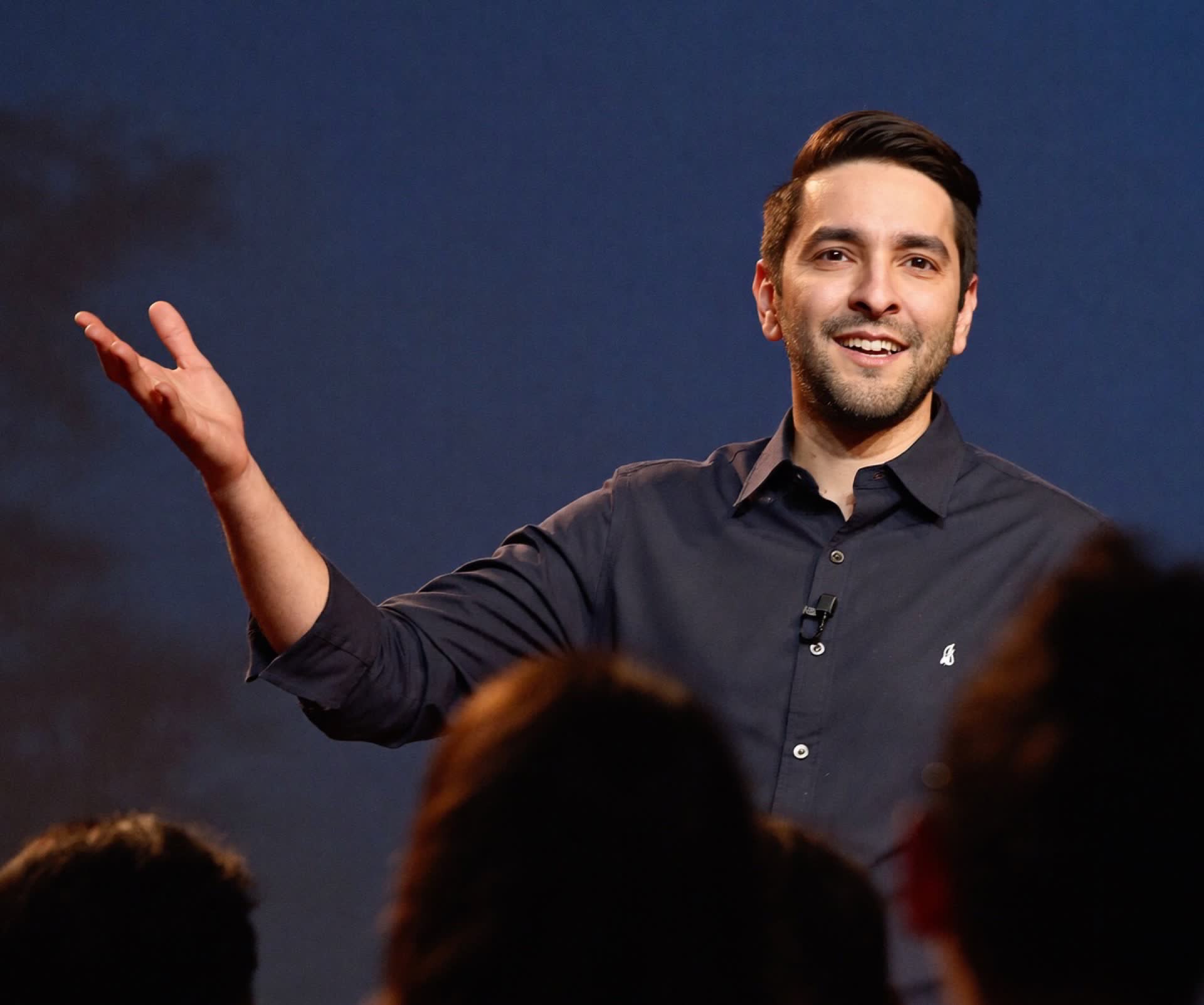
EasyPaisa chairman Irfan Wahab Khan joins Muzamil to explain why traditional banks cannot close Pakistan's 100-million-person banking gap, what changes now that EasyPaisa holds a digital retail banking licence, and where credit scoring, cross-border wallets and tokenisation actually fit in.
with Irfan Wahab Khan
13 min read
A road trip to Southern Punjab, and the idea that became EasyPaisa
The episode opens with Muzamil framing the file before the guest answers a single question. Pakistan has been told for a decade that fintech is about to change the very dynamic of how finance is done. The cash in circulation is still extraordinarily high. The update every year is that there is a big problem to solve and the hope is to solve it — and yet it remains unsolved. He brings in Irfan Wahab Khan, chairman of EasyPaisa, to find out where it actually stands.
Irfan’s macro framing is direct. “Today even half of the population is unbanked or underbanked, which is a huge huge challenge for us,” he says. “If we talk about 100 million people, 100 million people who don’t have a bank account. How can we bring our countrymen into a financial inclusion net? And I am very clear that from traditional banking it is not possible. From brick and mortar it can never happen, because we have not achieved that in seventy years.”
The origin story is more granular than the corporate version. Irfan was the first employee at Telenor Pakistan in 2004. By the mid-2000s, on a road trip from Karachi to Peshawar during the wheat harvest in Southern Punjab, he met an elderly farmer whose son was sending money home from Saudi Arabia. The man had no bank account and had to travel to the nearest town every time money arrived. “Then I thought,” Irfan says, “why can’t we use this tool that every person has in their hand?” He read the M-Pesa case study from Kenya, went back to the Telenor board, and was turned down. The board reminded him that Telenor was a telco, that reputation risk on money was huge, and that the company had no expertise. He kept pushing. In 2009 the State Bank issued the branchless banking licence. That was the birth of EasyPaisa as a concept.
What “digital bank” actually changes — and what microfinance could never do
Muzamil presses on the licence question early, because it is the structural piece most listeners will not understand. EasyPaisa already had a microfinance bank and a wallet. So what changes now that the regulator has issued a digital retail banking licence?
Irfan’s answer is the cleanest list of the conversation. Microfinance came with caps — on lending sizes, on the kinds of products that could be offered, on cross-border activity. “Cross-border payments you cannot do directly. Your licence does not allow you, because your purpose is something else.” Under the digital retail bank, all of that opens up. Business accounts for SMEs. Car loans. Home loans. Mortgages. Much larger ticket sizes on personal lending. Direct wallet-to-wallet cross-border transfers. Buy-now-pay-later. And — the product Muzamil deliberately stays on — credit cards.
The transition path is also unusual. “We are going to be transitioning or transforming our microfinance licence into the digital retail bank,” Irfan says. “This is the first case of that, because we were already there compared to the newcomers who will just get the new digital retail licence.”
The scale Muzamil pulls out of him is what gives the licence its weight. Fifty million accounts — “every fourth Pakistani is an EasyPaisa customer.” Over 16 million active wallets transacting on a regular basis. Around five million transactions a day. Over 600,000 loans disbursed every day. And the throughput figure that lands hardest: the platform processed transactions worth roughly nine percent of Pakistan’s GDP in 2024, against a cash-in-circulation pile of around nine trillion rupees — roughly twice the level of comparable economies.
The Alipay turn, and why blockchain came in through remittances
The architectural pivot that made the scale possible came when Irfan, by then Telenor Pakistan CEO, took two decisions. First, buy back the microfinance partner and take full control of the bank. Second, find a global partner who could complement Telenor’s strengths in distribution and customer insight with technology and fintech depth.
That partner was Ant Group. Ant came in for a 45% stake against Telenor’s 55%, in what Irfan describes as the foundation of the modern EasyPaisa. The product implications followed quickly. Nano-lending scaled. A new app launched in 2019. And — the most technically interesting use case Irfan describes — EasyPaisa piloted blockchain on international remittance, opening a corridor between Malaysia and Pakistan because Telenor’s Malaysian operation could close the loop on the other side. “We were able to establish and show it to the regulators that with technology you can do twenty-four-seven transactions without any fee at the best rate,” he says. The pilot did not become a product because the microfinance licence did not allow cross-border activity. The digital banking licence now does.
The unbanked customer is not the upper-middle-class wallet user
Muzamil draws the cleanest line in the conversation between two very different EasyPaisa customer profiles. For an upper-middle-class user, the wallet is “a fancy little tool” — a nice-to-have add-on. For someone who has never had a bank account, the digital bank is the first banking relationship of their life. He recalls that growing up, conventional banks judged customers by their dressing before opening an account.
Irfan’s response leans on data and AI. Even a household maali or driver has a profile the platform can build — what the salary inflow looks like, what mobile top-ups they buy, what their remittance pattern is. “On the basis of that you can actually draw a profile, and on the basis of that profile you can decide that if he needs a loan, up to what amount, and as he pays back, his credit history builds up and you keep on increasing the ticket size.”
The same logic extends to insurance and savings. Irfan flags the EasyPaisa OPD medical insurance launched during COVID, and an insurance campaign targeting workers physically installing billboards. On the savings side he uses the Chinese reference deliberately — Alipay’s leftover-change money-market fund became the largest in the world by surpassing JPMorgan’s, not by chasing big tickets but by letting a hundred rupees sit overnight and earn something. EasyPaisa is now, by his account, Pakistan’s largest mutual-fund distributor by number of customers — not by ticket size — because the minimum entry is a thousand rupees rather than fifty or a hundred thousand.
Why Pakistan missed the credit-scoring boat
Muzamil’s sharpest provocation in the middle of the conversation is on credit scoring. Pakistani banks, he argues, have been structurally lazy — content to lend to the government at risk-free returns while private credit lags. The data exists in the market. Food Panda knows what someone is spending. Daraz knows what they are buying and whether they paid cash on delivery or returned the order. None of it gets stitched into a usable national risk profile.
Irfan does not push back. “We missed the boat because we were too closed-loop as banks. We did not share data. Credit bureaus’ reach was also limited because your traditional banking customers are very few. If you have only one or two million customers in total, you cannot score twenty or twenty million people on that base.”
The remedy he points at is structural rather than commercial. NADRA, he notes, was ahead of the world fifteen years ago — but the mindset that data must not be shared, especially with the private sector, has not changed. He contrasts this with India’s Aadhaar APIs, which opened the identity layer to any startup that wanted to build on it. “Data should not be seen as a one-time money-making opportunity,” he says — meaning the regulator should not see open APIs as a single-transaction revenue stream. It is the asset that the next generation of innovation will be built on.
EasyPaisa’s own AI credit-scoring engine, developed with a partner and trained on the platform’s transaction history, is in production for internal lending. Irfan confirms the company is now considering opening it up as a service to selected partners — with the explicit hope that the partner data flowing back enriches the model further.
API rails, SMEs, and the integration problem fintechs keep failing on
Later in the discussion Muzamil pulls on a thread that anyone who has tried to launch a small e-commerce store in Pakistan will recognise. EasyPaisa’s checkout on Daraz is seamless. As an SME on Shopify, integrating a payment gateway is, in his words, a nightmare. The big players get prioritised because they bring volume. The small players sit in a long queue. Fintechs historically build for the former and ignore the latter.
Irfan does not contest the observation. “Your observation is absolutely correct,” he says, and then names the three causes: internal bureaucracy, regulatory KYC and documentation requirements, and a prioritisation logic that follows volume. The fix, in his framing, has two parts. The first is competition — more digital banking licences mean more players chasing the same SME segment, which forces simplification. The second is regulatory: State Bank has to make KYC and onboarding lighter at the bottom of the market.
The conversation pivots from there into the One QR question. Muzamil is sharp about the international examples — India’s roadside fruit cart with a printed QR, China’s tier-three city tea stall accepting payment by phone. Pakistan’s One QR initiative, he points out, has been talked about for years. Where is it?
Irfan’s answer is the most candid piece of policy commentary in the episode. The State Bank, he says, has done a lot — Raast is a real piece of infrastructure, and the digital retail licences are forward-looking. But: “We need to really make it fee-free. So that you can roll it out, and then on the backend the rails that are used are Raast. It should not be that — okay, I rolled this out so the incentive comes to me, and that becomes a disincentive for anyone else to use it. You cannot expect a retailer to have multiple QRs. It does not work like that. It is cumbersome. It is complex. It will not fly.” Single QR, free at the acquirer layer, Raast underneath — that is the only configuration he believes scales.
Women, gold, and the inclusion gap behind the GDP gap
The most consequential macro point Irfan makes lands almost in passing. Pakistan’s female labour-force participation, he notes, sits at roughly 18% against a 50% population share. That gap, more than any other single variable, is why Thailand, Vietnam and the Philippines — economies that were smaller than Pakistan twenty or thirty years ago — are now meaningfully ahead. “Everyone is contributing towards economic growth, and the key for that is inclusion. Financial and digital inclusion.”
EasyPaisa’s product response, he says, has been to lean into accounts held in women’s sole names, particularly in conservative districts where the historical default has been a husband’s or brother’s account. And to extend nano-loans to women running home-based businesses — bakers, small retailers — on the strength of their own profile rather than a male guarantor. The point is not a CSR talking point. It is the bottleneck on the country’s growth model.
What digital banks should — and should not — build first
Muzamil pushes Irfan on what he considers a gap in the Pakistani digital banking offering: budgeting tools, transaction tagging, AI-powered financial assistants, voice-driven interfaces — the layer that wraps a bank account in something closer to a financial buddy. He argues the utility is highest precisely for users with the lowest financial literacy.
Irfan agrees on budgeting — pilots are running in-app and will surface soon. He is more cautious on investment advice. “That comes with a lot of responsibility. Outside, the accredited investor concept exists. You have to fill up a profile, answer questions about your experience, your understanding. So we have to be careful from a reputation viewpoint, because you want to give advice and tomorrow there is an issue.” His framing is segment-by-segment: advice rolls out to qualified, aware customers first, then broadens as the regulatory and trust groundwork settles.
The phase-one focus, he is clear, is different. Get awareness of what a digital bank actually does. Build the trust that lets a customer treat the wallet as their prime account, not a side pocket holding five or seven thousand rupees. Once salary lands in the account, savings, investing, bill payment, transfers and e-commerce checkout all sit one tap away.
Credit cards, BNPL and cross-border wallets — the next-product list
On credit cards Irfan is clearer than at any other point in the conversation. “You will see very soon our offering on the credit cards as well.” Loan limits, similarly, are no longer capped by the licence — they are capped only by what the data says about a given customer. BNPL is on the same shortlist, explicitly framed against a credit-card-like instalment structure, sized by the AI engine.
On remittances, the Alipay+ partnership opens the second leg. A Pakistani traveller in the Far East paying a hawker through their EasyPaisa wallet. A Pakistani expat in Dubai sending money home wallet-to-wallet, arriving in real time, with no fee. A freelancer in Pakistan repatriating dollar earnings from a foreign wallet. “That will open up another layer of opportunity actually for cross-border payments,” Irfan says.
The network as public infrastructure — BISP, floods, charity rails
Muzamil draws out one strength of EasyPaisa that does not show up in the fintech narrative: the retailer and distribution network, which has been used as quasi-public infrastructure for fifteen years. EasyPaisa partnered with the Benazir Income Support Programme as far back as 2009 — government-to-people welfare payments routed through a private rail because the rail reached further than any bank branch could. The same network has been used for flood relief disbursements and NGO cash programmes.
The charity rail is the one Irfan is proudest of. EasyPaisa users can contribute as little as a hundred rupees a month on recurring basis. Billions of rupees move through this channel annually — small tickets, large aggregate, all of it through a digital interface that did not exist a decade ago.
Pakistan in 2050: leapfrog, tokenisation and the no-legacy advantage
By the end of the conversation Muzamil zooms out. If banks become instrumental in identifying the grey economy, putting it on the books and then optimising it — as a previous guest, Faisal Aftab of Zayn Capital, argued — what does Pakistan look like in 2050?
Irfan’s answer is the one he is most willing to commit to on the record. “This is one area where we can leapfrog.” The barrier of trust around sending money digitally, he says, has been broken. What remains is the right inflection point, the right use cases, and the global rails — tokenisation, fractional ownership, regulated crypto, central bank digital currencies — that the rest of the world is now building out in parallel.
The strategic point underneath it is the one most Pakistani technology arguments miss. “We don’t have to worry about the legacy systems. We don’t have anything. We are starting fresh.” A young population, native digital citizens, no entrenched magnetic-stripe-and-cheque infrastructure to protect. The same condition that has kept Pakistan poor on the bank-branch metric for seventy years is, on the digital-rails metric, an advantage.
Muzamil closes by saying out loud what he says he tells every fintech founder he meets: he wants 2025 to be the year of the inflection point. He acknowledges the limitations Irfan has spent the conversation walking through — the regulator’s pace, the data-sharing impasse, the SME integration friction, the cash habit. And he asks the question that every viewer was going to ask anyway: have you actually used EasyPaisa, and if not, why not?
Full transcript
रानुल भावितीना आज welcome back to another episode of thought behind things आज हमारे साथ मौजूद है एक बहुत ही ख़ास मेहमान जिनको बुलाने का मकसद यह था. They are one of the biggest if not the biggest fintech player in Pakistan. Pakistan के अंदर जो original revolution थी वो भी यही लोग लेकर आए थे and I wanted to understand पिछले दस साल से हम सुनते तो आ रहे हैं कि fintech is going to change the very dynamic of how finance is done in Pakistan. लेकिन, you know, इसके अंदर बड़े lags भी रहे हैं. पिछले तीन चार साल के अंदर मैंने बड़ा extent cover भी किया है इसको. बहुत सारे different लोगों से बात की. I wanted to understand now कि स्वित हालात क्या है और potentially क्या हम आने वाले बात में देख सकते हैं. We have इरफ़ान वाहाब खान who is the chairman of EZ Paisa. Sir, thank you so much for part of the show.
Thank you very much for having me.
इरफ़ान सेब अगर मैं start करूं इस वक़्त अगर जो situation आप देख रहे हैं just as a base, how do you see financial inclusion in Pakistan? How do you see overall
जो banking है Pakistan की? What's the, what's the overview, right? देखिए अगर मैं holistic बात करता हूं macro level के ऊपर तो I would say कि financial you know fintech जिसका आपने ज़िक्र किया is actually I mean it's very interesting times or exciting times in the financial space because of lot of innovation which is happening दुनिया में पूरी और पूरी दुनिया is quite excited about that space जिसकी वजह से आप देख रहे हैं कि बहुत से नए new banks आ रहे हैं. Digital banking is a new trend for right reasons because जो agility है, जो innovation space है वहां पर और फिर उसके साथ साथ tokenization and few other trends around you know blockchain is really driving immense opportunities. अगर हम फिर Pakistan की बात करते तो देखें we have some long way to go. Basic facts remains कि आज भी आपके तकरीबन आदि population is unbanked or under banked which is huge huge challenge for us. अगर आप we talk about 100,000,000 people, 100,000,000 लोग जिनके पास bank account नहीं है. हम कैसे अपने हम वतनों को एक financial inclusion net के अंदर लेकर आ सकते हैं और वह I am very clear कि traditional banking से possible नहीं है. Brick and mortar से वह कभी नहीं हो सकता क्योंकि हमने वह सत्तर साल में achieve नहीं किया. So उसका जो जो रास्ता है वह digitization के through है and and digital banks के through है and that's why we are very excited at EasyPaisa क्योंकि जैसे आपने कहा कि we had that thinking कि कैसे हम हर पाकिस्तानी को empower करें digitally and financially so that they can be in charge of their own lives.
Make sense. इसमें जो personally मुझे एक मसला होता है. Look we have been excited. We have been excited for ten years, right? But still आज the cash in circulation is very high and यही हर साल यही होता है कि update के ऊपर कि you know there is a big problem to solve and we are hoping to solve it but you know it still hasn't been solved. So what's the reason?
What stops people from coming into the banking space? So I would say कि I think we made a good progress. Although आपर में हम चाहते थे कि speed हमारी इससे भी ज़्यादा हो. मुझे याद है जब पहली दफा हम लोगों ने यह discuss किया because आपको पता है कि Telenor is primary a telecoms player. So, हमने launch किया दो हज़ार पांच में तो and we have seen an immense देखिए attraction. We have achieved our first 10,000,000 customers in दो ढाई साल में उसके बाद. We see an opportunity किया और उस वक्त पाकिस्तानीs were as per state bank data 75% पाकिस्तानीs are unbanked. So अगर हम देखें कि 75% या 80% आज से दस साल बारह साल पहले से अब हम पचास percent पर आ गए तो I think progress has been made for sure लेकिन obviously we wanted to go even faster और उसके अंदर बहुत से अमामिल हैं जिसमें जिनकी हम बात करेंगे आज लेकिन ज़ाहिर उसमें financial literacy का भी role है, smartphones की penetration का role है, लोगों का social starter की बात है. We have, we have unfortunately put more people under the poverty line last couple of years. अब जब लोगों के पास खाने के लिए भी पैसे नहीं होंगे तो you know this becomes you know at least priority. So I think कुछ ऐसे हमामिल भी हैं जिन्होंने हमें setback दिया but I still will say that as an as a country we have come a long way लेकिन हमारी जो road है अभी आगे हमने बहुत कुछ और cover करना है.
Makes sense. I'm I'm gonna go deeper into some of the things that you said but I wanna go in the past first कि I just wanna understand easy पैसा. You guys started largely उस time के ऊपर तो bank accounts का concept नहीं था. उस time पर mostly जो है वह use हो रही थी कि यार शहर में कोई काम कर रहा उसने गांव में अपने पैसे भेजने हैं तो वह जो है over the counter जाता था payment भेजता था और वहां से वह लोग receive कर लेते थे. Right? तो दो हज़ार नौ में when you started just tell me a little bit about the evolution and how easy पैसा started in the first place and then how has it evolved now to this sort of modern banked app आ गई है. उसके ऊपर एक account होता है. उसके ऊपर range of services होती हैं. No, it's a interesting story. I mean, जैसे मैंने बताया कि हम when we launch in Pakistan,
even mobile phones की penetration काफी कम थी. But दो हज़ार, mid two thousands में हमने देखा कि बहुत अच्छी exponential growth हुई and when we were travelling, I यह काफी interesting है कि once I was travelling we used to do that road trips from कराची to पिशावर along with the team. So, Southern Punjab के अंदर यह गंदम की गड़ाई का मौसम तो I met a elderly gentleman और उसका and he was very insightful you know उसकी but and I ask him कि यार आप क्या problems हैं बाबा जी और कैसे हम solve कर सकते हैं? He said कि जी and he did not have any bank account and he at least said कि I have to go to the, to the nearest town to get money जो उसका बेटा सऊदी अरब में था वहां से बेचते थे and some of those issues. Then I thought कि यार why can't we use this tool जो हर बंदे के पास है और and and to be candid we had the inspiration through M Pesa जो Kenya में service शुरू हुई थी. वह हमसे दो तीन साल पहले ही शुरू हुई थी. So I read a case study on this हमने देखा है and then I actually went back to our board and try to convince कि यार this could be a adjacent service which we can launch and interesting enough I was turned down first time क्योंकि I was reminded कि we are a telco and reputation risk to deal with money and we don't have any expertise is huge. But anyway, you know, consistently I kept on going and we convince कि state bank के साथ मिलकर जो branchless banking की एक हमने के regulations की बात हो रही थी उस वक्त. I got a mandate कि we should explore that. And then in 2009 when state bank issued us the branches banking license that was the birth of easy पैसा as a concept and you are absolutely right. Started as a mobile money service. हम लोगों का अपना ख्याल यह था कि हम इसको digital payments वगैरह के तौर पर use कर लेंगे और adoption जो है वह ज़्यादा wallets की होगी. But market was not ready and we had a huge और strong distributor network because of तेलीन और Pakistan telco operations की वजह से. तकरीबन हमारे दो लाख के करीब retailers थे. जिनमें तकरीबन one fourth पचास हज़ार के करीब we were able to sign up for the mobile money service and then people see और वह trust create करना है, एक category build करना है. You can imagine in those days कि people and and we are talking about you know working class people to convince them कि यार आप में पैसे आप इस counter पर दें, एक retailer को दें और दूसरे end पर आपकी family गांव में वह पैसे उसको मिल जाएंगे, was not easy. So, we spend lot of awareness, lot of trust building measures to create that category And since then, I mean there is no looking back because it becomes a household brand but primarily around over the counter services. And then subsequently it evolved.
Makes sense.
आप start से रहे हैं journey में? जी, I was actually I was the first employee at तेलिनार back in 2004. So, I have I can take some credit of you know being part of this journey And and and that is really and as पाकिस्तानी like I said, I firmly believe in the power of technology. And when we see examples around the world and when we see, I mean, was shocking to know KG 75, 80% पाकिस्तानीs unbanked at that time. And that we have realized quite soon कि this has to be our mission कि how we can bring more and more people into the financial inclusion और उसमें अगर आप देखते हैं अगर आप यह ratio देखते हैं females के अंदर तो वह और भी कम थी. जो आज भी काफी lagging है. So, those were some of the driving forces behind this mission कि यार हमने इसको change करना है और when we see the power of our, you know, brand, power of our distribution. So, we thought कि हमारे पास आप building blocks सब हैं. We need to really put it together and then just do it. So, अलम जिल्लाह has been quite a quite a rewarding journey from
personal satisfaction भूपाएं as well. Makes sense. जो original vision था जाहिर है के आज से पंद्रह साल पहले the world was very different. आज तो जाहिर है के हम cryptocurrencies भी हैं और digital banking is just on another level altogether. But अगर मैं आपसे if I if I were to channel the इरफ़ान वाहाब of 2009 and you are to see the evolution of EasyPaisa of what it is today तो is it similar to what you had sort of imagined या has it evolved
and and and I don't know in a better or a worse way over time? No, mean definitely evolved. I would say जैसे मैंने आपको आपको बताया कि we were hoping कि जो digital adaption है वह ज़्यादा quick होगी. People will straight away open wallet and P2P person to person आप transfer कर पाएंगे. जो बहुत बाद में जिसकी adaption हुई because market was not really ready. We also उस वक्त we need to क्योंकि हम allowed नहीं था कि telco license के अंदर ये service शुरू करें तो we also got a partner in the micro finance space. So that was also so we have to do under that license जो कि micro finance का license था. We also have to do lot of micro finance, traditional micro finance. That means कि आप lending कर रहे हैं agriculture की, life stuck loans की, gold back loans की. So, it was more of a you know traditional model जो ना चाहते हुए भी आपको adopt करना पड़ा because regulations आपको allow नहीं करते थे pure digital जाने के लिए. लेकिन digital license की तो आज बात हो रही है ना पिछले दो साल से. उन सालों में नहीं थी. तो that was also I would say कि we need to, we need to adapt it because of that. फिर then we realize कुछ सालों बाद we realize कि our strength is been our distribution initially. जो physical distribution थी, जो presence थी और brand हमारा and then we said कि यार अब इसको अगर हमने pivot करना है तो what do we need? Meanwhile on the I got you know bigger responsibilities when I become CEO of the telecoms business. First mandate I give to team is कि यार हमने अगर इस business को scale up करना है तो क्या strategy होनी चाहिए हमारी? At that time we decided to have full control of the bank, buy back the the local partner which was on the micro finance side. Look for a partner which can add value and value उस वक़्त हमारे नज़दीक यह थी कि someone who has the global knowledge of fintech and someone who has the technology which can complement our strengths. Sir, हमारी strengths जो you know customer insights थी यह हमारा तकरीबन पैंतालीस पचास million का customer base था plus distribution. So that's how we sort of separated. EasyPass has started as initially as one division within our telecoms business but then we realized कि यार इसको हम अगर हम separate करेंगे तो that's how we are able to actually scale it up और that was really a good decision. जिसके बाद फिर we are able to establish partnership with Alipay or Ant Group, which is the largest fintech group globally. So they came in and invested 40 and took 45% stake along with Telenor with 55% and that becomes sort of the modern day जो आज तेलीन और bank है and that has laid the foundation for our digital journey in in in a very different way. Makes sense and Ant is still a part of EasyPaisa and sort of fuse the technology there? जी बिल्कुल. So, ANT is, so it's a joint venture between ANT group and Telenor group and and we have very clear responsibilities and we work very closely with each other and they have, you know, the largest global partner, player in fintech space. उसकी वजह से I mean बहुत सी learnings हुआ है जो है जैसे हमने बहुत focus अपना shift किया towards nano lending. So that's when the whole focus around wallets had took off because we have come up with a new app '20 19 में EasyPaisa की. Then we start leveraging technology. So हमने सबसे पहले blockchain का pilot किया on international remittance. As you know Pakistan is one of the largest 30,000,000,000 करीब हमारी remittance हैं dollars में. So we see a huge opportunity to disrupt that as well because अगर खास तौर पर हमारा जो working class है वह Middle East से या और मंबालिक से पैसे भेजते हैं तो there are lot of issues जिसमें fees भी हैं और transparency नहीं है, time लगता था. तो blockchain we were able to do a corridor between Malaysia and Pakistan because Malaysia में भी हमारा telecoms का बड़ा बहुत बड़ा operations है. So we were able to establish and and show it to the regulators के technology कि आप you can do twenty four seven transactions without any fee at the best rate, right? So that is sort of the opportunity which we are quite keen and we were sort of that was a pilot because our mandate doesn't allow us to do cross border payments लेकिन inshallah as part of the digital bank this is again an area we are very excited about. इस तरह nano loans and credit card और credit scoring पर हम लोगों ने काफी बड़ी position ली. To the extent now कि आज अगर मैं आपको बताऊं कि we are doing about 5,000,000 transactions a day and over 600,000 loans every day. So that's sort of the magnitude which we have achieved. So again, in a overall context, it's still long way to go. But 2024 को जो हमने close किया तो तक़रीबन हमारे customers have actually use EasyPass platform to send money and do transactions worth 9% of Pakistan's GDP. So single platform is contributing about 9% of GDP and we are able to digitize cash जो आपने बात किया when we have definitely much more money in circulation अगर हम cash की बात करते हैं 9,000,000,000,000 के क़रीब which is lot higher compared to other countries of similar size. So we are twice as much focus on cash as compared to other economies. That has to change.
Makes sense. Couple of questions. पहला तो मुझे यह बताइएगा. You're sitting at the group level. You're in Singapore right now if I'm not wrong.
जो overall talent और group level है वहां पर दूसरी markets में fintech के अंदर वह हैं? Like is EasyPaisa sort of the only fintech play that they have or is it one of the first ones that they had? हां, so no. I mean, this was the one of the first ones. Actually जैसे मैंने आपको बताया ना कि back in 2009 when we approach group care this should be a vertical we should so there was lot of resistance reason being I mean we are a telecoms company and and and the thinking was कि let's stick to the core. But then over the years, I was posted to Norway and I was able to actually convince our global CEO and we had a lot of discussions around that कि we should get in. And then we bought bank in Serbia for example, in Europe. We had services in Myanmar, in Malaysia or Thailand के अंदर भी wallet type services. So it has but EasyPassar remains the largest financial service and you know which is sort of a flagship
within within our company. Makes sense. And if I were to understand, थोड़े से आपने कुछ कुछ numbers हमें sporadically दिए हैं. But if we put them together, what's the current scale of EasyPaisa Pakistan? You know, both in terms of compared to other players, where do you rank? What are the transactions like? What's the scale like? Total number of users? अगर मुझे overview दे दें. जी, देखिए अगर हम users की बात करूं तो we have 50,000,000
accounts. That means कि हर चौथा पाकिस्तानी EasyPaisa का customer है. So that's that puts makes us one of the largest if not the largest. In terms of if you look at the wallets we have we are approaching you know अगर हम active की बात करते हैं जो daily active है. So we have over 16,000,000 active wallet users जो कि transactions कर रहे हैं on a regular basis. इसके अलावा अगर हम बात करते हैं number of transactions की, so like I said we have done, we are doing about 5,000,000 transactions a day. So, that's sort of the magnitude. Throughput की बात करते हैं तो we are one of the largest with you know 9% contribution of GDP, 9,000,000,000,000 के क़रीब which is quite sizable. इसके साथ साथ अगर मैं insurance की बात करता हूं तो अगर आप banks में देखते हैं तो we we are one of the largest premium you know insurance के point of view से in that industry. इसी तरह mutual funds में जो हमारी wealth की products हमने पिछले दो तीन साल के अंदर जिस पर focus किया. So we are the largest mutual fund distributor not by the ticket size and that's where the difference is आपको थोड़ा सा audience के लिए कि देखिए asset wise अगर आप देखेंगे तो जब traditional banks are much bigger because ticket size is much. अगर आपको एक mutual fund खरीदना है तो maybe आपको लाख रुपया चाहिए या आपको पचास हज़ार की investment कम से कम होनी चाहिए. With us you can do it lot smaller. एक हज़ार, दो हज़ार, पांच हज़ार जितना भी and savings as well. So we have created a digital experience around saving products as well. TDR अगर आपने daily overnight भी रखना आपने तो you can save on daily basis. So, can see this as a हम यह कहते हैं just like a leftover अगर आपके पास कोई भी पैसे अपने wallet पर पड़े हुए वह सौ रुपया या हज़ार रुपया you can put it to work. आप उसको saving में डाल के उस पर interest ले सकते हैं और overnight ले सकते हैं. आप without with one click you can withdraw that as well and that's the advantage of a digital bank compared to traditional because we will like to actually make life easy. जो हमारा जो easy पैसा का जो mission है वह यह है कि how can we take away the complexities and bring in convenience और वह convenience जो हमने बहुत पहले शुरू की जब as a original service जब bill payment was also one of those and I remember the days जब हम अपने घर के किसी मिलाज़िम को भेजे थे bill pay करने के लिए वह बेचारा शाम को वापस लौटता था क्योंकि उस line इतनी लंबी होती थी bank में. Now you can do that sitting in the comfort of your living room. You know so these are the sort of the innovation which you are able to और इसके ऊपर जो awareness create की पूरी market के अंदर to the extent कि easy पैसा becomes a category name. आज अगर किसी ने competition की service भी use करनी है तो वह कहेगा कि यार easy पैसा करवा दें and that's sort of the power of the brand. So, that journey continues as we get into, you know, more and more sophisticated products जिसके अंदर which we will be inshallah able to do now. We become the digital bank, first digital bank in Pakistan जिसकी बदौलत हम बहुत से products offer कर सकेंगे अपने customers को जो हम पहले नहीं कर सकते थे because it was not allowed under regulations. जिसमें सबसे बड़ा जो use case होगा मेरा ख्याल में वह international cross border payments का है. Again by virtue of our partnership with Alipay. Alipay plus platform is the largest global platform जिसके ऊपर आप अगर आप travel कर रहे हैं Pakistan से buyer तो बहुत से merchants हैं and they accept payments on that and आपने wallet से आप pay कर सकेंगे and other way around as well. Similarly जो हमारे freelancers हैं जो काम कर रहे हैं and they need to send money abroad you can do that as well. Expat पाकिस्तानी repatriate कर पाएंगे. उसके अलावा जो आपके limits हैं loans की जो हम आज दे रहे हैं nano loans वगैरह वह हम basically we can offer different type of loans with much bigger limits. So the whole opportunity space open up by virtue of digital license.
Makes sense. पहला तो जो digital bank की आप बात कर रहे हैं तो कहा वह ना change the perspective है. एक हम आप जैसे लोग हैं जो कि sort of upper middle class and above वह जब इस चीज़ को approach करते हैं तो उनके लिए it's a fancy little tool, a wallet effectively. But for a vast majority of people this is the first time that they're interacting with a bank, right? So, when I was growing up you know bank क्या होता है और conventional banks के अंदर unfortunately उनको judge किया जाता है. उनकी dressing की basis के ऊपर account खोले जाते हैं, नहीं खोले जाते. ठीक है, wallet was exciting but it's like an add on. It's a nice to have in my opinion. Bank account is what really sort of changes your life. Right? And so for a lot of these people when they're coming on to EasyPaisa, how do you see that experience and how has that customer evolved? जो mass market customer है जो कि over the top या over the counter खिल्ल तक करता था पहले. आज जब वह effectively bank account खुलवा रहे हैं, what difference does it make to their lives? देखिए, I mean it opens up जैसे आपने कहा कि open up lot of opportunities.
So our main approach being digital compared to traditional banks. देखिए traditional banks की limitation वही है कि आपकी branches काम पाएं हैं और कितने लोगों को आप address कर सकते हैं. Being digital means कि your addressable population is entire population of Pakistan and we are actually the whole position is के हम कैसे we become data driven के data की base पर insights की base के ऊपर AI को use करते हुए you know your customers better आप उनकी ज़रूरी आदत को समझे और उनको से अगर I give you an example. Even a lower middle class or working class बंदा जैसे घर का माली and driver भी यह bank account खोलना चाहे. तो you have lot of information on him कि यार उसकी salary कितनी है? Mobile top up को कितना करता है? पैसे अगर वह भेजता है तो उसका क्या pattern है? उसकी base के ऊपर you can actually draw a profile जिसके base पर आप decide कर सकते हैं कि उसको अगर loan चाहिए तो आपने loan किस amount तक का देना है और वह payback करता तो उसकी credit history build होती जाती है and you keep on increasing the ticket side. Similarly insurance products जो आज तक बहुत selected लोगों के reach में थी या तो अगर आप किसी multinational की employee हैं या government sector के आप insurance में covered हैं otherwise आप as a private citizen आपके लिए हमने even COVID के दौरान medical insurance OPD का concept easy पैसे के through किया और अभी आपने campaign भी देखी होगी हमारी innovative in terms of you know covering people insurance even health and safety के point of view से. जो लोग billboards पर काम कर रहे हैं उनको आप कैसे cover कर रहे और वह सारा. So the whole concept around insurance, health, life यह सब एक आम पाकिस्तानी के लिए मोहिया असर होगी. मैंने mutual funds के example दी. ठीक है यह थोड़ा सा sophisticated product है. आपको शायद थोड़ा सा savings ज़्यादा होनी चाहिए but the whole idea अगर आप आज देखते हैं दुनिया में यह पिछले दस साल में change हुआ है दुनिया में सबसे बड़ा जो money market fund होता था वह JPMorgan का था जो US bank था. लेकिन जब यह अली pay आया China में that becomes the largest fund because उन्होंने उस fund का नाम दिया है leftover या change fund in Chinese उसका नाम है. उसके हिसाब से यह है कि आप के पास अगर दस रुपए भी है आप उसमें रखें और आप उसको अपने saving account में डालने and you will earn something or your money will grow at least or your money will start working for you. यह concept जो है यह एक आम शहरी के लिए मुयास्त्र नहीं था and and that is something which we can bank on. उसके बाद हम as we grow further and as we evolve and दो मुख्लिफ segments के अंदर we will see huge opportunities around tokenization. आप देखिए दुनिया की हम बात करते हैं Singapore being financial hub here. I interact with people here who are super excited and these are large banks आपके दुनिया के बड़े banks. They are getting into you know the the digital currency space. They are getting into tokenization space because opportunities आपको जो आगे नज़र आ रही हैं through digital interventions वह पहले कभी मयंस्क नहीं थी. That means आपका access to capital आपका अगर आपने fractional ownership की बात करना है properties a big thing in Pakistan. If you cannot afford a plot or investment in real estate on your own, you can do a fractional ownership through tokenization. Blockchain की base के ऊपर अमित आपके ledger, distributor ledger और आपके smart contracts will create that trust. इसी तरह अगर आपने bonds में invest करना है जो पहले बहुत बड़ी ticket item चाहिए था जिसके लिए. अगर आपने equity में करना है even access to private capital for businesses, SMEs के लिए loans and those opportunities. The whole world is opening up because of, because of digitization and and those technologies.
Makes sense. अगर मैं थोड़ा सा again you've mentioned a quite a few things but let's start with the with the basics. You mentioned credit scoring multiple times, right? और Pakistan में I feel like कि historically one of the areas where the banks have failed and that's largely also because banks जो हैं वह बड़ा एक sort of lazy काम करते हैं कि जी lending उनकी total यह है कि government of Pakistan को let कर दो risk free returns हैं. Private sector के पास जो है वह unfortunately पैसा raise करने की opportunity ही नहीं है. And so overall पूरी economy lag करती है उसकी वजह से. A lot of times even individuals जब जाते हैं वह जाकर कहते हैं कि यार we want to take cash for x y z things. Even though theoretically market में data बहुत सारा available है but it's always a very sort of redundant process कि यार यह document लेकर आएं, वह document लेकर आएं. उसका बड़ा simple सा example यह है कि modern day के अंदर अब बहुत innovative तरीके से आप लोगों को profile कर सकते ना. You can just literally take your ID card or your phone number and then you can partner with a range of different apps. Food Panda पर कितने ख़र्च कर रहा है? तराज़ पर क्या कर रहा है? कितनी दफ़ाई उसने पैसे, चीज़ मंगवाई और उसने cash on delivery पर वापस भेज दी. All of these things can actually identify कि यह बंदा कितना trustworthy है, right? So, but unfortunately हमारे यहां या तो वह third party कोई होती है जो कहा कि credit scoring कर रही होती है और वह across the industry काम कर रही होती या even individual players कर रहे होते. पहला तो I wanna understand why do you think that we failed in credit scoring compared to the rest of the world? And then secondly, जो मैंने आपसे यह वाली बात की because this is something that's been a passion point. I've been trying to figure this out. Is there a drive towards now creating a sort of central data highway जिससे rather than the conventional कि भाई अभी तनख्वाह कितनी है आपका, यह कितना है, वह कितना है? Actually, you can genuinely leverage the data that is being generated and then being able to much more smartly identify कि एक बंदे की risk profile कैसी है? Excellent questions.
देखिए credit scoring अगर आप देखें तो we miss the boat because we were too sort of closed loop as banks कि हमने data share नहीं करना for example. Credit bureaus की reach भी limited थी because आपके traditional banking customers बहुत थोड़े हैं. तो अगर आपके पास you know million या दो million customers in total तो उसकी base पर आप दो two twenty million का credit score तो आप नहीं कर पाएंगे. So I think historically I mean those there has been limitations और और उस पर भी उस तरह से काम नहीं हुआ जितना होना चाहिए था. उसके अलावा I would say because of this whole ecosystem being created where lot of देखिए innovation जो आएगी ecosystem is all those players large and small और इसमें specially जो smaller players हैं not the large banks startups ideas हो गए fintech के अंदर they will actually take us forward in terms of those smart solutions and पूरी क्योंकि पूरी दुनिया में यही हो रहा है. अगर वही मैं आपको Singapore के example दूं तो यहां पर आप देखेंगे कि बहुत ज़्यादा जो innovation and and that's why आपका venture capital भी available है उसके अंदर because they see those opportunities, talent भी available है and then government is quite open and then we have seen many examples अपने pros के मुल्क में देखें India में भी उनका आधार जो था they open up the APIs basically कि आपके पास कोई भी अगर आपका technology का startup है you can actually get into the identity layer and and get the basic information. So I think नादरा for example आज से दस पंद्रह साल पहले when they started they were at a fantastic position actually. We were ahead of the world in many ways. But then we have sort of put limitations कि हमने data share नहीं करना, खासतौर पर private sector से नहीं करना. So that we need to that mindset needs to change because that becomes our asset for innovation. आप कैसे उसको build up करेंगे? उसको कैसे आप monetize करेंगे? कैसे आप ecosystem के लिए available करेंगे ताकि आपके citizens जो है वह benefit हासिल कर सकें and it should not be seen as one time money making opportunity कि आपके अगर एक भी आप hit लेते हैं तो उसके लिए आपको इतने पैसे देने और उसे हमारा revenue generate होगा. You have to think big, you have to think strategic. So I think industry भी अब and lot of those people have realized कि we need to build that data highway and we need to share those information. APIs हमारा जैसे आप easy पैसे पर आप देखें तो mini programs की option है. We are we are collaborating with number of partners ताकि उन partners के साथ हम काफी deep integration कर रहे हैं. जिसमें food पांडा भी है, food delivery services है, ride hailing services है, content की services है, ticket book me type opportunities हैं. So, embedded finance का जो concept है कि bank को आप ले जाए, you make it a frictionless ताकि अगर as a customer you want to reduce the friction points. अगर आपने bus की ticket खरीदनी है या movie की ticket खरीदनी है या अपना bill pay करना है या आपने food order करके payment करनी है that should be seamless, frictionless within.
That's where you think you becoming a customer centric. So, all those things are coming up. जो यहां पर आपके partners हैं like you mentioned कि भाई BookMe है या Food Panda है. पहले तो यह है कि already कुछ transactions तो partnered है ना कि मुझे order करना मैंने EasyPay से order कर लिया. Additionally, with the same profile जो कि Easy Pesa कर रही है then theoretically वह cash भी कर रही होगी, वह credit card भी debit card भी कर रही होगी. क्या इस वक़्त उसका additional पहली पहला तो यह है कि क्या इस वक़्त जो आपका existing data है is that potentially being used to create that entire profile जो आपने mention की start में. User की चाहे उसकी risk profile हो, चाहे उसकी overall credit worthiness बता रही हो and then further on चलिए ठीक है आप कहते हैं कि यार मैं across banks नात्रा का data, this data, that data उसके बड़े सारे मसाल हैं, you know, potential regulatory या red tape या जो भी. But जो partners already exist करते हैं, उसमें इस वक़्त data sharing अब start हुई है जिसके अंदर you are able to then use a vast lake of data to actually grow the insights that you have या अभी भी बस सिर्फ जो आपके पास available है वही है and I want to understand जो यह digital players हैं, are they also very conservative in in in opening themselves up या वहां पर कोई potential you know business opportunities आप कह लें कि emerge की हैं जिसके अंदर वह data को भी leverage करके
actually insight भी generate कर सकते और product भी generate कर सकते हैं. So, I think we are on that journey जहां पर we have a mix examples. So, some partners it depends on partnership. Some players are more open, some are bit restrictive. उनकी अपनी policies हो सकती है या एक fair पैसा हो सकता है कि what are we getting in return? Are we able to monetize properly or not? So, the deeper you make alliance strategic partnership the chances are कि आप more anonymous data share कर रहे हैं but you have those profiles which are lot more broader. So, हमने मैं जैसे मैंने आपको अपना Nano lending का बताया portfolio जो कि बहुत exponentially grow किया है. We have taken lot of work in this area कि हम data signals जो हैं वह gather करें, build profiles and then we are testing and then stretching and then you know उसको हम build करते जा रहे हैं. So, obviously it's a journey. It will take a while and similarly we see other players who are quite open but at the same time we also see players who are still either don't get it or asking for you know, you know, what is in return basically. Which is a fair question. So, I think we need to figure that out as we go on that journey. But, see कि इसके बगैर चारानी है and more and more people will realize कि the power of data, power of insights and specially on AI. जब AI को आप पूरी तरह use करेंगे तो वह data का होना बहुत ज़रूरी है and then it opens up tremendous opportunity. Makes sense. कुछ बड़ी basic सी
features है पूरी दुनिया में launch हो चुके हैं unfortunately. हमारे यहां वह बड़ा lag के साथ आते हैं. For example, आपका account है, उसका debit card, credit card, credit card नहीं चल रहा है. Debit card भी अगर बनाना है तो बहुत quickly पूरी दुनिया में अब digital banks के ऊपर जो है वह एक digital card आ जाता है आपके Google Pay के ऊपर, Apple Pay के ऊपर virtual, right? Pakistan में हमने देखा कि वह still it's not that fast. क्या उसकी cost overrun है एक digital या virtual card बनाने की with let's say Mastercard और Visa? And दूसरा यह कि हमने वह देखा कि within phones भी वह integrations बड़ी problematic ही रही हैं. वह physical card आपको भेज देते हैं but virtual cards बनाना फिर उसके अंदर जो है ना वह Google Pay या Apple Pay के अंदर या Apple wallet के अंदर integrations and then being able to pay seamlessly that hasn't happened. Similarly within the products globally जब हम जाकर देखते तो transaction tracking हो रही होती है. वह define कर रहे होते हैं. वह data को use कर रहे होते उसी से budgets बना रहे होते हैं. You know, globally बड़े within the tech space, they've been able to launch a bunch of features that actually help you in your financial planning, in your budgeting and so on and so forth. And then lastly इसी के साथ tie करके अब in the age of AI particularly sort of आपकी जो यह LLM वाली जो assistance आना शुरू हुए हैं. तो उसके अंदर आपके effectively financial assistance जो है ना वह बड़े useful पूरी दुनिया में merge कर रहे हैं जो कि आपकी financial planning भी कर रहे हैं, आपका advice भी कर रहे हैं कि यार seemingly तुम्हारी profile से लगता है कि तुम ऐसे बंदे हो, बाकी सारों को मद्देनज़र रखते हुए you should be putting your money here, you should be investing like this, you should be budgeting like this and then within that context Pakistan में हम बात करते हैं ना financial inclusion की या financial hygiene की. तो जब हमें पता है कि vast majority जो है वह unfortunately वह उतने अच्छे तरीके से चीज़ों को ना समझता है, ना पढ़ा लिखा है. तो यहां पर एक बड़ी utility आती है कि effectively आप एक rapper ले आएं सामने जिसमें vocals के साथ आप integrate करके आप banking of the future create कर रहे हो. जिसमें वह बंदा जो है या वह जो AI assistant है, एक तो वह आपको voice to text में सारा का सारा आपसे directly interact कर रहा है but आपको वह साथ साथ आपका buddy के तौर पर help कर रहा है. कि यार तुमने क्या कर रहा है? कैसे कर रहा है? How do you sort of become better at your finances?
Yeah, so देखिए all those applications I would say or use cases are there. Technically they are all possible. Some of them you will see the virtual card is already available, debit card as well. But some of the financial planning खास तौर पर आपका budget say आप student है और आप you wanna set us particular budget किया जी इस महीने मैंने इतना ही खर्च करना है और food पर इतना होना चाहिए, transport पर इतना होना चाहिए, entertainment पर इतना that you can do. We are also running some pilots within our app and you will see that in shaa Allah soon as part of our digital offering because some of those things are there. When it comes to financial planning and investment advice that's little bit tricky हमारी market के अंदर इस वक्त because I mean it comes with lot of responsibility as well. So, अगर बाहर देखते हैं तो वहां पर I mean accredited investor का concept है. You have to fill up profile. You have to answer questions का आपका experience है और कितनी understanding है. So, I think वह थोड़ा सा maybe we have to be bit careful also from a reputation view point because you know you wanna give advice कि आप invest करें और कल को issue हो. So, think इस part of again our journey कि आप कैसे hand hold करते हैं and maybe segment wise आप उसको कर सकते हैं and over time you will see कि certain segments we may be offering that as well where who are more qualified, more aware customers. So, I think you will have to segment the market. सबसे पहले तो मेरे ख्याल में जो सबसे बड़ी opportunity वह यह है कि लोगों को बताया जाए कि financial including के context के अंदर कि digital bank क्या फ़ायदे उनको provide कर सकता है और why it is important to build credit ratings अपने लिए? क्योंकि हमारे यहां unfortunately यह भी sure है कि यार अच्छा shortcut थोड़ा सा अब आपने loan लिया वापस नहीं करते जी. क्या हो जाएगा? आप कौन recover करेगा पीछे से? लेकिन and people and many countries have gone through the same thing and then people realize कि यार उसकी cost जो है. मैं एक दफा तो रख लूंगा लेकिन मेरा credit score पर क्या होगा? आप share कर रहे हैं बाकियों के साथ आपको services नहीं मिलेंगे and you lose big time and then people will be smart enough to realize कि यार it is in my interest to keep on building my score. जैसे आप rating कहते हैं. So, I think it's also about evolution, it's also about learning and and that's where we are focusing कि हम कैसे हम target segment सबसे पहले तो यह है कि अभी it's new chapter in our journey as well. We are launching a digital bank in Pakistan to create awareness. Trust का जो element है वह बहुत important है कि एक wallet के निस्मत जहां पर शायद आपने उतने पैसा store नहीं किया हुआ, deposit आपने नहीं रखे हुए हैं थोड़ा रखे हुए हैं चार पांच सात हज़ार. Now you can use it as your prime account because your opportunity do things a lot more. आप saving भी कर सकते हैं, आप invest भी कर सकते हैं, आप bills भी बेकेर कर सकते आप transfer money भी कर सकते हैं. आप you can buy things e commerce के point of view से भी. So, that's where our focus is in phase one I would say और उसके बाद you will see lot more innovation while we keep on building new products and the whole idea, whole mission is कि how we can keep our our make our lives, customers life easier. Makes sense. एक जमाने में यह बात होती थी जब भी हम fintech के लोगों से बात करते थे कि जी cost of digital transactions is too much.
चाहे वह regulatory standpoint पर था चाहे वह you know money in, money out के context में था. तो it was a disincentivization कि यार जब मुझे अपने bank account में पैसे डाल रहे हैं तो मुझे सारे retailer के पास जाना है. मुझे उसको भी थोड़े से पैसे देने हैं. तो अगर मैं हज़ार रुपए डाल रहा हूं तो पचास रुपए अगर cut रहा है it's free and वह वाले मसले नहीं हैं. But money in, money out का अगर सवाल हो cash wise and like you mentioned कि Pakistan is one of the most high cash in circulation country. So उस context के अंदर, is it still expensive? And particularly with your license, does that change things now?
देखिए, it is I would say कि for certain segments जो retailers के पास cashier और cash out वाला है, that is still expensive and not ideal and not seamless to be very frank. Right? Because देखिए आप अगर retailer हैं market में आप बैठे हुए आप कहते हैं यार मैं cash भी रख रहा हूं. Cash का risk भी है मेरे पास. So मुझे fees charge करनी है. वह आपने prescribe की हुई है या नहीं की हुई वह थोड़ा सा कई दफा overcharge भी and we have seen the complaints as well. देखिये उसका लेकिन अब the whole concept of digital bank is कि you can just like any other bank you can get your salary into that account. That can become your prime account. आप अपने employer को वो account दे सकते हैं. आप when you get your money in digitally there is no cost, right? So और वह एक ecosystem में आती है you can spend. There are enough use cases within कि आपको cash की ज़रूरत ना पड़े. अब यहां Singapore के अंदर if I tell you कि I don't carry my wallet. I only have my, you know, digital wallet. That's it. Cash I don't need it at all. कई कई महीने जब मैं travel करना होता है तो ख्याल आता है किसी और मुल्क में जाए चलो emergency currency रख लें. So that's our vision to get there. We are not there for sure क्योंकि वह जब आप रेड़ी वाले से कीनू भी खरीद सकेंगे और जब आप WRT under भी अपने cashless ले सकेंगे and you pay your bills and everything and that's where we are moving. अच्छा इसके ऊपर बड़ी दफा बात हुई वह कि जी दुनिया में हमने देखा, हमने India में देखा, हमने China में देखा कि जी
mass western markets are very separate even Singapore you know मैं Dubai में हूं. It's a very different market, right? लेकिन imagine and expect के यहां पर cashless हो सकता है. But when you look at like a third tier city in China और when you begin to see कि जी India के अंदर वह रेड़ी वाले ने जो है QR लगाया हुआ है. That's real change, right? That's a that's powerful. Pakistan में जब इसकी बात हुई तो हमेशा वह one QR की बात हुई, रास्त्र की बात हुई. What's the ecosystem beyond easy पैसा जो जो sort of rails हैं जिसके ऊपर यह चीज़ build करनी है वह कहां तक पहुंची है? And at this point in time, you know, how comfortable has the regulatory side been? And overall again जो जो underlying rails हैं जिसमें beyond easy पैसा ecosystem build होना था जिसके ऊपर eventually place were gonna hop in. What's the update on that? Where and and at what point can we potentially see like you mentioned? क्योंकि रेड़ी वाला वाकई आ जाएगा और कहेगा यार यह मेरा printed QR है. Just throw money there.
No, it's it's an excellent question. I think statement has obviously you know, come a long way in supporting that ecosystem for sure. And one example is, you know, the digital retail banking license. So they're quite forward looking. They understand that. Rust is, again, a fantastic opportunity and is a fantastic you know initiative. Now we need to think beyond कि हम कैसे friction और कम करते हैं? हम कैसे उसको बिल्कुल open loop system without any fees कि आपकी acquisition की भी fees ना हो. हर एक के लिए easy हो transaction पर. It should be free because you don't the idea is not to make money on payments as such और क्योंकि जहां जहां पर आप barriers create करेंगे वहां उतना वह block it होते जाएंगे. I think we need to get there as a industry along with the state bank support to see कि यार close gardens जो है वह उसको खत्म किया जाए because that's only we will fresh. अभी हम historically देखें banks भी. We are you know fighting for a smaller cake rather than growing the cake because I think इतनी बड़ी opportunity with 100,000,000 people still unbanked and many other still using cash जो bank भी हैं क्योंकि economy cash है. So I think there are reasons why we need to incentivize this government के point of view से भी, documentation के point of view से भी. There is a cost of cash printing cash and circulating cash. उसको कैसे हम कम करें and and then also how we can create that ecosystem.
Makes sense but again OneQR
कहां तक पहुंचा है? देख अब OneQR के initiative हो रहे हैं but I think the key is also कि आप जो roll out कर रहा है there is there are regulations which are supporting कि वह he captures that thing. So आपका जो जो fee है वो जो उसको जा रही है then the incentives for others is limited. Right? So we need to really make it you know fee free I would say ताकि आप उसको roll out कर सके and then back end पर जो rails है वो रास्तीर use हो. So it should not be कि यार यह roll out मैंने किया तो इसकी incentive मेरे पास ही आए and that becomes a disincentive for anyone else to use that Or you can't expect a retailer to have multiple QRs. It doesn't work like that. It's Yeah. It's cumbersome, it's complex, it will not fly. So, you need to really think of one QR and then not thinking कि यार उस पर हम, that cost has to be together as a industry and with regulators. We need to really solve that piece here. Makes sense.
आप लोगों के पास originally micro finance का license था. Now you have a digital bank का license. I'm assuming mobile wallets जो आए थे तो उनके भी कोई licensing थी. So, this this is becoming really complicated, right? You got a bunch of different licenses. What's the difference between चलिए mobile wallet and let's say micro finance and उसकी तो मुझे समझ आ जाती है, right? एक तो बस बड़ा छोटा सा ticket size पैसा, digital पैसा पड़ा हुआ है. But between microfinance what you had because you will do lending at the time as well, you had accounts then as well. Now you have a digital bank. What's the difference? What what changes for you? Yeah, so there are देखिए microfinance as as name suggest कि you are
catering for a specific segment and and there are caps क्योंकि यह microfinance segment है. That means अगर आपने lending भी करनी है तो उसके caps हैं. There are certain things which you cannot do. For example, जैसे मैंने ज़िक्र किया पहले कि cross border payments आप directly नहीं कर सकते. आपका license आपको allow नहीं करता because your purpose is something else. फिर उस पर capital की requirements फ़र्क़ आ जाती हैं but that's more on the backend side or technical side which is fine. But then आपकी जो limits है even lending की, borrowing की, आपका जो you can offer business accounts, you can target SMEs, you can even as a digital bank you can do car loans, you can do home loans, mortgages आप दे सकते हैं. So, all those things become possible in the digital bank जो कि micro finance bank में नहीं था. So, what we are, our case is quite interesting because we gonna be transitioning or transform our microfinance license into digital retail bank. This is the first case of that because we were already there compared to the newcomers who will just get the new digital retail license. So that's that there's a major difference I would say between the micro finance and and the digital retail. Makes sense और मुझे इसमें यह बताइएगा कि जो आप लोगों का
AI credit score engine है, right? Is that just for you या are you also allowing other people to come in and, you know, use that credit score engine against, I'm I'm I'm not sure कि वह किसी phone number के against है, वह CNIC के against है. But जैसा होता है ना कि एक
credit bureau exist करता है. So is it cross platform as well? तो इस वक़्त देखिए हमने we have actually developed it along with a partner and and and and it has just like that engine has to be trained, right? So I mean आप you go through many iterations. You just train it. You feed data. You bring in more data. You enrich it. So and then we're using it for our own internal use. But we are actually planning to open it up for some partners based on certain parameters, right? So, certain profiles we can share with the partners. So, we can we're thinking of offering it as a service as well to the larger ecosystem.
And then in return obviously we are hoping कि we can enrich it even further. Right and so tied to that अगर हम digital credit cards की बात करें जो Pakistan में historically कभी रहे नहीं हैं, right? एक आपकी I understand कि एक loan की product है nano loans कह लें आपको कि यार मुझे पंद्रह हज़ार रुपए चाहिए वह तो telco कब से कर रही है? Fee charge करके आपसे वापस ले लेगा. But credit cards are are are a different ball game altogether. It's a very intuitive sort of product और वह पहली दफ़ा आपको space में लेकर आती है कि यार अच्छा मुझे as a starter मैं thirty days no fee, money can be returned वाले उस experience में आता हूं. जिसमें मैं पहली दफ़ा यानी कि for example मेरे पास my father was a banker. So I got a credit card when I was in fifth grade. I had a 5,000 rupee की उसमें limit थी but वह supplementary card था. But that really allowed me to have a certain sort of digital hygiene and financial hygiene कि यार यह credit card है. You have accessible money at any time but there are a limits and b you know very early on यह idea समझ आ गया कि यार पैसा जो है वह वापस करना होता है उसके ऊपर infinite वह नहीं होते. Right? A lot of my friends didn't have that and when they grew up credit cards निकाले उसके बाद फिर phones खरीद लिए, खरीद लिया, वह खरीद लिया आखिर में पैसे नहीं थे वापस करने के and so they got into a very sort of tough situation. उसके हिसाब से मुझे लगता है कि credit card is a great way to teach you a lot about these things. अगर वह slow and steady आपके scale के हिसाब से बढ़ाओ. Credit score आपके पास है. Do you think कि आप credit cards finally launch करते हुए नज़र आऐंगे या वही बस वह debit card versus बस दस बारह पंद्रह हज़ार का loan मिलेगा? नहीं नहीं मैंने जैसे आपसे बताया कि देखिए you will see very soon our offering on the credit cards as well. But also the loan limits
I mean there is no limitations. I mean so we have to but जैसे मैंने आपको कहा कि it depends on कि आपके आपको इस data कैसा है? Customer profile क्या है? कितना आप उनको कितना exposure आप लेना चाहते हैं? As a, as a bank, as a institution. So, pie is growing for us and we are taking bigger and bigger and we are keep on increasing but we want to be prudent to be very frank. यानी कि आप पहली दफा दे दो million का loan दे दें जिसके बाद आपके पास history नहीं है. यह limited history है. So, that is how it is evolving but I mean at least we will have no restrictions going forward. People who have good credit score and we believe that we have enough data. We can give them quite substantial loans compared to commercial banks and as and that will be possible through digital retail bank. But जो हम पहले micro finance में नहीं कर सकते थे क्योंकि वहां पर एक आपके license की limitation थी दूसरी आपकी technology की limitation थी. So we gonna be you know and then things like BNPL buy now pay later. You will see that as well because that's a common established concept as well which is similar to what you describe on the credit side कि आप ठीक है आप commit करते हैं और आप उसको installments में कर लेते हैं and and knowing you and knowing your profile based on your AI engine. You can say कि यार इसको तीन महीने की installments देनी है, छह की देनी है.
कितना आप risk ले सकते हैं and all that will also be possible. So, will be another innovative product which you will see here. Right. International remittances at this point in time नहीं हो रही without the digital banking. Like, अगर मैं for example, हम सुनते थे कि यार क्यों करके वह? I think partners के through हो रही थी. कैसे हो रही थी? क्या आप easy पैसा पर? Partners के through बिल्कुल हो रही है जी और again
state bank has you know put lot of incentives and and its sizable remittance market अगर आप देखें 30,000,000,000 के करीब Pakistan की. So it's but what I'm talking about is even seamless. Once you have the digital banking license, you can do wallet to wallet transfers as well. Say for example, if you're in Dubai and you have a wallet in Dubai, you can send money and it will appear it will arrive real time in Pakistan. Direct without any similarly सऊदी जहां जहां पाकिस्तानी experts है Malaysia की मैंने आपको example दी based on blockchain. उसके अलावा the other thing which will be even more which will bring us to this global ecosystem जो largest platform है that is Alipay plus platform. So आप देखें बहुत से मोबालिक के अंदर even Far East के अंदर तो वही आप अगर आप hawker centers पर जाते हैं या रेड्डी वालों के पास भी जाते they have also have those. So, you can actually spend money through your wallet directly in in अगर आप holidays पर जाते हैं या आप travel कर रहे हैं तो there as well and and vice versa because then we will sign up in Pakistan as well. So, that will open up another layer of opportunity actually for cross border payments. Makes sense.
आप लोगों का जो सबसे historically एक power रही है वह आपका network रहा है. चाहे वह retailers का network हो, चाहे the fact that you can really reach the grass roots versus a lot of other sort of brick and mortar banks historical conventional जो exist करते हैं. I know for a fact के एक time या COVID के time जब था और उसके बाद भी हालात ख़राब थे तो government और पाकिस्तानी cash disbursements जो थी उसके अंदर easy पैसा was participating in that. Floods वगैरह आते हैं. तो how do you leverage that that sort of strength beyond the conventional banking? क्योंकि वह Pakistan unfortunately ऐसी countries में बहुत सीधी चीज़ें up and down होती रहती हैं. तो my assumption would be कि every now and then easy पैसा की requirement बनती है कि you know you have a network. Can we leverage that for this or that? Run me through a little bit about how powerful that network is and how that's been useful for overall beyond the whole banking या financial situation, you know, as a community
किस तरीके से उसको use करते रहे? No, definitely and देखिए यह तो I mean we are very proud कि यह community building के अंदर we are that was sort of a part of our mission as well right from the beginning. So, सबसे पहले तो I mean we started with I think as back as 2009 PayNazir Income Support Program partnership because that's a welfare payment, G2P जिसको हम कहते हैं, government to people and to make sure कि it goes to the right person. वह Pakistan के किसी भी कोने में हो Because of our again because of our presence and because of our network. And then we also and then there are many other social payments which we do on a regular basis. Floods या उन cases में या और NGOs के साथ मिलकर. इसके अलावा we build also huge network, community network for charity and donations. जो Pakistan में बहुत बड़ा concept है but through easy पैसा we make it even simpler, simpler and easier. So, आप even अगर आपने regular basis पर करना है और बहुत थोड़ा contribute करना है तो आप वह सौ रुपया भी contribute कर सकते हैं monthly basis के ऊपर and we do a billions of rupees in that or our customers rather do it or leverage that network. So, you know, from a community view point we very proud कि we are working with those communities. फिर आपकी अगर emergency situation के अंदर I mean we have so many cases जहां पर खुदाना खास्ता अगर आप travel कर रहे हैं या आपका college या school का trip गया हुआ है खुदार खास्त हास्ता हो गया तब you have seen many examples जहां emergency needs के अंदर कैसे people leverage करते हैं easy पैसा को. So, there are many examples of you know working with the communities female inclusion की मैंने जैसे ज़िक्र किया कि बहुत सी खावतीन जो हैं वह हमारे बहुत से conservative districts हैं जिनके आप अपना you know they would like to get the money in their own names in their own accounts rather than husband के या भाई के और ताकि they can be financially empowered. उसके अलावा जो हमारे entrepreneurs हैं जो घर बैठकर काम कर रही हैं baking का या कोई और चीज़ें, they can also get loans actually based on their profile and based on their income. So, we have a very high and specific focus कि हम कैसे ख़वातीन को empower कर सकते हैं because we still feel कि we are lagging and that is one of the key reasons अगर हम Pakistan को देखते जहां से हमने बात शुरू की थी कि we are lagging is you know our female participation into economy is only 18% compared to 50% population. So, आप Far East के मुमालिक से अगर हम मुआज़ना करते हैं आज से बीस तीस साल पहले का तो one of the reasons countries like Thailand, Vietnam, Philippines जो हमसे छोटी economies होते थे GDP wise हमसे आगे निकल गए हैं is that everyone is contributing towards economic growth and and key for that is inclusion, financial and digital inclusion. So and that's you know the reason कि हम इस पर बहुत ज़्यादा focus कर रहे हैं ताकि हम हर पाकिस्तानी को empower कर सके with whatever they need to help them actually contribute.
Makes sense. एक मुझे यह बताइएगा कि जो आपकी API होती है ना एक तो आपकी अपनी product है, अपनी app है. एक दराज़ में आप जाते हैं या food panda पर आप जाते हैं. तो जो बड़ा player है उसका आपने बड़ी अच्छी seamless integration की भी है. दराज़ का आपका वह click हो जाएगा यार, easy पैसा use करो तो you don't even have to go to the app. वह बड़ा easily जो है ना वह आपका आप checkout करते हैं और I think वह directly app एक बस वह ping भेजती है and you authorize and you're done. It's it's super seamless I've used as well. But अगर हम checkouts की बात करें, मैं एक छोटा player हूं for example और मैं कहता यार मेरा एक छोटा सा e commerce का वह है. Shopify पर है. आगे पीछे कहीं वह commerce के ऊपर है. I want to integrate a payment gateway. It's a nightmare in Pakistan. It's literally a nightmare, right? बड़ा player I have a tech team, you have a tech team, we they talk between each other and we they integrate that's fine. But if I am a and SME is the future. SME, you know, छोटा छोटा एक दो चार लड़के मिलकर एक छोटा सा e commerce का धंधा चला लेते हैं. They don't have a tech team. They want a very sort of intuitive no code, low code integration across multiple different sort of SaaS or micro SaaS. यहां पर I've seen historically fintechs fail because वह इतना कोई complicated सा process बनाते हैं कि जिसमें बड़ा player तो बहुत participate कर लेता है. But it's not inclusive कि वह plug and play के ऊपर कोई भी integrate कर ले. Tell me a bit about that कि जो आप लोगों की API integrations हैं, why are they so complex and what are you doing to make it much more accessible?
देखिए आपने बिल्कुल and I won't challenge that because आपकी observation बिल्कुल ठीक है. देखिए इसमें there are number of reasons. I mean first of all I would say our own sort of internal bureaucracy, I would say. The whole idea is to make it API gateway and make it, you know, as easy as possible. But then there are also regulatory requirements being bank, there are a number of requirements around KYC, paperwork, documentation, company की documentation. I think we need to also work with State Bank to make it easier. Other thing which I see this changing to be very frank is competition. देखिए जब और आपने सही कहा कि जब बड़े players हैं, we see number of transactions coming from bigger players. So, put our, we prioritize those. अपने resources भी उस पर लगाते हैं. We'll make it work. For smaller players is a long waiting queue because there are too many of those and we don't know कि यार इधर से traffic भी आएगी, engagement होगी या नहीं होगी, whether it's worth it or not, worth our time. So we need to simplify it. We need to also simplify the regulations. Competition will play a big role because as you see more and more player coming in even in the digital retail banking space as well, we need to really be agile and nimble to make sure कि यार we becomes, you know, I call it our innovators best friend. किसी ने भी startup ने भी बात करनी है और उसके पास कोई भी idea है और they should come and talk to us and उनको कहीं और जाने की ज़रूरत ना पड़े because that's how you create. तो हमारा concept easy पैसा platform का भी यही है कि we are connecting supply side with the demand side. We have certain basic offerings but then we would like to leverage based on the partner ecosystem. Mini app का जो concept है वह भी यही concept है और mini programs का. The whole idea is that we build as many use cases as possible. अगर हम China की example दें तो वहां पर जो अली पेगी app है उस पर thousands of various mini programs are there. Thousands of use cases are there and AI के base पर it is personalized कि आपको क्या, आपकी क्या ज़रूरत हो सकती है या आपके क्या liking, disliking है उसके मुताबिक वह position हो जाती है. We have long way to go but our our actually ambition
is to build a similar ecosystem over time. Makes sense. मुझे यह बताइएगा कि historically telecom business has been a marketing business with a lot of other players working and coming in setting up the underlying layer and then the the sort of marketing company packages together, builds the brand and creates a seamless experience. आपने बड़ा interesting बोला आपने कहा, we have to be agile and we have to be nimble. Right? And that's an inherent requirement of a modern day tech company. So in a lot of ways, you move away from just being a marketing company to a being a tech company and that's a different DNA altogether. You know, that's just reacting to the market very quickly, having your own talent to, in house, make changes very very rapidly and then putting it across. Run me through कि इस वक़्त क्या situation है? How much of that is in house? How much of that control do you have within your ecosystem? And how has that evolution been? Because you've been with Telenor for well over two decades, right? And so from a marketing company that works with the Ericssons of the world and and and consultants from across the, you know, spectrum to becoming more agile and in house and making sure कि जी आपकी data की भी अपनी team है और आपकी technology भी अपनी team है. And you're definitely leveraging partnerships but on a very different scale with Ant and leveraging their technologies. But is it just taking their technology, putting it out there or taking that technology,
knowledge transfer and then building on top of that? No. I mean, it's a truly a transformational journey and and those things. I mean, the scale where we are at, देखें यह possible नहीं था unless we build a great foundation which is based on technology which can support this. तो जैसे अगर आप you can envisage our journey being a branchless license operator with a very small team part of the telco initially. On the other side we have this huge micro finance business which is brick and mortar business. Small branches, small ticket item loans, different socio economic type of customers. First, we digitize all of that as well. So, आज हमारे जितने भी we used to have over 300 branches. They reduce it to under 100, well under 100 और उसको भी हम कम कर रहे हैं and the entire process of onboarding and getting a loan on that side of business was digitized few years back. It's all digitized. उसके जितनी repayments हैं, you have to do that into the wallet. So, there is no cash handling per se. On the main side of the business then, I mean, since end came in, then we also start investing into a tech platform which can support the number of transactions which we are doing per second, per minute, per day which is phenomenal. We have also you know stepped up our information security you know there was a huge issues around you know fraud and scam which is there. I mean, just in Pakistan, पूरी दुनिया के अंदर. But we have, Alhamdulillah, introduced lot of good controls that we feel that we are on top of it. But it's a constant, you know. So, all of that is possible because of our investment into our people, into technology. We have really leveraged on the Ant platform, which is, I mean, which is proven and tested across various markets Philippines के अंदर, Indonesia के अंदर, India में, China में. So, we we choose to go with that so that we can actually support much bigger volumes as such and and you are right. I mean so now it's a constant evolution कि कैसे we keep on building a data science and AI become extremely important. We start deploying some use cases already now because the biggest opportunity देखें is personalization. AI की सबसे बड़ी यह है कि वह मुझे offers जो आएंगी वह different हो आपके मुकाबले में because you know based on my persona, based on my profile, based on my needs and that's where you can do super you know segmentation, micro segmentation and that's where we are. So, of work is happening on the data layer basically. और उसके बाद the engine which can actually support. So, and then देखें और उसमें यह भी है कि talent Pakistan में it's not that easy to get a talent who has the exposure actually of the advanced product. So we've been quite lucky to actually attract and retain talent but also keep on growing the talent in house and investing a lot into that as well. So as the market grows, as more and more people will see the the value in there, you'll see कि whole ecosystem will be much more advanced and much more mature. Right. You mentioned fraud detection.
We've seen some of these sort of micro finance apps now are the primary way to, you know, call करके, code निकलवाकर, को पैसा move कराना है तो banks I am assuming are either difficult to access या वह backtrack हो जाते हैं. So a lot of times a lot of scammers are focused on easy पैसा you know other players like that. Globally यह चीज़ cryptocurrency भी move कर चुकी है, right? So, वहां से पैसा drain करते हैं and then गायब हो जाते हैं. But a lot of times वह digital wallets को इस्तेमाल कर रहे हैं कि वह probably easily get in, take the cash and then गायब हो गए और फिर backtrack करना मुश्किल और फिर छोटी micro payments हैं तो it's also very costly to actually go after these sort of hundreds of thousands of potential frauds. तो I think जो उसका जो primary primary मुझे नज़र आता है वह यही नज़र आता है कि आप कहीं ना कहीं before the fraud happens आप उसको detect करके आप वहां पर उसको रोक सकें.
What has the experience been on an easy पैसा level in terms of fraud and trying to stop that? जी, देखिए I mean it's a global phenomenon. So, सबसे पहले तो if I tell you कि Far East में even here I get calls and I got SMS every day. So, which is quite I was surprised first time when I moved to Singapore. लेकिन
I mean generally and it's much worse. I mean मैं Dubai आता हूं. Dubai में तो it's so sophisticated
that Pakistan में कभी कुछ हो ही नहीं रहा. नहीं नहीं बिल्कुल but that's why I'm saying it's a global phenomenon. लेकिन देखिए हमने इसमें बहुत से controls built in किए. Multi factor authentication, OTP, app is been quite robust. तो उसे अलग शुक्र यह हुआ कि at least fraud. Unless आप अपने password share कर रहे हैं या OTP दे रहे किसी को. Scam, scams तो हो रहे हैं and people are naive. So, we have also did lot of campaign in terms of awareness, building awareness ताकि लोगों को पता और वह awareness हो रही है but I mean again those prosters are a step forward. उसके साथ साथ हमने एक और initiative यह लिया है because we are confident on our systems and everything. We said कि जी we will provide a fraud insurance. अगर आपको कोई भी fraud होता है तो we will pay you back and it will be covered through insurance. That we have already rolled out because we see कि we are building robust systems but again this is something which with the AI coming in obviously fraud detection also becomes a big use case there as well and we are also investing in there as well क्योंकि हमारा challenge जैसे हमारे number of transactions per second या per minute बढ़ेंगी so उसकी intensity, उसकी उसका volume भी बढ़ेगा और then we have to really be make sure कि we have fully equipped and that's the key element of being of you know a commercial digital bank because we need to build that element of trust and that is our promise to our customers कि your money is safe. It's not just आपका wallet का कि आपके थोड़े से पैसे पड़े. It's your primary account then or that you have to have a trust कि it's in safe hands basically. In our interest, in interest of our customers.
Makes sense. एक super app से concept आना शुरू हुआ था एक ज़माने में. बड़ा हमने super app super app सुना करते होते थे. अभी दिम से थोड़ा die down भी हो गया है. But China sort of popularized that and now we're seeing the West hopping on to it as well कि जी x as a social media platform is getting into payments. अच्छा जी, Facebook में एक ज़माने में went really big on कि हम अपनी currency launch कर देंगे फिर that didn't work out then they said जो payments हम launch कर रहे हैं, WhatsApp के अंदर potentially payments के अंदर हमारे. As a as a primary payments platform, do you see yourself expanding into other realms कि जो दरमियान में जिस तरह आपने mention किया China में होता है कि यार interaction भी उसी में हो रही है, shops भी उसी में ही है, messaging भी उसी में ही हो रही है और then payment is somewhere in the backdrop. It's a it's a given कि obviously payments की back पर यह सारा कुछ हो रहा है but the experience is just so much more that actually in your life आपने अपने कोई pet के लिए कुछ ढूंढना है वह भी उधर है. आपने plumber ढूंढना वह भी उधर है और फिर उधर से ही सारा manage हो रहा है. Did you guys explore getting into a super app and do you think future में you might go there as well? जी देखिए दो
दो तीन aspects है इसके. सबसे पहले तो I mean you can call EasyPass super app even today. The way we position and the way we envision it is कि we are we will like to stick to our core business which is additional retail bank. Yeah, so उसके get जितनी products हैं we will offer वह अगर wealth management के solutions हैं, वह savings के, insurance के, you know payments without saying remittance etc. उसके साथ साथ other use cases through partnerships. So the mini programs is such example जिसमें food delivery है, e commerce के partners हैं, bus ticketing के partners हैं, cinema ticketing and all that. So and and also I mean other e commerce concepts but that is through partnerships. So that's how we see it. We don't wanna be e commerce platform of ourselves. We don't wanna be a ride hailing platform but that's way. दूसरा issue जो Pakistan में थोड़ा सा आ रहा है वह also the the smartphone penetration is still low और तकरीबन हमारी इस वक्त पचपन percent के लिए smartphone penetration है but उसमें भी अगर आप profile करते हैं तो the high end smartphones are limited. So, आपके low end smartphones हैं जो आप किस कह रहे हैं कि दस हज़ार से रुपए से कम की value के हैं they don't even function well if your app is too heavy. So, that is also a limitation which you have to keep in mind at this moment as as well क्योंकि जैसे ही यह evolve होगी और more and more people will get into that. So hopefully I mean that limitation will go away. But our focus remains on financial services and digital banking. Makes sense. अगर मैं अगले पांच साल, दस साल का एक overview आपसे पूछूं purely
financial inclusion standpoint या banking standpoint से. State Bank कहता है कि दो हज़ार अट्ठाईस तक which is what three years from now कि 75% of Pakistan should be banked you know, one way or the other. उसमें जाहिर है बड़े सारे challenges हैं. आपने बोला smartphones के challenges हैं. उसमें internet penetration के challenges हैं. Internet की availability के भी challenges हैं. Penetration है but वह internet सही चल ही नहीं रहा तो अब हम किधर जाएं, right? Unfortunately कहीं ना कहीं जिस जो range of services की आप बात कर रहे हैं उसके अंदर you do need the app. You do need to be able to utilize the internet. ठीक है? अब वह text based आप पंद्रह products बना दें but अब वह आप past proofing कर रहे हैं या future proofing नहीं कर रहे हैं, right? So, in that context, how realistic do you think that target is and what are you guys doing and what is your sort of three year, five year, ten year goal of where it goes from here? देखिए,
robust digital infrastructure is very important for Pakistan. है? और जो internet connectivity है, जो internet speeds हैं, longer term 5G, you need to have that in every nook and corner for nation to progress. It's not just about financial inclusion, it's about our education, it's about IT exports, it's about, you know, shared economy कि जितने भी use cases आप. So that we have to fix and we are we all know where we stand and we are seriously lacking and its very sad कि we are lacking because we were not lacking ten fifteen years ago. So, during the course अब ठीक है हम move कर रहे हैं but world is moving much faster than us. अच्छा तो एक तो that I assume कि we have to fix that as a country because उसके बगैर हमारी opportunities traditional way से नहीं आएगी and AI की हम बात करते हैं that is also back at the back of the connectivity and a good internet and decent internet experience. जहां तक financial inclusion का I am very hopeful के we are getting to the inflection point जहां पर more and more people see. देखिए इसमें सबसे बड़ा जो है वह यह है कि जी what is in it for me? Use case क्या है? क्या मैं तभी sign up करूंगा अगर मुझे उसका कोई फ़ायदा होगा? And I see the whole ecosystem is is also about scale. It's about network effect and we are getting there जहां पर it's more and more accepted because convenience है. People have also start realizing कि there is a value for money as well कि अगर आपने काम अगर जाकर करना है या manually करना है आप अगर आप automate कर लेते हैं या register कर लेते हैं तो you can save time which is in essence money. So, think those parameters are there. जिसकी वजह से and then the competition. The state bank has done great thing के they have also issued licenses. जिसकी वजह से competition होगा. You will see more marketing dollars. You will see more awareness. You will see more unique. कोई SME को focus करेगा. कोई students को focus करेगा. कोई और. So, they will you will see innovation happening in this and then the global trends जिस पर हमने beach में बात की कि इसी world and and and even your large institutions are moving. So, Bank is talking about country specific digital currency which I think will also be very very useful in adapting digital financial inclusion in Pakistan और उसके अलावा जो बाकी use cases हैं जब people will see benefits, the business will see benefits I think adoption will be so this is very much doable. ऐसा नहीं है कि हम कोई ऐसी बात कर रहे हैं जो कि बिल्कुल खयाली बात हो but it takes a national policy I would say around that and consensus between the regulator, between the policy makers और and and and we need to really nurture the innovation and the ecosystem which can support it. Makes sense. I going to wrap this up.
मैं recently फ़ैसल अफ़्ताब से बात हुई. He is founder of the Zein Capital and he had a very interesting vision of the future, right? So he spoke about कि we are now going towards digital world backed by digital transactions जिसके अंदर essentially everything changes like the not the way कि जिस तरह हम अभी देख रहे हैं पिछले बीस सालों में देखा but in fact like you mentioned कि CBDCs आकर अगर सारी हम purely cashless की तरफ जा रहे हैं तो for a country like Pakistan जिसकी gray economy unfortunately या तो आधी है या at least 40% है. तो पहला तो यह है कि आप कहते हैं कि हमारा GDP x amount है, probably वह properly identify ही नहीं हुआ हुआ. अगर उसमें आप gray डालें तो actually आपका GDP probably potentially बड़ा है. A lot of times banks like yourself will play a instrumental role in not just payments. It would be instrumental in identifying the economy, putting it on the books and then optimizing it, right? Because जब एक दफा आपके पास data आना शुरू होगा उसकी bag के ऊपर economy अपने आप को optimize करेगी और eventually develop करेगी. उस context को मद्देनज़र रखते हुए how do you see Pakistan of 2050? You know ठीक है challenges हैं और वह हमेशा रहते हैं लेकिन I I do believe कि एक accelerated change की तरफ़ हम जा रहे हैं. अब वह जाहिर है कि initial rails build करना मुश्किल थी, initial infrastructure बिठाना मुश्किल था लेकिन with year on year it's going to become increasingly easy now to bring about the vision that maybe a lot of you guys initially sort of dreamt. जी. So, what's the context? How do you see Pakistan twenty five years from now? I I I remain very optimistic.
This is one area जहां पर we can leapfrog. We can actually, there is lot of talent who understands this space and then all the building blocks जैसे मैंने शुरू में कहा वह है. सबसे बड़ा देखें Pakistan जैसे मुल्क में was element of trust कि you can send money digitally. That barrier we have broken. So, now it's about the getting to the right inflection point and building use cases and you will see कि we will be more and more linked to the global economy. जो opportunities के मैंने जैसे ज़िक्र किया tokenization, fraction ownership, crypto and and legalizing it and see how we can use it innovatively towards various use cases. How it will bring the cost down for even banking, for transacting, you know and how you can actually हमने पहले बात की थी you know the how difficulties to collateral base lending करने की. How you leverage blockchain as a technology? So, the technology and the opportunities जो offer कर रही है उसकी वजह से because we have we don't have to worry about the legacy systems. We don't have anything. Right? So, we are starting fresh and with lot of young population, talent, native digital citizens who are, who are view on adapting those technologies will be very different regardless of the socioeconomic class gives me hope and then the backed by the talent. All it needs is कि हम थोड़ा सा vision and we need to sort of be the lighthouse ताकि we can show कि यार this is also possible and inshallah
future looks promising. Makes sense इरफान. Thank you so much for taking the time out and you know sharing all that insight and I hope कि finally 2025 is the year of the inflection point. क्योंकि you know I know that a lot of you guys have diligently worked on trying to figure out this problem. I know आपको उनको बड़ी hit भी पड़ती है. मैं ख़ुद personally जब भी मैं fintech वालों से कहता हूं अमित शाह को झंझोड़ता हूं कि यार why is it not happening fast enough but ज़ाहिर है कि you have your own limitations. I hope कि we can finally break through this year and you know accelerate the innovation that we all have been dreaming of. Inshallah. Thank you so much for coming in and for all of you guys thank you so much for watching. अगर आपके episode पसंद आई हो, अपने दोस्तों यानी से ज़्यादा ज़रूर share करिएगा. Let me know in the comment section below what are your thoughts? Are you banked? Obviously probably आप मुझे देख रहे हैं तो आप banked होंगे ही. But आप कौन सी service use करते हैं? Have you used EasyPaisa? Have you used a lot of these sort of digital first players? What are the challenges? What are the opportunities? I would love to know your thoughts. But nonetheless, this was सेमज़ामीलासन जैदी. You are watching Thought Behind Things. Thank you so much for watching and I'll see you in the next one.
More from Thought Behind Things
Jun 30, 2026
Simon Dixon: the US empire is being wound down by design
with Simon Dixon
Simon Dixon argues the American empire isn't collapsing — transnational capital is deliberately unwinding it, and Pakistan's military has become its leverage in the transition.
Listen →
52:45 Jun 9, 2026
How Asad Mehmood landed Mattermost from Pakistan before A levels
with Asad Mehmood
Asad Mehmood walked into Mattermost before he had A levels, crossed two million dollars on Upwork, and now runs a design agency from Pakistan. He sat with Muzamil to lay out the framework underneath it: become undeniably good, then become visible, then sell outcomes.
Listen →
59:04 Jun 5, 2026
A 22-year-old Pakistani's road map to space by 2050
with Hassan Mossin
Hassan Mossin, a 22-year-old Pakistani astrophysicist training with the International Institute for Astronautical Sciences, walks Muzamil through the next twenty-five years of space — commercial stations by 2030, a lunar base by 2032, and why the bottleneck isn't food or oxygen, it's energy.
Listen →Never miss what's next.
The dispatch - new writing and conversations, straight to your inbox.
First name, last name, email - in your inbox weekly. No spam.