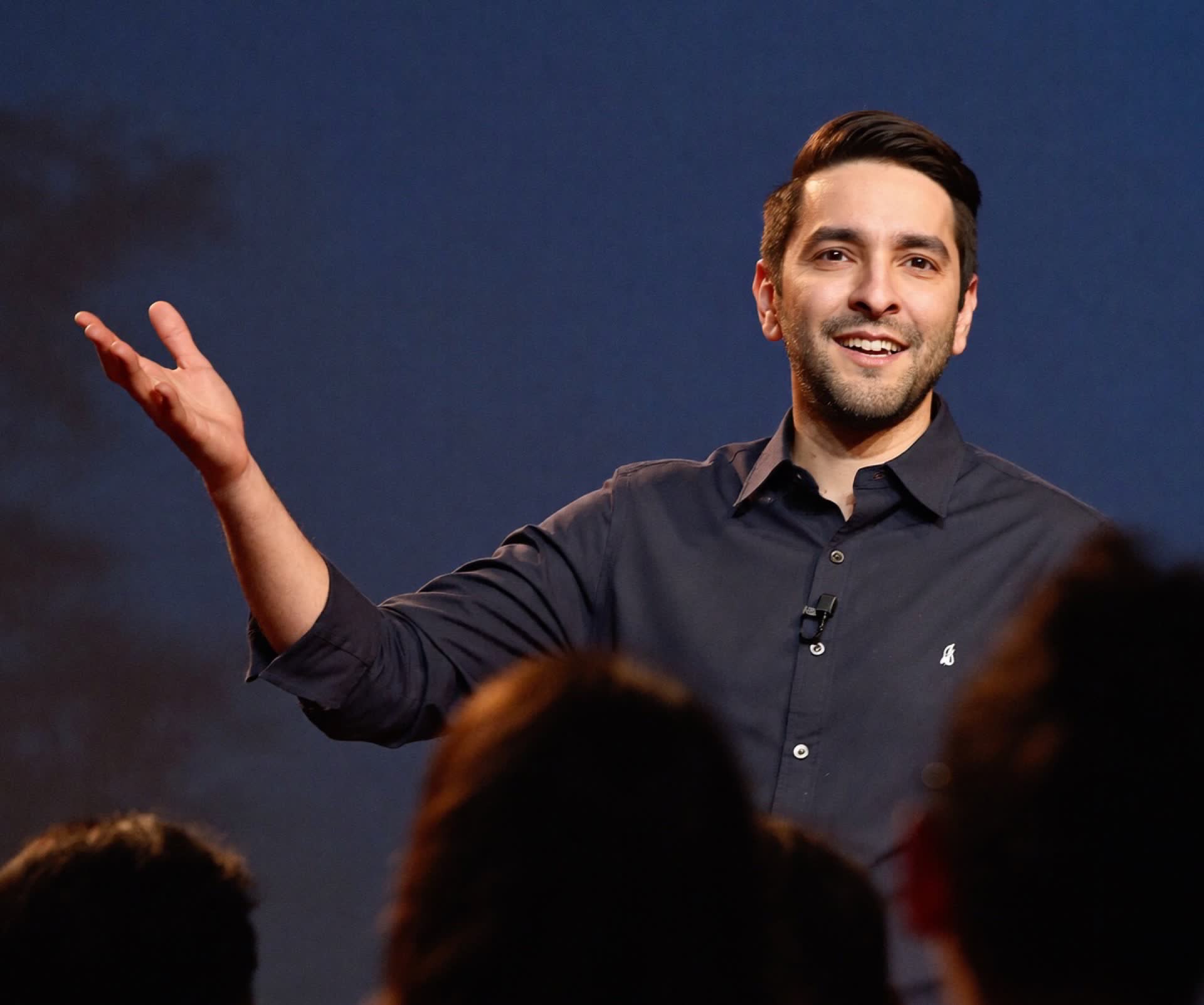
Thought Behind Things · Ep 354 · Aug 9, 2023 · 1:38:27
Why cheap data and a small mindset keep Pakistan offline
Taimur Nawaz has built telecom careers across Telenor, China Mobile, Qualcomm and now Transworld's fixed broadband and submarine cable business. He walks Muzamil through why Pakistan keeps arriving late to every network generation, why the cheapest data market in the world has no reason to lay fibre, and why the real ceiling on the country's best businesses is mindset, not potential.
with Taimur Nawaz
12 min read
A military childhood, nine schools, and an accidental engineer
The episode opens with Muzamil framing the conversation he wants to have — internet as the gateway to development in the new knowledge economy, and a guest who has watched that gateway open and stall from the inside. Taimur Nawaz is the director of new business development and head of marketing at Transworld. Before any of that, the talk winds back to a childhood spent moving down the GT Road.
Taimur comes from a military family; his father served thirty-three years in the army, and the family moved between cantonments constantly. He counts nine schools before tenth grade — convent schools in Jhelum and Sialkot, an army government school, Saint Mary’s in Rawalpindi where his father had an eleven-year posting. He describes the environment in the same affectionate terms Muzamil recognises from his own upbringing: small, secluded, safe, full of swimming and squash and cycling.
He did engineering at NUST’s Military College of Signals, majoring in telecom, and graduated in 1999 — well before the telecom boom. The choice was not strategic. Maths was the subject that genuinely intrigued him, and in Pakistan, he says, career decisions are usually driven by economics rather than mentoring or developed interest. He almost went a different way entirely: he was a self-described “boring kid” who read general knowledge books, started writing young, and was fascinated by diplomats and foreign service. He thought hard about sitting the CSS exam and even joined an academy with a friend, but concluded he was not cut out for it. He is at peace with that. “I am better off, to be honest.”
The voice-to-data flip that defined a career
His first job was project management at Alcatel in Islamabad, with a month of training at Alcatel University in Lannion in 2000 — the early days of GSM. But project management is an enclosed-office world, and Taimur wanted the commercial side of telecom, where engineers move from network planning into strategy. He read an MBA as the way to stay in telecom and reach that side, and did his general management MBA at LUMS, class of 2003.
The timing was lucky. Licences came to Pakistan that February, the Warids and Telenors of the world arrived, and after a brief stint at Ufone he joined Telenor as employee number five on the founding team. Irfan Wahab, Telenor’s later CEO, was employee number one. He stayed eight and a half years, mostly running value-added services — ringback tones, IVR portals, messaging — back when SMS was king and OTT apps did not exist. Those portals made serious money, not pocket change, because there was simply nothing else.
He returns to a story from that first Alcatel interview that frames the whole career. The CEO, Saeed Mirza, asked the young engineer how the 95% voice, 5% data ratio of 1999 would change over the coming decades. Taimur guessed sixty-forty at best. Mirza told him it would flip entirely — 95% data, 5% voice. “You would actually see around, it’s actually getting in that direction now,” Taimur tells Muzamil. “Everything is enabled by data now.”
Why Pakistan keeps arriving late
By the time 3G and 4G reached the world in 2008 and 2009, Pakistan was years behind; it launched in 2013. Muzamil presses on why. Taimur breaks the lag into concrete factors rather than the usual hand-waving.
The first is device compatibility. A 4G network needs 4G devices in people’s hands, and this is a low-ARPU market — four or five dollars back then, against forty-plus in the Gulf — flooded with legacy 2G handsets even now. The second is ARPU itself, because ARPU drives CapEx. “Telcos tabhi lagayega when they actually see they can make money out of it,” he says; it is a commercial decision before anything else. The third is the regulator. Without naming him, Taimur credits one vibrant official at the helm of the spectrum body for finally getting a 4G auction policy in place after years of academic legwork that never converted into anything. “Hats off to him, to be honest.”
The same dilemma now blocks 5G. ARPU has slid under a dollar — around 87 cents after devaluation — and four telcos are too many for the market, with consolidation already underway. Muzamil’s view is that the regulator needs to redesign how it sells spectrum: you cannot extract a 150-to-200-million-dollar licence fee up front from a small market you are simultaneously trying to kick-start. He argues for a phased, hotspot approach — premium speed in Lahore, Karachi and Islamabad, where consumers will pay extra — rather than blanket national rollout. Taimur agrees the business case for full coverage does not exist, and adds that this time it is the telcos, not the regulator, driving the 5G conversation.
The cheapest data in the world has no reason to lay fibre
Here the conversation hits its central irony. Pakistan’s data is so cheap that nobody has any incentive to switch to Wi-Fi. Muzamil describes his own behaviour: when his home Wi-Fi acts up, he simply tethers to mobile data because it is easier and his Jazz package gives him 30-to-40 Mbps for a fraction of the cost of a fixed line. In the UAE, mobile data is expensive enough that a home connection is non-negotiable. In Pakistan the opposite is true — and that pricing reality, Taimur notes, quietly shapes how the whole country uses the internet.
Fixed broadband, his current world, behaves nothing like wireless. A single tower can light up a town on Monday morning; fibre means physically digging, laying NOCs, and pouring labour and CapEx into the ground. You cannot decide to energise a sector next month. Operators choose where to build using a metric called “house passes” — how many occupied homes sit in a stretch, what the household size and addressable market are. A hundred homes makes no sense; a thousand might. Fibre penetration in Pakistan is roughly 1%, concentrated in Karachi, Lahore and Islamabad with pockets in Sialkot, Faisalabad, Gujranwala and Peshawar. Even in Islamabad, where Transworld has invested heavily across sectors, the company has not recouped its money despite decent penetration.
Muzamil sharpens the point with his own driver, who lives five kilometres from downtown Islamabad and has no fibre option at all — running everything off mobile data, with a cap on how much his kids can do online. “F sector and DHA market is not a market in Pakistan,” Muzamil says. “It’s not a representation of us.” The growth is in the segment that has no last-mile fibre, and the business is built for the top 10%. Taimur frames the buyer reality bluntly: even in Islamabad’s F-sectors, internet is a price-sensitive commodity, which is why fixed broadband sells as a triple-play bundle — internet, IPTV and voice for three to four thousand rupees — rather than on speed alone.
The turf wars that stopped a shared last mile
The two of them circle a question that should have an obvious answer: why does every operator dig its own trench? Muzamil recalls Nayatel digging up his lawn in 2003, and points out that a single duct could carry five thousand companies’ fibre. In Dubai, a single bill at home covers fixed and mobile broadband; one shared infrastructure could even dissolve Pakistan’s prepaid-postpaid headache. Why has nobody built a portable, shared last-mile — the way US homes have one line and multiple providers behind it, or the way mobile number portability already works?
Taimur’s answer is plain: turf wars. Operators each had a head start in a different city, Karachi, Lahore and Islamabad are three fragmented markets with different incumbents, and everyone plays inside their own territory. Tower sharing never reached its potential either, even after Engro entered the space. The furthest collaboration has gone is a common-corridor project in Karachi — a shared duct where each provider runs its own fibre, pooling the cost of digging once. He agrees the logical endpoint is a port-style model, and expects some company to eventually build it, following global best practice. The country is just not there yet.
He demystifies the rest of the economics on the way through. Bandwidth supply is not the bottleneck — it is a duopoly of two submarine cable operators, PTCL and Transworld, and the constraint is pricing, not capacity, with consortium cables that can scale up. A separate, CPEC-linked submarine system is still in the pipeline at an advanced stage and would add a third source, pushing prices down. And the free installations Muzamil remembers are deliberate subsidy: operators eat the cost of the ONT and set-top box and recover it over a 24-month installment plan, betting on the high loyalty of a customer who, once wired in, rarely switches.
Why telcos and fintechs failed at being tech companies
Muzamil moves to a pattern he has watched globally — telcos insisting they are now “data companies” or “tech companies,” vertically integrating into apps, IPTV, agritech and streaming, and mostly failing. Jazz had genuine success in fintech with JazzCash, but the broader bets retired. He asks why.
Taimur’s diagnosis is talent and mindset. Telcos could never attract specialised people, because an agritech or DevOps or ML engineer lives in their own hardcore domain and does not come to a telco. The people who did join treated the corporate as a place to learn at the company’s expense before leaving — and many did exactly that, spending three or four years before starting their own ventures. Telcos became unintentional incubators: they triggered the market, handed out platforms and wallets, then exited, leaving the talent to build elsewhere.
The same gap shows up in fintech, where Muzamil says you cannot lift a stone without finding a wallet underneath. The elevator pitch is always the same — huge young population, massive addressable market, financial inclusion — but the real money is not in wallets, where cash-in from conventional banking is mostly free; it is in lending, which collapses without credit scoring. He recounts how Qista arrived with fanfare around buy-now-pay-later and, by market account, drowned in fraud and defaults, because Pakistan has no basic credit scoring and no interoperable data following a person between platforms. The genuinely useful fintech, he argues, would be a super-app layer that unifies data against a CNIC or phone number and produces an encrypted credit profile the whole industry could use. Taimur’s read is harsher: he sees no glorified mission in any of them. The one true moment of penetration he has witnessed was a single hawker in Islamabad displaying a JazzCash QR code — convenience reaching the bottom of the market on its own.
The 52-year-old advisor and the mindset ceiling
The mindset thread runs through everything, and Taimur tells two stories to make it concrete. A logistics company he dealt with at Qualcomm sent an advisor who proudly said he had been there fifty-two years — having started as an intern and been rehired in advisory capacity, in a firm where the average employee tenure exceeds twenty years. Taimur was left speechless. How do you expect a company to build products for the youth when the people building them cannot relate to the youth? He sees the same disconnect across the sector — companies that present a young, tech-savvy market while staffing it with people who cannot imagine it.
He extends this to local manufacturing. The DIRBS device registration system he helped bring to Pakistan from Qualcomm’s San Diego team did real good — capturing tax, creating price parity, and enabling a wave of SKD-based local assembly under the MDM policy, with twenty-five or twenty-six licences issued. But because it was SKD rather than true manufacturing, the last two years of LC and import problems have started shutting plants. He knows one businessman who made 50,000 devices a month here, then moved to a joint venture in South Africa and a UAE distribution hub because the Pakistani case stopped being viable. He remains a believer in the policy, expecting CKD-based assembly to settle in eventually, because the country still has enormous migration ahead — millions of 2G users who need an affordable path to smartphones.
What the future actually looks like
For his closing question, Muzamil bans the usual answer. No mentioning the youth population, no “if we do this, then that will happen” — just extrapolate from what already exists. Taimur steps outside telecom entirely and talks about Sialkot and Faisalabad.
He visited Forward Sports, which makes around 750,000 footballs a month and supplies the Adidas balls used in FIFA tournaments — the Telstar, the Brazuca — holding roughly 90% of Adidas’s global football share. The owner told him something that overturned conventional wisdom: he deliberately operates in a niche rather than chasing economies of scale, because scale means competing with China and India, and in the niche nobody can beat him. His process is so granular that he can unplug two workers from a line of a hundred and replace them within an hour. And yet, Taimur says, the company’s website was the most pathetic he had ever seen — a world-class operation that has no idea how to showcase itself to the world. He tells the same story about Interloop, the world’s largest sock manufacturer with around 8% global hosiery share and number one in the world; about Q Mobile, which he urged to attack the hundred-dollar Walmart shelf and never did; and about a Sialkot dental-instruments maker who owns a 20% stake in his own German competitor in Cologne.
The pattern is identical: extraordinary product, true potential never realised, capped by a “gali-mohalla seth” mindset that prefers being the seth of a street or a village to playing globally. The glass ceiling is self-inflicted. Muzamil connects it back to the Dawood family’s history — a top-21 business house that lost 70% of its assets in Bangladesh and another tranche to nationalisation, then rebuilt into Engro and Dawood Hercules — and to the Lucky Group, which he sees doing it right, assembling in Pakistan and exporting into the Middle East and African markets, even building apartment towers in Dubai.
Taimur ends on the one group he is betting on: the younger generation in those Sialkot and Faisalabad business families, many UK-educated, returning with the financial muscle, the acumen and the global outlook their fathers lacked. The strongest brand Pakistan exports today, he and Muzamil agree, is not a product at all — it is Coke Studio, pure brand recall. The argument of the episode is that the tangibles are already there. The ceiling is in the head.
Full transcript
स्लाना ख़ब्दीना स्वरात welcome back to the episode of Thought Banning Things आज हमारे साथ मौजूद है एक बहुत ही ख़ास मेहमान जिनको बुलाने का मक़सद यह था कि we wanted to discuss a few things particularly Pakistan में हम हमेशा बात करते हैं internet की, 5G की, telecom की internet मेरे हिसाब से is the gateway to development in the new world, the new knowledge economy and उसके लिए I wanted to get some insight there as well he has a vast background of being in the telecom sector globally. उसी के साथ साथ जाहिर है कि जो नई innovative telecom not just telecom but fintech और उस spaces में भी इन्होंने बड़ा extensively काम किया तो we'll get some insight on that as well. We would also love to know कि startups क्या scene चल रहा है because there is a horrible winter going on recently एक report आई है कि Pakistan में इस साल सिर्फ $5,000,000 की investments अभी तक आए हैं वो भी mostly focused on the fintech sector तो क्या potentially you know is it is it all drying up We are just part of a blip जो कि overall economic situation को represent करा है and we will be back to normal. आज हमारे साथ मौजूद है शेख तेमूर नवाज़ he is the director of new business development and head of marketing at Transworld. So thank you so much in Bharat's show. Thank you very much. Tamil भाई मैं थोड़ा सा conversation start करूंगा. Just trying to understand a little bit about आपकी early life कहां पर गुजरी and where were you born?
So I I belong to a military background. So my father was in army and he served for good thirty three years in armed forces. So we've been actually kind of roaming around Pakistan, right? Pretty much पूरी GTO Road पर actually we covered all the condolments, to be honest. So I had like nine schools before my tenth grade. I changed. And what sort of schools were you going to So I actually went to machinery schools predominantly. So I started my kind of schooling in Jailem in convent and then actually went to सियालकोट convent and then obviously beach में एक government school भी था army के but then actually went to saint Mary's in रावलपिंडी because he was posted here for many years actually. Had a longest stint in in in Rawalpindi, eleven years actually in a stretch. So I was lucky in that sense. Grade seven onwards I actually we've been here. But early life में यही है we've been actually roaming around, making new friends. So एक interesting circle develop हुआ over the years. Just have one sibling. हमारा age difference भी मेरी बहन और मेरा जो है so it's not much. It's like one year. Right? So, we had like lots of common friends. So, yes, overall एक अच्छा very healthy environment, very safe environment में गुजरी है हमारी. So, and I can actually relate to a lot of those experiences. मैं अभी मैं सुनता हूं. It's the same actually more or less. It's a very small family, intercontourements, secluded environment में होते हैं and all that. So, yeah, very nice swimming पर जा रहे हैं, squash खेल रहे हैं, school जा रहे हैं, cycling कर रहे हैं. So, it was a very nice kind of cosy
environment in that sense. Makes sense and education beyond high school, what did you decide? So I did my engineering from NUST and
I actually majored in telecom.
Military got a signals which is part of the, one of the constitute colleges of NUST. What was the thought process? Because I believe you graduated in '99. This is pre telecom boom. Was it a thoughtful decision? या बस था कि अच्छा engineering करनी है, चलो telecom में हो गया, telecom में नहीं No, but interestingly यह है कि maths was something that I really liked to be honest.
तो उस वक्त to be honest, Pakistan is not a country कि जहां आपके बहुत से frankly कुछ decisions जो हैं वह कोई और factors drive करते हैं. Basically economics drive कर रहे हैं, आपके parents की कोई mentoring coaching है, आपका personal कोई interest develop हो गया in certain course or subject. तो you would actually pursue that, right? So, एक चीज़ तो बड़ी clear थी कि I never wanted to do my anything in medicine, right? So, I wasn't really interested at all. The other thought that was actually going on which I personally feel कि शायद मैं अगर कर लेता तो I think I would have left. Was that I would have actually appeared for CSS and I was really I was quite a boring kid to be honest I mean I was reading a lot of general knowledge questions, books and all that right. मुझे बहुत आदत थी and I actually started writing actually at very young age also. आस्थ magazine आता था and all that. I developed a lot of interest कि भाई CSS किया जाए और maybe foreign service में जाए. It used to fascinate me right, so diplomats and all that. So interesting था but I think realised कि I am not cut out for that. और वह क्योंकि जब मैंने engineering कर लिया और engineering इसीलिए किया as I mentioned to you maths was something really intrigued me, right? So I thought it's an interesting field. उसमें कोई new innovation, कोई interesting हम काम करेंगे. So I ended up doing engineering और I enjoyed it also. Even after engineering actually there was a second thought of actually going for CSS. Right. And I actually did join an academy when one of my friend कि हम join करते हैं और हम एक prepare करते हैं for CSS and all that so maybe interesting हो जाए. तो that thought actually kind of carried on with me but I did not pursue and I think I am better off to be honest. So yes, you are right actually it was '99 was like what GSM days and it was just one operator in Pakistan, Mobile Inc. Yeah, not much happening in the country. But it was an interesting area because I remember in my first job after engineering I was actually sent to Alcatel University in Lenin. What was the first job? In Alcatel and it was project management. Right. In Istanabad. So in those days in 2000 I was actually sent to Lennox for a month long training और उसमें भी मैं सोचता हूं कि वह बड़ा interesting था because early days of GSM apps से convert हुआ था. GSM में so I had a long training actually on GSM standards and all that, right? So very fascinating days of sense में अगर आप देखें तो. So I really enjoyed my stint in the telco
Right and how long were you there? I was there for almost
two years and then there was a very well informed decision कि engineering कर ली है, सब कुछ हो गया So it was not, I was not actually part of the field job, right? So to speak right project management is very much in the enclosed office environment right so I actually wanted to get into commercial side of telcos में मुझे बड़ा interesting लगता था कि engineers जो हैं either they are actually part of the design team dimensioning कर रहे हैं, network planning कर रहे हैं, जो के field में नहीं है right and what about the other people right, so they are actually doing lot of strategy work कि where the company should be heading, what should we be dealing, क्या हमें करना चाहिए in the next five years, ten years and all So you got to have some sort of actually commercial kind of acumen for it, right? So I thought कि MBA is a good way to stay in telco and be part of kind of strategy and commercial side, right? Right. So I went on with it. So I joined Lums and I did my MBA general management. So it was a very good experience at Lums. Yeah. And Lums आप graduate किया आपने तो learn three में? Three में I graduated. It's a class of 2003 MBA. So graduating year and then I was really lucky because if you recall February में actually licenses आए थे Pakistan में right, so the WAIRDS and the Tellurals of the world came. So I had a very brief stint in UFON for six months and then I actually switched and I joined as part of the founding team at TLNR. I was employee number five. Interesting. So Irfan Vaab, current CEO, is employee number one, by the way. Right.
I was part of the initial
team. It was really fascinating क्योंकि हम निरीन went the wheel किया था. It's a greenfield operation. So they came with a lot of fanfare in the country. पहला एक FTI आया जिसने कि एक बड़ी investment लेकर आया है from Nordic, which is a very high-tech kind of part of the world. So interesting days and I stayed there for almost eight and a half years. And what sort of roles were you in? The roles actually had multiple roles, but predominantly, if you looking at product management. So I was head of value added services. They used to call it WAS. But then actually became digital services and all that right so anything other than voice would actually come under the umbrella of WAS Value Added Services so you would actually work with a lot of third parties and develop the ring back tones and messaging services and the portals and the IVR services in those days. So MMS का दौर था, SMS was king at that time. So WhatsApp तो थानी.
So no OTTs, nothing. So it was like very basic kind of a plain vanilla offering. यह जो MMS and audio call, ringtones and what not, did they make a lot of money for the telcos? Were they just nice to have extra upsell?
Or were they serious money? No, it was serious money because as I said, was a big deal. ठीक है? Basic communication तो voice पर थी but still SMS was king, right? In the sense कि messaging अगर करनी है तो आप SMS कर रहे हैं. अगर आपने कोई audio, video, multimedia, content sharing करना है, OTTs तो है नहीं you would actually extensively use the SMS service right. So but again that reminds me interestingly at that time my first interview with Alcatel तो मुझे ना CEO ने वहां के सईद मिर्ज़ा was the CEO. So he asked me कि तेमूर you are actually joining Alcatel first job. Are you interested in Maths, Physics? तुम्हारा बड़ा interest होगा I sure तो you pursued Engineering and you actually came so पहली नौकरी है तुम्हारी. So अभी जो है back in '99 right so ninety nine two thousand he said कि अभी जो voice और data की penetration है उसमें it's 5% data back then and 95% is actually voice. So that big voice is right. What do you think in next two to three decades how will this ratio change right? I said at best in my humble opinion because I don't know much about telco's peri naukery है, at best sixty-forty हो जाएगा, 40% would be data, 60% still voice रहेगा predominantly. He said, no, in my view, it would be the other way around. Absolutely flip. 95% data, 5% voice. So I can tell you, and you would actually see around, it's actually getting in that direction now. So everything is enabled by data now right so that's how the transition is happening so but in those days coming back to your question it was actually a money making kind of activity to have these portals and IVRs and ring back tones and all that right because there was not much as I said pre-3G4G
era था so there was not much in the country right so it was like यही portals IVRs ही पैसे बनाते थे. 3G4G हमारा तकरीबन कोई पांच एक साल late आया दुनिया में आज दो हज़ार आठ नौ में आ गया हमारे पास तेरह में आया because
you were I believe still at Telenor at the time. No no I had actually joined China Mobile मेंगन. Right so but still part of the sort of Telco. China Mobile कब तक थे? So I it has a very short tenure of one and a half year. So, 2014? Yeah, so I left
Telenor and joined China Mobile and left in August 14 and I actually went abroad. Right, so उससे पहले पहले जब right before sort of 3G, 4G तो था. Right so what really was going on there we never really heard anything about कि यार पांच साल एक तो delay क्यों आया क्या industry बहुत पीछे थी या क्या government को समझ नहीं आ रही थी at what point did the industry start pushing कैसा जी अब हमें 3G4G की तरफ जाना है And what were some of the road blocks that led to, you know, the delay? क्योंकि again, US चलो बिल्कुल different market है. India launched in 2008 and we launched in '13 and I think that really pushed us back in terms of everything, you know.
अच्छा इसमें बहुत से factors हैं to be really I can actually qualify those factors. एक सबसे पहले जो है device compatibility होता है. So whenever you have a four g in the market, you need to have devices in the market and devices in market हो भी जाए because there has to be an appetite in the market, so it's a very low ARPU market, scale बहुत बड़ा है, उस ज़माने में भी I think कोई चार पांच dollar market था ARPU का, as opposed to if you go to Middle East it's like forty-forty $5 ARPU market, right? So, एक device compatibility had been a challenge actually for the uptake of 4G, even till date by the way, a lot of legacy devices in the market, a lot of 2G devices are coming in the market, right? So, in four gs enablement, you got to have an ecosystem which is enabled, right? So, सबसे पहले I would say it's the device compatibility, the uptick कैसी है, penetration कैसी है, लोगों की appetite कैसी है, ARPU कैसा है? Because you see ARPU drives the CapEx investment, CapEx क्यों लगाएंगे? Telcos क्यों लगाएगा पैसा? Telcos तभी लगाएगा when they actually see a real kind of, they can make money out of it, right, so it's a very very kind of a very commercial decision so to speak. अच्छा, उसके अलावा एक और aspect भी है and I don't want to get into a lot of details but frankly speaking regulator का बड़ा important role होता है, in all fairness, right? So regulator has been very forthcoming and without taking anybody's name, There was one actually gentleman who was really, really one of the most vibrant guy at the helm of wares and courtesy him actually, I would say, 4G की एक policy bunny, IMIR और it was a debt market because as you rightly pointed out it was like all kind of lagging behind from the region and globally. But he actually made sure the policy has to be in place for 4G auction, right? And actually he made it happen during his tenure. So hats off to him to be honest. The policy aspect बड़ा important था. वह नहीं आ सका. Lot of people have been doing a lot of kind of leg work and academic exercise चलती रही. But वह कभी हुआ ही नहीं. So yes, ARPU, appetite,
policy, all these factors were very important. क्योंकि वह if we were to look at now what's happening with 5G, we're now in a similar tangent, right? कि industry across the region 5G की तरफ जाना शुरू हो गई है. आज भी हमें उसकी seriousness नहीं समझ आ रही कि चलो five g है नहीं या whatever but we are seeing India they have launched five g. Bangladesh. Bangladesh have launched five g. Know UAE तो खेत रहो तो developed markets हो गई. And so so my question is a lot of times I hear and I have spoken to for this particular question I have spoken to आमिर इब्राहिम as well. Even Jazz के chief commercial officer आए हुए थे उन्होंने भी absolutely उनका भी यही वह था कि आर्पू का मसला है invest नहीं करेंगे. अब I don't expect कि पूरे Pakistan में four g five g लगना शुरू हो जाए. I don't care much for it. क्योंकि ज़ाहिरी सी बात है I hope कि वह होनी चाहिए but I understand कि है. जिसके लिए आपको कोई बेहतर और product offering देनी है and I know for a fact that there is a consumer in लोहौर, कराची, इस्लामाबाद. Main cities में जहां पर जो कि premium के लिए extra पैसे देगा. Right? So आपने अपना जो investment है वह ज़रूरी नहीं है कि इकट्ठी पूरे Pakistan में ही करने का You go hotspot route. Hotspot Phase it out. Phase it out. अब उस phasing के अंदर question यह आता है कि क्या हमारी policy का problem है कि हम चूंके कहते कि जी एक लंबी चौड़ी licensing fee डालेंगे जो कि पूरी economy को देख रही है बजाय इसके लिए भी sort of pay as you grow कर दें. क्योंकि अगर कोई मुझे यह argue करता है कि we were a sort of under developed market तो दो हज़ार आठ में India भी was in an under developed market. Correct. Even today in terms of 5G India still is an under developed market. Correct, it's not there. Right and so, बांग्लादेश हो गया India हो गया यार आप जितना भी कह ले हमसे आ गए ना वह average GDP per capita हमारे वाला ही So, खेल रहे उस context में where is that problem? Industry के उधर फ़ेंक देती है. Policy side पर policy industry पर फ़ेंक देती है और problem क्या है कि हम फिर से पांच साल अब लेट जाएंगे five g की race में जब KB could have बिना लिया. अगर आपने पैसे income के बारे में परेशान है ख़ासकर आजकल की economy में जहां already cash continuously burn हो रहा है और inflation हमें मार रही है तो I am proud to announce that this video is in partnership with समाया Financials. They are offering two very very cool trainings. Capital market fundamentals जिसमें आप stocks और mutual funds में invest करना सीखेंगे और understand करेंगे कि आखिर एक company के अंदर क्या ऐसे fundamentals होते हैं जिनको आपने देखना होता है to figure out कि वह एक अच्छी company है to invest in और दूसरी training है technical analysis master class जिसमें आप सीखेंगे कि किस तरीके से हम different tradable assets like commodities, forex, stocks, crypto के अंदर थोड़े से पैसे लगाकर
ज़्यादा पैसे बना सकते हैं. Personally यह training मैंने भी ली है and it's absolutely phenomenal. The link to the trainings are in the description below. Check them out and become financially healthy and now back to the podcast. No, to be really fair अभी भी dilemma हुई है. जो 4G का था, if you ask anybody as you said I mean in in telco world, right? So the telcos will tell you the same कि हमारी licensing fee है, ARPU is like less than a dollar now, 87¢ if I am not wrong. So it's less than a dollar now. इतनी devaluation हो गई. So things are already getting worse for them in that sense, right? So, अब consolidation का वक़्त आ गया है. So, even four telcos won't really, I mean, it's too many for this market to be honest. And you will actually, you are hearing stories, right? So, consolidation हो रही है. तो I think अभी भी dilemma वही है जो 4G की entry के वक्त था कि भाई why spend so much money when you can't really recoup so much but वह वाला I think agenda हो सकता है कि phase it out, do it in actually in a phased approach, focus on major metropolis of KLI and actually just they are use cases to be very fair. ऐसी बात नहीं है but again I think disposable income कब तो issue हो चुका हुआ है और ज़्यादा मेरा personal view यह है कि it's the telcos who actually driving this initiative
more than regulator. मैं वही कह हूं ना कि regulator maybe needs to redesign the way that they are bringing out that policy. वह डेढ़ सौ, दो सौ million dollar इकट्ठा आप नहीं ले सकते जब पता है कि market भी बहुत छोटी है और market को kick start करने के लिए आपने कहीं ना कहीं so it's a chicken and egg problem right now. हां. Right?
Incentives भी हैं again मैं आपको दूं again I will come back to the same story. अगर आप अभी मुझसे पूछे ना I don't have the number right now, but device compatibility even for 5GB Pakistan में is actually very low. अभी भी despite, so a lot of iPhones and Android high end would actually support. But it's again it's going to be niche within the KLI market. So, business case भी नहीं वन रहा और uptake भी नहीं वन रहा but predominantly telco drive कर रहे हैं सारा initiative. उनके end पर actually there is a major expense. It's going to be cash outlay, right? So, lot of अभी बहुत सुना है अपनी license fee renewal हुई हैं, right? बीस बीस साल के बाद. So that's another thing, right? So उनके लिए तो frankly business case नहीं वन रहा and I don't really blame them to be honest, right? Market dynamics ही ऐसे हो गए हैं. अभी भी इस मुल्क में बहुत सारे legacy 2G phone आते हैं. ठीक है? So, you can well imagine 2G off नहीं हुआ Pakistan में जो कि मेरा personal view है there was actually a debate going on in the regulator side at least if I look back sixteen seventeen में कि 2G off कर दिया जाए just to make sure that all devices are at least latching on to 4G networks and all. So वह भी नहीं हुआ. Obviously, there are certain dynamics,
there are certain interest groups. तो आप नहीं कर सकें. There's a digital telecom coming in. I don't know if you've heard about them or not. This
Circle? Yeah. They they've launched a different name on it. How does that sort of work? So it's more of an MVNO as I understand. It's Singapore based, and they started this. I recently registered for it also. Right. So circles का basically concept, MVNO का जो concept होता है, as I understand, is basically they leverage the infrastructure of the telco in terms of subscriber databases and all that, right? So, network उनका use करते हैं and then they have their own kind of CRM and billing. So, that's how they work. That's called mobile virtual network, right? MVNOs. Right. So that's how they operate. So the data basically goes on top of the. So are they using a telco का
infra या are they using? क्योंकि recently यह भी हुआ ना एक third parties आ गई जिन्होंने sort of towers को acquire कर लिया और फिर वह. Yeah, the angry shares of the world and all. Yeah, so they going for the
third parties with the infra or are they actually latching on top of let's say Mobile Inc or? No, they are most probably actually going to be with the telco. अच्छा. So that's how it is because telco का infrastructure is much more robust and stable, right? Right. So they actually use. Eventually, सारे ecosystem, even tower sharing companies भी जो हैं, वह भी telco के साथ ही काम करती हैं, right? So they have their own asset also, but at the end, the telco has to be on board. So, MVNO अगर आप जाएं तो Saudi market में for instance, I don't know if you heard Virgin Mobile and देबारा and few others, वह भी हैं तो basically telco infrastructure के साथ ही काम करते हैं. So they leverage the whole infra of telco and they have their own billing and customer relations. Interesting और उसके ऊपर they offer different service offerings. Different bundles and different data bundles, voice bundles and everything, right. Interesting.
एक
सवाल है उसने नया telco वाले CEO भी आए हुए थे and I'll I'll I'll quickly hop on to before I actually go there थोड़ा सा मुझे बताइएगा you you went to China Mobile and then you moved to Qualcomm. Yeah. For four years. What was that role? Because I was slightly different than. So Qualcomm's role was very interesting actually which is much closer to my heart to me if I if you ask me actually. It's more of a business development, right? So market development, business development. So Pakistan was a virgin market. So I was actually picked up by Qualcomm. They didn't have any presence in Pakistan. They said, okay, you have to be based not in San Diego, but you were actually based on the Middle East. Part of the Europe, Middle East Team, just met Central Asia, are Aratham, Middle East, are Arabath and all that. They said we're gonna give you Middle East and Pakistan market, right? And the focal point would be Pakistan market, Snapdragon processor which is Qualcomm's processor. It needs to have a good penetration in the market. Qualcomm पैसे कैसे बनाता है? Qualcomm actually makes money on the patents. So any device, any iPhone, any high end Android for instance, having a Snapdragon processor, Qualcomm will make money. Right. Because the ODM sitting in China would actually give you royalties and patents for it, right? So, Oppo के किसी device में अगर Qualcomm का chipset है तो they will make money. So, यह market increase
the penetration in the market. So, but Pakistan में तो उसके लोग, so Pakistan तो is the drop point, right? So, you are effectively coordinating with the Chinese to. So, I was actually, ok. So, I was actually working very closely with ODMs in China. Right. And my initiatives
in Pakistan were actually predominantly to do with the fact कि यहां पर market penetration 4G की कैसे बढ़े? जब 4G की penetration बढ़ेगी devices की तो Qualcomm invariably आ जाएगा device because lot of portfolios by different brands carry Snapdragon processor. So मैंने यहां पर telcos के CTOs, CMOs के साथ मिलकर बहुत market development fund पर काम किया, penetration पर काम किया. So we actually helped a lot of brands coming to the country. Oppo, Xiaomi के साथ भी हमने काफी closely काम किया to bring them to Pakistan because eighty-ninety percent of their portfolio was Qualcomm Snapdragon. इसके अलावा actually user experience भी बहुत काम किया है. So the whole idea was कि end user experience अच्छा होगा so lot of people will actually connect to 4G and when more people would connect to 4G, more people will be using high end eventually devices in the major metropolis. So, is very interesting initiative. हमने PTA के साथ काम किया, regulator के साथ, distributors के साथ, telcos के साथ, lot of market development fund, trainings पर काम किया. So, you see we actually helped the networks to improve their user experience for 4G in the country. Right. And that really kind of acted as a catalyst so to speak. So, सोलह percent market share था if I remember twenty sixteen में 15 में sorry, Qualcomm का Pakistan में. So during my stint of three, four years, it's not actually attributed to my efforts. It's organic growth periods के अंदर. But यह 13 में छब्बीस एक percent हो गया था. So quarter of your device market for smartphones were carrying actually Snapdragon processor. Interesting. And then four years there, what did you do next? So, ok. उसके बाद I was shuttling back and forth. बहुत hectic role था because there was a lot of travel involved, right? So, and my family hadn't, had not moved by the way because we were contemplating to move the family कि हम चले जाएं. But we did not move because I was actually asked to look after Pakistan as one of the markets, right? So इतना back and forth था, everybody was settled. I said, Okay, let me actually undergo this kind of a little pain because a lot of back and forth right. So, उसके बाद four years there and then I actually got an opportunity because I was looking forward to come back to Pakistan. I said कि अच्छा interesting 2018. Yeah, so I said कि Pakistan में अच्छा चल रहा है. It was like good overall, telcos pretty decently placed, opportunities भी अच्छी थी. It was not really a bad time, right? So I thought let's go back to Pakistan and get some senior role or interesting opportunity हो in the business development strategy side, right? Because that's where market development में काम कर रहा था. So I was actually kind of approached, I actually got a call through someone, I had a reference and I actually had an interesting discussion कि transfer में एक opportunity है and I never worked for a fixed broadband, right? So पूरी मेरी ज़िंदगी wireless word में गुज़री है, right? So I actually made a switch from Qualcomm because I was contemplating to come back to Pakistan and Pakistan was decently placed when it comes to telco, right. So, सारे indicators ठीक थे, KPIs भी ठीक थे, market was actually decently placed. So I realized कि let's go back to home country, family भी दड़ी है. So I've been shuttling back and forth, travel हो गया है. So I came back to Pakistan it was interesting times and I actually got an interesting role in a fixed broadband business. मेरा सारा career by the way wireless world में था right. I have been working for telcos. So fixed broadband में I have never worked for undersea submarine cable operator, right? And it's a fixed broadband. तो fixed broadband के बड़े different dynamics होते हैं और obviously it's an interesting area to be in. I thought भाई एक tick mark यह भी हो जाना चाहिए. Let's see कि how the fixed broadband penetration to be increased. तो strategy role है interestingly. कैसे देखें कि how to really help and contribute and पहली बात तो यह learn, right? And then actually kind of add my value to it. So I came over and actually joined as a general manager strategy in Transferred. And I was reporting to the president and then I had few other roles actually. I was looking after sales and then I actually had a marketing function on new business development and all that. So far so good. It's been almost slightly over four years and interesting learning to be honest because बहुत different dynamics हैं. Fixed broadband के या mobile broadband के और Tail course मतलब अगर आप देखें तो wireless world में coverage is absolutely is not an issue right because one tower on Monday morning can actually give you a very nice kind of a coverage, right? But as opposed to that fixed broadband is very CapEx intensive, right? It's time intensive, labor intensive and you really need to invest a lot in the media, in the fiber, physical fiber, right? So, आप यह नहीं कह सकते कि next month जो है for instance, हमने इस्लामाबाद का यह area पूरा energize कर देना है, right? And you can't do it, right? Because you need a lot of NOCs and you need a lot of labour work. Very CapEx intensive to be honest right but interesting dynamics because fixed broadband eventually जो fibre penetration है Pakistan में very low है so room for growth जो है वह मैं आपको frankly बताऊं I think telcos में इतना नहीं है यह wireless world में Pakistan में जितना कि अभी fiber का Pakistan में है fixed broadband में because last mile अभी सिर्फ KLI में ज़्यादा है but थोड़े बहुत शहर है फ़ैसला बाद पिशावर में pockets में है outside KLI still in pockets to be really fair, right? So all operators are predominantly focusing on the three metropolis, कराची, लोहौर and स्तामाबाद, right? So fiber penetration has a way to go really. I mean it's a, it's 1% penetration for fiber in the country. Why do you think that hasn't grown? And again now coming to the original question. Again,
नया tail के CEO आयु थे उन्होंने भी पुछा कि they came into the market much much earlier than anything else. Head start. तो बहुत अच्छा head start था. बहुत बड़ा progressive था and during that time कि हम जब देख रहे थे दुनिया में जो हो रहा था वह Pakistan में हो रहा था in a lot of ways. But इस्लामाबाद centric family by the way. Sure. But we are testing ground था. Playground आपको मिल गया हुआ था. तो आपको पता लग गया कि यार करना है तो कैसे करना है? Testing what is it? ठीक है. हां. और उसमें they were there much-much before कि जहां पर हमें 3G, 4G भी नहीं मिला. वहां पर हमारे पास actually एक head start था कि वह है. अब जब हम देखते हैं कि जो speeds हैं मतलब मेरा jazz मुझे thirty, forty Mbps दे देता है. Right? Mostly मैं लोगों के घर जाता हूं ना तो वह 20 Mbps का connection लगा होगा maximum. Fixed broadband है. Fixed broadband के ऊपर. और Jazz जो है अगर मैं इस पर compare करूं कि वह उन्होंने 20 Mbps लगाया हुआ है तीन साढ़े तीन चार हज़ार रुपए में Jazz उनको जो है ना वह आठ सौ रुपए में जो है वह 40 Mbps दे रहे I was about to say this because कि वह data इतना सस्ता है हमारे मोल्क में कि
Wi Fi offloading इतने आराम से होती नहीं है frankly. Only उस sense में अगर आप देखें. हां. So when I go back home,
I have the luxury of just sticking to my mobile broadband. Yeah, mostly यही होती And simply थोड़ा सा मुझे अगर मेरा Wi Fi तंग करना शुरू होता ना तो मैं उसी बार घटाता हूं मैं कहता हूं यार मैं JSP use कर लूंगा that's much easier. और अगर मैं for example if I go to let's say The UAE. Very expensive जी जी. Very expensive, right? वह पांच सौ दिन हम आपको 20 GBs घर पर जाएंगे you want to quickly और meanwhile वह क्या कर रहे हैं कि even though you got five g and you got this and that घर पर आपका one GBP ऐसा connection लगा हुआ है. Yeah, it is सलाह. Right? You do whatever. So पहले तो आपको three, four, five x speed मिल रही है. So, you already know कि यार मेरी ज़िंदगी यहां पर बहुत आसान है. मैं क्यों उसका वह use करूं? दूसरा यह कि alternate is super expensive. Yeah. And so, you know, it's it's that that's also sort of doing something to your behavior. Correct. यहां पर
ठीक है हम मान लेते हैं कि one You too much cheaper.
हम कहते हैं कि 1% जो है वह penetration है लेकिन बहुत ज़्यादा हो सकती है. वह बहुत सारे question marks हैं उसको क्योंकि यहां पर दस साल हो गए हैं हमारी speeds में कोई फ़ायदा नहीं हुआ. I want to understand why the speeds haven't grown on fixed line. दुनिया one GBPS की तरफ चली गई है. हम क्यों नहीं जा पा रहे हैं उस तरफ. दूसरा यह कि हमारा eventually तो चले telco शायद आपको ना भी beat करे वह five G की उसे फंसी रहेगी. वह starling ने आना उसने आकर कहना है यार चार सौ MBPS ये लो मेरे से छत के ऊपर लगाओ और आगे निकल जाओ. Why wait for the fiber opt. Which is, which is likely to happen. Yeah. So, so how do you see that?
देखिए सबसे पहले देखिए मैंने as a pointed out to you कि telcos में इतनी price was हुई over over the years, right? So, ARPU पारे हो गया. Data is one of the cheapest market in the world, right? Pakistan. तो incentive नहीं है Wi Fi offloading का. आप restaurants में जाते हैं, cafes में जाते हैं, आप थोड़े से conscious होते हैं तो you actually kind of switch to your Wi Fi's otherwise you are actually comfortably placed mobile data. So postpaid तो मैं बहुत ही कम लोगों को देखता हूँ prepaid जो use करें pay as you go वो थोड़े से price sensitive market होती है वो जो कि let's say eighty-eighty five-eighty 6% है the rest is postpaid rights but basically तो prepaid market है. So you see a lot of young kids actually and few other I mean जो कि apps use करें वह लंबा कहीं बैठे में for a long time they would actually switch to Wi Fi otherwise इतना cheap है कि people would just be comfortable with it. तो एक तो simple CA dynamics हैं कि price का जो अगर comparison आप करें तो you there is not much incentive कि मैं क्यों switch करूं to my Wi Fi unfortunately. But जो interesting bit है जो कि actually offer हो रहा है fixed broadband में because I am part of the fixed broadband, right? People are still using it, they have it. Why? Because you see still a price sensitive market in my view and you will be amazed cities like Islamabad sectors like F10, F7, F eight price sensitive market when it comes to internet. Internet commodity वन गया है, commodities हो गया है but still people are really really kind of conscious कि हम कितना पैसा खर्च करते हैं data पर and all that. So उनको अभी भी सस्ता लगता है कि हम data package खरीदें as opposed to हम एक बीस MB का connection लेने. अच्छा उस पर internet खाली नहीं है. So it's actually it's more of a bundle offer, right? So you get IPTV on this and you get a voice also. It's more of a triple play, right? So that's the shout in the market कि internet, TV and voice मिल गया आपको let's say तीन चार हज़ार रुपए में. So that's brilliant use case for them. तो it's like it's a balancing act मतलब बहुत major part of society is not really. Growth क्यों नहीं आ पा रही?
Growth again छोटी सी इसकी मैं बड़ी अच्छी example यह देता हूं कि you know F sector market और DHA market is not a market in Pakistan. It's not a representation of us. Not a representation. Mainly जो ultimate growth होगी ना my driver you know he uses four g. Mobile data. Mobile data और उनके घर में दो तीन devices हैं. You know अभी recently I got a new eco phone, poco phone. So his old phone is free. वह घर पर पड़ा हुआ है. लेकिन he will never put up a same and do 4G, 3G, 4G data there. अच्छा उनके छोटे बच्चे हैं तो मैं बड़ी दफा स्तरा हुआ है मैंने मुझे दिल किया मैंने कहा यार क्योंकि जाहे वह अपने private school में जा रहे हैं जहां पर भी वह जा रहे हैं local मतलब private school not a very expensive one जो भी वहां पर local available है. ठीक है जो available है. और उसमें there is a, there is a cap to where he can grow. And so I know certain content and certain apps that he, his kids can use where he will be on par with my kid for example. मसला यह है कि 3G, 4G पर वो जाएंगे नहीं ठीक है. दो हज़ार रुपया उनके लिए लगाना है या मेरे लिए उनके लिए pay कर देना वैसे उनके लिए लगाना भी मसला नहीं है. मसला नहीं है. जब वो बात आती है कि यार internet क्यों नहीं लगाते जी available ही कोई नहीं है. तो या तो वो jazz computer wise में ठीक है और ये मैं आपको बता रहा हूँ he is five kilometers from here this is downtown dead center इस्लामाद he is five kilometers from here and nobody has set up a basic fiber optic. मैं तो अभी दूर तो जाऊं ही नहीं के मतलब मैं KLI से. So उनके पास वह opportunity ही नहीं है unfortunately के वह कर सके. बस एक वह again जो off camera हमारी बात हो रही थी कि Pakistan में in a lot of ways our business is really focused on the let's say top 10% और वो उसी में खेलेंगे कर रहे हैं वो उससे ज़्यादा वो ये कर ही नहीं रहा कि यार आज मैं इधर invest करूंगा तो आज से बीस साल बाद जब market पूरी launch हो चुकी होगी तो मुझे क्या return मिलेगा?
नहीं, so penetration का देखिए जो fixed broadband है ना उसका बड़ा direct correlation होता है. There is a, there is a jargon that we use called house passes. ठीक है ना? HPs. So house passes are basically when they say house passes, it's a function of how many residents, occupied residents are actually there, what is the household size and what is the total addressable market, time कितना है एक certain location में and that's how we pick actually when we go for penetration. तो हम let's say Monday morning एक decision अगर कोई ले रहे हैं तो हम ऐसे नहीं दे रहे कि generally it's a good market to be in और so उसमें बहुत से factors होते हैं. Virgin market तो ऐसे metropolis में कोई नहीं होती है लेकिन house passes देखते हैं कि what is the appetite right? अगर सौ घर हैं तो it won't really make much sense, अगर हज़ार हैं तो it will make some good sense because you see as I said कि it's a physical media that you have to lay in the fixed broadband Fiber जो है so अभी अगर आप region में भी देखें ना तो France में अभी तीस कितना है? हां तीस पैंतीस percent penetration है in the countries like Vietnam, Malaysia and all that right and they are not really big countries. US में है सत्तर अस्सी percent पर चला गया है over time लेकिन वह भी बड़ी मुश्किल से गया and it took a while by the way right because it's a CapEx intensive. तो हमारा simple सा business case होता है which drives it क्योंकि अगर peripheries में हम जाते हैं तो आप यही देख लें कि Pakistan में penetration जो है outside केला है still in pockets as I said right. So people are not really betting on it कि हम वहां जाएंगे. So there are rich pockets like सियालखोट, फैसलाबाद, गुजरावाला, पिशावर and you will actually see fiber there last mile but tertiary market या tier three cities towns में frankly it's still not kind of market नहीं बनती है because पैसा बहुत लग रहा है to me आपको यह बता दूं कि इस्लामाबाद में my company actually invested a lot, right? So we are in different sectors. It's not a blanket coverage in the capital city but still we've not been able to kind of recoup from this market. Right. Despite decent penetration. जो
यह one of the reasons potentially could be the same issue जो telco में हुआ और फिर उसमें consolidation हुई जिसमें you know you got companies like AngroShares और पुस्तना की. Do you think similar things could potentially happen with? So I don't see the logic. मेरे पास ना नया डेल वाले आए दो हज़ार तीन में. उन्होंने मेरा lawn खोदा. आप अभी वह lawn देकर आ रहे हैं तो उसमें वह palm trees लगी हुई है और वह. उन्होंने lawn खोदा ठीक है उनका right of way CDA का land है. Correct. मुझे उसकी logic समझ नहीं आई कि यार एक hole है नया tail का hole इतना बड़ा है. उसी के अंदर सब डालने पाएंगे. पांच हज़ार companyयां भी डालने ना वो पुरा नहीं होगा. इतना बड़ा वो hole खोदते हैं. And one of the companies like rather than कि हर बंदा हर चीज़ खेलने की कोशिश कर रहा है तो transfer अगर वह sort of infra company है तो why did they have to go to the last sort of consumer when they could have been like कि listen we'll give you the the the backbone. याद है एक towersharing product. The towersharing. मुझे याद है एक ज़माने में Jazz was very interested in acquiring Neattel बड़ा उनका And latest stage तक पहुंचा so there was definitely some sort of a an interest in getting into the sort of fiber optic market. Fiber to the home market and it makes logical sense as well. Dubai में जो है दूसरातिया दूसरातिया दूसरातिया both right? You have got single bill at home. Exactly. Fixed broadband, mobile broadband. और वह जब आपका bill आना शुरू होता है तो उसी के अंदर जो prepaid, postpaid वाला problem है वह भी solve होना शुरू हो जाएगा. Because आपके घर में जो जो जो है वह mobile पर होगा उसको just add on top of the internet But
वह चीज़ हमारी नहीं हो सकी. So, ok. So, there is a real use case and I agree with you and it is happening in cities like Karachi. So the concept is कि there is a common duct, right? And in the same duct you have your own fiber. So service providers like the NEATELs and the transfers and the PT cells of the world would actually have their own fibre running through the same duct. So Karachi में इस तरह का एक common corridor का project initiate हुआ है for the past two three years. और इसमें exactly यही concept है कि जहां everybody is actually pooling in their kind of money and laying common duct and their own fibers. So I think that's the logical route to me affair. Why can't
the fibers get interconnected? Sort of like just एक तो अंग्रोज़ेर हैं जिनमें खंभी लेनी है. एक आपने कहा कि telco के ऊपर अब digital telco आ रही है. Correct. So आपकी fiber है. My understanding is it's more like अगर आप US में जाए ना तो वहां पर बिजली के private vendors होते हैं. Yeah. Right? आप इस vendor से लगवा लें, आप उस vendor से लगवा लें. वह कर ही रहा है कि वह producer है. वह produce कर रहा है और वह pay करता है दरमियान में infrastructure company को जो कि आपके घर तक लेकर आ रही है. घर पर एक ही line आ रही है बजाय इसके कि हर company ने अपनी भी तारें डाली हैं. Correct. Service पीछे किसी है. Service पीछे से जैसे disconnect हुई तो तो Port का जो concept है telcos में भी है so same mobile portability is the same concept right? Exactly. So अगर for example मैं jazz हूं और मैं कहता हूं आज मुझे Fiber to the Home launch करना है तो मैं trans world के पास आऊंगा मैं कहूंगा यार आपका coverage किधर है? मैं Netel के पास आऊंगा आपकी coverage किधर है? मैं multiple लोगों से जाकर agreement करूंगा कि जी आपकी जो एक infrastructure है उस infrastructure के ऊपर हमारा consumer आएगा और हम आपको उसका rental दे देंगे for the infra और जो internet bandwidth है वह पीछे से connect करके हम आपकी add कर देंगे. Right? Essentially.
And वह consumer तक पहुंच जाएगी. Why were we not able to sort of come up with that? What were some of the problems there? अच्छा, theory तो frankly I mean without getting into details more of a turf war. एक turf war भी है. So it's not a cola war so to speak like PepsiCo वाला story नहीं है but it's like turf wars है कि we had a head start somewhere, somebody had a head start somewhere else, तो एक turf wars है और वह अपनी territory में खेर हैं. So I mean, if there's a company if you see KLI, three different markets, three different dynamics, fragmented market है, एक जगह बड़ी consolidation हुई भी, एक जगह एक head start है और somebody is actually being an incumbent by a margin. Right. इस्लामाबाद is like that. So, तीनों different markets हैं, unique propositions हैं, turf wars चल रही हैं. So, yes you are right. So इसमें I think conference vending measures वाली story है कि telco end पर भी अभी tower sharing उतना successful नहीं हुआ. कोशिश बहुत हुई है. एक ज़्यादा की एक company भी आई थी. अभी Angro has also been there but they have not really leveraged and realised the true potential of tower sharing so to speak right. तो उसमें भी यह concept है it's very competitive, telco landscape is very competitive. Fixed broadband में भी frankly speaking there is a kind of a turf बड़ी story है कि यह मेरी territory है and I've got a market share here versus that, right? So हम जहां भी जाते हैं for instance, we are a lateral entrant to be honest as a company. So we are actually kind of raiding and making a dent to the competition, right? So, वहां यहां कोई वह people have not been really kind of forthcoming, so to speak, in that sense. So common corridor तक आ गए हैं कि एक एक duct sharing कर लेते हैं, let's pool in money. So why everybody has to dig separately in Karachi for instance, right? So it's a it's a it's a project. It's a beautiful project in that sense कि एक दफाई duct लगा दें. तो यहां तक तो पहुंच गए हैं. So that's the level of confidence actually when it comes to collaboration. I think way forward I agree with you. You will actually see some company eventually जो कि इस तरह का port का काम करेगी. The wider world में जो काम हो रही है best practices हैं, eventually you will see something happening here in the market also. Makes sense. What about
bandwidth cap? So why are we cap? Why we sort of cap? Fair usage policies? Yeah. नहीं, not the, so एक तो fair usage है ना. 100 GBPS, 100 GBs per month downloads होंगे. Yeah yeah, correct. एक speed का है कि last ten years we haven't been able to जो mass market है by and large वह 20 Mbps से ऊपर नहीं है. Again if you are watching or listening I would love to hear your comments कि आप लोग घर पर कितना कितनी speed का internet इस्तेमाल कर रहे हैं? Commercial case में yes हम लोग for example हम 100 Mbps इस्तेमाल कर रहे हैं because हमारे पास कोई और option नहीं है. हमें वह speeds चाहिए हमें हमारी वह. So by the way sorry to interrupt you. So my company offers one gig by the way for residential customer. We and we have customers actually for 500 Mbps, one gig. One gig अभी कितने कितने तक आ रहा है?
Close to 60,000. साठ हज़ार रुपए का है. All work at home. Proper आता है but. So we claim and it's not a toll claim because I can actually substantiate also. So technically speaking, so transfer actually we make a shout in the market. It's a symmetric network, right? So we do actually say कि भाई हमारा upload download is actually
very much at bar. अच्छा. Yeah. And in terms of के जो bandwidth country के पास आ रही है, do we have a cap there in terms of demand and supply? या do we have excess bandwidth but where it's just a price problem के It's more of a price problem because you see Pakistan
में a duopoly situation when it comes to bandwidth, right? So there are two kind of submarine operators, right? It's PTC and us, right? So undersea submarine came in operators and we carry x percentage of the internet in country. We still carry x percentage of the internet, right? It's a duopoly. So, अगर आप supply end पर देखें तो frankly इतना कोई issue नहीं है when it comes to bandwidth, right? जो आप लोगों की cables बिची हुई हैं, वह scale up हो सकती हैं या? Yeah, scalable and we are actually part of the consortium. Right. So consortium cables होती हैं. So undersea submarine cable operation we've got a bandwidth. So there's a concept कि what is being lit, what is available right at your disposable as part of the consortium and what can you actually offer. So, case में कोई issue नहीं है. But it's predominantly the pricing issue to be really fair कि हम कितना offer कर सकते हैं. Because it's again, domestically अगर आप देखें लेंग fiber is a महंगी proposition. It's a महंगा काम है. धंधा इतना कोई सस्ता नहीं है. You have to physically lay the fiber. But when it comes to even laying undersea submarine cable, right? So we actually, so you have to be part of consortium और consortium में Meta भी होता है, China Mobile भी होता है, so you have big players in the market, एक बंदे के बस की बात नहीं है. So again, there's a lot of money being actually pumped in from the supply side. So, business case में बनाने के लिए over time we recover money. So, हम पूरा खोलते भी नहीं हैं. So, I mean, is a limit to where we can go actually. Right? Right. So, we can offer but there is a market appetite. एक ऊपर से आ रही थी cable एक जमाने में CPAC के खाते में. I remember I So they got peace. Yeah, yeah, It's very much part of the road map. कब
कहते हैं? दो हज़ार सत्रह था. I was up north और वह पूरा KKH के साथ खोदते हुए लेकर आ रहे थे. वह अभी तक connect हुई है main Pakistan के उसे? No no, it hasn't really. It's not, it's not active. Yeah. And is it still being late या अभी pause हुआ हुआ है वह?
I'm not really privy to a lot of details but यह है कि it's it's it's actually part of in in the pipeline and it's at a much advanced stage. I don't know RFS we call it ready for service कब है? But yeah, it's very much there. क्योंकि my understanding is कि that really sort of उसमें bandwidth बहुत ज़्यादा बढ़ जाएगी. Will that make bandwidth cheaper as well या will it just increase? Supply side पर yes होगा क्या कि duopoly situation है अभी तो right so there will be another cable operator. अच्छा वह completely separate है वह. Simple cable system we call it right so it's separate cable system coming to the country. So yes, supply बढ़ जाएगी for sure. So commoditize हो गया यह सारा business. So bandwidth में वैसे है, you see there are two lines of business for a cable operator like us. एक भी तो भी है जिसमें हम bandwidth selling करते हैं so the telcos and academia and financial institutions and corporates and all that and other is fiber the home right last mile. So अभी भी जो दूसरा area है bandwidth selling वाला it's not a really growing area so to speak, It's kind of shrinking market because globally also, I mean, it's phenomenon here also कि भाई आपकी MBs की जो price है, वह नीचे जा रही है, right? Commodise हो गया हुआ है. तो the real growth is still in the last mile and as we talked about कि अभी तो KLI में है सिर्फ और कुछ pockets में है outside KLI. So room for growth to last mile का fiber to the home business में बहुत है. Eventually yes, all DSLs will be eventually converted into last mile with fiber to home. And fiber to the home का जो buy in है वह मुझे
याद है आपकी जब हमने transfer करके लगवाया था तो उन्होंने भी free में लगाकर दिया था. PTL में भी free में लगाकर दिया था. Means installation charges? Installation charges. Waived off. नया tell अभी तक वह कहता है वह पच्चीस हज़ार रुपए charge करता है और वह कहता है जी अगर नहीं भी करना maximum तो आपको breakdown कर देंगे but वह मुफ्त मैं नहीं लगाता उसमें नहीं आता. My understanding is कि you are basically burning money there devices जो यह हो रही It's lot of subsidy, right?
Breaking the barriers, it's kind of breaking जो आपका पहला question है ना कि penetration कैसे बढ़ा रहे हैं? So one of the barriers to be actually
has to be done away with is actually an initial barrier. Yes, उसमें मेरा question effectively यह है कि how does that sort of work? क्योंकि my understanding is the device is costly, right? पंद्रह बीस हज़ार की तो होगी O N T device. So जब वह O N T device लग रही है और उसके ऊपर आपने उसकी start में hit लेनी है and you're going to recover that over let's say twenty-twenty four months. Correct.
उसमें फिर क्या आप deploy करेंगे, दो साल wait करेंगे, फिर वापस market में आऐंगे? That's precisely what is happening, right? So, as you you just hit the exact number twenty four months. Right. Because, हमारा installment plan चौबीस महीने का ही है. सही है. So, उसमें STV लगता है घर पर, IPTV के लिए and ONT लगता है for internet. दोनों hardware pieces की जो recovery है, we actually we are doing it over a period of twenty four months. So we really kind of embedded in the monthly recurring fee and the service fee plus the hardware charges. So that's how we are actually kind of model यही है precisely. That's what I और concept यही है कि once you penetrate, अच्छा एक थोड़ा सा loyalty aspect इसमें बेहतर है from the wireless world because once you have a service provider at home right, so पूरा cabling हुई भी है, ONT लगा हुआ है, STB लगा हुआ है. So generally लोगों की loyalty अच्छी होती है. They want to stick around if they don't have any disorders experience, बहुत कोई serious कोई mess up नहीं हो गया तो they would actually just stick with the service provider. So the best bet actually for a service provider is to kind of make inroads. Foot in the door हो गया है. तो you will actually have a longevity up ensure कर सकते हैं. Right. With a good customer experience and with a good customer service and all that, right? So as long as you're maintaining the fiber connectivity at home. Has transferred IPO out?
No. Do they plan on IPOing?
Not really. Not that I know of at least for for now. What do you think? This is a general brainstorming question.
But a lot of a lot of companies I speak to, solid companies, you know, if I were to look at their business plans, they understand कि market है, market grow कर रही है, market grow करेगी. आप इसको left right जिस तरह से भी देख लें. वह कहते हैं यार मेरे Organic, पास organic. Organically वह grow करेगी. उसके accelerated growth के लिए वह कहते हैं यार investment चाहिए. Early on हमारी भी बात हुई है. आपने कहा कि you know for a lot of these telcos the reason why they work was they had a lot of money sort of investment. Months. Yeah, financial muscle. Yeah. Pakistan में we don't have this sort of culture where we if if something solid is happening तो हम जाएं और जाकर कहेंगे यार ठीक है let's go raise money. Banks के पास तो आप जा नहीं सकते बाइस percent केवल कोई बेवकूफी होगा जो कि पैसे हैं. Cost of borrowing is really gone up. मैंने उनसे पुछा कि यार आप लोग जो हैं ना वह कितना पैसा आपके पास इस savings में पड़ा हुआ है that you would be willing to invest. और मैंने दो options दिए एक लाख से पांच लाख और पांच लाख से ज़्यादा. और जो भी जिसने भी जिसके ऊपर vote किया उसको मैंने I am not saying everybody is stupid but 1% जो success rate है restaurant वह 1% वाले not withstanding. The 99% can actually spend in or invest in businesses that you know are unloaded. Established and growing and has a good outlook. Has a good outlook. So, is it that companies like let's say NEATEL or Transworld who could very easily I am sure have a road map कि यार हमने गुजरा वाला जाना है, हमने XYZ जाना और उसमें long term में दस साल में यह result आएगा. वह वह plan ले जाकर why don't they raise दस, बारह, पंद्रह, बीस आराभ dollar from the PSX when that opportunity exists and उससे पहली चीज़ तो यह होगी कि बजाय से market बैठकर नए नए phones खरीद रही है और खाने लिख पर पैसे consumption में खर्च कर रही है ना? One of lowest investment and one of the lowest saving Saving rate in the world, yeah-yeah. So, so why do you think we we our companies don't go that route? I can't actually talk on behalf of competition as such, but in our case, frankly, the shareholding was such. It was basically an RSCom company. So management rights, RSCom, the owners of mobile link and all that at some point in time. So they were actually their dominant kind of shareholder,
right? So they had their own kind of a game plan, right? So they eventually divested from telco. उनका तो यह game plan नहीं था to stick around within this space, right? So they are into real estate now globally. Right. So when वह buy लूंगा था Canada में, Italy में. 18 में आगे ना अब यहां पर. 18, yeah. So they have actually divested. So dominant take वह था तो very recently, very recently actually the share holding changed in our company, right? So it's now owned by the SEF Group. A bigger kind of a share now. Management rights being somewhere. SEF Group is Pakistan? Pakistani. That's the same thing actually, Motorola के साथ भी investment team and all that, right? And MobileInc at some point in time. So, in our case I can actually just speak on that and that's my reading by the way. So my reading is कि shareholding has changed, so you might actually see this direction eventually. So I'm not actually part of the board as such, but I'm sure there must be some talks actually. कभी न कभी ज़रूर होगी at a board level कि now that the shareholders change, तो कि let's go that route to actually raise money from the market. So in our case, so that was kind of one aspect which I would actually just say.
Right. How do you see the newer entrance in different areas? So हमने देखा कि legacy telcos जो हैं वह बहुत सारे they they tried they tried to sort of vertically integrate in a in a way where you you see the jazz and the telenors of the world get into app development and messaging apps and and this is not just a पाकिस्तानी trend you know we saw that with AT and T sort of acquiring bunch of companies in The US and telcos really understanding कि यार ठीक है internet वगैरह सबके पास आ गया but you can't longevity of that That is is built and build services on top of it. Yeah, that's a वह everybody said you were no longer a telecom company, we are a data company, we are a tech company और उसमें एक evolution भी आई मुझे याद है jazz sort of वो चीज़ by and large in smaller sporadic areas I would say maybe they it worked so easy पैसा, jazz cash, इन इंतज़र, fintech के अंदर वो कुछ somewhat मैं still ये नहीं कहूंगा जितनी मेरी expectation थी शायद वो ज़्यादा थी खासकर अगर हम easy pass अगर देखें तो उन बेचारोगे तो बड़े वो frauds and god lo knows what अभी most recently they finally turned over a profit but JazzCash I'm I'm assuming does better and now they're going towards the super app as well but beyond that IPTV में आने की कोशिश की, streaming में आने की कोशिश की, agri tech में आने की कोशिश की and it didn't sort of work because tech globally works because there it's all in house, right? So, it's very quick, it's very agile and it works and Agility is there. Agility is there. Telco, legacy telco concept वही वाला उसी mentality में थे कि यार एक third party क्योंकि telco क्या है? वह तो एक सा marketing company. Yeah, it has. You know, you got consultants here, consultants there and they all put something together and you can market it really well. It's all about brands and it's all about, you know. Alternatively, tech doesn't work like that. Tech requires certain growth hacks. Tech requires कि यार एक consumer को मसला आ रहा तो मैं तीन minute के अंदर उसको solve करके. It's very functional so to speak, right? Yeah. So, now we are beginning to see कि you got a lot of new entrants that basically say कि जी हम in house हैं, हम सारा end to end ख़ुद ही से manage कर रहे हैं और licensing, chessensing वगैरह बड़ी you know liberal हो गई हुई है तो उसमें वह आ भी गए हैं. And then you got the legacy players really struggling to you know sustain.
How do you, how would you comment on that? अच्छा, सबसे पहले ना इसमें human capital का element है. So, I have been part of telco as I told you, right? For many years I work for wireless operators, right? So, I haven't really seen कि जितने initiatives थे telcos में, I can tell you, even Telenor के case में भी. Unfortunately we were unable to attract the right talent. अब agree कि अगर आप बात करें या certain areas, अब agree is a very specialized area, right? I mean अगर आपने every tech में आना है तो it's just not the mobile app that you can actually come up with. Right. There is a very specialized kind of area and there is a whole value पूरा paraphernalia है, उसका पूरी ecosystem है. There are lot of intricate details you need to be really mindful of, right? So we were unable to really attract the right talent क्योंकि telco में एक agri tech का बंदा नहीं आता वह एक अपनी hardcore उसी domain में रहता so Pakistan में unfortunately we were not able to attract the right talent और यह dilemma मैंने at least telco में तो बड़ा देखा है मतलब frankly speaking out there. इसीलिए आपने देखा बहुत से they have really retired those products right. अभी they are back to square one if you just think about it. It's just fintech and basic telco offering right. Mobile data में build कर रहे हैं. छोटी मोटी vast services आती रहती हैं courtesy third party service providers, जिनको हम value rate services कहते हैं, तो content providers हैं, gaming में कुछ कर रहे हैं, so you see the तमाशा app for instance or you see few other initiatives actually by telcos, तो वो content की बहुत, it's a entertainment staff society, So, आपको कोई तो entertainment चाहिए. So, telcos ने actually उसको leverage किया And they have done it well because they have the scale, right? Critical mass है. So, yeah. So, in my view, I think that the talent has to do a lot with it, right? So, telcos never had that environment, right? So they never kind of created that environment to attract the kind of talent that they should have for a very specialized area. So, एक तो major factor actually in my view यह है. दूसरा लोगों की personal ambitions बड़ी थी. So for instance अगर आप specifically वह gaming gaming का कोई बंदा है right, so DevOps में है, कोई Agritech में है, कोई IoT space में काम कर रहा है, कोई AI, ML में काम कर रहा है, so they are like very specialized people. They would rather actually have their own kind of journeys where they have let's say उनका कोई दोस्त बैठा हुआ है in some part of US or Europe and they would actually say let's pick projects from there and we have a labour arbitrage है, सस्ता talent है, हम यहां अपना build करते हैं, अपनी एक journey बनाते हैं and then to do it. So for them actually it would make a lot of sense actually, यह सिर्फ start हुआ जब telcos ने जब initiative लिया तो उसमें actually most of the people who ended up actually joining, were the ones you, who wanted to actually learn at the expense of corporates and eventually they will have their own journeys and I know many actually within the telco space, जिन्होंने eventually तीन चार साल लगाए और उसके बाद actually started their own money. So telcos ने क्या किया कि एक platform दे दिया, so they are programs by different operators कि जिसमें उन्होंने incubation भी in a way की और उन्होंने नए areas भी explore किए और उन्होंने कहा कि हम different verticals में जाते हैं. They spent some money and but then eventually they just kind of exited and people who were there, they ended up actually having their own journeys. So वो talent का I think major जो I think factor है वो talent है in my view.
Interesting. मुझे ये बताएं कि अगर मैं इसी को expand करूँ. चलिए आपने telcos का तो वो आपने sort of वो दे दिया. What about the new new age startups and newer players who are coming in and who are now beginning to again साधा pace of the world, नया pace of the world. Kist पर, yeah. You know, you got all these particularly fintech में तो आप पत्थर उठाएं तो एक fintech निकलता है. Correct. And understandable like अगर मैं you know presentation wise देखूं ना तो elevator pitch बहुत strong है कि बहुत बड़ी addressable market है, you know, you got huge youth population coming in, they are very tech savvy. Huge bulge है, yeah yeah. Yeah, digital वह है उन्होंने उनको include करना है, bank करना है, यारा यारा यारा. But in a lot of ways वही है कि बहुत सारी छोटी छोटी डेढ़ी निर्च की मस्जिदें वन रही हैं. मैं जब बार बार पैसा जो real money है वह to be very honest वह wallets में तो नहीं है. You know, you move money here and there तो वह तो by enlarge free हो रहा है. Conventional banking से cash in होता है to the wallet. Exactly. To be used for a use case. Exactly. उसके अलावा अगर पैसा इन्होंने बनाना है तो वह पैसा बनाएंगे lending के ऊपर. वह पैसा और बहुत सारी चीज़ों के ऊपर बनाएंगे लेकिन जब आप road map देखते अभी देखते कि ठीक है यार, पचास लोगों ने wallets बना लिए and literally everybody has a wallet, right? Foodpanner has a wallet. And wallets are buy and like, you know, way too many. But just use cases absolutely do not exist. And more importantly, जब हम यह बात देखते हैं कि eventually अगर मैंने economics में change लेकर आना है तो जो हमारी early on बात हो रही थी कि जब तक आप consumption को savings और savings को investments में नहीं लेकर जाएंगे तब तक आप कुछ ऐसा कर नहीं रहे. बड़ा logical उसकी वह है banks जो है वह government bonds खरीदते हैं और वह जो है ना सारा का सारा पैसा उधर ही रखते हैं. तो it's a broken market and so there is a need for disruption where people can begin to come in and but वह as such होता हुआ नज़र नहीं आ रहा. You you don't have मुझे आदित किस्त पर you know बड़े fanfare के साथ आया था. Correct. जो हमें सुनने में आया again मैं इसको verify नहीं कर रहा. Market यह कह रही है कि जी बड़े उनके fraud हुए यहां पर और delinquent customers इतने ज़्यादा थे कि सिर्फ़ default rate भी था. बहुत ज़्यादा default rate था और understandably so because globally you know buy now pay later is is leveraging at least some form of credit scoring that has already been established. Right. Pakistan में you don't have basic credit scoring and you don't have interoperable data where if one leaves one place and goes to another, you can actually sort of gather that data and be able to identify. And इस तरह की competitive market में आप defaults बर्दाश्त companies as such नहीं कर सकती किस हद तक कर लेंगी? जो मुझे logical नज़र आता वह यह नज़र आता कि until unless आप कहते हैं कि यार unification of data कि जी CNIC fintechs बहुत सारी वन रही हैं. मेरे लिए वह सारी again last mile हैं. Correct. जो real utility आएगी वह आएगी कि अगर एक fintech आती है और वह कहती है कि मैं कुछ भी नहीं कर रहा. मैं सिर्फ़ और सिर्फ़ partners के पास जा रहा हूं और मैं हर partner से कह हूं. Super app? जो infrastructure existing तमाम super app से connected होगा. वह unique identifier बनाएगा CNIC को या mobile phone number को. Correct. और वह उस सारे data को encrypted gather करके एक आपको credit score बनाकर देगा कि भाई मुझे पता है कि इस CNIC का बंदा food panda पर shopping कितनी करता है? Profiling क्या है उसकी? हां. And उस profiling की basis के ऊपर when I have that available the entire industry can then begin to better understand मतलब कि Platform चाहिए जहां credit history maintain हो रही है. Maintain हो रही है. हर बंदा I am sure हर बंदा अपनी credit history sort of बना रहा है या at least वह data gather कर रहा है उसके ऊपर analysis करना बात ही बात है. जब तक कि हमें वह centralized layer नहीं मिलेगी हम actually उससे ऊपर जा नहीं सकते so particularly in terms of sorry मैंने बहुत बड़ा एक वह दे दिया but now to the question how do you see these newer players and the potential impact that they could make in the market? अच्छा, मेरा personal actually view यह है. I think पहले सिंह,
when we met earlier we actually I mentioned to you. मुझे कोई glorified mission में नज़र नहीं आ रहा. सही है? So अगर एक एक यह genuine बात है, यह academic बात नहीं है. So you got to have a real loaded mission कि मैंने financial inclusion करनी है, मैंने payment as a channel या payment as a kind of thing in a market has to be there कि इतना convenient बना देना है कि people would actually resort to the digital payments right as opposed to paying cash. तो इतना कोई इतने glove and ambition नज़र भी नहीं आ रहे हैं. So fanfare आपने कहा साथ आए, players आए market में, yes fine they did big wow factors create किए, launch events कर दिए सब कुछ लेकिन किसी के मुझे actually कोई इतना meaningful impact इसलिए भी नहीं नज़र आया क्योंकि उनके excerpt कोई agendas भी इतने नज़र नहीं आ रहे they want to get into this space they want to make an impact but इतना कोई specific नहीं है कि हमने मतलब points मैंने अभी तक ज़िंदगी में एक ही भी देखा है यहां इस्लामाबाद में एक there is a hawker जिसने actually Jazz Cash का QR code लगाया हुआ था, I think वह कोई वह बेच रहा था, कौन बेच रहा था, right? So that's the kind of level of penetration right कि वह भी इतना digital savvy हो जाए, उसको भी convenience नज़र आया कि वह बीस पच्चीस रुपए cash नहीं दे रहा वह कह रहा मैं अपने wallet में लूंगा, right? So that's the level of payment के उस end पर भी इतना, so इतने कोई उनके larger than life ambitions नहीं है right so they have their own kind of associated businesses in my view and they are kind of actually sticking to those and they are pivoting so it's more of a pivoting as I see it, जब आप pivot करते हैं तो फिर वह आप किस level पर चाहेंगे वह भी I think you can well imagine So telcos भी अगर आप ग्वार करें तो उन्होंने as I said earlier to you also कि वह catalyst तो वन गए fintech की इसमें space में कि उन्होंने उन्होंने एक platform लेकर दिया उन्होंने wallets बना दिए तो they actually kind of triggered the market right for payments and all that. वहां तक तो वह चले गए but कितनों ने कितना super apps बनाई, कितनों ने उसको amazing integration with payment channel कर दिया कि आप सिर्फ Jazz Cash और EasyPaisa use करें. So उधर भी नहीं आया. So I think जो नए players हैं उनका तो एक शायद financial muscle का भी एक aspect है but it's more to do with your direction overall if you ask any of the founders कि भाई तुमने दस साल में किधर जा रहे हो या पांच साल में तुमने किधर जाने का plan है. So they may not have really great story to relate to you और वहीं से I think it's more of a mindset issue कि मैंने कितनी penetration करनी है payment की, कितनी convenience डालनी है, I think it's not there. Do you think talent का problem है? Because telco में था यह. Telco was very cut throat. Telco had brilliant talent by the वह बैठे देख रहे थे कि यार market में उस pocket में थोड़ा सा बंदा वह है उसको ladies hour introduce रहा दो. वह बैठा वह यह collect. Late hours बारह बजे के बाद lean network है? Exactly. Alternatively
मैं आपको एक छोटी सी मिसाब देता हूं. दराज़ है. बहुत बड़ा player है. बहुत ज़्यादा वह करता है. दराज़ is just one of the दराज़ को छोड़ दे चले. आप ले आए हैं last mile वालों पर. जो आपके आते हैं leopard हो गया, TCS हो गया. Logistics. Call courier logistics में. Yeah yeah. अच्छा recently ना I have been ordering a bunch of stuff and sometimes I pay through credit card, sometimes I am ordering something. COD? हां, तो वह अब मेरा credit card वहां पड़ा हुआ है तो मैं कौन कर रहे थे मैं COD कर देती हूं. अब ये बड़ी basic सी बात है कि यार Why have limits? दराज का पहले या तो दराज का direct account होना चाहिए कि वो आए और वो आकर बोले कि sir ये दराज का QR है? ये app के ऊपर आप इसके ऊपर करें और आपकी वह COD payment होगी क्योंकि theoretically उसका consumer का problem यह नहीं है कि उसने cash digital digital में payment नहीं करनी उसका problem यह है कि आप पहले digital pay नहीं करूंगा जब तक बंदा बाहर आ नहीं जाएगा बंदा आए हो गया जब वह Why not? मतलब यह हो रहा और यह इसमें पैसा move हो रहा है. Daily का लाखों रुपया move हो रहा है. I am sure के rider के पैसे घूमते भी हैं. A way चोरी आप लोगों inefficient कोई होते हैं. Way. He is carrying cash is a security issue also. It's a security issue. Hundreds of जो logistics वाले हैं उनको hundreds of deliveries वापस ले आनी पड़ती हैं और वापस लानी पड़ती हैं तो बिल्कुल they don't have cash at home. So petrol जाएं और हैं. उनको वापस भिजवानी पड़ती हैं उसके ऊपर उनकी ख्वारी हो रही है.
मैं तो बेटा मैं तैयार यह क्यों नहीं हो सकता मैं? लेकिन वैसे मैं absolutely करती हूं. I think on that note interestingly I met a gentleman. Again, don't want to take name of the Kotak company. But मैंने ना they actually came to Dubai office some when I was in Qualcomm. We were trying to do some collaboration with them because devices में बहुत deal करते हैं, they're just logistic player, they're actually into devices also, mobile devices. तो मैंने उनसे question किया एक साहब बैठे हुए थे, मैंने कहा, it's been how many years for you actually in this company? He said fifty two years. I have never met a gentleman in my lifetime who would actually say fifty two years and he said I start. How does that start? No no no, Mathematics मैं foreign की age calculate की. You can't even शुरू कब कह रहा था? मैं आपको कहने दे रहा हूं कि mindset कब issue है कि he said no the average age in our company किसी भी employee की वह बीस साल से ऊपर ही है. So I am one of the founders और fifty two years इतने because I started my career as an intern. I actually rose within the ranks. Now I retired and I am actually being rehired in advisory capacity. So imagine अब मैं वैसे mindset बता रहा हूं कि उस logistic company के अंदर big in Pakistan by the way. उस logistic company ने advisory capacity पर जो hire किया, he was like a old fellow with his old kind of notions with him, right? Yeah, yeah, So you can well imagine कि एक mindset क्या exist करता है? इसके बाद I had, I was speechless really कि अब मैं क्या सवाल करूं कि क्या improvisation expect कर सकता हूं? And not I mean with all due respect to lot of people to be honest. I am sure they are great. But वह mindset है ना क्योंकि वह they are not really. They can't build product for the youth. बार बार आप presentation पर देखिए explain कर सकते youth population. लेकिन आप जिन लोगों को लेकर आ रहे हैं वह youth हो तो समझ ही नहीं सकते. How can they relate to you or he can relate to them, right? Yeah. So I mean it would be really मतलब एक justified भी नहीं है और genuine मुझे नज़र आया कि जितना disconnect है कि यह क्या बनाएंगे products और क्या innovation आएगी, right? With its different mindset, right? And I am sure in his own way he must be adding a lot of value. I mean let's be very fair but it's just that कि एक core business में value addition आ रही है, लेकिन improvisation या innovation या new road maps या new agility, नई चीज़ क्या करेंगे? As basic as what you mentioned, right? So, it's not there. Right. So, there's another gentleman I know actually in the same logistics space, जो कि for many years he is there, he is doing the same mundane, regimented routine, वही काम कर रहे हैं और मुझसे वह कभी कभी में लगात होती है उनकी. So, I hardly get to hear anything. I think it's more of a mindset also.
Makes sense. You were in Qualcomm for four years. आप तो खैर थोड़ा सा उससे पहले आ गए उसके बाद हमने देखा एक boom आया of local production of cell phones. How do you see that?
अच्छा वो बड़ी interesting है so it's like something which I actually take not credit but I was part of that initiative indirectly right so there's an initiative in Pakistan called DEPS device identification registration blocking service right So it's kind of actually Qualcomm's support to the regulator in the country and it was really pulled off well with our San Diego team and बड़ा interesting initiative था उसके बहुत से advantages थे और बहुत से उसके interesting agendas थे. एक बड़ा interesting यह था कि वह जब आएगा so it will actually bring lot of money in the form of tax. जो tax evasion हो रहे हैं. So सरकार को बहुत मेसा मिलेगा. So that's the win win right. So FPR customs which actually happened right and secondly brands जो हैं उनकी जो price parity है वह बड़ी different होती है कभी एक ही Samsung के devices price मिल रहा है उसमें वगैरह. So anyways so price parity आ जाएगी consumer के लिए भी बहुत अच्छा है कि there is one single price actually certified by the regulator, custom paid, tax paid and everything right. So उसकी वजह से हुआ क्या कि एक policy आई which is called MDM- Mobile Device Manufacturing. They call it manufacturing but SKD based local assembly Pakistan में start हो गई. Right. Which was actually a good initiative. Right. और छब पच्चीस छब्बीस license भी issue हो गई Pakistan में. So, SKD based. So, I think it really really helped the country in that sense. But off late डेढ़ दो साल में पिछले क्या हुआ है कि since it was SKD based, non manufacturing obviously या LCs का मसला आया, import का मसला आया. I know many assembly plants in Pakistan actually gonna be shutting down. Shutting down? Like not? Shutting down temporarily or just? Shutting down, पहले तो actually एक phase आया कि उन्होंने production नीचे कर दी. Right? Production जब नीचे कर दी थी then they were actually, Alternate, were alternate some region में क्या कहेंगे? So I know one gentleman actually के जो supply कर रहा था telco को by the way and they were actually making around 50,000 devices a month in the country and they ended up actually buying, actually doing a JV in South Africa for local assembly and they realised because they were looking for alternates, right? Through a simple businessman, उसने देखा policy बहुत अच्छी है, पैसे अच्छे बनाई मैंने but now it's becoming absolutely not viable for me to So, carry is going the factory to South Africa? Actually, he is now of temporary shutting down and actually doing a JV for a new assembly line in South Africa और दूसरा उनको एक बड़ा अच्छा नज़र क्या आया है कि in the close proximity in in Emirates, it's like a hub. Right. आप क्या करें वहां ODM से direct China से devices बनवाएं, readymade और आप ship करा दें UAE. ठीक है. दफ्ज़ा में आप एक ले लें warehouse and you actually stock the devices there and then you actually just ship in the region with your own margins. Right. So that's a beautiful business case. आपका कोई issue नहीं है वहां पर because वहां पर काफी incentive भी है, right? So Levant पूरा region जो है यह पूरा
Egypt से ही है. हां, Egypt से है.
इसमें Africa, so a lot of these people actually would they were actually doing a lot of business from UAE. So, gentleman that I am actually talking about actually did exactly the same. What about manufacturing though?
Do you think potentially, I mean, let's assume that the blip in economics didn't come in. Let's let's hope that the magic that we promised right now of the IMF coming in and and then the the milk streams flowing will really pan out. I hope so. But assuming it does, can we begin to vertically integrate and and and reduce potentially the cost of devices? क्योंकि जो जो जो labour force arbitrage है ना वह तो बहुत छोटा था साफ़ सी बात है. वह China से नहीं आ रहा था तो Vietnam चला जाता और कहीं और चला जाता था. तो ISIS तो वह भी fizzle out हो गया. वह फिर जा रहा. जो real cost है वह तो actually वह है ना कि आप actually बना क्या रहे हो. The tech is the costly thing and Yeah. पंद्रह हज़ार के करीब. So, पंद्रह हज़ार वाला अगर दस हज़ार रुपए आ जाता है ना तो suddenly एक bump नज़र आएगा in Yes, Do terms of you think that I remember I spoke to representative of OPPO, that was last year. And they had a very interesting. They have an assembly line by the way in निहान्हार. They have an assembly line and they just opened the assembly line and they were basically talking about their long term plan और काजियों ने STGA में register कर लिया है और हम research center बना रहे हैं और हम in its eventuality we want. I don't think so. I don't think they did. But this is very early on when there was a lot of excitement around it and उसके बाद तो STGA की पूरी team ही left and Correct. But they were saying कि जी हम जो है ना हमारा road map यह है कि by 2025 हमारी जो basic comparability पुरानी rams हैं, जो हमारी पुरानी screens हैं वह Pakistan में ही वन हां, रही होंगी वह जो है ना वह Pakistan में develop हो रही होंगी और जो हम lower end वाले हैं वह हम completely indigenize कर सकेंगे by and large. Raw material imported, that's fine. Do you think that could happen या do you think that's more of a company आती है वह आकर वही so do you think it's more of a
have a right right. बहुत a stay in the market right, in that sense Because right, it's not a fragmented right. Many brands are not there is like तीन चार कई सारा धंधा चलता है मतलब predominantly यही गाड़ी नज़र आती है ना, अब Chinese नज़र आ रही है but इस space में frankly license तो बहुत issue हुए Right. और इसमें अगर just to give you an idea, Samsung जो है वह lucky group actually बनाता है, right? So Nokia का भी assembly line है in the country, Oppo, Xiaomi में भी बनता है, Techno भी बनता है, 4G feature phone भी Pakistan में बनता है. So वह बंद हो रहा है but again off date दो साल में थोड़ा dynamics change हो गए हैं और SKD based था तो it actually didn't really fly क्योंकि updates नहीं but in my view I think there is a lot of room and अभी भी I am a big advocate actually of that policy and I personally feel कि यहां CKD based सारा कुछ काम start हो जाएगा eventually because market में ना you see I mean to buy an iPhone is outrageous, right? वह तो एक बिल्कुल एक it's a different league altogether. Alto से महंगा हो गया. हां, मतलब गाड़ी खरीद रहे हैं, upgrade कर रहे हैं versus phone ले रहे right? Right. So that's outrageous, right? So when it comes to Android devices या mid tier devices, उसमें भी बहुत गुंजाइश है and as I said 2G बहुत devices हैं तो उन सबकी migration होनी है. So we actually introduce when I was in Qualcomm introduce this device called 4G feature phone. Right. जो आपने देखा होगा 4G digit device एक है जो Jazz launch की हुई है. Right right. So that was an interim solution, it was a migration device actually, 2G से 4G migration के लिए. We introduced with a Qualcomm chipset at that point time. Now they are putting some other chipset right. So बहुत गुंजाइश ठीक है, लोगों को stickiness develop करें. Two जैसे 4G migration के लिए एक stop gap arrangement हो, एक interim solution लाएं और फिर people will eventually buy the smartphone. So इस market में बहुत सी migrations होनी है अभी और बहुत सी migration होनी है of common man who would actually be having a smartphone. So उसके लिए आपको एक every selling price जो है वह reduce तो करनी होगी और वह actually होगी इसी तरह के you will actually have a CKD based devices in the market. So in my view यह I think थोड़ा सा एक लल period आया हुआ है. Think it's gonna be eventually settling down. You moved to Pakistan in 2018. Early on आपने बोला कि moved because family was here and Family was here, so I was just settling back in class. Yes, I
can imagine it's just exhausting,
Literally every week, by the way. It was very taxing in that sense. Do you think
today you're satisfied with that decision? Or do you think now you might want to
look around for other opportunities? अच्छा, in retrospect if I think, अभी मैं देखूं अगर, तो I had all the options to explore within The Middle East, right, when I was in Qualcomm कि अगर मैंने switch करना था to settle for a job which has less travel, where my family can actually move in and all that. उस वक्त नहीं किया to be really fair because I generally preferred being in Pakistan और यह मेरी thought रही है भाई बाबाज़ा I had few opportunities right so यह मेरी thought process रहा है to stick around. एक association तो है. So, एक तो यह एक aspect था कि let's go to Pakistan. It was like very, it was like a reflex. होनी होता? आपका कि हां चलो let's go to Pakistan. And that's what I actually pursued. Do you think there was a comfort zone कि यार that's, I know that space, I know how to work around that. More or less so, I was just coming there कि वह comfort zone ही था कि हां, it's a cozy, I've got a very nice kind of house, my, I've got a driver, I've got a family there, my mother is here, my kids are here, my wife is there, I've got extended family, मैंने इतने साल लगाए हैं Pakistan में, so let's just go back. So in all fairness यही thoughts थी और I mean there is no rocket science to be honest and that's is a way, I mean reflect, I mean बिल्कुल इतना strategic decision नहीं था Pakistan आना. It was more of actually के just let's go back to the hometown. But अगर मैं in retrospect, coming back to your question, if I look back तो अब मैं यह देखता हूं कि I think considering Middle East की proximity and considering के it's doing fairly well in terms of overall business, Saudi market and overall Middle East is doing well तो मुझे अभी actually realize होता है कि I think I should have given a second thought and not that की अभी हालात ऐसे हुए हुए हैं frankly थोड़ी देर से बाद भी मुझे आते साथ ही इस चीज़ का एहसास हुआ था because I actually told you earlier also की एक unlearn, re learn हो रहा था so वह conditioning हो गई थी because living abroad actually it's a different story right so आपके work ethics भी different हो जाते हैं, आपका एक different एक conditioning change आपकी हो जाती है so मुझे फ़ौरन एहसास हुआ था इस बात के कि I should have given a second thought. Now coming back to कि मैं alternates देख रहा हूं कि नहीं देख रहा हूं So I think my eventual route is more of into consulting, advisory and all that. One day crum. When is Pakistan or maybe the Swiss? So it would be actually more of a global outlook. Right. Because you see when it comes to Pakistan, don't know कितनी appetite है. यहां पर अभी भी actually lot of, I mean अगर आप सेठ की बात करेंगे यहां पर तो they would actually prefer कि we know और वह denial में रहते हैं. वरना वह 52 year old को. They always in denial and they know कि they know the best. Right. और वह सस्ता resource ढूंढते हैं. They don't want McKinsey's and वह स्तान तो नहीं होता and they don't want any big ticket item कि हम एक को consulting करके दे. We know our bit, right? So, Pakistan I am not sure कि कितनी गुंजाइश है frankly speaking, right? So I think it would be more of global outlook कि जहां I would actually leverage my investment in relations and experience
at least within the region. Makes sense. I am gonna ask you one last question at the one hour twenty eight minute mark and gonna ask you one last question that I ask all of my guests. How do you see Pakistan twenty fifty में, twenty seven years from now, knowing all of what you know now, seeing what you've seen, particularly, you know, you've you've lived in The Middle East for four years as well. Yeah. Connected है thought. पिछले questions से भी. I want you to do a couple of things. I want you to not mention the youth population. I want you to not say if we do this, then this will happen. I I want कि जो हमारा potential है उसकी बात कम हो और जो existing आपको नज़र आ रहा है उसको आप extrapolate करके बता देंगे. यार जो मुझे यह नज़र आ रहा है यह अगर इस तरह आगे गया knowing the world, knowing the realistically,
कहां पर आता है? अच्छा मैं आपको वैसे it's outside telco space right? Technology से बाहर आ जाती and it's my personal experience. I have been actually to very exciting pockets like हमारे सियाल कोट, फ़ैसलाबाद और मैं I'll just quote two examples right. So, friend of mine actually took me to सियालकोट. हम वहां गए और we actually visited a factory by the name of Forward Sports. Forward Sports पर गए वहां एक मिया साहब है जी, खाजा साहब actually, he is one of the owners actually, so he is a mechanical engineer by profession और वह for many, for many.
And forward I believe is one of the biggest. Biggest actually,
think साढ़े सात लाख football बनाते हैं महीने So they claim actually the biggest hand stitch factory in the world actually for football right, so they operate in niche market FIFA के लिए बहुत काम करते हैं FIFA cups में उनका यह Telstar और Brazuca they are the ones actually right supplying it अच्छा interestingly room इस तरह मुझे अभी भी इतना नज़र आया 90% market share है Adidas का globally with forward sports right किसी भी store पर Adidas पर आप देखेंगे तो पाक्सानी ball पड़ी है हाँ so Pakistan का football अपना अच्छा with all due respect to that gentleman he has done a beautiful work by the way amazing job phenomenal लक्ष्य उनकी हर चीज़ interestingly बहुत फ़र्क थी मतलब in the sense कि उनको मैंने कहा कि economy of scale बड़ा important होता है करके. कहते no I believe the other way around. I actually operate in a niche market. Economy scale में तो I have more competition. मैं किसी ऐसी commodity में चला जाता जहां मुझे compete करना पड़ता है economy scale में तो मैं तो फालिक हो जाता है. तो मैं niche में operate करता हूं. Nobody can actually win because I have actually reached a certain level. Niche है बिल्कुल यह. He says I am better off than China and India and few other markets in Latin America and all that right. अच्छा यह सब बातें मैं बताई उन्होंने फिर कहा कि मैंने कहा train resource होगा आपके पास बहुत ज़्यादा. तो he said कि no train resource बिल्कुल भी नहीं है. Timor I can actually just tell you कि अगर इन यह जो पूरी एक supply chain बैठी भी है सौ गिरफ़ूद पौध बना रही है, इसमें से दो बंदे unplug कर लो. Within next one hour actually I will plug in two individuals and my process will be back to normal. So it is all by design कि I have actually इतनी granularity है work background structure में, क्योंकि specialized area नहीं है, फ़ौरन खत्म को मसला नहीं है, सब कुछ हो गया. उन्होंने एक DDS का French consultant भी रखा हुआ था, वैसे ही ना out of just curiosity I visited the website. With due respect, it was the most pathetic website that I actually saw ever. And I said, look what he has done, miraculous job for the country. और उस website पर जो showcase कर रहा है to the world, I am just like saying what he is doing अभी ना, he can actually simply do it many fold by just showcasing to the world कि who he is. तो पता ही नहीं है किसी को कि वह कौन है. अभी भी, despite his massive share, right? So mindset का issue है they don't grow that much. Q mobile is another example technology में. Q mobile को हमने कहा when I was in Qualcomm कि भाई Walmart पर Hispanic community है, Asians हैं, सौ dollar का mobile phone खरीदते हैं. For you it's a beautiful market to penetrate. It's a huge country, massive potential. Walmart पर एक aisle पर क्यों mobile पड़ा होगा? You will do phenomenal job. As opposed to यह मुझे यह नज़र आया इसमें potential है सारा Beach. But then I actually had some conversation with people who are associated with Interloop, this factory festival. अच्छा, I'm giving, I mean, यह मैं context set कर रहा हूं for your family. और यह दुनिया की सबसे बड़ी मोज़ोंगी factory है. By the way, I think if I am not wrong, 8% global market share.
Around 8% market share. Within Pakistan they are the second largest exporters of textile style garments के पीछे. But in terms of socks को क्या कहते there is another word for it but hosiery के लायक है. Hosiery.
Hosiery. Hosiery में they are the number one in the world. Yeah, so you have got examples like those. And then I mean अच्छा उनका बहुत forward looking है extremely lot of enterprising mindset there सब कुछ है and they are actually going to grow. और वह बीस साल का आगे का सोच है. वह इस वक्त उन्होंने देख
लिया जी Europe की market में climate financing किस तरफ जा रही है और उन्हें अपना वह green मतलब
वह green में different ambition by the way. Right? So एक मैंने बताया कि amazing job but again so much room to grow and they don't realize this. सियालकोट airport, I actually visited one of the 360 families की crowd funding हुई हुई है. सियालकोट airport. I visited that place, right? So, of the co founding members, मिया साहब, मिया रेयास I think was his name. Dental का बहुत बड़ा business था. Dental units are surgical instruments in सियालकोट. He says, I have a global market share. My major competition is in Cologne and Germany. उसमें भी बीस percent stakes मेरी हैं. Right. So, I mean, context मैंने आपको set किया है. So, I just gave you few examples. Brilliant kind of product to offer and showcase to the world but true potential realize नहीं हुआ अभी तक और वह क्यों नहीं हुआ है? I think it's a mindset issue but realistically all of these companies can really be brands अभी अगर आप मुझसे पूछें Pakistan का what is the brand that we take to the world? आम race लेकर आते ना हमारे prime minister. You know what will I say? I am तो ok. You know what do I say? Say coke studio. Yeah, true. I mean it is unbelievable. I have got a Lebanese friend. I have got another I mean Indian friend, they would just say कि Coke studio is unbelievable, right? Breaking, right? That's one of the biggest export that you have done in a sense, right? कि brand recall है आपका? Power है आपका, brand recall है. But tangibles में अगर आप देखें तो frankly I think it's a mindset issue. जैसे ही आप वह break करेंगे I think you will just grow. Do you think the mindset issue really started
from the nationalization? So I spoke to अब्दुराज़ाद दाउत्साहब last year. One of the, one of my favorite conversations, phenomenal.
One of the directors of lumps also invested Absolutely. Heavily
You know, उनका ना एक बड़ा जब वह आ रहा था कि from nothing family आई made its way to being the 21 richest families. 70% of the entire business lost in Bangladesh declared enemy territory. 30% that's left, उसका 70% is nationalized the next year. And so they're effectively left with 12% of whatever they had and then they rebuilt from there and the fatmer fertilizer and the engrow and दावध अरकुलिस. दावध अरकुलिस. So the family really sort of came back, lumps बनाया, बहुत सारी और चीज़ें बने. Yeah. अच्छा उसमें ना मैंने एक चीज़ यह realize की कि यह वो लोग थे, यह हमारे tata's थे, यह हमारे मित्तल's थे, यह हमारे
you know अंबानी's थे. अंबानी's थे, yeah yeah.
Lucky वाले बहुत अच्छा खेल रहे हैं कि ना सिर्फ़ उन्होंने diversify किया Pakistan में but they've actually मैं Dubai में the place where I got my apartment JVC के अंदर. I was walking one day and I saw जी lucky something apartment building एक नज़र आई. मैंने उसी पर Google किया पता लगा lucky बार उन्होंने एक JV किया और उन्होंने बैठ के पहली building बनाई है अब वो तीन और buildings बनाई तो estate. So real estate but वो Middle East में वो कर रहे हैं. Right? Regional. Regional level के ऊपर. They are into automobiles, they into mobile phones,
Samsung I told you. Absolutely. और
ना सिर्फ़ वह यहां पर कर रहे जैसे ही वह अब इतने बड़े हो चुके हैं कि उन्होंने देखा कि अच्छा यार यहां पर अगर market वह हो रही है तो यहां से assemble करो और Middle East में फ़ेंक दो. यहां पर assemble करो और African market में ले जाओ. Correct. So they're able to actually really It is a good direction. Good direction.
But in a lot of ways मुझे यह लगता है कि हमारी जो यह जो glass ceiling आई यह हमने ख़ुद अपने हमारा ना वह बंधा जो है वह बस गली मोहल्ले का या गांव का सेठ बनना पसंद करता है. Self created भी है inflicted है. हां, वह खेलना ही नहीं चाहता कि मैं Dubai जाऊंगा. क्यों वह है एक example मैंने यह दिया है कि वह खेलना नहीं चाहता globally. वह is just like kind of actually just chickened out in a sense कि भई oh I am not sure. Yeah. तो वह confidence नहीं है but again it's more to do with the mindset ना कि आप इतने glorified ambition रखेंगे life में तो तभी जा सकते हैं and all of them had all the ingredients by the way. So they did, they have done a miraculous job मतलब अपना एक they have made their strength मतलब ऐसे तो बात नहीं FIFA के मतलब यह देख लें. So, forward sport has done a great work but I think it is much more that they can do. So, coming back I think in- So, the outlook for fifty, twenty seven years? Yeah, So, outlook मेरे ख्याल से यह जितने players हैं इनकी जो younger generation हैं, so I just wanted to add actually कि आप अभी सियाल कोड़ अभी जाए ना यार इन pockets में जाए ना तो इनके जो जंगर जंगर सारे UK से पढ़कर आए हुए हैं. पढ़कर आ रहे हैं and I think they have a very nice kind of outlook in my view and I've actually met few. Right. मैं I'm really betting on them to be really fair because they have the financial muscle, they have the acumen, they have economics sorted. So they are the ones actually who are going to do something. They will go an extra mile or they will add some excess new stars to their existing businesses. I am really betting on those people to be honest within the business community the younger lot. अब चिन्योटिज जो है हमारे साथ lumps भी होते थे so they are actually in Pakistan so none of them actually left we had few दावुदs and all that So all of them business community के लिए तो उनकी बड़ी अच्छी ambitions थी and they actually invested
and they are doing export. अभी भी कर रहे हैं. एक towel में है एक different app. Yeah. Right, makes sense. तमिल भाई, we are at the one hour forty minute mark. I'm gonna wrap this up. But thank you so much for coming in and sharing all that insight. Thank so much. I hope to see कि अब आप अपने regional play में क्या करते हैं? Back to the Middle East maybe? You never know. Think time will tell, yes. 100%. But thank you so much for coming and sharing your Thank you very much. And for all of you guys, thank you so much for watching. अगर आपके episode पसंद आए तो हम दोस्तों ऐसा ज़रूर share करेंगे. नीचे comment section में मुझे जाकर बताएं. What sort of internet do you use? Do you use mobile internet more? Or do you use जो आपकी यह fixed line fiber to the home है या DSL अभी तक use कर रहे हैं किस speed पर इस्तेमाल कर रहे हैं how is your experience in Pakistan with these sort of connections इसी के साथ साथ YouTube वाले like का button दबाएंगे जुम्हारी साथ लोगों में We have a striped link जिसके तहत आप credit card से हमें support कर सकते हैं and you can help us remain independent. But anyways this was सय्यद मुज़ामिलासंद ज़ैदी. You're watching Thought Behind Things. Thank you so much for watching and I'll see you in the next one.
More from Thought Behind Things
Jun 30, 2026
Simon Dixon: the US empire is being wound down by design
with Simon Dixon
Simon Dixon argues the American empire isn't collapsing — transnational capital is deliberately unwinding it, and Pakistan's military has become its leverage in the transition.
Listen →
52:45 Jun 9, 2026
How Asad Mehmood landed Mattermost from Pakistan before A levels
with Asad Mehmood
Asad Mehmood walked into Mattermost before he had A levels, crossed two million dollars on Upwork, and now runs a design agency from Pakistan. He sat with Muzamil to lay out the framework underneath it: become undeniably good, then become visible, then sell outcomes.
Listen →
59:04 Jun 5, 2026
A 22-year-old Pakistani's road map to space by 2050
with Hassan Mossin
Hassan Mossin, a 22-year-old Pakistani astrophysicist training with the International Institute for Astronautical Sciences, walks Muzamil through the next twenty-five years of space — commercial stations by 2030, a lunar base by 2032, and why the bottleneck isn't food or oxygen, it's energy.
Listen →Never miss what's next.
The dispatch - new writing and conversations, straight to your inbox.
First name, last name, email - in your inbox weekly. No spam.