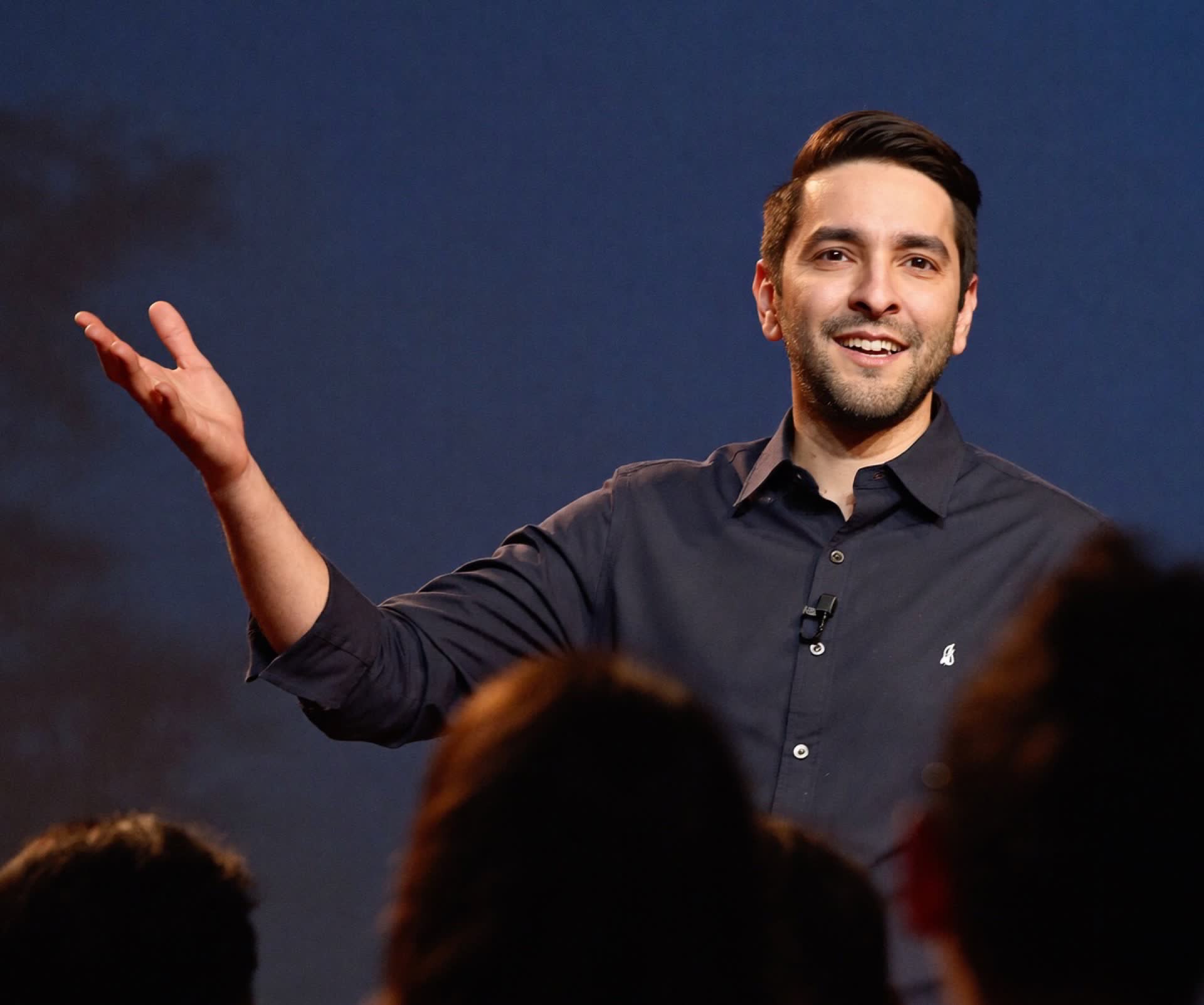
Thought Behind Things · Sep 3, 2021 · 1:32:07
Why Finja lends to the kiryana store the banks won't touch
Finja's Umer Munawar and Zain Bhatti walk through how a fintech licensed three times over decided that the most underserved part of Pakistan's economy was not the unbanked saver but the kiryana store with no access to credit — and how a co-lending model with banks scales that bet.
with Umer Munawar and Zain Bhatti
14 min read
Two bankers who decided not to be bankers for life
The episode opens with Muzamil welcoming two guests at once — Umer Munawar, co-founder and COO of Finja, and Zain Bhatti, the company’s head of product. The framing is deliberate. Finja is a banking-industry veteran’s bet against the banking industry, and the founders’ biographies carry that contradiction inside them.
Umer walks through the path first. LGS, ACCA in two years, then a CFA he started before realising he had made a mistake. “I got all the knowledge, I got all the skills, to do things, but I didn’t learn a single part of the application of those things,” he says. The standard exit — three years at PWC or KPMG for six or seven thousand rupees a month auditing other people’s paperwork — did not interest him. He finished a Bachelor’s by research through Oxford Brookes, did a Master’s in finance at UNSW in Australia, worked two years in investment banking, then came back to Pakistan with one decision already made: fintech was the space.
He met his two co-founders, Qasif and Monis, in the course of meeting almost the whole banking industry in Pakistan trying to set something up. Qasif resigned from MCB a month after their conversation. Monis had already brought what he describes as one of the first international VC investments into Pakistan, into Rozee.pk, back in 2008. The three of them raised Finja’s first round — Umer’s phrase, which he repeats — “on the back of a napkin” from an international VC called Stock Emerging Finance. The year was 2016, the licence they could partner under was branchless banking, and the bank that gave them access was Finca Microfinance Bank. “They are the reason Finja exists,” Umer says. “One of the reasons.”
The name itself was decided on a five-minute conference call. Financial ninjas, cut down and theatrically rearranged into Finja. The sharp edges in the logo, Umer points out, are not decorative.
Zain’s route in is different and worth lingering on because it is the country’s electronic-payments history in miniature. Eton, LGS, an undergrad in economics from Lahore School of Economics, then two and a half years working with his brother in the garment export business — until two large shipments came back with the dye two shades off and the family had to close the shop down. He took a job at a Lahore company called Innovate in 2006. Innovate, he explains, was building mobile point-of-sale products at a time when the State Bank of Pakistan had no regulations for mobile banking at all. Innovate partnered with Mobilink on a product called Genie, the advertising caught the regulator’s eye, and the draft regulations finally came in 2008. That was the chain of events that took him to Karachi, where he met Qasif at MCB, helped launch MCB Mobile, did a stint consulting for the Gates Foundation on UBL Omni and Khushhali Bank, then moved to Bank Alfalah, where he launched the bank’s internet banking and a product called Alfa. By the time Qasif called him about Finja, Zain had been a banker long enough to know he did not want to be one for life. “Saari umar banking nahi karni,” he tells Muzamil. He had bounced back from a bad bet in textiles once. He could do it again.
The MCB Mobile moment
Buried inside Zain’s resume is the moment the conversation slows down for. He had been at MCB for a while when the bank launched MCB Mobile. His first salary on the new product changed his view of the whole industry. The cheque he used to receive as a salary became a direct deposit. Within three or four minutes of payday, his rent had gone to his landlord, his mother’s transfer had gone to Lahore, and everything he needed to do with his money was done. Then he looked downstairs.
“Half the people in the branch were there because, jee Sui Gas ka bill hai,” he says. People queuing for an hour to pay a recurring monthly bill. He could see what he had just done in four minutes, and he could see the country that was not doing it. “Yaar, this is a service that I’m doing,” he tells Muzamil. That was the realisation that committed him to the space — not the technology, the gap between the technology and the people who still did not have access to it.
Muzamil sharpens the point. Between any thousand people in Pakistan, he says, the chunk actively using digital services is maybe five. The other 900-and-something are the market. Zain agrees. Access to formal financial services, he says, is what he had with MCB Mobile. Exclusion is the person who cannot even tell you to deposit his salary into a bank account. The State Bank’s role, in his telling, has been to take at least that first problem off the table — anyone in Pakistan can now open a bank account with a thumbprint. Whether the country has actually felt it is a different question.
”We were overregulated. Then I changed my mind.”
The conversation turns to regulation, and Zain says something that cuts against what Muzamil expects. He used to believe Pakistan was overregulated. He no longer does. “Overregulation is a consequence of, you know, bankers not taking the risk,” he says. When commercial organisations refuse to take commercial risk, the regulator’s job is to make regulations, and the easy thing for the bankers is to hide behind those regulations and tell the customer that the State Bank will not allow it. The story of Pakistan’s financial services, in his reading, is not the regulator’s failure. It is the failure of commercial nerve, dressed up as compliance.
Muzamil’s counterpoint sits naturally next to it. In the United States, he says, regulation tends to arrive after a Catch Me If You Can — a white-collar criminal who forced the system to evolve. In Pakistan, the regulations keep arriving without the criminal to chase. The system gets stricter against a problem it does not actually have, and the problem it does have — entire sectors of the economy operating in cash, outside any formal record — is the one the strictness cannot reach.
What Finja actually is
When Muzamil asks Umer to simplify Finja for a viewer, the answer is short. “We are a lending platform that wants to give access to credit to MSMEs, different supply chains, and employees of the companies.” The framing is what matters. Pakistan, he says, is the fifth largest market in the world and the most underserved in terms of credit. A bank account is not the urgent need — money can be kept in a drawer. “Why do you need a bank account to store money? Ghar mein bhi locker hai.” What people need is a financial identity, and then access to credit.
The Finja lending book runs in two segments. Salaried professionals get an earned-wage facility — the salary advance product that powered most of the company’s lending before COVID. Businesses, primarily kiryana stores and MSMEs, get inventory credit. Muzamil offers his own evidence on why this market exists. He tells a story about pitching his books business — three years profitable, an online catalogue selling to a specific demographic of young women — to a banker who eventually rejected the loan because the banker did not personally like reading books. “Reasoning kya kya bayaaz wo nahi ho sakta,” Muzamil says. The risk appetite does not exist in the banks. Even where it could exist, the data they ask for is not the data this market generates.
Umer’s answer to that gap is the core technical claim of the company. “You need alternate datasets to evaluate businesses,” he says. “Traditional datasets can’t work in this country because inherently a cash economy.” The kiryana owner may be a ninth-grade pass who has never written debit-credit in his life, but he leaves a footprint inside Unilever, P&G, Nestle. The FMCG distributor knows what he bought. The utility company knows what he uses. The methodology Finja built turns that footprint into a credit score. “He is a wonderful entrepreneur. What does he lack? He lacks education but he is leaving such a huge data footprint in doing that business. You need to evaluate that data footprint.”
Co-lending: the trick that makes the model scale
Muzamil presses Umer on where the lending capital actually comes from. Finja is not a deposit-taking bank. Where is the balance sheet that supports the loans?
This is where Umer reveals the structural move. Finja lends to a borrower four times out of its own equity. Each repayment is data — proof that this kind of business, with this kind of footprint, pays back. The fifth loan to that same borrower is funded by a partner bank. “We co-lend with them,” he says. “Banks who have never taken view in this ecosystem.” Finja takes the early risk that the banks will not. The banks ride in on the proven track record. The kiryana store, who would not have qualified for a bank loan on day one, now has one. Finja, in effect, is becoming a credit-rating agency by doing the underwriting itself first.
The product, Muzamil notes, has the same conceptual shape that he was failing to communicate to his book-business banker. Inventory secures the loan. “You can’t run away with them. You can’t go to The Bahamas with the with the, like, books.” Umer agrees, and adds the structural detail that matters most for a Pakistani audience: after the COVID pivot, the product became fully Shariah-compliant. Finja does not give the borrower cash. It buys the stock — say a thousand rupees of Unilever inventory — and tells the shopkeeper that the price he owes back is fixed. One hundred and one rupees if he pays in seven days. One hundred and two rupees at thirty days. The loan cycle averages around twenty-two days. The price is locked at origination, which is what makes it permissible. The fee, in practice, is a margin on the trade, not interest on a debt.
The COVID pivot
The pivot itself is one of the conversation’s sharpest stretches. Before March 2020, most of Finja’s lending was salary advance — 40 percent of a payroll-customer employee’s salary, available on demand. When the pandemic hit, the algorithm did not know who was about to be laid off. The salary advance product, Zain says, could not continue safely. Six members of the management team — not just the three founders — locked themselves in a conference room for a day. Either they would shut down operations or they would pivot.
The pilot they had been running on the side became the bet. Kiryana stores needed credit precisely when people were stocking pantries with cooking oil and avoiding the hypermarkets. The hyperlocal supply chain was the lifeline, and the lifeline was running out of inventory because the shopkeeper did not have the cash to restock. Finja stepped in there. The product-based, Shariah-compliant model was built into a scalable lending product on the back of that decision. “We made a conscious decision that the supply chain needs to keep on running,” Umer says.
It is one of the cleaner pivot stories in Pakistani startup history because it did not require inventing a new market. The market had been there. The crisis just made it the only one that mattered.
Three licences, and what each one means
Late in the conversation Umer slows down to walk through Finja’s three regulatory licences, and the section is worth reading carefully because most coverage of Pakistani fintech blurs them.
The EMI — eMoney institution — licence allows a non-bank to store value in a wallet. Take a deposit, hold it, let the customer pay bills or send money out of it. Before that licence existed, only banks could take a deposit. Finja’s EMI licence is in pilot. NayaPay, Umer mentions, has just gone commercial on its EMI; Finja’s commercial approval is days away. Sadapay is in the same pilot phase.
The NBFC licence is the one that lets Finja lend — but only from its own equity, not from customer deposits. This is the structural reason a bank multiplies money and a fintech does not. “We can’t take deposit from you and use your deposit to lend,” Zain clarifies. “We lend from our equity.” The EMI is a payments licence. The NBFC is a credit licence. Most countries collapse this distinction inside a bank. Pakistan, by separating them, makes it possible for a tech company to do one without becoming the other.
The third licence is newer and rarer: the SECP’s peer-to-peer lending sandbox. Finja Invest, Umer explains, lets an individual put capital into the kiryana-lending book and earn up to a 20 percent annualised return — against a savings account paying five or six. The pilot is capped at a hundred lenders, and the SECP is drafting the full regulations now. The model is the same co-lending logic, just pushed one node further out: instead of bringing a bank in alongside Finja’s equity, it brings a retail lender.
The talent question, and the funding moment
Towards the end of the conversation, Muzamil widens the lens to the Pakistani startup ecosystem at large. Airlift had just raised $85 million. Bazaar had just announced around $30 million. The prime minister was tweeting about it. He asks the two founders how they read the moment.
Umer’s answer is generational. In 2016, he says, Finja brought one of the first international VC investments into a Pakistani fintech. Monis had brought the first one into Rozee.pk back in 2008. For a decade, that money trickle was so thin that most fundable people in Pakistan still needed the right family or the right connections to start a business. What has changed, in his view, is that the VCs entering the market now will become its evangelists. They will go back to their networks and tell other VCs that Pakistan is the fifth largest market in the world and they are missing the boat. Once that loop closes, the funding stops being a function of who your father knows.
Zain adds the human side. Graduating students, he says, no longer aspire to join HBL. They aspire to start companies, or to join one. Talent that left the country is starting to come back. The data-engineering team at Finja, he and Umer both stress, was built in-house and slowly — Muzamil’s broader frustration with Pakistani fintech, that the bigger players are effectively marketing wrappers around procured tech stacks, is the gap Finja’s founders are most insistent that they do not want to fall into. “We are tech companies,” Umer says. “We’ve built tech, we run tech, and we replace that built tech to run businesses.” The youngest member of Finja’s management committee, Rubab, leads the data science function. She is in her late twenties. Most of the company’s product heads, Umer mentions almost in passing, are women.
By the end of the conversation, the two arguments that Muzamil and the founders have been circling have started to fit together. The country is overregulated because the banks under-risk. The kiryana store cannot access credit because the banks cannot read his data. The fintech that can read that data and is willing to take the first loss is the unlock — not as a replacement for the banks, but as a wedge that brings them in behind. And the international capital arriving in 2021 is the thing that lets the wedge scale. “It’s our responsibility as founders,” Umer says near the end, “to utilise that money not frivolously, in a very, very good manner, that it gives the required return to all the VCs who are coming in.” The line is not modest. It is the discipline the next decade will be measured against.
Full transcript
सारा होती हूं ज़राद. Welcome back to another episode of ThoughtBandThings. आज हमारे साथ मौजूद हैं. दो बहुत ही ख़ास Omar Munawan who's the COO and the co founder of Finja, and Zen Bhatti who is the head of products at Finja as well, sir. Thank you so much for joining us today. Very happy to be here. मैंने जो सुना है, वह यह सुना है कि जी आप लोग veterans हैं of the banking industry. And so, to understand Finjah more and we're gonna go towards that later, I'd like to first explore your journey, you know, from high school to being a banker. क्या रही है and and how it's been? And I'll start with you उम्र. If you can tell me a little bit about, you know? Yeah, sure. यार, so I'll put the frame and, clarity. Zayn is senior than me in terms of the professional experience. I can see the white hair there as well. Yeah.
So I did my A levels from Lahore grammar school. Mhmm. LGS Lahore, LGS JT. And after that, my parents wanted me to be a doctor. Right. But all the decisions were left on me that this is where we have brought you. And after this, all your decisions of success and failures are yours. Okay. So you choose your preference. That's a lot of pressure. But, also, I feel, like, very progressive in पाकिस्तानी context. So then I chose myself that I want to do ACCA. I did my ACCA, did that in two years. And after that, I started my CFA. And at the same time, I realized that I made a mistake
अच्छा.
Of doing ACCA because I got all the knowledge, I got all the skills, to do things, but I didn't learn a single part of the application of those things. And for that, you have to end up in PWC, KPMG or somewhere else. And I was not interested in that because, one, they will make you work three years and you would be earning 6,007
thousand back in that day. और यह essentially auditing का काम है. Auditing तो like, का काम पर्चियों को make sure करना है कि यह सारी aligned है.
हां, अगले की पर्ची aligned है. Right. So, यह जाकर यह check करना. So, then I decided कि यार I don't want to do this. I, you know, started my CFA and at that same time Oxford Brooks, I did my bachelor's by writing a research thesis and a research paper to them. And after that, I decided to go up and do my master's. And, in during, I ended up in Australia. Why I chose Australia? No family there. So I was like, there's that. I want to go into a, go to a country where there's no family. Because we are too pampered since our childhood. One should get out of that comfort zone and live on its own for a while to explore the world and to have that brain development of independence as well. So for that, I ended up in Australia. I did my master's in finance from UNSW. After that, I was working in investment banking. Worked there for two years, came back, was involved with, my dad's, friend's company and their company for raising capital for them. And soon enough I realized अच्छा, ठीक है कर लिया. Now when I came back, I came back solely for my parents. Good. I'm the And you were working in Lahore? I was working in Lahore. And when I came back, I decided that fintech is the space. I I had very clear thoughts when I was coming back. Where would I end up? Right. Starting something of my own, and, and fintech is the space where I want to end up. So that's in that process, I met all the banking industry in Pakistan when I was trying to set it up. I met Kasev there. Kasev was one of the last persons, my cofounder, that I met. He was working back in the day at MCB. Right. And I met him. We had a discussion and everything. And, luckily, Kasev resigned after one month from MCB, and he wanted to do something off his own as well. So we met again. We met Monas. Monas transrosi dot p k already. Right. We all three got together. We decided that we want to do something in this space of fintech. Early days of Pakistan ecosystem of startups and everything, and that's where we started our journey. And we started our journey working with under the branchless banking regulation by bringing a banking partner, Finca Micro Finance Bank. Right. That's where our journey started. We raised our first round of funding in So Finca was, like, a a separate player altogether, and you just built on top of it? Or was that something that was since you created with you guys? No. Finca was a separate player altogether. Finca is a microfinance bank operating from quite a while since 2004 in Pakistan. अच्छा. And they were thinking of going digital. 2004?
Yeah. That's before EasyPesa. That's before EasyPesa. So I think, Finca acquired, Kasch Bank. Cash was a microfinance institution. Right right right right. And still is. And so they made a bank and then that bank was acquired by Finca which is a global, yeah, organization. Right. It's a you Finca
founder as one of Finca founders, we were very close to them during this time period. He is thought to be one of the founding members of the microfinance industry. Right. He did this in South South America and other Africa and other countries. And then he came to Pakistan, by they bought in Kashman, Kashman. Right. And transformed that into Finca. So we parted up with Finca under the branches banking regulation. That was the only regulation that we could have partnered up. At that point of time, we couldn't have acquired an independent license of a bank or a microfinance. It's too expensive. Right. And what what year is this? 2016. Right. And we raised our first funding at back of a napkin, three of us. And we pitched to a investor and told him the plan, and we raised the first funding back of the napkin, and that's from where the journey started. That was a institutional investor or, like, a state investor? No. No. It was a international VC investor.
He took it in 2016.
2016.
That's nuts. It's
was stock emerging finance, and that's where the Finja journey started. They are the reason Finja exists.
One of the reasons And and and why did you decide to name it Finja?
Yeah. हां, this is an interesting conversation. When, we were deciding to incorporate a company, we thought about many names.
Of course. And,
luckily, me, Kasif, and Monos jumped on a con call, and I was like, I need to incorporate a company, guys. You need to tell me a name. And, in five minutes, we came up with the name Finger. And how that that came up was financial ninjas. We cut down all Right. Right. Put our theatrics around it, and it became Finja. So that's how Finja as a name came in. And if you see our logo, the sharp edges Yeah. In that logo It's now it makes a lot of sense.
Then that thought process. Right. Right. Right. So I'm gonna go into more detail around Finja just in in just a minute. But, Zen, I'd like to sort of explore how you ended up in,
you know, being the head of products at Finja. Yes. So, I think right after college, so I did my,
undergrad from Lahore School of Economics. Right. And where was your high school from?
So I was, O levels, Etson, A levels, Lakas.
Then my He has a Etson vibe. I could tell from I've read enough Etsonians on the podcast. And long
hairs give it away. Yes. Today, I think my long hair gives it away. But I think I'm one of those Estonians who can really, you know, go below the radar. Right. Without being ejected as an Estonian. So my long hair must have given it away. And I think it's and may, you know, they make you have this, you know, haircut.
Right. That you never wanna have another haircut again. Never wanna have another haircut again.
So, I think that's coming out later. Anyway, so, Lahore School, I did my, undergrad in economics. Right. And, after that, I started, to think, you know, what should I do? Right. And what year is this? This is, 2014.
Right.
And my family has a history of, you know, working with garments in the garment sector. 2004. 2004,
yeah. I was like, I graduated around that time. मैं अपने बादों के बारे में सोचना show कर मैंने कहा सफ़ेद नहीं हुए हैं. 2004.
Not 2004. Yeah yeah yeah. So so, so my family has a history of working in the garment sector. Right. And, then I Export orient. Right. But, so my brother was doing this. Mhmm. And, I ended up working, with my brother for about two years. And And that time and at that time, my brother was working in the local market. We were, supplying, in Pakistan only. And, when I came, so, you know, we got our first big export order. Right. And we were doing denim mostly. So, you know, things were very exciting. Right about two and a half years later, you know, we blew something up. You know, two of our really big shipments went bad, and, you know, we lost a lot of money. Right. So after that, you know, we thought कि I think we need to diversify.
Right. Mister Bro. And just to put a pause there, for my understanding, garments can there... Things can blow up? Oh, yes. Like, what what could potentially go? So, so
we were young, and, you know, export is, like, a lot of... It's very detail oriented. Right. And, you know, you need to have some, sort of a capital, backing also to make up for your mistakes. Right. So, we knew that we'd make mistakes, but, you know, we made a little too big. Right. So we couldn't handle those. So and it all came down, you know, to two shades being too off. Oh,
so पूरा माल essentially is just wasted. Yeah. So and And the margins are so low. क्या आप अपने यहां नहीं बना सकते हैं ना? We did not have visas, you know to just land there and tell कि ok यार मुझे हम Pakistan में करते हैं sir. Sir, same ही है sir.
Same ही है you know चलो दोस्त hand छाट दे हो. हां. So we couldn't do that and but ultimately हुआ यह कि we had to, you know, close that shop down. Right. And so my brother, he still continued with, textile and I started looking for, jobs. Right. And by sheer chance I ended up working, for this company called Innovate.
यह जो आंखों में eight लगा होता है? Yes. Right.
And this is 2006. This is 2000 And when I started working with Innovate, they were doing this really cutting edge work. Right. You know, in, in the POS space. So, know, they were coming up with these, you know, taking POS from a physical machine to mobile. And at that time, was not phone. Was like symbiotic. Is Pakistan. This is Pakistan Lahore Anarkali.
Really?
So and and I was like That's the cross ages. Run away. Yeah. Okay. You know, the sort of work that was happening there. And, I had this, you know, geek seed in me ever since, you know, class two. That's when my, mother got me a computer and I was like, oh my god. दुनिया भी बदल गया ना? क्या हो गया? यह तो change हो गई है दुनिया. Right. And and and now, you know, when I look back and I say कि, you know, I was not built for textile. I was built for this. Yeah. So and and so in innovate, you know, the work that, I was doing, that was really the beginning of, you know, electronic payments in Pakistan. Right. And, you know, mostly banks was just branches. Banks was just, you know, plastic on a POS, and that's it. And innovate was way ahead of its time. तो and when we started off, you know, making mobile products, state bank had actually no regulations for mobile banking at Probably never really thought कि यह भी हो सकता है. Yes and then they and part of the things that did not go very well for us then was that state banks said, क्या hold on? Let us think about what you're doing? And regulations came, draft regulations came into 2008.
अच्छा. Yeah. So The two years you guys were basically experimenting, like experimenting.
You were trying to convince the regulator that while you, you know, procrastinate on what you have to do, you know, let some things just commercially take its course. And meanwhile, MobileInc, you know, partnered up with Innovates. They named the product Genie. And when they put out the ad, that's what, caught the regulators eye. Oh, एक second. And, so at that time and there were some tough times, uh-uh, there. So I ended up going to Karachi, and that's when I met Kasif.
Right. So around o 08:09.
2008, mid two thousand eight end probably.
तो end छोटा सा pause, sorry. Because interesting चीज़ें आ रही हैं तो, you know. Generally हमारी understanding यह होती है. क्योंकि मैं, जो आप age बयान कर रहे वह मेरी उससे दस साल आ गई थी, right? So seventeen eighteen. Seventeen eighteen में उस age के ऊपर जब मैंने understand करना शुरू किया कि, you know, financial markets किस तरह काम करी हैं, वह किस तरह से हो रहा है तो उससे बड़ा एक different climate था. Post terrorism world है. Yeah yeah yeah. You know, FATF always looming here and there सारा कुछ. And so, understandably एक concept था कि, you know, regulation बड़ी important है. क्योंकि दुनिया में बहुत कुछ बुरा होता है through money. Yeah. But then if I to go a decade back, and and I compare that to Pakistan of today where literally everything is cash based, and it I feel like cash is what makes it much, much worse in terms of, you know, how our economy is completely in the grave. We don't have any insight on it. Do you think we were overregulated for most part? Yeah. You know, I, over time,
have, changed this view. I always thought that we were overregulated. Right. But, overregulation is a consequence of, you know, bankers not taking the risk. ठीक है. So when, you know, when commercial organizations don't take risks and, you know, they are macroeconomic, there are a lot of things that are in play here. But because commercial organizations have not taken risks and regulator's job is to make regulations. Right. And then you don't challenge it and you hide behind regulations. कि this is because, you know, the State Bank is saying this that, you know, we can't do this. Yeah yeah yeah. So, you know, sadly, this is the story with Pakistan's,
you know, financial. Yeah, because normally when I look at, let's say, The US market, what I'd every time I'd see is, इस बड़े बंदे ने catch me, if you can वाले बंदे ने यह बड़ा white collar crime किया और फिर regulation आई. Pakistan में regulations ही आती रहती हैं बेचारा कोई criminal तो आगे नहीं आता.
Absolutely absolutely. So, think over regulation, you know, the state bank is not to blame. Right. About what has happened. It's, it's, it's commercial. Right. So so so that's the reason I understood this was when I ended up, in MCB. And, in MCB, you know, we launched this product, called MCB Mobile. And that's where, actually, you know, my view changed. So I I liked the space because I ended up working in Innovate. But, you know, the the value I realized when the first time, MCB mobile was launched, and I got my salary. And, and and I had seen MCB, and I had seen, you know, my time before it. And, anyway, it also used to get a check as a salary. And and we used to sit on, the 1st Floor right above a branch. And half of the branch, uh-uh, you know, the people in the branch were there because, जी sweet gas का bill है. You know, यह फलां bill, some bill, man. There was, they had to pay some bill. Let alone, you know, cash निकालना है. I can understand that. Yeah. But bill जो कि एक definitive चीज़ है हर महीने होना है it's like a loop. Yes and when I got my salary and I had MCB mobile and you know my salary came and within minutes like three four minutes you know, my rent because my landlord was, had an MCB account. My, my mom, she was in Lahore, I was in Karachi. So I would send her money and everything that I needed to do with my salary was done. In the next three minutes I got my salary and I was like, oh my god and look at these guys. Yeah. और, you know, you समझ ही नहीं आ रही? And and that that's when I realized कि यार, this is this
is this is a service Yeah. That I'm doing. Yeah. And this was, like, I mean, between if you take a thousand people even today, I mean, just, like, chunk is five people who are actively using these digital services. Yes. Between, like, 900 people, जो कि पता भी नहीं है किस तरह से हम कर सकते हैं. Yeah. And so the the market size is huge, जो कि potentially आप products सकते हैं. So you were at MCB, and then how how long were you there for? So I was there for about three years. Right. And then,
you know, I worked with, this consulting company who was consulting Gates Foundation, Bill and Melinda Gates Foundation, for, their grant to expand, you know, UBL Omni. Right. There was this service. UBL Omni and Khoshari Bank. Right. They were, you know, consulting these banks to expand access to, to finance. Right. And, so at that point, you know, Gates has a Gates Foundation had a view that if you can, you know, give people access to formal financial services, that can really, impact, you know, their well-being. Right. Which, you know, later on, you know, my my view evolved that it's access to finance, to credit is, you know, a game changing, is
is what is the leveling thing. So, if you could explain that to for for the average user. क्या फ़र्क़ है? Access to finance and access to credit? I'll tell you, access to formal financial services is what I had
with MCB mobile. ठीक है. And and, you know, so I was, like, really, I mean, halfway through my pyramid. Right. So where I had a bank account, and I could access it sitting in an air conditioned room and,
you know, doing all of what I had to I mean, could potentially be watching Netflix and you could just be, transferring money. Right? Yes.
And whereas, you know, exclusion is where, you know, somebody doesn't even have a bank account. Yeah. You know, somebody can't tell you कि sir मुझे जो salary है ना bank account में देना. Right. ठीक है? And that's where, you know, State Bank of Pakistan has, you know, a role to play, had a big role to play in at least taking that problem. Yeah. Anybody in Pakistan can now have a bank account. All he has to do is put in a thumb on a thumb, scanner. Right. So at that point when, I was in MCB, that was also a problem. अच्छा, I mean they can. That's,
I mean, theory wise, yes they can. But, you know, people in my team are like, this girl went to get a bank account and they sent, like, they had उसको छह चक्कर लगाने पड़े. Mhmm. पहले चक्कर भी कहिए. And that I feel like was और और and I'm not even talking about my blue collar workers. Yeah yeah. जो बेचारा सही बोल ही नहीं सकता, जो उस तरह है वह तो बेचारी easy पैसा के ऊपर अपने बीस रुपए कटवाते हैं. हर हर दफ़ा जो है ना उतना ख़ान निकालते हुए. Per thousand rupees. So that's just insane amount. So जो जो बेचारा अमीर है वह जो अमीर है वह ATM में मफ़्त free ATM कर रहा है. So, I I feel like that that problem still exist. अभी कितनी यह banked population है Pakistan की? I feel like 22%. 24%.
Yes. Actually, you know, up now this is a matter of awareness also. Right. You know, there is a bank account, where you need to do all of this thing. Right. Because that bank account, has higher limits. You can move a lot of money. And, sadly, you know, we have this is the post terrorism Yeah. World now. I mean, so the reality is there, and we do understand that context. There is a bank account that you can open right, you know, sitting in the studio, and nobody has to do anything. And you can receive your salary in it. What's that? There are multiple now. Well, know,
for example Next level plug in. यह होती है expertise. But also sim sim what we did before was one. Easy पैसा is one. Right right right. Among others. So how would you differentiate between a mobile wallet and a bank account?
Potato potato.
Okay. Yeah. Essentially, they do they do the same thing for and and all services. Wallet is a bank account, and, bank account is a bank account, but wallet has a certain limit. It's for starters. It's just a limit thing. It's just a limit. It's just a limit and the instruments against them. Yeah. Against a bank account, you'll get a checkbook. In an EasyPass account, you won't get a checkbook.
Okay. In a jazz jazz card, you don't need a checkbook. When did he last use a checkbook? He did. I did. I just did it very recently. Unfortunately, and I have I was fortunate to it. Like, every time I have to... It's such an anxiety inducing experience कि oh, अच्छा check के ऊपर. अच्छा मेरा वह जो sign है वह डंडा थोड़ा तो नहीं हो गया. You know, like पता नहीं है वापस तो नहीं आ जाएगा. But unfortunately, I had to. But that's interesting. So, for example, like, मेरा, you know, I do this thing where where my, you know, viewers support me. So we do JazzCash and EasyPesa. So you're saying I can do, like, Finja as well? Yeah. Yeah. And how do how would that appear on their, let's say, mobile phone? Like a Finja app. नहीं नहीं. I get that. But, for example, if I have that wallet and I have to transfer money from another source, can I do that? Yeah. Let's say HBO का counter. उसमें वह bank choose करेगा. तो कौन सा bank choose करे?
Oh, really? Yeah.
And is there like an incremental limit system to to it as well where I can just provide additional information as I go ahead? क्योंकि मेरी easy भी game हो रही है आजकल. Sorry easy पैसा वाले भाई हूं. और फिर consumer side पर आना show हो जाता कि मेरे account की limit reach हो गई है. So if they're transferring like 50 rupees or 100 rupees after watching an episode उस पर यह I don't know इन्होंने एक roadblock लगाया हुआ है या क्या problem है या कोई system error है. अच्छा there's a daily limit? There is a monthly. हाँ वो सब limits है so daily limit मेरी पास space होती है. वो randomly तो you try five times, fifth time पे वो पैसे transfer हो जाएंगे but most people are just like यार हम तो एक goodwill में दो रुपए भेज रहे थे और ये नहीं हुआ तो you know let's just move on. But that's very for me as a as a consumer, that's very problematic. And so, obviously what I'd like to do is I'd to divide it in multiple services, right? Wherever I can, so is that something I can do as well? मैं फिनजा का एक account खोल लूं और खोलकर मैं पे mobile number के ऊपर मेरा account हो जाएगा?
So, I think, you know, we I don't want to pitch.
नहीं, but I I really want to understand. Yeah. You know, so There's a solution where, we have a collection solution
where anyone can pay you and he can get a receipt against that as well. Yeah. So, any consumer can create his own voucher online and say that I'm going to be paying this guy and he will when he pays against that voucher, that money is received to you. So how is he paying that? He goes into the bank list, selects Finja and transfers money. He'll say his, see his own name that he's transferring this money to you. And that's how he'll make the payment. So they're very interested. To see that, you know, they're making a payment to TBD. And you will also know who Oh, paid
very interesting. So we're gonna have more of that conversation after this. मैं एक बात बता दूं यहां पर भी नीचे आकर लोगों ने लिखना This is not a paid conversation. I genuinely, you know, love Finja for what the work that they're doing. So just sponsor वाला जो ना? Disclaimer, it's not that. Okay. So so yeah, so you then, you were at MCB? Yes.
And then after that, I worked, with the Gates Foundation, and then I ended up, in Alfala.
In Alfala? Okay. Alfala was around. It was, like, that was done in six minutes. Two minutes? Twenty six minutes.
So, Alphala was more of my, you know, cushioning time. Right. I had a great time there. You know, so I launched the Internet banking. I launched a product called Alpha. And and then he was maturing the payments infrastructure there. And I got married during that time and, you know, my son was born and, you know, Kasif reached out to me that, you know, सारी उम्र banking करनी है. तो, you know, what's the plan? Right. And that got me thinking कि, you know, no. Uh-huh. मैं सारी उम्र banking नहीं करनी. Right. And if I am to, not become a banker and, you know, home loan भी ले लूं और यह भी कर लूं and then, you know, सारी anchors लगे हुए. Right. So I thought कि if I have to make a call, this is the right time. Right. So I talk to my wife and, you know, I move to लाहौर. I am from लाहौर also. But you had been to कराची So I've to कराची. I've, I married there. I stayed there for about ten years. So I thought this was the time to go back. Right. That's a tough decision though. With the kid and everything, like, आपके पास एक show shot career और आप एक startup में जा रहे हैं. Startup में जा रहे हैं. I think, you know, part of my, know, my confidence in bouncing back from, you know, the garment's mistake, that helped me make that call. So I think यार What's the worst that could happen? What's the worst that could happen? Right. Awesome.
Owen, I'm gonna come back to you, and I wanna now sort of try to understand Finja for what it is. You know, if... अगर आप थोड़ा सा simplify करके मुझे बता देंगे, कि यह has a product? What is it? What's the vision? What are you guys doing? Because I feel like there's a lot happening there. Mhmm. Your vision is very clear.
So our vision is that we are a lending platform that wants to give access to credit to MSMEs, different supply chains, and employees of the companies. So, we feel that Pakistan is the fifth largest market. Right. But the most underserved market in terms of credit. Credit, yeah. Right. It it is not essentially a bank account. Why do you need a bank account to store money? घर में भी locker है. Right. Geld के नीचे भी जगह. Right. ठीक है? So traditionally if you don't have so much cash, you would be comfortable keeping that in your drawer, wardrobe, anywhere else and but why do you actually need access to financial services? You need a financial identity one. You need access to credit second. Credit is important. For example, any business, a small business, you
do you think you will get a loan from a bank right now? Oh, absolutely not. Did come me up जवान, horrible experience. We talked about it on the podcast as well. You know, the the reason why the guy rejected the final thing, I I showed him I showed him the books three years profitable business, आप किताबें बेच रहे हैं online. मैंने कहा जी बेच रहे और बिक रही हमारी सलाह से. तो किताबें तो आजकल कोई नहीं पड़ता. मैंने कहा sir आपकी उम्र different है. हम ख़मतिन को particularly young girls को target कर रहे हैं वह ख़रीद रही हैं. अच्छा लेकिन यार मुझे books personally पसंद नहीं हैं. आप media में invest कर लें, media के लिए apply करते हैं. मैंने कहा सिर्फ़ मेरी उस company में profitability कोई नहीं है, मेरा कोई ROI नहीं है, कोई revenue stream नहीं है, मैं एक बहुत risky business है. You know, reasoning कि क्या क्या बजाय वह नहीं हो सकता but they they eventually shut us out because they didn't like the idea and I feel like that's that's for me the biggest problem with the banking industry is it's really shut off in terms of, you know, trying to even look at SMEs. You know they'll go for like these big corporate giants. वह billions का जाकर loan निकाल देंगे. वह सारा कुछ कर देंगे. वह loans default भी कर जाते हैं Pakistan में. They get those losses. Again, Haskall की example सामने है with I think 50,000,000,000 or something of that sort. जिस पर अगर मैं देखूंगी the amount of SMEs that would have, sort of, you know, benefited from that. Yeah. But the risk appetite unfortunately doesn't exist and I feel like, ठीक है, risk appetite नहीं भी exist करती. तो with the new age of data, a lot of that risk can be mitigated by just creating better products. But वह नहीं हो रहा unfortunately. So, yes, absolutely, like, with banking or conventional bank loan, that's something that joke your trauma ही होता है उससे. Yep. देखो,
we have a very clear thinking. We you need alternate datasets to, evaluate businesses. Traditional datasets can't work in this country because inherently a cash economy. Right. Everyone is not educated. एक ninth level pass होगा but वह किरियाना stores ला रहा होगा. Right. उससे नहीं पता debit क्या है, credit क्या है, उसको पता है cash में इधर यह लिखते हैं, इधर यह लिखते इधर यह लिखते और यह मेरा balance होता है. यह मेरे दराज़ में पैसे हैं और यह सारा कुछ है. ठीक है? Right. He is, he is a wonderful entrepreneur. What does he lack? He lacks education but he is leaving such a huge data footprint in doing that business. You need to evaluate that data footprint. कैसे? एक रियाना store है example लेते हैं. Distributor से संभाल लेता है, FMCG Unilever से संभाल ले रहा उस उसके पास अपनी sales documented नहीं है तो FMCG की तो sales documented है कि यार उसने कितना सामान इसे दिया है. Right. So we we take that and evaluate that or we have created a complete methodology. It goes into our algorithm that calculates what is the business profitability of this person, what is the probability of default, and would he be able to pay back or not. Right. And then one second thing, people in this country
have never be trained to handle credit. Right. ठीक है? Anxiety होती है कि यार बस cash में कर दो यह left right क्या है? Yeah.
So, they haven't borrowed from formal financial institutions. There's a learning process as well. Right. So you need to go in stages in educating this ecosystem towards credit, towards boring. So when we started our credit one, two two segments we lend to. One is the salaried professionals, people who are earning any sort of an income. And second is businesses, the Koreaner, MSMEs. That's one of the key business, key portfolio that we are lending to. So we have partnered up with Unilevers of the world, the PNGs, the Nestle's and all these people, all the FMCGs and we take data from them. Can you please tell us in the past six months how much was he buying? This guy was buying from you. On the basis of that I know, I done my research, I did my research that if he's buying goods of 100 rupees, how soon is he selling? Right. How soon is he buying again? Right. You all that maths is there. It's just you do that, and you come up with how much this person is making. Right. I can fetch his utility bill by having his consumer number digital. Right. It's just making that connection and bringing them at a It's turning information into knowledge essentially. Knowledge, yeah. So we do that. I know कि एक, how
much a 100 square foot shop can sell. Right. How much can he stock? And you can probably, like, extrapolate that based on region as well, based on population set as well. भाई यहां पर there's a high chance of this particular shop doing well because of the previous data that we have around. Yes. Database data is important. There's some risk that you have to take. Right. Right? So, how will I know that based on previous dataset,
you know, this region is better or this region is not? But so so you have to take some risk. And for that purpose, you need investors who have higher risk appetite. And that's where the VC community comes in because they have a high risk appetite. They will come in, give you the money to
do the thing and scale it up, see Yeah. Do that experiment, and more money falls in. Yeah. But I I also feel like, I mean, right now I'm seeing interest in two particular areas in Pakistan. First being retail and the other being fintech, right? And if you look at it, it's it's a very clear game कि $100,150,000,000,000 dollars की कि almost retail industry है आपकी Pakistan में. You know, again, जो आपकी fintech है वह भी more or less इससे ऐसे बड़े चंग को target कर रही है. But then if you if if I try to sort of understand what problem everybody's trying to solve, I feel like they they do end up sort of coinciding on some level. Because again, the the data that, for example, you're getting through partners partnership with these people, another, you know, player like, let's say, Airlift or Dustygeed or बाज़ार would be getting through directly, like, a POS or something. अब मैं बल्कि मज़ार बात यह हुई. Dustygeed वाली जो भाई आए बेटे. The ultimate goal. If you can get that real time data कि products big किस तरह से रही हैं. You can really sort of, real time के ऊपर आप अपने algorithm को भी train करके realignment कर सकते हैं. And and I feel like कि that's where optimization बहुत ज़्यादा होना शुरू हो जाएगी. But in your case, you're targeting a slightly different woke. आप सिर्फ़ करियाने की दुकान तक नहीं रह रहे. आप direct consumer retail की बात नहीं कर रहे. आप यह कह रहे हैं कि यार अगर midsize, company है, जो कि, you know, बहुत सारी Pakistan में exist करती हैं, उसको भी हम essentially service provide करके उसके ऊपर भी हम वह कर देंगे. Yes. Run me through a little bit about how that works because let's let's assume कोई services industry है. Right? So, products is simple. You have products, you know कि how that sort of business works, you know कि कितनी जा रही हैं, कितनी आ रही हैं. आप उसमें probably यह भी addict add कर सकते कि import based है, export based है. आप उसके ऊपर भी add on top कर सकते कि dollar किधर जा रहा है. तो you know there's a lot you can play with. But services is very arbitrary.
So how do you sort of deal with that? There's a product that we have that's called फिज्जा business. Find that business is a tool that businesses use to manage their cash flows and payments. Right. Salary payments, vendor payments, collection. So, essentially, it's a bank account. All the cash ins, cash Is there a limit to that? It it it doesn't have the limit to it because it's, attached to your bank account. Okay. So there's no limit. So money funds coming in Right. And funds going out. Essentially, when It's like a ledge, like a, क्या कहलाता है वह? Closed
loop.
Can't find the word. But anyways, yes, I I get it. You can say it's a business ledger. Right. Yeah. In a sense. Yeah. Whatever is coming in, that's been recorded in Finja business. It's not being stored anywhere. It just comes from one place and goes to another. Goes to another place. It's not been stored. It's not storing value. Right. So Finja business is kind of ledger. All the business cash inflows that are coming, that are being, Finja business knows that. Right. All the cash outflows, Finja business knows that. Then there are other parts of the tool, HRM HRM management tools. You can register all your employees, create their profiles. They can mark their attendance. They can mark their leaves. They can apply for leaves, get salary scripts, and everything. And, essentially How much does this cost? Free.
Really? Yeah. So So I can just sort of sign up, and I can, you know, automate my entire job, Yes. Quarry It'll take you two minutes to sign up,
and you can And this is all on mobile? It's on all I think it's,
there is a very nominal monthly subscription though. Okay. I think पंद्रह सौ रुपए or something Now. Like
Yeah. That makes sense. I mean, why would you give it for free? B to B as with कृष्टो कृष्टो रखेंगे. Right. It was free for a very long time. Right. Yeah. You just started pricing it. Yeah. Because that's a that's a real service. I know I I need it. So, I mean, I feel like that can be monetized basically. We have the financial data of the organization and nonfinancial.
So it's a industry. They have receivables that are coming in. How many people are working? Is the organization stagnant? Is the organization growing? All these are indicators, lead indicators of future cash flow coming in and the potential that the business has. So we evaluate all such data points. Right. Are the are there unemployments, people leaving this organization? What is the motivation? Turnover, iterations of the organization. So you get all that dataset, and that basically gives you a benchmark or give you a reference value that it's a high risk business, low risk business. Can you finance him? Is it doing well? Is it not doing well? And you do that. And over the time period now when that we have lent to that business and he repays us back timely, that's an additional data point that we are getting that such similar businesses are good businesses. You can lend to them. So we take initially a high risk to understand and educate ourselves. So we are investing by giving out credit and educating ourselves what sort of businesses do we lend to. And our machine, our algorithms and our tech records every action in terms of this guy, such profile, such parameters, he paid us back on a timely basis. This means a similar business who comes again of such feature set he'll pay us timely on as well. So we it's kind of we create surrogates to lend over थोड़ा to these
सा मुझे अगर यह बताएं because I understand how the banking system works, right? Like, you you have accounts, people put their money into those accounts. In an ideal world, not in The US financial capital world, आपके पास एक x amount है और आप उस x amount में से एक छोटा comparable छोटा chunk जो है वह जाकर, lend कर देंगे. Right? So that's essentially your cash in and you lend and you can you you have an understanding of कि किस तरह से पैसा घूम रहा है. You guys essentially do not work as an operate as a as a conventional bank. So there's not a lot of money that is being parked into your product, essentially. So where does that extra capital comes in,
that is being lent out to the So that's the beauty of FinTech. So we have created a complete technology platform that manages the complete finances. We are on the back end, co lending with banks. Banks who has have never took taken view in this ecosystem. Right. We co lend with them. How? I have lent to a Korean store, the Korean segment. I did my experimentation. I checked who were the best one, who I have lent to a person four times out of my balance sheet, out of my capital. Right. The fifth time the bank lends to him. Right. Right. The
market and opening up the market and increasing the buy. So you're essentially becoming a credit rating agency as well in one way or the other because there's a third party now as coming in as a lender. Yeah. Now you are all wrapping us. Yeah. Yeah. Very interesting. And, okay. So, you're you're primarily targeting b to b because a lot of what you've said right now is b to b. Yes. It's b to b. Basically,
And one thing, yeah, it's B2B, also the consumer comes as a consequence of B2B. Right. So sometimes, you know, we call it B2B2C.
Right right right right. And if I were to, for example, open my account where open that that service, where I could potentially plug in the x amount जो मेरी salaries में जाती है and then distribute that to my employees. First question being कि क्या वह पैसा सारा सारा finja के account में जाएगा? नहीं. या उनके definitive accounts में. You can pay in any bank account. Okay, so I can attach different bank accounts and I can just, you know, throw that money उस तरह से. Second question being कि does the does the फिंजा input cycle have a limit? So for example banks की दो होती है. तो यह online transfer हो रहा होता होगा. तो मैं अगर वहां पर transfer करूं तो banks का वह मसला जाता कि जी daily आप 1,000,000 कर सकते for example या 2,000,000 कर सकते मैं कहता जी मैंने 5,000,000 transfer करना है. Yes.
तो is there a work around that? Or is there like I do I have to क्योंकि yes. We are proactive with that. If a business is growing and we know his demands are growing, we actively reach out to him, and we proactively approach him and tell him that, look. You are going to breach your limits, and this, this, this. I think we would need to further verify you in terms of a detailed KYC. And if you provide these things or this is one of the things if you do, you will not have problems. So we are very proactive in engaging our customers. Not like, like a bank, you have to walk into a branch because we don't have a branch. Right. We operate in a virtual world. And even lending, we are lending to the Koreana stores and employees virtually. Right. Essentially, digital lending. What we have done is we have reduced the cost of doing business. Right. The USC banks has to operate a branch. In the vicinity of the branch, he would be lending. We essentially can lend anywhere, and that's where the technology is playing a scalable role for us. And we are exploring those parts of the eco parts of the economy which were never explored by traditional financial institutions. We build them up and then we ask these banks to co lend with us. Right. Similarly, when you start using Finja business in terms of dispersing salaries, dispersing everything, We will be proactively engaged with you. And we know if a payment fails, we are at times our teams reach out. Your payment has failed, sir. Maybe you will have to try again. Why the payment couldn't go to the next party? And this, by the way, just, a slight note. I was reading on the profit the other day. The payment failing is primarily because the state bank ledger. Right? RAST will solve all those problems?
Yes. Or is that on a software layer layer as well somehow? It does
are many reasons. Are many reasons. Agree. You can't it when a payment flows, there are multiple stakeholders involved in that execution and posting of that payment. So you can't blame a single party in that. RAS would be real time in terms of, telling you that the money has reached. Right now, when you transfer money, you don't get a success back that the money has reached that account. Yeah. So what RAST would be doing is when you send money, it is going to tell you the money has reached. Okay. Yeah. So that's So so what रास्त solves is if your money gets stuck today,
there's a three to four day cycle. Yeah. You have to wait. There's there's no two way about it. Right. राज solves that problem. At least, you know, k, it's not there. Right. So right now Hey. Right. How how
our fund transfer is working, it seems real time. Yeah. That this is real time. Because when you make a transaction, either it goes in the next thirty seconds, one minute to the other party account, or it won't go. Then the complete cycle of seven days that he is saying starts. What actually is happening is you are telling your bank, can you please transfer money into Zan's account? And
that that money goes. It we the bank never knows. The bank just acknowledges, I'll do it. I'll do it. The actual transfer happens the next day. Oh. And then if something does not happen, the next day the bank will ask the other bank, and they'll check. Okay. I have the money. Okay. Wait. I'll have to involve the center party. So that's
the problem. So back end. Wow. It is technology on the front end. It. Right? So think about giving an instructional mobile and somebody running with you.
Yeah. So it's like I mean, we're living in the twenty first century, but this is just like, wow. So you don't know if actually the it has reached the the party bank account. Right. Because I have advised another bank, can you please add this much money into that party's account if there's a tech failure or something of that sort? No one in the chain would know if it has actually happened or not. Right. It would have it would be reconciled the next day. Right. Right. Right. So in RAST,
it in a real time fashion, you will know that the money is there. And so the banks then build, you know, layers on top of that to make sure it's more secure and more efficient. Wait tomorrow. They actually if something goes wrong, they can refund you immediately. Right, makes sense. Okay, so sorry, मैंने कहां से segue निकाला था? Yeah, you were telling me about, you know, the B to C customer. हां. So, you were telling me about कि जी अगर मैंने यह transfer किया तो मेरे employee's request में आएगा and then I had a question. जो आपकी यह एक तो आपने बोला कि, you know, मैं पैसे transfer करूंगा, मैं layer में डालूंगा, layer से मेरे different different employees के पास आ जाएगा. Then I have some workers who unfortunately don't have a bank account and it's going to be a a total pain to get them to open a bank account. Can pay them in their CNIC.
ठीक है. They can withdraw that from any EasyPesa agent. And when they go to withdraw it, their wallet would be open right there and then. ठीक है. So next time you would be paying them in their wallet.
And wallet में withdrawing जो है वह सिर्फ और सिर्फ यह agents के through हो सकती है या bank के through भी हो सकती हाँ, so the bank के through भी हो सकती है. They can apply for a card. Okay. ATM card और similarly
they can just open their finja account and the money can go there and it's free they can they get a ATM card. ATM card कितने का आता है? यार ATM card is around thousand rupees.
और ATM की withdrawal fee कितनी है? So
recently we collaborated with HPL.
Use on all HPL ATMs it would be free. Really? Yeah. It would be free. We don't get charged. Yeah yeah because that's for me that was the the weirdest thing right because I I do understand the agent needs to make money as well. Yeah. मुझे बेचारा एक करियाने की दुकान में एक agent बनकर बैठा हुआ है उसने दस दस रुपए कमाने हैं but then I I always felt bad because मुझे जाकर मुझे आज pay करनी है किसी को और कल मैं कोशिश कर रहा था और उसके bank account में नहीं जा रहा था फिर उसका ID card expire हो गया or something like that. And you know I have to leave and I have to go and go to an ATM, get the cash out and then give to him. हालांकि मैं उसको directly, you know, easy पैसा पर So ATM पर आप कह रहे हैं कि so for example employers can just like जो हज़ार रुपया भी है वह employers ने पहले fund कर दिया एक दफा. And then you know it's all free after that. Very interesting. So if you are using the app Fynja wallet and Fynja ATM card soon enough in the, in the upcoming days, you will get a press release that all eight
you can withdraw free money out of HPL ATM. Otherwise, it would you would be charged 18 rupees. Just standard bank charges you have.
Right. I'm gonna expand the conversation a little bit away from Finja and more towards the, you know, fintech industry and also जो overall जो आपकी, you know, financial services की industry है. Starting off, I I actually before even going to the financial services industry, I know that you guys got funding of $10,100,000, series A. When was that? In January 1. This year? This year. ज़बरदस्त. And, you know, how do you feel about that guys? Like, post COVID because, अच्छा, COVID भी क्या feeling? ठीक है यार? क्या होने वाला है? During COVID, we were one of the largest
earn wage access
lenders in the country. Ok, you guys were comfortable. You guys were like ठीक है sir, बंद रहने दें. We
weren't comfortable. So we had to payment completely during the pandemic.
March 2020 changed a lot for us. For us. So so most of the lending that we used to do prior to March 2020 was salary advance. Salary advances.
So anyone who is getting a salary from you when you're paying him, he can withdraw 40% of his salary whenever But you don't know कि आप laying off, किस तरह हो रही किधर और it's all random, right? It's all chaotic. The algorithm is going hey, why are you? And so so that was like,
you know, a time for us when we had to realign.
Right.
How we take this forward. And during that time
So we are We were doing this Six experiment also. We have six people in the management team. Not just the founders. We make the join the scene. There's six members in the management team. So we met up, and we were like, guys, either we are going to be done during this pandemic or we have to pivot. Right. That's where we spent the next complete day, one day in office, in the conference room, locked there that we have to find a solution to this problem, that the business is going to halt either or we would have to stop operations right now because we are no no longer we will be able to lend to for salary advances. But at the same time, we were doing a small project on the sidelines, a pilot with at that point of time of lending to the Koreana stores because we were trying to credit evaluate them and lending to them. So we had reached to a point where we could now scale that up, and that's where we thought that the world is moving towards hyperlocal. Now no one's going to go towards a big supermarket to buy his stocks because of the COVID situation. They're going to look at the community store to buy stocks. And these guys, they don't have enough capital to buy stock and service all of the hyper local community. Right. That's where we came in and we started, ramping,
I recall, I don't know if you recall it that you could see, you know, people putting up videos of, you know, oil, bottles stacking in their pantries. Yeah. That's this is that time. Right. You know, when, COVID scare was so much that people started stocking things up. Yeah. Yeah. Yeah. And you couldn't go to the hyperstars or the big stores, and, you know, the local shop was your supply. Yeah. And, that was running out of,
meat on it. So we made a conscious decision that the supply chain needs to keep on running. Right. And the supply chain is needs credit right now because a Koreana store needs to stock up more to serve the community around him. And we started lending giving them credit that you can now buy Unilever stuff or an x y z stuff on credit, and you can pay me back after thirty days when you sell the product. Right. So kind of our methodology behind was, like, how we started it. It's now a completely Islamic lending product. Right. It is, like, we did a partnership with them that, here, take my thousand rupees, buy, I'll get you the product, you sell it and then you give me a fee. Give Oh, very interesting. Yeah. Yeah. So that's how we have, that's the complete So it's purely product based product based lending essentially. Right? So we we don't give out cash so that he can't do frivolous expenses or anything like that. So we we tell him that here, get the stock. The same thing what you were saying कि मैं किताबें ले लूंगा, I'll sell the sell them out and make money and give you back. So as long as you have stock, I mean, sooner or later you'll sell it. Yeah. Exactly. Like, you can't run away with them. You can't go to The Bahamas with the with the, like, books. So the same thing, same methodology here. We enable you to buy stock on credit. You take that, and you sell it, and you pay us back. And we charge a small fee against that if you're and our loan cycles in that regard ranges around twenty two days. We give we tell him, you can pay me back after seven days. If you pay me back after seven days, if I have helped you buy stock worth of 100 rupees, you have to pay me 101 rupees back. Right. If you have bought stock of, 100 rupees and paying me back after thirty days, you will give me 102 rupees back. So we lock that price. Right. We tell him, look. I'm buying this for 100 rupees for you. Right. You said it, and you have to give me 102 rupees back. So that's how, the complete product came for us, and that's scaling very fast for us. And in this regards, we are collaborating with the complete ecosystem. The बाज़ार, ताज़िर,
retailओं. अच्छा, so you're partnering
with them? Yeah. So they're selling the goods. We get the data from We don't sell stuff. We get so we we finance stuff. So we we are collaborators with that.
बड़े बड़े चिलाक़ लोग हैं. Game तो सारे यह कर रहे हैं बैठे हुए और dollar की funding बहुत दिखा रहे आगे. आपकी series भी कम आ रही है मुझे यह बताएं? Soon we use the like this. नहीं but that is very interesting because you are essentially the aggregator and that's where the,
I mean think the aggregator will not be there. Each of us has their
all have our unique role. I mean, do I do understand? देखिए देखिए देखिए देखो ना, beyond the financial system, like nodes हैं
but अगर मैं purely financial की बात करूं तो you end up particularly in that context you do end up becoming the aggregator where you have a much higher insight on a macro level. Maybe on the micro level, they're able to provide much more Mhmm. Better, more customized solutions. Yeah. So I have a much more holistic view of that Kariana store because he's buying from a number of people, and I have a view of from who who is buying. Yeah. So Dastegir has a view of only the product that they're selling. So I have a holistic view of what, the guy is buying and from whom he's buying and how is he selling. Yeah. So we have a holistic view, but we feel that all of us have our unique positioning.
Right. And I think the the the the space is so big right now. Okay? I don't see I mean, I I I don't see five different people entering the space and not working out. Yeah. Yeah, that's true. Because the chunk is too big. Rather than saying कि, you know, यही chunk है, एक छोटा सा chunk के अंदर बैठकर आपस में लड़े. I feel like अभी तो अगले दस साल लगेंगे syllabus पूरे chunk को takeover करने में, and system मिलाने में. Okay, so that's that's very interesting. You know, Airlift had $8,087,000,000 dollar funding. उसके थोड़े से बात बाज़ार किया, I think $30,000,000 के announce हुई है. And this is just like, this year has been phenomenal. The prime minister is tweeting about it. And it's quite clear कि there's now a direction towards, you know, जो हम बड़े अरसे से wait कर रहे थे startup side के ऊपर के, वह क्या time आएगा? वह pivotal moment क्या आएगा? जिसमें, you know, global interest आना शुरू हो जाएगा? And I believe with the airlift, one of the biggest VCs has, you know, been a part of that that fundraising as well. And when that happens, automatically पूरी दुनिया के VCs कहते कि यार, are we missing the boat? So how do you guys see, this particular space, not just with fintech but overall पाकिस्तानी startup space,
over the next few years? So, we have a very clear view. Back in 2016, we started at a point where we brought in the first or the second or the third international investment into the country. February? '16. '16. Right. And Monas back in the day in back in 2008 brought the first VC investment into Pakistan in rosy dot b kinesi networks. Right. And 2016 was the first fintech investment in the country by, any VC into a star in a startup space. Otherwise, you would have seen Easy Pesa coming in, Telong Group coming in, doing financial services. So we were the first one. Now we feel this ecosystem is at at a point where there's talent. They're leveraging the talent is leveraging technology to build products to solve real world problems. And being the fifth largest population, now we are on the map of the VC community as well. Alright. There's not all bad news that comes out of this country. There are good things happening in this country. The this company raised this much, this is this much. And I feel the complete VC ecosystem that is coming into invest in Pakistan now, they are going to be the evangelist of this market as well. Absolutely. And when they evangelize this market, that's where the true talent will come out of this market. The people and the talented people are going to get funded. Right. And, there's an alternate stream, now where you get can get funds. You have a good idea. You have a good execution team. You will be you are scaling at a fast pace. You'll be funded by international VC investors. Traditionally, if you belong to from a rich family Yeah. Or you have the right connections and the right people, they will come in and invest in you or, invest in your business venture and anything. Anything related to technology, the VC community now sees this as the fifth largest, biggest market, and a lot of money is going to come in. And it's our responsibilities as founders to utilize that money not frivolously in a very very good manner that it gives the required return
to to all the VCs who are coming in. Yeah, क्योंकि वही वाली बात है ना कि आप एक तो आप इसको अच्छी तरीके से इस्तेमाल करेंगे, आपकी growth होती होती है but you have a responsibility here as It as being one of the first ones is a huge responsibility.
The best is that if you ask graduating students what they aspire to do, you know, you'll be surprised how many say that, you know, we want to be entrepreneurs. And
how many would say we want to work in a start up now? As compared to, I want to work in HBL. I wanna work here. And so that's the how the world is changing. Yeah. So you we are we are getting good talent in as well, in terms of our growth. And, speaking of talent, a lot of, you know, people who had left Pakistan Yeah. They have Oh, वापिस्तानी is now,
rising as well. Yes. I I have a question. The tech stack that essentially goes behind, you know, this product, is that completely in house? In house. We are tech companies.
You see, we've built
tech, we run tech, and we replace that built tech to run businesses. That's what we are. Yeah. Because the reason why I ask is because my previous experiences with some of the biggest fintech players have been que, you know, sometimes very, very small sort of design problems or use case problems, वो fixed नहीं होती and you're just like, yeah, this is like a billion dollar company, and and and why does this exist? And you realize, कैसा these are more like, they've sort of become like marketing companies essentially, where they go in, they buy different products like अच्छा जी, Siemens से यह ले लिया, IBM से यह ले लिया, Teradata से यह बनवा लिया और फिर बनवाकर उसके around जो है जी अब हमने इसको market करना और consumer को hit करना जाकर. Whereas I feel like and and this is something I started seeing with सादा पे where they were just like, know, we're working on it, we're working on it, we're working on it. We're really focused on the design aspect of this, particular product. And I feel like कि जब तक वो आप modern day के अंदर जब तक tech stack directly in a very agile way aligned नहीं होगा. Yeah. You can't create a product and put it out in a millennial or a Gen Z market and particularly the Gen Z market that's about to hit the, you know, hit the mainstream. Yeah. So that's very interesting. And and and you guys, like, it's it's... How's the talent there? Because I know that in Pakistan, you know, हम कहते तो हैं ठीक है, हमारा IT talent बहुत अच्छा है. पारसा की report आई है कि, you know, डेढ़ लाख बंदा निकलता है, उसमें से less than 10% is employable. We do have that problem unfortunately जहां पर either you have, like, these, like, base level freelance workers जो कि sort of low value के ऊपर बड़ा अच्छा काम करें, ठीक है? सारा कुछ है. But then if you go towards, a data scientist or, like, a senior software engineer, most of them, simply because of the fact that there are opportunities abroad,
they'll eventually leave Pakistan. And so that sort of a talent, जो कि आपको there a high level globally competitive service provide करे. How's your experience been, with that? Yeah. We we have been quite lucky in terms of our data science and data engineering team. And that's one of the core teams that we have in house. And, one of the key things that has happened for us that we three founders are from a very diverse background, investment banking, tech and retail banking. So, that's how we got the right talent in in the beginning as well. Right. And you were able to pull in Xana as well in the beginning of the race as well. So we got the right talent in. In the data science team, it it took us time to build that team. It took us time. You really have to sort of identify and hit those people again and again and again to be able also, you know, you don't have the understanding also. Yeah. Yeah. So, you know, you you understand payments. You understand, you
know, capital structuring, you understand market, you understand. But, you know, everybody talks about data science. That is the theme. Data science. And then when they start coming in and just talk talk about, you know, statistics and here and then you're, oh, okay. Python का code now
So we have learned a lot from our teams. So what he is today and I am today, we manage teams and I've learned immensely from my data team. Yeah. Yeah. Like, how to see data, how to do all of that. I can make sense out of numbers. I can make all of that. But how to structure data? That's the big task. Yeah. Yeah. Absolutely. And how to manage a big dataset? That's a task. Yeah.
At at a report and analyzing that is very easy but how is that report? You have the engineering. Engineering. Yeah, the cleaning and the, I mean, I did that for two years. I know how excruciating that is. लगता बड़ा fancy है. And then you start working on it. So,
you know, the,
रुबाब. Her name is रुबाब. Yeah. So, she's leading our data center. And she's a management team member as well. That's very, She's the youngest management team member. Very cool that you have a stem,
you know, head someone who's heading your stem department, essentially, who's a woman. Yep. Good. I'm proud of you guys.
Yeah. Good. I'm you. Come to you should come and visit our office. One of the middle layer is mostly 80% women for us. Most of the products are heads by women from us. This this folk is a guy. He's head of products, but most of our product heads, product managers heads are females.
And nevertheless.
But still, I think, good work there. Good work. But we'll be not there yet. I mean, there's still a lot of, you know, gender, disparity.
Yeah. Mean, obviously, that's that's an ecosystem, You have to start somewhere. I feel like that's just a thought where you're saying you're you're sitting here. Pakistan में सौ बंदों की company के अंदर यह ख़ातून होंगे और कहेंगे sir, हमने तो कमाल कर दिया. Just the fact that you're sitting here and you're saying, listen, we gotta do more work. Mhmm. I think that's the direction and that's the sort of, you know, understanding that you require as well because I feel like step by step And she's a manager member as well. She's 26, 27. Mhmm. And she has risen to the rank of,
the management committee. She's part of the management committee. So that's how you track talent. You have to empower them. You have to give them ownership, and you you in what can startups give them the best? That is empowerment, ownership, and they can rise up the ranks as quickly as they want. Yeah. Yeah. And they can. Like, वही वाली बात है कि Pakistan में
छब्बीस साल की है बेटा. अभी दस साल हमारी तरह ख्वार हो. दपहर बात करते हैं.
तो there is a certain level of ageism as well. But, you know, that's Our average teams are younger here in start up community. We are we were seeing our average age, it's 28. 27. 28 is the, mean age for us in the organization. Yeah. Similar is the case for if you're retail, retailer guys, tastagir folks, bazaar folks, they're friends. Yeah. It's young it's young individuals. We're all 28, 29. Yeah. Maximus transe. So that's the change that's happening that Yeah. Capital's coming in. It's been invested in young companies, young individuals. They're trying to create an impact. They're collaborating with each other. They're not, like, who takes all of this? We have, all of us have a thinking. Let's Increase the pie. Let's increase the pie. Let's not fight over the pie, essentially. Right? Increase the pie. Is that where this I I read a news today. NEAPE, I believe that's what it's called, got an EMI license. What's what's that all about? So one of the license that Fynja has is the EMI license as well. So they are the first commercial. They have gone commercial now. We would be going commercial in the next two to three days. What does that mean? So it's it allows non bank companies to store value into their wallets. Take deposit and deposit from the customer. Okay. Any nonbank company, can now run a wallet similar to EasyPesa and all of that. Saadipay
is an EMI. So they are in the pilot phase right now. When you say nonbank... I mean, just to sort of dumb it down for me. What does that mean? It means
if you have an idea and you want to run a payments business, now you can go to State Bank with the right set of people and the right team Okay. And apply for that license. And the State Bank will tell you now, okay, build up your product, build up your tech. We are telling you go ahead with it. Here's the app preliminary application approval. Go and build your tech. We'll come in, audit that tech, audit the processes, and then we will allow you to go commercial
and sell it to the mass users. But, essentially, what that what that means is that today if I, ask you, you know, to give me a thousand rupees Yeah. Right? And I, say that I'm the custodian of this money. Yeah. Whenever you need it, you can ask me. Ask me. Yeah. And I'll give it to you. So what I'm essentially doing is I'm taking this deposit from you. Right. Deposit before this license
came Exclusive
to banks. Exclusive to a bank. Right. So, essentially, what a bank does, what the EMI, the or the eMoney institution cannot do is, the bank takes this thousand rupees and then tells Omar that, do do you need thousand rupees to, you know, do whatever you do, you know, to expand your business? So that's what I initially was saying. Right? Like, that's where you start start storing that and and and have that multiplier effect where you invest that money elsewhere. But we can't invest. Lend. Which is why we have two licenses. Okay. So we can't take deposit from you and use your deposit To lend to some? To lend. We lend from our equity.
And that's EMI license doesn't allow you Yes. To lend. EMI license allows you that you can show money and create payment use cases on top.
He can pay bills. He can pay someone else. He can do all of those Okay, okay. So that's the essential difference between a wallet and an account. उस तरह से अगर simplify मैं कर सकूं. Account can then I can take that money. Can create solutions of investment and and all of those things. And give out credit using your money. Your money. So I cannot use your money to give out loans. Loans. Okay. So that way, essentially, what the regulator has done is they've protected the money. Yes. Yes. So then I I don't need to manage, you know, the credit
ratios or the Liquidity ratios or Yeah. Yeah. Ratios and ratios and whatnot.
So for us, we have two we, in fact, have three licenses.
Yeah. I'm sorry. I forgot.
Good job, dude. So we have the eMoney license, which is in the pilot phase. Soon enough, we'll be going commercial. We are waiting for, to go commercial there. We have a nonbanking financial Sorry.
मैं पैसा पकड़ रोकूंगा. Commercial से camera. You're already doing all of what you're doing. Right? What is that? What is it? What will it... What does the commercial aspect entail? The commercial aspect entails that I can mass market it. Okay. And after that Yeah. That Okay. I mean, it's, a beta phase right now. And we are under observation. Under observation. Okay. Okay. I can mass market that. I can put billboards. I can do my digital marketing. I can do it. So I can do the mass marketing right now. A box around me, which straight back has said that you can't, go beyond this. So they're monitoring you right now in that phase? Yes. And that's for everybody. Everybody whenever you apply for a license, essentially, you go through a monitoring phase, Yes. Yes. ठीक है. So NEAPAY has now, gotten out of that box, and now they can do,
you know, mass campaigns, take as as much deposit as they deposit as they want. So for us, we will be getting that approval. That, that allows us to operate a wallet essentially, that license. And how it helps us in our use case is that I can lend in my deposit. The person can pay me back through my deposit, and it connects me to the complete banking ecosystem.
Oh, right right right. You don't necessarily have to take someone else's money and put it in there. You can just use your own money and that money will now become much more, like वह schedule essentially lending of loans become easy, the collection of loans become easy,
That you are It's actually to assist my lending business. Lending business. Right. So that's,
then the then we have the NBFC license. That is, where we had, through which we lend to businesses, to individuals. Yeah. And we recently were the first company to get a pay to pay lending, pilot Sandbox. Sandbox license. By the SCCP. Yeah. Yeah. Yeah. So now if you want to lend to a Korean store, you can just go to Finja Invest, sign up and you can give your money to the Korean store. And we will credit evaluate that. We will do all of that. We will recollect it. We'll disperse it. You have lent, and you get a return on that money. So you get return up to 20% on the,
on the capital that you have given to that Kariana store. And, what's the I mean, you have to obviously block your money for a particular period of time. Thirty days? Thirty days.
Seven to thirty days. So Interesting. Per annum return 20%. On a money market return, like, a bank savings account give you 5%, 6% per annum. But if you invest here, you get 20%, and that's fueling our lending book as well. So in the same way, how we take our Korean stores back to the banks that now you can lend to these guys with us, co lend with us. We are now able to take it back to an individual that you can lend to this guy with me and you will get a return on the capital that you're deploying. Right. So we have made that process very seamless as well. And we still in the pilot phase where we can only bring 100 people who can invest and give out, invest into these karianas. 100 people are businesses, but now the pilot is expanding. And SCCP is drafting the regulations
on on this Mhmm. That we can go commercial and scale it up. Yeah. So in terms of regulators have been quite quite helpful with progressive in terms of trying to get out new things. There's another I don't know if because you are you guys are in the same program. I I heard, again, Abdul Rahim told, told me about this when he came into the podcast. Within the sandbox, there was another product, crowdfunding. Yep. Yeah.
Do you know of the the the company that's doing it? Are they, like, because we're really interested in in in seeing कि क्या वह कब कहां तक पहुंची है? वह Pakistan में launch हो रही है या नहीं हो रही? I, हां, the ground funding project didn't It go didn't go live. Didn't go live. So it didn't work out? It didn't work, it didn't work out. But the license is still there. Now they're running different cohorts. I think the second cohort is about to, they've started taking applications. Applications. So for the same license. So someone else will come in and provide a solution for crowdfunding. So, essentially, they are like, so this is something that SCCP is interested in, in getting that. Is now bringing the change that allowing people if even if something is not regulated. Right. And if you want to try in these domains, you can come in, seek approval from us, and we will give you a pilot approval that go and test this out and share the results with us that helps to make the regulation around that, complete industry and a complete segment. So the regulator is becoming much more proactive. Right. In a sense that don't wait for the regulations to come up. Come to us. We'll help you. We'll guide you. We'll give you we'll ring fence that pilot that you can test your product, test your service and everything, and then you can go commercial with that as the regulation comes out. So for us, we are right now having these three licenses. So essentially with these three licenses I can ask you to lend to the Korean store, I can ask a bank to lend to a Korean store, I can lend from my own capital to a Korean store and I'm connected to through the complete banking ecosystem due to my eMoney license. Right. I can send funds into any bank account. They can pay me back from any bank account, EasyPaiso agent and everything. So it took us quite a while to build this complete ecosystem and get these licenses, licenses. Where we are today, it took us four years, five years to come up, do the tech development, to gather the licenses work and all that. The plumbings, to create the interconnects, to create the data sharing connects, to evaluate how to val to learn how to evaluate alternate datasets. So it's been a learning process for all of us from simple jobs that we were doing to a much more complicated ecosystem and fulfilling because we see the impact that we're driving. We're empowering a small business, a nano business, a home chef who never had capital to grow their business. Yeah. In The US or in the Western countries, you are running a business. You have cash flows. You can go and walk into a bank and get capital to grow your business. Right. Here, that has not been the case. Here we believe, Finja believes that we want to empower every MSME, small, micro business that they can grow their business. And that's, we believe, our thought process is the fastest way to grow Pakistan's economy. Because Yeah. Yeah. Absolutely. If if you empower these entrepreneurs, medium size, small size, and all these people, if you empower them, that's going to increase the productivity in your economy, and your economy is going to grow as a result. And calm you up. जवान, you talked about the same concept was behind it. Yeah. But it it's maybe just the execution of it that didn't go well. We so the same thing as private,
private sector guys, we are executing well on the vision that we have. Makes a lot of sense. Guys, talked about, I'm just gonna throw in a question before I move on to my last question. You talked about builds, and particularly, you you you talked about your experience with people, you know, standing in line with bills. And I see a lot of these, like, EMI companies and a lot of these, like, fintech and and wallet companies. And and and primarily जो use cases नज़र आ रहे हैं, वह बस यही आ रहे कि, you बिजली का bill दे दो, यह bill दे दो, वह bill दे दो, and that's something that's, उसका touch point जो है ना वह ज़िंदगी में महीने में चार पांच दफ़ा होती है. यह होता है. And so, yes, sure. Like, within those four five times, I am, getting some sort of convenience. But overall, until and unless my habit will change if I have to, you know, that touch point exists every single day, right? In terms of use cases, obviously peer to peer transfers आपके हो रहे हैं, सारा कुछ है वह, and उसमें भी मसाल हैं with the you know with regulations like monthly limits and this and that. Again मैं इसमें भी यह बात करूं कि I do understand microfinance and the unbanked population तो उनकी तो amounts ही इतनी थोड़ी होती हैं कि उनके लिए business perfectly fine. But मैं you know let's take an average upper middle class consumer and, when they look at con or वह generally वह है जो कि bank को इस्तेमाल कर रहा है. और वह जो banking apps and particularly, you know, with you, you've been around the banking apps. It's a very excruciating experience. It's it's it's slow. It's, you know, it's buggy. It's laggy. And just the design aspect of it just is really, really bad. Do you think उस उस point के ऊपर काम हो सकता है for example कि, you know, something hip, something more Gen Z which comes in. It's simple, it's plain. You know, मैंने उसमें पैसे डाले तो पैसे आ गए, पैसे से आ गए. मैंने दोस्तों को transfer. So some sort of a product that becomes the go to thing to be transferring cash because right now the everything is so buggy. अगर मैं easy पैसा कर लेता हूं, और easy पैसा नहीं ठीक है, पास चल रहा हूं. UI थोड़ा सा साफ़ कर भी दिया With the the problems of कि you know इतनी limits हैं and इतना यह and इतना वह और इतना जा सकता है, इतना आ सकता है. It just becomes a very confusing.
Yeah, so I'll tell you something interesting. When we started off, you know, when Finja started off doing its payments wallet, you know, we thought that if we make payments free, you know, this would be a good enough incentive for people to do payments digitally. Because, otherwise, there's a cost of, you know, there's a cost to go to the bank. There's a cost to do anything. And, we learned that that's not the case. You know, free is not good enough. We started to incentivize people to make payments. Even incentivizing payments was not good enough. So, you know, what is it, what is the ultimate consequence of, you know, bringing people to payment apps and having them to pay digitally. ठीक है? When you talk about the affluent market ना? So, affluent market में, you know, there are a lot of use cases which, you know, they'd want. They'd want financial management. They'd want, oh look at my Fitbit and you know I am doing these many steps, these many discounts, look at my but ultimately you know masses के लिए it all comes down to so now that you know what I am doing this is what you wanted, you wanted to see what I do with my money. Now I'm showing you what I do with my money. What do I get? So if there is if payments are not associated with the promise of credit, they're not gonna go anywhere. And Mhmm. The world Mhmm. Well, it's a if you make them free or if you make them, if you incentivize them. Right. And then that's when we realized that you you incentivize payments, you destroy the data, and which was never the incentive. So but when you tell them, you know, all of this is coming, you know, with the promise of that you become, know, close to getting credit whenever you need it. And credit is where, you know, ultimately you realize कि, you know, there's this cushion, there is there's a sense of stability, there's a sense of somebody taking a bet on you, there's a sense of uh-uh
Believing in me. Yeah. And that comes in. We we have a very good example that we usually talk about. What was the card price when you graduated from university? An average car I think price के corona चल रही थी, 2,000,000 की चल रही थी. Double हो गई हुई है. What's the car price? चालीस लाख की जा रही है. If you had 2,000,000 then and if you kept that in your bank account and you were not able to borrow and get, if you had a million and you thought that I'll save up to get a car, you are fighting an uphill battle because there's inflation, your money will keep on depreciating and you won't. If you were given an opportunity, you have a million rupees. We will give you a million. You get a car and you can pay me back in five years. Right. It would still be cheaper than what's the price today. Yeah. So it's the same thing what we think, we it's the credit, access to credit that brings people to financial services. Right. Essentially, in The US, 80% of the market has credit cards. Yep. It is that credit card that is making them to come to a bank account. Alright? Their salary comes in. They pay their credit card bills with that. Yeah. And
or their house mortgage or their car mortgage but they are living a good life because they had a मतलब वही है देखिए हम Pakistan में पूरी ज़िंदगी का काम करते हैं और आखिर में barrier में जाकर घर बनाते हैं. Yes. Do it now and reap like live in comfort and you know take whatever amount of time you want to pay for it. हमारा पाकिस्तानी निज़ाम थोड़ा सा फ़र्क़ है कि we हमारे मां बाप बेचारे ज़री ले जाते हैं फिर आंखें बच्चों को करके रहे. वह निज़ाम भी को थोड़ा अगर inflation you could race with the inflation you can't
कर ही नहीं सकते. या saving से आप inflation इनकी कोई race ही नहीं आपस में. Right and secondly
वा क्यों नहीं था Pakistan में यह concept? मतलब कि if I walk into a bank branch, यार 40,000 rupees कमाता हूँ, I want a housewocket or house loan. Bank branch वाला कहेगा, यार चालीस हज़ार का loan ले लें आगे तुम्हार तुम्हार ठीक है. He is not understanding the future and everything. It's more like educational point of view. We feel that we have an onus as financial service play to educate people as well. That you're saving 10,000 rupees out of your salary. Yeah. That I'll get a house thirty years down the road. Yeah. Why don't get it today and start paying me 10,000 today? Yeah. And by the time thirty after thirty years, it's going to be your asset and you have gotten that asset much cheaper Compared to what it's Like, compared to what it's thirty years away. So that's the same concept we had when we started at consumer lending as well. The guy has earned his salary. Yeah. Were you he has worked fifteen days. He should be able to access that salary. Yeah. Why wait another fifteen days to access that salary? So we empowered him to get that salary whenever he wants
because I know he's going to get that money after thirty days. Makes a lot of sense. Guys, we're at the one hour twenty four minute mark and so it's way over time but a very good conversation and a much required one as well. I'm gonna move to the last question generally. Ask all of my guests this and I want कि आप दोनों, मुझे एक एक करके जवाब दे सकें. You know, how old are you? I'm 32. How old are you? 38. 38. You know, thirty years from now, you'll be 68 and you'll be 62, right? And you'll be retired. And, your kids most likely will, be living, in in in in Pakistan of that time. You know, growing up, I always thought que Pakistan, you know, I always saw que Pakistan terrorism का time था, detrimental सा था, सारा कुछ था. And I I realized at a point where even though I hurt कि, you यह बच्चे ने कम में हैं, impatient हैं, यह हैं, वह हैं. But I did feel like कि, listen, like, I didn't do this, any of this. Right? Like, the responsibility, the honest was on you, and now you're blaming us for however you turned out because the country, you made this country as it is today. And so because of that thought, because of my complaint, even though I don't I don't, like, put it out in public, but उससे हुआ यह कि जब मैं 30 के आस पास पहुंचा तो मेरे दिमाग़ में सोच आना शुरू हो गया and when I had a kid particularly यह मेरे दिमाग़ में यह सोच आना शुरू हो गया कि यार कल को मेरा बच्चा भी यही बोलेगा. You know कि, आपने क्या किया ना? ठीक है, बहुत अच्छी बात है. अब prime time पर बैठकर retire होकर जाना गाली देते politicians को. But what did you do and what did your generation do? So, I just wanna have an understanding of how you see thirty years from Pakistan thirty years from now? In 2050, what's your vision? Not in terms of the best case scenario. I feel like यह होना चाहिए. Honest to god, you know, the way that you see it right now, आपको क्या लगता है कि evolution होकर दो हज़ार पचास का Pakistan कैसा होगा? I think if you look at the data
from data thirty years back and data today, not just the holistic picture. Pakistan is in a much better position today. Right. The poverty has gone down, household incomes have gone up and everything. So one of the key things that we don't realize is that we have improved in many ways and, how the life has changed from thirty years back to today. So I think this life is going to keep on improving, and we need to accept the fact and take the ownership. We can make the thirty year progress in fifteen years if we work collaboratively, not against each other and everything. We will if we work collaboratively. And that's what I said. And the good thing about our ecosystem of startups is that we like to work collaboratively and create value and increase the buy, not fight on the same smaller thing. Right. In the same way, I think Pakistan is on a right track and on a wonderful track in terms of, business environment, in terms of educational improving, in terms of empowerment, freedom of expressions and everything. Every society has its own problems, but you can't just look at the problems. Yeah. You need to look at the positives as well, and there are many positives in this country. Yeah. I think this this country in the next five years is going to at least make 10 unicorns in terms of the startup ecosystem or even more. Right. The that's the potential of this country. And it's just if you need to have the gridge to harness it. Right. So it's just the gridge that we need to harness it. Our parents, they were, the generation behind us, they used to live as it comes. So for us, we criticize it, but we should have the to change it. And I believe that this generation has that grit to change, the Pakistan for better. Right.
And and the tools technology is really helping for us to change this country for the better. And a lot of insight as well. Feel like because of the Internet, now we're able to seek how people are solving problems all over the world. Yep. And and and sort of, localizing that. Then what do you think? Yeah. So, you know, when,
when I was about to choose my A level subjects Mhmm. So, you know, the principal, there she said que, you know, Lakaze has one of the is the only few, at that time, colleges which is offering world history, you know, literature and, sociology for your A levels. You should do that. Okay. And, you know, I I said I want to. I came home, and, I talked about this with my
Oh, my god.
And, you know, so so my mother couldn't Process it. Process. Yeah. What's the future? Like, and, you know, I don't think about my son like that. You know, a lot of my friends, don't do that. And I think this is this is an indicator that because there is optimism in if you have an idea or if we nurture, you know, those ideas, those ideas can become something. And, know, they become something by, attracting capital. Right. Or, you know, by attracting, like, So so, you know, this is there. And this and Pakistan, अभी, you know, a lot of the startups that you talk about, there'd be logistics, you know, fintech or, You can learn anything. But Anytime. There is so much. You know, imagine everybody having the same sort of, you know, access to, ideas or, you know, tools to think about or break down those ideas through edtech, through, you know, through agritech, through fintech, through dukhan tech, through, all sorts of these techs. Right. तो, you know, it's a different it's a it's a different, much prosperous, you know, Pakistan that I look at. The only thing is that, you know, so think about Pakistan today with, half of the population. Yeah. Think about our education. Think about the schools that, you know, people are sitting in with half the children. Yeah. Hospitals with half the amount of patients. Yeah. You know, roads with half the amount of traffic. Yeah. The only the only problem, hopefully, which we can solve somehow is, Population. Is population.
Yeah, we did were running the start the day. 4,000,000,000 people were four how
यार Pakistan की population. 450,000,000.
450,000,000.
450
when it was made. No, it's नहीं नहीं. 2050 maybe we will have a April
people. So when Pakistan was made, it was around how many people?
Yeah, I think we were seventies तक we were probably
one fifth of what we World. Yeah. And that once his population created so
many people. Yeah. So so, you know, my only, fear is I'm very hopeful, that biotechnology and access to these tools is a great equalizer. You know, what we were talking about, you know, saving catching up to inflation, population rate is also a big, challenge. Yeah. So, and there will be solutions to that as well. But
लेकिन इसकी problem है यह आज control करनी. हां. ताकि यह कल को जो है ना जाकर वह करें because it's gonna be, it's gonna affect the food, it's gonna affect the everything. I
mean, you'd be you'd be optimizing for us all. You won't be thinking of, you know, new avenues. Yeah. The horizons हमारे change नहीं होंगे अगर हम इस मसले को solve करते रहे उस time पर. Make sense. Other than that.
Very optimistic guys. Thank you so much for this very very insightful session. And thank you so much for coming all the way from Karachi. I mean, Karachi, right? Like लाहौर. लाहौर. He's coming all the way from लाहौर. Oh, पिंजाज़ में पिंजाज़ based in लाहौर. -Zeverdust. But yeah, thank you so much. We're happy to be here.
More from Thought Behind Things
Jun 30, 2026
Simon Dixon: the US empire is being wound down by design
with Simon Dixon
Simon Dixon argues the American empire isn't collapsing — transnational capital is deliberately unwinding it, and Pakistan's military has become its leverage in the transition.
Listen →
52:45 Jun 9, 2026
How Asad Mehmood landed Mattermost from Pakistan before A levels
with Asad Mehmood
Asad Mehmood walked into Mattermost before he had A levels, crossed two million dollars on Upwork, and now runs a design agency from Pakistan. He sat with Muzamil to lay out the framework underneath it: become undeniably good, then become visible, then sell outcomes.
Listen →
59:04 Jun 5, 2026
A 22-year-old Pakistani's road map to space by 2050
with Hassan Mossin
Hassan Mossin, a 22-year-old Pakistani astrophysicist training with the International Institute for Astronautical Sciences, walks Muzamil through the next twenty-five years of space — commercial stations by 2030, a lunar base by 2032, and why the bottleneck isn't food or oxygen, it's energy.
Listen →Never miss what's next.
The dispatch - new writing and conversations, straight to your inbox.
First name, last name, email - in your inbox weekly. No spam.