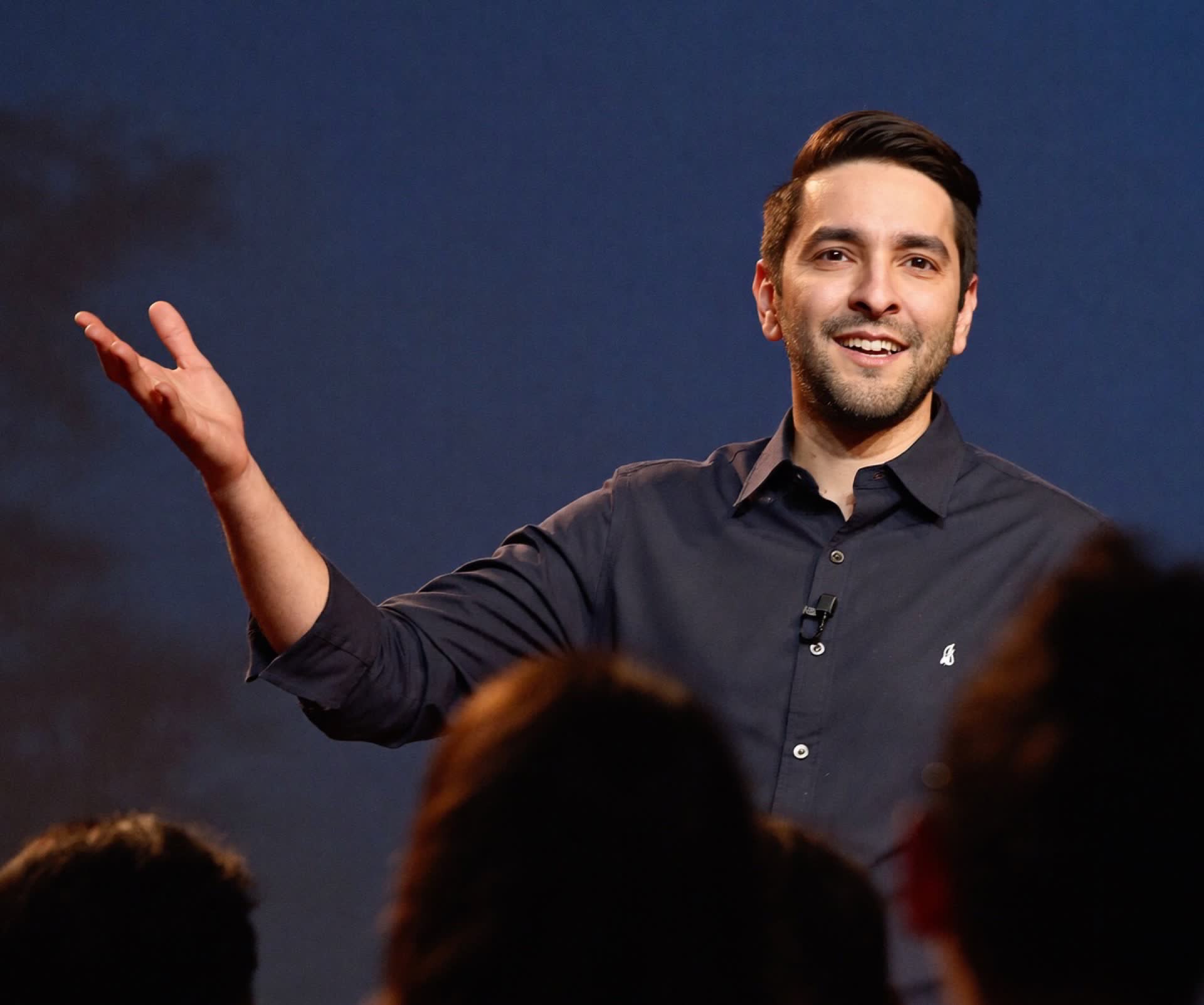
Thought Behind Things · Aug 11, 2021 · 49:23
Why Mustafa Babar wants to be an actor, not an influencer
Mustafa Babar talks about leaving a 30,000-subscriber YouTube channel from scratch, why he wants out of the influencer bracket, the Midsummer Chaos backlash, and why call-out culture rarely leaves room for anyone to actually improve.
with Mustafa Babar
9 min read
A twenty-year-old who already feels old
The episode opens with Muzamil introducing Mustafa Babar as a remarkable artist who has, more recently, become notorious — and saying out loud that the conversation is going to walk through what that experience has actually been like. Mustafa is twenty. He is still in university. And the first thing he says, almost as a throwaway, is that he already feels old in his own industry.
The reason is straightforward. The new wave of creators entering Pakistan’s entertainment space are sixteen and seventeen years old. When Mustafa is around them, he can feel the gap. He went to school at Roots IB on GT Road, and he is open about the fact that a certain perception forms around him on social media — that he comes from a particular kind of privileged household — that does not quite match the version of his life he actually lived.
He pushes back on it carefully. He will not deny that his family is in a comfortable place now. But the comfort was earned. He remembers his father working at a company that gave him a Suzuki “dabba” — a small boxy company car that changed colour every year, which Mustafa as a child would get excited about. He remembers his mother’s first Swift. His mother has been working for around twenty years. His father was a pilot, then became a lawyer, and now works at the UN. “Mere ghar mein itne bade inspirations hain,” he says, translating roughly to: there are enough big inspirations inside my own house that I feel I am not doing anything with my life if I do not at least match their calibre.
Why he walked away from 30,000 subscribers
Mustafa’s YouTube career started in 2018 with a channel called Achpal Blogs — a Pashto-rooted name, meaning roughly “our blogs” — that he ran with a friend named Usama. They were in A-levels. They made casual college vlogs, riffed on people, made memes, and the audience grew.
Then the work started getting professional. Money came in. And as he tells it, two creative people sharing a single channel began to friction against each other. “Agar main apne aap ko ek creative insaan samajhta hoon, toh mujhe apna ek creative space chahiye,” he tells Muzamil. He frames it less as a fight and more as a question of mental health. At some point he handed the channel over and said: take it, I can’t do this anymore.
He started his own channel from scratch in July 2019. He was seventeen, possibly eighteen. He had left thirty thousand subscribers on the table. “Koi itne aaram se apna channel chhod sakta hai itne subscribers mein?” — meaning, who walks away that easily from that many subscribers? He did. And then his interest in YouTube itself started to drop. Audiences were drifting. Netflix had taken the attention. But the deeper reason was strategic: he had begun to understand that staying on YouTube made the next career he wanted harder, not easier.
The bracket he is trying to leave
This is where the conversation sharpens. Mustafa is unusually clear about the box he is trying to climb out of. In the Pakistani entertainment industry, he argues, anyone famous can become an actor — fame is treated as a substitute for craft. But within that, there is a hierarchy. A model who moves into acting is acceptable. A TikToker who moves into acting is now possible, because TikTok stars have been cast in dramas built specifically around their TikTok personas. A YouTuber moving into acting is still stuck.
“Yeh toh ek comedian hai, yeh toh ek YouTuber hai, yeh kahan actor banega,” he says, mimicking the gatekeepers. The treatment, even commercially, is to file the person under “influencer” and keep them there. The role written for them is some version of the influencer-playing-an-influencer. That, he says plainly, is not what he wants. “At the end of the day, my goal is to be an actor.”
Muzamil pushes him on whether the modelling work fits that goal. Mustafa’s answer is honest. The modelling is an experiment phase. He wants the practical experience of being on a set — the tantrums, the waiting, the cameras, the discipline of staying on point. Modelling shoots now include digital campaigns and video, which is closer to acting than still photography ever was. He estimates the peak window of a modelling career in Pakistan at three to five years before agencies move to new faces, and he is not pretending it is anything more than a training ground.
The BTS video and the asymmetry of online outrage
The episode then moves into the first of the controversies that have followed Mustafa over the past year. He recreated a BTS-style look in a fifteen-second TikTok video. The video was reported as harassment and bullying of BTS members. He woke up to find his own name trending. People were telling him he had no right to look like them, that his ethnicity disqualified him, that he had an identity crisis.
He shows Muzamil the video in real time, on the podcast, and asks him to find what is wrong with it. It is a TikTok look. That is the entire premise of the platform. The actual content of the offence cannot survive contact with the video itself, and that is precisely the point Mustafa lands on: “Social media par aap jo bhi baat karte ho, this is a vibe of political correctness unfortunately. If I say my favourite colour is red, log kahenge you like blood, you want to murder someone.”
The underlying claim is more interesting than the venting. Mustafa argues that the people most active in this kind of pile-on are often young, working through their own things, and that he was once one of them. He is not exempting himself. He is making the case that the platform structurally turns small disagreements into trending topics, because the reward for outrage is attention and the cost of outrage is paid by someone else.
Midsummer Chaos and what he thinks of his own acting
The conversation arrives at the show that defined the year for him: Midsummer Chaos. The project was made with his best friend, who directed it and self-funded it. Mustafa is careful not to oversell it. He says, without prompting, that it was a zero-budget project made by people his age, and that despite that it stayed trending on Twitter for a full month — a fact he thinks the conversation about the show often skips past.
He is also unusually direct about his own performance. “I used to believe ki meri acting bahut achi hai,” he says. He thought he could underestimate the Pakistani industry. He was wrong. When he watched the finished work back and read the critiques honestly, he realised he had been overconfident. The response, he says, is not to quit. “Aap workshops lo. Kuch ban jao.” He is taking the critique as a brief.
What he objects to is the personal layer of the attacks. The hate, he tells Muzamil, was rarely about the work. It was about him — his background, his family, his right to be in front of a camera at all. “Ek cheez hoti hai aap kisi ko tameez se samjhao ki yeh cheez theek hai, yeh cheez ghalat hai. Aur ek cheez hoti hai ki aap unko bully karo publicly.” He thinks public criticism, given calmly, is fair. He thinks the rest is not.
”I’m 20 years old. I have a lot of room for improvement.”
This is the most disarming stretch of the conversation. Mustafa describes being bullied through most of his childhood, up to around class six or seven, for not fitting the standard categories — not sporty enough, not academic in the right way, not the obvious captain pick. The hate online, he says, has not changed shape so much as scale. He has been receiving some version of it his whole life. It has made him more resilient than he otherwise would be, and it has also left marks he is still working through.
He says, plainly: “I’m twenty years old. I have a lot of room for improvement. Maine bahut ghaltiyan ki hain jo main maanta hoon.” He talks about wanting to do more than acting in his twenties — modelling for set craft, a business for commercial sense — so that by the time he commits fully to the screen, he has the emotional bandwidth to absorb the pressures of a public career without breaking down. He references actors whose lives ended early, and he is not romantic about it. He wants to arrive at the work as a more complete person.
Call-out culture, rehabilitation, and the missing publicist
The closing section of the conversation is where Muzamil’s framing and Mustafa’s experience converge. Muzamil draws a parallel to the way mob justice worked in pre-modern villages — the same single response to every offence — and argues that modern justice systems built rehabilitation in for a reason. When call-out culture flattens every offence onto one scale and the only available verdict is permanent erasure, it produces defensiveness, not improvement. People dig in. They get worse.
Mustafa agrees, but he is also honest that he does not know how to fix it. He suggests, almost in passing, that people who have been on the receiving end should sit on podcasts and talk through what they got wrong and what they would do differently — not to perform contrition, but to model the process publicly. He notes that very few public figures in Pakistan have the support structure to do that well.
This leads to a sharp practical point. The conversation closes on the missing role of the publicist. Muzamil sketches the difference between an old-school Hollywood publicist — whose job is to protect and shape an artist’s image and, in the process, give the artist meaningful feedback — and the Pakistani version of the role, which is mostly a manager taking a percentage of brand deals. Mustafa agrees from inside the industry. The managers he has dealt with are commission-focused. They do not protect image. They do not say “do not do this, it will hurt you.” The bigger actors have some version of real PR. The new lot, he says, are young and unguided, and the absence is doing damage.
Asked at the end how he feels about Midsummer Chaos now, Mustafa does not flinch. The hate hurt. The line that did the most damage was the “how dare you act” framing — the gatekeeping he had explicitly set out to push against. But sitting down and quitting, he says, would be the wrong lesson. The right lesson is the one he keeps coming back to in the conversation: learn from things that did not go the way you planned, give it time, and arrive again stronger.
Full transcript
स्वागत है और दिनों से रात. Welcome back to another episode of ThoughtBind Things. आज हमारे साथ मौजूद हैं एक बहुत ही ख़ास मेहमान जिनको आप सब जानते हैं I'm quite certain of it. He
was a he's a he's a remarkable artist. Personally, I I've always liked his work. Most recently, he's become a bitch notorious. We're going to have a conversation on, you know, what what, that was all about, the experiences that he had during that and
I am 20 right now. 20? Yeah. And,
आपका you're what are you doing right now? You're in university, I believe?
I'm in university and I feel a little old. Yeah. Why? I feel old क्योंकि, the thing is कि अब जो नए लोग आ रहे हैं ना इस industry में, तो they're pretty, like, young, 16, 17 and जब मैं उनके साथ बात करती हूं या वह करती तो मुझे एक difference feel होता है. I know High school मैंने roots IB से किया था. Right. Riverview. Right. वहां से. Riverview is in DHA, I believe? No, that is the other campus. वह DHA branch है. यह अटकपंक के साथ है. I don't know exactly. GT Road. GT Road, right.
Tell me a little bit about your early life because a lot of people when they're looking at you on social media, एक certain, you know, perception बनता है. Yeah. We we heard a lot of this commentary as well, you know, during mid summer chaos as well, you know, most of our babies from a particular type of people. Yeah. Like, what was your childhood like growing up?
What do you think? Like, अभी what you look at me, जिस तरह मैं हूं, आपको क्या लगता कि, like, मैं कैसे रहूंगा? Like, just rough idea. What do you think? Yeah, I would probably think like a standard private school kid,
ordinary life.
Mhmm. अगर मैं अपने इस तरह से देखूं तो, you know, be careful. क्योंकि people think अभी ना कि like I come from a really privileged family. शुरू से I haven't fed with a silver spoon and everything. तो what do you think? I I...
अच्छा, very honestly, I think I don't I wouldn't say that. Yeah. Because you have a certain, flavor in you that more often than not happens only because people have seen. Shit. Yeah. But again, that's that's just my opinion. So what what was the actual reality? अच्छा, तो since I
quoted कि, like, मुझे पहले idea नहीं था इस चीज़ का, but, time के साथ साथ मुझे idea हुआ कि, like, लोगों को लगता है कि, like, मैं एक बहुत ज़्यादा privileged family से आता हूं. I won't deny that अभी क्योंकि शुक्रा हमदुर अल्ला my parents worked very hard. अभी अभी जिस point पर हम हैं, हम लोगों ने बहुत effort put की है. My parents, my mother is a big example for me, उन उनकी सारी efforts and everything. तो we have worked really hard. I remember those times when I used to be a kid and, we used to have this Suzuki डब्बा. We had this Suzuki डब्बा गाड़ी. वह भी बाबा used to work in this company. He used to work in Marblo अच्छा. तो उनको एक गाड़ी मिलती है Suzuki, वह डब्बा type और, like, every साल कोई different color का होता. मैं उसके लिए excited होता था. Right. You know, like, तरह के time पर फिर जब अम्मी की पहली गाड़ी आई, Swift, तो that made me, like, really happy. हमने कहा कि we are I growing in was a working woman as well? She is a working woman and she's been working her whole life. She's been working in Berria for, like, twenty ish years right now. Right. तो उनकी भी बहुत बड़ी journey. मेरे book की बहुत बड़ी journey. My dad was a pilot and he's a lawyer now. अच्छा. And now he works in the UN. तो it's kinda different, like, हर तरह से. तो उनकी journeys देखकर, like, मेरे घर में भी इतने बड़े inspirations हैं कि मैं जाता हूं कि अगर मैं उनके caliber पर नहीं होता या उनके level पर, अगर मैं नहीं आता तो मैं ज़िंदगी में कुछ कर नहीं रहा. Right. I I obviously आप अपनी generation, पिछली generation से ज़्यादा बेहतर होना चाहते हो. यह हर एक का एक goal होता है. Right. तो that's my goal and I don't want to disheart my parents and people surrounding. अच्छा, यह बड़ी interesting चीज़ है कि, a lot of times हम यह miss कर जाते हैं,
Mhmm. And someone जो जिसने wealth बनाई है, जिसने hard work किया है, उस hard work की भी कोई value होनी चाहिए है. Exactly. You can't put those two and two, together and and and sort of, you know, have them as the same thing altogether. But tell me a little bit about your YouTube journey. You know, how old were you when you started, coming on a public platform?
So I initially started with this channel called Achpal Blogs. - अच्छा. This we started it called? Achpal Blogs. So, basically, it's a Pashtha word, which means अपने हमारे blogs. Right. तो I came up with the name and I had this other person with me, उसामा, who is a good friend of mine अभी. तो we started off with this concept. I seen यह था कि मुझे YouTube करना था बचपन से. मुझे था कि मैं different YouTubers, Logan Paul, David Duberg, मैंने कहा यार मैंने इस तरह करने हैं but भी live दिखानी है. तो जब मैं A levels में आया तो, हम लोगों ने idea सोचा और then we started to casually just make vlogs in college and just talk about random shit and make memes out of people. तो वह ऐसे लोगों को पसंद आना शुरू हो गया और फिर एक point आ गया कि चीज़ें थोड़ी serious होना शुरू के. You know, when you start to get, like, work professionally, you're getting paid and everything. और फिर यह होता था कि, जब दो लोग एक चीज़ के अंदर involve होते हैं साथ तो बहुत lift आते हैं, लड़ाईयां Understandably. होती और if अगर मैं अपने आप को एक creative इंसान समझता हूं तो मुझे अपना एक creative space चाहिए. अगर उसका मेरे कोई और involve करेगा तो मुझसे थोड़ी बहुत problem होगी. तो scene यह है कि कुछ time हम लोग की रिक्त जाती गए, used to compromise, he used to compromise and फिर क्या हुआ एक point पर it was back from my mental health so I just left the channel. Was like, देखो, I can't do this. यह लो channel, तुम इसको संभालो. I can't do this anymore. And then I started off with my own channel, and I think eight, nine months मैंने उस channel पर किया था और फिर उसके बाद मेरे पास channel start कर दिया था और I started from the scratch. कहां पर? वहां पर हमारे 30,000 subscribers थे. कौन इतने आसानी थे? You know, अपना channel छोड़ सकता है इतने subscribers में. तो I started off from the scratch and I had this call कि यार, I I have to do something. अगर मुझे YouTube करना है तो I have to properly इसके ऊपर काम करना चाहिए. मुझे फिर तो मैंने किया this was, I started YouTube in 2018 with अखबलबाज ओसामा and then I left in, like, seven, eight months which was like in 2019. Right. 19 में मैंने अपना start किया था. ठीक है. July में. तो हां, इस तरह बहुत ज़्यादा rough चीज़ें हुई हैं. तो I feel like इंसान चीज़ें गुज़र के evolve करता है. You know, you learn about people And तब मैं मेरी क्या age हो गया थी अब? 17, 18? Yeah. तो yeah. And, you know, how many subscribers do you have now? अभी, YouTube तो मैंने खैर छोड़ ही दिया बिल्कुल. ऐसा कुछ करता नहीं हूं. नहीं, not like मैंने छोड़ दिया but, जब लोगों ने छोड़ दिया बनाना, interest ख़त्म हो गया, Netflix ज़्यादा लोगों का focus बनकर corner team में तो. I started to lose interest in it. But I was like, this is not what I want to do with my life. क्योंकि I have seen people जो अभी अगर acting field में आते हैं भी हैं, उनके लिए मुश्किल होता है जो YouTube backgrounds हैं. क्योंकि लोग कहते हैं यार यह तो एक comedian है, यह तो एक youtuber है, यह कहाँ actor बनेगा? और लोग उसको commercially भी लोग उसको इस तरह treat करते हैं कि यह तो बस एक influencer है. I don't want that.
अच्छा, do you think that's true though? Because it's मुझे पाकिस्तानी acting space में एक थोड़ा सा ख़िलाफ़ यह है कि Pakistan में anyone who's potentially famous is is easily an actor. So, it doesn't necessarily have to be driven
by talent. Yeah. Basically, आप models देख लें साधव कमल. She was model first. कुछ और ख़ुशहाल अभी वह लोग acting में आए हैं. But YouTube की industry और mobile industry बहुत different है. True. TikTokers जो हैं वह जब आए ना तो मैं उससे भी बड़ा surprise था because YouTube पर मेरे दुबारा को हमेशा ही था कि somehow there was always this rift कि यार YouTubers को हमने acting space पर नहीं आने देना. Yeah. But then TikTokers के साथ उन्होंने बड़ा different genre. उन्होंने एक drama start किया. Yes, I have seen that. But the thing is कि फिर भी वह cash इस तरह कह रहे हैं कि यार यह एक TikTokers ही हैं. इनकी life के ऊपर ही कुछ हो रहा है. Right. तो like कभी मैं एक individually कोई और character नहीं play कर सकूंगा. मैं at the end of the day एक influencer या ज़्यादा से ज़्यादा, you know, एक, like, एक बच्चा जो influencer हो सकती है, यह मैं करूंगा. तो I don't want that. I I know मेरे अंदर acting में potential है जो अभी बहुत rough है. Mhmm. I have to improve that, and at the end the day, my goal is to be an actor. So tell me a little bit about that goal. Like, why why'd you decide to be a model and an actor? Because I remember I I got to know about you,
I believe, in 2019. Yeah. And I talked to someone, and I was like, you know, do you know this person? And then she was like, yeah. You know, he's a model.
Because I saw you on model back then. And
I I believe you were signed on with an agency, and you were looking to Yeah. Yeah. Yeah. So I was very confused que, you know, he's on digital. He has a very क्योंकि modeling is it's it's not a very rewarding field in Pakistan. Yeah. Especially for guys. Yeah. It doesn't pay you that much. Even for girls, I mean, I have a friend who's very close friend who's a very hugely successful model. Yeah. माशिरा से she's almost in every खाड़ी के अलावा हर catalogue के इस वक़्त तो face बनी हुई है. But it's now like, लगता तो यह है ना कि modeling और पता नहीं क्या आपका scene on होगा, यह होगा, वह होगा. It's just like this.
आपका peak time three, four years होता है. Maximum पांच साल कर लो. हां. उसके बाद फिर उनको नए faces चाहिए होते हैं. लेकिन बहुत एक rough sea and I would say acting में भी स्तरा होता है. But, I don't know अगर यह बात थोड़ी sexist or something but specifically लड़कों के लिए जो acting industry है, आप शाहरुखान को देख लें. He he came to the industry when he was, like, very young and वह अभी तक एक hero या एक college का लड़का बनता है. हां. तो लेकिन on the opposite side अगर आप लड़कियों को देखें, वह उनका career, you know, if they get married और अगर ऐसा कोई situation आती तो फिर वह काम छोड़ देते हैं, ठीक है? तो I feel like, oh
my god, I forgot. हम किस चीज़ के बारे में बात कर रहे थे? हम बात इस चीज़ के बारे में थे कि कि modeling essentially जो है वह
दिन sets में मैंने पहले काम किया था बस लेकिन वह मेरा best friend director है और मेरे दोस्त actors हैं तो it would be like a different thing. But अभी right now, I really want to experience that practical life. Right. I want to be on set. I want to learn कि यार लोगों के tantrums होते हैं, ये चीज़ें होती हैं. आपको differently बहुत लिए. To the point रहना होता है. Right. इधर उधर की बात ही करनी तो वह मैं सीख रहा हूं But I modelling experience आप essentially Yeah. ले रहे And दूसरी बात यह, you know कि यार आप आप camera mix तो अच्छे देखते हो. क्योंकि सिर्फ़ modeling में आपके सिर्फ़ pictures नहीं होती. You have digital campaigns और इसके अंदर videos भी होती हैं. तो you just know कि आप आप कर सकते यानी थोड़ा सा आप experiment. मेरे लिए it's experiment phase right now. Right. And obviously struggling phase right now. तो मैं चाहता हूं कि इस चीज़ से जब मैं कुछ सीखूं, मुझे लगता है कि मैं कुछ कर सकता हूं, तो कुछ सालों बाद I will audition for different, you know, TV channels, different production teams like हम.
But अभी initially तो नहीं. I just want to work on myself. Makes a lot of sense. And acting यह जो आपने modeling का तो बताया. Acting का what what's the thought behind that? अच्छा, acting जो है ना,
मुझे बचपन से लेकर इस चीज़ का बहुत ज़्यादा शौक था. I know it sounds pretty cliche but, मेरा स्तेदा था कि, like, मैं जब kissets तब kissets होते थे बेशक मैं as a actor जाऊं या as a model जाऊं या as a youtuber जाऊं. मैंने इस industry में जाना है. Right. And I started off with somewhere. Right. क्योंकि इस field में जब कहीं trust होता है तो आप कोई ना कोई पास बगढ़कर उस पर चले जाते हो और mainly अब वह पास वन रहे हैं. Like, YouTube में like बहुत बड़ा, उससे मेरे लिए बहुत रस्ते खोले हैं. Like, शुभ राम दुर्ला I am earning quite some money. मैं अपने आप को तो maintain कर सकता I don't have to depend on my parents और इसकी वजह से और opportunities भी आती हैं. People approach for different things तो, yes. Right.
At this point in time, I mean, you've had a very seemingly rocky year, you know, one after the other. Tell me a little bit about and I want to I I don't want to get into the actual events. I want to sort of understand what it feels like to be on that receiving end.
Initially जब आप आपने एक social media पर आपने अपनी एक image बनाई होती है कि आप एक बहुत अच्छे बच्चे हो, आप ज़्यादा controversy में नहीं पढ़ते, तो लोग आपको उस तरह समझना शुरू हो जाते हैं. Just like like, example दूंगा माली सारेज़ की. माली सारेज़ started off in Hana, Montana. Right. And जब वह असल में जो थी वह जब उस form में आई, तो लोगों ने कहा कि यह कौन है? Like, don't recognize this person. तो उसने कहा यह मैं असल में मैं यही हूं. हां. तुम लोगों के सामने उसमें मैं एक character play करी थी. तो मेरा भी initially कह सकते हो कि YouTube में एक character, not completely but थोड़ा बहुत एक आप एक energy put करते हो जो आपके अंदर असल में होती नहीं है but you push that energy, happy side. तो लोगों को यह लग रहा था कि मैं बस वही हूँ. Right. और फिर time के साथ साथ जब यह तो बंदा ठीक नहीं है और फिर different चीज़ें जब experiment करा था, लोग मुझे वह, दे नहीं रहे थे वह space नहीं दे रहे थे मुझे कि तुम उस चीज़ को touch करो. Right. तो मैंने जब एक दफ़ा BTS का उनकी एक video recreate की थी. Just to support those people या बच्चे So what was the, like, what was that event? Like, BTS का अपनी TikTok video थी? Basically, मैं TikTok, like, media पर आप different चीज़ें cover up कर रहे हो. तो TikTok पर मैंने कहा यार बस I don't know कि उस video को लोगों ने क्या से क्या बना दिया. वह एक racism का भी problem वन गया था. क्यों? Racism का क्यों वन गया था? क्योंकि मुझे कुछ लोग कह रहे थे कि how dare you look like them? तुम तो उनके sweeper, तुम तो यह हो, तुम तो, तुम्हारी जो ethnicity यह वह नहीं है. तुम तुम्हें मैं यह सोचा कि, like, this is wrong on different levels. Yeah, like,
I'm I'm I'm I know BDS army is a real thing. Please don't cancel me. Yeah.
What? Yeah. तो
But this is a look, right? Like, this is the TikTok thing. Like, Yeah. If I understand this correctly, TikTok के ऊपर that's what you do. You go and you copy actors and you Yeah. Recreate looks. Create content. What? Did you say anything that was No. I'll show you the videos. It's a fifteen second video और उस video पर लोगों ने मुझे,
अच्छा you watch this video and tell me what you think it's wrong in it. ठीक है? And then if you find any problem तो ठीक है. मैं video अभी हटा दूंगा. किधर है video यार BTS में? अच्छा, अभी तक दिल ही है? नहीं नहीं, है मेरे में Instagram पर लगाई भी है.
You look like those अच्छा, this is the video. You look like those BTS guys. Me? I don't think so. Let's try our luck.
You
look like those BTS guys.
Do you do you think there's a problem in it? People removed my video for harassment and bullying on TikTok. They were like, you're harassing our BTS members. I was like, अच्छा किस तरह? मैं अपनी ग़लती माने के लिए तैयार हूं. मुझे बताओ किस तरह? They were like, how dare you look like them? And so what happened? Like, they they went on Twitter and They went on Twitter and एक dump से someone sent me a screenshot कि मुस्तबाबा वह trending. I was like, what? I'm trending? मैंने खोला तो hate ही मिल रहा था मुझे. तो उस hate में यह था कि यार, like, यह अपने आपको क्या समझता है? यह उनकी तरह दिख भी नहीं सकता. Like, बहुत different चीज़ें ना. कोई मुझे कह रहे हैं, मुझे identity crisis है. मैं कभी कौन बंद हूं, कभी कौन बंद हूं. तो, like, मैंने कहा यार मैं क्या कहूं? फिर मैंने बस छोड़ दी बात, मैं क्या कर सकता था? Like जितनी मैं सिर्फ़ आई पेश करता हूं उतना मुझे hate मिल रहा था. यशिल शाहिद, मां में यार a few models देखिए on their social networks and they were like यार लोग कह रहे हैं अच्छा तो तुम braces story हो. तो social media पर आज के लिए एक आप जो भी बात करते हो ना, this is a vibe of political correctness unfortunately. Yeah, if I say my favorite color is red, लोग कहेंगे, you like blood. You want to murder someone. तो that's the thing. आप social media पर आप जो भी बात करो ना, specifically जो हम कहते हैं nibbys, छोटे जो बच्चे होते हैं. वह आकर, obviously मैं भी उस stage में था. मैं भी चीज़ें बहुत seriously पहले सोचता था कि मतलब, oh, यह है, यह है. मुझे थोड़ा सा यह बताइएगा कि,
and I'm gonna I'm gonna bring this conversation towards the more recent Yeah. You know, the the the show that you did with Summer Kills. Yeah. Can you run me a little bit through how that sort of happened? You know, what was the thought behind that? And
अच्छा, so basically, सारे में I met through social media. Right. And when we met we had a lot in a lot in common. He, like, industry में ही हम लोगों को जाना था. उसने कहा कि यार मैंने director बनना है, मैंने कहा मुझे actor बनना है. Right. और हमें SRM को specifically इसका नुकसान ही हुआ है क्योंकि उसने अपनी ख़ुद से investment की है, जो भी कि उसका भी, I don't know, outcome है या नहीं है. But it was a zero thing project. People don't understand कि, like, हम लोगों ने इस age के अंदर एक चीज़ बना दी है जो Twitter पर पूरे महीने trending थी. Right. And आप लोग करो अगर आप लोगों लगता है कि आप कुछ कर सकते हो या हम लोगों का concept बुरा था. हां. एक चीज़ होती है आप किसी को तमीज़ से समझाओ कि यह चीज़ ठीक है जी यह चीज़ ग़लत है. यह चीज़ होती है कि आप उसको उनको bully करो publicly. Right. आप personal हो जाओ कि तुम लोग तो privileged हो, तुम लोग तो यह, तुम लोग तो वह, like, हम लोगों का effort neglect करके लाखों लोग सुनाते हैं और हम लोग फिर भी कोशिश करते हैं कि हम कुछ इस तरह ना बोल दें जिससे लोग offend हो जाएं. So we are really careful with everything लेकिन people don't understand कि at the end of the day we are humans. तो
यह मेरा एक बहुत major एक इख़्तिलाफ़ है लोगों से कि वह उनको चाहिए कि वह understand करें. हां, but criticism is fine but then there has to be sort of like a boundary to that criticism as were you so did you sort of, जब आपका यह सारा आना शुरू हुआ and I can't even imagine, I mean, you know, on on a viewer side of things, yes, I I watched it as as a as a critic as well. I I I personally like the effort. मैंने विस्मखान वाले उस पर भी यही बात बोली थी कि I think the fact that something came out Stepping stone होता ना? A lot of things are stepping stones and I think, यह for me again perspective की बात है. मेरे ख़याल से there's a very unique opportunity for you guys irrespective of all the hate. Think that wasn't warranted. I think entertainment industry में particularly यह बात बोलता हूं कि there is no such thing as bad publicity. Mhmm. Because redemption is comes quite easy. Yeah. Because, essentially, what you do is it's purely a talent based thing. Right? Journalism में आप चले जाएंगे, journalism if you lose your credibility once, for the rest of your life you're there. Yeah. Politicians if they lose their credibility, वह एक statement उन्होंने बोल दी है. हां, तो पूरी ज़िंदगी के साथ attached है. हां. Entertainment वालों का यह होता है कि यार ठीक है, problem हुई है, वह है लेकिन
लिखेंगे. लेकिन जब तक वह बंदा ज़िंद है तब तक उसकी इतनी परवाह नहीं करेगा. वह मैं model example दूंगा. मैं चीज़ें इतना hurtful हुआ था. ज़्यादा आबित हो, passed away in a plane crash. तो मैं उससे मिला भी था सिक्का के set पर. तो हम लोग general बात कर रहे थे. वह बहुत एक different इंसान है, real person. तो उसकी जो fame था ना, it's sad कि उसके death के बाद आया. लोगों ने कहा कि यार यह trending topic है. जितना भी this is wrong, लोग तभी इंसान को victimize करते हैं, उनको understand करते हैं. जब वह या तो मर जाते हैं. Legends भी तभी बंद हैं जब आप मर जाते जब आप मर जाते हैं, everybody loves a soft story,
वह that's that's unfortunately sad. वह और इसी के साथ साथ एक तो यह आपका you know, soft story होती है फिर उसी के साथ साथ है कि upside आप लोगों के लिए for entertainers.
और जो आपने bullying की, sorry, I'm cutting you off but आपने जो bullying की बात की कि लोग जिस background से आते bully होते हैं, वह social media में अपना गुस्सा for example निकालते हैं. तो I will talk about my past, like, इस situation से link करके. मैं अपने पूरे बचपन bully हूं. पूरे बचपन till class six, seven I used to be bullied. Maybe for, maybe for the person I am. Right. मतलब लोग different चीज़ें हैं like अगर मैं पढ़ाई भी नहीं अच्छा या मैं अगर sporty नहीं होती ना तो आप उस specific आप उस category में अगर नहीं आते ना जो सब करते हैं तो आप एक noob या आप एक weird बच्चे होते हैं पर आपको फिर लोग बस bully करते कि नहीं यह तुम्हारी team का captain भी नहीं वन सकता. तो पूरी ज़िंदगी मैंने इस चीज़ यह मुझे हमेशा hate मिला है जिसने मुझे अभी तक उसने मुझे बेहतर भी बनाया but उसने मुझे traumatize भी किया है. Right. बेहतर इस तरह की यह है कि अब जो मुझे hate मिल रहा है ना, मैं उसे इतना नहीं bother होता. Right. Like, sometimes it does affect me when it's too personal to me. But in general अगर आप लगे हुए हो, मेरे बारे में फिर वह stories लगा रहे without any Like, आप जब एक specific environment से गुजरते हो या अगर parents भी आपको एक specific bubble में रखते हो उसका आख़िर में यह नतीजा होता है कि आप बहुत एक naive इंसान रह जाते हो. आपको चीज़ों का नहीं पता होता और फिर जब आपके साथ वह games लोग खेलते हैं तो आपको नहीं समझ आती और मैं अभी तक लोगों से constantly different चीज़ें सीख रहा हूं. और अड़तीनों से yes, I'm 20 years old. I'm still, I have a lot of room for improvement. मैंने बहुत ग़लतियां की हैं जो मैं मानता हूं और बहुत चीज़ें हैं जो मैंने सीखनी हुई just like acting. Right. तो I'm evolving as a person every day. I'm learning from different people. What are your thoughts on on your acting in midsummer chaos? अच्छा, I used to believe कि मेरी acting बहुत अच्छी है. Like, I knew कि मैं बहुत Hollywood level नहीं कर सकता but मैंने कहा यार. थोड़ा मैं underestimate किया था Pakistan industry को. मैंने कहा मतलब यह तो मैं कर ही लूंगा यह इसमें क्या मुश्किल है. लेकिन जब बना सब कुछ तो I feel like मेरी initially acting बहुत like मुझे लगता था कि अच्छी है और यह वह. But जब मुझे असल में लोगों के critiques मिलो, मैंने ख़ुद कौन screen देखा, तो मैं realize हुआ कि यार मुस्तबार तुम शायद overconfident थे. Mhmm. शायद तुम कुछ चीज़ों को underestimate करे थे. तो instead of आप इसको as a failure मानो और आप acting छोड़ दो, मैंने नहीं करनी. आप आप इसी को workshops लो. Right. कुछ वन जाओ. Right. तो अब मेरा यही goal है कि मैं जो चीज़ करना चाहता हूं at the end of the day, वह उसके ऊपर मैं काम करना चाह रहा हूं. Mhmm. जैसे मैंने शुरू में आपको बताया कि मैं modeling करूं ताकि मुझे वह experience मिले जो एक set का experience होता है. उसके अलावा मैं एक business करूं ताकि मुझे business aspects भी बताओ. तो मैं different चीज़ें करूं ताकि at the end of day मैं एक proper एक evolved इंसान mentally, intellectually जिस तरह भी हूं वह मैं बनूं और फिर एक ऐसे feel में हो कि मुझे उसके प्रोतिन कौन से पता हो. Right. क्योंकि I've seen people जिनकी एक पांच छह साल की acting की ज़िंदगी या दस साल की ज़िंदगी की बात वह, I think they suicide or they get killed और इस तरह की situation होती है. I don't want to put myself in that position. I want to come in this field stronger ताकि मैं वह pain, वह सब कुछ बर्दाश्त कर सकूं. अभी मेरे अंदर नहीं है इतना. मैं कर लूंगा बर्दाश्त, but मेरे बचपन के traumas मुझे इस तरह बना दिए कि या तो मैं boss strong होगा या तो I'll just break down. Right. और maybe I'll take a few steps which may be wrong for if, you know, in general statements भी ग़लत हो सकती हैं. तो हां. Right. But I think what's important is that first of all, you have this sort of very reflective attitude.
एक बंदा यह भी कह सकता कि यार मैं तो बहुत fit था. आप सारे पागल हूं. हां. ठीक है. यह तो है. You have, you're like, yeah, ठीक है, you know, I mean, tried. There's nothing. I mean, what's
I don't agree with that. I think मैंने जो बात की है ना confidence की, मैंने over confidence की बात की है. Right. Over confidence होता जब आप underestimate करते हो, फिर आप टक्का खाते हो. Right. मेरे साथ यह हुआ था. मुझे लगा कि मैं बस कर लूंगा. मेरा best friend director है यार. उसकी कुछ जगह पर मेरे पर concentration कम हो गई थी जैसे सिर्फ़ आपने बात की शुरू में कि, acting is 50% direction, 50% acting. तो ख़ुद जुखों पर जहां पर वह busy था वह understandable है. तो वहां पर मैंने किया है, flaws किए हैं.
If someone, I mean, anyone. Mhmm. वह camera के सामने यार मुझे पता ना मैं camera का काम करता हूं, camera का around काम करता हूं. लोगों की बोलती बंद हो जाती है. बिल्कुल. आप acting छोड़ दें, आप लोगों के सामने एक mic oh, ball इस तरह बेकनी थी. वैसे भी नहीं करना चाहिए था. Actual दुनिया बड़ी फ़र्क़ है. बिल्कुल. And and and I think what's important is because मैंने again off camera की मैंने आपको यह बात बोली थी कि in the grand scheme of things, in a in a on a macro holistic level, this is just a very small blip in your entire timeline. Right? And maybe this blip will be will be the the thing that will potentially, could potentially make you the the the person that you will be twenty years from now. Yeah. Aiming to be. You know? Fascinating thing. And I personally, मैं अपने उस दिन दोस्त को भी यह बोल रहा था we were out and we were having coffee. Mhmm. And, you know, everybody was discussing, oh, have you seen a new episode? And, you know, they did this and they did that. Now I like, listen, guys, like, don't manner just take a step back and just imagine it's been a while since we've had a pop culture phenomena जिसको हम बैठकर इस तरीके से excited होकर discuss कर सकें. I think that for me, the power of that content was the fact कि यार, after a very very long time, you guys were able to elicit this sort of response Yeah. In the public. Obviously, what, the outcome, उसका season two आता है या आपका एक लाख show आता या जो भी आता है, उससे आप किस तरह grow करते हैं? I think a lot of people will be will be watching that and I know for a fact कि जब आप जैसे जैसे आपकी evolution होगी ना तो अब आपके पास एक social capital ऐसा exist करता है just like these increments are gonna be valuable to you. Whereas a lot of friends, a of people do is they set a benchmark that's too high. Maybe that's what you did before. And with mid summer, that sort of benchmark came tumbling down. So I would say, अगर मैं आपकी जगह होता and I know कि आपकी जगह होता तो मैं भी mental health through गुज़र रहा होता because hate is वह. But in objective analysis, I feel like you're now much more free as an artist than you were pre midsummer chaos. Yeah.
पहले एक specific चीज़ थी जो मैं कर रहा था, that was completely linked to, like digital media. Yeah. अभी जैसे मैंने पहली बात की कि अब मैं थोड़ा industry side पर आ रहा हूं, थोड़ा मैं experience कर रहा हूं और acting is completely different. Yeah. Vlogs में तो वापस stupid लेम तेरीन भी आज हो जाओ ना तो आपको लोगों को भी मर्द बनो मर्द. I don't know if you have seen that. I have seen that, yes. तो that was rejected by me. That story was for me. And that was basically how a few of the people in my cousins or in my surrounding or even in my friends or me, what we've been through, वह, how does that feel? और आप किस तरह manipulate होते हो by society और different चीज़ों से कि आपको एक specific इंसान बनना चाहिए? और अभी तक अभी तक भी हम उसी path पर हैं. हम किसी को liberty नहीं देते कि आप इस तरह वन जाओ. किसी ने अगर थोड़े से बाल different बना लिए या थोड़े से piercings लगा लिए तो आप कहते हो कि मतलब यह तो ना मर्दे. You know, it's so easy for you to just stamp लगा दो उस पर और फिर लोगों की अपनी research होती नहीं है. जो तीसरा बंदा कहता है, सच कह रहा है, सच कह रहा है. Like, they don't believe कि दूसरी side की भी story होती है. तो हां, I'm just I will just how.
You know, you've you've again, like I said कि आपका बड़ा sort of, what what would be the word? You know, sort of very up and downs. Yeah. And there's been, I mean, with BTS, with a lot of these things, there's been a lot of call out, there's a lot of cancellation. And Yeah. And social media के ऊपर there's this is becoming an an an again मैं इसमें एक एक preamble में यह चीज़ बोल दूं कि लेकिन कुछ चीज़ें होती हैं जो कि, ethically, morally होती हैं. I understand उसके ऊपर call out भी होता है, उसके ऊपर cancellation भी होती है. Understand. And I feel like call out culture is a good culture क्योंकि आपको
बिक़ुद realize होता है कि आपने क्या ग़लती किया but completely किसी को कहना कि आप बस ख़त्म हो जाओ, आपका deep platform, that's wrong. देखिए मुझे ना
what's happening on the internet the way that I see it is, हम पढ़ते होते थे कि पुराने वक़्तों में विछंड सोती थीं. Mhmm. You know, गांव जाता था कोई आकर एक छिलाप. वह कहता था उस Societies या civilizations जैसे evolve की ना, the reason why justice system का एक एक element आया वह इस वजह से आया because आप जब mob mentality में चलते हो तो आप हर crime, हर act, हर action को एक ही एक ही lens से देखते हो. बिल्कुल. जब आपने outrage करना होता है तो आप एक बंदा जिसका एक बहुत ही horrifying sexual violence का crime है और एक बंदा जिसने BTS की look बनाई है. हां. आप उसमें outrage एक जैसा जब दिखाते हो तो आप unfortunately उस बहुत बुरे crime को like एक बंदा जिसको शायद एक महीना Jail मिलेगी. बंदा है छह महीना Jail मिलेगी. There is a concept of, rehabilitation. Mhmm. और जो सबसे ज़्यादा जो modern societies हैं अगर आप Nordics में जाएं, Europe में जाएं, they're very big on rehabilitation. Yeah. You know, the idea that you can just sort of completely isolate and disregard an individual. More often than not, in studies, you'll find कि वह काम नहीं करता. आप उसको एक jail में बंद करते हो एक solitary confinement में वह तो और पागल है. वह पागल हो जाएगा, वह वापस आएगा वह और पागल पने वाले का देखा. And so हमारे call out culture में हो ही रहा है कि it's not very productive in a sense that जब आप लोगों को push करते हो तो वह defense में चला जाते हैं. वह एक sort of defense mechanism में आकर वह और ज़्यादा stupid बातें करते हैं वह दर्दज़े वह करते हैं rather than कि एक sort of rehabilitative
environment हो. क्योंकि mostly लोगों का coping
so what do you personally think about all of this canceled? Because you've been going through a lot of that. Yeah, since last year. You know, how do you see this entire space?
I feel like पहली बात जिस तरह आपने यह बात की कि improvement की space होनी चाहिए और इंसान को एक बेहतरीन इंसान बनने के लिए वह जगह, वह space देनी चाहिए. वह नहीं दी जा रही है अभी, unfortunately. अगर आपको देखा जाता कि बुरा इंसान की तरह कि आप तो बस बुरा आपने यह करती है तो आप उनको थोड़ा improvement की हुई जगह दो ना. अब मैंने कुछ लोग देखे हैं वह cancel mostly से यह कहते क्योंकि उनको बंदे से चिड़ होती है. बंदा मुझे नहीं पसंद बस इसको तो हटा ही दो. और मुझे personally नहीं पता कि यह चीज़ को improve किस तरह किया जा सकता है. मतलब मुझे लगता है कि मैं यह तो कह दूंगा कि मतलब rehabilitation होनी चाहिए या आप उसको समझाओ यह करो but कोई नहीं करता. Like, आपके close दो speak point पर कहेंगे मतलब जाओ तुम्हारी वजह से हमें बहुत mental stress मिलता है, दफा हो जाओ, खत्म. तो I don't know आप उस इंसान को grow करने की जगह कब दे रहे हो? आप वह कैसे सीखेगा? वह तो उल्टा और पागल हो जाएगा और अजीब वन जाएगा. तो मैं यह समझता हूं कि इस चीज़ को properly like किसी professional जो therapy करता जो भी कहता उनको चाहिए कि वह उस चीज़ के ऊपर सोचें और कोई कोई podcast निकालें. उन लोगों से आप बैठकर बेशक podcast में बैठकर बात करें कि like आपको क्यों लगता है कि आप एक ना आप एक box में हो अभी? या आप इस box से कैसे निकल सकते हो या आपने क्या ग़लतियां की हैं जो आप improve की हैं वो और defensive हो जाएगा तो फिर उसका फ़ायदा नहीं है. आप society को बेहतर बना रहे हो या ख़राब कर रहे हो. हां.
That's what I want to say. हानि वो I think वो ही वाली बात है कि, a lot of and particularly young people, I'm talking to a lot of young people and they're, obviously start से ही वह उनका यह हो रहा है कि, you know, they're getting a lot of hate. They're they're different, so they're getting a lot of hate. And because of that hate, they're doubling down on it. And they're like, oh, you know, जितना hate आपको मिलता है, उतना अच्छी चीज़ होती है. And I don't agree with that. Like, I that's not a that's not a healthy environment. Yeah. आप outrage का response outrage से दोगे तो वह तो it's just creating polarization. वह तो बहुत एक like.
For example, कोई कोई कत्ता अगर भोंगता तो आप उनको भोंकने में जवाब नहीं देता. आप उसको जल्दी से site पर करे तो. तो यहां पर तो यही है कि कोई भोंगता है तो आप भी भोंग ो. क्योंकि लोग कहते हैं नहीं यार हमें अपने लिए stand लेना है. Stand आप बड़े एक अच्छे तरीके से भी ले सकते हो. ज़रूर नहीं है कि आप चीख के लो. मैंने एक season देखा था इसके अंदर वह acting सिखाया Hollywood. उसके अंदर वह लड़का एक उसको कहा था कि तुमने ना एक बहुत अमीर बनना बनना है, ठीक है? और तुमने इस तरह बनना है कि, like, तुम अपनी power दिखा सको. तो वह चीखना, तो वह चीखना शुरू हो गया. तो उसने उस बंदी ने कहा कि, like,
So, you're absolutely right कि someone who is screaming more generally is not यानी कि वह पैसा नहीं है, इसका power बड़ी पुरानी है. वह फिर नई नई power अगर मिली तो दिमाग़ ख़राब है. हां, दिमाग़ ख़राब होता है बिल्कुल.
चलो. And I feel like वास्तव कुछ लोग misuse करते हैं अपनी power को कुछ लोग उसको positive way में use करते हैं. अब अगर मुझे कोई कहता कि मुस्तफ़ा मेरे लिए कोई काम कर दो, तो मैं यह नहीं कहता कि यह मुझे use कर रहा है cloud के लिए या मुझे यह कह रहा है. मैं इसको इस तरह लेता हूं कि मतलब
one of the things अगर मैं purely private sector wise देखूं, ताहेर government की अपनी policies वग़ैरह होनी चाहिए, सारा कुछ है. I I I still think it's it's good that people are now speaking up a lot. I just think there needs to be a channelization of that sort of outrage, where there is an outcome defined. You know, कोई outrage होता है और legitimate चीज़ें हैं तो उसका कोई outcome होना चाहिए. Legitimate चीज़ें नहीं हैं तो उसका कोई, again, outcome होना चाहिए. But इसी के साथ private sector में अगर मैं globally देखूं तो यह चीज़ already पहले से exist करती रही है. Pre internet भी, you know, TMZ type tabloid होते थे. वह बड़े stars के पीछे पड़े रहते थे. इसने यह कर दिया, इसने वह पहन लिया, इसने यह कर दिया. And so one of the things that emerged over time was publicists. Mhmm. Right? And publicists का century, publicists बड़े interesting काम यह करते थे कि वह एक तो आपकी image भी maintain कर रहे होते थे but by proxy of maintaining that image, they were able to provide a lot of feedback, like, human feedback. Listen, like, stop doing this stupid thing that you're doing because that is bad. Like, people don't like it, and it's not good. Pakistan में we, unfortunately, do not have PR representation or publicists or people who can, you know, protect you from making these seemingly stupid decisions. Yeah. That end up like continuously canceling you. Like, are a lot of artists that I see. There's an actor. Yeah, but मुज़मलबाइश का यह भी scene है ना. आप जो कह रहे कि एक होनी चाहिए, आपके पास एक team, क्या आपको समझाए.
आजकल जो आपको managers या teams मिलते हैं, mostly I've experienced with a few people, वह यह नहीं कहते कि तुम इस तरह करो, तो यह तुम्हारी beneficial होगा. वह कहेंगे तुम्हें यह brand deal आ रही है, इसका इतना percent मेरा है. They don't really care about your image. ठीक है? I won't say कि But that's those are managers, लेकिन Yeah. Multiple. आपने Entourage देखा?
नहीं. You should watch watch on entourage. Anyone who is in this space should watch onourage. It's a slight it's pretty sexist show. पुराने वक़्त है, बना हुआ है. दुनिया बड़ी बदल गई है. But उससे आपको ना वह जो जो mechanism of Hollywood works, वह मिल जाता है आपको.
आपके कोई नया show आएगा, कोई नई video आएगी तो मैं ना Sunday Times में डलवा दूंगा. यार, that's not PR. Yeah. PR is कि यार अगर तुम्हारी उसकी image maintain करना जो है ना वह सारा PR वाले बनने का काम है. Mhmm. We don't have that talent right now in Pakistan. I feel like we have it for the actors, जो बड़े actors हैं. अभी जो एकदम से आपने देखा होगा जो नया lot आ रहे हैं industry में, वो young लोग हैं. उनको नहीं पता वो क्या कह रहे हैं तो उनके लिए होना चाहिए इस तरह कुछ PR. उनको समझाना चाहिए. I need someone. अभी भी
get some final words, particularly about the midsummer chaos, experience. What did you, how did you find it? I mean, two months होंगे,
I believe. I think one month I don't know.
Looking back at, at their entire thing, how do you feel about it now?
Initially, बहुत मुझे hate मिल रहा था मेरे. चलो ठीक है. But in the process जो चीज़ जो लोगों ने मेरे साथ hate किया कि तुम how dare you look like an actor? How dare you act? और यह वह तुम तो एक YouTuber हो. यह different इस तरह की बातें करते हैं, वह जो मुझे बहुत hurt करती थी. अगर मैं बैठ जाऊं कि नहीं यार बस मैं तो नहीं कर रहा हूं और acting तो मेरे लिए है ही नहीं. तो यह तो बहुत एक ग़लत बात है. ग़लत बात है मतलब आपको सीखना चाहिए ढूंढन चीज़ों से. Disney bankrupt हो गया था. तो उन्होंने फिर किस तरह अपने आप को वापस चलाए. वापस उस stage में लेकर आए. तो हर चीज़ को आप उस तरह देखो. Right. It is hard, जल्दी ना हो. Patience. ज़रूरत
है. Thank you so much, मुस्तफ़ा. First of all for the insight, for sharing qué background es que qué हुआ. I know, again, Midsummer Chaos wasn't the best piece of work, but it was done by first timer, amateur, indie filmmakers. You know, people can have critiques about how it was done, how it could have been made better, but reading should not have been part of the process. You know, I'm sorry you went through all of that. I can't even imagine, k, as a human, what that's like to be reading all of those things. Yeah. I hope in time that you're able to heal, and I also hope in time. I love the fact that you have a very positive energy, particularly in terms of, you know, a very reflective attitude where you want to sort of learn, grow. And I know for a fact with that attitude, I'm going to be seeing a very very successful actor. Inshallah, hope it. मुस्तबत, thank you so much for being part of the show. Likewise. And for all of you guys, thank you so much for listening. अगर आपको यह conversation पसंद आई हो तो अपने दोस्तों यारों से ज़रूर share करिएगा. ख़ासकर, ज़रूर comment section में बताइएगा कि what do you think about everything that मुस्तफ़ा talked about, particularly considering mid summer chaos? And, you know, उसके follow up के ऊपर. इसी के साथ साथ there are bunch of these things popping up. I don't know, किस जगह के ऊपर but you can support the channel. Easy पैसा jazz cash का यहां पर. Pop up हो जाएगा. YouTube पर जो लोग देख रहे हैं they can click on the like button. It increases our engagement and helps us, helps reach our, like, helps increase the reach for our conversation. Facebook वाली नीचे दी गई हुई linkओं पर click करेंगे, TV की community join कर सकते हैं. जहां पर different, article share करते हैं, conversations करते हैं, आपका feedback लेते हैं और guest recommendations भी लेते हैं. So you can join that as well. But anyways, this was सैगिर मज़हबिला संजयी. You were watching Thought Behind Things. Thank you so much for watching, I'll see you in the next one.
More from Thought Behind Things
Jun 30, 2026
Simon Dixon: the US empire is being wound down by design
with Simon Dixon
Simon Dixon argues the American empire isn't collapsing — transnational capital is deliberately unwinding it, and Pakistan's military has become its leverage in the transition.
Listen →
52:45 Jun 9, 2026
How Asad Mehmood landed Mattermost from Pakistan before A levels
with Asad Mehmood
Asad Mehmood walked into Mattermost before he had A levels, crossed two million dollars on Upwork, and now runs a design agency from Pakistan. He sat with Muzamil to lay out the framework underneath it: become undeniably good, then become visible, then sell outcomes.
Listen →
59:04 Jun 5, 2026
A 22-year-old Pakistani's road map to space by 2050
with Hassan Mossin
Hassan Mossin, a 22-year-old Pakistani astrophysicist training with the International Institute for Astronautical Sciences, walks Muzamil through the next twenty-five years of space — commercial stations by 2030, a lunar base by 2032, and why the bottleneck isn't food or oxygen, it's energy.
Listen →Never miss what's next.
The dispatch - new writing and conversations, straight to your inbox.
First name, last name, email - in your inbox weekly. No spam.