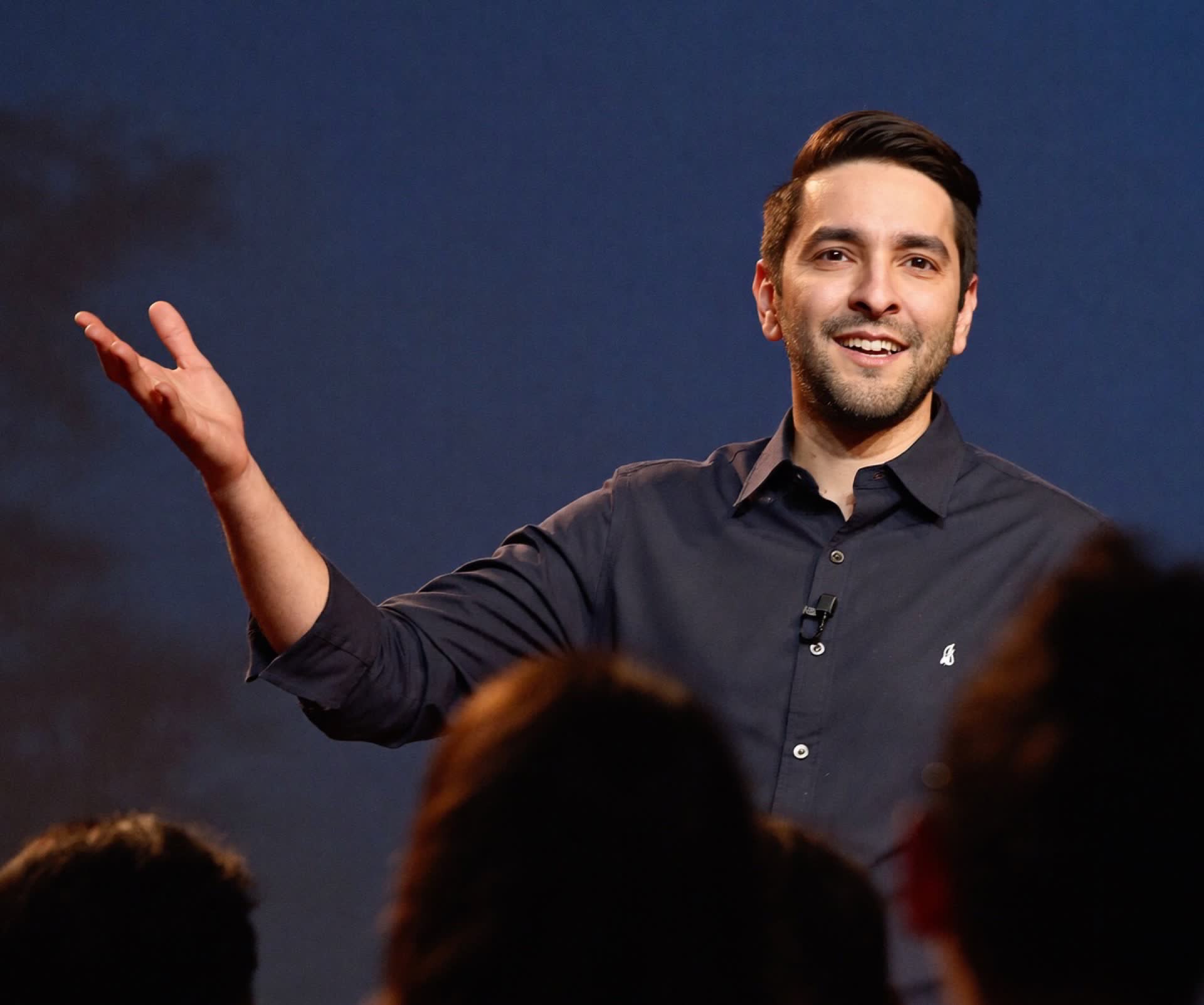
Thought Behind Things · Jan 12, 2024 · 1:38:24
Why Pakistani creators can't afford to take a risk
Bekaar Films co-founder Ghazanfer Jaffery on growing up in North Carolina, coming back to Karachi, the move to Dubai, raising a son in public, and the real reason Pakistan has no web-series industry.
with Ghazanfer Jaffery
15 min read
North Carolina to Karachi, with no memory in between
The episode opens with Muzamil welcoming Ghazanfer Jaffery to the Dubai studio after what he describes as a three-year attempt to make the recording happen — first in Islamabad, now finally in the city both of them have moved to. Sami, Ghazanfer’s Bekaar Films co-founder, had been on the show one episode earlier. This is the companion conversation.
Ghazanfer was born in Karachi but moved to Durham, North Carolina with his family at around eighteen months old. He grew up there entirely — kindergarten through high school — in what he describes as a suburban area not unlike Islamabad, with four seasons, trees, and mountains. North Carolina, he points out, is the rare US state where you can drive from mountains to beach inside the same border.
Schooling was largely fine, but the conversation flags 2001 as the inflection. “Racism toh nahi tha, but obviously after 2001 thora sa milta tha,” he says. North Carolina is a red state, and after 9/11, in pockets of it, being Pakistani and Muslim drew the predictable script from people who had no other reference point. He shrugs it off as not particularly heavy.
He came back to Karachi in 2008, eight months after graduation. He had no memories of Pakistan and no real vision of it. His parents and older brother told him the arts had no future and steered him into computer science and telecommunications at FAST. One year later his GPA was a 1.7. “Coding was difficult, bro. C sharp and all that. Was not my forte.” Maths and art, he concluded, do not go together. He switched to the university’s newly launched College of Media Arts, started in graphic design, and ended up majoring in film with a minor in design.
How Bekaar Films actually started
Muzamil asks for the origin story from Ghazanfer’s side of the table. The year was 2013. He was in his final year; Sami was one semester behind. The two of them had been in enough shared classes and group projects to develop a working understanding.
The pitch to themselves was simple: after graduation, everyone in the group would be working for someone else — a boss, a client, an agency. The films they had learned to make would have nowhere to go. So they decided to come together on weekends and shoot whatever they wanted. They wrote it, acted in it, edited it, and uploaded it. One of the early skits went viral. People started watching. They kept going.
At the time, Ghazanfer was working as a producer at Saatchi & Saatchi, where the agency had just won the Pepsi bid. Sami was an assistant director on the feature film Maalik. Bekaar Films lived in the weekend gap. Ghazanfer walks through the producer role with some precision — gathering three director bids, sitting in pre-production meetings, managing locations, casting, wardrobe, sets, post-production, and client approvals through to final release — because that grammar is what Bekaar Films would later borrow.
The first eighty thousand rupees
The first paid Bekaar Films project came in 2015 — a four-video brief for eighty thousand rupees. At the time, Ghazanfer’s monthly salary at the agency was fifty thousand. “We’ve been crazy,” he says. “We went bonkers. Like, let’s do the project.” The brand was Sprite, which sat awkwardly alongside the agency’s freshly won Pepsi account. His boss called him in. Ghazanfer pointed out that his face was not on camera and his contract did not bar it. The boss let it go.
Muzamil presses on a quieter consequence: the shift from a private person to a recognisable one. Ghazanfer is direct that before Bekaar Films he was a quiet kid who hated presenting to a classroom. The comedy work killed that. “Fifteen years ago I wouldn’t be able to do this,” he says — sitting down for a podcast. Initially being recognised was a pleasure. After three to five years it stopped being one. The COVID masks, he admits, were a relief. “Ammi bolti hai beta jao dahi lekar aao. Main kaise loonga? Are woh dahi lekar aa raha hai apne ammi ke liye.”
Muzamil layers on his own version of the same point — the brand calcifies, and the moment you try to step out of the lane the comments push you back in. Ghazanfer agrees: “Aap jitni bhi serious ho jaao, hamare aapko dekh ke hansi aayegi.” A serious post in a leather jacket got the same response. The audience has welded his face to comedy and is not letting it move.
Putting a child online, and what Devin and the piano kid imply
The two of them spend a long stretch on the question of whether to put a young child into public life. Ghazanfer kept his son Eesa offline for the first six months. He acknowledges the case against: it isn’t the child’s choice, the child has to be more careful than other kids, ten extra pairs of eyes are on every mistake. He acknowledges the case for: both parents do this work, family content is part of the life they live, and the child gets to decide later.
Muzamil’s framing is evolutionary. Historically, parents passed down whatever skill or opening they had so the next generation got a fighting chance. He cannot stop his son from being a public figure if that’s what he chooses, but giving him an early platform may be the most honest version of what every parent has always done.
The conversation widens. Muzamil pulls up two clips — a child who can do multiplication and division before the age of three, and a five-year-old performing Mozart after starting piano at three with four-hour daily lessons during COVID. Ghazanfer’s read is the one developmental psychologists would recognise. Two to five is the absorbent window. A child at that age will pick up notes, numbers, or language with a speed adults forget. “What they did is very smart. Piano at the age of three, very smart, because that’s where the child picks up and he repeats it over and over again.”
Muzamil names the tension: every parent who watches those clips wonders if they are robbing their kid by not doing the same, and at the same time wonders if running the drill at all is a small theft of childhood. Michael Jackson is the example that surfaces — a man whose entire adult life was a reconstruction of the years his father had taken from him. They land roughly where most thinking parents land: it’s an opportunity cost, both directions cost something, and no one has the clean answer.
Why they left Karachi
Eight months before the recording, Ghazanfer moved his family to Dubai. Muzamil asks why. The answer is unsentimental and worth quoting at length, because it is the cleanest articulation of the diaspora calculus on the show in some time.
“When you get married and when you start a family, you not only think about yourself, you think about the family.” The first reason is safety. In Dubai, if his wife Ridda needs to take Eesa downstairs at three in the morning to a twenty-four-hour shop, he does not think about it. In Karachi, he says, you cannot do that — and you would not stop thinking about it. The mental tax of not knowing when the bike will pull up alongside the car at a traffic light is constant.
The second reason is infrastructure. Electricity, water, gas. The same problems he has been watching since he came back in 2008. He describes a recent trip back to Karachi, in November: Eesa was hungry, Ridda offered to cook, the gas was not running. “Kyon humein yeh raat ke ek baje Bahadurabad jana pad raha hai?” he asks. Why is a basic utility, in 2024, still an open question?
He notes — and Muzamil agrees — that the line shifts the moment children enter. From 2008 to 2016, he could absorb the city. After Eesa, he could not. “It’s sad, apna mulk hai. But jo circumstances hain, aapko pata hai."
"Defeatist attitude hai, chhod kar chale gaye”
The leaving-Pakistan conversation cracks open the longer-running grievance both men want to air: the way Pakistanis at home talk to Pakistanis who leave. Muzamil draws the contrast with India, which celebrates its overseas residents and has watched them become CEOs of Google, Microsoft, and the United Kingdom. He brings up Vivek Ramaswamy and Nikki Haley in the 2024 US race as evidence of a country that exports its people on purpose. Pakistan, he says, does the opposite — when a Pakistani goes global, the instinct at home is to pull them back into the well.
Ghazanfer offers his read, with the caveat that it is from personal experience and may be wrong. “Pakistanis they love leg pulling on each other — usne kaise kar liya, woh kyon aage nikal gaya, yeh kyon kar raha hai. From my experience I’ve seen Indians support each other. They’re more supportive to each other rather than Pakistanis to Pakistanis.”
When he told fellow Pakistanis he was moving to Dubai, the responses he got were not congratulations. They were projection. “Kya karoge wahan jaake? Yahan par accha bhala chal raha hai. Itna mehnga hai wahan. Kaise survive karoge?” Muzamil’s framing is sharper still: in dollar terms, none of them were the global somebody they thought they were in Karachi. The bruise from those conversations is less about the move and more about being told the move wasn’t allowed.
The audience is the algorithm
The discussion drifts to the comment culture — and specifically the difference between how a Pakistani family reel is received versus a Western one. Ghazanfer’s lived version of this is “Baby ko naqab kyon nahi karaya?” under content that would draw nothing but emojis on a white creator’s account.
Muzamil names the contradiction at the centre of it. The same audience that publicly disapproves of Ducky Bhai and Maaz Safder for “selling” their families is the audience delivering the millions of views. “Unko millions of views aap de rahe ho. 3 million views aap de rahe ho. Phir end of the day unko bura bhi bolna hai aapko.” Ghazanfer’s framing of the same point is shorter: if you have a problem with someone showing their family, don’t watch. The market signal and the moral complaint are coming from the same hand.
The two of them also push back on the expectation that public figures should simply absorb whatever the internet throws at them. Muzamil draws the line cleanly. “Nobody is evolved to a point where they can hear thousands of people say shit about them. Aap usko sociopath bana sakte ho. That is actually sociopathy, jismein aap apne emotions ko completely maar doge. Aur phir jab aap maar doge aur aap ek robot ki tarah saamne aaoge, phir woh aakar kahenge yaar authenticity nahi hai.” It is the cleanest answer he has given on the show to the standard “you signed up for it” reply.
The smaller, related grievance is the entitlement around the Stripe link Muzamil keeps below his videos. Patreon and creator support are global norms; in Pakistan, asking the audience to optionally contribute draws comments calling it begging. He notes that the same audience would happily watch his content from Dubai for free without ever asking how the cost structure works.
Why Pakistan still has no web series
Muzamil shifts the conversation to the question he has now put to multiple Bekaar Films members: why has the web series moment in Pakistan still not arrived? If anyone was going to break it open, he says, he assumed it would be them.
Ghazanfer’s first answer is money. Pakistani sponsors are afraid to put serious budget behind a web series because the format has no track record locally. India is years ahead because the producers there are willing to write the cheque.
Muzamil pushes back with numbers. Pakistani TV dramas, he points out, now live on YouTube — and the daily uploads that hit ten million views per episode imply something close to eight thousand dollars in ad revenue per episode at current CPMs. That is roughly twenty lakh rupees per episode for a network drama running on the same platform an independent creator would use. The business case, he argues, exists. What’s missing is creators willing to compete with TV drama scale rather than benchmarking against their own old comedy uploads.
The two of them then try to size the project honestly. A twelve-episode high-school drama at thirty minutes an episode, Ghazanfer estimates, would cost at minimum one crore — roughly eight and a half lakh per episode. He thinks Netflix-level quality is achievable inside that budget if the connections are right.
The story problem and the censor problem
Muzamil’s next claim is that the bottleneck isn’t only budget — it’s stories. Pakistani television defaults to a standardised emotional grammar: poor girl, rich boy, joint family, sasural. The shows the two of them grew up loving were Suits and Breaking Bad. The space between is empty.
Ghazanfer’s pushback is the censor problem. Hollywood and Bollywood let you go places that Pakistani sensor boards will simply ban. But he agrees that web is a different distribution, and that murder mysteries — to take one example — barely exist in a country where the source material runs in the newspaper every morning. They both flag the YouTube channel Raftar as a sign of life: a team doing detailed long-form storytelling on subjects like the Lyari gang war, which “in itself is worth a movie.”
Muzamil’s diagnosis is sharp. The trained filmmakers are too risk-averse; the kids who will take risks don’t have the craft. “You get Midsummer Chaos. Where that risk is just through the roof but the quality is just down the drain.” Bekaar Films, MooRoo, and a handful of others are the right hands to make the leap — they have the experience and the YouTube fluency — but no one has yet.
Ghazanfer’s read on why is structural. The producers know the audience will reward the same recycled drama, and so the money keeps flowing back to it. “Paise banane hain. Jab aap paise laga rahe ho, paise aane wapas.” The first three attempts at something new will lose money. The fourth will return ten times. No one in Pakistan is currently willing to fund the first three.
The investor model that doesn’t exist yet
Muzamil tries to construct the deal aloud. If he were an investor today, what would the arrangement actually look like? The opacity of YouTube revenue makes a standard TV-style ROI calculation impossible. Bekaar Films would need to show a transparent per-series revenue stream to give a backer confidence the money could come back.
Ghazanfer’s counter is that no serious investor would put a crore behind a single web series. He would split a crore across three different scripts — comedy, horror, murder mystery — treat the first one as the experiment, and give the investor a transparent monthly share of the YouTube ad revenue across all three.
The harder fact underneath this, which Muzamil names, is that there is currently no Pakistani Netflix original. Neither of them knows anyone who has had a serious conversation with the platform about commissioning local content. Bekaar Films has had a series picked up by Turkish Airlines, but that’s the ceiling.
Ten years out — and the same fight everyone is having
Muzamil closes the recording at the ninety-minute mark with a question Ghazanfer says he hasn’t actually sat with. Ten years from now, where does he want to be?
Not Dubai. He is direct about that. He sees the long-term move as West — Europe, Canada, the US — partly for the opportunities, partly for the platform mechanics. Instagram monetisation, YouTube monetisation, TikTok monetisation, Facebook monetisation — every one of those programs launched first in the United States. The reels Bekaar Films makes that hit a million views earn nothing on Instagram because of where the company is registered. The same reels uploaded from Brooklyn would have paid.
Muzamil raises the deeper question: if you go West, do you build a new identity for a Western audience? Or do you double down on the overseas Pakistani and overseas desi market, which between the Pakistani and Indian diasporas is already larger than several European countries combined? Ghazanfer’s honest answer is that everyone wants to be a global influencer, but he is still working out what version of his content can travel. “I’m working day and night, trying to figure it out.”
Muzamil names the meta-condition. He had the same conversation with Danish Ali. Every Pakistani creator who has moved out is having the same internal argument right now, and all of them are waiting for one of them to break the equation first. “Koi na koi usko karega. At least jo purane wale hain, we have that sort of a vibe ke hamara group bhi hai, hum aapas mein woh share kar lete hain.” Whichever one of them cracks it, the rest will follow.
By the end of the conversation, the question Ghazanfer leaves on the table is one a generation of Pakistani creators is now sitting with: how do you make content that speaks globally without losing the audience that made you in the first place? Neither of them claims to have the answer. They are both, by their own admission, still inside the problem.
Full transcript
नमस्कार. Back to the three hundred ninety seventh episode of Thought Behind Things. Today is the 01/12/2024. और आज हमारे साथ एक बहुत ही ख़ास मेहमान मौजूद हैं. जिनके co founder या partner पिछले episode में हमारे पास आए थे समीर अहमान साहब उन्होंने उस time पर बताया था कि जन्म फरहज़ move to Dubai as well जो कि ख़ैर मुझे पहले भी पता था I've been meaning to have him on the podcast from the very first season in fact the very first 10 episodes he was one of the people जिसको message गया था कि यार whenever you are in इस्लामाबाद let me know and we'll would love to have a conversation unfortunately तीन साल गुज़र गए इस्लामाबाद वह आए भी तो वह tie up नहीं हो सका but now that he's moved to Dubai as well you know पिछले छह महीने से हम tie up कर रहे थे finally he is in Dubai while I am in Dubai and so we were able to make this happen in this episode we talk about obviously his personal life but also we really dive deep into जो मैं with some ही मैंने उसको भी explore किया था कि web series Pakistan में जो मुझे लगता है कि that's the next big frontier जो कि content creators सर करेंगे वह अभी तक क्यों नहीं mainstream हुई? उसी के साथ साथ because ग़ज़नफ़र has a history where he grew up in The US then he came to Pakistan and उसमें ज़ाहिर है कि वह एक cultural transition वह भी थी. Now he's moved to Dubai. तो उसके अंदर, you know, हमने अपने दिल की बढ़ास निकाली काफ़ी सारी of the things जो कि हमें थोड़ी सी नाराज़ कर रही थी recently पाकिस्तान या पाकिस्तानियों से तो वह भी हमने discuss किया. It's a very casual conversation because मैं अब थोड़ा सा platform को casual करने लगा हूं. तो थोड़ा सा ice type देखेंगे कि हम थोड़ा formal अपने structure से हटकर थोड़ा सा real की तरफ़ जा रहे हैं. But anyways, अगर आप channel पर नए हैं तो हमें subscribe करना मत भूलिएगा. अगर आप channel पर पुराने हैं तो video को like करना मत भूलिएगा. It really helps the algorithm. अगर आपके कोई comments हैं तो comment section में ज़रूर आ कर बताएं and read all the comments. It really helps me improve the quality of the conversation. अगर आप overseas पाकिस्तानी हैं तो you can help us remain independent for as long as possible by clicking on the stripe link below and supporting us. But anyways, here is गुज़न फ़र्ज़ाफरी on TVT go Dubai studio. वह बड़ी जो जाहिद थी but I I truly appreciate it. Sir, तो थोड़ा सा conversation start करने के लिए if I were to ask where were you born and early life आपने कहां पर गुज़ारी अपनी? अच्छा, I was born in कराची. Then
at the age of probably one and a half, two years old, my family moved to The US and I grew up there my whole childhood from kindergarten to high school. Everything was done in The US. कौन सी जगह पर थी यह? North Carolina. Oh, अच्छा, interesting. North Carolina. How was that? That's a very स्लामाद esque Yeah, sort of it's a lot like स्लामाद. It's it's very similar to स्लामाद. It's it's a suburban area. We were in the place where we call was the the city that we were in was Durham. Mhmm. It was suburban area. It's a lot like Slaombad. You get four seasons, and the weather is just like Slaombad, except we get snow there. Right. And then Gahmi, maybe it's really hot. And then, it's the forage, trees, mountain areas. Yeah. So, get on. My older sister actually lived there from '94.
Oh, nice. Till 2002, I think. And, उसके बाद वह Canada चली गई, Toronto, Mississauga. Then she came back to Atlanta. North Carolina. कौन कौन सी what are the major ones? You have
Raleigh, you have Charlotte,
Chapel Hill. I have actually have no idea. Wilmington. But I think he was working my my brother-in-law was working in compact at the time. तो जहां पर भी उनका office था उसके आस पास ही कहीं रह रहे थे. But nonetheless वह उसके बाद फिर वह Canada भी गई है फिर अब वापस she is in Atlanta and and and if if you were to ask her कि you know what's her favorite place? So she always says North Carolina hands down. Like Yeah, North Carolina is very beautiful because that's a state where you will find the mountains and
then on one side you'll find the beach.
Really? All in one state? Yes. यह है किस जगह पर? This is on
the north border. Canada के पास? East side, you have the the West which is California. Right. And then you have the East. Right. It's on the East. ठीक है, लेकिन northern side के ऊपर east पर. जैसा यही It's नीचे in between. अच्छा लगा है. Like if you go down, you get Florida. I see. Then you have Georgia, then you have South Carolina, then you have North Carolina. And you go up, you have Virginia, Washington, New York. Right. That's why you get all the four seasons there. Very cool. Very cool. And how was the schooling
experience there? It was good. अच्छा, कोई racism वगैरह तो नहीं था? कोई वह वाली tension तो नहीं थी?
नहीं, racism तो नहीं था but obviously after 2001 थोड़ा सा मिलता था. This was a red state या? This, North Kharan is a red state. अच्छा. It is a red state. और वहां पर after 2001 पाकिस्तानी होने की वजह से, मुसलमान होने की वजह से? Pakistan मुसलमान होने की वजह से क्योंकि a lot of people over there जो आपके rednecks थे. हां. उनको इतना नहीं पता. तो वह सुनते Pakistan. Are you from Pakistan? That's a terrorism state. वह शुरू हो जाते हैं. Then जो थोड़े पढ़े लिखे थे उनको पता होता कि they knew, they knew the real deal. But इतना नहीं था कि जो कि आपको बहुत massively impact है. नहीं, इतना ही लगा लग हुआ लगा लगा लगा है.
And then you guys came back in 2008? In 2008, yeah. Right. What did you do after that? You came after high school, right? Yes, after high school I graduated and then. Straight up after graduation या कुछ Maybe और सवा wait किया like eight months after graduation.
अच्छा. Yeah. So you move back to कराची? So I came back to the कराची and it was, कराची was a very new experience for me. Yeah, because you Yeah. For one and a half year old, you only knew America. Yeah, exactly. Did you visit often to Pakistan या बस? I had no, I had no memories of Pakistan. I had I had no vision of Pakistan. And then coming to a city like Karachi was very difficult. It was different. And the way I blended in, the way I got to know things, got to know people, it was difficult but
Did you have family here? Yeah, we did have family here. Cousins वगैरह यहां पर present? But but क्योंकि my
my mother was the eldest and my dad was the eldest so we were the oldest cousins. All our cousins were really small. अच्छा. So I think वह नहीं थे cousins के दोस्त यादव वाले. Right और वापस आकर you decided to do film? Yeah. Actually, since the start I had this I had this love for arts. अच्छा. Like, growing up I loved sketching, drawing, painting, photography. I loved doing all that. So I I wanted to make a career out of art, you know? And when I came here, my my my elder brother and my mother said, no, you should go into computer science, do engineering. That's where the money is. Arts में कुछ नहीं है, कुछ future नहीं है. Arts में है. यह site पर करो but ज़ाहिर सी बात है. यह करो, engineering करो, computer science करो. So, when I started university, I did computer science. अच्छा. ¿Vos qué जगह PFK थी? PFK. अच्छा, वह तरीकी थी. It was in PFK. वहां पर admission हो गया था. So, they, due to peer pressure, I was forced into doing computer science, telecommunications. So after one year my GPA turned out to be 1.7 maybe.
And this was 2009.
You started into a trial? Yeah, around '9. This was 2009 and I told my parents कि यार अगर यही चलता रह गया तो छह आठ साल तक मेरी कोई degree नहीं होगी.
जो पैसे के आप ख़ाब दे गए ना मुनियाने वाले में. मुनियाने वाले. Coding
was difficult bro. C sharp and all that. Was not my forte. Right. पर maths, I am an art student. Arts and math do not go together. It doesn't, man. So I was like, नहीं यार, मुझसे नहीं हो रहा. I want to go into it. So the same university उनका अभी launch हुआ था एक arts का, college of median arts. Right. तो one of my, so I went to my dean and I told him that I want to go into the arts. He said ok fine it's your choice you can do it. आपका approval चाहिए तो sign कर ली and then I went. Sorry मैं video यहां पर रोक रहा हूं लेकिन एक बहुत important message मैं आपको देना चाह रहा था
Capital markets के fundamental का course भी आप ले सकते हैं जिसे बड़ी तस्वीर आपको समझने की मिलती है और उससे मदद होती है आपकी कि आप companies या mutual funds से कैसे दानिश मंदी में invest करके पैसा कमा सकते हैं. Ultimately सोने का वक़्त मिल जाता है और पैसे विन्तुम आपको मिलती है कि market में कब enter होना है, कब exit होना है ताकि boring lecture से बित तरह कि घर बैठे सोए रहो और पीछे छुके छुके पैसे बनते रहें. तो जाओ सर्माया dot p k पर और ये दो courses check out करो. And arts memo. Just switch straight up. तो एक साल आया हुआ था basically. एक साल, yeah. One year. और ये जो program था ये
media,
film and television? It was media and arts. So basically, I initially went into graphic designing. Right. But after doing graphic designing, I slowly found an interest for film, acting, editing, production. So my major was film, and I'm and my minor was graphic design. Right.
How was the program? I mean, this was the program जो कि अभी भी start हुआ था. बिल्कुल fresh था in a relatively unknown university in the context of arts, right? So engineering के लिए I'm sure वह बहुत अच्छी होगी. But this is not Indus Valley or BNU. So for a new program in a largely Engineering University, how was the experience?
The experience was really good. Now the thing is like whatever field you go into, university basics Now it's up to you how deep down you wanna go into and look more further into your field. Like, अगर एक semester में मुझे basic हमें premier के बारे में Adobe एक हमारा course था NLE, non linear editing जिसमें हमें Adobe Premiere सिखाया था. हमें तो basics premiere की editing cutting क्या होता है but it's up to the student how deep he wants to go in editing. तो after अगर lecture होता था I would go home and YouTube tutorial यह कैसे होता है, वह कैसे होता है? I would go into what I want to do you know. तो it's it come it all comes down to the student. How well he wants to do good in his field. आपकी university basics तो बता देंगी. Now it's your job to do
आगे लेकर जाने का. And how एक तो होता ना कि बंदा ख़ुद कर रहा होता एक तो होता कि professionally कर रहा होता है. Did you start working anywhere during university या बस passion projects कर करके skills बढ़ाई हैं?
तो during university time हमें छोटे मोटे projects मिलते थे कि यह documentary है, यह shoot करना है. एक शादी आ रही है, उसकी video highlights बनाने हैं. तो वहां से थोड़ा बहुत सीखा, camera के basic handling सीखी कि camera के क्या क्या techniques हैं, कैसे shoot करना है, क्या shoot करना है, gimbal कैसे use करना है, edit कैसे करना है? तो as we moved on in our four years of studying तो वह साथ साथ जो projects मिले थे उससे बंदा और सीखता था कि यह कैसा रहा होता है? Professional life में कैसा होता है? How to deal with clients और यह सब हमने सीखा. Right. वही बात है it comes down to like university तो आपको basic बताएगी but बाकी आप सारे when you go into the field and when you learn and when you experience it for yourself पर आपको और चीज़ें पता लगेंगी. Right right right. सामी came in that episode probably aired
right before this one so for the listeners जिन्होंने दोनों सुनी है उनको already origin stories बताएं. But आपके experience के अंदर tell me the origin story of बेकार films. Like, what happened? How did that sort of come about? अच्छा.
So, it was... The year was 2013. It was our final year as, students. And you were in Sami's batch? Sami was, batch below me. Like, he came after me, one semester after mine. Right. I was one semester senior. Right. सही but वही बातें साथ साथ ही चल रहा था. साथ साथ ही क्योंकि वह electives वगैरह हों गए. Electives हो गए फिर साथ हो गए थे then we बहुत सारे classes we take together, बहुत सारे group projects में he was with me, I was with him and we work together on so many projects that she understanding हो गई थी. Right. So, it comes down to the year 2,013. We had a passion for making short films क्योंकि उस वजह से बात थे. हमने अभी भी सीखा था So we were like, let's let's choose something. So our last year in university हमने सोचा कि after this we'll all be going our separate ways. तुम्हारी job कहीं लग जाएगी, उसकी job कहीं लग जाएगी. But when we when we work, we'll be working for someone, for a boss, for a client. हम अपने लिए क्या कर रहे होंगे? जो हमने सीखा है, जो basic film filming जो वहां ABCs and one two three जो हमने सीखा है, where will we put that to? You know? तो हमने सोचा why don't we come together every weekend and shoot something which we like, जो हमें पसंद आए. हम खुद लिखेंगे, हम खुद act करेंगे. We'll shoot it ourselves and then we'll edit it ourselves. तो हमने, we came together, we did some skits, we uploaded the skits and one of the skits went viral, you know? And people started watching our videos and then हमने सोचा यार यह तो अच्छा scene है. यह system चल सकता है क्या? System चल सकता है कि अगर लोग हमारी videos देखने हैं और अगर हमारी skits चल रही हैं तो why don't we continue this? During that time, सामी was working for Sami was an assistant director on, feature film, Malik Anamsit. Mhmm. And I was working at an advertising agency as a producer, IL, Saachi and Saachi. Right. So during during from Monday to Friday, we will be working working our day jobs, and every weekend, we'll come together and do something for ourselves. We'll make skits, videos, edit them, upload them. And it turned out that the videos were doing really, really good. So we were like, let's continue this. Right. And that's where Big A R Films
went forward. Makes sense. Tell me about your role as a producer. What does a producer do at a, was it an advertising agency or? It was advertising agency. Ok. So what is a, what's the role of a producer? So our job was to,
from budgeting to the execution of the Project, whatever the the commercials, whether it be commercials, radio commercials. So if we first, would do is we would, get three bids from different directors, and then whichever gives the best bid will do what
we we would call it क्या बोलते थे उसको? और director की जो bid है वह everything included bid होती है या वह सिर्फ director directory cost आती है? Everything included. So वह कह रहे यार मैं करोड़ रुपए का ad बनाऊंगा. अब उसकी सरकार दर्द है कि उसने अगर thematic बनाना है, गवादे से काशगर तक जाना है तो वह उसने figure out करना है. Exactly and वह पूरा breakdown देगा and the three bids will go to the client.
Right. And it's our job to bid the budgeting ऊपर नीचे करूं. It will go to the client. The client will approve the director or the production house. They will come back to us. We'll have a PPM, preproduction meeting. And from A to Z, everything we will manage. We will supervise कि shoots locations, cast, casting कहां से करनी है? कौन सा, talent house हमसे हम we should do the casting from? And वहां से then we do the budgeting and wardrobe से लेकर the sets and everything we will sit with the production house and we will, like, oversee everything till the end. The post production, we'll go to the post production house, sit with the director or if it's the director's cut, he will sit with us. We will look at the, edit, send it to the client. Approvals, changes, we will get the changes done and then final release तक we have to be there. Tell me about the early years of BKFMZ. I started in 2013.
2013, yeah. 2013, right? उस time पर YouTube ban था. There was no real industry. It was largely just I mean हम लोग भी उस time पर थे started just friends having fun. You know by and large maximum यह था कि यार you know what आप लोग film के students थे तो आप लोगों को थोड़ा satisfaction हो जाती होगी कि यार देखो हम कितने फिटे हैं. But by and large people were just recording and throwing it into the deep blue ocean of the internet. And if it's going viral, it's going viral. Probably 20, I would say late '15 or 16 में पहली दफ़ा हमने semblance of monetization का देखना शुरू किया जब कोई brand here and there आया. Tell me the first time that you guys monetized, did a sponsored video. How did that feel? And overall, like, what... Did you ever think you'd be where you are today when you started early couple of years? Not at all. Not at all.
Since when when when we were making videos and when we were posting videos on a regular basis, we were getting good views, good shares. People were loving our videos, and then we started getting queries from brands. एक it was four it was a project of four videos और वह done this was 2014. नहीं 2015, 2,015 की बात है. It was a project of four videos और project done हुआ था 80,000 का.
और सोचा होगा यार पैसे 80,000 rupees आ रहे हैं. हां. क्योंकि मुझे याद है हमने D juice के साथ किया था twenty thirteen के election में और उन्होंने हमें we did like a big series thirteen nine episodes हमने पचास हज़ार रुपए मिल रहे थे और मेरा दिमाग़ पड़ गया था कि यार पचास हज़ार रुपया मिल रहा है भाई. Exactly exactly. So the thing was during that time I was earning like my salary in in the ad agency was
50,000. Right. So yeah I was earning 50,000 and then we got a project for 80,000. Were like अस्सी हज़ार में refund करो करो करो करो और ऊपर से it's a good brand. Let's do it, let's do it. Yeah. We've been crazy. We went bonkers like let's do the project. हम मज़ा आया करते हुए because we were it felt good कि हम professionally BA कर रहे हैं और क्या कहते हैं we were doing it professionally and हमारा एक passion भी है, profession भी है तो it was fun doing it. मज़े की बात है कि during that time I was at IIL साची. IIL साची had just won the bid to do Pepsi commercials.
अच्छा And then simultaneously?
Pepsi, I will ताची won the bid to do Pepsi commercials. Like, after right after doing the first commercial, we got this project for Sprite. And then I started doing videos for Sprite, I started uploading them. And I got a call from my boss. तुम Sprite की videos करते हो? तुम्हें पता है तुम कहां काम कर रहे हो? बोला तो वह तो अलग है, यह अलग है you can not combine. Yeah. मेरे contract में थोड़ी था कि मैं उनके लिए उसके नहीं काम कर सकता हूं.
Media में फ़र्क कर रहा है वह digital है आपको TV के लिए कह रहा वह TV है वह मैं मेरा
face उसमें नहीं आ रहा I am working behind. Yeah yeah. And they कह रहा है अच्छा ठीक है चलो करो करो.
How did the the transition from a from being a private person to being someone who goes out and gets recognized? How was that?
So, like, before doing skits, I was I would say I was a very quiet guy. अच्छा. मैं ज़्यादा लोगों से इतना बात नहीं करता.
But Is that something that's that's part of your personality? Is that something you're ok because you came to Pakistan and you were हां, it's a larger personality outcast because you were very different, right? Yeah. Was that because of that? Or were you the same in The US as well? I I would say I was the same. I wouldn't really talk to talk much to people. You know? I but when I and I was very, like,
I would say Jesse, when you when I would get a group project and I would and I was supposed to present it in front of the class, I would be
scared. I was
that type of person. Right. But after doing Bikar films, after doing comedy skits, after acting in front of so many people, making public, appearances, that that thing in me died out. And I I would say it because of big horror films, me and the confidence, I Mhmm. Which is a good thing. You know? Mhmm. I can speak to people. I like, many times I wasn't even able to speak to people. Like, मैं क्या बोलूंगा? मैं किस तरह बोलूंगा? You know, like, probably you would say like an introvert. I wouldn't, it was hard for me to speak to people. But after doing बेकार films, I'm today, like, I'm sitting with you doing a podcast. I'm speaking. Like fifteen years ago I wouldn't be able to do this. Right.
But again एक तो वह element है ना कि of of of of being out there, being confident. But then there's another element. What I'm trying to sort of channel is Yeah. Look fifteen years ago if if if you'd spoken to your sort of let's say eighteen year old self and you'd said कि यार मैं इतना famous हूंगा कि at least ballpark में मैं कह सकता हूं कि यार तीस million लोग तो one way और the other उन्होंने देखा होगा ना. शायद उससे ज़्यादा ही देखा होगा. तो वह हंसता और कहता है पागलों वाली बात कर रहा है भाई मैं introvert आदमी हूं. मैं filmएं बनाऊंगा camera के पीछे. You know, then but one way or the other every person has this sort of need तो मैं नहीं कहूंगा but एक desire तो होता है कि oh what if I was like my favorite actor and I was that famous. And then one way or the other we do end up becoming famous or popular or whatever you call it. और वह जो चार दिन की चांदनी होती है ना वह चार दिन की ही होती है. So I am trying to channel that energy. Right? So what was it like early days के अंदर when खाला came in and said listen मैंने देखा मेरे मोहल्ले की धारी ख़वाती है discuss कर रही थी and you feel like yes you know validation to a point where to be very honest like हमारे लिए यह हो गया था इस्लाहाबाद में कि grocery करना है जाना है तो यार night suit में नहीं जा सकते यार and you just like कि अच्छा ठीक है I mean I I really respect the love and everything but वह मुझे याद है मैं एक दफ़ा grocery करने गया हुआ था मैंने वह bag पकड़ा हुआ था rice का वह उसका धागा टूट गया और वह नीचे गिर गया I was really embarrassed. ख़ैर मैं घर गया. तो मैंने Twitter खोला उस पर आया था वह मुज़म्मी लहसुन मेरे सामने खड़ा हुआ था. उसको bag भी नहीं पकड़ना आता rice का. I'm like यार यह कह रहा है like मैं तो अपने मोहल्ले की grocery store गया था. And then suddenly now subconsciously whenever go out I feel like someone is watching. That's how it is. Right? So so tell me about the the transition as a human that transition from being a private person to now being essentially easily recognizable
out in the public? That's a good question because in the start बहुत अच्छा लगता था कि we're getting recognized लोगों में पहचान रहे हैं. It was something obviously it's something new for you. Yeah. Like you people you go out and people like अरे आप जैसी हो, अरे आप ग़ज़न फ़रो आप बेकार wines वाले हो. Yeah, in the start was really good. But after like five years, three years then you start saying रामू चुपाके घूमू mask बंगू like वह तो time आया था ना COVID का wear you wear mask वह अच्छा लगता था. वह अच्छा लगता था because now everything you do is like people are like अरे यह तो वह वहां घूम रहा था अरे यह तो वह है. I'm like अम्मी बोलती है बेटा जाओ दही लेकर आओ. मैं कैसे लूंगा? अरे वह दही लेकर आ रहा अपने अम्मान. अरे वह दही ले रहा मैंने देखा था दही लेकर जा रहा हूं. अरे तो हम हम भी दही खाते हैं तो है. क्या मना है क्या दही लेना?
और दूसरा मतलब यह ना वह मेरी रज़ा सम्मो से बात हो रही थी वह मुझे कहता है कहता यार लोगों को यह समझ नहीं आता कि मेरी personality मेरा character एक और चीज़ है और मैं रज़ा सम्मो एक और चीज़ हूं. वह आते और वह आकर expect करते कि यार
seriously यार come on. वह एक character है मैं एक real life बंदा हूं ऐसे ही बैठ रहा हूं वह क्या मैं हर जगह ऐसे ही होऊंगा यार. हां, do you think because of
you doing comedy for a very very long time that character or that brand has has stuck to you so much कि in a lot of ways even if you do feel like breaking out of it, वह बड़ा difficult हो जाता है. इसको मैं इतना से वह करूंगा कि यार remember हम जब Loss Studios कर रहे थे तो comedy show comedy हमने start की. धन्यवाद ने हमने एक एकी दुक्की interesting क्योंकि मैं उस time पर zone में था मैं comedy मुझे मज़ीद करने का दिल नहीं कर रहा था and I was like you know I wanna explore other things. तो मैं कुछ और अगर डालता था तो नीचे comedy आता था अबे comedian है ना comedy car यह क्या कर रहा है? मतलब भाई थोड़ा सा joke मारे कुछ ऐसे and you realize कि यार मैं अपने ही बनाए हुए दलदल में फ़ंस गया हूं of sorts. Right? And now that's happened to me and and it took a while. You remember I took a break three four years and then I came back and I was like hey उसको बिल्कुल side पर करके एक बहुत serious side of things लेकर आया और अब पिछले तीन साल में यह हो गया कि यार मैं थोड़ा सा मुझे याद है बल्कि I came to your office. I think you weren't there. This was in December last year. Yeah, think I 2222. मैं इस्लामाद हूं था. हां, you were in इस्लामाद and and अब हमारी एक relationship है यार. हम कब से जानते हैं? नहीं है. Exactly. Do you think you faced a similar problem where because comedy is is is all we know when we think let's say गज़नफ़र और समी और बेकार films by and large, right? So, what do you think about that?
I think people have combined my face with comedy. If anywhere I do something serious या अगर serious picture भी लगाऊं और अगर जैसे एक, एक मेरी post आई थी मैं I think I was styling a leather jacket और मैं बस ऐसे खड़ा होता और एक comment आया था, दो तीन comment आया था. आप जितनी भी serious हो जाओ हमारे आप हमें आपको दिख के हंसी आएगी.
अब बंदे का कभी hot होने का दिल कर रहा होता है actually. नहीं, हंस नहीं है. आप comedy ही करो.
आपको देखकर हंसना है मुझे. How
do you, I saw that your son is very public as well. I remember when we had Rafael. So that was a major error four zero four moment for me. I put him online? Do I not put him online? And I know that you and I were one of the first ones जिन्होंने अपने बच्चे को online दिखाया. उससे पहले as such रिवाज नहीं था. आता था तो एक बच्चे की दूसरी रोटी दूसरे फ़ूल लगा था Instagram पर. मेरा heart बना हुआ था. तो तो मैंने उसको बड़ा you know I I I thought about it and मेरा कृपा फ़ल सफ़ा था. What were your thoughts? Did you
you very clear कि ठीक है, it's fine. Like, we'll be public. So, for the first six months, six months we didn't show ईसा anywhere कि though there there are two types of thoughts. एक तो यह है कि this was coming from, I I I don't remember exactly who but it was someone from the West. कि he or she or she said कि I'm not gonna make my child public because the child has his own mind. He has his he's he's himself. You know, when he grows up, he's gonna be like, why did you guys make me public? You know? So that should be left to the child. Okay? If he wants to be public, if he wants to be in the eyes of everyone, that should be that should be left to the child, which is Logical. Which is logical. Very fair enough. He's right and that's, he's right. You know, he or she is right कि it's it's a child's choice. If he wants to be public, you know, later on he will be like मेरे penis मेरे साथ ऐसे क्यों किया? I don't want me public. That's his choice. That's his life. और public होने का यह भी है ना किसी downside है. Like he will have to be extra careful. He can't make the same mistakes that other kids can make. Yeah. Because 10 eyes will be looking at him कि यार you can't screw up. Yeah, exactly. अरे तो उसका बेटा है. That's his son. हां. वह है. And then you have the other thought कि, yeah, he's your child. You know, he's your kid, show him out. It's up to you. Though I did speak with Ridda, like, it's fine. He's our child. I mean, his both of his parents do this. Let him do it as well. And आगे जाकर when he has his mind of his own, he'll decide if he wants to come or not at some time. But right now, जब तक he's with us, let him be.
I think हमारे लिए भी exactly यही था. Like, एक तो यह बार element था कि आप impose ना करें उसके ऊपर. You let him decide if and when he wants to. जो counter thought थी वह मेरी उसमें यह थी कि historically ना हमेशा parents जो होते हैं वह अपने बच्चों को fighting chance देते हैं. Evolution का basic वह है कि यार आप जो आपको skill आती है, जो आपको opportunity आती है वह अपने बच्चे को सिखाते हो. Cobbler बच्चे का बच्चा cobbler बनेगा क्योंकि उसने वह skill सिखा दी आपने बेहतर से बोला था generations बनाती आ रही हैं. तो probably मैं इसको शायद इस पर तो नहीं रोक सकता कि यार तूने public होना है और तू पूरी ज़िंदगी public ही रहेगा. वह उसकी you know decision है. But I also knew के being a public person, public personality नहीं but being public would allow for him to have a privilege should he want to utilize that in the future. Exactly, it will give him an upper hand. It will give him an upper hand. Will give him a better fighting chance वाली बात है. Yeah. And so आखिर में वह यही था कि if again अभी मैं इस पर I am still the jury is out on कि whether I would want him to अभी तो यह है ना कि बस he just appearing. So so he just you are doing your thing and and and he there is an accessory. But I don't know if I want him maybe at the age of let's say seven or eight कि वह भी कुछ content बना रहा हो. उसके बाद मैं still confused हूं. I remember there was this family, EB family. If you remember वही फिर भी बड़ी viral होती एक छोटी बच्ची होती थी, वह चीज़ें फ़ेंक रही होती थी और एक बाप था और वह बड़ी and I remember I saw them and initially it was very cute and then eventually it became just this कि यार यह कौन है? क्यों है? यह wire there all over everywhere and then the kids I saw कि why say stuff for the sake of content? वह start में उनकी थोड़ी सी videos आई थी में the बच्ची was acting out and she was throwing stuff and then eventually for the sake of content the stuff had to be bigger and larger that had to be thrown out and then parents के साथ आपने snap करना है and you have to scream and you have to do this and that and वहां पर आपको नज़र आ रहा था कि यार यहां पर value system थोड़ा out होना शुरू हो गया. Exactly. So so I don't know कि content बनाने में वह करेंगे या नहीं करेंगे? Interesting but ख़ैर ever since we've come out तो I know a lot of other people we've seen. But then you also have to look at the
fact that like you and me we are influencers that show our daily lives And obviously daily lives में कुछ लोग नहीं दिखाते, कुछ लोग दिखाते. And like if you're gonna show your family then your obviously your child is a part of your family. Yeah. And then you also gotta look at the fact that some people,
some people do cash in on this as well. Now you look at one of the biggest youtubers. क्या नाम है उसका? वह बच्चा जो है. Ryan. Ryan's world. हां हां, वह तो parents है सारा अपना system जो है वह बच्चे पर चला है. Exactly. Now when he was young, do you think he had a choice? Or is he? I mean do you think Britney Spears had a choice? Yeah. Right? Like a lot of these child stars,
जिनके parents millionaires होंगे. The biggest example would be Michael Jackson. Yeah. If you know his story. Yeah yeah yeah, absolutely. His father would, they would, his father would beat the shit out of their children just to sing a song. If they don't get the high note, if they don't get the low note, if they don't sing properly, he would beat them up. That's where Michael Jackson had this whole, mindset. I never got to live a normal life as a child. That's why I do that childish stuff now. Neverland, Disney. I never got that childhood. That childhood was stripped from me. At the age of five, we were forced to do this because our dad was so strict.
So then you gotta think about that stuff as well. यह बड़ा conflict है वैसे if you think about it. I mean even if अगर आप public personality जवाब देखते ना ओहो Michael Jackson से देती है वह बड़ी ज़्यादती हो गई. But अगर आप सोचें I was looking at this thing पिछले दिनों और खासकर आपके बच्चे होते ना तो आपको छोटी छोटी चीज़ें Instagram पर आती हैं आप कहते हो यार वह मैंने देखा एक देव is this kid called एक second it's incredible by the way. I'm sure you're gonna see it and you're gonna be like यार यह क्या कर रहे हैं क्योंकि जब वह मैंने देखा ना तो मैंने भी I went into a spiral as well. Devin loves numbers. You seen it? No. Now this kid is, this kid is two years old. How old is your kid? Three. Three. My kid is gonna turn three at some point March में, ठीक है? उसको for the life of him he can't write anything right now. चलिए दो साल का बच्चा है.
No way. वह
multiplication कर रहा है, वह subtraction कर रहा है वह बड़ी बड़ी multiplications कर रहा है वह divisions कर रहा है और वह लिख रहा है वह proper लिख रहा है. It's nuts! Really? Yeah. And then I'll show you another one. यह basically ना after COVID a lot of these kids started emerging because a lot of parents were at home. Yeah. And they started going nuts with their kids. They were like हम तो ज़िंदगी में जो हमारे passions थे बच्चों को ना अब हम अपना playing ground बनाएंगे. Yes. And so a bunch of these kids emerged but this one was very interesting. Wait. Today is one eighth of November two thousand and eighth. This is a five year old kid performing modsart. This is a five year old kid. Are you serious? Sir proper एक no doubt नहीं है. Now, you look at this and I obviously went into a spiral. I was like I need to make sure my kid does something Right? मैंने उसके लिए वह Abacus कलाता है वह math का होता है वह order किया और piano वाला तो खैर मैंने last year देखा था तो मैंने सोचा था कि जब तीन साल का होगा तो मैं करूंगा इसके लिए. The piano kid what they did was कि at the age of three COVID had just hit and what they started doing was कि घर पर four hours every day a three year old को वह piano lessons देते थे. Three year old को? Four hours every day. Wow. ठीक है? तो अब by the age of five you can see that he is doing more than and you can now imagine कि at the age of 12 वह बच्चा क्या होगा? Right? Similarly, numbers kid decide कि at the age of one they started holding his hand and started writing one plus one equals two. They said कि we would do that every day from one to a 100. So, like one plus two is this, one plus three is that and then we started writing numbers तो by the अठारह महीने में वो लंबट लिखना शुरू हो गया because उसके हाथ को हमने पकड़ के किया था लेकिन stability आ गई. Oh. And then we told him कि यह इस तरह है, यह इस तरह है तरह और score maths उसकी आ गई. तो एक पहले initial spiral मेरा यह था कि you know what like I wanna spend like the up the upside of being a freelancer is that you get to spend a lot more time with your kids. Time with your kid. Right? And I was like maybe then I can actually utilize that time to do all of these things. Then the downside was कि again even वह public वाली चीज़ ना भी हो to create this sort of जो Michael Jackson को बनाने के लिए उसका childhood आपको rob करना पड़े. Exactly. Right? So आप देख के आप कहते यार कितना fit है मैं मेरा बच्चा भी ऐसा हो लेकिन उसके लिए जो मेहनत है it's a cost, it's always an opportunity cost. Exactly.
But they say कि this age, from the age of two to five, this age a child picks up everything and they do it so fast. Mhmm. This is the age that you're you come into your senses at this age. Like, what's the earliest you can remember? Four years, five years? Yeah. So this is the age where you You're like a sponge. Yeah. You pick up everything. Like, you have to watch what you're speaking as well, what you're saying as well, because your child will pick it up in a heartbeat. So this is a good age to start teaching your child things at home because they will pick it up. So what they did is very smart. Piano at the age of three, very smart because that's where the child picks up and he repeats it over and over again. We're at that age कि if you say something to Issa, he will repeat it over and over and over again. And that's like जैसे आप school में जाते हो या when you're university वह कैसे ना रटा लगाओ. हां. और वह चीज़ आईस्टा स्टा आपके दिमाग में बैठ जाती है. So this is that age कि अगर if you teach your child a note at this age, you can repeat it over and over again and that's where he progresses. Yeah. So this is a good age to start with your child. Yeah. It is. Like like you said, one plus one daily, they said one plus one plus one हां, मुझे बड़ा interesting लगा था. मैं सोचा था कब जाकर मैं उसको ना course
Yeah. कि you are controlling what you want your child to do. Yeah. वह वही मसला है ना कि फिर मैं कभी कभी मैं सोचता मैं कहता यार ठीक है I don't know maybe I don't want him to I don't like why do I get to make that decision कि मेरा बच्चा genius बने. You know like maybe he could be a jack of all trades and then decide to do whatever he wants to do. Whatever wants to do. तो आपको पता नहीं लगता कि what is right and what is wrong वाली situation. But I don't think this is wrong at all. I mean down
the road school में भी यही सिखाएंगे ना. Multiplication, numbers उसको end of the day यही करना है school में जाकर. तो why not start now? Yeah, that makes sense. और even जैसे even like music
music भी elective होता है school में वह भी आप करोगे ना जैसे when we were growing up in US elective को होता है music ज़रूरी ज़रूरी था, art ज़रूरी था. Physical education ज़रूरी था. और वैसे भी मुझे होता है कि यार in the age of AI, like I feel like these things matter a whole lot more now because they add the human flavor to to a personality. Yeah. क्योंकि it's all about the human flavor now. Yes, it is. And I think kids knowing this early on will actually give them a huge competitive advantage. Yes,
exactly. When I AI toupee.
You guys moved to Dubai last year? It's been eight months. Tell me about that transition.
Why did it happen? Many reasons. First reason is when you get married and when you start a family, you not only think about yourself, you think about the family. You think about your wife, your child, their future. And especially living in a city like Karachi, जैसे भी है, जो भी है, अपना शहर है. But the things you see, the things you face, the hardships, you say you don't want that for your family, you know? Pakistan जैसे भी हमारा मुलकर we love it but जो situation है आप आज हर कोई चार है कि हमारा भी visa लग जाए, हम भी निकल जाए. It's sad, this is very sad to know about your country. And then you have, first of all, you have the security and safety of your family. यहां पर यह है कि अगर रात के दो या तीन बजे रिदा जाए, सामने हमारे घर के सामने night to night है, open twenty four hours. अगर रात के तीन बजे she goes down there with ईसा, मुझे कोई फ़िक्र नहीं है. Now you cannot do that in कराची. आपको tension रहेगी. Sir आपको शाम को निकले आपको tension रहेगी. Exactly. किसार पता नहीं क्या scene है? दोपहर में निकलो, सुबह निकलो आपको tension ही रहेगी. अगर आप Uber में करीब में जा रहे हो तो shadow to think कि कराची में कितना anxious होता होगा. मतलब आप बाहर जो अपने family के साथ गाड़ी चला रहे हो, traffic jam में आप फ़ंसे हुए. आपको नहीं पता bike वाला कब आएगा, नौ करेगा, निकालो जो है. हां. मतलब यह sense of fear जो है why are you living in the sense of fear? Then secondary फिर आपका आ जाता यह वही मसले जो आप बीस साल से देख रहे हो बिजली, पानी, gas. Specially आजकल gas के मसले बहुत है. हां, गर्मियों में by the way. गर्मियों में, why are we still living in the stone ages? यह basic necessity है. Like अभी हम recently गए थे, November में गए थे. वह कराची में थे. तो रात में भूख लगी थी. ऐसा को भूख लगी थी तो रेना मैं बोले चलो मैं बना लेती हूं. Gas नहीं आ रही है.
क्यों हमें यह रात के एक बजे भादरबाद जाना पड़ रहा है? That makes sense. A lot of people have this argument who are who are sitting in Pakistan. वह कहते हैं यार यह देखो brain drain हो रहा है. मतलब आप कहना है कि यार everybody wants to leave.
Defeatist attitude है, छोड़कर चले गए. हां, you there a lot, you there a lot कि यार आप अपना मौल छोड़कर चले गए. यह है, आप गद्दार हो, यह हो मतलब मतलब हम क्यों जो जो 1,000,000
हिजरत वाले लोगों से. ठीक है. आपकी Islamic history हिजरत पर वह है. मुझे समझ नहीं आती कि किस angle से आपको आकर इस चीज़ के ऊपर attack किया जाता है कि यार क्योंकि again इसमें मैं बहुत आपने बहुत अच्छी बात बोली. देखिए अगर मैं अकेला होता ना या आप अकेले होते हम शायद कोई nationalistic pride को forefront पर रखकर शायद कोई debate कर लेते हैं. Although उस पर भी I don't think it's warranted कोई नौजवान है अगर उसको opportunity मिलती है Dubai में, Germany में जाए. हो जाएगा मिल But sir आपका जब बच्चे होते हैं ना तो या तो जो बोल रहे होते हैं वह जवान लोग होते हैं उनके बच्चे भी नहीं हैं. हां. जिस दिन आपके बच्चे हैं ना sir उस दिन फिर आपको अपना your first priority is that. बिल्कुल आपका पूरा perspective change हो जाता है उसी का. Like
like I said 2008 में I came to Pakistan. From 2008 to 2020 I दो हज़ार सोलह में मेरी शादी हुई थी. Those 2008, 2020, from 2008 to 2016 लौड़ लेते हैं. हमने survive तो कर लिया, हमने तो कर लिया, हमने देख लिया. We could do it. When you start a family वहां से फिर ऐसा ऐसा वह change होता है and especially and especially after having a child. फिर आप सोचते हो नहीं भाई. It's sad अपना मुल्क है but जो circumstances है आपको पता है.
Like if you if I can give my child a better opportunity and it's maybe that better opportunities in Pakistan. हर इंसान अपने decision to the best of their ability करता है. But I should have that space. Every person I feel like should have that space to make that decision for their family and I should not be ostracized for it. Like I find कि यह Pakistan is a special country जहां पर होता है. India में नहीं होता. वहां पर आप celebrate करते हैं अपने overseas residents को. उनको overseas भेज भेज उन्होंने हर company का CEO बना दिया और UK का prime minister ही बना दिया. हां हां. नहीं बोल रहा. अब तो वह बल्कि by the way अगर I don't know if you are following the US presidential election. There is an Indian in the there are actually two Indians in the race. Nikki Haley is an Indian. Okay. She changed her name. She's actually a, from a Sikh family. Okay. And she's a front runner जो उनकी deep state है, वह उसको बनाना चाह रही है. And then there is this newcomer called Vivek रामेस्वामी.
Ok.
Who is a an Indian immigrant. जो कि who इस वक्त तो खैर the the person who is polling the highest is Trump. But the second highest is विवेक रामेस्वामी. Between both democrats and republicans वह इतना आगे है. अच्छा. और वह पिछले छह महीने में आया है and he's just completely वह. तो there is a very real chance कि इस नहीं तो next election के अंदर वह president of The United States वन जाएगा. चलो look it up. I don't know. It's it's very interesting but वहां पर वह लोग इस तरह खेलते हैं कि वह कहते हैं यार spread out. Spread it out. ऐसे ही है. And you know like soft power फैलाने का तरीका है. Google के CEO देख लो यार. Google के CEO, Microsoft के CEO, they are everywhere. They are everywhere यार. And for some weird reason like I feel like rather than celebrating पाकिस्तानीs who are going global हमें होता है कि यार क्यों? तू हम कुएं में हैं तू भी कुएं में बैठ हमारे साथ. हां ऐसे है. That I just don't understand.
मैंने एक चीज़ notice किया है कि I am not being racist or I am not stereotyping. I have noticed कि पाकिस्तानीs they love leg pulling on each other कि उसने कैसे किया? वह क्यों आगे निकल किया? यह क्यों कर रहा है? And I may be wrong but from my experience I've seen Indians support each other. They're more supportive to each other rather than Pakistanis or to Pakistanis. I see que bueno. Look, I may be wrong, but this is my experience. But that's, to be very honest, that's
every person and legitimately every person like there's not a single person I've met who would say otherwise but every person I've met पाकिस्तानी वह मुझे आकर यही कहता है कि यार पाकिस्तानियों का एक अजीब weird scene है. पाकिस्तानी जो वह है ना कि Chinese and Indians have been able to build community like वह एक शहर में जाएंगे पूरा system बना लेंगे. ऐसी है बिल्कुल ऐसी है. वह आपको नहीं मिलता पाकिस्तानें पाकिस्तानी पांच छह साल लगाकर ना अपने आप को पाकिस्तानी कहना भी थोड़ा वह करता है. हां हां हां ऐसे ही है. Because I remember when I was moving to Dubai when I told people I was moving to Dubai like fellow पाकिस्तानी people.
यह नहीं बोल रहे थे कि यार अच्छा है good. कायम अलग रहे आप कामयाब हो. करो, आप वहां जाकर content बनाओ करो. ज़्यादातर क्या बोलो? क्या करो वहां जाकर? यहां पर अच्छा भला चल रहा है. यहां पर क्या करोगे वहां जाकर? इतना महंगा है यहां? कैसे survive करोगे? क्या plan है तुम्हारा? अपने fears project कर रहे हैं. हां.
But and specially like यार हमें लोग मुझे ना इस वजह से दुख ज़्यादा हुआ. I'll be very honest ठीक है Pakistan में अलहमद उल्ला भी were earning well और हम privileged member of the society थे उसको acknowledge करना सही है. लेकिन यार global context में नहीं था ऐसा. नहीं. Right? Global आप dollar में convert करते हो ना तो आप बहुत nobody होते हो. ऐसे ही है. आप Dubai आते हो और आप literally जितने भी creators आए हैं कोई job पर तो नहीं आए ना? बड़े सारे वह तो वह it's that that's a little heart breaking कि I just feel like कि I don't know maybe maybe being a public personality it's warranted I don't know Stockholm syndrome हो रहा है मुझे.
But obviously because you are a public personality लोग तो कहेंगे आपके बारे में चीज़ें. लोग तो आपको bash करेंगे कि you are a public figure. Yeah लेकिन गुजरंता पता एक बात मैं अब कहूं.
हां. मुझे यह भी थोड़ा लगता है कि Pakistan में ना अपना गर्दों को बार like आपकी ज़िंदगी में sir हो रहा होगा problem. I understand that I can humanize you. But what is this idea that just because you're it's the sort of victim blaming जो कि होता कि इतने कपड़े कम पहने में ना तो फ़राज़ तो होगी. Exactly. यार वह महंगा mobile road पर निकालोगे तो चोरी तो होगा. यह किस किस्म के हां, तो why are you मतलब defending what's wrong? What's wrong? Absolutely. Right? As a human being, as as people we have not evolved. What people misses कि वह कहते हैं कि तुम तो public personality हो ना, बर्दाश्त करना सीखो. Sir, nobody is evolved to a point where they can hear thousands of people say shit about them. Exactly. No one wants to hear that. No one wants to hear that. आप उसको sociopath बना सकते हो. आप मुझे एक mental patient बनाना चाहते हो कि यार बर्दाश्त करो. नहीं नहीं, that's not a, that's not a voie of strength. That is actually sociopathy जिस पर आप अपने emotions को completely मार दोगे और फिर जब आप मार दोगे और आप एक robot की तरह सामने आओगे फिर वह आकर कहेंगे यार authenticity नहीं है यार. Exactly. So it's weird like I just feel like कि I don't see the same level of aggression towards public figures across the globe like reels आ रही होती है ना? हां. पाकिस्तानी कोई reel viral नहीं होती और आप उसके comment section में जाएं और गोरे की reel viral हो और आप you Exactly
मतलब जो negativity हमारे हवा में भरी हुई है मतलब क्यों? आप क्या frustration निकाल रहे हो? हां. मतलब बुज़ारी सी बात है हां you live in Pakistan at the end of the day वह एक frustration है. तो आप ज़रूरी आप किसी के ऊपर वह सारा हां. Frustration
इसी छोटी सी मिसाल देते हैं. देखिए आपका you have a wife and kid. You've done a lot of family content recently on Instagram. Yes. You've probably reel has gotten viral as well. अब एक family content reel पाक़िस्तानी निकालें. अब एक family content reel गोरे की निकालें. पाक़िस्तानी reel के नीचे आया होगा बच्चे को बेच रहा है. शोरूरत के लिए कुछ भी. Baby को नकाब क्यों नहीं कराया? Again I am not saying कि यार crackpot content भी होता है. ठीक है? आप जाओ जाकर उस पर comment करो whatever. But then there is normal content and a lot of people do. Pakistan में आप कुछ भी करो ना वह अगर अगर आप किसी को जानते नहीं हो ना तो वह it's it's it's gotten really frustrating to be very honest.
It's it's sad man. It's sad मतलब आप मतलब वही बात है अगर if you don't have something nice to say then don't say it. Don't say it. Yeah. मतलब क्यों आप negativity, negativity पुला रहे हो? वैसे यह खिलाक की बात है. Then it comes back to the जो मैंने बोला था पाकिस्तानी are known to pull each other's legs. क्यों? क्यों कर रहे हो यार? अच्छा recently अगर मैं मैं यह topic में छेड़ता हूं. अब लोग बोलते हैं लोग अब जैसे vlogs आ रहे हैं डक्की भाई की और मां सऊदर की. लोग उनको चलो उनका उनका content जैसा भी है. अब लोग उनको बोल रहे यार यह लोग अपने families बेच रहे हैं, उनकी vibes आ रही हैं, यह है, वह है. But at the day उनको viral, उनको views देने वाले कौन हैं? वह तो आप ही हो ना. फिर जब आप views दे रहे फिर आप यह बोल रहे हो, यह नहीं बोल रहे हो आप. तो ऐसे तो बहुत लोग हैं जो आप viral कर सकते हो जो जो Quality का काम कर Quality काम कर रहे हैं. जो अच्छा कर रहे हैं. वह उनको जाकर आप कुछ नहीं बोलोगे. हां. But जो चीज़ आप देख रहे हो आप उनको millions of views आप दे रहे हो. 3,000,000 views आप दे रहे फिर at the end of day उनको बुरा भी बोलना है आपको. हां.
यह मुझे याद है मेरा एक दोस्त होता था. जितने भी ना item numbers होते थे वह उसने सारे देखे होते थे और वह मुझे आकर ना जब भी महफ़िल लगेगी तो अब मैं ज़्यादा Bollywood ना देखता हूं, ना मैं comment करता हूं उसके ऊपर क्योंकि अच्छा है बुरा है, I don't know. लेकिन अगर कोई कभी कोई बात हो रही होगी ना तो वह साहब सबसे आगे होते थे कि यह जो Indian महाश्रा तो sir तबाह हो चुका है. उनकी तो औरतें जिस तरह filmओं में नाचती हैं. तो sir मैं तो देखनी था. ना मैं comment कर रहा हूं. आपने देखनी भी सारी है. फिर आपने side में बैठकर मसरे भी मारने की यार देखो तरह कितनी भाष और थे उनकी. यह वही वाली बात है कि at the end of the day people will create and again personally my opinion with for ducky and and मां सावदर बड़ा clear है कि हर genre होता है आप हर किसी को एक उस पर नहीं नापते. Ducky का content एक particular audience के लिए exist करता है. जो audience उसको देखेगी, जो उसको appreciate करेगी. Ducky के content होने का मतलब यह नहीं है कि अच्छा content नहीं हो पा रहा क्योंकि ducky का वह content है. हां. Right? Ducky को तेरह साल से सत्रह साल के बच्चे देख रहे हैं. हां. वह पंद्रह साल का बच्चा बैठा है sorry intellectual TED talks नहीं देख सकता. हां. Right? Exactly. वहां पर at the end of the day the creator will create what the viewer will watch. It's a purely capitalist driven ऐसी है, ऐसी ही है और
ducky, ducky भाई knows कि उसको views किस पर आ रहे हैं? हां. और at the end day उसको पैसे भी उसी बात पर मिल रहे हैं. तो he will continue it. He will continue. आपकी बात he doesn't care about what you say. उसका तो धंधा चल रहा है. तो वही बात है आप देख रहे हो फिर आप negatively भी आप फिला रहे हो. आप भी फिर उसी को push कर रहे हो ना. हां. तो फिर अगर अगर आपको इतना मसला हो रहा है कि यह अपनी family को expose कर रहा है, वह कर रहा है तो देखो ही मत ना फिर. नहीं नहीं मत हां.
It, let them do it. आपको इतना मसला क्या होता है? And internet is is again lifestyle तो concept ही है ना कि यार we're we're now able to get a sneak peek into the lives of people. मुझे तो यह समझ ही नहीं आ रही है जो concept पूरा है ना कि remain independent for as long as possible. तो नीचे comment आया कि यह आप लोगों से भीख क्यों मांगते हैं? आप थोड़ा professional हो जाएं? कोई ऐसी ज़रूरत नहीं है आपको लोगों की भीख की? मुझे इसके नाम डेढ़ रुपए की समझ नहीं आई उस पर भी मैं paywall नहीं लगा रहा. जो मुफ्त में ले सकता है वह मुफ्त में कर ले. जो करना चाहता है अपने दिल से support वह दिल से support कर ले आकर. ऐसी ऐसी अनोखी किस्म की problem statement है पूरी दुनिया में creator support होती है. Like पूरी दुनिया में system होता है कि यार आप कहते हो कि subscribe to my channel $5, $10, Patreon, so on and so forth. Pakistan की entitlement इतनी next level है कि वह बंदा आकर कह रहा है कि तू Dubai में बैठ रहा है. Crazy real estate cost, crazy cost of living. तू मुफ़्त में कर और उस पर भी मैं तुझे ज़्यादा देखूंगा नहीं क्योंकि मुझे तो actually ना मसाला चाहिए. ठीक है? तो जब तक तू अपने आगे वह clips अब मैं नहीं भेजता clips. मैं जो है वह बस simple जो clean content है वह clean content रखता हूं तो भाई मुझे मैं I focus on quality audience या तो मैं फिर जाऊं और जाकर मैं मसरे मारना शुरू करूं और millions कमाऊं और फिर मैं जाकर उस उस पर करूं. It's it's that aspect कि that person has मैं भी growing up गोरे को देखता था. गोरा कहता था मुझे support करें x y z मुझे डेढ़ रुपए का फ़र्क़ हुआ है. पता नहीं उसका सर का दर्द है उसका मामला है. यहां पर everybody has to com, has to figure out a solution for you and then comment that solution for Exactly. यह कर लें. रतनफ़र भाई यह कर लें. यह आपके लिए बेहतरीन है. सब सब हर पूरा
जो हमारा 1,500,000 जो subscribers हैं वह हमारे subscribers नहीं वह हमारे managers लिया. तीन चार साल पैसे जोड़कर finally लिया. मेहनत की है iPhone 15 लिया महंगा ले लिया. वहां भी बेचारे को put down कर रहे हो आप. सही बात है.
थोड़ा सा मैं conversation को change करता हूं. मुझे यह बताएं कि you guys did a phenomenal web series and that you've been doing every year पंड हो गया. जी. I spoke to सामी extensively on this and the reason why I'm repeating this conversation with another member of the बेकार film crew is because to be very honest if I imagine कि Pakistan में breakthrough of web series आएगा I imagine बेकार films. I do not imagine anyone else. And so that's why मैंने सभी कोई बहुत poke किया है अभी आप वो देखेंगे ना मैं आपको भी उतना ही poke करूं मुझे ये बताएं कि why do you think let's start with something simple. Why do you think web series has not been able to go mainstream the way that it has gone mainstream all over the world? I mean web is now the go to platform for longer form series content and for people who do sketches like yourself and a lot of other people in the industry their logical progression ten years making the same content the logical progression is you know longer format more structured ज़्यादा time और उसकी effort लगी हुई हो investment हुई हो लेकिन उसका फिर satisfaction भी qualitatively ज़्यादा होती है. We saw that you guys did experiments. बंद हो गया in your case imagination की multiple series आई. But it never got mainstream where it starts to become के oh you know गजनफ़र is a पाकिस्तानी filmmaker who does web series and he started off doing internet content. Why
do you think so? It all comes down to budgeting. अब जैसे producers हैं या sponsors हैं. अब अगर India में web series वन रहे हैं they have so many sponsors. सही है. Pakistan में sponsors are afraid of putting their money on web series. सही है? हम जानना चाहिए बात है when you make a web series आपको एक अच्छी अच्छा खासा budget चाहिए. सही है? No one is willing to break out that budget या produce a web series in Pakistan क्योंकि उनको अब वही बात है Pakistan is years behind. पूरी दुनिया web series पर चल रही है. Pakistan अभी तक web series पर नहीं आया. इस पर अगर मैं आपको counter दूं. हां.
I agree and I would adhere to the same ideology up until probably a year and a half ago or two years ago कि Pakistan में platforms exist नहीं करते, Pakistan में वह ecosystem exist नहीं करते. हां, platforms ही नहीं है. What changed my opinion was when I began to see how जो conventional television dramas हैं वह अब largely driven by digital है. So anyone that you know जो किस वक्त बैठकर कोई drama follow कर रही है कोई आपकी अम्मी होंगी, कोई और मैंने देखा I I think the best that I have seen जो YouTube पर पाक्तानी I don't know how to find it but a billion views I have seen कि एक drama मैंने cross किया था. Right? And then there are bunch of others जो कि almost हर episode ten fifteen million पर पहुंची हुई होती है. मैं 10,000,000 को भी average out करता हूं और मैं जो Pakistan में मशहूर daily bloggers हैं उन्होंने मुझे जो rate बताया उनको dollar मिलता है मैं उसके हिसाब से इसको multiply करता हूं कि जी let's say आठ सौ dollar per million. तो per episode roughly आठ हज़ार dollar कम आ रही है network. Yes. ठीक है? That basically comes down to $8,000 is PKR terms में बीस लाख रुपया. यह और एक actually ज़्यादा यह है मैंने ढाई सौ रुपए लगाया. बीस लाख रुपया for an episode. So now that clearly shows कि यार business case तो है. मुझे यह लगता है कि business case तो अब है. यहां पर creators lag कर रहे हैं where they haven't been able to create the product. Sure, you can say कि यार मैंने XYZ बनाया और मैं 1,000,000 रुपए पहुंच गया. They are still comparing themselves to their own कि जी मेरी average video 1,000,000 cross करती थी, 2,000,000 cross करती थी तो मेरा web series भी 1,000,000 cross कर रहा है. They are not saying कि listen now I am gonna compete with the TV drama जो दस million पर पहुंच रहा है. And there is no difference between what Hum TV does and what sure they do a better pre hype maybe but what Humptv does and what let's say बेकार films could potentially do when it comes to let's say YouTube as a medium and green को हमने देखा green channel launch नहीं हुआ वह सारा YouTube के ऊपर ही जो है ना वह सारा चल गया so so tell me अगर इस context में मैं आपसे कहूं कि मुझे यह बस नहीं लगता है कि यार हमारा वह gold rush इस वजह से फंसा हुआ है because जहां पर हम as creators were very experimental in in our indie ways of content. हम web series के मामले में largely comedy में ही है. आप देखें ना TV show में comedy इतना नहीं चलता हो online? Serious drama चलते हैं. Romantics this or that. उस genre को Pakistan में कोई explore नहीं करता content. Content creators वह रही परदेशी कर ले कोई और कर ले वह but comedy में ही extension निकाल के लाते हैं. What are your thoughts on that? देखो,
then again it comes down to what I said कि हम TV जो मना रहा है या Airwise जो वह मना रहे हैं that's a proper network. ठीक है. उनको तो budgeting की issue ही नहीं है. सही है? Production का issue ही नहीं है. Producing producers तो हैं उनके पास. But if us creators, us independent creators अगर हमें if we want हमारे पास scripts ready हैं. But if we want to make a web series, if we want to produce something on a scale like that, हमें budgeting ना से मिलेंगे. ठीक है? हमारे पास scripts तो बहुत हैं. तो at the end of the day comes out to budgeting,
producing it. How will we produce it? What's the average cost for a web series? Quality web series. तो मैं कहता हूं imagine भंड हो गया. Scale that up because भंड हो गया is probably is comedy and it's वह comparatively एक certain base के अंदर वह है. उसको थोड़ा scale up करें. उसको लेकर जाएं एक एक let's say 12 episode high school drama, right? जिसमें पाकिस्तानियों की हरदिल अजीज़ romance हो और drama हो और जिस और that whatever. Thirty, thirty to thirty five minute run time per episode. What would that cost? तो overall हम जान to obviously
what the script is, locations, casting, सही है. Episodes हमने बोल दिए बारह, 12 episodes होंगे, ठीक है? Thirty thirty minutes के. तो I would say at least एक करोड़.
आठ लाख per episode roughly. साढ़े आठ लाख per episode. At least. और साढ़े आठ लाख per episode में do you think you can be, you can create a web series that would comply with the Netflix key rules? You can. अच्छा?
You can be nifty there. हां, if you if you have good connection, है अच्छा, कर सकते हो. It's possible one करोड़ में, one करोड़ में फिर भी मैंने minimum बोला है. हां. सही है? But it's an amount where you can produce something on a net Netflix level.
Do you think stories का मसला है? Pakistan में. मुझे लगता है stories का मसला है. मुझे लगता है हमारे यहां innovation जिस तरह हमने digital content में लेकर आए थे ना Because it's the same thing that the TV is doing. And you know people will be like कि वह क्या है? The reason why people watch let's say podcasts is because they're they're finding a different flavor. अगर मैं India की web series उठाऊं तो it's a different flavor that they got on on on वह. Pakistan में the opportunity for web series would be breaking out of like it's it's it's stories, right? So television focuses on a general standardization of story line ग़रीब लड़की, अमीर लड़का, छोटा घर, गांव वो सारी imagery ऐसी दिखाते हैं जिससे हर क़िस्म का हर facet of society can connect to and then you know on the other hand आप हम लोग the sort of shows that we've grown up watching has been suits and breaking bad and this and that and I feel like we don't dive into stories like that in Pakistan that are beyond love or a small town girl meets a big town boy. You know stories around let's say political drama or or और professions obviously within that उसमें वह drama सारे होंगे उनकी love love systems भी चलेंगे सारा कुछ होगा but innovation in stories what are your thoughts on that and and particularly अगर इसमें मैं I talk about script writers. Do you think we have quality script writers?
We do. It can be done but then it all comes down to हमारी आवाम को क्या चाहिए? अब जैसे one one example is आप देख लो मौलाजक को देख लो. Beautiful, beautifully written. And आप you took a famous character, seventies का character मौलाजक and आपने उसको superhero type innovation दी उसको which which is a very good innovation. It's very good. So you can take many many stories out of Pakistan but then it all comes down to वही बातें. Like if you take Hollywood, वहां पर openly आप चीज़ें कर सकते हो. Bollywood में आप openly चीज़ें कर सकते हो. यहां पर कुछ चीज़ें चीज़ों में आपकी restrictions आ जाती हैं. सही है कि यह इस तरह क्यों दिखाया है? यह क्यों है? Ban हो सकती है, sensor board में issue आ जाता है. अब एक movie थी which looked really good. It was based on a true story.
वह कौन, क्या movie नाम था? Last month जो trailer आया है Air M प्रवीण बिलाल का. नहीं it was about लाहौर में जो वह serial killer था. Oh, that was that guy. The one who came to जंगलुरु का office and हां I know what you talking Javedicpal.
So that there are so many stories. मतलब so many incidents, so many stories you can get out of Pakistan.
But then वही बात है आप बनाओ फिर वह ban हो जाए census में है. नहीं but वह web पर तो नहीं होगी ना देखें आप पागल बना रहे हो for YouTube audience. That's what I am saying like murder mysteries. Murder mysteries. Pakistan में murder mysteries बनती कोई नहीं है. Like दूर दूर तक कोई murder mystery नहीं मिलती है आपको हालांकि murder सुबह शाम होते हैं. It's not even fantasy right? You can literally do a विवेश on a true story. There are billion stories out there. In fact I was watching shout out देना चाहूंगा मैं have you seen रफ़्तार? This is new channel that's propped up. Former channel ninety two k यह एक एक producer साहब थे जिन्होंने नया बनाया है. It's a phenomenal channel on YouTube. What he is doing is he is doing like there is a bunch of team I don't know वह किस तरह काम कर रही है but they are doing very interesting stories. वह आकर बैठते हैं और बड़े interesting storytelling करके. They did a वह on लेहारी gang war. तो उन्होंने पूरी detail में बताया कि कौन कौन से characters थे? किस्त ने इसने इस family ने इसके बाप को मरवाया और उसके बेटे को अपना member बना लिया और फिर वह आगे गया और फिर वह उधर बलोचे किस तरह connect होता है और वह किस तरह होता है Like I didn't even know कि Pakistan में you know there is this character who's who's done all of that all of this and this life in itself is a is worth a movie. And रफ़्तार ने वही किया कि it's innovative in terms of के the sort of content that they're doing and it's blowing up now. मैं वही कह रहा हूं कि I just feel like के with web series the people who actually have the skills are a bit too risk averse And the people who have the energy to be, you know, risky right now do not have the skills. Right? So you get midsummer chaos. Oh, yeah. Right? Yeah. Where that with that risk is just through the roof but the quality is just down the drain. They don't have the experience. Bunch of kids room And doing then there is people like let's say Brick Arfans और Mooru जिससे मैं expect करूंगा कि यार यह web series बना सकते और innovative बना सकते हैं like not just a rom com और एक comedy extended comedy but actually I don't know something around sports जो जैसा green ने बाइस कदम बनाया something around a murder mystery And because these are filmmakers like these are trained filmmakers they could create something exciting and that would be worth a watch. Why do you think that innovation hasn't come in when it comes to web series for example.
वही बात है कि it comes down to the पाकिस्तानी audience. Pakistan में क्या चलता है? वही बात है people don't wanna take a risk. Risk नहीं लेना चाहती है हमारी वहां. सही है? उनको पता है कि जो ज़्यादातर जो net वही बात है कि अब net जो drama आते हैं वह सब net पर चलते हैं and सारे जो घर के जो families हैं, जो आपकी mothers हो गई, wives होंगे, वह सब drama अब YouTube पर देखते हैं और वही क्या चलता है? वही same कहानी जो पहले चलती भी आ रही है क्योंकि वही पैसे लाकर दे रही है. आपके husband ने यह बोल दिया, सांस को यह बोल दिया, वही घर के मसले. तो वही बात है if you do a murder mystery, वह एक. You think the audience is not gonna watch it? मुझे लगता है देखेंगे. अच्छा. If you, if you market it good enough. Like I feel like उर्तुरुल really proved
कि sir देखने जो media वालों से मेरी बात होती थी ना I had a few of these mainstream
actors and mainstream directors who on the show and I asked them the same question and they were like oh you know nobody watches this shit so we create what people want to create. And वही बात है like I just said, people, our producers, our जो बड़े जो production houses बैठे हुए हैं, they are scared to take risk कि हमारी mom नहीं देखी कि पैसे नहीं आऐंगे. वही बात है पैसे बनाने हैं. जब आप पैसे लगा रहे हो, पैसे आने वापस.
A couple of times because the real money is gonna be in the third four time when they do it right because that money is gonna be 10 x. हां because obviously you learn from your mistakes. Yeah. You you you look at you experiment
कि लोग क्या देखना चाह रहे हैं क्या चीज़ चली क्या चीज़ नई चली उसे फिर आप.
और और distribution सारी मेरे साथ का डालता है या फिर you know we do a percentage deal where you know you'll make this I'll put the money you do the effort and you know you get 40% or 50% and we get 50%. यहां पर I think one of the reasons why the investor is also confused is because the investor also isn't used to this model. So they're used to TV where they know कि यार मैं यह drama जब बनाऊंगा तो यह prime time पर चलेगा तो इस पर पिछले चार चालीस साल से यह rate इस rate के ऊपर हमें return मिलता है. हां. तो उसको उसके बाद total number है कि यार सात बजे के slot का जो drama है उस और और let's say June के महीने का उसके ऊपर total return on investment आठ करोड़ रुपए है. That means कि मैं जो है ना total तीन करोड़ रुपए की cost का काम कर सकता हूं. मैंने loose से एक बता दी. Exactly. Right? यहां पर मैं अभी यह नहीं कह रहा कि unpredictability of YouTube revenue. I'm just trying to understand कि what sort of a deal would it look like? Let's say I am an investor today. I don't have any money so I can't be but let's say I am an investor and I say, गजनफार I believe in you. Tell give me your next best project and I will invest in that. ठीक है? आप कहते यार यह मेरी series है distribution के let's say मैं कहता हूं कि यार इस series के ऊपर जब भी क्योंकि यह भी बड़ा problem है ना आपका बेकार films है. बेकार films का ad revenue किस तरह जाता है? वह क्या किसी network के through जाता है? अभी तो वह बड़े लोगों ने वह भी लगाए हुए हैं hashtag type के लोग. वह क्या वह लोग भी cut ले रहे हैं? क्या आप track कर सकते हैं कि मेरा जो revenue है उसमें मेरी क्योंकि मेरे पास तो पिछले episodes भी लोग देखते रहते हैं उसका भी revenue आता रहता है. तो it's very confusing like the the transparency around revenue is very confusing and then when I do this deal am I doing a platform deal कि मैं आपके पूरे platform का भी revenue खींचूंगा. हां. और am I doing a series deal कि आप बेकार films पर या imagination के ऊपर यह series है. Series पर कितने पैसे वन रहे हैं? हां इस series पर इतना पैसा बनेगा और इस series के पैसों के ऊपर बीस percent मैं रखूंगा, अस्सी percent मैं आपको दूंगा ताकि आपका पैसा recover हो. I am trying to understand that model that can exist where you can begin to give the investor some confidence कि listen you will get that money. हमारे यहां तो आज तक YouTube ने अपना revenue नहीं बताया मेरी series पर पैसे तो मैं डाल दूं. मुझे वापस किस तरह मिलेंगे? Netflix है या नहीं, cinema जा नहीं रहे, so on and so forth. So, how would you solve that part of the story? वही बात है कि it all comes down कि investor कितने दिन रहे अगर एक करोड़ दे रहा है कि then I won't look at one web series.
Ok. एक करोड़ में I will try to make at least three web series. Ok. Three or four. Three at least three तो मनाऊंगा. पहली web series तो एक experiment होगी. ठीक है. I'll think of three scripts, completely different scripts. ठीक है. एक comedy कर लिया, चलो एक horror कर दिया और चलो एक murder mystery कर लिया या एक drama कर लिया. लेकिन उसको यही बताऊंगा कि web series जो तीन web series जो मैंने बनाई हैं, इसका जो भी बनता रहेगा revenue क्योंकि अब जाहिर से बात है आज भी हमारे बंडों के पैसे वन रहे हैं. हां. Right. उसका एक some percentage आपको हर महीने मिलेगा at least. I'll be transparent with you कि अब जैसे बंद हो गया कि हमें हमें दिखता है आज भी कि इस महीने कौन से video ने कितने बनाए?
I feel like यह number होना चाहिए बड़ा important है. क्योंकि आप investor के पास जाते हैं तो आप देख लेते हैं. कि lifetime YouTube ad revenue से कितने seasons आए हैं? चार seasons आए हैं? चार seasons आए हैं.
अच्छा मज़दीक बाद यह चार seasons आए हैं and जैसे अगर five episodes हैं ना at the end of every episode हम लोग एक वह भी लगाते हैं. चारों episodes का. Blooper type? नहीं, compilation. अच्छा. Last twenty eight days में top earning content.
बंद हो गया, बंद हो गया, बंद हो गया. नहीं but इसमें आप जाए ना एक second. Let's say, let's go to
playlist बनी हुई है? नहीं बनी हुई है. I don't, नहीं बनी हुई हो गया I think so.
Playlists, बन्द हो गया season four, season three, season two, season one. Season one में मैं जा रहा हूँ जी, episode one, ठीक है? उसमें मैं गया, उसमें मैं analytics पर गया, analytics में जाकर revenue. So this particular episode lifetime? Estimated revenue, lifetime? $300. Right? So that's that's that's the problem. कि at at a million views, why do you think the revenue has been so less? Is it because उस time के बाद बहुत कम होता था? Pakistan में CPM बहुत कम था उसमें.
यह lockdown down CPM. क्योंकि अब तो बहुत बेहतर हो गया. हां, बेहतर हो गया. When we release, when we released it, उस वक्त CPM बहुत गंदा था. हां. अब जाकर कोई जाकर बेहतर हुआ है. क्योंकि जो crazy views मतलब जो जितना मेरे
case में मेरी अगर 1,000,000 views आते हैं ना almost मुझे thousand dollar मिल जाता है. उसमें segmentation भी होती है obviously targeted कौन से audience देख रही है? But even जो मैंने सुना है कि जो यह dairy bloggers हैं यह वह है सात सौ आठ सौ तो मिल ही रहा है उनको. हां. अब ऐसा numbers आ रहे हैं आप लोगों के? हां, अब काफ़ी nine seven डाला नहीं but
अब जाकर बेहतर हुआ है. The what do you call it? CPM. It's gotten much better now but still we're really behind.
Because the biggest problem is everybody is saying there's no nobody is willing to put the money. The fact is there is no way to make the money. It's less to do with the people putting the money. वो पैसा पैसे से पैसा बनता है अगर वो पैसा वन सकता होता तो invest मतलब मैं ऐसा सोच रहा यार मेरे पास हज़ार बंदा मुझे message करता है कि भाई वह एक करोड़ रुपए आए दो करोड़ रुपए मैं restaurant खोल रहा हूं. अगर मुझे पता हो कि यार पैसा वन रहा है तो उस पैसे को reroute करके films की तरफ लाना मुश्किल नहीं है. ठीक है? क्योंकि restaurant का ninety eight percent failure rate है. हां. यहां पर तो फिर भी risk mitigation बहुत ज़्यादा है. But the problem here is that there is no way to actually get the money back. Have you guys ever spoken to or or got or gotten to know of anyone who spoken to Netflix or any of those के वह Pakistan में content क्योंकि I remember बंड हो गया was is either on Emirates किसका था वह content? I think it's on Turkish Airlines. It's on Turkish Airlines, right? उनकी वह उस पर आता है. So, जो यह वाले platforms हैं I am sure they pay better. I don't know about airlines but जो आपका यह Netflix Netflix है यहां पर तो have you ever gotten to know about कि क्या scene है? Why is पाकिस्तानी content not coming there? To be frank अभी तक मैंने किसी से बात नहीं गई. सामने होगी but I haven't spoken to anyone yet और सुना भी नहीं है industry में. क्योंकि मैंने तो नहीं सुना Pakistan में पाक्तानी कोई Netflix original वन रहा हो. नहीं, अभी तक तो मैंने भी नहीं सुना.
नहीं यार. I don't know why ऐसे क्यों है? But होना चाहिए यार. If
गज़न्फरत wasn't doing comedy,
what would he be doing? यार अब भाई I would say I
would be in the art field doing something. No no but within the art field ही मैं कह रहा हूं. Filmmaking ही है but comedy नहीं है. तो कौन सा genre होता? Maybe editing. अच्छा. In any but
front के ऊपर you wouldn't be doing anything else other than comedy. हां, if I wasn't acting or if I wasn't I'm I'm pretty sure I would be editing या behind the camera
doing something. Would you rather take an editing role or a direction role? Direction. And what sort of direction? What or rather let me change the question. What sort of content has come out of Bollywood?
Do you watch Bollywood? Yeah, every now and then Bollywood देखो.
What sort of content has come out of Bollywood recently in the last five years? The last ten years that has really spoken to you कि यार काश, I could जितना मुझे याद है gangs of वसीपुर आया था ना? Every indie filmmaker was like यार भाई एक दिन भाई बनाएगा Gangs of Basipur. So इस तरीके से like what what would be one content where you saw it not just Bollywood but Bollywood and Bollywood where you were like यार I really wish I could make this मेरा पैसा हो ना. तुम्हें पाकिस्तानी version of this बनाऊं. यार एक movie मैंने देखी थी Bollywood.
Maybe like two years old, three years old. मैंने वह movie देखी and the movie was amazing. It was full of twist and turns. कौन सी movie थी? Movie was अंधा दून.
I think I've seen it Netflix पर यह. Netflix पर.
और क्या watched the synopsis? It was how even I forgot the synopsis but I remember watching it and I was like this movie is really good. Whoever wrote this movie is a genius. उसमें दिखाते एक बंदा he acts to be blind. हां. But he's put in a predicament where he has to play blind. He's not really blind, but he has to play blind because he saw a murder in front of him. Right. But he was blind. He was acting to be blind, but he actually saw the murder. Right. Now the the murderer suspect that he's not really blind. Right. तो it was really interesting. That movie till the end had me at the edge of my seat. अच्छा. देखिए आप थे. Thriller of sorts. Thriller, murder mystery. Right. It was interesting यार.
By the Netflix के ऊपर जो इनकी नई recent times में आ रही है बहुत interesting है. Like even there they are getting going really out of the way in terms of creative execution, direction, color color कितना अच्छा खुबसूरत किस्म का निकाल रहे हैं.
India is doing really good. Yeah. When it comes to this. आपका पुराना nineties Bollywood बोला नहीं है. हां. अब they are experimenting.
आप सोचते हैं हम उनके पास जा रहे हैं वह आपसे इतना sweet भी आ के जा रहे हैं ना कि आप you can never play catch up. ग़लता है फिर I'm gonna wrap this up. We're at the one hour thirty minute mark as well. I wanna ask you a question. Generally, I ask a different question so जो listener है वह confuse होगा. But I'm sure the last one year was fairly turbulent for you guys emotionally as well because it's it's never easy. It's never easy to uproot your entire life, uproot your entire reality.
Mhmm.
Especially when your reality is where is everything that you know. Yeah. Right? How do you see your future now after having completely shaken up your life ten years from now? Considering कि आप Pakistan में अब नहीं हैं, अब आप बाहर आए हैं, आपका कोई vision होगा, कोई thought process होगी, कहीं किसी तरफ़ हो जा रहा होगा. आपको क्या दिख रहा है कि कि aspirationally what would what would really कि अगर दस साल बाद मैं यहां हुआ ना तो ok हो जाएगा?
मैं ऐसा सवाल पुछा कि मैंने ख़ुद नहीं सोचा इस बारे में. It's a good question but in the long run जो मैंने सोचा है first of all कि I won't be in Dubai. I don't think so. This is not your forever home? Yeah, I don't think so. What would be your forever home? I would say more Western, you know. Europe, Canada, USA. अच्छा वह West West. हां, West West. Right. You know? Because there are a lot of opportunities over there, you know? And when it comes to social media, if you're living in Canada or US, you get more advantages. First of all, Instagram में monetization नहीं होने. सिर्फ़ कहां होने? US में. Mhmm. YouTube पर सबसे पहले monetization कहां होने थी? US में. TikTok पर monetization कहां होने? US में. Facebook में monetization US में. The reels that we make that get 1,000,000 views on Instagram उसमें कोई पैसा नहीं बनता और अगर वह हम US में होते अगर US में हमारी monetization आओंती आज हमारे पास बहुत पैसा होता if you think about it. So if if that for example if that is the road that you take and that works out do you think you'll have you'll you'll you'll build an entire new identity targeted towards western audience? Well obviously I'll have to bend my content aiming towards that audience. But being a social media content creator, you will you will want to live in a place where you will have advantage in this field.
And do you think you target just again that's a question that I feel like all of us are happy these days as well even in Dubai right because आप कहते मैंने globalize होना है मतलब आप कहते कि यार मैं क्या उर्दू बोलना छोड़ दूं? मैं English में आ जाऊं? Anyway तो उसमें अगर for example जिसमें यहां पर मेरे दिमाग में ये आता है कि यार अच्छा शायद maybe I can I mean I am so deeply पाकिस्तानी that if I try to sell it myself off as this sort of I mean at least you have a better accent If I sell myself off as this sort of global citizen, it'd be slightly harder? Right? So maybe I can target overseas पाकिस्तानीs or overseas देसीs. That's a huge number also. In some cases 12,000,000 पाकिस्तानीs and I think 40,000,000 Indians are bigger than a ton of European countries. You know as individuals population size में. So do you think you'd be, you'd still target the देसी community or you would ideally want to be a global
influencer? At the end of the day, everyone wants to be a global influencer. Yeah. You know? It's a good thing that you made a Pakistani audience. That's where your roots come from. Those are the people that made you who you are. And, obviously, you don't wanna forget them, but always obviously, you wanna look forward. Yeah. You wanna you want you want your content to reach people globally. And today, I'm still trying to figure out, k, what can I do to improve my content, to help reach people globally? So that stuff, that this whole thing is still, you know, I'm working day and night, you know. Trying to figure it out. Trying to figure out. I'm in that phase. I'm trying to figure out what I can do. What what what what's something new I can bring in to help my content. Mhmm. That's I'm still in this phase in the future if I do go to The US or Canada or wherever or even, in in Dubai. Because you have a lot of foreigners in Dubai as well. Yeah. So how do you cater that audience Yeah. And, at the same time, not lose your Pakistani audience? So this is a continuous fight that I'm
having with myself every day. I even spoke to दानेश अली about it. He also had I think all of us are having the same fight, right? And I feel like we're also waiting for one of us to break that equation. Yeah. बाकी सारे लगे हुए बता के आ जाते हैं. To crack the code. To crack the code, right? के how? And I think one of us कोई भी पहला front क्योंकि वह race है. कोई ना कोई उसको करेगा at least जो पुराने वाले हैं they they we have that sort of a वह के हमारा group भी है कि हम आपस में वो share कर लेते हैं. तो I think यहां पर कोई एक कर ले ताकि हम बाकी सारे उससे सीख कर कुछ कर सकें because right now we are all confused as help and उसमें वो यही मसला होता है कि
you wanna do a lot of things but you're also worried, you don't have the money to be. Exactly. You you you also you have to look at your wallet as well. You you gotta look at how you're earning. You want to experiment but you also gotta earn as well. Yeah. So you're mixed up in so many things. Get you out of IFAA. Because obviously if you want to experiment,
that takes time. Mhmm. Risk probability. Yes. It may or may not work. Exactly.
It it that that's that's how it is. It may or may not work. So I'm I'm I'm currently coming up with different ideas of how I can make content that speaks globally.
Makes sense. खुद धनफ़र, thank you so much for taking the time out and coming in. This was supremely insightful. I'm glad we were able to do it. Thank you so much for coming in. Thank you so much. Thank you for having me. And for all of you guys, thank you so much for watching. अगर आपके episode पसंद है आप दोस्तों ऐसा ज़रूर share करिएगा. नीचे comment section में जाकर बताएं. What are your thoughts on everything that we discussed? Have you been watching बेकार films growing up? It's actually very interesting because a lot of you know kids now come up who are no longer kids. वह university के बच्चे होते हैं या professional हो सकता है हम बचपन में आपको देखते थे. यह बहुत हुआ especially in
Dubai. I recently came up came with came up to so many people where they come to me actually. Yeah. अरे आप ग़ज़न फ़रे आप हम आपको बचपन से देखते बचपन आंख होता है यार इतना बुरा दूर है. Like कितना भाव होता अरे तू मेरी उम्र का है बचपन से देख रहे हो. Now you think about it because the guy I recently met he was 20 years old. मैं आपको बचपन से देख रहा हूं. That means he started when he was 11 years old. Yeah, that makes sense. Yeah, that makes sense. But it makes you feel old. It does, it does. But
yes, so-so have you been one of those who have been watching his content since your बचपन? What are your thoughts about the things that we discussed? But anyways this was सैयद मज़हबीना संजय दी you were watching thought behind things thank you so much for watching and I'll see you in the next one.
More from Thought Behind Things
Jun 30, 2026
Simon Dixon: the US empire is being wound down by design
with Simon Dixon
Simon Dixon argues the American empire isn't collapsing — transnational capital is deliberately unwinding it, and Pakistan's military has become its leverage in the transition.
Listen →
52:45 Jun 9, 2026
How Asad Mehmood landed Mattermost from Pakistan before A levels
with Asad Mehmood
Asad Mehmood walked into Mattermost before he had A levels, crossed two million dollars on Upwork, and now runs a design agency from Pakistan. He sat with Muzamil to lay out the framework underneath it: become undeniably good, then become visible, then sell outcomes.
Listen →
59:04 Jun 5, 2026
A 22-year-old Pakistani's road map to space by 2050
with Hassan Mossin
Hassan Mossin, a 22-year-old Pakistani astrophysicist training with the International Institute for Astronautical Sciences, walks Muzamil through the next twenty-five years of space — commercial stations by 2030, a lunar base by 2032, and why the bottleneck isn't food or oxygen, it's energy.
Listen →Never miss what's next.
The dispatch - new writing and conversations, straight to your inbox.
First name, last name, email - in your inbox weekly. No spam.