Skip to content

Thought Behind Things · Jan 31, 2022 · 1:07:14

Why Pakistani designers chase technique and skip the idea

Motion designer Sarmad Ahsan on the long detour from accountancy to CSS to motion graphics, why Pakistani creative work over-indexes on execution at the cost of the idea, and what freelancers should actually be learning if they want to survive the next wave of automation.

with Sarmad Ahsan

12 min read

A weird and wild path from Karachi to Pitaro

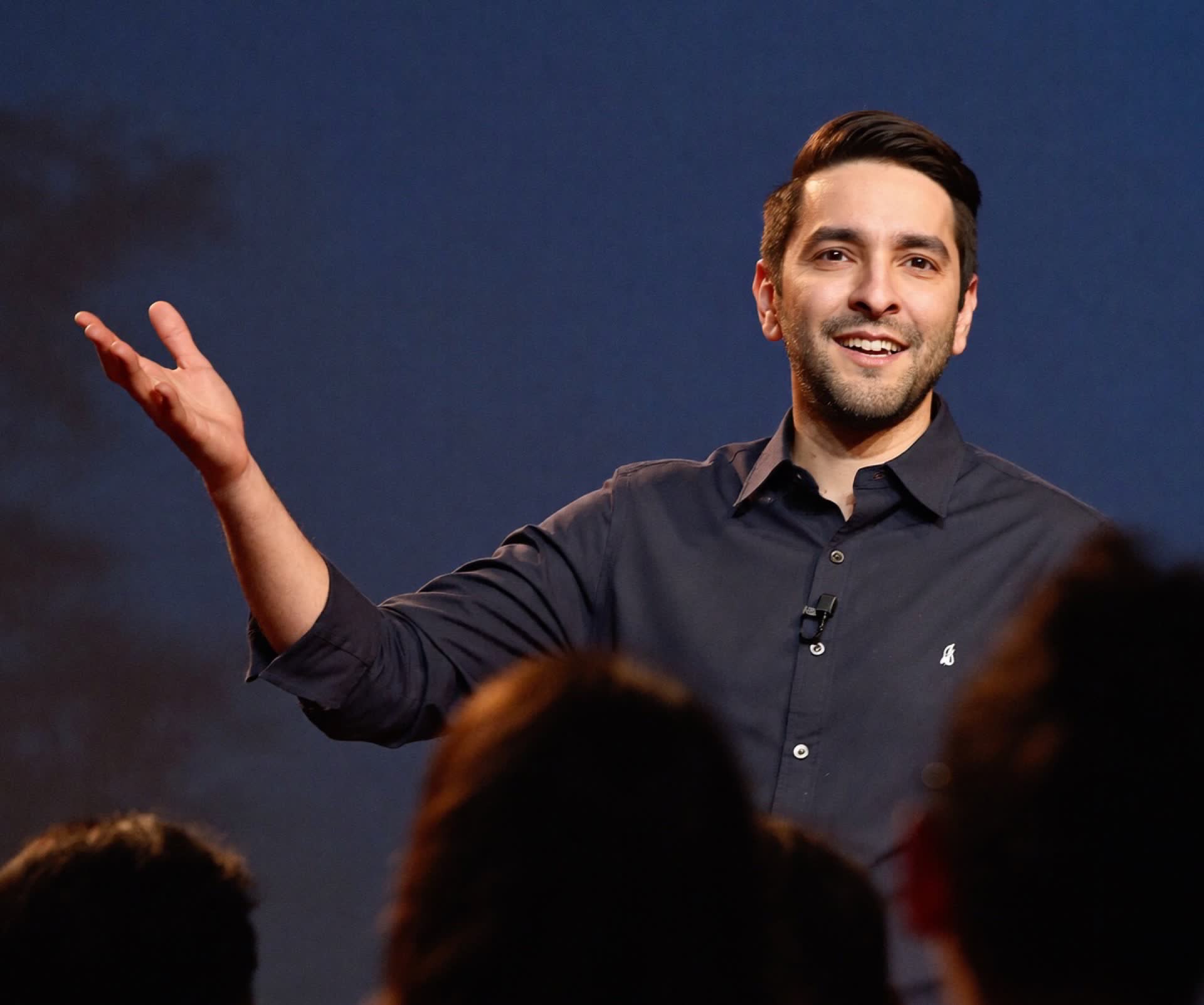
The episode opens with Muzamil introducing Sarmad Ahsan as someone close to him — the production lead at One Eight Nine Media, the company that hosts Thought Behind Things, and in Muzamil’s framing, one of the best motion graphics designers in Pakistan. Sarmad immediately deflects the compliment. “I say I’m an aspiring motion designer,” he tells Muzamil. “I’m not there yet.”

The conversation then moves to the question Muzamil opens almost every interview with: what has the last twenty-something years looked like? Sarmad’s answer is honest. “It’s very weird and very wild.”

He grew up moving. His father was a CSS officer who had cleared the exam through the accounts and audit group, which meant the family rotated through Karachi, Lahore, Jamshoro, and Hyderabad before splitting up when his eldest sister started university. Sarmad ended up at Cadet College Petaro in eighth grade — a sharp culture shock after the Beaconhouse environment he had come from. “That military lifestyle was not for me at all,” he says. He stuck it out through matric, then left for Karachi to finish his intermediate at DA Degree College for Men.

Muzamil — himself born in Larkana, Sarmad’s ancestral hometown — uses the Sindhi connection as a way in. The two compare notes on how moving south within the country tends to disconnect people from the national narrative.

ACCA, an Avatar fan video, and the slow detour into design

Sarmad’s family wanted him in accountancy. His father, given his own background, found the ACCA pitch persuasive: clear CET, do ACCA, start earning. Sarmad enrolled and was, by his own account, good at it. He scored well on the CET papers.

The detour started with a cartoon. Sarmad was watching The Legend of Aang, hanging around the early Orkut anime communities, and stumbled into the world of AMVs — anime music videos. He decided he wanted to make one, except he wanted to make it from scratch, animating an Evanescence song without any background in the craft. “Like any graphic designer, they pirate the software first and just start fiddling with it,” he says. He pirated Adobe Flash, realised animation was nothing like he had imagined, and pivoted to Photoshop tutorials because there were more of them online. From there the trap was set. “I just got lured into this domain.”

By the time he was a year and a half into CET, the pull was strong enough that he wanted out of accountancy entirely. He looked at Indus Valley — closed admissions that year — considered Iqra, and eventually landed at PAF KIET in a Bachelor of Computer Arts programme that bundled design, photography, filmmaking, and 3D into one degree. Sarmad gives a note of caution to anyone tempted by the same breadth: “Definitely young people should explore. But give yourself a deadline. After this, I’m done exploring, and I’m going to pick one thing and continue with that path.”

His first paid gig came during the 2013 election cycle — a six-thousand-rupee animation for a TV channel showing vote counts. The channel ended up not using it because their hardware could not handle anything heavier than a barebones version. Sarmad still has the receipt.

The CSS year in Lahore, and what it actually taught him

After graduating in 2015 or 2016, Sarmad ran into the problem most Pakistani designers eventually hit: clients who did not value good design and would not pay for it. “They were like, kam paison mein gandi cheez de do,” he says. He could not manage the business side. His parents suggested CSS. He took them up on it and moved to Lahore in 2016.

The Lahore section of the conversation is one of the more interesting passages in the episode. Sarmad describes a “magnitude of difference” between how CSS is studied in Karachi versus Lahore. “Things that were considered basic in Lahore — yeh tou pata hona chahiye — were considered very advanced in Karachi.” He was not prepared for the level of preparation his peers had already done. He was not prepared, either, for teachers cracking jokes mid-class in thick Punjabi, a language he did not speak. “It felt like, okay, because Punjabi is a dominant language, it can be used interchangeably with Urdu. That was a weird cultural shock for me.”

He never sat the paper. A friend’s wedding pulled him back to Karachi at the worst possible time before the first attempt, and by the second cycle, the stress had manifested physically — anxiety severe enough to cause sustained digestive problems. He came home for treatment and never went back.

The interesting thing, Muzamil presses, is whether the year was wasted. Sarmad is firm that it was not. “I was very an idealist before CSS, and then I became more realistic. The world doesn’t work the way I think it should. The world works in a certain manner, and maybe it shouldn’t work like that, but that’s the way it is. So you should accept it and work around it.” He credits the international relations classes with giving him, for the first time, a model of how the world actually operates. That shift — from idealism to a workable realism — is what he carried back into his design career.

Choosing motion design, paying for the lesson

Back in Karachi, Sarmad made the decision that defines his current practice. He had already done graphic design, film, and photography during his undergraduate. He wanted to narrow down. Motion design — the place where graphic design meets animation — was the niche.

Muzamil asks the obvious question: what does that mean, exactly? Sarmad’s definition is careful. Animation, in most usage, is character or story-driven. Motion design sometimes has those elements but often does not — it can be boxes, shapes, colours, patterns. “It’s just graphic design animated.”

The problem in Pakistan at the time was that there were no real local resources to learn it from. Sarmad saved up and paid one thousand US dollars for an advanced course at the School of Motion. He could not finish the course — it was too dense for where he was — but it taught him something more valuable than technique. “I finally understood what is it about the Western designers and how they do things there so well. The only difference I found was the amount of effort.”

The point lands hard. He explains that in Western shops, a three to five minute video is given three to six months, often with multiple people on it. In Pakistan, a client expects the same thing in a week. The output gap, Sarmad argues, is not a skill gap. “We as Pakistanis are just as skilled. If we are given the chance and the conducive environment to actually do a project well, we’ll do it well.”

The Pakistani creative problem: thoughtless execution

This is the section of the episode that runs the longest, and the most useful one. Muzamil walks Sarmad through the diagnosis he has been working through across multiple TBT episodes — that low-value graphic design in Pakistan is essentially copy-paste, that it is automation-bait, and that it represents tens of thousands of freelancers whose entire workflow is exposed.

Sarmad agrees but reframes the problem at a higher altitude. “The problem you have identified is bigger than design. It goes to most creative fields in Pakistan.”

His model is that every creative field has two halves: the core idea and the execution. Pakistani creators, almost universally, focus on execution. The reason is structural. “It’s more technical. You learn certain techniques and you can easily replicate it. With the core idea, the problem is it’s more creative and more difficult. You have to think a lot. You have to identify what the brand stands for, what their core values are, what insight there is in the market, and how do you connect these two.”

He then runs a comparison between Karachi’s design schools that is unusually direct. IVS, in his read, over-weights idea and under-weights execution. Iqra and PAF KIET, including his own alma mater, do the opposite — heavy on software, light on theory. Both approaches are broken. “Without good education, your idea won’t be fleshed out. Without a good idea, your execution is hollow.”

What this looks like in practice, Sarmad says, is a designer who can run the software and replicate a look but who, when asked to design a logo for a real brand, gives generic options. The first step — sitting with a brand and asking what their story is, what they stand for — gets skipped.

How freelancers actually survive the next decade

Muzamil pushes Sarmad on the question that brought a lot of people to the episode. There are freelancers right now charging a thousand dollars a month doing the kind of design work that is most clearly in the path of automation. What do they actually need to learn?

Sarmad’s answer is, in his words, “very easy.” Go back to basics. Learn the principles and elements of design — colour theory, composition, pacing, timing, insight. He gives a concrete example. There is a motion design technique for revealing a logo that used to take eight to sixteen hours to do properly. A plugin now does it in one click. The plugin is not the threat — the threat is that designers who never learned why the original technique worked will not be able to direct the plugin to produce anything good.

“Color theory is one of the principles of design. You Google them, you’ll find a couple of lists. Start focusing on each element and each principle and go deep in it. That’s all you need to know to secure yourself for the future.”

It is a deliberately low-tech answer. No new software. No tooling. Books, lists, time. The leverage is in the part of the work that does not get easier when the tools get better.

Muzamil layers on his own version of the same argument — that demand for better creative work in Pakistan is now visibly rising, and pointing to PSL music videos and the new ISPR-backed drama Sinf-e-Aahan as evidence. The supply side, he argues, is not being upgraded to meet that demand. The same handful of talents who delivered something good two or three years ago are being asked to deliver everything new, and the result is half-built college projects in expensive packaging. Sarmad agrees: the demand is now there. It is the pipeline that is missing.

On organisation, workflow, and managing yourself

Toward the latter half of the conversation, Muzamil turns the lens onto something Sarmad has quietly done at One Eight Nine Media: brought structure into how the team works.

Sarmad pushes back on the framing. “A lot of people in the office think I’m very organised, and that is not true. I’m the most disorganised person in Pakistan.” The system, he says, is not personality. It is a forced response to having lost too many clients to disorganisation early in his freelance career. He had no idea how long a logo took him to make because he had never tracked it. He could not give a client a timeline. He could not separate the creative work from the business of running the work.

The fix was almost mechanical. Put things on paper. “When you put things on paper, you see the bigger picture. You realise you are either overcommitting, or the task is impossible, or it’s beyond the scope of what you agreed with.”

Muzamil presses on whether this has actually changed the team’s productivity. Sarmad’s answer is matter-of-fact. The people who pushed back hardest at the start are now the ones who tell him the system is helping them. The proof is in the comparison: working without the system versus working with it. Once people have both, they choose the system.

Pakistan Now, and the talent the country is missing

The conversation closes on Pakistan Now, the digital-first journalism initiative Sarmad has been helping build. He describes it plainly: a platform for young people who have walked away from television news and need political and social narratives in a format that is native to the internet.

The bottleneck, he tells Muzamil, is talent. “We literally want people from two different worlds. Somebody who knows the societal, political aspect of things, and somebody who understands the internet.” Traditionally smart people are too academic — they cannot communicate in a register the internet accepts. Internet-fluent people often do not understand the substance.

Muzamil adds a third axis — the creative or technical layer, the ability to actually produce video. Sarmad disagrees, gently. The technical layer, in his experience, is the easiest to teach. The team at One Eight Nine has trained people with zero technical background up to a working standard. What is not teachable, in his view, is genuine curiosity about the world. If someone has never been interested in what is happening around them, no amount of newspaper subscriptions will change that.

By the end of the conversation, the through-line is clear. Whether Sarmad is talking about motion design, freelancing, CSS, or building a newsroom, he is making the same argument in different forms: technique is cheap, principles are scarce, and the people who survive the next wave will be the ones who put the boring work in on the parts that do not show up in a portfolio.

Full transcript
Muzamil

बताने कापति ना आज welcome back to another episode of third man things आज हमारे साथ मौजूद है एक बहुत ही ख़ास मेहमान जिनको introduce special guests जो कि, who are close to me and, you know, I really wanted to sort of understand the thought behind, their things and and what they do and for that in the same breath we have with us today, शर्माद एहसान. एहसान एहसान? आसान. आसान. आसान. बिल्कुल. Sir, कैसे हैं Thank you so Thank much for बहुत flatter कर दिया मुझे एकदम से. नहीं नहीं, no at all. समाधा is actually, he is leading the production side of things in, One Eight Nine Media as well, which is our media company that hosts this podcast as well. इसी के साथ साथ he is one of the best motion graphics designers in Pakistan. Thank you for saying that. I do not agree with it but thank you. How many motion graphics designers are there in Pakistan?

Guest

There are few. But जिस scale पर मैं अपने आपको वह कर रहा होता हूं, map कर रहा होता हूं, I feel like there's a lot to grow. Right. So, I still feel You're competing with yourself essentially, you're not competing with yourself. Yeah yeah. So, I I say I'm an aspiring motion designer. Like, I'm not there yet. Right right right. Conversation start करेंगे, generally जैसे मैं करता हूं.

Muzamil

You're you're 30 years old right now? Yes. What's your journey been like over the last, let's say, twenty, twenty five years?

Guest

It's very weird and very wild. Studied, at beacon house. Was at beaconite. I think you are as well, right? Yes, beaconite. Beacon house कौन था यह? Karachi? Karachi में. So my father, was a government servant. He did a CSS. So we have moved around a lot. Right. So within Karachi, we have moved a lot. Then we went to Lahore for a bit. Then we were in Jamshiro, which is near Hyderabad. अच्छा. Then we moved to Hyderabad. And then our, like, family went separate ways because my eldest sister got into university. Right. तो she went to कराची, I went to care college पिटारो.

Muzamil

Eighth कौन सी class में गए थे? Eighth. Eighth. Eighth

Guest

में आप care college गए थे? Yes. That must have been difficult. Yeah yeah, it was. It was a huge adjustment for me because Beacon House से जो culture है, वहां से फिर एकदम सब पिटारों के culture में आ रहा तो एक बहुत बड़ा culture shock था. पिटारों है किस जगह पर? वही जामशुरू के क़रीब है. यह पिटारों is नाम जो है वह एक गांव का है. Right. I think वह सिंधी से पेटवारों से निकला हुआ है. Right. तो वह near जामश्वरोणी हैदराबाद, yeah. And you guys are originally from, like, are you guys originally सिंधी as well? Yes, we are from लड़काना. Right. But I have lived most of my life in कराची, so I consider myself a कराची height. But you,

Muzamil

you can speak सिंधी and Yes, I can speak सिंधी, yeah yeah. Very cool. I was born in लारखाना actually. अच्छा. Yeah yeah. So eighth grade you go to, Carrot College पटारो. Carrot College पटारो, yeah. And आपने फिर उसके बाद, अपना जो high school है, वहीं से क्या complete?

Guest

Well, partly. So, I hated there. I hated फिटारो, it was not meant for me. That military lifestyle बिल्कुल भी मेरा नहीं था. So, eighth, ninth metric, I did it there. And then I was like, okay, I can't do this anymore. So I left and I went to Karachi. वहां पर था DADC, Defense Authority Degree College for Men. Right. Did my, intermediate. That's where the people in Karachi College. From there, yeah. So that's That's intermediate FSE. FSE, yeah, yeah. Right.

Muzamil

अच्छा, so, and what year was this?

Guest

This, I actually have no idea. I think this is 2008, 2009, if I remember correctly. ठीक है. 2010. And straight out,

Muzamil

what did you what did you do? So initially,

Guest

what happened was कि when I was doing my FSC, my father wanted me to take some tuitions. So I went to वहां पर बड़ा एक मशहूर है, अनीस हुसैन के नाम से मेरे ख़याल से. तो उन्होंने हम tuition के लिए गए थे लेकिन उन्होंने हमें ना, ACCA pitch कर दिया था. तो अच्छा. वह अच्छा, मेरे वालेद साहब जो हैं वह भी उनका accountancy का background है. वह accounts and audit group में थे. Right. तो उनको बड़ी अच्छी चीज़ लगी ना यह क्या है तो ACCA में यह होता है फिर उन्होंने बड़ा अच्छा pitch किया था कि पहले CET होता है, फिर ACCA होता है, ACCA के बाद अब job earning करना start कर देते हैं. Right. तो I started studying that, during I was doing FSC. अच्छा. तो exam नहीं दिए थे. But as soon as I did my FSC तो फिर मैंने proper examination की तरफ सोचना start कर लिया था. And were you good at math and stats and all of that? I was actually really good. Yeah, so I scored really good, marks in all of my CET exams. Mhmm. But during that CET exams पर मेरा जो है ना, interest थोड़ा किसी और तरफ़ जाने शुरू हो गया था. So, I was trying to explore that as well. And what was that? Graphic design. असमें से start हो गया था. असमें से yeah yeah. What

Muzamil

was your first I would say, क्योंकि I feel like Pakistan में particularly जब आप I guess दुनियाभर में जो design की तरफ़ लोग आते हैं इस तरह आते हैं there

Guest

The Legend of Aang, ठीक है? It's a really good, cartoon. I still watch it. Last Air Bender? Last Air Bender, हां. दोनों नाम थे. Legend of Aang and Last Air Bender. Right. So, वह अभी यह ख़त्म नहीं हुआ था और उसकी एक उस time पर मेरे ख्याल से orcat होता था social media. तो वहां पर एक orcat पर एक community थी and they were talking about this and that. उस time पर एक और चीज़ भी होती थी which is AMVs होती थी anime music video. Ok, right. तो वह काफ़ी लोग बनाते थे और एक बहुत ही famous NMM music video producer थी at that time. तो I was really inspired by that. So I was like oh मैंने भी बनाना है ना I want to but then I was like कि अच्छा मैंने NMM music video मैं original music video बनाऊंगा from scratch. Right. And I was listening to Evanescence at that time तो वह एक गाना सोचा था मेरे ज़हर में उसके बाद मैंने कहा कि ok I'm just gonna animate this without having any knowledge or background. कुछ भी नहीं ना. तो, so like any graphic designer they pirate the software first and just start fiddling with it. Then when I start fiddling with it तो मुझे realize हुआ कि यह तो आसान काम नहीं है, यह तो बहुत मुश्किल है. And I started with Adobe Flash at that time. कुछ वह animation के लिए था. अब वह Adobe animate हो गया मेरे ख्याल से. तो I didn't understand any. Was like, कुछ समझ में नहीं आ रहा. Search online for tutorials. तो उस time पर Photoshop के tutorials ज़्यादा थे, Flash के कम थे. Mhmm. So, okay, I'm just gonna learn Photoshop first. So, that was it. I was just, एक अब्बू Dizo के नाम से मेरे ख़याल से इस quite time से ही वह tutorials निकालता था. तो I just start watching this video, try replicate, replicating the effects that he had in that video. अब वह करते करते जो है ना बस फिर वह एक attraction and it was more like technique कि वह किस technique से हो रहा है और किस तरह से हो रहा है. तो I just got lured into this domain.

Muzamil

And how long before you were able to switch that particular degree? क्योंकि आपने दो हज़ार दस में graduate किया है PhC से. Yeah. And then after

Guest

graduating were you still pursuing ACCA? Yeah. So for one and a half years, I did my CET. I completed my CET. And in that one and a half years, I explored a lot. And then I was like, okay. I don't want to do CET. Like, accountancy is not my thing. So I wanted to move to design. So I was, looking out. Four avenues से कहां से मुझे कई design के पढ़ाई मिल जाए, good degree मिल जाए. Yeah. And next? What's what was it? So I was, I wanted to go to an IVS, this Indus Valley School of Arts and Architecture. It's one of the most renowned in Pakistan. But उनकी वह हो गई थी, बंद हो गई थी. बंद हो गई थी उस time पर. And then there was ICRA University. But then there was इकरा is pretty good as well, by the way. इकरा apparently is very good. I have a lot of colleagues that, have studied there and, they're doing way better than most. Where did you go? So I did end up going to इख़िरा because I went to this another institute called PFKIT, Pakistan Area First Karachi Institute of Economics and Technology. And the reason I went there was कि वह उनका जो bachelor's program था इस bachelor's of computer arts, उसमें design भी थी, photography भी थी, filmmaking भी थी,

Muzamil

three d भी था तो उस time. Like a bit of everything just start starts you off with that वह और आप expertise खुद build कर लें जिसमें आप मुझे Yeah, so I was very greedy in that time कि I was

Guest

But in order to pick that niche, you have to figure out कि भई, क्या क्या चीज़ें हैं out out there and then do those things and figure out what is it that you like. Yeah. तो yeah, definitely I think young people, especially young people should explore. But give them give yourself a deadline कि after this I'm done exploring and I'm going to pick one thing and I'm going to continue with that path. Right.

Muzamil

So four years की degree आपने की PF Yes, PF की थी. Is that also, like, called NUST या NUST separated कराची? नहीं नहीं, it was separated, completely separate. And then were you working during that time anywhere? आपने कोई freelancing या कोई सारी चीज़ करना चाहिए? What was your first experience with work?

Guest

So, my first ever job was, I think, election year था. Mhmm. And 2013? Yes. And some, channel, I don't even remember which channel, wanted like a small piece of animation कि वह जिसमें votes show हो रहे होते थे. तो वह मैंने एक बड़ी basic सी, animation बनाए थे लेकिन वह इस्तेमाल भी नहीं कर पाए थे because they wanted something extremely light के जो आराम से load हो जाए, उनके कोई hardware में मसला था. तो फिर वह बिल्कुल ही tone down and basic animation की थी उसके मुझे छह हज़ार रुपए मिले थे. I still have that received, saved up कि वह छह हज़ार, that was my first thing. Right. But just after my, first semester, my dean, offered me an internship at his place. So I did that. अच्छा. So, yeah. So internship and the first actual gig was

Muzamil

That one? What was his place? I mean, what sort of what was So, he has this organization,

Guest

called Premier Graphics के नाम से, yeah. So, they it's a graphic design house, graphic services provide कर रहे होते हैं in Karachi. Right.

Muzamil

You graduated in what year?

Guest

I think I graduated a little late. It was either 2015 or 2016.

Muzamil

Not too sure. So you, I mean, you started late या आपके ज़्यादा साल लगे थे? So

Guest

so, for one and one point five years I did CET. तो वहां पर मेरा time वहां पर जाकर था. And then I moved to, bachelor's. तो bachelor's में I was taking taking things very slow. I wasn't doing things for the sake of कि आपका credit score ख़त्म हो जाएगा या वह. I've actually dropped off courses, कुछ समझ में नहीं आ रही थी, even though I could have passed it. In hindsight, I think I should have just passed it and then learn on my own time. But I genuinely wanted to learn. So I was like, okay, I'm going to take this slow,

Muzamil

and वह काफ़ी late हो गया था पर, yeah. Right. And so, fifteen sixteen में you graduated? Yeah. And then since then, have you been working continuously? What's so, I'm I'm trying to understand उसके बाद की journey because computer arts से बंदा graduate करके. I've spoken to a lot of people from computer arts, media, film. Nobody ends up going towards motion graphics, right? So that that particular आपने how did you manage to identify your niche, polish it, really focus on it? What was that like?

Guest

So, so right after I graduated, I was a little disheartened, by the design industry in Pakistan. I felt like यह ऐसा जितना scope नहीं है. Basically, I had a couple of, clients, who didn't value good design per se. Right. तो तो I got a little disheartened. Was like, maybe, like, I'm if I'm giving them good stuff, can I charge them more money? And they were like, नहीं नहीं नहीं, कम पैसों में गंदी चीज़ों में दे दो. तो I was a little disheartened. Didn't know how to, basically manage clients. That was the issue. Right. तो, got a little disheartened. My parents, because my father is himself a CSP officer, they were like, okay, CSSP एक option है, try this, try this. So I was like, ok, let me try this, like Were you freelancing उससे पहले? Yeah yeah, I've been freelancing since the first semester अच्छा. At my college. I was that kind of person where people would come to me for consultancy and ask questions कि यह किस तरह करेंगे? यह project किस तरह करेंगे? Right. तो yeah, throughout the time I had been freelancing but at that point I was like, ok, this is a little difficult because there's the creative aspect of it, and then there's a business aspect of it. I couldn't handle the business aspect of it. So, like, okay. Let's just leave this. Maybe I couldn't explore CSS. So I went to Lahore, actually अच्छा. To study for my CSS examination, in 2016.

Muzamil

And like, Lahore में? Why why in Lahore? In an academy या वहां पर? Yeah. There,

Guest

there are a couple of academies. But, in general, the atmosphere of Lahore is very different from Karachi. Because Australia and कराची, first year is an Australia and लाहौर and there is magnitude of difference. I think basic आपकी bureaucracy जो है वह लाहौर में ही establish हुई हुई है. तो वह आकर बिल्कुल different है. They are operating on a completely different scale. You'd be surprised. When say a different scale, what do you mean by that? I mean, is it more

Muzamil

aggressive? Is it more connected to... I don't know. Because CSS तो I'm guessing आपने federal का देना होगा ना? आपने local provincial तो नहीं दे रहे होंगे? नहीं नहीं नहीं. Your father is a CSCS CSP officer, yeah. CSP. So he's a provincial officer. No no no. CSP is federal. Federal के? Yeah. अच्छा, ठीक है. उन्होंने भी CSS देखा है. उसी के through आए थे. तो जो लाहौर और कराची का difference है, what was that?

Guest

So, I think, a hot takeover है. There is a difference in the level of education in सिंध and Punjab, I would say. ठीक है. तो Karachi में let me face it this way. लाहौर में the things that were considered basic है, यह तो पता ही पता होना चाहिए. We're considered very advanced in Karachi. अच्छा. So, and this I didn't know this. My father told me that. Right. Which is why he was like कि तुम लाहौर जाओ वहां पर पढ़ो and when I studied there and I studied in कराचा I was like, okay, है ज़मीन आसमान का फ़र्क़ है. In terms of, CSS paper. Right. Otherwise, obviously यह तो

Muzamil

कराची में industry है, business है, वह और चीज़ों का But यहां पर I guess, I I do understand that मतलब overall मेरे experience में I see as the more you go down south, the more disconnected from the national narrative I see people becoming. Yeah. क्योंकि वह I I know maybe it's maybe it's the distance, maybe it's the fact कि culture बड़ा फ़र्क़ है. And obviously you need that national narrative because CSS कभी पड़े at the end of the day. Yeah yeah. अब वह है. How long were you in for?

Guest

So, I was in Lahore for, I think,

Muzamil

one point five years. Really? Yeah. और साथ साथ freelancing वगैरह भी कर रहे थे? बस नहीं नहीं, that was सिर्फ़ पढ़ रहे थे. That was just studying,

Guest

or attempting to study. Let's phrase it that way. What year and what age? I think that was 2,016, 2017.

Muzamil

And you were twenty five, twenty six? Yeah. Around that time. How was that like? I mean, not earning at $25.26. What was the emotion like?

Guest

So, it was difficult. First of all, you know when you imagine कि oh, you'll be living on your own. And and I have experience living on my own in Pitáro, but that was very different from living completely on your own, not in a hostel. Right. In a different city where you have no social contacts whatsoever. Yeah. तो again, it was a culture shock for me at first. And then I realized कि it was difficult studying for CSS. I mean, I felt the more I studied, the more I realized कि भाई मुझे तो कुछ भी नहीं आता. And and that was stressful. And I think because of the stress, I started having like medical issues, like मेरे पेट ख़राब होना शुरू हो गया था and Anxiety type. Yeah yeah. I didn't know at that time but I had to come back to कराची and get treated for that. Right. तो now in hindsight I realize कि ok, that was it was basically mental issue and less has to do with actual physical issue because आपके gut और आपके brain दोनों बड़े अच्छे तरीके से intertwined होते हैं.

Muzamil

Did you ever find कि you being a सिंधी and लाहौर was a thing?

Guest

Not necessarily. एक एक weird cultural shock था कि, in class and it's like a formal setting, हम, बैठे में पढ़ रहे हैं and थोड़ा सा सिर्फ़ serious topic हो जाता था and if the teacher wanted to, you know, lighten the mood, so he would crack a joke in पंजाबी. Right. ठीक है? And that was such a huge culture shock, and I didn't understand it because, he would do it in a very thick Punjabi accent. And I loved that teacher by the way, amazing teacher. But I just couldn't comprehend how you would just switch language and and alienate me. Because that wouldn't happen in Karachi at all. Like, the teacher wouldn't joke in सिंधी and, you know, to lighten up the mood. So that that was a weird cultural shock for me. Okay. Like, and it felt like, okay. So because Punjabi is spoken, it's a dominant language Yeah. तो it can be used interchangeably with उर्दू. So that was a weird culture shock for me. I didn't realize that at that time. That's interesting. Do do you have a lot of people speaking पंजाबी in Karachi? Not a lot actually. There are few and even the पंजाबीs who live in Karachi, they have they have the tendency to not speak in Punjabi. अच्छा. उर्दू ही is उर्दू and English mostly.

Muzamil

सही है. So so one and a half years in लाहौर. हां ख़ुद, यह तो मैंने start होता था. मुझे बता रहे थे culture में क्या फ़र्क़ता, खाने में क्या फ़र्क़ता.

Guest

I didn't really feel a lot of difference between कराची and लाहौर पर से. अच्छा. I found Lahore more beautiful. It was definitely more green than Karachi, and it just had this sense of, like, it had, ethnic culture attached to it. Like, that you don't see in Karachi. अच्छा, what do you mean that? Just with the architecture, you see कि, oh, this is very देसी thing, right? And Karachi is very metropolitan, it's very international. Very sort of concrete jungle. Concrete jungle, with लाहौर it was more beautiful. And you see कि, oh, it's called the cultural hub of Pakistan, But it felt that way कि ok, yeah, this is a cultural hub of Pakistan. I think जिस time पर आप थे उस time के ऊपर, I mean, definitely

Muzamil

आप चार बातों से disagree कर लें but the PMLN did a great great job at sort of cleaning up that city. So,

Guest

I was living in Gulberg Right. At that time. So that entire place was beautiful. It was amazing. Like, the roads were clean and it was lit properly. It was very nice. So for me to come from Karachi

Muzamil

to this place, it was massive change, yeah. ज़बरदस्त and and so one and a half years in Lahore. Did you attempt CSS या आपने eventually सोचा कि यहां नहीं हो रहा और बस अल्लाह में? So I wanted to attempt.

Guest

I did an attempt because my one of my friends was getting married in Karachi and he's a Christian friend and I was his best man. Right. So I was like, okay, if I have to it was in December. So and आपका exam February के क़रीब हो रहा होता है. तो I was like कि if I attend this wedding, I will not be able to give this paper because I really need to prepare for it. So I talked to another friend. He was like, oh, if you miss this wedding, बहुत बुरा होगा. So and then my father gave me sort of a go ahead. He was like, okay, why don't you take one more year? You have, enough attempts. Like, you have the age to attempt it again. So why don't you take one more year and, study? And then you do give the paper. Mhmm. So so I didn't do the first attempt, which I should have done. That was a big mistake. The second attempt by the time, बल्कि उससे बहुत ही पहले ना मेरी तबीयत ख़राब होने शुरू हो गई थी because I was थोड़ा सा anxious, कुछ पढ़ाई नहीं हो रही थी सही तरीके से. I thought maybe I wasn't, doing enough. So I just came back to कराची and then and I didn't attempt the paper. You didn't attempt No. The And what was that conversation like with your father? My father was okay with it because he saw that I was suffering. Like, it was really bad. Like, I couldn't eat properly. I would just eat and I would just throw up. Yeah, it was really bad. So he saw that. He understood कि भाई, नहीं हो रहा है. So, like, calm down. He didn't give me, like, any kind of scolding or anything. कुछ भी ऐसा कुछ नहीं का, very chill about it. Yeah. ज़बरदस्त. And so you came back to Karachi. What was the next step? So when I came back to Karachi, I was like, okay. Now what do I do? So I started redoing my freelancing work. I did a corporate film. Then I worked for a couple of people in Karachi. Then I met a friend, in Karachi who had been working in Islamabad for quite some time. तो she pitched the idea. She's like, okay, we're looking for animate. And at this point, I was I've decided, okay, I'm no longer going to pursue graphic design. I'm going to pursue motion design specifically. Right. Because I had बहुत काम कर लिया था. Like, film भी कर लिया, photography भी कर लिया. Was like, okay, now need to,

Muzamil

narrow For my boss, if I were to ask you, for for for the benefit of the audience, graphic design or motion design, what's the difference?

Guest

So the definition of motion design is still very undecided at the moment. But you can say que if where graphic design meets animation, that's motion design. Right. Generally जब हम animation बोल रहे होते हैं, we're talking about character based animation या story based animation. And motion design sometimes have those elements. But motion design sometimes does not necessarily have to be, like, characters or story. It's sometimes very abstract. Boxes and shapes. Boxes and shapes and colors and patterns. So it's just graphic design animated.

Muzamil

Right. It's very difficult to explain it and it's easier to show it कि ok, this would be motion design, this won't be animation. Right. And so, यह दो हज़ार सत्रह चल रहा है and now you've decided कि भाई motion design ही है जो मैंने करना है pursue. Yeah. But then Pakistan में ना कोई ना ना कहीं हो रहा है, ना कोई इसको seriously लेता है. So, it depends. The kind of motion so, motion design is a huge umbrella term, right? So,

Guest

simply अगर आपके news channels पर tickers चल रहे हैं, that's also motion design because that's graphic design meets animation, right? आपके जो weather forecast पर animation चल रही है, that's also motion design. So हो रहा है but not the scale that I want it to be. Right. मेरा primary focus था towards advertisements and company की जो आपकी corporate videos होती हैं in motion design. General consensus यहां पर यह है Pakistan में which is slowly changing is कि अगर वह motion design ही देखते वह देखते हैं cartoon है. Mhmm mhmm. तो वह कहते हैं cartoon है तो वह तो बच्चों के लिए है, ठीक है? हमारे लिए नहीं है. Right. So, but it's slowly changing obviously with the young people coming into, power centers there and they understand motion design and how it has the ability to connect with everybody. Because, one of the powerful things of motion design is that when you don't represent one specific person and you're representing just an idea, it can easily connect with a lot of people. Right. So, a lot of young people are realizing this and they see the potential for motion design and it's gradually

Muzamil

going to change in Pakistan definitely. Right. थोड़ा सा मेरे दुबारा मेरे एक सवाल आया. आपने जब CSS कृतियारी की, आपने जाहिर बहुत सारी चीज़ें पढ़ी होंगी, बहुत सारे perspectives पढ़े होंगे. Do you think even though you didn't you ended up not giving, an exam, do you think that education that you got in that one and a half year, helped shape your personality in terms of everything else that you do? Yes, a lot. You have no idea. I I remember,

Guest

being in this class and I realizing I don't know any, like, because when I went to in that CSS class and I had a very good teacher, who taught us international relations. And the way he taught us was initially was very jarring. Like, कुछ समझ में नहीं आ रहा है, क्या बोल रहे हैं? But as soon as I start understanding the concepts and the jargons, I realized कि ok, I didn't know how world worked and now I know. Maybe I at least know the essence of it, ठीक है? And I can explore it further. Definitely. The the and this education in लाहौर, not in कराची पर से. So, it,

Muzamil

मतलब जैसा ना एक होता है ना कि how the world works but I feel like कि जब आपको उस तरह की चीज़ें पता लगती हैं तो उससे आपकी personal life या आपकी the way that you would do things, the way that you would even shape your own professional life I feel like would would begin to change because you now have a much tunnel vision से आप बड़ा बहुत सारे और variables को भी देख रहे हो. जिस time में मैं दिमाग में मेरे इस तरह से आया है कि जो आपने ये बोली ना बात कि now people now young people are getting into the power corridors and and I know for a fact that a lot of people wouldn't think like that. A lot of particularly artists and engineers जो बहुत अपने trade के बारे में touchy होते हैं वह बस कहते हैं कि यार नहीं हो रहा है, नहीं हो रहा है. वह बहुत passionately आकर वह हो जाते हैं. They're they're unable to see the macro of it. Yeah. Keep on doing it and maybe, you know, things are changing. Do you think that was part of because of the way that CSS sort of opened your mind? Yes. Definitely. I feel like,

Guest

first of all, I was very an idealist before CSS, and then I became more realistic. Okay. The world doesn't work the way I think it should. Right? The world works in a certain manner and maybe it shouldn't work that like that, but that's the way it is. Yeah. So you should accept it and work around it. Right. And not try to change it like Radically. कि भाई पूरा आप जो है ना overall कर दें. So definitely, in terms of personality, in terms of perspective Right. It helped me a lot.

Muzamil

And, जब हम बात करते हैं motion design की, and I really want to straight up after this I'd like to sort of explore the graphic design design aspect of things. क्योंकि Pakistan में we know that there's a huge, चलिए motion graphics के ऊपर काम नहीं भी हो रहा but at least starting point के ऊपर we have a huge graphic design की, space that is now popping up with freelancers and so on and so forth and I really wanna explore that. But just to sort of understand एक ऐसी field आपने identify की जो कि generally I mean you wouldn't even find people around you जो कि आपको help कर सकें essentially, Right? It's very Pakistan में अभी बहुत नासिर सी है वह space और industry. जब आपने जाकर उसमें grow करना था, सीखना था तो what did you do? Because did you find any courses? पाकिस्तानी या local या? Mean, what was your... Yeah, it was all experience, कि बस try करते जाओ, कोशिश करते जाओ and सीख लिया. How would you build that sort of thought leadership within that space?

Guest

Okay. So, when I started, I didn't have this great resource which is GFX Mentor जो अभी उनके जो catalogue है, they make amazing videos, amazing videos और वह local language में कर रहे होते तो वह और भी अच्छी बात है. उस time में हमारे पास यह नहीं थी. हम हम अंग्रेज़ों की देखते थे. We used to watch all their content and then just replicating that. So, initially I did that and then I did what, then what I did was कि I saved up some money and then there's a a website called School of Motion. Right. It's the leading motion design school, and I paid enormous amount to get that one very advanced course. Because I was like, I can only afford one course. I'm not going to go with basics. I just I want to learn advanced.

Muzamil

So, I What was if you're ok with sharing? क्या cost? It was a thousand dollars. A thousand dollars? Yes. आजकल के जमाने में एक लाख अस्सी हज़ार रुपया for a course. Yes yes. उस time पर थोड़ा सा कम था. Obviously, dollar rate के हिसाब से उसका कहना कह लेता हूं. लेकिन सौ रुपए का dollar rate चलो, एक लाख रुपया. But

Guest

do you think it was worth it? It was definitely worth it. I think, first of all, I when I was doing the course, I couldn't finish it because it was very advanced. I was like, okay, I need to step back. It was, it was too much to handle. But उससे फ़ायदा यह हुआ कि I two things happened. A, I finally understood two things. First of all, what is it about, the Western designers and how, they do things there so well? Like, what is what how are they doing things differently? And the only difference I found was the amount of effort. यहां पर लोग expect करते हैं कि हम एक दिन, दो दिन, तीन दिन, एक हफ़्ते में हम चीज़ बनाकर दे दें, right? वहां पर scale बहुत different है in terms of pay and in terms of timing. Mhmm. वहां पर एक project तीन तीन महीने, चार चार महीने, छह छह महीने, and it's just three minute video, five minute video. So when you pull in that much effort in terms of multiple people working on the same project or a single person working on the same project for such a prolonged amount of time, तो obviously वह अच्छी चीज़ी निकली है. So you're saying it's not necessarily the skill that they have that's different. It's basically the process जिसकी वजह से they're able to create much better Yes. Products. I completely agree. I think, we as पाकिस्तानी are just as skilled. Mhmm. If we are given the chance, and the

Muzamil

the conducive environment to actually do a project well, they'll be able to do it well. Very interesting. अच्छा, इसके अंदर now I'm gonna jump right into the जो जो सवाल मैं आपसे करने लगा था. देखिए जी, Pakistan में मुझे जो personally मसला नज़र आ रहा है ना design के साथ. Overall पहले बात कर लेते हैं अभी freelancing site में नहीं आते design की बात कर लेते हैं. हमारे यहां होता यह है कि कोई एक बंदा कोई एक अगर चीज़ बना ले हमारे design जो है ना बड़ा copy paste है, right? So किसी ने कुछ बना लिया you know, thirty five old film effect डालेगा और वह सारा कुछ डालेगा. Thoughtless, what I would say is it's very thoughtless in terms of how we approach design overall in every aspect. And then उसको अगर मैं लेकर आता हूं in the way that we are doing commercial work, तो पहला step तो बड़ा अच्छा हो गया कि जिस पर hundreds भी नहीं मैं कहूंगा probably tens of thousands of graphic designers हमने create कर लिए, जो कि low value, you know, quick turnaround design आपको दे देंगे. So, वह आपको for example जो है वह, उनके portfolio के अंदर पांच या छह pieces भी होंगे. लेकिन वह hit or miss होगा because they don't understand the fundamental of design, right? So, आपको चौबीस घंटे के अंदर अंदर एक logo design करके दे देंगे पांच dollar के अंदर और अगर logo design नहीं समझ आ रहा client को तो वह कहेंगे यार ठीक है, I'll move on to the next client. Let's not waste our time here. मैं multiply podcast से पहले भी यह बात कर चुका हूं. मुझे personally यह लगता है कि जो यह वाला low value design का aspect है, यह timed है और यह automate हो जाएगा. Because बड़ी simple सी बात है अगर मैं इसको deconstruct करूं तो यह एक skill है. दो चीज़ें ना एक skill है और एक human mind है जो कि human mind आकर उसके अंदर से falsify वह करता है. Skill को आप automate बड़े आराम से कर सकते हैं. It's only a matter of the right AI with the right processing power, and enough data to understand what people want and then just being able to create it. जो philosophy है, जो human mind है, जो जो जो human element है उसका, that's where all the value really lies. And in the future वह यही होगा कि जब वह human element added होगा, तब जाकर आप actually उस commercial work वह कर सकेंगे. हमारा मसला यह आ रहा है कि हमारे यहां because हमने सबको financing में तो लगा दिया. तो हमने वह aspect हमने commercial aspect में, money making aspect तो सिखा दिया. But we don't have, I I really don't see, I mean, I look around, चार साल, पांच साल हो गए almost. जब से आपने जो आपने यह site पर आया और school of motion and वह सारा का सारा किया. I don't see enough courses online available. JFX mentor definitely is doing a good job, he's just one channel, doing very specific content. Right? It's not not proper. And so, converting that $5 per logo, talent to, $500 per, you know, brand book talent. पहला तो वह. दूसरा यह कि either for the sake of कि हम revenue increase करें or for the sake of future, survival because a lot of these will be disrupted. What do you think? अगर मैं आपसे पूछूं कि how do you यह तो अरे मेरा, I'm not a designer. मैं third person analysis करो. Being part of the design space, what do you think is the major problem that's happening right now? And I know for a fact इसमें एक context मैं add करवाना चाहूंगा जो कि आपका एक experience रहा है. ND2C, one of the premium design conferences in Pakistan. You've attended that is where you've met with the community. What is your experience like?

Guest

So, I think, the problem that you have identified ना, that's bigger than design. I think that, goes to most creative fields in Pakistan. And the way I see it कि there are two aspects of any creative field. There is the idea, the core idea and then there's execution. So unfortunately हमारी आवामना यहां पर execution पर ज़्यादा focus करती है और वह इस वजह से focus करती because वह ज़्यादा आसान है. It's technical things, you learn certain techniques. यह एक technically work, technically you can easily replicate it. With the core idea, the problem is कि it's more creative and it's more difficult and you have to think a lot. You have to identify कि, what does the brand stand for? उनकी क्या, core values हैं? उनमें क्या insight है in the market and how do you connect these two? It's a difficult process and वह काफ़ी theoretical होता है. So a lot of people shy away from the theoretical aspect of it and I think that's, not a good thing. Now in certain institutes, I, like, I'll give a direct comparison कि अगर आप IVS चले जाएं कराची में they focus a lot on idea कि आपका core idea strong होना चाहिए, आपका idea strong होना चाहिए and then they negate the execution bit. उस पर focus नहीं करते हैं. And then there are other institutes जैसे IQRA हो गया, PFKIT हो गया, वह execution बहुत focus करते हैं कि आप यह software सीखें, आप यह software सीखें, स्तरा कर सकें. Both these approaches are problematic, ठीक है? Without good education, आपका idea flesh out नहीं होगा. Right. Without a good idea आपकी execution hall होगी, right? So you literally have to give equal weightage to both of these things. Now coming back to design. Design में यह यही चीज़ हो रही है. People who call themselves graphic designer, they know certain softwares. They know how to run it, they know how to replicate things. But उनको बिठाकर पूछे ना कि यह brand है, इसका मैं logo बनाना है. They give me generic options कि यह कर सकते हैं, यह कर सकते हैं. No, the first thing is that you need to ask this brand कि आपकी क्या story है. What what are your values? What do you stand for? And based on that, you build something, right? तो yeah, this issue definitely exists in Pakistan

Muzamil

and it's more wider than graphic design. It's generally towards all creative fields. How do you think? What's the what's the... I mean, simple सवाल पूछने लगा हूं but let's start with that. How do you solve it?

Guest

How do we solve it? The way we solve it is start demanding, good things. And I think I see that happening, because अभी थोड़ा सा मेरा journey अच्छा ख़ासा चल गया है. तो I see that, over the years. People are now demanding कि oh, यह दिखने में बड़ी अच्छी थी, but this doesn't it's not appropriate for the brand they're presenting, right? इस type का when you start demanding this, when you start educating people कि oh, यह अच्छा है, यह बुरा है and give them awareness about it, when there's demand for it, obviously they start producing. संकलाई ज़हरीवाद. Yeah yeah. नहीं, again देखिए, एक तो आपने बड़ा basically demand करें. I feel like कि now with the way that

Muzamil

content has been democratized through YouTube and TikTok and so on and so forth. आप जिस तरह भी उसको कह लें कि यार Pakistan में quality of content अभी बड़ा low है. Understandably है. आप TikTok local लेख लें, TikTok US देख लें, दोनों में फ़र्क़ आपको नज़र आएगा. वजह उसकी है कि consumer जो है वह in itself अभी बहुत ज़्यादा primitive है in terms of what they like and dislike. And so if the consumer is primitive, people are gonna make what the consumer wants. But eventually, consumer is going to evolve. And as they're going to get better, automatically, the demand for more quality content will come in as well. My problem is that irrespective of what the consumer demands and and and probably इसकी जो दो बड़ी अच्छी examples होंगी, एक Pakistan में dramas. Consumer demand बहुत aggressively exist करती है. हम उस demand को more often than not we try it, we we we tend to ignore it. So, कहते कि जी Pakistan में प्यार मोहब्बत चलती है. Pakistan में cousins की शादियां और फिर उसके बाद वह उनकी सौतने और वह वही चलता है, right? And then we saw कि अर्थव्यवस्था है और वह जाकर completely redesign कर देता है consumer demand के aspect को and suddenly now where we we begin to recreate drama. अभी वह सिर्फ़ आहान, I guess that's the word. वह आ आया हुआ है, which women are, वह, you know, ISPR का drama है with Yeah yeah. Very interesting. I saw the first episode, the the the the conversations that they're targeting, they're they're like literally very very modern conversations for a mass market audience and the mass market is loving it. आप सोचेंगे वह चीज़ें आप बात करें. You'd imagine कि Pakistan में तो यह चलेंगे नहीं लोग तो गलियां देंगे आंखों. चला, similarly PSL दूसरी मेरी मिसाल होगी. चल रहा है आजकल आपने भेजा था meme. किसने भेजा था कि this PSL is not PSLing like that's the PSLs. Yes. You've seen all the music videos as well. Yeah. The demand is very clearly there. ठीक है? Some of the top talent is was utilized. Some of the top dollar was spent. I don't know if the time was when everything was happened. Everything happened really quickly या क्या वजह हुई. Every single song, every single piece is like a half assed college project. Literally college के projects होते थे ना? वह यह होता कि यार आप बस आखिरी रात को बैठिए कुछ ना कुछ जवाब पूंजी लगाकर कर देते थे. Yes. हर product वैसे ही लग रही है. And I think one of the reasons why, the way that I identify it, as with all other things in Pakistan, आपकी demand अगर बढ़ भी जाए ना, आप supply side पर focus नहीं करते. आप supply side को upgrade, you can just कहते ना upskilling, reskilling, really sort of figuring out कि यार जैसे जैसे demand बढ़े, वैसे वैसे हमारे पास वह right talent available हो ताकि उस time के ऊपर वह उस talent को service कर सके. So, example, आपके पास in the drama industry, in the music industry, in all of those industries आपके पास constantly आप क्या कर रहे हैं कि आप वह लोग जिन्होंने शायद दो साल पहले, तीन साल पहले एक एक successful चीज़ बनाकर दिया आपको, आप उस talent से expect कर रहे हैं कि अब वह नई upgraded चीज़ भी आपको देते रहेंगे. And so the the entire thing about disruption just doesn't exist anymore because obviously यह बात है कि these guys are experts of what were has been वाली बात. Yeah. And the fact is they're not going to new people because you never invested on those new people to be able to come in and and and take the center stage. So I'm going to bring that now to design aspect of it as well. मैं कहता हूं यार मेरे पास एक designer है because particularly दो episodes हमने की थी connected Pakistan वाले साहब थे, अर्सराज शाह साहब. दूसरा कास्य मुम्मे वाली. Very very, you know, widely watched, viewed episodes freelancing के ऊपर थी. दोनों ने आकर यह बात बोली थी कि graphic design conventional जो है वह disrupt हो जाएगा. I know for a fact both of these people are very very powerful thought leaders. There are lot of freelancers right now looking at them and they're thinking कि यार, okay, sure. Like, so so I understand. आज मैं हज़ार, dollar कमा हूं. शायद मैं चार साल बाद ना कमा सकूं. मुझे कुछ अपना workflow बदलना है. For them, if I were to ask you, what what do you recommend? क्या कहने में? What's the next It's

Guest

very easy actually for them. I think, just go back to basics. Just figure out if you're a marketer, figure out what works in marketing. What, like, not the formula कि ok, if I want to make a good advert तो यह करूंगा, यह करूंगा, यह करूंगा. तो यह अच्छा advert वन जाएगा because that formula may work right now, may not work in the future. But focus on the insights के basic यही होती है कि you go into the market and you figure out क्या हो रहा है आपके market में? क्या insight है? What is, how are they thinking and how can we connect with them, right? You just do the basics and and you are secured because उसी सेना आप, you can, evolve easily to whatever the world or technology is about to throw at you. Because generally your tech tech is very disruptive, especially in design के, I remember this is technique in motion design, जिसमें आप logo reveal कर रहे होते हैं. And it takes like, around से minimum eight to sixteen hours to make that thing, right? अब वह एक plugin आ गया है. Mhmm. You just click it and it does that for you, right? But if you don't know how to do that, like, in in the first place, in realms of कि color है या composition, या speed और pacing और timing, ये सब चीज़ें नहीं पता, then you won't be able to successfully produce it even with that plugin. Right. ठीक है? इन सारे elements पर किताबें किताबें छपी होंगी. Color theory is one of the principles of design, right? ठीक है. तो आप just, you Google them, you'll find couple of lists, right? You start focusing each element and each principle and just just go deep in it. Figure out what works, what doesn't work, and that's it. That's all you need to know to, secure yourself for the future. Right. Principles of design and elements. Elements of design, yeah. Very interesting.

Muzamil

I've also noticed कि आपका जो workflow है the way that you work, at the office, and not just yourself, I mean, you know, when you started working here तो we were a bunch of headless chickens screaming and running around. And you integrated a lot of these sort of productivity tools and and really sort of focused on the workflow aspect of things. Yeah. Why did that become such an important part of, you know, your, your own workflow? So,

Guest

a lot of people in the office think I'm very organized, and that is not true. I'm the most disorganized person, in Pakistan. But, what had what helped me was, like, I had a lot of thoughts, and I had a lot of projects, a lot of tasks. Or I remember earlier I told you I couldn't manage clients? Right. तो I have had a lot of issues with that. Right? And I realized the biggest issue was not at client end. It was more at my end that I was learn wasn't organized enough, right? And I realized that. सबसे पहले तो यह कि I have no idea, like, if a client comes to me initially, if a client would come to me and ask me कि यह लोगों कितना कितने time में बनाना है, I wouldn't have an answer to that. Mhmm. Because मैंने कभी track ही नहीं किया. Because मैं आराम आराम से ख़ुद ही अपने time से कर रहा था. These problems do exist in creators, by the way. And it's not just isolated incident कि मैं इस तरह आए हुआ था. बहुत लोग इस तरह आए होते हैं. तो I recognize कि this is a huge problem. Mhmm. So then I started organizing myself. And because when you organize yourself and you put things on the paper or any plan, a lot of your problems are solved. Because, generally what happens is when you put things on paper, you see the bigger picture. You realize que, oh, either you're overcommitting or, the task is impossible, or it's beyond scope of the things that you've agreed with. Right? So when you put things on paper and you organize yourself, a lot of these problems are eliminated. So you're just making things easy for yourself. So I realized that, I learned that the hard way throughout these years. So and I saw that happening here in, when I joined Pakistan now. Right. So I was like, भाई, ज़रूर नहीं है. We don't have to go through this. I've already gone through this. -huh. We can, like, solve this problem, which is why I really pushed for a more organized workflow here in Pakistan now. And it has worked.

Muzamil

Do you think it has? I mean, I'm not this is not an attack on the on the team. Thank you, thank you for taking my team. मैं यह इस वजह से कह रहा हूं कि Pakistan में generally, I was तो जो हमारा work ethic है ना जो style of work ethic तो एक बात है जो हमारा style of work है हर चीज़ WhatsApp के ऊपर हो जाए, कोई Slack नहीं use करना, कोई कोई इसका ना work logging नहीं हो रही, कोई कोई system नहीं है. Some of the top software houses. But he was like यार मेरे लिए काम करना मुश्किल हो गया था न have to pull out eventually because, Pakistan में people are just like they're very random. They're just like कि बात ठीक है जी लल्ला तवक्कल हो जाएगा. और हमारे experience में भी यह रहा in the start तो बहुत ज़्यादा यह था 21, 22, 23, very fresh, very new to the space. And second, do you think have you seen a change in their productivity, as well, once all of this sort of boring paperwork was introduced?

Guest

Yeah, I would, I would say that it's just lack of experience. I think you give any person, like, any lazy person I I consider myself a lazy person enough projects and enough work, and they they themselves realize कि भाई मेरा मसला यह है कि मैं organize नहीं हूं. In terms of Pakistan now, definitely I, like, have, let's say, मारीम come to me and she says कि oh, this now the system that you've, put in place, it's really helping me now. Initially she was the most adverse किया था, मैं नहीं करना यह कहा. अभी why are we doing this? But yeah, definitely when once they see the benefits of it, दोनों को compare कर लेते हैं without the system and with the system. They definitely, come towards the system and उनकी productivity

Muzamil

भी improve होती है, definitely. How's your how's your experience been so far with Pakistan?

Guest

It has been really great, actually. It's very exciting.

Muzamil

What's it all about? For those of the for the audience that doesn't know what's Pakistan now and, what's really going on there?

Guest

Pakistan अब थोड़ा सा stable हो गया. पहले तो we had a lot of phases. I have worked with a lot of, startups. The one thing that was different in Pakistan now is a lot of startups, they plan a lot of them not that much high value.

Muzamil

But they But है क्या? Sorry. Again, जिसको कुछ भी नहीं पता. Oh, अच्छा, sorry. What is Pakistan now? Pakistan now is a digital first,

Guest

journalism company. Let's just put it that way. We primarily focus on young people and we try we're trying to bring news and narratives towards young people who are more disconnected with the TV. जिनको TV का format बिल्कुल पसंद नहीं है. I am that kind of person. Like, I genuinely watch our content and especially initially जब बहुत सारे लोग थे, वह बना देते हैं. I would just wait कि कब वह launch करेंगे अपनी video, I'm going to watch it. So, it's, it's an amazing initiative and, and it's doing really well because I was checking the numbers earlier. And, I'm really happy with, what Pakistan now is now. Is now. And, and so what you...

Muzamil

I mean, because I feel like अब वह time आ चुका हुआ है, alhamdulillah, कि we've been able to come up with the product. Three months ago, I was very, and I was like, I don't know if this there's a product there. The philosophy was there, the product wasn't. Think now we have a product. We we are solving a problem. How do you how do you feel about it at this point in time? You've been working on Pakistan now. अब आपका थोड़ा सा scope आइडर हो गया. You're working on a lot of other projects as well, Pakistan now is one of them. It's been seven months, I think. Seven months, yeah. Seven months. How do you feel about Pakistan now

Guest

now? Pakistan now now. It's good. It's really good. Initially, हमारा बहुत ही वह unstable था. We tried, really high value, very time consuming content, and then we saw very low value, quick turnover content. So we always want to do something in the middle. Like, हम ज़्यादा, turnover भी ज़्यादा नहीं करना चाहते थे और हम value भी ज़्यादा गिराना नहीं चाहते थे. Mhmm. Now we manage to reach that point. I would prefer, like, if we can expand this somehow. Mhmm. But for that, we need a lot of resources and, really good resources. We need, like... We literally know, we literally want people from two different worlds. Like, somebody who knows, the societal, political aspect of things and somebody who understands Internet. Because we since we are digital first Yeah. We have to convey it in the language which is digestible by the Internet users. Right? So that's very difficult. That's something we struggle with a lot. Like, we would find, traditionally very smart people but they just wouldn't know how to communicate.

Muzamil

Very academic हो जाती ना वह फिर वह boring हो जाता था. I think the the biggest problem in this particular space is right now. I think even demand exists. I think, पहले मुझे यह होता था कि शायद maybe the demand isn't there. But I think and we've seen that with with pivot, for example. K, you have the right sort of conversations, and and there is definitely an appetite for those conversations. Probably the biggest, challenge is finding the talent जो कि मैं probably कहूंगा तीन चीज़ें जिसको पता हो. पहली चीज़ उसको पता हो कि हो क्या रहा है society के अंदर, nuance क्या है इन चीज़ों का? दूसरी चीज़ उसको पता हो, creatives का. So, उसको पता हो कि यार, technical जो जो actual technicalities हैं कि मुझे वह किस तरह से करना है. तीसरी चीज़ जो है वह आपकी है कि internet first होना या वह news cycle को समझना कि यार ठीक है if I if I pause the video at the right time and integrate this meme you know it's going to work and I turn around का मुझे concept हो मुझे वो चीज़ पता हो and वो बहुत difficult है वो चीज़. You know वो वाला talent निकालना, वो वाला talent बनाना, build करना. जिसको ये तीनों aspects पता हों. बेशक वह एक चीज़ में uh-uh expertise रखता हो but उसको बाकी चीज़ों की understanding हो ताकि he can work with other creatives and sort of create that,

Guest

middle ground. I slightly disagree with you at that point. It's not those three things. The third thing technical है ना, I feel that's easily teachable. You, sit with somebody, you explain the entire process, and they will be able to understand कि अच्छा, यह इस तरह होता है, यह, this is the process. So technical, a lot of people give a lot of weightage to technical, and I I don't give a lot of, weightage to technicals. It's easily teachable. We literally have, people over here who had zero experience

Muzamil

in technical and we have managed to build them up. हां, यह बात है. So, देखिए, मैं यह कह रहा हूं you need that talent but हां that is an easily solvable thing because वह आप सिखा सकते हो. आप किसी को और हमारा यह experience रहा है कि आप किसी को अगर कोई if someone says that climate change isn't real you can't change it for the life of you. Right? So, वो चीज़ें बचपन से आ रही होती हैं. वो जो वो जो वो interest है ना, I remember start में भी हमने newspaper की subscription लगाया ना सबसे कहा कि अफ़पार पड़े. अगर किसी का अपना interest in inherently interest नहीं है ना तो वो नहीं पड़ेगा. वह आप उसको जितना भी सर मार लें, वह नहीं उसको पड़ेगा, वह नहीं समझेगा क्या हो रहा है, क्या नहीं हो रहा. So, yes, I do agree कि वह वाली चीज़ I think दादा important है. थोड़ी सी मैं conversation को फिर से एक दफ़ा flip करूंगा. You've been in असमाबाद for how many years? I came here in 2019.

Guest

So three years. Three years.

Muzamil

Why aren't you going back to कराई?

Guest

I say go back to your country. I like it here in Islamabad. It's, nice, it's peaceful, it's quiet. But basically जब COVID start हुआ था so the previous place I was working at, they had the infrastructure to work remotely. Right. तुम सारे, वह बोल रहे हैं अभी भी वह सारे remotely ही काम कर रहे थे. Shut down their office, like remote Software technology park में था ना यह Marriott के साथ? At tech याया. हां. तो evacue trust building में था. अब वह ख़त्म हो गई है building. Right. As an office ख़त्म हो गई, building में ही पड़ी है. So, they had the infrastructure to do things remotely. So, I was completely alone here because COVID के time पर everybody was isolating. कोई किसी को देख नहीं रहा था. So, decided to go back to कराची. What had happened in कराची was, I think that was August 2020. Like, either early August or end of it. Can't remember. सलाह तो नहीं आ गया था. जी.

Muzamil

So,

Guest

मौरम भी चल रहा था तो हमारे, signals ही बंद हुए हुए थे. As in phone signals बंद थे. बिजली चली गई थी. पानी वैसे वाला नहीं आ रहा था और नीचे बहुत खड़ा हुआ था. So, nine days we were out of, power and we were out of water. So literally we would just go to my नानी's place and वहां पर phone charge करके फिर वापस आ जाते थे. इस type के हालत हुए थे. Right. And during that time I lost two prospective clients because they asked me for a quote and I couldn't get back to them because Internet था, computer कुछ भी नहीं था. Then I was pretty disenchanted. I was like, okay, this is really bad

Muzamil

and I want to live in Islam. So I came back here. So it's primarily infrastructure. The infrastructure was better and that 30 would probably,

Guest

be more Yeah, also has to do with the culture of it. I I personally am an a very introvert person. So I like the peace and quiet of Islamabad.

Muzamil

Normally, Karachiites hate Islamabad because it's very Yeah, yeah. That's why I'm very curious कि आप बैठे मैंने यहां पर. अगर आप एक opportunity दी जाए, तब भी आप यहां पर बैठो. I have two other friends who are from कराची, both introverts and they love इस्लामाबाद

Guest

है. Like यहां पर सुकून है. So and you do feel that सुकून and for a lot of people that सुकून is very, horrifying. They're like, कि this is scary, like आवाज़ नहीं आ आवाज़ नहीं आ रही. So I can understand why certain people don't like इस्लामाबाद,

Muzamil

but it's for me. Makes sense, makes sense. अच्छा, एक and and we're almost at the one hour mark. I'm going to finish it off very very soon as well. I just like to sort of understand beyond Pakistan now as well. You've been here for seven months. Now you're working on. अब आपको थोड़ा probably पूरी visibility है. पहले तो आपको यह था कि, you know, you had a visibility of a of a startup thing जो कि बड़ा ज़ाहिर है कि एक startup का हमेशा एक different style होता है of work and वो सारा का सारा. अब आपको overall visibility है commercial की भी, startup की भी, आपको podcast कभी पता है, बाकी चीज़ों को भी पता है. What is your take on, what is your honest take on everything that we do, how we do it? What's your what's your understanding of it? And and how do you how do you feel about this space, one nine media generally?

Guest

So I I obviously I'm a little biased about one eight nine media because and it has to do with you as well because you bring this disruptive energy कि like हम वह चीज़ नहीं करेंगे जो सब लोग कर रहे हैं. So I I really admire that aspect of you and one eight nine media as a whole कि we are not doing what other people are doing out there, right? We are trying to bring something new, something disruptive जो पहले शायद नहीं हुई हो Pakistan में. So, that's a very admirable trait which is why I am very excited because every time there's a new project we're like, oh, we can try this, we can try that. The challenge that we face in one nine media one eight nine media is that we're not used to working, in a big team. Like, most of the people over here, the youngsters, उनकी पहली job है, दूसरी job है. And especially your previous employees आपके सिर्फ़ दो ही employees थे, right? And then the team expanded a lot. Yeah yeah. फिर थोड़ा सी कम हुए, फिर like अब maintain हो रही है. So I think one of the challenges, looking at the production team, it's very difficult to, manage people because we're not used to working with a lot of people. We're used to working with just one or two people. Yeah. So that's a challenge I see. But otherwise, the stuff that we're doing over here is remarkable.

Muzamil

Do you think there's a feature for that stuff?

Guest

Definitely. Oh my god. You have no idea. So, the problem that we initially identified about core idea and execution, उसमें client end पर भी बड़ा मसला आता है. Generally, when you pitch an idea to a client and you probably have faced this multiple times, they're not onboard with it because it's risky. They're like, oh, why should we, Try something new, like, एक चीज़ चल रही है market में, why can we do that? It may or may not work. So the problem at client's end is they're not they're not enough risk takers for, per se. So, what generally happens is, like, we have to give them proof of concept कि, oh, this is this is what we made. We put out put it out on the market and जब उसमें response obviously, अच्छी चीज़ होती है because we're all professionals here. तो उसमें जब response आता तो फिर वह बड़ा client खुशी होता अच्छा, मुझे वही चीज़ बनाकर दो. So, in that manner, I think the of stuff that we're doing hit one eight nine media, the disruptive nature of it,

Muzamil

right now it's very disruptive. In five years, it's going to be mainstream. Yeah, definitely. So, and we're already seeing that. I mean, we started a podcast in 02/2020, almost two years होने वाले हैं इसको. And you'd be surprised उस time पर everybody was like कि लोग sir कुछ आ रहे थे कि पागल हो गया यह बंदा. Long format. हां, long format. क्या बातें कर रहे और और सच्ची बात है दो साल गुज़रने के बाद, it's not like यह short format जो जो TikTok boom था, it has gotten any less. It's actually grown since then. But while that has grown, मैं कल ही देख रहा था. तकरीबन कोई मैंने आठ podcast तो मैंने देखी हैं जो Pakistan में pop up की हैं. And this is just, I mean, it's just going through the roof. It's it's absolutely crazy the way people are responding to podcasts. Very very serious people are now beginning to respond. हमारी park pivot के पास. Pivot, yeah. You know, there are a lot of people who are reaching out themselves now. पहले आपको याद है start में होता था जी podcast क्या होता है? Sir interview करना है अच्छा हो. There was always this problem where we had to explain to them कि mic क्यों लगा हुआ है? हां. Headphones क्यों लगे Yeah. हुए And now that's changing. But but yes I mean I feel like कि वह चीज़ वही वाली बात है कि शायद मैं कल ही बैठकर देख रहा था कि एक और podcast मुझे कहीं नज़र आई ना I like यह तो इतनी mainstream हो रही कि suddenly that that that hipster मुझमें हो रही है यार. कुछ अगला सोचते हैं ना. I did podcast when before it was cool. तो तो वह चीज़ definitely yes sir you're absolutely right कि वह mainstream होगी. Yeah. So I have a lot of faith in one to 10 media to answer your question. Good good good. I think one of the things that you've identified, and I think I I personally, if I were to weigh in, I find really missing. While we can blame the saints all we want, the fact is the sate is a businessman in a capitalistic environment and so the businessman will always be risk of us. One of the things that we try to do is we try to sell. हम constantly चवाहेल भी disruptive. I do their head and shoulders dance. No issues at all. The reason for doing that is कि यार जो चीज़ चल रही है, जो client की demand है वह करो, get money in, use that money. Rather than आप उस पैसे से आप जाकर fancy चीज़ें ख़रीदकर आप फ़ारिक भी हो सकते हैं या आप उससे अपने disruptive shock fund करके proof of concept generate कर सकते हैं. And I think हमारे case में alhamdulillah we've been able to showcase that model कि If you are able to create the proof of concept, say it does come around. Eventually they're just looking for कि आप एकदम दिखा दें हों, possibility है कि नहीं. I think if a lot of creatives you start to use this model तो जो हमारी evolution की जो हम बात करें design में और बहुत सारी चीज़ों में वह काफ़ी हद तक हमें उसके solutions नज़र आना show जाएंगे. समझ भाई, we're at the one hour four minute mark. I'm going to ask you a question that I ask every guest, and then I'm going to before I before I ask that question, मैं बार बार आपको supply की बात कर रहा था और talent की बात कर रहा था. बहुत कम होता है ऐसा कि, you know, आप आप एक नई space के अंदर बंदा चीज़ explore करता है, उसका तरीक़े expertise build करता है, Pakistan में particularly, people are generally. आपका जो तरीक़े से वह बड़ा फ़र्क़ है. लोगों का यह होता है कि यार जहां पर मुझे हज़ार dollar का course लेना है versus मुझे you know मैं logos बना बनाकर पांच हज़ार dollar कमा सकता हूं तो they will always choose the 5,000 वाला logo. You chose something different. You were आपने मेरे ख़याली थोड़ी long game खेलने की कोशिश की. उस long game में ज़ाहिर आपने बहुत ज़्यादा value हासिल कर ली, but everybody doesn't have the stamina or maybe the the safety net or or वग़ैरह वग़ैरह or the insight as well. Do you think at any point you might be able to create simplified local language content that could help a lot of these people come on board and and learn a lot of what you've learned over the years in in in basic, through courses or stuff like that. Yeah, definitely.

Guest

I think, there's definitely need for it. Because the need of ours is to teach all these people fundamentals. हालांकि it it, on the surface of it it looks very easy. Basic ही तो है. Basic ही सिखानी है. But it's very inaccessible. वह पहली बात तो वही है language वाली बात है कि, lot of these courses are in English, people don't know English, वह समझ में नहीं आता and and then a lot of this is about, lack of interest per se कि आप लोगों का interest नहीं है कि वह कहते हैं यार यह क्या चीज़ें हैं तो समझ में नहीं आ रही हमें like हमें actual technique सिखाओ. Mhmm. Both of these things can be changed if there is, good courses out there. Mhmm. Definitely I think there's a need for it. It's a place that should be explored properly. Will you be looking into it? I actually have. I was thinking of starting my own YouTube channel, which I haven't gotten around. उसमें मैंने यही बातें करनी थी about design, about the core ideas, about execution and all that stuff. And I think, not in terms of design per se, but अब because of Pakistan ना commentary channel शुरू हो गया. I really like the fact कि shout out to Heather Yeah. कि वह commentary channel बना रहा है and making that kind of content. Yeah. So, yeah, it's already happening. Not in terms of design per se, but it's already happening in other aspect. And I will definitely explore,

Muzamil

That that side as well. The last question, as I ask everyone, how do you see you're 30 years old right now? You're going to be 60. In thirty years. You're going to be at the peak of your power. Uh-oh my god. How do you see, Pakistan of twenty fifty, thirty years from now?

Guest

So, I have been a very, cynical person in the past, for multiple and idealistic at the same time. Over the years, I've become more and more realistic. But at the same time, I've seen a lot of changes which I didn't expect कि Pakistan में होंगी. A lot of them are political in nature, a lot of them are societal in nature and एक चीज़ मैंने बड़ी constant देखी है that is technology. Technology has the power to, disrupt society और and I have a lot faith in technology. कि जैसे उनकी penetration बढ़ती है, आपके users change होते हैं. So I am very, what's the word? Optimistic about Pakistan and the trajectory that Pakistan is heading because of the penetration of technology. So, very hopeful actually. So, I see, in in multiple ways in terms of, let's say, economics. I think the अभी जो आपकी freelancer industry है, उसको government recognize करती है, उसको facilitate करने की कोशिश कर रही है. Right. So, I didn't expect that to happen at all. Yeah. And it's happening. So, and and the kind of content initially क्या होता था कि I wouldn't consume any पाकिस्तानी content because I thought कि वह अच्छा नहीं बनता. And now there's like really good किस्म का content out there. So I'm very hopeful about the future of Pakistan. चलिए. संरभाव, you so much for coming in and for sharing all the insight and, you know, for taking the time out.

Muzamil

I wish you all the best, and by proxy of it, I wish myself all the best. No, but I wish you separately from Pakistan now and MoneyTime Media. Wherever you go, know that you're you're, one of the top talents, in your particular space, and I know that you're going to do some remarkable things, you know, when whatever you do and wherever you go. So, I'm excited to see कि किस तरीके से आप particularly motion graphics industry को किस तरीके से आप बनाते हैं Pakistan में. Because I feel like अभी तो industry exist ही नहीं करती. So yeah, thanks for coming in. Thank you for having me. And follow you guys. Thanks so much for watching. अगर आप यह episode पसंद हैं यार, दोस्तों यहां से ज़रूरी करिएगा. YouTube वाले like It's a thought that comes. Easy que se hace rato en नई podcast ad, crypto kheritinin nay nay rahi. लेकिन it's very interesting. It's called the Pakistan payment. The link is down below. We talk to different policymakers, government officials. You know, we started off with the federal government, and we're now, you know, reaching out to other parties as well. We recently did Mifta Ismail. We're going to be having a lot of conversations with, you know, leaders from, two of the major opposition parties, POPBUS party and, PMLN. So you can check that out as well. But, anyways, this was Saginaw Mazabullah and Zeddy. You are watching Thought Behind Things, the second last episode of, season two. We're going to be coming back, inshallah, very, soon with season three. Thank you so much for watching, and I'll see you on the next one.