Thought Behind Things · Jul 30, 2021 · 57:40
Why Pakistan's debt cycle quietly blocks you from investing
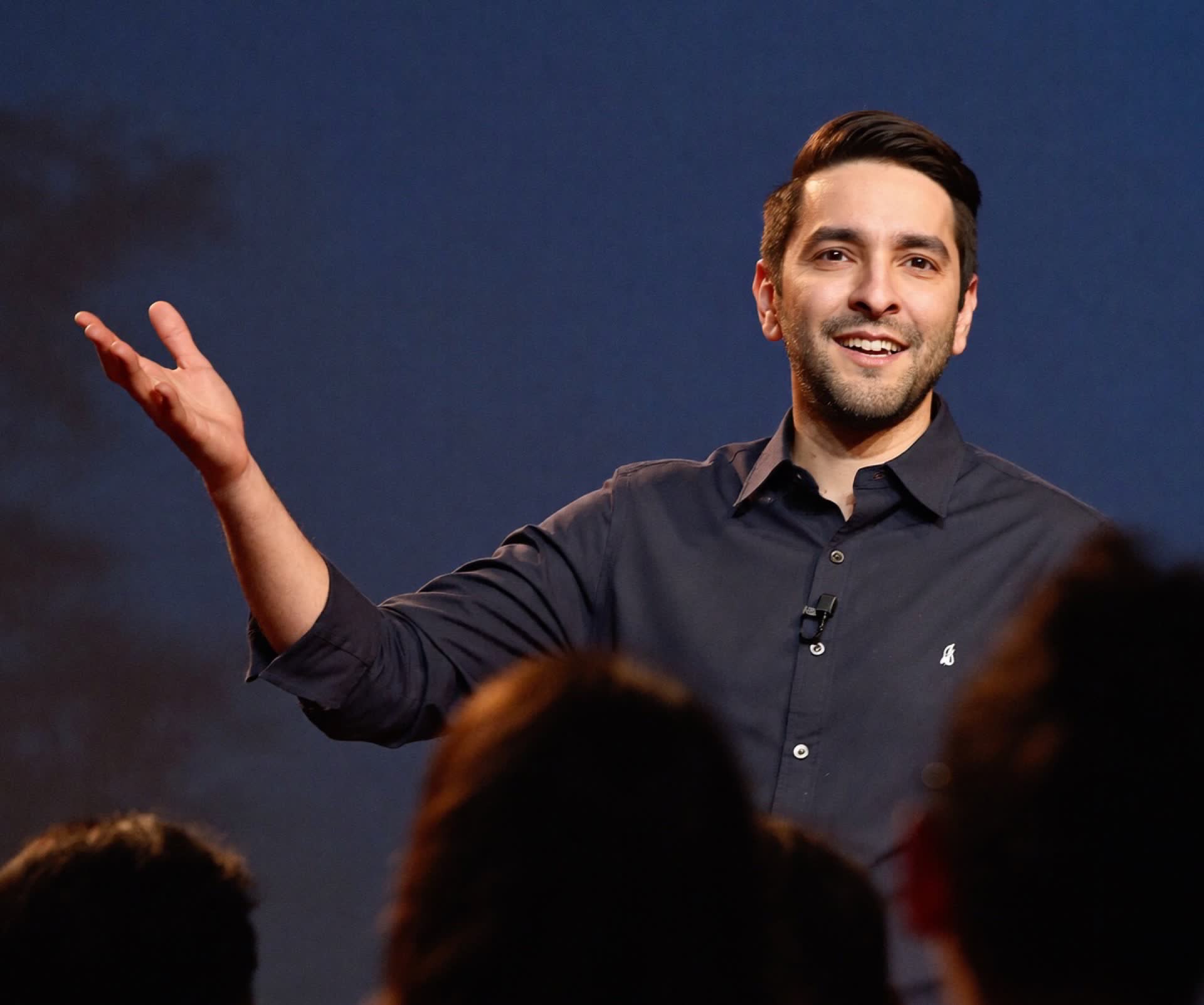
Laeeq Ahmad returns to Thought Behind Things to break down why ordinary Pakistanis aren't investing — and how the government's own borrowing makes it rational for banks to ignore small businesses, why brokers won't guide you, and what a working investment platform should actually do.
with Laeeq Ahmad
12 min read
A returning guest, and a developer who quit
The episode opens with Muzamil welcoming Laeeq Ahmad back to the show without a long re-introduction — listeners who missed the first conversation can find it linked, and the host wants to move straight into substance. Before they do, Laeeq surfaces a small story that frames the entire hour.
After his last appearance, a developer at his office walked up to him and said it was the first time he had genuinely understood why investment matters. Laeeq had been telling the same engineer to start investing for months without traction. The podcast did what the in-person nudge could not. The twist: the same developer resigned shortly after. “He just resigned,” Laeeq says. “Maybe he thought he’d cut more expenses and invest more aggressively.” It is a small moment, but it sets the register for what follows — that the gap between knowing you should invest and being structurally able to is wide, and most of the conversation will sit inside that gap.
Muzamil uses the opening to declare his intent. Previous investing episodes have gone deep into specifics. This one, he wants, should sit at the macro level — the basic concept of why a Pakistani would invest at all, when the country’s habit is to keep cash in a box.
The IPL ad that doesn’t exist on Pakistani TV
Laeeq’s first move is comparative. Last year, watching the IPL on an Indian channel, he noticed something. Between overs, aggressively, the channel was running investment ads. Sachin Tendulkar. M.S. Dhoni. The current playing eleven. Each one telling viewers to put money into mutual funds, into specific instruments, into the market.
He turned the question on himself. When was the last time he had seen a Pakistani celebrity endorse an investment product on television? The only category that came to mind was real estate — a Shahid Afridi-fronted apartment, a Bahria flat, a two-bedroom for a crore. Beyond housing, there is no ad. There is no Babar Azam telling you to open a stock account.
The absence is not an accident, and decoding it is the spine of the next twenty minutes.
The budget, the debt, and why no one will tell you to invest
Laeeq walks through the latest federal budget the way an analyst would, but he keeps the numbers simple enough to follow without a spreadsheet. Of every hundred rupees the government plans to spend, twenty-seven are deficit — money that is not coming in and will be borrowed. Debt repayment alone consumes a third of the budget. Defence is one-third of that debt repayment line. Subsidies and pensions together exceed defence. Provinces take their share. Development — the line item that would actually build something — is reduced to roughly eleven rupees out of a hundred.
“If we didn’t have this debt,” he says, “we would be doing three times the development we’re doing now.”
The next step is the one most discussions skip. Where does that borrowing come from? Sixty percent of the government’s debt is raised from local creditors. Local creditors means local banks. And local banks are full of ordinary people’s deposits. The circle closes: the revenue the government collects is coming out of citizens’ pockets through direct and indirect taxes; the shortfall is being filled by those same citizens’ savings, routed through the banking system.
This is why, in Laeeq’s reading, no one tells the average Pakistani to invest. The banks are already getting a safe, government-backed return on the depositor’s money. There is no commercial reason to push that depositor into a higher-yielding instrument, and there is no political reason for the government to compete with itself for retail capital.
Muzamil makes the lived version of the same point. He has banked with the same institution for eighteen years without a single default. He tried to take a loan against that record and was told to produce thirty-six documents and mortgage property. “If I want to scale, I don’t have anywhere to go to raise money,” he says. The system is not designed for him.
Why the big businesses aren’t listing either
The investment vacuum runs in both directions. Laeeq points out that the Pakistan Stock Exchange has only around five to six hundred listed companies. India has more than six and a half thousand. India’s investment-to-GDP ratio sits above seventy-five percent; Pakistan’s is around fifteen.
The number of active investors in Pakistan is, on his count, somewhere between thirty-five and forty thousand. Official figures cite two to two-and-a-half lakh, but accounts are being abandoned every month. The names you would expect — TPL, Shan Foods — are publicly resisting the idea of listing. Their argument is that the valuation they would receive does not match the value they have already built privately.
Then he names the institutional failure. The Pakistan Stock Exchange itself goes to universities to recruit retail investors. A graduate who has spent lakhs of rupees on a degree is being asked to take guidance from the exchange’s own promotional team — not from a fiduciary, not from an advisor. Meanwhile the next ad they see is real estate. Even the Pakistani cricket team’s shirt carries a real estate sponsor on the back. “Why has no investment company knocked on that door?” he asks. The architecture of attention is captured.
Why the bank doesn’t want to lend to small business
Muzamil pivots the lens to small business borrowing. He notes that when he raises capital himself, he is distributing equity — accepting that he gives up part of the upside. The banking system offers the opposite arrangement: the bank assumes none of the risk, demands collateral, and still charges a hefty monthly payment regardless of the business’s performance.
Laeeq is direct about who that arrangement excludes. “Imagine how many small businesses could have gone from one stage to the next with that forty-five billion.” Instead, the rules are written so that almost any application can be rejected on a technicality. Local startups have started to see VC interest, he allows, but a local bank or local investor backing a small business “because it’s a good business” remains rare.
The five-year saving story he tells lands the point. A relative of his put one lakh into a bank product five years ago. The total return after five years was thirty-nine thousand rupees — less than six percent annualised, in an economy where interest rates touched fourteen percent during the same window. And then, because the relative was a non-filer, ten thousand of that thirty-nine thousand was deducted as tax. The same money, parked in a money market mutual fund, would have earned a tax credit instead of a tax bill.
What the mutual fund tax credit actually does
This is the most actionable section of the conversation. Laeeq walks through the mechanics without softening them.
A saving account at a bank pays low single-digit returns and incurs withholding tax on the interest. A money market or mutual fund investment, structured correctly, generates a tax credit. The credit can be substantial. On a one-lakh annual tax bill, parking a defined amount in a qualifying mutual fund can erase up to twenty thousand of that tax. Combining a mutual fund position with a pension fund contribution stacks another twenty percent of relief.
His framing is sharp: the wealthy do not get wealthy by paying full tax. They get wealthy by understanding loopholes — legal, codified, intended-by-the-statute loopholes — and by routing capital through them. Ordinary Pakistanis treat mutual funds as exotic or untrustworthy, and pay the higher effective tax rate as a result of that hesitation.
The forty thousand versus the ninety-eight million
When Muzamil pushes on the question of scale, Laeeq supplies a single comparison that does most of the work. Pakistan has roughly forty thousand active stock market participants. It has, he estimates, ninety-eight million mobile banking users. The retail investing market is not small because Pakistanis cannot pay — it is small because the on-ramp is broken and the marketing is pointed at the wrong audience.
He walks Muzamil through what it took him personally to open a brokerage account so that he could integrate it into his own platform. Four weeks. Salary slip, six-month bank statement (later softened to three), national identity card copy, and proof of a linked bank account. If you do not already have a bank account, you cannot start. The Roshan Digital Account programme, he notes, brought ten thousand new stock investors online in a single year — a meaningful jump, but still a tiny fraction of the addressable base.
The diagnosis is simple. Brokers are not the right people to onboard a retail saver, because their revenue model is transaction volume. “The brokerage’s interest is not that Muzamil’s one lakh sits there for five years. The brokerage’s interest is that Muzamil does ten transactions a month.”
Following the smart money instead of reading the financials
Later in the discussion, Laeeq describes the thesis behind the platform he is building. It begins with an observation about who actually understands the market in real time. Mutual funds, he argues, are the smart money in the Pakistani context — they have the analysts, they have the discipline, and crucially they publish their top ten holdings every month.
So he asked a simple question: if you blindly invested wherever the best-performing mutual funds were taking new positions, what would happen? He singled out AKD Opportunity Fund and Golden Arrow Stock Fund — both of which returned more than a hundred percent over the prior year — and tracked a position one of them opened in March. He bought at the prevailing price. The next monthly report showed the fund still held the position. He held too. The first month gave him a six percent paper loss; he stayed in, on the logic that the professionals were still in.
That observation is now a product. His platform rates mutual funds across one-day, seven-day, one-month, one-year, five-year and ten-year horizons. It cross-references holdings with the Pakistan Stock Exchange, so a retail user can click on a listed company and see every fund that owns it. It shows expense ratios, fund manager reports, peer comparisons, and fundamental graphs. The pitch is not that the user becomes an analyst — the pitch is that the user can see which analysts are already convinced.
What Muzamil should actually do with ten thousand rupees
Near the end, Muzamil asks the question the audience has been waiting for. He has ten thousand rupees a month to save. His bank does not pitch him on mutual funds. He does not want to read financial statements himself. What does he do?
Laeeq’s answer is layered. An ETF, he explains, is functionally a mutual fund with a lower cost structure — convenient, but it does not carry the same tax rebate. So for someone whose primary lever is tax efficiency, a mutual fund still wins. He recommends specifically considering shariah-compliant ETFs that auto-rebalance their holdings when a company falls out of compliance, so the user does not need to monitor it themselves. The Meezan ETF he mentioned in the prior episode, he notes, had announced a 1.25 rupee dividend on an eleven-rupee price — roughly an eleven percent yield in three months.
Then he closes the loop on why all of this matters now. Local currency in circulation grew from sixteen trillion rupees in 2018 to twenty-three trillion in 2021 — a forty-four percent expansion in three years. That money went somewhere. It went to the people with financial access, who could borrow against it and deploy it into expansion. Everyone without that access experienced the other side of the same equation: a roughly fifteen percent annual depreciation in the value of their cash. “People need to understand,” he says, “how to place their money so that over the long term it can retain its value.”
Crypto, training, and what poverty alleviation actually requires
By the end of the conversation, Laeeq has zoomed back out. A recent report has placed Pakistan in the top ten countries for crypto activity. He treats this as a warning sign, not a celebration. Crypto is a small, volatile market that can move twenty-five percent in an hour. He puts the ceiling at five percent of any portfolio. The overnight-rich narrative, he says, masks the people who blew themselves up on the third trade.
He returns to poverty alleviation with the same realism. The state hands out fourteen hundred rupees, sixteen hundred rupees through the Ehsaas programme. “How can you expect someone to come out of poverty on that?” he asks. The only durable exit, in his framing, is investment literacy delivered through trained operators — not YouTube clips, not influencer threads, but structured training that a person pays for and completes. He is running a cohort now and intends to share the results publicly.
Muzamil closes at the fifty-minute mark, promising listeners that the platform and the training are worth their time, and routing the channel’s usual JazzCash and EasyPaisa donation pointer at the end. The argument the two of them have built, though, is the part that lingers. Pakistan does not have a savings problem. It has a structural problem in which the largest borrower in the room is the state, the banks are too comfortable to compete for retail capital, the brokers are paid to churn rather than guide, and the citizen is left choosing between a depreciating rupee in a box and a financial system that does not seem to be designed for them. Until that changes, knowing you should invest and being able to invest will continue to be two different things.
Full transcript
स्नामिक होती नार साहब welcome back to another episode of thought behind things. आज हमारे मौजूद साथ हैं. एक ऐसे मेहमाजू पहले भी आ चुके हैं. उनको मैं आपको बड़ा लंबा चौड़ा integration नहीं करूंगा. अगर आपने इनकी episode देखी है पहले वाली तो you know it's just gonna pop up is gonna appear so you can go check that out. But like अहमद साहब हमारे साथ मौजूद हैं.
कैसा feedback वगैरह आया था. So I think कि अभी भी people are watching that episode and coming to me for some sort of suggestion और मैं मेरे ख्याल में काफी आपके साथ share भी करता रहता हूँ. UK से message आया है, Australia से message आया है. काफी जगह से message आया One of the एक जो बहुत ही मेरे लिए एक ज़बरदस्त चीज़ थी कि I was just sitting in office और एक developer मेरे पास आया. अच्छा. कि sir मैंने पहली दफा आप मुझे समझ आइए कि मुझे investment क्यों ज़रूरी है ना? Right. And I just texted you as well कि यार यह when I when I when he was developing an app and I was telling him यार यह right time invest कर दो, कर दो. He was not convinced but I think जो last time हमारी conversation हुई थी काफ़ी major impact उस पर भी आया था. Unfortunately he is no longer with us. Right. So, तो he just resigned. So, but I hope he Maybe आपने investment से कहा गया ना उसको. So he तोड़ गया कि कहीं ज़्यादा पैसे ख़र्च के बाद ज़्यादा अच्छा invest कर दूं but I think, I think, I think you yourself you are doing such a good job. I believe कि इस quarter के अंदर यह कोई चौथी पांचवी दफ़ा आपसे investment पर focused है which I believe दोवान is doing. So this is one of the grave issue in Pakistan. Yeah. And I think you are doing a great job. Thank you, thank you so much. मुझे यह बताएं कि आपने बड़ी interesting बात बोली कि investment बड़ी important चीज़ है और investment ज़्यादातर लोग नहीं कर रहे and I want to have that sort of macro understanding
क्योंकि मैं मैं बड़ी है मैंने episodes किए हैं लेकिन उसमें ज़ाहिर हम specifics में भी घुस गए और जो जो मेरी general audience है उनको यह concept समझाना बड़ी basic सी चीज़ है ना लोगों को लगता शायद यह मेरे interest की नहीं है but यह सबके interest की चीज़ है. बिल्कुल. पैसा सबने कमाना है eventually जाकर और उस पैसे को जैसे कहते हैं grow कराना. पाकिस्तानी economy के अंदर unfortunately हम यह देखते हैं कि यह चीज़ हम नहीं निकाल पा रहे. Overall economy में भी नहीं निकाल पा रहे. Overall निज़ाम में भी चाहे you know stocks हो जाएं, चाहे कुछ हो जाएं. हम संदूकों में पैसा बंद रखेंगे. तो
थोड़ा सा अगर मुझे economy का आप, you know, outlook दे पाएं. अच्छा, इससे जाने से पहले ना मैं अब तक एक experience share कर दूं. Last year मैंने India का एक channel देखा जहां पर वह ना IPL show करा रहे थे, ठीक है? Right. During the match after each hour, ठीक है? Aggressively they were showing ads of investment. अच्छा. उनकी पूरी team, सचिन तडुलकर, MS धोनी, everyone current playing team, everyone is coming during the ads and telling different peoples कि यार आप investment करो, आप mutual fund पर invest करो, आप इधर invest करो, आप उधर invest करो. Right. Then I thought कि यार हमारी माश्रे में हमारे television पर, when was the last time you saw any ad like this? Any celebrity coming on TV and basically endorsing someone कि यार आपको यहां पर invest करना चाहिए apart from कभी real estate के ऊपर में हां मैं मेरे दिमाग exactly कोई idea था कि बस same मकान में शायद अफरीदी वह flat तो बिल्कुल. मारा खान is going कि यार यह देखो दो bedroom का पता दिक्कत है करोड़ का कारे वह आप ले लो. But then I realize कि मैं मैंने फिर इसको decode किया है एक लिहाज से कि यार यह क्यों नहीं कर रहे ना हम हमें क्या मतलब so उसके लिए ना I think आपको ना अपने मोल की जो मेशियत है या अपना जो निज़ाम है उसको समझने की ज़रूरत है. So मैंने अभी recently जो budget announce हुआ उसके statistics मैंने उठाए और I thought कि यह भी एक reason हो सकता है क्यों क्यों नहीं हम लोगों को कहते हैं कि आप invest ना करो. हम देखते भी नहीं हैं. तो मैंने बड़ा ही simplify करके ना उसको थोड़ा सा किया है कि for example आपका जो total revenue जो इस्तफा आपने announce किया है हमारे पास आएगा कितना deficit आपका कह दिया 27 rupees. 27 का हां. So that be 27% का पैसे हमारे पास है ही दी और हमने already कह दिया कि हम यह ना और करेंगे खर्च करेंगे लेकिन हम और कर्जा लेंगे ताकि हम ठीक है? हां. So defense is one third of the debt repayment जो कि old आपके पास burden आ चुका है. Right. ठीक है? और काफी दफा हम शायद government का मज़ाक भी उड़ाते हैं कि यार यह क्यों हर दफा burden burden इस तरह की बात करते हैं लेकिन यह fact है. आपके पास जो पिछले कर्जे इतने चढ़ गए हैं जिसको आपने repay करना है. ठीक है? अच्छा इसी तरह subsidiary defense से भी ज़्यादा आप subsidiary और pensions में दे रहे हैं. Pension एक next big thing है जो Pakistan में bubble up हो रही है. बिल्कुल ऐसे ही. You need to fix that as well. तो pension पर आप साढ़े अठारह रुपए खर्च कर रहे हैं. ठीक है? अगर आप नीचे जाते हैं अट्ठाईस रुपए which is again less than the debt repayment आप provinces दे रहे हैं जिस पर हमारी सारी provinces अट्ठाईस को रुपए की total payment है provinces को और रहेश है जो ग्यारह रुपए रह गया है वह development है जो कि federal वगैरह जिस पर कराची में भी देख लिया यह कर दिया यह कर दिया यह ग्यारह रुपए में करते हैं. Right. तो अगर तो for example हमारा debt ना होता. Right. पिछला debt में. Three times development कर रहे होते हमारे पास three time development के थे. अभी जो athletes था माशाला जो fifth number पर आया था लाभीप के नाम से. 60% of the payment जो debt इन्होंने raise करना है वह local creditor से करना है. Local creditors में आपके पास local banks आ गया है. ठीक है. अब local banks के अंदर किसका पैसा पड़ा हुआ है? आम वाम का पैसा पड़ा हुआ है. हमारा पैसा पड़ा हुआ है. अब यह circle बुला समझे कि जो revenue generate कर रही है government वह किसकी जेब से जा रहे हैं? By direct taxes और indirect taxes आम आवाम से. ठीक है. जो shortfall पड़ा है उसको पूरा आप maximum कहां से कर रहे हैं? Local creditor से. वहां किसका पैसा पड़ा हुआ है? जिसरा अभी recently आपने भी tweet की थी एक आपको loan नहीं मिला. बिल्कुल. क्यों नहीं मिलता loan? ठीक है? इसकी भी यह major reason है. भाई आपके पास एक safe avenue पड़वा है government जो आपसे loan ले रही है और आपको अच्छा खासा पैसा दे रही है. आपको छह रुपए छह percent आगे लोगों को दे दें. बाकी का आपका profit है. बिल्कुल. Without taking any risk why anyone should pay मुज़मिल loan when they are already getting fair return from government with no attention. अभी उन बचारों ने high school को थोड़ा दिया और वह फिर पैसे लग गया पैंतालीस billion का यह पचपन billion का. ठीक है? So अब मुझे समझ आती है कि government क्यों नहीं आपको कहती था कि आप investment करें. Private sector को तो वैसे भी available है ही नहीं. आप अगर मैंने last year एक बहुत बड़े bank से refinance में apply किया था and the type of stupid question I got from bank मुझे समझ आ गई थी कि उन्होंने नहीं देना. हालांकि वह subsidized था government की तरफ से. हां. जहां पर you need to take loan from them or not. एक पूरा process छह महीने का चलता है और सातवें महीने आपको पता चलता है भाई आपको दे देना आपने. ठीक है? Mhmm. और यह circle चल रहा है. जब तक आपका debt clear नहीं होगा हमारा मुल्क बेहतर तरीके से नहीं और debt से हमने निकलना है. तो किसी भी economy में अगर हमने debt cycle से निकलकर हमने sustainable side पर जाना है तो what's the way for it? Already जो यह काम कर रहे हैं I think automation जिस तरह यह different retailers को अपने साथ लेकर आ रहे हैं. Problem Pakistan में क्या है ना जब भी यह tax expansion की बात करते हैं यहां पर हड़तालें start हो जाती है. आपके lockdown start हो जाते हैं, दुकानें बंद हो जाती है. कितनी दफ़ा इस्लाम बाद में हफ़्ता हफ़्ता पांच minute से ऊपर पर आपको tax चाहिए. तो यह कोई इस तरह की चीज़ दी है. So we need to realize as a businessman as well while we are not giving taxes indirectly we are already affected by all the implications जो कि budget के अंदर हमारे पर आती हैं. Decrease your expenses. Right. Shortfall आपको कम करना चाहिए और again उस उन चीज़ों को हमें budget में development का हिस्सा बनाना चाहिए जिससे हमें कुछ return भी मिले. Right. अब for example इस्लामाबाद के अंदर metro bus बांध गई है. ठीक है? कितने लोग इसमें commute करते हैं? How much we have basically invested in this metro bus और उसका मुझे और आपको benefit क्या है? हमने तो शायद अभी दो तीन तफ़ा वैसे भी एक किस्म का अच्छी चीज़ बनाई है तो बैठ गया two thousand five six के अंदर ना वारान बस एक चलती थी. बिल्कुल. और पूरा पिटा बड़ी साल और बड़ा बंदा cover करती थी. बिल्कुल बड़ा बंदा travel करता था. मैं secretariat से एक दफा U park तक गया ग्यारह रुपए में. Scale three में मैं daily
तीन से. हां. अठारह साल हो गए almost. अठारह साल से एक दफ़ा जो मैंने default किया हो. हां. Right? और मैं बड़ी अच्छी उसकी payments कर रहा तो उसका मतलब है कि मेरे मुझे बड़े आराम से मुझे ज़्यादा ख़पनी आनी चाहिए. मुझे छत्तीस documents जमा करानी है. हां. मुझे you know पता नहीं क्या क्या कुछ mortgage करा करके फिर it's a tiresome process. हां. And so if I want to scale I don't have anywhere to go to the market where I can raise money
overall एक फुकतान है हमारी society के लिए. अच्छा problem यह भी है ना जिस ना for example एक side पे तो हम देख रहे हैं Pakistan में लोग investment नहीं कर रहे हैं. उसका drop back क्या है कि जो बड़े बड़े businesses हैं वह भी नहीं आ रहे हैं, ठीक है? For example अगर आप देख लो कि बड़ी बड़ी जो अभी Pakistan के अंदर सिर्फ़ पांच सौ के छह सौ listed companies हैं. India के अंदर छह पांच हज़ार से ऊपर listed companies हैं. India का GDP to जो investment का ratio है it's more than 75%. Pakistan का 15% है. Pakistan के अंदर total लोग जो invest कर रहे हैं इस time पर वह 35 to 40,000 है. कहते हैं हम दो ढाई लाख है लेकिन हर महीने पर आपके लोग छोड़कर जा रहे हैं. हां. क्यों छोड़कर जा रहे हैं? Guidance नहीं मिल रही, आप देख लें saver food है. Right. They they are not trying to list themselves because they don't find any value. उनका माशाला already business चल रहा है. हां. इस तरह हमने news देखी टपाल वाले नहीं आना चाह रहे हैं, ठीक इस तरह आप देख लें शान foods नहीं आना चाह रहे हैं. अब मैं ऐसे जब मैं stock exchange को देखता हूं तो मैं उसको business opportunity समझकर देखता हूं. ठीक है? और business opportunity किस तरह? यानी for example मैंने restaurant का business करना है और अगर saver foods restaurant stock exchange पर list होने जा रहे हैं, कि ठीक उनका valuation दूसरा नहीं मिलती है जितना उन्होंने business पर invest किया होता है. तो यह एक बहुत बड़ा flow है जो I think दोनों side से है. ना वह आ रहे हैं ना हम यहां से कोई push कर रहे हैं और जहां पर stakeholders हैं Pakistan stock exchange. I see them going to universities. University बेचारा लाखों रुपया लगाकर बंदा graduate होता है. आप उनको lecture जाकर देखिए stock exchange is there, stock exchange is that. They are not the right people to basically guide कि यार आप stock exchange में आए. क्योंकि दूसरा ad आपका real estate कहीं आ रहा है. पाक्षाणी team के p shirt भी t shirt के पीछे भी अभी real estate का ही एक बधक हुई है. क्यों कोई investment company नहीं उसको अपना doors करती किसी को बताती है यार आप आकर हमारी तरफ़ से वह करो. ठीक है? तो यह मेरे ख़याल में structural fraud है country के अंदर. आप यह देखिए जितने rates हैं तो उन्हें saving account में दिए हुए हैं. क्यों government इतना encourage करती है कि आप पैसे रखें कि invest ना करें? हां हां. और उसका indirectly impact government को किस तरह होता है? दे businesses पर
और मैं अपना stake distribute कर रहा हूं. हां. Banking निज़ाम में क्या हो रहा है कि मैं stake कोई भी नहीं दे रहा. हां. Bank अपना risk completely mitigate कर रहा हां. मैं full
100% risk ले रहा हूं. हां. और मैं उसके ऊपर हर महीने की जो payment है उसके ऊपर एक hefty amount pay कर रहा हूं irrespective situation. और आपको तब तक लौती मिलेगा जब तक आप collateral कोई दे देंगे. तब तक collateral नहीं दे है. और collateral is there risk के जो करता और मुझे नहीं समझ आती कि वह collateral किधर था है school के चक्कर में. हां वही exactly. हम जैसे लोगों के पीछे भाई आपकी property ऐसी हो रही चाहिए तो आप आपको देंगे. पैंतालीस अरब में आप सोचें कितने small businesses कहां से कहां निकलते कहां पहुंच सकते थे? और यह जो flaw यह I think कुछ चीज़ें अभी भी हमारे मुल्क में नहीं सही एक से लिहा से है क्योंकि हम businesses को encourage ही नहीं करते हैं, ठीक है? Right. अब हमारा जो startup है अब तो थोड़ा buyer से VCs वगैरह की तरह से थोड़ा interest develop हुआ है but when was the last time कि कोई local investor या local bank या कोई इसी ने support किया यार यह business को हम support करते हैं. We think this is good. वह traditional SOPs उन्होंने बनाई हुई है. They ensure each and every pit किसी तरह हम इसको reject ही कर दे. कहां कहां से हम इसको जब उन्होंने मश्रा लेना होता है कि sir मेरे पास दस लाख रुपया है, मैं क्यों करा? ठीक है? वह जी छड़ दो आगे पीछे पांच साल का लिया आप इसको invest कर दो. पांच साल पर हम आपको इतना देंगे. One of my relative basically invested one hundred thousand five years ago. पता है कितना return उनको मिला पांच साल बाद. एक लाख के ऊपर उनको मिला 39,000. उस पर bank ने कहा कि यह 39,000 शायद वह non filer थे, आपका दस हज़ार रुपया tax करता है. Right. एक लाख पर उनको नतीस हज़ार मिला पांच साल में.
Less than five per time?
Percent. छह percent और यह देखें कि इस in between चौदह percent भी आपको interest rate लोग देते रहे हैं. हाँ. So, I thought कि यार यह अब लोगों को taxes की भी समझ दी जाती है वही money market fund mutual fund में भी available है. हां. इस वाले saving account bank में जो आप ऐसे रख रहे हैं इस पर आपको tax के ऊपर deduction होगी. हां. उस money market fund जो आप mutual fund में invest कर रहे हैं उसके ऊपर आपको tax tax credit मिलता है. हां. और वह सिर्फ अच्छा दो किस्म की investment है mutual fund के अंदर. एक तो normal mutual fund की investment है उसमें up to 20% आपको तो मिलता ही है. Right. For example आपकी एक साल की जो tax कटता है वह एक लाख रुपया है. हां. तो 20,000 आपका tax नहीं कटेगा अगर आप specific amount mutual fund में invest करके रखें. Right. और 20% और भी आपको benefit मिल सकता है. अगर आप pension fund को भी maintain करें. ठीक है? तो objective क्या है ना कि आप एक जगह पर tax भी दे रहे हैं और return भी नहीं मिल रहा है. हां. और एक जगह पर आपको tax credit भी मिल रहा है. बड़े बड़े जो लोग है ना वह tax credit या tax से loop holes निकालकर ही benefit लेते हैं. हां हां. और हम अभी भी उस उस पर चली चल रही है कि यार यह mutual fund भी कोई सही चीज़ दी है. हालांकि mutual fund में तीनों type के risk
taxation को समझ लें वह automatically beneficial उनके लिए भी हो ही जाएगा. बिल्कुल ऐसा ही है. Like भाई इसमें ना there is a strong correlation with investment in any society as well as like investment in poverty, right? Because low investment societies में आपको नज़र आता है कि poverty बहुत ज़्यादा होती है. आपके लोग जो हैं उनके हालात social mobility बड़ी थोड़ी कम होती है. How do you see both of these things in terms of कि you know अब आप देख रहे हैं markets खुल रही हैं. You know I know that your startup is actively working on this as well. And I know for a fact कि बल्कि as a matter of fact poverty बजाने से पहले I think one of the things that I'd I'd love to talk to you about is मैंने पिछले दिनों I believe आर्फ़ Habib investments को call की and I talked to them and I said listen like I wanna start a you know get invest. So what what do I do? I think वह sales का बंदा था उनका और उसने कहा जी कितने डालेंगे? And and that I find quite fascinating because अगर मैं macro पर देखूं तो एक लाख बंदा जो पचास हज़ार डाल रहा है ना आप सिर्फ़ numbers multiply कर लें देख कितना बड़ा fund वन जाता है. Similarly हमारे यहां bankers bankers का भी यही है. वह hash call पर क्यों करते क्योंकि यार एक आपकी जो top elite है जिसका पैसा basically आप घुमा रहे हैं सारे. जितने भी money managers हैं वह सारे elite और upper middle को target करके बैठे हुए हैं. Middle class बेचारी बैठी हुई है कह रही महीने का मैं दस हज़ार रुपए बचाती हूं मैं उसमें से
क्यों हमारे लोग अभी भी छोड़कर जा रहे हैं? क्यों direction less है? जो लोग उनको direction दे रहे हैं उनके stakes different हैं. Mhmm. इस चीज़ को समझा दिया का बिल्कुल simple तरीका है, ठीक है? कि for example अगर आपने एक एक किसी भी broker के पास एक लाख रुपया invest किया आप long term vision के साथ आ रहे हैं यार यह company है मैंने इस पर invest कराया मैं पांच साल बाद आप broker का आप पर कोई interest ही नहीं है. हां. जब वह allocate करते हैं कि यार यह broker आपके साथ है. हां. अच्छा broker का benefit आपको support के perspective से होता चाहिए. दासिर्फ कि वह investment decision आपको दे. Right. हमारी market में आजकल क्या चल रहा है? जितनी भी blue chip companies है सारी बैठी हुई है. हाँ. जितनी भी small accounts यह brokers आपके जो ad आपको लगता है कि यह हमारे investment advisors हैं. उनकी कोई qualification नहीं है इस चीज़ की. They are there to help you. In terms of कि आपके money में कोई मसला आ रहा है, trading में issue आ रहा है वह आपको help कर सके. If you start asking them कि sir मैं क्या लूं? तो मैं यह पहले बता दूं brokerage का interest किधर है? Brokerage brokerage का interest यह है कि मुज़मिल का एक लाख रुपया पांच साल के लिए एक लाख रुपया ना रहे. हां. वह एक महीने के अंदर दस दफा तो वह कोई transaction करे. करें. भाई government क्या करें? Government के पास पैसे ही दिए हैं. हां. तो अब मैं उस चीज़ को अगर मैं decode करूं कि जो financial awareness की बात हम कर रहे थे, ठीक है कि यार यहां पर ना हमें लगता है कि क्योंकि हमें real estate पर ही invest करना या ये बेहतर कमा रहे होंगे. बहुत minimal ले रहे होंगे. लेकिन इन्होंने क्या करना था? इन्होंने साल के अंदर अगर दस हज़ार भी save किया होता, ठीक है? और वो invest कर दिया होता है, ठीक है? इतनी financial awareness होती कि वो invest करते, ठीक है? Right. सिर्फ यह देखता है क्या वह वाकई company सही जा रही है, नहीं जा रही है. अगर जा रही है तो let it go. यह price movement होती रहती है. Right. कभी कभी price नीचे मिलेगी, कभी आपको ऊपर मिलेगी. अगर तो आप strategically month by month invest करें फिर तो it doesn't matter at what rate you are buying companies. Last time मैंने जैसे बात की थी यार मिजान ETF ले लो. पता है आपको मिजान ETF ने कितना dividend announce किया 1.25 rupees. जब मैं आया था last time वह ग्यारह रुपए का trade हो रहा था. ठीक है? तो ग्यारह percent आपको तीन महीने के अंदर dividend दे दिया एक जब हम poverty की बात करते हैं ना आप जिस तरह वज़ीराज़म साफ़ करना है सास program भी है. Right. और you can basically take people out of poverty. Right. बारह सौ रुपए या चौदह सौ रुपए या सोलह सौ रुपए देकर how you can expect people to get out of poverty. ठीक है? मेरे ख़याल में जब तक आप आम आवाम को यहां पर यह नहीं सिखाएंगे कि आपने investment करनी है. Investment is the only way to get out of poverty. ठीक है? Mhmm. तब तक आप अपनी जो भी गुर्बत है उससे नहीं निकल सकते. अब problem मैं आपको बताता हूं आती का है. आप जाते हैं broker के पास sir मैंने account खोल रहा है. Mhmm. सबसे पहले अब तो ख़ैर digitally कर दिए लेकिन वह भी अभी कोई इतना नहीं है कि effective उस लिहाज से. वह कहते हैं जी आप यह यह bank salary statement लाए, यह statement लाए. अगर आप wife हैं तो husband की dependency का certificate लाए. अगर तो आप यह हैं तो आप यह dependency लाए और यह ना bank bank के साथ आपकी यह details होती चाहिए. अच्छा sir मेरा bank account नहीं है. अच्छा पहले bank account खोलें.
ठीक है I have been so busy I have to go to you know it's like seven to eight kilometers away. मुझे time नहीं मिल रहा कि मैं जा सकूं. हां. उन्होंने डाला कि जी COVID के time के ऊपर ना digital transformation और बड़ी मुझे emails भेजेंगी चीज़ और हमने सब digitize कर दिए.
होती है तो मैं start करूं तो I have already got very good plans जो है चला next episode में आऊंगा ना उस तक का मैं बताऊंगा. लेकिन unfortunately मैंने मेरा मेरा already ना एक plan था कि यार मुझे लोग कहते थे यार हम जो portfolio के अंदर investment कर रहे हैं so difficult यार हम पहले stock broker पर app पर जाकर करते हैं फिर हम इधर आकर manually पहुंच करते हैं. Is it possible कि हम ना automatically इसमें आ जाए? हां. मैंने कहा यार ना हम US में रह रहे हैं, ना मैं Robin Wood हूं, ना मेरे पास कोई API available है. मैं उसके ऊपर security security सारी कर लूंगा वह कर लूंगा. For four weeks I basically try to open my own account. I was not able to open my account. अब मैं अगर तो कर लेता smoothly तो मैं अपने platform के साथ integrate कर देता यार. आप ते account भी खोल रहे हैं account इधर खोलो. यह manually आपके साथ है आप automate कर देंगे या कर लेंगे. मैं सोच रहा था यार अगर मैं for example यह automate कर भी लेता हूं. हां. और एक user को कहता हूं यार उधर account खोलो और user को भी चार हफ्ते लगते हैं account खोलने के लिए. किसी भी broker को select करें, online उनका form select करें. अगर तो पहली दफ़ा आप user हैं तो वह कोई tongue नहीं करते हैं, ठीक है? वह आपको automatically account खोल देते हैं provided काफ़ी documentation पूरी होती है. क्या क्या documents चाहिए होती हैं? Salary slip, bank statement, ID card की copy और bank जो account आपका जो created है यह तीन चार basic चीज़ है जो आपको चाहिए होंगे. Six months की bank statement? यह दो तीन महीने की है. मतलब bank statement इतनी relevant नहीं है तीन महीने की I think salary then we can see a significant impact on the user experience of people coming on to the stock exchange या investing directly into multiple assets from any platform. आपने यह कहा कि without actually going to a broker physically I can go to the NCCL website? नहीं नहीं नहीं. आप किसी भी brokerage की जाकर दे सकते हैं. You just need to fill in an online form. है? आप यह देखें कि रोशन digital account में पिछले एक साल के अंदर दस हज़ार लोगों ने stock exchange में account खिलवाए. अच्छा. दस हज़ार लोगों ने खिलवाए और हम अभी तक 35, 40,000 के अंदर ही है. Right. और वह भी point 2% यह I think पता नहीं कितने percent of the foreigners को अभी हमने target किया अभी तो कितने ज़्यादा लोग रहते हैं और. हां. ठीक है? हां. तो वह भी तो digitally ही onboard हो रहे हैं. उनके लिए भी कोई वह नहीं है. अब अच्छी चीज़ यह हो गई है ना कि they are not saying कि यार आप आगे ना biometric भी दें. Right. Because now they have linked this particular thing with your mobile phone. Mobile phone क्योंकि आपका already biometric enabled है. तो आप जब mobile phone देते तो SMS जो आता है वह एक किस्म की verification ही होगी है कि you don't need to come. लेकिन आप manually अगर खोलेंगे तो वह आपको जाना पड़ेगा फिर उनके पास. तो online में यह facilitation उन्होंने दे दी है. ठीक है? या through raising for expansion existing companies. अच्छा यह कब किस साल? यह पिछले एक साल की बात है. एक साल की है. एक साल में 56,000,000,000 रुपया इन्होंने इकट्ठा की है. Right. और यह कितने लोग हैं? चालीस हज़ार लोग और कुछ institutions हैं.
Imagine कितना उठा सकते हैं? 9,800,000
तो आपके mobile banking users हैं. सिर्फ़ चालीस हज़ार लोग आपके stock exchange भी listed हैं. So just imagine कि कितने ज़्यादा लोग अगर आऐंगे तो कितना valuable in terms of कई लोगों की valuation भी बनेगी. तो I hope कि यह चीज़ें काफ़ी smooth भी हो जाएंगी future के अंदर. Right,
मुझे थोड़ा सा यह बताएगा कि, you know, आपका platform मैं थोड़ा सा उसकी तरफ आऊंगा. So this is an easier way to sort of identify where the market is going, right? Like, mutual fund है जो expert है, जो सुबह शाम बैठकर देख रहा है. हां. वह किधर पैसा लगा रहे उससे आप बहुत चीज़ें सीख जाते हो. हां हां. So what was the thought behind that? अच्छा
अच्छा ना एक कुछ smart players होते हैं market के अंदर जो कि पहले ही economy को समझ जाते हैं कि direction क्या है और वह अपनी position उसी तरह set भी कर लेते हैं, ठीक है? One of them is mutual funds. Right. The good thing about mutual fund is कि ये हमारा अपना data monthly share करते हैं. Right. The top 10 holdings of their company जो भी इन्होंने portfolio में होता है ये अपना expose करते हैं कि यार हमने इस इस company में invest किया हुआ है. ठीक है. So I found it very interesting. मैंने october november से ये data लेना start किया है. I just wanted to see the flow of money कि ये flow एक तो हमें daily basis पे ना settlement की ratios आती हैं कि mutual fund ने buy किधर किया? Right. वो sector wise होती है. And which is the company where that particular fund is invested and then just blindly invest in that company and see what is the result. यह मेरा basic question था जिस पर मैंने पूरा यह platform build किया. तो मैंने identify किया AKD opportunity fund and golden arrow stock fund. यह दोनों AKD के funds थे. ठीक है. पिछले एक साल के अंदर 100% plus का return दिया उन्होंने. अच्छा. जी हम bitcoin bitcoin. Double कर रहे पैसा. उन्होंने already double कर दिया और they are exposing themselves कि हम कर क्या रहे हैं? अच्छा वह थोड़े हटकर हैं market से ना. सारे हैं ना वह बड़ी बड़ी companies के अंदर invest करके. Mutual fund के अपने भी regulations हैं और वह है इन लोगों का मैंने देखा यह थोड़ा risk लेते हैं और returns भी ज़्यादा है. तो मैंने एक company उठाई जिस पर उन्होंने recently ना March के अंदर position ली, ठीक है? मैंने जाकर blindly जिस rate पर मिल रहा था मैंने जाकर invest कर दिया, ठीक है? अगले April की monthly report आई उस company के अंदर उनका जो exposure था वह retained था. ठीक है. मैंने कहा that means they think कि यार यह अभी भी seen on है इसमें. मैंने रखा. अच्छा पहले दिन पहले महीना जब मैंने रखा तो मुझे ना 6% का loss हुआ. ठीक है? अब हम काम कैसे करें? हम कह रहे हैं what are the companies के जहां पर combined effect of mutual funds ज़्यादा आ रहा है, interest develop हो रहा है. तो आप the revenue wise या share wise देखोगे कि उस company अभी हम बाहर काम कर रहे hopefully में. लेकिन जब जहां पर वो dip लेते हैं mutual fund का interest हो रहा है आप exit ले लें. Right. तो यह भी एक तरीके कार है जिस पर आपको financial statement पढ़ने की ज़रूरत नहीं है. You just analyze कि आपके साथ मैंने ना काफी चीज़ें ठीक है? तो मैंने क्या कहा मैंने कहा यार अब मैंने proper platform के ऊपर ना mutual fund की rating start की. In terms of कि one day, seven day, one month, one year, five year, ten years कितना mutual fund आपको return दे रहा है? Right. And you can compare your fund with the other funds as well. Peer का comparison हम दे रहे हैं. Fund manager report हम दे रहे हैं. Mutual fund के ऊपर expense ratios कितनी वह करिए वह हम दे रहे हैं. Fund की holdings क्या है? हम दे रहे हैं. Different categories wise कौन सी mutual fund कितना अच्छा return दे रही है वह हम दे रहे हैं और यह cross है आपके stock exchange के साथ. यह जो high risk है वह stock exchange पर suppose है. आप वहां से click करके stock exchange पर भी जा सकते हैं कि इस company के अंदर किस किस funds ने invest किया हुआ है. अच्छा. अब PPL के अंदर जाए तो आपको सारे funds की listing आ जाएगी. Right. जब इतने सारे funds listed है, invested है तो आपको क्या tension रही है कि वह नीचे जा रहा है. They are basically doing their peer की comparison हम दे रहे हैं. Fund किस किस ने उस company में invest किया है? हम दे रहे हैं. Fundamentally किस company का कैसा result आ रहा है वह हम graphically दिखा रहे हैं कि आपको इतनी basic understanding होनी चाहिए? ठीक है? मैंने ना अभी एक auditor की report company पर बनाई ना अपनी company की. तो वह आए मेरे पास तो उनको उन्होंने कहा जी यह मैं आपका product देखा था तो यह मैंने कहा अच्छा sir हमारे office में ना काफ़ी लोगों ने hashCoal में invest किया हुआ है. Problem ही यह है Pakistan के अंदर कि information ही नहीं available, ठीक है? Information को किस तरह हमने लोगों को show कराना है ताकि उसको देकर बदला decision ले सके. तो यह हमारी effort है I think कि काफी लोग already इस पर information को use भी कर रहे हैं, ठीक है? और इसके ऊपर तो अभी तो यह बिल्कुल start है. आपके काफ़ी use cases हैं जो आप इस पर ना ऊपर बना भी सकते हैं. Right, makes sense.
बस, you know, we're at the fifty minute mark. So I'd like to sort of end this. But उसमें मुझे थोड़ा सा again उस पर guide कर दें. मैं कहता हूं यार मैंने महीने का दस हज़ार रुपया मैंने डालना है, saving. ठीक है? और मैंने investment base saving करनी है. मेरे पास options क्या हैं जी? मेरा जो अपना current bank है, वह bank जो है वह मुझे कोई offer नहीं करता रहता है कि सारा आप हमारे किसी investment में डाल दें, उसे investment में डाल दें, mutual funds में डाल दें. मेरे पास दूसरी option यह है कि मैं किसी broker firm brokerage के पास जाऊं और मैं जाकर वह करूं लेकिन मेरा alternate यह है कि मैं personally I don't want to go through the data and I don't निकाल भी लेते हैं ना आपके उसमें से profit में से. हां. तो मैं किस क्या what's the what's the optimized?
या देखिए ETF जो है ना ETF is just like a mutual fund. ठीक है. The cost of maintaining a mutual fund is high. ETF की कम है. The benefit of investing in mutual fund is different. You will get tax rebate. अगर तो tax के purpose से आप तो यह save करना है तो I would suggest कि आप ना थोड़ा mutual fund में भी invest करें till the time कि आपको benefit of taxation भी मिले. वह भी आपका एक किस्म का return नहीं है. Right. ठीक है? Non islamic काम कर रहे लेकिन वह debt के perspective से वह Industrial perspective से कहा से बैठते और वह yearly basis पर ना companies को exit भी देते हैं, entry भी करते हैं. लेकिन end ETFs का फ़ायदा यह है कि you don't need to worry about कि कौन सी company exit अगर तो non शरीरा complaint में भी चली जाती है तो यह automatically उसको readjust कर देते हैं, ठीक है? एक चीज़ मैं यहां पर बहुत important था जो मैं miss कर गया initially कि अभी ना कुछ लोगों को ना inflation का समझ नहीं आ रही है कि हो कैसे रही है, कर कैसे रहे हैं, समझ नहीं आती है वह. मैंने ना एक uh-uh simple सा एक देखा कि Pakistan में ना local currency कितनी print हुई है पिछले तीन साल में. Right. पिछले तीन साल के अंदर आपका जो पैसा जो आपने निकाला है वह आपने तकरीबन सोलह trillion था 2,018 में. ठीक है. जो circulation में था. ठीक है. और 2,021 में वह है 23,000,000,000,000. अच्छा. 44% increase in मरीज़ circulation in your local market. हाँ हाँ. Benefit अब यह जो पैसा ज़्यादा है यह किसके पास गया ना? यह एक question एक आम हो सकता है. हाँ. उसका देखिए जिस जिसके पास financial excess है आपको अगर loan मिल जाता तो यह additional money जो circulate हुई है वह आपको भी मिल सकती थी. काफी ज़्यादा seabed की companies expansion phase में bank से भी loan ले रही है. Bank ने grant भी कर दी है. हां. जिन जिनके पास financial access थी, उनको benefit हुआ है. आम वाम बेचारी पंद्रह percent on average per annum के ऊपर एक किस्सा Depreciate लगा हुआ हो गया पैसा. अब लोगों को यह again समझने की ज़रूरत है कि यार उन्होंने पैसे को कैसे किस जगह पर रखना है कि वह long term के ऊपर अपना पैसे की again value को retain कर सके. Right. इस पूरे process के लिए ना हमने एक training का पूरा हमने एक बनाया था. अभी माशालाब अभी एक recent report आई है कि crypto के अंदर ना हम top 10 countries में आ गए हैं जहां पर हम both active हैं. वह भी losses में हैं जो कि दस dollar दे भी रहे हैं. हां. लेकिन एक craze है एक overnight आपको rich होने का एक वह है. हां. एक trade आपकी successful होती है तीर trade जाती है बाद में पता चलता आप liquidate हो गए हो. हां. ठीक है? तो शाम server बहुत अच्छा काम कर रहे हैं, दुनिया नालाह ज़बरदस्त काम कर रहे हैं, उनका CBT को course भी बेहतरीन है. लेकिन एक unhidden sort of revenue जो एक हमारा पास है वह है investment का भी. Investment की services are so well regarded in the world, percentage रहता है. हिस्तान में किस चीज़ की कमी है कि जो पैसा बनाकर आपको दे. Right. Brokerage is not the right platform to make money. Right. They can basically एक trend चलाने के लिए brokerage use होता है but they are not the right people to guide you. हमने मैंने मैंने अब यह भी ना लोगों को ना समझ ही नहीं आती है कि यह investment सबसे पहले ज़रूरी है अपने आप पर करना. मैंने ना training बड़ा बड़ी छांत बीन करके ना मैंने फ़राज़ एक हमारे थे उनको मैंने reach out किया. मैं एक साल से पीछे पड़ा हुआ हूं. मेरे साथ मिलकर ना platform बना हुआ है, outreach भी हम कर लेंगे. आप ना हो, हम इसको ना as a service start करते हैं कि लोगों को हम educate करें and then try to build this as a capability in our country as well. Right. कि लोग ना सिर्फ़ यह सीख सकें कि यार क्या बाकी सिर्फ़ देखिए crypto बहुत छोटी market है, ठीक है? और बहुत volatile है, ठीक है? एक घंटे के अंदर 25% cup down हो सकता है, ठीक है? You can basically Get my love, completely. So we need to educate each and everyone कि यार आपके पास different market, stock exchange एक market है, commodities एक market है, forex एक market है, crypto itself एक market है. मेरे ख़याल में crypto में आप 5% से ज़्यादा invest ना ही करें, ठीक है? Investment के ऊपर इतनी ज़्यादा post आपकी आई हुई होती है. आप उसको fiber के ऊपर जाए आप वह कर सकते हैं. आप strategy account managers वन सकते हैं international पर. तो objective यह था कि यह platform पूरा ना ना सिर्फ़ एक analytically आपको help कर सके बल्कि जो bridge हमने gap bridge करना है जितना भी हमारा एक gap आ रहा है audience का जिनको investment की समझ ही नहीं आया, know how ही नहीं आया. उनको भी हम किसी ना किसी skilled लोगों के through लाकर जो training offer करें register नहीं कर रहे हैं. हाँ. और जिनसे मैं पैसे charge करूं माशाला मेरे पास जो मैं I am so happy with the current participant we are just in a mid way of our training but we will share the output of this particular training to others as well कि what we have achieved. ठीक है? Right. तो objective लोगों को समझाने का यह है कि जो बंदा आपको skilled है, जो अपनी skill आपको offer कर रहा है, regardless of how much he is asking, give it to him. He will be in a better position to guide you rather than कि YouTube के ऊपर आप एक भी इसी site पर जाकर देखते रहे. वह कभी भी आपको पूरी structured format पर आपको समझ नहीं आती कि किस तरह आप कर रहे हो. Makes sense. Like भाई, thank you so much for for the sense. I once again,
इंशाल I should be able to see you maybe one eighty sixth episode. One eighty sixth. And also for all of you guys, जाकर इनकी definitely check out the training. Also check out the platform. अगर आप already invest कर रहे हैं तो I know जिस level के ऊपर अब यह data दिखा रहे and I know क्या क्या अपने और भी उसको expand करना है. तो this is definitely 100% helpful. But like भाई thank you so much for coming in. Thank you, thank you, pleasure. And for all of you guys अगर आप channel को support करना चाहते हैं तो यहां पर कहीं पर EasyPaisa और JazzCash का हमारा टोटो ना आएगा उसके बाद account number लिखा हुआ है. You can send whatever, you know, donation that you'd like for the channel. Beyond that, you know, अगर आप audio platform पर sun रहे हैं, subscribe करेंगे तो notification मिलेगा annual episodes की. YouTube वाले like करेंगे. Engagement You are watching Thought Behind Things. Thank you so much for watching, and I'll see you in the next one.
More from Thought Behind Things
Jun 30, 2026
Simon Dixon: the US empire is being wound down by design
with Simon Dixon
Simon Dixon argues the American empire isn't collapsing — transnational capital is deliberately unwinding it, and Pakistan's military has become its leverage in the transition.
Listen →
52:45 Jun 9, 2026
How Asad Mehmood landed Mattermost from Pakistan before A levels
with Asad Mehmood
Asad Mehmood walked into Mattermost before he had A levels, crossed two million dollars on Upwork, and now runs a design agency from Pakistan. He sat with Muzamil to lay out the framework underneath it: become undeniably good, then become visible, then sell outcomes.
Listen →
59:04 Jun 5, 2026
A 22-year-old Pakistani's road map to space by 2050
with Hassan Mossin
Hassan Mossin, a 22-year-old Pakistani astrophysicist training with the International Institute for Astronautical Sciences, walks Muzamil through the next twenty-five years of space — commercial stations by 2030, a lunar base by 2032, and why the bottleneck isn't food or oxygen, it's energy.
Listen →Never miss what's next.
The dispatch - new writing and conversations, straight to your inbox.
First name, last name, email - in your inbox weekly. No spam.