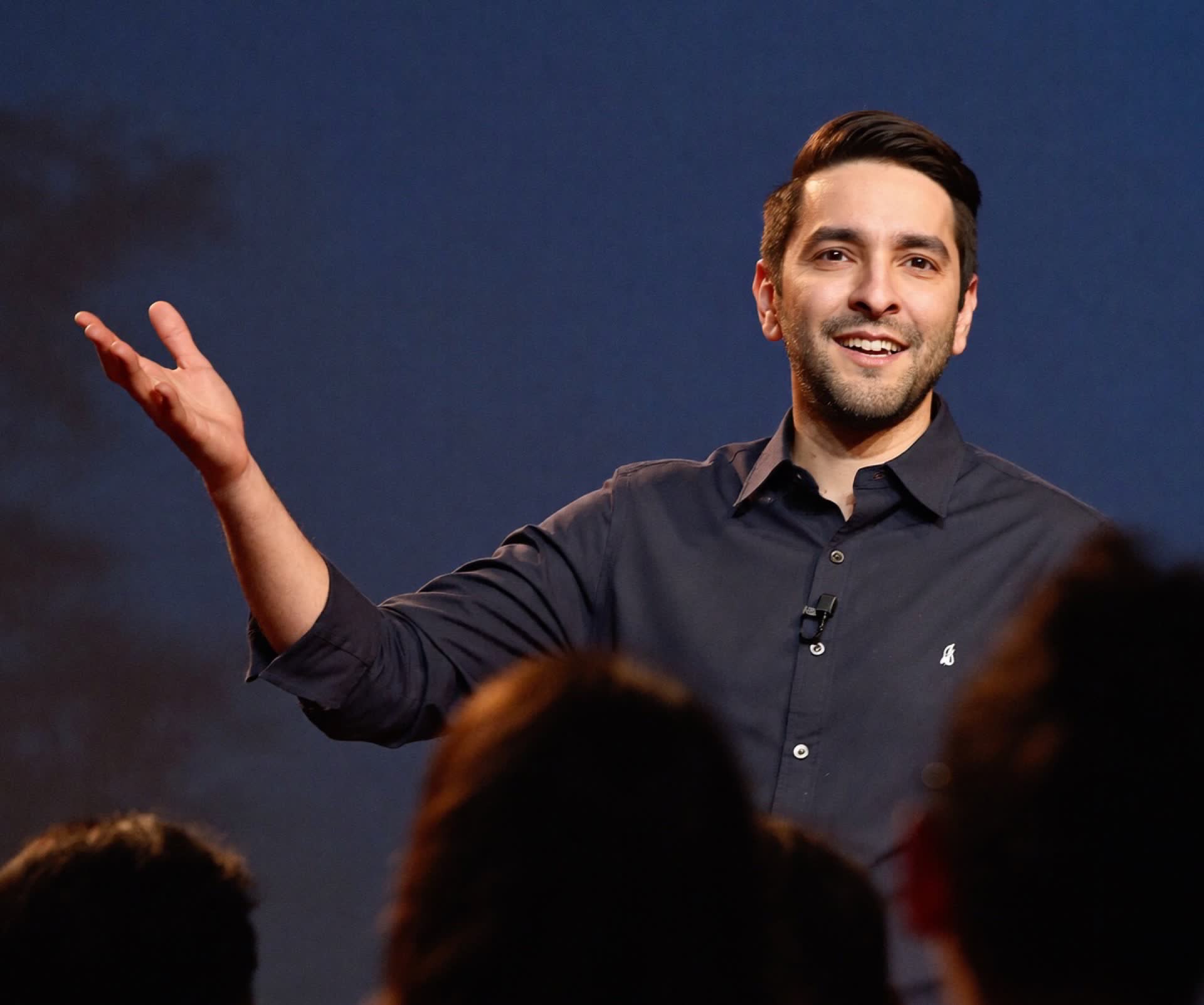
Thought Behind Things · Jan 3, 2022 · 1:41:37
Why Pakistan's factories still push, when the world has moved to pull
Badar Khushnood — Bramerz co-founder, P@SHA chairman, and an architect of Pakistan's first national e-commerce policy — walks Muzamil through the country's first B2B portal in 2002, the nine years he spent building Google's Pakistan presence, why Fishry is built around brand-conscious SMEs, and why a $4B domestic e-commerce market still struggles to export.
with Badar Khushnood
15 min read
A career that nobody planned
The episode opens with Muzamil introducing Badar Khushnood as a titan of Pakistan’s technology industry — current chairman of P@SHA, co-founder of Bramerz, and a member of the National e-Commerce Council under the Ministry of Commerce. The conversation has been a long time coming. Badar is based in Lahore, the schedule never quite lined up, and now that he is finally in front of the microphone Muzamil wants to start from the beginning.
The beginning is not a tech beginning. Badar took his FSc in pre-engineering at Crescent in Lahore, planning to join the Air Force. His father, from a business family, opened the engineering books one day, saw what his son was studying, and quietly ended the project. Badar switched to general science, economics and statistics, with the family business as the destination. Then his father passed away before Badar finished college, and the course of his life changed again. He ended up at the Lahore School of Economics doing a masters in economics and management. “That’s where my traditional education mindset changed,” he tells Muzamil. The rote system gave way to case studies. He learned to talk, to present, to observe.
His introduction to the internet was incidental. A classmate’s father worked at PTCL and had been given a free dial-up account as an employee perk. The classmate had no interest. Badar shared the login. The 14k, then 56k, modem at home became the place he dismantled DOS, RAM, ROM and hard disks, learning by curiosity rather than by syllabus. His mother used to shout from downstairs telling his siblings to cut the wires upstairs because she thought he was wasting his time. He calls her, fondly, a digital immigrant.
That self-taught computing showed up in his first interview at Nishat Chunian, the textile group. They asked him to set up Excel formulas. He could. He stayed three years exporting cloth.
The first B2B portal, and the U-turn that killed it
What follows is one of the most underdocumented chapters of Pakistan’s digital history, and Badar tells it plainly. After Nishat, friends from LSE who had joined SMEDA — the government body for SMEs — called him in to fix a website that worked locally but broke on the server. Badar diagnosed it in minutes: the development machine was Windows, the server was Linux, and the file names were case-sensitive on one and not the other. SMEDA hired him as a consultant, then as a full employee.
Then came the bigger ask. SMEDA wanted to launch Pakistan’s first B2B portal in three months. Badar told them no domestic technology could be built that quickly. He suggested a partnership. They asked with whom. He wrote to Alibaba, directly. Jack Ma’s wife, who was a co-founder, replied. They wanted to work with Pakistan. “Remember, my email ID was gov.pk,” Badar tells Muzamil. “They knew it was not a random email. It was the official government talking to them.” Three months later, Pakistan’s first B2B portal was live. The year was 2002.
Two years after that, leadership at SMEDA changed. The new view, Badar says, was blunt: Pakistan is not digital, SMEs are not digital, shut it all down and bring back the typewriters. “And unfortunately that actually happened.” Muzamil draws the broader line — the post-9/11 collapse that Philippines and India climbed out of and Pakistan did not — and Badar does not soften it.
Nine years at Google, and a country that mapped itself
Badar’s next stops were ASUS, where the Taiwanese-Pakistan-China visa arrangement meant he stopped over in Thailand on every trip, and then Google. He applied on 28 August 2005 on a friend’s forwarding. The first call came the next morning. The interviews ran six to eight weeks. Then the contract was issued in error before a background check had been done — and the background check took nine months. He was already a Googler, contractually, with nothing to do.
It was in those nine waiting months that he and two friends, Aamir and Zeeshan, decided that whatever job came next, they should also have something of their own. They named it Bramerz, kept their day jobs, and bootstrapped the company until it could pay their salaries. Badar would not return full-time until December 2014.
Inside Google he was the first country consultant for Pakistan — not someone parachuted from another market, but the first person to hold the seat. He hosted Google’s chairman in Pakistan. He pushed Google products into the country: Android, Chrome, Google Maps. And it is on Maps that he tells Muzamil one of the best stories in the conversation.
When Google Maps launched, Pakistani regulations did not allow companies to draw maps. Google’s answer was a tool called Map Maker. “Companies don’t do it, individuals can,” Badar paraphrases. He ran mapping parties at FAST Lahore and then at universities across the country. Volunteers began tracing streets, one-ways, highways, waterways. One super-mapper, a retired Air Force pilot named Nazar Hayat Khan, mapped every waterway in Pakistan by hand. Another contributor logged a hundred thousand edits on his own.
The result: Pakistan is one of the world’s best-mapped countries by user-generated content. The maps are bilingual, in English and Urdu, because the people who made them wrote them that way. And the best-mapped city, Badar tells a surprised Muzamil, is not Karachi or Lahore or Islamabad. It is Faisalabad. “Digital democratised it,” he says. “Same phone, same everything is there for them too.” Every Uber and Careem ride in Pakistan today rides on that foundation.
Servicing scales with headcount. Products scale with team.
When Badar returned to Bramerz full-time in late 2014, it had grown from zero to fifty employees. By the time of this conversation it is at a hundred. Muzamil asks him to walk through what the company actually does, and Badar uses the question to make a sharper point about how services businesses work.
“In servicing, if one team member can serve four customers, you need another team member for the next four,” he says. Scale the service, scale the team, and quality of service becomes harder to defend. Build a product instead and the same fifty people can keep improving it for a growing user base. Servicing is also fragile to staff movement and technology shifts. Products give you loyal customers and recurring revenue.
Bramerz now runs three streams. A full-service digital agency. A content management system for newspapers and TV channels, where Bramerz takes the technology headache off newsrooms that are not digital-native — handling traffic spikes, hosting, monetisation — so the publisher can stay focused on the content. And then the product Badar says is closest to his heart right now: Fishry, an e-commerce platform.
Where Fishry sits, and why Muzamil pays attention
Muzamil’s questioning on Fishry is the most personal stretch of the episode. He explains that his wife ran a planner brand on Shopify for years and that he, with a computer science background and a digital media company, found half the integrations a nightmare. Facebook pixel integration sent him in circles. The Instagram store was not available in Pakistan. Most of what they sold, they sold through influencer marketing — his own audience — rather than through paid media, because he did not have the time to learn the platform end to end.
Badar’s pitch to that exact problem is precise. Fishry is not for box movers — traders who buy a SKU, mark it up, and ship it out. It is for the second B in B and B: brand-conscious SMEs that want to build a name and run the same SKU again and again. The platform sits somewhere between Daraz on the early-stage side and Shopify Plus on the enterprise side. Payment gateways — EasyPaisa, JazzCash, credit cards — are pre-integrated. Logistics partners — TCS, MNP, Call Courier, Blue-X — are pre-integrated. Fulfilment is bundled. New integrations are added for free.
The pricing is the part Muzamil reacts to most strongly. Local enterprise software vendors quote him four or five million rupees upfront. Fishry runs on pay-as-you-grow: up to three lakh rupees of GMV per month with no questions asked, full-featured. “You’ve answered your own question,” Badar tells him. The model is built to not require CapEx from the SME.
Muzamil’s reply is a piece of context that lands harder than it usually does on this show. He talks about importing TCS data integration on Shopify in 2019, where the basic API conversation went from a confused support agent to a developer too complicated to follow. By 2020 it was, he says, one-click on better tooling. Most SME owners, he points out, would not have done what he did. They would have sat copy-pasting names and addresses field by field.
The policy that named e-commerce into existence
About forty minutes in, Muzamil moves Badar to the part of the conversation he most wants on record: the National e-Commerce Policy. Badar starts with a sentence that does more work than it should need to. “E-commerce did not exist in Pakistan’s legislation or law. Commerce existed. E-commerce did not.” Until the policy was drafted, there was nothing in the legal framework that could be improved or extended because the category itself was not defined.
The policy named nine pillars — payments, taxation, global connectivity, logistics, consumer protection among them — and identified three focus groups: SMEs, youth, and women entrepreneurs. Cabinet approved it. E-commerce was placed under the Ministry of Commerce. Then the council ran consultations with more than 250 stakeholders — payments, logistics, merchants, platforms — and consolidated more than five hundred recommendations.
One small example Badar singles out is freelancers. The State Bank had a limit: anything above five thousand dollars in inward remittance pushed you out of the home remittance category and into heavier documentation. The result was predictable. Freelancers earning six, ten thousand dollars kept the excess parked offshore with the buyer. The policy corrected for that.
Amazon, small packets, and the factory mindset
The Amazon seller listing for Pakistan is the policy win most people on social media talked about. Badar’s view is more cautious. Existing factories, he tells Muzamil, are addicted to B2B. “Send the whole container, then forget about it,” he says. They do not want to do customer service, they do not want to answer questions, they do not pack well, they do not build brand. So Amazon ends up making more noise than result.
Muzamil walks through the parallel Pakistan Post episode — the postal service launched a high-profile small-packet service that, he says diplomatically, did not turn out to be the right news, with items going missing and primitive systems. The fallback to international logistics players means the revenue leaves the country. Badar confirms that the policy has, as one of its first moves, initiated Pakistan Post’s digital transformation. The physical network is strong. The skills and tools are not. The process, he warns, will be slow because government procurement rules are what they are.
Muzamil’s frustration with the factories is direct, and Badar matches it. “We can solve policies. We cannot change the mindset of the factories,” Badar says. “They are push-oriented. They want production-oriented: take what I make, or get lost. The world has moved to pull. Demand-based. The customer says what they want, I make it accordingly.” He notes that the next generation in those factory-owning families understands this better, but culture in Pakistan does not let them push the change up to their parents and uncles in leadership. He does point to the layer of two-hundred to five-hundred Pakistani brands — Khaadi, Outfitters and others — that have built quality and supply chain at scale. The rest, he says, could be brands but have not arrived.
He closes the segment with a comparison Muzamil does not push back on. Singapore: five million people, $373 billion in exports. Pakistan: 220 million people, twenty-two to twenty-four billion in exports. The productivity per capita gap is the gap.
The $4 billion number, and why cash still wins
For the size of the market, Badar quotes a recent joint study by P@SHA and the Chain Store Association of Pakistan. State Bank documents only the ten percent of e-commerce that runs through online payments. Ninety percent is cash on delivery and therefore not in the data. Extrapolate from the documented ten percent and the last four quarters of domestic e-commerce in Pakistan come to about four billion dollars. The number excludes Pakistani websites that route through foreign payment gateways, which the country cannot see.
On payments, Badar is honest about how stuck the country is. Twenty percent of Pakistanis cannot make digital payments at all. The mobile wallets — Easypaisa, JazzCash — are growing but not at the pace they should. The reason is structural. Cash, handed forward one note at a time, stays as cash. A digital transaction takes a deduction at every hop, and once tax is applied at each stage the marginal advantage of going digital almost disappears. “Digital payments are not incentivised enough for people to leave cash,” he says.
Beneath that sits a deeper trust problem. People who are not yet on digital payments fear that the day they begin transacting on bank rails is the day the tax authority arrives. “We do not facilitate tax in Pakistan, rather I would say we harass,” Badar says. The twenty-five to thirty lakh people already paying tax get notice on notice on notice. The remaining population watches and stays on cash. The fix, he argues, is not to widen the tax net by force. It is to facilitate, to show value, to make the encounter survivable.
And then there is the banks themselves. Traditional Pakistani banks, with all due respect, treat consumer banking as a side activity. Their bread and butter comes from government treasury and other lines. That is why, Badar says, the payment gateway you ask them for does not get an email back. The newer fintechs and aggregators have a different incentive structure — for them, consumer servicing is the business — and that is where he expects the next wave of improvement to come from.
IT exports, 47% growth, and the ten percent that can be hired
Muzamil pivots in the final stretch to the IT industry and the noise around the ten billion dollar export target. Badar opens with the recent number: IT exports grew by close to 47% last year, from $1.2 billion to $2.1 billion. Some of that is COVID. Some of it is rising global demand. None of it is sustainable without inputs.
“Mind share is the input,” Badar says. “You need skilled teams, members, staff, engineers.” Pakistan graduates twenty-five to thirty-five thousand computer science and engineering students a year. His estimate of how many of them are employable as-is is ten percent. Ninety percent need retraining — and whether the company does it, or a partner does it, or the graduate funds it themselves, somebody has to.
Muzamil presses on a point that has been bothering him. Why is the private sector not doing more itself? Why no consortium, no vocational network, no industry-funded training pipeline? “We always look at the handout,” he says. Badar acknowledges it and points to where work has started. Member companies have begun running their own learning and development functions, conducting bulk testing across universities and — in some cases — publishing anonymised results so the universities can see where their graduates rank. The missing link, he says, is faculty. The curriculum is outdated and the faculty needs retraining and capacity building before it can teach new skills. Industry people will have to come in and teach, even at a fraction of what they earn in their day jobs.
The number he leaves Muzamil with is the one to remember. An extra one hundred thousand employable graduates, Badar estimates, would translate into two to three billion dollars of additional IT export. Output is proportional to input. The country is not short on demand. It is short on people it can hire.
”Sirf basics theek kar lein”
Muzamil closes with the question he asks every guest. Thirty years from now, when Badar is seventy-five, what kind of Pakistan does he see? Badar’s answer is not a technology answer. He talks about lanes. About not wasting water washing the car. About civic sense, basic humanity, basic ethics, basic culture. “I’m not talking about technology at all,” he tells Muzamil. “Just fix the basics.”
He extends it to skills. The information is no longer scarce. YouTube is there. Tools are there. The internet is there. The only thing left to acquire is the skill itself. Study, yes — but acquire skills alongside it so that you can contribute to the economy. Do not look for shortcuts. Work month by month, year by year. If you make a mistake, say sorry and try again. The result, he says, will follow the effort. By the end of the conversation, the policy architect and the platform builder is making a case that sounds almost old-fashioned, and is probably the truest thing in the episode.
Full transcript
सामने साहब बताने के उज़रात welcome back to another episode of thought behind things. आज ही मारे साथ एक बहुत ही ख़ास मेहमान मौजूद है who, you know, he's a he's a titan of the industry and I've been wanting to have this conversation for a very long time. He he's based out of लाहौर तो unfortunately वह tie up हो नहीं सकता but finally he's here. Brother खुशनूद साहब, he is the chairman, current chairman of पाशा. He's a cofounder of Brammers, which is a digital... What would you call it? Digital media company. Digital media company. There are a bunch of companies under that as well, so we're gonna have that conversation as well. He was part of their national ecommerce policy. He's part of the national ecommerce council, which is under the ministry of commerce. Correct. There's a bunch of things that this guy is doing and so I will gonna unpack that. But sir, thank you so much for being part of the show. माहिजीत, पहुंच चुके हैं invite करने का. I'm honored कि I'm here today with you. And I know we have been trying to connect for a while on this. But, yeah, thank you so much. ज़बरदस्त. बादस्त, मुझे पहले तो यह बताएं कि, you know, यह बड़ी बड़ी चीज़ें हैं and all of that aside. How did you get into all of this? Because particularly, you know, you're you're in that sort of, age जो कि एक 30 year old कर रहा होता है ना I understand. You know, they've been born into the internet. आप कहेंगे मैं dinosaur हो गया हूं. Not dinosaur. If you're 55 then I'd probably be like, hey, क्या scene है? But आपके time के ऊपर I feel like if you were doing something like this तो left, right, चच्चा, हालाक, यह क्या कर रहा है? यह क्यों time ज़्यादा कर रहा है? What was that journey like, you know, from high school? Very
interesting to be very honest. I mean, if I look back as well, am also कई दफ़ा मैं सोच रहा हूं कि अच्छा ही यह मेरे साथ हुआ है और सारा कुछ but very interesting. So, मैं एक normal life जिसमें metric हम सब करते हैं. मैं metric करा था. उसके बाद मैंने FSC में, मेरा metric में scholarship आया. FSC में मैंने, मेरा शौक था air force में जाने का. तो I thought कि pre engineering लूंगा, जाऊंगा. और कहाँ पर थे आप उस time? I was always in लोहौर. Right. और crescent schools में मैंने पढ़ा. मैं FSC में जाना चाह रहा था. Admission भी हो गया engineering में. वह वाले सब घर आए तो उन्होंने देखा कि engineering की किताबें पढ़ी हुई हैं. तो So, मतलब you are from a business family? Yes. Ok. और उन्होंने यह कह दिया और बात खत्म हो गई और मेरी course of life direction change हो गई और मैं general science में चला गया economics and statistics कि ताकि business की तरफ थोड़ा direction वन जाएगी. और but again man proposes, god disposes तो अल्लाह तलागा करना ही हुआ कि मेरे वाले साहब बीमार हुए and before I even left the college, he passed away. Right. But now my court said change, मैं different direction में चला गया था but I मैं उसी direction में चलता रहा. Applied to so उसके बाद मैं थोड़ा सा, I'm just skipping government college वाला मैंने part किया but nothing fancy. Applied to lumps for an MBA. उन्होंने कहा यार आप किधर आ गए हैं अभी? दो साल का experience experience लें, फिर आप apply करें. That was too late for me already as you know, अब वह मेरे पास से कर गए हुए थे. So, I applied to LAC, law school of economics. I did masters in economics and management from LAC. I think that that's where जहां मेरा traditional education वाला mindset change हुआ. अच्छा, यह कौन सा साल है? This was '96 to '98. Right. मैं जब मैं यह कहता हूँ कि मेरा change हुआ, तो वह change यह थी कि मैं वह रट्टे वाले system से निकल कर आया था in an, in an interactive वाला site. Right. वहाँ होता था कि आपने रट्टा लगाना है और present करना है वही चीज़. यहाँ यह था कि यह case study है पढ़कर आएं और present करें. मैं used to नहीं था ऐसी चीज़ों को. But वहां मैंने change किया, वहां मैंने बोलना सीखा, बात करनी सीखी और वहां present करना सीखा. वहां किसी चीज़ को observe करके उसको analyze करना सीखा. तो वह एक तो जो भी subjects पढ़े वह अलग है but I I think वहां मैंने यह चीज़ें बड़ी सीखी और interestingly I think वहां मेरा एक एक चीज़ जो trigger हुई, one of my class fellows उसके वाले साहब PTCL में थे और उन दिनों पक्ष में नया नया internet आया था और उनको as an employee of PTCL free मिला था. अच्छा. उसने कहा मेरा तो कोई interest नहीं है. तो I used to share that account. अच्छा. यह dial up की बात हो रही ना 20 हाँ, correct. This is like early dial ups. Yeah. जब अभी 14 k baud rate था, फिर हम बाद में 56 k पर आए. DOS पर ROM, RAM, hard disk, जितनी उसकी divide होती हैं, सारी components एक एक चीज़ खुद सारा करना शुरू कर दिया. Implicitly not knowing मगर बहुत कुछ सीखना शुरू कर दिया. Right. जो कि वहां तब books नहीं थी कोई, कुछ नहीं था और that was the journey from high school to my first job I would say. But एक चीज़ जो मैंने की, जब मैं लाहौर school में था तो मैंने हर semester break में internship की. Computer important है. Right. But यह वह time था जब वह मेरी अम्मी नीचे से आवाज़ इतनी मेरे बहन भाइयों को, इसकी तारें काट दो ऊपर. क्योंकि वह उनके लिए time waste हो रहा था. बिल्कुल. Of course, वह digital immigrant हैं, हम समझ रहे थे. तो उनके लिए value नहीं वन रही थी because वह सोचती थी कि शायद इसे नौकरी और काम तो नहीं होगा, यह तो time waste हो रहा है. But eventually वह एक change अनिश्रु हुई. तो by the time मैं पहली नौकरी पर गया तो उन्होंने मैं पहला test जो लिया निशात में उन्होंने कहा कि यह excel में इस तरह से formulas लगाकर दिखाएं. क्योंकि तब it was vanity कि आप यह काम and I realized कि I was able to do it और and that was my kind of an entry point. Right. और वहां से फिर मैंने बहुत सारी छुट छुट चीज़ें की चोके pure digital में नहीं कहेंगे but tech related, tech enabled thing. Right. और so that's that's where the journey started. The first job is निशात, निशात चूनिया. The textile group. Textile group. Right. और मैं कपड़ा था के export करता था. Very cool. And how long did you do that for? I was there for about
three years. Right. And then what was next? और
वहाँ interestingly मेरे कुछ LSE के दोस्तों थे, वह उन दिनों में समीडा में थे. Right. Which is the government body for SMEs. तो उन्होंने कहा कि यार हमने ना website बनवाई है, मगर वह website हम computer पर जब check करते हैं चलती है. Server पर upload करते हैं तो नहीं चलती. अच्छा. और मुझे immediately problem समझ आ गई. I can solve it. अब मुझे देखना पड़ेगा. उन्होंने कहा दिखा देते हैं check कर लें क्योंकि हमारी तो launch आ रही है और हो नहीं रहा. मैंने check किया there was one small challenge. Computer Windows का था, server Linux का था. तो case sensitivity यहां नहीं थी, वहां थी. तो यहां वह जो भी file name होता था वह वहां जाकर HTML में break करता था. Again, am an economics graduate. यह याद रखें मैं economics पढ़ा हुआ हूं but यह मेरा, this is not my forte. But I figured it out. उन्होंने मुझे consulting की assignment दी. मैंने website fix की, उसके बाद उन्होंने website launch की और मुझे कुछ देर के बाद offer आ गई CEO की कि आप हमें join कर लें. और, और एक project interesting था उन्होंने कहा जी हम Pakistan का B2B portal launch करना चाहते हैं. Right. हम चाहते हैं कि आप यह portal जो है हमारे साथ launch करें. I figured out तीन महीने का time था और मैंने कहा जी इतनी जल्दी technology वन नहीं सकती. उन्होंने कहा क्या हो सकता है? मैंने कहा हम partnership कर सकते हैं. उन्होंने कहा किसके साथ करेंगे? मैंने अली बाबा को लिखा, तो Jack Ma की जो wife है, कहती है वह उसकी cofounder भी है. कहती है हमें direct जवाब दिया. Yes, we are interested. हम आपके साथ काम करना चाहेंगे. Remember मेरा email ID was at g o v dot p k? Yeah, right. So, they know, they knew कि it was not a random email, it was the official government talking to them. तो जब हमने बात की, they agreed. I went to हमने MOU sign किया और हमने तीन महीने के अंदर Pakistan का पहला B2B portal official launch किया. Again, what year is this? This was 2002.
So, very, very interesting things were happening in 2002. Back in the day. So, somehow we lost track after that.
To be very honest and I think आज बात होनी चाहिए. वो launch हो गया, दो साल स्मीरा ने चलाया और उसके बाद वहाँ leadership change आई. उन्होंने कहा नहीं पाक्षण बिल्कुल digital नहीं है, SMEs तो बिल्कुल ही digital नहीं है. ये सब कुछ बंद करो और typewriter वापस ले आओ. Mhmm. And unfortunately
that actually happened. जब भी tuba u-turn essentially. Absolutely. Because I remember जिन जिन जिस time की आप बात करें, मेरे भाई उस time के ऊपर computer science के सारे के सारे आस पास में graduate किए. बल्कि as a matter of fact 9099 में A.Q. खान का होता था यहां पर software competition में एक में. Correct. I won the under under 16 all Pakistan competition there as well because spec was a big thing and I remember उसे कम जाते होते थे. It was like a, it was like a magical वह होता था कि लोग अपने programs लेकर आए हुए हैं, different companies के stores लेकर में. And हम तो आरोप्य नहीं थे. आरोप्यों और CD नहीं चल रहे होते थे. हां, we were running around. Was pre USB era. Exactly. And and and it was a magical era because the the the possibility was endless over there कि यार पता नहीं हम दुनिया के अंदर हम भी connected हैं and it's all one. But somehow वह एक जो जो जो मुझे बहुत speed में चली थी train वह post 09:11 just sort of collapsed and collapsed in such a way कि Philippines निकल गया, India निकल गया, हम somehow, नहीं कर सके. I'd want to get your, opinion on that as well in more detail. Again, your opinion holistically what do you think went wrong in our industry? But quickly just sort of going from that to brammers. What were how do you feel the gap in between? So,
यह करते करते Swedda, एक ताइवानी company Asus, शायद आपने उसके laptops वगैरह देखे होंगे. उनके distributor ने, मुझे एक जगह approach किया और उन्होंने कहा जी कि वह Asus brand अपनी यहाँ team build करना चाह रहा So, are looking for someone to lead it. तो मैं वहाँ connect हुआ and और वह एक ताइवानीस company थी और interestingly क्योंकि मैं China गया हुआ था उस मीड़ा की वजह से और वह और मैं कुछ एक दो और जगहों पर Korea वगैरह भी गया था उनके साथ कुछ projects पर. तो उसकी वजह से मेरा exposure था to the far east. Right. जब उन्होंने बात की तो मुझे अच्छा interesting लगा, explore किया, signed up. So, three years at निशात, almost three years at USMIDA, moved on, ASUS join कर लिया और तब बड़ा fancy था हर quarter Taiwan जाना होता था और Taiwan Pakistan China को recognize करता है इसलिए Taiwan को नहीं करता है. Right. तो Taiwan की Pakistan में embassy या cultural center नहीं है. अच्छा. तो अगर visa लगवाना होता था तो मुझे I had to stop over somewhere in between and mostly that was Thailand because that was वह यहाँ से thigh air चलती ज़्यादा तो वह. तो वह मतलब तब उस age में आप travel enjoy करते हैं और सारा. But वह वह भी hardware था और computers की बात थी. तो वह मैंने तीन साल उनके साथ किया and I learnt कि sales और Chinese techs, tactics क्या हैं और कैसे करते हैं और सारा. So that वह भी बड़ी अच्छी learning रही. But different था. So remember कि मेरी कोई मेरी पढ़ाई का किसी काम से और किसी एक नौकरी का दूसरी नौकरी से कोई काम पता लग गया. नहीं Absolutely. तो अब वह बिल्कुल diverse किस्म की portfolio build हो रहा है और मैं मैं सिर्फ एक flow में चल रहा हूं. No priorities there. Asus के बाद मुझे दो interesting मेरे साथ parallel conversation चल रही थी. एक मुझे Dell से offer आई कि यार हम Dell पक्षन में अपना करना चाह रहे setup तो they are looking for a person. दूसरा, मेरे एक दोस्त ने मुझे एक email forward की कि यार यह जो Google में ना लोग वह ढूंढ रहे हैं, कोई country consultant. Right. Country representative अपना. मैंने कहा अच्छा जी, मैंने कहा यार मैंने कोई software programming तो नहीं की है, तो मेरे लिए relevant नहीं लगता और I am sure कि यह सारा fast, lump, सब apply कर चुका होगा तो इसलिए too late. उसने try कर लें. 08/28/2005 की शाम को मैंने apply किया. Twenty ninth ही सुबह पहली call आई है. उसके बाद six to eight weeks interviews चलते रहे और उसके बाद उन्होंने मुझे कहा कि जी आप, आप कहोगे, आपको हम contract भेज रहें. आप सोचें आपको Google जैसी company
से And they speak Google, right? It says Google growing. Absolutely. Yeah. ठीक है? मुझे offer आई, मैंने almost,
the first thing you do is कि आप पिछली company से resign करेंगे. Mhmm. मैंने resign कर दिया. Google के अगले दिन email I की गलती से हमने आपको contract भेज दिया है. Oh sorry, beach में ना एक एक step miss हो गया है और वह background check है. Remember post nine eleven Pakistan, यह वह सारा कुछ. Right. तो वह ज़रा please हम आपका ना कुछ weeks का background check होगा और फिर आप we will just send you the revised contract. वह background check took nine months. So, मैं यह छोड़ चुका हुआ था Asus. Google was an NDA and no time frame defined. Two weeks, three weeks, कुछ नहीं पता था और वह रोज़ होता है बस अब हो रहा है, अब हो रहा है. And उस दौरान हम तीन दोस्तों ने यह सोचा कि यार यह नौकरियां तो चलती रहेंगी, अपना भी एक काम साथ होना ज़रूरी है. Right. And remember तब कोई incubators, accelerators, co working spaces, coffee shops भी नहीं थीं. अभी वह craze भी नहीं शुरू हुआ था. तो हम तीन दोस्तों ने बदर आमिर जीशान ने, हमने सोचा कि हम हम अब by the end formal हम छोटे मोटे काम करते रहे. जब मैं इस मीडा में था तो हमने कुछ refurbished computers import किए. Right. और पैर कोई ख़ुद से export किए. इस तरह के काम हम करते रहे और हमने सोचा कि नहीं हमें कोई knowledge based काम करना है जिसमें CapEx ना हो मगर वह. तो हमने ब्रेमर setup किया. So, ब्रेमर is his brother आमिर जीशान. Oh, interesting. हां. और वहां से हमने और तब हमारा यह सोचता कि हमें. Com domain मिल जाए और वह सारी वह preferences थीं और वहां से हमने company शुरू की और मगर हम तीनों तब parallel अपनी jobs करते रहे. Right. और idea यह था कि हम खुद bootstrap करेंगे अपनी salaryयों से जब तक कि company इस stage पर ना आ जाए कि वह हमारी salaryयां pay कर सके. तो वहाँ से हमने काम शुरू किया.
अच्छा, you were there for nine Nine years. 2014 तक? Correct. So, 11/30/2014
was my last year at Bremer's. At Google? At sorry, at Google. And 12/01/2014 was my first day back to Bremer's. Right.
तो मैंने And and and what's the growth looking like in these nine years at ब्रेमर्श?
So, ब्रेमर्श from zero to 50 employees हो चुका हुआ था. 50 employees? 50 employees and we had client, reasonable clients, self sustainable सबकी मतलब as a bootstrapped boutique agency we were reasonably doing well. Right. तो वह आमिर और जीशान ने बहुत अच्छी तरह stable use को कर लिया था और brand equity बहुत build हो गई थी. Right. तब तक हम अपनी छोटी मोटी और products करके भी इन दोनों ने बहुत experiments कर लिए, fail किया बहुत कुछ but हम हमारा एक culture develop हो गया था और, और everyone knew कि Bramers का एक culture है और एक नाम है, एक brand equity build हो गई थी. और बेशुमार googlers को मैं लाया और यह post nine eleven वाला बार time tough था लाना, PRYs otherwise मगर उनको मैं लेकर आया. मकसद यह था कि उनको पक्षक दिखाया जाए कि हाँ challenges हैं हमारे. कोई उसमें नहीं है denial मगर उससे बहुत ज़्यादा अच्छा otherwise मुल्क है और opportunity है और हमारी young population बहुत है, young लड़के लड़कियां हैं. तो technology के लिए perfect opportunity है. तो हमें we should explore the country. तो अलहम्द उल्लाह जितना मैं कर सका मैं बहुत सारों को लाया और अब आप देख रहे हैं Google का काफी interest है Pakistan में but काफी शुरू के साल लगे. खैर वहाँ फिर मैंने ब्रेमर्ज में जैसे ही किया तो remember मैंने सिर्फ economics पढ़ी हुई है. Right. तो मैंने कोई computer science नहीं पढ़ा. तो तीनों में मैंने तीनों tech companies में काम किया economics की background के साथ. दूसरी important बात यह थी कि मैंने इन तीनों companyयों के लिए Pakistan में पहला consultant role up किया. Right. यानी कि मैं इन companyयों की बाकी countryयों में जाकर काम नहीं किया. Pakistan के लिए मेरा पहला role था. Right. तो उस दौरान बहुत कुछ हुआ, बड़े interesting experiences रहे, YouTube भी बंद हुआ, blogger भी बंद हुआ मगर बहुत और experiences हुए. मुझे Google के chairman को Pakistan में host करने की opportunity मिली. उनको Pakistan लाया, उनको Pakistan दिखाया. तो मकसद यह था कि Pakistan की PR value increase की जाए ताकि Google का brand अगर कोई चीज़ करेगा, activity करेगा तो automatically बहुत सारी छोटी companyयों के लिए trust build हो जाएगा किस country में opportunity है. तो बहुत सारी ऐसी instances हुए, मतलब आप सोचेंगे इन नौ सालों में Google की बहुत सारी products launch हुईं. Android launch हुआ, Chrome launch हुआ. Right. Google Maps. आज हम सब Uber cream इस्तेमाल करते हैं. हम realize नहीं करते हैं कि Pakistan के सारे maps Pakistan उन्होंने बनाए. अच्छा. These are all user generated content.
So so यह बड़ा interesting है. I'm sorry, मैं थोड़ा सा ध्यान में एक segue लूंगा but, जो यह Google के maps होते हैं, is that
ordinary people generating those maps or is that someone sitting down? Is there like a data center that's filling them up? बिल्कुल. अभी आपने इसे पहले Philippines का नाम भी लिया था तो हुआ ये कि कुछ जब Google maps launch हुए तो ज़्यादा बहुत सारी countries में पहले GPS वग़ैरह चलता था और वह different थे available tools. मगर बहुत सारी countryयों में यह concept ही नहीं exist करता था जिसमें Pakistan या Philippines वगैरह. तो और यहां की regulations allow नहीं करती थी क्योंकि company कोई maps draw करे. Right. तो company नहीं draw करती थी इसलिए Google ने एक tool बनाया और उसका नाम था map maker. Right. उन्होंने कहा यार companyयां नहीं करती individuals तो कर सकते हैं अपना. तो empower them. Right. उस tool से हमने मैंने mapping parties की. तो मैंने पहली mapping party जो fast लाहौर में की, फिर मैंने हर university में जाकर की, तो बहुत सारे youngsters they got excited कि अच्छा हम contribute करते हैं तो maps बनने शुरू हो जाएंगे. कुछ open source free tools available थे but वो इतने popular नहीं थे open street maps और वो. तो somehow Google Q की branding भी थी और सारा. तो बहुत सारे लोगों ने contribute करना शुरू किया. करते करते in a blink of an eye हमें लगा कि Pakistan map होना शुरू हो गया है और वह maps की importance बढ़ती गई और वह tracing करनी थी मगर कई लोग हमारे super mappers वन गए Pakistan से. एक एक बंदे ने एक एक लाख edits किए. अच्छा. यानी कि यह Street है, यह one way है, यह Road है, यह Highway है, यह waterways हैं. Right. यानी कि यहां यह पान, यह दरिया है, यह नदी है, नहर है. अभी कहना आसान है मगर literally उसको trace करना, one way define करना, सब कुछ उन्होंने हाथ से manually किया. यानी कि चलो young लड़के लड़कियों ने तो जो करना था contribute किया वह digital native से. अब बोलता है Pakistan के सारे waterways किसने map किए? हमारे एक बड़े super mapper थे अल्लादाला उनको जानते निसीब करे NHK नज़र हायात खान खान साहब और वह he was a retired air force pilot. अच्छा. But he was, he was, he was passionate about it. Right. और somehow उन्होंने waterways करनी शुरू किए और उन्हें सारे waterways उन्होंने किए. तो वह हमारी mapping parties पर काम आ जाते हो of course मगर हम उनको एक दो दफा अपने global events पर लेकर गया मैं उनको. तो वहां से पक्षक map हो गया. पक्षक map हो गया. तो अब जो हम आप खड़े खड़े घर बार Uber कर लेते और Uber time पर आ जाती है और exact location पर आती is because कि वह fundamental foundation set हो गई थी. Right. जो कि हमारी आज की digital generation realize नहीं करती. हां. कि Pakistan के maps किसने बनाए होंगे, कैसे बने होंगे और आप notice करें Pakistan के maps bilingual हैं. English में भी उर्दू में भी हैं सारे. Only because कि हम सबने खुद contribute किए हैं. तो यह सारा user generated content है. Very cool. और सबसे interesting बात इसकी बताता चलूं, Pakistan दुनिया की सबसे best mapped countries में है in terms of user generated content. अच्छा. और सबसे बड़ी surprise कि सबसे best city कौन सी होगी आपके ख्याल में mapped, Pakistan की? सबसे यह podcast story है. I think I would I would assume it's सस्लाबाद because it's I feel like it's cleaner to map as well. और यहां digital ने जो जैसे कहते ना level playing field सबके लिए democratize कर दिया है. फैसलाबाद is the best mapped city. Really? Yes. जैसे dad मेरे दिमाग में एक क्राची लावाज नाहाबाद के तो मेरा competition आ रहा था. तो KLI से निकल गए हम digital की वजह से. Very cool. वही phone, वही सब कुछ उनके पास भी है. Use case country,
बड़ी case study है कि कैसे पक्षण ने सारा map. Very cool, very cool. थोड़ा सा मैं वापस लेकर आता हूं. You know, so so, 19 में I believe you finally, नहीं sorry. 14 में you left Google. You did short stints with Twitter and Facebook and then 16 में you Seventeen, eighteen I joined back full time. Full time. And then you've been there since then? Correct. इस वक़्त company में कितने
Hundreds is 100. 100 employees. And you guys focus on what sort of like local करते हैं, international करते हैं? Mhmm. So, ज़्यादा local काम है. अच्छा. हम, somehow हम flocosa चलते रहे और हमारा local में brand equity build होती रही. हम local को explore करते रहे. अच्छा, did you never explore कर रहे हैं, हम कर रहे हैं बाहर का काम भी but अभी भी majority हमारा पक्षा में है. Right. ज़्यादा और somehow हमारी ना एक skill develop हो गई digital marketing की और वह need भी बनती गई ज़्यादा तो automatically हम flow में उसमें चलता रहे. तो हमारा local काम वहाँ चलता रहा. मगर हमने एक diversification जैसे आपने कहा कि हम बाहर की थी, एक diversification की opportunity थी कि हम अपनी products build करते servicing के साथ. Right. तो हम products वाली site पर ज़्यादा आना शुरू गए. अच्छा यह बड़ी important बात है because Pakistan में you know we are creating an entire sort of
what you would call an army of freelancers जो कि servicing industry के पीछे बहुत ज़्यादा है but यह जो आपने बात बोली है products. Products की तरफ़ से. I think that's that's fundamentally important for an industry to sort of bloom. थोड़ा सा था इसके पीछे thought बताएं. तो servicing जो है ना वह बड़ी person dependent होती है. Right. तो for example अगर मेरा एक team member चार
customers को serve कर सकता है तो मुझे अगले चार के लिए एक और team member चाहिए and so and so forth. Which means कि जो आपने service scale करनी है तो आपको team भी scale करनी है. Right. और जब आप team scale करते हैं तो फिर quality of service determine करना और maintain करना और ensure करना आसान नहीं रहता, मुश्किल होता रहता है. उसके हिसाब से आपको हर process को scale करना पड़ता है. तो जब आप product बना लेते हैं तो सबसे बड़ा फ़ायदा यह होता है कि आप scale कर सकते हैं with the same bare minimum set of team. तो अगर आपने सौ लोगों की, पचास लोगों का एक product team बना ली है तो वह पचास लोग ही उस product में improvement लाते रहेंगे और automatically वह group product की जो user base है वह बढ़ती जाएगी. तो इसलिए और servicing में आप बड़े dependent होते हैं human factor पर. Product पर आप technology dependence आ जाती है. Right. तो अगर आप servicing से शुरू करें तो ideally it's better कि आप product का portfolio भी add करें. तो diversification अच्छी रहती है आपकी. वरना servicing में अगर for example अगर आपकी team move कर गई है, सारे लोगों ने नई जगहों पर भी जाना है, बेहतर जगहों पर भी जाना है और बेहतर salaries पर भी जाना है, तो वह चीज़ें move करती हैं, roles change होते हैं, dynamics of the industry change होते हैं, dynamics of the tools change होते हैं, नई technologies आ जाती हैं, तो servicing disrupt होती है. Right. इस तरह product भी disrupt होती है मगर product में आपकी एक loyalty वन जाती है. Right. और वह users या merchants हैं जो भी आपका use करें product तो अगर वह उनको उनकी need पूरी कर रहे हैं तो वह they'll continue being a loyal customer और वह आपको recurring revenue at the same team levels आपका revenue increase करता जाता है. तो ideally product is the, is the right thing to do but servicing कई दफा बहुत lucrative होती है. Check contracts होते हैं, तो तो इन दोनों का balance strike करना आसान नहीं है. Right. तो अलम्दुल्ला we were able to strike that balance और हमने सही तरह manage कर लिया कि servicing भी करें और products भी develop करें. Right. तो हम दोनों काम करते हैं. Right and and अगर मैं आपसे पूछूं कि इस point के ऊपर Brammers क्या क्या कर रहा है? Because I know there are sort of multiple streams. तो अगर high level बताएं, what are the different streams? बिल्कुल. So एक हमारी digital media agency वाला side है जहा हम digital marketing करते हैं for brands, SMEs, everyone और वह हमारा full scale, full service digital agency है. So, हमारा content, creative, design, community वगैरह वगैरह सारा कुछ हो रहा है. दूसरा हमारा जो focus है वह दो key products हैं हमारी. एक हमारा content management system है for news media जो industryयों के लिए. Mostly newspapers and TV channels, they use our tech stack for their websites, mobile apps and और हम उनको help करते हैं monetization की तरफ़ भी. अच्छा, so so what does that mean? Like, एक आम आदमी को अगर समझाना चाहिए. हां. आप अपने,
you know, जो जो अगर technical हो गया. तो
आम इन अलफाज़ में अखबारों के लिए एक बहुत बड़ा मसला है कि जब वह websites बनाते हैं तो generally WordPress या इस तरह का free CMS use करते हैं content management system. मगर वह जब एकदम traffic आती है कोई breaking news आ गई, traffic ऊपर गई तो website crash करे जाती है. Right. फिर उसको हर बार का update करना. तो हमने जो जितने हैं हमको कहते हैं आप यह काम ना हमारे पे छोड़ दिया, हमारा मसला है. हमने अपना tech stack अपनी एक पूरा product बना लिया हुआ है. आपको यह नहीं सोचना कि कितनी traffic आ रही है, क्या हो रहा है, यह सब हमारा मसला है, website down नहीं होगी. We will take care of that. Right. क्योंकि अब ICICI websites important हो रही हैं उनके लिए, सबके लिए. तो हम वह tech की assurance हम उनके technology partner वन जाते हैं. ठीक हो गया. हम कहते हैं आप अपने core product पर focus करें. आपका काम news create करना, content create करना है आप उस पर रहें. हम आपको tech हम आपको दे देते हैं. Right. तो क्योंकि traditional newspapers हैं, वह digital first नहीं है, वह digital native नहीं है, तो उनके लिए बड़ी आसानी हो जाती है और उनको in house कोई resources नहीं रखने पड़ते. हम उनके साथ software as a service या performance based चल रहे होते हैं. हम उनसे technology की एक certain price लेते हैं और वह बाकी सारा काम हमारा KPI based उनके साथ चल रहा होता है. Very interesting. तो हम उनका technology का headache खत्म कर देते हैं, मकसद यह और उनको technology से आने वाली traffic को monetize कैसे करना है, पैसे कैसे कमाने हैं, उस पर भी हम उनकी help करते उनको. अच्छा इसके ऊपर I would like to get your opinion on this because you know obviously Pakistan में generally website monetization is just you know, आपने traffic लेकर आया, आपने उसके बाद Google Ads had left right, you know, डाल दिए और उसके बाद फिर,
मसला उसमें यह भी है कि जो आपका ROI है या जो CPM कह लें उसको हां जी. It's very, minimal, right? So so views तो आंलाना मुश्किल नहीं है Pakistan में. There are way too many people. But the revenue generation is the tougher tougher sort of part, right? अच्छा comparatively बहुत सारे, newspapers Profit magazine पर honorable mention क्योंकि not only were they able to have a digital first, you know, not just digital first but also stay away from the clickbait, stay away from all of those sort of enticing vices जो इस industry में थी. और उन्होंने paywall लगाई. और उन्होंने paywall लगाई. पहले पैसे दें और फिर पढ़ें. फिर पढ़ें. क्योंकि Pakistan में तो लोग के लिए पागल है. हां कुछ नहीं है. अब यह Pakistan में तो कोई भी नहीं करेगा. सिर्फ़ उन्होंने की वह successfully की. वह successful करने के पीछे एक बहुत major फ़ल सफा definitely यह है कि मतलब as a reader I bought that subscription. The content was king definitely. बिल्कुल. कि वह content ऐसा था कि वह paywall made sense. Correct. But, what was what's what's your experience? आपने कहा monetization की बात थी. What are the ways to monetize, for publishers in Pakistan?
So, बहुत सारे options आए. मगर जो notable हैं, देखें, policies को comply करना वह आसान नहीं है. और खास और पर एक traditional newspaper mindset के लिए बहुत मुश्किल है. क्यों? उनको basic intellectual property rights का भी idea नहीं है कि किसी के image उठाकर लगाना है तो उसके लिए rights लेने हैं. अब यह fundamental season नहीं उनको पता है. जो मैं और आप assume करते कि यह तो basics हैं. तो वह जब उनको नहीं पता तो हम उनको उस उन baby steps से भी गुजारते हैं. उनकी वहां भी help करते हैं और उसकी वजह से जो बहुत सारे लोग अपने try कर करके अपने Google Ads के accounts ban करवा चुके होते हैं, वह generally हमारे पास points थे धक्के खाकर. तो फिर हम उनको streamline करते हैं, उनकी teams को train करते हैं, उनको process build करके देते हैं कि technology को random ad hoc ना चलाओ. यह process है, यह system है, इसके through चलाओ. तो वह थोड़ा सा हमें जो है ना उनकी वह वह वाली जो digital transformation वाला part है वह काफी करना पड़ता है और फिर वह system में आना शुरू होते हैं. जब वह आ जाते हैं तो उनके लिए वह ads भी उस traffic पर reasonable होते because उनके पास traffic बहुत होती जैसे आपने सही नहीं चाहते कि हम उसके beach में. You never got into the ad network side of things. Why, why not? Actually बनाया था हमने एक तफ़र था. It didn't work out. हां, हां, बिल्कुल. We, I think we were, हम बहुत early थे उस time के लिए. Right. मुझे exactly याद नहीं किस साल के अंदर I think दो हज़ार दस, ग्यारह, बारह की बात होगी. हमने बनाया था click click dot p k. अच्छा. और वह ad network था. Right. और हमने कुछ websites पर शुरू भी किया but वह जो कहते ना chicken and egg वाली situation के advertiser और publisher. What comes first? तो तब digital अभी इतना नहीं था तो अब if you look back in hindsight तो इतना volumes ही नहीं थे कि हम शायद उसको future हाँ. में But हमने की थी, experiment किया था. कोशिश किया था. Right right. हमने हमने अपना पूरा हिस्सा पूरा किया था. Right. So, so, premise digital,
you know, that's there and then publisher is there. बिल्कुल.
What's the third thing? So, मेरा जो focus है सबसे ज़्यादा वह fishery पर. अच्छा. Premise भी चल रहा है, publisher भी चल रहा है. Fishery is an e commerce platform. Right. और e commerce, यह हम जो, यह जो हमने platform शुरू किया, यह हमने देखा कि पहले हम servicing करते थे, सारे जिसे हम servicing कर ही रहे हैं तो बहुत सारे brands हमारे पास आते थे कि यार यह website e commerce ही बना दें तो हमने different tools, कभी WooCommerce लगाना, Magento लगाना, सब कुछ करना. Then we realized कि इन सब में बहुत customization करनी पड़ती है Pakistan के लिए, integrations करनी पड़ती हैं हर दफा, सब कुछ तो हमने cloud based एक e commerce platform अपना बना दिया. Right. और वह भी हमने customer साथ बनाते बनाते उसको इतना mature कर लिया है कि अब वह एक it's a full full scale reasonable e commerce platform और हमारे जो merchants हैं वह उनको बहुत सारी customization के साथ, बहुत सारी integrations के साथ सब कुछ preset मिलता है. Right. तो so I mean, that's closer to my heart right now and and I'm more geared towards that और उसका एक और बड़ा interesting मज़दार reason है. E commerce में digital marketing भी बड़ी मज़दार है, सारा मज़दार है काम. But e commerce में ना dollar in, dollar out आप मेरे कर सकते हैं. दस dollar लगाया, सौ dollar निकाले. तो बड़ा it's a marriable thing और instant है, फ़ौरन नज़र आ रहा है, इधर पैसे डले, उधर मीने के end पर आपके पास नज़र आ रहे हैं. तो वह आपको growth वैसे भी organic भी नज़र आ रही है. तो वह सब कुछ मिलाकर it's a
जो मेरा favorite इस वक़्त I would say baby है वह fishery e commerce है. Right. थोड़े से दो तीन सवाल आत इसके pertaining to this. How do you differentiate between fisheries and दुकान? You know, मनोज was here a little while ago and, very similar sort of. जब मैं sun रहा था तो it feels like it's a very similar sort of platform. How how how do you differentiate?
तो बिल्कुल I think very good question. तो पहली बात market का pie size बहुत बड़ा है. Right. और किसी भी market में बहुत सारे players होते हैं, पहली बात. Mhmm. दूसरी बात, दुकान is more focused towards, I I मेरे ख्याल में जो हमारा assessment है कि वह early stage जो live जाना चाह रहे हैं, जो अभी brick and mortar से foreign live जा रहे हैं और mostly corner stores and all types of entrepreneurs, वो सारे जो women entrepreneurs, वो सब, उन सब पर ज़्यादा focus है. हम वो peak करते हैं but हमारा ज़्यादा focus जो है वो उन SMEs पर जो इस stage से ज़रा सा आगे चले गए हैं. Right. जो अपना brand build कर रहे हैं, उन्होंने fundamentals कर लिए हैं, वह ज़रा सा आगे की exploration कर रहे हैं. So, हम उनके और Shopify Plus के somewhere in between कहीं बैठते हैं. अच्छा मेरा का सवाल यह था कि Shopify के साथ आप कुछ differentiate करेंगे तो अपने दिनों के साथ. कर दिया. हमारे पास कुछ ऐसे features भी हैं जो शायद Shopify Plus पर नहीं मिलते होंगे आपको. Right. पर ही सिर्फ मिलते हैं which is a reasonably paid per month subscription. तो हमने so we are somewhere in between. Right. तो एक interesting पर देना आप यह भी कर सकते हैं यह वही सवाल है जिस तरह कि Toyota Corolla अच्छी है Honda Honda Civic. Right. It's an, it's an always on but हमारा focus यह है कि हम pre integrated turnkey headacless technology stack देते हैं और हम उसके साथ modular services देते हैं customized. Right. ताकि SMEs को जो services चाहिए, so हमारा call center type service नहीं है. It's a very personalized boutique service कि आपको जो चाहिए, जो specific चीज़ चाहिए, किसी को search engine optimization चाहिए,
आपको थोड़ा सा sorry background के नहीं नहीं please. My wife had, has a. We'll be wrapping that up. The video is gonna be out soon. मैंने पहले बता दिया but, she had a small business. You know, planners बनाती थी वह Pakistan and made in Pakistan and it's sort of like a समझ लें कि merch store भी था because as an influencer, that was something that's close to her and she was selling that. And we used Shopify. We've been using that for three years now. This is the, fourth year of हमारा चल रहा है. अच्छा, उसमें बहुत सारे मुझे मसले नज़र आए. बहुत सारी चीज़ें मैंने सीखी मी. बिल्कुल सही. अच्छी बात क्या थी? Plug and play experience था. मुझे बहुत दफ़ा कम करना पड़ा. मैं computer science major हूं. Generally technical कोई भी चीज़ आती है हम ना आती है कहती है, यह आती है करेंगे. Integration करनी है कुछ करना है activation करनी है ठीक. So उसमें जो basic setting up and everything was very fluent. But then taxes की बात है या you know integration Localization. Localization वह तो
SMEs को समझानी पड़ती हैं कि challenges हैं, वह platform fantastic है. हां. No doubt one of the best in the world, बल्कि the best in the world probably. मगर Pakistan के localize नहीं है. हां, I think utility यहीं पर आएगी ना basically. और एक बड़ी important बात है इसमें और वो नुस्से की बात बड़ी आपने अभी बात की, एक SME के लिए ना अपना दिन का time देखना है कि मेरे लिए value of time क्या है? हर कोई हर काम कर सकता है.
क्या ख़ैलाती है? Hand holding. Hand चलाती है, right? So, undoubtedly Shopify the possibilities are endless. Shopify का university है, वह सारा कुछ है, particularly Shopify marketing. हां. Phenomenal. The fact is मैं दो दफा घुसा उसके अंदर मैंने Facebook integrate करने की कोशिश की मैं Facebook के उस पर जाकर मेरा सर पकड़कर बैठ गया pixel integrate हो रहा है. Pixel pixel भी हो गया sir वो पता नहीं यार कभी किसी का कौन सा pixel हो गया कभी मैंने चार pixel create कर दिए it was mind like it was mind blowing More importantly, आधी चीज़ें मैं करता था. अच्छा जी, Instagram store. Oh, Instagram store is not available. अच्छा, मैंने अब वहां पर लेकिन कुछ tick कर दिया है. यहां पर कुछ मसला हो गया. It's a nightmare. And the fact is Too many options. Too many options. The honest to god fact is, I, being a computer science person, having a digital media company, content creation company, you know, being an expert in this field apparently. And a digital native. And a digital native. मैंने ज़्यादातर जो अपना माल बेचा, वह सारा influencer marketing से बेचा. अपने नाम पर बेचा. मैंने तो media bank में मैं गया ही नहीं. ठीक है. And अगर मैं आपको numbers दिखाऊं ना, मेरे दोस्तों ने आकर कहा कि यार मतलब what the hell are you doing? Like, you could have made so much money. But the fact is कि यार I did not have the time Yes. To get into it and I knew मैं आपको बताऊं, एक दोनों मैंने एक दोनों मैंने experiment किया था. मेरा conversion आ रही थी, on an average planner. Conversion आ रही थी 14¢. ठीक है. ठीक है. 14¢, मेरा ख़ाला एक सौ चार, एक सौ चार का डाला था उस time के ऊपर. वन गया आपका what? 21 rupees. Mhmm. ठीक है. मैं अब अगर अपने margins बताऊं ना तो it makes absolutely no sense कि मैं media bank नहीं करूंगा. But time नहीं था. Time नहीं था. And if Correct. There was someone out there who could have helped me through that. This is exactly what we do. हम कहते हैं आप SME हैं, आप अपनी product पे, अपनी product assortment पे, product pricing पे, packaging पे, branding पे, content creation पे.
तो हम इन दोनों चीज़ों का combination plus जो भी उनको add on service चाहिए. किसी की photography अच्छी नहीं है, उनको guide करते हैं. वह कहीं से करवाना चाहें करवा लें. हमें कहें हम करवा देते हैं, हम कर देते हैं. तो हमने उनको वह सब modular कर दिया है. Right. जैसे आपकी मर्ज़ी है. मकसद यह है हम उनको bind या lock नहीं करना चाहते हैं. हमारा मकसद है आप आएं. जब तक आपके लिए fishery feasible है, इसको leverage करें. उसके बाद आप graduate करना चाहते हैं, वो बहुत enterprise solution पे ज़रूर जाएं मगर शुरू के time पर आपको नहीं चाहिए. वह भी आपकी digital agency बना देगी. Correct. वह हम customer वाला तो use कर देते हैं. Ticket कर लिया आपने? जी बिल्कुल कर दिया. मगर हम recommend यह करते हैं कि जब तक आपकी महीने की कमस कम दो चार पांच दस करोड़ की sale नहीं होती, Your story is very reasonably perfectly fit
for you. अच्छा चलिए मैं इसको एक और सवाल throw करता हूं. देखिए market में ऐसा खार किसान में seller है, right? अभी एक seller है जो उस दिमाग़ में अभी बैठकर ना कह रहा कि अब मैं selling शुरू करने वाला you know like you mentioned brand है या मैं अपना again एक और surprise I'm going to launch a brand very very soon. मैं सोच रहा हूं कि मैंने कुछ probably आठ SKU से मैंने शुरू करना है. मुझे पता है मेरी अपनी एक market है. मैंने उसको leverage करना है. मैं उसके through वह कर लूंगा. And then nearer उससे ऊपर आता है probably वह बंदा जो कि shop own करता है. Brand ही है अभिषक उसके पास. Let's say चालीस पचास इसकी use है. Definitive है season के साथ से बदलते हैं और महीने की वह तक़रीबन let's say कि
Correct. Outcome का मतलब है. और, और वह हमारा focus नहीं है. Right. हमने जो हमें समझ आती जिनको हम help करते हैं, वह वह SMEs हैं जो brand conscious हैं. ठीक है. अच्छा इसमें बड़ी important है. एक कुछ होते हैं box movers. वह brand नहीं build कर रहे होते. Right. इधर से लिया, trading margin रखा, आगे निकाल दिया. Right. They're ok, उनका business is good but वह शायद हम उनमें उतनी value नहीं add कर पाते. I think that's ज़्यादा बेहतर यह कहना. क्या हम And उसके अंदर I think अगर मैं clearly business sense से भी देखूं तो if that margin is there then that that requirement for that extra वह बनता ही नहीं है. Value chain में आता ही नहीं है. नहीं आता है और वह ना उनका focus नहीं होता किसी एक SKU को क्योंकि वह repeat नहीं होता. हर दफा नई चीज़ लाते हैं, नई चीज़ आगे बेचते हैं तो वह उतना effort नहीं करते photography और चीज़ों पर. They just वह box निकालना चाह रहे होते हैं. हम B and B में जो दूसरा B यानी box moving कहते दूसरा B brand है. ठीक है. वो लोग जो कहते कि मेरा एक design चल जाए तो मैं इस design को चलाता रहूँ. Right. वो brand build करना चाह रहे होते हैं. और उसमें वो एक sort of institutional memory भी होती है कि यार, और वहाँ loyalty और वहाँ और बहुत factors आने शुरू हुए थे. Right. अच्छा, फिर वो discounts, coupons, उनको बहुत सारी और चीज़ें चाहिए होती हैं, cross sell, upsell कैसे करना है, उनको email newsletters भी जाने regularly, उनको SMS alerts भी चाहिए, उनको, उनको इसके साथ ही अपनी social media marketing organic भी चाहिए और उनको paid भी चाहिए. Right. तो हम हम उस set of SMEs को जो है, हम service करना चाहते हैं. Interesting. और फिर श्री वहां बहुत अच्छा easily, आप plug and play जो है ना, वह बहुत easily होता है कि उनको बड़ा convenient लगता है कि सब कुछ pre integrated है. आप अपनी photography डालें, go live और साथ ही अपनी पूरा ecosystem because खाली shop बनाने से तो नहीं होगा. जो दिखेगा वह बिकेगा. फिर marketing भी करनी है, फिर जब marketing करेंगे तो social media भी manage करना पड़ेगा, फिर community भी manage करनी है. तो हम उनको पूरी value chain, product and service complete देते हैं. और यह subscription based है या यह,
how does it work? एक होता है ना कि lump sum अच्छा यह भी बड़ा problem है. मैं जब भी Pakistan में local services को contact करता हूं it says चार million sir, पांच million तो that doesn't work. Like scale के ऊपर अगर मेरे पास revenue आ रहा है, like take a pie of my revenue, right? Don't take a pie of बस आपने हमें मेरा answer खुद ही दे दिया. अच्छा, so what are doing? तो हम हम उनके साथ pay as you grow model पर. ठीक है. तो हमारा मकसद यह है कि आपको CapEx ना invest करना पड़े.
Simple, flat, no confusions. Ok. उसमें आप up to तीन लाख रुपए की GMV per month,
no questions asked, full featured product use करें. और अगर मुझे for example EZPass integrate करना है? सब pre integrated, all included. Credit card. EZPass, JazzCash,
payment gateway सारे integrated हैं. हम आपको उनके साथ contract भी करा देते हैं और interestingly we are now working बाद on launching fishy payments as well. आप payments भी हम receive करके आपको handover कर देंगे. अच्छा, including credit सब integrated हैं. अच्छा. PCS, MNP, Call Courier, Blue X, you name it, everything is pre integrated. I am a little enticed. Generally don't get interested. Now I am enticed too. और आप कहते हैं बदर यार एक नया payment gateway आ गया एक नया logistics company आ गई है. यह मुझे अगले हफ्ते चाहिए. No questions asked, we will integrate that free of cost within the system. Right. तो हम update करते जा रहे हैं नई integrations और पुरानी integrations की APIs. अब पता है हर वक्त जो अभी आप बात करते हैं, हर API ना सिर्फ API integration करनी है, फिर आपने configure भी करनी है, फिर test भी करनी है.
Year end पर बिकते हैं तो जो चार सौ पांच सौ unit अगर एक दिन में निकलना है तो भाई जी आप तो बैठ गए सारे copy paste के अंदर ही बैठ गए. फिर उसके बाद हमने TCS किया TCS ने हमें दिया जी यह क़दत वह दिया API दिया. तो उन्होंने कहा जी Shopify पर integrate हो या हमने कहा जी दुनिया में बदल गई कमाल हो गया. Sir उसको integrate करते करते और basic चीज़ें थीं वह उनको call करें उनके बंदा sir खुजा रहा फिर उन्होंने पीछे कोई developer का दिया उसने so complicated कि मैं तो कर गया क्योंकि मैंने again computer science पढ़ा हुआ था. भी होता है ना तो she would have been like you know what like miss कराएं हम copy paste कर लेंगे. ठीक.
So इस case में So हर order का data आप shipping के लिए copy paste कर रहे Each
field, name to name, address to address and all of that. है, ठीक है. मैं दो हज़ार उन्नीस की बात बता रहा हूं. दो हज़ार बीस अलहम्द उल्ला हमारा फिर यह है कि automated singer click पर हो गया. ठीक है.
कि seamless integration है. जो data आ रहा है customer का वह automatically pass on हो रहा है. ठीक है. आपने नहीं कुछ करना. आपने सिर्फ select करना है कि मैंने order को ship करना है, तो मेरे warehouse में है तो मैं सिर्फ वह click कर दूं. बस click करना है. सब automated है. उनको automatically notify हो जाता है. उनको पता चल जाता उनके बंदे ने warehouse से आपके pick करना है, warehouse कौन सा nominated है, everything is automated. Very very cool.
एक last सवाल fishery में and then I'll move on to the lot of other things as well but मुझे यह बताइएगा कि one of the one of the another major problem that we faced was tech stack को साहिते रखें. Maybe techy है but order management जो physical होता है ना आपका जिसमें barcoding का system होता है. I remember I went to the Yellow Factory who हमारे तो वह उस किस्म की tracking अगर again उसमें खत्म हो गया आपके साथ तक. अच्छा. Solved problem.
So हम we have हमने यह सब चीज़ें technology wise भी integrate कर दी और हमने actual partners wise हमने right जिसको हम, इसको हम कहते हैं fulfillment service. तो हमने right partner से कर लिया. अब आप अगर छोटे SME हैं या अगर जो भी SME हैं अगर आपने कोई products बनाई हुई हैं, आपने सिर्फ अपनी factory के warehouse का बता देना यहां से pick कर लो. ठीक है. उसके onwards सब कुछ taken care off है. ठीक है. और example वहाँ से ले ली, सौ units से उठा लिए. वह हमारी compartment company अपने warehouse में रखेगी. उन्होंने सब जगह warehouse बनाए हुए हैं. Warehouse में रखेंगे. आपको उसका real time ledger मिल रहा होगा कि सौ में से पांच ship हो गई हैं, तीन return आई हैं, एक cancellation थी, एक damaged है, सब कुछ real time वापस होगा. इतनी बच गई हैं इनको बता दें वापस ship करना आपके warehouse, क्या करना है? Pack करना, label लगाना, QR code बनाना, barcode लगाना, trackability करना, सब कुछ is a full service solution easily taken care of. अच्छा, so you just focus on the brand building and you just focus बहुत ज़रूरी है कि SME को brand पर और product पर focus करना है. हमारे यहां हम time नहीं लगाते अपनी चीज़ पर. हम उसकी ना वह finish, finesse जो वह है ना वह नहीं करते. गलत मतलब बहुत जल्दी में काम करने की और shortcuts की कोशिश करते हैं. हमारे चीज़ों में ना वह चीज़ लाने की ज़रूरत है. अगर आप भारत देखें तो SMEs ना अपनी product पर बहुत focus करते हैं. उसकी हर angle से देखेंगे usability, user experience, competitors क्या कर रहे हैं, brand, communication. वह हम हम समझते कि copy paste करके थोड़ा सा किसी intern को कह दो कर दो तो ठीक हो जाएगा. वह बहुत ज़रूरी है brand build करने के लिए. Price comparisons करना, देखना competitor क्या कर रहे हैं, traffic किधर से आ रही है, traffic sources को देखना. फिर अभी आपने एक बड़ी important बात की, आपने technology के angle से या marketing या fulfillment के angle से तो e commerce देख लिया मगर e commerce business के अपने KPIs हैं. अपने business को कैसे देखना है grow करा या नहीं grow करा? उनकी उन KPI से focus करना ज़रूरी है. मेरा return on ad spend क्या है? मेरा customer acquisition cost क्या है? मैं यह सब चीज़ें बहुत सारी ज़रूरी हैं. Average order value क्या है मेरी? अब यह चीज़ें अगर आप track नहीं करेंगे तो एक e commerce business successful नहीं वन सकता. तो हम यह सब जो education हैं, जो mentoring है, जो guidance है, यह हम अपने SME partners पर share करते रहते हैं regularly. Right. कि आप यह चीज़ perform करें, यह नहीं करें, आप यहां lack करें, यह चीज़ें improve करने वाली हैं. यह यह global calendar है, यह local calendar है, यह events आ रहे हैं, इनकी तैयारी करने की ज़रूरत है, वगैरह वगैरह. तो हम उनको हर चीज़ में, for example, कोई shipping का नया partner है, हम उनको खुद हम वह product में develop करना शुरू कर देते हैं. तो हमारा यह एक kind of a जो feedback loop है यह बड़ा strong हो गया हमारे merchants के साथ. Makes sense. तो वह एक sweet spot define हो गया हमारे ऊपर. Makes sense, makes sense. It is very exciting and I'll definitely be in touch for the for, you know, family as well.
Conversation में थोड़ा सा बदलूंगा. You know, I'll I'll bring you towards your more sort of holistic position that you've recently acquired. पहले तो दो positions हैं इसमें. एक तो आपने ecommerce की policy पर काम किया. I believe that was in 2019 onwards. Correct. And then most recently you just become the chairman of पाशा as well. Starting with the e commerce policy. Just sort of trying to understand कि भाई, again for an average individual जी e commerce की कोई policy आ गई. पहला question तो पहला यह आएगा जी tax का क्या scene है?
और, know, क्या फ़ायदा क्या है? Average क्या फ़ायदा? So, policy देखिए इसके लिए ज़रूरी है. दो reasons के लिए ज़रूरी होती है, दो तीन reasons के लिए. सबसे पहले तो e commerce का loves Pakistan की legislation में या law में कहीं था ही नहीं, exist ही नहीं करता था. अच्छा. Commerce था मगर e commerce नहीं था. Right. तो अगर आपने e commerce के around कोई भी legal चीज़ develop या improve करनी है, तो ज़ाहिर उसके लिए e commerce की फिर इसमें different players भी आ जाते हैं. E commerce खाली technology तो नहीं है, खाली website नहीं है, logistics ठीक नहीं होंगी तब भी नहीं, payments ठीक नहीं होंगी तब भी problem है. Fulfillment, warehousing, बेशुमा चीज़ें. तो policy ने यह सब चीज़ें हकूमती perspective से, सरकार के perspective से define की और उसमें कुछ उन्होंने अपने goal set किए कि हमें क्या क्या करना है क्योंकि e commerce business की needs भी फ़र्क़ हैं. Right. उनको different चीज़ें चाहिए. उस हिसाब से वह policy framework एक बनाती है सिर्फ. तो policy ने कहा यह nine pillars हैं जिनमें हम काम करेंगे. Nine pillars में क्या हैं? उन्होंने कहा जी payments पर काम करेंगे, taxation पर काम करेंगे. Global connectivity आपने देखा Amazon impact zone की listing हुई. इसमें nine pillars हैं जिसके ऊपर काम हो रहा है और again बड़ा clear focus था कि SMEs और youth को ध्यान रखना और women entrepreneurs. यह तीन main focus थे. तो पहले policy बनाई गई और उसको cabinet ने approve किया और e commerce को उन्होंने ministry of commerce के domain में दिया. उन्होंने कहा यह क्योंकि e commerce की ही digital version है तो e commerce यह ministry of commerce में जाता है. पहली बात यह किया. उसके बाद सबसे interesting बात हमने यह की कि हमने उस policy के stakeholder meetings की. सारे logistics वालों को बुलाया, payments वालों को बुलाया, सबको इकट्ठा किया और पुछा जितनों काम कर सको दो ढाई सौ लोगों से हमने consultation की कि यार क्या problems हैं या क्या चाहिए problem नहीं है तो क्या improvement लाई जाती है? उन सबको consolidate किया तो कोई पांच सौ से ज़्यादा recommendations बनी. इन नौ pillars में. उन pillars में हमने काम करना शुरू किया और interestingly इसी policy में freelancers भी इसका part है. Right. तो पहले एक बड़ी simple सी चीज़ समझ आई कि वह freelancers जो online earn करते हैं, State Bank की limit थी कि पांच हज़ार dollar से ज़्यादा आपके पैसे Pakistan में minimum home remittance category में नहीं आ सकते. Right. लाने हैं तो documentation ज़्यादा करनी पड़ेगी. तो लोग जो पाँच हज़ार, पाँच सौ dollar कमाते थे या छह हज़ार या दस हज़ार dollar, वो बाकी पैसे पाक रखते थे buyer. Right. तो हमने simple और by the way यह national e commerce council बनी इस commerce, e commerce policy के under और वो e commerce, national e commerce council prime minister को report कर दिया. तो हमने पहली meeting पे prime minister को बताया कि यह बड़ा simple psychologic है, हकूमत को dollar चाहिए. लोगों के पास dollar हैं और बाहर पाक नहीं क्योंकि वह यह limit लगी हुई. Right. State bank को भी समझाया, वह भी समझ गए और within two weeks हमारा यह approval हो गया और आज freelancer यह march दो हज़ार बीस की बात है. बिल्कुल COVID के lockdown से पहले पहले कि हम अब आज freelancers पच्चीस हज़ार dollar per month home remittance category में पक्षक मिला सकते हैं. Right. तो एकदम वह बड़ी आसानी हो गई. तो यह पहला action item था जो हमने सबसे पहले किया. फिर हमने इस तरह देखा कि cross border बड़ा मज़दार आई use case यह समझने वाला है. आप यहां से Pakistan container बाहर भेजें, export consider हो जाती है और वह container जो बाहर भेजते तो उसका एक e form बनता है और वह एक customs का software है VBOC, उसके अंदर बनाना पड़ता है. मगर मैं और आप छोटे ऐसे ही again आप कहेंगे यार मैंने जब gift भेजते हैं तो ज़्यादा उसके against जो पैसे आऐंगे वह declare नहीं हो सकते. Gift तो zero value का होगा. तो हमने यह use case को समझा और हमने इसके against एक regulation recommend की during COVID state bank को कि आप update करें आप cross border small packet micro exports और यह allow होना चाहिए कि लोग बाहर भेज सकें एक unit और वह courier company अपने VBOC में उसको register कर लें. State Bank को भी समझ आ गई. Customs को भी समझ आ गई. VBOC का software update हुआ. March में यह बात हुई. December में software amend हो गया था खुमा देपकसन का. January दो हज़ार इक्कीस में launch हो गया यह program. April दो हज़ार इक्कीस तक जो मेरे पास figure है, पांच million dollar से ज़्यादा इस category में export शुरू हो गई. अच्छा. अब यह वह हैं जो छोटी छोटी चीज़ें बाहर जा रही हैं. आपने एक जूता भी बेचा सौ dollar का. आप exporter वन गए. पहले नहीं वन सकते थे आप. Right. तो हमने यह policy framework था तो हमने यह action items बनाए और एक एक को tick करके काम शुरू कर दिया करना. Right. उसका stakeholder देखा, उसकी value देखी, उसकी impact देखा और उस पर काम शुरू कर दिया. तो देखिए issue यह था कि बहुत सारे लोग यह शोर कर रहे थे कि Amazon में Pakistan से as a seller नहीं आप जा सकते. ठीक है. अगर आपने seller बनना है और आप यहां से चीज़ें भेजना चाहते हैं, तो आपको America या London में या Singapore में कहीं जाकर वहाँ एक legal entity बनानी पड़ती है और वहाँ से company registration जो होती है, Amazon listing. तो हमने Amazon से भी बात की. Amazon ने पहले एक साल हमारे साथ trial किया. It was a control trial और फिर हमने और यह ministry of commerce में एक पूरा national e commerce council है, cell है और वहाँ एक senior joint secretary है miss आईशा, super progressive. उन्होंने अपनी team के साथ मिलकर LA councillate और Washington से जो हमारे council general हैं उन सबको involve करके, Amazon से बात करके trial हुआ, trial उनको अच्छा लगा. उन्होंने पूरे पक्षक के लिए कहा जी हम पक्षक को add कर रहे हैं इस list में. ठीक है. Allow कर दिया. अब लोग समझते हैं कि वह इसी तरह से Gmail का ID बना लिया या Hotmail का ID बना लिया या Facebook ID बना लिया, गाय register किया तो कल से मैं export शुरू कर दूंगा. देखिए, आपको export करने से पहले ना जिस समय अभी हम पहले बात करते थे, e commerce में खाली website तो नहीं बनानी है आपने. आपने photography, content, अच्छा यह सब कुछ तो वह है जो soft है. असल तो product है. Product में सबसे important यह है कि product में consistency हो, supply chain consistent हो, quantityयां ज़्यादा हो. अब यह सब चीज़ें जो आपने करनी हैं, यह यह पहले होंगी तो Amazon के account का फ़ायदा है. पहली बात. दूसरी बात, बहुत सारे जो Amazon की trainings हो रही हैं and with all due respect मैं गलत नहीं कह रहा हूं उनको मगर मैं यह ज़रूर कह रहा हूं कि वह trainings बहुत ज़्यादा focused इस बात पर हैं कि किसी तरह आप यहाँ से बाहर पैसे ले जाएं, China से चीज़ें बनवाएं, वो चीज़ें China से America या Germany या कहीं और भेजें और वहाँ से जो profit आए उनको roll on करते रहें. Right.
हैं. Manufacturing का production की तरफ जाए ना सबसे ताकि
jobs भी create हों और economic value भी create हों. उन चीज़ों में हम consistency लाएं, उनकी branding अच्छी करें, उनको बनाएं और फिर उनको फिर Amazon पर यहाँ से भेजें. Right. अच्छा यह effort वाला काम है, यह कम लोग करना चाहते हैं और जो existing industry है यह उनका काम है कि अपनी products का brand build करें. हमारी factoryयां बड़ी used to हैं B to B business. पूरा पूरा container भेज दो बस उसके बाद भूल जाओ. वह यह customer service नहीं करना चाहते, लोगों को जवाब नहीं देना चाहते, packing अच्छी नहीं करना चाहते, brand नहीं build करना चाहते. तो इसलिए Amazon का शोर ज़्यादा हो गया. मगर result कम है क्योंकि हमारे SMEs
मेहनत से कतरा रहे कि वह brand build करना पड़ेगा. अच्छा, इसमें दो तीन चीज़ें मैं आपको उसमें touch upon करूंगा and and again, wider e commerce के ऊपर अभी हम ज़रा Amazon के ऊपर बात कर रहे हैं. पहला तो यह है कि Amazon and not just Amazon but rather small packet का concept जो आपने दिया. I remember start में जब यह बात हुई तो, you know, Pakistan Post ने बड़ा यह widely launch कर दिया executive postal service and Unfortunately, वह एक uh-uh
सही news नहीं थी. हां, तो
एक तो यह है कि वह जो चले जिस तरह से भी वह हुआ but also उनके अपने systems were so primitive. बिल्कुल. Items loose हो रहे हैं, सारा कुछ हो रहा है कि आख़िमें M DHLP Reliance थी. Again, foreign, you know, international company है. Most of the revenue for that will eventually leave Pakistan as well. अच्छा दूसरा उसमें यह था कि so so while Pakistan Post needs to massively upgrade itself or rather I don't know if that can be done by Ministry of Commerce exclusively that So just to add here, इसी point पर सिर्फ़ add कर दूं. तो as part of the e commerce policy,
one of the first things जो इसमें की गई है वह Pakistan Post की digital transformation का process initiate कर दिया गया है. Right. Because जो आपने कहा बिल्कुल सही है आपकी assessment है. उनके skills, उनकी tools, उनकी connective, कुछ भी नहीं है उनके पास. हालांकि physical network बहुत strong है. तो उसको digital transformation की ज़रूरत थी. तो वह process शुरू हो गया. ज़्यादा सा लंबा और कमर्सा में और complicated है but वह आपको पता है government के procurement rules और वह सब कुछ. तो वह सब process शुरू हो चुका है.
But हमारा उसमें मसला जा रहा वहां scale नहीं कर सकते वहां scale नहीं कर सकते but जो biggest problem probably हमें आई ना वही आई कि factoryयों की जो आपने बात बोली ना. वह manufacturing sir मतलब if I just begin to tell you the things you'd be like यार यह कैसे हो रहा है Pakistan? Professionalism बहुत lack करता वह बस concept यह है कि हज़ार piece बनाए हैं तो हज़ार piece मालती है. मैं आपको बताऊं हमने पहली product जो भी आसान करके बनाए हैं. आसान करके. पहली product निकाली थी मैं आपको मज़ाक नहीं कर रहा है. जो हमने scrap हूं मैं बस जी घुमाने पर घुमाने पर घुमाने पर और eventually I am just another पाकिस्तानी brand जिस तरह से सारे किसाने हैं. पाकिस्तानी brand building is very very difficult because अगर आपने made in Pakistan का करना है अगर मैं आज China यही planner Right? ठीक. अच्छा वही चीज़ अगर मैं Ali Express पर जाऊं तो इस तरह का planner जो है ना cost of product चौदह चौदह सौ रुपए का मतलब यह हुआ roughly वह बना दस dollar, नौ dollar. Ali Express से वही चीज़ पड़ी हुई है पंद्रह dollar पर
और हम यही policies solve करें मगर हम factoryयों का mindset नहीं change कर सकते. Factoryयों का तो नहीं कर सकते. वह है push oriented. Right. वह चाहते हैं production oriented. जो हम बना रहे ले ले लो, नहीं लेना लाफ इस. हां. हमें pull demand based होना है. Right. अब दुनिया जारी demand की तरफ. हर product कहती है जो customer कह रहा मैं उसके हिसाब से बनाऊं. हम कहते नहीं जो मैं बना रहा वह बेच ले लो. Right. तो हमें mindset shift चाहिए. Right. तो जो उन्हीं factoryयों के owners की next generations हैं वह शायद इसको बेहतर समझ रहे हैं. Right. मगर मसला है कि हमारे यहां culture ऐसा है कि वह generation नहीं share कर पाती अपनी leadership से, अपनी management के साथ यह change लानी है. Right. मगर कुछ लोग जो समझ गए हैं तो आप देखें एक एक layer of पक्षानी brands वन गई हुई है. दो ढाई सौ पांच सौ ऐसे brand हैं जो आप कह सकते हैं कि quality है, clothing में ले लें from खाड़ी's to outfitters to जो पक्षिणी brands वन गए हैं और उन्हें एक तो quantity supply chain भी और quality भी ensure की है. Right. मगर बहुत इससे बहुत ज़्यादा ऐसे हैं जो brand वन सकते हैं. मगर वह नहीं आए. एक तो वह बात हमसे की. दूसरा जो सबसे important है खैर आज मैं उस पर नहीं जाऊंगा because वह एक पूरा एक अलग science है production की. जो shipping cost की आप बात करेंगे. Right. इसको हम कहते हैं outbound shipping cost Pakistan से cross border में. Right. यह बिल्कुल एक identified हमारा challenge है e commerce policy में. इसके लिए हम January में logistics की एक controlled conference करें, limited conference करें with logistics players and merchants. इस्लामाबाद ने ministry of commerce करवा रही है और अब आपने देखा होगा बल्कि अखूमते Pakistan ने special assistant to prime minister. और secretariat पहले ही वन चुका हुआ था e commerce का. तो homework हुआ हुआ था, हमें वही patronage चाहिए थी कि वह इन इस homework को बहुत जल्दी fast track करवा सकें, political mileage ला सकें, wins ला सकें. तो उसकी वजह से हम logistics बिल्कुल इसी वजह से हम ला रहे हैं conference कि सारे logistics के players बैठें, बात करें और इस चीज़ को solve करें. Right. और यह हकूमत है Pakistan इस वक्त बिल्कुल इस पर clearly उनको नज़र आ गया कि एक challenge है इसको solve करने वाला है. Singapore की population उनकी आबादी पचास लाख लोग हैं, पांच million तकरीबन. उनकी exports तीन सौ तिहत्तर billion dollar हैं. तीन सौ तिहत्तर three seventy three. आपकी GDP से ज़्यादा है? जी और हमारी बीस करोड़ वह पचास लाख हैं यानी एक करोड़ का भी ज़्यादा. हम बीस करोड़ लोग बाइस करोड़ लोग हैं. हमारी exports बाइस नहीं तो चौबीस billion dollar हैं. तो productivity पर capita और exports पर capita आप देखते हैं. तो facilitation सही करनी है. तो बिल्कुल हुकूमत तो वो थोड़ा वो time लग रहा है otherwise ये बिल्कुल identified challenge है और इसके ऊपर fully काम हो रहा है इस वक्त. Right.
थोड़ा सा मुझे e commerce का मैं last e commerce पे करूंगा and I am going to move to the पाशा position but e commerce का मुझे last बताइएगा. What are the numbers looking like in Pakistan right now? So हमने अभी पाशा which is Pakistan Software Houses Association
और Chain Store Association of Pakistan Cap हमने मिलकर अभी एक research करके हमने state bank के numbers को extrapolate किया. So, वह और extrapolate क्यों किया? कि पूरे पक्षक का नव्य फीसे तो COD है, cash on delivery है. दस फीसे थे जो online payments हैं. तो वह दस फीसे जो online payments हैं वह तो documented है straight bank की. उन्होंने वह number लिया और हम देखा सौ फीसे क्या बनता है? Right. तो that is about $4,000,000,000. पिछले चार quarter में चार अरब dollar की domestic commerce e commerce हुई है. ठीक है. Domestic e commerce. यानी आपने कपड़े, खाने, यह वो सब कुछ किया और जूते वगैरह सारा. इसके अंदर वो websites नहीं included जिनका payment gateway bar का लगा हुआ. Right. क्योंकि वह Pakistan में document नहीं हुआ. Right. तो यह वह पाकिस्तानी domestic हैं जिनका हमने इस्तेमाल किया. तो चार billion dollar है. Massive growth है year on year और merchants भी grow कर रहे हैं और consumers भी grow कर रहे हैं. हमारी tele density इस वक्त तकरीबन हमारे तो लोगों को कुछ चाहिए entertainment के अलावा. अब उनको use कैसे तो वह e commerce online orders भी कर रहे हैं. अच्छा इसमें बड़ी interesting बात बताऊं sorry last बात करता हूं. E commerce माने आज ज़्यादा क्यों grow कर रहा है? बहुत सारों के पास पहले access to information नहीं था. अब e commerce से access to market आ गया है. Right. अभी order करो. कल नहीं तो परसों घर आ जाएगा, deliver हो जाएगा. Right. तो वह convenience बहुत आ गई है जिसकी वैसे e commerce एक तो urban areas में बढ़ ही रहा है but suburban और rural areas में भी बहुत ज़्यादा e commerce की deliveries हो Very cool and what about कौर? कौर you mentioned like 9010%,
right? Like, यह एक major problem है Pakistan में. And I remember once upon a time like few years ago I remember कि कुछ policy, I don't know, state bank की ID, किसकी आई थी कि जी इसको जो है twenty twenty three तक phase out करेंगे और कुछ करेंगे उसका. According to the current policy, what's the plan for, digitizing the payments? Important. I know it's a difficult, it's a complicated and difficult topic but It's a, it's a different beast.
और वह challenge यह है कि हमारी इस वक़्त तकरीबन बीस फीसद तो digital payments भी नहीं कर सकते वह. अब mobile wallets easy पैसा जाश के पास बाढ़े हैं. मगर अभी भी लोग जिस हिसाब से करना चाहिए वह नहीं कर रहे. क्यों? क्योंकि इस वक्त भी handling of cash की perception यह है कि यह सस्ता है. मैंने सौ रुपए आपको दिया note. आपने आगे किसको दिया? वह सौ रुपया ही रहा. मगर जब मैंने online transaction आपको की तो उसमें deduction हो गई थोड़ी सी. आपने आगे की फिर deduction हो गई. फिर उसमें tax भी लग गया, FED भी लग गई. तो वह अभी digital payments incentivize नहीं हुई. इतनी कि लोग cash छोड़ें और digital payments की तरफ आए.
अगर आप उसको बहुत calculate करें ना तो अभी भी digital payments बेहतर हैं, मगर बड़ी marginal सी बेहतर हैं. हमें incentivize करना है कुमत को कि लोग cash को देखना भी ना चाहिए. मैं आपको बड़ी sympathy में साल दे देता हूं. मेरे पास staff है, दोनों किस्म के हैं. You know, जो आपका basically white collar होता है, blue collar होता है, blue collar वाला जो है वह हर दफ़ा आता है. But जो हमारी micro finance की जो uh-uh unfortunately industry है वह uh-uh it's not it's skewed to to benefit the already rich and the the already rich are very very small.
So what what's your thought on how to? बिल्कुल आपने बिल्कुल सही assessments हैं आपकी. देखिए इसमें बड़ा important है कि अच्छा एक और इसमें बड़ी important factor है. Digital payments पर आने के लिए लोगों को एक यह भी assurance चाहिए कि अभी उनको दिमाग में fair है कि जिस दिन हमने banking कर ली, online transaction कर ली ना तो tax वाले आ जाएंगे. अब हमारे यहां tax facilitate नहीं किया जाता, rather I would say harass किया जाता है और जो बेचारे बीस करोड़ में से पच्चीस तीस लाख लोग tax दे रहे हैं, उन पर tax पर tax पर tax लगे जा रहे हैं. Notice पर notice पर notice आए जा रहे हैं. उस वजह से वह लोग जो अभी तक digital payments नहीं कर रहे हैं वह कहते हैं बेहतर जब तक के avoid कर लें तो कर लें. तो हमें खाली incentivize cash को digital payments की तरफ नहीं करना बल्कि हमें उनको यह भी insurance देनी है. उनको facilitate, मैं यह नहीं कह रहा tax आने सबको tax देना चाहिए मगर उनको facilitate करना पड़ेगा. आप उनको harass या बार बार उनको pressurize नहीं करते, force नहीं कर सकते. उनको आपको encourage करना है कि वह tax क्यों दें? उनको क्या value मिल रही है? अब वह हम वह नहीं करते. जब वह नहीं करते तो लोग डरते रहते हैं. तो वह cash पर cash अपने पास reserves बढ़ते रहते हैं उनके. मगर इसीलिए आप देखें हाँ, कुमत कम जो है वह हमारी जो है गरीब है और मुल कमीर है generally. तो वह इसलिए कि कोई लोग tax नहीं दे रहे क्योंकि वह डर रहे हैं और वह हम cost of digital transaction बहुत महंगी है और वह इसलिए जो आपने अभी बात की वह सबसे important यह है कि जो हमारे traditional banks हैं and with all due respect, वह ना उनके लिए consumer banking जो है ना वह priority नहीं है. हां. इसलिए आपने एक और पहले बात की थी कि वह payment gateway आप लेने गए तो आप wait कर रहे हैं, email नहीं. उनके लिए यह income नहीं है, bread and butter नहीं है. उनकी income आती government की treachery से या और चीज़ों से. Complete work free होते हैं. हां, यह तो हुआ है जो शौकिया वह चल चल साथ साथ offer कर लें branding ज़रा आपको. Branding में brand चंड हो तो करनी ही ना ठीक है. तो अब जो fintech आऐंगे, जो aggregators आऐंगे, उनके लिए bread and butter होगा. Right. वह focus करेंगे servicing पर और वह big white elephants नहीं है. उनकी cost of operations अपनी भी कम होगी and hence वह बेहतर होंगे. तो I think जो नए payment gateways आ रहे हैं, नए regulation state bank ला रहा है, नई उस तरफ जो improvement आ रही है ना उससे यह चीज़ें बेहतर होंगी. Traditional bank से ही expect करना गलत expectation है कि वो digital में आपको वो level of service और facility दें जो एक native दे सकेगा. मेरे को एक KPI आपने दिमाग में policy में रखा हुआ है कि यार दो हज़ार पच्चीस तक इतना percent digital होना चाहिए या कुछ ऐसा है? Is this something that you know the feedback? Policy में आप यह तब करते हैं जब आपको पता हो कि बाकी देखें यह payments जो है ना digital payments यह primary function है state bank का, वह regulator है इस काम का. हम उनको encourage करते हैं, हम उनको बता सकते होना चाहिए, उनको भी नज़र आ रहा है. हम भी उनको हम बार बार mind कराते कि जितना आप facilitate करेंगे उतनी economy digital होगी, digitize होगी, record होगी. जितनी record होगी उतना आपके लिए कल को tax base बढ़ाना आसान होगा. Right. मगर अब यह यह facilitation e commerce policy में आप सिर्फ document कर सकते हैं but this is the state bank which is the regulator इसको यह करना है ministry of finance को. Right. तो यह इन दोनों के functions हैं rather than कि e commerce को affordable. And and tax के ऊपर कोई what's the what are we looking at? 6% शिर मिलती देख मिंदगी की बात यह है. देखिए इस वक्त तो हालात बहुत ही हमारे मैं कहूंगा माड़े हैं. Right. और हम माड़े इसलिए कि हम deal कर चुके हैं जितनी भी international bodies हैं जब हम उनके साथ कर लेते हैं. तो एक तरफ हम कहते हैं कुमति पाक्षण कहती है कि जी हम digital बढ़ाना चाहते हैं. दूसरी तरफ laptop के ऊपर tax लगा देते हैं. अब digital में तो आपको पता या mind share है और एक laptop ही तो चाहिए. हां. अगर laptop के ऊपर ही tax लगा दिया आपने या phone के ऊपर ही लगा दिया तो फिर तो digital economy तो नहीं grow करेगी. Right. तो contradictory policies को देखने की ज़रूरत है, समझने की ज़रूरत है, logically देखने की ज़रूरत है. आप अगर सिर्फ यह सोच रहे हैं कि मैं कुछ laptops के ऊपर कुछ अरब या करोड़ रुपए का बना लूंगा tax, मगर आप उसकी वजह से कितना बड़ा हां, पाए जो वह आप miss कर जाएंगे. अब यह वह नहीं realize कर रहे हैं. तो यह हमें यहां coherence चाहिए मगर आप यह सोच रहे एक SME सोच रहा कि अच्छा और यह सारी information कहीं इकट्ठी नहीं है. मगर यह मैं आपको एक update दे सकता हूं. यह सब ministry of commerce, e commerce sell जो है, वह एक portal पर काम कर रहा है जिसमें यह सारी e commerce related tax की information, online marketplaces पर अभी एक लगा है ताकि वो जो non documented vendors से चीज़ें लेते हैं उसका उन्होंने withhold करना है tax. वो एक नई चीज़ लगी है. हमारा इस पर यही narrative है पाशा से भी और industry से generally e commerce से भी कि अभी यह एक nascent industry है. आपको numbers नज़र आ रहे हैं, growth नज़र आ रही है पर इसको बढ़ने तो दें. Right. हमारे SMEs को, startups को, women entrepreneurs को आगे तो आने दें. कुछ देर उनको facilitate करें, उनको grow करने दें, उनको अपने पांवों पर खड़े होने दें. फिर आप उनको tax भी ज़रूर करें और आराम से करें, उनको वह देना चाहते हैं, मगर आसान कर दें. One click को defined हो, human interface ना उसके अंदर online दे सकें, clear करें साल के turnover पर और खत्म करें. Right. मगर जरा आसानी से इसमें आसानी इसको हम कहते हैं ease of doing business. Right. इसमें हमारा index बहुत बुरा है. हमारी ranking बहुत बुरी है globally. हमें इसमें बहुत improvement लाने की ज़रूरत है और उसमें सबसे ज़्यादा taxation में ease of doing business का complete आप और मैं पढ़े लिखे होने के बावजूद हमें tax consultant चाहिए समझने के लिए. Correct. मैं और आप ही समझते हैं. जबकि यह बहुत ज़रूरी है कि एक average SM ख़ुद समझ सके यह चीज़ें. Right.
We're at the one hour thirty minute mark. So I'm just going to go to the final thing. Ecommerce के लिए मैंने बहुत detailed बात किया and I personally feel like इसके ऊपर हमें एक लंबी sitting, एक और होनी चाहिए because IT industry in itself is a huge वह. But just sort of if you can give me a summary on what's happening with the IT industry. You know, we've been hearing. दो चीज़ें मैं particularly mention करूंगा. एक तो बड़ा नारा लगा था जी दस अरब dollar, दस अरब dollar, दस अरब dollar. दूसरा यह है कि हमने, recently देखा कि जी, मैं context bill कर देता हूं and then you can just run me through it. You know, 1,000,000,000 बड़ी मुश्किल कभी आठ सौ billion हो रहा फिर 1,000,000,000 हुआ. फिर COVID के बाद मेरा ख़याल I don't know what happened but sort of शायद industry जो है वह, system में आ गई तो दो दो सवा दो तक हमें इस साल number नज़र आ रहा है. Most recently I was looking at the government saying something like twenty twenty five तक 5,000,000,000 का हम ना target रख सकते हैं. उस उस 5,000,000,000 में भी जो system में आ रहे बहुत सारे लोग I know are are still sitting outside of the system and that's not aggregated in your IT exports unfortunately. इसी context में फिर हमने देखा कि STGA भी आया, you know, वह क्या कर रहा है, उसकी utility क्या है? And then overall बात तो है, बहुत अच्छी बात है जी, IT industry है जी, IT industry को grow करना है, सारा कुछ है. Meanwhile आपके पास आप कहते हैं जी हम दस हज़ार dollar का book बनाएंगे आपके पास demand supply side के ऊपर बंदा ही नहीं है काम करने वाला. बिल्कुल सही. आप जो है वह जाते हैं जाकर कहते हैं जी ठीक है बाहर uh-uh काम करेंगे. आपको sales office रखना है. आपने अगर ग़लत ही कर ली dollar Pakistan ले आए, पैसा बाहर जाना तो फिर भूल ही जाएं आप, right? What what where do we stand right now? You know, there is a lot of these problems have been talked about over the last few I know that most recently I was looking at, Burqan and I I I saw कि government के साथ बड़ा कुछ जी deal चीली हुई और उसमें बड़ा कुछ जी फ़ायदा incentives वग़ैरह भी हुई. What are we looking at on the incentive side अभी? And what are we looking at over the next five years?
बिल्कुल सही आपने बातें की हैं. ये challenges हैं. So, IT industry इस वक़्त last year 50% grow की है, almost 47% to be precise और हम 1,200,000,000 से $2,100,000,000 पर jump किए. Right. तो एक तो growth है. अब इसमें of course COVID effect भी है और इसके अलावा हमारी एक global demand वैसे भी बढ़ रही है. मगर जो आपने बात सही की, बिल्कुल सही बात की कि यह growth को sustain करने के लिए और इस growth को further बढ़ाने के लिए. अब आप target पांच billion dollar कर लें या दस billion dollar कर लें. जैसे आपने कहा कि इस output को achieve करने के लिए कुछ input है. Input mind share है. Mind share का मतलब यह है कि आपको skilled teams चाहिए, member आपको staff चाहिए, आपको engineers चाहिए. वह हमारे यहां इस वक्त average पच्चीस से पैंतीस हज़ार एक साल में computer science और engineering graduates हैं. ठीक है. मगर अफसोस से बताना पड़ा है मुझे कि उसमें से सिर्फ दस फीसद employable हैं. जिनको आप वह नौकरी दे सकते हैं. पच्चीस तीस हज़ार में से सिर्फ दस फीसद. नौवें फीसद unfortunately quality of education इतनी मठी है कि वह employable नहीं है. तो उनको retraining की ज़रूरत है. Retraining का मतलब है वह किसी ने करानी है या वह company खुद कराए या वह कोई उनको करा के दे ताकि वह companyयां उनको रख सकें. तो इस वक़्त massive shortage है और वह shortage की कुछ reasons हैं. एक reason यह है कि growth आ रही है तो सारे companyयां भी hire कर रही हैं. दूसरा, बहुत सारी non IT, non tech companyयों ने देखा COVID में कि उनको भी technology in house होनी चाहिए उनकी कुछ. तो कुछ मेरे हिसाब से लोग unrealistically higher salaries पर move कर रहे हैं but ठीक है fair बात है वह market में demand थी, supply काम थी. तो एक तो यह बिल्कुल सही आपने identify किया. इसको समझते हुए हमने पाशा से वह जाएंगे IT exporters को cash reward. ठीक है. Rebate के तौर पर? Correct. तो मकसद यह कि उनको encourage किया जाए कि वह और export करें. ठीक है. और अभी तक अब systems में आ कर, system में आ कर declare करें. Correct. जो आएगा, declare करेगा, उसको rebate भी मिल जाएगा. ठीक. Cash reward भी मिल जाएगा. अच्छा अभी एक और इसमें important interesting बात है कि यह बाकी जितने sectors हैं ना वह बहुत ज़्यादा इस तरह की फवायद और मरात लेते रहे कूमत से. कई सालों से कई दहाइयों से ले रहे हैं. IT को आज तक कोई ऐसी मरात नहीं मिली. एक सिर्फ थी कि हमें tax exemption थी. वह भी इस साल अकुमत ने law को reverse करके उसको tax credit में convert कर दिया. Right. फ़ायदा मिल रहा है मगर compliance की process बढ़ा दी है. Right. तो इस पर यह बड़ी अच्छी बात है. इस्तफा ministry of IT ने यह सारा program पाशा के साथ मिलकर इकट्ठे as industry and government हमने मिलकर इकट्ठे develop किया program और हम इस पर regularly deliberate कर रहे हैं कि कैसे execute किया जाए कि यह foolproof रहे और actual value निकले के बच्चे निकले. तो हमने target तक़रीबन बना रहे हैं चार पांच हज़ार students का. Maths नहीं कर रहे मगर चार पांच हज़ार को पांच महीने में इतना ready कर दें कि market में employable हो जाएं. ठीक है. और उनको hardcore technology skills आ जाएं. ठीक है. और साथ soft skills भी. बात करने का तरीका, basic तो means और क्या बातें कैसे करनी, वह भी हों, soft skills भी हों, communication skills भी हों और hardcore technology की skills. तो different tracks हैं, main stack, मन stack, इन पर दो चार पर, DevOps. तो हमने वह भी identify करनी है और वह भी हमने industry से पुछा है. जितने हमारे members हैं, हमने उनसे पुछा
And and I think the problem here is कि training करवानी ही नहीं आ पा रही है और जिसकी वजह से मेरा एक सवाल इसमें यह आएगा. अभी यह आया Twitter का CEO तो शोर मच गया. IIT का आया. ठीक है India Indians ने master कर लिया जी IIT वाला government run program था but India से हटा लें यहां पर America चले जाए. कितना government पैसे देती है public universities हैं ठीक है जो हैं वह हैं लेकिन उनका तो America तो bread and butter commercial पर चल रहा है Why isn't the private आ रहा है पूरे लिए association standpoint मैं आपसे सवाल पुछ रहा हूं. Why isn't the private sector focusing उनका जो direct interest है. Mhmm. अपनी vocational training institute में network बना ले. Network क्या करें कोई एक consortium बनाएं. We always look at the handout. Like, we're like a handout कहां से हमें मिल जाए? बिल्कुल ठीक है. IT से मेरा यह था यार आप तो अपने पांव में खड़े होने वाले लोगों, right? And I get that. Government से अच्छा package मिलकर सारा कुछ है. Where is that investment
in that growth which by the way is going to benefit you, not anyone else? बिल्कुल ठीक है. वहां पर क्या हो रहा है? बिल्कुल. So, आप बिल्कुल सही आपकी यह भी assessment है और यह इस पर भी काम हो रहा है. हर company ने almost अपना L and D, learning and development departments बनानी शुरू कर दिया है. वह bulk में public testing करते हैं. अब तो हमारी ऐसी member companyयां हैं जिन्होंने जो वो test करते हैं सारी universityओं का वो public कर दिए result. Right. कि universityओं भी देख लें कि आपके अपने graduate कितने पानी में हैं. Right. ठीक है? ये test आप public कर देते हैं वो result. Right. Anonymously कि ये आपके इतने नाश्तिक थे, इतने lumps थे, इतने ये थे. वह ranking दिखाते कि हमारे testओं में इनके यह result हैं. Right. आपने जो भी पढ़ाया हमें नहीं पता यह इनका result है हमारे पास. तो हमारे सबने अपनी वह bulk में test करते हैं. उनमें से जो employable या trainable हैं, उनको उसी वक्त वह अपनी skill sets training शुरू करवाते हैं और उनको जैसे आपने कहा मगर the challenges के हमारे यहां थोड़ी सी ethics की और professionalism की कमी है. अगर आपने एक company से training लिया, एक company में learn कर रहे हैं तो मगर अगर actually अगली offer अच्छी आ गई तो थोड़ा से भी देखेंगे आप उस company को give back भी time पर कर सकें. तो यह ताली दोनों हाथों से बचनी है. खाली companyयों कोई ज़िम्मेदारी नहीं है मगर याद रखें कि यह सब companyयां जब tax pay करती हैं, सब कुछ pay करती हैं तो वो इसलिए pay करती हैं public service education की quality वो हो. असल missing link यह है कि ना सिर्फ हमारा curriculum outdated है, हमारी faculty also needs retraining and capacity building. अब यह सब चीज़ें mindset change हैं. Disease makers digital natives नहीं हैं. वह immigrants हैं. Right. तो हमें हमें हर step पर यह सबको समझाना पड़ रहा है. मगर हम यही बता रहे हैं कि अब जो आपने नई चीज़ें पढ़वानी हैं, जो हम इस boot camp में भी यही बात करें, वह traditional faculty नहीं पढ़ा सकती. Right. उनसे theory शेरी का थोड़ा सा काम करा लें. असल काम applied industry के लोग जाकर पढ़ाएंगे. अच्छा आप industry की जब पढ़ाने जाते हैं तो पढ़ाने पर हम salary यह देते हैं. Industry में वह यह कमा रहे हैं. हां. हर company को खाली engineers नहीं चाहिए. उनको designers भी चाहिए, content के लोग भी चाहिए. तो non IT skills बहुत सारी हैं जो इसके साथ साथ चाहिए. तो हमें इन सब में उनको train करना है. अगर आप सोचें, हम हमारा अंदाज़ा कि अगर आप तकरीबन एक लाख employable बच्चा add करेंगे तो दो से तीन billion dollar की export increase ले लेना. अच्छा. बड़ा it's a combination, a proportionate value. Right. यहां लाख बच्चा add करें. Employable, trained, proper, दो से तीन billion dollar अगले साल export बढ़ा लें. Interesting.
अब यह formula. Export जो बढ़ रही उससे dollar जो आ रहे उससे local economy में जो impact पड़ रहा है वह तो taxes. Simple.
तो वह भी एक पूरी side है और local demand बहुत बढ़ रही है. Domestic demand है. हर तरह के business को digital होना है. किसी ने e commerce करनी है, किसी ने ERP लगाना है, किसी ने machinery, IoT automation होनी है. तो हमारे यहां भी बहुत opportunity है digital वाली space में ही.
I'm gonna wrap this up here. I'd love to have you over whenever you're back in town. मैं पाशा और IT industry में कभी गुसाई नहीं था. I know कि there's so much value that you can add there as well, but thank you so much for coming in. Last question that I ask all of my guests. You know, you're forty five years old right now. Thirty years when you'll be 70 How many for आदि है सबको?
Yes. Is that not public?
We can get that out if you want. No. No. Of course. Thirty years from now, you'll be 75. You know, inshallah, you'll be thriving and well and and and be able to see the the the great Pakistan that we've all but how do you see? Knowing what you know now, seeing what you see today and doing all of the things that you're doing, how do you see Pakistan of thirty years from now? मुस्माल, मैं बड़ा optimistic हूं
और मेरे हिसाब से अगर हम सब अपना अपना हिस्सा थोड़ा थोड़ा सही कर लें, अगर हम कुछ नहीं कर सकते ना मैं कुछ नहीं करता. मैं सिर्फ़ ज़रा सा सच ज़्यादा बोलना शुरू कर दूं, लोगों को कम तंग करना शुरू करूं, कम कर दूं. मैं fundamental चीज़ें अपनी गाड़ी चला रहा हूं तो lane में रह लूं. Basics, मैं बिल्कुल कोई technology की बात नहीं कर रहा हूं. सिर्फ़ basics ठीक कर लूं. हम साइयों को कम तंग करूं. अगर मैंने पानी इस्तेमाल करूं, गाड़ी धो रहा हूं तो मैं पानी waste ना करूं. Basics चीज़ें मैं कर लूं. Civic sense basically. Basic civic sense, basic humanity, basic ethics, basic culture. मैं अगर यह सिर्फ ठीक कर लूं, मैं आप मैं मेरे ख्याल में Pakistan तो हमें सिर्फ इनको सही direction में डालना है और वह आप खुद जा सकते हैं. पहले एक time था कि आपको बताना पड़ता था आप तो YouTube क्या दुनिया जानकर tools हैं, internet है, सिर्फ उन्होंने सही skills सीखनी है. तो हमें अपने आप को skill based बहुत बनाना है. तो पढ़ाई भी करें, जो ज़रूरी है ठीक है. मगर साथ साथ skills acquire करें ताकि आप वह अपनी contribute कर सकें economy में और, और shortcut ना ढूंढें. मेहनत करके काम करें, explore करें, पूरी मेहनत करें, महीने, साल लगते हैं, समझें और दिल से काम करें. Honesty से करें, जो risk लिखा है वह मिल जाएगा, उसको तो कोई change नहीं करता. मगर यह fundamentals अगर हम ठीक कर लें तो मेरे ख्याल में Pakistan can be one of the best countries in the world both economically, socially, हर angle से हमारे पास चार मौसम हैं. हमारे पास tourism के लिए मतलब क्या कमी, किसी चीज़ ही कमी नहीं है. हर चीज़ है हमारे पास माशाला. हमें तो सिर्फ सिर्फ direction सही करनी है, positive सोचना है और अगर गलती हो गई तो sorry करने में कोई हर्ज़ नहीं है और दुबारा try करने में भी कोई हर्ज़ नहीं है. मगर effort करनी ज़रूरी है, try करना ज़रूरी है. अगर हम try नहीं करेंगे, हम result नहीं expect करते. तो मेहनत करें, try करें. मेरे ख्याल में बहुत opportunity. आप भी करें एक मुझे बताएं podcast कोई पहले से तो नहीं होती आ रही. आपने भी नई चीज़ experiment की. आपने भी e commerce से अपने experiences बताएं. मगर करने से होगा. कुछ effort करना पड़ेगा. हम मेहनत डालनी पड़ेगी और यह ना count करेंगे हकूमत मेरे लिए कुछ कर दे या मेरे वालदैन कुछ कर दे. I think आज digital के ज़माने में हर कोई freelancing करके पैसे कमा सकता है, अपने पढ़ने के पैसे भी दे सकता है. तो मेरे ख्याल में हम सबको थोड़ा सा
यहाँ पे कहीं पर easy पैसा jazz cash आ रहा होगा. You can support the channel if you like. We accept anything from 1 rupee to as much as you like. It's a thought that counts. इसी के साथ साथ audio platforms वाले subscribe को दबाएंगे. आने वाली episode का पूरा notification मिलेगी. एक और हमने podcast start किया. We we talk to government officials, you know cabinet members, policy makers and get a thought behind a lot of what they do and why they do it so you can check that out. Called the Pakistan pivot link is down below. But anyways this was sake meddhmalas and zaidi. You are watching thought behind things. Thank you so much for watching and I'll see you the next one.
More from Thought Behind Things
Jun 30, 2026
Simon Dixon: the US empire is being wound down by design
with Simon Dixon
Simon Dixon argues the American empire isn't collapsing — transnational capital is deliberately unwinding it, and Pakistan's military has become its leverage in the transition.
Listen →
52:45 Jun 9, 2026
How Asad Mehmood landed Mattermost from Pakistan before A levels
with Asad Mehmood
Asad Mehmood walked into Mattermost before he had A levels, crossed two million dollars on Upwork, and now runs a design agency from Pakistan. He sat with Muzamil to lay out the framework underneath it: become undeniably good, then become visible, then sell outcomes.
Listen →
59:04 Jun 5, 2026
A 22-year-old Pakistani's road map to space by 2050
with Hassan Mossin
Hassan Mossin, a 22-year-old Pakistani astrophysicist training with the International Institute for Astronautical Sciences, walks Muzamil through the next twenty-five years of space — commercial stations by 2030, a lunar base by 2032, and why the bottleneck isn't food or oxygen, it's energy.
Listen →Never miss what's next.
The dispatch - new writing and conversations, straight to your inbox.
First name, last name, email - in your inbox weekly. No spam.