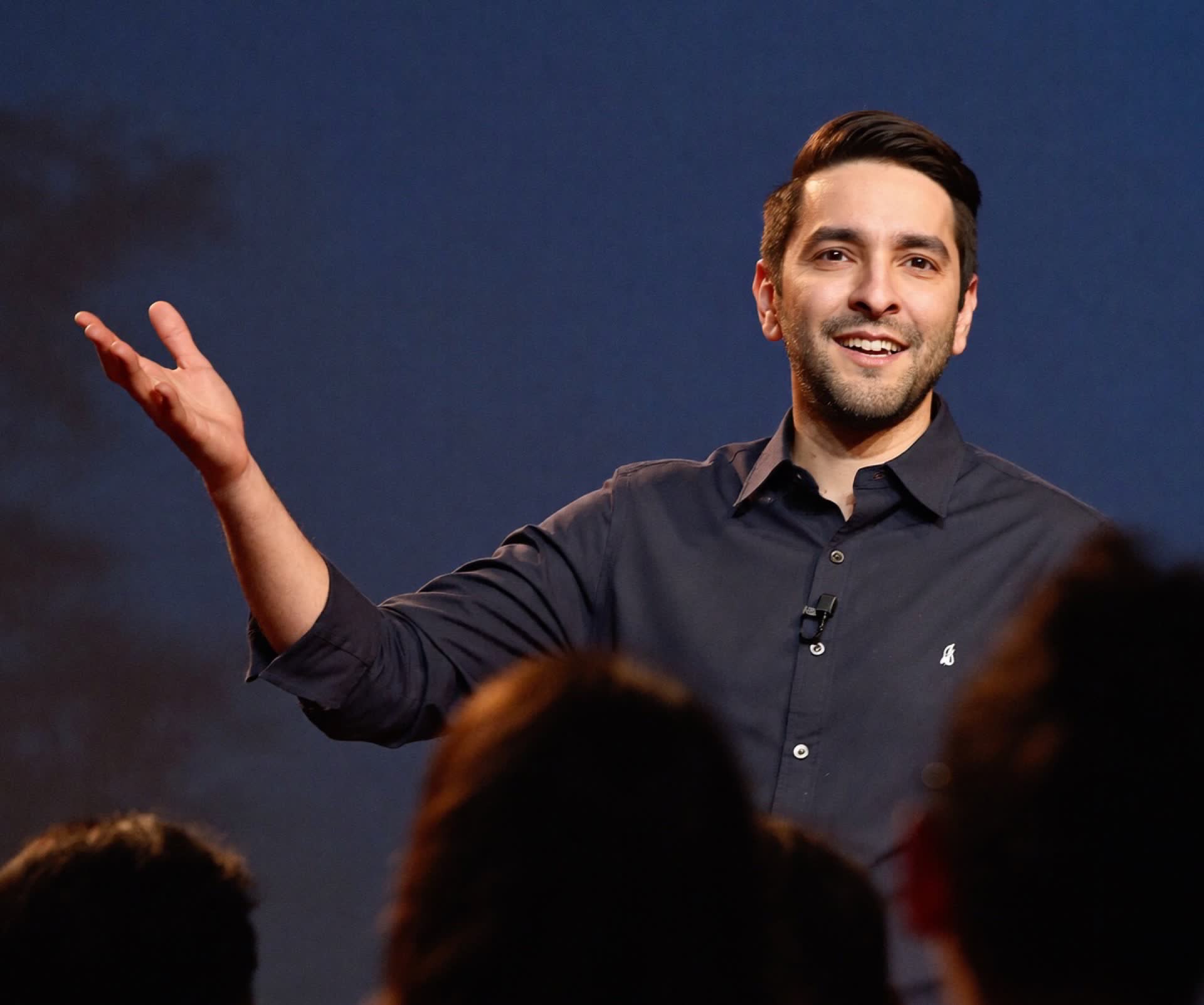
Thought Behind Things · Nov 8, 2023 · 1:29:46
Why she left a global Cisco role to rebuild Pakistani charity
Kanwal Cheema spent sixteen years climbing Cisco — the only woman engineer in its Middle East and Africa region, then a global account director. She tells Muzamil why she left, moved back to Pakistan, and built My Impact Meter to put traceability behind every rupee of charity.
with Kanwal Cheema
12 min read
From a restrictive Riyadh to a freer Pakistan
The episode opens with Muzamil framing a journey most listeners would not predict in reverse. Kanwal Cheema spent sixteen years at Cisco — a 160-billion-dollar company — rose to a global sales role based out of Australia, and then left all of it to move back to Pakistan and start a social-impact company. Before any of that, the conversation winds back to where she actually grew up.
She was born in Islamabad, at PIMS, but most of her childhood was in Riyadh, where both her parents worked as doctors. She moved through American and British schools there. The Saudi Arabia of the late nineties and early two-thousands was, in her words, “very restrictive” — she remembers not being able to go to a restaurant with friends without a male mehram. When the time came for O levels, she chose Pakistan. The quality of education in Riyadh may have been better, she concedes, but “in terms of being a woman, and the liberation that women have, that was much more in Pakistan.”
She came back to live with her grandmother and do A levels at Froebel’s in Islamabad. It was the first time she lived without her parents, and the first taste of real independence — the strict grandmother softened over time, and Kanwal learned to maneuver. Those two years at Froebel’s, she says, were her “initial self-discovery.” Her grades, by her own account, fell apart. She had been a conscientious, organised, top-of-the-class student under a rigid system. When the stick was removed, she had to learn how to regulate herself, and she failed at it for a while before figuring it out.
The biology exam she walked away from
Both her parents were doctors, and her father — the eldest of a poor village family who became a doctor and pulled the rest of his siblings up after him — wanted her to follow. She refused, and the refusal was not subtle. Watching her gynaecologist mother carry “the dreaded pager,” pulled away at three in the morning, on Eid, in the middle of family dinners, had built up an “off switch” in her head about the profession. So on the day of her A-level biology paper, she simply did not go. She did not sit it. She did not tell her father until afterward, on an international call where she remembers a two-to-three-minute silence — expensive silence, in those days.
Computer science at FAST was not, she is clear, a passionate choice. “It wasn’t like it was a conscious choice,” she says — it was that she would not become a doctor, and any good university outside medicine would do. FAST in 2001 was a young institution with no legacy in Islamabad. She got in.
Underneath the rebellion, though, was something her father gave her that she keeps returning to: belief. He came from nothing and thought she was exceptional, and “his belief in me became eventually my belief in me.” She traces a voice in her head — the one that tells her she is wasting her life when she sleeps too much or watches too much Netflix — directly back to him. “I have to do something. I have to leave a legacy.”
What FAST actually taught her
The four years at FAST were, in her telling, both “hell” and “the best four years.” The coursework, she argues honestly, did not transfer as much as the rest of it. What transferred was the grind. In a class of fifty with only a handful of women, she was one of the few who genuinely loved programming, which meant she carried non-programmers through group projects. She tells one story of going six days and nights straight on a project, sleeping half an hour at a desk, then winning a national-level competition at NASCON, walking back with a trophy, lifting it for her grandmother — and fainting.
She was also president of the debating society, president of the school, head of the magazine, chief coordinator of NASCON. Her GPA wasn’t great. But “those extracurriculars contributed as much, if not more,” she says, than the course work. FAST taught her grit, negotiation, assertiveness, how to carry herself, how to read political situations. The professors were mentors and father figures — small classes, open doors, no appointments needed. When her father died, she found herself crying in front of Doctor Aftab, the director, “because for me he is a father figure.”
There is a gendered thread here she names directly. As a woman in a heavy minority at FAST, she was still president of nearly everything, and the mentors there did not carry the “unconscious patriarchy” she would meet later. During a religious phase she covered herself completely, so even the variable of looks was off the table — it was “purely substance.” That foundation, she believes, is what let her hold her own later as “a woman in a man’s world.”
Nine thousand applicants, one seat
Cisco was almost too good to be true. The company was hiring five or six people from each of fifty-nine countries for a one-year program in Amsterdam — the Cisco Sales Associate Program. From Pakistan, nine thousand people applied. Five hundred made it past the CV stage. Thirty-three were flown to Dubai — her first time in a five-star hotel — for three days of intensive interviews, dinners, and observed group activities. Six were selected. She was the only woman.
The year in Amsterdam, with young graduates from fifty-nine countries — Israelis and Palestinians in the same cohort — reshaped how she thought. “At the very basic level, we are very similar,” she says; the differences are individual, not national. Whatever inherent biases and stereotypes she carried broke there. She also met her husband in that program.
The sixteen years that followed were not one job but many. She worked across commercial, enterprise, public sector, and service provider verticals; moved from system engineering into sales; led accounts, then became a global account director. She was based in Pakistan, then the Middle East, then Australia. By 2008 she was the only woman system engineer in Cisco’s entire Middle East and Africa region — and the only woman from Pakistan at Cisco at all. For those who don’t know the company, she explains it plainly: Cisco is “the company behind the internet,” the switches, routers, and infrastructure telcos deploy to move packets from one computer to another.
The global role came with a punishing rhythm. In 2018 she made eighteen trips between Sydney and Silicon Valley — fourteen- and fifteen-hour flights, each way. She had young children. “Your life is a nightmare,” Muzamil offers, and she agrees. What made it work, she says, was a husband who treated parenting as an equal partnership, and a belief in quality of presence over quantity.
When money stops being the point
She left Cisco in 2020. The reasons started building in 2016 and intensified by 2018. She describes it as a second self-discovery — not the teenage kind, but the older kind, where you ask where your life is going and what you’ll leave behind. Muzamil reads it as an early midlife reckoning, arriving in her early-to-mid thirties rather than her forties.
By then she had earned enough that money had stopped shaping her decisions. “The marginal utility of money starts to become less,” she says — how much better can you really eat, dress, or live? The ladder ahead was visible and uninspiring: director, then VP, then SVP, then maybe a CXO role, maybe CEO of some large corporation someday. “But is that what I want? Is that it?”
She frames the math through her own faith. This life, on this planet, is a vanishingly small fraction of a much longer existence — and how she performs in that fraction dictates the rest. Asked whether she was actually maximising her gifts in that sliver, the answer was no; she was focused on herself, her family, her career. That answer, refined over a couple of years of conversations and false starts, eventually pointed in one direction. “I have to make the sacrifice. I have to get out of my comfort zone.”
The four pillars of My Impact Meter
While the awakening was happening, she did an MBA and a degree in social impact from the University of New South Wales, and found the same gaps everywhere in the sector: misappropriation of funds, costly fundraising, friction, and failures of traceability, visibility, and equitability. Her question was simple. Technology transformed ride-sharing through Uber and Careem, and hospitality through Airbnb, removing friction and adding transparency wherever it touched — so why not charity, where the need is greater than anywhere else?
My Impact Meter, she explains, rests on four pillars. The first is a “mall of NGOs” — trusted, verified organisations in one place, with reporting above a certain threshold. The second is a services ecosystem that lets a donor give a specific person ration, groceries, or skills directly, without wounding their dignity. The third is education. The fourth is the technology layer that ties it together.
The mechanism that makes it work is the CNIC. Every person added to the platform is uniquely identified by their national ID card — you cannot add a beneficiary without one. Against that ID, every benefit a person receives builds a visible history. If you add your driver and someone else adds the same driver, both can see what he has already received, from you or from anyone. That single design choice attacks the problem Muzamil raises from the 2022 floods: aid that pooled at the first accessible villages — twenty and thirty times what those families needed — while the poorest, sitting further out and rurally, got nothing. During those floods, Al-Khidmat, a major partner NGO, verified and added the poorest widows from across Pakistan to the platform, so a donor in the US could pick one, see her history, and gift monthly ration. Benefits never go out as cash; a voucher arrives by SMS, redeemable at a nearby store, with the receipt uploaded and the shopkeeper paid digitally.
The case against charity that creates nothing
Muzamil offers an unpopular view: charity in Pakistan often produces negative outcomes, incentivising consumption and dependence — paying someone handsomely to do nothing while haggling with the plumber who actually works. Kanwal says she shares the philosophy “ten times as aggressively.” She never gives to the beggar at the signal, and especially not to one displaying a disability, because she knows that giving is exactly what drives the behaviour. A core reason she built the platform, she says, was visibility — to stop incentivising begging while still ensuring no child sleeps hungry or stunted.
On education, the numbers she cites are stark. Sixty-four percent of Pakistan’s population is under thirty — roughly 148 million people — and only about six percent of them reach university, by a UNDP report. The country’s demographic advantage, she argues, becomes a national emergency if those young people can’t find work. Her answer is EarnTech — “Seekho aur Kamao” — which connects diaspora sponsors to IT and vocational training. For roughly $500 (about 150,000 rupees), a student gets six months of training, six of incubation, and six of grocery support — the groceries deliberately included so the student can leave a menial job to study, with the next month’s groceries tied to attendance and results. The bet: one young person earning a few hundred dollars a month lifts an entire family out of poverty.
Selling sustainability where capitalism usually won’t
Muzamil presses on the two hard questions: incentives and survival. Most donors, he notes, just want the obligation off their chest — and charity tech has lagged precisely because the capitalist incentive and sustainability models don’t naturally exist.
On incentives, Kanwal describes impact credits: every donation earns credits pegged to gold — one milligram of gold per credit — making the “proof of charity” tangible in a way carbon credits, she argues, are not. A blockchain layer sits on top, and the longer-term play is secondary markets, where large multinationals could buy credits to match their customers’ impact, diverting marketing funds into social causes the way Cisco once matched her own donations.
On sustainability, she contrasts the platform’s economics with the sector’s. An NGO might spend $3 to raise $10, on ads, fundraisers, and fund managers — the cost behind every charity telethon. My Impact Meter takes 0.5 to 0.8 percent for every $10, in exchange for a full fund-management system the NGOs value. It adds a one percent grocery fee, and a fee from schools and training centres who can’t raise their own prices but gain an entirely new revenue stream. None of it touches the donor. She is candid that this isn’t enough yet — more revenue will have to come from the secondary markets, the platform data, and services to the shopkeepers now joining from across the country. The whole thing is bootstrapped on her own money, piloted in Pakistan, impact-first rather than commercial-first, with a global ambition once the model is proven.
Pakistan as a startup that hasn’t found its model
For the closing question, Muzamil asks how she sees Pakistan in 2050. Her answer turns on the demographics. In the old world, economies grew by acquiring land and people through war; that era is gone. Now growth comes from the quality of your people and resources, which are finite. Pakistan’s young population is a vast advantage — or, if its youth aren’t invested in, a vast disadvantage.
Then she reaches, reluctantly, for a metaphor from her new world. Pakistan, she says, is a young democracy where democracy in its true sense hasn’t been able to flourish — still in a state of experimentation, never quite reaching a stable, mature system. “We’re still in that startup model.” A startup spends a long time learning and searching for its business model; only once it finds that model does the money go in and the thing scale. Pakistan, in her reading, still hasn’t found the model it can mature. The sooner it gets out of permanent experimentation and into stability, the sooner it can scale — and that, more than any single policy, is what she’s watching for.
Full transcript
Welcome back to the three hundred and eightieth episode of Thought Behind Things. Today is the 11/08/2023 and आज हमारे साथ मौजूद है कवल जीमा who is the founder of My Impact Meter जो कि एक social impact startup है. When I originally sung it I didn't understand it quite much but today I am at and it is a phenomenal startup. The work that she is doing is a game changer. Trust me, जो भी यह sun रहा है उसको directly impact करता है one way or the other. I would really urge you particularly वो जो startup वाला part है कि वो कर क्या रही है वो कैसे कर रही है and why that's so useful वो ज़रूर check out करिएगा इसी के साथ साथ हमने उनकी journey explore की जिसमें she actually joined Cisco back in 2004 and grew rapidly there ending up becoming the global head of sales if I am not wrong based out of Australia and then once she was there you know again Cisco is a $160,000,000,000 company. So जब वहां पर पहुंच के she left that and everything and then moved to Pakistan to start this. That again was a fascinating tale of why someone does that and what is she doing next. If you new channel, subscribe करना मत भूलिएगा. If you पुराने हैं तो video को like करना मत भूलिएगा. It really helps the algorithm. If you your thoughts, comment section में हमें ज़रूर बताएं. I'd love to hear your thoughts. It really helps me increase the quality of the conversation. इसी के साथ साथ overseas पाकिस्तानीs can help support the channel with the Stripe link down below. It helps us remain independent for as long as possible. But anyways, here is कवलचीमा on TBT Go लोहौर studio. कमल, how are you? बिल्कुल ठीक. अहमदार अल्ला. Thank you for being part of the show. You're welcome and thank you so much for having me over. मुझे थोड़ा सा पहले तो यह बताएं कि where were you born and early life आपने कहां पर गुज़ारी? So I was born in Islamabad
in Pims और early life जो है कुछ part उसका Islamabad में था and then my parents moved to रियाद. So most of my childhood was in रियाद. And schooling,
Pakistan Yeah, embassy
not not Pakistan embassy school. So, different schools in रियाद, American and British schools in रियाद. But initial schooling जो बिल्कुल जो nursery थी वह यहां पर Beacon House में थी और उसके बाद फिर class I think class two या three में memo हुई थी. Right और पूरा आपका जो middle school, high school वह फिर रियाद में गुज़रा? Up until grade eight रियाज में था and then I did my O levels from Pakistan. O levels में Pakistan से इतना किया कि wasn't a school like kind of tuitions लेकर और फिर O levels British council में ही रियाज में ही दिए क्योंकि उस वक़्त रियाज में कुछ schools का crisis आया हुआ था और फिर A levels मैंने यहां से किया था Pakistan Robel से. Right. How
was रियाद? And this is my understanding is this is eighties, early nineties?
This is late nineties, late nineties,
early two thousand. Because सऊदी at the time was very different than the सऊदी of today, right? So it was Very different. तो वह आपके लिए as someone growing up at the time, what what was that? What the experience, the environment?
It was very different. So it was very restrictive. I remember कि you had to आप restaurant भी नहीं जा सकते थे just among your friends. You always had to have a male मेहरम with you everywhere you went. Did it feel restrictive at the time? Because you don't know any other reality तो तो अब उसे देखिए क्या आप Pakistan आते रहते थे Right. तो Pakistan से बहुत लोग था तो इसलिए जो है it did feel restrictive. Which is why you know जब जब O levels की बारी आई तो कुछ options थे भी but I just kind of you know ran out I was like नहीं मैं जा रही हूं Pakistan.
So Pakistan seemed more liberated than Pakistan Saudi seemed a lot more liberated.
Obviously the quality of education and stuff was was very good in रियाद was maybe better but the environment and in terms of being a woman और जो औरतों के पास जो liberation है that was much more in Pakistan I think. Right and your family moved back when you were going to Olavuls या you were living with your grandparents' sister? I live with my grandmother. Right. My grandfather, yeah. And was that the first time you started to live sort of independently? That was the first time. That was the first time and independently इस तरह से के शुरू में तो the grandmother was very you know kind of very vigilant मगर बाद में obviously being an older person she and I I kind of was able to Manuever through that situation. Maneuver through that situation and gained a lot of independence. So, I remember in A levels
मैं बहुत independent हो गई थी. But independence से यह भी है ना कि not necessarily in terms of just you individually but parents के बगैर रहना is a thing, right? Like even when you're now you're with your grandparents but the system that you have grown up with the household and the the patriarch and the matriarch वह अब change हो गए. Did you deal with that easily? Because I know people interestingly from Saudi I think it's a very common Saudi thing कि वहां से जो है वह बच्चे education के लिए यहां grandparents के पास आ जाते हैं. Sometimes hate or miss होता है. Sometimes बच्चे जो है वह कहते कि यार दूर आ गए, दूर भेज दिया. यह क्या situation है? For you it was ok. दुनिया भर में technology बहुत evolve कर चुकी है. अब आप घर बैठे एक mobile phone से पूरी दुनिया में किसी किस्म की भी different assets, stocks या even cryptocurrencies ख़रीद सकते हैं. जहां पर यह technological evolution आए वहां पर भी unfortunately हालात ऐसे हैं कि economy एक ऐसी जगह पर पहुंची हुई है कि बड़े आजकल बुरे हालात हैं, inflation बहुत ज़्यादा बढ़ रही है, savings हमारी deplete हो रही हैं. ज़्यादातर लोग investments करते ही नहीं हैं और जो करते भी हैं वह 90% losses unfortunately बनाते हैं. इसी problem को solve कर रहा है शर्माया dot p k जो कि अपने financial trading platforms पर trainings भी offer करता है और data भी offer करता है जिससे आप पूरी दुनिया की markets ख़ासकर पाकिस्तानी markets को आसानी देख सकते हैं. अगर आप लोग अपनी investments और trading में struggle कर रहे हैं तो I would definitely urge you to check out Sharmaya Financials platform. It's a remarkable place जहां पर आपको बहुत interesting you know reports के through data भी मिलता है, investment की advice भी मिलती है और ख़ासकर उनकी trainings जहां पर उनके experts जो हैं वह आपको crypto और stock market और commodities और assets के अंदर trade करके पैसे कमाना सिखाते हैं. So check out the platform and check out their trainings. Now back to the podcast.
I think उसको मैं कोई binary नहीं बता सकती कि was ok or not ok. There were phases, there were different points. As you can, you know, human beings are complex animals as well. So, I think शुरू में जो है वह थोड़ा सा feel हुआ कि भाई मैं दूर आ गई और उस वक्त मेरी नानों जो है वह थोड़ी you know strict भी होती थी. मगर आयश्ता आयश्ता were very adaptable. So adapted to that situation really well. And and and you know I I think क्योंकि मेरे parents were very busy. They were both doctors. Right. तो बड़े busy they were very busy both of them. And especially my mother. तो जब मैं इधर आई तो नानो जो है वह सुबह नाश्ता ले लेकर पीछे फिर रही हैं और वहां पर तो सौद्रिया में सारा कुछ ख़ुद करना पड़ता था मगर यहां पर वह इतनी ज़्यादा pampering थी और इतनी ज़्यादा freedom एकदम से मिल गई
mean A levels आपने बोला कि I can really relate to it. मेरे straight A's थे O levels में, 97 and Math. I was really good at वो सारा. A's में, A levels में मैं गया, you know, events, co curricular, friends. तो पहले A's में straight B's, फिर A2 में straight C's. In lot of ways but अगर आज मैं if I look back I don't care much for the grades because the experience that I got at the time really built me as a person because exposure, the so आपके लिए वह A levels again क्योंकि पहले तो आपने कभी privately किया था tuition C वह. Frobells is a big legacy school for इस्लामवाद. वहां पर एक culture है. What was that like? What was those those two years like? What all did you do at the time? And particularly in the context of the exposure that you would have gotten coming from Saudi and now to Islamabad.
Those two years were बहुत kind of वह जो freedom पहली दफा मिलता ना and you try and come to terms with it and you try and kind of find yourself in that. तो वह वह दो साल मेरा ख़याला जो initial self discovery थी उसके दो साल थे plus the social connections आपने कैसे बनाने हैं? There's a at that age when girls are growing up there there's a lot of competition. We're frenemies. Right. We're friends भी हैं but but उसके बावजूद भी there's as well. तो those navigating through those social structures and finding my space, the heart breaks that came with it, the the learnings that came with it. So, of that kind of, you know, contributed to the person I am today. So, I would agree with you totally कि I think जब when you hindsight पर जब when you look back at it, it's not just even, you know, जो grades वाली भी चीज़ होती है, you discover कि what went wrong in terms of I used to be a very diligent conscientious person बहुत organized तरीके से जब तक के ऊपर एक बूखा डंडा था और इतने घंटे पढ़ना ही होता था जब वह डंडा हटा तो किस तरह अपने आप को regulate करना सीखा और किस तरह शुरू में you know you kind of fail as well in the beginning when you are trying to do that. तो I think those two years were very instrumental in helping me understand myself. Interesting.
Do you, I mean एक आपके तीन किस्म के friends होंगे probably. एक आपके सऊदी के बचपन के friends होंगे, अकेला बस के friends होंगे, एक university के friends होंगे. Who do you think are the ones that have stuck out with you the most today?
बचपन के friends भी हैं थोड़े बहुत but जो university की friendships हैं those have been very instrumental, have stayed. They are alive till today and they are you know some of the best friends I have are still the ones that I had in the university. Did you go to university straight up from A levels or did you take a year off or? Straight up. अच्छा
and this was 2001. 2001. Right? You did computer science from FAST. What was the thought process there? Because उस time के ऊपर आज तो everybody and their moms are doing computer science. उस time के ऊपर तो concept ही नहीं था. उस time पर तो medicine और engineering. And then FAST, if I remember this correctly, I think उस time पर वह G9 की building start हुई थी. G9 में Building Right. Start हुई So is this new theoretically a new university कोई उसकी legacy भी नहीं है. Islamabad में तो at least. When you were applying for college or university what was the sort of calculus? होता है ना हर इंसान का कि यार मैंने यह करना है और मैं ऐसा ऐसा करूंगी because for someone who's been who's who's been raised in रियात my understanding would have been कि आप और सात रियात plus troubles आप McGill try करेंगी, US try करेंगी. So tell me about your sort of university journey. एक तो यह है कि A levels में
जैसे कि मैंने कहा मेरे grades का जो हाल हुआ तो मिगल और वो सारी चीज़ें just kind of got it off.
Right.
तो एक तो यह था. दूसरा यह था कि my parents wanted me to become a doctor. They were both doctors. My father was like कि हमें क्योंकि now we really understand this. जब हम doctor बन्द हुए थे, हमें कोई guide करने वाला नहीं था. But now we can really kind of support you through this. So, they were both very eager, especially my dad. He wanted me to become a doctor. But I had seen मेरे जो दिमाग में ना एक kind of seeing my mother being so busy. She was a gynecologist. Gynecologist कही होता है कि बच्चे तो time लेकर नहीं आते ना दुनिया में. तो वह रात के तीन बजे भी आ जाते हैं, चार बजे भी आ जाते हैं, ईद वाले दिन भी आ जाते हैं, family dinner पर भी वह आ जाते हैं. तो she had this one thing that pager which was the dreaded pager कि वह कभी भी बच जाता था. तो मुझे लगता था कि मुझे वह नहीं करना because ऐसा था कि I thought कि भाई मेरी तो family life कोई होगी ही नहीं. जैसे इनकी नहीं है. I missed her during those times when I was growing up. तो doctor से ना एक मेरा दिमाग में वह एक off switch आ गया था कि भई I I had become very rebellious against that profession. So although there are I mean other things you can you can be something else, you can be a dentist, you can have other you know specialties but I wasn't I guess I wasn't wise enough to understand that. मुझे बस एक बस doctor से चिड़ हो गई थी. तो मैंने जिस दिन मेरा A levels का biology का paper था मैंने इसी वजह से जो है वह math भी रखा, biology भी रखा, chemistry भी और physics भी. तो biology वाले paper वाले दिन मैं गई ही नहीं. मैंने paper ही नहीं दिया. And then उसके बाद फ़ौरन मुझे याद है कि आह खान का interest. I didn't tell my dad that I didn't go and then उसके बाद मेरा आहखान का test था तो वह भी निम्हें करने गई तो then later when my father found out he was not happy about it. तो it was kind of like कि वह नहीं करना तो फिर और क्या करना है? तो computer science wasn't a conscious choice. Wasn't like it was rather कि doctor नहीं बनना उसके अलावा किसी भी अच्छी university में हो जाए तो ठीक है. Right. Fast में हो गया फिर. Interesting.
You're the oldest child. Right? And oldest children are more often than not the ultimate experiment of the parents. The perfect experiment जिसमें जो जो उन्होंने अपने दिमाग में सोचा होता है वह पहले भी करते हैं दूसरे पर expect करते कि पहला ही करेगा और तीसरे चौथे पर वह कहते कि यार वह अपना वह ख़ुद ही. And I am the youngest of six so I know the dynamic very well. This rebellion that you did isn't easy for the oldest ones. No it wasn't. The youngest can do whatever the hell they want to do, right? Absolutely. How was that turbulent period because you were away from the family? You didn't go for your biology exam that's just mind numbing for me. How did the parents take it and मतलब कितना time उनको लगा to reconcile कि अच्छा जी अब यह बेटी ने कर दिया हुआ है और हमारी जो dreams हमने सोची हुई है वह shatter हो गई है essentially. So my dad when he found out कि नहीं हुआ तो मैंने नहीं दिया. It was on the phone that I told him there was a long pause.
मतलब मेरा ख़याला दो तीन minute and international calls उस वक़्त काफ़ी ज़्यादा मतलब पैसे लगते थे international call you couldn't just have a pause that long. क्योंकि हमेशा बचपन से मैं I always used to come first in my class बहुत अच्छे मेरे grades होते थे like I said I was very conscientious person बहुत organized होती थी I was very responsible तो उनको लगता था कि यह तो पता नहीं क्या चीज़ है ना? तो he had a lot of expectations hopes मुझे याद है कि मैं मेरे अगर मैं first आती थी मेरे A stars आते थे 95% से ऊपर आता तो तो जो second आती उसके 87% आता मतलब there used to be कोई comparison नहीं था और मेरे मेरे अब्बू का जो expectation थी वह मुझसे यह नहीं होता था कि first आने पर वह खुश नहीं होते थे उन्हें यह होता था कि अच्छा 95% से ऊपर क्यों नहीं आया? 97 क्यों नहीं आया? A a star क्यों नहीं है? अगर एक भी subject में a भी आता था तो he would be a little disappointed. You can imagine कि उनके ऊपर क्या गुज़री होगी. So it was a difficult time and then you know my liberties were taken away slightly as well and but the thing is कि eventually in hindsight he was very happy very happy with how well I did in the corporate world. Interesting. Do you think
अभी आपने बड़ा interesting word use किया आपने कहा there are lot of expectations from me. मेरे मेरे I would use another word faith, right? So expectations and faith जो पाकिस्तानी parents काफ़ी दफा मेसकर जाते हैं. And now you're you're a parent yourself. Do you think your parents had faith in you or do you think they had expectations? Because faith का मतलब यह है कि you do allow yourself to let go a little bit and say कि ok they're failing but they know how to succeed because we have enabled them to be like that. And follow up question because you said eventually he did come around once your corporate situation happened. Do you think your success in its eventuality उस उसके अंदर आपके parents का जो trust था कि क्या आपने कहा ना कि वह बचपन से यह था कह रही है यह दुनिया फ़त्म करेगी. Do you think that allowed you to dream as well कि यार मैं वाकई कर सकती हूं? Because ख़ासकर आप Pakistan से पढ़ते हैं, Pakistan से बाहर you've had and you'll talk about that as well. You've a global journey. पाकिस्तानी इसको काफ़ी दवा चीज़ें हैं. उनका दिमाग़ रोकता है कि यार इधर तक हमारी यह वह कहाता है आगे कैसे आगे तो गोरे नहीं करना type. Mhmm mhmm. तो बहुत कम लोग होते जो कि अपना दिमाग इतना खोलते हैं कि actually you know what like why don't take that leap of faith because I might get the return that I can dream of.
You are absolutely correct. मतलब मेरे I think my मेरी success में बहुत बड़ा हाथ मेरे अब्बू का है. क्योंकि एक तो वह मुझे मेरे अंदर बहुत ज़्यादा believe करते थे and that his belief in me became eventually my belief in me. He came from a very poor family, a very humble background. उनके जो although ज़मींदार थे, चौधरी थे गांव में but उनकी family में उनके मतलब गांव में वह रहते थी उनकी family and he was the only one who became a doctor. He was the eldest and his siblings as well. When he became a doctor तो उनके सारे siblings पर one after the other everybody succeeded. कोई lawyer वन गया, कोई scientist वन गया, कोई. तो तो उनको लगता था कि जितना वह और उनके जो first cousins या उनके जो cousins हैं वह अभी तक गांव में है. ठीक है? तो वह that family because of his ambition or because of my grandfather's ambition for him kind of got uplifted completely. And so उनको लगता था कि it's my responsibility to take the family to the next level and for my siblings as well. And I felt that responsibility. तो I I I feel कि मेरा थोड़ा सा मैं पटरी से उतरी भी जैसे levels में जब रोबेल्स गई तो मैं पटरी से काफी उतरी. मगर that ultimate belief and that core kind of you know and that trust in me and him thinking so high of my abilities and him thinking कि मैं बहुत intelligent हूं और मैं क्या चीज़ हूं that made me believe in myself as well and I think that contributed a lot to that. Voice in your head which basically said, you can do it. That I didn't waste मतलब जैसे मुझे अभी भी आज भी जब मैं बहुत ज़्यादा TV देख रही हूं या Netflix देख रही हूं और time waste कर रही हूं या बहुत ज़्यादा सोती हूं तो मुझे लगता है मेरी life waste कर रही हूं मैं. मतलब I am I am not like the others. I have to do something. I have to leave a legacy and that I think I can trace that back to my dad. That's kind of the core belief that he put in my mind right from a very young age. Interesting interesting.
How was fast? Four years? 2001 to 2005?
2001 from, yeah, 2005. How
was that? Again, very different time. Computers, tech, all of that. This is pre Facebook, YouTube era. What was what were those four years like? Those four years were hell. अच्छा. So the sentiment was the same ten years ago, twenty years ago?
They they were the best four years. I mean they बहुत बहुत fast रगड़ा देता है आपको. और मुझे एक मैं आपको story सुनाती हूं छह दिनों से मैं जागी हुई थी क्योंकि हमारे class में ना मैं अब ख़ैर में से एक वह लड़की है जो कि Apple में top programmer है. मगर उस वक़्त somehow उन लड़कियों को ना programming का शौक नहीं था मुझे था.
तो और यह class थी पचास की. पचास की. So essentially the ratio was what 14% women and mostly
boys. Math is very quick. Very impressive. But yes, so we were very few girls in the class. तो मैं और एक और लड़की बहुत शौक से programming करती थी. बाकी जो है वह इतने शौक से programming नहीं करती. तो अक्सर ऐसे projects होते थे जहां पर मेरे group में non programmers होती थी. तो एक मुझे बाकिया याद है कि मैं छह रातें दिन रात जाकर programming programming programming. Beach में थोड़ा सा सो लिया कि आधा घंटा सो लिया, desk पर बैठे बैठे सो लिया, इस तरह और फिर छठी दिन जो है वह हमारा नास्त में एक international वह national level competition था एक stempor मैं वहां गई and then we won the national level award. I came back, I had a trophy in my hand and I just like lifted that trophy कि नानो मैं यह जीत कराई हूं and then I I fainted. मगर it was also very enjoyable मतलब I did so many other things in fast I was president of debating society, president of the school, the the the magazine जो fast ने निकाला उसकी president थी फिर जो event करता है नास्कोंन उसकी president, chief coordinator वन गई तो I was very you know active did a lot of extracurricular मेरा GPA wasn't that great मगर I think in hindsight कि that was the that those extracurriculars contributed as much if not more in as as much if not more than my course work in in what I am. तो वह जो और वह जो रगड़ा था ना जिस्ता रगड़ा itself the ability to take that रगड़ा वह भी contributions a lot because you know जब आप उस deadline में आते हैं और आप उस pressure में आते हैं तो it's not new for you because you've already lived through it. उस वक्त हमेशा हमारे professors कहते थे you think your professor is stuck wait till you meet your boss. तो मैं hindsight में देखती हूं कहती नहीं यार boss इतना tough है वैसे
ऐसे ही तेज़ आता था. So professors ने worst case scenarios basically वैसे build किया scenario से आपको जो है आपकी training. How were the professors at the time? A lot of times अब हम देखते हैं और उसके बाद I believe आप लोगों का time था जब HEC आया और उसने बहुत ज़्यादा regulatory environment भी change किया. मेरे time पर for example that was a decade after you guys were at FAST. बहुत ज़्यादा ऐसा हो चुका हुआ था. I mean, I do respect all of the instructors who were there. But there was a disconnect from the industry, right? So, HC ने कहा था जी masters minimum होना चाहिए वाना PhD. Most of these people were कि वो graduate किए, masters किए, PhD किए और फिर आगे पढ़ाना शुरू कर दिया. Completely disconnected what's happening in the industry. How were your instructors specially when you bring in the context of what the tech industry at large was doing? जो आप लोग by the time you graduated did you feel like कि यार ठीक है university ने fundamentals तो बढ़ा दिया लेकिन industry तो बिल्कुल ही different flow में चल रही है या were you able to easily get absorbed?
मेरे लिए I think it was easier. अच्छा पहली तो let's आपने जो question पुछा है I am going to slightly deviate from that. आपने पुछा from a tech industry and industry perspective but अगर मैं अपने professors और जो वहां पर fast में teachers थे उनकी वैसे बात करूं and I you know keep the tech or the career aspect on one side Just the kind of the relationship that we had with them at that time. उस वक़्त बहुत थोड़े fast में बच्चे थे. अब तो जैसे मैं देखती हूं ना कि बहुत सारे सबका one on one नाम नहीं पता. सब हमारे director थे doctor अवताब. उनको सबका personal नाम भी पता था, सबका पता था. So the kind of relationship I enjoyed with the professors at that time किसी भी वक़्त उनके कमरे में चले जाते थे, knock करते थे, कोई appointment नहीं ली भी होती थी. Sir यह question है, यह बता दें, ऐसे कर दें, वैसे कर दें. इतना ज़्यादा family type relationship था ना. I think they really contributed to the way we think, the way we are because उनकी सिर्फ़ पढ़ाई नहीं थी, तरबीयत थी जो कि constantly एक बहुत personal connection था. एक एक के साथ. मैंने और specially मेरा तो मैं तो एक एक के साथ बहुत time actually spend किया, उनसे सीखा, उनकी life journeys के बारे में पुछा, उनसे सीखा. So, I think they really contributed
in a lot of ways. And like more than instructors they were mentors.
They were mentors, they were father figures. Doctor अवताब से मैं काफ़ी अड़से बात मिली जब मेरे अब्बू की death हो गई थी. I saw him and I just started crying. और मुझे कहते हैं और उनके कोई delegation आई हुई थी. I was sitting there crying in front of him and I I because he for me is the most respected like he is a father for me like that father figure. तो तो वह एक level of respect में आप देखते वह है ही नहीं. अब नहीं है. अब इतना वह disconnect है. अब वह पैसा अब एक factory बने रहे हैं. अब एक छोटा हुआ factory है. हां. तो वह एक different चीज़ थी. In terms of the जो आप कहते हो कि career and हां. मेरे लिए क्योंकि मैं Cisco में चली गई. Cisco में फिर मैं एक program में जो Cisco academy में चली गई, मैं Amsterdam चली गई. वह वहां पर one thirty students थे from 59 different countries. मैंने Cisco ने हमें Cisco सिखाया, paid kind of university थी. तो we were all, I learned so much about different cultures, Cisco के बारे में सीख. तो वह जो fast वाला जो fundamentals थे ना कि रगड़ा कैसे लेते हैं, the personality, लोगों के साथ कैसे करते हैं, the social connections कैसे बनाते हैं? I think I was like excellent in that when I went Right. In the grit grit सिखा दिया fast. Grit सिखा दिया, negotiation सिखा दी, assertiveness सिखा दी, एक अपने आप को carry कैसे करना है, political situations में कैसे you know what you do. So, I had learned a lot from fast not just the I think coursework इतना probably didn't did not apply as much at that time. Interesting. I think आज उसमें ज़्यादा वह industry, academia linkages are stronger. आप बिल्कुल ठीक कह रहे हो कि उस वक़्त it wasn't that much. Interesting. So I wouldn't say the coursework yes it did because अब जो fundamentals आते हैं आपको programming के fundamentals आते हैं, foundation आपकी strong है. आपने देखा होगा fast के लोग बहुत अच्छी positions में हैं because their fundamentals are strong. Right.
उसके ऊपर जो layer है वह तो आप build कर ही लेते हैं You industry में went to Cisco straight up after graduate?
I worked at FAST for a little while just to have fun. But yes, Cisco was my first time. How long were you working at FAST for? Couple of months. अच्छा. Tell
me about Cisco. How did that sort of come about and what was the opportunity? And इसमें मैं again आपने बड़ी interesting बात बोली आपने कहा negotiations के बाद बड़ी different themes आपने identify की, right? Again इसमें मैं वह pluck करूंगा as a woman जो कि एक minority के अंदर है. Do you think being that for a lot of other women they'll be like कि यार you know what हम थोड़े से हैं, हम वह हैं वह एक एक एक inherent sense of weakness है और inherent sense of like I said dreams को बंद करने वाली चीज़ है. Do you think that contributed? Because मैं देखता हूं मैं अपनी बहन को देखता हूं. मैं even I look at my wife हमारी industry के अंदर literally यह होता है कि आपको brand या agency call करेगी वह लड़के को different charge करेगी वह लड़की को negotiate करती रहेगी so you constantly have to have that battle of being taken seriously. Do you think कि जो fast का experience ससने आपको सिस्कों के अंदर आगे जाकर जो आपने grid की बात की ना अगर मैं उसके अंदर theme of being a woman add करूं तो how did you think that sort of panned out?
That played a very very crucial role क्योंकि FAST में even though इतनी minority में थे, उसके बावजूद I was very successful. As a woman, as like I said I was debating president, dramatic president you, president of many societies within FAST. Right. So, you know, the जो FAST में specially जो professors, Doctor अवताब and others, the kind of trust and the kind of non biasness not even like I wouldn't say they even have because a lot of the places that I went to later there is a lot of unconscious patriarchy, unconscious bias that even well meaning people have in them. It's inbuilt, generational है. मेरा ख़याल है कि I was very lucky कि वहां पर जो कुछ mentors मिले they didn't have that. And उसकी वजह से you know they gave me that platform मुझे और और बाकी लड़कियों को वहां पर. They gave that platform where we could really be equals to all to the even though we were such in minority and that really laid the foundation for the fact कि उसके बाद जब मैं job में गई, I faced a lot of things, you know, lot of things. But you were able to sort of maneuver to But I was able to maneuver to sometimes wasn't able to, sometimes was able to but that really helped. I mean that जो अपने अंदर एक self confidence होता है ना कि भाई मैं तो lead कर सकती हूं. मैं तो लड़कों को भी lead कर सकती हूं. मैं तो, you know मैं तो equal उनसे. Right. और fast में जो है वह मैं मेरे अंदर एक एक phase religious phase भी आया था where I completely kind of you know covered myself in a way where only you know I completely covered myself. तो उसमें that जो एक होता है ना कि आपके looks का भी एक aspect होता है they help वह भी नहीं था. Right. क्योंकि I was so covered. Purely
personality, purely substance के ऊपर आप ले हैं. Purely substance that training
I think went a long way in making me successful
as a woman in a man's world. Interesting. And Cisco, so tell me about the opportunity because you got into that opportunity and it was inherently global from the get go. Right? So how did that come about? Was that the only place you applied to? Tell me about that.
I was working in FAST at that time and I had applied to a couple of different places. But जब जब role आता था और मुझे I I wasn't I couldn't I wasn't fancying behind the test job और जिसमें मैं सिर्फ programming कर रही हूं. उस तरह के कुछ offers आई मगर और कुछ बहुत अच्छी offers भी आई मगर मैंने उनको turn down कर दिया. तो जब Cisco वाला start हुआ तो it was like you know इतनी तनख्वाह होगी. मैंने सुना उस वक़्त तो मेरे लिए I was like what? I didn't believe it. Too good to be true. Too good to be true but बहुत मुश्किल है घुसना कि भई नौ हज़ार applicants हैं पूरे Pakistan से because what Cisco was doing at the time was that Cisco was hiring from 59 different countries Cisco was hiring five or six people from each country to take them to Amsterdam and put them together for a one year program. जिसको Cisco sales associate program कहते थे. तो नौ हज़ार applicants Pakistan से थे. उसमें से हमारे CV से shortlist हुए पांच सौ. वह जो पांच सौ थे उनका फिर एक telephonic interview हुआ था जिसमें 30 या 33 जो है वह shortlist हुए. उन 33 में मैं shortlist हो गई. वह 33 जो है they were all flown in like बहुत with a lot of pomp to Dubai. तो वह मेरे लिए तो था कि Cisco में हो ना हो but वह जो है यहां पर एक free का trip ही आ गया हुआ Five star hotel हफ़्तूर grand उस वक्त नया नया बना था उसमें हम beach वाला hotel था भाई five star hotel में रह रहे हैं full enjoy कर रहे हैं तो पहली दफ़ा five star कमरा देखा तो you know I was like यार होना हो enjoy सही कर रहे हैं. तो so so we were flown there and then वह 33 लोग जो 30 लोग 33 I don't remember the exact number उनका तीन दिन के extensive intensive interviews, dinners you know kind of three दिन उनको observe किया group activity type activities तो उसमें उन्होंने फिर छह लोग select किए and I was the only woman And there's five guys and then I was the only woman that got selected. From those there were about four or five women in that group but I was the only one that got selected. तो that obviously very very tough selection process and then one year in Amsterdam. वह जो एक साल था ना Amsterdam का. यार must have been incredible by the way like. Israeli भी थे, उसमें Palestinians भी थे. उसमें हर country मतलब 59 different countries से young people, fresh graduates. क्योंकि अपनी thought और अपना culture लेकर आ रहे हैं. अपनी thought और अपना culture लेकर आ रहे हैं. In that program we became such good friends all of us. You know and and then you realize कि इंसान जो है वह basic level पर they are all the same. Same nuances हैं, same heart breaks हैं, same you know चीज़ें joys हैं, same so same sadness के जो चीज़ें होती हैं वह भी काफ़ी similar. ठीक है थोड़े बहुत कोई cultural differences होते but at the very basic level we are very similar. Right. And then you realize कि भाई यह जो जितने जो differences होते हैं they are more at the individual level rather than at the country level or at the national तो वह जो humanness है ना और जो acceptability है और tolerance है वह बहुत ज़्यादा हो गई थी मेरी उस वक्त. Right. Because you know you were friends with all sorts of people from all sorts different cultures, backgrounds, religions. जितने भी inherent biases थे stereotypes थे वह सब break हो गए वहां पर basically. हो गए. You know सब तो break हो तो that one year was very very I think I learned a lot in that one year really shaped my thinking and and you know the fact कि वह जो tolerance वाली चीज़ है वह वहां पर बहुत ज़्यादा build हुई. उसके बाद फिर फिर I came back to Pakistan, फिर Middle East, फिर यहां पर काम किया. By the way I met my husband in that that program as well. अच्छा. तो फिर उसके बाद we we came move to Pakistan, worked here for a couple of years, worked in different areas, places. Cisco में because it's such a big company. It's a $160,000,000,000 company. 60,000 employees, right? तो you get to do it. It's not like अगर मैं कहूं कि अच्छा मैंने सिस्कों में सोलह साल लगाए. इसका यह मतलब नहीं कि मैंने एक ही role किया. I worked across different verticals, across different countries, across different roles, across so many different things. Within the same company had so many different variations and varieties. Worked in sales, I worked in engineering. In fact जब मैंने Cisco में start किया था और बहुत सारे मेरे interviews उन्होंने लगे पहली woman engineer मशरिक गुस्ता में ऐसा नहीं था कि मैं पहली औरत पूरी पूरी दुनिया में थी. Cisco में सिर्फ. Right. Within Cisco I was the the only woman engineer in 2008 round about that time system engineer in the Middle East and Africa region. The only woman in Cisco, Pakistan. Like not even a The only woman from Pakistan,
only woman period in the entire Middle East and North Africa region for Cisco. For Cisco system engineer. So so everything I did was the talk For those who don't know and I mean I have heard Cisco a lot 2000 to 2010 but recent times में आपको इतना there are lot of other fancier वह so for for the kids who don't know tell me about Cisco. What do they do? What's the core business? So, Cisco essentially
is the company behind the internet, right? So, जो computers आपस में बात करते हैं जो उसके पीछे जितनी भी machinery होती है switches and routers जो the the equipment that makes telcos possible. All the equipment that you Infrastructure. The infrastructure that which telcos deploy behind them to make all these networks that is essentially the core of Cisco. उसके बाद Cisco ventured into lot of other things. So core networking था. And it's both hardware and then the software and software? Hardware and software. Mostly पहले तो hardware था. अब तो software में बहुत ज़्यादा Cisco business करता है. But उस वक़्त जो है वह networking essentially but then IP, telephony, all of the cyber security, all of everything related to the network basically. Everything when your packets go from one computer to the other computer. Whatever goes on within that Cisco essentially had a product for that. Interesting. So you guys had a lot of insight on
क्योंकि यह आप उस period में थी जब दुनिया internet के ऊपर आ रही थी. जो critical mass थी वह internet के ऊपर आ रही थी. And so, you guys had a lot of insight on what or or how internet can or the things that internet can do to enable communities and societies essentially. Give me a summary of two thousand four five में आपने probably join किया? 2,006 में. Six में join किया? हां six seven में. And उसके बाद till the time you were there what were all these different places that you were at? What were all these positions? Tell me about that. Lots and lots. So I started out as an associate system engineer
commercial में उसके बाद फिर enterprise में गई, public sector में गई, फिर service provider side पर चलेगी. Service providers में जो telcos होते हैं उनको उनसे deal करना शुरू कर गया कर दिया. फिर Cisco sells to resellers. तो फिर resellers को manage करना शुरू कर दिया within Cisco. फिर उसके बाद जब Australia move हो गई तो फिर system engineering को lead किया in enterprise. फिर उसके बाद फिर sales में चली गई. फिर sales में जाकर कुछ accounts lead किए. फिर पूरे service provider की account director वन गई फिर global account director जो है वह वन गई so
Where were you based out of all the all these years? मतलब were you flying in and out like a consulting
role यार? सोनी I was based जैसे मैंने पहले so for some years I was based in Pakistan उसके बाद I was based in sometime in initially तो जैसे मैंने आपको कहा कि Amsterdam से start किया Europe से किया, फिर Pakistan, फिर Pakistan में कुछ हर्षा Middle East, फिर Middle East के बाद जो है फिर Australia. Right. So I was based in Australia but after I had a global role it was like all over the place. So Silicon Valley में बहुत ज़्यादा एक साल में मेरे दो हज़ार अठारह में अठारह trips लगे हैं between Sydney and that was really crazy honestly because one way flights बस यही हो गई थी क्योंकि वह तीन hours थी पंद्रह घंटे की चौदह
घंटे या पंद्रह घंटे based on if you're flying to a fraw एक एक flight. And you had kids at the time as well. I had kids at the time as well. It's a fascinating though, right? Now I'll tailor back to you not wanting to be a doctor and you end up in a role. Where you had to about sixteen-eighteen times a year you had to fly out and was that difficult? I remember you know we recently moved to Dubai. And I said yes to a position in लोहौर. Was like but parents करते हुए थे उस ज़माने में you know. आप बजे चले जाते थे कर लेंगे ख़ैर. I landed here I was here for like I think twenty four hours in and I was like यार मैं तो नहीं रह सकता अपने बेटी के बगैर like parents ने कर लिया कर लिया. I need to today's day and age I need to be with my son. Was it difficult when you weren't with the family constantly in and out, in and out. जब आप एकदम बाहर जाते हैं काम से, जिस तरह again आए, I am flying into Pakistan तो ढाई घंटे की flight है. आया podcast की literally forty eight hours back in but वह पूरी realignment होती है कि यार मैं निकला हूं सब change हो जाता है. How was that? Because side पर तो बड़ा fascinating लगता है कि trips हो रहे हैं, travel हो रहा है. But आपकी life is a nightmare. हां, it's a nightmare. You don't have a routine. आपके सारे आपकी health ऊपर नीचे हो जाते. It was very difficult. It was very difficult.
But I think मैं fundamentally ना अंदर से काफ़ी ज़्यादा workaholic हूं and at the end of the day जैसे मैंने सोचा था कि मैं यह नहीं करूंगी, I ended up becoming worse than my mom. But what I I would say is कि my husband is extremely supportive, very supportive. तो I think आप कर ही नहीं सकते जब तक कि क्योंकि बच्चे तो छोटे हैं. बच्चों को वह attention, वह love, वह time चाहिए ही चाहिए और मैं एक चीज़ पर जिस पर believe करती हूं I believe on the quantity से भी ज़्यादा important quality होती है कि जब आप हैं what is the are you fully? Fully available हां. And are you what are you doing with them? मैं अपने बच्चों को जैसे हम बहुत सुबह जल्दी उठते हैं तो we spend a lot of time in the morning before they go to school even. Right. And then at night as well before. But I am, you know, essentially travelling a lot, very busy. Even now, मैं बहुत travel है. अभी मैं Dubai रेहत से आई हूं. अभी मैं फिर America जा रही हूं दो चार दिनों में. तो I I do still. But I think कि जो एक partnership है ना between the husband and the wife that partnership if it's solid and your husband वह मज़ाक करता वह कहते हैं सारी मां और कुछ बापों के पैरों के नीचे जनना चाहिए. So he's that kind of father. Like, he's a very very hands on father. He's been very supportive to me. And he's kind of essentially taken that role of being an equal partner where when he is travelling or because he is also a very successful career person. We make sure कि one of us is always there, always available and that the kids are it's not there is no situation where the kids are left without you know both of us. Yeah, so team effort पूरी है जिसमें वह management करनी पड़ रही है. मुझे यह बताएं कि you are moving around lot and
your husband was also in Cisco at the time. So, did Cisco HR manage कि जी यह दोनों साथ हैं तो अब ensure करना क्या Australia जा रहे हैं तो दोनों Australia station में perform करेंगे या क्या how did that sort Not at not at all because Cisco is such a big company और उसमें he was in a completely different place. I was like we hardly even saw each other और
and then he उसने सिर्फ़ बहुत पहले छोड़ दी थी. अच्छा. तो अभी जब हम Australia में थे, he was in Microsoft. Ok. In SAP and then in Microsoft. He was a senior person in Microsoft. तो उसका मगर the lucky thing was कि उसका role was more in Australia, New Zealand. So he didn't have to travel as much as I had a global role. तो he didn't have to travel as much as much as I did at that point. Right. तो इसलिए फिर काफ़ी अच्छा manage हो गया तो manage हो गया हुआ था. You
left in 2020? I left Cisco in 2020, yes. And then you started your next thing. Tell me about that. Tell me about the the thing that you're now doing. How did sort of, how did it sort of come about? And again, once you sort of elaborate on that, मेरे लिए सबसे curious चीज़ योगी कि you had a very different path. For a lot of people that's a dream path and once they're on it risk appetite इतनी नहीं है कि भाई इतना कुछ कर लिया अब इसकी पूरी investment को मैं जाया नहीं कर सकता. So what happened there that that sort of changed your entire journey so radically?
I think there was a there was a I wouldn't say a religious awakening but more like or I might be able to, it was kind of like a religious awakening but also more of an awakening of the sort of who am I? That next level पहला एक होता है ना कि जब आप when you are a teenager you are discovering yourself, you discover yourself and then but then there's that next level of discovery when you're much older and you realize कि मैं ज़िंदगी में कहां जा रहा हूं, क्या steps हैं, मेरी क्या priorities हैं, मेरी क्या legacy होगी, मैं क्या जब जाऊंगी
तो दुनिया में क्या छोड़कर जाऊंगी? Do you think a lot of people when they talk about midlife crisis that is a similar sort of a I think I had that early. हां कि कि जिसमें वह a lot of people then are just like start बताओ कि यह होता ना कि यार title मिले, growth मिले, फिर आपकी एक certainty जाती सिर्फ़ कहते हैं यार you know what I am getting old. यह title वाली तो खबर में नहीं जाएगा. Glitz and glory बहुत अच्छी लगती है यहां हां मेरी मेरा मकसद फ़लसफे का मकसद क्या है? Like again वह आपने जो legacy की बात की. Do you think that's what people go through when they're going through their midlife crisis? I that. A lot of people go through that in their forties. You went through that in your mid thirties I would say. Early to mid thirties I started going through that in 2016,
2017 से यह शुरू हो गया और फिर एक बात आया कि बहुत ज़्यादा हो गया कि भाई उस वक्त तक है पैसा भी इतना कमा लिया था कि you know you realize कि भाई marginal utility of money
कम होता शुरू होना शुरू हो गया है. Like money is not really an object in your decision making essentially. कितना ज़्यादा
बेहतर खा लेंगे या कितना ज़्यादा बेहतर पहन लेंगे या कितना ज़्यादा बेहतर चला लेंगे या रह लेंगे. So, you know, you kind of think कि अच्छा भाई यह तो मैंने कर लिया है. अब मतलब मैंने मैंने आगे भी जाना है essentially this life you know life of this universe is billions of years. My life is probably billions of years. I mean according to the philosophy that I believe in or the the religion that I belong to. My life potentially could be billions of years and out of those billions of years I am only on this planet for a very short like point 0001% of that entire life. उसमें जिस तरह की मैं performance दूंगी वह मेरे billions of years को dictate करते हैं. The quality of those, the rest of those 99.9999 percent of my life. So I was like, am I actually giving that? Given, you know, all the variables all the skills and the potential and everything that I have been gifted. Am I you know Maximizing my Maximizing my what I can achieve in this point 001% to make the 99.99% really good. Am I actually maximizing that or not? And the answer was no, I'm not. You know, the answer was that I'm just focused on myself and my family and my children and and my own मतलब ठीक है अभी मैं director हूं उसके आगे VP बनूंगी फिर SPP वन जाऊंगी फिर CXO का role हो जाएगा फिर हो सकता है कि मैं किसी वक़्त CEO वन जाऊंगी किसी large corporation की. But you know is that what I want? Is that it? And then will I when I am in my next life will if I reflect back will I have any regrets? And so those are the type of very philosophical questions that started popping up in my mind. Those are सोलह से शुरू हुए और दो हज़ार अठारह तक बहुत intensify intensify हो गए. Then I made some, you know, kind of try to get out of those things by doing certain things but वह भी अलग अलग साथ कुछ deal या कुछ conversations हुई everything then eventually pointed out to the fact कि नहीं this is this has to be my path. Right. I have to make the sacrifice. I have to make this change. I have to get out of my comfort zone,
and I have to take this path. Right. What was that path then? Tell me about the the the startup or this this thing that you are pursuing now.
So, the idea was जब मैं दो हज़ार अठारह सोलह में जब यह शुरू हुआ तो I started doing an MBA. And then I did a degree in social impact from University of New South Wales. And I realized कि there is a lot of in this whole sector, the social sector, there is a lot of gaps in that. ठीक है? Those gaps are around misappropriation of funds, very costly money raising for NGOs, Then you know simplicity, friction है उसके अंदर, traceability, trackability, visibility में issues हैं, equitability में issues हैं. So poverty is a very wicked problem in the world and then there are other social issues as well which are you can say they are not complex problems, are wicked problems. They are very very hard problems. तो how can you, why is it that we are not leveraging technology in this sector as we have leverage in the let's say the taxi industry where Uber and करीम have completely transformed that the ride sharing industry. फिर उसके बाद Airbnb has completely transformed the hospitality industry. जब भी आप technology किसी sector के अंदर लेकर आते हैं you remove the friction from that sector. You bring a lot of convenience, you bring a lot of safety, you bring a lot of traceability, transparency, all all that, right? तो I felt कि यह जो एक ऐसा sector है charity, charitable donation, social sector where this is even more needed than any other place. तो then I thought कि एक ऐसा global platform होना चाहिए which provides that equitability, traceability, visibility, makes it frictionless, makes it simple to do charity. And then eventually, also in the long run, makes it rewarding and creates a new motivation system where people are compelled to do more and more to kind of solve these wicked problems that are coming together and provides a systems approach, not an approach with gaps and inconsistencies. A systems approach to systematically solve some of the most pressing challenges in the world. Ok, simplify that
because the pitch is solid. But but but tell me, अगर मैं एक simple पाकिस्तानी average जिसको डेढ़ रुपए की समझ नहीं आ रही गया, startups क्या होती हैं? Processes क्या होते हैं? Systems क्या होते हैं? वह use case समझता है. So एक तो पहले tell me the name of of My Impact Meter. Right. And and so My Impact Meter, what is it doing for the ordinary person? जो
जो stakeholders हैं इस पूरे की पूरी journey के उसमें कौन कौन stakeholders हैं उनके लिए क्या हो रहा है? देखिए अगर मैं बहुत ही simple term में बताऊं तो जो आपकी charity है उसके अंदर यह शफ़ाफ़ियत लेकर आ रहा है. ठीक है. शफ़ाफ़ियत लेकर आ रहा है, visibility लेकर आ रहा है, ठीक है? अब उसके अंदर और आसानी लेकर आ रहा है. बहुत आसान कर दे अपने मुल्क में बहुत एक शफ़ाफ़ तरीके से वह charity कर सके. Charity भी कर सके अगर उसने NGOs को देना उनको भी दे सके और अगर वह किसी को देना चाहता है तो वह किसी को भी अपने पसंद के लोगों को दे सके बगैर उनकी इज़्ज़तें, नफ़्ज़ को मज़रूर किए एक अच्छे तरीके से उनकी help कर सके food security provide करने को, grocery देने में, राशन देने में या उनके बच्चों को पढ़ाने में या उनको कोई हुनर देने में ताकि वह ख़ुद कमाने के काबिल हो जाए. तो अगर मैं summarize करूं इस platform के चार pillars हैं. Mhmm. सबसे पहला pillar तो यह है कि एक mall of NGOs है. जैसे mall होते हैं ना आप सारे brands आपको एक ही जगह नज़र आ जाते हैं. आप
एक ही जगह से सबको देते Trusted and verified हैं. आप ने insure किया है कि जी वह.
हां जब वह देता है एक certain amount से ऊपर तो उसको report भी हम देते etcetera वगैरह. एक तो यह हो गया. दूसरा यह इसका जो है वह यह है कि हमने इसमें एक services ecosystem create किया है. तो वह compete नहीं कर सकता एक ऐसे बंदे के साथ जो कि इस disadvantage के cycle से नहीं गुज़रा. Right. तो फिर गरीब हो जाता है. तो नस्ल दर नस्ल गुर बचलती है. तो अगर हम theoretically अगर एक भी generation को support कर लें with basic things like basic food security कि उनके बच्चे ना सोएं, उनको nutritional deficiencies ना basic education. तो theoretically हम Pakistan में से उस नसददर्द नसद गुरबत को ख़त्म कर सकते हैं. वह ख़ुद से अपने आप को set कर लेंगे basically. वह ख़ुद से अगली नसद ख़ुद अपने आप को set कर लेगी. तो यह जो 1,200,000 families है कि Pakistan में जो है वह अगर देखा जाए जितनी आबादी है कह लें कि अगर 200, सारी आबादी तो बाहर भी है. 225, 240,000,000 आप मुझसे बेहतर math $240,000,000, 240,000,000 लोग हैं. तो अगर हम लगाए छह, सात लोग average per household लगाएं तो 5,000,000 families बनी. Right. तो sorry 50,000,000 families बनी. तो उनको आप जो है वह जो bottom जो सबसे poor families हैं. Right. ठीक है? Around 2%, 3%. हां हां. इससे ज़्यादा 25% जो बिल्कुल छोटी families हैं. वह अगर आप जो है जो बहुत अमीर families हैं वह अगर उनकी एक family को भी adopt कर लें. For basic ration and basic education. तो platform के through बहुत क्योंकि आप क्या करते हैं क्यों नहीं ऐसा हुआ? क्योंकि जब आपको पता है कि आप जब EasyPass या Western Union में भी करते हैं अपनी banking apps में करते हैं इसमें हम Impact ही कहते हैं beneficiary को तो आप किसी भी Impact family को add करके उन्हें राशन के vouchers दे सकते हैं. वह voucher उनको as an SMS चला जाएगा वह अपने ख़रीबी store से जाकर
Right, अब इसमें मैं दो तीन चीज़ें पहले तो पूर्व करूंगा. Last year floods हुए थे Pakistan में. When I was speaking to someone from Al Khidmet Foundation and they told me कि you know again इस तरह की जब large scale calamities आती हैं तो हमेशा charity increase करती है but एक मुझे ऐसा aspect नज़र आया charity का जिसे मुझे I was shocked because whenever I thought about it उन्होंने कहा जी देखिए flood जब हुए ना तो North of Pakistan से जितना भी charity इकट्ठी होकर माल जा रहा था होता क्या था कि नीचे मेरा ख़याल है I don't remember the region. South Punjab का जो बिल्कुल border बनता है ना north side पर उधर से सलाह शुरू हुआ था और वह नीचे सिंध के नीचे तक जा रहा था. 90% of the charity what would happen was कि वह sporadically दोस्तों यारों ने इकट्ठा किया, truck डाला. वह जाकर hit करते थे पहला इलाका जहां पर access था. उस access के ऊपर hit करके वह पहली जो set of families होती थी वह उनको देती नहीं तो हो ही रहा था disproportionately divide हो रहा था कि border area की families के ऊपर 10 x, 20 x of their requirement जा रहा था sanitary equipment drop की. वह वहां पर जाकर मुझे realize हुई कि यार charity is not as simple as कि बजाजी पैसे दो और आगे जाओ. इसमें optimization की requirement है, इसमें efficiency की requirement है और इसमें जब यह मसला आ जाता ना कि हर बंदा घुस जाता है इसके अंदर institutionalization की requirement है. बिल्कुल. Right? कि जिसमें पर वह अल्कित बंद वाले decide कि हम तो identify कर रहे हैं, हम ID card लेते हैं, हम अपने system में डालते हैं, make sure करते हैं. But वह कभी उन 1.2 तक पहुंचता नहीं है और largely because people tend to look for solutions around them. Right? So, कहते हैं कि ठीक है मैंने या तो मैं अपने घर में देखूंगा कि मेरे काम कौन कर रहा है? वगैरह वगैरह या blue collar कोई आएगा, plumber आ जाएगा. उसके connections में दे दूंगा. या मैं अपने मोहल्ले network, neighborhood network के अंदर जाऊंगा, देखूंगा कौन गरीब तरीना और मैं उसको दे दूंगा. But majority of your extremely poor is sitting and rural. So how does one begin to go about connecting the poorest to the richest and do it in an efficient and transparent manner. Like I said कि जी ग़रीब तरीन को एकदम से आप बहुत ज़्यादा यह तो नहीं करेंगे कि उसकी requirement से 20 x, 30 x देना शुरू कर दें. So,
इस context में what do you think the platform is doing and can do? I'm so glad you asked this question. तो एक चीज़ तो आप बिल्कुल ठीक कह रहे हैं कि आप अपनी मर्ज़ी से add कर सकते हैं. Platform allows you to add anybody you want to add. आपके घर का driver है या जो भी है आप उसे add कर सकते हैं. एक चीज़ जो platform करता है कि हर शनाख्ती card को uniquely एक बंदे के साथ identify कर देता है. ठीक है. शनाख्ती card ज़रूरी है.
Even if I'm adding my driver, I'm adding a शनाख्ती card. Cannot
otherwise add a person without the शनाख्ती. शनाख्ती card is the unique identifier. शनाख्ती card उस शनाख्ती card के against जो भी उस platform के through benefits मिल रहे हैं वह सारे उसकी history बनती है. Anybody else adds that driver. Right. They will know the history of the benefits he's already gotten from you or from anybody else. Interesting. So, एक तो हम ensure करते हैं जो आपने कहा ना शनाख्ती काट के through. दूसरा जो है by the way अलखिद्मत is a very big partner NGO हमारे platform पर और अलखिद्मत का flood था वह that was the driver for us to launch it quickly. उस वक़्त हमने अल्खिद्मत को अपनी international payment gateway दी थी और flood के दौरान. तो तो हमने जो दूसरा तरीका निकाला वह हमने बड़ी NGOs जैसे अल्खिद्मत है. उनसे कहा कि आप verify करें. Mhmm. कौन सबसे ग़रीब है? Mhmm. और उनको हमारे platform पर add करें. अब अलखिद्मत ने ग़रीब तरीन बेवाएं पूरे Pakistan से platform पर add कर दी. Right. ठीक है? अब वह उसको choose करके अपने list में add कर सकता है और उसको फिर दे सकता है और हर बेवा की history भी नज़र आ रही है कि इसको मिल गया, इसको नहीं मिला, इसको मिल गया. So anybody sitting in The US can go, check out that list, see, add a बेवा knowing कि भाई these are the most poorest of the poor. Add them to their list and then gift them monthly ration as well. तो हम अपनी, हमने NGOs को यह ability दी हुई है जो verified NGOs हमारे platform पर आती हैं, they can verify and add beneficiaries.
Within
the same एक और चीज़ दिए हैं इसमें. वह यह है कि हमने we've given the ability, it's also social media of charity. Right. So you and I can become friends. मैं अब आपके साथ share कर सकती हूं. Yes. So I can share that family with you and I can say कि भाई यह मैंने verify किया बड़ा poor है. So we've created that ability where through social connections as well.
You people can share the poorest families with their friends. Interesting sir. Essentially आपका जो social impact का like again my my parents are back in town and they used to do regular charity with different organizations. उन्होंने मुझे बोला यार वह करना है. मैंने कहा मुझे नहीं पता अब इनको मैंने किधर pay करना है, मुझे सारी websites करनी पड़ेंगी. What you've done is कि आपकी जितनी भी charities and or social impact का जितना भी काम है आपने उसको consolidate कर लिया एक जगह के. हां, बिल्कुल. कि मेरी ज़िंदगी का जितना भी I have no way to verify कि वह मेरे साथ तो कर रहे हैं वह पंद्रह घरों पर जाकर same चीज़ पुछ रहे हैं. Same story डालकर वह actually अच्छे खासे पैसे raise कर रहे हैं. So even अगर उनको ही मैंने देना है तो if I make them go through the same platform तो वहां पर वह essentially traceability, trackability, transparency वह सब आ जाएगी उनके लिए. बिल्कुल बिल्कुल. Interesting. एक generally जब हम charity की बात करते हैं ना मेरा I have a slightly different view point in a sense that not a very popular one. Pakistan में charity has sometimes created negative outcome. What I mean by that is not saying कि floods हो गए या योग है but जो daily life की भी charity हो रही होती है. उस पर होता यह है कि हम लोग जाते हैं और जाकर हम again बड़ी यह drawing room populist statement है कि जी ठेले वाले से bargain करेंगे और हम हज़ार रुपया किसी को charity में दे देंगे कि यार जन्नत का मेरा ticket तो पक्का हो गया और वह charity हमारी inherently consumption based है जिसमें हम जाएंगे और जाकर हम लोगों को आदी बनाएंगे कि यार genuine काम ना कर उसमें तो पैसा कोई नहीं है उसकी minimum income पैंतीस चालीस हज़ार होगी. But if you work around the charity space तो आप लाख डेढ़ लाख रुपए भी raise कर सकते हैं because you know people are much more willing. So जो economy, social economy है उसमें I'd I'd pay more to someone for doing nothing rather than paying the plumber, you know, useful money to be able to do his job. जिसकी वजह से मुझे लगता है कि oftentimes हमारी जो एक particular class है जो कि stuck in a cycle of charity है. जिसमें मैंने personally यह फिर असूल बनाया अपनी ज़िंदगी का कि मैं सिर्फ़ और सिर्फ़ दो जगहों पर charity करूंगा. मैं health में करूंगा और मैं education में करूंगा. Health because it is the biggest driver of poverty. जब health का crisis किसी के उस पर आता है तो वह अच्छी बली चलती हुई family जो है वह बेचारी तबाह हो जाती है. उनके बच्चे schoolओं से बाहर आ जाते हैं, घर से चढ़ जाते हैं. And health मुझे बहुत disappointing लगती है कि वह जापने इज़्ज़त इनाफ़ की बात की कि health actually एक ऐसा system है जिसमें जो कि government को करना चाहिए या कोई ना कोई insurance mechanism आना चाहिए लेकिन उसमें बेचारे ग़रीब लोग जो हैं वह आते आकर लोगों से loan लेते हैं और जब वह loan लेते ना for a basic right उस loan में वो in a way अपनी power दे रहे होते हैं दूसरे को. Right? कि वो अपने सांप को, सेठ को, Enslave हो रहे होते हैं in a way और ये ये मैं नहीं कह रहा कि ये सिंध के interior के लोग Enslave हो रहे हैं ये हमारे घरों में होता है कि दूसरा education. I feel like कि I mean when you look at the numbers, they're just insane. They're staggering. The out of school children like you mentioned early on कि food, yes, it's an interesting insight कि food में it's not just consumption because malnutrition and stunted growth का बड़ा मसला है. But education because the world that we're going to the post AI world is not about कि यार वह driver लग गए, यह लग गए, वह लग गए. It it is about inherently कितने आप educated हैं? If you are not educated, you do not have a fighting chance in the world that is about to be created. उस context के अंदर because now अगर आपने जो मुझे एक बड़ी अच्छी चीज़ नज़र आ रही है यारी कि when you are consolidating all of the funding that's coming in तो you have or will have the ability to optimize that. One way or the other. Even if you are not controlling it, you can optimize that, incentivize it to go in areas जहां पर आप कह सकते हैं कि यार इसका outcome actually long term ज़्यादा है. Rather than just giving people food to eat. Money needs to drive to let's say t h t c f schools or so on and so forth. उस context में how do you see the landscape and what do you think the platform is doing or can do to ensure कि long term sustainability of the money that is being put into the the sort of social impact industry
वह बेहतर तरीके से इस्तेमाल हो रही है. एक तो आपका question बहुत अच्छा है और बहुत deep है. There are different parts to the question so let me tackle one by one. सबसे पहले आपने कहा कि जो आपकी philosophy है charity के बारे में, I I share the same philosophy maybe 10 times as aggressively or as strongly. मुझे मैं जो इशारे पर खड़ा जो beggar है ना उसको कभी भी नहीं देती. बिल्कुल भी नहीं देती और जो माजूर है उसको तो बिल्कुल भी है. मुझे पता है कि वह माजूरी इसलिए और वह माजूरी को मैं drive कर रही हूं by giving that person charity. One of the biggest reason मतलब मुझे लगता है कि जब मैं आई जब मैं नहीं है Pakistan में सोचा कि Pakistan से start कर, इसको ना भी एक global platform but Pakistan से start करती हूं तो एक यह बहुत बड़ी वजह यह भी थी कि Pakistan में पैसा इतना जाया होता है and we are incentivizing people to do nothing to beg on the streets because that's where वह आसान तरीका है ना कि बस आपने उसको दे दिया. तो एक reason यह पूरे platform बनाने मैं कहती हूं visibility, बहुत बड़ा reason इस platform बनाने का यह था कि आपके पास वह शफ़ाफ़ीयत आ जाए. मैं platform के through लोग दे रहे हो तो सबको नज़र आएगा कि जो benefits किसी को मिल रहे हैं, ठीक है? So कोई ऐसा नहीं हो सकता कि जो उसको misappropriate करें या misuse करें तो वह equitability लाने के लिए technology का इस्तेमाल was one of the major driving factors behind this as well. कि at at the same time आप यह भी नहीं चाहते कि कोई बंदा जो है वह भूख के मारे मर रहा हो या उसके बच्चे भूखे सो रहे हो या stunted growth हो, मगर आप यह भी नहीं चाहते कि वह भीख मांग मांगकर जो है वह अपनी ज़िंदगी गुज़ार हो. तो पहली बात तो यह. तो that was I think technology can be very beautifully leveraged to clear some of the ills और जैसे आपने कहा ना एक systematic approach से poverty को reduce किया जाए ना कि बिल्कुल misappropriation हो रही हो और फेंक रहे हो पैसे. बगैर सोचे, बगैर समझे कि क्योंकि मेरी मुझे जन्नत का ticket मिल रहा है तो मैं उस माजूर इशारे पर दे दूं जो कि लाखों रुपए कमा रहा है. तो एक तो यह हो गया. दूसरा जो है आपने बात की कि ultimately education is the most important. हमारे मुल्क में 64% population is less than 30 years old, which is about one forty eight million people. Mhmm. Which only out of that only 6% according to a UNDP report, only 6% get a university education, right? So 94% of that 30 under 30 do not get access to universities. उन बचारों का क्या होगा? ठीक है? और demographics हमारी side पर हैं. We are a young country. बाकी बहुत सारे मुल्कों को बहुत बड़ा मसला पड़ा हुआ है कि उनकी aging population है. तो Pakistan को बहुत बड़ा advantage है मगर यह Pakistan के लिए disadvantage वन सकता है अगर यह जो हमारी national emergency है ना कि यह बच्चे जिनको नौकरियां नहीं मिल रही हैं. By the way another stat says कि out of every you know जितने लोग apply करते हैं उसमें से less than 30% को नौकरियां मिलती हैं in any given year. Right. जो लोग apply करते हैं less than thirty years के जो jobs के लिए apply करते हैं. So we this is a national emergency, right? तो इसके अंदर हमने जो एक चीज़ की है वह हमने platform में हमने यह कहा कि भाई why not connect the largest IT tech providers? Their cost is not free but जो हमारे diaspora है या जो हमारे habs हैं society के they can sponsor IT skill training for or other vocational training but अभी हम IT skill पर बहुत focus कर रहे हैं क्योंकि IT skills एक ऐसी training है जो कि अगर किसी ने metric pass किया हुआ है या FA pass किया हुआ है, छह महीने की training ले, छह महीने की mentorship ले, incubation जिसे कहते हैं तो वह कुछ दो तीन सौ dollar कमाने के कापिल हो सकता और dollar में अगर Pakistan में पैसा आ रहा हो तो वह एक उसको वह एक भी security भी मिल जाती है because of that you know that dollar that rupee issue that we have. Right. So तो हमने यह इस पर बहुत बड़ा एक हमने program launch किया है earn tech सीखो और कमाओ के नाम से. जिसमें हम यह कह रहे हैं तुपाक्तानी all over the world कि भाई एक बच्चे को sponsor करें for six month training, six month incubation, six month grocery. Grocery देना इसलिए ज़रूरी है क्योंकि वह बच्चे menial jobs कर रहे होते हैं. वह आकर training नहीं ले सकते. तो grocery उनको incentivize करती है कि वह job छोड़कर training पर ज़ोर दें और फिर हम उनकी attendance और उनके result के basis पर next month की grocery भी दें. तो this is $150,000 rupees per student which is like less than $500. $500 तक ही भी बनता है. वह जो है आप $500 में एक बच्चे को एक पूरी family को poverty से graduate कर रहे हैं. Right. Bringing that family out of poverty. Right. Because that child when they he or she will start earning a couple of $100 per month तो उसकी पूरी family poverty से निकल आएगी. वह अपने छोटे बेमाई होगा school ही बेच देगा, system में आ because the platform has the ability to connect all of these right? The diaspora, the needy people, the NGOs. And it's super simple like they can go on the website right now. They can identify this app. My Impact Meter Play, Apple Play Store, Google Play Store या Apple App Store से आप download कर सकते हैं अपनी profile बनाकर. You click on earn tech there's a earn tech सीखो और कमाओ. You go there. You say how many students you want to sponsor? You sponsor them. उसके बाद वह students आपके साथ assign भी हो जाएंगे. आपके वह इसमें activity of what's happening there. After the students after you pay that within a couple of weeks those students get assigned. You will be able to see their results, their attendance, what their, it's the whole their journey. क्योंकि हमने transparency भी provide करनी है तो उनकी पूरी journey भी आप देख सकेंगे. ठीक है? तो यह हमने sustainable और फिर हमने schools तो डाले हुए हैं. एक business model के अंदर. Right. हम यह कह रहे कि बहुत सारे schools ढाई लाख school हैं Pakistan के अंदर. तो उन्हीं schoolओं को जो अच्छे schools हैं, जो अच्छे private schools हैं, कम low cost private schools हैं, उन्हीं को हम लेकर आते हैं जो already commercial हैं. उनमें आप बजाय के नए brick and mortar schools बनाएं उन्हीं schoolओं में उनकी उनमें बहुत capacity पड़ी है अभी. उन्हीं के अंदर जो है वह आप उनके घर के पास वाले schoolओं में उन बच्चों को डालें. उनको allied schools में, IFA schools में, superior schools में, यह educators schools में, educators को हम लाने की कोशिश करें. So उन सब, उन schoolओं में जो है आप इन बच्चों को smart schools हैं, यह City schools के उनको भी उनको भी we're approaching. अभी अभी हमारा education module launch है. तो हम उन उन वहां पर उन बच्चों की आप fees दे दें. बच्चे अच्छी खासी जो है वह पढ़ लिख लेंगे. And platforms will manage जो वह aspect है ना आपके
बच्चा मतलब मैंने fees तो दे दी. बच्चा जा रहा है या नहीं जा रहा है.
The platform will ensure. You will be able to see that too. Ok. So the school के पास भी एक अपना platform है. School के पास भी एक My Impact Meter School एक app है. तो वह उसमें वह बच्चों को maintain करते हैं उनके school
It would be interesting if they go and जो भी charity कर रहे हैं उसके अंदर में app को use करके as a node, as a layer for transparency add करना शुरू करना है. Rather than नई charity करें. वह अपने existing लोगों को ले आएं और वह onboard हो जाएगा, easily हो जाएगा. Like again, what I'm trying to understand is मैं अपना एक use case निकालता हूं. मेरे पास मैं स्नावाद में जहां रहता हूं वहां पर D Watson है. D Watson के बाहर there is always this guy who's selling a children's toy. And every month he comes in and he's like कि जी वह राशन चाहिए है, आटा चाहिए है, यह चाहिए, वह चाहिए. अब वह मुझे कोई idea नहीं है
For this reason कि हमने इसी तरह जैसे जैसे लोगों को ration मिलता रहा आपको as the donor बिल्कुल सोचने की भी नहीं ज़रूरत. Right. कि आप कि वह कहां से लेगा? क्या लेगा? आपको notification आ जाएगा जब उसने pick कर लिया. ठीक है? Right. वह beach में हमारा headache है कि हम उसको उसके मोहल्ले के पास अच्छी वाली दुकान से उसको राशन दिलवा दें. Cash नहीं मिलेगा. वह app पर onboard होगा और वह उसको राशन देगा और रसीद upload करेगा और उसको उसके easy पैसा जासकर जो भी उसने account डाला हुआ है दुकानदार के account में पैसे चले जाएंगे. Interesting. So, my understanding is when there is a singular platform जिसके ऊपर यह सारा का सारा हो रहा है तो essentially there's lot of data being created there as well.
Does the does the person अगर मैं कहता हूं कि यार मैं अपनी ज़िंदगी की across the nodes मेरा मैं अपने let's say someone is working in my house and उसके बच्चे school जाते हैं मैं उनकी fees pay करता हूं तो मैं वह भी platform पर ले आता हूं. मैं TV Watson वाले boy को भी platform पर ले आता हूं. मैं चार और चीज़ों को ले आता हूं. इन सारों का आपने कहा कि जी transparency आ रही इनका कहीं ना कहीं data जो है वह add हो रहा है, सारा कुछ हो रहा है. Is there are you guys providing certain reports on top of that as well? कि जी मैं consolidate करके मेरे पास data है तो data के ऊपर आप बहुत
कौन से causes में दे रहा हूं? कितना percent food में दे रहा हूं? कितना percent health में दे रहा हूं? कितना percent education में दे रहा हूं? They can set ज़काद goals and then whatever transactions they mark as ज़काद, वह उनका ज़काद goal को retire करना शुरू कर देंगी. They also have charity wallets. पड़े. फिर यह कि अगर आपने किसी को राशन दिया वह उसकी death हो गई या वह नहीं राशन उठा सका या उस तक हमारा contact नहीं हो सका या वह कोई for whatever reason तो वह भी आपके charity wallet में पैसे वापस चले गए. So we've got this charity wallet for your facilitation everything in one place all the reports all the so for the donor it's very very simple. They have a very detailed dashboard. Makes sense I know that you have to go to another meeting as well because मेरा कमा कम डेढ़ घंटे का और content अभी है लेकिन I am gonna ask you a question
pertaining to this. मुझे यह बताएं कि दो चीज़ें हैं. पहला यह है कि sure there is transparency. यह सारी ऐसी चीज़ें हैं जो कि in a way incentivize करती हैं because everybody wants कि उनका पैसा अच्छे से लगे, सारा कुछ लगे. But majority like 10% ऐसे होंगे उतना सोच होंगे 90% बस सर से उतार रहे होंगे. So is there an incentivization model at this point in time or in the longer run that you are hoping to build जिसमें the social impact or the aspect of कि यार अच्छा मैं यह कर रहा हूं सारा का सारा वह उसका incentive होना शुरू हो जाए? Secondly, how do you hope to sustain this platform? Because again, I think one of the reasons why charity या social work के अंदर technology ने अभी तक आगे disrupt नहीं किया वह largely इस वजह से है because वह जो capitalistic incentive model है वह exist नहीं करता. Sustainability model नहीं exist करता. अगर आप donations चाह रहे हैं तो आप चाह रहे हैं कि donations ज़्यादा से ज़्यादा जो है वह public तक पहुंचे तो यह बड़ी costly चीज़ है ना? App बनाना is a very costly endeavor. To to do all of the track and trace systems is a very costly endeavor. तो what's the way to sustain this in the longer run? And lastly, तीन चीज़ें हो जाएगी. Lastly, what's your vision long term with this? You've mentioned multiple times कि you're doing this in Pakistan but you hope to create a global system.
Tell me about that. हां. तो first question was incentive model. हम अभी क्या होता है कि जब भी आपको charity करते हैं तो आपको impact credits मिलते हैं. Those impact credits are packed against gold. So for every charity that you do, one milligram of gold worth, you get one impact credit. Right. We hope to create secondary markets from that as well. कि आपकी जो जो बड़ी companies हैं वह they can buy impact credits from you to match your impact. जैसे जब मैं Cisco में थी अगर मैं हज़ार रुपया देती थी शौक्त खानम को तो Cisco भी हज़ार रुपया देता था. Right. मेरा double हो जाता था. तो उन impact credits के through हम यह चाहते हैं कि जो बड़ी multinationals हैं they may be able to buy from their customers. अभी तो सिर्फ़ employees के लिए exist करते हैं ना? Right. मगर कल को customers के लिए भी exist करें, potential customers के लिए भी exist करें और बहुत सारे जो marketing funds हैं वह divert हो जाए into world social causes as well. Interesting. तो that's the the impact credit model. For an understanding is this is the economics of this similar to the way that we are looking at carbon credits and the climate financing जो कि वह रही है कि आप eventually एक आप bottom up पूरा data layer बनाते और फिर आप top down policy certain interventions लेकर आते हैं जिसमें आप कहते कि you know this is something जो कि होना चाहिए and then you can then trade these and वह again carbon credits का पूरा एक system है for Very corporate as similar to that but more tangible. क्योंकि देखिए carbon credits के पीछे तो थोड़ा सा the tangibility is a bit यहां पर तो हमने proof of charity कर दिया उसको pack कर दिया against gold. It's become very very tangible, right? Right. And then we're putting a whole blockchain construct on it as well. Right. So so it's more tangible but very similar to the way they've created secondary markets out of it as well. Makes sense. तो एक तो यह दूसरा आपका question था on the sustainability. तो sustainability is a big challenge for us right now. However हमने एक चीज़ देखें जब NGOs पैसे raise करती है ना. So for every $10 they are spending $3 about to raise that because they are doing lots of Ads चलते हैं, ads चलते हैं, fundraisers होते हैं,
fund managers को hire करते etcetera. This is a slightly sensitive area. So just to give you context यह actually cost होती है अगर शौक्त खानाम का IR TV पर चल रहा तो वह मुफ़्त का नहीं चल रहा. अगर इंसारों का खिदमत वगैरहों का चल रहा तो वह cost वह पहले और वह that's part of their entire fundraising activity. तो
हमने उसको बहुत reduce कर दिया. हम कहते जी हमारी app पर जो आ रहा है उसमें हम for every $10 we're taking about point five to point $8 only. Right. तो वह हमने तो एक तो वह हमारा model हो गया कि that's you know we're charging a fee because we're giving NGOs पूरा हम एक fund management system उनको देते हैं जिसमें उनके real time donations नज़र आ रही हैं सब तो NGOs like that quite a lot because we're really reducing their cost हम उनकी जो cost है raising funds काफ़ी reduce कर रहे हैं और हम उसके साथ उन्हें और बहुत कुछ दे रहे हैं. Right. उनको पूरा एक fund management system दे रहे हैं, ठीक है? तो एक तो वह हमारा है but that's very little very little. Right. उसके बाद जो grocery है उसके ऊपर हम 1% charge करते हैं वह donor को नज़र Right. अच्छा तीसरी चीज़ जो schools हैं, schools हैं, IT tech training centers हैं et cetera उनके साथ हमारा यह deal होता कि वह अपनी fees नहीं raise कर सकते. हमें जो वह अगर हमारी जो भी fees देंगे five to 8% जो भी हमें देते इस तरह से so for the donor donor को कोई impact नहीं होता उसका. Right. क्योंकि वह fees नहीं भर रही या कम हो रही है. Donor को फ़ायदा हो रहा है और उसके अंदर ही वह school क्योंकि हम उनको एक new revenue stream दे रहे तो they are giving us some fee for for the the the new revenue stream. मगर कल को you are completely right. हमने कल को इसके और revenue streams इसको sustainable करने के लिए we we will need more other kind of revenue streams. Could be around the secondary markets that we create from impact credits. वहां पर कोई revenue streams निकल सकते हैं. There's a lot of data that we have on our platform. वहां से कोई revenue streams निकल सकते हैं. जो हमारे जो दुकानदार पूरे Pakistan से जो है वह आ रहे हैं वहां से, उनको और services हम provide कर सकते हैं to to create other revenue streams to make this model more sustainable. तीसरी चीज़ जो आपने कही the vision. जो vision है वह like I said this is only being piloted in Pakistan. It's only being piloted in Pakistan and and bootstrap हो रहा है. It's my own money. Eventually we do want to raise funds and we want to take it to a global we want to test it in Pakistan like you said कि it's we see money attract करना है ना social model where the the first and foremost thing is impact. It's impact first. It's not a commercial first model. तो उसमें it is important to prove कि this model is going to work and it's going to be sustainable. That proof is happening in Pakistan and eventually it will be a global model. अभी भी जो donors हैं they can be from anywhere in the world. It's globally available. Right. But जो NGOs हैं और beneficiaries हैं, they can only be in Pakistan. The commercial service providers, the schools, the IT tech training, the grocery stores can only be in
explore here as well, but maybe we can do a round tour sometime later in the future. I'm gonna ask you one last question that I asked all of my guests. You've been around the region. Most recently, you were in Australia and then उसमें आपका Silicon Valley और पूरा US का आपका एक scope था. It it wouldn't have been easy for you to actually decide कि यार मैंने वह सारा कुछ छोड़कर and you were, अलहम्द्र अल्लाह, you were well settled, right? And both in terms of title और money. To to migrate जो reverse migration है ना जो कि कोई भी generally नहीं करता. ना कोई सोचो कि कोई thought हो गया and you are working in a very sort of impact driven sector as well. जो आपकी पूरी ज़िंदगी रही है, जो आपकी insight और understanding रही है उसको मद्देनज़र रखते हुए, how do you see Pakistan of twenty fifty, twenty seven years from now?
देखिए Pakistan मैंने पहले अपनी एक और सवाल के जवाब में यह कहा था कि Pakistan को बहुत बड़ा demographic advantage है. Mhmm. Pakistan has a very young population. यह बहुत अगर आप इसको economic terms में देखें economy normally पुराने जमाने में या आप ज़्यादा land acquire करते थे या ज़्यादा लोग जंगे होती थी या ज़्यादा ज़्यादा land acquire कर लेते थे, ज़्यादा लोग आ जाते थे तो आपकी economy grow होती थी. वह ज़माने तो गुज़र गए ना. अब आपकी जो लोग हैं वह उन्हीं से आपकी economy बढ़ती है और उनकी quality से. You can increase the quality of your land, you can increase the quality of your people and the quality of other resources that you have because the resources are finite. उतने ही resources हैं जो आपके पास हैं but you can increase their quality and that has a positive impact on your economy. तो यह वाली जो चीज़ है यह बहुत important है. मेरा ख़याल है कि Pakistan में अगर आपने कहा था अगर ना कहना मगर अगर कि बगैर जवाब हो ही नहीं सकता कि अगर अपनी youth पर तबाज जो दें और quality increase करें तो यह बहुत बड़ा advantage है Pakistan के become a big disadvantage as well. दूसरी चीज़ जो है वह मैं politics की तरफ़ जाना नहीं चाहती मगर इस question को answer किया ही नहीं जा सकता वहां पर थोड़ा बहुत उसको touch किए बगैर. Pakistan is a young democracy बल्कि आपको आप हम हम यह कह सकते हैं कि Pakistan जो है वह एक ऐसा state है जहां पर democracy in its true sense hasn't been able to flourish. Right. You know the people's choice hasn't been. अभी कोई ऐसा system नहीं है Pakistan के अंदर political system जो कि हम कह सकें कि एक stability लेकर आया है मुल्क के अंदर और एक mature हुआ है. Right. So we've been in that stage of experimental. जब आप startup होते हैं ना तो बहुत अर्सा एक होता कि जब आप एक state of experimentation में चलते हैं और फिर आपका एक process set होते हैं और फिर वह company बड़ी होती है और फिर वह scale scale में जाती है. तो जब तक startup होता है तब तक you're just learning and kind of getting to the business model that you want to get to. Once you get to that business model you put in the money and then the it scales like hell. Unfortunately issue यह है कि Pakistan में we're still in that startup model. Right. ठीक है? So, we are we still haven't found that business model which we can then mature. And so I think that's a slightly unfortunate as well. But I think कि जितना जल्दी वह अगर हो गया, अलग करे हो जाए कि हम एक that we get out of that startup model that we get to a true, you know, phase where at least the stability is there and then we can
mature Makes over sense. Thank you so much for coming in and sharing all that insight. Thank you so much for having me. And for all of you guys, thank you so much for watching. अगर आपको कोई thoughts हैं तो comment section में मैं ज़रूर आ कर बताएं. Let me know what do you think about the platform. Do check it out. We'll put a link down in the description as well. अगर आप किसी से agree करते हैं या disagree करते हैं, let me know in the comment section below. I would love to hear your insight. YouTube वाले like के लोगों के conversation पहुंचेगी audio platforms वाले. Subscribe आने वाले episodes के आपको notification मिलेगी. But anyways, this was सैयद मुज़मिला संजय दी. Watching Thought Banner. Thanks. Thank you so much for watching, I'll see you in the next one.
More from Thought Behind Things
Jun 30, 2026
Simon Dixon: the US empire is being wound down by design
with Simon Dixon
Simon Dixon argues the American empire isn't collapsing — transnational capital is deliberately unwinding it, and Pakistan's military has become its leverage in the transition.
Listen →
52:45 Jun 9, 2026
How Asad Mehmood landed Mattermost from Pakistan before A levels
with Asad Mehmood
Asad Mehmood walked into Mattermost before he had A levels, crossed two million dollars on Upwork, and now runs a design agency from Pakistan. He sat with Muzamil to lay out the framework underneath it: become undeniably good, then become visible, then sell outcomes.
Listen →
59:04 Jun 5, 2026
A 22-year-old Pakistani's road map to space by 2050
with Hassan Mossin
Hassan Mossin, a 22-year-old Pakistani astrophysicist training with the International Institute for Astronautical Sciences, walks Muzamil through the next twenty-five years of space — commercial stations by 2030, a lunar base by 2032, and why the bottleneck isn't food or oxygen, it's energy.
Listen →Never miss what's next.
The dispatch - new writing and conversations, straight to your inbox.
First name, last name, email - in your inbox weekly. No spam.