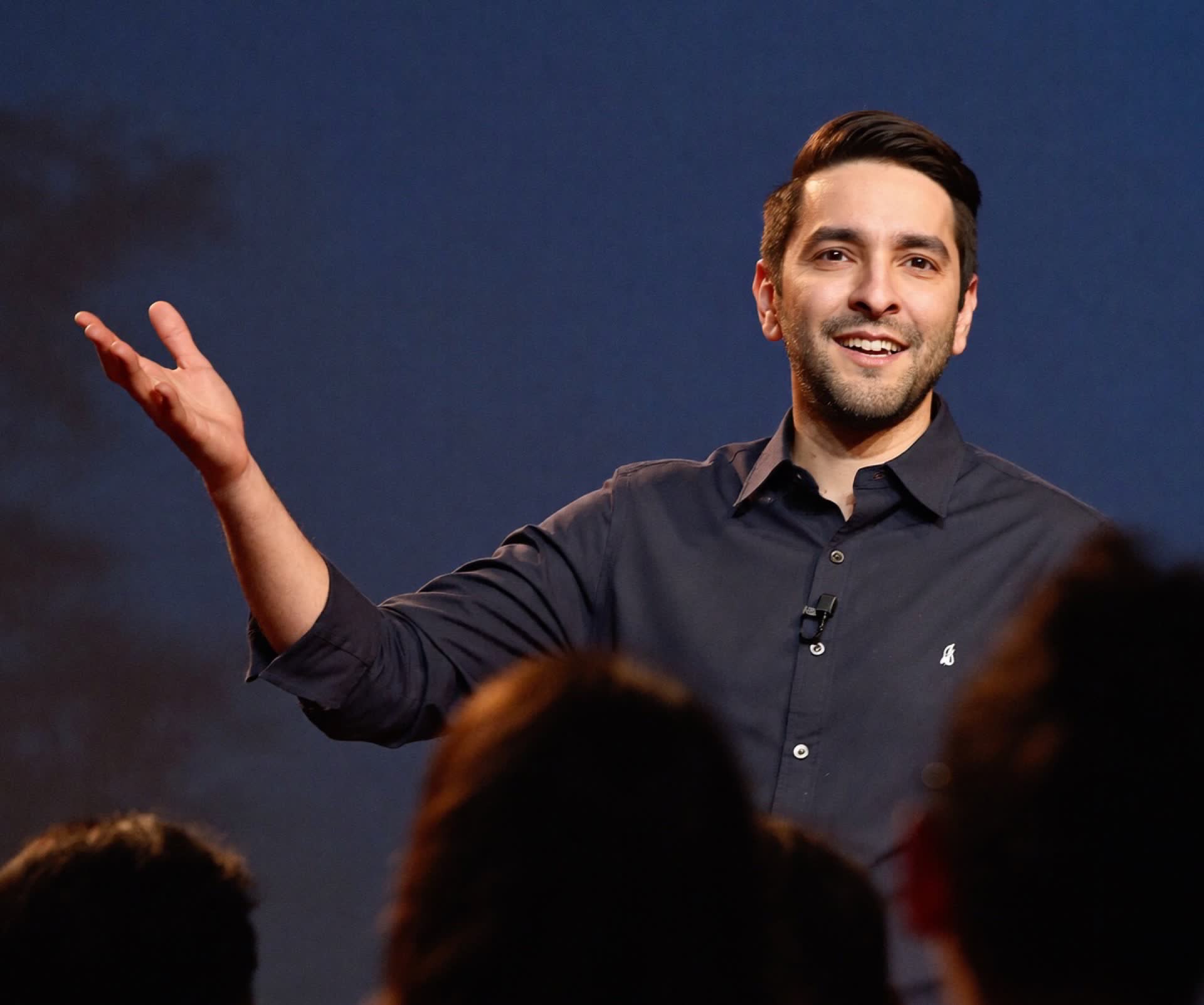
Thought Behind Things · Nov 15, 2023 · 1:16:51
Why smart money came into Pakistani startups when everyone left
Faisal Aftab closed a large foreign-backed round into Pakistani startups at the exact moment the ecosystem was being written off as dead. He walks Muzamil through why he went bearish in early 2022, why he thinks April–June 2023 was the bottom, and why the next cycle won't look like the 2021 bubble.
with Faisal Aftab
11 min read
A large round at the bottom of sentiment
The episode opens with Muzamil admitting his own position. He has been openly bearish on Pakistani startups on the show. So when Faisal Aftab announces a large foreign-backed round into the ecosystem — at a time when the consensus was that the local startup industry was, in Muzamil’s words, “by and large dead” — the first reaction is a question mark, not applause. How does this happen when global rates are high, free money is gone, and one company after another is collapsing or moving operations out of the country?
Faisal’s answer is that he saw it coming both ways. He went bearish early, and now he is going bullish early. The thread running through the whole conversation is the same: cycles. “Whatever goes up can’t infinitely go up forever. Whatever goes down can’t infinitely go down forever.” The money that just came in is not, in his framing, an oasis in the desert. It is the first move of investors who have decided the bottom is in.
Why he went negative in early 2022
The contrarian credibility comes from the earlier call. Faisal says he turned negative on the Pakistani ecosystem in January and February 2022 — at a point when his peers were still euphoric and, in his telling, treating his caution as madness. The tell was valuation. First-time teams with just a deck and a team were raising pre-seed rounds at $15M caps. “That’s higher than Vietnam. It’s higher than most markets around you,” he says. He refused to participate in those deals; the worst cap he came in at was around $6M.
The macro tell was the US Federal Reserve. When the Fed gave forward guidance in October 2021 that it would raise rates in March, Faisal treated a tech downturn as a foregone conclusion. Venture is a risk-on asset class worldwide, and it was already turning down everywhere. He used that read operationally. As early as March 2022 he told his portfolio companies to raise what they could while sentiment was still there, then conserve capital, stop chasing growth for an investor who wasn’t coming, and build a twenty-four-month runway. His original guess for the bottom was around the second quarter of 2024; he later revised it earlier, toward the end of 2024, based on Pakistan’s macros.
The 2021 bubble, read against the dotcom run
Faisal is precise about the word “bubble,” and he reserves it for 2021. He compares it directly to the dotcom run of 1999–2001 — the frenzy where everyone bet on web 1.0, where domains like a hypothetical mango.com traded for tens or hundreds of thousands of dollars on the logic that whoever owned the name would own the market. People made fortunes, and then it dissipated.
Two markets in 2021 resembled that, he argues: crypto, and frontier-market venture capital. Pakistan is a frontier market, and the same overpricing hit Egypt and similar economies. The underlying potential is real — population, intellect, demand — but everyone mispriced it at once. The numbers tell the story he wants to tell: $50M into Pakistan in 2020, $350M in 2021, then a sharp fall, down to roughly $30M in the first half of 2023 before this latest money arrived. The 2021 jump, he suggests, was partly the global flood of printed money looking for somewhere clean to land. Pakistan, with its reputation finally improving past the post-9/11 security frame, became one of those markets — investors realised, as he puts it, that it was effectively a “mini India” they had been overlooking.
He is blunt about the casualties. Airlift, he says, was the local equivalent of a hyped story — a decent business that applied blitzscaling, a method that works on free money and does not work in a country like Pakistan. He also faults the corporates — Pakistani conglomerates that jumped straight into early-stage bets they had to write down. Those players are needed, he says, but at Series B, once there is product-market fit, revenue and unit economics, not at the seed stage where most companies fail.
Betting on people, not collateral
The deeper reason for the bullishness is structural, and it is the part of the conversation that turns from market timing to country. Pakistan, Faisal argues, has a glass ceiling. If you are born into a family with assets and a banking relationship, you can put up four commercial plots as collateral and launch a business on mediocre intelligence. If you are not, the door is closed. Startups are the first time in the country’s history, he says, that capital is betting on people “based on pure intellect and capability without asking for collateral.”
That is why he names his founders the way he does — Faizan at BookMe, Umar at PostEx, another Umar at Hubble — as “sons of the soil” who had high intellect and resilience but little capital, and who built formidable companies once they were backed. Muzamil presses on a familiar worry: that Pakistan skipped the hard industrial and services stages India climbed before its startup boom, and that its richest people jumped straight into startups like “degenerative gambling.” Faisal reframes it. In Pakistan everything is happening at once — web 1.0, 2.0 and 3.0 compressed — and the local software industry is larger than people credit, even if bad capital-control policy keeps most of that money parked abroad. The startups, by contrast, are real businesses owned by founders whose hearts are in them; he and his peers are minority investors backing the talent properly instead of extracting the margin.
Digitising the black economy
The growth thesis is mechanical, and Faisal lays it out in plain terms. Technology is “like Pac-Man eating up every business slowly,” moving activity from the brick-and-mortar and black economies onto digital rails. Even in a country with worsening macros and heavy devaluation, the markets are still full and the informal economy is enormous. Out of 250 million people, a company that captures ten million users can create tens of billions of dollars of value. That is the curve he is paying for.
Several of the new deals sit exactly on that thesis. Edufy is an education fintech with an AI credit-scoring engine that finances university fees collateralised against the degree itself — the loan is repaid or the degree is withheld — tackling a market where sending a child to college functions as a family’s retirement plan. Hubble he calls “probably the best kept secret in Pakistan,” a company doing trillions of rupees in transactions by digitising FMCG settlement: the cash that distributors and resellers move on behalf of the likes of Coca-Cola and Pepsi, pulled out of vaults and onto a platform, with invoice factoring layered on top so corporates can lend down their whole supply chain. In a roughly $250B B2B economy that is only about 30% documented, he frames the play in military terms — different brigades, Bazaar capturing the retailer, Hubble capturing settlement, each taking a slice of the informal economy.
Muzamil tests the adoption story against lived experience, and they largely agree it is already happening. Both describe paying by card and QR where they once carried cash; both note that domestic and blue-collar staff who were cash-only a few years ago now hold easypaisa and JazzCash accounts. Faisal’s view is that demand is increasingly coming from consumers themselves, and that QR codes will be “the credit card of the masses” because plastic and $150 terminals never reach that layer. Adoption, he says, runs near 10% a year — and on an undocumented economy of perhaps 700 billion, even that compounds into something substantial without any government intervention.
The Fed, sovereign debt and the next liquidity wave
To explain why the next cycle is coming, Faisal walks back to the monetary plumbing. Since the dollar left gold in 1971, he argues, the world has run on a debt-backed system that throws off a crisis roughly every seven to ten years, and each crisis pulls the world closer together. Pakistan barely felt 2008 because it was loosely linked to the global economy; it feels this one because its own sovereign debt has skyrocketed. He frames the scale starkly: from 1947 to 2008 Pakistan accumulated about 6,000 billion rupees of debt; from then it took on roughly another 24,000 billion, leaving a 30,000-billion-rupee pile carrying compounding, rate-linked interest.
That ties the country to the Fed. When the Fed raises rates it pulls dollars out of the system, the dollar strengthens, and net energy importers like Pakistan shake. A US investor earning 5% risk-free on bonds has no reason to take Pakistani devaluation risk, so incremental capital disappears. But Faisal expects cuts. He reads a commercial real estate crisis building — skyscrapers financed at returns that no longer exist after the shift away from offices — with banks heavily exposed. The endgame, he argues, is a bailout via quantitative easing: buying treasuries, cutting rates, flushing liquidity. When that happens, investors need to beat inflation again, risk appetite returns, and the incremental capital filters back to frontier markets. That is the wave he is positioning ahead of. This time, he insists, it will be value-driven growth rather than a 2021-style bubble.
Demonetization on a ten-year clock
The conversation’s most concrete forecast is about cash. Faisal makes India’s 2016 demonetization the comparable, and he is unsentimental about the politics: he is not a fan of Modi, but he credits the move with taking India from about 30% banked to nearly 70–80% banked in five years. The mechanism mattered as much as the will — new, more durable currency, old notes voided as legal tender, and crucially, smartphone and wallet adoption high enough that “necessity breeds adoption” once cash dried up. Reliance’s free data, he notes, was waiting precisely for that moment.
He does not think Pakistan will do it yet. Too many powerful people hold physical cash offline, the FATF and external pressures complicate it, and a new administration is unlikely to turn the whole system against itself while other fires burn. His target is 2026 — and he points to a pattern: China demonetised and adopted digital payments around 2006, India in 2016, which puts Pakistan, on the ten-year lag, around 2026. By then, he argues, urban smartphone and data penetration will make the shock far smaller than it would be today. If Pakistan demonetises, it accelerates the digitisation; if it does not, the same value still shows up in the form of the startups capturing the informal economy.
The reset nobody is measuring
The episode closes on the biggest frame Faisal offers: that the entire crisis is about the monetary system itself. He argues the system went effectively insolvent in 2008 and was propped up by coordinated money printing — a “controlled demolition” where markets made nominal higher highs while real purchasing power kept falling, visible if you price the S&P or housing against gold. The cut-raise-print cycle on a three-and-a-half to four-year rhythm is, in his reading, the system paying back the interest on what it printed, over and over.
He pushes this toward central bank digital currencies. Today’s “digital” money, he points out, is really analog — bank balances settle with lag, through trusted intermediaries. True digital money built on cryptography behaves like cash: instant settlement, no intermediary. He expects a digital dollar — he names FedNow — to launch one-to-one with the analog dollar and then quietly diverge, the gap masking hyperinflation as more units are printed. Bitcoin, capped at 21 million, he reads as gold’s digital replacement moving at tech velocity; CBDCs, he stresses, will not be capped. The point he keeps returning to is that everyone benchmarks the rupee against the dollar without asking what the dollar is benchmarked against — and that the 1971 system is now itself ending, with another reset somewhere ahead.
Muzamil closes by thanking Faisal for “breaking the winter of sorrow” and bringing some optimism back to a flattened ecosystem. The optimism is conditional and unromantic — a bet on cycles, on founders backed for their minds rather than their land, and on the slow, mechanical digitisation of an economy that mostly still runs on cash. But coming from the investor who called the top before the crowd did, the call that the bottom is in carries weight the headline number alone never could.
Full transcript
Welcome back to the three hundred eighty second episode of thought behind things today is the 11/15/2023 और आज हमारे साथ एक बहुत ही खास मेहमान है जिन्होंने recently एक तहलका मचा दिया Pakistan में by announcing very very large startup funding round this coming at a time जब हम consistently sun रहे थे कि startups are failing and Pakistan की startup industry is by and large dead और साथ ही एक negative sentiment ऐसा था कि जी अब तो बस दस साल कुछ भी नहीं होगा. मैं ख़ुद बड़ा down हुआ हुआ था. I'll be very very honest and यह देखकर अब मुझे ज़हर एक question mark तो ज़रूर आया कि यह कैसे हुआ मुमकिन जब पूरी दुनिया के economic हालात मुश्किल हैं और एक बहुत आपको high interest rates पर free money मिल रहा है so there has to be a lot more nuance to this particular announcement and आज हमारे साथ मौजूद है फ़ैसल अफ़्ताफ़ साहब he's been on the show previously as well but आज I wanted to bring him in again try to understand कि यह कैसे हुई funding? क्या ऐसा sentiment है जो वह देख रहे हैं और उनके investors देख रहे हैं जो हम नहीं देख पा रहे थे? उनको क्या लगता है कि economy आगे किस तरह evolve करेगी और ख़ासकर startups जो कि Pakistan में जो इस स्वद्र से बड़ी conversation रही है कि हमारी economy को मद्देनज़र रखते हुए क्या हमारी economy चला भी सकती है startups? क्या हमें दूसरी जगहों पर focus करना चाहिए? तमाम सवाल हाथ of them and it really helps me improve the quality of conversation अगर आप overseas पाकिस्तानी हैं तो निचित देखिए हुए link के ऊपर आप हमें support कर सकते हैं to help us stay independent for as long as possible but anyways here is फ़ैसला अवताब on TVD स्लाहाबा studio First name is, लाभिल को welcome back to the show. Welcome साहब. Thanks for having me here. First of all congratulations on your announcement. Thank you. Personally people who have been seeing the podcast I have been very sort of bearish on startups in Pakistan and it's huge number जो आपने announce किया है थोड़ा सा give me context of what's going on here because sentiment is just completely down nobody was expecting कि अच्छा पाकिस्तानी क्योंकि हम तो constantly यह sun रहे हैं कि एक के बाद एक collapse आ रहा है और जो हैं भी अभी exist कर भी रही हैं वो Pakistan में operations खत्म कर रही हैं वो बाहर जाने की कोशिश कर रही हैं so what's happened that has changed that sentiment and my understanding is this money is not कि local का ही पैसा नहीं कटा हुआ यह बाहर से investors Yes, investors. So give me some context of what's happened.
Yes, sure. So look, it's this lag effects so I think if you recall last time I had mentioned that I went bearish very early. यह मैं दो हज़ार दो की बात कर रहा हूं in around Jan Feb twenty twenty two I had gone very-very negative on the Pakistan startup ecosystem because आपका जो 2021 वाला cycle था they started to look towards the tail end like the .com bubble. Right. I mean if you are seeing companies that are trying to raise money for the first time just an idea and a team coming up to you and saying, we're raising a pre seed round at a valuation cap of $15,000,000 realistically, is illogical. That's higher than Vietnam. It's higher than most markets around you. So, I knew at that point and I actually didn't participate in that deed. I actually never came in at a cap higher than about 6,000,000 I think was the worst cap that I came in at, which has still been good. And then the main reason also as I mentioned was the Fed when they gave forward guidance in October 2021 indicating कि we're going to be raising rates in March. Typically, जब भी उन्होंने rates raise किए हैं because this is a risk on asset class worldwide, by the way VC is down worldwide, tech overall, it was a foregone conclusion that you're going to see a downturn in tech. So how did that play to our advantage? A lot of my portfolio companies, I gave them advice early on in March, as early as March 2022 that guys, it's going be a tough couple of years ahead. And so while the sentiment is still there, ahead and raise what you can Then conserve the capital, meaning there's no need to show undesirate growth because the incremental investor is not there. Unfortunately, also demand they want to see growth and then they come in. So, basically, now you have to create a twenty four month runway or survival period. जो उस सौत मैंने speculatively कहा था around Q2 of twenty twenty four में होगा and then later six months later I realized it will be closer to the end of twenty twenty four just based on some of the macros in Pakistan the way they played out but it's speculative. So now fast forward to 2023. So when I made that statement by the way, of my peers in the industry kind of just shrugged it off and यह क्या पागलों वाली बातें कर रहे हैं? Because when you're in the midst of a bubble, property में भी हर चीज़ नहीं होता है. It is not easy to spot the peak of the market and nobody can time it but you try to assess कि यार this looks like it's not sounding very good. पंद्रह million के valuation caps. एक एक first time you know एक deck के ऊपर and just a team on it. Forward to June 2023 I did the same thing. I said the sentiment wise the bottom of the sentiment is in in Pakistan's market in terms of overall market because the economy and the market is nothing more than the sentiment that bottom was from April to June 2023 in my opinion and again when we look back in twenty four months so if let's say we go back in 2025 and look we'll realize that was the best time to go in and build positions in Pakistan. So what's just happened is that the smart money in the world has basically positioned seeing Pakistan's potential and come in and back some of the best companies in our ecosystem. We have had a lot of companies but failures are part of this ecosystem so those
that survive will thrive. दुनिया भर में technology बहुत evolve कर चुकी है अब आप घर बैठे एक mobile phone से पूरी दुनिया में किसी किस्म की भी different assets, stocks या even cryptocurrencies ख़रीद सकते हैं. जहां पर यह technological evolution आए वहां पर भी unfortunately हालात ऐसे हैं कि economy एक ऐसी जगह पर पहुंची हुई है कि बड़े आजकल बुरे हालात हैं, inflation बहुत ज़्यादा बढ़ रही है, savings हमारी deplete हो रही है. ज़्यादातर लोग investments करते ही नहीं हैं और जो करते भी हैं वह 90% losses unfortunately बनाते हैं. इसी problem को solve कर रहा है sharmaya.p k जो कि अपने financial trading platforms पर trainings भी offer करता है और data भी offer करता है जिससे आप पूरी दुनिया की markets ख़ासकर पाक्षतानी markets को आसानी देख सकते हैं. अगर आप लोग अपनी investments और trading में struggle कर रहे हैं तो I would definitely urge you to check out Sharmaya Financials platform. It's a remarkable place जहां पर आपको बहुत interesting you know reports के through data भी मिलता है, investment की advice भी मिलती है और ख़ासकर उनकी trainings जहां पर उनके experts जो हैं वह आपको crypto और stock market और commodities और assets के अंदर trade करके पैसे कमाना सिखाते हैं So check out the platform and check out their trainings. Now back to the podcast. You know you are very focused on startups and you've I mean आप पूरे उसी उस पर वह कर रहे हैं. I had a conversation with someone recently and and and he spoke about how Pakistan grows a way. उसको पहले hard industry चाहिए, फिर उसको soft industry चाहिए, services industry चाहिए और फिर हम कह सकते हैं कि startups का rise आएगा. India में thirty-forty years of hardcore sort of BPO, call centers, IT industry जब वो डेढ़ सौ billion dollars of IT export सालाना करती हैं उसकी bag के ऊपर they can have unicorns come out, right? Pakistan में unfortunately and this is something that I experienced personally recently as well कि when you're around the smartest men in the room particularly a lot of the people who had जो old money crowd था they did not go from conventional industry to again soft industry they directly jumped to startups it almost seemed like degenerative gambling कि यार hit or मैं इसके ऊपर चला लेता हूं क्योंकि India में comparatively जब बड़ा businessman था वह घुसा like tata consulting में घुसा. He didn't need a software engineer to build IT companies. Actually needed a hardcore businessman who understood how the world works. And so it seems like कि जो हमारा एक dollar का crisis continuously आता वह largely इस वजह से है because the smartest man in the room and the ones who have money more often than not don't look at the hard work कि यार अच्छा मुझे the idea of wealth being created but not really what are your thoughts on that?
Look there's two economies you're talking about right? Yes so there was a process in India but I also understand when India was rising in technology technology was in its like very nascent web A, like let's say web one point zero. There was two point zero and then three point zero. In Pakistan, all this is happening together. So we did have a small software industry that's emerged over the years. I think it's actually a lot bigger than we give a credit for. The reality is that because of our bad capital control policies, most of that money is parked abroad and only the expenses are being brought in Pakistan. That's an element. That's actually more of a glorified project management HR function that you're doing software development for companies overseas. In terms of what startups are, these are real businessmen. So, यह पहली दफा है Pakistan की history में and I'll tell you why I'm so bullish is, look, Pakistan has a glass ceiling. You're kind of basically, at least if you're reliant on the local economy, which the bulk of the population is, not everyone can leave the country, right? There's a lot of talent here. But if I'm born into a family where, let's say, I have assets, and a relationship with the bank, it is very easy for me to go even with mediocre intelligence, put up my collateral. Let's say I have four commercial plots and I have an idea, get money from a bank and launch that asset and then I have a network to go out and build a business. This is the first time in Pakistan that people are going and making bets on people based on pure intellect and capability without asking for collateral. So we're not saying you need to have anything apart from your brain. I can assure you when this happens, and this has happened repeatedly in the world, let's ignore The US today. It happened during the industrial revolution. People like Henry Ford went from a bicycle shop to innovation. I can give you 20 examples like this. Right? So, Pakistan has that example. Shahid Khan is an example of being one of the richest men in the world and effectively innovating. And he is a पाकिस्तानी right? So if we can bet on पाकिस्तानी and I have lived in America, in The US most of my life before I move by I am a पाकिस्तानी American. So when you see पाकिस्तानी abroad, when they are put in a fair system and given a fair chance, we do really well. यह organisational behavior का मसला है यहां पर कि basically आपकी एक class में लोग stuck हो जाते हैं because obviously the structure is kind of pretty stuck in Pakistan and that's what disruption is. So when we're putting money, आप खुद सोचिए कि it's like you're putting at a time when nobody wants to invest in Pakistan even when people are saying the startup ecosystem is dead, thirty-fifty million dollars comfortably आए हैं जो regular business में नहीं आ रहे हैं स्वत, right? So that should tell you what the potential is and what the world sees but this is a short blip so now when I back someone like let's say Faizan from Bukmi, Umar from Post Ex, there's another Umar from Aval if you meet these guys these are local guys sons of the soil right They didn't have too much capital themselves but they had high intellect, high capability, high resilience and once we backed them and gave them money, each one of them has created companies that are formidable. It doesn't matter if there is an upturn and a downturn. वह जो आपको सारी explosions नज़र आ रही हैं, those are the people that jumped into the phrase. So, bubbles are part of it, right? So, it's not if the crypto world would be, it wasn't my fault if you weren't an investor in Dogecoin. Right. Or Dogecoin, how The they call point is that there are 10,000 cryptos. If you invested in the right ones like Bitcoin, which is less risky. It's risky but less risky. Ethereum, which is a little bit more risk, could have competitors. But if you pick the right ones and you didn't get greedy, you still had a lot of return. That's called greed, and greed happens in all bubbles. Anything that's new when it's starting innovation wise, whether it's a new housing society, whether it's a new industry. It has initial bubbles because people tend to believe it's like the new gold rush. And so everyone runs after it and then everyone with knowledge, with the knowledge of the industry and without knowledge of the industry, things they can go in as you aptly identified and what ended up happening? A lot of the corporates in Pakistan went in directly. So there were companies like Service and Sapphire and Systems that went into startups. And they're very formidable companies, smart individuals, but going into early stage companies is a total different game. And so they ended up having to write those companies down. In my opinion, those guys are needed but they should be coming in more at the later stage. जब companies एक बार product market fit, revenues in place, some level of profitability, unit economics, come in series B. You lose a little bit of upside but you won't lose all your money. Chances are it'll make it by that time. So, we mimic a lot of things. Everybody has their own position within the ecosystem in terms of where you should be entering at and what stage. And early stage में यह होता है you have a bubble, a lot fail and those that survive thrive
and what you're seeing are the early signs of the entry of smart money positioning itself for the next cycle. So, you think जो यह अभी आपकी announcement है this is not just like an oasis in the desert. This is the start of sentiment reversing. क्योंकि अभी तो sentiment again यह था कि यार बस करना ही नहीं है, कोई scene ही नहीं है. Do you think कि अब हम finally कह सकते कि अच्छा this is the first step. आगे हमें बेहतर announcements भी नज़र आएंगी? Yes. So,
it's all gradual, right? So, maybe these announcements I'm doing now, it was the last six months. Probably when I think Pakistan look like there is no hope, right? But अगर इस period में यह funds raise हो गए हैं तो आप सोचो कि अगले साल when as The US cuts rates and we get fiscal space and then when The US cuts rates, it's very important because that creates a risk on mindset in the form of for everyone on the planet. And then what happens is incremental the amount of money that's been printed in the world, the incremental capital then looks to take on further risk to front run other investors to make more money. It's just, it's a mechanism of green and being opportunistic, right? Right. That will filter back to Pakistan. But I think this time is going to be different. It's not going to be the same as 2021, which in my opinion was an epic bubble. 2021 was similar to a lot of your audience are younger. If they go back and look at history books, we had something called the .com bubble in 2000 and 2001. They lasted for almost two years but the peak was in basically tail end of '99 in 2000. That was a frenzy where web one point zero, you basically had everyone betting on the internet. It would be things like pets.com. If you can contextualize it for what
was the average person in The US seeing at that time when that sort of bubble started happening?
So think of it this way this is when the internet first came about in the early 90s. I got a media report because they came to people like, the internet's a fad. Was actually looked at very similar to the way bitcoin and cryptos are looked at right now. They would laugh at it. They're like, Yeah, all these predictions of the internet become pervasive in our lives. Is something that we don't see. It's a fad and it'll be used for some things, but it won't be used predominantly. That clearly today doesn't appear to be the case. It's disrupted a lot of industries, and this is just the tip of the iceberg. So human nature is to overspeculate. So there's one sentiment that just said, yeah, this doesn't work. There's the other sentiment that goes in and over believes the adoption rate. So they're like, you know what? The.com domain was like a gold rush similar to what's happening in crypto. So everyone went and bought domains and then people would you would buy a domain it could be something as you know simple as like mango.com and somebody else would say yes mango.com this person is going to control the mango market in the world so I'll buy this for you from you for 10,000, 50,000 some of those bids went up to millions of dollars and 2,000 millions of dollars was a big deal right purchasing power wise and so there were a lot of people that made a ton of money and it dissipated so that was the .com bubble it came in it popped so Pakistan में भी यही हुआ है so I again I'll go back to there were two markets in the world that resembled the .com bubble in 2021. One was crypto and one was frontier market venture capital. Frontier market venture capital Pakistan is a frontier market. So and it's not just here it happened in all these other markets like Egypt, Pakistan The potential of these tech industry and startups in these countries are extremely, extremely high because of the population, the intellect, the type of people that exist, the demand. But everyone overpriced it. And so, created a bubble. And so, getting in 2020, we had $50,000,000 In 2021, $350,000,000 came in. That clearly is a huge jump, right? And so, then the subsequent year was down again. And this year is down to like 30,000,000 in the first half and then the money that just recently came in. So do you think the $350,000,000
came in, I mean was it just sentiment or was it also a lot of money printing that eventually made its way to कहीं तो डालना है अब सब जगह fail हो गई है Pakistan seems like void है तो again वही है ना कि आपने तो आप hedge कर रहे हो अपनी bets आपने बहुत जगहों पर diversify करना है Pakistan became one of those markets that was fairly clean और उसमें पैसा pump हो गया. What
was it like do you think for a global investor perspective? That's a great question. So I think what happened in Pakistan's case is we had such a bad impression because of the whole security paradigm and the war on terror that a lot of people used to think of us as some sort of a rocky, unbilled type country. I remember I'd get asked when I would be coming from the this was in the peak of post nineeleven. In 2005, was traveling to Pakistan. All my friends and colleagues at work were like, hey, you have to grow a beard when you go back to Pakistan? I'm like, no. I mean... So their perception was basically Afghanistan and Pakistan are the same place. Those are the visuals. Right? Obviously, a lot of people didn't think that way. But let's say, take the average investor. They're like, Yeah, Pakistan is on our radar. In 2021, in 2020 specifically, what suddenly everybody realized is that, Wait a minute. Pakistan is a mini India. It's got the same level of intellect, same demographic, same structure. I mean, the two of us resemble each other and they've got pretty decent tech talent and a huge market. So they realise that we were overlooking a market and they were investing in markets like Indonesia, Malaysia which are good markets but I still think Pakistan is a better market.
I am a firm believer in it. Why do you think so? Again, मैं अगर Indonesia को देखूं तो Indonesia जो fundamentals है economy के वह fundamental support ज़्यादा Indonesia को नहीं करेंगे considering कि वह हमारे जो core economic fundamentals हैं वह Indonesia ने 98 से fix करना शुरू कर दी थी जो कि आज हम कह रहे हैं कि यार ok let's let's build the rails जिसके ऊपर economy खड़ी होगी, right? Economy largely closed up रही है, overly regulated रही है. Absolutely. उसमें subsidies हो रही हैं, losses हो रही हैं, inefficiency है. वो चीज़ें by and large Indonesia took those steps in '98 and then took may be like took ten fifteen years to build the rails जिसके ऊपर आज startup का capital खड़ा हो रहा है. What do you think? So, startup capital is very different than traditional. Yes, regulatory consistency,
policy consistency which we are very bad at, right, is important. So those elements, but to be honest, if you talk to anyone in my industry, the State Bank and the SCCP and the regulators have been actually really generous with the startup industry. They agreed to allow us to create hardcoats for the companies that we invest in because our issue was that we don't have property, plant and equipment. These aren't brick and mortar assets. So इसमें IP होती है. वह यहां के local court से हम फ़ंस गए वह तो somebody can just get a stay and then we have no rights. Investors won't come. So, let's, can we put it in a jurisdiction like Singapore or any other foreign jurisdiction where they trust the the legal system to enforce IP laws? So, they agreed to all this, which is a big big milestone, right? But, so let's take that. So they've been very helpful for us from a regulatory point of view. Now, there's two things that are happening. The brick and mortar economy worldwide is in a deflationary mode. You have to realize that the inflection point is technology is like Pac-Man eating up every business slowly that's in the real world onto a virtual world. Remember in the previous podcast I said, Look, this is going to happen whether we want it or not, right? It's growth by acquisition, market share. So now if you take away the nation state and every person online is a user, if I'm an Apple or I'm an Amazon, you're an end user. Even when Afghanistan was in its worst position, there's still economic activity there. I think you'd agree with me that Pakistan may you haven't seen things shut down that much when I talk about restaurants and people's Yes, worst in it's down economically.
Totally you don't even realize it's down. People are still there in the markets.
जो भी percentage है वह जा रही है. And there's a huge black economy. We have to recognize that. Now, the question is I don't really, I mean, a tech perspective, let's talk about growth numbers. Fine. From the last thirty, forty years in Pakistan until 2020, if you looked at it or let's say 2015, on average the devaluation was 5% here if you streamline it. Going forward, especially because all other currencies are under pressure, mean, too pound is low compared to the dollar, euro is low. Strong dollar hurts everyone. We've seen 20% plus devaluations in the same when they were raising rates in 2015 to 2018. Again, then we saw it again when they started raising rates. Fine, but obviously The US is going cut again. And I can assure you it's a mathematical certainty sometime next year they're going to cut and print tons of money and we'll have another bull.
Tell me about this cycle then. Next, I'll
finish on the why I'm talking about this. So, जो Pakistan में I'll shave off 10%, 15%, let's shave off 20%. Every user that comes online is creating, moving that economic activity that was in the black market or at a brick and mortar. Right. And it's coming onto, let's say, a BookMe or a back gallery or a laam or a bazaar, whether it's B2C, B2B or a fintech. What's happening there is you're seeing the growth happen here at rates that you so if you go from one to 10, that's a 10x growth. Eventually, comes a saturation point, but out of two fifty million people, if a company gets 10,000,000 users, those 10,000,000 users will create $102,100,000,000 dollars worth of value. That's how you have to look at it. This is not like software export. Yes, I get that resource scarcity component that they would come from. There's enough resources in Pakistan. You can find if you pay well enough, can get good resource talent. It's just that people don't want to pay well enough. They want to extract the margin for themselves. That's the difference in startups who are actually backing those resources with money. So, their heart is in building a business that they own. We're minority investors, and that's why they'll succeed. And That makes they're capturing that informal economy or the the consumer that's leaving the brick and mortar world to go online because of efficiency. Right? So, it's a lot easier to press a button and have groceries deliver to your door versus getting in a car with fuel so expensive and then buying groceries, picking it. You can just do it on SKU, especially in a country where most families have only one car and the husband leaves for the office with that car. So a lot of women are the actual consumers in that scenario. Right? So I am just giving you these thoughts and behavior patterns that can go on about but the potential is a matter. Makes sense.
अगर मैं आपसे यह पूछूं देखें आप इस time के ऊपर you are really rewriting the sentiment. क्योंकि sentiment अभी आप कह रहे हैं कि वह June में bottom किया है वह but अगर मैं objective analysis करूं तो to be very honest इस वक़्त यह announcement लोग cynicism से देख रहे हैं कि यार यह and for good reason, right? So they believed when when let's say the airlift announcement came in तो उनको अगर यह बताया जा रहा था कि अब यह जो पचासी में लिए नहीं यह अब साढ़े तीन सौ में culminate करने लगेगा और हमारी पहली unicorn आने वाली है, right? So, वह यह कह रहे कि is it the tail end of the bubble? Difference है ना? एक यह कह रहे हैं कि नहीं नहीं bubble खत्म फ़ट गया और अब हम restart कर रहे हैं. दूसरा यह कह रहे कि अच्छा जी अब वह pump का भी final pump आ गया आ के यह यह announcement आई है. Right? What makes you और कोई तो analysis होगा जिसकी basis पर आप यह कह रहे हैं कि नहीं यार मुझे लग रहा है सब down है.
Remember I used the word bubble. So there was petstockcom, there was FTX in The US, there was Theranos. Airlift was a pump and dump. I won't go into that. Don't like denigrating any business. I think it was a decent business, but they applied a methodology which is called blitzscaling that works with free money. It does not work in countries like Pakistan. So, is a lesson that international investors learned as well. They don't just FOMO into a deal that doesn't make any sense based on what your recollection is from your market, analyze it for the local market. And that was quintessentially exactly what a bubble is that basically a hyped company without anyone doing detailed due diligence basically decided to keep backing and writing checks and they just created a bubble, right? Just like अगर property की files trade होती हैं, they go up parabolicly high until they don't and then the last is hit. So that was and so I had gone bearish. Remember, as I mentioned, bearish means I had gone negative as early as January 2022. By the way, it's very difficult to also go negative. गोस्वाप्त भी सब हर बंदा आपको गाली दे रहा था. They don't believe that you're saying you. What are you talking about? Everything is looking so good. Why are you saying that the next twenty four months are so bad? So similarly, what I am saying now is that the next twenty four months, when you look back in twenty four months and again I said this back in June which was the worst time to say this but you can sense it when typically when everyone around you has gone negative on something that is usually the time which is the bottom of the market by definition because now you can't find any person that is positive. And then when we look back in twenty four months, by default, it's just a nature of a cycle. Whatever goes up can't go infinitely go up forever. Whatever goes down can't infinitely go down forever. So case in point would be Sri Lanka. We didn't default. We effectively defaulted but we didn't default. Right? Sri Lanka defaulted. Those mayhem, everything. What's their rate now? They've cut their rates to 16%. Currency stabilized. Right? So, world का वहां पर Asia कब भी हो रहा था? हां हां. दुनिया खत्म दुनिया गई. So, it looks like it's the abyss. Right. But that's usually the time when you want to start buying if you're a smart investor. So, what you've just seen happen, this this pittance in the startup world, the amount of money that just has come in to Pakistan. And this is not just today. It's been in the works for like all throughout this period that this raise has been happening. When you look at it, I'm talking about everyone from Crave Mart to Postx to Habal, Edufy and then obviously BookMe. These are the five deals that have raised and others have raised as well. They'll announce it next year. But this is basically smarter investors coming in, building a position where they feel like buying, let's say, property. You want to come in and identify what the best location property is. So, one, it's a validation that these companies are strong, stable. Number two, they're getting a deal because they know what's coming up in twenty four months. When you're a large multi billion dollar company and a global leader in the third largest industry, which is travel, you don't come in and make a bet without doing your analysis. And I can assure you they did deep dive analysis. It was analysis on me, discussions with me, analysis on Fazan, the company inside out. They turned it every which way you can. Their consensus is they're bullish on Pakistan. So, that's why the money's come in. I wouldn't say this is a bubble. Usually, this is the start of a new cycle. Bubbles generally towards the end of the cycle emerge.
They are seeing something in twenty four months. What does that look like? So what's the difference here? Have raised rates cut but I am sure most people wouldn't have understood that so it will expand globally क्या ऐसा होता है जिससे directly Pakistan को impact पड़ा होता है? Ok.
So, look, the world was very different. Let's take the world slowly. With each crisis, and I'm talking about developed market crises, so with each crisis, the world is becoming closer together because since 1971, we've been on this new system where the dollar dealing from the gold and we went effectively on a petro dollar, the debt backed dollar, with a ten year treasury to replace gold, US bond. If you look at it gradually, there's a crisis coming almost every seven to ten years. And every time seven to ten years usually because credit borrowers ran out in that peak of that cycle and the new economies were brought online and lent to. And then countries, sovereign corporates and then eventually consumers. So, as we look at these cycles and we move closer and closer, especially when you look at 2008, 2008 Pakistan didn't really feel much of an effect. It was the worst crisis because we weren't really that linked to the global economy. We were partially, the couple of banks blew up here and there and some things happened, but it wasn't that bad. We front ran it by a couple of years where you saw like a bit of a downturn in 2006 and 02/07 in a political crisis. Like always, we have one in the form of a political crisis, but the economy didn't feel it. In 2019, we felt it. Now we're feeling it, right? Because basically, our own sovereign debt level has skyrocketed since then. What does that mean? Sovereign debt level? Sovereign debt level in the sense that the country, if you think about it, the total debt, I forget the number of dollars, it was in rupees. From 1947 to 2008, the total debt of Pakistan was Rs. 6,000 billion. From 02/2018, we took on another Rs. 24,000 billion. So, now do the math on Rs. 30,000 billion and the compounding interest and are linked to interest rate. When interest rates go up, and we have to raise interest rates but a lot of our debt is domestic and then it's foreign. तो आपकी interest payment भी हो जाएगी. Right. Then you become linked to the global debt based financial system. So now, looking at Pakistan's macros alone and not looking at the most powerful central bank, I mean, the end, we keep talking about dollar, dollar, dollar. So that's the US Federal Reserve. When they raise rates, they're pulling dollars out of the system. That means it's a dollar scarcity, and that means dollar gets strong, and then countries like Pakistan start to shake because we're net importers of energy, so we need dollars. Our exports are not that great. Like in terms of our consumption, right? So, similarly, when dollar is when rates are and so obviously risk appetite goes down because if I am an investor in The US, let's say I going to invest in my fund, VC fund, a lot of my investors are foreign. Even say, मुझे पांच percent मिल रही है US में. इसे bond में risk free park करने में. तो मैं पागल हूं कि मैं ऐसा risk लूं Pakistan में जहां पर devaluation हो रही है. तो investors disappear and therefore the incremental capital disappears. जब वह rates cut करके zero पर लाएंगे दुबारा, which I don't think they're going bring to zero, they're going to cut far slower. But because they printed so much money, the effect is going to be like near zero. But, well, that's a separate debate. But let's say when they cut, now I'm not getting 5% of the bond. I'm getting, let's say, 3.5%. But inflation suddenly वापस आ गई और वह छह percent है, तो I'm actually losing money. तो अब मैं कहूंगा यार, अब तो to beat inflation, I need to take some risk. So, let's say I have a $100,000 just to make it even. And usually, have a lot more because they're putting minimum of like half 1,000,000 to a million in these funds. Let's say I have $100,000 So, what I'd say is, okay, I'm going to put 10% in very risky, high return type things to kind of beat inflation to Let balance the me put some in VC, let me put some private equity. The real high risk ones will put some in bitcoin and then put money in, leave some in bonds. Let's say you leave 20,000 to 30,000 in bonds and then you take a chunk and you go risk on into The US stock market and more developed market stock markets, right? And maybe some US investments in tech, private late stage tech. So, that's an ideal portfolio. When the rates come down, you have to do that to beat inflation. But when rates are high, you don't need to beat inflation. I mean, you're still in the real world, you're technically still getting debased. But when I say real world, if you actually analyze how bad things are from a food energy point of view, but 5% rates in a world that looks unstable, in US dollar denominated basis, That's not bad. For every million dollars, you're making $50,000 risk free. So that creates a liquidity constraint in countries like Pakistan. I hope that makes sense. Yes. You So,
expect
US Fed to cut rates. Look, there is going to some. What is that understanding? किस basis के ऊपर आप कह हैं? So look, इन्होंने जब rates को raise किया है दो हज़ार, March 2022 से लेकर, अभी तक, they stopped paused in July which by the way I predicted in early that they will pause. Everybody was thinking they're going to keep raising rates. The system is now shaking. I mean, it at a 5.25-5.5 percent range, when everybody's used to near zero, which was like a drug, free money आपको मिल रहा है. The system is shaking. So think about all those corporate buildings and skyscrapers that have been sitting on massive borrowings and priced in IRRs that don't exist because COVID के बाद people don't want to show up at work. Essentially या तो collapse होगा अगर वह नहीं होता है. This is a commercial real estate crisis coming. अब उसका उसका मतलब क्या है? उसका मतलब यह है कि basically a lot of banks are exposed to commercial real estate because they were the ones that lent out, right? Right. So, endgame is like, they don't let the collapse happen, they're going to bail it out and the bailout comes in the form of printing. So, they'll do quantitative easing. They'll call it something else. But quantitative easing is you start buying treasuries from the market to kind of effectively create liquidity. And then you also basically cut rates at the same time, which is like basically a printing press, so liquidity flushes the market. I mean, liquidity is soft. As of last week, last month or so, liquidity started drying up from the system and they are slowly starting to pump it back in.
Interesting. आपके अभी जो हुई है announcements उसमें अभी fintech भी है?
Yes, three of them are fintechs. What areas do they work? Edufied as educational, it's an educational based fintech. It's not like your K through 12. Let's say it's very simple. It's always linked to reality, right, of the real world problems. So I have a child going to university, whether it's lums, whether it's a medical college, whether it's an engineering college. In countries like South Asia, sending children to college is effectively like your four zero one or your retirement. We take care of our parents, right? Right. So, people put their life savings. इस debasement के बाद, जो पिछले दो साल में हुई है, most people cannot struggle from middle income family to come up with the first semester fee deposit of 20 lakh rupees or 15 lakhs. What Edufy does is it goes and basically goes to the university, ties up with them. उसके पीछे by the way अदल्फाई का scoring engine लगा है. Right. Which which is the AI based credit scoring engine. And it says, ok, XY university, you need a bunch of your students that have gotten in need financing. Can we collateralize this against degree? The meaning that, वह जो pay करेंगे, we'll give them the loan but the degree cannot be issued to them if they default on the loan. Right. And then, you assess, you give a percentage of loan, but it helps people achieve the South Asian dream. Every parent wants their child to go into higher education. So, it's a massive market. The TAM is The default rates are generally low in this market in the all over the world. That's mapping we're doing. So this is one of the companies. Very exciting. And the founders, and she's one of the smartest female founders I've met. She went to MIT, worked at Ventura Capital in late stage VC, gave up everything and moved to Pakistan two years ago to believe in this. She really believes in this particular model and has been building and learning the market. Is she based out of Karachi or? Lahore. Lahore. I would love to get connected. Would love Yes, to have a detailed understanding of what she's doing. और बाकी कौन सी है? Then, Hubble, Hubble. Hubble is probably the best kept secret in Pakistan. I think after BookMe and I've loved Post X and all these other companies, but one of the most excited companies that I've bought in Pakistan, they're doing I'll say trillions of rupees worth of transactions. Doing trillions of Yes, this is not your traditional startup. Know, as people say startups won't work, that's because they keep, when you only look at headlines, sometimes you miss the reality of So, what's are doing lots of interesting things. It started off with a State Bank grant, which is an IC grant given to the State Bank to digitize the supply chain in Pakistan. So, Umar Aesdin, who's really hard working tech guy, senior guy. He understands technology from every facet and good business sense. Won the grant and basically created a platform which is very simple, which is like Coca Cola, Pepsi, all the FMCGs settling with their resellers and distributors digitally. So stuff that would end up in cash and vaults basically has been brought onto a digital system, and then he's launched a separate product on top of that, which basically you can lend to your entire supply chain. Corporate would come in, basically get invoice factoring, and lend to their entire supply chain. How different
is this to let's say the sort of visions that Bazaar had or there is another one, retailer and a lot of these people जो कि ground up start करने के कोशिश कर रहे थे कि मैं digitize करना है, supply chain को और फिर lending डाल दिया. There's
two ways to tackle the problem. It's very common that early stage markets में you look at it both ways. What Bazaar is doing is basically, again, their digital distributor but they're also going to the retailer and using the seasonality and pattern and capturing the data. Right. In Habal's case, they're right now just stuck at the, which they feel is a massive opportunity, is the settlement between distributors and resellers and back to the FMCG. और उसको cash हटा रहे और? Retail वाला जो part है वह जो reseller उठाता है तो वह cash जो था वह उसको digitally करता है. सही है. So, it's it's it's the transaction size is massive, right? In Bazaar's case, they're capturing the retailer entirely and getting that data to eventually lend to the retailer. I mean, the tool plug in into a system, right? Look, it's like a $250,000,000,000 economy that we're talking about in this B2B sector. तो वहां पर अगर आपने if you think of it like from military strategy, you're sending different brigades, right? So, बाज़ार is more like a core right now and this is another core coming in capturing that black economy. Makes sense. And the idea is to capture collectively somewhere around 10 to 15,000,000,000 to create that 700,000,000
to a billion dollar. Makes sense and to be very honest, of the reasons why I asked you this question was, क्योंकि मेरा next question was going to be about black economy. Pakistan में स्वर्ग बहुत ज़्यादा कह रहे हैं कि यार, there's too much cash in the system and not enough in the pockets of the government and that's potentially going to create a lot of mess until and unless आप या तो जो जो black का फ़ालतू का पैसा है उसको आप जिसके मैं हमने देखा recently raids भी हुईं, Murray Road के ऊपर जिस basement से billions of rupees निकल रहे हैं. एक तरीका एक कार्य है कि जी आप digitize कर लें और फिर उसको क्योंकि basically हमारे taxes on paper exist करते हैं but people aren't paying those taxes. Right? Because वो हम document नहीं किया हुआ. वो document नहीं किया हुआ. And मेरे लिए generally question आता है वह आता है जो आपकी जो truly black market है जो कि by design like वह बड़े smart हैं वह इस वजह से नहीं है कि वह पुराने हैं वह नए systems हैं They know the game. They know the game, right? And so तो logistically impossible होना show हो जाएगा cash movements and so on. या obviously आप कोई massive radical reforms करें जिससे to be very honest that seems like a pipe dream at this point in time. It's also very difficult. है क्या? बहुत कोई massive reform किया क्योंकि उसके लिए आपको एक social contract भी चाहिए. आपको as a nation पूरे अपने आप को fix करना है. जो कि इतना easy होता हुआ नज़र नहीं आ रहा. So, उसमें फिर आप एक sort of shock like, you demonetize, you can do it. In the context of startups particularly in fintech, what do you think, what can you imagine that could really truly जहां पर fintechs aided by government policy can truly support this sort of initiative that we need now. अब हमारे पास choice नहीं है. It's not nice to have. We know that we need to have those reforms. And if we do have those reforms. There is a very potentially bright future for us. But उसमें वह मसला यही आ जाता है कि जब मैं अगर wallet वालों से बात करूं या मैं easy पैसा type से बात करूं तो वह कहते हैं कि you know people just आप इसको जितना भी कर लें if it costs more to do a digital transaction it will never happen if it's if there is a tax वाला problem that's never going to happen आप जितना भी change कर लें consumer behavior will always be incentivized by what's
cheaper, what's more convenient so on and so forth. Novelty पर वह generally नहीं जाता. What are your thoughts on? Look, it's it just comes on the pace of adoption, right? And so what we're ultimately doing is pricing in that pace of adoption. So let's take tech. Again take the software development and that outsourcing element that's a whole amazing industry separate industry. This is use cases that are capturing the economy even in developed world either they're capturing the brick and mortar economy which is fully documented. In Pakistan, they're capturing the brick and mortar economy. That is probably 30% documented. The other segment is not documented. But the user's user, just like a buyer, if they show up and I don't see Colgate complaining or McDonald's complaining if a buyer comes from the black economy, it has economic consequences. Right? So from my selfish perspective, the digital adoption rate of transactions in Pakistan is near 10% a year, which is pretty great because 10% a year for that size let's assume that 300,000,000,000 is the documented economy and 70% so another 700,000,000,000 is the undocumented economy so you can do the number it's pretty substantial right Even if let's say it's only happening at the tune of like $3,000,000,000 a year. So that's going to happen that'll take its- Without any intervention, will go too It's just efficiency. That's like saying कि WhatsApp लोग use नहीं करेंगे. Picking up phones on PTA and calling each other on the rotary phone or even what happened to cellular companies. At the end of the day उनका data is now their number one selling component versus minutes.
और वह one way or the other as e commerce becomes big, SET का बेटा आता है और वह कहता है कि यार मैं England में यह देख कर आया हूं तो हमें कहीं ना कहीं से वह digital payments integrate हो ही रही है. One way or the other even SET को अगर छोड़ दें right? आप मुझे यह बता दें कि how many people do you know that are
staff in urban Pakistan whether it's domestic staff, घर में आपके driver है, कोई भी चौकीदार है. I think we will use
easy पैसा जा सकते हर प्रश्न भी संजय जीत Last one year, one year I will be honest I had domestic staff and then I had hired people for office work as well. Twenty nineteen से मैंने hire किया था twenty nineteen से twenty twenty two तक यह constant ख़ब होती थी हमेशा ना मुझे cash महीने के आखिर में cash निकालना पड़ता था जो बिल्कुल आपका blue collar work है उसको आपको cash ही देना पड़ता था तो twenty twenty two में सबके accounts को लिए सबके easy पैसा या account होगा या easy पैसा होगा कहा हाँ वो तो system है easy पैसा होना शुरू हो गए जो हाँ मैं और ये मैं आपको कल की मिसाल देता हूँ I was at a restaurant there is Yum Chinese in F7 and I just randomly gone there my son pooped and I didn't have a pamper backup उसने card निकाला card आगे क्या वह एक सामने उसने रखा हुआ था कि जी और वह हो गया and for me मेरी historical trauma told me कि यार मज़मिला फंसने लगा है यहां पर यह जो Pakistan गई है missile but वह solution आज हुआ था I do see that adoption happening So,
so, so, दवीश, so, I am seeing this in नया पेह. The growth rates have been astronomical, right? Right. So, there is a part of the economy that they are saying, you know, that's just an excuse कि people don't want to be documented at least from a B2C level and even in हबाल I am seeing from B2B level there is no resistance. It's coming from sometimes the retail side which is some segments of the country but quietly वह हो रहा है. और demand consumer से आना शुरू हो रही है कि यार भाई easy पैसा ले लो ना. Even QR code आएगा. QR code एक standardized type से bank करेगा वह फिर लोगों को एक बार आदत पड़ गई तो just like you and I are not used to cash मैं अभी cards pay करता हूं ज़्यादा. Right. तो merchants
are gonna QR code is the credit card of the masses essentially. Exactly. Because यहां वह plastic cards are not just not gonna work. Yeah. The fees and all QR codes is like it's it's also. क्योंकि मुझ में I think terminals आप खुद ही डालें. Terminals देखिए, terminal $150 off Of cost of infrastructure is the bottom bottleneck over there. But question मेरा उसमें again देखिए I agree with you long term में this is gonna happen irrespective. My question was how do you accelerate that? Is there a potential to accelerate That's
component when I talk about demonetization. Right? So the we keep saying that we go in and do structural reforms. That's going to take five to ten years. And then get all the rent seeking corporates of their subsidies. Mean, हर बंदा subsidies के ऊपर चला रहा है business and making profits. I mean, you can barely find any that aren't actually either getting a gas subsidy or this subsidy. So, they're not really businesses that will sustain without the government support and that's not how business is supposed to be. Right? So now let's come to the actual acceleration. That's exactly what India did. Let's look at the, I keep giving that example as a comparable. We're very similar. We were both a former British colony. The British built our systems. Yeah. And so वहां पर सारी चीज़ें and then सब South Asian हैं तो उनकी भी वही behavior patterns हैं. वहां पर भी उतनी corruption है जितनी हमारी है by the way. Right now, they've over the years built better systems so they look visually better and the world needs them right now. Right. So, you know, headlines are all India but the reality is very similar to us. It just took the will. Once मोदी demonetized the rupee, it was very simple. उन्होंने demonetization भी क्या किया? It's not easy because there's a lot of pressure because a lot of the people with cash are also part of the system.
A lot of very powerful people with cash. Generally, उसके ऊपर उसकी opposition होती है वह. So, you have to build consensus. Right? So,
these type, when he did it, I am not a fan of मोदी per se. I remember in 2016 when I said it a lot of people like oh he is never going to get elected. I said he is going to go down in history as the next big leader after Nehru in the sense that what he has done for India and I will tell you the numbers India was 30% banked back then in 2016. By twenty nineteen-twenty twenty one, they almost seventy-eighty percent banked. In five years? In five years. Because they had to pay that. They had to pay plastic, हम जो पुराने note है, इनको हमें आ रहे हैं. Plastic के note जो है वह जो European वाले हैं they drip less and they are more durable. We are going to introduce that currency and from XYZ six months out let's say January 1 all the old notes are no longer legal tender In circulation they will not be accepted. तो जैसे दबाया हुआ है पैसा वह तो. अब check out what the attributes for that was. The key was and again there is a lag effect right? At that time India was 50% smartphone adoption almost forty-forty-fifty percent. So you also need smartphone adoption because the plan was to not bring the new currency as much in circulation and force people to download wallets which is what Ambani was waiting for with his data free data. Basically fast forward to us roughly two forty one million people data connections I think somewhere around 80 to 90,000,000 urban Pakistan में काफी pervasive है तो now if today you were to demonetize in Pakistan the crisis would be a lot less versus if you try to do this three years ago. Two years from now would even be easier. It's very simple at the consumer level which is what they did they didn't do it at their state level obviously all government departments got the cash but believe it or not even FBR you have to still deposit it's easier if you deposit cash for taxes versus if you try to do it digitally, it not match for months then you have to chase it yourself. So it's very strange to receive jumelled here. So putting that aside, once he did this people had no cash so if you want to eat you want to buy anything they eventually learned how to necessity breeds adoption they learned how to download a wallet obviously शुरू में तो गालियों को बहुत बड़ी थी but अब suddenly he is the supreme leader. Yeah, yeah, And more than likely, he will get elected in April again. But India is now what? The fifth largest economy in the world. They have disrupted The UK. I mean, think of it this way. The UK was the country that ruled over South Asia and the world. And we gained independence from them and India has disrupted The UK to become the fifth largest economy in the world and Pakistan has the same potential. We are comfortably, if we demonetize, we will accelerate that process. If we don't demonetize, you'll see that value showing up in the form of what they term as tech and startups. What everybody terms as startups. These won't remain startups for too long. I can tell you, most of the companies that I invested in 2021, they're doing well. Their top lines would be astonishing for you if I tell you what they are. Some companies that are twenty months old are doing these aren't fake top lines this is called digital growth are doing upwards of $300,000,000 of top lines. Bottom lines, these are not negative in economic companies. Other ones that are doing wallet adoption are very comfortably touching a billion dollars in transactions, multiple billion dollars. So these growth rates, if you create a product that the market needs and the user needs, they'll adopt it. That's it. So this is now where, in my opinion, true leaders emerge. And it's not just my portfolio. All of us have invested in good companies. So you'll see leads from others. I just don't want to name the companies because I don't want to single anyone out. It's also confidentiality. But I'm very bullish and the world knows it. The world knows that over the next decade, it's just a matter of time. So it would be like saying I'm as certain as if we went back in time and we had a discussion let's say ten years ago and by the way when I did say this to a lot of my friends in ten years ago that our own media channels that guys you're in trouble, YouTube and online is going to disrupt you. They would just look at me like what are you saying? Yeah. And nobody believed me at that time. So obviously you can see right now that linear satellite and cable say majority of the eyeballs have shifted either to YouTube or some online medium whether it's TikTok or Instagram or Netflix for the more affluent in Pakistan. So similarly the same thing happened with long distance right AT and T, PTCL, everybody was relying on long distance revenue, which would be people calling US and Canada and countries abroad and paying significant chunks of money to do it. And what happened? It's being done on Zoom and Skype and WhatsApp primarily, right? Or botan for Dubai. Yeah. So, my point is that when something is different and technology is more efficient, it's not, shuru shuru में people don't necessarily understand the adoption rate. It is way more convenient to basically go out and rather than having change is just to do a QR code and make a payment instantaneously and especially when the bulk of your economy in this country is does not actually off line because it doesn't it wants to be off line. When I say off line meaning even the financialised system जो current documentation कहते हैं it's paper based, right? Because most banks don't want to cater to people below a certain income threshold उनकी cost है brick and mortar की. Right. So, you know someone is not doing deposits, minimum deposits on a monthly basis of at least 50. It used to be 50,000 or might be 100,000 rupees given the devaluation. The point is कि उनकी जो brick and mortar branch maintenance cost है, it makes no sense for them to maintain this account. So that's why for example a lot of the domestic staff or employees in companies, for them a lot of people I know like we have staff in our house that is getting their accounts open through our company account. Yeah, yeah. Like terms, because it's easier for them as employees because we disperse the payroll for them there. So, this is a fact so most people want to be don't want to be a part of the system they're too intimidated by the banks to go and open an account and that's why EZPass, AjazCash, Nehapay, SADAPAY all these platforms are being adopted so quickly because they do easy level one and level two KYC जिसमें आपके large transactions नहीं है लेकिन आपने उनको onboard किया कुछ information नहीं तस्वीर खिंचवा लिया और intimidating भी नहीं है ना आप जैसे
enter करते हैं तो आपको tension हो रही होती है कि यार I look different, I speak different, the branch manager or whoever is going to talk to me differently. Do you think in terms of demonetization I have been hearing that particularly in the last couple of months from very serious analysts जो कि आप increasingly उसको support कर रहे हैं. Do you think there is within the policy makers circle a serious at the very least debate कि यार should we or should we not demonetize या demonetization दूर दूर तक नहीं है किसी के radar पर? I
am in the camp that I don't think they are going to do it yet. Reason why do you like ऋतिक डंडानिया है etc. FATF से और बाकी the global thing. It's very difficult, I think, when you're at the helm of affairs, to take actions which could turn the whole system against you. Remember, a lot of very powerful people have a lot of physical cash that's offline. Yeah. And so, especially when a new system comes into play, which I'm hopeful is gonna do restructuring, it's not easy to take these steps. I've seen these in previous cycles when the general Mashar Aferah, when, he took over, he generally wanted to basically privatize PIA. He was even in trouble back then. Wanted to privatize all the state owned enterprises. Theoretically, came in all powerful, right? Yeah. But within the second you did it, there was a huge uproar in the system. It was either you stick around or you go. So I would say that, again, I don't have inside knowledge on this. But I would say that, look, it's not the right time right now. There's too many other issues and if they open up this front, which could have political already there's a lot of tension. We do it demonetize. It's not the the government at the time has to take the blame. Right. My target is I believe it's gonna happen in 2026. Not this cycle. It might be a compulsion by 2026 given the 2026
interesting and that's
There's a pattern here by the way. 2006 China demonetized digital payments adopted, 2016 India
and that ten year lag 2026. Interesting. अगर मैं आपसे पूछूं देखिए एक demonetization है जो कि कहती है कि यार मोटी मोटी में जो कहते ना कि पांच हज़ार I am sure, I am not sure ये number correct है but that's what I remember. In terms of rupee value पांच हज़ार का note constitutes 70% of what's floating in the market. जो demonetization आप imagine कर रहे हैं वह major currency like high denomination demonetization होगी या वह complete demonetization होगी अभी बात कर रही बड़ी globally बात हो रही है कि cash को बस अब अगले within this decade अब phase out करेंगे और even US के अंदर वह एक नया That is procedure easy but not in Pakistan entirely but look adoption can be a lot quicker here, right? But
yes,
its reality cash is cash मिलेगा ही नहीं, आपको नज़र ही नहीं आएगा. मतलब आप एक value के लिए print कर रहे हैं जो कि फ़ट भी जाता है, जो गाय भी हो जाता है, it just doesn't make sense. It's an inefficient form of transacting.
So and obviously for governments themselves, you know, why are you having cash and then not being able to document the economy and come up with lag effect measures? There's also benefits, other benefits of demonetization, right? So right now you have to capture the economy and do predictions on GDP growth in lag effects right because it's all reporting based once it all goes digital in real time you can see the economic activity down to a house. You'll really start to optimize your policy making. And the velocity of money increases. But that's my question. Do you think by 2035,
if I have a dollar, a $100 note in Pakistan,
I think you will have a tough time. Unless you are in rural remote area where there is no bandwidth I think even there by that time it will be very different. अगर sky link आ जाता है ऊपर से कि Elon Musk's or what not. So again this is speculative.
But do you think governments are coming a point where they are saying listen cash just doesn't work या वह यह होगा कि नहीं नहीं ठीक है cash चल रहा है लेकिन actually societies जो है वह digital पर ही चलती है. जैसे China है ना? China में cash चलता है theoretically है but लोग कहते हैं कि पूरे पूरे share cashless है.
अभी तक. Current China में it's very difficult to pay. So,
अभी तक central banks ने यह नहीं कहा कि यार, you know what हमें cash, हम cash zero हो चुका है. अब सिर्फ digital currency is the currency, right?
Let's fast forward. So what do I think this entire crisis is about worldwide? It's about the monetary system. Our monetary system went insolvent in 2008. It literally went insolvent. The whole system came down. It's not easy for, you know, everyone from JPMorgan to your Bank of America. Everyone was literally down to, like, on the verge of a collapse. And this was in Europe. The whole contagion spread worldwide. Eventually, would have hit Pakistani banks as well. Everyone's on a letter of credit. The outcome was that everybody collectively decided to print money, to prop up the system. अब वह मसला यह है कि that if system had been insolvent, what they decided to do was pump it up and then do a controlled demolition of that system. So you pumped a lot of money, it came back up and when I say came back up in terms of it was a higher high from where it was and what the previous high was from market's point of view, you use the S and P 500 as a brand of like returns effectively, right? And the housing prices. But real purchasing power wise, it was never a higher high. It's actually going down because as a printing, you're having debasement. You can plot it against gold and sea. Gold is fairly static. Can see it's actually declining. But anyways they brought it like this. Then print करते करते उसका जब inflation आना शुरू होती है. When I say inflation I mean they are channeling inflation in housing, stocks and bonds but जो वह खाने में आती है they panic and they raise rates. Right. तो वह फिर जैसे ही rates raise करते हैं markets दुबारा natural गिरना शुरू हो जाती है और फिर वह दुबारा pump करते हैं rates के उसके बाद they are bringing it down. Simultaneously, they are building and pumping money in the new digital system which is ultimately the central bank digital currencies will be a key component of this which may culminate into let's say a basket of currencies at the IMF. We'll see where this evolves to and eventually there'll be a digital rupee और यह digital system बंधा जा रहा है. Now in order for that phase one of that digital system, what we are doing is we need the B2C e commerce platform. Need the B2B e commerce platform. Enable करेंगे. Enable करेंगे. उसके बाद फिर fintech आ गई. Fintech is enabling the lending. They're all interlinked logistics आ गई beach में. Right? All these companies basically are capturing your economy from different elements and digitizing them. Once this is all digitized and data is there, then the whole digital payments becomes more vigorous and then eventually lending becomes digital. That's kind of what's happening. So you've got basically the old system which is coming down in a controlled demolition as central banks are basically printing and trying to prop it up. But they also know this system is basically gradually going to hyperinflation. By the way, I'm not bearish on the dollar. The US dollar, which is the bedrock of the system, before it evaporates, every currency in the world is going to evaporate because that's the bedrock of the system. That's what you're seeing playing out on these three and a half to four year cycles where they cut, raise, they print. If you go back and let's analyze this, they started raising rates in The US. Are normally they cut them to near zero. In 2015, they started raising rates to pay back the interest payments on all the money they printed. Then again, they did the same thing in 2020 where they basically cut rates to stimulate. And then again, twenty twenty two, May, they started raising interest rates to receive. When they raise rates, they get more money, right? Right. In terms of from yields. Then you pay back the debt for the previous three and a half to four years. So that cycle is playing out repeatedly and it's
a controlled demolition in that period and tech is gonna But इसमें manage आपने कहा कि एक एक new monetary system आ रहा है, एक महीने के अंदर उन्होंने 2,000,000,000,000 और head कर लिया है randomly जब से वह debt ceiling हटी है तो वह arbitrarily add हो जा रहा है और Pakistan में भी अगर हम देखते हैं तो ठीक है rupee अगर digital rupee हो जाएगा तो ठीक है
यार मैं reset दो remember when it resets what do you mean by that reset? Okay so when a currency starts it's because it's new so it starts one to one If you look at the rupee closer to $19.47, it usually starts off because it's a fresh start. Your value is basically 100%. Then gradually compared to other currencies, it starts to debase based on your behavior patterns like whether you're fiscally responsible or not that has huge consequences right. So similarly once you go from the current what you're seeing is digital but it's not really digital it's actually analog. Right. So digital is happening in the form of online, but the digits you're seeing in the bank are actually more analog in the nature that it's not instantaneous settlement. There's lag times. Right. What the cryptography or blockchain is, that money itself behaves like cash, right? So, अभी मुझे पता है this is intermediary third party. So, let's say, for example, I know that for example when I'm doing नया pay, the custodian is whether it's HBL or Ulfala, it's a proper entity. तो मैंने payment किया है. Whether I'm using the visa system or through QR, I could use Alipay or whatever mechanism, right? And that trusted known intermediary is going to settle me. So, बेशक को मुझे as a merchant immediately नहीं pay करे but मुझे पता है यार visa बाद में कर देगा या अली pay जो है, वह कर देगा मुझे. May not even trust नया pay. That intermediaries an analog system because payable receivable, payable, there is a delay. Right? But when money starts to behave like cash, that's why if you go to a shopkeeper and you say, you know, can I pay with credit cards or a cheque? Cheque तो कभी नहीं देगा because the trust level has to by bounce, right? Credit card, they're like यार, you know, final charge, 2.5% additional जो हो मुझे charge करें but I don't like it because it also is a lag and I don't get paid for ten days. Right. They're happy to take cash. Once it goes to cryptography digital, then I don't need the intermediary layer. It's a digital rupee. When I button the buyer, automatically it's settled with the person. It behaves like cash. That is a total different game in terms of what's going to happen downstream, right? The reason why that's a reset is that if you look at stablecoins, for example, stablecoins technically should be one to one to the dollar, right? And this is where the dollar is developing also. Not against stablecoins, but some parts of the world are pricing in by taking stablecoins 300 to the dollar, showing you the weakness of the dollar. I'll give you the example of Bitcoin, for example, right? When Bitcoin launched in 2009, this is a very interesting rate when we had the global financial crisis, it came out literally right after that. Part of the market was March 2009. I think Bitcoin was around the same time it came. It was a penny to a dollar, so effectively, you could buy a 100 bitcoin for $1. Today, in a crash, it costs you $27,000 to buy 1 bitcoin. We think in rupees. Today, we're very upset because roughly about $2.80 rupees right now, $2.80, $2.70 to buy $1 and we're like, Yes, a year ago it was 150 rupees to buy $1. Now, about what I'm saying. It takes $27,000 to buy 1 bitcoin. The dollar is also devaluing. It's just that it's not devaluing against us. We're devaluing against them because they're the base currency. And similarly with gold, it just moves a lot slower. So, bitcoin is moving at tech velocity. And so, it's actually trying to replace gold digitally in the new cashless system. And in terms of gold, if you let's analyze gold. Gold was $200 an ounce in the year 2000. इसकी velocity बहुत slow है. But you'll see, today gold is sitting at roughly 1,800 to $2,000. That's still a 10X devaluation of the dollar from 2000 to now. What I'm trying to explain is that we benchmark things in our mind, but we don't analyze that the dollar is devaluing as well. Because we're measuring ourselves in the dollar, but what are you measuring the dollar in? And so that dichotomy is what's playing out. The US is going to have to create a digital dollar at some point. I think it's called FedNow. That's what the digital dollar is. Once they launch that, the first day it will be one to one. The analog dollar and the digital dollar. Then it's like basically the last one out of here.
It will keep going up in value. You think जो जो FedNow है for example, एक होता ना आपका finite currency होती है. अगर हम cryptocurrencies की बात करें, तो there are, are all cryptocurrencies finite?
No. There are some जो कि आप arbitrarily create A lot of people don't realize that. Bitcoin is capped at 21,000,000, right? Right. So, it's very difficult to basically, I mean eventually probably you can, but at least for now, you can't. Right?
You can't create more than 21. So, CBDCs जो हैं, will they be capped as well, do you think? Or do you think, you potentially print CBDCs?
Of course you can because that's the whole different. So it's basically like Ripple. Ripple has a very limited gap. You can keep coming with more Ripple. If I were to analyze CBDCs, it's going to be the same system. It's just that you're basically demolishing this system and you start a new system, presented as the same system and value disappears. So it's all about value. So just correct. For example, 3,000,000,000,000
का जो debt है उसको write off नहीं करेंगे वह लेकिन इतनी devaluation हो चुकी होगी कि उसको वह pay off कर देंगे और वह. वह नहीं currency में ना तो it's just about look a currency is worth
only something when you as an individual and collective the collective community around you is willing to accept it. If the rupee is going to deflate away and let's say a cup of tea becomes 5,000 rupees, everyone's going to want to get rid of it. Will take dollars. Pakistan effectively in the last six months, dollar price is over. It was becoming pegged to the dollar. Even the nursery guy buying, if you're buying plants, dollars gone up, so I need two weeks to buy six. Luckily, we're past that stage. But in terms of, I'm trying to explain the stablecoin concept. Let's say the digital dollar and the analog dollar, which is the current dollar that they've been printing, it's going to come out on the first day at one to one. Let's say two weeks later, that's where hyperinflation is going to be masked, right? Two weeks later, it costs 1 point dollars 2 to buy one of these units. So now suddenly this is worth less, right? And so everyone, and that makes sense, right? Because let's say you have trillions of these analog dollars in play, physically printed in bank accounts. And then suddenly you only bring in like 10,000,000,000 of these new ones, so there's less of quantity. Then you print more, then you keep printing more. So money supply goes And you to could quickly go and buy them, and even if you're losing the value of your old dollar, you're not going to blame. You're just transferred here. So we're living in a system that reset in 1971. The second they're dealing from gold, what happened? Ray Dalio has a great story about this, by the way. He says, look, I thought it was gonna be the end of the world. The next morning I woke up, everyone went along because they weren't prepared, and the markets went up. And we're actually now living... The current system that's ending, or on the verge of ending, is actually that 1971 system. And it's just that we've inflated all the value. So even if you look at the value, you've inflated all the value away from the reset dollar, So, will be another reset dollar. Whether that takes place in 2007, February, sorry, 2006, 2031
or five years later, I don't know. I mean that I can't speculate but I don't This know at is the direction that that is essentially. I believe speculatively and then we see if a digital repo comes above. Makes sense. वैसे भाई thank you so much for all that insight first of all congratulations once again on finally breaking the winter of sorrow and bringing some sort of optimism back to Pakistan. I hope this starts ripple effect जिस तरह आपने कहा कि एक एक sort of bull run, not bubbly, much more driven by value and actual you know growth real growth on ground but I am excited to see what these companies do and congratulations. Thank you. Thank you so much for coming in and sharing on that insight. My pleasure. Thanks again for having me. Again for all of you guys. You so much for watching. Hope your episode पसंद है. हम दोस्तों ने साथ में शेयर करिएगा. नीचे comment section में जाकर प्रथम what do you think about first of all funding returning to पाकिस्तानी startups do you think that कि यह बड़ी अच्छी quality की startups में आई हैं there is real value है do you think कि आने वाले वक्त में वापस हम startups के अंदर कुछ positive sentiment देखेंगे? इसी के साथ साथ what do you think about the economy, about the changing world order particularly in terms of the financial system all of the things that we talked about love to hear your thoughts. हुआ YouTube वाले like का भी नहीं दिया तो लोगों तक मारी conversation पहुंचेगी audio platform वाले subscribe का भी आने वाले episodes के आप notification भी नहीं देगी वह link पर click करके overseas पाकिस्तानीs can support us if they'd like this will help us remain independent as long as possible but anyways this was सैयद मुज़हब्बिला संजय दी you are watching Thought behind things thank you so much for watching and I'll see you in the next one
More from Thought Behind Things
Jun 30, 2026
Simon Dixon: the US empire is being wound down by design
with Simon Dixon
Simon Dixon argues the American empire isn't collapsing — transnational capital is deliberately unwinding it, and Pakistan's military has become its leverage in the transition.
Listen →
52:45 Jun 9, 2026
How Asad Mehmood landed Mattermost from Pakistan before A levels
with Asad Mehmood
Asad Mehmood walked into Mattermost before he had A levels, crossed two million dollars on Upwork, and now runs a design agency from Pakistan. He sat with Muzamil to lay out the framework underneath it: become undeniably good, then become visible, then sell outcomes.
Listen →
59:04 Jun 5, 2026
A 22-year-old Pakistani's road map to space by 2050
with Hassan Mossin
Hassan Mossin, a 22-year-old Pakistani astrophysicist training with the International Institute for Astronautical Sciences, walks Muzamil through the next twenty-five years of space — commercial stations by 2030, a lunar base by 2032, and why the bottleneck isn't food or oxygen, it's energy.
Listen →Never miss what's next.
The dispatch - new writing and conversations, straight to your inbox.
First name, last name, email - in your inbox weekly. No spam.