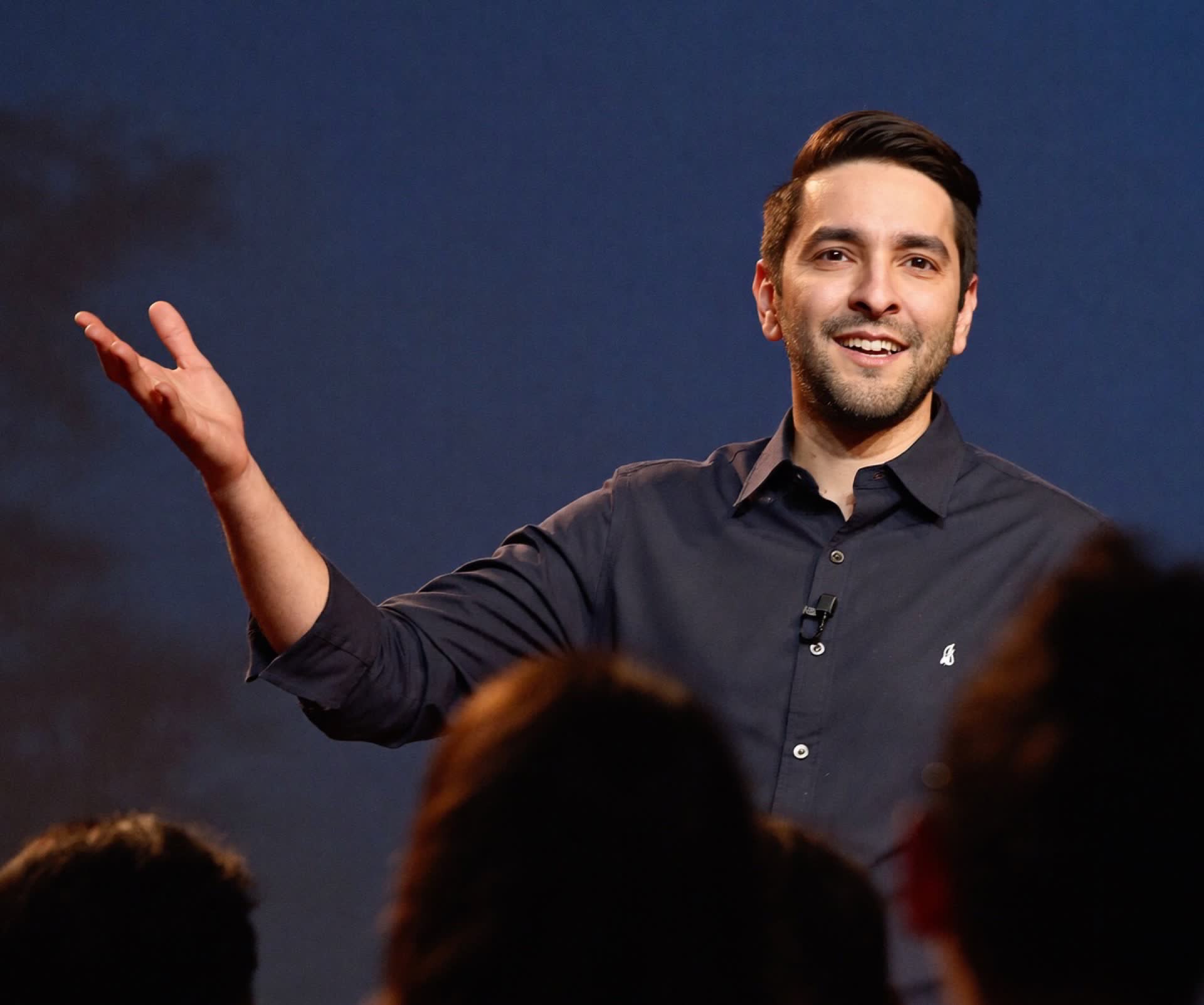
Thought Behind Things · Jul 26, 2023 · 1:54:09
Why the dollar isn't going anywhere, and Pakistan isn't defaulting
Farooq Tirmizi — former managing editor of Profit and founder of Elphinstone — walks Muzamil through why Pakistan keeps refusing to default, why the rupee can't do what the dollar does, and why he is structuring his whole life as a one-way bet on Pakistan by 2050.
with Farooq Tirmizi
11 min read
From the navy bases to Georgetown’s School of Foreign Service
Farooq Tirmizi was born and raised in Karachi into a navy family — his father and grandfather both served — which meant a childhood of moving between Karachi, Islamabad, and one stint in the US. He went to naval schools until class five, then a string of others, finishing at Karachi Grammar School after a gap year in which he memorised the Quran and, by his own account, walked into A-levels with a full beard. The principal admitted him in part because, in a more secular institution than it is today, it would be “a fun experiment.”
The figure he most admired as a young man was his mother’s uncle, a foreign service officer from the last batch to sit the joint India-Pakistan civil service exam. So Tirmizi went to Georgetown’s School of Foreign Service — the school the US set up in 1919 in anticipation of building a professional foreign service, so closely tied to the institution that to this day Georgetown schedules no activities on the weekend of the foreign service exam. He studied international political economy because he wanted to understand how politics and economics actually move together, and finished in three years because he couldn’t afford a fourth.
Wall Street’s plumbing, and the year the algorithms took over
A frank conversation at the Pakistan embassy ended his foreign-service dream — “beta, you’re too outspoken, you won’t make it in” — and a student loan pushed him toward finance. This was 2007, when half of Harvard’s class went into investment banking. He didn’t get the banking job he chased; he got a research analyst seat at an electronic brokerage, “a fintech before fintech was a phrase.”
His description of the work is one of the most useful threads in the episode. Almost all of the internet, he argues, was built for two customers — the Pentagon and Wall Street — and the brokerage he worked for was part of the plumbing, the layer that lets a trade execute a fraction faster than the next firm’s. By the time he left, he says, 75% of US trading involved no human placing an order. It was algorithms trading with algorithms.
His read on that is measured. The algorithms are only as good as the data they’re trained on, and that data is human. They “work beautifully until they stop working, and then you have to keep building new ones.” The first algorithmic trading fund, Long-Term Capital Management, went bankrupt. The humans didn’t leave the system; they just changed shape — instead of recruiting an aggressive trader, you recruit an MIT physics PhD. A US visa lottery — his was the first year there was one — sent him back to Pakistan.
Karachi in 1994, and being the smartest person in too many rooms
Tirmizi came home in the worst years of the war on terror, and the violence didn’t faze him. His benchmark for danger is 1994 Karachi, the bloodiest year of the MQM operations, when as a nine-year-old he watched a neighbour get shot. He’s honest that it desensitised him for a long time, and that it took years to relearn that this was not normal — a quiet exchange that Muzamil, an Islamabadi, presses on as the kind of trauma his Karachi relatives narrate too casually.
What actually frustrated him about coming home was professional. “A 23 or 24-year-old should not be the smartest person in the room,” he says, and there were too many rooms where he was. At Faysal Bank’s asset management arm he learned the Pakistani markets cold, but he found a business with no appetite for interesting work — a firm whose only equity exposure was a third of its smallest fund, while 90% of management’s attention went to that sliver and the rest sat in government bonds and bank deposits.
Why Pakistanis don’t invest — and the 401(k) lesson
Muzamil keeps returning to the same puzzle: every guest says Pakistan has huge potential and a young population, yet the number of people buying stocks never seems to move. He recounts his own attempt to open a brokerage account — excruciating paperwork, and one firm that told him it had shut its servers over Eid “for security reasons.”
Tirmizi’s answer is contrarian and, to him, settled. “In no country in the world that has a large base of investors was investor education the thing that made people invest. It’s always one thing and one thing alone — retirement savings.” America had only 3.5% of people holding any investment account in 1978. Then came the 401(k), letting people route retirement money into the markets, and participation climbed to 62%. Even now, two-thirds of Americans say their first investment was through a company retirement account.
He’s surprisingly generous about Pakistan’s regulator. The SECP, he says, has clarified again and again that this can all be done digitally — it even published an API-connection document. The blocker isn’t regulation, it’s incentives. Asset managers are either small shops with no distribution, or bank-owned. And banks read investing as a competitor to deposits, where the net interest margin runs from 4% in a bad year to 8% in a good one. The real competitor to investing, he insists, is the roughly $1.5 trillion sitting in Pakistani real estate — $150 to $200 billion of which, in his view, has no business being there — against an industry deposit base of around $90 billion.
The pension bomb, and the one law Pakistan got right
Pakistan, Tirmizi argues, has quietly written some of the best retirement-savings law in Asia. The Voluntary Pension Scheme regulation came in 2005, individualised provident funds and the rest by 2008, with what he calls “incredible foresight” — permissions for products that still don’t exist in the local market, and that don’t exist at all in India, Bangladesh, Indonesia, or Malaysia. The problem is that almost no one has built on it.
The model he’d recommend has three parts: individualised accounts with strong, safe defaults because most people don’t know where to invest; a tax penalty to stop people pulling money out before retirement; and the ability to borrow against the balance so they don’t feel trapped. The private-sector framework already allows all of this. The harder, more expensive job is moving the government onto it — and the part he’s most worried about, because the bureaucracy is united against pension reform in a way it isn’t against privatisation. Meanwhile, as Muzamil notes from a conversation with a former KP finance minister, the government’s pension liability is, in Tirmizi’s words, “exploding as we speak.”
This is what his own company, Elphinstone, is built against — it already serves clients including Bykea and Marcus Technologies with individualised retirement accounts. The VCs told him it was too early, and that they wanted an analogy from India or Indonesia. He can only point to America in 1978, which wasn’t a venture-backed company at all. The regulatory structure that makes it possible in Pakistan, he says, simply doesn’t exist in those other markets.
Not defaulting, and the difference between restructuring and reprofiling
When the conversation turns to the default talk, Tirmizi cuts through it. Externally, he says, the only real story is that the US used to quietly tell the IMF to go easy on Pakistan while it needed the country’s supply lines into Afghanistan — and when that need ended, so did the soft hand, which is when Pakistan’s situation got exposed.
But the deeper point is willingness. “Unlike Argentina, we have never lost our willingness to pay.” The civil service, the army, everyone who matters in Pakistani decision-making does not want to default — and as long as the willingness is intact, the means show up, whether through reforms or refinancing. He knows this because he talks to hedge fund managers who hold Pakistani bonds and buy more when they fall, on exactly that logic: it trades like Argentina but it isn’t Argentina.
He’s adamant the country doesn’t need debt restructuring. It needs reprofiling — push out the maturities, keep paying interest, possibly adjust the rate, leave the principal alone. The annual rollovers Pakistan already does are a version of this. He also thinks this IMF programme is genuinely different: a nine-month window rather than the usual two or three years, arriving at a moment when most of the painful adjustment — fuel prices, the rupee — has already happened. “What are you saving now? You might as well get it over with.” He compares it to India’s 1991 moment, with one caveat: India was embarrassed enough to never want to repeat it, and Pakistan, for the first time, may finally be that embarrassed too.
The rupee that couldn’t get out of India
The strongest stretch of the episode is on the dollar. The crypto crowd and the BRICS-currency crowd, Tirmizi says, are mostly people who never watched the current system get built, so they underrate how hard it is to replace. He tells a story instead.
When the war in Ukraine started, India wanted cheap Russian oil and tried to pay in rupees to sidestep dollar sanctions. So Rosneft opened a rupee account at an Indian bank, and an Indian oil company paid it — a clean domestic rupee-to-rupee transaction. The oil arrived, the payment cleared. Then the problem: Russia needed to pay its own people in rubles, and there’s no deep market to convert that many rupees. India’s answer was that the money couldn’t leave the country. The Russians had no use for a pile of trapped rupees.
That, he argues, is the whole point of the dollar. “The United States does not care and does not ask you any questions when you take dollars out of America.” It’s the only country that does this, and it can afford to because international trade is a small share of its GDP — it’s one of ten countries that grows its own food and one of only two with its own food and energy. India can’t let that many rupees out without crashing the currency and importing inflation. So the dollar stays the intermediary between every currency pair.
Muzamil pushes the counter-case — the changing world order, the growing frustration with American “weaponisation” of the dollar, the rumoured BRICS gold-backed currency, the global-south logic of trading directly with a cheaper neighbour. Tirmizi concedes the dollar won’t stay this dominant forever. But the talk treats it as a ten- or fifteen-year event when it’s a 50-to-100-year one. And it’s not just the currency — it’s the system behind it. People trust a JPMorgan Chase account; they don’t yet trust a Russian or Chinese bank, or a government that might one day decide their money can’t leave. The FDIC and SIPC protect non-citizens the same as citizens, and despite all the rhetoric, most people still take that promise seriously. He still sees more innovation and a younger, more dynamic economy in the US than in a rapidly ageing China. China will get more powerful; whether it surpasses the US at the US’s peak is, in his telling, genuinely debatable.
A one-way bet on Pakistan
Elphinstone takes its name from the Karachi street — now Zebunnesa Street — that held the country’s first investment institutions. The company is, as far as Tirmizi knows, the first to bring fully regulated US investing to ordinary Pakistanis: a registered investment advisor with the SEC, partnered with the brokerage Alpaca, opening individual accounts protected under US law. The pitch is simple — somewhere between one and one and a half million Pakistanis now earn in dollars, and no one was serving their need to save in dollars. Freelancers can fund accounts from Payoneer or Wise; dollar-account holders can move money with a letter explaining the foreign-exchange rules; even rupee accounts work up to the State Bank’s $25,000 limit. Money can sit in self-directed trades or a managed portfolio, conventional or Islamic — the S&P 500 has a Shariah-compliant index where 259 of the 500 companies qualify. Net of fees, he cites a ten-year stock average around 11.7% a year.
Muzamil ends by asking for an honest, caveat-free read of Pakistan in 2050 — no youth-population line, no “I hope.” Tirmizi goes further than asked. “I am structuring my life as a one-way bet that Pakistan will be one of the largest, most prosperous economies in the world by 2050.” It’s the year he turns 65, and the one he plans to retire into. His reason isn’t a forecast model. It’s a pattern he sees in the country’s history: every time Pakistanis are left free to build, they choose to build ethical things that create real prosperity. “I think we are done messing around.”
Full transcript
But finally we have him with us we have mister फारूक धर्मेजी who was previously the managing editor for the profit magazine इनका financial markets में और journalism है finance journalism है बड़ा एक कलिधि कर्गा किरदा रहा है Pakistan की space में and now he is even though he is based out of The US but इन्होंने एक नई company बनाई है Elfin Stone बड़ा मुश्किल नाम रखा है सारा आपने. पाकिस्तानी की ज़ुहानी टेढ़ी हो जाती है. I is the founder CEO of that company that allows for पाकिस्तानी to invest you know in The US market. So thank you so much being part of the show. Thank you for having me. मैं conversation को start करूंगा. अच्छा इस चीज़ को बताने से पहले मैं आपको
and early life आपने कहां पर गुज़ारी. ठीक है sir. So I am from Karachi, born and raised. Lived there for most of my life. मेरे वाले साहब जो है वह Pakistan navy में होते थे and actually even my grandfather was in the navy. तो I have lived in Karachi for most of my life but because military family we used to move around a lot. कुछ अरसा जो है वह अमरीका में गुज़ारा, कुछ अरसा इस्लामाबाद में भी गुज़ारा. We used to move around in different places.
Navy के generally so I've it's fascinating I've met a lot of people military army families. Navy वाले बड़े कम होते हैं and Air Force में भी आपको पता है जहाज है कहीं से भी हो सकता है right? So Navy तो is basically समंदर. Yes. Right. So what are some of the major stations जहां पर लोग posted होते हैं? Karachi is the bulk of it.
I think more than half the navy is based out of Karachi. Naval headquarters इस्लामाबाद में है तो कुछ उसके लिए जो है यहां पर होते हैं. There is a small base in औरमारा and a very small presence in ग्वादर as well but the bulk of it is कराची. So primarily you guys would flip flop between इस्लामाबाद and कराची? Between इस्लामाबाद and कराची and like one stint in The US. Right. Schooling
वगैरह कहां पर थी आपकी?
Mostly actually the naval schools until I was in class five. उसके बाद फिर I moved over to essentially very religious school, catholic school. So, went to Saint Pat's and Karachi, Saint Mary's and राहुल पिंडी and then finished off with Karachi grammar school. अच्छा. Why
the shift to KGS considering Saint Pat's का बड़ा अपना वह एक legacy है. जी. तो one would assume कि उधर ही आप जाकर.
Sadly controversial I think KGS is better.
Right. Was your experience at KGS considering you weren't क्या कौन का होता है? OG, new G. तो you were like आप तो eleventh में गए थे ना फिर? जी जी बिल्कुल हां. Actually
मेरा admission इस तरह से हुआ था I went over to the to the principal because I for A levels I had gotten admission into Saint Pat's and I hadn't yet heard back from grammar school and the admission deposit was due before I would find out from grammar school. So I went to the head ministers and उन्होंने कहा कि यार आप मुझे इधर बता सकती हैं कि भाई मेरा दाखिला होने का इमकान है कि नहीं है. तो उन्होंने मतलब hint दे दिया कि हां शायद हो जाएगा तो I let my Saint Pat's admission go and you know हो गया वह. बाद में उन्होंने कहा कि I was actually very intrigued कि जो है उस ज़माने में KGS was a much more secular institution than it is today. वहां पर थोड़ा सा there are more religious people now लेकिन उस दोबारा मेरी पूरी दाढ़ी होती थी मैं देवबंदी mother से मैं होता था. मैंने HIBBS भी किया हुआ है. Really? Yeah, I took a gear gap between O and A levels और मैंने HIBBS किया था. तो उसके बाद मैं जा रहा था A levels में कराची grammars. ठीक है? तो उन्होंने मेरी शक्ल देखी, लंबी दाढ़ी देखी उन्होंने कहा कि this will be a fun experiment.
Actually that trip actually was instrumental in getting that admission as well. Yeah, yeah I think so.
So
yeah, so that was a very very interesting time to do. How is that? I mean you going from a मद्रसा to KGS. Yeah. What was that like?
It was an adjustment especially the oddly enough the मद्रसा to KGS was less the adjustment than co ed, than single sex to co ed. Right. Because I had not studied around girls for at least since class five basically. Right. तो you know it's just a very different environment. तो took me a while not gonna lie to adjust to that environment but I must say in my my female classmates were very very accommodating. उन्होंने कहा था हां यह थोड़ा सा awkward बंदा होगा. थोड़ा सा इसका लिहाज कर लो. Right. And ultimately I was able to adjust but and I was able to make friends and some of my closest friends are still from that school. Do you think? And this is again very off topic but आपने बड़ी interesting theme touch किया है.
Modern day I mean आजकल I am seeing this wave of polarization where religious side जो है वह secular side को demonize करती है, secular side religious side को demonize करती है. Based on what I have heard from my parents back in the day before the life, the social media and all of those things. It was much more accepting जब alternate side का कोई आता था तो people would just be a lot more relaxed and and and and guide them through and जो जो mixture था वह much more peaceful था. इस hypothesis से आप क्या comment करेंगे?
I think if you're अगर अभी भी आपकी interaction सिर्फ in person है. I think that's still true. Right, people are much more willing to be accommodating when it's in person. मतलब think about people in your family. ठीक है? At least I can tell you हमारी family में बहुत सारे ऐसे लोग हैं who are very secular. ठीक है? Very very liberal and frankly slightly averse to religion. Right. ठीक है? और फिर उसके अलावा if there are people for example like my immediate family especially my mother for example is very religious नकाब पहनती है सब कुछ है. जब वह हमारे घर आते हैं तो मर्द और औरत अलग बैठते हैं and
maybe they don't like it but they also accommodate it. They accept it right? कि यह this is their space and we'll let them have their space.
Yeah. And in the same way, you know, I will give you an example. My in laws are probably on the slightly more secular side. I wouldn't say they are completely secular in the sense कि मेरे mother and father-in-law are religious people. लेकिन यह कि they are little bit more secular than my than my parents लेकिन यह के एक दूसरे की accommodation कर लेते हैं वह. Why? Because they never interacted on social media. उनकी सिर्फ in person interaction रही है. तो उसमें अभी भी लोग जो है ना जब आपको किसी को आंख में आंख डाल के बात करनी होती है तो फिर भी लोग लिहाज कर लेते हैं.
हां. और वह I think आपको humanity का एहसास होता है ना? When you are behind the screen the human in you just sort of fades away and it's just the thoughts in one forty characters but interesting. So after KGS university के लिए what did you decide? उस
जमाने में मेरे दिमाग में एक just I had one the one of the people I most admired in my early life was my mother's मामू who used to be a foreign service officer. He was actually the last batch of people who took the joint India Pakistan civil foreign service exam and he was when he got in he was had the option of Choosing either one. Choosing either India or Pakistan. He chose Pakistan and came and I really admired his career and I actually helped sort of edit a little bit of his biography that he wrote. तो I wanted to become a foreign service officer. That was my dream. And so I heard that Georgetown University in Washington had something called the School of Foreign Service. And I was like, that is where I want to go. And I was I applied. I was lucky enough to get in.
तो. And my understanding is this is particularly in this field is one of the top schools considering कि वह It is. White house के बाजू में है तो. Yeah actually its origin is कि
World War one के बाद Americans helped win World War one but they didn't have a professional foreign service तो वह European जो diplomats थे British और French diplomats they basically उन्होंने कहा अच्छा तुम तेरा side पर बैठो अमरीकियों को हम बड़े बात कर रहे हैं तुम बैठने पीछे बैठो. When the Americans came back after the war they were like ok clearly we need to invest in a foreign service. तो उस पक्ष जो है Georgetown then created the School of Foreign Service in 1919 in anticipation कि US Foreign Service बनेगी 1925. Interesting. And so it, the two are very closely linked. Right. और अभी भी at Georgetown, the weekend that The US foreign service exam is taking place, there are no activities that are scheduled because it's just still taken so seriously. Interesting. So, yeah, it's, it was a really interesting experience. And you did international political economy. Yeah.
What was the thought behind that nature?
Yeah I went because I wanted to learn how the world works. Right. I thought I want to learn just politics but I also very quickly realized कि भाई मेही शब्द भी कोई चीज़ होती है. I I wanted to learn both but I also didn't want to be a specialist in just one or the other. And I liked this the existence of a political economy major, an international political economy major where I was able to understand how all of these things work together. So it's basically a political science and economics and how they interact together in one. So I just I thought that was perfect for me. I think at the undergraduate level, there's hardly any universities that offer it. How was the program? It was was everything and I wanted and more. I really did come away with a much better appreciation and understanding of how the world works.
And you graduated in 2007? 2007. तीन साल के अंदर. Yeah. How did that happen?
So I A levels किया था तो उसमें कुछ advance credits मिलते हैं और मतलब I didn't have the money to pay for the fourth year. So I was like ok चलो I didn't get a full scholarship so so I. It wrapped up as quickly as possible. As quickly as possible ताकि And पैसे कम देने
इसके बाद what like what sort of work generally what sort of work exists for because it's a very interesting degree you do not lot of people would would have heard about it like you mentioned कि बाकी जगह पर शायद होता भी नहीं undergrad level के ऊपर. Yeah. So thought क्या थी कि यार अच्छा यह मैं कर लूंगा am I gonna go back do CSS now?
Yes I that was my initial plan फिर मैं वहां पर पहुंचा और Pakistan embassy में मैं कुछ events में मैं जाता था वहां पर कुछ civil servant से बात हुई foreign service officer से बात हुई कुछ मेरे नानक मेरे वालदा के जो मामू थे उनको भी जानते थे तो थोड़ी सी frankness हो गई. उन्होंने मुझे देखा बेटा यार तुम इसमें नहीं आ सकते. अच्छा. तुम जितने मुंह फटो तुम नहीं आ सकते इसमें तो कुछ और करो. Right. So that and then I started looking for other things. मैंने कहा यार इतना पैसा खर्च किया है तो I I need to find something that's more financially lucrative. That's actually when I got into finance and I I started learning more about finance and कि I also finance part of my education with a loan. So that's when I first learned about finance was because I had my own loan that I needed to worry about and pay about. उस उस तरह से मैं finance में चला गया. उस जमाने में अच्छा this is pre February so investment banking was the big thing. Right. Everyone was going into investment banking. Actually if you look at it 2007 में something like half the class of Harvard went into investment banking. And Georgetown was also a top 10 recruitment school for investment banks तो that was the thing that used to go into. I did not go I tried very hard to get investment banking. I did not get the job but what I did get was a research analyst job at a quantitative brokerage firm. So like an electronic brokerage firm it was a fintech before fintech was a phrase. Okay dump that down for me. So basically all of the internet that you know of all of software and technology that you know of has been developed for two end customers the Pentagon and Wall Street. ठीक है? तो Wall Street has always had these electronic brokerages where basically everyone is constantly trying to have an advantage in the speed with which they are able to execute trades. ठीक है? So there are a lot of electronic brokerage firms that are seeking to solve that problem and have been around since the nineteen eighties. Actually, Michael Bloomberg का जो आपने नाम से like that was one of the he was a data provider to one of those brokerage firms. Right. That's how it all started. तो I was working for one of those. And so we were working on we had like a bunch of different like software that we used to provide. We had a bunch of different execution networks जिन्हें कहते हैं where you execute trades hopefully faster than the other guy etc. Right so you your company wasn't trading
per se. No. They weren't making any decisions they were part of the layer. Yes. That allowed for any trade to happen Interesting.
So part of the infrastructure of Infrastructure of it. Of trading. Yeah. How does that
so जो modern day में आजकल सारा का सारा हो रहा है अभी भी वही system है वही उसी तरह कोई दरमियान में दरमियान के वह बैठे हुए intermediaries जो कि optimize कर रहे हैं further या now have things is now
virtually all so when I left that job 75% of all trading that takes place on The US markets did not involve a human placing an order.
What do you mean?
It's all algorithmic. मतलब it's basically there are some algorithm, people have built algorithms that trade with other algorithms.
अगर आपने पैसे वक़्तेम के बारे में परेशान है खासकर आजकल की economy में जहां पर already cash continuously burn हो रहा है और inflation हमें मार रही है. तो I am proud to announce that this video is in partnership with समाया Financial. They are offering two very very cool trainings. Capital market fundamentals जिसमें आप stocks और mutual funds में invest करना सीखेंगे और understand करेंगे कि आखिर एक company के अंदर क्या ऐसे fundamentals होते हैं जिनको आपने देखना होता है to figure out कि वह एक अच्छी company है to invest in और दूसरी training है technical analysis master class जिसमें आप सीखेंगे कि किस तरीके से हम different tradable assets like commodities, forex, stocks, crypto के अंदर थोड़े से पैसे लगाकर बहुत ज़्यादा पैसे बना सकते हैं. Personally यह training मैंने भी ली है and it's absolutely phenomenal. The link to the trainings are in the description below. Check them out and become financially healthy and now back to the podcast. Ok, so so basically मैंने पैसा उठाया और मैंने algorithm में फ़ेंक दिया. Yeah. और algorithm but algorithms are going to basically be driven by human sentiment right effectively वह यह कर रहे हैं कि वह I took a technical analysis course effectively यह कर रहे होते हैं वह हर चीज़ की उन्होंने जाना वह basically trends निकाले में हैं कि जब यह होता है तो यह होता यह होता है यह होता है. But when you that works if you are the first in the game but if everybody has an algorithm तो वह तो एक sort of either self fulfilling prophecy वन जाएगी या वह completely एक
do you get what I am saying? Yeah yeah so it's a very it's there are a lot of safeties mechanisms that have had to be built because it very dangerous और कुछ हुए हैं जिनको कहते हैं flash crashes where the algorithms like get into a doom loop where they just either drive the price sharply down or sharply up. क्योंकि वह एक दूसरे से मतलब they're just feeding off of each other. वह होता है. They've now built in some safety mechanisms against that कि वह उसको रोक देते हैं before it gets into that. Do you think once you begin to sort of remove the human interference.
Yeah. Will we यह बड़ा वह वाला सवाल है. फ़ल सफेद वाला but you think in its eventuality we will be able to drive out the emotion and the and the speculative nature of trading and investments as we have seen you know particularly stock market step बनना शुरू हुई तो वह तो generally
driven around human sentiment है ना? My view on this and this is I'm not by no means an expert on this but my view on this is the algorithms are only as good as the data they are trained on and the data they are trained on is human. Right. So there will they they are the algorithms actually have a different उनका उनका problem यह है कि they work beautifully until they stop working. And then you have to keep on building new ones. And so that's the race. There is a human involved. ठीक है? They are just doing it differently. ठीक है? Instead of वो examine में होता था कि यार यह बंदा जो है बड़ा बड़ा aggressive है, यह जो है he can really trade you know really fast and all of those things. उस बंदे को आपको recruit करने के बजाय आप जाते हैं MIT के physics PhD department में और आप उनसे कहते हैं कि यार quit your PhD and come here work for us. So it's a different human. It's a different tool that he is using but we are still using the same things and we are still human. The first algorithmic trading fund very famously went bankrupt long term capital management so.
I mean we are still at the sort of net practice mode में अभी चल रहे हैं. There is a lot to happen there. You were there for a year I believe. Year and a yeah. And then you had to come back to Pakistan. Why did you The make a first year that The US ran out of visas for
for work work visa. So The US was a quota. H-1B yeah. Right. So I I move back. यह इसके बाद उन्होंने lottery introduce करी थी या lottery Yes actually ours was the first year that there was a lottery.
Yes. The dollar based loans. The dollar based loans. And so how do you how do you maneuver through that situation?
Yes, उस पर बहुत सारी चीज़ें हुई थी. Couple of things was कि first of all it was it it was a little bit of a loan my father was able to help me pay down a little bit before I move back so load थोड़ा सा manageable हो गया था उसके बाद फिर मैं यहां पर काम कर रहा था I was living at home expenses कम थे मेरे वैसे कोई इतना ज़्यादा शौक So are you still paying back? I was still paying back. Interesting
and you came to Pakistan and what was the next thing you joined here?
I started working at Vessel Banks Asset Management Division.
Were you happy coming back to Pakistan? There is war on terror you know just lots of bomb blasts. टक टक टक lighting light भी I think उस time पर जाना शुरू हो गई थी और बुरा time था मतलब दो हज़ार नौ से लेकर दो हज़ार बारह तेरह तक ना मुझे Pakistan को इतना कोई pretty याद नहीं है. और आप I think में से
none of those things bother me. बिजली चली जाए मेरे ऊपर कोई फ़र्क नहीं पड़ता. You know it's dangerous. I was nine years old when I first saw a neighbor of mine get shot in कराची में. This is 1994. तो मतलब I like my benchmark for dangerous in Pakistan is 1994 in Karachi which was a bloody year and I personally saw it. ठीक है? तो This was a year of MQM operation. MQM operations और बहुत सारी और भी चीज़ें हो रही थी. It was just, it was chaos. I actually think in terms of murder rate it was still the highest bloodiest year in Pakistan. You remember much of that time or do you think your brain has put it in a box and put it far away? No. I remember it. I remember. Did you have any therapy for it?
No. Do you think a lot of people suffer through PTSD from that time? Quite possibly,
quite possibly. Interesting. Actually nobody has ever asked me that question before but.
I mean as an अस्लाहाबादी I find it quite मेरे मेरे जितने भी कराची के family members है वह बड़े casually बात करते कि you know यह था और इतना था और संतान. I know they are putting on a brave face. But that has to have some impact on a human being. As a nine year old watching someone get shot is is is not in what doesn't kill you make you stronger. Yeah. Sure. Yeah. But it can really screw you up in a lot of ways as well.
I I think for a long time I was desensitized to violence. I think it's taken me a long time to heal, to get used to the idea that this is not normal.
Right. Interesting.
तो but when I came back, I think I was still somewhat desensitized. Right. And I was still तो वह मतलब I I was living at a time in a neighborhood called लालाज़ार in कराची. तो लियारी gang war was at its peak back then and you could hear the gunshots almost all night. तो I was in a relatively safe home I don't want to say कि I was in any danger or anything like that but you could hear कि यार यह हो रहा है शायद. This is the first time I am hearing about this. लालाज़ार I know लालाज़ार in पिंडी that's where sent to There a very small neighborhood in Karachi also called लालाज़ार. It's close to the port, it's close to where beach luxury hotel and a couple of other things are. Yeah. Right. Since my father at the time was working at KPT. We were living in government housing there. तो yeah, so that's where I heard all of those things and but that was not what bothered me. What bothered me was यार there's a there's a level of competition in America that is that pushes you to do your absolute best work. A 23 year old or 24 year old should not be the smartest person in the room. I wasn't always the smartest person in the room but there were too many rooms where I was and maybe I am very arrogant for saying that but that was a problem and actually I have known gay I have had you know you know I I always wanted to be challenged by people and I just felt like I wasn't being challenged. That was the biggest thing to adjust to.
And the the first job that you took was? Was as a research analyst at
at Vessel Bank's asset management divisions. I was helping analyze पाकिस्तानी equities and This is after the RBS acquisition or? This is no, this is before. अच्छा. So this is before yeah we were and and this division is is has its own identity वह है यह अलग. Right. It's an interesting job in the sense कि I learned a lot about पाकिस्तानी markets मुझे पाकिस्तानी companyयों के नाम और मतलब कौन से sectors बड़े हैं, कौन से छोटे हैं, क्या trading activity होती है वह सारी चीज़ें मैंने सीखी. I learned a lot but मैंने एक चीज़ notice की कि it was not a people aren't interested in doing interesting things or at least they weren't at the time. अब थोड़ा सा लोगों ने जो है वह काम शुरू किया है which is a little bit more interesting. Expand on that. They were running very plain विर्णिला mutual funds and whatever reason the firm that I was working at the time was afraid of having a purely equity fund. कहता है यार यह यह नहीं बिक सकता. Differentiate between the two. So मिसाल के तौर पर वह उनका जो the only fund that they had that invested in the stock market was a fund that was majority invested in government bonds. ठीक है. ठीक है? तो उसमें सिर्फ एक छोटे तीन fund थे उसमें से एक fund का एक तिहाई है. सबसे छोटे fund का एक तिहाई हिस्सा था जो कि stock market में था और बाक और by the way management का नब्बे फीसद attention जो था वह उस equity portfolio पर था और बाकी सारा वह जो government bond में रखा हुआ या bank deposit में रखा हुआ है. That's not interesting man like उसके लिए कोई analysis करना ही नहीं होता. ठीक है? जो असल काम होता है जिसमें analysis करना होता है that was a very small portion of our actual revenue and our actual business. That I found यार I want to do something that's a little bit more.
Challenging उसका risk accepting. हां. Then that. Why do you think? Was it just risk appetite?
People didn't go. It was risk appetite and frankly उसके अलावा Pakistan's asset management industry is not built to serve the individual. Ok. It is built to serve large companies. Large companies treasury departments very specifically. तो यानी कि मतलब angerओं के पास थोड़ा सा spare cash पड़ा हुआ है, Unilever के पास थोड़ा सा spare cash पड़ा हुआ है, उसके लिए उनको क्या चाहिए? उनको money market fund चाहिए. Sir monthly return कितना होगा? Without understanding कि यार आप कि का अगर आप पच्चीस साल के हैं, छब्बीस साल के हैं तो आपका investment horizon जो है वह चालीस साल है. हां. Right. Barrier Town की plot file कौन ख़रीद रहा है? Mhmm. और किस लिए ख़रीद रहा है? उससे कोई किराया आ रहा है? नहीं आ रहा. अगले महीने क्या मिलेगा उससे? कुछ नहीं मिलेगा. We are thinking about that. We do think about inflation adjusted returns. We do think about long term के लिए पैसा फंसा दो, but just in real estate, just in gold.
Again, why do you think we haven't been able to break out of that cycle? Was it regulation that didn't make it convenient enough or incentivized enough? You know बहुत सारे लोग कहते हैं अभी आजकल recently मैं Twitter पर पढ़ा था कि लोग कह रहे कि यार आपने जो है ना वह अभी नए taxes भी आए हैं हर दवा taxes लगते हैं तो वह stocks के ऊपर you know वह तो उस पर तो लग जाता है आपका लेकिन real estate को अपने हर हर दो ढाई साल बाद एक amnesty देते हैं तो. Is that the case? Is it a cultural thing? दुनिया भर में हम देख रहे हैं the Robin Hoods of the world are making it super super easy and चलिए US market से compare करना थोड़ी ज़्यादा हो रहा है, बांग्लादेश में बहुत ज़्यादा हो रहा है. Pakistan में sun तो हम बड़े रहे हैं, लोग बड़े excited भी हैं but कोई उसका real आपको change होता हुआ नज़र नहीं आता. Do you think again last एक possibility हो सकती है. Do you think it's maybe education as a the financial literacy? कि यार plot की file है, चाचू ने बोल दिया, double triple हो जाएगी, देखी जाएगी but कौन stocks की खप्में डाले और figure out करे?
I'm gonna say something that may sound a little bit controversial again. वह यह कि in no country in the world that has a large base of investors was investor education the thing that made people invest. It's always one thing and one thing alone retirement savings. ठीक है? Company से आपको जो आपकी retirement savings पर मिलता है ज़्यादातर Pakistan companies में या तो gratuity होती है या provident fund होता है. Actually in this respect Pakistan has the best regulations in my opinion in Asia with the possible exception of Singapore. वह यह के we are allowed to actually have individualized accounts. For? For company retirement accounts. Right. आपका provident fund का जो account है वह individualized हो सकता है. अच्छा. But most ज़्यादातर companies Pakistan में करती नहीं है. But you can and actually that's. And just to just to give context for that. So that that effectively means कि if I join a company and I have a provident fund account
theoretically I can have the option कि यार मेरा account इस product में डालें.
Is that what it means? With within limitations. So there are a set number of funds that you would be allowed to invest in. But yes, you would then have control over that and that account would be in your own name और जब आप company छोड़ के जाएंगे तो आपकी final settlement कोई नहीं होगी. वह पैसा आपके account में already जा चुका है. Right. So that is a thing that exist in Pakistan. उसकी misfortune यह है कि उसका जो regulation है it came out in the third quarter of two thousand लिए. तो
उस वक्त किसी का किसी mood नहीं का mood नहीं था. उसके बारे में कुछ करने उसके ऊपर why did nobody make a product out of it like
theoretically तो आप जाकर बड़ी सारी So companies monetize कर सकते VPS जो funds होते हैं it's called voluntary pension scheme ठीक है. It's a it's a first of all I don't actually like the name because उसके अंदर लोगों का pension नाम आ जाता है और पता नहीं क्या लोग सोचने लग जाते हैं. It's not at all like a pension. It's more like a provident fund but just an individual provident fund. तो उसमें जो है the asset management companies have actually launched funds. There are I think now nine asset management companies that offer VPS funds. Conventional भी होते हैं, Islamic भी होते हैं. You can do all of those things. And the law exists. वह सब कुछ है ज़्यादातर लोगों को पता नहीं है. And frankly like I mean we as a company and we can get into this later but like we as a company try to get into that market. We actually still serve some customers who do that and we think this is ultimately Pakistan की market यहां जाएगी on and ultimately that's why I am actually more optimistic about Pakistan's investing potential because
Pakistan में जो regulations बने हुए हैं यार मतलब regulation तो बना दिया ना अब ठीक है उसके ऊपर हम product अभी तक नहीं आया वह सारी चीज़ें हैं लेकिन वन सकता है. ठीक है? तो ऐसा ऐसा वह भी वन जाएगा. मैं एक basic सी चीज़ understand करना चाह रहा हूं. Yeah. यह तो आपने चले funds and you know so on and so forth. एक basic सी चीज़ है. समाया वाले दो तीन दफा आ चुके हैं मेरे पास. दो दो अट्ठाईस साल से पीट रहे हैं कि Pakistan में जो है ना करोड़ों लोग आकर stocks खरीदेंगे. वह number बढ़ता हुआ नज़र नहीं आ रहा by and large. मैं एक और मैंने ना जब यह वह भी आया और मैंने तीन चार actually आठ दस इसके ऊपर episodes की तो मैंने खुद थोड़ा dabble किया. I went to a couple of folks and I tried to create an account and it was just an excruciating experience. The documentation ये भेज दे वो यार मैं एक सब कुछ मेरा है जब system में मैं taxpayer हूं सारा कुछ है मुझे एक नई कड़ी के लिए क्यों सारी चीज़ें इकट्ठी करनी पड़ रही हैं? खैर वह भी खुल गया. Really what put me off was I remember this one company that I had opened an account with and you know बड़ी मुश्किल से करते कराते वह confusing सा तो उन्होंने मुझे कहा उन्होंने कहा यार वो ना actually ईद आ गई है और और उन्होंने मुझे बोला ये कि for security reasons हमने अपना server बंद कर दिया है क्योंकि छुट्टियों पर कोई होता नहीं है तो sir दूसरा यह कि मुझे I just realized कि हम कितना पीछे हैं. Sir cloud भी कोई चीज़ होती है. दस चीज़ें होती हैं. क्या बातें कर रहे हैं यार आप? तो वह उसके बाद से तो मैं कभी घुसाई नहीं and I know for a fact कि मैं तो फिर भी थोड़ा literate था. Like I was speaking to important people who had taught me the importance of investing and what could happen and I was very very excited. मैंने literally पूरा plan किया था कि मैं एक channel बनाऊंगा और मैं इसको करके मैं अपना दिखाऊंगा तो लोग आऐंगे. Just didn't happen. इस story में Yeah. Do you think the problem was because जो product design कर रहे हैं वह लोग वह bankers हैं वह शायद tech को नहीं समझ पाते क्या regulation बहुत difficult है जिसकी वजह से आपको वह documentations पचास चाहिए जिसकी वजह से खारी हो जाती है. I mean documentation Binance के भी चाहिए but Binance पर हर तीसरा बच्चा बैठा trading कर रहा है. Can I just say Pakistan
में I will genuinely say I am very surprised by how good a regulator the SECP is? सारी जो आपको मुश्किलात आ रही वह SECP की वजह से नहीं आ रही. It's not the regulations और उन्होंने बार बार जो है वह regulations को clarify करते चले जाते हैं कि यार you can do this all completely digitally. हर चीज़ आप कर सकते हैं everything to the point where the SECP literally put out a document कि यह चीज़ जो है ना इसके यहां से API connection होता है कि भाई तू कर ले. इसी तरह से तू कर ले. लेकिन actually I so there are some asset management companies that now finally trying to do a little bit of work on it but to be honest I think it's सबसे बड़ा मसला जो है ना वह incentives का है और वह incentive आप इस तरह से आप सोचें कि ज़्यादातर जो Pakistan में asset management companies हैं they are either small independent shops that don't have the resources to develop a full product and and and go out and and make it distribution उनकी अपनी नहीं है या जिनकी distribution है वह कौन है? Bank owned. अच्छा. The problem is bank management has a mentality issue. ठीक है? वह यह देखते हैं कि यार equity fund जो है जो कि सबसे मुश्किल है बेचना उसके ऊपर हमें 2% management fees मिल रही है. ठीक है? ज़्यादातर जो सबसे आसान है उसके ऊपर fixed income fund या money market fund उसके ऊपर हमें 1% management fees मिल रही है. Versus deposits में हमारे worst year साल में हमें चार percent net interest margin मिलता है और बड़े अच्छे सालों में तो आठ percent मिलता है. ठीक है? They view investment as competing with deposit. When in fact वो यह नहीं देखते कि total deposits industry के last में मैंने number check किया था was about $90,000,000,000. ठीक है? Worth of deposits and there is $1,500,000,000,000 of real estate ठीक है? जो कि it's over invested in our opinion there should be a significant chunk of that that should be in the investment market. We think there's something 150 to $200,000,000,000 worth of real estate that should not be in real estate. It should be in mutual funds या some other form of like capital markets investments. उसको वह उन लोगों को नज़र नहीं आता है कि यार यह एक आपका असल में these like deposit and interest and investment are not the competing product. Real estate and investment is the competing product और उसको आपने छोड़ दिया है. वह हमारे पास आएगा ही नहीं कभी और उसको हम छोड़ देते हैं. क्यों नहीं आ रहा वह?
Do you think it was the amnesties
and the so on the so I think part of it is the amnesties. I think but उसके अलावा एक और बात यह है कि mean there is also the fact कि यार older like who owns the real estate? It's mostly old people. Right. And and older people are a little bit less hesitant. उन्होंने उनको या तो stock market का पता ही नहीं होता या अगर पता होता है तो फिर उनको जो you know nineties के जो है वह uptown और मतलब उसके बाद जो crashes हैं वह याद ज़्यादा याद रहते हैं और जो जो booms आए हैं जिसकी वजह से returns अगर आप average over मतलब ten twenty years आप देखें जो अच्छे returns हैं वह उनको नज़र नहीं आते. तो वह उसकी कुछ वह बुजुहात हैं जिसकी वजह से I think लोग market में आते नहीं हैं.
चलो अगर मैं इसमें एक एक तस्वीर कशी करूं. हम हमारे guests हमेशा आते हैं तो कहते कि Pakistan में बड़ा potential है बहुत बड़ी youth population है. तो मैं इस potential को मद्दे नज़र रखते हुए. Yeah. मैं कहता हूं कि जी you have a huge chunk of young people. Yeah. Who to be very honest वह market इतनी speculative हो चुकी है real estate की कि वह by and large they don't have the means to invest in that market anyways. And there is a growing now noise as well जो कि कह रही है कि real estate pump and tamp पर और कभी ना कभी जब market थोड़ी सी normalize हो गई तो यह bubble burst करेगा it's a bubble market. At least सलाहाबाद की तो बहुत ही crazy bubble market है. So वह अब थोड़ा सा alternate पर ढूंढना शुरू हो गए हैं कि यार मुझे कोई opportunity दे दे why has no one been able to create एक kick ass product. Yeah. Like like Robin Hood for example. Yeah. जो कि इन बच्चों को छोटे से buy in के अंदर उस market में का access दे. Yeah. बहुत ज़्यादा return चाहिए लेकिन बिशक दस साल वाले हो. Generally हम उसको कहते venture capitalist. Venture capitalist आता है पचासी million dollar grocery startup पर लगाता है ठीक है और एक problem statement आपके सामने पड़ी हुई है मुझे उसका solution क्यों नहीं आता तो मुझे यह सवाल का एक अगर आप जवाब देते हैं मैं थोड़ा सा confuse हूं. Sir देखिए with any business the biggest problem is distribution.
Right. ठीक है? That's why banks are relevant this conversation क्यों banks चाहें they are not interested in this. So anyone who is coming in this has to build their own distribution. Right. ठीक है? They are not going to find a partner. They have to build the distribution and for distribution it takes time. ठीक है? Ok. और उसके लिए जो है I'll tell you honestly this is something we hear from venture capitalist कि यार पहले एक pause sorry आपने कहा कि distribution
partner से नहीं हो सकती खुद होनी वजह क्या उसकी? My my thought would be कि मैं fintech के पास जाऊंगा और मैं कहूंगा कि यार you know I'll give you the backbone of investments into the equity markets and you have the customer base, right? So मैं आपसे और I think यह हो भी रहा है Jazz Cash या someone is actually now going towards that जिसमें वह कहते हैं कि जी directly अपने wallet से पैसे move करके आप invest कर सकते Why
do you think partners won't work and you'll have to build your own distribution network? So JazzCash is actually one of the the the rare cases where it might actually make sense to have them as a partner for distribution but generally speaking ज़्यादातर लोग जिनके पास पैसा है वो they have they they rely on banks as their default financial app. ठीक है? ठीक है. Banks it's not as though वह mutual fund नहीं बेच रहे हैं. उसी app के अंदर भी कभी कभार होता है. HBL app के अंदर भी है, उस और चीज़ों के अंदर भी है. But it's not a core focus and they very actively don't actually wanted to use it. Right. ठीक है? क्योंकि वह again वह कह रहे कि यार deposit में अगर यह रहेगा
simple plug and play नहीं है कि मेरा पैसा है उसको move करो figure out the regulatory requirements and just invest it. The other thing is and this is the part that is
that I learned the hard way is कि people who are bankers are not bankers and investment professionals are completely different people. They are seen as subset of finance which they are but they are so completely different कि वह मतलब एक दूसरे को समझ नहीं पाते हैं and investment people in Pakistan have no say within the hierarchy of finance.
So nothing ever gets done. Product can never come to the fore. So my thought is कि investment professionals जो हैं वह at the very top होंगे versus the bankers.
That is true in The US and UK. It is starting to be true in India but that's it. अच्छा. That's all generally speaking bank centric finance systems are the most popular. It's the first thing that develops generally speaking और फिर उसके बाद जो है आपको capital markets के ऊपर बनानी होती है. America में it is very unusual कि उन्होंने जो है वह bank system और capital markets एक साथ develop किए और फिर उन्होंने यह किया कि अपनी जो retirement savings है वह पूरी stock market पर कर दी है. So actually one of the things I like pointing out is हम लोग समझते हैं अमरीका इतनी well developed financial market है. You know the percentage of Americans who had any kind of finance investment account in 1978 was three and a half percent. Only three and a half percent of Americans had any मतलब brokerage account, mutual fund anything. ठीक है? Then what happened? They created something called the four zero one k which is basically allowing you to put your money into your retirement assets into the markets and then participation took off and now it's at 62%. 62% of Americans have some kind of investment account. And then you ask them, where did you start investing? Even now, two thirds of Americans, they say the first time I ever invested was with my company retirement account.
It's that's the only way you get a How does that work? अगर पाक्तानी context में बताया जाए, what how could that potentially work and इसमें मैं खासकर कहूंगा I remember I had a conversation with the KP, former KP finance minister. Yeah. And it seems they did a lot of work in वह जो आपने word use किया था पहले pension वाला.
Providence Farms के बाद VPS. VPS, right?
And he he constantly raises alarm bells कि जी आपका जो pension की जो cost है government की वह बहुत ज़्यादा होती जा रही है. You have to re evaluate how you are going to deal with that. एक बहुत massive sort of bomb है जो कि फटेगा.
It is exploding as we speak. It is exploding as and and so उनके
it made a lot of sense कि जी हमें एक एक एक नया किस्म का model चाहिए है. Yeah. And if you were to recommend a model that both the public and private sector could use potentially.
Yeah. What would that look like? So it looks like an individualized accounts basically. उसमें होता यह है कि and and here's where it gets a little bit interesting. You have to have individualized accounts लेकिन individual account में सबसे बड़ा मसला यह होता है कि ज़्यादातर लोगों को पता नहीं होता कि यार invest कहां करना है? So there have to be very strong defaults that are safe investments. ठीक ठीक है. एक यह. दूसरा यह करना होता है कि you have to prevent people from hastily taking the money out before retirement. तो उसके लिए disincentive लगाना होता है और वह disincentive usually होता है tax penalty. ठीक है. कि यार अगर आपने यह पैसा निकाल दिया तो आपकी अच्छी भली भारी tax penalty होगी तो लोग कहते हैं अच्छा नहीं आ रहा है ना तो. और फिर उसके ऊपर तीसरा एक layer आपको यह होना होता है कि and this is a little bit less common. वह यह कि you have to allow people to borrow against it. क्योंकि अब लोगों को पैसे की ज़रूरत आएगी वह asset को देखेंगे और वह कहेंगे कि यार मुझे यह पैसा चाहिए. होगा. तो यह this is how you are supposed to design it. In fairness to the KP government they actually did in fact start start the work. They didn't quite finish it but they started the work on it. लेकिन यह कि उस पर जो है वह काम तो शुरू हो गया है. Private sector में the regulation exists and it has existed for a very long time. 2008 में जो है वह VPS की regulation बनी थी. वह provident fund की regulation बनी थी. उससे पहले individualized provident fund की. उससे पहले VPS की regulation बनी थी 2,005 में and it is the most it has incredible foresight into what the market will need. उसके अंदर ऐसी चीज़ों की इजाज़त है जो कि अभी तक Pakistan की market में बनी ही नहीं है. And and it has foreseen कि वह market को इस चीज़ की ज़रूरत पड़ेगी और फिर हम और उसका यह regulatory framework होना चाहिए. It's exceptional in how good it is. तो essentially all you need to do is implement that. The law is there in Pakistan and by the way to Pakistan's credit this law does not exist in other countries. It does not exist in India, it does not exist in Bangladesh, it does not exist in Indonesia, Malaysia, anywhere. We are unique in how good our law is on this matter in Asia. Right. So, so sorry for the private sector. Government sector needs to be moved on to this system और उसके लिए कुछ transition cost आएगी जो कि महंगी पड़ेगी. It is going to be much more expensive
to do the transition. What does that mean? What does expensive mean?
यार जिन लोगों की अभी आपने pension promise की हुई है, you they have to be persuaded to move over to the new system which means you have to give them extra money to get them to take this. इसमें for example do you think
so दो लोग हैं एक वह है जिनकी आपने promise की हुई है जो आपके already current employees हैं और एक वह लोग हैं जो कि जिनको pension मिल रही है. My understanding is जिनको pension मिल रही है उनके उनको तो आप touch ही नहीं कर सकते. आपका एक पूरा का पूरा एक generation है जिसकी cost आपने bear करनी ही करनी है और उस cost वह cost inflation adjusted भी होगी वह वह आपने करनी ही करनी है. Yes. Then there is an entire machinery of the government right now जो कि आने वाले वक्त में retire होगी और वह बहुत बहुत बहुत massive cost है जो कि किसी को sense ही नहीं हो रही कि वह कितनी बड़ी massive you know and so those people will be will potentially be asked कि यह move करेंगे लेकिन इस वक्त जो उनको pension promise की हुई है वह technically books पर है नहीं.
Yes so it's हां so उसकी cost जो है अभी तक हमने मतलब
investment हो रही है तो वह दस साल का पैसा कहां से आएगा? वह खर्चा है. Right, makes sense. Early on आप बता रहे थे आपने कहा कि you know when we try to make a product like this and we talk to the VCs क्या मसले आ रहे थे? Oh they think it's too early. अच्छा.
और उसके अलावा सबसे बड़ा मसला यह among VCs is कि they want to see analogies. ठीक है? और हम जो analogy दे सकते हैं वह सिर्फ America की दे सकते हैं और वह भी America in 1978. Right. Which was not a VC backed company है वह मतलब उनके दिमाग में है ही नहीं. What they want to see is a company that has done it in India, in Indonesia. यार उनका regulatory structure वह है ही नहीं. आप यह चीज़ India में बना ही नहीं सकते. आप यह चीज़ Indonesia में बना ही नहीं सकते क्योंकि कानून ही वह नहीं है. हां. So that was just a bit of a hard conversation to have. We still think this is going to be the case. We still think we are going to build this product. We are still building it. We still have clients who are, जिनके साथ हम यह काम कर रहे हैं already. Actually, BYKEA is one of our clients. Marcus Technologies is based here in Islamabad. They're one of our clients. There's others that we have. यह retirement वाला जो है? Yeah, individualized retirement accounts. And so, yeah. So we have built something basic. We want to obviously make it a lot better than what it is right now. But yeah, it the regulation allows us to build this and
yeah, that's what we're working on. Interesting. मैं conversation थोड़ा सा flip करता हूं. You've worked for the profit magazine for three, four years, I suppose. And I want to I want to sort of go into the what's what's really happening in Pakistan right now economics wise but उससे पहले how was your experience working there and I mean मैं बड़ा honestly बता देता हूं कि मैं I've been a subscriber to the magazine. Never thought I would do paperback but I did. It's just it was a breath of fresh air. Absolutely phenomenal work that you guys did and Pakistan is a tough tough tough market for journalists and I don't know if you were making a lot of money but वह बड़ा dedication नज़र आ रही थी कि it wasn't जैसा entertainment का या news channel खोलना मैं आपको पता होता है कि इसके पीछे फ़लसफा क्या चल रहा है? Real estate company है उसने कहा नाम ख़राब होने चलो. But you know this was a very this is a very thankless work and very tough work as well with a very very small but dedicated audience. Yeah. तो I never thought, you know, I'd I'd I'd speak to you. So thank you for your service because what you did was just incredible. Thank And you were able to create something very very special there. Yeah. How was your experience?
So the first thing I'll say is the person behind this is a guy named बाबर निज़ामी. He's the CEO and the founder of the magazine and it really began as a passion project. He's one of those rare combinations of publisher भी हैं, editing का भी काम करते हैं and more than that he is the most enthusiastic reader. ठीक है? What he wants is a magazine that he will want to enjoy reading. That's what he wants. ठीक है? तो and so he and I sort of had the good fortune of having these conversations. बड़े अरसे से हम लोग उसके बारे में बात कर रहे थे. Actually the first time we talked about it was 2011 और मेरे ख्याल में 02/1516 में जाकर जाए वह actually launch हुई है. But yeah it's it's a it's a labor of love really. He is interested in reading about the Pakistani economy. His models are business week, the economist or you
know things like that and he wants to see that in Pakistan about Pakistan. And बाबा I believe has a legacy of the family, has a legacy of journalism. I
am not sure इनको original कौन सा था? नवाय वक़्त is like there is from the family that that owned नवाय वक़्त and then they separated नवाय वक़्त और the nation एक तरफ चला गया Pakistan today दूसरी तरफ अलग हो गया. Right. And profit is is an out
outgrowth of Standard today.
Right, right, right. So, yeah. So that's the thing. And the other thing I'll say is he's one of those rare editors, his खास तौर पर and publishers in business journalism this is unheard of who legitimately does not care about advertiser pressure. मतलब उन्होंने कई बड़े बड़े advertisers ऐसे हैं जिनको जिनके खिलाफ आप कभी भी पूरे Pakistan के किसी भी अखबार में खबर नहीं देखेंगे. Profit ने चला दी और advertiser ने बहुत जो है ना वह मतलब गरम हो गए और कह रहे कि नहीं हम आपसे सारे हम आपके सारे ads ले लेंगे. ना सिर्फ आपके जो है इस magazine से बल्कि आपके अखबार से हर जगह से ले लेंगे. मैंने कहा मेरी बला से कर लो. तीन साल बाद जो है वह advertiser खुद आया वापस और sir जी आप ad ले ले हमसे और नहीं we actually want the most like coveted slots of ads और sir हमारे साथ साल की deal कर लें, यह कर लें, वह कर लें. तो and that really gave like gave बाबर the courage of his convictions कि यार देखो I didn't compromise on my principles. खुद आ गया ना वापस और भी आ जाएंगे. कोई भी threaten करेगा, चला जाएगा, खुद ही वापस आ जाएगा. So look I I don't know I am no longer heavily involved with the magazine. मैं एक ज़माने में उसमें managing editor था but I have since left. So I don't know its finances that well. I do know that they hit breakeven at some point. उसके बाद क्या हुआ है? I don't know. But I know here's what I'll say. I once saw the names on the subscribers list. Some billionaires there. अच्छा. So that's always really good to know कि यार. अच्छा उसके अलावा कभी कभार यह भी होता है कि you'll receive a WhatsApp message at seven in the morning on Monday and I don't know why it's always seven in the morning on Monday but क्योंकि यह Pakistan की जो बड़ी companies होते हैं उनके board of directors जो है ना वह बहुत जल्दी उठते हैं सुबह. Right. तो they are sharing stories with each other and कभी कभार एक publisher को भी कोई एक note डालता था. By the way, really like this story or you know, you know, didn't like this or whatever. But like there is a reaction from key decision makers. Right. Which is the audience you want in the first place. Yeah, तो, so they may love it, they may hate it but they think of it as indispensable in terms of reading and that's exactly where you want to be as a journalist. Interesting.
And you've you've been associated with them up until 2022 or '20? '21
I think is when I really stopped writing. Right. Yeah. Because उस वक्त तक I started my own company. उसमें फिर इतना काम होता है कि you realistically can't. उसके अलावा the other thing is कि I, लेकिन there's a distinction between economic journalism and financial journalism. Economic journalism में खास तौर पर macroeconomics के बारे में ज़्यादातर लोग जो लिख रहे होते हैं there are these there is this model that शायद जावेद बार्की basically put together which is basically commentary on the पाकिस्तानी economy that after a certain point once you've written enough about the Pakistan economy frankly the kind of work you're putting out is maybe one or two hours of work.
ठीक है? सात आठ सौ loves का आपने एक editorial लिखना है dawn में. क्योंकि macro same रहता है नाम बदल जाते हैं और आप उसको डब्बे में डालते हो तो आज डाढ़ पर में Basically किसका नाम
so so that that's really what it is. The average story I ever wrote about in profit took me twenty twenty five hours of work. क्योंकि my our point was कि यार it has to be something that you can't read anywhere else.
किसी और ने नहीं लिखा हुआ. Did that work also include so जो मुझे एक journalism का मसला नज़र आ रहा है ना आजकल वह यह हो गया है कि Pakistan में data is not very readily available. Yeah. Right? आप बाहर है ना? आप आज अपने basement से बैठकर America में एक बहुत अच्छा piece लिख सकते हैं अगर आपका analysis का एक अच्छा दिमाग हो और आप data को backlink करके आप लिख सकते हैं. Yeah. Pakistan में unfortunately you don't have that data available and so theoretically you require reporters and journalists to actually do the footwork and gather that data. Unfortunately we are at a time where, जिसको मैं probably कहूंगा WhatsApp journalism, जिसमें it's very lazy, right? जिसमें आप बस basically क्या करते हैं कि जो भी available है कि जी एक analysis लिख दिया और वह बस सौ दो हज़ार सोलह की report पर है. हां. But आपने कहा क्योंकि available ही वह है तो मैंने बड़ा कारनामा किया कि मैंने उसके ऊपर एक analysis. यार आपके analysis is completely brain dead because it's been ages, right? Yeah.
So couple of things I'll say. By the way, Pakistan में yes, there's a lot less data than there is in developed markets. But there is some good data. Right. और अब आइश्ता आइश्ता जो है वह पहले तो यह होता था कि मतलब sir मैंने literally कभी कभार गया हूं. मैं Pakistan bureau statistics के दफ्तर गया हूं मैं और मैंने hard copy जाकर मैंने photocopier से जाकर print किए और फिर मैंने उसकी जो है वह transcribe करके और फिर जो है मैंने उसके बारे में story लिखी है. यह भी किया है. ठीक है? लेकिन अब now the Pakistan Bureau of Statistics is also getting better about these things. They're making more things available. Government की तरफ से कुछ और चीज़ें आ जाती हैं. बहुत सारी चीज़ें अब available हो रही हैं. The bigger problem is कि गिनती के लोग हैं जो कि यह काम कर सकते हैं because the level the type of talent it takes is comfort level with math, a comfort level with economics, a comfort level sometimes with finance and accounting which are all skills that are more
Makes somewhere sense. So if I were to ask you again now लपेटते हुए. Pakistan में हम सुनते हुए आ रहे हैं recent times के अंदर कि जी default हो जाएगा, default हो जाएगा. I don't even know कि मैं कहां से शुरू करूं? There's just so much there but चले simple उस पर करता हूं कि default हो जाएगा आपके short term पर जो macros हैं वह they don't make sense. पच्चीस साल dollar आपने दो तारीख तीन साल में लौटा. कोई कहता है एक साल में तीन साल में. मैं I'll go by मुर्जदा सैयद number which said I believe के पांच साल में आपने पैंतीस अरब dollar वापस करना है जो कि एक एक rudimentary analysis कहता है कि आप नहीं कर सकते current circumstances. And then क्योंकि आपने political economy पढ़ा हुआ है. तो तो a lot of people are saying कि economy में तो it didn't make a lot of sense but political economy में कुछ हुआ होगा then magically IMF comes and and saves you. So एक तो I want to understand the external side of पाकिस्तानी economy right now. And दूसरा I want to understand the internal because there is a lot of chatter on the external but there is not a lot of chatter on stuff like कि जी आपने पैसा print किया है पिछले एक साल के अंदर और और आप generally कर रहे हो but पिछले एक साल में बहुत ज़्यादा किया है. Yeah. आपने जो है वह जो जो debt आपने incur किया उसमें आठ trillion शायद जो है आपने interest देना है इस financial उसमें आपका pension कहां पहुंच चुकी है so numbers don't it's it sounds like funny economics to me. Yeah. You might be able to explain it better.
So external and internal please give me a summary of what do you think is happening. देखिए externally तो खैर ये जो सारी conspiracy theories होती है they are mostly nonsense with one like the only thing I will say this Pakistan में we were never particularly good with running on IMF programs और IMF normally पहले सख्ती बहुत कर चुका होता लेकिन हर दफा जो है इस खासतौर पर जब अमरीका Afghanistan में था तो right when Pakistan was facing significant challenges और difficulty और IMF का program पर जाना होता तो White House से call आ जाती थी. Go easy on Pakistan. थोड़ा सा जो है हल्का हाथ रख लो. Still make them do the reforms as much as possible but थोड़ा सा हल्का हाथ रख लो और वह जो call आती थी उसकी वजह से वह थोड़े से soft हो जाते थे और हमारे finance ministry की official समझ था यार देखो हमें सबको चाहता है. हां. देखो उनको कैसे handle किया है? हां हां. ठीक है? Not understanding कि यार पीछे एक context था. Right. ठीक है? Where they were being told to go soft on you. जब America ने थोड़ा सा हाथ हटा दिया तो देखें हमारी हालत क्या हो गई? Right. ठीक है? खैर हमने उसमें और भी मसले किए मतलब काफी अरसद है तो government जो है वह जा ही नहीं रही थी और जा रही है और डर रही है कि यार petrol की कीमत से जो है वह कीमत ऊपर चली जाएगी तो क्या होगा? हालांकि by the way किसी भी खुकूमत है जिसने petrol की कीमत गिराई है उसकी उसकी खुकूमत बची नहीं खुकूमत कभी बची नहीं है. हां. तो मतलब यह करने का कोई फ़ायदा नहीं है. हां. लेकिन खैर channel ठीक है वह अपनी तरफ से जो सोच रहे थे वह सोच रहे थे. But the point is कि externally that was the only context. ठीक है? कि अमरीका को जब तक Pakistan की ज़रूरत थी for their supply lines in Afghanistan वह थोड़ा सा IMF को कहते थे कि यार just go easy on them और जैसे ही उन्होंने उनको ज़रूरत खत्म हो गई तो उन्होंने वह यह कहना छोड़ दिया. Right. तो उसकी वजह से तो अगर इसी में ही मैं flavor add करूं. देखिए इसमें कुछ लोग यह कह रहे थे कि जी while we might face a lot of very very difficult
times now उनका analysis यह था कि जी अब आपको America को आपकी आपकी ज़रूरत नहीं है. IMF means business now so either you do radical reforms which are going to be play pain for in the short run. Yeah. Good for for us in the long term. दूसरा यह क्या आपके दोस्त यार उन्होंने कहा है कि यार IMF मानेगा तो हम आऐंगे तो वहां से भी पैसा नहीं आ रहा. हां. तो वह जी एक एक तरफ fear monger से कि जी तब तबाह हो जाएगा. दूसरी तरफ वह लोग थे जो कह रहे थे कि जी नहीं नहीं यह तबाही अच्छी है actually you know, इससे from the ashes of वह निकलेगा और कमाल का वह. दरमियान में IMF अच्छा और IMF constantly echo कर रहा था कि यार आपका scene off है, आपके fundamental ठीक नहीं है, आपको कोई radical shift उसके ऊपर जाहिर है के I was reading up on a lot of analysis and उसमें जो जो सबसे बड़ा question mark आता वह China और US का आता है जिसके अंदर जो है ना India, US का एक एक shift नज़र आता है. Yeah. और दूसरा आपका अपना shift नज़र आता जिसमें आप की अपनी government जो है वह very clearly वापस ties mend करने जाती है और कहती है कि sir और उसमें ज़ाहिर है कि geopolitical यानी there is no there is no right and wrong it's all you know geopolitics कि America के अपने interest हैं, China के अपने interest हैं. कोई ना कोई interest होंगे जिस पर आपने कहा होगा कि अच्छा this is somewhere where our interest can align with you and you know maybe you can go easy on us as well. जो कि हम देखते हैं कि IMF जो है वह Ukraine में तो उनके पैसा डालती है हालांकि, you know, उनके fundamentals कहां पर है? तो कहीं ना कहीं there is a there is a there is a certain level of leveraging that's happening उधर भी. अब जब वह IMF वाली चीज़ mix में आती है तो then again मैंने इसलिए आपसे कहा I want an I want an understanding political economy wise. Yeah. कि then how do you see all of this evolving? Do you think? क्योंकि पहले यह था at least as as an objective emotionless person. मैं side से यह कह सकता था कि यार ठीक है the numbers will play itself out. Yeah. IMF will either they will bring the reports. Yeah. And get the IMF वह or the IMF will let you default and you will then eventually clear. बहुत गंदा होगा और दस साल ज़रीर हो जाएंगे लेकिन कमस्कम उससे एक outcome निकलेगा. अभी it seems like कि for political requirements जैसा आपने पहले कहा. अब chest thumping तो हो रही है ना? बचा लिया हमारे बड़े साहब ने और उस chest chest thumping की वजह से वह can again kick हो गया down the road but we don't necessarily know कि whether the reforms will come or not. What is your thought on?
So a couple of things. एक let's start with what's going right and has always been right about Pakistan. वह यह unlike Argentina, we have never lost our willingness to pay. Pakistan में like I said में the the core of the government is always the civil service of Pakistan. The civil service of Pakistan and frankly even the Pakistan army and like really everyone, everyone in in Pakistan who matters in decision making in Pakistan does not want the country to default, ठीक है? If you do not lose the willingness to pay, the means will come from somewhere. कुछ ना कुछ या तो आप कर लेंगे या कोई बंदा दूसरा कहकर नहीं आ रही है इसको करना है तो चलो ठीक है किसी तरीके से हम let's refinance या कुछ कर कर आकर अब हो जाता है काम. ठीक है? So the fact that we have never lost our willingness to pay first of all is in Pakistan's credit and that is why Pakistan gets taken somewhat seriously. क्योंकि उनको यह पता है कि यार यह Argentina नहीं है. यह default नहीं करेंगे. They don't want to default. ठीक है? So that is a big thing in our favor. That is just something that is our own action. Secondly, उसके अलावा फिर आप देखें this time what the IMF has done is also different. वह usually दो दो तीन तीन साल के दे रहे होते थे इस बार उन्होंने कहा भाई nine, nine months है तुम्हारे पास और नौ महीने हैं in which to get the political
sort of capital together to do what needs to be done. अच्छा उसके अलावा एक और बात है. Right so nine month उन्होंने दिए कि यार जो तुम बहान्य बनाते हो वह बहान्य अपने जाना उनको figure it out.
War हो रही है कि नहीं हमने यह reforms नहीं कर दिया. So so this is where I think कि this time is different and here's why. हर दफा the can was kicked down the road because नहीं यार we don't वह वह जो pain आएगी उसकी we don't have the we don't have the political capital to withstand it. ठीक है? Right. अब तो हो चुका. ठीक है? We've had मतलब petrol की कीमत किधर चली गई है यार? मतलब it was a 100 rupees a liter to like what is it now? $2.50 something like that like it's just absurd. ठीक है? तो रुपए की कीमत के घर चली गई है मतलब all of those things have already happened. ठीक है? अब कितना बचा लो अब क्या बचा रहे हो? What are you saving now? ठीक है? जो आपको pain होनी थी उसमें आधे से ज़्यादा तो हो चुका है. ठीक है? So you might as well get it over with.
Do you think we are at the 91 moment for Pakistan?
I actually think that's a very good analogy in this sense. '20 में why did India genuinely take advantage of that moment? They were embarrassed. उनको genuinely शर्मिंदगी हुई थी कि यार हम ऐसे मोड़ पर कैसे पहुंच गए? They have a lot of pride, have more pride than we do. तो मतलब उन्होंने जो है उन्होंने एक ही दफा में समझ गए कि यार never again we will do whatever it takes to come out and then never again. ठीक है? हम थोड़े deep लोग हैं. Took us a lot longer और चीज़ें भी थी we are smaller country it's a little bit easier to do all these kinds of things वह सब कुछ है. But I think for the first time we are genuinely embarrassed. I think the prime minister is personally embarrassed by what how much he has had to beg. ठीक है? I think every political party has seen what he has had to go through and has said I don't want to be in that position and you know what the IMF has done? They have said कि if you don't do this after the election, you will be in this position and nobody यार एक अपनी भी कुछ एक pride होती है. ठीक है माना कि यार in Pakistan we have a high level high tolerance for pain. But I think we've reached it. बस हो गई अब. हां, more specifically यार ठीक है हम आप कहते ना कि यार जिसकी इज्जत नहीं है उसकी बेइज्जती कैसे हो सकती है? लेकिन हम लोग कहते कि यार इतनी भी इज्जत नहीं थे हम. इतने भी बेइज्जत नहीं थे हम यार मतलब थोड़ी तो थी यार हमारी. हां. तो I I I think this finance में they say never say this time is different
because. You know what disappointed me though to be very honest was again it's there is no political nuances here considering specially लोग तो मुझे PTI वाला मानते हैं. It was how मिफ्ता smile was handled. I don't know how he comes back but he seemingly was saying all the right things and मुझे उसे थोड़ा डर लगा के क्योंकि मेरे लिए ना मिफ्ता इस्माइल was that reformer. Yeah. Was the क्या नाम था उनका यार? मनमोहन सिंह. Yeah. Right? In a lot of ways I felt like he was political but not too political comparatively recent. Someone who wasn't that tainted. Bipartisan support थी उनके पास. But unfortunately हमने फिर से and again unless कोई बहुत magical conspiracy theory है जिसमें कुछ हो रहा है. अगर तो everything is as it is तो बड़े disappointing तरीके से उनको shut up किया गया. Yeah. Considering again he is saying all the right things and so that made me believe that there is not enough understanding. Yeah. क्योंकि मैं honestly देखूंगा ना PTI के बाद शौक्त तरीन साहब है. Yeah. इस व्यक्त four front के ऊपर PMLN के बाद साहब है PPA's party वाले मुझे बता दें कौन साहब है तो वह जब भी पता लग जाएगा. You don't have people with solutions as such. You just got people with making a lot of noise and emotionally people saying my party is better or that party is better but there is no real word map to to salvation.
I'll say two things on this and actually in this sense the India analogy again is very useful. हम मनमोहन सिंह को credit देते हैं. मनमोहन सिंह को credit इसलिए देते हैं because the गांधी family finds him a non threatening figure. The real person who actually sold that package to the Indian public was नर्सी माराव. A non गांधी family PM of India from the congress party. ठीक है? He took it upon himself to sell it. He is a very significant figure in Indian politics who has been sidelined to the point कि मतलब उनके कहते हैं कि मतलब the day he was being he died मतलब कुछ कुत्ते थे जो कि वहां पर उनके funeral pyre पर पहुंच गए थे क्योंकि इतनी जो है वह मतलब उसको इतनी कम importance दी गई थी. But the point is कि like he is significant. The problem is actually not the solutions. ठीक है? क्योंकि at this point we have, we are arriving at a consensus. ठीक है? Consensus यह है कि यार देखो energy supply chain needs to be privatized. ठीक है? It needs to be deregulated and privatized. The government needs to get out of the business of pricing energy. ठीक है? Let the markets do what they do. Let's stop subsidizing consumption. ठीक है? ये सारी चीज़ें आ रही हैं. ठीक है? कुछ state owned जो enterprises हैं some you might argue कि चलो इनको रख लेते हैं कुछ कुछ है definitely हमको जो है privatize करना चाहिए कर रहे हैं उस पर. There is a consensus emerging. वो मोटी मोटी चीज़ें जो कि सच्ची बात है मैंने I have talked to across party lines वह हर बंदा यह solution देता है. हां. तो अब वह consensus emerge तो हो रहा है. ठीक है? That's not the problem. The problem is selling it politically और उसमें मैं मिफ्ता साहब की बात कहूंगा कि I think that was where he could have done a better job. To sell it politically. It was not about being the technocrat.
सही exaggerate की ज़रूरत नहीं थी. हम जैसे तो मान जाएंगे masses किस तरह मानेंगे. Right. और उनको convince करना कि यार देखो
यह आपको you will have to take this pain. Yeah. लेकिन फिर उसके बाद आपको यह मिलेगा. Right. ठीक है? उसके लिए एक credibility चाहिए. उसके लिए एक एक message बनाना होता है and frankly that can only happen right after an election. उससे उसके अलावा there is that is the only moment when that has to happen. उसके अलावा नहीं हो सकता. ठीक है? तो यह काम it was never going to happen after the vote of no confidence.
Was never going. पास गए ना लेकिन इस time के ऊपर. इस time के ऊपर again मैं मैं I am trying to map out potential वो right? You got a you got a set of people who are extremely unpopular right now unfortunately for one reason or the other you got another party which is very popular does not still does not have solutions but चलिए आप कह लेते कि यार एक general guideline of solutions है तो वो वाले solutions ही वो implement कर देंगे they it seems increasingly likely that they are not going to be back in power for other reasons because of their own So separate per then the people who are going to be likely to be there they are going to face a lot of pressure. Right? India may have been a separate thing and like you rightfully mentioned कि जी एक political capital था उनके पास जिसकी basis के ऊपर उन्होंने वह reforms लिए. Anyone who comes in who is unpopular right now will not be able to take those reforms because उनको यह डर लगा रहेगा कि आज तो वो IMF से वो मिलकर उन्होंने कह दिया हम support कर लेंगे but वो दो साल तीन साल बाद जब सब हो जाएगा उस वो आगेश उड़ालना शुरू कर देंगे. So, so how does how do you reconcile with that? Yeah the thing is and this is where दो चीज़ें हैं. एक तो यह कि यार. क्योंकि इसमें मैं इसमें यार कर लूं या तो फिर आप डंडे के दौर पर करें ना आप कुछ elections आपको तब चाहिए जब यह framework के दिमाग में आपने फ़ासाड़ build करना है कि you know this is your decision that's happening. हां. जब वह decision है ही नहीं तो आप डंडे के दौर पर कर लें. आप दो साल के लिए निज़ाम ले रहे और कहेंगे यार अब यह दो साल ही होगा और उसके बाद फिर then I feel like it might just warn because सब चुप करके accept कर लेंगे और फिर वह time गुज़ार लेंगे. So couple of things one Pakistan में डंडे के ज़ोर
first of all in my opinion historically भी कम रहा है less than we think ठीक है? Even military governments have had to rule more by consensus than we realize. अच्छा एक यह बात. दूसरी बात यह कि यार there is something that has fundamentally changed in Pakistan over the last twenty years. Which is that the पाकिस्तानी ordinary voter believes that it is their right to determine who is in power. अब वह election exactly 100% fair नहीं होते, यह नहीं होता. But power should be determined by elections is something जो कि हमारे दिमाग में बैठ गई है. ठीक है? As a country हमारे दिमाग में यह बात बैठ गई है और यह यह भी बैठ गई है कि यार जो election के बाद आएगा, ठीक है? मेरी party का नहीं है, मैं उसको बुरा भला कहूंगा, वह कहूंगा but एक back of the mind मेरी एक legitimacy होगी कि यार. ठीक है उसी पांच साल उसके हैं. कुछ तो है, कुछ तो जीता है Right. ठीक है? और
कम से कम पहले साल में उसको एक जो थोड़ा सा मौका भी वह कर रहा है वह कर रहा है. And all you everything
that you all of the components of the plan need less than twelve months to be implemented. Right. ठीक है? तो if you अगर आपने election से पहले decide कर लिया है कि यार यह करना है. ठीक है? और election के आते साथ ही आप जो है वह उसको मतलब within the first three months आप सारी चीज़ें जो है वह parliament से pass करा दें. वह pass हो भी जाएंगी और bureaucracy के पास आपने power भी दे दी होगी वह implement भी हो जाएंगी. ठीक है? तो this is not to say कि the problem will be over. ठीक है? लेकिन जो political झटके वाली चुचीज़ होगी ना वह हो चुकी होगी. But अगर जो जो बड़ा झटका जो है जो चाहिए वह एक दफा आप कर लें right after this election then I think we have got something really serious here.
I hope, I hope we can see that. Internal में I don't know if you have seen the numbers but give me an analysis on how you see those again जो जो मुझे समझ आई थी again कि pension के ऊपर आपका पता नहीं कितना percent जा रहा Yes. Debt repayments के ऊपर कितना जा रहा है तो आपके पास by and large बचता ही नहीं है. Yeah. और it seems like कि we are just PKR terms, we're just in this weird cycle where we will keep on borrowing more and more rather printing more and more and more and more and taxing everyone of their wealth, you know, indirectly. Yeah. And be constantly stuck in this weird cycle of inflation irrespective of any other factors. वह तो चलो बाकी तो हम बाद में कहते नहीं यार वह का बीच petrol महंगा हो गया, यह हो गया, वह हो गया. But यह तो एक basic वह है कि जी आप एक inefficient government काफी लोग कहते कि यार आप government को बस ठीक है छोड़ दो, miss कराओ आप जाकर private sector को देख लो but government eventually is the largest biggest employer it is the biggest you know sort of buyer of services and so on and so forth and so जब तक उनका अपना corporate governance structure ठीक नहीं होगा और efficiency नहीं बढ़ेगी तब तक आपको वह constantly पूरी macroeconomics पर effect होता है वह नज़र आएगा. Yeah. So what are your thoughts on on how you see the numbers right now? देखिए the numbers are unusually bad लेकिन उसमें दो तीन चीज़ें देखने की बात है वह यह कि
जो interest expense खास तौर पर इस साल बहुत ज़्यादा हुआ है वह frankly it's because of inflation and the interest rates. ठीक है? यह interest यह inflation rate और यह interest rates जो हैं यह अगले दो साल में dissipate करेंगे तो वह automatically वह जो burden है वह कम होगा. तो a very large portion of the problem is already going to come down almost automatically. Really don't have to even do a whole lot to fix that problem. अच्छा तो एक यह बात. दूसरी बात यह कि बाकी जो government के जो expenses हैं in terms of जो for which we have to keep on borrowing a lot of that is honestly the fact that a very large percentage of our budget is still going towards energy subsidies. अब वह informal subsidies हो गई हैं उसको पहले हम जो है वह formally subsidy का head देते थे budget में and you could calculate that now it's called circular debt, gas circular debt, electricity circular debt वो सारी चीज़ें हैं.
Once you get rid of the जो आपने कहा कि market को deregulate करके sort of let the private sector run it तो आपका circular debt वगैरह सारा out हो जाएगा वह सब. Eventually out हो जाएगा again पहले सालों में झटका बहुत बुरा लगेगा
but
पहला तो यह है कि do you agree with that statement? And secondly, do you think that we should be looking at some form of debt restructuring? Or or rather, is debt restructuring a necessity
that is going to solve a lot of your problems potentially? I don't think we need debt restructuring. ठीक है? जो amount है that does not need to be changed. What does need to be changed is repayment period.
Ok. उसको थोड़ा सा spread out. Pay cut वगैरह आपको नहीं चाहिए? नहीं. आपको सिर्फ़ हां spread out कर दें आप उसको वह क्या खिलाता है? Re-reprofile
करते हैं. और again why is that even possible? It's possible because at the end of the day everyone believes कि Pakistan does not want to default. तो अगर इनके अंदर willingness है कि यार यह अभी pay नहीं कर देंगे लेकिन interest payments करते रहेंगे तो बाद में I believe that they will pay me back. ठीक है? That belief is kind of at the back of the mind still there and the reason I know this is because I talk to hedge fund managers who actually hold Pakistan government bonds और by the way I actually talk to people who are like जिनका Pakistan से कोई ताल्लुक नहीं है but they buy the पाकिस्तानी bond when it goes down because they are like कि यार यह government जो है ना हमें पता है कि it it trades like Argentina but it is not Argentina. Right. ठीक है? And so it it has potential for profit and it has made them profit in the past. So वह एक
yeah, all we need is a reprofiling. We do not need a restructuring. Do we need a reprofiling? Like is that a necessity or that be a nice It's thing to
it's I think effectively a necessity क्योंकि देखें we will need to we
will need to we got repayment In a way हम re profile कर ही रहे होते हैं हम वह जो हर साल वह कहते कि यार वह क्या rollover हो गया वह गया तो वह. Roll yeah. कुछ कुछ areas तो वैसे ही re profile होते हैं. हां rollover is basically part of a re profile.
तो इस, थोड़ा सा मतलब you use slightly different terms here and there. That's fundamentally what we are doing is, we are saying कि यार principal amount जो है वह हम बाद में देंगे. We will continue to make interest payments. We might even adjust the interest payments. Up or down depends on, on what the market is at any given moment in time. But that's what we will do. And that's fine. That's all we need. We do not need it for domestic debt. We do not need it for foreign debt.
Yeah, just pushing out the maturities is more than enough. Okay, now coming back to internal. Yeah. तो आप कहते कि short term के ऊपर जो है वह एक झटका लगेगा और वह आपको मतलब वह जो by enlarge reforms हैं that are going to fix the fundamentals जो इस time के आपके वह हो रहे हैं. कहीं ना कहीं आपको pension के reforms seriously चाहिए. उसके ऊपर I feel like not enough conversation is being here. Yes और इस बार by the way जो government ने जो reforms announce किए हैं they are not actually reforms.
अच्छा. So for example वह multiple pensions के ऊपर ban. Yeah that's already exist. ठीक है? वह कोई नई बात नहीं है. अच्छा उसके अलावा वह क्या कह रहे हैं जो बड़ी चीज़ें है कि भाई जो government servant है उसके जो शरीर के हयात के दस साल बाद के के वफाद के दस साल बाद जो है वह pension हम खत्म कर देंगे. Average शरीर के ह्याद के वफाद के बाद जो है वह पांच साल government pension देरी होती है generally speaking. तो वह दस साल से कोई इतना ज़्यादा फ़र्क आएगा नहीं. लेकिन चलो बात शुरू कर तो दी. The bigger thing that they need to do is वह जब मैंने कहा था कि यार वह जो जो जिनकी existing pension liabilities उसको monetize करके उसकी जो amount जो है आपने कहीं से पैदा करके और फिर उसको जो है वह accounts में डालना और उसकी एक management structure बनाना वह सारी चीज़ें जो है ना उसमें थोड़ा time लगेगा और उसमें थोड़ी मेहनत लगेगी and frankly उसमें actually that is the thing I am most worried about. क्योंकि उसमें सबसे ज़्यादा bureaucracy की resistance आएगी and here is the thing. The bureaucracy is divided on privatization. ठीक है? कुछ seniors हैं who are enough pro privatization कि you will be able to, you might be able to push it through. Even though most of the major bureaucracy is against it. But enough of it is in favor कि शायद आप घजीट के दे दें. In the pension reform everyone is against it और खास तौर पर जो उसके लिए जो calculations करनी है जो explanations देनी है वह we haven't even begun the work to convince people कि यार यह आपके benefit में होगा. First of all, it has to be in the net benefit of the bureaucracy otherwise वह करेंगे नहीं. ठीक है? So you will have to give them more than what you are giving them now. ठीक है? With caveat कि यार वो बाद में जो है वो उसका खर्चा कम हो जाएगा over time. लेकिन यह कि अभी आपको ज़्यादा देना पड़ेगा. उसके लिए काम जो करना है वो that I am genuinely worried about. लेकिन frankly we have a little bit more time on that. अगर यह energy supply chain वाला काम कर देते हैं तो we actually make more room for ourselves to do many other things. Makes sense. मुझे यह बताएं कि and I am going to move to the last part of it.
We are at the one minute twenty ish minute mark. What's your opinion on actually मैंने दो चीज़ें condition लेते यह कर लेते हैं. What's your opinion on the dollar? आजकल यह बड़ा शोर मच रहा है. Yeah. Bricks की currency आ रही है. वह एक bitcoin वाले crowd है वह कहता जी अब मुझे वह क्या नाम है उनका आपका? बालाजी का. बालाजी श्रीनिवासन. हां बिल्कुल वह कहते हैं कि जी यह तो बस bitcoin is going to reach a million US तो hyperinflation में जाएगा. You know I read a very I saw a very interesting video then I read a book जिसमें वह changing world order की ऊपर थी and he re डाली हुई basically and he talks about how you know different empires tail end में behave करते हैं और उन्होंने correlation draw की मिलती है कि US अब उस point पर आ रहा है और British pound के बाद भी यह हुआ था Dutch empire भी यह हुआ था कि उनकी वह hyper inflation में जाती हैं currencies क्योंकि control खत्म हो जाता है दुनिया में और जब हम दुनिया का landscape देखते हैं तो it seems like कि वार जो हो रही है actually वह आप इतना भी कह लेंगे अच्छा जी island पर यह हो रही है, navy यह कर रही है, वह वह कर रही है but actually that's more symptomatic the real battle is right now is in the economy और वह battle इस वक़्त जो है ना वह primarily wage around the US dollar as a as a reserve currency. Yeah. हो रही है. So, उस के अंदर what are your thoughts of having seen everything? Again इसमें मैं एक element add करूंगा कि बड़ी एक announcement leak announcement of sorts आई कि जी BRICS जो है वह अपनी gold back currency लेकर आ रहा That in the context of कि Ukraine के साथ जो हुआ US inflation जिस तरीके से export हुई पूरी दुनिया के अंदर तो लोगों ने थोड़ी सी मार खाई हुई है जिसकी वजह से थोड़ी appetite ज़्यादा है. उसके counter में मैंने देखा कि July 2 को I believe foreign minister of India after the Biden visit said कि जी नहीं हमारा तो currency से कोई ताल्लुक नहीं है हम तो कभी भी नहीं चाहेंगे कि ऐसी currency आए तो वह within bricks भी वह शायद seems like कि दोस्तों में लड़ाई होती हुई नज़र आ रही है so clearly there is a lot of sort of again tug of war चल रही है और वहां पर बहुत actively उस पर काम हो रहा है. Focus that I feel like a lot of people are missing is should be on currency on what happens to the currency because that directly impacts all of us. Again आज मैं देख रहा था कि जी सुनने में आ रहा है कि job market की जो वह आई है data आया उसकी basis के ऊपर fed जो है शायद थोड़ा interest rate बढ़ा दे, पेरो से dollar महंगा होगा. All of this and where this might go? देखिए
कभी के बार कुछ लोग होते हैं जिन्होंने एक निज़ाम को बनते हुए नहीं देखा होता है. इतना पुराना निज़ाम होता है कि उन्होंने उसको बनते हुए नहीं देखा. ना उनको पता है कि वह चलता कैसे है? तो वह जब बातें करते हैं ना कि इस निज़ाम को उलट देंगे. तो उन बातों को वज़न मेरे ख्याल मैं तो कम देता हूं. अच्छा let me tell you a story, ठीक है? War on Ukraine starts. ठीक है? Russia wants to sell oil. Europe starts buying less. Not zero but less. ठीक है? India says हमें सस्ता oil अगर मिल सकता है Russia से तो हम खरीद लेते हैं. And let's do this whole thing that The US is saying कि भाई sanctions हैं तो Russia मतलब dollar payments मुश्किल हो रही हैं वगैरह वगैरह. Let's let's do direct trade in rupees. ठीक है? अच्छा अब हुआ क्या उसमें? So let's say your Reliance oil या whatever any Indian oil company आपने जो है वह आपने Russia से Ross Neft जो है let's say Russian oil company आपने उससे oil खरीद रहा ठीक है. है? And you have decided कि यार we are going to make this payment in Indian rupees. So what is it gonna happen? ठीक है? There is no such thing as a Russian bank that has Indian bank account. Indian rupee bank account. ठीक है? So you need to open an Indian rupee bank account at an Indian bank. ठीक है? So Ross Neft has now opened an Indian rupee bank account in India. ठीक है? अच्छा. So then Reliance Oil या whoever is making the payment in Indian rupees from an State Bank of India account that is in Reliance Oil's name to let's say you know an HDFC bank account in Ross Neff's name. ठीक है? It's an Indian rupee to Indian rupee domestic banking transaction as far as the Indian financial system is concerned. ठीक है? वह पैसे तो payment हो गई. ठीक है? तेल आ गया payment हो गई. Now what? ठीक है? Russian जो oil company है उन्होंने तनख्वाहें देनी है, उन्होंने अपने suppliers को payment देनी है and all of that has to be in Russian rubles. ठीक है? Maybe even something in Euros. ठीक है? But mostly in Russian rubles. ठीक है? अब Russian ru, Indian rupee to Russian ruble इतनी conversion कैसे हो सकती है? How will it get out back to Russia? You know what the Indian government said? They said कि यार sorry you cannot take this money out of India. यह India में है. You can spend it in India whatever doing whatever you want but you can't take it out of India And the Russians are like, we do not have use for this many Indian rupees. ठीक है? कहने का मकसद यह है sir कि यह लोग जो बातें कर रहे हैं, at the end of the day the biggest thing that they don't understand is the value of the US dollar, is that The United States does not care and does not ask you any questions when you take dollars out of America to anywhere else. ठीक है? And they are the only country in the world that does this. They genuinely don't care. You know why they don't care? Because international trade as a percentage of American GDP is a very low number and it does not affect them in any meaningful way. They have their own food. ठीक है? They are one of 10 countries in the world that has its own food, ठीक है? And they are one of two countries that has its own food and its own energy. So they are not dependent on anyone for the imports of the basics. ठीक है? So as far as they are concerned dollar आ रहा है, जा रहा है, they don't care. And so as a result like the price of the dollar relative to any other currency is just not a thing that anyone inside The United States ever talks about. ठीक है? So that is why the US dollar can be used as the currency जिसको लोग अमरीका के अंदर लेके जाते हैं और बाहर लेके जाते हैं और उससे trading करते हैं. And that is the intermediary currency between pairs of currencies. ठीक है? Every currency is fundamentally traded relative to its price to the dollar. That is how it is. ठीक है? You can't do that with the Indian rupee because the Indian government is clearly not comfortable with that many Indian rupees leaving India. ठीक है? क्योंकि उससे क्या होगा Indian rupee की value गिरेगी and then they will have an inflation problem on their hands.
नहीं so इसीलिए जो दो again मैंने कहा ना कि potential के जब लोग आकर कहते थे कि युवान हो जाएगा या ruble हो जाएगा. China के अंदर तो दम ही नहीं है. क्या होगा तो उसके लिए आपको there is a lot of like US dollar did not become this powerful 70 years ago even जब world war two के बाद एक emerged as one of the two potential super powers. It was actually a lot of what they did कि जिसमें वह उसकी power max पर जाती है. What a lot of people say is कि वह power अब max out कर चुकी है actually. यह नहीं कह रहे कि overnight I mean बालाजी तो खैर बड़े अलग flow में हैं but वह यह नहीं कह रहे हैं कि overnight जो है वह गिरेगी और वह तबाह हो जाएगी. वह यह कह रहे हैं कि जी top पर वह जा चुकी है. अब उसने invert करना है. Yeah. और उसका जो potential इस बात से तो मैं agree करता हूं कि उसको अगर yuan करेगा अभी तो शायद वह सौ साल बाद कर लेंगे वह China इतना powerful हो गया अब के China is now that what we see dollar today yuan might be a hundred years from now. But उस चीज़ को accelerate किया जा सकता है through unified power जिसमें again so so दो चीज़ें जो major emerge दो potential वह emerge किए वह यह emerge किए कि जी पहला आपका bitcoin so आपने कहा था decentralized होगा. दुनिया में बहुत सारे लोग जो हैं वह buy in करेंगे और if you if you have the buy in of enough people and it does not it's not as speculative in nature as it is today at the very least वही बात है कि वह इतना बड़ा हो जाएगा कि उसके वह what makes US dollar so powerful is also what people are frustrated about us. क्योंकि Americans don't care about other their currency related to that because that is what allows them to be manipulative in a way as well. Yes. Where they can manipulate the global economy to serve their needs. Right? And that in a lot of ways countries around the world are getting frustrated from that. Yes, but the Americans are a better custodian of the global world order than anybody else. Sure, I want it can be argued but that's why I saying there is a growing counter sentiment to that where जो जो जो अच्छा यह तो हमारे पास यह आ गया कि consumer लोगों लोग generally वह कह रहे हैं कि जी हम America वह चाहे उसको conspiracy theory कह रहे हैं चाहे वह कह रहे हैं but एक growing movement है जो कह रही है कि Americans deciding this is not the very best thing. Yes. दूसरी side के ऊपर हम देखते हैं कि politically and I am not saying one is better than the other because China and Russia and all of these by and large they are all authoritarian states, right? Do you trust them? Do you trust them exactly. But they they are definitely. There's an emergence of that opinion that's coming out where five countries India with an historic are saying rumor to be saying that they will announce a new currency in August. Yeah. And there is a rumor that 41 countries other than them are willing to accept said currency and that makes up 70% of the global population and around पता नहीं 43% of the global GDP which in itself is is is a big right कि global south जो है वह bypass की बात है ना कि मैं मुझे सस्ती gas मिल सकती है right Iran से लेकिन मैं अगर global trade में dollar पर फंसा हुआ हूं तो मैं रुका हूं कि नहीं यार वह तो sanction लगी हुई है मैं कुछ नहीं पढ़ सकता. So what a lot of global South is beginning to realize is कि maybe we don't have to look at I mean we should but maybe the West and US is one of our customers but there is a lot more value और ये surprisingly Pakistan ने मुझे बहुत finally सुनने को मिली कि भाई border के उस पार अगर trade कर लो तो उनका सस्ता अनाज है उनको आप चीज़ें बेच सकते हो वगैरा वगैरा there is a lot more value in Pakistan India trade. Yes. Then there could ever be in Pakistan Europe trade for example for that matter. Look I am not saying the US dollar will remain
the only currency जो जितना dominant अब है yeah, it's not going to remain that forever. What I am saying is कि जो बातें करने वाले लोग हैं, वह ऐसे कह रहे हैं कि जैसे कि दस साल में, पंद्रह साल में, बीस साल में यह होने वाला है and I don't think that's the time frame. I think this is a fifty to a hundred year story. Right. ठीक है? This is so time scale matters a lot. Right. ठीक है? एक तो यह बात. दूसरी बात यह कि यार उसके it's not just the currency. It's the financial system behind the currency. ठीक है? It's not just the fact कि I have a currency that I am willing to trade in. It's also कि यार मेरा जो corresponding bank account है, it's at for example at JPMorgan Chase which is a name that I know and trust. ठीक है? Versus which bank in Russia do I trust? Which bank in China do I know and trust? ठीक है? And more importantly like how many people genuinely fear the US government taking their assets away versus the Chinese and Russian government or the Indian government one day suddenly deciding के sorry you cannot take this money out. What is a higher likelihood right now? ठीक है? Even despite the fact कि The US has started to weaponize the dollar. Even despite that fact. I think most people would still say कि my money is probably safe in The US. ठीक है? And there's a full structure and system and laws that protect it. You know for example that if you go onto the website of the FDIC, which is the organization that ensures bank deposits in The United States or the SIPC, which is the organization that insures investment accounts in The United States. They explicitly say on their website que this insurance is available to you regardless of whether or not you are a US citizen. If you have an account at a US financial institution, you are protected the same way under US law as US citizens are. That is the default. And that is a promise that despite all the rhetoric, most people still take seriously. So yes, the dollar will eventually lose strength but not yet. There's a long way to go and frankly अगर आप अभी भी देखें in terms of where is the next phase of innovation coming from. I still see more innovation in The US than I see in China. I still see more dynamic economy in The US than I see in China. China में they are starting to age really rapidly. The US is still a relatively younger country. ठीक है? उनके अभी भी बच्चे होते हैं China में तो मतलब one one and none वाला scene है. That matters. That matters to the future vitality of a country. ठीक है? China is going to get more powerful than it is today. But is it going to become more powerful than The US at its peak? That's more debatable.
मुझे बताएं जो आपका elephant stone है मुझे उसकी pronunciation बताएं यार मुझे बताएं क्यों आपने इतना मुश्किल नाम रखा?
Sir उसकी तारीख है Karachi में the first street where there were investment and non banking financial institutions was Elphinstone Street. जिसको आज Zebunnesa Street कहते हैं but actually if you look at old bank branches उसमें अभी भी Elfinstone Street लिखा हुआ होता है. So it's that. That's where it comes from. That's where it comes from. Interesting. यह कराची की तारीख मतलब Pakistan की जो हमारे मुल्क की जो तारीख है उसमें the first investment institutions were there. Right
and in terms of services
what are you providing right now? So right now the biggest product that we have is US investments for पाकिस्तानीs. तो we are as far as we are aware the first institution that has done this where we are bringing that full spectrum of investment protection कि यार हम लोग आपको जो है वह we're we're not offering you a fly by night app कि जिसमें आपने पैसा डाल दिया और वह it looks like you're trading but there is no actual account behind it. We are a fully regulated institution. ठीक है? Registered investment advisor with the United States Securities and Exchange Commission. You can go on the sec.gov website and look us up. ठीक है? हमारा नाम उसमें आता है हमारी registration information उसमें. ठीक है? We are partnered with a brokerage firm Alpaca Securities जिसमें आपका individualized brokerage account वन रहा है which is again वह जो मैंने बात की ना individual investment account की insurance की, fully protected under US law. That we are bringing to the small पाकिस्तानी investor for the first time because for the first time there is now a very large number of पाकिस्तानी something like one one and a half million पाकिस्तानीs who are earning in US dollars. But no investment institution is serving their needs for saving. Right. अगर आप dollar में कमा रहे हैं तो why not also save in dollars?
अच्छा इसमें दो चीज़ें हैं. एक तो यह है कि जो पाकिस्तानी है जो कि आम पाकिस्तानी है can they invest in The US stock market as well? If yes, how can they do it? If no, why not?
Legally yes, practically it's a little difficult. ठीक है, अच्छा अब उसमें मैं एक बात बताऊं. देखिए right now सबसे आसान हमारे लिए यह है कि अगर आपके पास dollar account है whether it be at a पाकिस्तानी bank या Pakistan से बाहर या आपका Payoneer का account है या Wise का account है जो freelancers बनाते हैं. That is the easiest for us to accommodate क्योंकि उसमें transfer relatively आसान होता है. पाकिस्तानी dollar account से थोड़ा सा मुश्किल होता है but it is still possible और वह हो जाता है काम. Rupee account से by the way technically it's legal. There is a limit $25,000 per person per year
to convert लेकिन आजकल frankly speaking नहीं नहीं आजकल तो आजकल तो मजाक ही नहीं चल रहा ना आजकल तो क्या चल रहा है क्या नहीं चल रहा वह तो लेकिन आजकल नहीं होगा. उनके mood में but once these things will figure it out right? बारह महीने का एक cycle निकाल सकते हैं जो भी होना होगा वह होगा और उसके बाद फिर एक चीज़ खुल जाएगी.
Normal days में what's the? Legally it is allowed. Yeah, you have you and by the way the state bank regulation says without permission from the state bank of Pakistan up to $25,000. ठीक है? The only thing your bank has to do is to notify the state bank कि यार इस bank से यह बंदा investment के लिए पैसे जा रहा है ताकि वह 25,000 वाली limit जो है वह cross ना हो. That's the only thing. और वह PKR account से भेज सकता है. PKR account to you is. So वह bank अपना जो है वह lower जो dollar
open market उठाएगा और उठाकर वह कर लेगा. हां. Right? Dollar accounts क्योंकि my understanding is मेरा dollar account है my bank manager said कि जी company account पर नहीं जा सकता आपके प्रेरण account पर चला जाएगा. आपके किसी भाई शायद के account पर भी चला जाएगा but company के नाम पर नहीं जा सकता.
So how does one bypass that? You have to basically keep on insisting and what we do is for our clients हमने अपने classes से यह किया है कि what we have given them is a letter. We usually provide them a letter saying कि यार this is how it works. यह exact text है foreign exchange regulations का that allows this. ठीक है? This is how it works. This is why it is legal. यह हमारी registration information है. यह हमारे broker partner की registration है. यह हमारा वह information है. You can do this. ठीक है? This is legal. And dollar account से how much up to वही $25,000 per month? So actually from a dollar account there is technically legally there is no limit but practically हमने देखा है कि एक लाख dollar तक आप पैसे they are permitting
ठीक है यह हो गया local पाकिस्तानी का और यह आजकल हालाता print down है तो we'll see how it evolves. Freelancer बैठा भाई बहुत सारा. उसके पास pioneer है, उसके पास wise है. वह या तो अपने pioneer या wise पर pause करके रखा हुआ है पैसे. या वह और वह मतलब in a sense पांच percent सात percent inflation है तो वह भी burn हो रहा है. हां. In a way, right? लेकिन उसमें भी वह यही होता है कि वह wise, pioneer, वह मांगता है वह कहता है क्योंकि उस पर my understanding is कि वह कहता है कि जी बस अपने नाम का local account दो और उस पर मैं transfer कर दूंगा. अच्छा pioneer advertise तो यही करता है कि sitting here pay all your people all over the world but वह practically जो है ना वह उसके खप्पे आना शुरू हो जाती हैं. You probably done that with people तो how did you manage to do it? Like मैं कहता हूं मेरे पास एक freelancer sun रहा इस वक्त उसके बाद दस बारह पंद्रह हज़ार dollar पड़ा हुआ है वो कहता है दस हज़ार dollar मैं invest करता हूं खेलता हूं. वो पड़ा हुआ या Payoneer पर या Vice पर. अब वह कैसे?
So they both at Payoneer and Vice people have been able to add us as a recipient. ठीक है. वह हमारा custodial एक account है J.B. Morgan Chase में. They it comes into our account. They are able to add us as a recipient. वह पैसा वापस दे. About this. We have explicitly told them कि this is what we want to do with पाकिस्तानी freelancers. They said you can do it. We prefer कि अगर आपका पैसा जो Payoneer से जा रहा है वह वापस Payoneer में आए. Withdrawal वापस आप Payoneer में लेकर आ जाए. We are fine with it. ठीक है. They have explicitly said this to us. ठीक है? So
and why say इतनी Sides of ऐसा मैं कहता हूं यार मैं क्योंकि I'm now बेशारू Dubai. मैं वहां से अपने account से आपके उसमें भेजता हूं. लेकिन मैं वापस अगर wise में या pay and air भिजवाता हूं वह मसला है? No. अच्छा वह मसला नहीं है? नहीं. Wise में मसला नहीं है pioneer में if it didn't go from pioneer and comes back to pioneer then it might be a bit of an issue. Ok wise का issue नहीं है. Wise words है कि sort of like a digital wallet of so on. Yes. In and out कितना होनी है. Yeah. Right and and what do you do with the money?
So the way the account works is you can do it in one of two ways. कुछ लोग होते हैं who are relatively sophisticated they are like you know what I know The US stock market मुझे Tesla का stock खरीदना है, मुझे Google का stock खरीदना है, I want to trade in these stocks.
तो उनकी अपनी app आ जाती है और they can now do whatever they want as. So in the same app you can trade
on your own account आप वह कर सकते हैं. Most people say कि यार I just want my money invested in The US. I don't really know much about The US market. तो फिर mutual fund type कर रही है. हां, तो what we do is we say to them, look, आप हमें यह बताएं आपको conventional investment चाहिए, Islamic investment चाहिए and then tell us कि यार यह आप पैसा कितने अरसे के लिए invest करना चाह रहे हैं? अच्छा by the way when we ask about period of investment we are, there is no lock up period. आप आज डालें, कल निकाल लें, there is no prohibition. Right. ठीक है? वह एक उससे हम एक idea हो जाता कि यार यह अगर आपका long term पैसा है, it should be mostly in stocks. अगर यह आपका short term पैसा है it should be mostly in fixed income investments या सुकूकs में. ठीक है? तो that is the only reason why we ask you कि यार कौन सा period है? But you can withdraw anytime you want. And like I don't know much about anything. So मैं कहता हूं यार मैं महीने का हज़ार dollar डालना चाहता हूं. Yeah. और बस मैं डालता रहूं और वह जो मेरा existing है वह भी compound होता रहा है और मैं और भी डालता रहूं. हां. तो do you do you have an option for Yes, such we are not yet able to introduce कि वह automatically आपके account से deduct कर लेने के बाद में but मेरा point basically यह है कि यार don't need to do anything else. आपने बस वह पैसा भेज दिया वह automatically invest हो जाता है next trading day. Right और ठीक है. Right and Pakistan
में तो फिर भी on some level I don't know खैर है कि नहीं? किस हद तक है कि नहीं? But US क्योंकि Islamic
खास का stocks की बात होती है तो उसमें there are certain requirements. Right? Debt कितना है? यह है वह है. तो US की companies की हुई भी है due diligence कोई ऐसा है global जिसके तहत आप कह सकते हैं कि यार मेरे मुझे Islamic उसमें ही जान लें. So there's a there's a company in The US that has put out a very comprehensive guide on अच्छा by the way even the S and P 500 index अगर आपने सुना हो about The US market the S and P which creates this benchmark index has also created an S and P 500 Islamic index. Really? Yes. अच्छा. And they they वह जो एक international एक up standard वन गया है for Islamic investments. They have applied that standard to the S and P 500 और उन्होंने उसमें determine किया जो 500 companies है उसमें से 259 meet the criteria of being eligible for being शरिया compliant and 241 do not. तो वो 259 companies के लोगों ने ETFs भी बनाए हुए हैं. So when we say कि पैसा Islamic stock मतलब US Islamic portfolio में जा रहा है तो that's what it's going into. On average आपके पिछले दो एक सालों के returns जो है वह कितने percent? यार it kind of so it varies depending on fixed income and stocks. Stocks में long term averages is the better average to take. Islamic और conventional में कोई खास फ़र्क़ नहीं है. Net of our fees over the past ten years की जो annual average है it's about 11%. 11.7% sorry to be specific per year over the past ten years for stocks. We think that's the the fair sort of average to take. और क्या कहते हैं for bonds the current yield which is again bond is a short term investment तो उसमें आप current yield ज़्यादा देखते हैं. The average net of fees is coming out to 4.2% on the conventional side और Islamic side which is actually significantly lower this is where the conventional Islamic का difference आता है. On the Islamic side net of fees is coming out about two and a half percent. Makes sense.
फारुक I am gonna wrap this up. We are at the one hour forty minute mark. I had a few other areas to go to. I really wanted to go into fire जो financial independence retire early और उसका वह मज़ेर concept है and I know a lot of young sort of dollar earning freelancers have that vision as well maybe if you are ever in town again we'd love to have that conversation. I hopefully would be on your side of The Atlantic so end of the year तो maybe we can tie up then. आप होते किस side पर हैं? I am in New York. Journalism, political economy की you know graduation and then finance journalism में you got you you obviously got much better insight. एक तो insight होती है ना कि आप drawing room से बैठ के चार बातें कर लें, politics discuss कर लें but जब आप किसी भी country की economy समझना शुरू करते हैं तो उससे actually you get the pulse of really what's going on उसको मंदिरा रखते हुए if I were to ask you how do you see Pakistan twenty seven years from now in 2050 knowing what you know now seeing what you've seen throughout your life with a few caveats. You can't say Pakistan की youth population. You can't say I hope. So I want a more realistic feeler of where you think it's going not कि अगर ऐसे हुआ तो ऐसे हो जाएगा. इस तरह का एक एक generic honest अगर आज का जो data है उसको extrapolate करके आपको क्या होता हुआ नज़र आ रहा है what do you think? I'll go one better. I am structuring my life as a one way bet
that Pakistan will be one of the largest, most prosperous economies in the world, by 2050. 2050 is the year I turned 65. Mhmm. And I hope to retire into a Pakistani economy that is one of the largest, most prosperous in Pakistan. There's a lot of reasons for that. The single biggest of which is every time you let the people of Pakistan be free to build and do things, They choose to be ethical and they choose to build good things that have that build real prosperity. यह हमारी history में ही हमें नज़र आता है. तो there's a lot of other things that are great obviously some of the factors that you may that you mentioned but those are the things that I know work and I think we are done messing around.
चलिए I hope you are one of the few recent times के अंदर मैं तो बड़ा demotivate हो गया हुआ था. Yeah. Because वो एक एक sort of collective anxiety है ऐसी है जिसकी वजह से people were just like एक recent times में someone came in and I believe the episode before yours. Yeah. Thank you for sharing all that insight. Thank you for sharing that energy with me as well. Thank you for coming in. Thank you. Thank you. And for all of you guys thank you so much for watching. अगर आपके episode पसंद है तो दोस्तों नार्तों ज़रूर share करिएगा नीचे. Comment section में मुझे जाकर बताएं. What are your thoughts on Pakistan's economy? Pakistan's political economy? Changing dynamics of the region dollar के साथ क्या हो रहा है PKR के साथ क्या हो रहा है क्या Pakistan default करेगा या नहीं करेगा all of the things that make people mad just go crazy on the comment section below इसी के साथ साथ YouTube वाले like का button viewers जो है वो हमें support कर सकते हैं there is a Stripe link जिससे आप अपने credit card से pay कर सकते हैं so you can use that as well but anyways this was सय्यद मुज़मिला संजयी you are watching Thought Behind Things thank you so much for watching and I'll see you in the next one
More from Thought Behind Things
Jun 30, 2026
Simon Dixon: the US empire is being wound down by design
with Simon Dixon
Simon Dixon argues the American empire isn't collapsing — transnational capital is deliberately unwinding it, and Pakistan's military has become its leverage in the transition.
Listen →
52:45 Jun 9, 2026
How Asad Mehmood landed Mattermost from Pakistan before A levels
with Asad Mehmood
Asad Mehmood walked into Mattermost before he had A levels, crossed two million dollars on Upwork, and now runs a design agency from Pakistan. He sat with Muzamil to lay out the framework underneath it: become undeniably good, then become visible, then sell outcomes.
Listen →
59:04 Jun 5, 2026
A 22-year-old Pakistani's road map to space by 2050
with Hassan Mossin
Hassan Mossin, a 22-year-old Pakistani astrophysicist training with the International Institute for Astronautical Sciences, walks Muzamil through the next twenty-five years of space — commercial stations by 2030, a lunar base by 2032, and why the bottleneck isn't food or oxygen, it's energy.
Listen →Never miss what's next.
The dispatch - new writing and conversations, straight to your inbox.
First name, last name, email - in your inbox weekly. No spam.