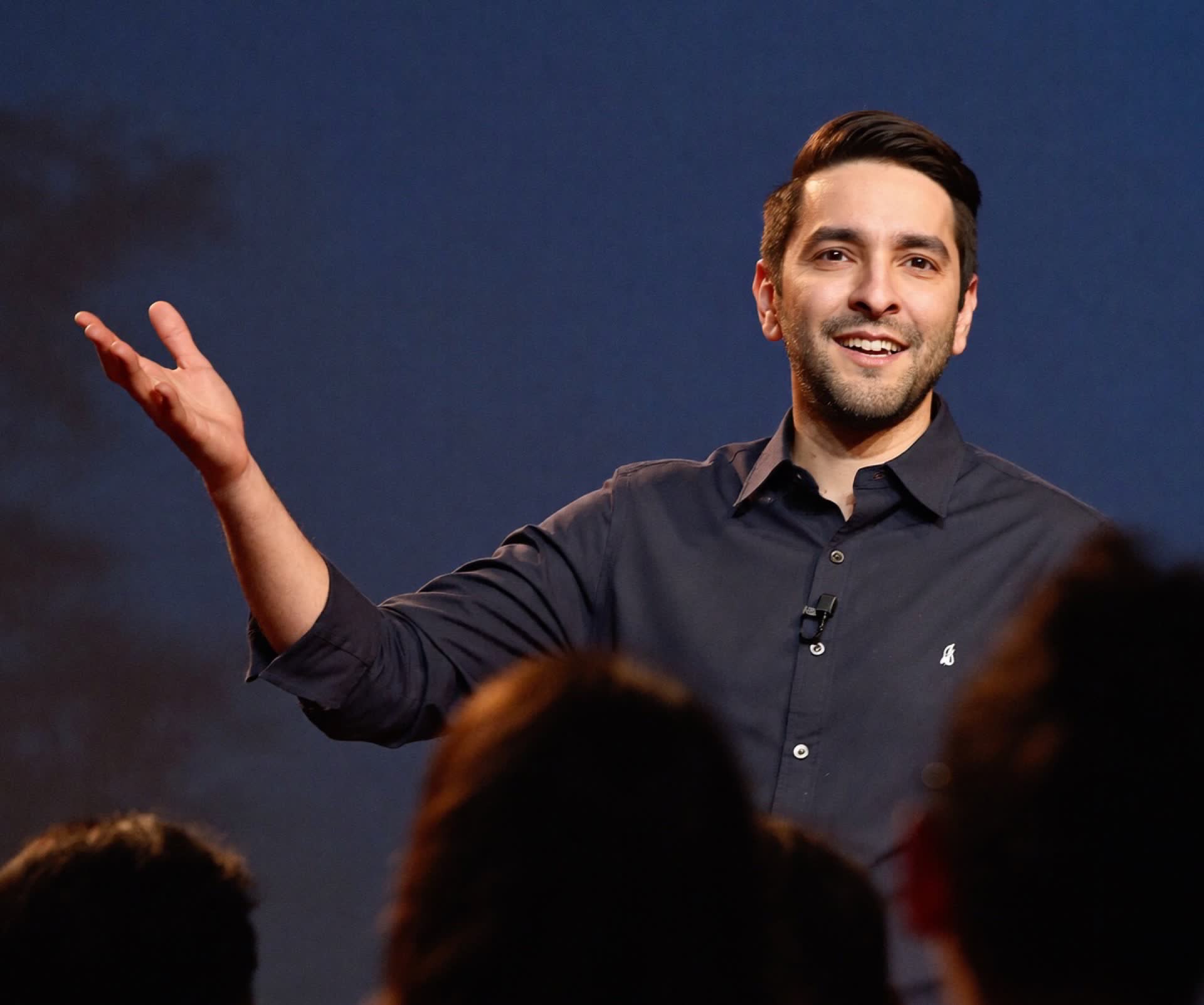
Thought Behind Things · Oct 22, 2021 · 1:23:03
Why the next world order will be won on economy, not military
Hamza, vice president of macro rates sales at Goldman Sachs and founder of the clean-water charity Bondh e Shams, walks Muzamil through the pivots that have shaped the global political economy since 9/11 — and why Pakistan's path forward is internal, not external.
with Hamza
13 min read
A doctor’s son who took an accidental turn
The episode opens with Muzamil introducing Hamza in the most compressed way possible: visiting Islamabad from London, vice president of macro rates sales at Goldman Sachs, founder of Bondh e Shams, Forbes 30 Under 30 Asia at twenty-eight. The CV is precise. The path that produced it was not.
Hamza’s father was a doctor in the Pakistan Army, which meant moving every three years and, for the first six years of school, no school at all. Class one to six were home-schooled, with three years of that time spent in Saudi Arabia. School proper began in class six in Karachi, then Beaconhouse and Roots in Rawalpindi for O- and A-levels. He sat the SATs the way everyone around him did — “yaar chalo matlab saare kar rahe hain to apply to kar dete hain” — and got into Williams College in Massachusetts. He had not heard of it before he applied.
The choice mattered. Williams was a small liberal arts college, top of its category for undergraduate teaching, with a seven-to-one student-teacher ratio. The model — three required course divisions across arts and languages, social sciences and hard sciences before you could declare a major — was the part Hamza wanted. He majored in economics, political science and leadership studies, spent a year at Exeter College, Oxford reading PPE, met Hamid Karzai and John Cena at separate events, and graduated in 2015.
Muzamil names him repeatedly through this opening — partly to anchor the listener, partly because the story is the point. The Williams network would later be the reason a Pakistani fresh off the boat got a foot inside Goldman Sachs at all.
Bondh e Shams started because he could not find an internship
The summer before his final year, Hamza did what he calls the most consequential thing in his life after his family — and he is clear it began as a placeholder. “Full disclosure,” he tells Muzamil, “I did this project mostly because I couldn’t find any other internships. Kuch to karna na yaar.”
He applied for a ten-thousand-dollar grant from a peace-and-conflict programme, had to argue to the committee that water was the foundation under everything else, won the grant, and went back to his village in Chakwal. There he installed a solar-powered water well — “I am not gonna profess to knowing exactly what I was doing” — and watched what happened next. Children who used to fetch water started going to school. The anecdotes accumulated. The project that was a CV line became Bondh e Shams.
By the end of the conversation, Hamza reports that the organisation has provided forty million cups of clean water across Pakistan, Bangladesh, Yemen and South Sudan. Muzamil is direct about what the trajectory means: Hamza ranks family, then Bondh e Shams, then Goldman Sachs. The order is not what most people would have guessed.
Breaking into Goldman without a US visa
Muzamil asks the question many young Pakistanis ask him about Wall Street: how does an outsider get in? Hamza pushes back gently on the framing. “It’s not a white person’s club. It’s the elite educated club.” Williams and Oxford had already put him inside the perimeter. The harder problem was the visa.
He applied to thirty colleges, got into Williams, applied to dozens of jobs, got into Goldman — analyst on the corporate treasury desk in New York. The interviews kept circling back to Bondh e Shams. The standard pleasantries — tell us about an internship — would give him an opening to tell the water-project story, and the interviewers would lean in. Goldman, Hamza explains, runs something called the airport test: if you were stuck in an airport with this candidate, could you stand them? Story-shaped answers won that test.
The first year ended with the H-1B lottery. Three internationals on his team, none of them drawn. The Hong Kong analyst was sent to Hong Kong. The Bangladeshi analyst was sent to London. Hamza was offered Warsaw. “Yaar Poland kidhar chala jaaun main?” He negotiated, applied to Goldman London separately as a fresh applicant, lost the offer on Brexit day, applied a third time, and eventually landed in London on the macro side — moving from corporate treasury to markets, from liquidity management to dissecting policy decisions and their effects on rates. That is the seat he speaks from for the rest of the conversation.
The pivots that built the world we live in
The middle of the conversation is the heart of it. Muzamil asks the loaded question — where is the global economy headed — and Hamza answers by refusing to take it as one question. He maps it as a sequence of pivots.
The starting point, in his reading, is not COVID and not 2008. It is 9/11. “I think until 9/11 you had a certain rhythm to the way things were happening,” he says. After 9/11 the United States looked at the world through a security lens. The Pentagon became central to policymaking. Globalisation kept expanding underneath that — Amazon, Google, transport hubs, the IT boom — but the political frame had shifted.
The second pivot is 2008. The financial crisis exposed how deeply integrated the world had become. “You cannot be a bank in the US, fail and have no impact on China or Pakistan or India,” Hamza says. The institutions had become too big to fail. The butterfly effect was now an economic reality, even if the social and political integration had not caught up.
The third pivot is 2016 — Brexit, Trump, the rise of inward-looking politics across the developed world. Hamza names Malcolm Gladwell’s tipping-point framing here: the discontent had been building, and a single year crystallised it. The grievance, as he reads it, was a developed-world public asking why their Indian neighbour was driving a Mercedes while their call-centre jobs went offshore. Trump, in this telling, was the representation of that frustration, not its cause.
The fourth pivot is COVID. This is where Hamza shifts into the technical register he is paid for, and where Muzamil keeps pulling him back into plain language.
Monetary policy, fiscal policy, and why Pakistan pays seven percent
Muzamil asks the question he says an average Pakistani actually asks: how does the US seem to print dollars without consequence while Pakistan worries about every billion of debt? Hamza’s answer is to refuse the comparison.
He walks through the basics first. Monetary policy is the central bank setting the prevailing interest rate — Reza Baqir in Pakistan, Jerome Powell in the US. Higher rates encourage saving, lower rates encourage spending. Fiscal policy is government spending, often financed by issuing bonds. The two interact constantly, and “thousands of papers have been written” on the back-and-forth.
Then he reframes. Imagine four countries lined up as siblings asking the world for money — the United States, the EU, Saudi Arabia, Pakistan. Different family backgrounds, different jobs, different stability. The world is happy to lend to the United States at close to zero percent because the world trusts it can pay back. By the time the line reaches Pakistan, the rate is seven and a half percent. “Pakistan, thoda sa main kuch nahin kehta. Matlab har cheez chalti hai.”
The US debt ceiling looks infinite, he says, because the US “is the system.” That is not earth-shaking — it is just what credit risk looks like when you sit on top of it. Pakistan, by contrast, cannot pay back sixteen billion easily. The US can manage trillions without breaking. The point Hamza wants Muzamil’s audience to take away is unglamorous: a country’s borrowing position is the cleanest read of where it actually sits in the world.
Why the next war is economic
Muzamil pushes the conversation forward — what about China? What about the next twenty years? Hamza was working on this question as an undergraduate in 2012. The literature at the time predicted China overtaking the US by 2025. He believed it then. He still does, with the per-capita caveat.
But the more important point, in his reading, is that the military lever has been retired. “You can’t, matlab, sure you can position your ships there. Will you actually nuke or will you actually send missiles to China? You are not going to do that. You’ve got way too much to lose.” He uses the cold-war phrase — mutually assured destruction — and applies it to economic interdependence. China owns enormous amounts of US debt. The leverage runs both ways. The result, Hamza argues, is a world where “the strength of your economy and how much you produce for the world in terms of exports and how strong you are financially is infinitely more important than how many ships you have and how many guns you have and how many bazookas you have.”
Muzamil tests the thesis with examples. Venezuela, not successful. Syria, not successful. Afghanistan, “colossal failure.” He cites the G7 Build Back Better World initiative as a sign that the US is itself shifting toward economic competition. Hamza agrees with the direction. Where the US has been on the back foot, China has invested — sixty billion into CPEC in Pakistan, similar engagements in Sri Lanka and across Africa. The terms, he notes, are not philanthropic. “China is not a grant making body. Unhone apni economy ke liye invest karna hai. Unko returns chahiye.” But the willingness to write the cheque is the point. The other side stopped writing the cheque.
The two-variable model for Pakistan
This is where the conversation turns inward. Muzamil asks what Pakistan can expect in the new global economic order. Hamza reaches for the Harrod-Domar growth model and strips it down to two variables.
The first is technology, innovation and education — the X-factor that can change a country’s trajectory. The second is solving internal inefficiencies. That, he says, is the China lesson that nobody talks about. The growth from 1980 onwards came from solving internal problems first.
Pakistan, he argues, has the inputs the model needs. Demographics — the sixty-percent-under-thirty statistic that Hamza admits he is “sort of getting sick of” but which is still real. Access to the sea. Geographical diversity. Agriculture. A nuclear deterrent that takes existential threat off the table.
What it does not have is the internal house in order. Hamza is concrete. Two weeks ago, he says, he tried to do a land transaction. A man arrived with a register, made a few entries, and asked to take the register home. “I know we are trying to digitize our land assets and all those things. But this is exactly it.” Corruption, friction in registering a business, the fact that Pakistanis themselves are afraid to do business in Pakistan — these are the inefficiencies that have to be solved before foreign investment becomes a meaningful question. “Pehle apne jo businessman hain unse to business karwa le pehle. Kyunki hum khud yahan business karne se darte hain.”
The basics, in his framing, are not abstract. “Roti, kapra, makaan” works as a slogan, but operationally it means water, healthcare, ease of doing business, the security to walk down a street without losing your phone. Get those right and the economy grows on its own. Get them wrong and no amount of dollar inflow will hold.
An overheated economy and a current account back to 2018
Muzamil, watching the one-hour mark pass, narrows the lens to the present moment. Pakistan corrected course painfully after 2018 — current account deficit, currency adjustment, inflation absorbed. COVID arrived on top of that. By early 2021 the numbers were finally good. Then, he argues, a populist budget was tabled that overheated the economy within four months. Tax revenue spiked. So did imports. The current account deficit returned to 2018 levels. Now policy is reversing on itself.
Hamza does not defend the budget. He answers from the citizen’s side first. “It is impossible to look at policy and say ki haan theek hai. Jab aapko pata hai jab aap daal ya cheeni lene ke liye jaaoge to aapki salary se aapko higher proportion dena padega.” With the interest rate at 7.5 percent and inflation at 8, the real rate of return on money in the bank is negative one percent. That is a citizen reality, not an analyst reality.
The deeper problem, in his reading, is the export base. Pakistan’s exports are textiles, jute, cotton — goods exposed to demand cycles that the country does not control. India exports IT services worth, he estimates, seventy or eighty billion in a year. Pakistan’s entire export sector is around thirty billion. The 2021 surplus came partly from remittances and partly from a global demand spike that has now reversed. “We opened the market early on before India and Bangladesh as well COVID ki wajah se to humein thoda sa wahan pe bhi thoda fayda ho gaya tha.” The boom was real. It was also borrowed.
The dollar is not a scorecard
The last technical exchange is the cleanest. Muzamil asks whether the rupee-dollar rate is a representation of a country’s strength. Hamza is unequivocal: “It’s not. Not not by a long shot.”
The reason, he says, is visible in the current data. The dollar is strengthening against the pound. The dollar is strengthening against the euro. It is a cross-currency phenomenon driven by demand for the dollar itself, not a verdict on the rupee. Political point-scoring will always weaponise the headline number. The fix, he argues, is bold representation in public dialogue — actually explaining what policymakers are doing, rather than relying on a closed-room consensus. “We don’t live in a world jahan pe aap apne kamre mein baith kar decision making kar lo and parliament baith kar decision making kar lo aur aam aadmi jo marzi sochta rahe.”
2050, optimistic and otherwise
Muzamil closes with his standing question: where is Pakistan in thirty years? Hamza gives two scenarios.
The optimistic one is the one he has been arguing toward for an hour. Fix the inefficiencies. Get the basics right. Cash the demographics. Attract real investment. In that world, Pakistan can be a regional powerhouse — not because India will slow down, but because per-capita growth favours the smaller, younger population if the policy is right. He adds a quieter line about what that country would look like internally: equality of genders to the extent achievable, religion lived at the personal rather than the state-mandated level, the basics universal.
The warning scenario is the more important one. Pakistan growing at two or three percent is still growth in absolute terms. But strength is relative. “Agar aap aaj se tees saal ke andar 2%, 3% bhi grow karte rahe you will still have grown, will still be a better country. But agar aapke neighbours jo hain pandrah percent percent pe grow kar jaate hain. Aap to relatively you would be in stone age essentially.” Other countries are taking the pivots. The decision is whether Pakistan takes them too.
Muzamil signs off at the one-hour-twenty-three-minute mark — one of the longest conversations the show has done — by hoping Hamza serves the nation with the same vigour wherever he ends up. Hamza’s closing thought is about the people he works with: a generation that has watched the same cycle replay too many times and has finally understood that the next twenty years are theirs to lose. “These guys won’t be around in twenty years. We will be.”
Full transcript
Saludos, como le digo, gracias. Welcome back to episode of Thought Bane. Thanks, David. Hace muy útil. Ék, bohodi, jás, mi man, the way from the from London, United Kingdom. He's visiting इश्लाहाबाद. You know, I I believe his family's here. So, मैंने सोचा कि क्यों ना हम इनसे conversation कर लें. He's the vice president of macro rate sales at Goldman Sachs, which is one of the biggest, banks or investment banks? Investment banks. Investment banks in the world. He also is the founder of, Bund A Shams, which is a,
what would you how would you define it? It's a clean water charity that wants to leverage technology to solve the big problems of the world. Right, and and,
you know, he's piloting that in Pakistan, I believe. Mhmm. और मेरा ख़्याला belt भी Pakistan में ही हो रहा है? Like, it's बिल्कुल. सब कुछ everything is locally produced. Very cool, very interesting. We're gonna talk about that as well. Particularly इनको बुलाने का मकसद यह है कि Pakistan की economy में क्या हो रहा है, global economy में क्या हो रहा है, थोड़ा उसके बारे में समझ लें. साथ साथ जो यह मुंह निशमs में कर रहे हैं, like to know more about that as well. अहम्मद, thank you so much for being part of the show. Thank you so much for having me. अच्छा, conversation मैं start करूंगा. Generally, you know, we try to sort of understand कि, for example, you're and and I forgot to mention he was also the in the list in the Forbes list of 30 under 30 Asia, I believe. I was, yes. So, I mean, you know, he's, he's remarkably well accomplished for his age. He's just 28 years old. थोड़ा सा मैं यह समझना चाहूंगा कि how you ended up being doing all of what you did from your high school till date. आपकी journey क्या रही है? बिल्कुल, बिल्कुल. Again, thank you very much for having me.
और it's a, it's a wonderful program that you do and I, you know, I'm honored to be able to speak to the audience. I think my journey has been a little bit atypical क्योंकि यहां से my father was a doctor in the पाकिस्तानी army. वह आपको पता है कि हर तीन साल बाद move करते हैं. पहले छह साल class one to six तो मैं school ही नहीं गया. अच्छा. हां, because school essentially. Essentially मतलब home school अगर आपके वाले साहब अच्छे आपके साथ तालों का आते तो कितना कोई home school हो जाओगे आप. Right. So, one पर सारी games पर हाथ पर अठा हुआ था. Right. अगर WWE आप अभी भी लगाओ. I'm pretty sure I can win. Right. तो and then for three years we lived in Saudi Arabia. तो वहां पर education कितना नहीं था. So class six was actually when I actually started going to school, कराची के अंदर तीन साल. उसके बाद फिर beacon house और roots से O levels, A levels. स्नाहाबाद और कराची? नहीं, रावलपिंडी. रावलपिंडी. So beacon house रावलपिंडी and then roots यह DHA वाला जो है. Right. और उस time पर यह नया नया रोझान थोड़ा सा आया था foreign applications करने वाला. And you were starting to just कि मतलब अच्छा SAT क्या होता है? Right. OLAs में grade कितने आने चाहिए? और मेरा खैर ज़्यादा यह था कि वाले साहब doctor हैं. बड़ा भाई doctory कर रहा था. Right. तो it was very clear कि मतलब यार doctor ही करनी है. तो उसके अंदर bio भी दी, math, physics वगैरह वगैरह जो होता है. And then I just took the SATs कि यार चलो मतलब सारे कर रहे हैं तो apply तो कर देते हैं. Applied and then got into Williams College. Right. और Williams का मुझे खुद नहीं पता था क्या school है वो. And and what year was this? So this was '20 '11.
'11. 2011. And this college was in Boston? So, this is in Massachusetts.
Boston is तीन घंटे दूर, right? It's a small liberal arts college. Right. The way I was impressed by it at the time wasand the reason I chose it because it was number one in their listing for undergraduate institutions. और वह अच्छा उनका student teacher ratio है. But importantly उनका जो model था, which is a liberal arts model, it was something which I had always fancied कि मतलब Pakistan में वह चाहे debates का show करे, lumps कर रहे हो, ऐसे कर रहे हो, ऐसे कर रहे हो. लेकिन main जा रही हमारी पढ़ाई होती थी sciences की. तो model बड़ा appealing था. और model यह है कि आपने तीन categories of subjects. Right. Number one, arts and languages. Number two, social sciences. Number three, hard sciences. Right. अगर आपने graduate करना है, you have to take three courses in each of the three divisions. Right. And then you can major in something you chose. So I majored in economics, political science and leadership studies. और उसके अंदर जो था, फिर then you had to take some languages or arts or यह, वह तो मतलब it became a very well rounded education which was very important to me and that's why I chose to go to Williams instead of AKU or something like that. कि यार मतलब doctors काफी हो गए. Let's try something different. देखते होता क्या? Experimental child. तो that went really well और उसके अंदर I remember जब मैं second year में था अपने. So there was a application to study abroad at Oxford. अच्छा. और Oxford जाने की main एक motivation यह थी कि यार Pakistan में लोगों को बताना आसान हो जाएगा. Because आप you've got a seven to one student teacher ratio. Right. ठीक है? Professors are very accessible. It's only, it's primarily an undergraduate institution. Right. Even though you're on making sure your undergraduate experience is the best, which is why it's number one on, like, multiple listings globally for undergrad. Right. यह Harvard, Stanford, the IBs are amazing, but they're universities. They're known for their research and they're known for their master's programs. Undergrad is amazing as well, don't get me wrong. But if you're really just focused on an undergrad experience, these liberal arts colleges really do offer something special. Right. तो उसके अंदर फिर वह Oxford की edition was very important. Right. कि हां ठीक है, so I did, I applied for it, got in and then I also spent a year at Oxford. Right. जिसके अंदर Same program essentially, like So essentially. So I was able to do जो Oxford का study है PPE, which is politics, philosophy and economics. Right. So I was able to take courses, with with some breadth. Or I was at at Exeter College, and I think which is right across from key bill वगैरह जहां पर, the prime minister studied and what not. And I think it was, that in itself was a very eye opening experience. Right. Because Oxford is truly global in the, you know. I mean, must be the grandeur must be sort of humbling to actually be there. यार, absolutely. आप इस तरह imagine करो ना. मतलब now it's इतना फिजूल सवाल तो उसने edit out कर दिया. तो, तो यह है कि but I tried my best. Was like यार अच्छा. Class participation के बारे तो मांगता बल्कि उनके एक debate के लिए I think I was I spoke on the one of their debates as well. अच्छा. That got recorded रुपए मैंने दोस्तों को भेजा है यार यह देखो ऐसे ऐसे वैसे. I was also actually I met, अमित कार्ज़ाई actually came for one of the guests. Met him. But most importantly through all the political figures that came, the one that stuck with me was John Cena. अच्छा. Really?
क्योंकि What was he like in near life, दोस्तों? मेरे तो यहां पर तब वह एक meme वन चुका है तो वह कौन? यार नज़र ही नहीं आया because
you can't see him.
यार, I am the I dad the dad should be making this joke. I take a bug.
But नहीं he was, he was fantastic और वो असल में बता रहा था ना पहले से बचपन से wrestling का शोक था. मेरे मेरे बड़े भाई को. So I got him to say happy birthday to my brother अमान. हाँ, right. Which was, which was really cool but overall amazing experience. Yeah. मतलब आप बैठे हो, you're you're, you know, you're learning from the best in the world. जो आप किताब पढ़ रहे हो, is actually written by the guy who's sitting across from you and teaching you about the book, which is a really cool experience. But then I came back to back to Williams, wrapped up my fourth year. और उसके साथ साथ And now this is 2015. Now this is 2034. And going into 2015, yes. Right. And I wrapped that year. Ossalkedermyan is also when this project started. Right. जो बूंदेश्याम्स project and I am sure we will get into the more details but initially, full disclosure, I did this project mostly क्योंकि I couldn't find any other internships. Right. कि मतलब कुछ तो करना ना यार. कुछ CV पे लिखने के क्या किया था. So I was like, I will apply for this grant. अगर मिल गया तो then I will figure something out. अब उसको हज़ार में spin कर दूँ story कि मतलब ऐसे कर दिया वैसे कर तो and and हरमद अल्लाह although it happened
a little bit too. Accidentally.
Accidentally, it's become the biggest thing in my life. Right. Other than maybe my family. Right. Or it's, you know, it's it's it's been an incredible journey. Very interesting. So, you'd rate family and then बुन्दी श्रेमs and then,
Goldman Sachs. I would have thought completely
differently but. यार, ये पता है this is, this is always the tension. Yeah. क्योंकि आप इस तरह देखो ना मेरी education was, like I said, economics, development economics के अंदर हास तौर पर. Right. Where I was, where I was spending a lot of time studying about developing countries, which we should now probably politically correctly call low income countries. Or I was studying politics of The Middle East, Arab uprising वाला सारा scene उस time पर चल रहा था. And then, and then I was always very focused on understanding the पाकिस्तानी political landscape in the context of South Asian studies and relations with our neighbors. Right. Or this goes back to all the way to 2010 actually. During A levels, I was able to make a trip to India. अच्छा. उस time पर क्योंकि मैं वो लूमन के अंदर best delegate award जीता था so ma'am ख़ुदीशा who you know runs roots was like तुम India जाओ. तुम India जाओ और कुछ ज़रूर important बातें करके आओगे. और फिर कोई publicity मिलेगी. मैंने कहा ok कोई मसला नहीं मैं चाहता हूं. So, our our delegation went and and, you know, we we we spoke on remembering partition. Right. और, it was very eye opening event. First time I met my mythical counterparts and I saw the, sort of, the interactions and I saw two two main things. One, how similar we were. Right. And then two, how different we were. Right. Similarly How will you contextualize that, So I I would say culturally. Right? And in the way we speak and interact, they're very similar. We're the same people. Right? Yep. And nobody can read that. I did it in North India, especially. So I was in Maharashtra and I was in in in Mumbai mostly. Right. But we were so different because they had focused on developing themselves. Right. Everybody's speaking English, which is not necessarily the mark of development, but but things were a bit more advanced. Right. और थोड़ा वो ये वो smart भी थे. What they would do is, whenever we drove through the poor parts of town, वो खिड़की आई करते थे गाड़ी की. Right. तो they they wanted to, you know, so and then, you know, they were far more focused on क्या बड़े बड़े काम करने हैं. Right. And these were guys my age, right? Girls my age और हमारा यहां पिंडी में थोड़ा सा वह था CD सत्तर, वीली मार लो, पिनेश ने मार लो. जो मैंने दोनों काम किए हैं but still. The idea of, I mean, I feel like that's something that's very close to my heart as well कि
the fundamental idea of hope of the idea that you can actually do something in Pakistan वह exist ही नहीं करता नौजवानों में कि वह आपने बड़ी interesting बात बोली कि उनके लोग ख़ाब देखने के कबलियत रखते हैं कि यार हम कुछ बड़ा काम सोच सकते हैं और वह हो सकता है.
उनको they can see the path. Right. If I do this, then I do this, then I do this, and then I end up studying, you know, at one of these good schools. मतलब, my Williams was accidental. Right. But I was in competition the application process versus guys who who knew they wanted to apply to Williams for the past seven years. Right. And they're working towards it. Right. So, why I got into Williams is still a mystery too. I wasn't anything special, but यह था कि हां, I represented Pakistan in India and I was speaking about. और उस time पर my college essay was, in fact, about terrorism in Pakistan. Right. So so, because these were the things we were dealing with. On a very personal, emotional level even, right? अगर मैं I used to live in अस्ति 11 और प्रेरलेन साथ थी and there had been, like, three bomb blasts in the one kilometer radius. Right? तो फिर आपके साथ वो चीज़ें रहती हैं. But and what's happened over time? And this was the application was in 2011 as well. February
अंदर, yeah. Yeah, this is right before the युसामा बिल्लाद in capture as well so. So very and Pakistan was definitely on the map at the time. और उस time पे ये था कि I had just got my acceptance when the OBL incident happened
और मुझे याद है उस time पे we were very sensitive कि यार उनको अपने form में बताऊं कि मैं मुसलमान हूँ कि नहीं हूँ. Then I was like यार Pakistan से आ रहा हूँ. There literally 96.4% chance कि मुसलमान है yes. And and so that was front and center. But and this is why one of the things I have been very focused on is que I do my own work. I, you know, I do Goldman and I do Bundesschamps and I try to... And there's thousands of to unpack in there. But whatever I do, I hopefully create a little bit of a path Right. While I'm doing it. Right. To continue showing and speaking about how I was able to accomplish what now seems like Forbes 30 under 30, Queen Diana Award, whatever. Princess Diana Award and Queen's Award. And what I found over time is and this is to some credit to our education institutions, some credit to the role models now like yourself, right? Like people can see कि अच्छा media में आने गए कि तरीका है. Right. Similarly now they can see अच्छा अगर US पढ़ने के लिए जाना है तो यह यह काम करनी है. So I think hopefully over time what happens is where we start, you know, in the best way possible competing with our neighbors, right? Right. Not in the bombs that we make and not in the fights we can do, but in how much we score on the SATs and how developed our IT sector is versus there and how much we export versus they export. And I think it's it's a step in the right direction. I think we're getting there, but ज़ाहिर है, time लगेगा. Right. And so you graduated in 2015 and, you know, were you... Did you immediately end up at Goldman Sachs or did you get a job in The US or worked on on boundishams for a for a little while? So so the way it happened is, boundishams started the summer before I graduated. And the story there is I got... I applied for a grant. Like I said, they gave me first they weren't convinced कि I could do something and because their grant was based on peace, peace and conflict resolution. Right. So they said कि आपने कहीं जाकर I have to convince the committee कि water is fundamental to everything else that happens. Right. Because so, and then the question also is कि why I chose water which is for this reason. जब आप हर चीज़ का सवाल पूछना शुरू कर दो ना कि education क्यों अच्छी नहीं है, health क्यों अच्छा नहीं है, everything boils down to in our country down Yeah. To So, thankfully was able to convince them. Took their $10,000, came back to जूड which is my my village in चक्वाल. और वहां पर हम लोगों ने उस time पर नया नया यह setup हो रहा था. Solar solar well लगाया था हमने. ठीक है? और you know I am not gonna profess to knowing exactly what I was doing. उस time पे ये था कि अच्छा solar से ये चलेगा, पानी निकलेगा. At least जो पानी खराब है उनको कोई थोड़ा सा deep bore करेंगे तो मिल जाएगा. और हुआ ऐसे. लेकिन जो उसके result निकले उसके बाद, those just move me. क्योंकि that was the first, मेरा अपना गांव था ना ये लेकिन पहली दफा उन लोगों के साथ मेरा जो जो थी क्या कहते हैं there were benefits there. साथ साथ बच्चों के school का हमने कुछ stories anecdotal शुरू की कि हाँ बच्चा पहले पानी लेने जाता था. अब जो है वो school चला जाता है. So 2015 when I graduated I had done the project nine months before. अब मैं graduate कर गया and I applied to many jobs and and and sort of goldman ने मुझे offer कर दी कि आप आज है हमारे साथ काम करें. What was the first position? So I was an analyst with the corporate treasury department in new york. Right. और उसके अंदर, sort of, you know, one of our senior leaders at Goldman, she was also Williams graduate. Interaction,
get offered. Because that's that's probably was gonna be my next question. Mhmm. Generally, banking के अंदर particularly Wall Street घुसना जाए. Wake होता है कि यार, it's a very white people, you know, sort of club. Mhmm. And so for someone coming from Pakistan, not even an A B C D essentially, coming from, like, totally fresh off the boat, going to Wall Street, how did that sort of happen? Because I've spoken to a lot of पाकिस्तानीs उनका हमेशा यह discondment होती है कि यार पूरी ज़िंदगी खापता है investment banking का स्निका लेकिन यार वह तो जाना. It's like a particular club of certain people and वह उसके अलावा left right वह नहीं देखते. देखो इसमें दो बातें हैं I think. First of all,
यह है कि the day I got admitted to Williams and the day I graduate from Oxford, वह काफी चीज़ें मैंने leap leapfrog कर दी थी. Right. I was part of the club. Right. और I think it's not a white person's club. It's the elite educated club. Right. ठीक है? And there is diversity within that, but it's not as diverse as the common population. Right. Which which explains partly the the the perception. तो education मेरी थी, and the issue I faced as an international was visa नहीं था मेरे पास. Right. ठीक है? So जब आप US पढ़ने के लिए जाते हो they give you an F-one visa उसके साथ एक साल आपको काम करना होगा. Extension मिल जाती है, right. Extension मिल जाती है, OPT मिलती है. उसमें ये था कि first first of all आपके पास जो options हैं for a job, they are already very limited. क्योंकि अगर बड़ा bank नहीं होगा या कोई बड़ी institution नहीं होगी, they are not going to sponsor. Right. You after you complete the first year. Right. So पहला challenge यह था कि किसी बड़ी जगह पे और I will say the same thing again. जब मैं Williams apply कर रहा था I applied to some 30 colleges. Right. उनमें से एक भी admission हुआ था मेरे. अच्छे वाले पर तो I went to it. Same with jobs. Right? I applied to tons, I got into goldman which was the best of the lot. Even though I got rejected from some other smaller banks. Or I think it also tells me कि मैं there is some luck factor and all those things. But वह process जो है, once you make it far enough कि you are being called for an interview Mhmm. The prerequisites for this are, अच्छी education and all those things, then it's about you. Right. ठीक है? And I think that's... Then it's about how well you can get along with people. और मेरे case में ये था the work I had done in Pakistan when बुंदर श्याम said that, that summer in बुंदर श्याम said the name didn't exist but solar water project जो था. I spoke about that in all of my interviews. अच्छा. तो वो होता ये था कि interview कहते अच्छा tell us a little bit about yourself. मैं कहता है I from Pakistan, I came to Williams, I did this, I went to Oxford, अच्छी education, this is my GPO. कहते थे okay cool cool tech mark. Tell us about an internship or something you did. I would say कि अच्छा हाँ I did some development economics and then I went to Pakistan and I did this project. वो कहते हैं क्या मतलब project? Tell us more about this. This is very interesting. And then I get in the story of these stories and like वो बंदे की इतना life थी, ऐसे change हुई and I don't feel myself as a savior but at somebody you identified a problem. But that was what the hook was. Right. क्योंकि ये banks जो हैं, in these bigger institutions, they have something called the, what? The airport test. Right. कि अगर आप एक board फंस जो बंदे के साथ, can you spend time with them? These are human institutions, right? Yeah. तो I got along with them and वह बड़ा लंबा process था. I went through, like, I think three rounds, eight interviews in the final round and then I got the job. Right. And, उसके अंदर पर यह कि once you're in, the challenges don't stop. Right. ठीक है? So, because यह बड़ा pyramid होता है. They hire a lot of analysts, some graduate associate, and then even from there smaller pool become become vice presidents and whatnot. तो उसके अंदर I had a good team, I performed as well as I could but I ran into the issue with a visa. Right. पहले साल के end के ऊपर. क्योंकि अब हुआ यह कि goldman ने apply तो कर दिया visa के लिए. But US के अंदर work visa जो है it is a pure lottery. Right. So, H1 lottery जो essentially होती है. H1 lottery होती है. I believe it what Trump was
there and क्योंकि मुझे याद है कि पंद्रह, सोलह, सत्रह जो उससे पहले वाले जितने ही मेरे दोस्त हैं उनका completely बड़ा easy रहा है. उस उन तीन सालों में ना कोई वजह ही भी problem चल रही थी. यार वह हो ही रहा था कि दो हज़ार ग्यारह बारह तक ठीक था I think. उसके बाद the number of applications
उन visas के लिए वो बहुत increase हो गई थी. तो वो issue ये वन गया था कि अगर आपके पास मतलब 30,000 seats हैं या visas हैं there were 150 applications 150 k applications already तो और उसके अंदर there were three international of our team none of us got it. किसी का भी नहीं आया. पूरे government sax में? Goldman, मेरी जो अपनी team थी ना दस बंद्रह बंदों की. हाँ. उसमें तीन internationals थे. तीनों की lead मतलब. नहीं आया. नहीं आया. Right. अब एक जो थी वो Hong Kong से थी. उस समय उन्होंने कहा आप Hong Kong चले जाएं. तो उसने कहा ठीक Goldman Sachs है works in Hong Kong, no problem. The second guy was from Bangladesh and his small nuclear team had an office in London. उन्होंने कहा आप London चले जाएं. Right. मैंने कहा मैं देखे तो जाऊंगा. मैंने भी कहीं जाना है. तो they were like आप Warsaw चले जाए. यार boland किधर चला जाऊं मैं? मतलब pert share के मैंने नौकरी new york में कह रहा हूँ. मैं boland किधर चला जाऊं? हाँ. याद है भाई यही है. मतलब देख लो. Take an wait. हां, take an wait. पहले बोला action बार मैंने कहा यार मतलब, मतलब if you put it that way, कर लेते हैं क्या यार? So-so I-I wasn't very happy with it but I was like कि चलो यार मतलब और कुछ नहीं साल का experience हो But फिर And the idea was you go to, you go to Poland and they're going to reapply for your US credentials or? US credentials बहुत लंबी journey होती है वह क्योंकि यह problem था ही fundamental US के अंदर. Because you try to reapply but they were hiring me as a local grad in in Warsaw which I didn't want to. So what I did was I applied to Goldman Sachs in London separately fresh application. Right. मैंने कहा एक दोपहर पहले किया है. दुबारा भी हो जाएगा शायद. हां. Try करते हैं. And all my Williams friends at Goldman they try to help as much as you, you know. And this is why, by the way, I I keep repeating the word word Williams. The reason I value the college so much is कि network बहुत अच्छा है. Right. When you send somebody a message saying कि यार, मतलब मेरा problem है, people respond and they want to talk to you. And this is what helped me as I was able to identify a few opportunities in London. खैर उस summer then I applied and I found three roles in London. और काफ़ी खुआरी वगैरह के बाद I was thankfully able to secure. By the way, this was the summer जब Brexit भी हो रहा था. Ah. So so Brexit day की story है कि I got offered a job in London on Brexit day and Brexit happened and they give they were basically like यार sorry अब मतलब ज़ाहिर अब Brexit हो गया है क्या कह रहे हो मतलब Brexit हो गया मतलब इस तरह के बंदे को बंदा क्या है? मेरे
साथ ही क्यों ना है? मेरे साथ ही तो
तो उसके अंदर ये था कि यार मतलब ठीक है अब इतनी मेहनत की है अब और कर लेते थोड़ी और कर लेते हैं then I reapply to a third job in London और कर कर आगे thankfully I got offered in Singapore, Japan and and in London मैंने कहा आराम से London जाएंगे cricket शिकेट खेलेंगे मतलब खाना आराम से मिल जाएगा, हलाल चिलाल खाएंगे, chilling होगी. तो that's how I ended up in in London and when I moved to London I also shifted teams. So I was no longer working with the corporate treasury which is ज़्यादा आपकी liquidity management करती है. Now I was in markets. Right. कि जो आपकी stocks and bonds की trading है, उसकी analysis, portfolio analysis, macroeconomic trends को देखना, उनकी basis पर ना सिर्फ policy decisions को dissect करना, बल्कि यह भी determine करना कि अच्छा आपकी economy के अंदर इसका क्या impact होगा and what kind of trades you would do or your clients would do. Right. So,
Okay, great. So so I'm gonna sort of jump right into again that last aspect of what you just said, right? Like, tell me a little bit about, post COVID. कुछ कुछ चीज़ें हम देख रहे दुनिया के अंदर जो नज़र आ रही है. And again, I'm not a macroeconomist, definitely not from Oxford. So your input will be definitely highly valuable. जो नज़र आ रहा है वह यह नज़र आ रहा है कि you know US China trade war हो रही है, globalization की तरफ हम जा रहे थे. It seems like countries are becoming more closed off. They want to bring back, you know, manufacturing back to their own, borders within their own borders. At least that's what they say. Where we are seeing कि, you know, एक जो जो fifth generation, fifth industrial revolution आ रही है, उसके ऊपर एक जंग चल रही है essentially कि जी वह आप एक वजह से पकड़ लो और उसको उधर से कर लो. And so in terms of how the world, you know, हमने दो probably World Trade Organization की में जब China enter हुआ उस वक़्त से लेकर दो हज़ार दस तक probably हमने एक दुनिया की direction देखी थी and we knew a world order and we were we were up with the program. दो हज़ार दस के बाद एकदम से you know US starts getting riddled uncomfortable with the rise of China and and particularly post COVID जब हमने देखा कि जो उन्होंने कहा कि जी दो हज़ार उन्नतीस तक I believe China was supposed to be the largest economy in the world and then sort of उन्होंने कहा कि जो वह पीछे दो हज़ार छब्बीस या पच्चीस या छब्बीस में वह हो जाएगा and people got really anxious. And then there were the rise of nationalistic leaders like Trump and, you know, मोदी and a lot in Europe, Brazil, Philippines that sort of compounded the situation कि जो जो एक sort of world free world order था उसकी जगह dynamic sort of closed off होना शुरू हो गया. COVID ने आकर एक sort of black swan event लेकर आया जिसकी वजह से एकदम सब कुछ रुक गया. और ज़ाहिर है कि जब वह रुका तो वापस जब start होना था पहिया तो तो it takes a little while and and obviously it जब भी इस तरह की चीज़ें होती हैं तो वह inefficiencies को generally वह कहती है कि यार चलो इसको कटाओ. So with that context of a lot of this clutter happening over the last decade, with COVID sort of being the final, credit, like ending scene, where do you see the global, economy headed towards?
It's a very loaded question. Yeah. It's a very good one, and it probably needs some time, spending on it. इसमें देखो, I think there there are a few different pivots that have happened, and it's probably best to think of it in terms of pivots. A couple that you've identified कि COVID is one. A big shift. एक जो initial starting point है ना because this is not just about the economy, it's not just about politics, it's about the political economy. Right. So it's about the global world order और उसमें यह the first initial starting point to me is actually 09:11. अच्छा. ठीक है? I think until 09:11 you had a certain rhythm to the way things were happening and it was to be perfectly honest a little bit of a wild wild west. उस time भी कोई बहुत rhythm में इतना चीज़ नहीं चल रही थी but यह था कि जहां Russia was a power, cold war हुई, okay उससे पहले जाओ आप तो world wars चली थी. बड़ा upheaval था. उसके दिन में industrialization भी हुई है. Then nineties के अंदर आप IT की तरफ आए हो. Internet वाली सारा आपका you had your internet boom and bust. 2001 के अंदर जब 09/11 हुए, it fundamentally changed the way that The US looks at the world, which is important. क्योंकि a majority of this global political economy ends up heading towards The US, not because American बहुत ऊपर के लोग हैं, but because it's the biggest economy. Right. ठीक है? और nine eleven के अंदर The US essentially said, to hell with everything else. पहले तो हमने करना है. ये जो हमारे problems हैं, उनको देखना है. And they they start thinking of the world in a security term. Right. और हम Pakistan में बड़ी ये बात करते हैं कि military industrial complex है और ये और वो. US is no different. आप उनके देखो some of the presidents, right? Like, they they have, they were generals. Right. It's okay. The Pentagon is a key,
Lair in their entire policy making. Policy making.
And and at the same time, you you've got cabinet members who are ex military or, you know, ex forces. And I don't think there's something fundamentally wrong with that given that you were live in a world of the global political economy Right. In which military and warfare is a key stakeholder. Right. ठीक है? Nine eleven के बाद particularly so. You cannot make big decisions about the country without import. Not necessarily control or authority, but import from the guys who you're gonna put on the front line to fight your wars. Right. So, from 2001 onwards, you've had two things that have happened. पहली चीज़ तो यह है कि आपकी global market जो है, it continued expanding. एक globalization चल रही है एक बड़ी effective किस्म की. Transport hub आपके बड़े से बड़े होते जा रहे हैं. IT is really taking over मतलब आप Amazon's and Google of the world are the properly kicking उस time पर याद है मुझे हम MSN Messenger इस्तेमाल करते हैं दो हज़ार दो, दो हज़ार तीन के अंदर. Essentially, economic epicenters were changing industries, right, at the time? Industries, exactly. और उसके अंदर US was still central. Right. You then have the next pivot in 2008. Okay, financial crisis? Financial crisis. Right. Where suddenly you were re thinking and re assessing कि पिछले दस बीस सालs and particularly दस ये जो 2001 के बाद साल थे, सात आठ साल, इनमें क्या हुआ है? And what's happened is over time a lot of these big institutions became too big. Right. So, the term they throw around is too big to fail. Too big to, yeah. ठीक है? और you realized very fundamentally how interconnected everything was. Right. कि you cannot be a bank in The US, fail and have no impact on China or Pakistan or India. Right. If you fall, everybody falls. Right. So, जो butterfly effect होता है essentially वह आपका global economy भी आ चुका हुआ है. आ चुका हुआ था and that was, that was a representation of the deep seated globalization that had happened. मतलब, we again from a political side and from a anthropological human side, social side मेरा नहीं ख्याल कि हम लोग पूरी तरह उस चीज़ को absorb कर सके थे उस time तक. मतलब again, you know, I had my fears of being a brown मुस्लिम man from Pakistan. जो America में immigrants रह रहे थे, tensions थीं. Nineties तक आपके मतलब black white वाला बहुत चलता रहे. ठीक है, you had segregation sixties, seventies. So, people were socially still integrating but economy बहुत integrate हो चुकी थी. Right. ठीक है? And and that was an eye opener. Right. I mean, you really care कि एक sweatshop में एक शायद China के आस पास कहीं पर हुआ है. That's all you cared about. Yeah. But the people in बांग्लेदेश and Pakistan India knew कि products कहां जा रहे हैं. हां. ठीक है? So-so that was the other pivot. जिसके अंदर it's been important to look at it. उसके बाद से अभी तक you've been basically be you're in a recovery. Okay. ठीक है? अब
do you think, in terms of the policy, are we are we in a recovery? Or rather, the American financial system is in a recovery? Because so context में इसमें add कर देता हूं because a lot of times what people are saying is कि what they're doing is they're giving steroids to the market, trying to sustain it again and again and again, priming it for a much bigger disruption because
fundamentals को वो clear नहीं कर रहे हैं. यार देखो इसमें ये है ना कि मतलब when I say recovery it is in a dual sense कि दो हज़ार आठ के बाद आपने recover करना था and and you have to क्योंकि multiple layers है फिर उसकी. एक तरफ आपको financial system recover कर रहा है. Right. ठीक है. On the other side of it, you have got the first black president in the, in The US. Right. Which is a big big thing. Right. So socially that means something. At the same time आपने जो जंगे शुरू की थी Iraq में, Afghanistan में. मतलब आपकी Middle East में क्या चल रहा है, you are concerned about that. What's happening in, you know, Palestine, Israel, वहां पर क्या चल रहा है? So, you've got multiple of these things folding over. और इसके अंदर when you come to the present day then, ठीक है? अब ये सारा interacting चलता रहा है and and then you have like थोड़े से mini crashes here and there but then you get into this world कि जहां पर Trump आता है. Right. ठीक है? And then Trump becomes another pivot. क्योंकि 02/1615 was a pivot like you said, right? आप you suddenly start looking inwards instead of outwards. जो globalization का trend चल रहा था and the reason I mention it, you are looking inwards. Right. You really good. Are essentially, you know. एक साथ हुआ ना सब कुछ. Brexit हुआ, फिर Trump आया, फिर Poland में क्या चल रहा है, फिर यह चला. So everything is overlapped. Right. और it was again an यह Malcolm Gladwell की बड़ी अच्छी book है, The Tipping Point. Right. Where he's like, मतलब, keep adding up and then अचानक. This is basically what it was. Right. And the world what they needed, especially in the developed world, जहां पर the question you were asking was कि यार चलो Pakistan बांग्लादेश में क्या चल रहा है लोग? Poverty line है ये वो तो चलो एक हो गया issue. लेकिन why is my Indian neighbor driving like an SUV Yeah, or a Mercedes and I don't I can't afford afford. मतलब यह क्या चल रहा है? समझ नहीं आएगी. और on top of it आपके call centers जो हैं, जो आपकी manufacturing centers हैं, US India particularly, they are like यार यह क्या हो रहा है? मतलब सब कुछ internet के ऊपर जा रहा है और India की IT service जो है वह इतनी ऊपर चली गई है और वह हमारे पैसे ले रहे हैं, हमारी jobs ले रहे हैं. Which is why वही जिसका impact मेरे पर भी हुआ, H1B वाला जो issue था सारा. Right. That's part of it. Right. They don't want foreign workers taking over all the jobs and there's a high bar to to entry. So, this was the pivot. वो सारी चीज़ें जो है आख़िर, Trump was the representation of that. Fine. And then now, मतलब चार साल जो हुआ, I think it's recent memory, we can't even understand what happened. We've, you know, थोड़ा सा आते उसके ऊपर. But COVID, like you say, is then the big jolt. Right. और उसके अंदर हुआ यह है कि you two things have been tested. The strength of your monetary policy, the strength of your fiscal policy. Right. Fiscal के लिए आपको पैसे चाहिए बहुत सारे. How would you define that for the audience? So, monetary policy has to do with prevailing interest rates. Right. ठीक है? जो आपके central banks oftentimes dictate करते हैं. Right. US के अंदर federal reserve हो गया. Europe के अंदर there the European Central Bank. UK के अंदर Bank of England. Pakistan के State Bank of Pakistan. ठीक है? Right. आगे रज़ा of the world, Jerome Powers of the world who decide कि यार हमारा base rate क्या है? ठीक है? And why that's important is आपका banking sector जो है वो it looks towards the Central Bank और वो कहते है अच्छा what does रज़ा बाकिर and the committee think should be the base rate that people should have to pay to borrow money. Right. ठीक है? अगर आपका rate ज़्यादा होता है और the other way to flip it is अगर आप पैसे deposit करो तो what return you get? Right. Rate ज़्यादा होगा, you get high return, you have a higher incentive to save. Right. ठीक है? जब usually economy आपकी grow कर रही होती है often the interest rates can be slightly increased up ता कि लोग थोड़ा saving करें. They spend a little bit less, inflation remains in control. और जब आपकी economy weaken होती है, you cut the rates. Right. कि लोग जो save कर रहे थे, उसको spend करें. Right. That's your monetary side of things. Fiscal is आपकी government spending. Right. Essentially. जिसके अंदर borrowing भी करता है government, bonds issue करके. जो government bonds होते हैं आपके. But then what you do with that money? कैसे US के अंदर the government spends, borrows money from the public by issuing the bonds and then spends it on all the different जो भी आपके मामलात है military हो गई ये हो गया development हो गई. Right. जब covid आया है तो उसके अंदर these two things कि government spend क्या कर सकती है? और आपका rate आप कितनों उसको monetary control कर सकते हो. And it's a complicated back and forth between the two. इसके ऊपर हज़ारों papers लिखे गए हैं, पूरी पूरी economic किताबें हैं. But the key thing to understand is- is number one कि management of the monetary and fiscal policy in developing countries or low income countries like Pakistan looks very different from- from The US and Europe and Bank of England. आप दोनों को compare उस तरह नहीं कर सकते. Right. क्योंकि उनकी governments के पास fiscal का बहुत strong arm है. Right. ठीक है? And यह होता है कि if as a strong, if as a weak country I should say, you want to borrow money आपको लोगों के investors को higher rate of return देना पड़ता है. Why? Because credit risk है. ठीक है? अगर एक बंदे के पास choice है पाकिस्तानी bond और american bond में उसको पता american में पैसे देने ही देने है वापस. हज़ार dollar यहां पर रखे या Pakistan को दे. अगर American भी 2% दे रहे हैं, पाकिस्तानी भी 2% दे रहे हैं, he will always go to it. So, you add the credit risk to it and पाकिस्तानी bond now, for example, is paying seven and a half percent, for example. Right. ठीक है? The same US bond is paying basically zero. Right. ठीक है? So because people are willing to put their money कि मतलब safe money है. Yeah. ठीक है? So important हो गई चीज़ यह. और इसमें then it's इसमें आप यह देखते हो कि ठीक है, what can the government do? जब इस तरह का crisis आता है. ठीक है? तो what what we saw in Pakistan for example was कि bank rates immediately कटे July दो हज़ार बीस के अंदर. ठीक है? We are still holding them but उसके साथ साथ जो हमारी कुछ bond payments due थी MF को globally वो थोड़ी सी wave off हुई हमने पैसे लगाना शुरू किए we try to create a little bit more jobs और अब हम थोड़ा सा I wouldn't say recovery की तरफ पहुंच गए but we are heading towards some direction जहां पर आपको नज़र आता कि अच्छा inflation might come down, forecast थोड़े से कम आपके होना शुरू हुए and this is in tandem with the global market. Right. US के अंदर भी यही है, Europe के अंदर भी यही है, England के अंदर भी यही है और जो आप बात पहले कह रहे थे कि यह जो जो for example fed जो है जो rates increase करने की बात कर रहे हैं that is essentially a recognition कि हां ठीक है जब मुश्किल time था लोग घर से निकल नहीं रहे. वहाँ पे labor shortage चल रही है because and part of the reason is if you are sitting at home and making more money than you would be if you went and worked. Yeah, ही नहीं है. Incentive नहीं है. So now they are like यार मतलब हो गया काफी. Right. अब rates increase करो, stimulus checks रोको and get the economy back into its own cycle. Right.
थोड़ा सा अगर मैं if I can ex understand again, Pakistan का context आपने बताया. Pakistan के बाद exclusively मैं थोड़ी दबा दूंगा. मैं थोड़ा सा US को समझना चाह रहा हूं because again it's the biggest market in the world essentially and so, definitely the most important one as well. जब हम देखते हैं कि, for for an average पाकिस्तानी generally we don't have a lot of insight on how the again monetary of fiscal policies work and और ये क्या चीज़ें होती हैं? ये हमारे लोगों को अभी तक नहीं हमें तो And then we look at, you know, the debt to GDP ratio. But then we look at The US and they're just like, it's an infinite number of, like, it's it's dollar printing and, you know, it seems comparatively unsustainable. I mean, most recent TV में देखा था they're they're government shutdown. उनका हर थोड़े से बातें कहा जाता कि government shutdown हो जाएगी. अगर हम जाना वह debt ceiling नहीं बढ़ाएंगे और वग़ैरह वग़ैरह. How does that work? Is that, because of the fact that it's so powerful, it's too big to fail, and so everybody trusts कि यार ठीक है, जितना भी हो जाए doesn't matter, it's fine. Because what what I see is, you know, infinite cash printing just like it's it's it's it's quack economics. For the past post COVID जो चल रहा है for an average crypto को उठा देते हैं. And so, नज़र यह आ रहा था कि ठीक है उसको संभालने की कोशिश तो की जा रही है. But it's all just, I mean, it's it's वही वाली बात है कि for a lot of people, lot of cynical people जो ना बड़े सारे even podcast पर कुछ लोग आए हैं मैंने कहा कि यार यह तो जो crypto है, crypto boys है ना bros जो है सारे के सारे. वह तो यह कहते कि भाई यह तो it's prime for a collapse later. Sooner How do you see that market?
Yeah. It's, again, very good question. The way you phrased it is perfectly well summarized. What I would say is let's try to make it very simple. Right. क्योंकि there there are two parts of it. One is US economy locally क्या चल रहा है? Mhmm. दूसरा बड़ा सवाल है debt ceilings वाला, indexed sustainability वाला. ठीक है? उसमें आप उसको simplify इतना करो. पहले आप zoom out कर दो macroeconomics देखो. Right. ठीक है? Not even I should say आप country level पे आप global level macroeconomics देखो. एक side पे आप खड़ा करो United States और America को, ठीक है? फिर आप साथ खड़ा करो for example let's say EU EU पूरे को बिना खड़ा करो because it's it's a powerful blog let's let's park Switzerland ठीक है फिर आप खड़ा करो line मिला के Saudi Arabia को फिर आप खड़ा करो Bangladesh को और let's say Pakistan. Right. ठीक है? चार different candidates है. ठीक है? एक different size of economies, different entirely different mix के उनके पैसे बनते किस तरह है? Very different regimes. Right. They are basically like five different, four different friends. Right. We have different family backgrounds, different काम क्या करते हैं? एक बंदा जो he is a baker, एक और है जो banker है, एक और है जो doctor है, एक और जो engineer है. They got different focus areas. Right. ठीक है? And this is, this differentiation is important for two reasons. One, why it's happened? एक और different मामला है. ठीक है? It's happened because of specialization. जो countries जो बेहतर कर सकती हैं, they do simple macroeconomics. But now it is the way it is. ठीक है? One country has some 350,000,000 people. Right. Big market. Right. ठीक है? The country next to it has a much smaller population, but it's generally very stable. Switzerland. Saudiया का political upheaval up and down not very politically stable but generally okay has lots of oil. Right. Pakistan थोड़ा सा मैं कुछ नहीं कहता. मतलब हर चीज़ चलती है. Political भी है थोड़ा सा, थोड़ा सा reserve भी कोई नहीं है लेकिन ठीक है. अब if you are अगर आपको पैसे चाहिए, इन चार भाइयों को अगर पैसे चाहिए या बहनों कर लो, पैसे चाहिए. ठीक है? जब वो लोगों से मांगने के लिए आऐंगे, you will be far more comfortable giving it to The United States. Right. क्या ठीक है मतलब I know you can pay it back. Right. ठीक है? वो कहेगा यार मैं तुम्हें दस साल में ना 2% return दे दूंगा इसके ऊपर. सौ pound दे दो मुझे. सौ dollar दे दो. आप दे दोगे. जब आप Switzerland मांगेगा आपको वही सौ आप कहोगे यार उसने दो percent तुम 3% दो. ठीक है? चौथे कोगे आप इतना दो. Pakistan तक पहुंचोगे आप सात percent तक पहुंच जाते हो. Right. ठीक है? So one is the differentiation of आप करते क्यों आपको background क्या है? आपकी sustainability of debt क्या है? क्या आप actually payback कर सकते हो ये? This is the real question, right? तो आपका credit risk क्या है number one? Secondly आप उसको payback कितने अरसे में और क्या आप कर सकते कि नहीं कर सकते? Which is why जब आप US पे आते हो the ceiling almost does look infinite. Right. क्योंकि people look at The US market कि यार US का it's not too big to fail. It-it is the system. Right. मतलब US जब bond issue करता है and ask people for money and then spend its own population या military or whatever, people know it will give it back. Right. ठीक है? उसमें ज़्यादा ज़्यादा क्या होगा कि अच्छा US से trouble होते है गुज़र है थोड़े से bond आपके जो है वो sell off करेंगे और उसको management हो जाएगी. But it's a very fundamentally it's a very different story. क्योंकि Pakistan सोलह billion से ज़्यादा शायद ना pay कर सके. Right. ठीक है? US में trillions में चौदह trillion पंद्रह trillion कोई problem नहीं है. So these two ये जो है ना high level factors which separate different countries which is not anything crazy or it's not difficult to understand. आपने simple इस term में सोचना है कि अगर दुनिया से पैसे आपने मांगने है किस level में मांग सकते हो और कितने मांग सकते हो. Right, makes a lot of sense and so if I were to compare for example US to China Mhmm. And I would say कि,
you know, again, gold global standard. Dollar is a is a reserves currency, essentially. Globally, safe haven, कोई tension नहीं है. Primarily, why? Because we're looking at it as, you know, the most powerful country in the world Mhmm. In terms of its soft and hard power and also, the biggest economy of the world. Mhmm. The reason why मैं बहुत curiously इसको follow करता हूं is because in the past decade we saw them getting into Venezuela, not successful, getting into Syria, not successful. Afghanistan, colossal failure. Mhmm. So so वह जो hard power है ना, वह question में आना शुरू हो गया है, particularly in terms of confidence and and so we're we're seeing the the European partners also now raising those questions कि यार क्या scene है? You know, similarly जब China as a as a as the biggest marker of the world emerge करेगा तो automatically एक sort of एक चीज़ तो जाएगी कि अच्छा ठीक है, ok. Are we looking at China? Why were we so stuck in The US? You know, what's happening in China? And so when that when those things started and this is a long term thing. I'm not saying, you know, it's gonna snap a finger and something happens. But what I'm trying to gauge is, next twenty years what the world will look like, in terms of because अगर अगर तो वही वाली बात है ना कि वह banker है, उसके बड़े अच्छे हाला चल रहे हैं. Everybody अच्छी में साला आपने थी because Pakistan में बड़ा होता है ना कि हम, it's it's it's about the perception that you create. Mhmm. More than anything else that gets you the favors in in in in terms of the public. What I see is, you know, there's, there's, there's that banker, you know, suited, booted, always looking well, but is, you know, getting drunk and gambling through wars all over the world. Whereas there is another guy, hardworking, बिचारा शिल्वार्थ मुझे बैठा हुआ है और वह बैठकर ना मज़दूरी ककककककककककक वह कमा रहे हैं. That is your China century. And it's just invested on infrastructure, it's invested on, you know, capabilities, become the factory of the world. And so a lot of people still say कि, you know, like, military, US Military is much much, you know, more powerful. The obviously अगर आप कहेंगे ठीक है, China की economy सबसे बड़ी हो भी जाएगी but per capita उतना नहीं है तो in absolute terms sure but per capita उस तरह से क्या उनकी spending capability है, power वह है कि नहीं. And very dependent on, you know, the globalized world. So, how how does that work? But when for example दोनों के दोनों साता के खड़े होंगे तो दोनों का credit किस तरह से gauge होगा? You know, जब for example let's say ten years from now जब China शायद उससे आगे निकल चुकी हो, उस point के ऊपर अगर suddenly confidence थोड़ा सा भी हिला. Mhmm. तो suddenly सारे players आऐंगे कहेंगे भैया हमने तो उसके ऊपर बहुत पैसा लगा दिया होगा तो यह सोचते हुए कि यह तो infinite है.
Right. Right. So, that and that's true. That's not, मतलब, earth shaking. Right. It's true for every country. Absolutely. पाकिस्तानी government या पाकिस्तानी policy makers, what they do is for the good of पाकिस्तानी populations. Yeah. They often make mistakes, ok. But I Inherently underlying तो यही है क्या? Inherently, मतलब वही होता है कि जब आप एक दूसरे को political scoring करते हो, you would hope कि for the most part behind all the corruption and all of those things at least आप कुछ ठीक ही करना चाह रहे हो. Right. Because you don't have lots to gain from doing the wrong thing. Right. और US के अंदर भी यही होता है कि मतलब republican democrat but you are trying to do something right for the country. ठीक हो गया. अच्छा. जब आप US और channel compare करना चुका हो. दो हज़ार पच्चीस की हम बात करते per capita by the way. Which is super important. Right? So, उसके अंदर ये है कि obviously it's been on The US mine for a very long time. दो हज़ार बारह के अंदर I was doing a course on american foreign policy. Summer institute हमारा Williams में and my topic was China. Right. The rise of China. And I remember reading the literature at the time or saying कि मतलब हाँ, दो हज़ार पच्चीस तक हो जाएगा and we should start acting now. Right. लेकिन आप, now you live in a world कि आप military से उसको contract कर ही नहीं सकते. हाँ. ठीक है? उस time पर क्या चल रहा था South China Sea. Right. Used to be a big big thing. Right. कि मतलब ये होगा, ऐसे होगा, वैसे होगा. You can't, मतलब, sure you can position your ships there. Will you actually nuke or will you actually send missiles to China? You are not going to do that. Yeah. You've got way too much to lose. उसके अंदर ये term इस्तेमाल होती है mutually assured destruction. Right. When China owns so much of your debt Uh-huh. As as, you know There's an economic leverage, essentially. Right? There's there's tons of economic leverage, and this is super important, now we live in a world where your the strength of your economy and how much you produce for the world in terms of exports and how strong you are financially is, मतलब, infinitely more important than how many ships you have and how many guns you have and how many bazookas you have. Now, obviously, there's a different geopolitical situation from region to region. Pakistan, India, Bangladesh, Afghanistan, little bit different than than The US, Mexico, whatnot. But obviously, they also have a very bloody history all the way to Monroe doctrine. But, यह है कि if you put that aside, if you in some sort of, you know, secure security stable state कि मतलब हाँ मतलब आपकी junk imminent नहीं है. Which is, to be perfectly honest, the state that we've been in for a long time. हमारे skirmishes होते हैं. But every now and then there is like, आप करोगे, हम nuclear कर देंगे ऐसे वैसे तो. If that's the case, then the only only thing worth investing on is your economy. Right. And the strength of your economy. And that's going to happen partly by finding the right partners externally. या Pakistan के लिए, for example, foreign direct investment बहुत ज़रूरी थी. They went to China. China ने कहा, ये लो जी साठ billion. हम projects करेंगे, हम ऐसे कर देंगे. And that was the here day of China, to some extent I think. जो at least उनका, front footed perception जो थी. हम आपको पैसे देंगे आप भी करो. स्रीलंका में उन्होंने same किया. Africa में they are doing the same thing. तो फिर से पढ़ेंगे और बस एक country के अलावा पूरी करेंगे. आप उनसे पैसे लोग चीज़ लो अगर आपने ना की तो चीज़ हमारी हो जाएगी. But the terms they offer are horrific. Right. Right? क्योंकि they are making the decisions for themselves. Right. Because they are investing. They are not making grants. China is not a grant making body. उन्होंने अपनी economy के लिए invest करना है. उनको returns चाहिए. वो CPAC करेंगे उनके because they see potential in it. You can I think as a country we tend to think there is tons of potential there? Potential in CPAC great. But आप and this is why I keep shifting from macro to micro. Micro in the sense कि आप अगर person to person देखो. अगर मैंने मज़मिली company में invest करना है 100, तो मैं इसलिए कह रहा मुझे लगता इसमें पैसे मिलेंगे. मैं 100 दे रहा मैं 200 वापस लूँगा. Right. मैं कोई मुफ्ते का तो नहीं, charity तो नहीं कह रहा. ठीक है? And so so that is super important. और हुआ यही है which is China has continued to invest while US has been a little bit on the back foot. Right. क्योंकि आपके और इतने मामलात हैं, ऐसे होते हैं global. फिर Trump was there and he was कि मतलब trade war करो. And by the way, I tend to think कि जो trade war हुई थी, if it were anybody else as well it would have also happened. Right. क्योंकि it was about time कि something something's gotta give type story है. Right. क्योंकि fundamentally आप वही जब zoom out करते हो कि हां वाकई trump is right कि अच्छा NATO के अंदर जो european powers हैं वो बहुत पैसे देनी रही हैं. US उसको कह रहे हैं. Japan is growing exponentially but it's still under The US nuclear umbrella. अच्छा जी China मतलब expand करता जा रहा है अपना influence but The US is still stuck stuck in the you know, ways of the old age. Right. तो तो इस सब के अंदर, आप जब US और China का comparison करते हो, I tend to think in the next twenty years, fifteen twenty years, मतलब कोई भी economy collapse नहीं करेगी because they are massive economies now. Right. ठीक है? They can pivot from one industry to another. Right. US, China, वह कभी बहुत तंग नहीं करेगा, ठीक है? China, US को इतना तंग नहीं करेगा. Mhmm. Because they're now Too interlinked and And they're basic global powers, right? When one suffers, the other will suffer as well. The important question becomes what does this mean for the countries in the region? Right. Right? और उसके अंदर और ये बड़ा important सवाल है. Important सवाल इस वजह से because अगर हम Afghanistan को देखें ना जब recently situation हुई है.
तो for a lot of people when they're looking at it they're thinking जो आपने पहले भी एक बहुत interesting बात बोली थी आपने कहा था कि दुनिया में अब जंगों से मामले solve नहीं होंगे. हमने देखा कि in the new age of democratize media and वो सारी की सारी चीज़ें जो जंगे हुए भी in the over the last decade have not fulfilled apart from Azerbaijan and Armenia. You know, उसका एक अपना पीछे geopolitical touch है. As such आपको results जो आप चाह रहे थे वो आपको मिले नहीं जिन लोगों ने वहां पर करने की कोशिश की. Question एक बहुत major लोगों के दिमाग़ में यह आता है कि यार क्या अच्छा so so The US might just pull out and then they might just go for their next adventure. मेरा उसमें थोड़ा सा, जो viewpoint है वह फ़र्क़ है. और वह फ़र्क़ इस वजह से because मैंने जो G seven का, mid June एक आया था build back better world वाला वह मुझे बहुत interesting लगा था. जिसमें I felt like कि now there is going to be an economic war जिसमें आप realignment of, you know, friendships and वह करेंगे और आप इस बार मुझे लगता है कि they're going to target कि हम economy के through किस तरीके से जाकर hit करें rather than कि हम फिर घुस जाएं किसी country में destabilize कर दें, एक वह पटाखा भाड़कर यह करके वह करके because I feel like कि वह does not seem to be working and and and and countries essentially are much more wary of, you know, this this formula कि यार destabilization करो suddenly protest करा दो, यह करा दो, वह करा दो. वह ज़माने में तो बड़ा होता कि, you know, the media was very much controlled, बड़ा easy था वह चीज़ें करना. बड़ा उस तरह से होता नहीं है. How do you see? जो आपने अब यह last बात बोली है, I want you to expand on that कि for the countries in the region, particularly for Pakistan, for example, in this new global economic or or political economic order, what can we potentially, what's the word for it? हम क्या मतलब, वो कर सकते हैं यार. Change कर सकते हैं. नहीं change नहीं, हम expect. What can we expect? देखो, इसके अंदर
forecasting is always challenging. Right. And it comes with a wide margin of error. Right. However, अगर आप इन trends को देखो, तो if you are not going to have another war, which I don't think we will, for a while at least, at least a military war. Economic war तो जलती रहेगी. Mhmm. ठीक है? US को to go from this position to a position of even higher strength, बड़ा आसान है उनके लिए. Because वो इस तरह के जब भी कोई consultant किसी company में जाता है ना कहा company के problems क्या हैं? If you have a lot of internal inefficiencies, उनको आप solve कर लेते हो. Right. ठीक है? तो US के अंदर ये है कि वो ये देखेंगे अपने Chinato का हम कितने पैसे दे रहे हैं वो कर दिए. ये तो चीज़े excite पे होगी. And by the way channel did the same thing. जो इनका nineteen eighty से अभी तक growth था. What they did was and they are very good economic papers on this. They solved their internal efficiencies. Right. Beyond everything else वो देख रहे थे हमारे साथ country problems क्या आई? Right. Which I think leaves a really really good example for country like Pakistan to follow. Right. क्योंकि आप अगर and there are tons of different growth models उसमें बड़ा popular है herald domer growth model. जिसके अंदर आप कहते हो different factors go into making your economy strong. Right. उसमें the x factor, ठीक है? The one thing which can fundamentally change things overnight is this thing called tea which is basically technology or innovation. Right. ठीक है? Technology, innovation, education. Investment in yourself. ठीक है? Other thing is, solving जिसने मैंने पहले कहा, internal efficiencies. अच्छा सिर्फ इन दो चीज़ो पर अगर आप follow करो सिर्फ इन दो चीज़ो को आप as a strategy रखो ठीक है और इनको एक से एक side पे करते है पहले हम बात करते Pakistan इन चीज़ो को इस्तेमाल क्यों कर सकता है? Number one great demographics ठीक है अब तो ये almost वो talking point हर किसी का वन गया जी 60% of population 30. I sort of getting sick of it. Exactly वो मतलब बहुत ज़्यादा मैं ये model इस्तेमाल करता है दो हज़ार ग्यारह बारह के अंदर बच्चों को motivate करने सो ok great fine.
What are you doing with it? मतलब
यार मतलब वो जो fifth 60 था वो 40 हो गए हम बड़े हो गए मतलब. तो क्या कहते हैं demographics अच्छे हो गए आपके. अच्छा regionally आपको ये है कि you have access to the sea. Ok. आपके पास geographical मतलब diversity भी है. Different seasons हैं. Agriculture आपका अच्छा है. Fundamentally सारी चीज़ें ठीक है और on top of it अगर आप कहते हो कि you are in a security stable state. Right. कि ठीक है थोड़ा सा nuclear weapon भी है कोई इतना नहीं मतलब. Deterrence exist करती है. Deterrence exist करती है. Okay. Then you go to these things कि यार पहले उठाओ number b यह internal inefficiencies को. अगर आपने अपनी internal चीज़ें strong करनी है corruption खत्म करो. China is again a talking point but a lot of people hopefully in the right places working on it. यह मतलब हर अभी भी आपने अगर company register करनी है ना Pakistan में. आपको इतने पापड़ बेलने पड़ते हैं. ठीक है? अगर आपने ज़मीन खरीदनी है. ये भी दो हफ्ते पहले की बात है. एक नम्रदार आएगा KJY ये मेरा register है. उसमें थोड़ी सी entries की फिर उसने कहा जी और register घर लेके. I know we are trying to digitize our land assets and all those things. But this is exactly it. आप इस तरह की inefficiency solve करते हो. You go to creating a business friendly environment. Right. कि यहाँ पे business हो सकता है. Right. External business छोड़ दे आप. Foreign investment आएगी. आप अपने जो businessman है उनसे तो business करवा ले पहले. क्योंकि हम खुद यहां business करने से डरते हैं. फ़ाइलों में पैसा लगवाने के बजाय कुछ काम productive environment में जाता हां ठीक है and वो वो ही बात है ना कि आपने tower खड़े खड़े कर क्योंकि fileएं बेचनी है So, you solve these inefficiencies, लोग business करें, लोगों की जेब से पैसे निकले. अगर मैं overseas पाकिस्तानी हूँ या मैं Pakistan में रहता भी हूँ, मैं Pakistan में business खड़ा करना चाहूंगा. अगर मुझे पता हो कि यार मेरे पैसे protected है. State bank is behind me. In which it is happening now and lot of people, इरज़ार बाकिर and team doing really good work. मुबारेज़, I have mentioned a name before. तो वो चीज़ inefficiency आप solve करते हो. Then the second thing is investment in your basics. Right. We can, I think the PM is done? Try to get this across multiple different. और जो मैं बात पहले कर रहा था. पानी के अलावा आपका for example कुछ नहीं हो सकता. अगर आप घर चलाते हो, आपके पास कुछ भी नहीं अगर पास पानी नहीं है. अगर आप मुल्क चलाते हो, आपके पास कुछ भी नहीं है अगर आपके basics ordered नहीं है. Right. Basics में क्या है? Slogan उठा लो, रोटी कपड़ा मकान कर लो बेशक. Water, healthcare, ease of doing business. Right. ठीक है? Security, protection. आप सिर्फ़ राख में निकलो, आप अपने mobile ना छीन के ले जाए. ठीक है? Things like this. और if you do that, you make your people comfortable by doing business. When they do business, your economy is naturally going to grow. ठीक है? If your economy grows, जो जितने लोग मुल्क से बाहर बैठे हुए हैं, ठीक है? They don't care who you are. They are looking for returns. जो global market है it will give you money if you are a good growing economy. ठीक है? अगर अभी हम देखेंगे अच्छा जी हाँ दो हज़ार बीस, 2021 are exceptions anyways. 0% growth और negative वो doesn't matter. It's an anomaly. COVID आया था पूरी दुनिया में negative आया है. ठीक है? Even The US is negative. Put that aside. हम पहले startups की बात कर रहे थे. A lot of money coming into startups. Still a tiny tiny portion compared to what India gets and Bangladesh gets. But money is coming in. Right. ठीक है? Because people are saying कि अच्छा trend ठीक हो रहा है. And all these people invest in the trend. More than immediately realized growth. ठीक है? If I am an investor, I am looking कि पांच साल में growth क्या होगी? ठीक है? I care about those forecasts. And those forecasts, again, for a low income country are based on the fundamentals. Right. So, Pakistan को यह करना है कि ठीक है, we insulate ourselves from these threats outside. We invest in our basic infrastructure. We give our people hope and we give them the freedom to operate and then we just stick with the program. Right. क्योंकि इनच ये जी these things don't happen overnight. Right. और कोई भी अगर अपनी company चलाता है he knows कि जब आपने कोई अच्छा काम करना होता आप policy लगाते हो and then you run with it for a while. Right. Pakistan में हमारा partly issue ये रहा है कि either we make bad decisions ठीक है or we make political decisions not politically economic decisions political decisions the next government comes उसको white label करती है बेनज़ीर income sports program को हटा के कुछ और कर दो. इस्लामाद international airport को बेनज़ीर international बना दो. ठीक है? आपने किताबें जुड़ी तो stop doing that. Right. क्या मतलब if you have a good policy that's working, stick with it. Right.
You know, just continuing with that and we are at the one hour five minute mark. I know my peep the people listening to this will be very annoyed by this, but we're going to wrap this up over the next ten minutes. Just don't want to prolong it too much. But, Pakistan पर अब आ गए. You know, Pakistan में most recently what we're seeing is que, first, you know, 2018 happened. We had a horrible current account deficit. You know, we're going towards bankruptcy. Was only उससे पहले भी, नई government आने से पहले भी already, खबरें आना शुरू गई. Think we had to sort of correct course. And वह जब correction होगी तो automatically pinch आएगा. So, you know, we we were expecting the dollar will rise, we were expecting inflation to rise and automatically उसकी वजह से चीज़ों को होना था. तीन साल लगाया आपने आपको. पहला तो वह pinch था तो आपने वह लिया, आपने inflation कभी बर्दाश्त किया, आपने तमाम चीज़ें की और करने के बाद साथ COVID भी आ गया. तो आपको पता था कि यार मसले और भी आऐंगे वह भी आपने किसी तरीक़े से बर्दाश्त कर लिए. Twenty twenty one आया scene जो भी था जो भी हो गया था सब set थे. They were like ok fine like जब यह हो गया हुआ है बड़े अच्छे numbers आ रहे हैं. अच्छा, उसके बाद फिर suddenly and and this is sort of ties back to when you said, you know, populist decisions essentially or politically correct decisions where, you know, you bring in a a minister who's, who's been there before, who's who's done essentially the same thing. He kept on saying, okay, listen, this time we we understand the fundamentals and we're gonna do it differently this time. And you bring in a budget. I don't know if that's that was primed for your next election. Ya वह primed था के, you know, maybe someone somewhere thought कि, you know, we're now at that place where we can, skyrocket. But you overheated the economy, and within almost four months of those decisions, you have an aggressively overheated economy which while produce, like, उसने overproduce किया tax income भी overproduce कर ली, सारा कुछ कर लिया. But also now your current account revisit is back to the twenty eighteen levels. And now because your dollar is essentially... I I I wouldn't call it free float. Think there's another term for it जो हम Partially packed. Partially packed and so but obviously उसके ऊपर एक certain impact पड़ रहा है. And automatically now the critique is coming left, right and center and so you're reverting back to on a lot of the decisions that you took early on और उससे नुक़सान यह हो रहा है कि आपने वह जो चार महीने की growth आपने एकदम से sell करने की कोशिश की थी उसकी वजह से अब impact overall हर चीज़ पर पड़ रहा है. So rather than कि specific growth होती है जिसमें China करता कि वह बड़ी particular industry को identify करता कहता है जी जी रोज़ अब इसके अंदर गुज़ जाओ. आपने पूरी economy खोल दी जिसकी वजह से अब जो है वह dollar और वह सारी चीज़ों की वजह से impact अब आपके चन्नेदाल पर भी पड़ेगा. आपकी essentially हर चीज़ पर पड़ेगा. Mhmm. And I'm not oblivious to the fact कि yes the global commodity prices are at an all time high so so there is that impact as well. जो unfortunately आपको you have to bear the brunt of that. But how do you see the current, you know, you you did mention we're going towards stability, but suddenly over the past couple of months and I've been a strong proponent of the current policies that we've been seeing. They seem definitely seem to be much more stable, much more sustainable. And and वही वाली बात है कि आपकी economy की अगर बहुत बुरी हालत है तो आपने दवाइयां खानी है तो कुछ तो आपको symptoms मिलेंगे. लेकिन suddenly now I'm thinking कि यार यह तो rollback हो गया है. तो सारा जो तीन साल ज़रीर हुए थे वह फ़ार्क हो गए. People are saying inflation आने वाली है और महंगाई आने वाली है और अब now I'm really thinking can I can I and I'm comparatively in a very privileged position? Can I बर्दाश्त any more महंगाई? तो what do you think about it? Obviously, you have a much more nuanced understanding of it. Yeah,
to be perfectly honest, it is not possible to be very nuanced when human stories are involved. Right. ठीक है? देखो, this must begin with the acknowledgment कि when inflation is at 8% or 10%, जो आम आदमी है. And I think, मतलब, I don't want to confuse the term. I'm not saying कि मतलब those of us in semi privileged positions मतलब are the same as the आम आदमी who is, you know, the daily wager. लेकिन हम भी इस मुल्के शहरी हैं और हमारी भी families यहाँ पर रहती हैं और हम लोगों को भी 10% feel होता है. Right. And गौज़ब. और on a personal level it is impossible to look at policy and say कि हां ठीक है. जब आपको पता है जब आप दाल या चीनी लेने के लिए जाओगे तो आपकी salary से आपको higher proportion देना पड़ेगा. Right. ठीक है? While this is happening आपकी real growth rate जो है वो negative में, ठीक है? Because आप अपने interest rate को देखो 7.5%, inflation is 8%. Right. अगर आप ऐसे अपने bank में रखते भी हो, so your basically money is going down 1%. Right. ठीक है? That's your real rate of return. Okay. Fine. You want to get through this. एक दो यह है कि, again, you are a big economy, you've got good demographics. So you want to cash on that a little bit. लेकिन policy making in a time where globally, demand जो है आपके exports की, it is so tied to these economic cycles कि आपको आप एक बात पाकिस्तानी करते तो आपको एक बात global economic system करनी पड़ती है. अब US में आप देख लो मतलब यहां पे हमारी हम and we need to identify कि किन countries हमारी सबसे ज़्यादा export जा रही है but if you look at the numbers हमारे export में क्या है textiles, आपका jute, आपका cotton, आपकी इस तरह की चीज़ें बहुत सारी है. Which tells you कि हमारा export sector जो वो strong नहीं है. ठीक है? We might export a lot one year but we are very very exposed to fluctuations in demand of these assets which are basically can to some extent be considered luxury goods. Right. In a time जब आप घर से निकल नहीं रहे हो. Right. तो आपने ज़्यादा कपड़े क्यों खरीदने हैं? Right. Which is what people and globally the trend is by the way consumer spending जो बहुत कम हो रही है. Right. और उसका hit US में भी आया है. अच्छा हासा. ठीक है? और ये जो boom आपने देखा था certainly surplus पे गए हो. Part of it was remittances, people sending money back. The other part of it was के globally demand बढ़ी थी. Right. Of these goods. So people spent a lot. And we opened the market early on before India and Bangladesh as well covid की वजह से तो हमें थोड़ा सा वहाँ पे भी थोड़ा फ़ायदा हो गया था. थोड़ा सा आपको फ़ायदा हो गया था. लेकिन आप you are very different वही जो हम comparison कर रहे थे ना Switzerland, India. अब Pakistan, India और Bangladesh को आप side by side रखो. India के export देखो sector आप. IT services. Mhmm. ठीक है? Jewelry and stones. Mhmm. ठीक है? Like such sort of like higher value goods. उनका जो IT sector है I think their export is $7,080,000,000,000 one year. Pakistan का पूरा export sector I believe is around 30. Right. ठीक है? So like आप उस तरह compare नहीं कर सकते, but you can compare yourself to Bangladesh to some extent. Mhmm. ठीक है? उनकी जो export, it's around $4,647,000,000,000. तो आपने अगर अपने account deficits को manage करना है, which is again how much you are importing minus how much you are exporting for the average listener, तो आपने अच्छा import भी आप control कर लोगे किसी हद तक लोगों को मार मूर के जो चीज़ें चाहिए वो तो चाहिए, वो तो चलो हो गया. तब ठीक है, मान लीजिए surgical gourds is another good example. ठीक है? तो hopefully that helps. But you need to properly diversify. You cannot have two thirds of your or two fifths of your country working agriculture which accounts for one fifth of your exports. Right. So अच्छा आप क्या करोगे? आप shift करते हो id की तरफ. आप shift करते हो online चीज़ों की तरफ which are great by the way क्योंकि इनकी इनके लिए जो basic infrastructure चाहिए उसी लिए आपको ज़मीनी इतनी कोई नहीं चाहिए. Right. Online है सब कुछ. Right. तो so you need a fundamental shift in what you offer to the world. Secondly I would, finally on that point I would say कि ये जो हम सारी maneuvering कर रहे हैं, ठीक है? इसके short term impact वो definitely आऐंगे. अब when you put in the context of an election that's coming up two years, यहाँ पे हर तरह political point scoring हो रही है. The guys who have to make these decisions cannot be political. Right. किसी भी दुनिया में किसी भी अच्छे bank में central bank जो होता है, it is politically independent. Right. ठीक है? Central bank, fed का जो chair है, he does not report to the president. ठीक है? Same same with the Bank of England, ECB. These are independent bodies. Pakistan में concept theoretically exist करता है. But does it really? I don't know. Right? I am not I am not privy to the internal dialogue. But you cannot have people who make economic decisions be tied to the politics. अब जाहिर है जब politics जब आपके election आ रहा होगा और आपने अगर वो election जीतना and you think and if I, you know, if I am the PM and I am thinking कि यार internationally, recovers. लेकिन हम जो भी कर सकते हैं while we sort of, you know, work through the system is proper investment diversification of what we offer the world. Right. और उसके बाद then it makes sense कि छह dollar एक सौ सत्तर तो एक सत्तर रुपए क्यों हैं? And why that's important? I think the other, final point worth mentioning जो हम China की पहली बात कर रहे थे. China purposely does not let its मतलब currency float because the weaker your currency is, the more,
you-you have sort of an export oriented oriented sector. Right. So, यह भी बड़ा मसला है Pakistan के. This is gonna be the final, statement before we move on to the last question के, you know, I I like your comment on this, कि हमारे यहां dollar, is is a major part of the conversation. क्यों, you know, dollar एक सौ सत्तर का हो गया. Oh, my god. क्या हो गया? तो do you... What do you... How do you, you know, see that essentially? Is dollar or the value of dollar a representative of, your country's strength?
It's not. Not not by a long short. In some countries it can be, in some times it can be. लेकिन आप dollar को देख के अपनी country की strength नहीं कर सकते. Specially अब आप, for example recently देखो. Pakistan में क्या हो रहा है? It's important. But अगर dollar generally strong हो रहा है. अगर dollar versus pound भी strong हो रहा है, versus euro भी strong हो रहा क्यों strong हो रहा है? क्यों dollar की demand ज़्यादा है? फ़ायदा हुआ? ठीक है? It is like the dollar is strengthening but it's strengthening across all, you know, on a cross currency basis. So, मेरे ख्याल से what we need is one एक तो ये कि ये political, ये point scoring आप इसको कभी भी remove नहीं कर सकते. Right obviously. Obviously. अब जैसे हम जो बात कर रहे हैं, ठीक है? This the dollar is representative to some extent. जिसमें political point score करना वो तो इसको इस्तेमाल कर लेगा. लेकिन I think what we need is कि public dialogue के अंदर some bold decision making and bold representation of what you're doing. मतलब if I'm, if I had to go to Williams in Oxford and work at Goldman for five years for me to understand कि जो इस आग डार पहले क्या कहता था और जो, you know, what the guys now are saying, it's wrong. Because we don't live in a world जहां पर आप अपने कमरे में बैठकर decision making कर लो और parliament बैठकर decision making कर लो और आम आदमी जो मर्ज़ी सोचता रहे. The media is out there, right? Like, it needs to sell the story. At the same time, the people are far more engaged. People actually listen to these statements. You need to explain what you're doing. Right. You can't just get across and, you know, get away with doing whatever you need to do, कि हम ठीक कर रहे हैं, उन्होंने ऐसे किया था, वैसे किया था. So I think this is super important. The one final comment, slightly separate to this that I would make is, I think there is a big responsibility on the youth as well. ठीक है? And I think it's, again, it's a cliche statement but I work with a lot of young guys. You know, I think we're all part of that group and there is a very strong, mindset कि हमने मुल्क के लिए अपने लिए कुछ करना है. Because now we understood we have seen enough cycles. Right. जो हमारी उसके है कि पहले वो आए, फिर मशवरफ आया, फिर ये आया, फिर वो आया. And we have seen back and forth. But our generation now understands कि अगर Pakistan को अगले ten years and fifteen years हमने actually strong करना है, we need to पूरा resources together, have these dialogues and figure out what works for us. Right. These guys won't be around in twenty years. We will be. Right. So we have to face those decisions और उसके अंदर, the type of work for, you know, again, I work at Goldman, but which we haven't discussed too much, but that is why it's important. Right. Because that project is not just a clean water project. It it does do that. We have provided 40,000,000 cups of clean water in Pakistan, Bangladesh, Yemen, South Sudan. We are growing. There's everything to be said about the organization, but at its core, it is a collection of young people across borders who want to use that charity as a platform to solve and fix part of that tea. Right. Which was investment in your basic infrastructure. Right. कि अगर मैं पंद्रह से बीस गांव में हर महीने पहुंच के इस pump लगा सकता हूँ, ठीक है? What I am doing is I am planting the seed for that village and that community to say कि यार पानी का मसला तो solve हो गया ना. अब मैं खेती बाड़ी कर सकता हूँ. अब मेरे बच्चे school जा सकते हैं. अब मेरी जो दो सौ रुपए हर clinic की visit पर लग रहे थे जब मेरे बच्चे को dairy होता था हफ्ते में दो लफा वो बच गए. अब उसके लिए मैं कुछ और कर सकता हूँ and I think it is that level of grass roots work which we need to do. और ये हमारे policy makers you know, I would love to see them do tons more of it, and I think there is, you know, great work being done. लेकिन हमारा मुल्क माशाल इतना बड़ा, इतना diverse है. Kids just needs a lot more hands on deck. Right. And and we don't necessarily have to wait for policymaking,
on that regard. So so that's that's kind of Glad you're gonna end that on, on that note. My final question, Hamza, would be, and this is something that I ask every guest. But you're you're you're 28 years old right? You're you're 28 years old right now. You're going to be 58, thirty years from now. You know, you are someone जो कि जिसका काम है, as a living. कि वह forecast करता है, बनाता है चीज़ों की. कि किस तरफ़ जा रही हैं, क्या हो रहा है. I'd like for you to, knowing what you know today, identify or at least, with as much confidence as you can, कि Pakistan दो हज़ार पचास का, with the current fundamentals, with the current, you know, the the current direction. Where do you see this country in 2050?
So I will give you an optimistic scenario. Right. And then a slightly less optimistic scenario. The optimistic scenario is we are able to do the things that we just discussed today. Right. Which is we are able to come together as a young population. We are able to fix the inefficiencies and the basic infrastructure, get tons of investment. I think in that scenario, if we continue existing with that policy, I think Pakistan could blow the thing out of the water. Right. But that we can be a proper economic, political powerhouse of the region. Right. Yes. India will continue to grow, but Pakistan can be just as strong. Right. Right? Like, Pakistan can be as strong as our neighbors or if not more so. Because what we don't have, which the bigger neighbor across the line will face, is they have a much bigger population. Right. Their per capita growth will always be hit by the number of people they have. Right. We have a relatively smaller population, still very strong demographics, and we need to cash that. Right. What we need to move out of are these छोटी छोटी लड़ाइयां, ये जंगे, change of mindset. If that happens, I think we could be a really really really strong country, Inshallah. And and what we can then basically have is this state where everybody has the basics, and you have much more reduced income inequality. A state where you feel comfortable walking around at night, where there's there's equality of genders Mhmm. To some extent, to whatever extent we can, which continues to operate under whatever model of religion that works for people on a personal microlevel. It's not state mandated. And I think that's the those are the kind of countries that will do exceptionally well in the next twenty five, thirty years. And Pakistan can be one of them. But I also share that with with a piece of warning, which is if we don't, if we are not able to adjust and pivot and we continue on this same path, it's not going to be great. क्योंकि other countries are doing those pivots. They're being smart, they're being bold, they're taking the right steps in the right direction and ये कभी भी नहीं होगा कि Pakistan grow कर रहा है ये ही काफी है. It's all relative growth. Right. अगर आप आज से तीस साल के अंदर 2%, 3% भी grow करते रहे you will still have grown, will still be a better country. But अगर आपके neighbors जो है पंद्रह percent percent पे grow कर जाते हैं. आप तो relatively you would be in stone age essentially. Exactly and and the point is कि your strength is all relative. जब आपने किसी forum पे जाके बात करनी होती है, it's always like कि पाकिस्तानी representative vis a vis the indian और बांग्लादेशी और chinese or whatever representative. Right. ठीक है? And we we see that playing out in things like यह cricket वाला सारा जो system हुआ है. Mhmm. ठीक है? You if you had a big cricket economy, of course, wouldn't say no. Yeah. मतलब how fundamentally different is Pakistan from India or Bangladesh? It is not except that they have a much bigger industry. Right. So so I, you know, I want to leave it on a optimistic note. I think there's tons to be done. For anybody who wants to, get involved with the work we're doing at Bundess Shams, Doors are always open. They can reach out to me and and the team. And we are genuinely trying to create a movement of young people Mhmm. Dedicated to the growth of Pakistan and to have, in short, a lot more of these these dialogues. That was it. Samda, thank you so much for taking the time out particularly. I know you had a very short stay in Pakistan, and,
you know, ek one hour twenty three minutes is one of the longest we've gone recently. So thank you so much for all the insight that you've shared, and, you know, lots of good luck with what you do, what you end up doing with your life. Again, it's a decorated CV already. I'm I'm I'm, you know, excited to see कि अगले तीस साल में twenty fifty तक आप क्या करते and the sort of powerhouse that you'll be. You know, I hope that you're an asset to the nation. I hope that, you know, irrespective of whether you're in The UK or wherever, you know, you you choose to serve the nation with the same vigor, that that I see in you right now. Thank you so much for coming to the podcast. Thank you, share कर सकते हैं to support the channel. It's a thought that counts. Facebook वाली TBD community join कर सकते हैं. Link नीचे दी गई हुई है जहां पर हम different feedback भी लेते हैं, conversations करते हैं, articles share करते हैं और आपका guest recommendations भी लेते हैं. इसी के साथ साथ audio platforms वाले subscribe करो ना मैंने में भी source का आपको notification मिलेगी. But anyways this was सयुद्ध मज़हब अलासंद सैदी. You are watching Thought Behind. Thanks thank you so much for watching and I'll see you in the next one.
More from Thought Behind Things
Jun 30, 2026
Simon Dixon: the US empire is being wound down by design
with Simon Dixon
Simon Dixon argues the American empire isn't collapsing — transnational capital is deliberately unwinding it, and Pakistan's military has become its leverage in the transition.
Listen →
52:45 Jun 9, 2026
How Asad Mehmood landed Mattermost from Pakistan before A levels
with Asad Mehmood
Asad Mehmood walked into Mattermost before he had A levels, crossed two million dollars on Upwork, and now runs a design agency from Pakistan. He sat with Muzamil to lay out the framework underneath it: become undeniably good, then become visible, then sell outcomes.
Listen →
59:04 Jun 5, 2026
A 22-year-old Pakistani's road map to space by 2050
with Hassan Mossin
Hassan Mossin, a 22-year-old Pakistani astrophysicist training with the International Institute for Astronautical Sciences, walks Muzamil through the next twenty-five years of space — commercial stations by 2030, a lunar base by 2032, and why the bottleneck isn't food or oxygen, it's energy.
Listen →Never miss what's next.
The dispatch - new writing and conversations, straight to your inbox.
First name, last name, email - in your inbox weekly. No spam.